
BIM has been introduced in China for over a decade, but for various reasons, it has not gained significant attention within the construction industry. However, with strong government support promoting BIM technology, its adoption has accelerated rapidly in recent years. Despite this growth, many people are still unfamiliar with BIM. Today, let’s explore the common benefits of BIM and clarify its basic concepts.
1. Visual Communication
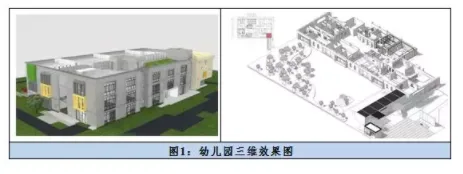
BIM’s 3D visualization effectively addresses issues commonly found in traditional drawings, such as inconsistencies, omissions, conflicts, and errors. By automatically extracting quantities of key structural materials, BIM ensures high accuracy and enables thorough 3D design verification. It also allows the creation of detailed steel reinforcement models, which can extract types and quantities of steel reinforcement for different construction phases.
BIM’s visualization capabilities greatly enhance project management efficiency. The software helps identify potential visual blind spots more effectively. This means even non-engineering professionals can participate, allowing the project team to gather diverse feedback and better define each task and requirement. As a result, the number of design changes is significantly reduced.
2. Conflict Detection
BIM models come equipped with built-in interference and clash detection features. These tools can identify errors that are difficult to detect in traditional 2D drawings — such as incomplete data, omissions, and design mistakes — before construction begins. This reduces time spent on clarifying issues during the construction phase, improves build quality, and lowers the risk of costly rework.
During model development, conflicts can arise from human error or failure to accurately position building components, leading to overlapping elements and design errors. BIM helps catch these issues early, ensuring higher design quality.
3. Transformation of Engineering Processes
BIM introduces new workflows through digital transmission of information, self-inspection, online review and feedback, and final submission. Compared to traditional paper-based reviews, these processes offer greater standardization, transparency, speed, and convenience for both architects and auditors.
The adoption of BIM in China’s construction industry represents an innovative shift, creating new roles and engineering processes. Ultimately, BIM will evolve into a comprehensive information service that integrates the entire construction lifecycle.
As highlighted above, BIM supports confirming usage requirements during planning and design through 3D visualization simulations. It integrates architecture, structure, electrical and plumbing systems, HVAC equipment, and other interfaces, minimizing design changes during construction. During the building phase, BIM enables sustainable development and 4D simulation of project progress, improving management, scheduling, and quality control.
At the final operation and maintenance stage, BIM models are handed over to the building owners for ongoing facility management, helping to reduce operational and maintenance costs.
That concludes today’s brief overview of the key advantages of BIM. Actually, you could just ask Du Niang about these! Here, I’m simply sharing insights to help everyone better understand BIM.














Must log in before commenting!
Sign Up