
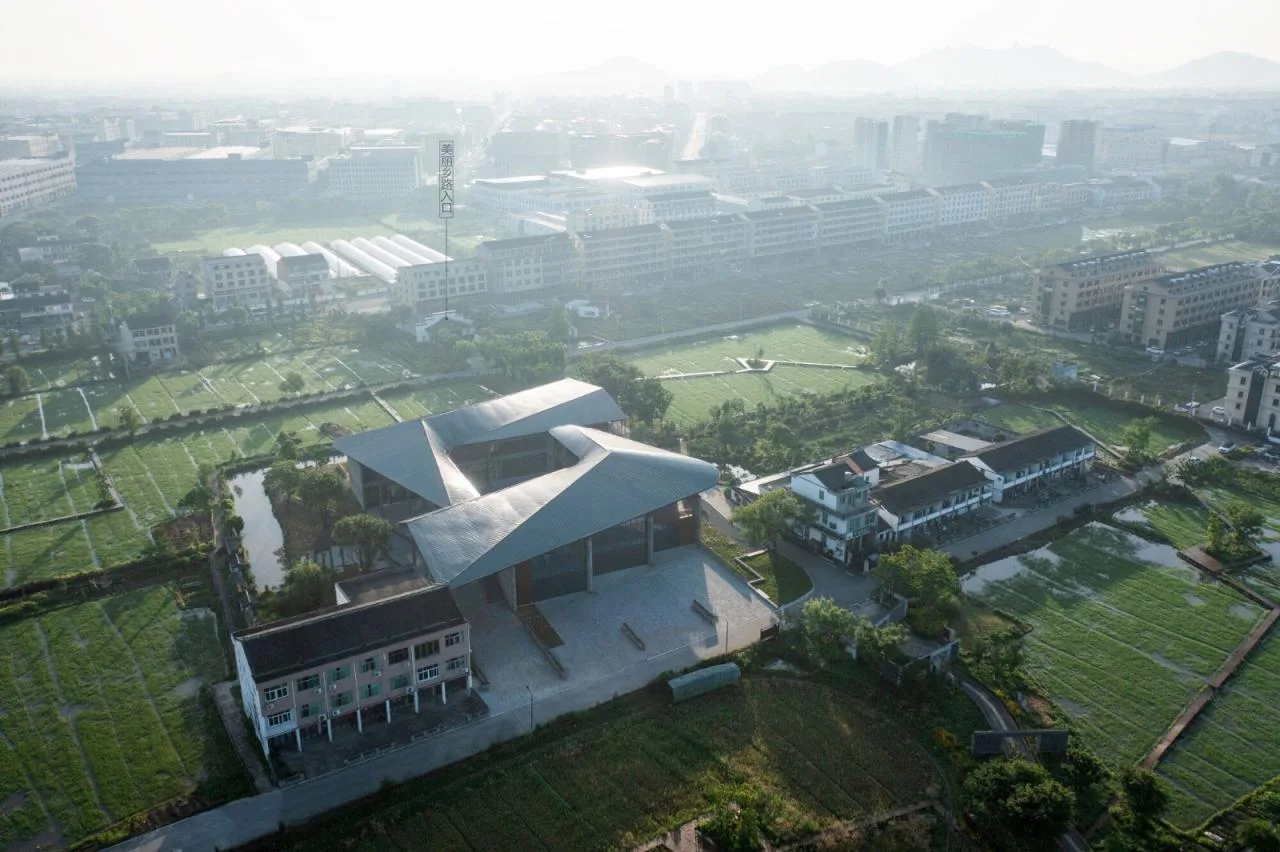
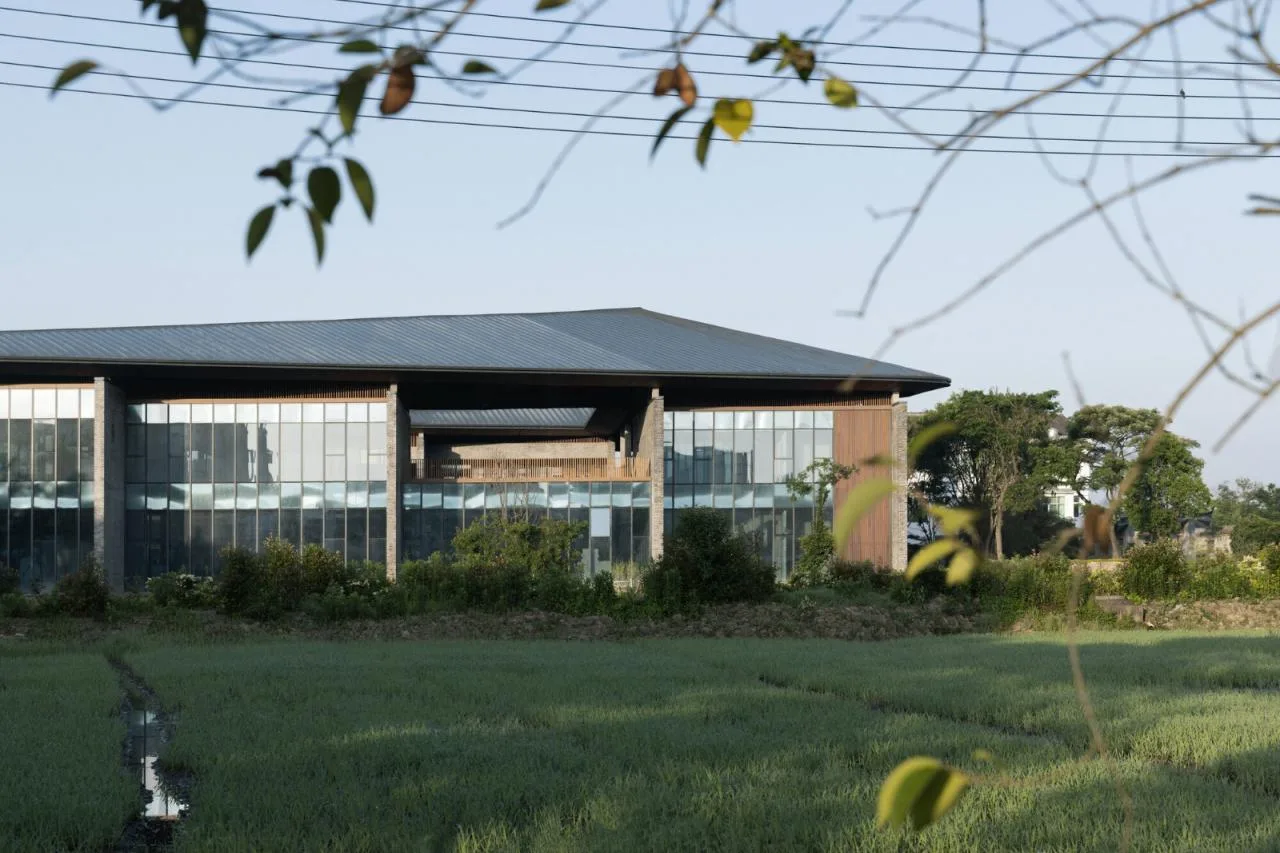
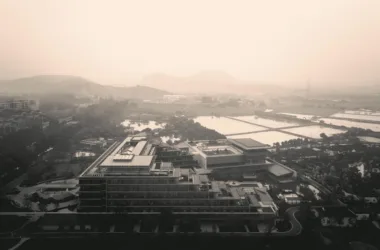
The entrance location project is situated at the gateway of a pastoral complex, marking the first station along Meilixiang Road. This area serves as the primary visual representation of the rural complex. The site itself consists of a demolished residential zone alongside homes pending demolition. Considering the long-term operation of the future rural scenic area, the government plans to relocate existing residents within 1 to 3 years, ensuring the continuous operation of the scenic site throughout the transition.
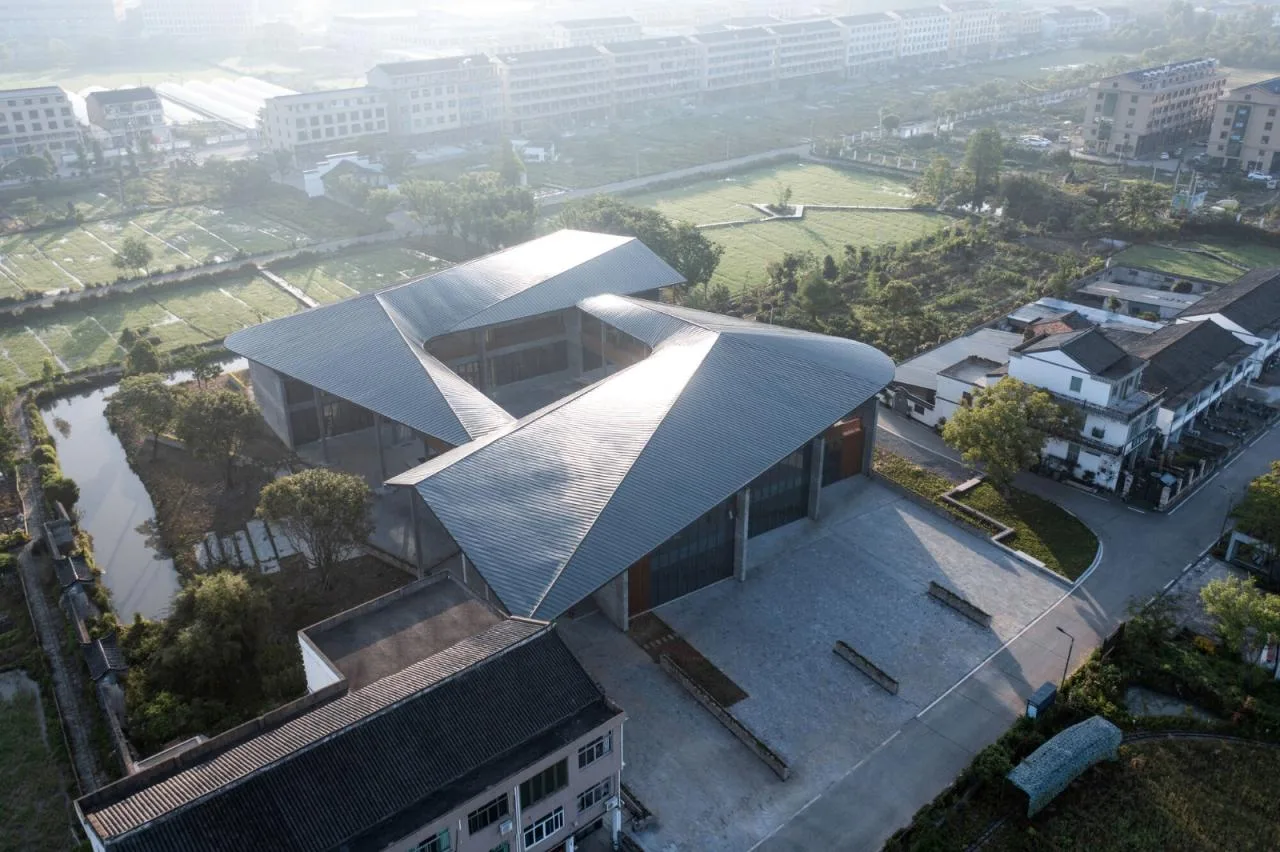
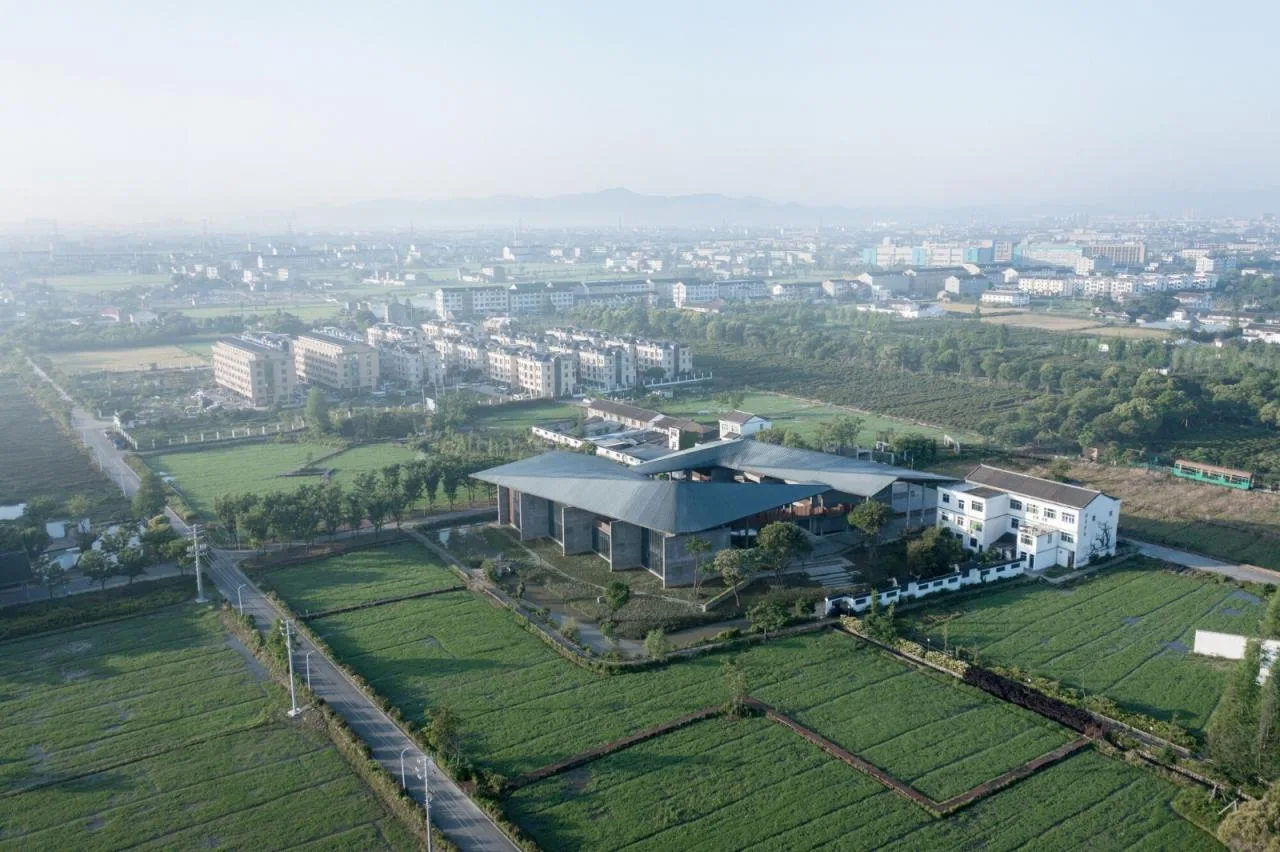
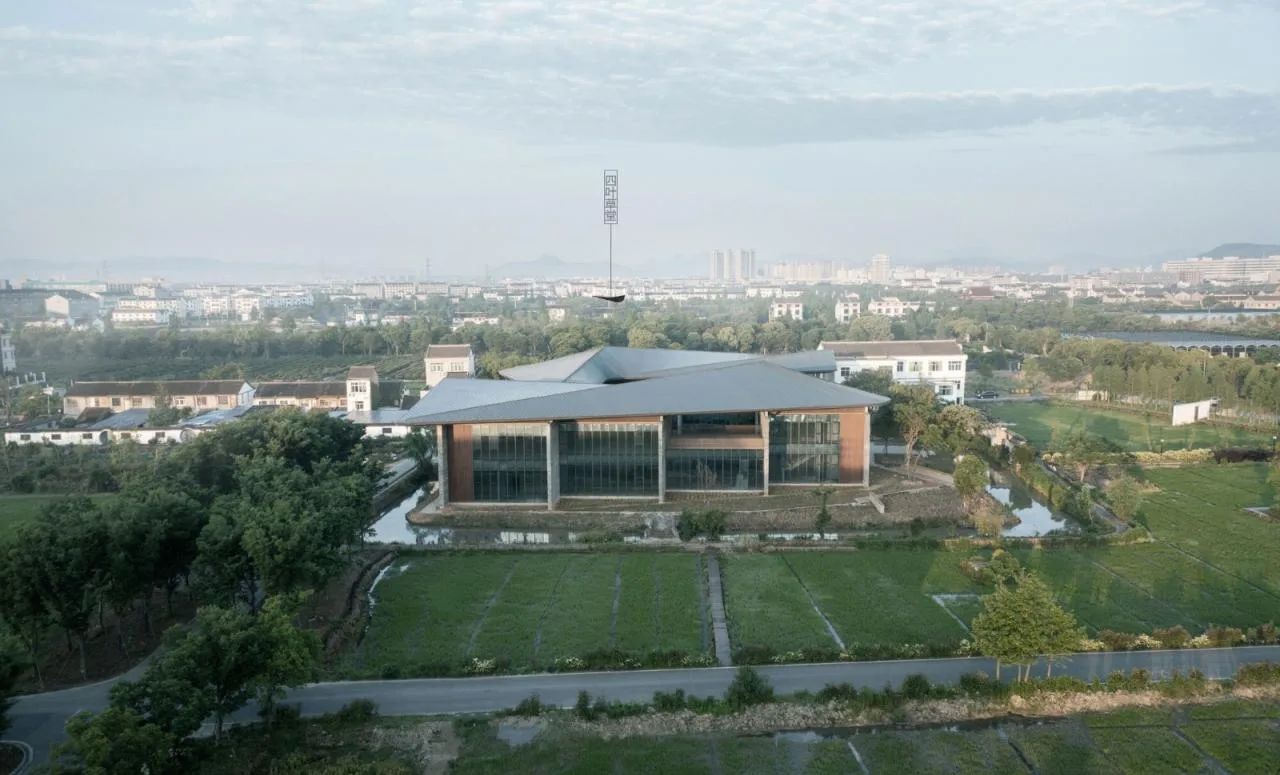
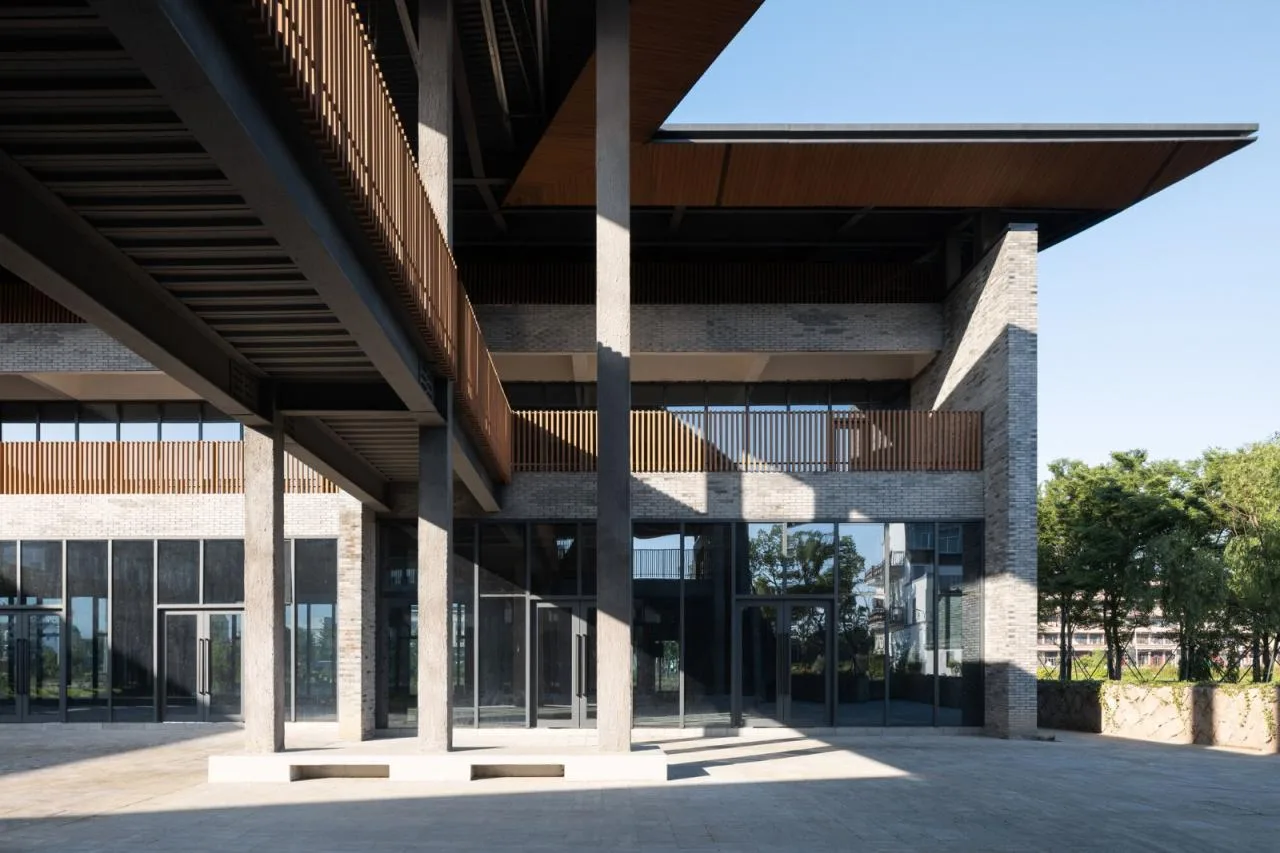
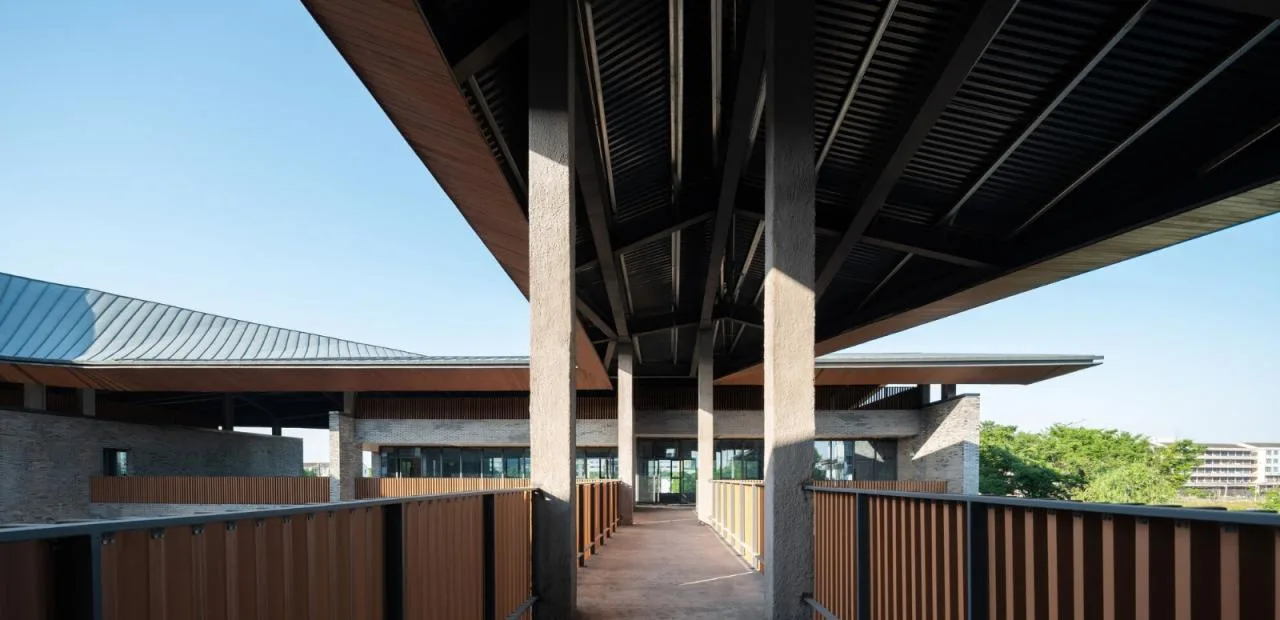
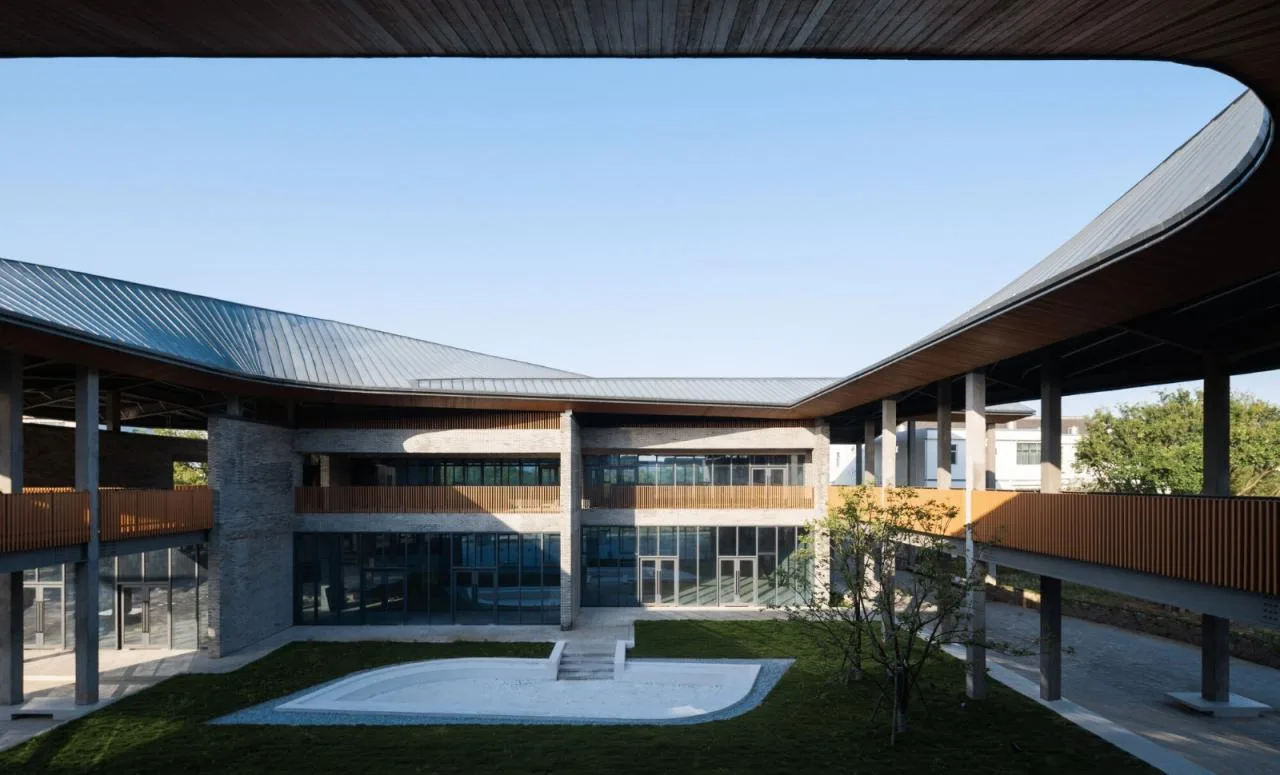
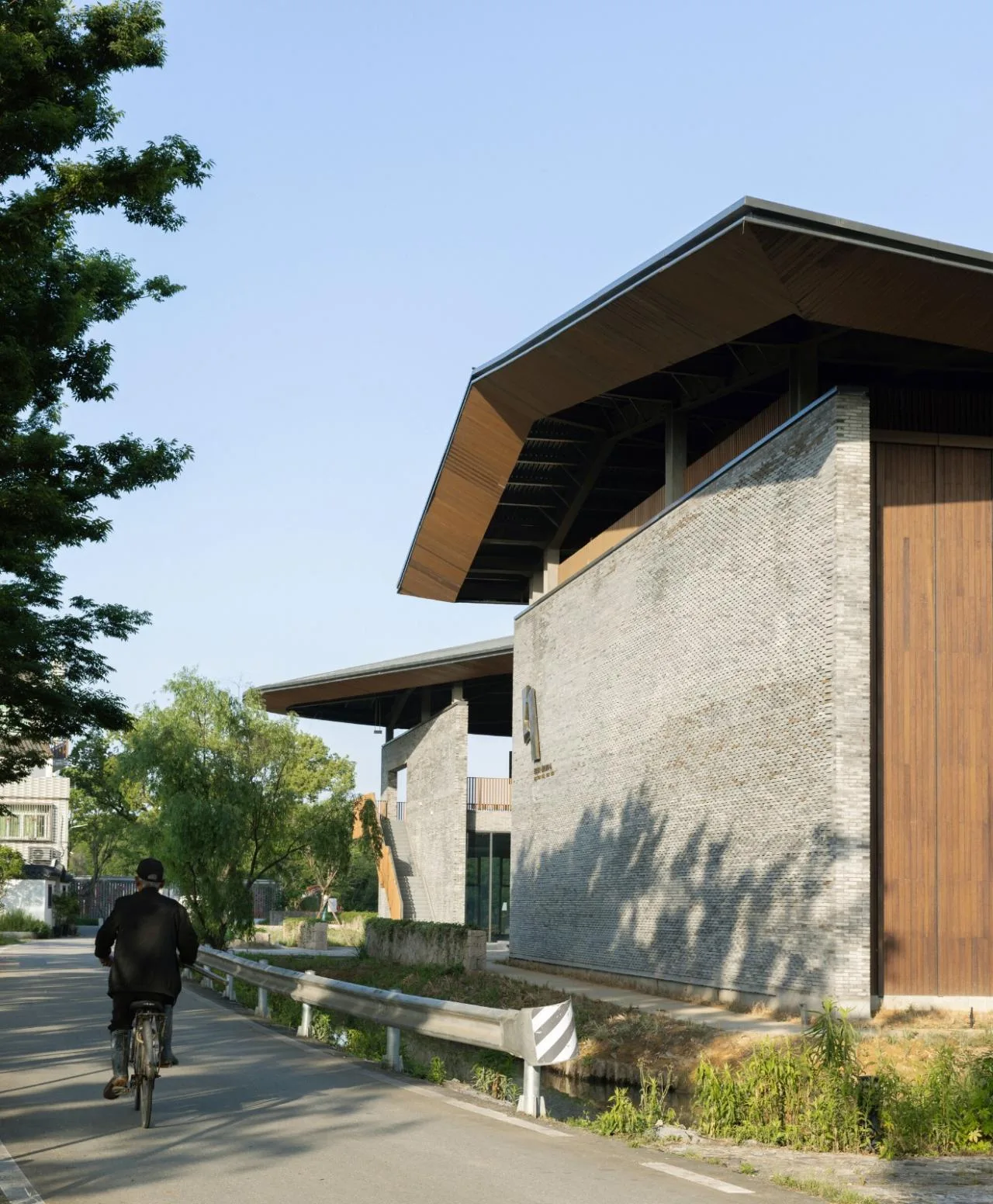
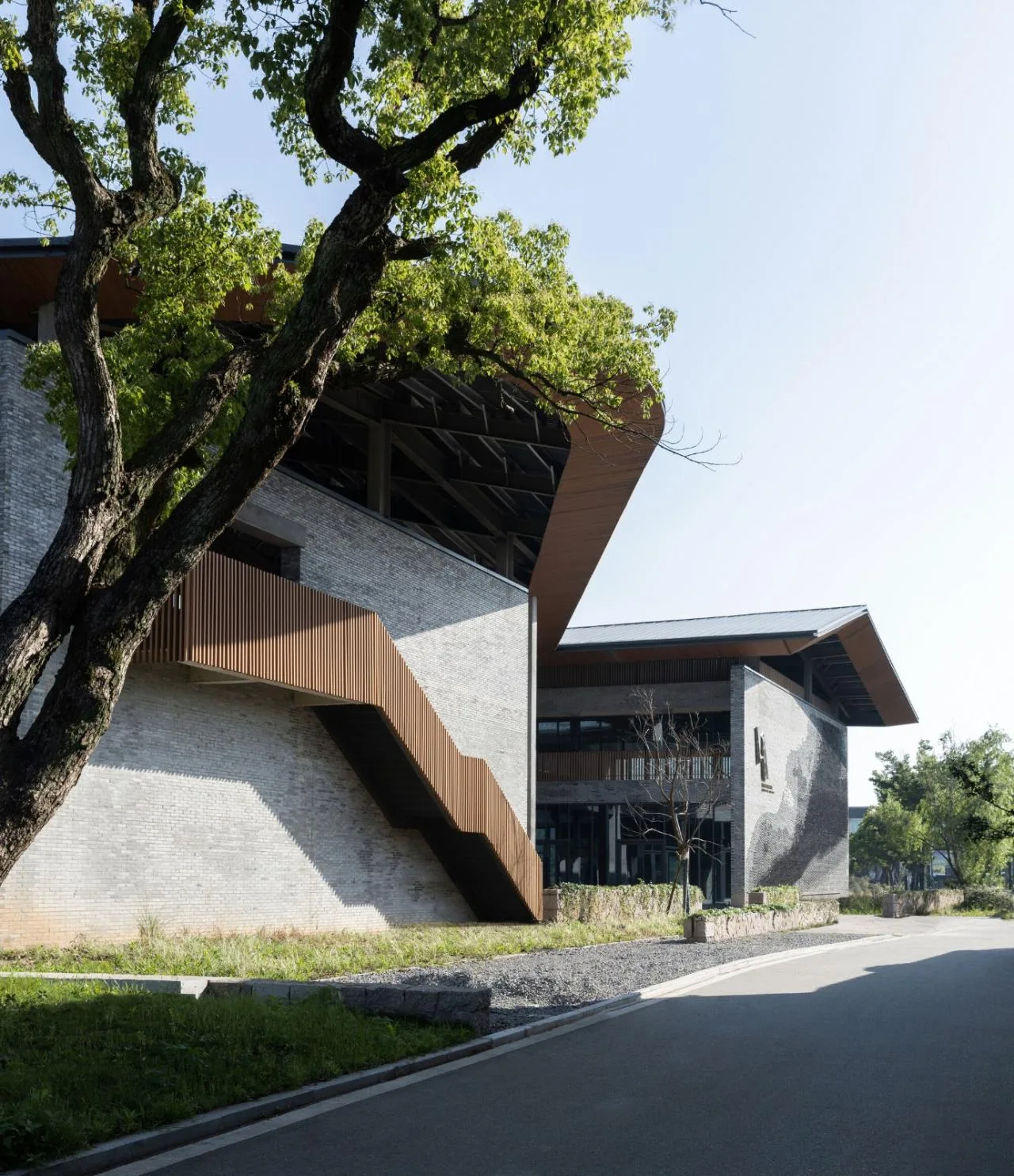
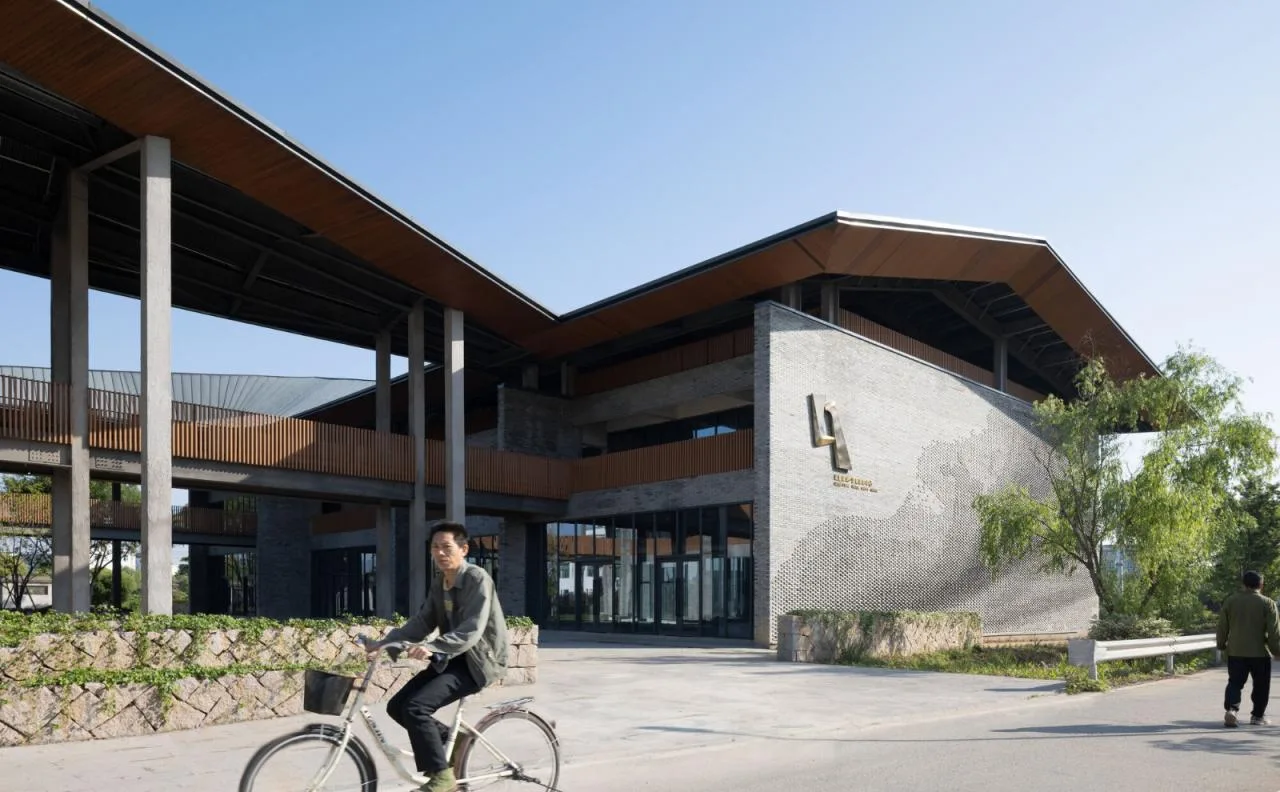
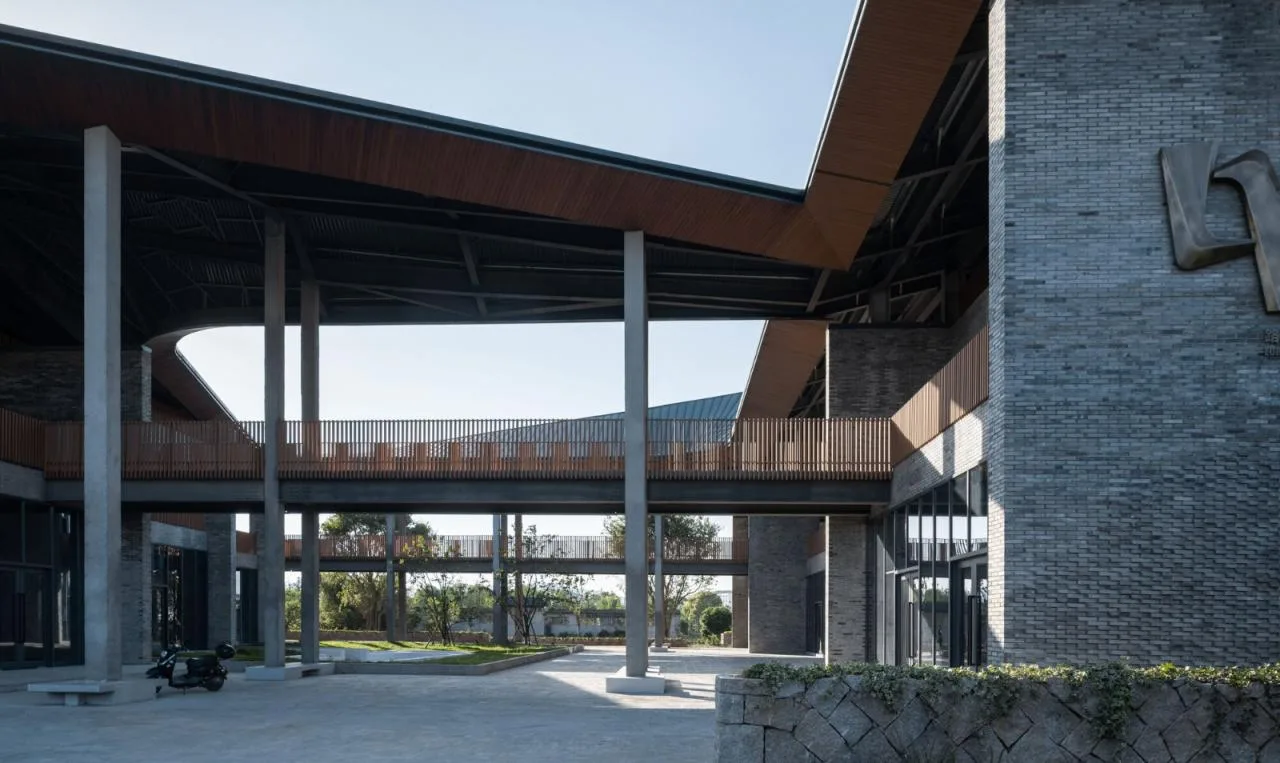
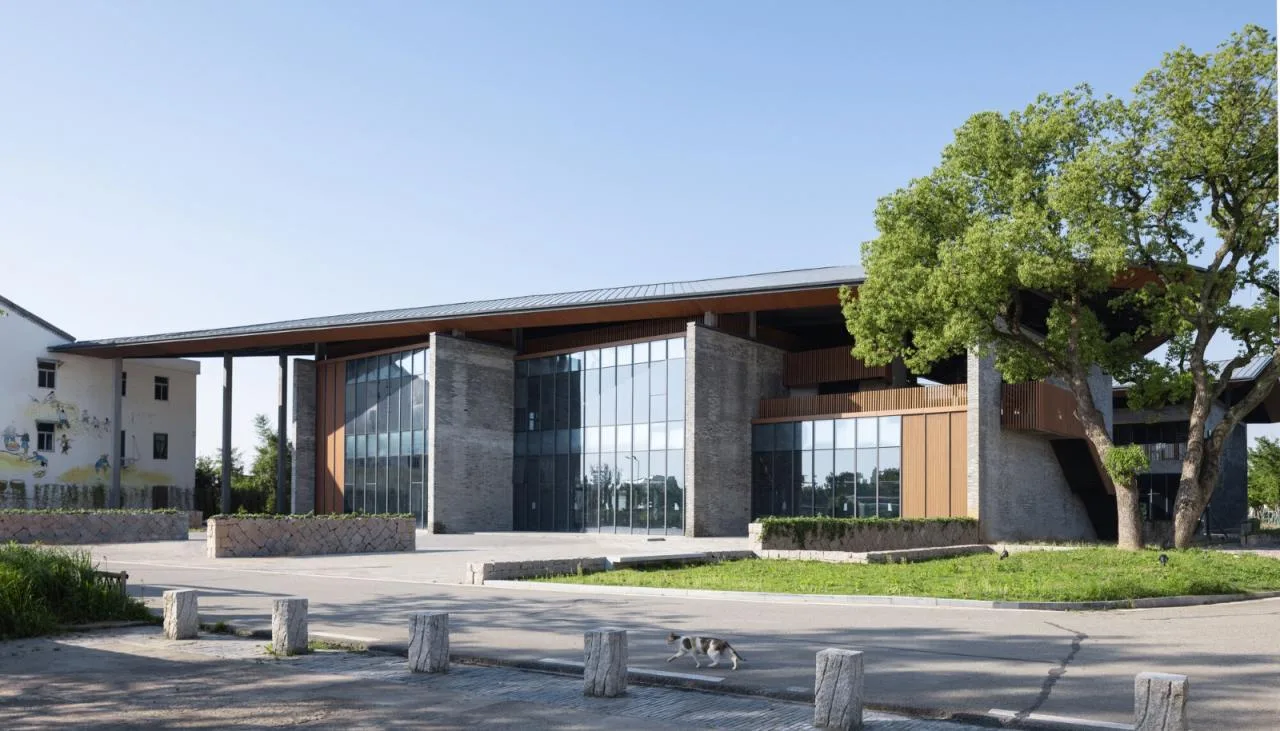
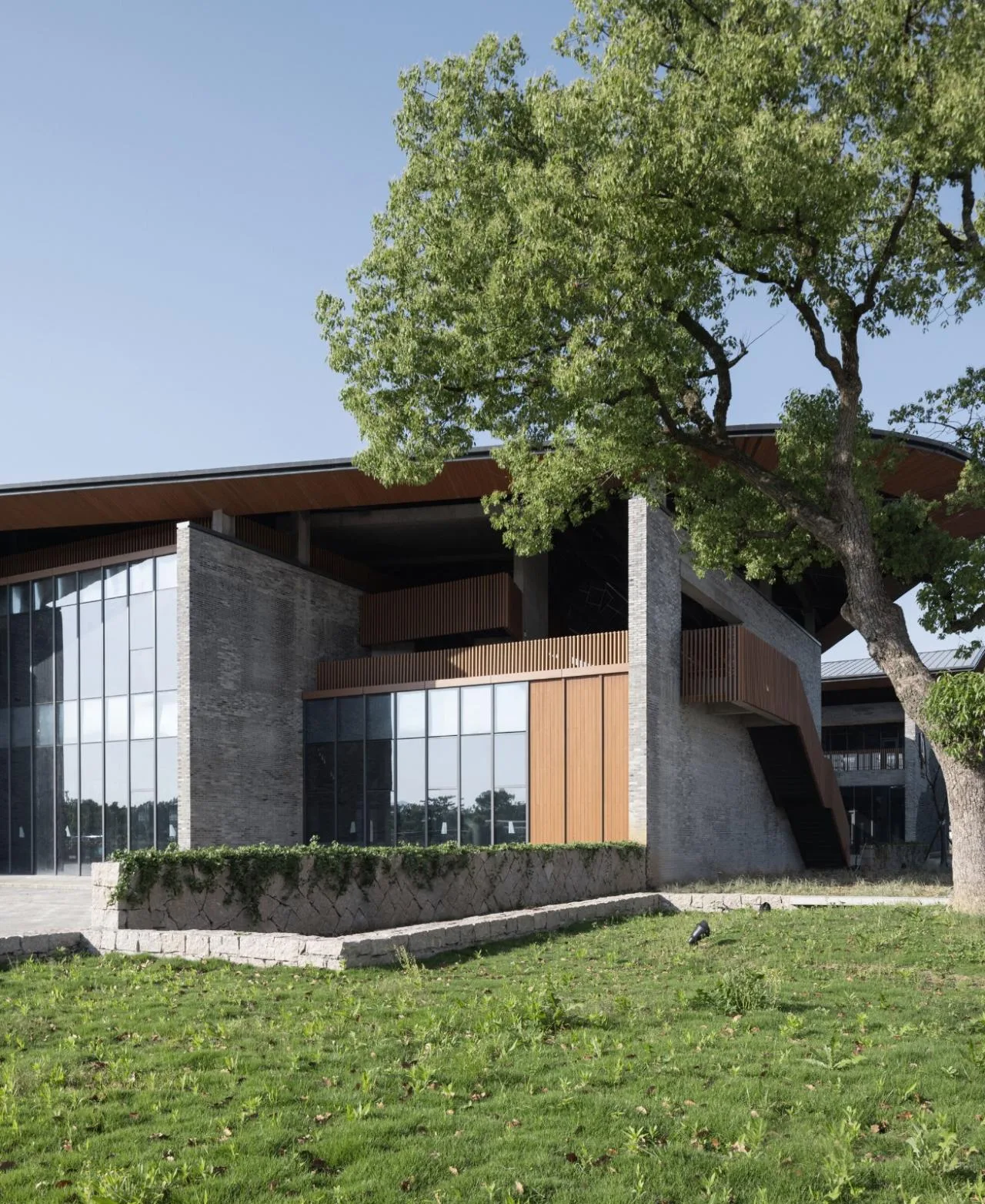
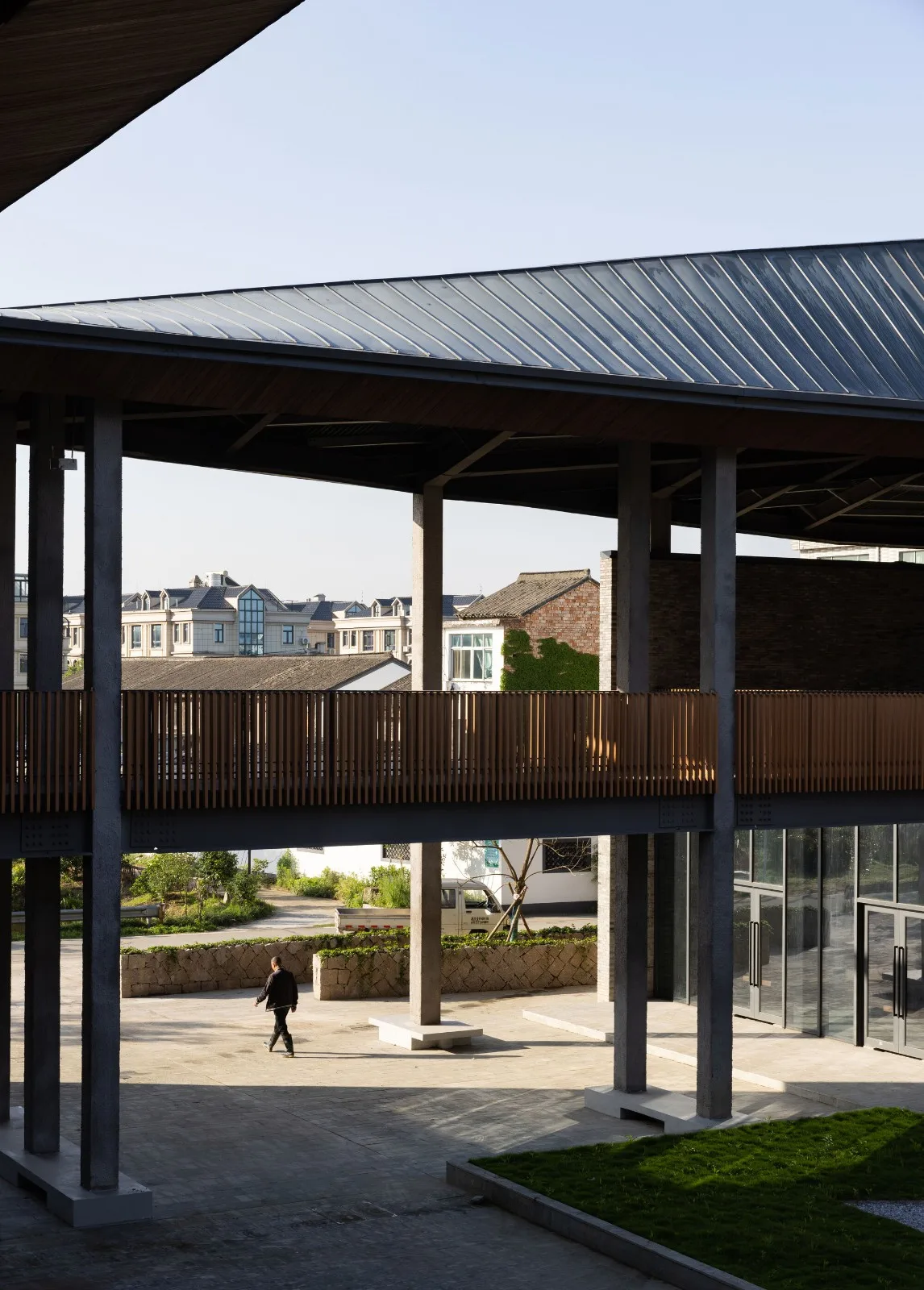
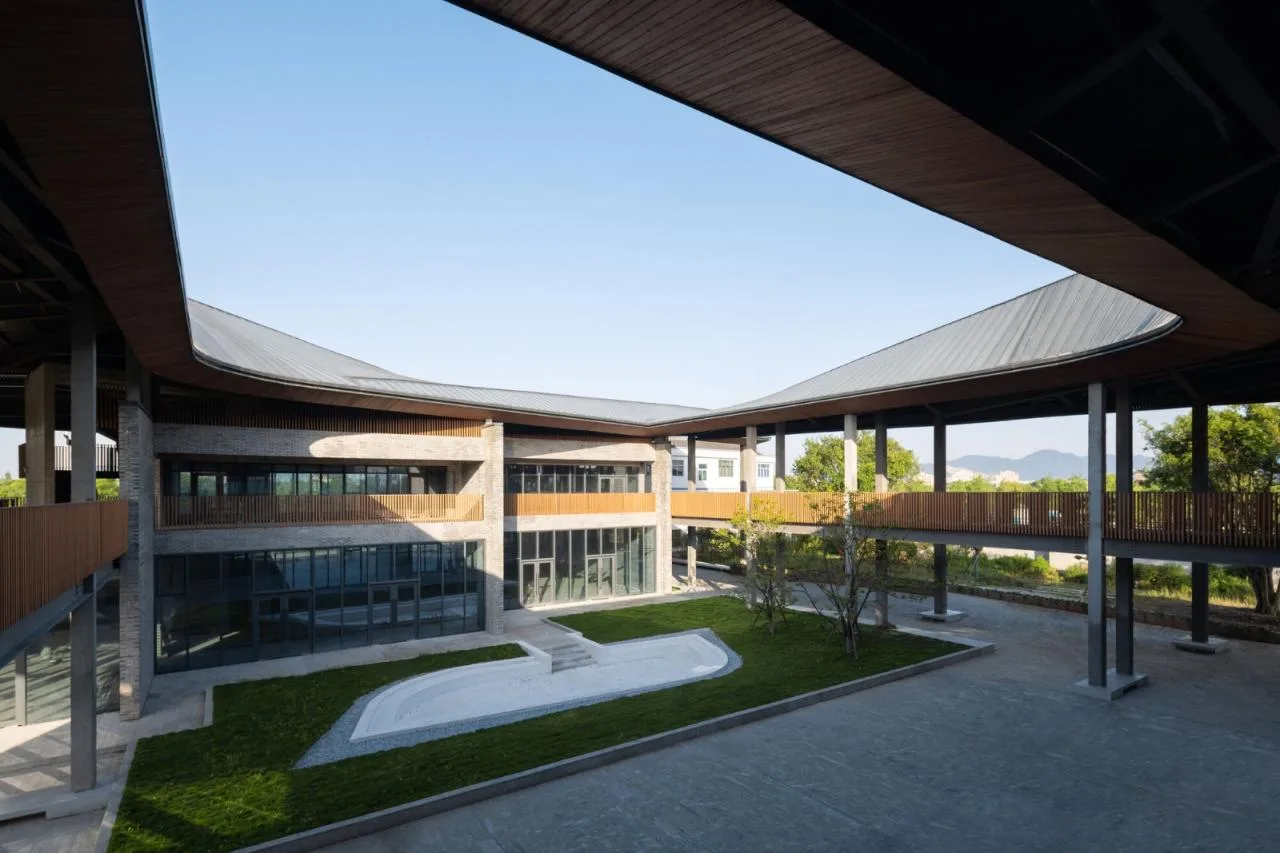
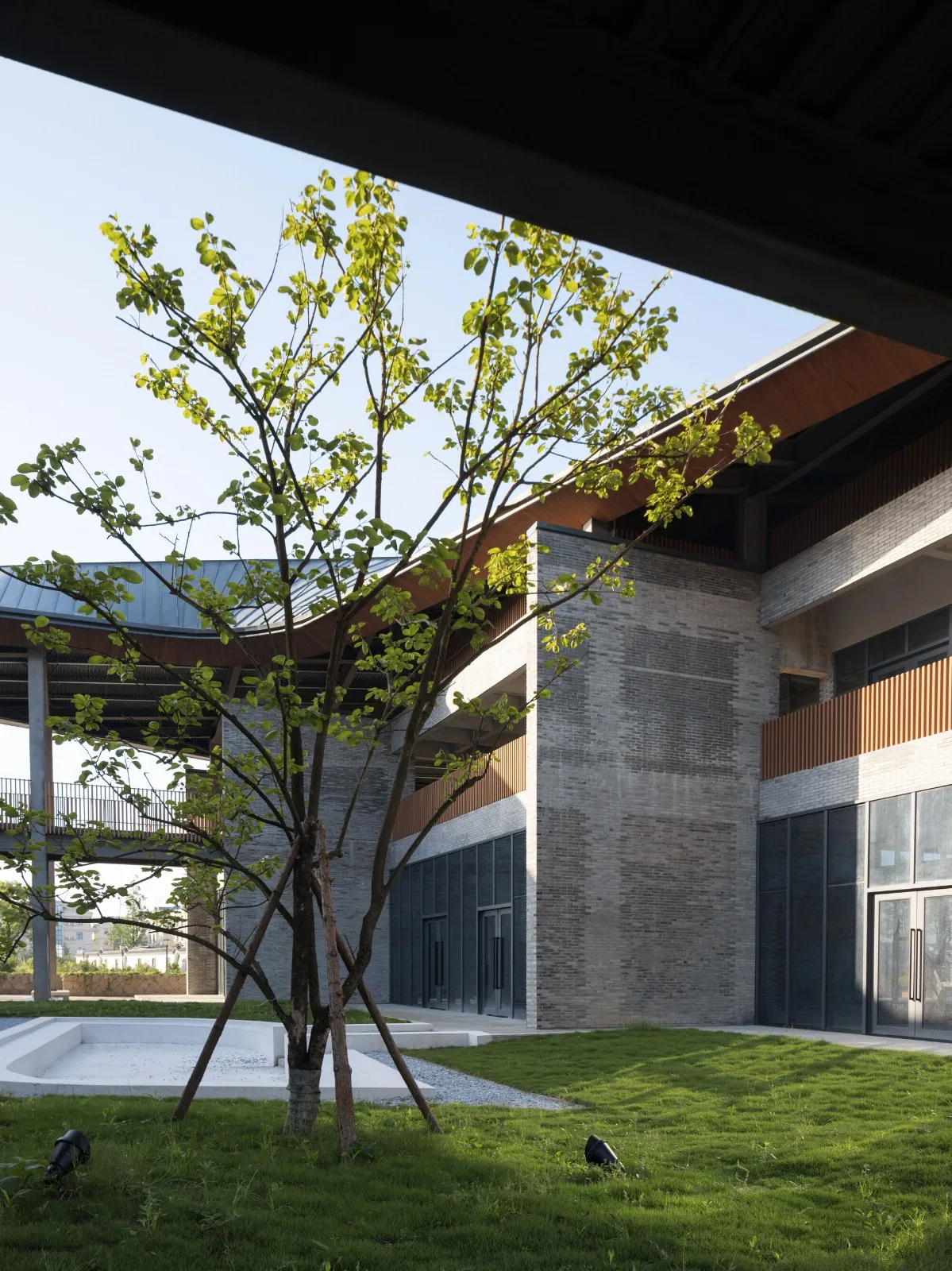
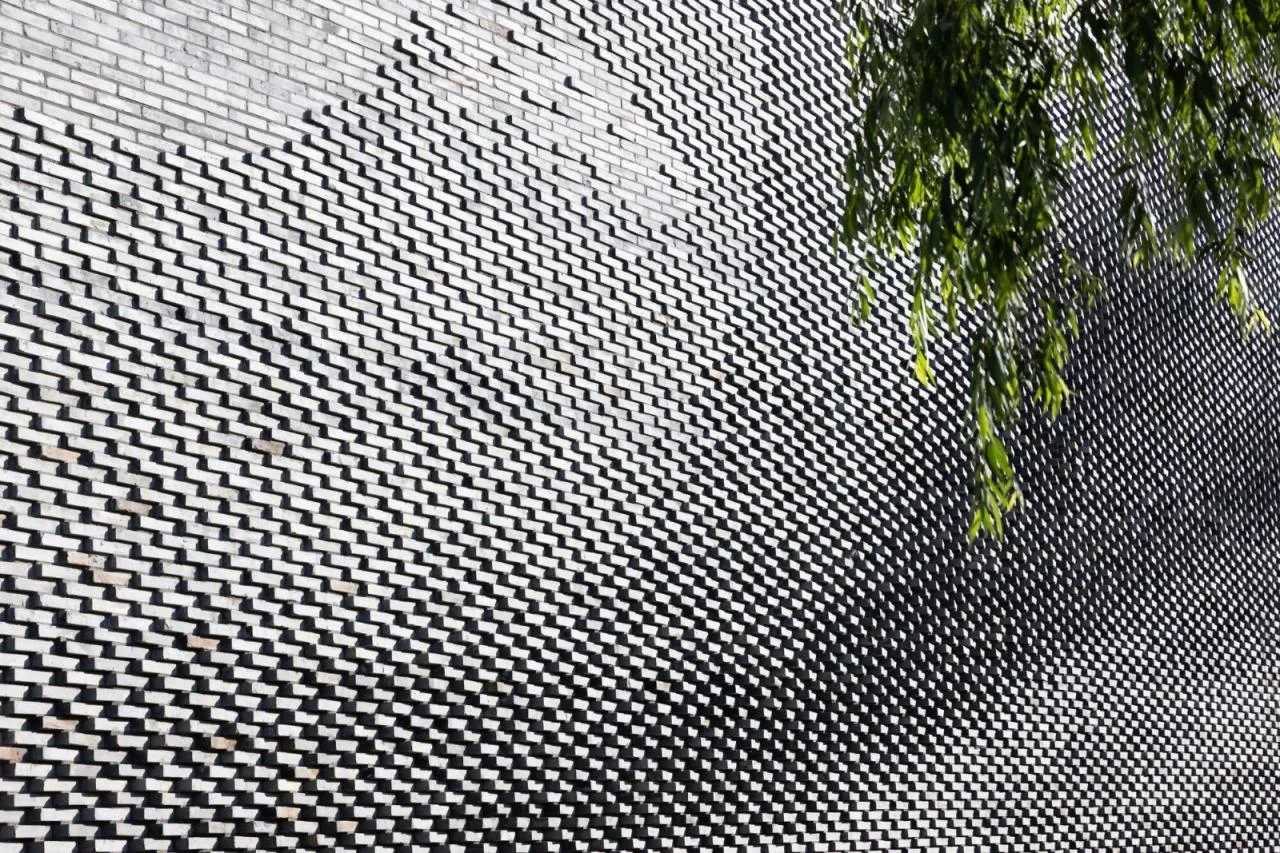
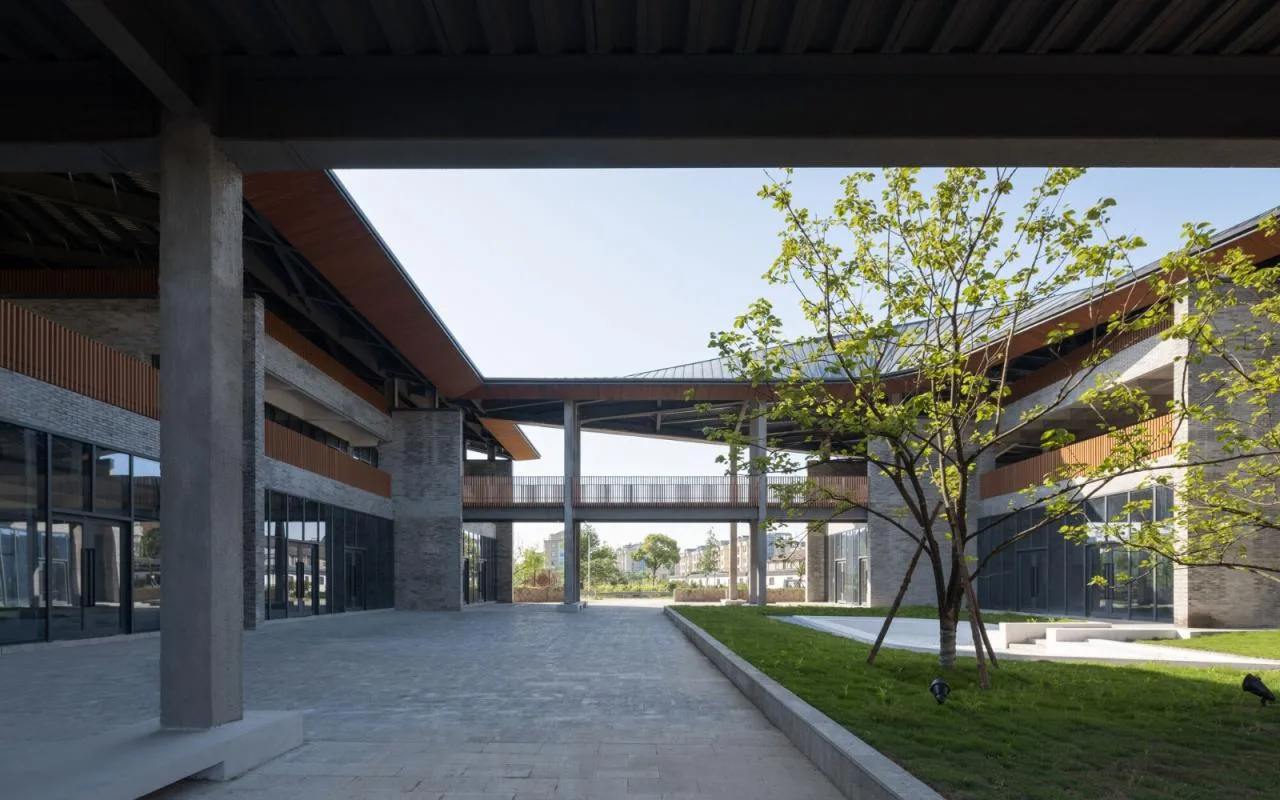
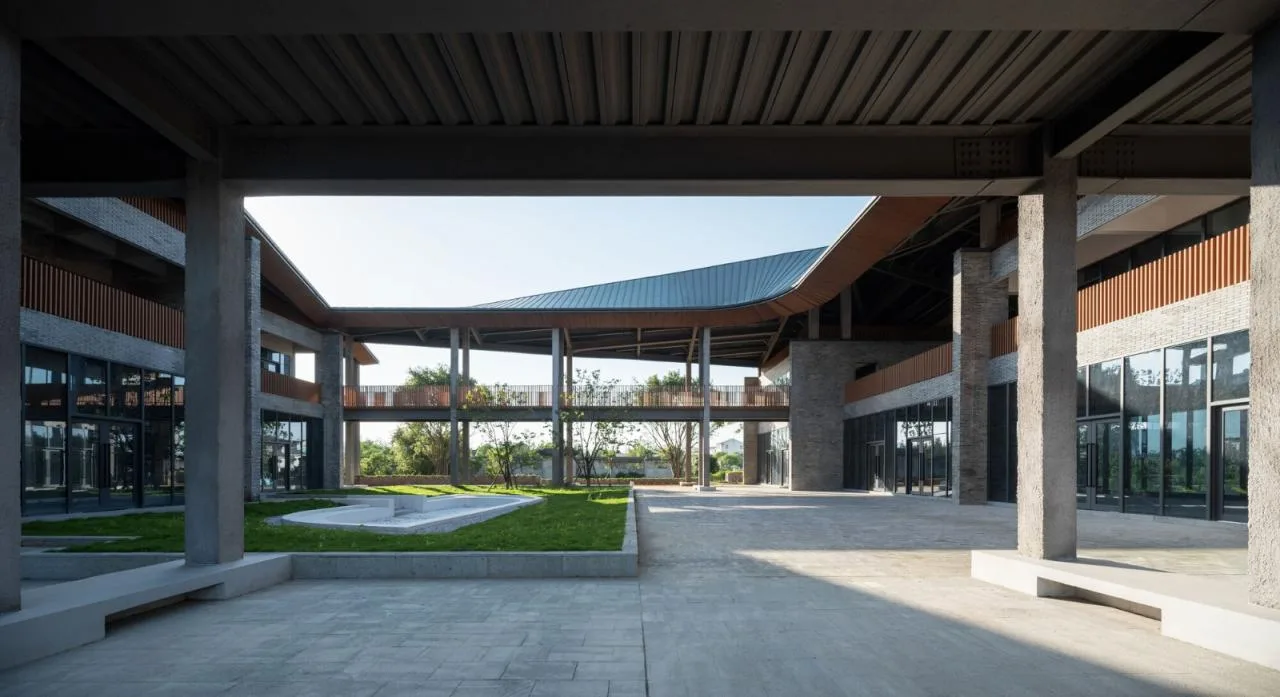
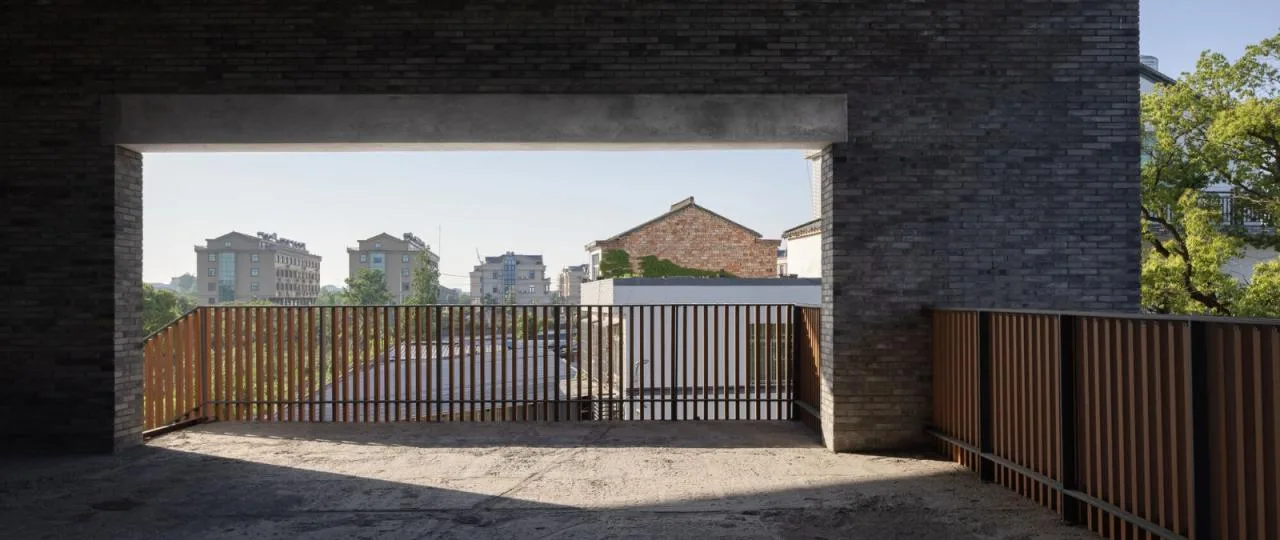
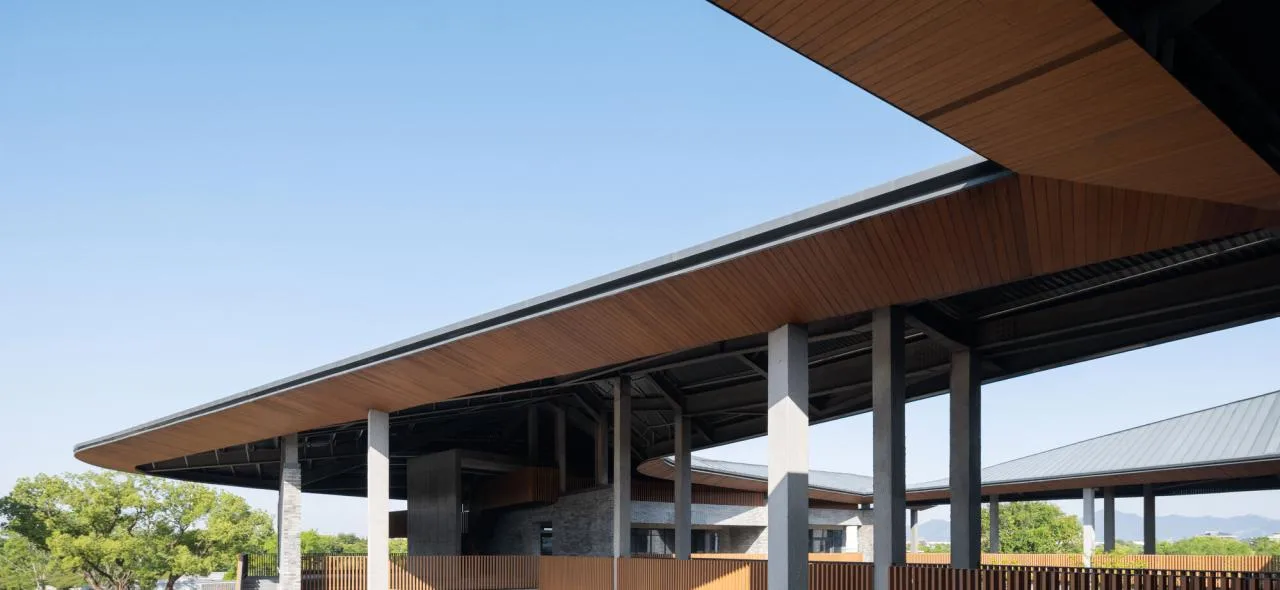
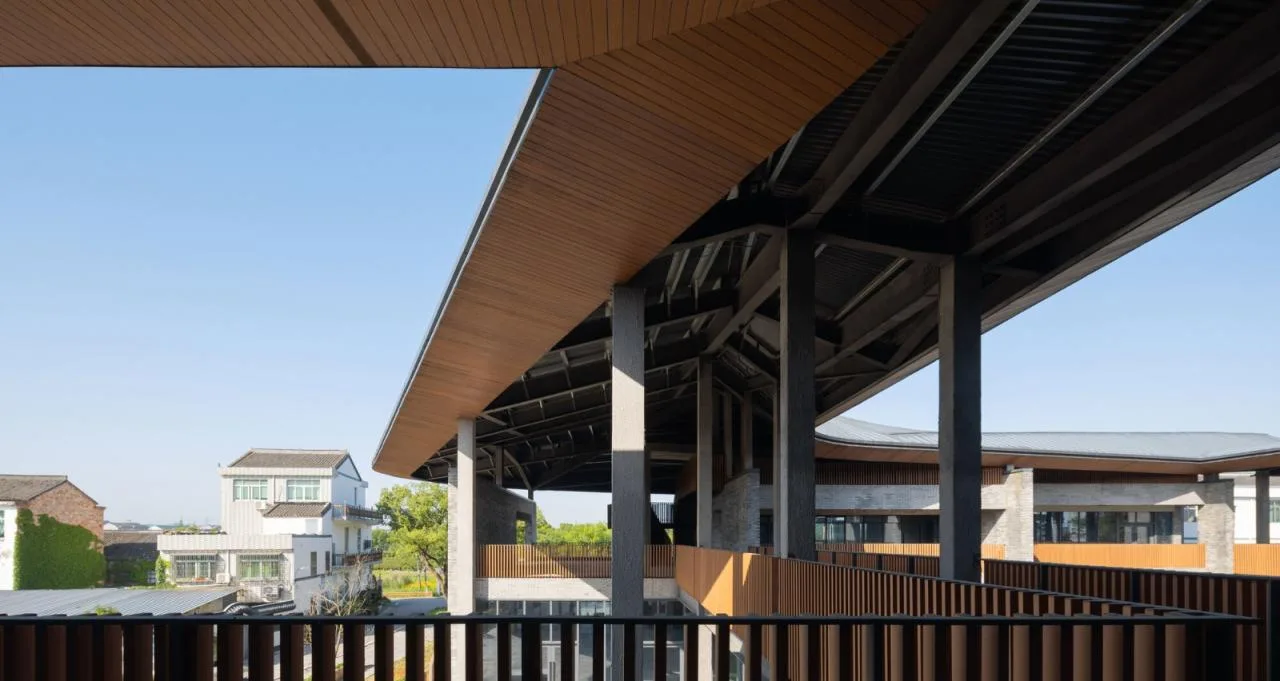
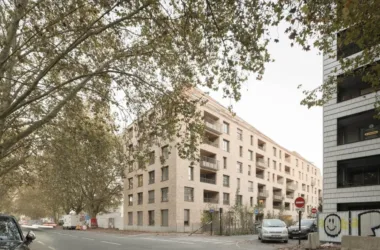
The road corridor post station service center features an interactive, staggered courtyard layout. It opens from east to west, encouraging pedestrian movement and gathering. The architectural clusters positioned to the north and south are connected by corridors, continuing the cultural symbolism of rural construction units and fostering diverse rural lifestyles within a compact footprint.
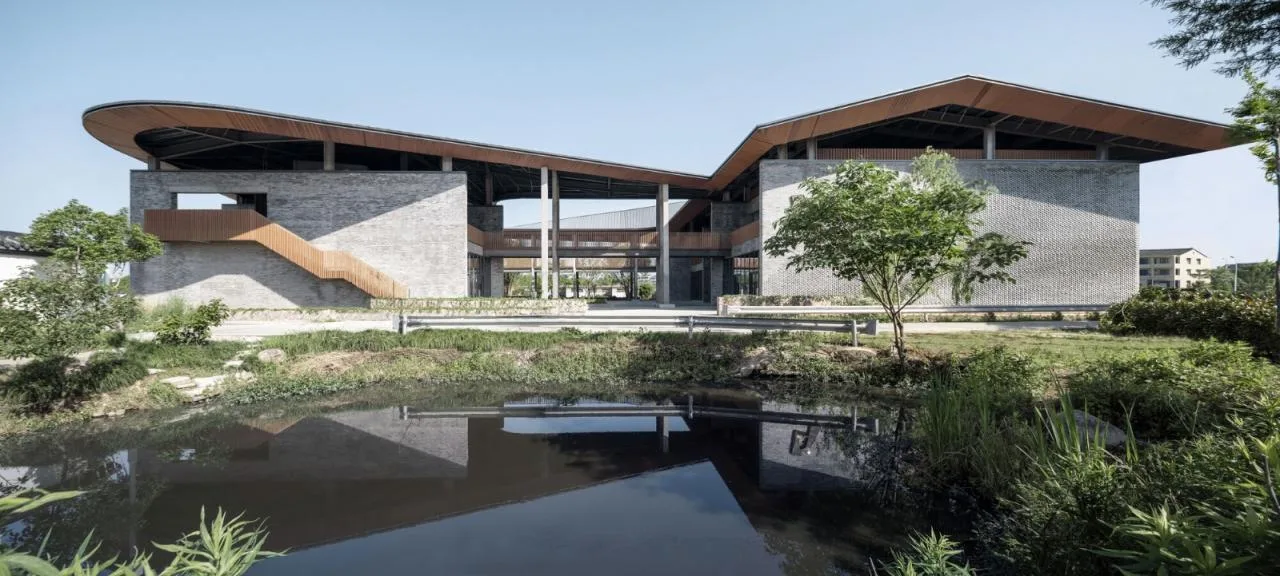
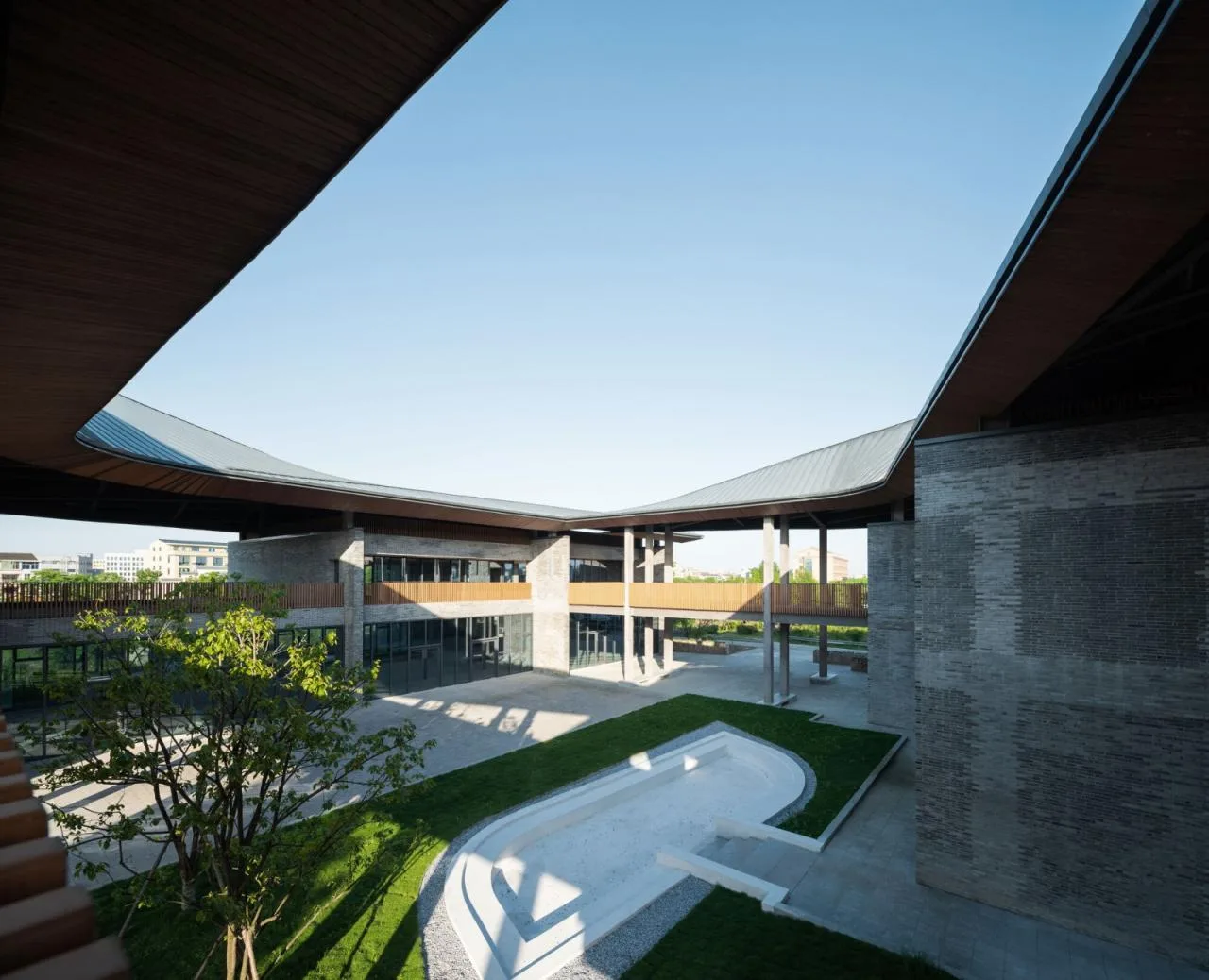
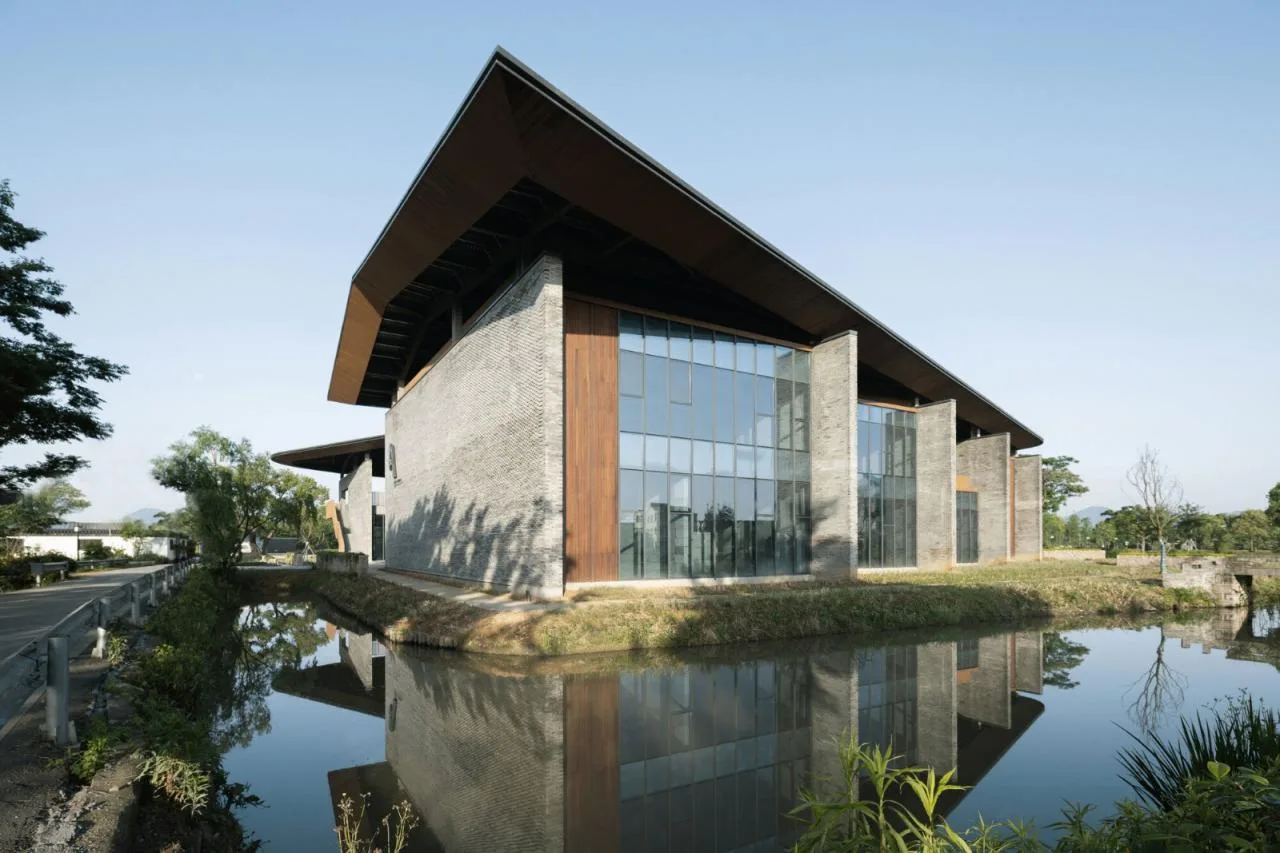
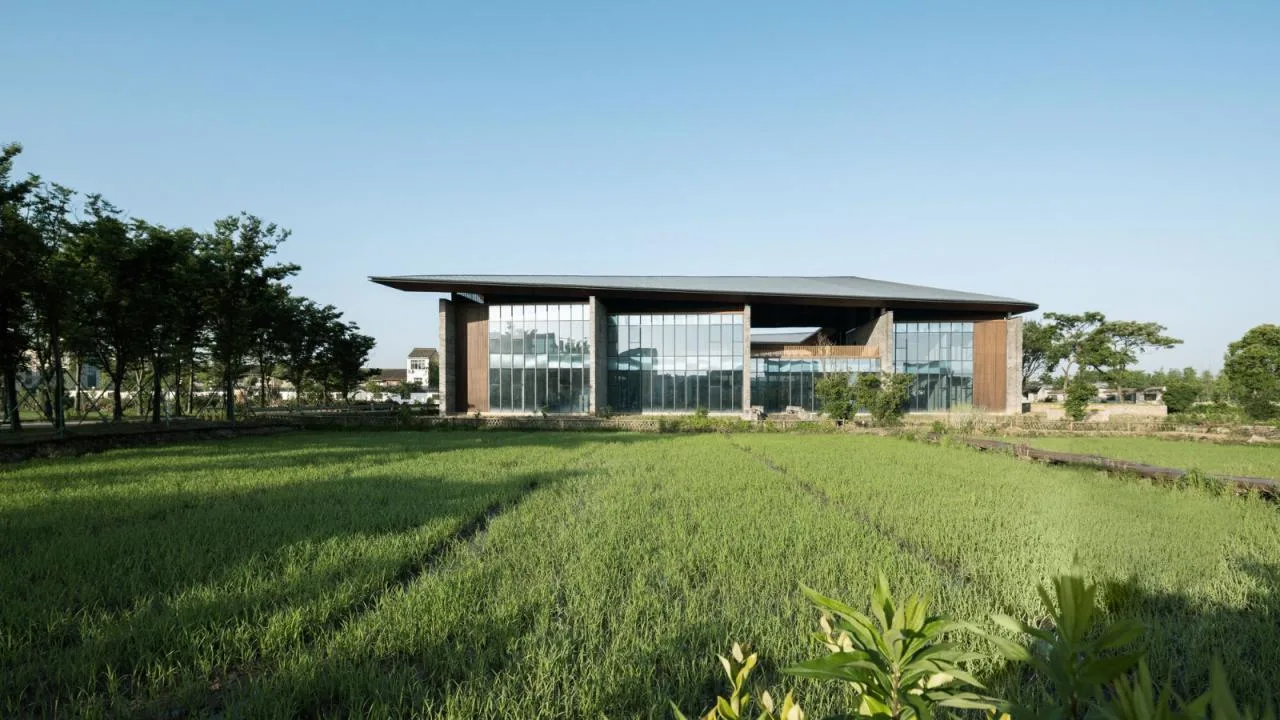
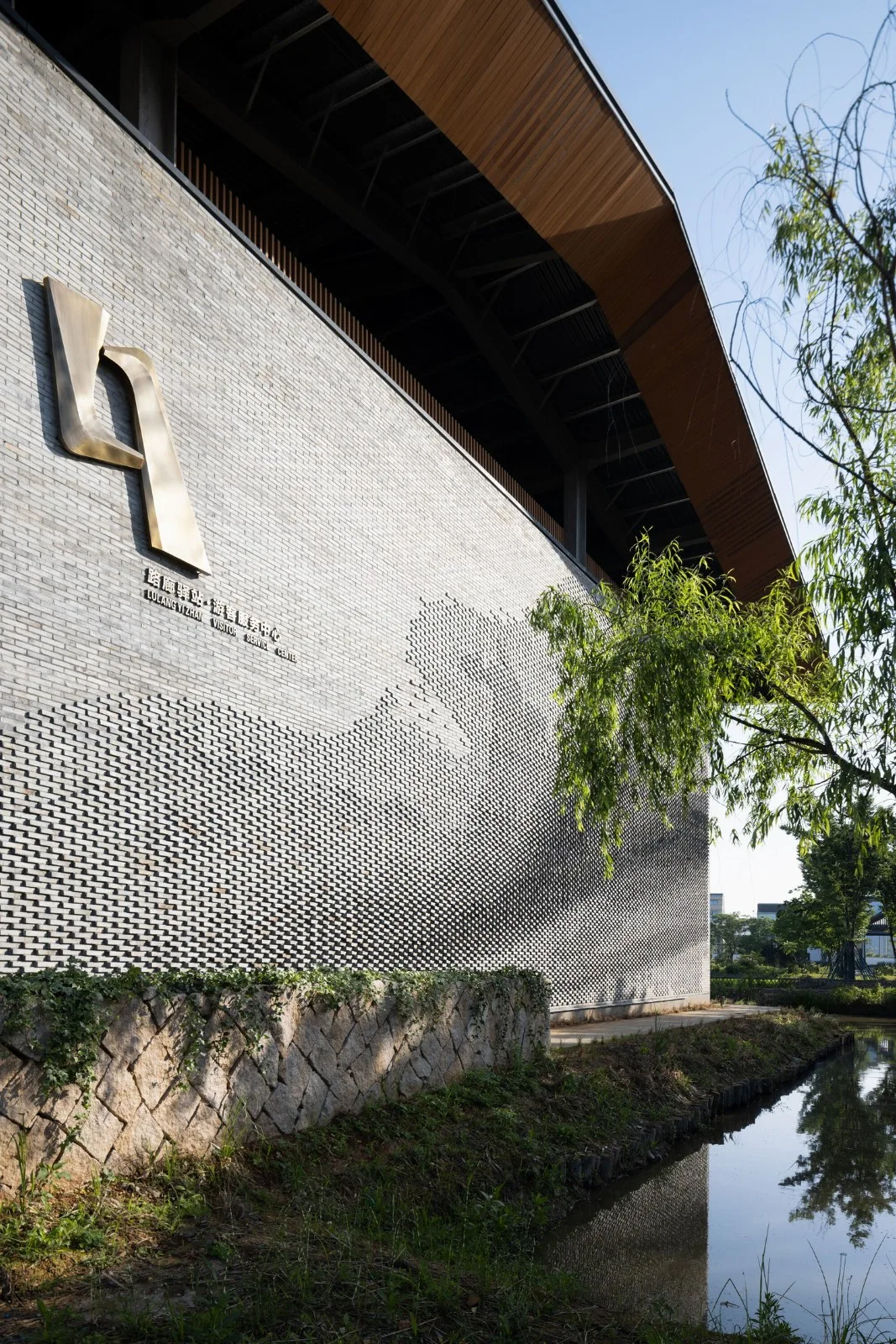
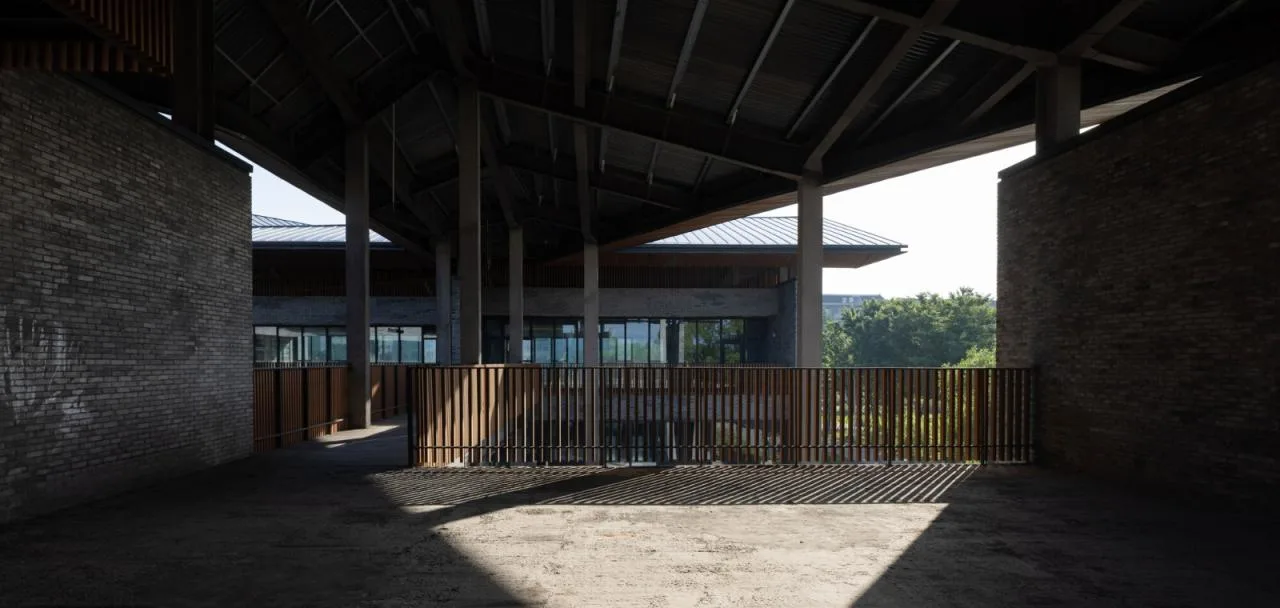
The name “Lulang” reflects the local market and commercial traditions that thrive beneath the corridor. By embodying the concept of “market settlements under floating roofs,” this design aims to inject new vitality into the building’s future use.
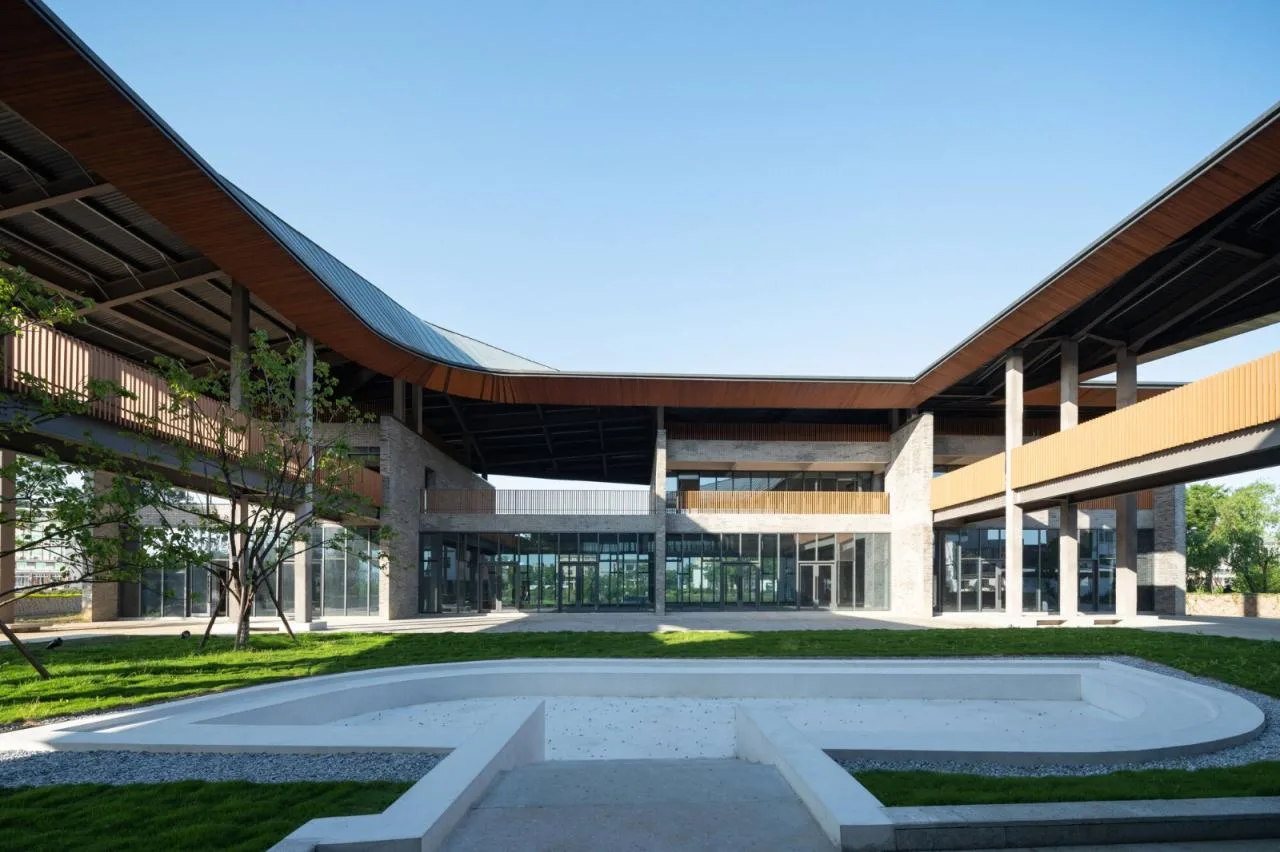
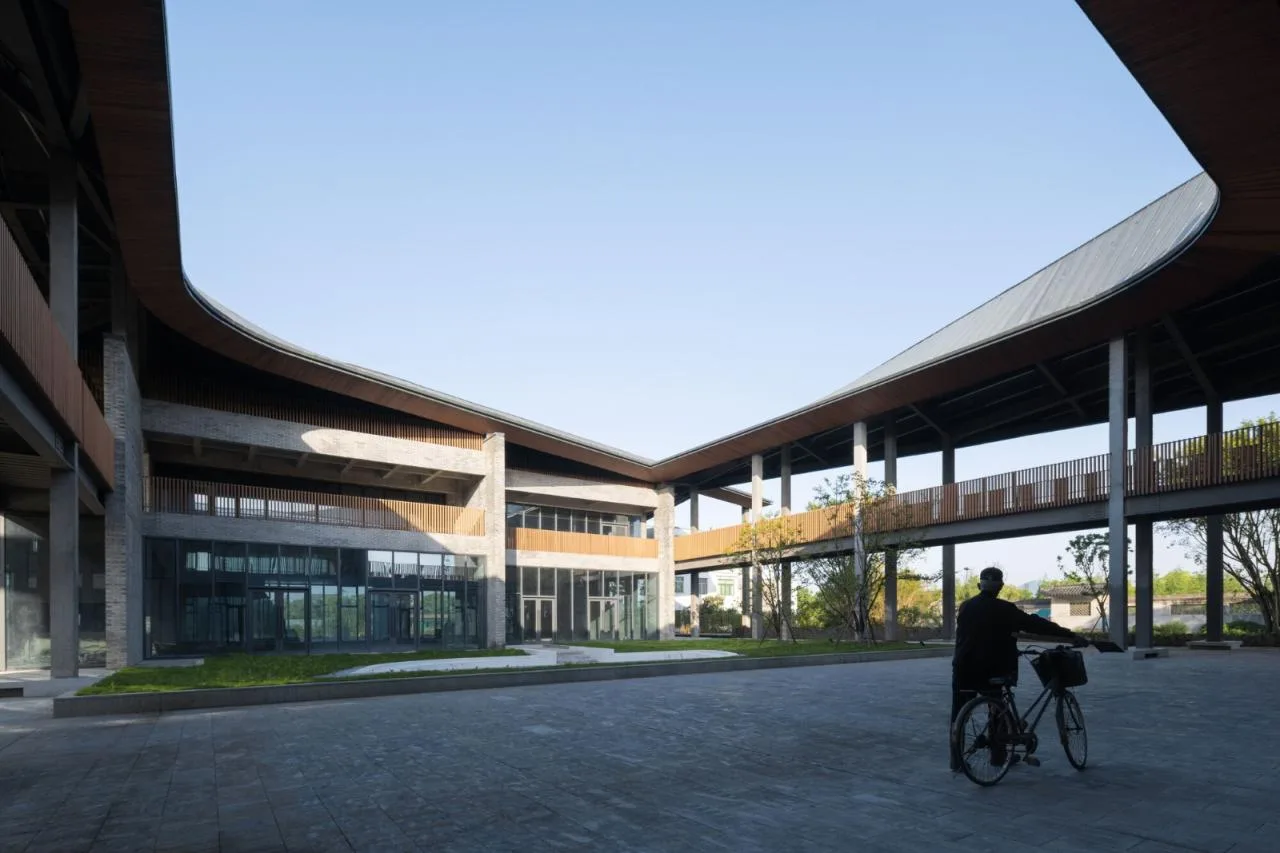
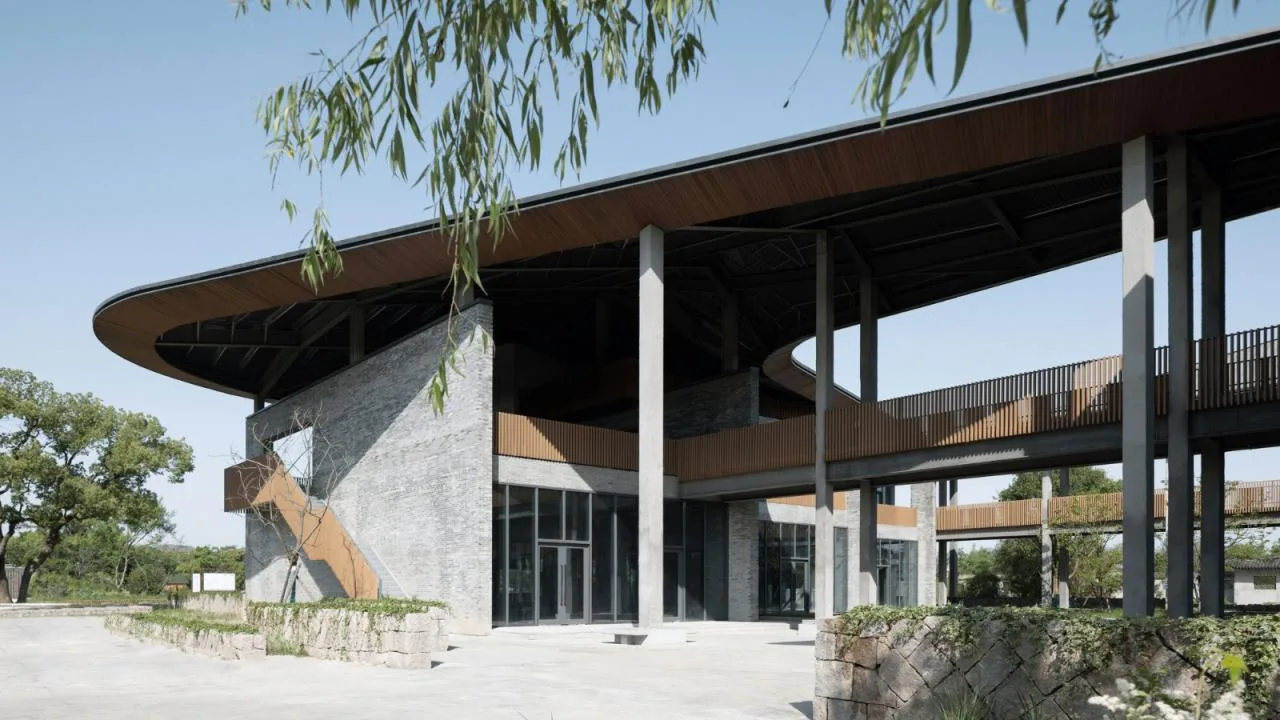
The service center, located at the corridor and near the boat access, sits adjacent to the Four Leaf Grass Hall on the lake’s central island. Here, the post station serves as the hand, and the hall as the heart—both interconnected and harmoniously coexisting. Functionally, the post station facilitates convenient tourist services, supports non-rural functions, and hosts educational activities at the Youth Palace. Meanwhile, the hall accommodates weddings, study sessions, and salons on the island, acting as the main venue for events and a key revenue source for the rural complex.
The Trend in Rural Construction
The term “rural construction,” which has gained prominence in recent years, has gradually evolved within the broader theme of common prosperity. We observe towns and villages expanding with characteristics similar to cities, while urban areas increasingly incorporate ecological and emotional elements reminiscent of rural environments.
The concept of a “rural cultural complex” has successfully revitalized urban and rural areas, enhancing both vitality and aesthetics through targeted, cost-effective transformations. This approach creates localized rural zones surrounding cities, suggesting a promising direction for the integration of ambiguous urban and township clusters.
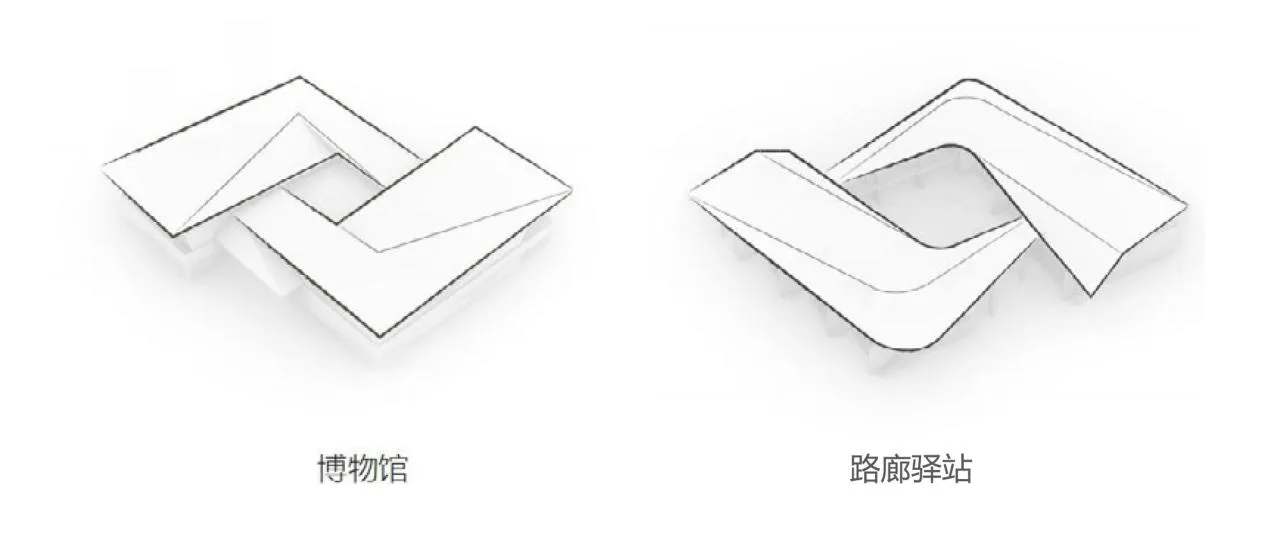
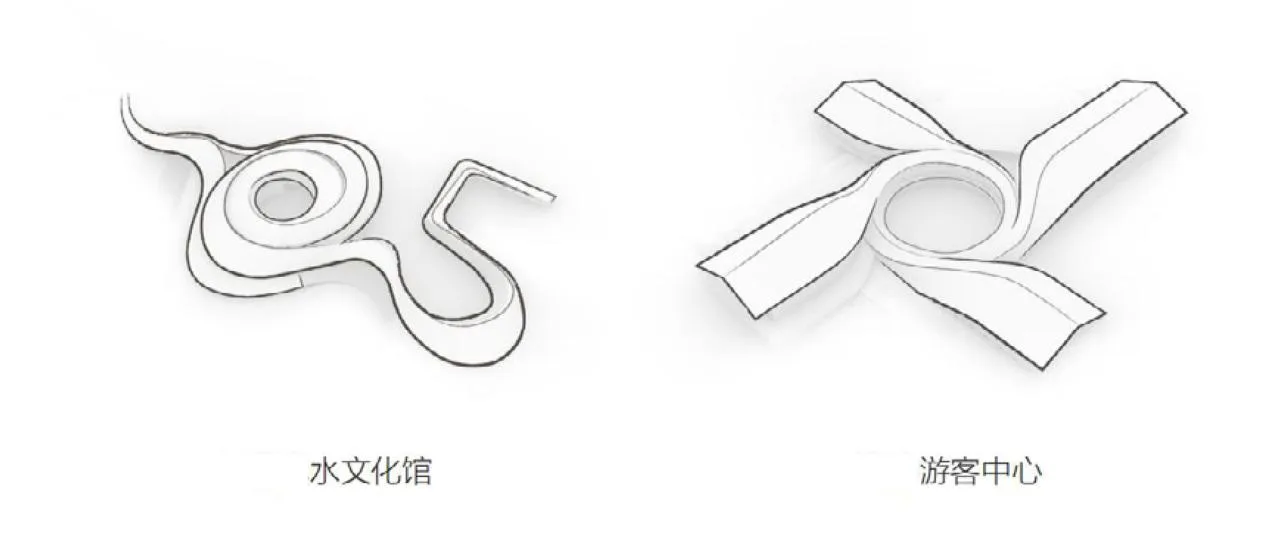
The creative team continues to evolve, integrating architectural landscape design with a focus on the core concept of “cultural places from the inside out.” Their work tells the stories embedded within each building, stylizing unique identities like products, and shaping the implicit value and design principles that define the studio’s approach.
Project Drawings
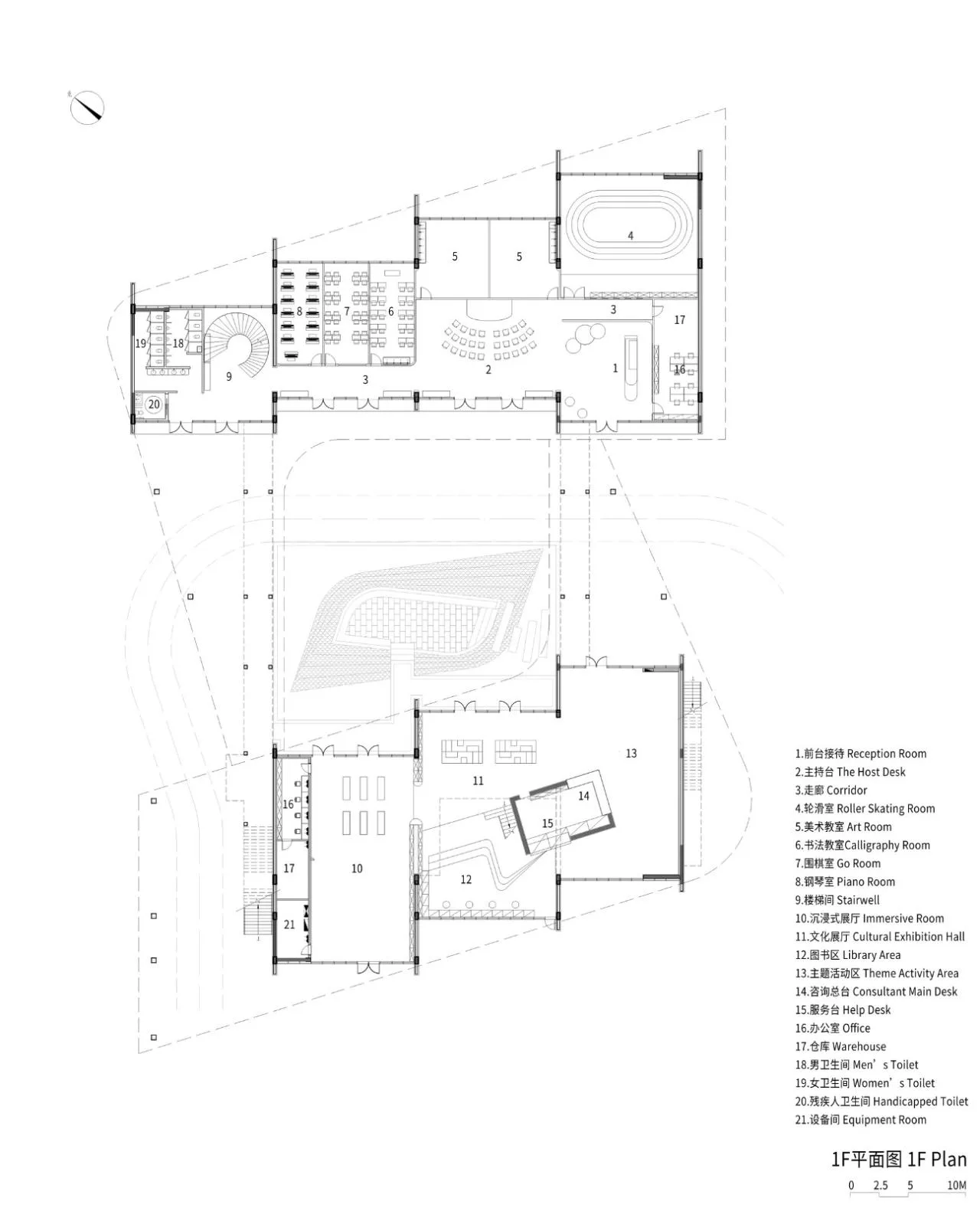
△ First Floor Plan
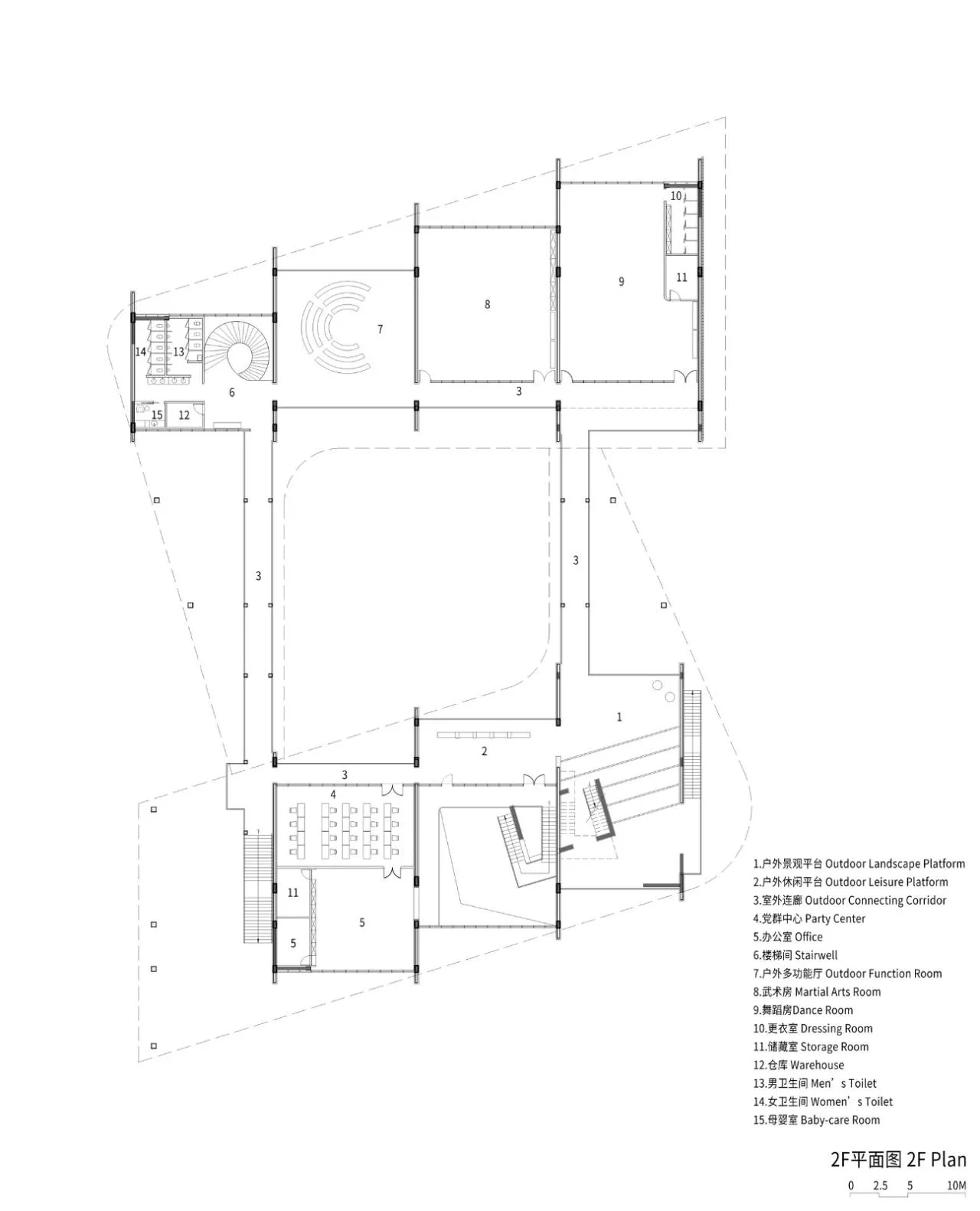
△ Second Floor Plan

△ Dynamic Profile Diagram
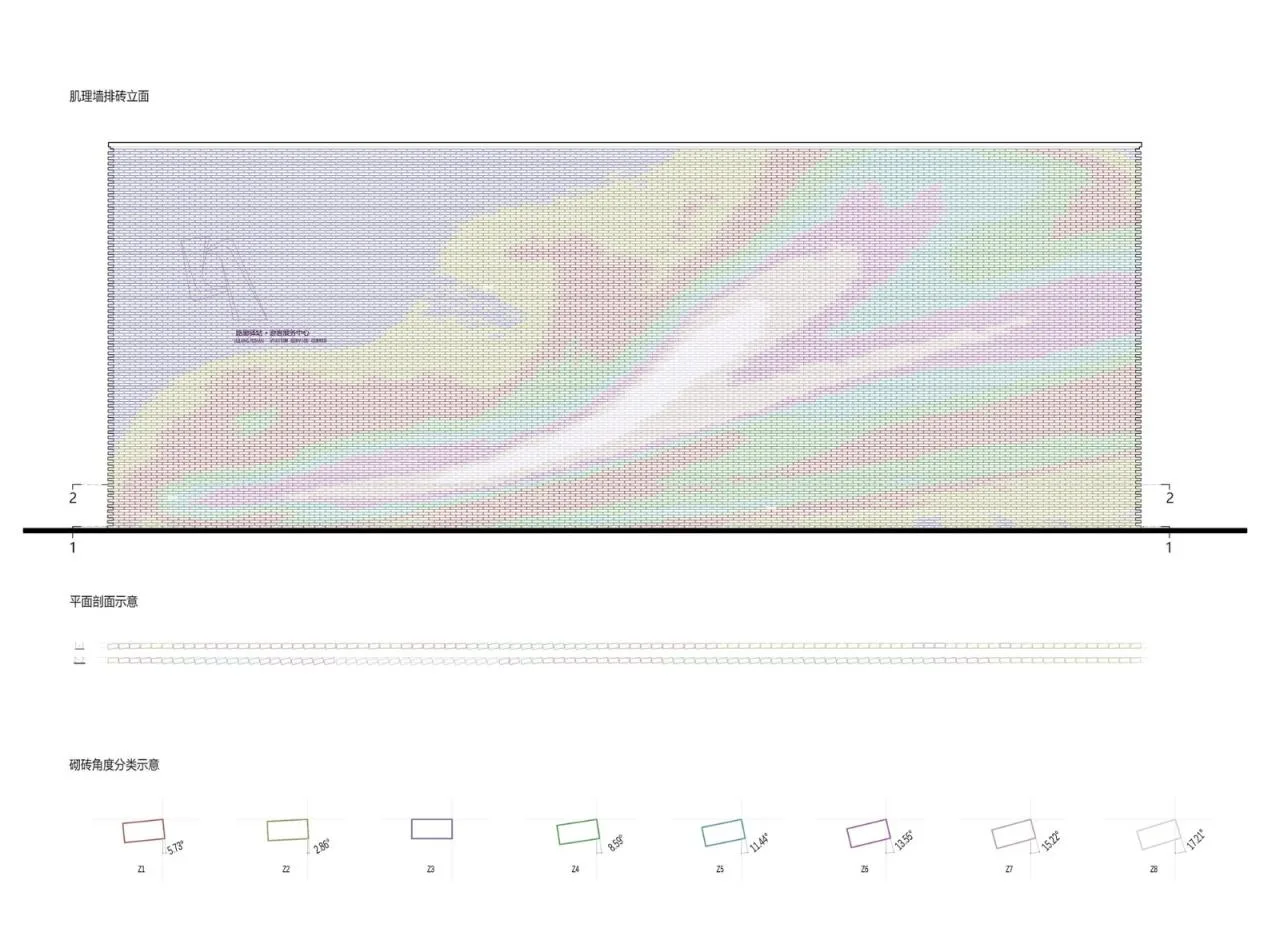
△ Analysis Chart
Project Details
Architect: Landscape Architecture of Garden Buildings
Area: 2,500 m²
Year: 2023
Photographer: Literal Translation of Architectural Photography
Design Team: Ying Wangbo, Cao Mo, Wang Sheng, Jiang Leilei, Zhang Minmin, Jiang Zhaoyang, Fan Hao, Chai Yuhang
Structural Design: CUC Isomorphism
Landscape Design: Nanjing Jimu Landscape Engineering Co., Ltd
Partner: Zhejiang Meiyuan Architectural Design Co., Ltd
Principal: People’s Government of Xinqiao Town, Luqiao District, Taizhou City
Location: Taizhou












Must log in before commenting!
Sign Up