
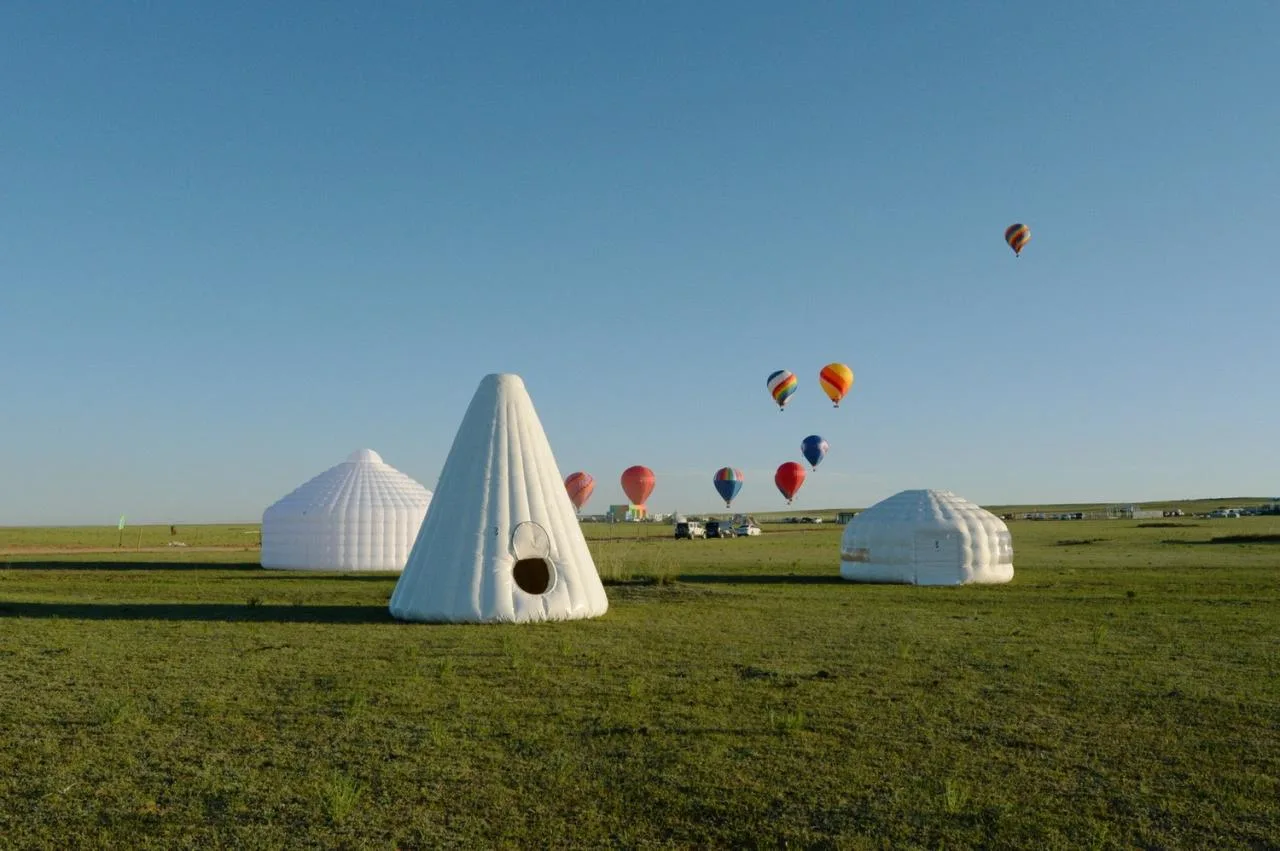
Inspired by Traditional Felt Tents
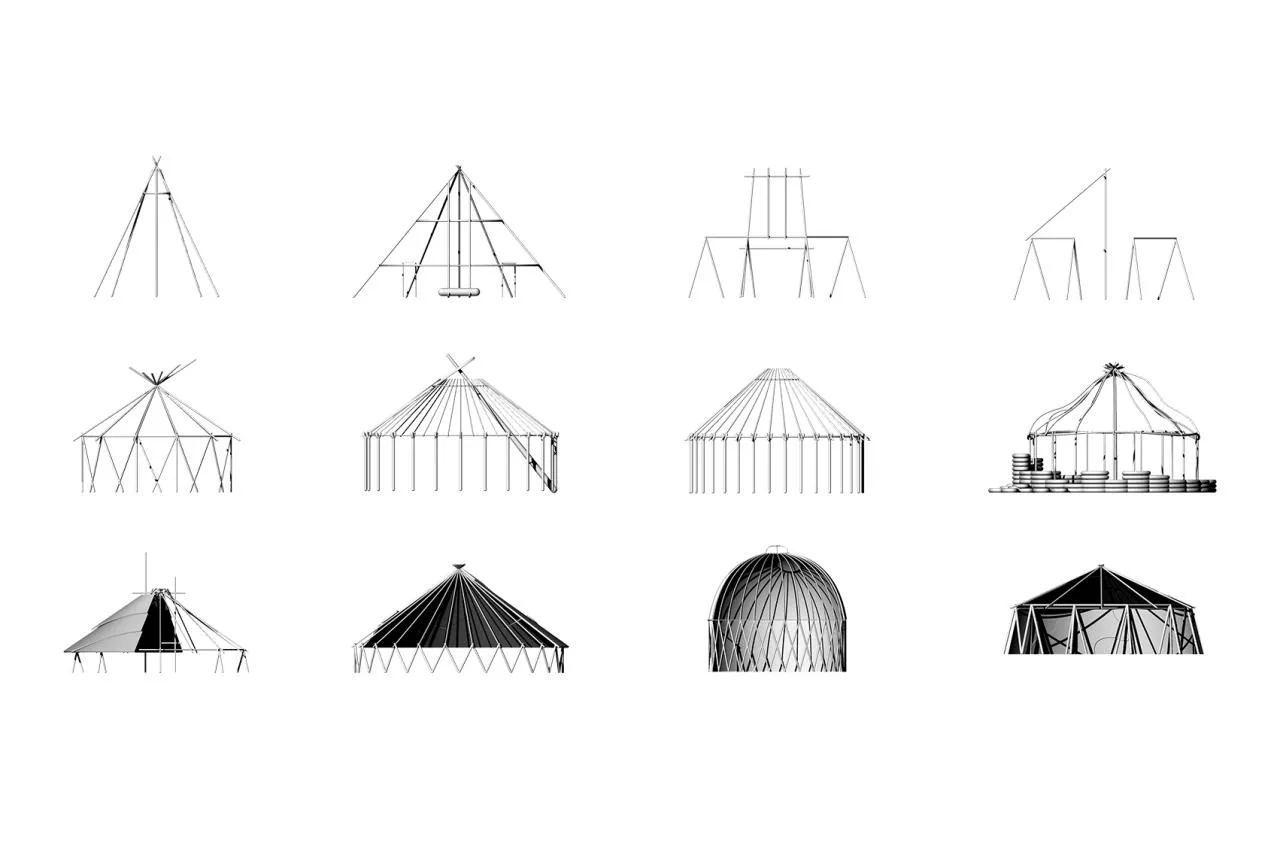
The vast grasslands gave rise to nomadic cultures that relied on huts, tents, and felt yurts as their mobile homes. As a traditional felt tent, the yurt represents a form of living architecture deeply rooted in nomadic culture. Over centuries, the interchange between nomads and their yurts has created a design that stands the test of time. The spirit and wisdom embedded in these structures continue to inspire modern living and architectural concepts.
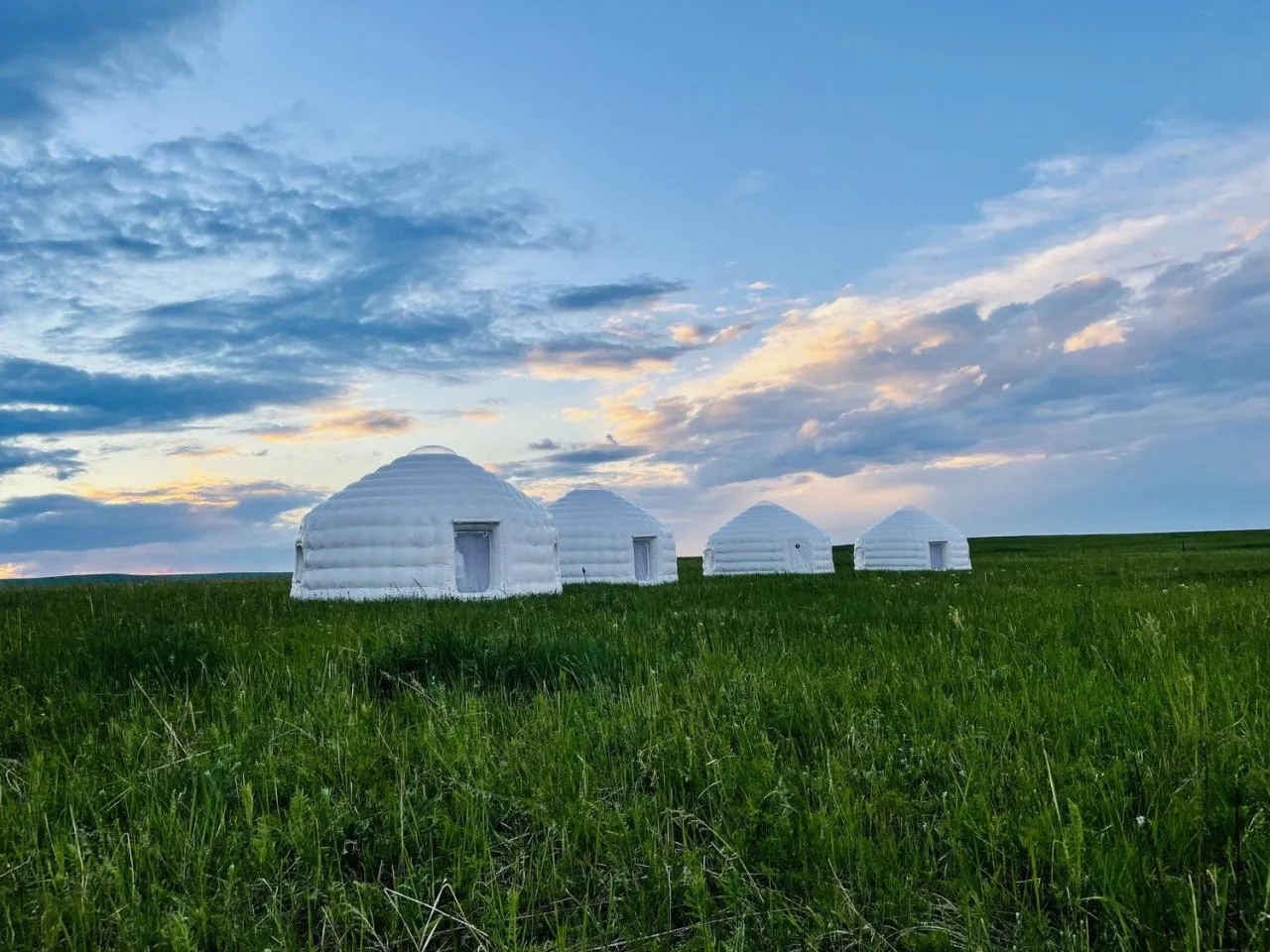
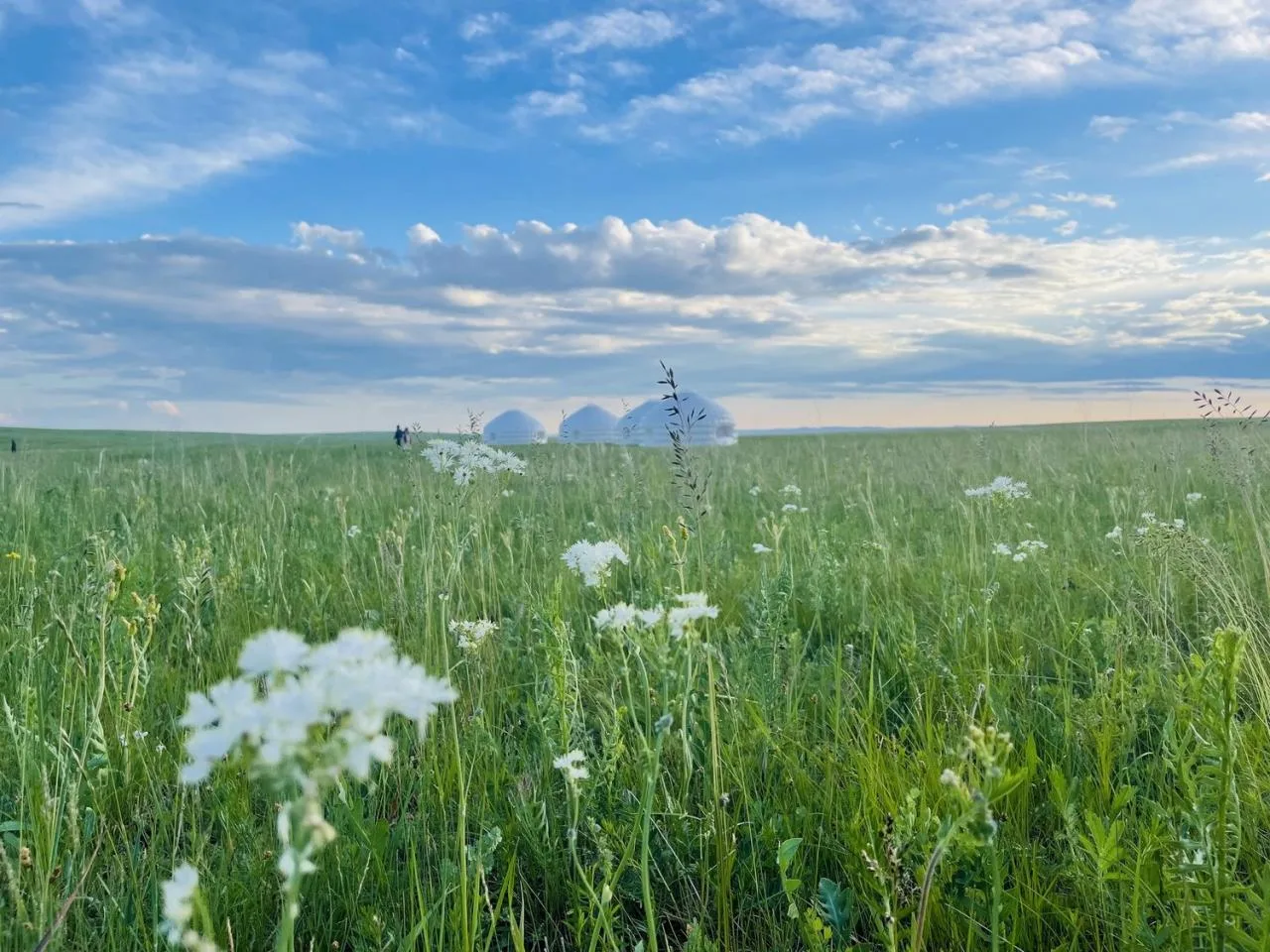
Exploring Inflatable Yurts
Inflatable yurts offer a versatile, cyclical living space designed for contemporary lifestyles. They serve as ideal accommodations for summer pastures like Otel and Nadam festivals, music events, off-road races, markets, and homestays. Additionally, they can be deployed quickly as emergency shelters.
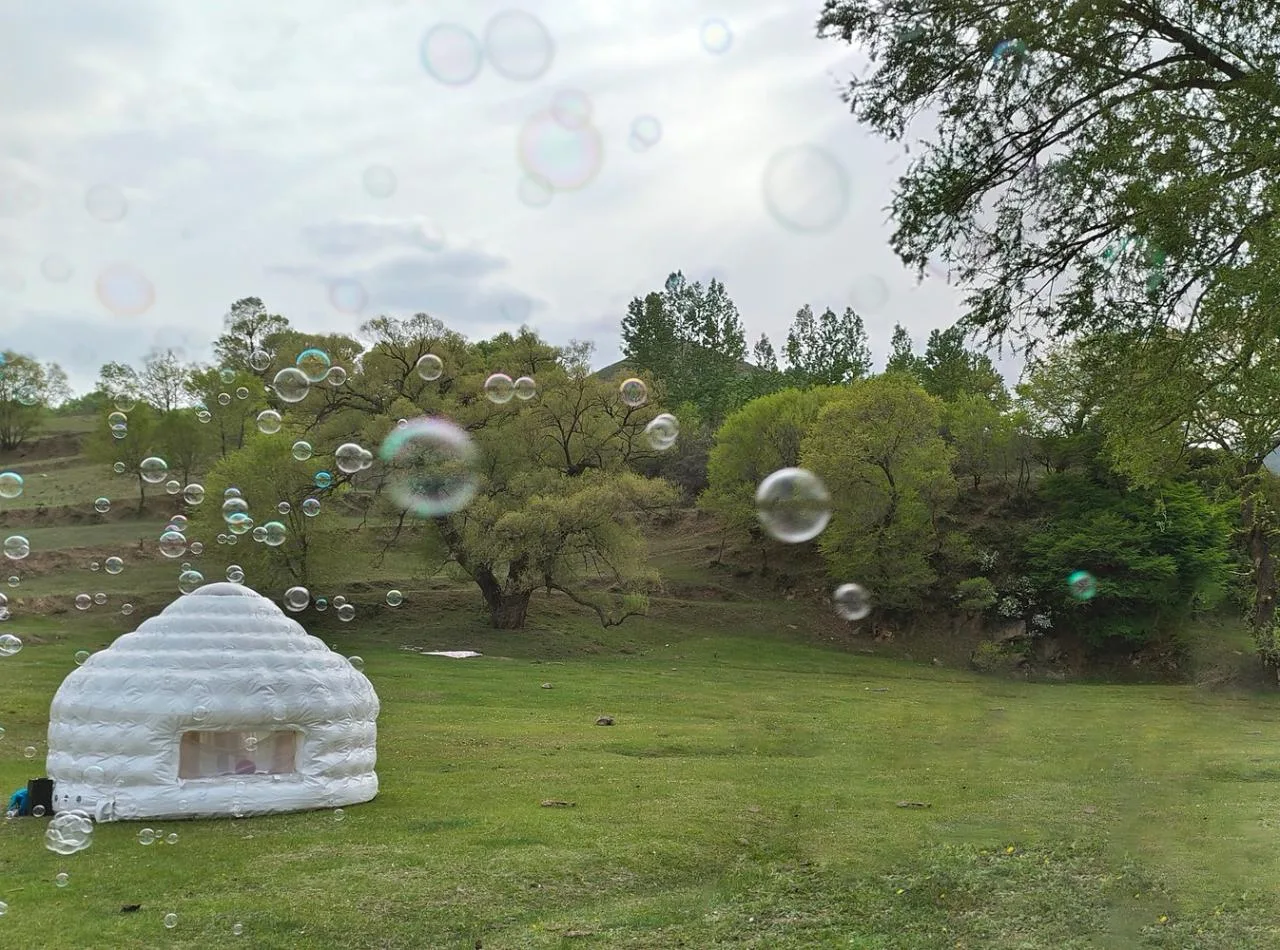
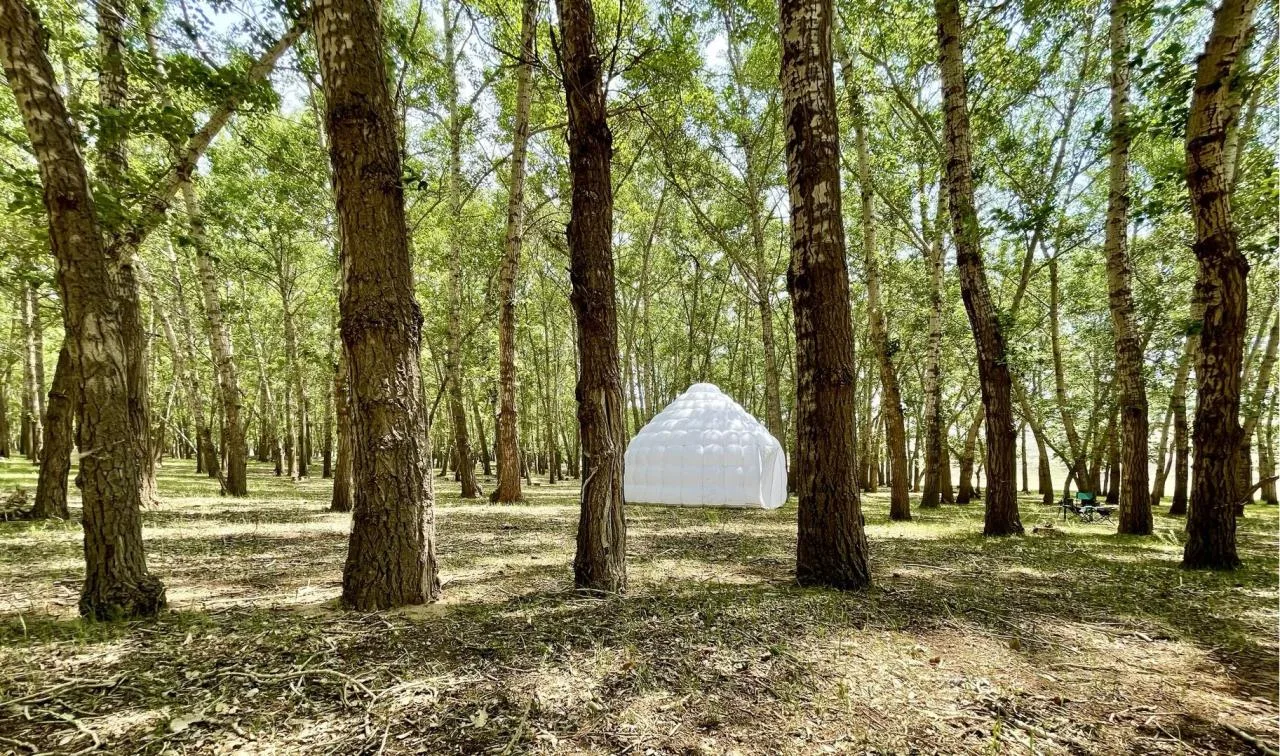
The inflatable yurt design maintains the classic yurt shape and iconic columns, while integrating new features such as variously sized windows and replacing the traditional “ceramic brain” with a transparent starry skylight. Its form is created through a two-step heat sealing process involving both point and line sealing techniques.
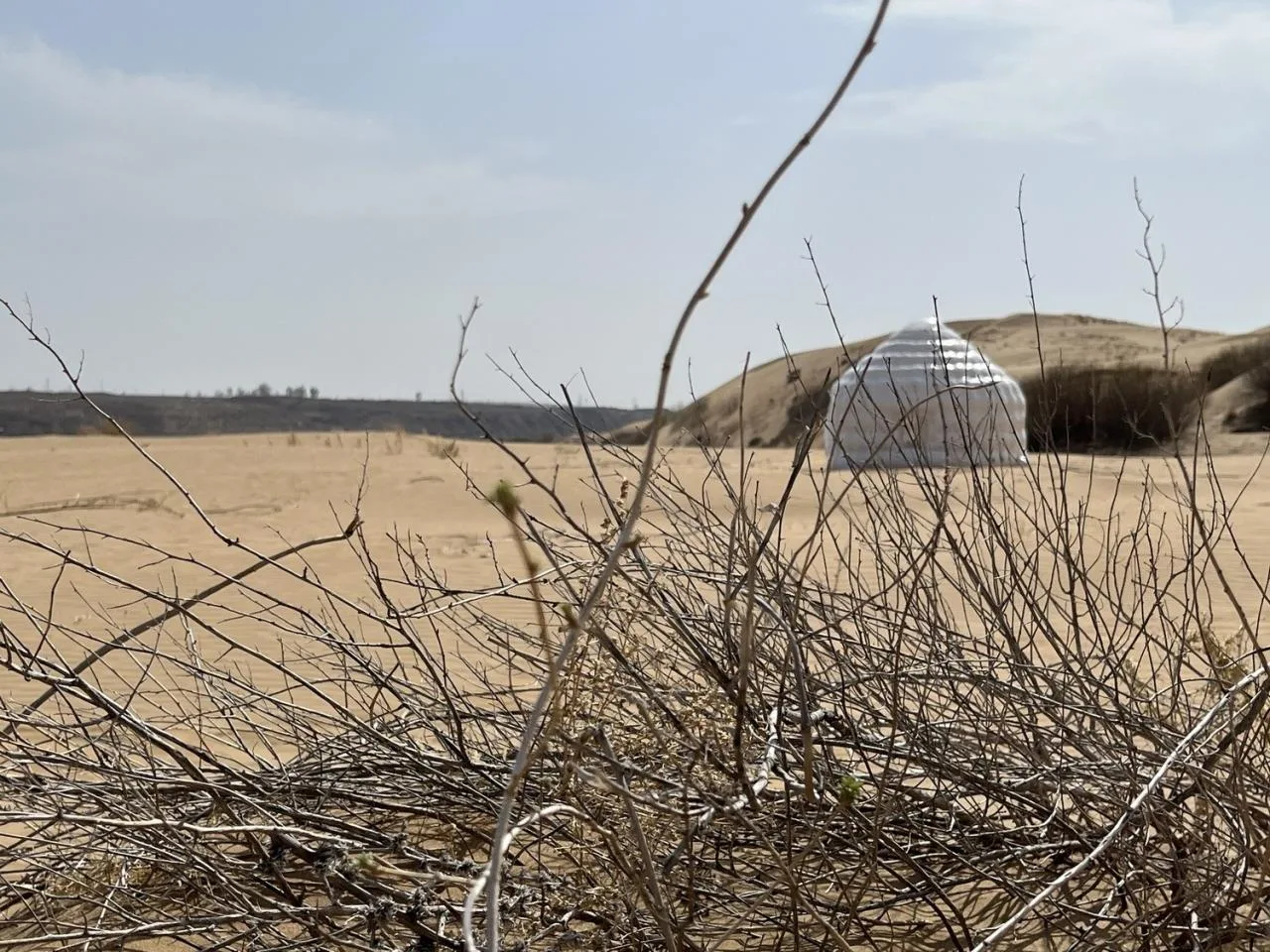
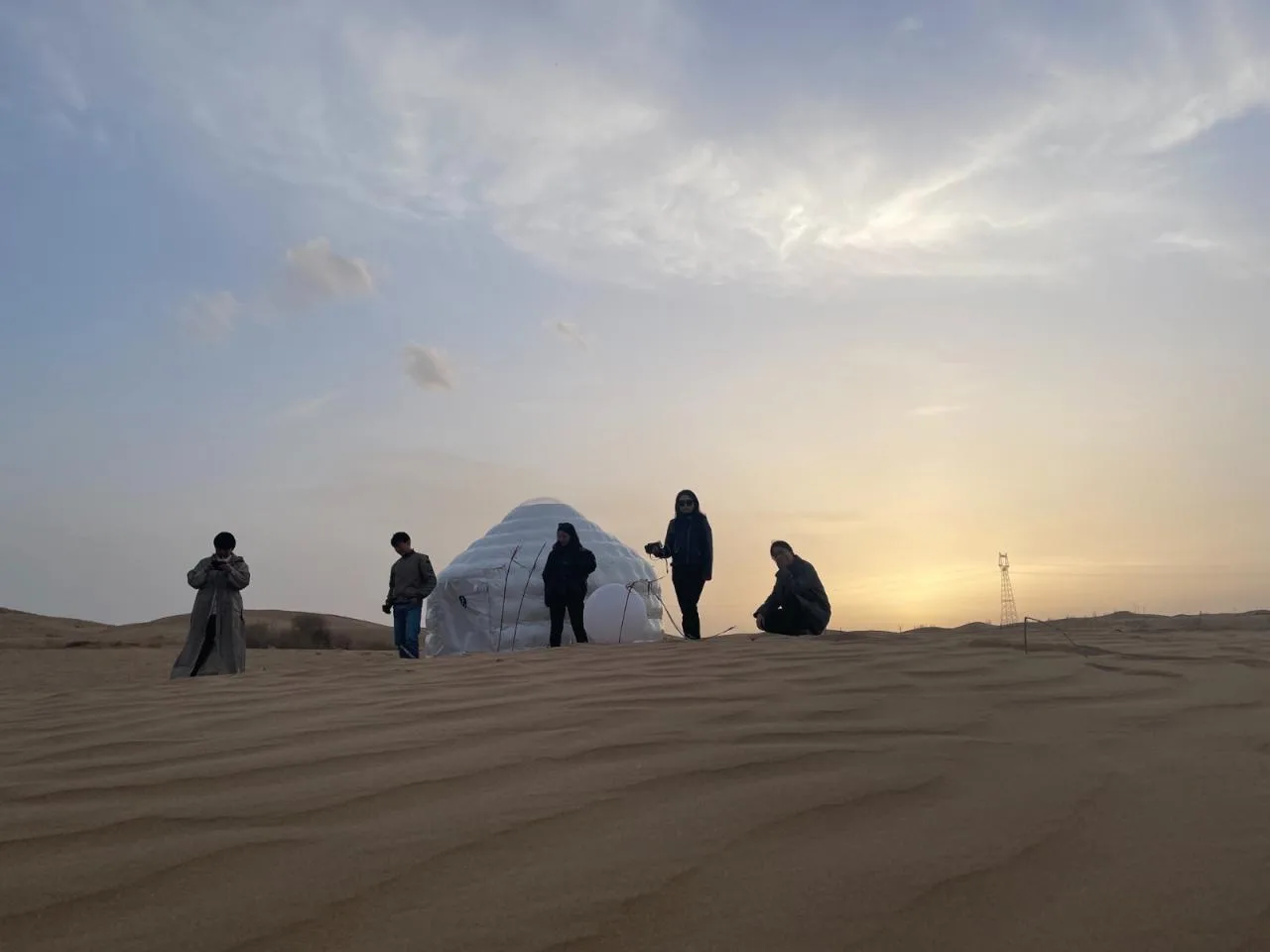
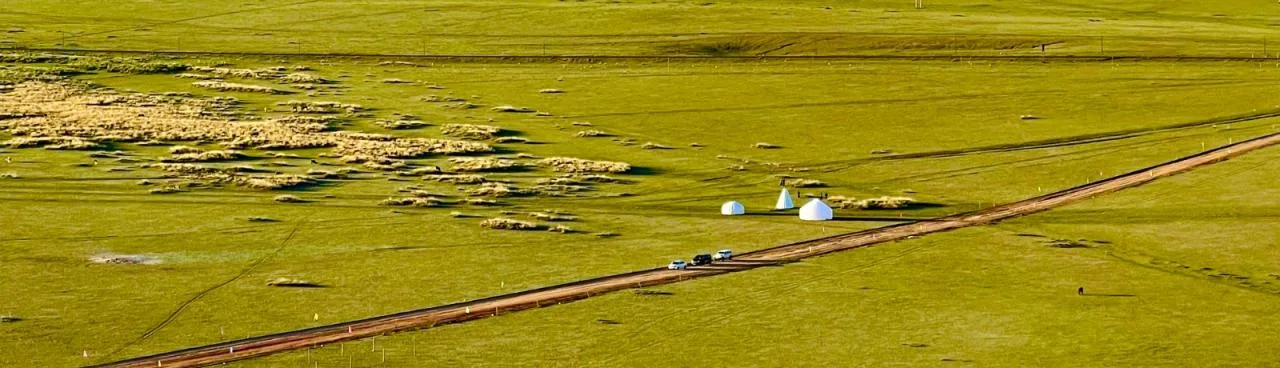
Inflatable Mongolian yurts typically range from 3 to 10 meters in diameter, with larger sizes available upon request. A 4-meter model weighs approximately 45 kg and can be inflated and assembled within 10 minutes, while deflation, storage, and folding take about 15 minutes. Once folded, its volume reduces from 34.34 m³ to just 0.8 m³, making it compact enough to fit in a car trunk. This vehicle-friendly design revolutionizes traditional yurt transportation methods.
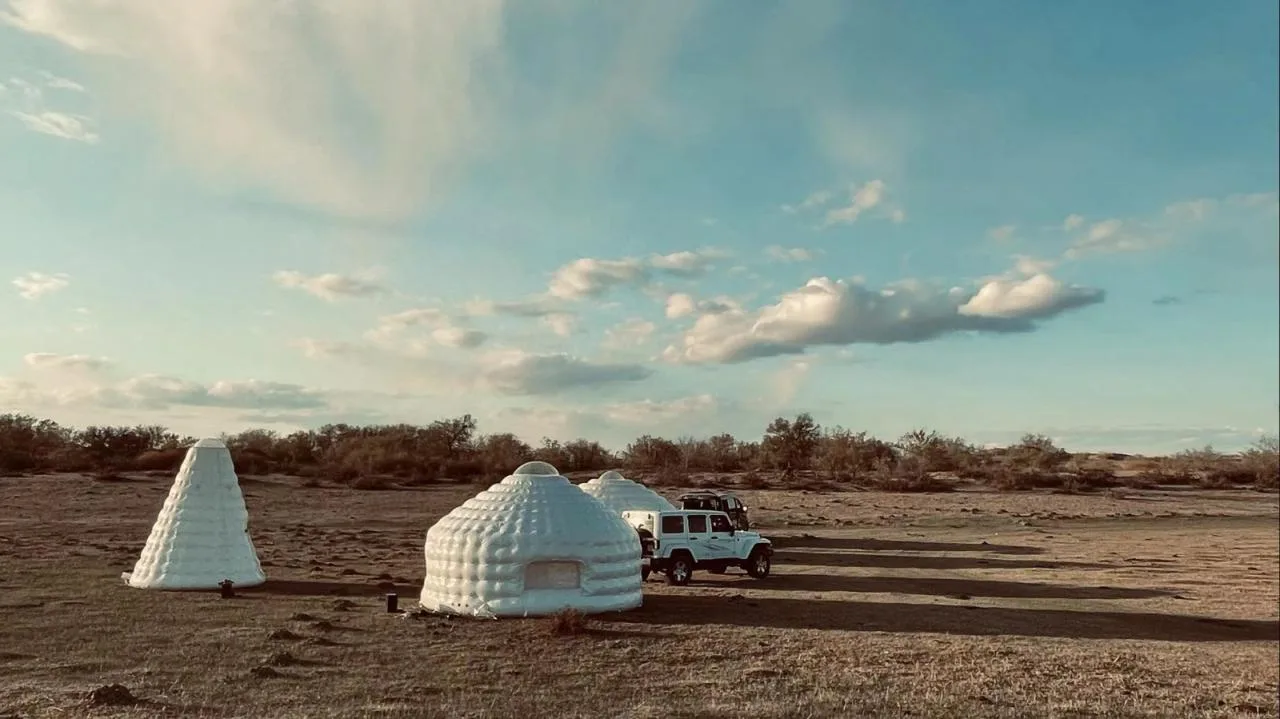
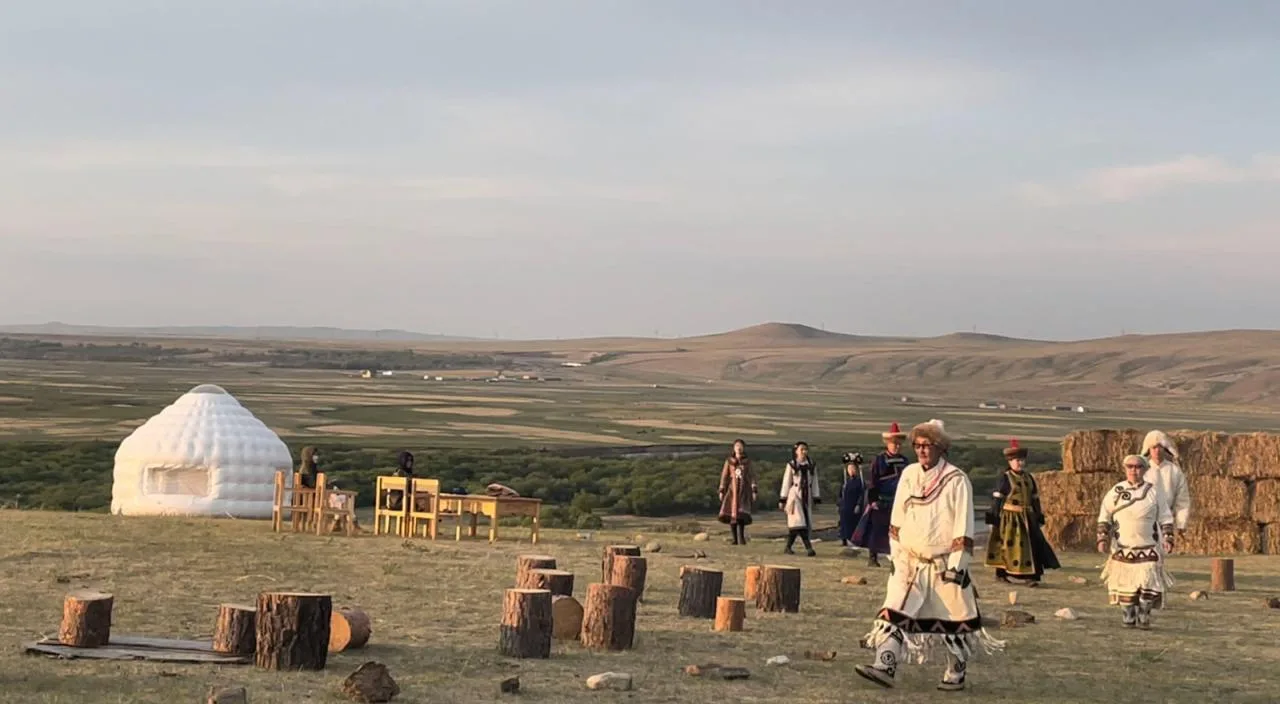
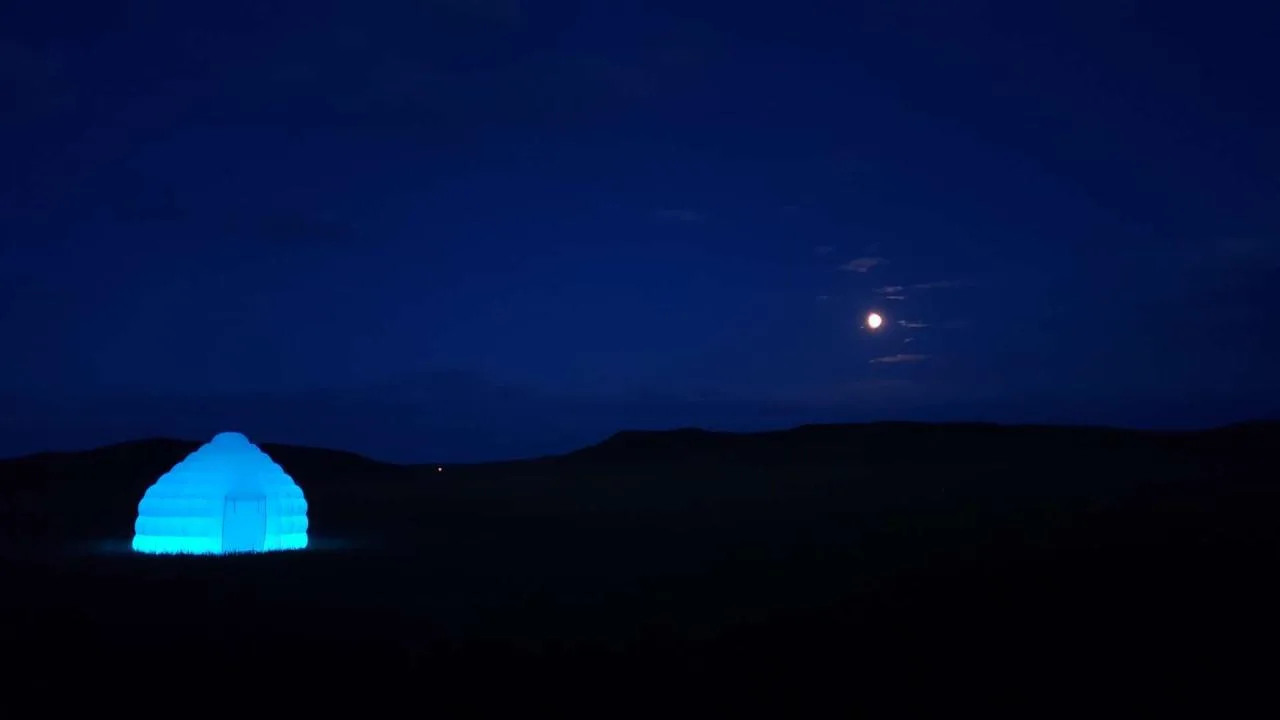
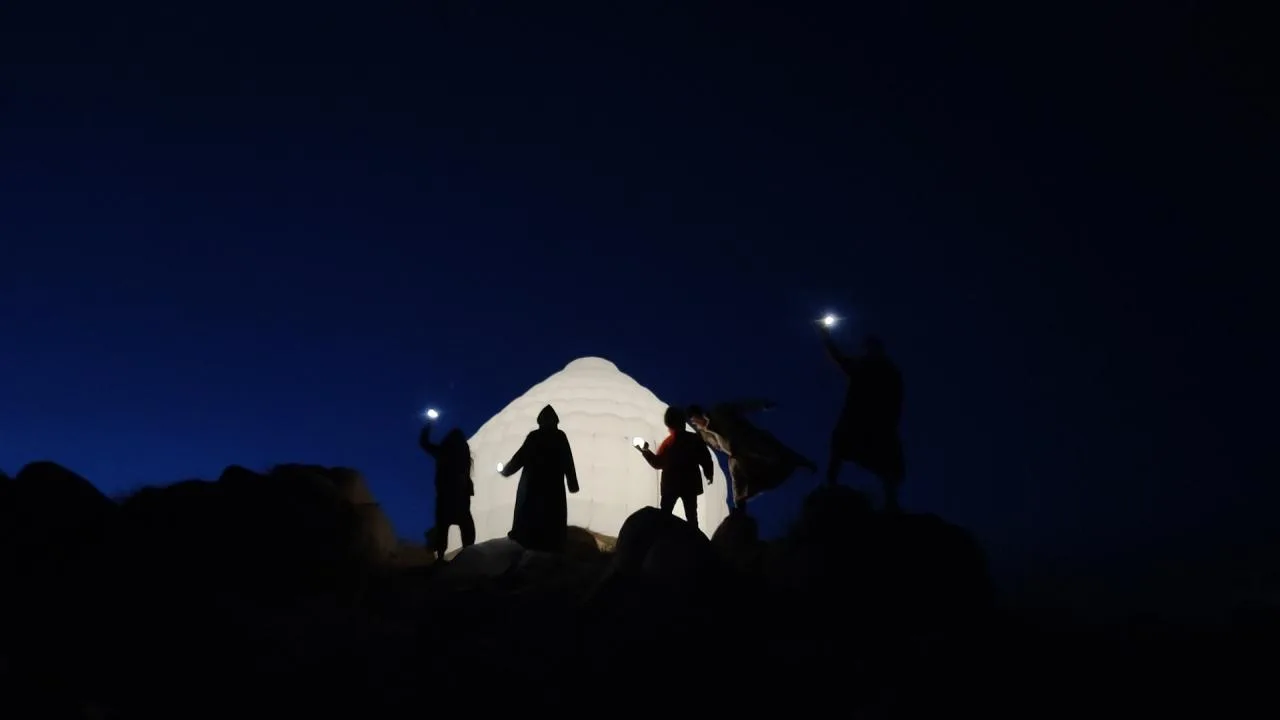
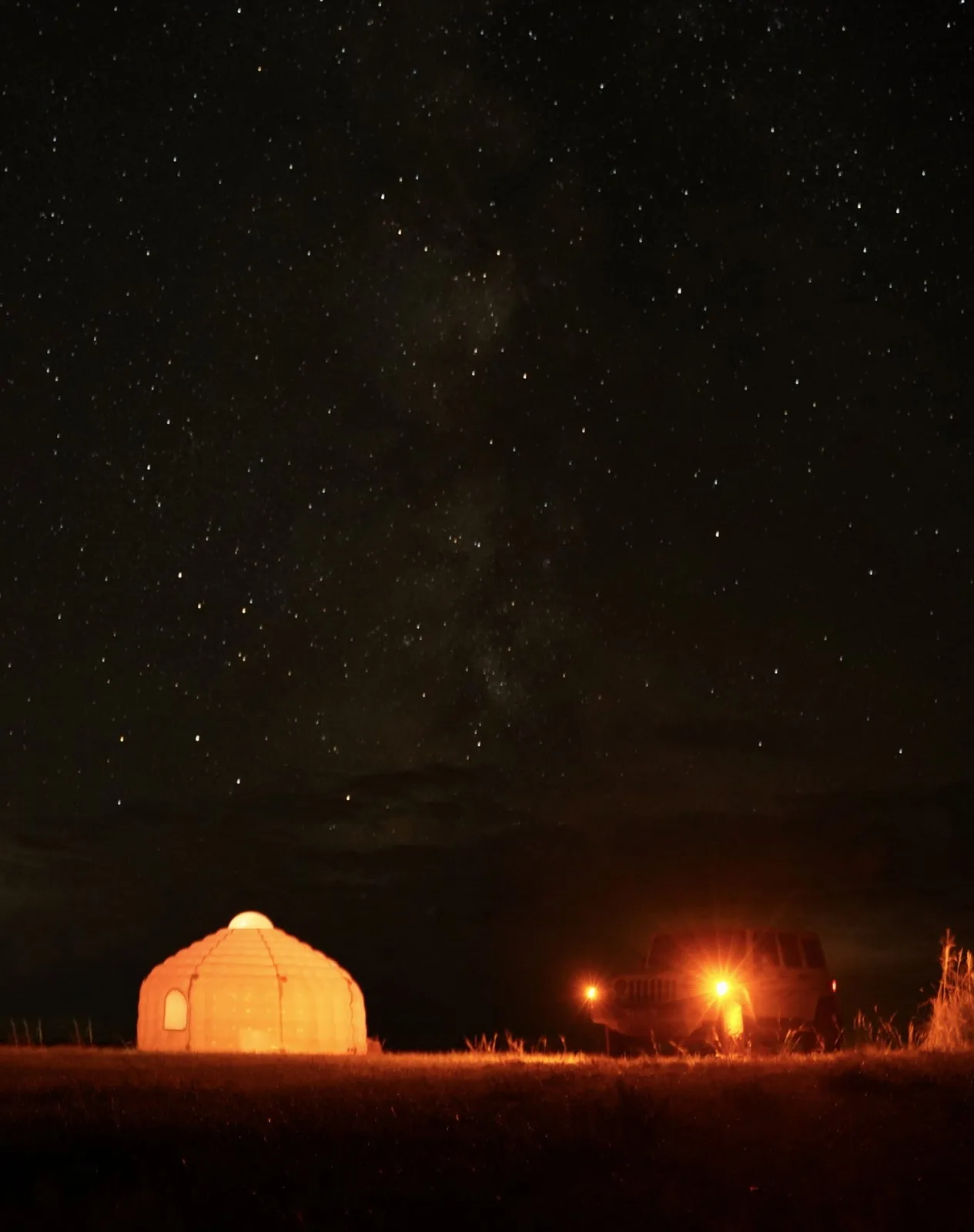
The yurt’s double-layer PVC airbag walls provide excellent insulation and thermal protection, while also offering moisture resistance and waterproofing. At night, the translucent material emits a soft glow, helping nomads navigate the grasslands by marking direction and destination.
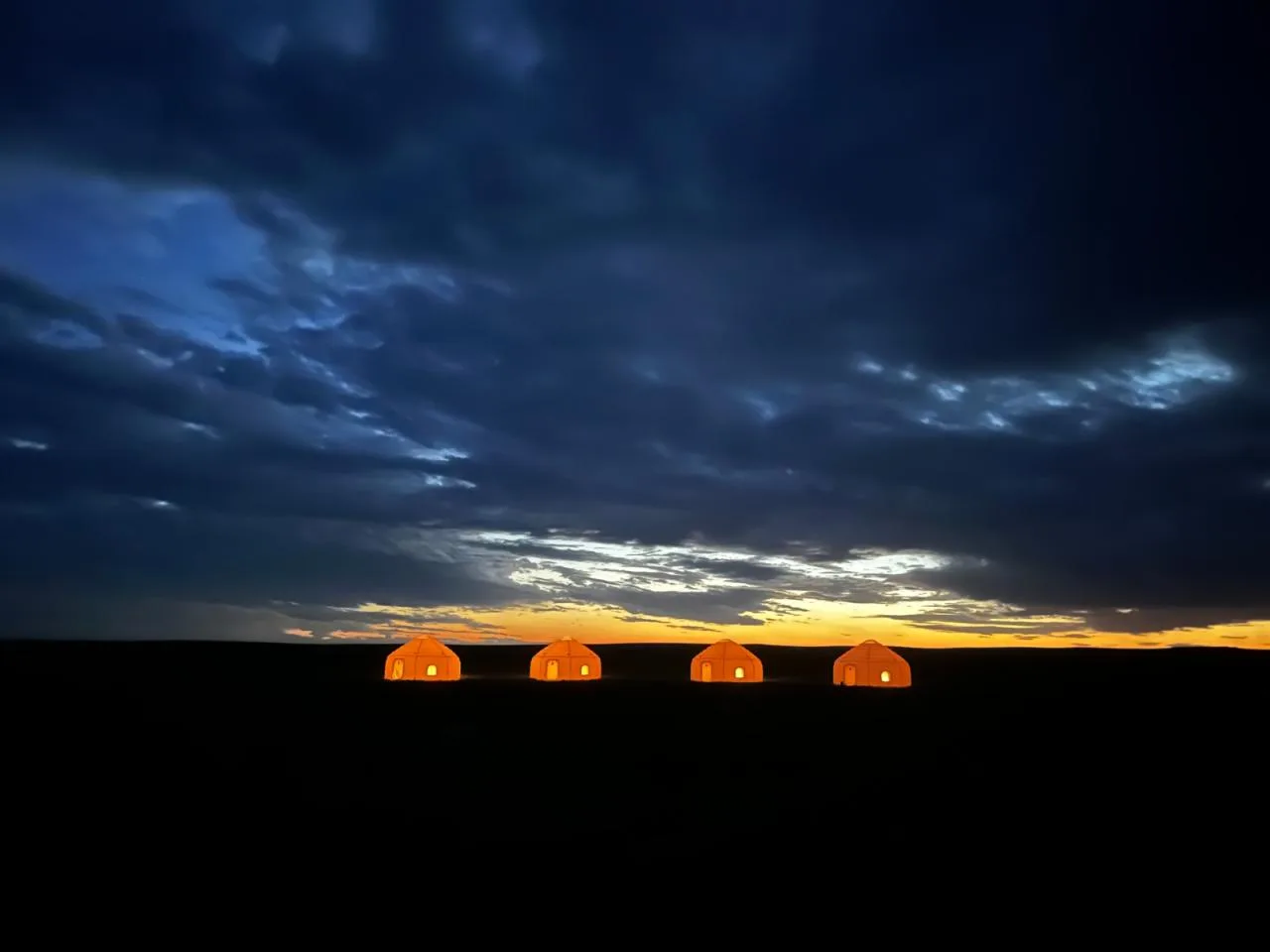
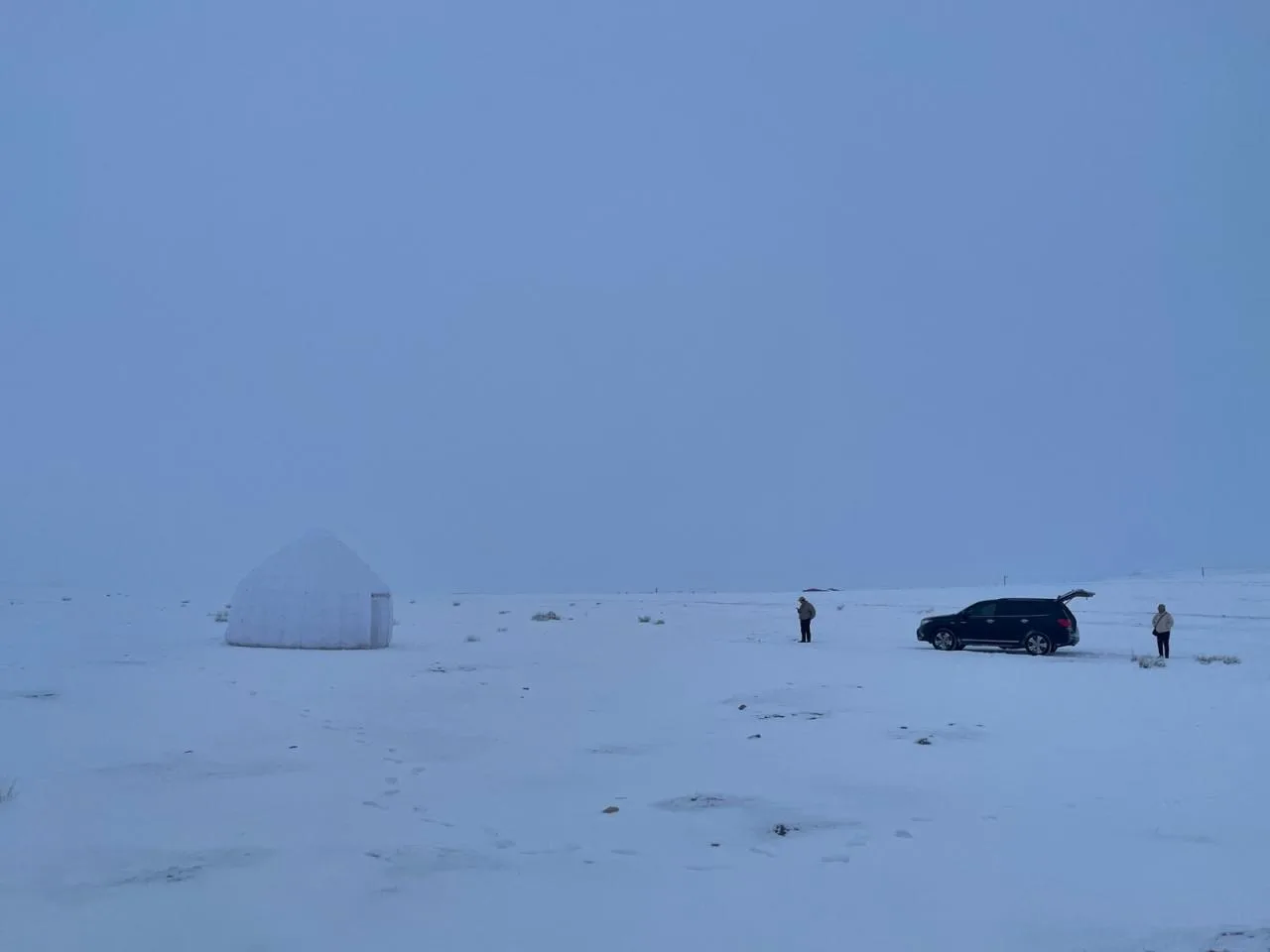
Traditionally, Mongolian yurts manage snow accumulation by increasing the roof’s slope—the heavier the snowfall, the steeper the slope. Inflatable yurts bring two key advantages in snow conditions: a smooth surface that prevents snow from sticking and a flexible exterior that facilitates easy removal of snow.
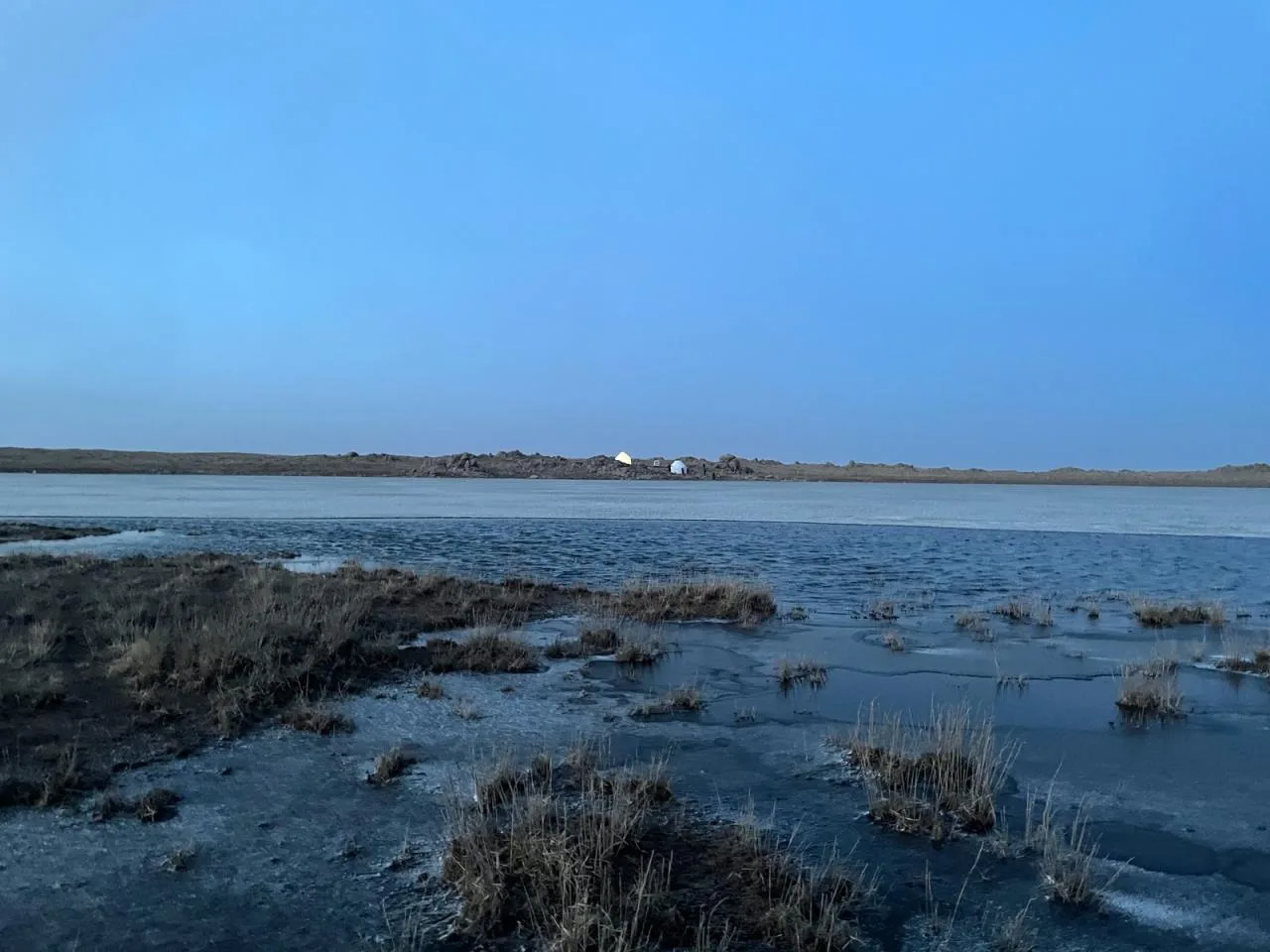
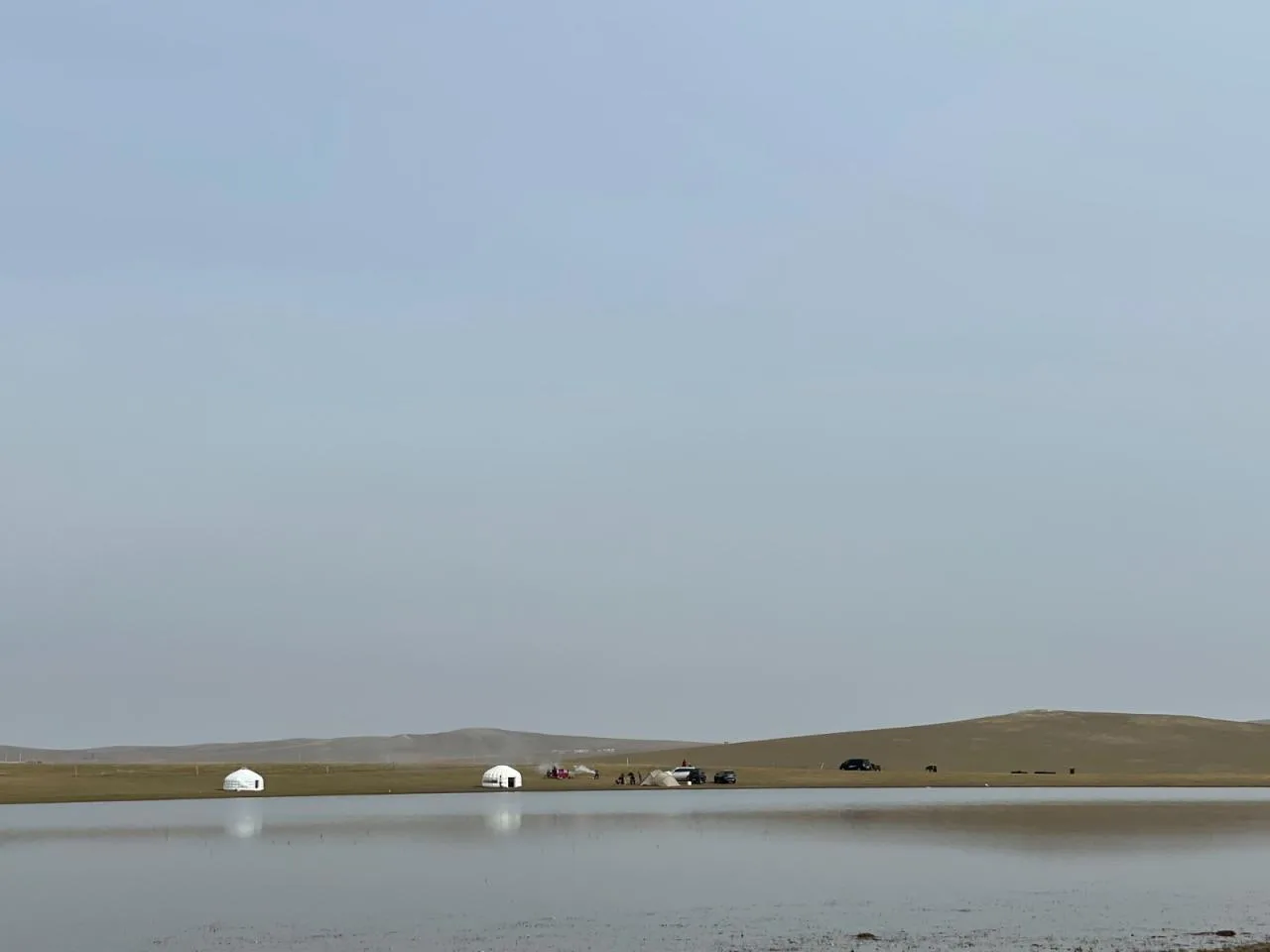
To address flooding, traditional yurts are elevated by lifting the felt walls, minimizing water resistance. Inflatable yurts naturally counter floods through the buoyancy of their airbag walls.
When facing strong winds, traditional yurts benefit from their circular shape which deflects wind, and heavy weights hung from the crown lowering the center of gravity. Inflatable yurts, meanwhile, rely on securely fixed circular bases and flexible structures that absorb and dissipate wind forces effectively.
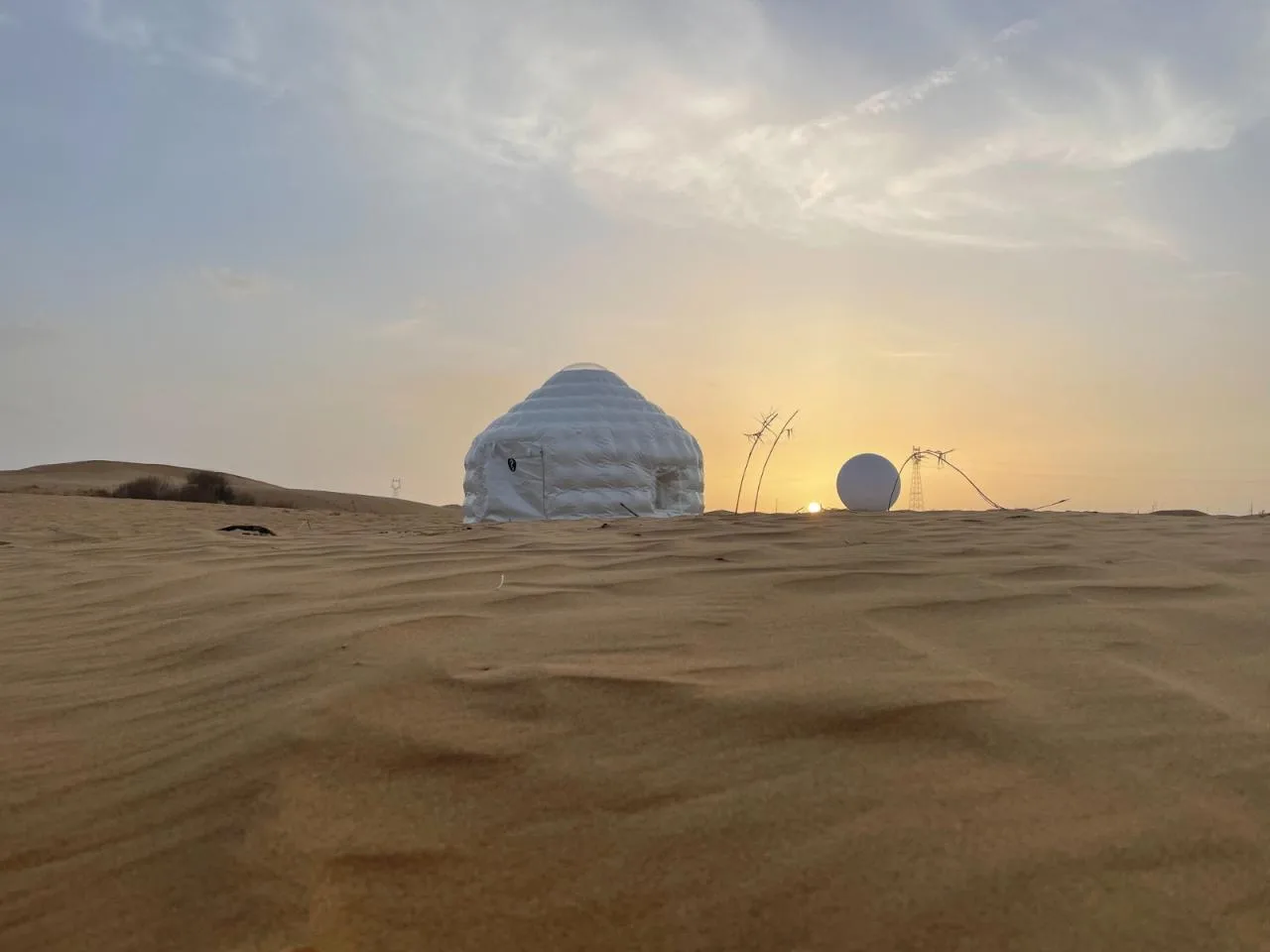
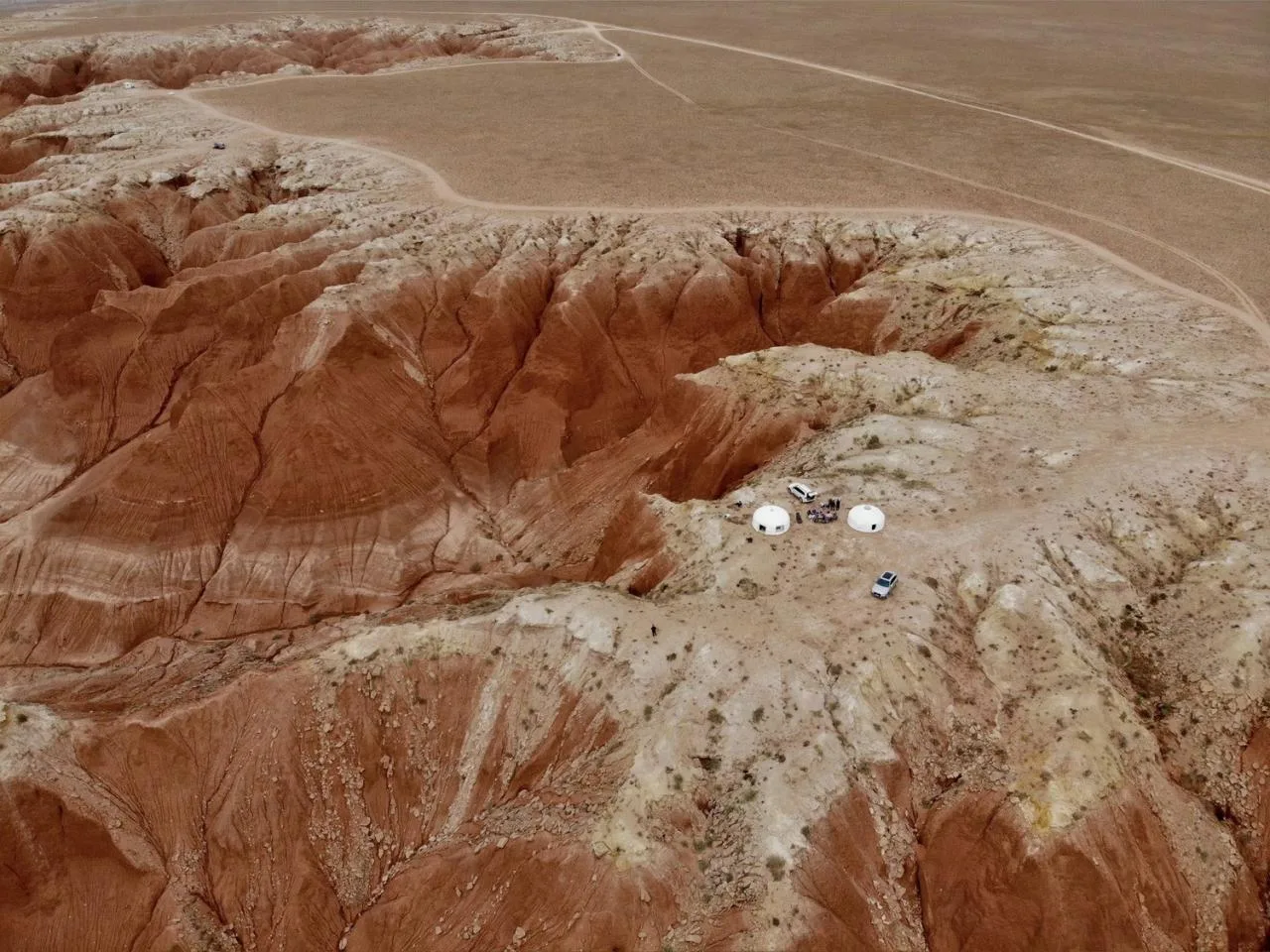
Traditional Mongolian yurts are transported by animals such as cattle, horses, and camels. Inflatable yurts, however, are designed for vehicle transport. Traditional yurts require disassembly into structural parts and felt coverings, which are then folded and bundled separately. Inflatable yurts consist of three components: the airbag, an inflation pump, and a mobile power supply—allowing them to be set up freely even in remote areas without electricity.
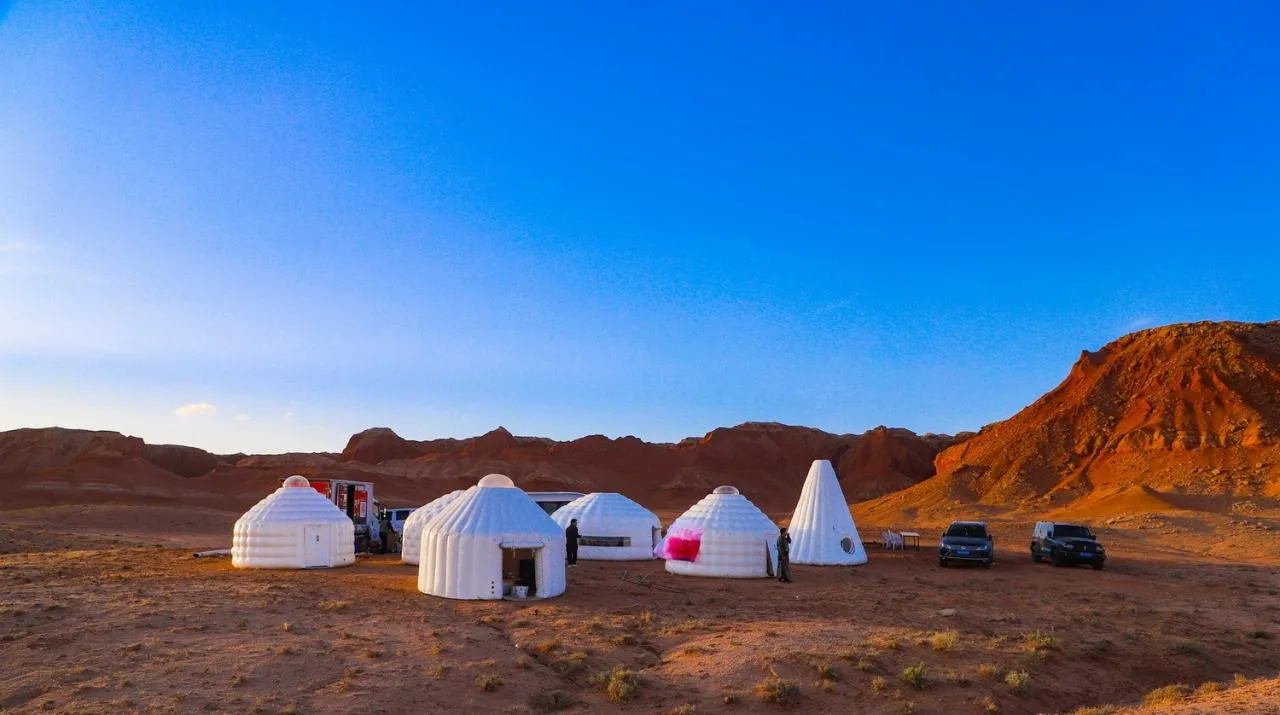
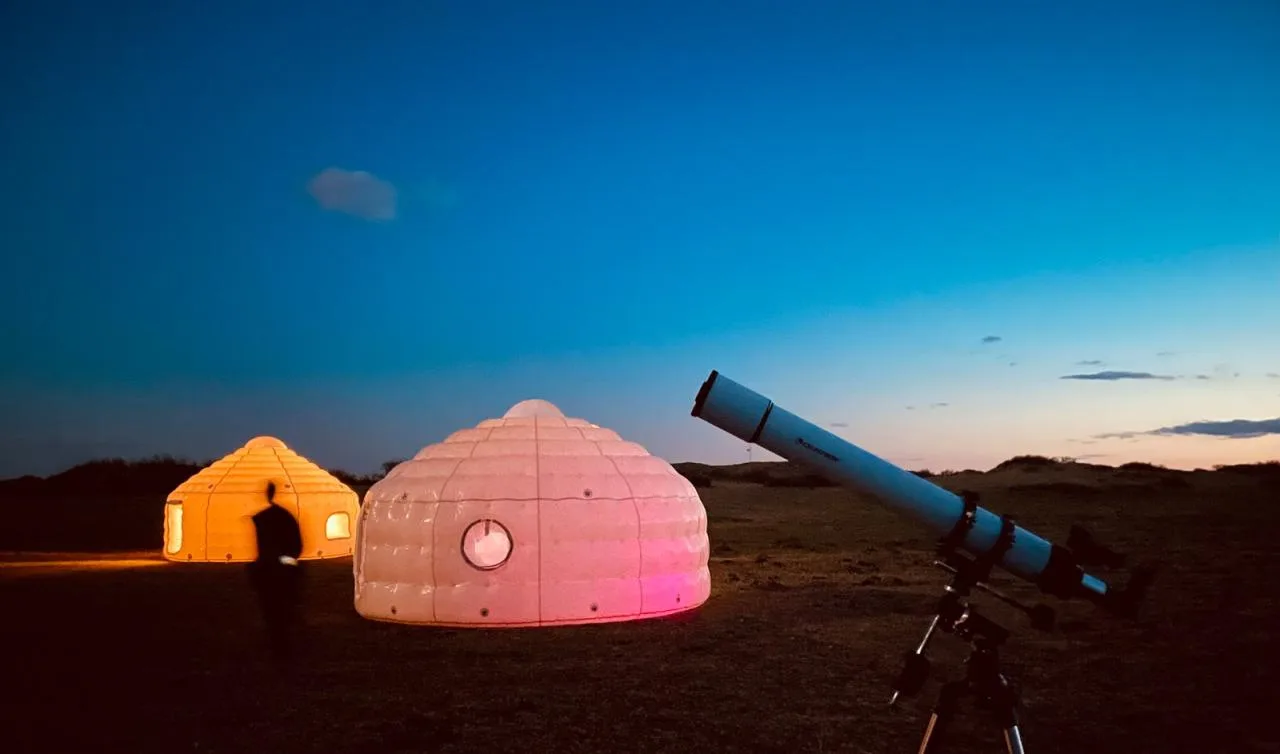
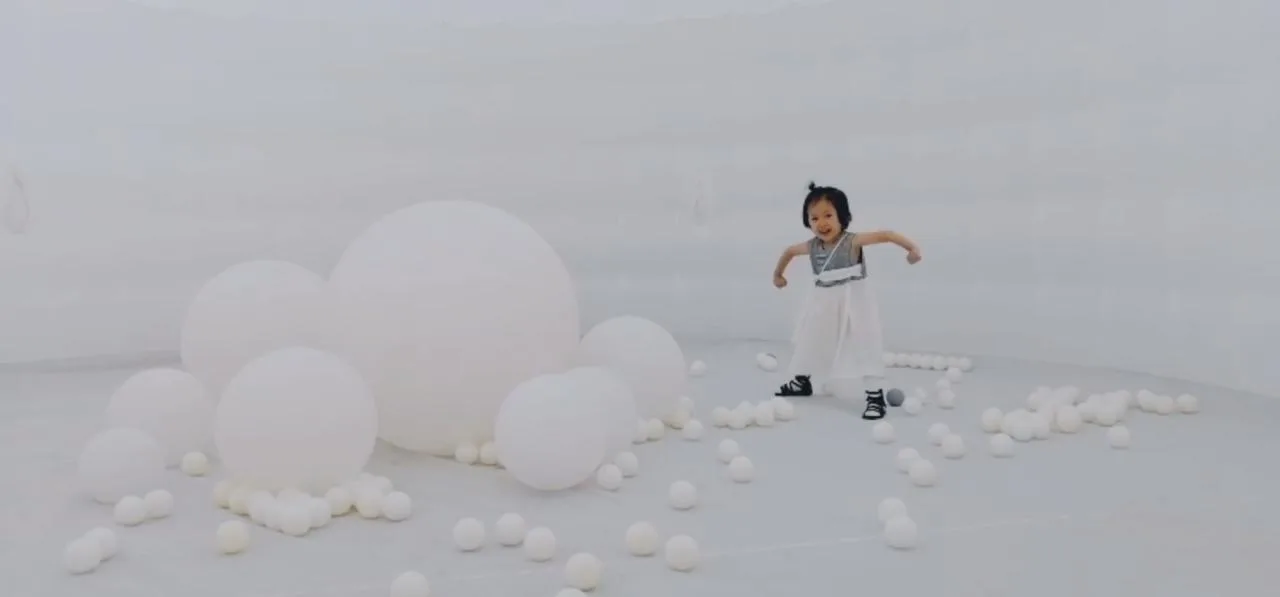
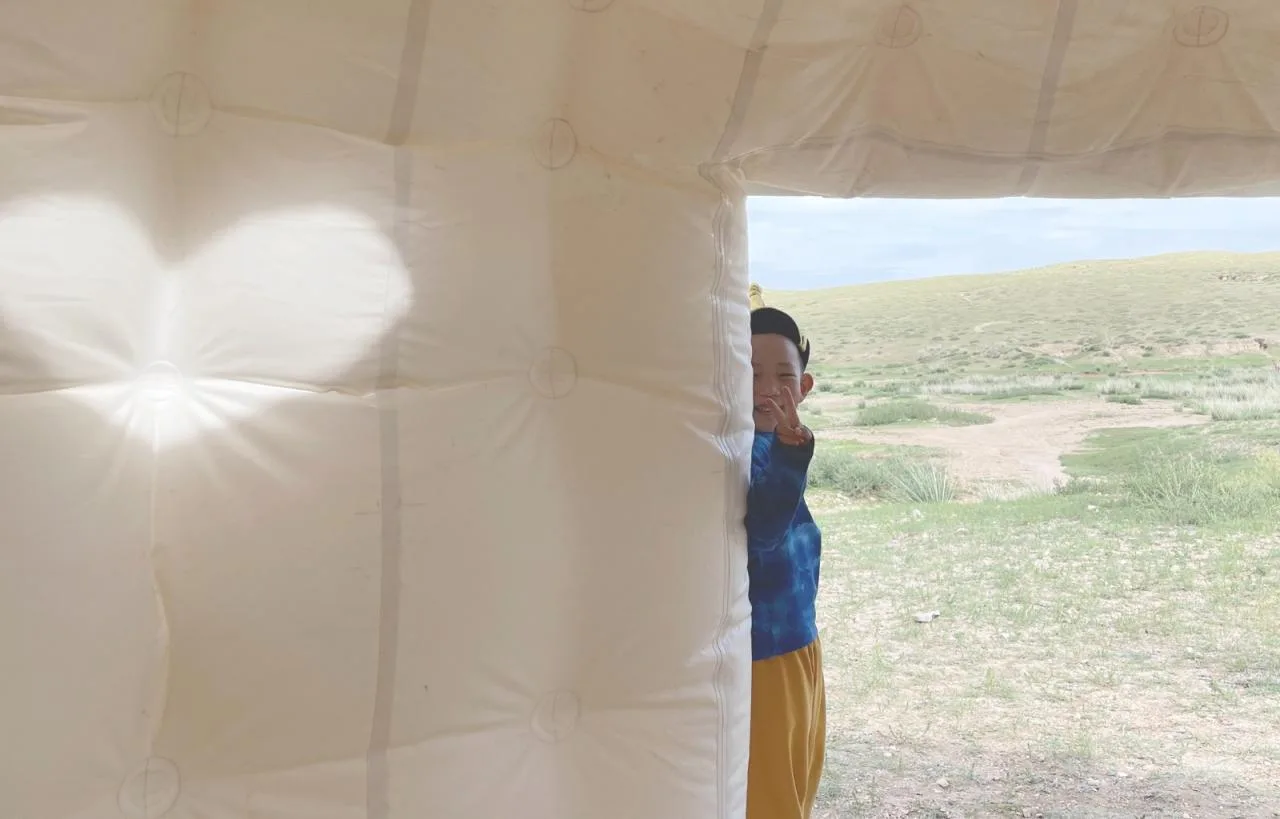
The inflatable Mongolian yurt offers a soft, embracing structure that instills a sense of comfort and security. It breathes with the environment—expanding, contracting, and vibrating in response to changes in temperature and airflow. This flowing yurt moves seamlessly with the water and grass, making it perfect for camping in scenic natural settings.
Project Drawings
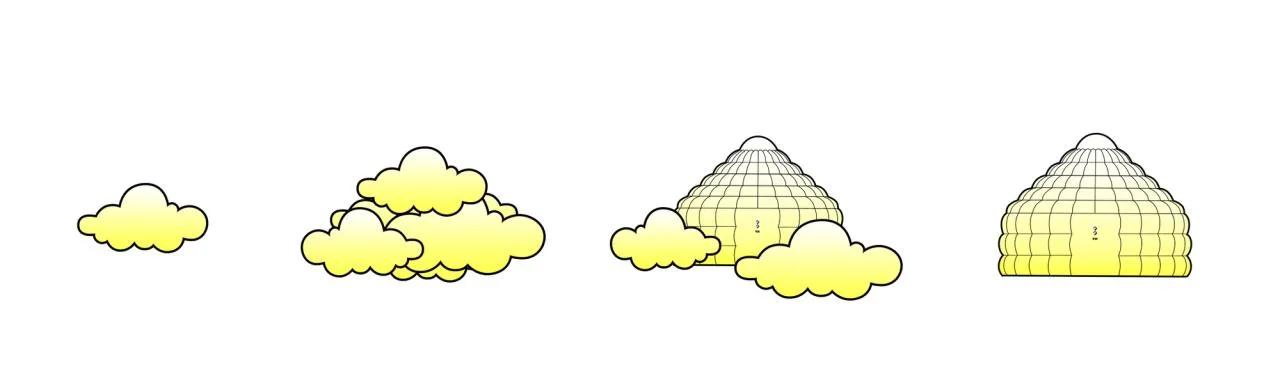
△ Analysis chart
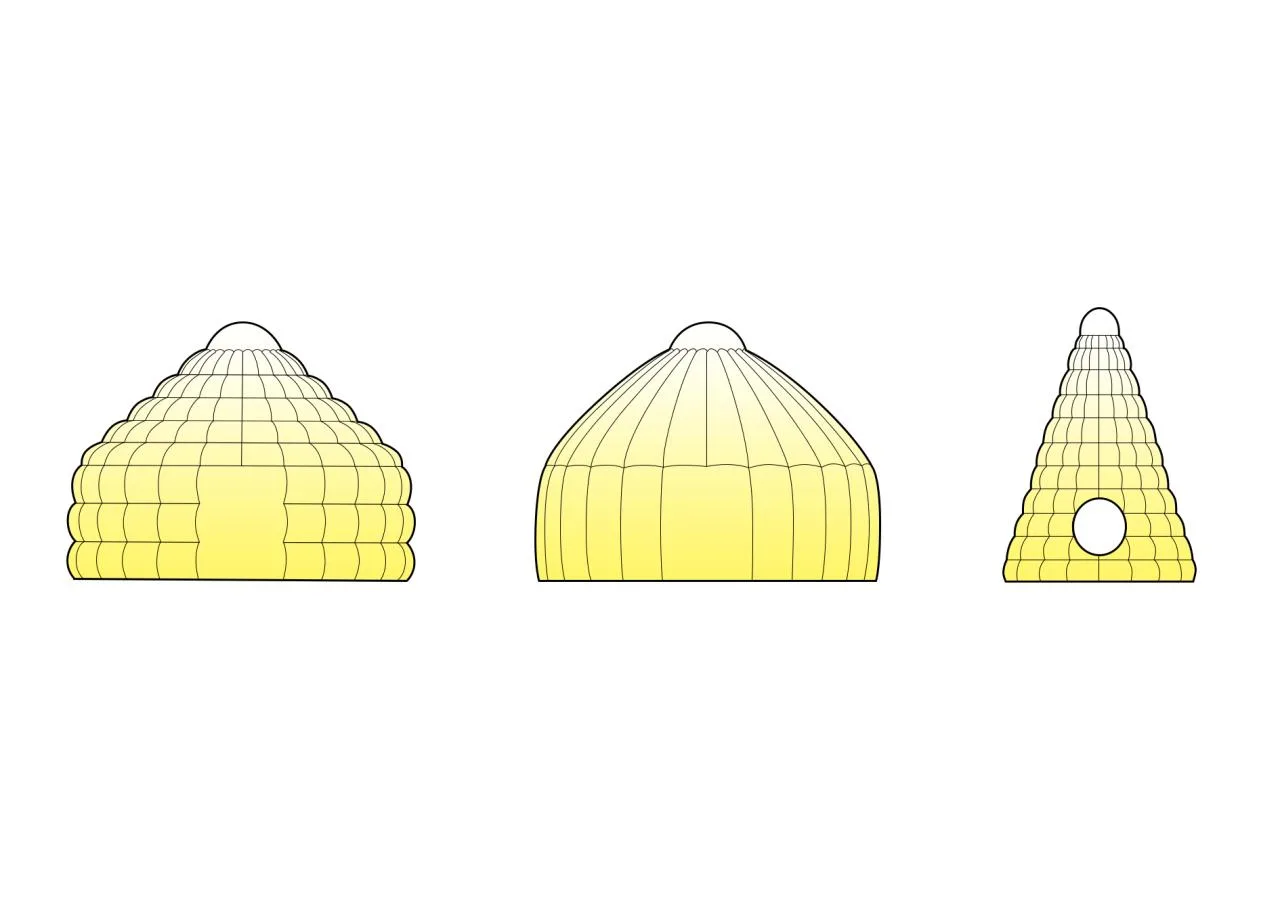
△ Analysis chart
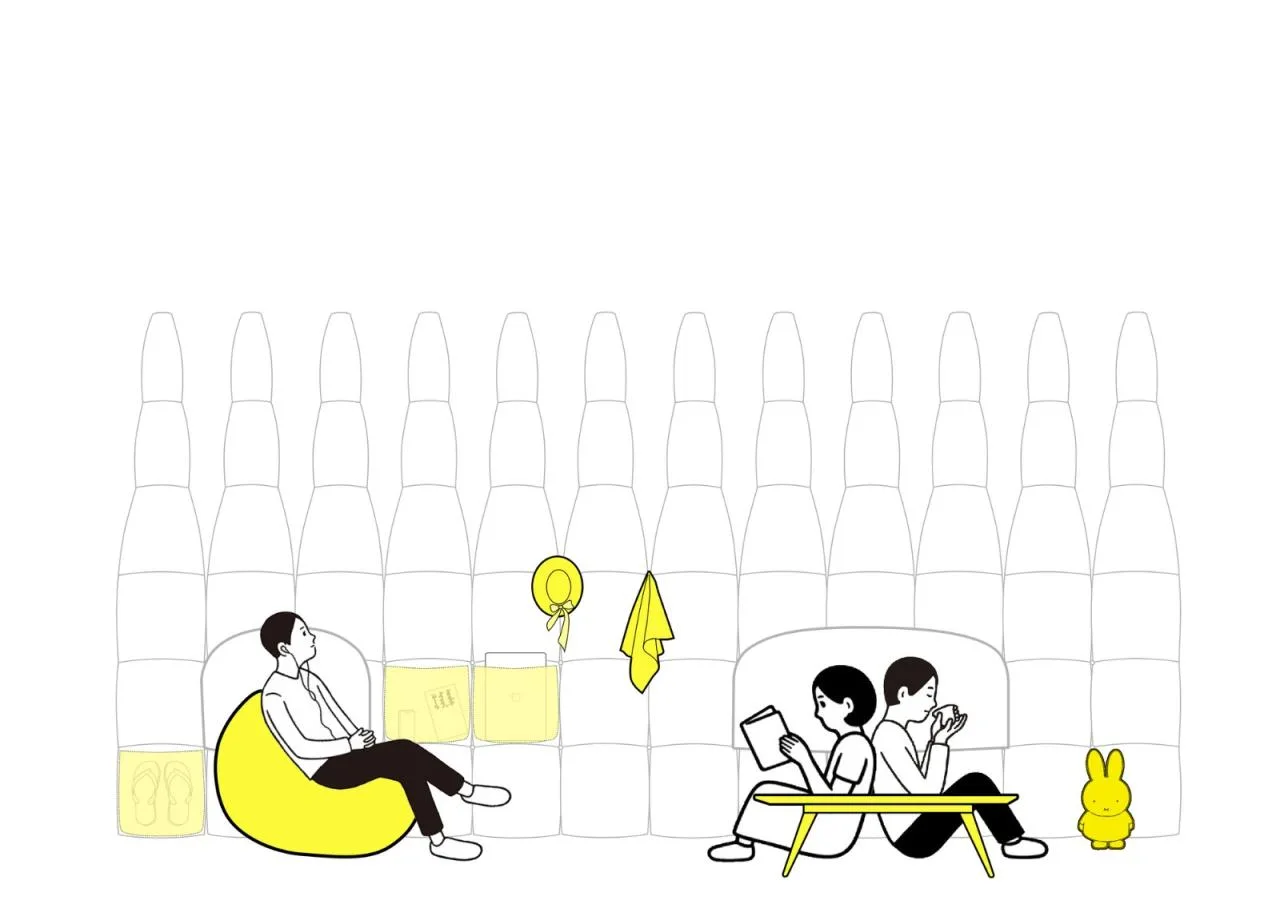
△ Analysis chart
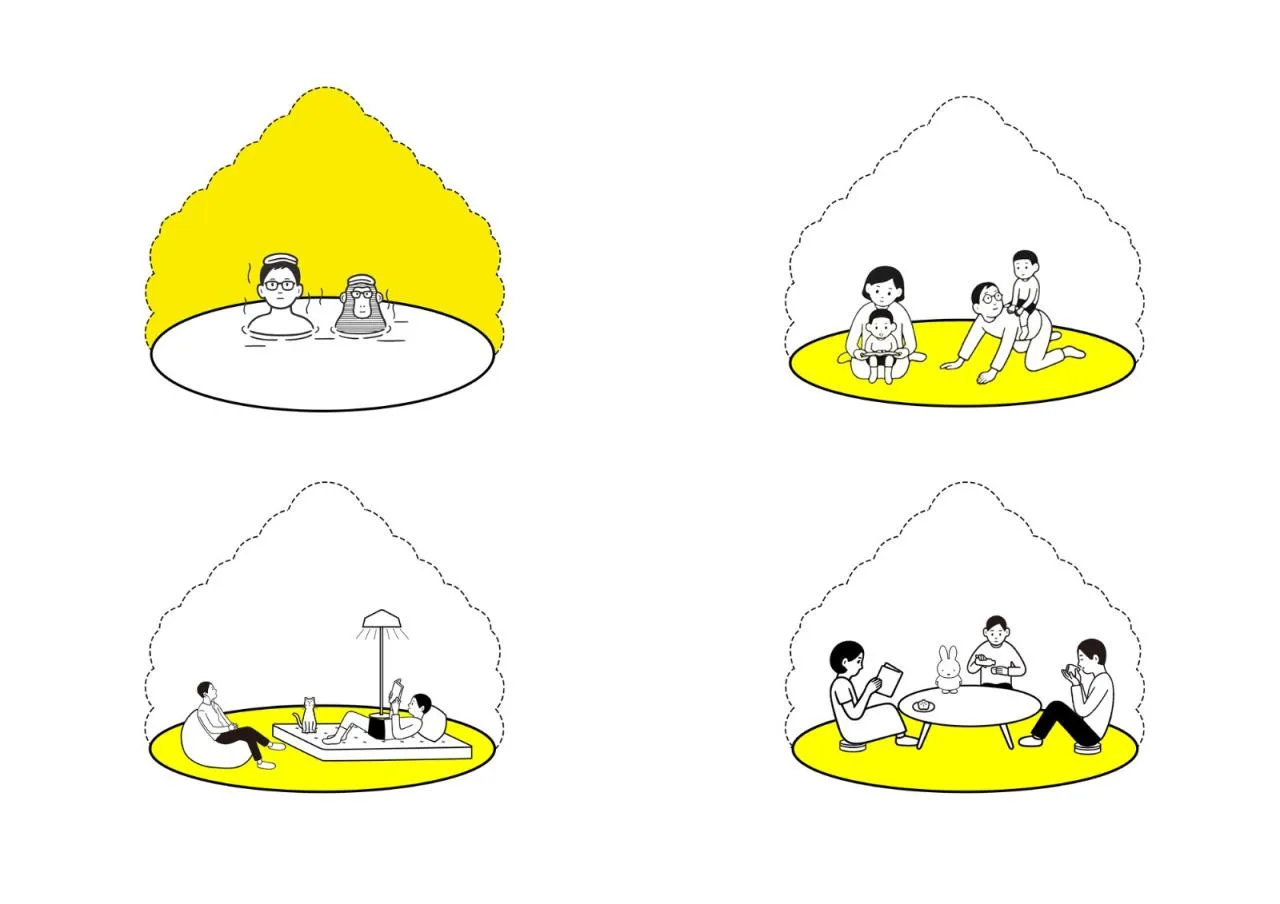
△ Analysis chart
Project Information
Architect: Goertek Studio
Lead Architect: Zhalagenbaier
Design Team: Huhehad
Location: Hohhot














Must log in before commenting!
Sign Up