
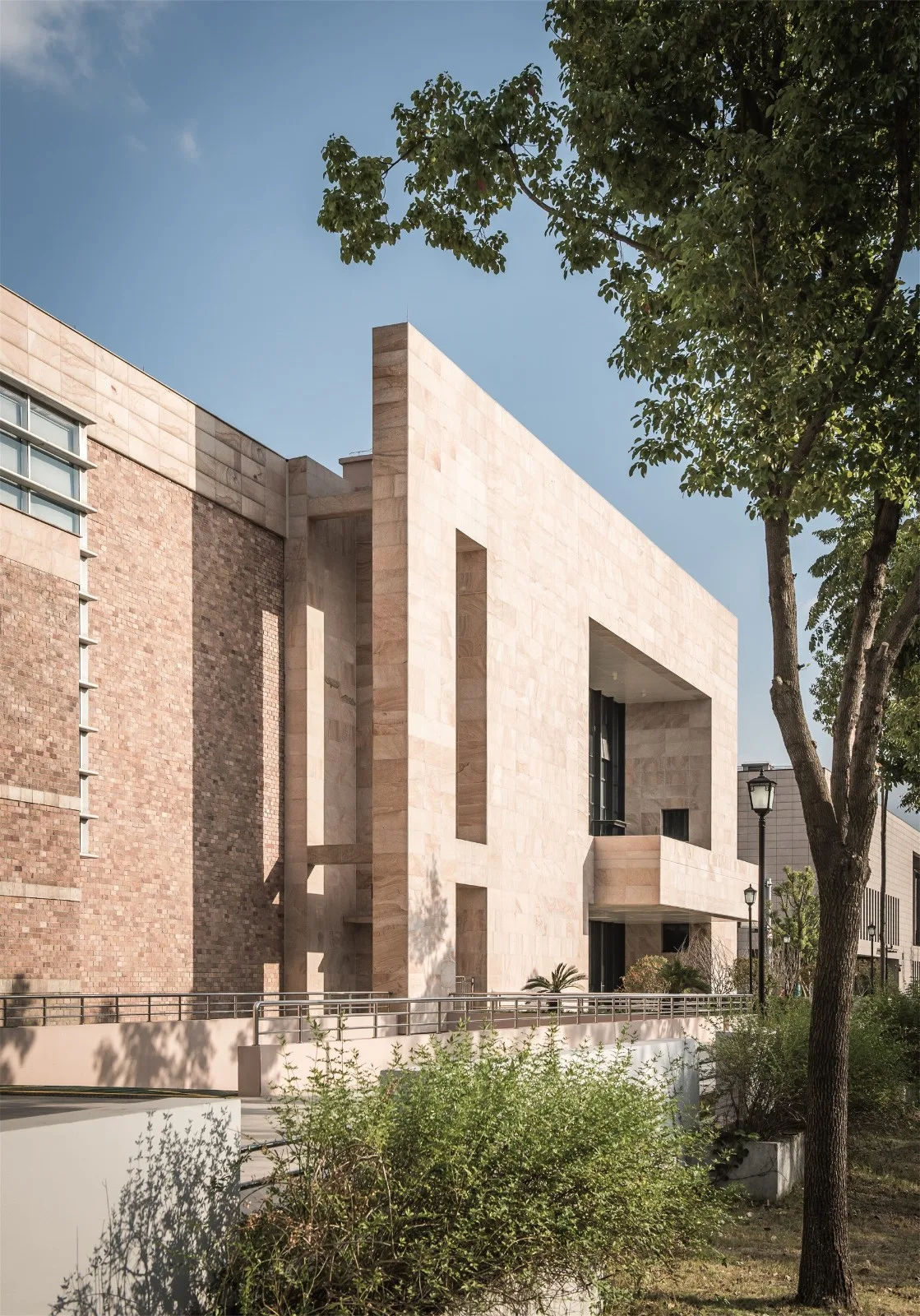
The primary focus of this design is to explore the classic reshaping of urban memorial spaces.
– Creator: Qin Luofeng
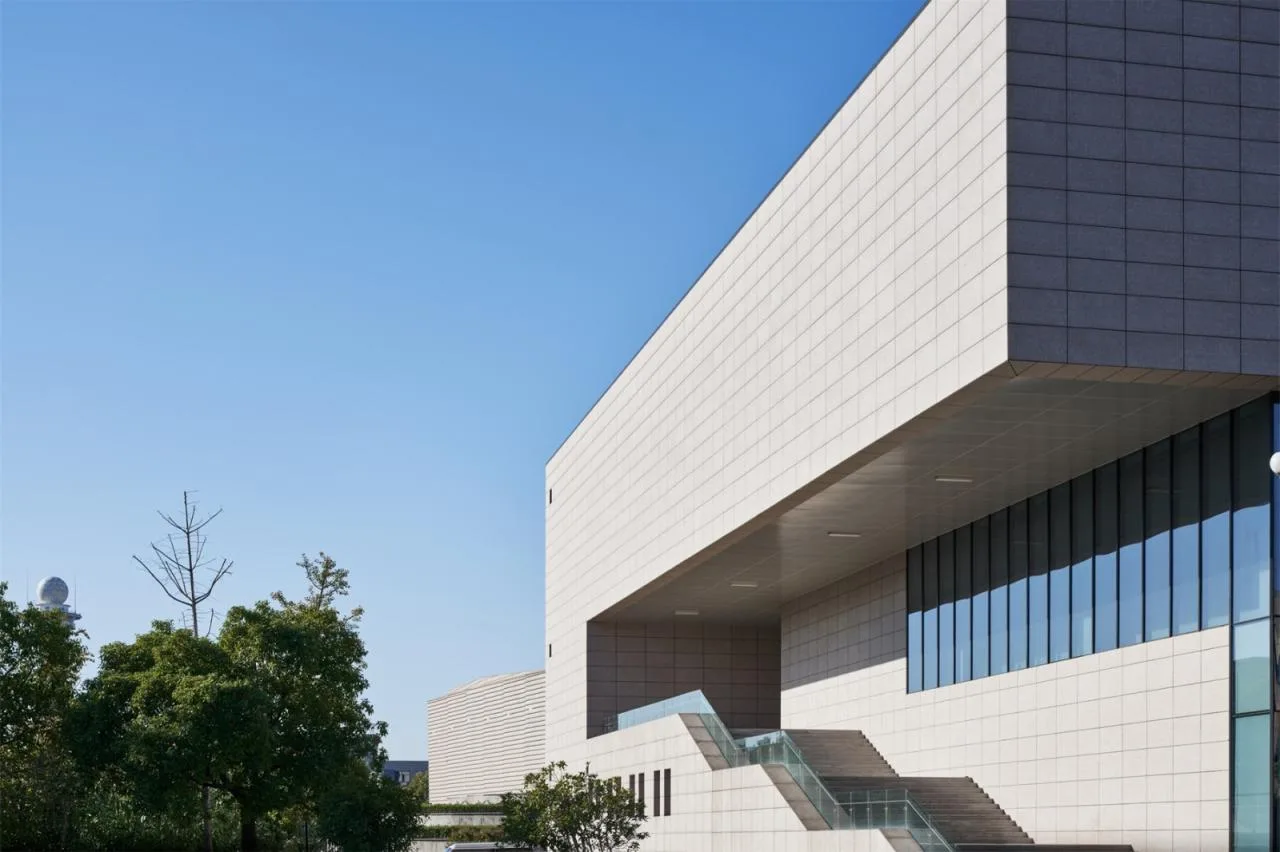
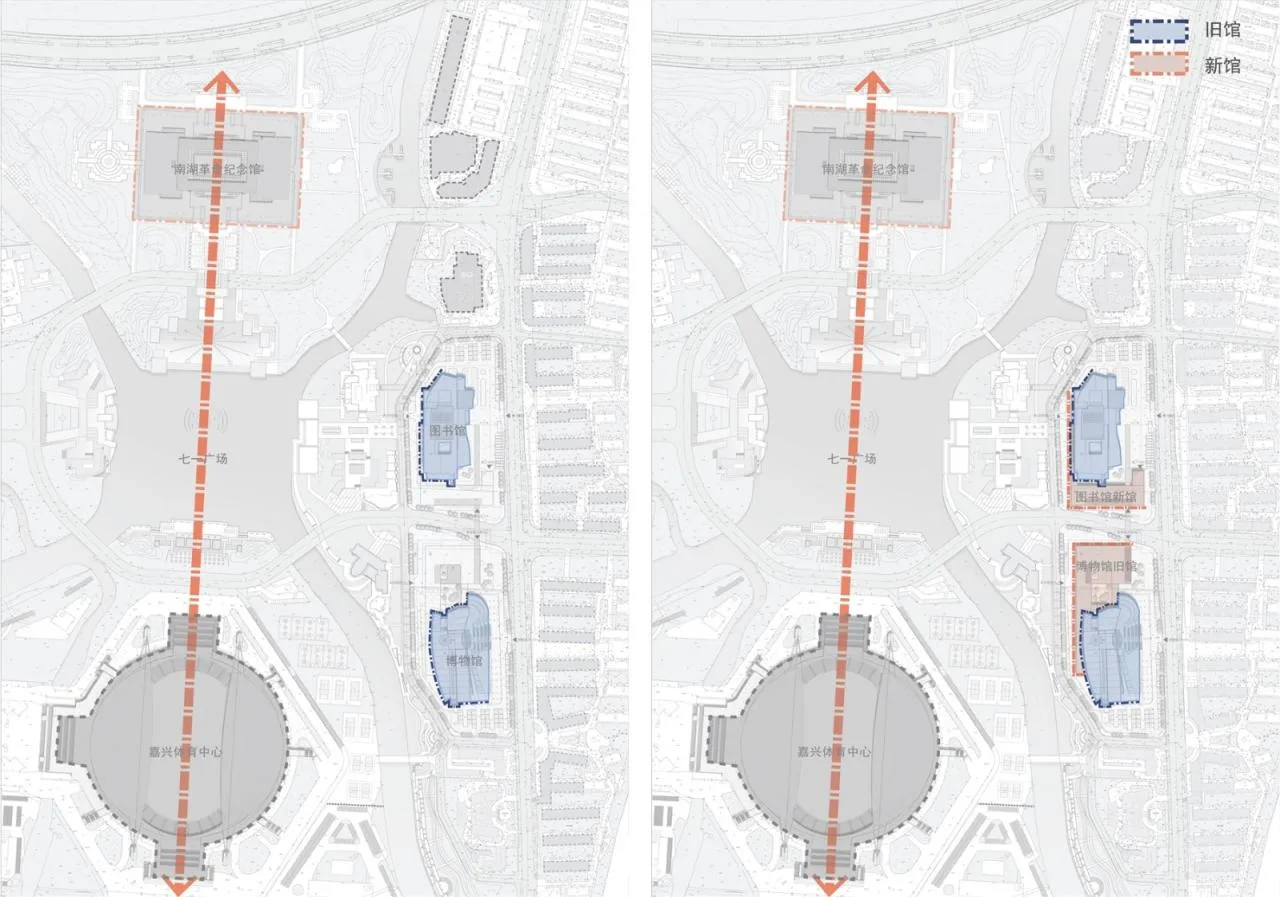
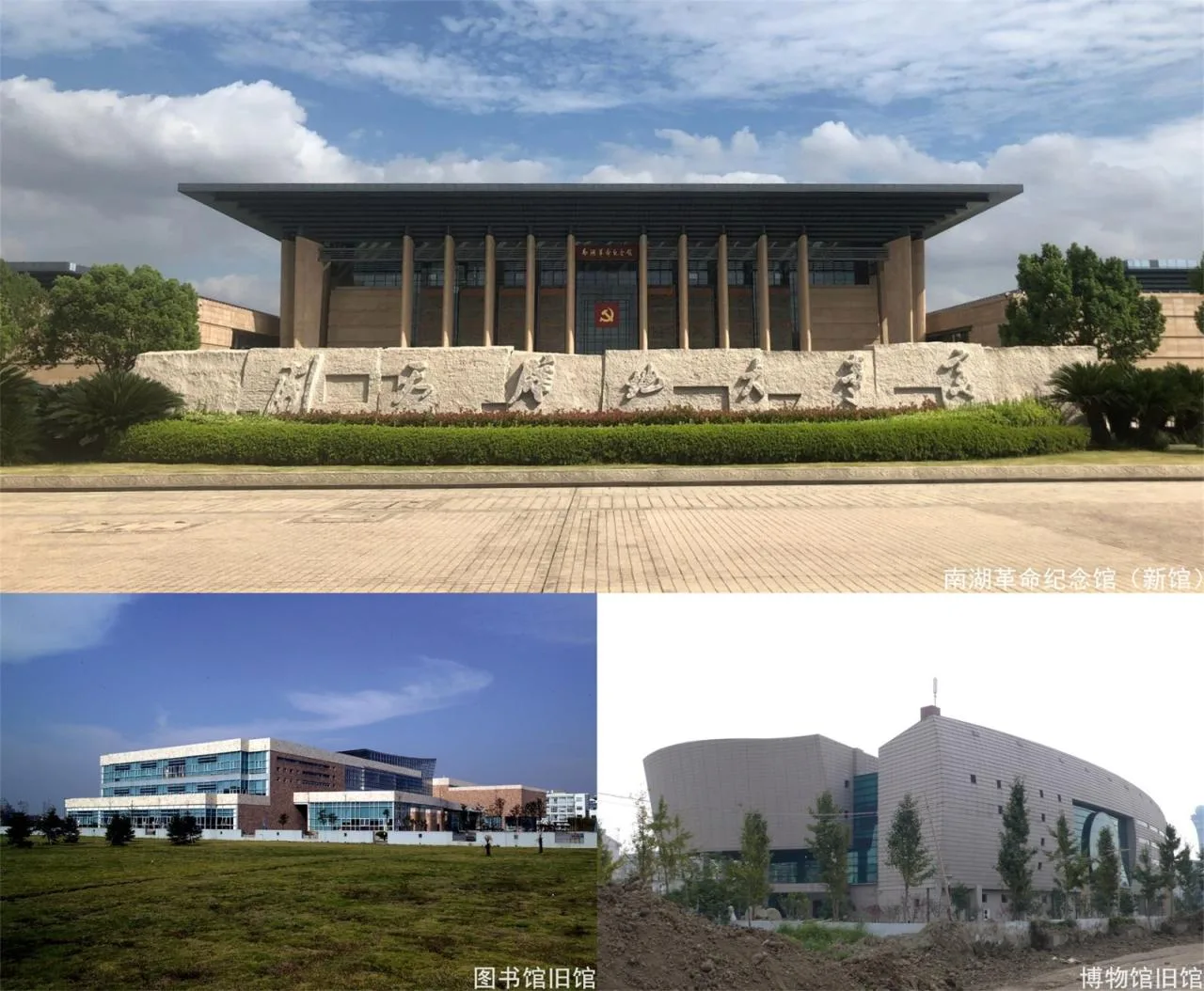
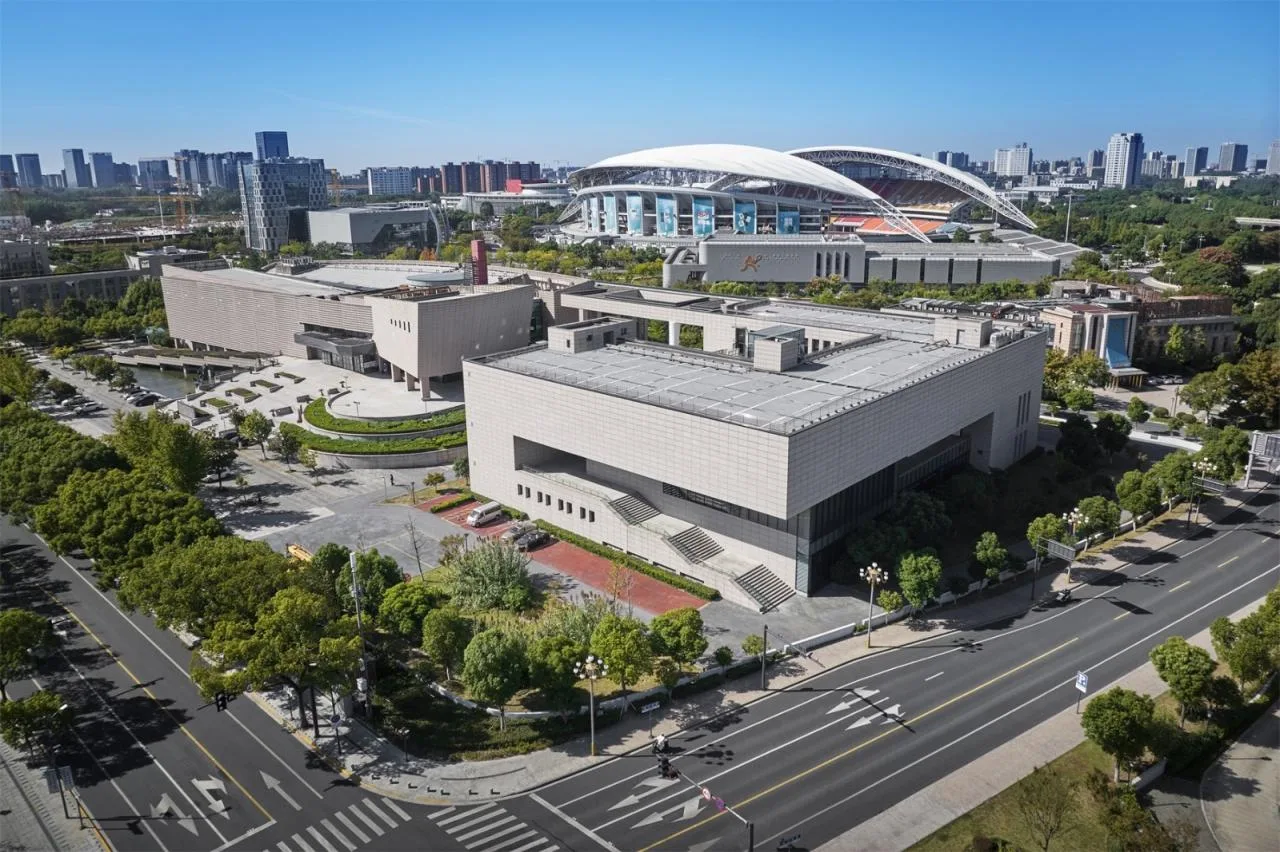
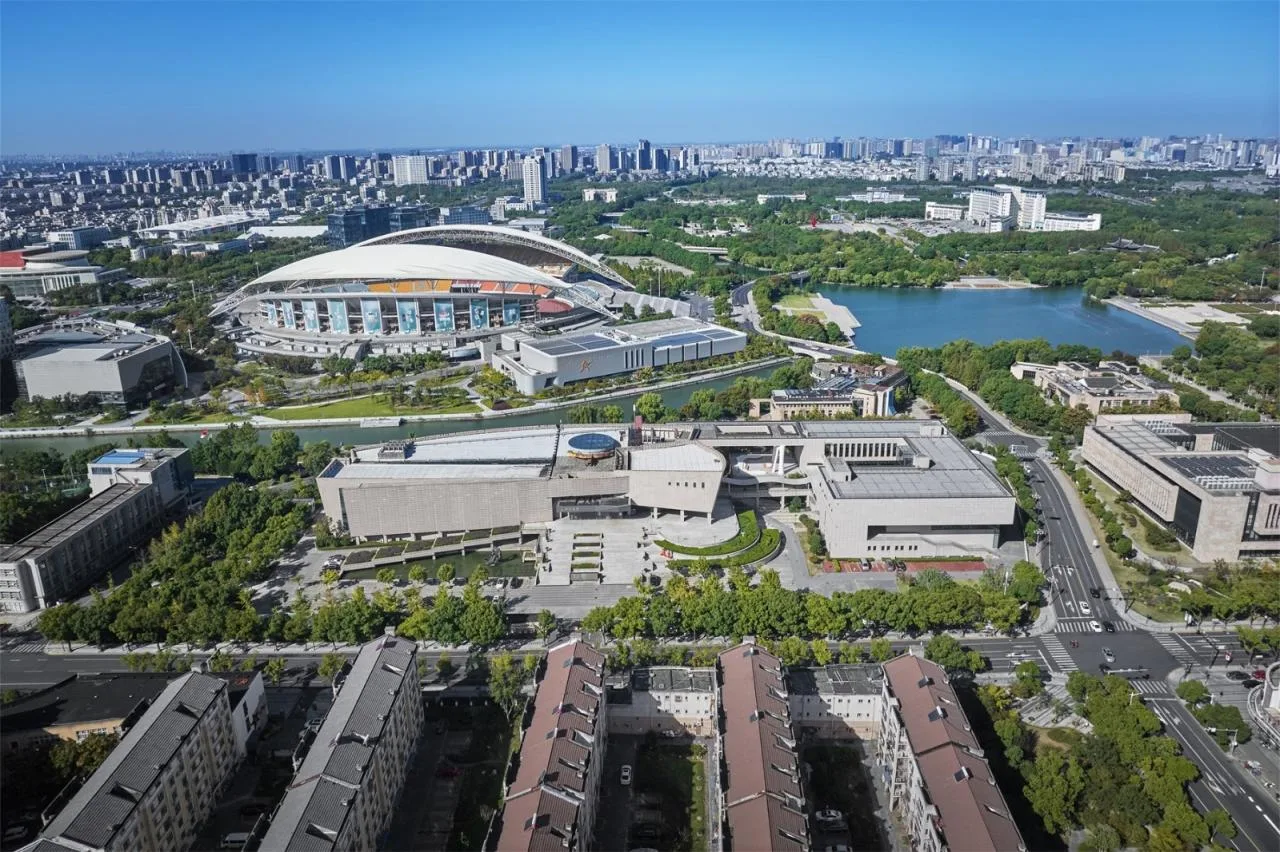
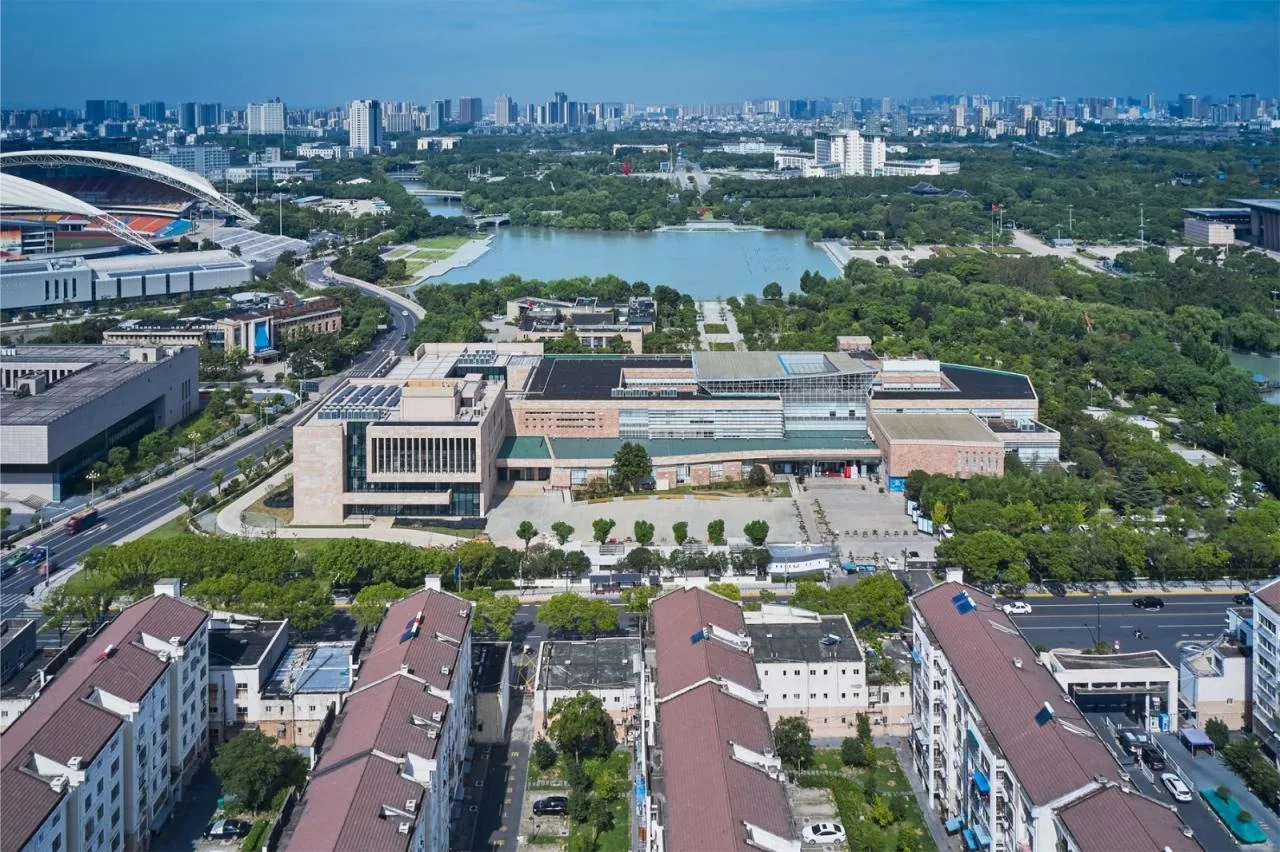
The Jiaxing Museum Library renovation and expansion project is situated to the east of “July 1st” Square in Jiaxing City. This square symbolizes the city’s political identity, with its centerpiece—the Nanhu Revolution Memorial Hall (new building)—holding deep historical and political significance for both the Party and the nation.
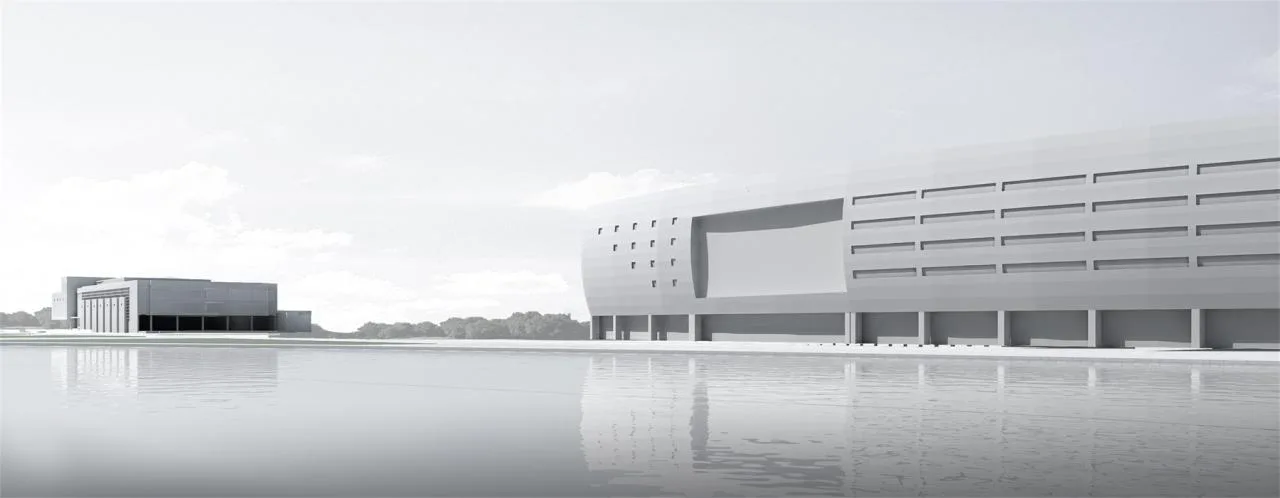
Initially, the surrounding buildings displayed a variety of architectural styles, lacking harmony with the square’s spatial character. Therefore, the expansion design prioritizes harmonious integration and dialogue between new and old buildings in terms of spatial arrangement, form, materials, and relationship to the square.
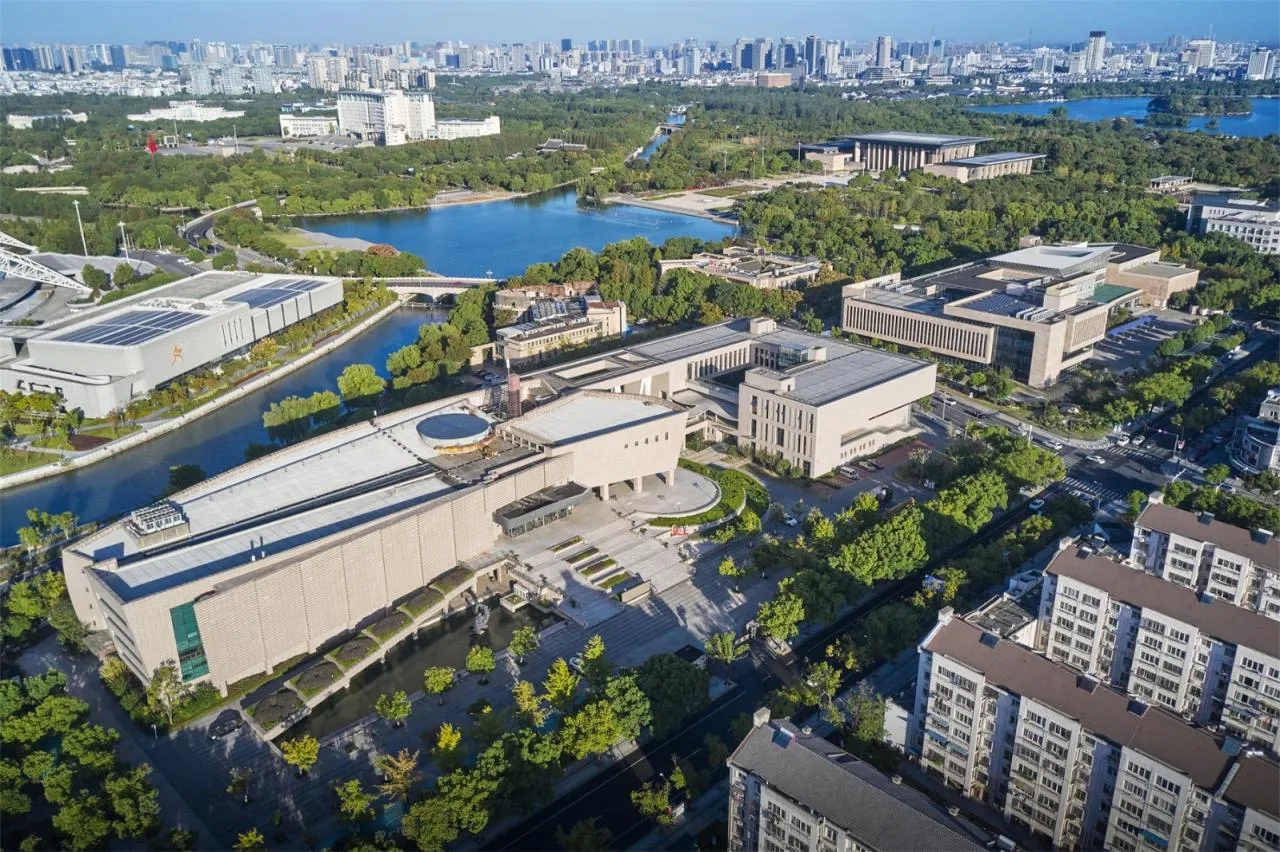
Planning and Design – Classic Reshaping of Urban Commemorative Space
The design begins with an overarching urban concept. By controlling the shape of the expansion, implementing simple and clean facade designs, and integrating the urban spatial system, the project diminishes the distinctiveness of the original independent architecture. This approach summarizes, integrates, and coordinates with the surrounding environment of the square, especially the core revolutionary memorial hall.
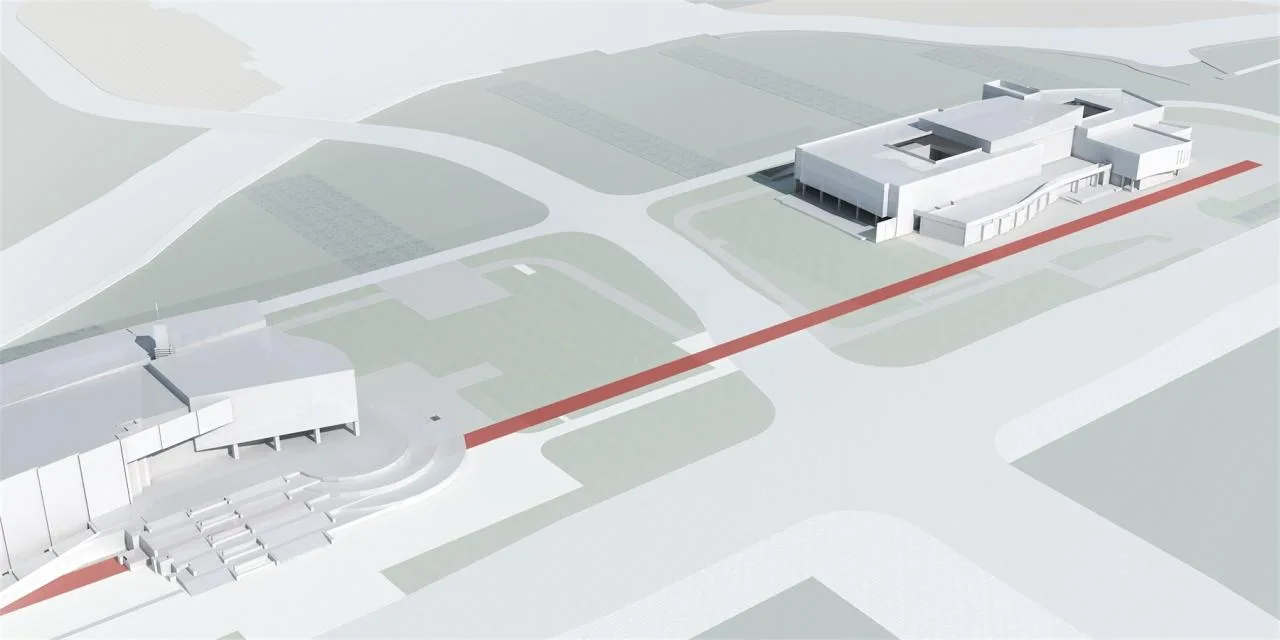
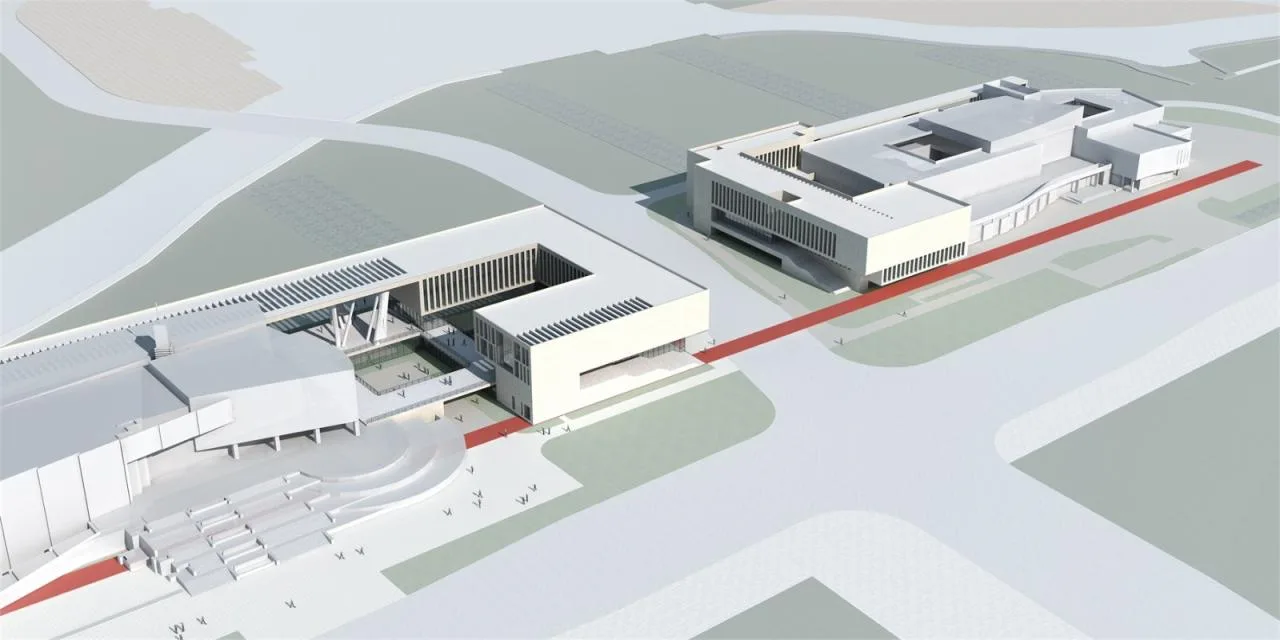
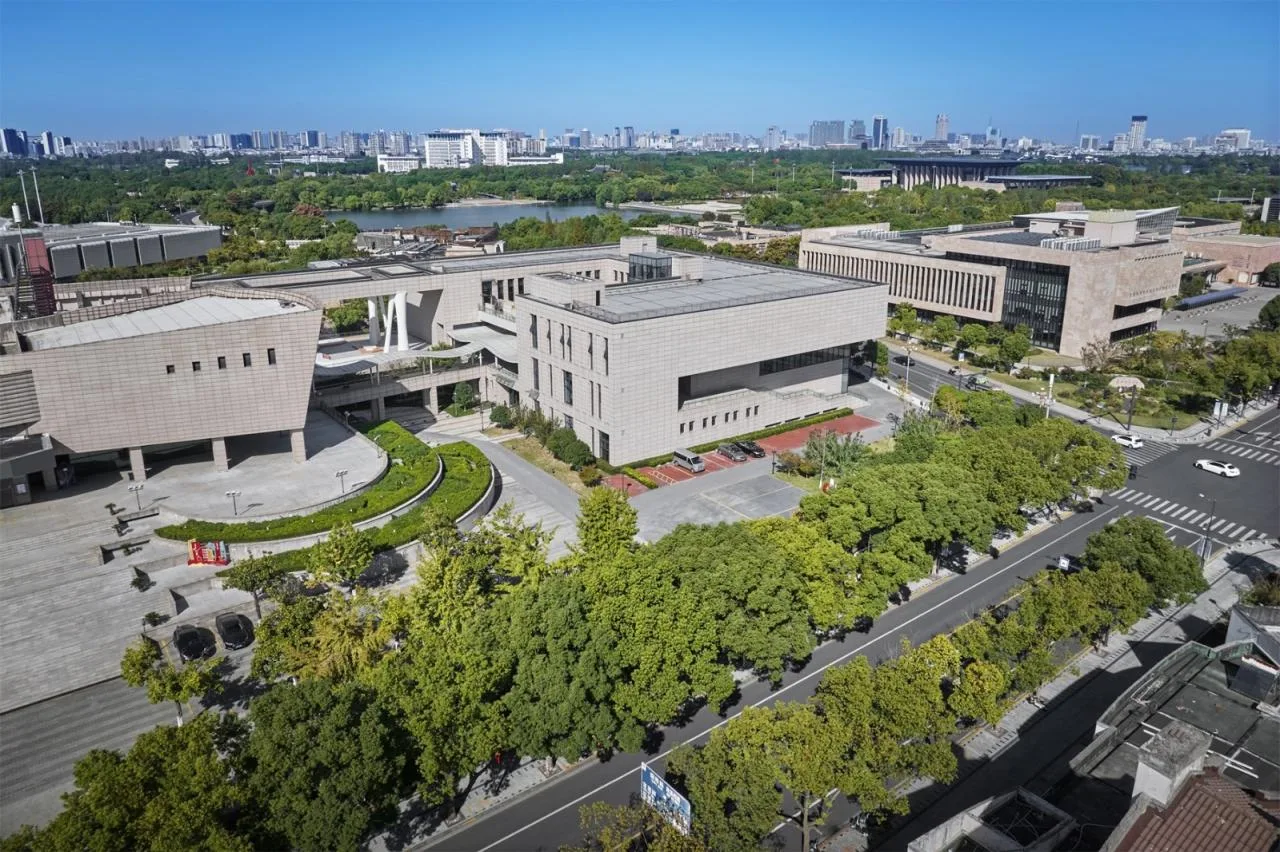
At the architectural level, the renovation and expansion effectively enhance functionality, interweave and surround the blocks, and thoughtfully balance the interplay between solid and void in the facades. This creates a renovated space that blends the old and new areas, evoking a sense of historical solemnity.
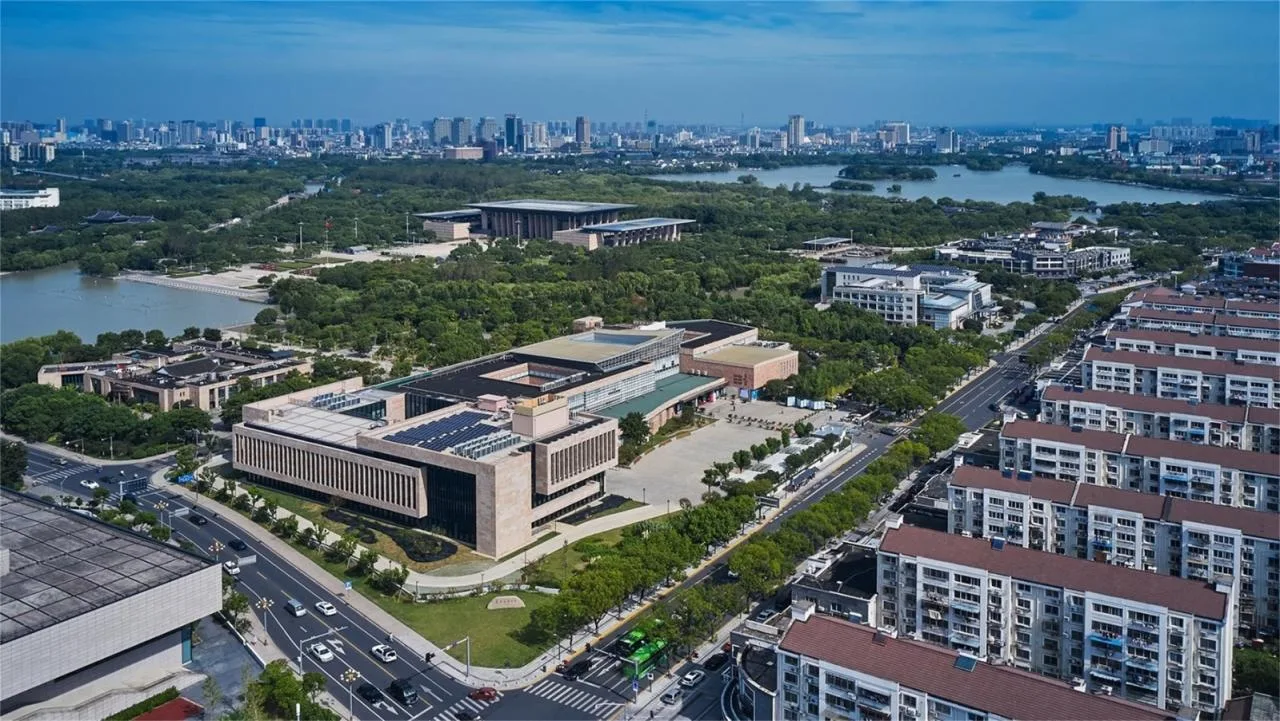
Space Design – Organic Integration of Old and New Buildings
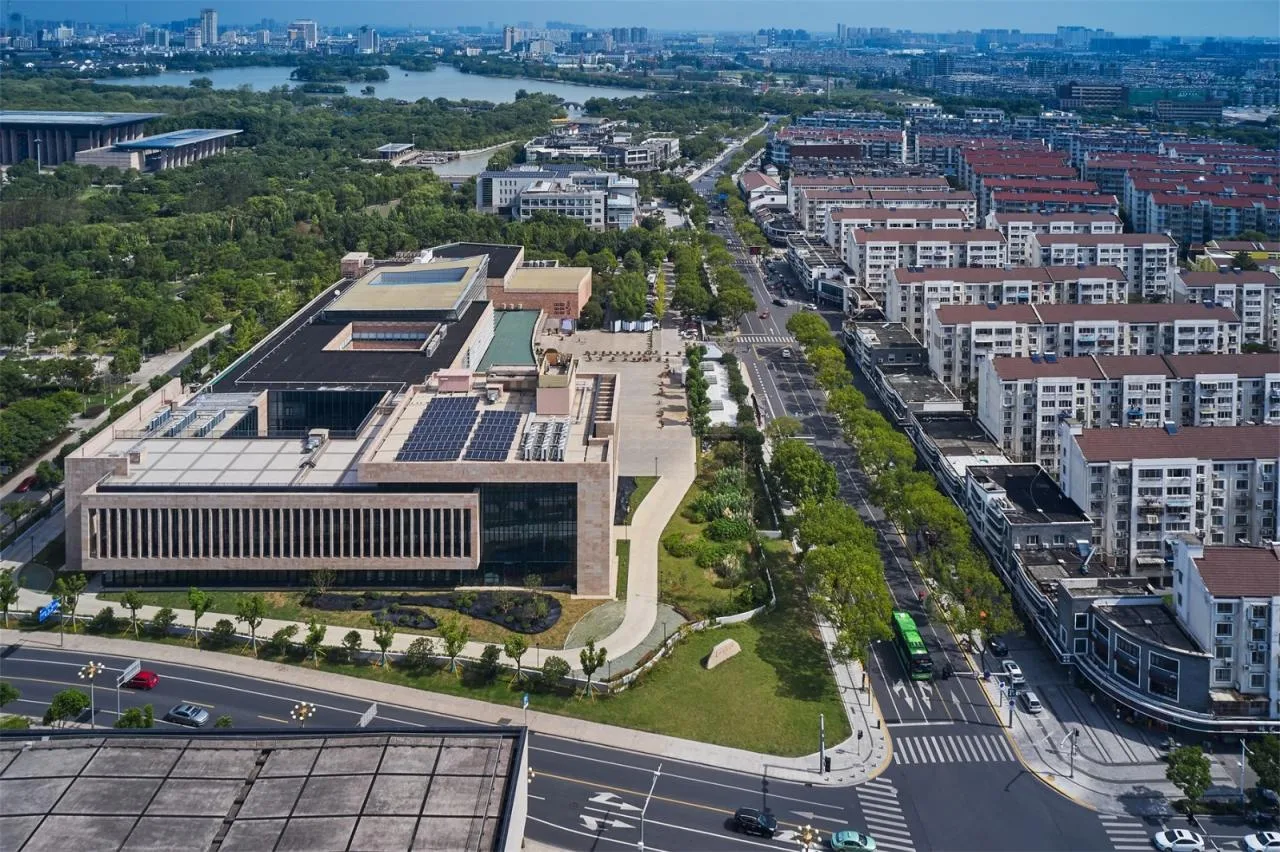
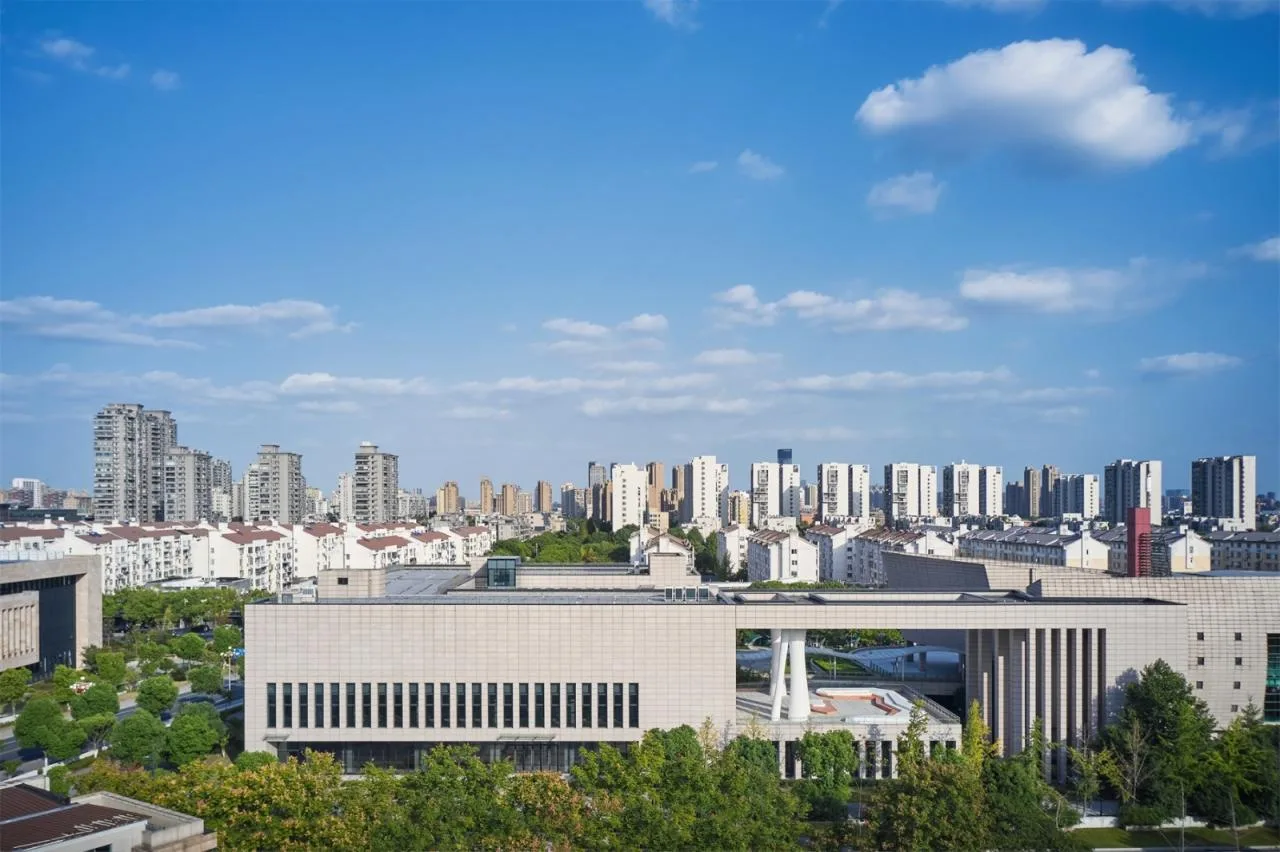
The renovation and expansion maintain the original architectural form and space to the greatest extent possible. Through creative design, the old and new buildings are seamlessly integrated. Two new museums with sharp edges complement the complex shapes of the existing old museums without compromising their internal structure or graphic identity. This harmonious blend connects the museums to the revolutionary memorial hall and the surrounding square buildings.
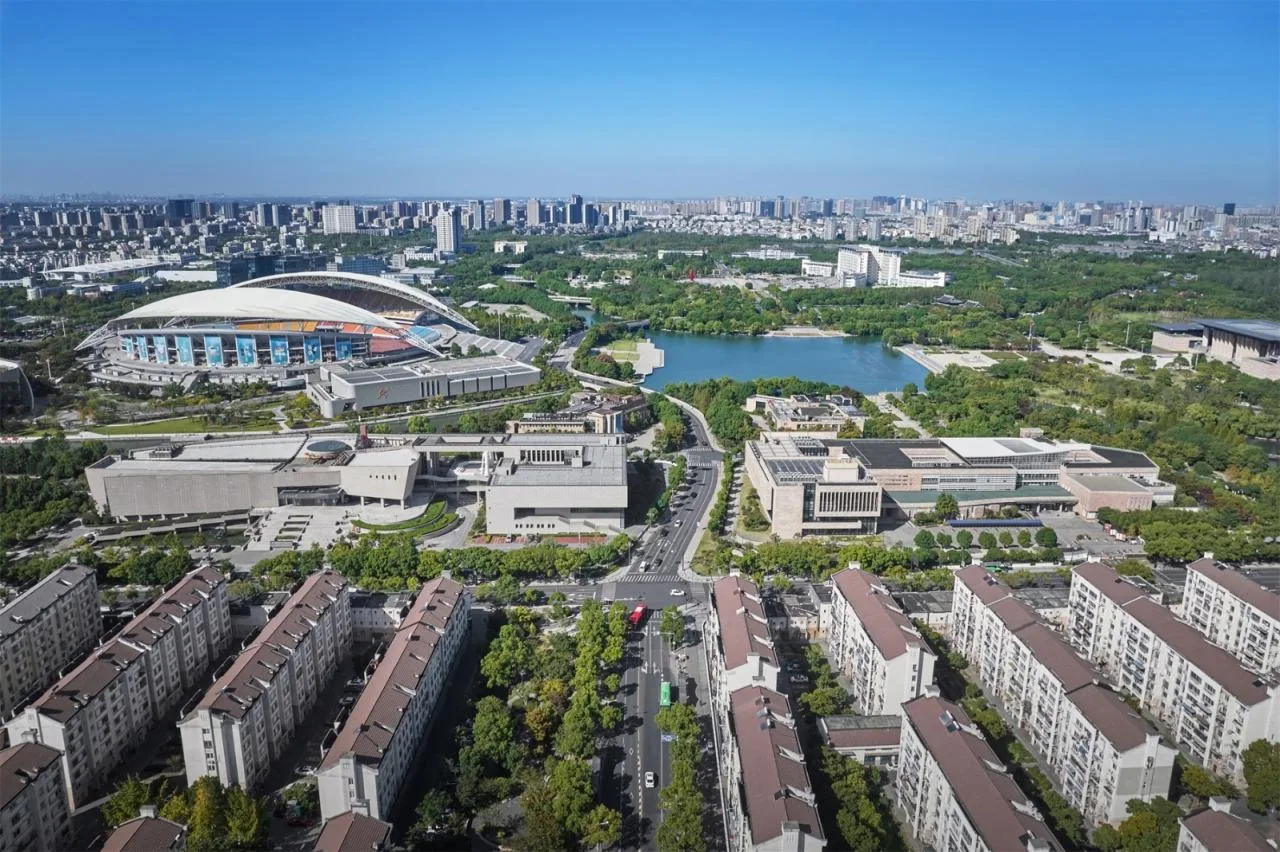
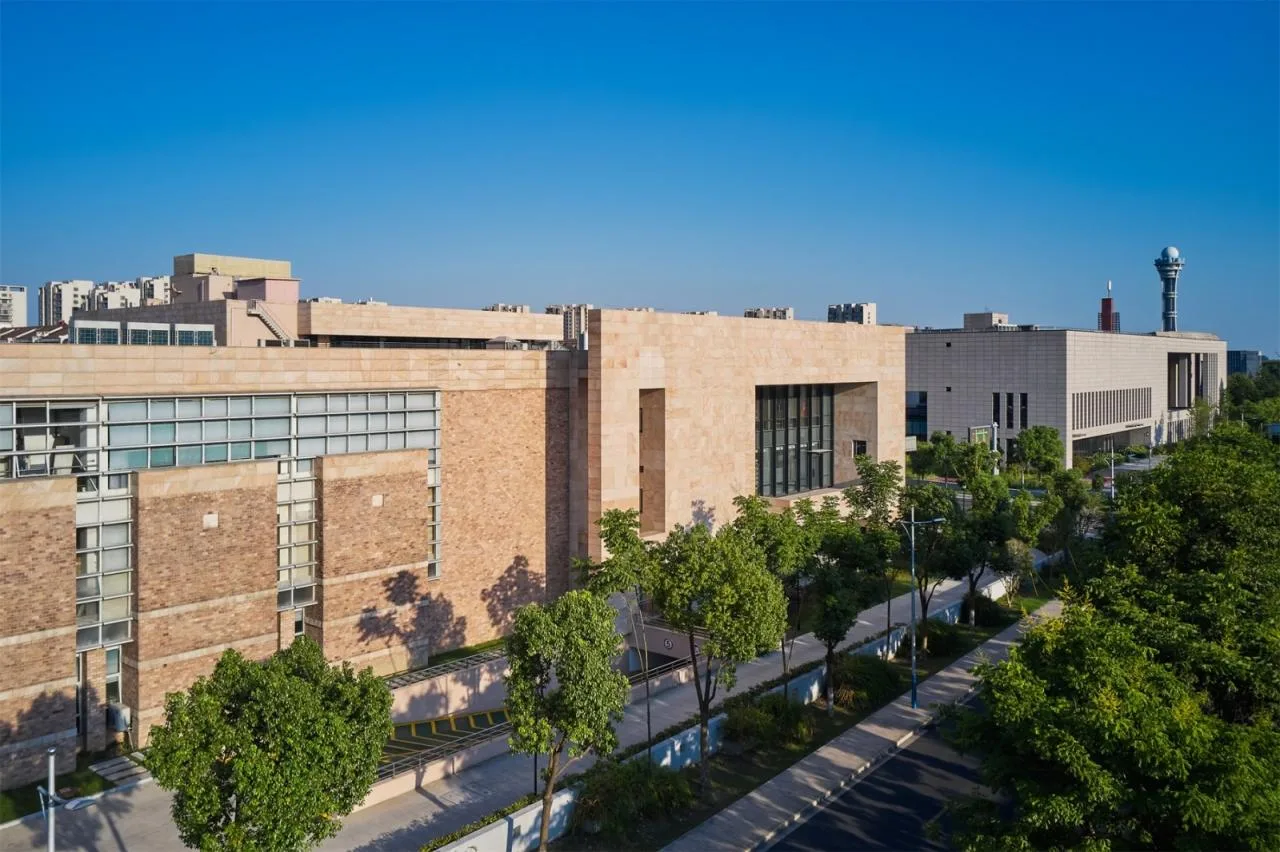
The new museum is positioned north of the old building, emphasizing internal courtyards and enclosure planning, along with transitional spaces that connect the new and original structures. This is achieved through a unified, simple architectural form and consistent materials.
The new library lies to the south of the original, enclosed by a courtyard that centers around both old and new parts, creating a transparent and continuous spatial flow. The combination of courtyards, terraces, and open public areas results in a harmonious and orderly layout.
Architectural Style – Simplifying Complexity
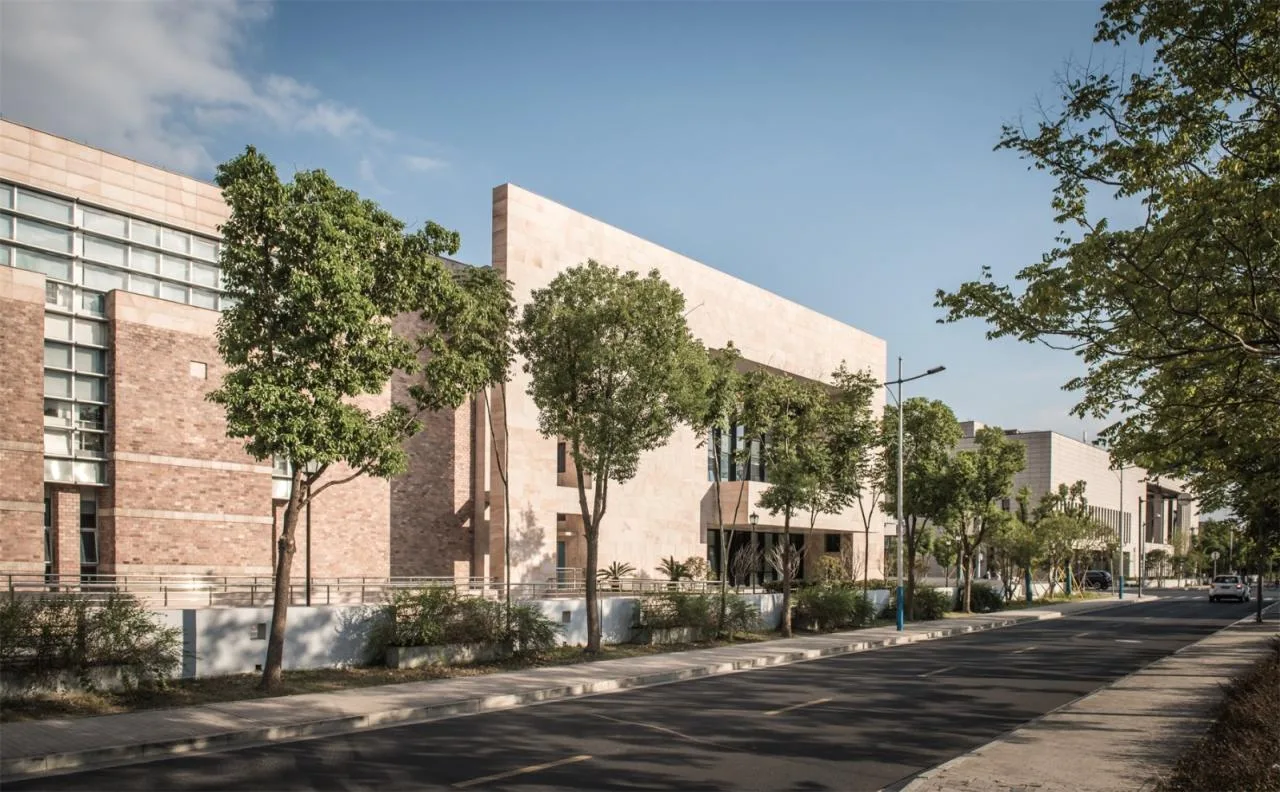
The original facades of the museum and the old library differ significantly and contrast sharply with the facade of the Revolution Memorial Hall. The designer employed a simplified approach, organizing space and form through clean geometric shapes and linear elements.
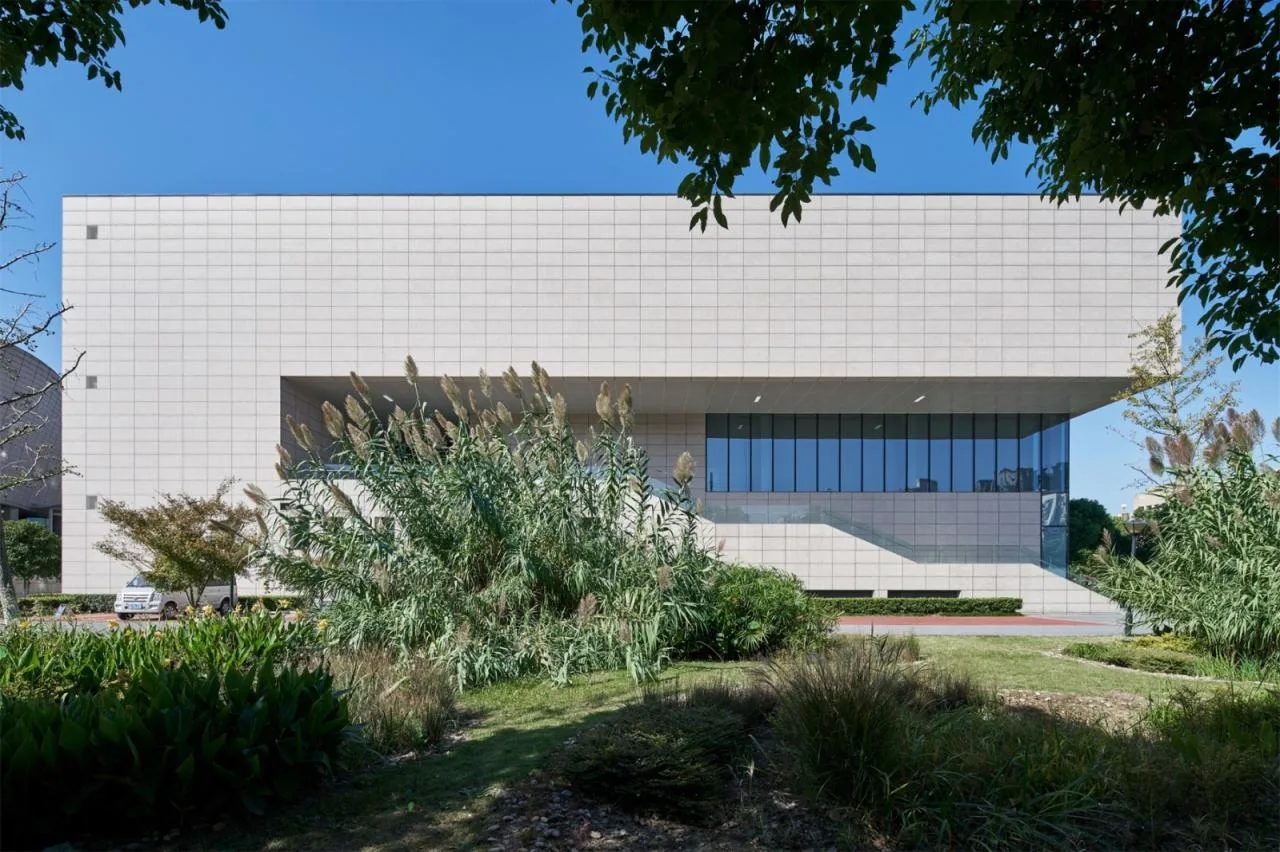
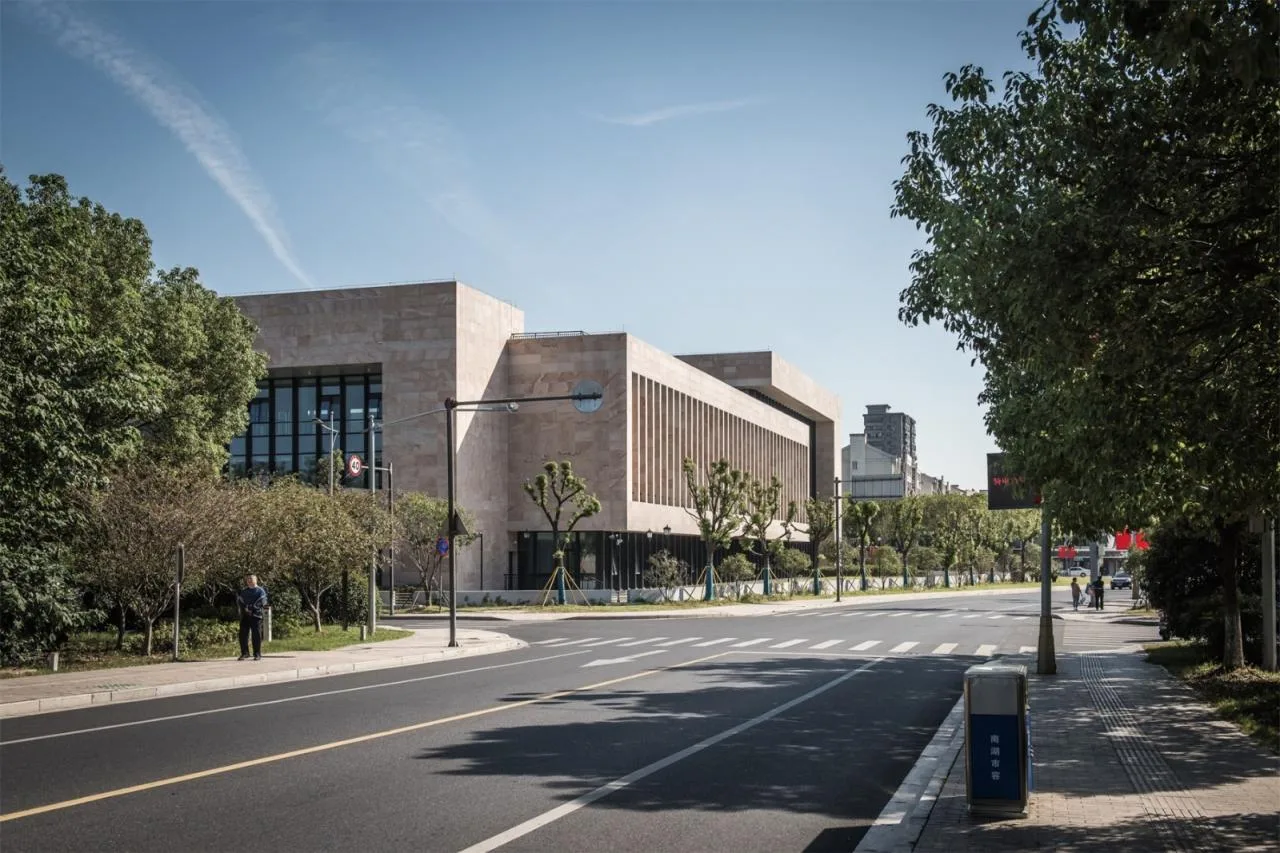
Facing the west facade of “July 1st” Square, the new building’s facade extends and harmonizes with the old structure. Vertical lines paired with a simple, solemn texture evoke a strong sense of order, emphasizing the commemorative and historical importance of the architecture.
Facade Materials – Honoring History Through Continuity and Development
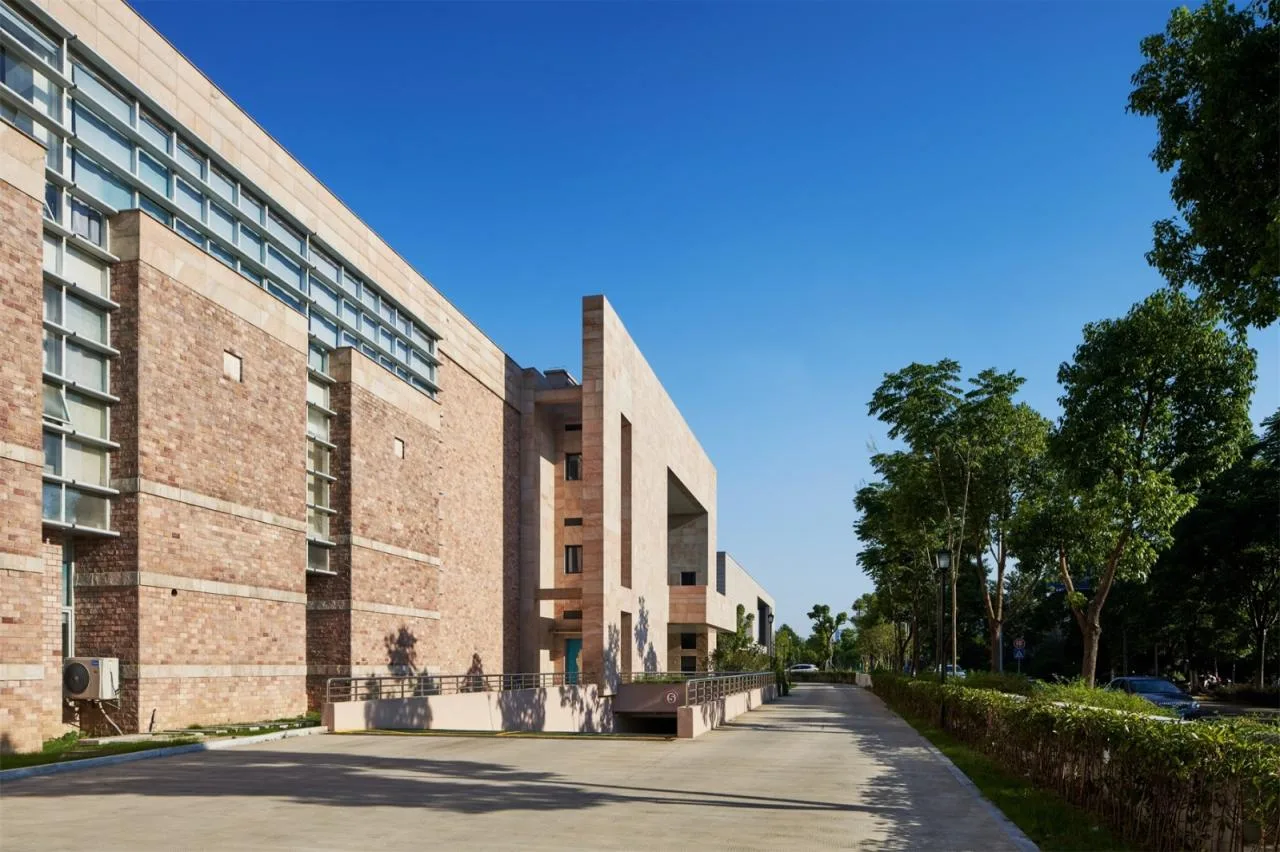
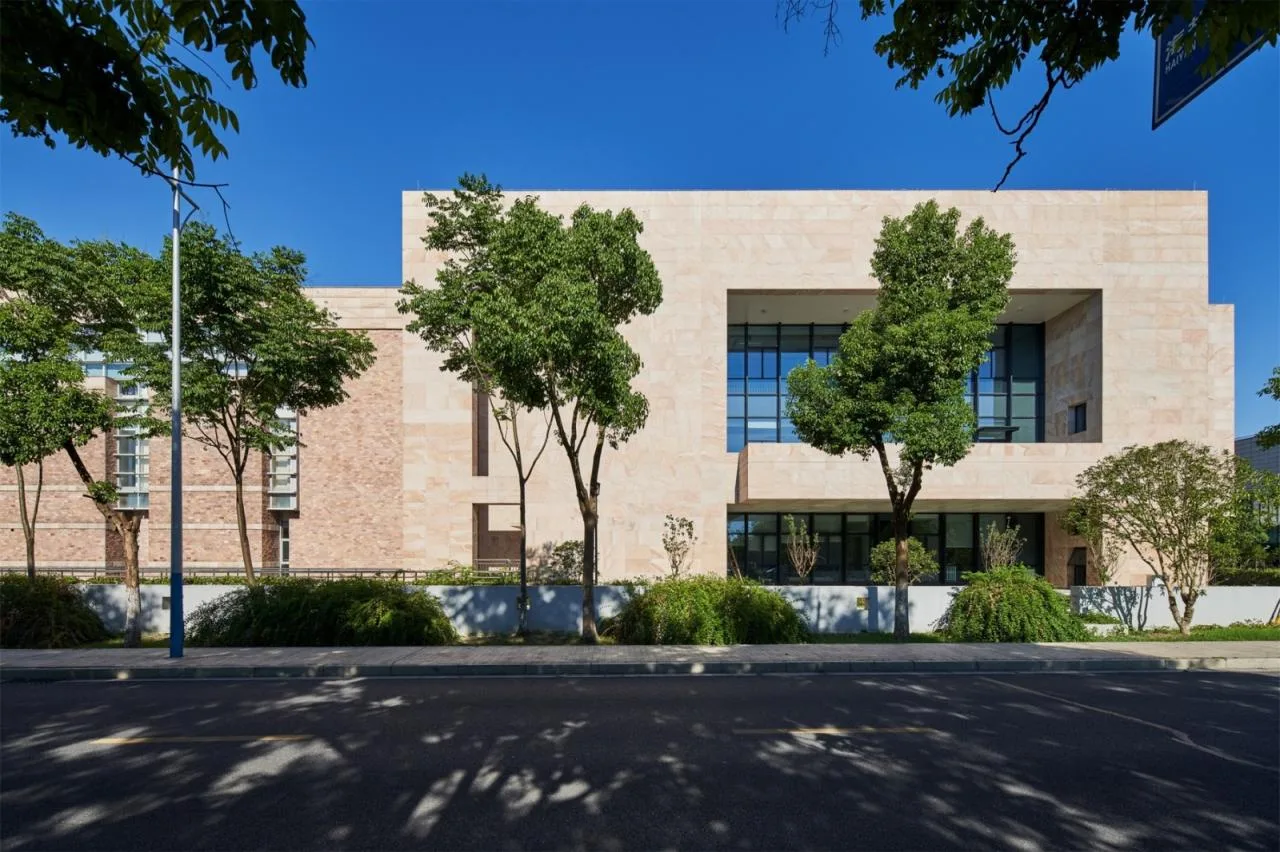
To maintain harmony and unity between old and new structures, the new museum honors the facade materials of the original museum by reusing stone produced in situ.
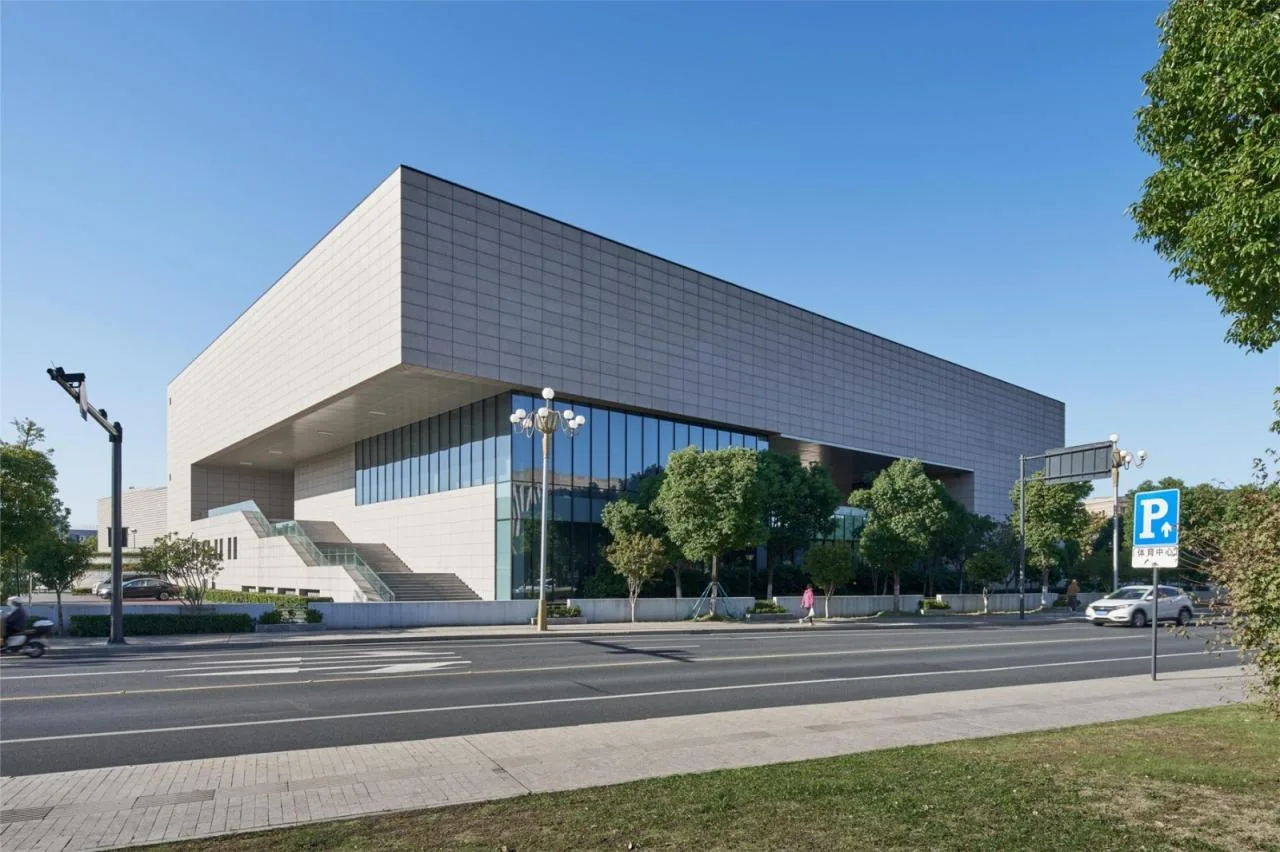
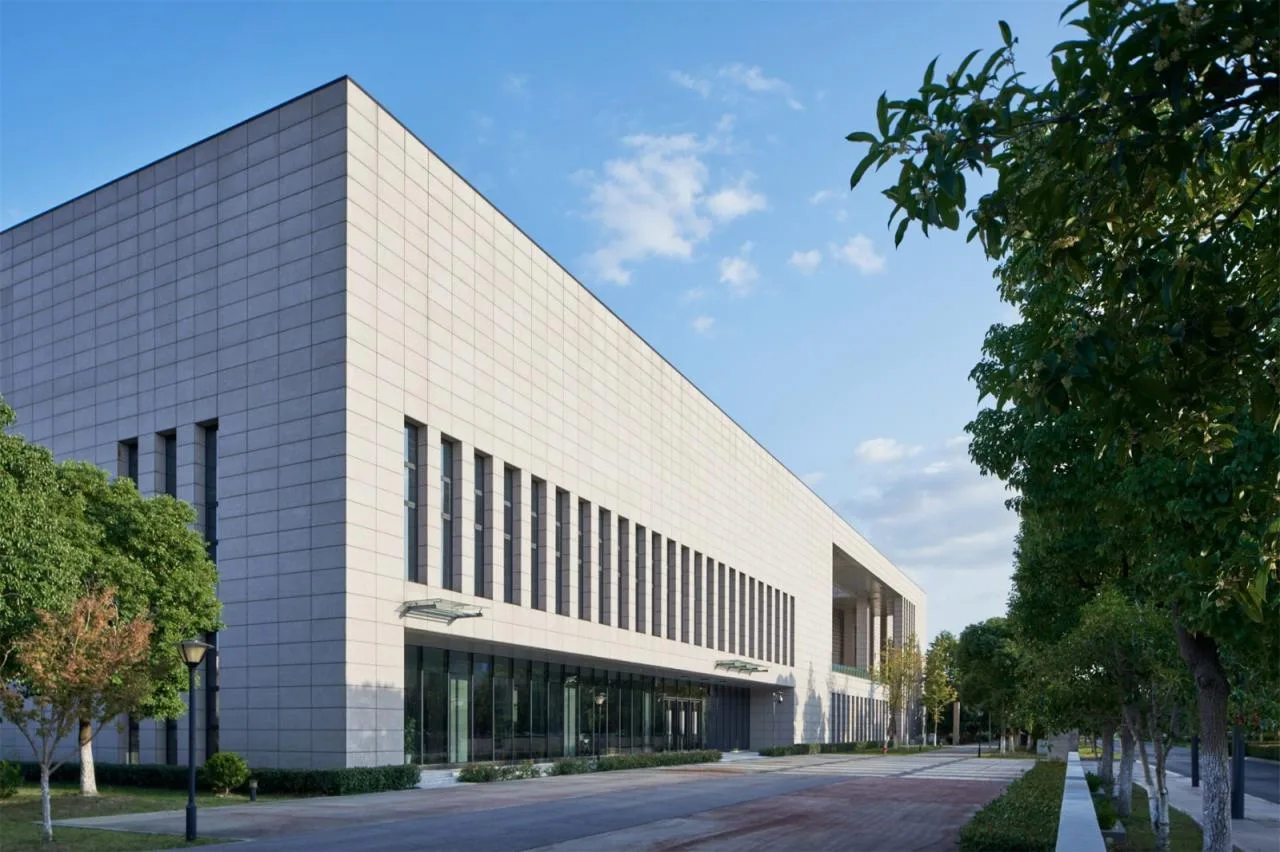
The red bricks on the old library’s facade are no longer manufactured. After careful selection, the new library facade features dry-hung granite with a similar texture and color. This choice meets the design and functional requirements while creating a respectful continuation with the old library.
Conclusion
This comprehensive design reflects a deep respect for and continuation of the historical texture of landmarks such as “July 1st” Square and the Nanhu Revolutionary History Museum. It also considers the urban spatial context, aligning with the city’s goals and vision for contemporary cultural architecture. The project transforms “July 1st” Square into a timeless example of urban and architectural renovation, enriched with culture, history, and commemoration.
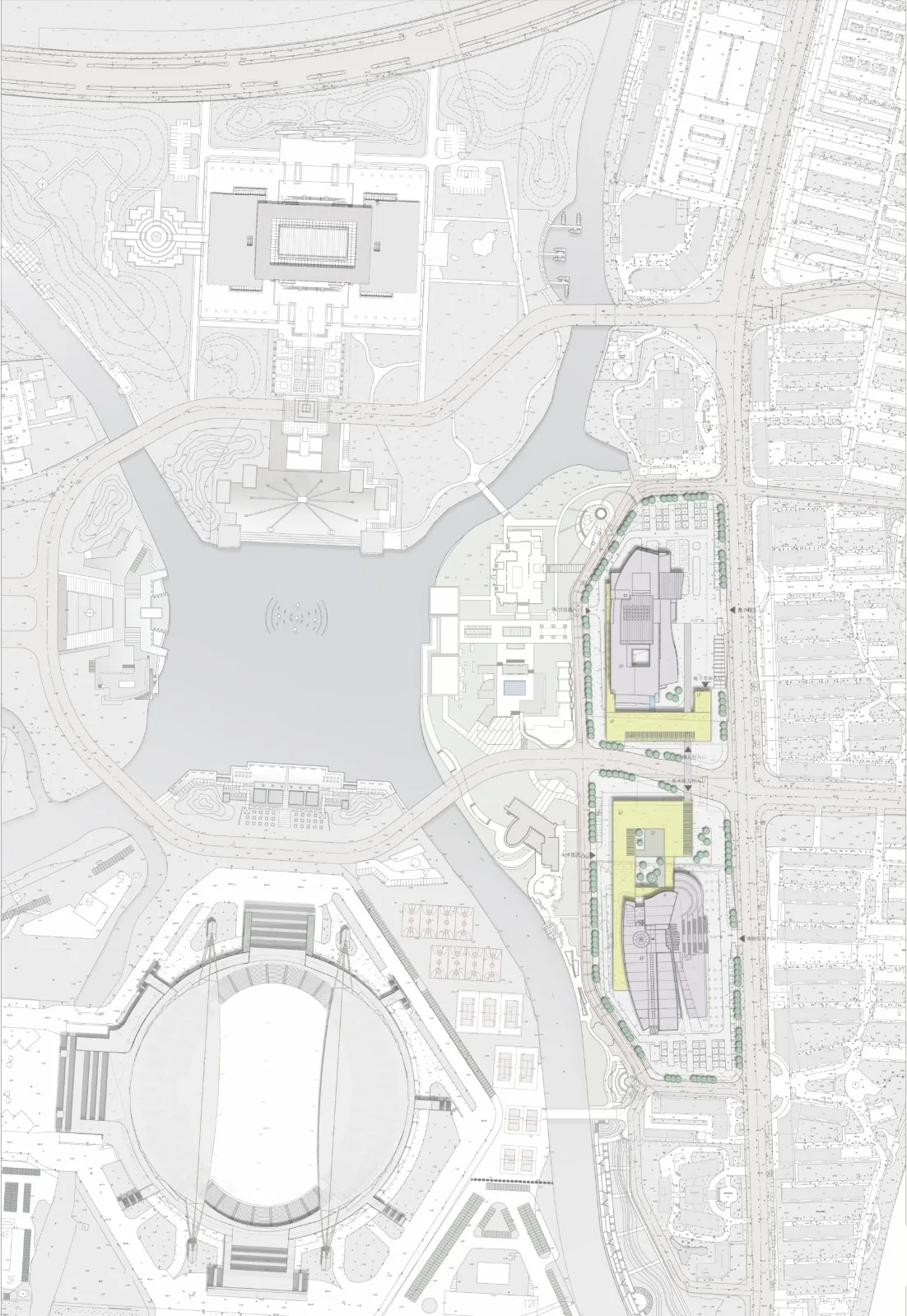
Project Drawings
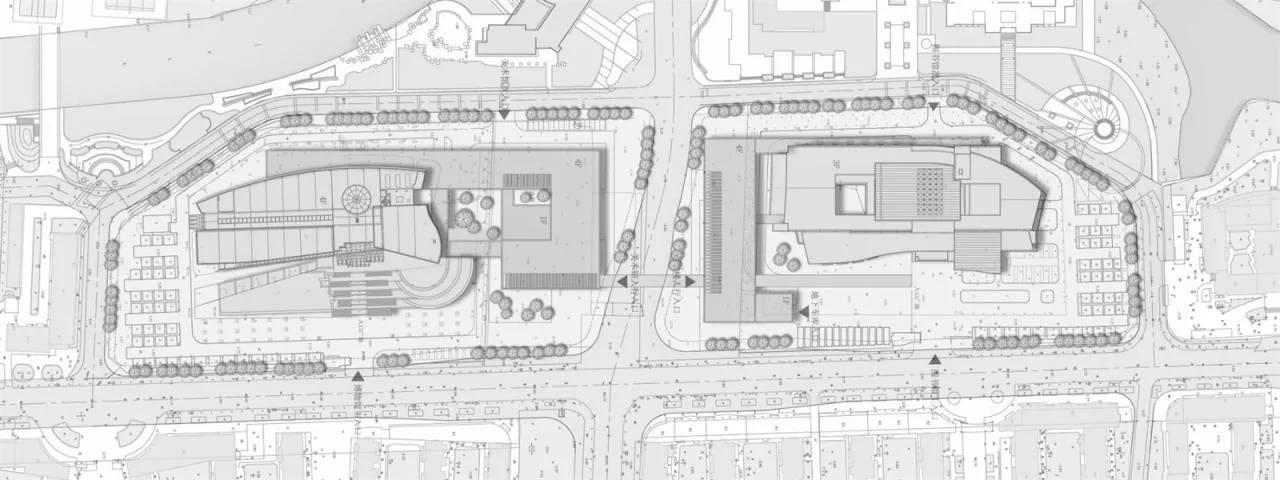
△ General Layout Plan
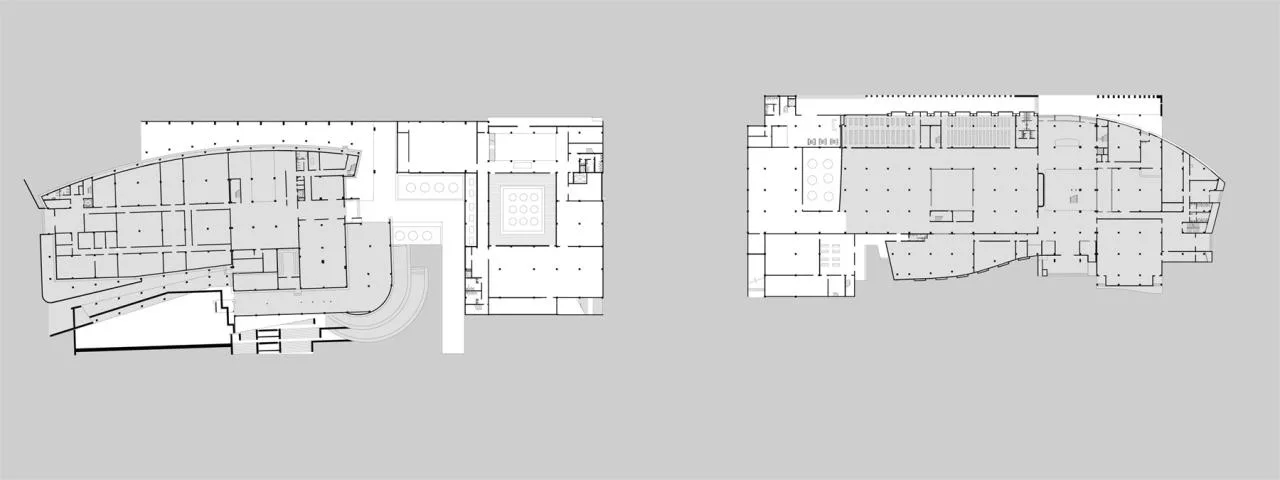
△ First Floor Plan
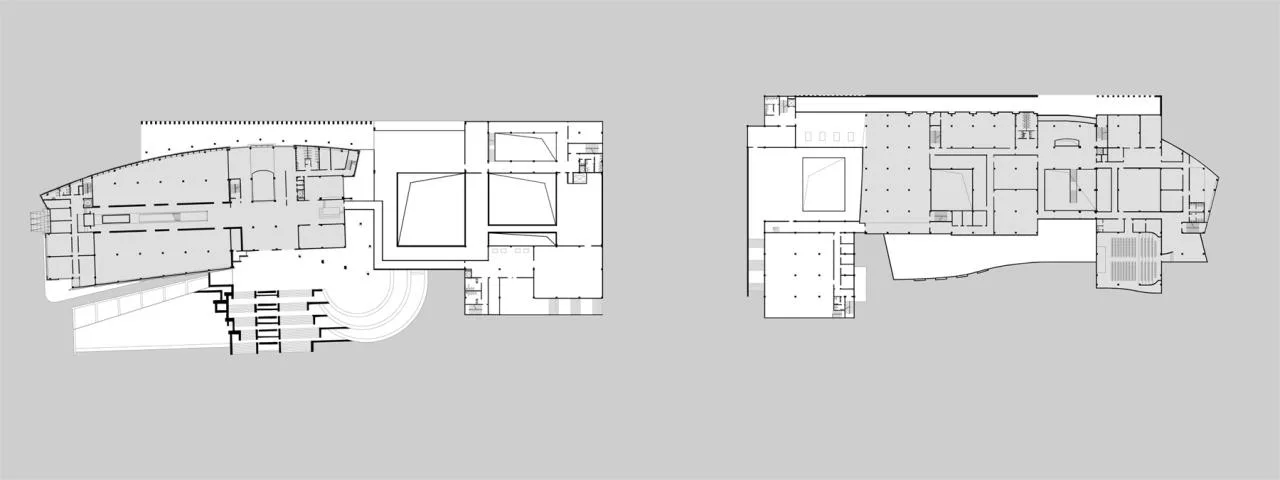
△ Second Floor Plan
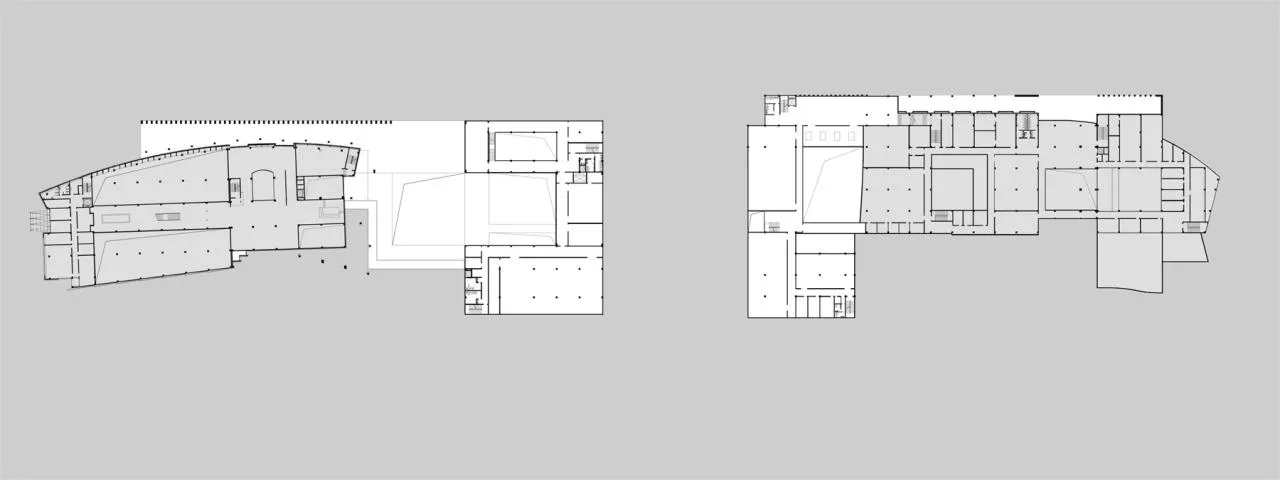
△ Third Floor Plan
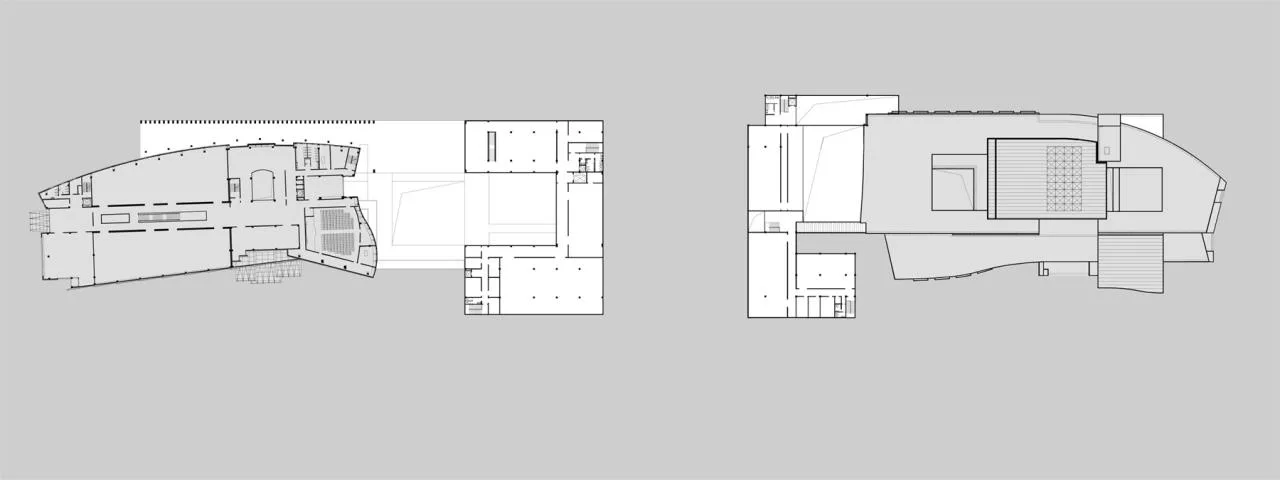
△ Fourth Floor Plan
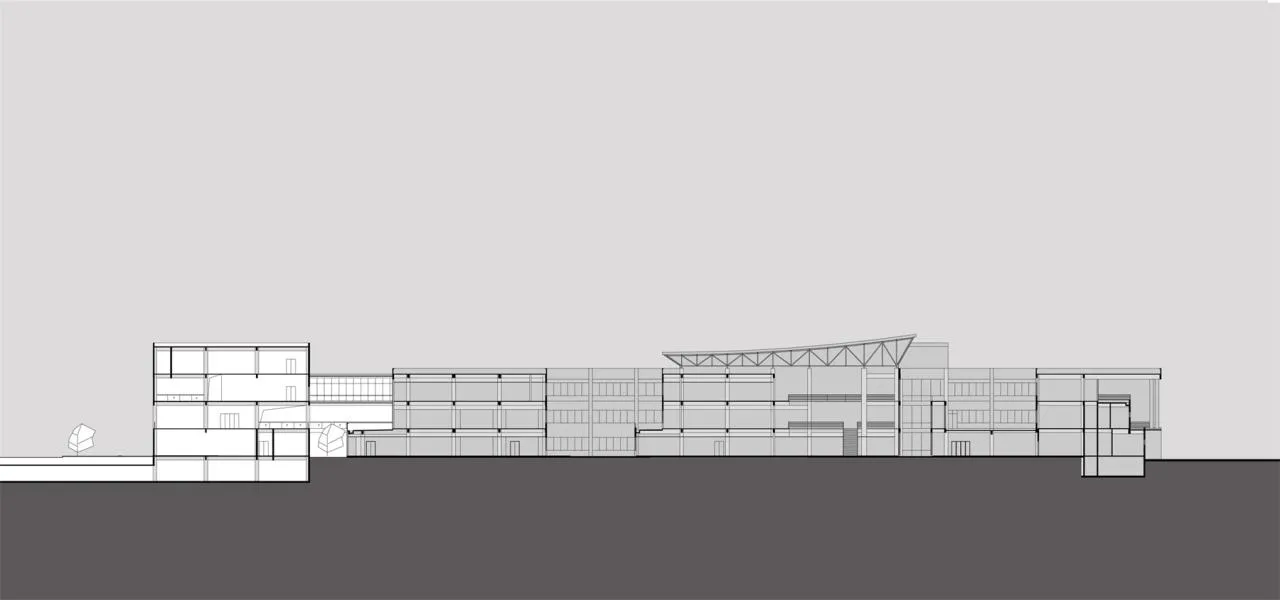
△ Section Diagram
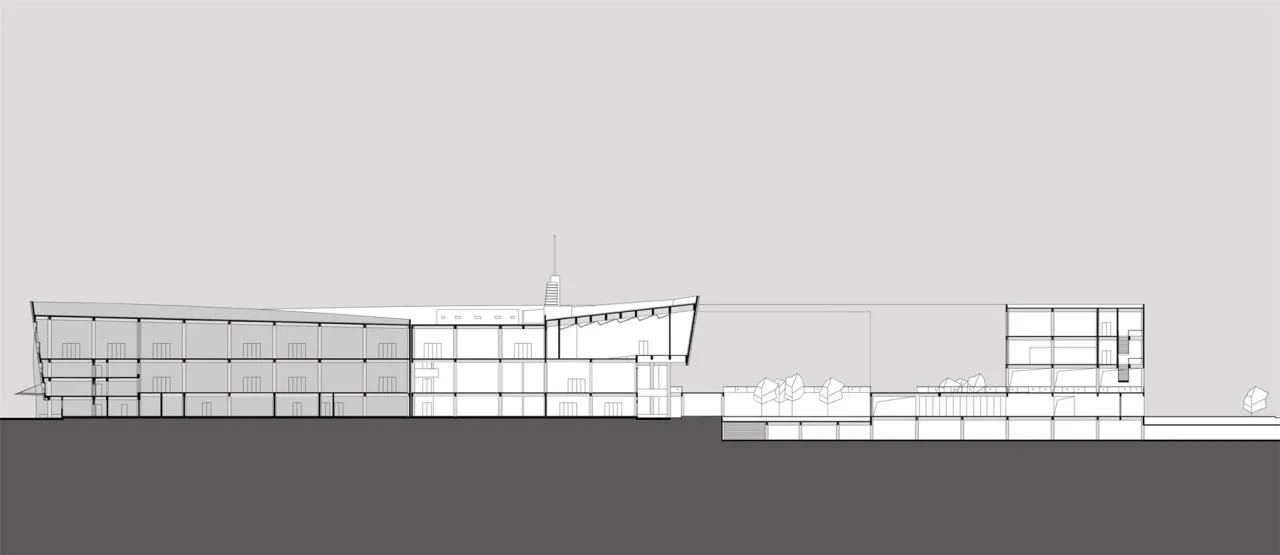
△ Section Diagram
Project Information
Location: Nanhu District, Jiaxing City, Zhejiang Province
Project Type: Competition-winning bid
Timeline: Library (2012–2019) / Museum (2015–2023)
Total Floor Area: 25,991.59 square meters
Design Lead: Qin Luofeng (Founder & Chief Architect of STI, Deputy Chief Architect at Zhejiang Provincial Institute)
General Managers: Zhang Xibang, Zhang Jin
Architectural Team: Zhang Xiaojing, Yu Chunliu, Zhu Linqiao, Fu Zhengyan, Chen Weiwei, Lena Knebel, Jens Eckert, He Qingsong, Yang Weipeng, and others
Structural Team: Hong Yuan, Ma Jian, and others
Equipment Team: Ma Huijun, Wang Haoyang, Chang Ming, Zhou Chenliang, Yang Ting, and others
Architectural Photography: Wang Dacou, Yu Chunliu, and others
Owners: Jiaxing Cultural Bureau and others
Design Firms: Zhejiang Provincial Institute of Architectural Design and Research; STI Image Architecture and Urban Design Firm















Must log in before commenting!
Sign Up