
In 2023, I revisited the Micro Light House and am deeply grateful to the owner for preserving it so well, just as it was when built four years ago. To outsiders, the Glimmer House might not seem typical of my design work, but it reflects a key aspect of my Gemini nature—maintaining a private solitude amid the city’s hustle and bustle. Within this solitude, where the homeowner and I found common ground, I revealed my true other side: light, restrained, somewhat hesitant, softly singing, proud yet humble. Reflecting on this brings a gentle smile, as I quietly express a clear, serene attitude towards living comfortably in the vibrant city through my design.
“I praise this imperfect world, and the one who returns from the wrong path—the soft light.” – Yu Ting
Inside the House
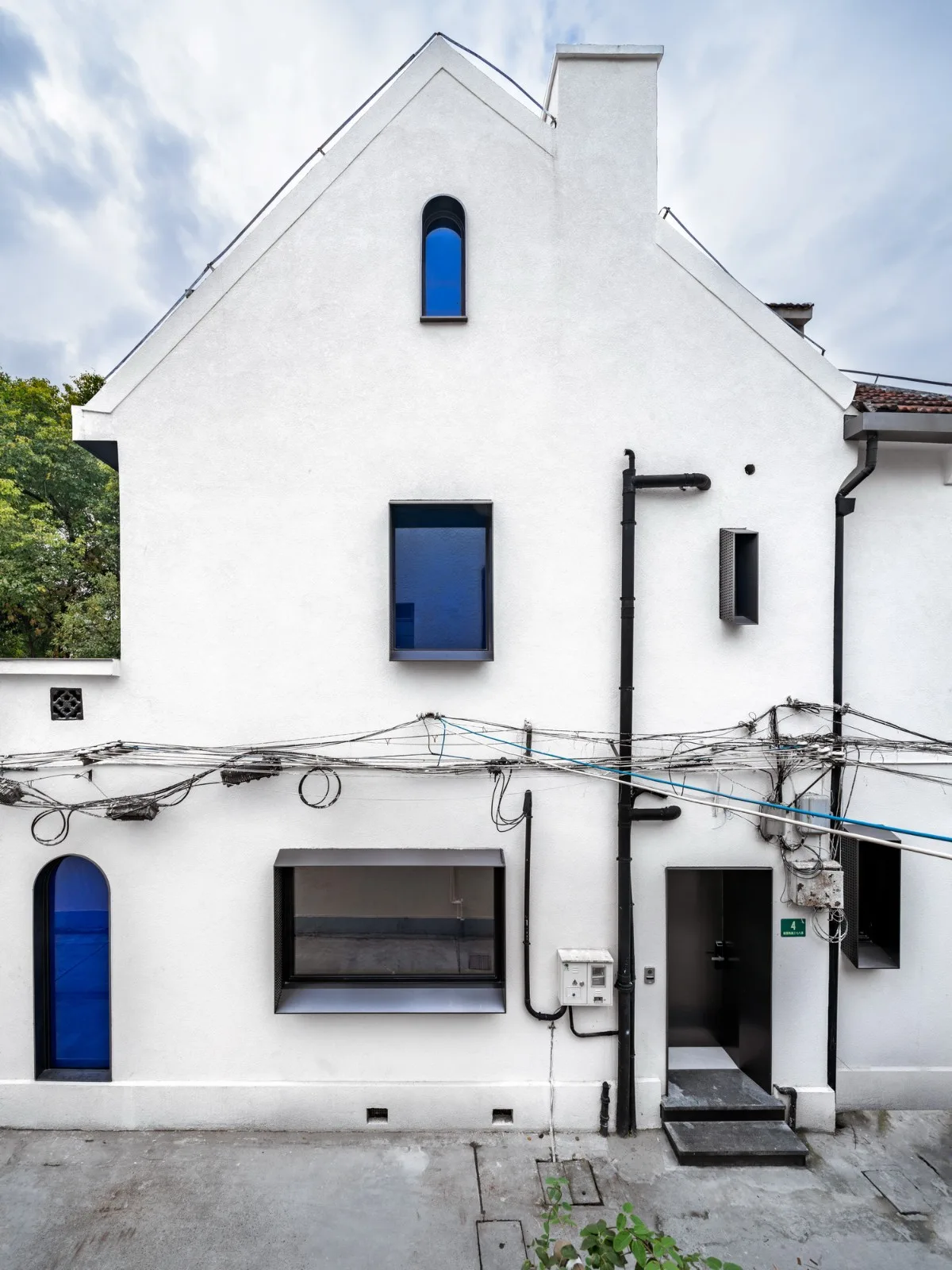
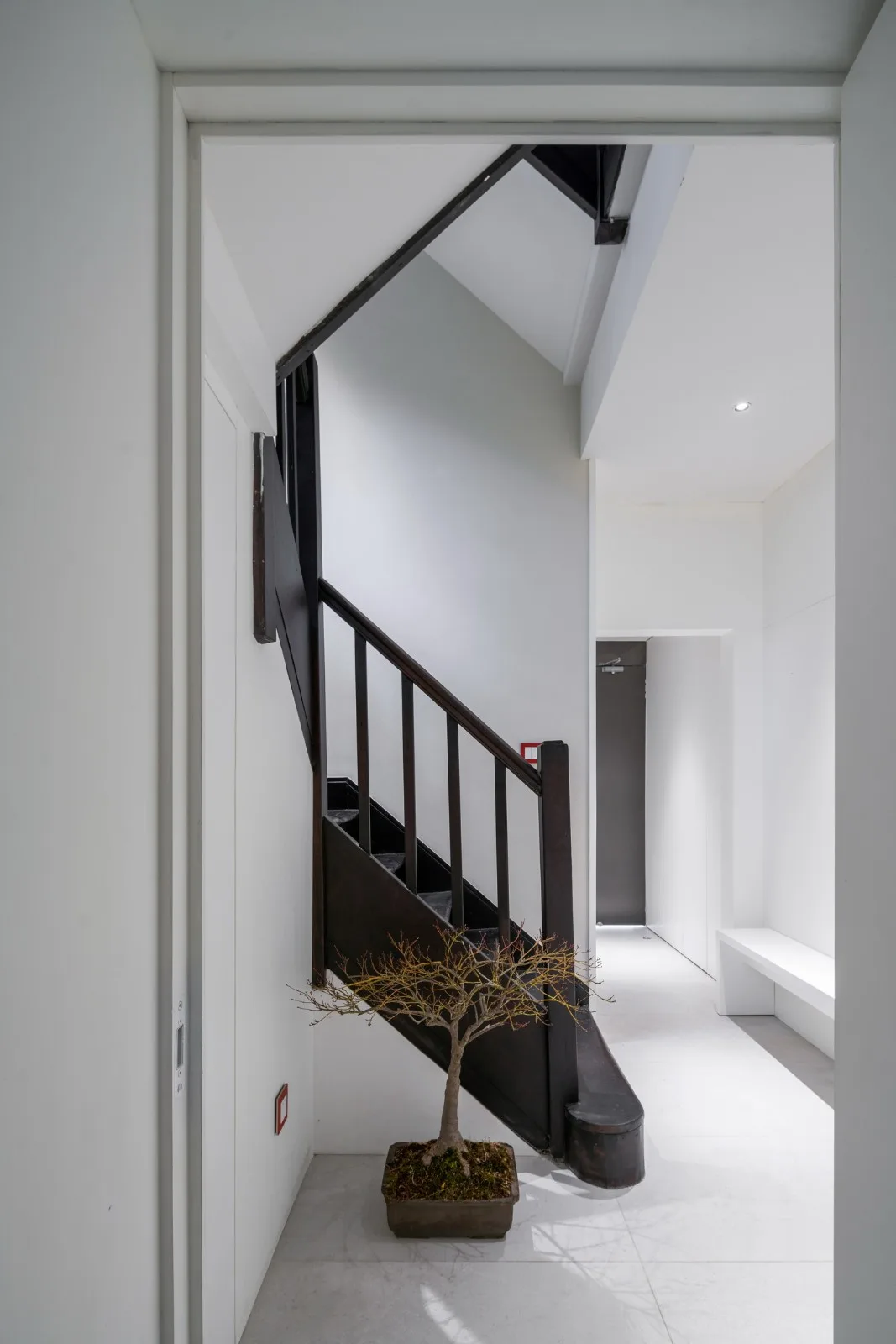
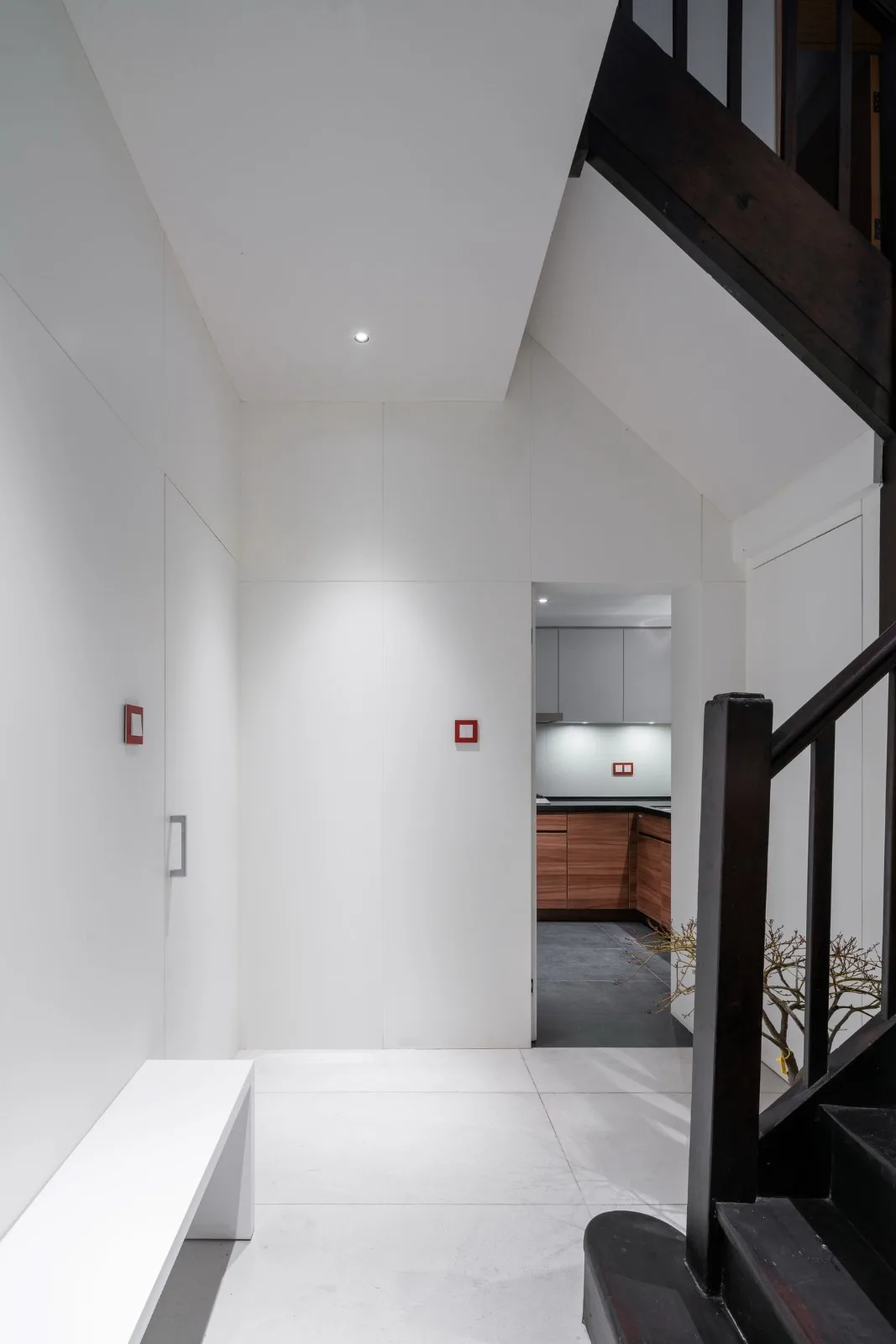
This building is a preserved structure, meaning the exterior walls—including window openings—cannot be modified. The exterior walls and wooden flooring have lost their structural and architectural functions. To address this, we removed half of the bricks from the exterior wall and used the existing exterior wall and wooden flooring as a formwork to cast a new concrete structure inside the building (the wooden flooring was removed after serving as the template). This process captures the true essence of the Glimmer House. The entire house retains the original wooden staircase and even the paint, preserving the memory and heritage of the residence.
Open Ink
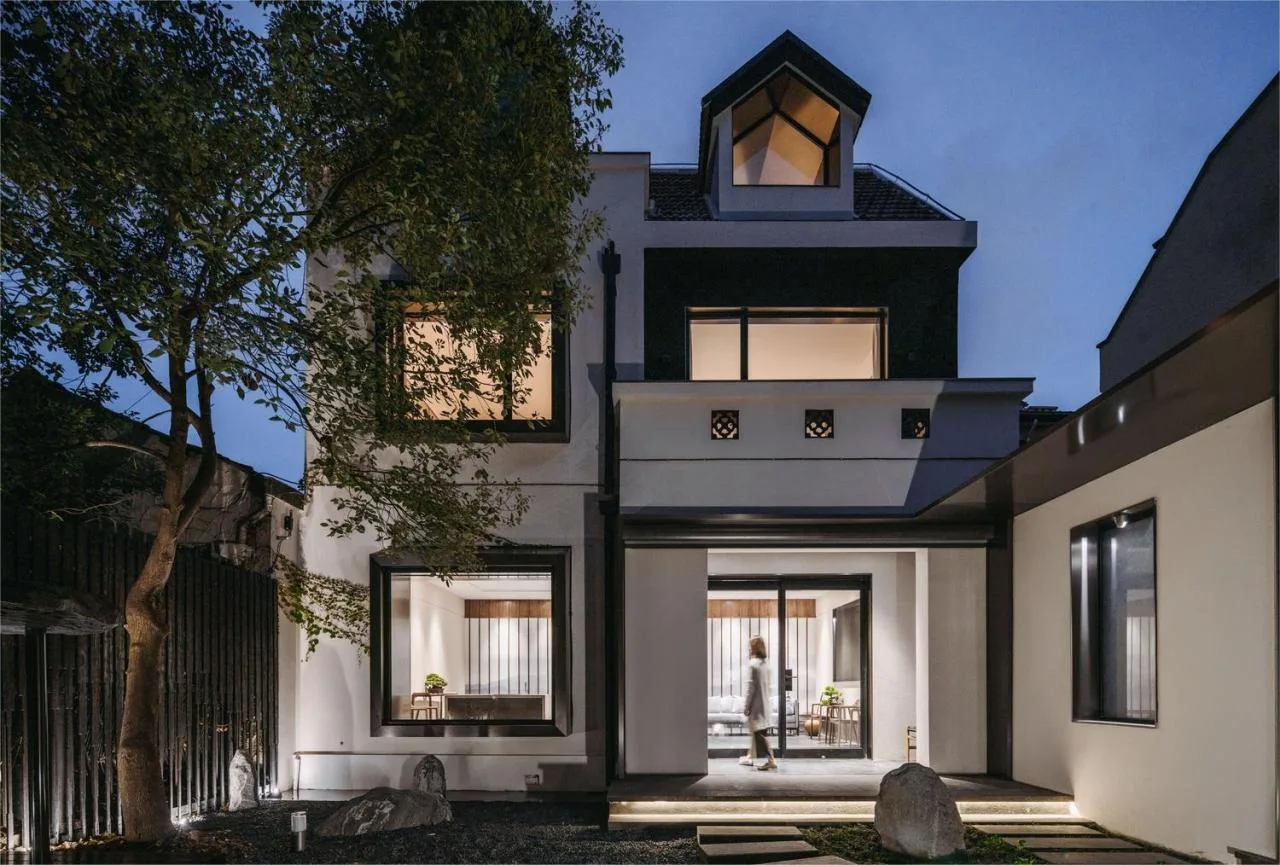
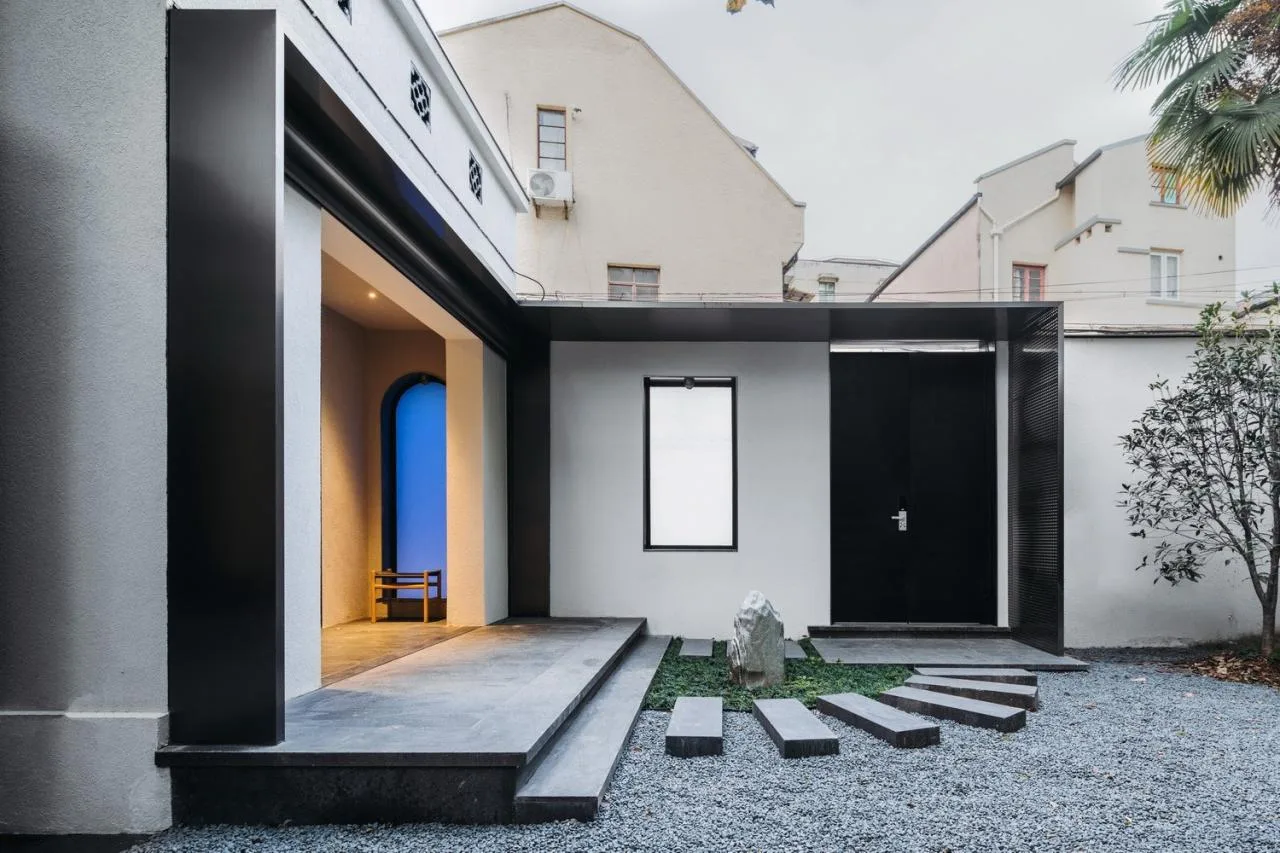
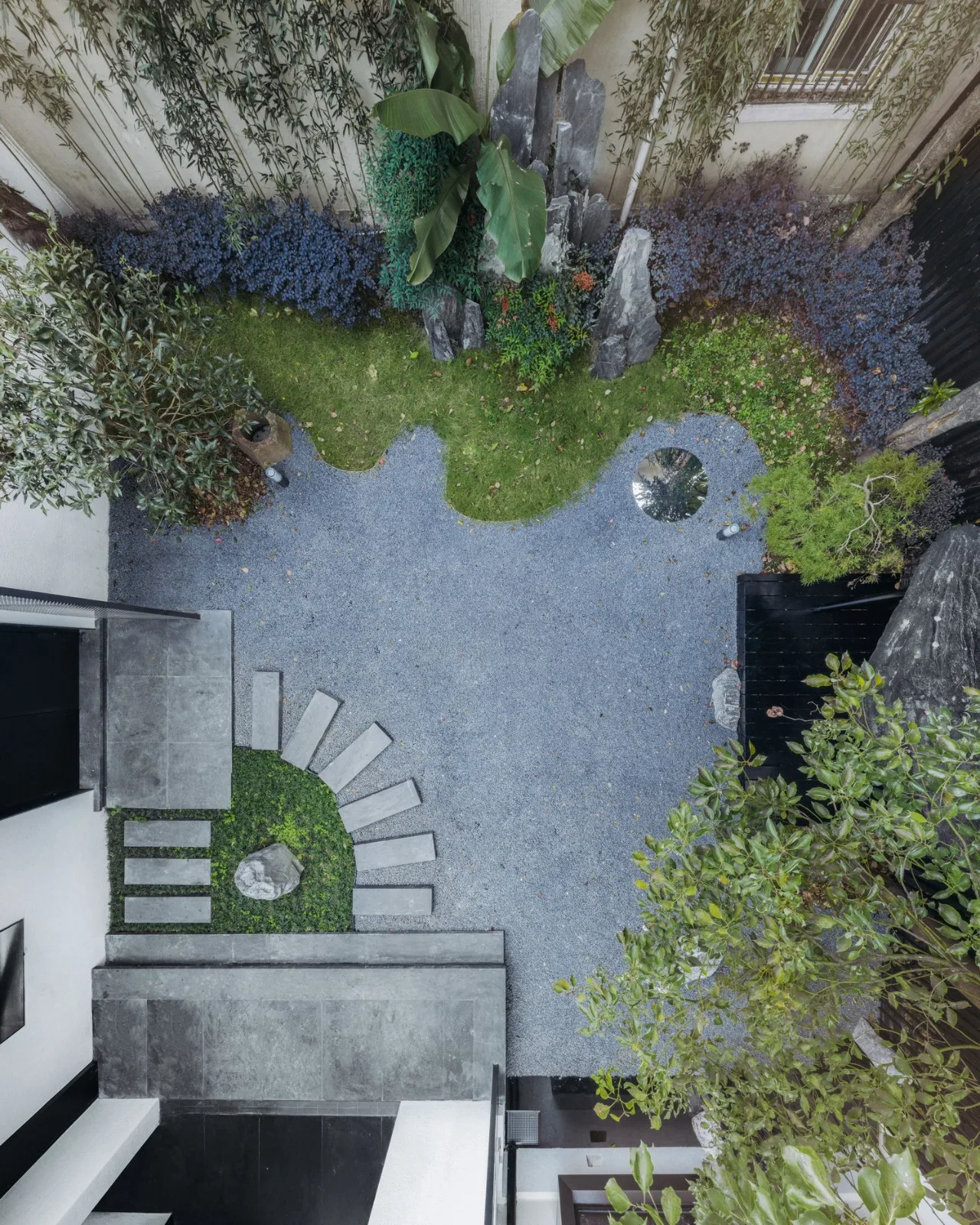
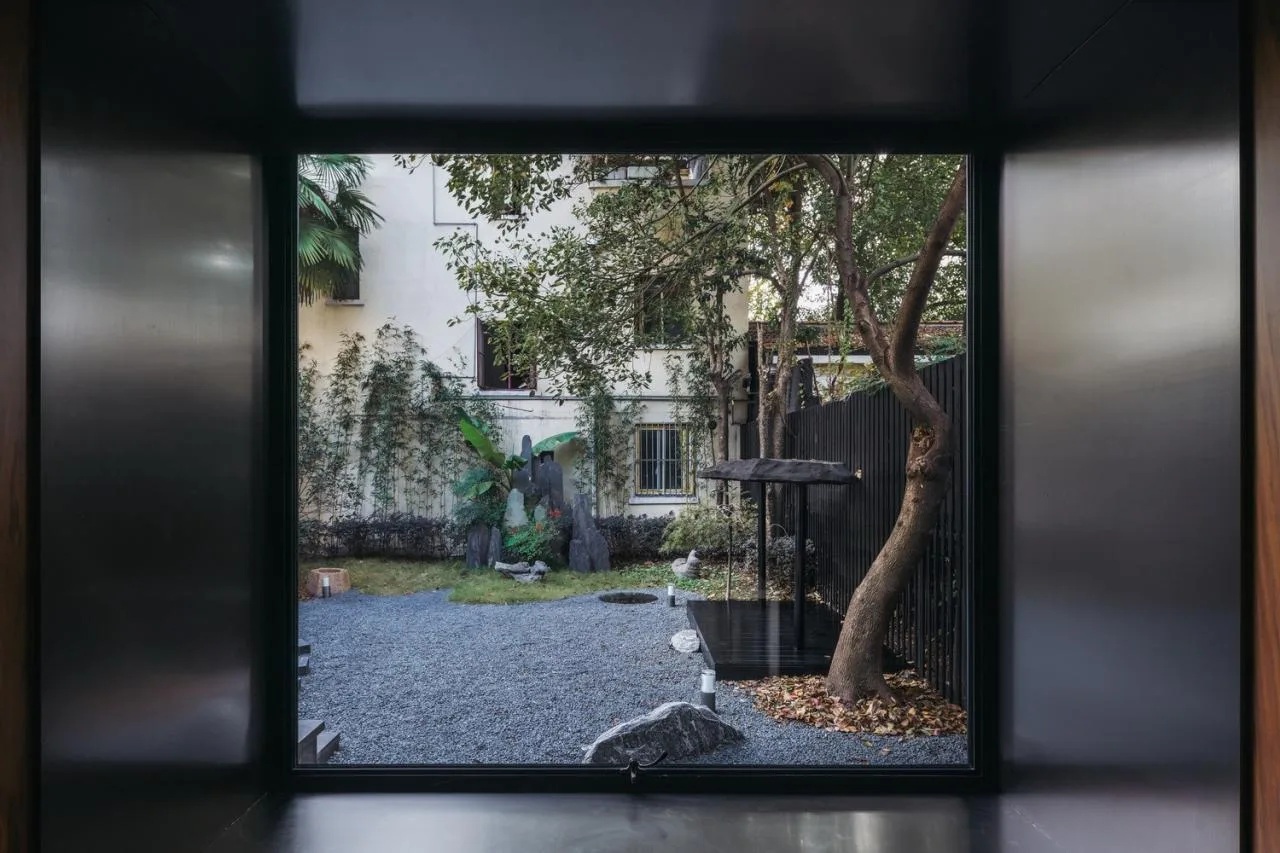
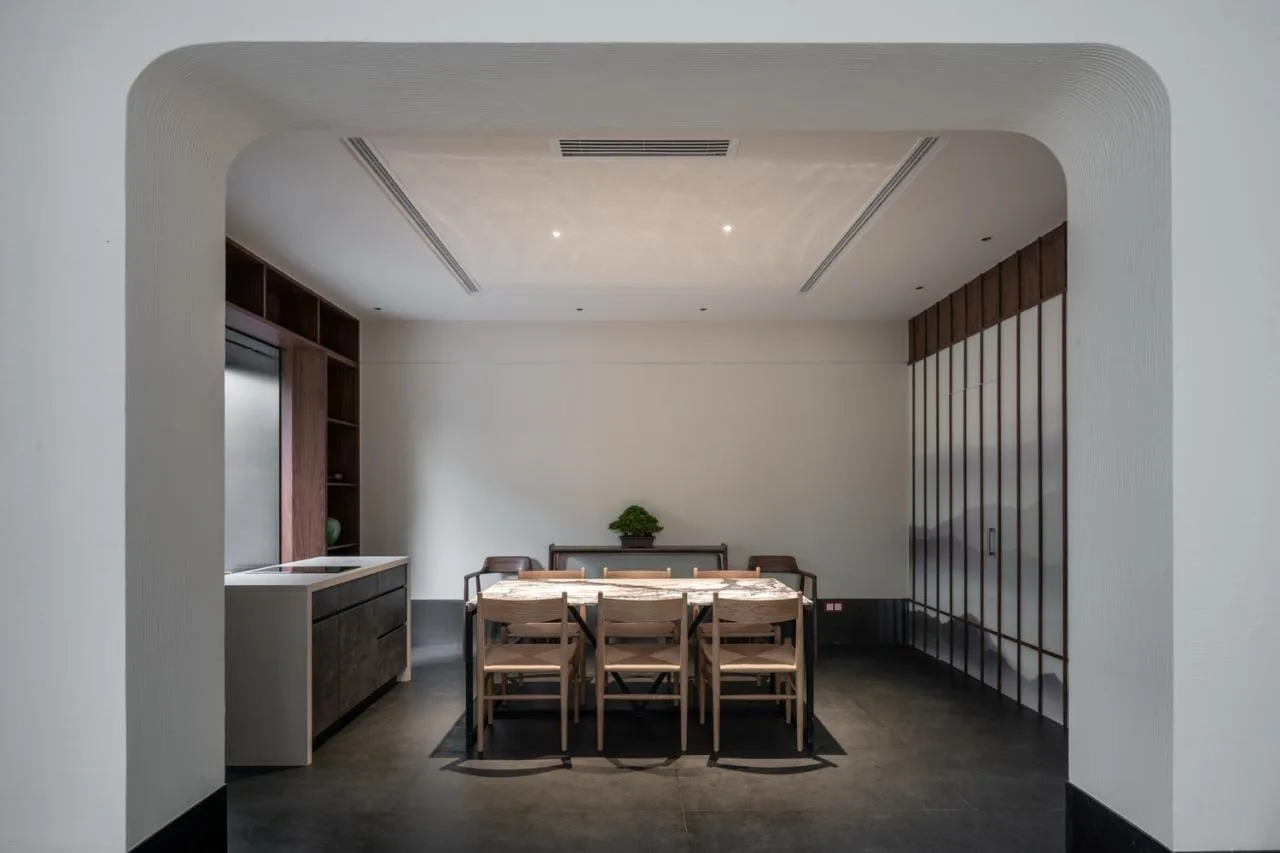
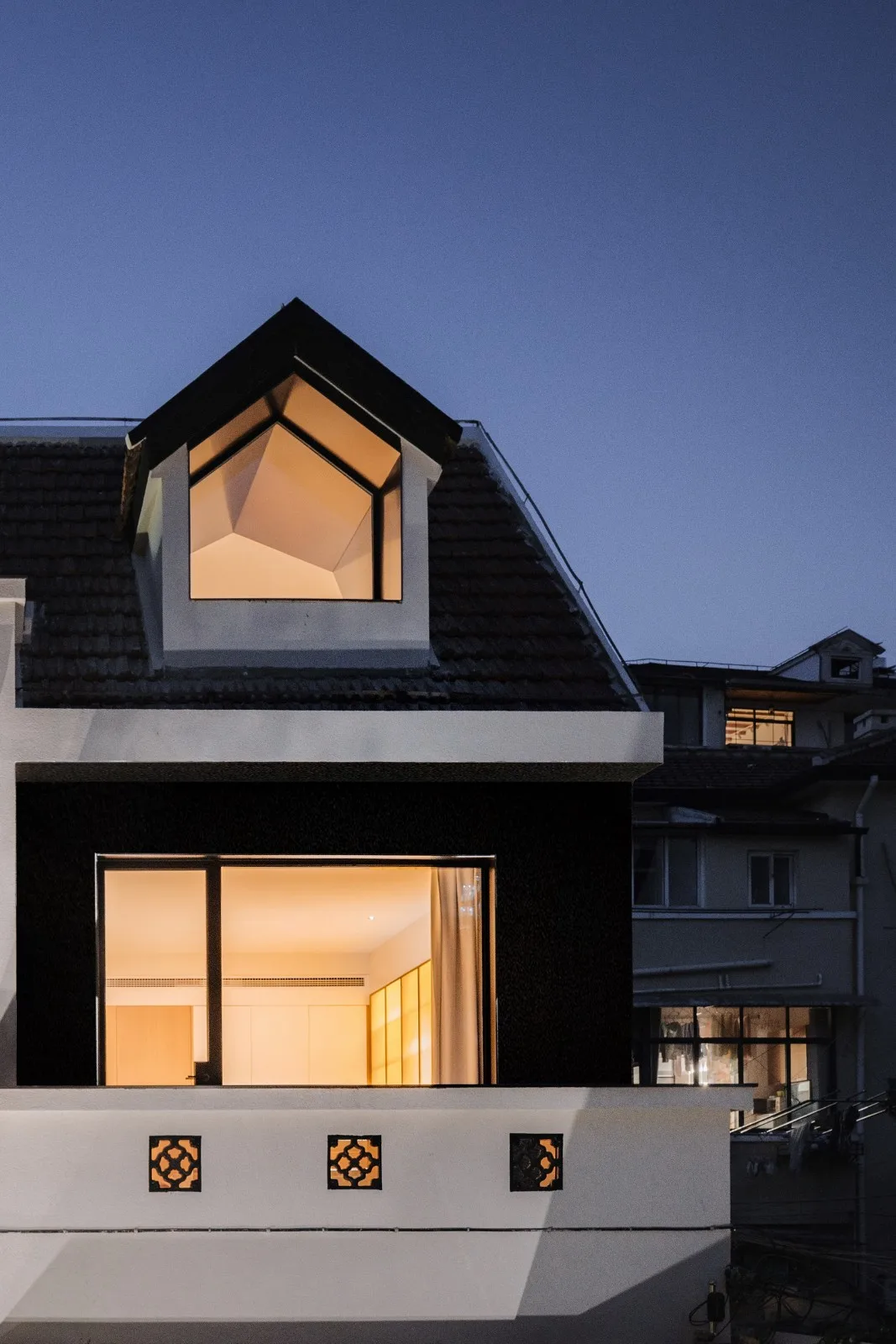
Instead of using specific symbols to cater to the owner’s traditional cultural interests, the architects embraced ink painting as the primary theme to shape the space. The courtyard and the first-floor living and dining areas feature a black color palette. This choice emphasizes the openness of traditional first-floor architecture, with black symbolizing the public space that ends at a continuous landscape screen wall, behind which lies the owner’s private area. The public space blends seamlessly with the black, weathered landscape courtyard. Black also appears on window frames and the second-floor façade, evoking the artistic essence of ink and wash paintings.
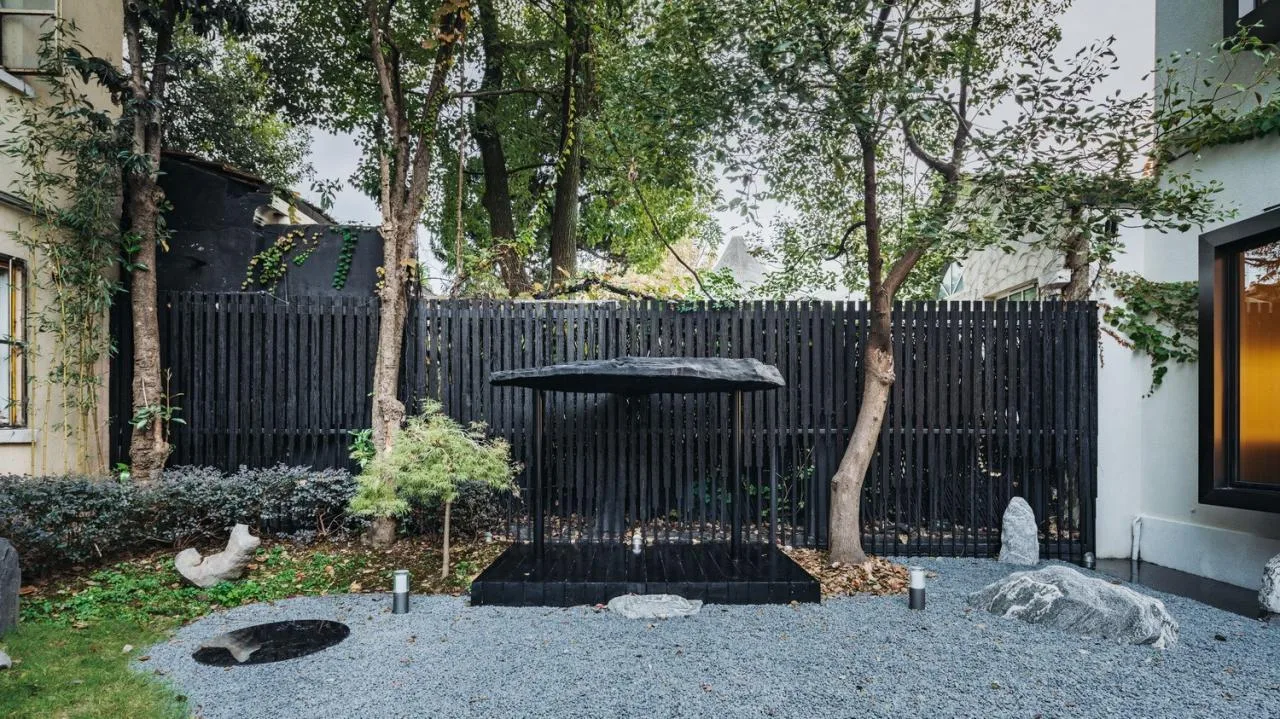
Glimmer
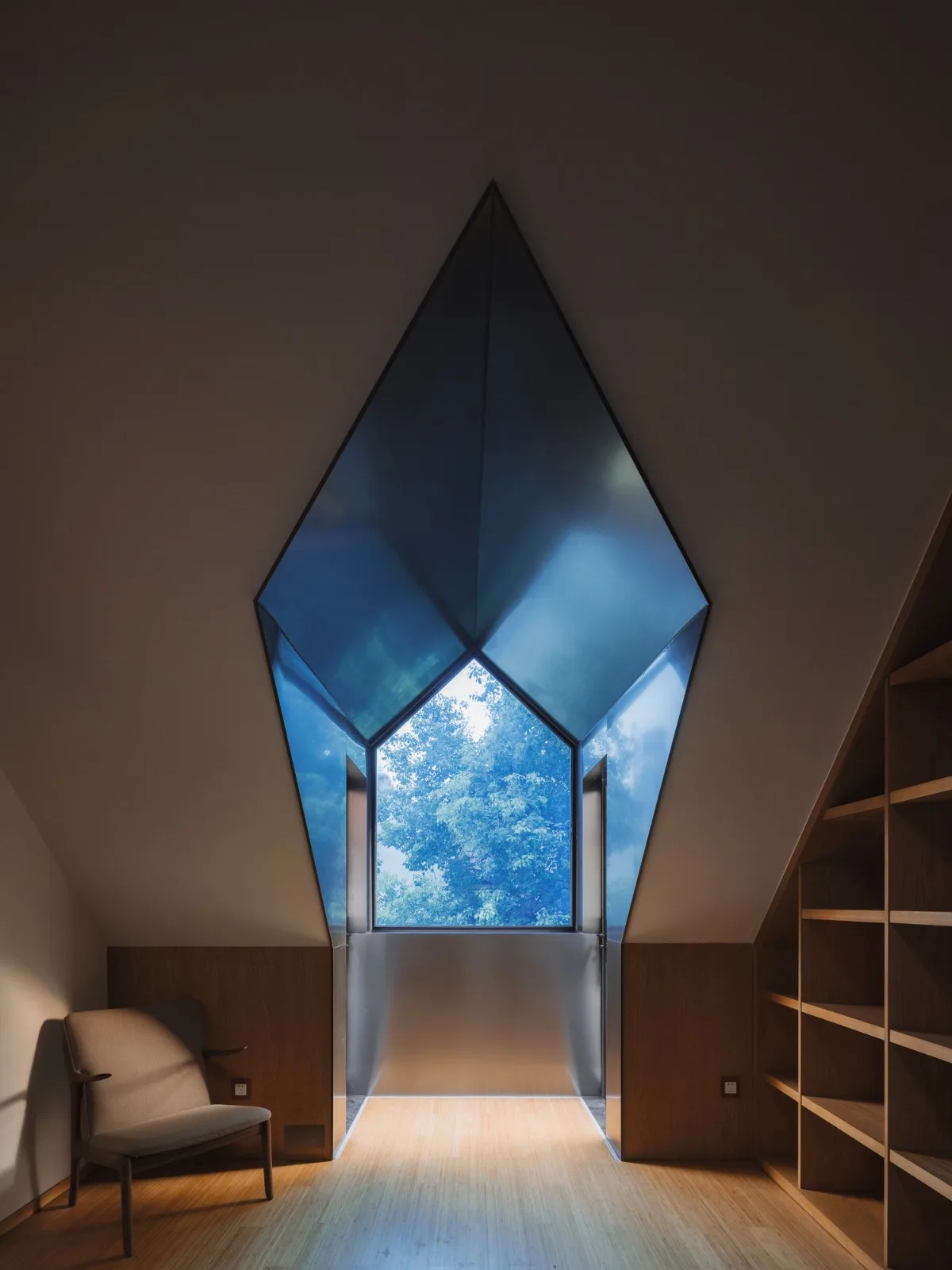
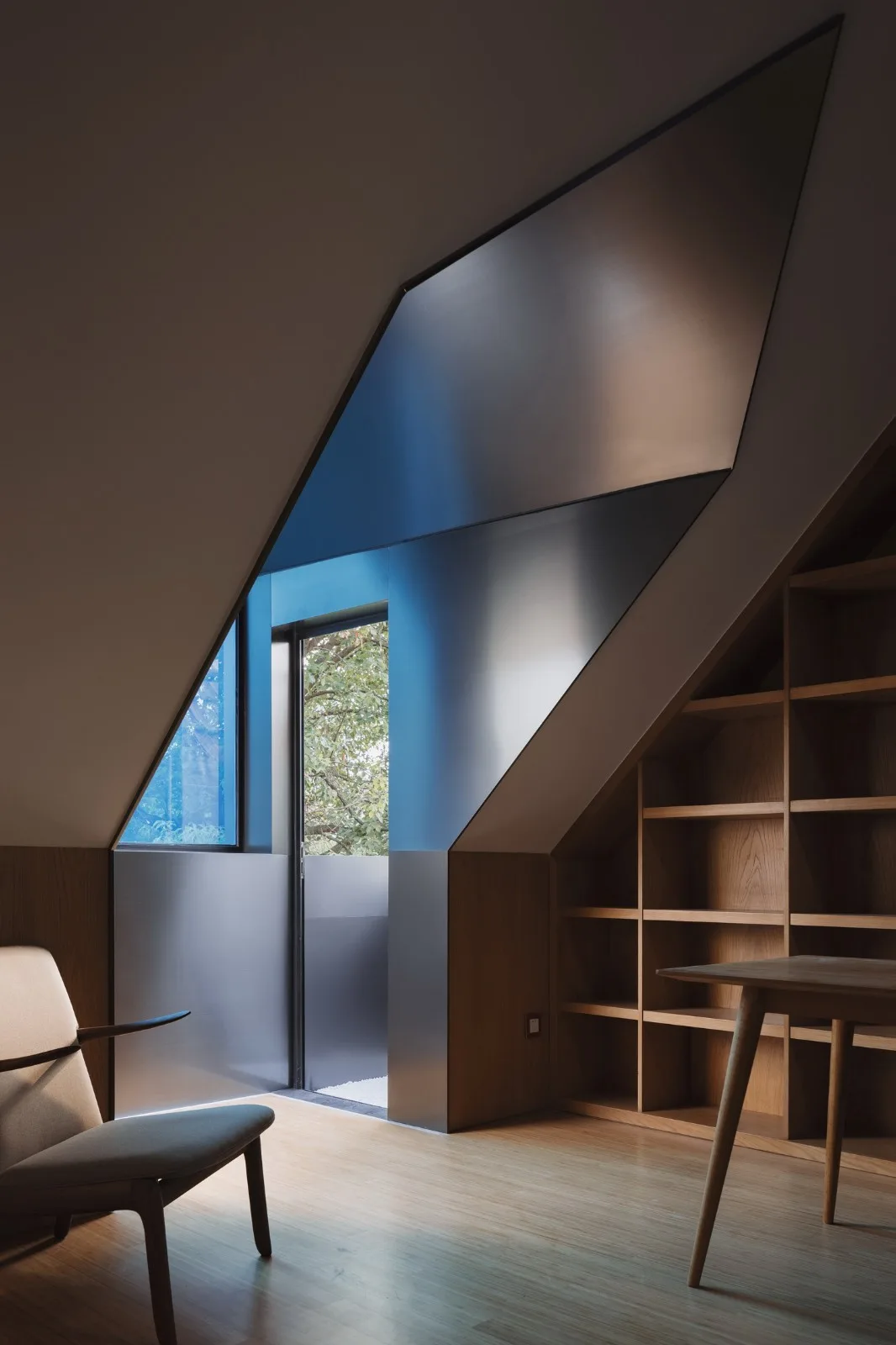
Due to restrictions on altering window openings, even the largest glass panes could not fully compensate for the lack of natural light. To solve this, within regulatory limits, we installed multiple skylights, creating a unique experience of subtle, low-level lighting.
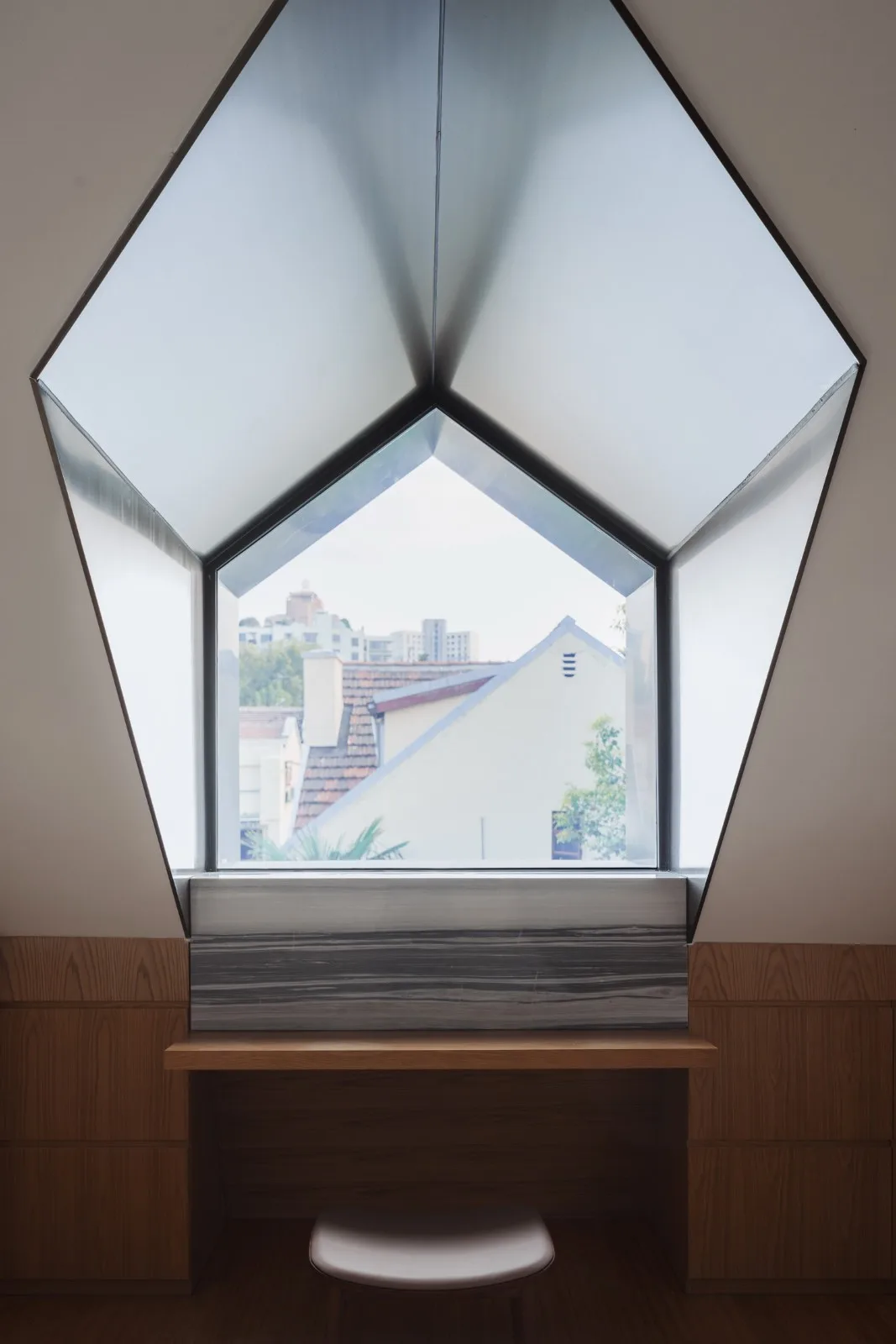
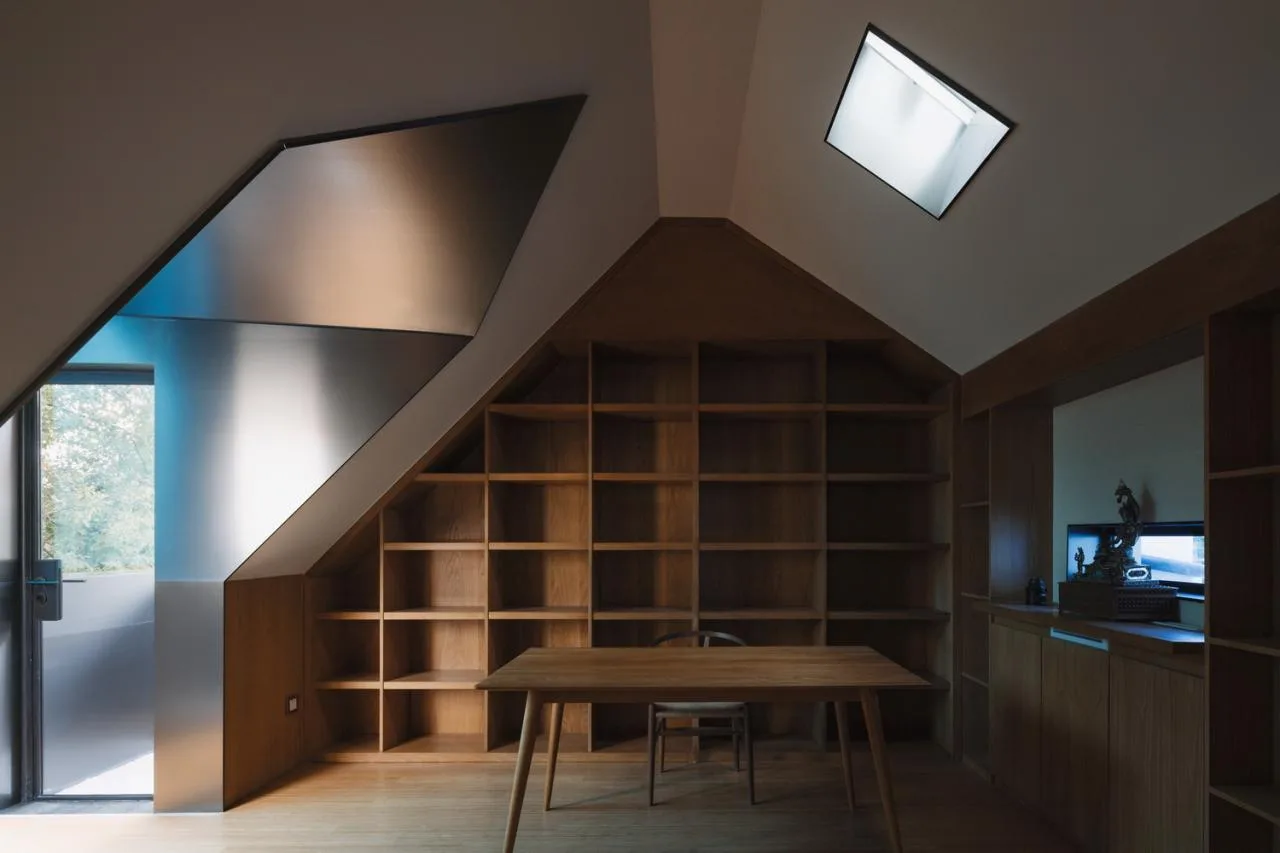
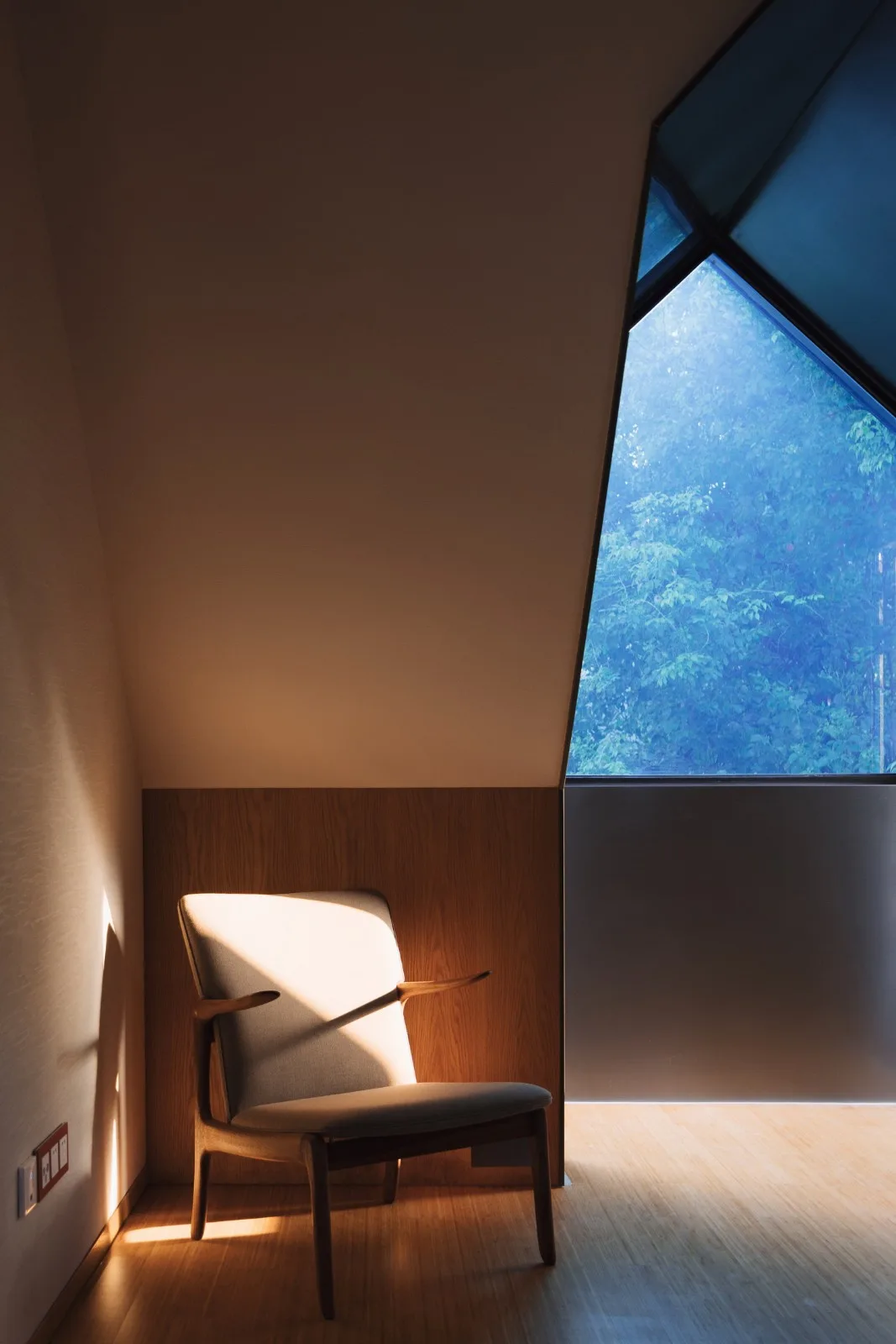
Translucent
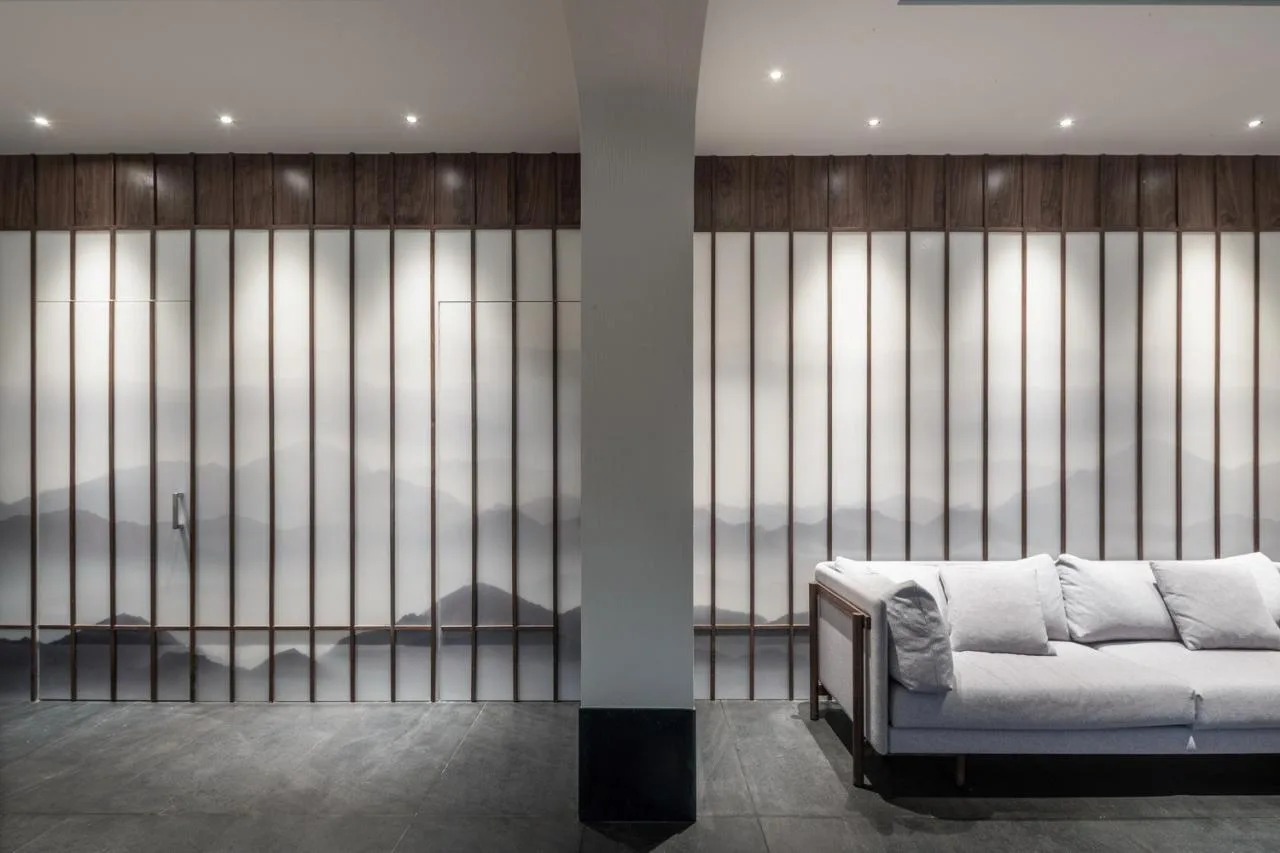
The semi-transparent curtain at the entrance of the first-floor living room is Wutopia Lab’s signature interface treatment. It’s a modern reinterpretation of traditional Chinese architecture, featuring adjustable façade components that respond to seasonal sunlight.
Pointillism
One of the most captivating aspects of Chinese ink painting is the spontaneous placement of solid colors. In the Glimmer House, Wutopia Lab’s iconic blue glass achieves this effect, providing a dynamic visual experience that shifts between interior and exterior perspectives.
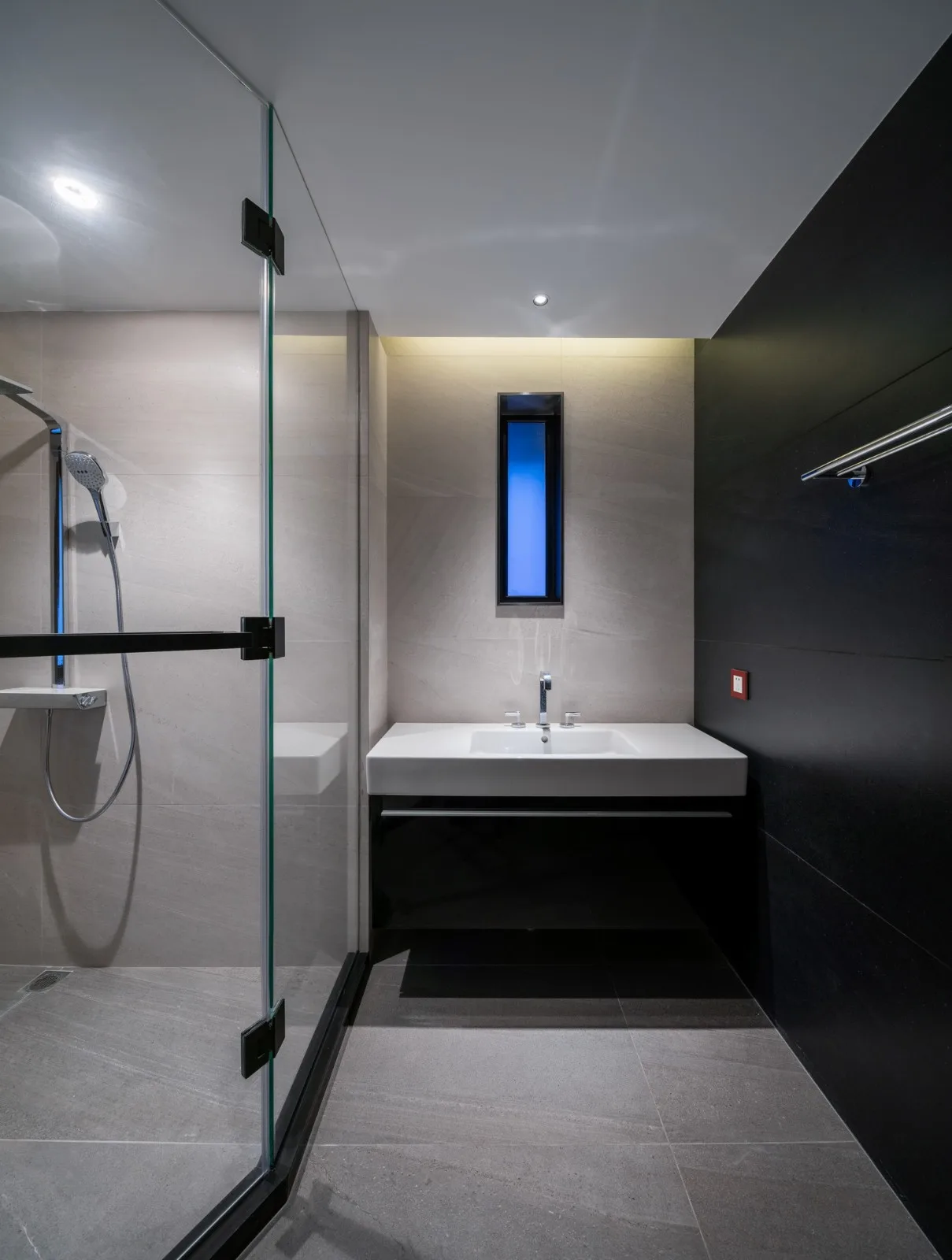
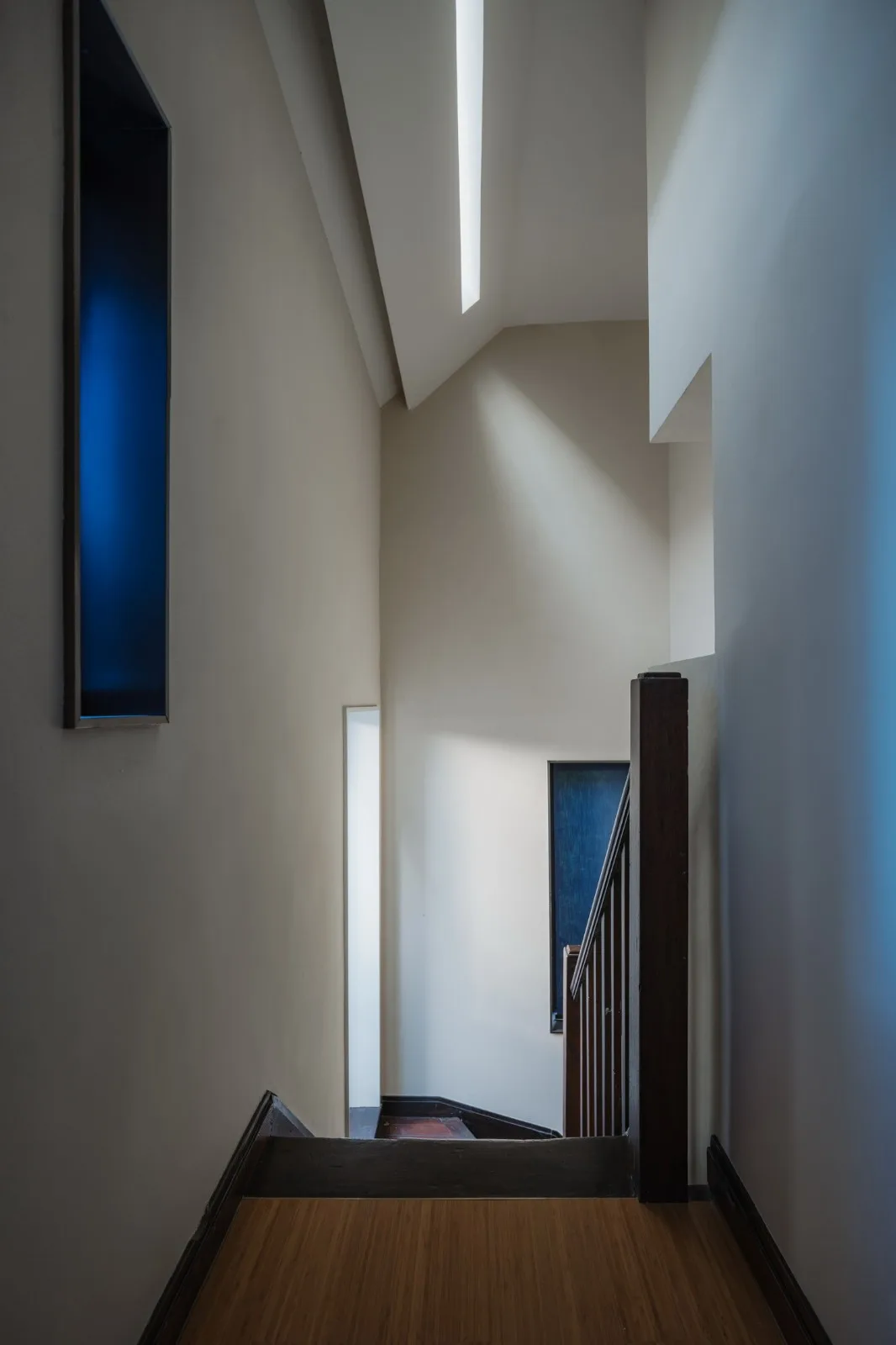
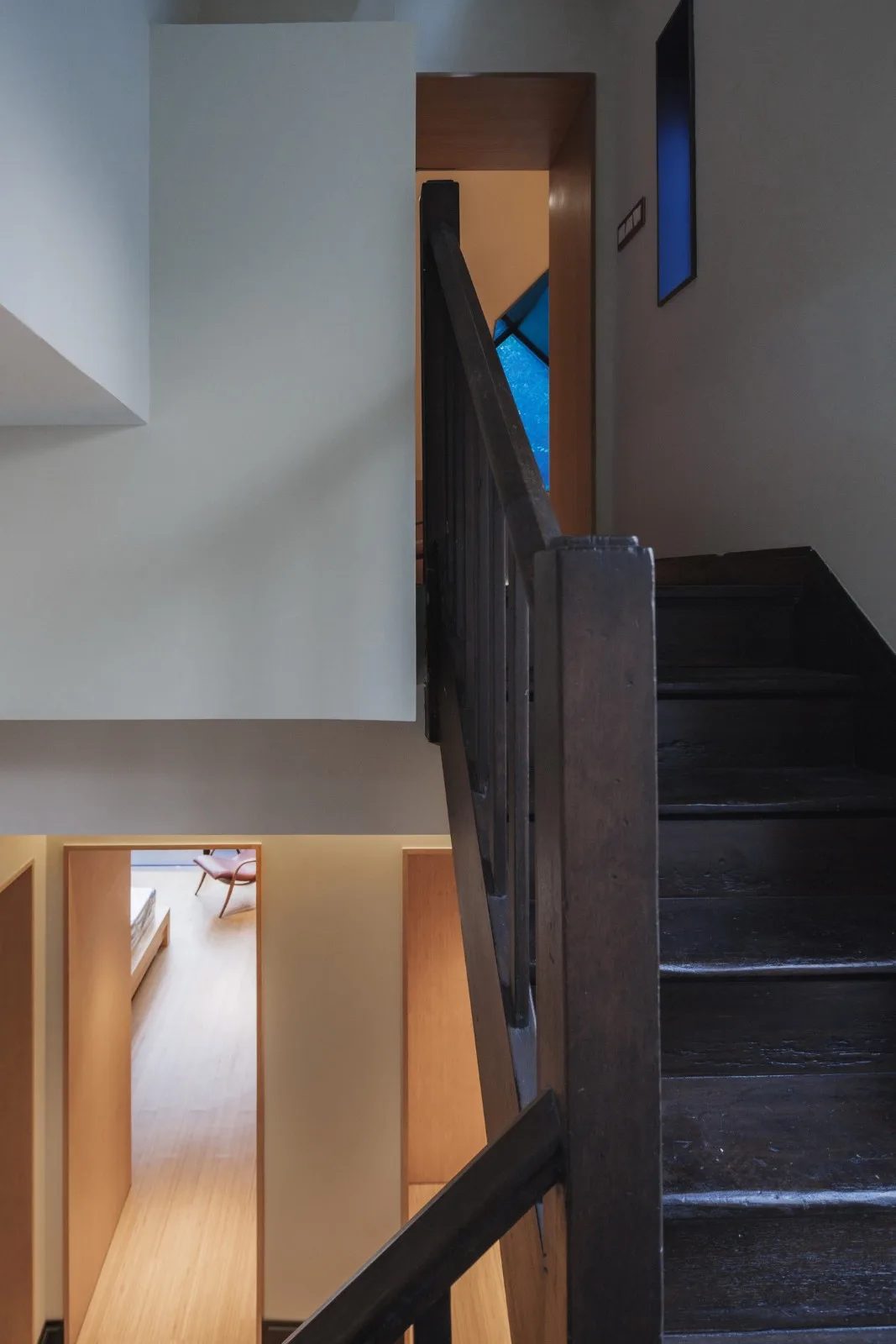
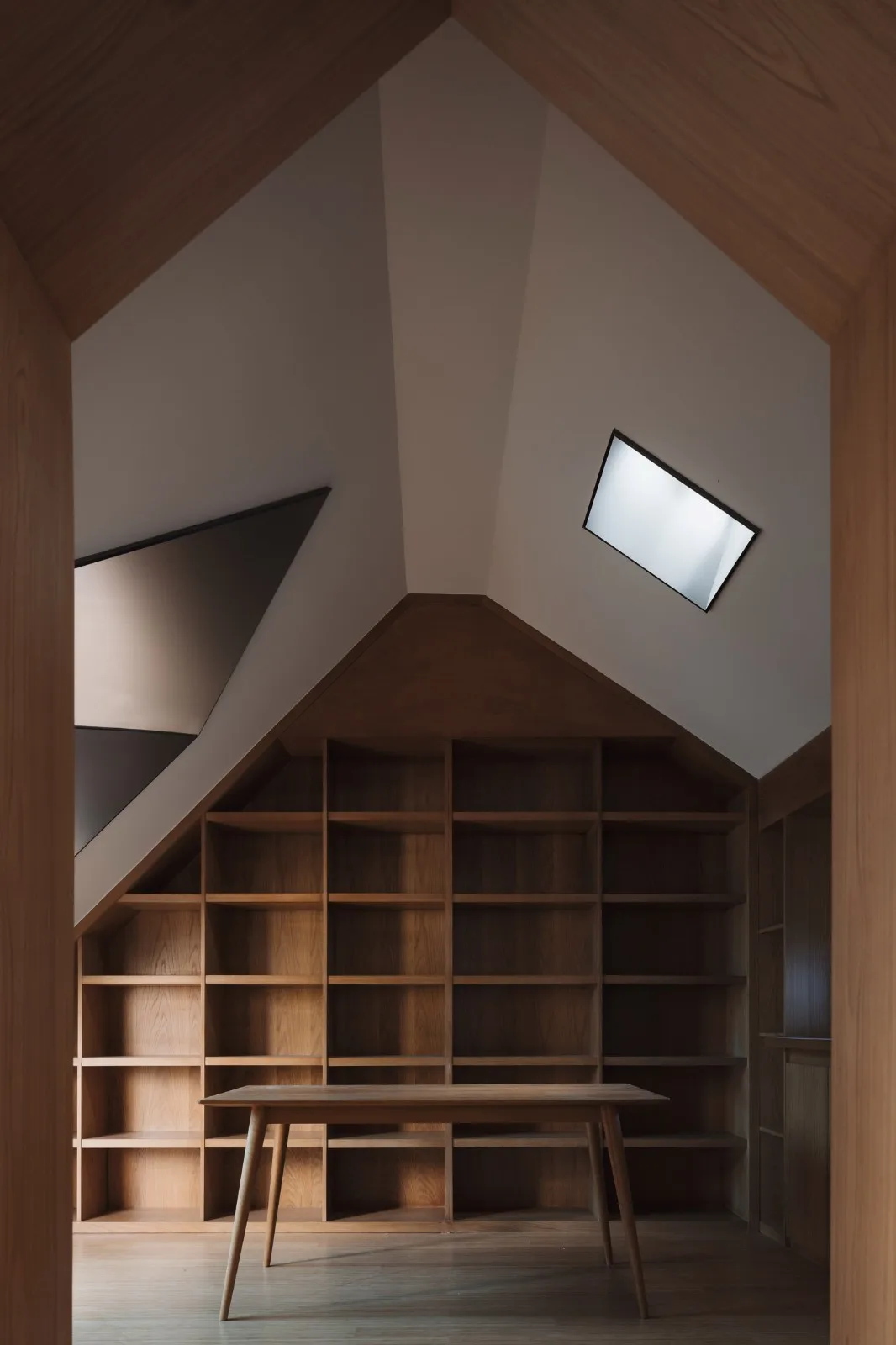
The Micro Light House is a secluded retreat amid the city’s bustle, co-designed by the architect and owner. The mottled light within offers a calming effect.
Project Drawings
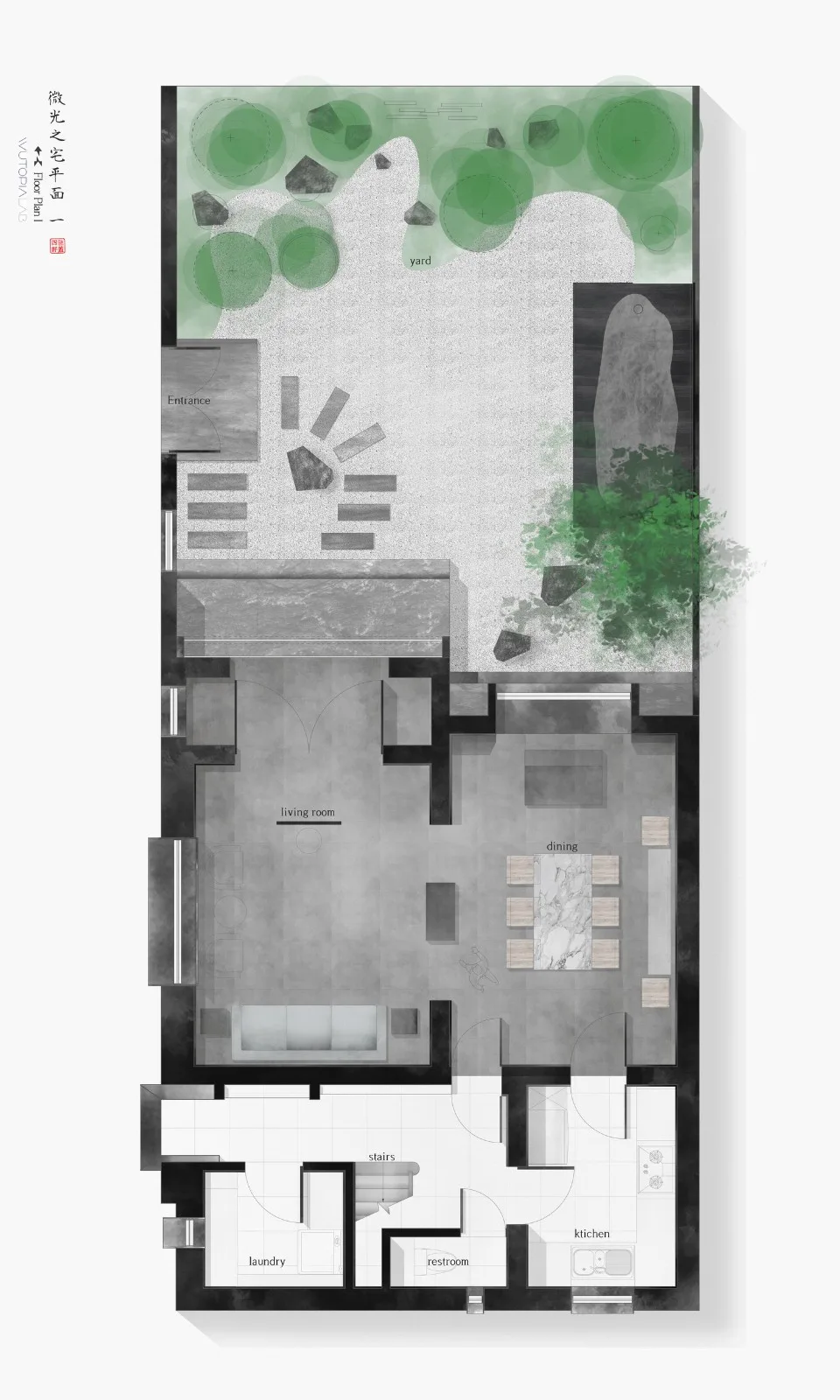
△ First Floor Plan
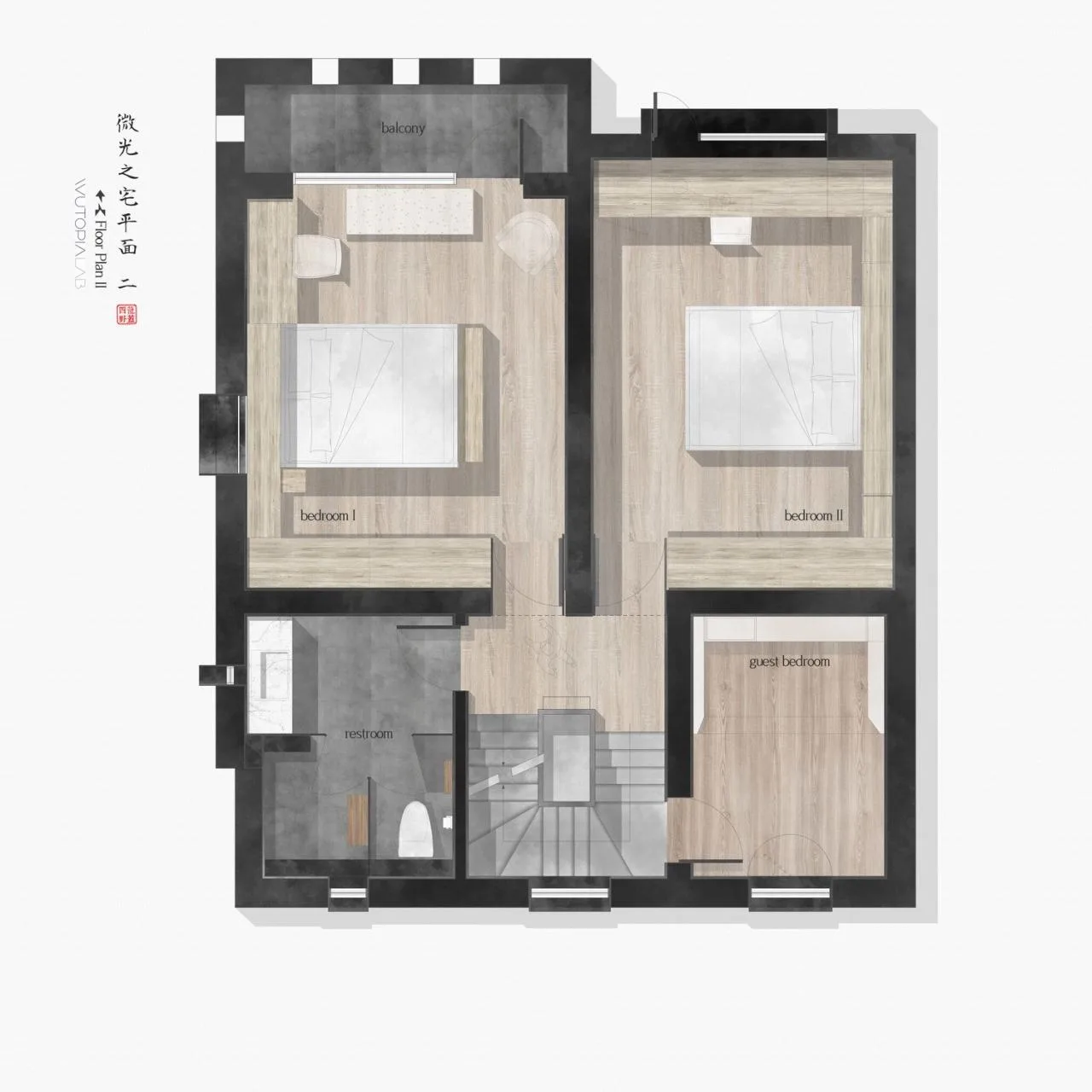
△ Second Floor Plan
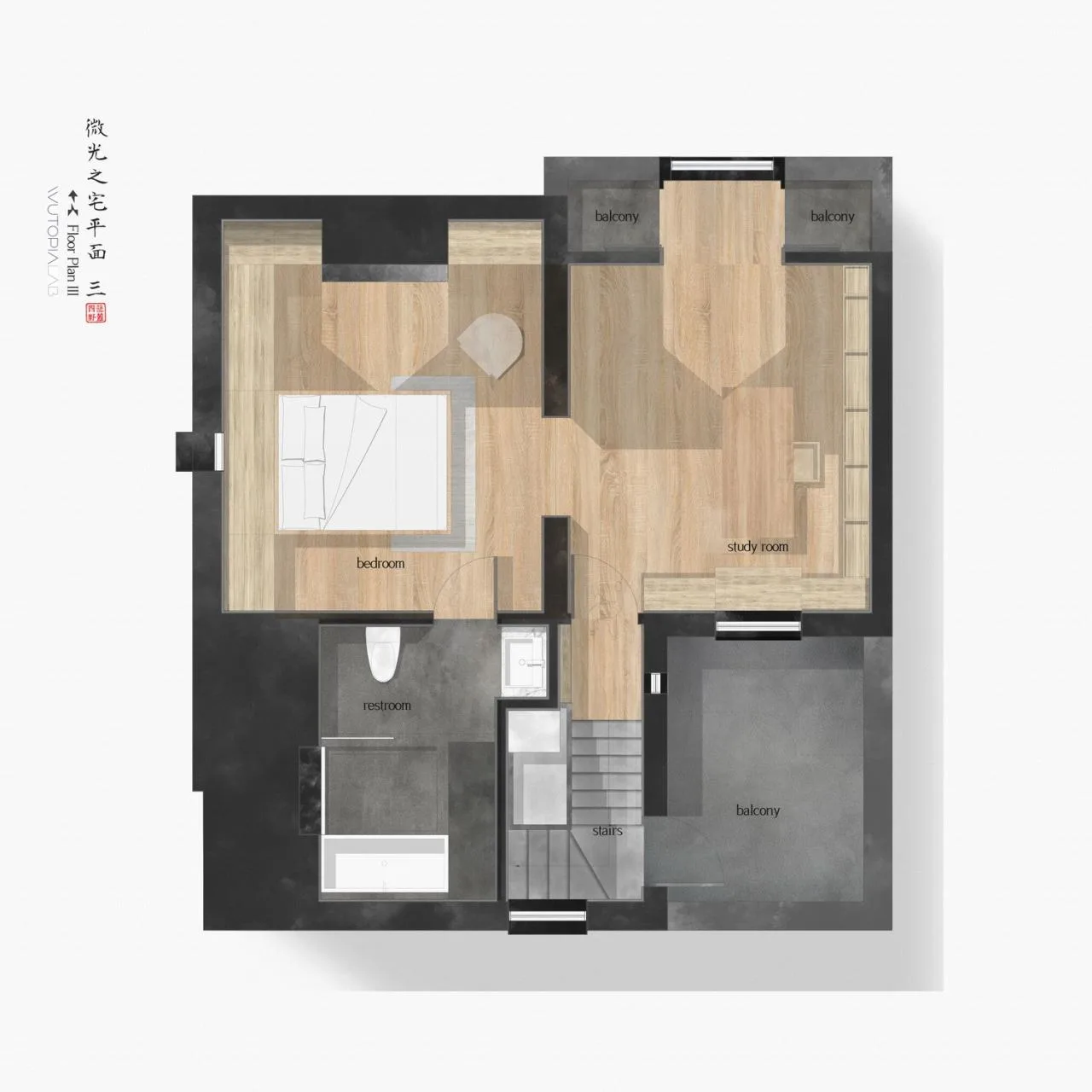
△ Third Floor Plan
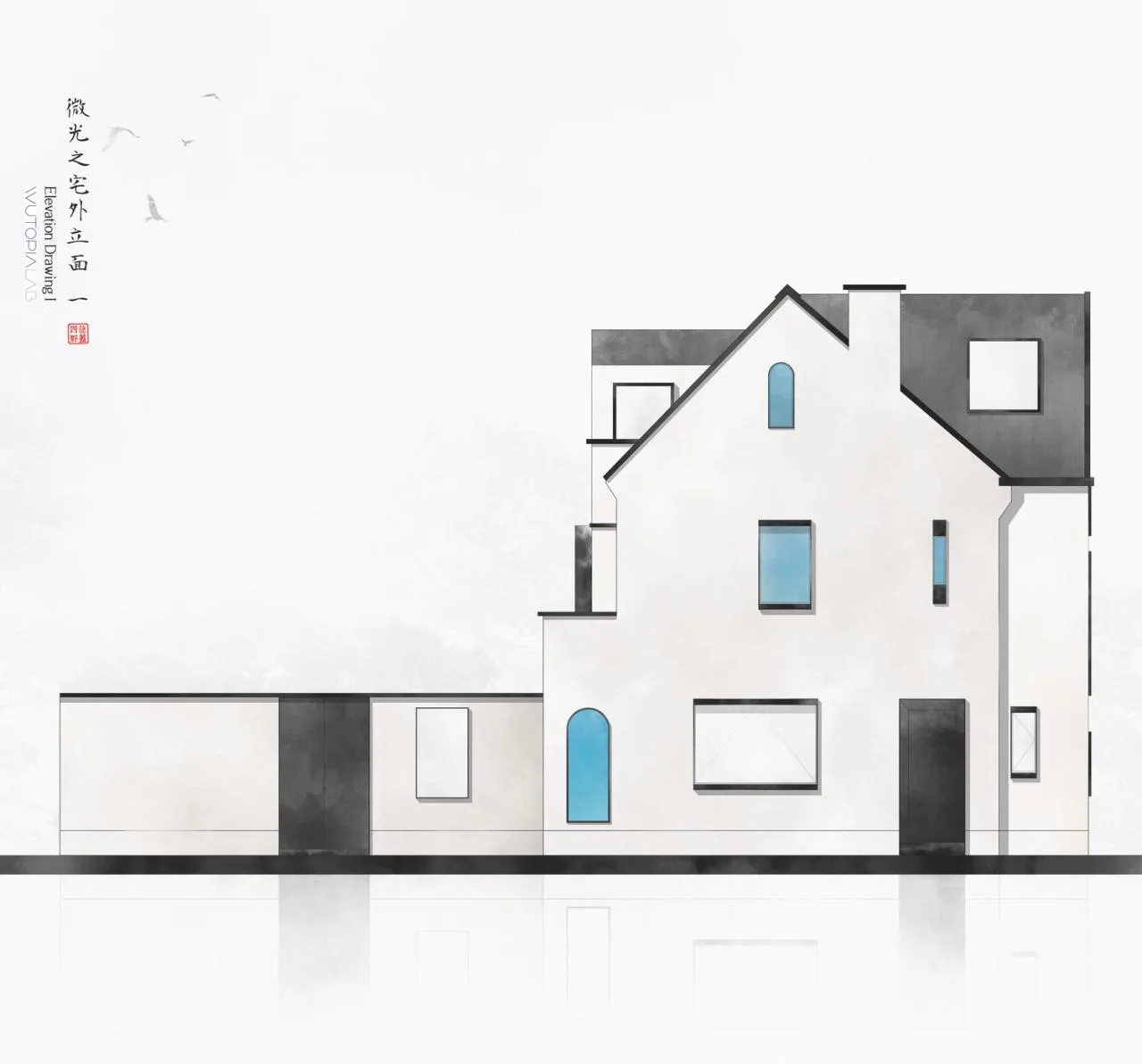
△ Elevation Drawing
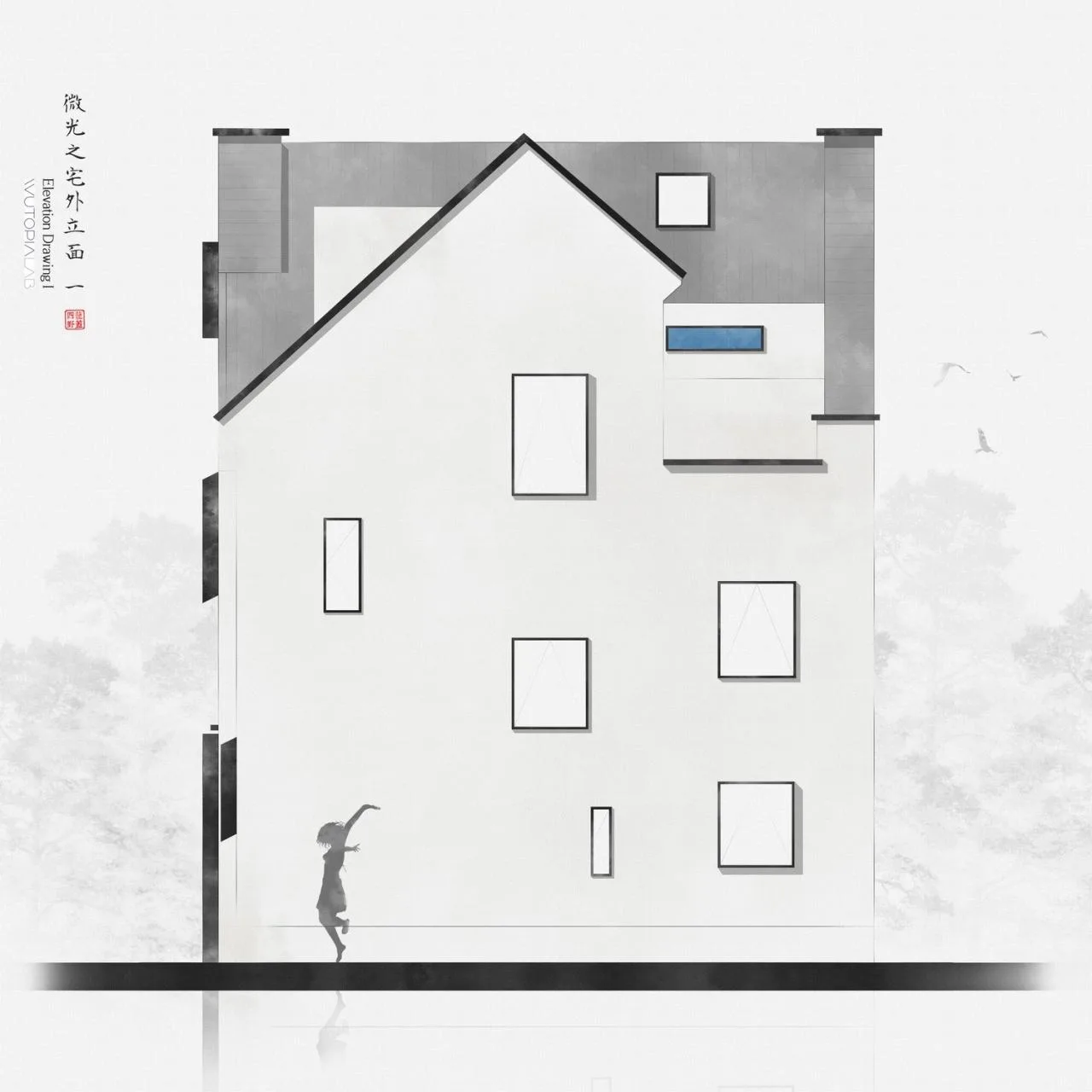
△ Elevation Drawing
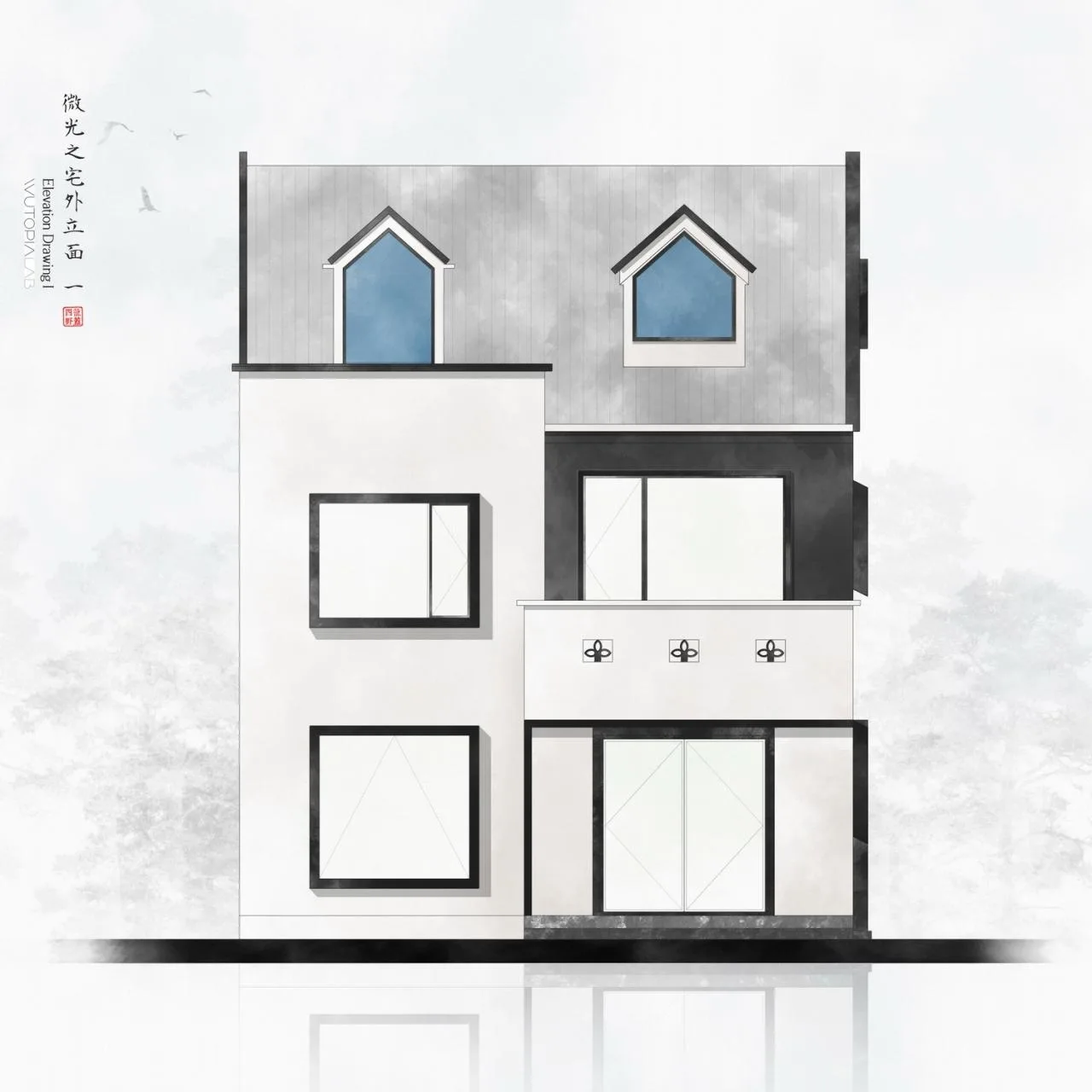
△ Elevation Drawing
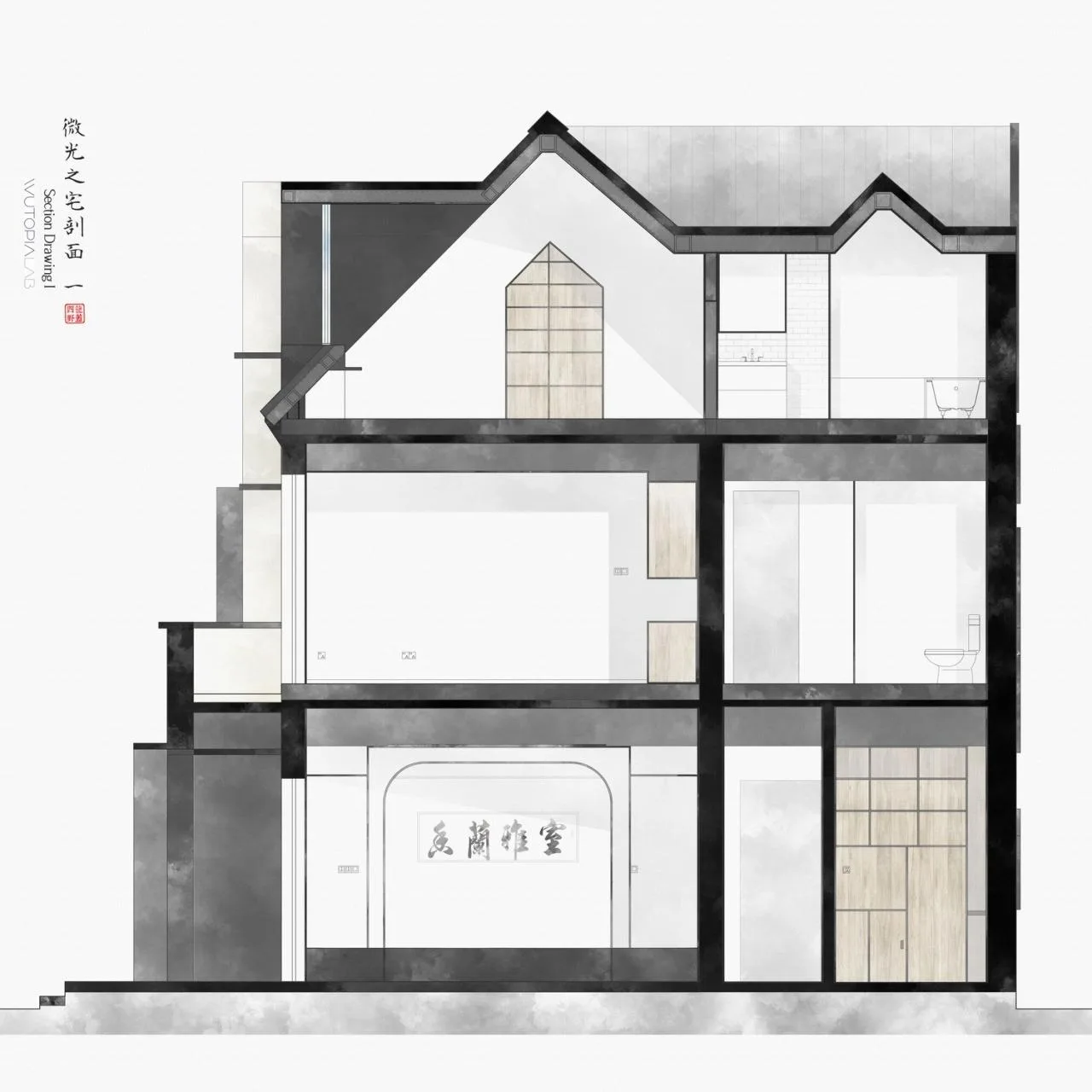
△ Section Diagram
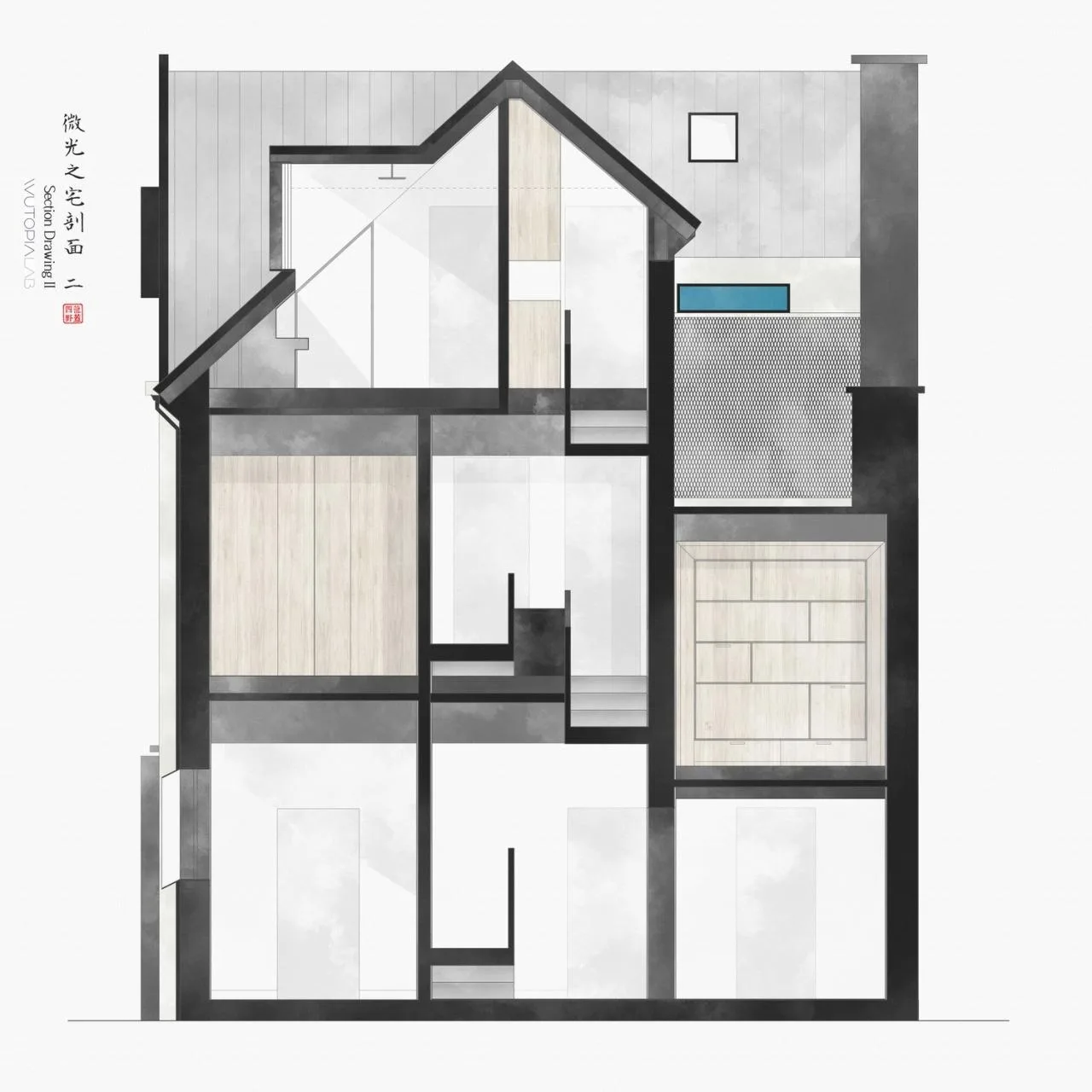
△ Section Diagram
Project Information
Design Company: Wutopia Lab
Lead Architect: Yu Ting
Project Architect: Sun Liran
Lighting Consultant: Zhang Chenlu
Construction Drawing Consultation: Shanghai Zhiye Architectural Design Consulting Co., Ltd
Construction Team: Shanghai Diping Building Decoration Engineering Co., Ltd
Location: Shanghai, China
Area: 200 m²
Project Year: 2017–2018
Photography: CreatAR Images
Video: CreatAR Images














Must log in before commenting!
Sign Up