
As construction projects in our country become larger and more complex, the limitations of traditional two-dimensional (2D) drawings become increasingly apparent. Not only is the expressive power of these drawings diminishing, but the sheer volume of drawings is also growing, creating significant communication and information transfer challenges among all project stakeholders. With the introduction of Building Information Modeling (BIM) into China, its use in engineering projects has been steadily increasing year after year. By creating BIM models, many shortcomings of traditional 2D drawings can be effectively addressed, greatly improving communication and boosting work efficiency. Today, let’s explore the differences between 2D drawings and BIM models.
Traditional 2D drawings come with several disadvantages, including a lack of linkage between drawings, difficulty in detecting conflicts, and limited information content. When design changes occur, related information is often scattered across multiple 2D drawings. If all these drawings are not thoroughly reviewed and updated, errors can easily slip through, leading to construction mistakes and coordination issues on site. This situation demands additional time for review, communication, and inspection, which can delay subsequent construction phases or operations.
Moreover, construction teams might introduce temporary additions or modifications on site due to unforeseen circumstances. These changes are not always fully communicated back to the drawing team for updates. Even when reported, it’s challenging to confirm whether all affected drawings have been properly revised. Consequently, BIM models derived from such incomplete or outdated 2D drawings tend to be less accurate representations of the actual construction site, reducing the benefits of BIM implementation and leading to inaccurate information.
In traditional workflows, the task of verifying 2D drawings typically falls to experienced engineers or draftsmen. Construction drawings usually require at least four signatures—covering drafting, design, review, and technical approval—each from a qualified engineer. Only after these approvals can a new version of the construction drawings be finalized. However, this manual inspection process is time-consuming and prone to errors, especially when drawings undergo frequent revisions or when projects are complex and disorderly. As a result, it is difficult to guarantee that the information presented in the drawings is always accurate and up to date.
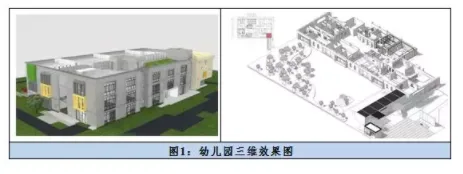
In contrast, BIM models offer significant advantages. All components within a BIM model feature 3D visualization, dynamic linkages, parameterization, and rich information content. Although these components can appear in various views, they are all generated from the same 3D model. This means that any modification to a component only needs to be made once, reducing the number of related changes needed.
Furthermore, BIM enables conflict detection between components, allowing project teams to simulate and identify potential clashes before construction begins. This helps confirm whether modifications are appropriate or if better alternatives exist. By overcoming human errors and the subtle oversights common in traditional 2D drawing inspections, BIM ensures greater accuracy and reliability in design data.
That concludes our overview of 2D drawings versus BIM models. For a deeper understanding of the differences between these two approaches, please feel free to contribute more information.














Must log in before commenting!
Sign Up