
Interior decoration is a specialized field within construction engineering, characterized by unique design and construction requirements. Traditional CAD technology is increasingly unable to meet these demands, prompting many companies to explore BIM technology as a transformative solution. Today, let’s explore the key advantages of using BIM in interior decoration design.
1. Enhanced Visualization of Design Results
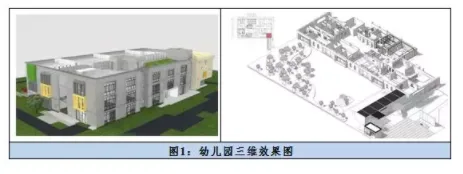
Traditional interior decoration design using CAD relies primarily on two-dimensional drawings, presenting project details through points, lines, and surface symbols. Although 3D rendering software like 3D MAX can provide visual effects, these are limited to static presentations. BIM offers a significant advantage by creating realistic 3D models that accurately represent various building components such as doors, windows, ceilings, furniture, and marble floors. These models are virtually indistinguishable from reality, greatly improving clarity and understanding.
Moreover, BIM incorporates parameterization, embedding detailed information about each building element. This allows the creation of geometric and physical representations that are not only visible but also interactive. Even clients without professional backgrounds can fully grasp the overall design, performance, and aesthetics by rotating, scaling, and manipulating the model. This fosters better communication between stakeholders and supports the development of optimal design solutions.
2. Greater Attention to Detail
Traditional CAD tools often lack the capability to express intricate details, which are critical in interior decoration projects. Designers typically focus on the broader picture, making it challenging to refine detailed elements. BIM addresses this limitation by enabling detailed displays of lighting, materials, finishes, and fixtures. With BIM-supported analysis tools, designers can simulate real-world conditions—such as lighting effects and material finishes—within the model. This allows for early-stage decision-making and the creation of highly accurate renderings.
3. Precise Quantification and Calculation
Estimating material quantities, consumables, and equipment using traditional CAD often relies heavily on personal experience and lacks robust data support. BIM revolutionizes this process by establishing comprehensive information models where detailed lists and quantities of building components are dynamically linked to a central database. This real-time data ensures accuracy in measurements.
BIM enables users to efficiently calculate areas and material quantities, facilitating precise budgeting and minimizing the risk of ordering excess or unnecessary materials. This accuracy leads to significant cost savings across the project. For example, exact area measurements are essential for budgeting materials like carpets, wallpapers, ceilings, and finishes. Similarly, accurate counts of furniture and equipment allow for the generation of detailed and reliable item lists.
In conclusion, the benefits of BIM in interior decoration design are clear. Its capabilities for data integration, detailed visualization, and precise analysis surpass what traditional CAD technology can currently offer, aligning with the advantages BIM provides in other types of construction projects.














Must log in before commenting!
Sign Up