
The introduction of Building Information Modeling (BIM) has significantly transformed the construction industry. While traditional design methods are still widely used, they often fall short of meeting the increasingly complex demands of modern engineering projects. Integrating BIM into the design process effectively addresses these challenges. Today, let’s explore how BIM is revolutionizing traditional design.
1. From “Flat” to “Spatial” Design
Traditional design primarily relies on flat, two-dimensional drawings, with 3D models serving only as supplementary visual aids. Typically, 3D models are used for post-design presentations but lack detailed data and practical guidance. Additionally, the limited dimensionality inherent in graphic design makes it difficult to accurately represent hidden building areas, even when using sectional or perspective drawings. These limitations often lead to unforeseen design changes.
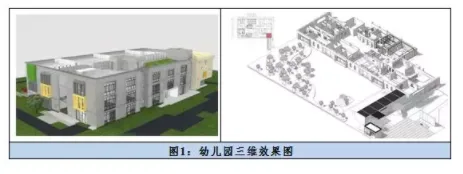
By incorporating BIM, a three-dimensional, data-rich visualization model is created. This approach moves beyond traditional points, lines, and surfaces by considering the overall project design from a spatial perspective. BIM allows designers to integrate additional dimensions such as time, cost, and overall project functionality. It offers a logically structured data system with a three-dimensional perspective, seamlessly connecting all components of the design process. This highlights the power of 3D design, simplifies operations, and brings architectural work back to its core essence.
2. From Fragmented to Integrated Workflows
In traditional design workflows, achieving high levels of information integration is challenging due to technological limitations. Design outcomes often depend heavily on post-production adjustments and rendering. Communication barriers and limited feedback loops frequently cause design revisions and reduce overall project quality, stemming from information asymmetry.
With BIM, a collaborative platform is established that integrates models from various disciplines into a unified environment for data consolidation and analysis. This shifts the design process from asynchronous and loosely connected efforts to synchronized and tightly integrated collaboration. By enabling comprehensive data analysis and coordination, BIM ensures that every aspect of the construction project is harmonized and unified.
3. A Shift in Design Thinking
For decades, traditional 2D design thinking has been the norm. However, with the rise of building informatization, rapid economic growth, and increasingly complex projects, this approach no longer suffices. Additionally, the push for low-carbon and green building solutions demands new methodologies. As a result, BIM designers must adopt a new way of thinking.
BIM encourages architects to move beyond two-dimensional design into fully three-dimensional conceptualization. It emphasizes returning to the fundamental principles of architecture, enhancing architects’ ability to explore form, space, and time while leveraging digital information effectively. This transformation in mindset is crucial for adapting to the evolving demands of the industry.
In conclusion, BIM brings profound changes to traditional design — from its form and technology to the very way designers think. Ultimately, embracing this shift in mindset is essential. Designers who cling to outdated methods and resist BIM risk being left behind in the industry.














Must log in before commenting!
Sign Up