
In recent years, the traditional construction industry has encountered growing challenges such as rework, material waste, and inefficient management. Many companies are eager to implement BIM (Building Information Modeling), but does simply using BIM guarantee immediate results? Not necessarily. There are several key aspects to consider when applying BIM in construction enterprises. Let’s explore what should be included.
1. Establishing the BIM Model
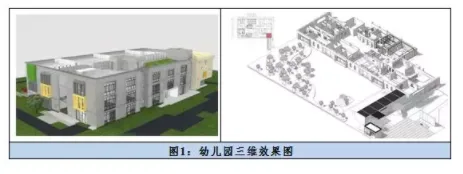
Why emphasize building a BIM model? Some argue that since the construction team receives a design model and performs clash detection, building another model isn’t necessary. However, the answer is yes. Due to different disciplines and perspectives, it’s essential to create a BIM model tailored for construction by importing and refining the design party’s model. This makes it more practical and easier to operate during construction.
2. Design Deepening
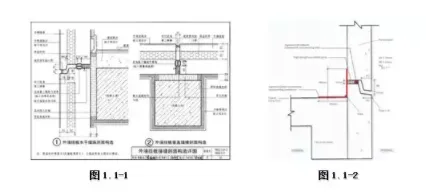
Design deepening has been practiced by construction companies in China since the CAD era. BIM now allows this process to be more detailed. Based on the design model, building components can be further refined and enhanced by adding information such as dimensions, attributes, appearance, processes, and construction methods. This enables simulations that guide the production of building components and on-site construction and installation.
3. Interdisciplinary Collaboration
Creating a BIM construction model integrates various professional disciplines involved in construction and installation—such as architecture, structure, plumbing, electrical systems, equipment installation, and piping. It enables simulation and analysis of hard and soft clashes between pipelines and structures, as well as conflicts in construction space. This approach helps reduce rework and material waste.
4. Cost Management and Control
By expanding BIM models into 4D, 5D, 6D, or even nD dimensions, construction teams can improve the accuracy of quantity takeoffs and support project budgeting. During construction, real-time and precise analysis of dynamic project costs enhances the management of both project expenses and engineering costs.
5. Construction Process Management
Continuously updating and enriching BIM models throughout construction allows for real-time and dynamic management of progress, workforce allocation, material usage, equipment deployment, quality monitoring, site safety, and layout. This enables visual and dynamic simulations of the construction process and helps optimize construction plans.
6. Delivery and Completion Simulation
After construction is complete, delivering a finalized BIM model is an important application. This model should be comprehensive, covering architecture, structure, and electromechanical systems. Alongside 3D geometry, it must include design information such as materials, loads, technical parameters, and performance indicators, as well as construction data like quality, safety, consumables, and costs. Component and equipment details are also included. This information serves as a foundation for later operation and maintenance management and allows owners to inspect construction quality.
In summary, these points outline the essential applications of BIM within construction enterprises. Although BIM adoption in Chinese construction companies is still in its early stages and difficult to fully integrate with enterprise-level data, the potential is vast. We believe that in the near future, BIM will become a powerful tool for construction companies, creating significant value across the entire industry.














Must log in before commenting!
Sign Up