
Construction site management has always played a vital role in the success of any project. When handled effectively, it can significantly boost construction efficiency and reduce project timelines. However, traditional management methods have often been criticized for their numerous shortcomings. With the advent of Building Information Modeling (BIM), a new and innovative solution has emerged to address these challenges. Today, let’s explore the key applications of BIM in construction site management.
Application 1: On-Site Layout Optimization
As the construction industry rapidly evolves, traditional on-site management techniques are no longer sufficient for handling increasingly large and complex projects. Modern construction companies face greater demands regarding the surrounding environment, machinery placement, and material transportation routes. In particular, emerging concepts such as green construction, civilized construction, and low-carbon operations have introduced new challenges.
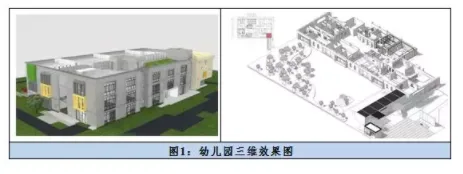
By integrating BIM, companies can create detailed on-site BIM models that incorporate engineering equipment, facility resources, and real-world environmental data such as geography, transportation networks, cultural context, and nearby residential areas. Linking this information within a 3D on-site layout plan allows for visual and intuitive simulations of construction stages based on the project schedule. This enables flexible, efficient, and well-organized on-site arrangements, optimizing overall site operations.
Application 2: Quality Management
Errors during construction are inevitable, and traditional quality management methods often suffer from inadequate supervision, delayed problem resolution, and sluggish feedback. These issues can compromise construction quality, increase rework, and drive up costs.
Implementing BIM technology in quality management allows for construction simulations and model-based demonstrations to verify and compare actual work against plans, significantly reducing errors. This approach avoids the pitfalls of relying solely on visual inspections and subjective discussions.
Moreover, BIM replaces traditional tables and text documentation by integrating comprehensive data within the model itself. This eliminates the difficulties associated with reviewing, archiving, and searching through paper-based records. Quality-related information linked directly to the BIM model enables timely problem identification through model browsing and quick report generation, facilitating faster decision-making.
Compared to conventional document-based methods, BIM enhances clarity and coordination in addressing quality issues. When combined with other modern technologies, BIM further refines quality inspection and control processes.
Application 3: Safety Management
Safety has always been a top priority in construction site management. Historically, safety measures depended heavily on experience and qualifications. Today, BIM technology offers superior solutions, managing everything from site layout and safety protocols to machinery placement and the creation of safety manuals.
By embedding information about the site, resources, equipment, spatial arrangements, and workforce allocation into the BIM model, construction managers can proactively predict potential hazards, highlight dangerous work zones, and plan safety installations. The technology also enables simulation of emergencies such as fires or earthquakes, helping to identify optimal escape routes and prepare safety manuals for workers to boost awareness and survival chances.
Additionally, intelligent chips integrated into workers’ safety helmets through BIM technology allow real-time monitoring and management of entry and exit controls, work area layouts, and other safety-related factors. This dynamic system supports safer and more orderly site operations.
In summary, these are some of the primary ways BIM is transforming construction site management. While BIM has many other applications within construction, focusing on the site management aspect highlights its critical role in controlling progress and costs. Ultimately, effective on-site management is key to maintaining project timelines and budget efficiency.














Must log in before commenting!
Sign Up