
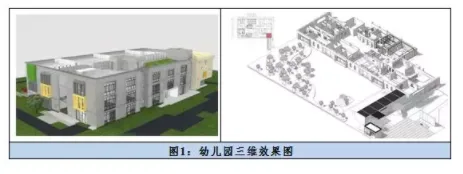
The core concept of Building Information Modeling (BIM) is to use powerful 3D modeling and drawing software as a central platform, enabling seamless data transfer from various other software tools. This modeling software displays comprehensive data throughout the entire lifecycle of a building project, including component properties, material specifications, pipeline layouts, building standards, involved personnel, and construction schedules. As a result, the integrated BIM model becomes accessible at any time to all project participants, significantly enhancing the efficiency of information integration.
Over time, architectural design has evolved from traditional paper-based drawings to sophisticated computer-aided modeling. Today, architects can easily create detailed digital models of buildings before construction begins, allowing for a clear visualization of the final structure. This advancement has fostered greater diversity and complexity in architectural design. Alongside this shift, participants in the construction process are increasingly adopting digital tools to supplement traditional methods, addressing their limitations and improving overall project efficiency. However, the abundance of software types and file formats can sometimes hinder workflow, making it essential to integrate the various software tools used throughout the construction stages.
With BIM becoming more widespread, the benefits it offers can vary significantly depending on the role and stage of the construction process. To better understand these advantages, it is important to engage with the different participants involved in the project and analyze completed BIM building cases. This approach helps clarify the capabilities of BIM models for each role and facilitates discussions about the practical benefits they bring to construction projects.
Typically, the construction process involves three main roles: the architect, the structural analyst, and the manufacturing plant. Each role carries distinct responsibilities, yet their tasks are closely interconnected. Successfully completing a building requires continuous communication and collaboration among these roles throughout the project. Traditionally, construction starts with 2D plans and elevation drawings—a well-established method in the industry. However, as building designs become more complex, relying solely on 2D representations can reduce overall efficiency. BIM addresses this by transforming building information from 2D to 3D, thereby enhancing the accuracy and speed of information delivery to all participants.
Currently, BIM technology is still developing. Although significant investments and research efforts worldwide focus on BIM and its integration capabilities, most progress centers on software file integration or extending existing BIM functions. There has been limited exploration of the actual design and construction workflows or a thorough understanding of how BIM benefits each participant throughout these processes.
That concludes our overview of the benefits of BIM models. I hope this information proves useful to everyone involved in the construction industry.














Must log in before commenting!
Sign Up