
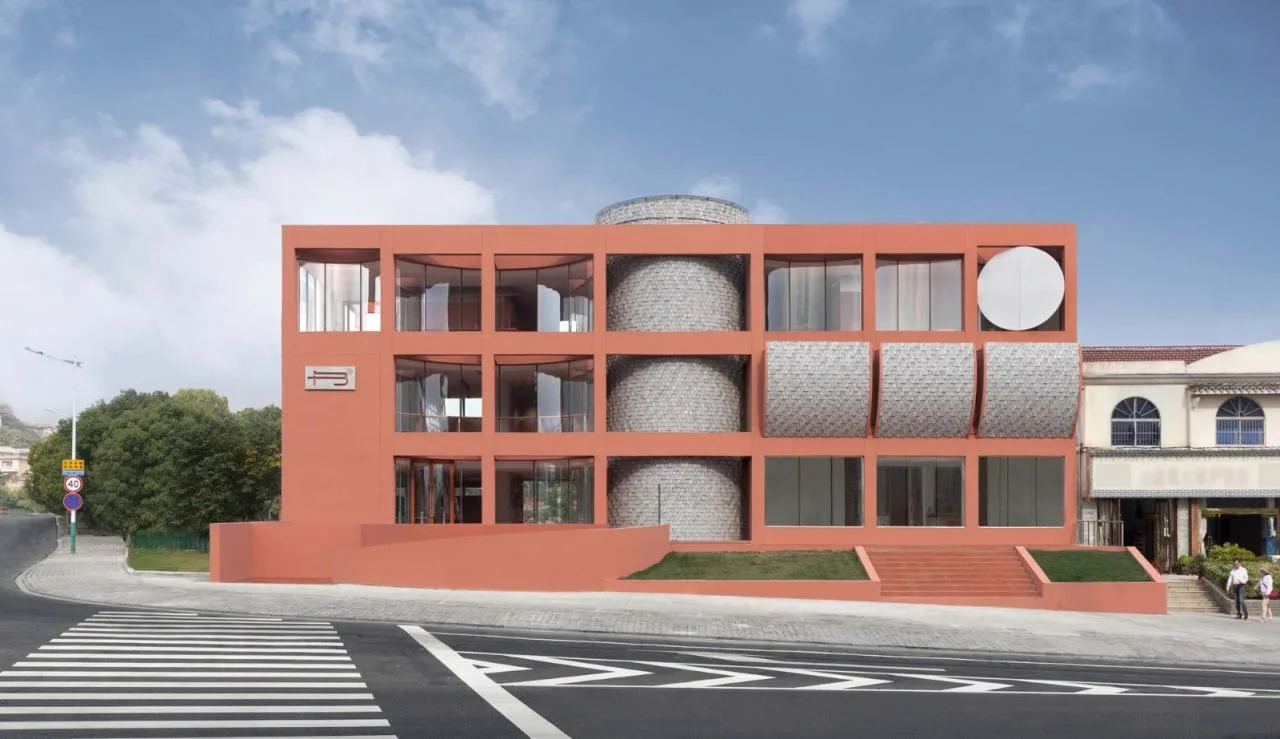
“Demolition is a simple and short-term decision,” Anne Lacaton remarked. It leads to significant waste—of energy, materials, and history. The true vitality of architecture lies in its endurance over time, intimately connected to its function. Yet, every building has a lifecycle. Whether due to functional decline, evolving social demands, or new local policies, such changes present opportunities to completely transform old structures.
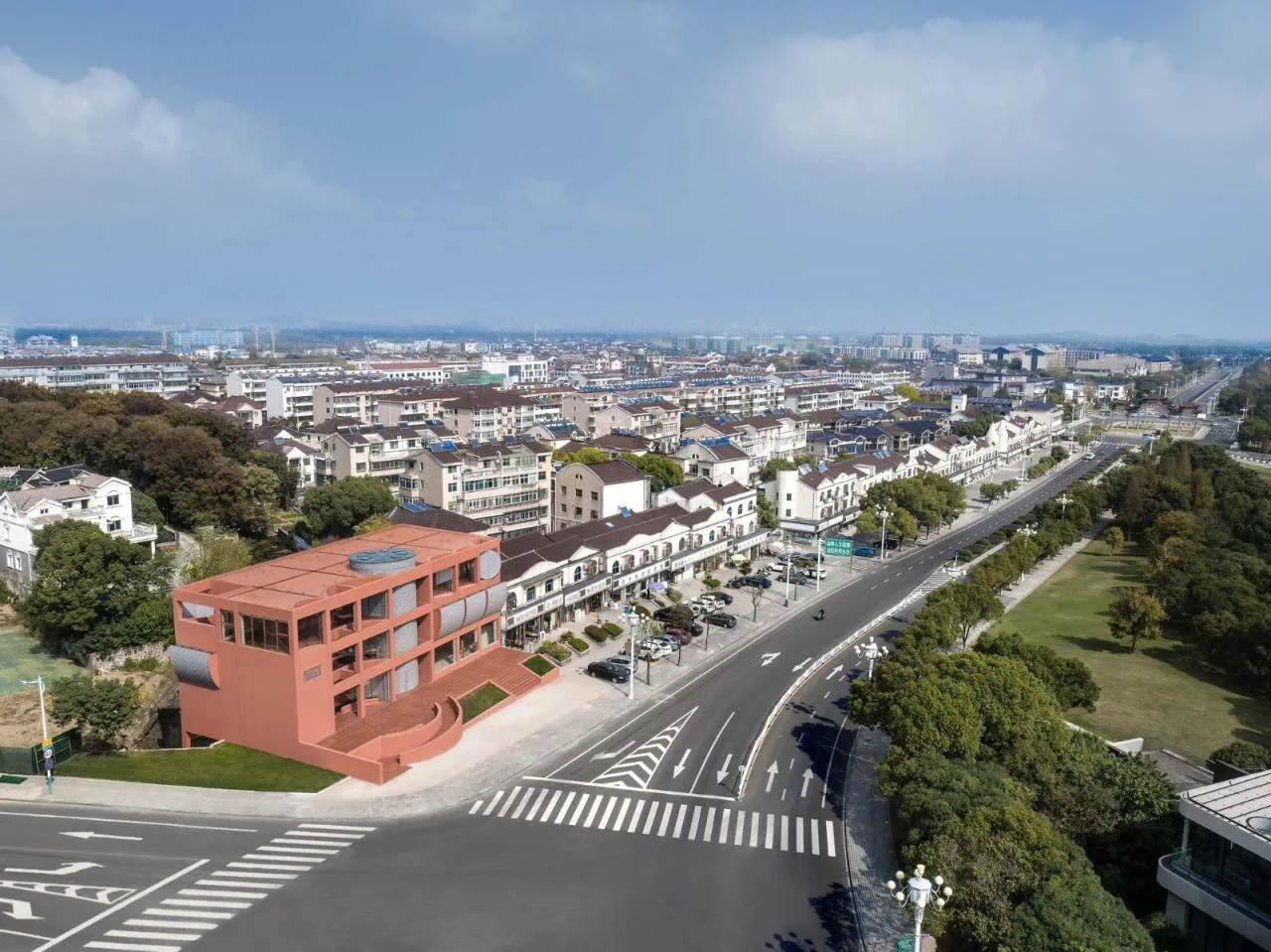
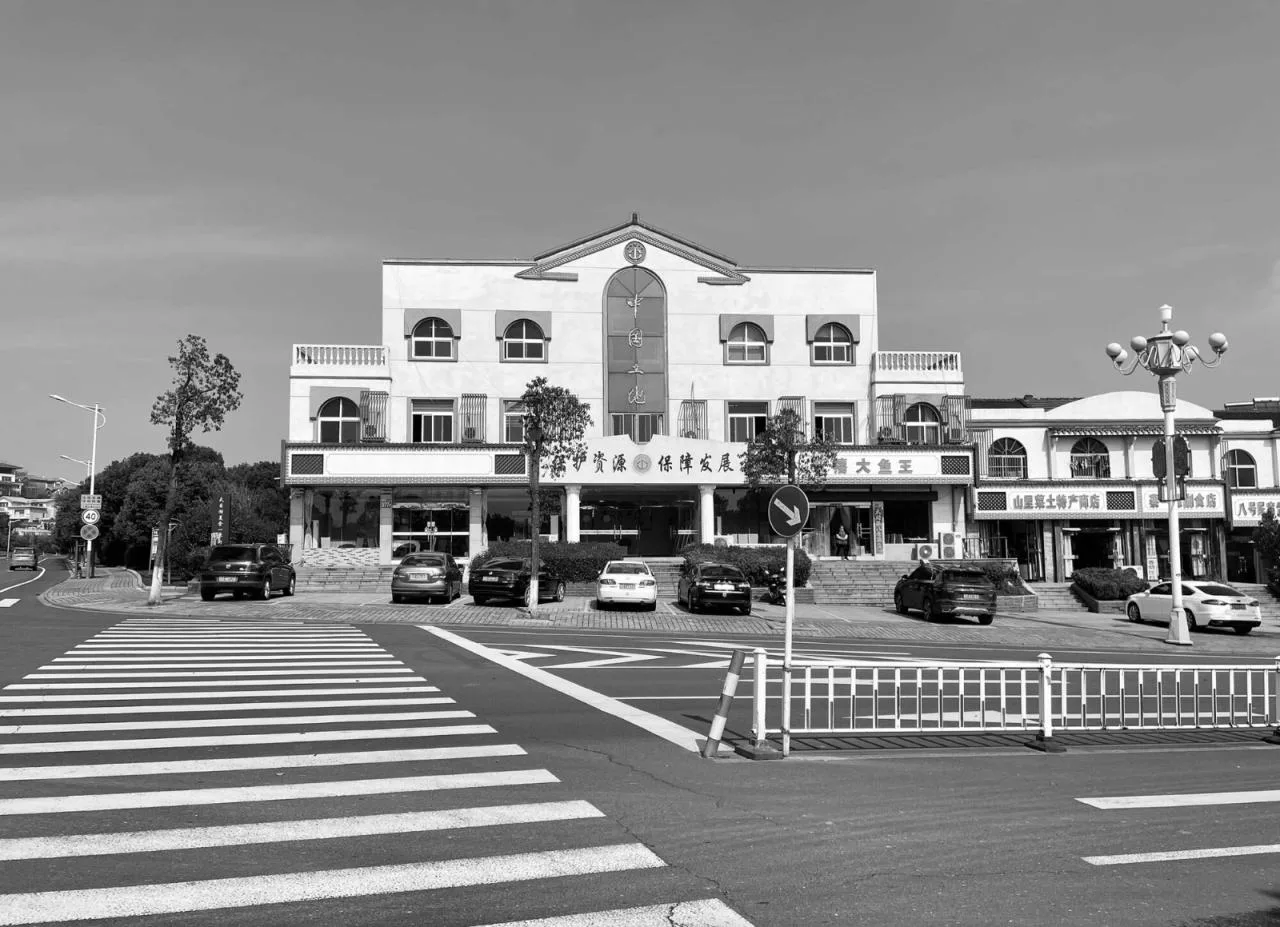
Before Renovation
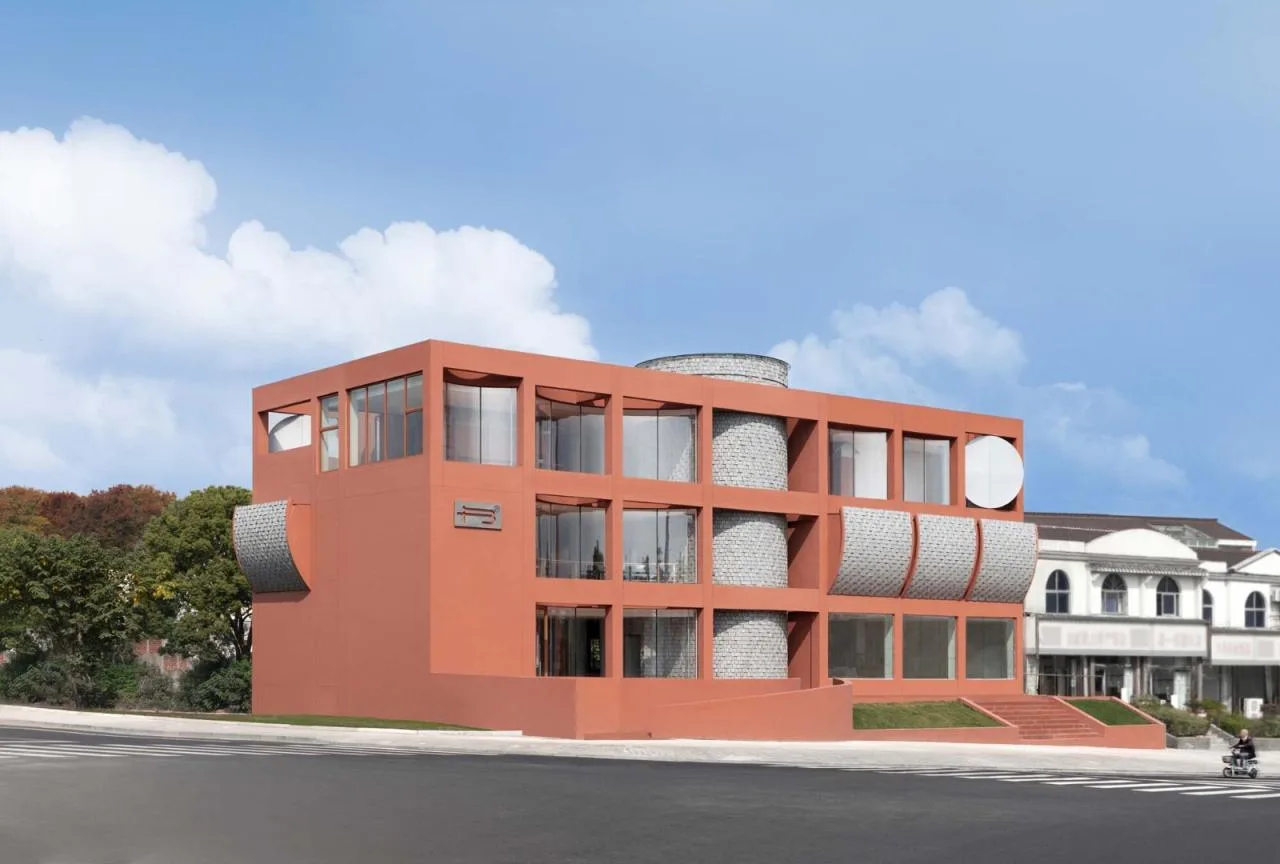
Renovation: Adapting Architectural and Spatial Functions
The “Li” City Study is situated within the Tianmu Lake Resort in Liyang City. As a government-funded public welfare project, it offers a convenient urban shared cultural space with a 24-hour free reading area accessible to both residents and visitors. Previously, this building served as office space. The government aimed to redefine its social role, ensuring it fulfills public needs while reflecting humanistic care.
During the renovation, Big Dog Architectural Design conducted thorough research of the existing structure, respecting its history while addressing new functions. Emphasizing sustainability, the architects preserved the original building framework, construction methods, and site environment. Their approach maximized the use of existing space, transforming it into a cultural and memory container within a limited, innovative framework—a communal space for reading and public interaction.
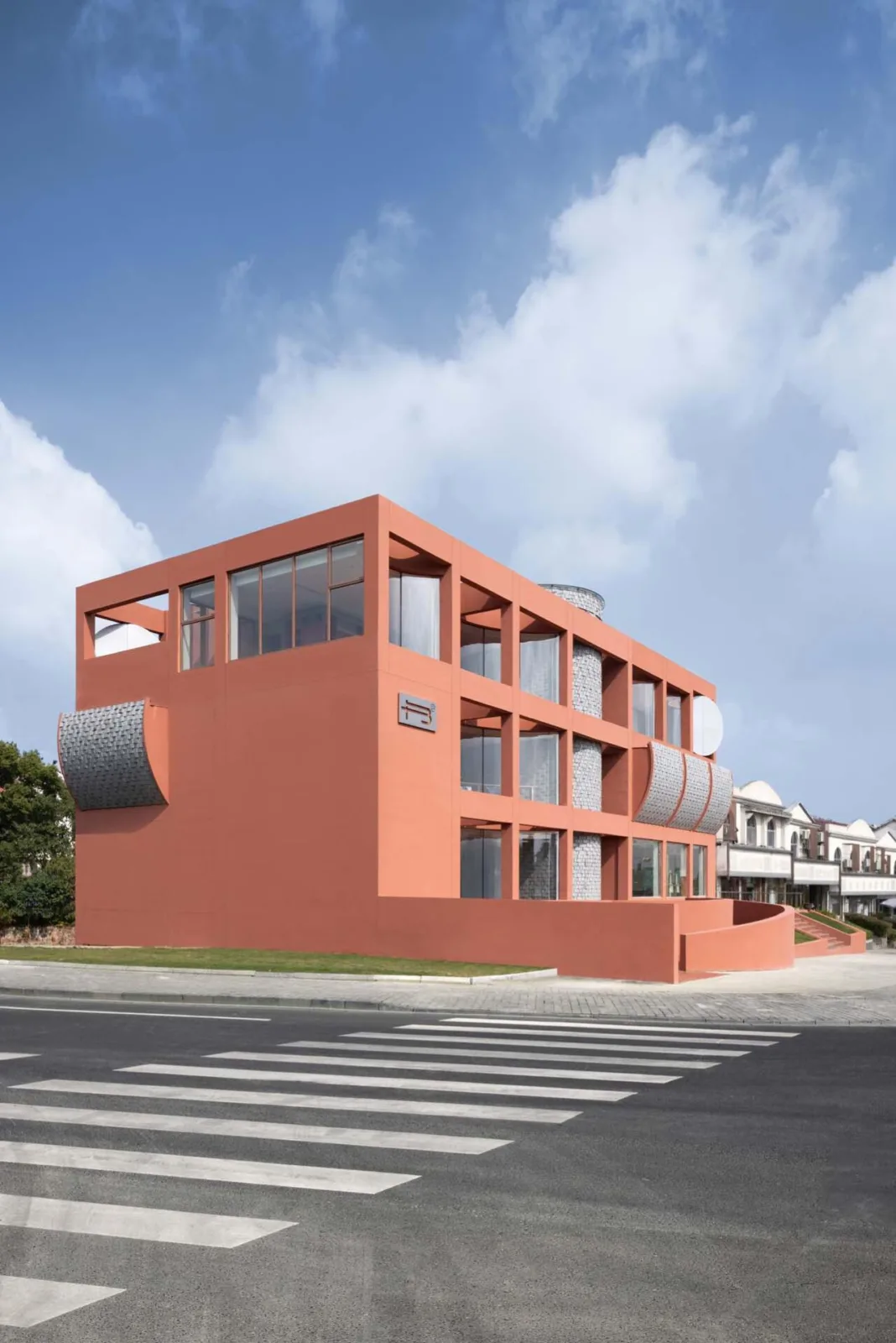
Reuse: Preserving and Repurposing the Structural Framework
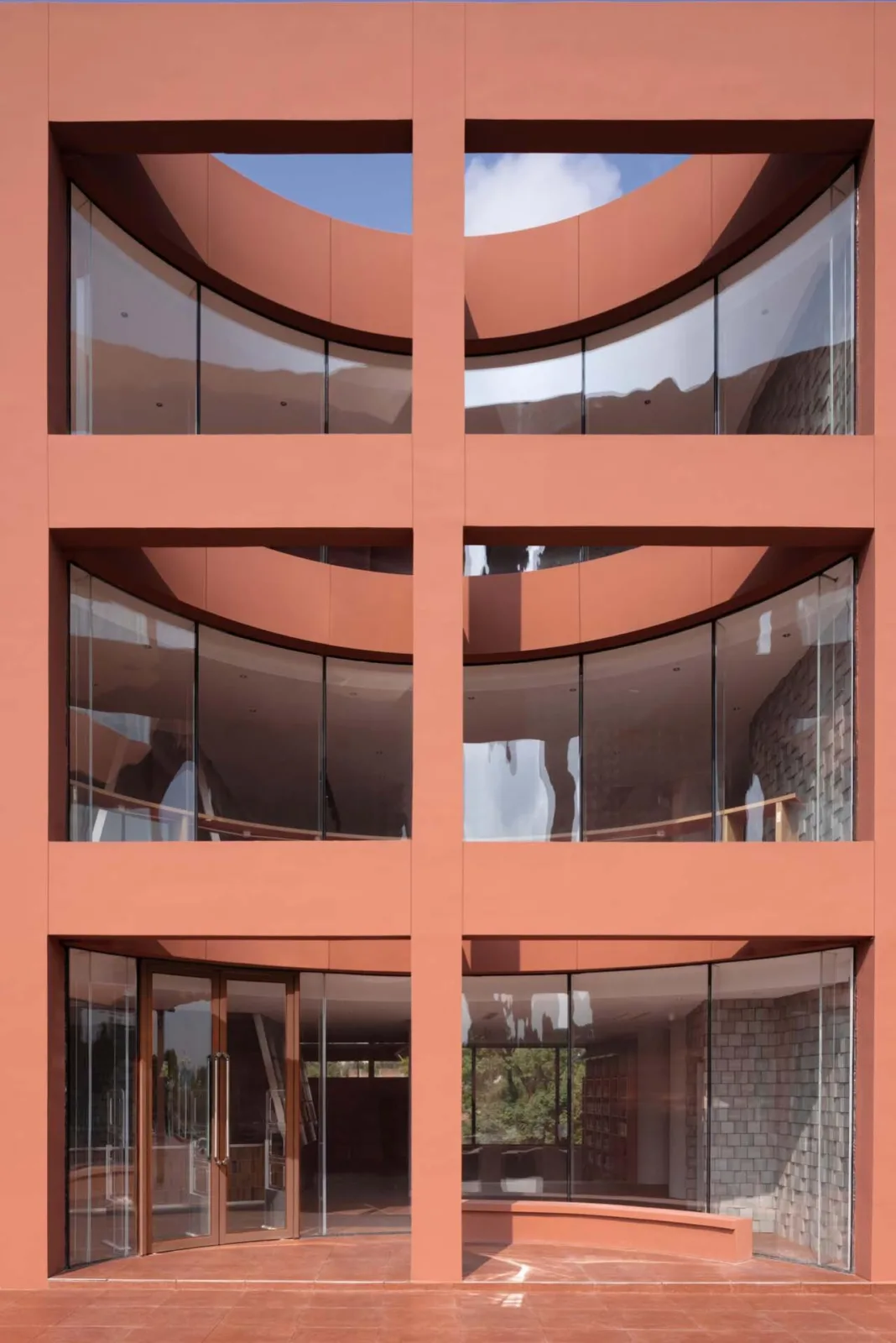
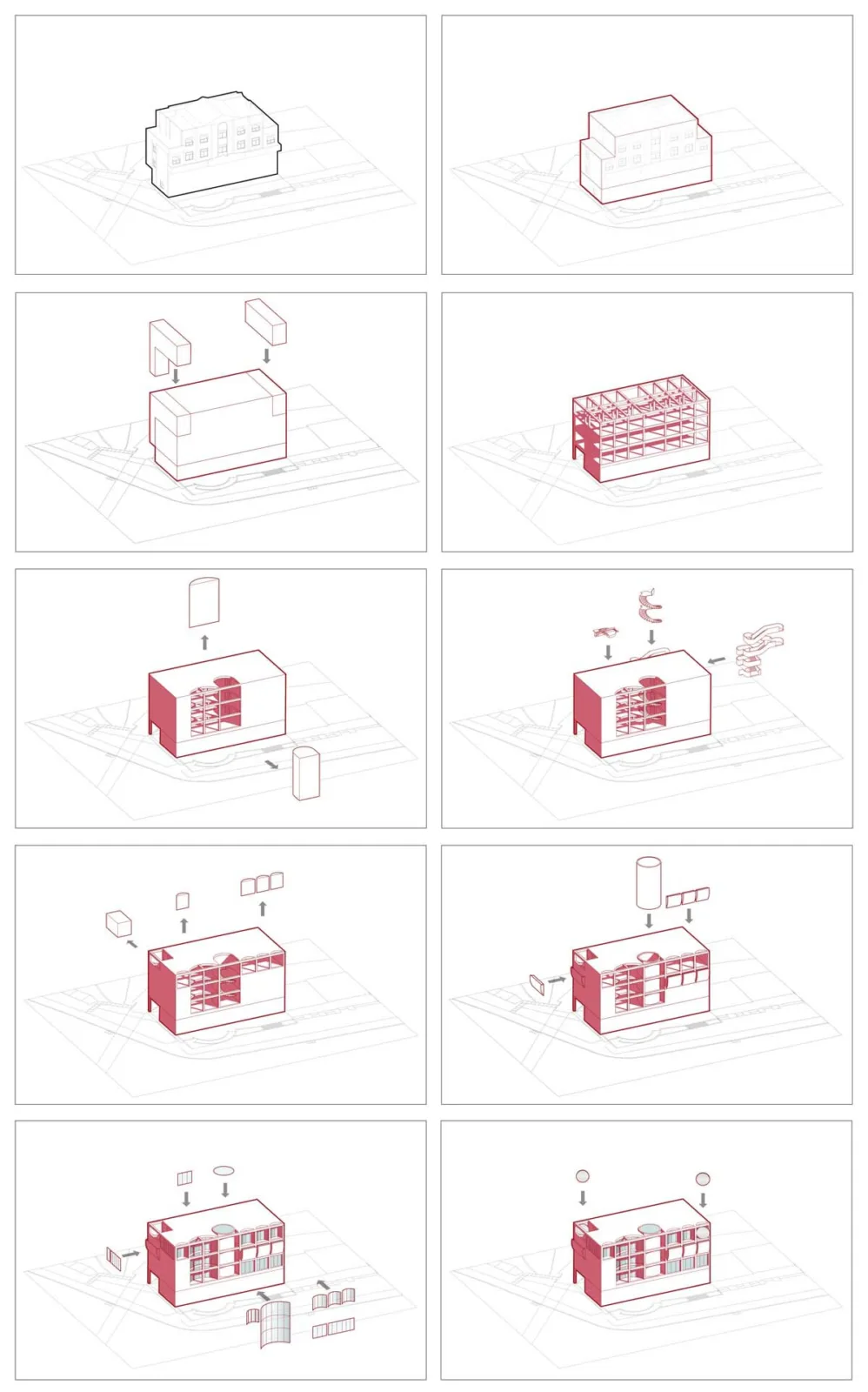
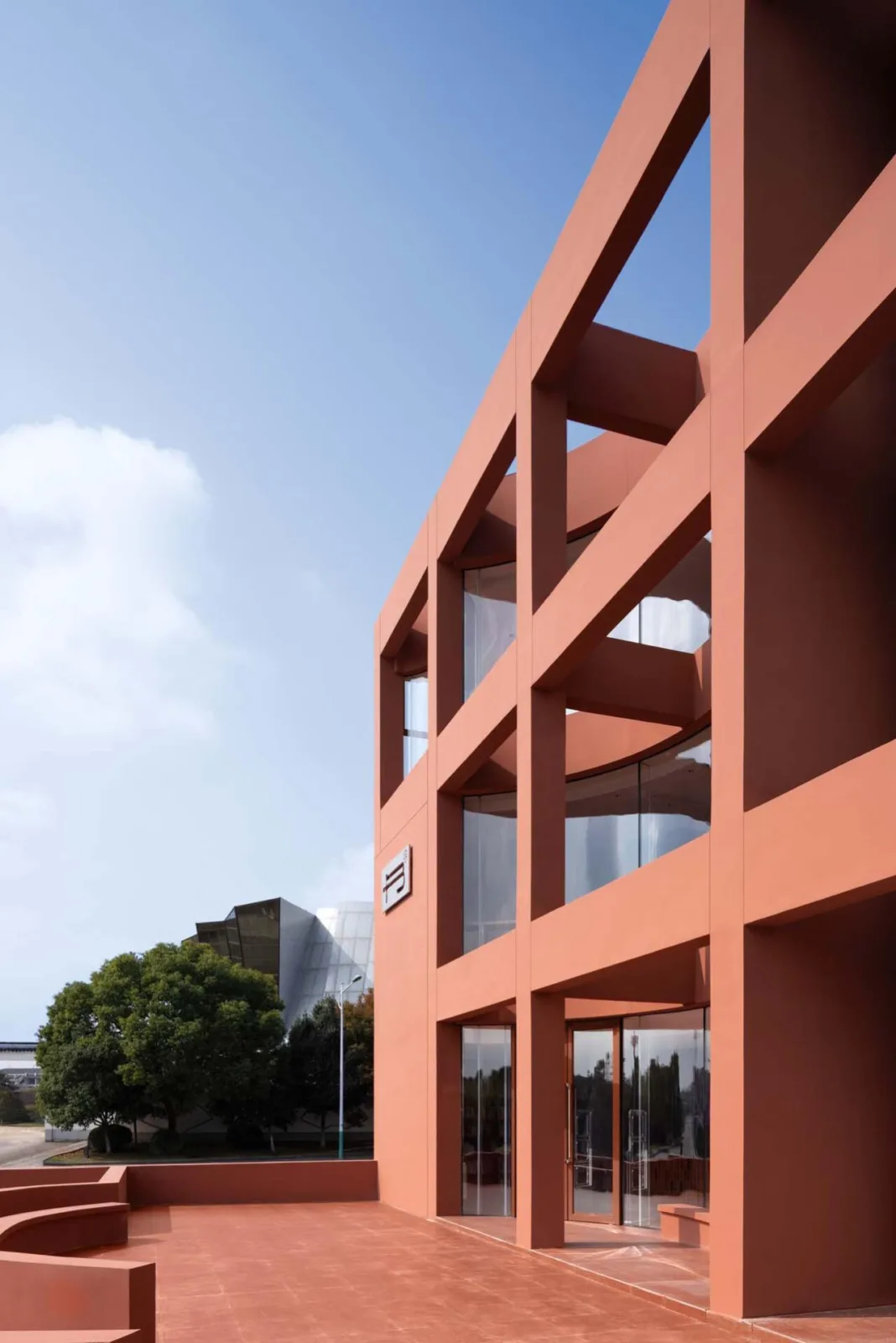
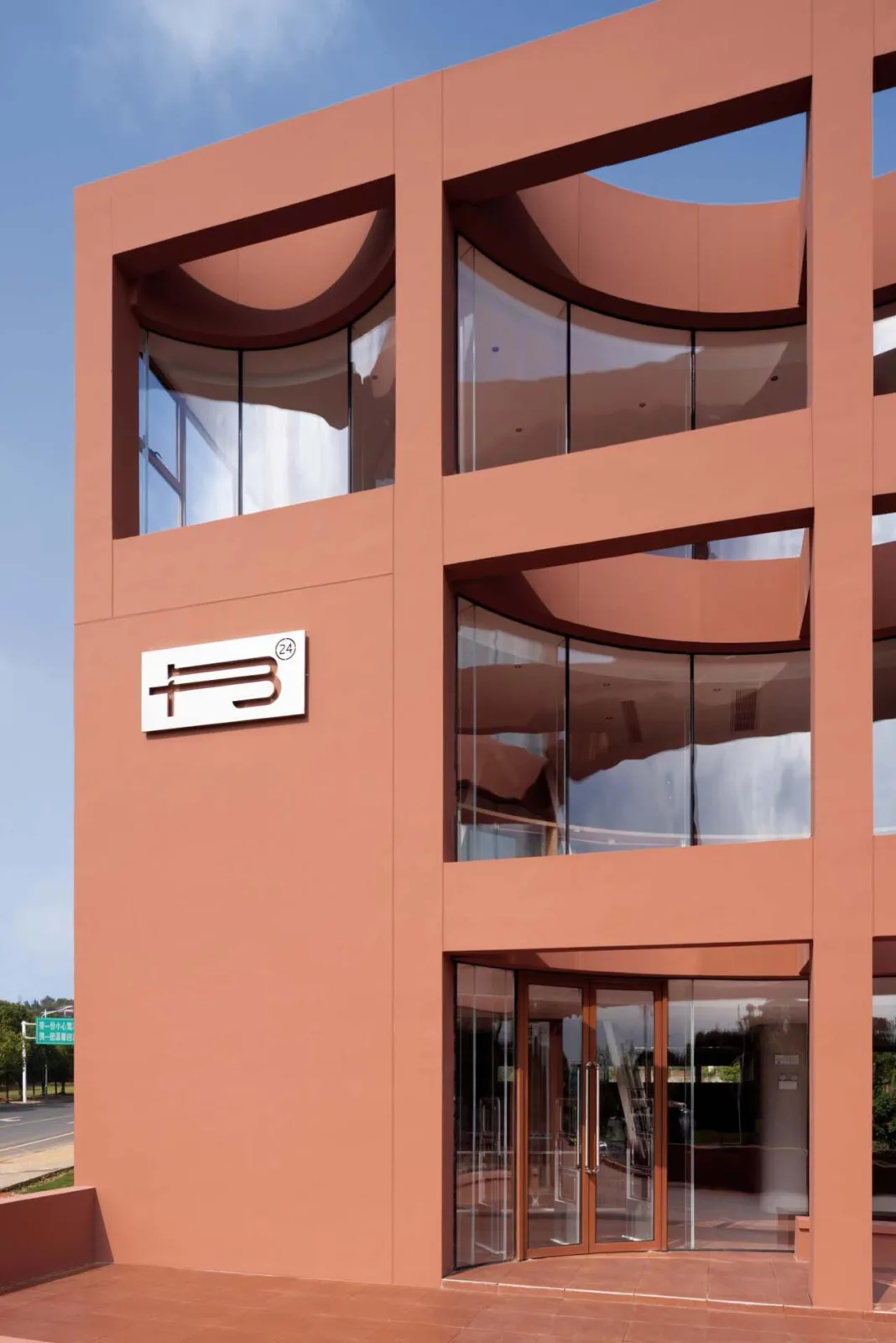
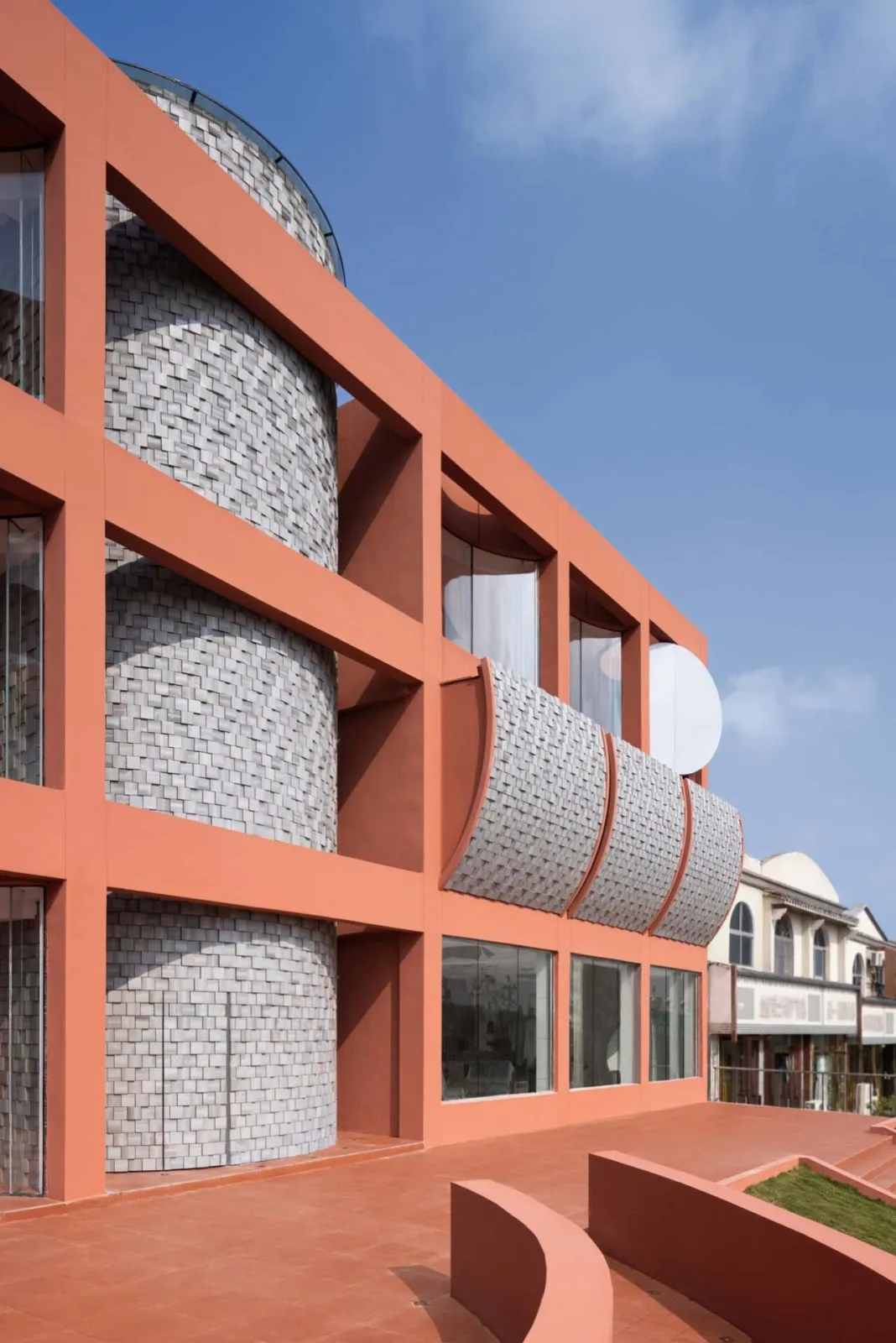
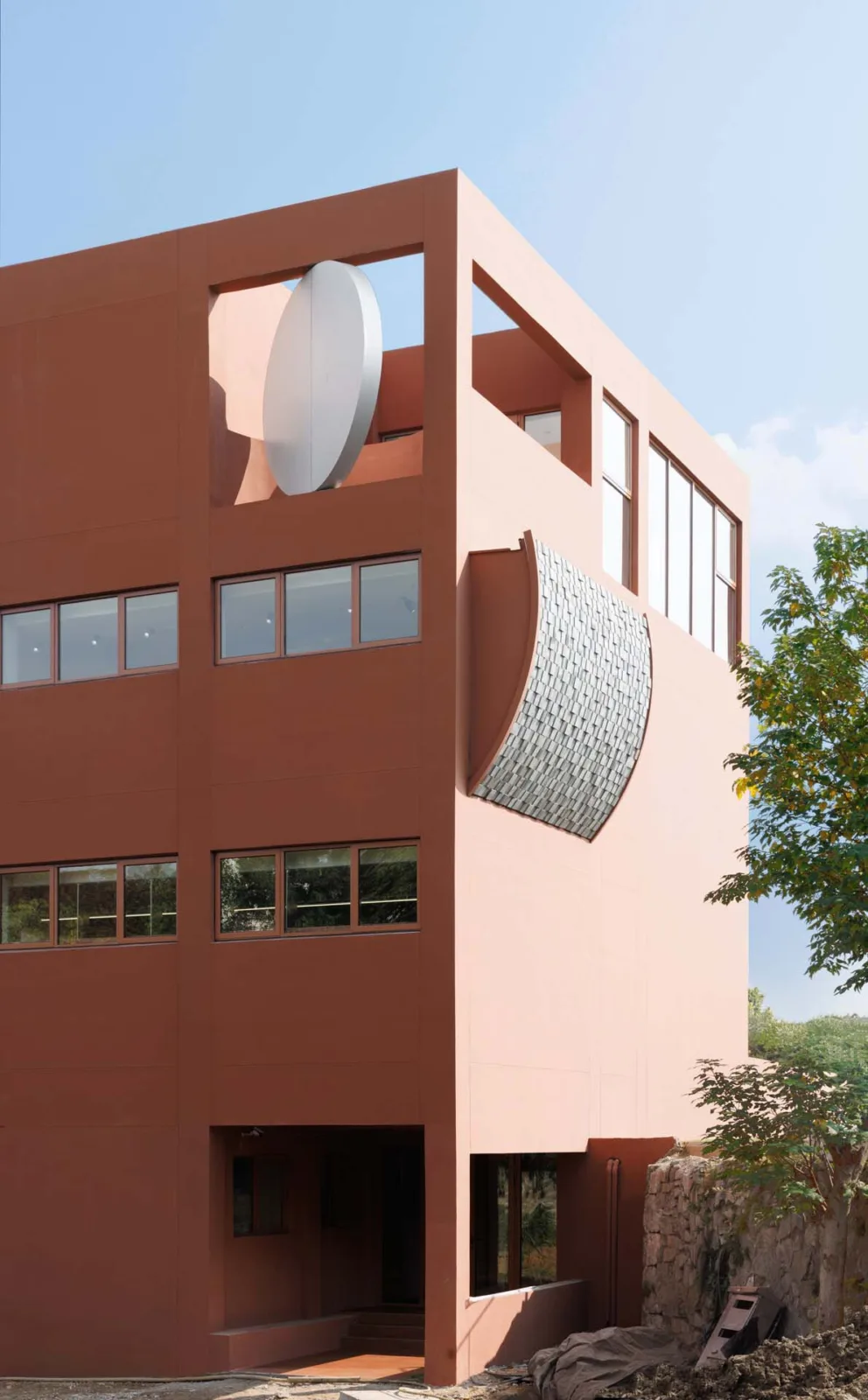
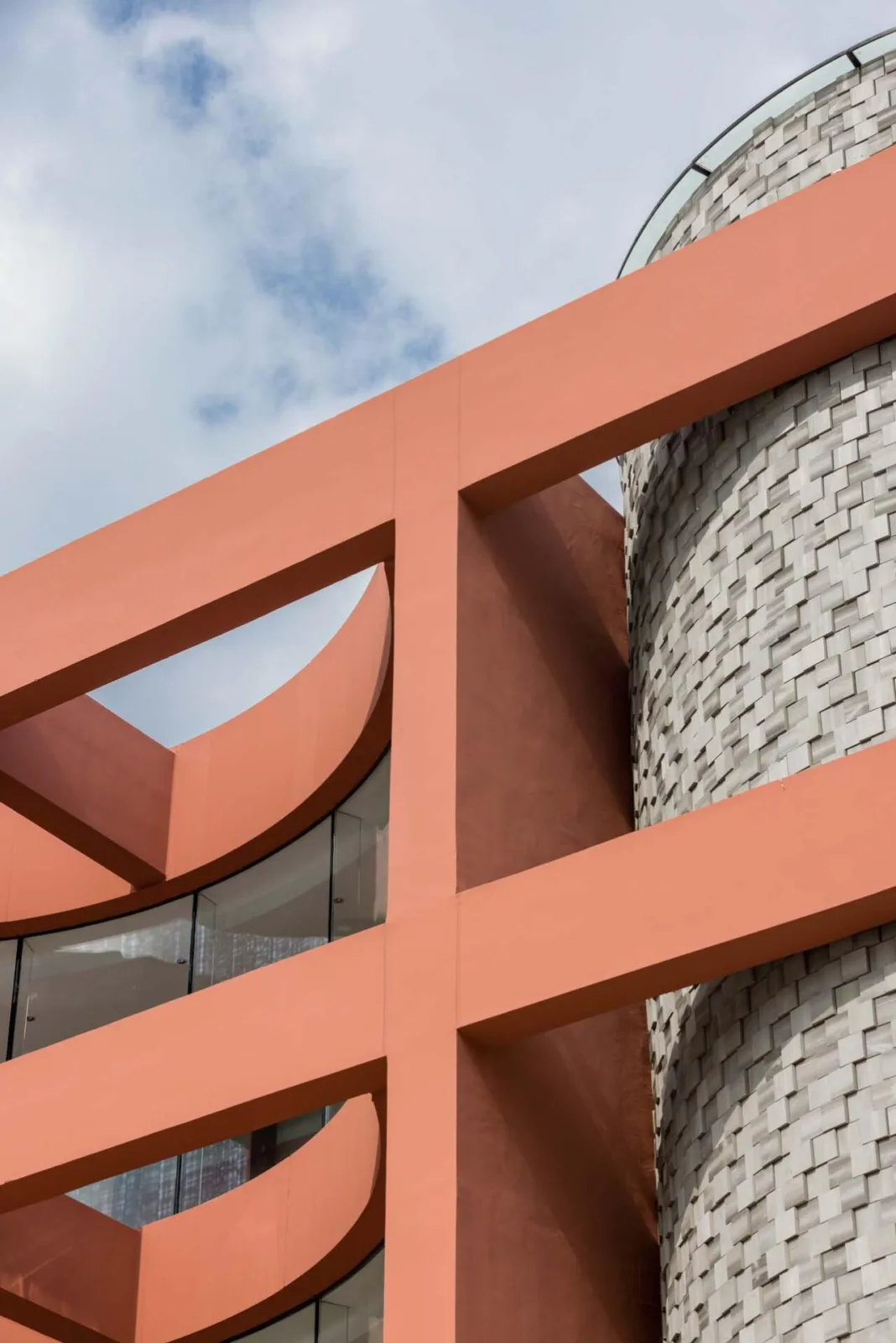
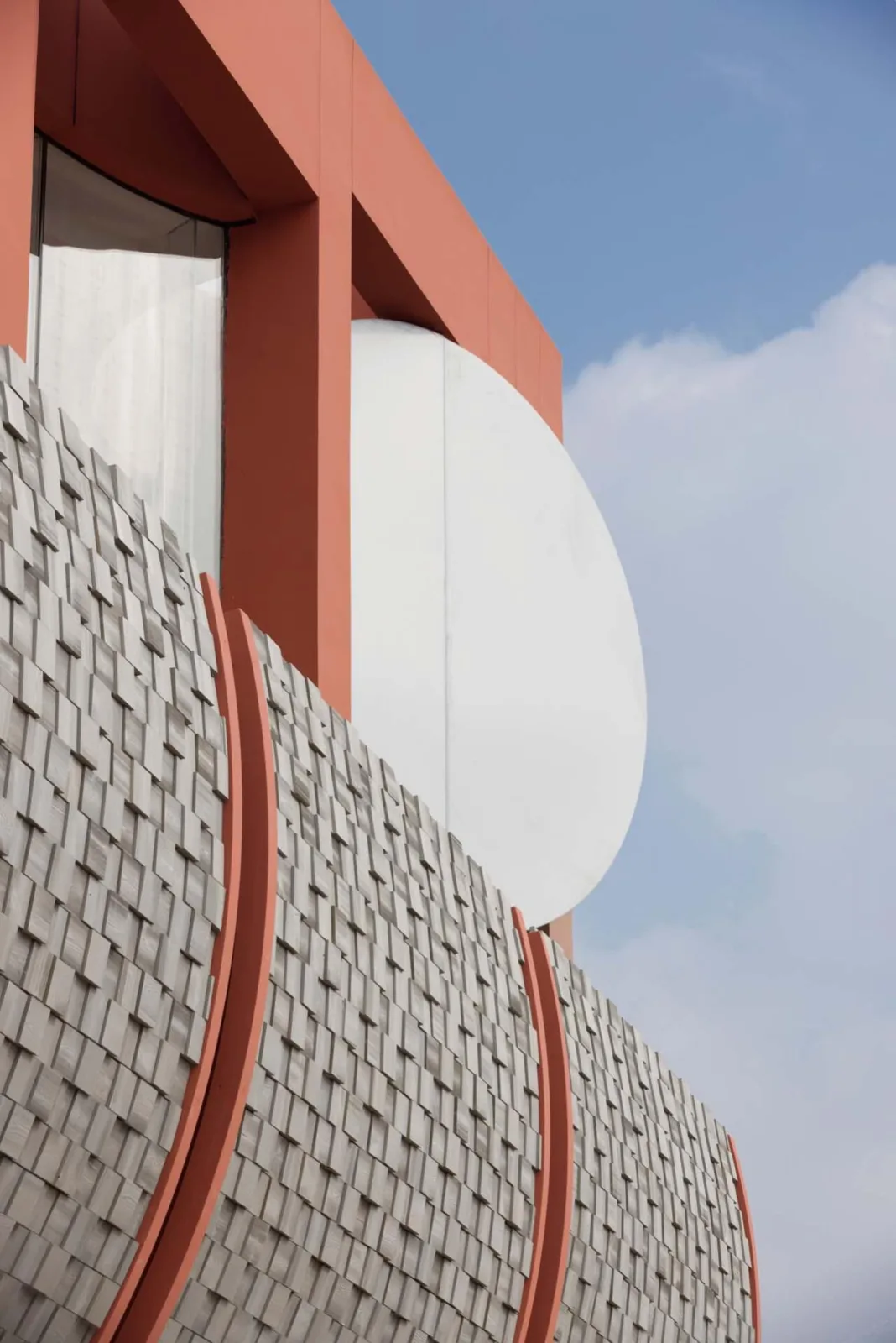
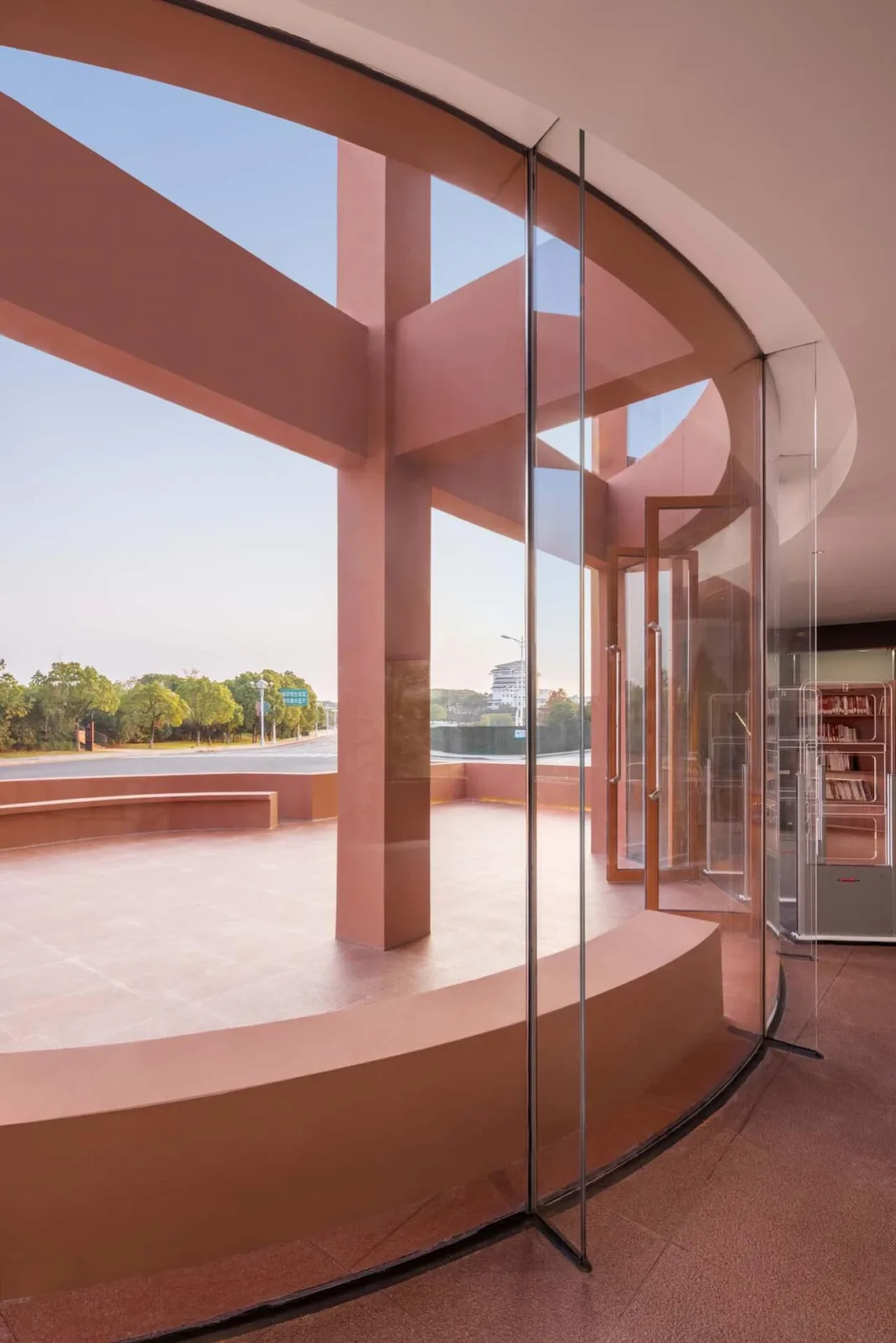
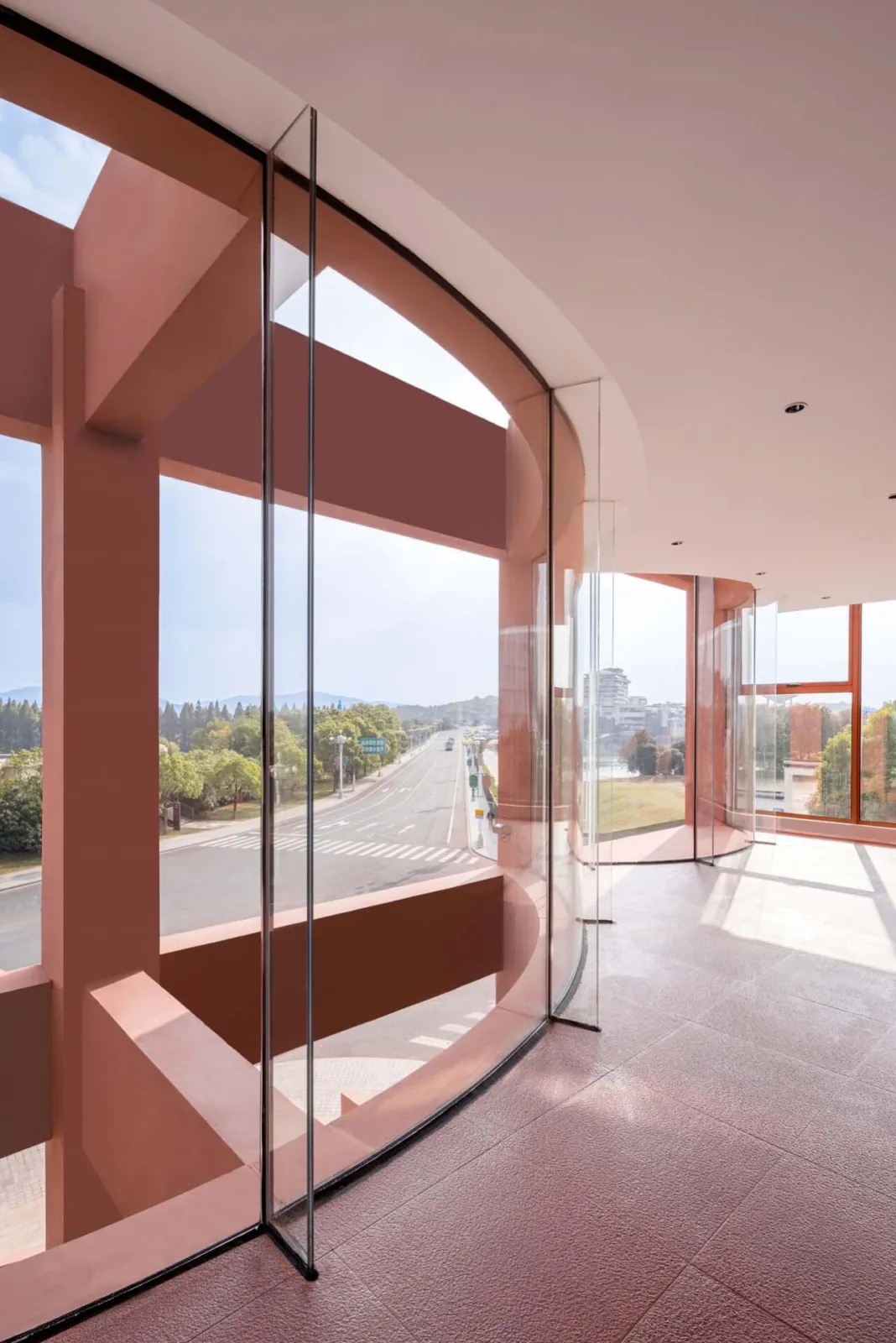
The building comprises three above-ground floors and one basement level. Its recessed semi-outdoor entrance and elongated circular flow path effectively separate it from the busy street outside. The architects removed exterior walls to reveal the existing beam-and-column framework, altered floor slabs, and introduced inward-receding circular structural beams on the main facade. These interventions refreshed the structural system and indoor floors, highlighting the modern expression of the original framework. This dialogue between old and new structural languages achieves a harmonious balance in the building’s appearance.
Sustainability: Embracing Natural Light
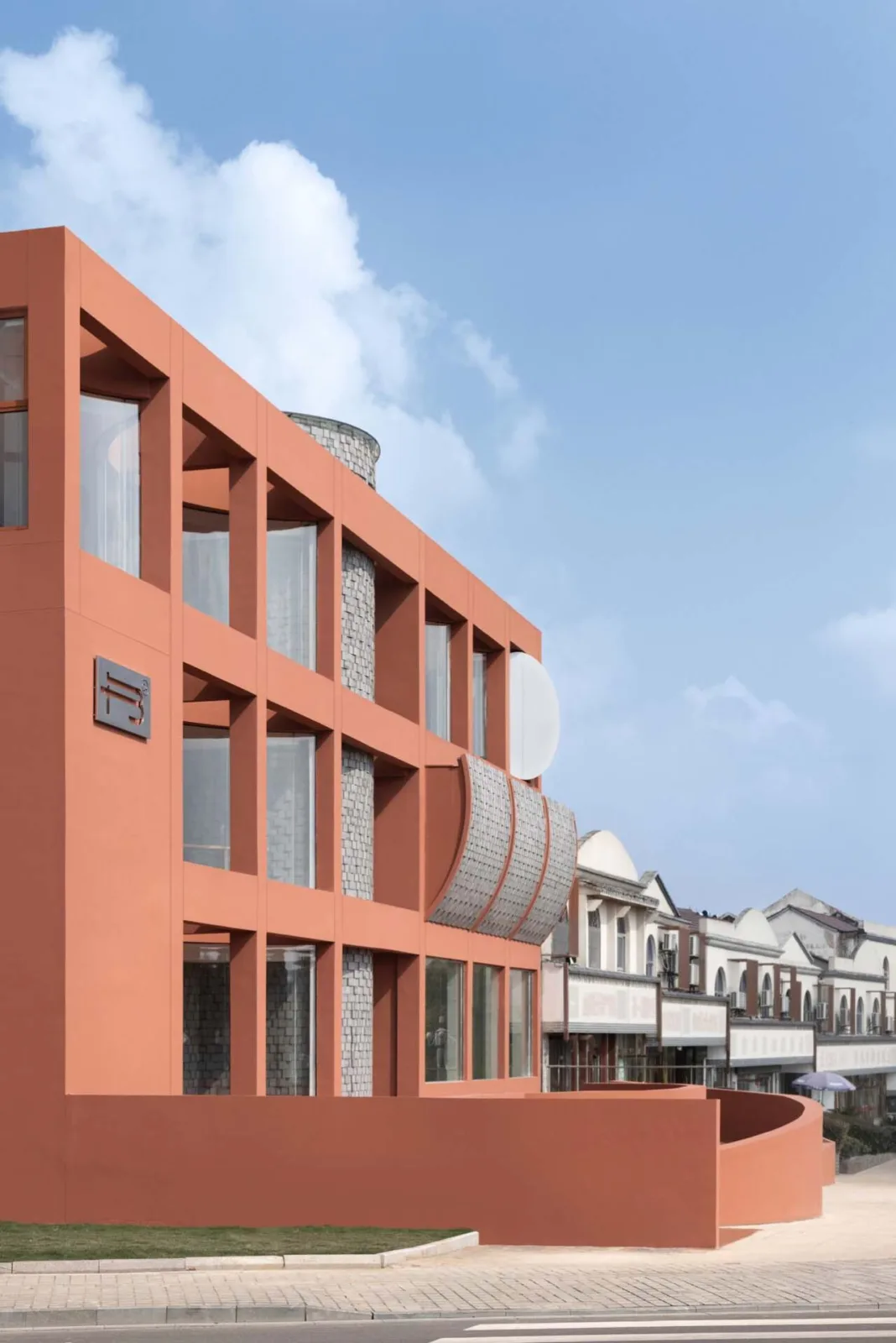
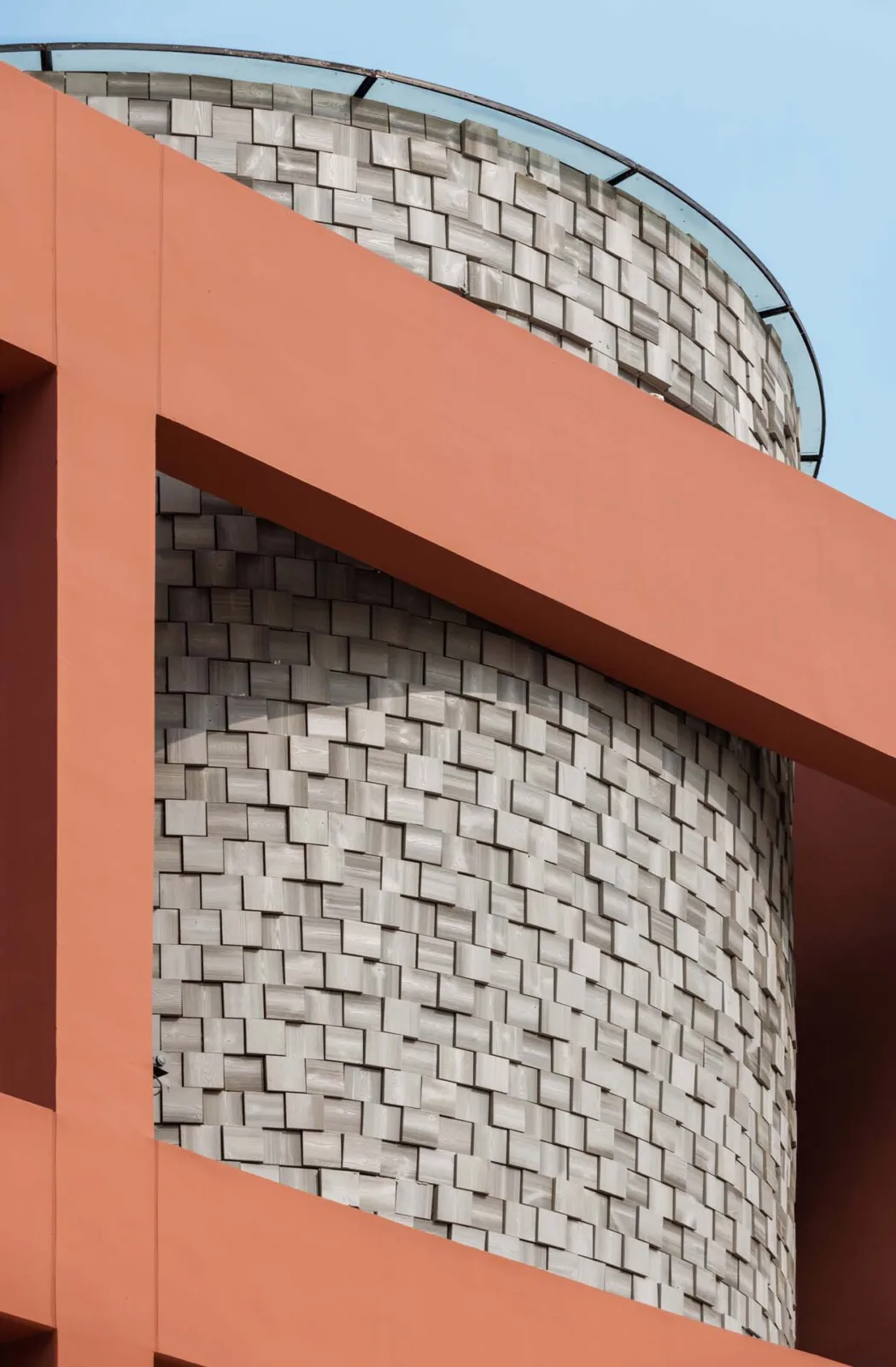
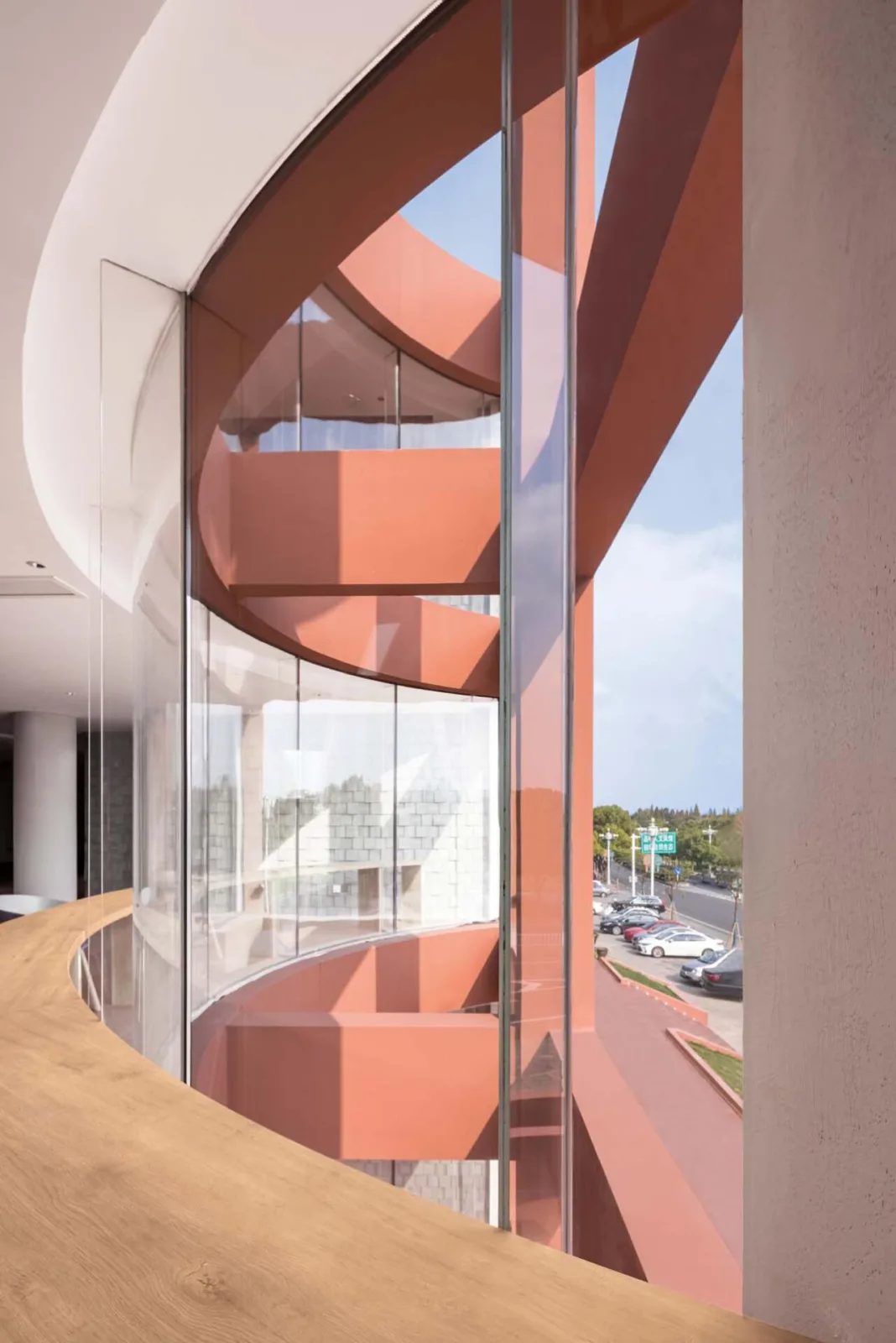
Big Dog Architects redesigned the facade’s window openings, introducing a frameless curved glass curtain wall that contrasts with the heavy structural frame, emphasizing the building’s clear architectural contours. The curved curtain wall enhances outdoor views and connects the interior naturally to its surroundings. Floor-to-ceiling glass reveals the picturesque Tianmu Lake scenery, creating a dialogue between water and architecture. The outward-curving facade echoes the inner curved beams, establishing a new dynamic exterior form while crafting diverse interior reading environments.
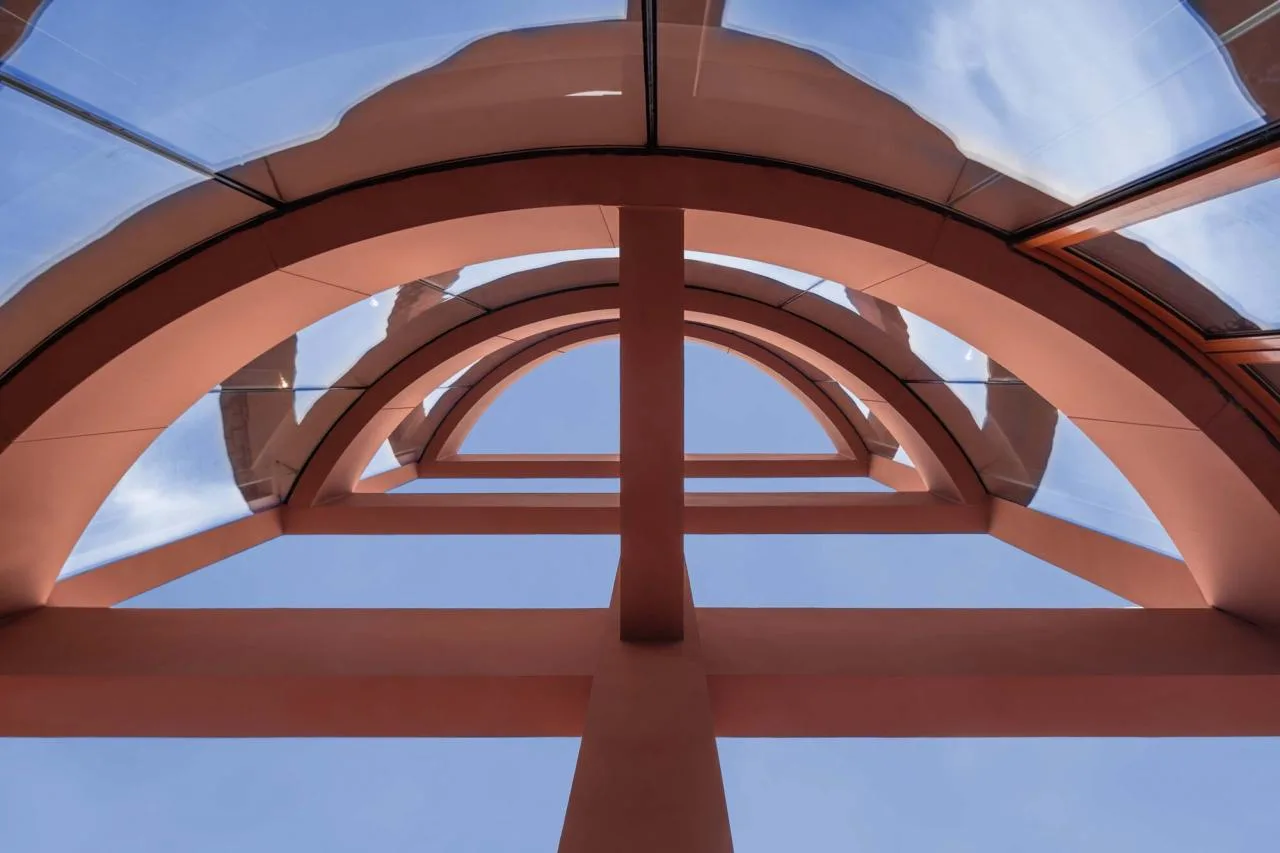
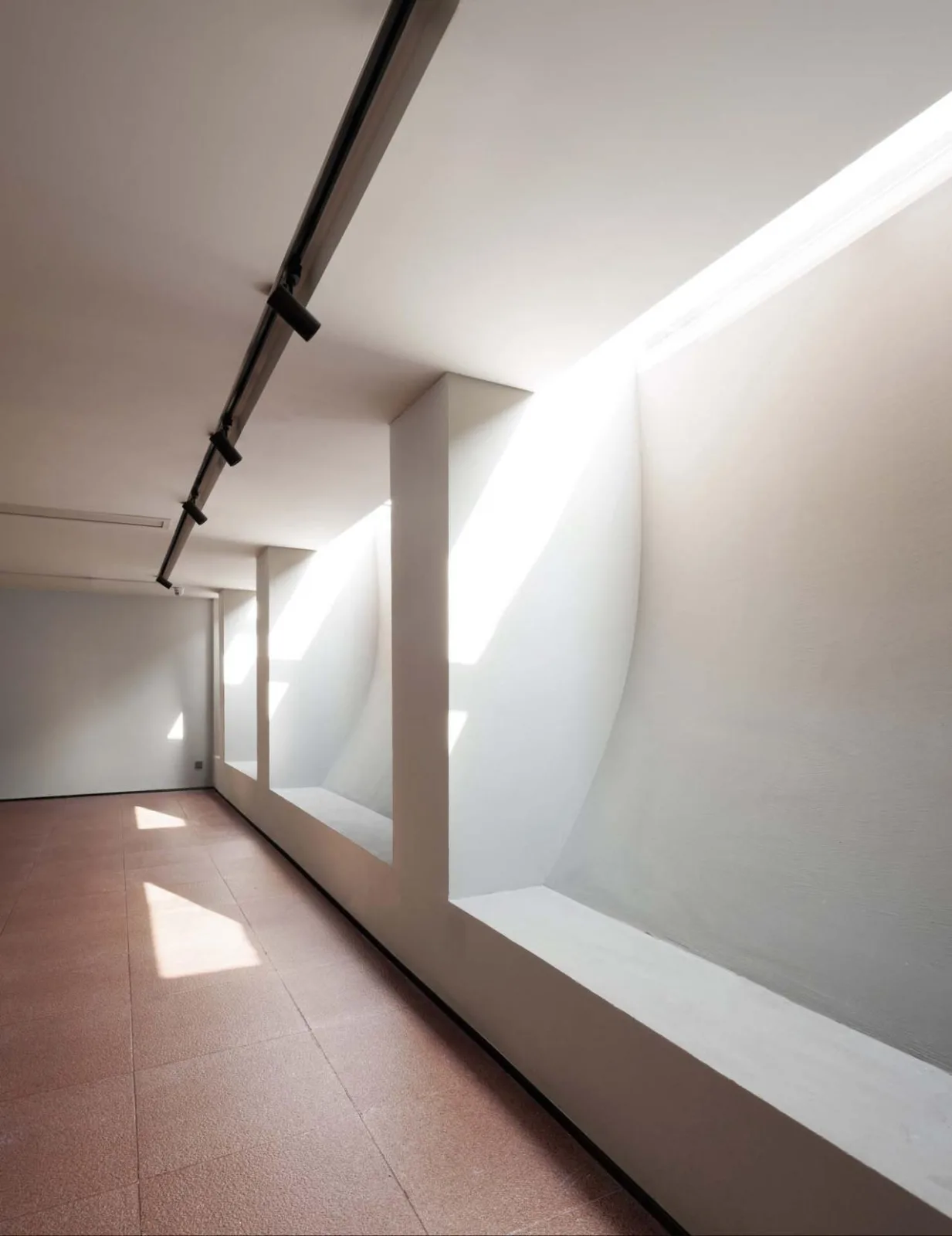
The window system gains privacy through slender skylights atop the curved forms, offering an additional connection to nature—allowing visitors to look up and experience the poetic movement of light and clouds.
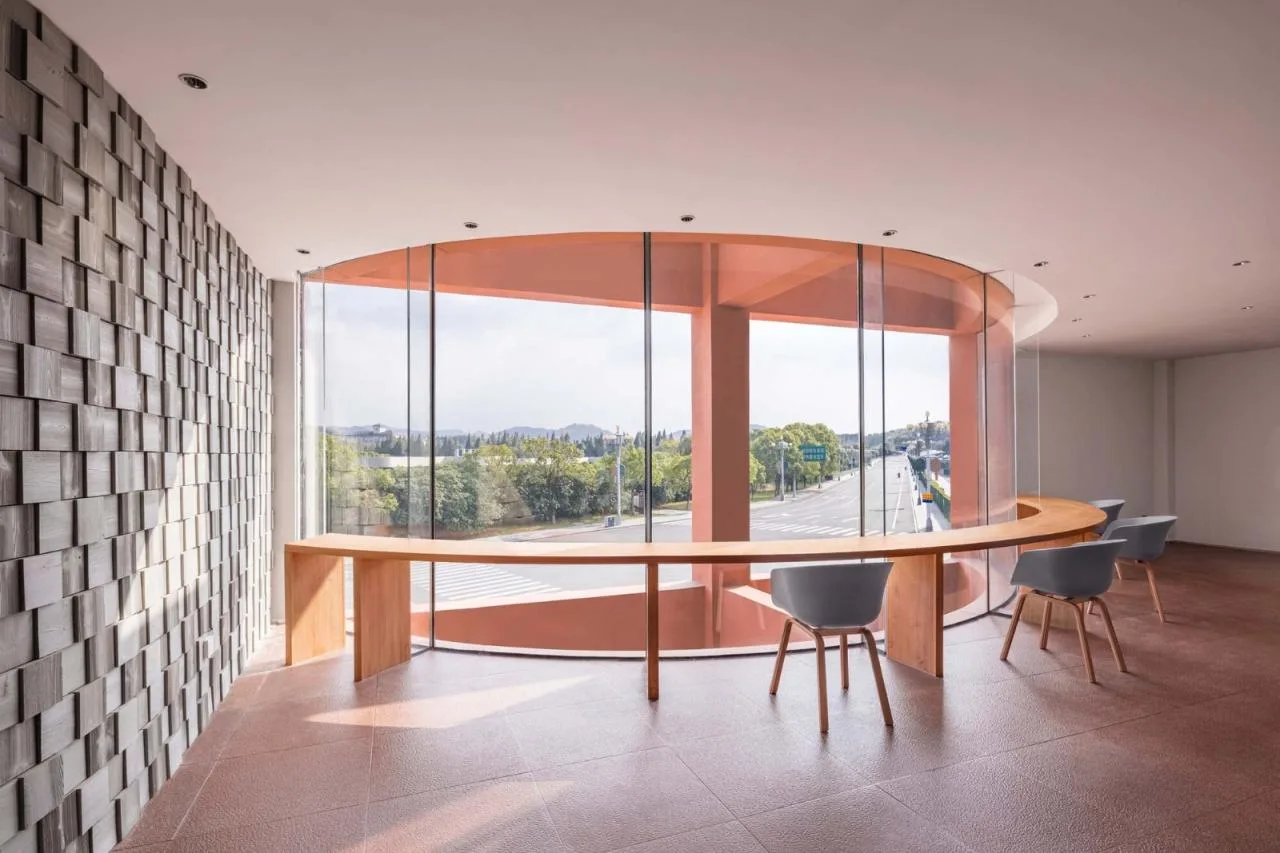
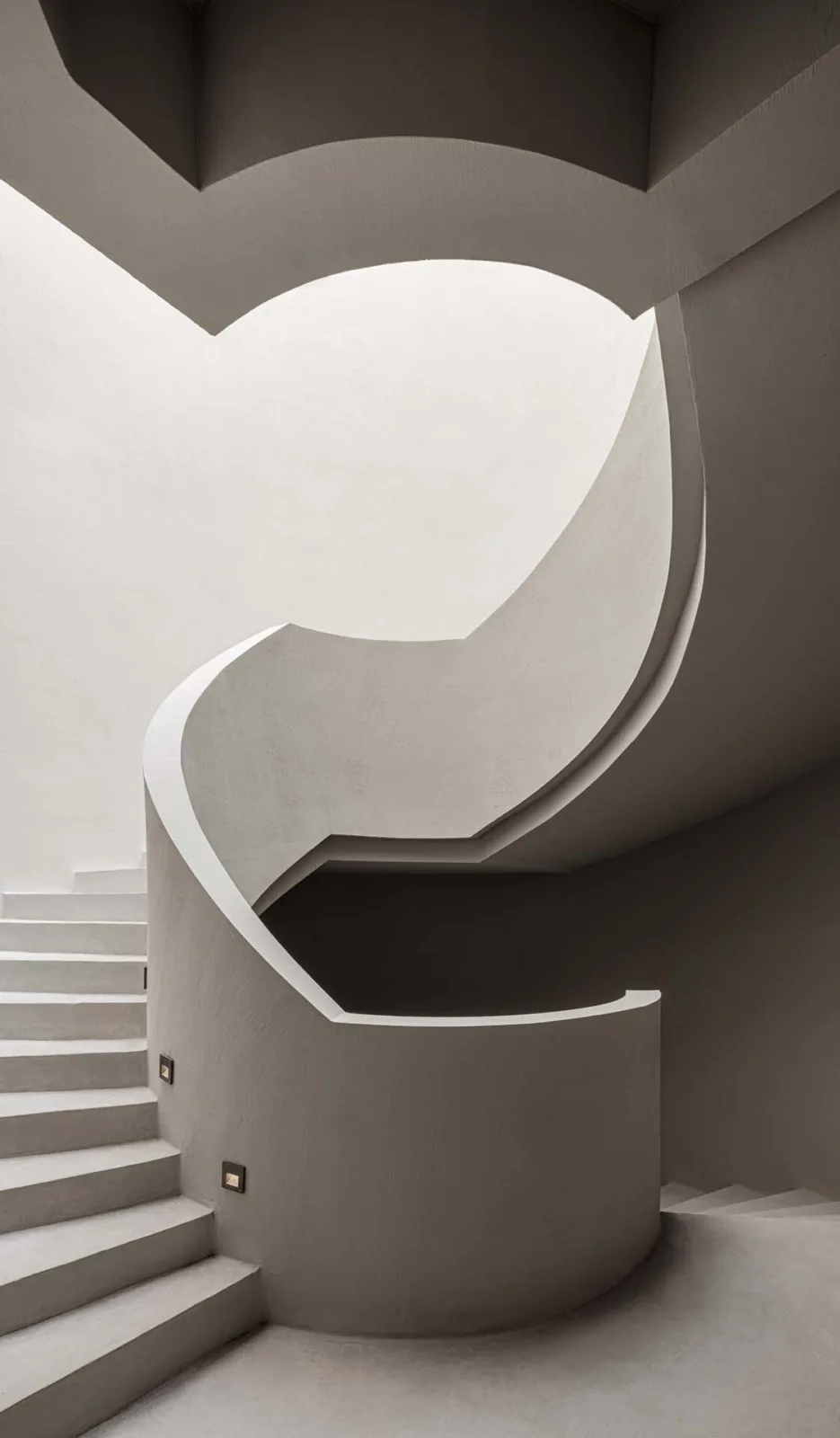
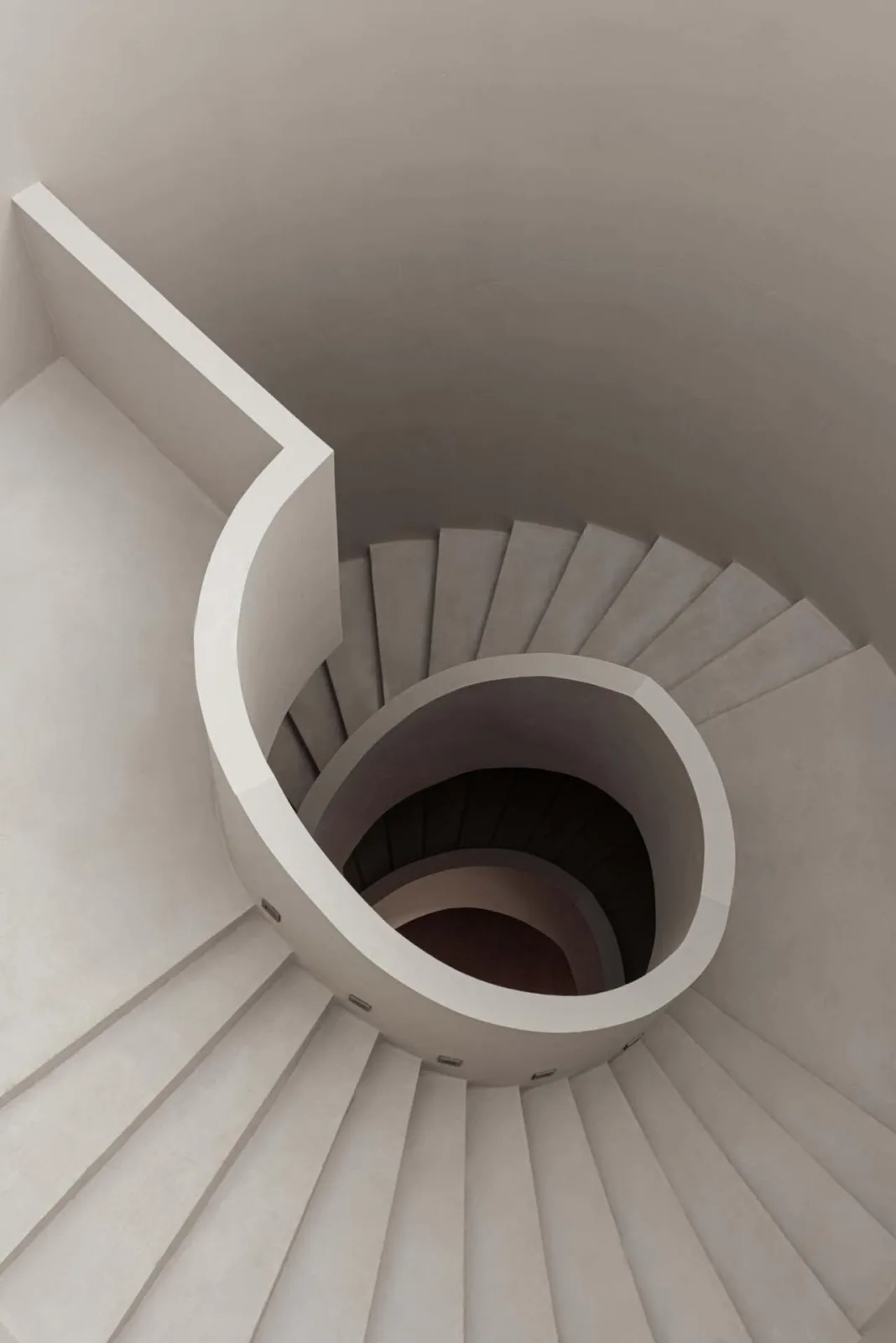
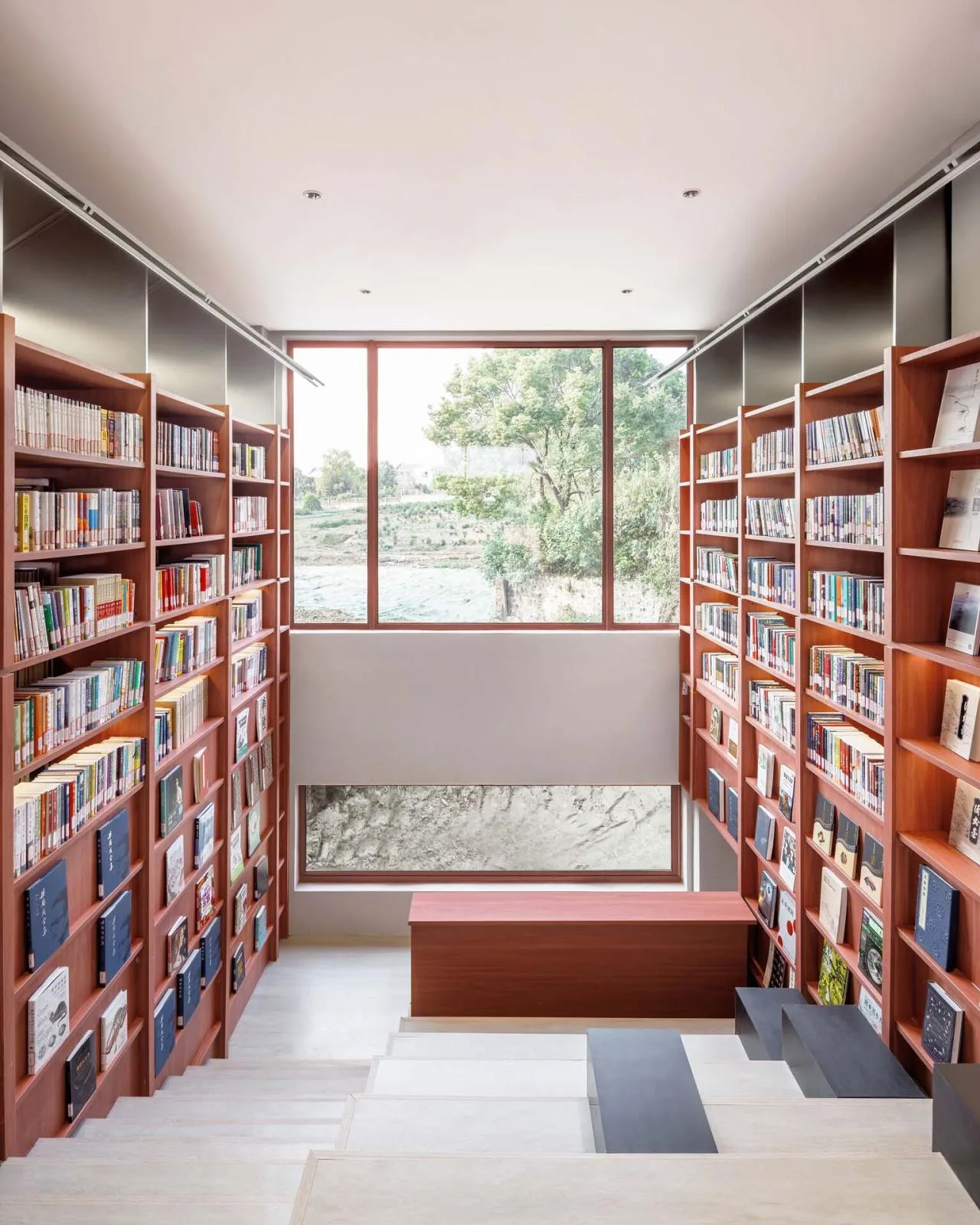
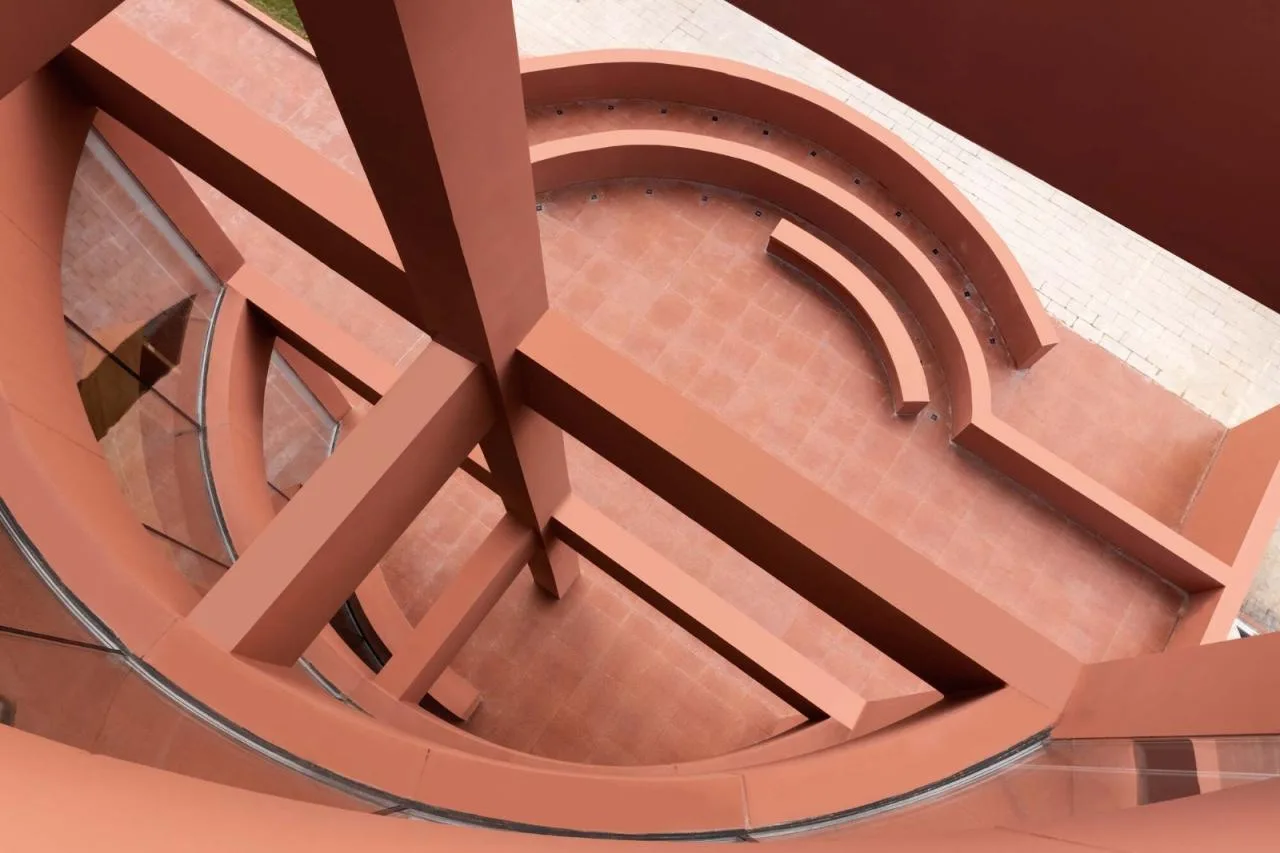
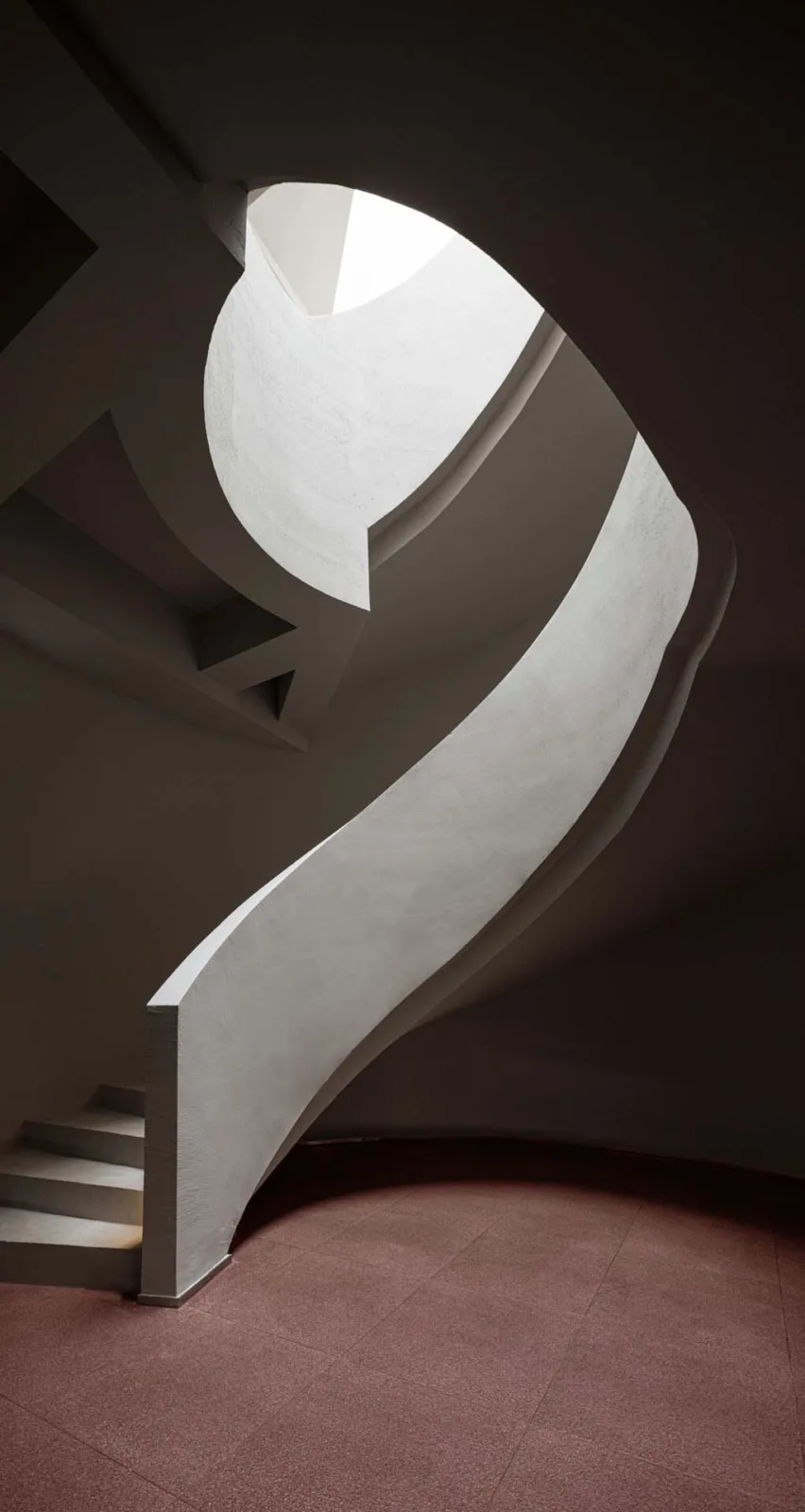
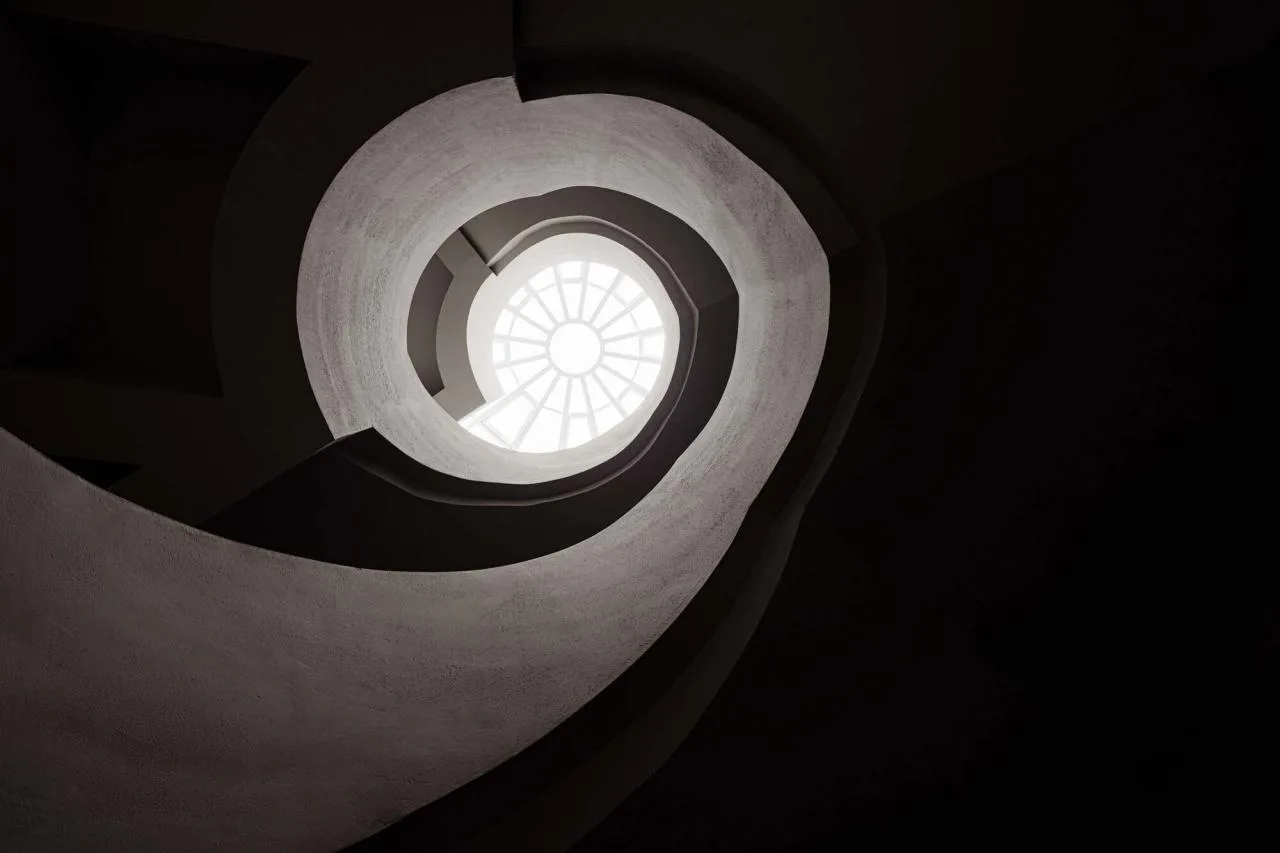
The building’s traffic flow was reorganized, connecting main floors with spiral staircases set within cylindrical spaces. The circular skylight admits abundant natural light and strengthens the connection between interior and exterior along the staircase. This strategy maximizes daylight in renovation efforts, breaking the enclosure of the original “box” and fostering sustainability through multiple links between the building and its environment.
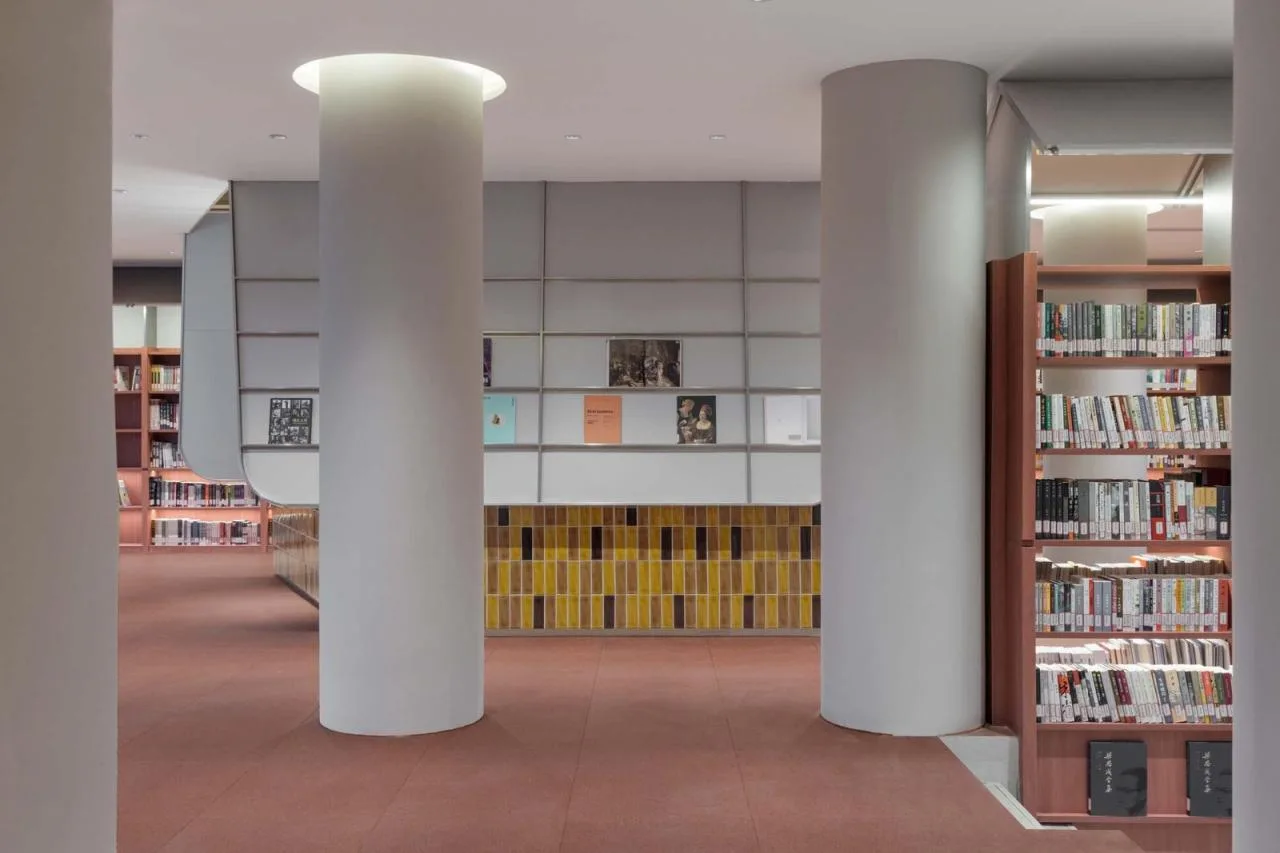
The cylindrical form is clearly articulated on the facade, interspersed within the existing beam-and-column frame. Recycled wood tiles, dyed and pressed into grey tones, add natural texture and warmth, while the exposed beam-column structure is coated in reddish-brown paint that complements the glass color, softening interior outlines and accentuating the wooden tile’s texture.
Update: Functional Expansion and Interior Enhancement
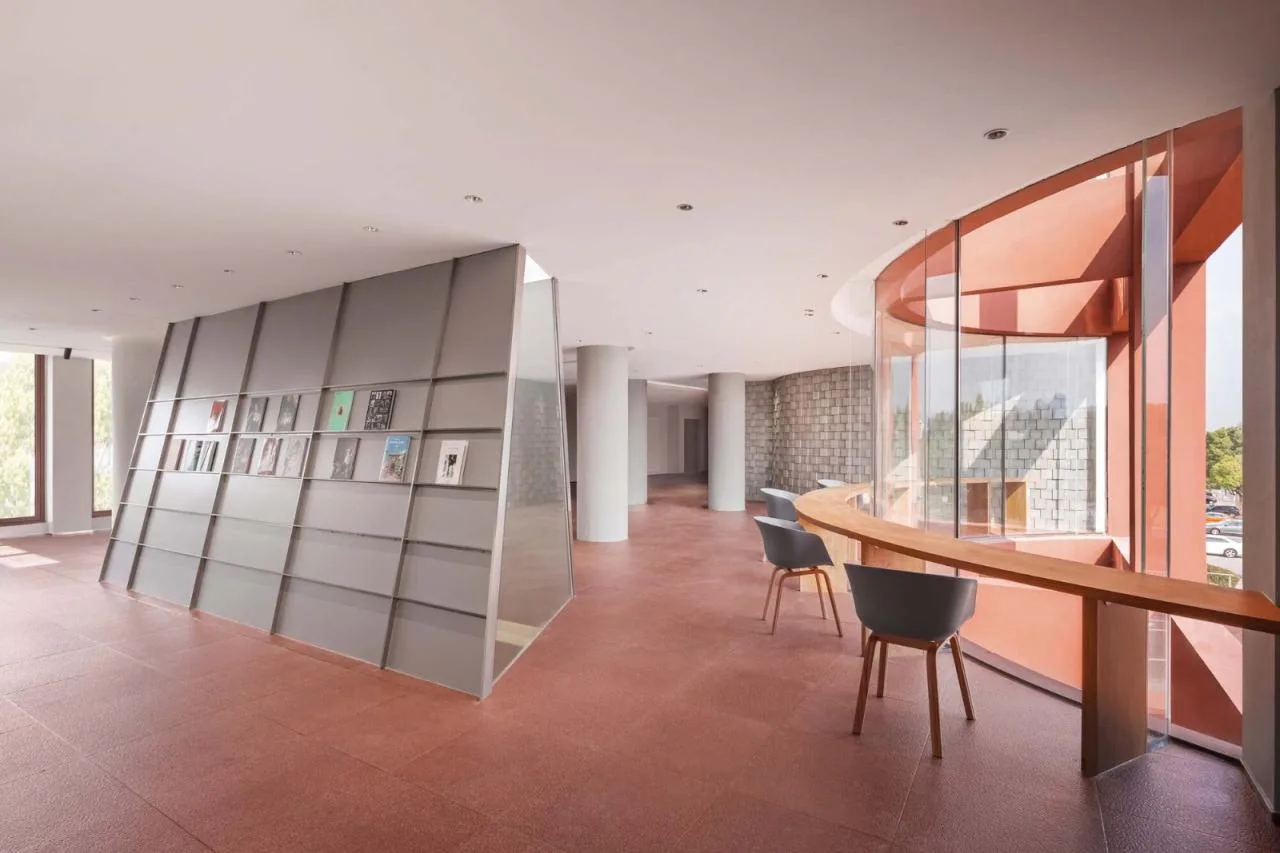
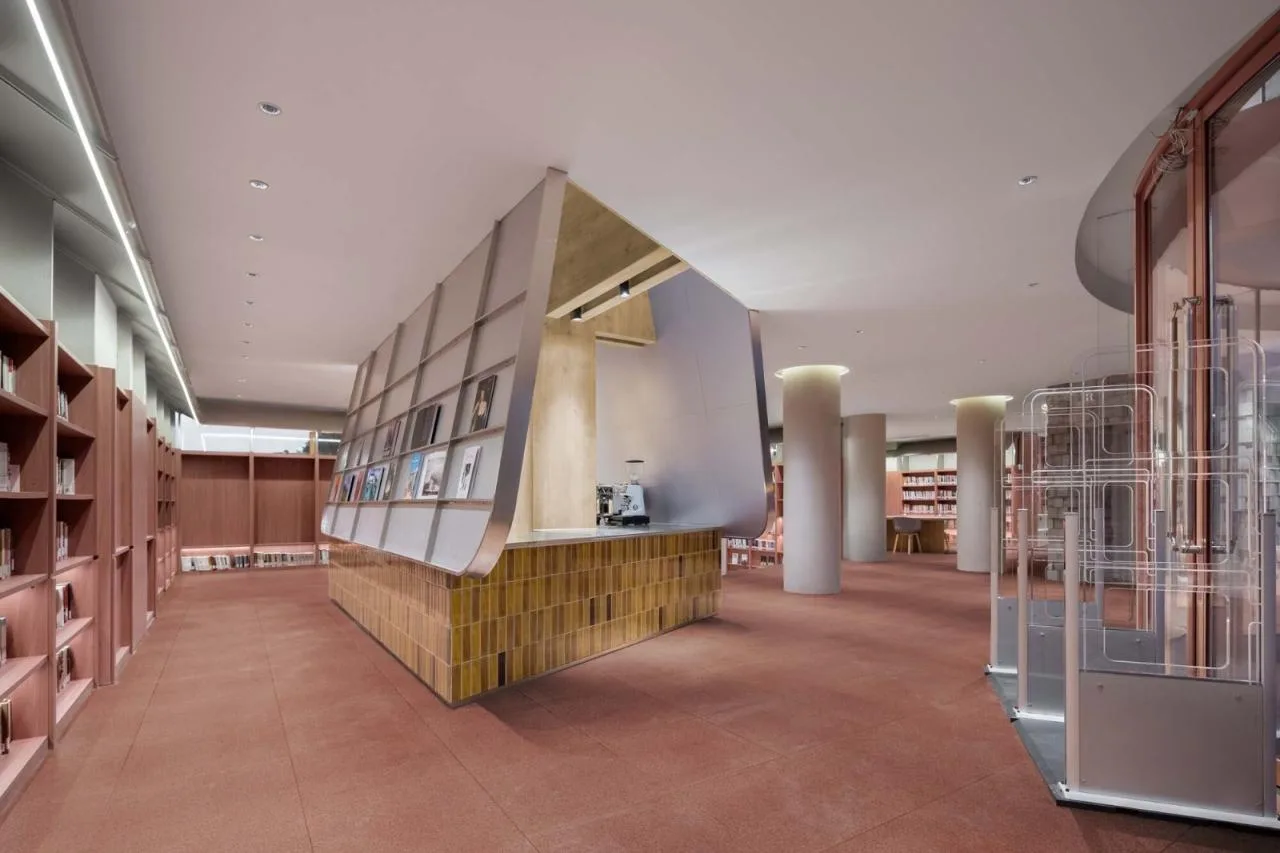
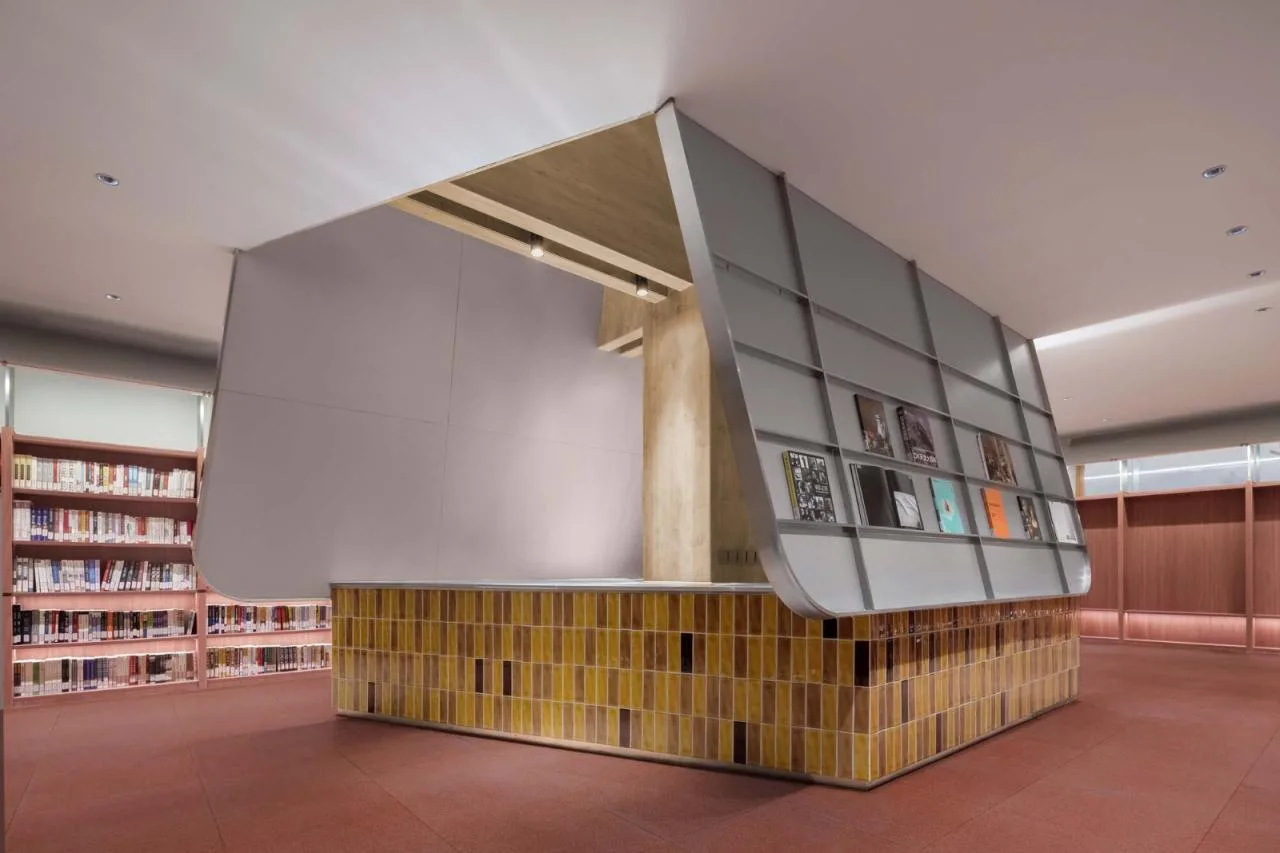
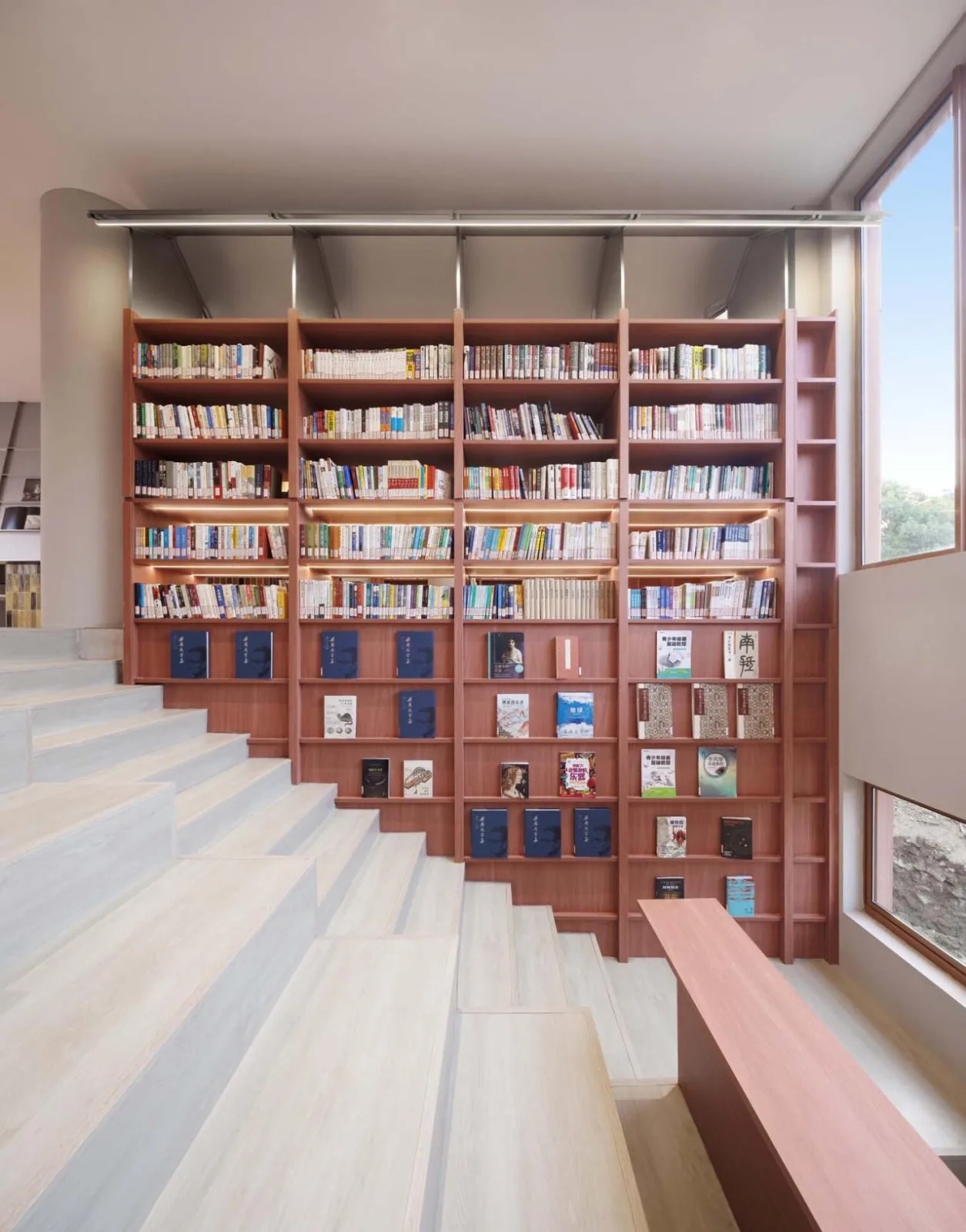
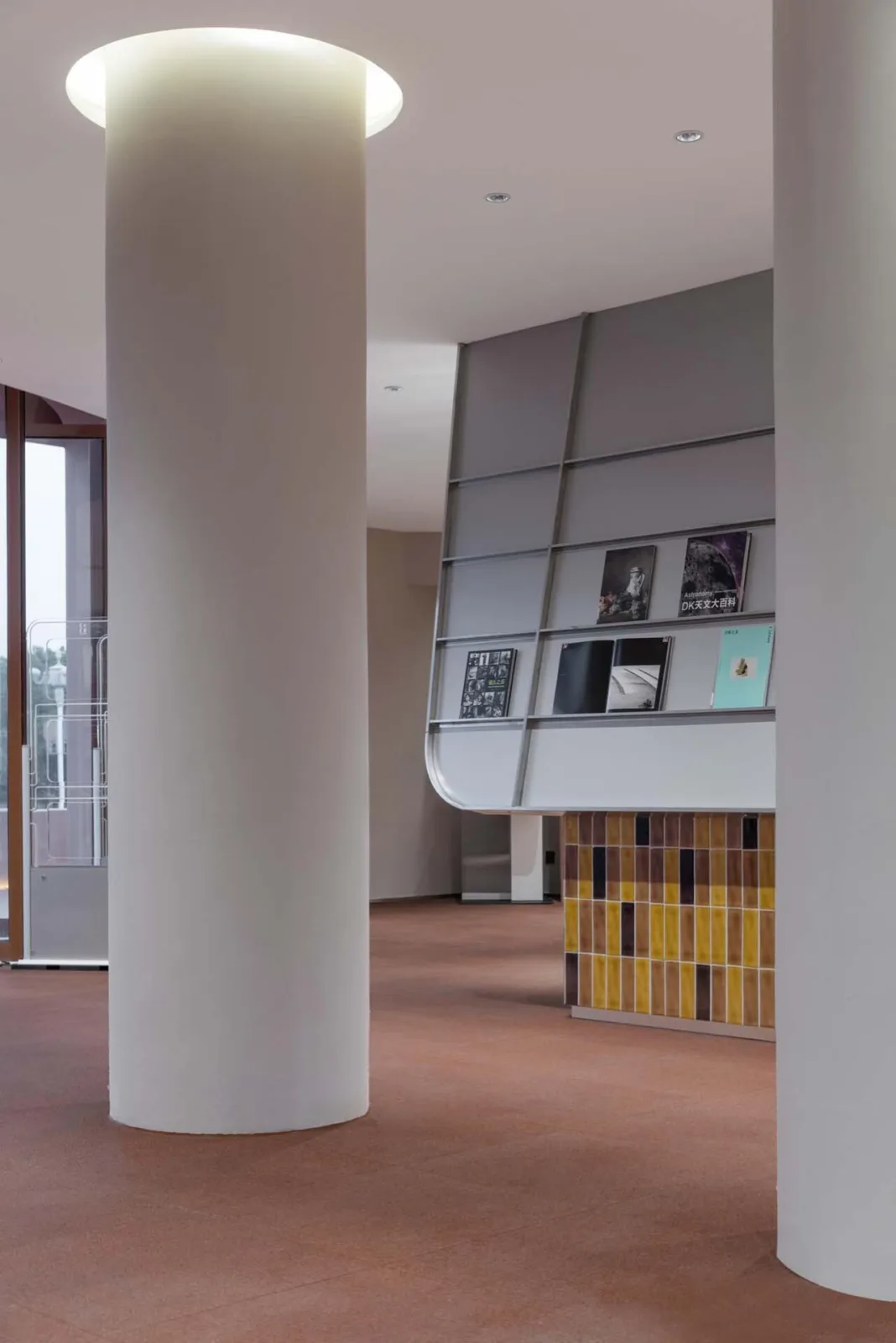
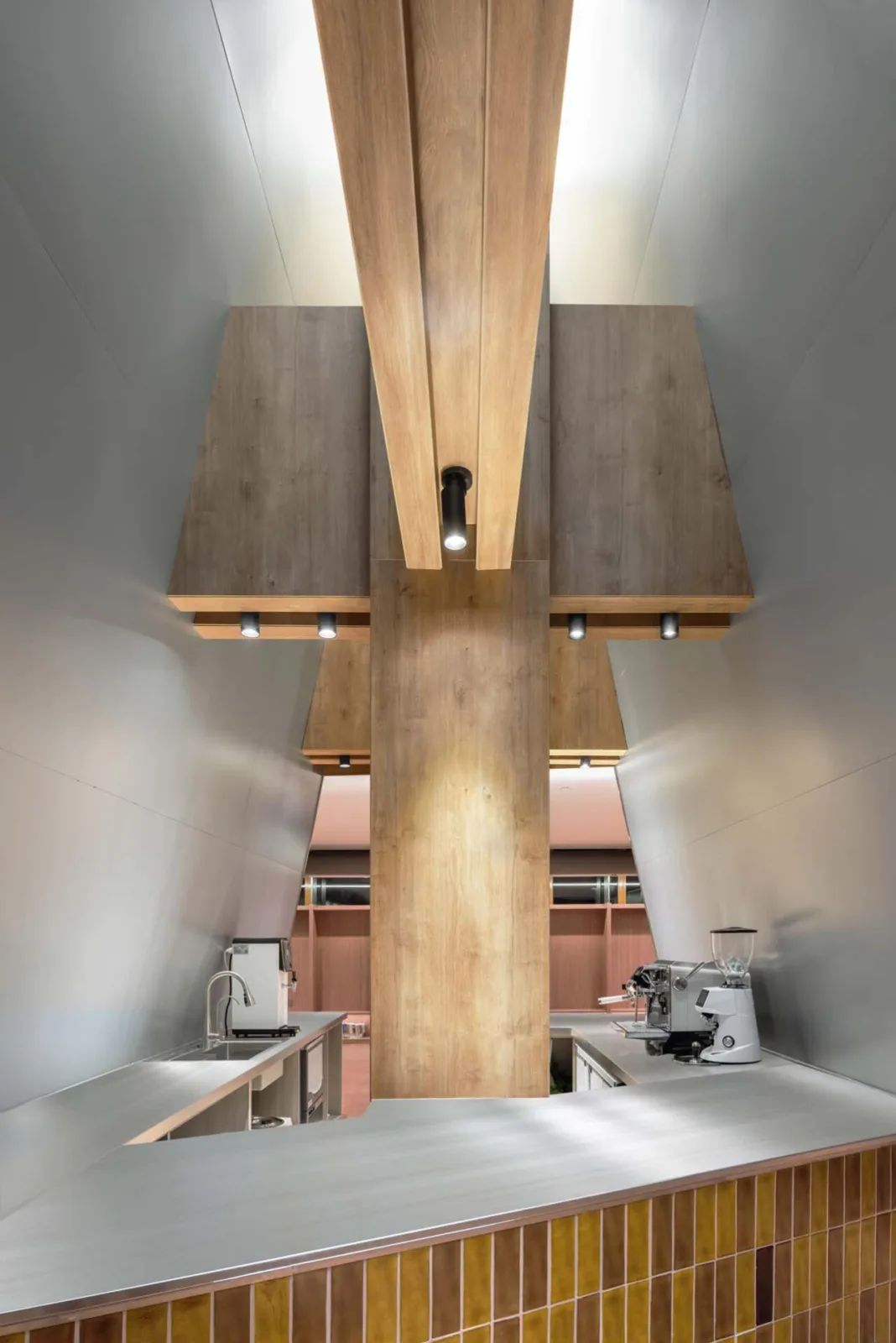
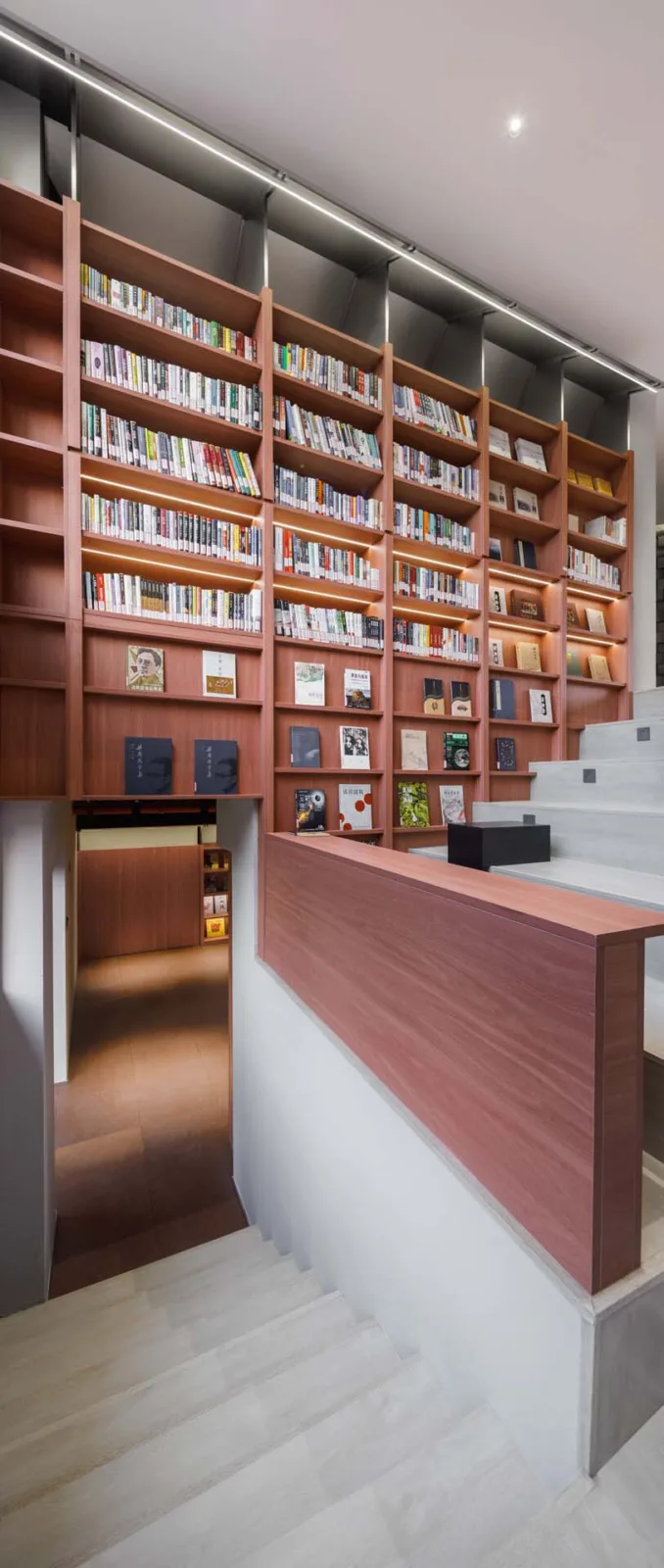
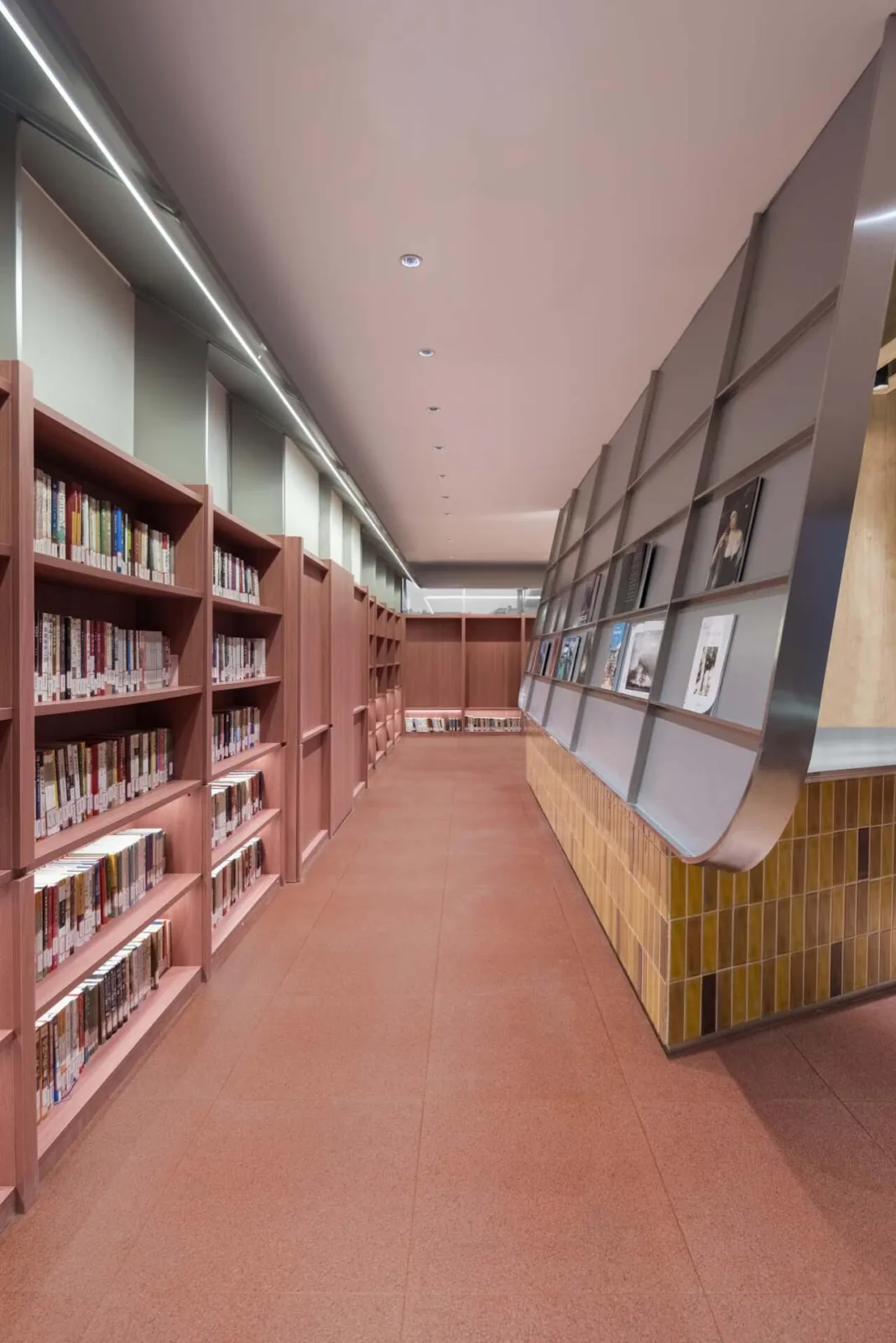
The building’s new functional extension emphasizes book display within a simple indoor environment. By shaping the sloping roof form, a poetic, serene reading space emerges. This sloping roof also disrupts the original floor’s enclosure, opening spatial relationships between upper and lower levels to integrate multiple functions—merging a coffee reception area on the first floor with book displays on the first and second floors.
The bookshelf design continues the sloping roof’s form, reducing scale and suspending elements above shelves to incorporate concealed lighting. The staircase corner forms a cozy reading nook, featuring handcrafted clay-glazed tiles and rough-textured reddish-brown tiles that harmonize with the building’s exterior walls.
Alongside the exterior redesign, updated traffic flow, and new interior functions, the building underwent significant technical upgrades. The design team maximized adjustments to the load-bearing capacity to accommodate new interior loads and fully renovated the HVAC system originally installed in the early 1990s. Fire escapes, lighting systems, and other infrastructure were redesigned. They also reinforced the original structure to meet seismic and structural codes, ensuring the building can embark on a new lifecycle.
Within the Tianmu Lake Scenic Area, although the renovation adopts a heterogeneous intervention approach, the architects maintain a strong sense of “appropriateness,” balancing the scale between the original framework and new additions. The renovated “Li” City Study integrates seamlessly with its urban and natural surroundings, offering a fresh texture that revitalizes public cultural spaces.
As China’s urban development shifts focus from expansion to revitalization, reusing existing buildings becomes essential for sustainability. Addressing original design flaws while extending service life, this architectural approach is firmly grounded in history yet responsive to present needs. The reuse of this building not only creates a new public landmark in the scenic area but also enriches it with historical memory, underscoring the building’s lasting significance.
Project Drawings
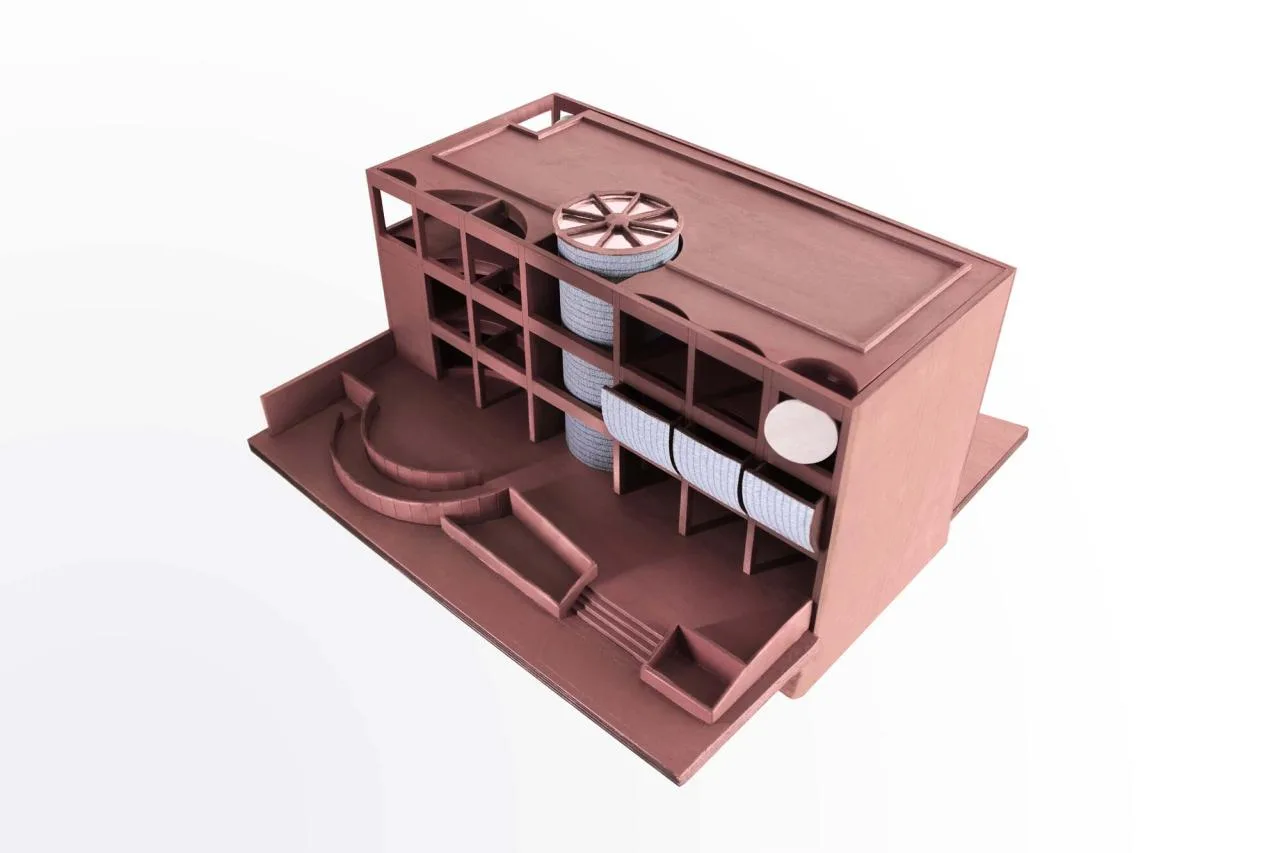
△ Model Diagram
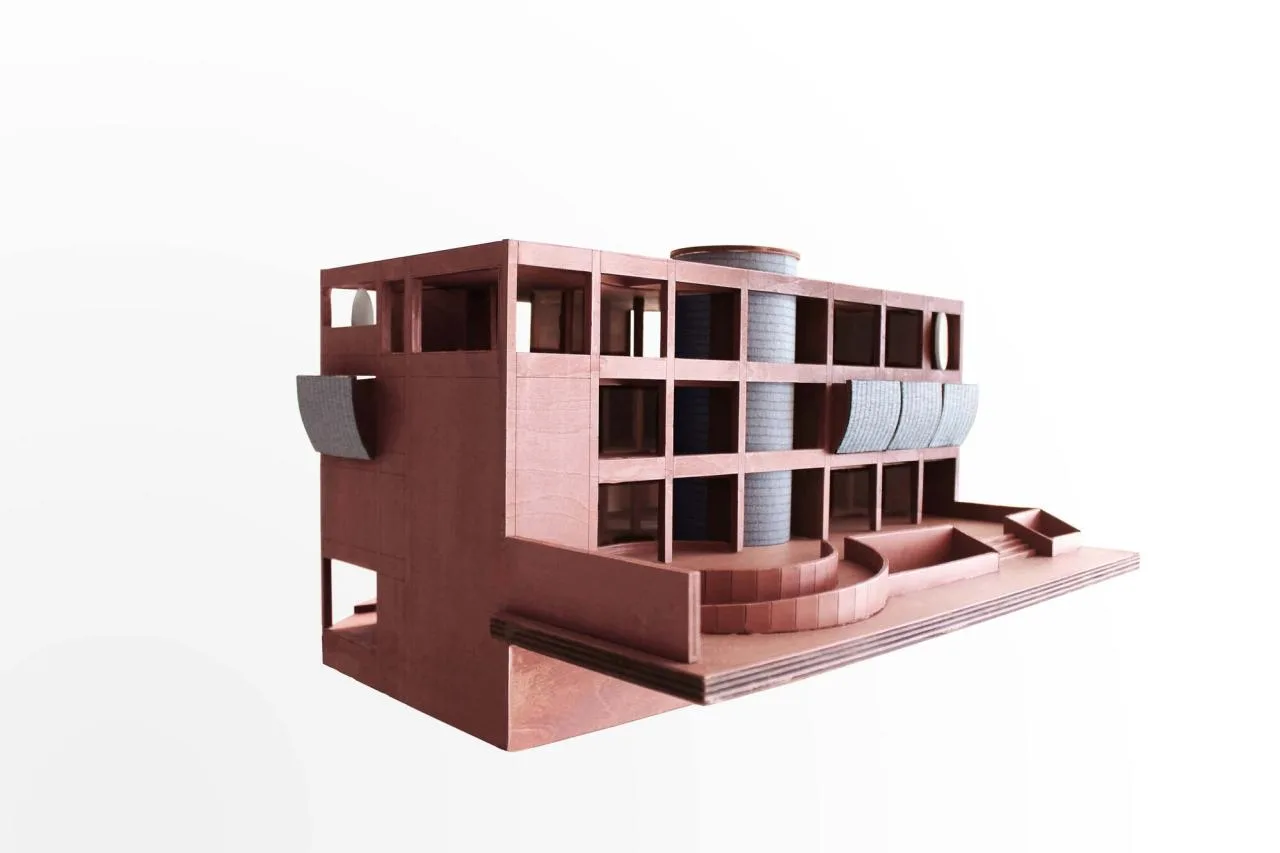
△ Model Diagram
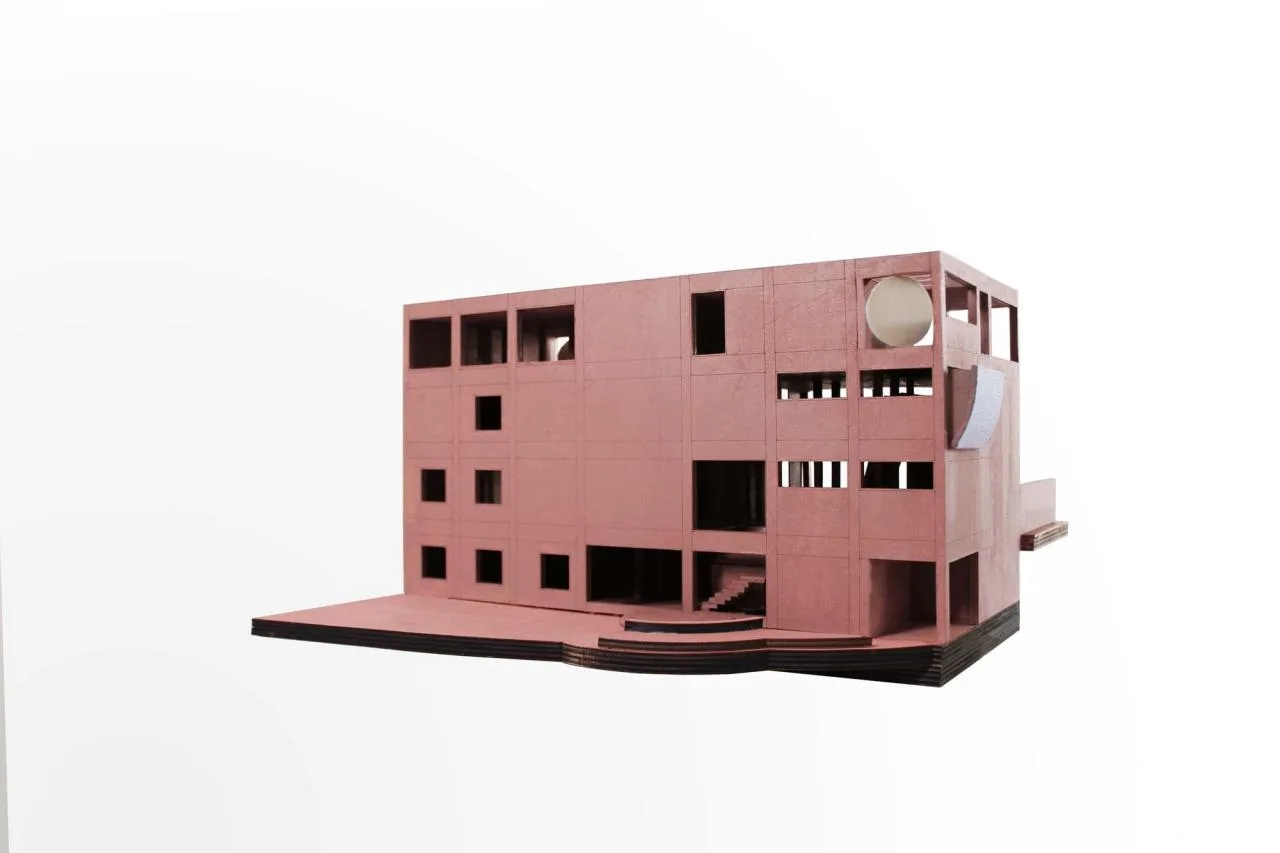
△ Model Diagram
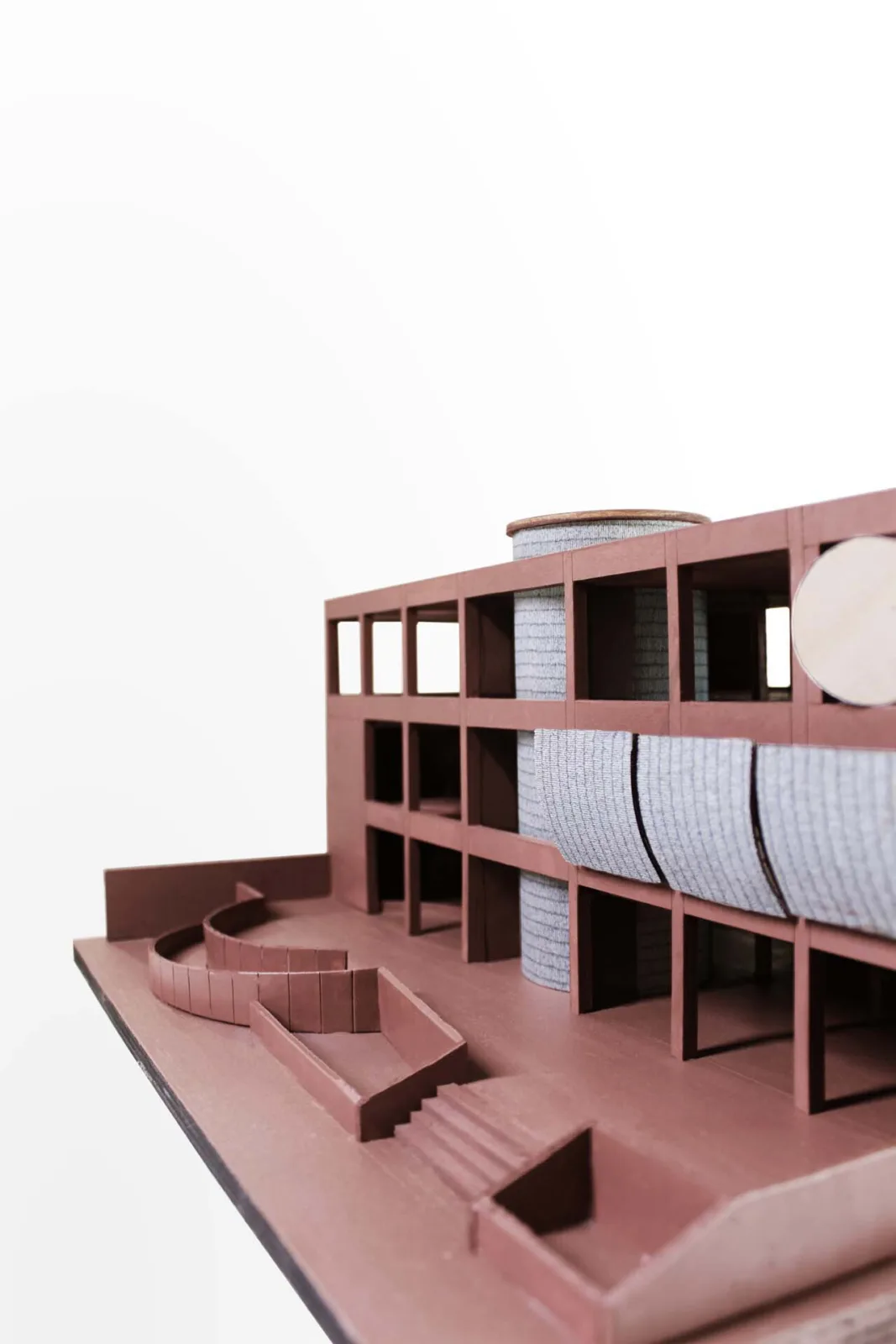
△ Model Diagram
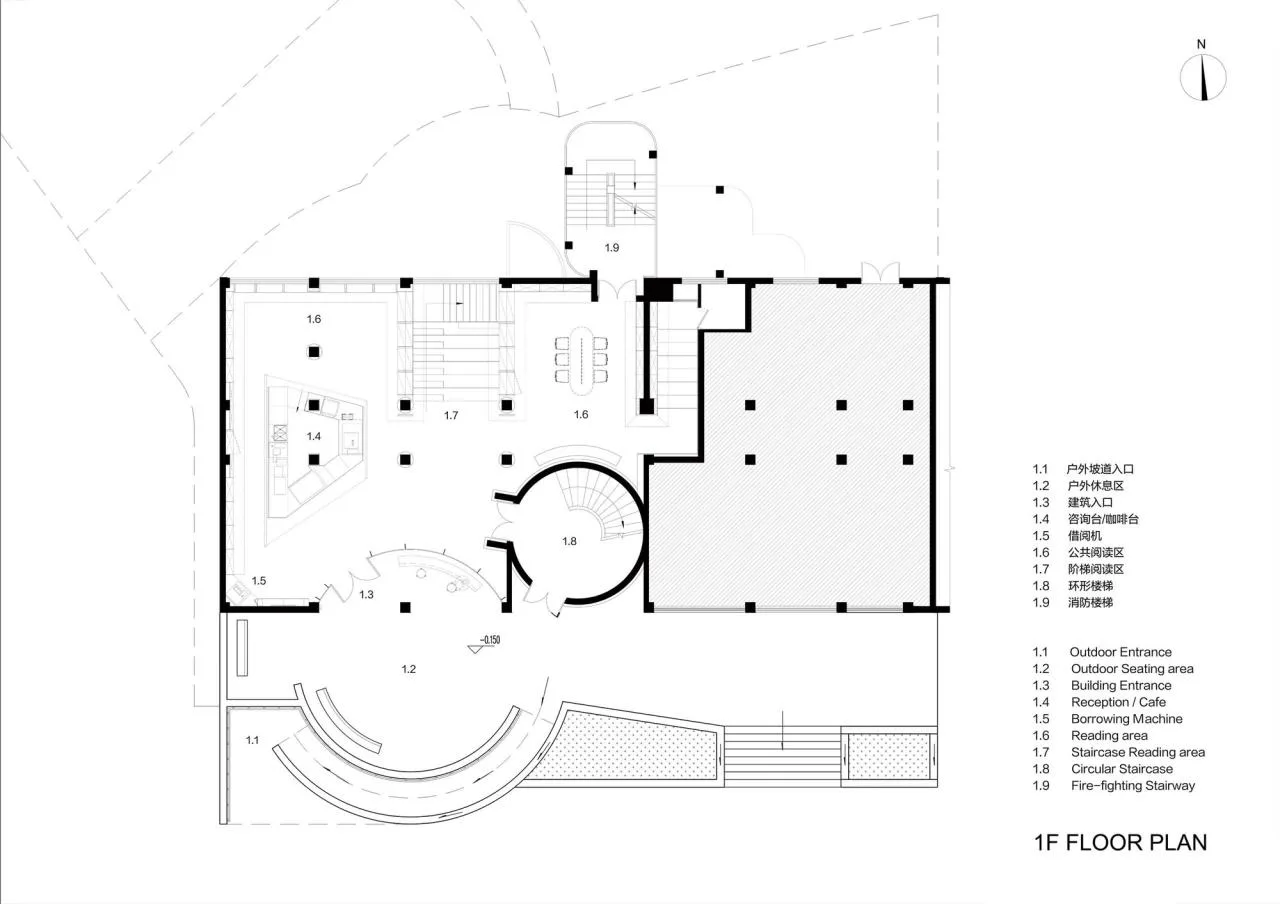
△ First Floor Plan
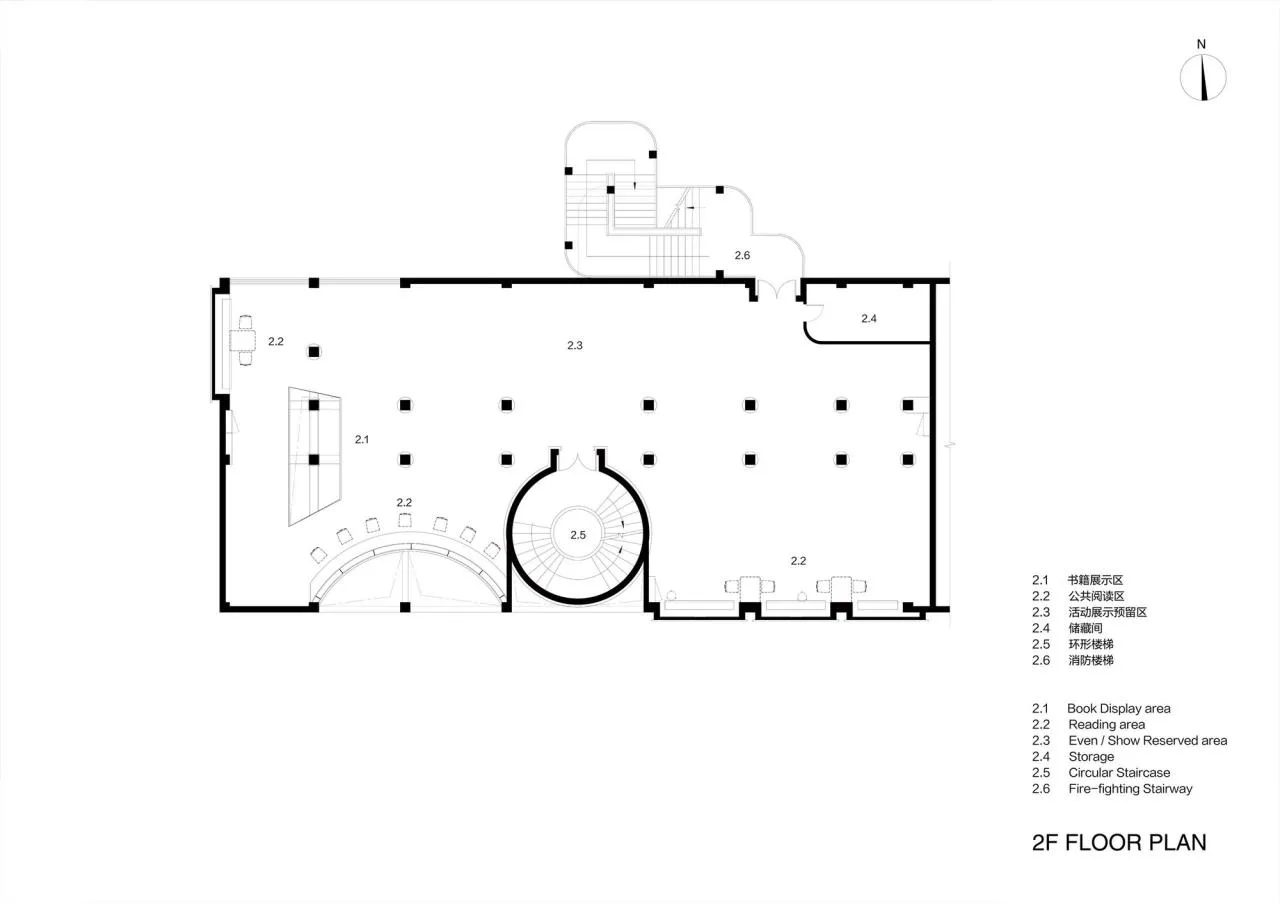
△ Second Floor Plan
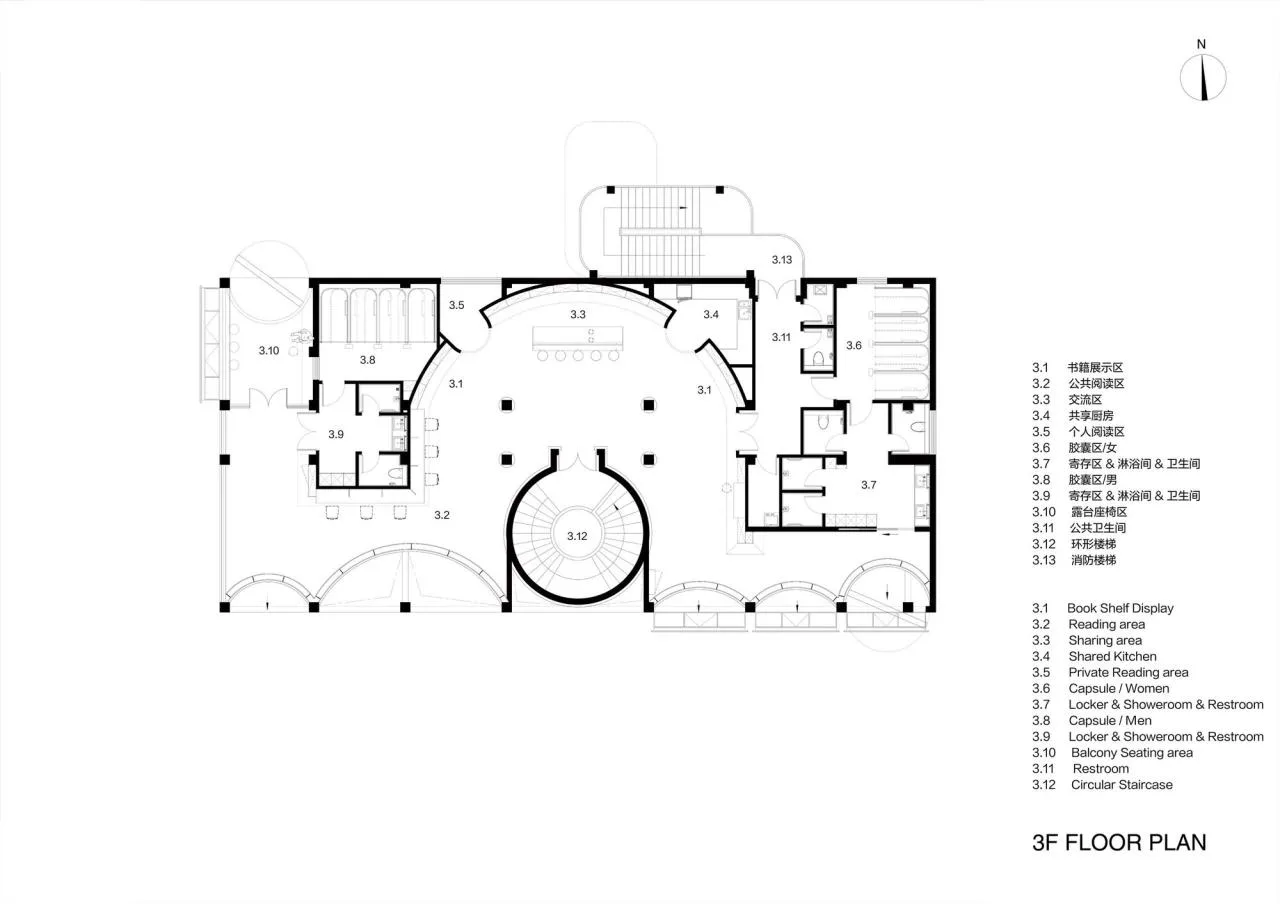
△ Third Floor Plan
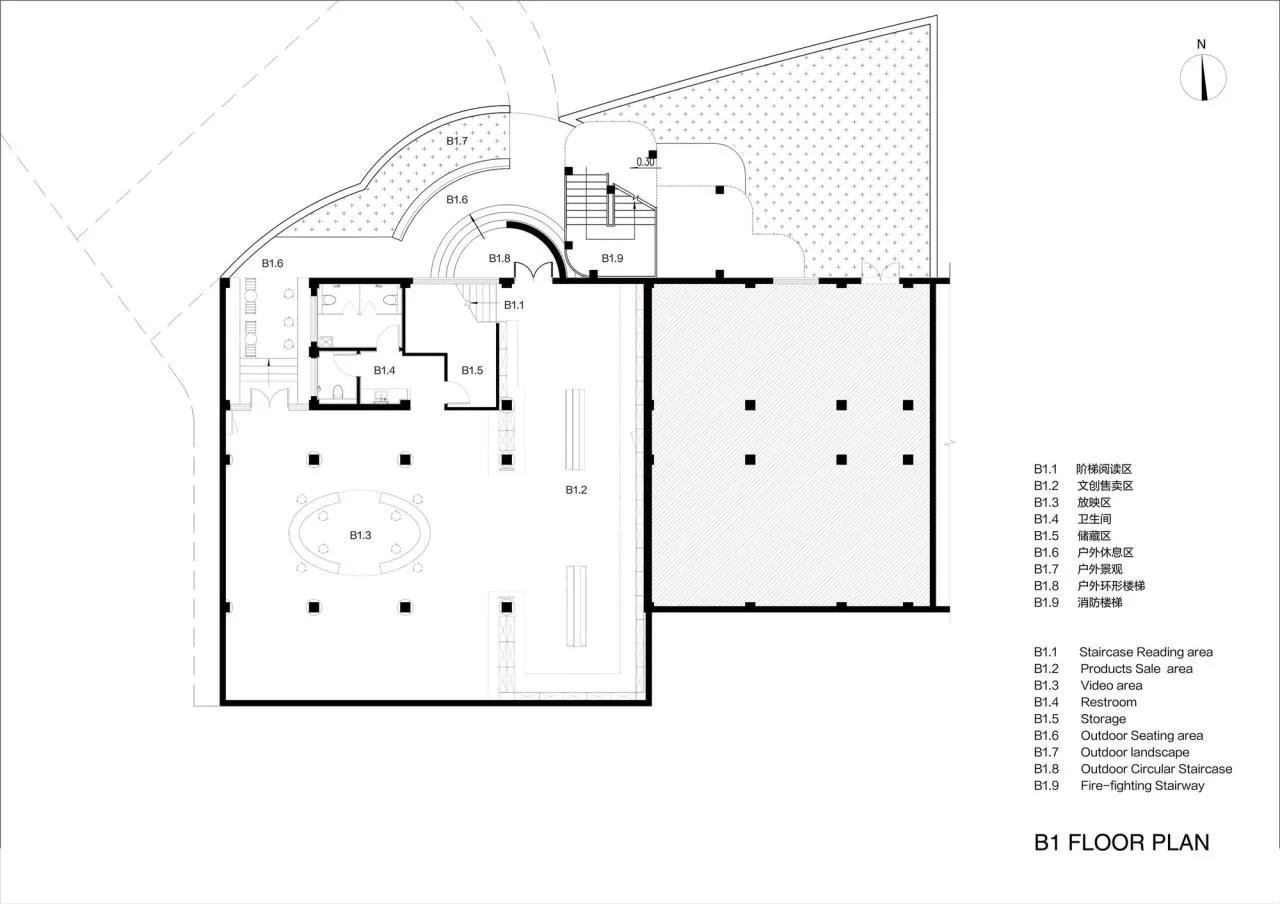
△ Basement Floor Plan
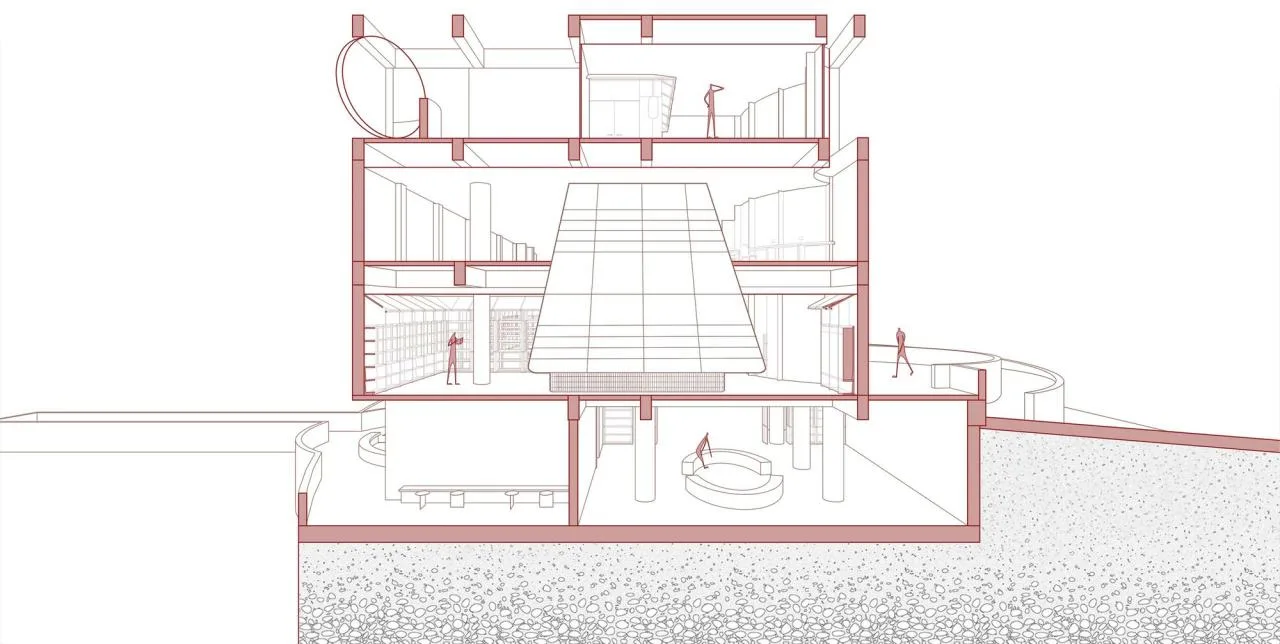
△ Section Diagram
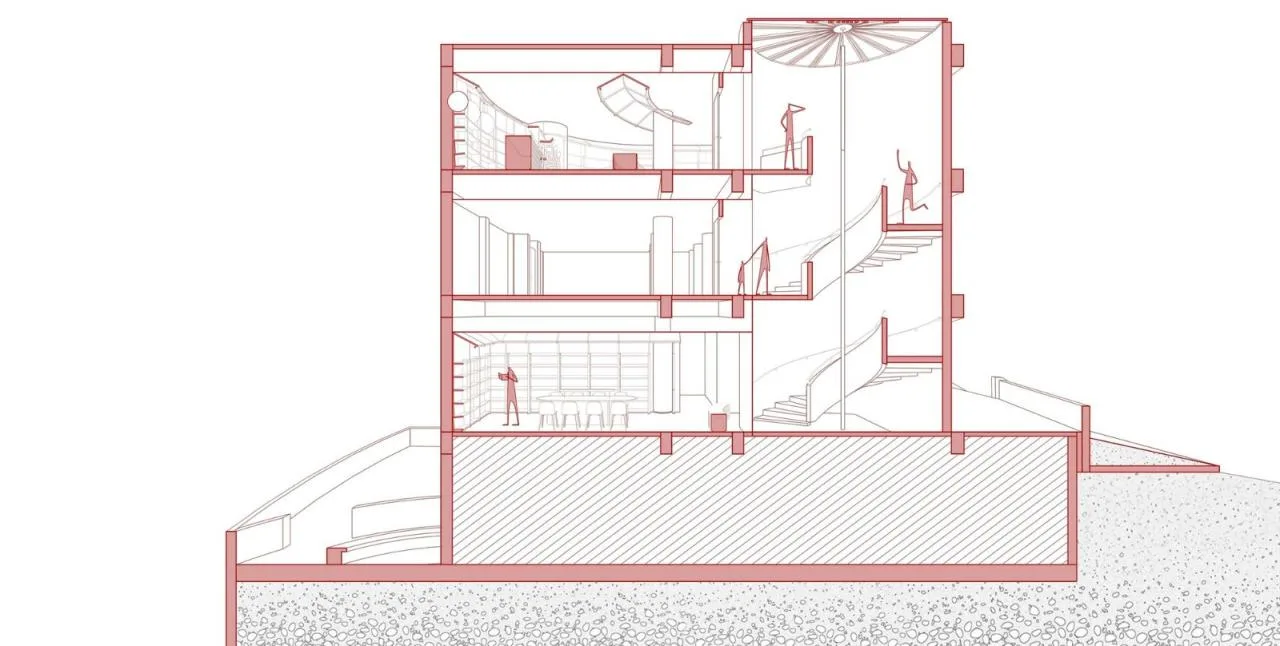
△ Section Diagram
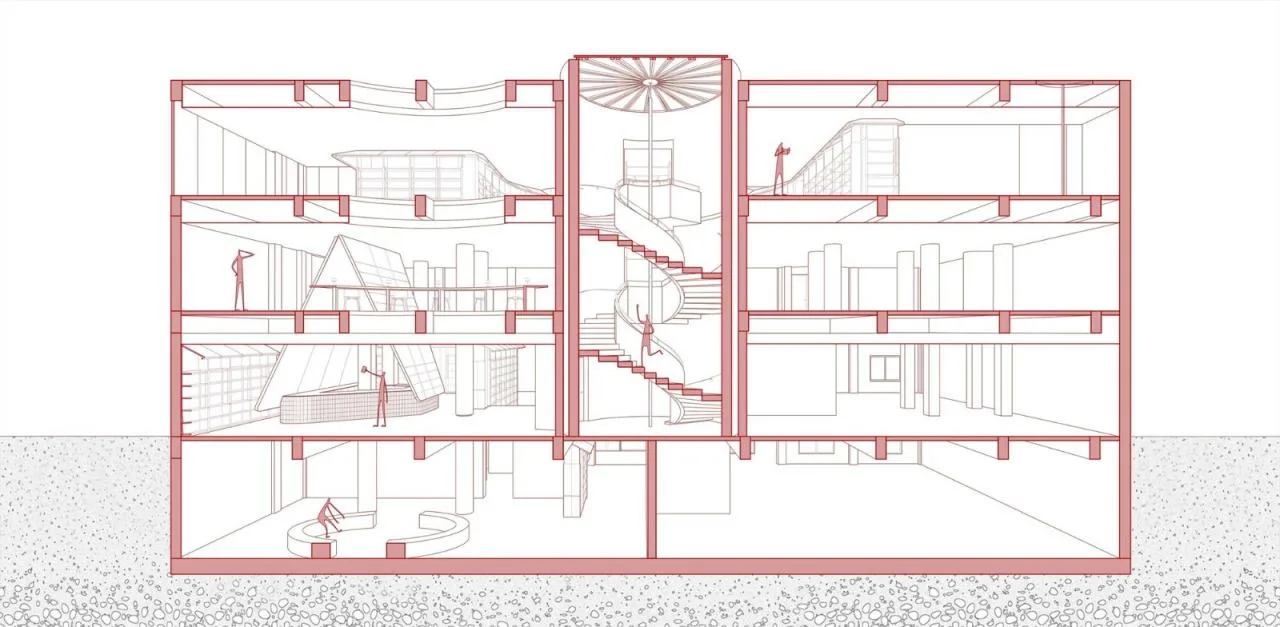
△ Section Diagram
Project Information
Architect: Big Dog Architectural Design
Area: 2387 m²
Project Year: 2023
Photographer: Metaviz Studio
Manufacturers: Shengmin Building Decoration, Zhejiang Youpin Intelligent Technology, Miao Weiya Ceramics
Lead Architects: Xin Jin, Hu Zhihong
Design Team: He Manyan, Guo Linang, Gong Longlin, Shen Xiuwen, Wu Qiuchen, Tang Wanyin, Wang Shaoqing
Structural Design: Shanghai Yijing Architectural Design Co., Ltd
Partner: Shanghai Urban Architecture Design Co., Ltd
Principal: Jiangsu Tianmuhu Holdings Group Co., Ltd
Location: Liyang City















Must log in before commenting!
Sign Up