
BIM (Building Information Modeling) has been applied in China for some time. However, due to its relatively late introduction and a weak foundational base, many enterprises exhibit low levels of BIM adoption with limited results. This situation has allowed some large BIM consulting companies to emerge and grow rapidly over the past two years. Yet, with the surge in consulting firms, the quality of services varies significantly. To help enterprises better understand what to expect from a qualified BIM consulting company, the author outlines the key requirements for BIM consulting applications below.
1. Establishment of BIM Model
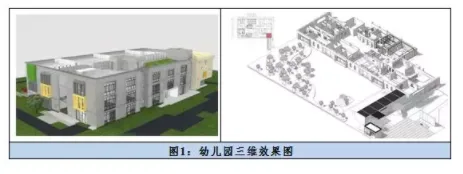
This is the fundamental requirement for BIM consulting. The BIM model should encompass various professional disciplines within the project, including architecture, structural engineering, plumbing, and electrical systems. The consulting firm should also provide additional models such as construction models, site models, and process models. Since BIM technology creates models for every project item, different BIM models can be utilized to meet the diverse needs of the project without unnecessary applications.
2. Visualization and Virtual Display
The consulting firm should offer enterprises data visualization based on BIM 3D models. By integrating 3D animation technology and relevant BIM software, they can enable virtual walkthroughs and simulations of the construction process. This allows stakeholders to explore the overall building, individual spaces, and detailed elements, thereby improving communication efficiency, clarifying drawings, and effectively guiding construction activities.
3. Collision Detection
Utilizing the BIM model, the consulting party employs BIM software to analyze both soft and hard clashes across various disciplines and project phases. The software automatically generates reports, highlights conflict points in different colors, and provides actionable recommendations for modifications. This process guides the design team to make early changes, enhances construction efficiency, minimizes redesigns and rework during construction, and ensures high project quality.
4. Construction Simulation
After creating the BIM model using project data, the consulting firm incorporates the 4D element (time) into the model. This integration with the project schedule or construction plan allows for construction simulation, optimization of the construction plan, and visual plan demonstrations. The primary goal is to support enterprises in developing schedule plans aligned with project progress at monthly, weekly, and daily intervals. Moreover, the simulation covers the construction environment, site layout, processes, and safety measures to optimize the overall construction strategy.
5. Quantity Takeoff and Estimation
The consulting company integrates cost-related data into the BIM model to provide accurate, real-time quantities needed for cost estimation. This enables the rapid generation of quantity reports, facilitating the work of cost estimators. By establishing a BIM 5D model for dynamic cost control, enterprises can respond promptly to model changes, extract engineering quantity information based on their needs, and perform quick and precise cost accounting.
6. Construction Planning Forum
Enterprises can utilize BIM models developed by consulting firms to pre-simulate various construction phases, especially critical or complex parts. This helps demonstrate construction organization designs and conduct feasibility analyses for key project stages. Multiple solutions can be proposed to enterprises, allowing them to select the best approach while clearly understanding essential and challenging aspects throughout implementation.
7. Material Tracking
The consulting firm links components in the BIM model with logistics management systems and employs RFID technology to perform comprehensive database recording and management. By parameterizing component information in the BIM model, this approach enhances the enterprise’s ability to track materials effectively during project construction.
8. Cost Management
By establishing a BIM 4D model combined with cost data (5D), consulting firms enable real-time dynamic cost management during construction. This allows enterprises to monitor cost fluctuations alongside project progress, develop timely funding strategies, adjust investment plans accordingly, and maintain overall project cost control.
In conclusion, these points summarize the essential BIM consulting services that enterprises should expect. Not all consulting firms may offer every service due to associated costs, so companies can choose and combine BIM applications based on their specific needs and project characteristics to achieve the desired outcomes.














Must log in before commenting!
Sign Up