
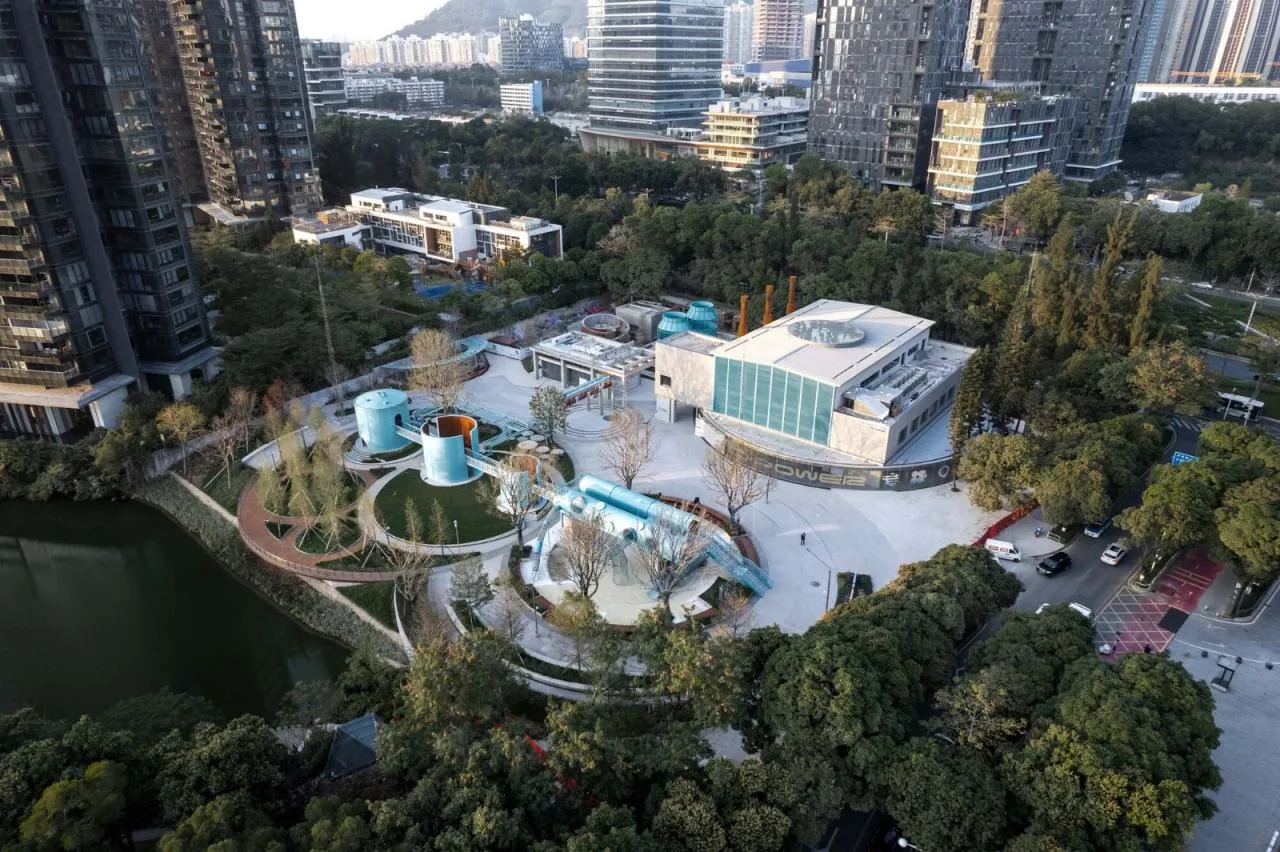
Located in the northern part of Shenzhen’s Overseas Chinese Town (OCT) in the Nanshan District, Huazhong Power Plant played a crucial role during the rapid economic growth of the Shenzhen Special Economic Zone in 1989. To address power shortages during the “three shutdowns and four openings” period in the OCT area, heavy oil power generation was implemented to supply electricity to the entire neighborhood. However, with urban development and environmental concerns, the plant officially ceased operations in 2006.
As an industrial heritage site, Huazhong Power Plant stands as a testament to Shenzhen’s rapid development and holds deep memories and collective spirit for many longtime OCT residents. The renovation project for the power plant deviates from typical approaches: from the outset, the park’s landscape theme and color palette were established. The challenge has been how to revive the spirit of the site while respecting its existing foundations, balancing environmental constraints with practical functions, and seamlessly integrating landscape elements throughout the design process.
The project serves as a vital connection between the city, nature, and community, acting as an important northern gateway and bridge linking the OCT area. Recognizing both its historical significance and future potential, the design team envisions it as the cultural beacon for the future art community in OCT — an urban living room and creative cultural hub that blends culture, art, and community life.
Reviving the area’s former energy center, the project aims to become a source of spiritual energy for the neighborhood. By transforming the old power plant into a vibrant community venue, it creates dynamic public spaces that inspire residents and invigorate the urban arts and cultural scene.
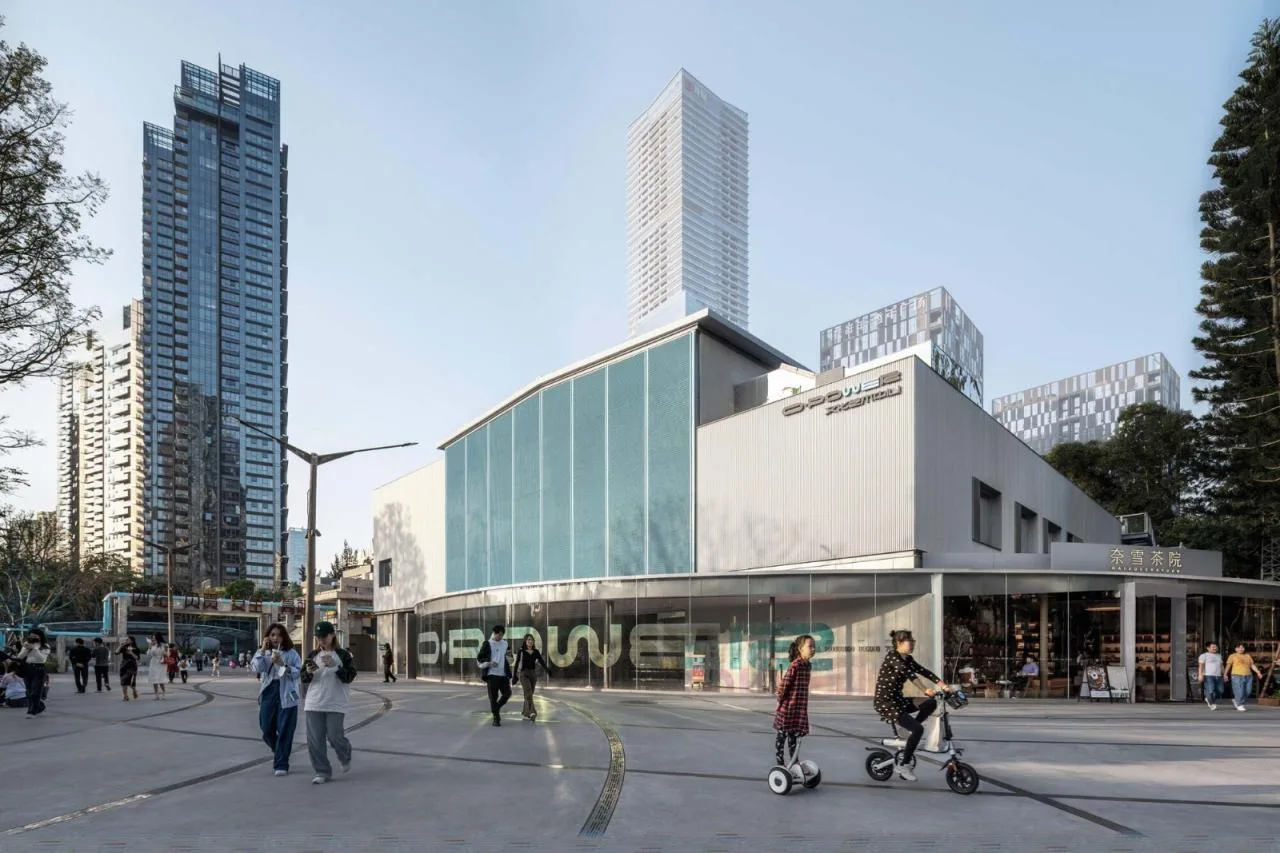
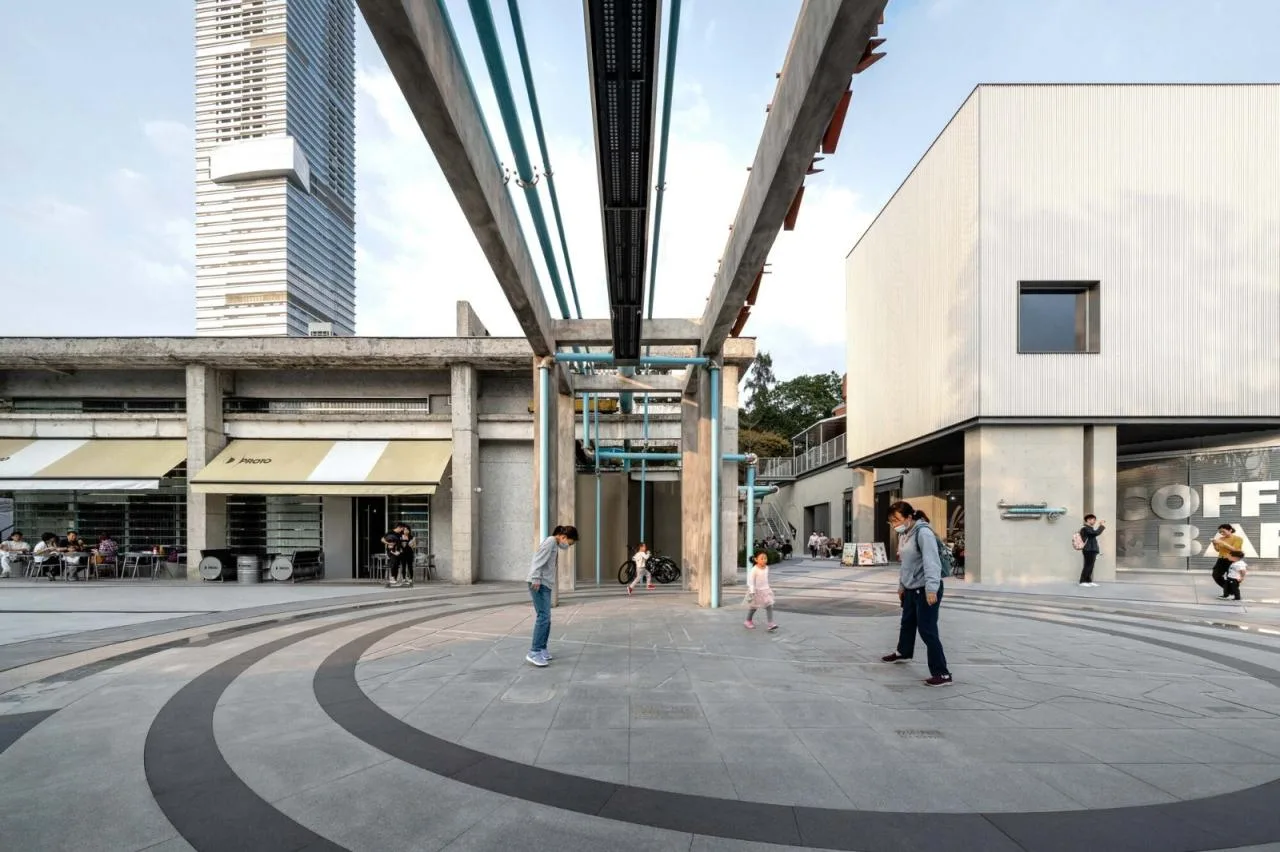
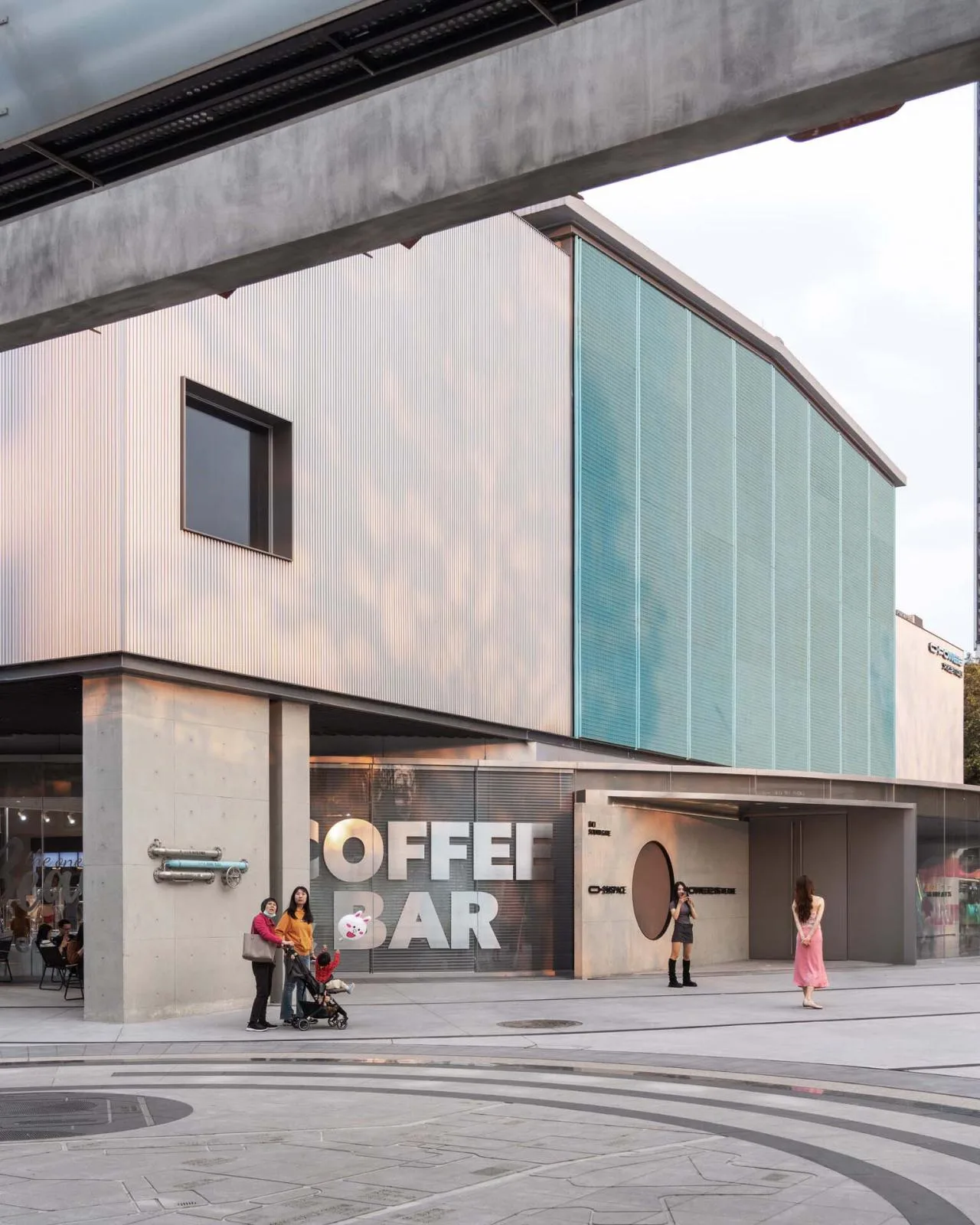
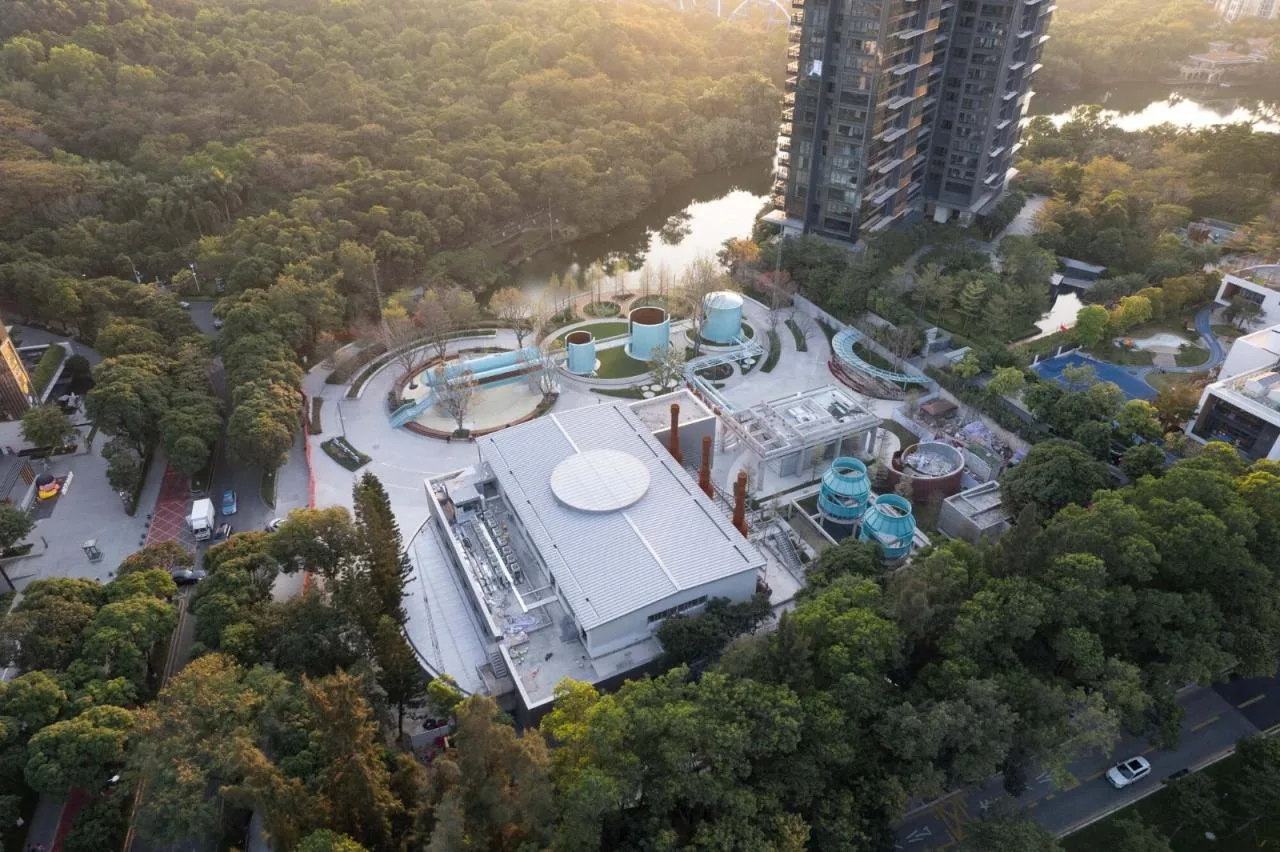
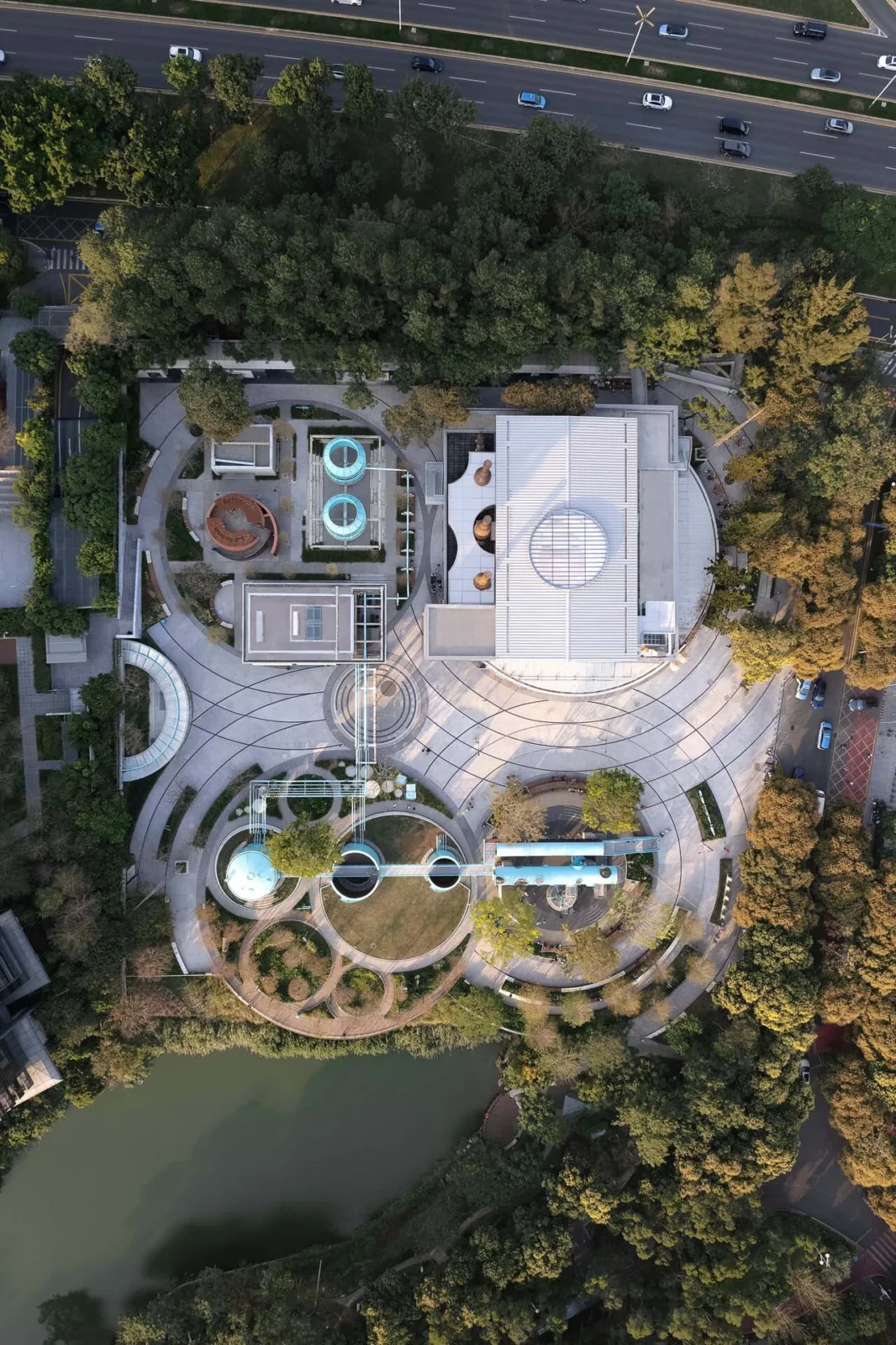
The preservation and intervention approach begins with site elements, dividing the area into dynamic and static zones running north to south. The South District offers a playful, interactive experience focused on outdoor sports, child-friendly spaces, and leisure facilities. Meanwhile, the North District is dedicated to performing arts, culture, and creativity, hosting multifunctional theaters, concerts, and community events.
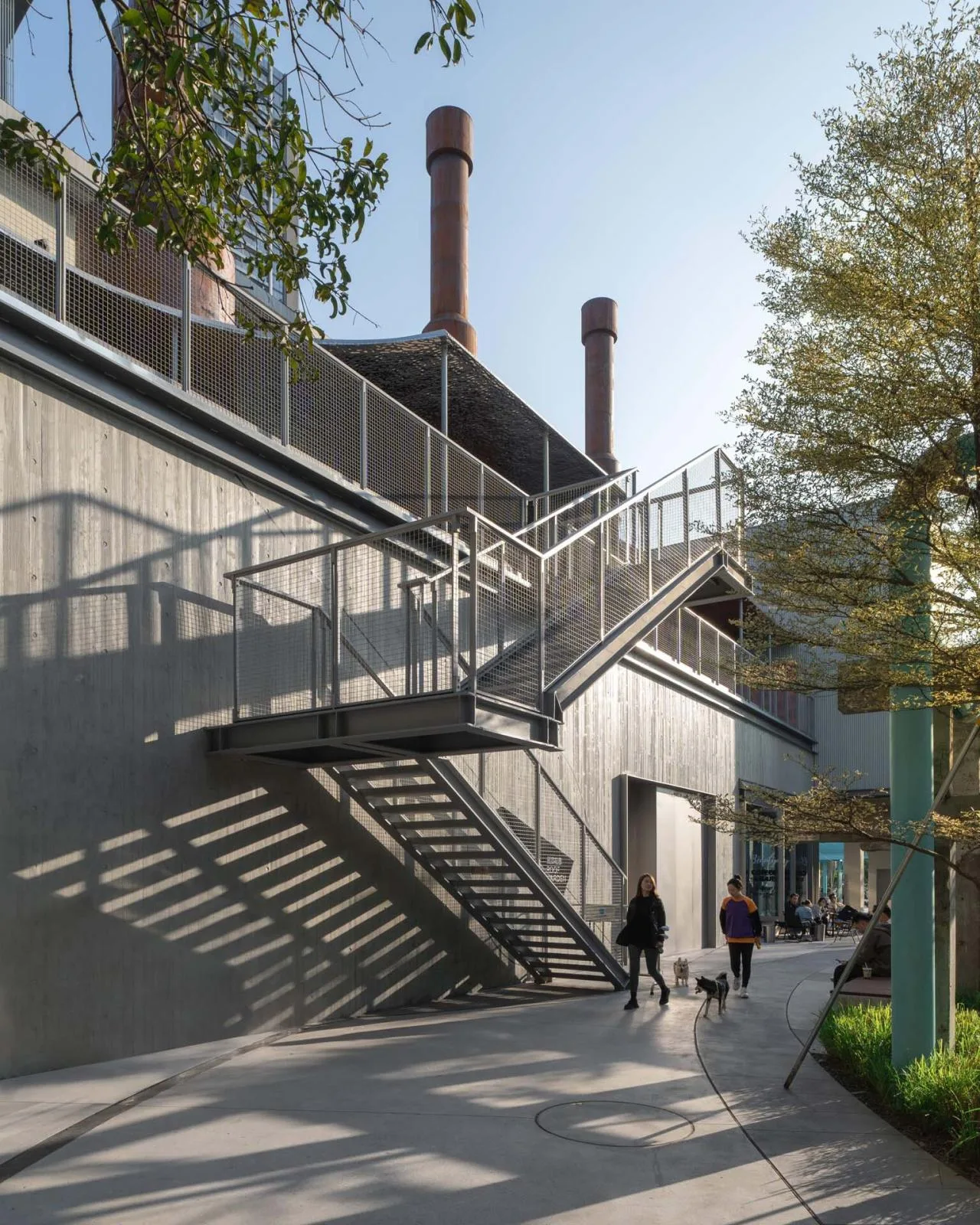
Originally, the power plant comprised five distinct industrial relics, but their rigid boundaries and scattered layout prevented a cohesive spatial narrative. The design emphasizes creating open public spaces and architectural fluidity by softening building edges, opening ground floors, and incorporating transparent glass circular spaces, external staircases, and grey areas. These techniques foster an engaging “micro urban structure” within the park.
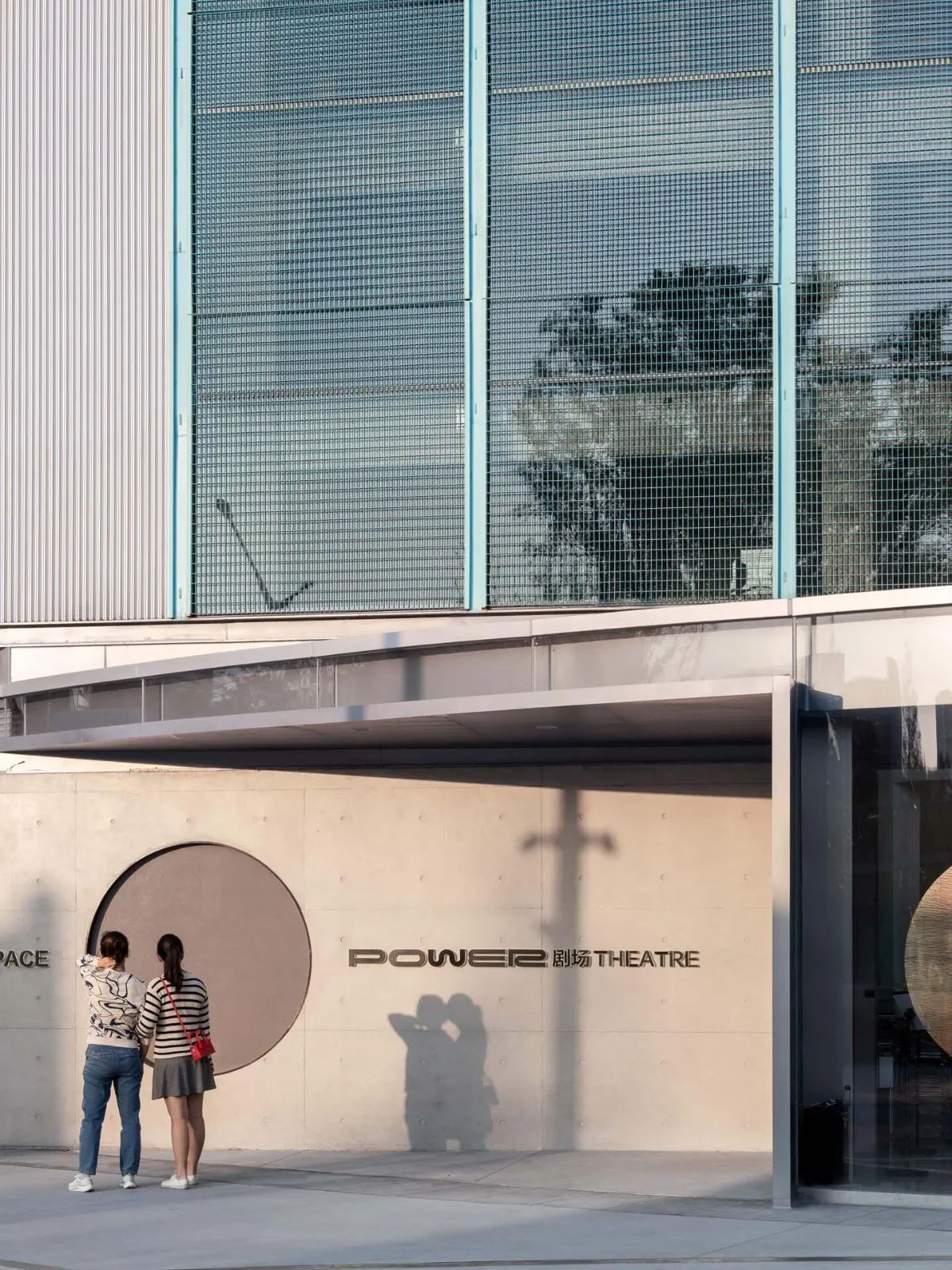
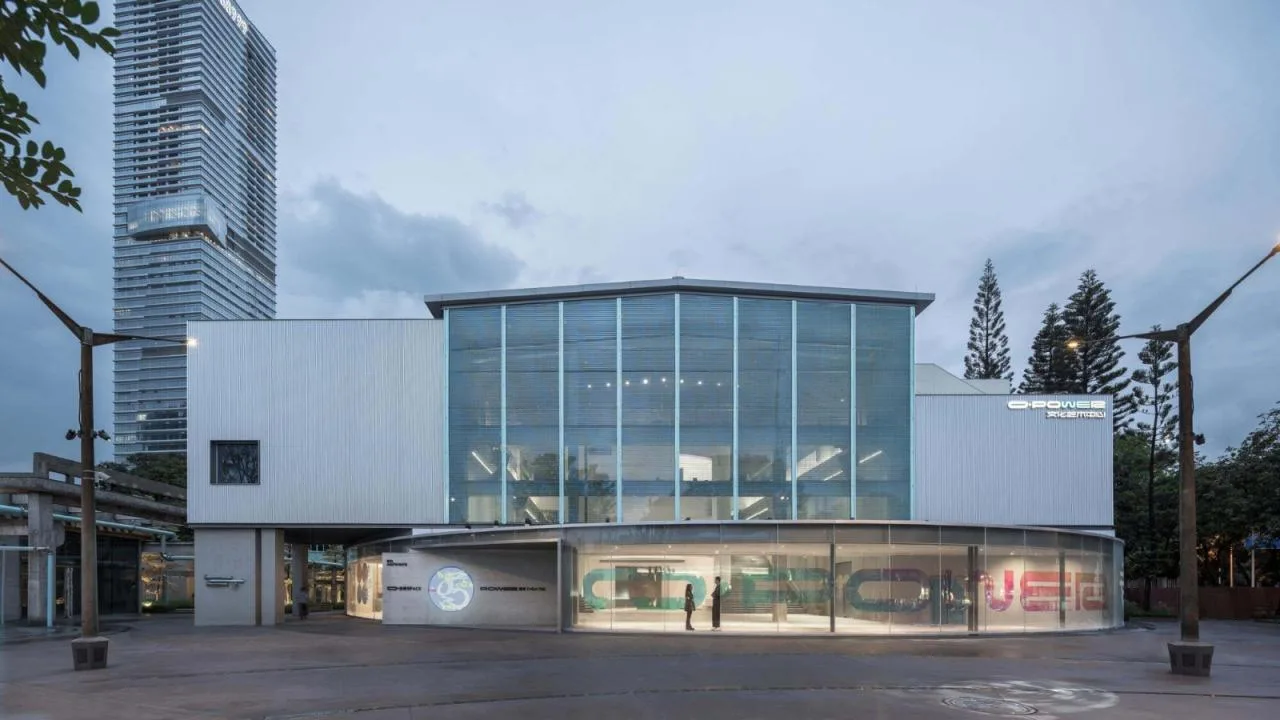
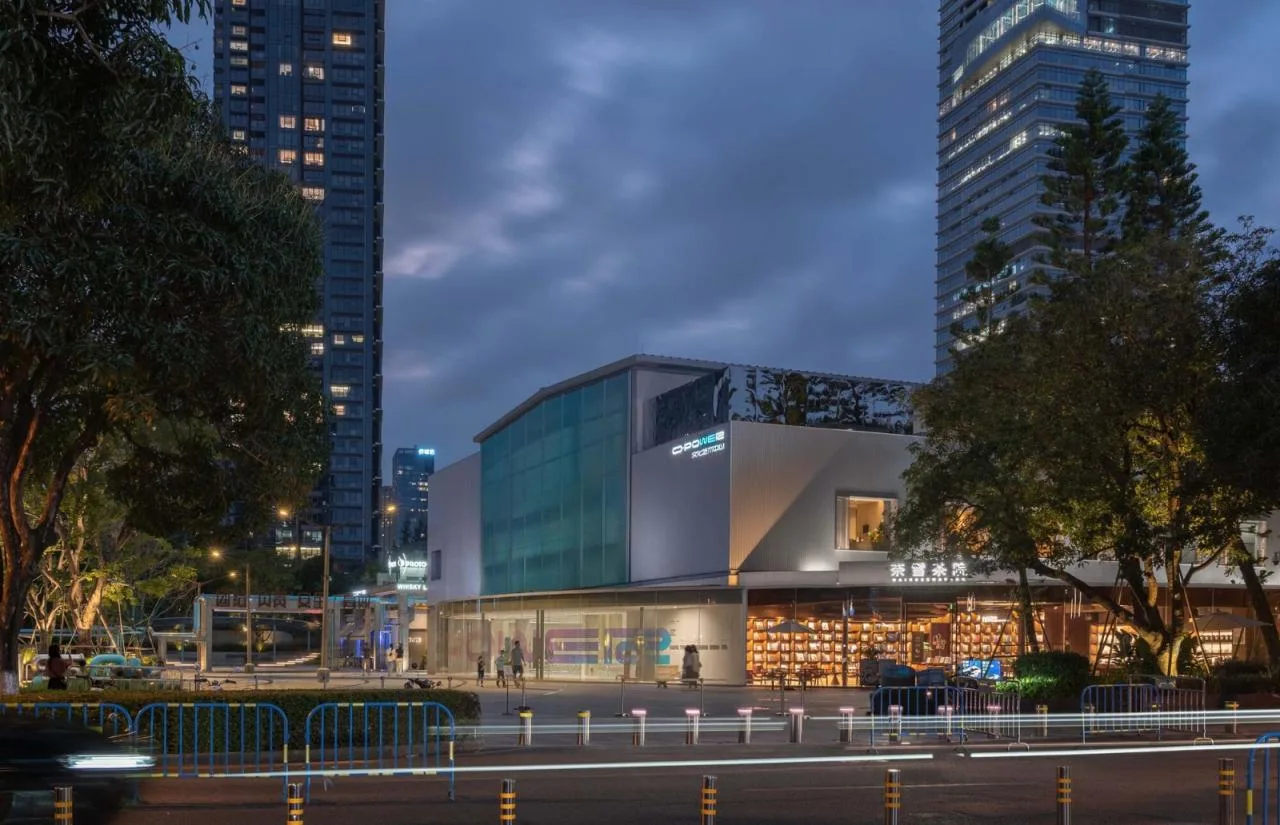
The O • POWER Cultural and Art Center (#1), formerly the power generation plant, now features a fully glass circular space on the first floor that preserves existing trees and encourages community interaction along the street. This design strengthens the connection between indoor and outdoor areas while enhancing visual transparency. To improve natural light, the solid wall on the south facade was replaced with transparent glass and steel grilles, allowing more daylight inside and serving as a display window reflecting the site’s spirit.
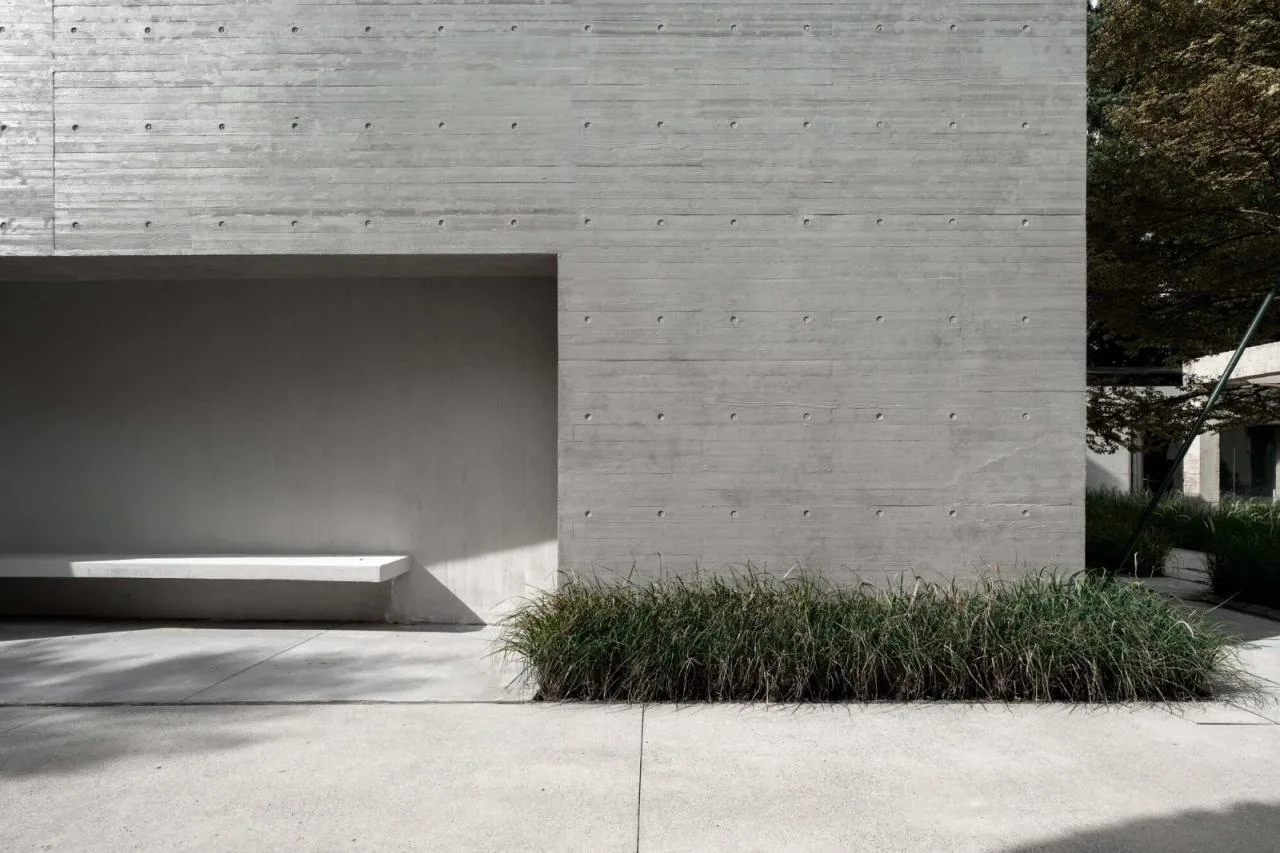
The renovated building retains the original volume and proportions while preserving the main concrete structure of the old power plant, symbolizing a respectful reshaping and continuation of the site’s memory.
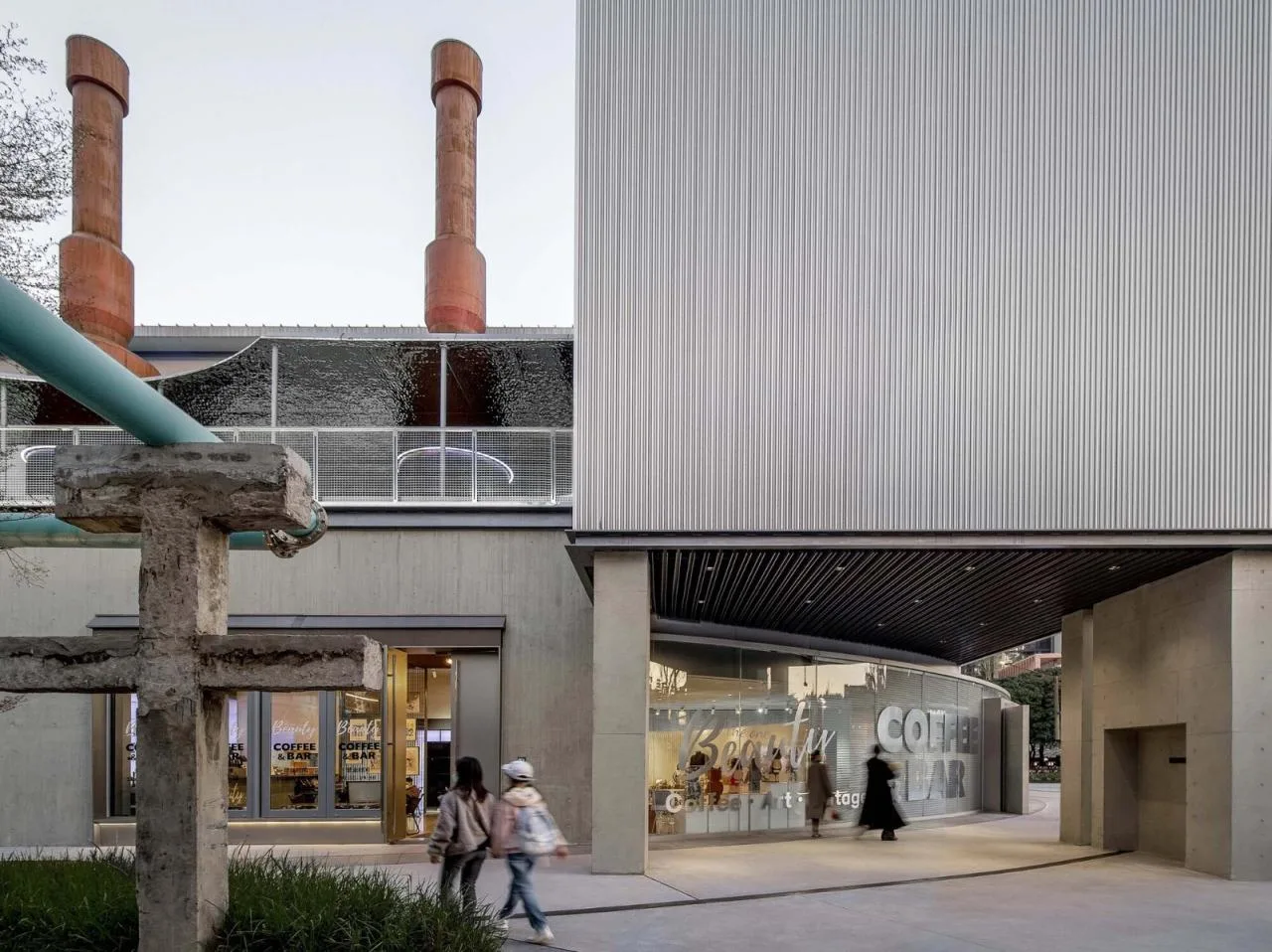
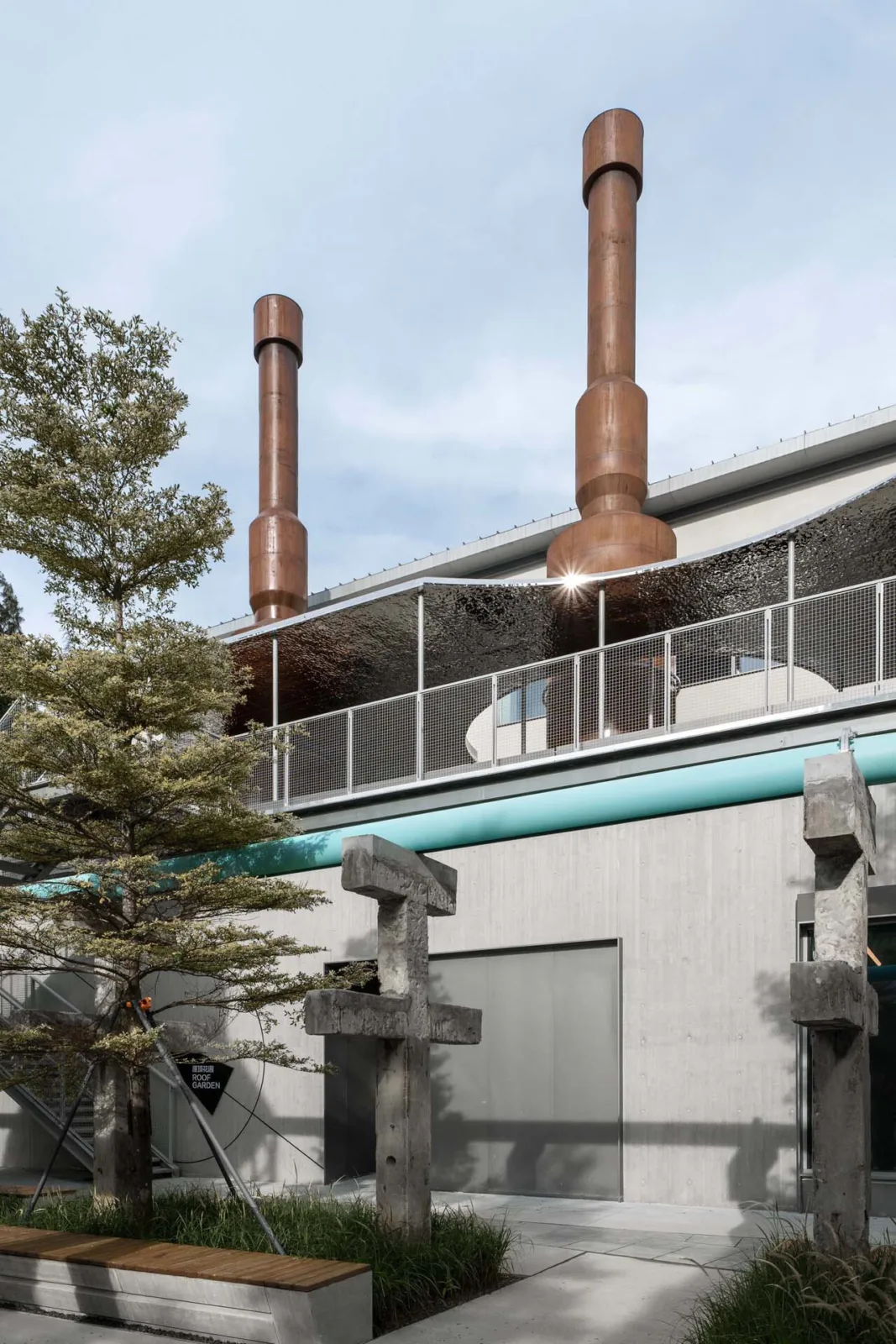
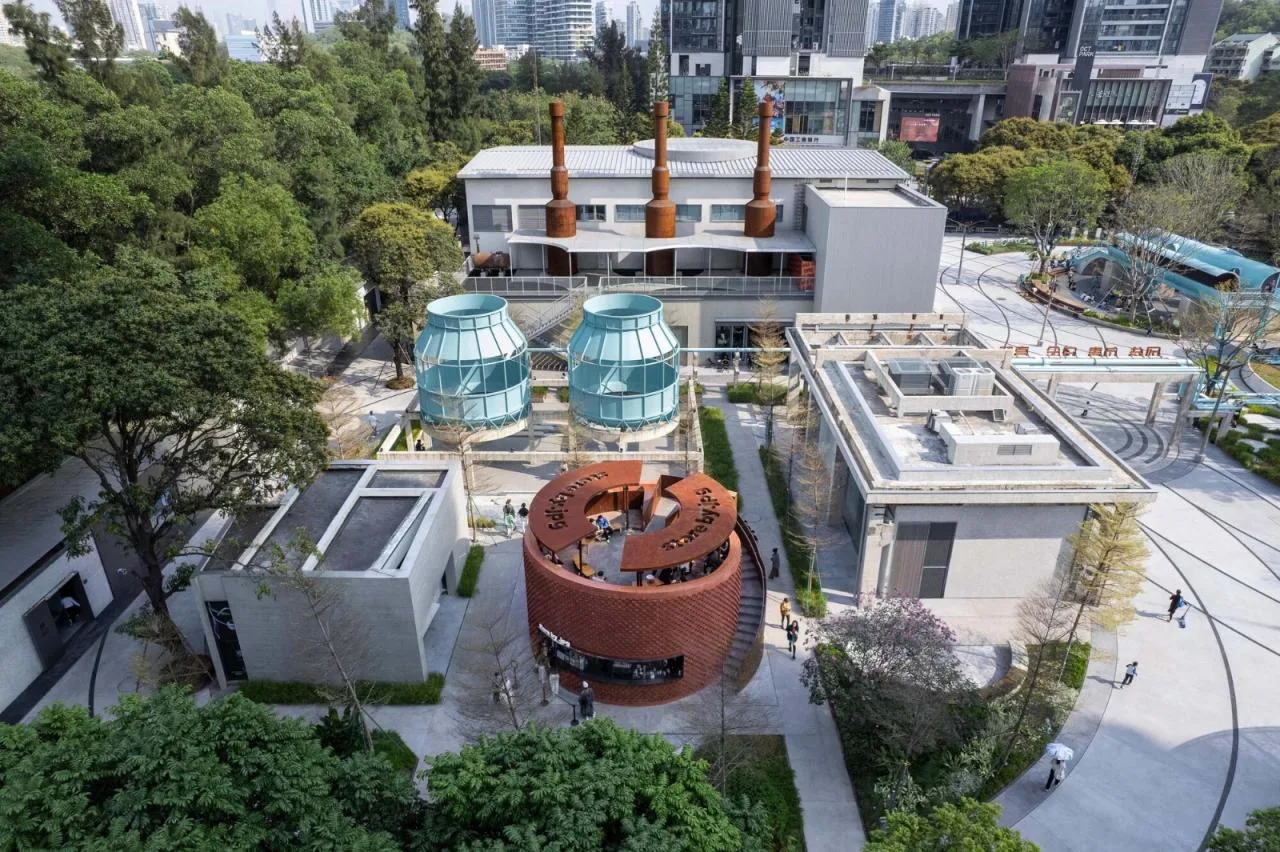
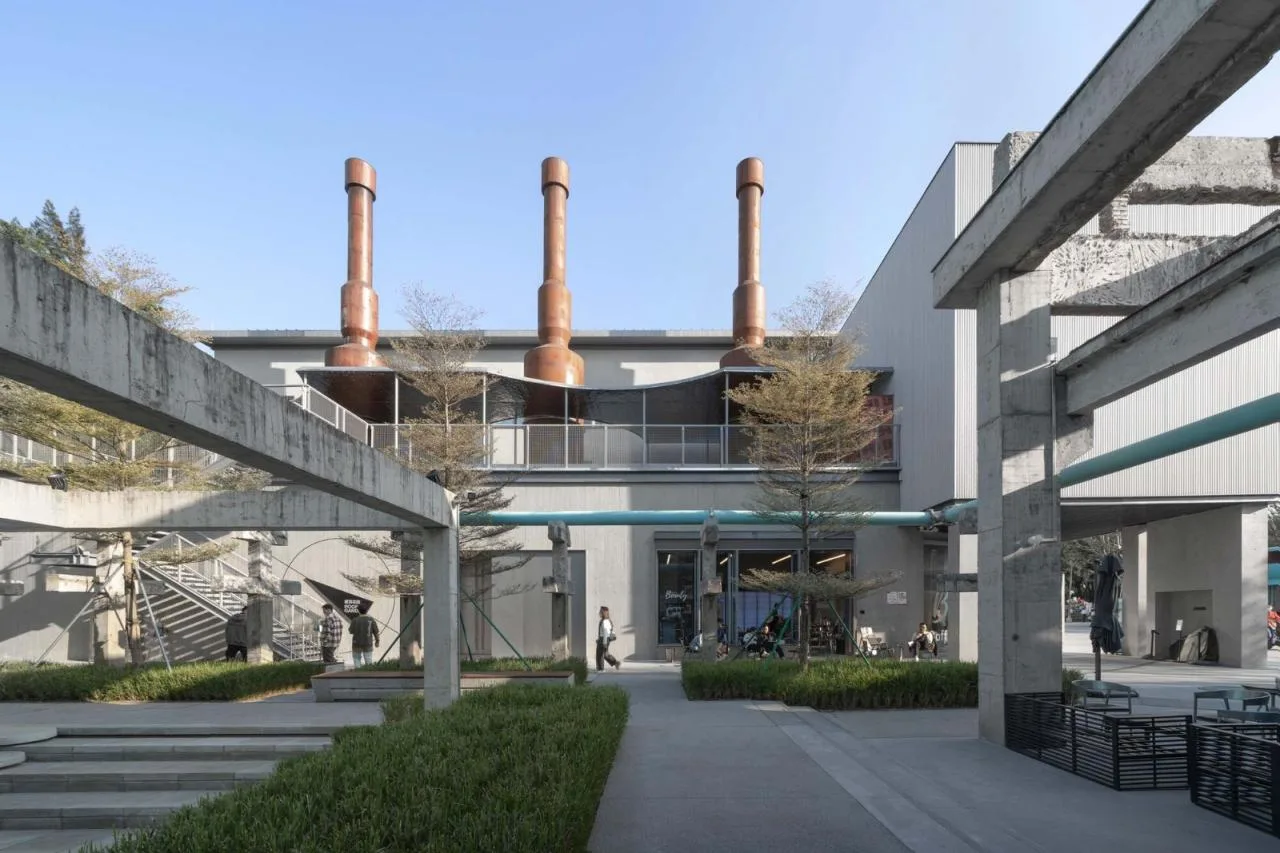
The second-floor rooftop platform on the west side of the O • POWER Cultural and Art Center (#1), once abandoned and dilapidated, has been restored and reshaped. A stainless steel canopy was integrated around the original chimney structure, creating a distinctive industrial experience space. This fusion of preserved industrial relics and new architectural elements forms a continuously evolving entity, bridging the past, present, and future of the power plant through layered integration.
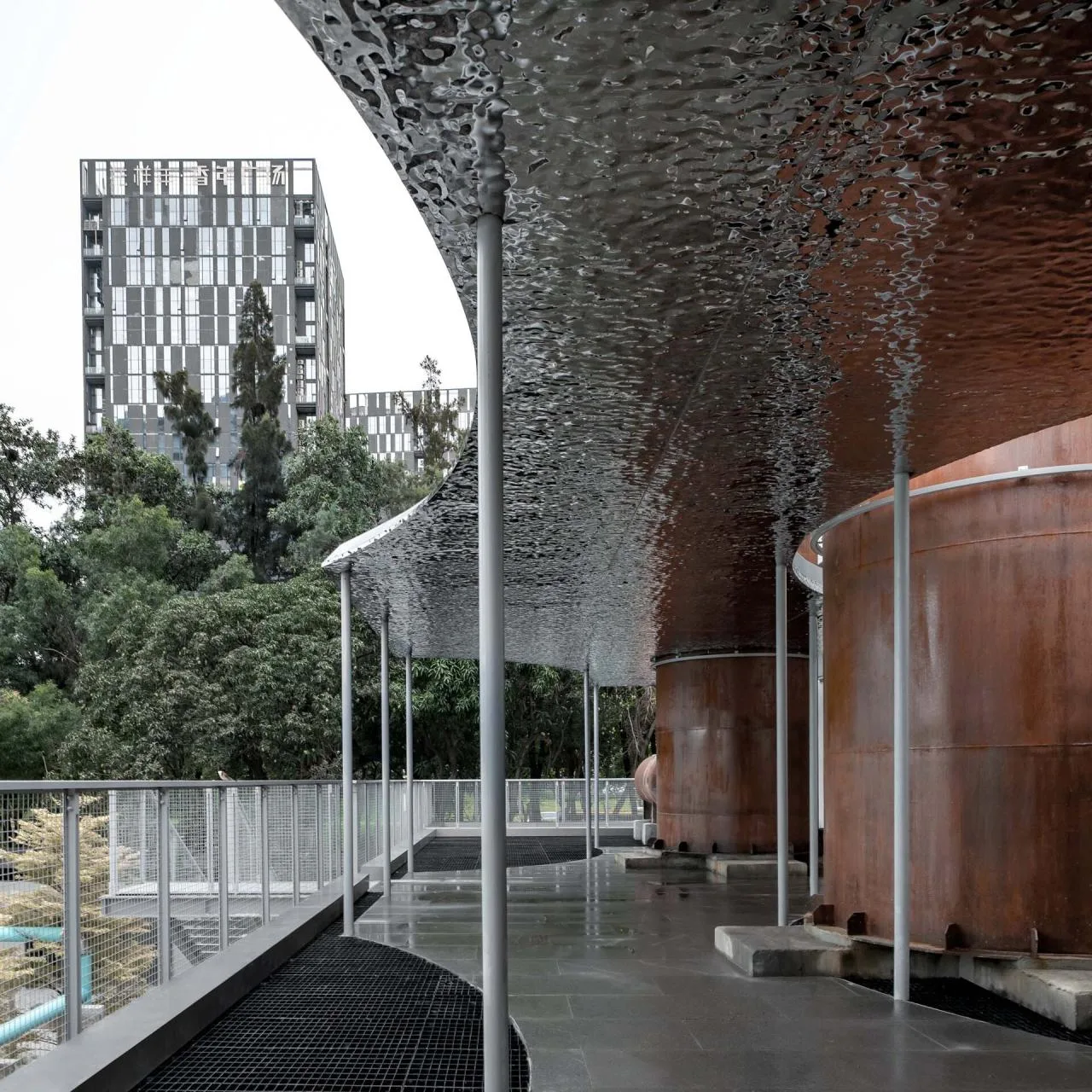
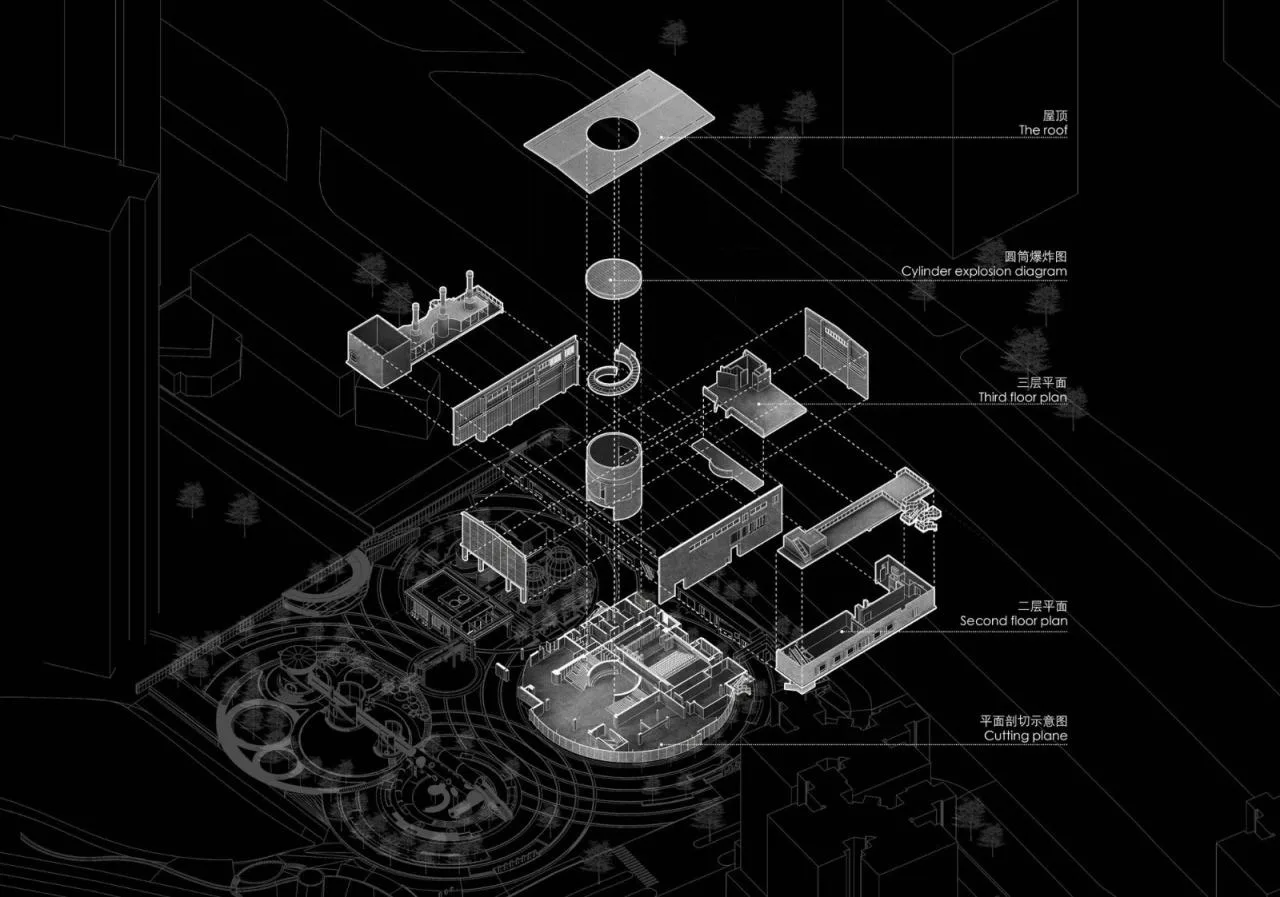
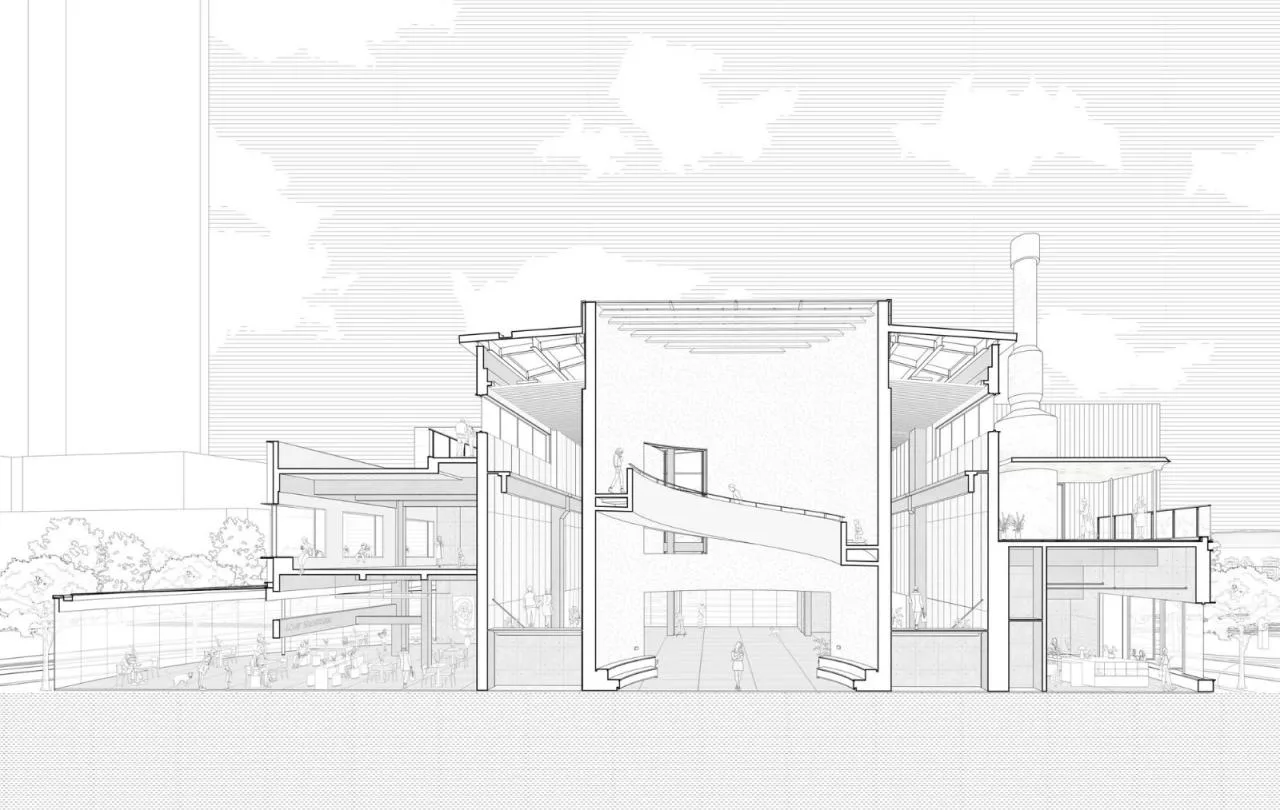
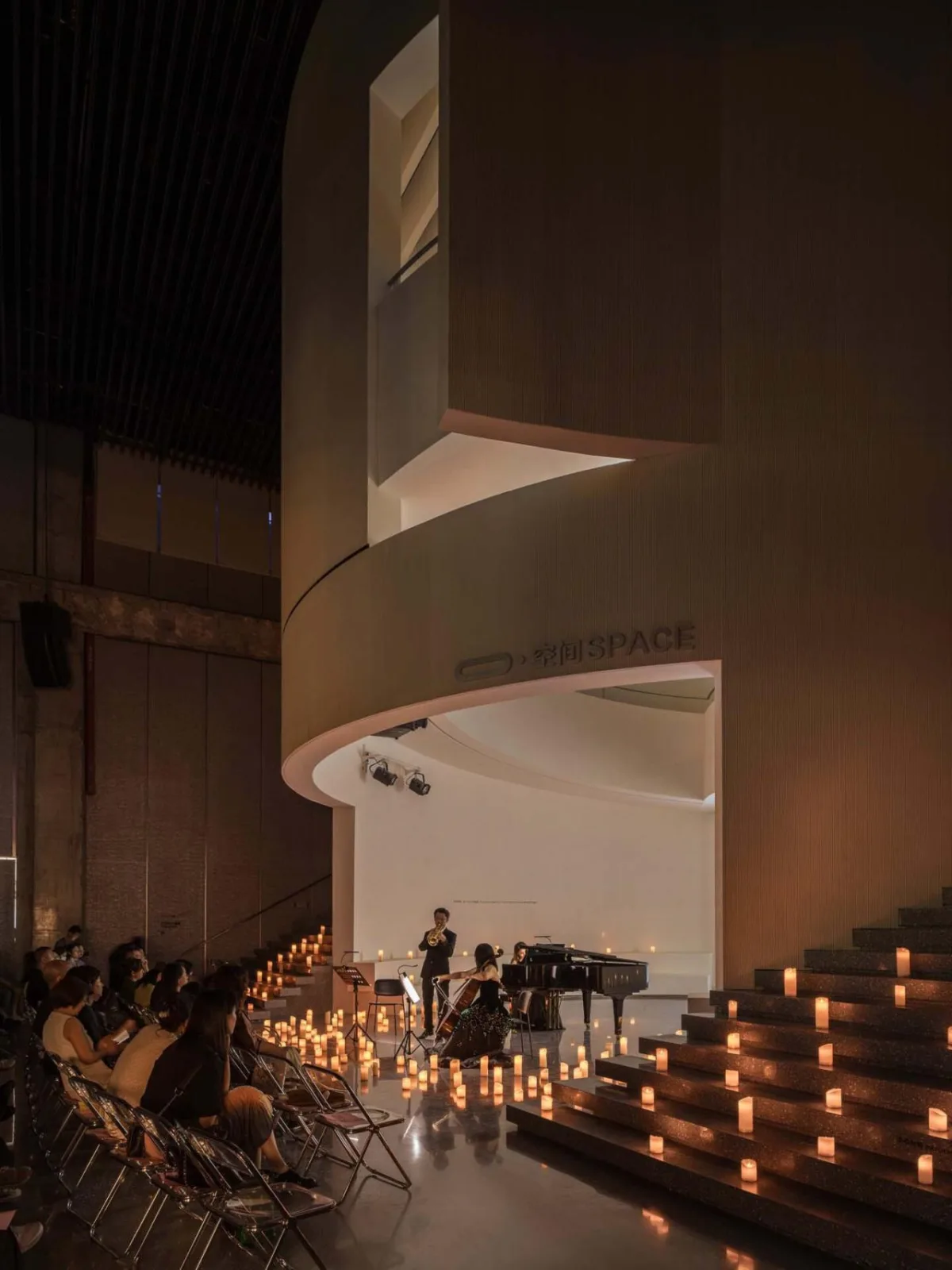
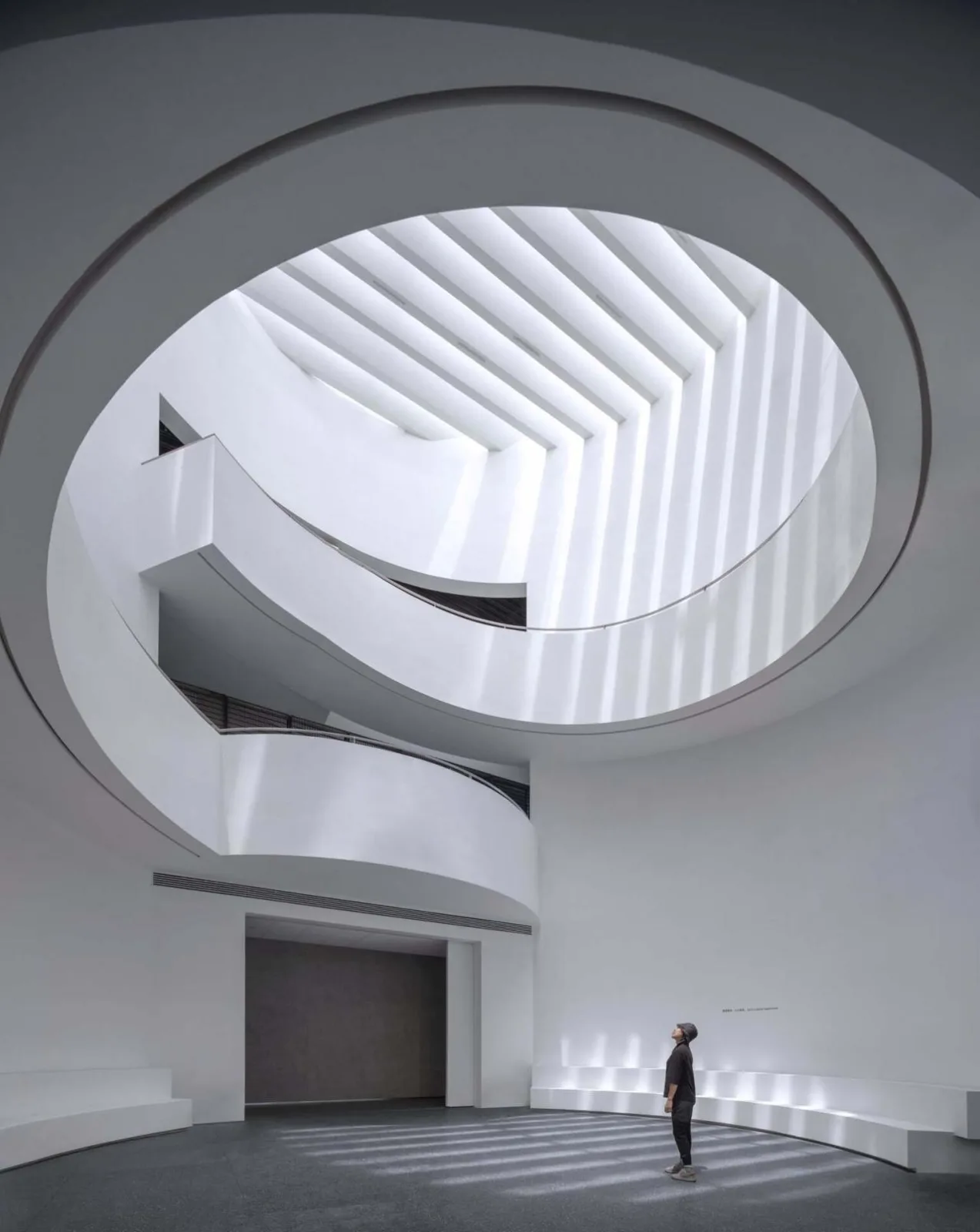
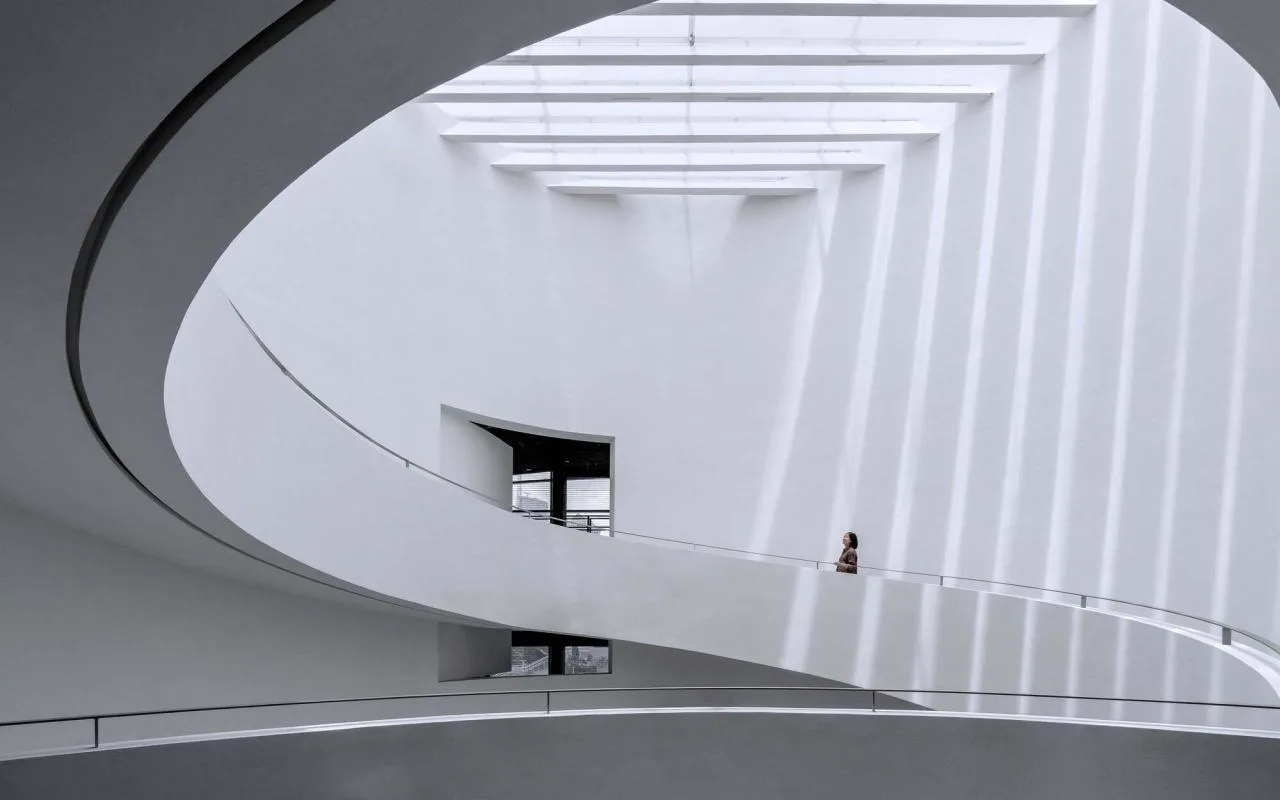
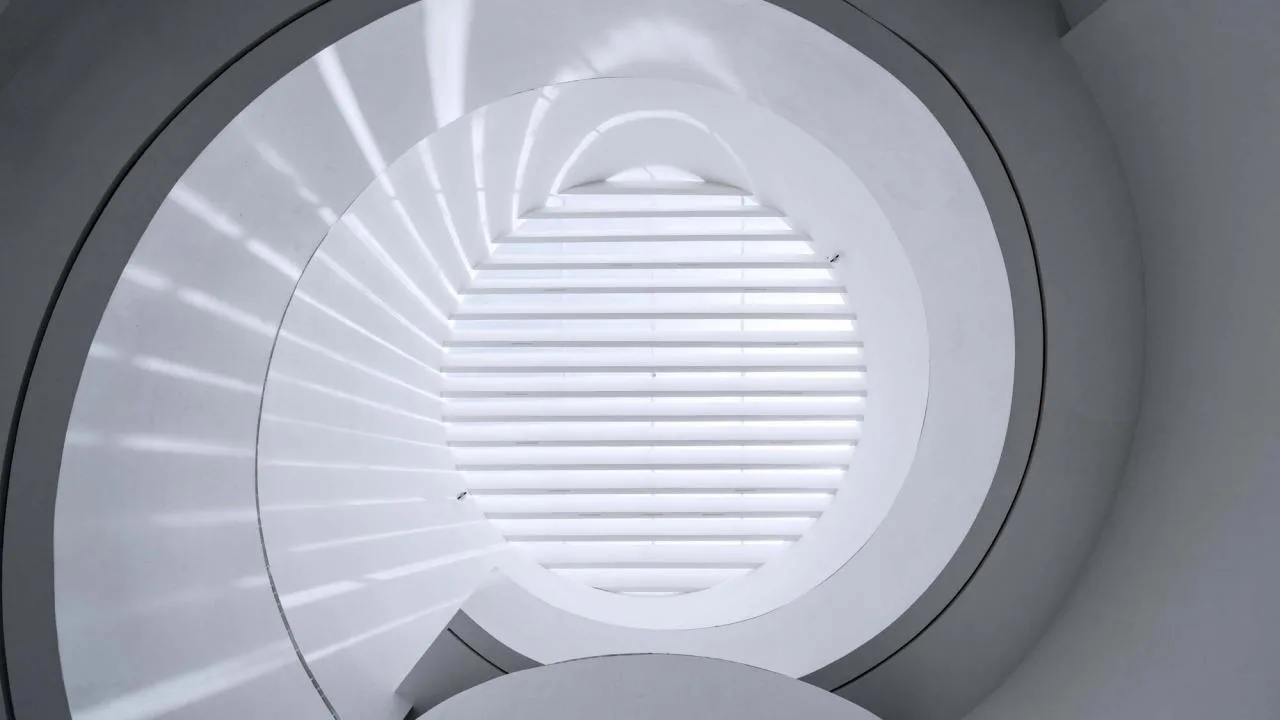
Inspired by the shape of the oil tanks remaining from the power plant’s southern area, the design introduces a cylindrical “O-space” within the main building as a new spiritual core. This space engages in a visual and conceptual “dialogue” with the outdoor oil tanks. The cylinder’s facade is constructed from UHPC (ultra-high-performance concrete), reducing wall thickness and minimizing structural impact on interior space.
This cylindrical addition divides the original factory building into a multi-level O-space and the POWER Theater, designed to accommodate immersive performances, art exhibitions, and various other functions. The result is a cutting-edge theater cluster that seamlessly integrates performance and exhibition spaces.
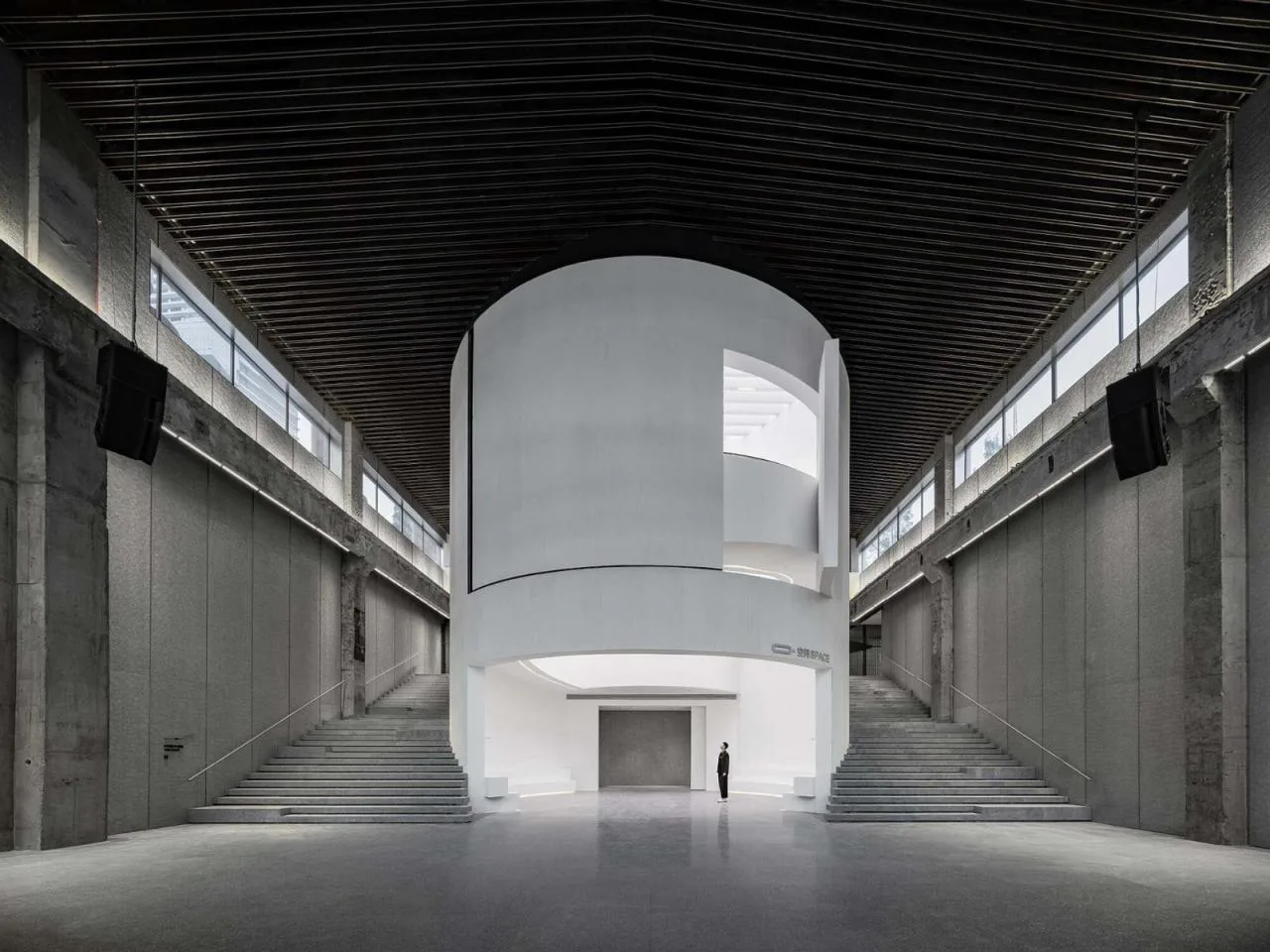
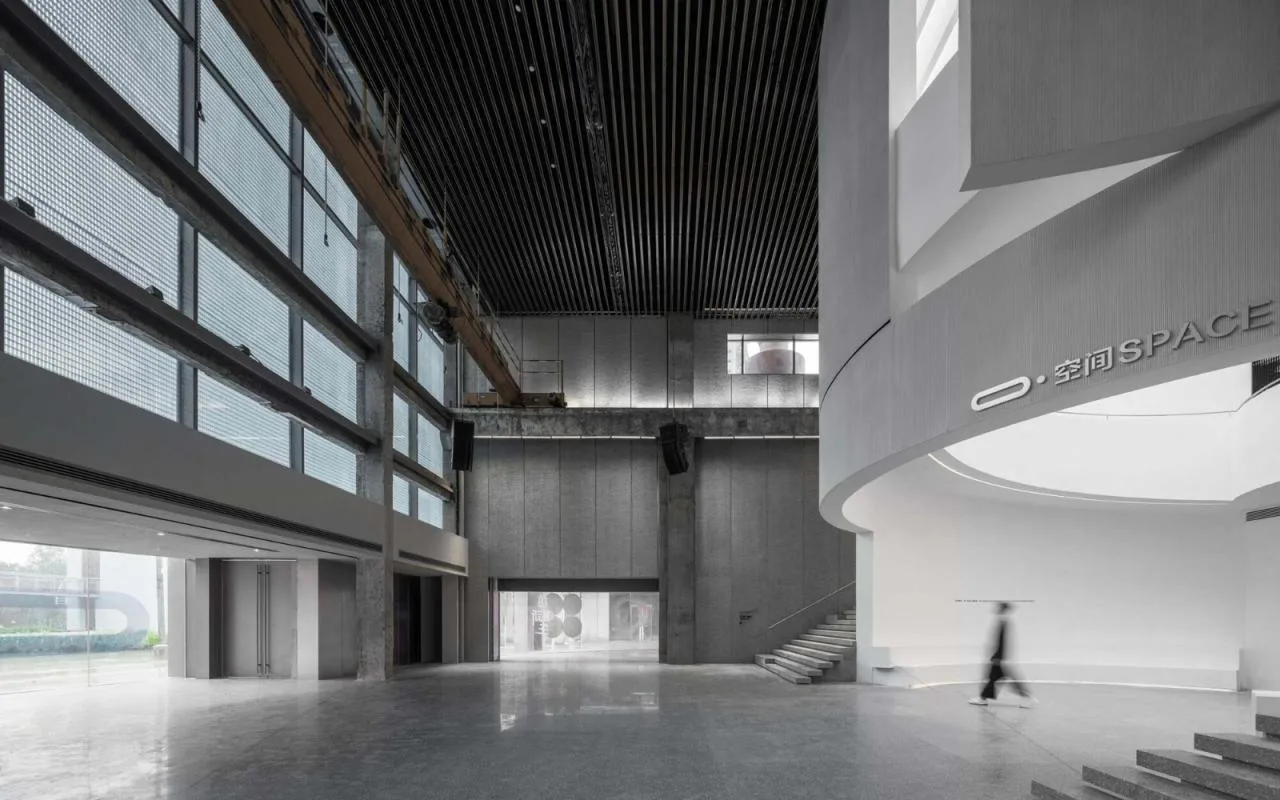
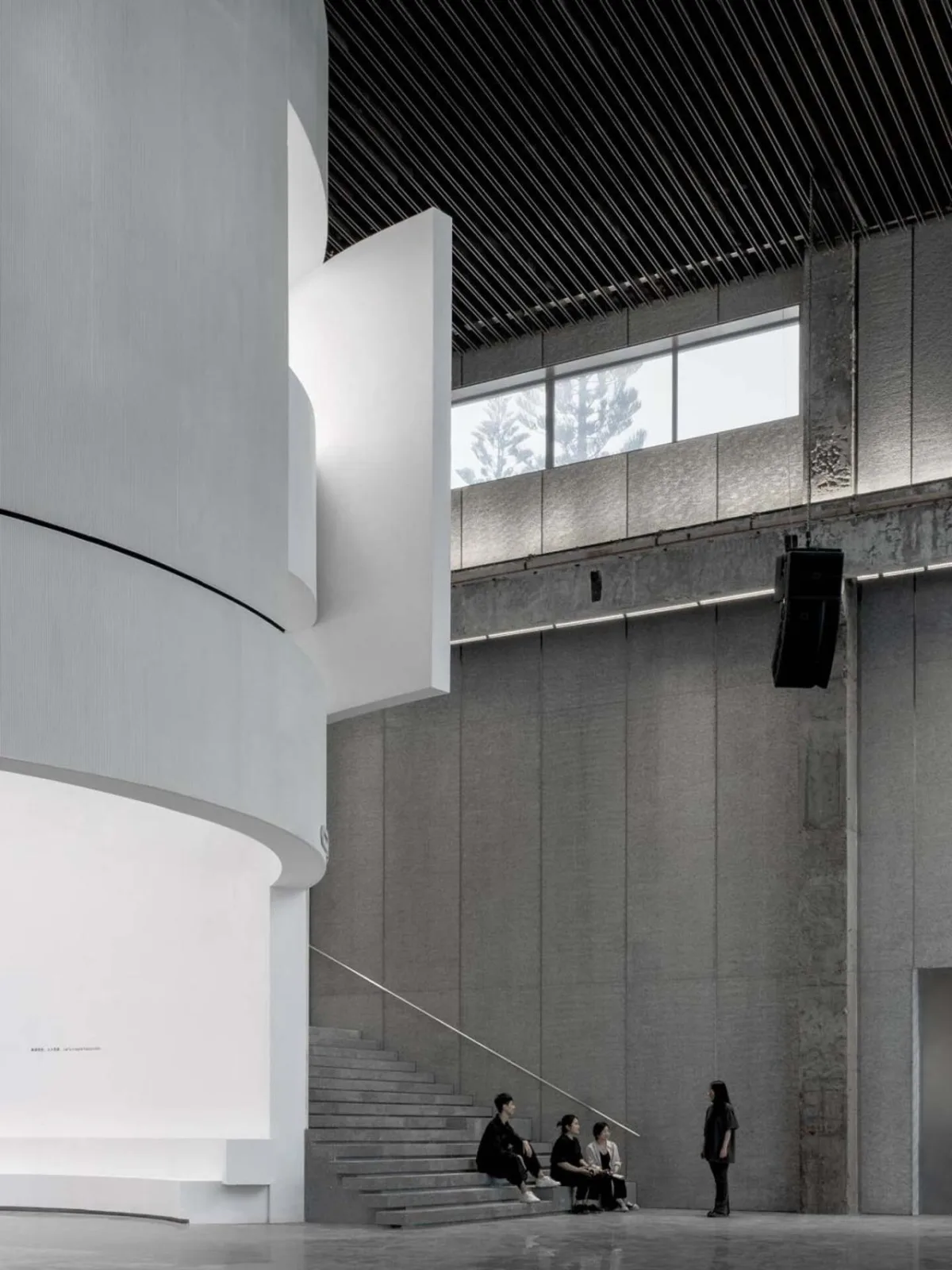
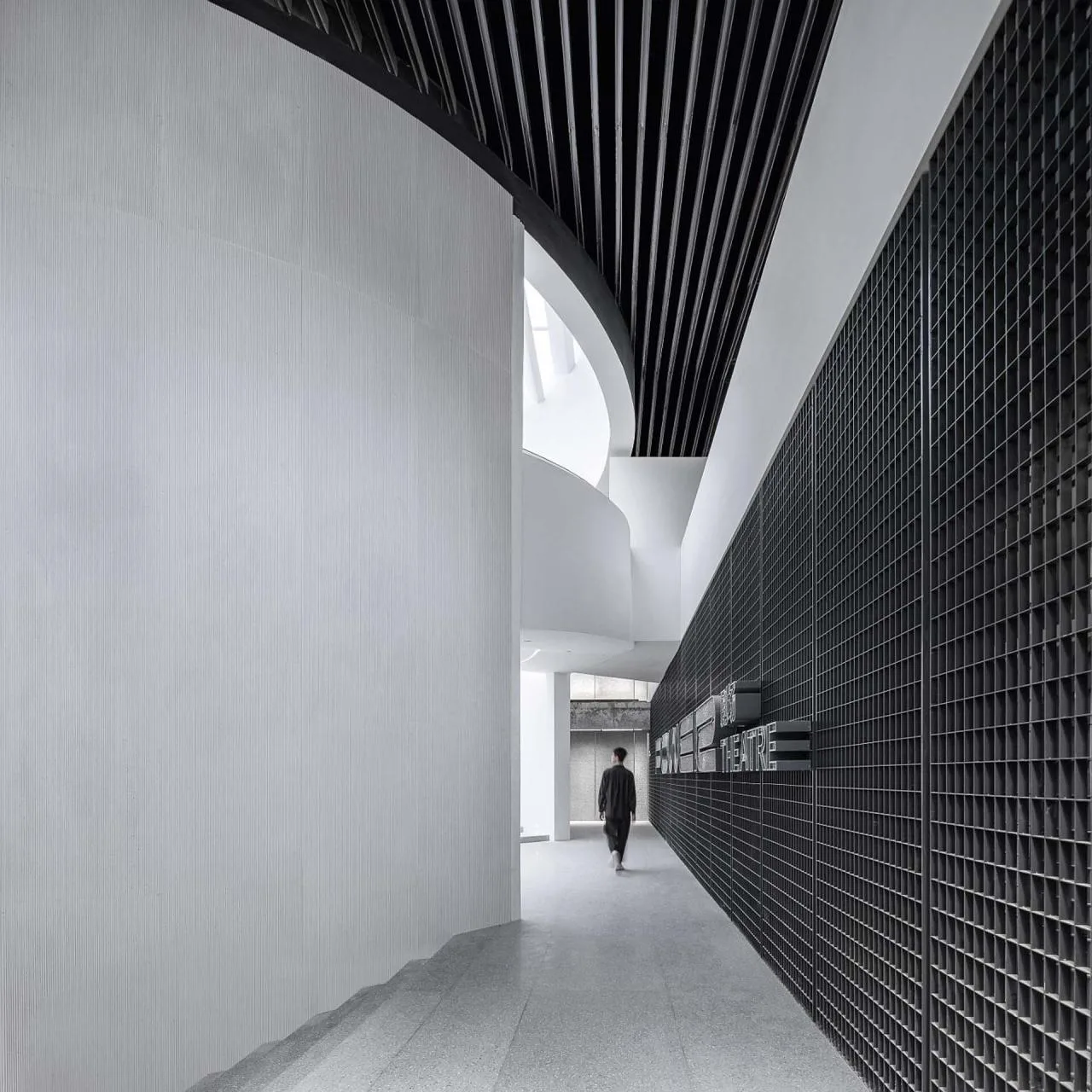
To meet the demands for acoustic purity and physical properties in the exhibition space, the lobby’s side walls are lined with sound-absorbing aluminum foam panels. This “light” layering of new materials over the old walls minimizes damage to the original structure while enhancing the usability of the cylindrical lobby.
The original factory’s crane beams and exposed main structure create a compelling juxtaposition of old and new, reflecting the power plant’s historical memory. The POWER Theater, inspired by the “electricity” theme central to the old plant, symbolizes a shift from physical electricity to “artistic power” focused on performing arts.
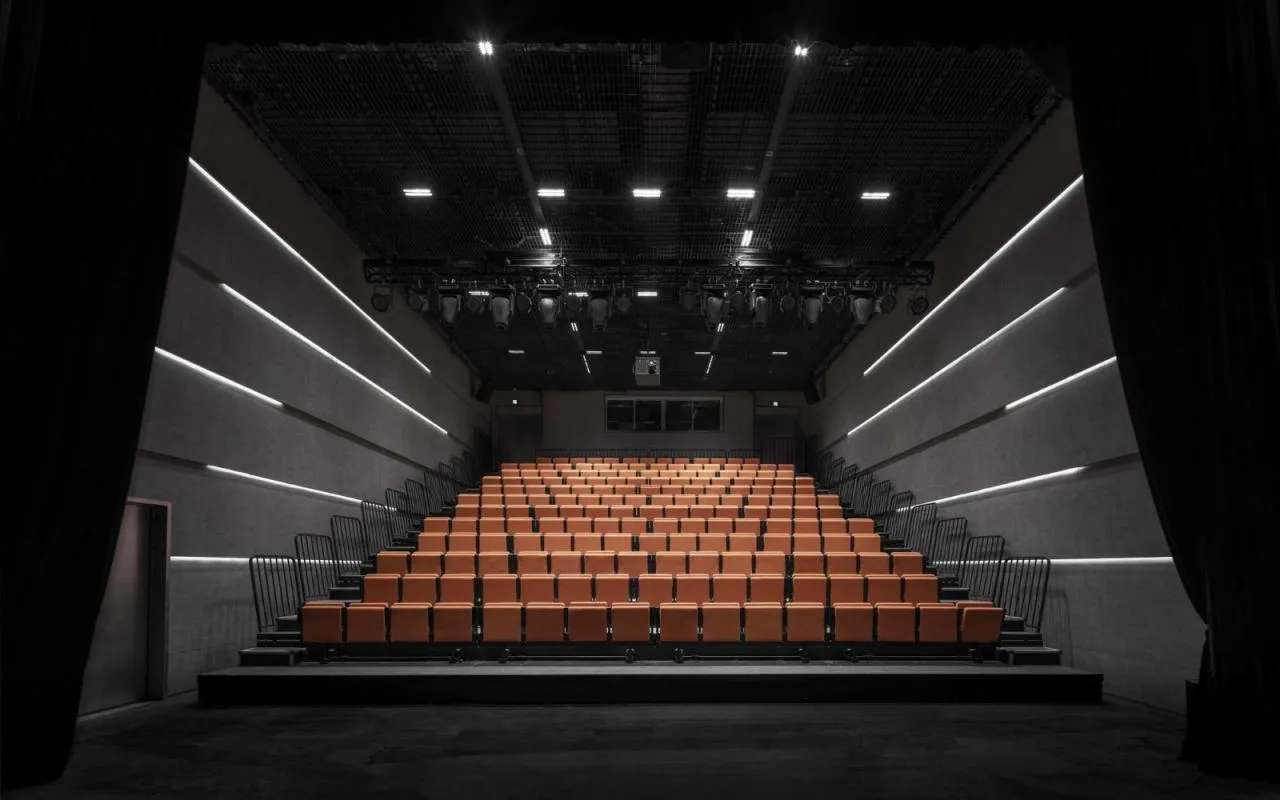
This theater is a flexible black box space that breaks traditional stage boundaries, allowing any area within to become a performance stage. Equipped with adjustable seating, it accommodates approximately 200 seated or 400 standing guests. As an innovative experimental theater, it integrates seamlessly with the O-space and outdoor areas, radiating energy to the surrounding community and beyond.
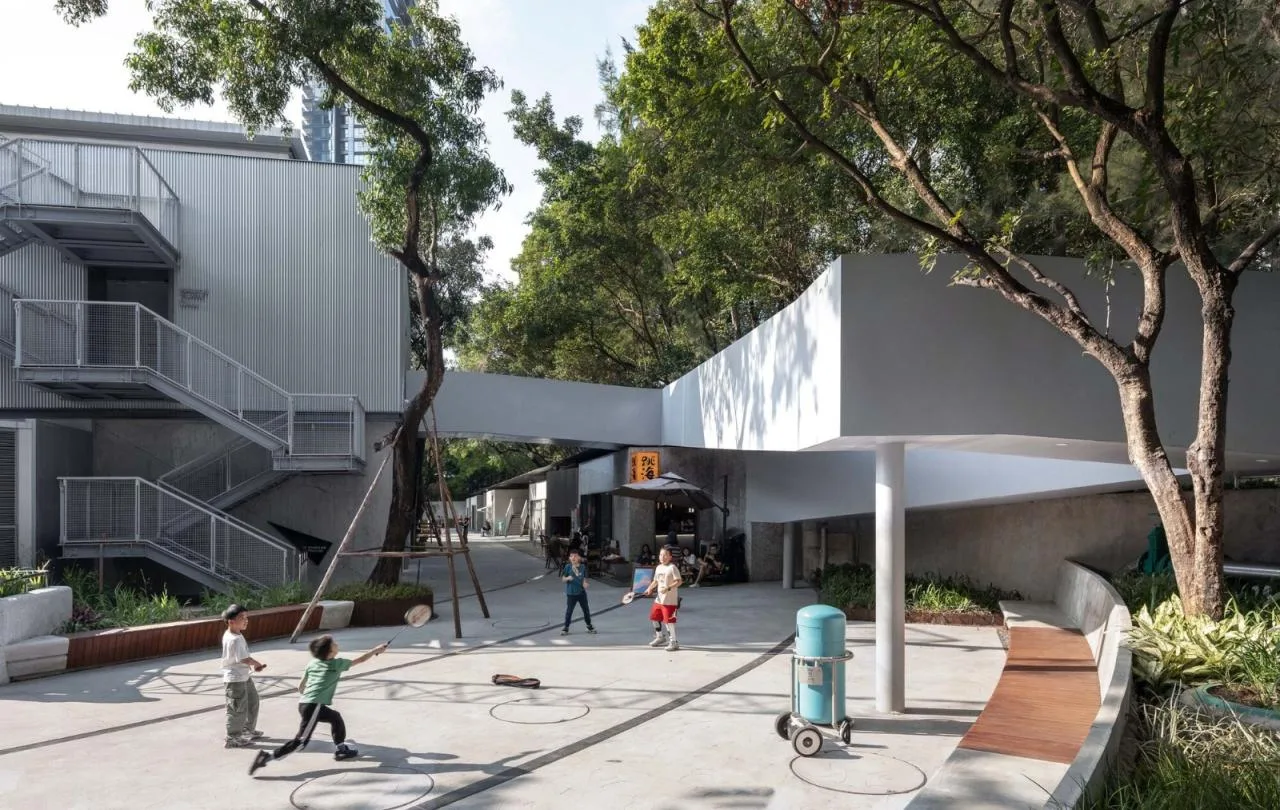
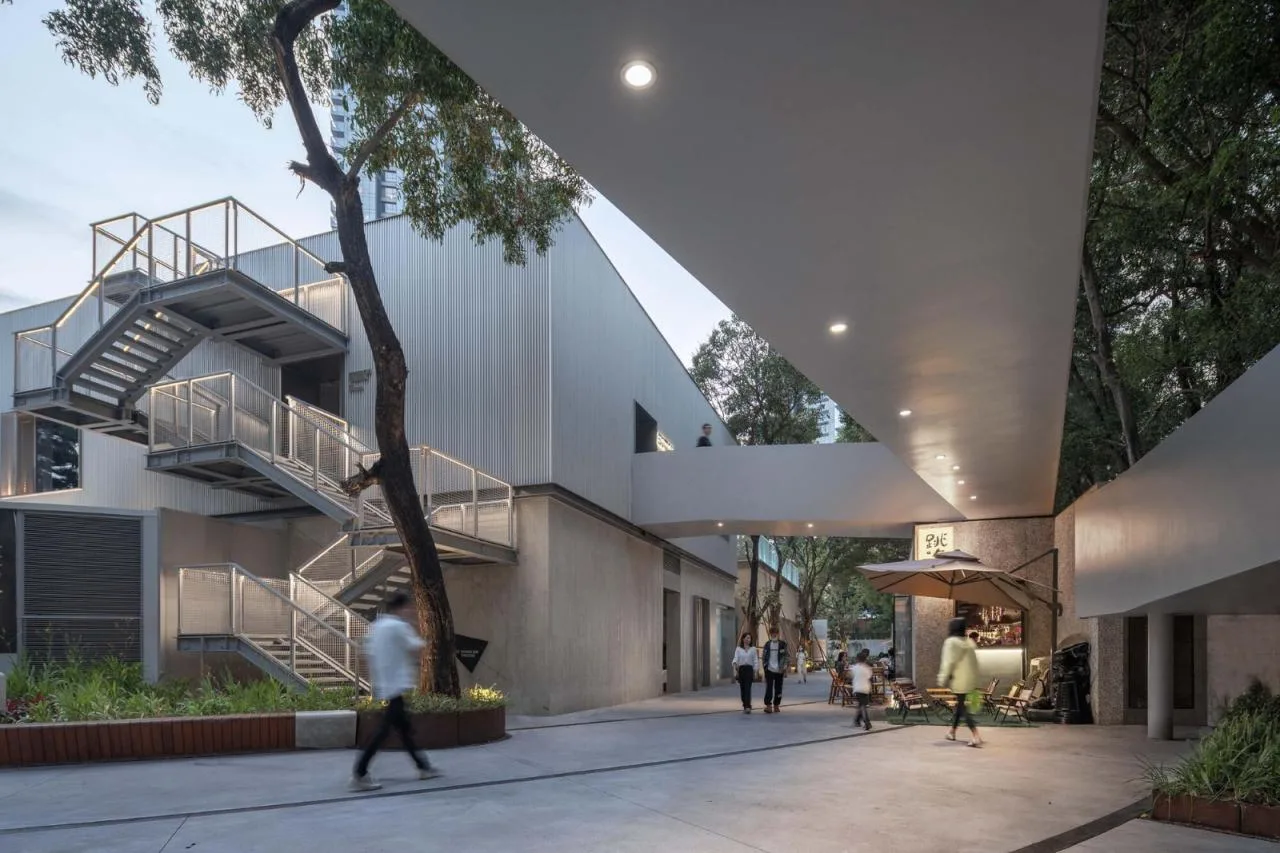
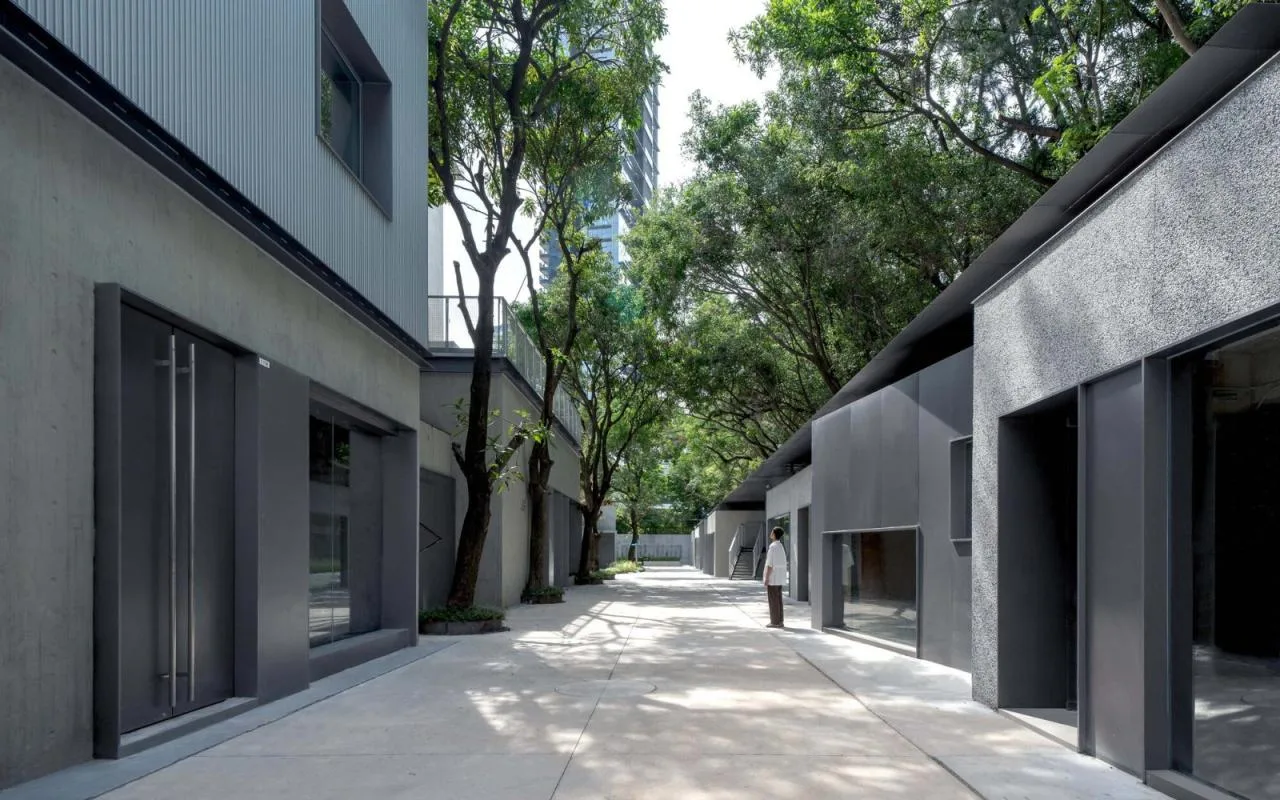
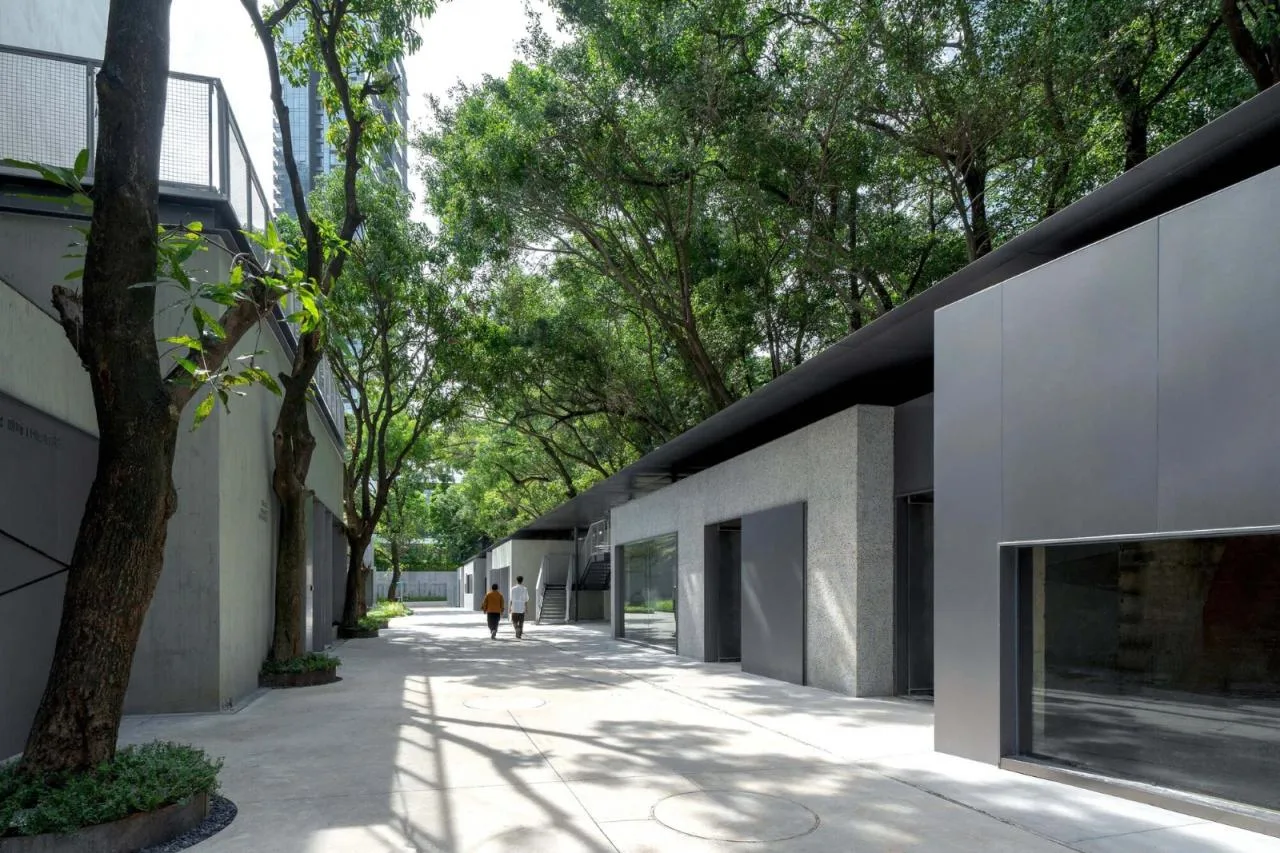
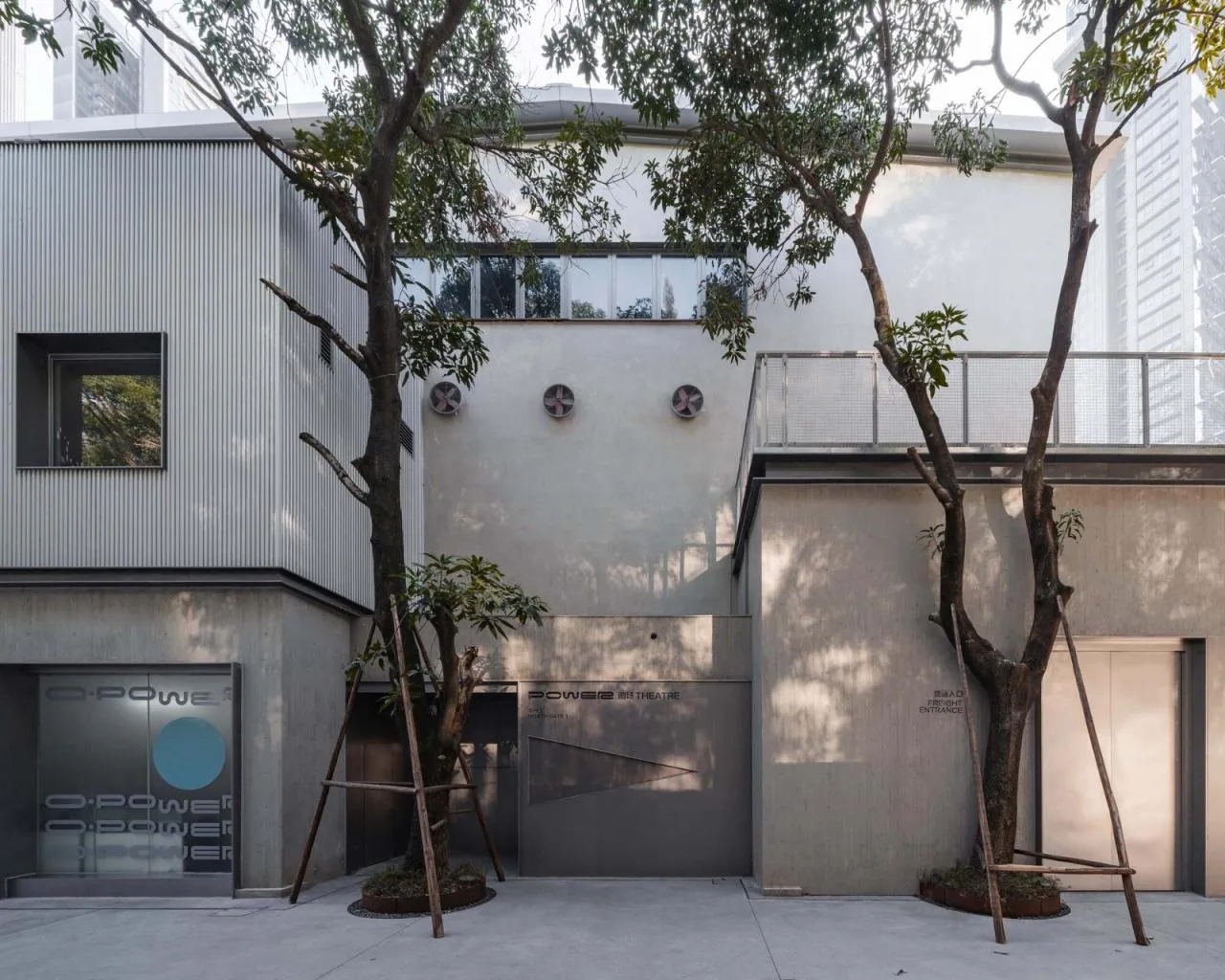
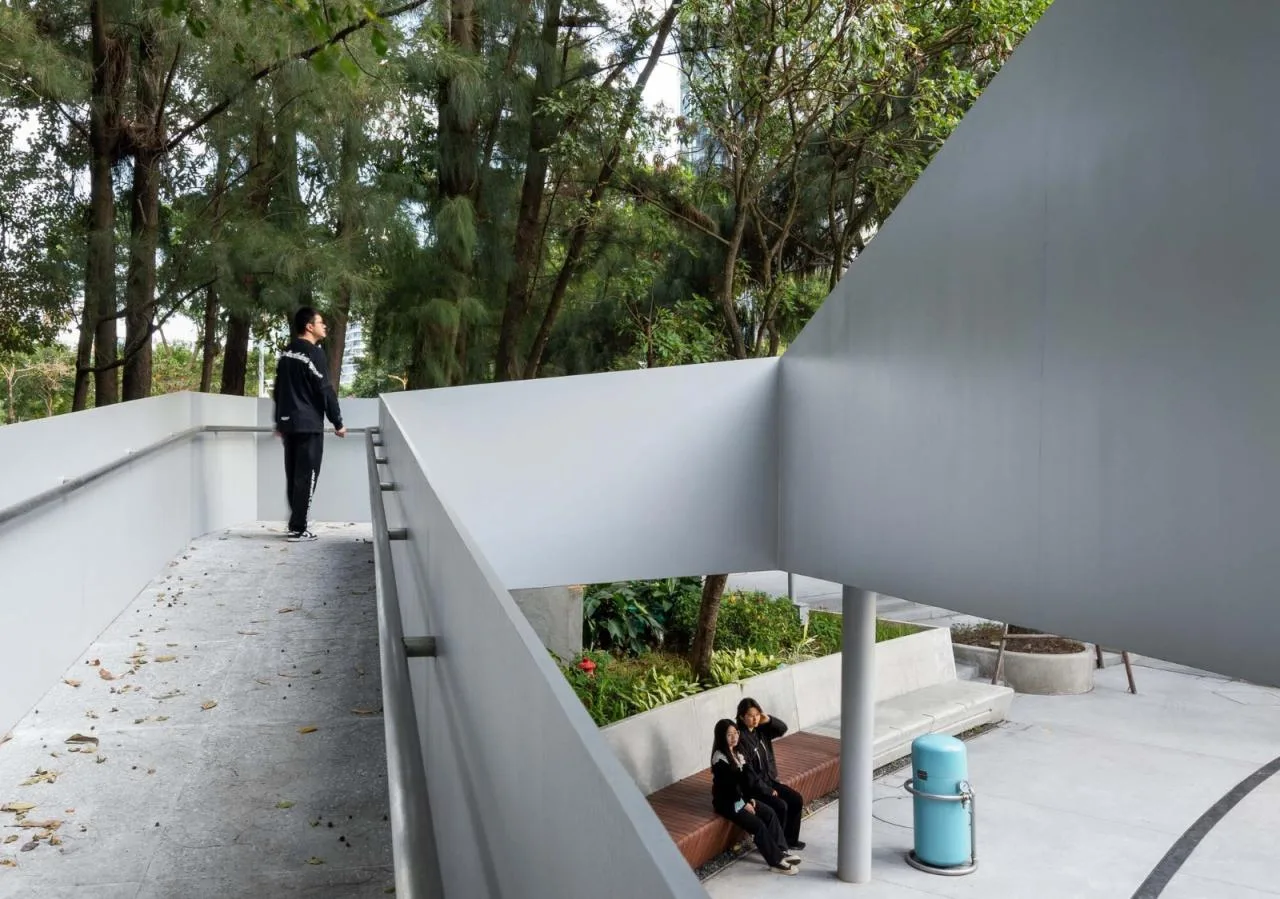
The Cultural and Creative Back Street (#4) acts as a transition between the city edge and the park. Before renovation, the building was a narrow, single-span structure with a 3-meter height difference from Qiaoxiang Road on the north side. To prevent children from climbing, a solid wall was added alongside the sidewalk, creating a “grey space” beneath the eaves when combined with a new stainless steel structure.
Seven small-scale washed stone and cast-in-place concrete boxes were inserted, deepening the building’s footprint. Two of these boxes were twisted and displaced, generating a multi-layered grey space. The preserved trees on the north side, together with the back street, form an organic enclosure that wraps the park inward, establishing an open and integrated spatial connection between the back street community and the city.
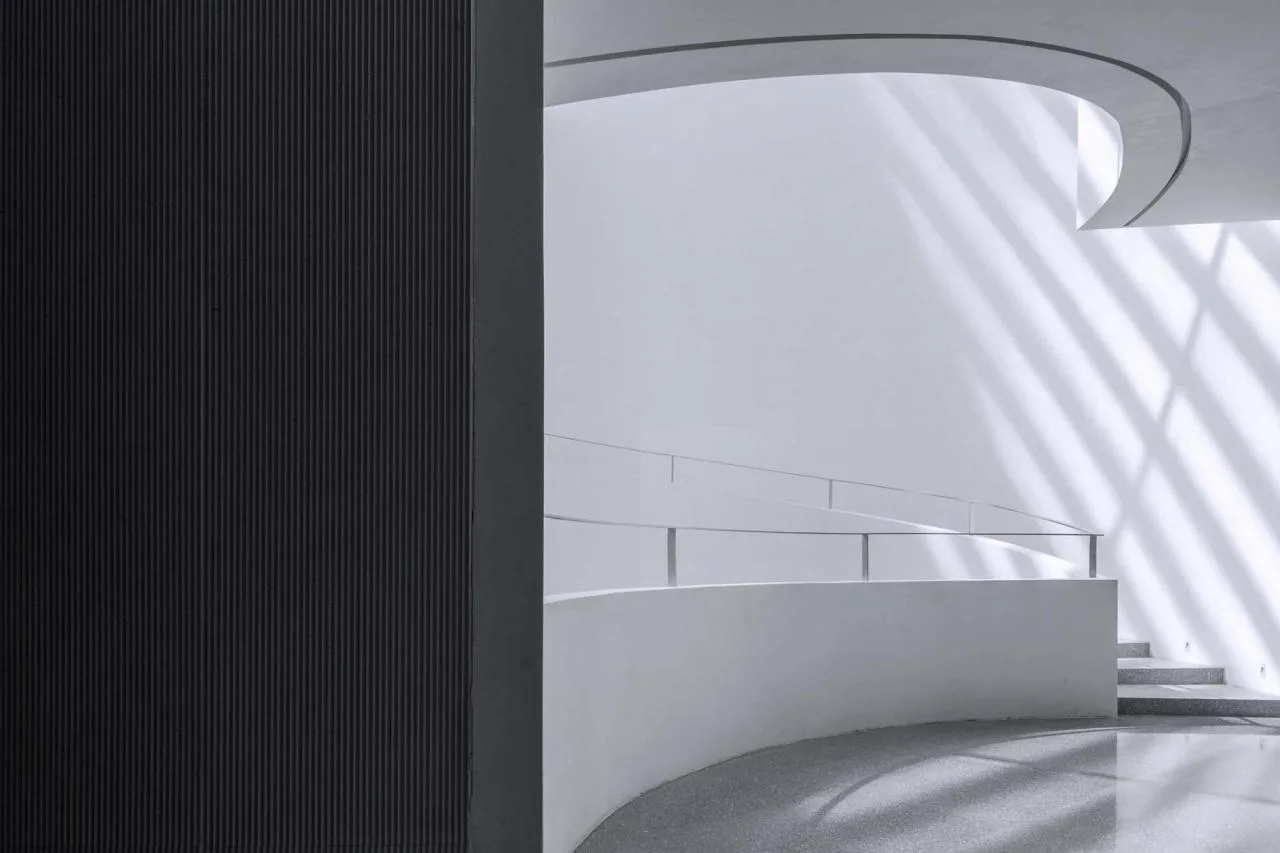
A curved ramp links the pedestrian path on one side of Qiaoxiang Road to the Cultural and Art Center (#1), offering visitors convenient access to the POWER Theater. This winding ramp also creates a pleasant place for visitors to stroll through the forest and enjoy unique park views.
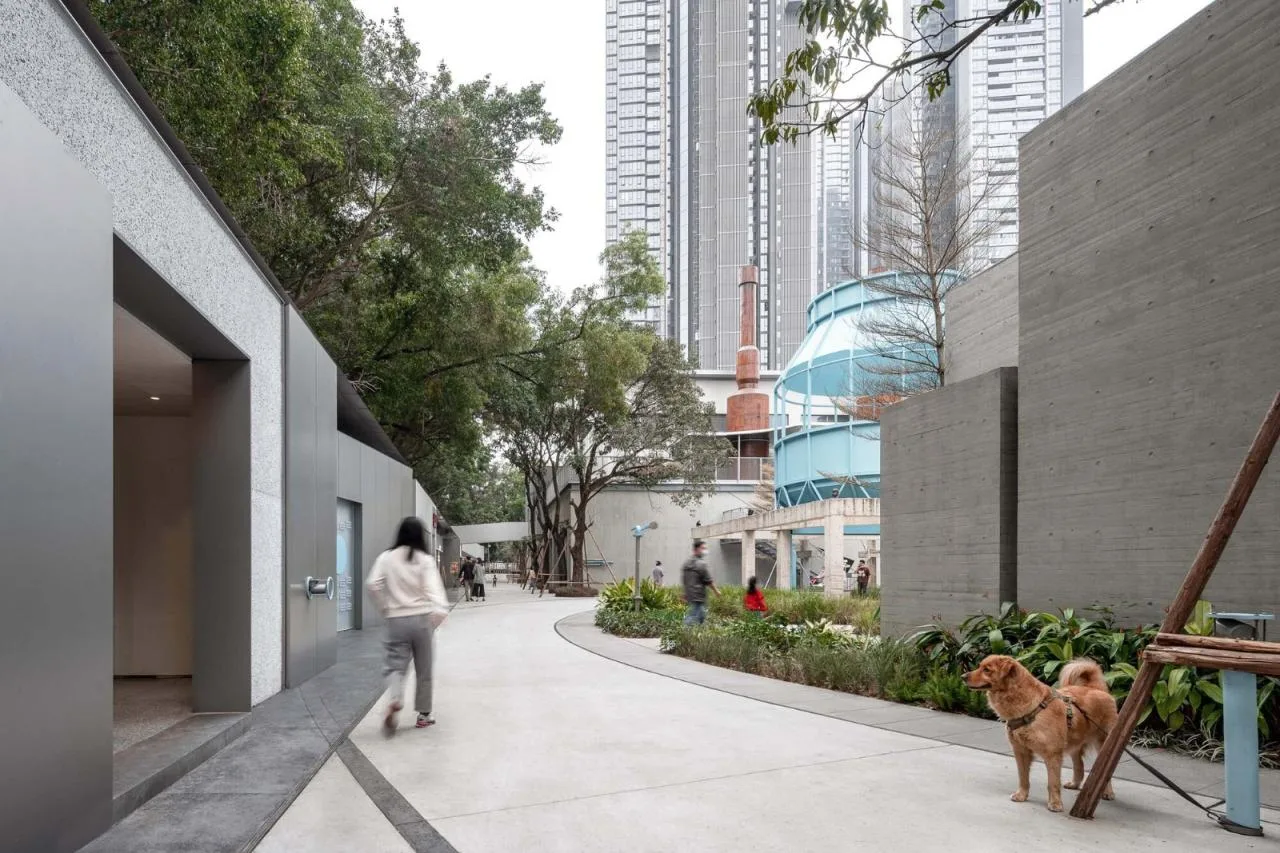
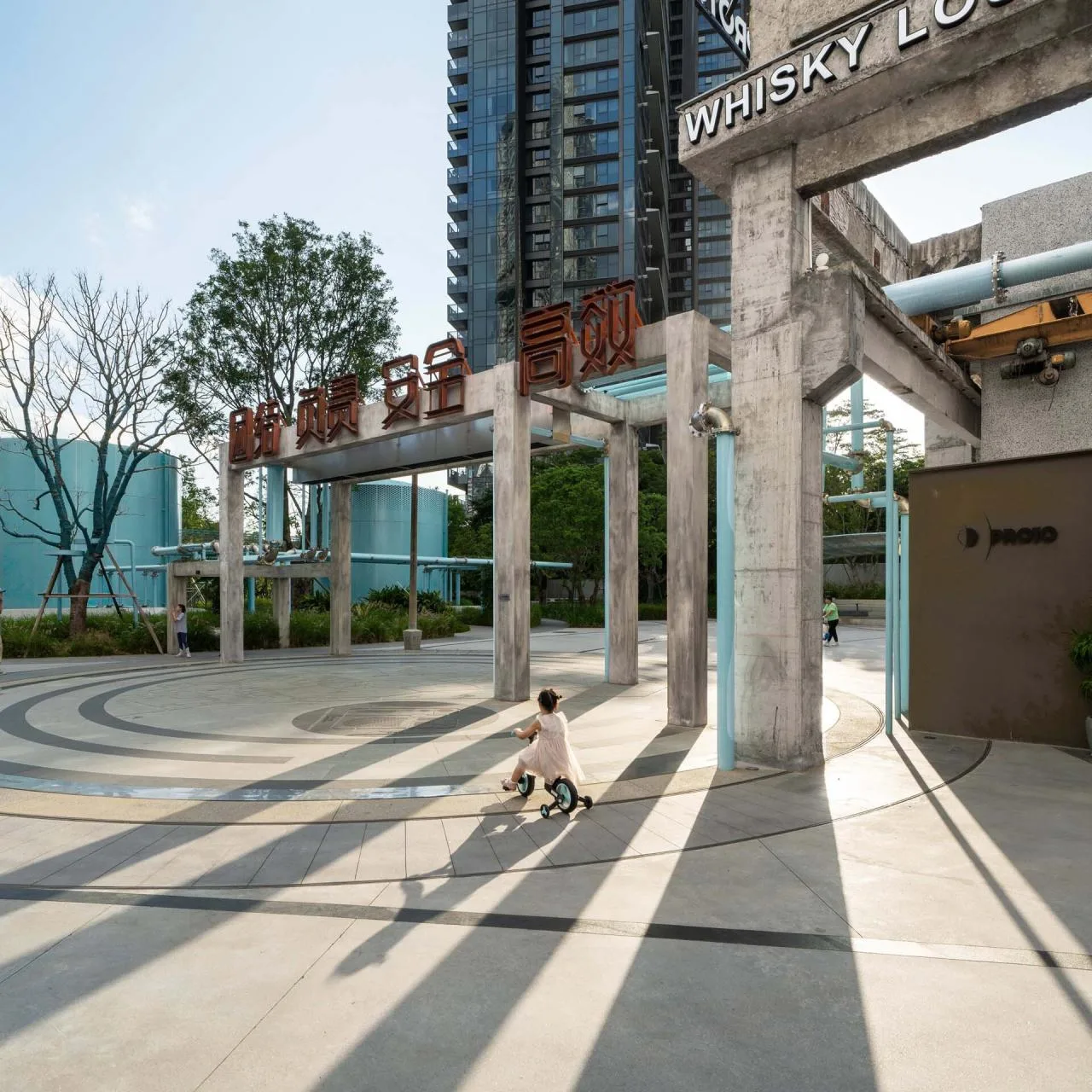
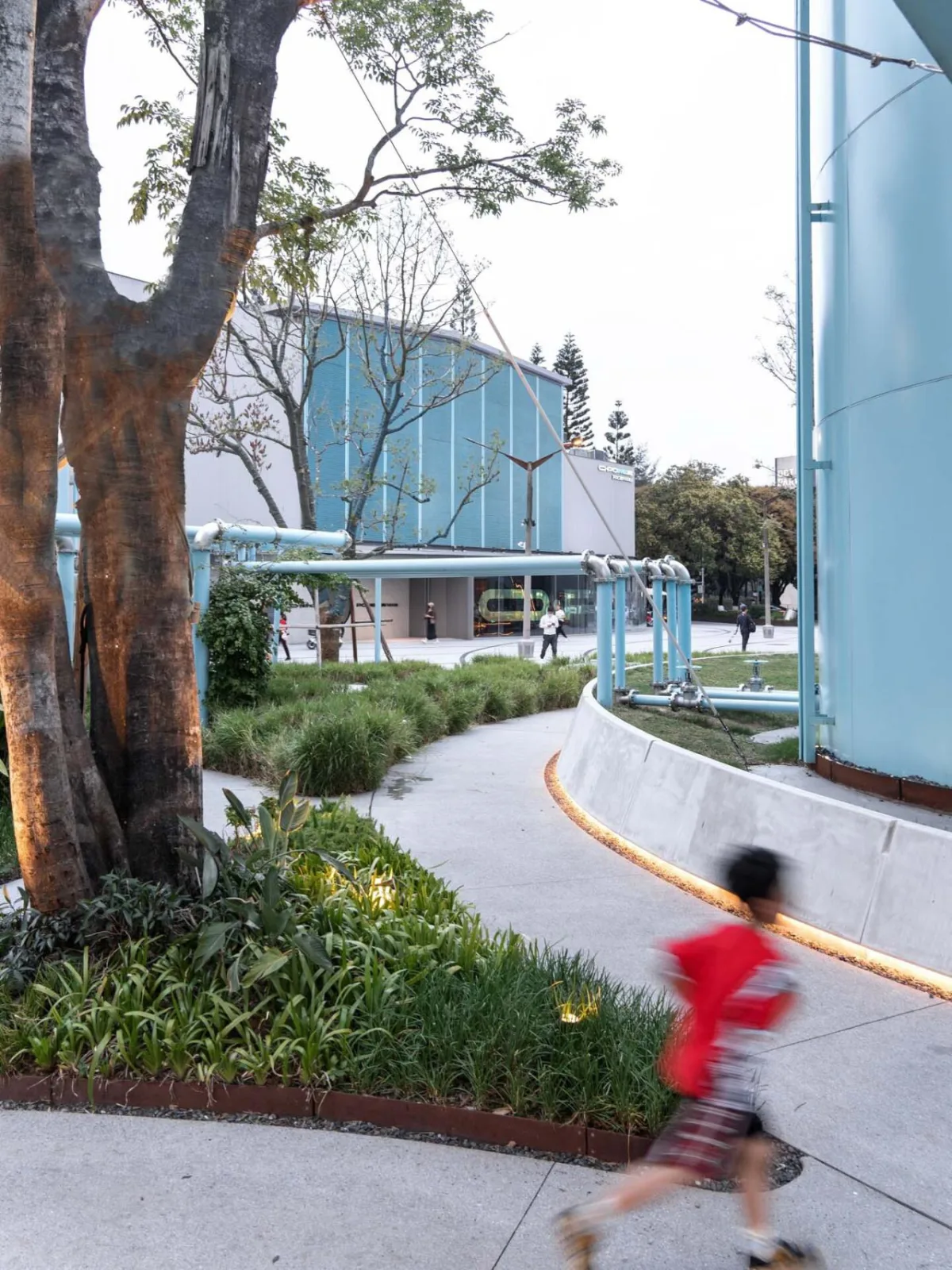
Buildings #2, #3, and #5 originally served as the oil pump room, fire pump room, and circular reservoir of the power plant, respectively. After renovation, combined with the “Water Tower” (formerly the cooling tower), these form the Cool Park.
The Drama Bar (#2) features exposed main beams, columns, and crane equipment, emphasizing the industrial heritage’s robust character. The original space is articulated through structural elements, while subtle modifications create outdoor grey spaces that invite pedestrian flow into this “Cool Paradise.”
The façade employs “virtual” water-patterned bubble glass bricks alongside traditional materials like washed stone, symbolizing a harmonious balance between preservation and modern intervention.
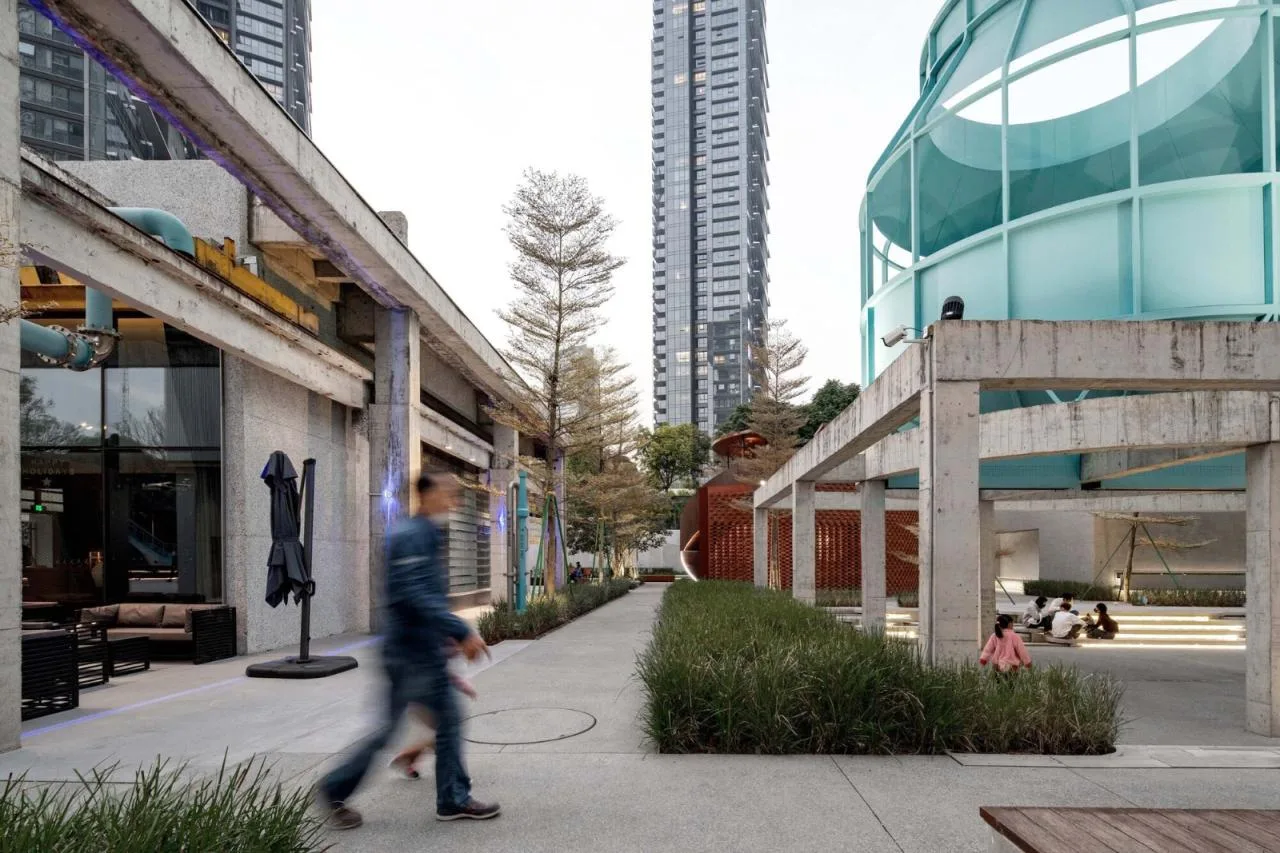
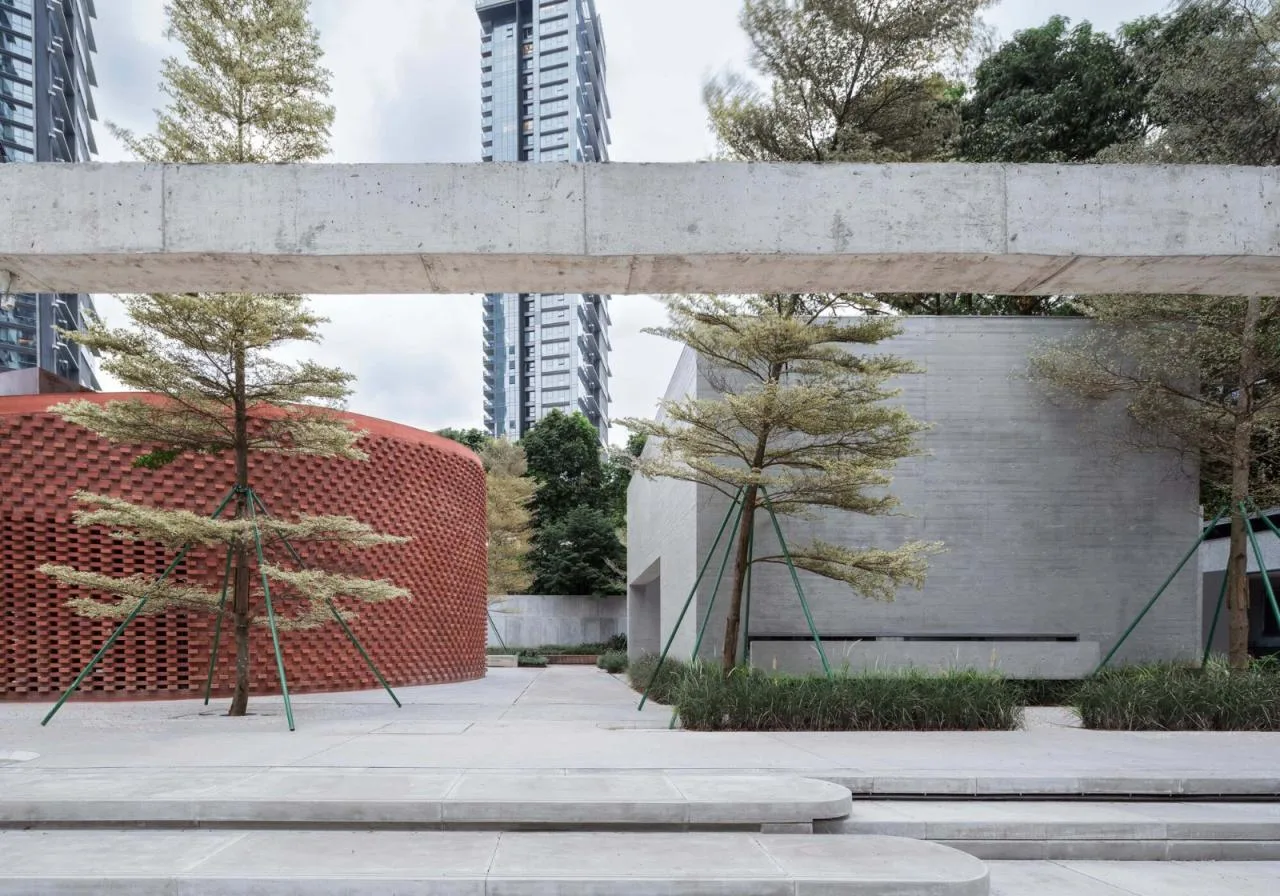
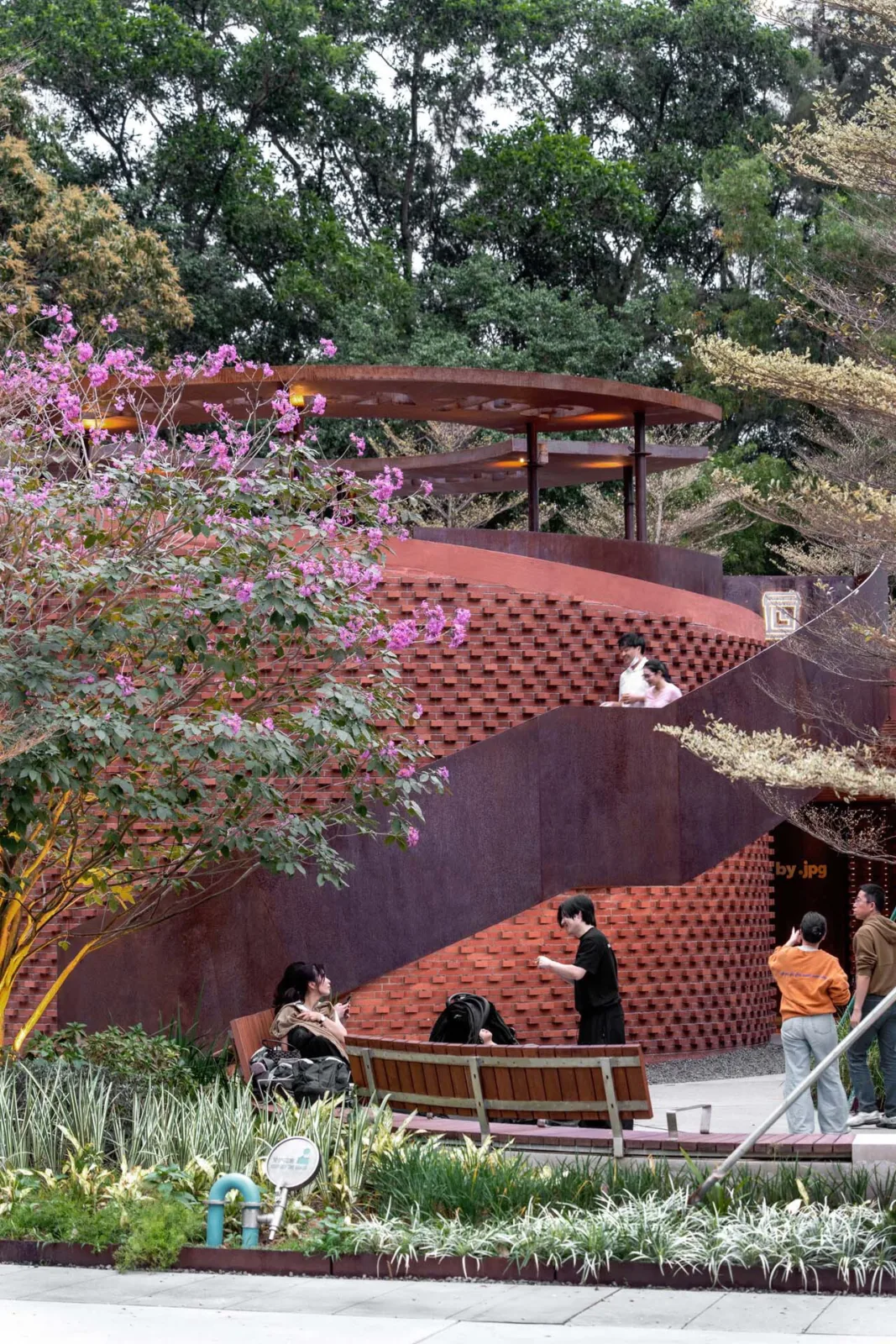
The Red Brick Workshop (#5), located at the heart of the North District’s Cool Park, was originally a circular red brick reservoir. Renovation added a curved entrance wall and an external circular stainless steel staircase, transforming the first floor’s interior, exterior, and roof into one continuous organic space, creating a distinctive sense of place.
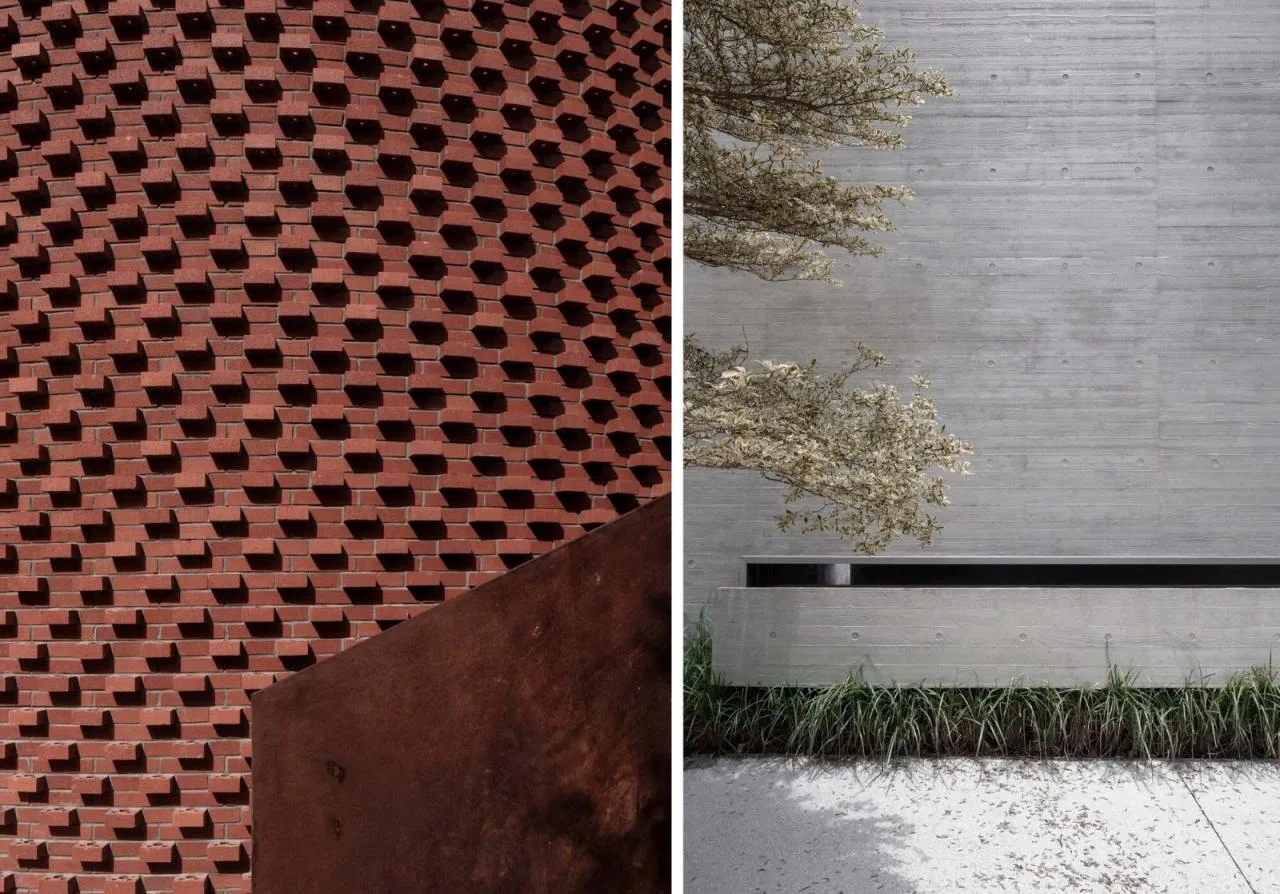
The exterior facade features porous red ceramic tiles that restore the building’s original architectural form, tracing the origins of the “new” while rekindling the site’s spirit.
The artist’s studio (#3) centers its design around “light.” Two inclined walls were added on the south and north sides of the original structure. The south side includes recessed high windows that introduce natural light while maintaining studio privacy.
The transformation from Huazhong Power Plant to the O • POWER Cultural and Art Center symbolizes a journey from a “material power plant” to a “spiritual electric field.” By shaping spaces thoughtfully and empowering places, the project aims to turn industrial heritage structures from passive witnesses of urban growth into active participants and cultural leaders.
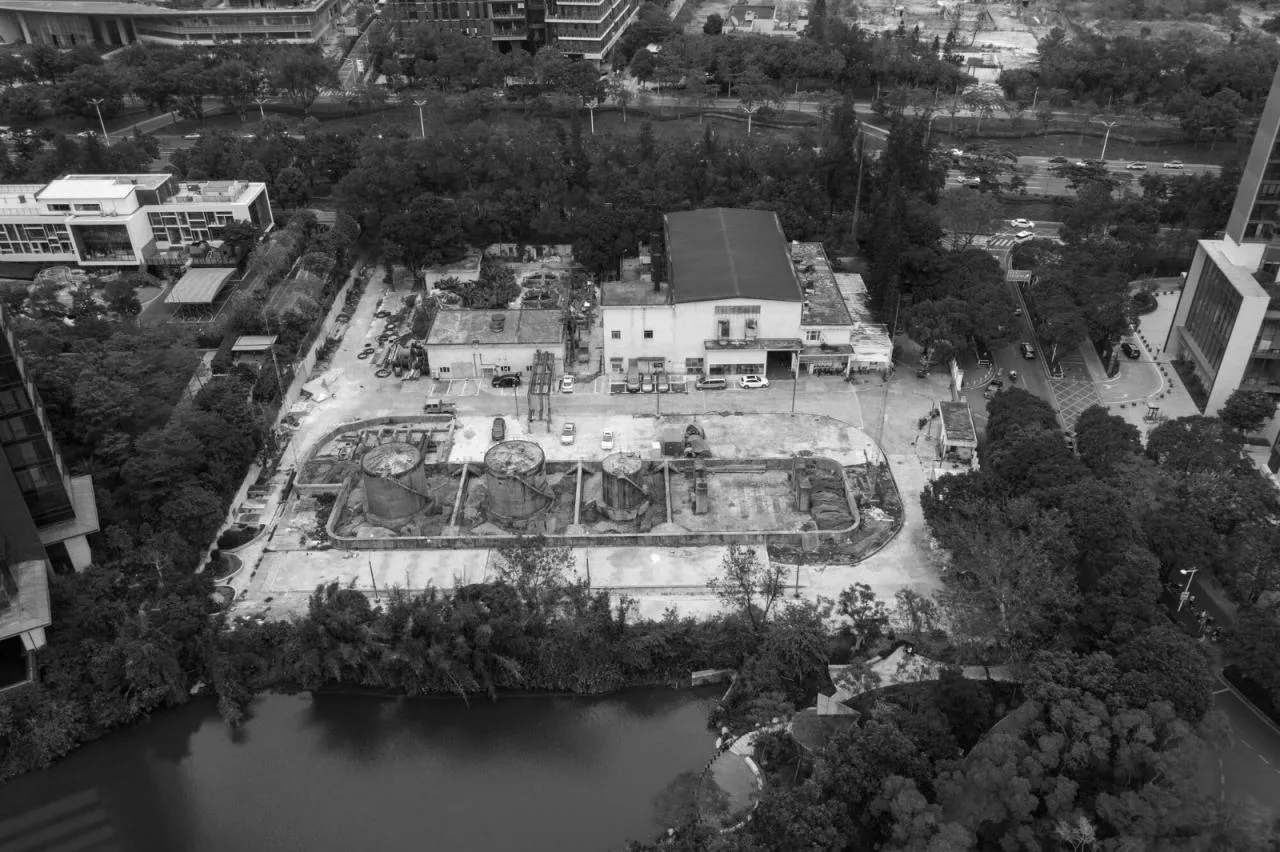
Before the renovation
Project drawings
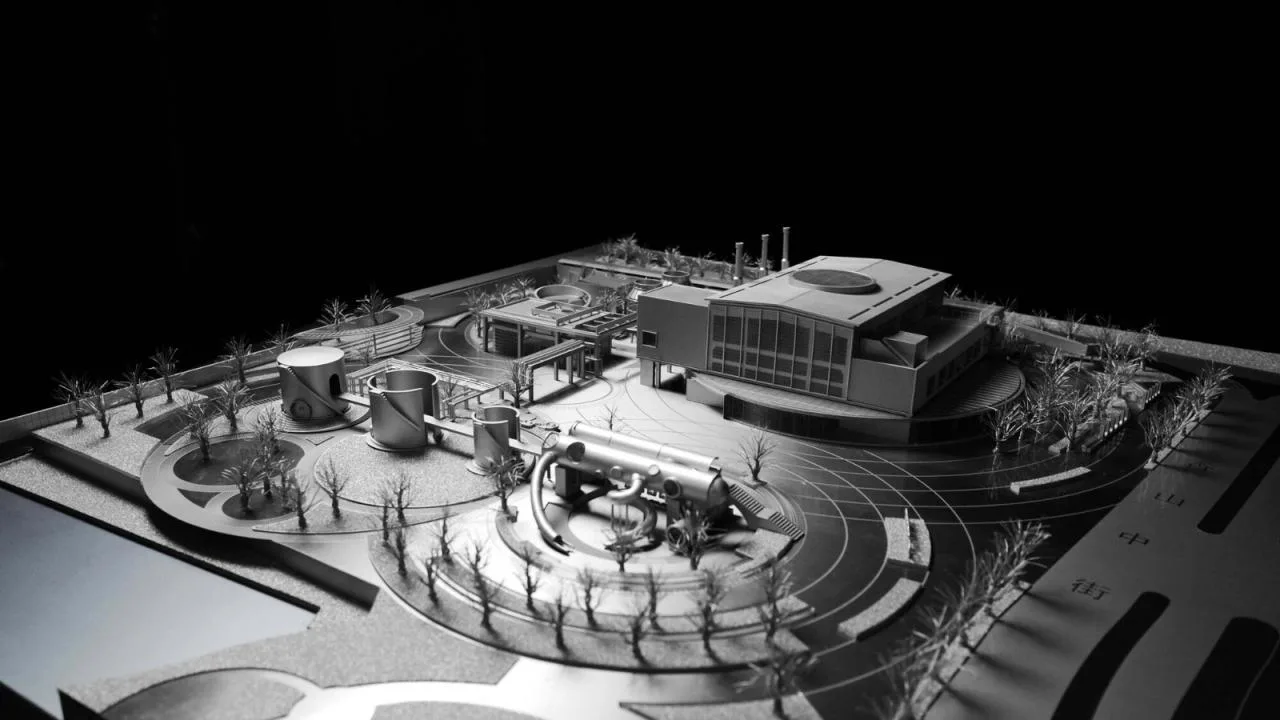
△ Model diagram
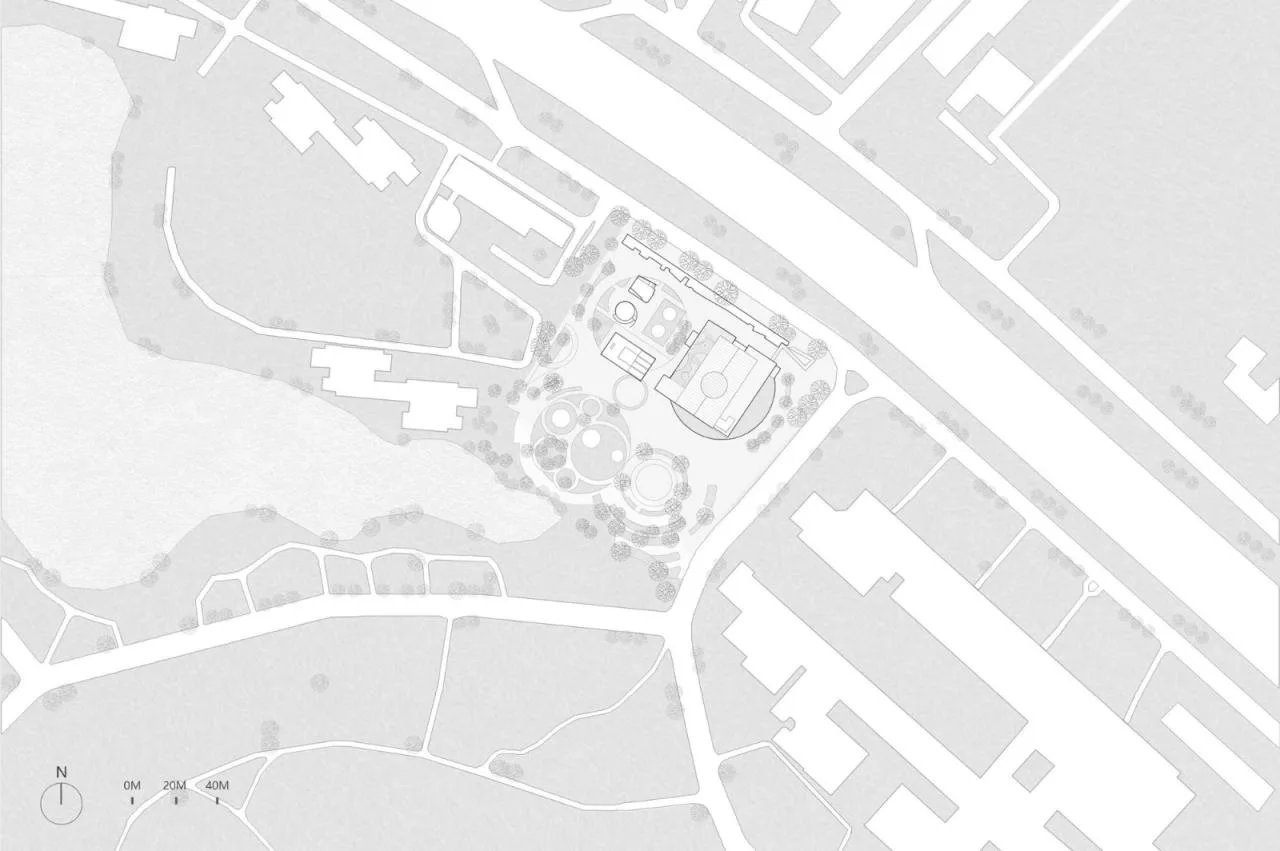
△ Base schematic diagram
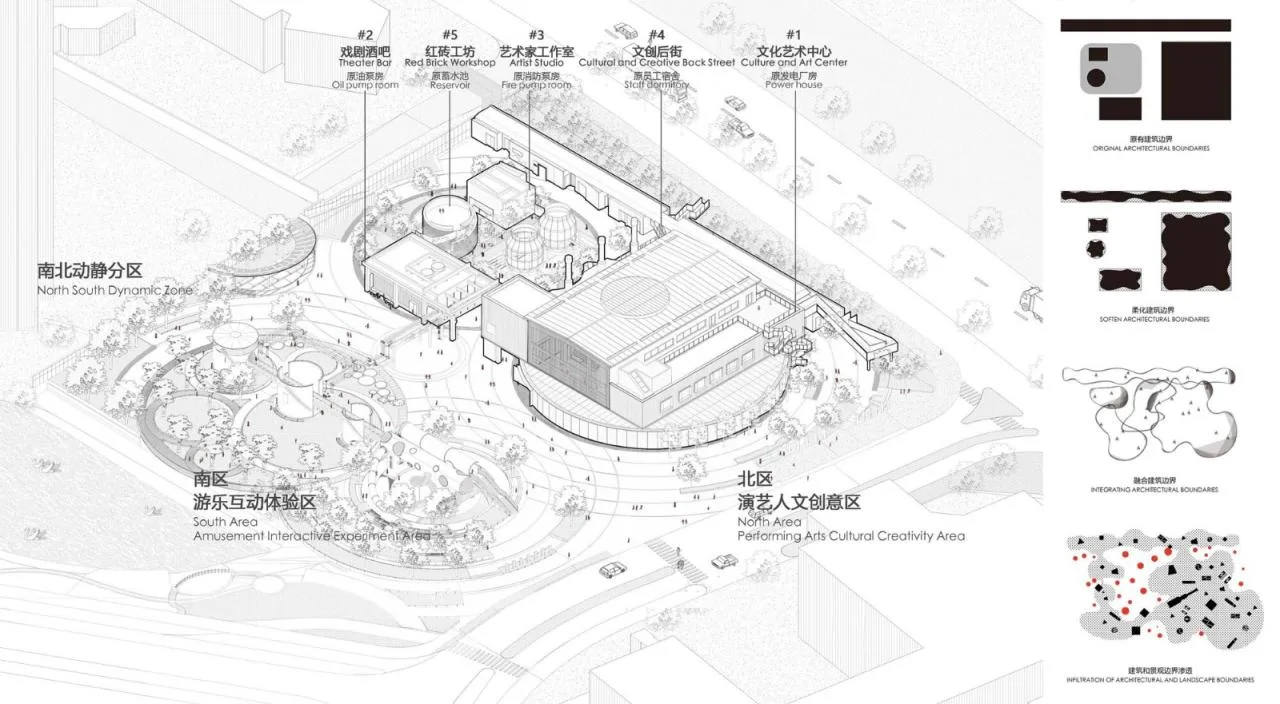
△ Functional zoning diagram
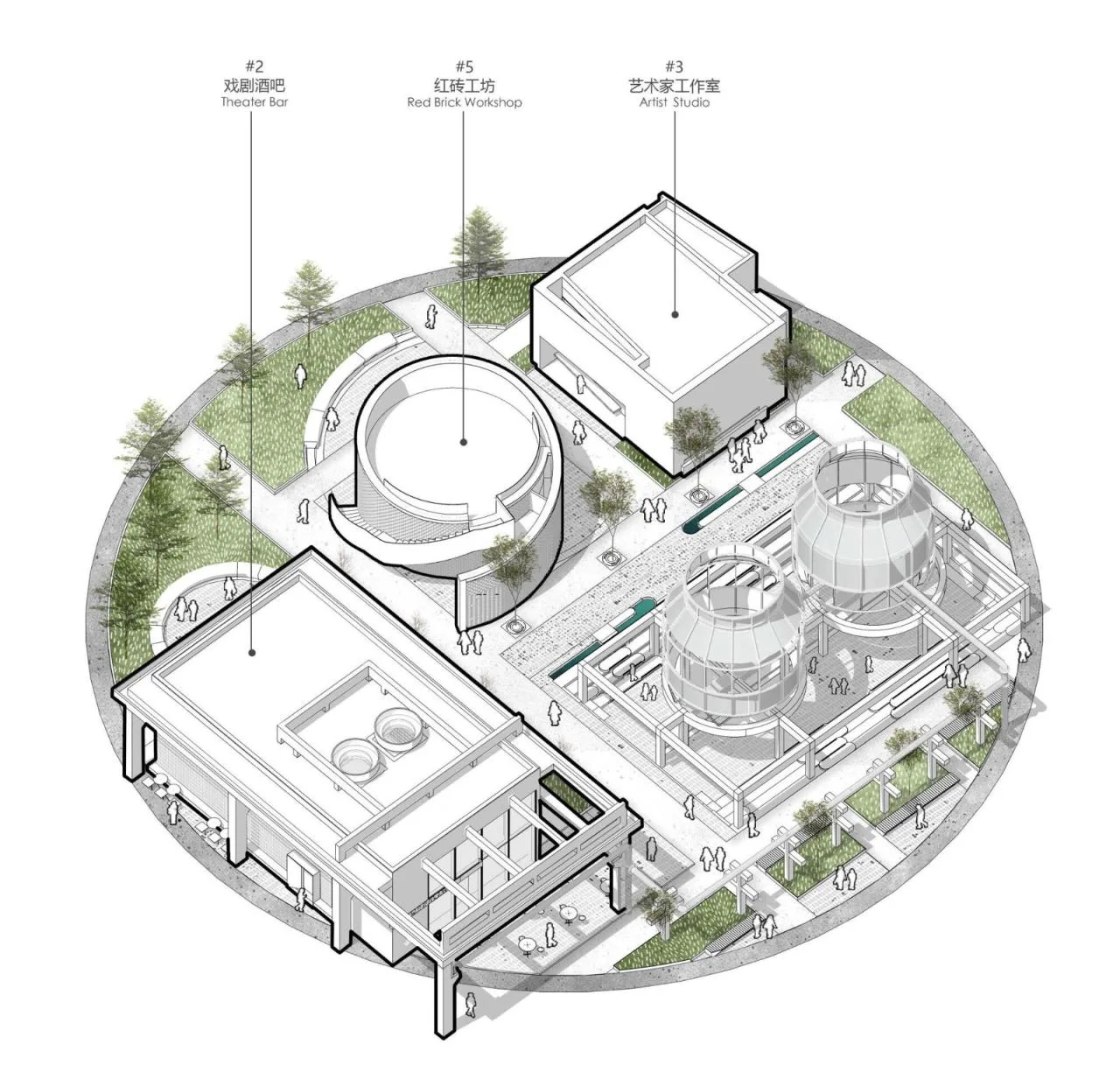
△ Axonometric diagram
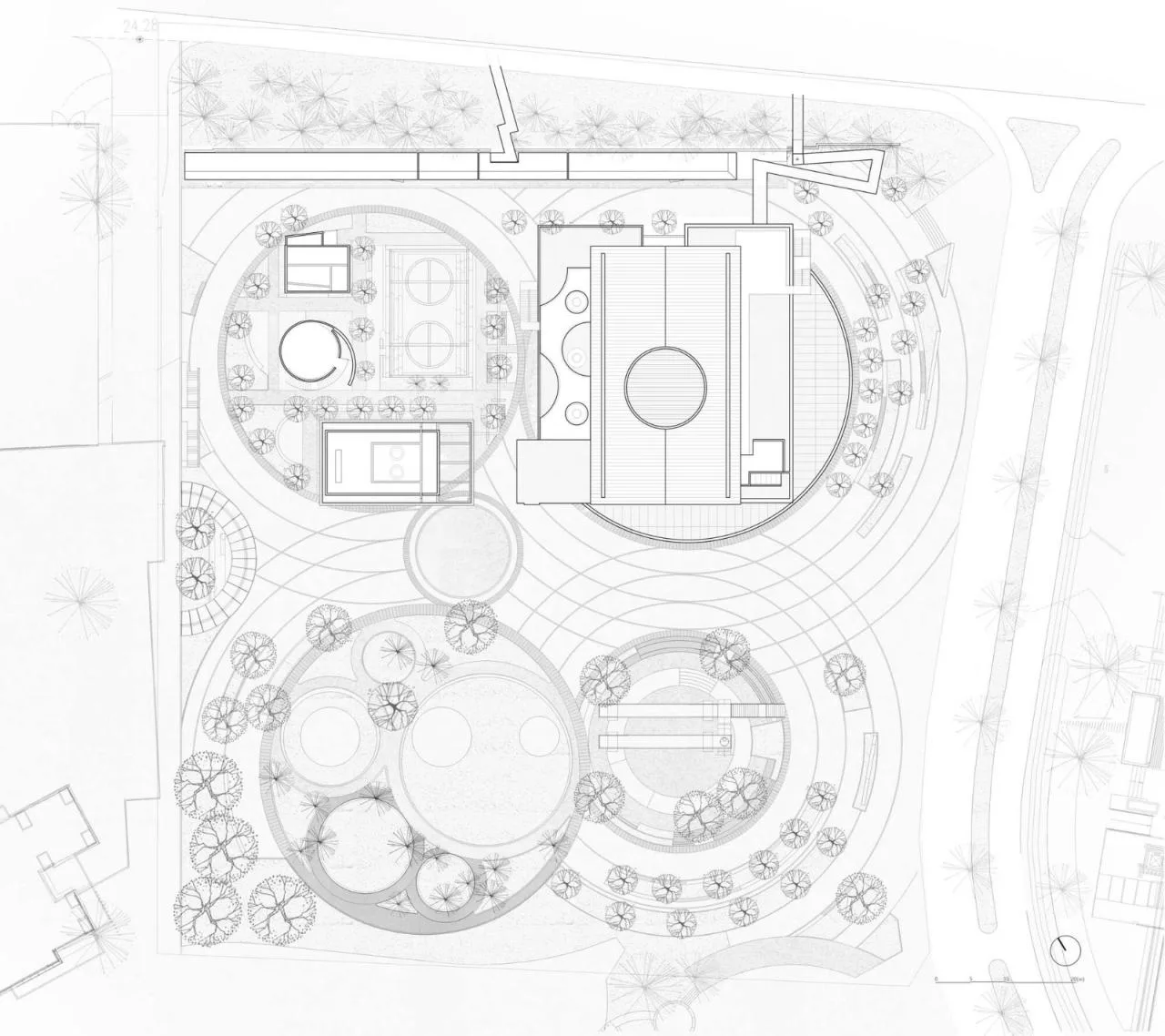
△ General layout plan
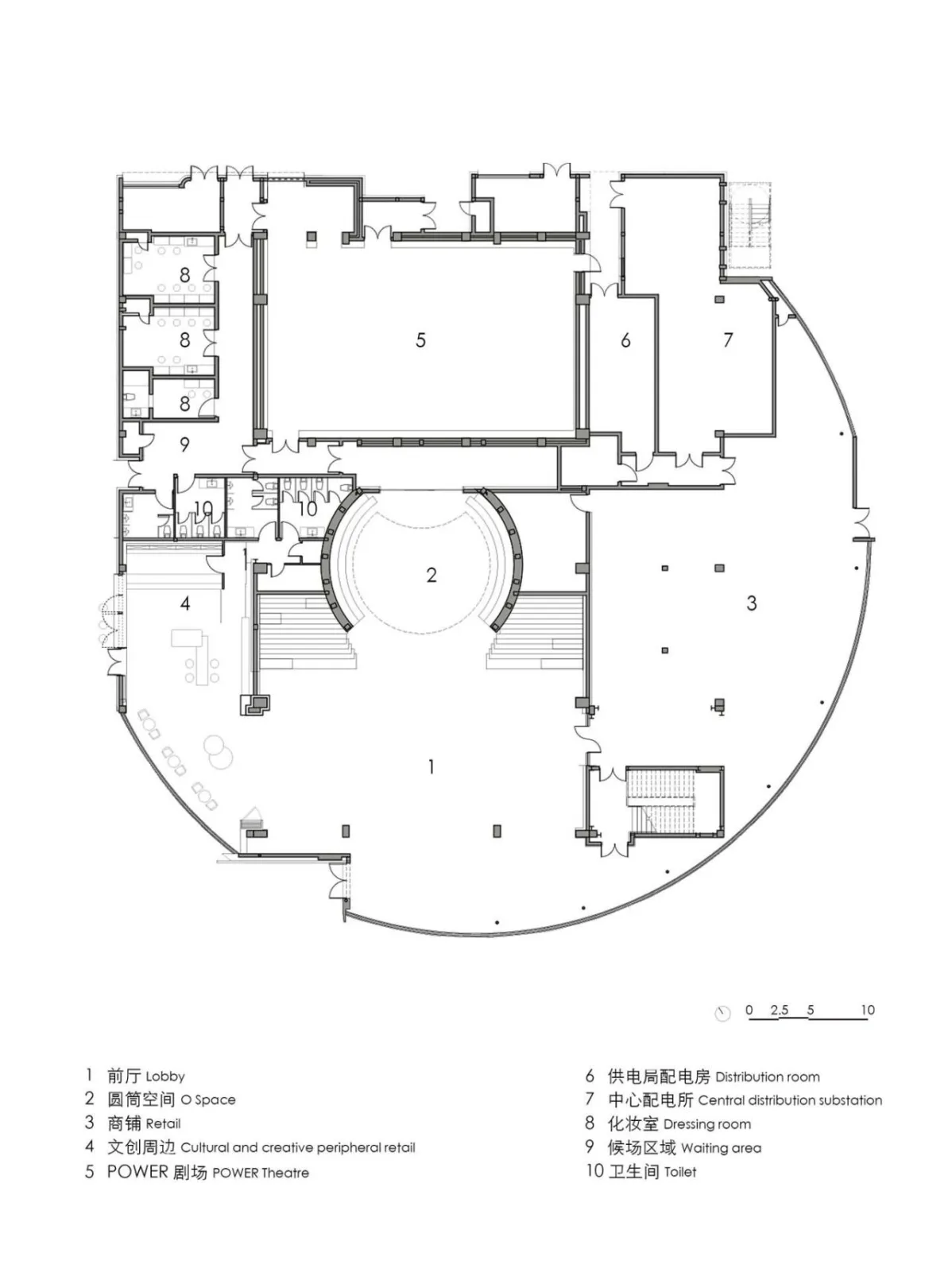
△ First floor plan
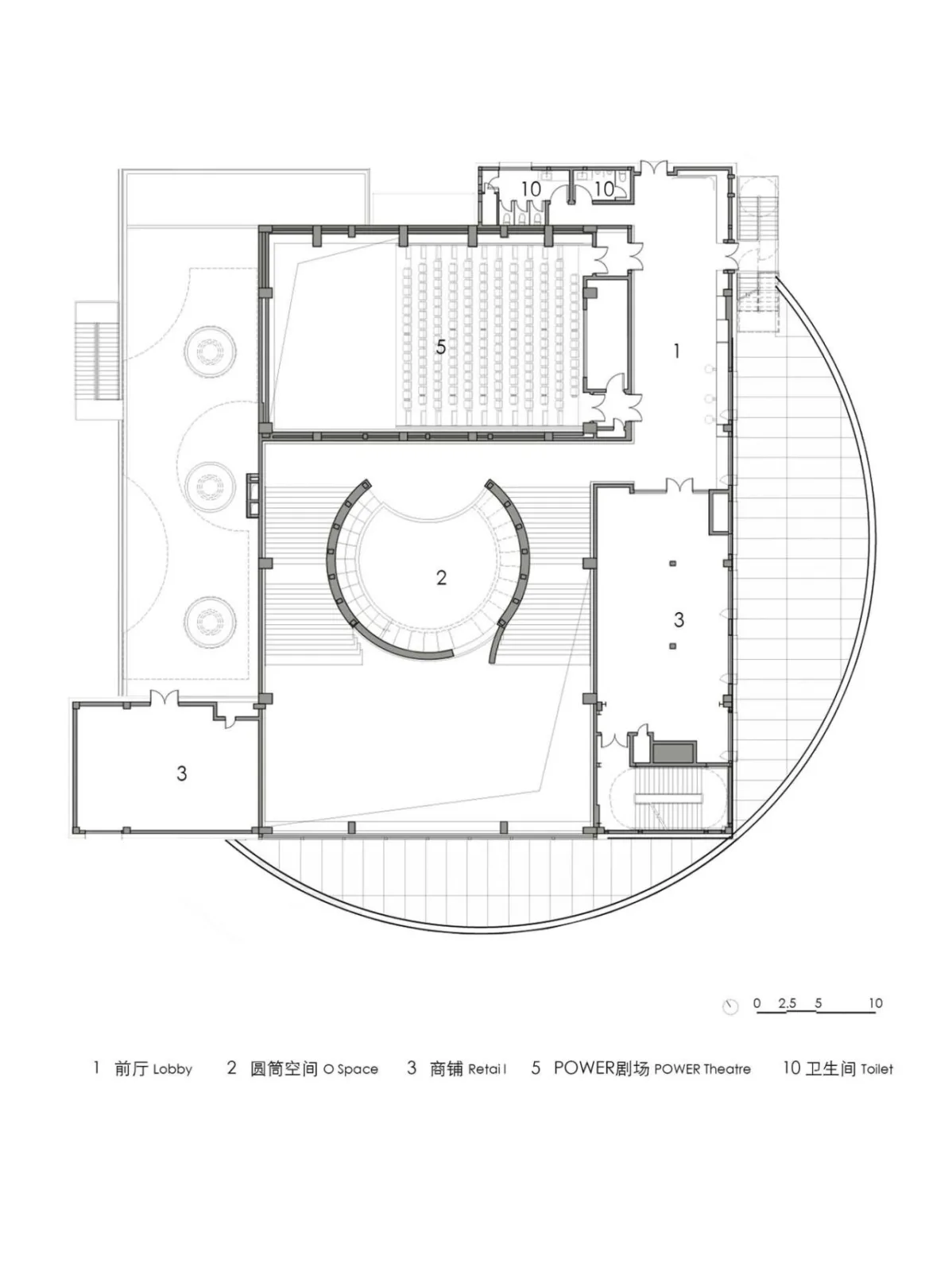
△ Second floor plan
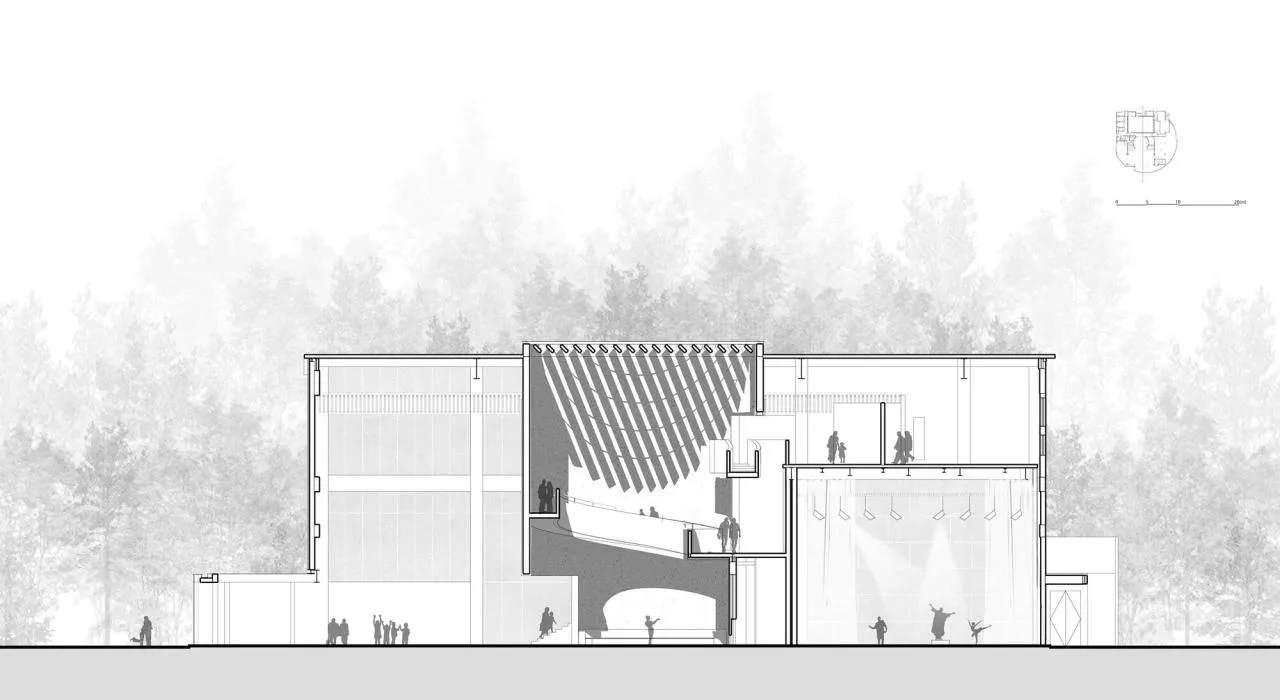
△ Section diagram
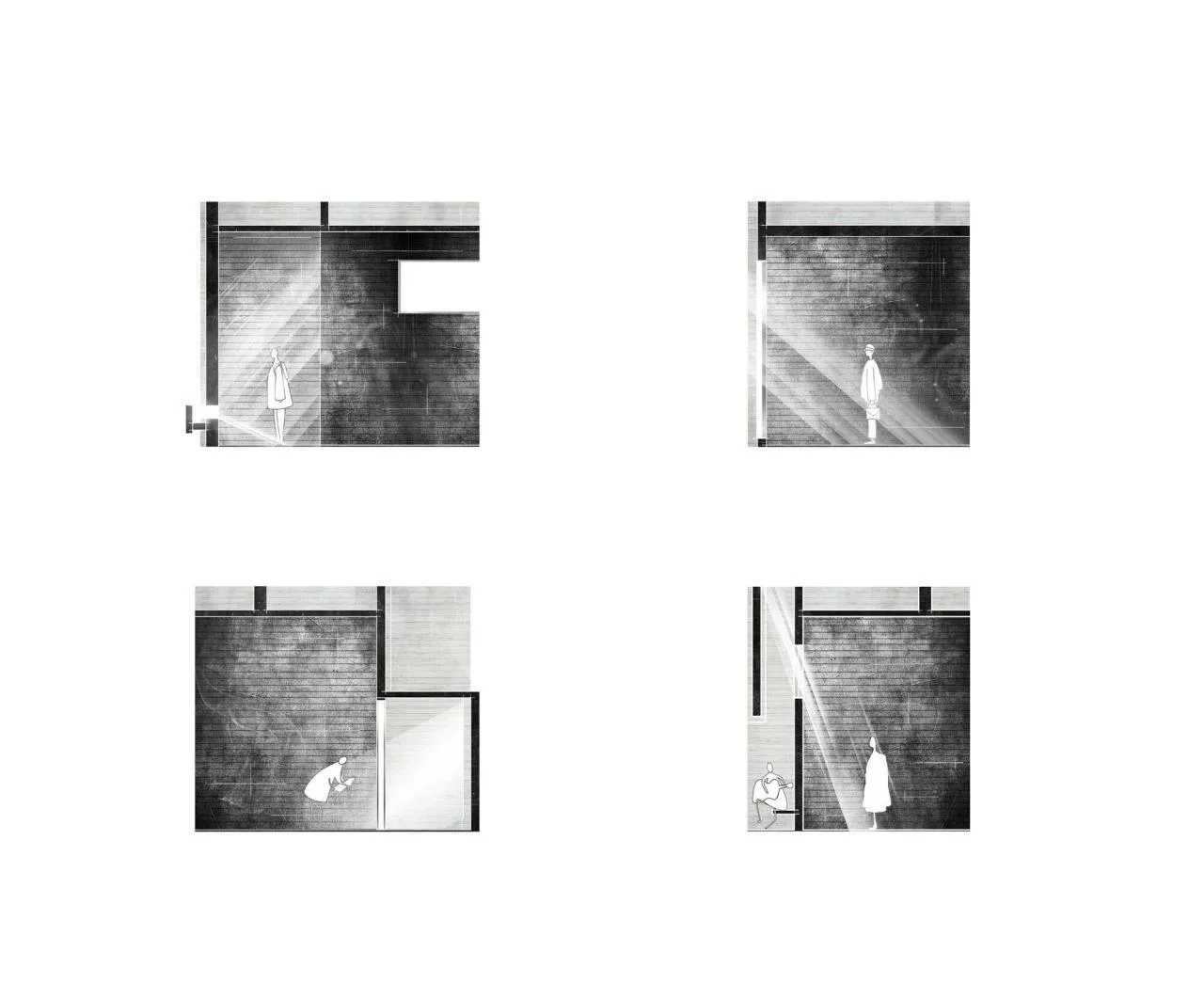
△ Partial sectional view
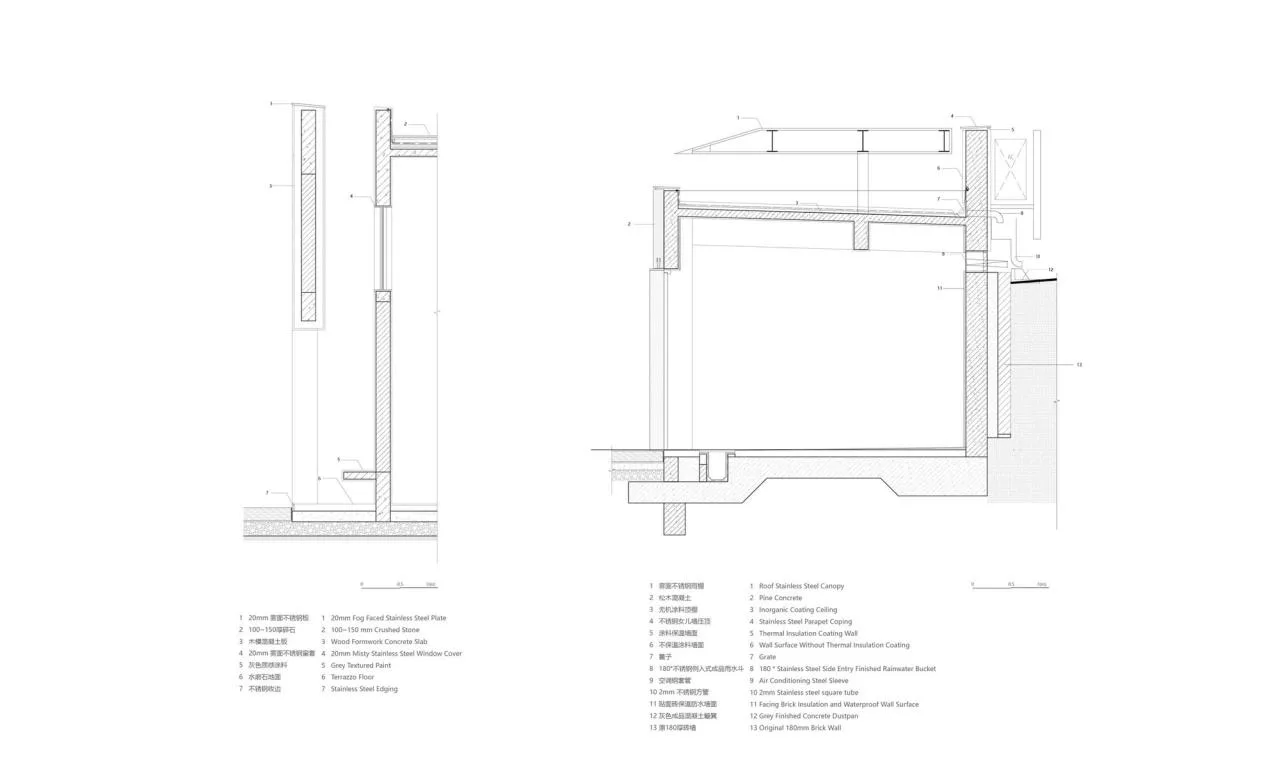
△ Detailed structural drawing
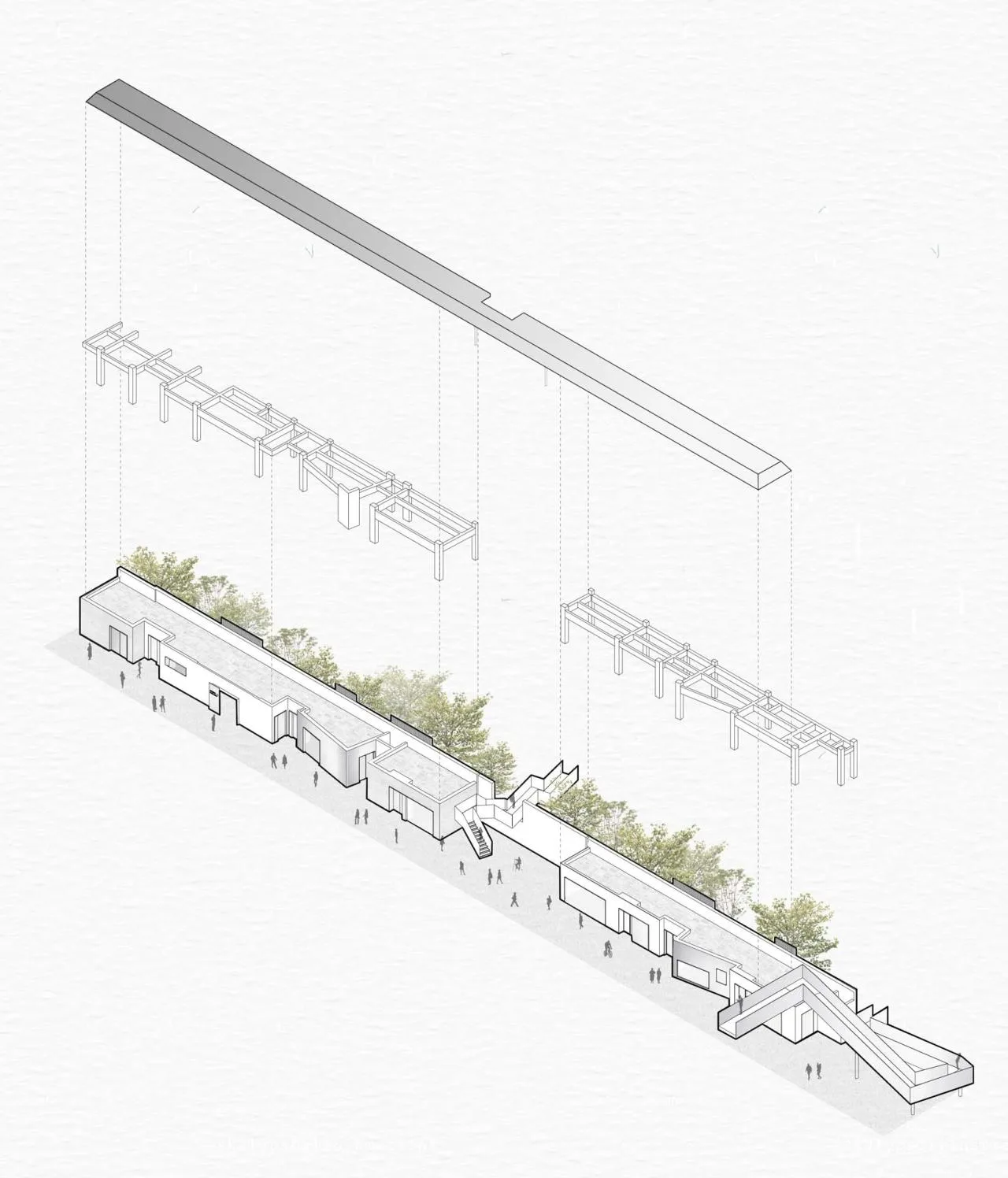
△ Explosion diagram
Project Information
Architect: Shenzhen Huahui Design
Area: 3,670 m²
Project Year: 2022
Photographer: ZC Architectural Photography Studio
Manufacturers: Shanghai Yirong Metal Materials Co., Ltd., Yalu, Yixing Kaihua Ceramics
Lead Architect: Xiao Cheng
Project Architect: Mai Ziyun
Design Team: Fu Yiling, Dai Jiajia
Structural Design: Xu Mu, Zhao Tingting, Li Changfa
Landscape Design: Lab D+H SH
Interior Design: Shenzhen Huahui Design X+STUDIO
Interior Design Deepening: Wenge Space Design (Shenzhen) Co., Ltd
Structure & Mechanical and Electrical Engineering; Construction Drawing Design: Shenzhen Zongjian Architectural Design Co., Ltd
Architectural and Interior Floodlight Design: Beijing Yuanzhan Lighting Design Co., Ltd
Curtain Wall Design: Shenzhen Pengge Curtain Wall Design Consulting Co., Ltd
Architectural and Interior Signage Design: essential design
Construction Party: Shenzhen Overseas Chinese Town Cultural Property Investment Co., Ltd
Principal: Overseas Chinese Town South China Investment Co., Ltd
Location: Shenzhen















Must log in before commenting!
Sign Up