
Since the introduction of BIM (Building Information Modeling) in China, its development has evolved significantly. Initially focused primarily on design, BIM now extends throughout the entire building lifecycle, including construction and operation phases. In recent years, an increasing number of construction companies in China have embraced BIM, demonstrating a growing trend in its application. Today, let’s explore the key benefits BIM offers to construction companies.
Benefit 1: Clear Understanding of Design Intent
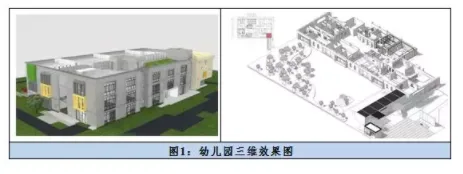
In traditional CAD workflows, the quality and skill levels of construction personnel can vary greatly. The complexity of 2D drawings demands a high level of professionalism, which often leads to misunderstandings between designers and builders. BIM addresses this by creating 3D models that convert technical drawings into visual, easy-to-understand representations. These models include detailed component information and attributes, helping construction teams better interpret engineering data and design intent. This clarity enables early detection of design issues and facilitates smoother communication and negotiation between all parties involved.
Benefit 2: Reduced Construction Risks
BIM allows for construction and dynamic simulations before actual work begins. By visualizing the construction process in advance, teams can identify potential challenges and critical points early on, enabling better planning. This proactive approach ensures smoother construction progress, minimizing uncertainties and unforeseen problems. Additionally, simulating the construction site improves material placement management, enhances equipment usage efficiency, and increases on-site safety—ensuring that technical measures are feasible, safe, rational, and optimized.
Benefit 3: Comprehensive Understanding of Construction Details
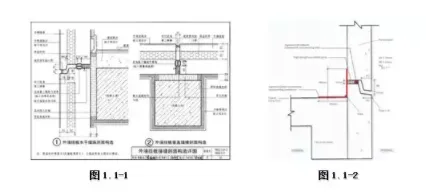
Traditional 2D drawings often struggle to convey detailed construction information, leading to misinterpretations and underutilization of design documents. BIM’s visual models integrate information from all parties on a collaborative platform, significantly improving communication efficiency. The construction team can then further enrich the design model to include detailed descriptions of construction methods, processes, and other specifics. Using construction simulation, these details can be demonstrated in advance, providing clear and practical guidance to on-site workers.
Benefit 4: Increased Factory Prefabrication
BIM models offer precise component information, enabling one-to-one input for detailed fabrication drawings. This accuracy reduces the need for on-site adjustments and helps maintain high-quality standards during component processing.
Benefit 5: Enhanced Management Practices
By expanding BIM’s 3D visualization with 4D (time) and 5D (cost) models, construction projects gain advanced tools for tracking progress, controlling costs, and managing other essential aspects. BIM supports load calculations, material tracking, and quality inspections throughout the construction phase, improving overall project management.
In summary, BIM provides numerous advantages to construction companies, from better understanding design intent to improving safety and management efficiency. While these are some of the key benefits, BIM’s potential extends further—such as accumulating valuable experience and enhancing decision-making efficiency. For those interested, there is much more to explore and discuss about BIM’s role in China’s construction industry.














Must log in before commenting!
Sign Up