
As investors and project fund operators, owners aim to inject capital to achieve greater returns in the future. Their primary concern is how to leverage various tools and methods to maximize project benefits. Traditional models, with their high costs and outdated management approaches, have caused frustration among owners. However, the emergence of Building Information Modeling (BIM) offers a fresh direction to explore. Today, let’s discuss how business owners utilize BIM.
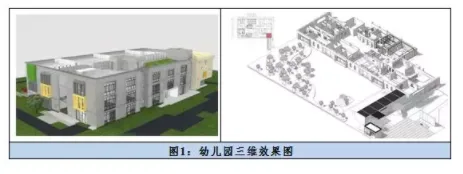
BIM, or Building Information Modeling, transforms traditional CAD drawings into detailed 3D visual models. Unlike traditional 3D visualizations created with software like 3D MAX, BIM models not only showcase visual effects but also incorporate the internal components of a building—such as doors, windows, beams, and ceilings—alongside their physical information. These models include detailed properties like dimensions, thickness, and even unit prices. By integrating BIM tools, owners gain comprehensive information about construction projects, even without professional construction expertise. Specifically, BIM offers the following benefits:
1. BIM Provides Visual Investment Solutions for Owners
With BIM’s visualization capabilities, owners can clearly see the specific functions of the project. Through BIM-based planning and energy consumption analyses, they can assess whether the design aligns with their vision and understand the project’s core characteristics. This enables them to develop informed investment strategies. Additionally, progress and cost simulations within BIM models allow owners to monitor expenditures and project status at each stage, facilitating effective fund allocation to meet initial investment goals.
2. BIM Enhances Visual Project Management for Owners
During the design phase, BIM visualization helps owners identify and resolve design issues early, preventing errors caused by miscommunication with designers. Throughout construction, dynamic simulations provide real-time insights into progress and status. Construction simulations and site management demonstrations give owners a clear understanding of site layout and critical construction points. This enables them to adjust schedules and budgets at each project stage, eliminate information gaps, and improve collaboration efficiency.
3. BIM Supports Visual Property Management for Homeowners
Once the project is completed, the BIM model contains extensive information about engineering components and their attributes, including hidden elements. This wealth of data forms a solid foundation for property management. Instead of relying on traditional CAD drawings and Excel spreadsheets, property management teams can use BIM to continuously monitor equipment status, material installation, and other operational documents. This not only streamlines ongoing property management but also provides valuable historical data for future renovations, expansions, or maintenance.
In summary, what role does BIM play for business owners? As discussed, BIM offers significant advantages, especially for owners who are at the top of the construction project chain. They experience the benefits of BIM more directly than designers or contractors. When BIM implementation is driven by owners, it also greatly supports the broader adoption and development of BIM technology in the industry.














Must log in before commenting!
Sign Up