
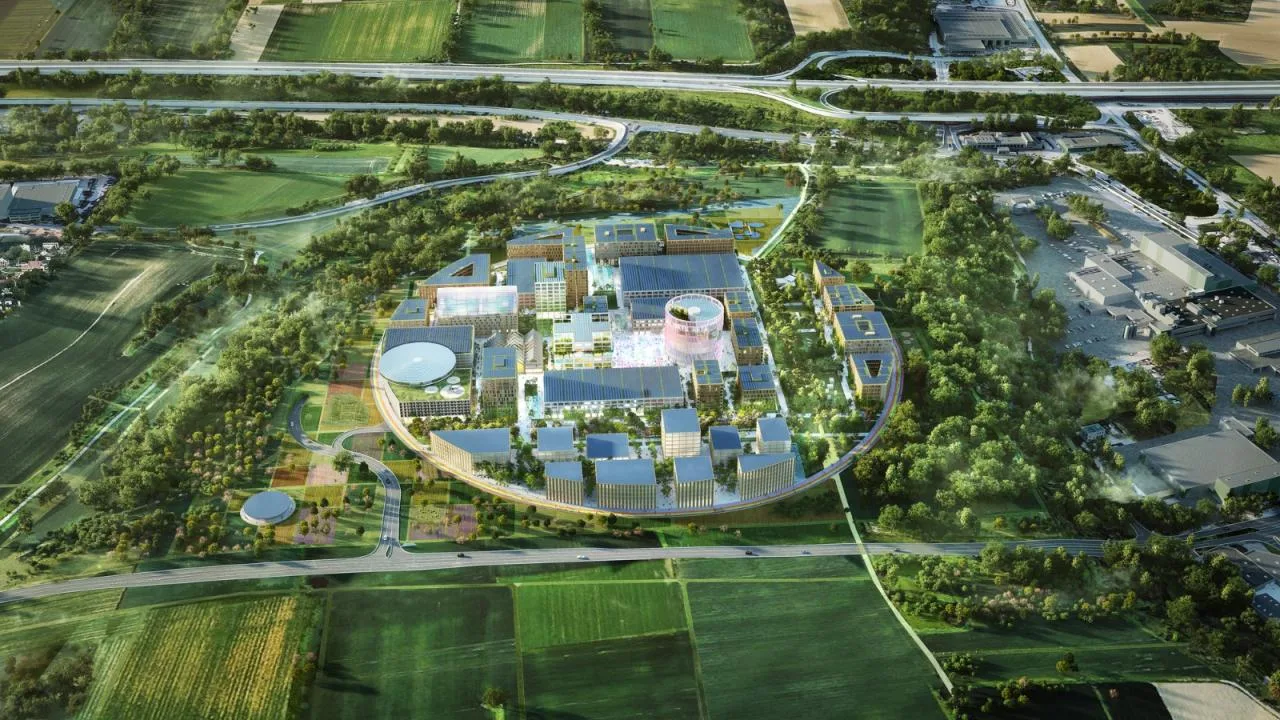
MVRDV has emerged as the winner of the design competition for the Artificial Intelligence Innovation Park (IPAI) in Heilbronn, Germany. This park is set to become a global leader in artificial intelligence technology development. The design includes a mix of commercial laboratories, start-up innovation centers, residential spaces, communication hubs, and numerous amenities such as restaurants and kindergartens. Additionally, the plan incorporates interactive touchpoints, inviting curious visitors to experience these groundbreaking technological advancements firsthand and engage with the ideas behind them.
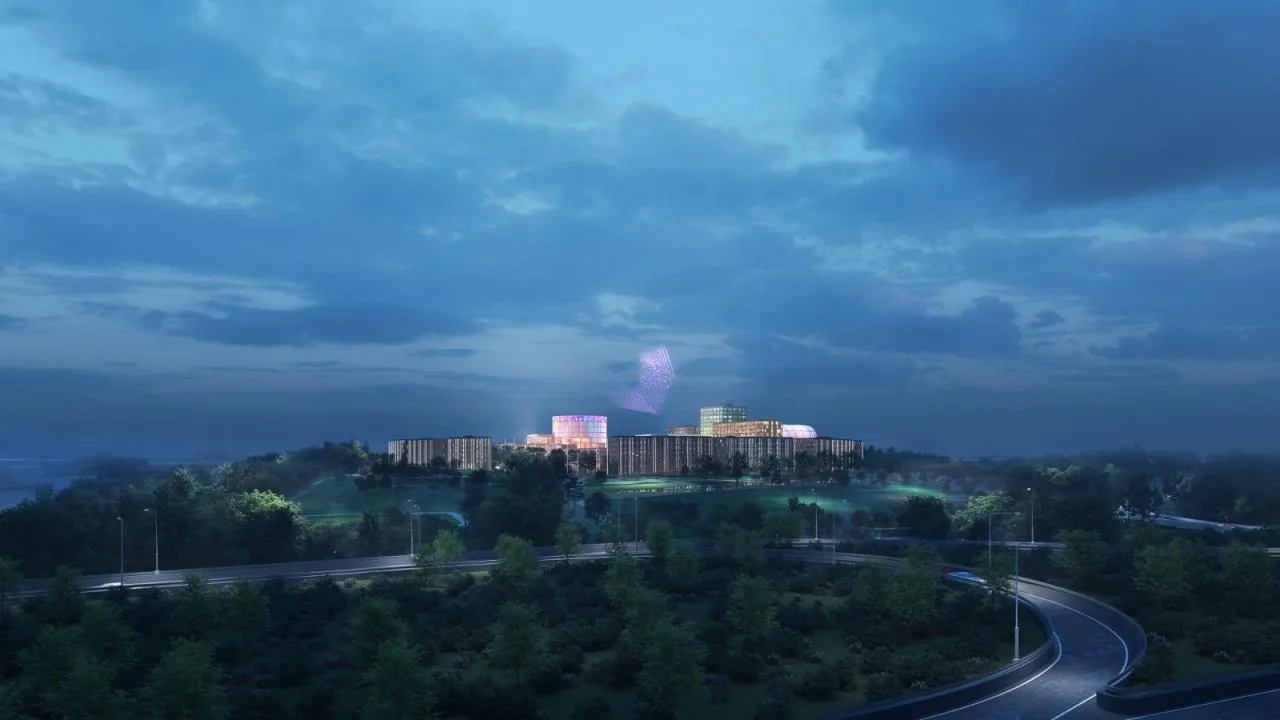
The competition was jointly led by the Heilbronn city government and the Dieter Schwarz Foundation. To create a prestigious and powerful park that rivals world-renowned technology hubs, MVRDV designed the master plan within a distinctive “circle.” This circular layout, spanning 1.2 kilometers in circumference, aims to make the IPAI park easily recognizable and visible even from satellite images. The circle includes features like a short runway, a skateboard park, and stands with guardrails and observation decks offering panoramic views of the surrounding landscape.
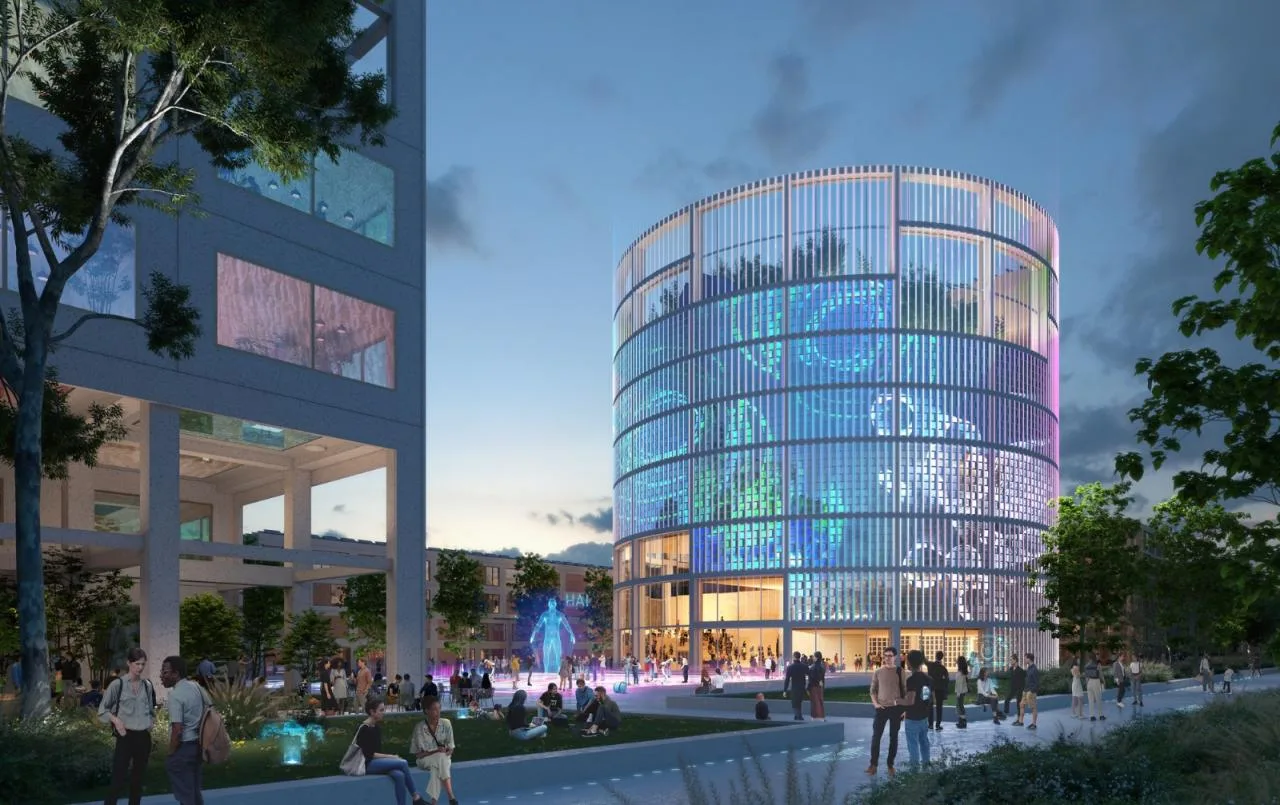
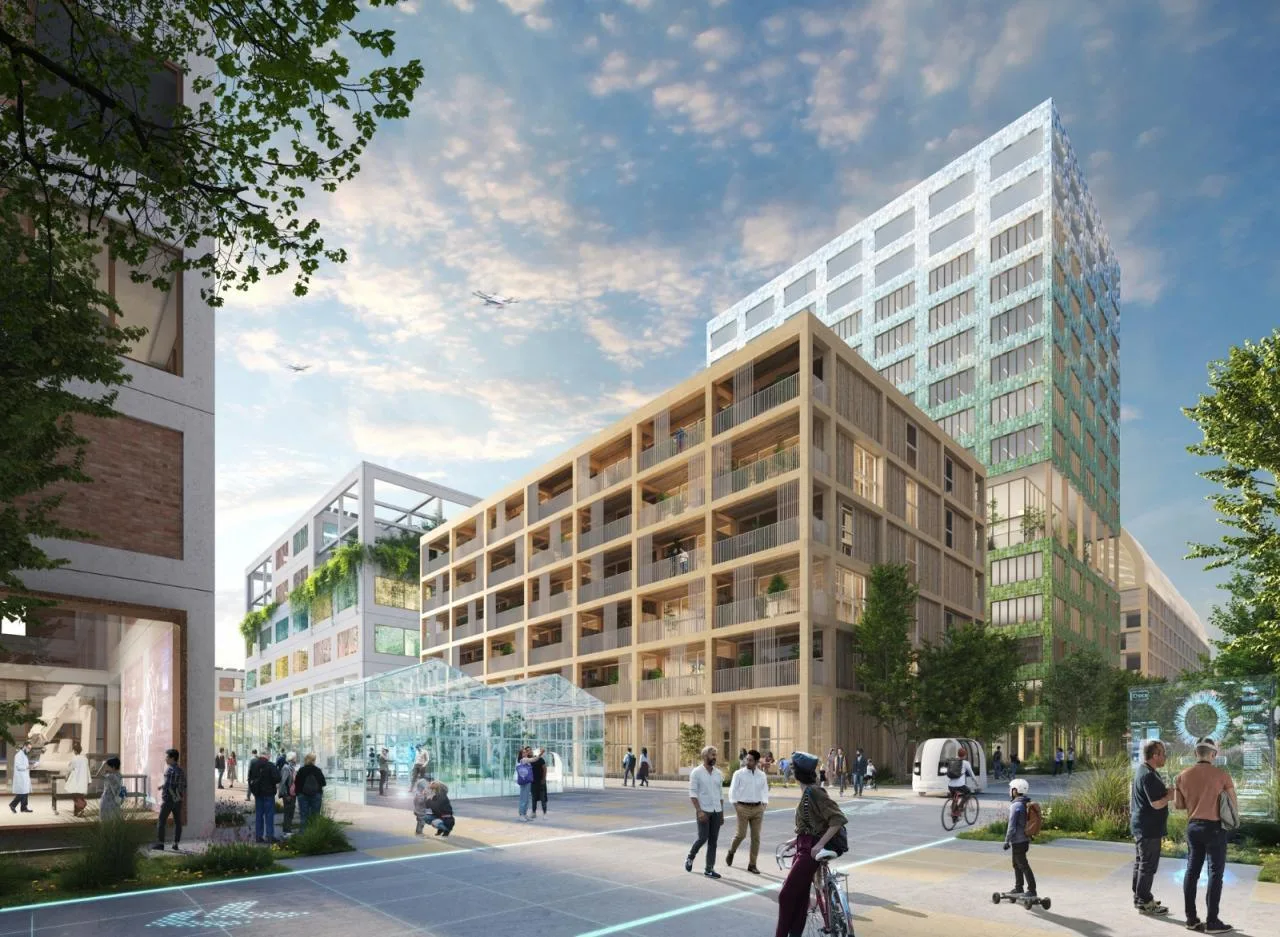
Within MVRDV’s overall plan, the buildings are designed as simple rectangular structures with a standard height of 27 meters. This approach allows for easy construction using modular grids and bio-based materials. A few distinctive buildings with unique shapes and greater heights create a striking skyline, setting the park apart from typical developments. For instance, the communication center is a cylindrical tower positioned at the heart of the park’s central square. It serves as a hub for public engagement, hosting events, exhibitions, conferences, visitor centers, and training facilities.
“Recent advances in artificial intelligence demand attention from all sectors of society. Through this design, we have created a tightly knit park that elevates AI to the international stage in a bold way, attracting top global talent. The welcoming and participatory atmosphere, along with the park’s highly recognizable form, make it a destination where people can actively engage with the future of this technology.” — Jacob van Rijs, Founding Partner of MVRDV
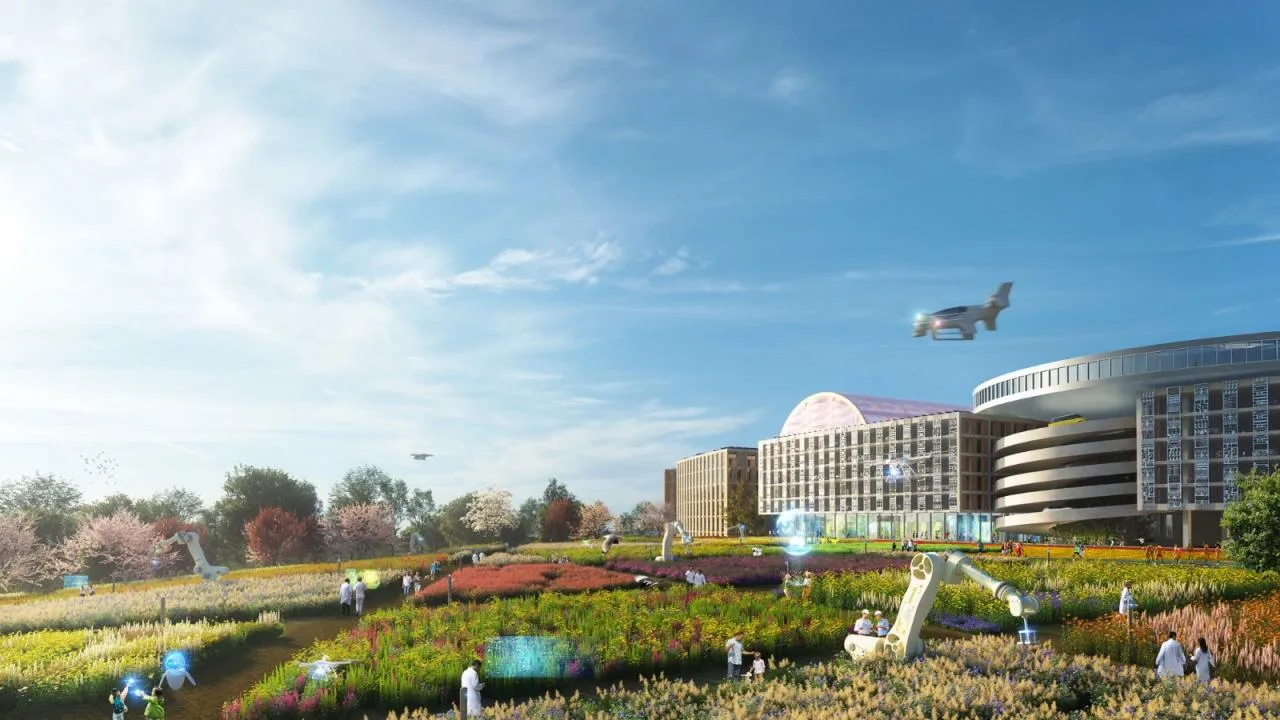
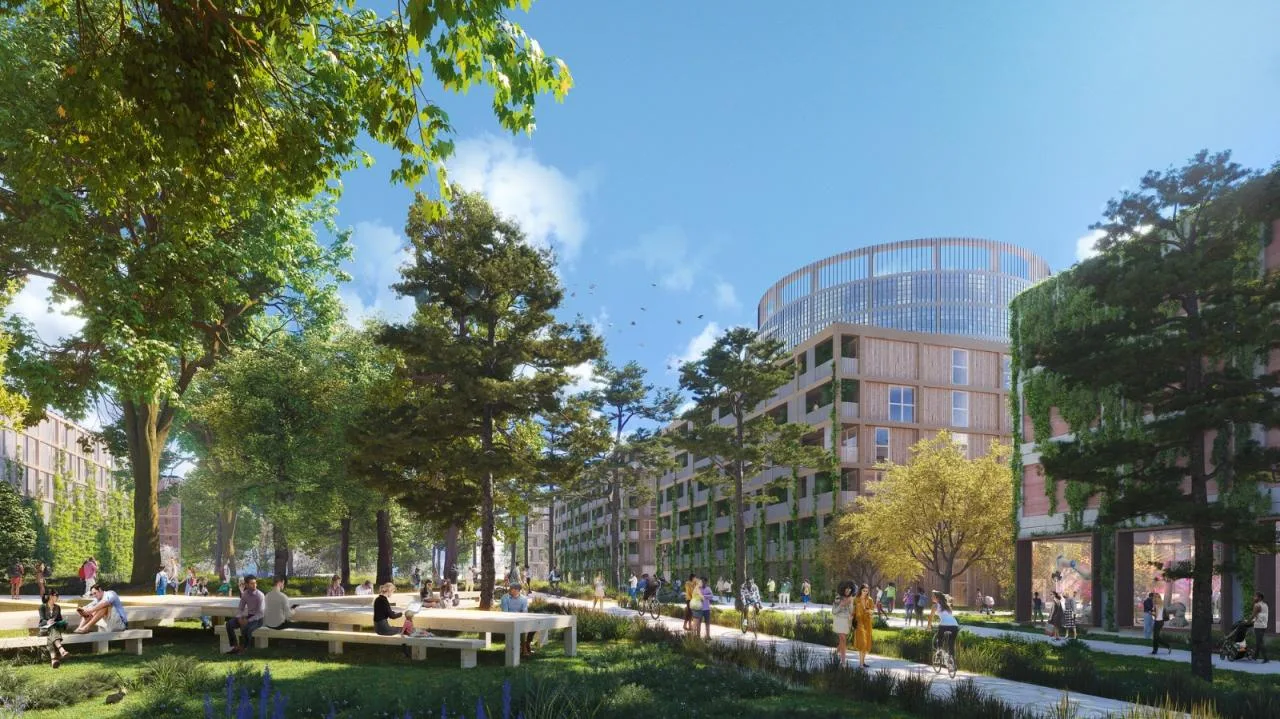
The park’s compact layout leaves substantial space for LOLA to implement parametric landscape design, enhancing the region’s existing natural features. Currently a grassland, the Heilbronn area will be transformed with forests, orchards, and grasslands serving as testing grounds for AI technologies focused on agriculture and biodiversity. These natural elements also reduce the campus’s carbon footprint, significantly increasing its carbon storage capacity.
During operation, the park will incorporate bioclimatic façades and energy-efficient building systems. Renewable energy will be generated onsite through wind turbines and solar panels, with energy stored in batteries and ground-based cold and hot storage facilities. Factoring in the carbon sequestered by landscape regeneration and the building materials themselves, the energy strategy aims to achieve full carbon neutrality throughout the park’s lifecycle.
Innovation centers have become vital hubs for nurturing and incubating new ideas through extensive experimentation. Earlier this year, Snøhetta partnered with MQDC to unveil Cloud 11, a large-scale complex in southern Bangkok, Thailand. Meanwhile, the United Arab Emirates announced plans to develop prominent agricultural tourism landmarks in Dubai to enhance food security and support sustainable local community development. Additionally, the new Agricultural Center will launch a research institution expected to create 10,000 jobs across various sectors. In Spain, BIG designed the Gastronomy Open Ecosystem, a food technology center dedicated to advancing the art and science of culinary innovation.
Project drawings
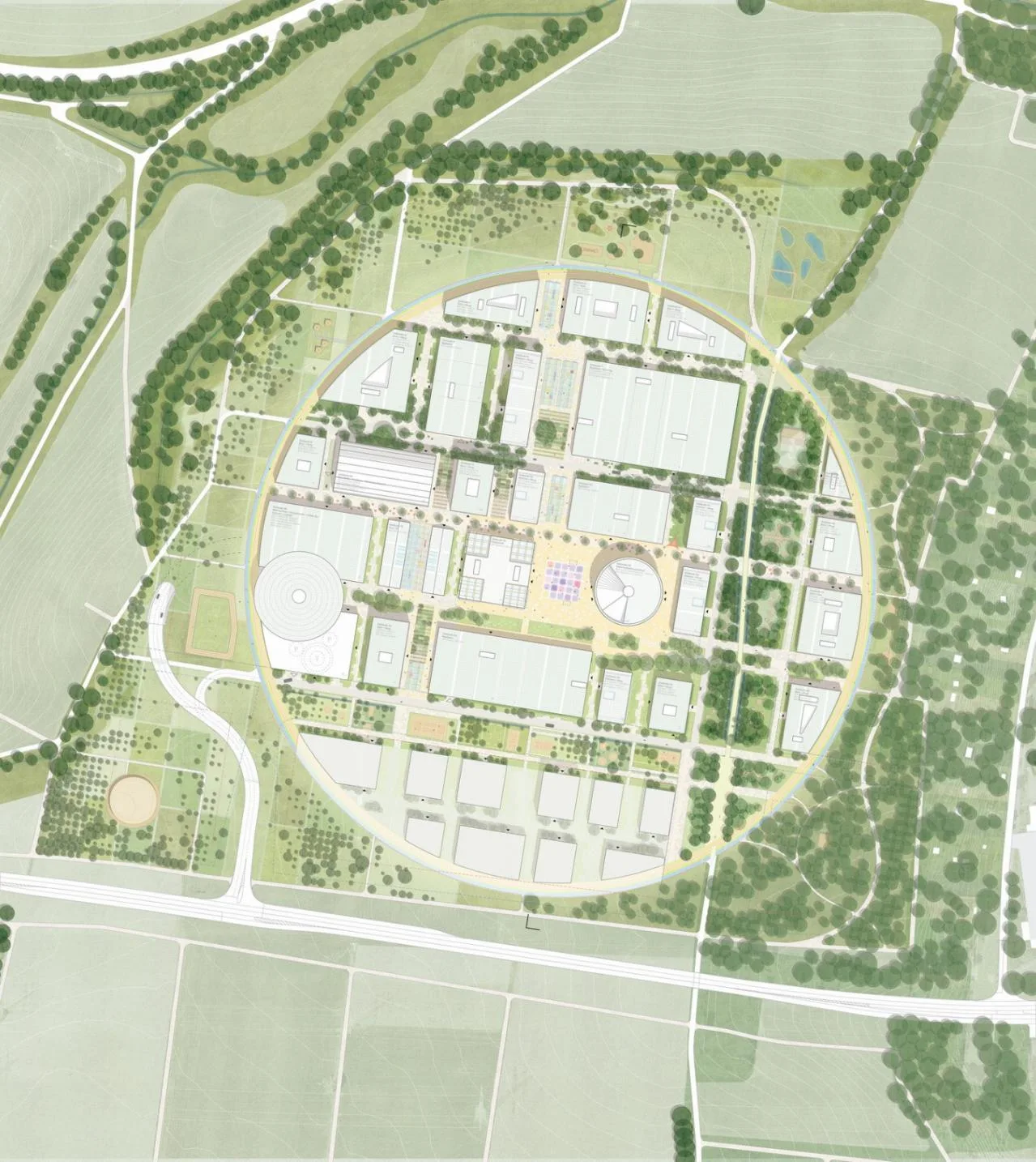
△ Master Layout Plan












Must log in before commenting!
Sign Up