
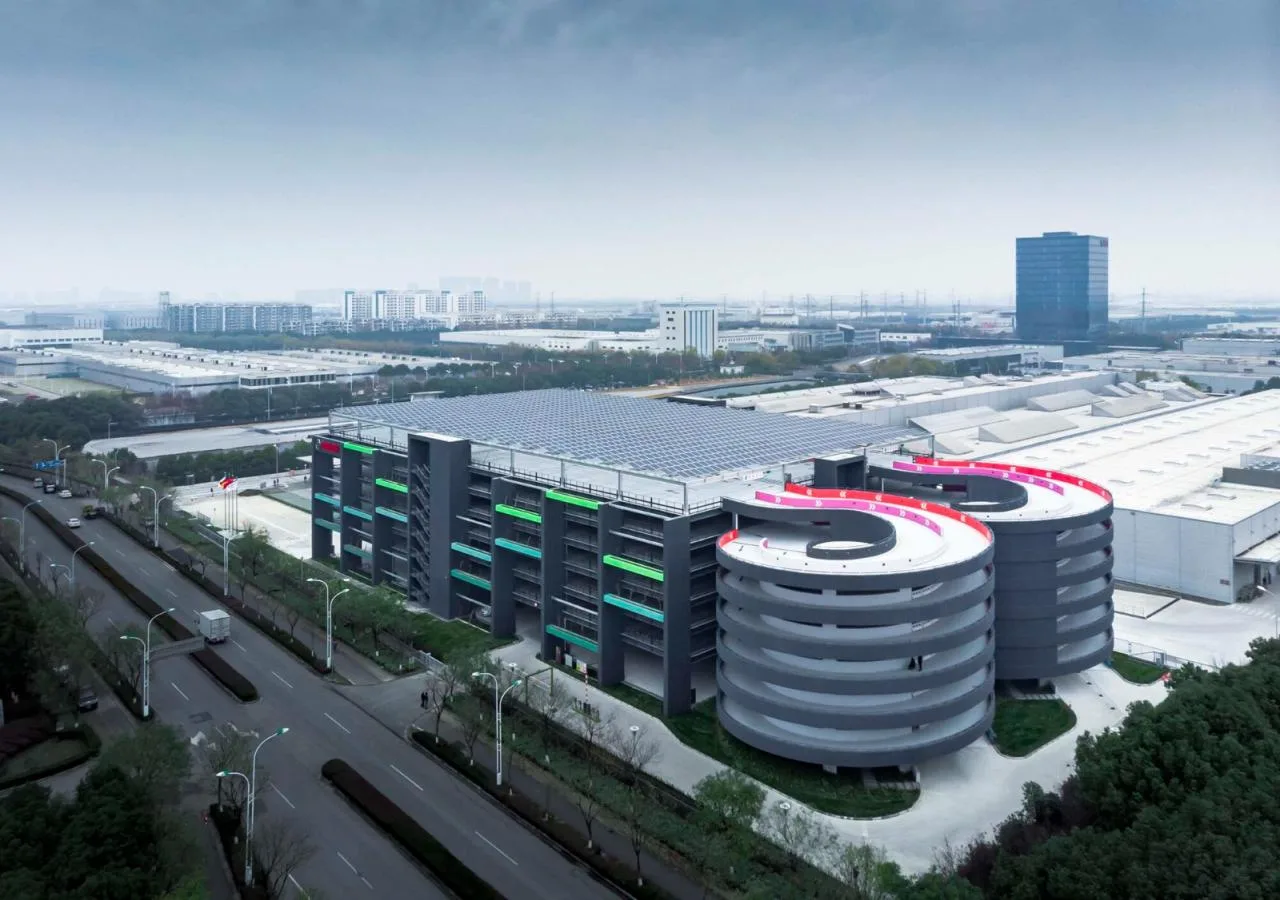
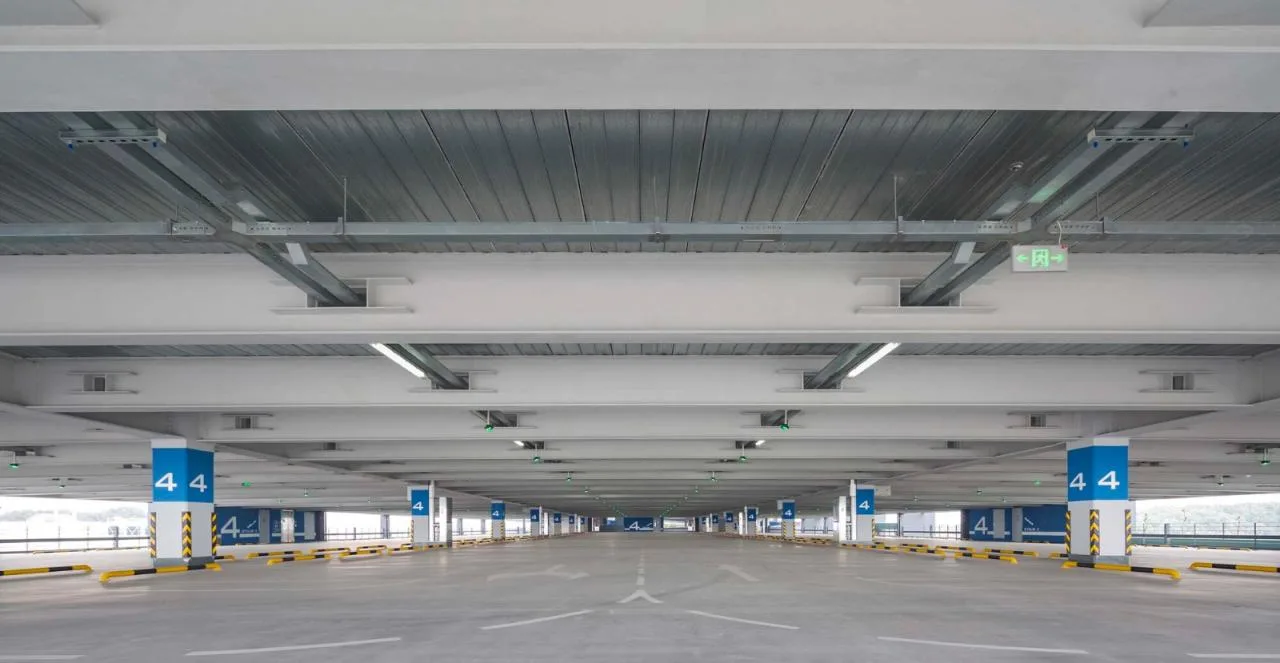
This project involves the design of the second open parking structure within the Bosch Automotive Parts (Suzhou) Co., Ltd. factory area. Guided by the technical expertise of the owner’s design department, financially supported by the user, and coordinated through on-site management, we successfully implemented a modular design approach. The result is a harmonious blend of functional efficiency and technical elegance, achieved with high project completion standards.
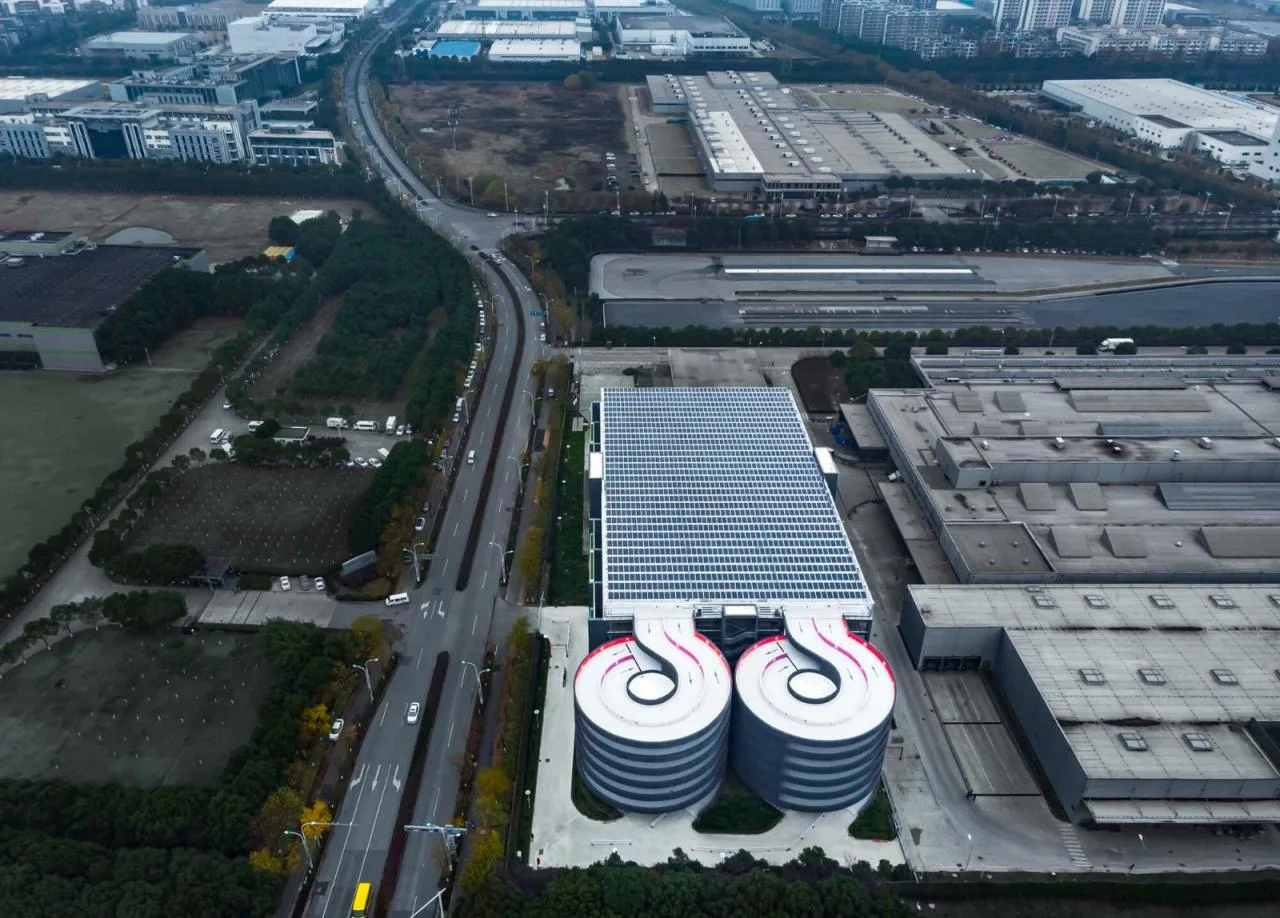
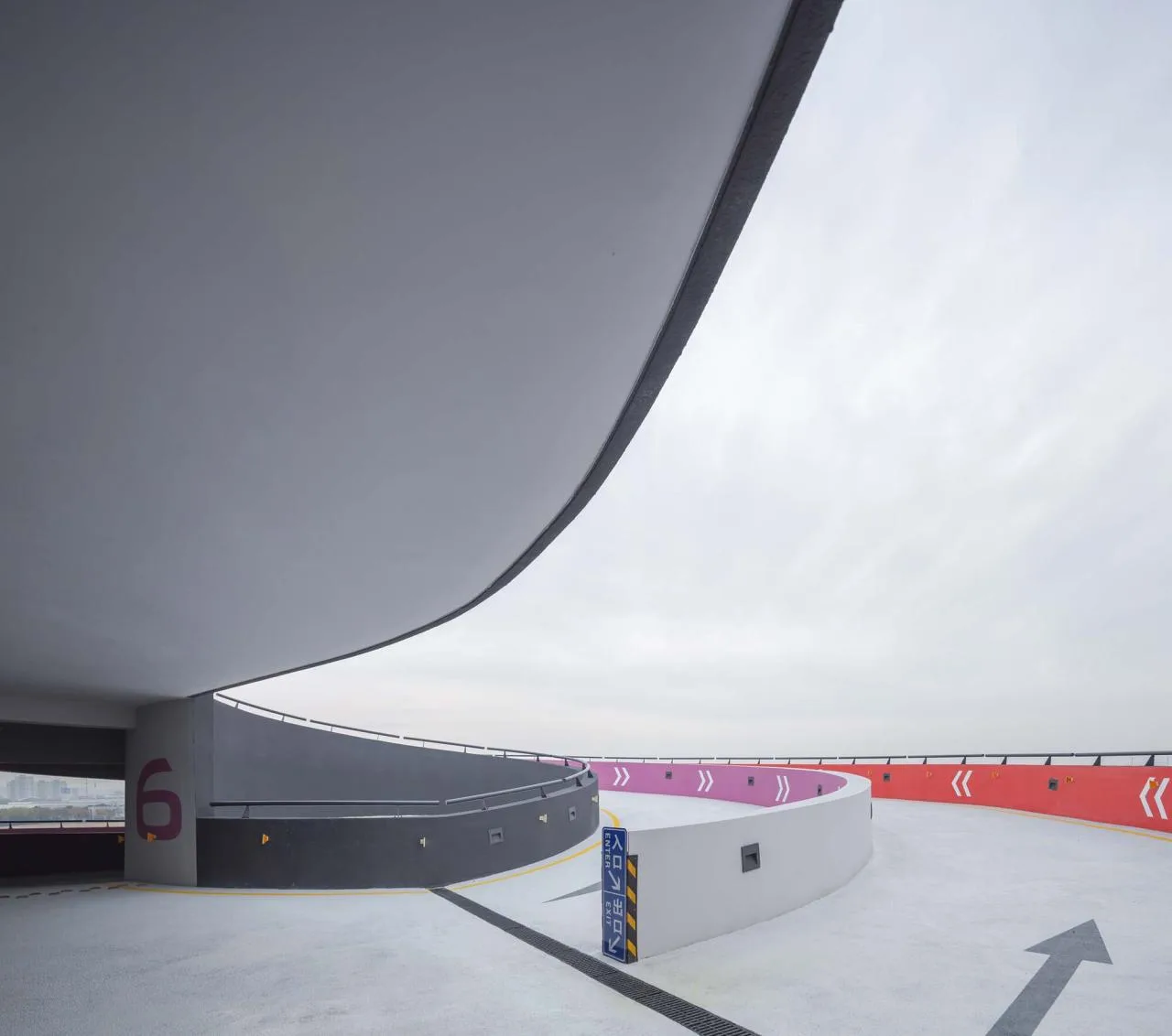
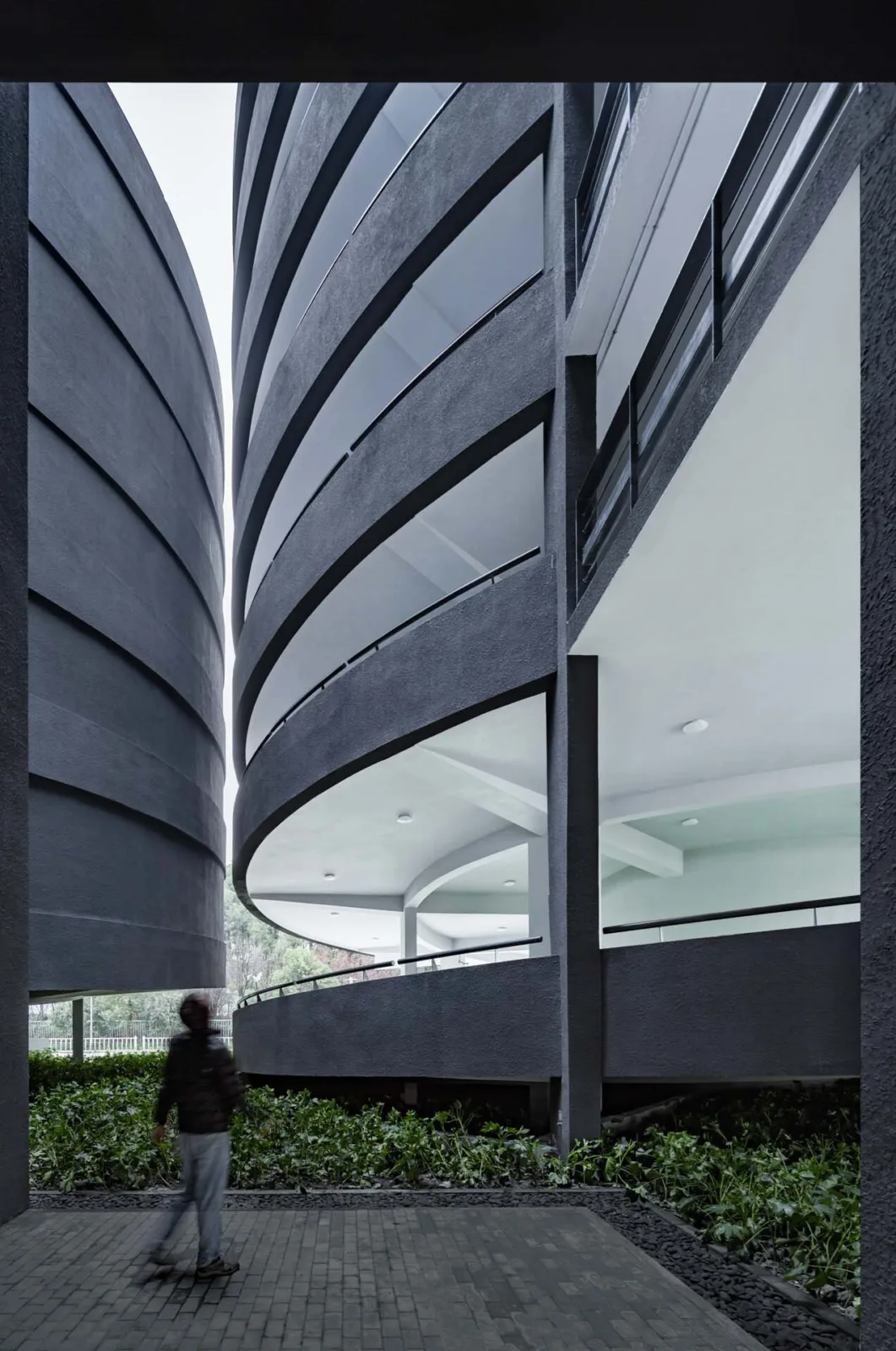
Purity and Complexity: The building’s simple architectural form, driven by function, plan, and structure, enhances the design’s fault tolerance. Controlling construction quality posed a significant challenge. Beneath a clean layout and clear structural logic lies meticulous spatial planning and specialized treatment of construction details. The design incorporates three-dimensional traffic flow and privacy control measures.
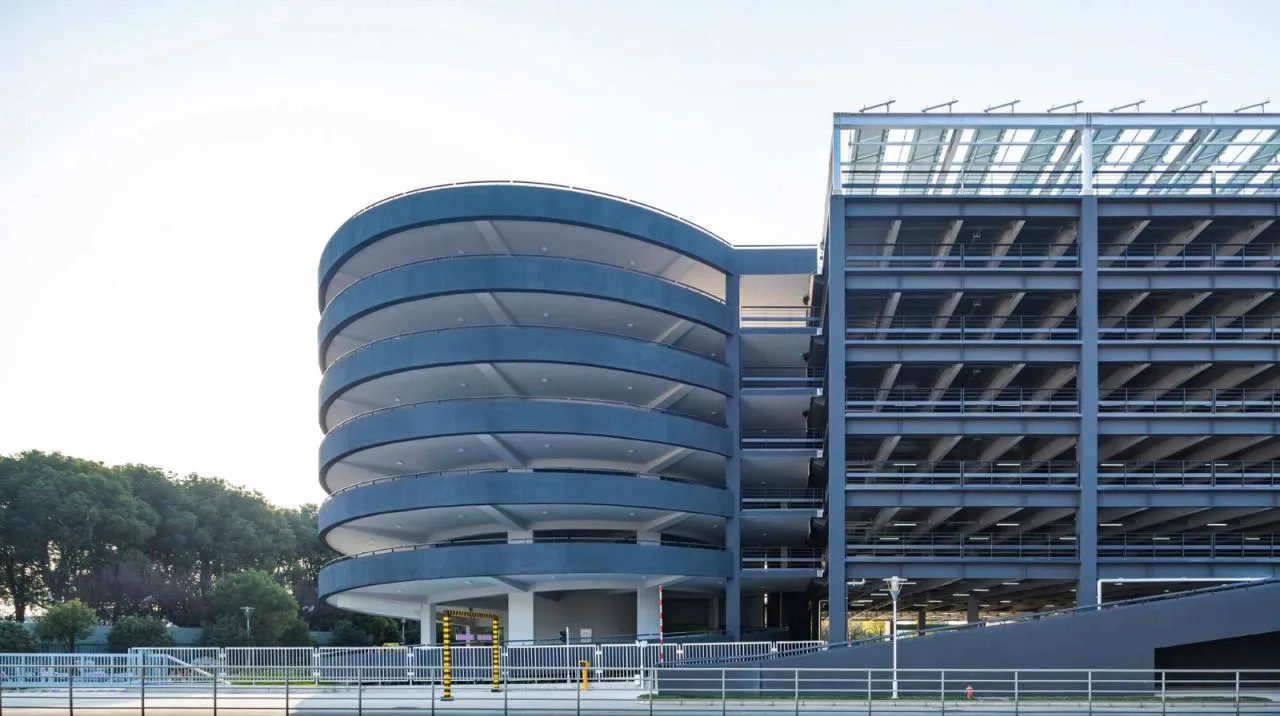
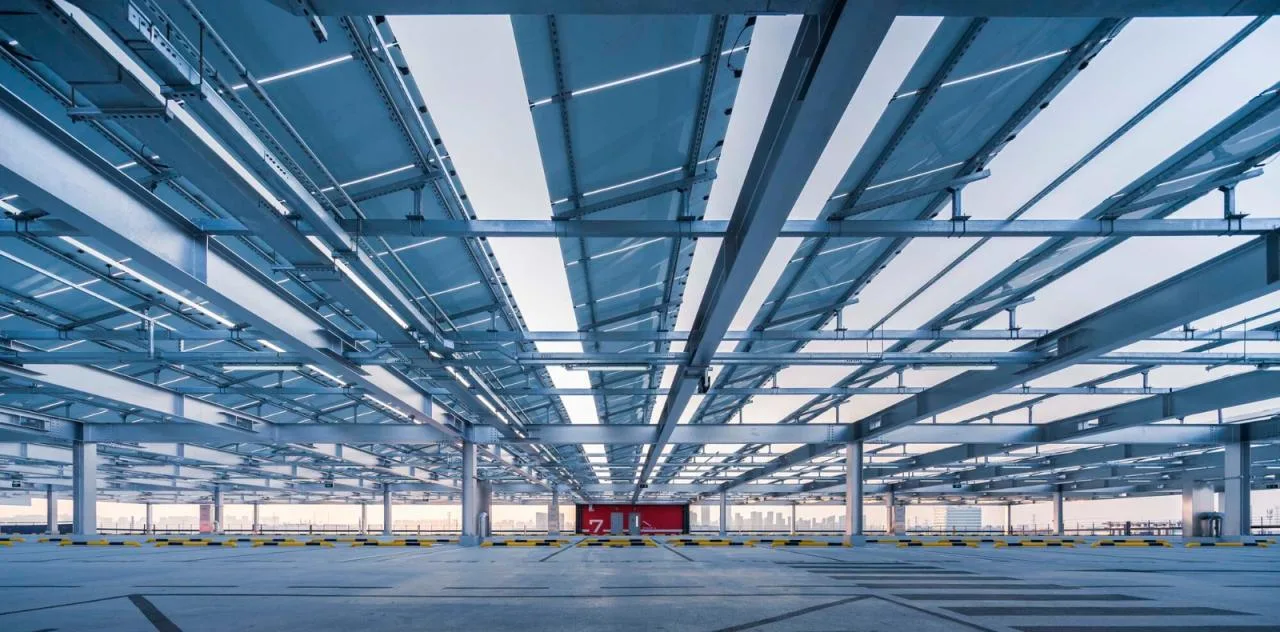
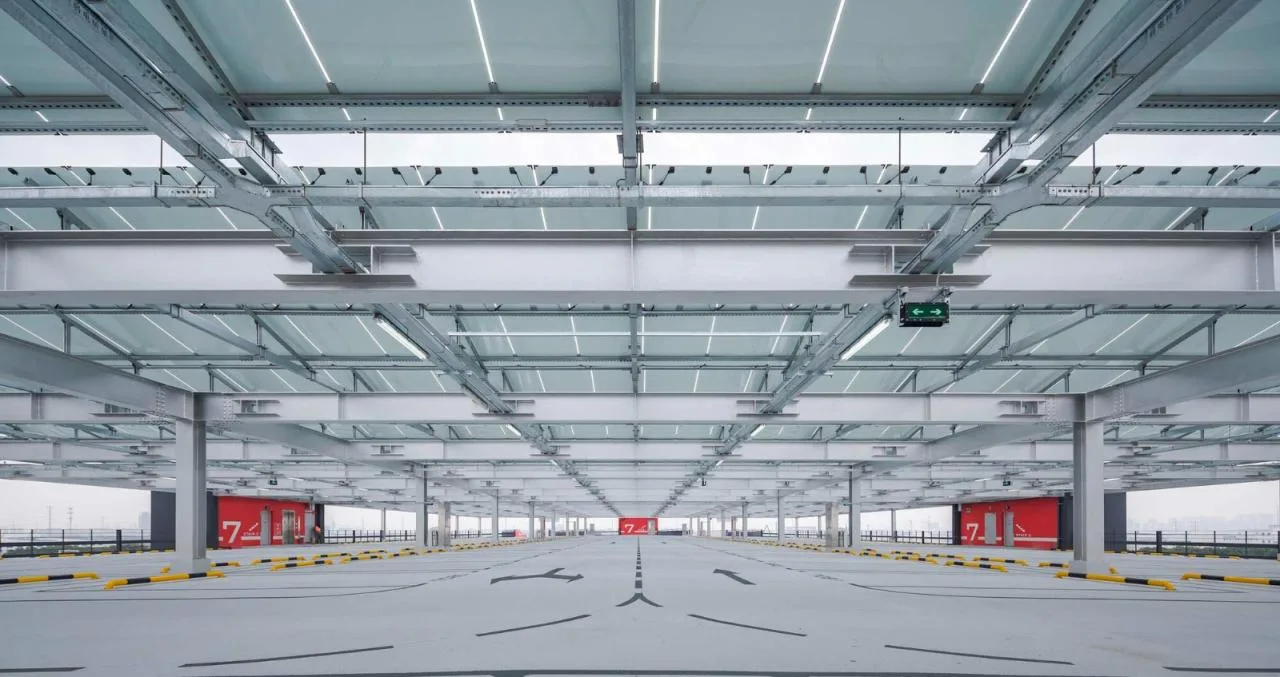
As a civil structure within an industrial campus, the architects optimized land use within a confined space while ensuring smooth circulation of various vehicle lanes. The project features a hybrid structure, primarily steel with concrete as a secondary component. While the structural logic is straightforward, the technical requirements are complex.
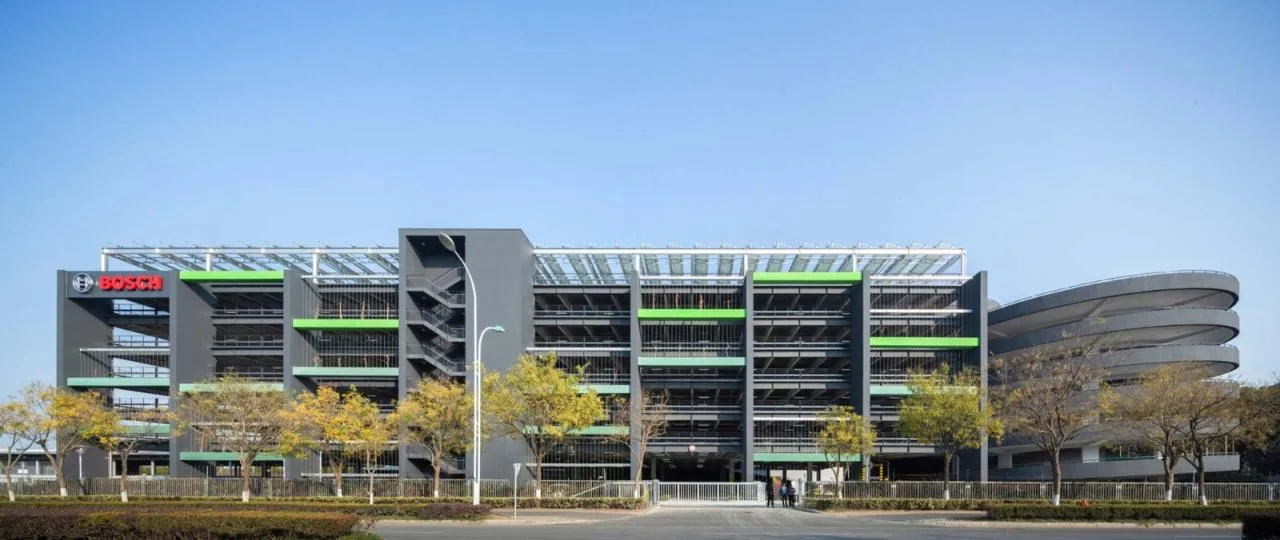
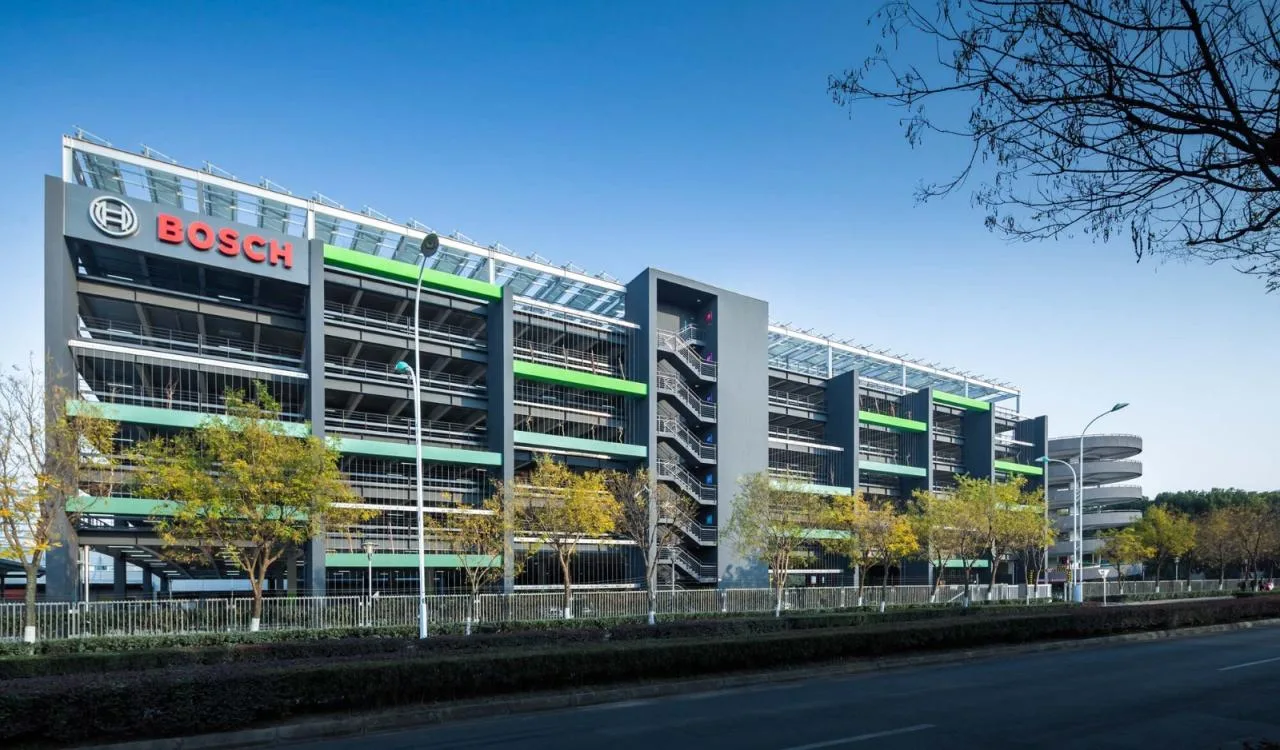
Standardization and Precision: The modular design strategy was established by the architect and owner’s design department at the outset. Except for the ramps, each floor’s layout is identical. Attention to detail is crucial to ensuring consistency and quality in prefabricated construction.
The architect’s rigorous control over design details guarantees the project’s cohesive appearance. Key considerations included selecting a rational, cost-effective, and uniform column span, and refining design to ensure construction accuracy. According to the Comprehensive Evaluation Standards for Prefabricated Buildings in Jiangsu Province, this project achieved 100% standardization of basic units and components, with 95% of components being standardized prefabricated elements.
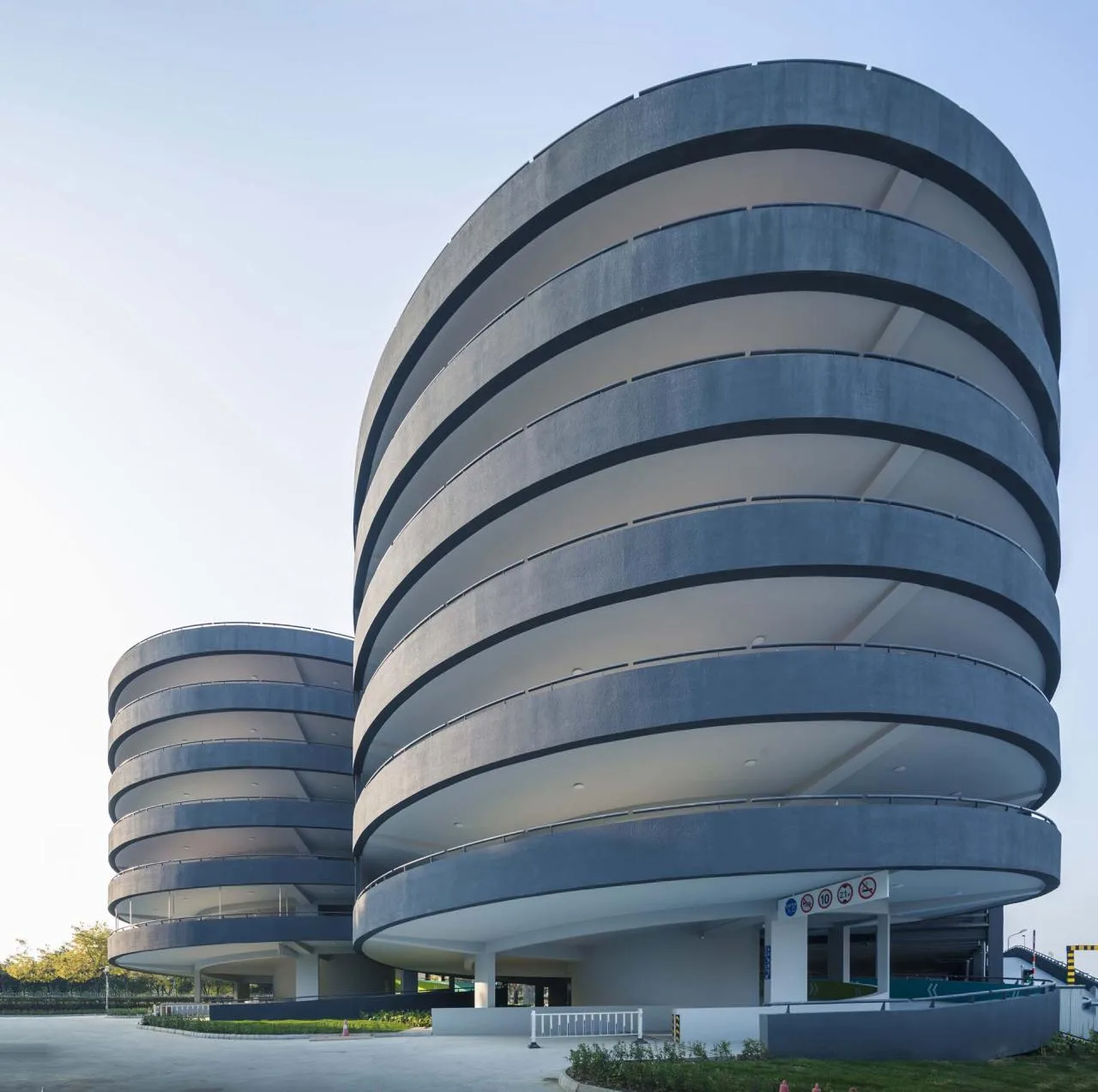
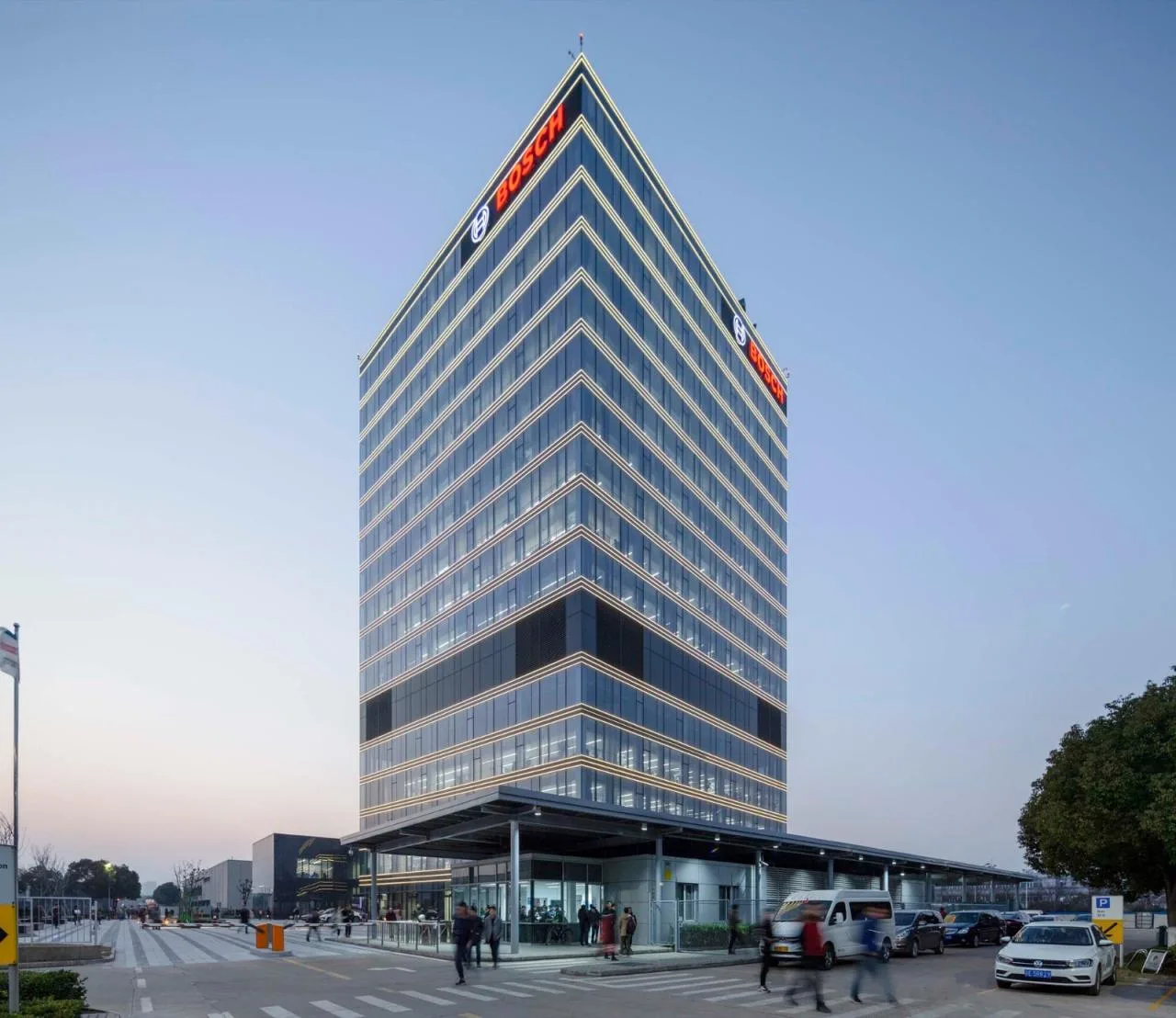
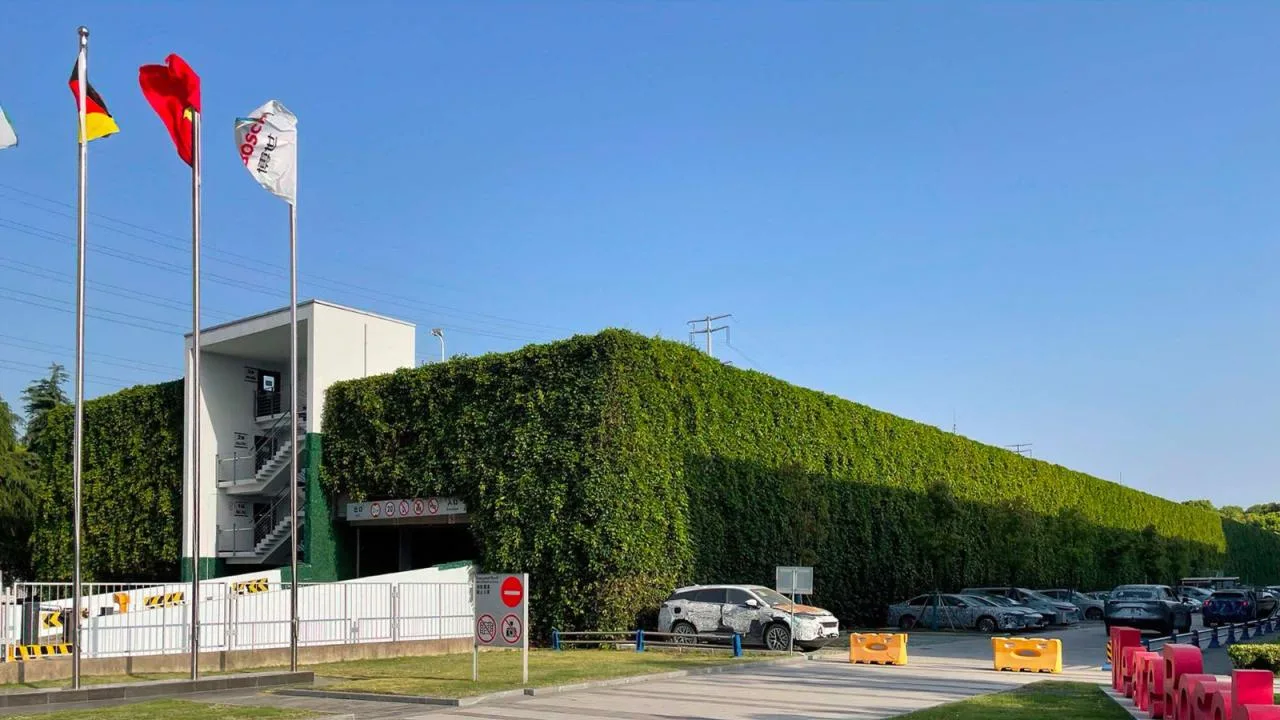
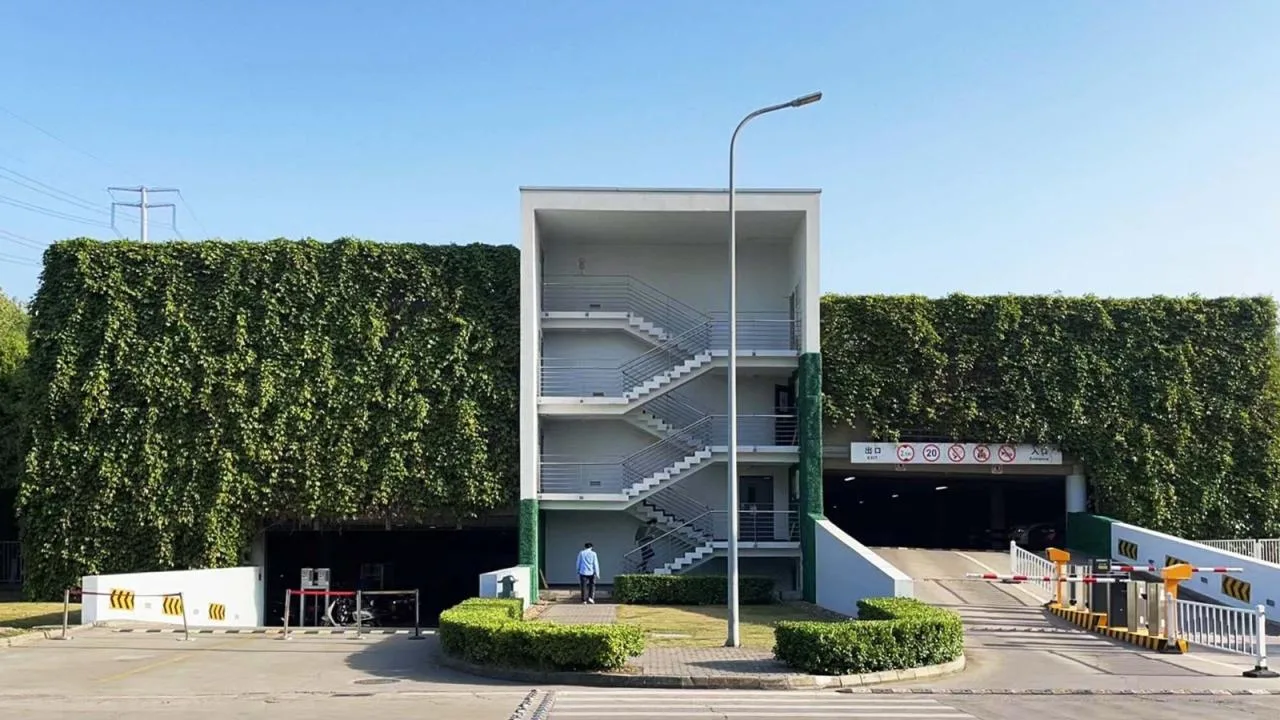
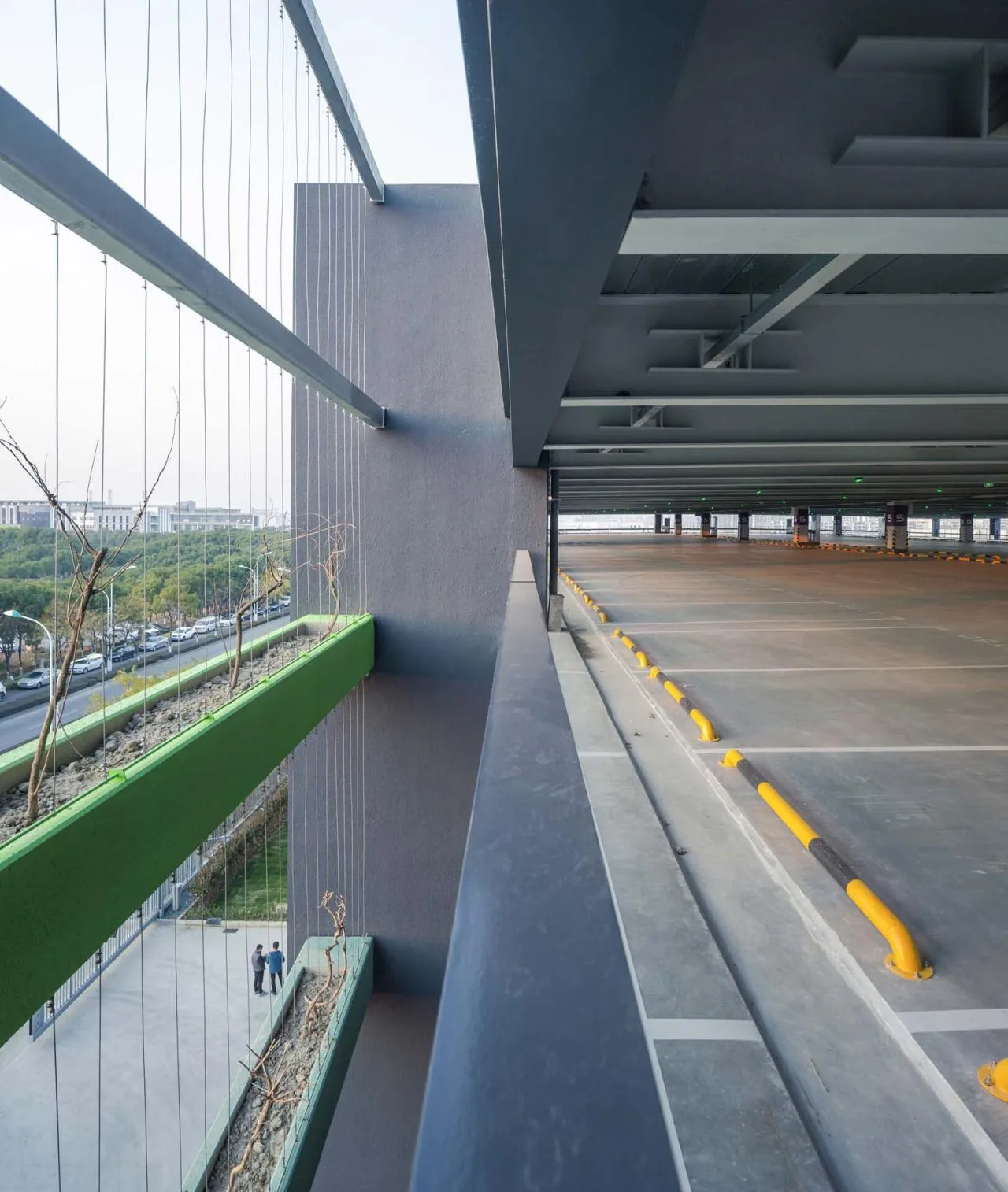
Openness and Seasonality: The facade’s plant landscaping embodies the philosophy: “Whenever there is a seasonal atmosphere, each setting is designed to highlight it.” Inspired by the unique concept of “Four Seasons Scenery” found in Suzhou gardens, the architect infused the building with a seasonal sense through carefully planned exterior greenery.
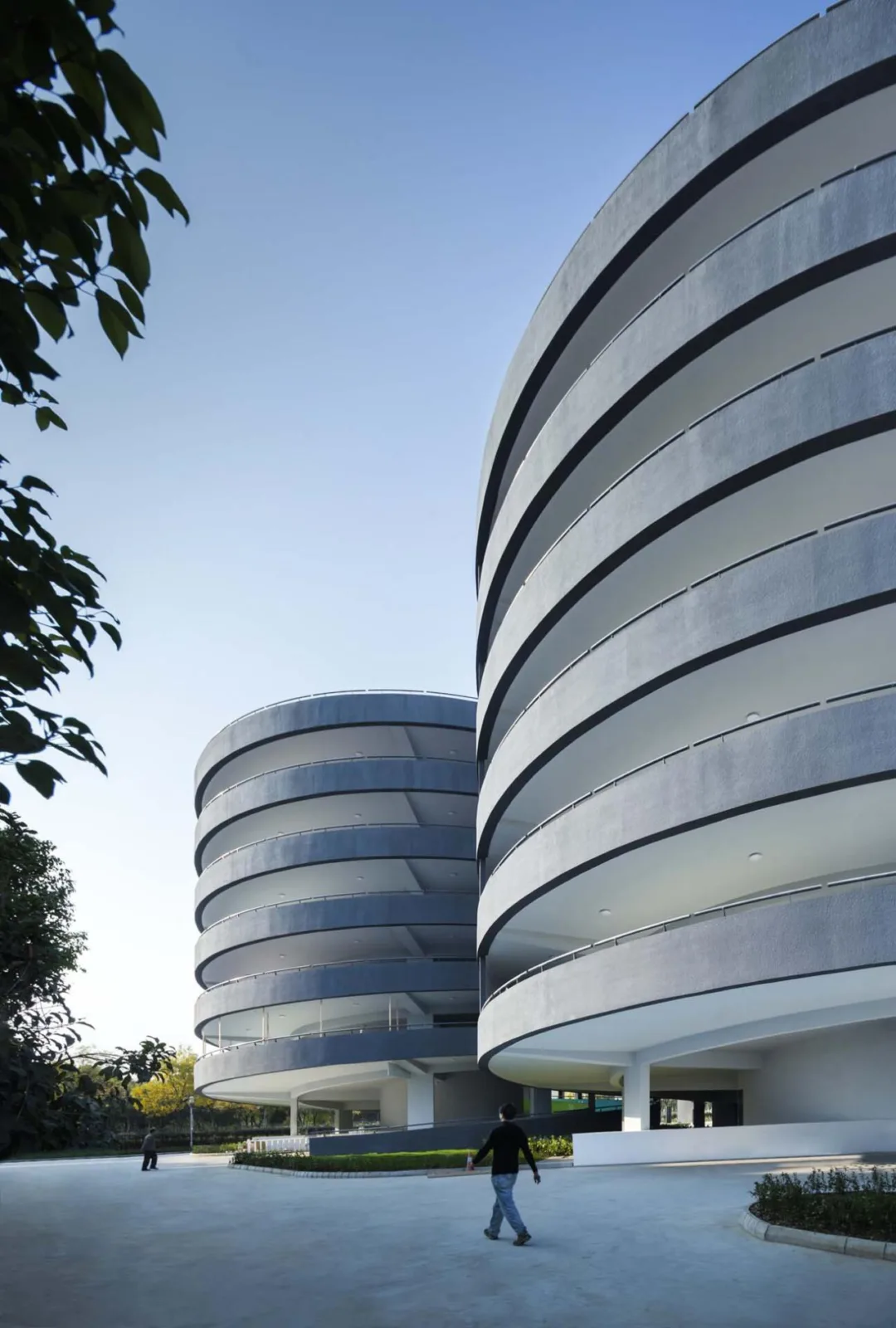
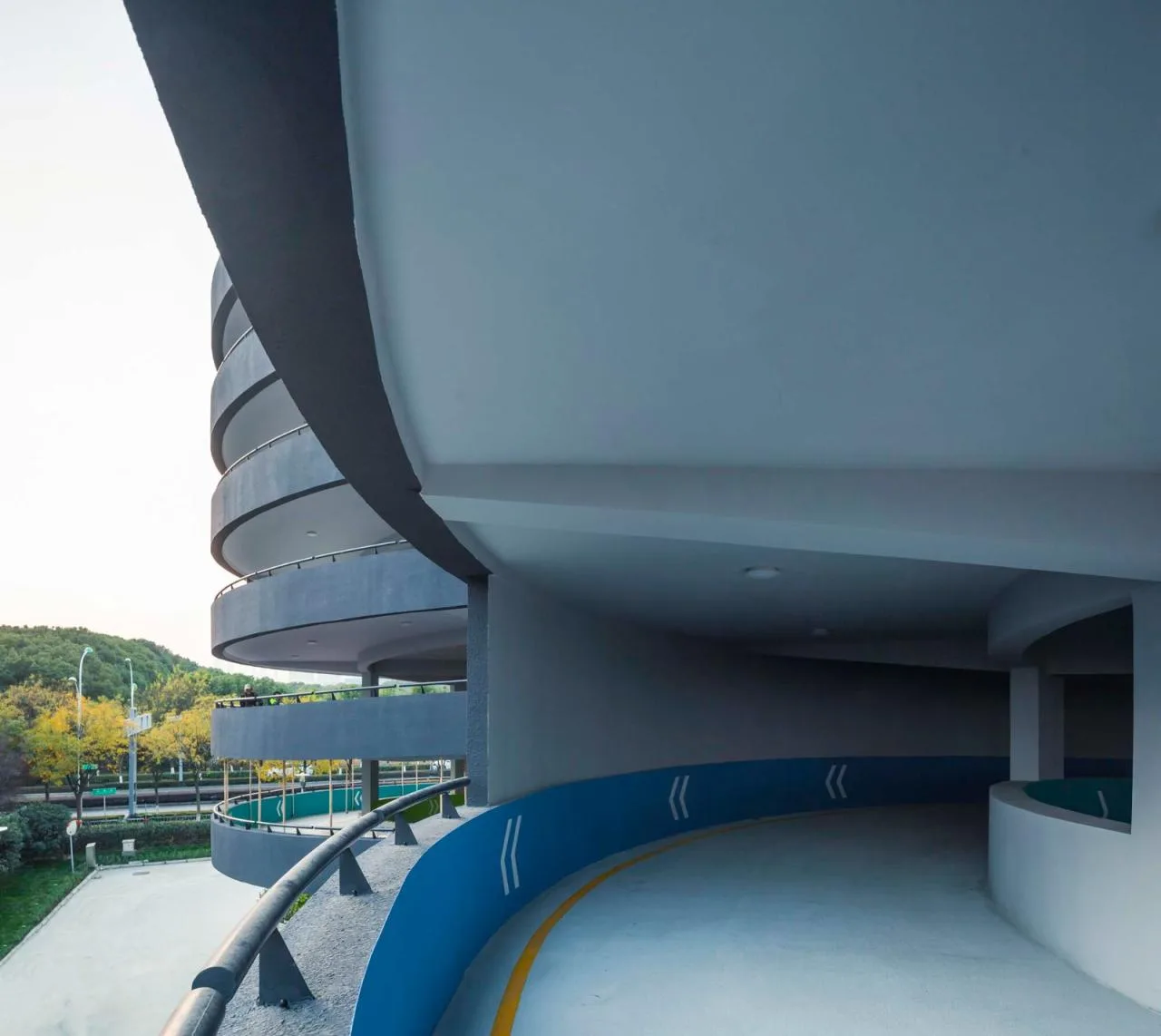
For the three-dimensional greenery, in addition to conventional ivy (autumn), the architect selected vine species with distinct seasonal characteristics such as wisteria, winter jasmine (spring), and honeysuckle (summer). These plants were chosen for their growth cycles, balancing healthy development with minimal interference to building functions. They are planted in prefabricated flower troughs mounted on overhanging brackets, supported by hot-dip galvanized steel wire ropes to aid climbing.
The Phoenix Tail Silk Orchid is planned for the first floor to function as a “hedge” element. Staggered layers of prefabricated troughs create seasonal color blocks against the dark architectural backdrop, forming a geometrically striking “dynamic picture” that enhances the urban streetscape with the essence of “Four Seasons Scenery.”
Long-term Collaboration and Mutual Advancement: Zhongheng Design, led by its architects, acts as a key architectural partner for the Bosch Group in China. Since their first Bosch China project in 1999, the design team and Bosch’s building management department have fostered nearly 25 years of collaboration, producing numerous high-quality buildings.
The success of Bosch’s projects stems from a comprehensive life cycle evaluation—covering planning, design, construction, and maintenance—prioritizing scientific and rational design requirements over simply low costs. This balance between quality and investment is crucial. Additionally, architects maintain a proactive leadership role throughout every stage of the project.
Project Drawings
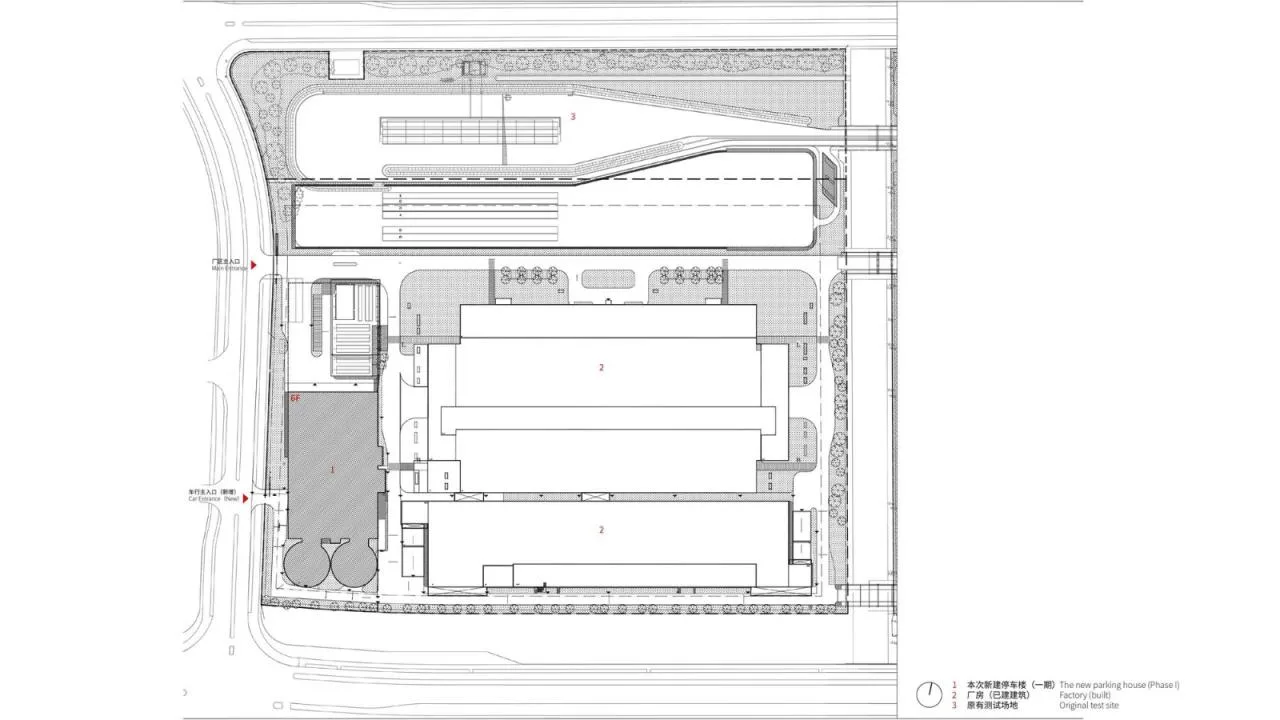
△ General layout plan
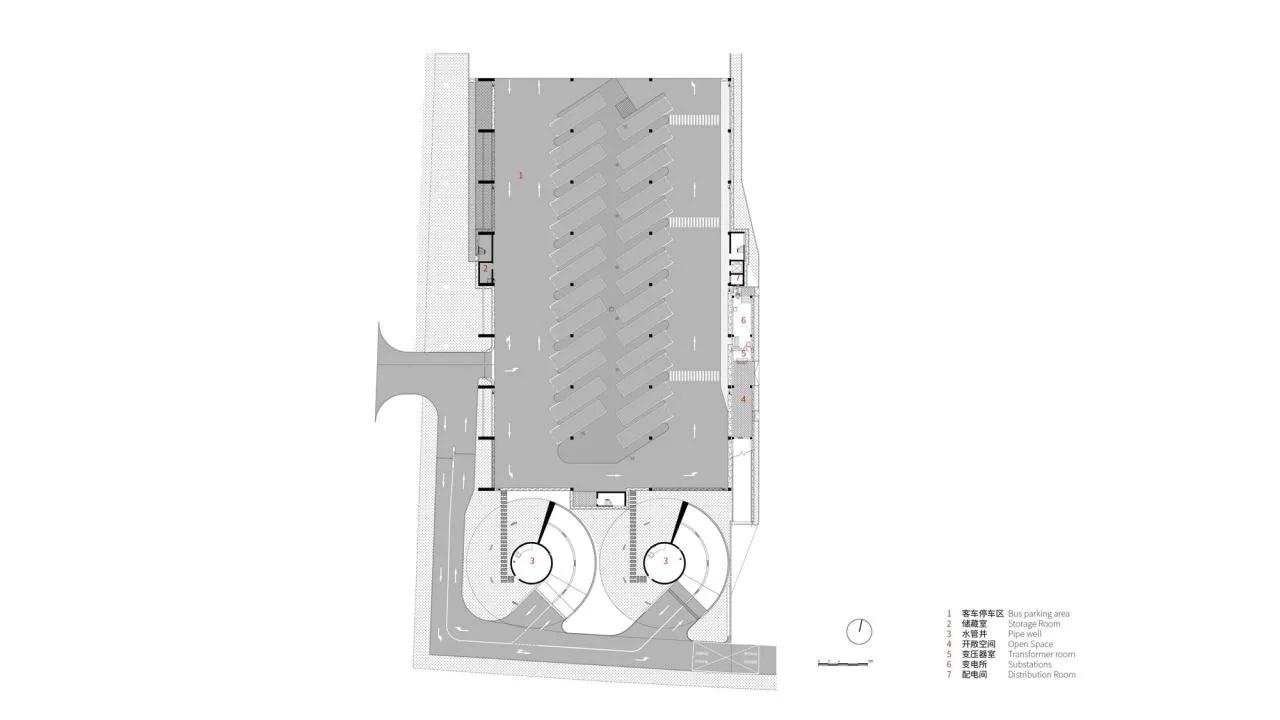
△ First floor plan
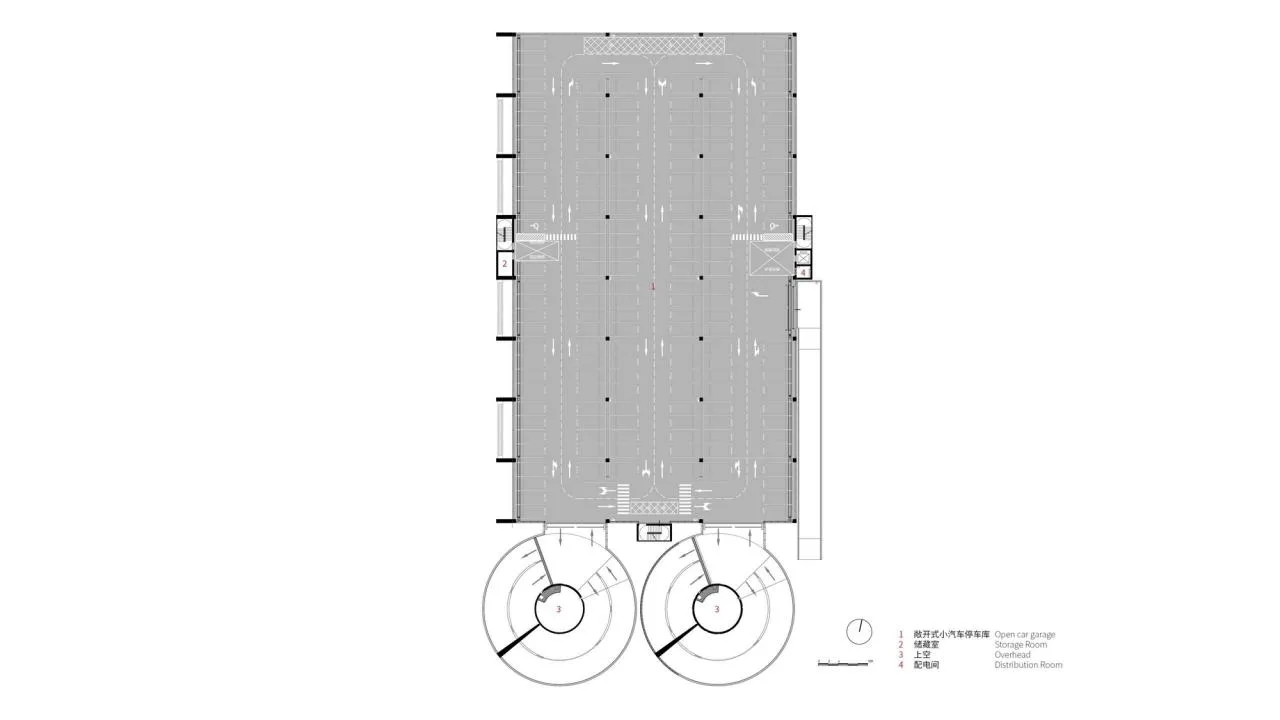
△ Second floor plan
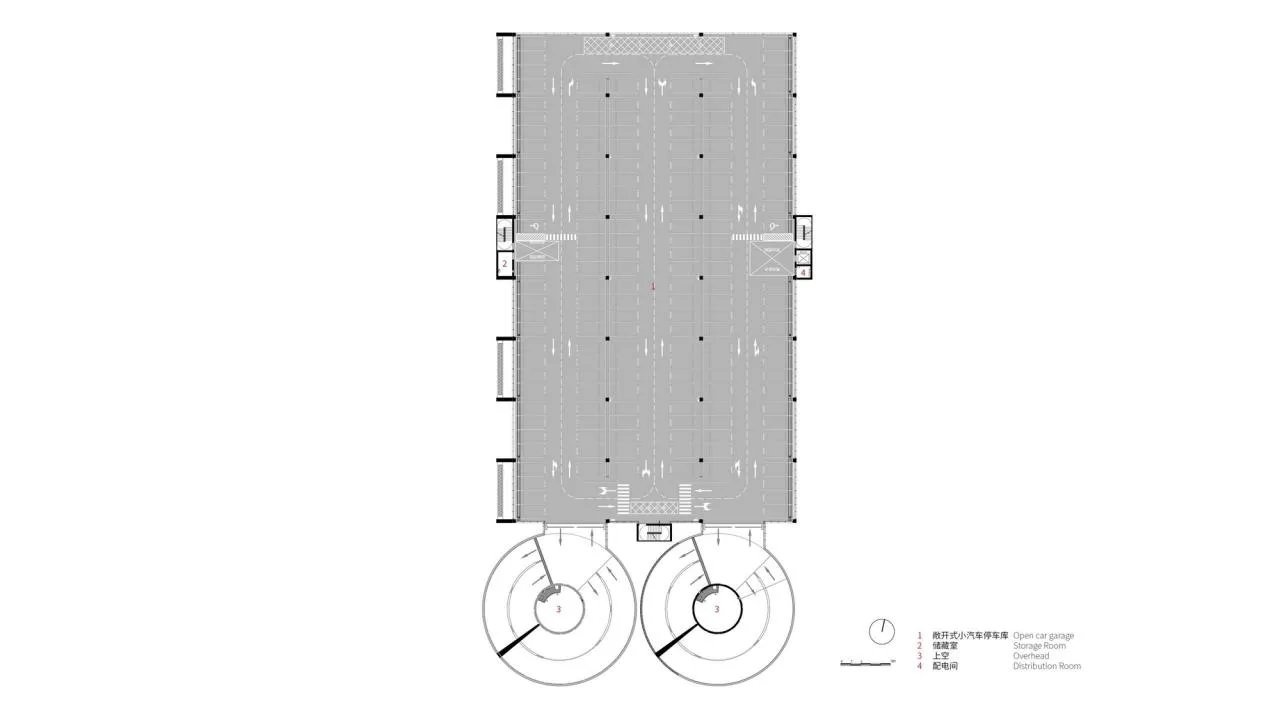
△ Third floor plan
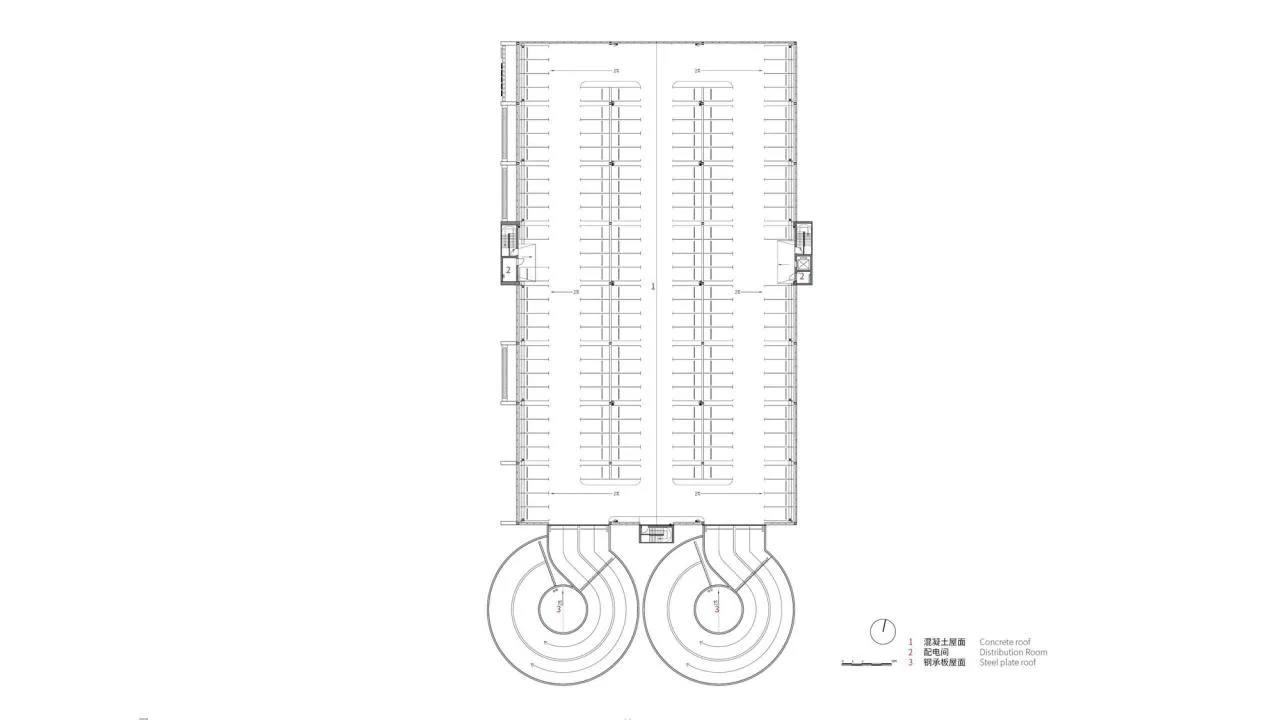
△ Fourth floor plan
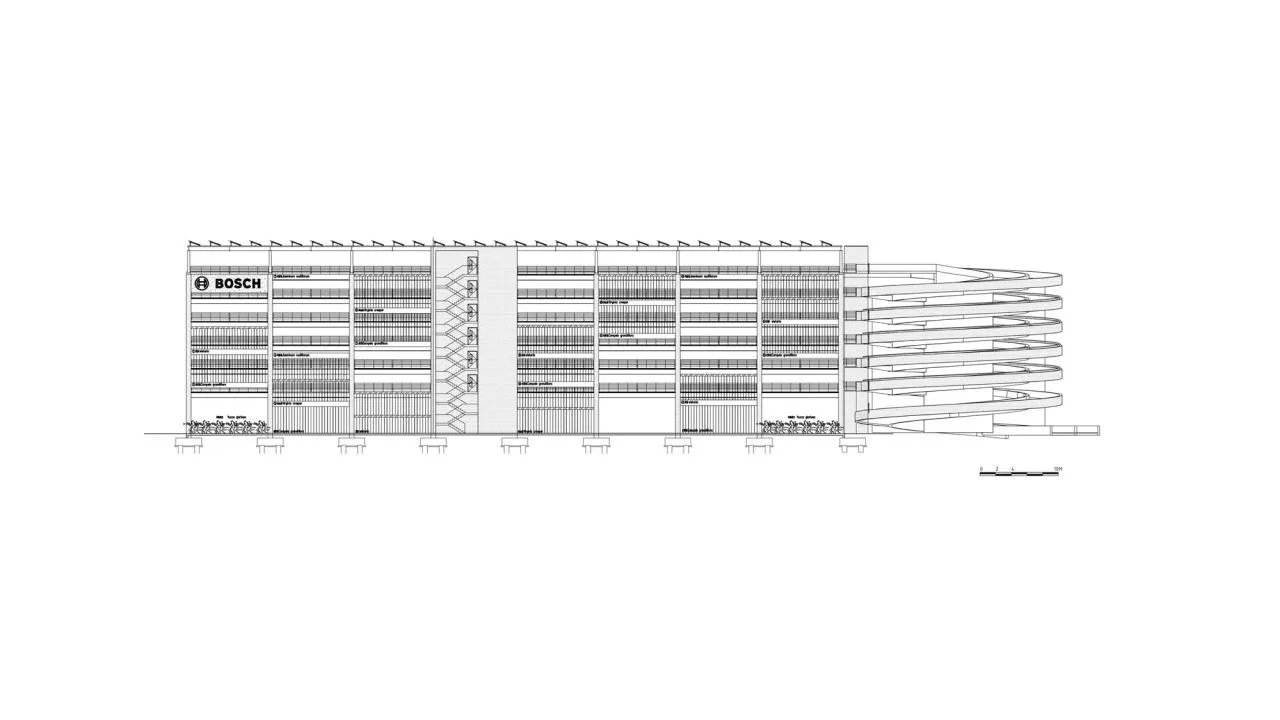
△ Elevation drawing
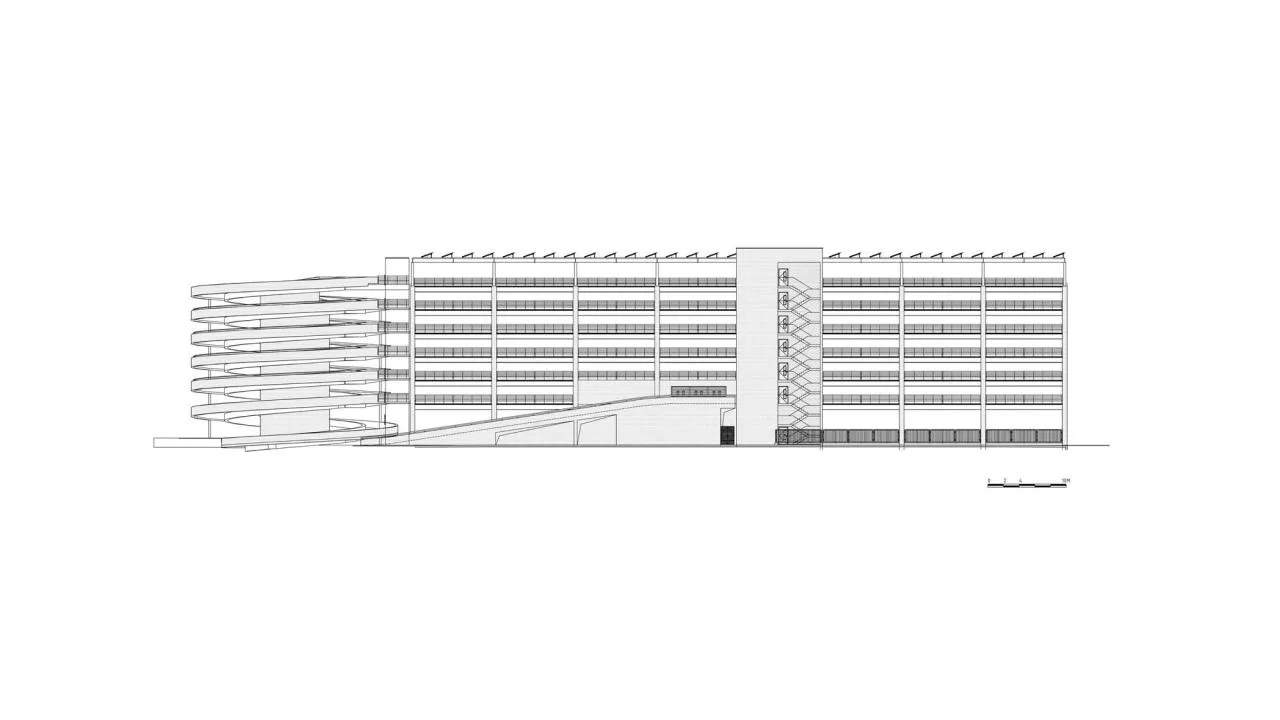
△ Elevation drawing
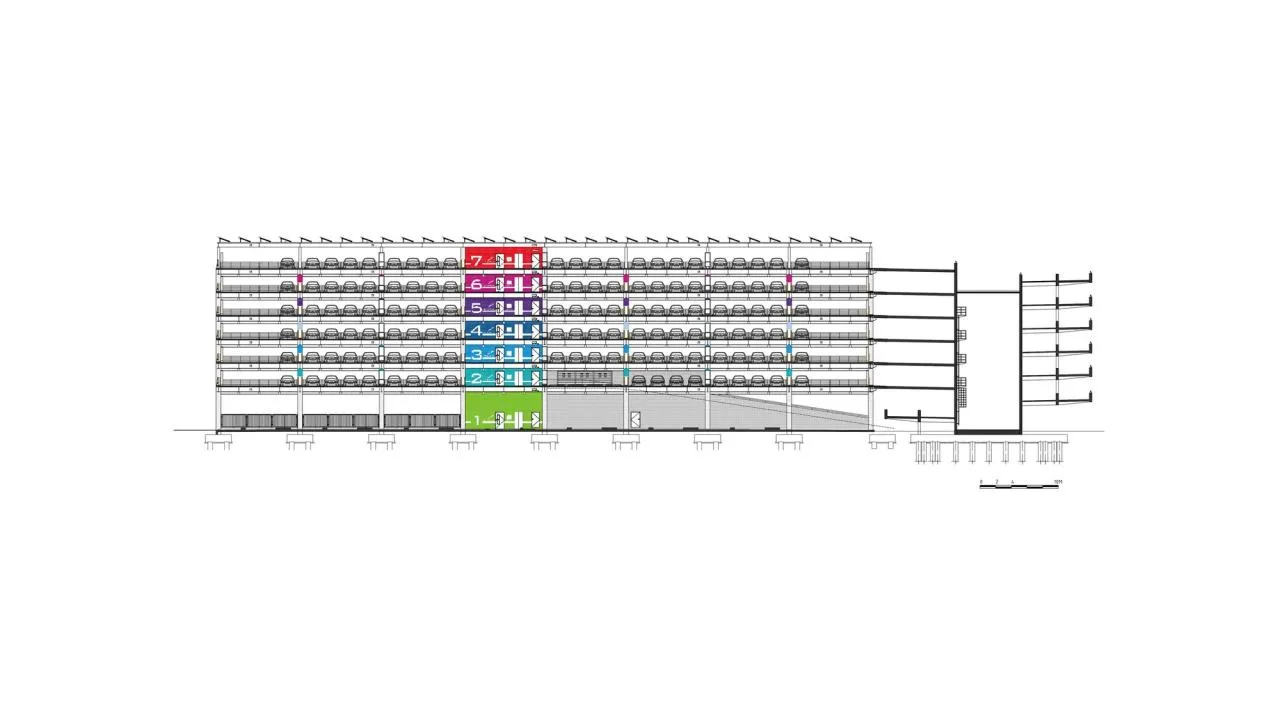
△ Section diagram
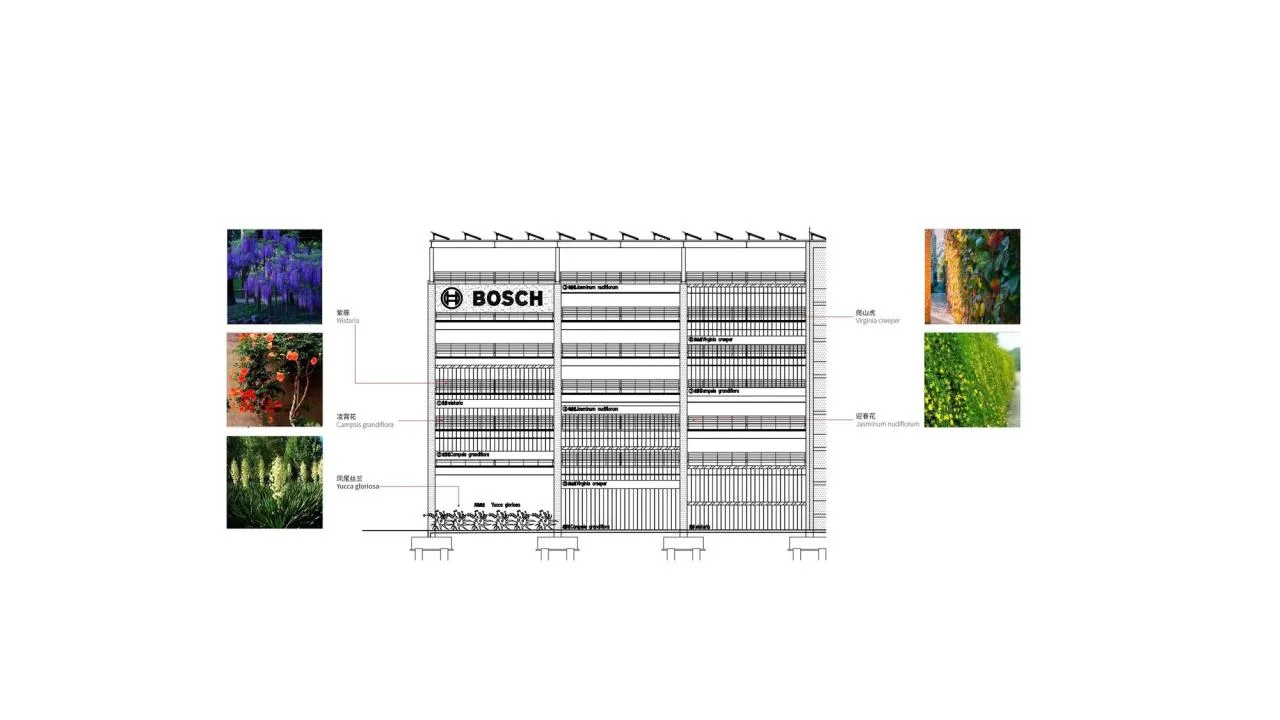
△ Analysis chart
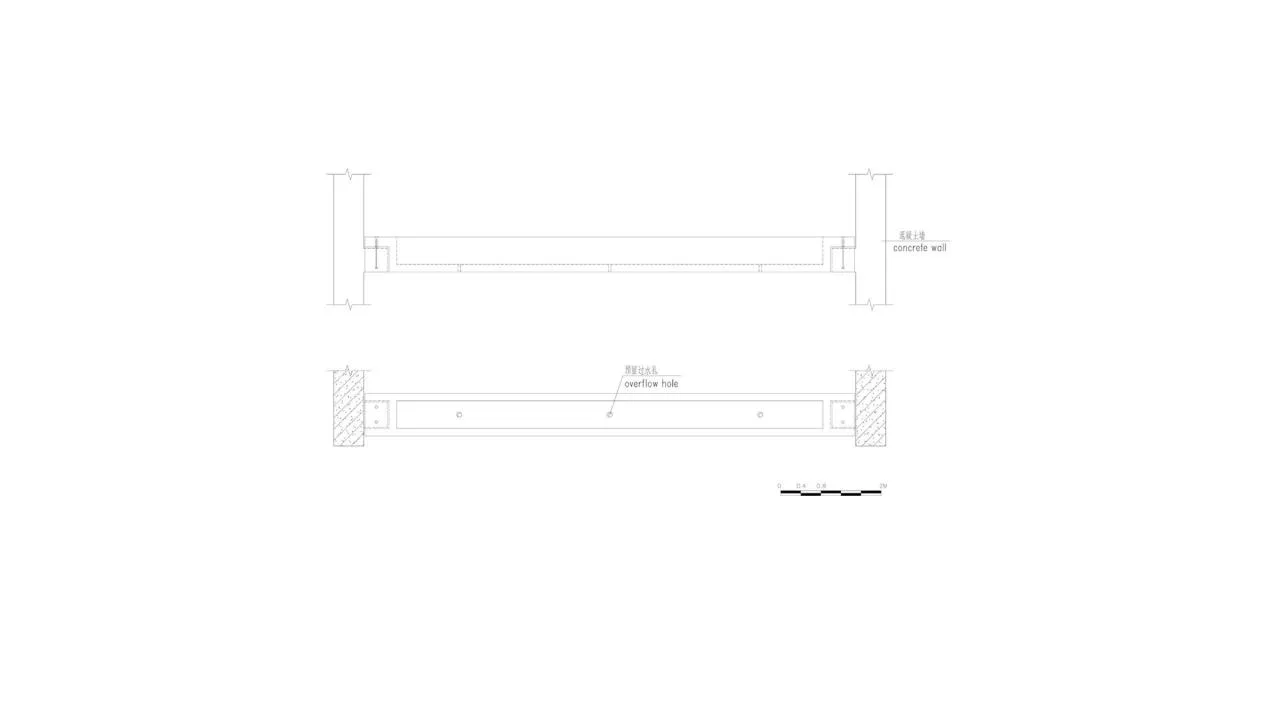
△ Detailed drawing
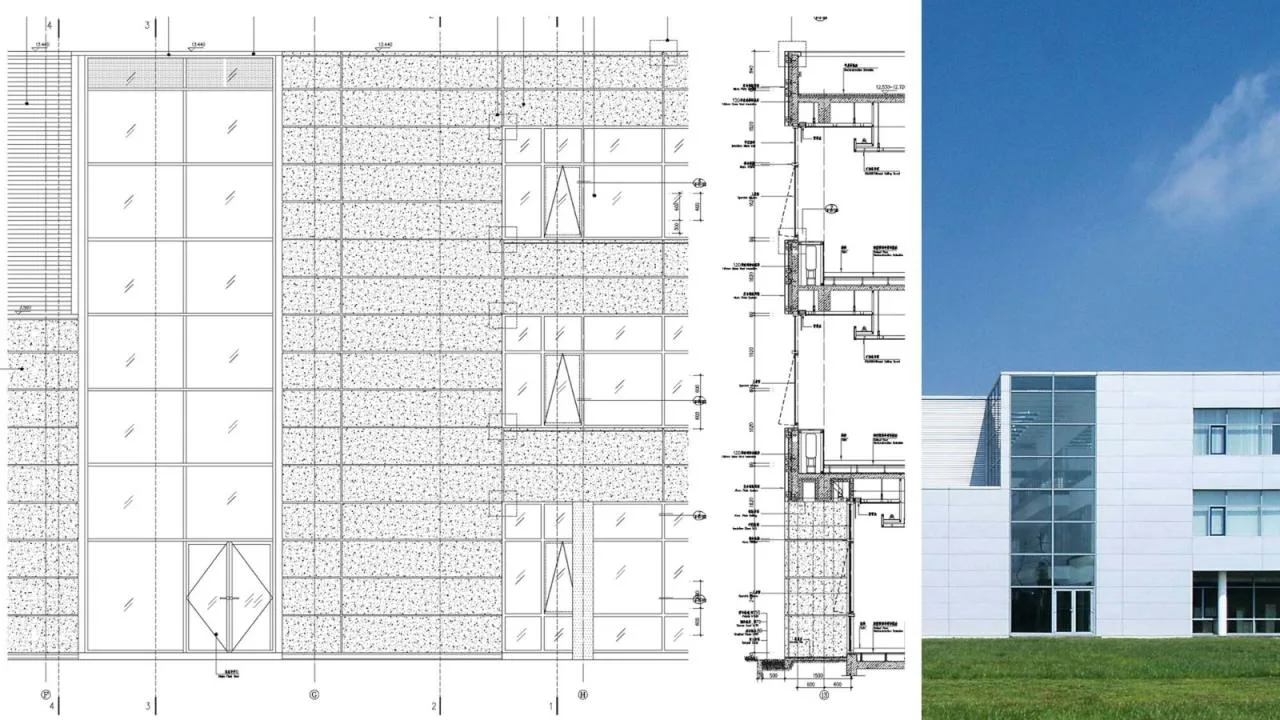
△ Detailed drawing
Project Information
Architect: Zhongheng Design
Area: 74,296 square meters
Project Year: 2019
Photographer: Qin Wei
Manufacturer: MEA Mia Group
Lead Architects: Liu Tian, Zhao Haifeng
Design Team: Xu Yiqun, Wei Zhihao
Structural Team: Lu Jianglong, Shen Xiaoming, Yang Weixing, Wang Junjie, Bai Ruifang
Electrical Team: Han Yuzhu, Xu Kuandi
HVAC Team: Zhu Yongjun, Ji Suwen
Water Supply and Drainage Team: Yang Junchen, Yu Jie
Client: Bosch Automotive Parts (Suzhou) Co., Ltd
Location: Suzhou














Must log in before commenting!
Sign Up