
“Words and ideas can change the world.” — Dead Poets Society, New Year’s Day 2023
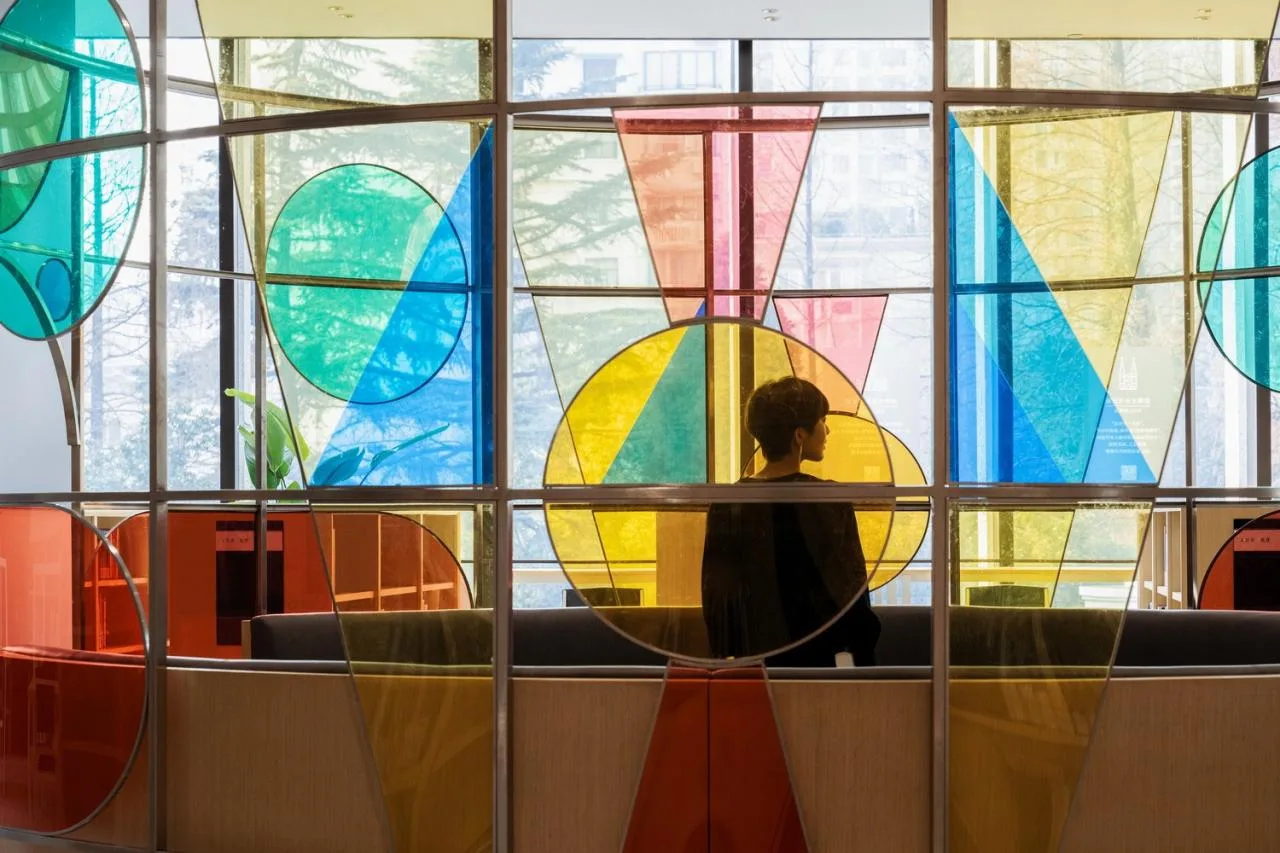
After four years of design, Wutopia Lab’s Xujiahui Academy has officially opened, quickly becoming Shanghai’s most talked-about cultural and tourism landmark over the past two months. Remarkably, this project gained widespread attention even before the studio’s official announcement, making this delayed reveal a retrospective summary of its journey.
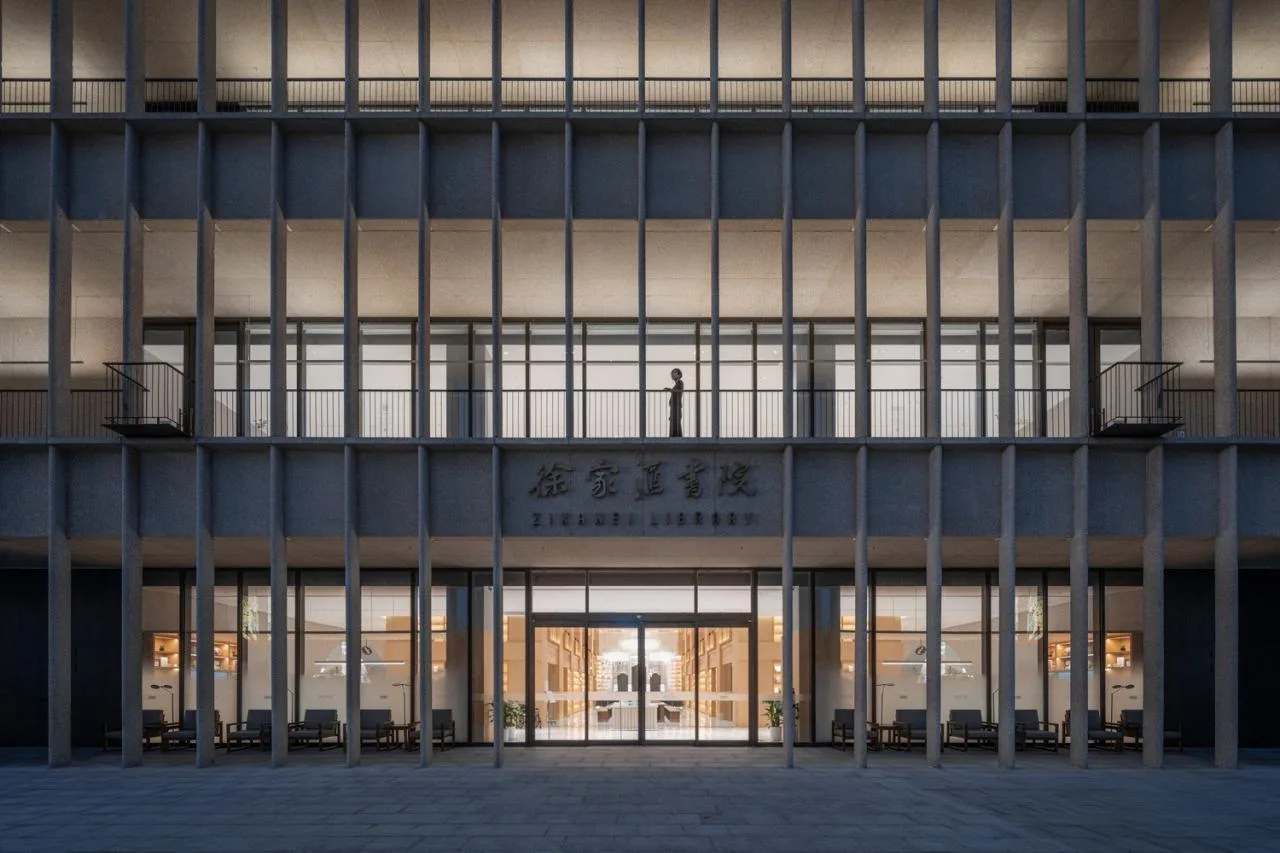
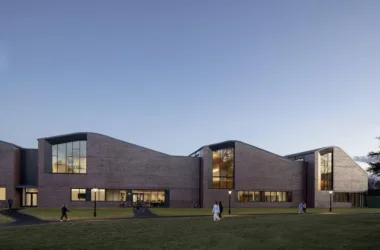
When I first took over, the project was not yet known as Xujiahui Academy. The original design by David Chipperfield & Associates was intended for a bookstore. However, the bookstore withdrew after the exterior facade and construction were completed, leaving the building vacant. Following the exit of a second bookstore tenant, the building was finally repurposed as the new home for the Xuhui District Library, renamed Xujiahui Academy.
The Magic of Wutopia Lab
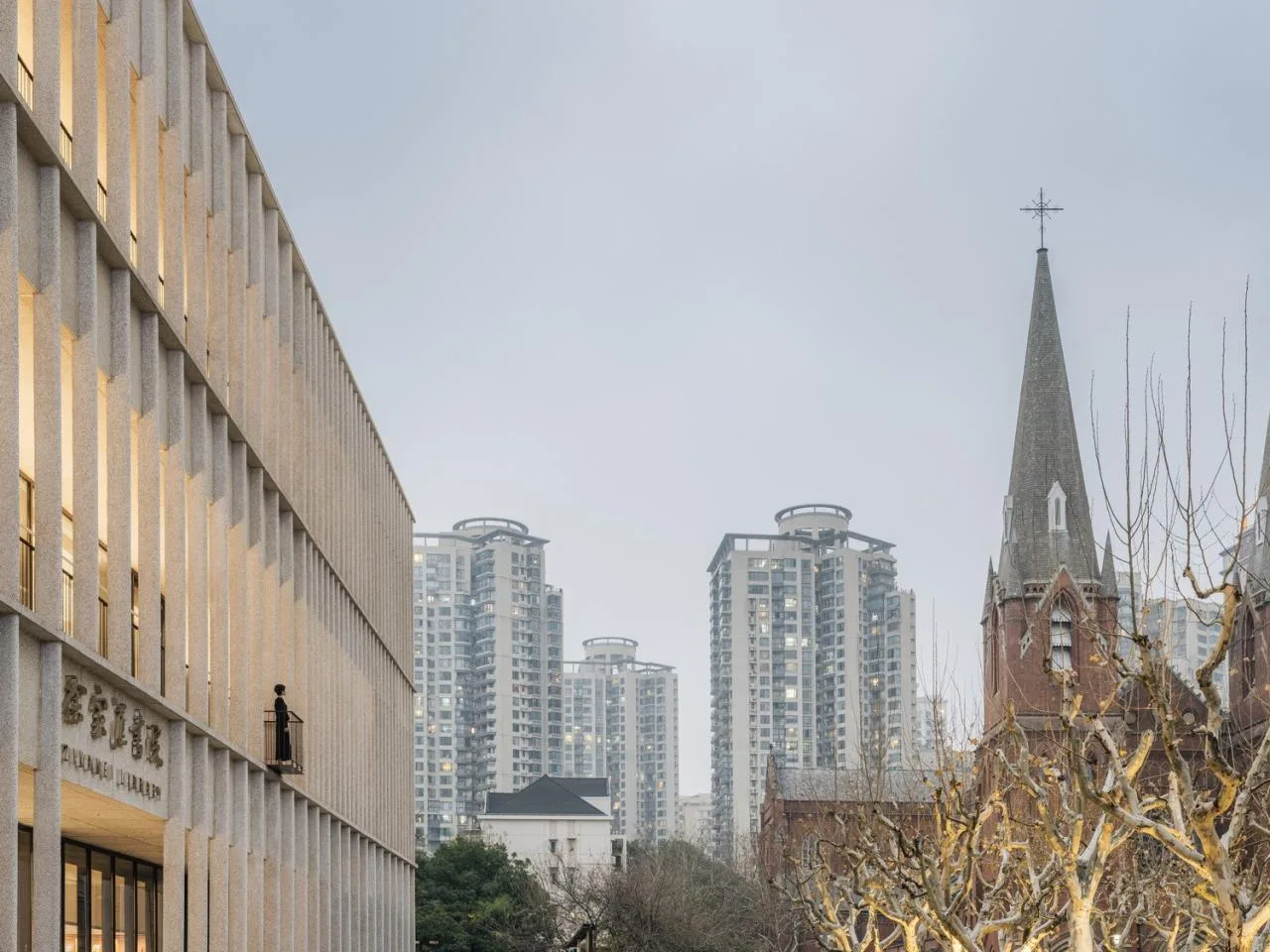
As architects, Wutopia Lab follows a unique design philosophy: never artificially enhance the original space. Instead, we develop new spatial narratives tailored to each project, selectively integrating or removing existing architectural elements to create a fresh experience we call magical realism.
David Chipperfield’s design left a three-story atrium with mezzanines flanking both sides. This classical courtyard occupies the central axis and cannot be ignored. Yet, I had to avoid being constrained by its classical structure, while also not completely disregarding it in favor of an entirely new narrative.
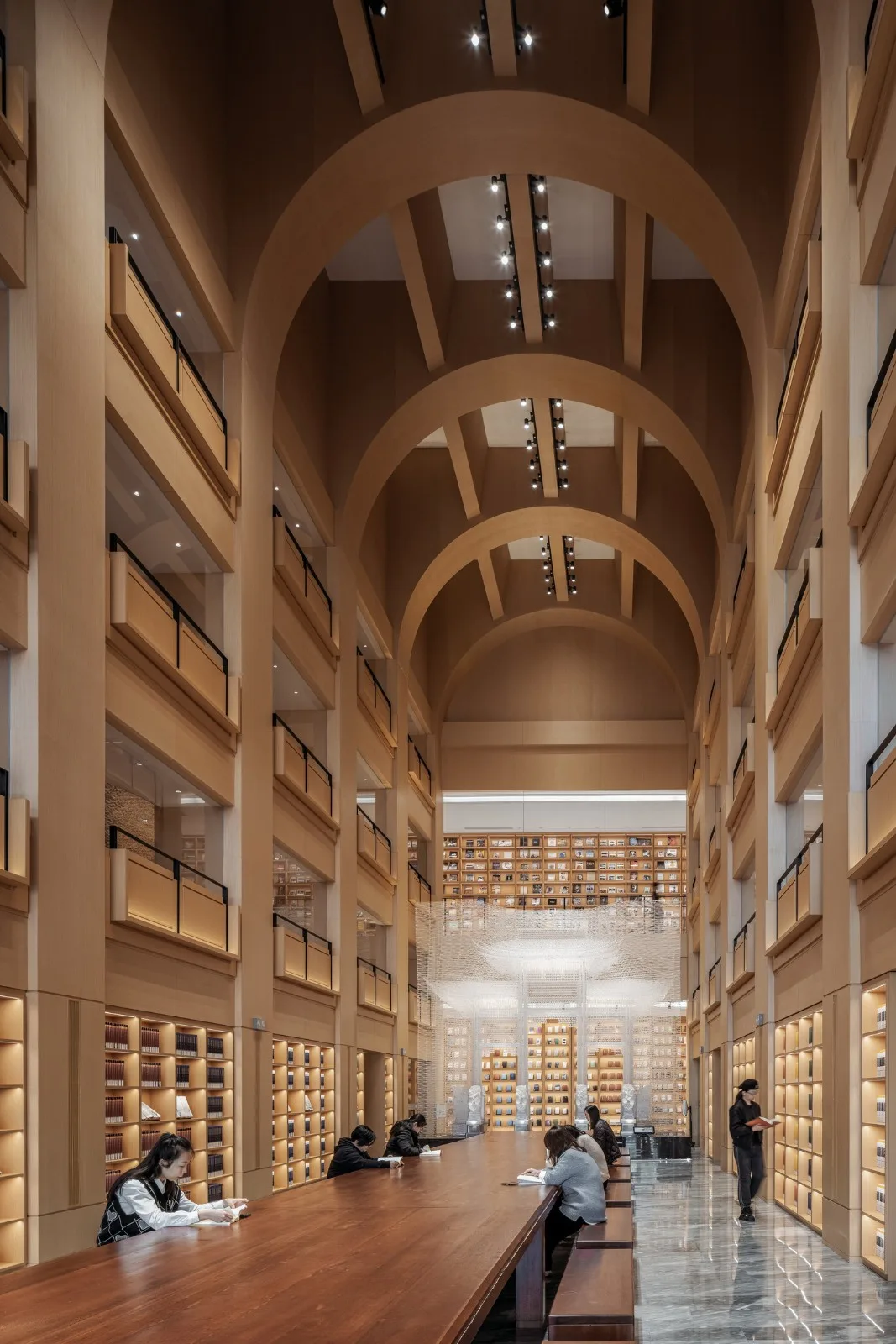
In his book Underland, Robert Macfarlane describes the burial of nuclear waste: uranium pellets sealed within zirconium rods, which are then enclosed in copper columns, followed by iron cylinders wrapped in bentonite slurry, and finally stored deep underground in rock formations like gneiss, granite, or rock salt. This nested “Russian doll” or “Chinese box” structure inspired me.
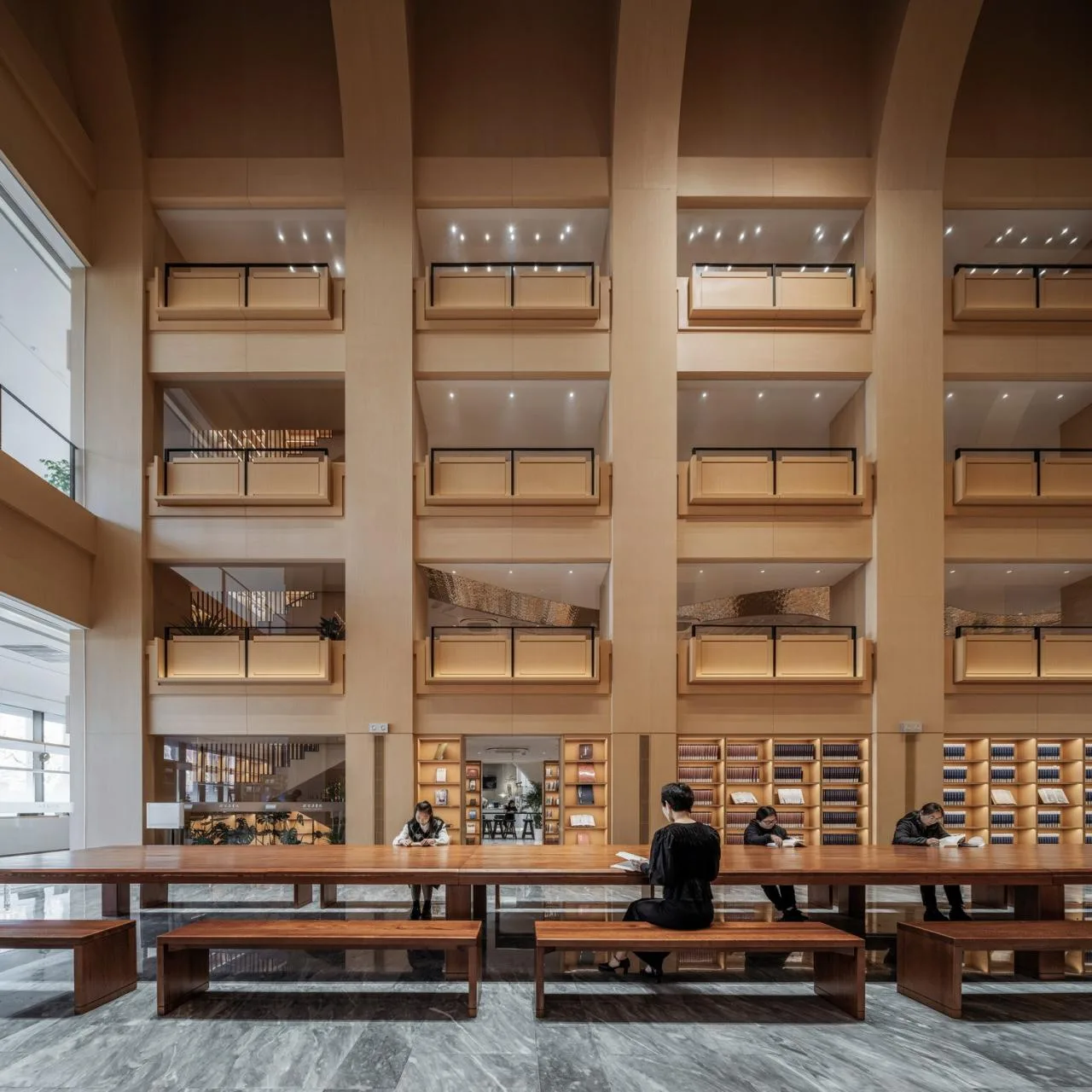
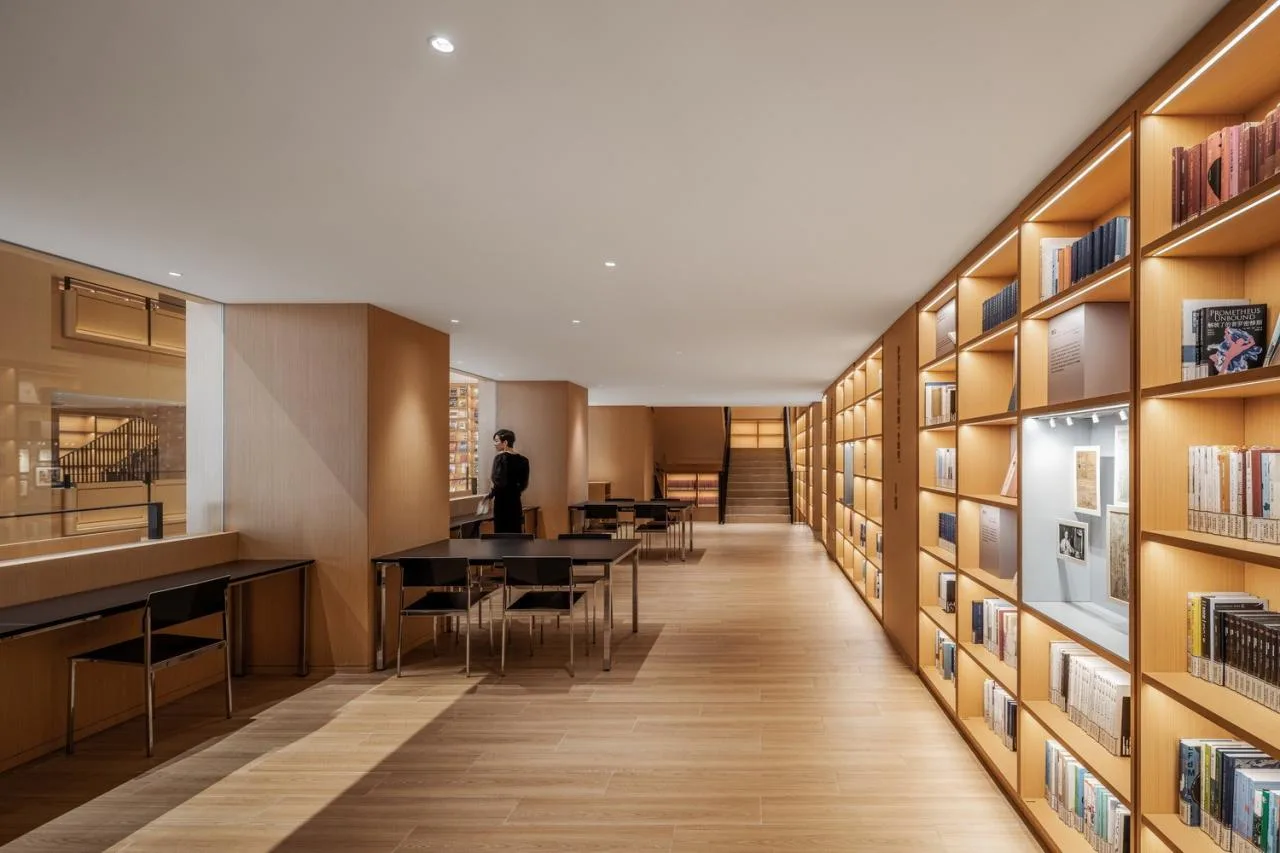
Inspired by this, I decided to create a “Chinese Box Set” structure for Xujiahui Academy, modeled after the traditional Chinese nested boxes. The outermost layer is David’s thin facade. The second layer contains the main library functions: coffee shops, various reading areas, lecture halls, exhibition spaces, and more. The third layer is the circular walkway. The fourth is the atrium, serving as the library’s reading hall. At the core—the fifth and innermost layer—is the library’s centerpiece, the treasured heart within the box.
This spatial narrative can be divided into two parts: layers two and three form Part A, while layers four and five make up Part B. The outer facade acts as the protective shell, allowing the interior box to express itself independently, free from the architectural language of the exterior. While the treasure on the fifth floor lacks spatial significance alone, without it, the atrium box would feel hollow and the symbolic meaning of the nested boxes lost.
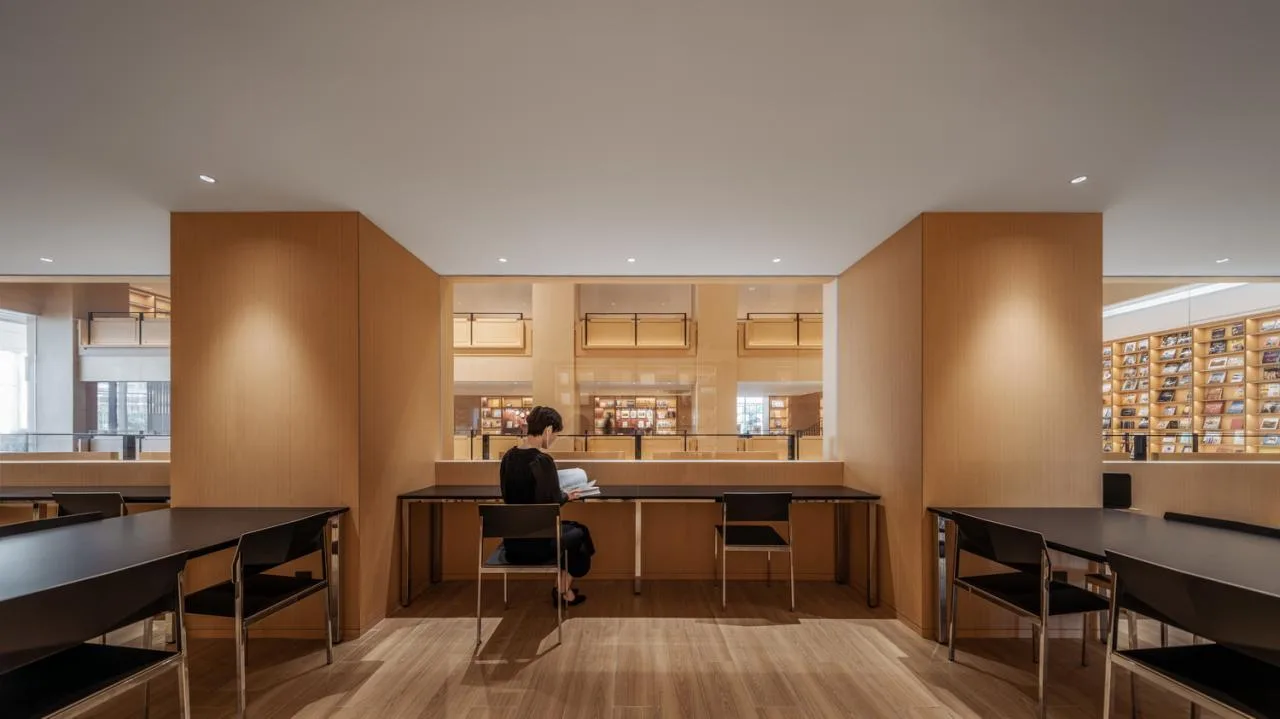
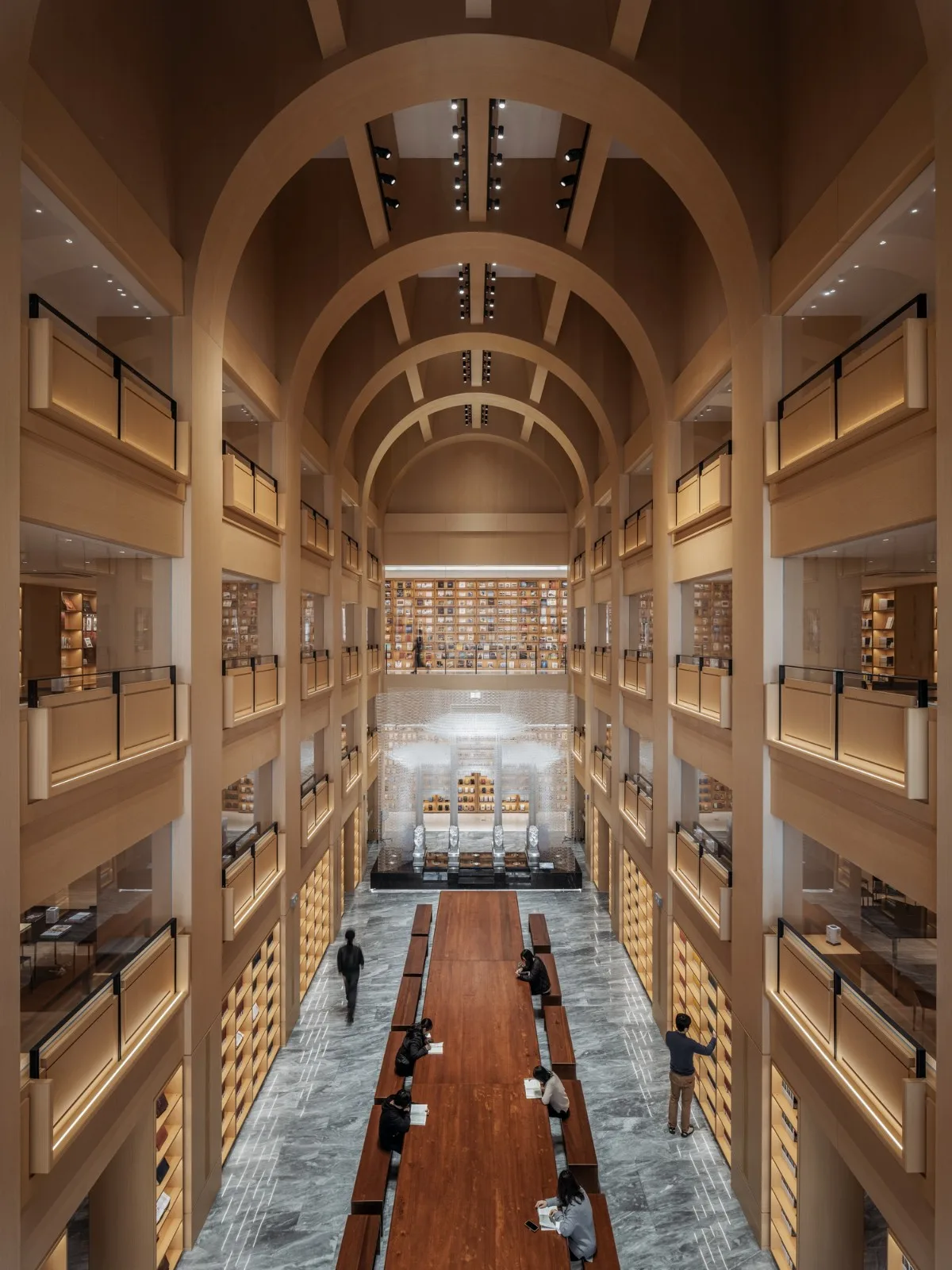
As for the treasure to place within the box set, the initial plan was to incorporate the Tushanwan Museum, symbolized by an archway. However, since the academy ultimately functions as a library, the final choice was its logo: a reading table. This nearly 30-meter-long table is the longest in Shanghai, reinforcing the central axis and serving as the core treasure within the Chinese boxes.
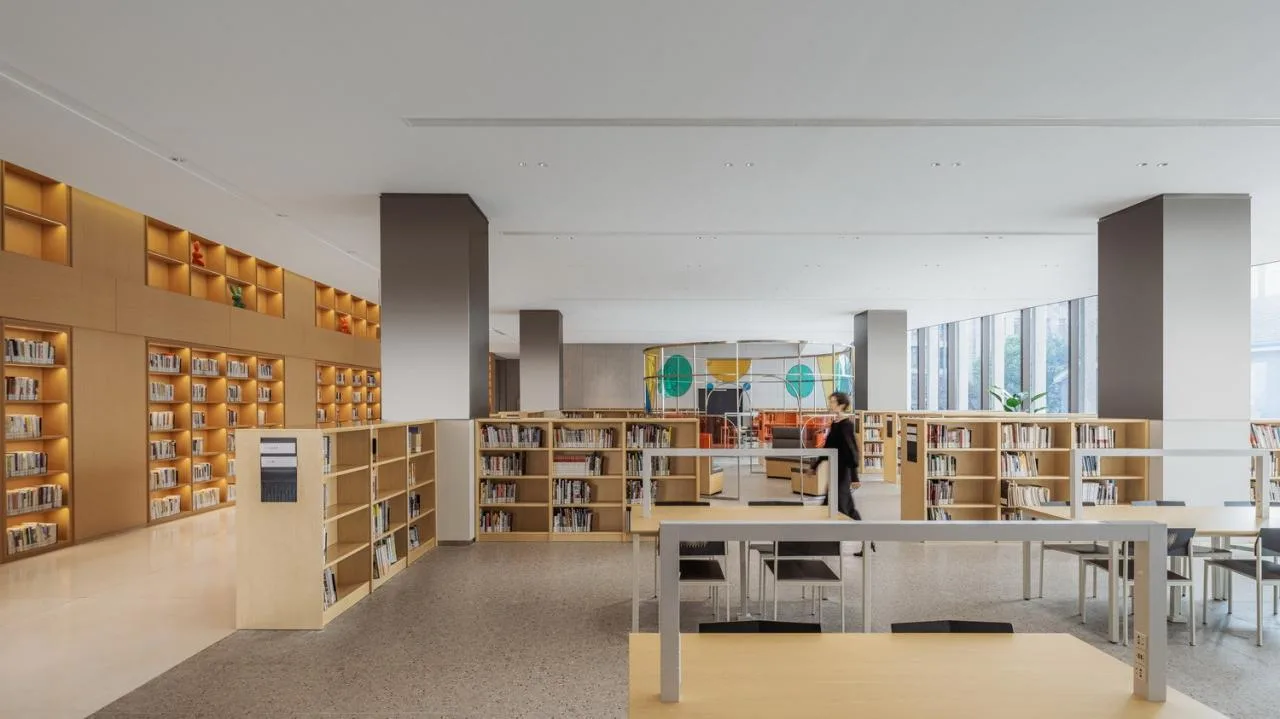
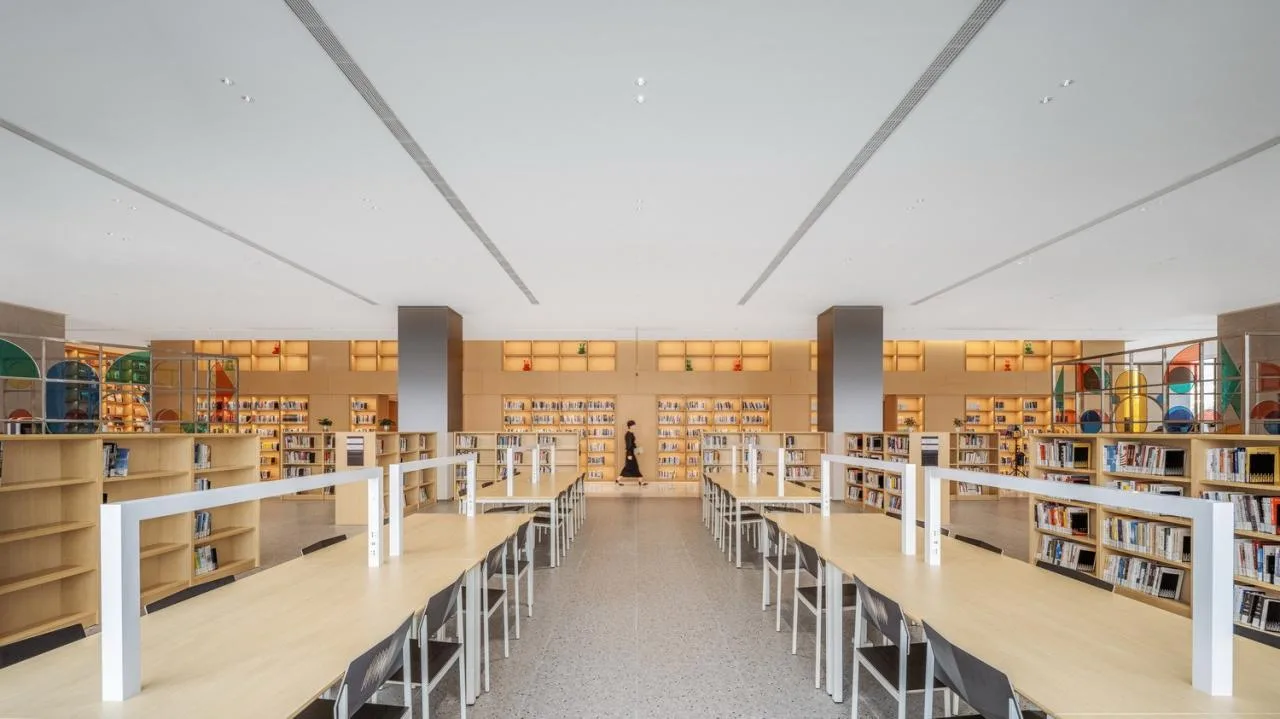
Following Wutopia Lab’s dual strategy, the two main parts—A and B—form related yet distinct spatial narratives. Part A, the protective case, is expressed through sturdy materials like concrete, terrazzo, and paint. Part B, the storage box, conveys warmth with wood that extends to the ceiling. Within Zone A, floors two and three are distinguished by subtle variations in flooring and soft gray tones. Smaller nested boxes appear within the main library spaces: a circular island platform coffee area on the first floor; a centralized circular children’s reading area; colored glass boxes crafted with Tushanwan glass technology on the second floor serving as rest areas; and on the third floor, a skylight originally left by David is complemented with lighting design to create a lounge space nestled between the box sets. In Zone B, mezzanines flanking the atrium serve as cozy reading and display spaces, enriching the layered nesting concept further.
To enhance visual clarity, the floor and ceiling at the boundary between Zones A and B have been removed, preventing the two areas from merging visually, allowing each to maintain an independent expression.
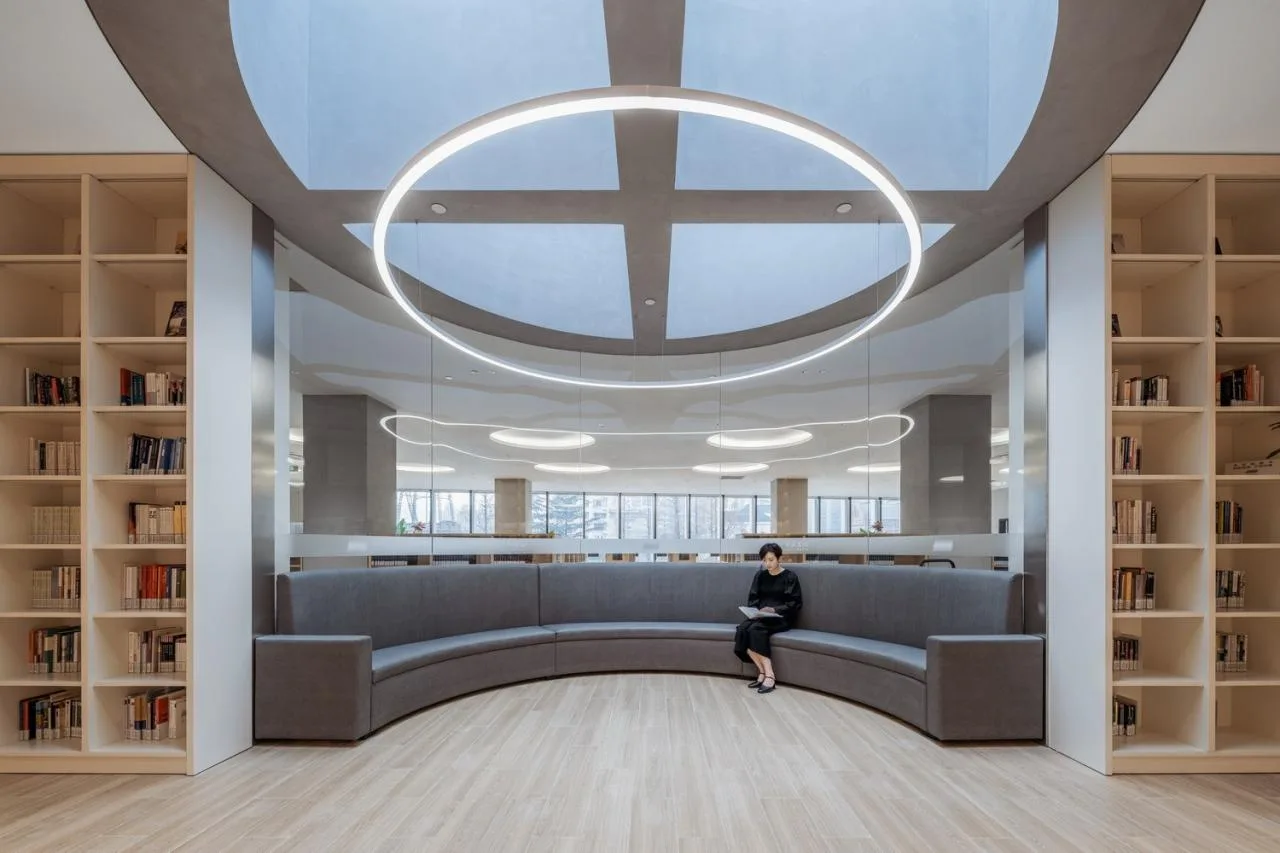
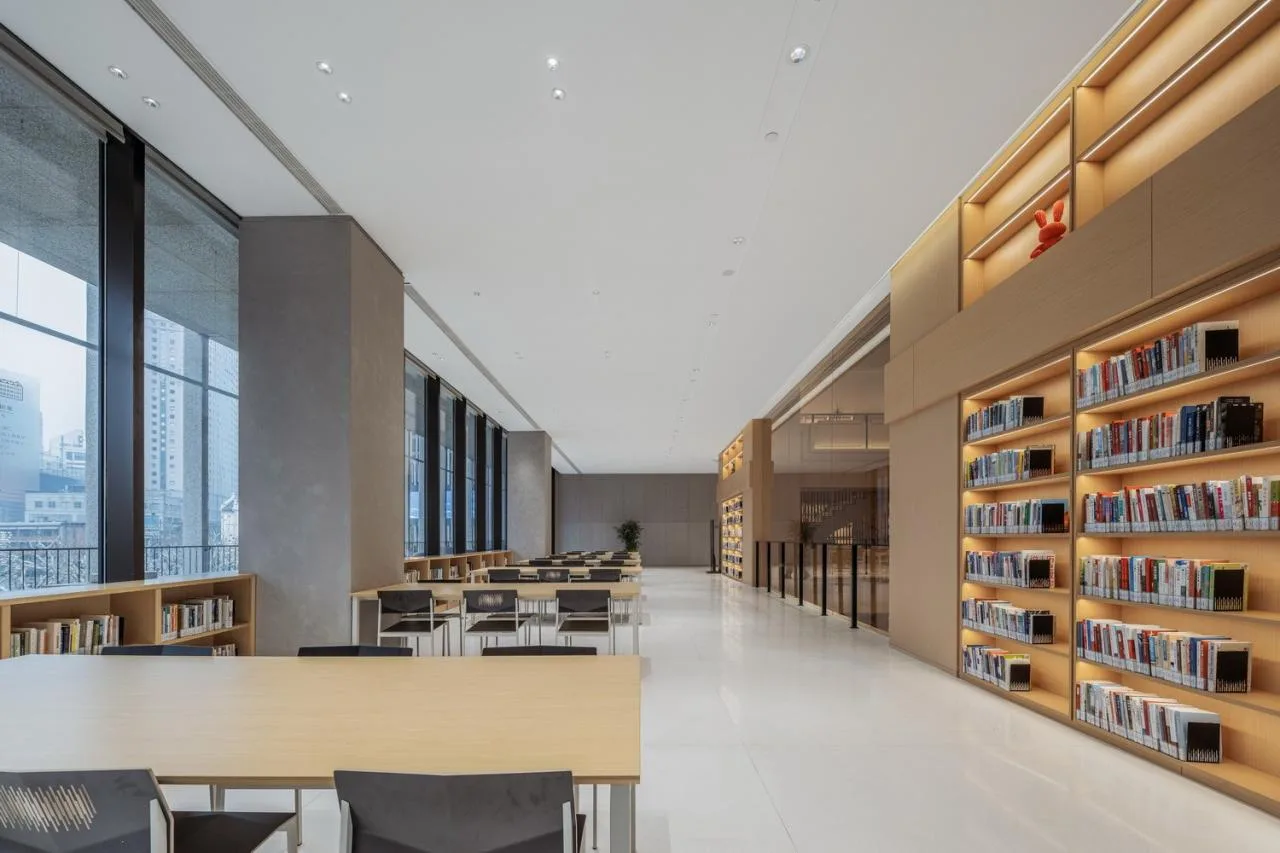
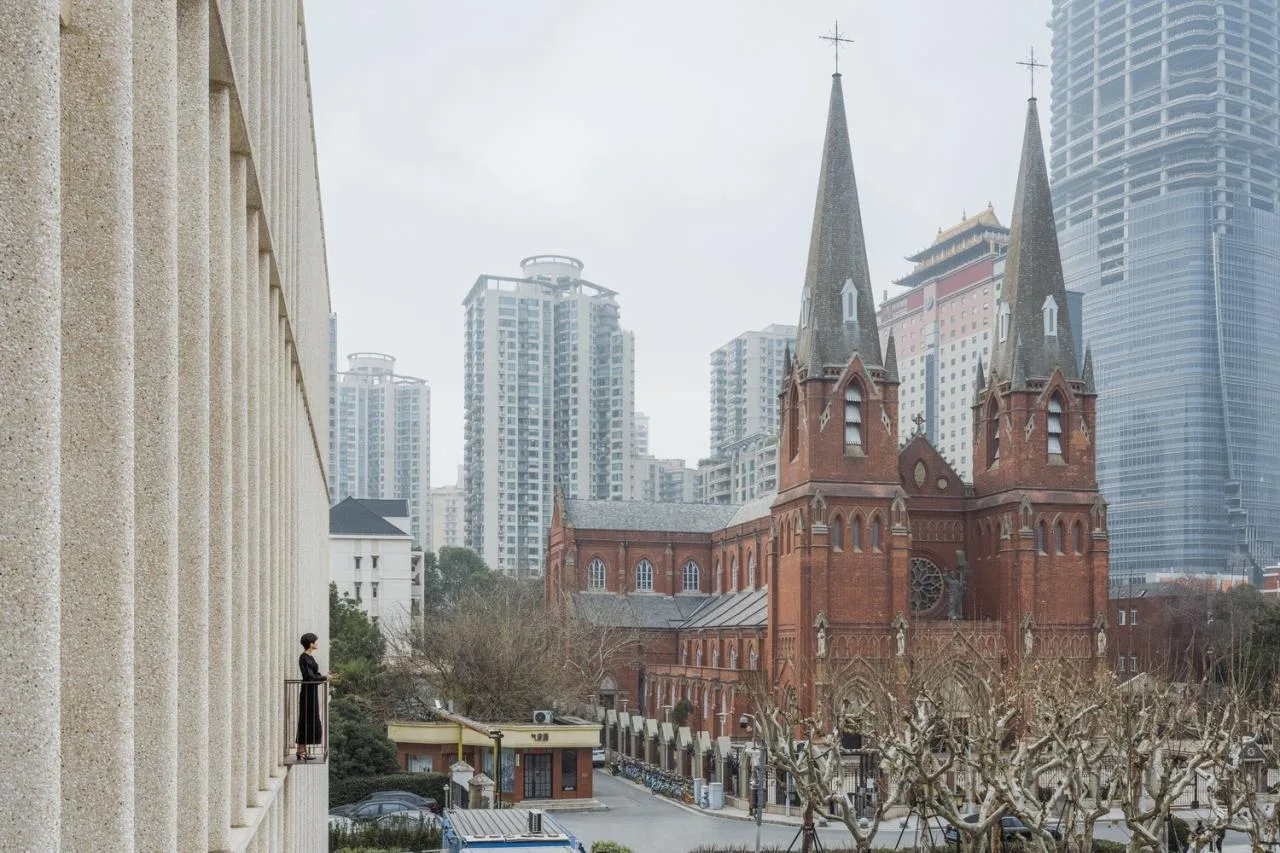
Zone B, the treasure chamber, exudes a sacred atmosphere. The design draws inspiration from the basilica style of the neighboring Catholic church, sanctifying the atrium. The arched ceiling of the atrium symbolizes the library as a contemporary temple of knowledge. This arched motif is echoed on the first floor, creating a continuous vaulted space that further distinguishes the interior narrative from the exterior facade’s architectural logic, aligning perfectly with the Chinese box concept.
Since the Tushanwan Museum was not integrated into the academy, the archway could not be introduced into the courtyard. Instead, a modern reinterpretation of the archway was 3D-printed as the climactic feature on the central axis. This fusion of the Western basilica form and the Eastern archway, combined with traditional wood structures and cutting-edge printing technology, elegantly blends Chinese and Western, ancient and modern elements. This elevates the symbolic significance of Xujiahui as the birthplace of modern Chinese science within the nested Chinese box narrative.
The Magic of Architecture: A Basilica Within a Library
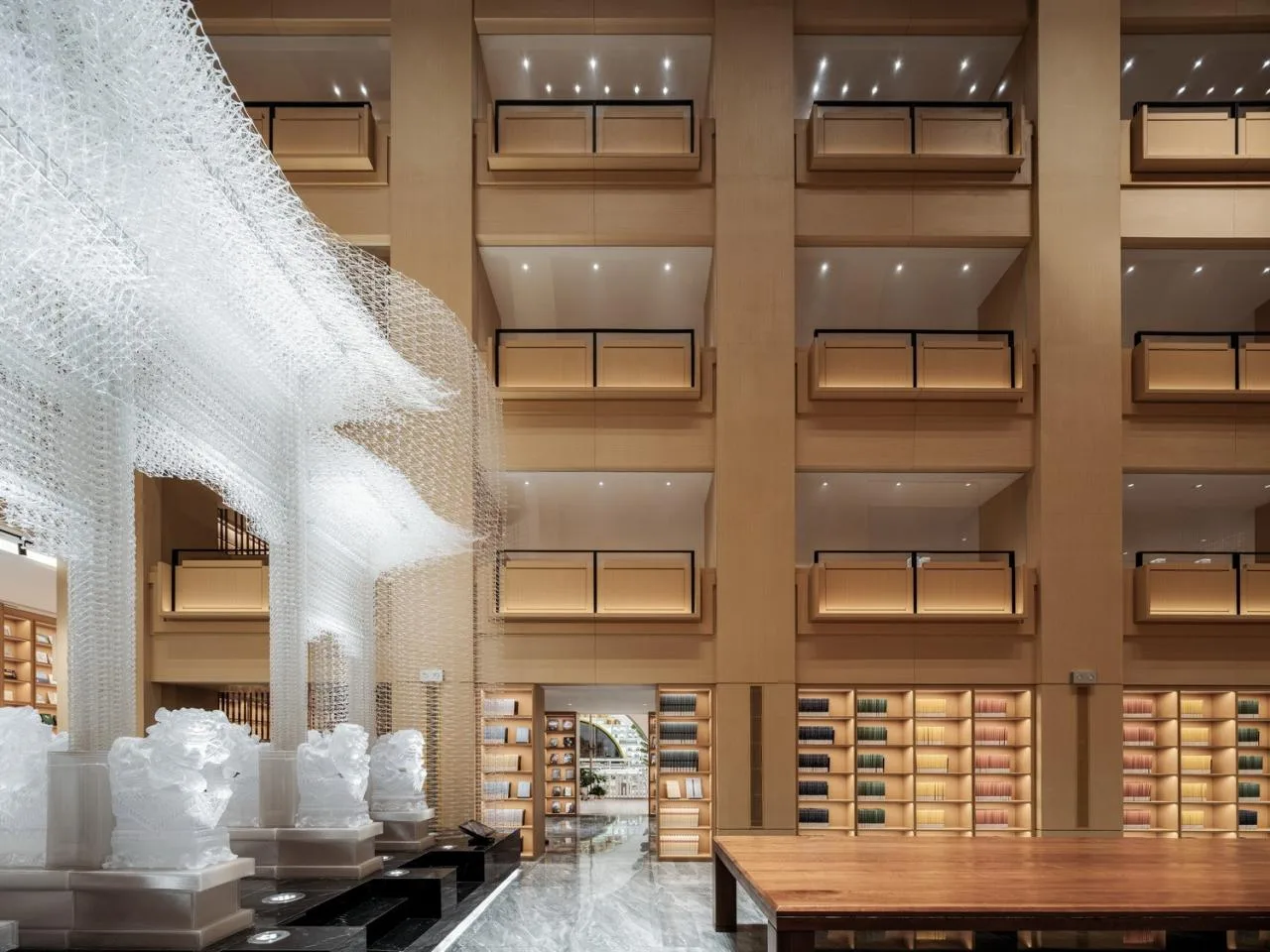
At Wutopia Lab, we believe every interior design is an extension of architecture that actively engages with the city. Xujiahui Academy is a district-level library, designed not just as a scholarly retreat but as a vibrant community hub. It aims to be open and inviting, attracting not only avid readers but also those who may not have previously frequented libraries.
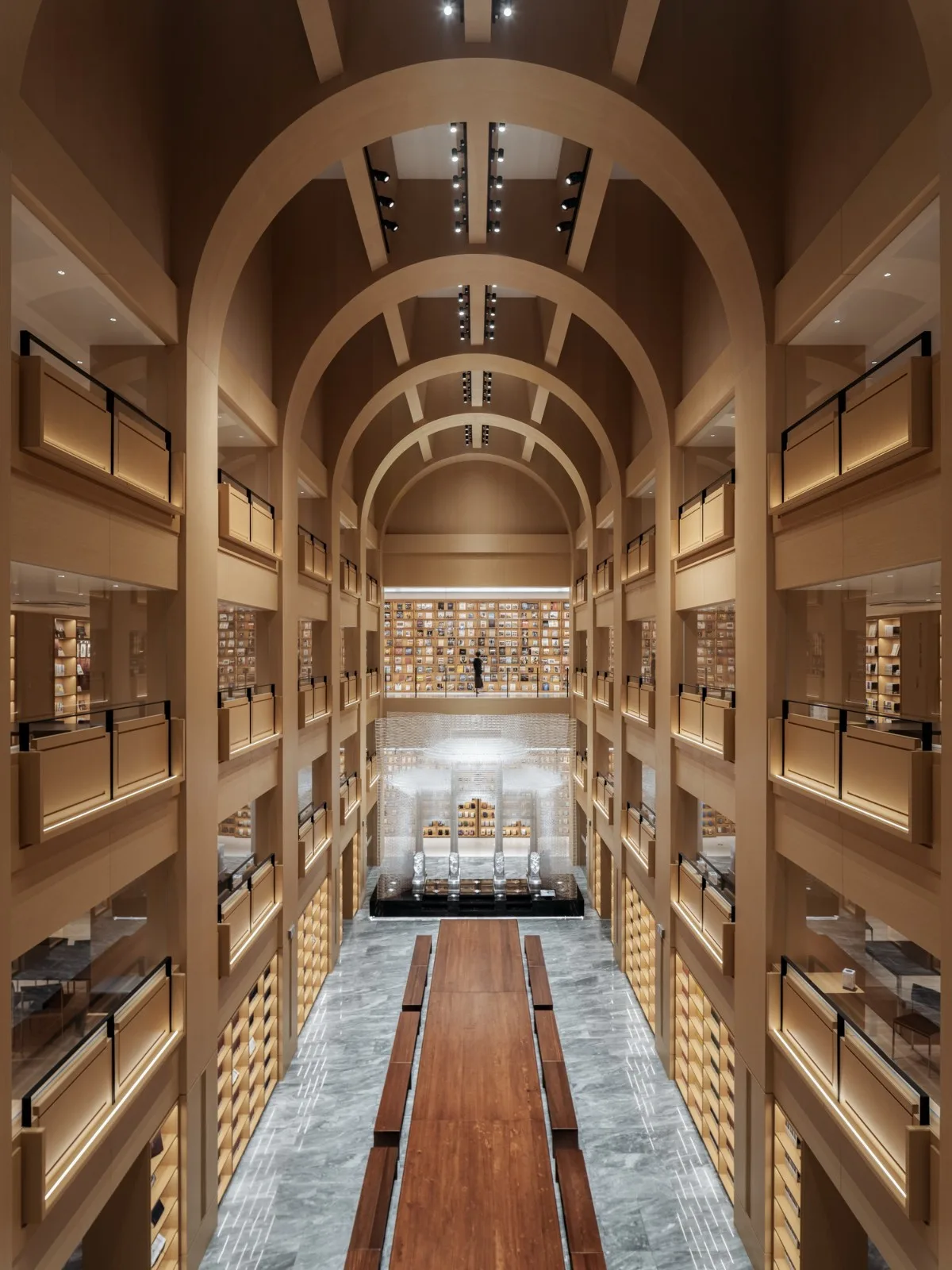
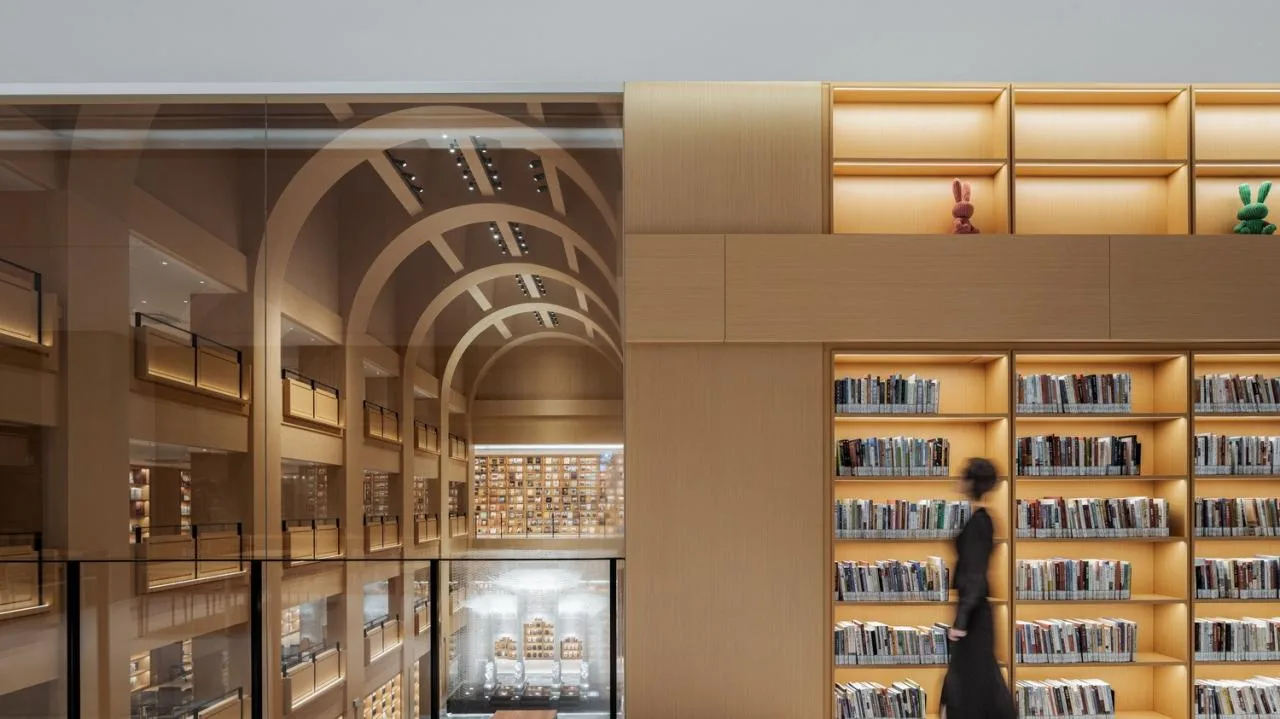
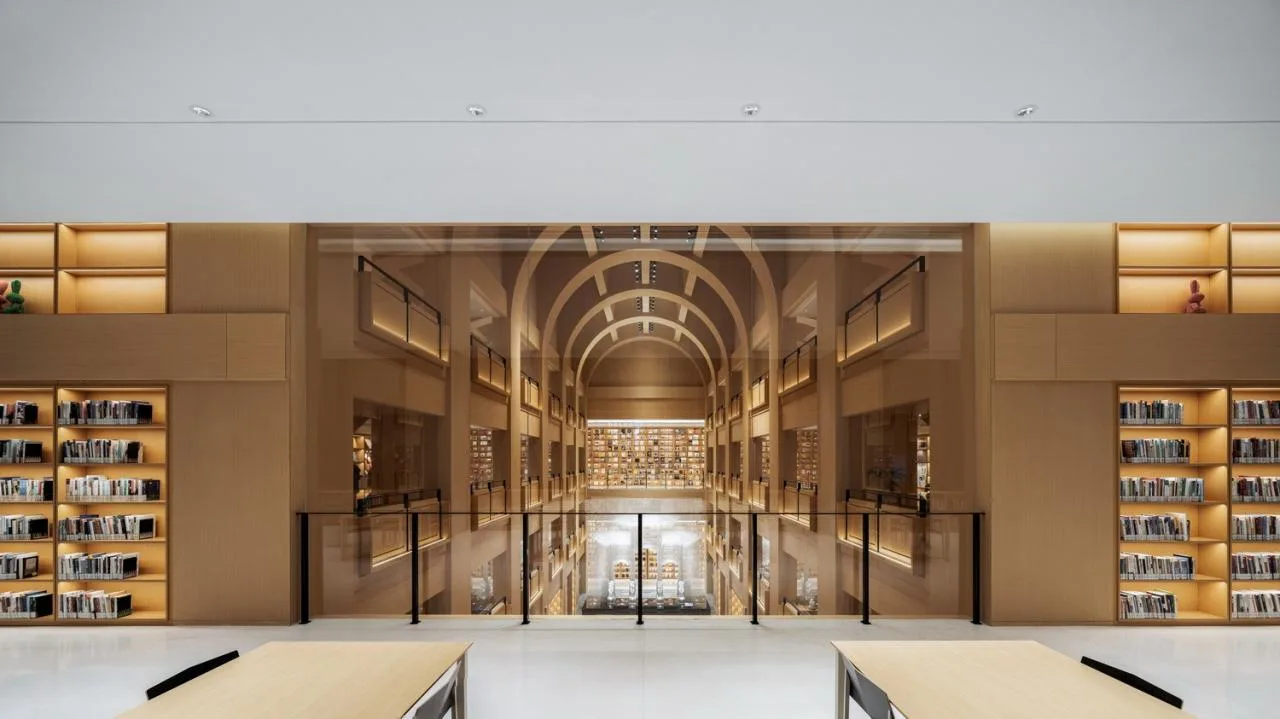
To maintain openness, the atrium is fully visible from the city-facing facade. No complicated functions obstruct the view here, allowing the grand and inviting atrium to shine through the glass and colonnades. This glowing courtyard acts like an island of calm in the urban sea, soothing passersby.
Openness must not compromise the reading experience. To balance this, the architect utilized David’s spacious balcony to design stepped seating that facilitates crowd flow. Facing a charming city square, the academy embraces the square as a stage, with the staircase seating serving as an amphitheater where readers can enjoy the scenery. The dynamic interaction between spectators on the bridge and those seated above adds life and openness to the otherwise serious facade.
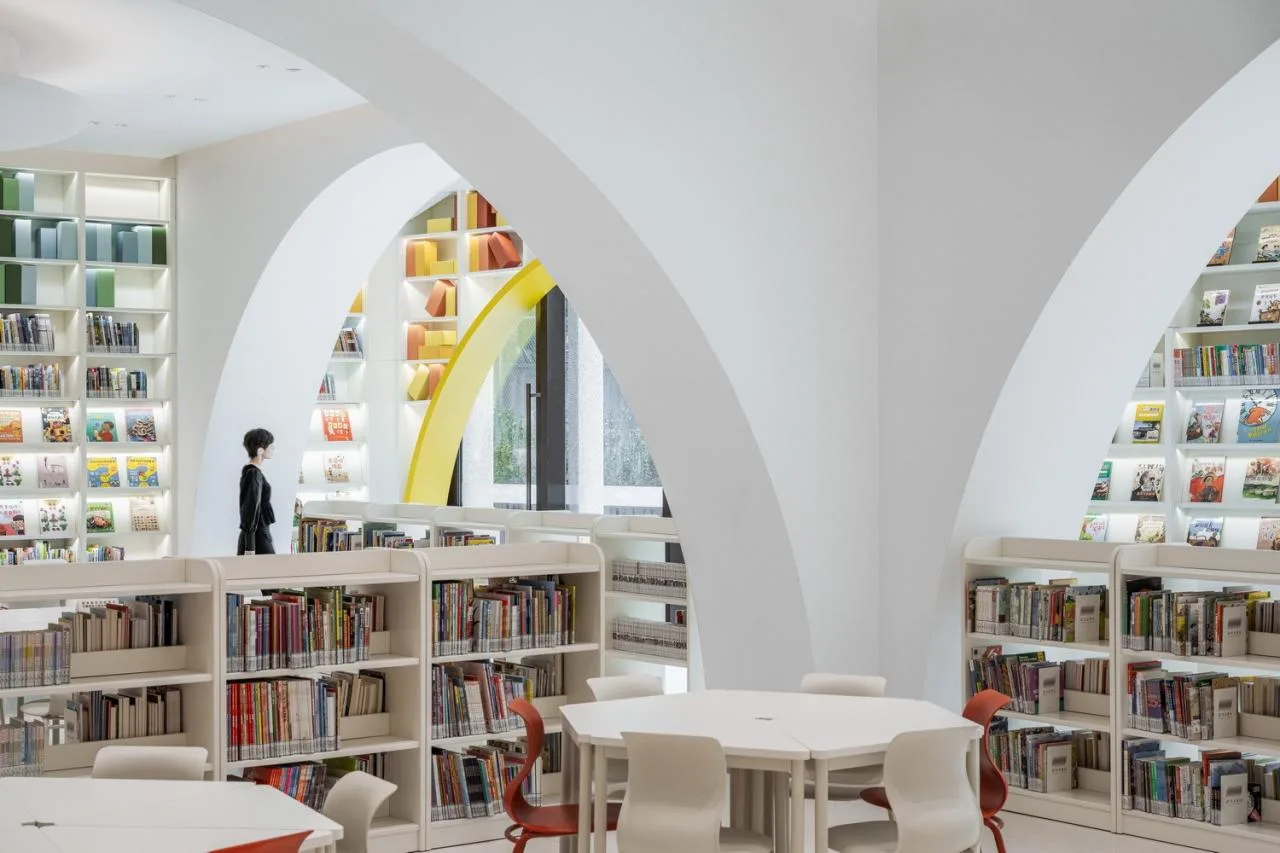
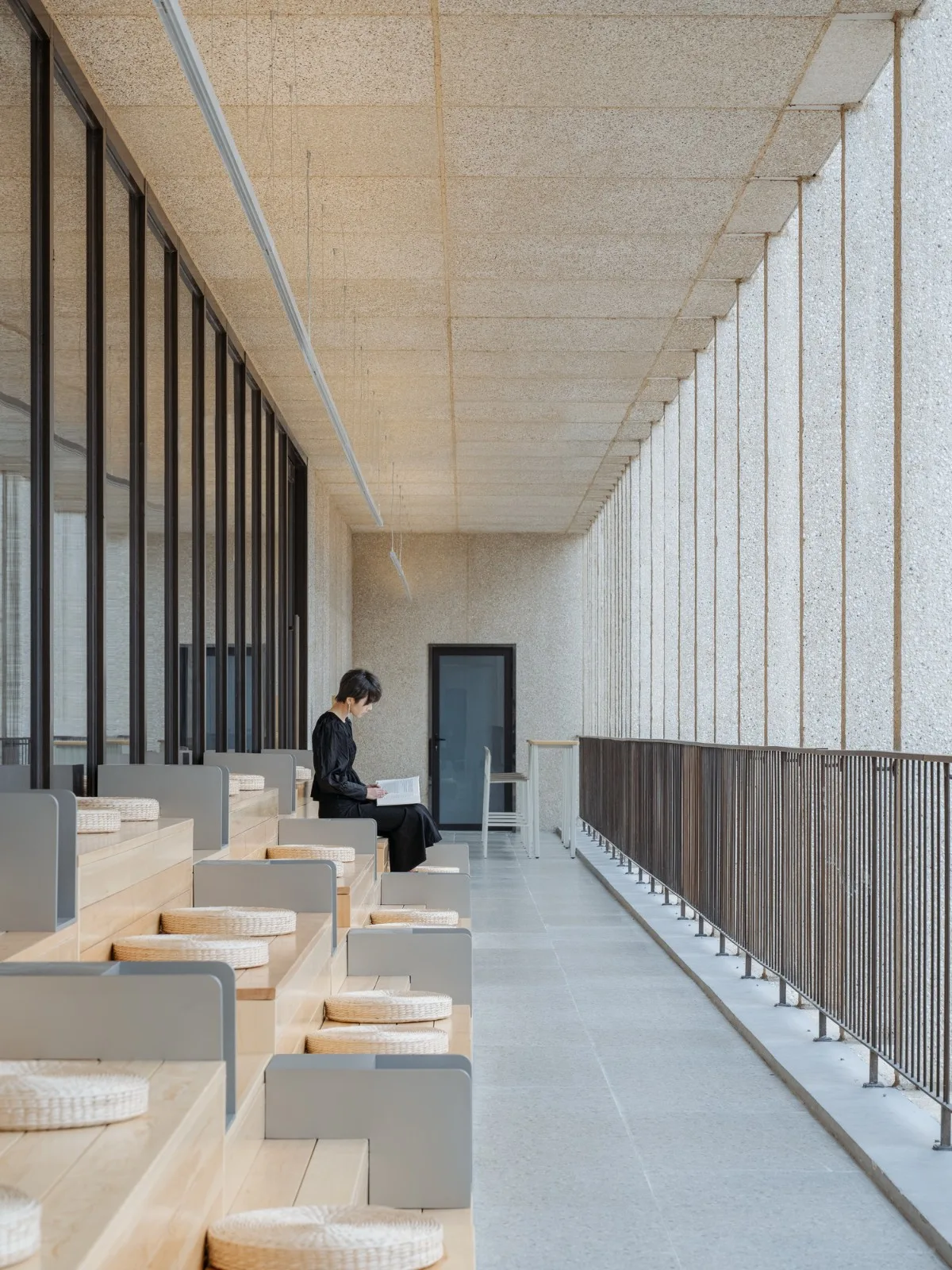
Authorities requested that the balcony hidden behind the colonnade be opened up, but this would have damaged the original facade. After careful consideration, the architect designed small balconies on both sides of the second-floor balcony. These modest extensions, taken step by step, appear to float in the air, blending seamlessly with the cityscape. Sometimes, a small step is all it takes to create meaningful change.
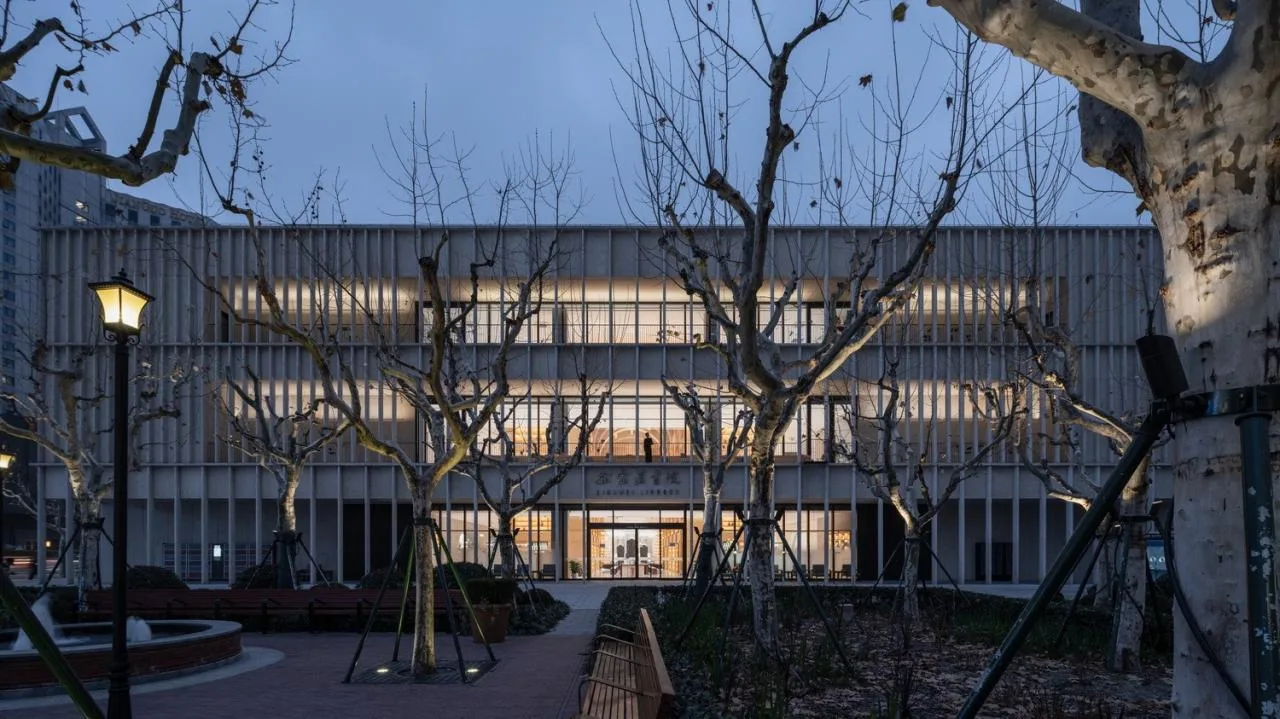
An open library can energize a community and truly renew a city. The popularity of Xujiahui Academy has surpassed all expectations. Within two months, 180,000 visitors — including many first-time library users — flocked to the space. This marks the first time in history that a public welfare venue has become the city’s hottest landmark, revitalizing the Xujiahui commercial district and drawing newfound attention. This is the magic of libraries. This is the magic of Shanghai.
“How big is the universe? — Infinite in size.” — Beautiful Heart
Project Drawings
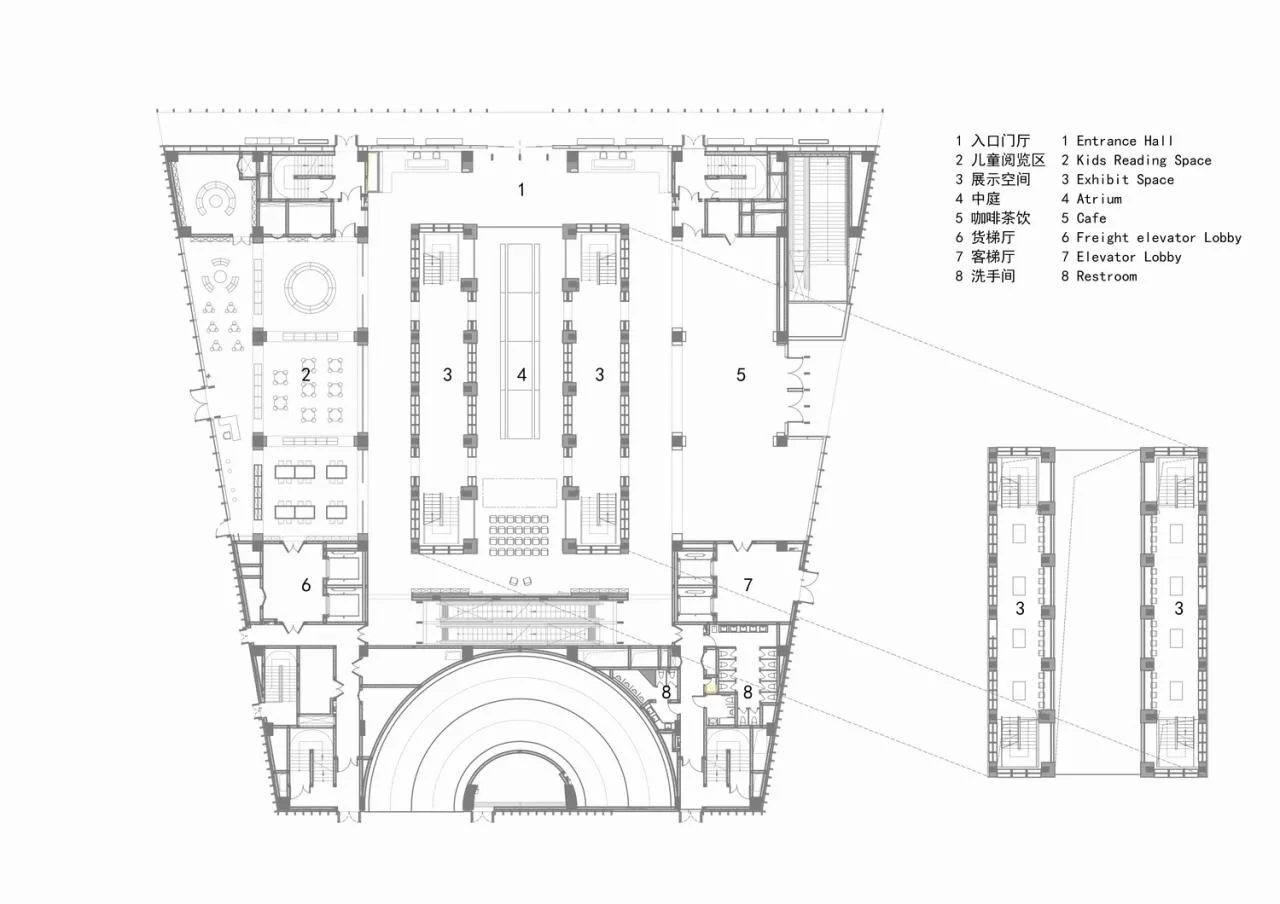
△ First Floor Plan
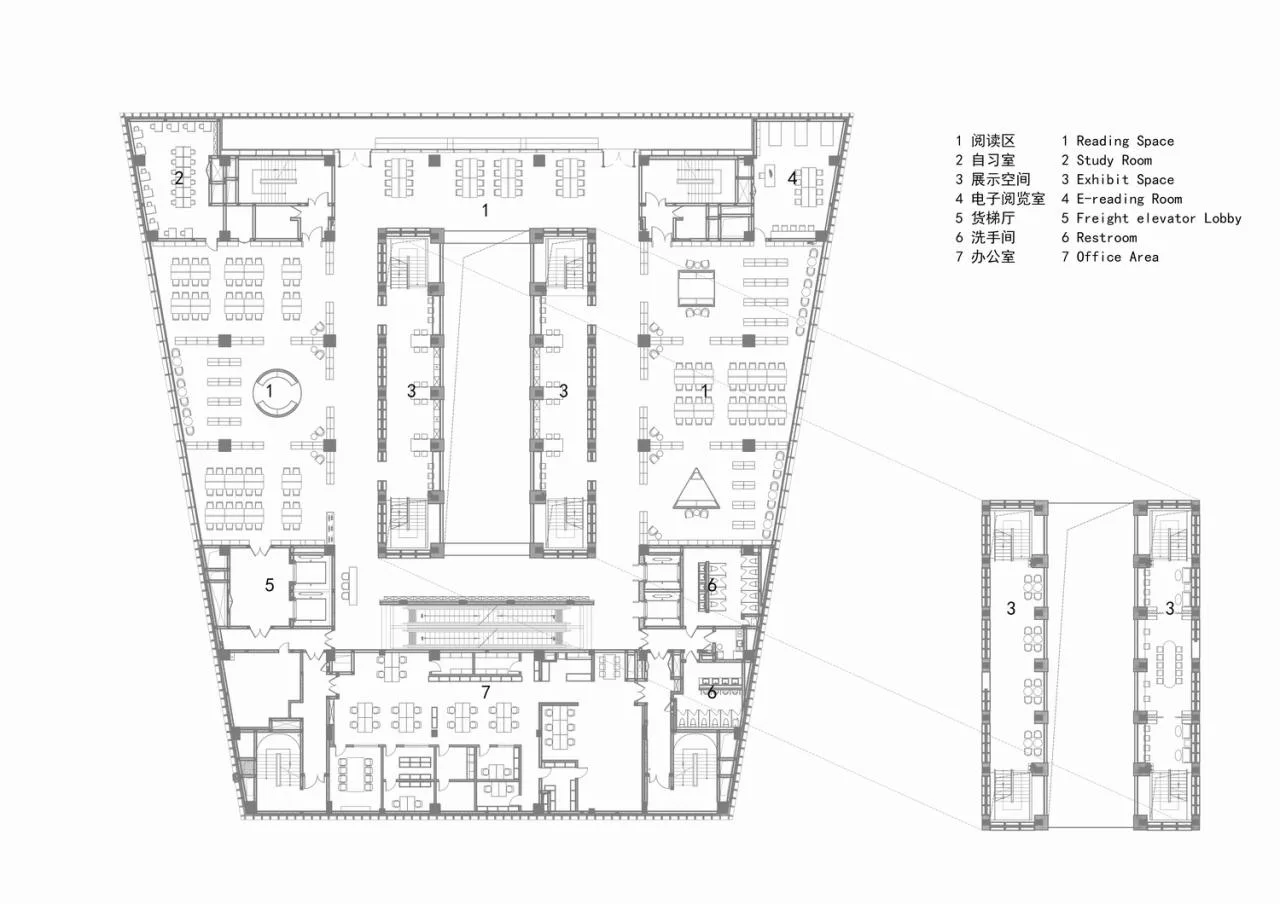
△ Second Floor Plan
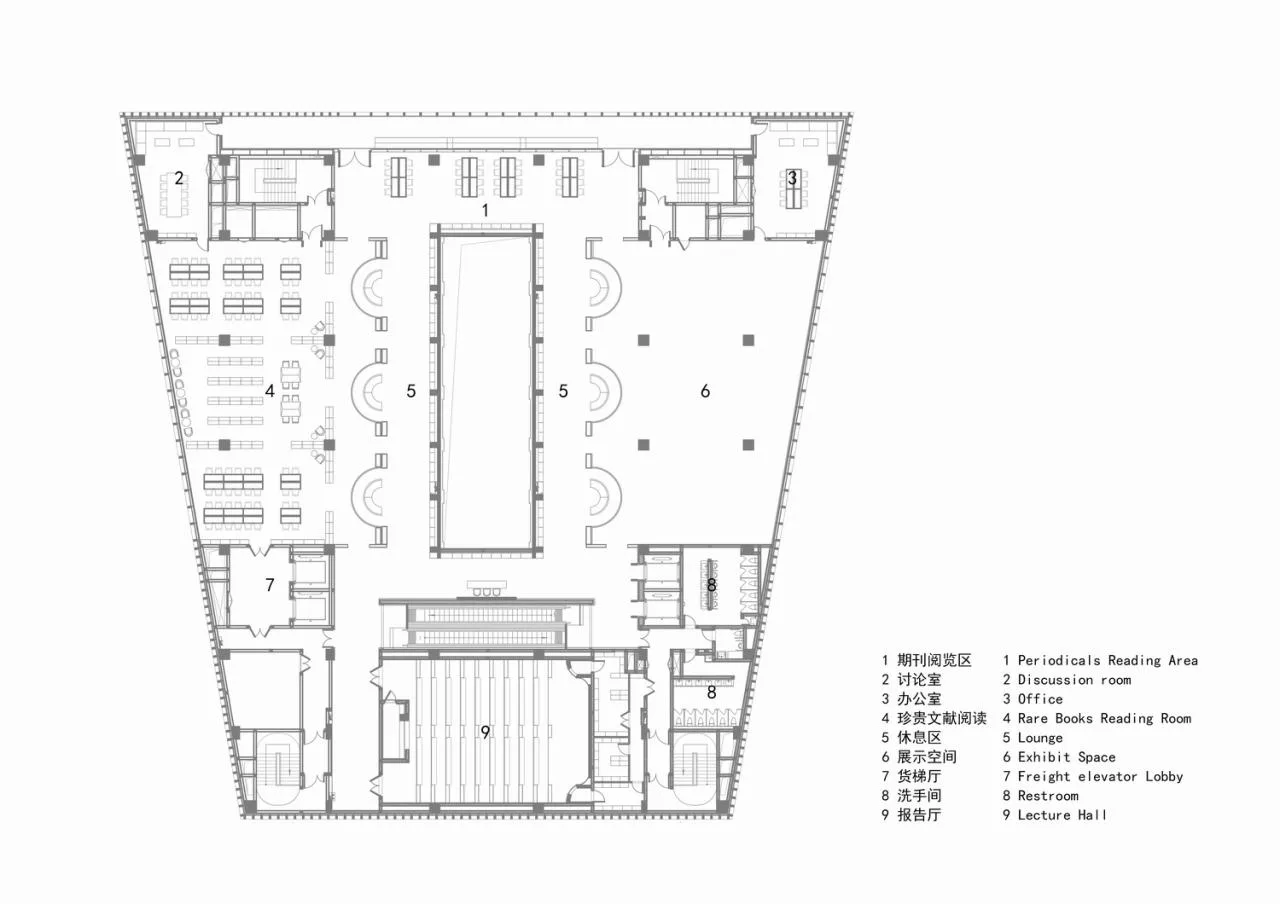
△ Third Floor Plan
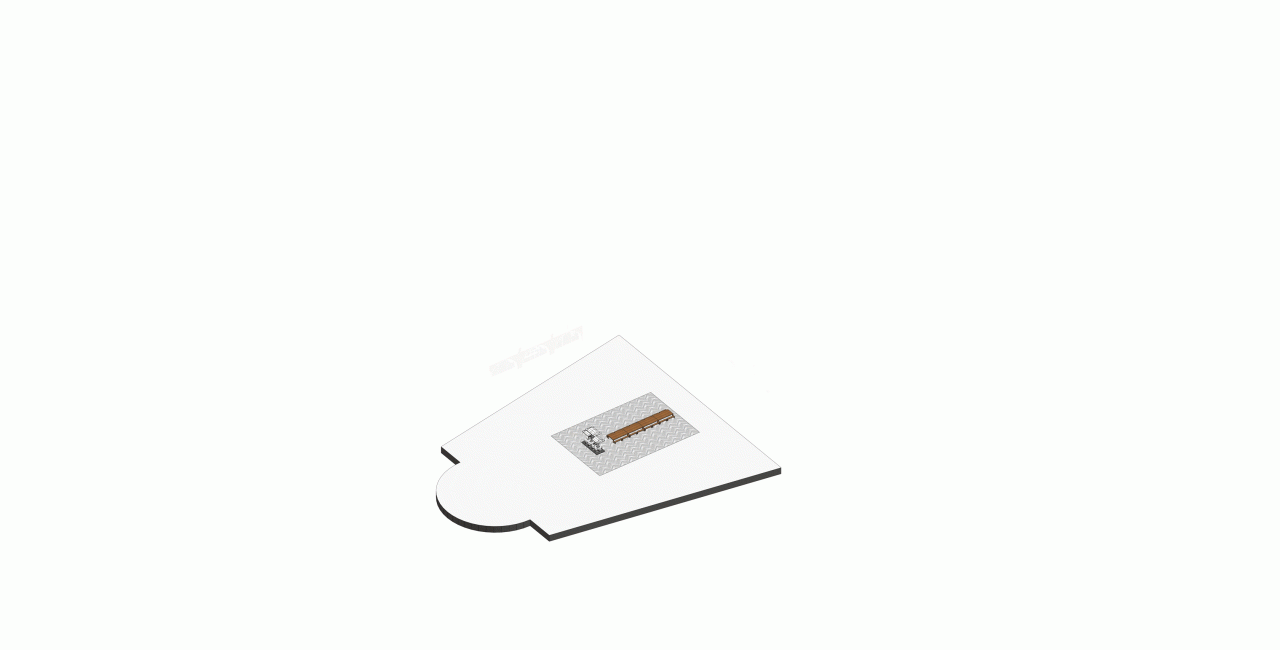
△ Structural Analysis Diagram
Project Information
Project Name: Xujiahui Academy
Interior Design Company: Wutopia Lab
Lead Architect: Yu Ting
Project Manager: Pu Shengrui
Preliminary Project Architect: Li Mingshuai
Later Project Architect: Pu Shengrui
Library Design Team: Kang Xingxi, Jiang Xueqin, An An, Chen Jun, Chen Shaofen, Wang Jing
Design Consulting: Shangrui Yuanzhu Design Consulting Co., Ltd
Bookstore Stage Design Team: Jinrui, Pan Hui, Wang Liyang, Pan Dali, Yu Jing
Lighting Consultants: Zhang Chenlu, Cai Mingjie, Wei Shiyu
Space Signage Design: MEEM DESIGN (Xiuzi, Chen Siyu)
Exhibition Design: Shanghai Art Design Co., Ltd
Device Design: Shanghai Yizao Technology Co., Ltd
Installation Lighting Consultants: Zhang Chenlu, Du Yuxuan, Li Wenhai
Construction Drawing Design: Shanghai Modern Building Decoration Environment Design and Research Institute Co., Ltd
Photography: CreatAR Images
Video: CreatAR Images
On-Camera Appearance: iz
Construction Units: Xuhui District Cultural and Tourism Bureau, Xuhui District Library
Construction Unit: Shanghai Modern Building Decoration Environment Design and Research Institute Co., Ltd
Project Location: Xuhui District, Shanghai, China
Building Area: 18,650 square meters
Design Period: May 2017 – December 2021
Completion Date: December 2022















Must log in before commenting!
Sign Up