
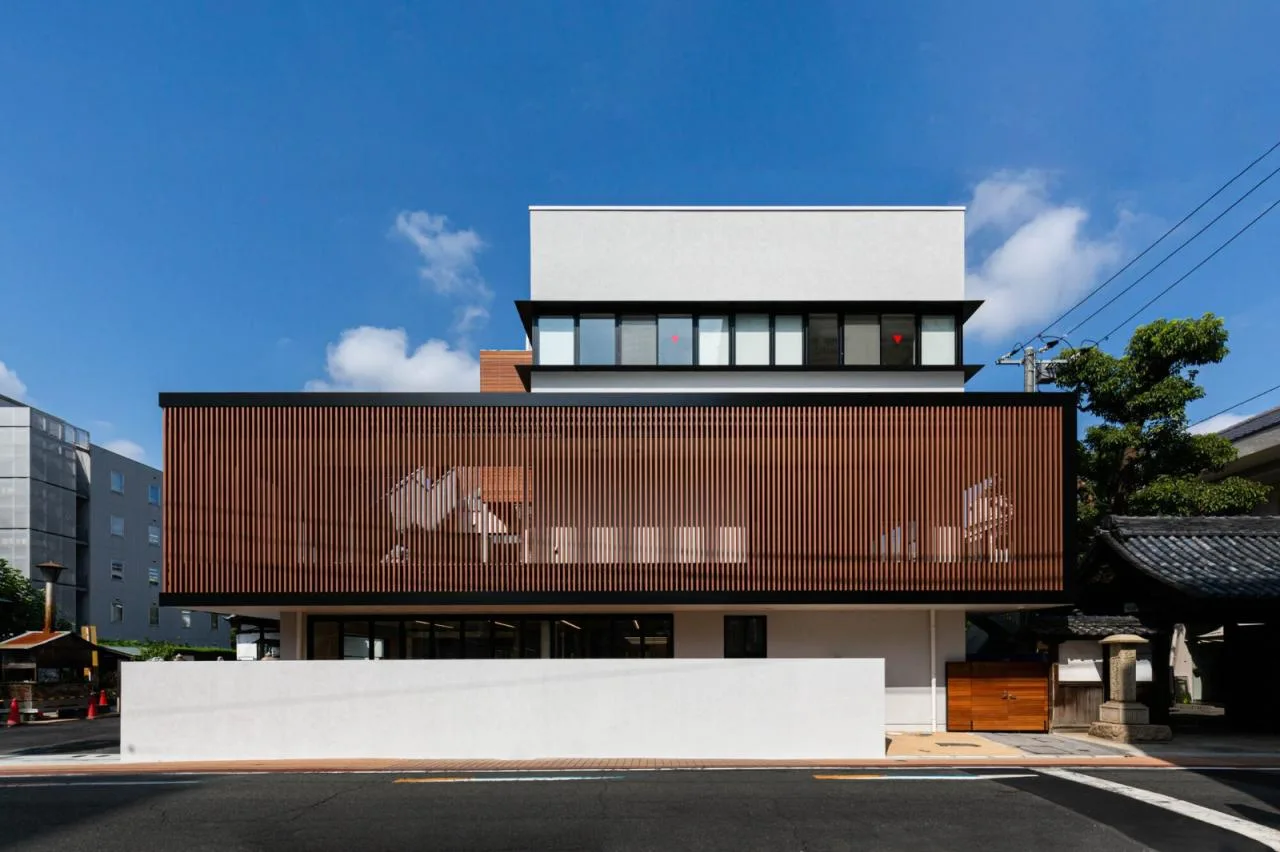
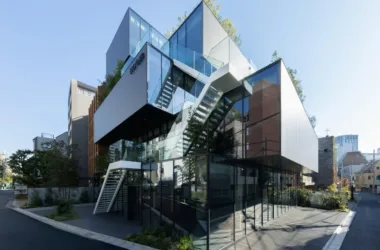
This kindergarten, designed to accommodate 135 children, is founded on the concept of “nurturing imagination and local connections.” Historically, the client’s temple was deeply integrated with the local community, with children receiving care and attention from the neighbors. The temple served multiple purposes—not only as a place for prayer but also as a hub for shopping, strolling, and enjoying performances under tents. It became a gathering spot where neighbors shared memorable moments. Children played freely, engaged with locals, and developed a strong affection for their hometown. However, over time, this cherished relationship began to fade.
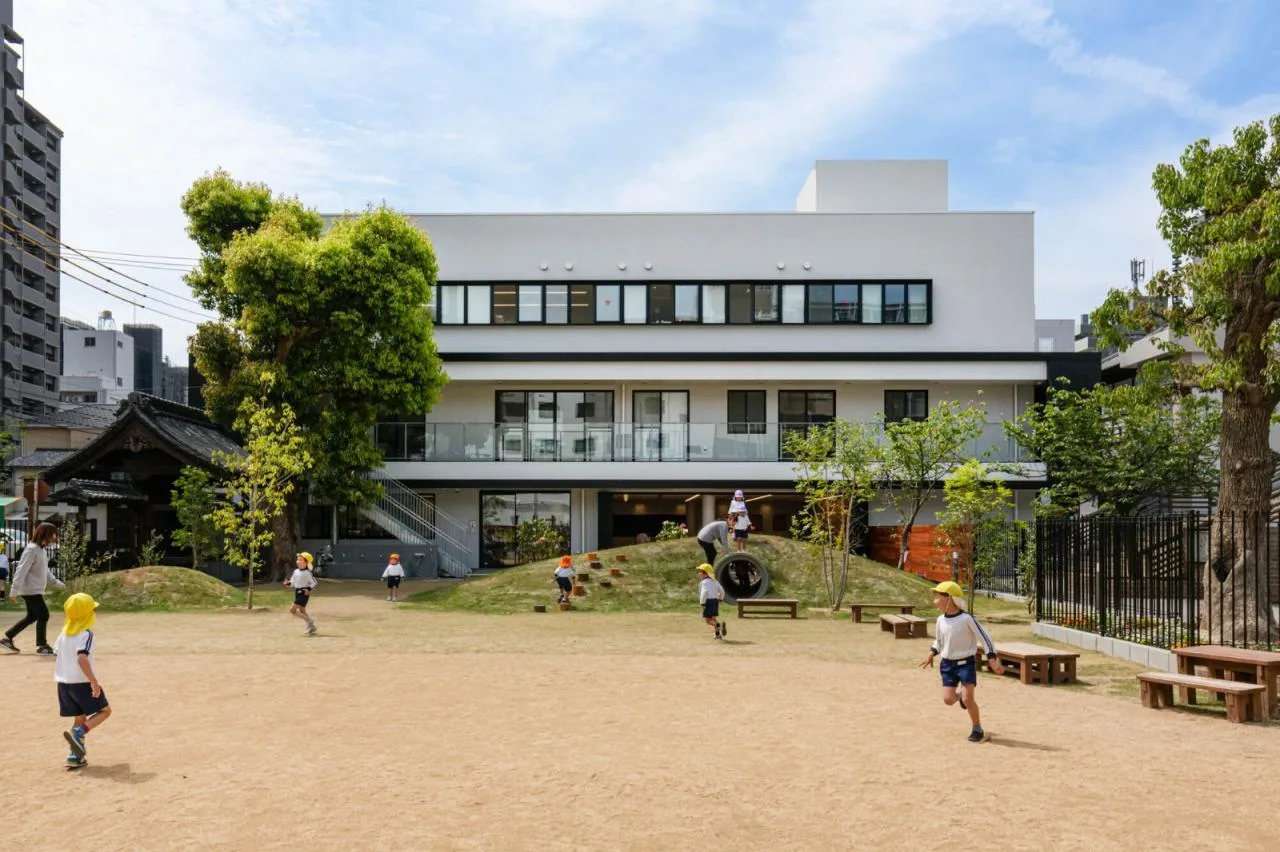
The Japanese words “Manabu” (to learn) and “Maneru” (to imitate) reflect how children grow by observing and emulating adults in their everyday lives. Through interactions with elders, children learn how to play and develop physical control; from parents, they absorb etiquette; and through engagement with locals, they gain cultural understanding. These experiences are essential for building social skills.
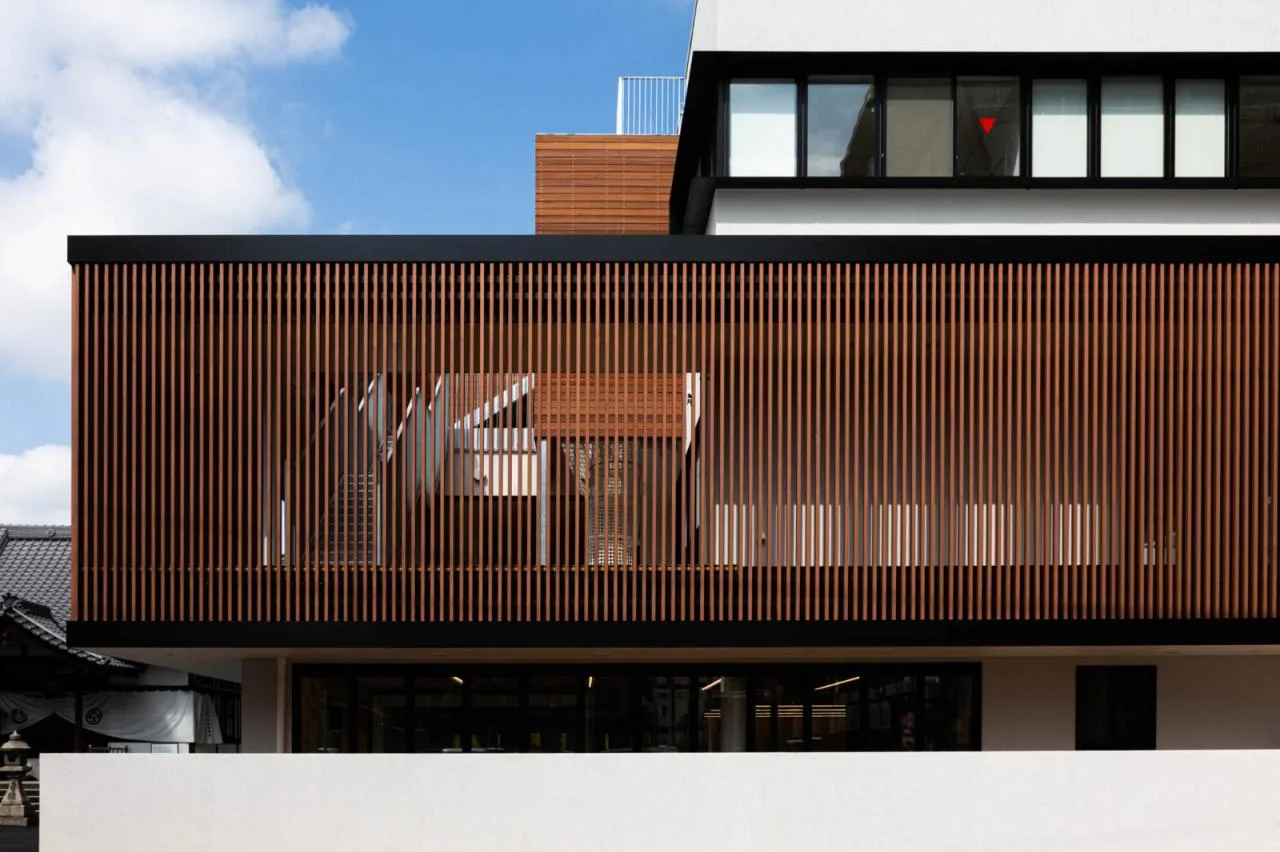
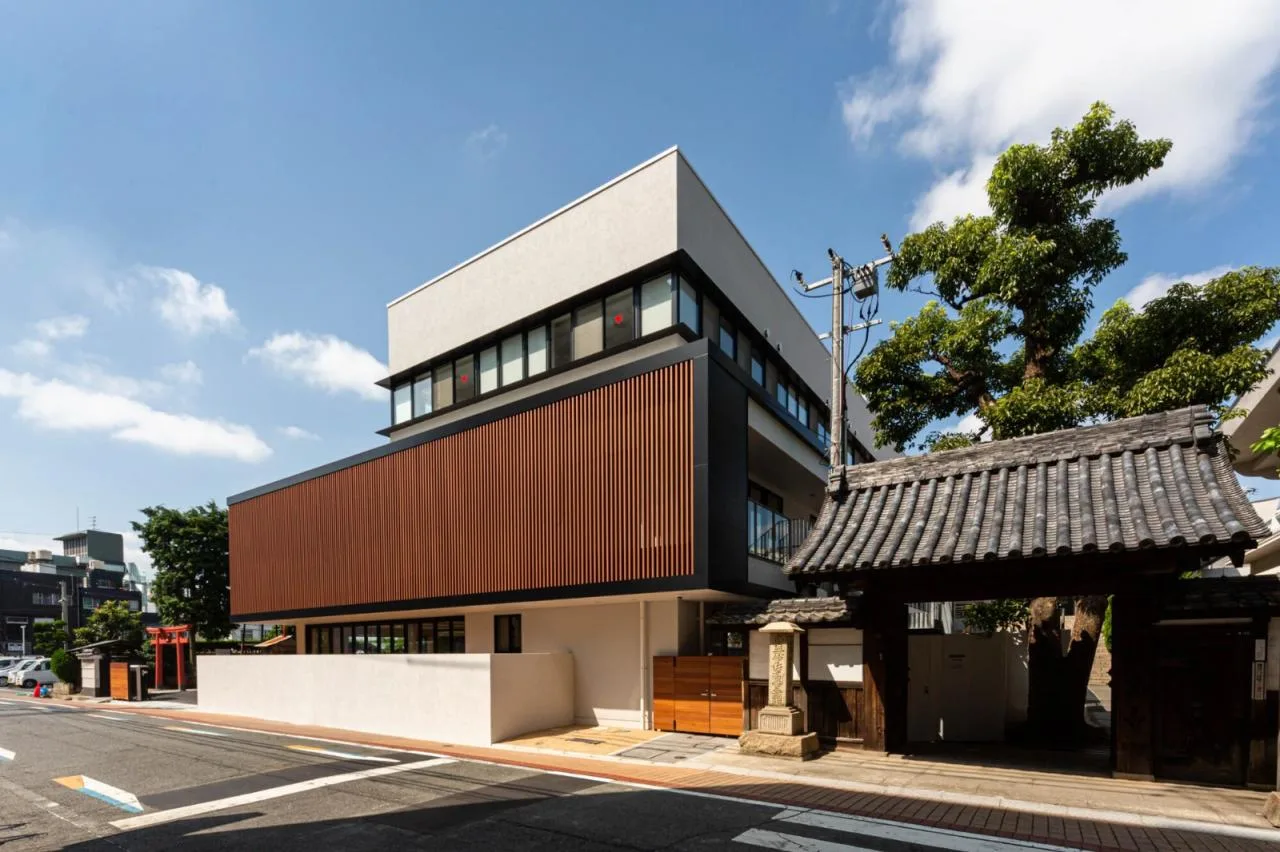
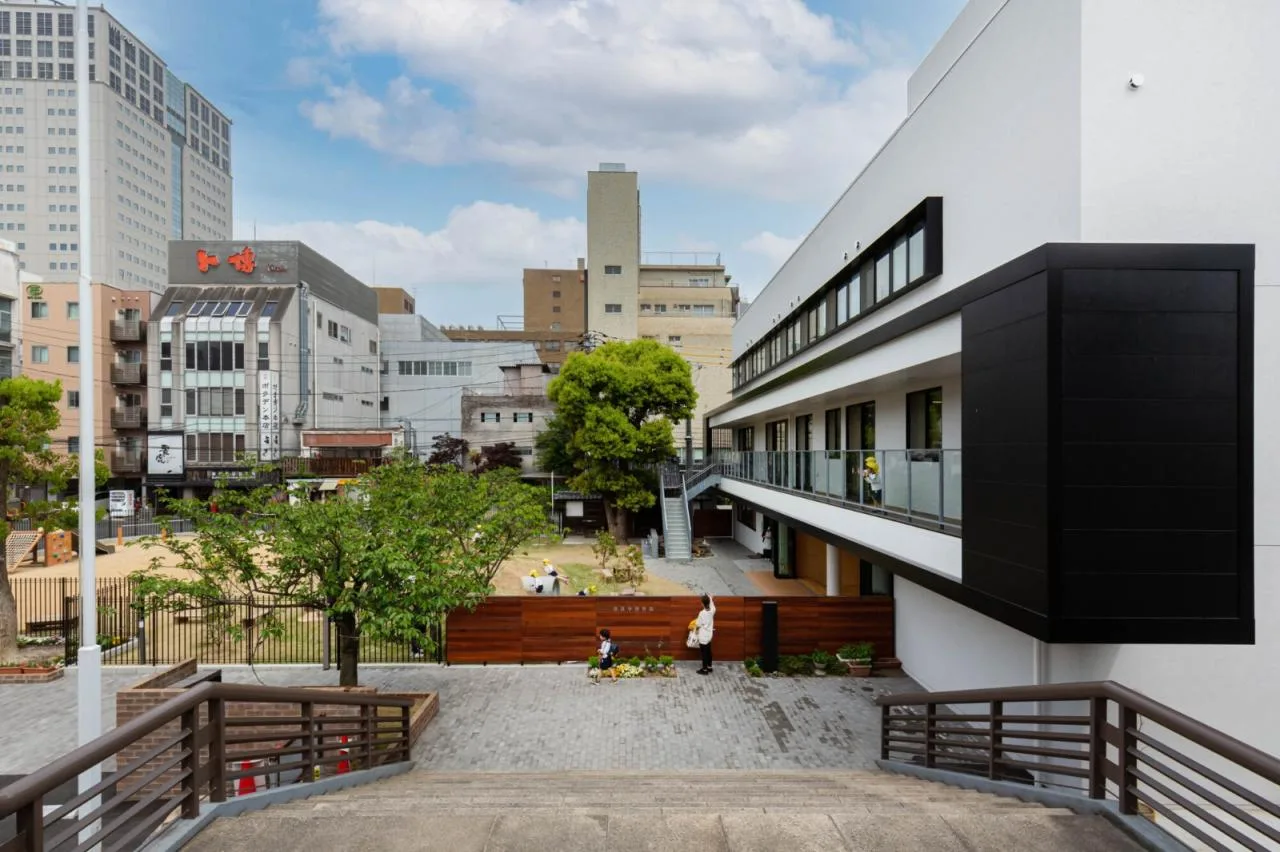
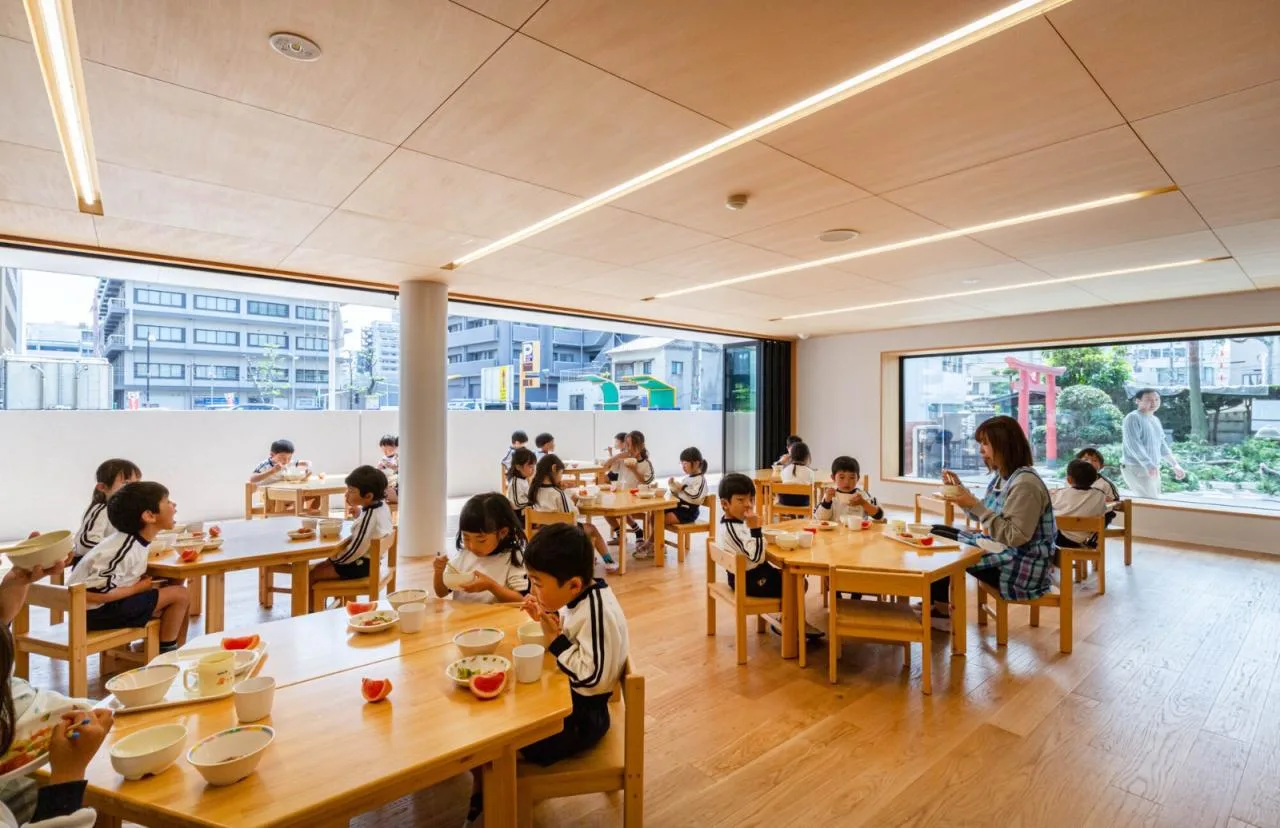
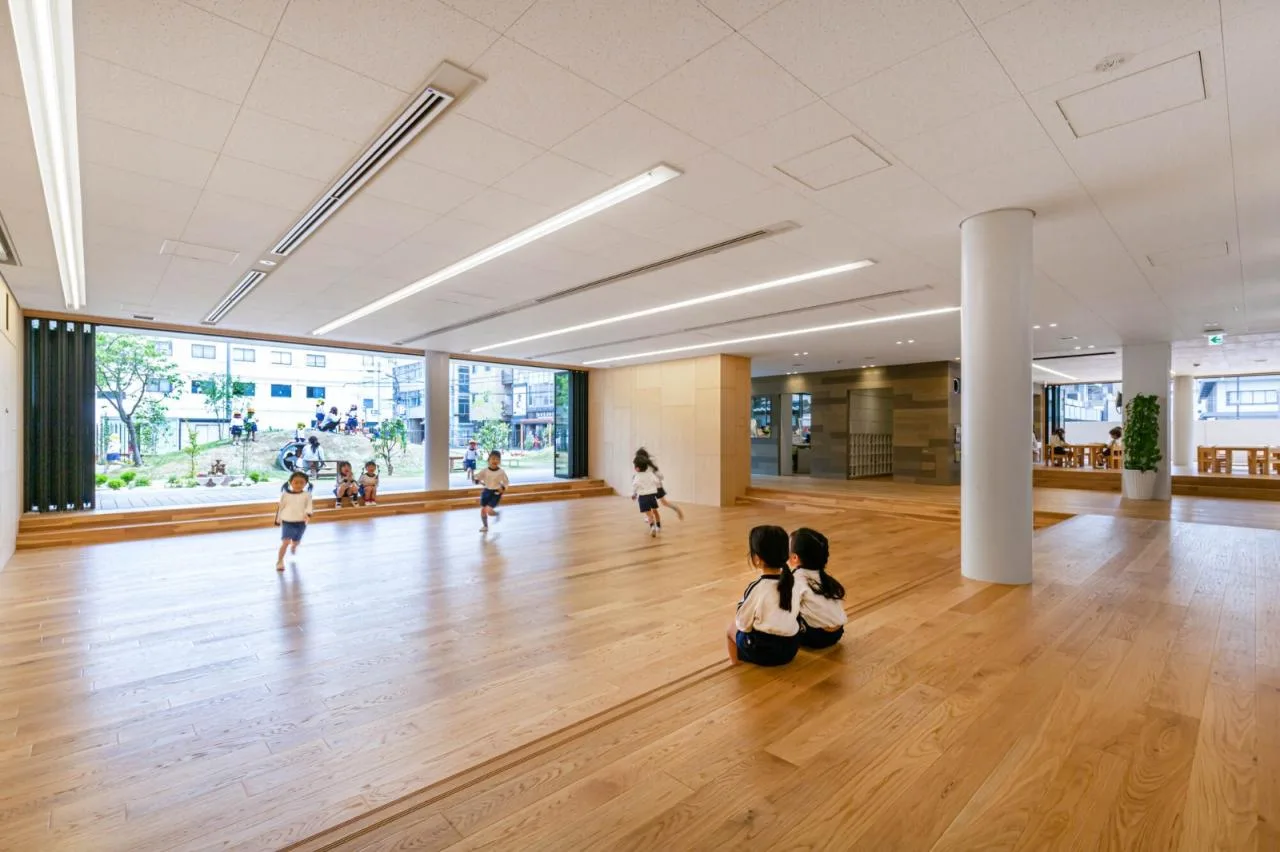
In this project, the playground is strategically positioned along the temple’s entrance, fostering increased interaction among children to develop their communication skills. The classroom facing the temple features large windows, allowing children to observe locals engaging in worship and welcoming visitors.
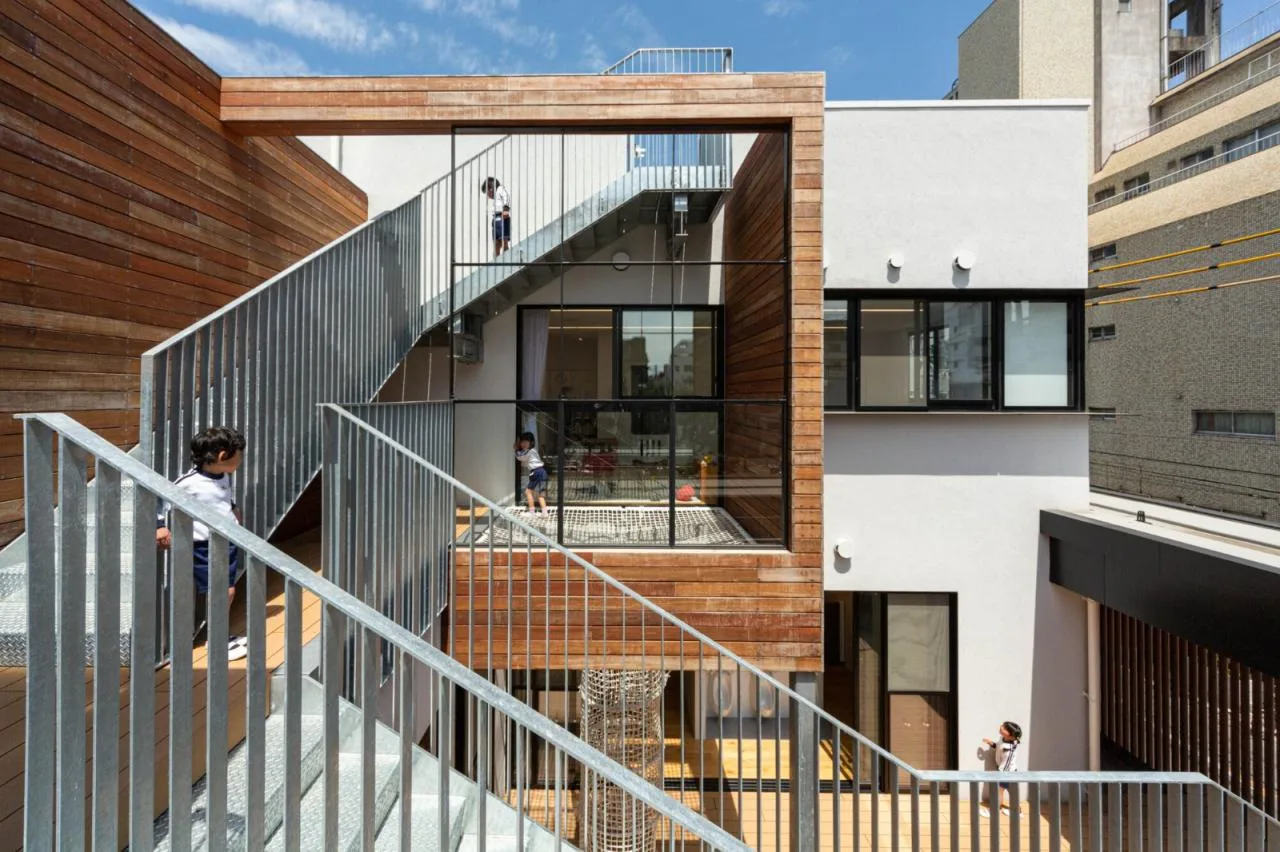
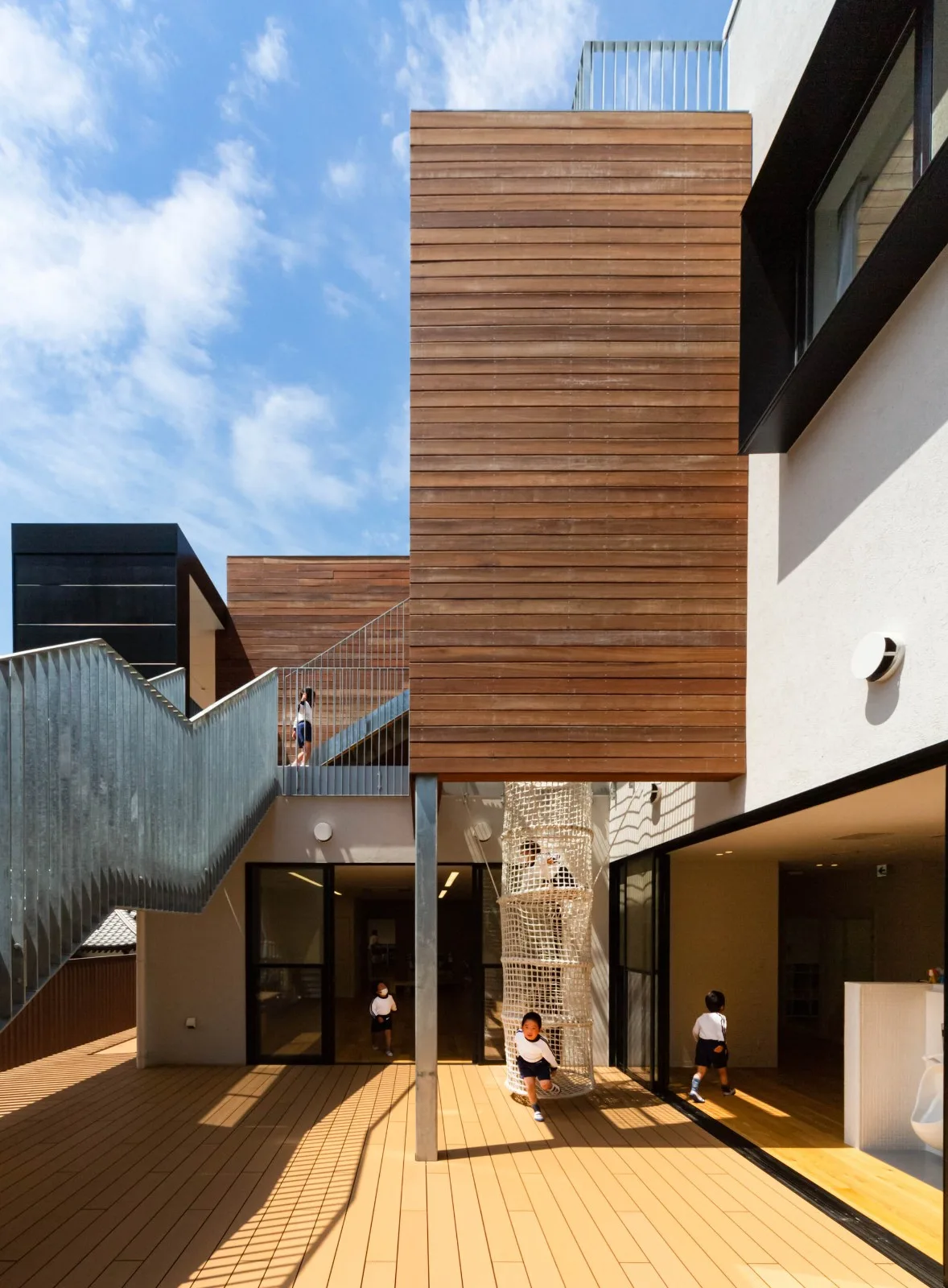
Furthermore, the nursery on the second floor connects to the baby room on the third floor via a climbing net, promoting interaction across age groups. Younger children look up to their elders, while older children gain a sense of responsibility by caring for the little ones.
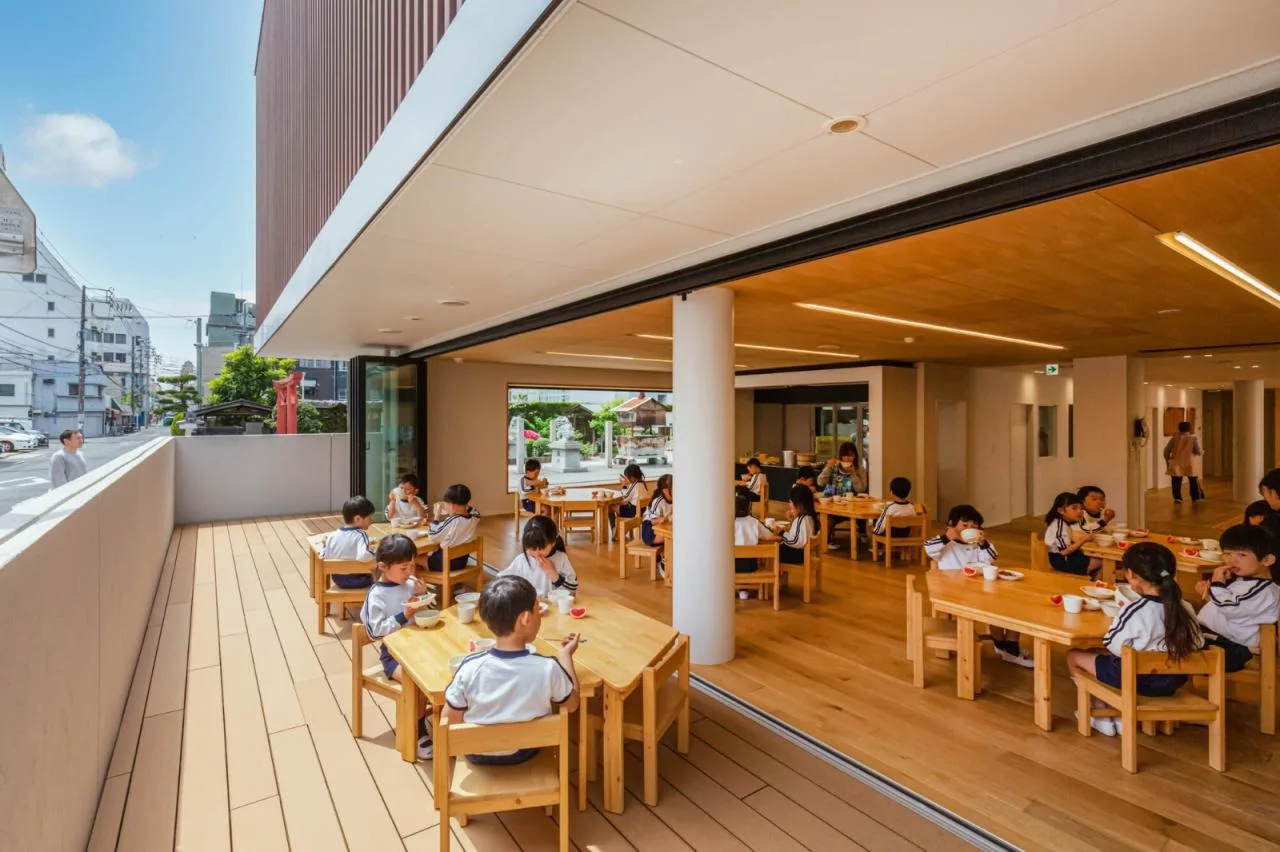
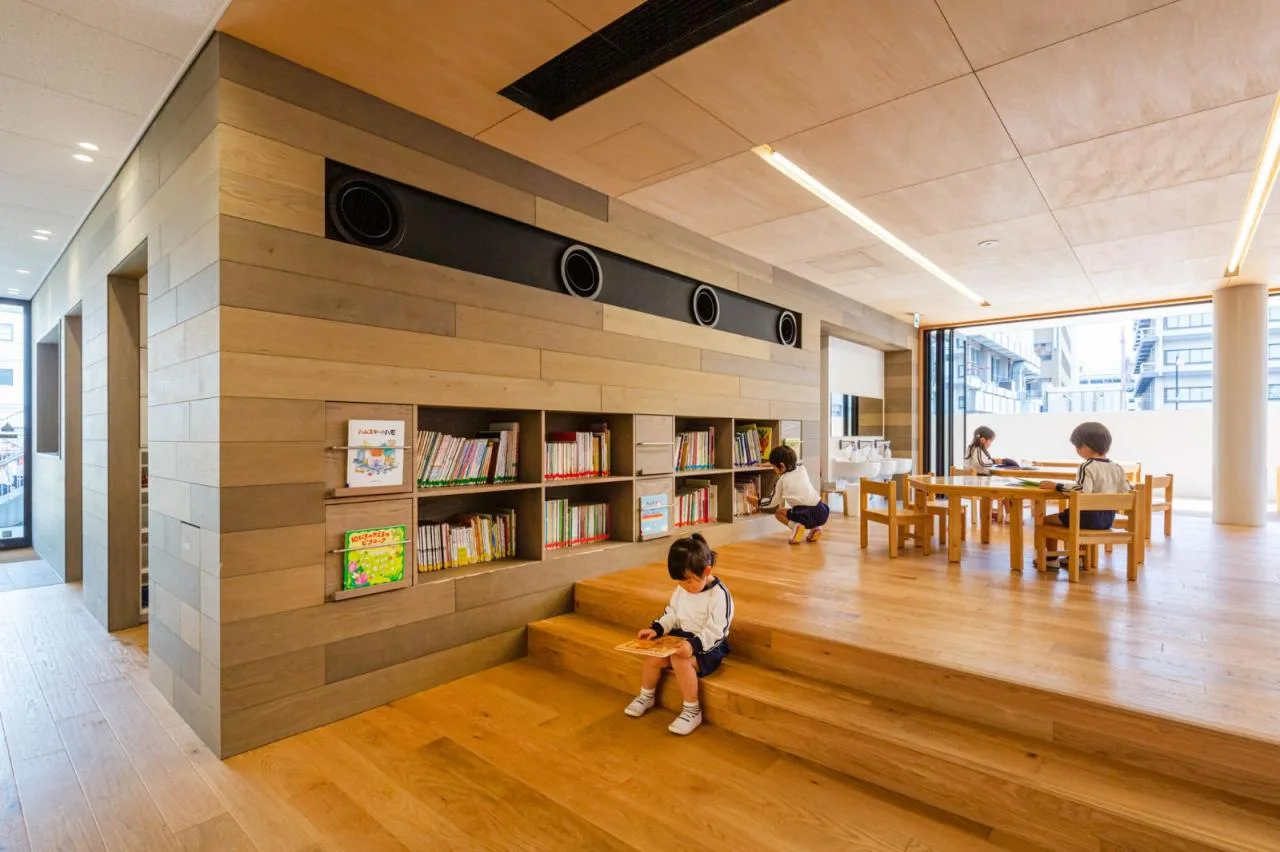
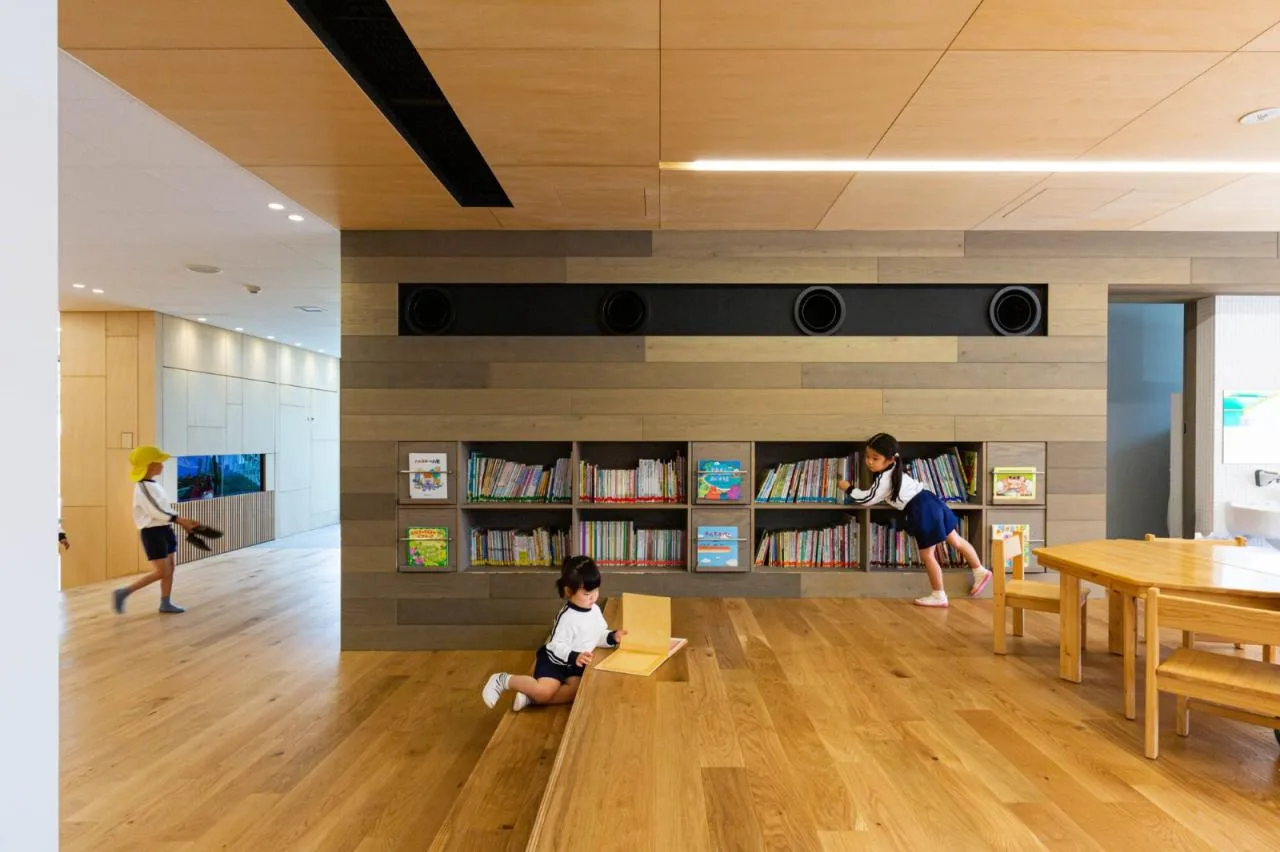
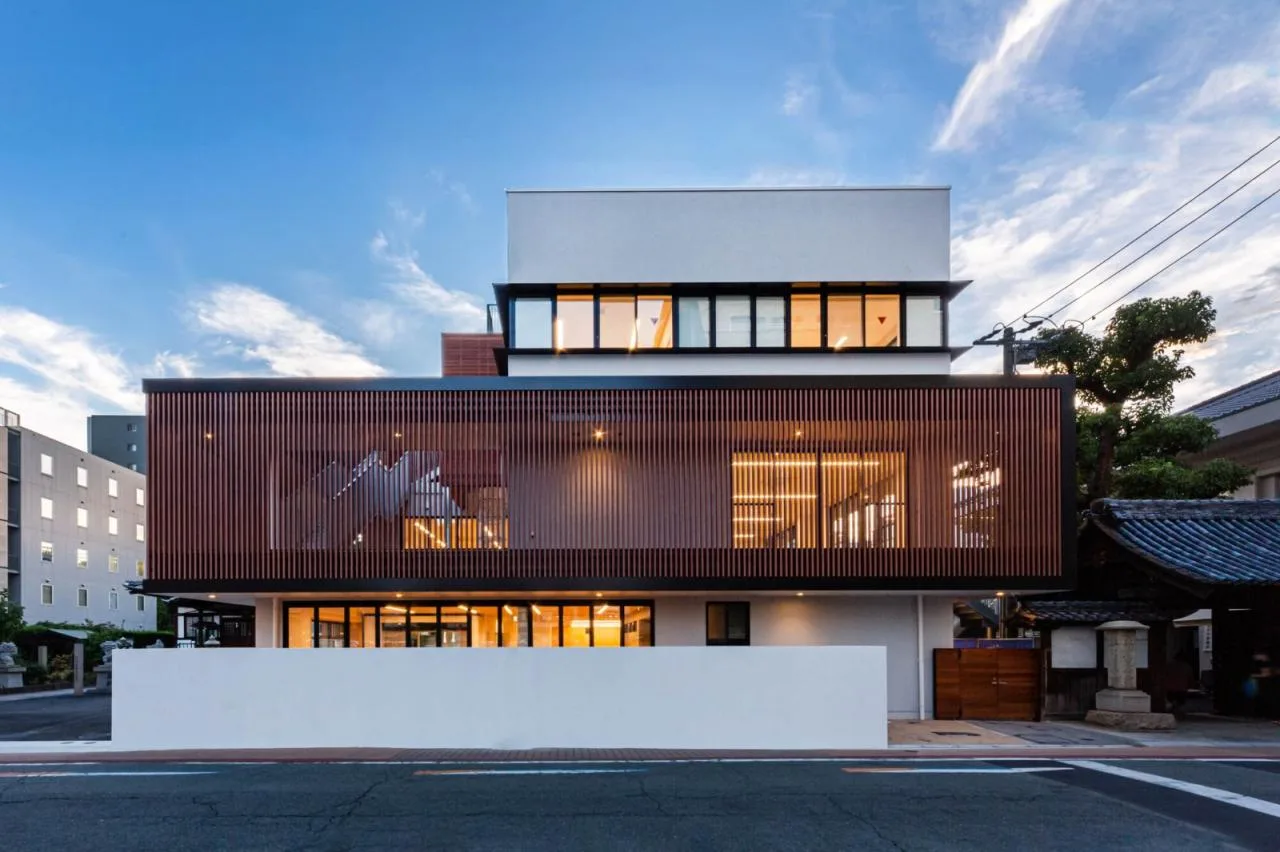
Copper powder is employed as a decorative element and symbolic material, reflecting the essence of traditional Japanese temples. This naturally aging material piques children’s curiosity and stimulates their imagination. Additionally, large blinds offer children the chance to experience natural changes—rain, sunlight, shadows, and wind—encouraging diverse ways of thinking. Through these features, the kindergarten becomes a dynamic learning environment where children can appreciate seasonal and temporal changes while nurturing rich, creative minds.
Project Drawings
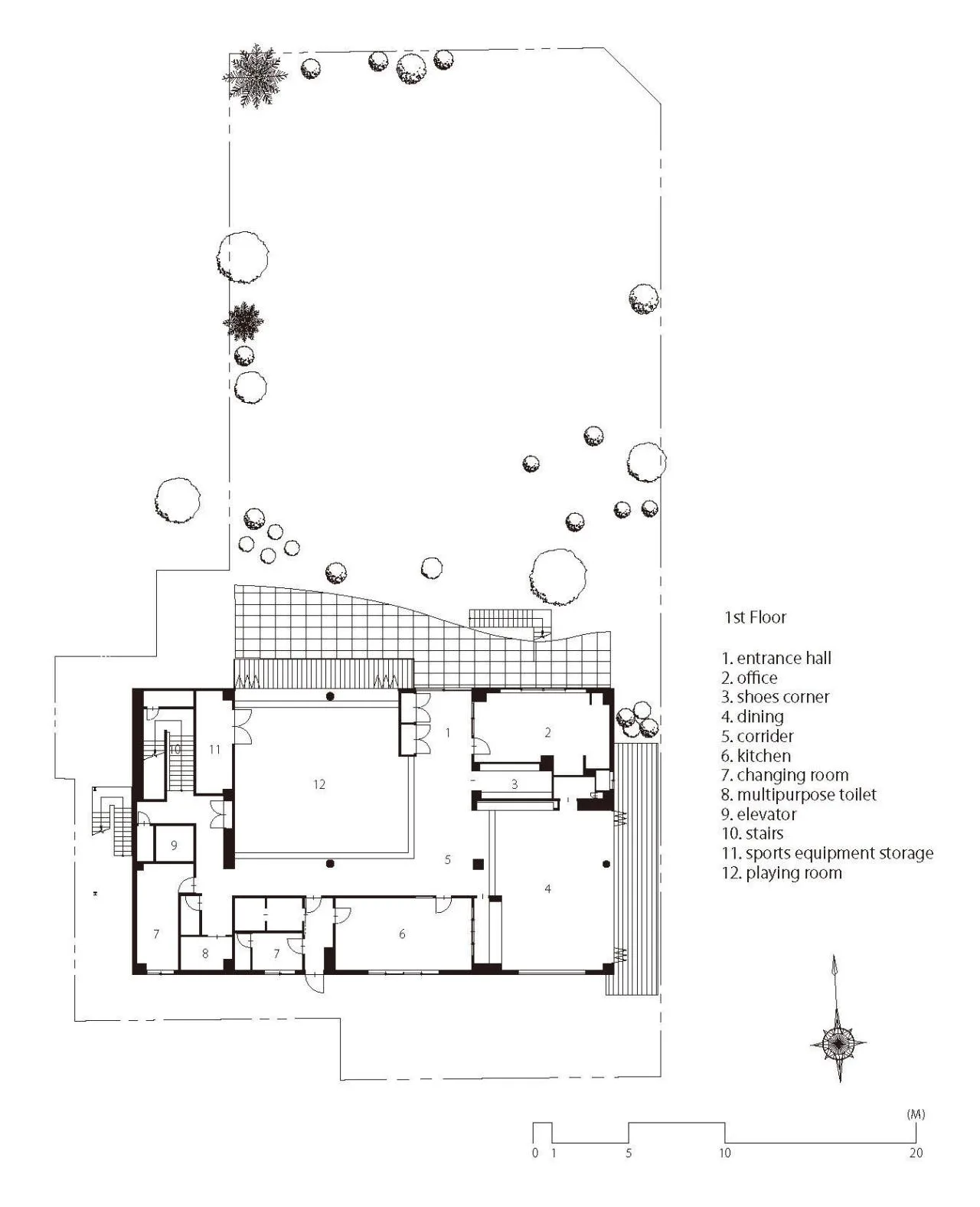
△ First Floor Plan
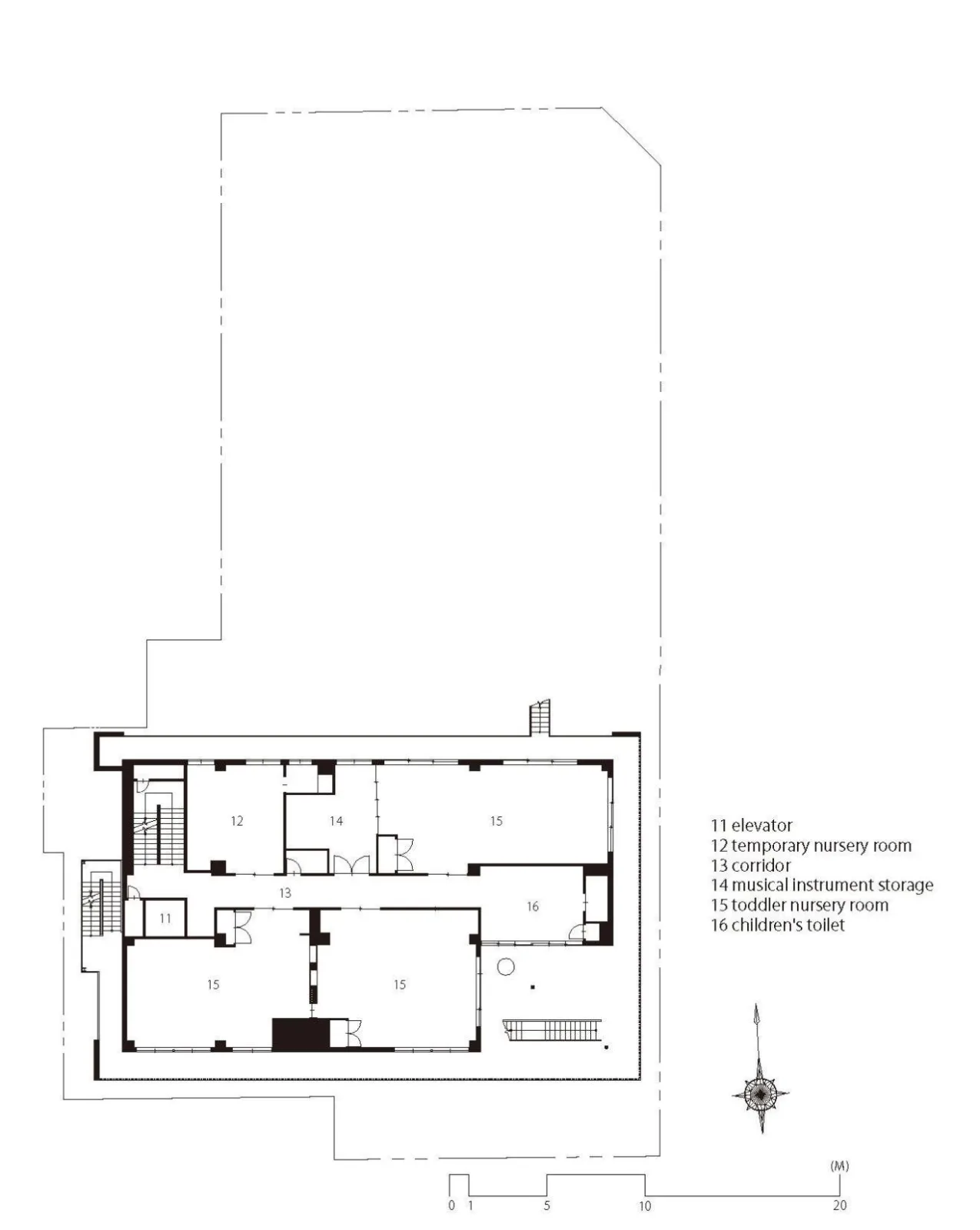
△ Second Floor Plan
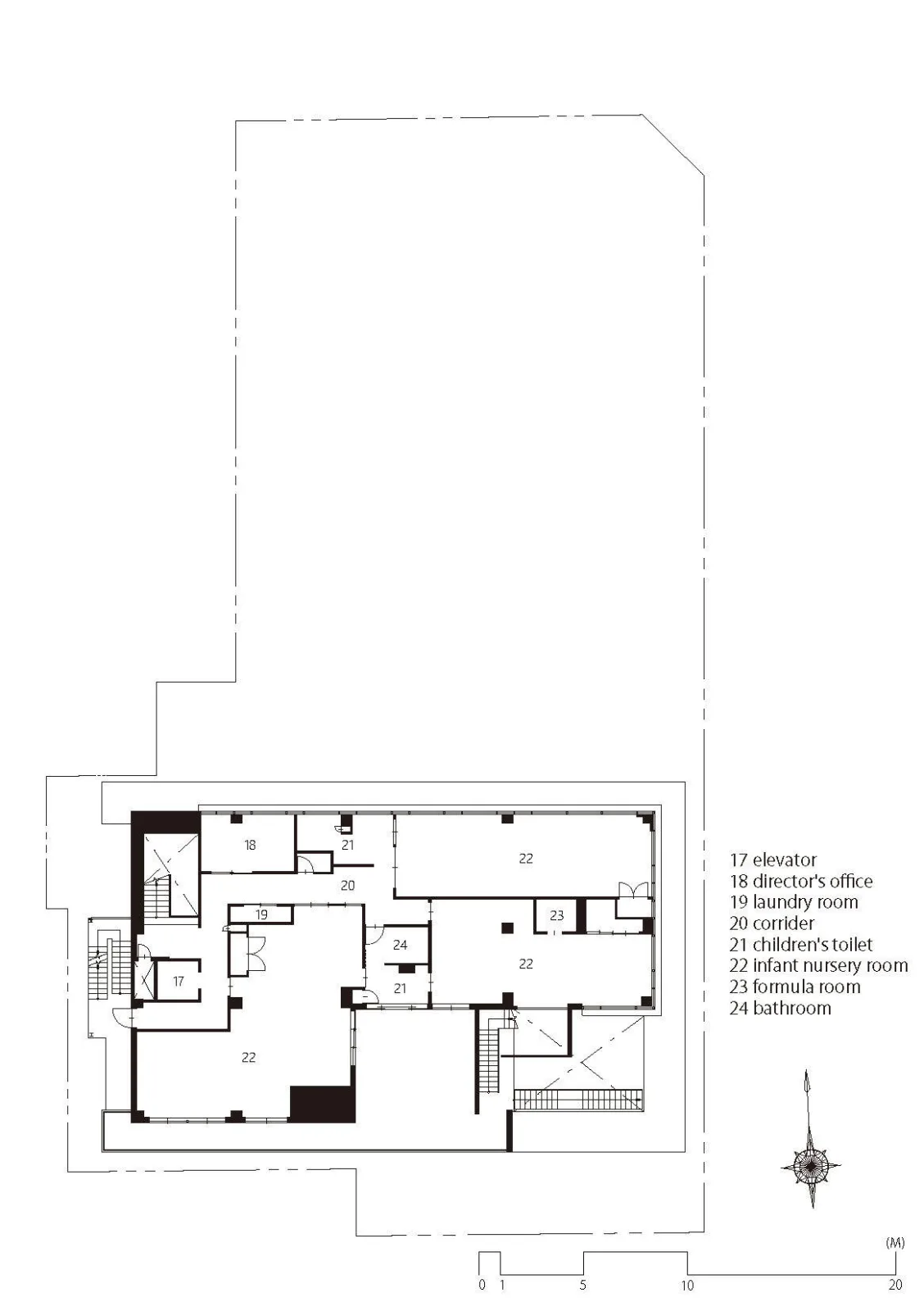
△ Third Floor Plan
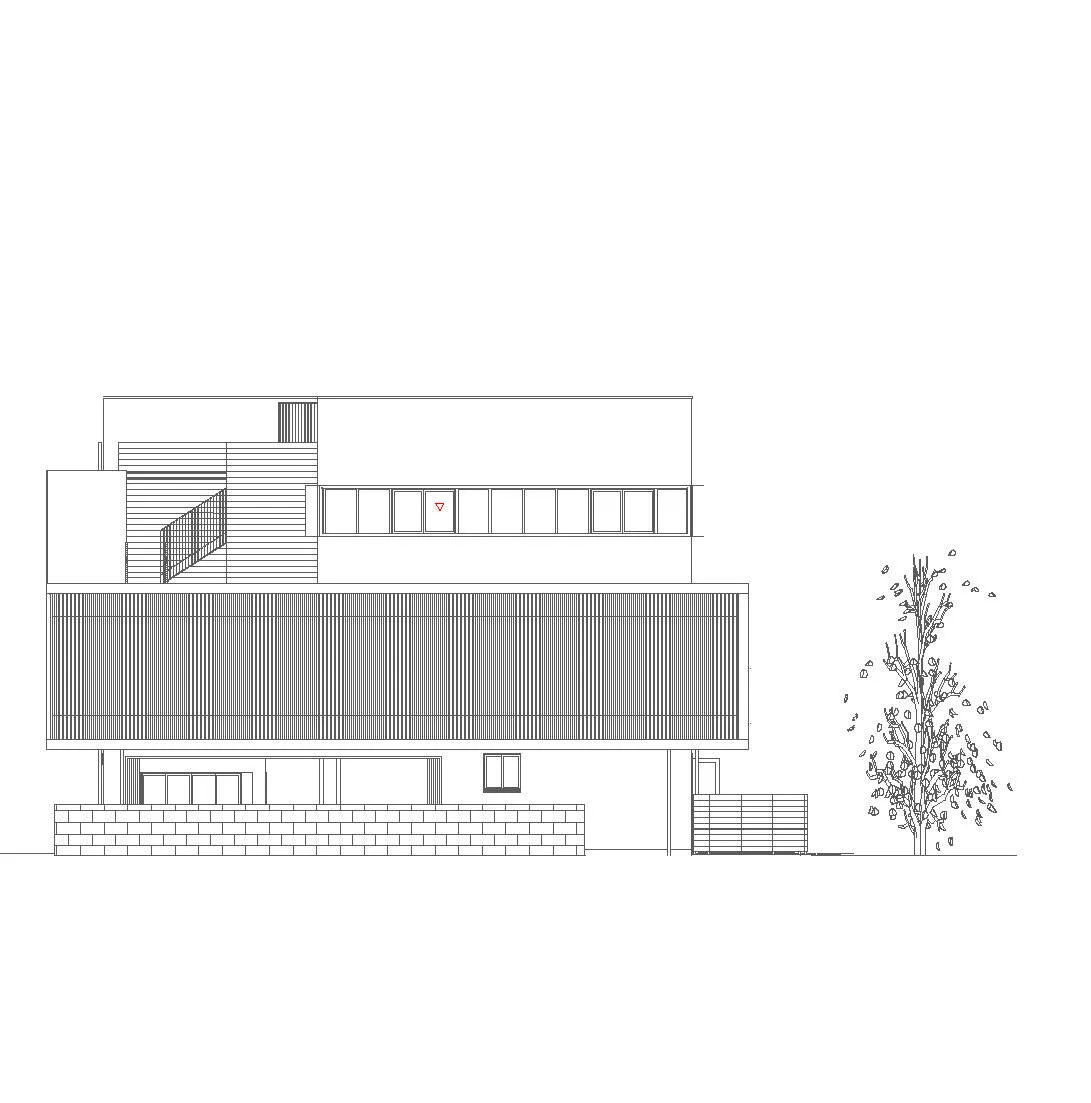
△ Elevation Drawing
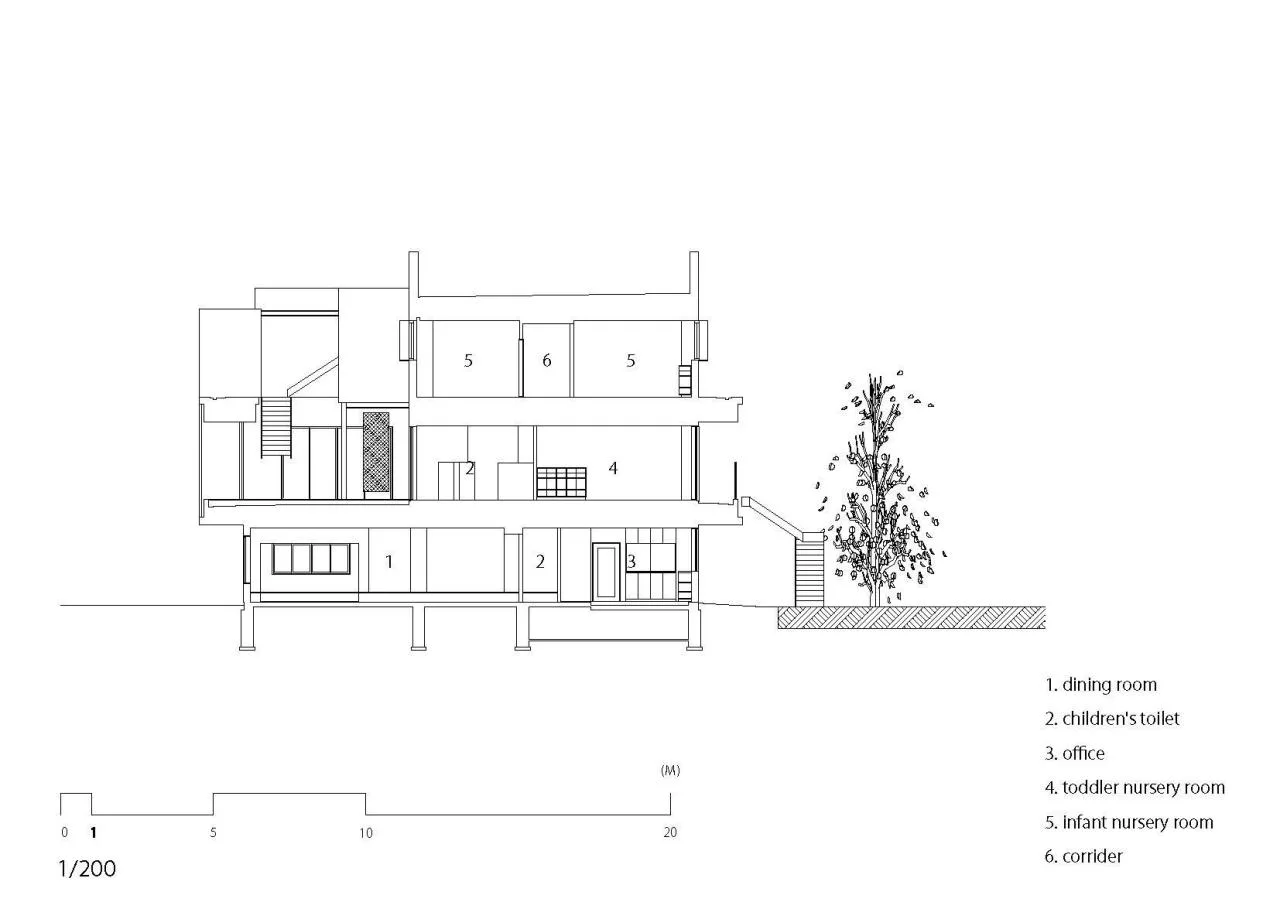
△ Section Diagram
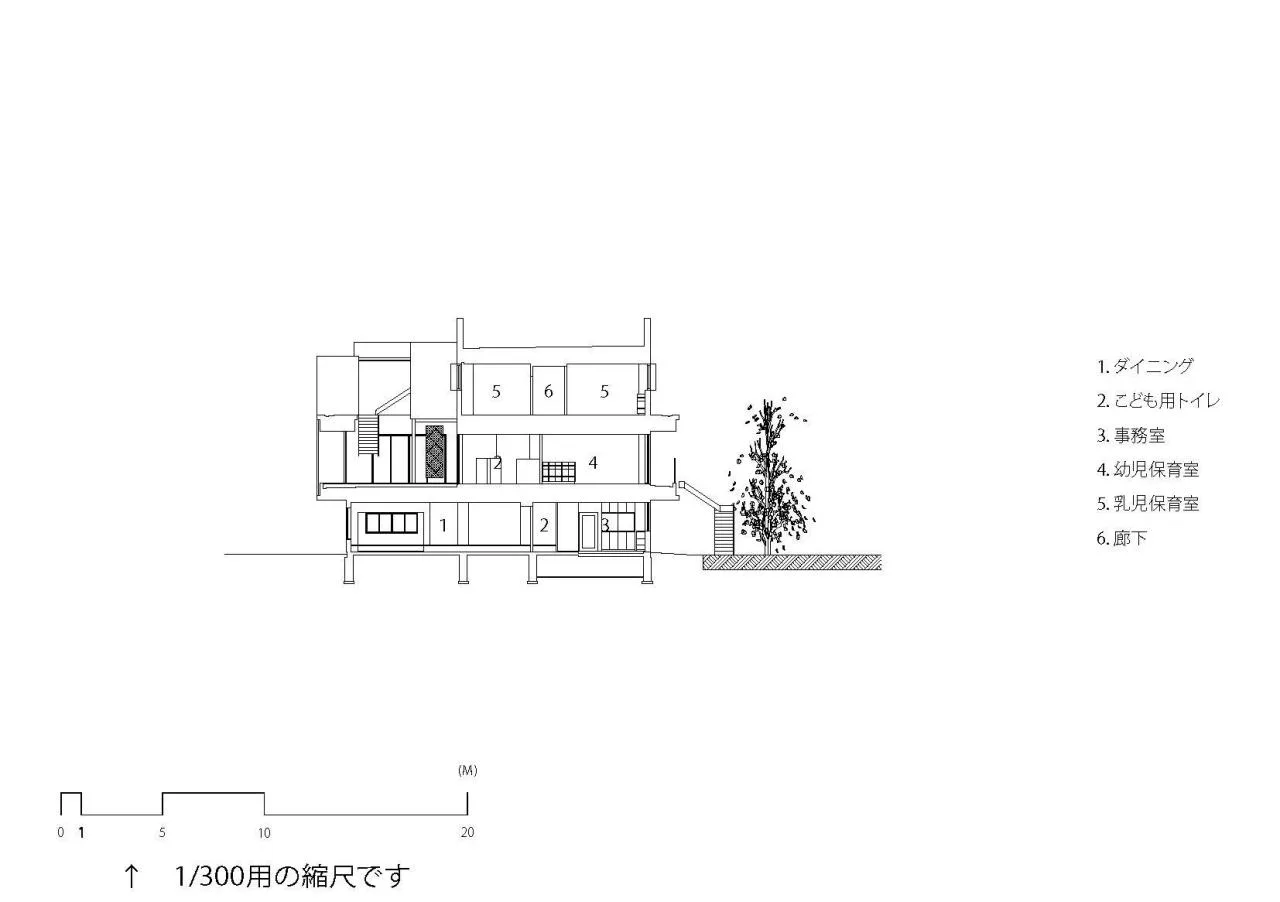
△ Section Diagram
Project Information
Architects: Hibino Design, Kids Design Labo, The City of Childhood
Area: 1,052 m²
Year of Completion: 2020
Photographer: Studio Bauhaus
Architectural Design Team: Hibino Design, Youji no Shiro, Kids Design Labo
Location: Okayama, Japan












Must log in before commenting!
Sign Up