
The essence of revitalizing a town lies not in merely replacing buildings and spaces, but in cultivating the elements that invigorate community life: employment opportunities, residential areas, and vibrant social atmospheres. In Dingzha, our goal is to establish a new “urban-rural synergy” model. This model is built on industrial introduction and local circulation, combining preliminary operations with spatial reformation to create a renewed hometown within the traditional market town. — Zhu Peidong
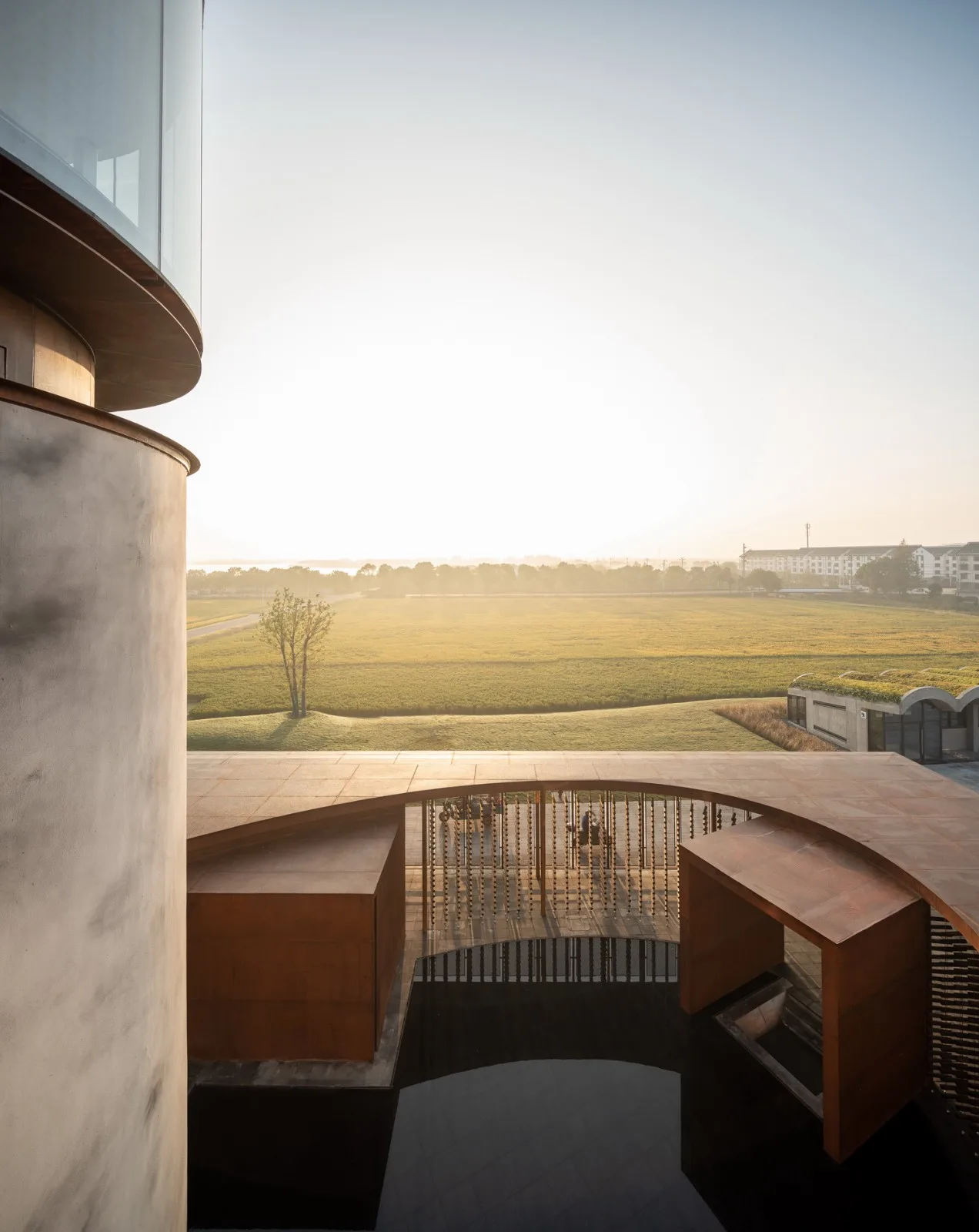
Situated at the crossroads of Shanghai, Jiangsu, and Zhejiang provinces, Dingzha Town in Zhejiang has suffered from a one-way drain of urban development resources, becoming a hollowed-out township. However, within the growth opportunities presented by the “Yangtze River Delta Integration Demonstration Zone,” Dingzha strives to emerge as a model of sustainable vitality and shared prosperity.
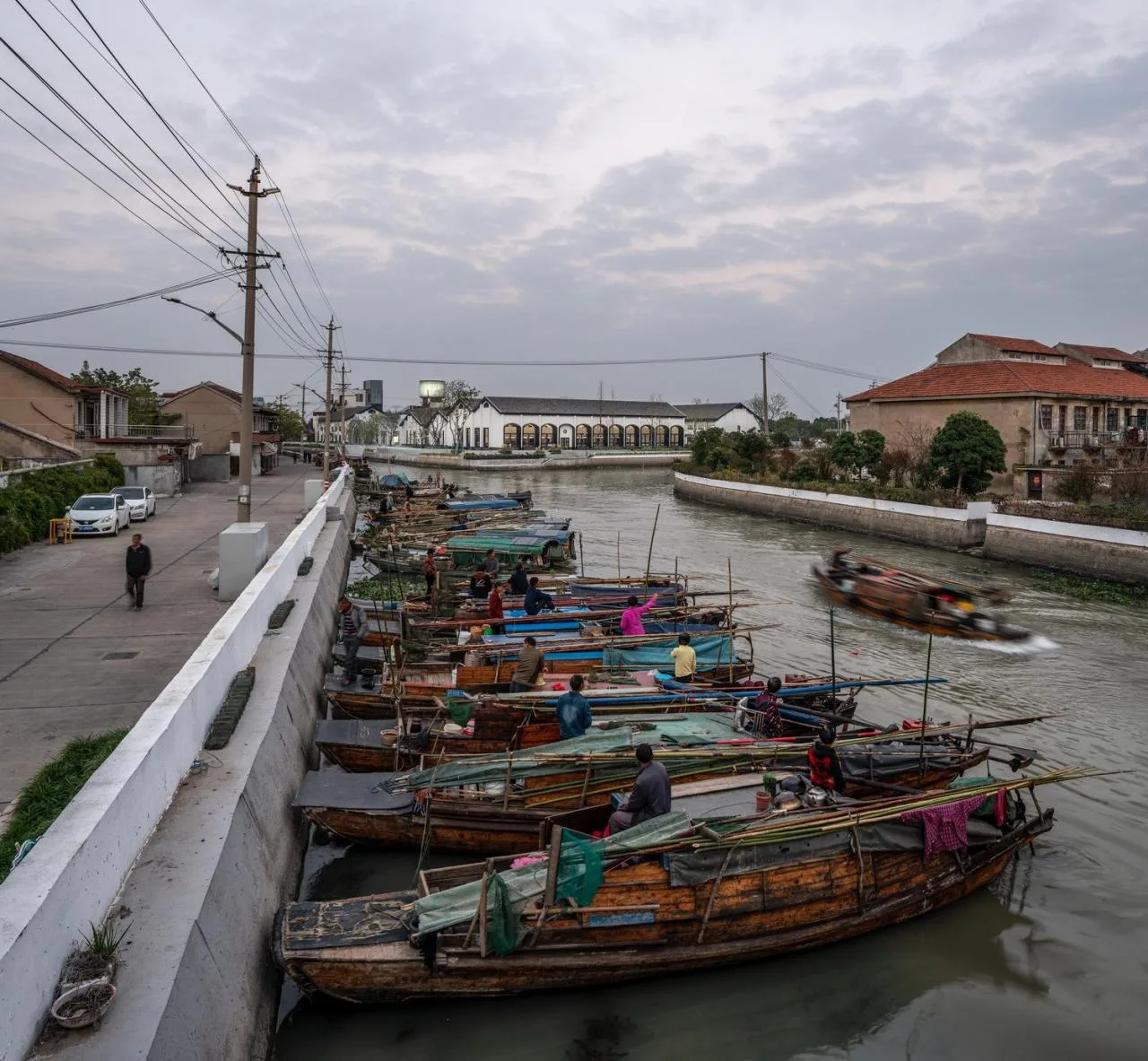
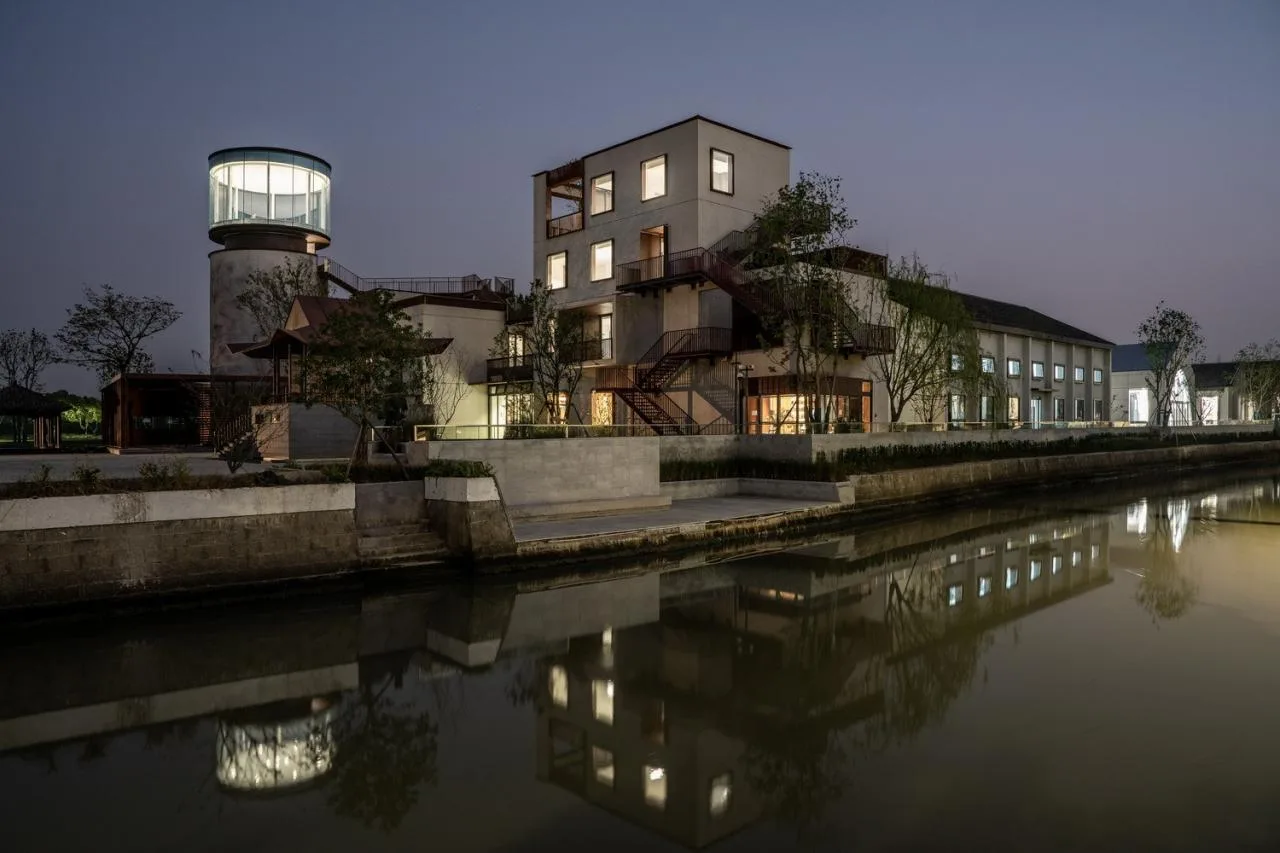
The path to balanced urban and rural development often centers on culture and tourism, as demonstrated by the success of Wuzhen’s east and west gates. Yet, countless ordinary towns across the region lack distinctive cultural identity, natural beauty, or historic depth. Faced with these challenges, our approach integrates research, planning, and design to uncover inherent value, transform spaces, and weave content into the urban fabric shaped by historical production remnants. Industrial renewal serves as a catalyst to attract productive forces back to the towns, gradually reconstructing vibrant social and ecological environments.
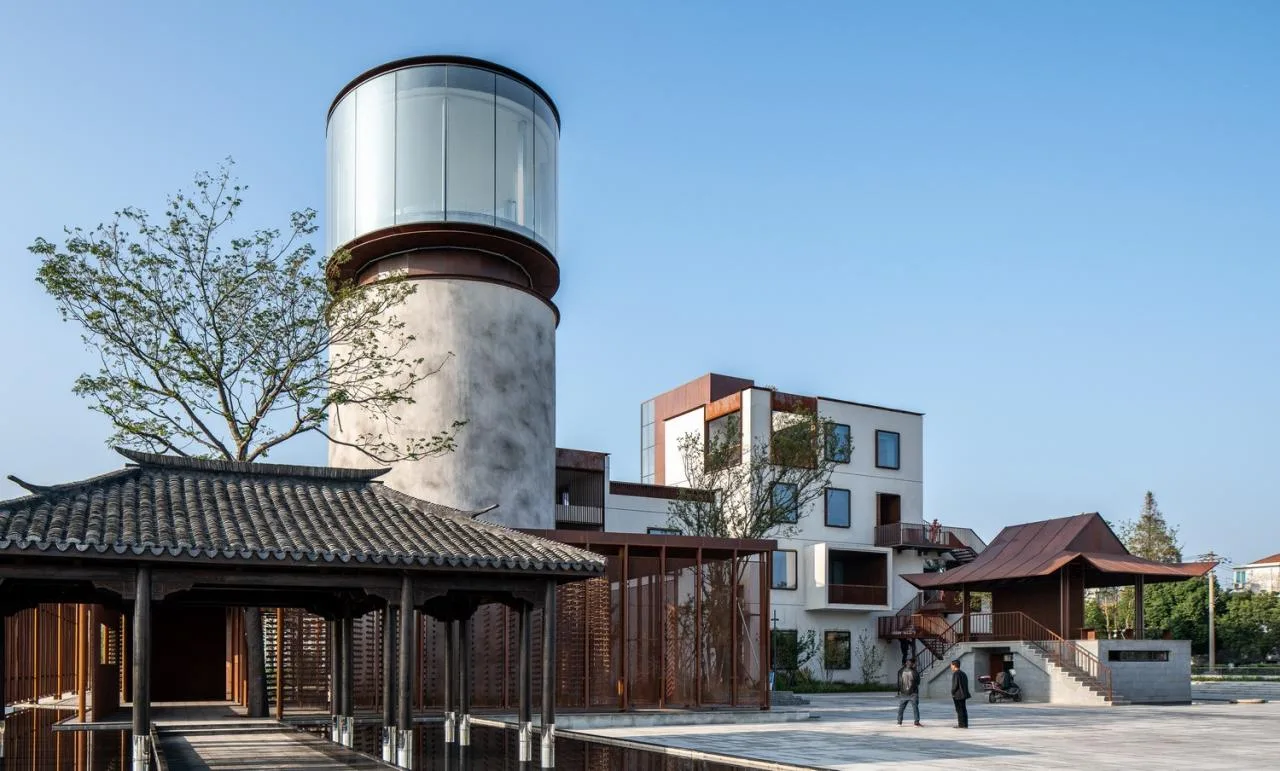
1. Understanding Value: The Granary as a Spiritual Landmark
Dingzha, an important grain-producing region in northern Zhejiang, began constructing grain warehouse communities in the 1960s. It stands as one of the earliest and most extensive examples of the “house-style warehouses” built in New China. The preserved plain concrete arch-shaped granary represents the first nationwide promoted new grain warehouse type of its era.
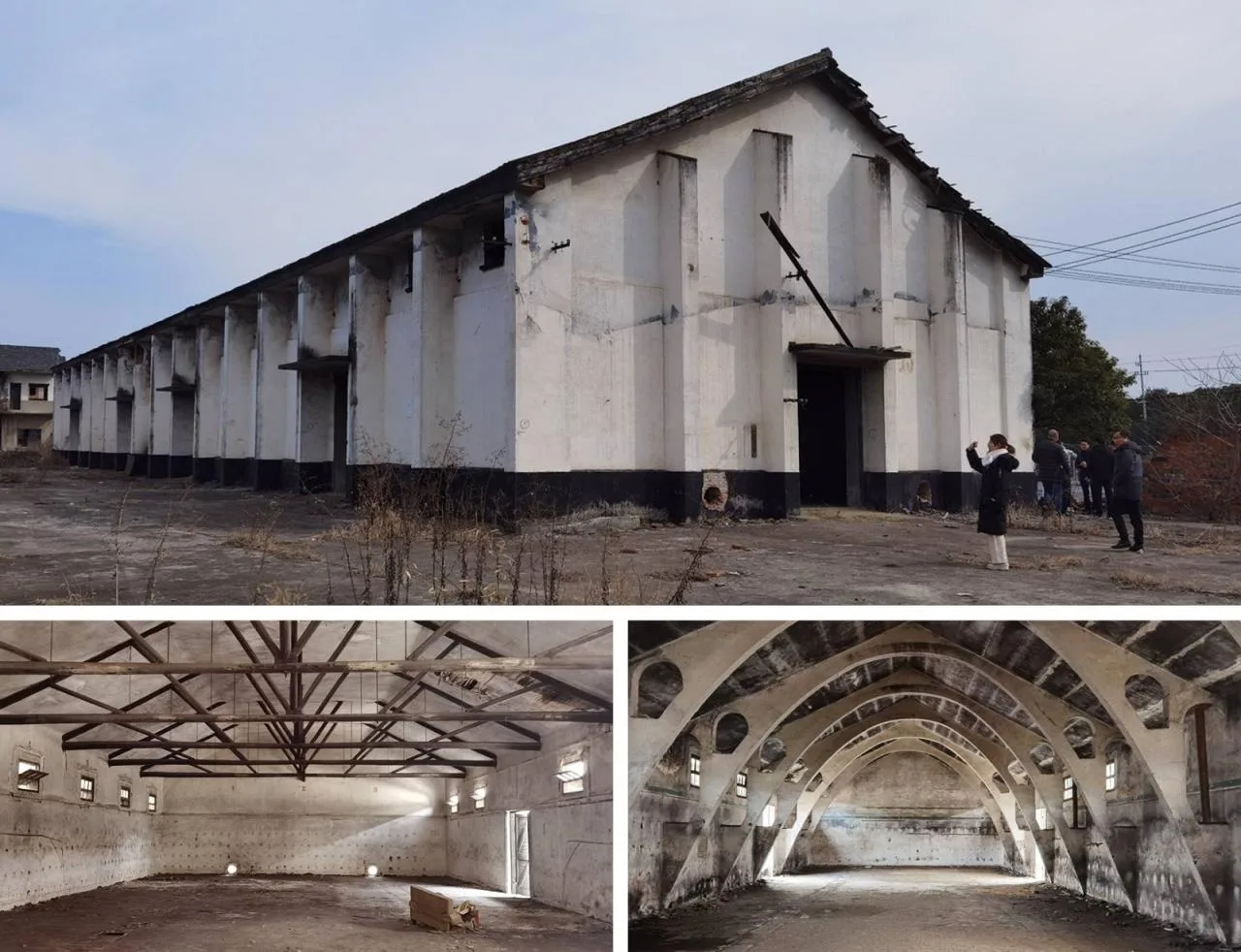
The Dingzha Old Grain Warehouse gained renewed attention in 2016 when it served as a filming location for the movie Riding the Winds and Breaking the Waves. This cinematic exposure brought the aging town back into the public eye, highlighting its atmospheric ruins. The granary, a significant emblem of the era’s production and development, became a destination for film enthusiasts and social media explorers alike. With the recent implementation of the Yangtze River Delta integration policy, this once-forgotten architectural ensemble now enjoys fresh opportunities.
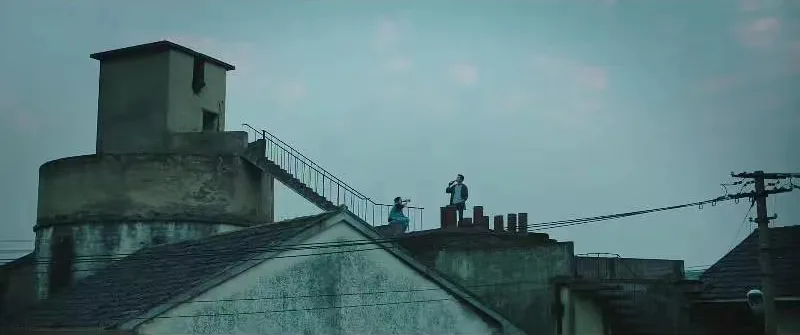
Still from the movie ‘Riding the Wind and Breaking the Waves’
Following the Spring Festival last year, we were invited by project manager Mr. Zhang Farong to visit the old grain warehouse. Immersed in its weathered atmosphere, we quickly aligned on the design strategy: to transform this rigid space into a vibrant hub of creative content. Our goal is to reactivate the granary’s agricultural production function, reshape local spiritual identity rooted in agriculture, create a spatial representation of Dingzha’s spirit and innovative lifestyle, foster emotional connection for former township creators, and provide practical experience spaces for future content producers.
2. Space Renovation: The Shared Smart Granary
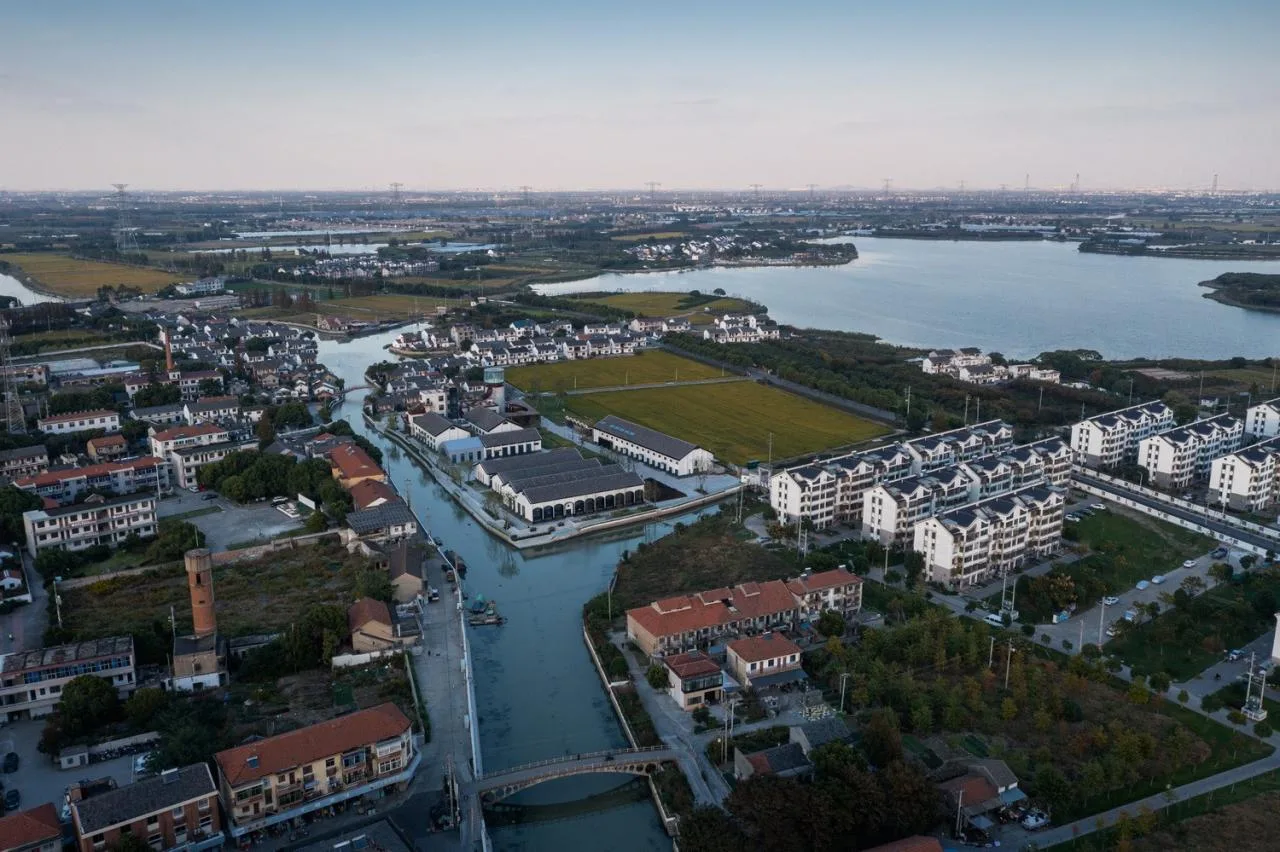
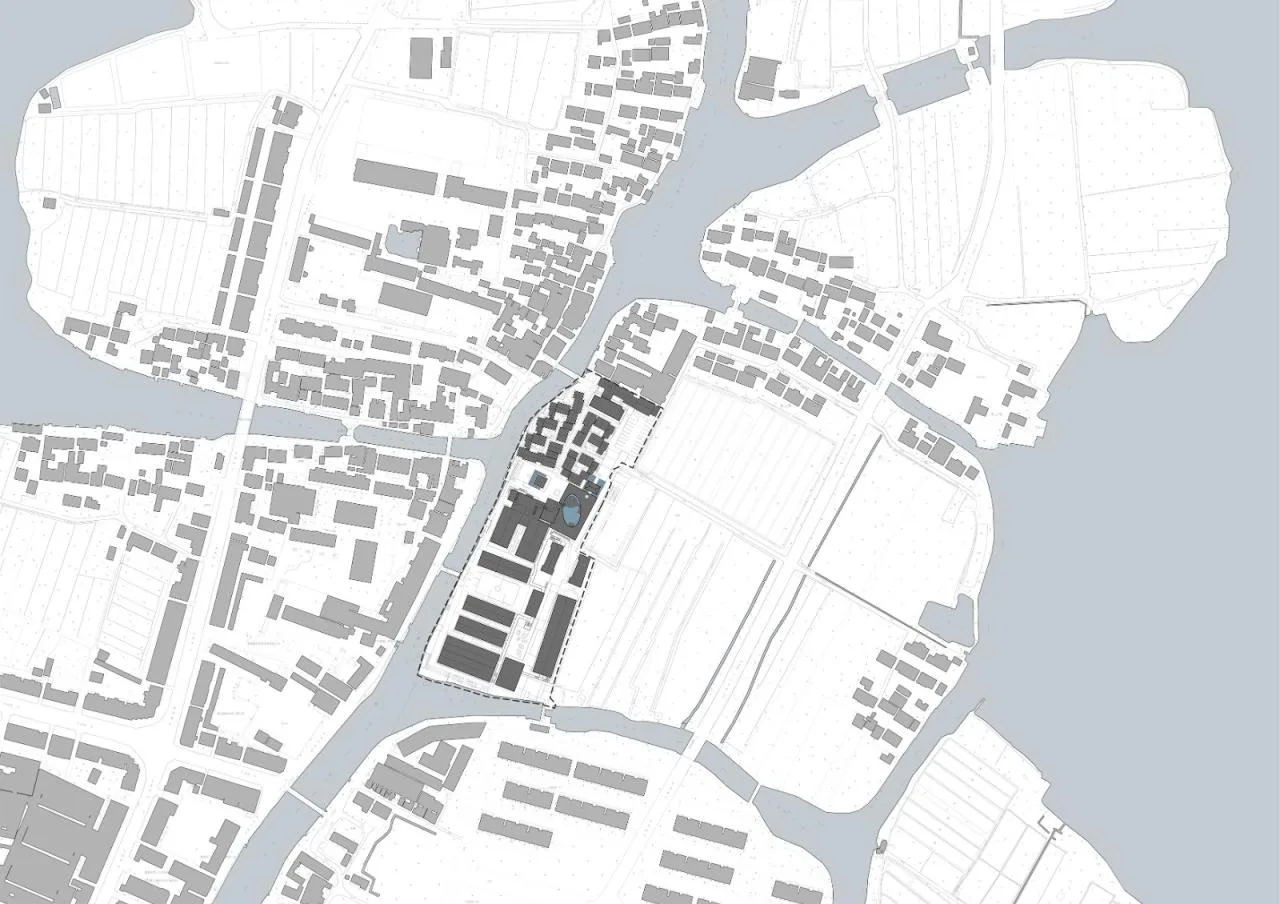
Building on Dingzha’s ecological foundation and industrial heritage, this project aims to establish a “Water Town SOHO” community developed in two phases. The first phase, the “Five Innovation Core” plan, covers 18,285 square meters and focuses on revitalizing Dingzha’s old town by activating idle assets. It creates innovation spaces centered on agriculture, culture, science, township development, and youth entrepreneurship to attract creative talents.
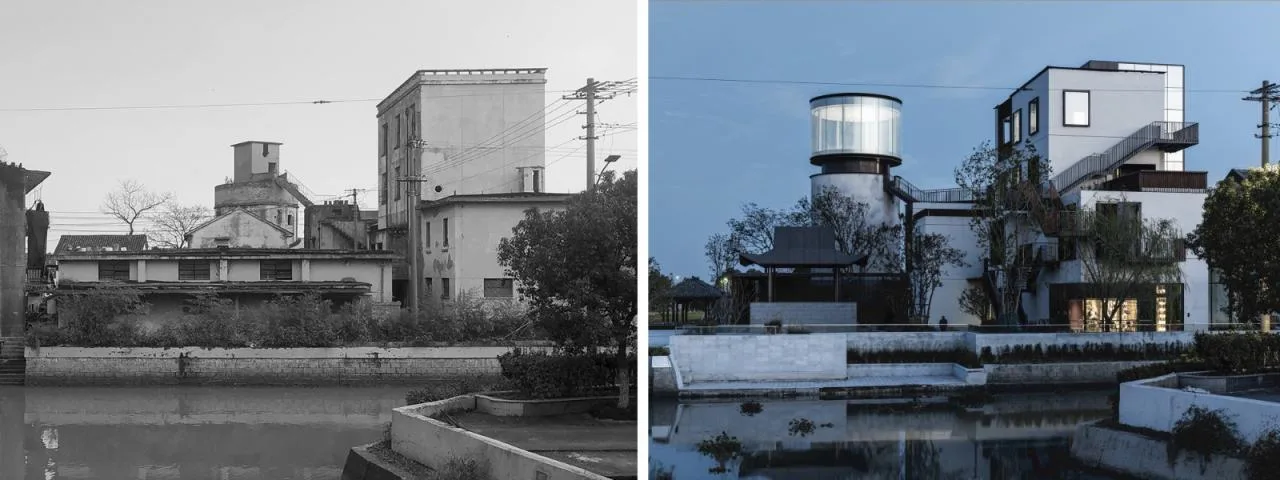
The redevelopment area includes abandoned grain warehouses, processing facilities, and traditional residential buildings to the north. The southern granary cluster features a well-ordered architectural texture with clear structure. Historical additions have merged the central grain processing zone with residential settlements, creating a complex collage of spaces.
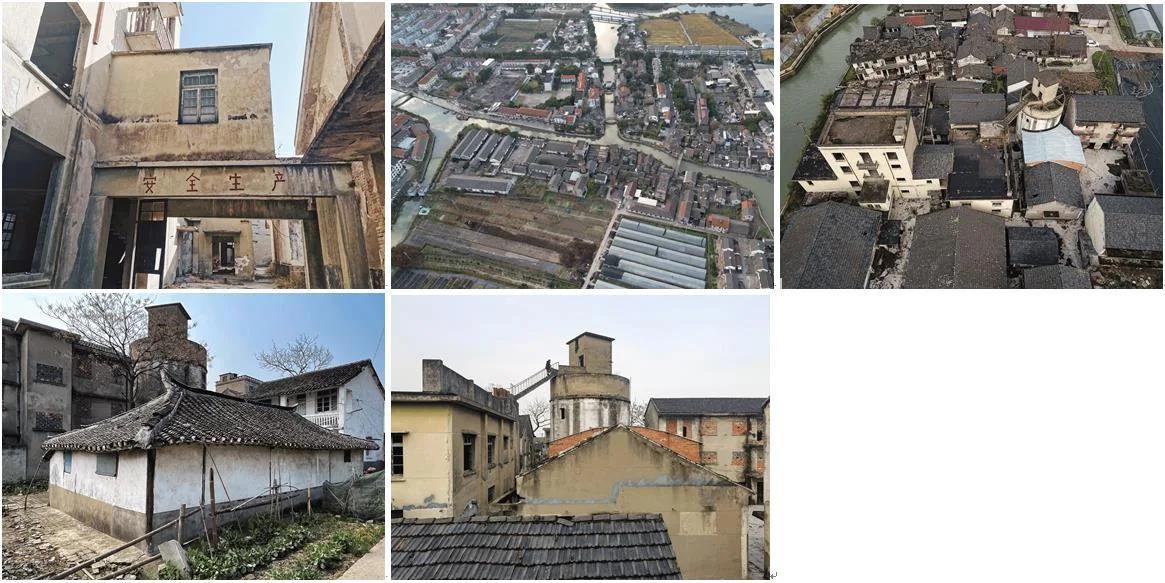
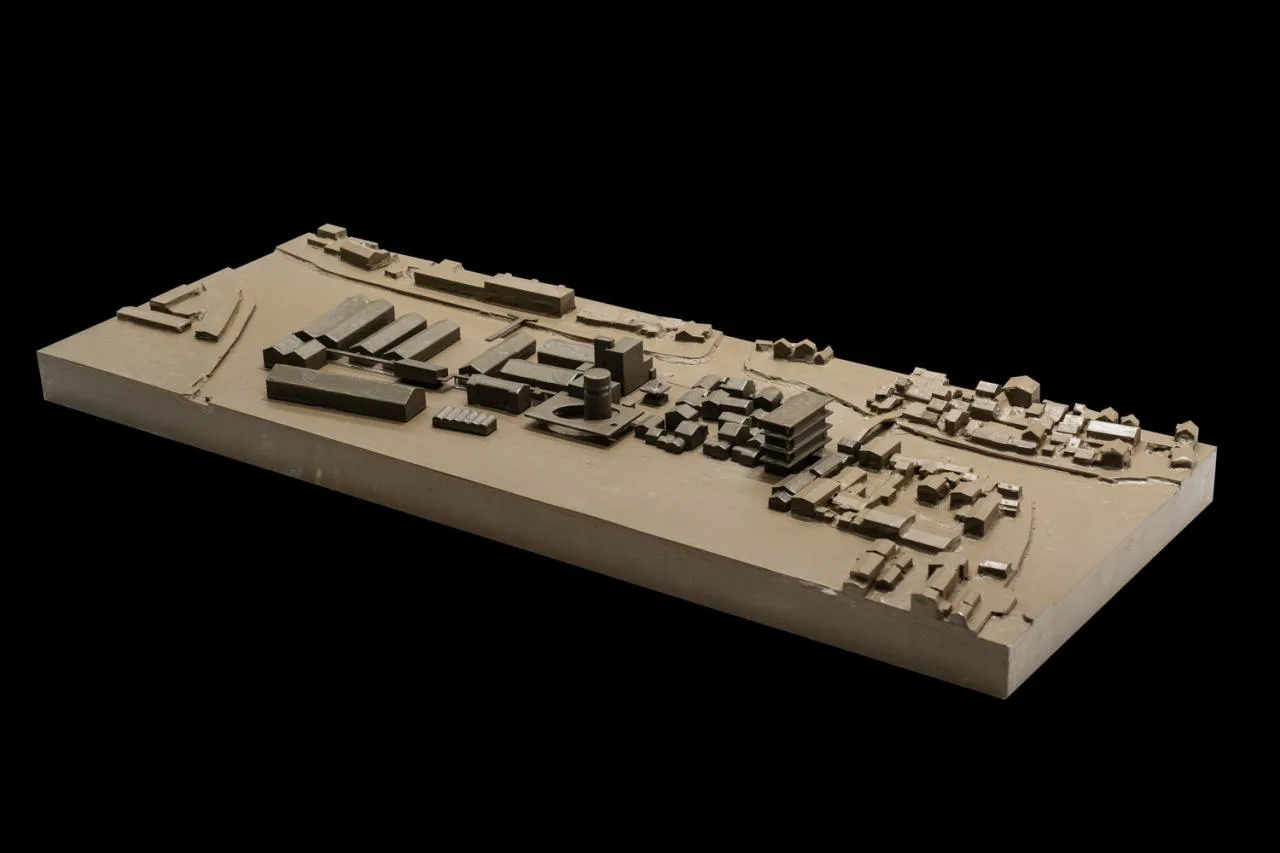
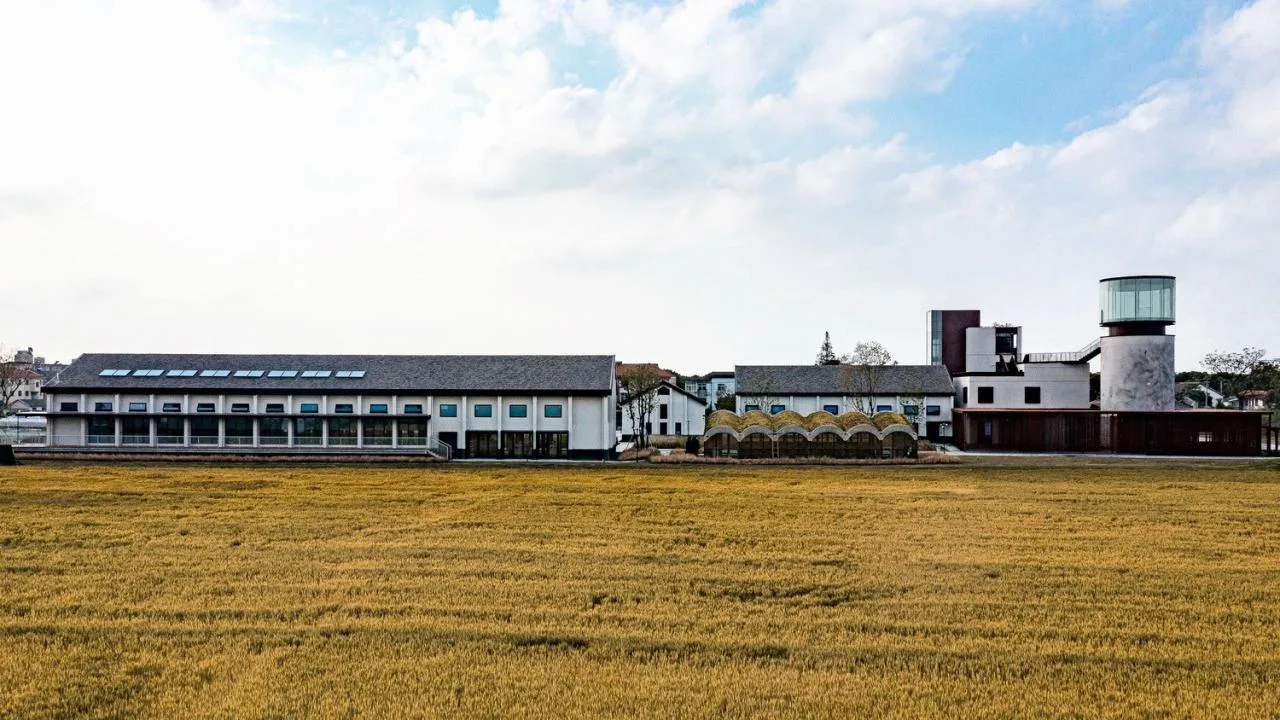
After thorough studies on historical value, usability, and structural integrity, the central residual space is designated as a knowledge-sharing reception area open to visitors and users. The southern “house-style granary” cluster will house entrepreneurial office spaces serving as knowledge repositories.
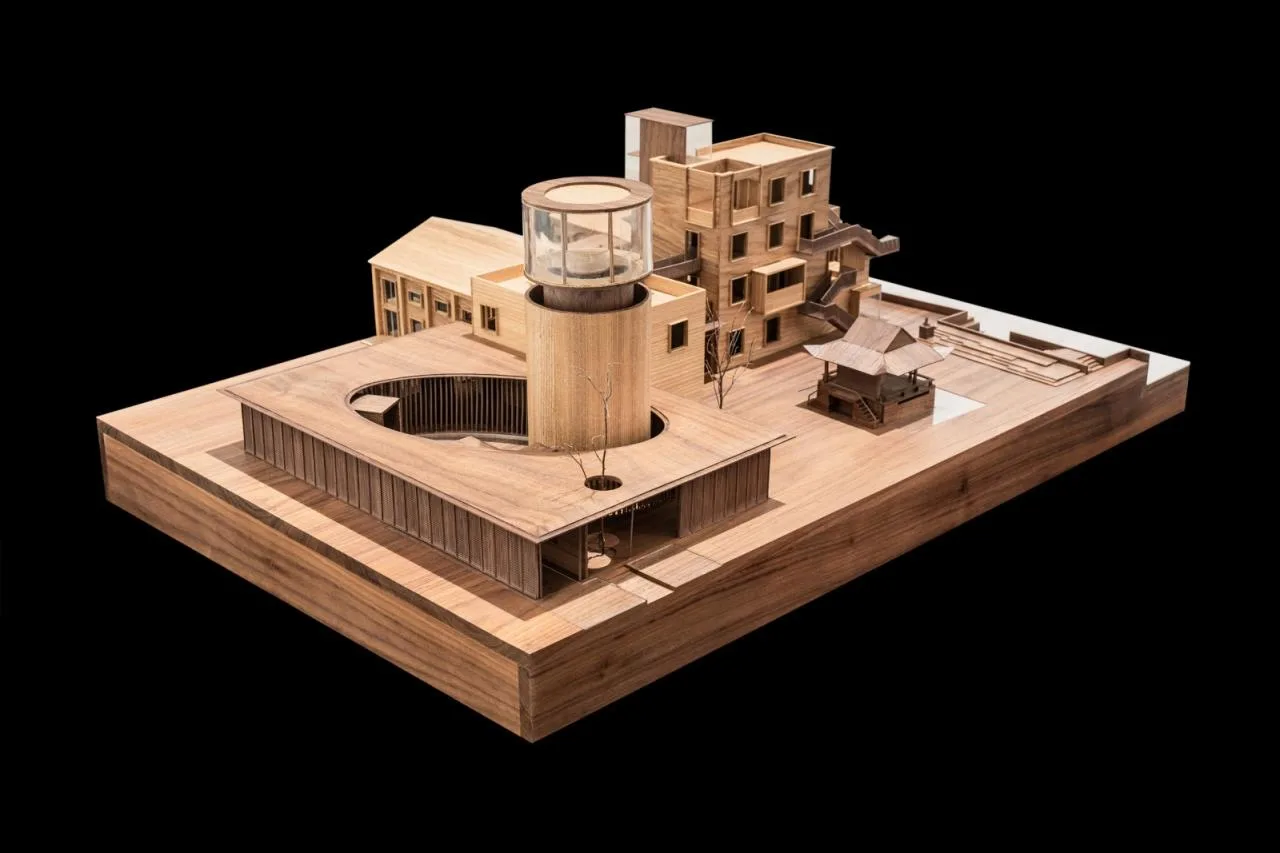
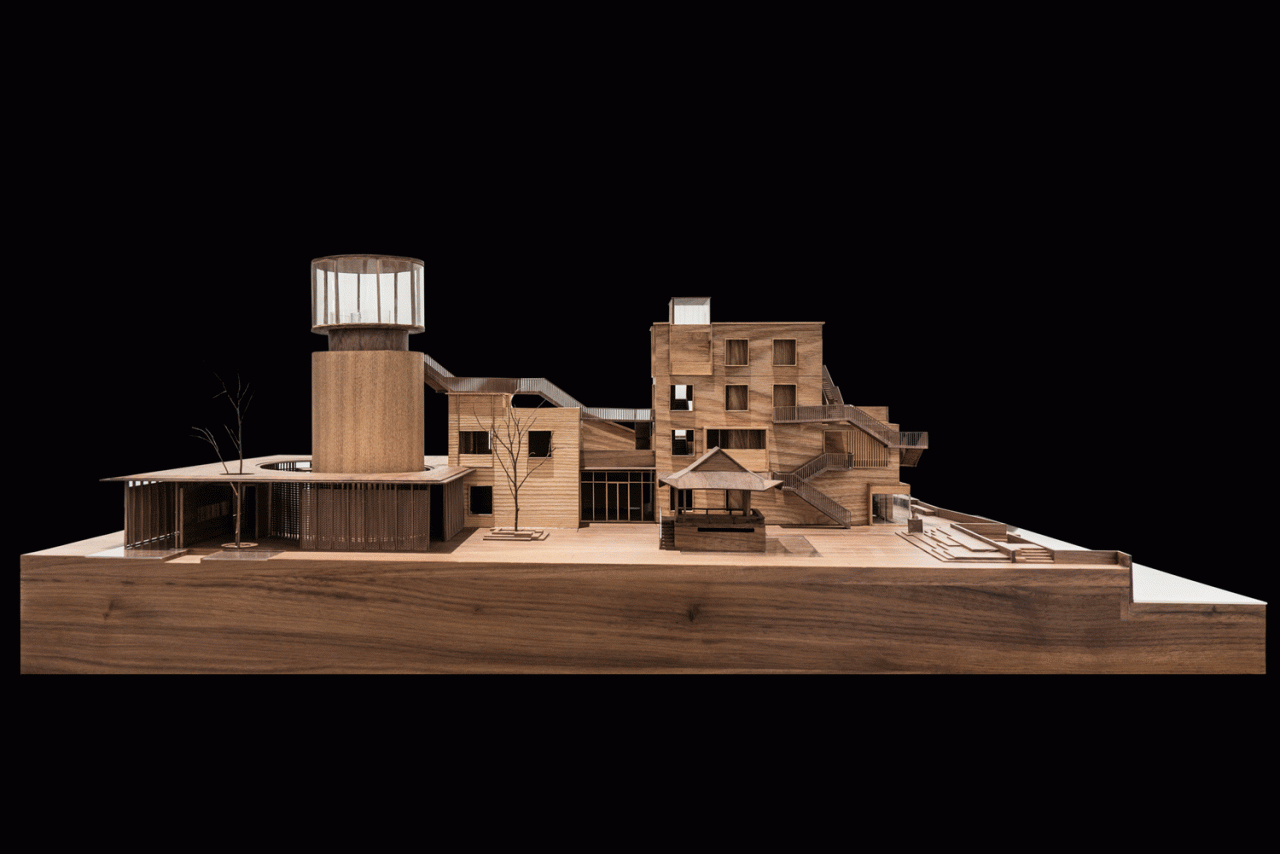
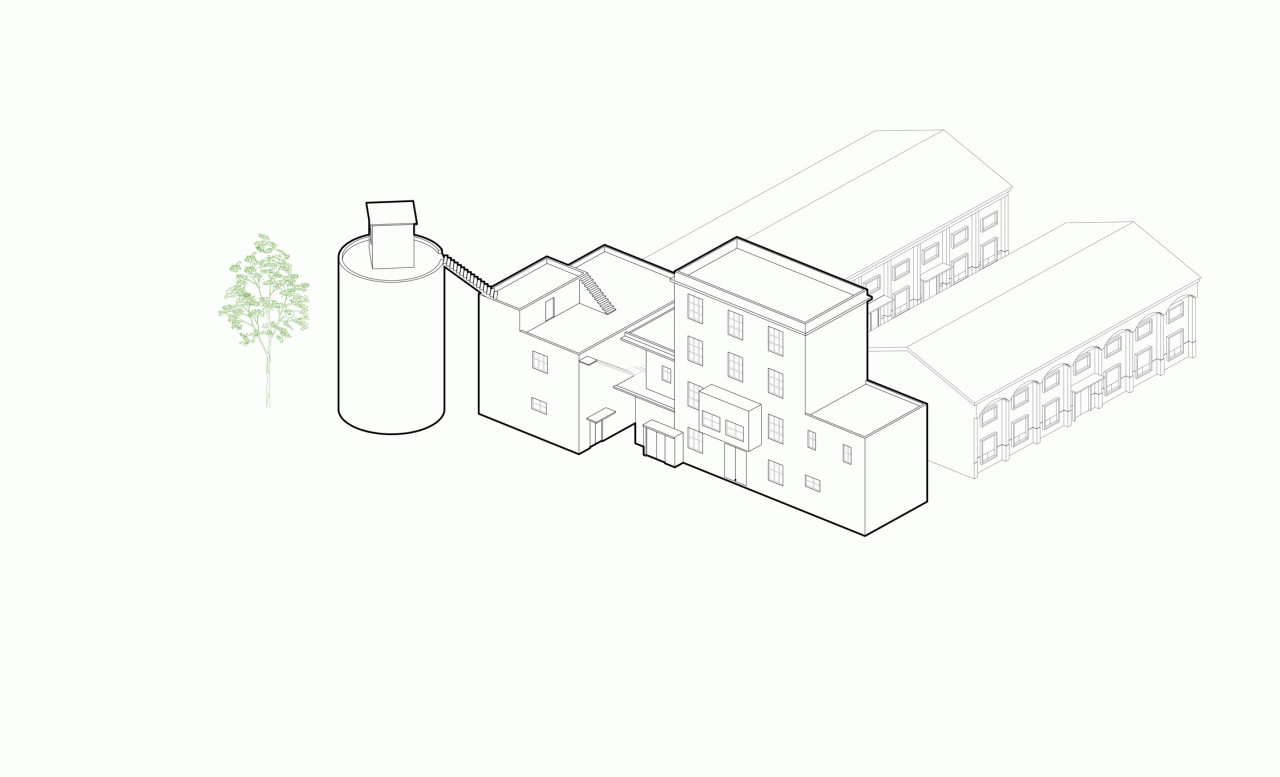
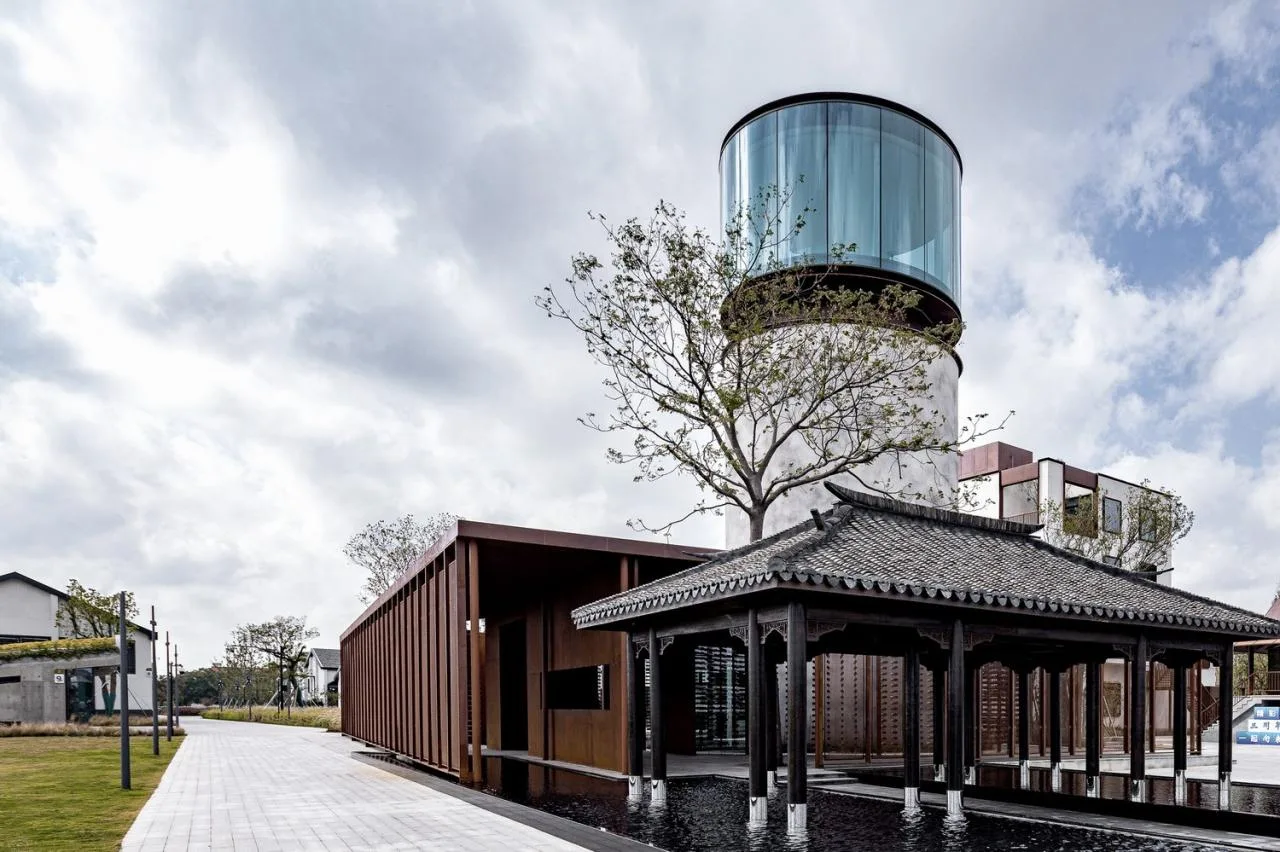
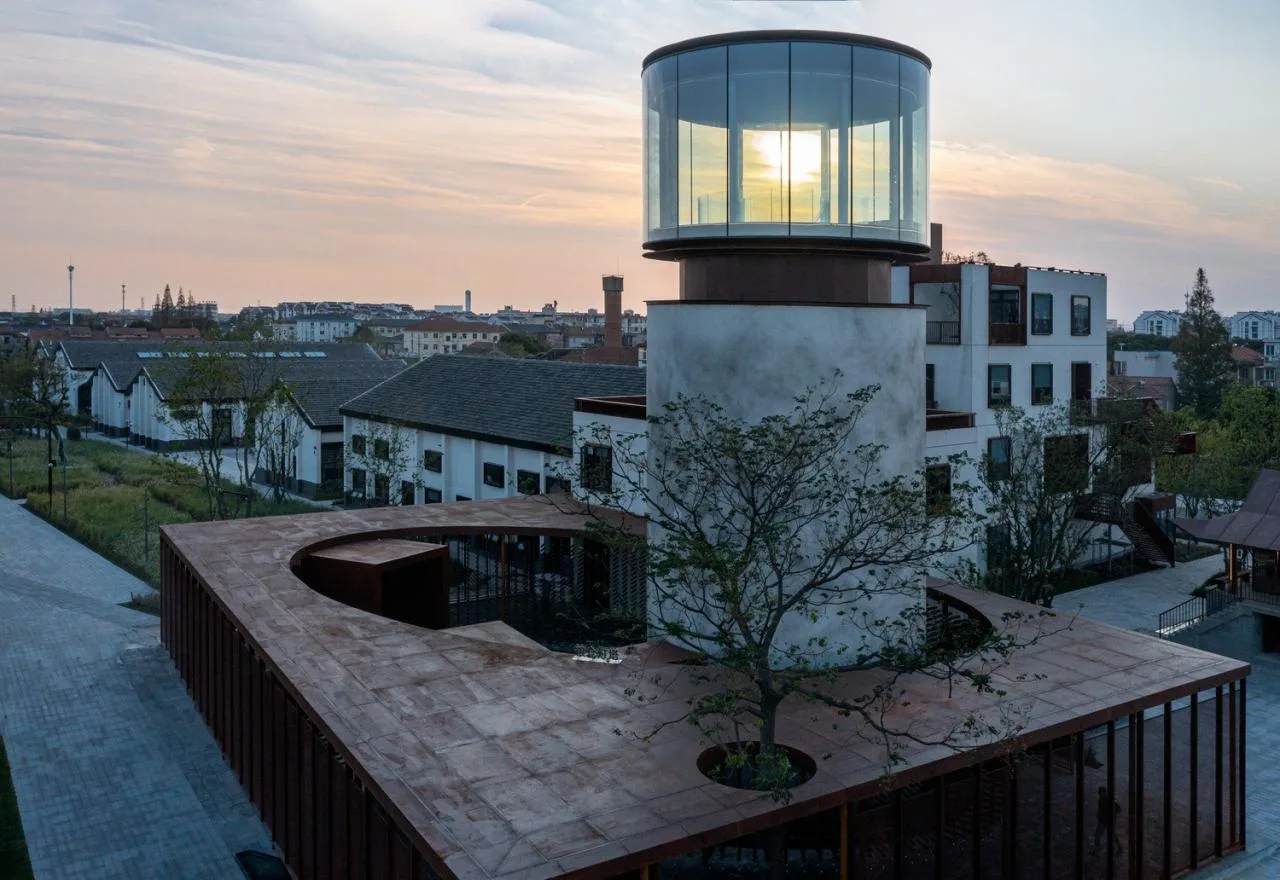
The central area employs a renewal approach that removes dilapidated structures, connects existing buildings, intervenes thoughtfully, and enhances lighting. This transforms scattered remnants into a cohesive spatial sequence, forming a three-dimensional garden designed for reading, resting, and viewing.
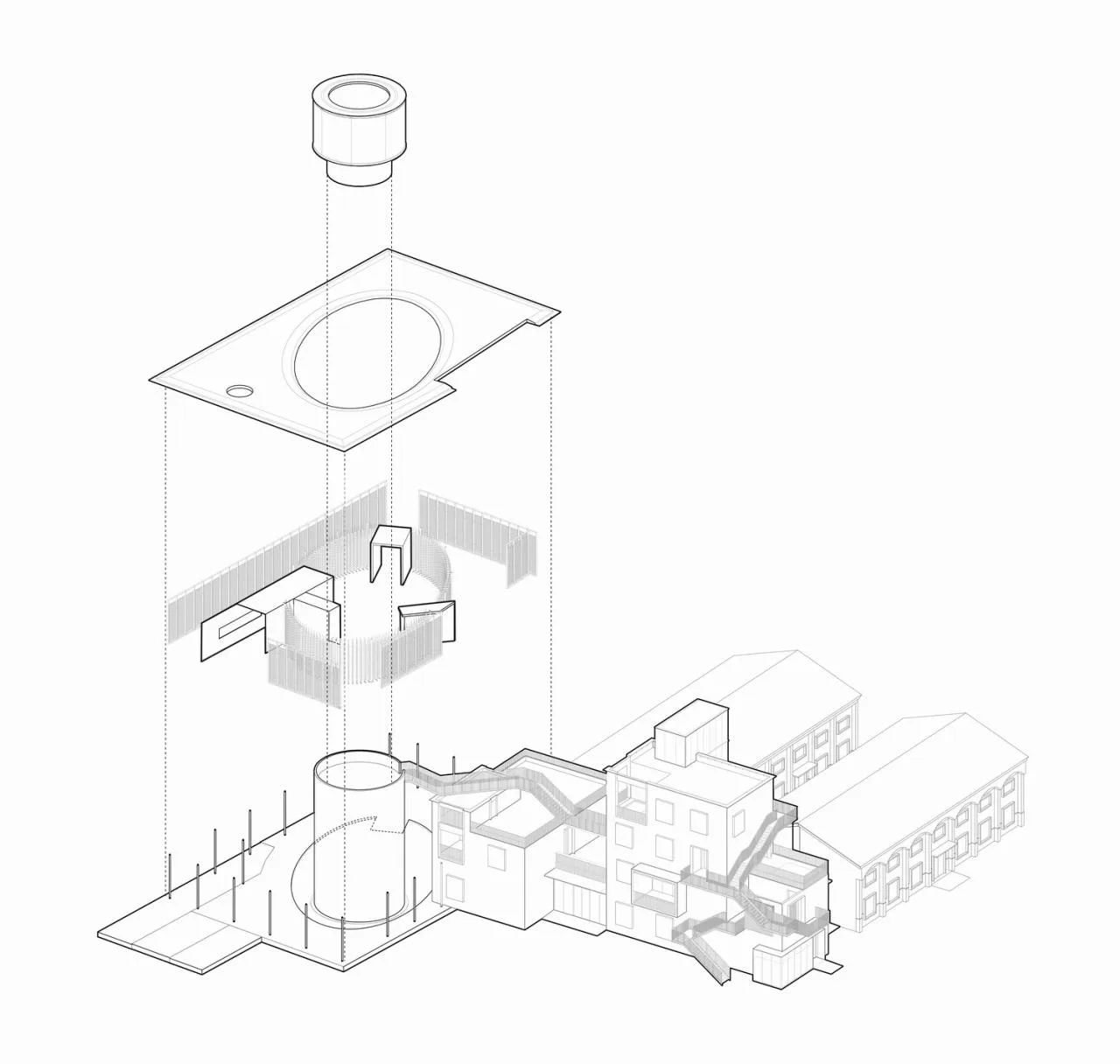
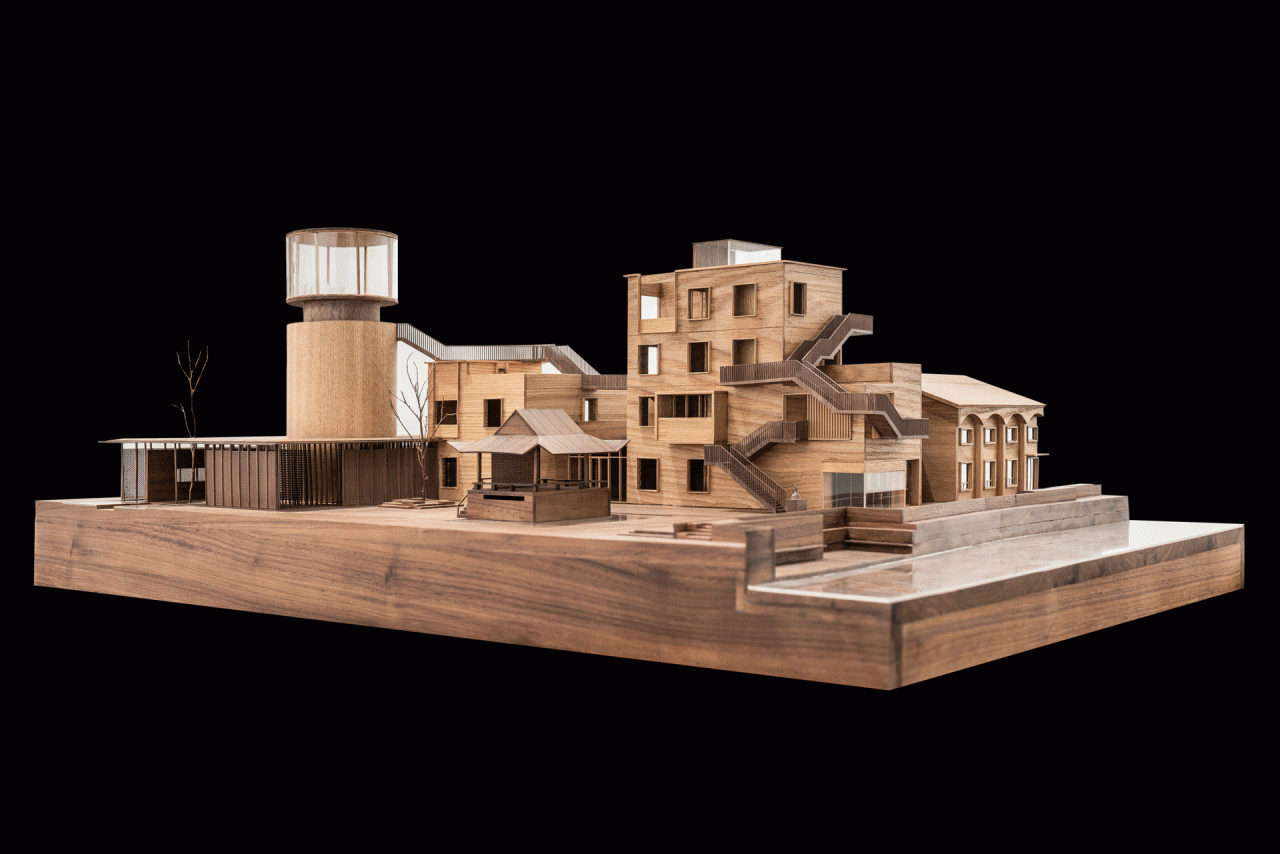
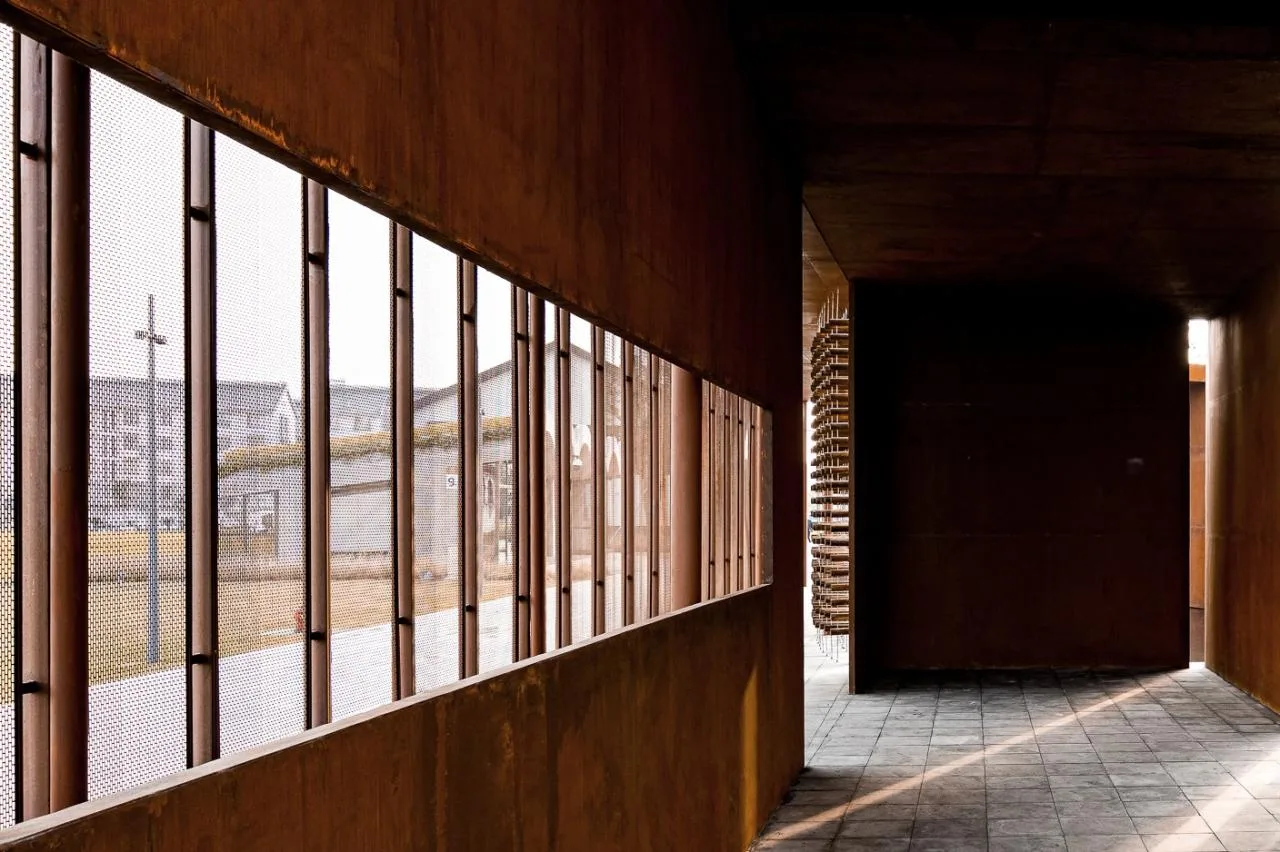
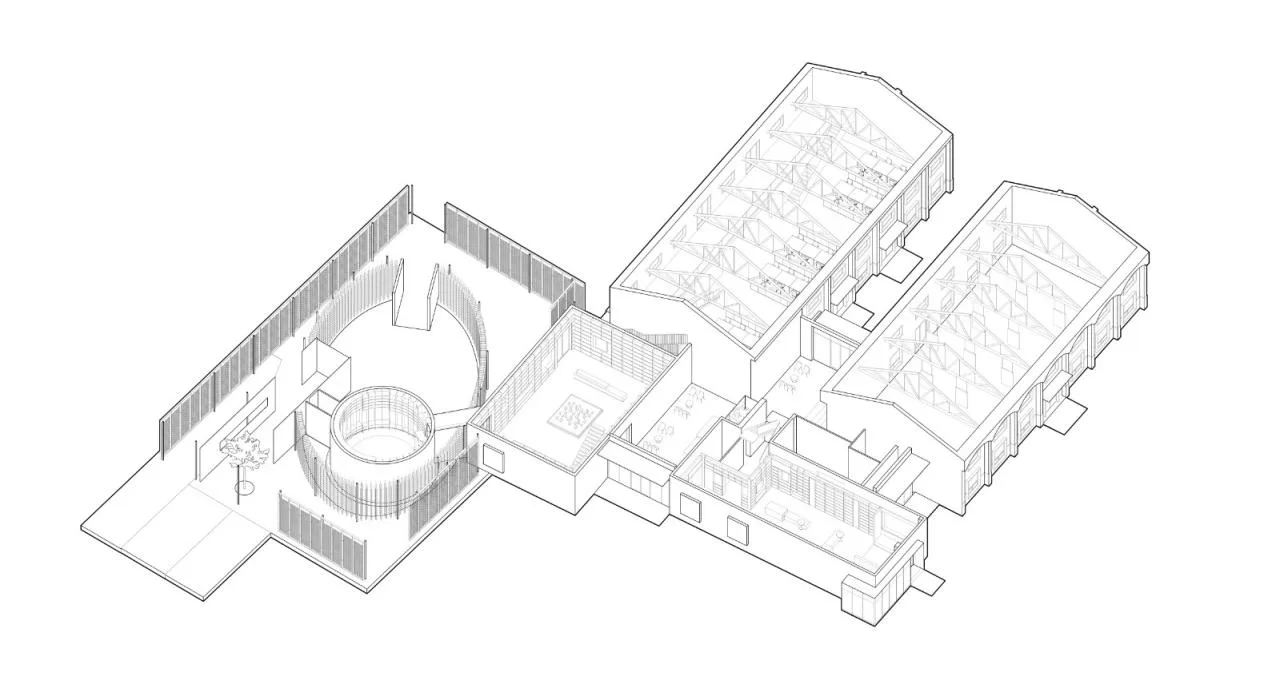
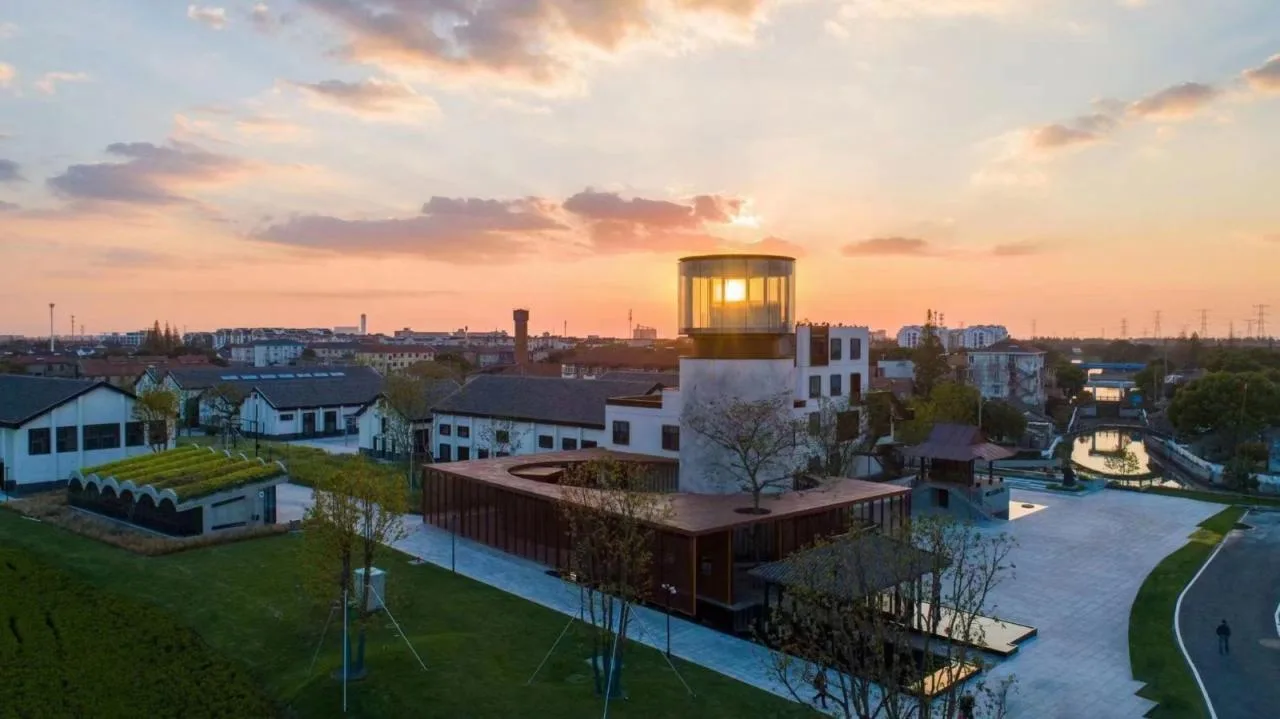
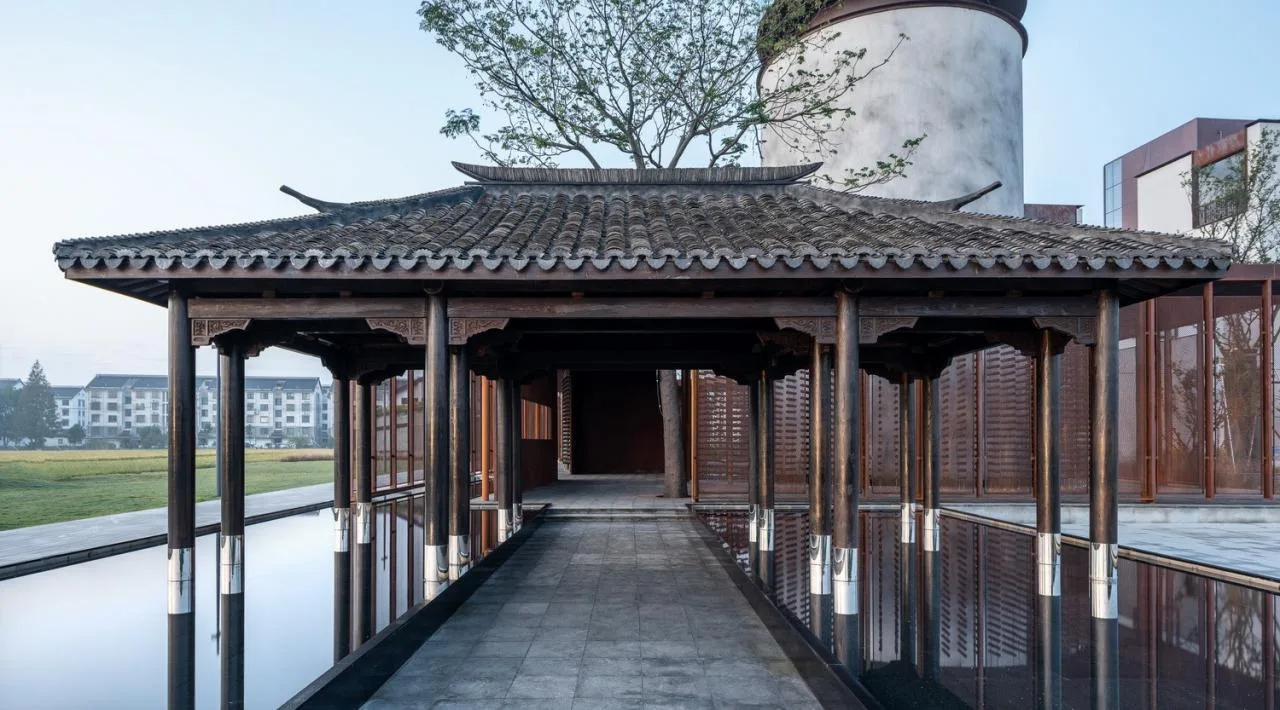
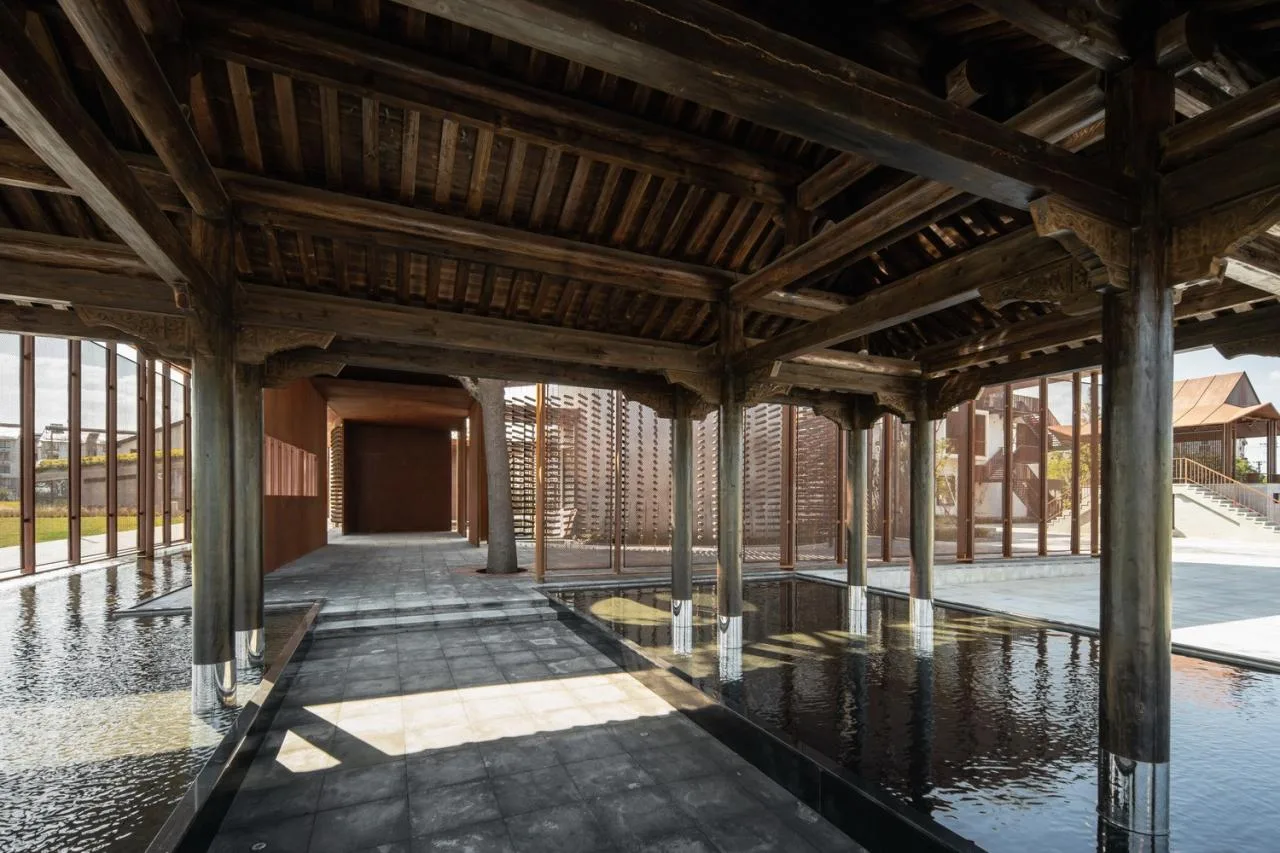
Hall – The original site of the traditional residential building “Si Luo Bao” has been renovated to become the park’s main entrance. The design preserves the distinctive pavilion-like roof and structural space, while removing the outer walls to create an open entrance hall. This space symbolizes the fusion of traditional architecture and contemporary openness. The column bases are wrapped in mirrored stainless steel, resting on shallow water to convey a light and elegant presence.
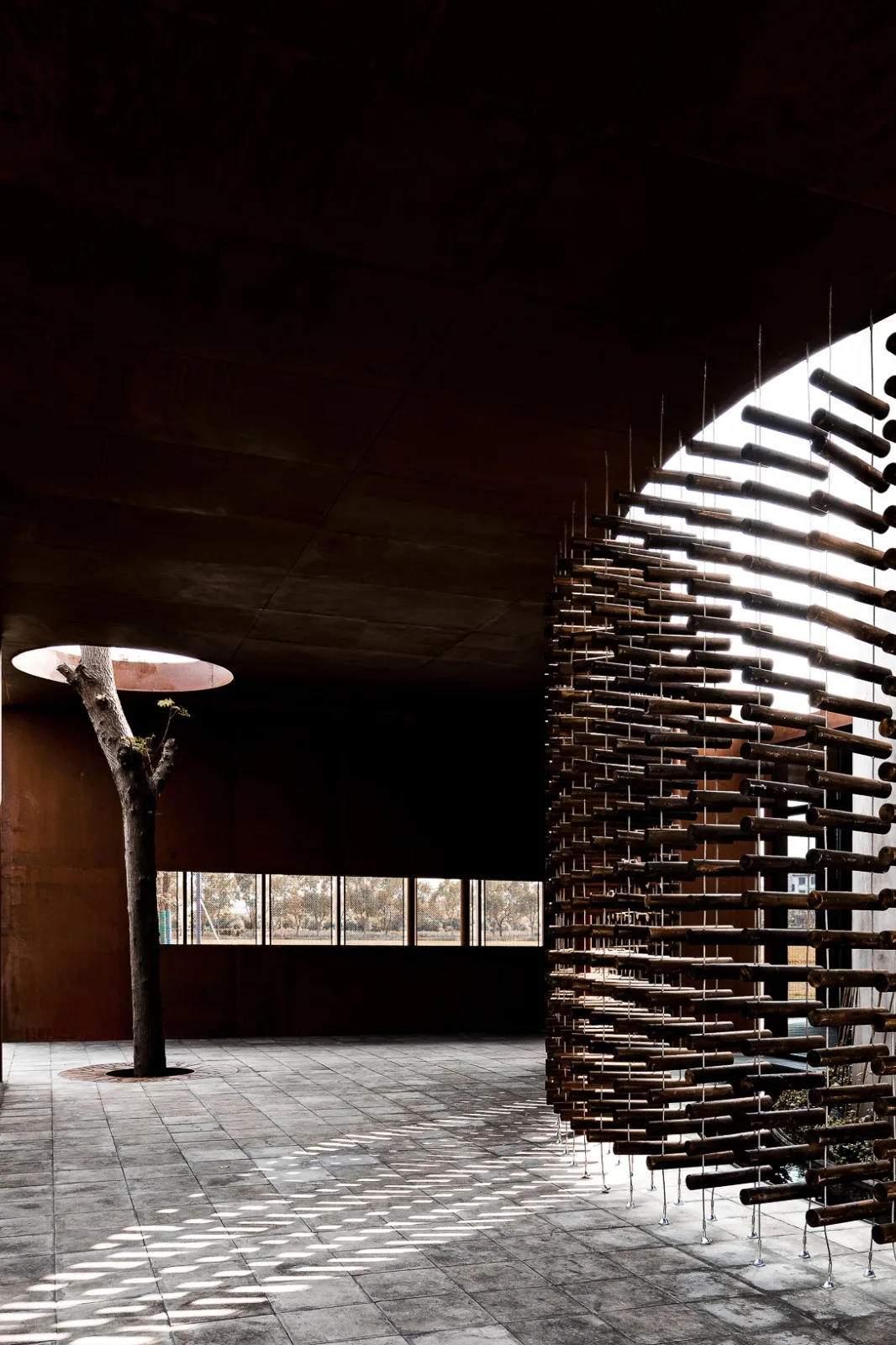
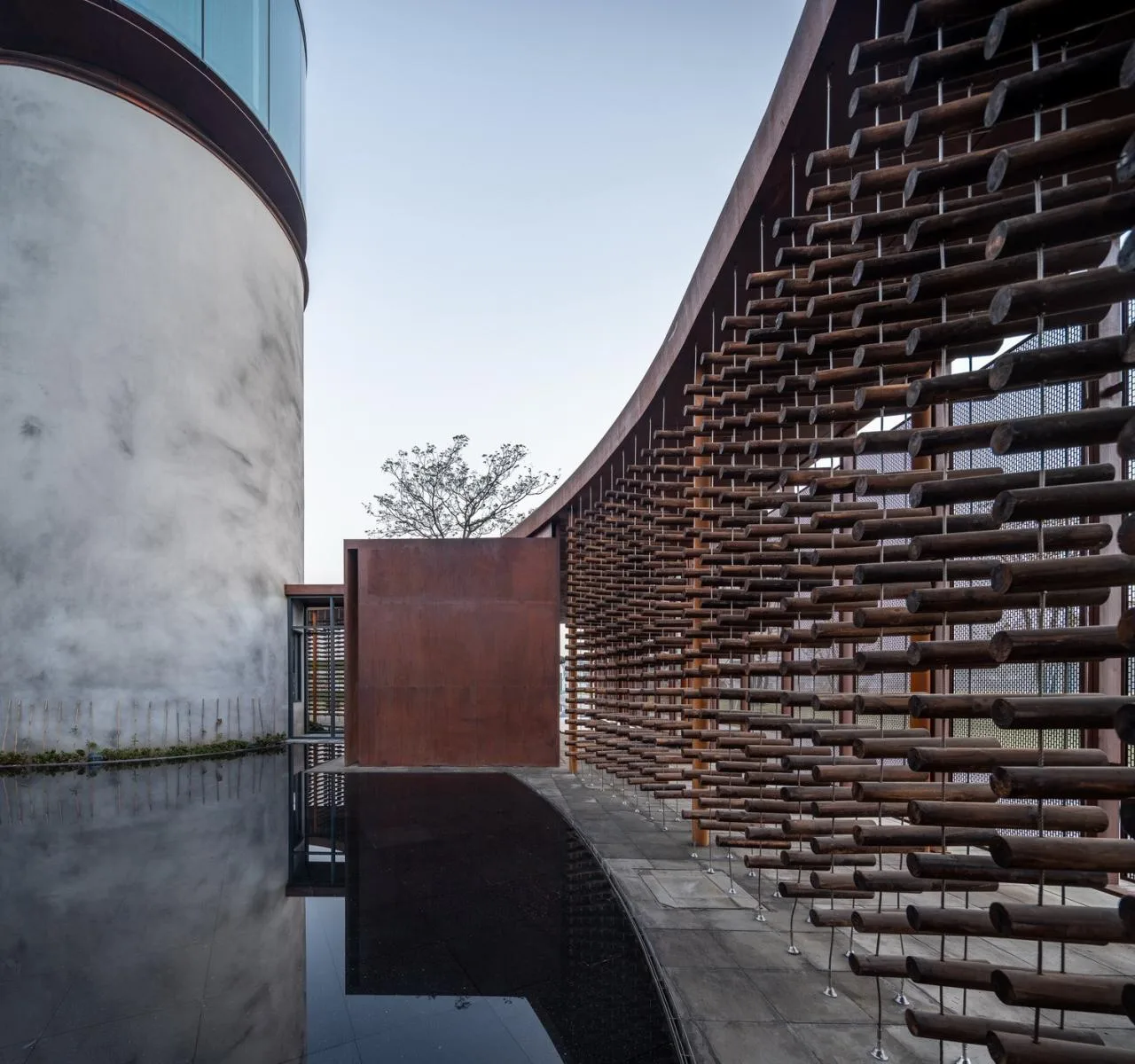
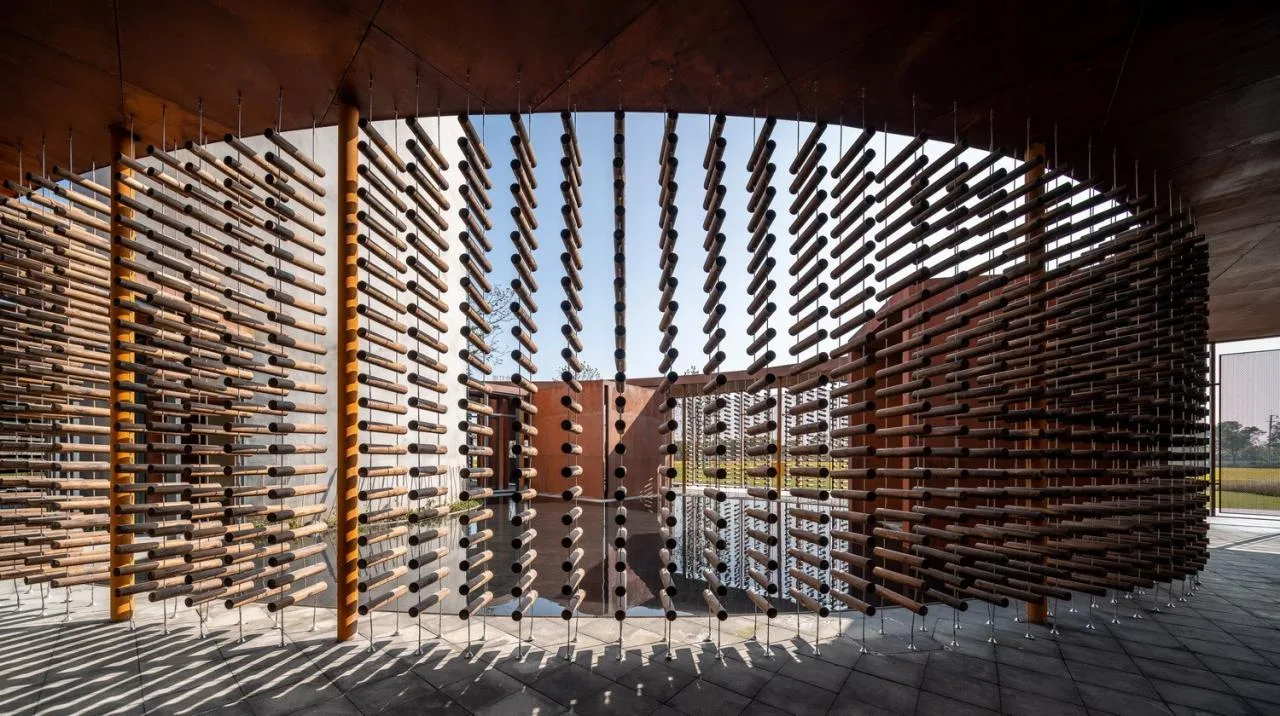
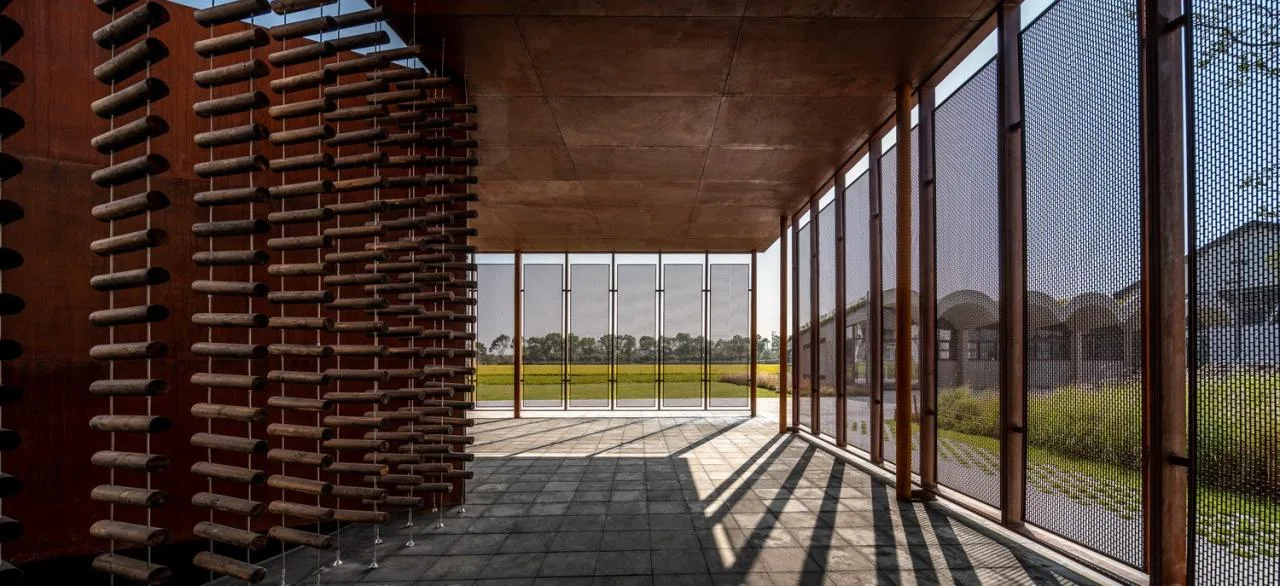
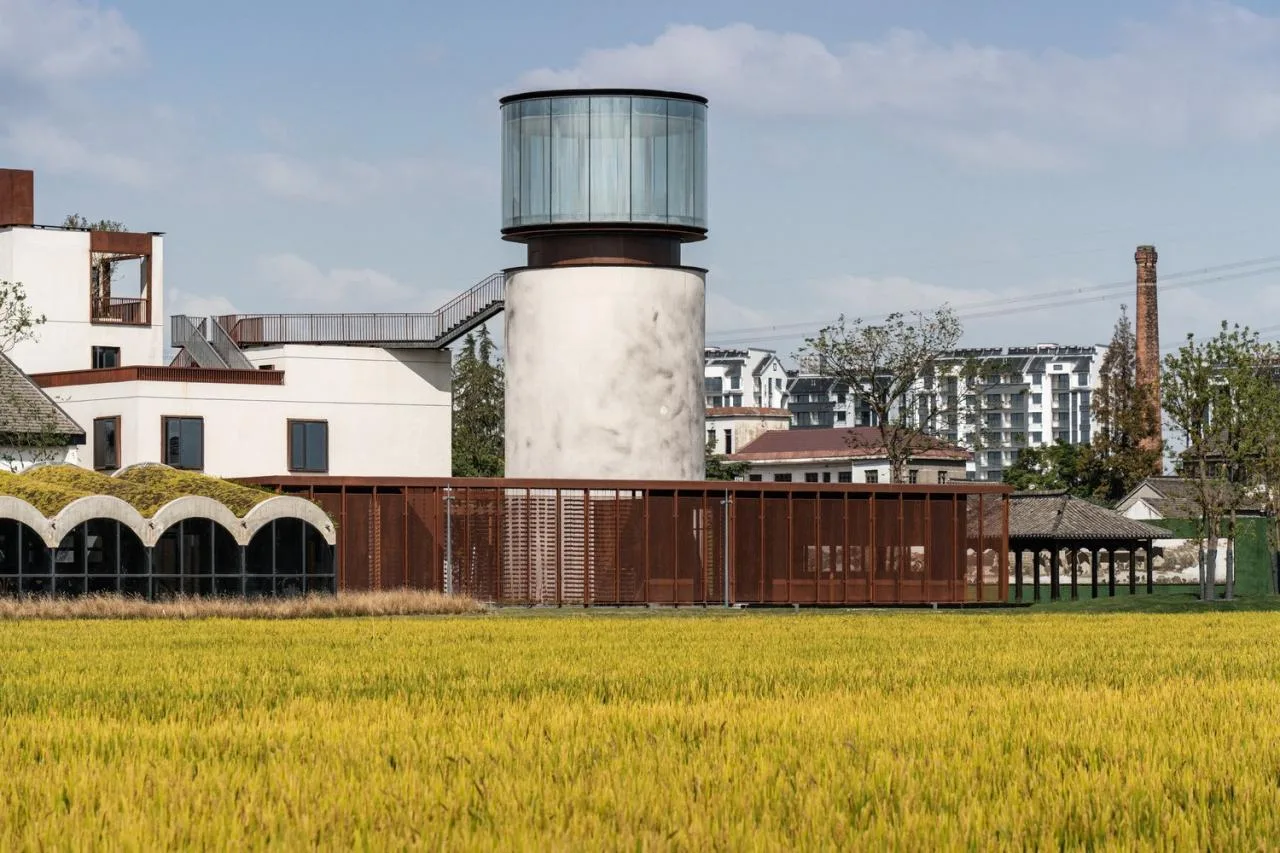
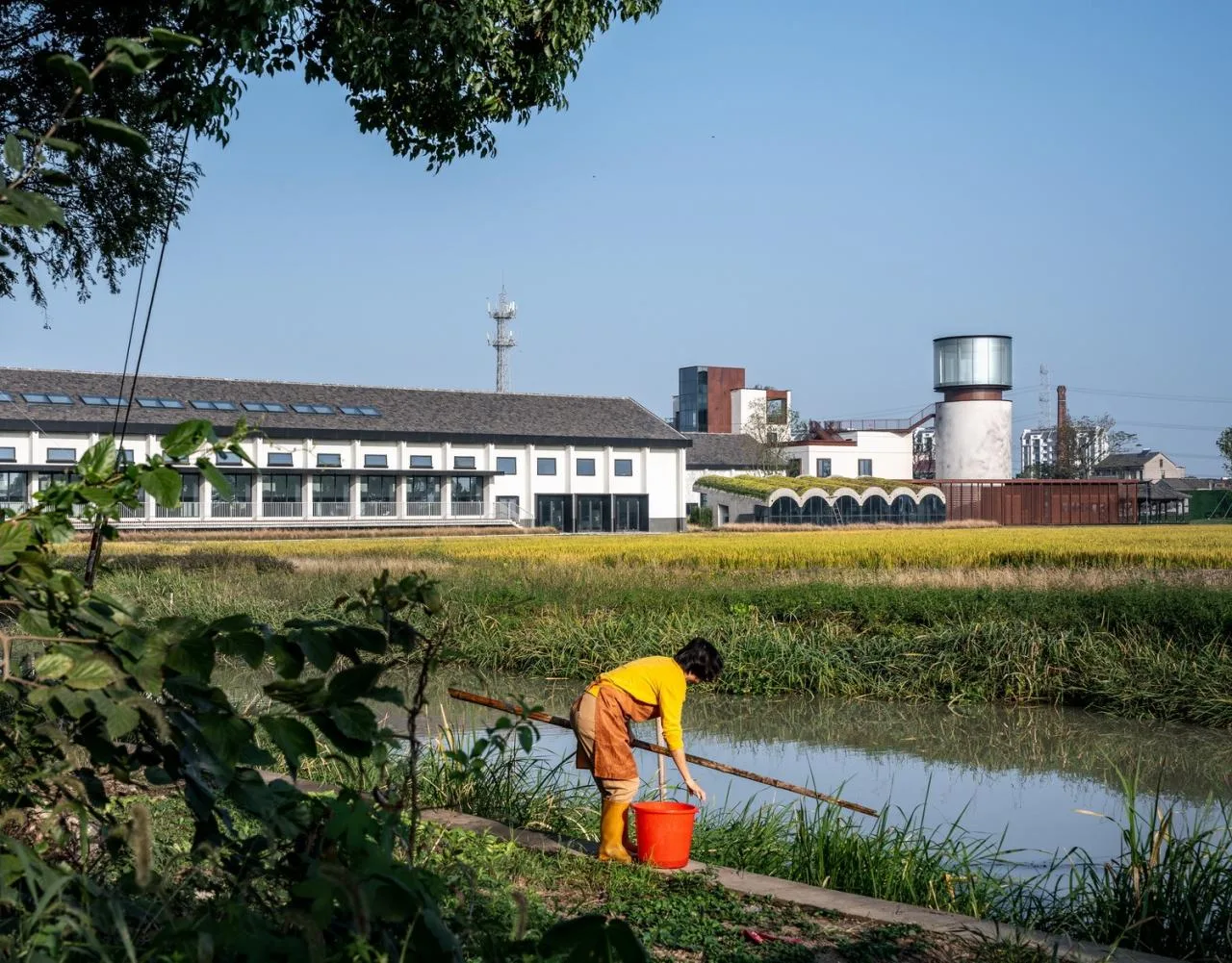
Following the Hall, the space named Tian Ge Shui Yuan unfolds—a water courtyard surrounding the silo, featuring nested square and circular courtyards to create a fluid spatial experience. Wooden “wind-driven curtains” and perforated rusted metal screens offer semi-transparent boundaries, evoking a sense of intimacy and distance simultaneously. Positioned between the weathered silo and the ecological rice fields, this area symbolizes the transition from production to ecology, embodying new ways of living.
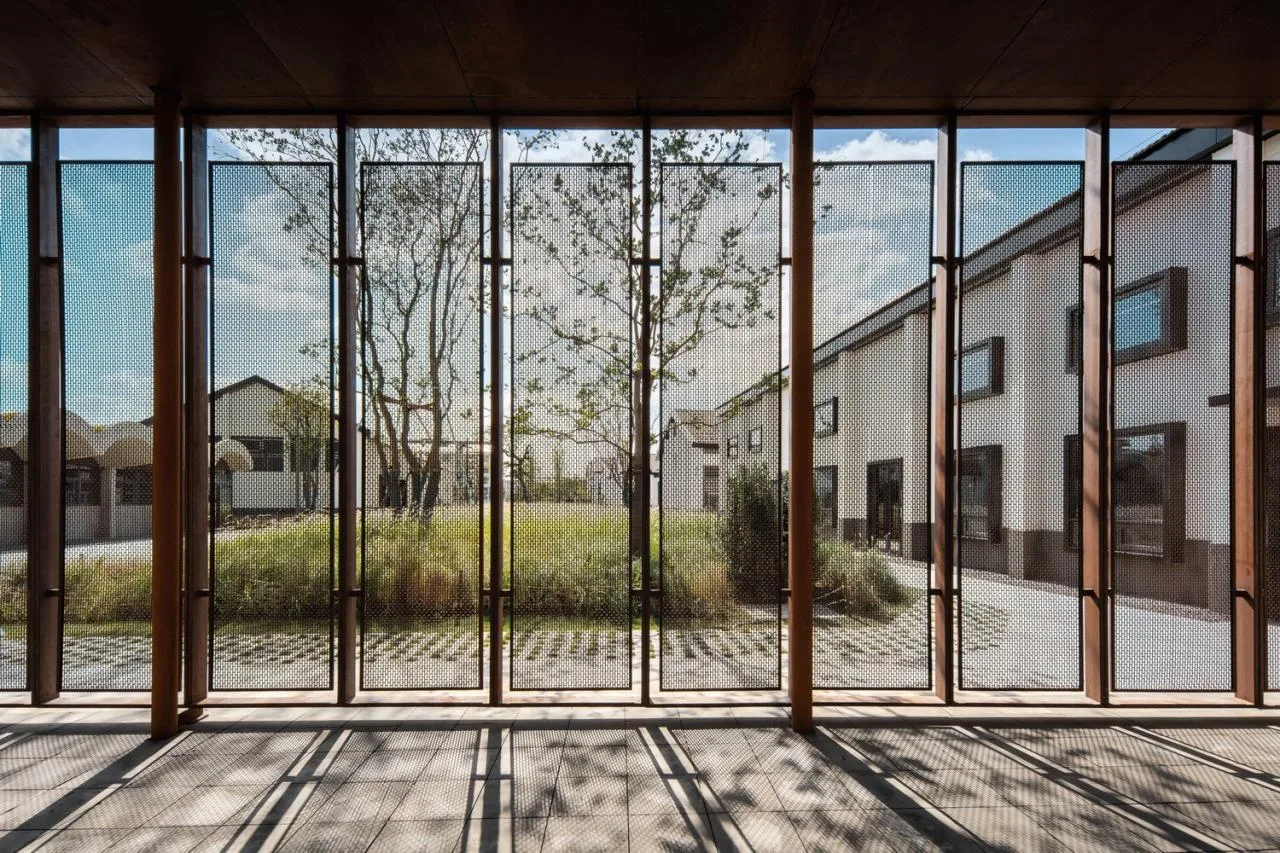
Tai – Inspired by the traditional waterside stages of Jiangnan towns, this modern interpretation sits at the center of the square. It faces across the river to the residential community, recreating the cultural spirit of “watching opera across the water.”
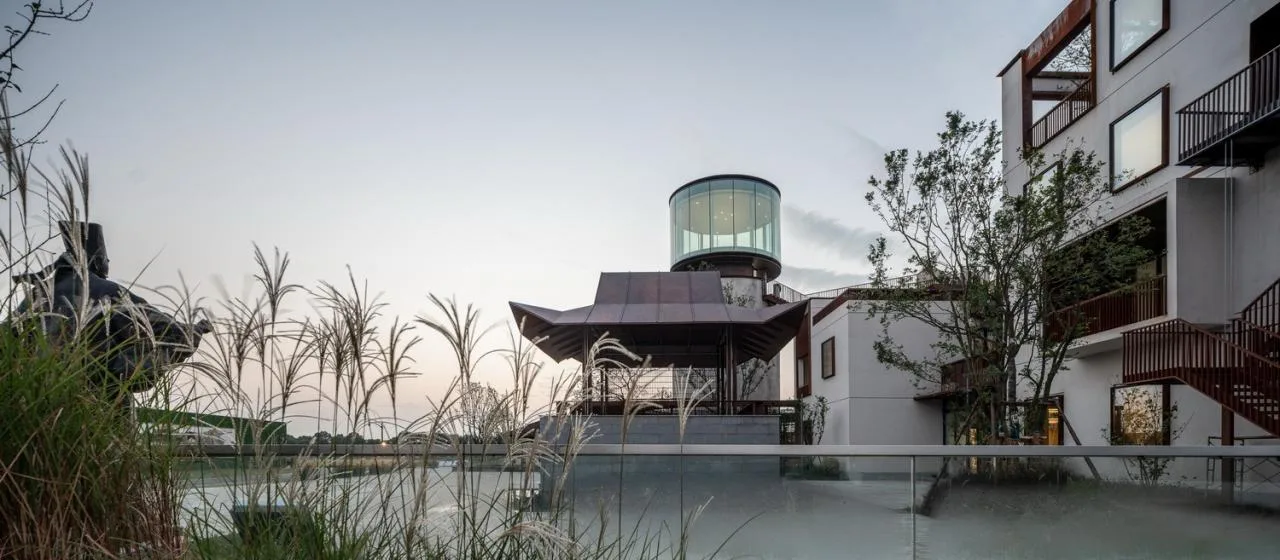
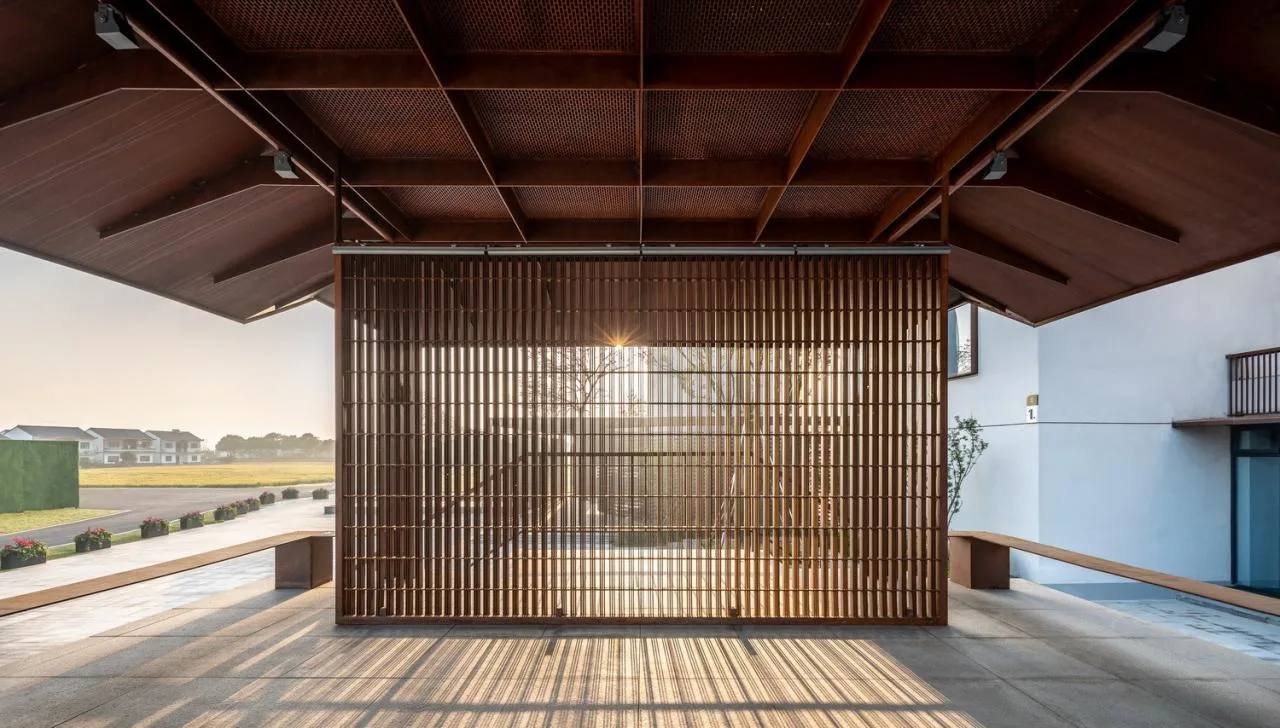
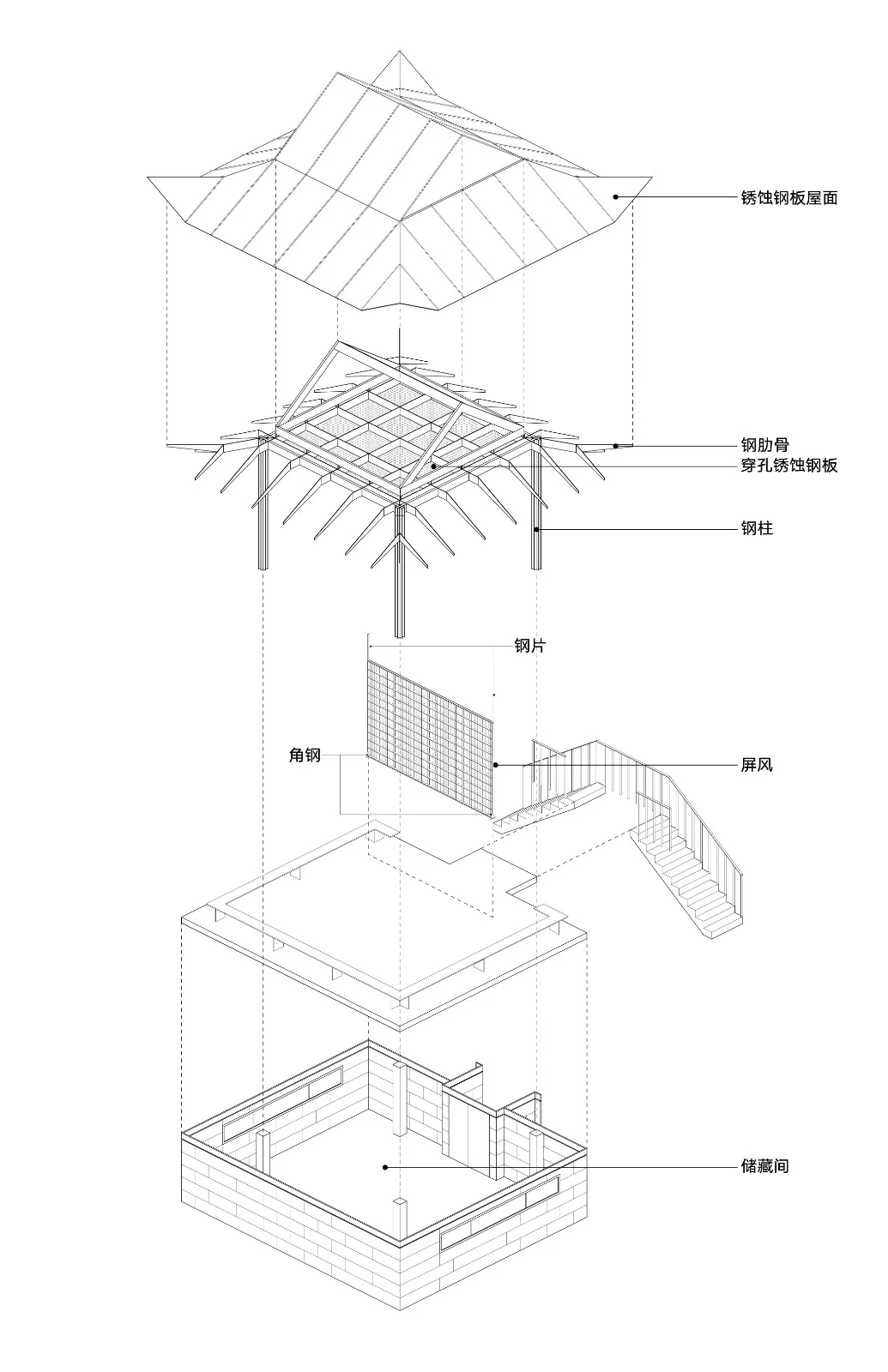
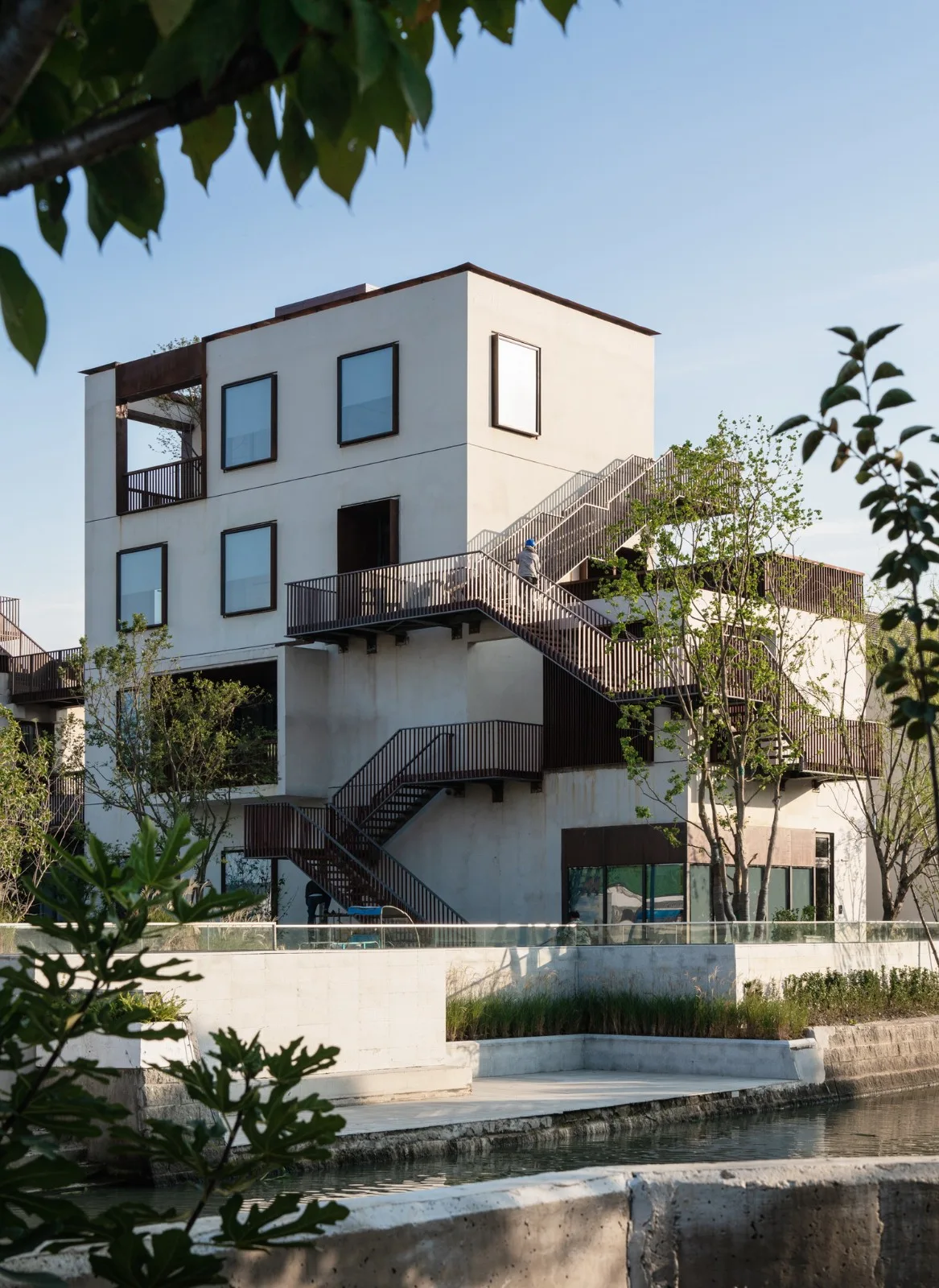
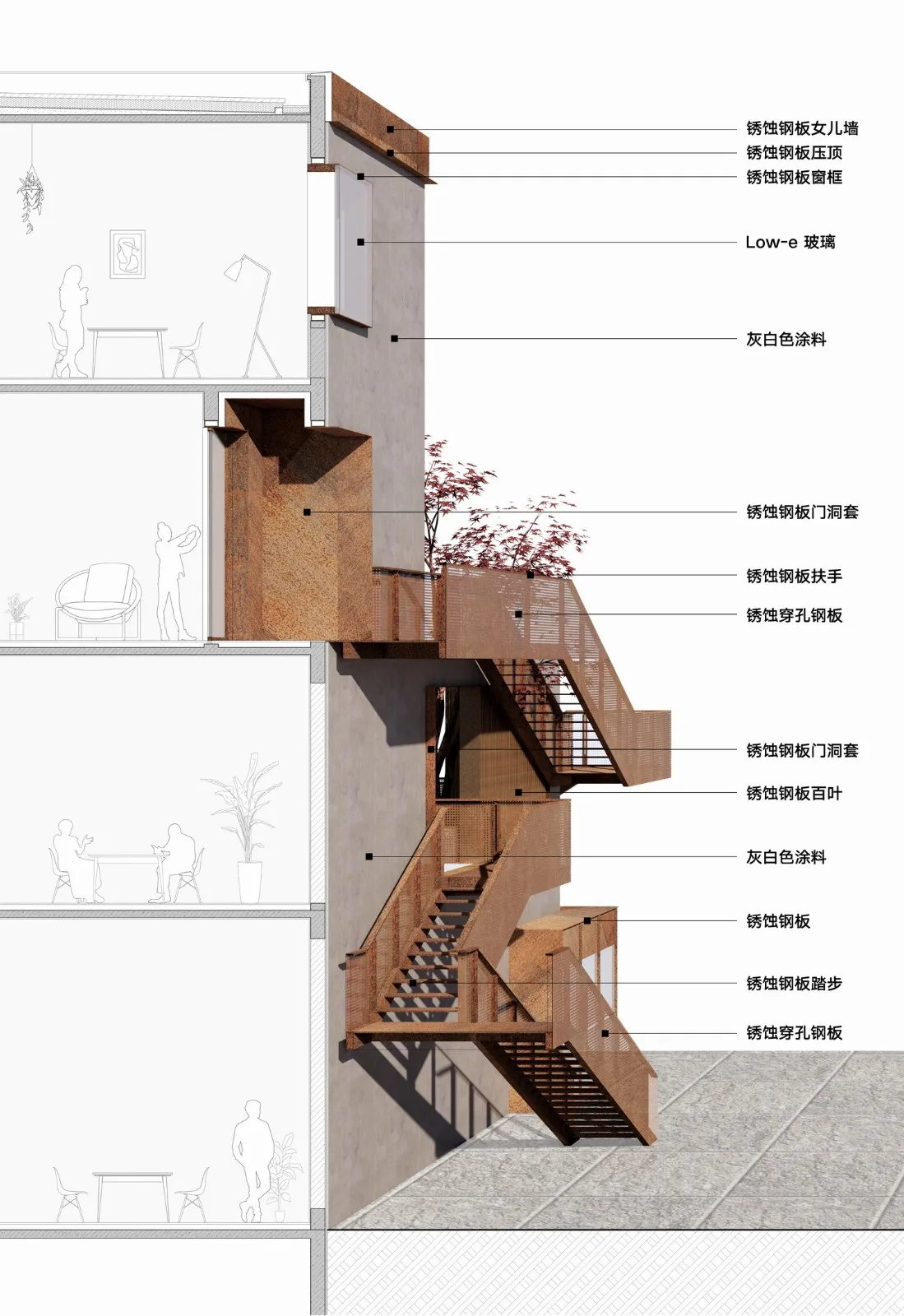
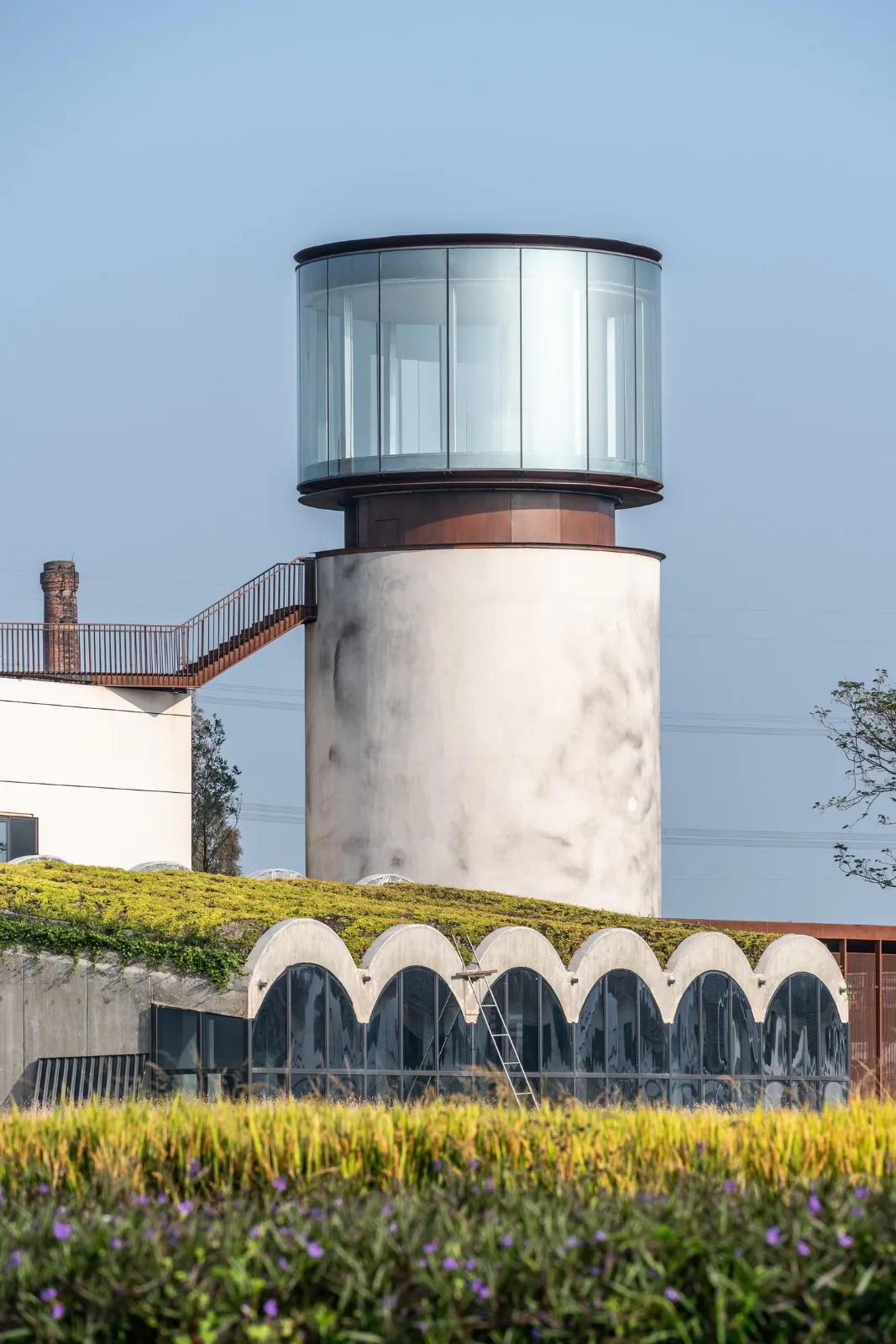
Path – The design enhances the historical path formed by factory building additions, creating a mountain-like route featuring a winding external staircase and rooftop walkways. These span the undulating building remains and several sky gardens before culminating at the silo’s observation deck.
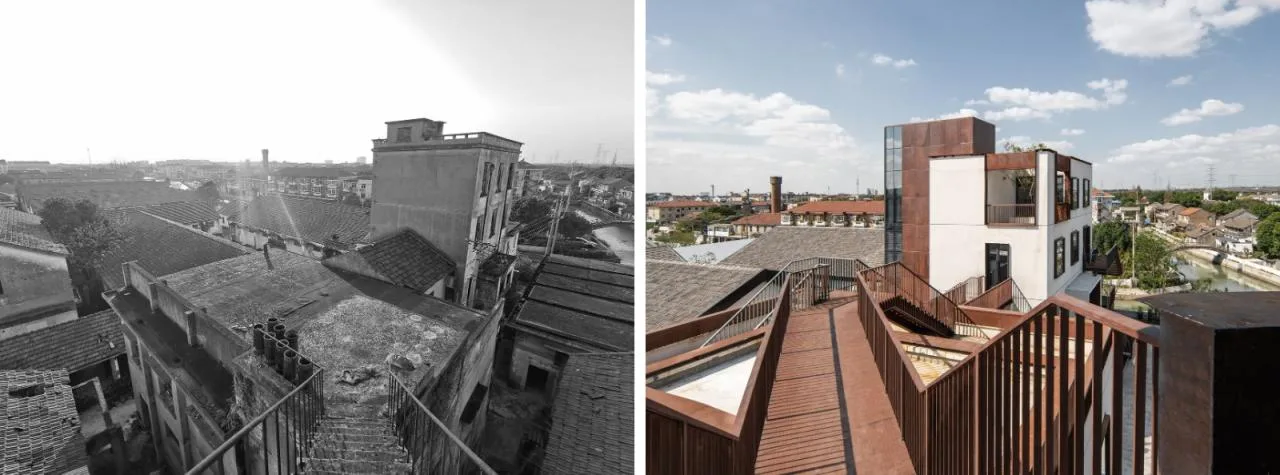
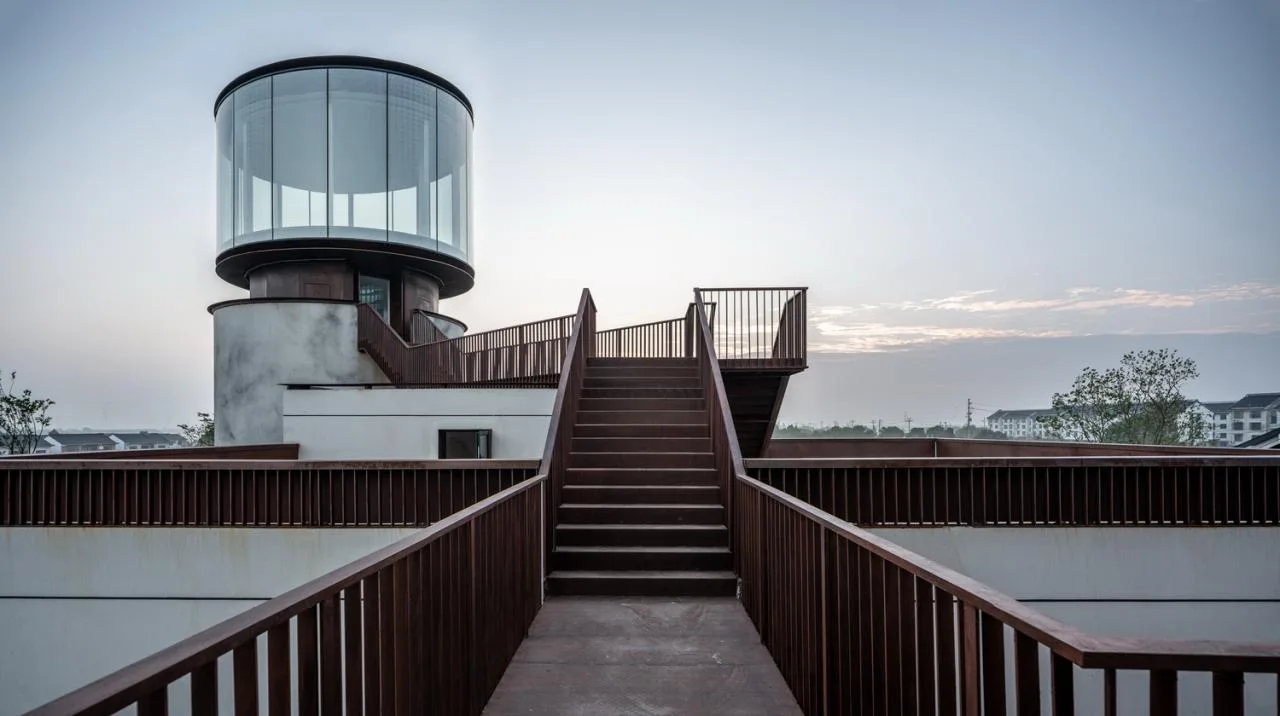
Pavilion – A glass observation pavilion atop the silo creates a new spiritual landmark. By day, it offers views toward the rice fields, while at night, illuminated lights transform it into a beacon of vitality visible to locals returning home.
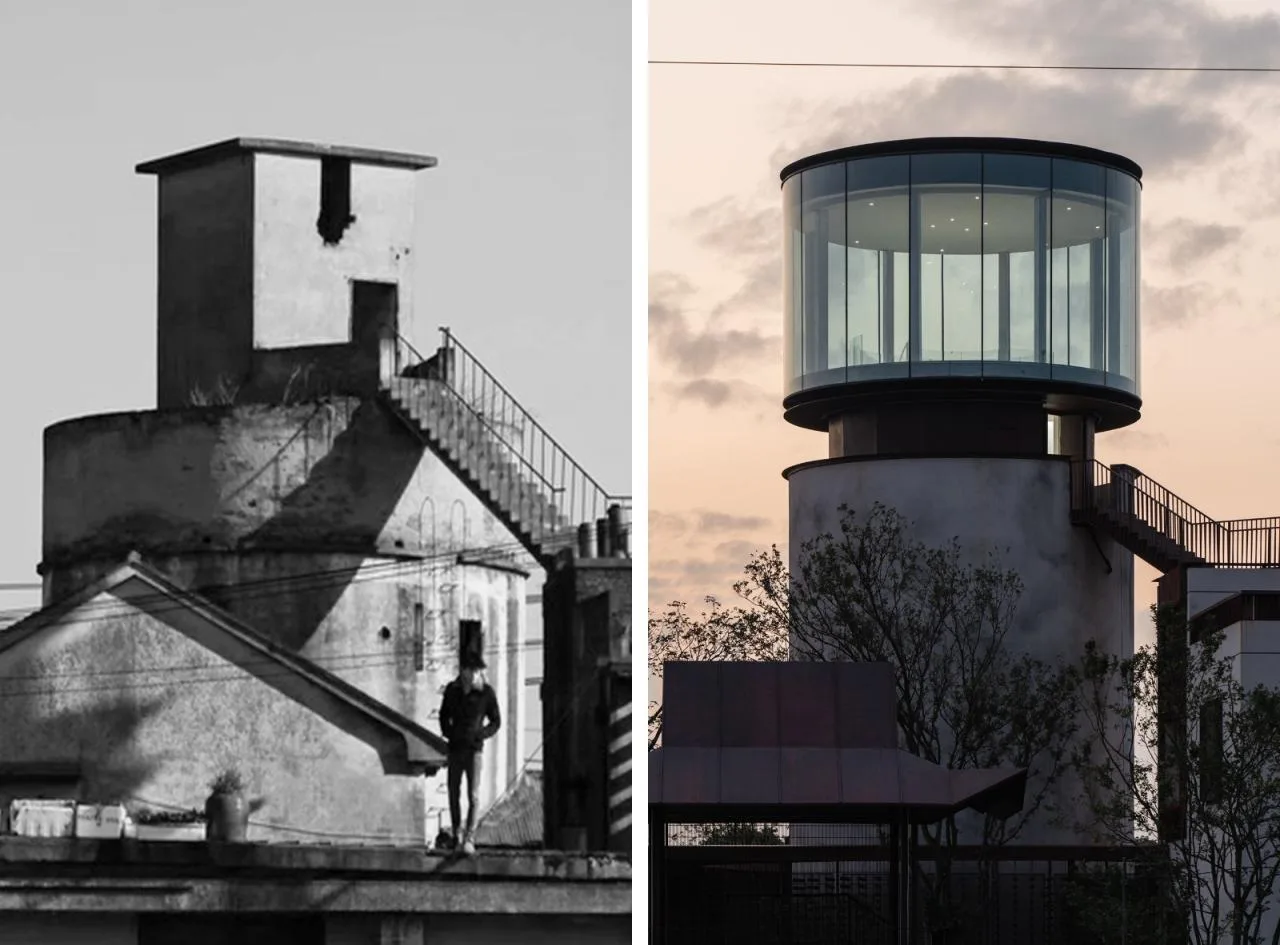
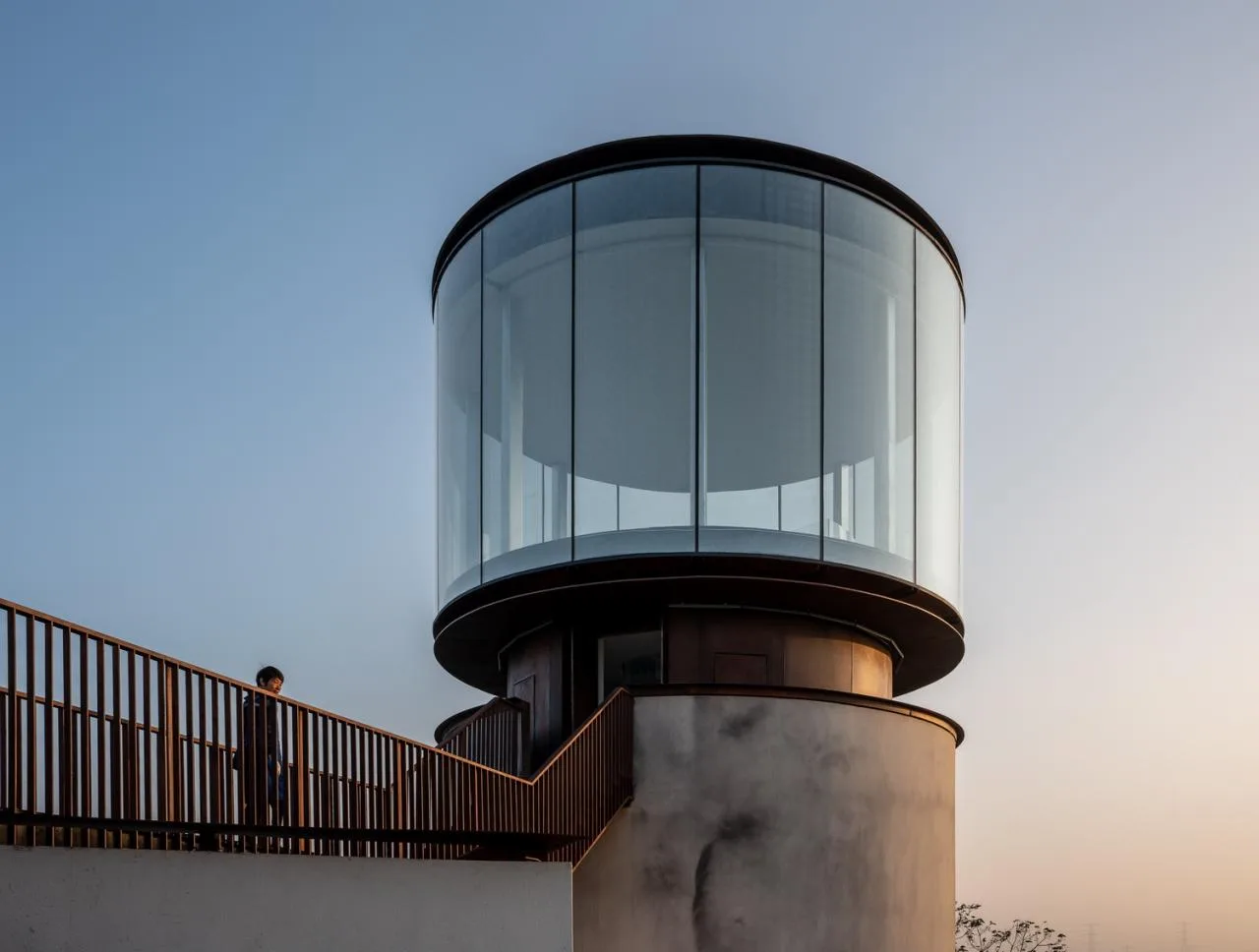
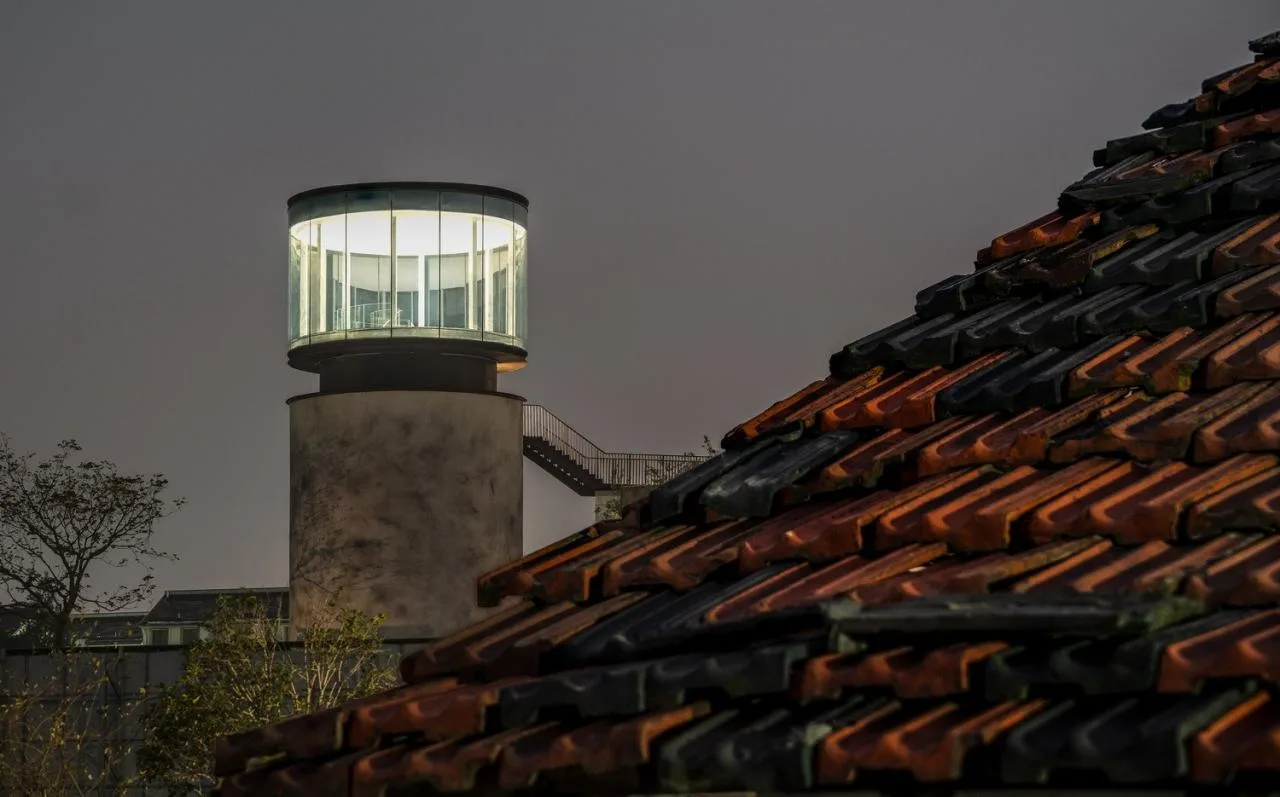
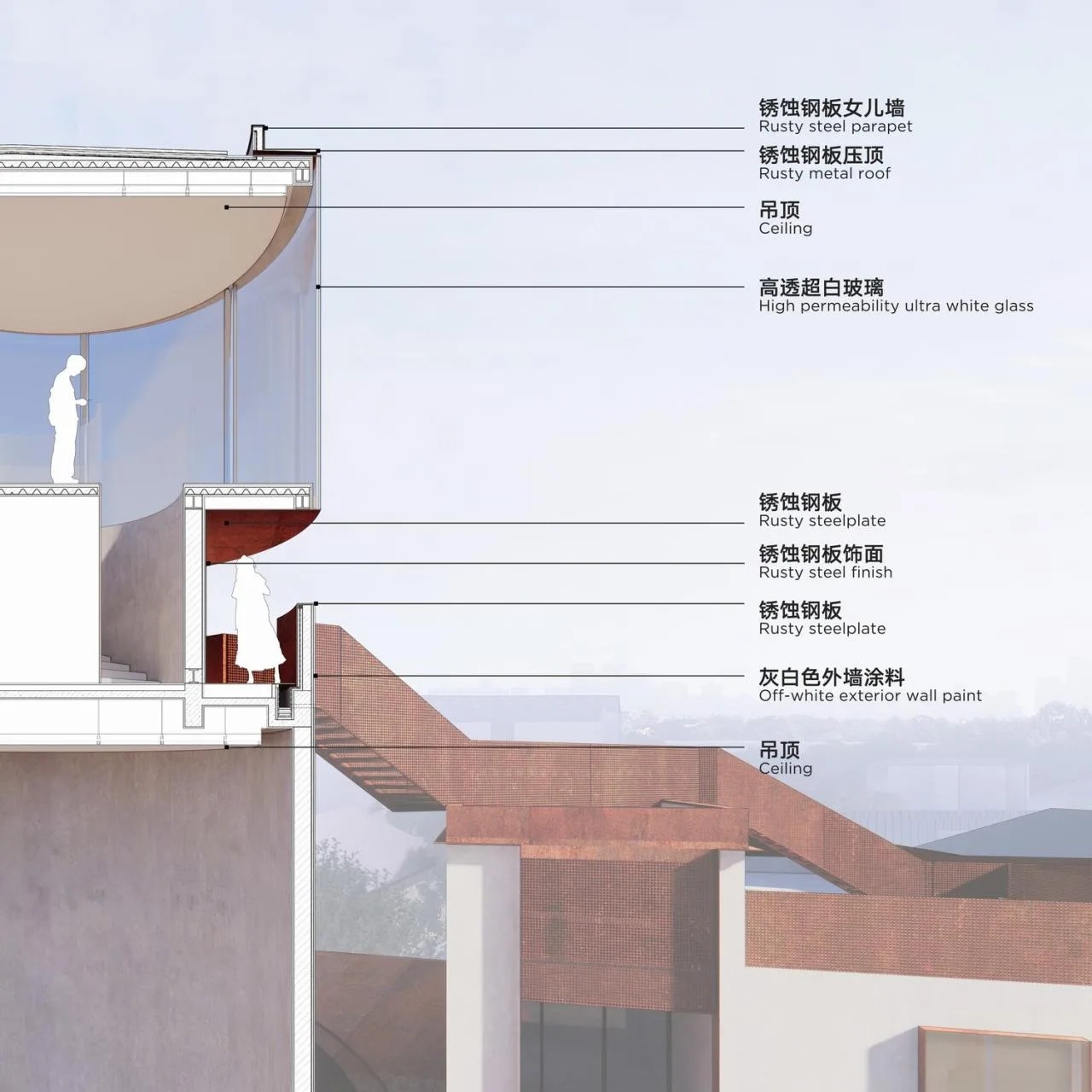
3. Layered Typologies and Integrated Micro-Updates
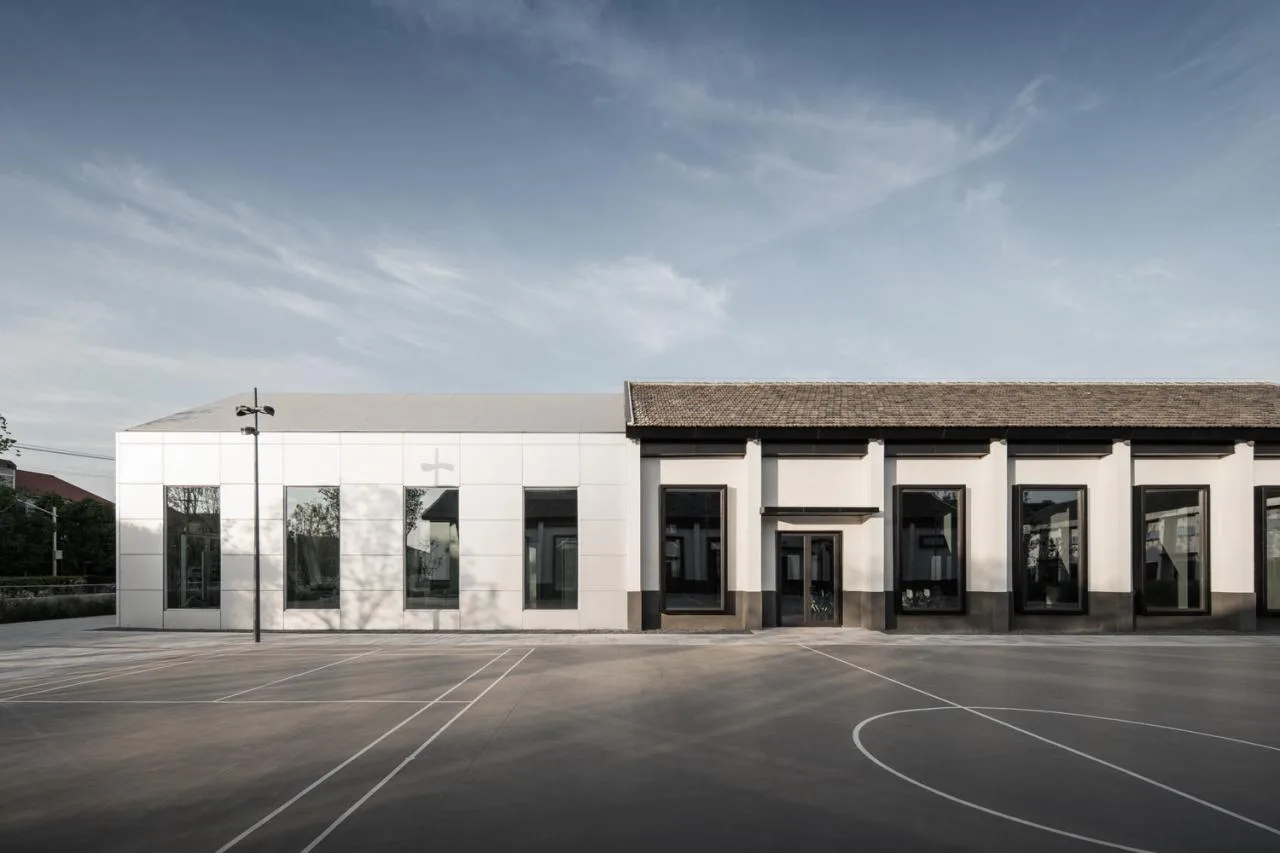
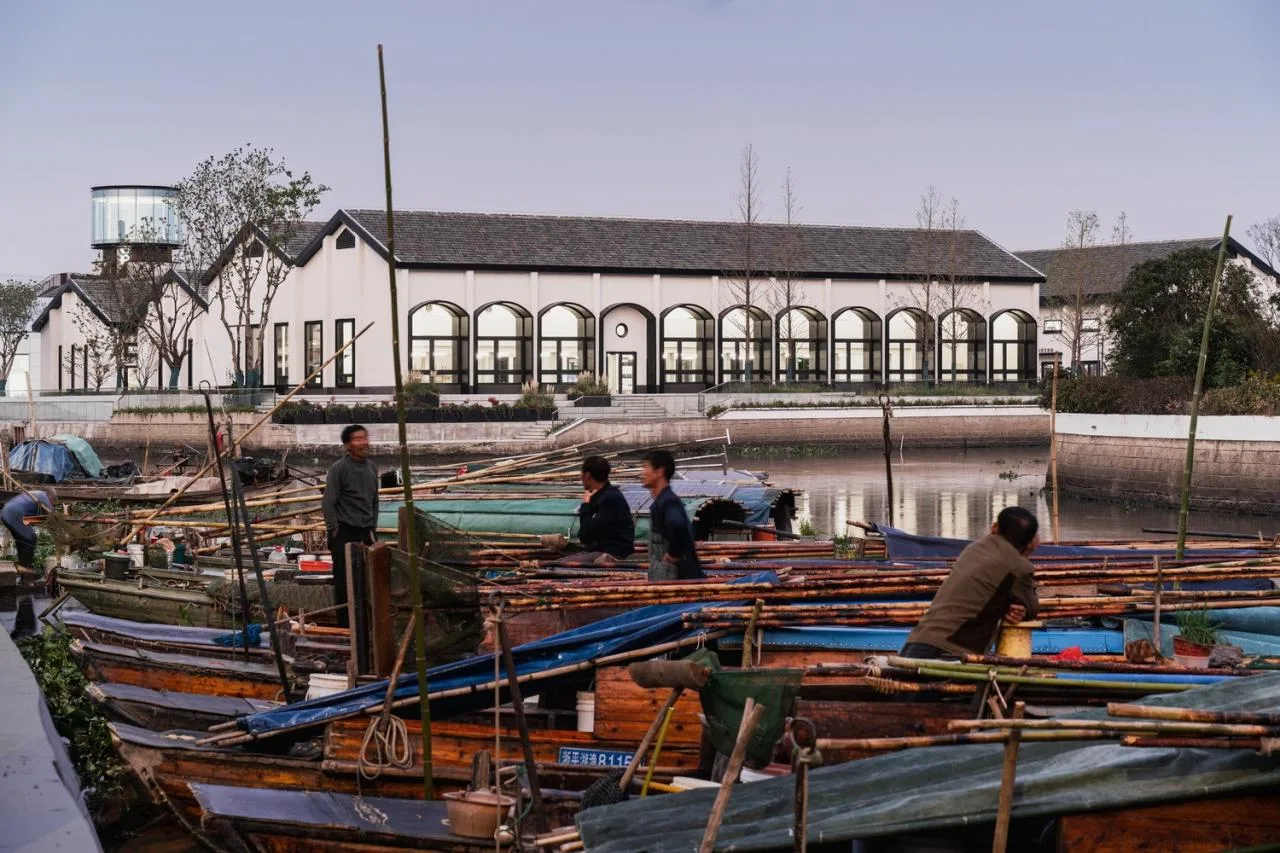
The southern “house-style warehouse” grain storage cluster has been redesigned to enhance landscapes and public activity areas while preserving its orderly spatial structure.
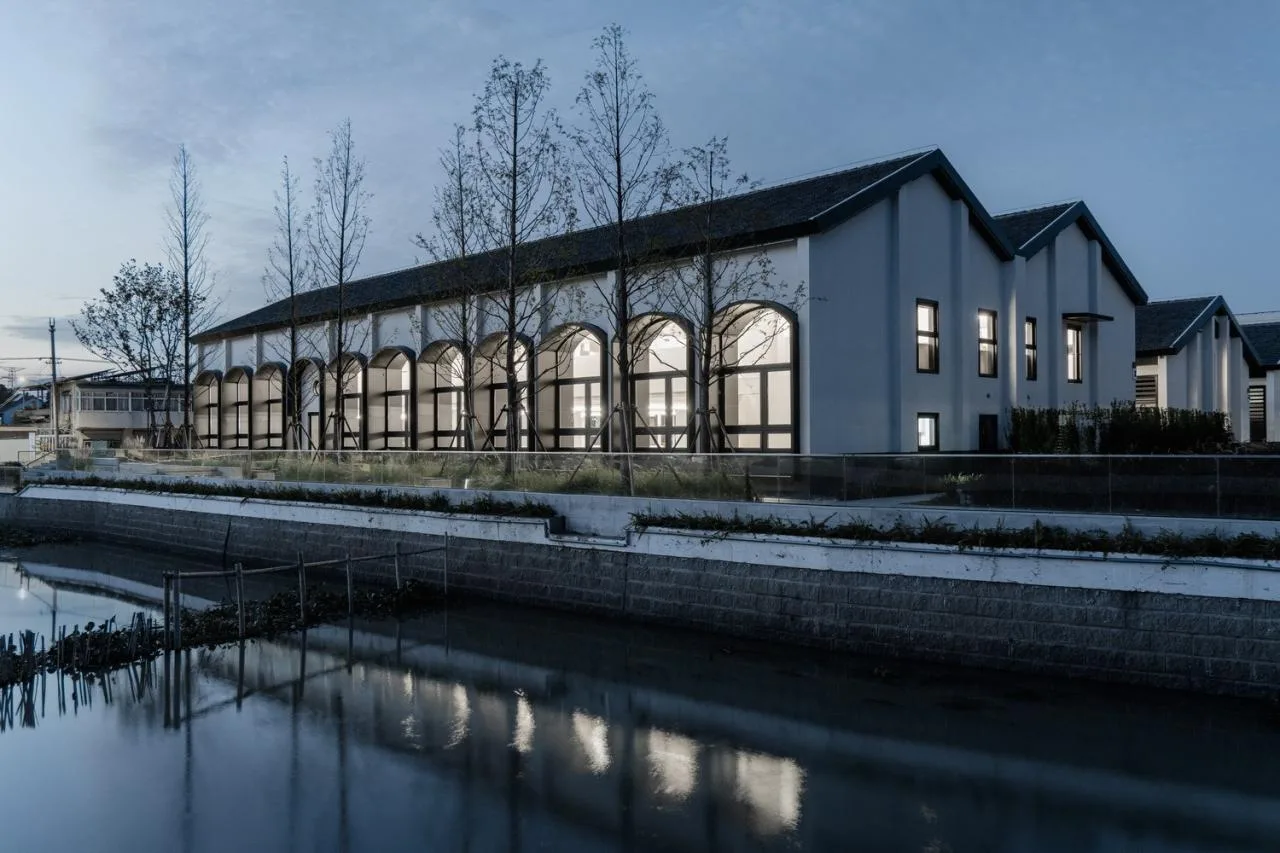
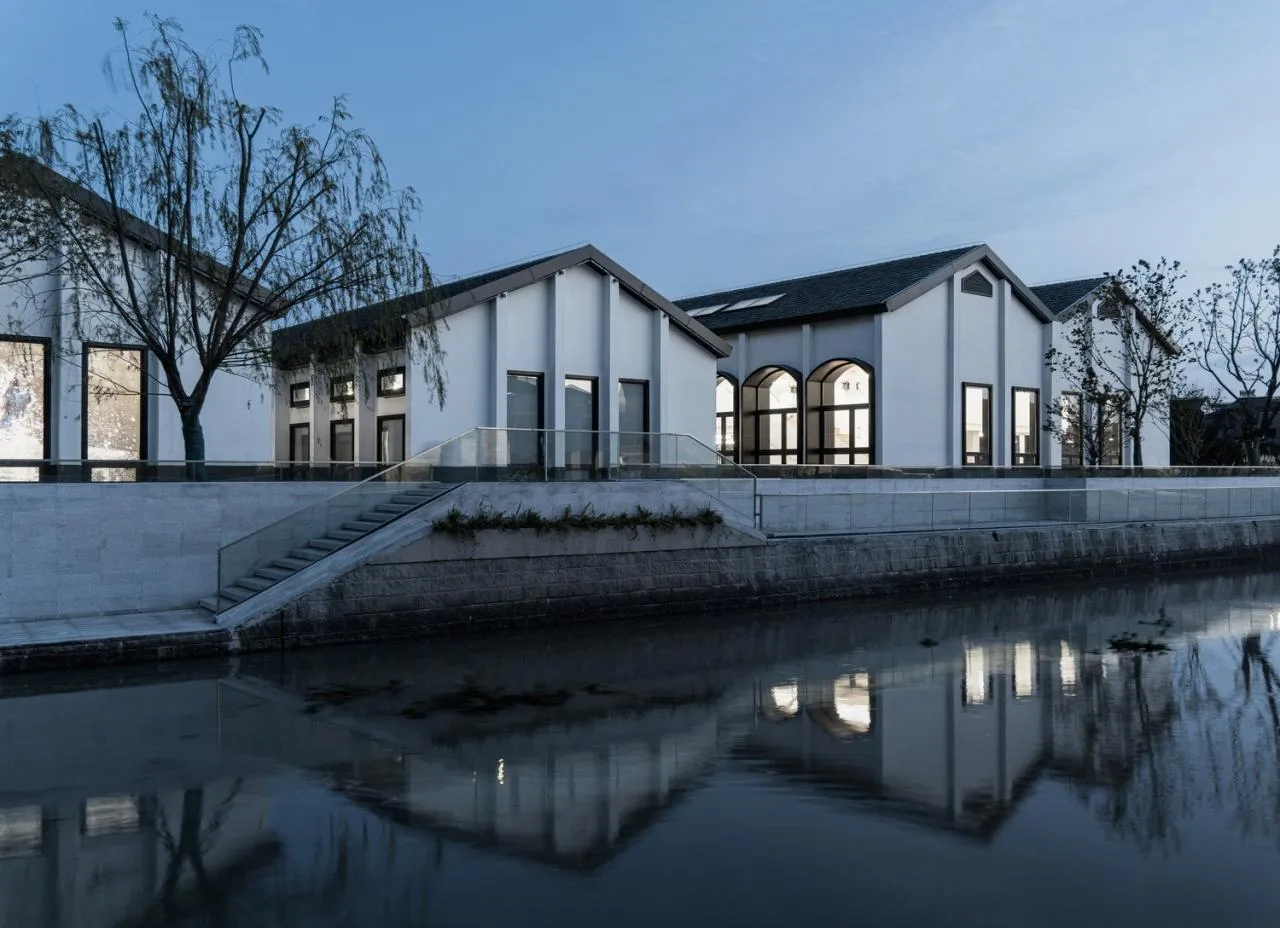
The southern “Fangshi Cang” cluster recreates the Jiangnan waterside living environment.
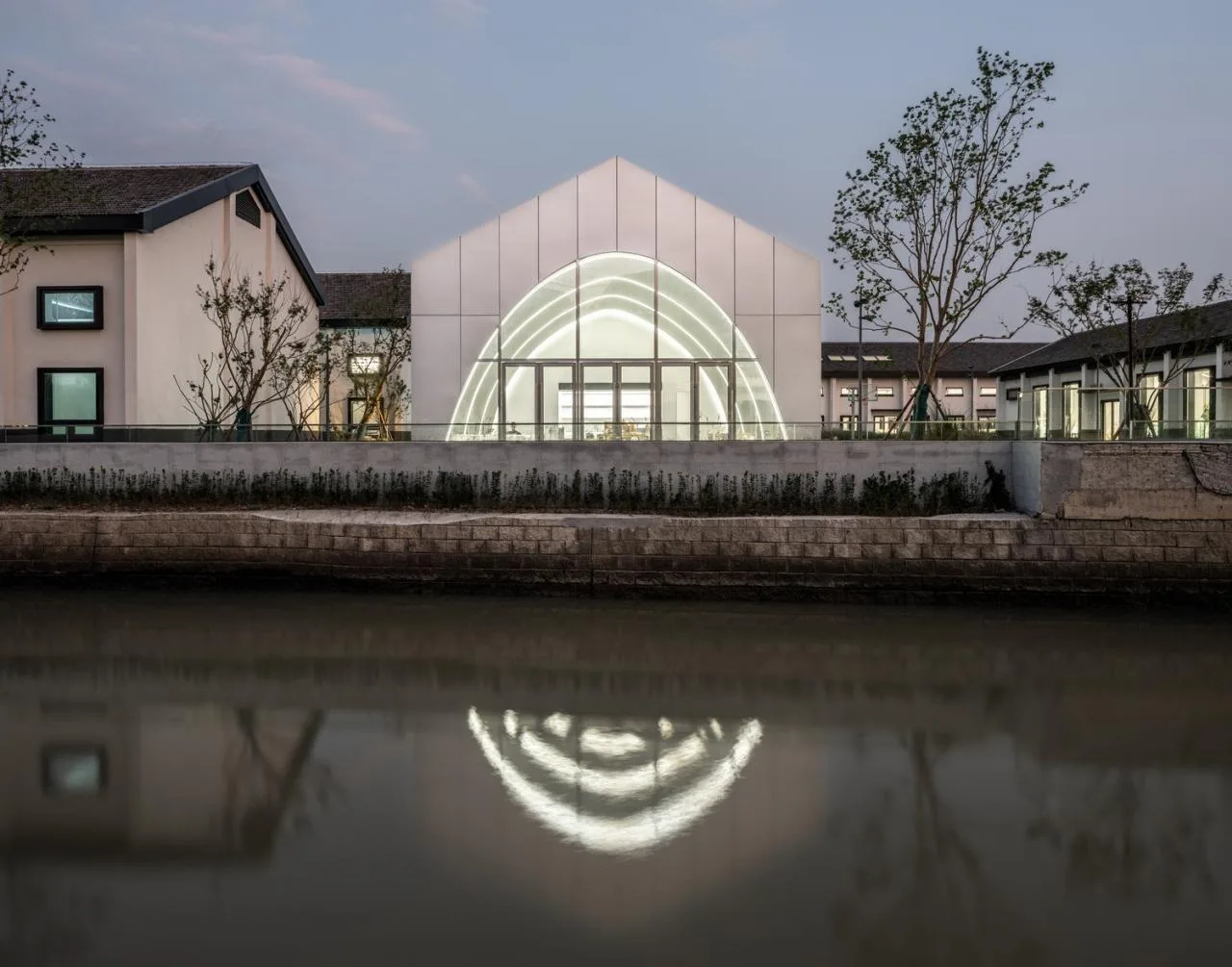
Alongside this, a new agricultural creative space named “Tiange Balcony” is planned adjacent to the rice fields. Its design features arch elements inspired by the original factory buildings and integrates seamlessly with surrounding ecological rice paddies through scale transitions and green roofs.
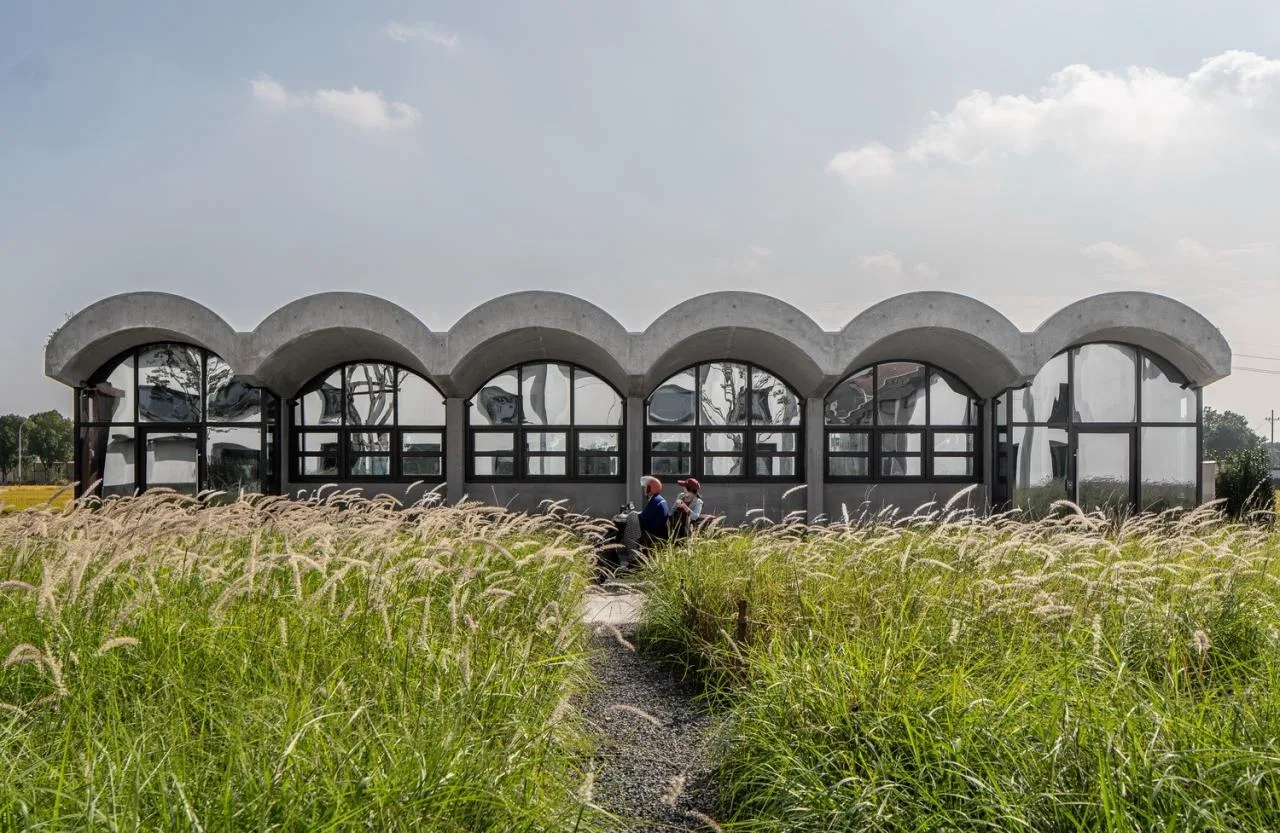
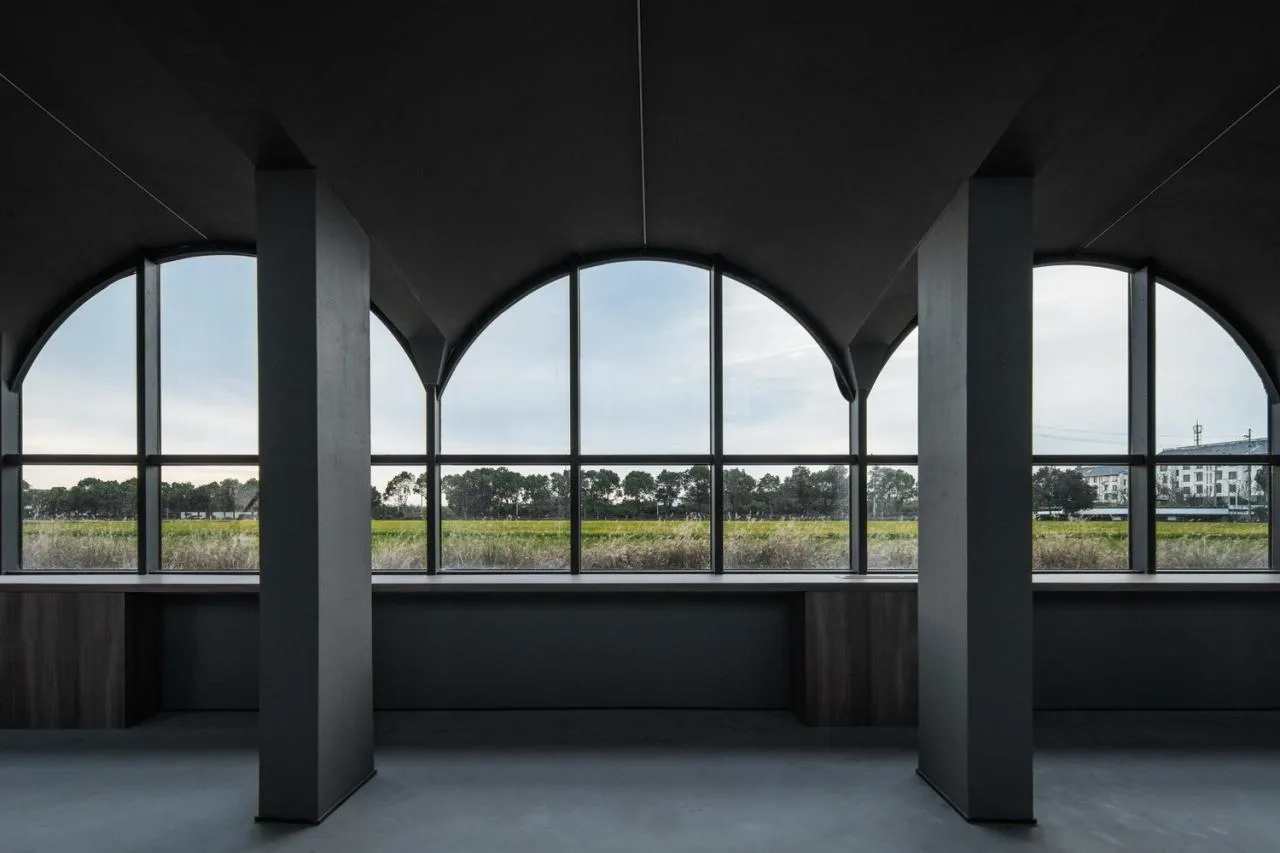
Both the interior and landscape emphasize subtle, targeted interventions. The interior design goes beyond material selection to reshape the spirit and essence of the place.
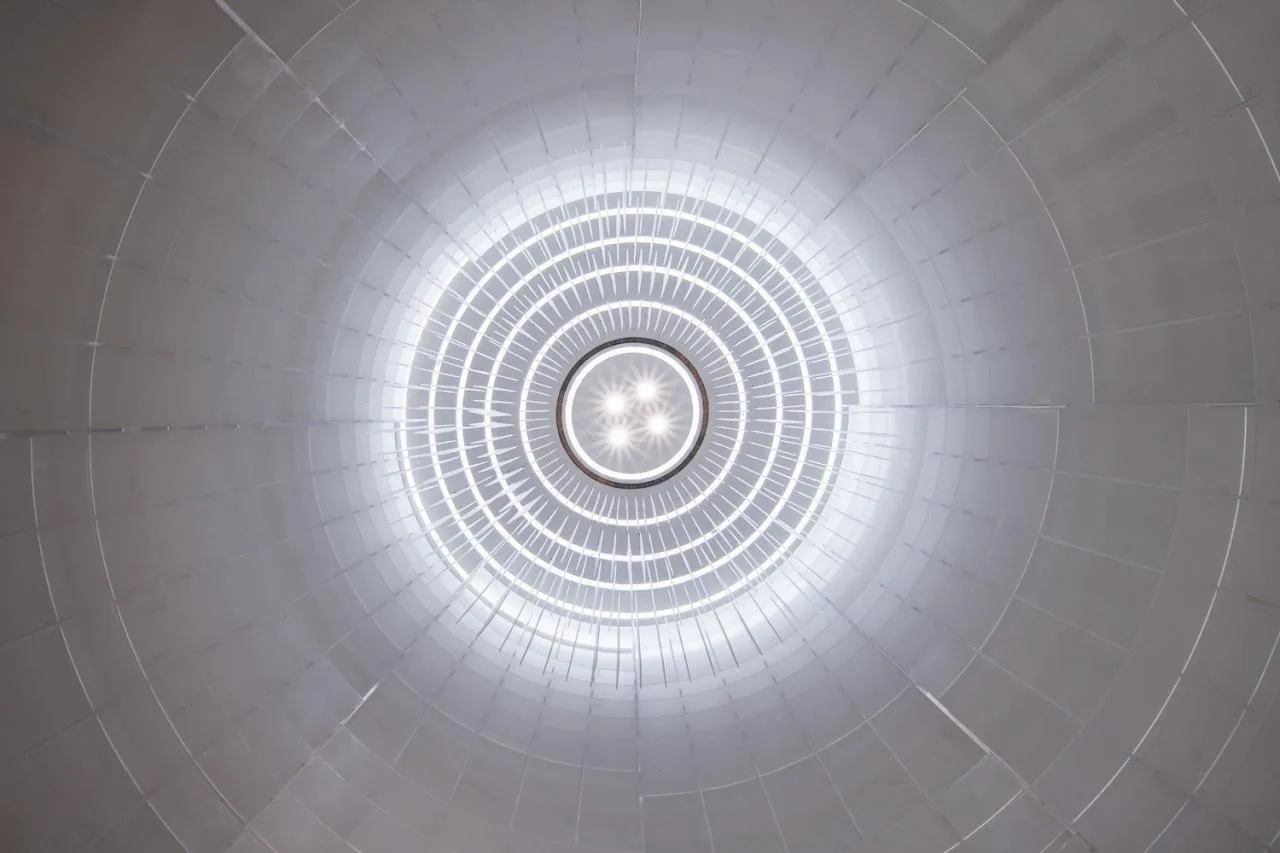
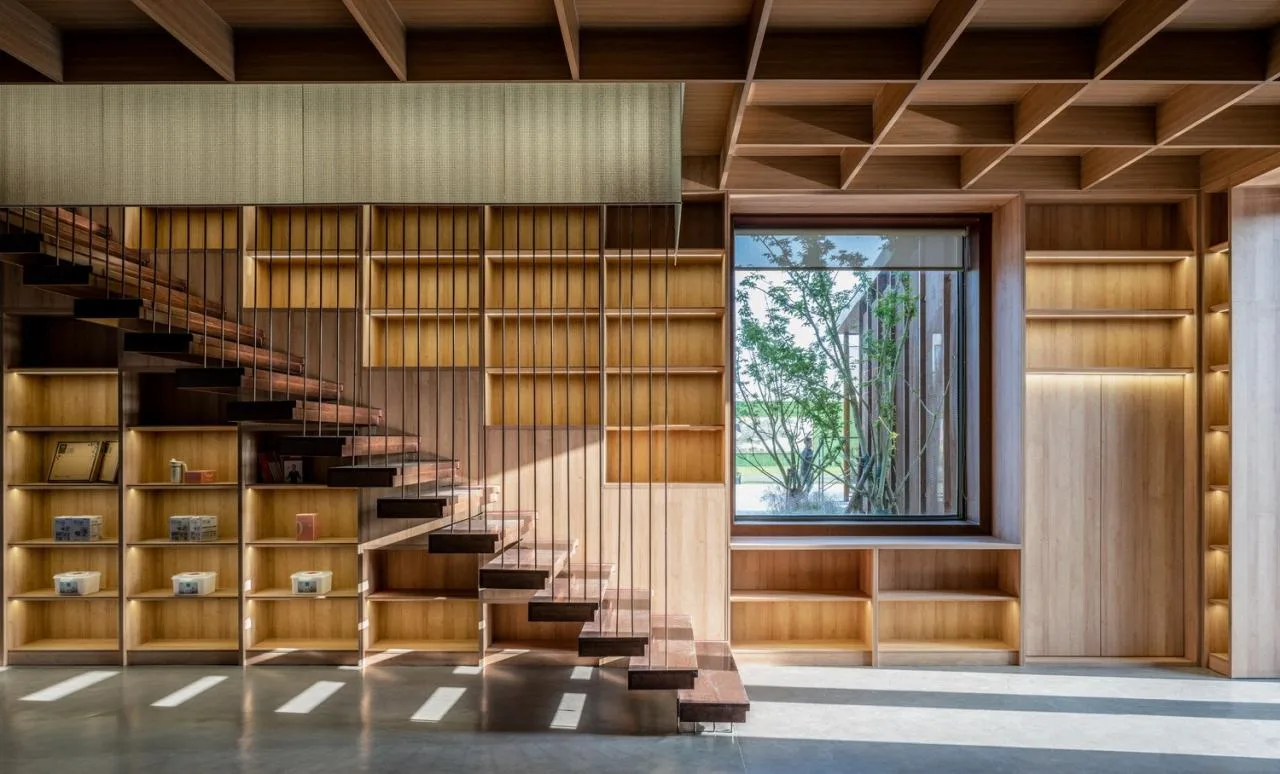
Contemporary elements are thoughtfully integrated, transforming the old buildings into versatile spaces filled with creative potential.
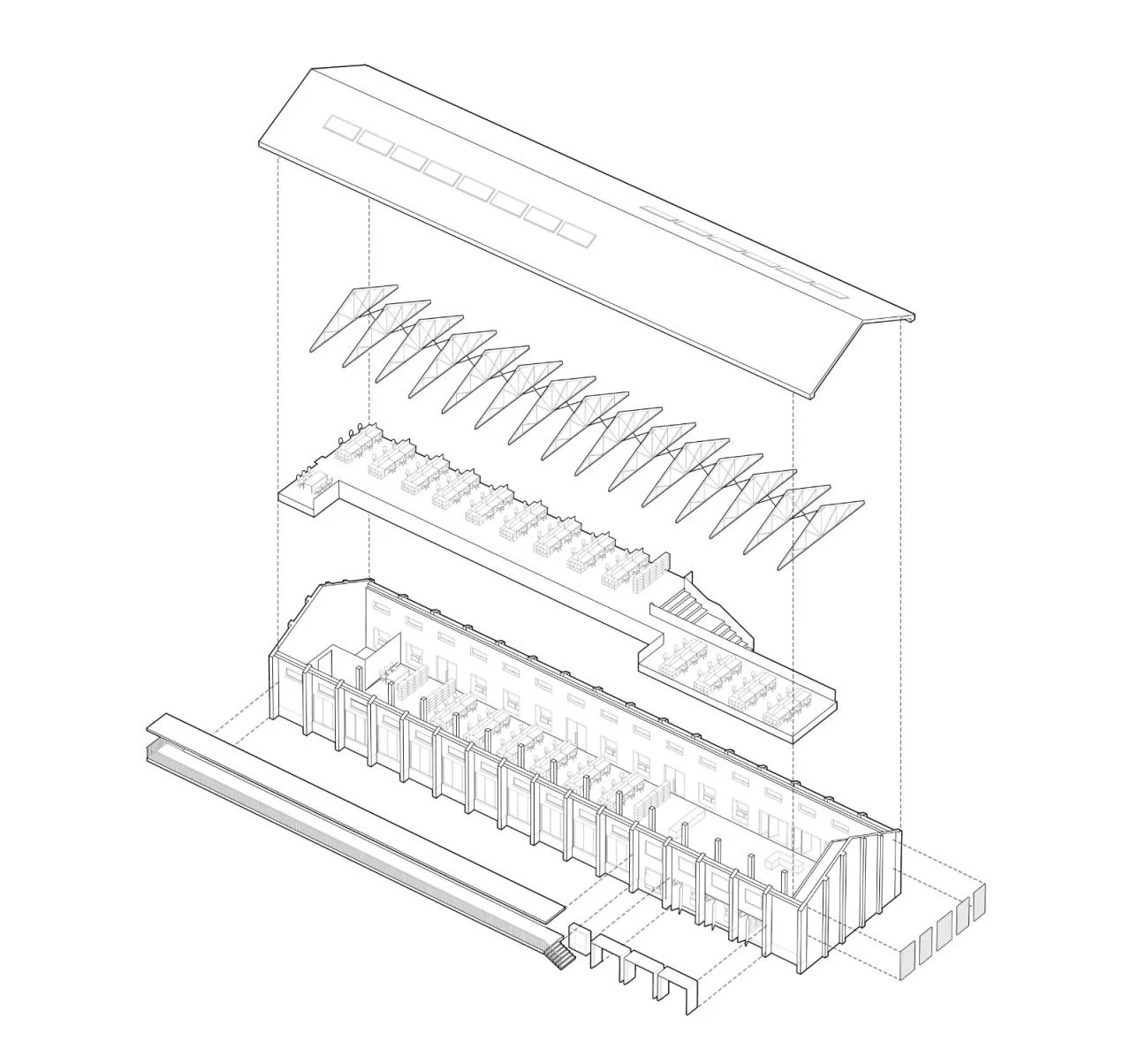
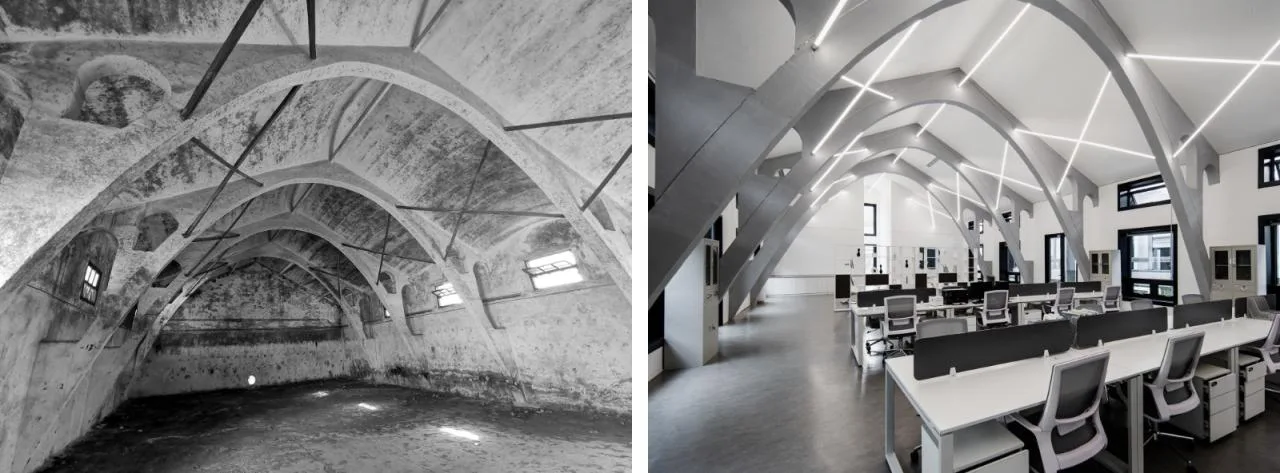
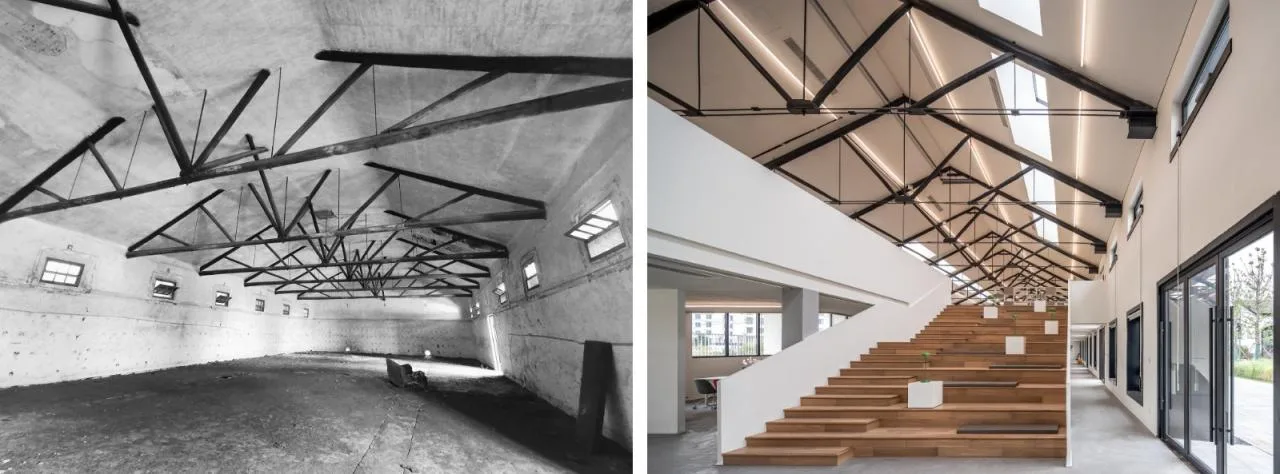
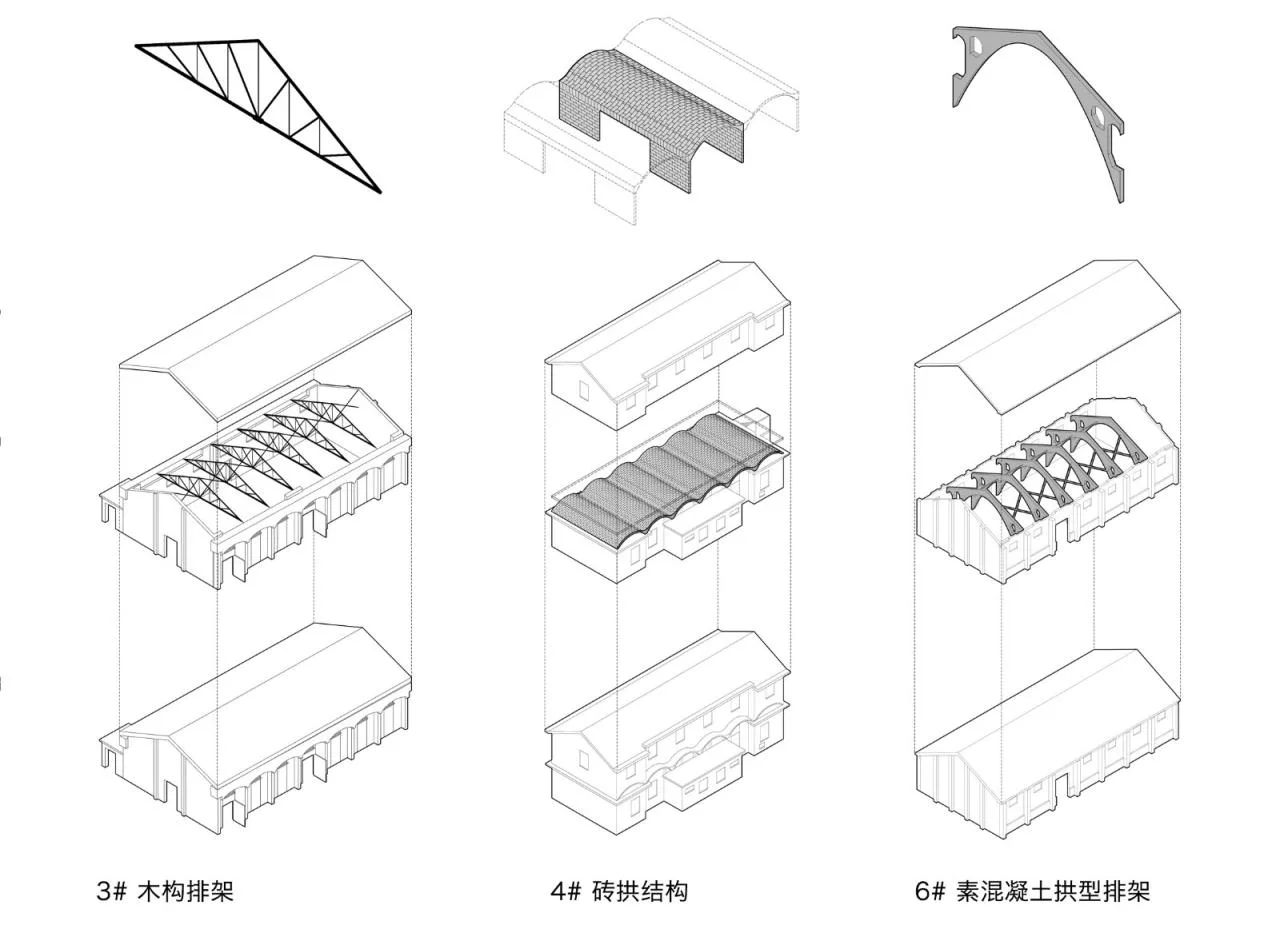
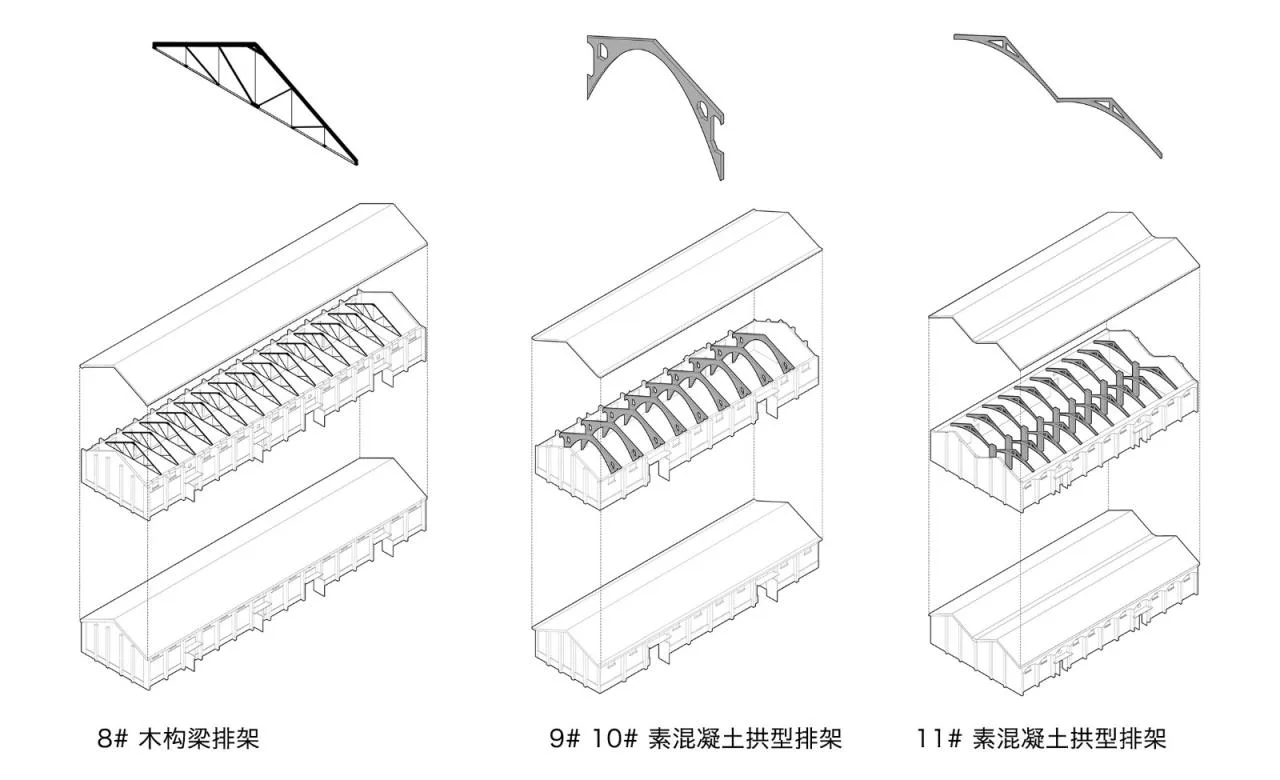
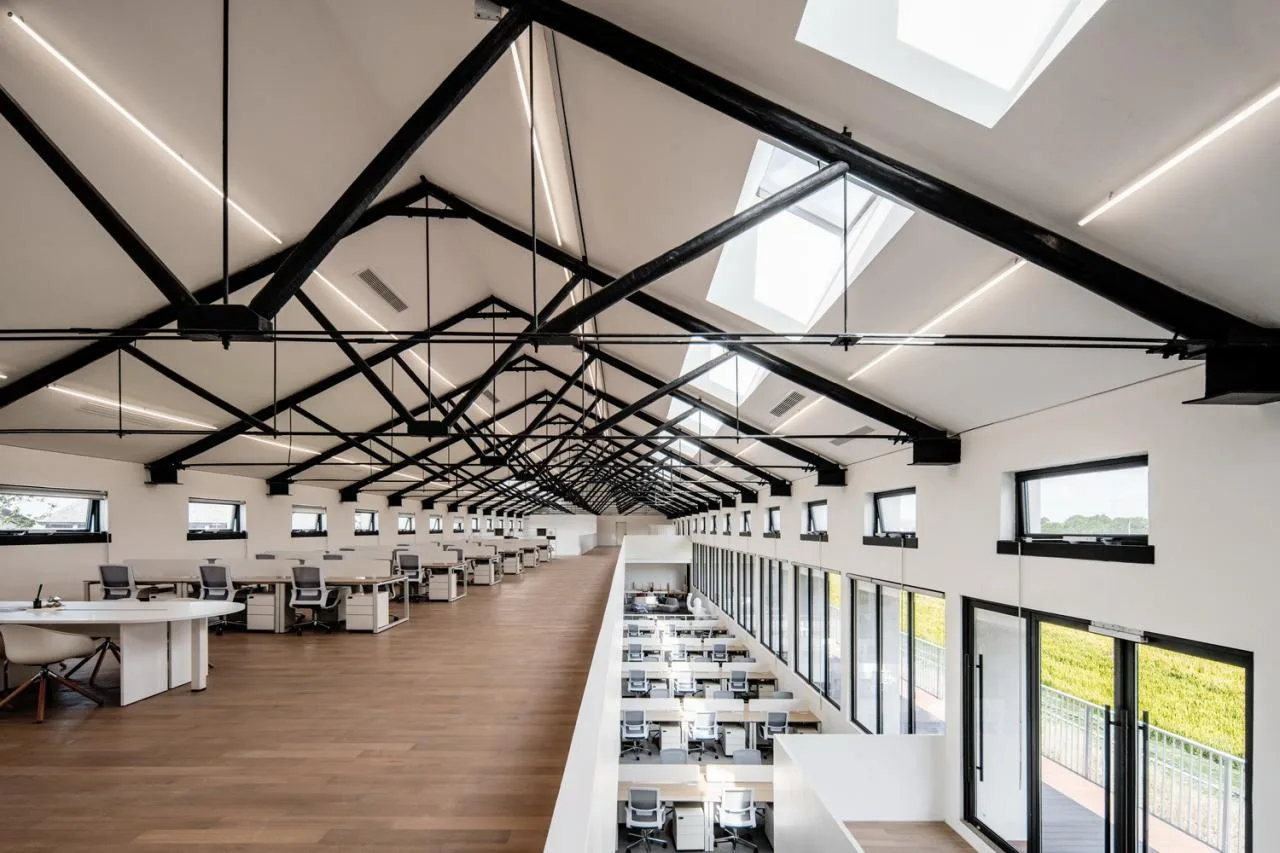
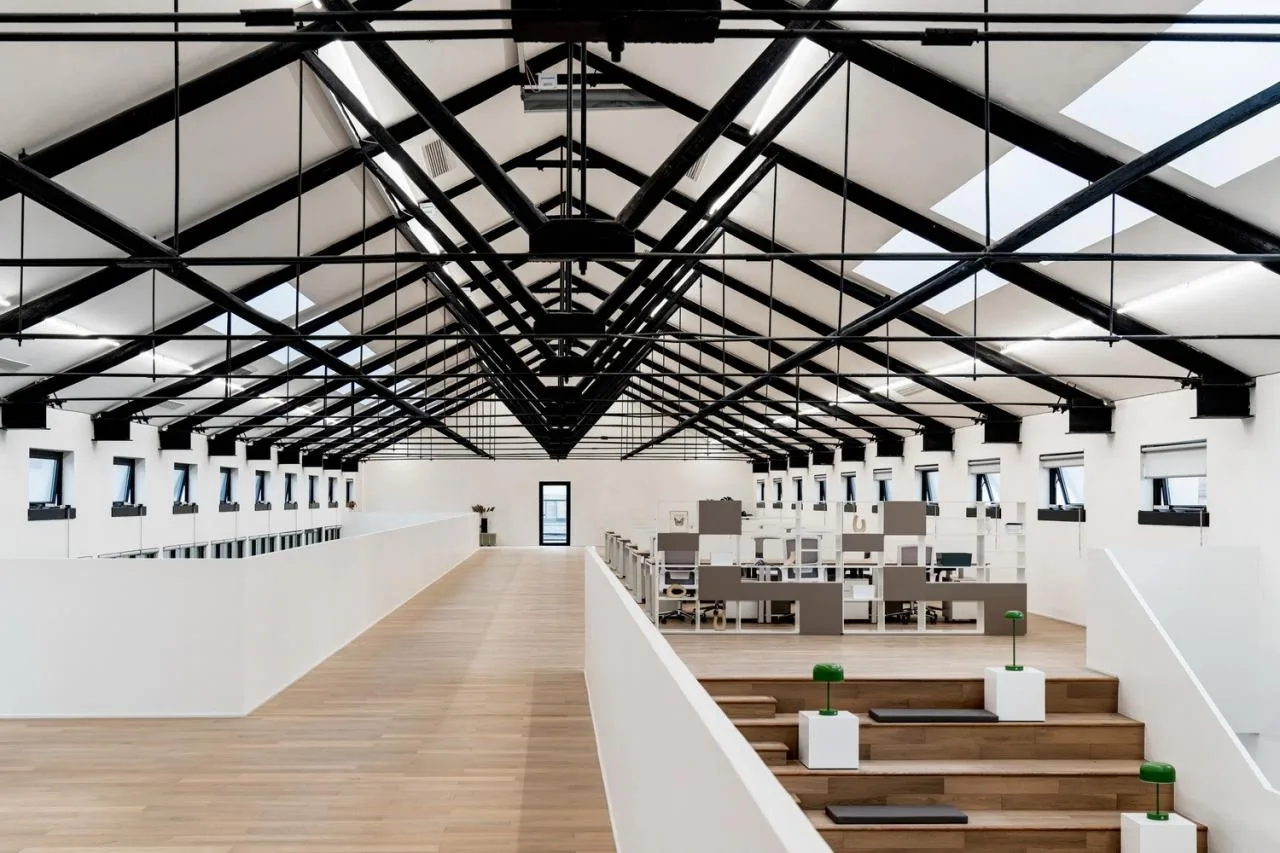
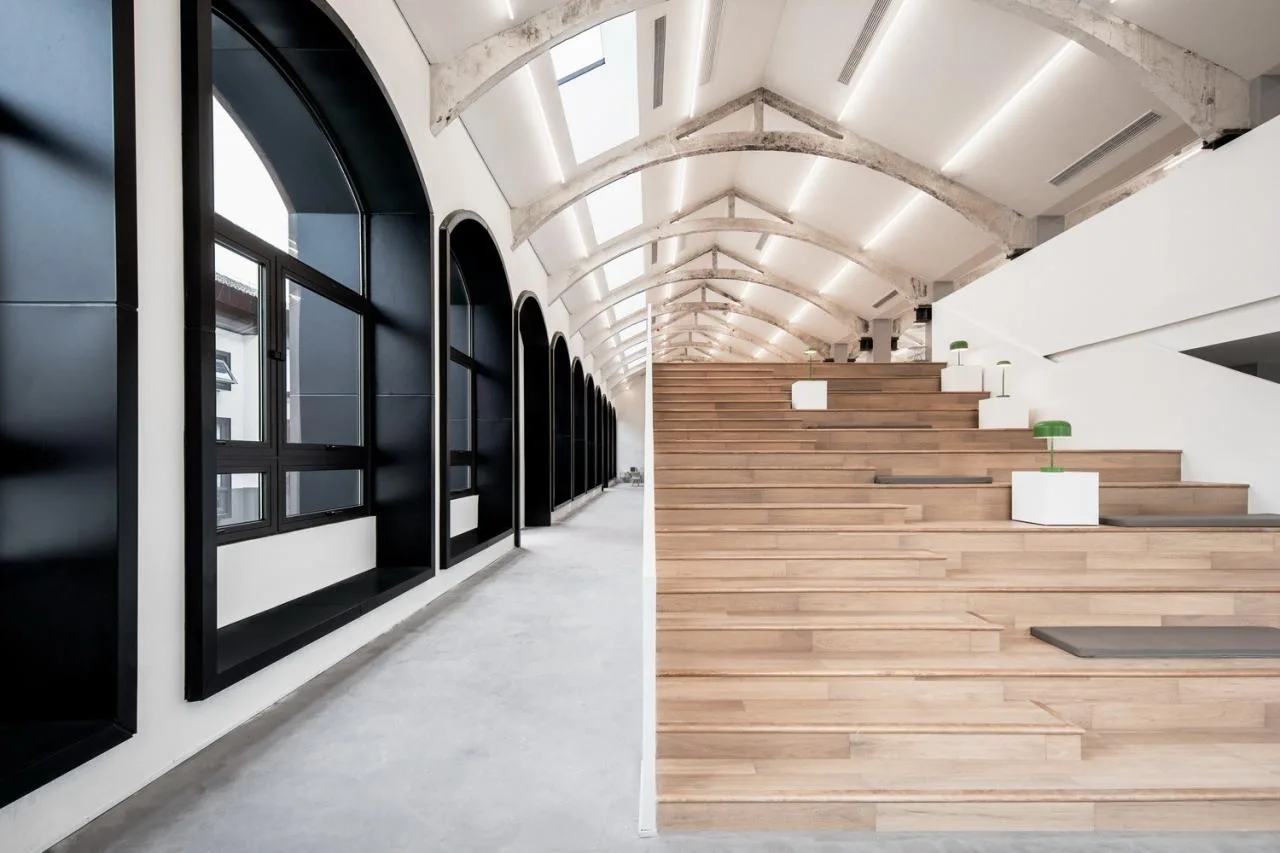
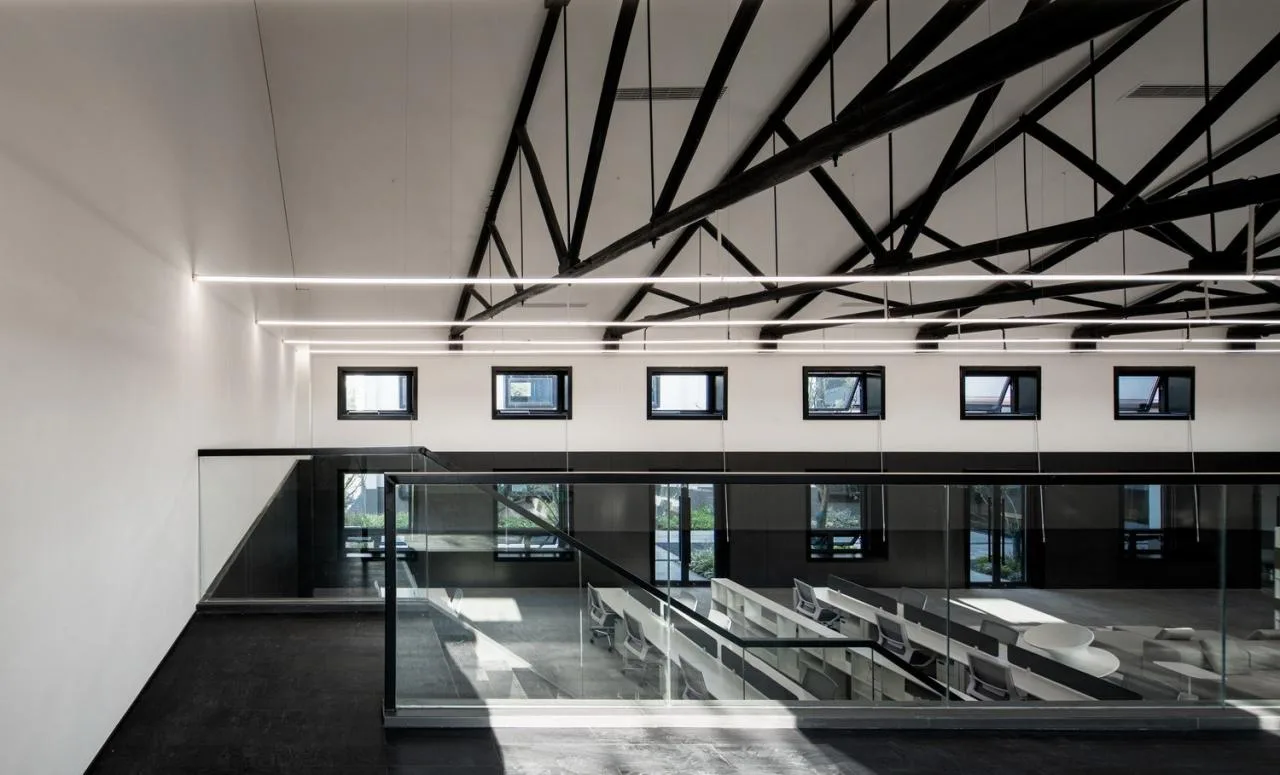
In terms of design language, the landscape design intentionally softens rigid formalism by using local materials and plants to craft an “urban wilderness” reflecting water town culture.
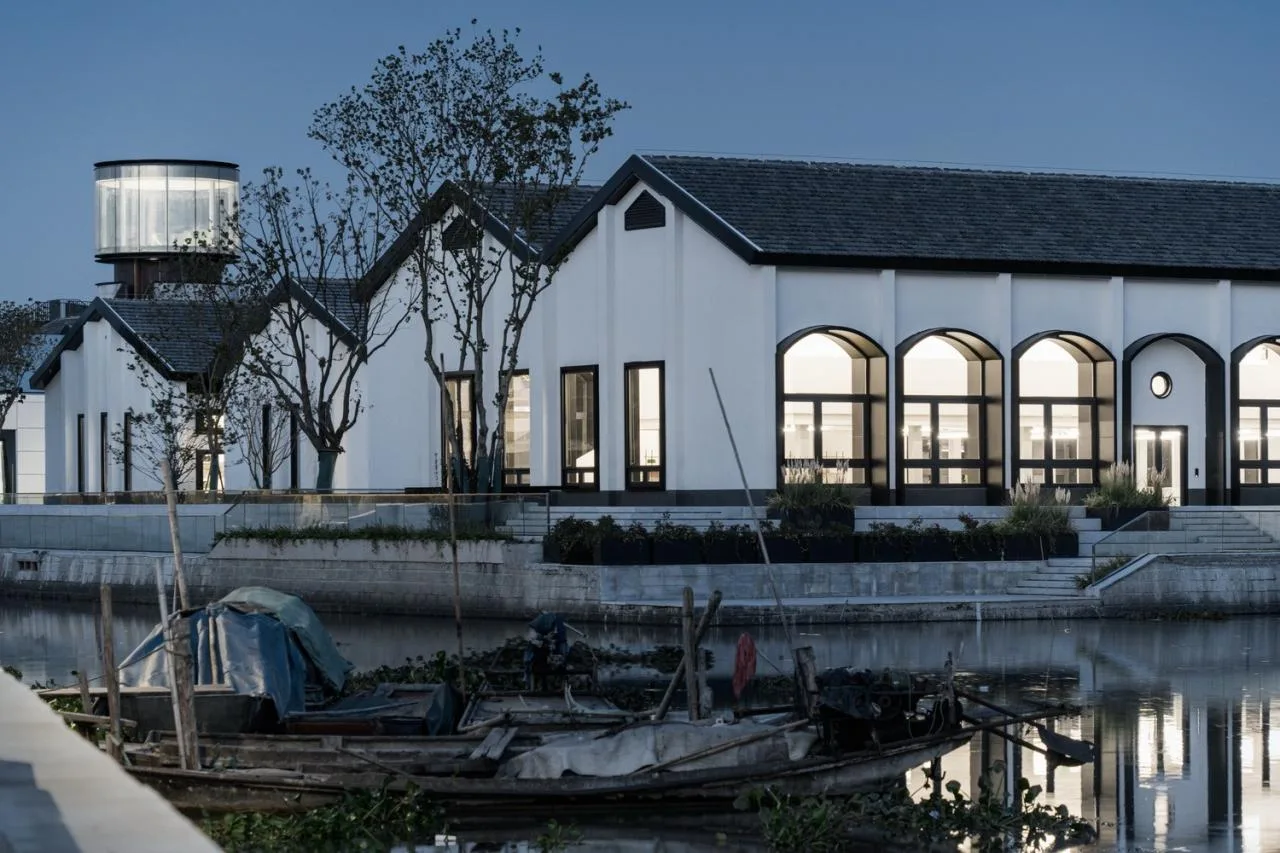
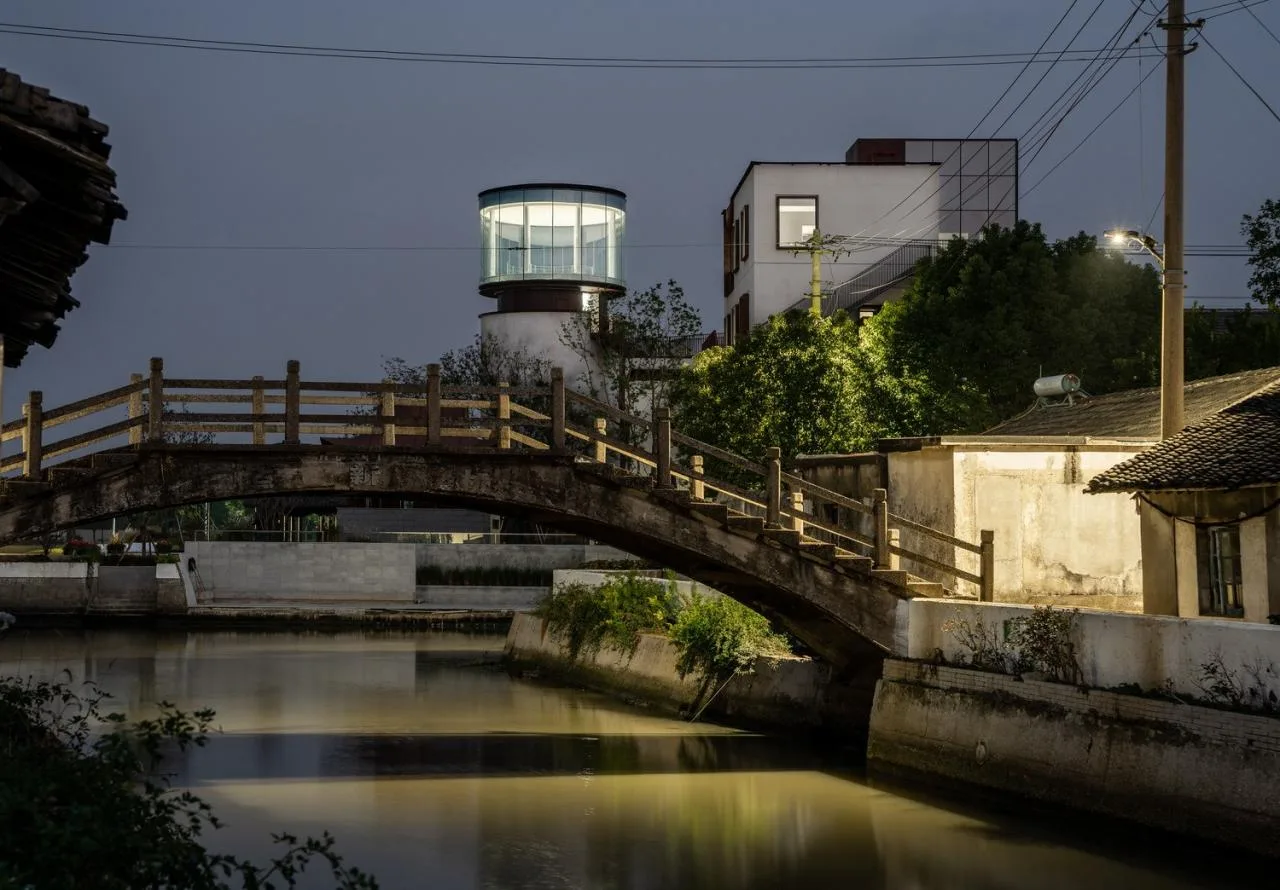
Landscape acts as the connective thread between buildings, prioritizing open space and retreat to naturally link interior and exterior spaces, creating a complete spatial atmosphere.
4. Content Placement: Renewing Awareness and Expectations
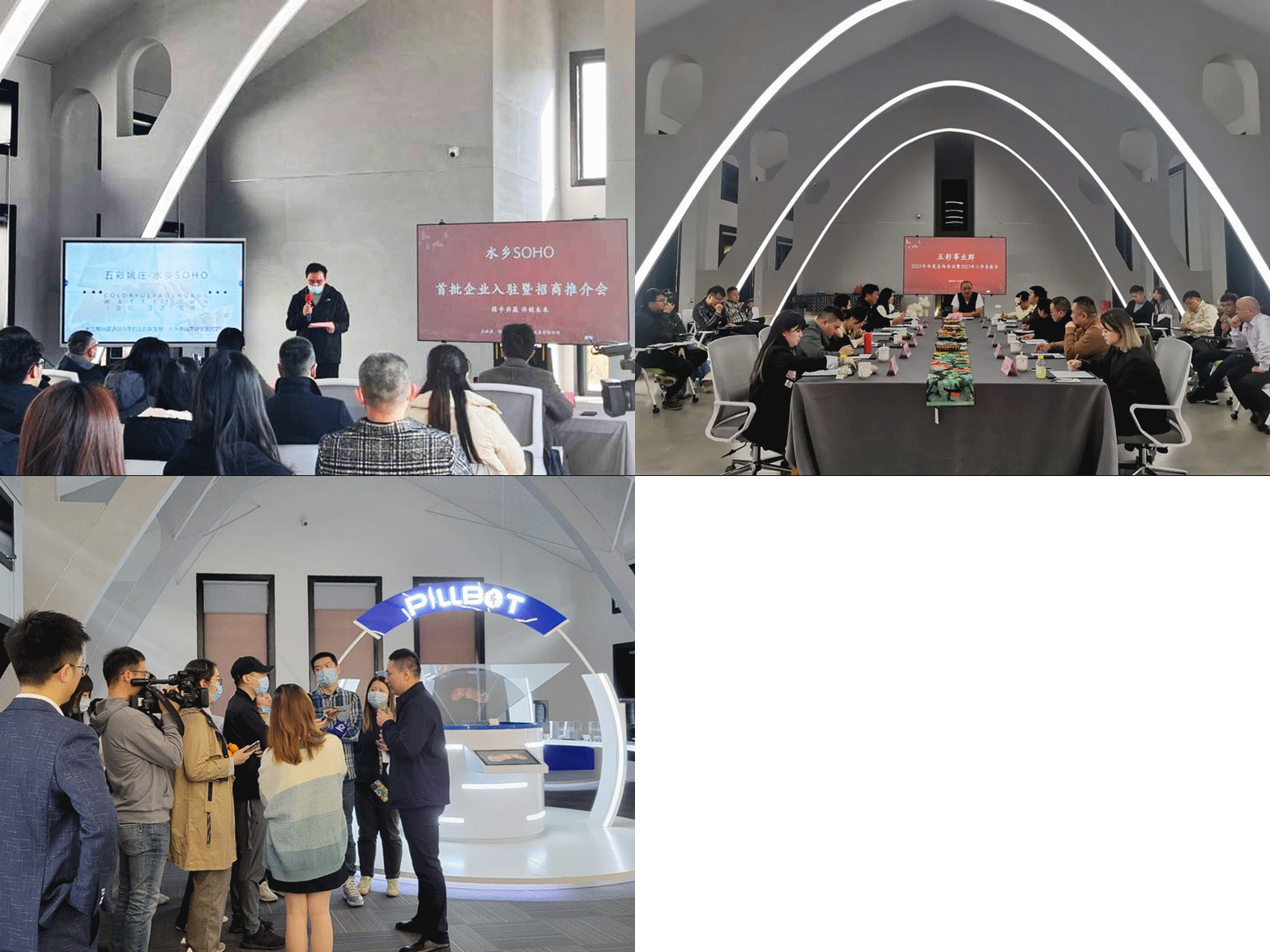
At the start of 2023, multiple entrepreneurial groups have settled in. Notably, 18 villages in Yaozhuang Town collectively invested 18 million yuan in a world-leading internal micro-robotics enterprise, fostering a mutually beneficial partnership between village collective capital and high-tech innovation. Additionally, the first Starbucks in Yaozhuang Town opened at Shuixiang SOHO, while folk culture exhibitions and governmental salons have revitalized local cultural engagement and public expectations.
As a key achievement marking the third anniversary of the Yangtze River Delta Integration, Shuixiang SOHO has attracted visits and inspections from the National Development and Reform Commission and various provincial, city, and county government bodies. Its innovative urban-rural integration model has become a standard for promoting common prosperity, with continuous improvements underway.
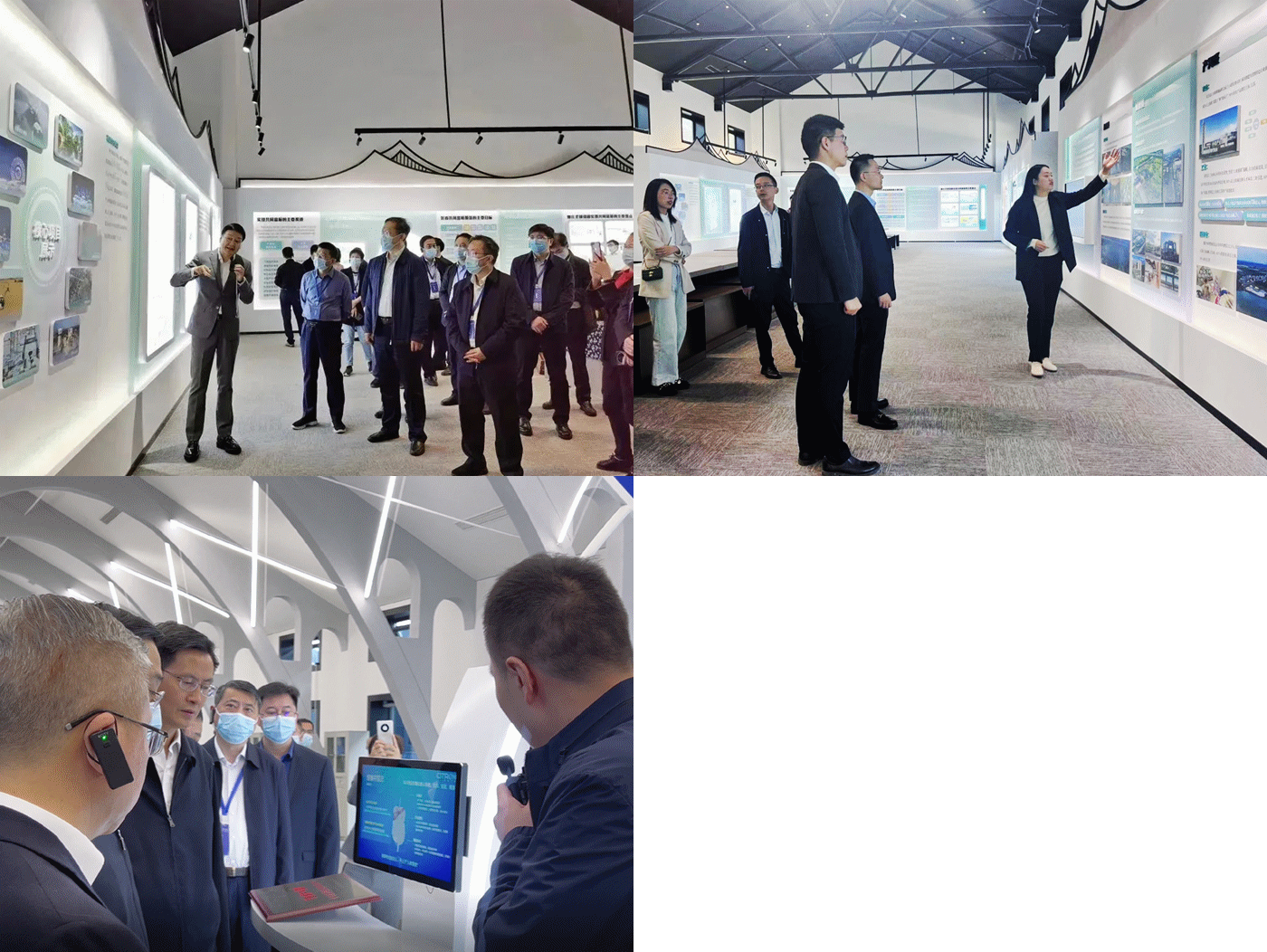
Party and government organizations at all levels inspect the Shuixiang SOHO map source network
Conclusion
The Dingzha Shuixiang SOHO project seeks to transcend traditional rural revitalization models focused on local specialties. Supported by policies and operational mechanisms, it encourages dynamic two-way flows between urban and rural areas, reorganizing development resources such as capital, land, and talent.
The first phase of Shuixiang SOHO’s “Smart Granary” is now operational, with commercial facilities and a second phase cluster actively advancing. As enterprises establish themselves and young people return, our initial vision is gaining clarity. We hope this revitalized granary, entrusted with a new mission, will serve as an authentic example of urban-rural collaboration and continue to illuminate the path for young people returning from both big cities and small towns, like a guiding lighthouse. The “Dingzha Shanghe Tu” story continues to thrive.

Project Drawings
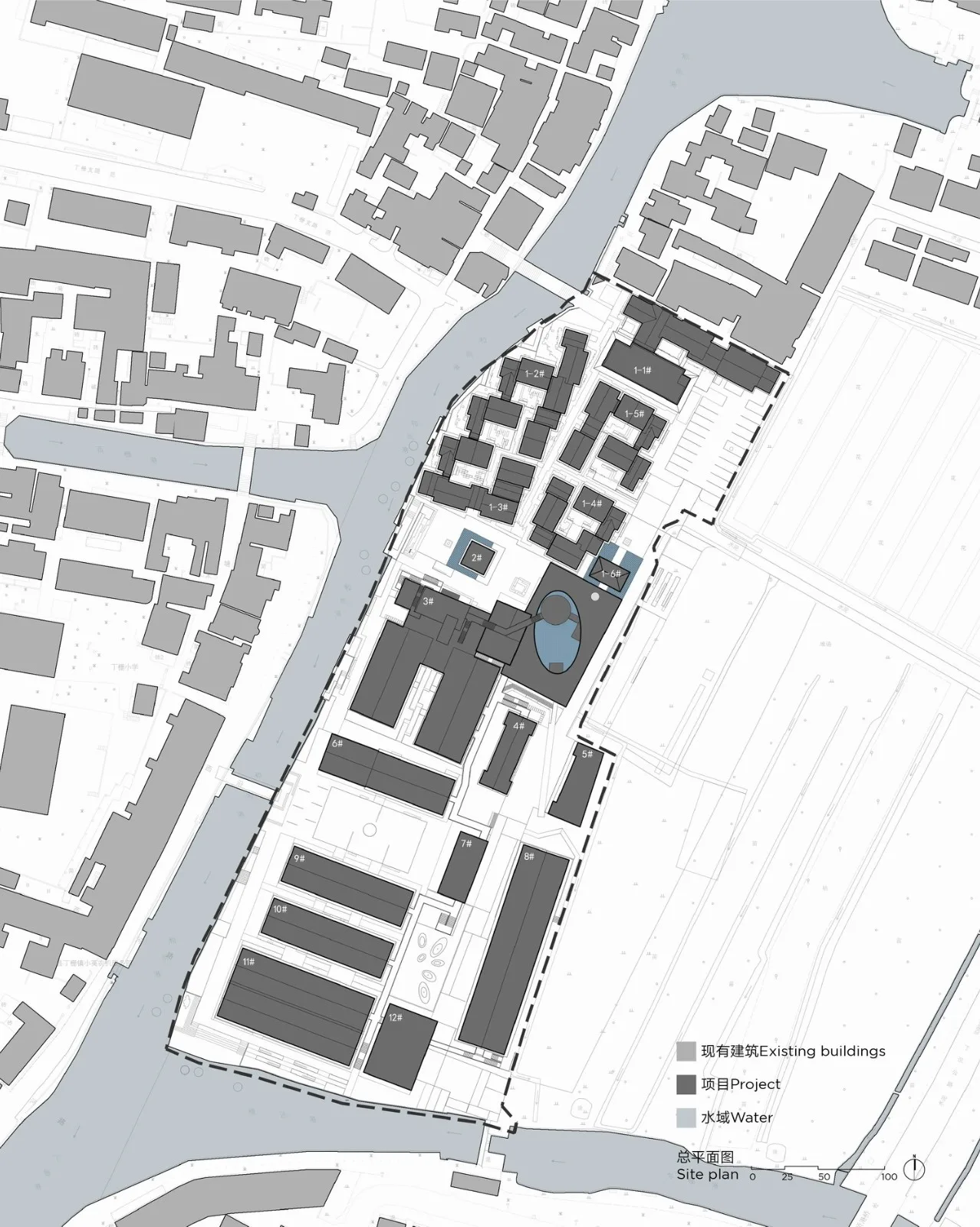
Overall planning plan
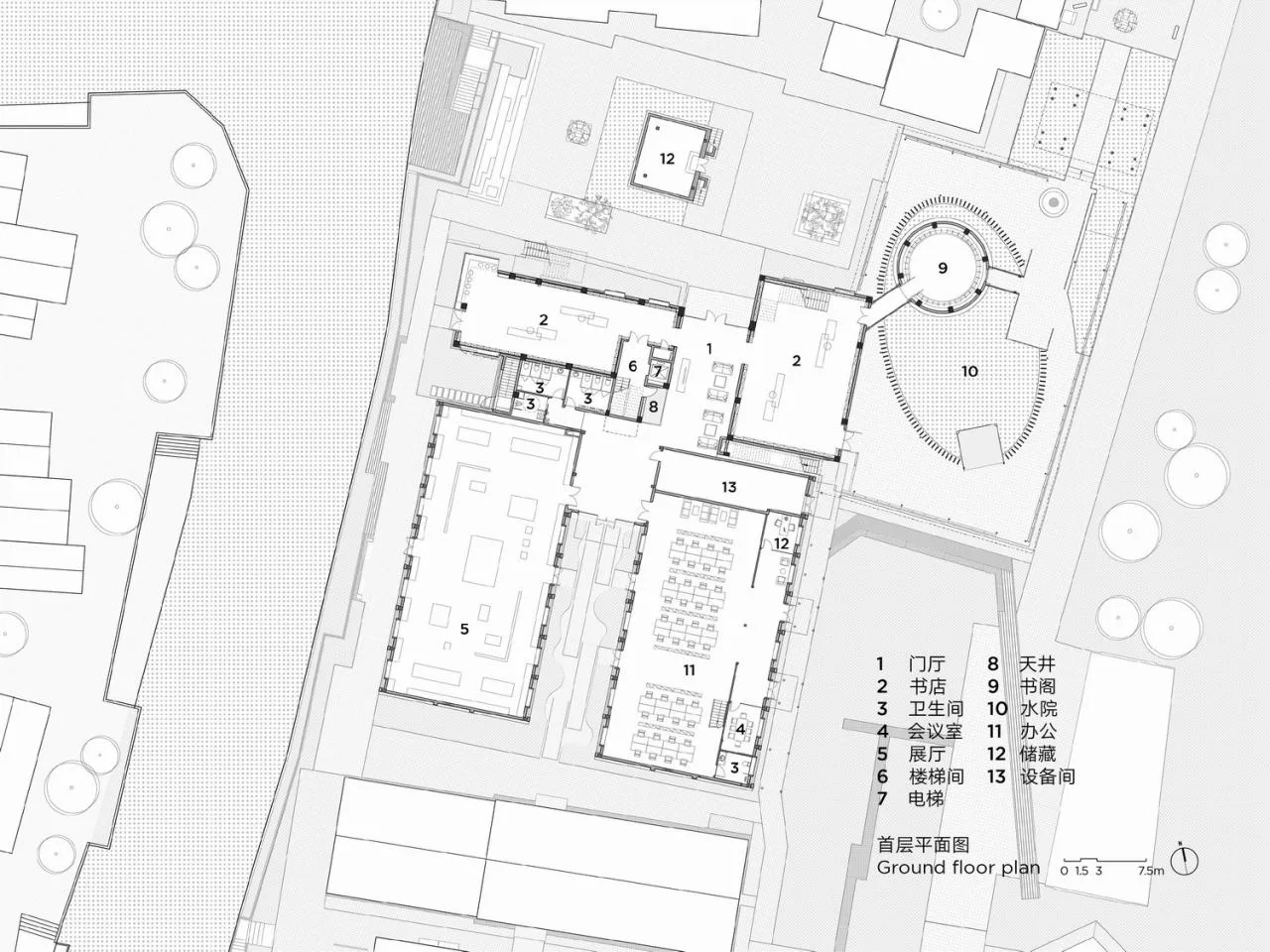
First floor plan
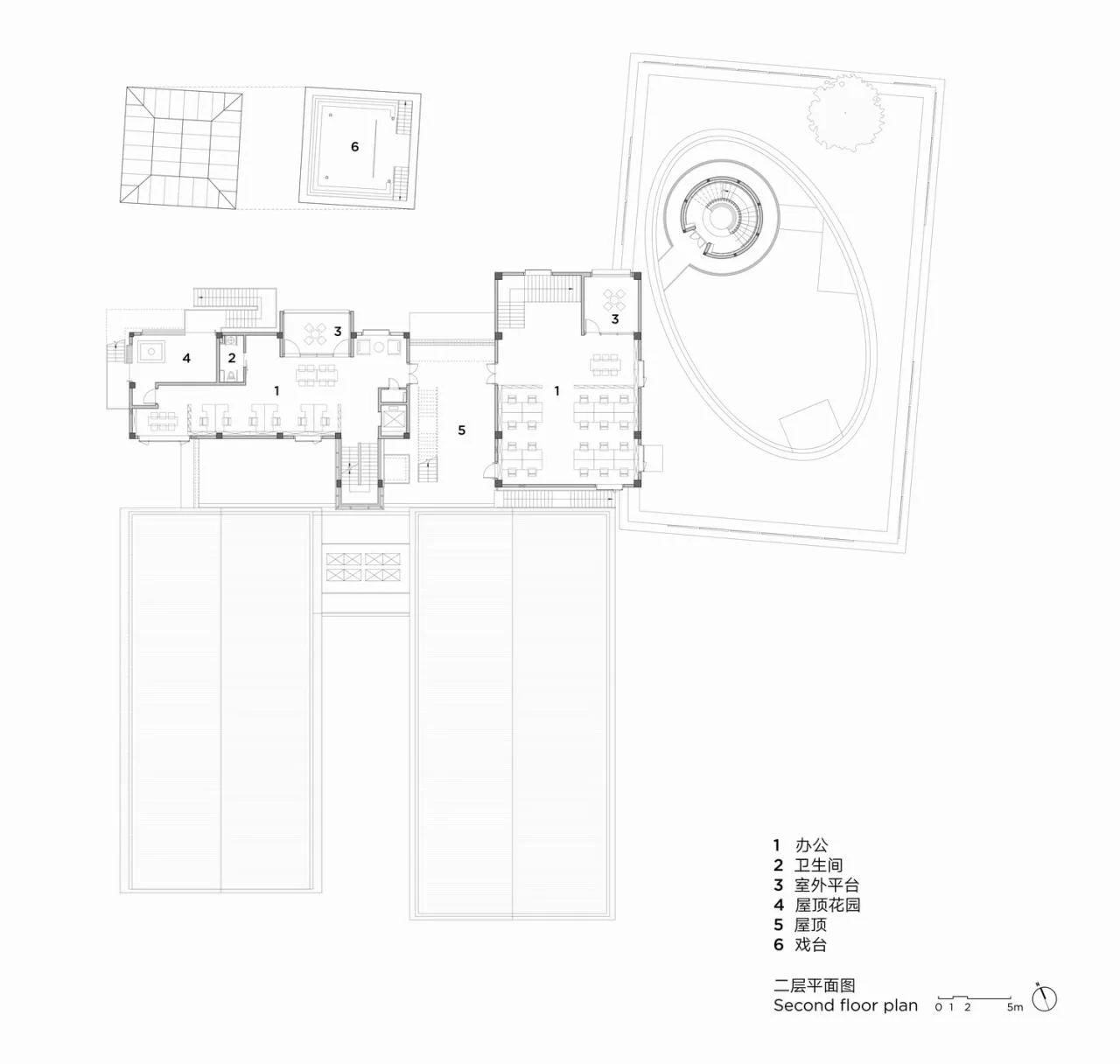
Second floor plan
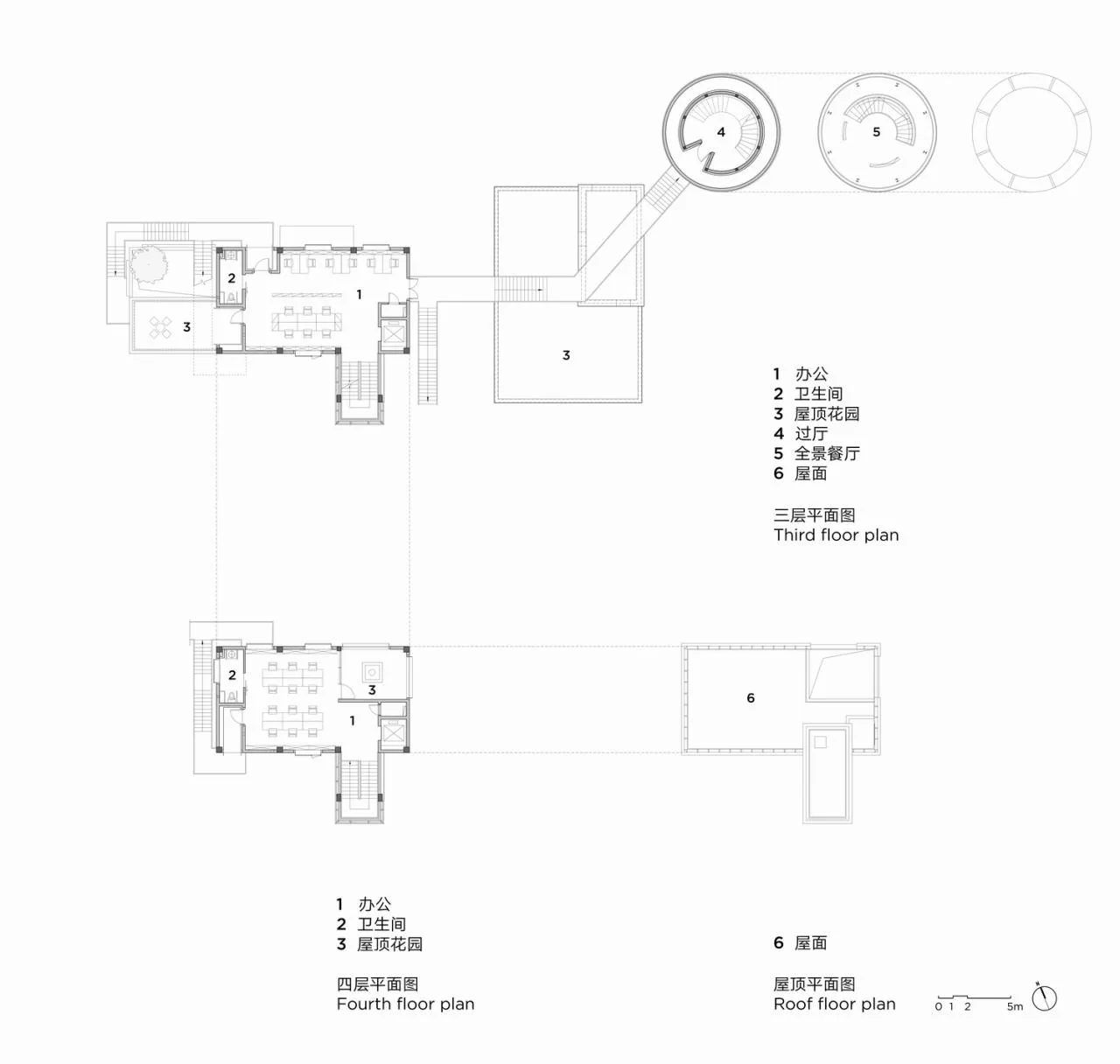
Plan of other layers
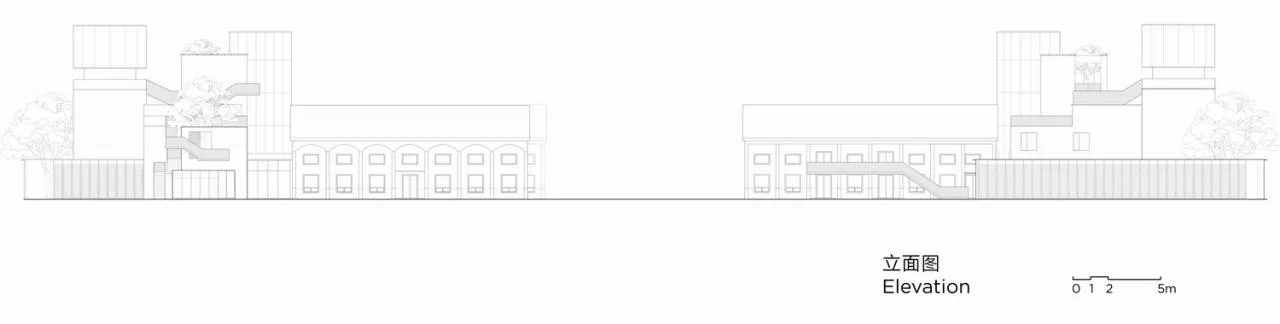
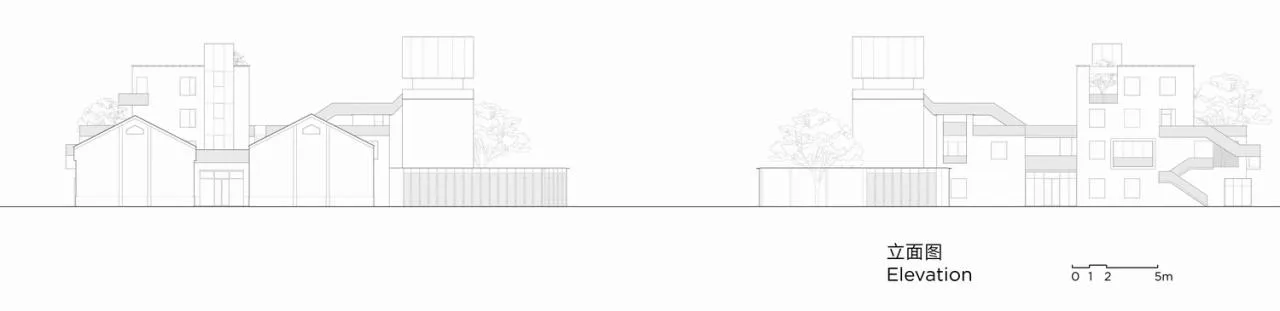
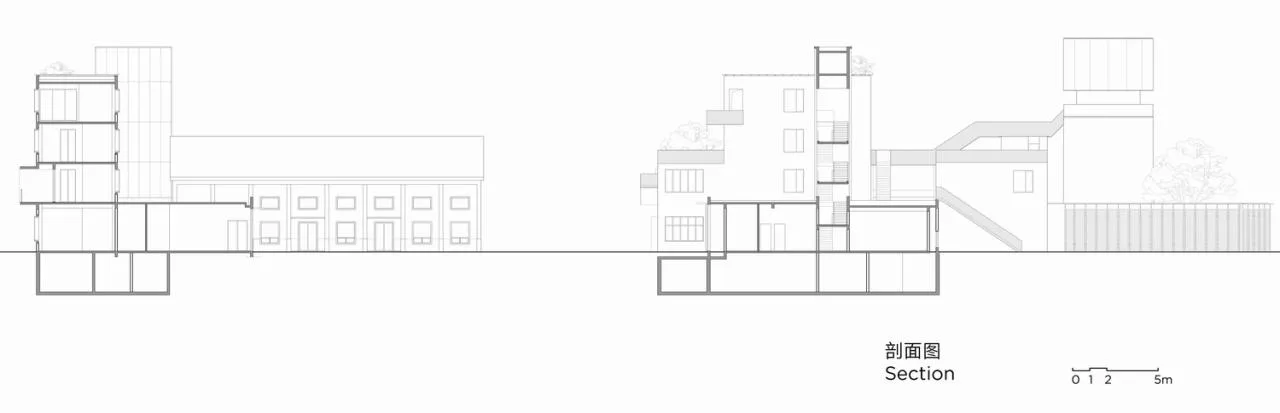
Project Information
Project Name: SOHO Smart Granary in Dingzha Water Town, Yangtze River Delta Integration Demonstration Zone
Architectural Design: Line+Architectural Firm (Buildings 1–3), MLA+Muja (Buildings 4–12)
Interior Design: Line+Architectural Firm (Buildings 3#, 4#, 8#–12#), MLA+Mu Jia (Buildings 5#–7#)
Landscape Design: Line+Architectural Firm, MLA+Mu Jia
Lead Architect/Project Creator: Zhu Peidong
Design Team: Xing Mingquan, Bao Wangtao, Zhao Shengyao, Gao Ke, Liang Shiqiu, Liu Xiangjun, Zhou Wenyu (Architecture); Zhu Jun, Fan Xiaoxiao, He Zhiyi (Interior); Li Shangyang, Jin Jianbo, Rao Feier, Li Jun, Zhang Wenjie (Landscape)
Owner: Yaozhuang Rural Revitalization Development and Construction Co., Ltd., Jiashan County
Project Management Team: Zhejiang Blue City Youdao Construction Management Co., Ltd
Project Operator: Hangzhou Hongyiwen Business Travel Development Co., Ltd
Preliminary Design Cooperation Units: Hangzhou Ouben Structural Design Firm Co., Ltd. (Structure), Hangzhou Mingjiepu Mechanical and Electrical Design Firm Co., Ltd. (Mechanical and Electrical)
Construction Drawing Cooperation Unit: Zhejiang Lianjian Engineering Design Co., Ltd
Project Location: Jiashan, Zhejiang
Building Area: 11,824 square meters
Design Cycle: February 2022 – July 2022
Construction Period: May 2022 – October 2022
Structure: Frame structure, steel structure
Materials: Stainless steel plate, paint, wood, mirror stainless steel, glass
Photography: Chen Xi Studio line+















Must log in before commenting!
Sign Up