
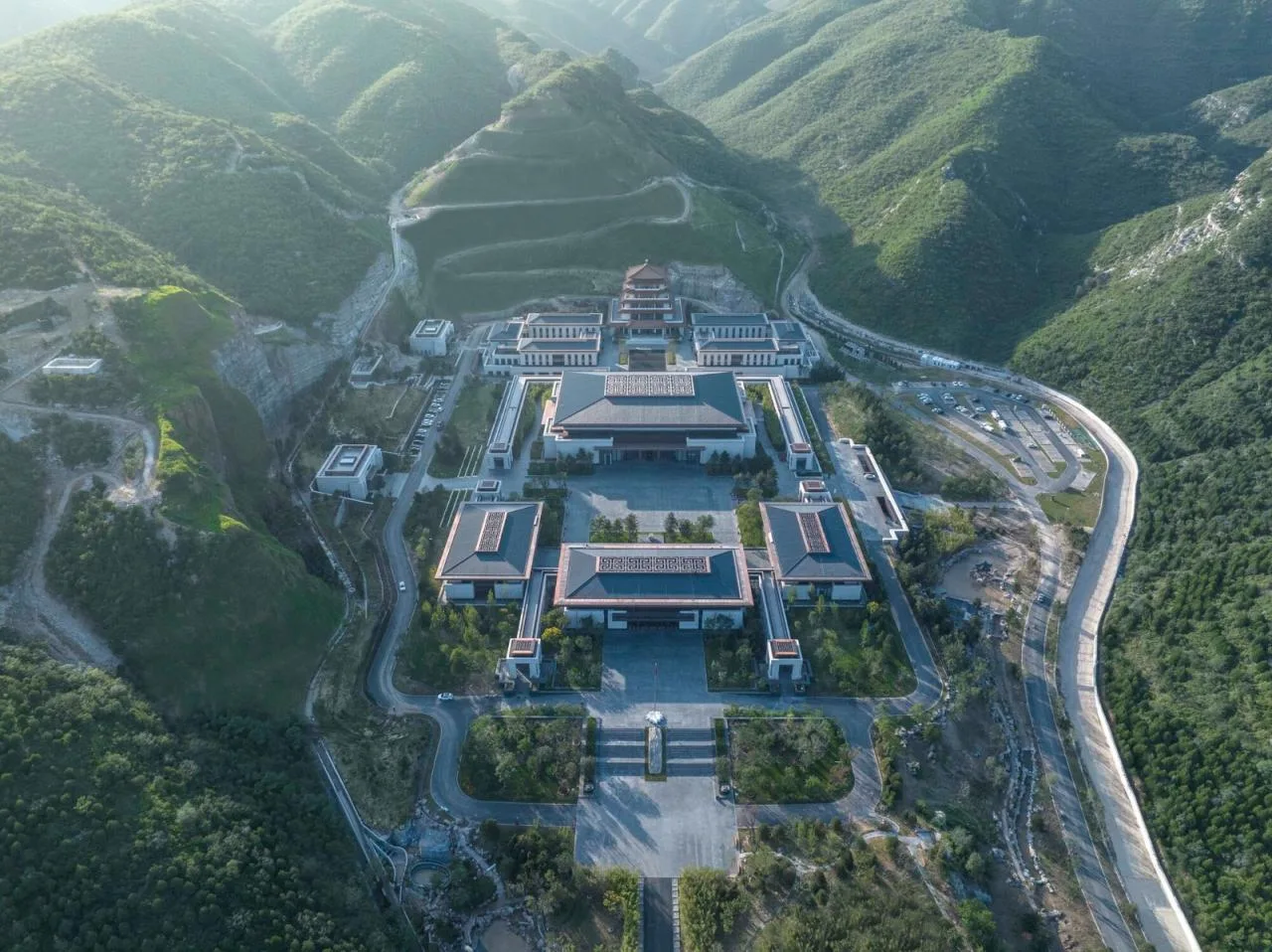
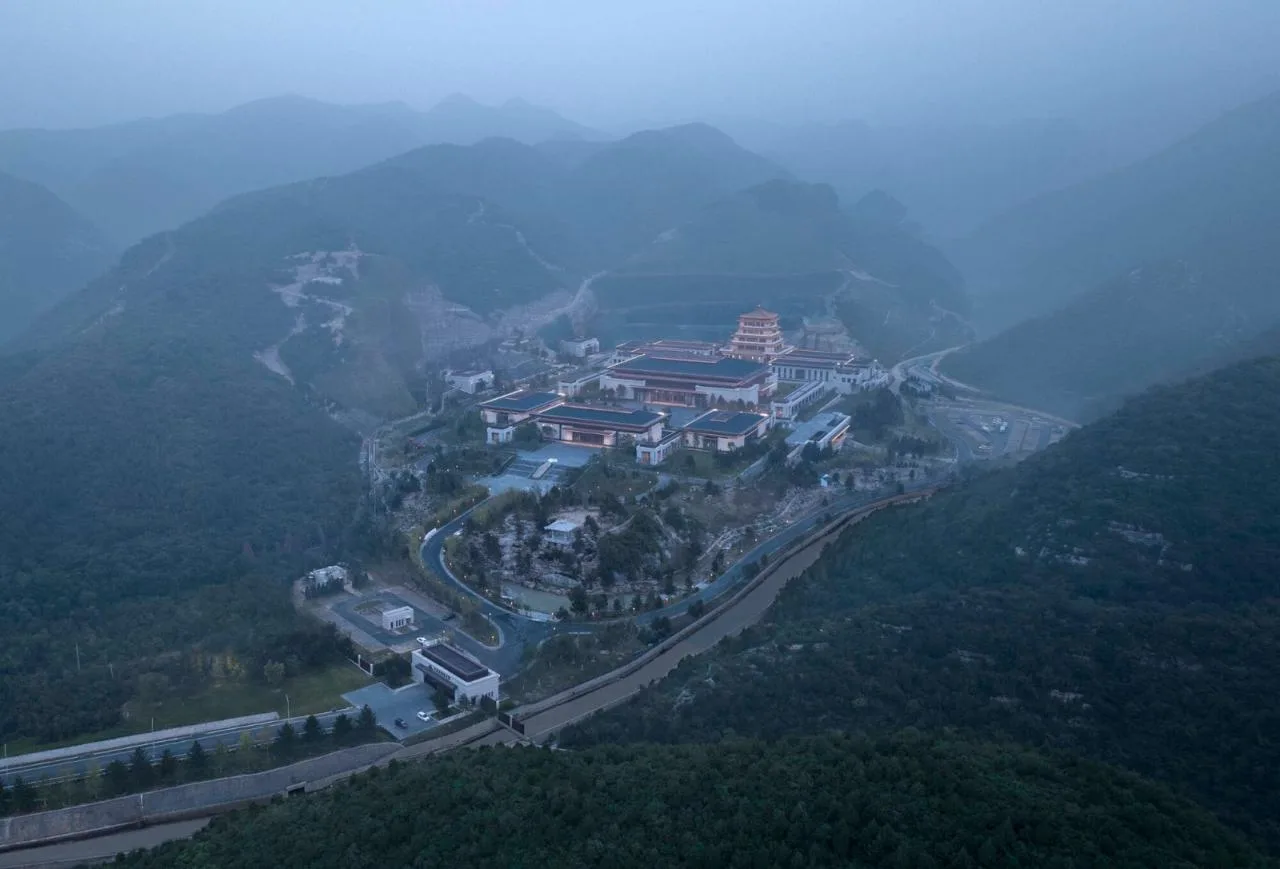
Located at the junction of the plains and the gentle mountains north of Beijing, surrounded by lush forests, this serene and elegant area is often called the “Shangri-La of Northern Beijing.” It is home to the Central Headquarters of the China National Library. Remarkably, this site was once an abandoned quarry. In April 2019, the Tsinghua University Architectural Design and Research Institute Co., Ltd. was invited by the Central Propaganda Department to design the China National Version Library. Led by Academician Zhuang Weimin, the design team competed against top domestic institutions and universities, ultimately winning the commission for the National Version Pavilion.
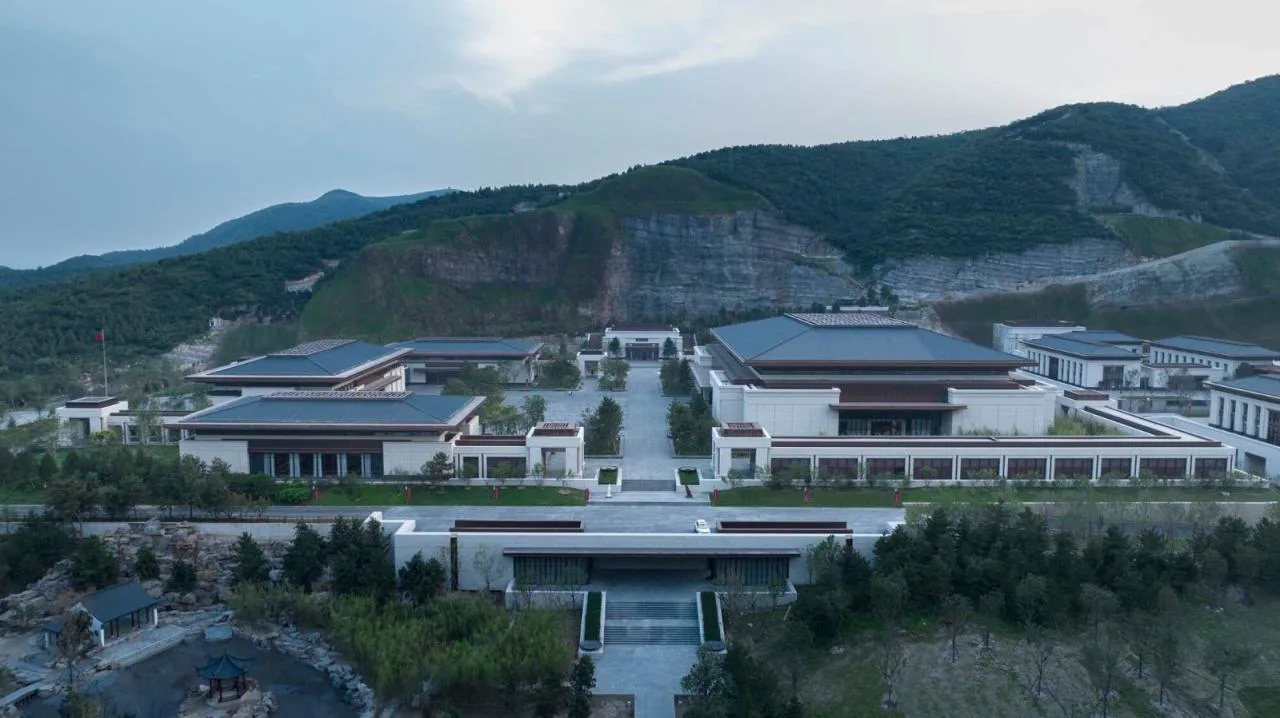
Embracing a modern development vision, Academician Zhuang and his team undertook ecological restoration of the former quarry, reshaping the landscape to integrate a humanistic architectural complex harmoniously into the environment. Today, the China National Version Pavilion stands proudly at the foot of Yanshan Mountain, covering a total construction area of 99,500 square meters.
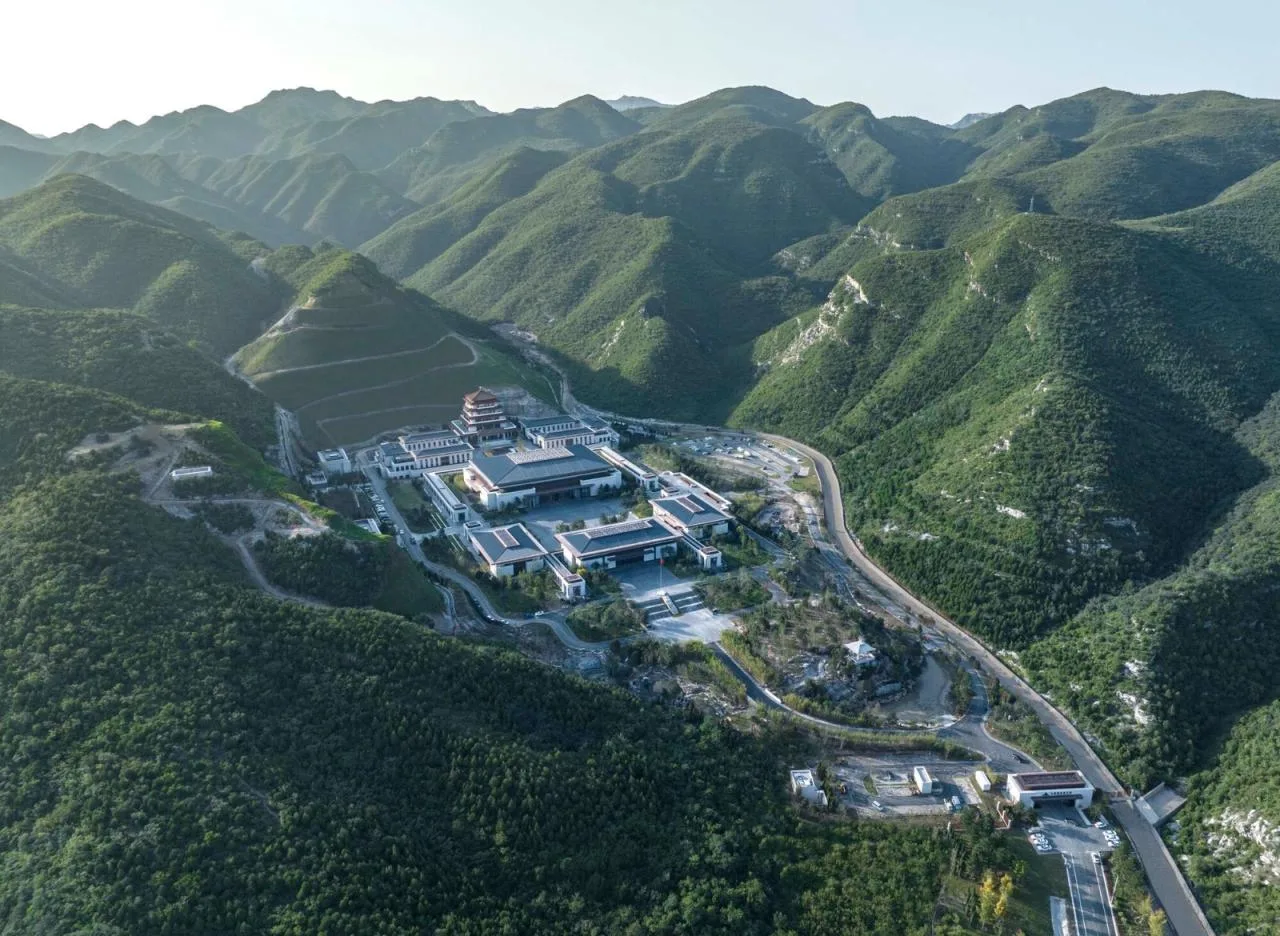
The National Version Museum is nestled within a mountain range on three sides, covering a total area of 16.84 hectares—9.69 hectares designated for construction and 7.15 hectares preserved as protective green space. The design centers on traditional Chinese architectural culture and the culture of book collection, focusing on the cultural “seed gene” representing the heritage of Chinese civilization. Inspired by the concept of “renowned mountains hidden and passed down through generations,” the project strives to blend mountains and waters, ancient and modern elements, and nature with humanistic values. This integration creates an ideal living environment reflective of traditional Chinese landscapes, achieving a harmonious unity of culture, heritage, modern relevance, and functionality.
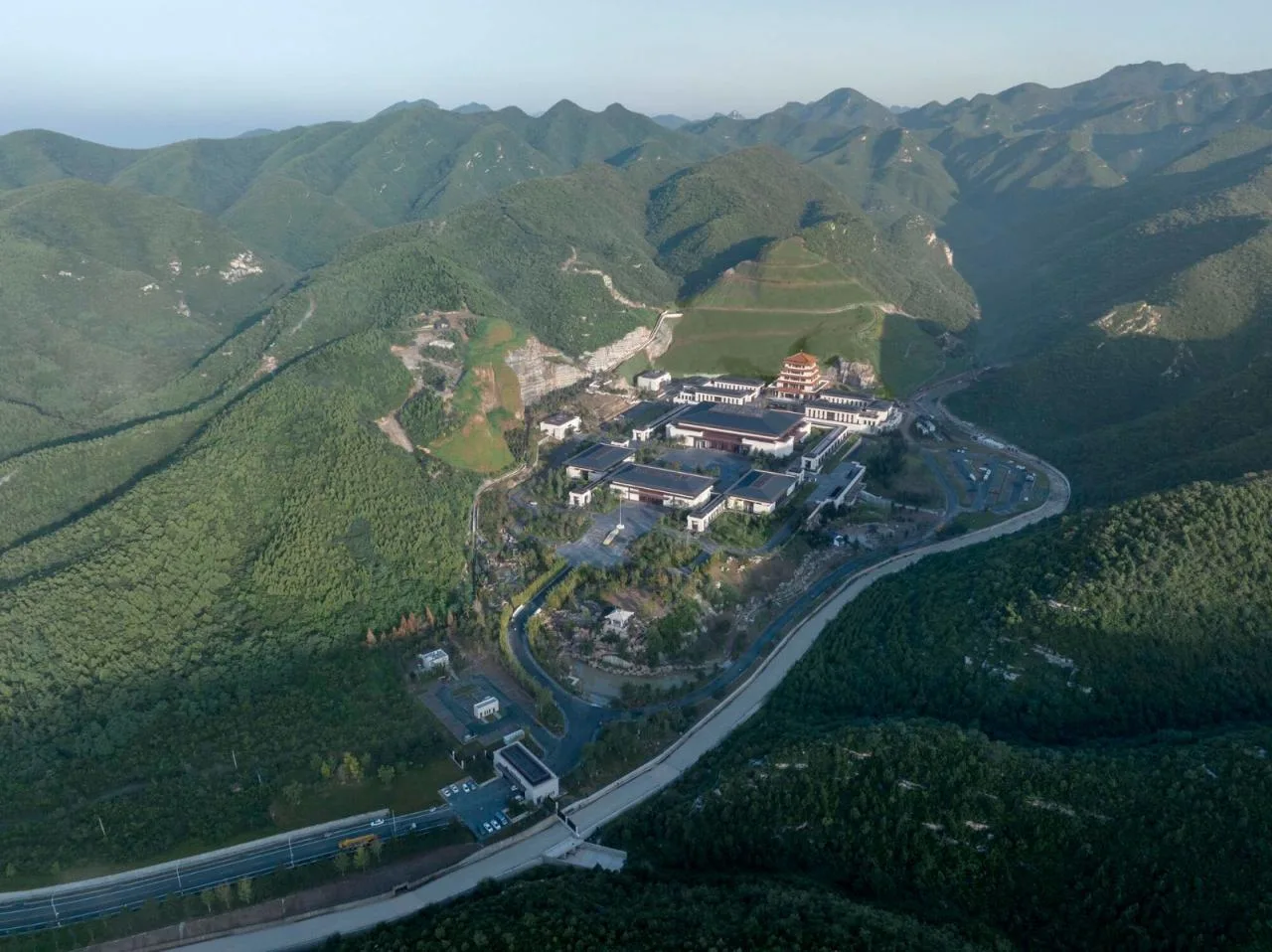
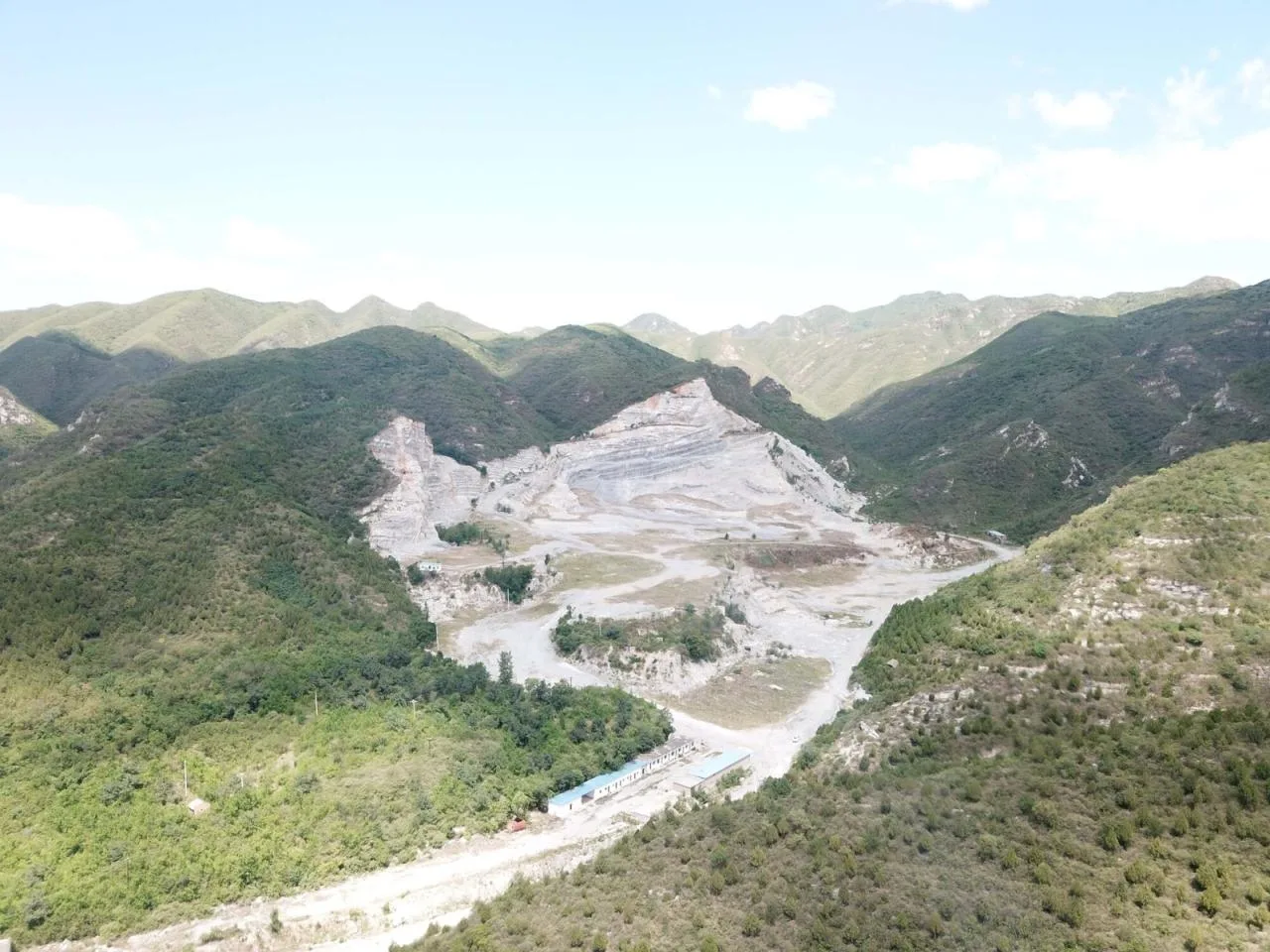
The project follows China’s ecological and natural planning principles, emphasizing the integration of mountains and rivers while respecting the natural environment. The design adapts to local conditions, restoring the quarry’s ecological balance as part of construction. Quarry cliffs on the west and north sides were reshaped into mountainous forms, with safety hazards mitigated using anchor rods and protective nets. Natural greening was further enhanced through spraying and climbing plants. Cultural elements such as boardwalks, ancient pavilions, and observation decks were integrated to create a landscape that merges culture and nature.
Drainage channels were installed along the east and west sides to manage seasonal rainwater, diverting it into the park’s water system. Two streams flow along the river and merge into a pool in the southern open area, forming a mountain surrounded by water. The building layout follows the mountain terrain, strictly controlling the scale and massing above ground. Courtyard-style buildings are nestled within the landscape, highlighting the harmony between mountains and water, the interplay of exposed and hidden elements, and the fusion of pavilions and gardens.
Through the National Version Museum’s construction, the abandoned quarry was ecologically restored, transforming a former waste site into a valuable asset. This approach balances human needs with nature, embodying the development philosophy of the new era.
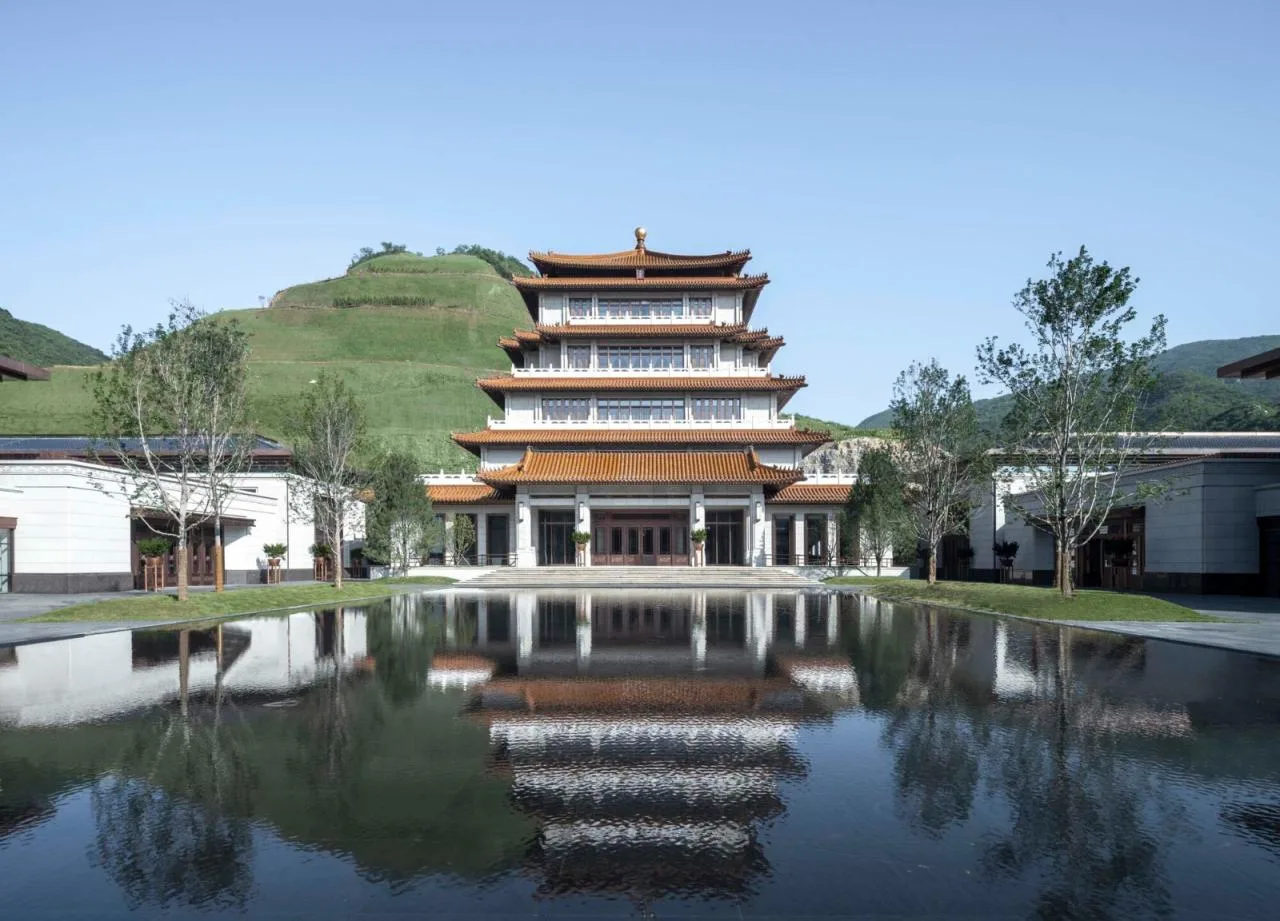
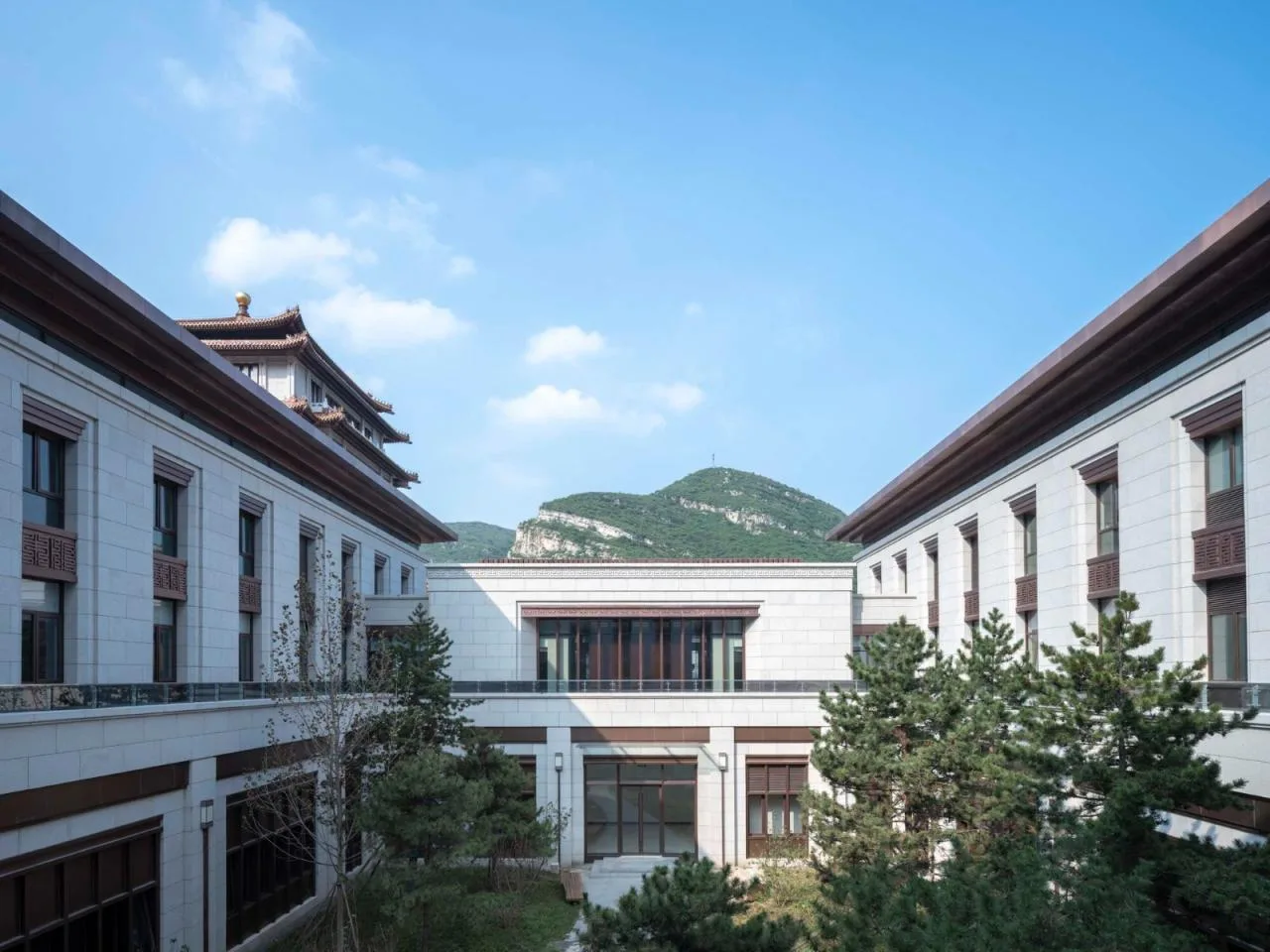
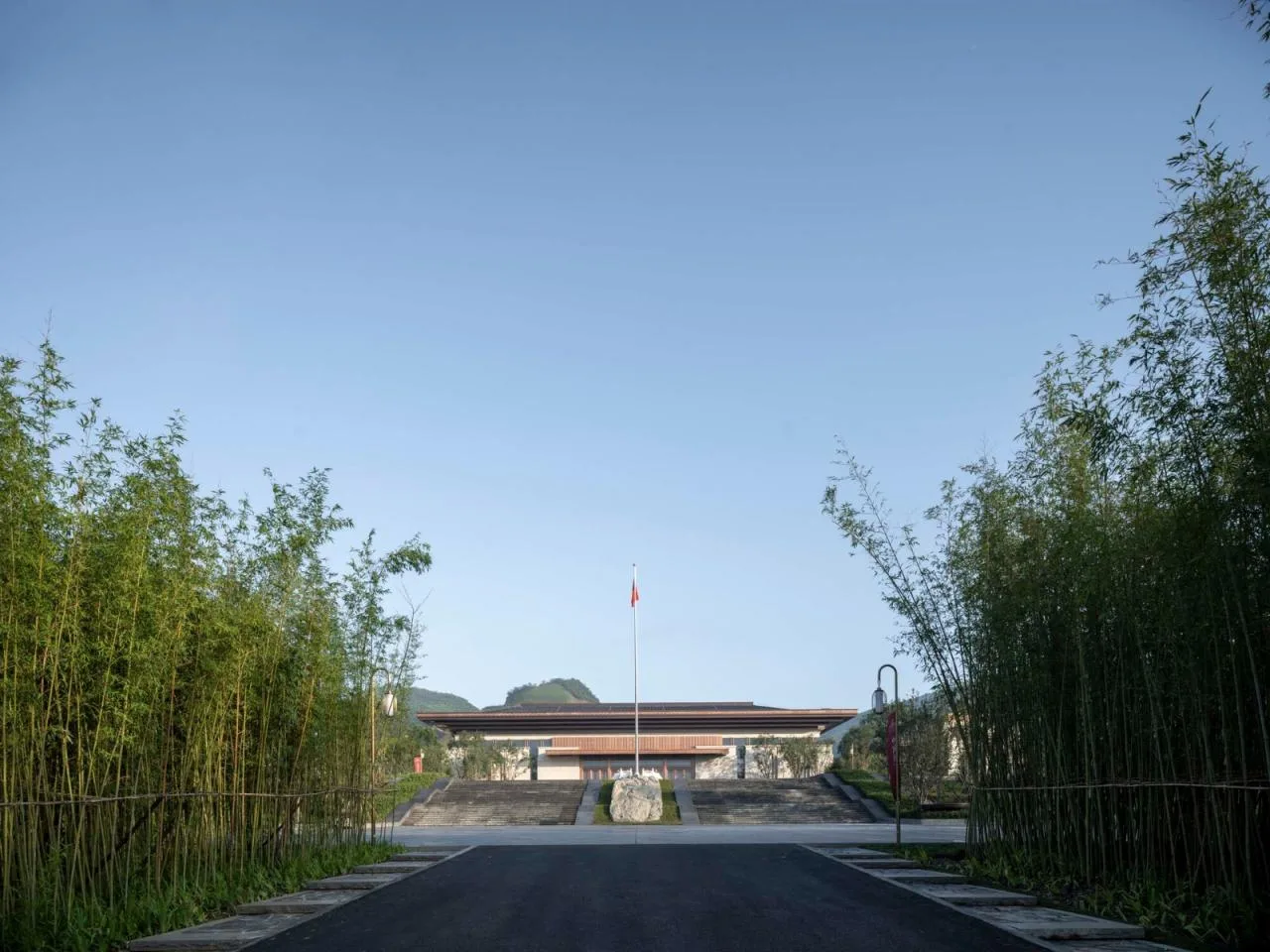
The Central Pavilion, emblematic of Chinese cultural identity, serves as a cultural hall representing national pride and memory. It is also a vital venue for international cultural exchange, embodying the spirit, culture, and image of the nation. The design reflects cultural solemnity and grandeur through a traditional Chinese courtyard layout. The main buildings are arranged hierarchically along a north-south axis, following the mountain terrain, emphasizing symmetry and the blend of ritual and music, hallmarks of Chinese architectural tradition.
The pavilion highlights the hierarchical aesthetics of traditional Chinese architecture, featuring three courtyards dedicated to communication, exhibition, and collection research. This arrangement creates a seamless transition from public to private spaces, forming a rich spatial sequence. Employing the classic garden technique of borrowing scenery, the surrounding mountain views are brought into the architectural experience by controlling building volumes on the east and west sides. This design offers visitors a unique and varied landscape with every step.
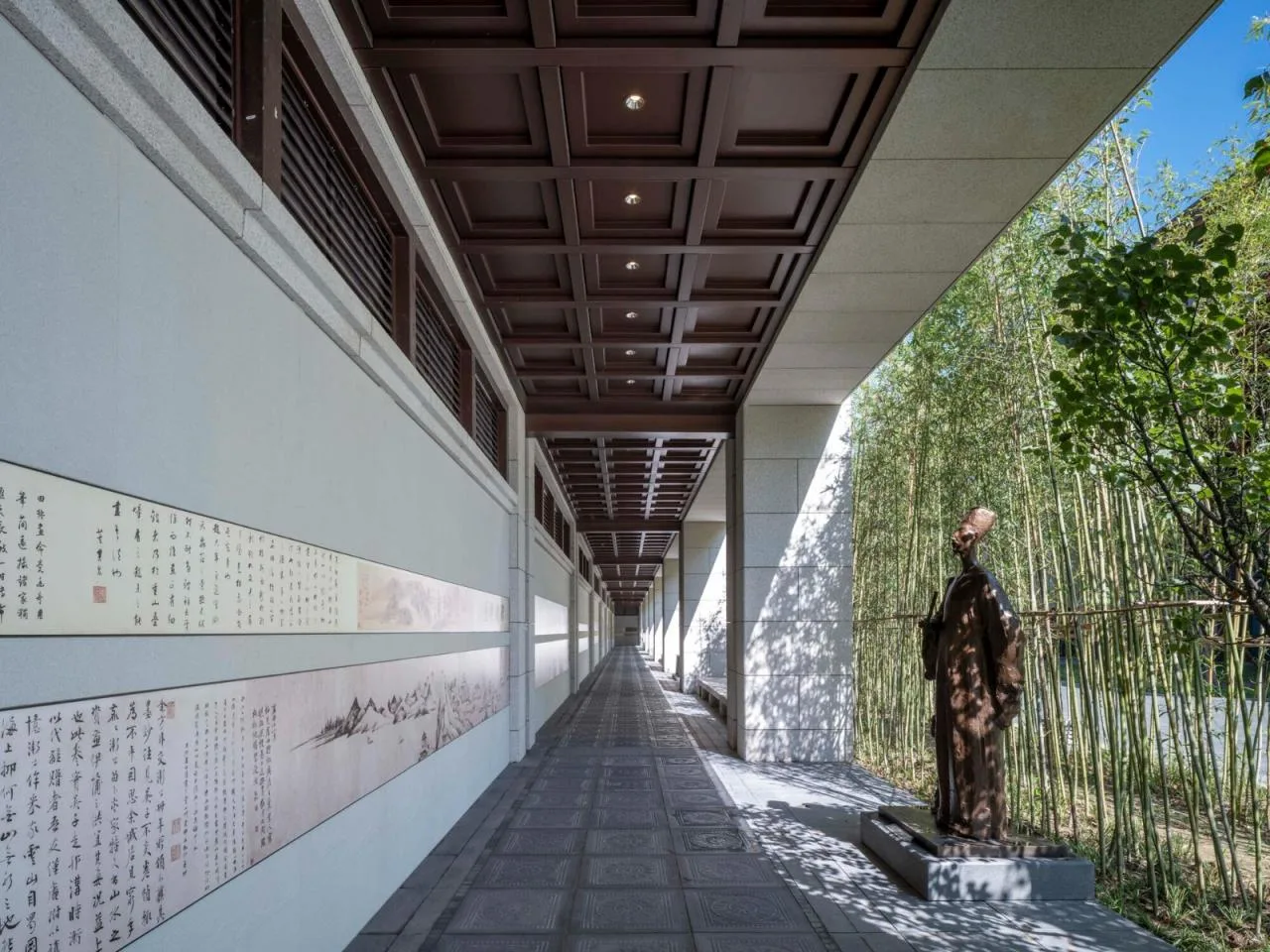
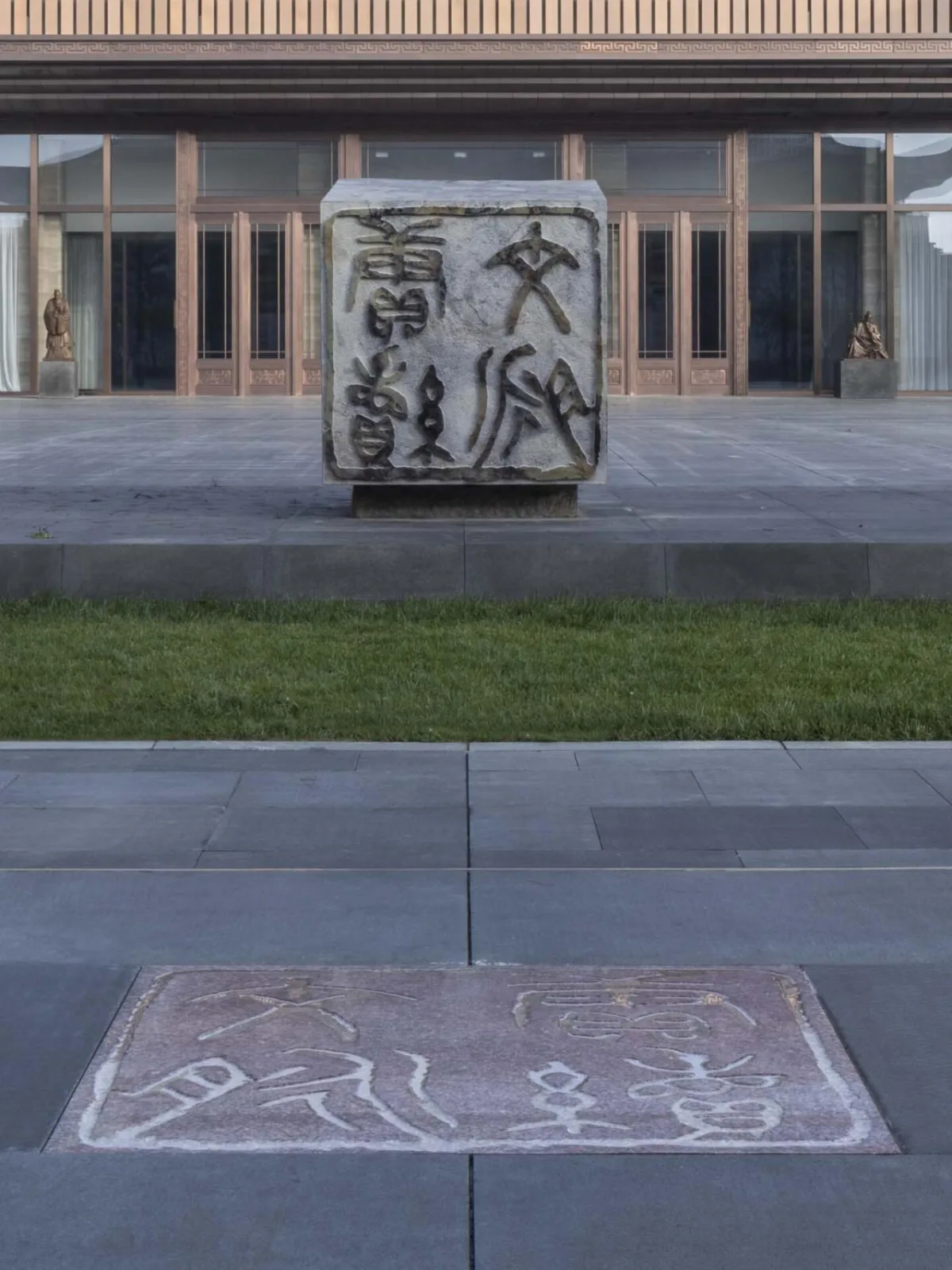
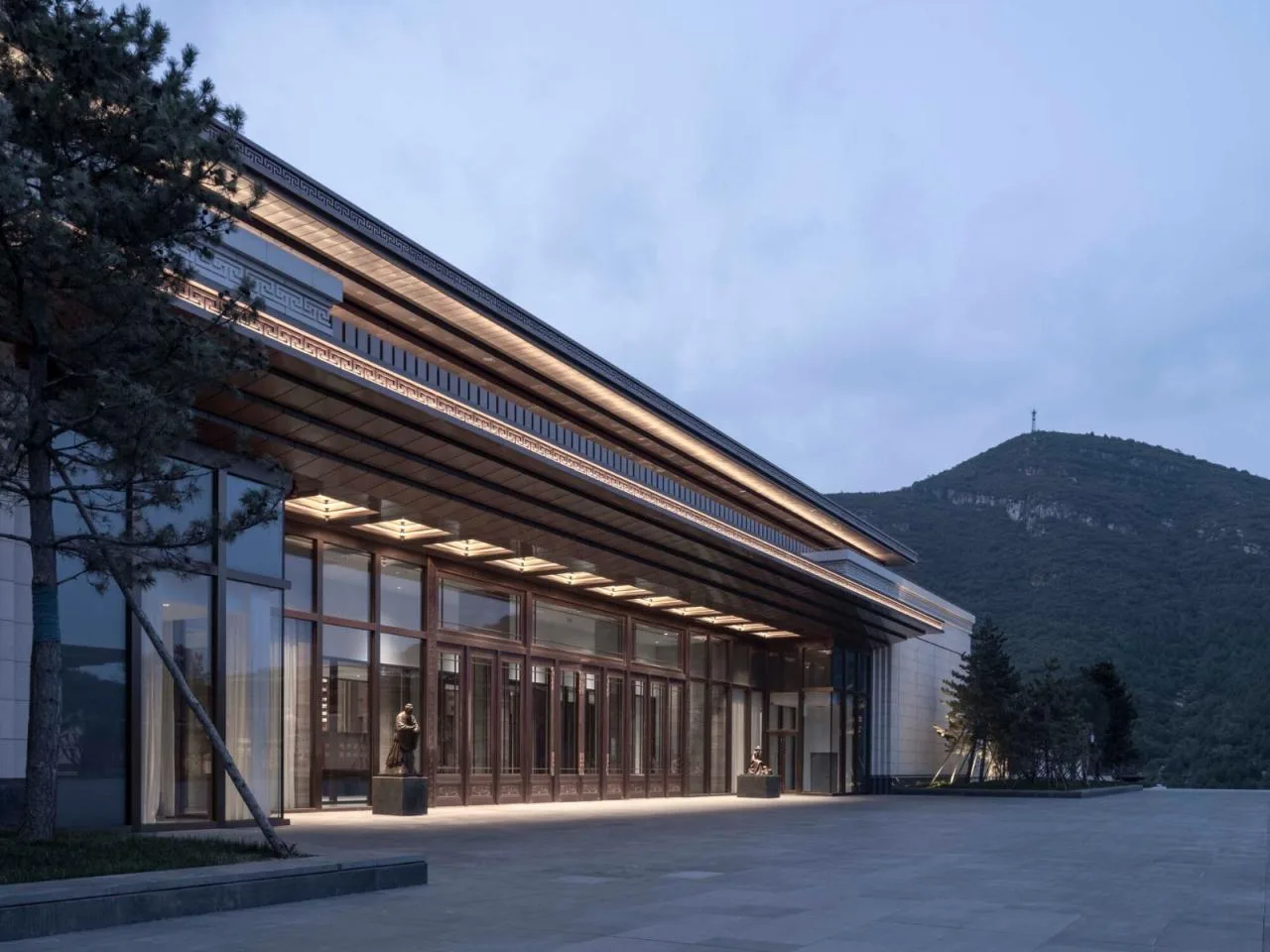
Looking forward, the design embraces modernity and humanism, emphasizing openness and harmony with nature. Instead of massive monumental structures, the architectural complex is low-rise and dispersed, nestled within garden greenery to blend seamlessly with the surrounding mountains. The inviting indoor and outdoor spaces complement the exhibits, enhancing visitor experience and reflecting the green, approachable spirit of the new era.
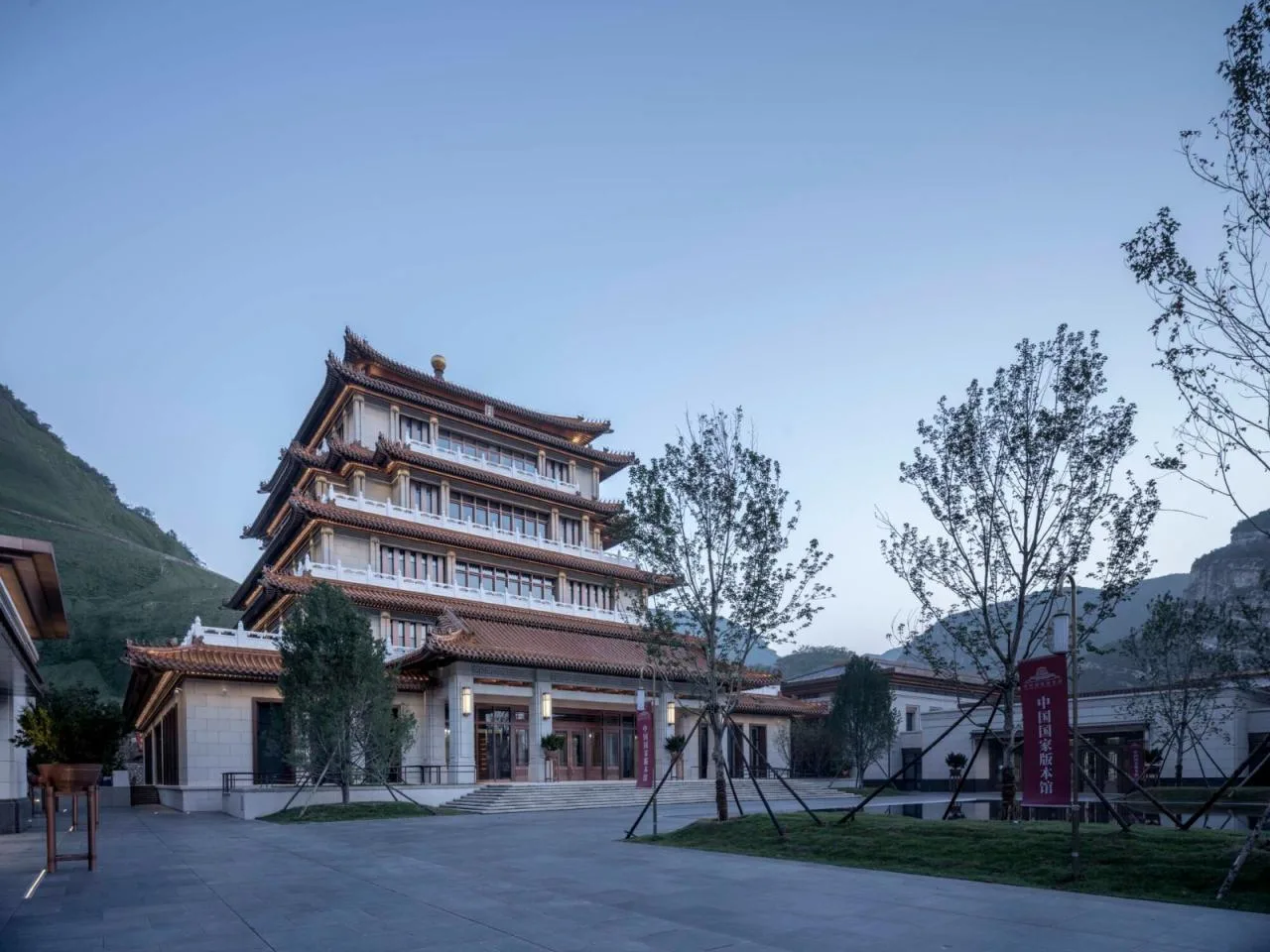
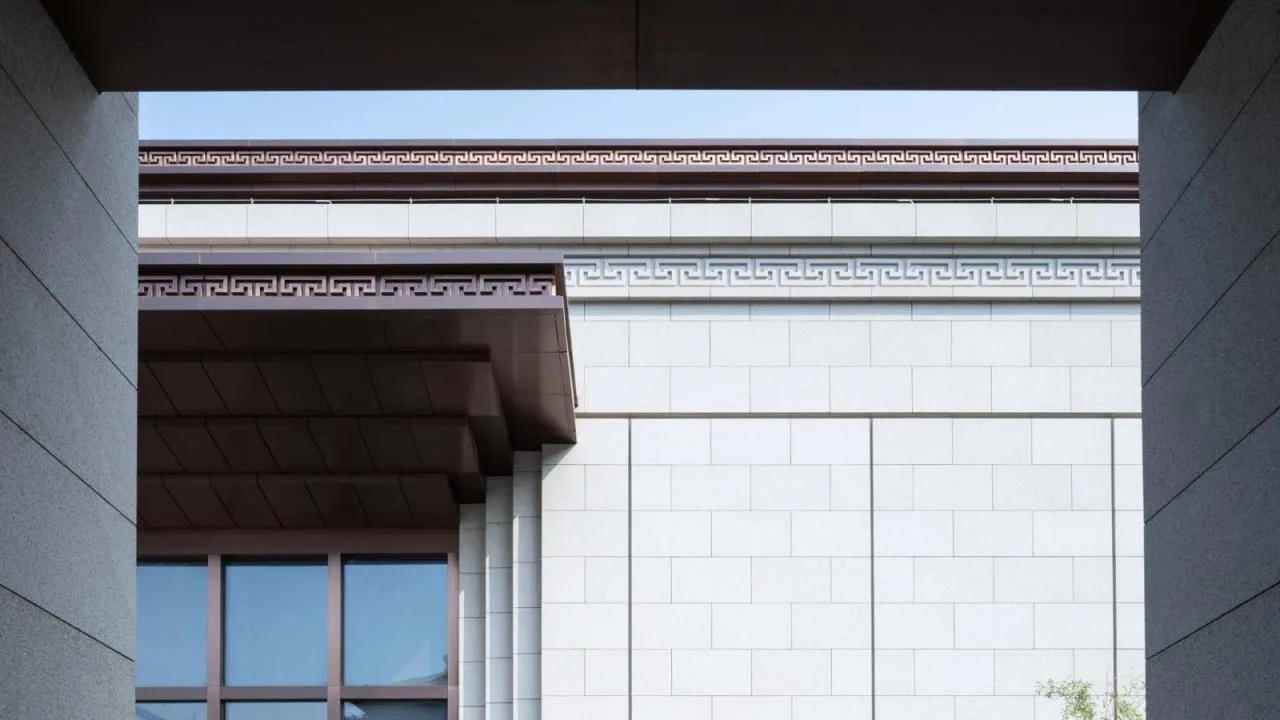
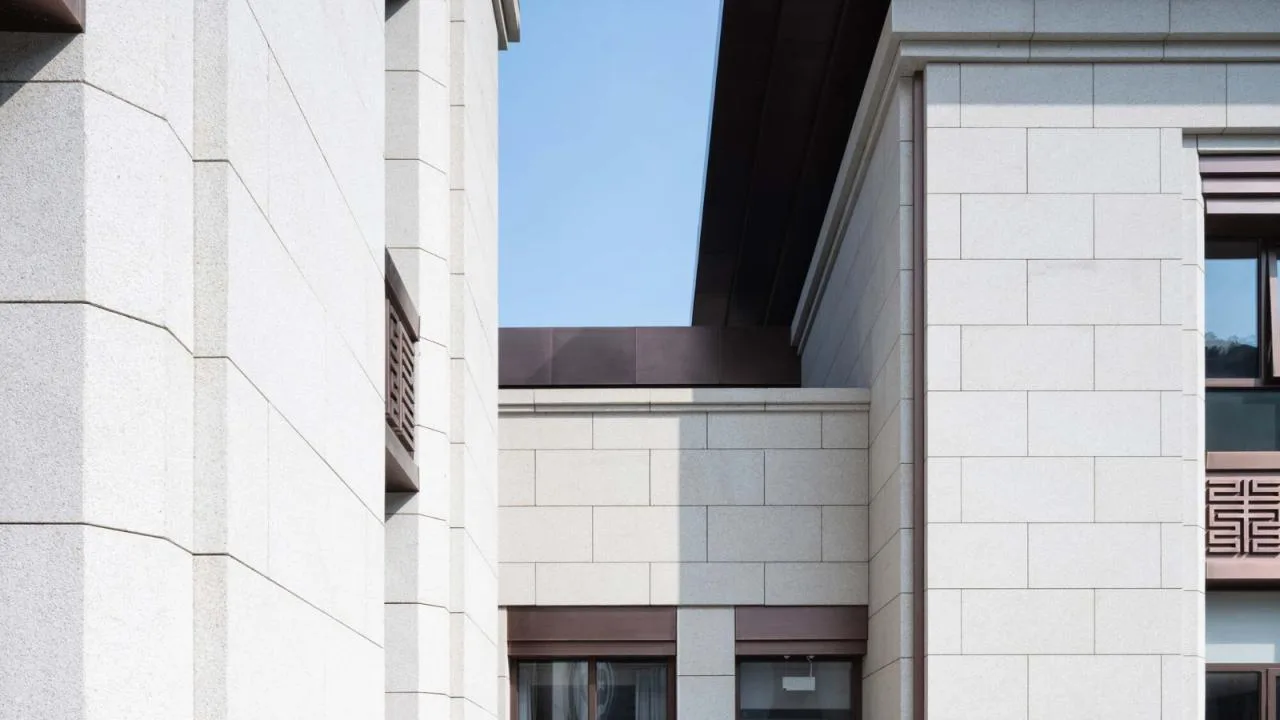
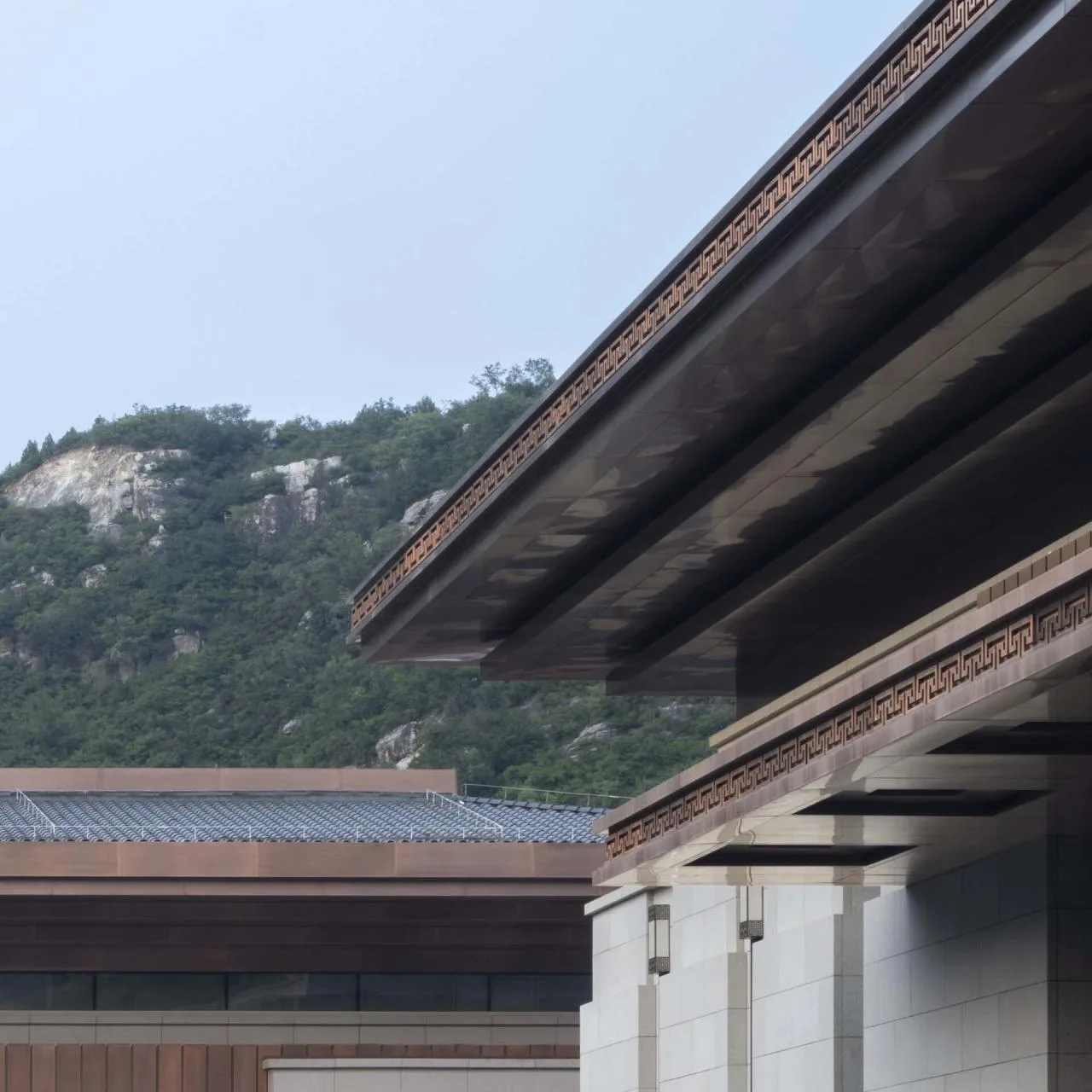
Traditional colonnades were replaced by expansive glass and metal elements, highlighting the building’s openness and modernity through contemporary materials and techniques. The exterior pays tribute to national cultural architectural heritage with a classic three-tier structure: dark red stone foundations, yellow rust stone walls, and dark gray tile roofs. Key features such as eaves and canopies are adorned with stainless steel decorations mimicking copper, preserving the elegant, simple, and dignified essence of traditional cultural architecture. This blend of tradition and modernity creates a lasting resonance with evolving times.
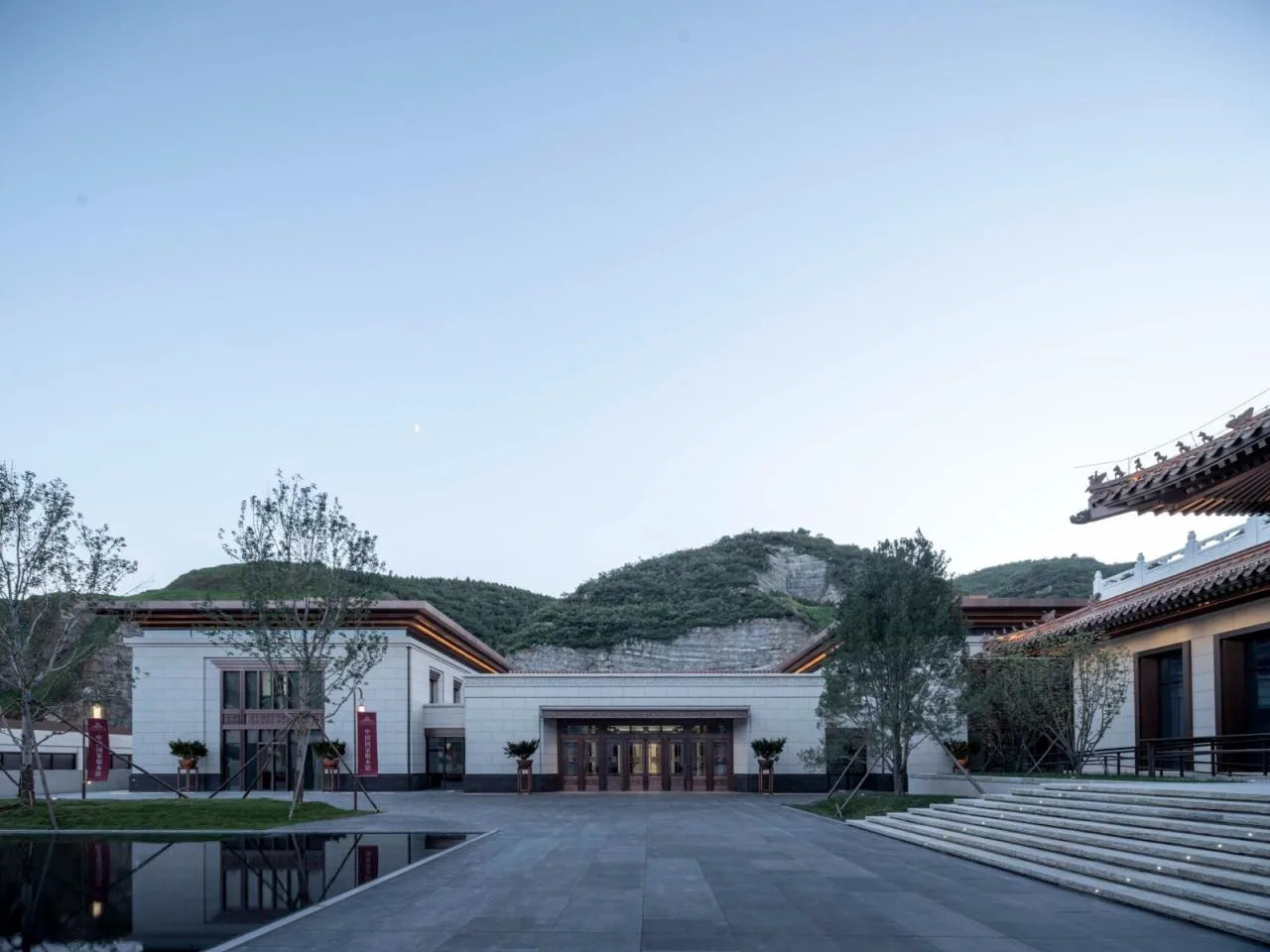
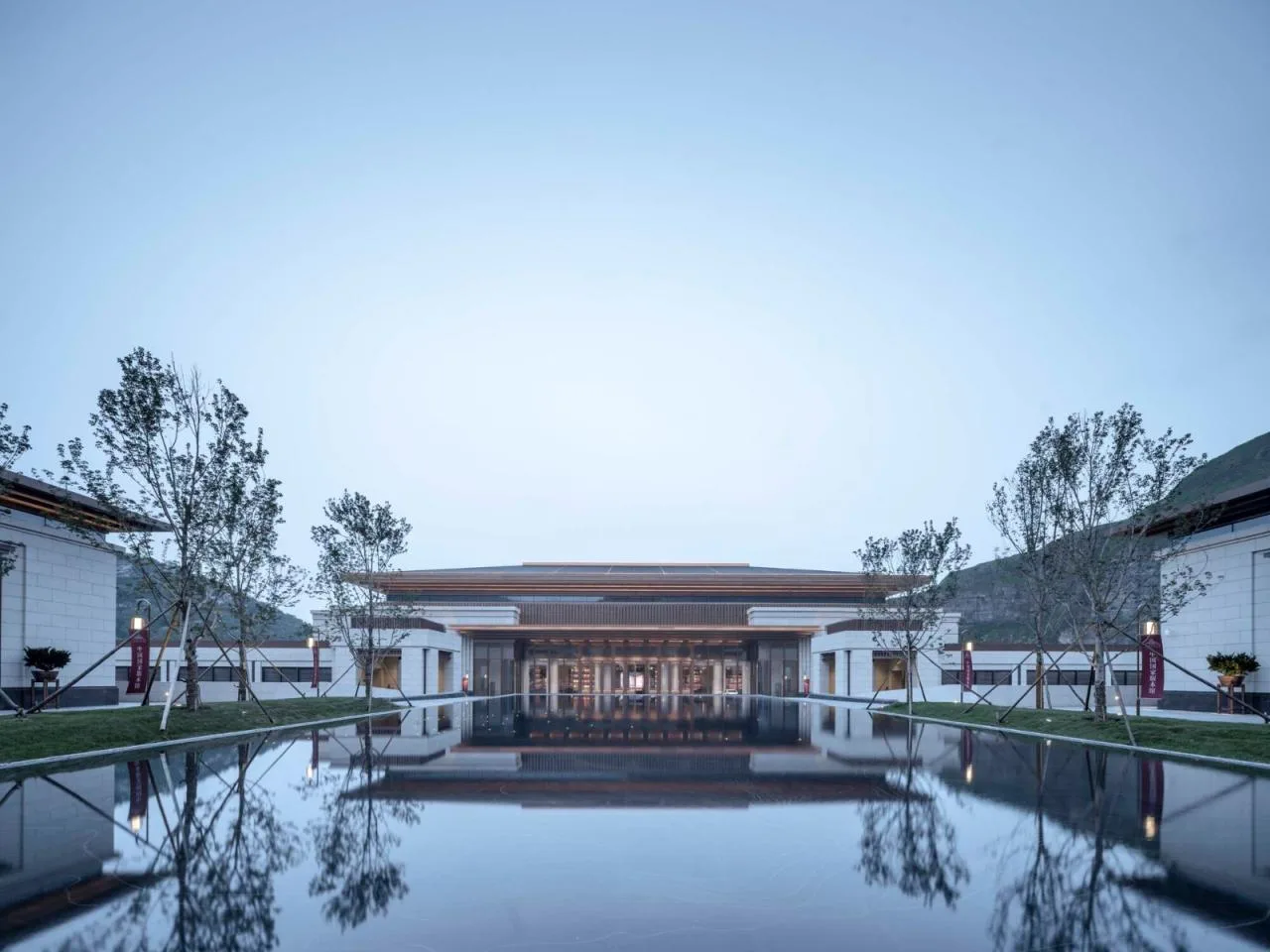
Functionally, the building centers on contemporary architectural policies, with version collection as its core mission. All storage areas are interconnected internally, ensuring the smooth transport, processing, and preservation of materials. Security is paramount, with high standards for waterproofing, moisture control, flood prevention, earthquake resistance, civil defense, and general safety, guaranteeing the protection of valuable collections.
The air conditioning system employs zoning and classification controls to provide tailored climate conditions for each area. The collection library is organized by media type, with independent cooling sources ensuring optimal temperature and humidity. Low-ultraviolet lighting, water leakage detection, and automatic monitoring devices maintain ideal conditions for preservation and display. These systems ensure compliance with stringent standards for temperature, humidity, air volume, illumination, and lighting power density.
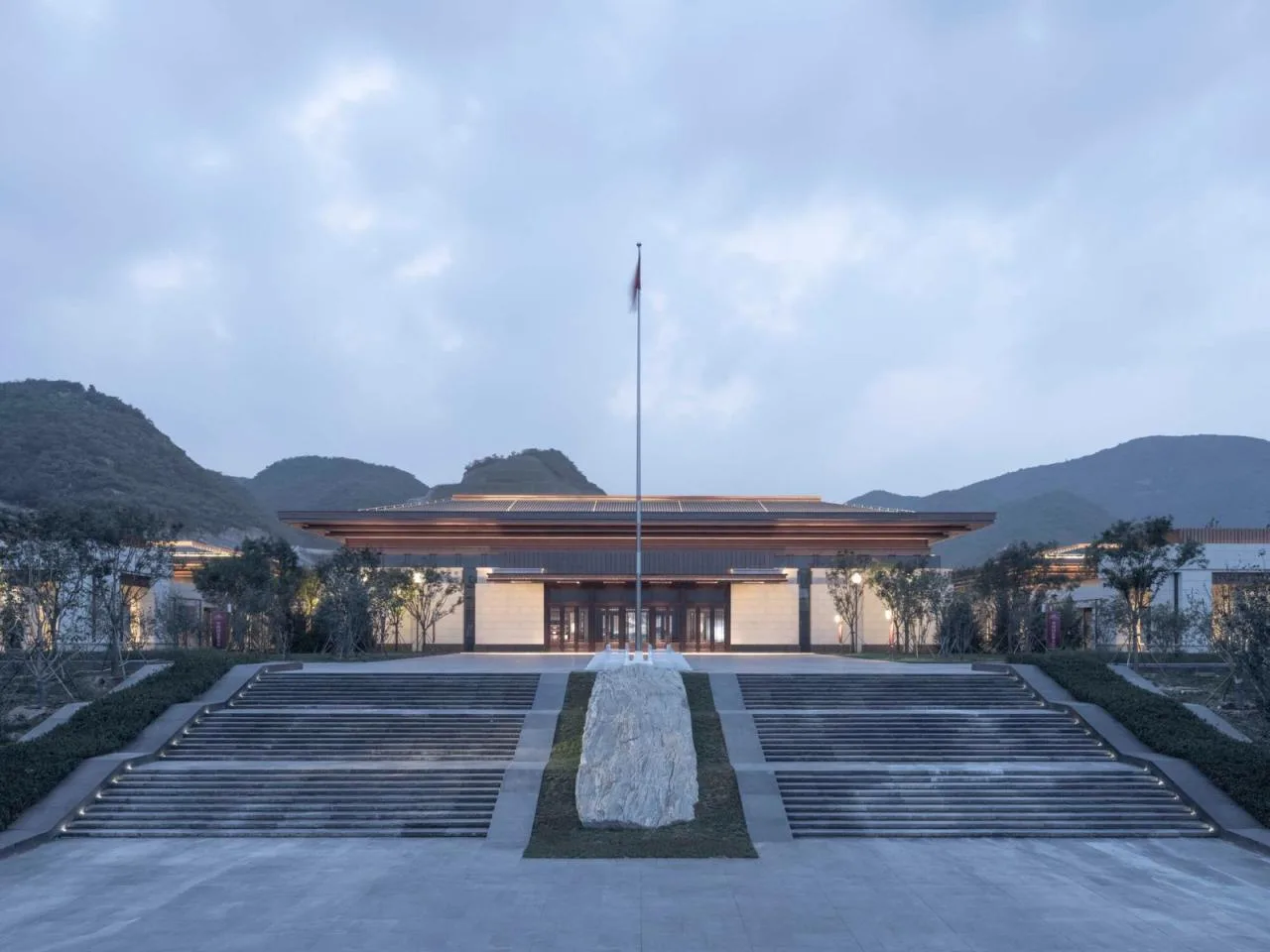
The museum’s public spaces unfold along a central axis, sequentially arranging the Wenxing Building, Wenhua Hall, and Wenhan Pavilion to create a hierarchical spatial sequence rich in cultural and ceremonial meaning.
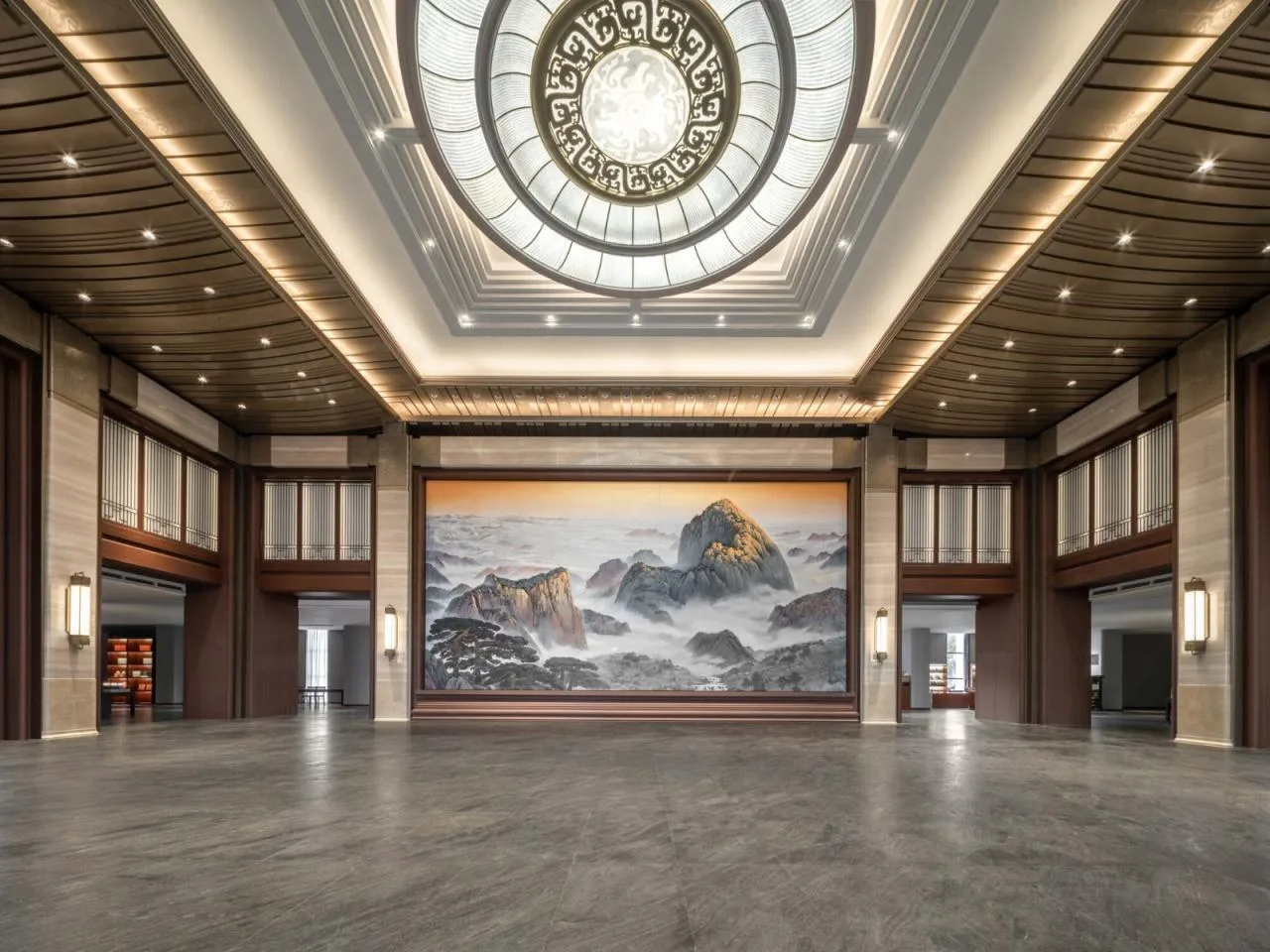
Wenxing Building serves as the entrance hall and the exhibition prologue. Its front features a themed mural titled “Range of Mountains and Rivers,” inspired by the Three Mountains, Five Sacred Mountains, and the Kunlun Mountains, symbolizing the profound continuity of Chinese civilization through majestic landscapes. The building hosts three themed exhibitions: the first floor showcases the “Version Craft Exhibition,” highlighting the production and evolution of versions; the second floor presents the “China Stamp Exhibition” and “China Coin Exhibition,” displaying diverse versions of collectibles.
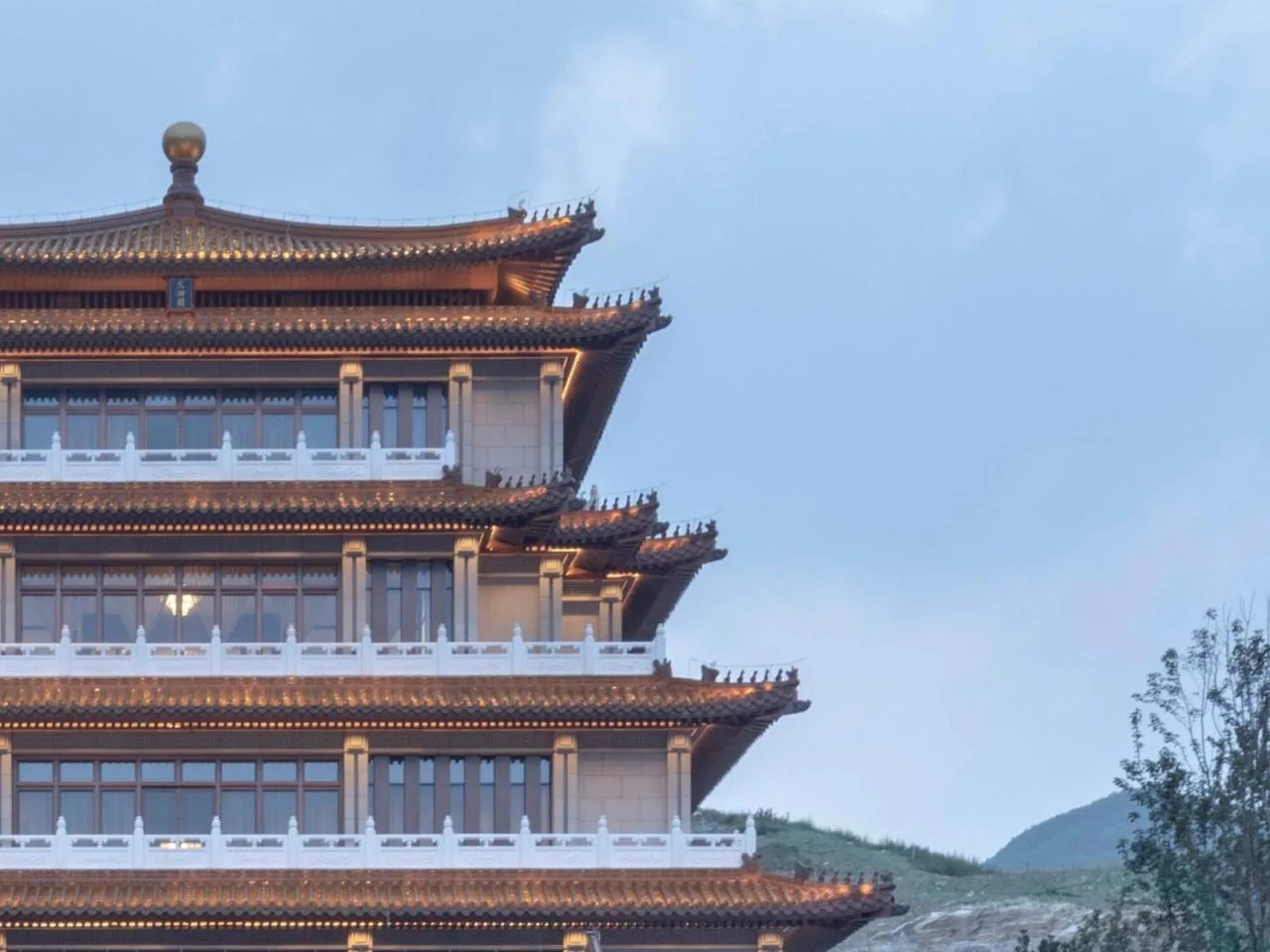
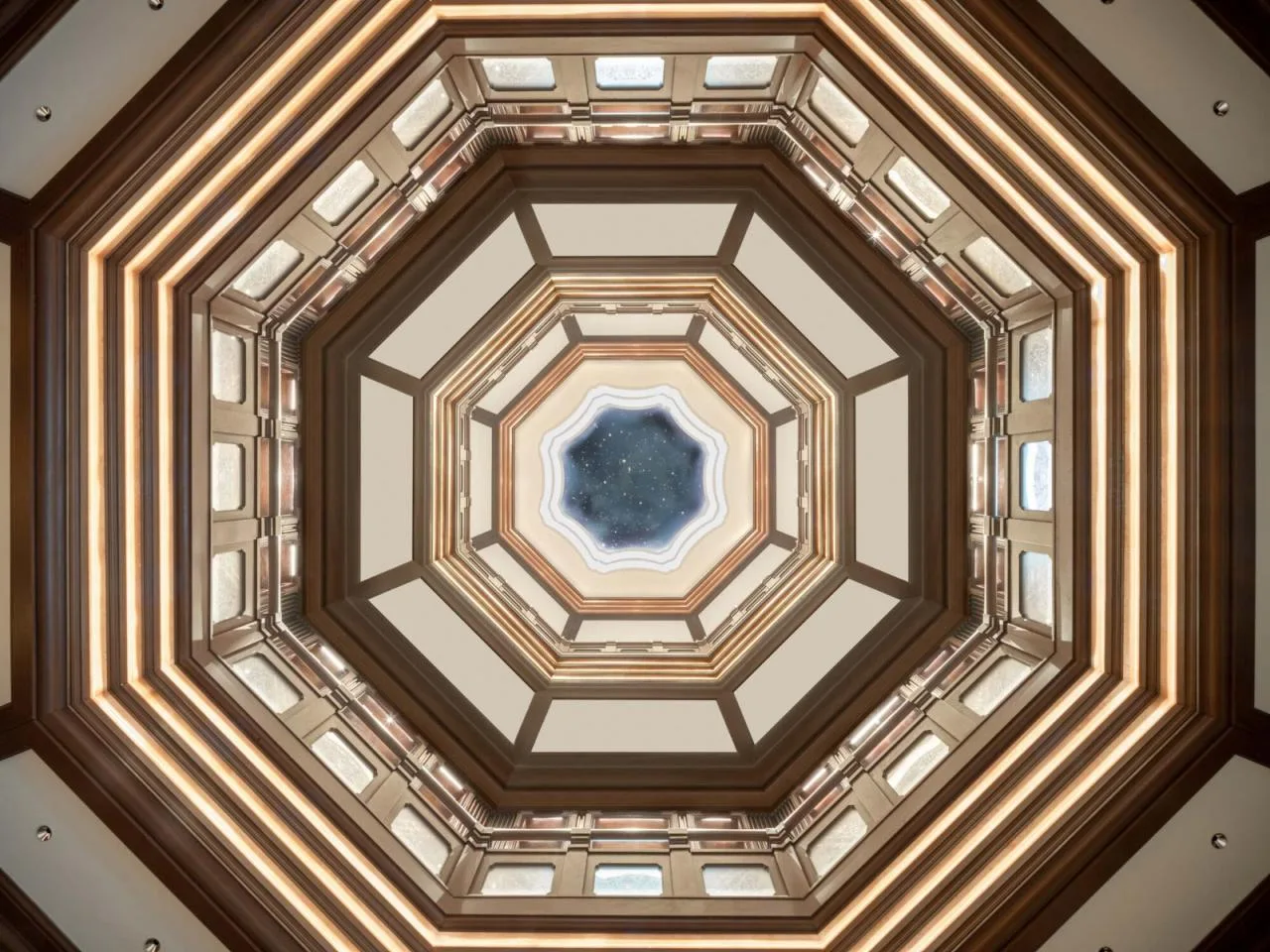
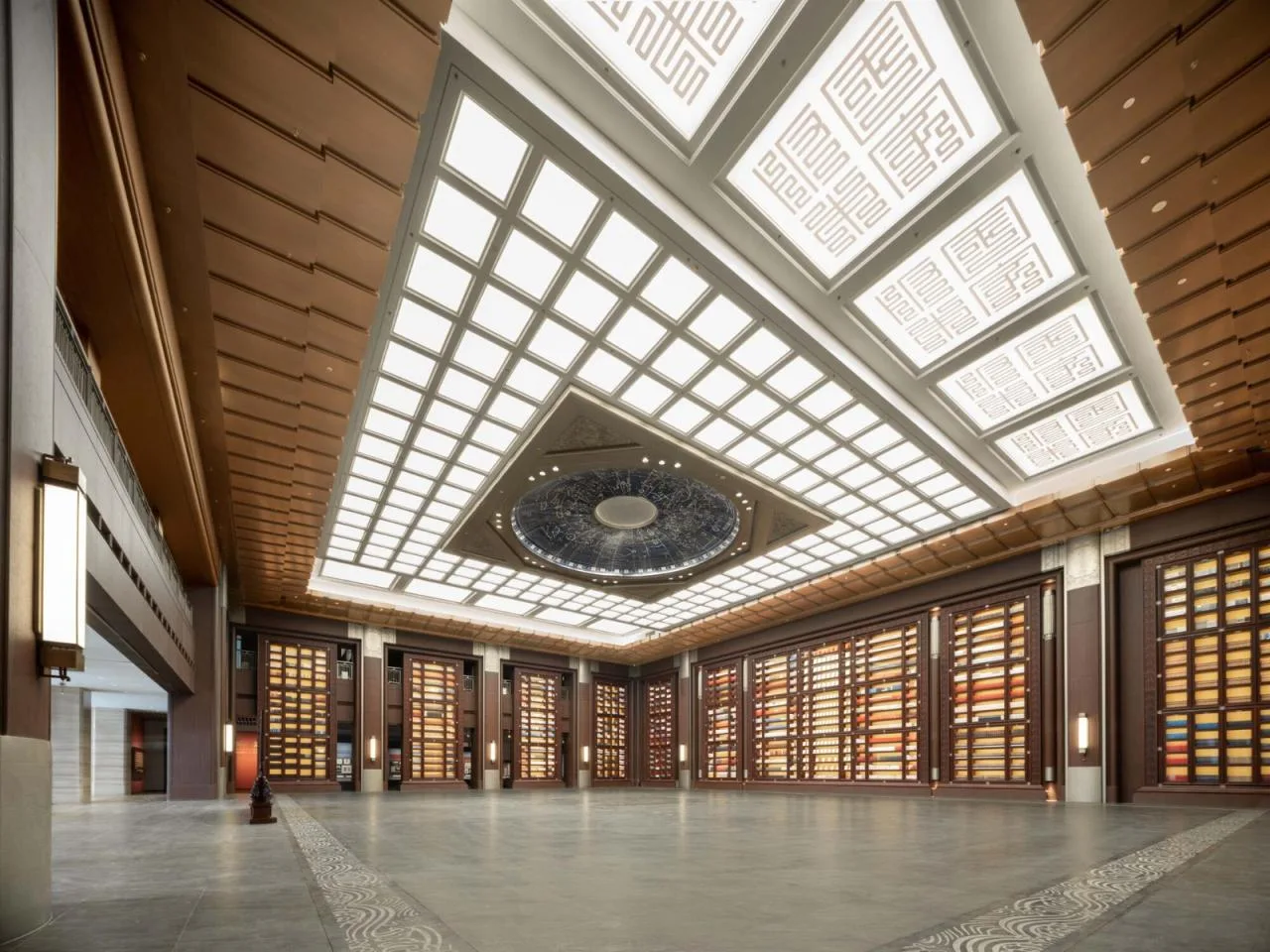
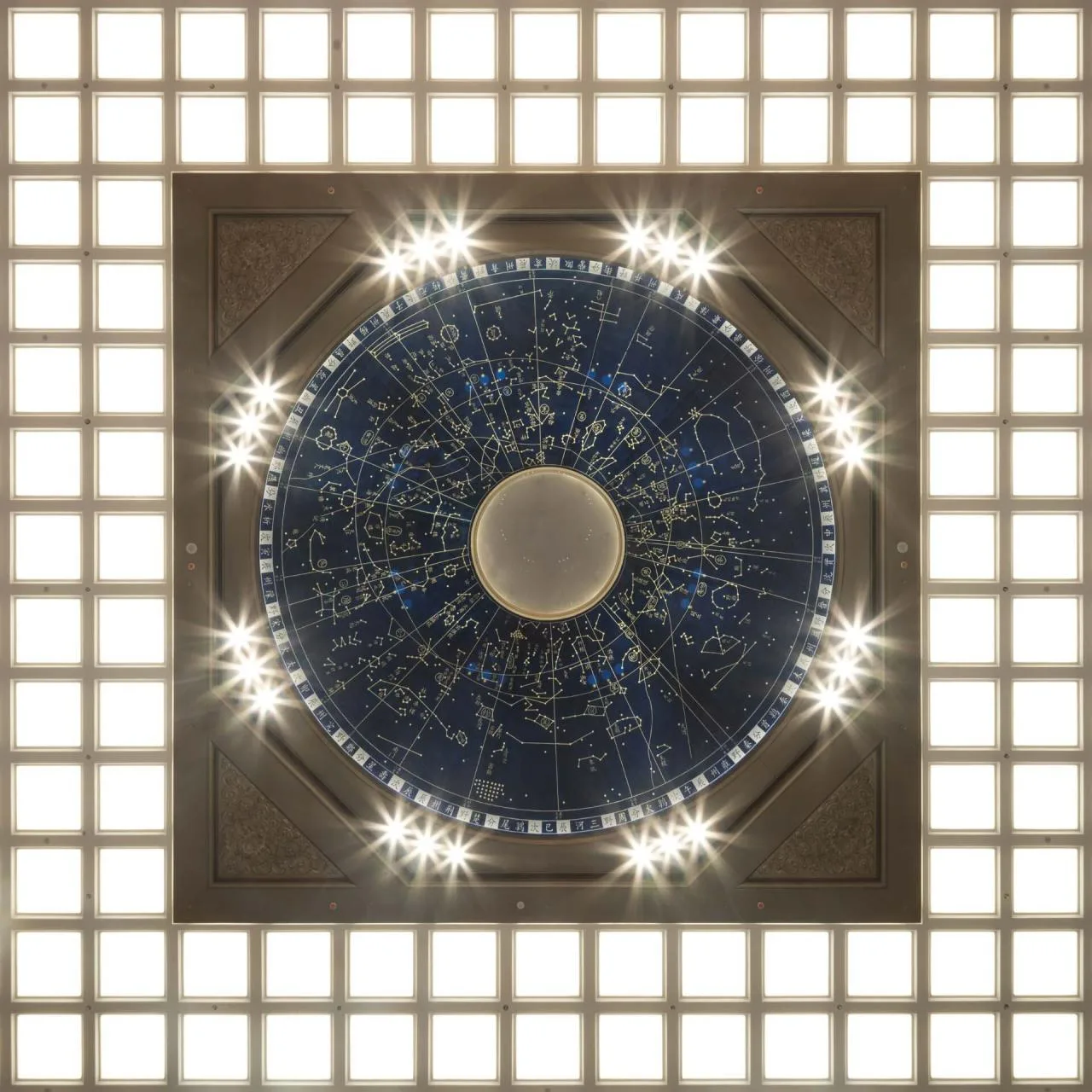
Wenhua Hall functions as the main exhibition space, with two foundational displays: “Elegance in China – Ancient Chinese Civilization Version Exhibition” and “Witnessing Great Achievements – Chinese National Revitalization Version Exhibition,” located on the first and second floors respectively. At the heart of Wenhua Hall lies the National Study, a 13-meter-high space covering 1,350 square meters. Fifteen tall bookshelves encircle the room, housing over 30,000 ancient and modern books. Cultural motifs such as text and seal carvings enrich the atmosphere, creating a literary hall that also serves as a ceremonial venue for international cultural exchanges. The central octagonal coffered ceiling features a circular starry sky dome, with stars inspired by the Song Dynasty astronomical diagram, symbolizing the vastness of Chinese culture embodied by the Wenhan Pavilion.
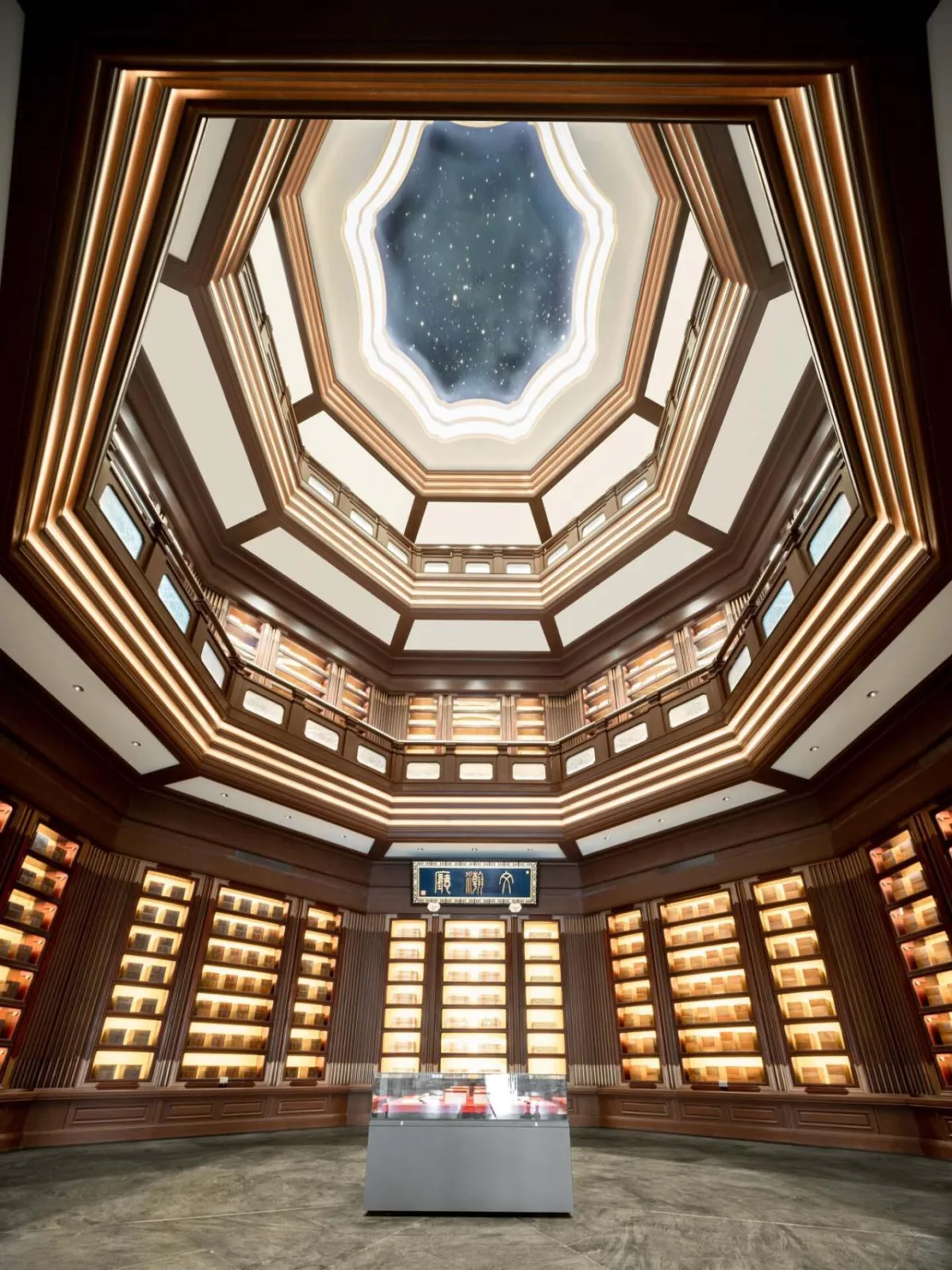
The Wenhan Pavilion spans three floors, featuring the themed exhibition “Light of Truth – Classic Version of Marxism with Chinese Characteristics and Times.” The central space, Wenhan Hall, is a traditional Chinese octagonal room with concentric, tiered bookshelves that create an immersive collection space rich in Chinese cultural charm. It houses precious ancient books and publications, including large-scale facsimiles such as the “Complete Library of Four Treasures,” “Yongle Encyclopedia,” and “Collection of Ancient and Modern Books.” Additionally, ancient book facsimiles and original woodblock prints highlight the unique library collection. The ceiling showcases an octagonal persimmon stem coffered well patterned after the Milky Way, symbolizing the depth and grandeur of Chinese civilization.
The cultural corridor is divided into two zones: the outer area accommodates evacuation staircases, equipment rooms, and air shafts connecting underground storage to the surface; the inner space serves as an exhibition hall displaying classic calligraphy and paintings from various dynasties through porcelain plate paintings and stone reliefs, highlighting the rich history of Chinese culture.
Drawing from traditional Chinese architectural patterns, the National Version Museum inherits and evolves cultural heritage through the integration of natural environment and cultural landscapes. Utilizing modern materials and techniques, it creates iconic cultural buildings rich in Chinese charm and literary atmosphere, reflecting the enduring vitality of Chinese civilization. This institution serves as the national resource library and seed gene bank of Chinese culture, acting as the center for collection, exhibition, research, and cultural exchange. It stands as a national cultural palace of the new era and a treasured cultural legacy for future generations.
Project Information
Architect: Tsinghua University Architectural Design and Research Institute
Area: 99,500 m²
Project Year: 2022
Photographer: IX Miles Lab
Project Manager: Zhuang Weimin
Project Hosts: Zhuang Weimin, Li Kuang
Architectural Team: Zhuang Weimin, Li Kuang, Tang Hongjun, Zhang Yi, Sheng Wenge, Ding Hao, Bai Yawei, Zhao Yue, Sun Yuying, Fan Yifei, Chen Rongzi, Fan Juanjuan, Chang Yunfeng, Li Bin, Li Jiaxiang, Xu Tengfei, Du Shicheng, Li Yiqiu, Fan Xiaotong, Jack Ma Xiao, Yang Xiaobin
Structural Team: He Xiaogang, Yang Xiao, Miao Lei, Cui Juan, Zhu Duo’e, Yang Zhenrong, Wang Li, Xiong Han, Sheng Chen, Liu Junde
Water Supply and Drainage Team: Li Ailian, Liu Jiuling, Zhai Shasha, Anning
HVAC: Liu Jianhua, Tang Xiaojing, Mi Zhong, Liu Huili, Li Xiaodong, Tang Zhenwen, Liang Xuemei
Electrical Design: Xu Hua, Yang Li, Sun Yonggang, Yang Yulin, Tian Xu
Weak Current Intelligent Team: Xu Hua, Guo Hongyan, Zhang Song, Hu Xin
Water Conservancy Team: Wang Fang, Shang Songqiang, Chen Yang, Dong Mingyue
Green Building Team: Yuan Duo, Ma Yingying, Wang Lisha, Liu Xiaohui, Li Zhihong
Interior Design: Professor Ma Yixi’s Studio, Beijing Qingshang Architectural Design and Research Institute Co., Ltd.
Landscape Design: Professor Zhu Yufan’s Studio, Beijing Tsinghua Tongheng Planning and Design Institute Co., Ltd.
Artistic Creation: Professor Cheng Xiangjun and Professor Du Dakai’s Team, Academy of Fine Arts, Tsinghua University
Curtain Wall Design: China Academy of Building Research Co., Ltd.
Lighting Design: Dongliang International Lighting Design (Beijing) Center Co., Ltd.
Logo Design: Dongdao Brand Creative Group Co., Ltd.
Collaborative Design: China Railway Fifth Survey and Design Institute Group Co., Ltd.
Survey Unit: Zhongbing Survey and Design Institute Co., Ltd.
Supervision Unit: Beijing Parker International Engineering Consulting Co., Ltd.
Construction Unit: Beijing Construction Engineering Group Co., Ltd.
Client: Publicity Department of the Central Committee of the CPC
Consulting Unit: China National Building Standards Design and Research Institute Co., Ltd.
Location: Beijing















Must log in before commenting!
Sign Up