
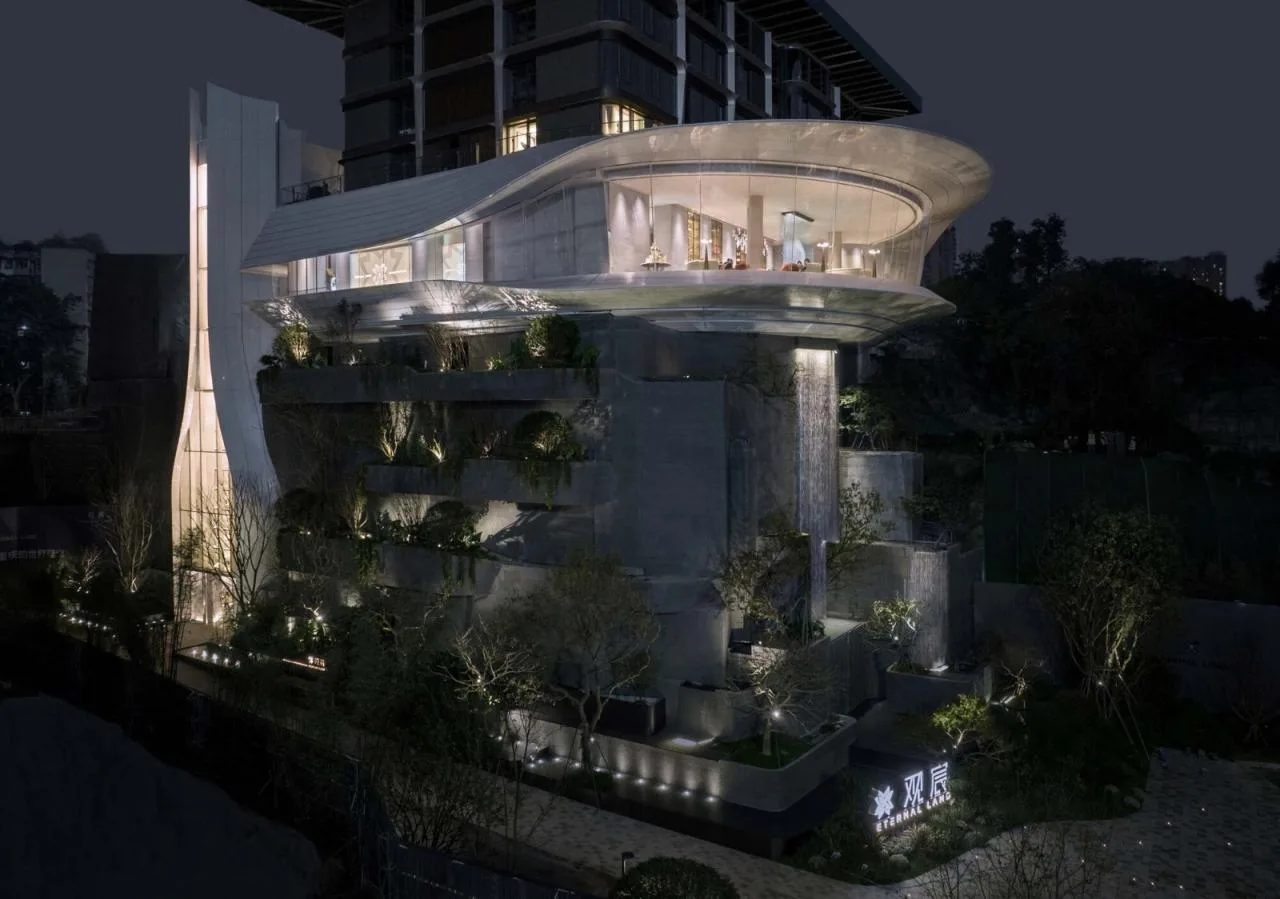
Respecting the Regional Context
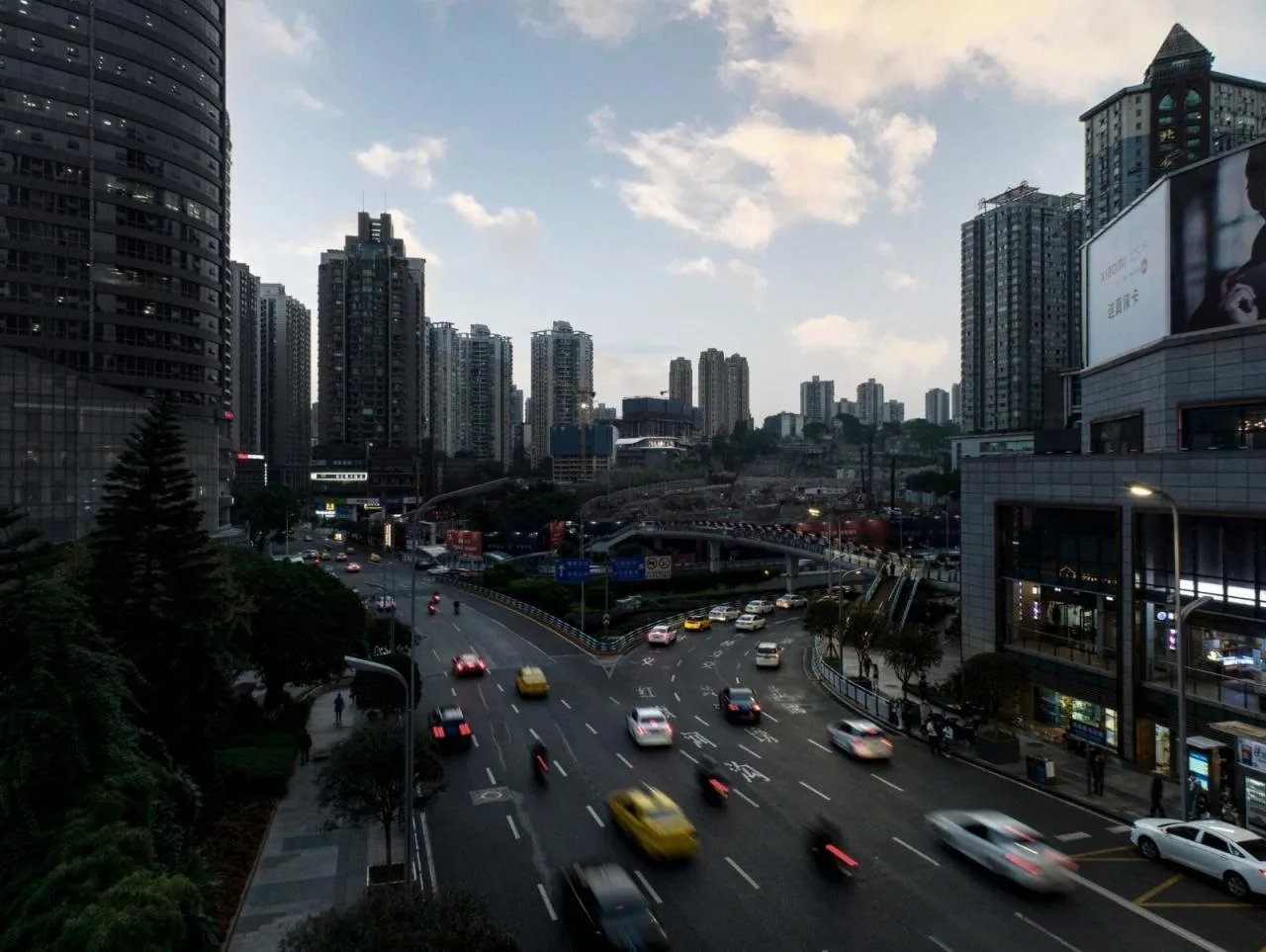
The project is situated at the northeast corner of SITE (I11-3/04) in Guanyinqiao Diance Village, Chongqing. The site’s significant elevation difference is its most prominent feature. As a mountainous city, Chongqing’s terrain plays a crucial role and serves as an important element in our design. From the outset, we abandoned the traditional methods of peak shaving and valley filling. Instead, we embraced the mountains as creative elements, adopting a “follow the flow” design philosophy to explore new spatial and experiential possibilities through integration with the natural landscape.
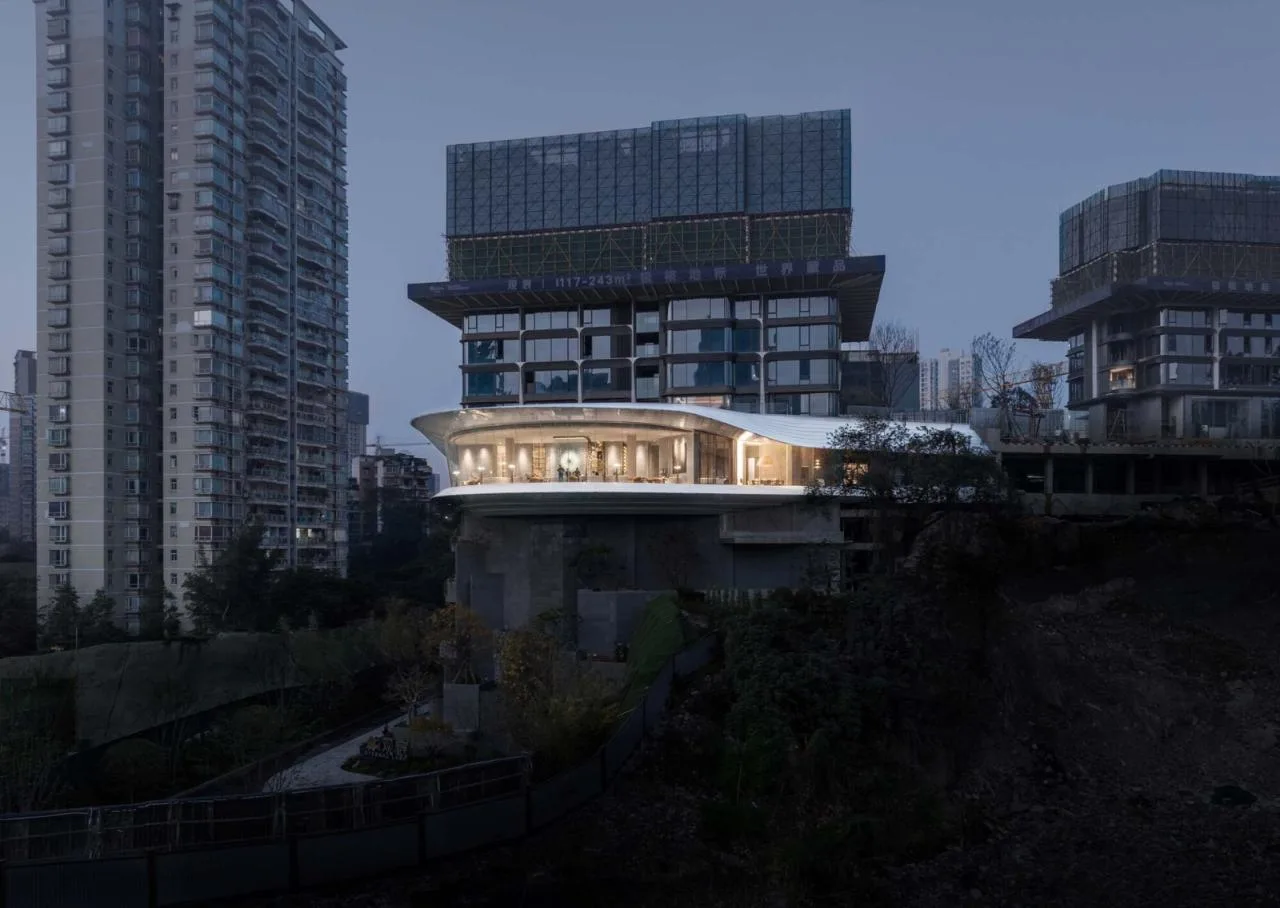
“Creating with the Flow” – Spatial Diversity Inspired by Mountains
Norberg-Schulz once said, “Place is the starting point and the goal of our exploration of structure. Initially, place is experienced as a whole through spontaneous perception; later, analyzing spatial perspectives and characteristics reveals it as a structural world.” This reflects the relationship between man-made and natural environments. In our design process, we foster a dialogue between architecture and nature, aiming to create spaces that extend from the natural landscape.
Beginning with a 30-meter height difference on-site, the entrance hall, exhibition hall, and reception room are arranged sequentially along the mountain terrain according to their functions, minimizing earthwork adjustments. The transitional spaces between these functions unfold in an orderly manner, with expansions and contractions that add spatial variety and richness.
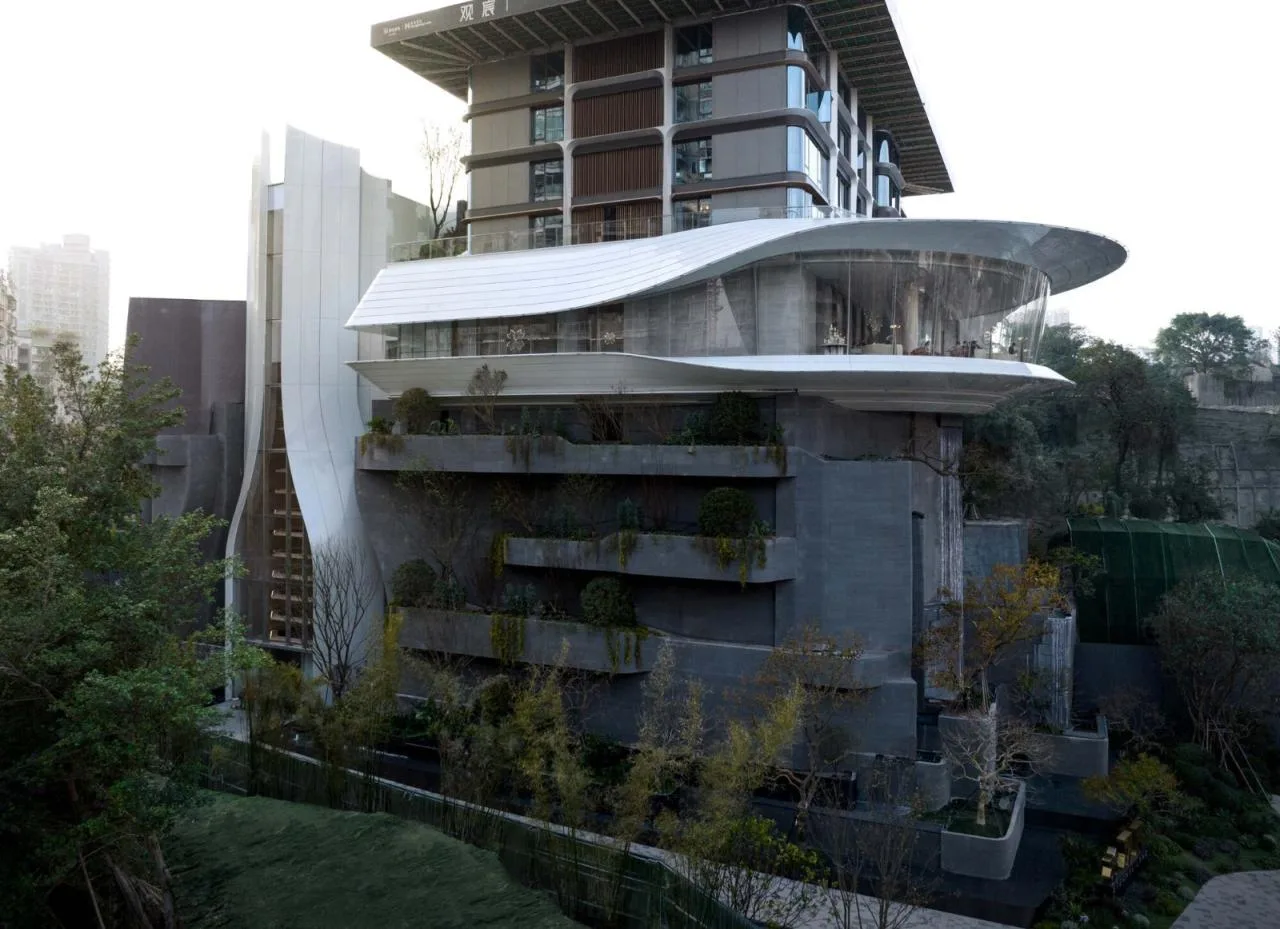
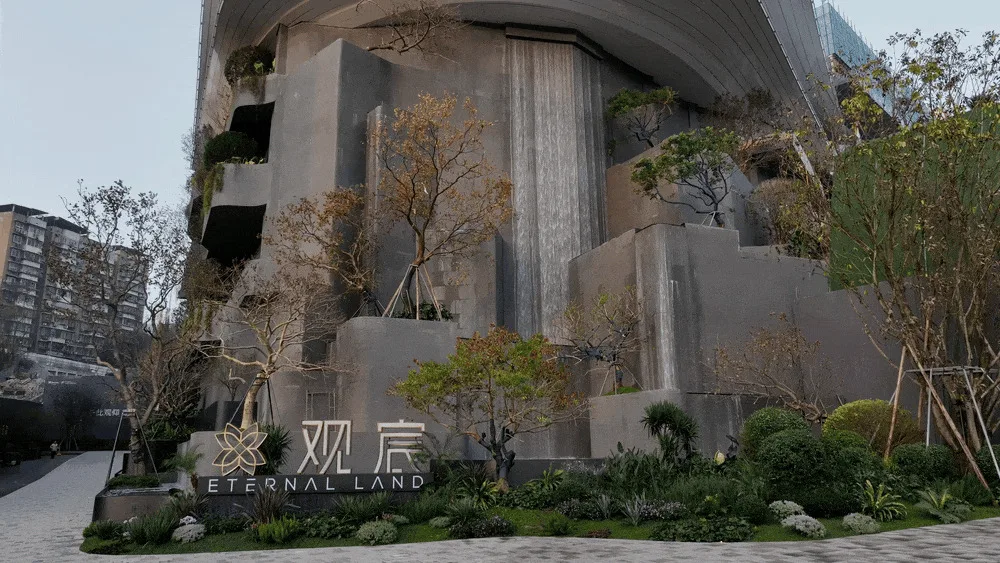
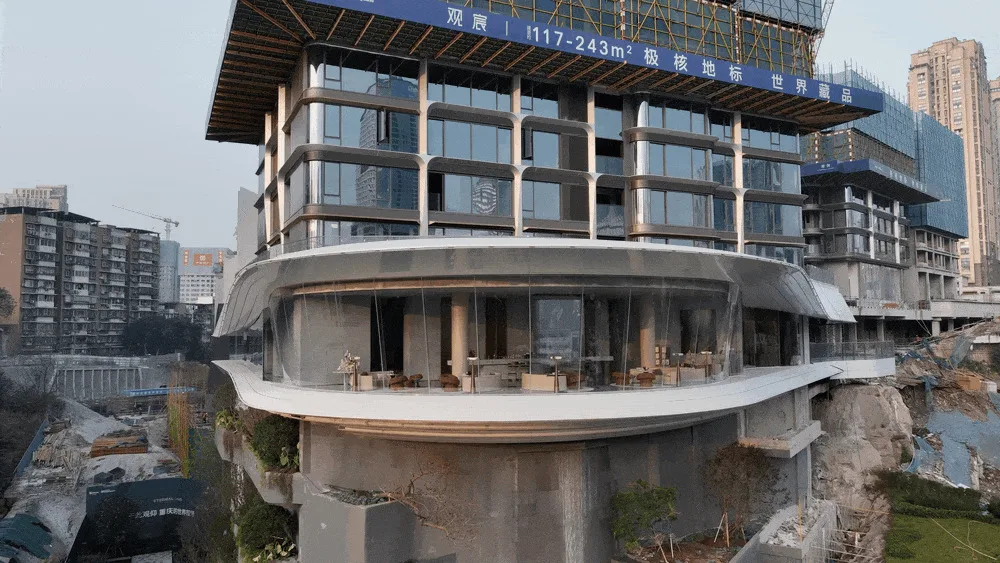
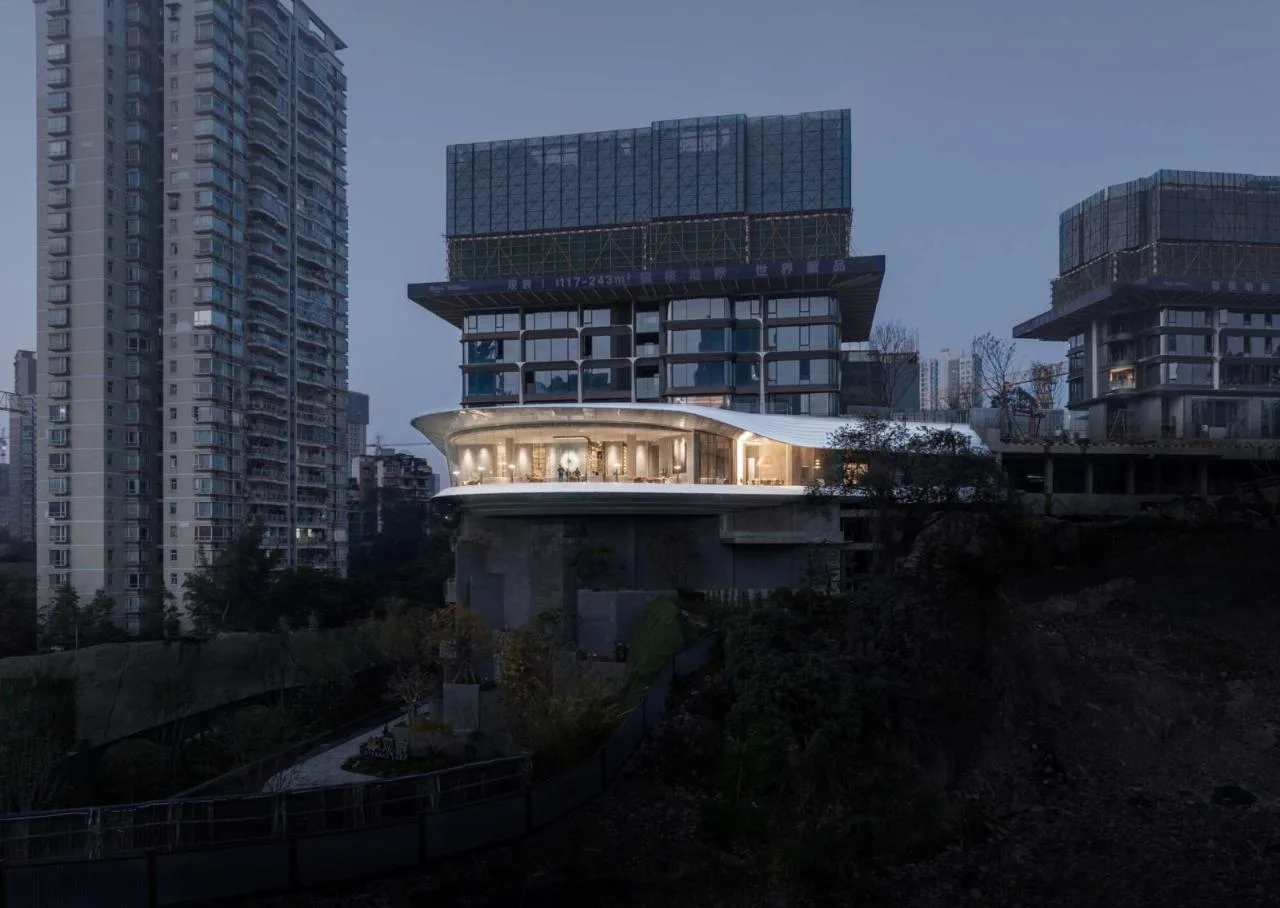
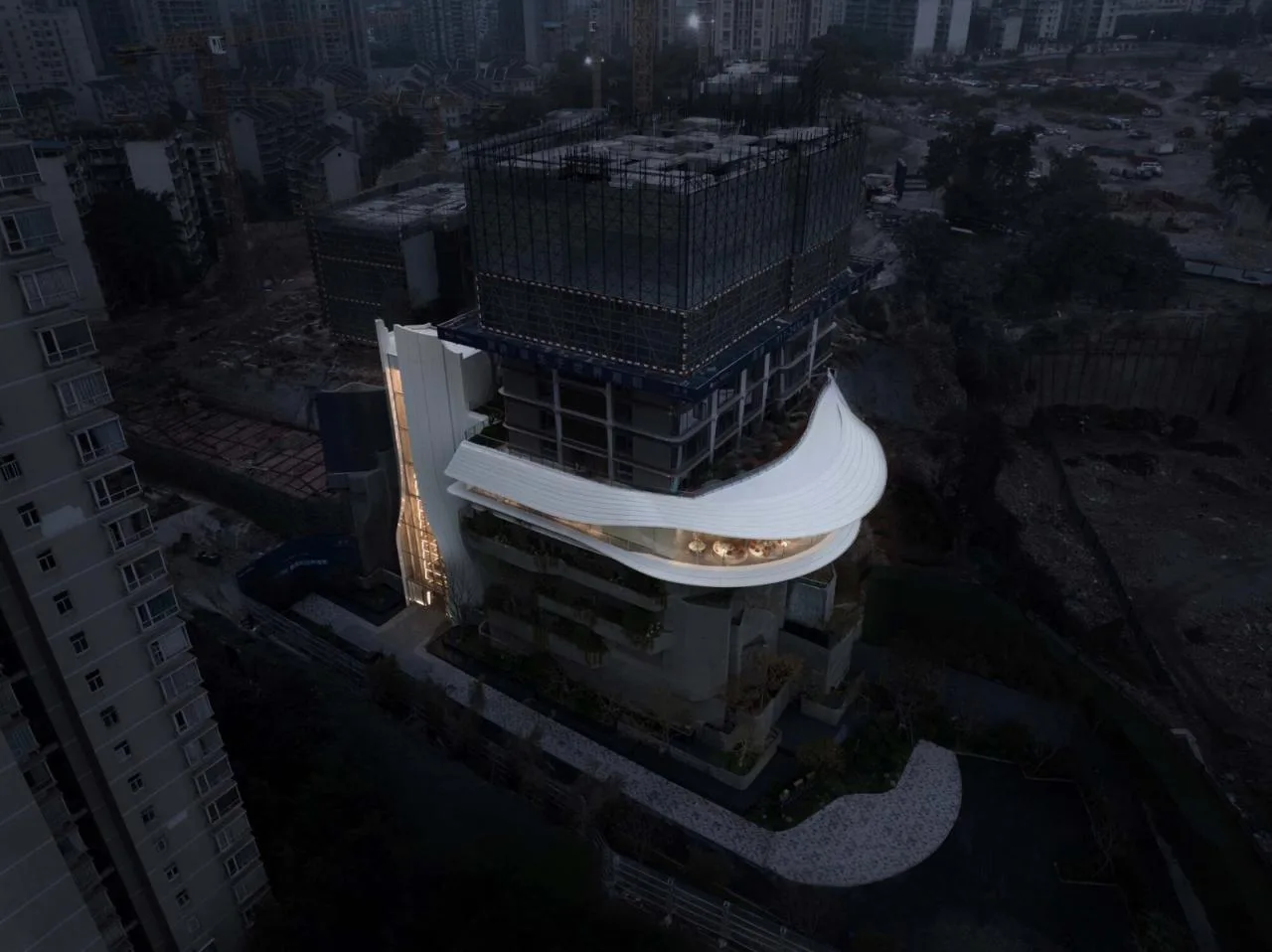
We chose to integrate the building spatially into the natural site, achieving a seamless connection between indoor spaces and the surrounding mountains. The living room becomes a daily public space for residents, fostering a participatory atmosphere. Architecturally, we embraced a deliberate contrast: smooth, modern honeycomb aluminum panels juxtaposed against rough, primitive stones create a striking visual tension. An ark-like structure rests on the terrace, while a portal is nestled between the cliffs.
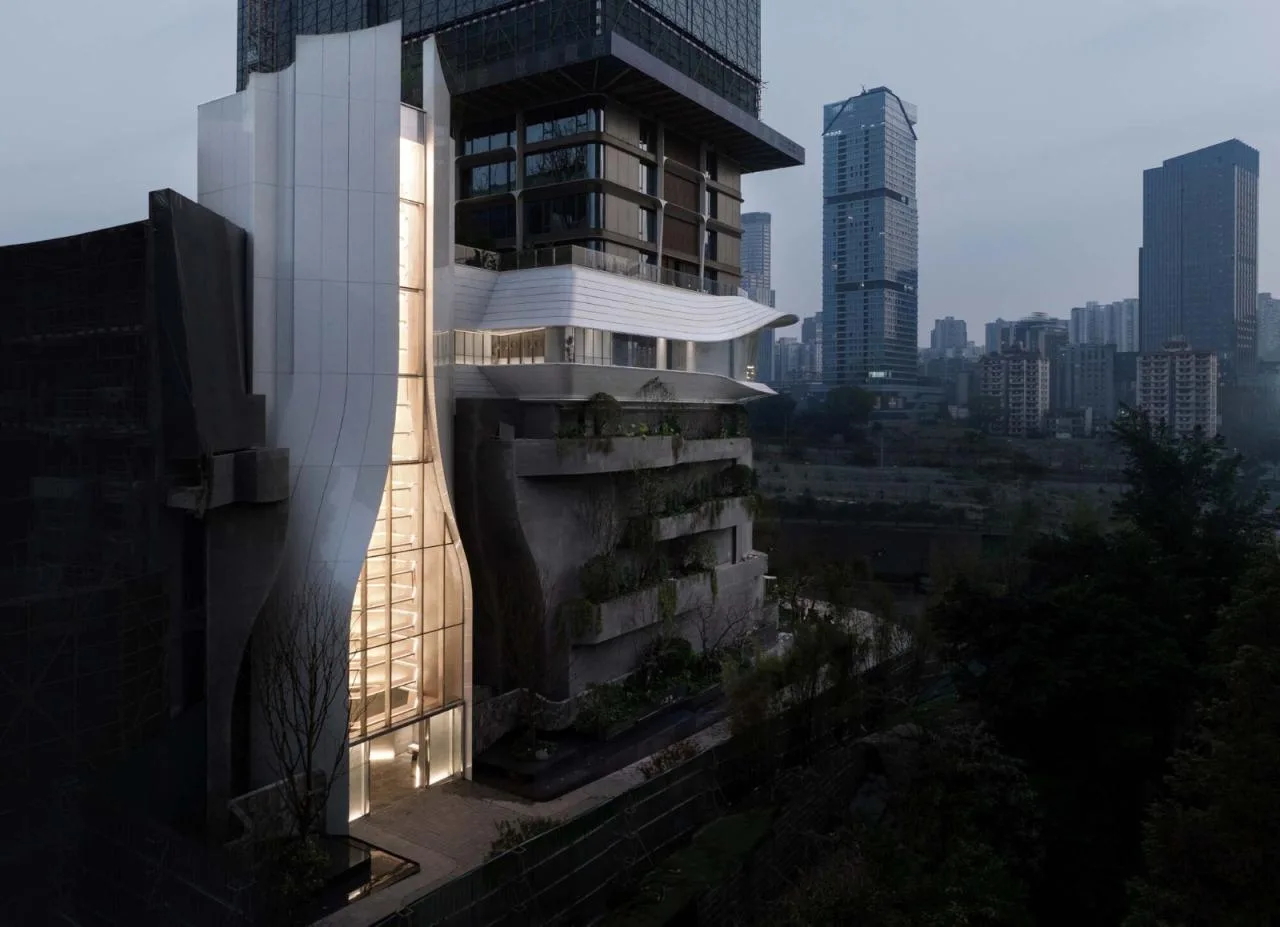
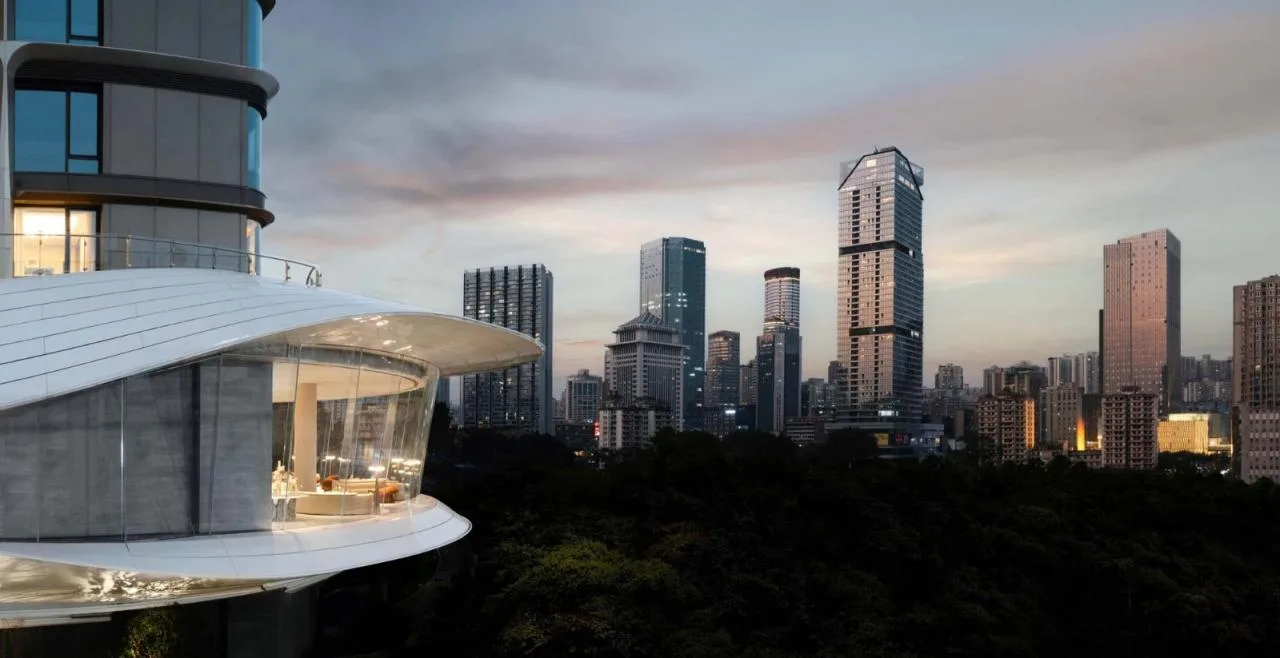
Concept: Conflict and Contrast in Raw Nature
During the initial conceptual phases, we explored various design forms, but none aligned satisfactorily with the site. Refocusing on the mountain space itself, we developed a concept of “combined spaces embedded within the mountain,” creating a visual conflict with the rugged cliffs that subtly evoke timelessness. By returning to nature while introducing a sense of contrast, we positioned a set of futuristic spaces atop the dark brown cliff, symbolizing growth and evolution.
The interplay between linear, smooth forms and raw, rough textures conveys a sense of futurism, making the building appear as an external object—bright and new despite the passage of time.
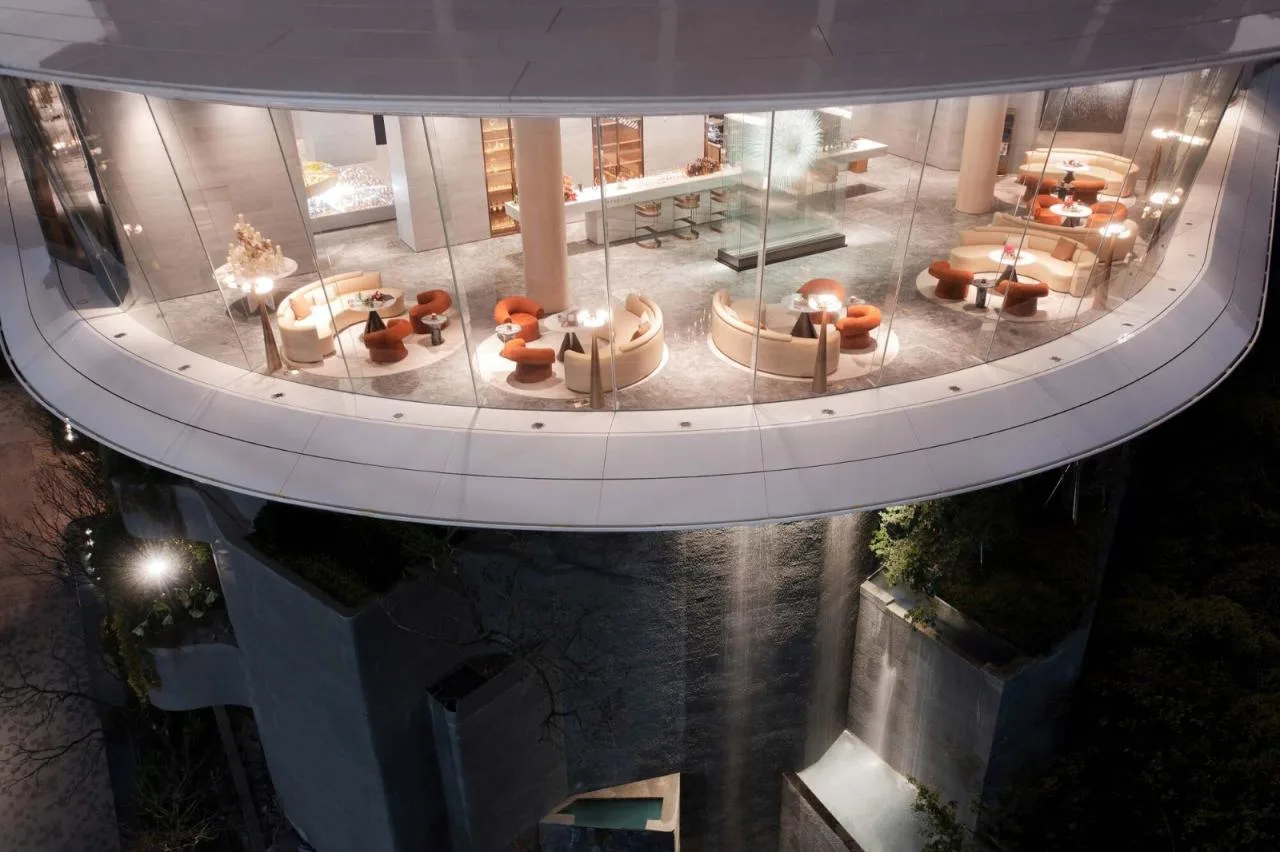
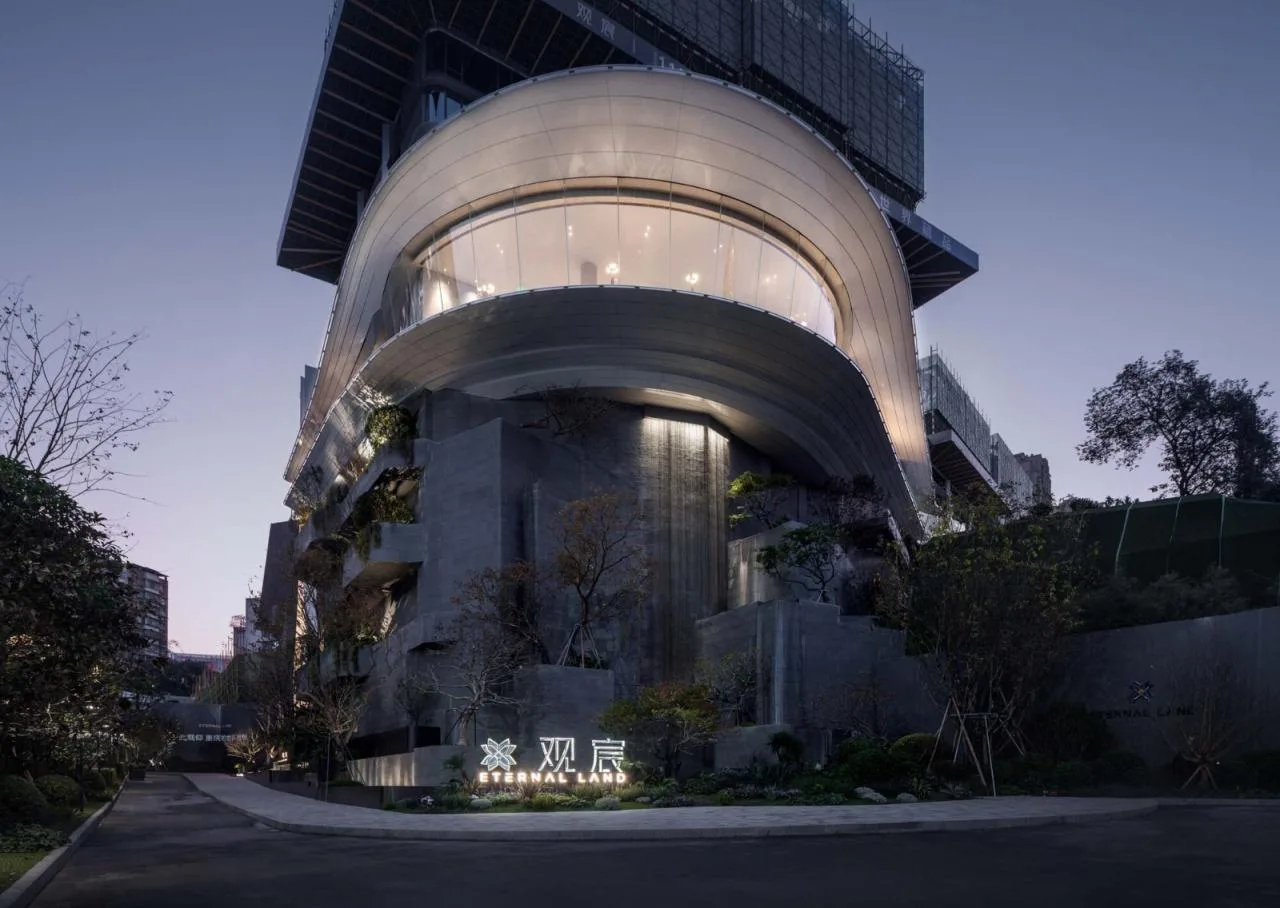
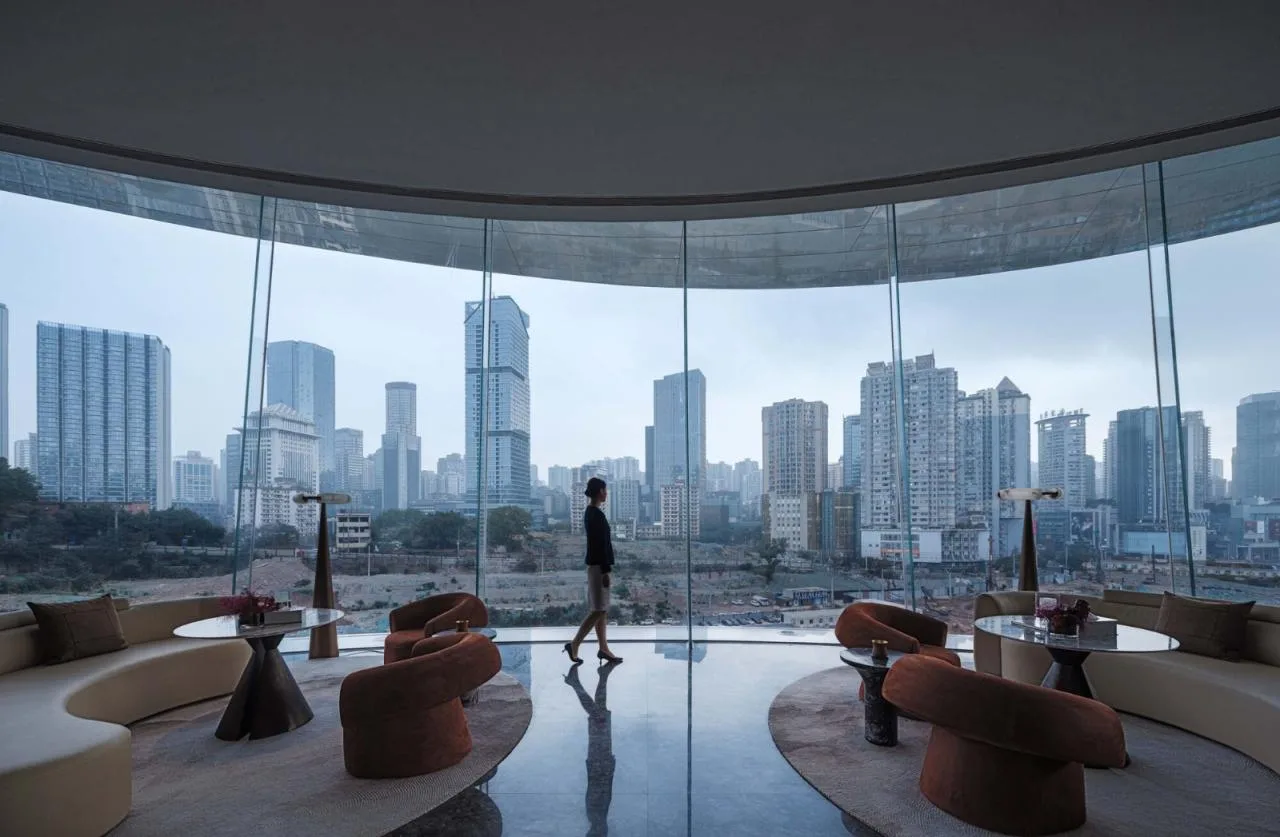
Space: A Unique Experience of “Seeing Mountains – Entering Mountains – Overlooking Mountains”
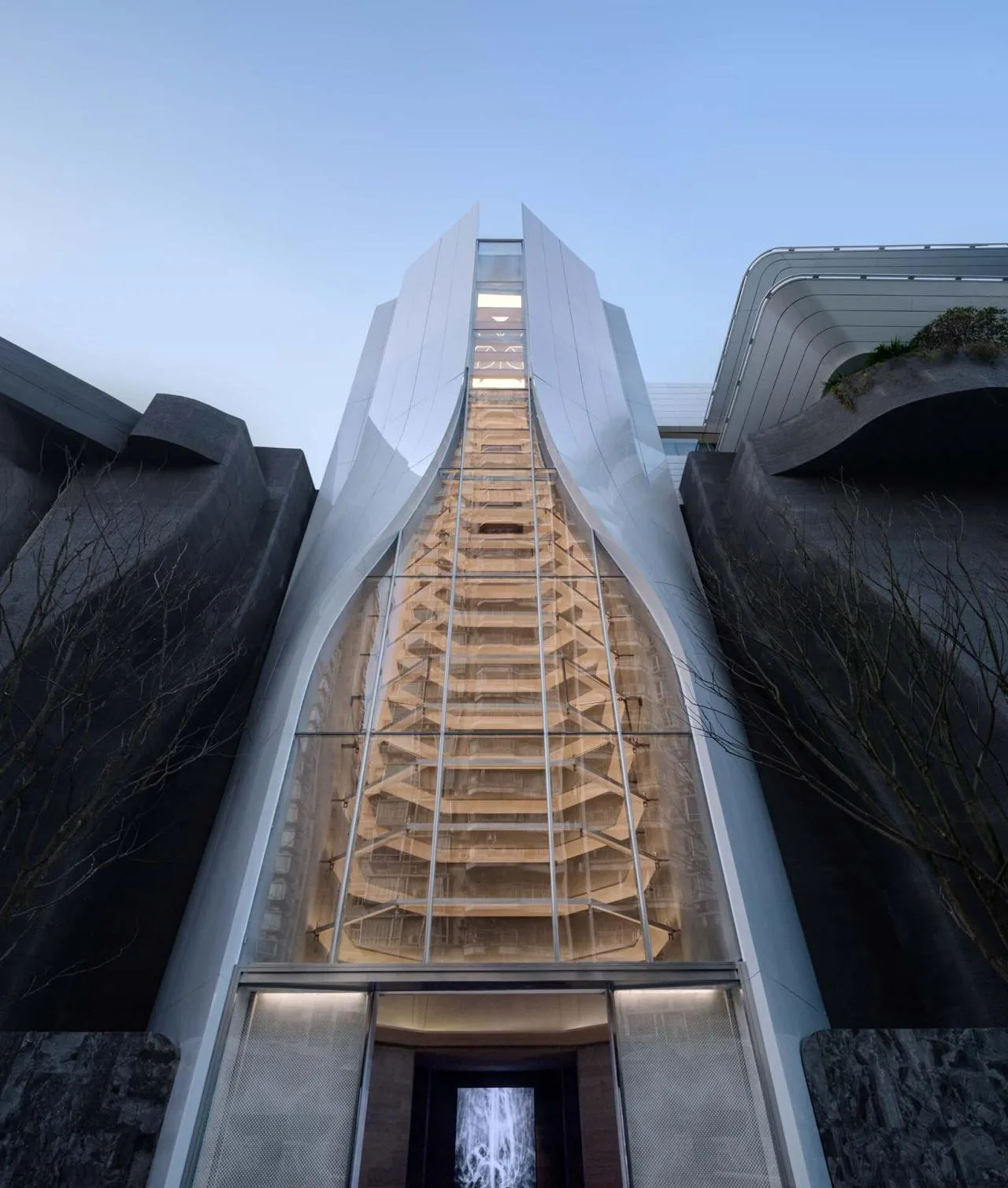
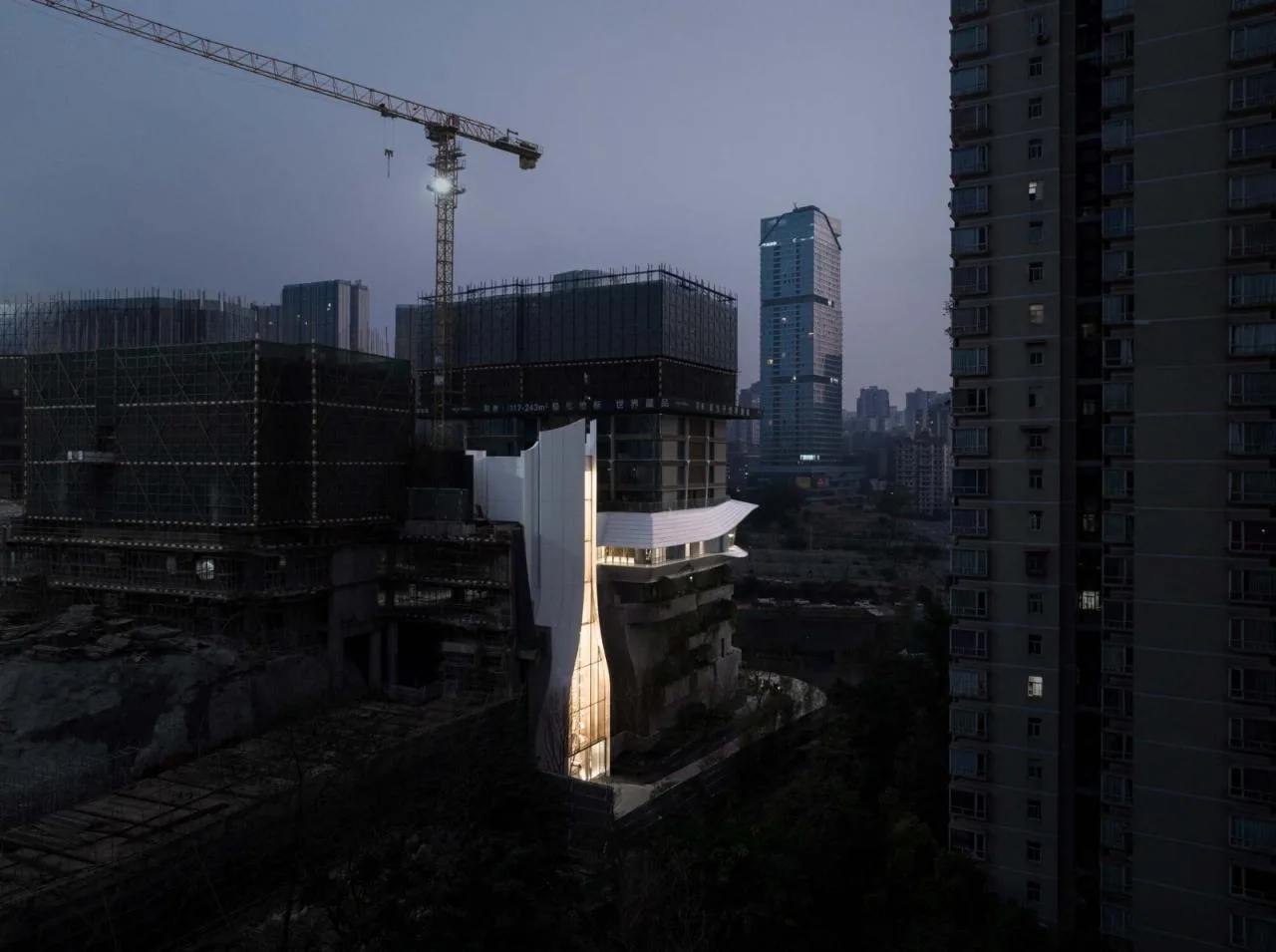
Jian Shan: The design carefully considers user experience and views, shaping the path into the building through multiple dimensions. Visitors pass through bamboo groves, water features, and walls, gradually approaching the angular “teleportation tower,” which marks the transition from natural to artificial landscapes. The spaces formed by stacked blocks create interlocking cliff and waterfall features, with contrasting scales evoking the sensation of being inside a canyon.
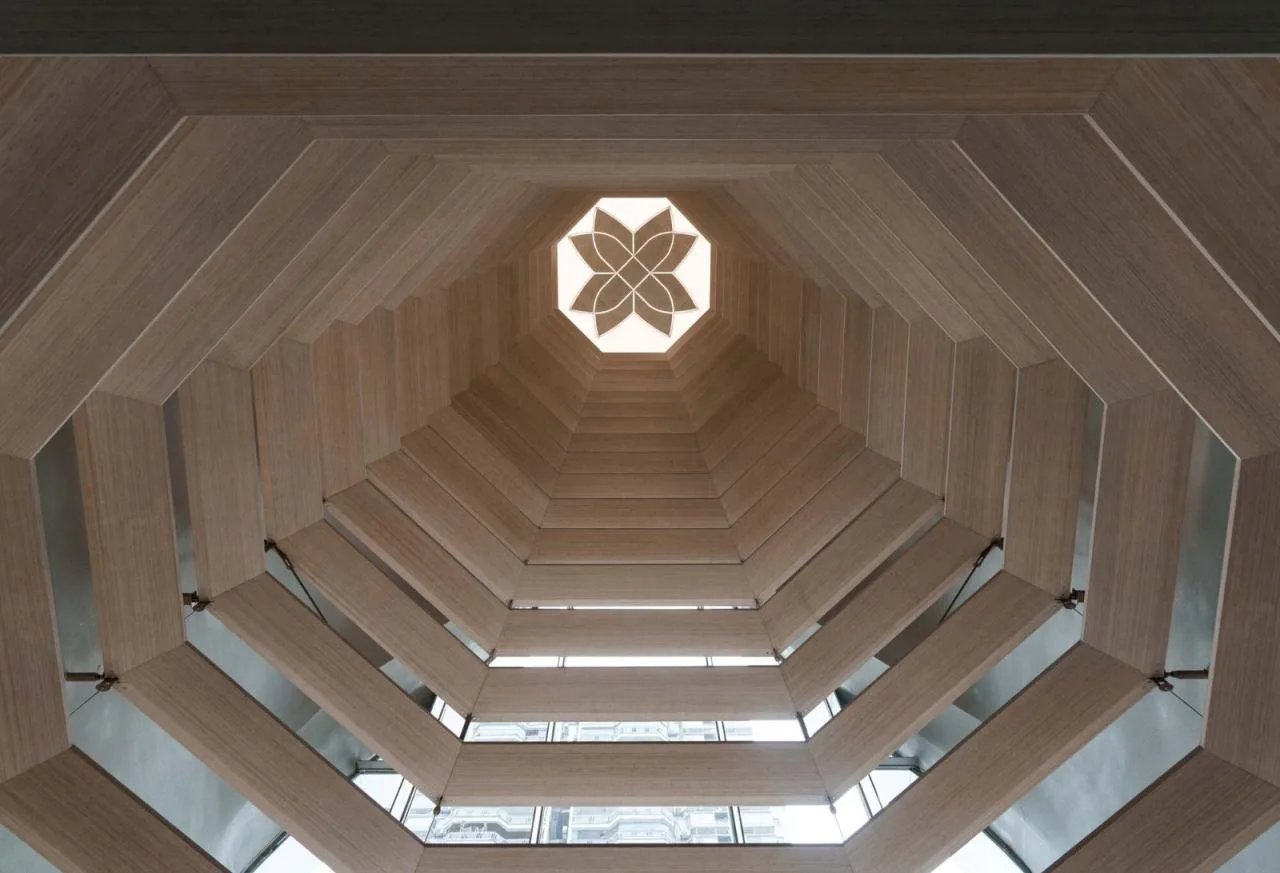
Entering the Mountains: The strategy of embedding fragments building functions. The 30-meter-high “transmission tower” addresses the site’s dramatic height change, containing a 20-story “heavy building” core that is pure and solemn. Visitors experience the vastness of space and scale, with light and shadow overlapping between interior and exterior environments.
Kanshan: The independent “ark,” housing the exhibition hall and reception room, sits on a terrace approximately 30 meters above the city. Inside, visitors embark on a journey through the mountain landscape via a vertical elevator and exhibition spaces with progressively changing scenery. The path culminates in a bright, open panoramic space: “At first, it is extremely narrow, just enough for passage; after walking several dozen steps, one feels relaxed and uplifted.”
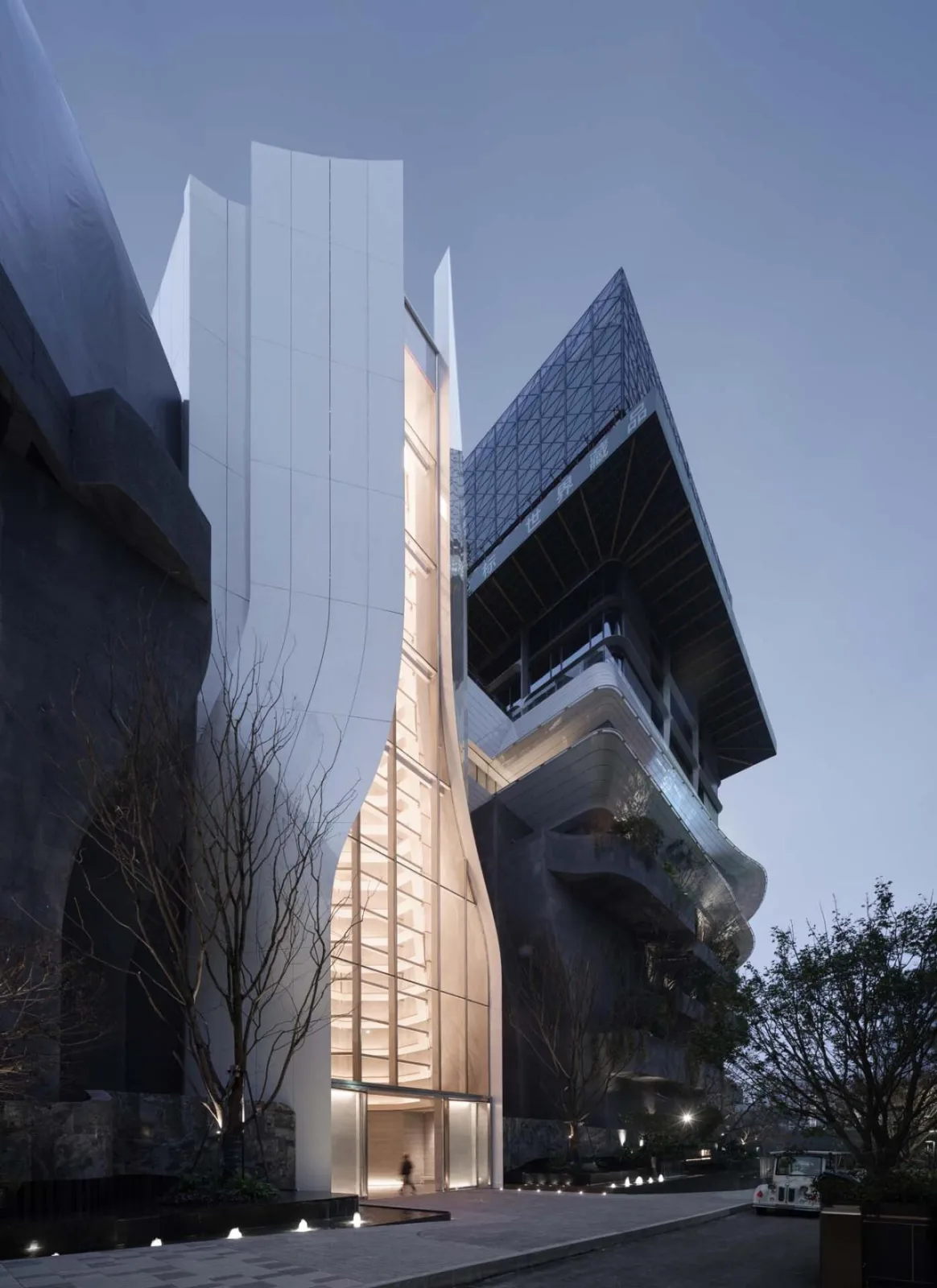
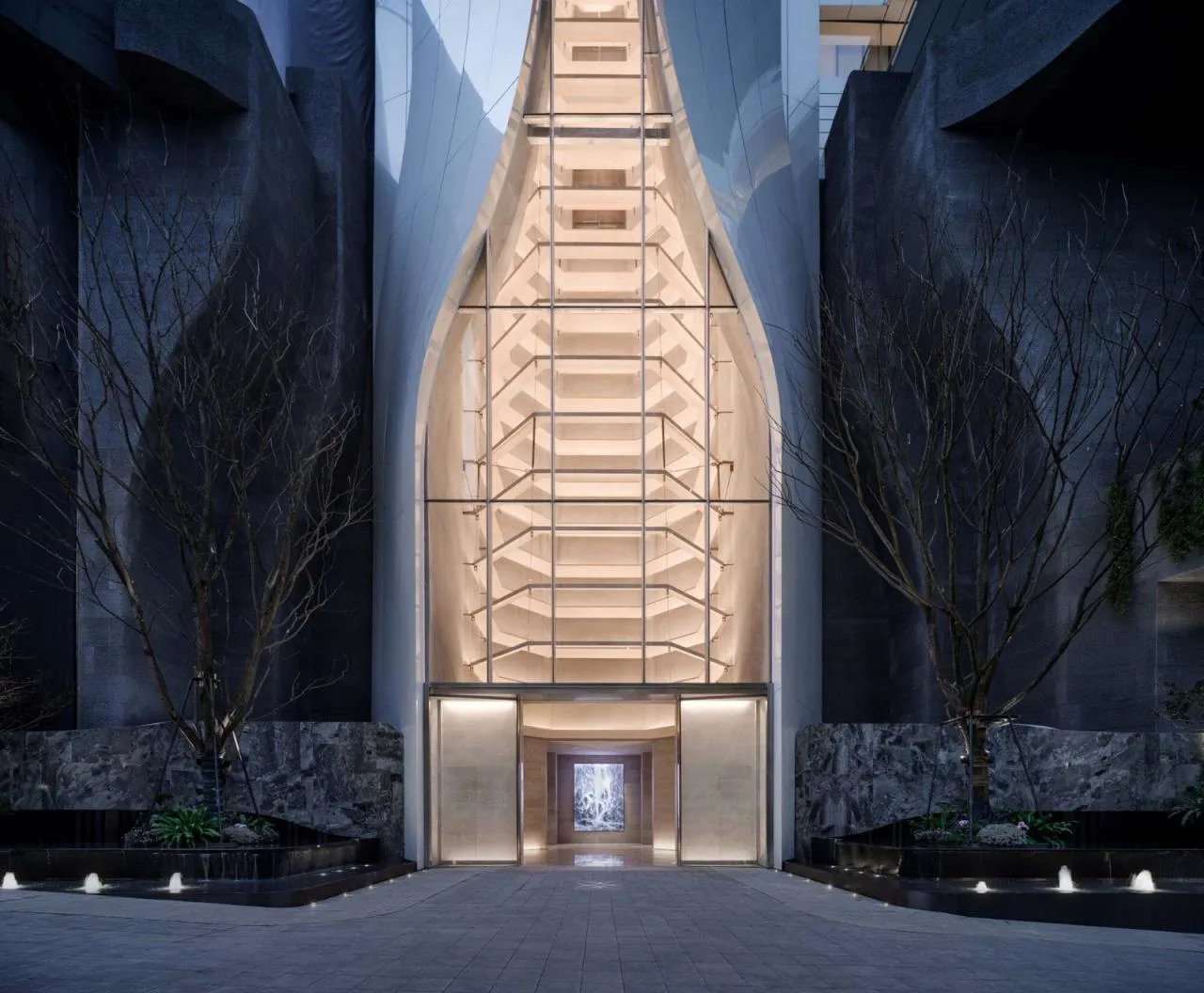
Materials and Construction: Expressing Material Appropriateness and Build Quality
When addressing the relationship between architecture and its surrounding environment, we prioritized the connection between the building and the nearby urban fabric. Ultimately, we chose modern industrial materials to express spatial integrity and enhance the experiential quality.
The entrance and living spaces primarily utilize a steel structural system, while the exterior features a honeycomb aluminum panel curtain wall. This façade forms smooth, cutting-edge shapes with a futuristic texture, resembling an “external object.”
Honeycomb Aluminum Panel Curtain Wall
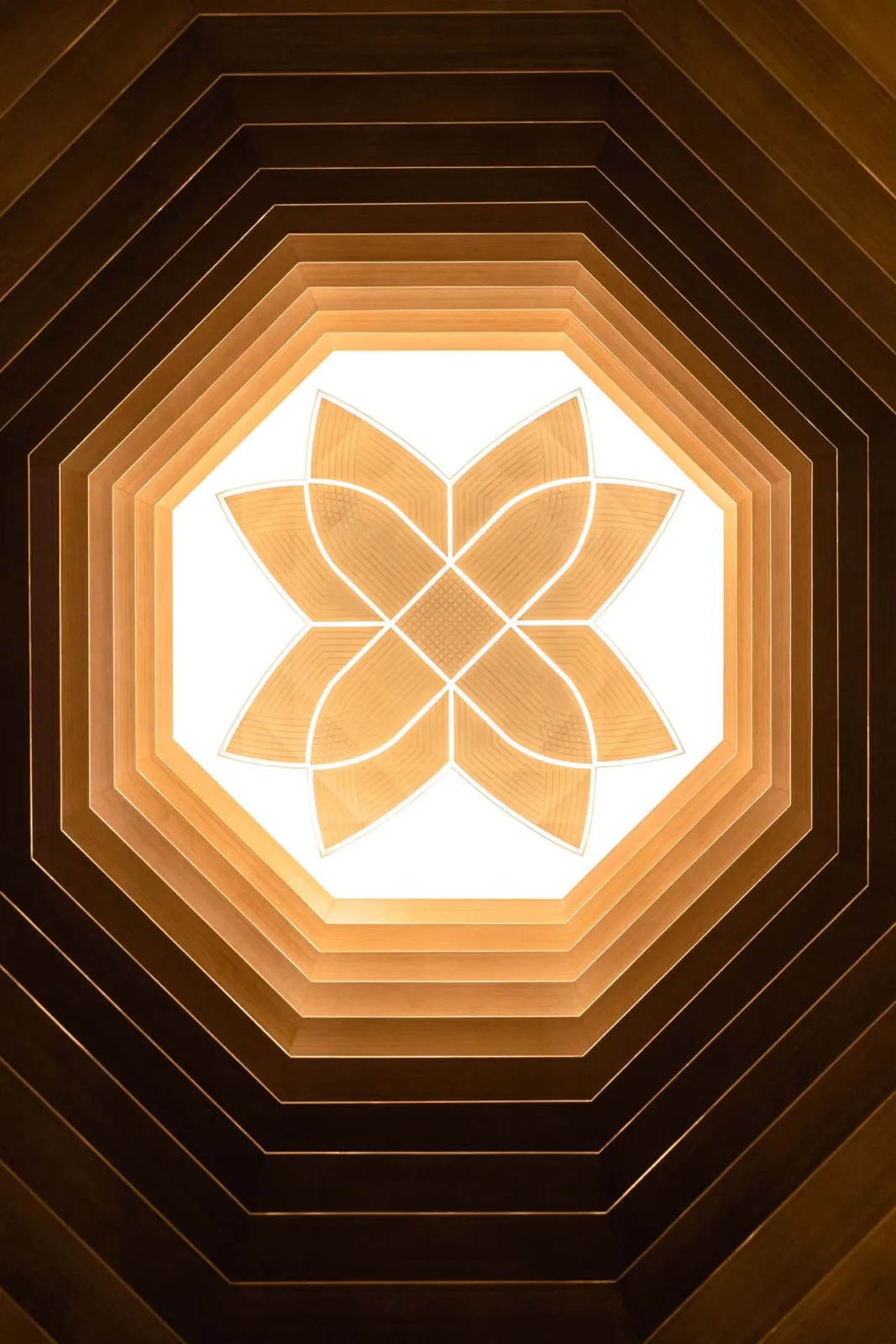
After evaluating various modern material options, we selected the honeycomb aluminum panel curtain wall system due to its natural surface texture and controllable color variation. The panels can be processed into multi-dimensional curved surfaces and cut to fit the building’s form, facilitating texture layout design. Additionally, the panels allow for multiple angles of yin-yang processing, creating a smooth and seamless overall shape. The open curtain wall design maximizes the fidelity of the visual effect.
Texture Design
In the curtain wall design, we transformed panel joints into deliberate design elements. These compositional joints contribute to the overall texture, enriching the façade with variation. The smooth surfaces of the connected structures present a unified form under sunlight, enhancing the modern, technological feel of the “future transmission tower and ark.”
Summary
The Floating Living Room transcends being a mere physical space by drawing inspiration from the mountains, cliffs, and terraced corridors of its site. It fully integrates with the environment to create a natural, harmonious image, blending equally with the mountain cliffs. It exists as a work of art, reflecting both the unique identity of the city and its strategic vision for the mountain urban landscape.
The site’s terraced landscape initially appears rugged and wild, yet calm and timeless. We aimed for the architecture to respect and preserve this inherent character while infusing new vitality. The plateau’s primitive form recalls the millions of years of geological evolution, while the futuristic architectural expression embodies multiple identities over time as both creator and recorder.
We believe architecture can subtly influence lifestyles. Upon completion, the urban living room will grow in tandem with Guanyinqiao’s community, urban culture, and population. Here, the architectural space’s design is realized, and its intrinsic value begins.
Project Drawings
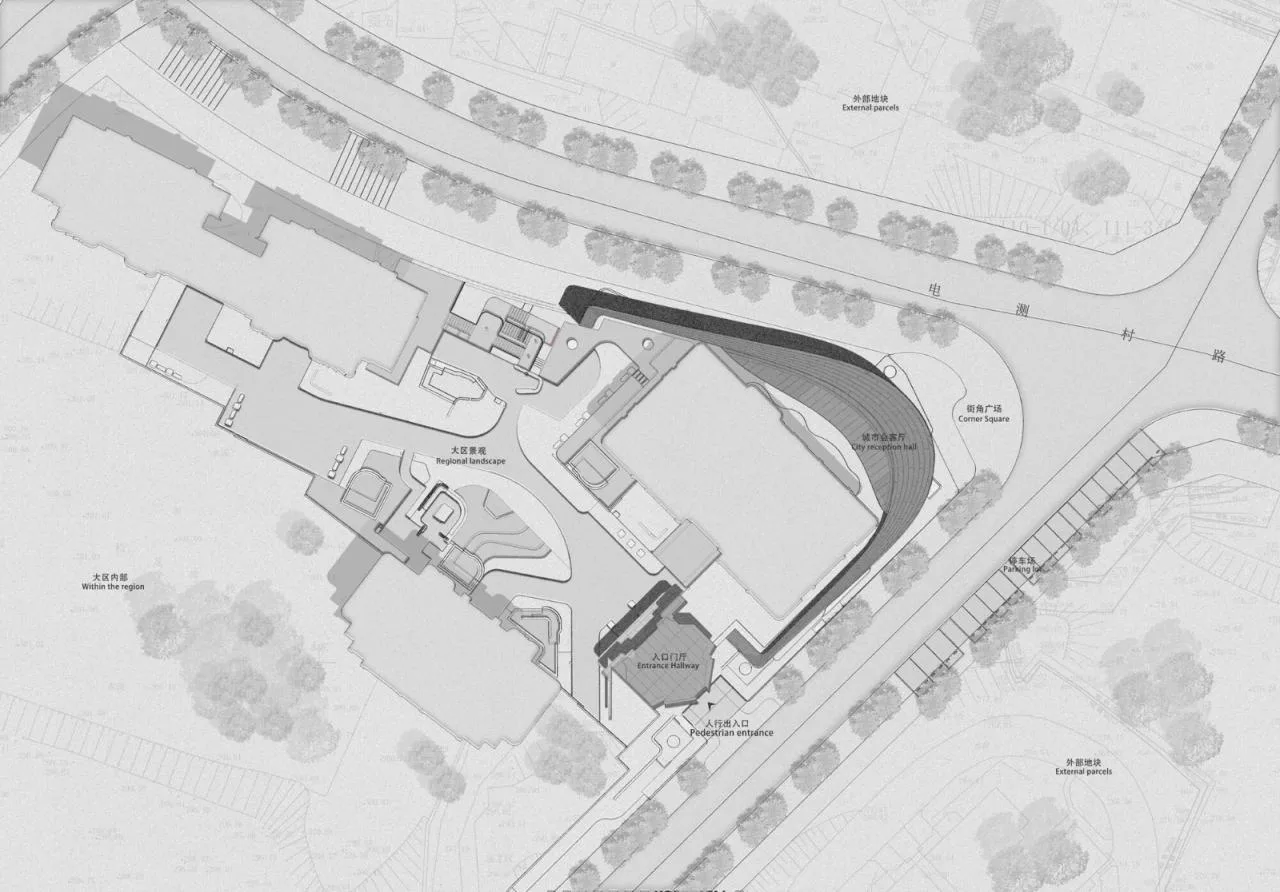
△ General Layout Plan
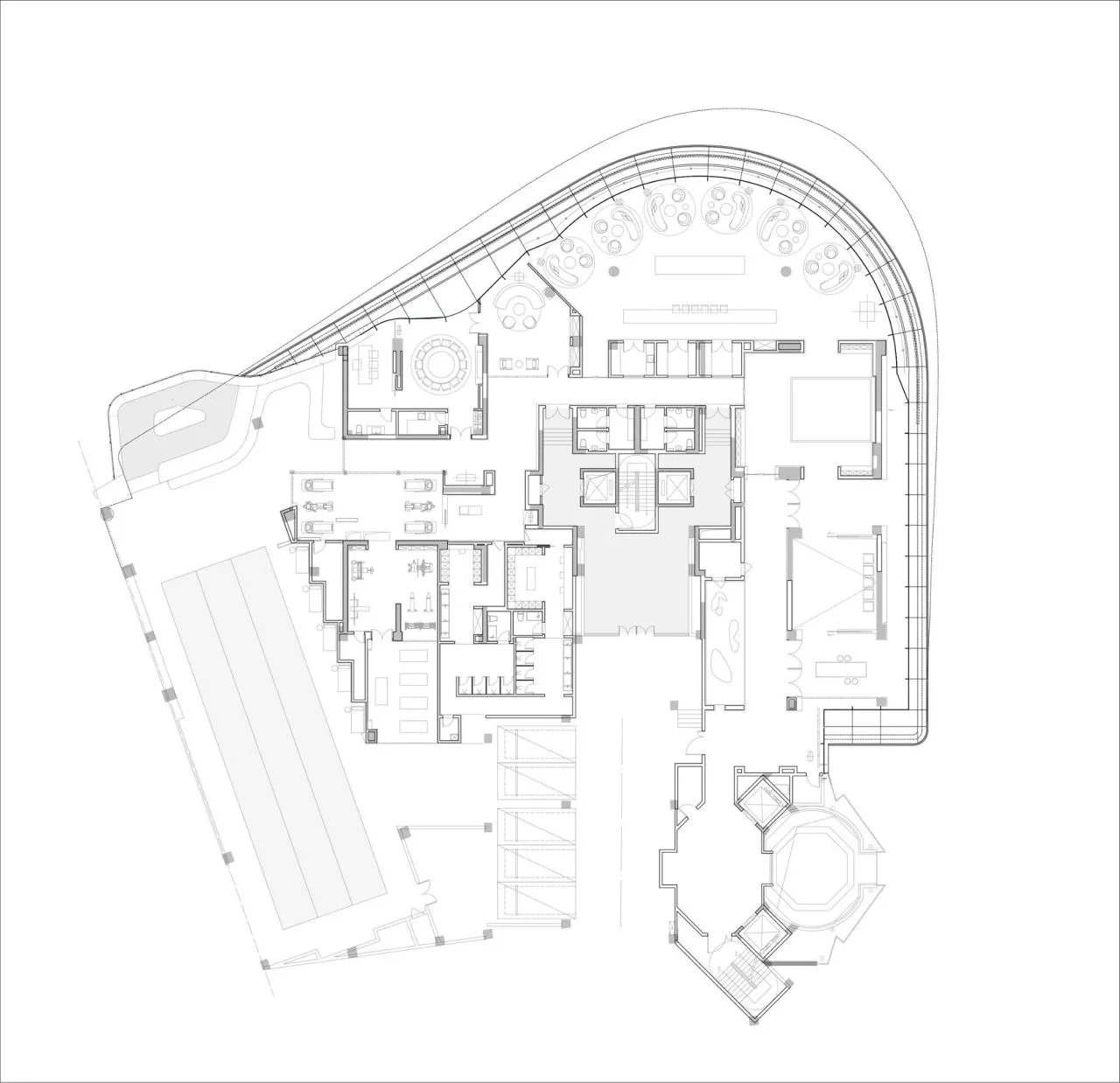
△ Plan View
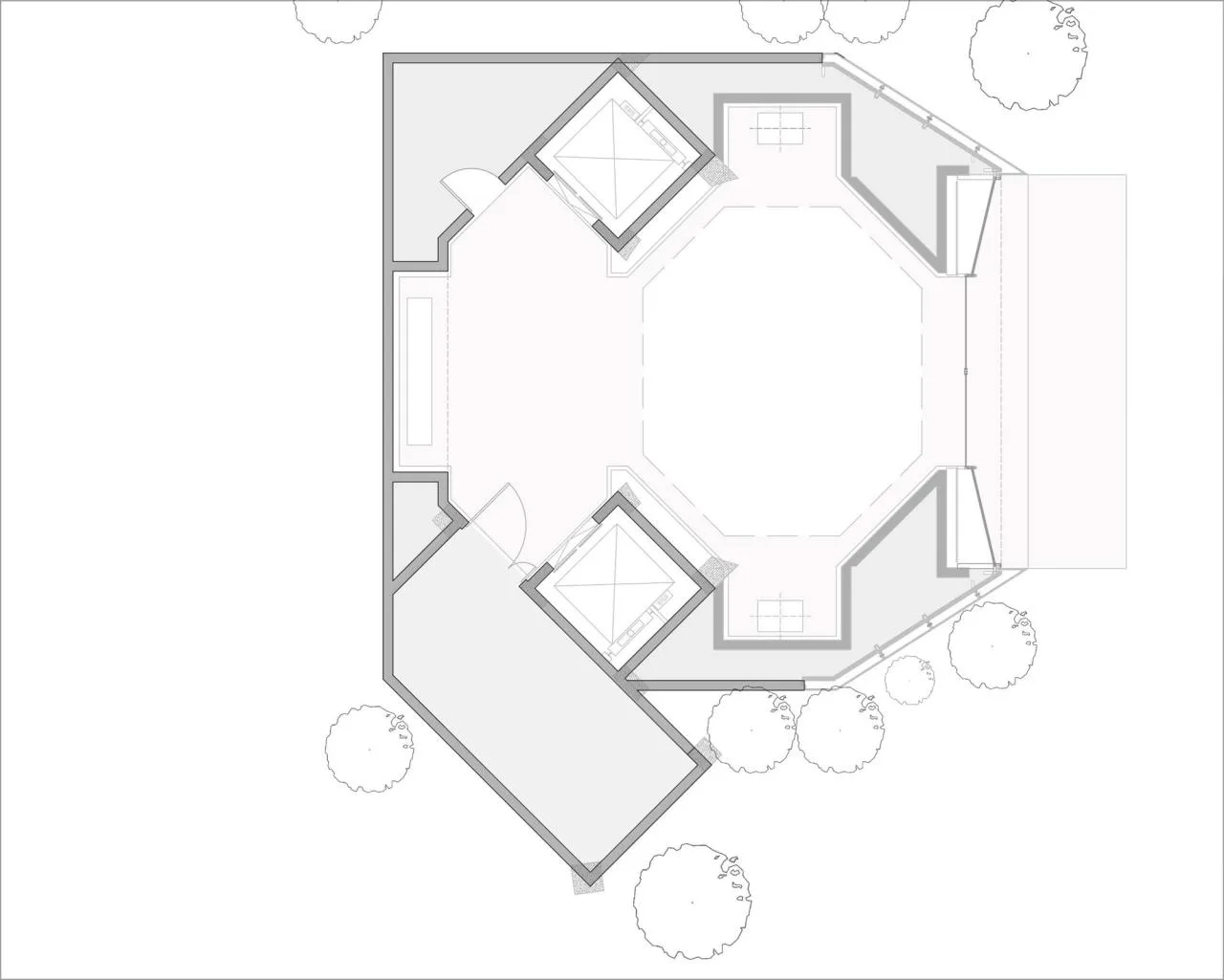
△ Plan View
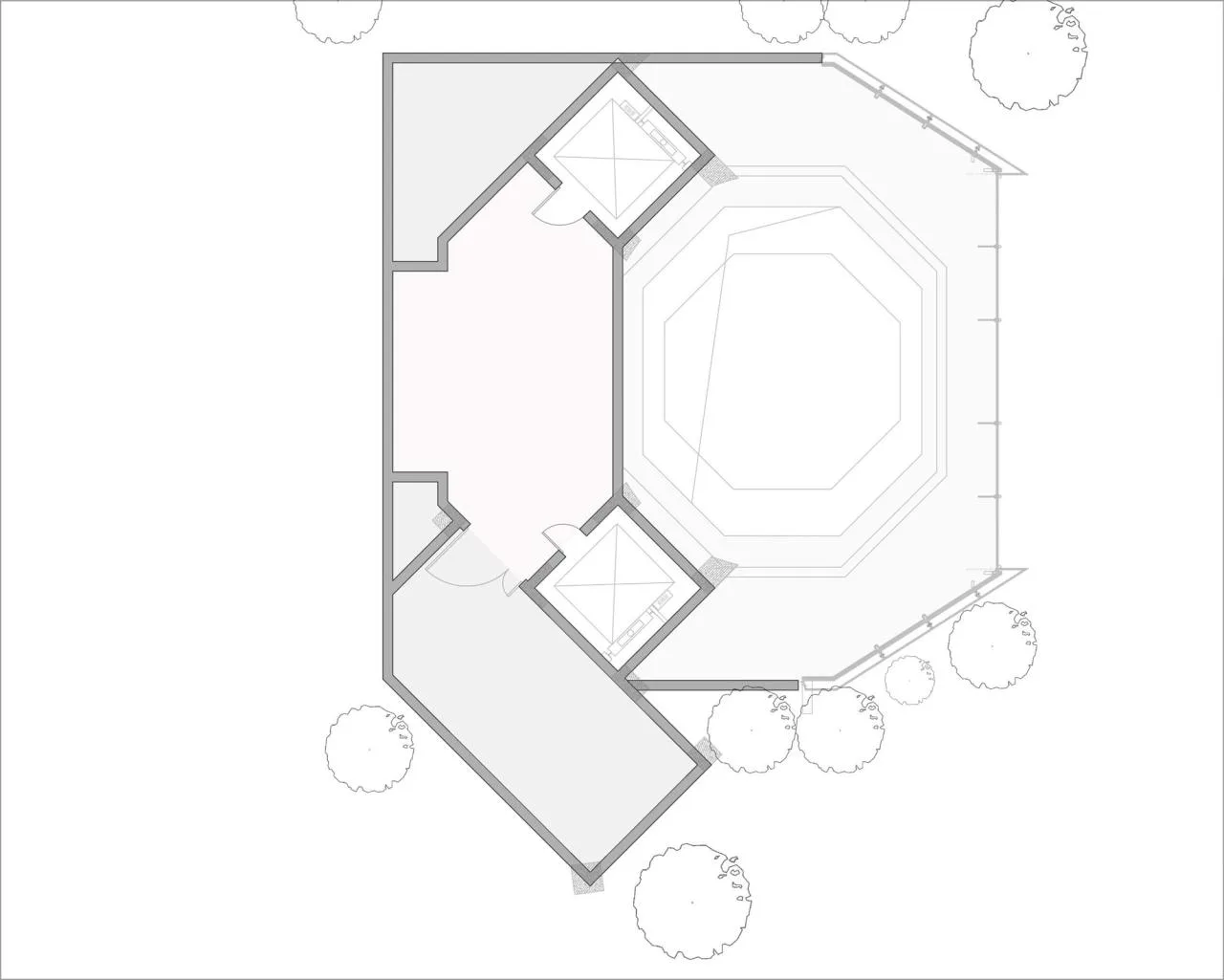
△ Plan View
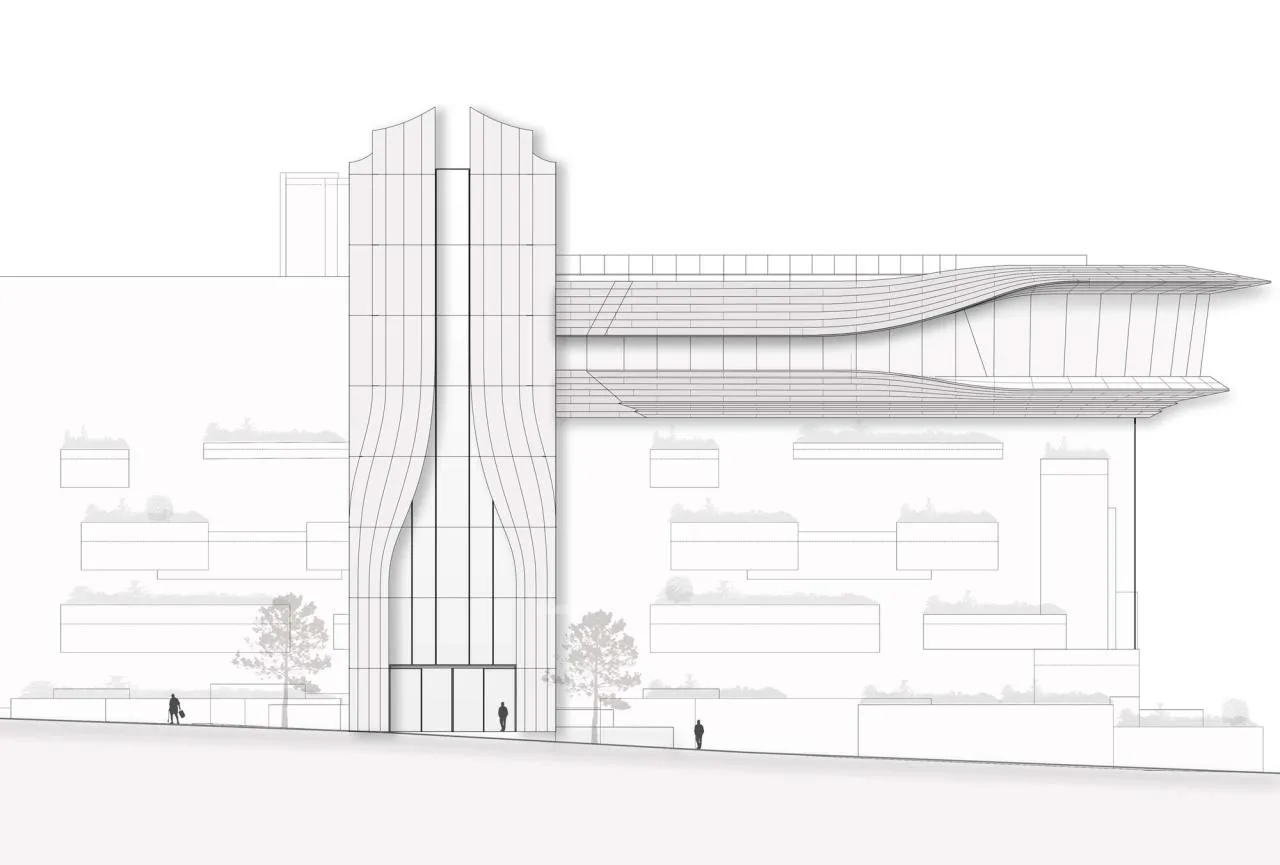
△ Elevation Drawing
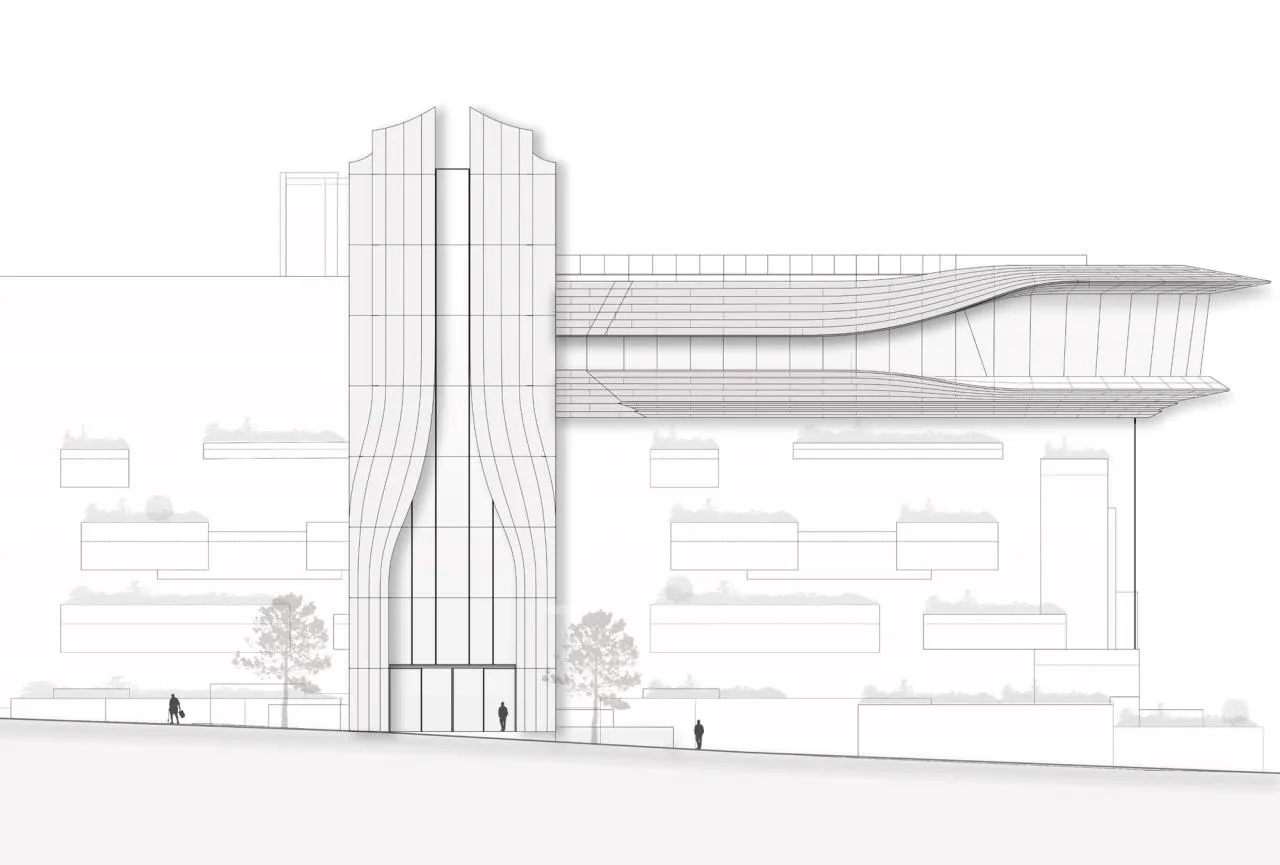
△ Elevation Drawing
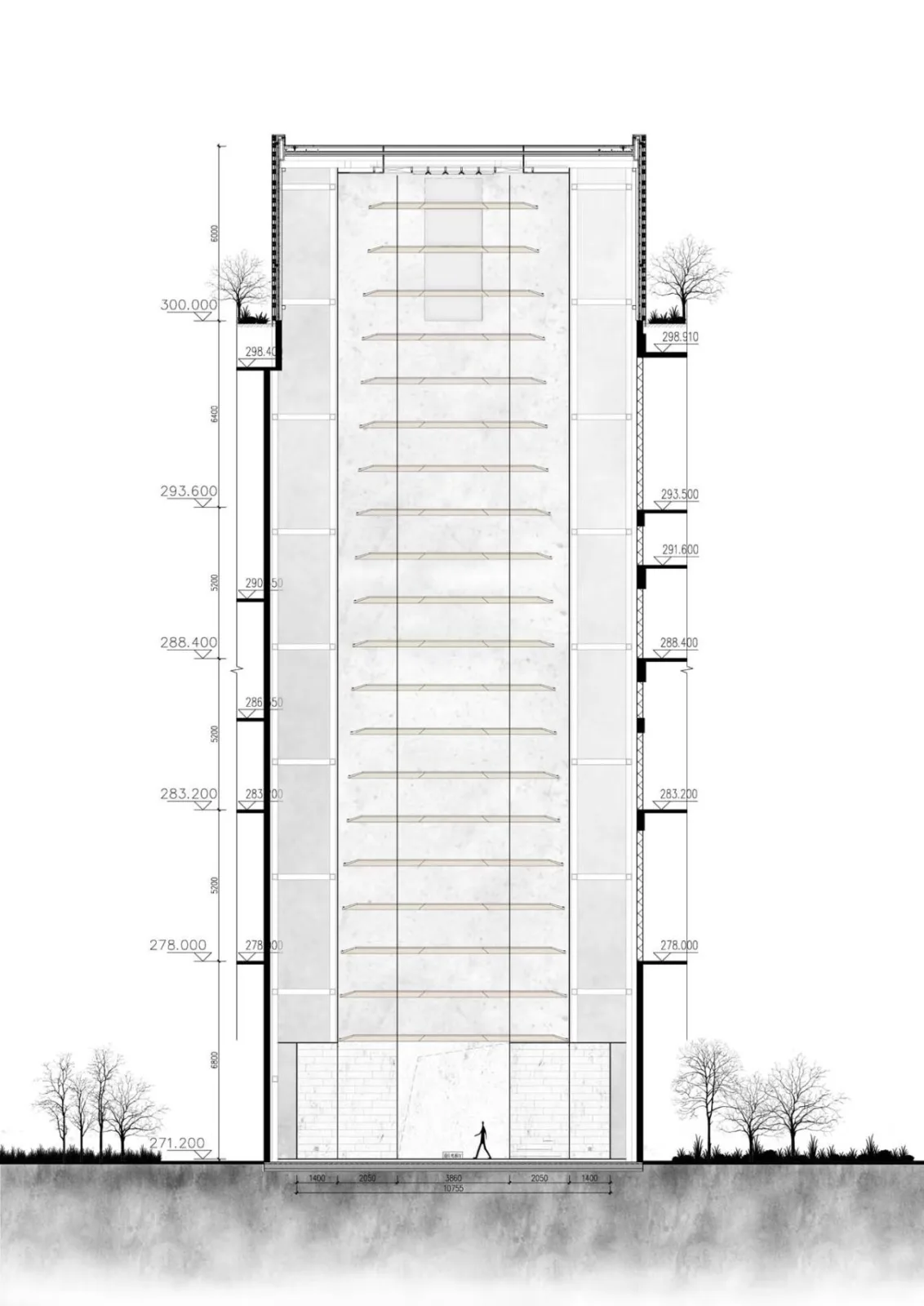
△ Section Diagram
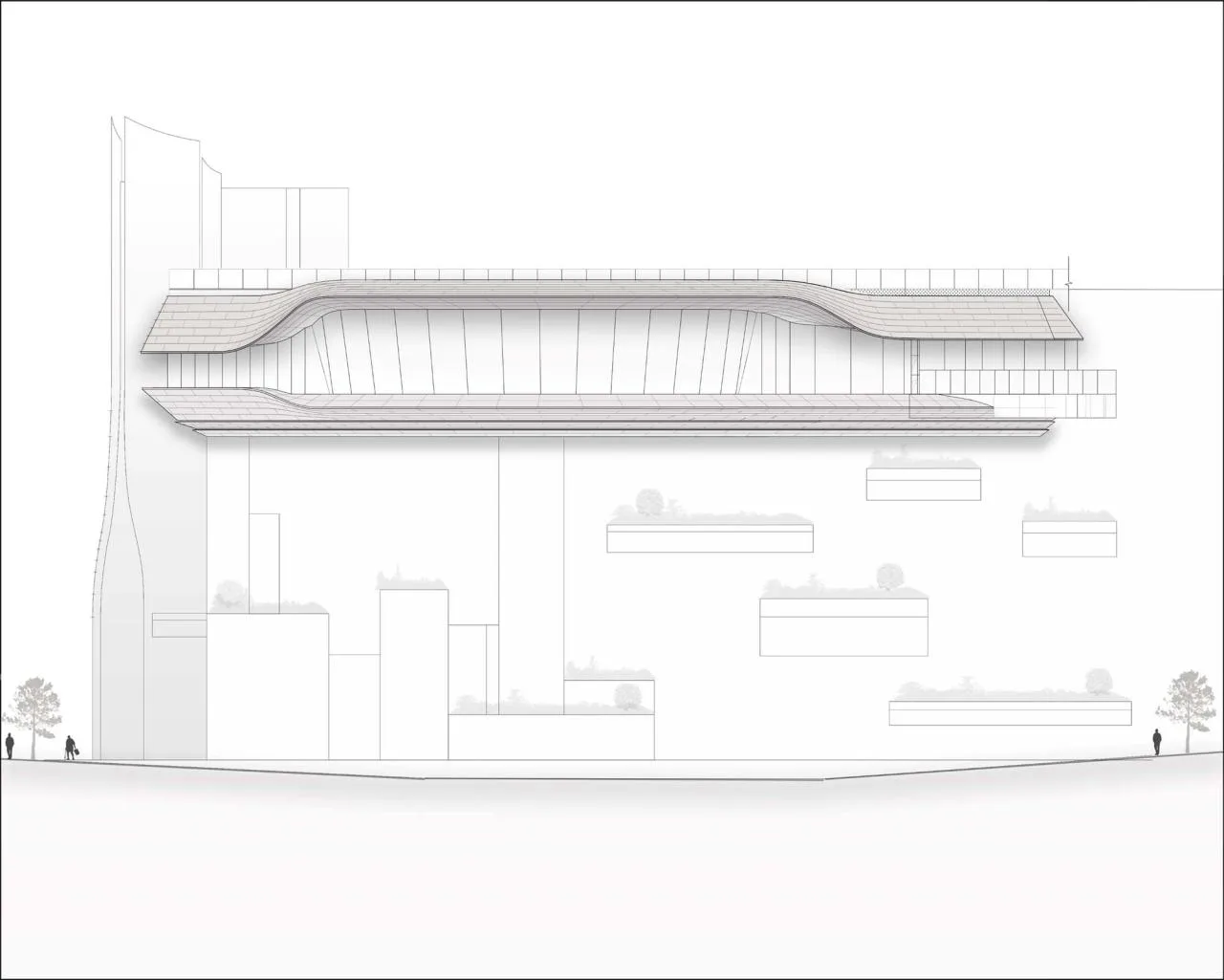
△ Section Diagram
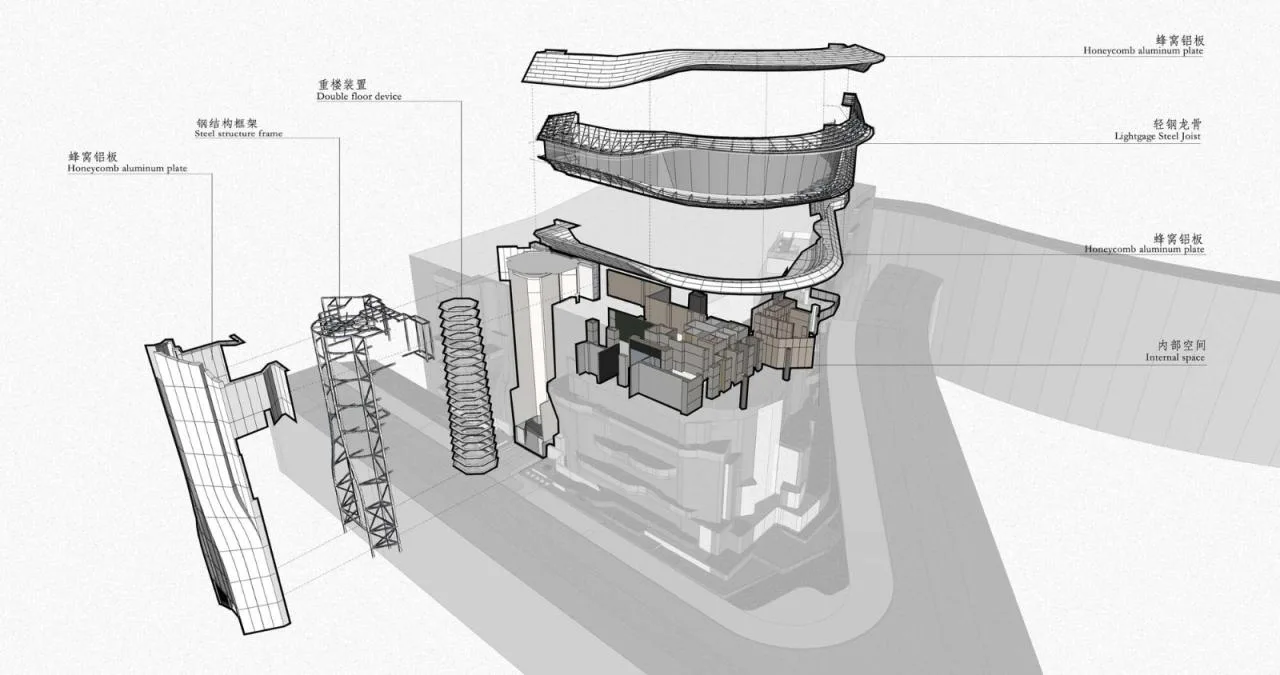
△ Structural Schematic Diagram
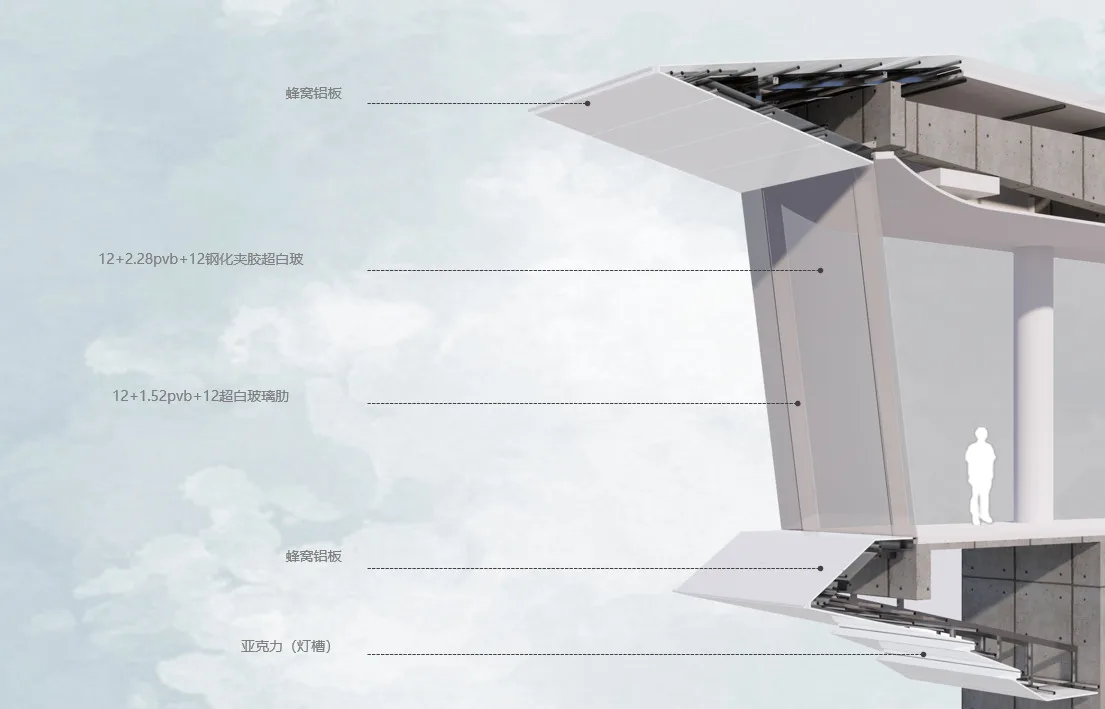
△ Architectural Construction Details
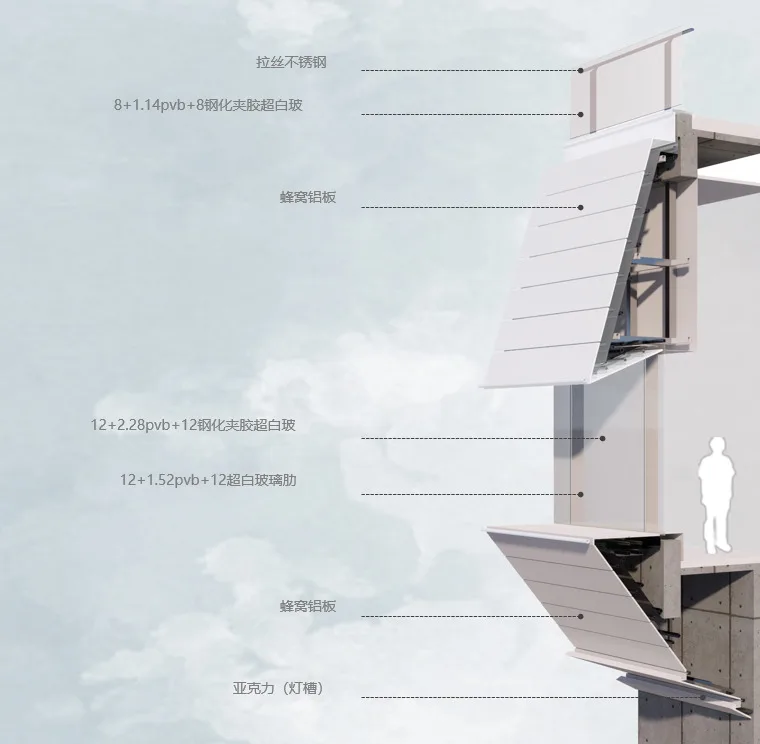
△ Architectural Construction Details
Project Information
Architect: Zen Architects
Area: 1689 m²
Project Year: 2022
Photographer: Rudy Ku, Prism
Manufacturers: Shanghai Qinghua Honeycomb Technology Development Co., Ltd.; Sichuan Nanbo Energy Saving Glass Co., Ltd. Original Film Factory; Sichuan Ganghui Technology Co., Ltd. Processing Factory; Chongqing Canmei Technology Co., Ltd.
Principal Architect: Nie Xin
Design Team: Nie Xin, Fang Chun, Chai Zi, Liu Zhengwei, Zhang De
Structural Design: Chongqing Benchmark Fangzhong Architectural Design Co., Ltd.
Landscape Design: Chongqing JTL Landscape Design Co., Ltd.
Client: China Resources Land & Co., Ltd; Hongkong Land
Location: Chongqing















Must log in before commenting!
Sign Up