
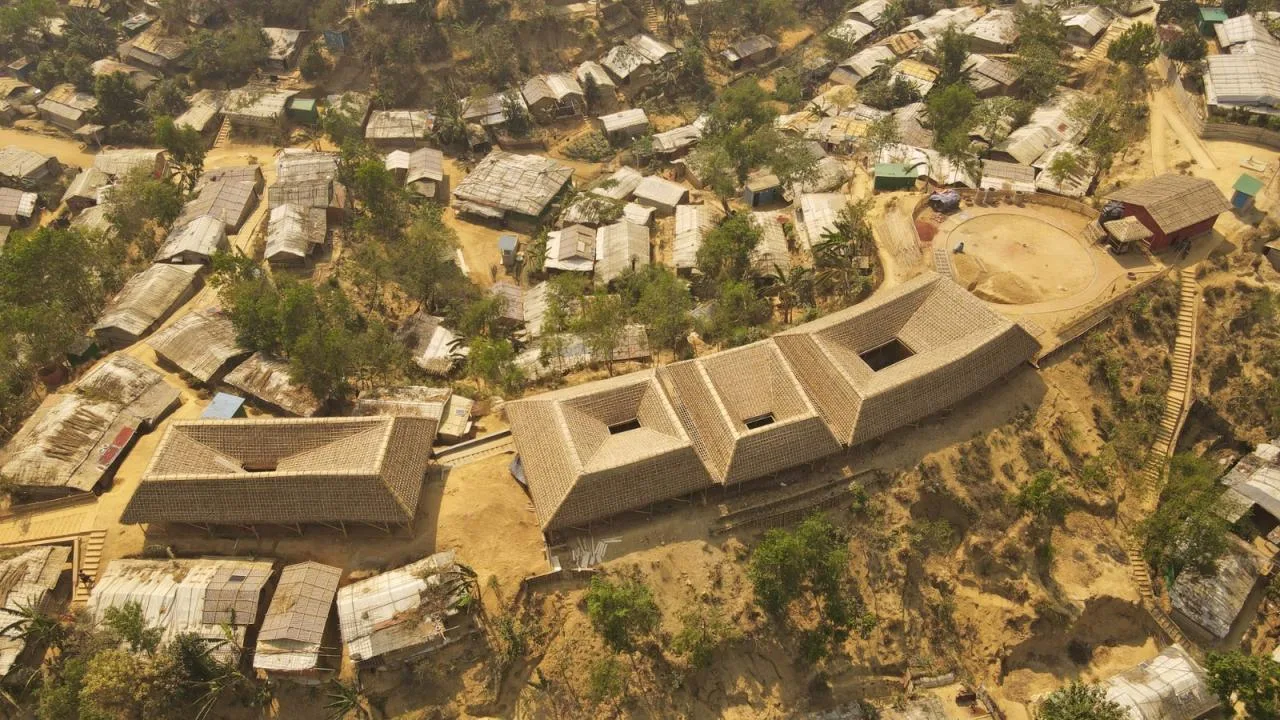
The Rohingya Cultural Memory Center is a building dedicated to rediscovering and preserving the lost identity of the Rohingya people. It creatively advocates for their physical and spiritual well-being, standing against the destructive architectural trends of today. Rather than imposing certainty, this center nurtures a story of care and compassion for all Rohingya individuals who depend on architecture as a source of strength and ‘love’.
Most Rohingya have experienced upheaval and displacement throughout their lives. Currently scattered across various refugee camps, the uncertainty of their existence impacts their culture and values deeply—shaping their collective heritage in profound ways.
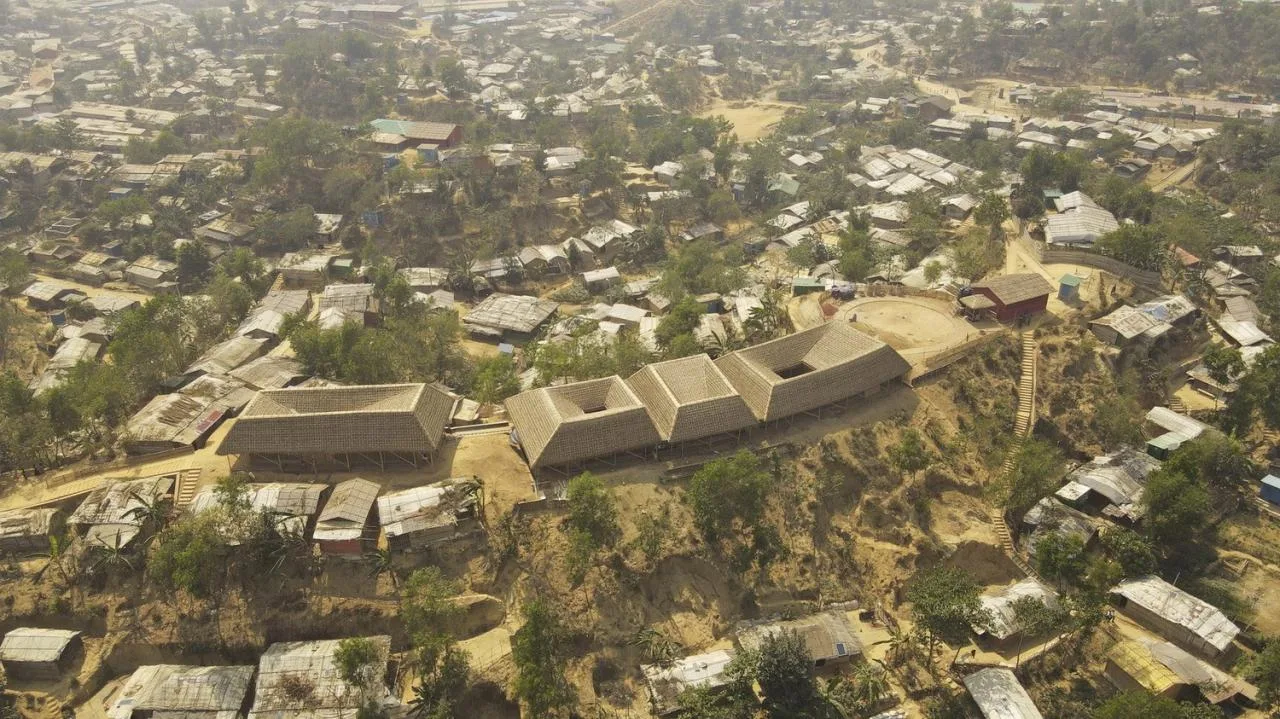
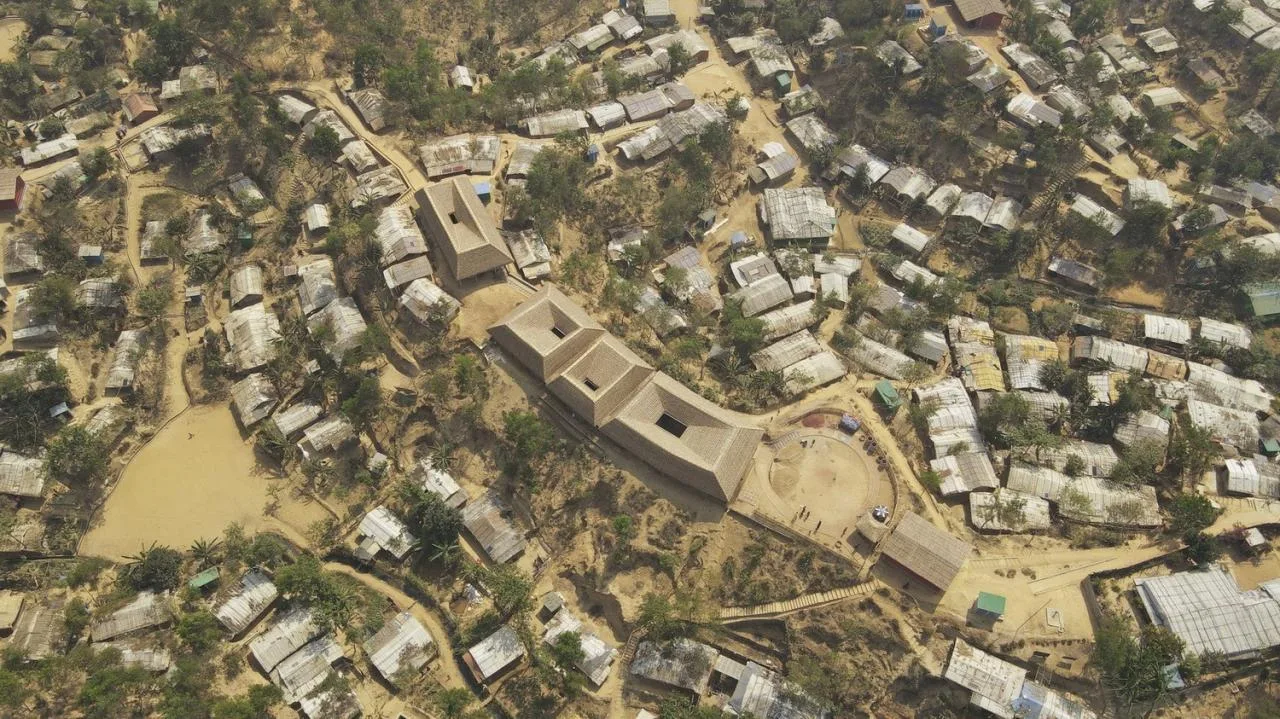
Despite their challenging environment, the Rohingya possess rich stories, knowledge, and wisdom, which inspired the creation of this positive and compassionate building. Situated in the largest Rohingya refugee camp, the Cultural Memory Center collects, preserves, and shares the community’s stories and knowledge, offering a space of goodwill amid instability.
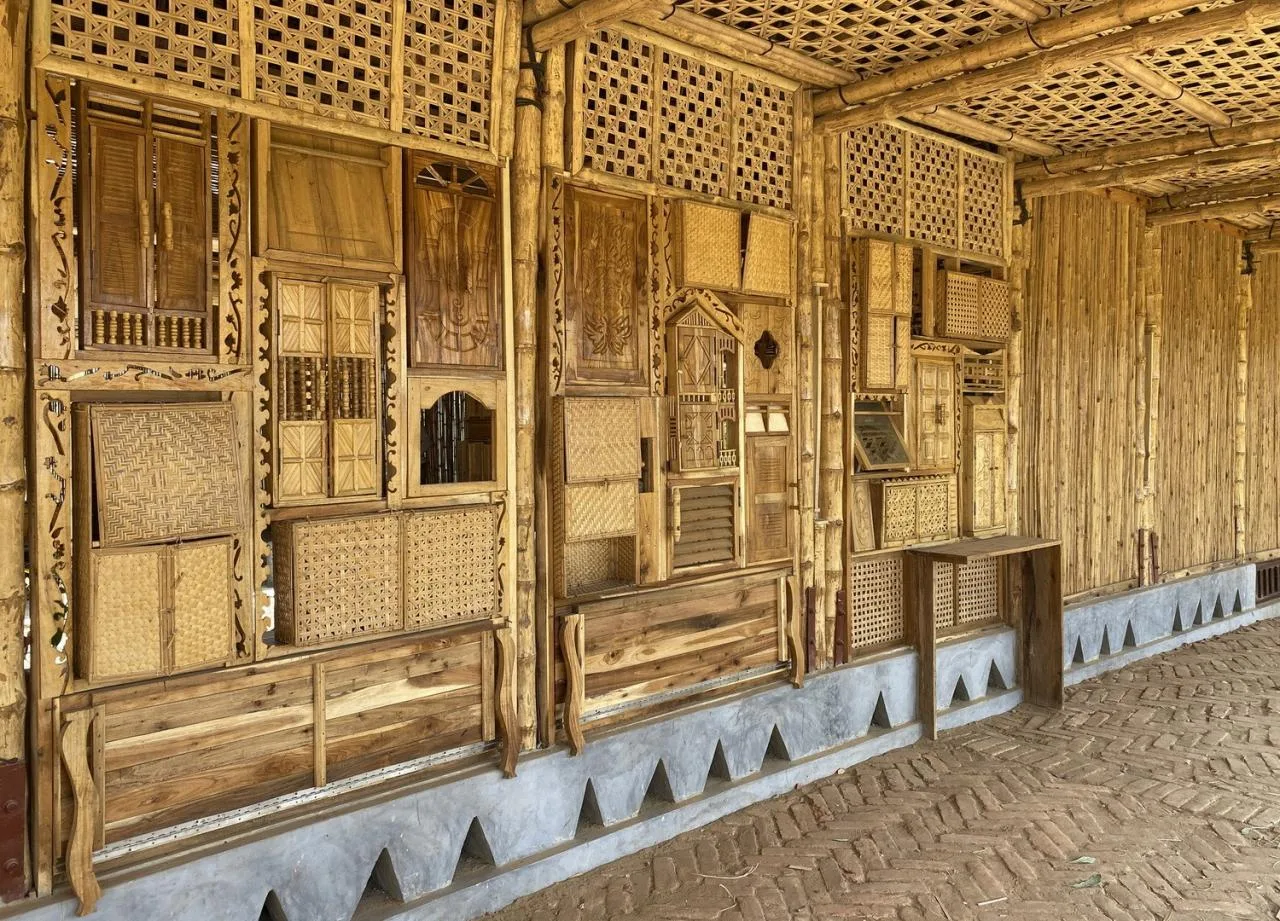
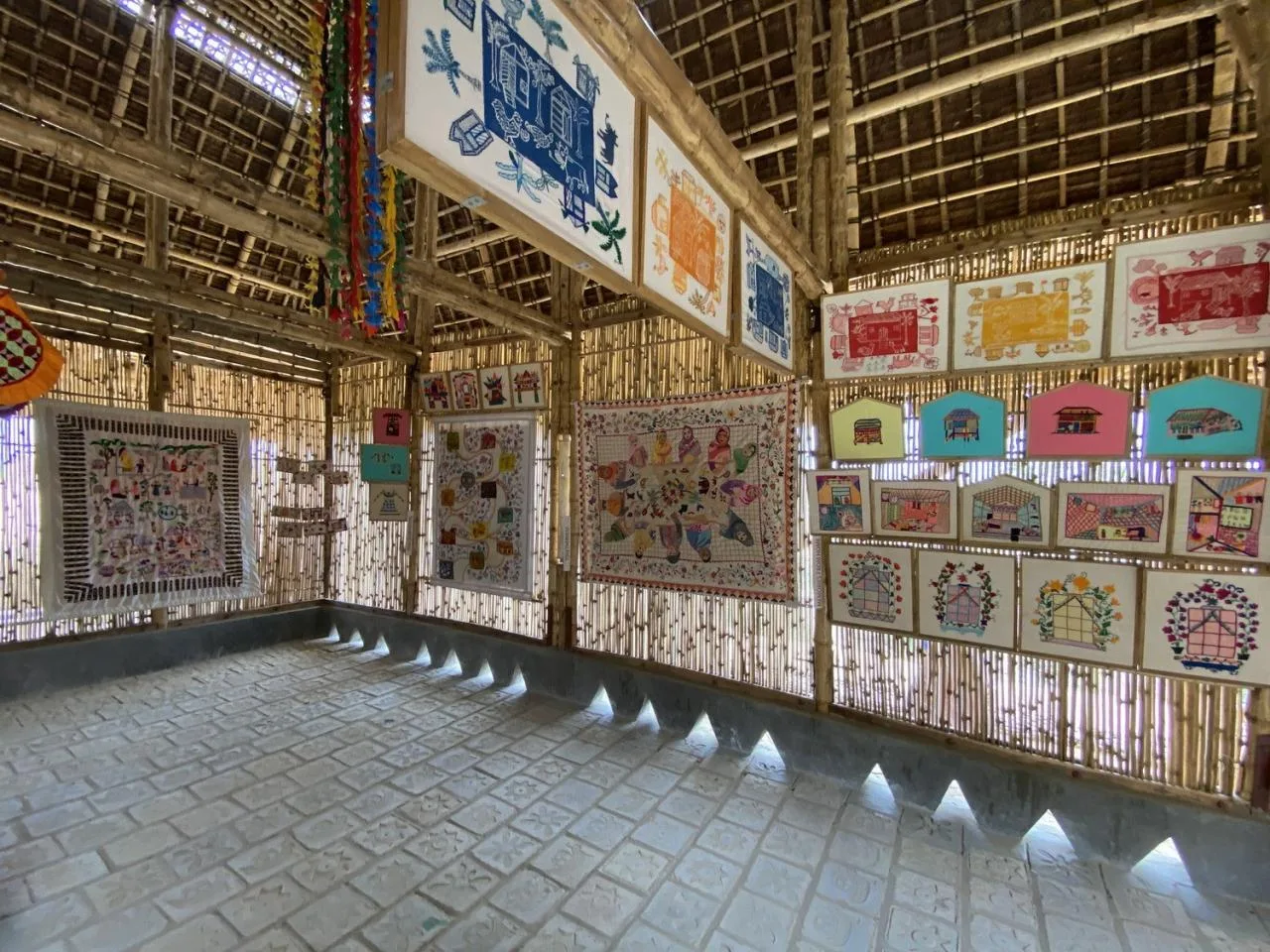
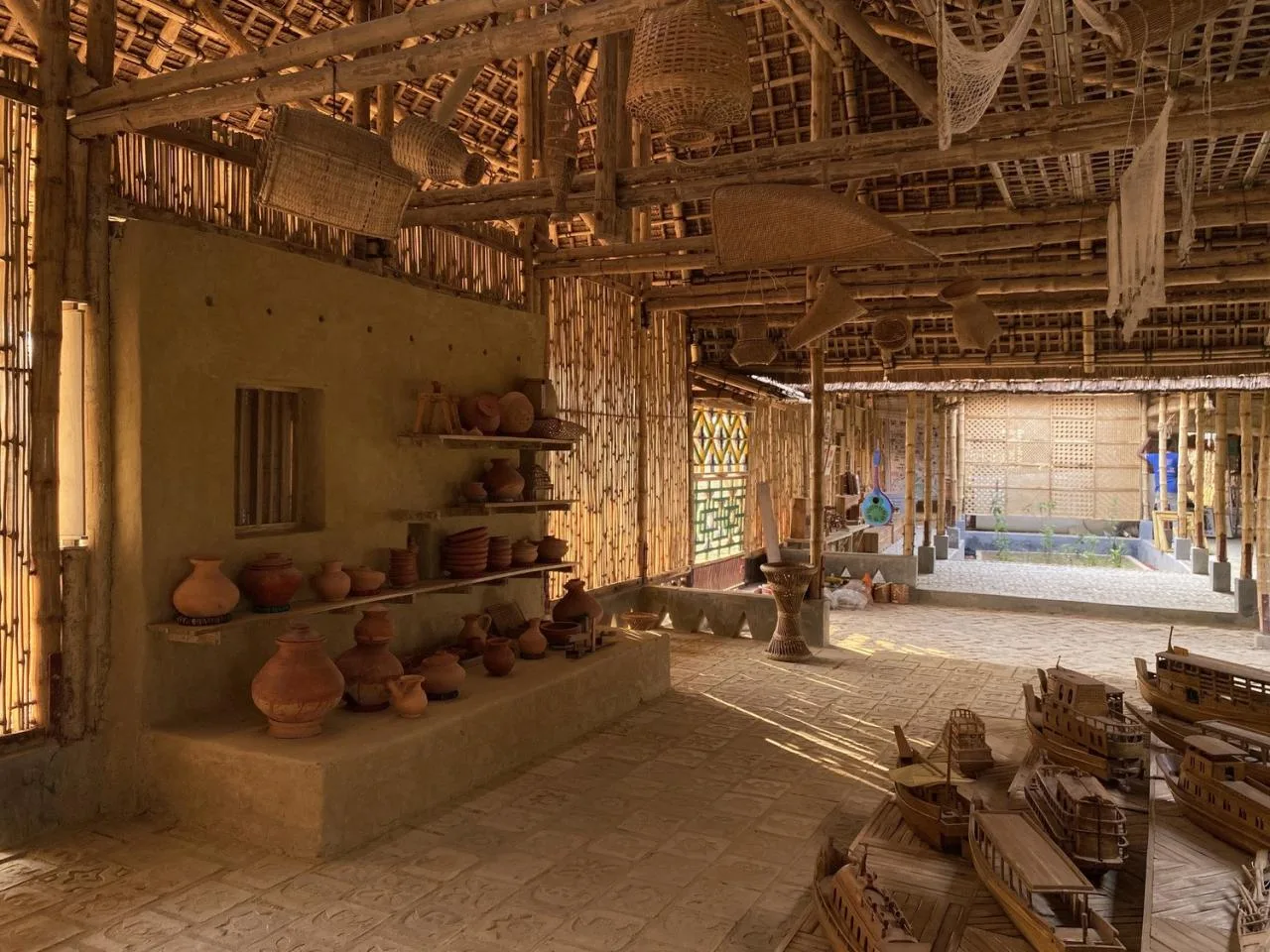
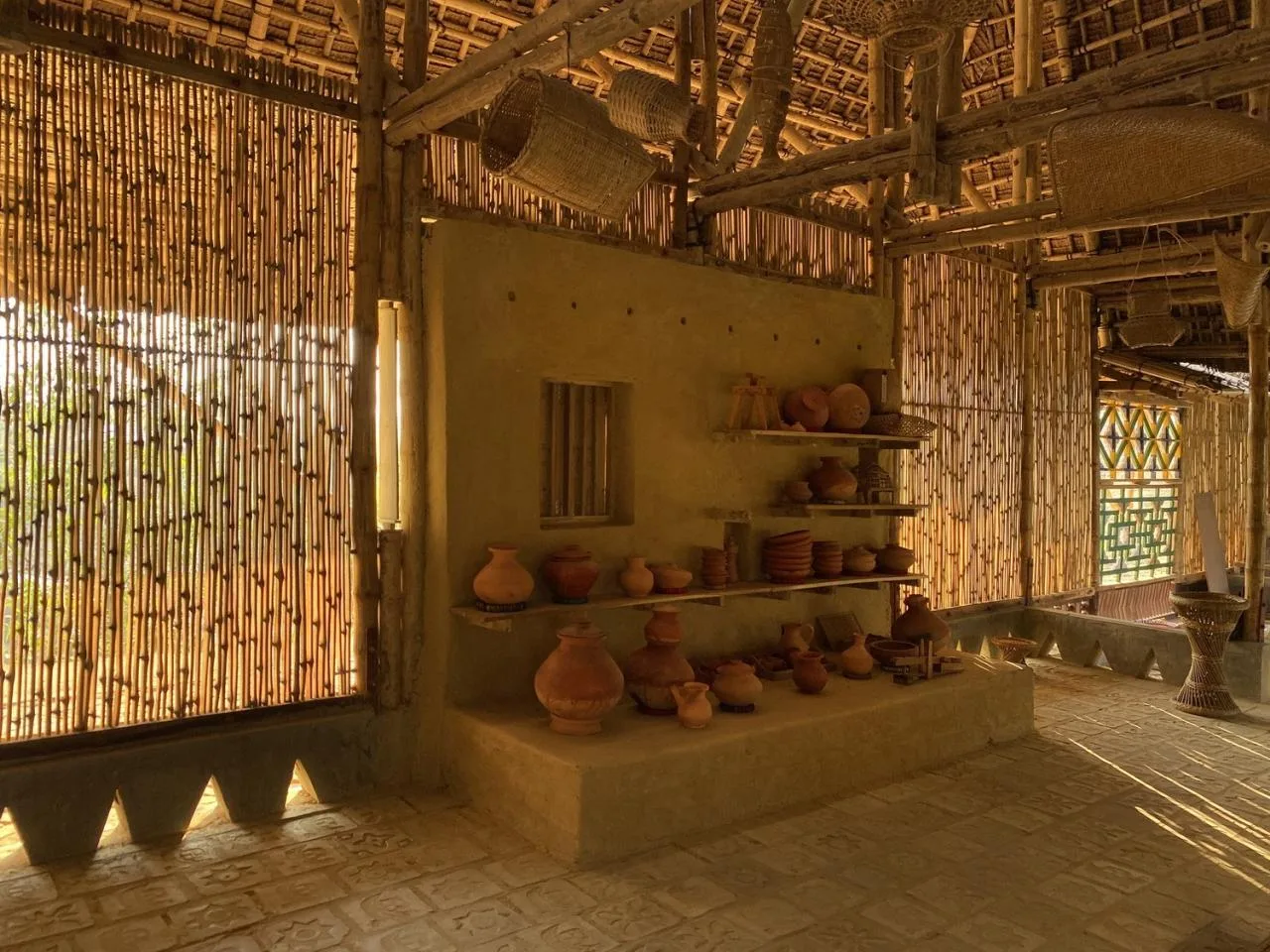
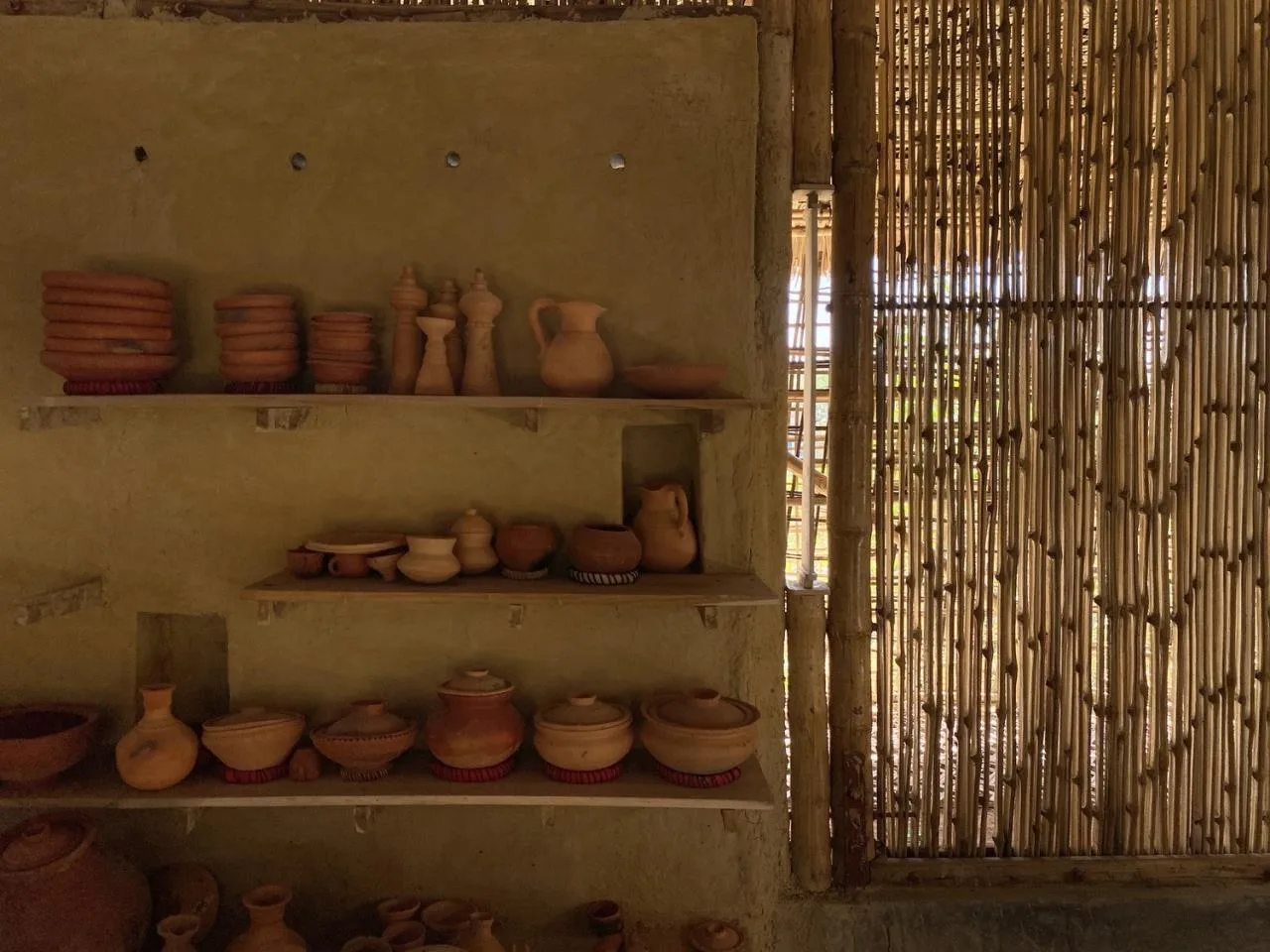
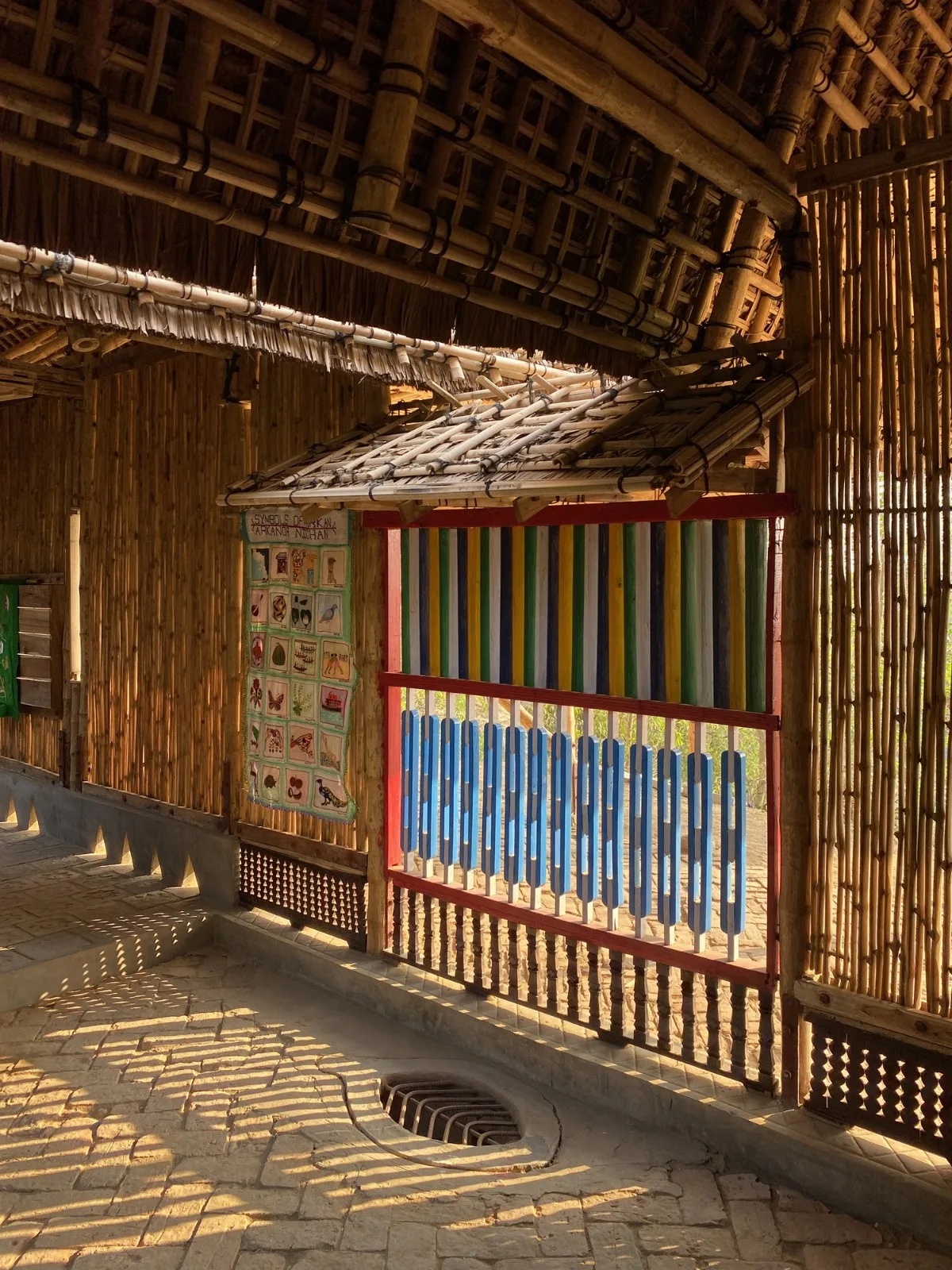
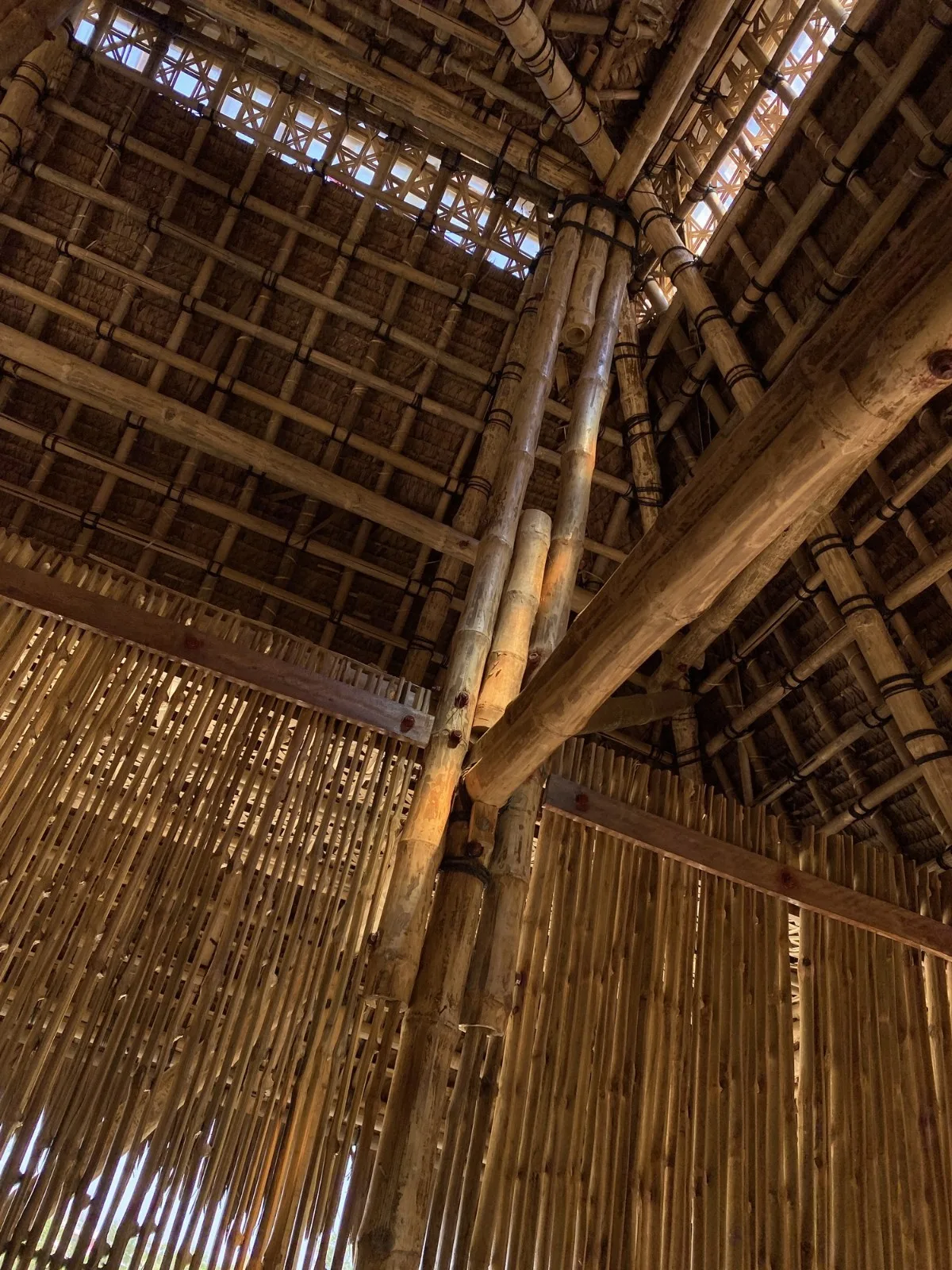
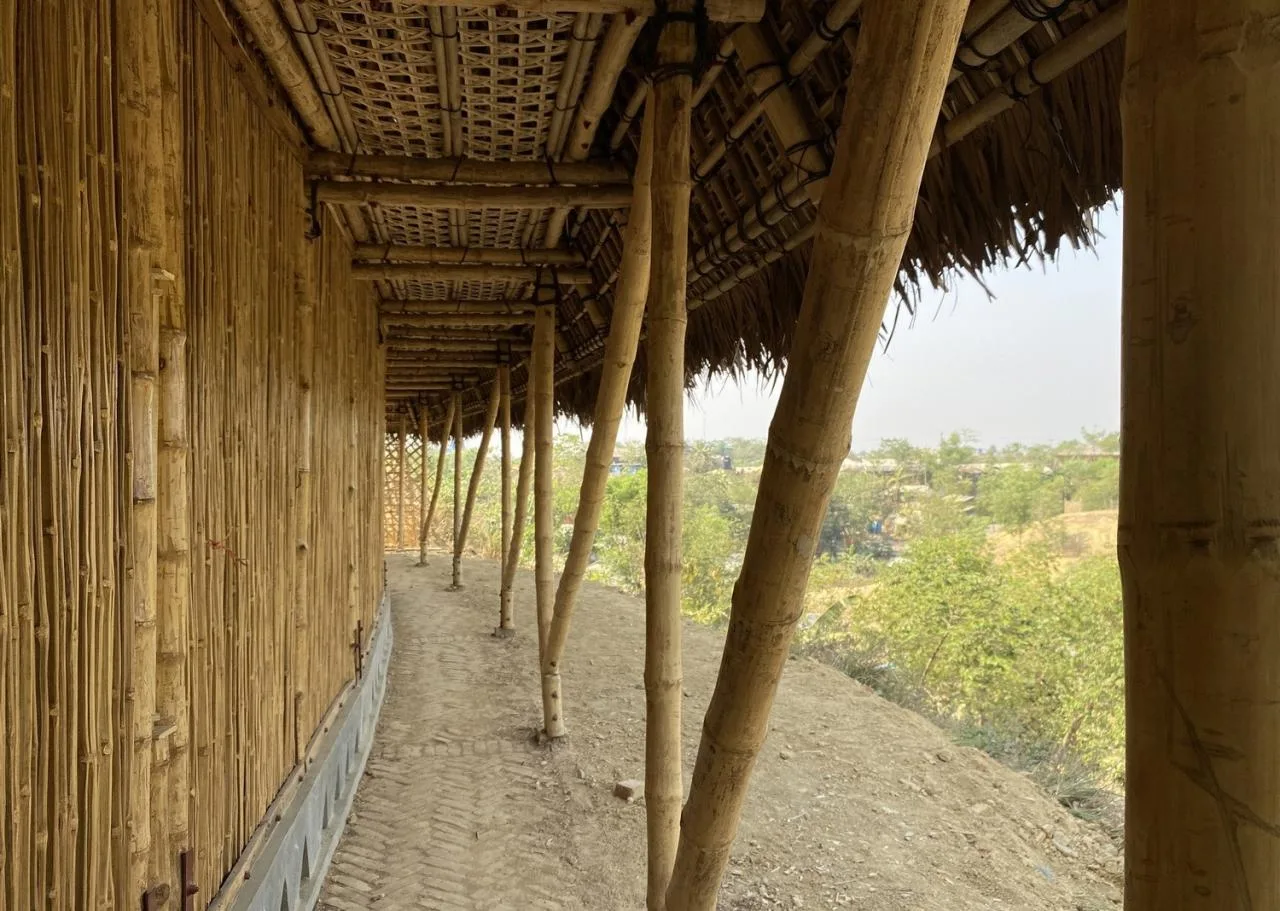
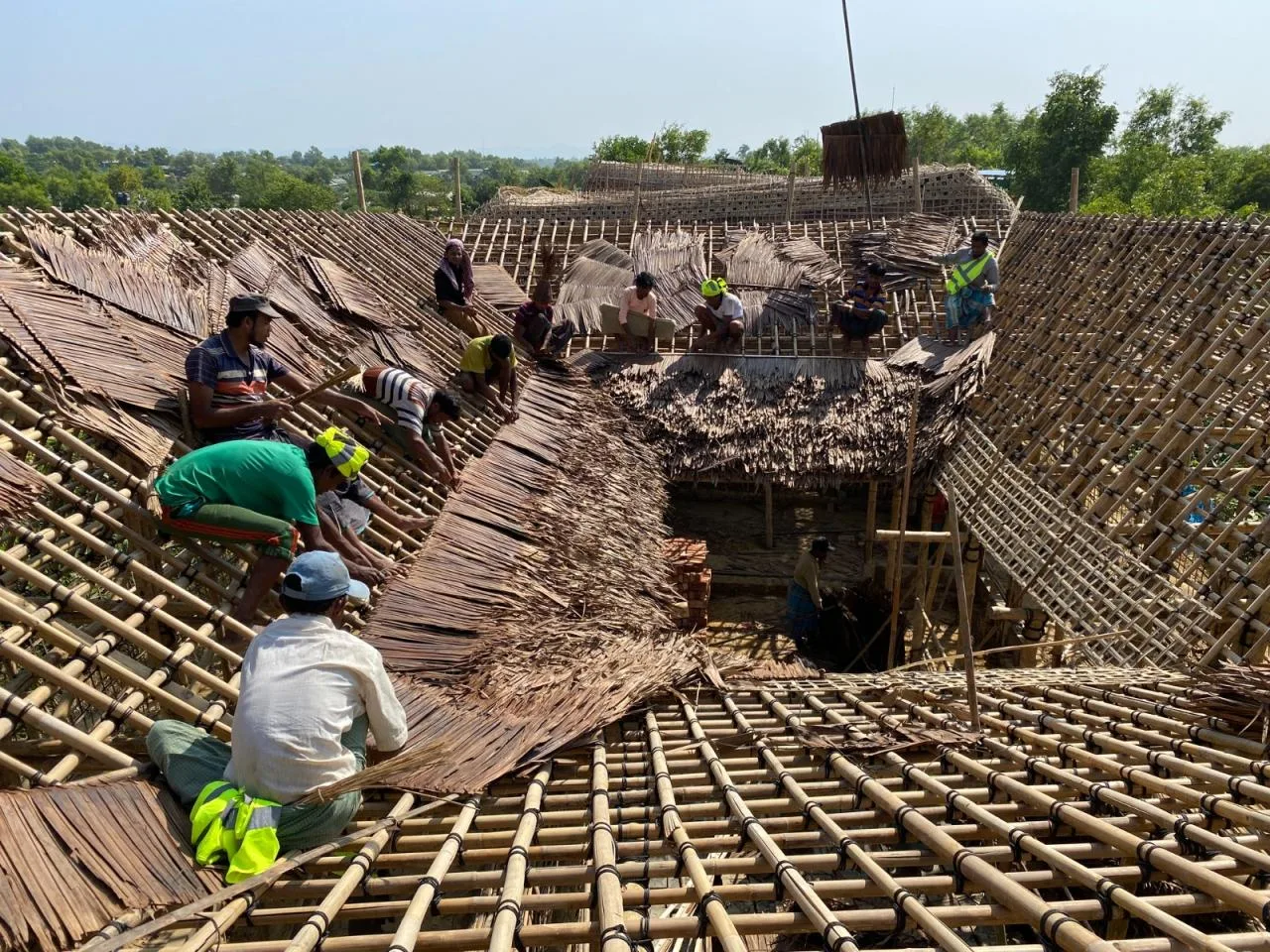
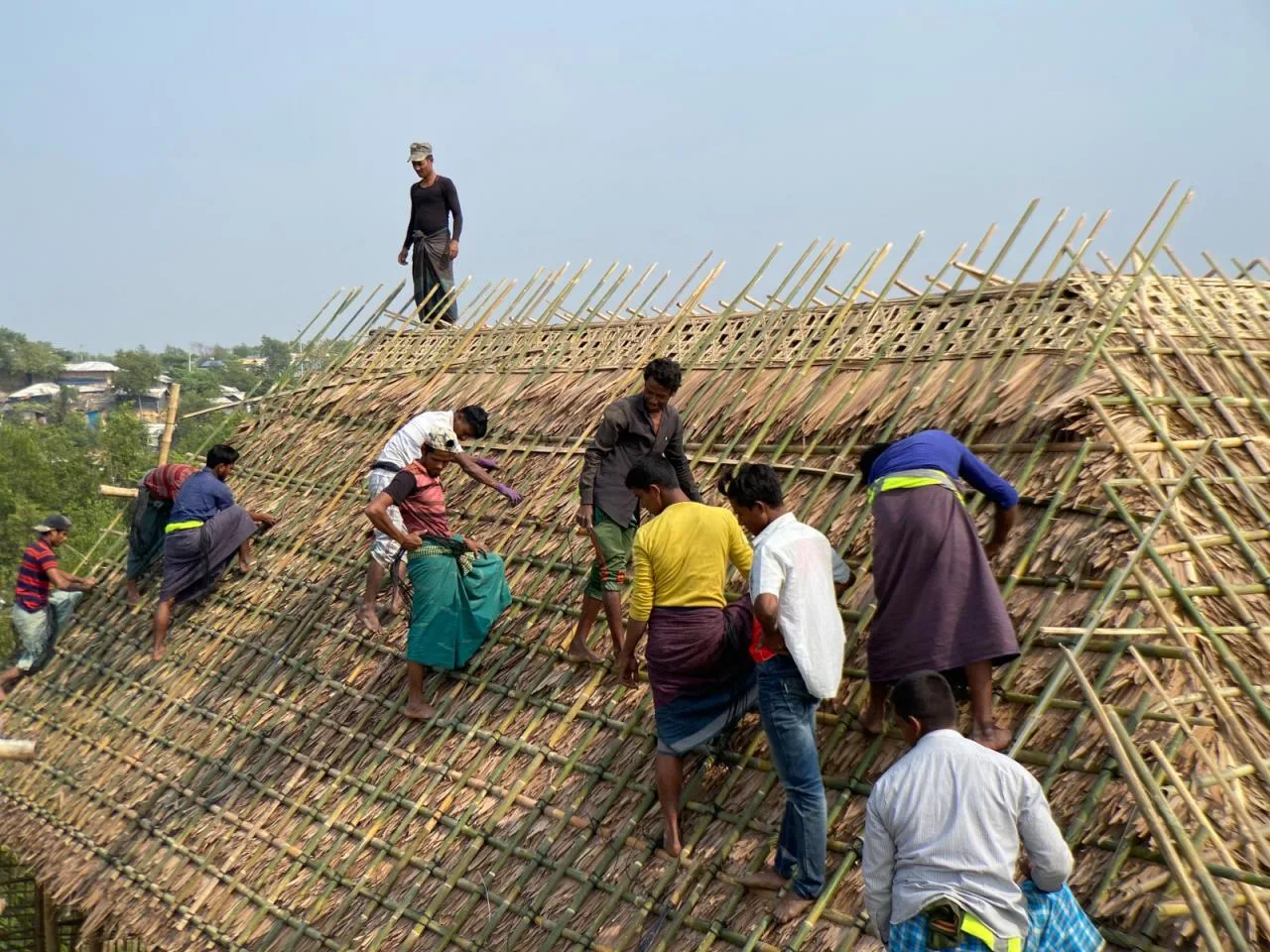
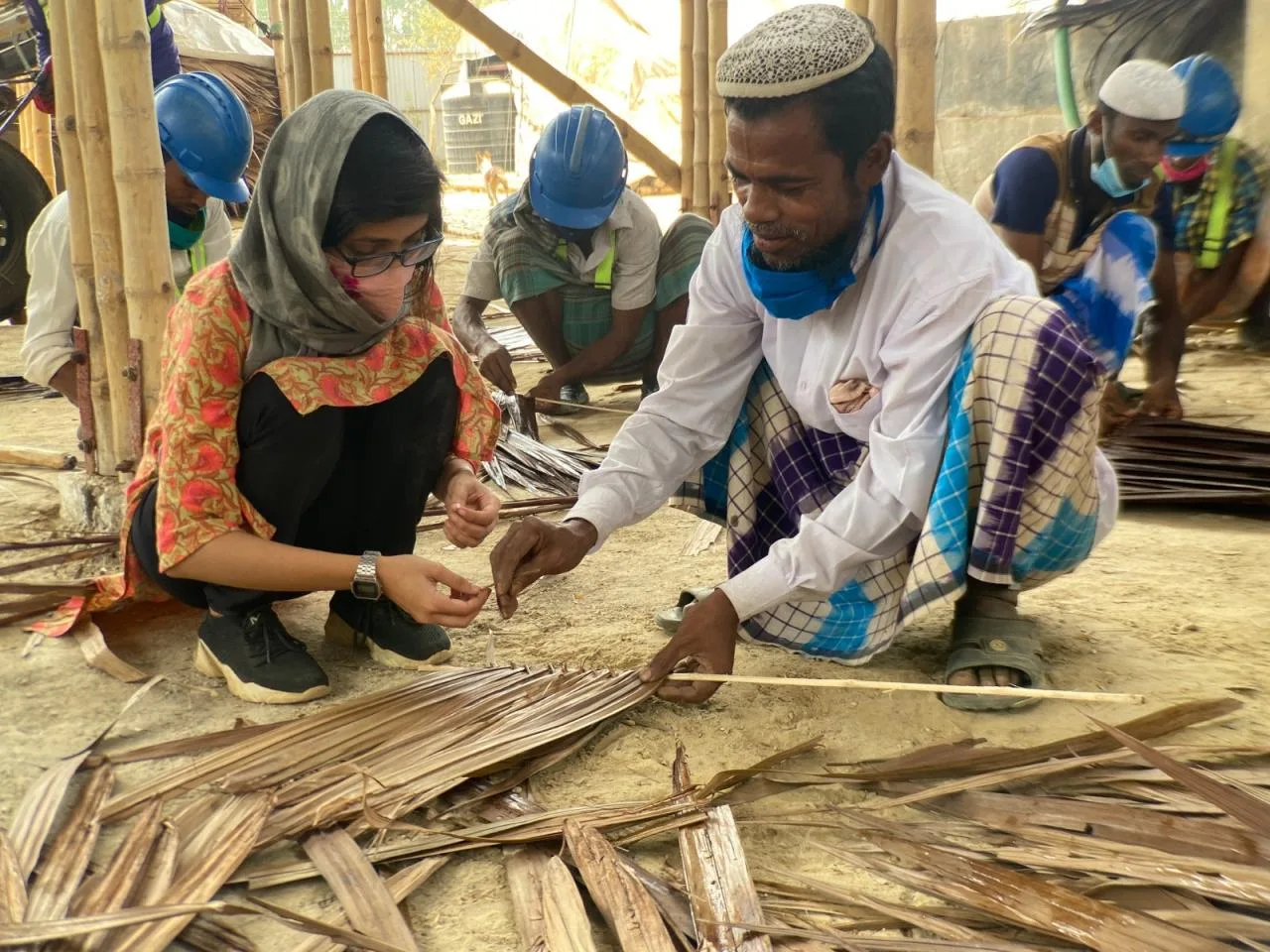
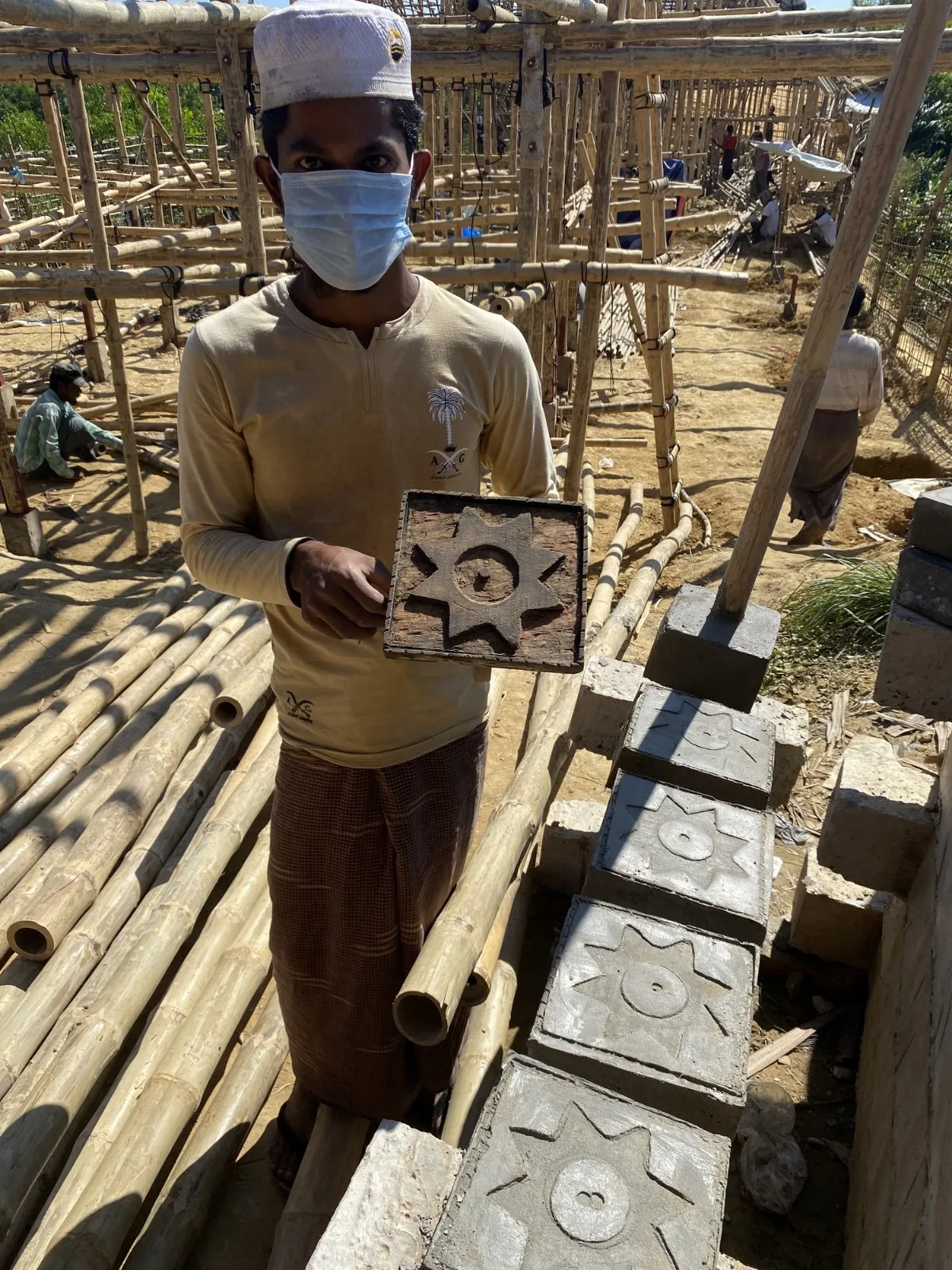
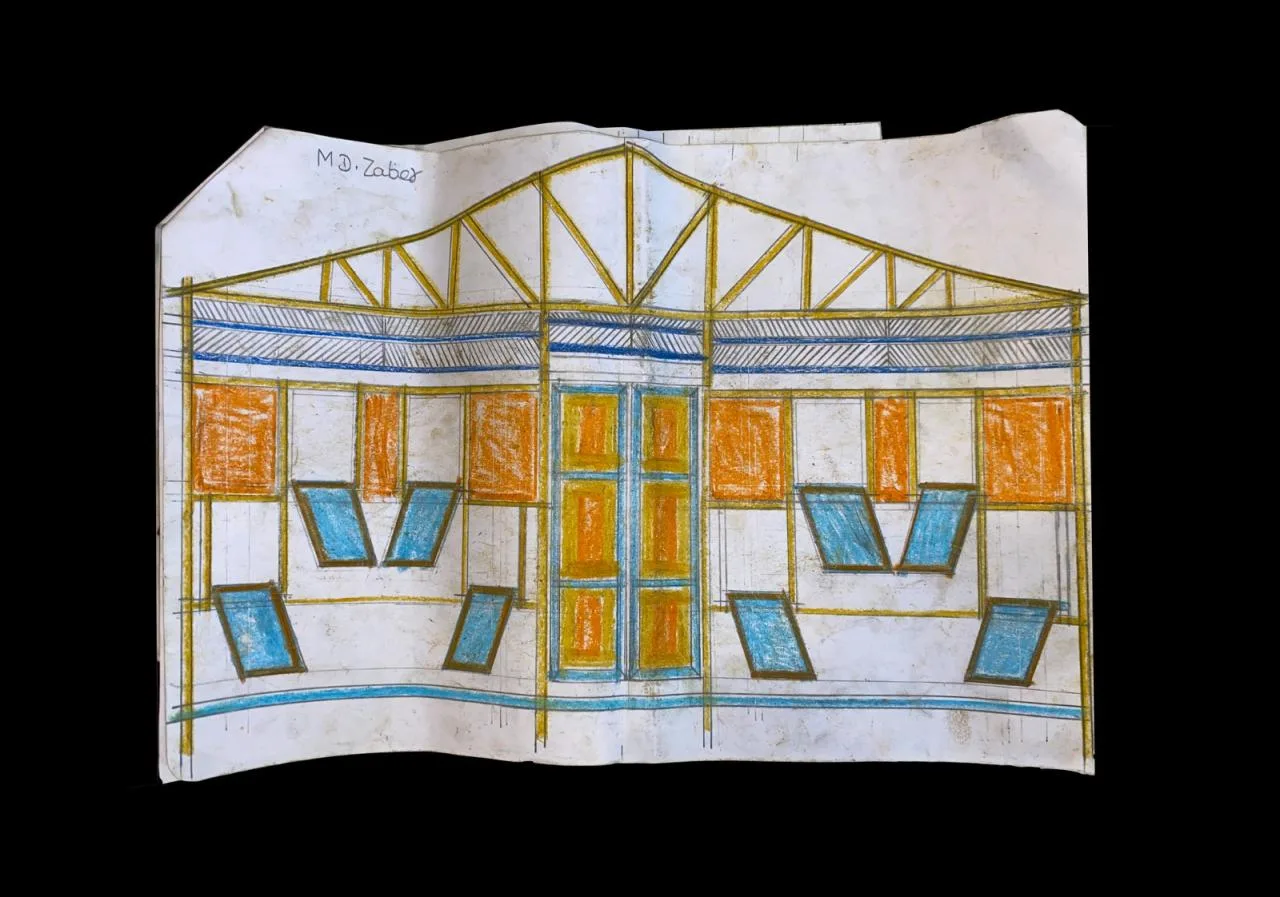
Local craftsmen and community members contributed their expertise, traditional technologies, lifestyles, and narratives to help architects design spaces that respect Rohingya culture. The use of local materials—such as water coconut leaves (om pata/gol pata) for eaves, bamboo crafts, traditional doors and windows, and culturally engraved furniture—creates a building that truly belongs to the Rohingya from the inside out.
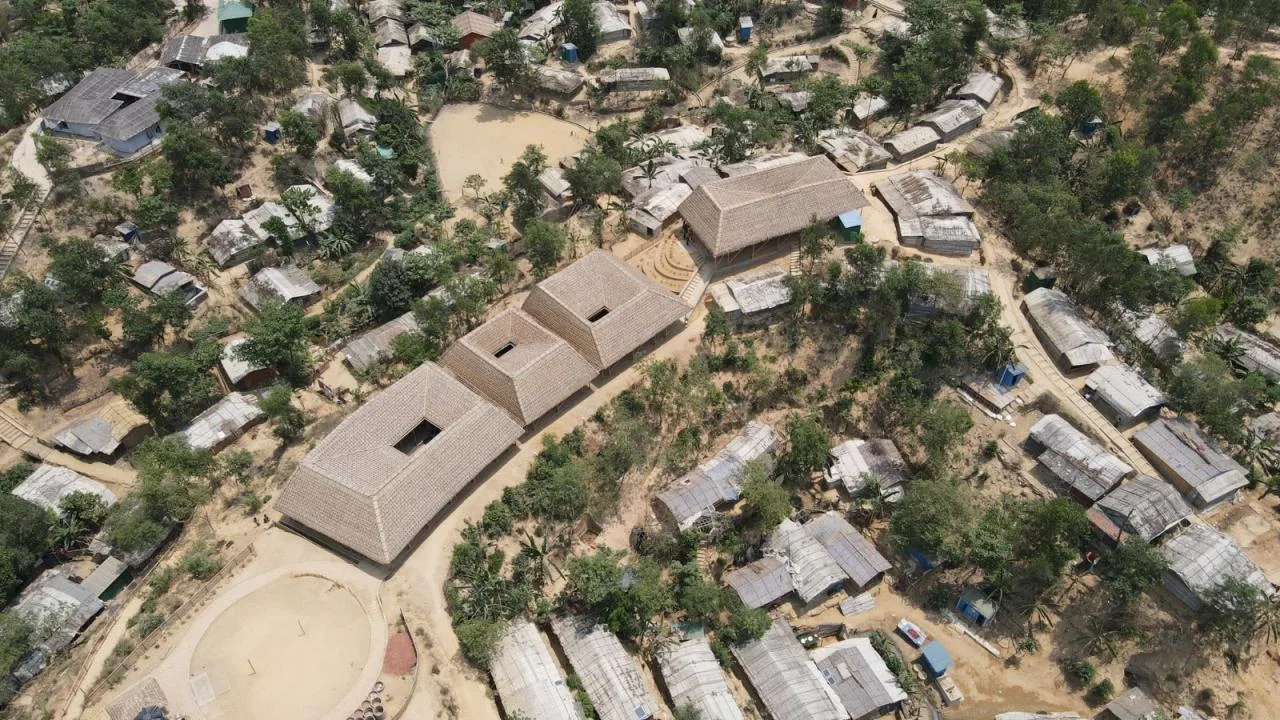
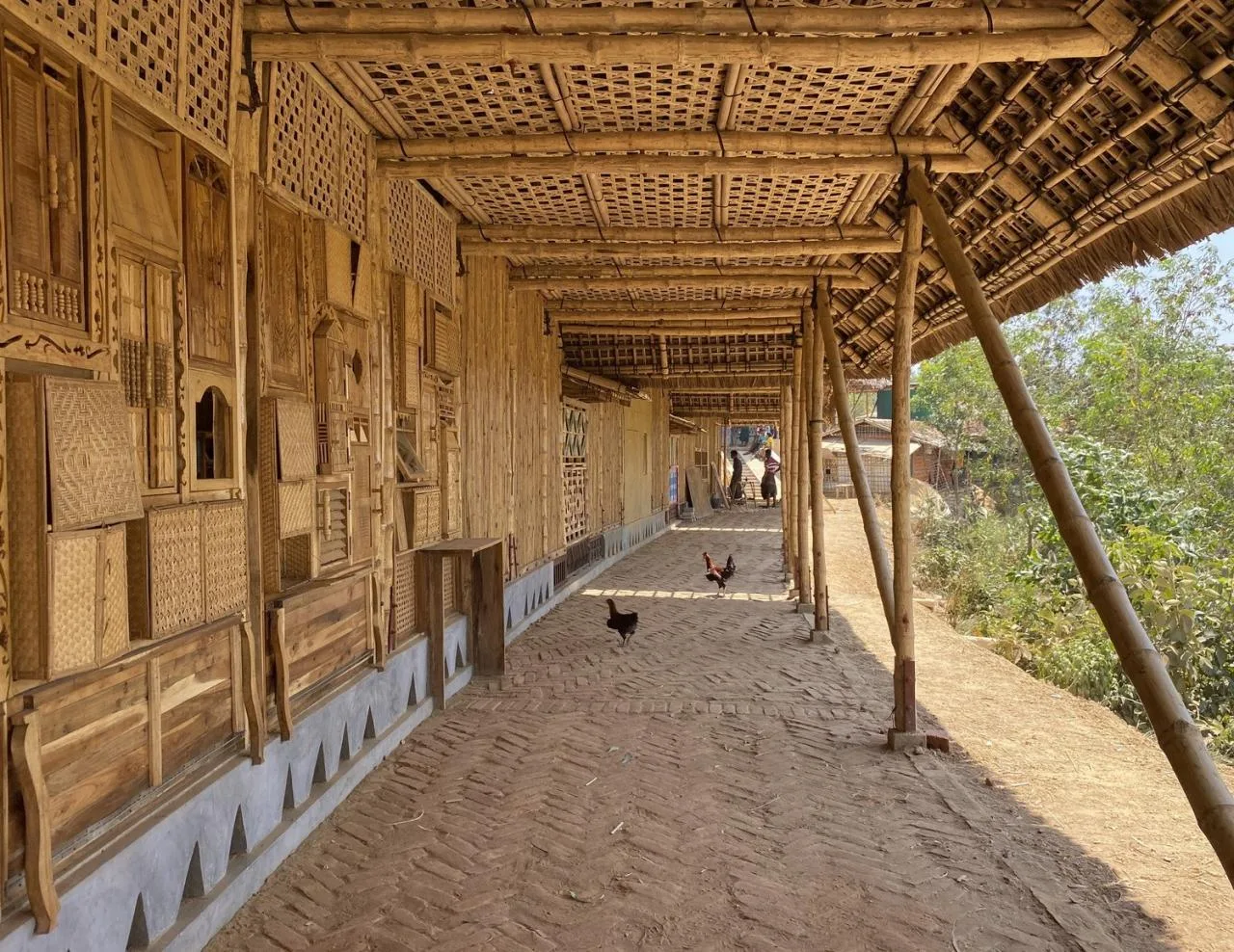
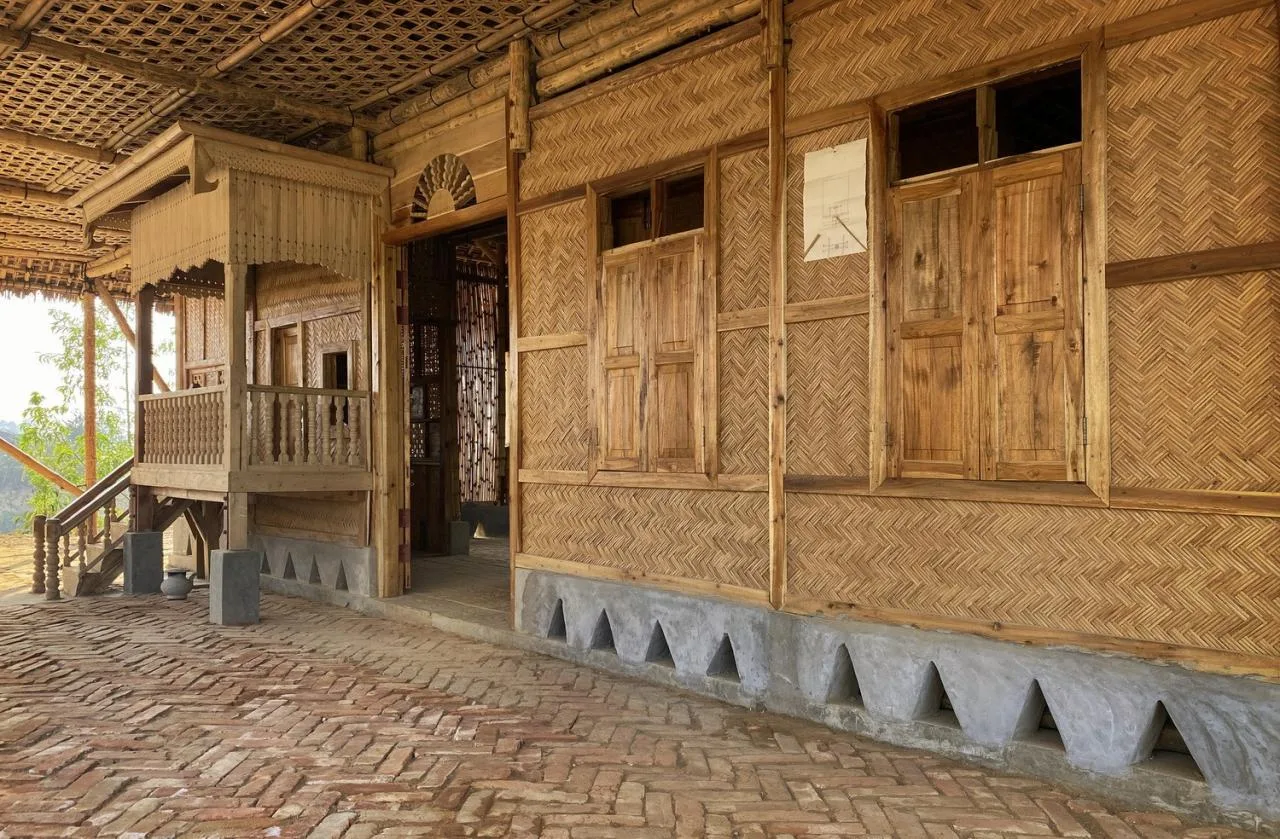
During construction, experienced elderly craftsmen passed on their knowledge to the younger generation, who eagerly explored new possibilities by actively participating in building every space within the center. This collaborative process involved numerous design workshops and practical discussions between architects and locals.
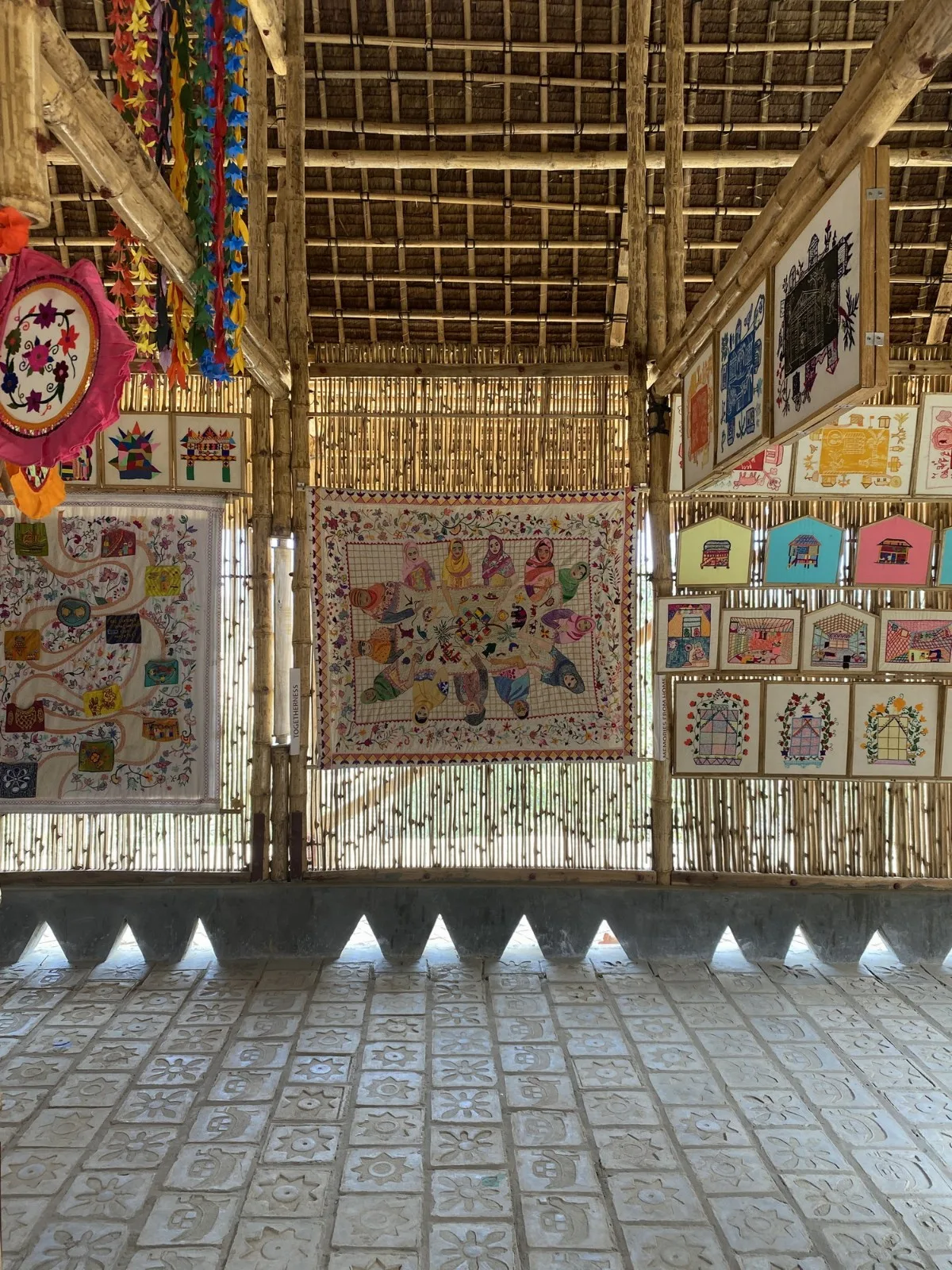
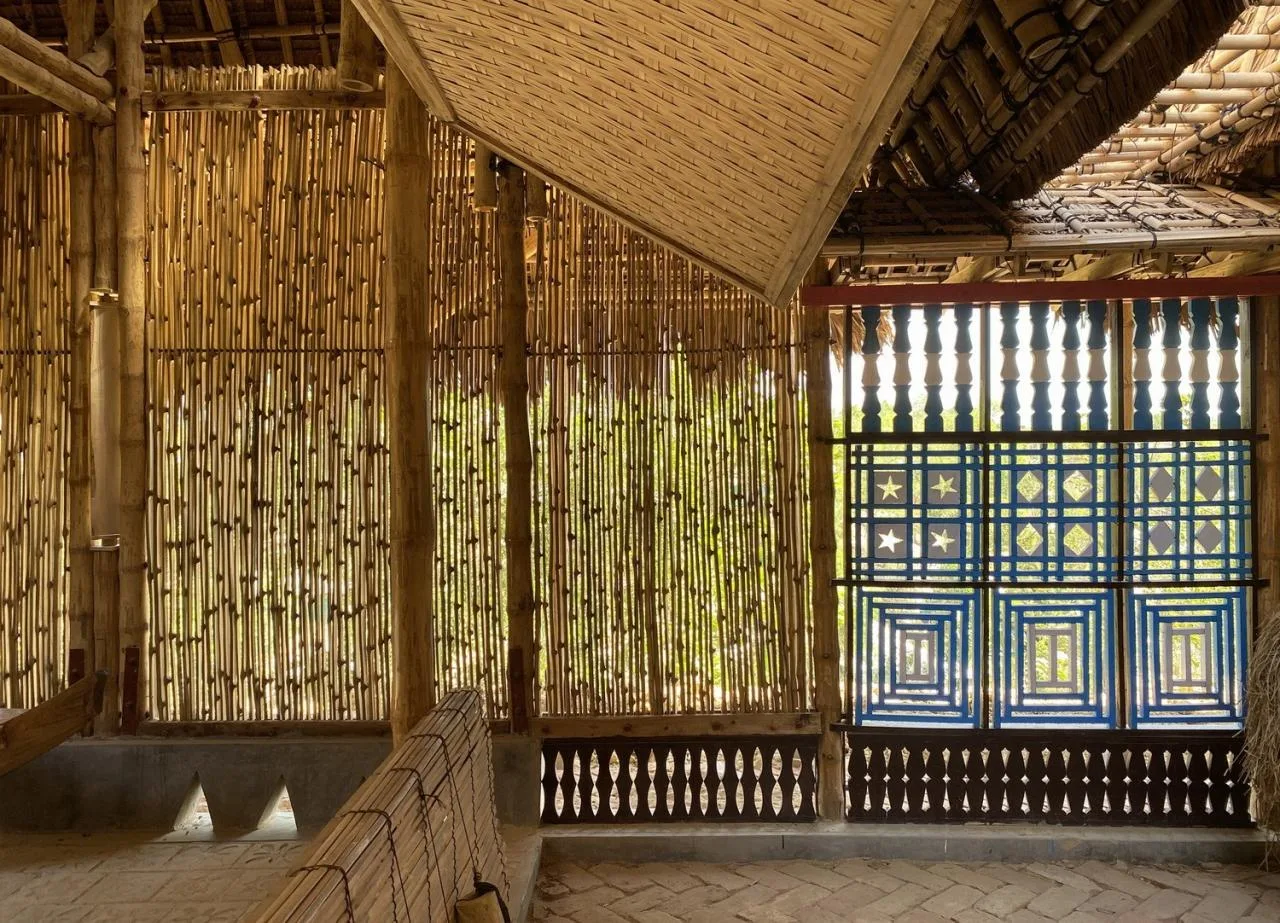
For instance, architects encouraged craftsmen to design small windows that hold their cherished memories or stories. As a result, the center features precious depictions of Rohingya life—houses, fishing, elephants, birds, rice fields—that reflect their collective memories and cultural identity.
The Rohingya community’s expertise in working with natural materials guided the architects’ careful selection of materials, enabling craftsmen to apply familiar techniques. From the project’s outset, local materials were prioritized, and all participants were encouraged to freely share ideas, engage in discussions, and contribute hands-on to the construction. This approach fostered inclusivity, enjoyment, and mental well-being within the building.
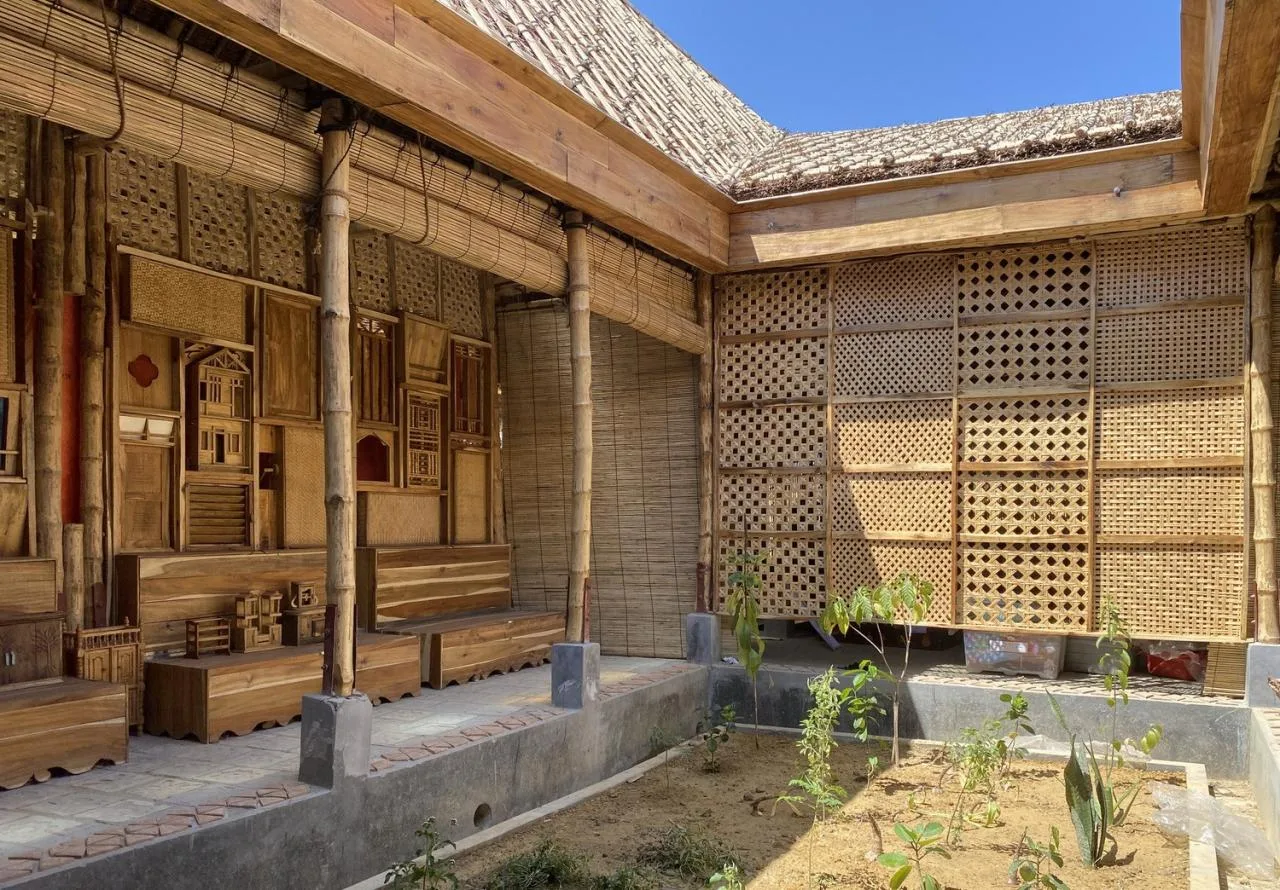
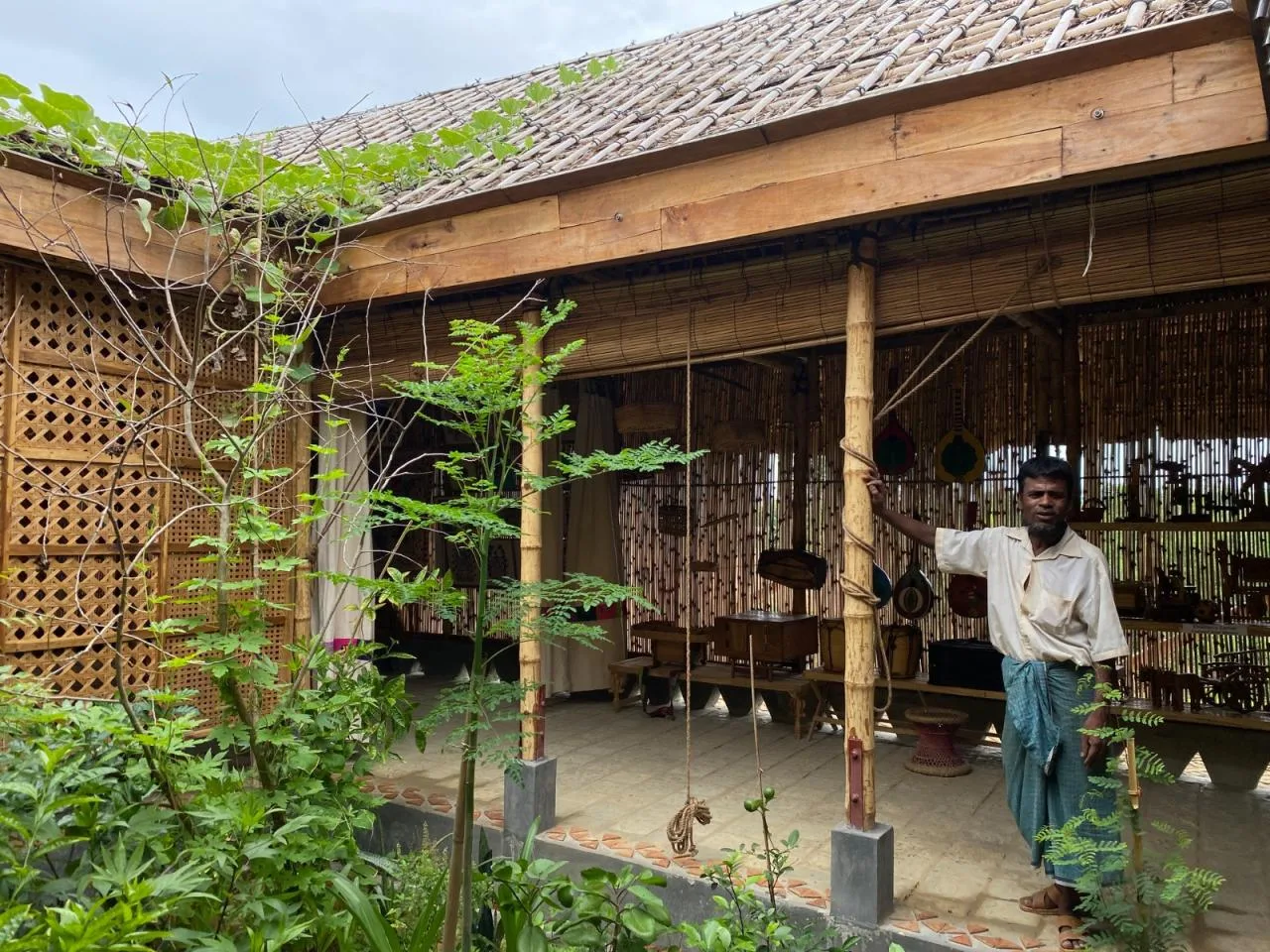
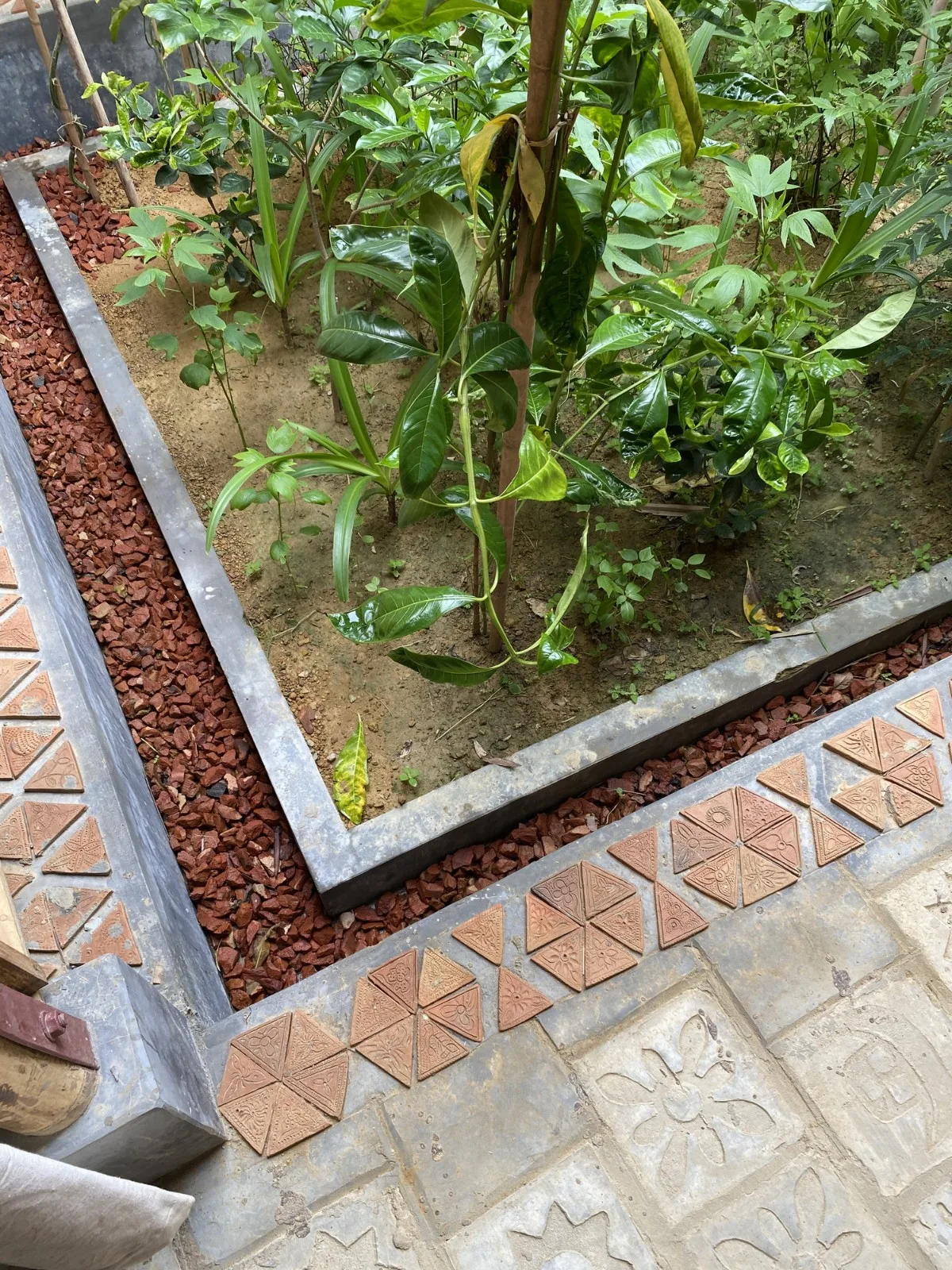
Horticulture plays a vital connecting role at the center. Various plants discussed during design meetings were actually planted and serve multiple purposes. The greenery is concentrated in four distinct courtyards featuring home and kitchen gardens, including Kolkoitta Bor fata, Horo fata, Vaat fata/foni fata, Dhanya morich, Dhei haak, and Tara Gachh.
By the water, lemon trees like Kolmi haak, water lilies, and Fena varieties (Kochuri pana, topa pana, khudi pana) grow, while healing gardens include orur roun, Asila/achila gachh, Boraduwa, Arbwa lota, Shushulil lota, Jermoni gachh, Bashuk fata, Hani fata, and Halamanik/halahuna, all awaiting crops with medicinal value.
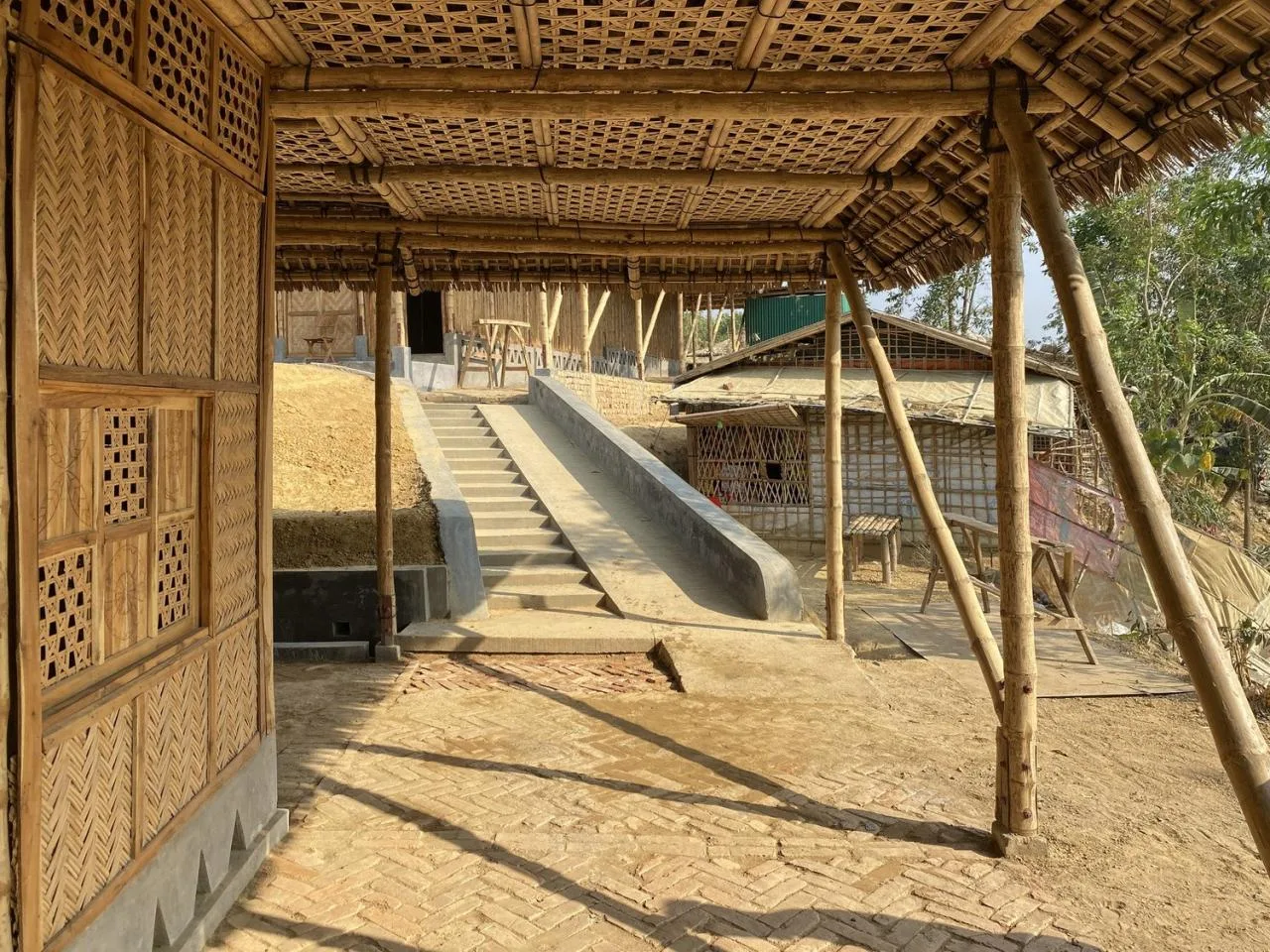
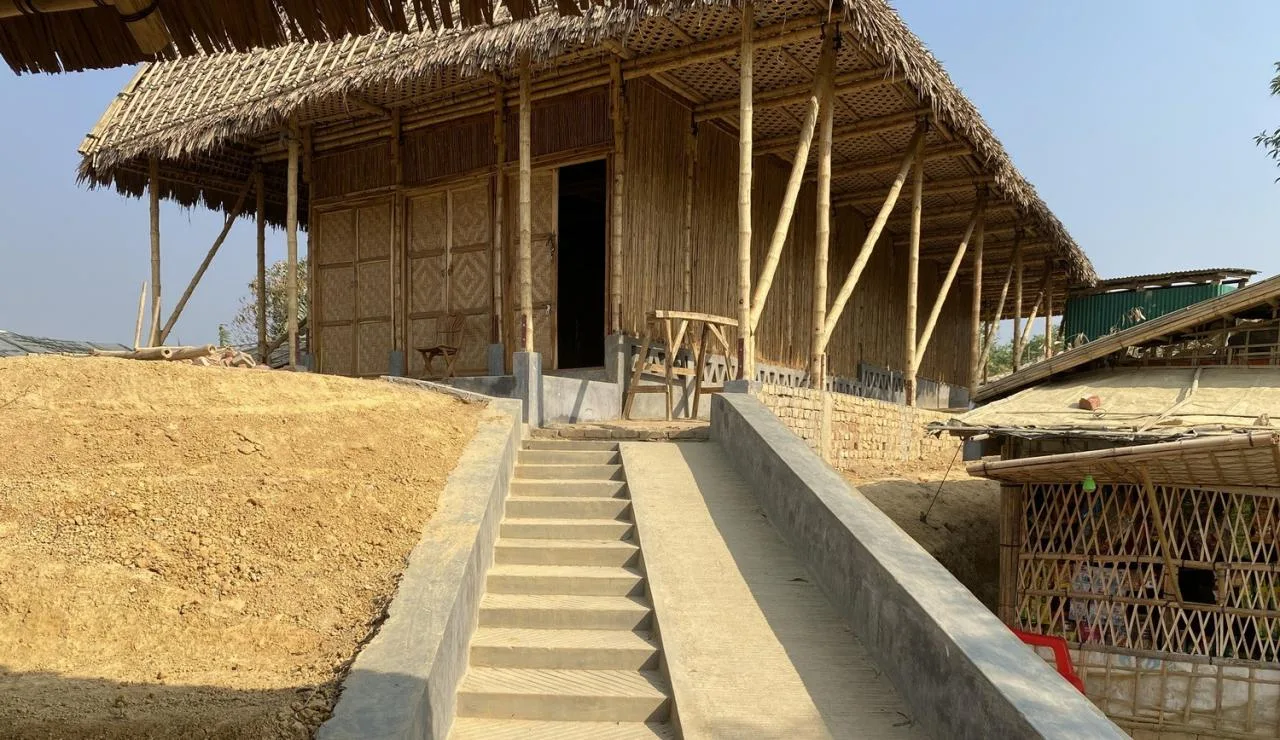
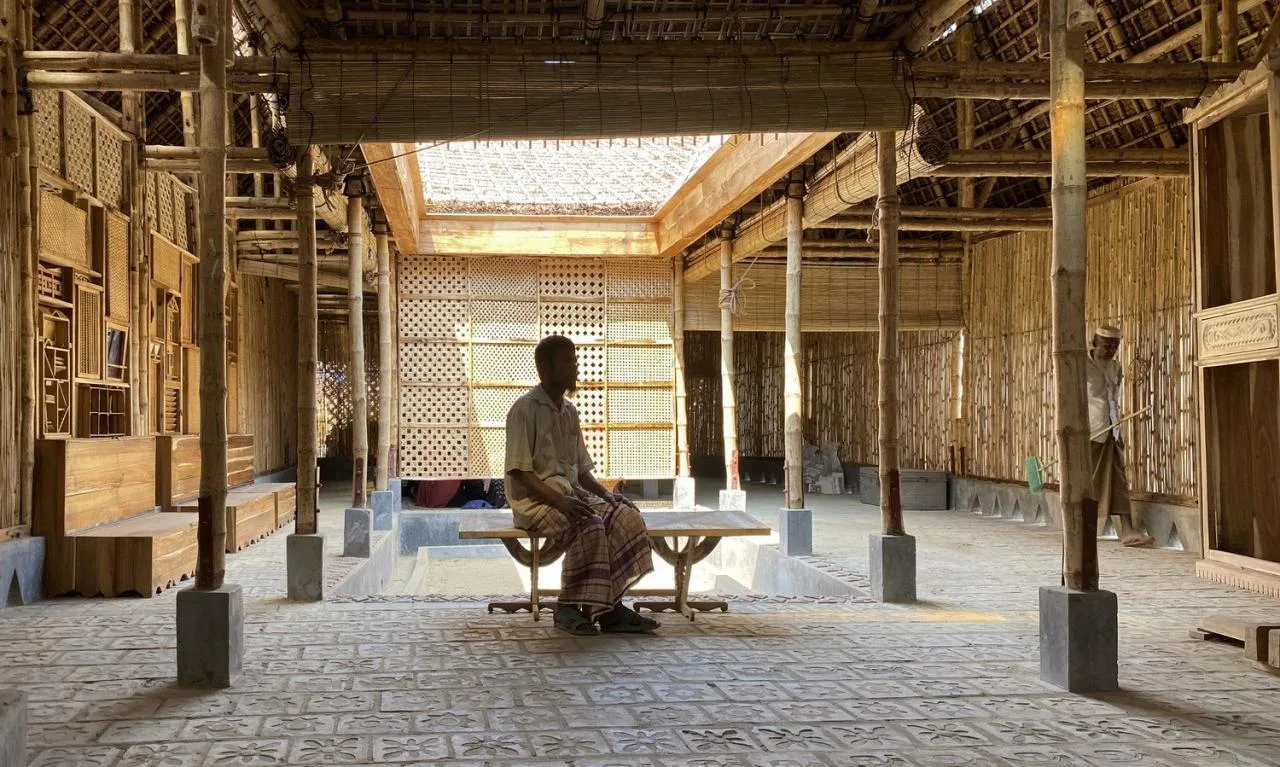
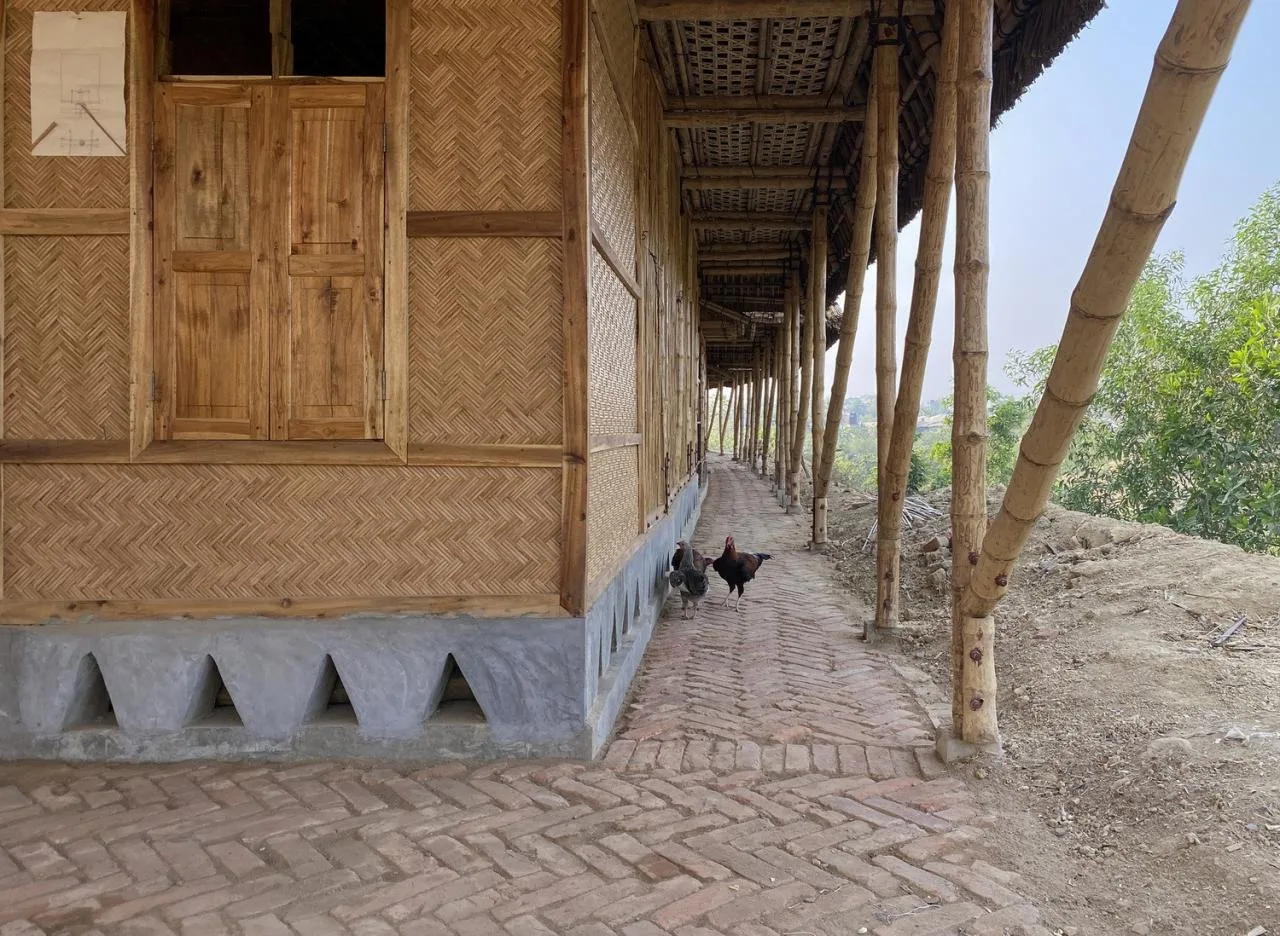
Located atop a hill in the heart of the refugee camp, the Rohingya Cultural Memory Center incorporates flexible, temporary building techniques. It uses prefabricated columns, floor elements, and nut-and-bolt joints that can be easily dismantled.
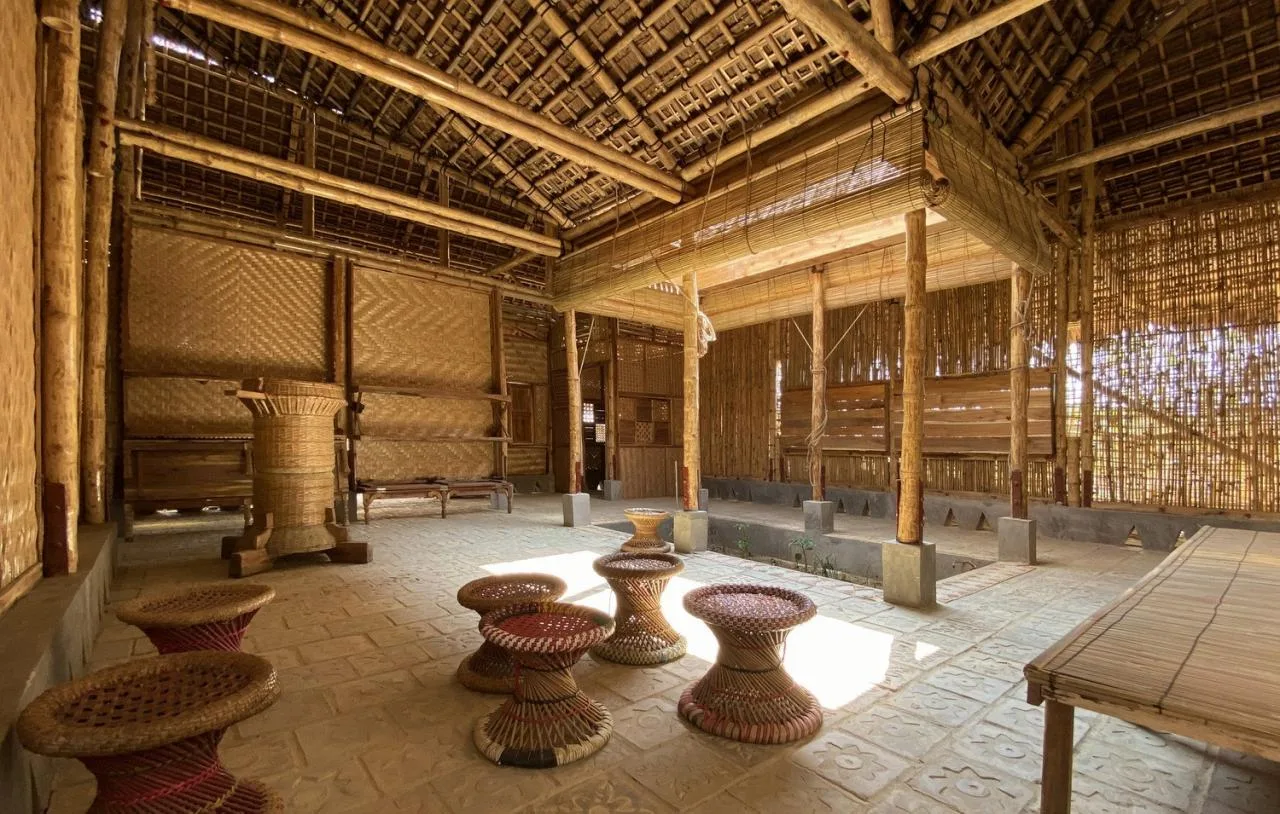
The building features large eaves that provide cool shaded areas and protect the interior from rain from both vertical and horizontal directions. Inside, an open space around the main hall encourages free movement, creating a welcoming and attractive environment.
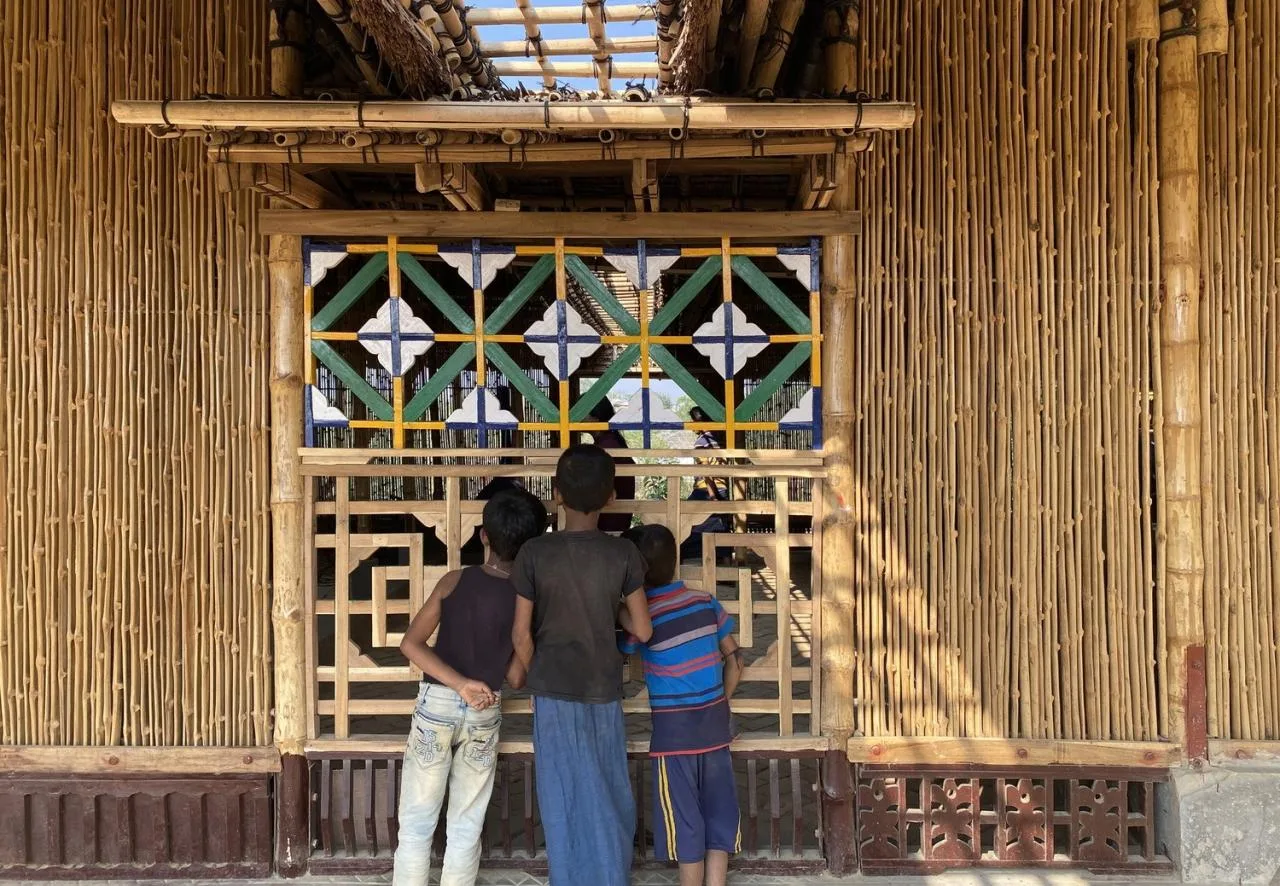
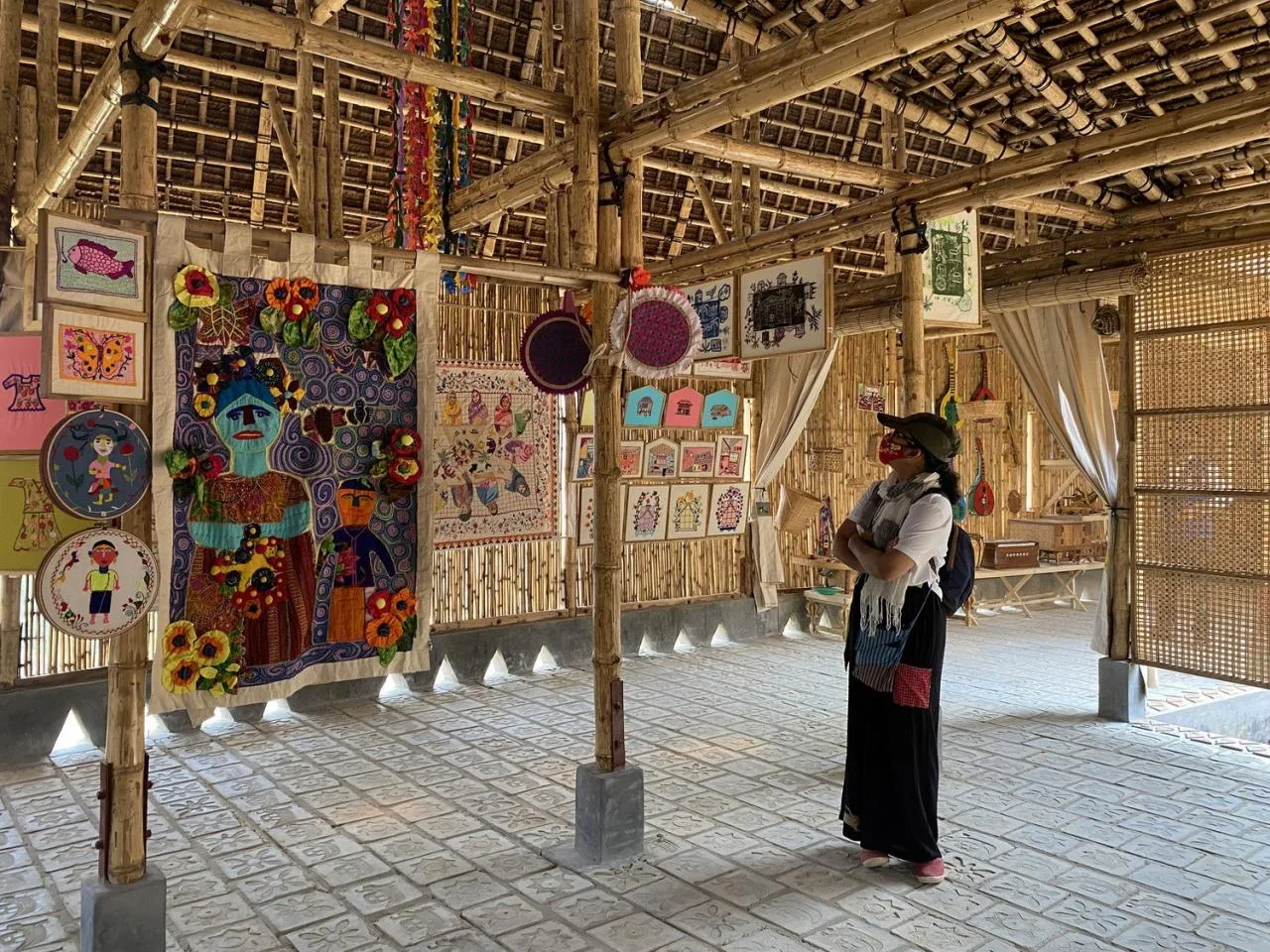
The center’s circular roof slopes inward from four sides, allowing rainwater to collect at the center for reuse. Four courtyards provide natural light to the exhibition spaces, fostering a peaceful atmosphere that lets visitors enjoy beautiful memories while distancing themselves from the harsh realities of camp life.
A prominent bamboo perforated screen in the main hall ensures air circulation, maintains visual connectivity between inside and out, and offers safety as a partition. The design emphasizes transparency within exhibition halls and throughout the building, optimizing rainwater management and groundwater replenishment by leveraging the mountain soil beneath.
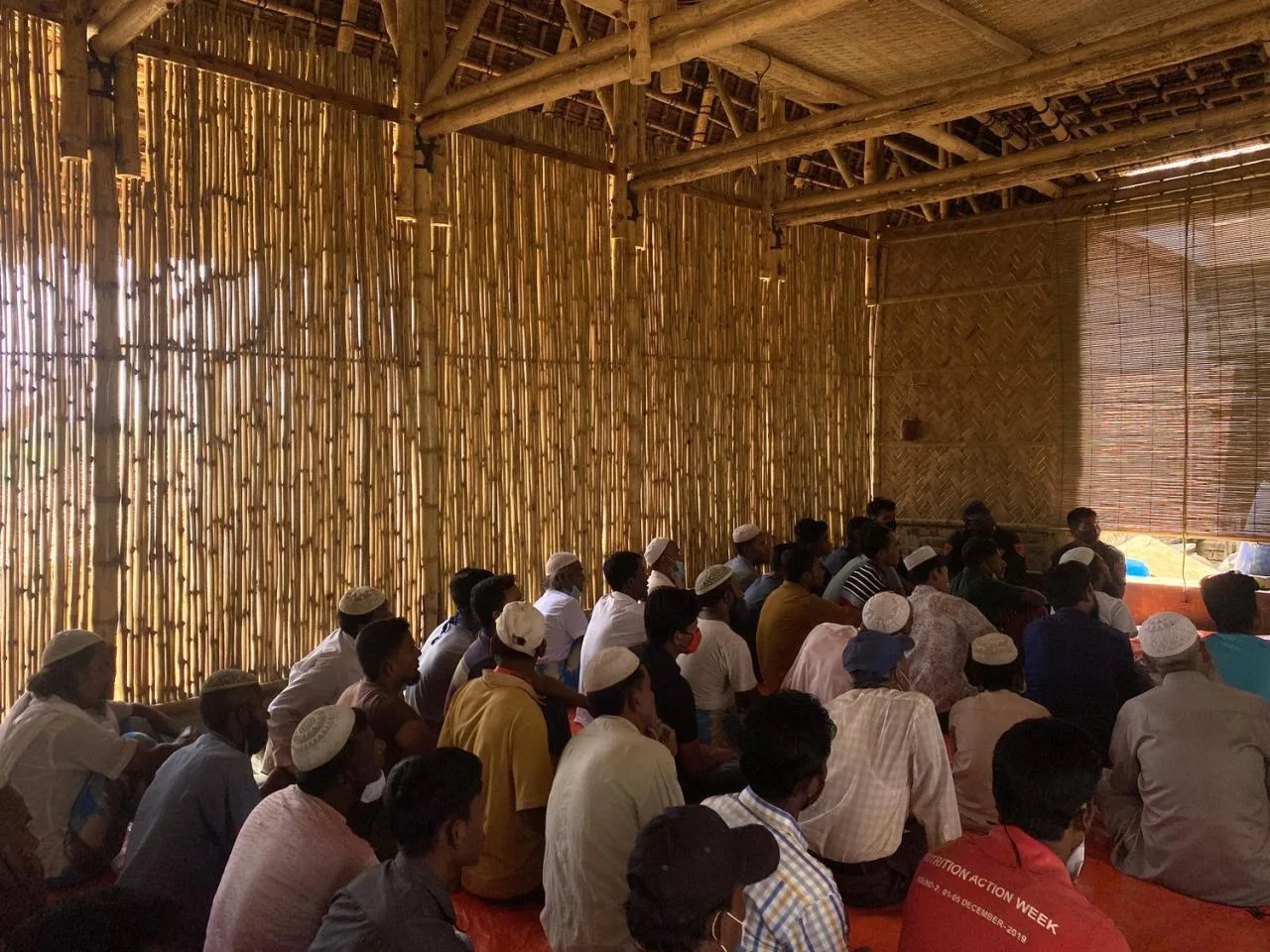
The Rohingya Cultural Memory Center is a collaborative endeavor, combining craftsmanship, community memory, and architectural expertise. It stands as a meaningful monument to the Rohingya’s past and present—a temporary shelter and a symbol of goodwill that fosters mutual learning, embraces both right and wrong, and serves as a unique gathering place for the Rohingya people.
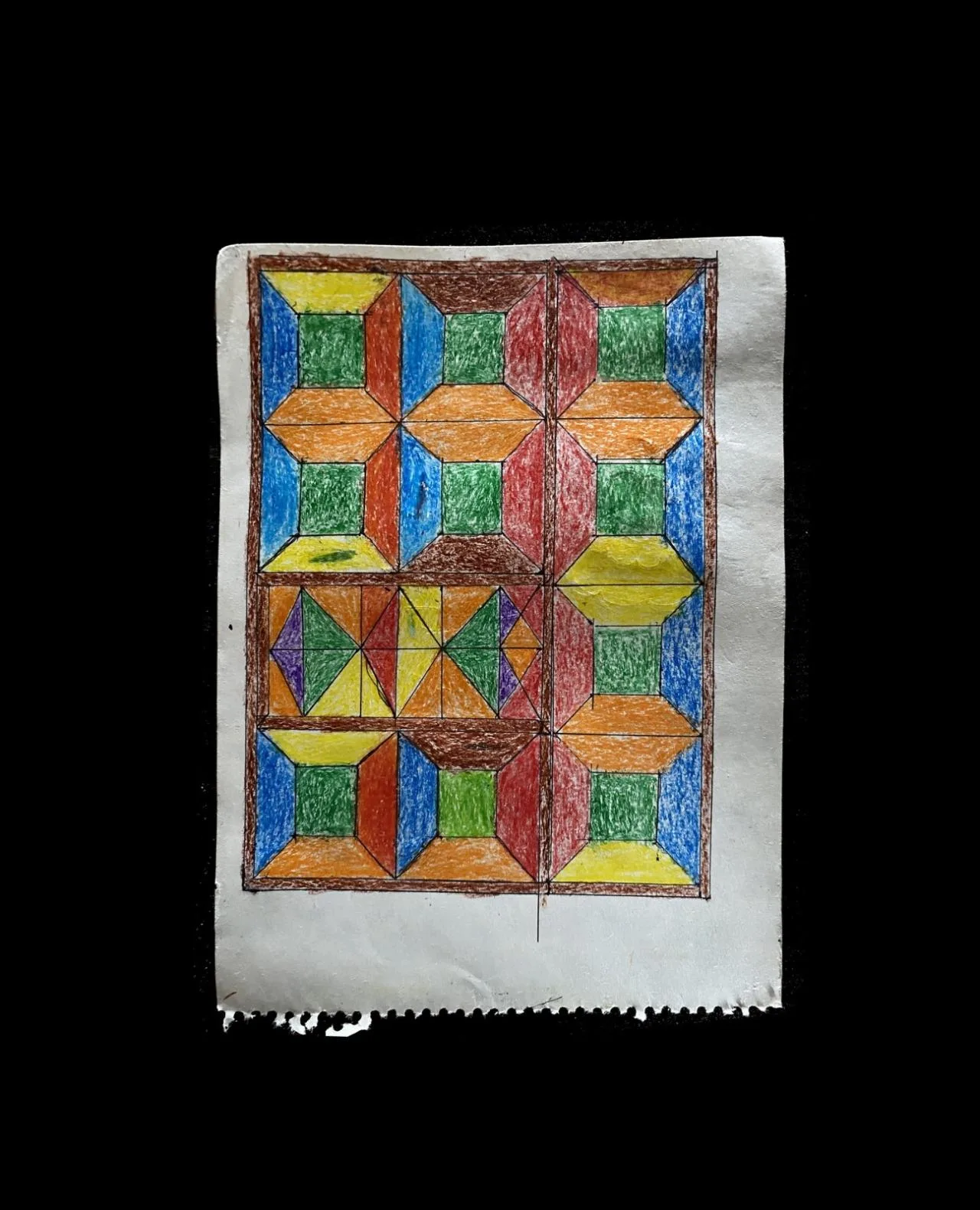
Project Drawings
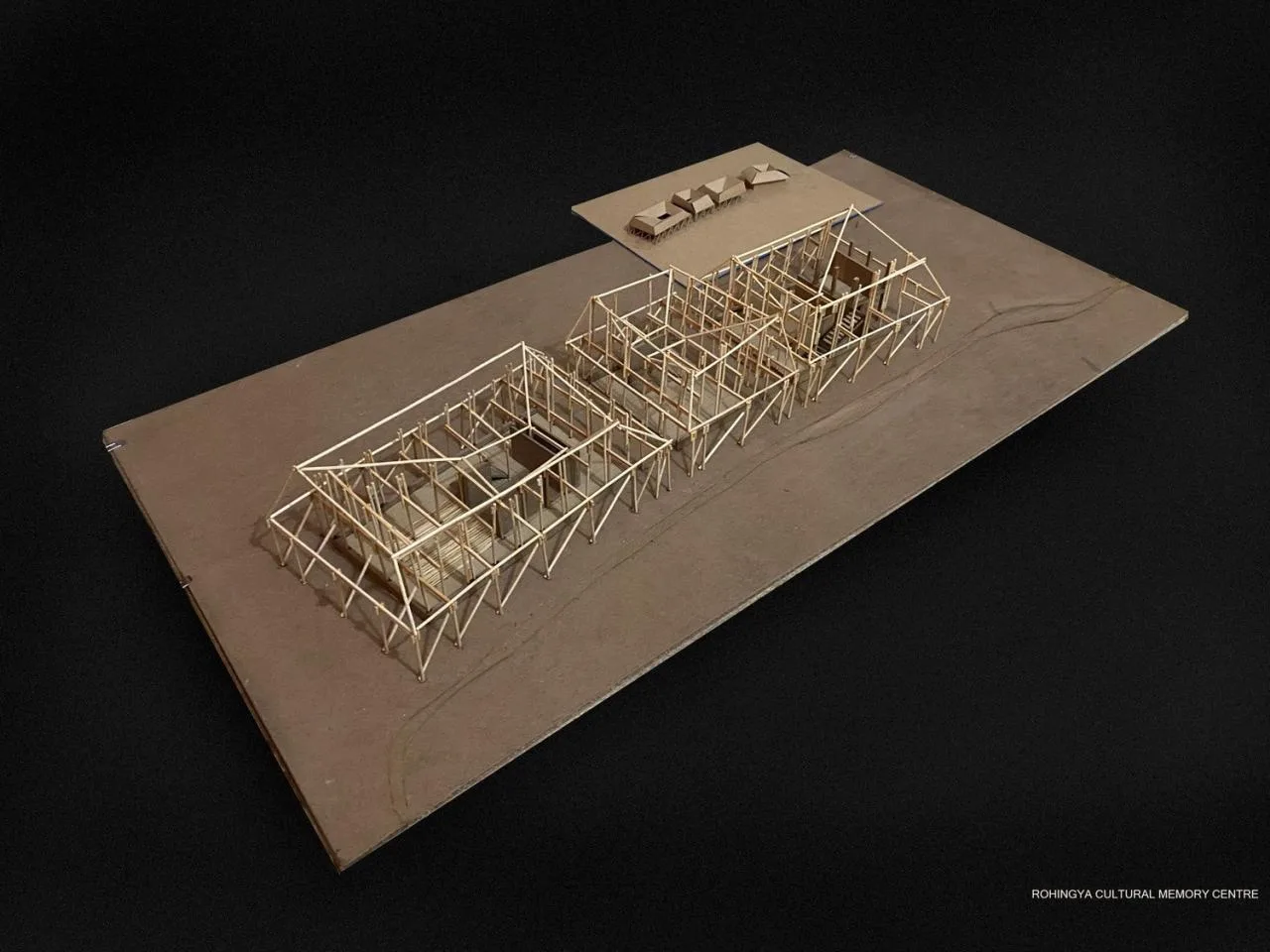
△ Model Diagram
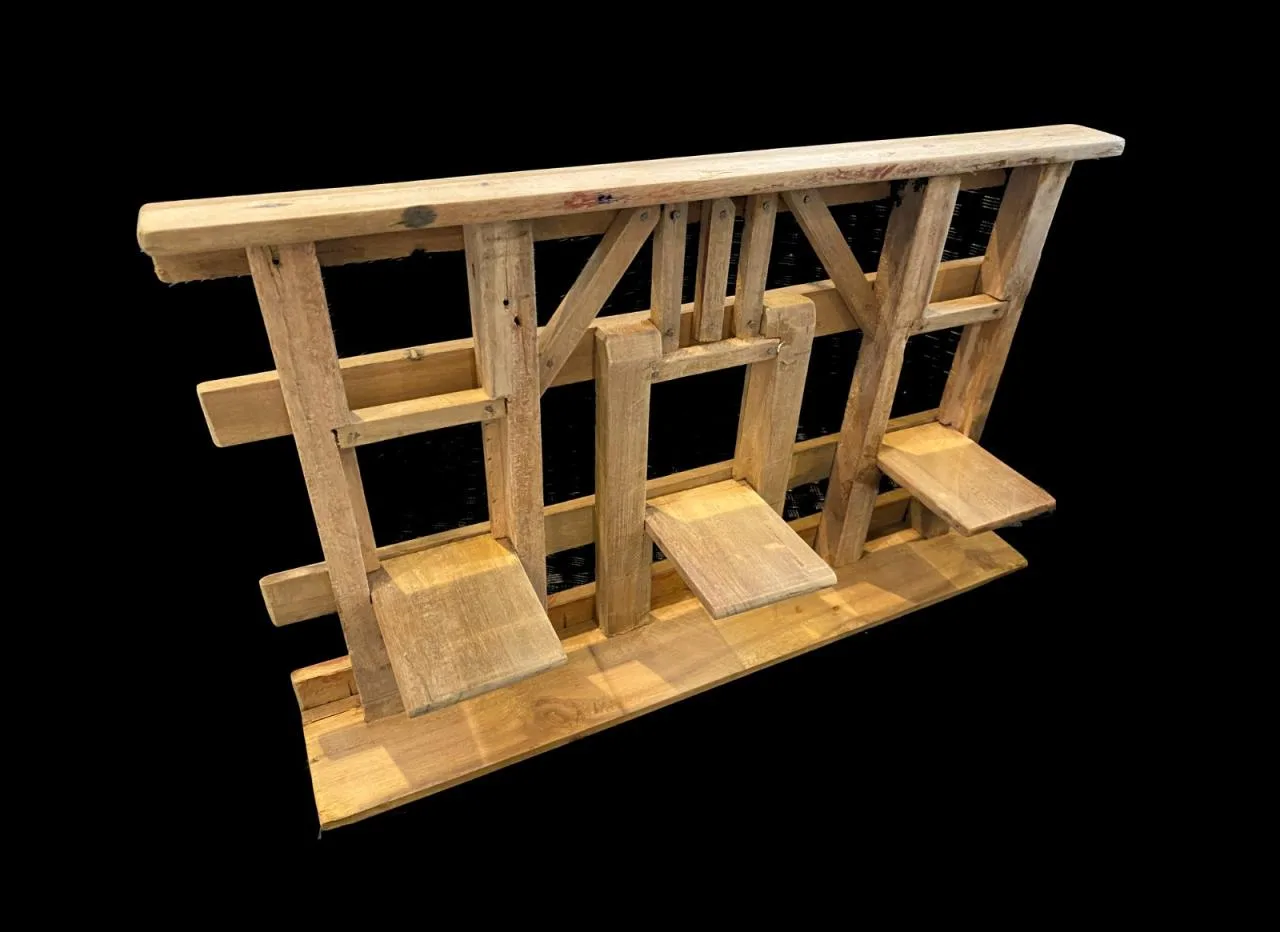
△ Local Model Diagram
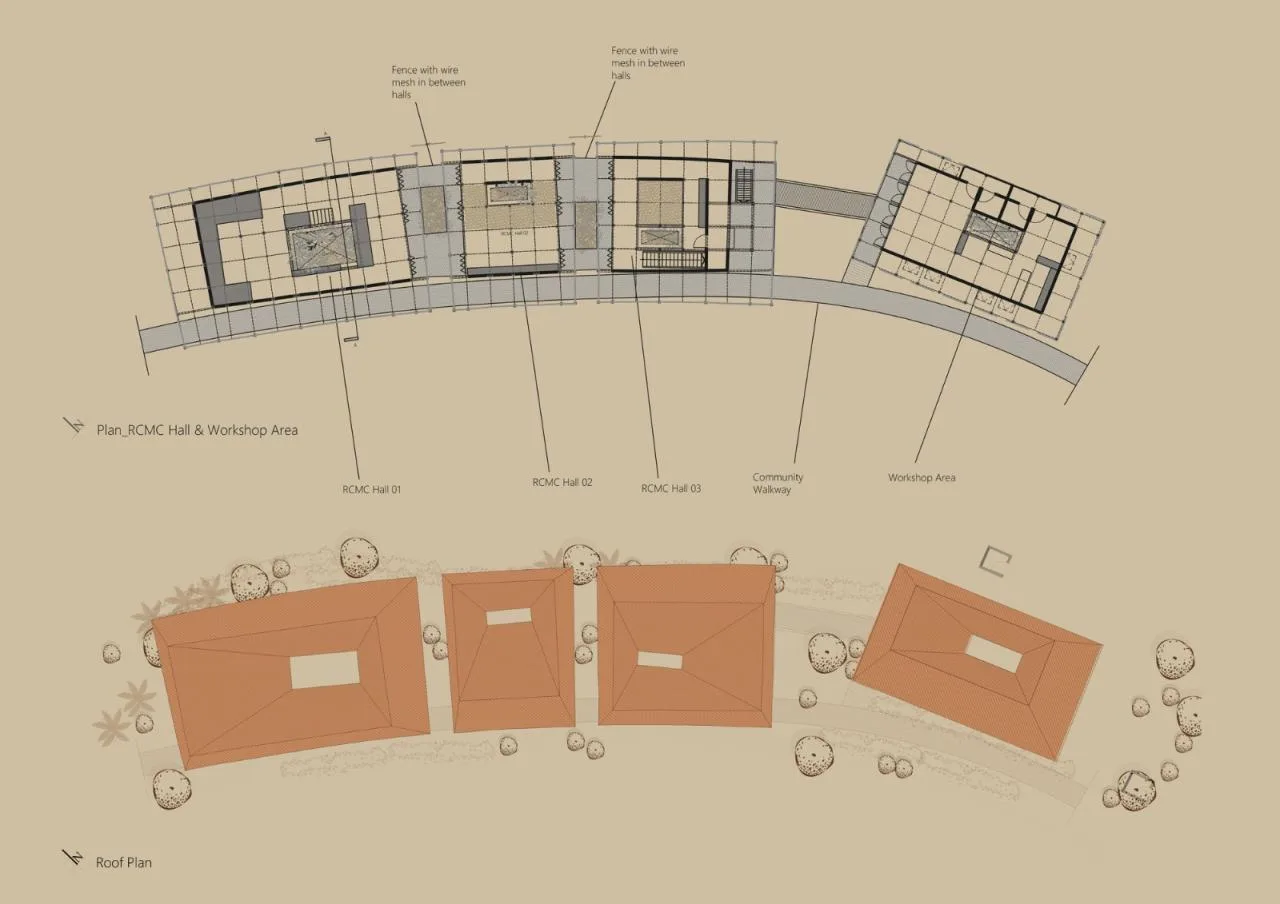
△ Plan View
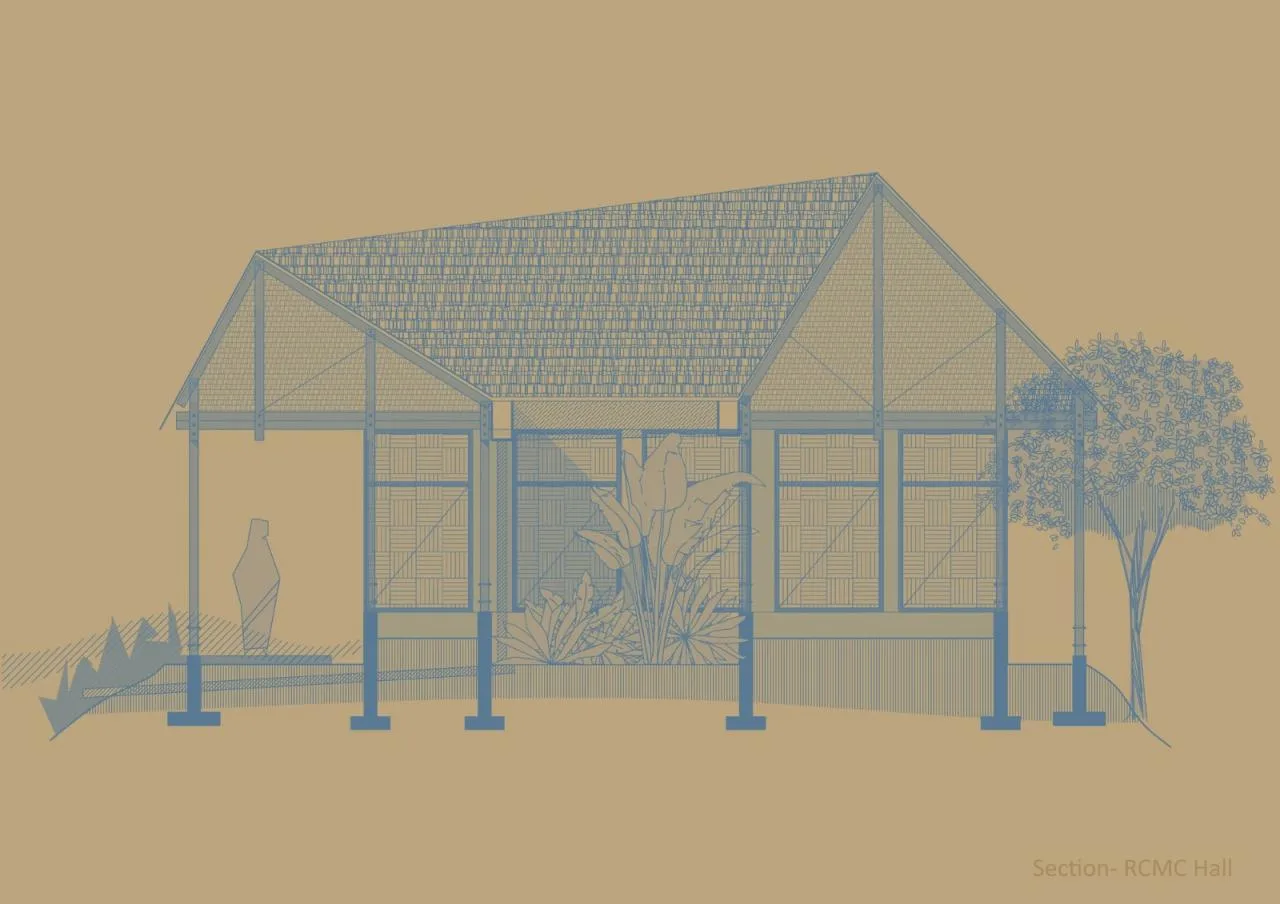
△ Section Diagram
Project Information
Architectural Design: Rizvi Hassan
Area: 501 m²
Project Year: 2022
Photographer: Rizvi Hassan
Lead Architect: Rizvi Hassan
Conceptual Design: Manuel Marques Pereira
Design Team: Manuel Marques Pereira, Rizvi Hassan, Khwaja Fatmi, David Palazón, Shahirah Majumdar, James Okello Charles, Nersisian Dmytro, Rezaul Karim, Muhammad Rahul Karim, Hossain Ahammod Masum, Mustafa Kamal, Fouzia Reza, Tazrian Rahman, Sadya Mizan, Fawzia Bhuiyan, Nurul Amin, Mohammad Shibbili, Shofique Islam, Khushi, Shahida Win, Md. Yusuf, Md. Zaber, Nur Ali, Md. Hossain, Md. Faruk, Mohammad Noor, Nurul Islam, Imam Hossain, Ali Johor, Nur Alom, Shahabuddin, Khairul Amin, Soidul Islam, Shamsunnahar, Zakir, Md. Yakub, Rashidullah, Jamal, Idris, Sobur, and others.
Construction Team: Rizvi Hassan, Ueda Haruka, Alberto Alcalde, Hasballah, Enayatullah Hemat, Md. Ali Mamun, Abdu Sukkur Bappy, Rafique Uddin, Tonmoy Bhattacharjee, Prantik Chakraborty, Bivuti Bhushon, Clint Kimmel
Owner: Rohingya Refugees (supported by the International Organization for Migration)
Engineering: Ali Mamun, Abdu Sukkur Bappy, Alberto Alcalde, Hasballah
Landscape: Shamsunnahar, Md. Yakub, Mostafa Kamal, and others
Collaborators: IOM (International Organization for Migration) and the Rohingya Community
Location: Bangladesh













Must log in before commenting!
Sign Up