
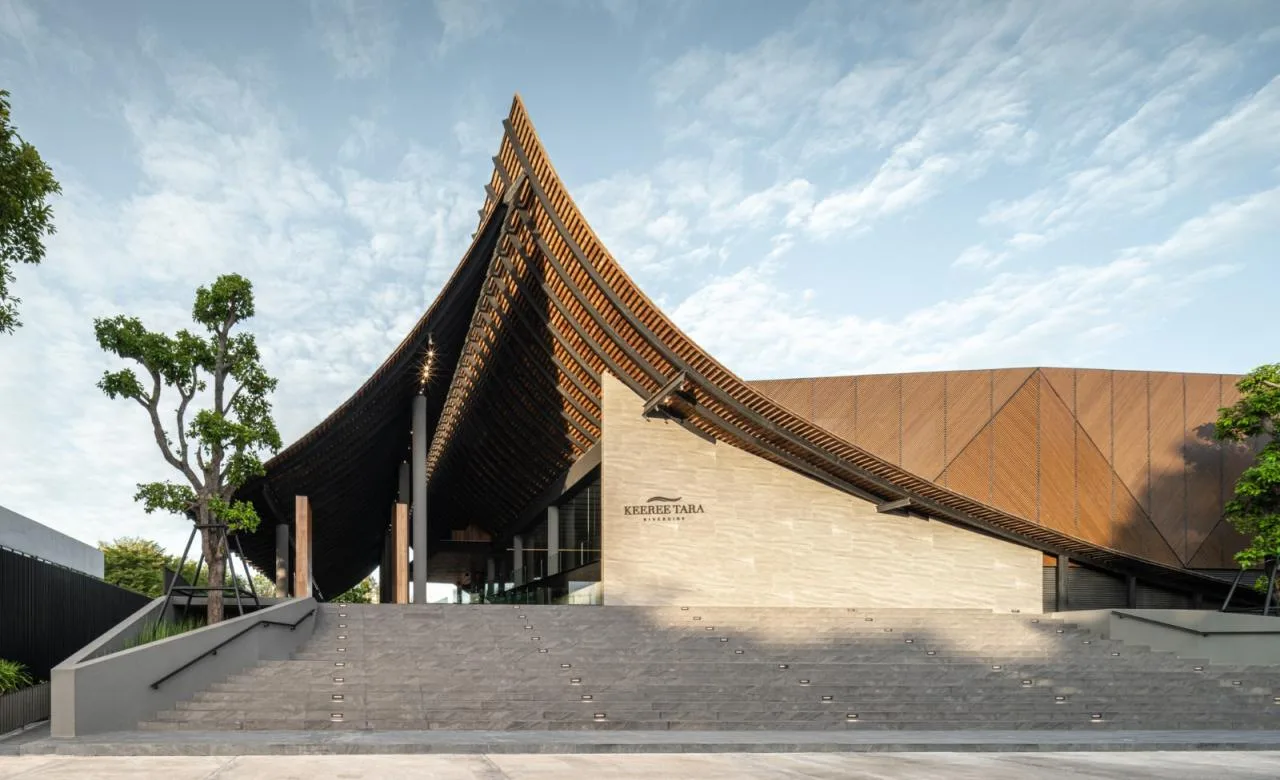
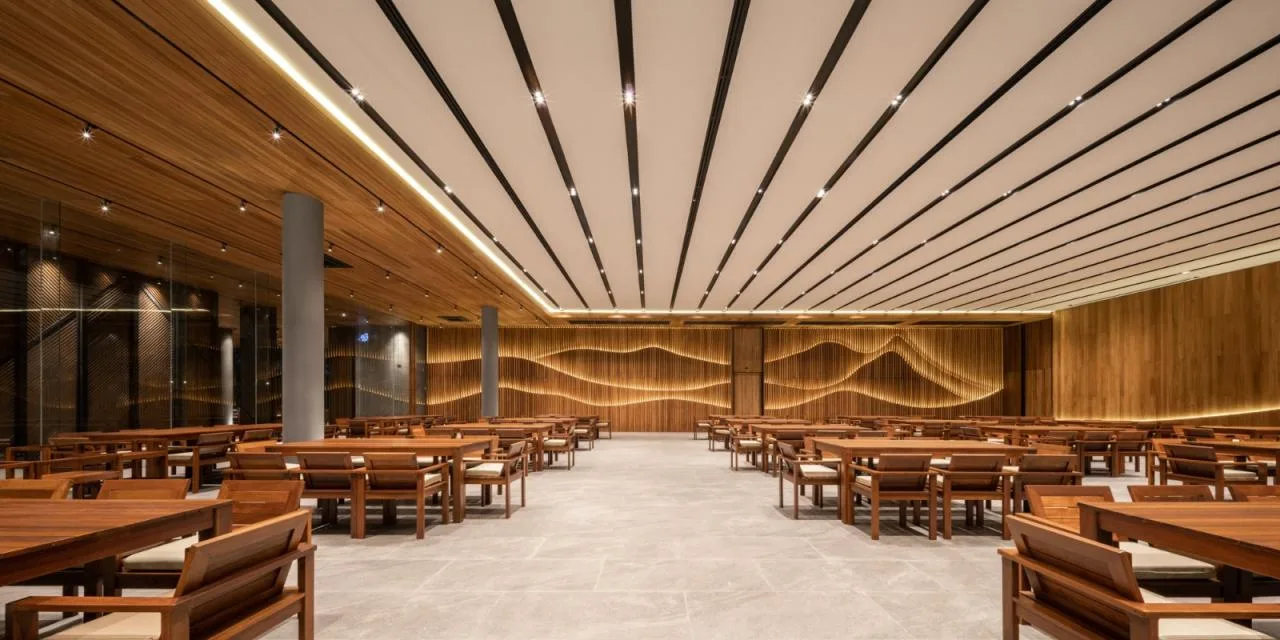
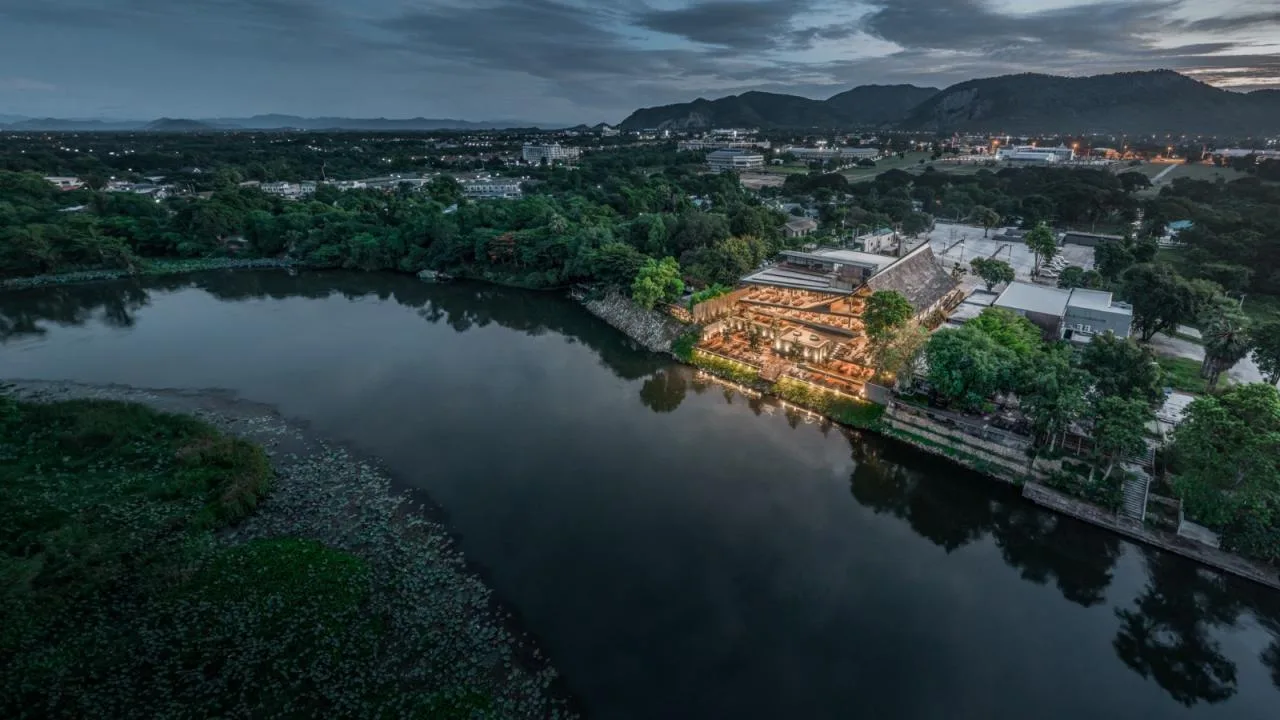
Keereetara is a newly designed restaurant that replaces its original nearby branch. Previously one of the most popular and successful Thai restaurants in northern Thailand, the owner wanted to retain the traditional Thai ambiance to complement the authentic cuisine it serves. Although the restaurant’s site is relatively small, especially compared to large restaurant branches, it is designed to support extensive functions such as seminars and weddings.
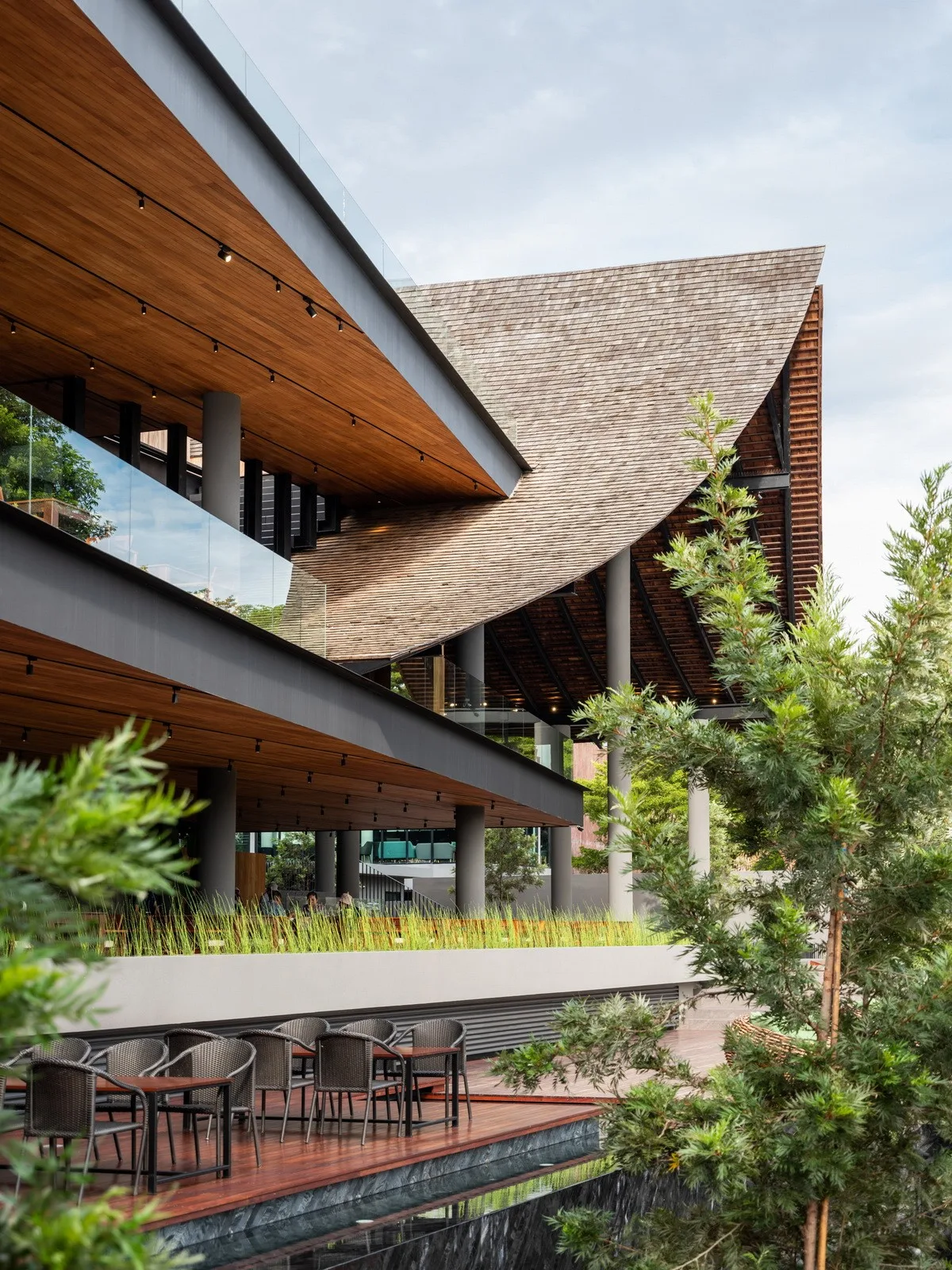
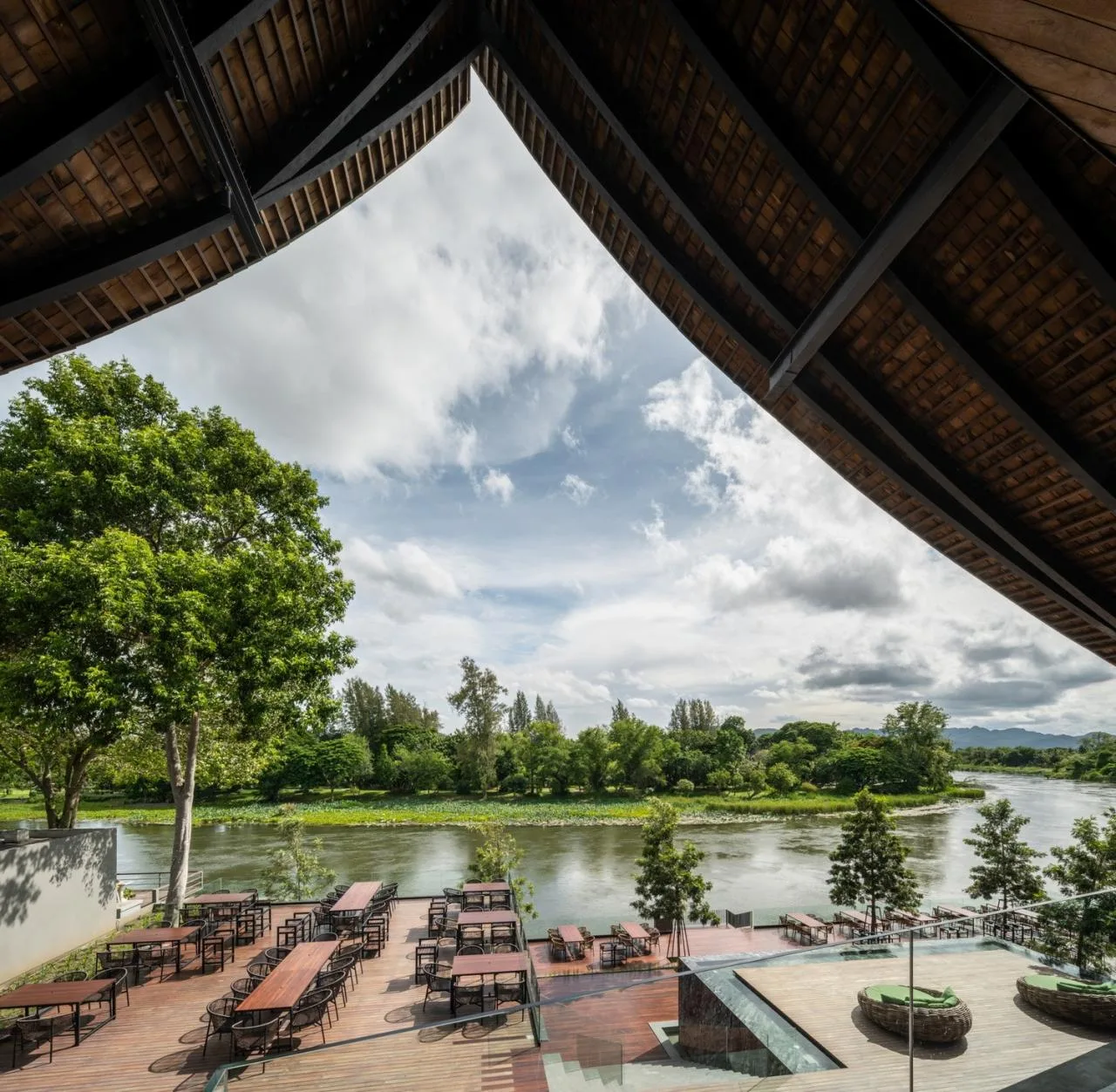
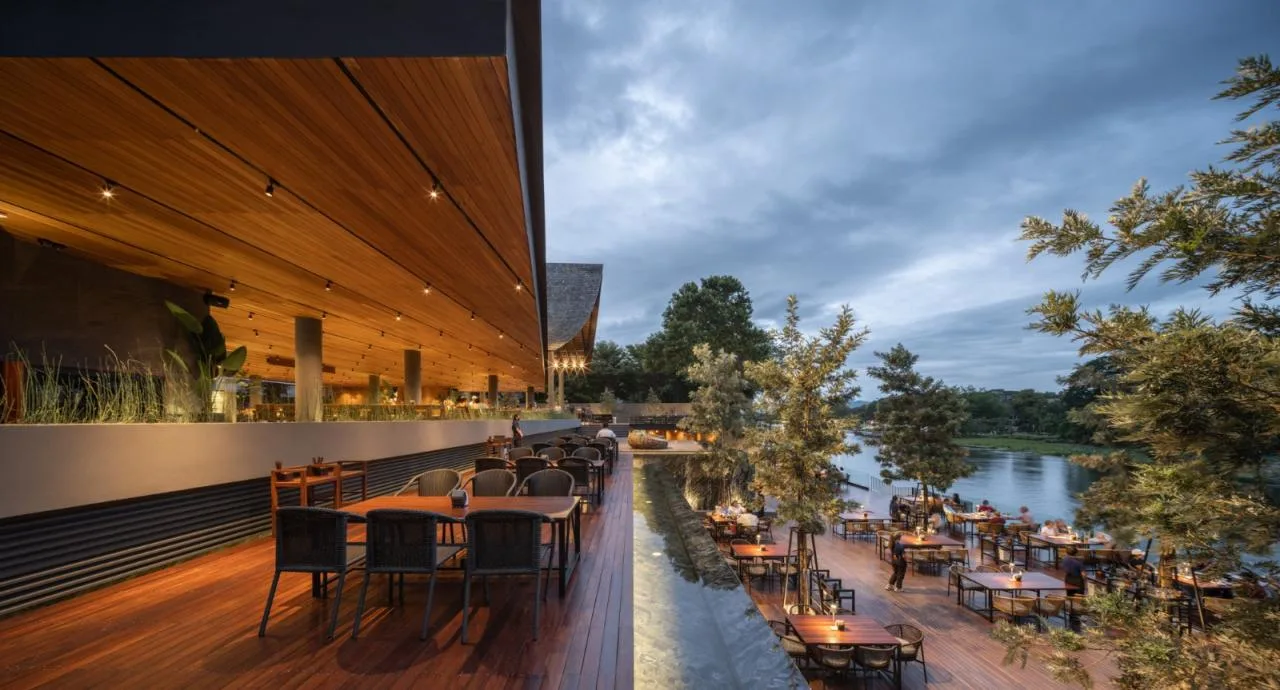
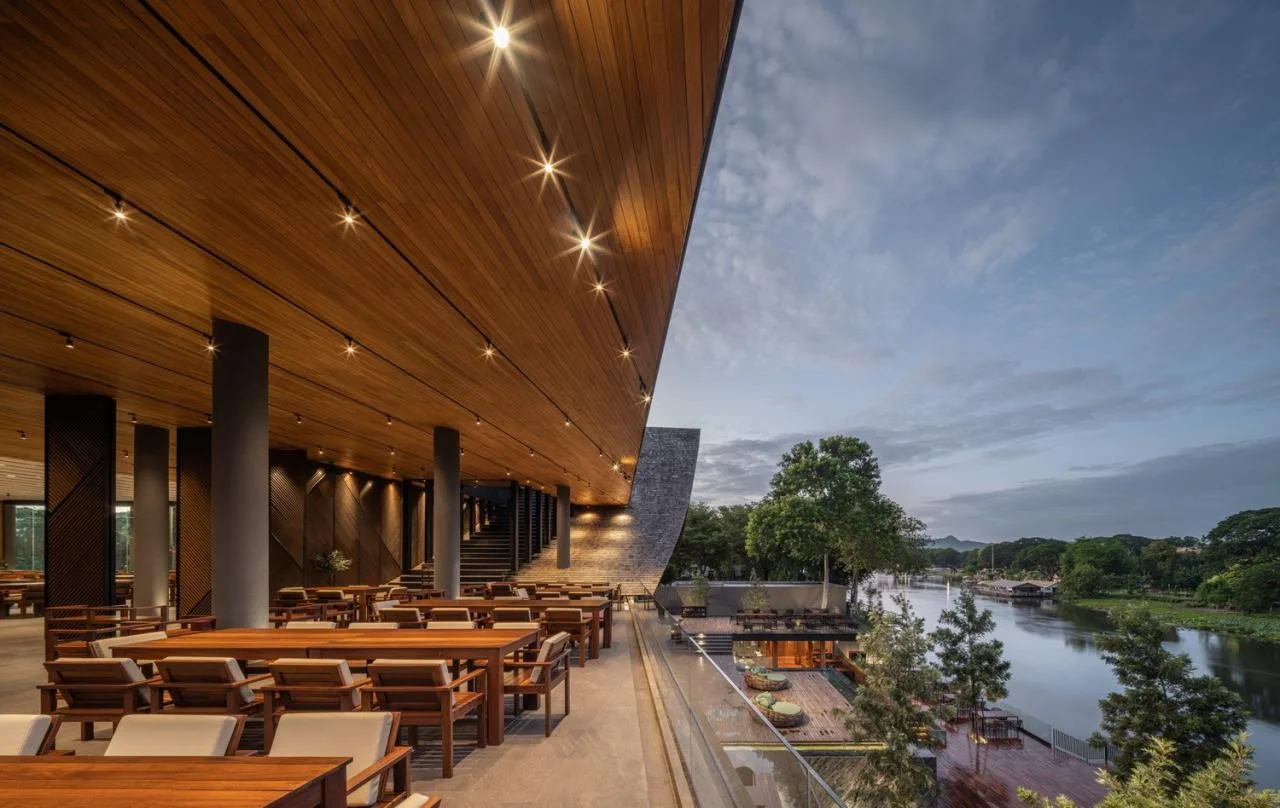
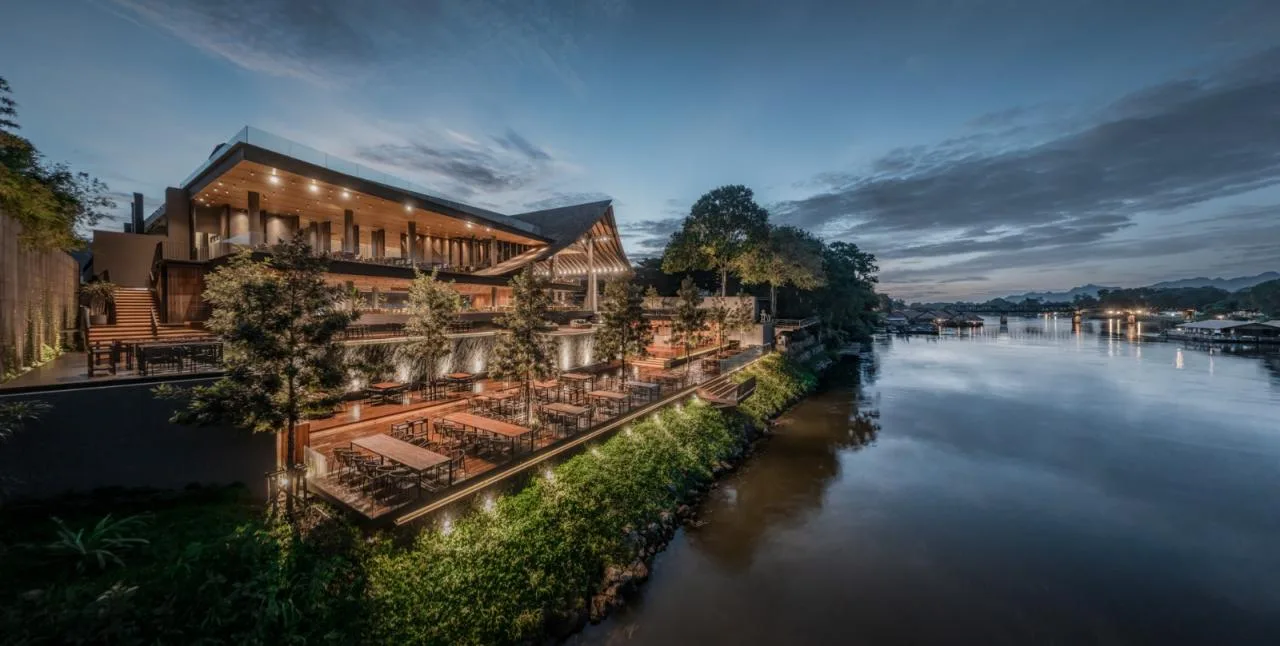
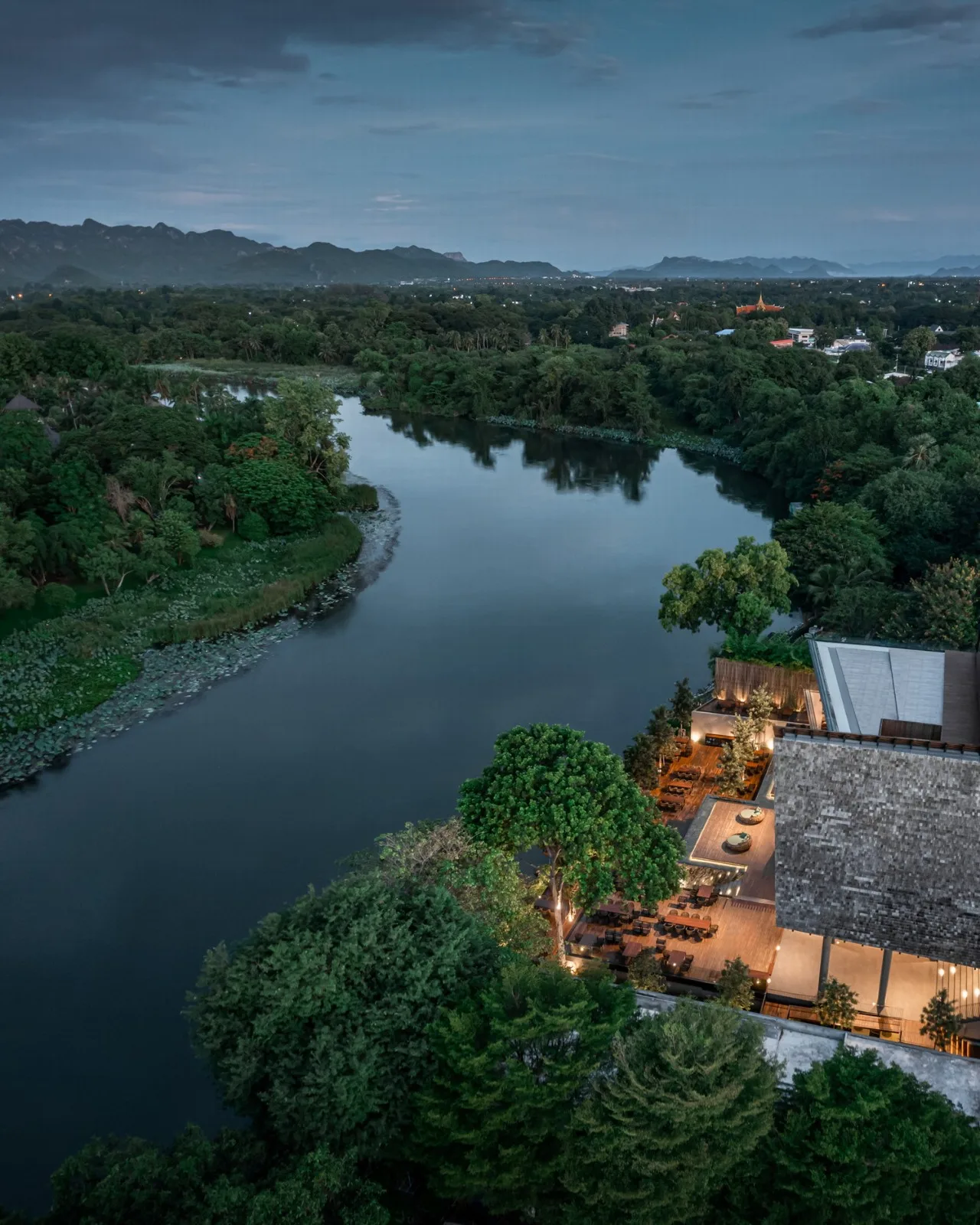
The architect designed a spacious kitchen, styled like a large convenience store, covering over 1,000 square meters. This design prepares the restaurant for future expansion or nearby branch openings. The plan not only accommodates significant service facilities but also leverages its location beside the Gui River, emphasizing the importance of indoor and outdoor dining spaces that take advantage of the scenic landscape.
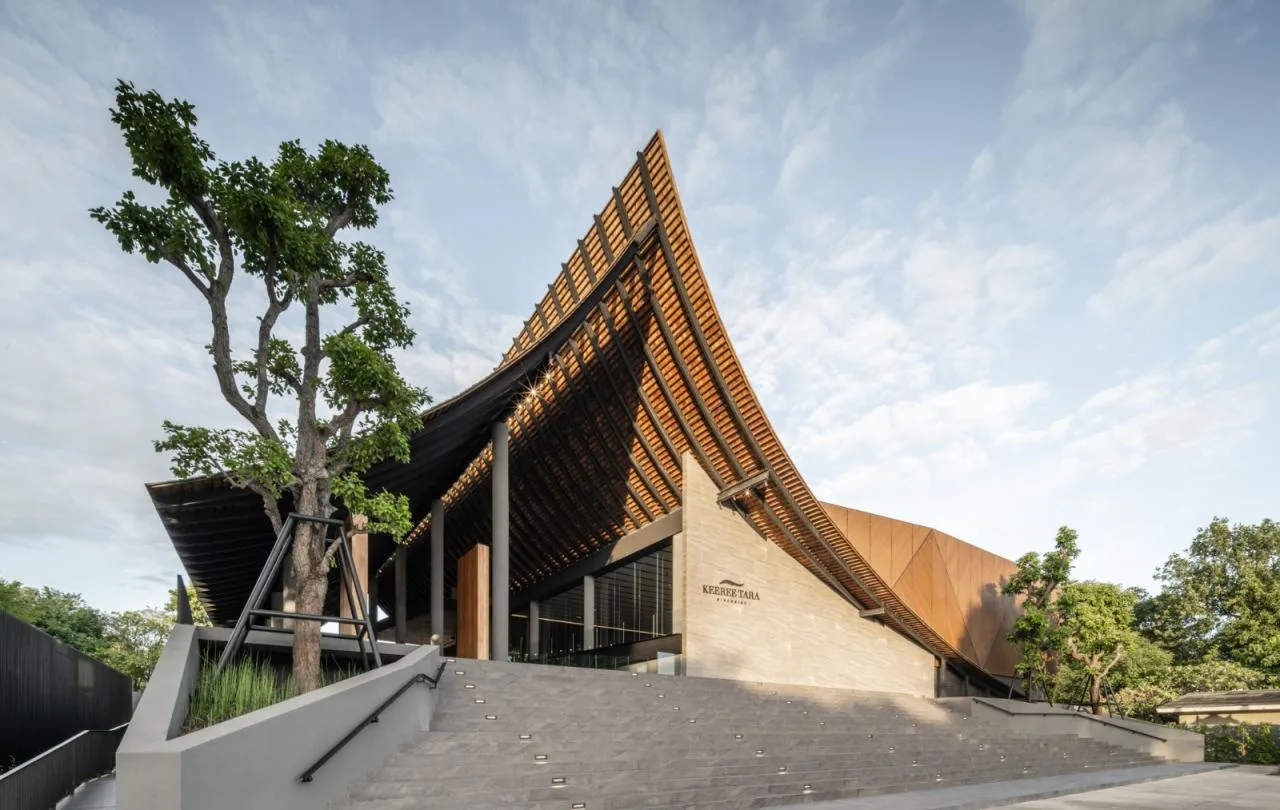
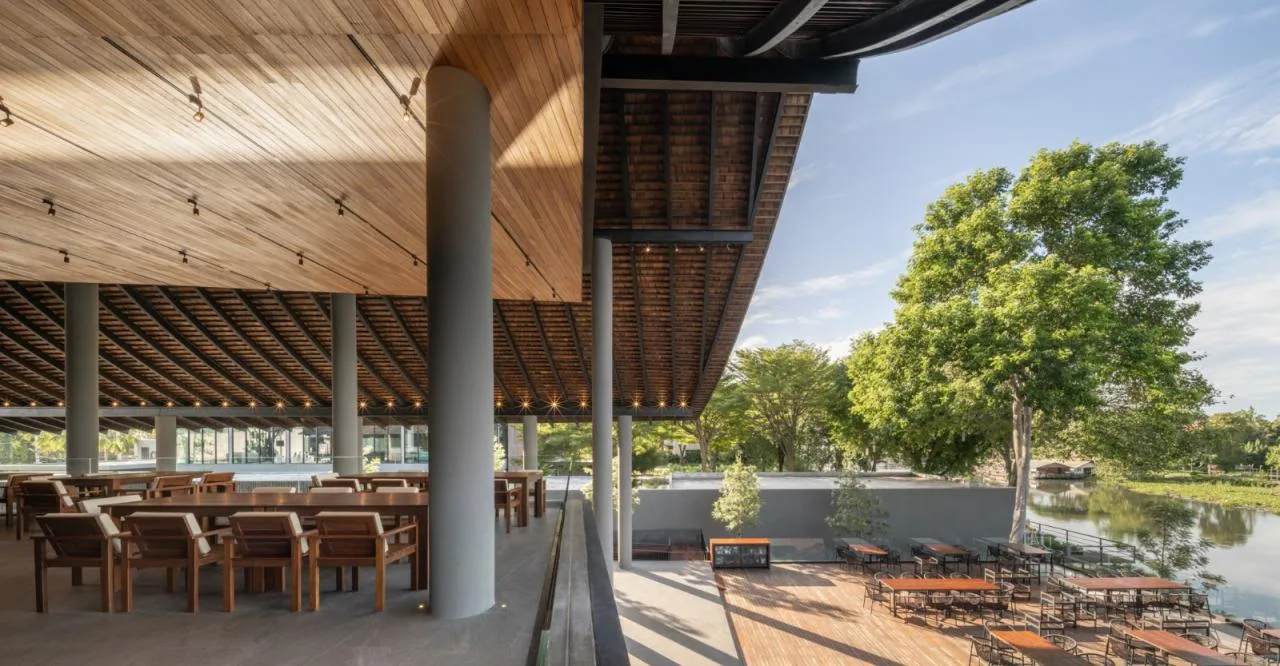
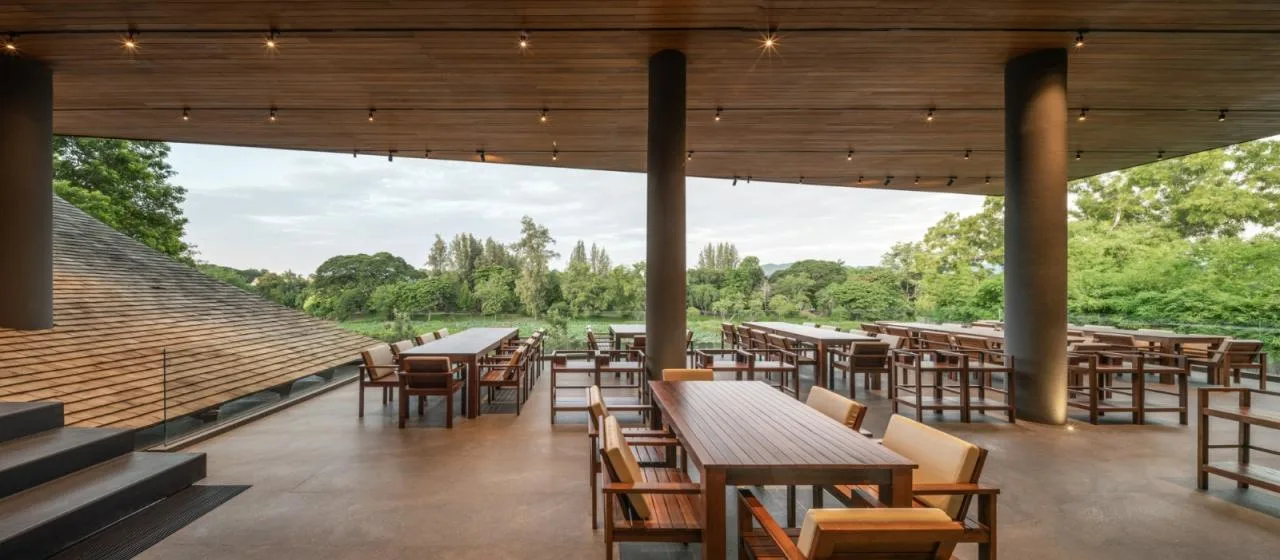
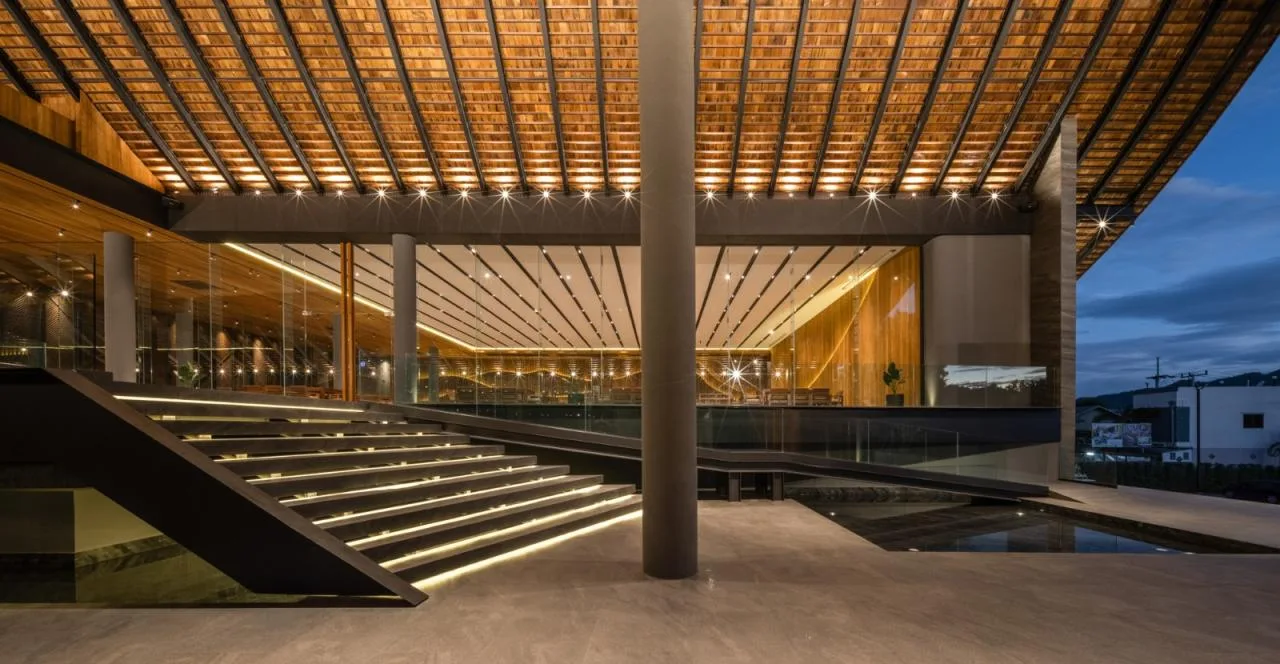
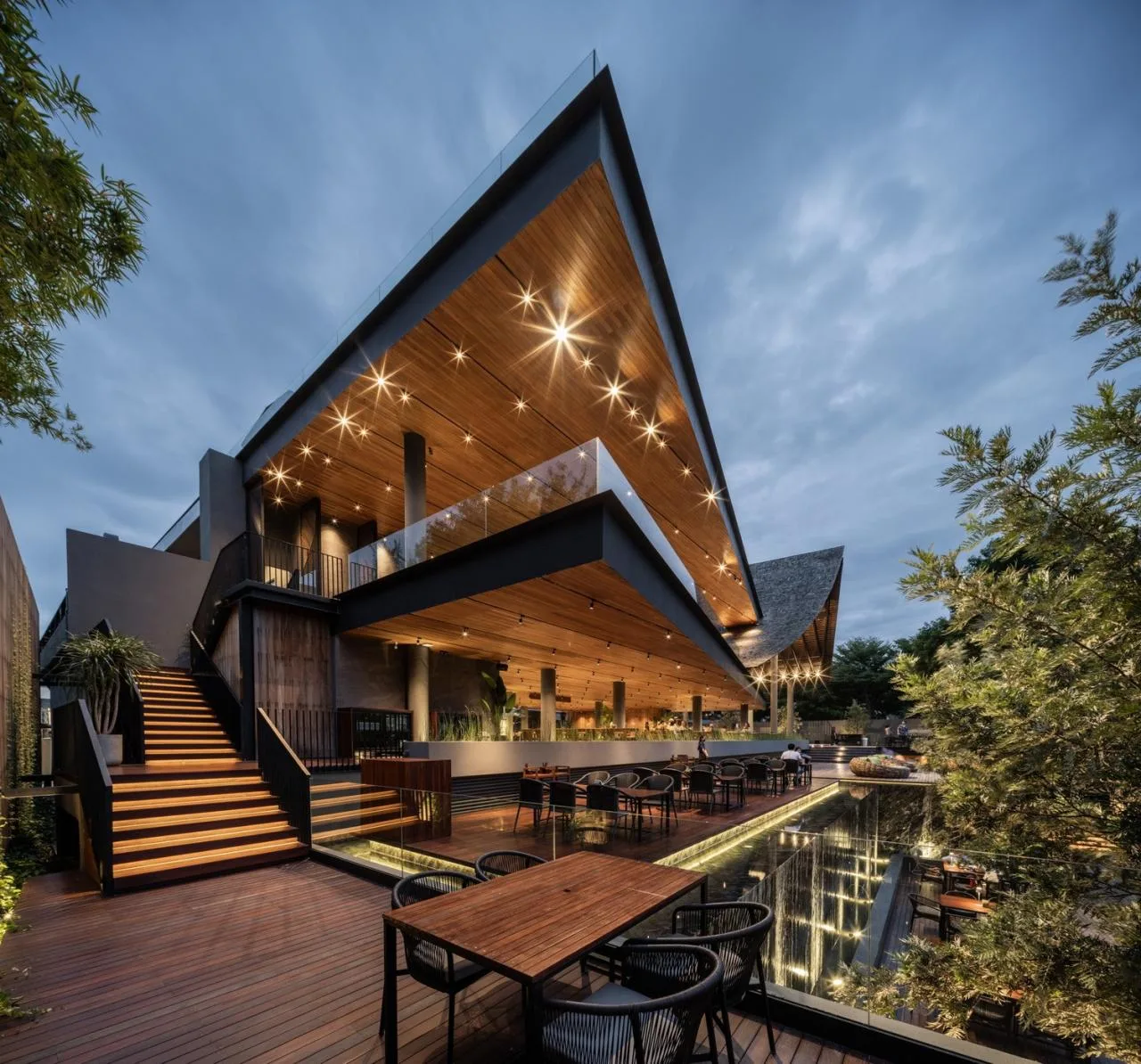
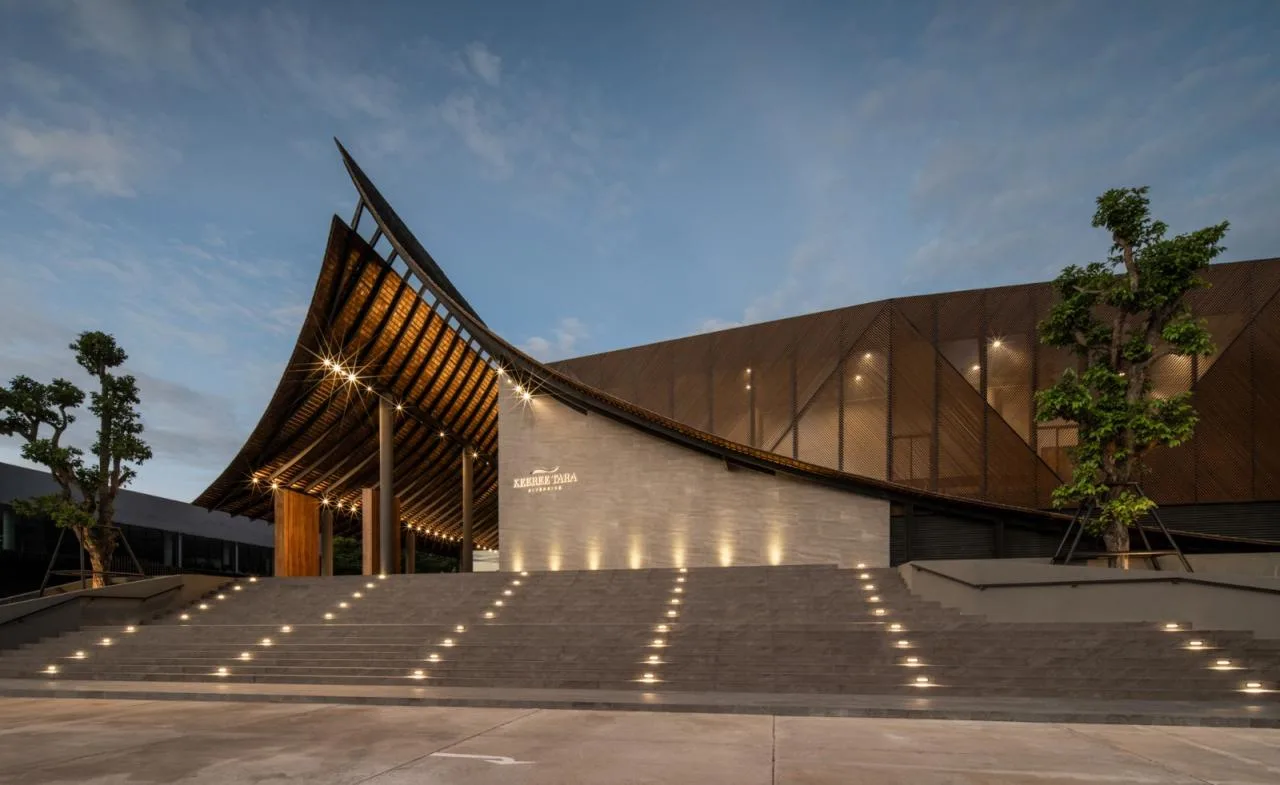
The design process began by addressing the “limitations,” identifying the most practical placement for key service functions and the large kitchen. As a result, these elements occupy most of the first floor. The combination of these spaces with high ceilings creates a large volume that partially obstructs diners’ river views. To address this, additional functions were placed on the second floor, with the kitchen and service areas positioned behind a grand staircase leading guests to the second-floor entrance hall.
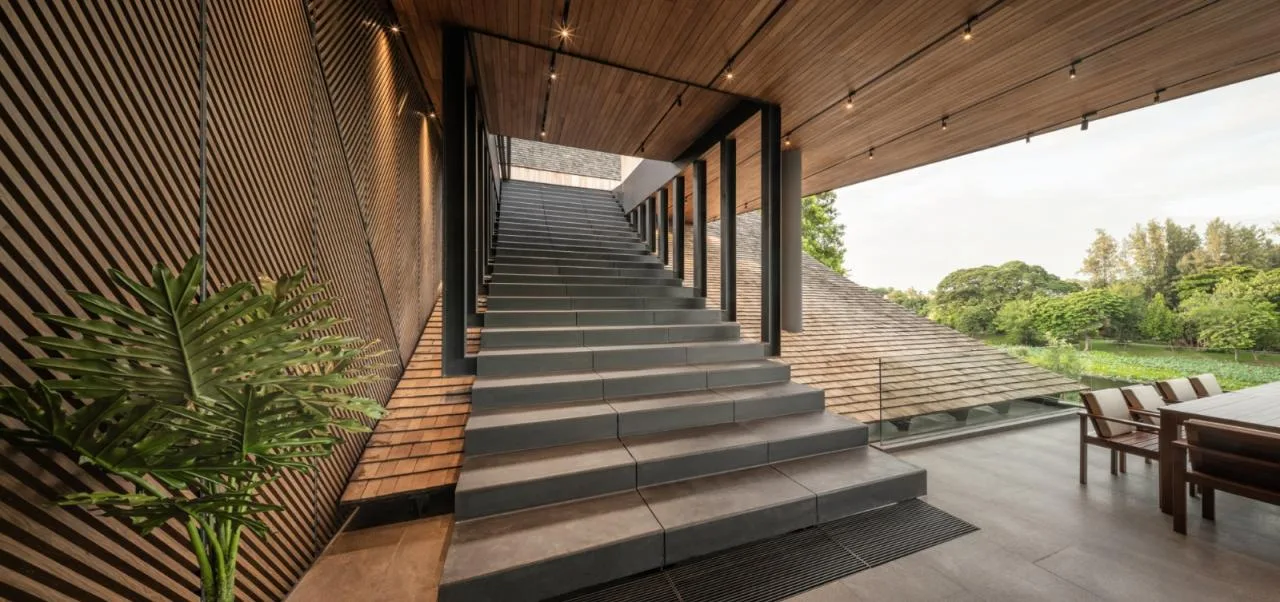
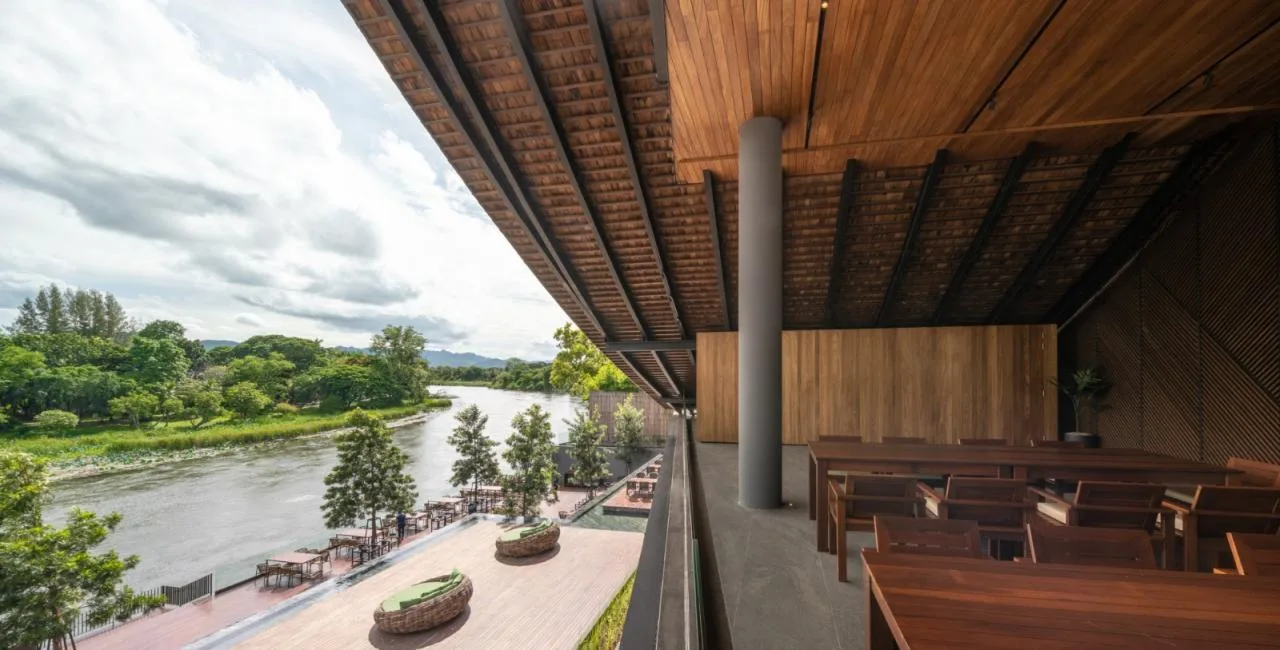
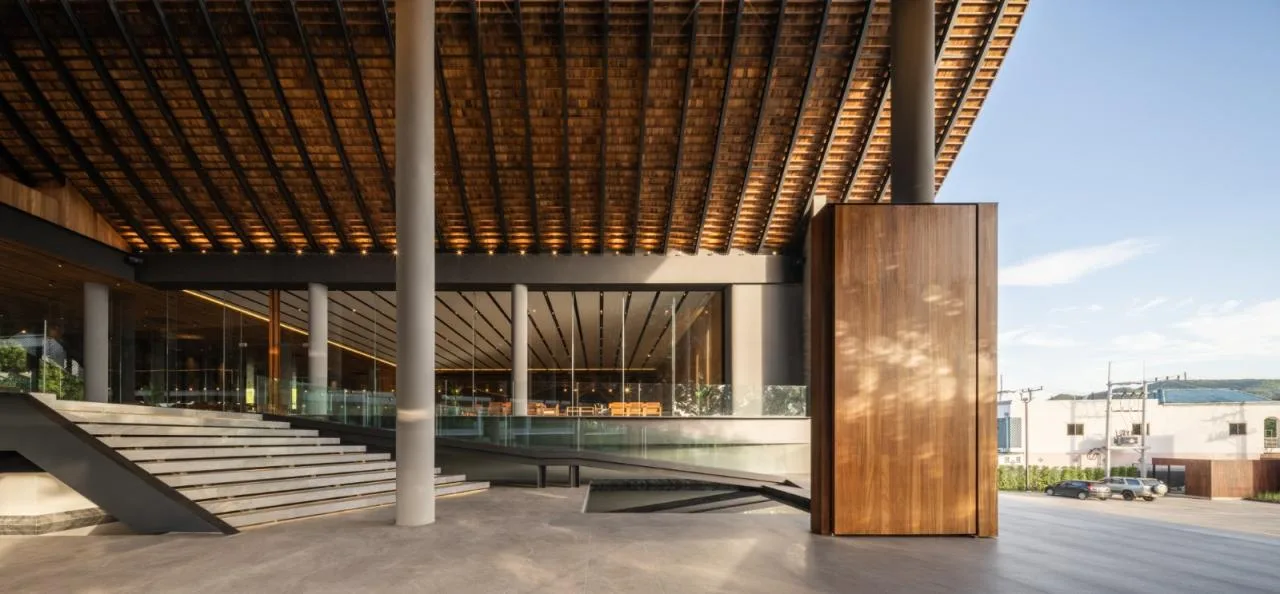
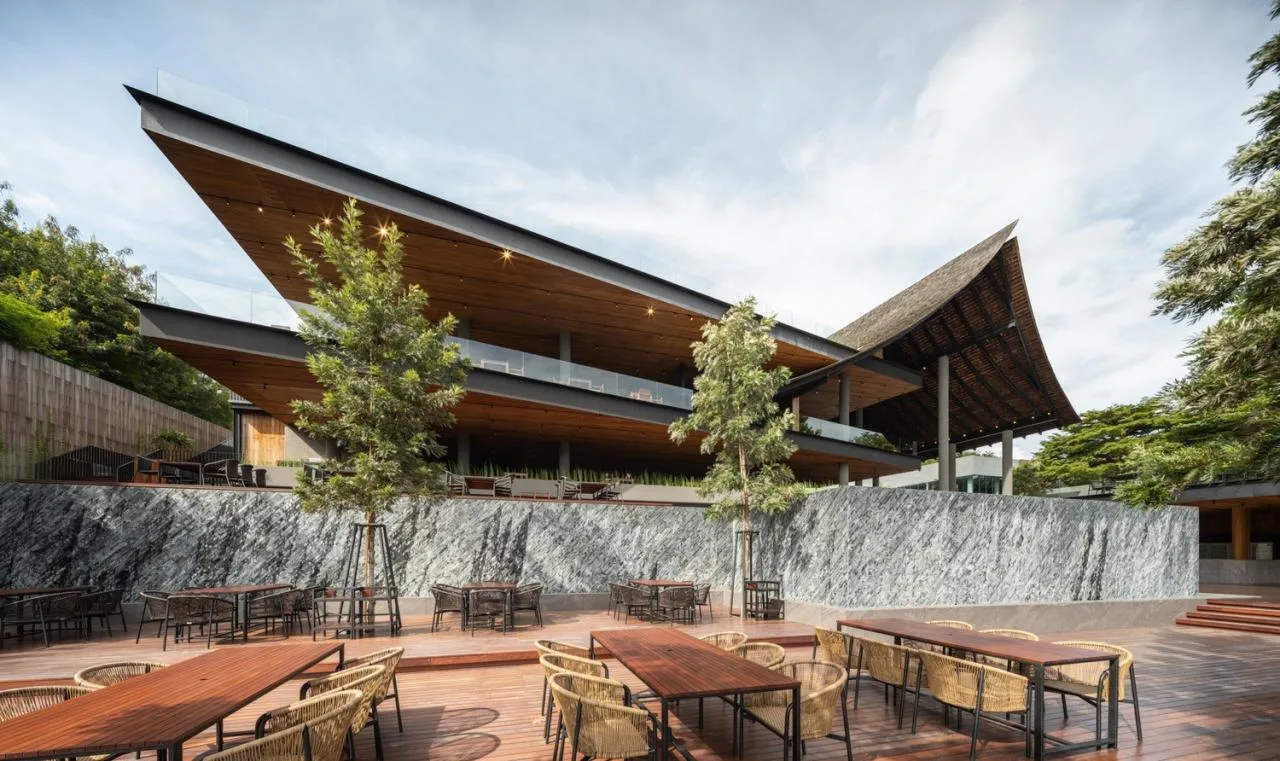
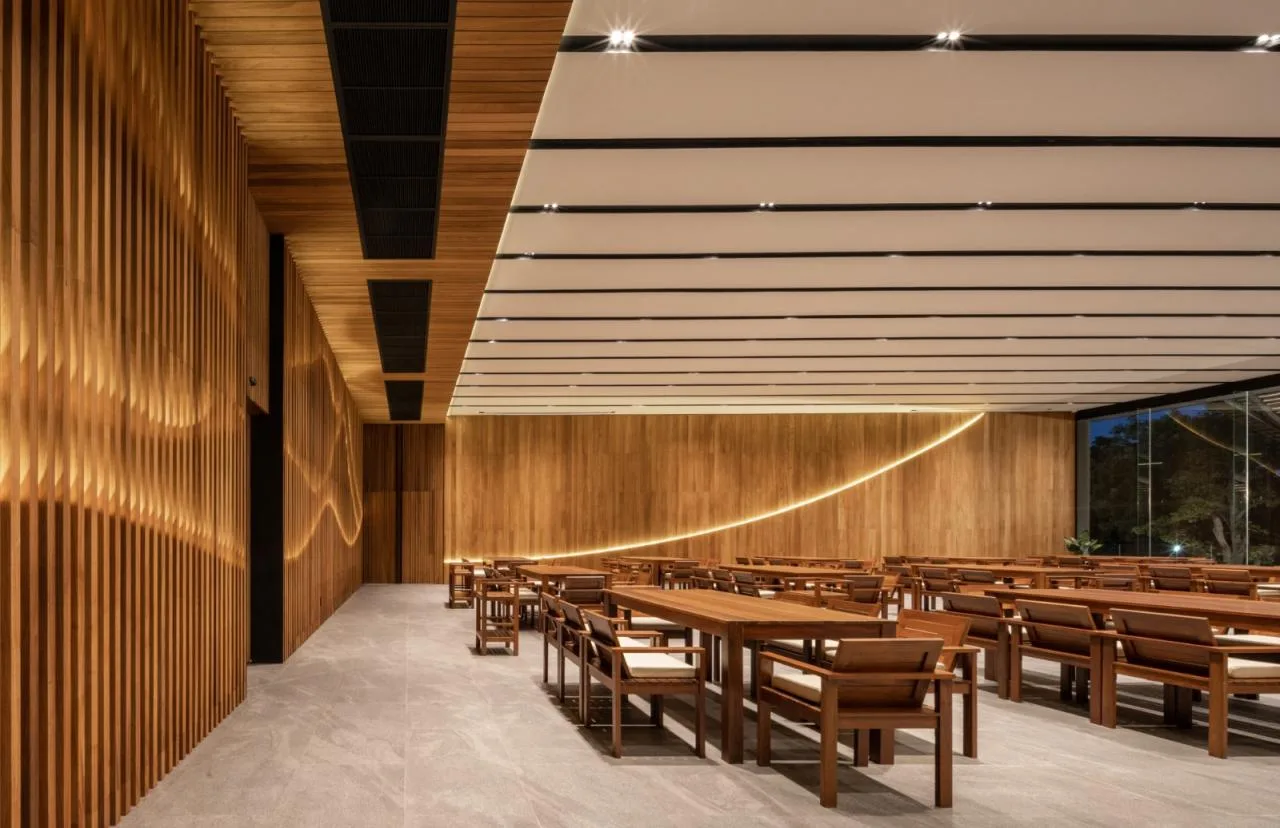
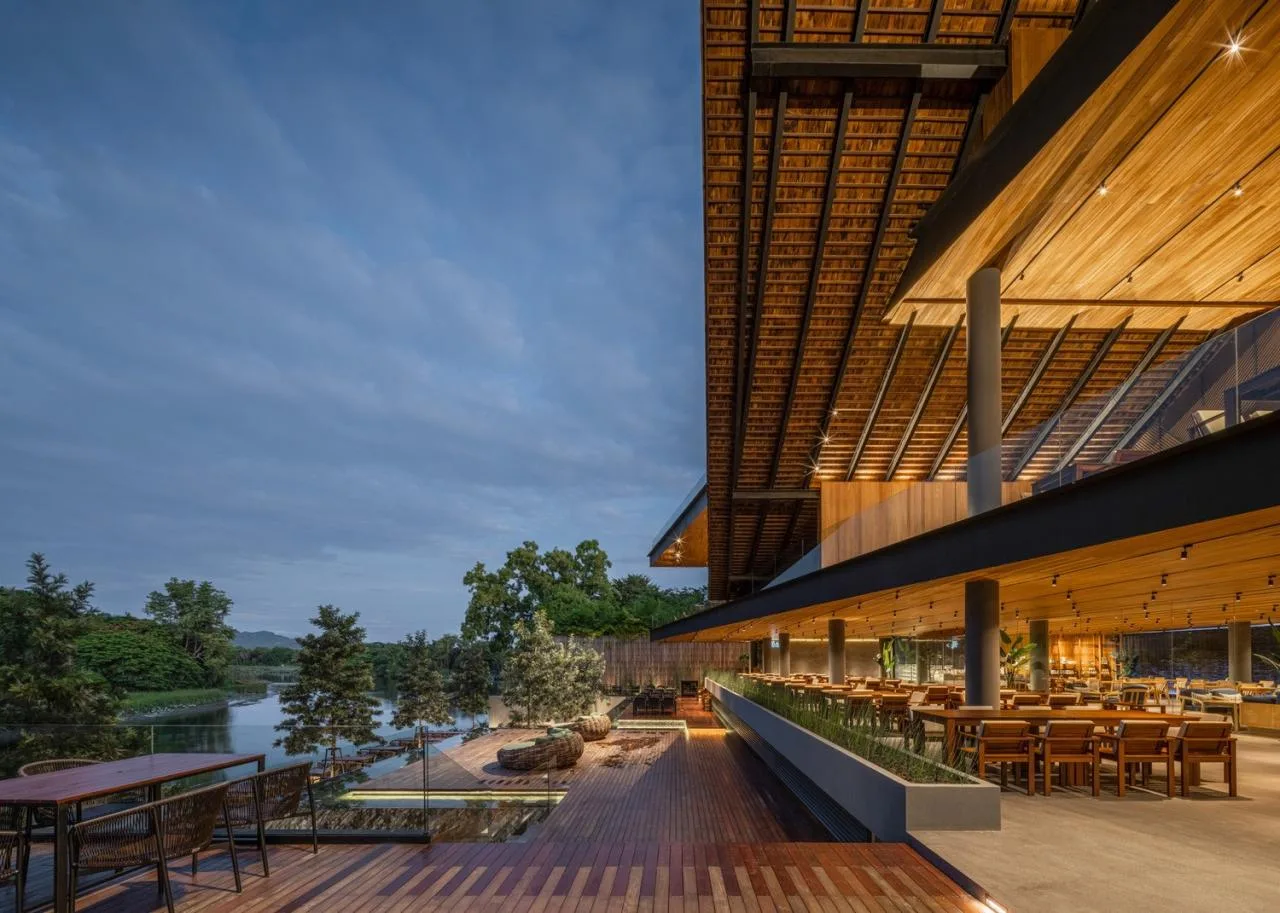
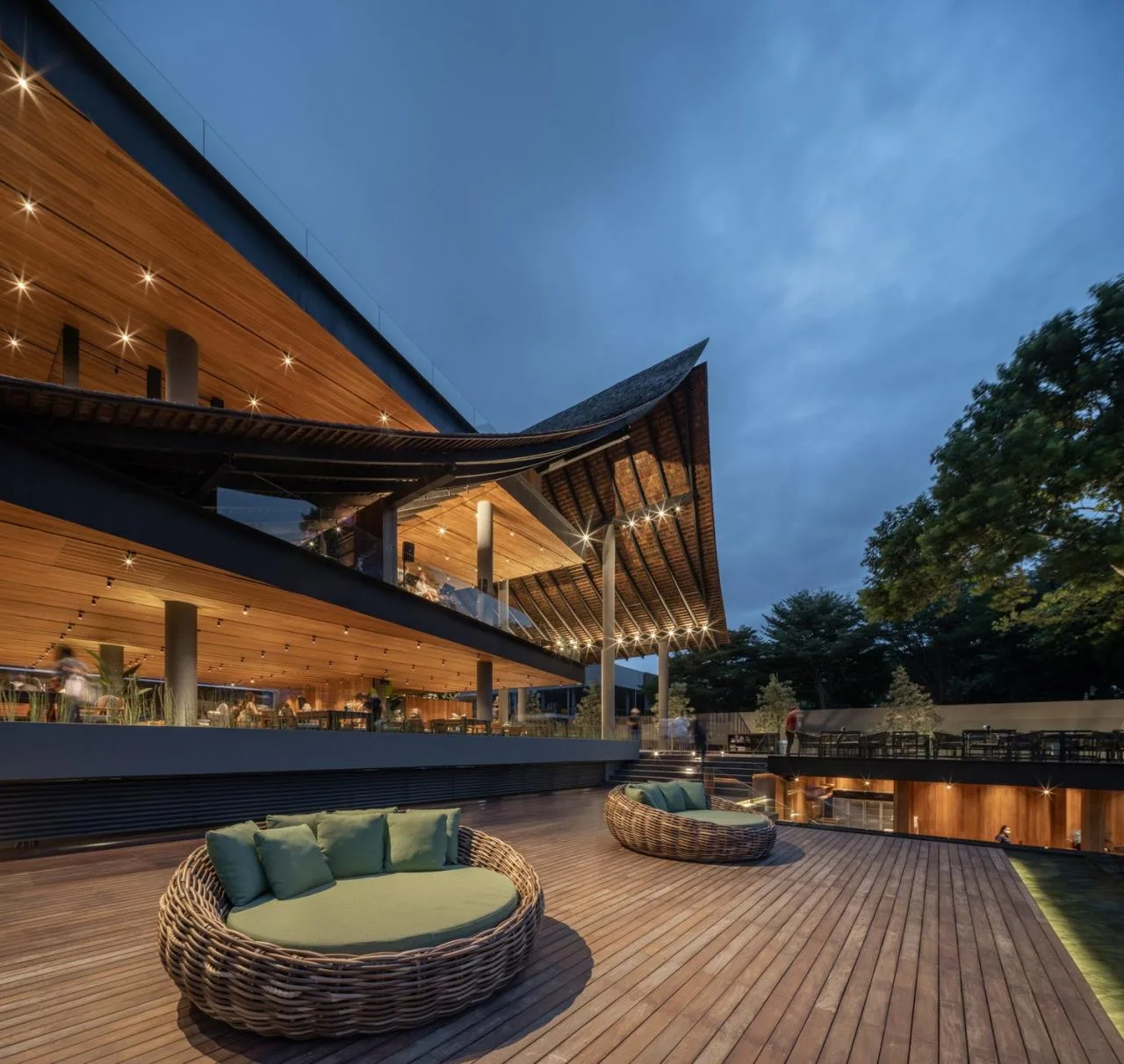
The second-floor entrance hall directs diners to the banquet hall on the third floor and also leads to the dining terrace on the same level. The dining terrace features a tiered, staggered design that slopes gently toward the riverbank, creating multiple outdoor dining areas. The third-floor banquet hall accommodates events like seminars and weddings and is surrounded by a balcony and an additional dining space, offering elevated views of the river.
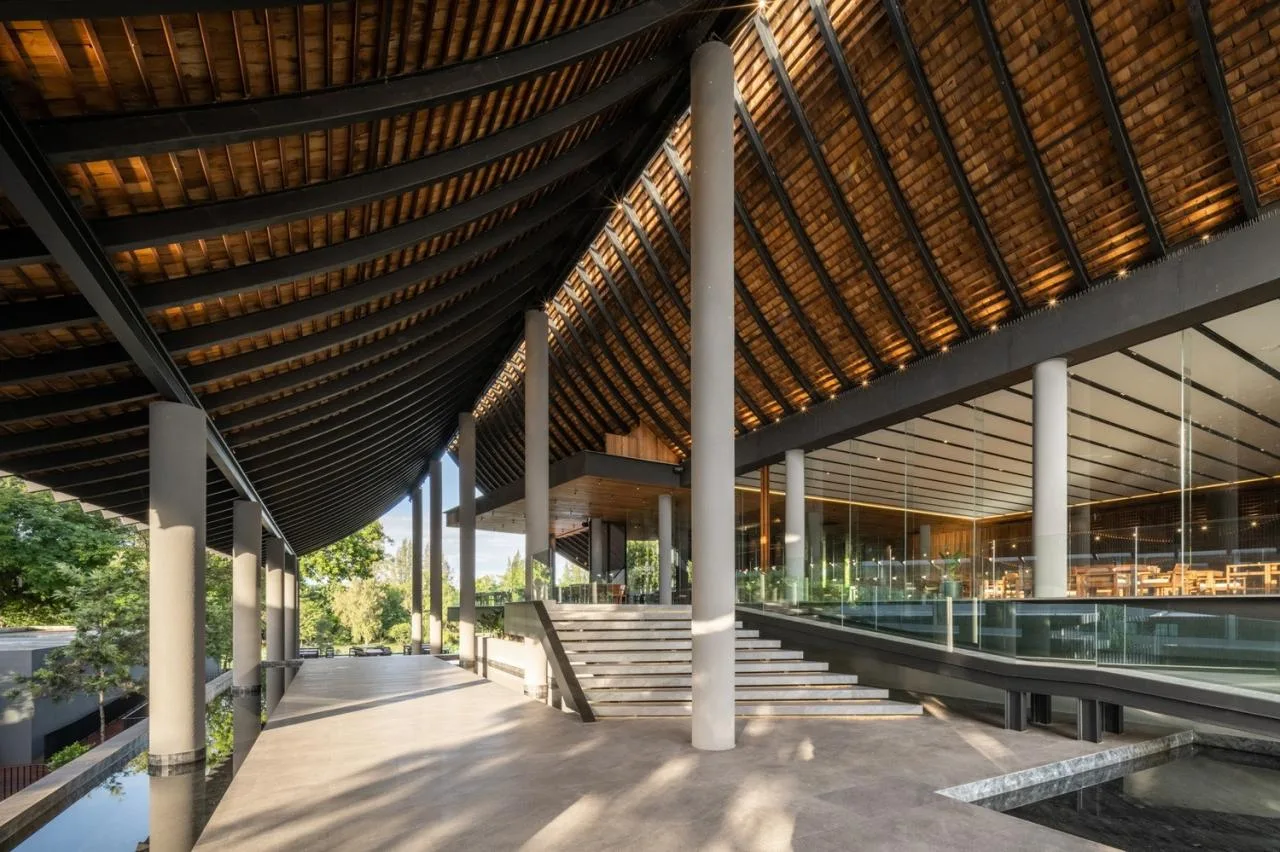
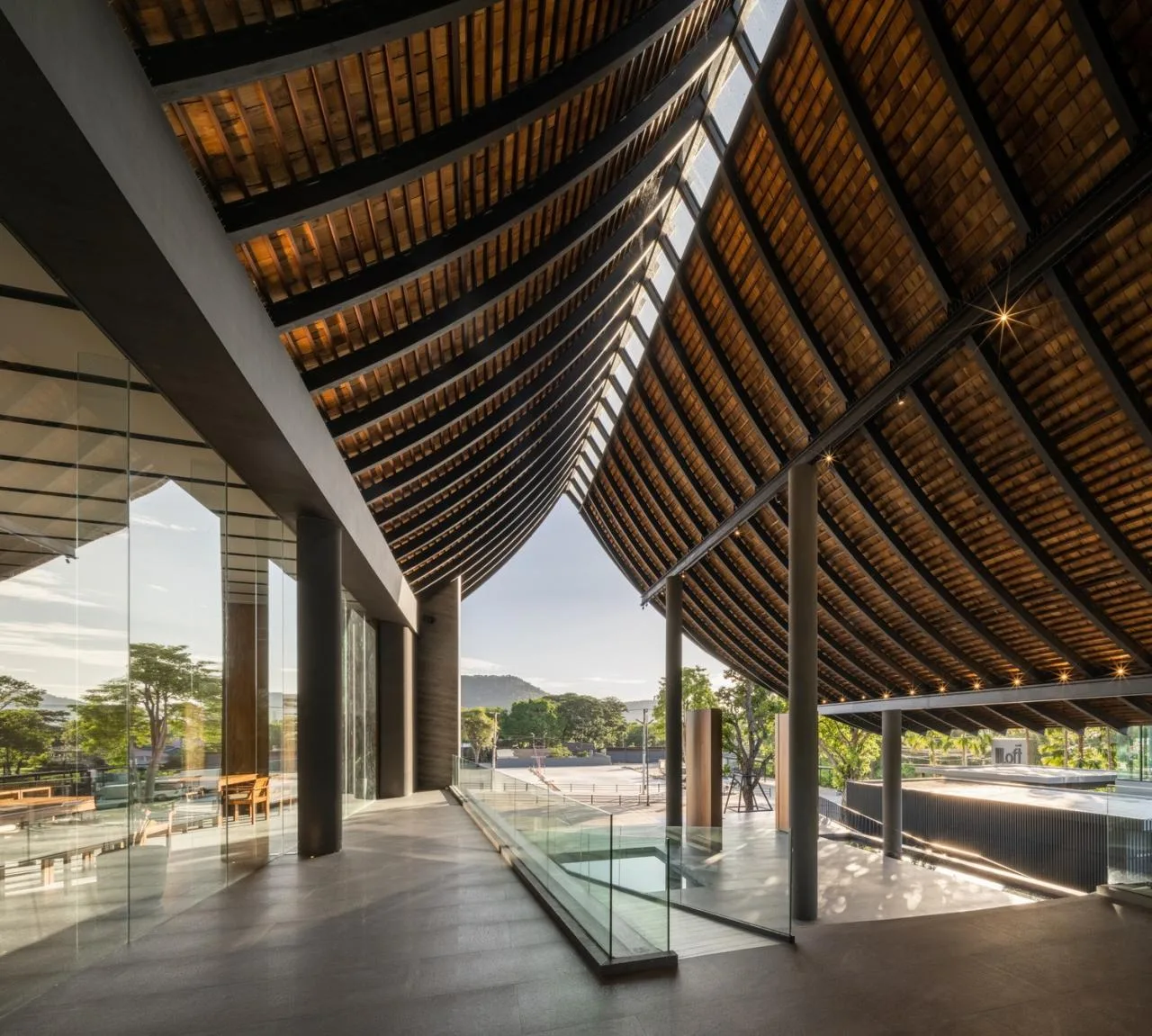
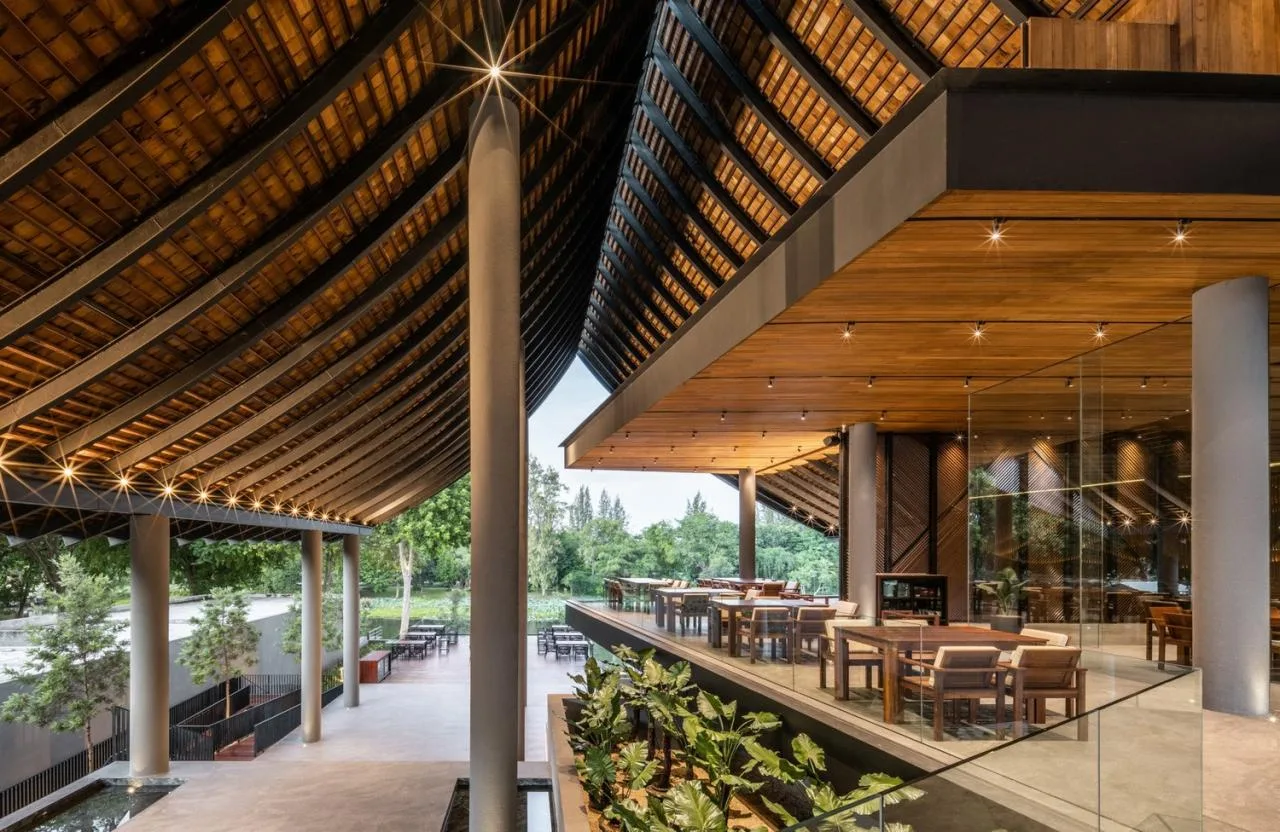
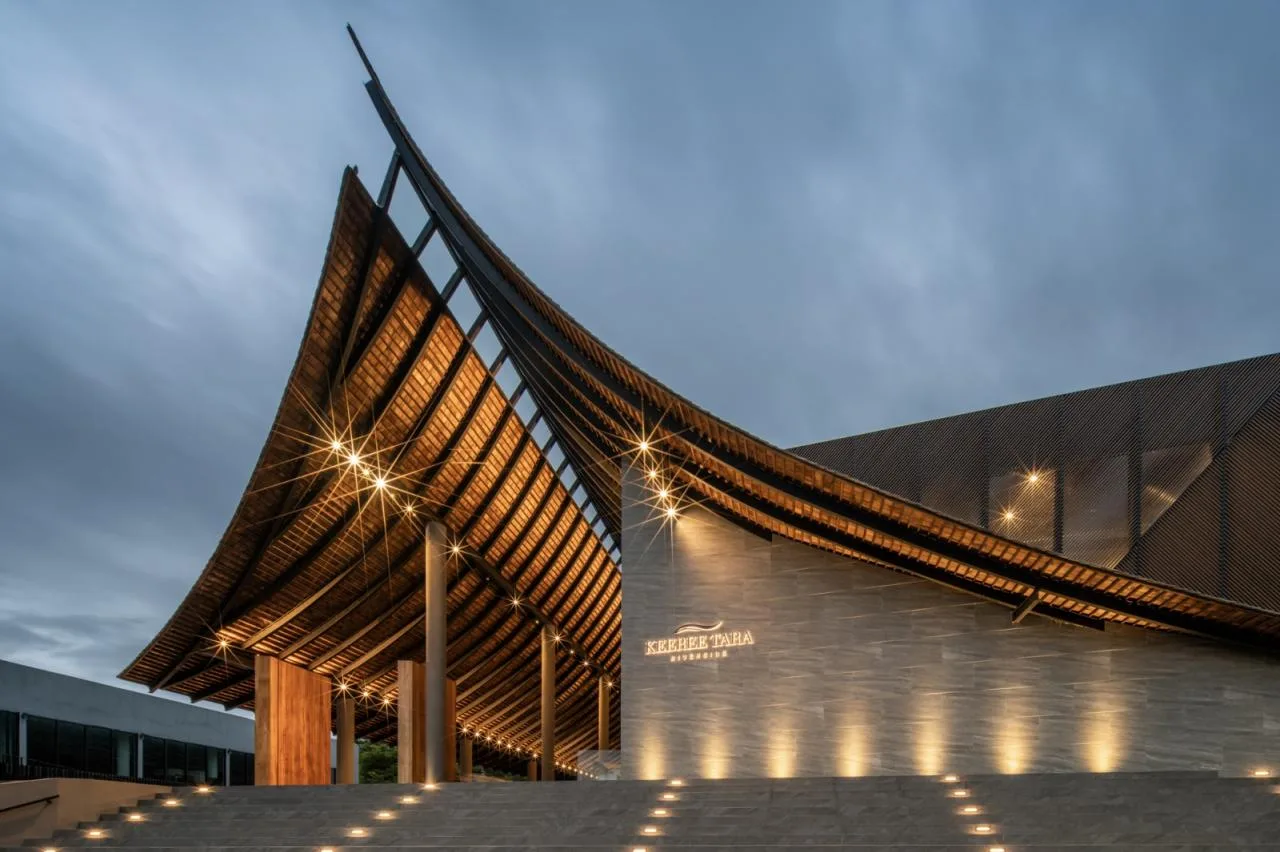
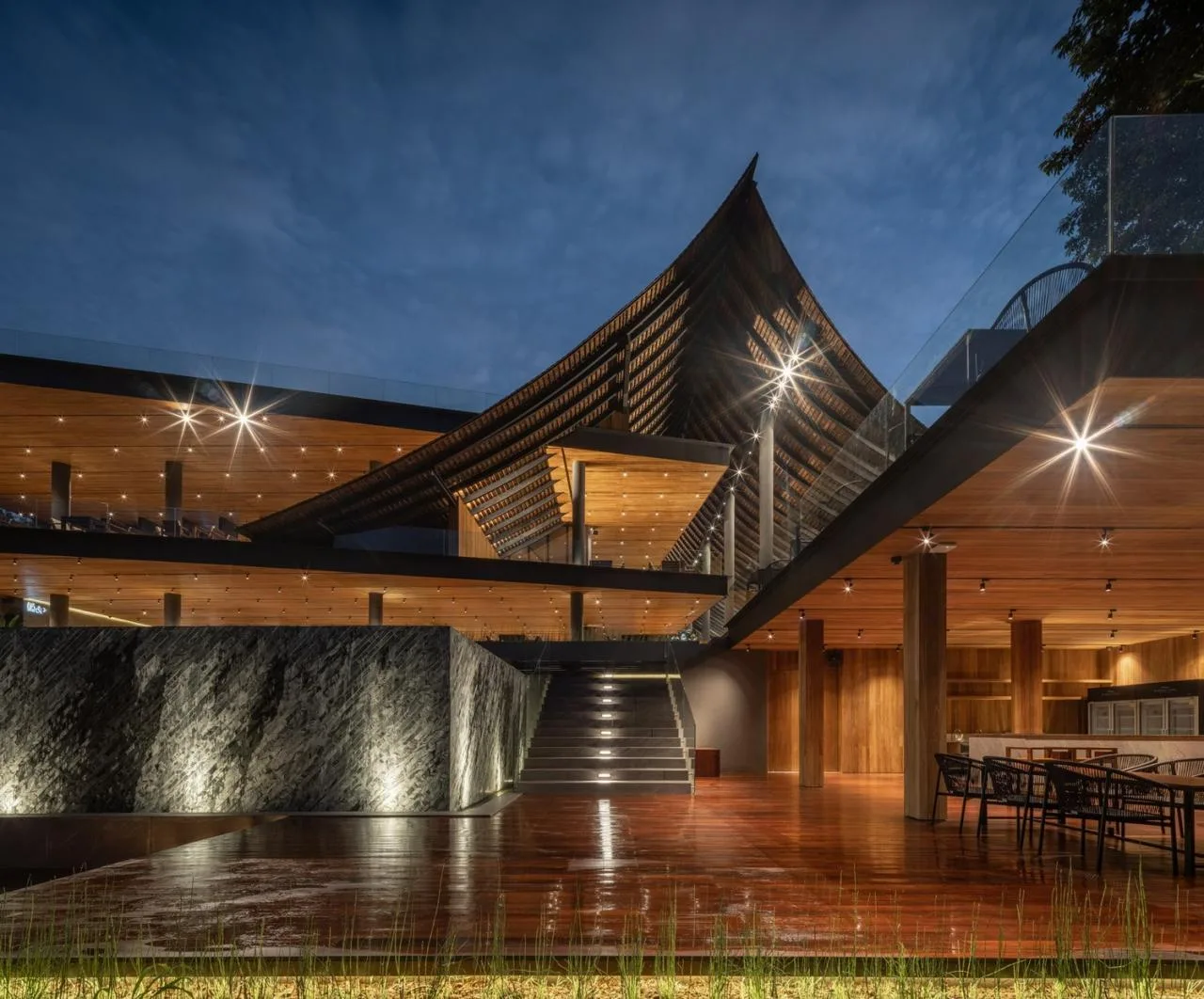
A key challenge of this project was integrating traditional Thai style into a large building. Historically, large Thai structures with expansive spans are temples or palaces, while traditional Thai houses tend to be smaller and clustered. The architects chose to convey the essence and atmosphere of Thai architecture within the available space, focusing on creating a spatial Thai ambiance rather than replicating traditional proportions or decorative elements directly.
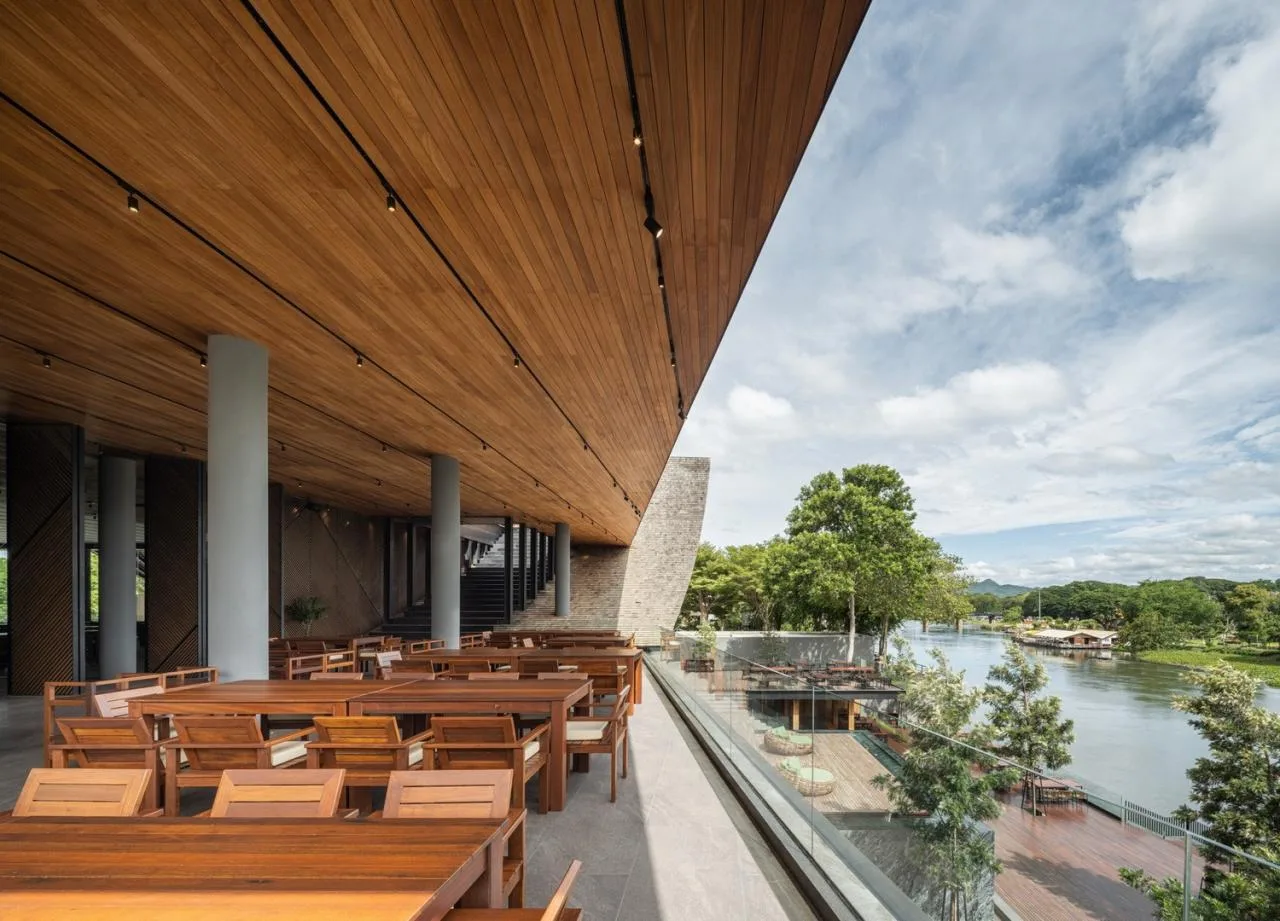
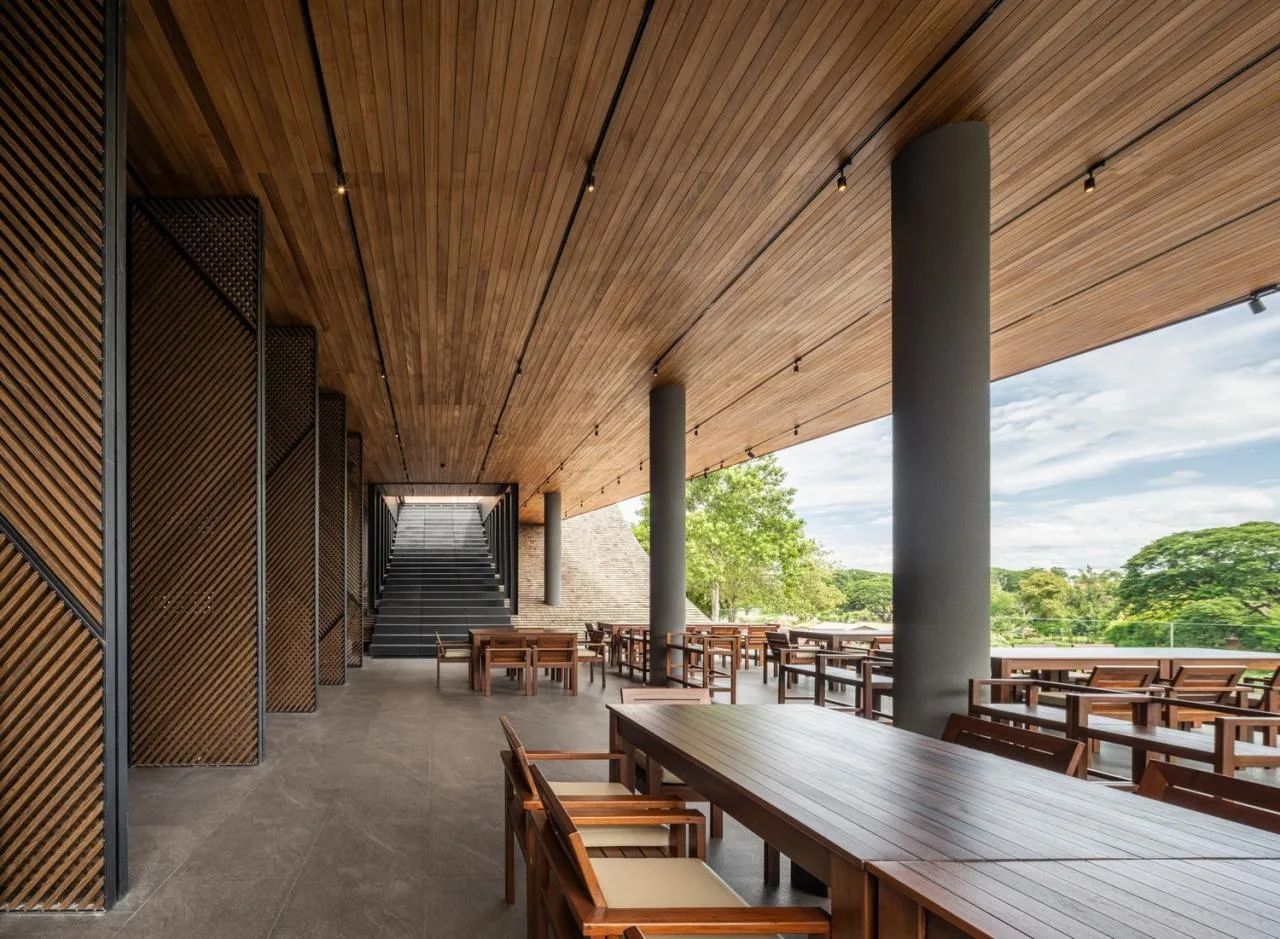
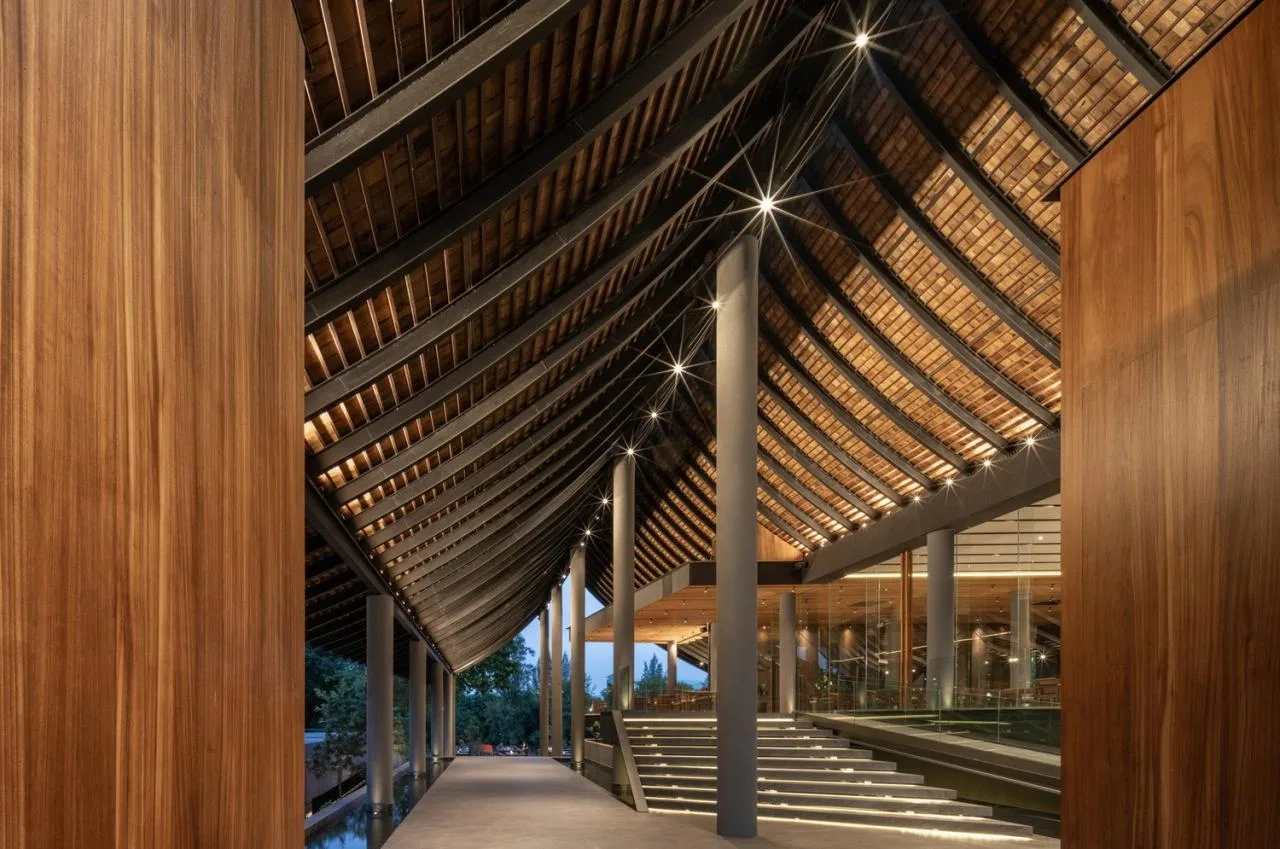
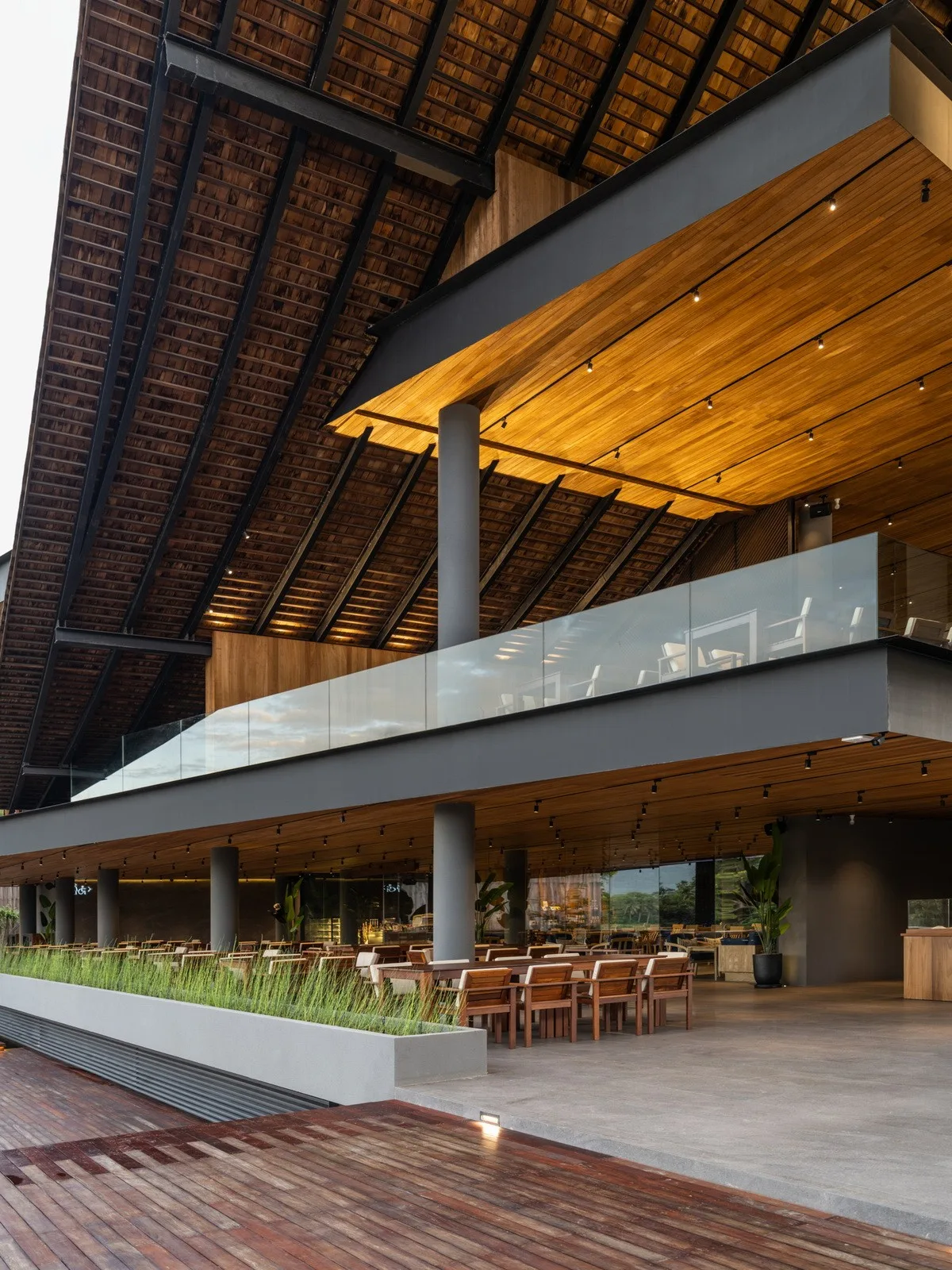
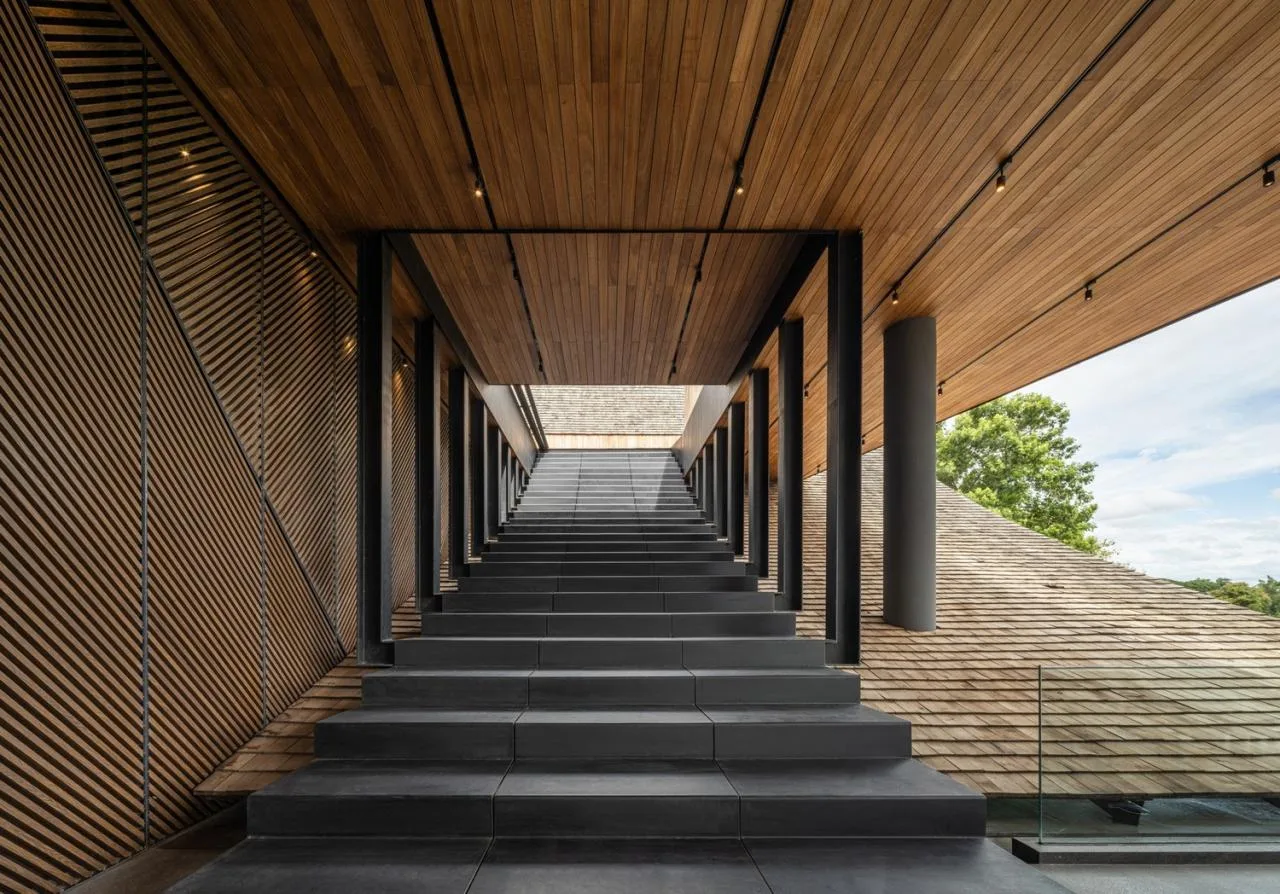
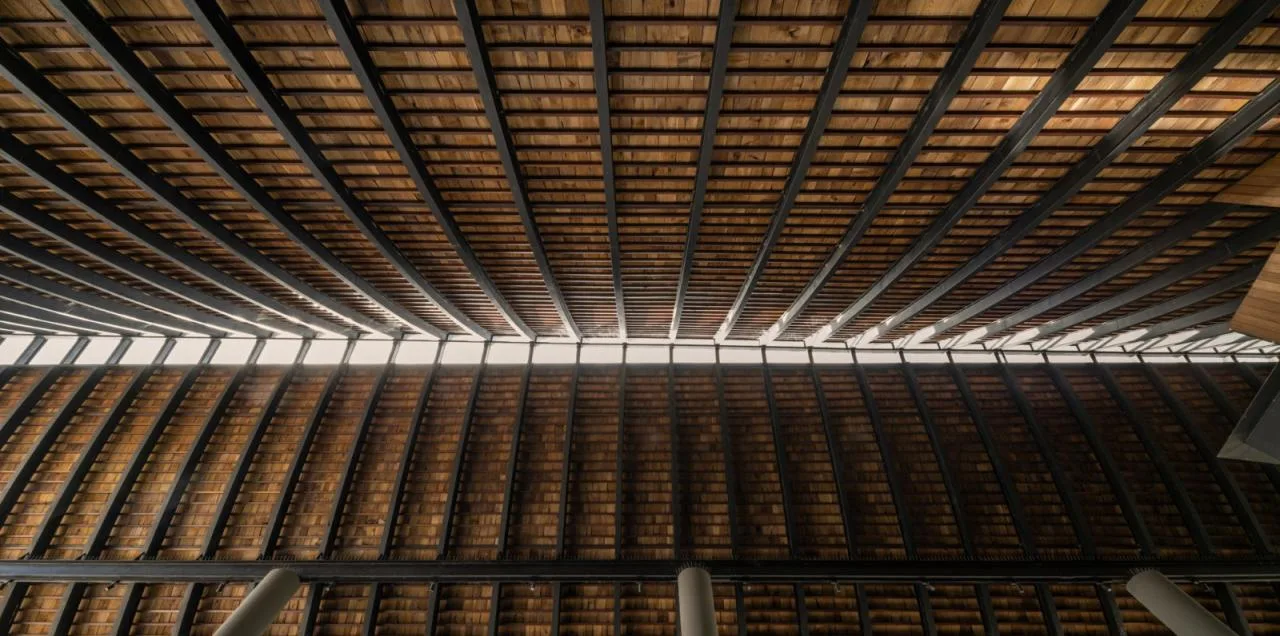
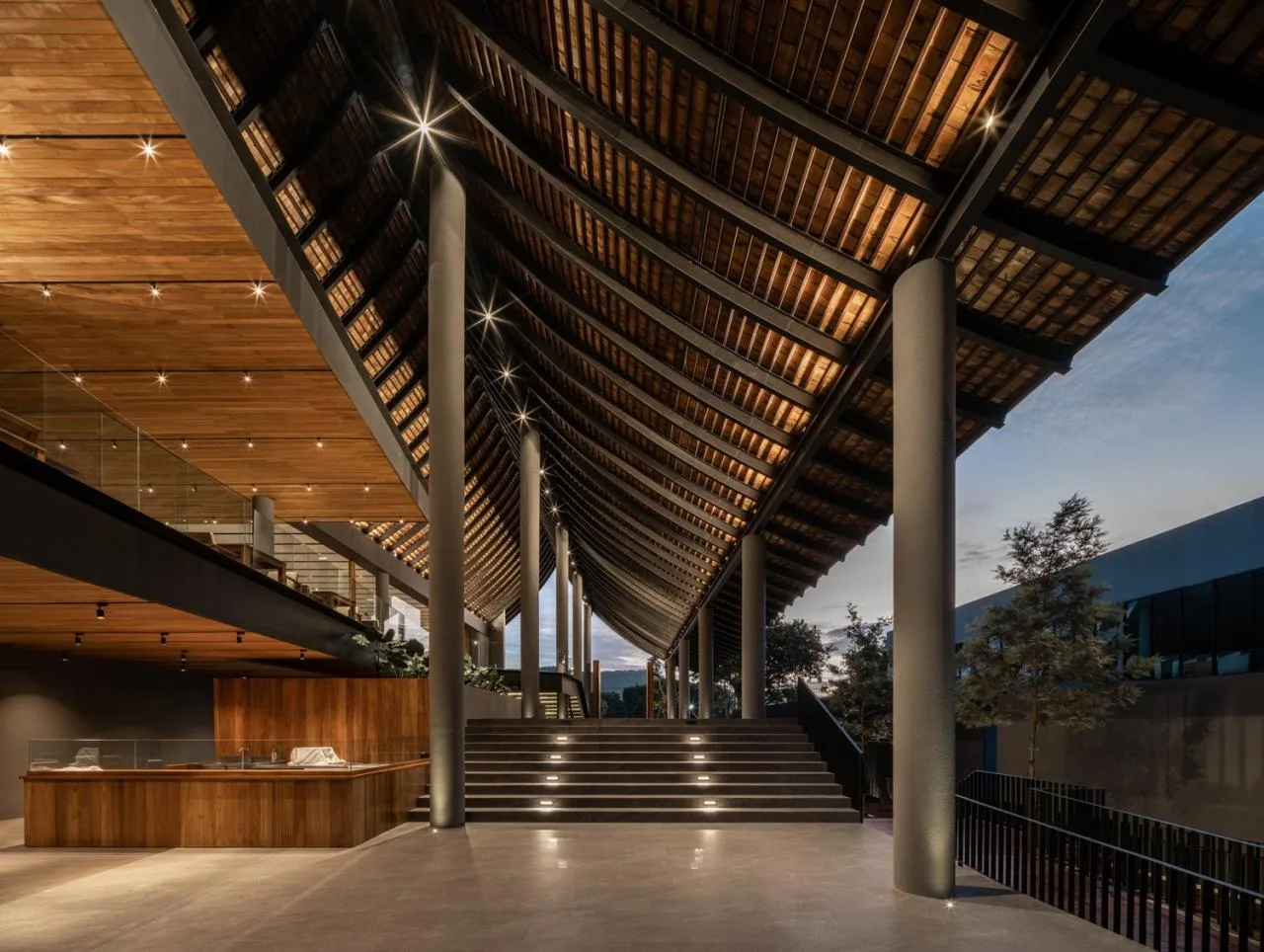
The architect’s interpretation resulted in a large curved gable roof, which is both functional and symbolic. The central ridge is offset and aligned with the main entrance, slightly angled to allow natural light to create a beam directed toward the river. The long sides of the herringbone-patterned roof slope gradually down to the floor, visually reducing the roof’s massive size. Additionally, the slope facing the river doubles as a staircase, providing access to the rooftop bar and terrace.
Project Drawings
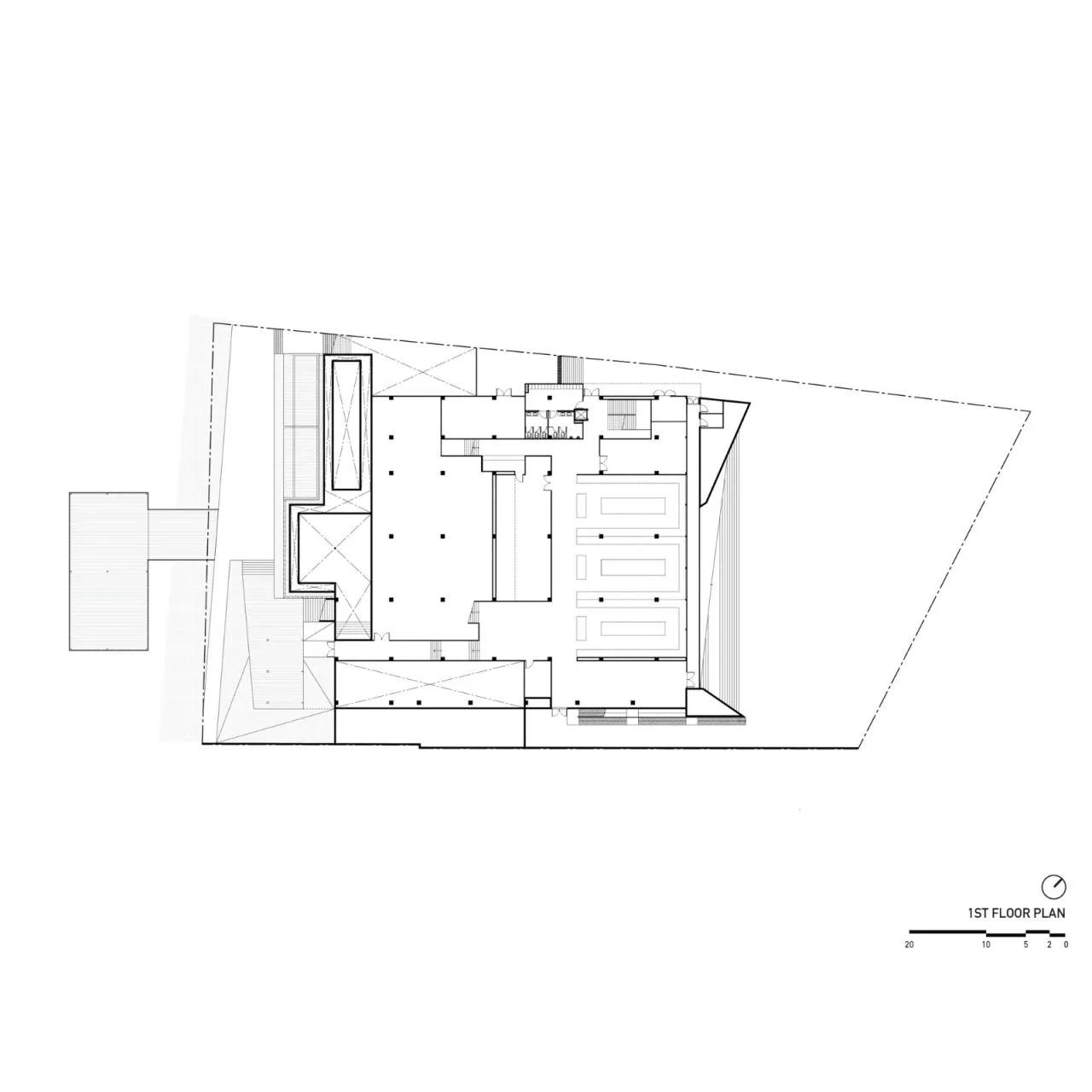
△ First Floor Plan
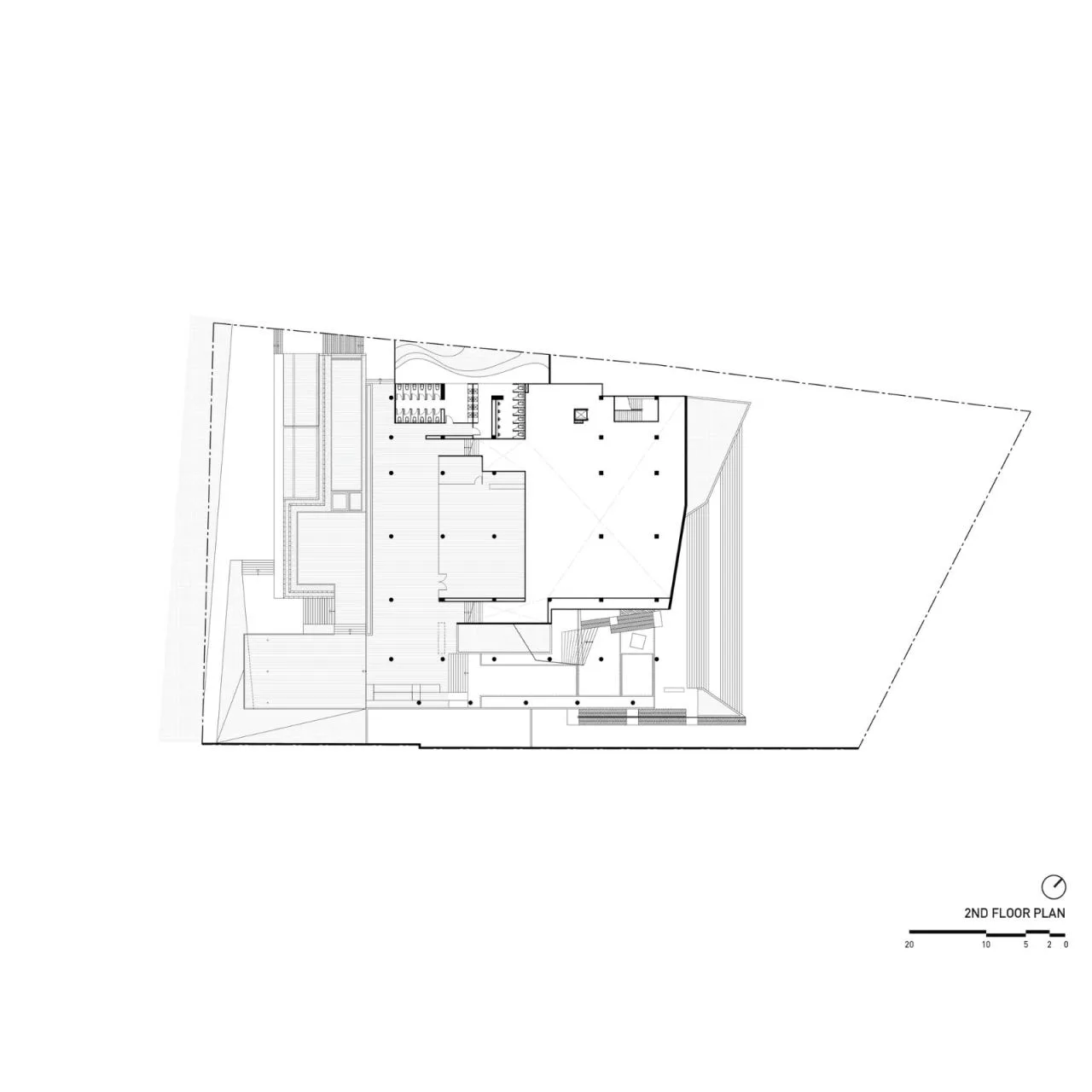
△ Second Floor Plan
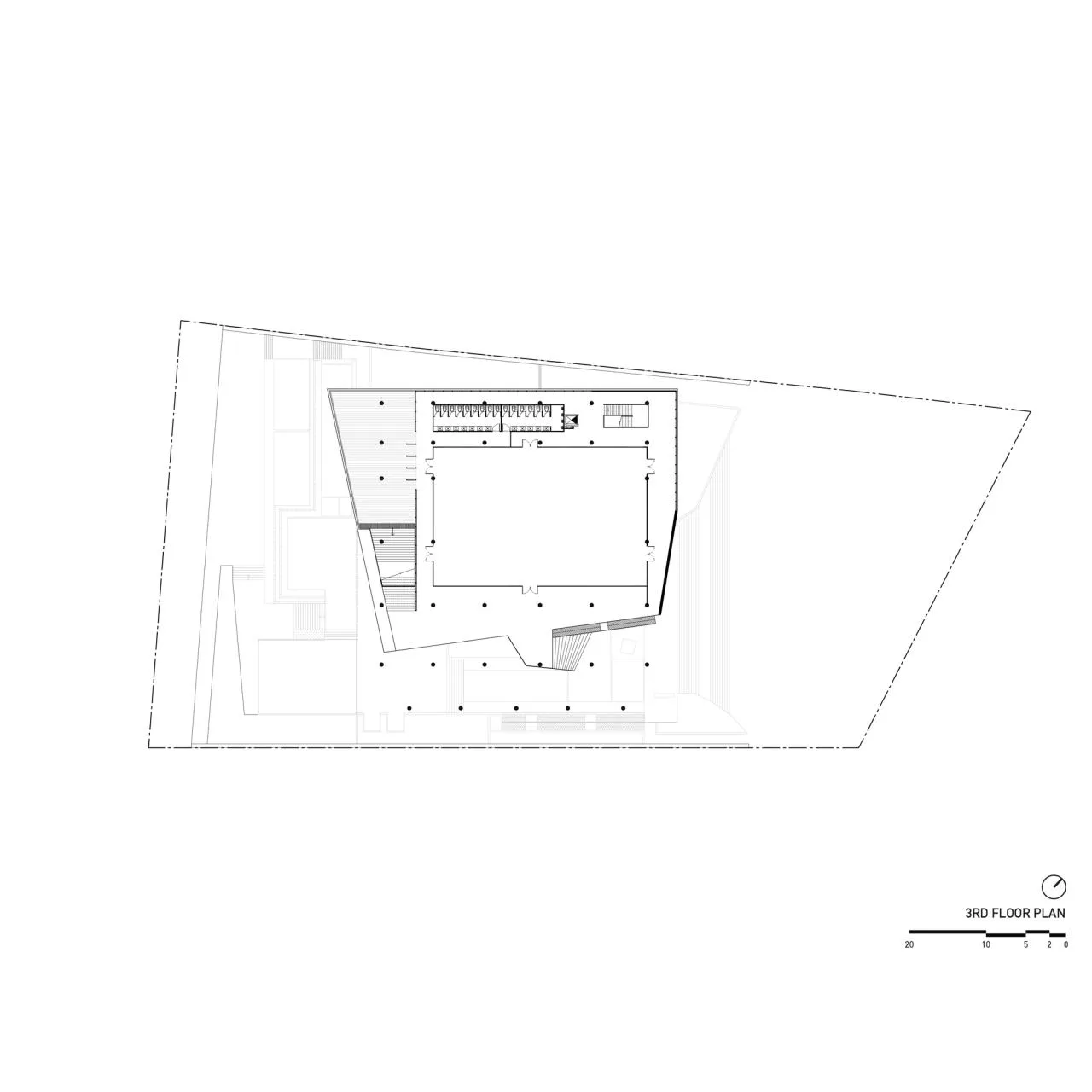
△ Third Floor Plan
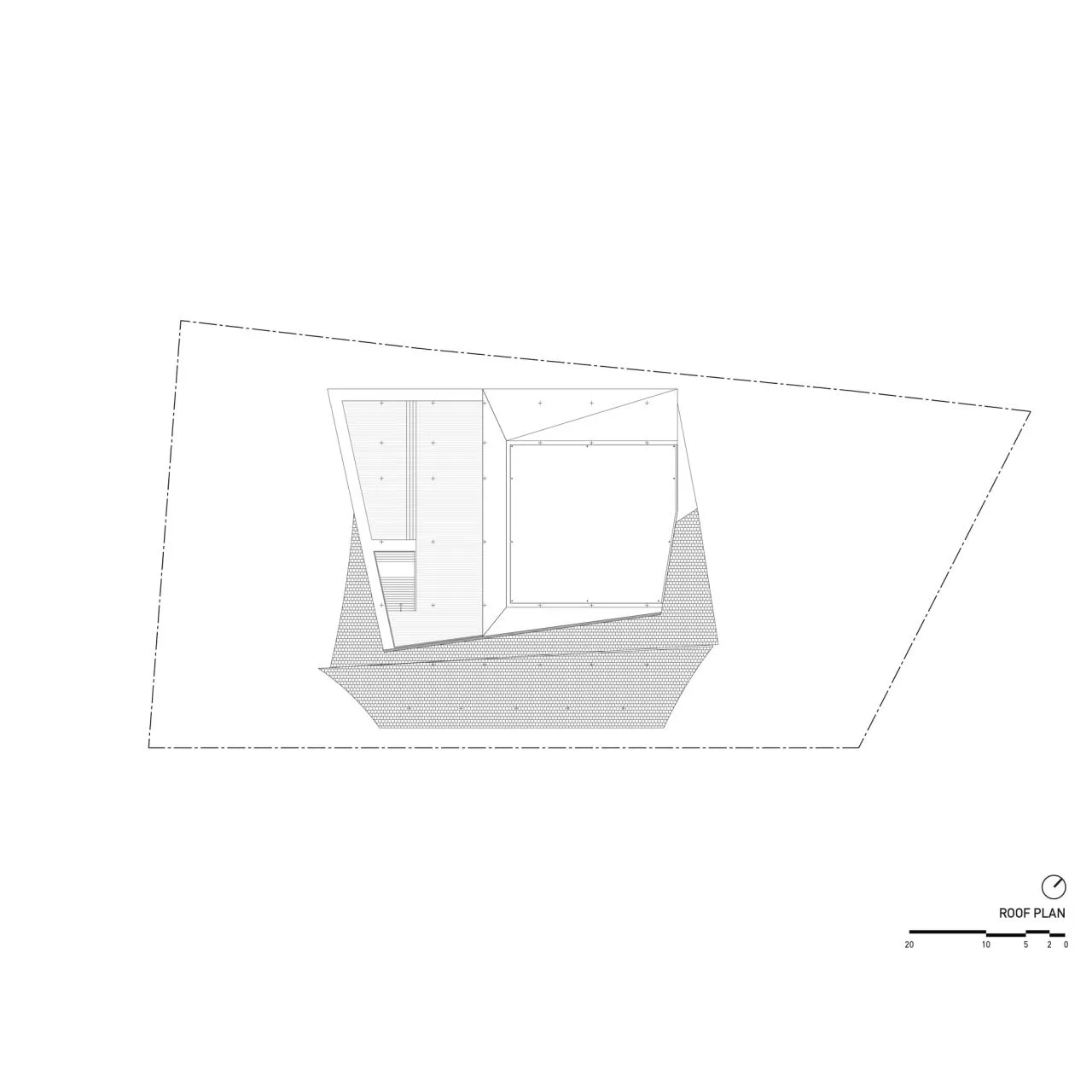
△ Roof Plan
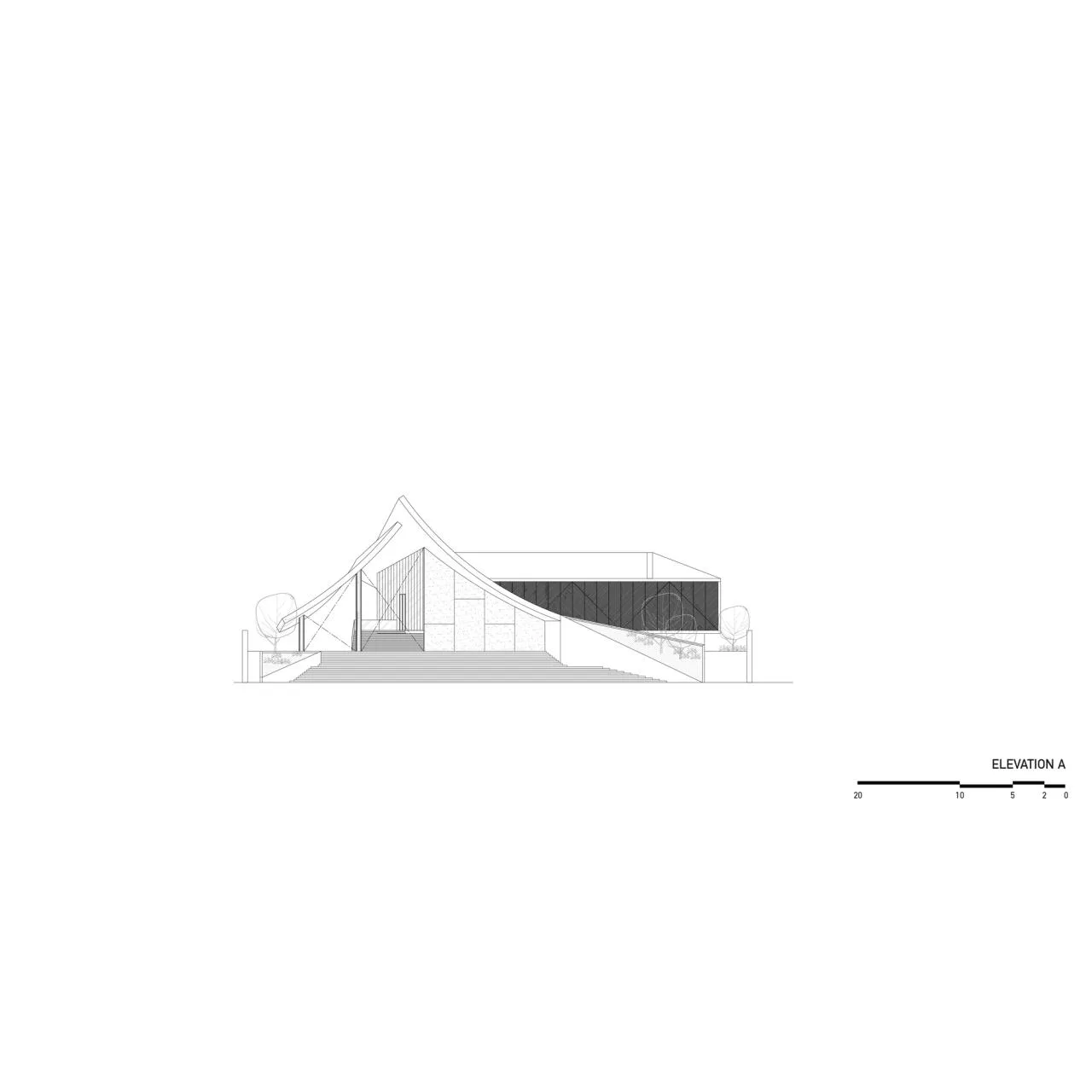
△ Elevation Drawing
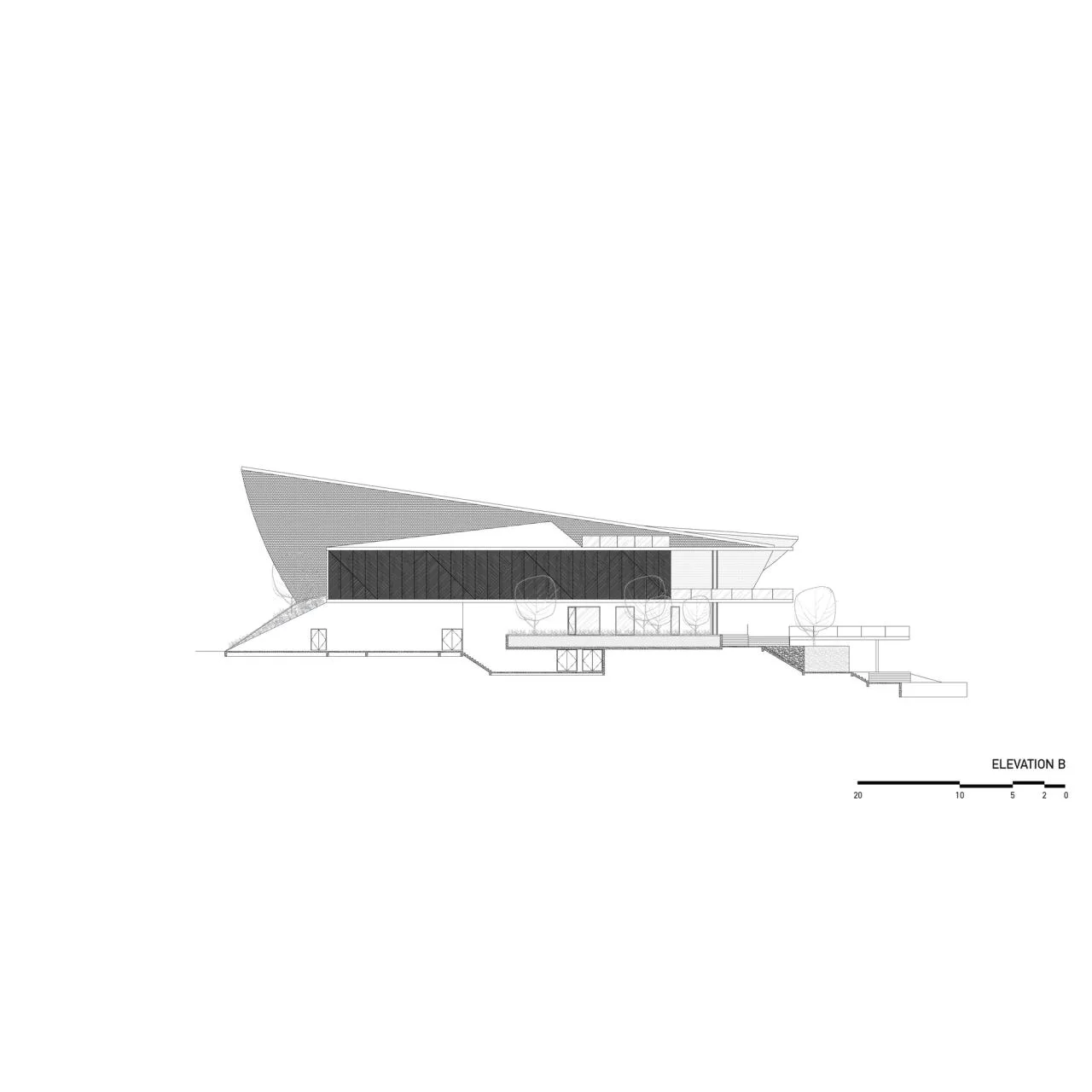
△ Elevation Drawing
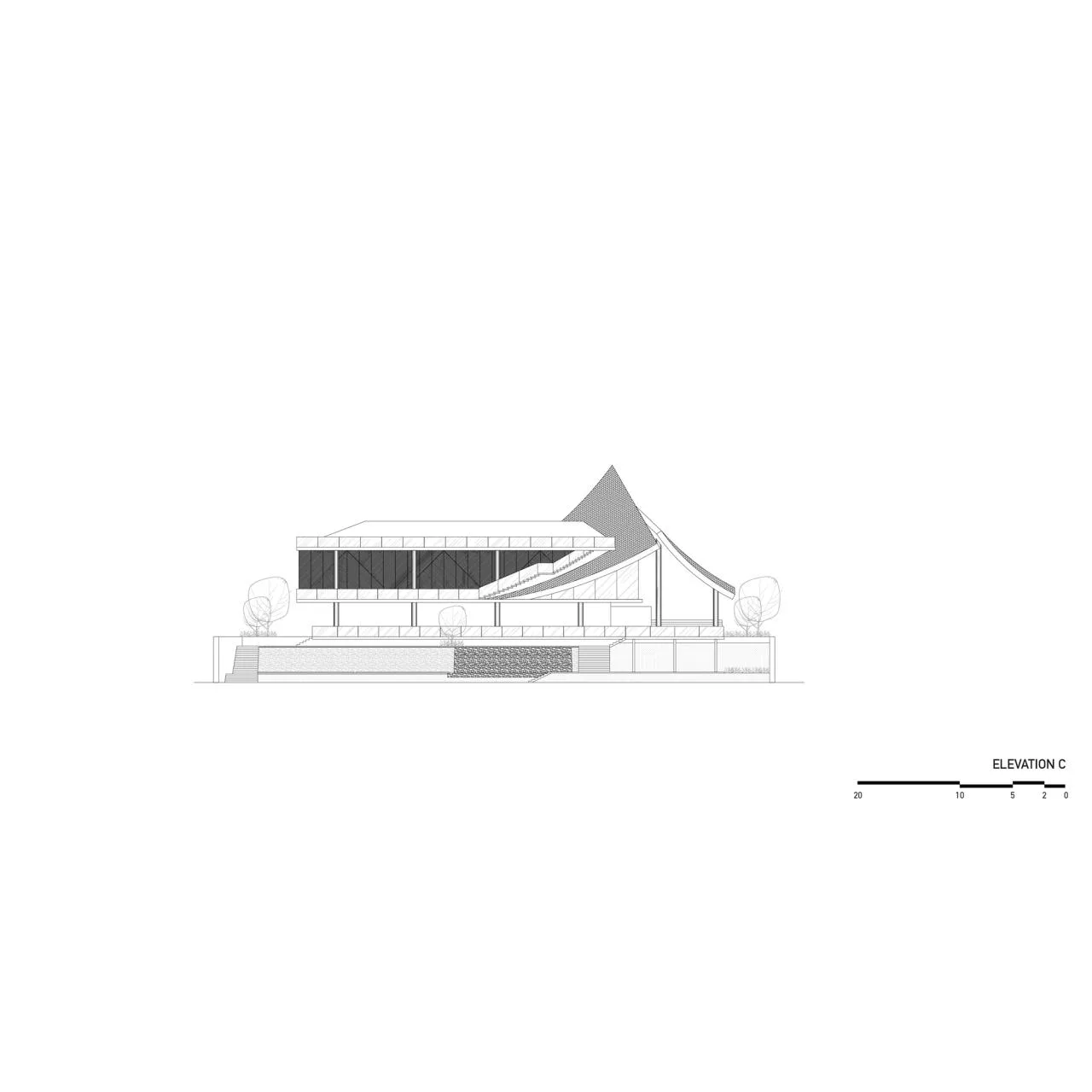
△ Elevation Drawing
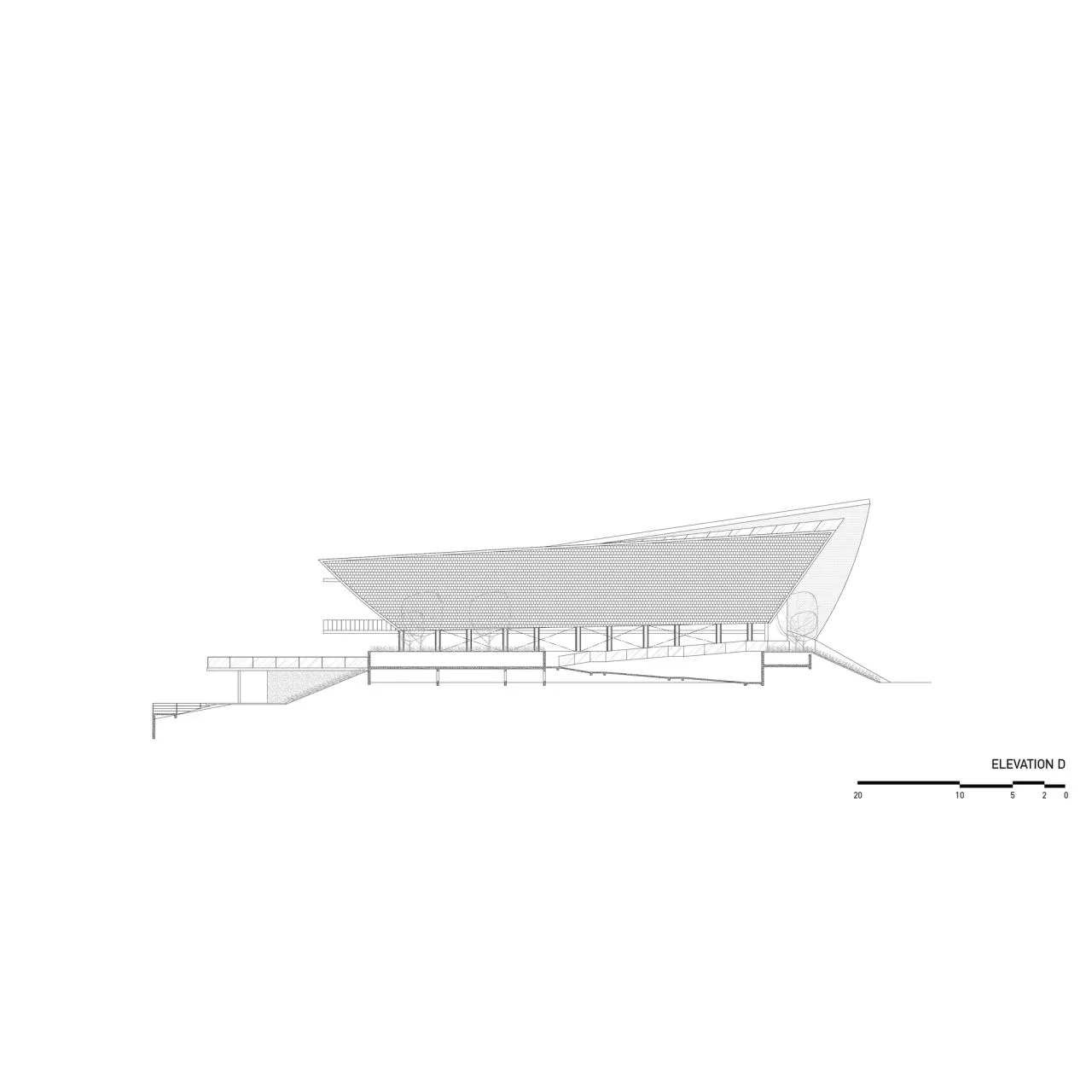
△ Elevation Drawing
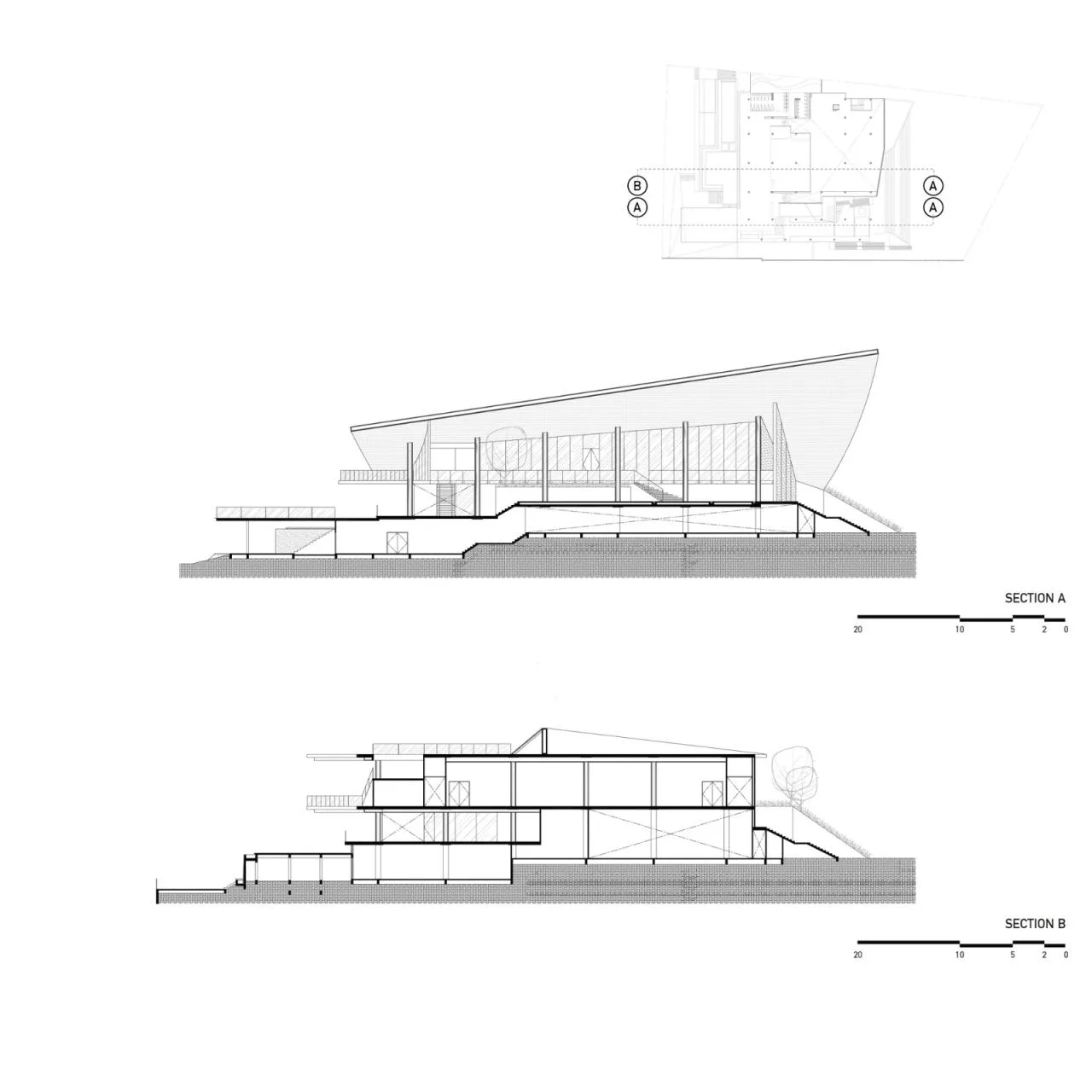
△ Section Diagram
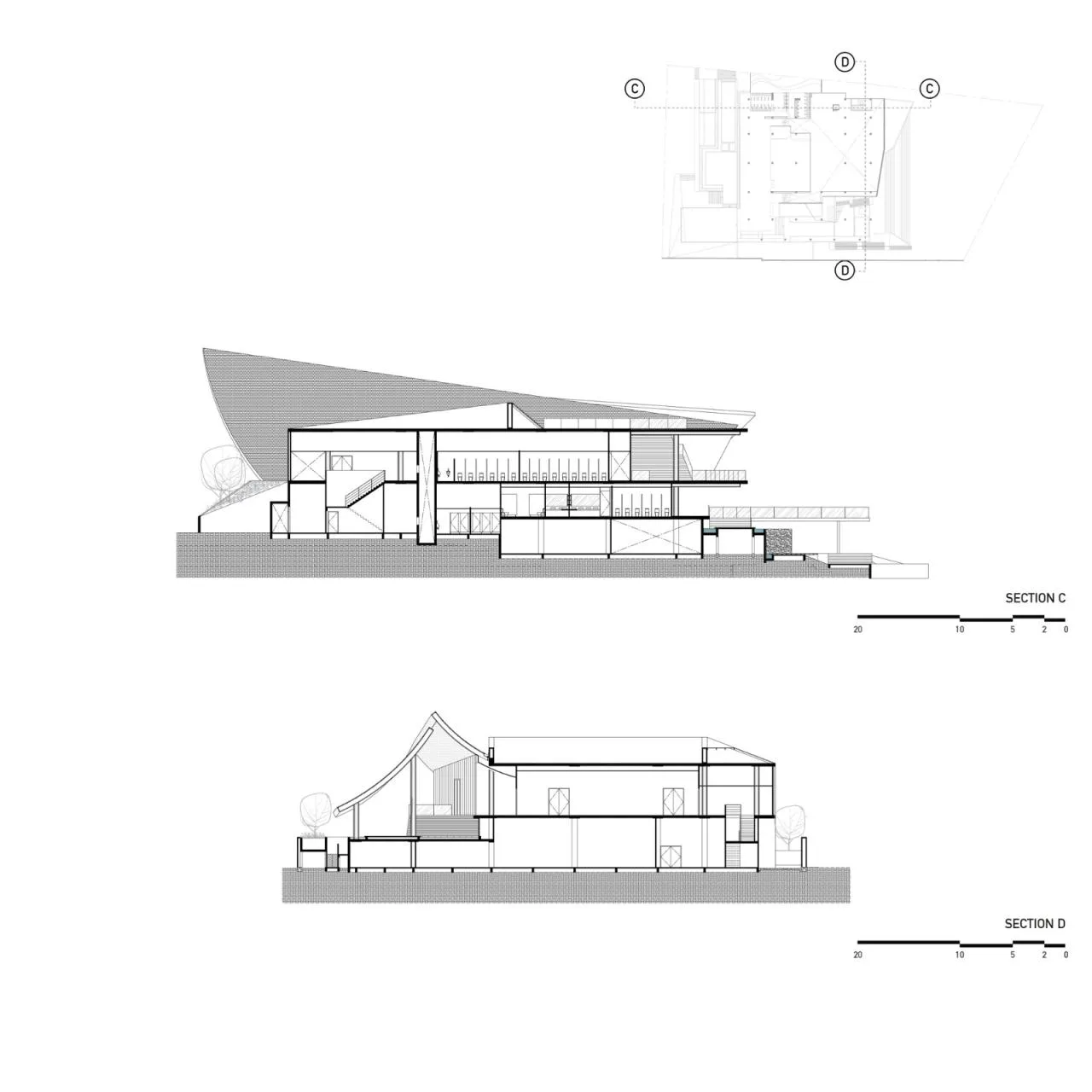
△ Section Diagram
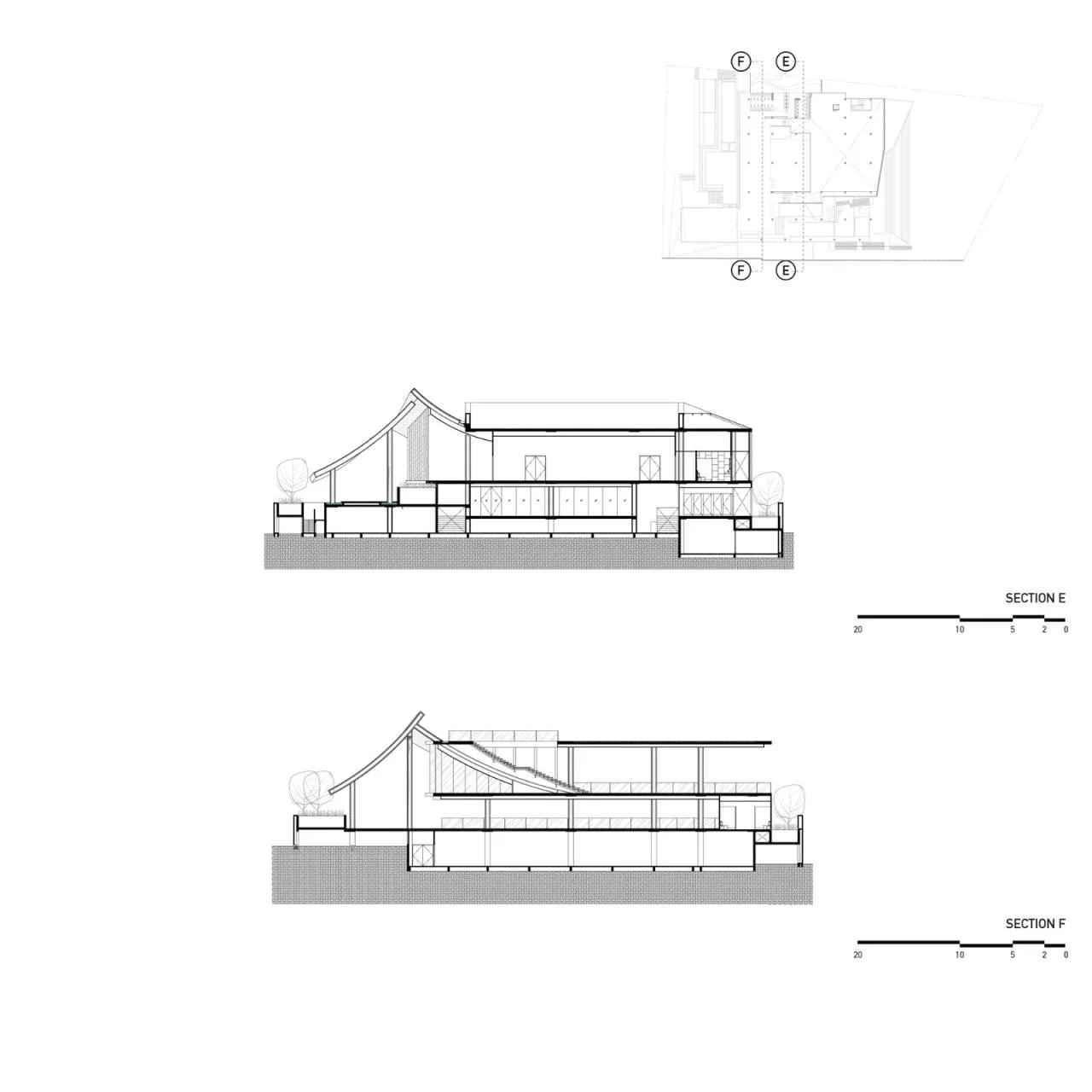
△ Section Diagram
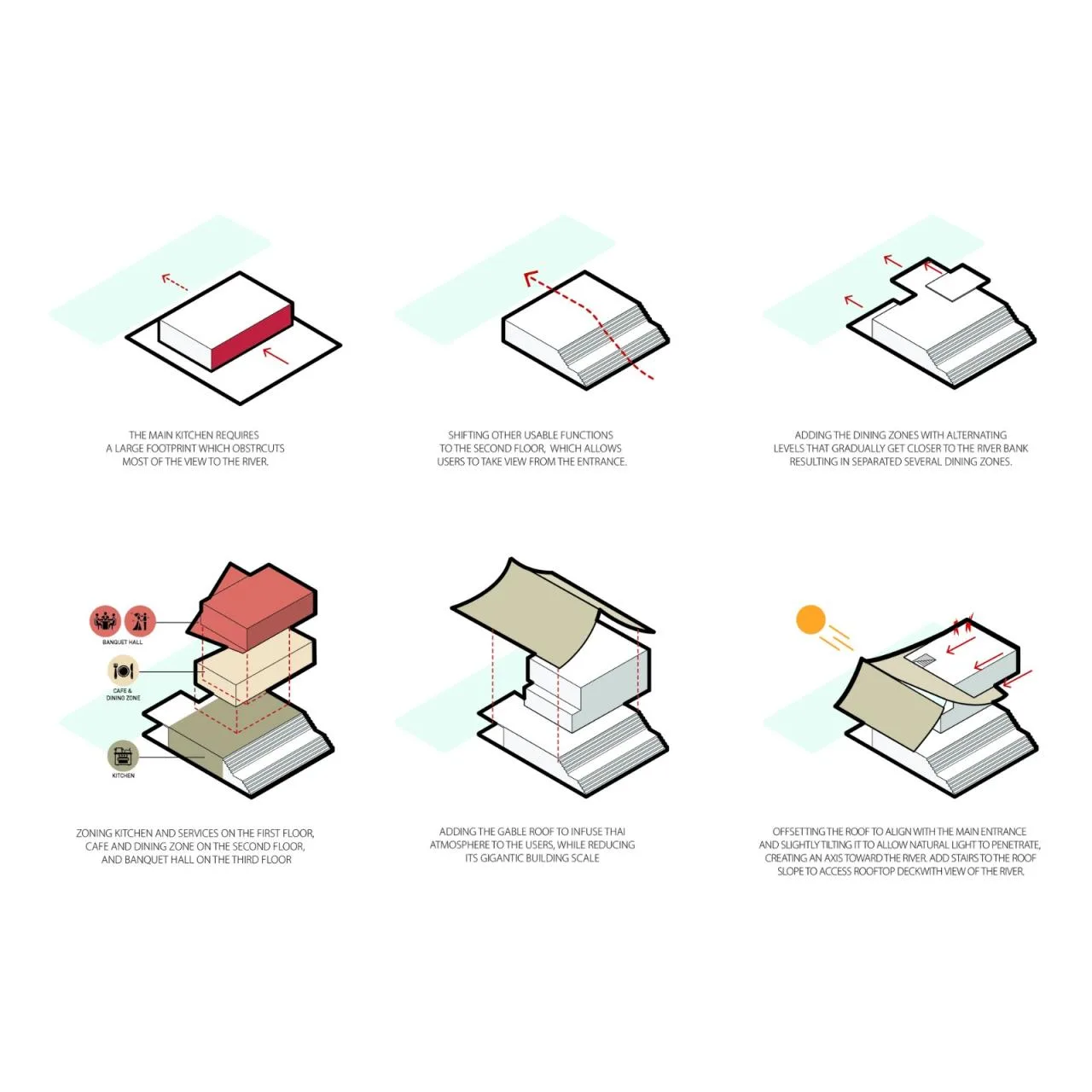
△ Analysis Chart
Project Information
Architect: IDIN Architects
Area: 2290m²
Project Year: 2022
Photographer: DOF Sky | Ground
Owner: Promote KamolpanOp
Interior Designer: Promote KamolpanOp
Structural Engineer: C-Insight Company Limited
Location: Thailand













Must log in before commenting!
Sign Up