
Chinese cities are experiencing unprecedented transformations. After nearly four decades of rapid construction, the focus has shifted toward updating and reconstructing these quickly built structures. This change addresses two critical needs: compensating for quality compromises made in the name of speed and adapting to the evolving lifestyles of today’s society.
While rapid construction initially satisfied basic functional needs, current renovations emphasize both functionality and cultural spirit. Public buildings play a pivotal role in this process by enhancing their functions and forms, revitalizing key urban nodes, and fostering broader changes across the city. This in turn elevates the quality of urban spaces.
The relocation of the Liutan Agricultural and Trade Market serves as a notable example of such an upgrade. It not only secures essential public services but also acts as a catalyst for improving the spatial quality of the entire Liutan area.
In traditional China, the most common and thorough urban renewal method is the “overlay style.” When a new era begins, the first step often involves demolishing structures that symbolize the old order, making way for new construction and establishing fresh neighborhoods and cities. This approach aims to end the past while signaling a new beginning.
The extensive urban construction following China’s reform and opening-up has comprehensively transformed a low-quality living environment built over many years. This not only meets social demands but also represents a profound societal shift. Large-scale construction of residential and public buildings has significantly improved urban residents’ livelihoods and redefined the urban context.
However, the original spatial patterns were disrupted and replaced by efficiency-driven layouts. While these cities addressed basic survival needs at the time, they also erased many historical traces of life. Rapid construction on such a scale inevitably lowered the quality standards for public spaces and buildings.
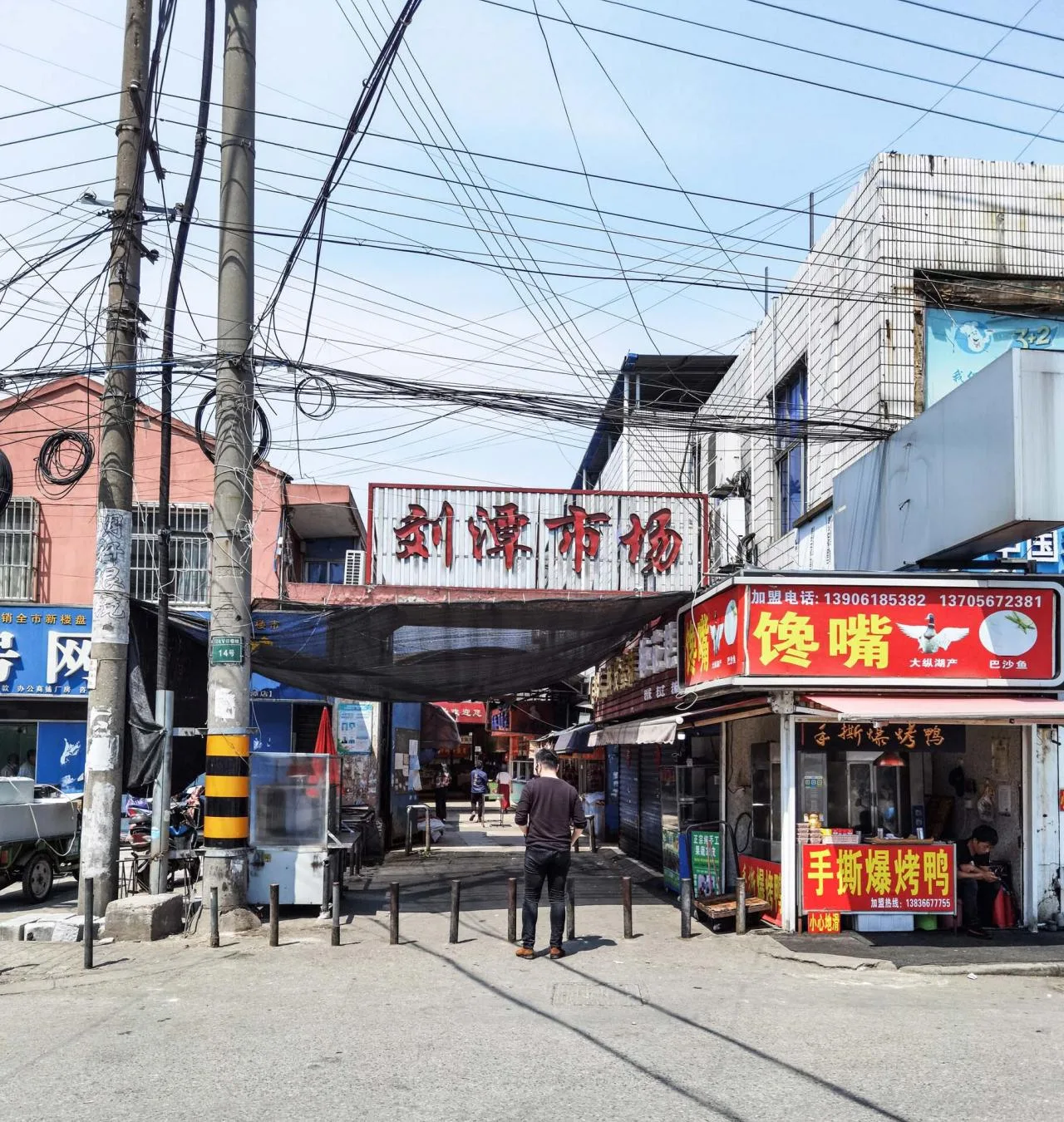
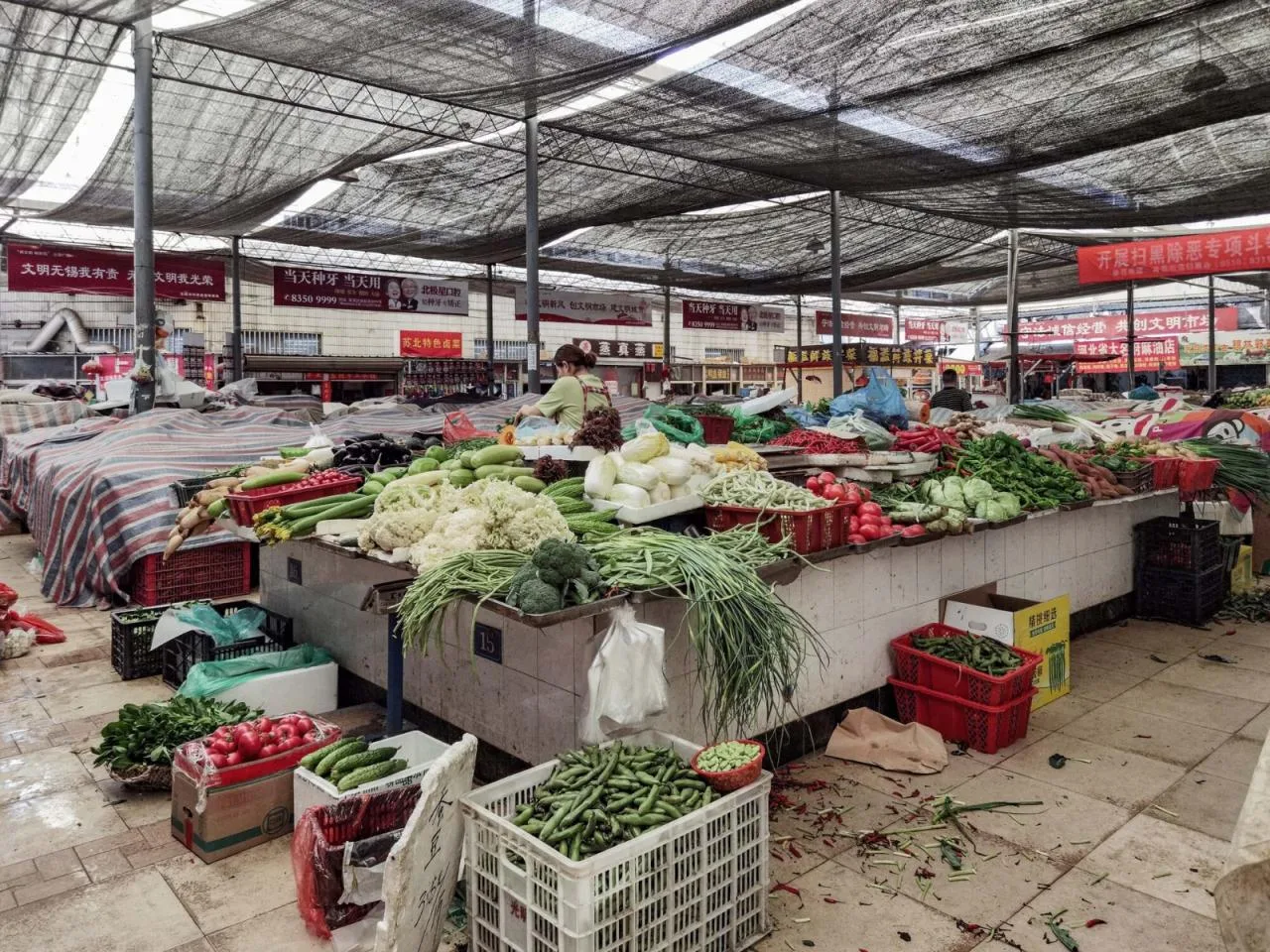
Before its relocation, the Liutan Farmers’ Market was characterized by numerous temporary spaces combining indoor and outdoor areas, fulfilling only the most basic buying and selling functions without offering any spatial comfort. Existing agricultural markets lag behind the pace of development and the evolving needs of the population.
Recognizing this, the government adopted a strategic approach by relocating and renovating the agricultural market. This initiative improves the quality of public buildings and sparks broader urban renewal throughout the area.
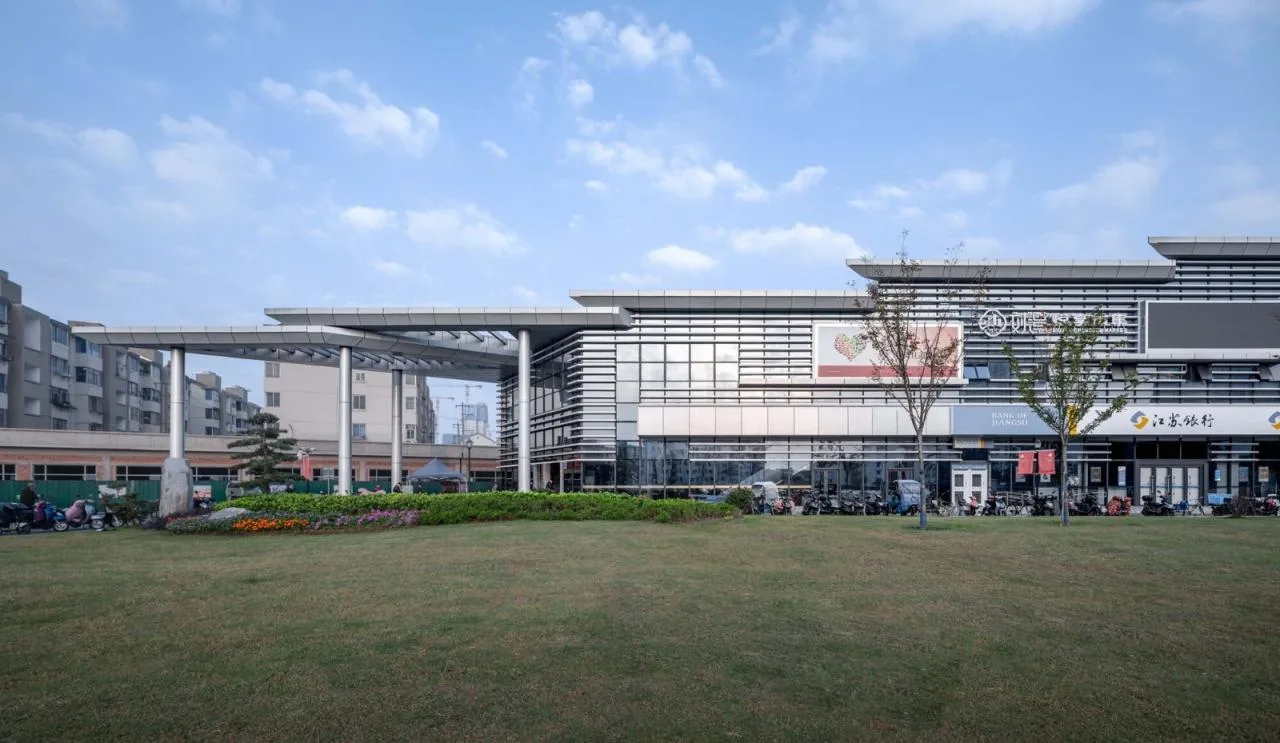
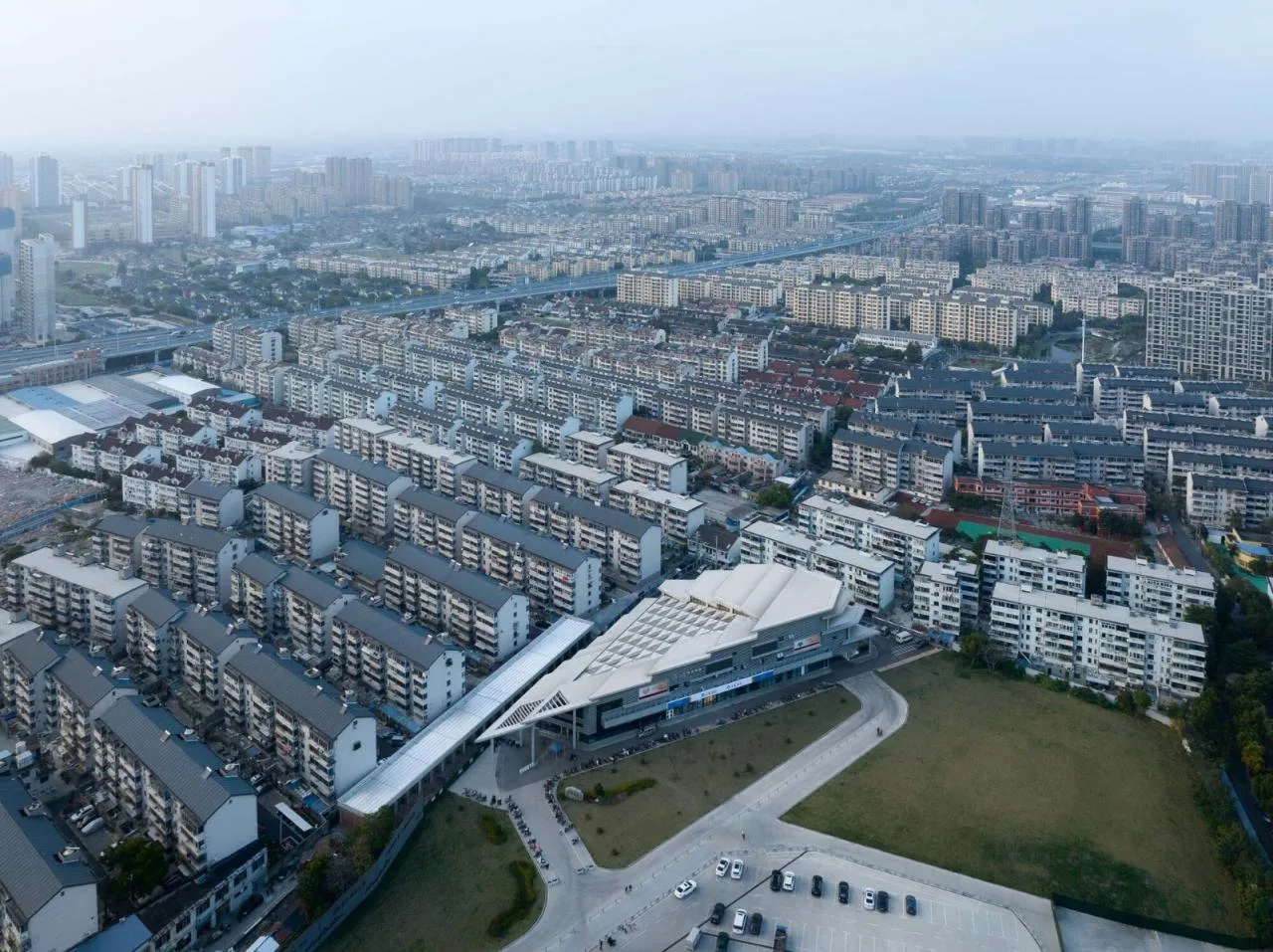
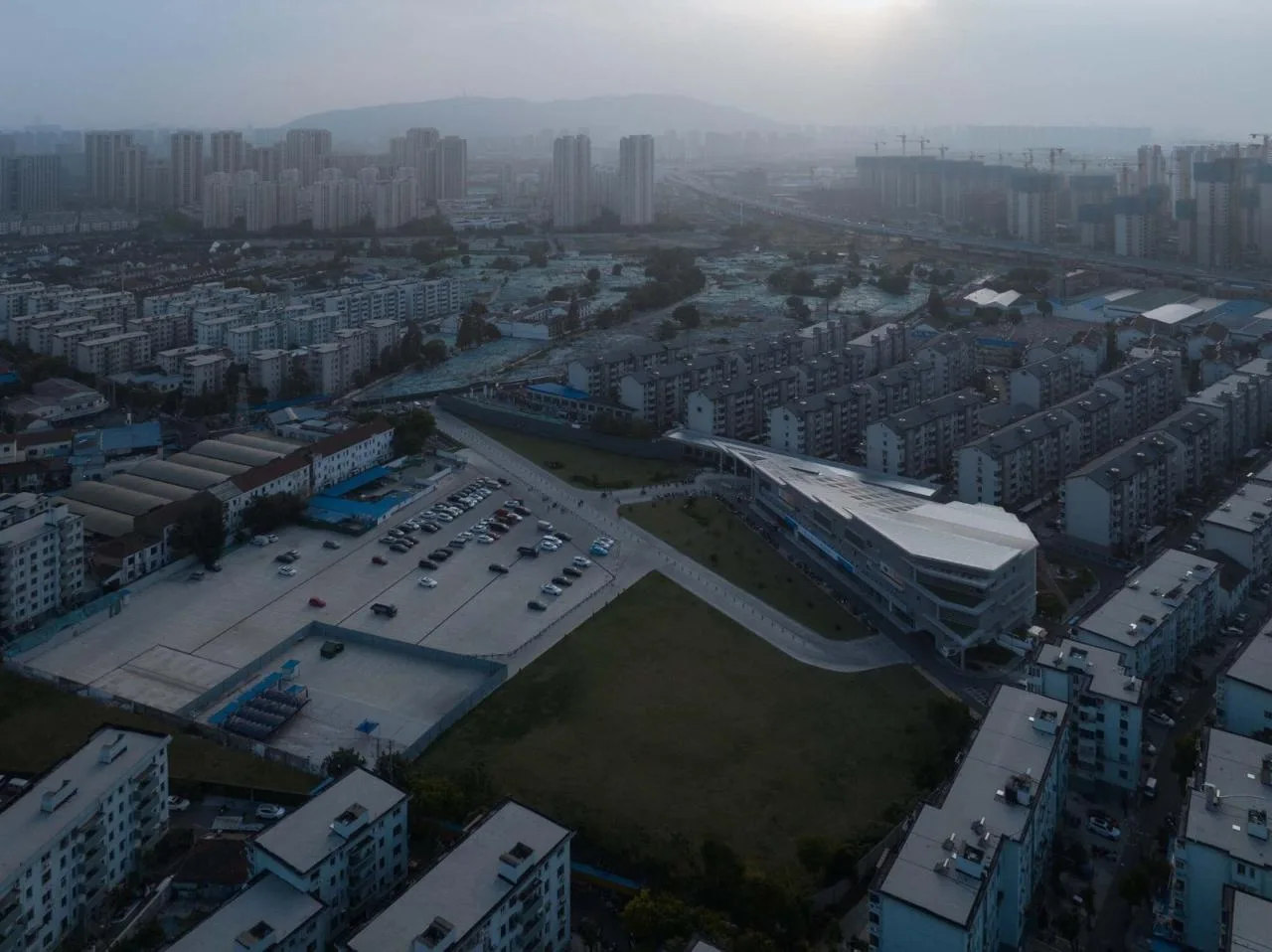
The site is located in the heart of Liutan Community, Liangxi District, Wuxi. Long-term plans include the construction of elevated roads around the area, which will significantly alter the current urban spatial order.
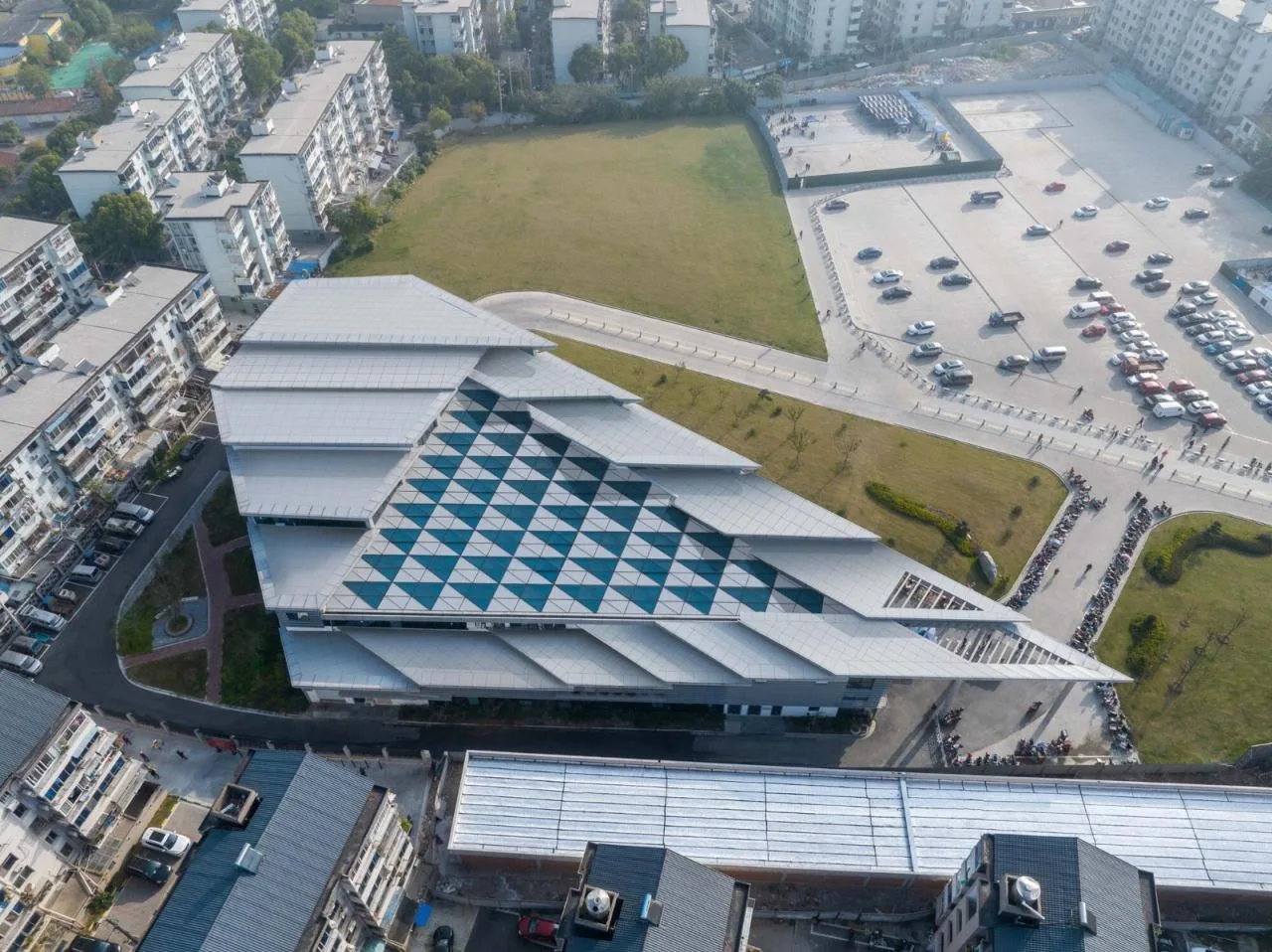
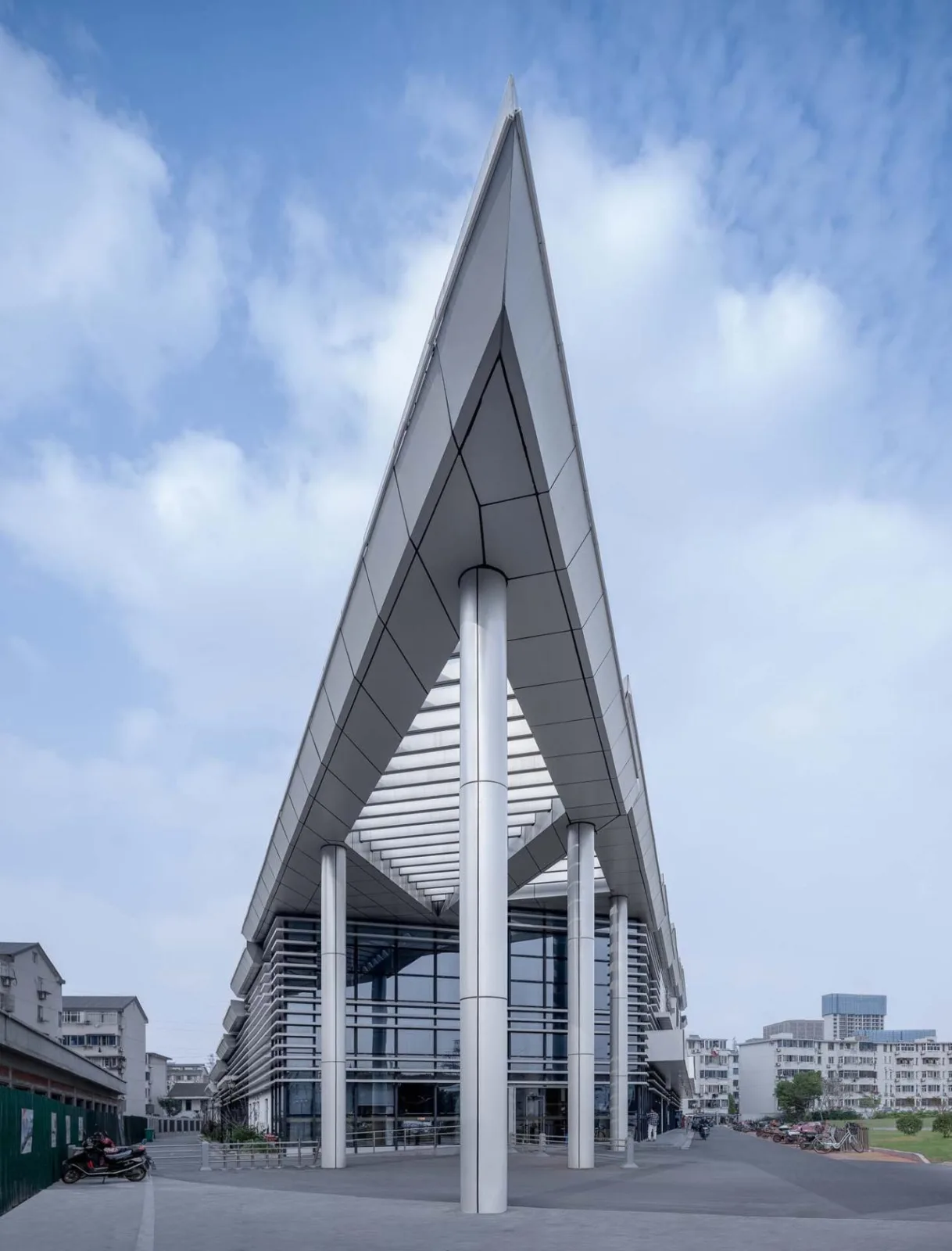
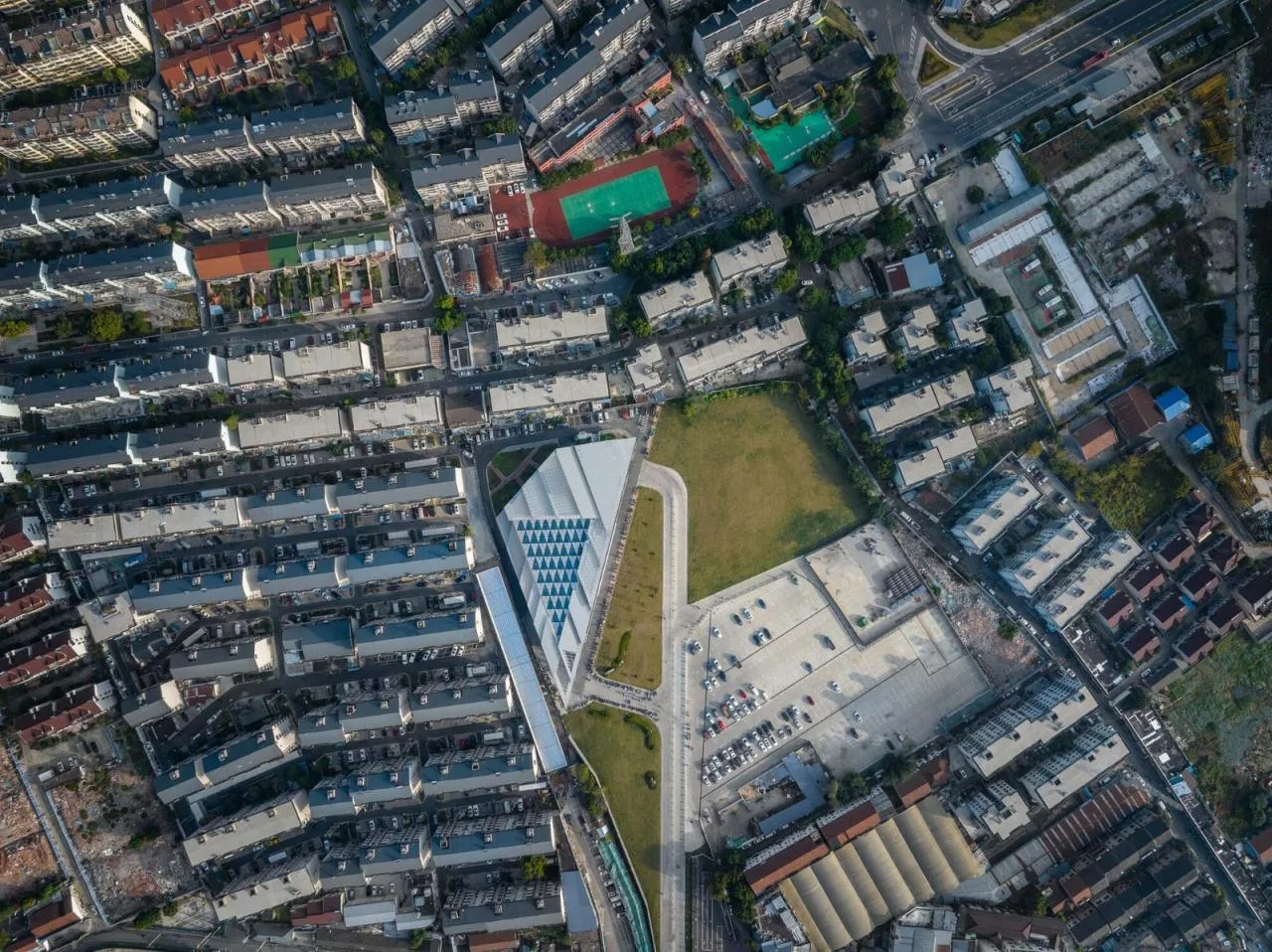
The new farmers’ market is positioned adjacent to a city road, occupying a rare acute triangular plot.
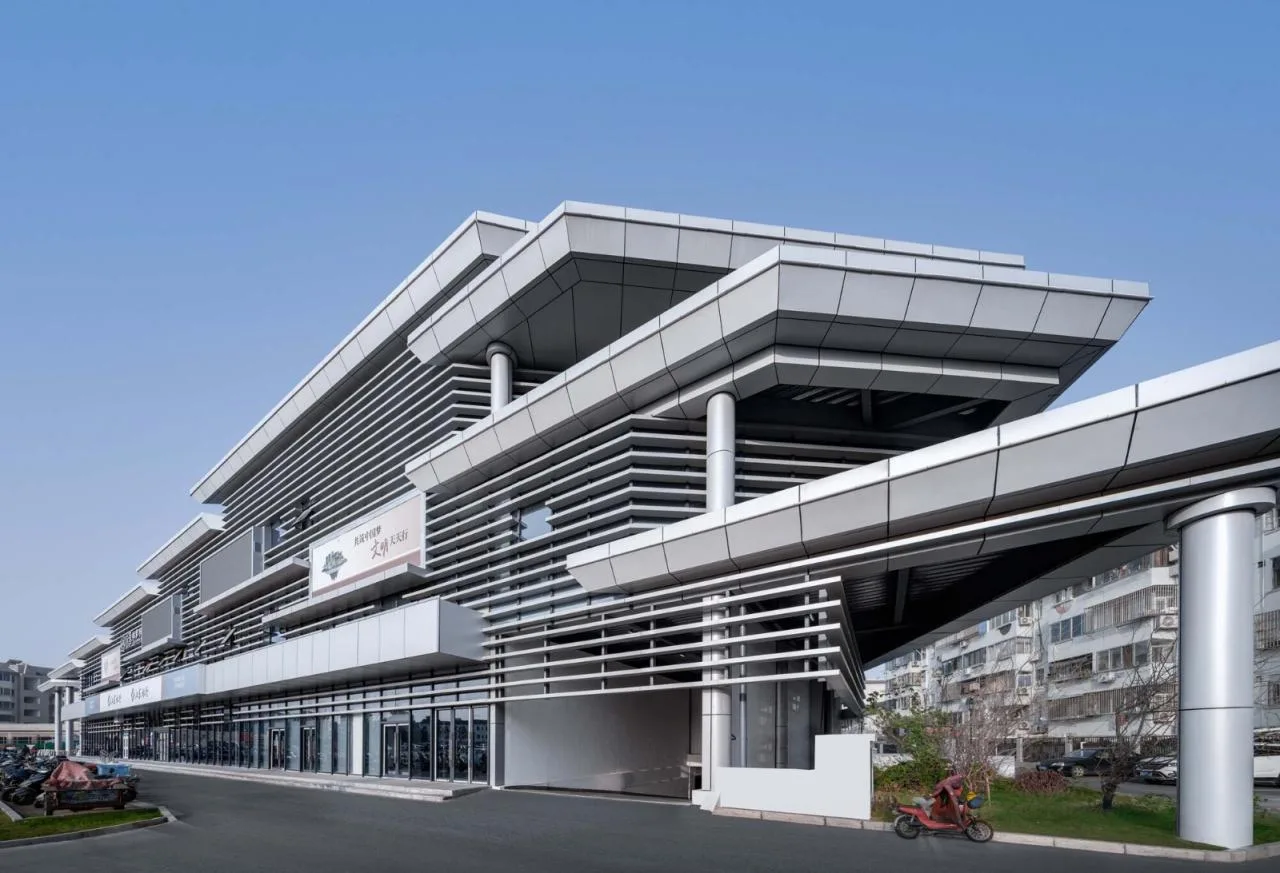
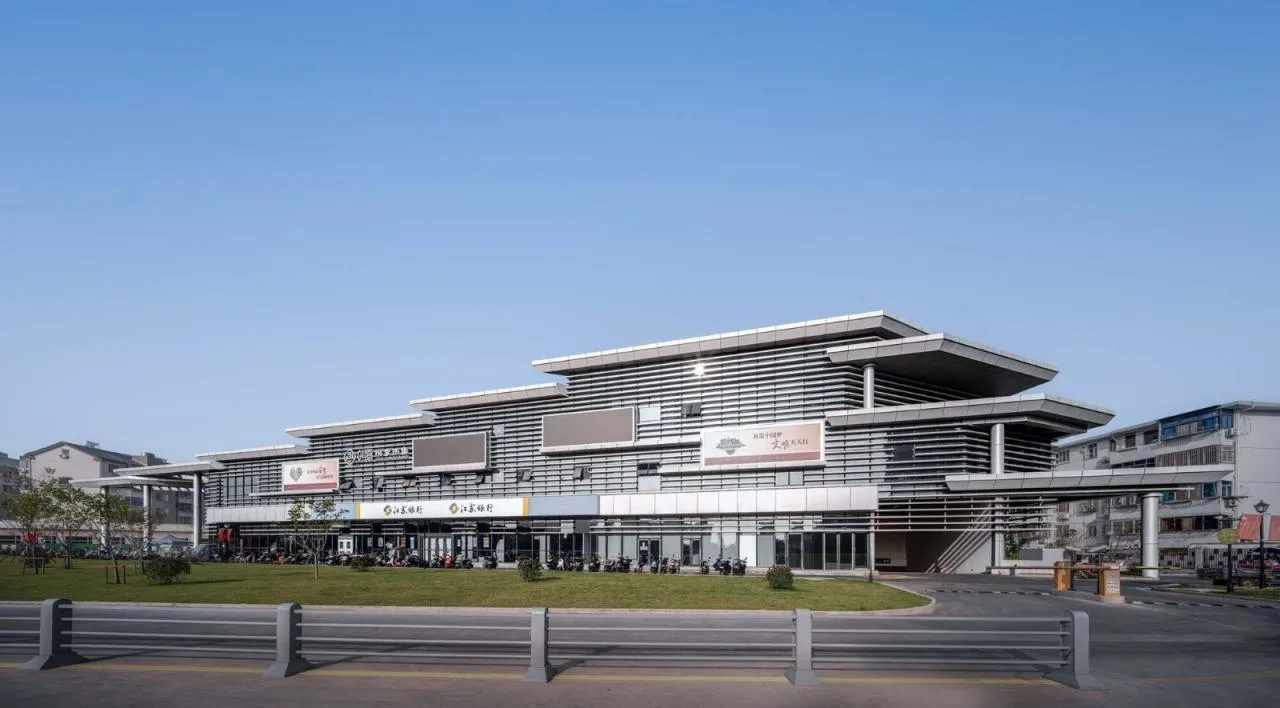
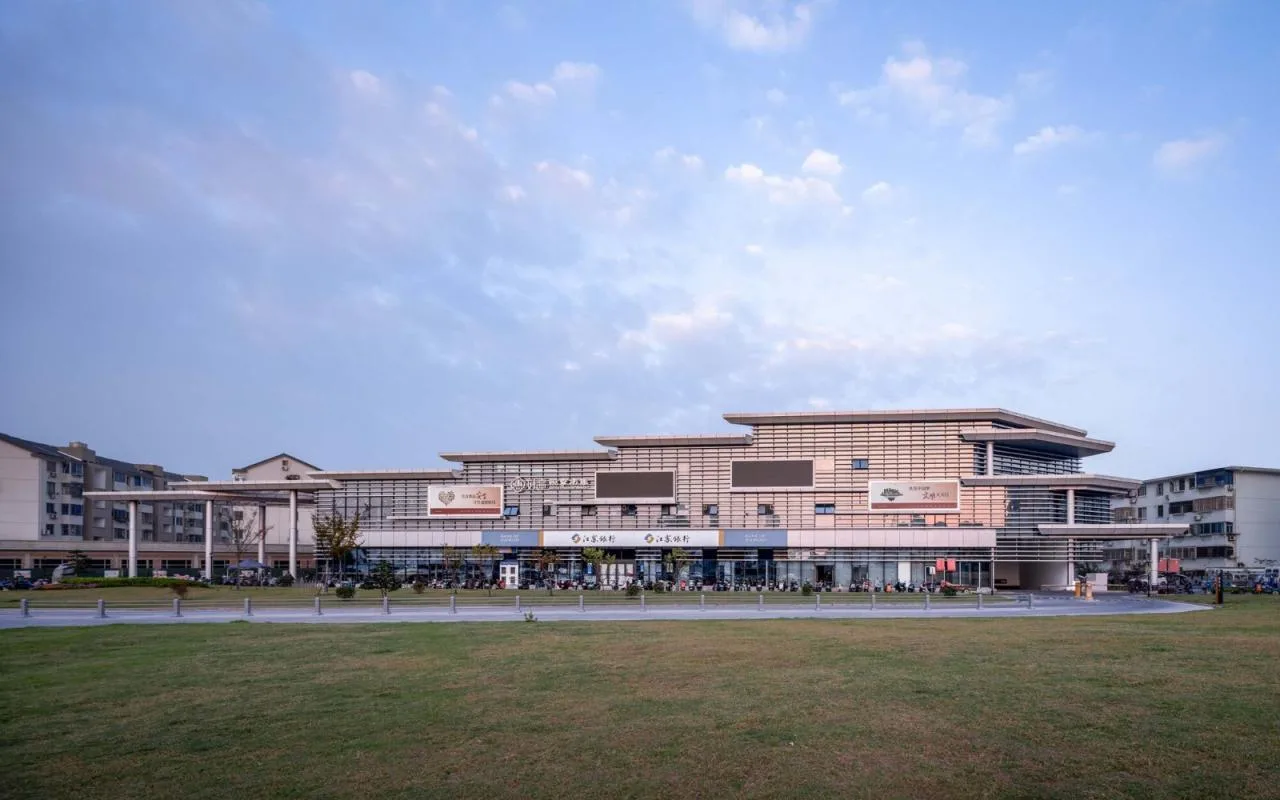
From the outset, the design faced several challenges. The new building needed to meet functional and efficiency requirements, create a strong urban street presence, avoid interfering with underground subway passages, and ensure surrounding residences received sufficient sunlight.
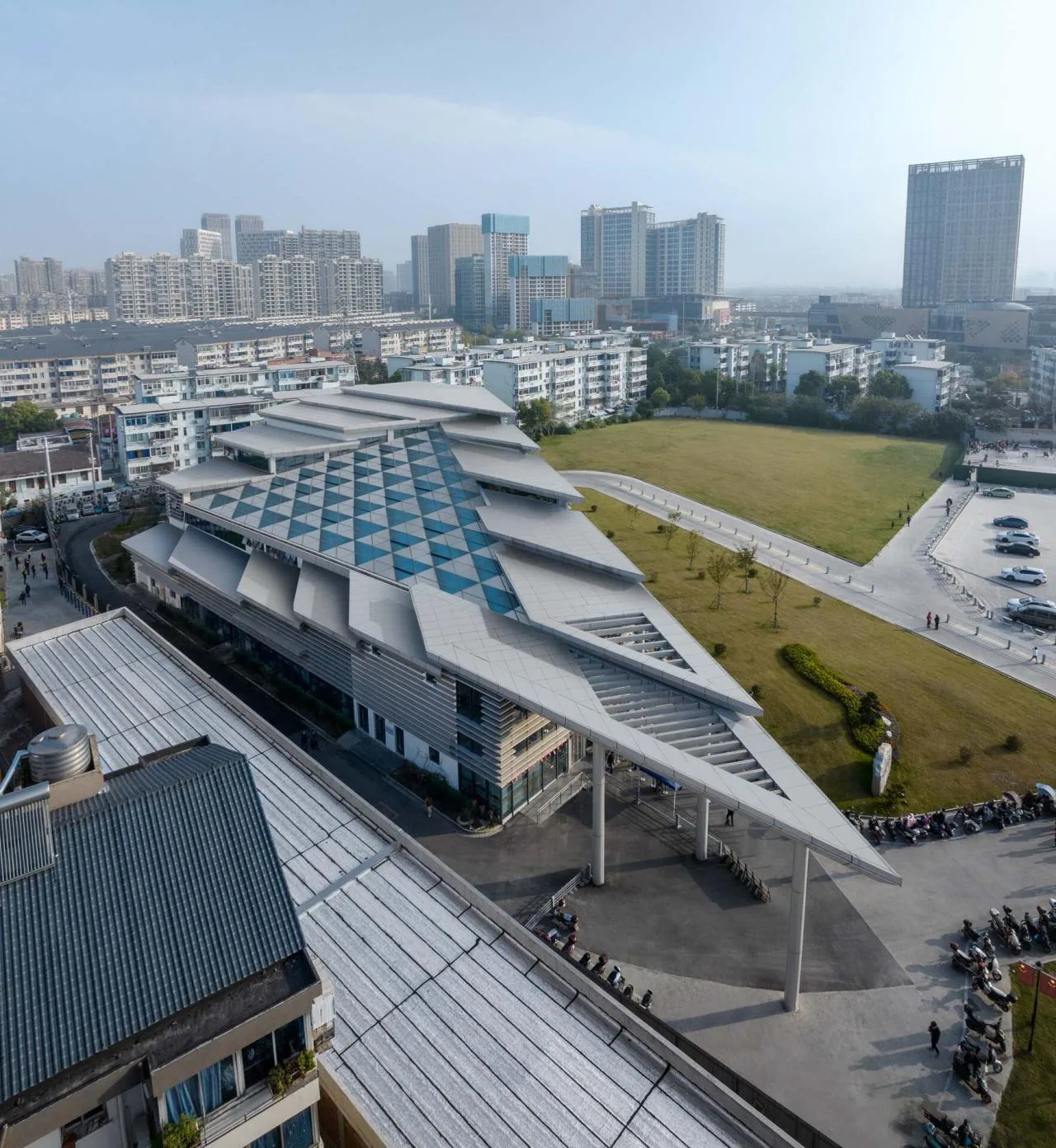
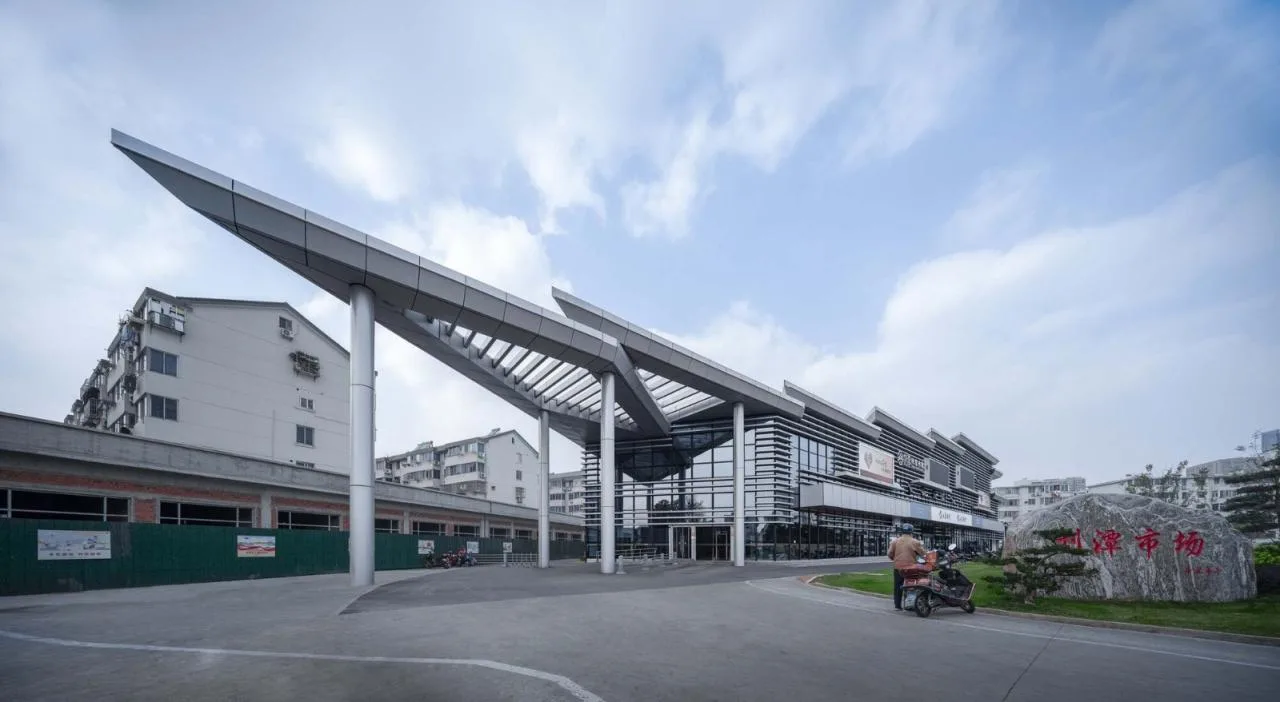
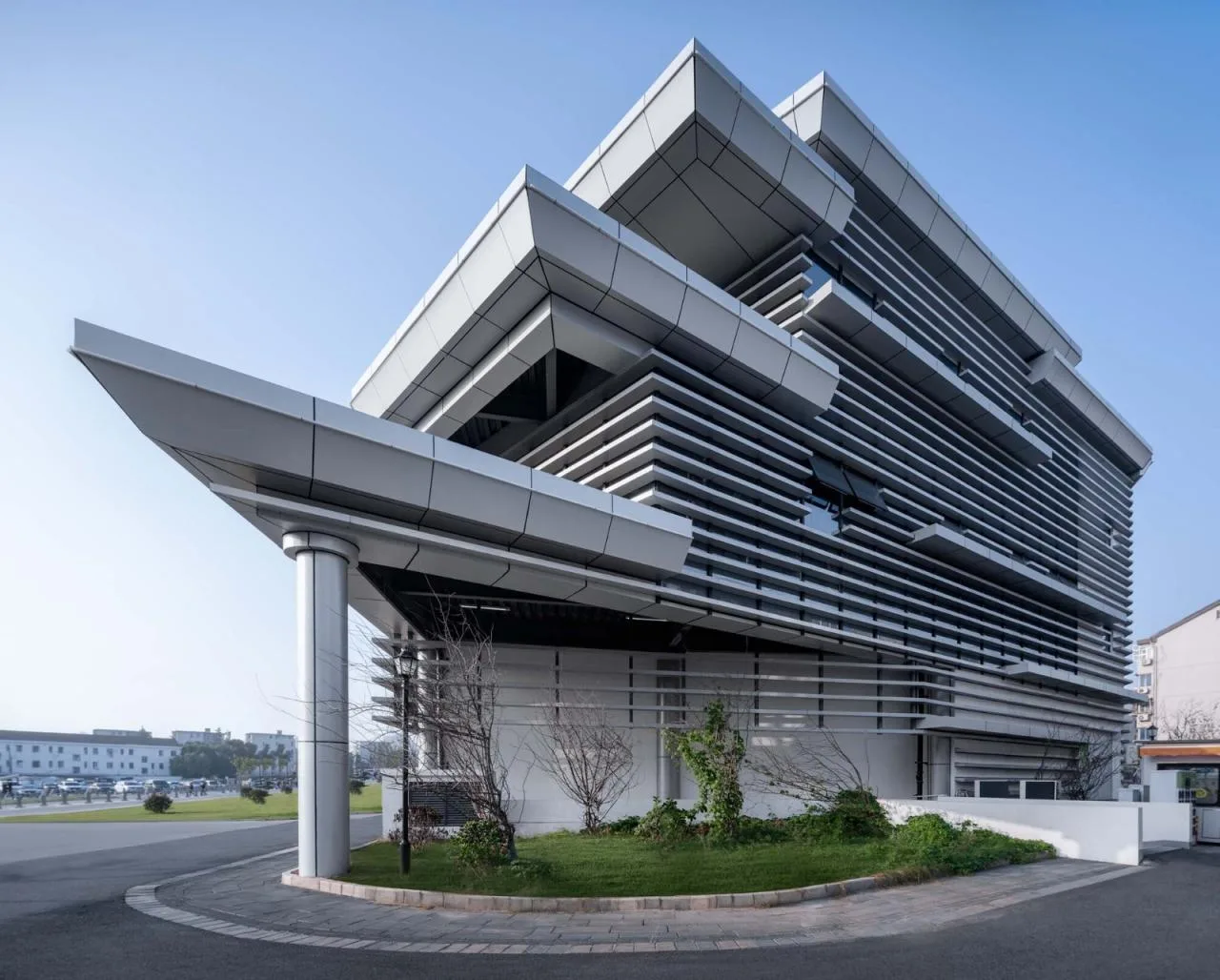
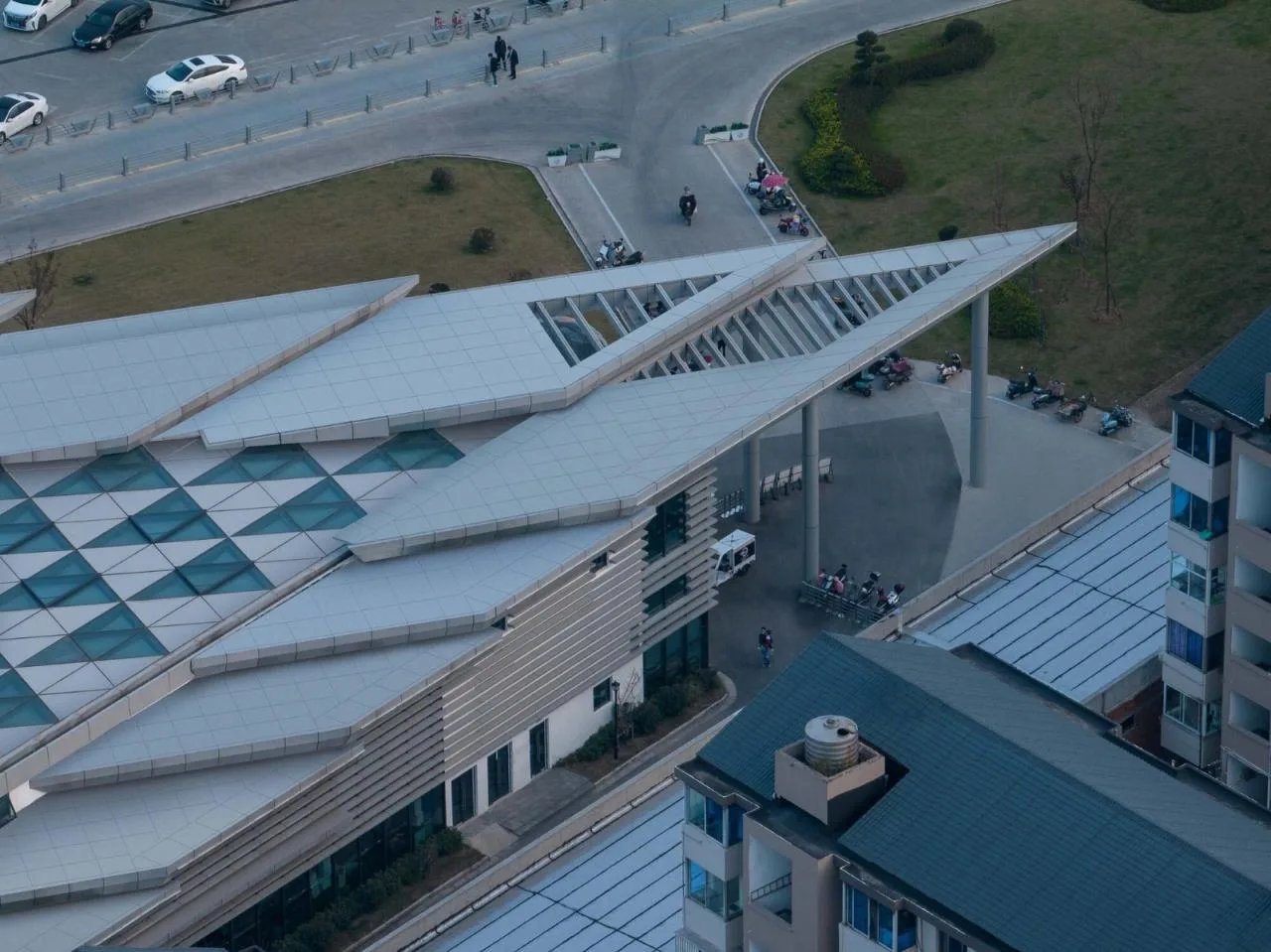
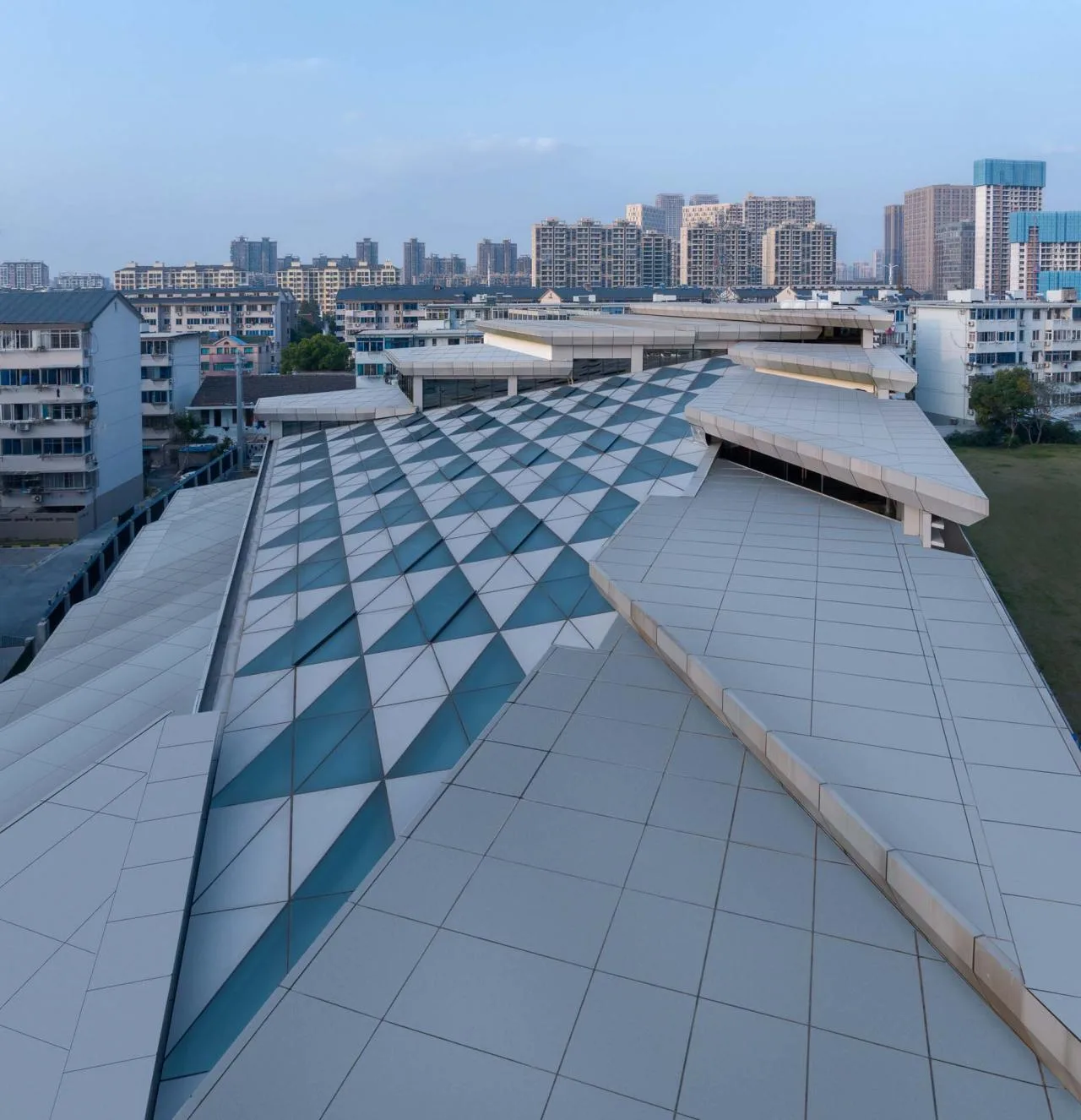
To address these, the building was extended along the street to form a continuous façade. The acute triangular site was divided into diamond-shaped units, which rise and rotate stepwise from the main southern entrance. These units enclose a triangular courtyard along the site’s perimeter, establishing the building’s fundamental form.
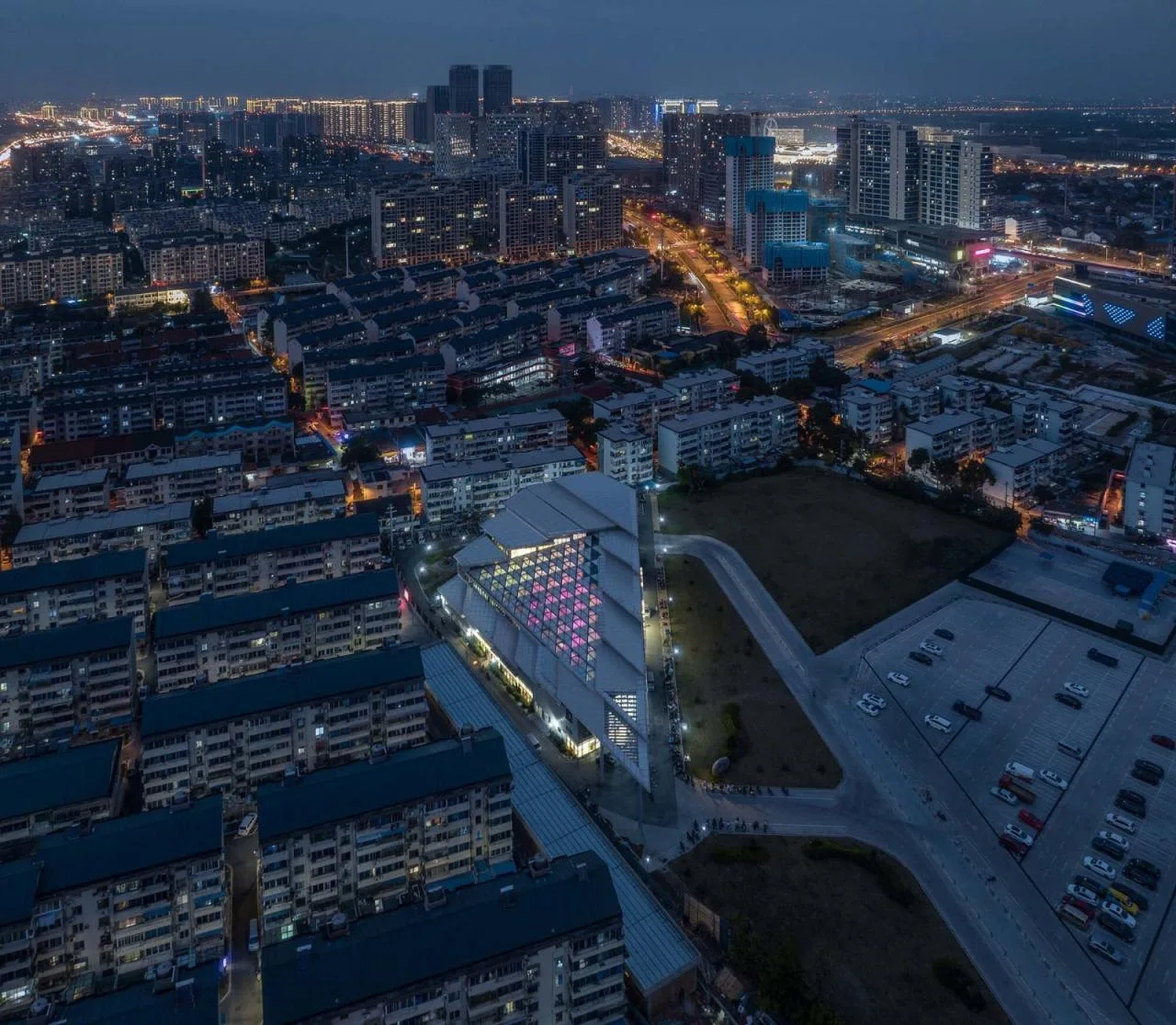
The cascading and undulating profile of the diamond-shaped units was carefully determined through detailed sunlight analysis. This design elegantly merges sensory architectural techniques with precise mathematical calculations. The layered roofs resemble blooming flowers, harmoniously integrating into a historic and vibrant community like embedded diamonds shining brightly.
This unique site resulted in a distinctive architectural form that fits organically within its constrained urban environment. The new building acts as an energizing force for the area, opening up endless possibilities for future development.
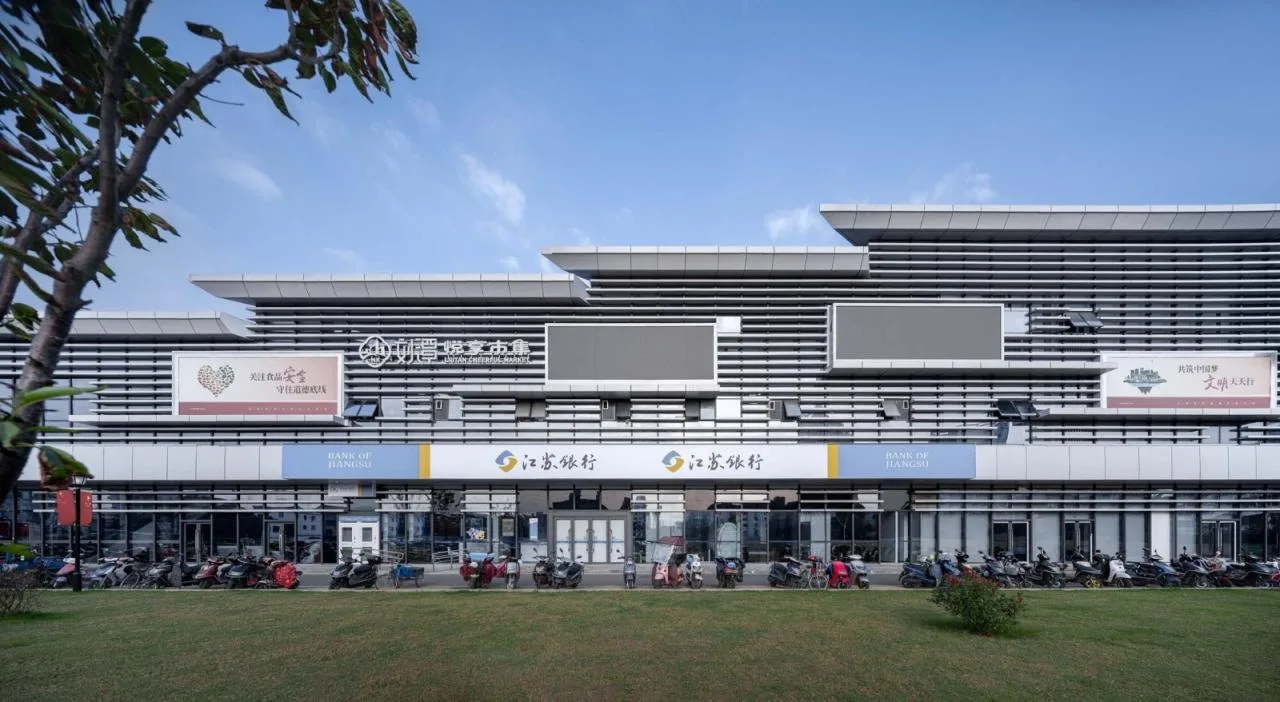
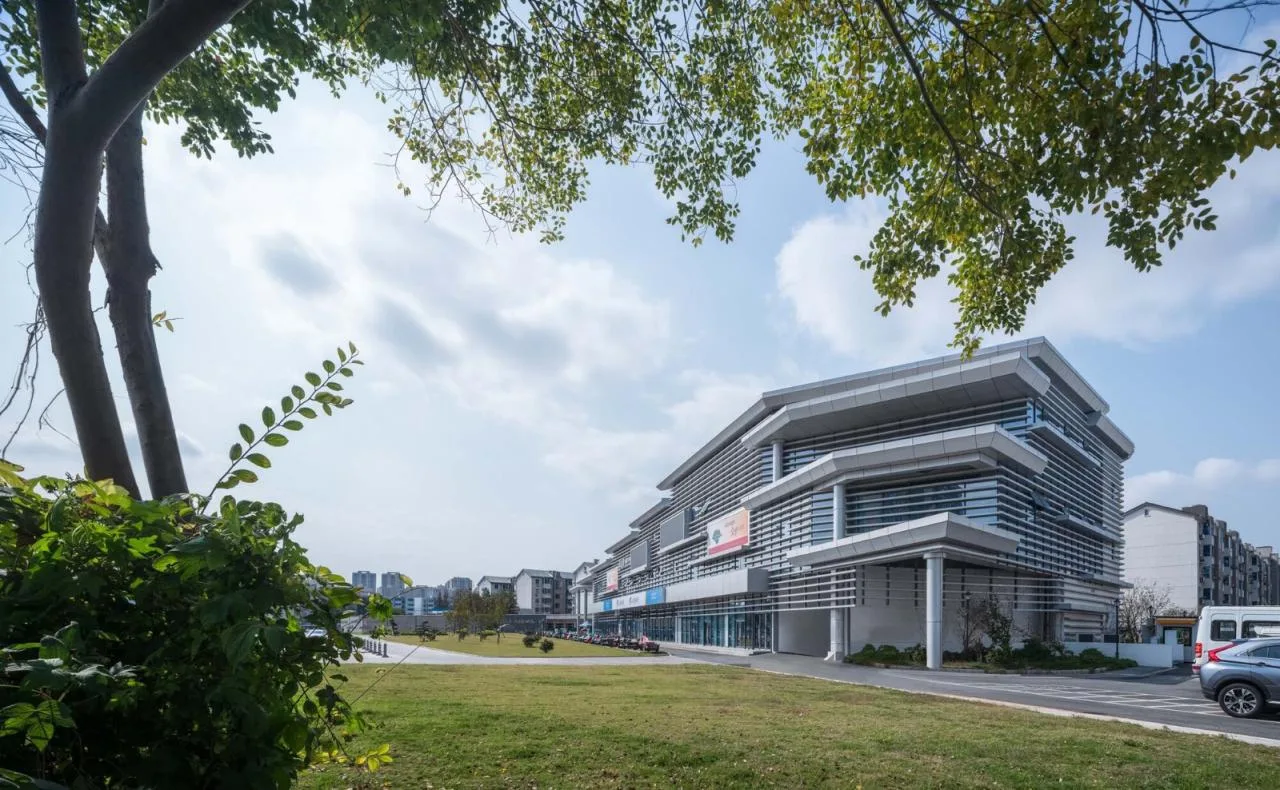
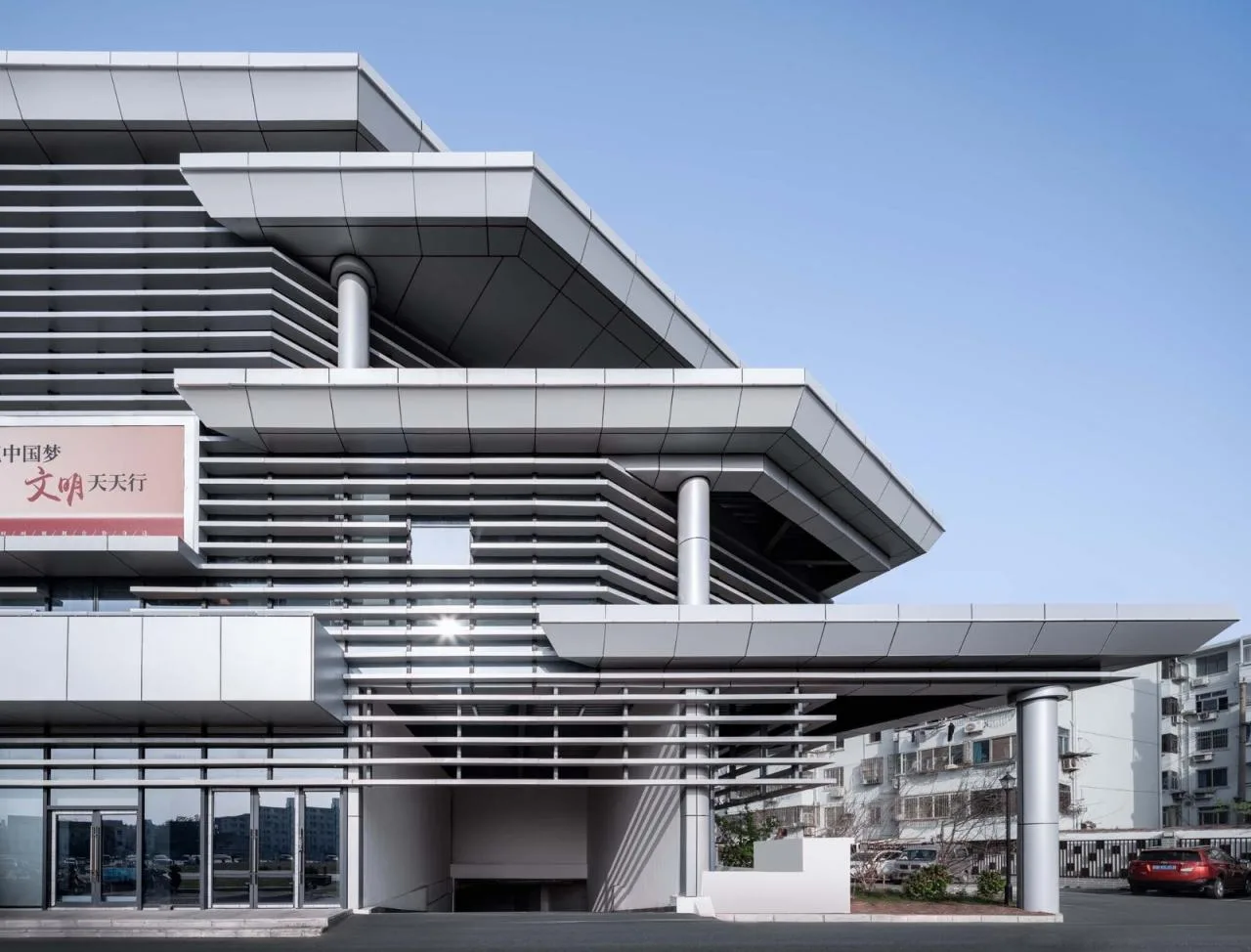
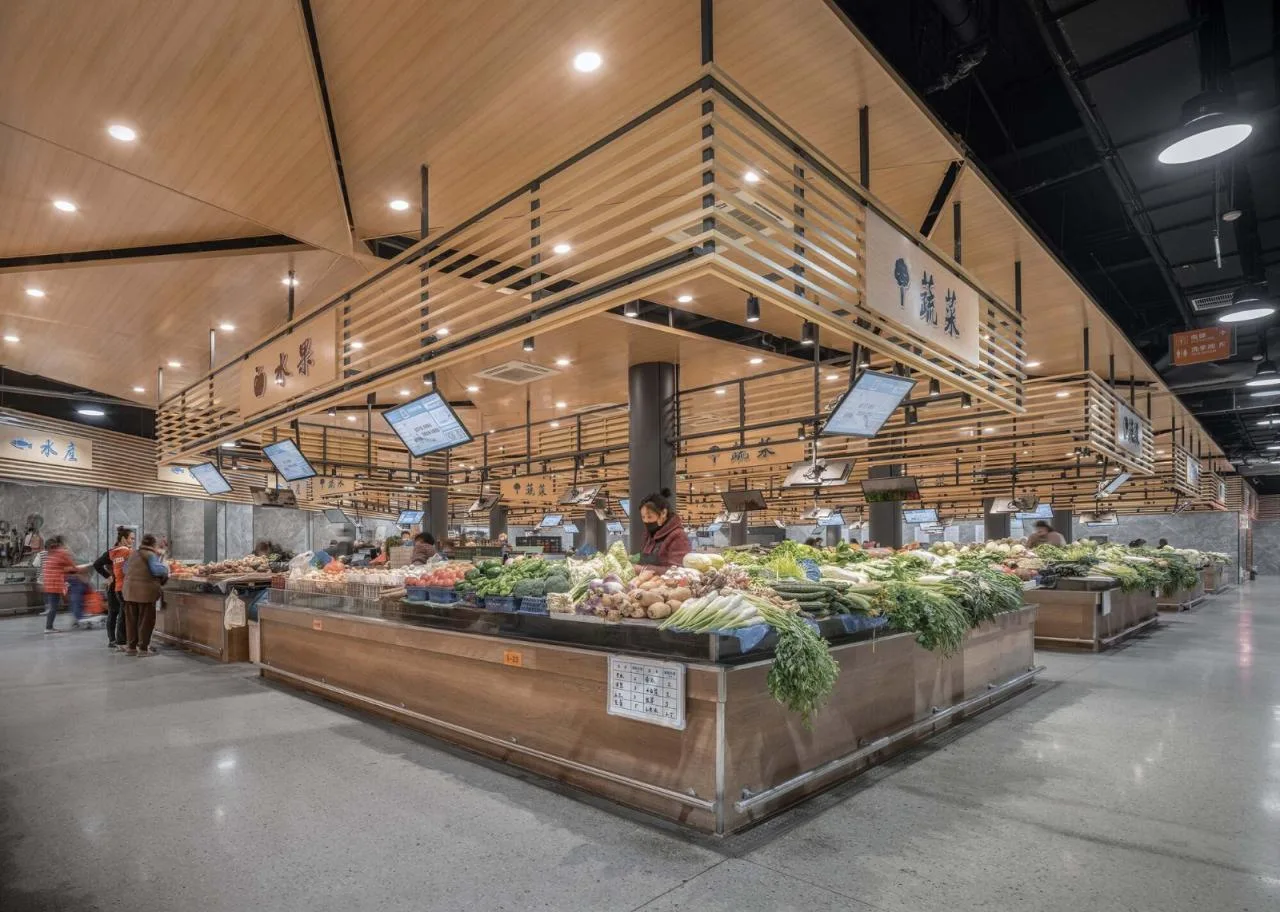
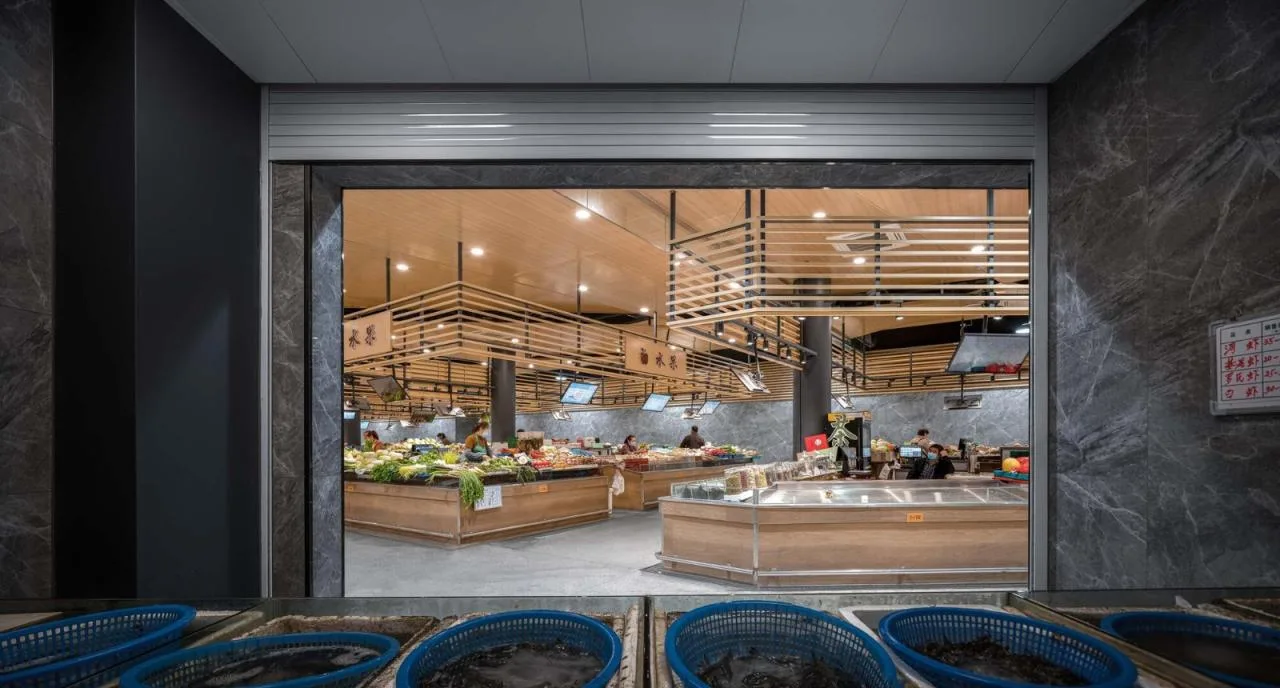
Internally, the building is organized into three floors. The first and second floors serve as the primary business spaces for the agricultural market, with evenly sized stalls dedicated to vegetables, fruits, seafood, and cooked food. Despite the building’s distinctive architectural form, space efficiency remains uncompromised.
Importantly, the familiar vendors from the former Liutan Market were retained, preserving the community’s sense of familiarity amid change. As the project is government-led and serves local residents, rental fees for stalls remained unchanged. Merchants gain access to a superior environment and improved conditions while maintaining the same rental costs.
This approach ensures market improvements do not excessively impact stall prices, a challenge often faced by purely commercial developments. Long-standing social bonds between vendors and customers remain intact, maintaining the market’s original community atmosphere while enriching it with new convenient services.
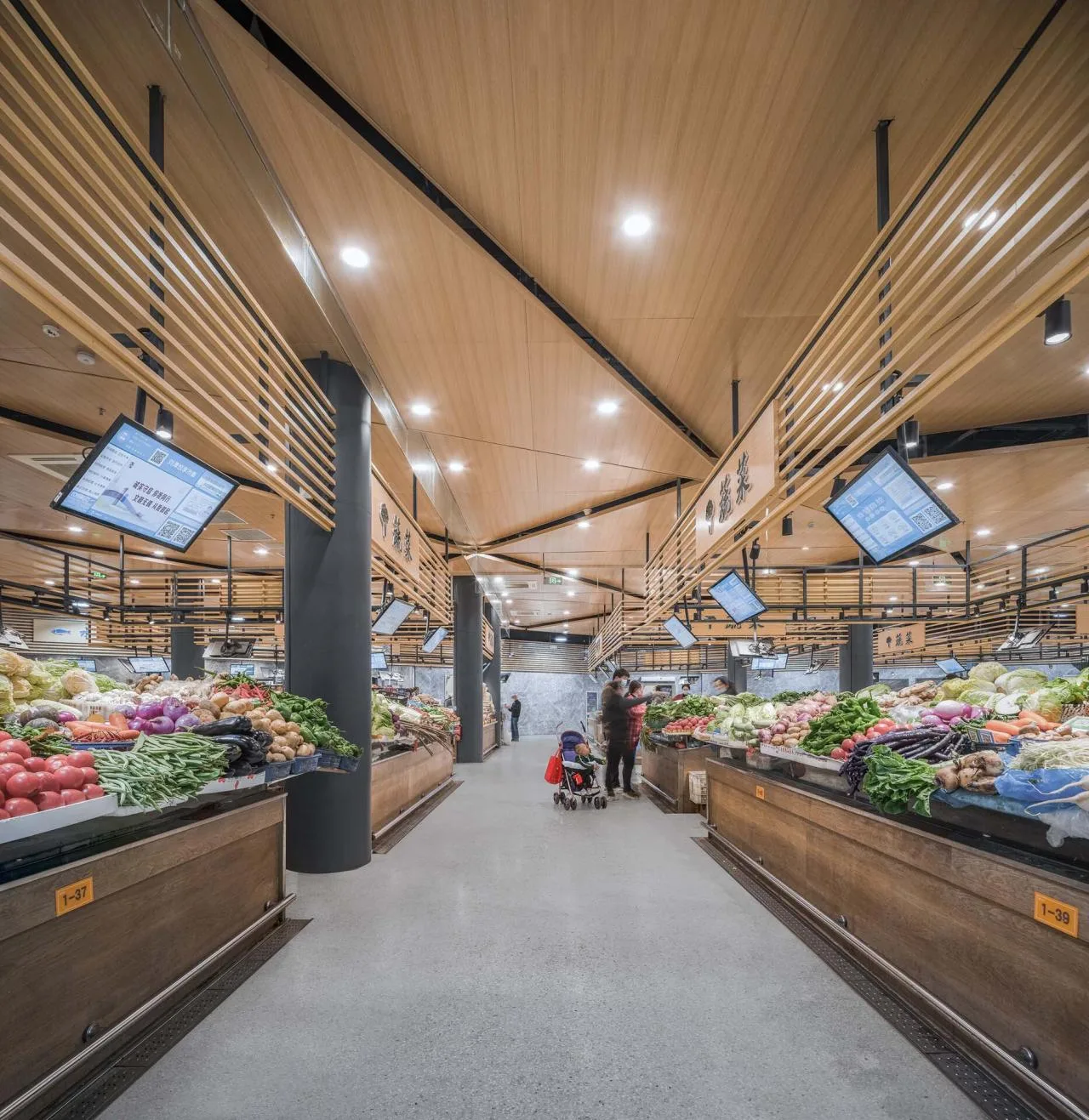
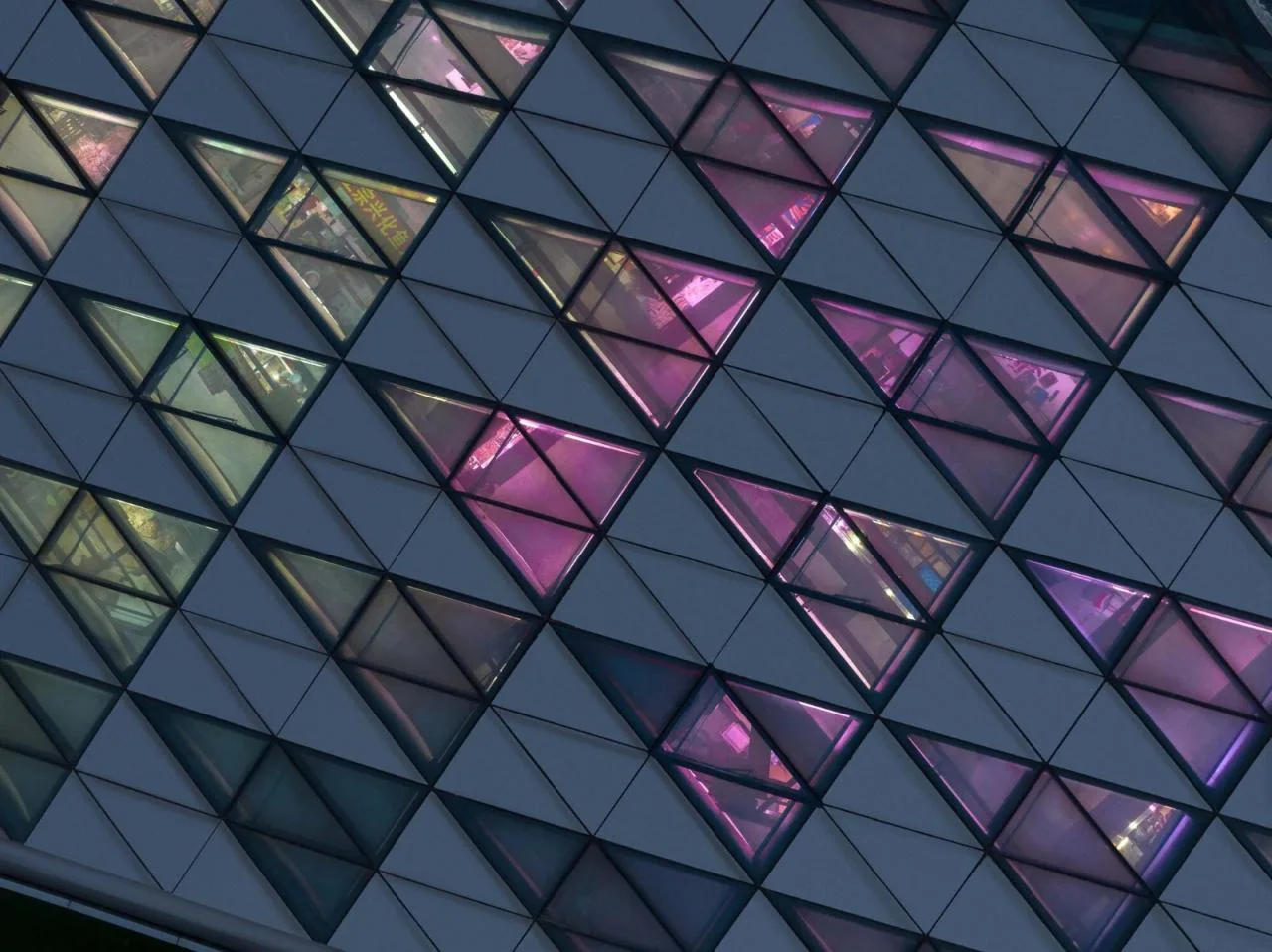
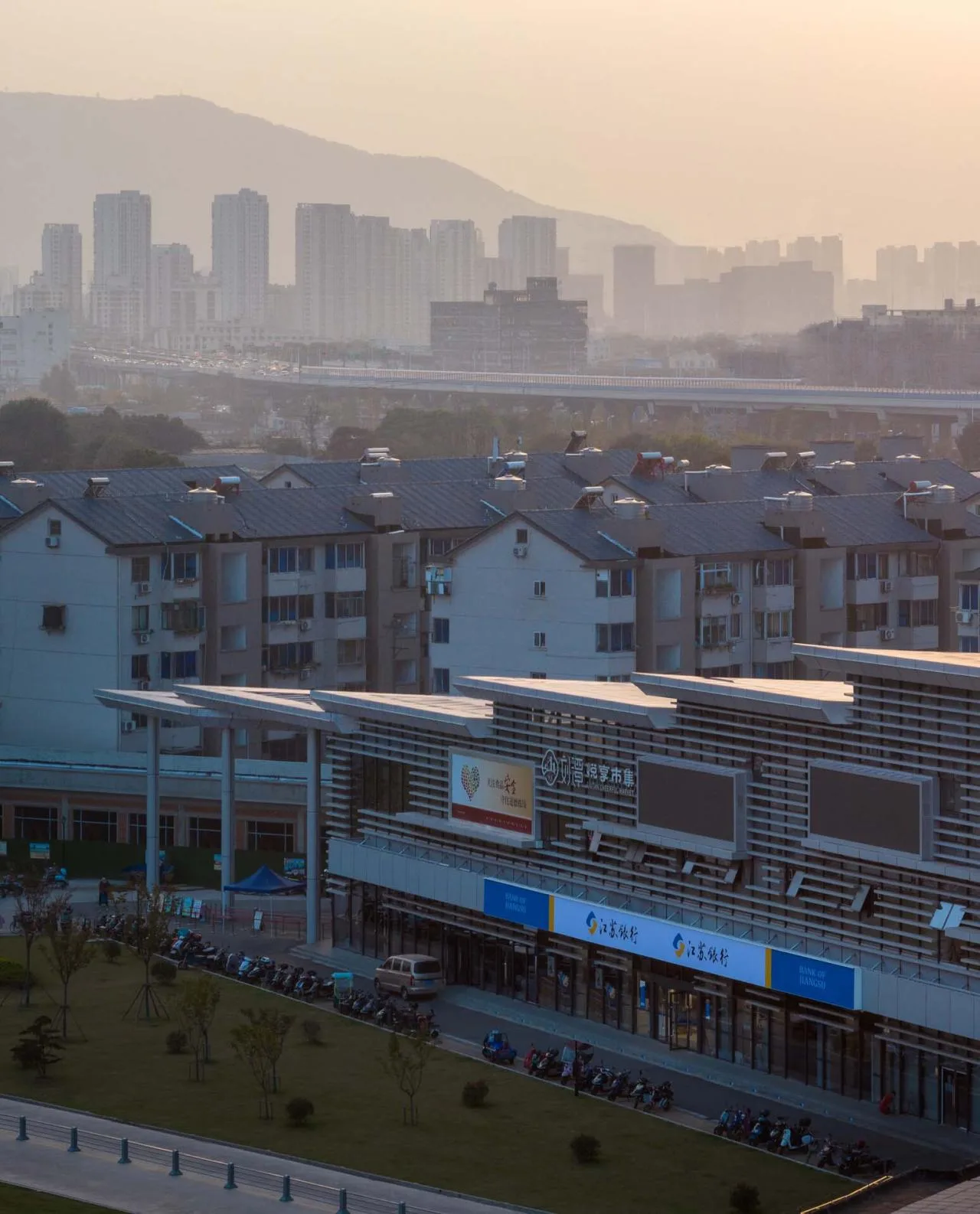
Advanced technologies, such as a fully digital vegetable market system, enhance food safety and provide a fresh presentation of products and sales content. The interior design echoes the building’s diamond-shaped theme through ceiling patterns and spatial divisions, creating seamless visual continuity between inside and outside.
Detailed design considerations also focus on easy cleaning and maintenance to accommodate high daily usage, transforming the market’s formerly cluttered and untidy appearance into a clean and efficient space.
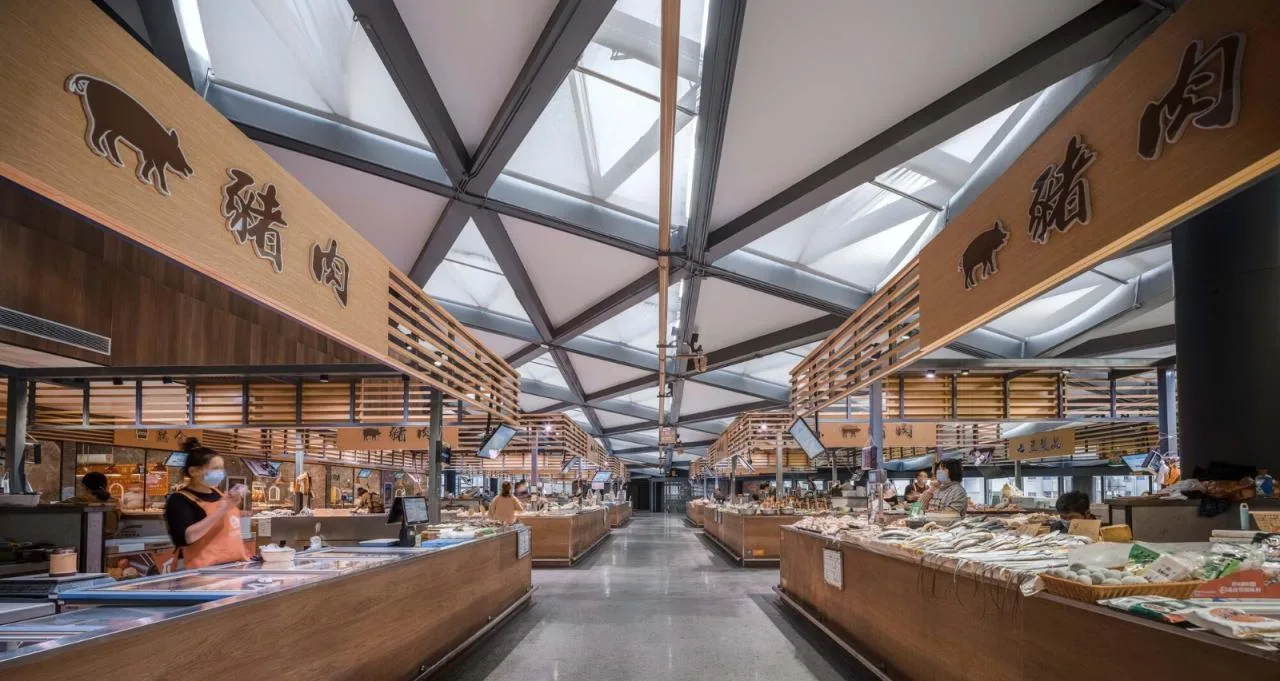
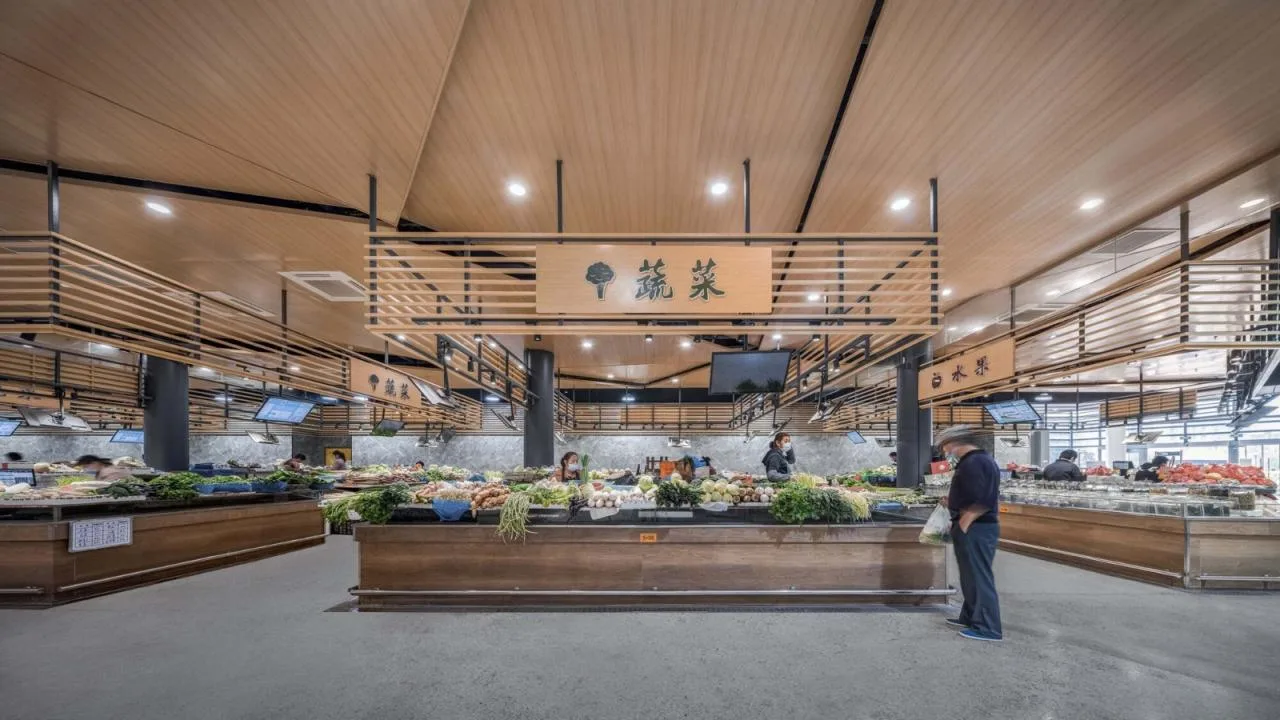
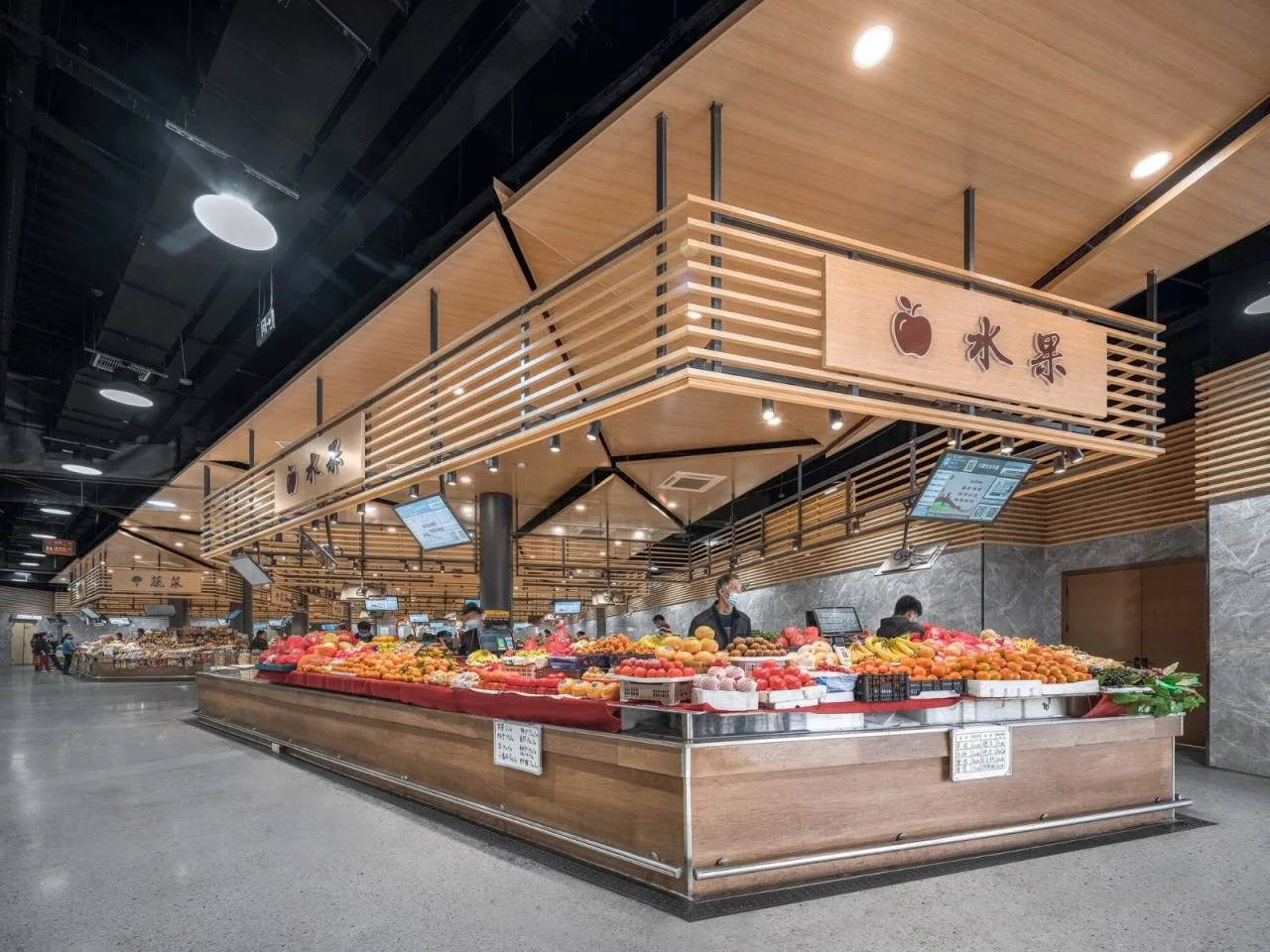
Our vision for the market transcends a mere place to purchase daily necessities. It aims to foster and preserve vital community and neighborhood relationships. For urban residents distanced from nature and farmland, markets can become “art galleries” and “museums” of everyday life, offering meaningful interactions with nature.
Efficient, orderly spaces also accommodate banks, supermarkets, and grocery stores. The second and third floors are dedicated to various new business formats and activities, including offices, leisure spaces, dining, and cultural exhibitions. This diversification transforms the market into a vibrant hub for community social life.
To meet demands for rapid construction, the building employs a prefabricated steel structure and was completed in under a year. Its glass and metal façade incorporates repeated diamond and triangular motifs, presenting a fresh, modern image within the community. This design blends traditional market experiences with new social interactions, establishing the building as the new heart of community life.
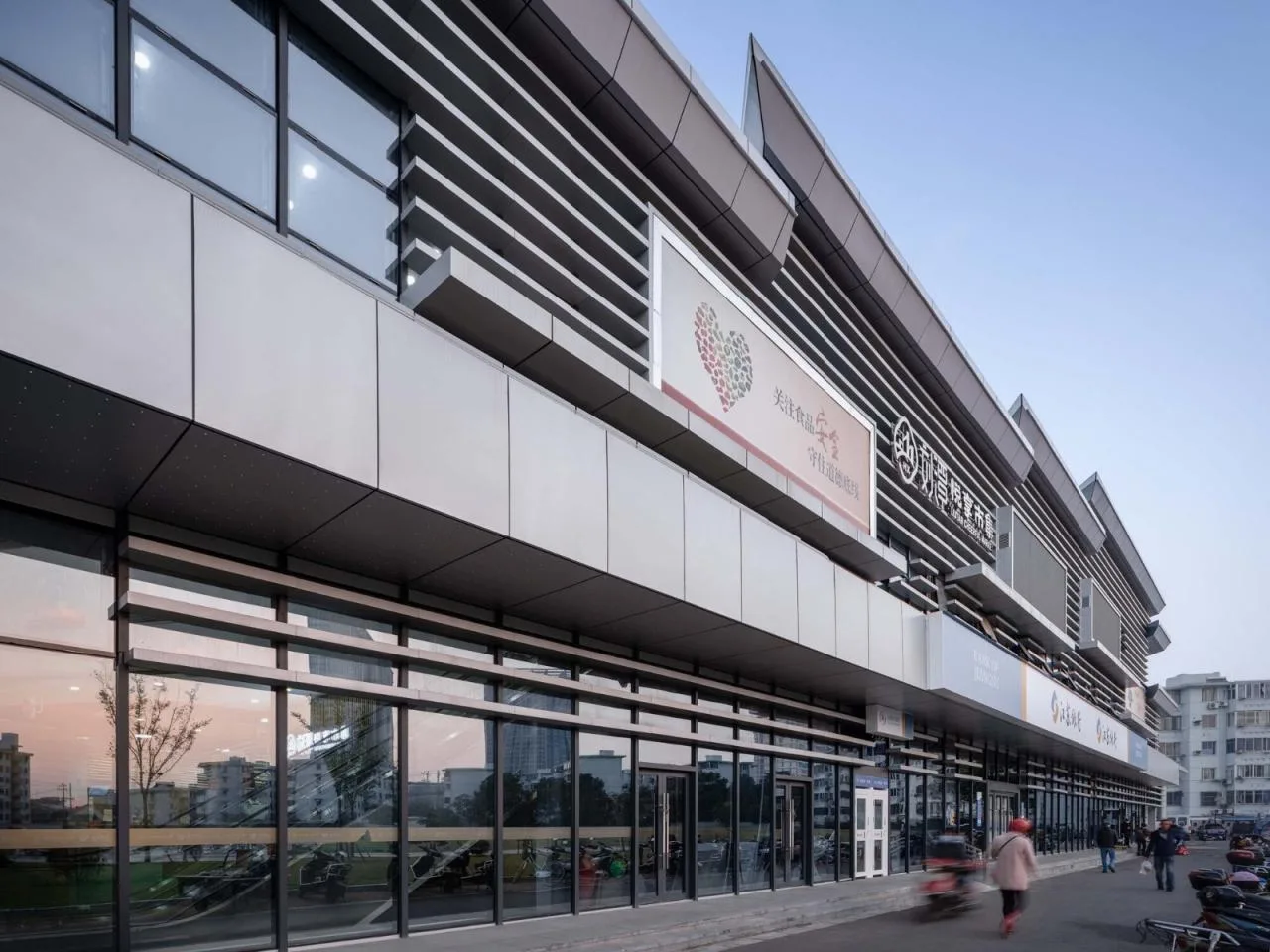
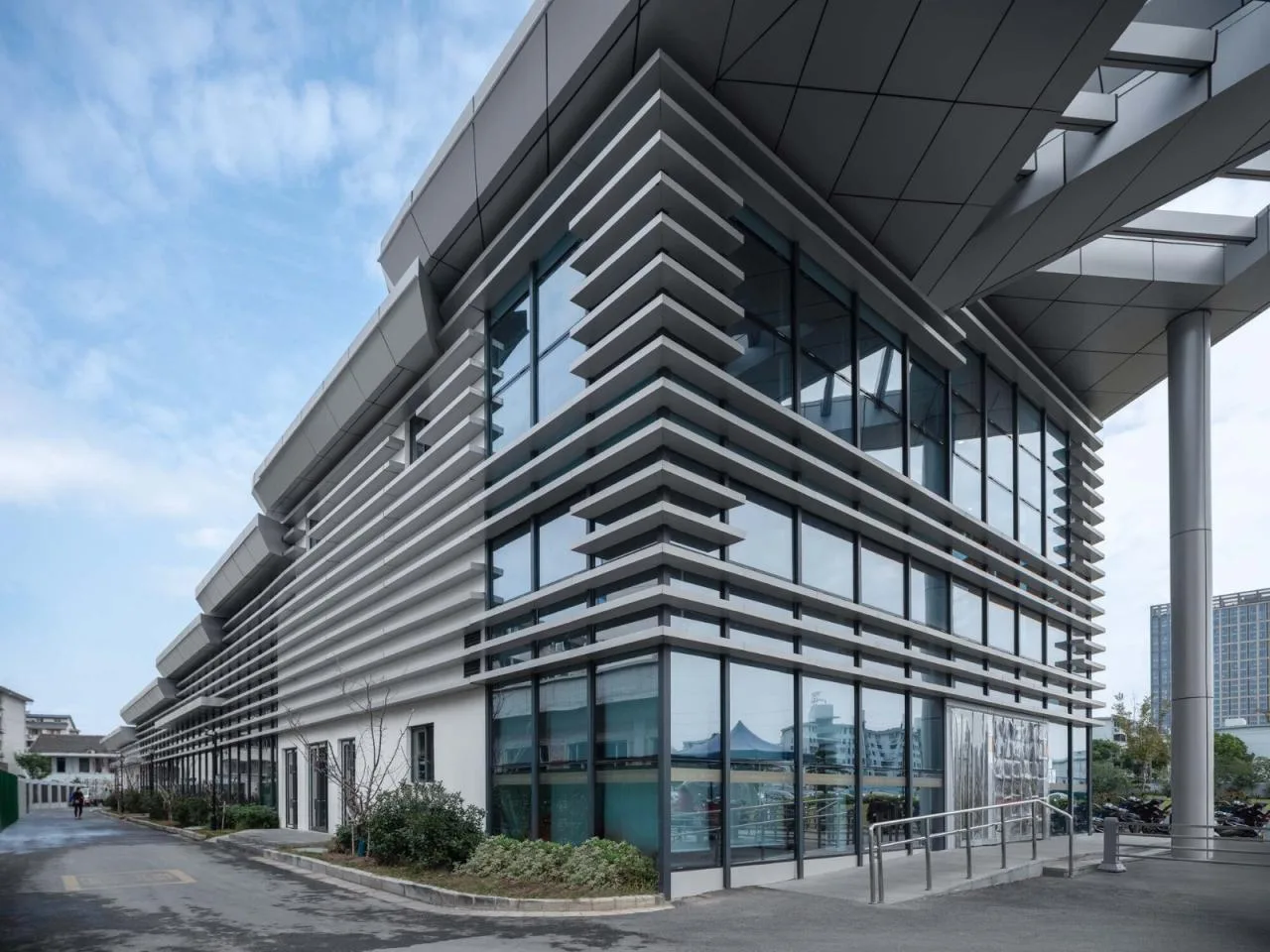
The Liutan Market stands as the first blossom in a developing wilderness, embodying vibrant life and bringing a brilliant, colorful spring to the entire region’s growth.

Original image:
Project drawings
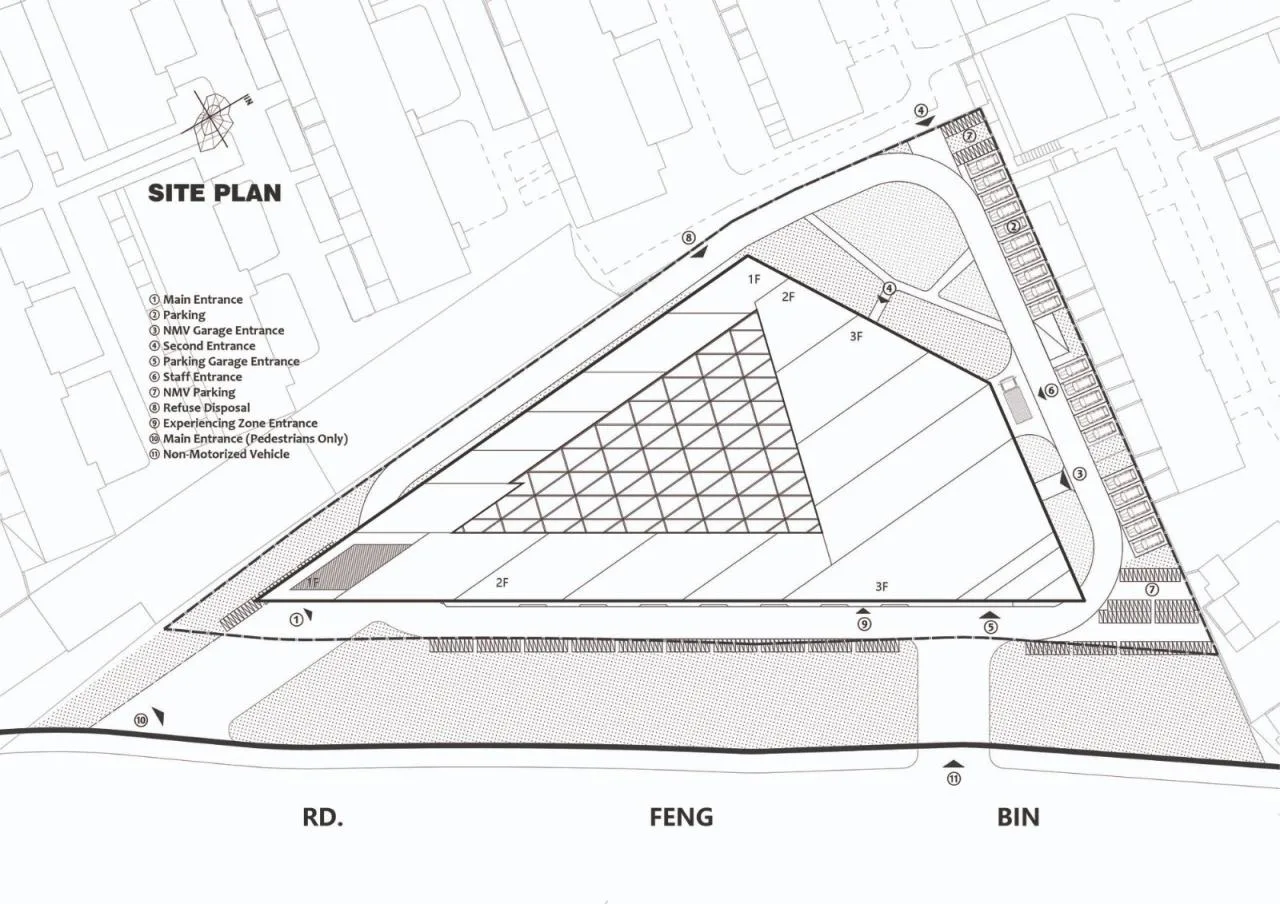
△ General layout plan
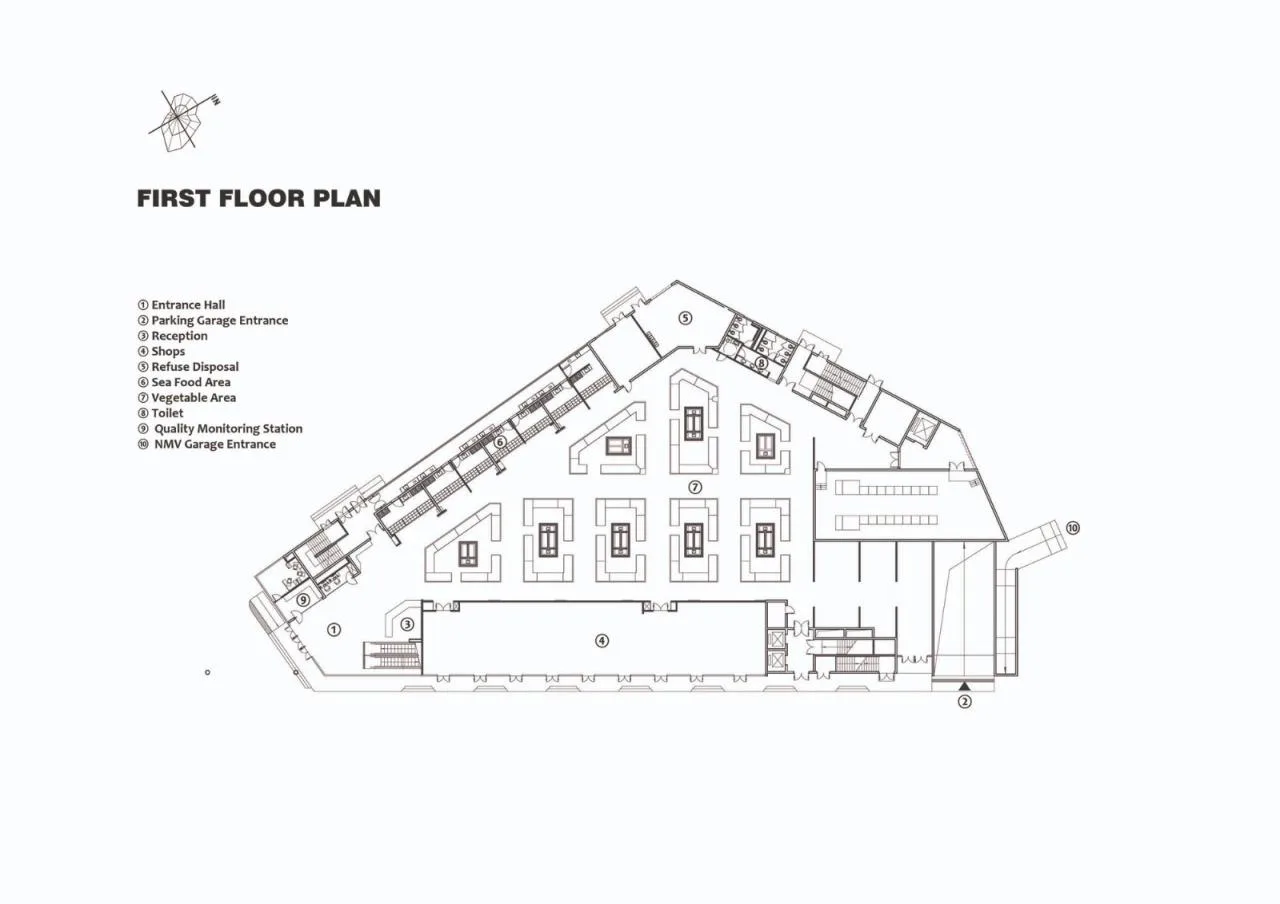
△ First floor plan
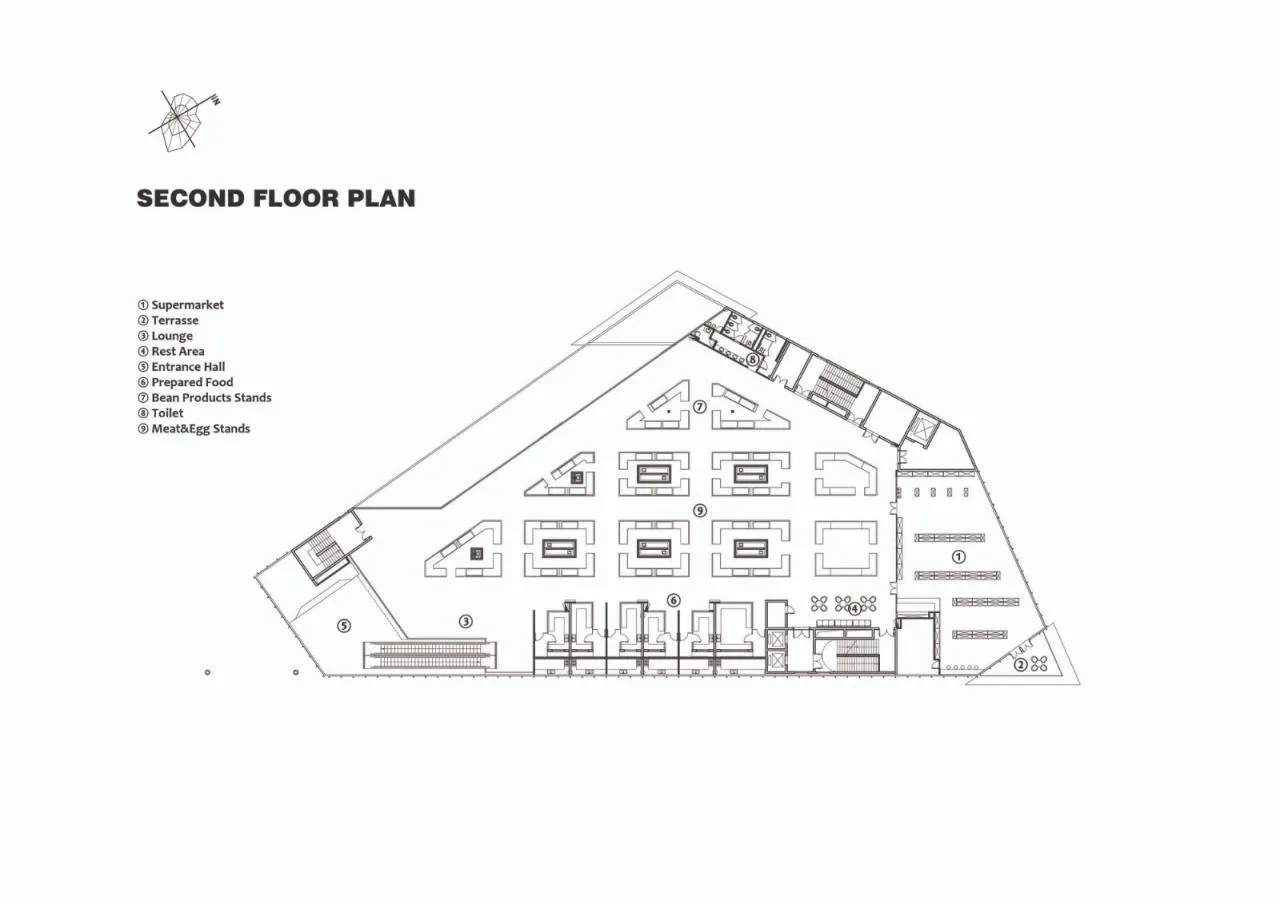
△ Second floor plan
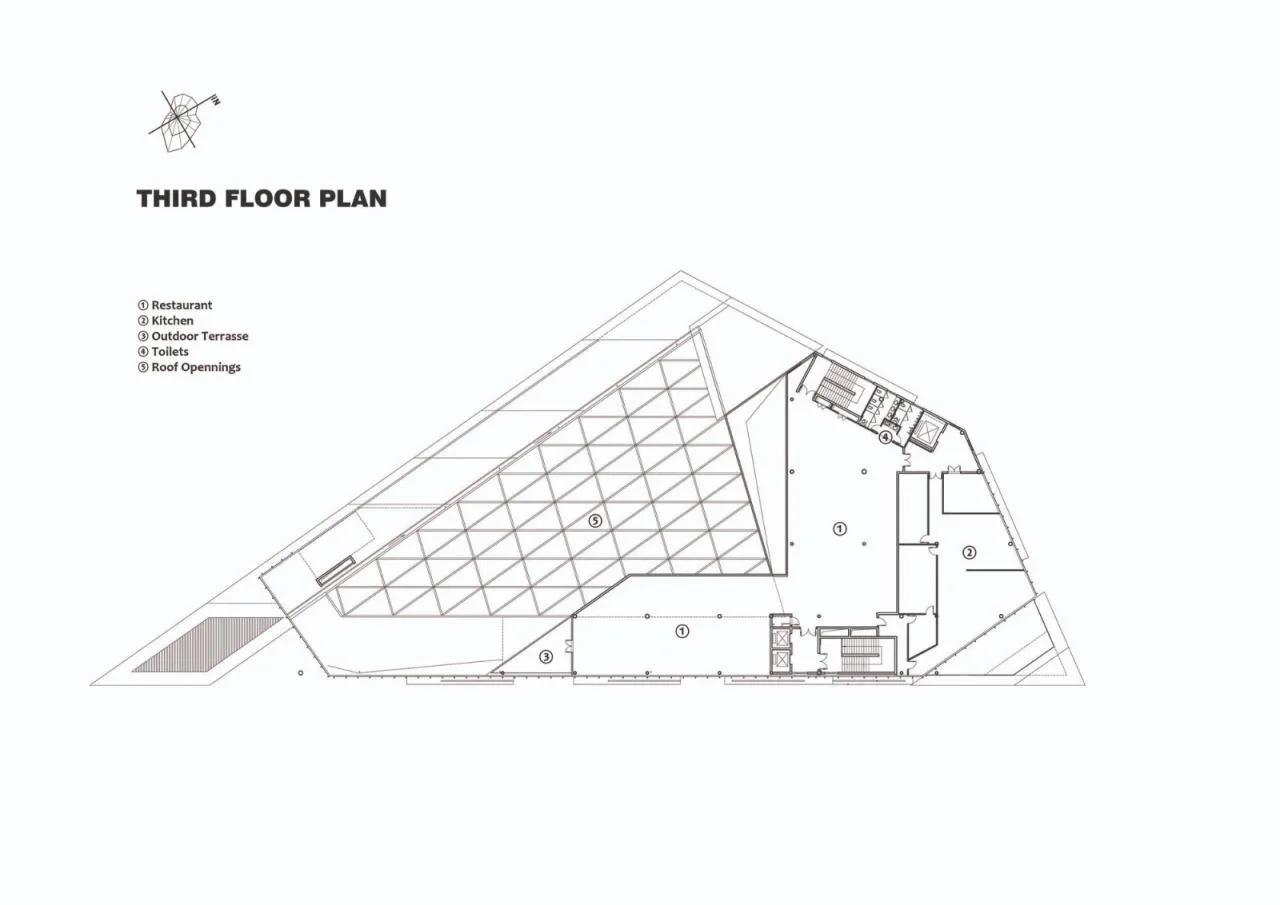
△ Third floor plan
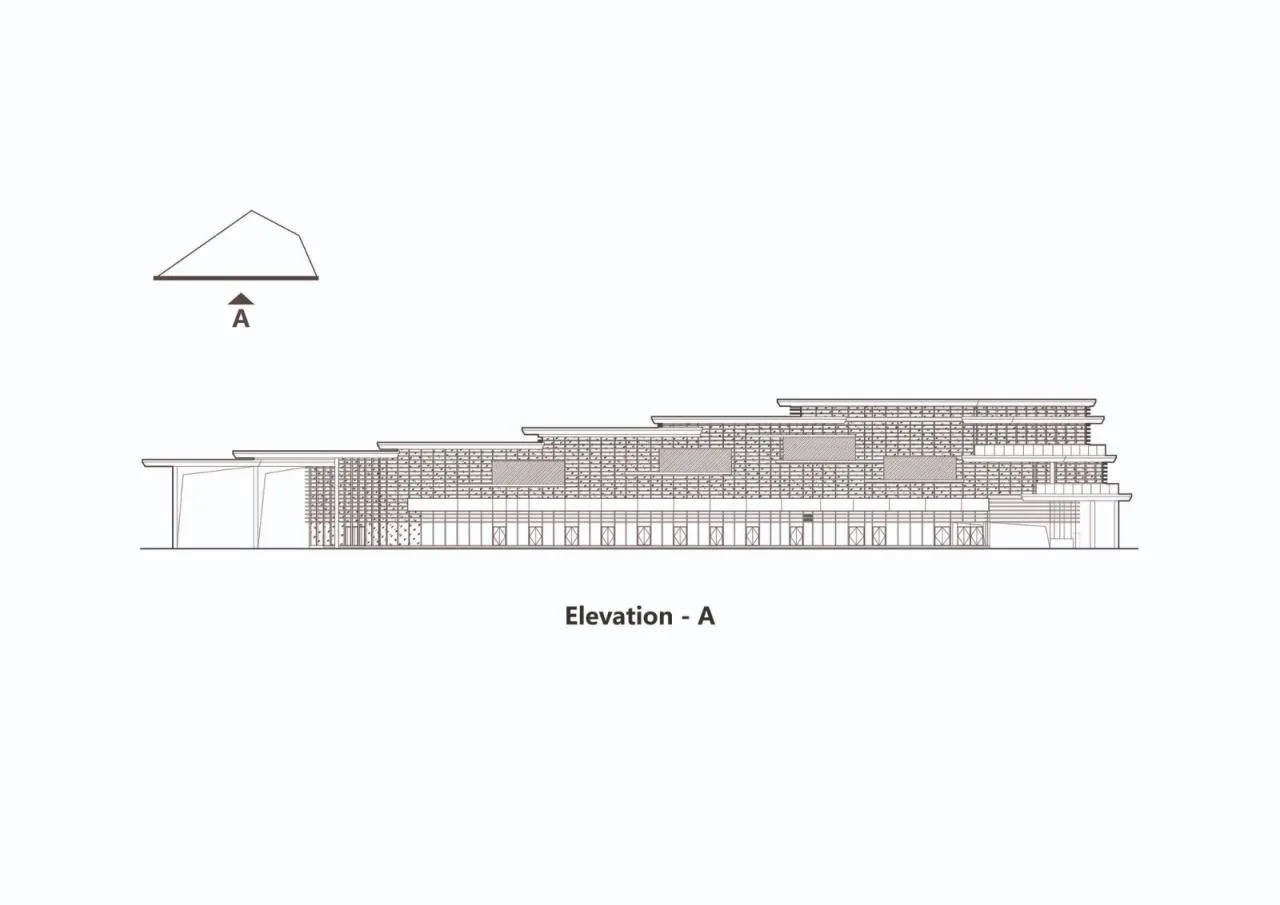
△ Elevation drawing
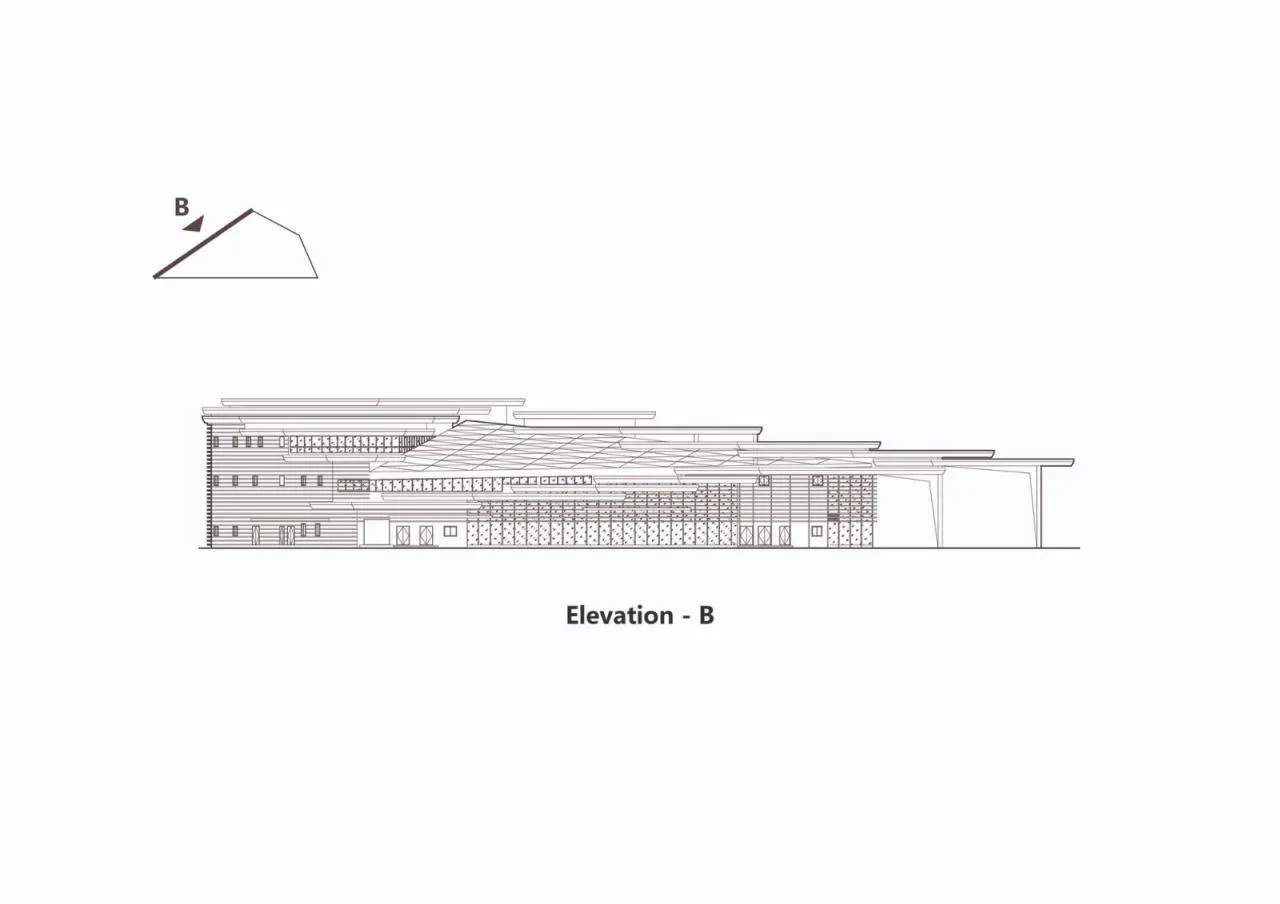
△ Elevation drawing
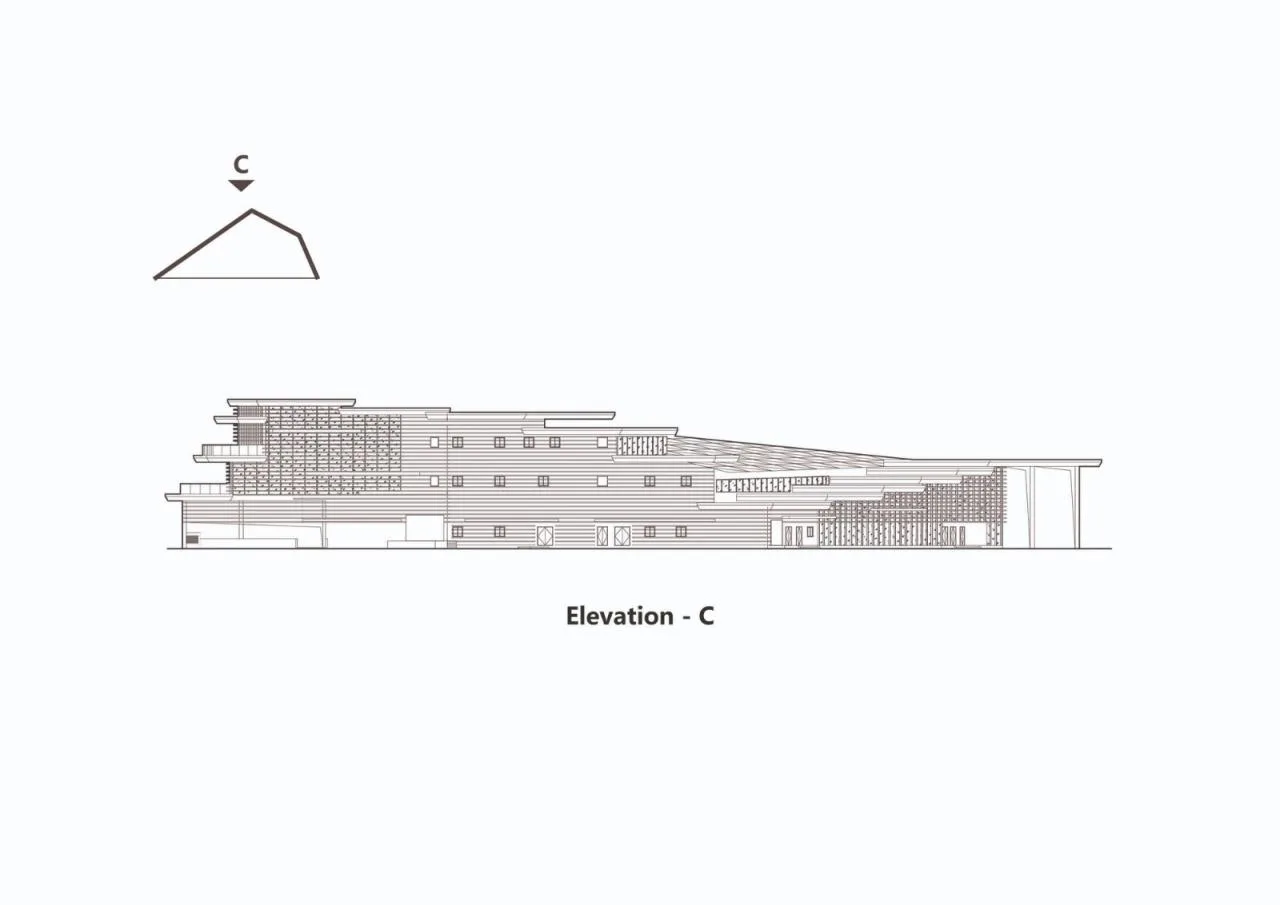
△ Elevation drawing
Project Information
Architect: Mi Zhang Architecture
Area: 10,615 m²
Project Year: 2022
Photographer: Wu Qingshan
Manufacturers: South Glass, Schneider, Mu Era
Lead Architect: Lu Zhigang
Design Team: Huang Congyi, Zhong Chengyu, Liang Dingpeng, Liu Zhirui, Liu Chang, Zhao Xue, Li Zhite, Wu Nidan, Wu Liyi
Interior Design: Sun Lei, An Xiaorui, Zhang Xuebin, Chen Siyu
Deepening Design: Qidi Design Group Co., Ltd
Owner: Wuxi Huangxiang Construction and Development Co., Ltd
Location: Wuxi














Must log in before commenting!
Sign Up