
In project development utilizing BIM technology, Revit software is typically the primary tool, complemented by Navisworks, Rhino, and other programs to complete various tasks. Among these 3D software options, Revit stands out as the main platform for design and integrated management. Its balanced combination of design and management features aligns well with the workflow of true architectural collaboration. Additionally, Revit’s high market share and comprehensive classification coding system make it a preferred choice.
Navisworks is capable of performing clash detection—including hard clashes, clearance clashes, and duplication clashes—along with 4D simulations, rendering, walkthroughs, and object animations. Rhino is particularly strong in handling complex, irregular architectural shapes.
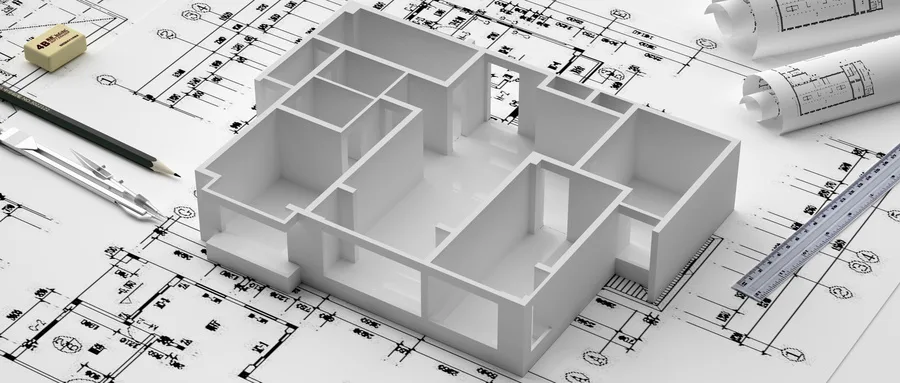
BIM models are typically divided by discipline, with each specialty developing its own central model on a shared collaborative platform. Within each discipline, data synchronization occurs between local models and the central model. Collaboration across disciplines is achieved through linking these central models.
This collaborative setup allows each discipline’s model to remain independent, preventing interference between teams while enabling real-time updates across models from other disciplines. This framework serves as the foundation for effective modeling and conflict coordination.
BIM models are integrated, and BIM teams excel at integration as well. The team usually includes engineers specializing in architecture, structural, and mechanical, electrical, and plumbing (MEP) engineering. These experts are responsible for creating discipline-specific models, communicating with relevant professionals during design, conducting analysis and calculations based on BIM models, coordinating design efforts, optimizing and adjusting plans, and maintaining data accuracy.
The BIM project manager oversees internal coordination and external communication, ensuring a clear division of labor and well-defined responsibilities.
BIM technology introduces not only innovative tools but also a new workflow. An efficient working mode and process foster a positive environment throughout the project lifecycle, enhancing productivity, reducing costs, and shortening project timelines.
This overview summarizes the working mode and technical applications of BIM technology. I hope this article proves helpful to everyone!
















Must log in before commenting!
Sign Up