
BIM technology is characterized primarily by its object-oriented information modeling approach. This method defines geometric parameters and constraints during the model creation process. For instance, when building a model, there is an established structural and logical relationship between doors, windows, and walls that remains consistent even if the walls are moved. This consistency forms the foundation for effective collaboration across various disciplines. In a building information model, the fundamental elements—such as doors, windows, roofs, and curtain walls—are digitally represented, fully encompassing their physical properties and functional attributes.
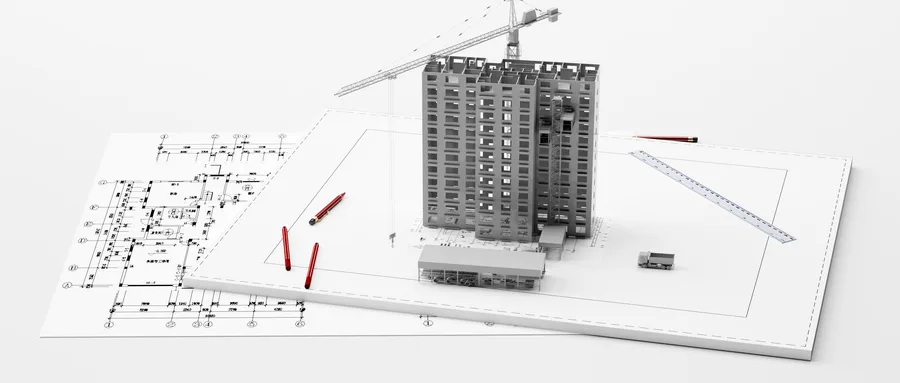
Another key feature of BIM technology is the parameterization of model objects. Each component within the building model carries its own set of attribute parameters, including construction units, geometric dimensions, material specifications, labeling information, analysis data, and other non-geometric attributes. This parameterization is especially valuable for data analysis and energy consumption evaluation. For example, it enables accurate cost estimation by compiling statistics on quantities of materials and equipment, simulating various materials and energy values for building exteriors, facilitating precise comparisons of energy consumption, and optimizing design solutions.
Moreover, the ability to extract and convert specific information formats within building information models allows seamless data integration and sharing across different professional software platforms. For instance, Graphisoft’s ArchiCAD is used to create architectural and structural models, while Autodesk’s Revit software supports mechanical and electrical pipeline modeling. Both can export to the IFC format, which enables cost calculation and further processing in domestic BIM software like Guanglian Da. Additional BIM applications continue to support energy consumption analysis, collaborative design, and 4D construction simulation to meet diverse project requirements.
One of the most powerful functions of BIM technology is the real-time updating of model data. Users can set update intervals for data across all views according to project needs. Any change—whether in a specific location or component supplier—is immediately and accurately reflected in the building information model’s database. This capability significantly enhances work efficiency and coordination among project stakeholders.
In summary, this overview highlights the modeling parameterization features of BIM technology. We hope this article provides valuable insights into how BIM supports intelligent and collaborative building design.
















Must log in before commenting!
Sign Up