
BIM technology plays a vital role in involving different construction teams throughout the building process. It enhances communication, fosters collaboration, optimizes the construction environment, and streamlines project planning. Specifically, BIM enables a highly accurate representation of the construction status by integrating data from various trades and tasks. This approach helps identify issues early, improves technical solutions, and prevents rework or project delays. For example, in civil engineering pipeline layout, BIM technology can optimize routing, ensure aesthetic design within a visual interface, reduce material waste, and boost construction efficiency.
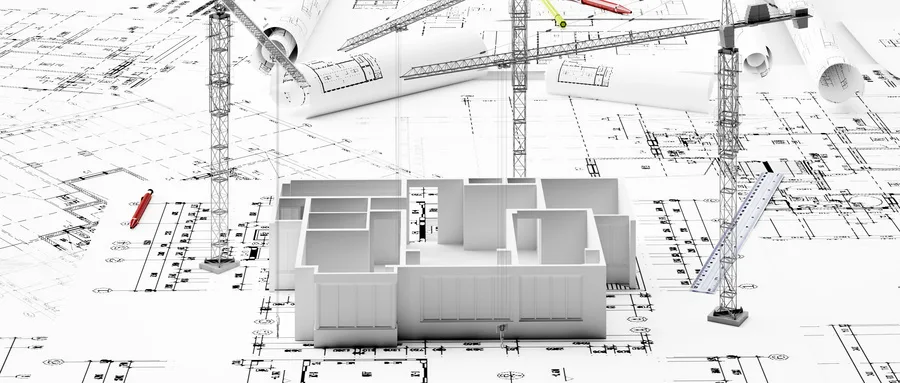
1. Visualization. Traditional on-site management largely depends on construction personnel and tends to be somewhat broad and reactive, often lacking depth and timeliness. During the civil engineering design phase, information is mainly conveyed through annotated drawings. However, workers with limited professional expertise may struggle to interpret these numerical and line-based plans into three-dimensional images, which can compromise construction quality and hinder effective control. BIM technology addresses these challenges by processing data and presenting it as 3D visualizations, making design schemes easier to develop and modify. This allows construction teams to clearly track progress and critical points, ultimately enhancing safety on site.
2. Collaborative teamwork. Civil engineering projects involve multiple disciplines, requiring close cooperation among design teams, construction crews, and supervisory units. Any disruption in one area can delay progress and jeopardize safety. Traditionally, communication relied on phone calls and emails to coordinate meetings. BIM technology, however, provides a centralized platform where all parties can upload and share data in real time. This ensures everyone stays updated on the project’s status and enables smoother, more coordinated construction workflows.
That concludes the key advantages of using BIM technology in civil engineering projects. We hope this overview proves useful to all readers!
















Must log in before commenting!
Sign Up