
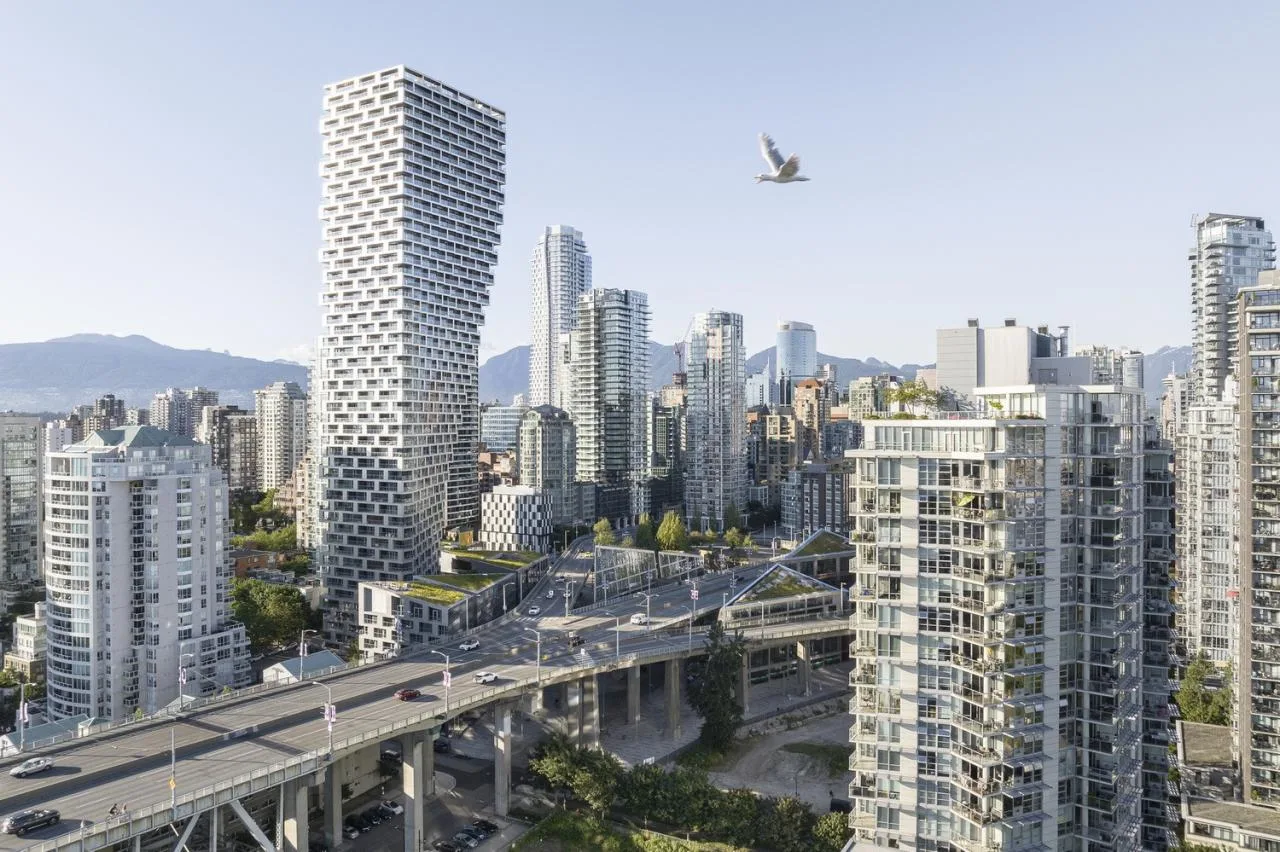
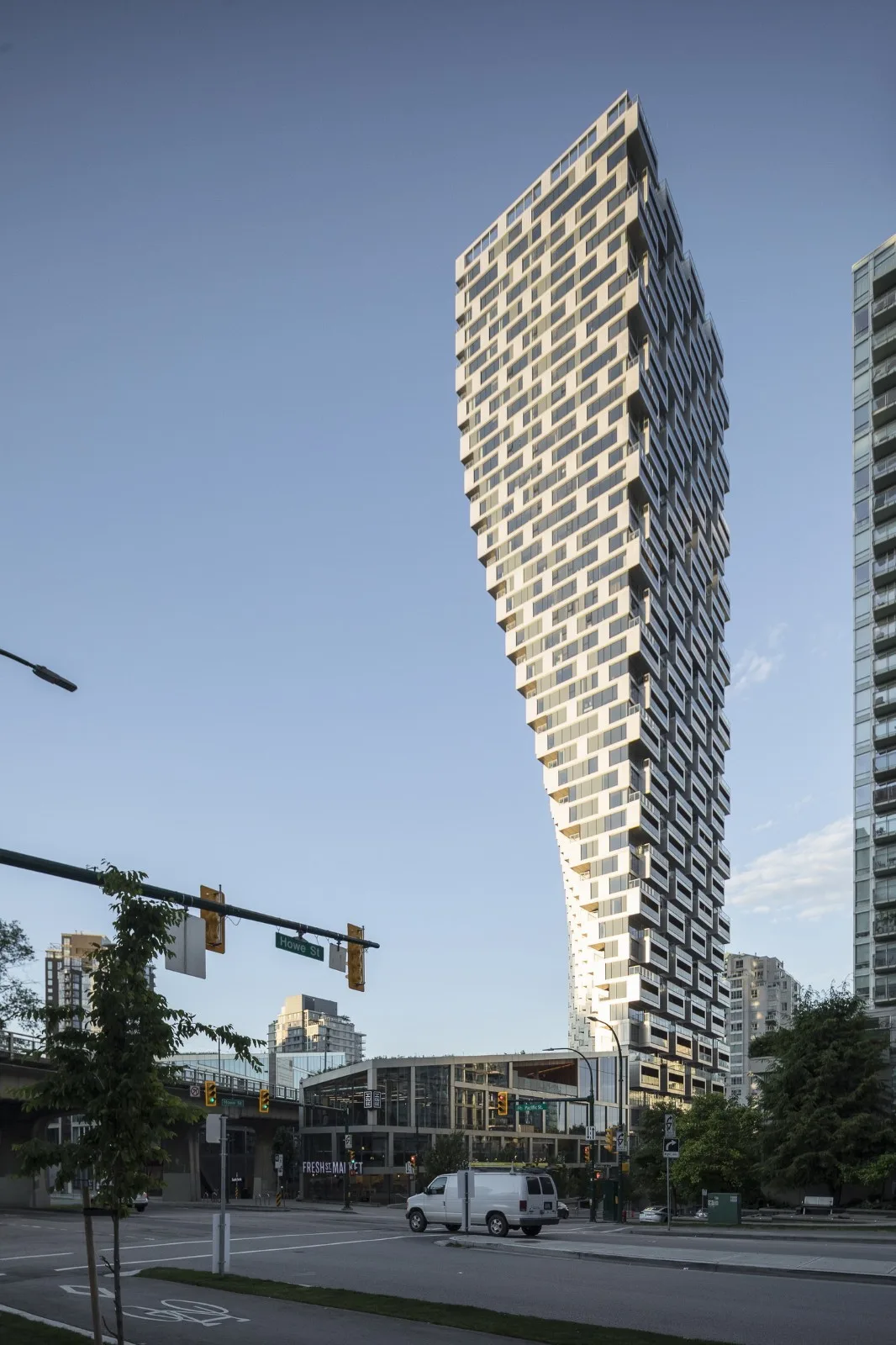
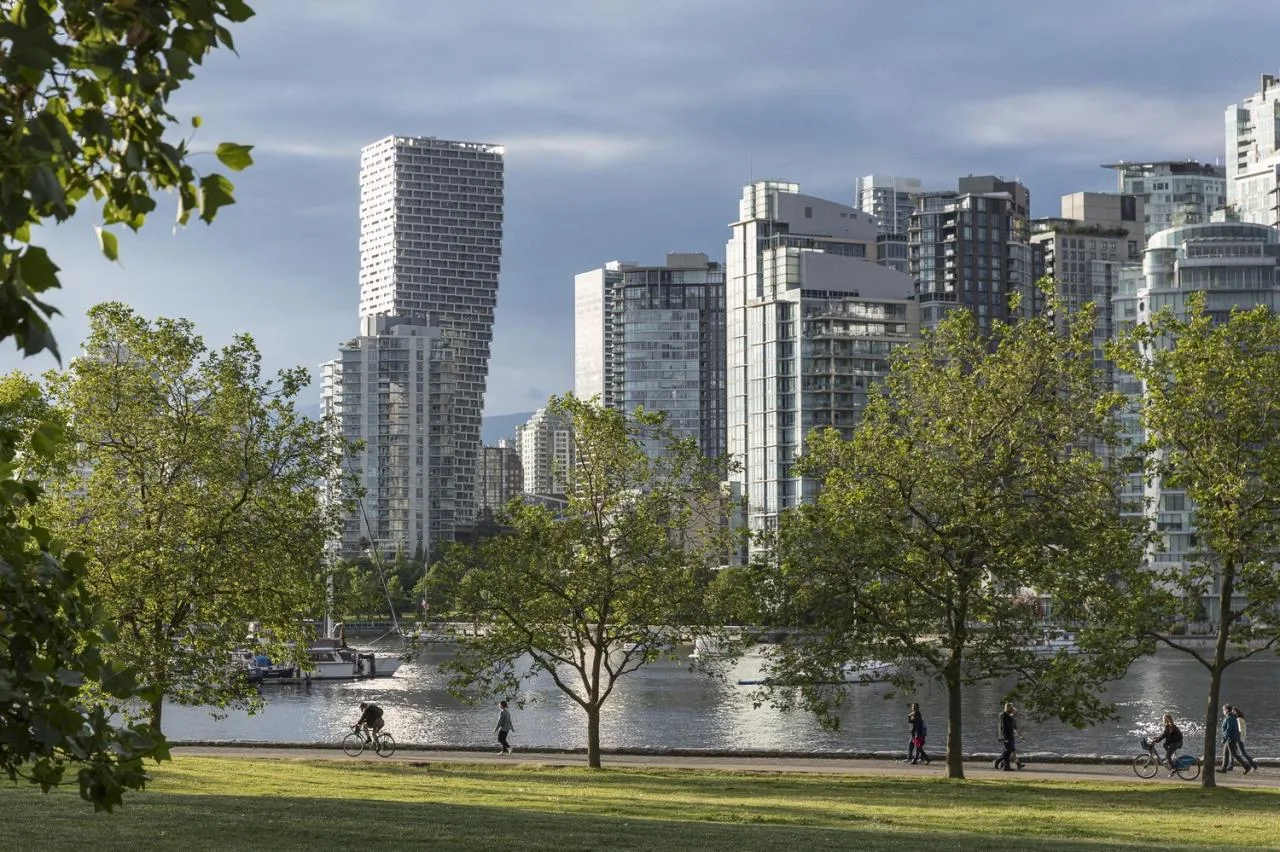
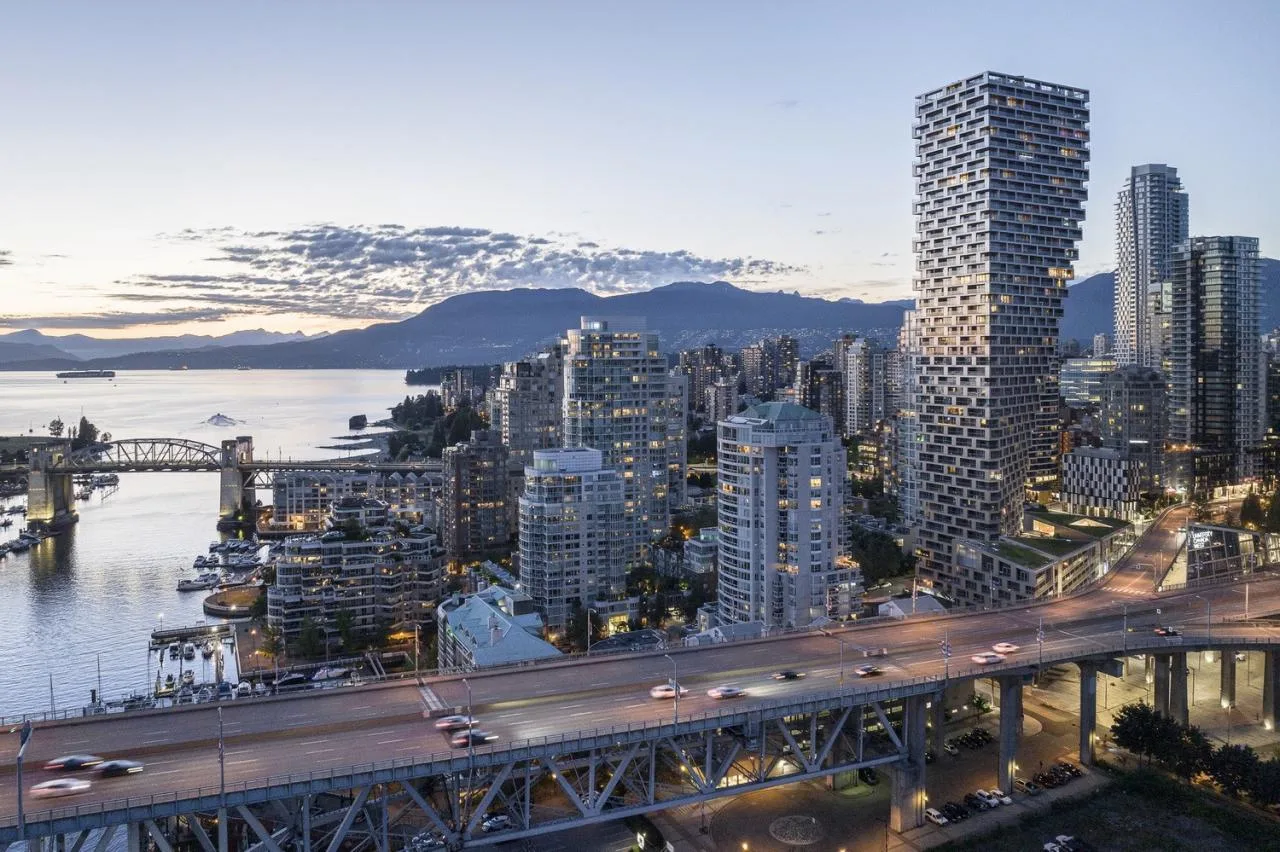
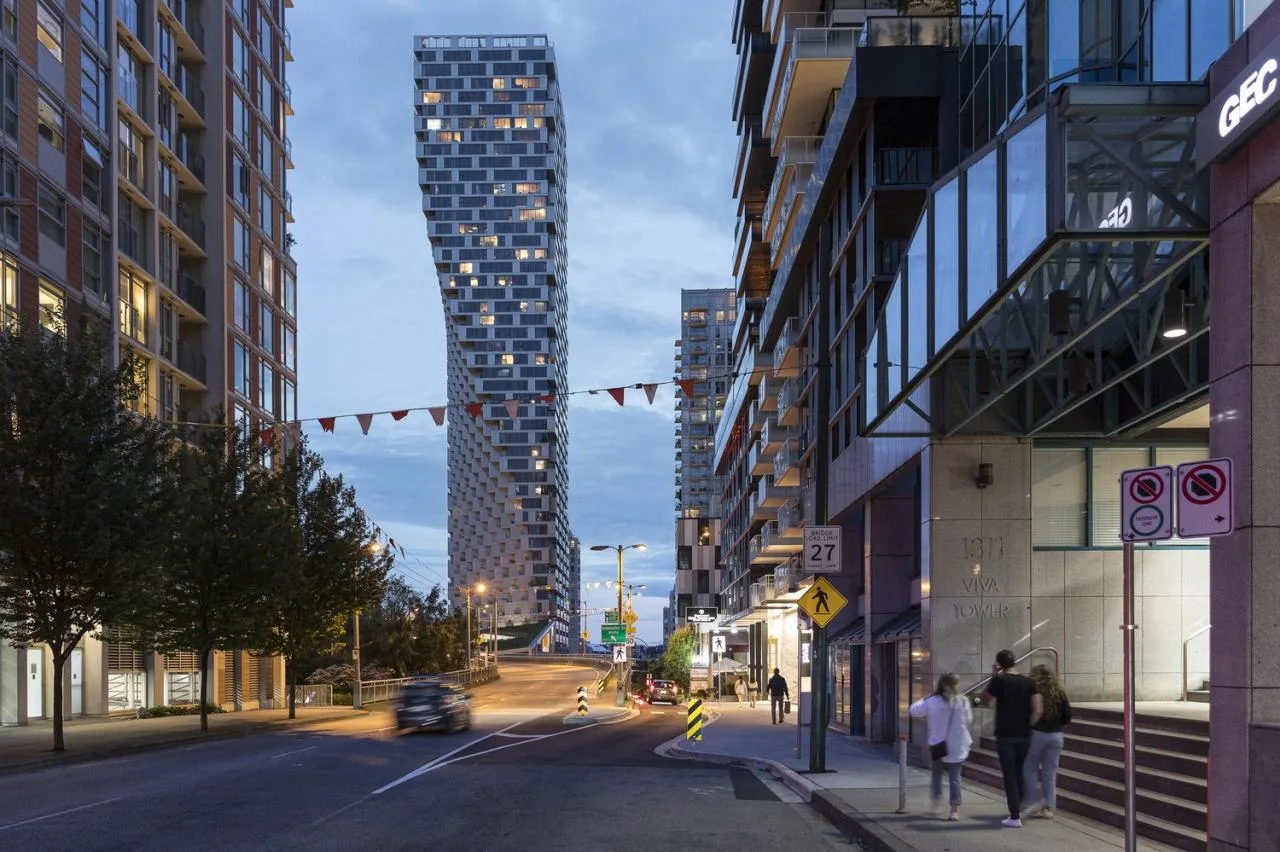
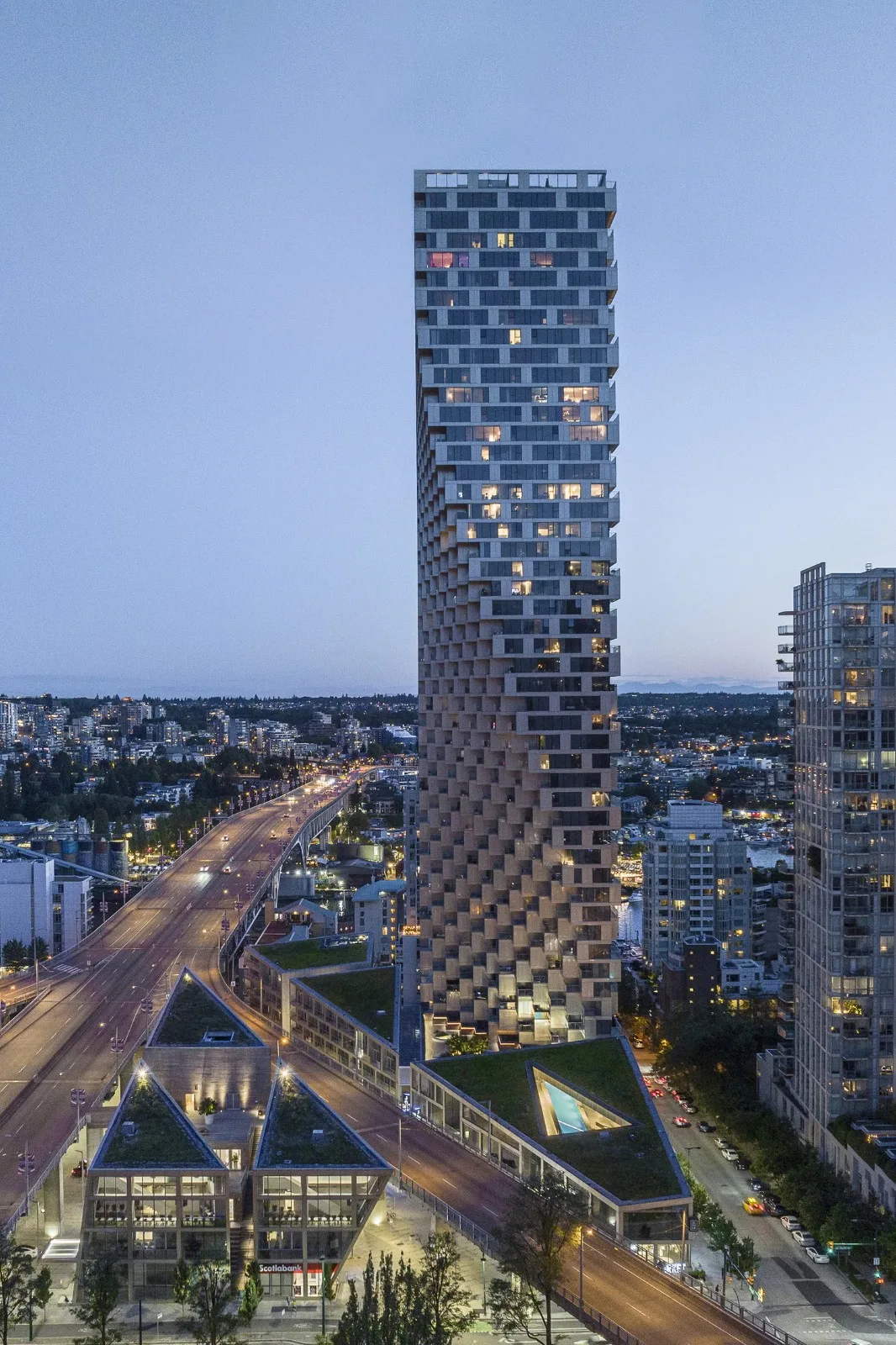
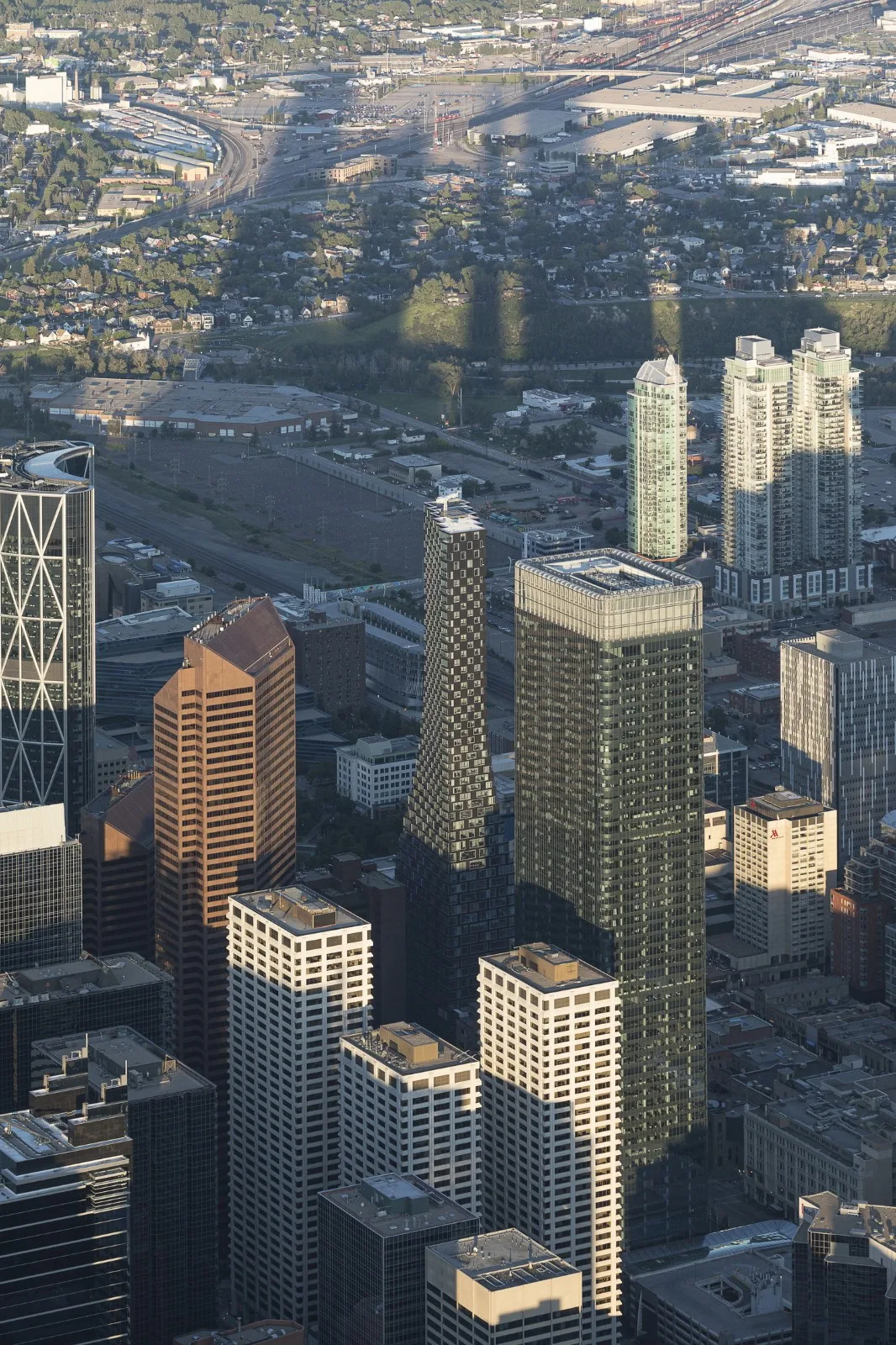
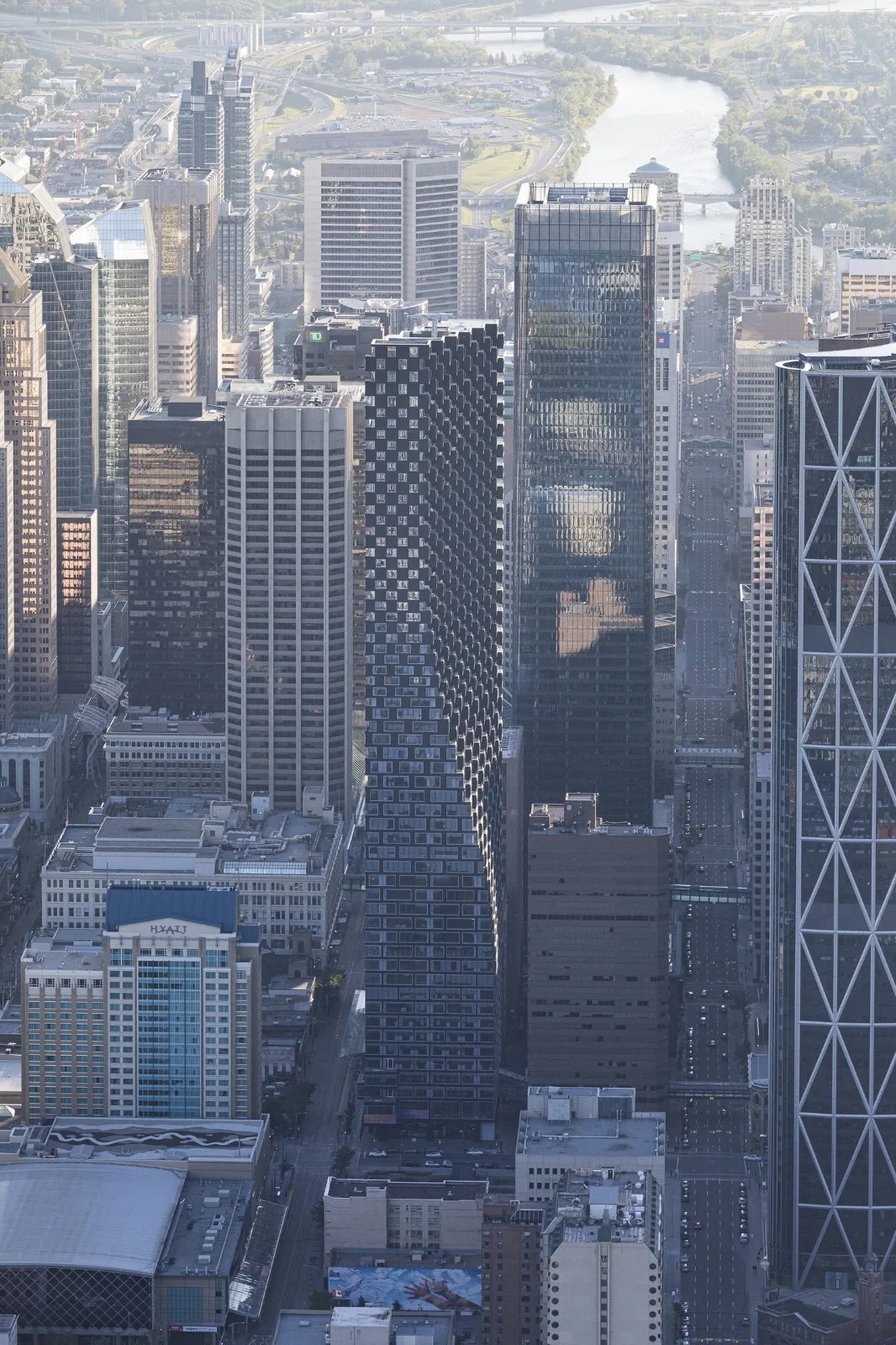
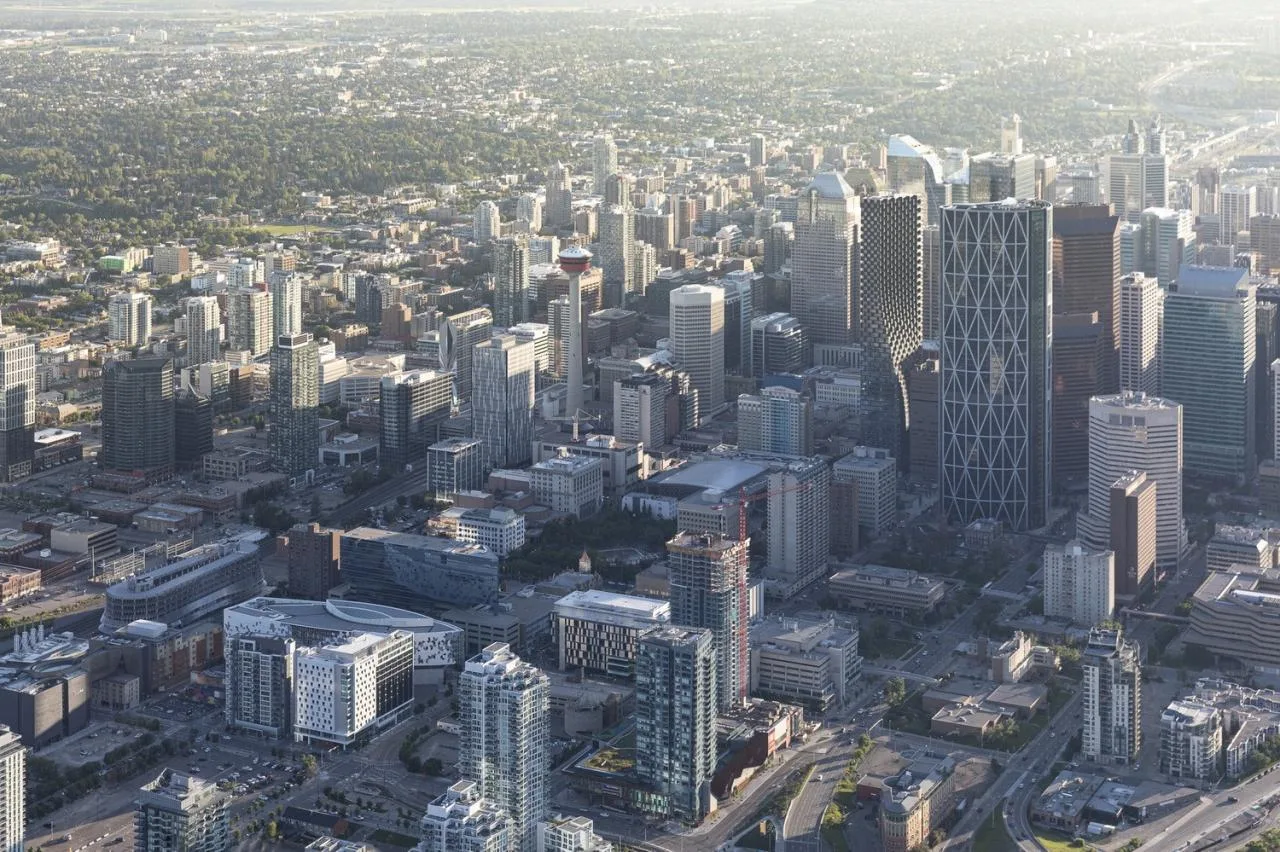
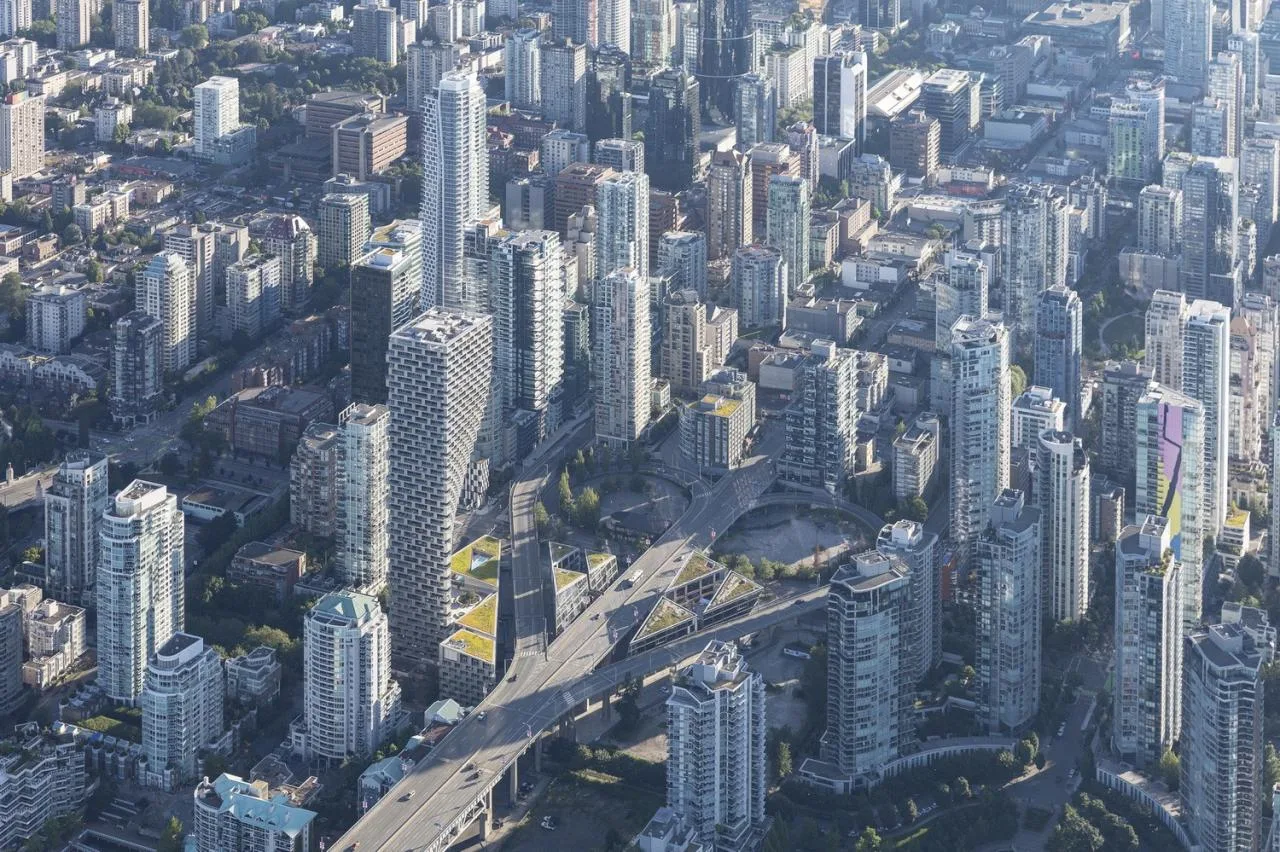
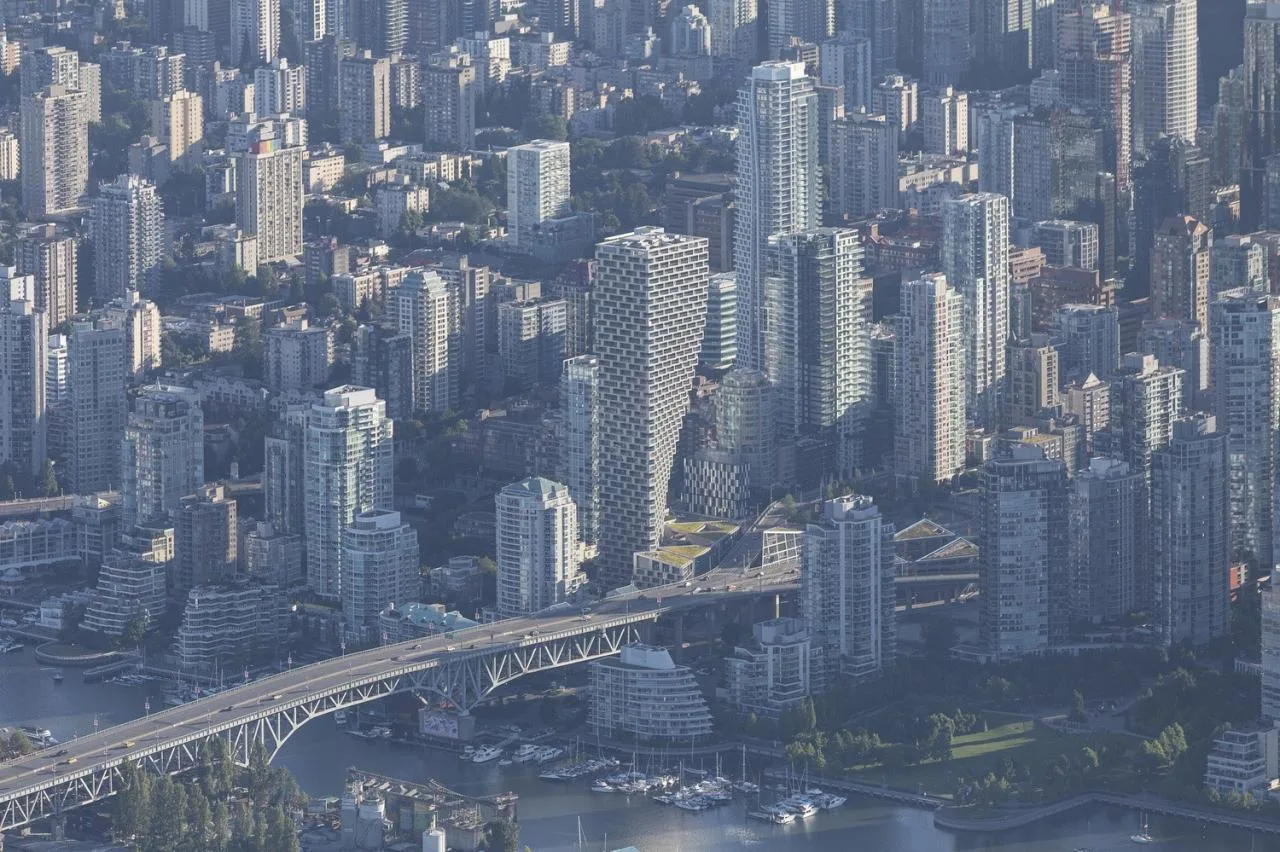
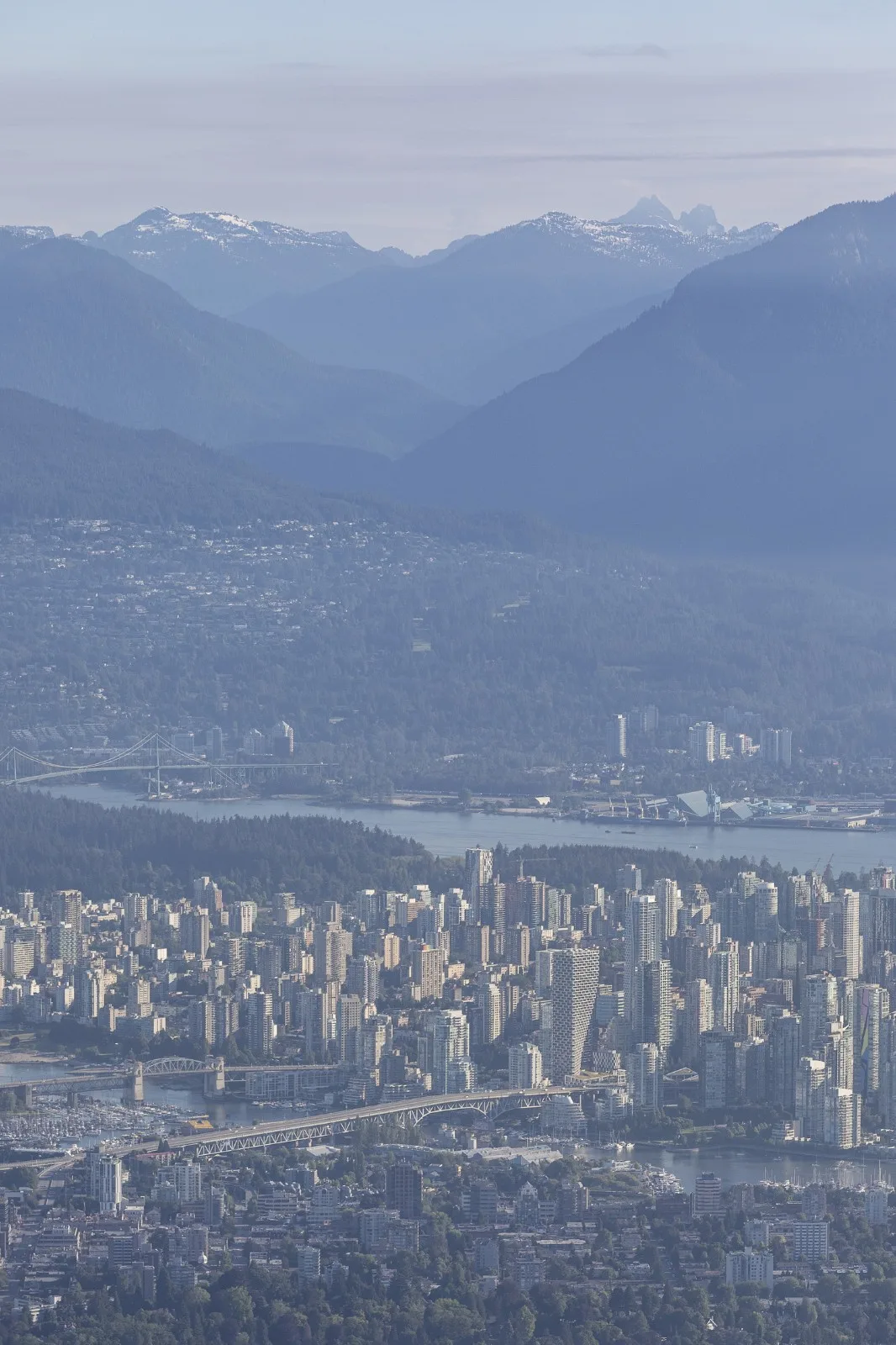
BIG recently unveiled the first set of photographs showcasing the Vancouver House and Telus Sky Tower in Canada as they have been operational since the 2020 pandemic. These two skyscrapers appear to intertwine like yin and yang, featuring complementary curved silhouettes that resemble massive curtains flowing seamlessly into their surroundings, creating a striking presence on the skyline.
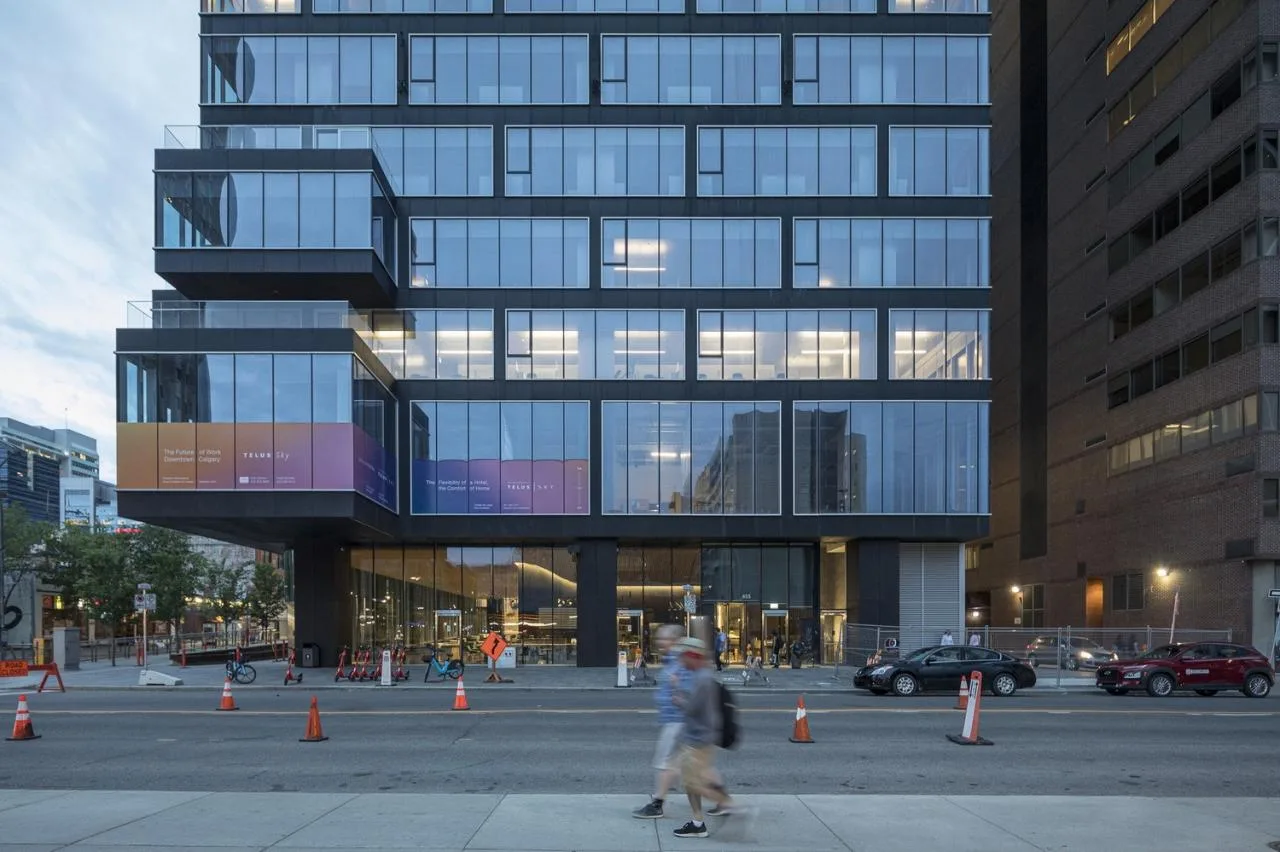
The Telus Sky Tower rises to 220 meters, while the Vancouver House stands at 149 meters. Both buildings offer mixed-use spaces combining offices and residences, connected by bike lanes and pedestrian walkways on their platforms. They also embody the highest standards in energy efficiency and environmental design. Vancouver House is the city’s first LEED Platinum certified building, whereas Telus Sky Tower in Calgary holds the distinction of being the largest LEED Platinum certified building in North America, covering an area of 70,725 square meters.
Both Calgary and Vancouver are engaging in urban experiments aimed at creating super-dense city centers. Alberta, home to Calgary, emphasizes clusters surrounded by low-density housing, while major cities in Western Canada have focused on concentrated residential zones. Regardless of these differing approaches, both towers exemplify sustainable and vibrant urban development, integrating residential and workspaces to meet community aspirations.
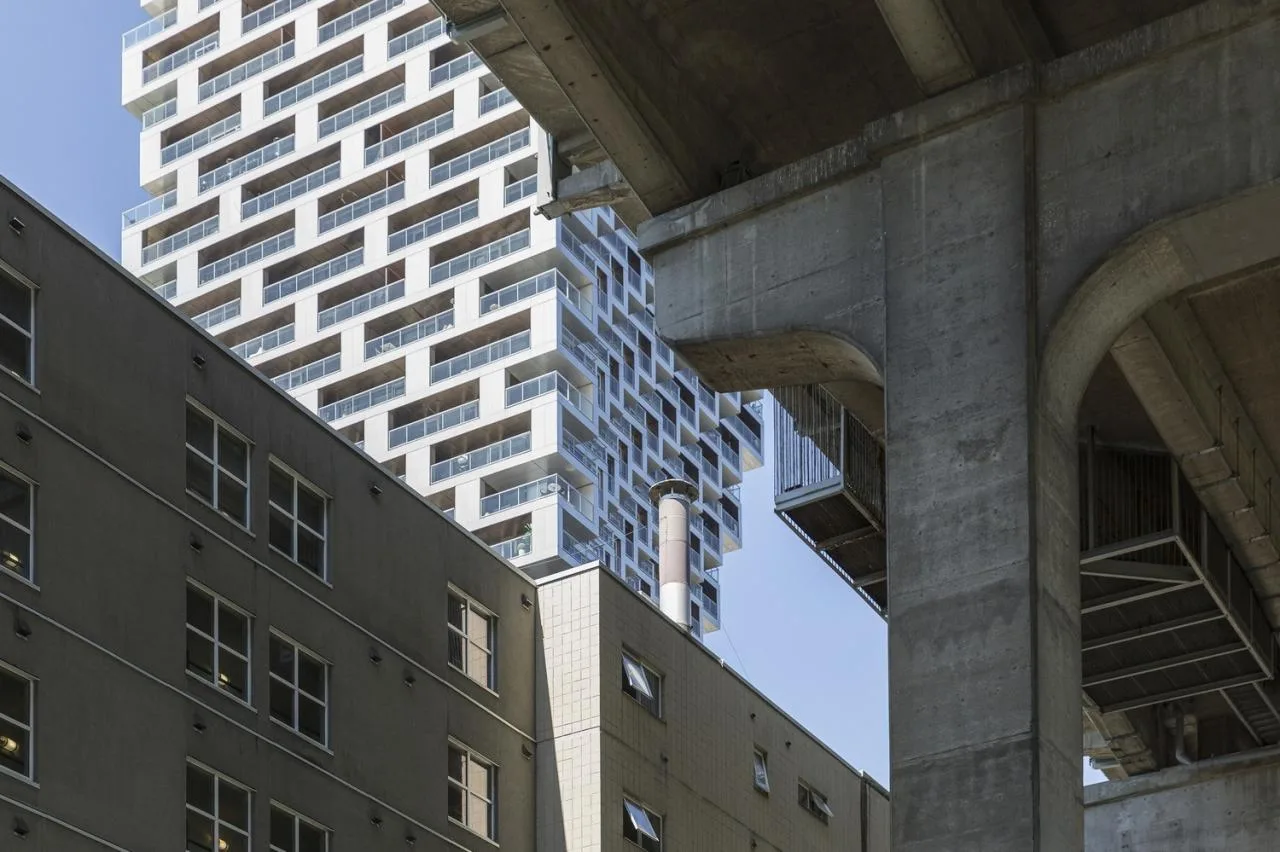
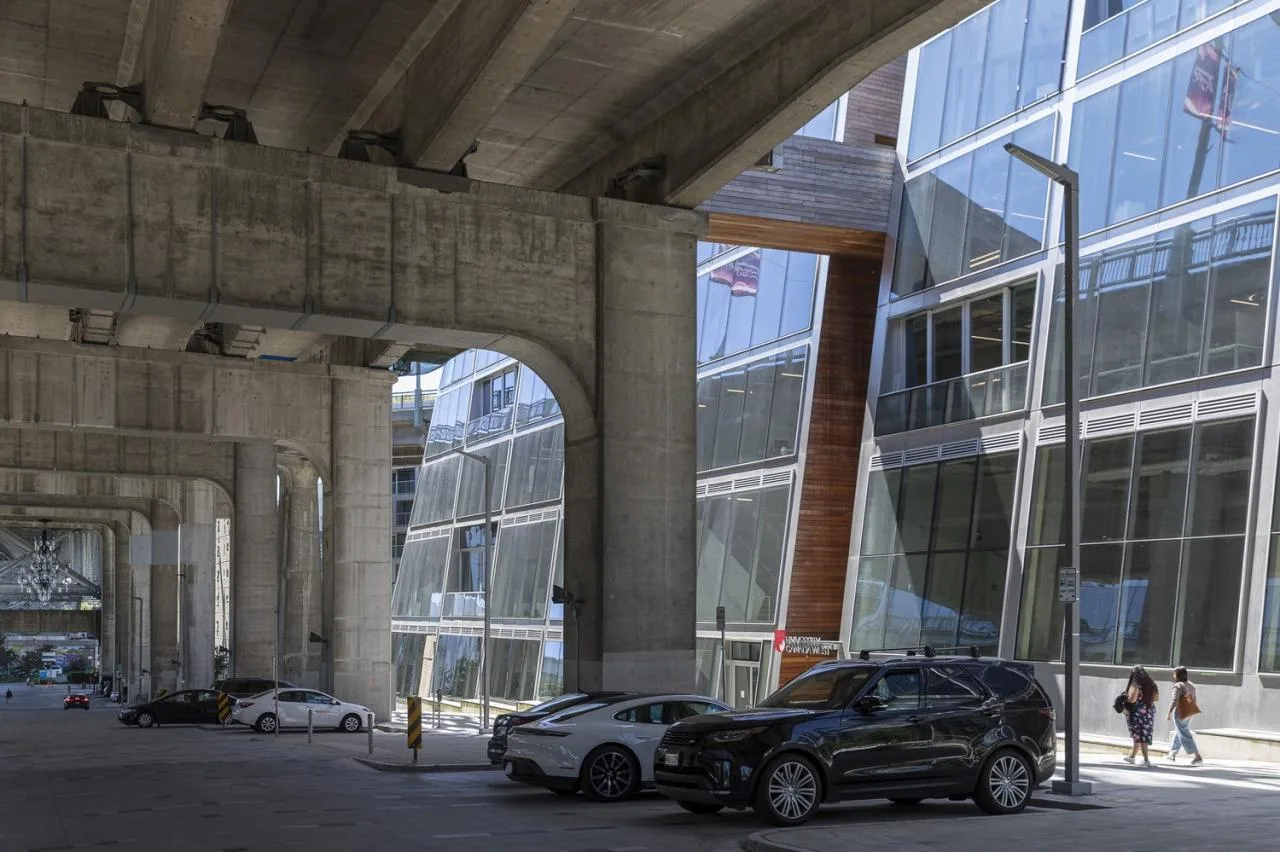
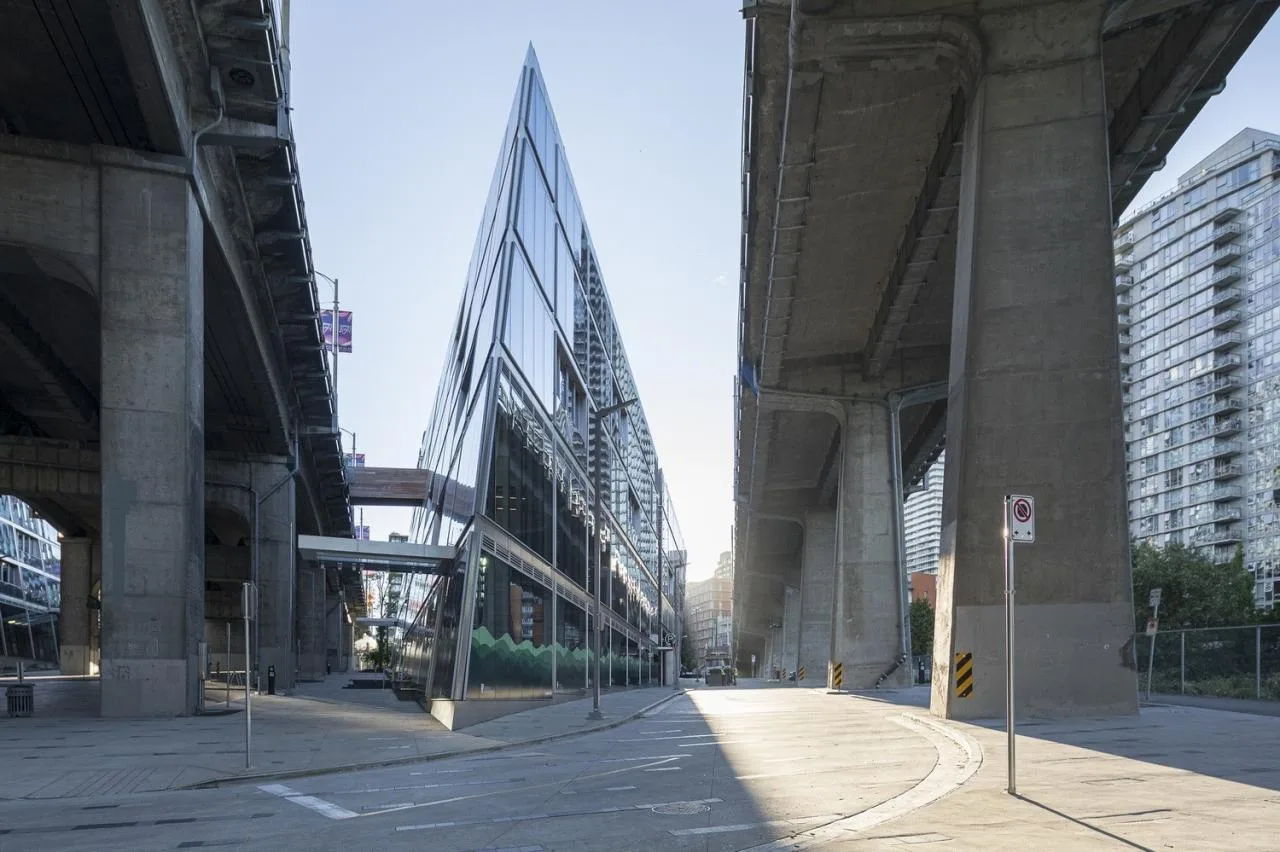
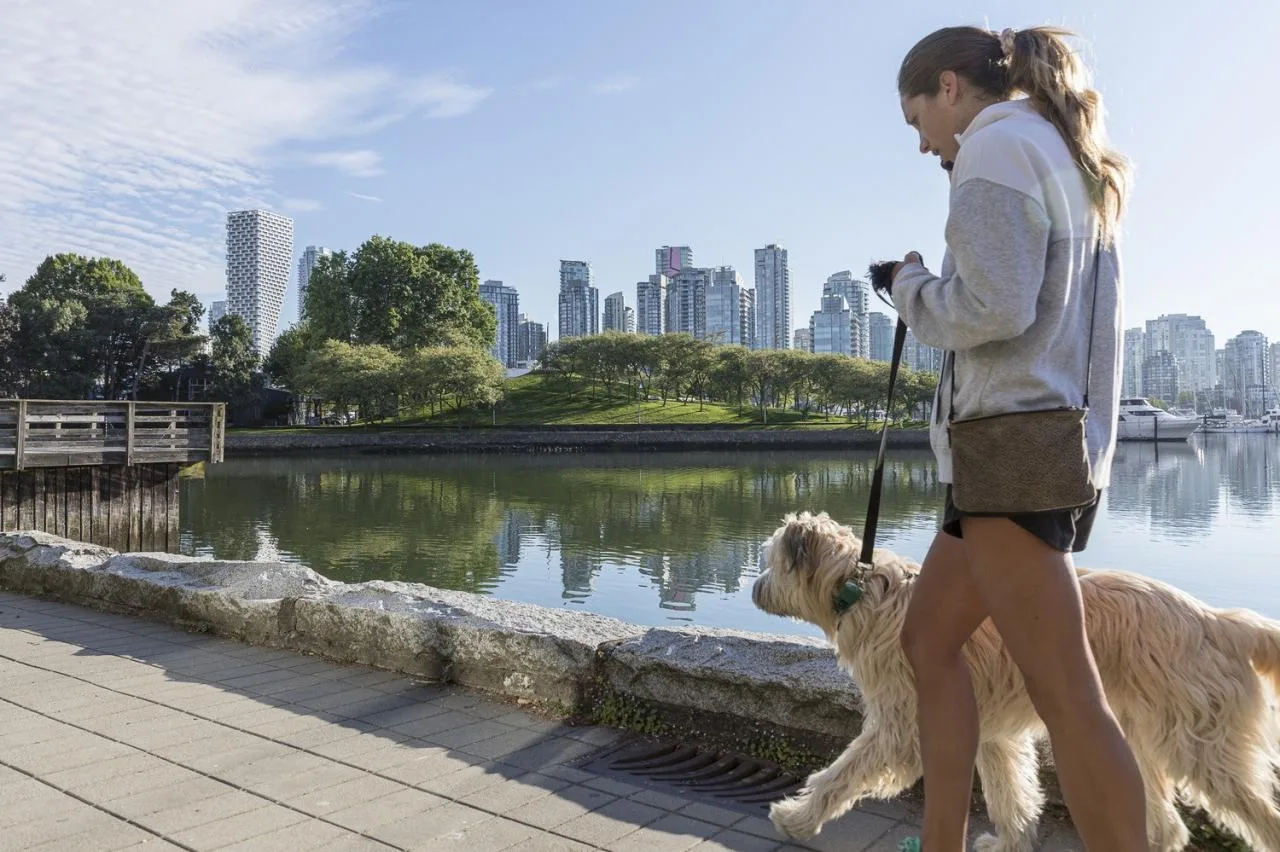
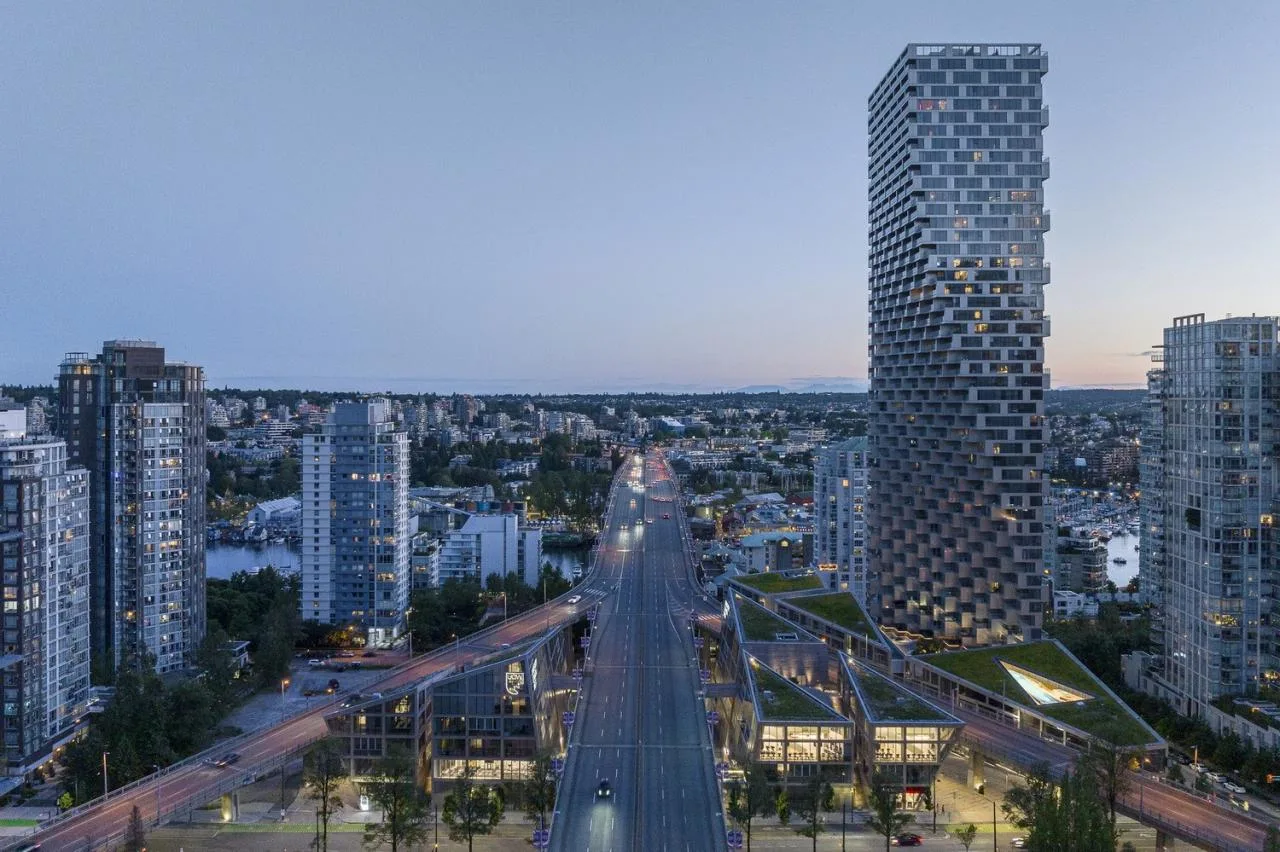
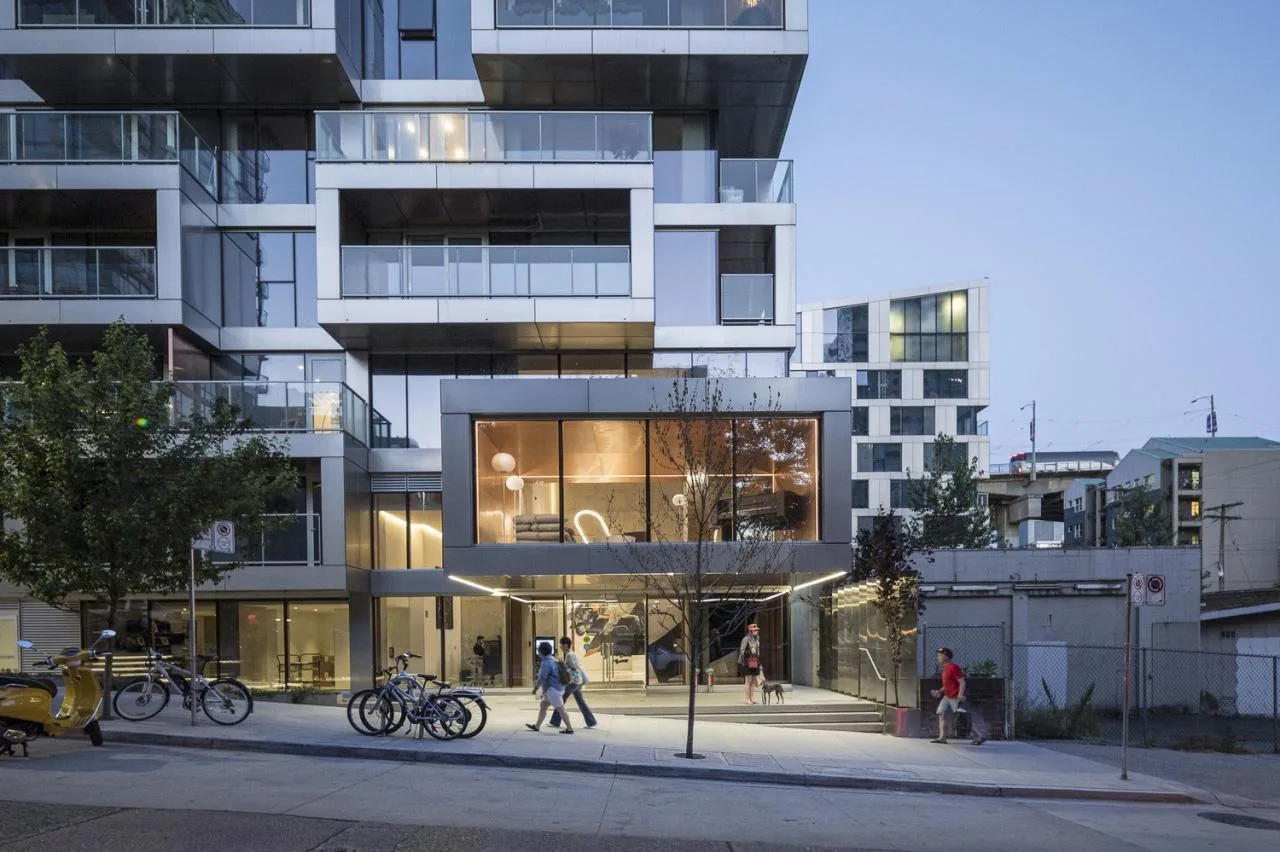
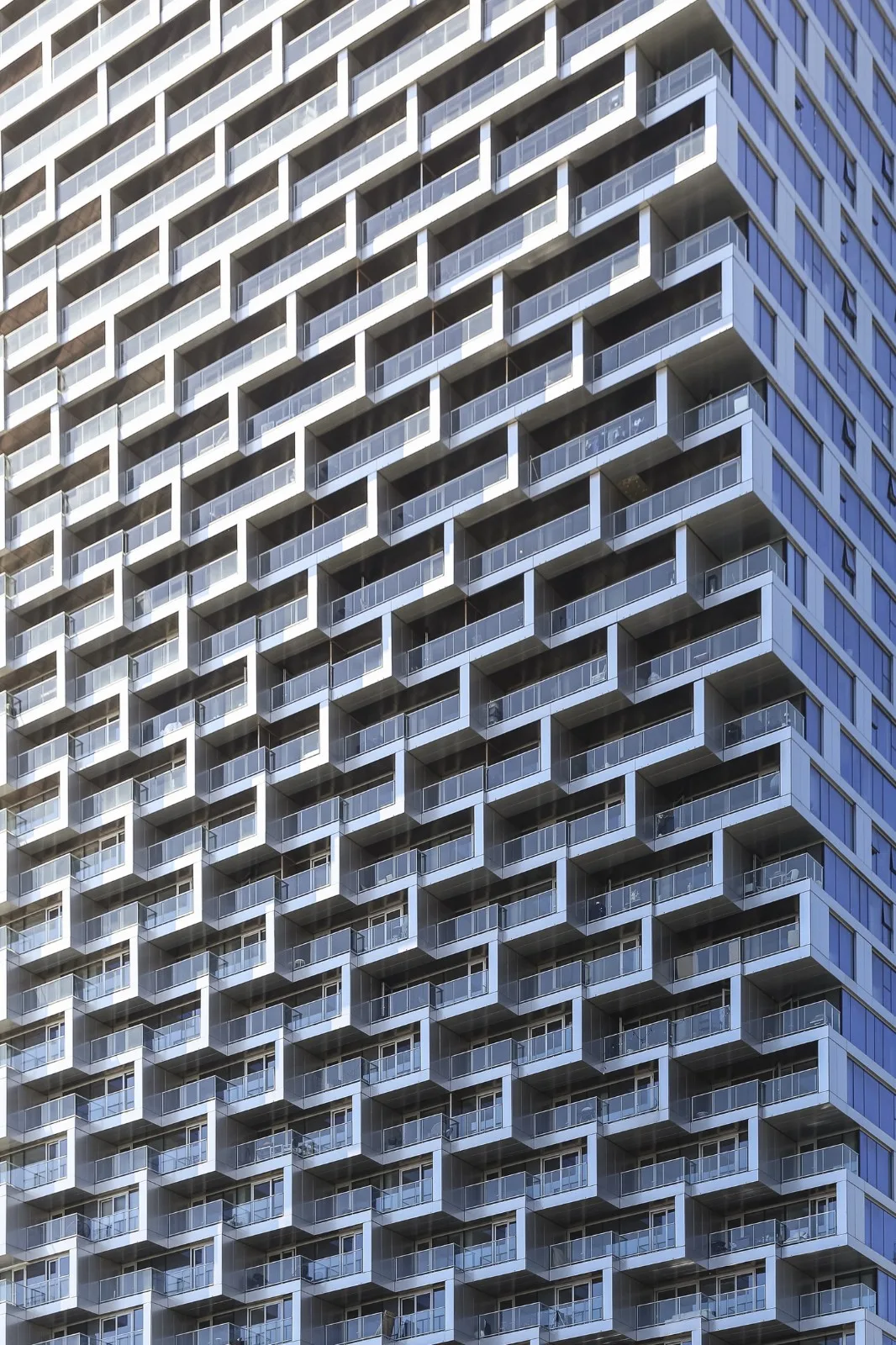
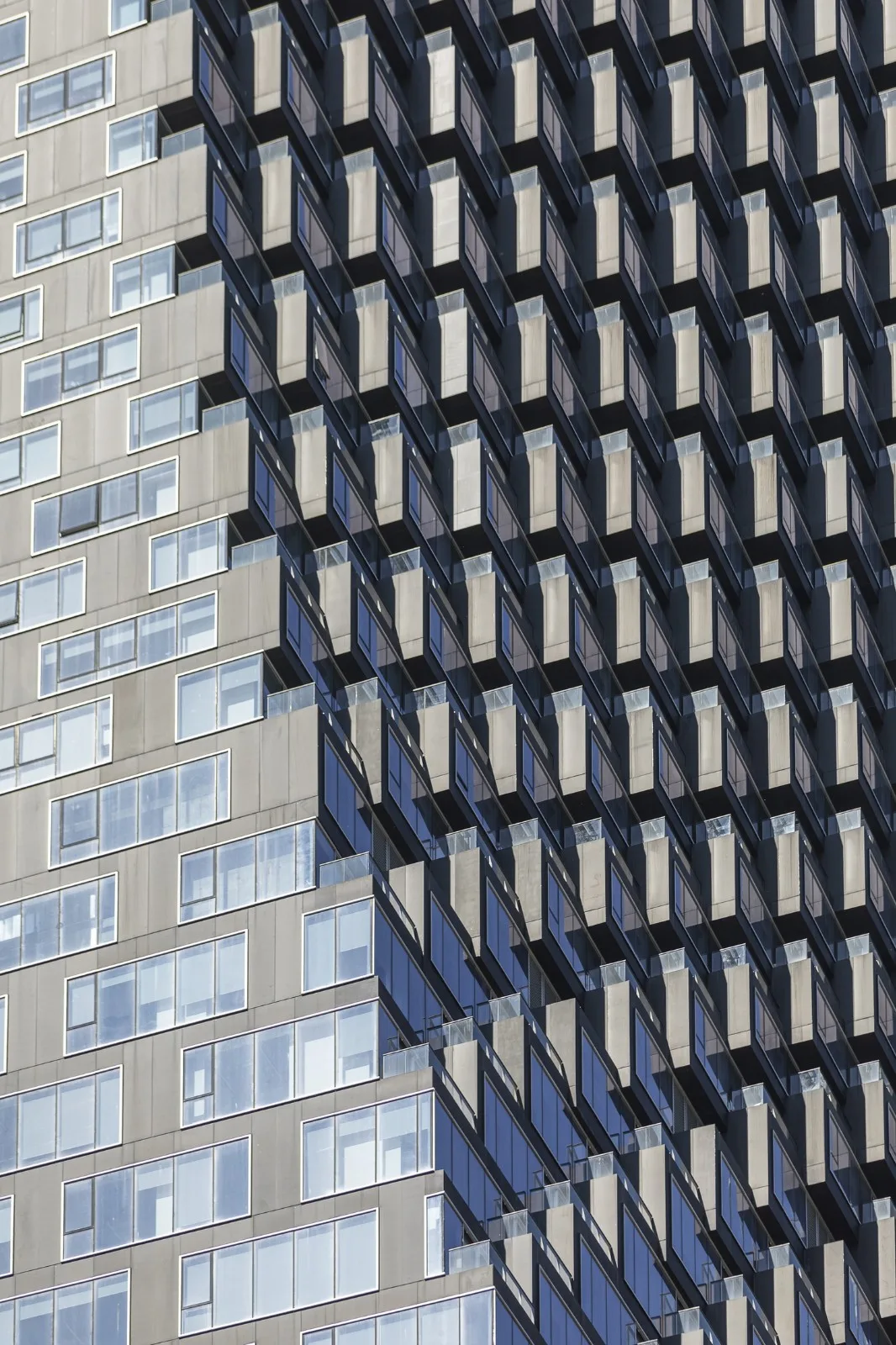
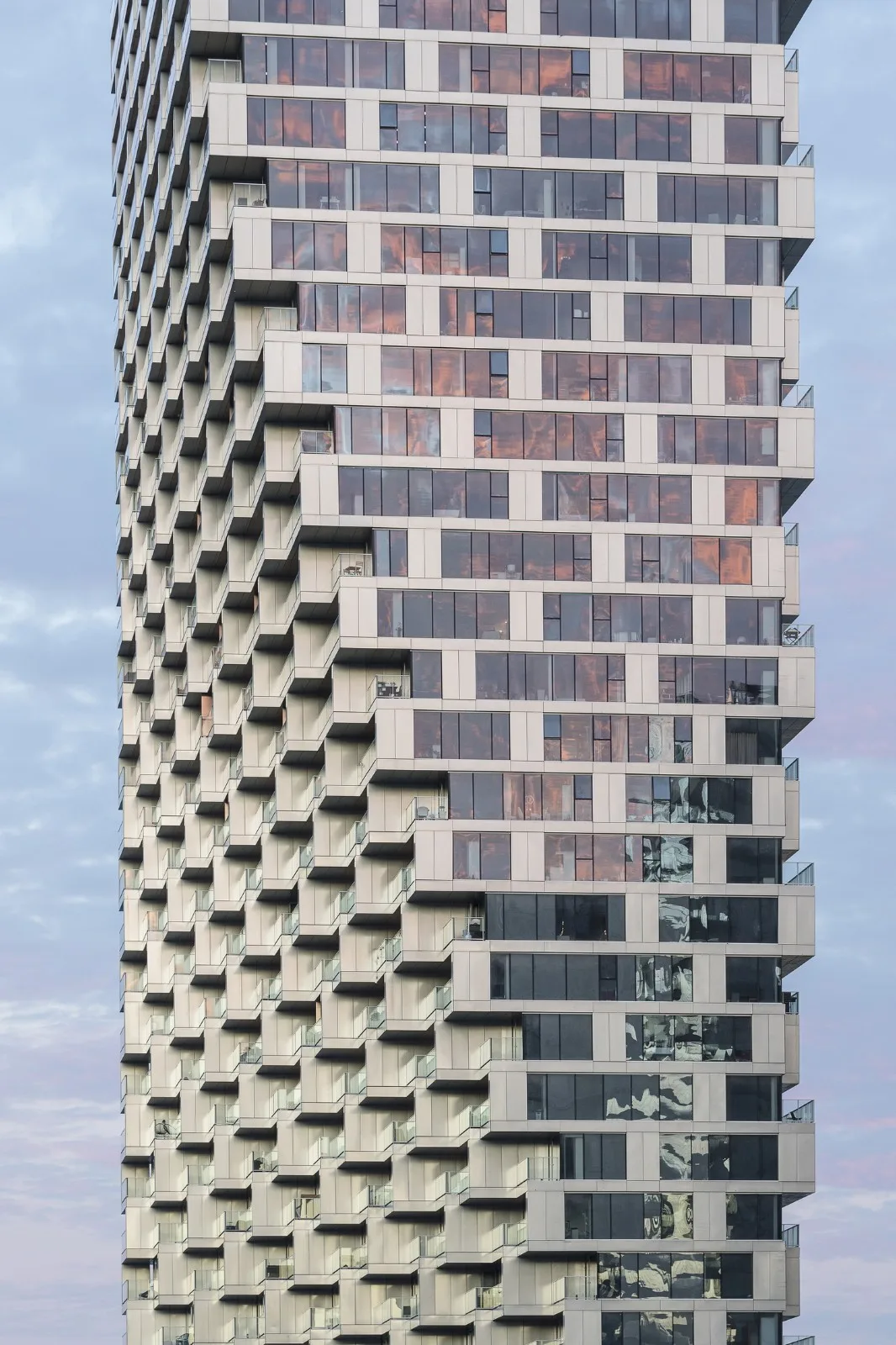
Vancouver House marks a new chapter in Vancouver’s relatively short but successful urban planning history. The tower and its base reinterpret the local ‘Vancouverism’ typology, which involves adding a slender tower atop an urban platform designed to engage pedestrians while preserving the city’s panoramic sightlines.
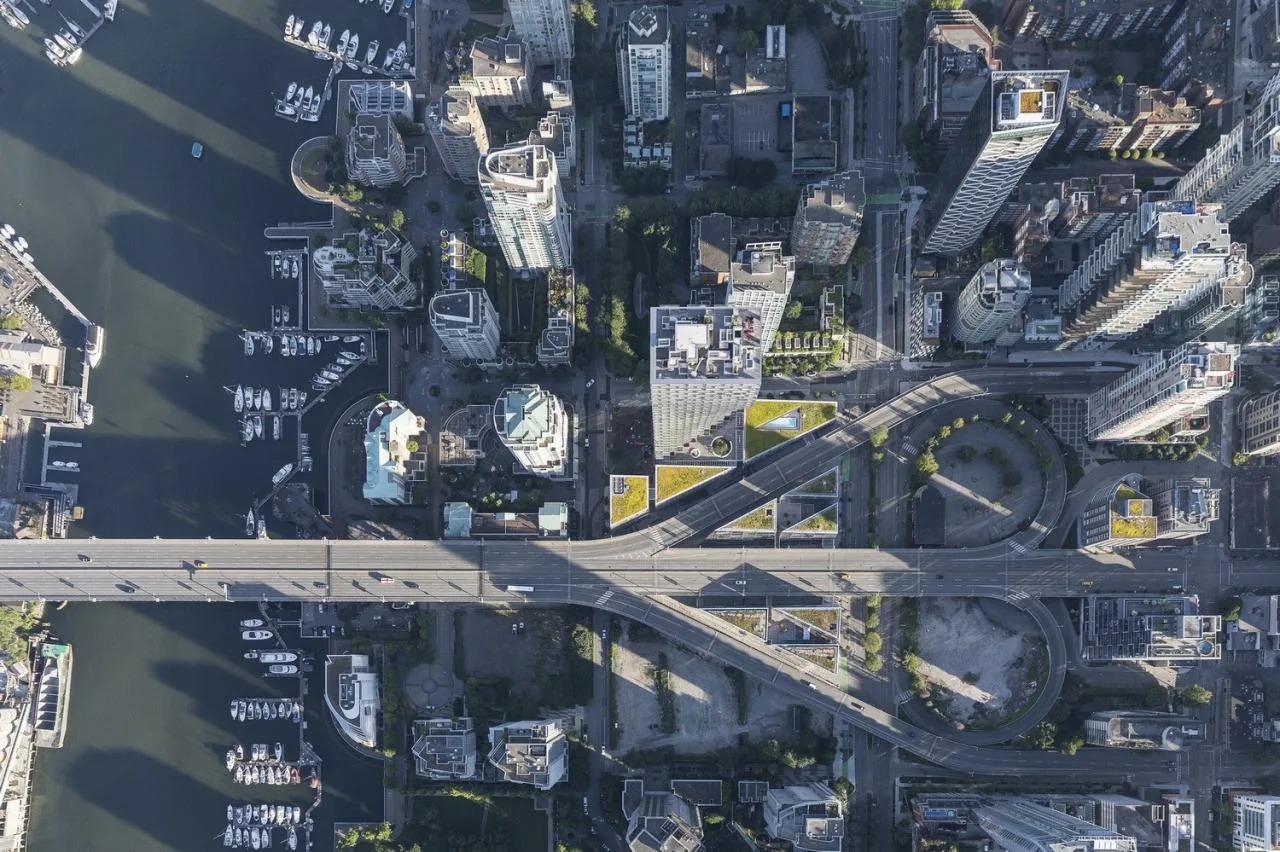
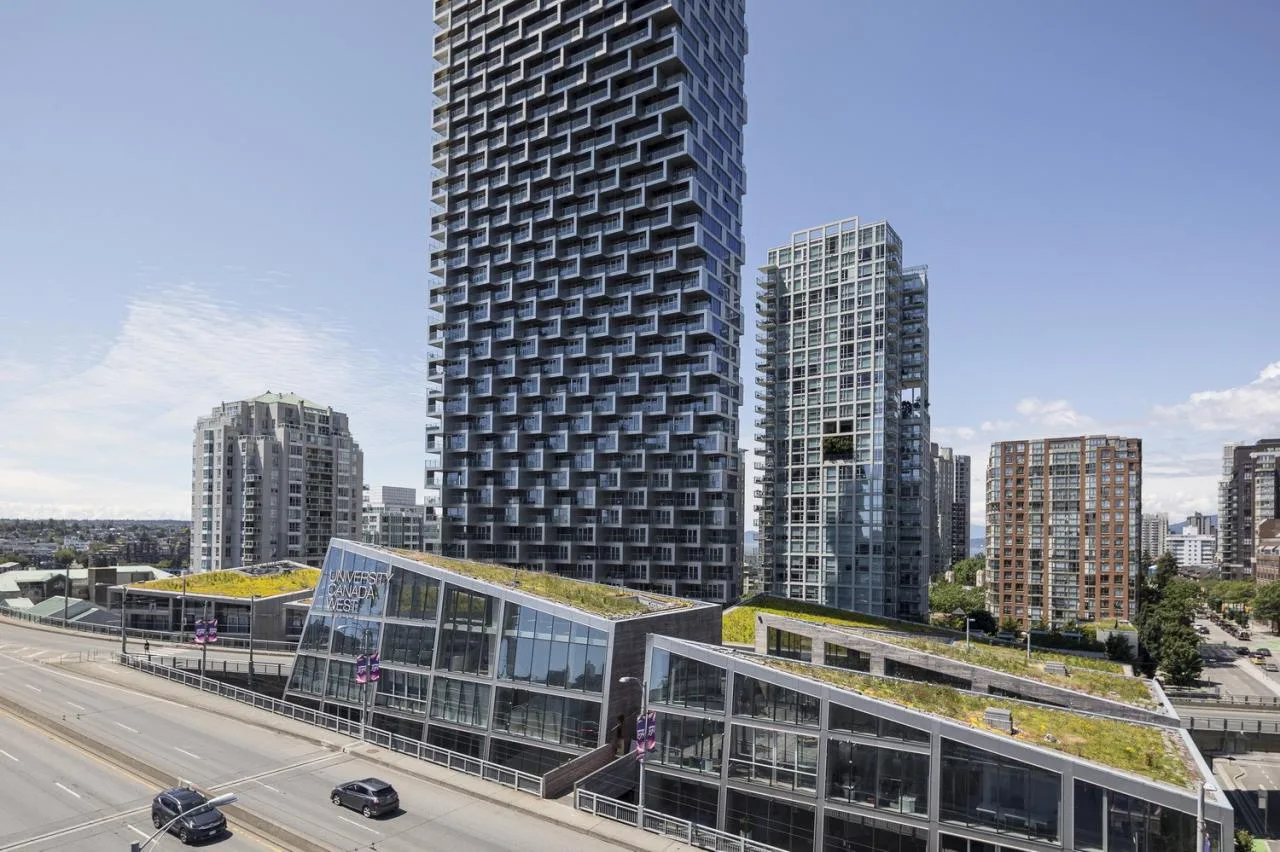
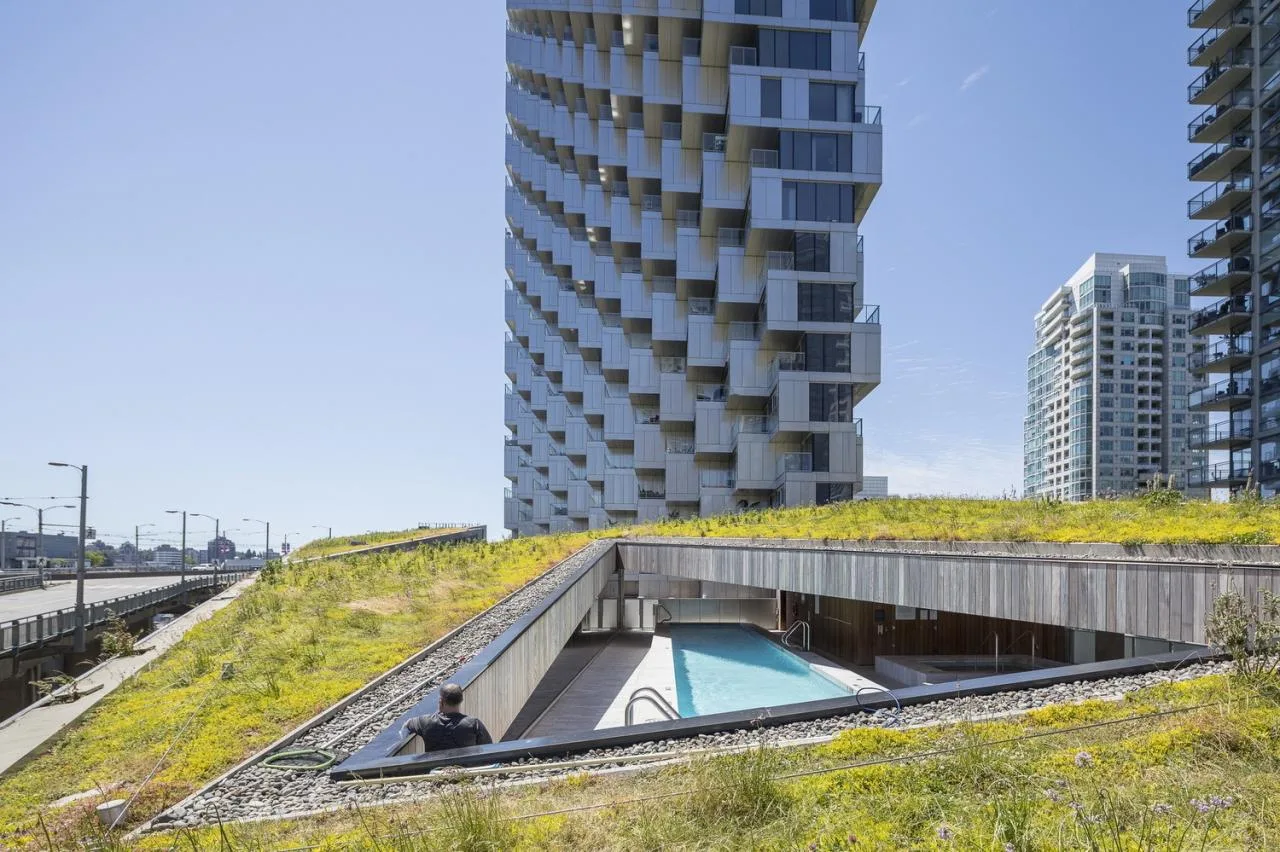
Situated at Vancouver’s main entrance near the Granville Bridge and adjacent parks, the tower faces urban constraints, including a limited triangular site that poses construction challenges. Regulations require the building to maintain a minimum 30-meter setback from the bridge at ground level, but above 30 meters in height, the structure can extend outward, effectively doubling its floor area. This clever design allows Vancouver House to rise and expand with height, visually connecting occupants to the vast natural surroundings. Its seemingly surreal form is, in fact, a thoughtful response shaped by its environment.
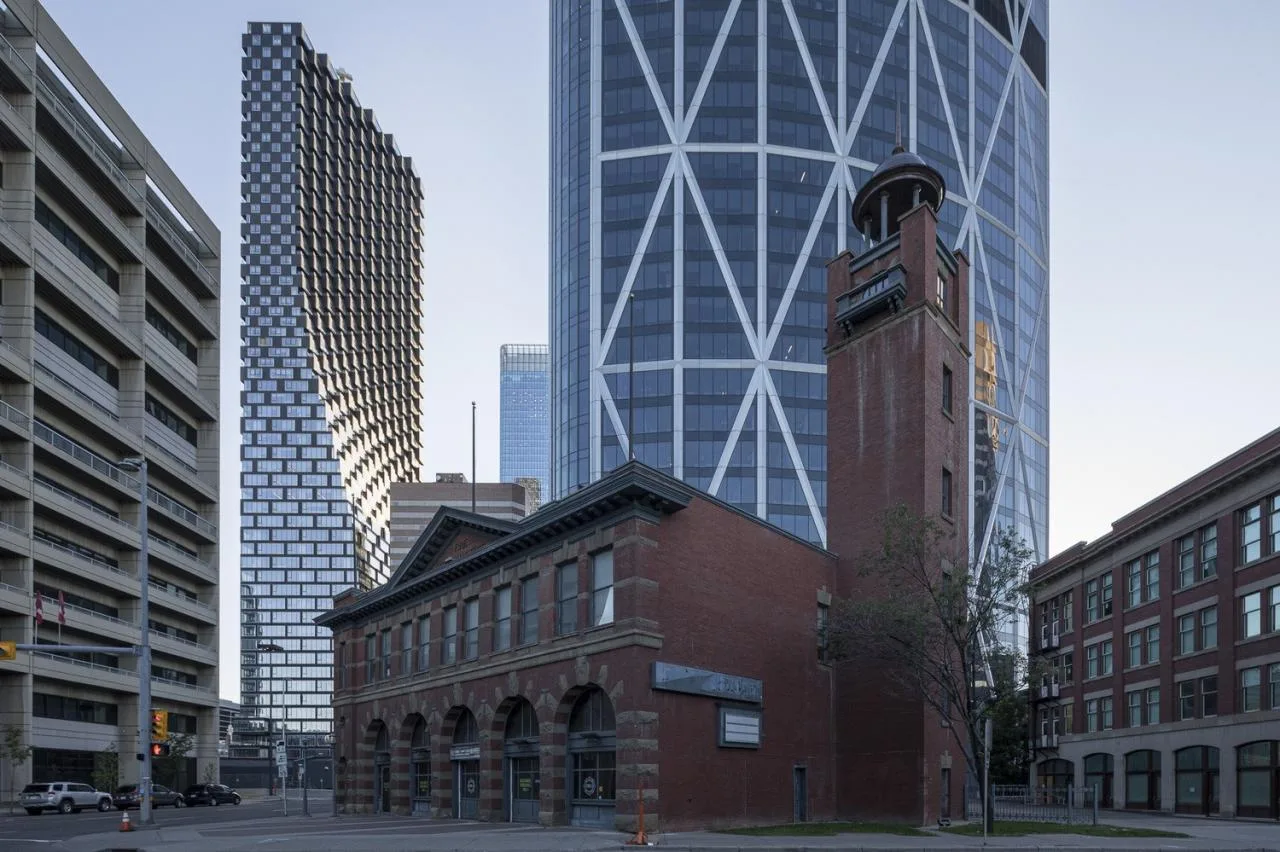
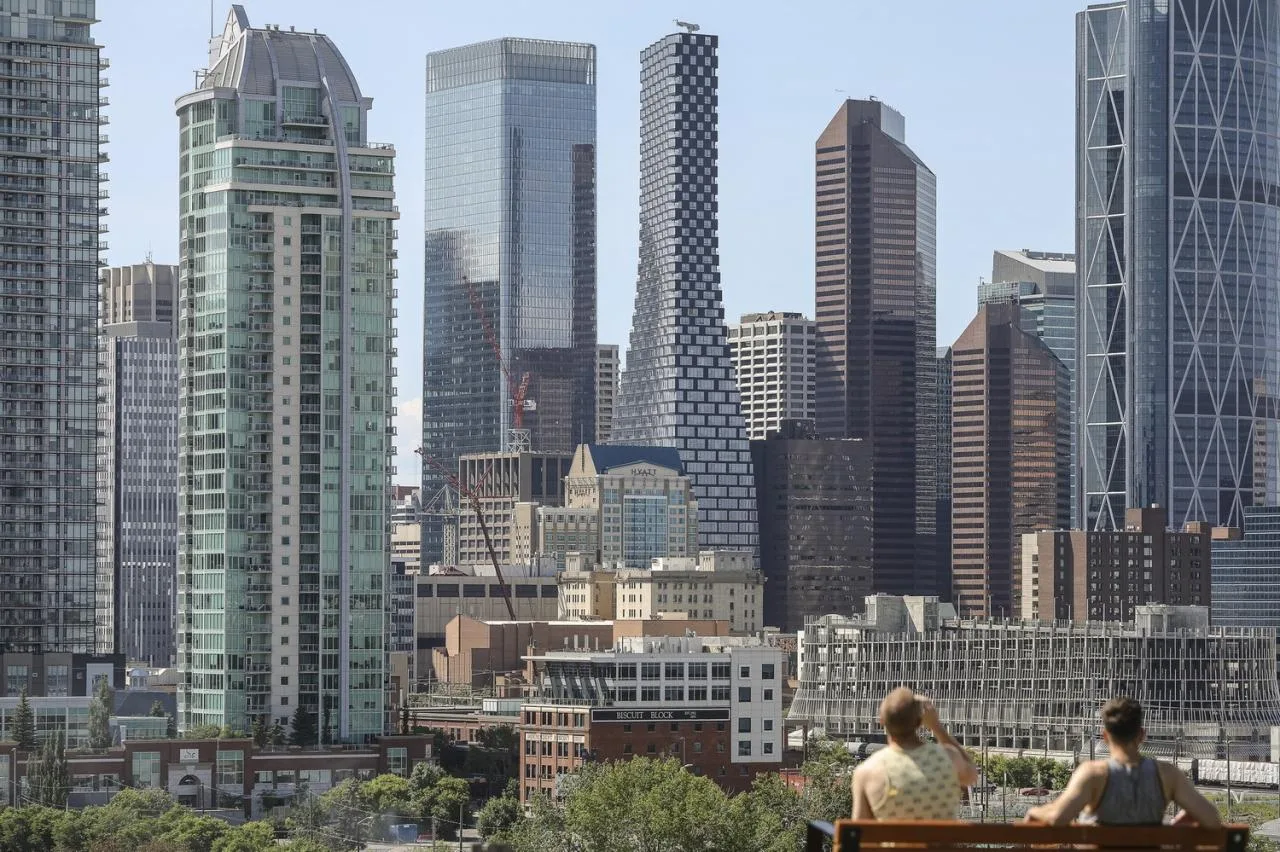
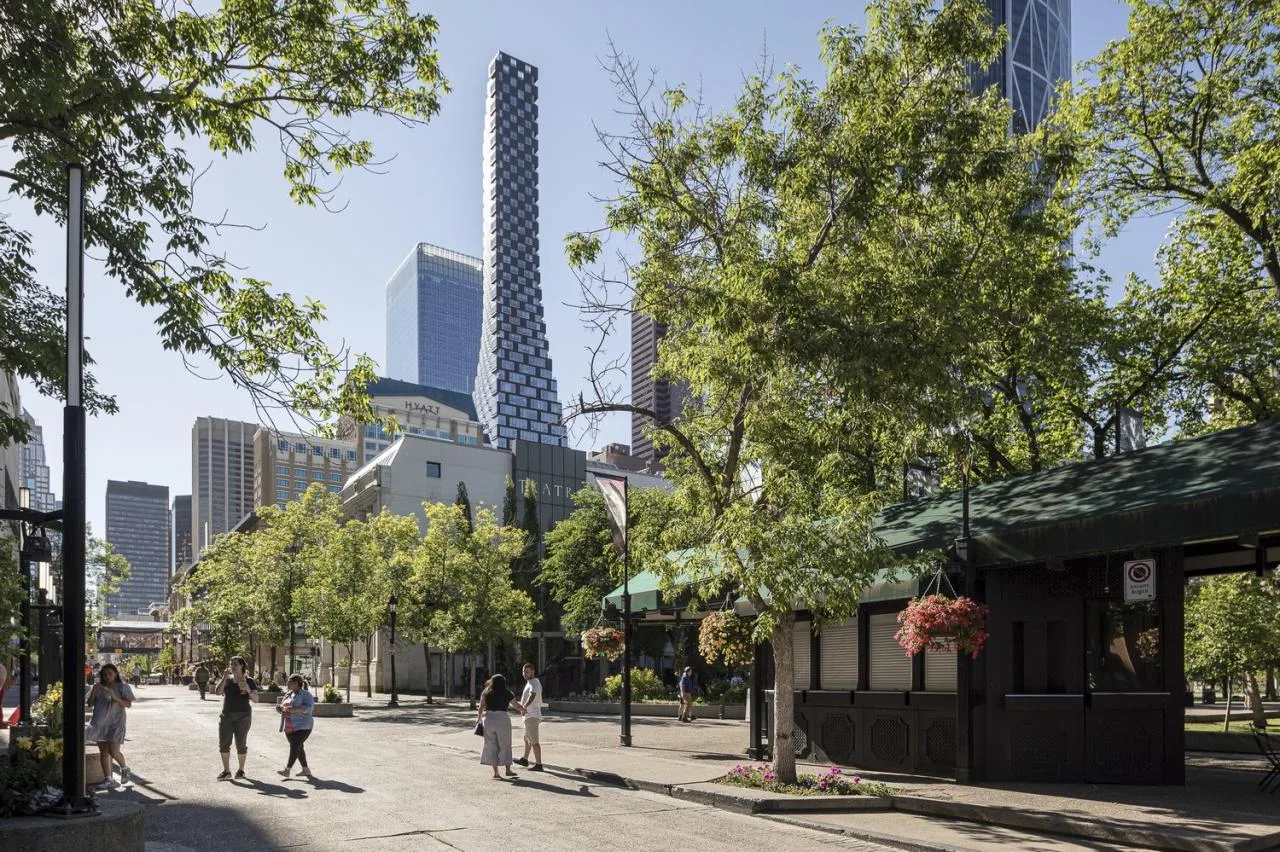
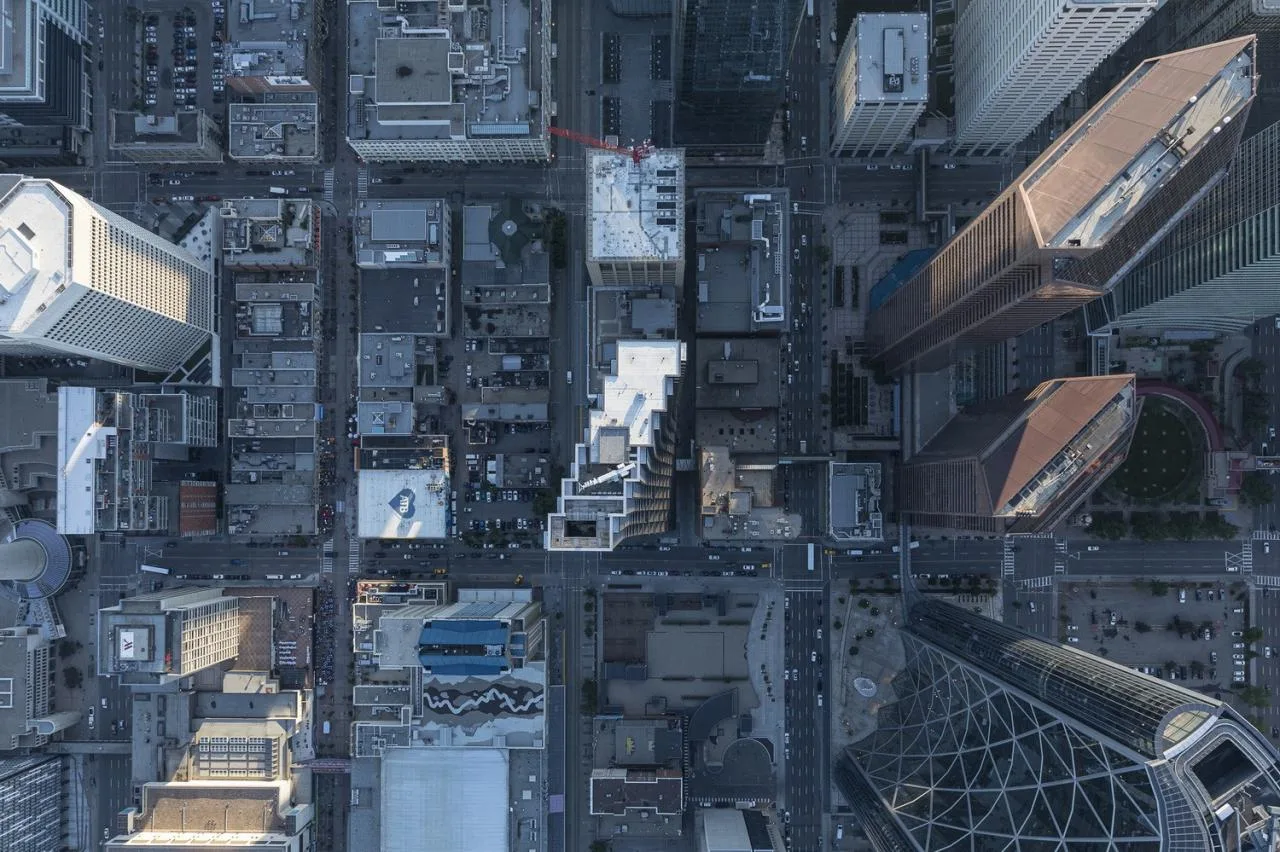
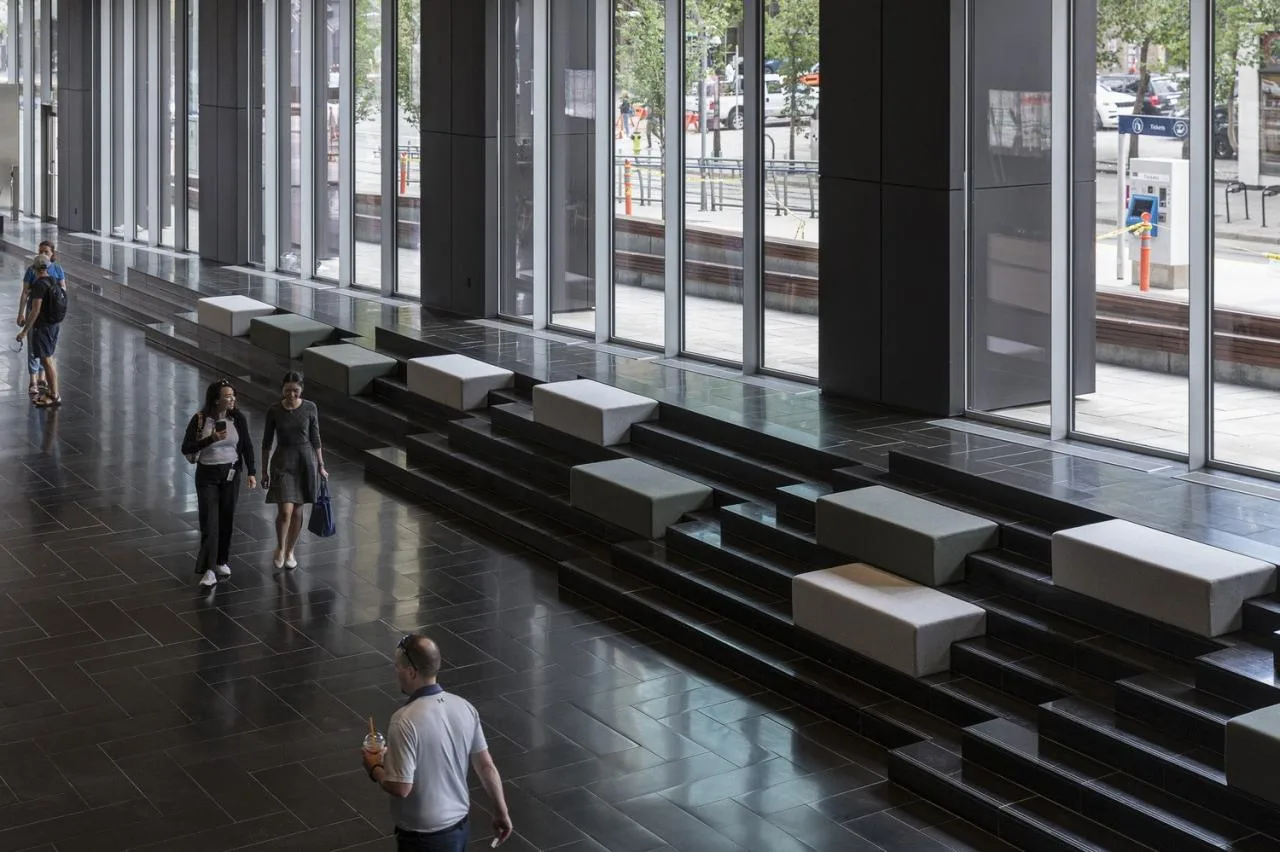
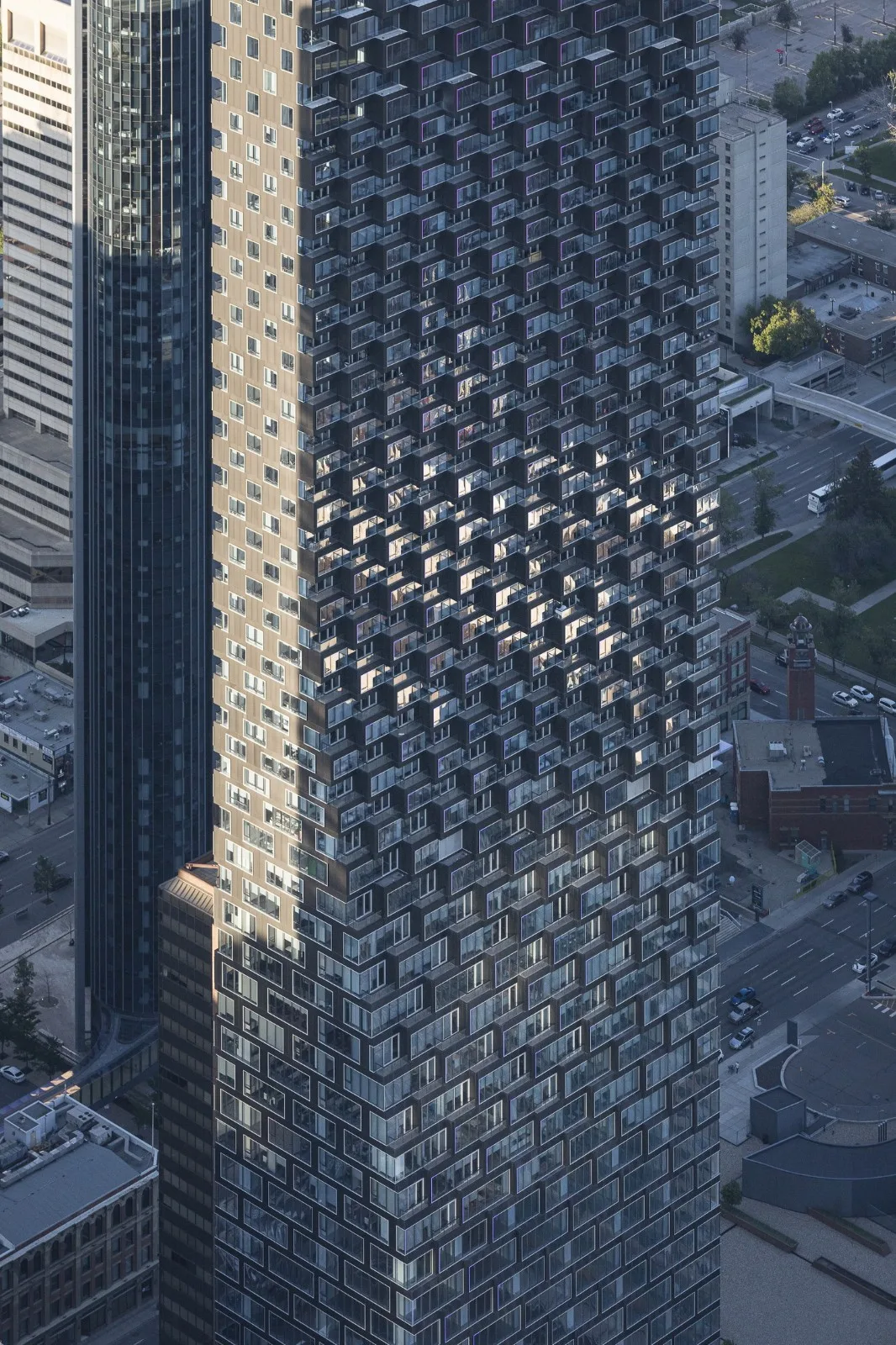
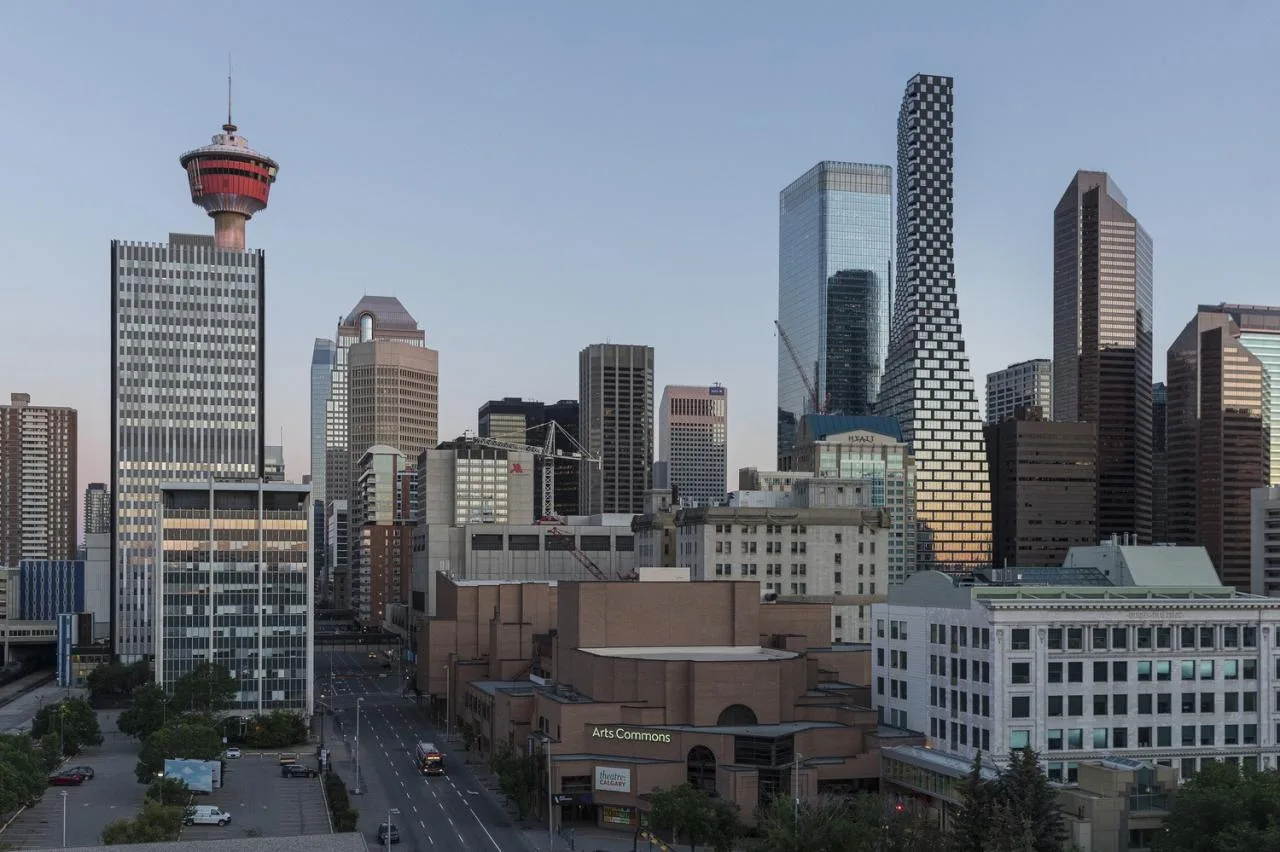
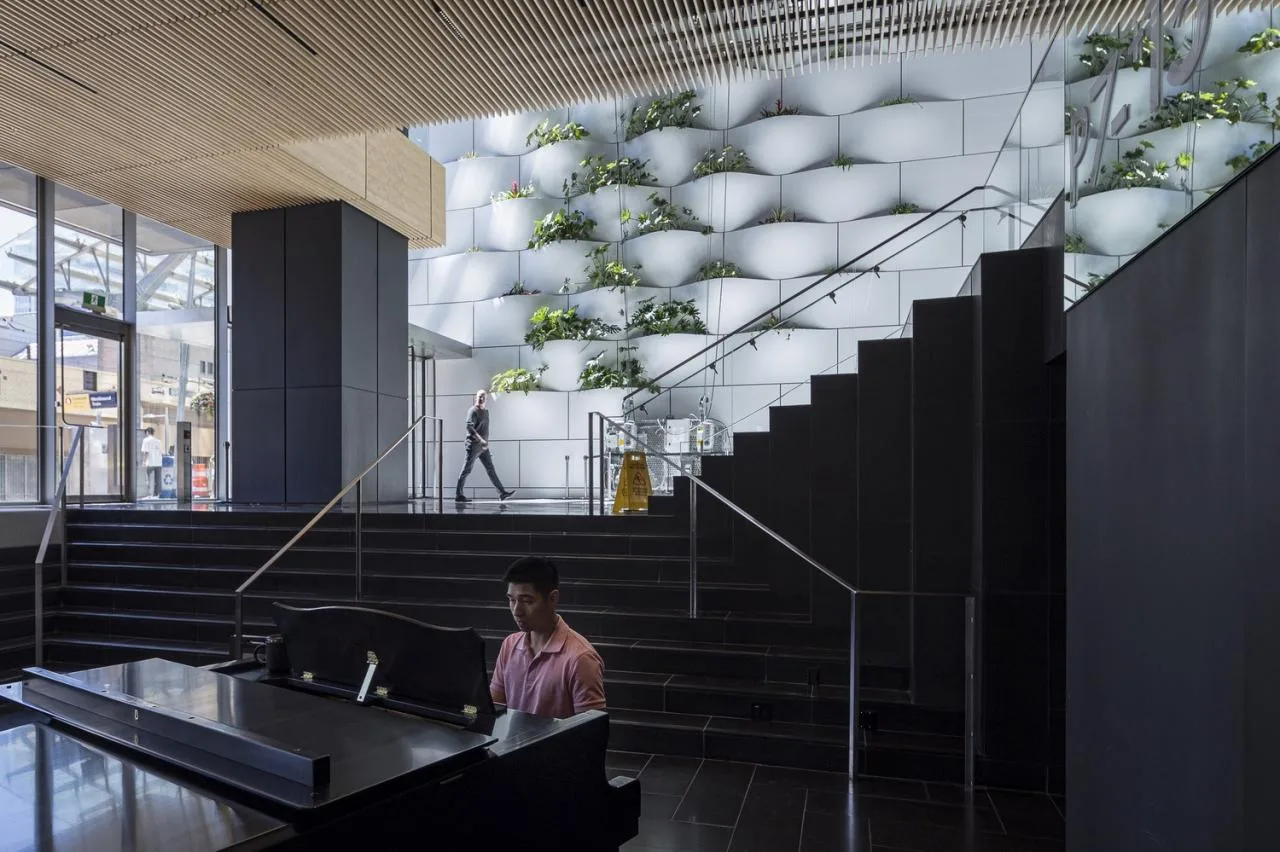
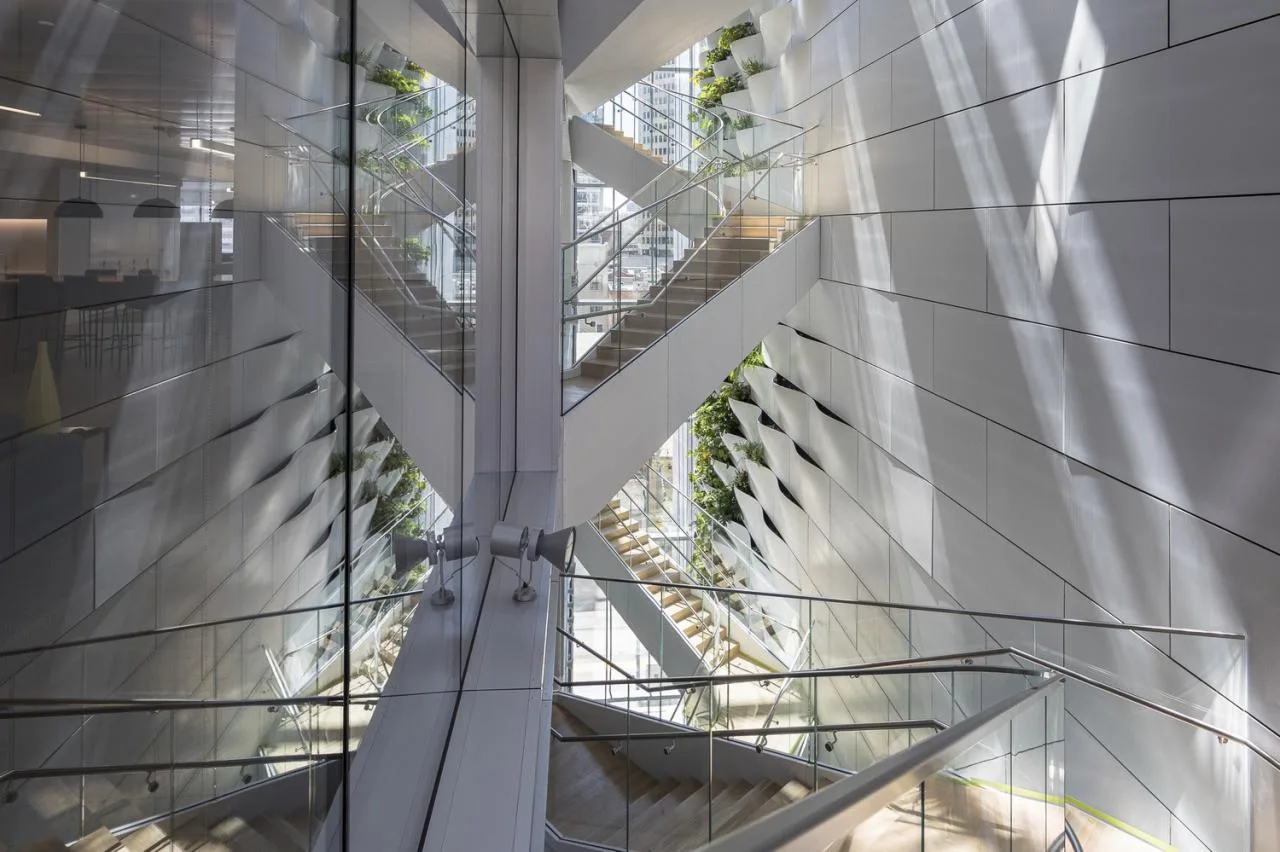
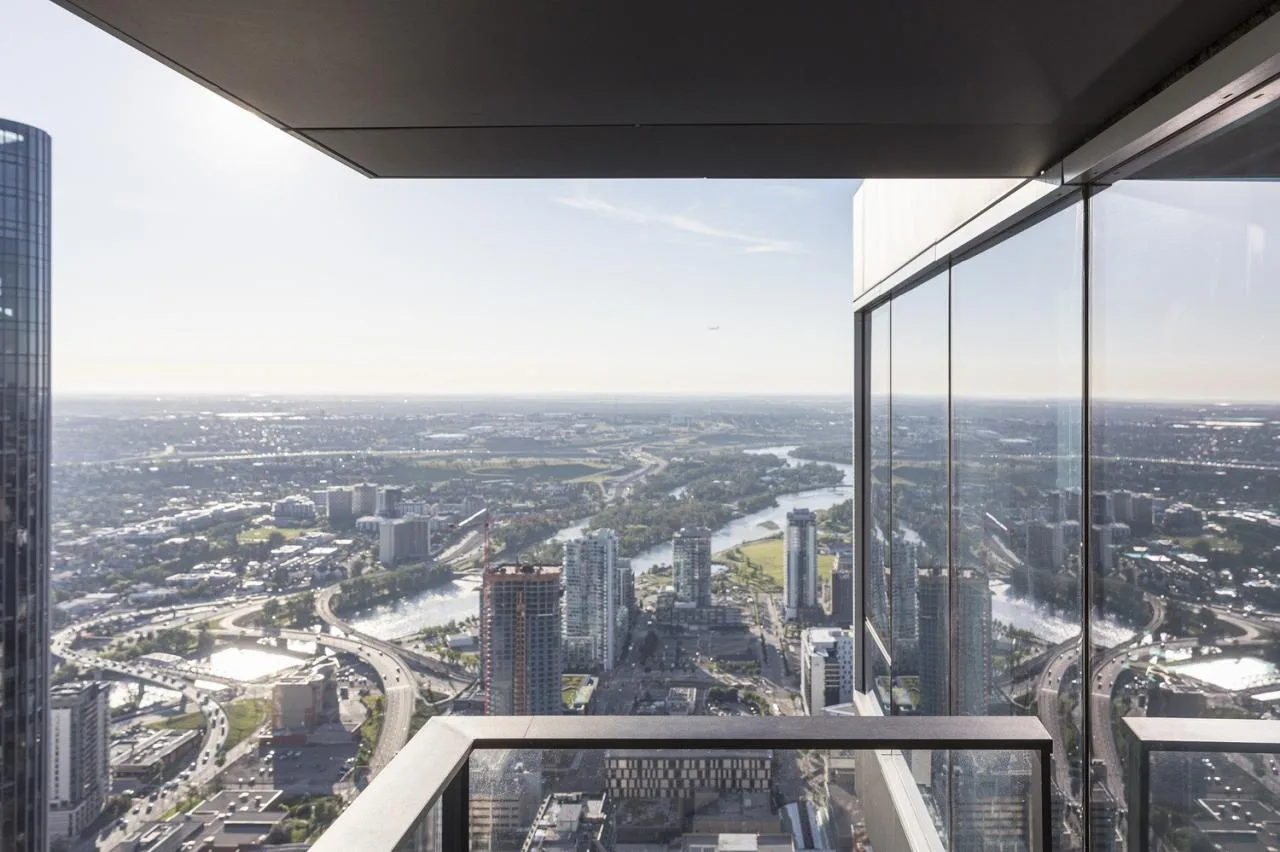
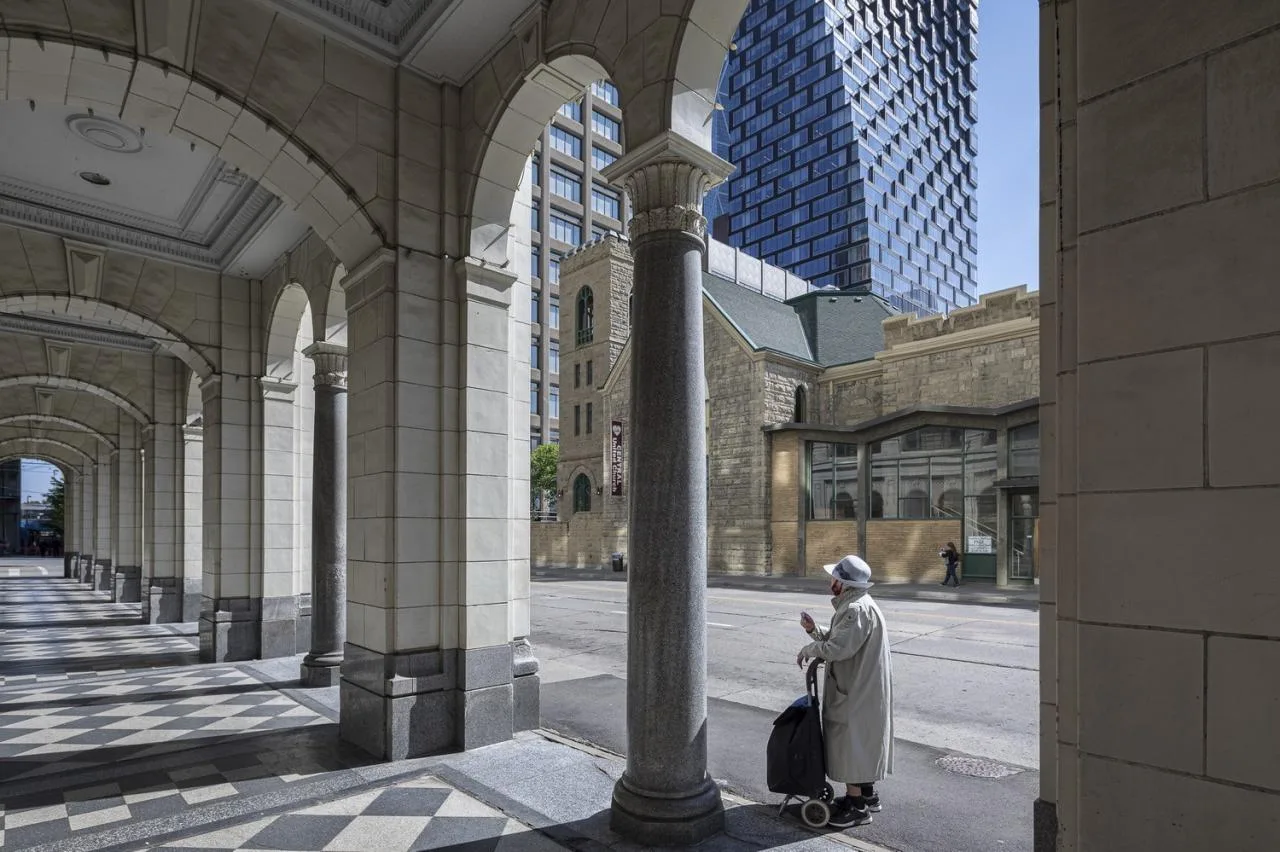
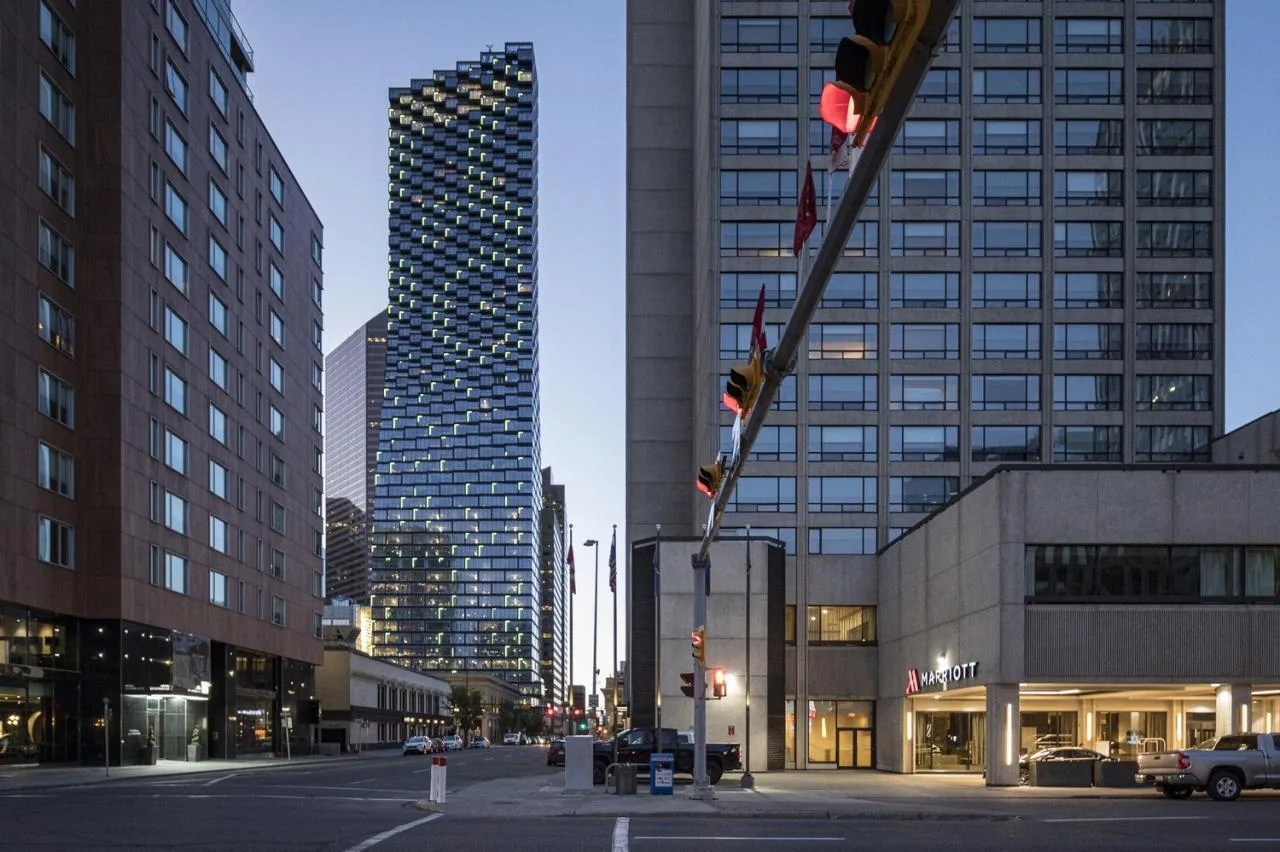
The Telus Sky Tower in Calgary blends living and working spaces to revitalize the city center. Since cars dominate Calgary’s downtown, the area often empties after work hours. To combat this, the tower stacks residential units above office spaces, fostering a 24-hour active environment.
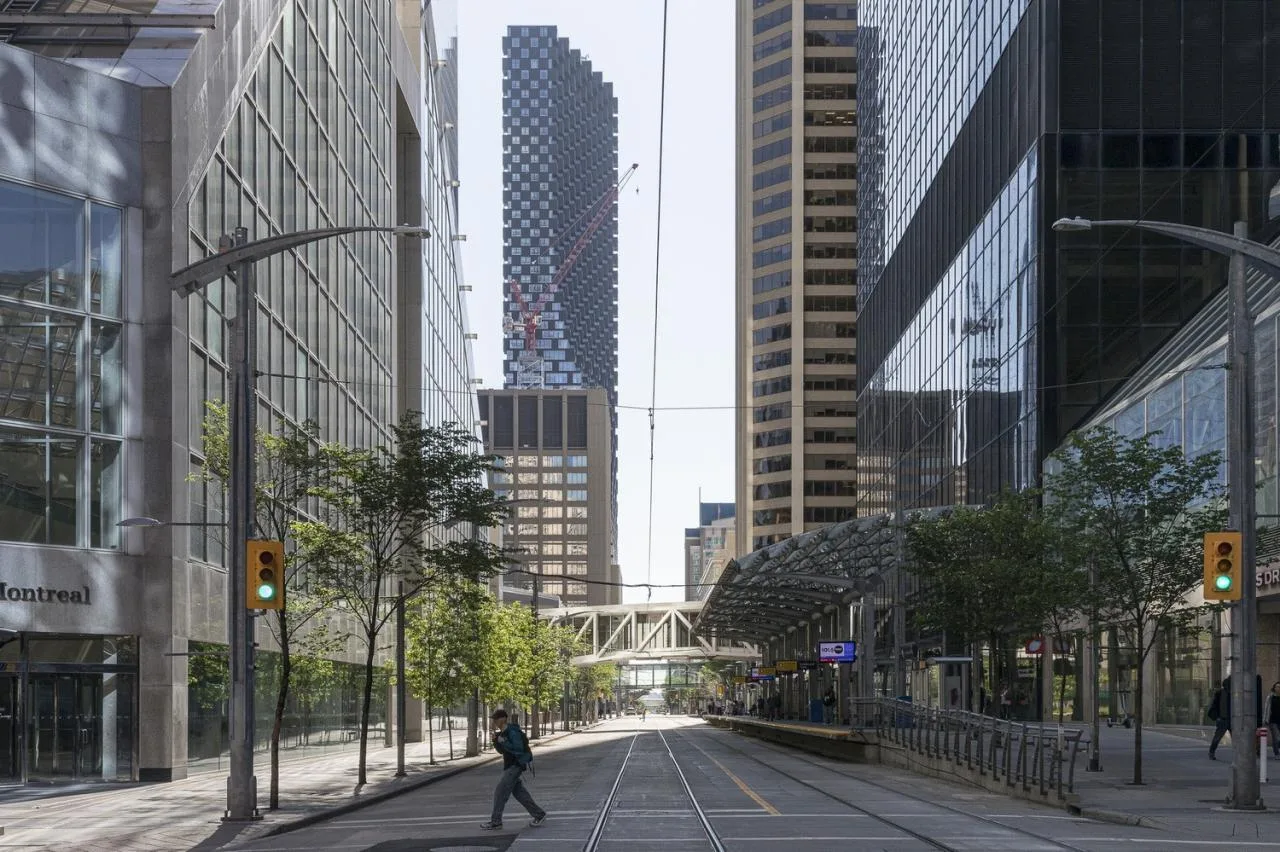
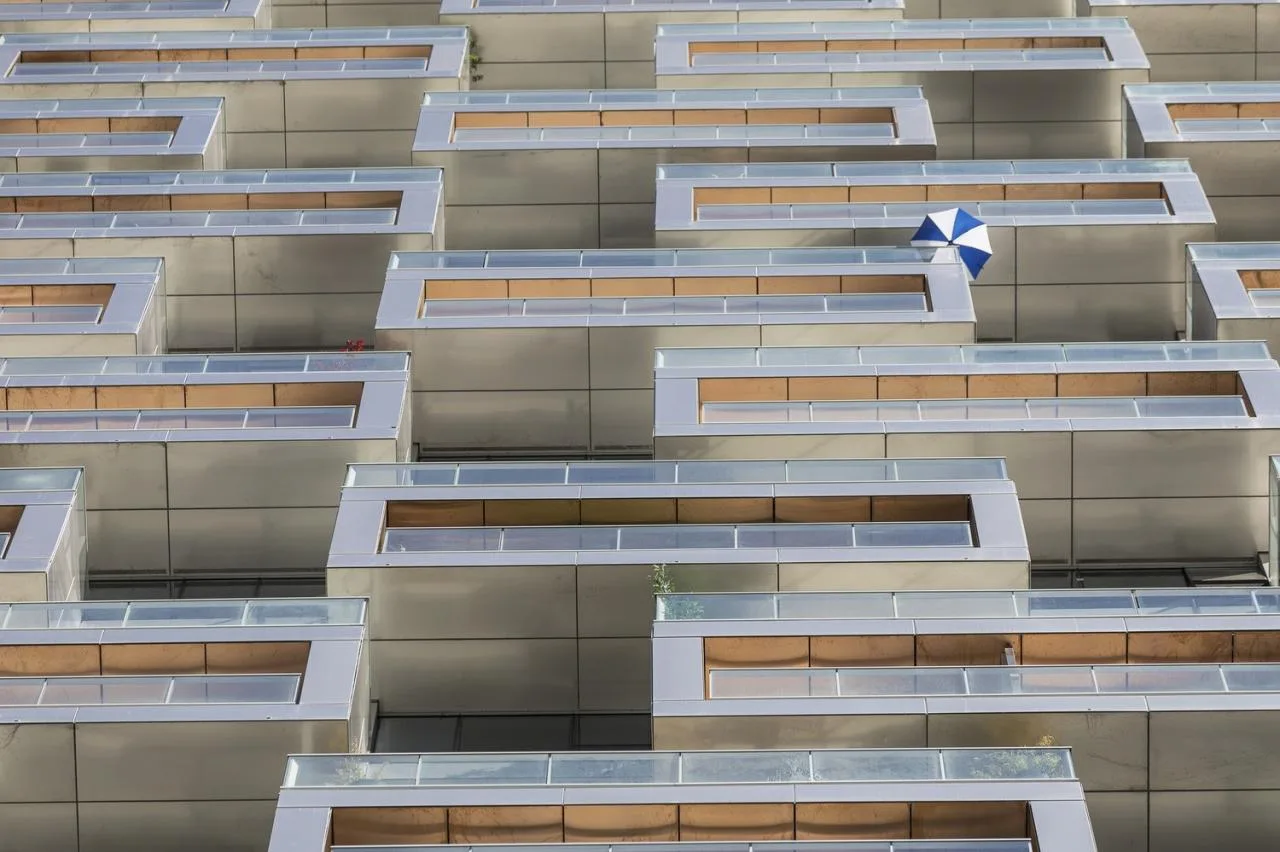
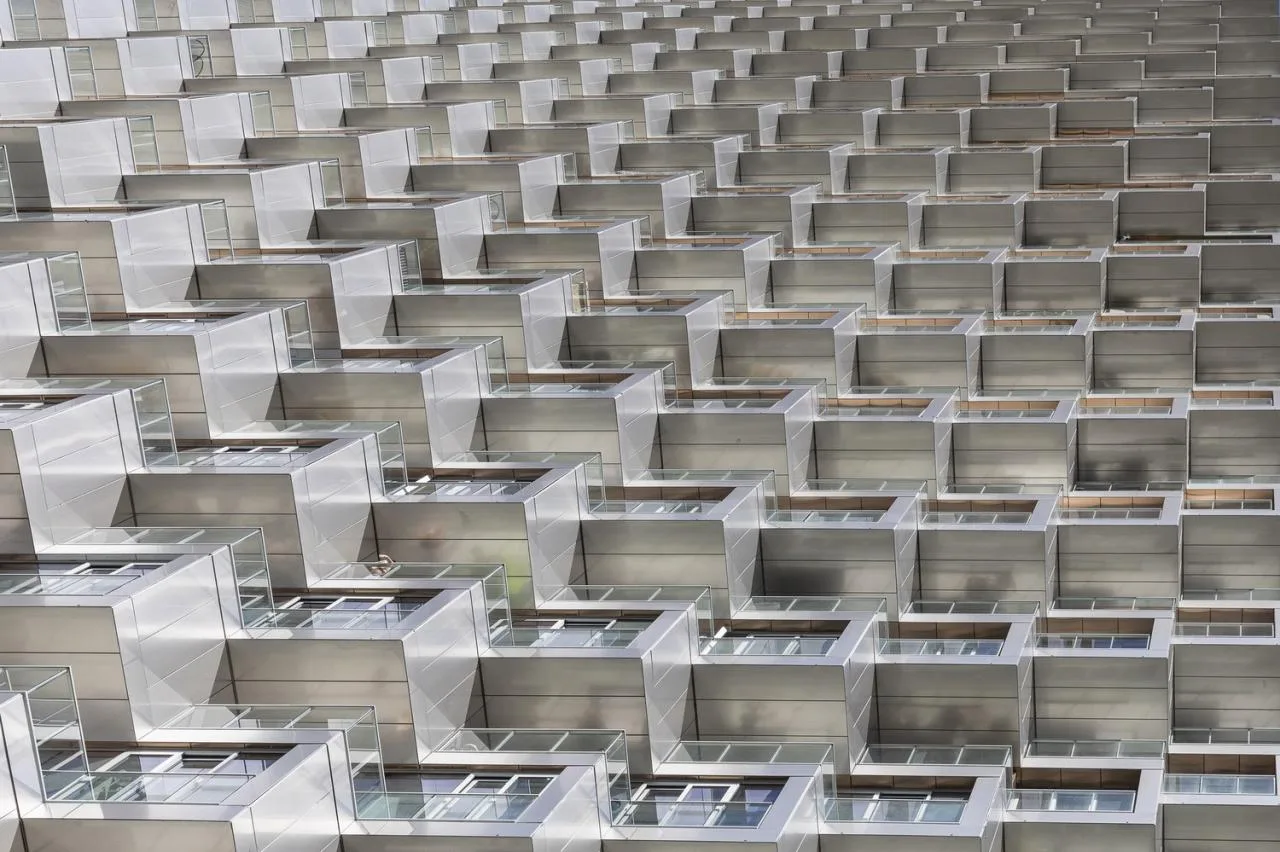
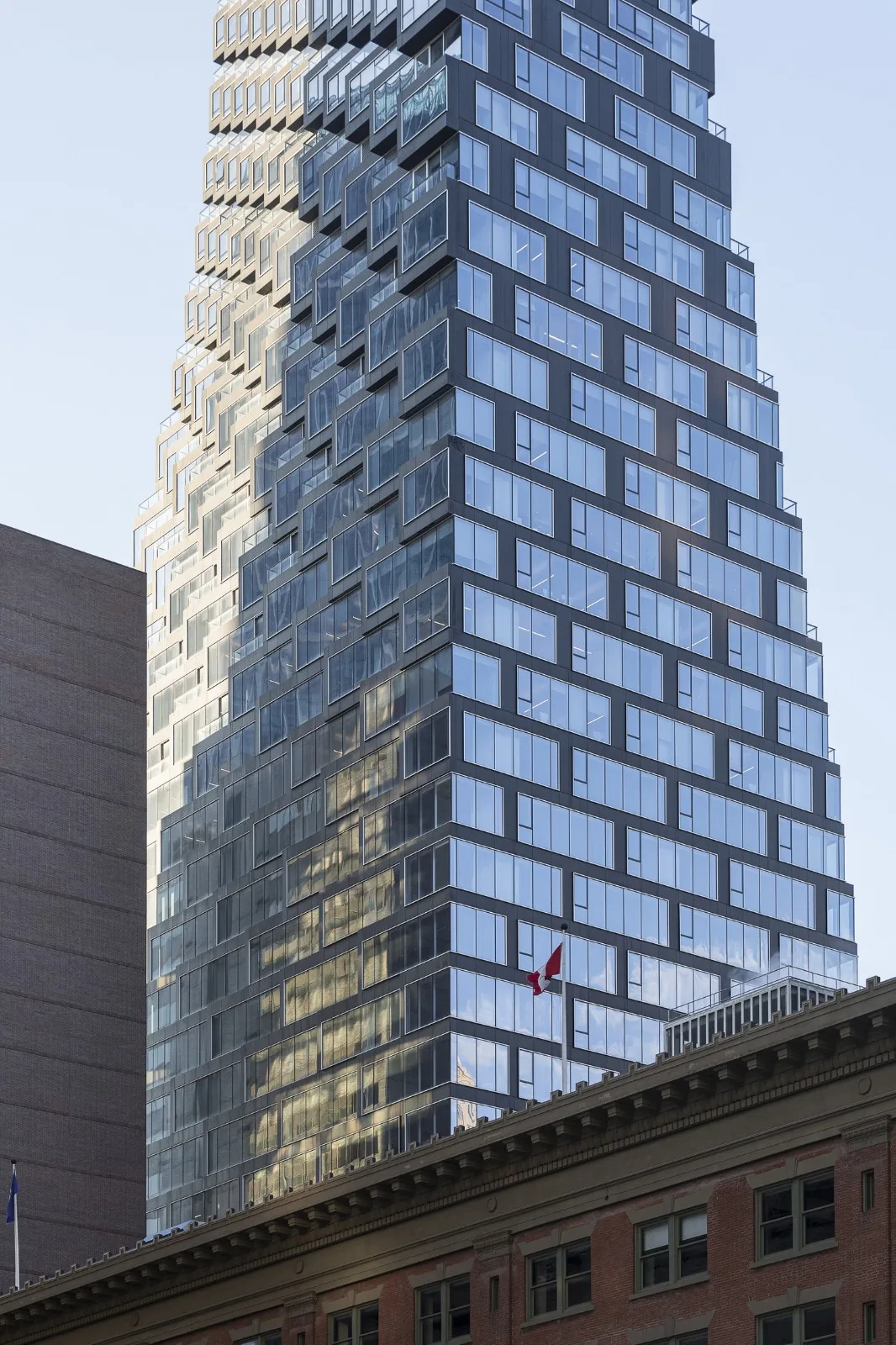
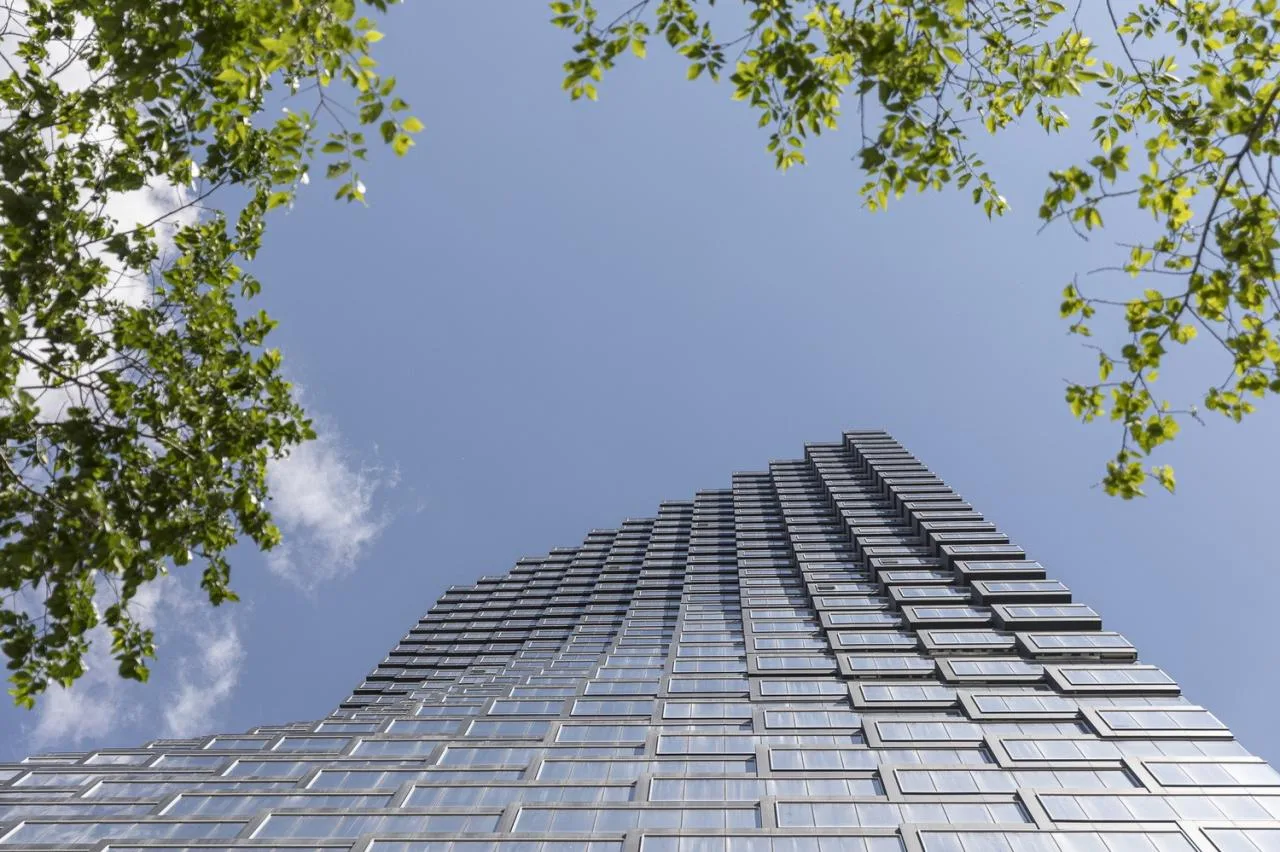
The building’s orthogonal base combined with diagonal shifts creates a pixelated façade, offering residents terraces and balconies. Above the main entrance, the façade extends beyond the site, forming canopies, platforms, and lounge areas intertwined at the corners. At night, the 15,000-square-meter “Aurora Borealis” art installation by Douglas Coupland illuminates the north and south façades, making it Calgary’s largest public artwork.
BIG continues to expand globally, recently breaking ground on a high-rise project in Berlin’s East End and collaborating with HWKN on a commercial district design in London. In 2022, BIG completed the Singapore Kincaiyuan Centre alongside CRA Carlo Ratti Associate. After four years of construction, this 280-meter-tall green oasis has become one of Singapore’s tallest buildings, earning both the Green Mark Platinum Award and the Universal Design Gold Award from the Singapore Construction Authority.












Must log in before commenting!
Sign Up