
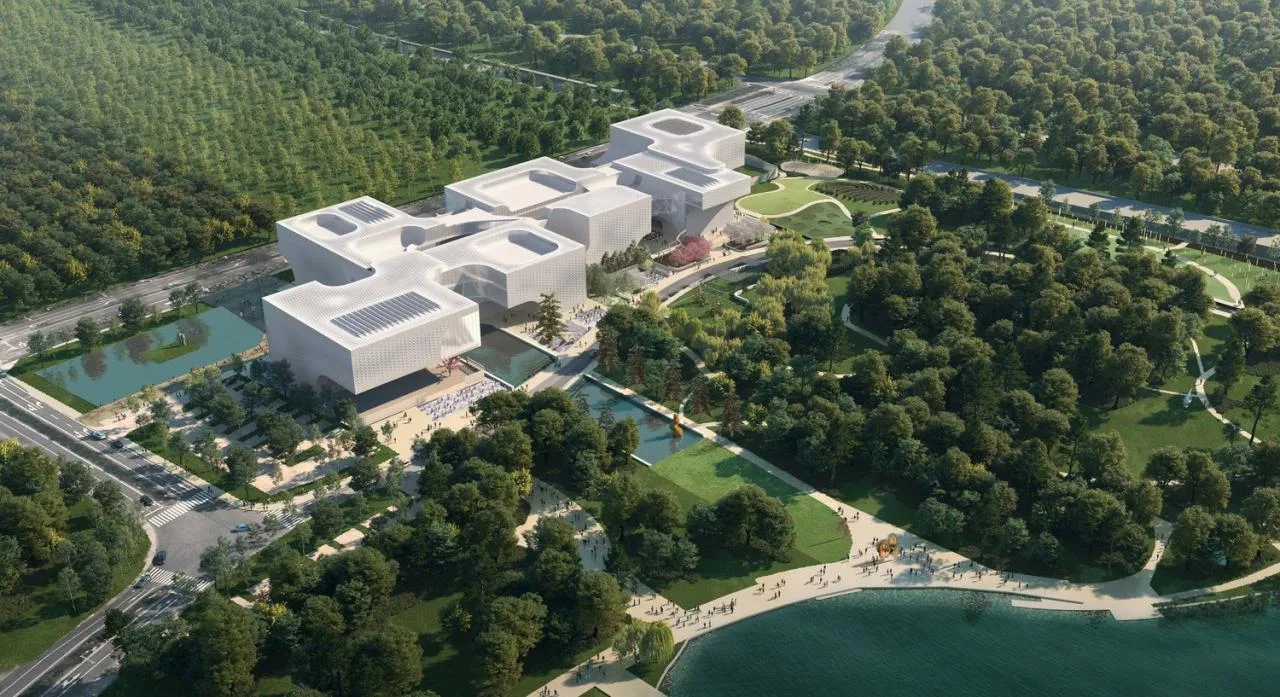
Ennaid Architecture Firm has revealed its design for the Wuxi Art Museum, located in the historic port city of Wuxi, China. Serving as a new cultural landmark in East China, the museum reflects the rich tradition of Chinese garden art. Situated within Shangxianhe Wetland Park, the Wuxi Art Museum and its adjacent Art Park extend and embody the traditional garden heritage of Wuxi city.
The architectural space is defined by a fluid interplay of emptiness and spirituality, where virtual and physical spaces emerge from each other. The design draws inspiration from the unique shapes of Taihu Lake stones found south of the Yangtze River, blending oriental garden artistry with a modern humanistic feel. This intricate and immersive structure creates an elegant environment that encourages visitors to meditate and engage in spiritual reflection amidst the vast natural surroundings.
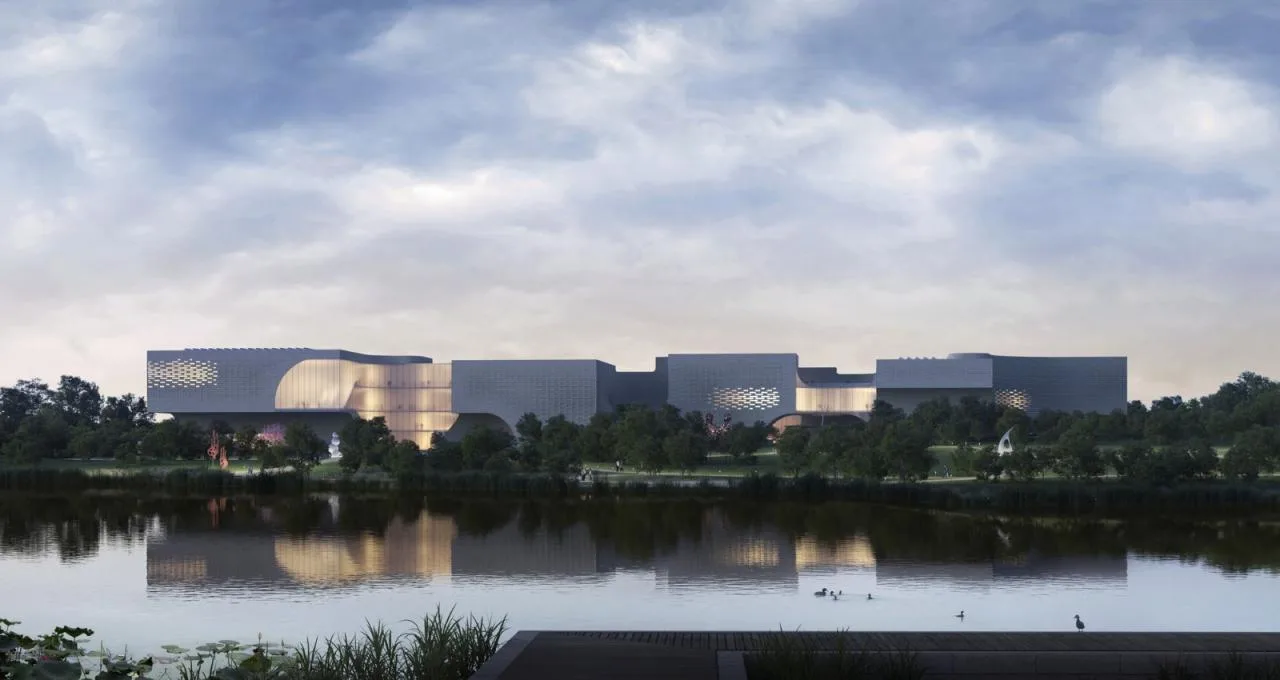
The museum’s architectural design integrates it into a larger composition. Through smooth, sculptural lines and hollowed-out elements, it mirrors the intricate carving of Taihu Lake stones. This artistic approach reflects the natural erosion and timeless transformation of these stones. Inspired by Su-style gardens and landscape paintings, the design influences not only the building’s form but also every aspect of the spatial experience.
The carefully choreographed spatial flow guides visitors through a continuously evolving journey, making each step within the museum a fresh discovery and source of inspiration.
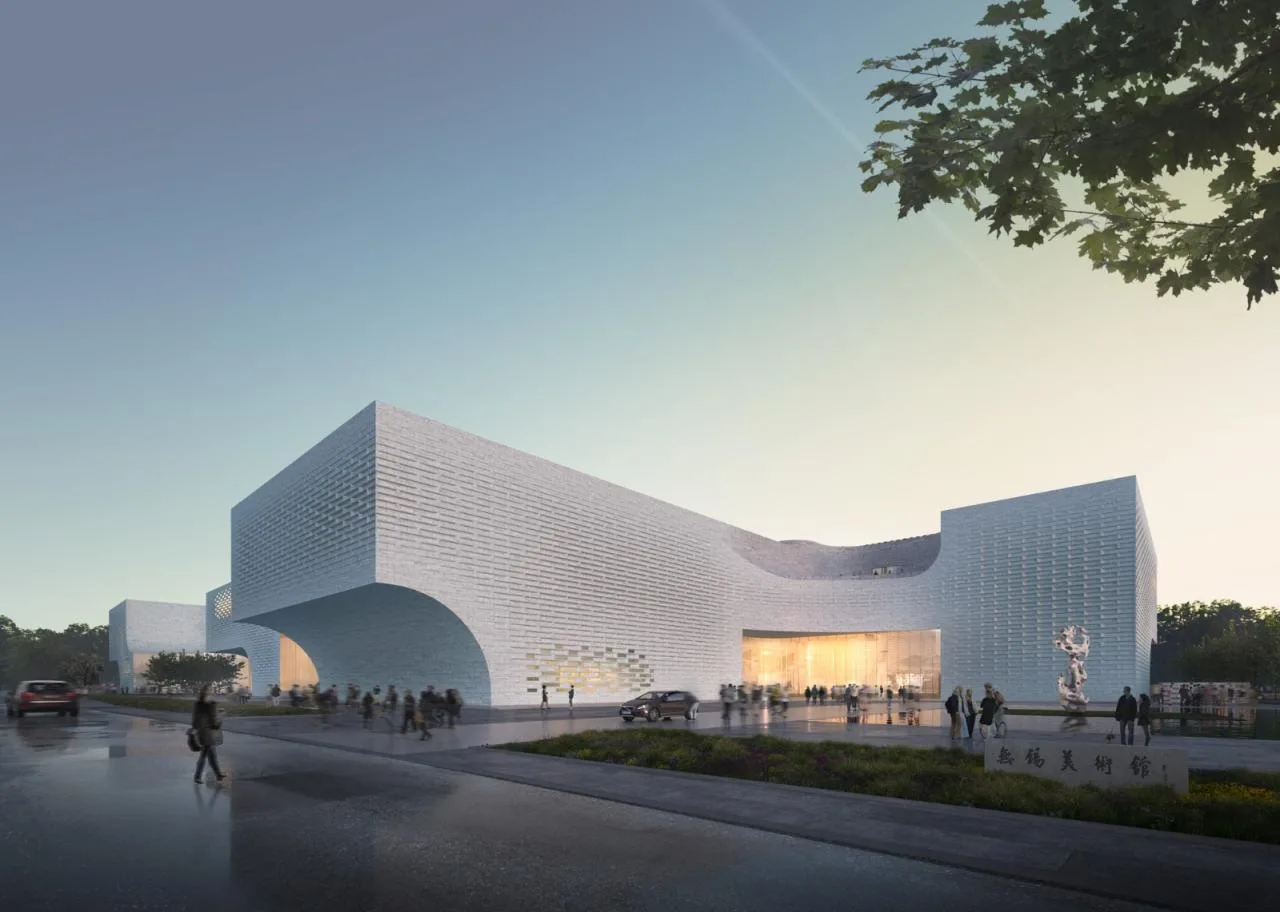
The design balances virtual and real spaces to create a harmonious relationship between the surrounding landscape and the striking architectural volume. The welcoming civic square at the museum’s main entrance invites visitors from all backgrounds and offers a space for outdoor art exhibitions.
At the heart of the museum lies the central courtyard, visible from neighboring functional areas and pedestrian bridges. This tranquil water garden, adorned with lilies, naturally draws visitors into contemplation and meditation.
Within the museum’s carved hollow spaces, outdoor art installations are seamlessly integrated into the natural scenery, fostering an intimate and unique atmosphere. Meandering paths wind through gardens, courtyards, and expansive lawns dotted with recreational facilities, further blending the museum with nature.
The outdoor theater in the green space hosts art projections, film screenings, and live performances, enriching visitors’ leisure experiences. Iconic sculptures and outdoor artworks are strategically placed throughout, inviting an immersive exploration of art.
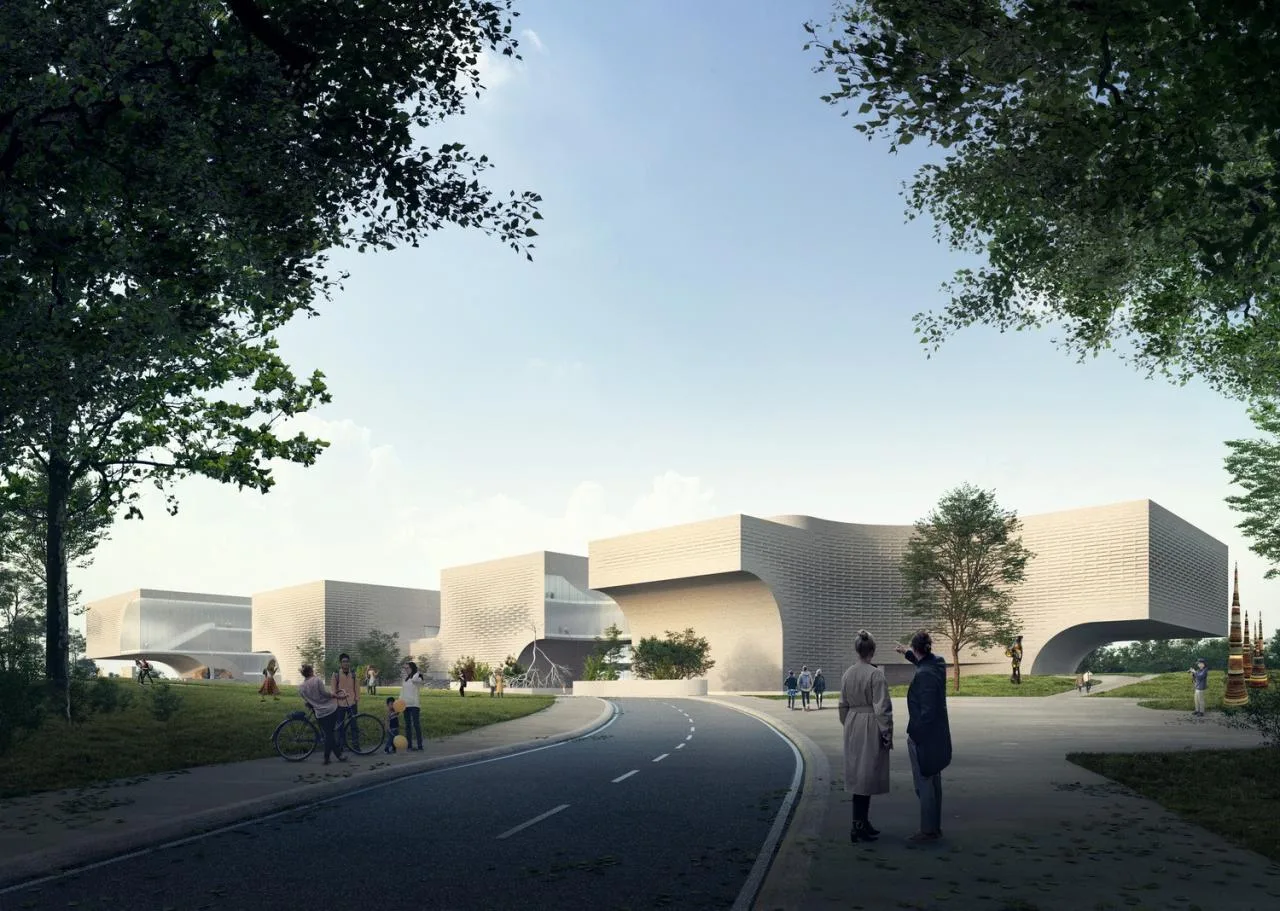
Lighting strategies play a crucial role in enhancing the visitor experience. The museum’s distinctive hollow facade and textured materials allow natural light to filter inside, highlighting the artistic limestone surface. The integration of lighting within the hollow sections of the facade and the semi-transparent glass curtain wall creates dynamic light and shadow effects that transition gracefully from day to night.
Inside, a soft glow allows passersby to glimpse the museum’s interior, while the limestone facade’s textured surfaces echo the hollowed-out design. This architectural metaphor reflects the shape of Taihu Lake stones, enriching the museum’s aesthetic appeal and visitor engagement.
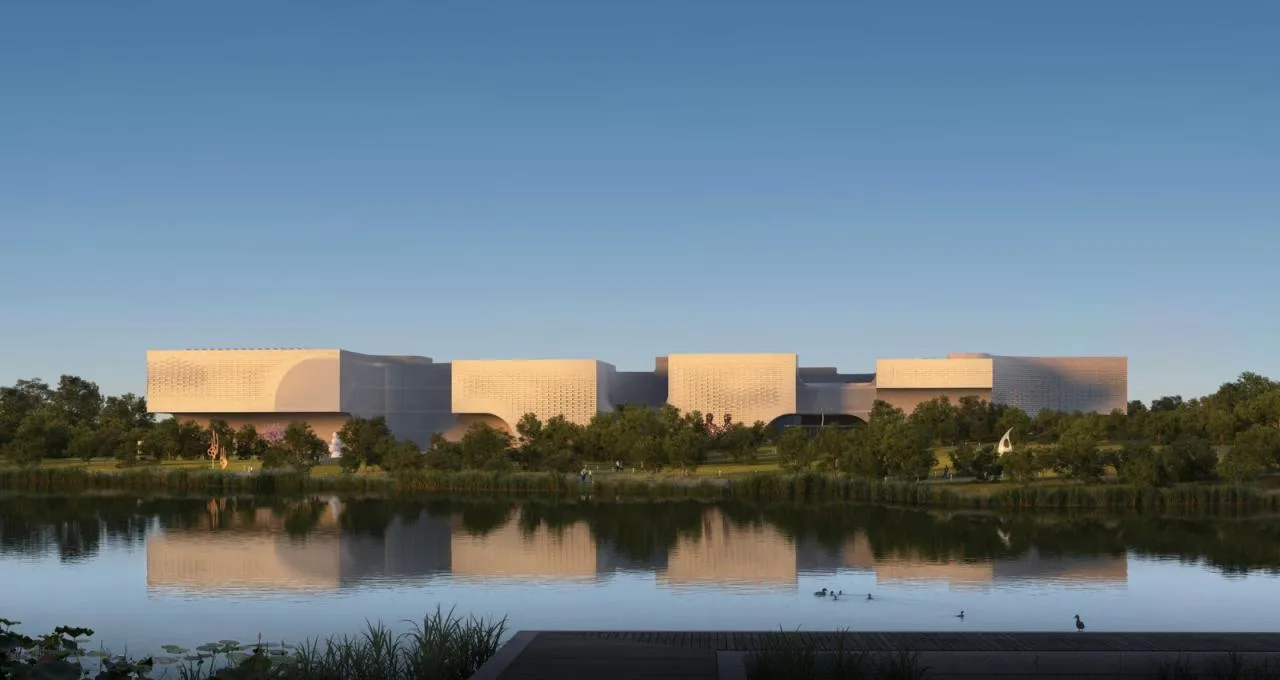
“Our vision for Wuxi Art Museum is to situate it within a larger composition, emphasizing views in and out of the building through carved subtractions and grooves that mimic natural erosion of spirit stones. The garden metaphor informs both the form and the experience, offering an evolving journey where each step reveals something new,” explains Thomas J. Wong, Partner at Ennaid Architecture Firm.
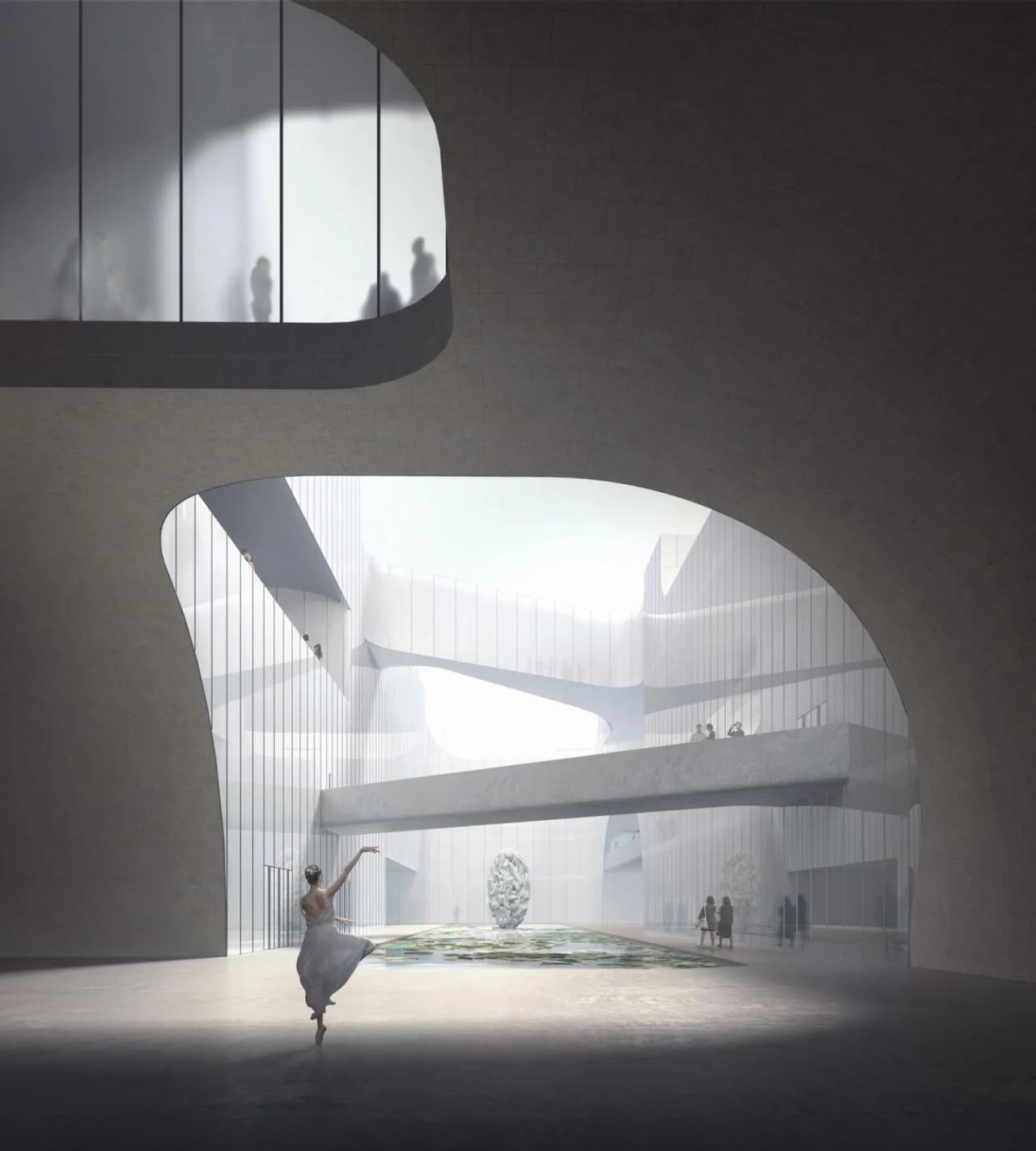
Established in Shanghai since 2014, Ennaid Architecture Firm has been active across Asia for many years. Recent projects include the master plan for Shanghai Lingang Special Zone—a new global commercial hub in Dishuihu District—and the Shanghai Astronomical Museum, scheduled to open in 2021, as well as the Zhangjiang Science City in Shanghai.
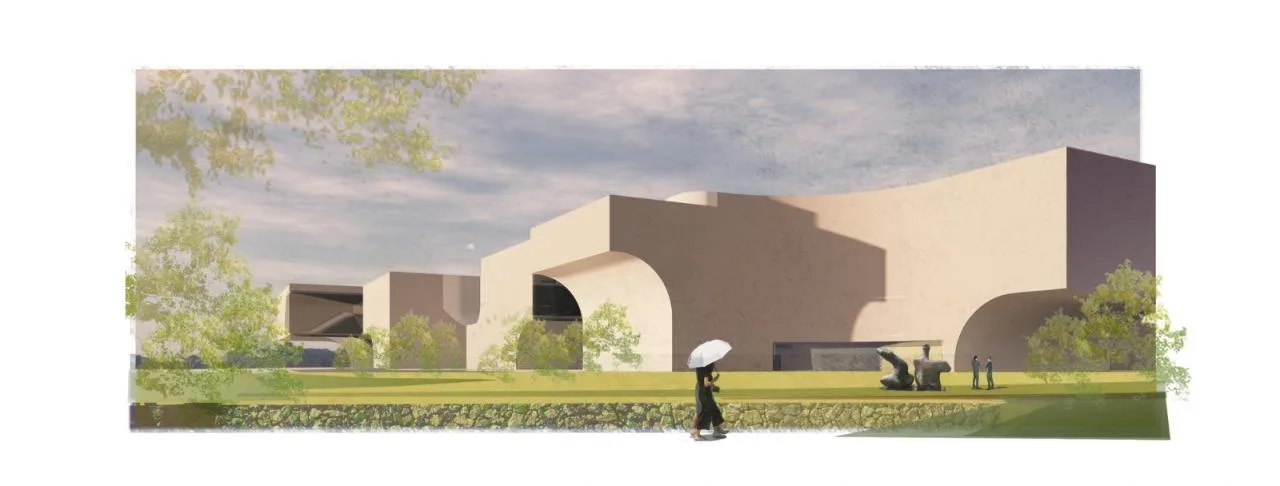
Project Drawings
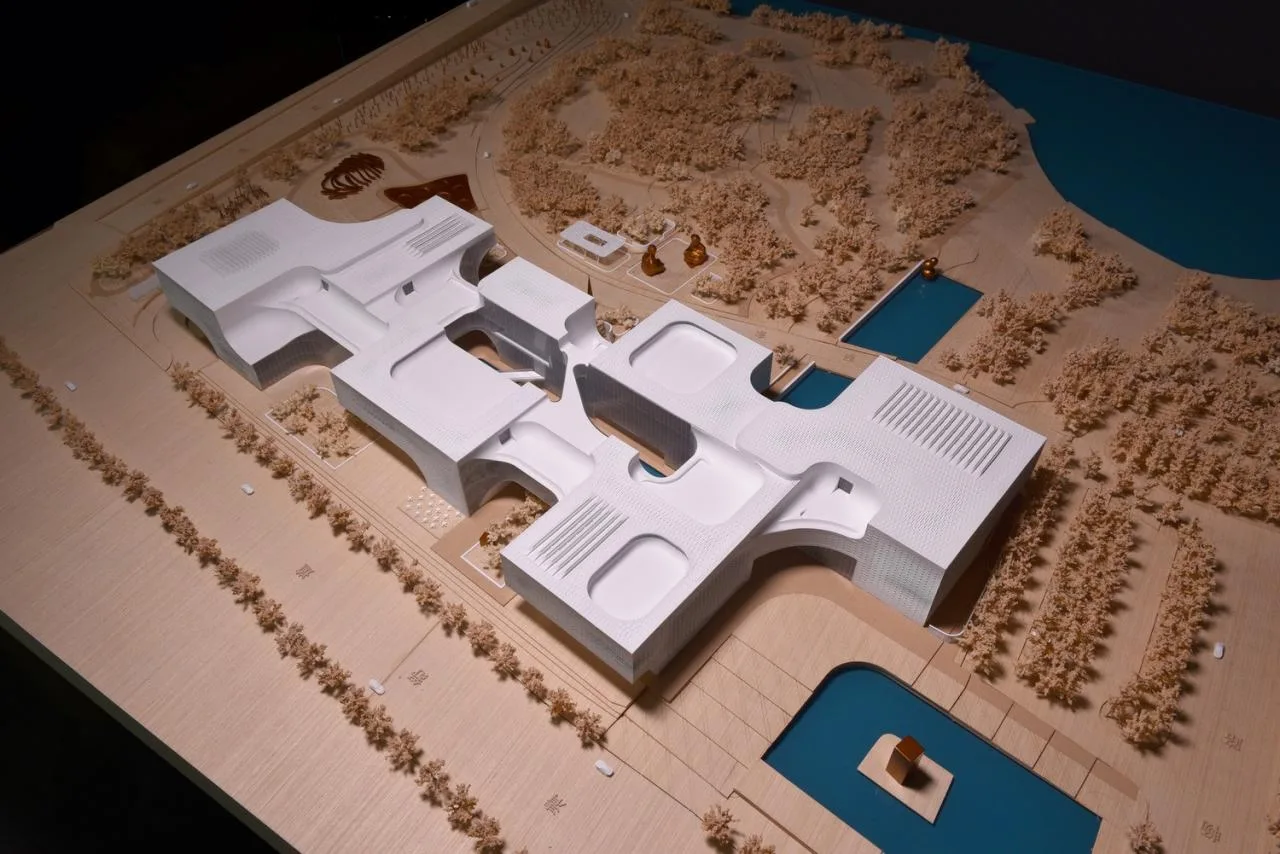
△ Model diagram
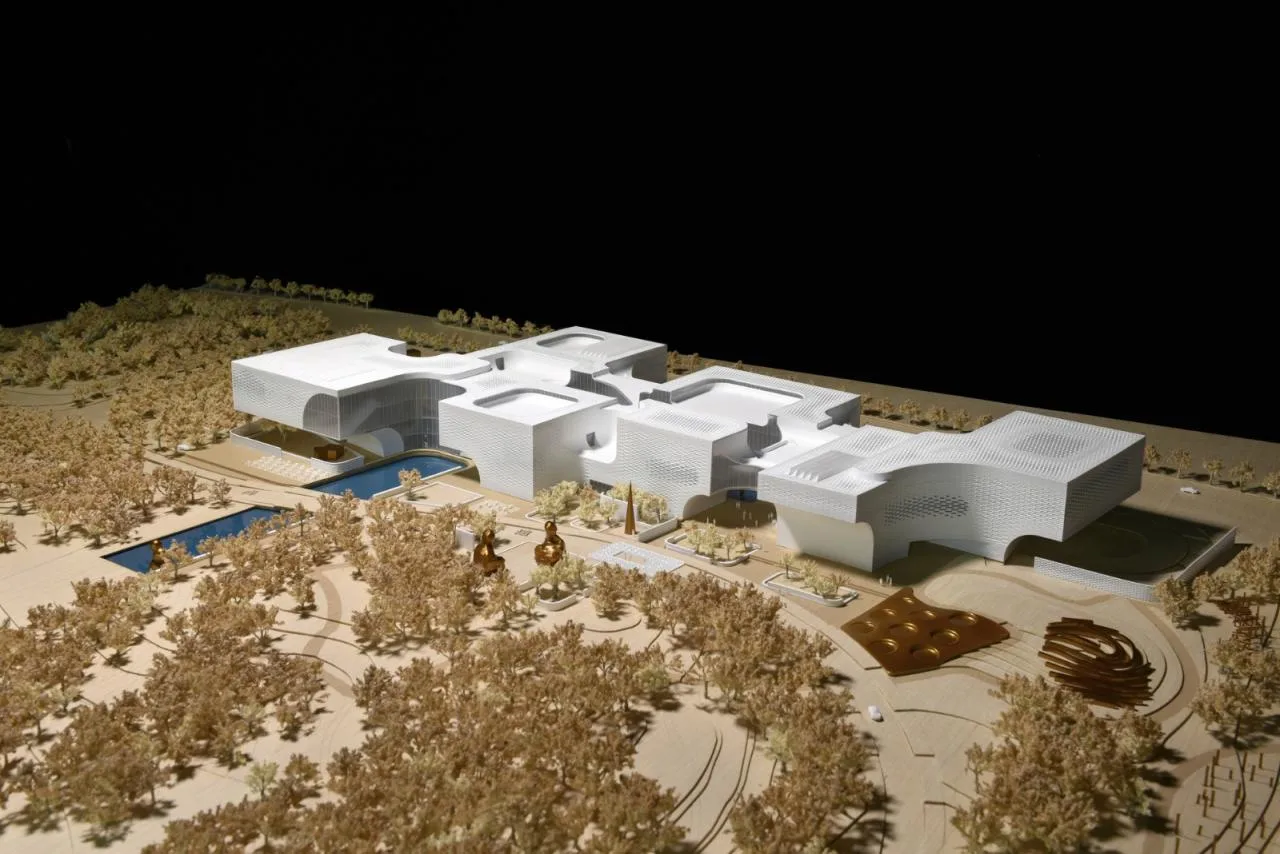
△ Model diagram
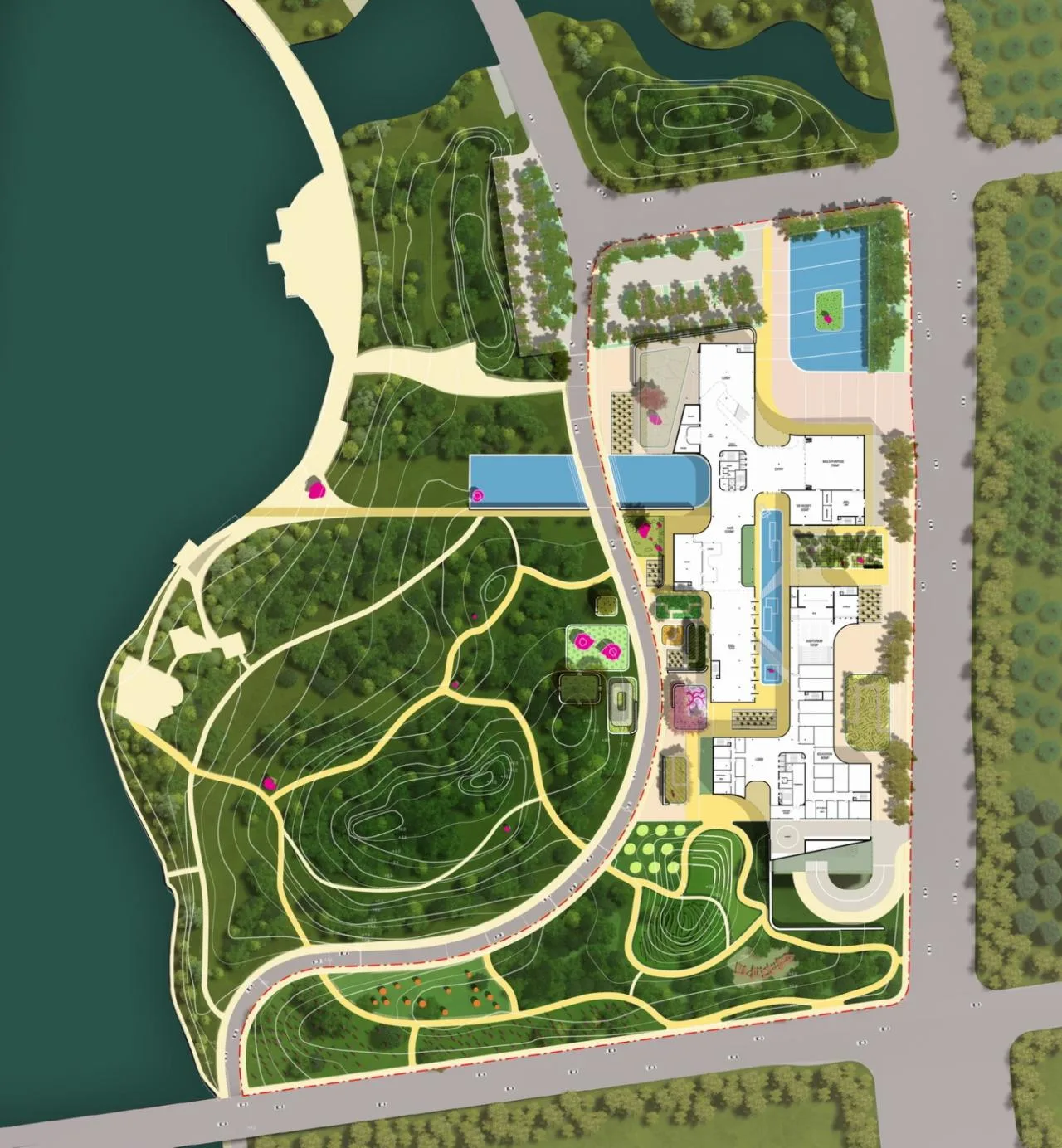
△ General layout plan
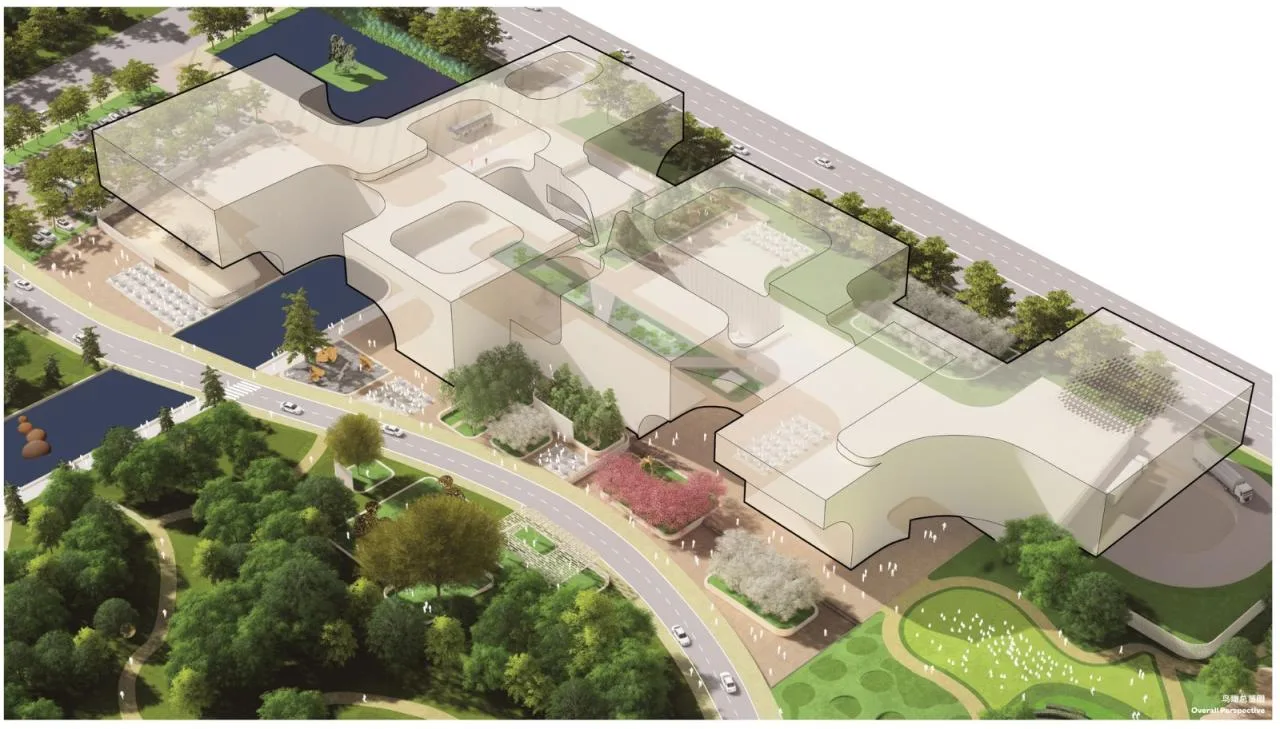
△ Perspective view
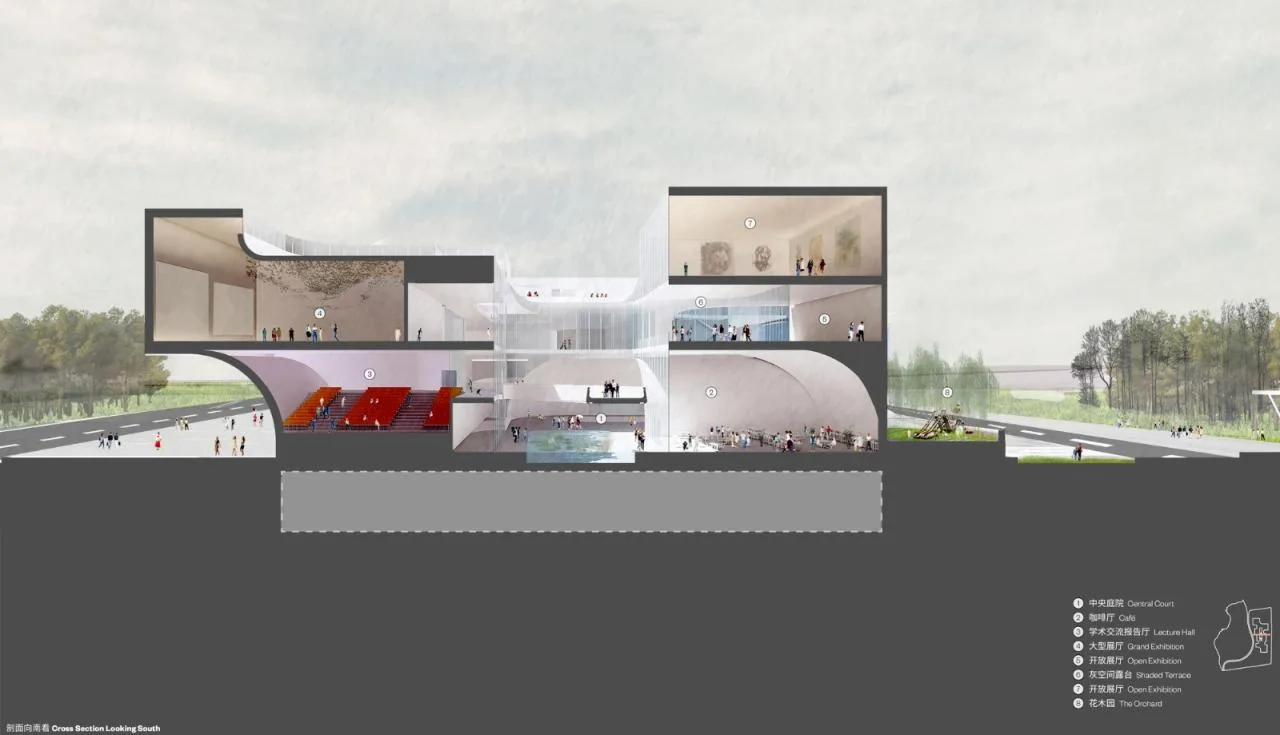
△ Section diagram
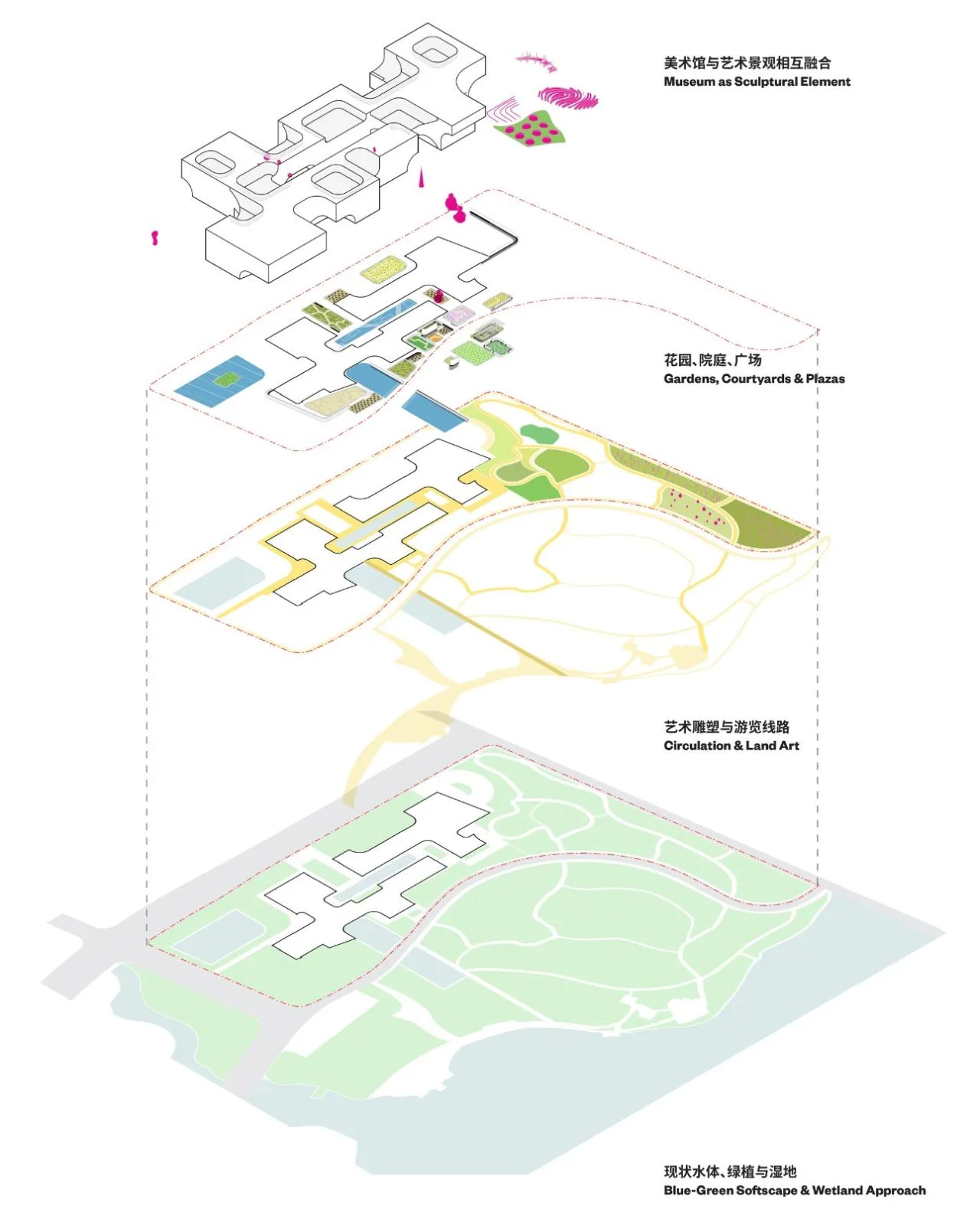
△ Analysis chart















Must log in before commenting!
Sign Up