
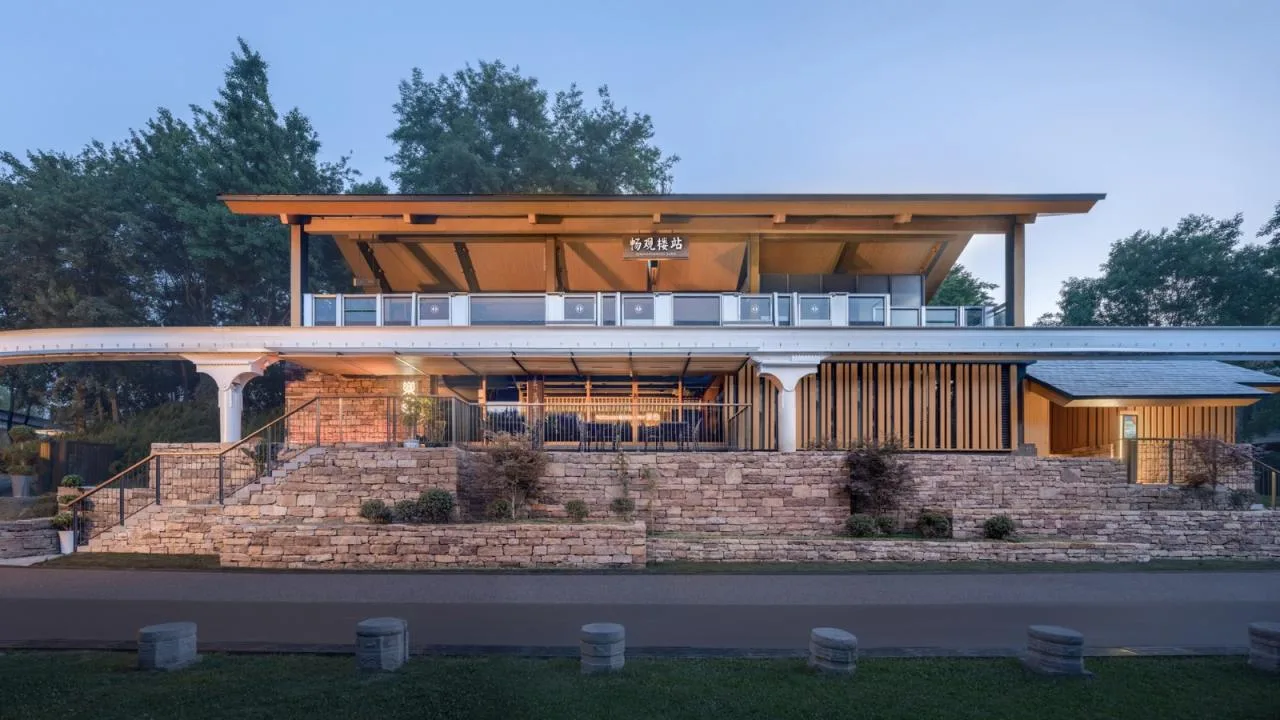
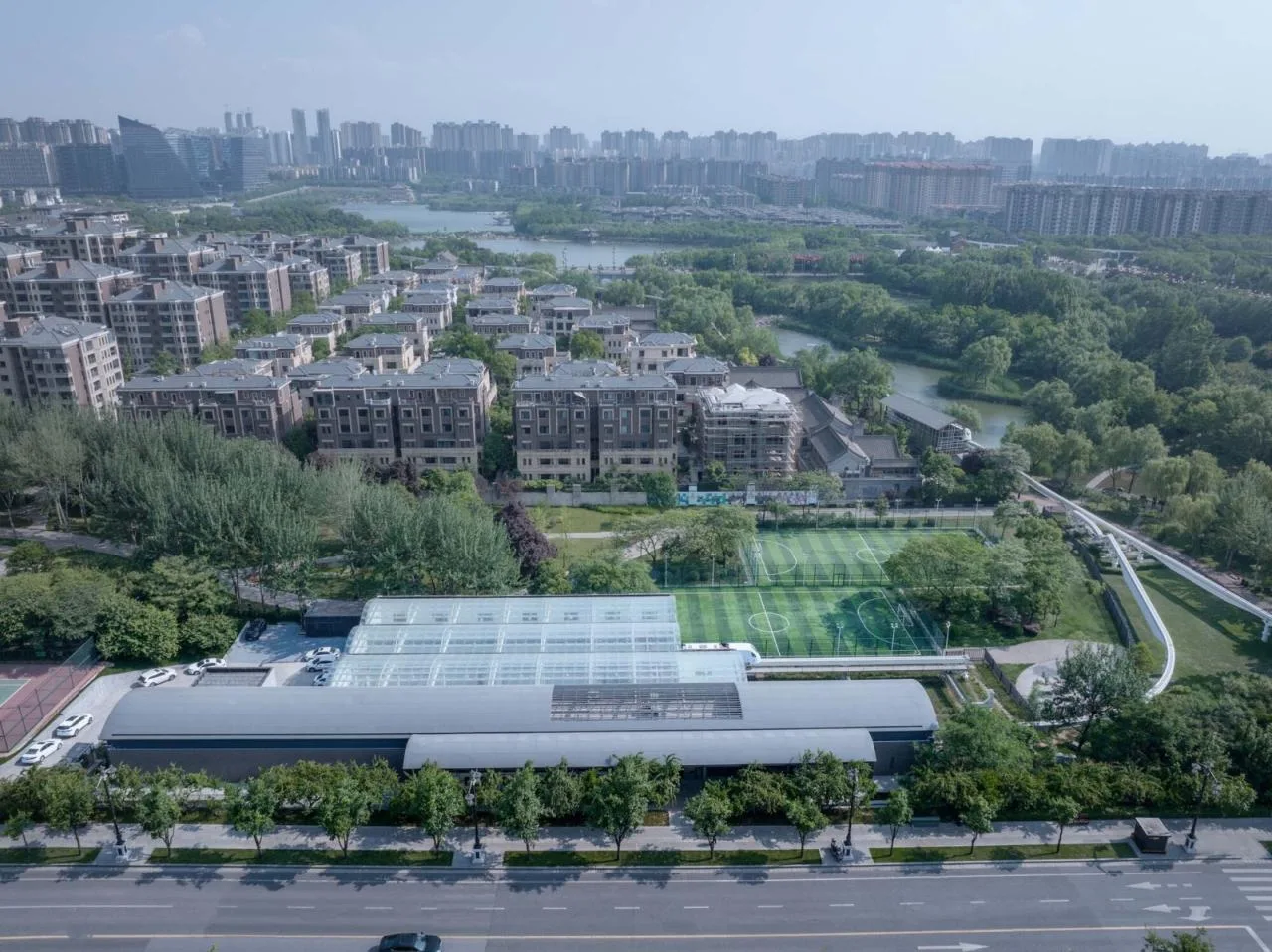
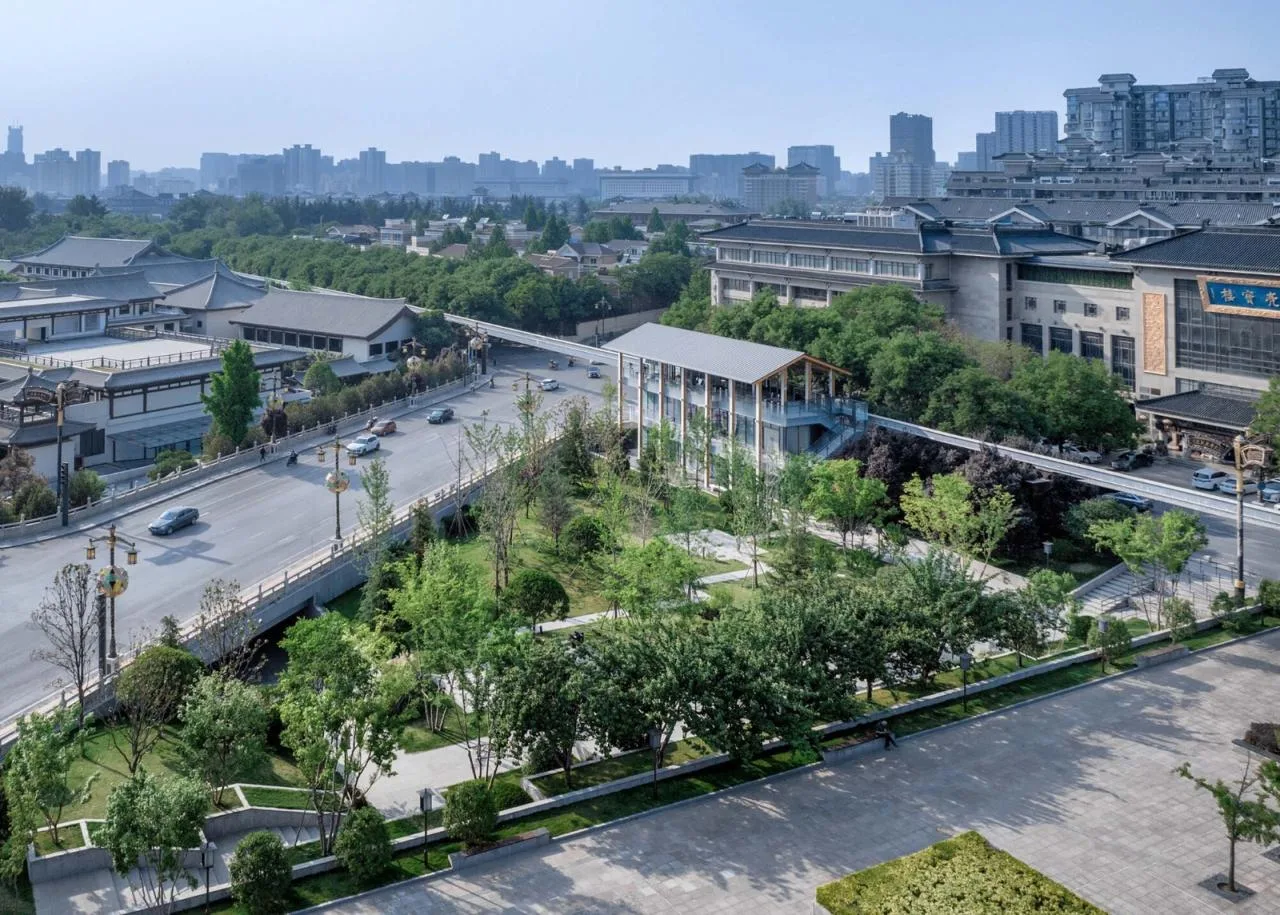
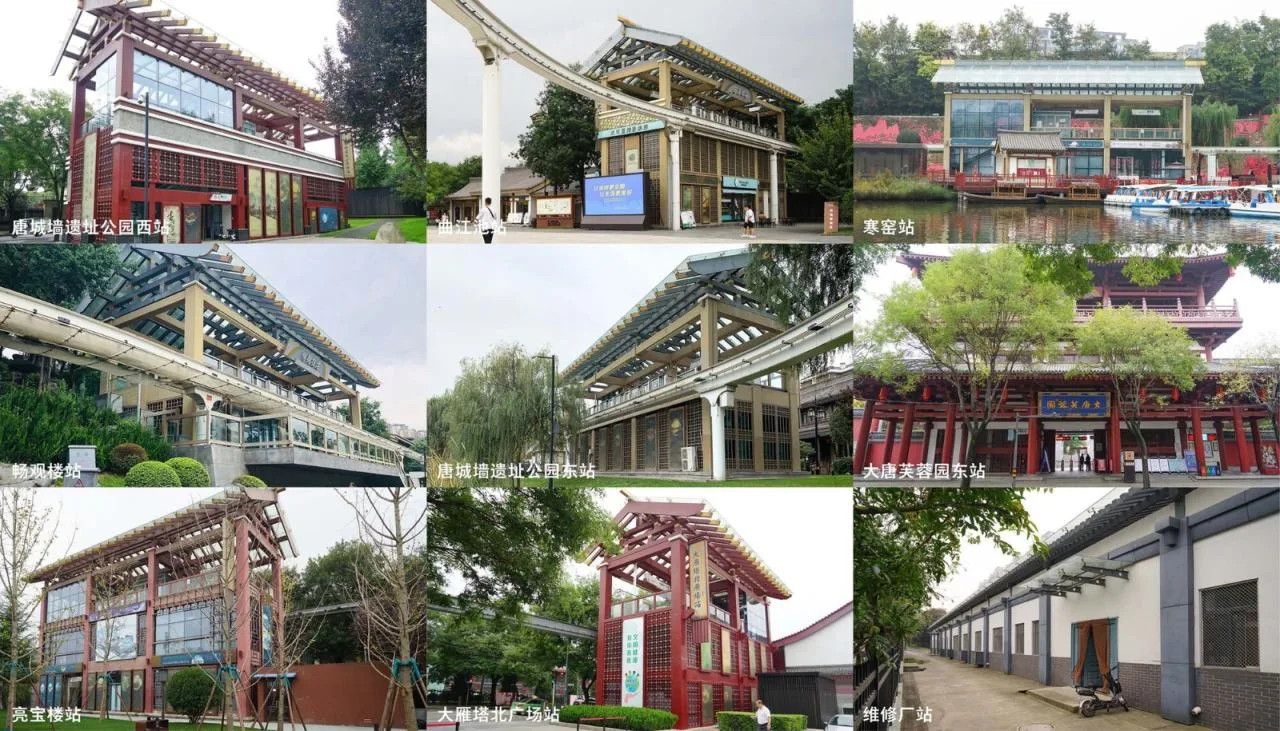
The Xi’an Qujiang Sightseeing Light Rail Line spans 6.8 km, running through the areas surrounding Datang Furong Garden and Qujiangchi Ruins Park. The line includes nine stations and one maintenance station. Each station features an upper level for boarding and a lower level housing commercial and convenience facilities.
In 2020, as part of a broader urban renewal initiative aligning with the new image of Qujiang, renovation projects were launched to upgrade the stations along the line. This effort, known as the Qujiang 5A scenic spot tourism and sightseeing supporting project, aims to establish a distinctive new tourist landmark. The renovation enhances the light rail’s sightseeing function and revitalizes urban space by reshaping business models. The project envisions warm, inviting urban public spaces that cater to both residents and tourists, reintegrating previously overlooked areas into the fabric of city life.
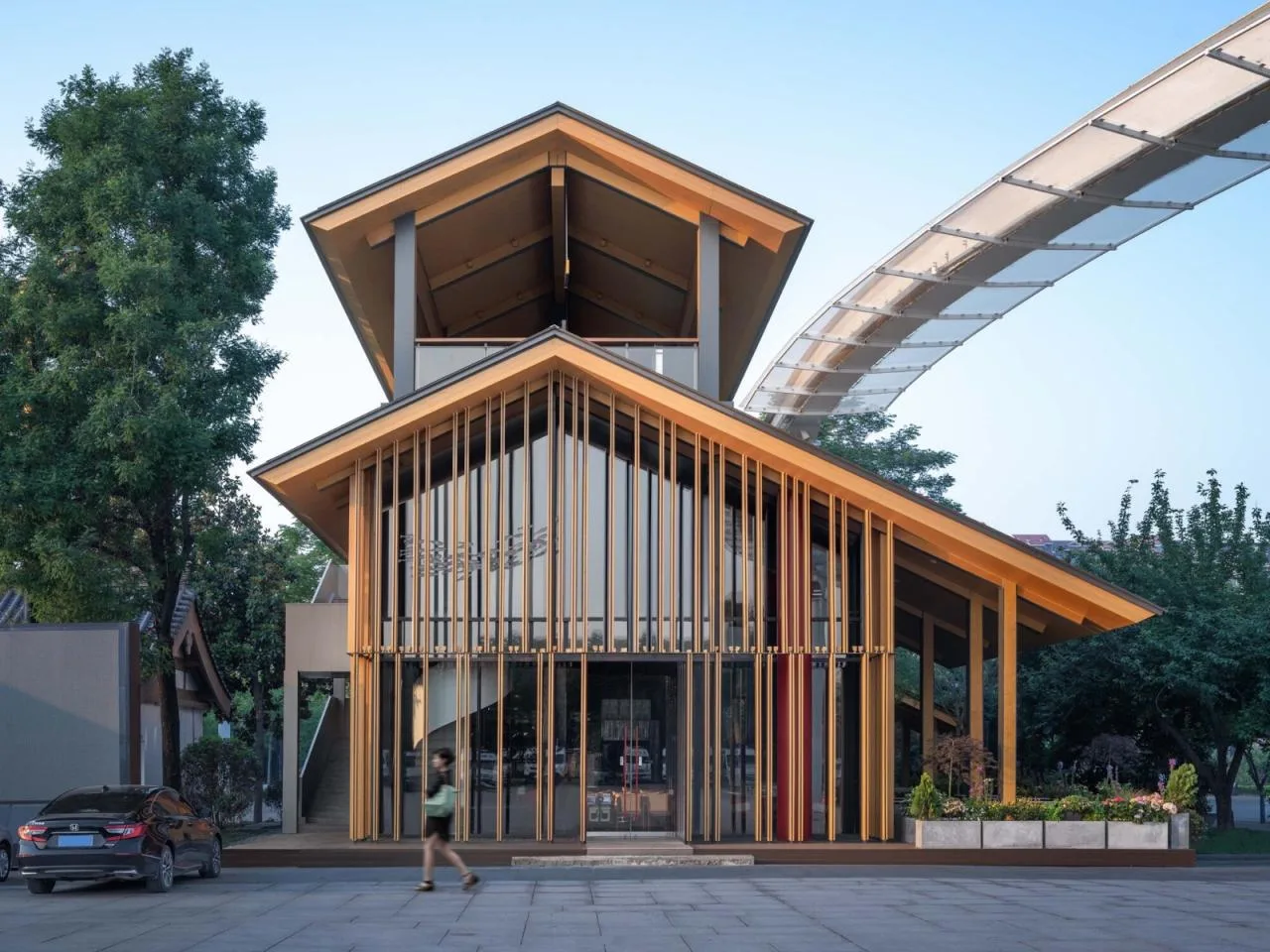
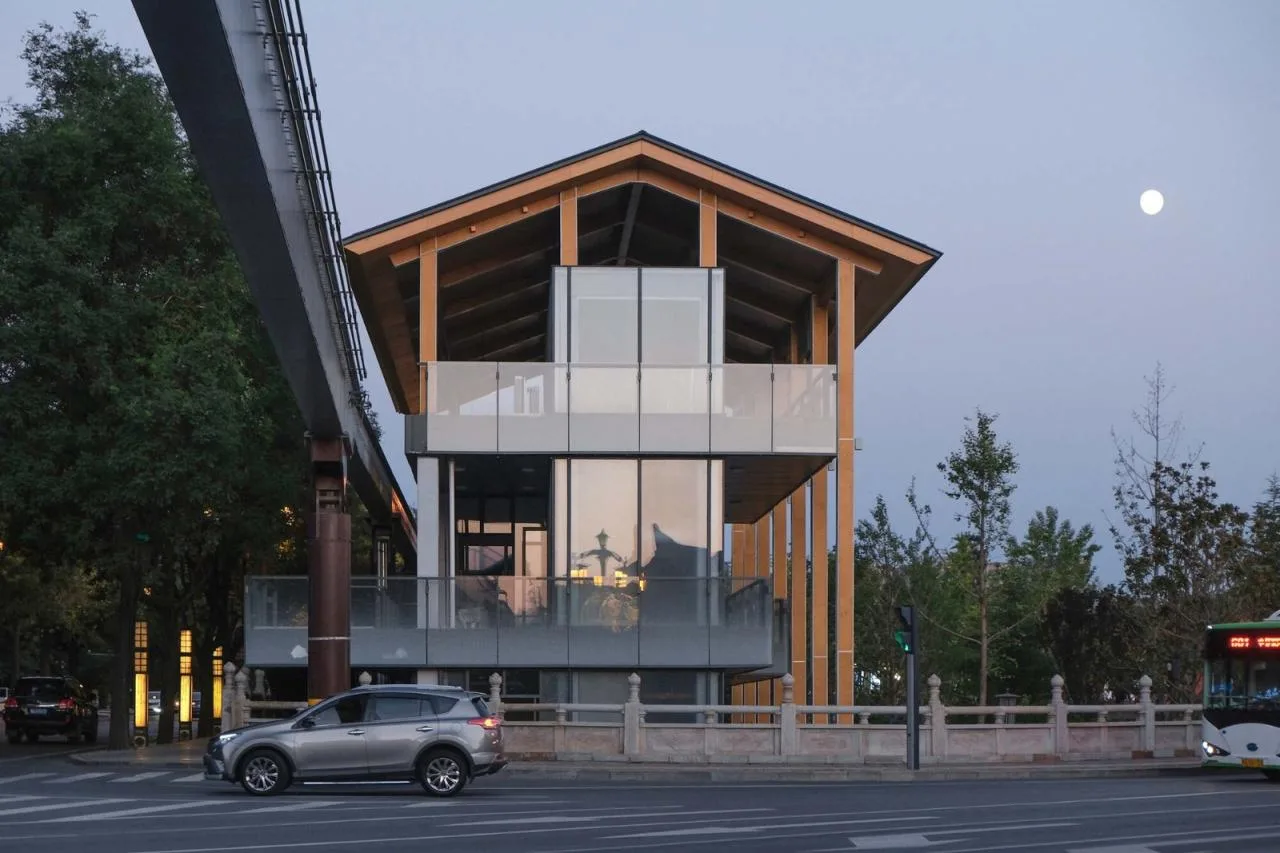
Design Strategy: Each station exists within a unique external environment. As public urban facilities, these post stations must integrate seamlessly into their surrounding urban textures while enhancing their own sense of place and offering distinct spatial characteristics.
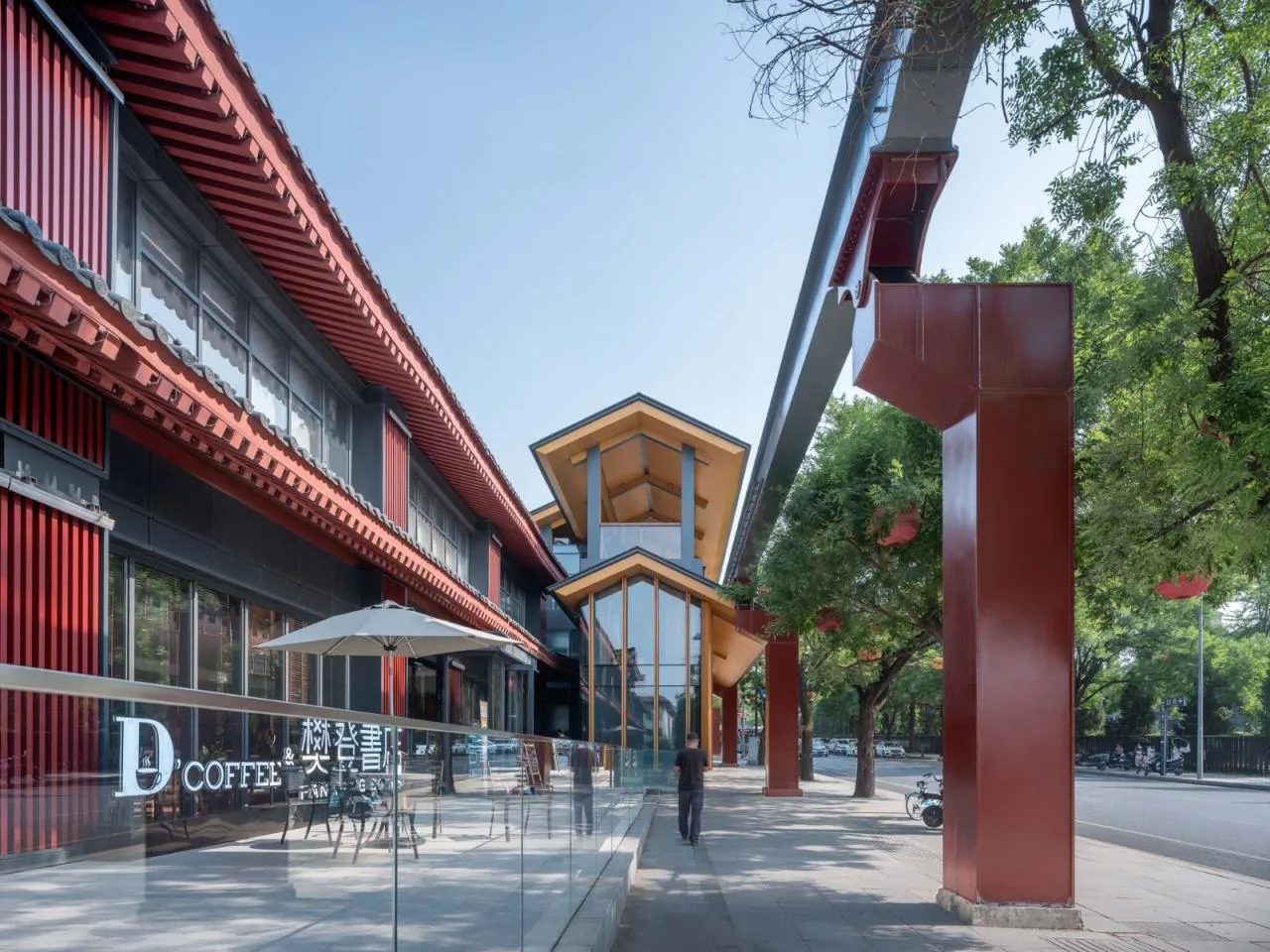
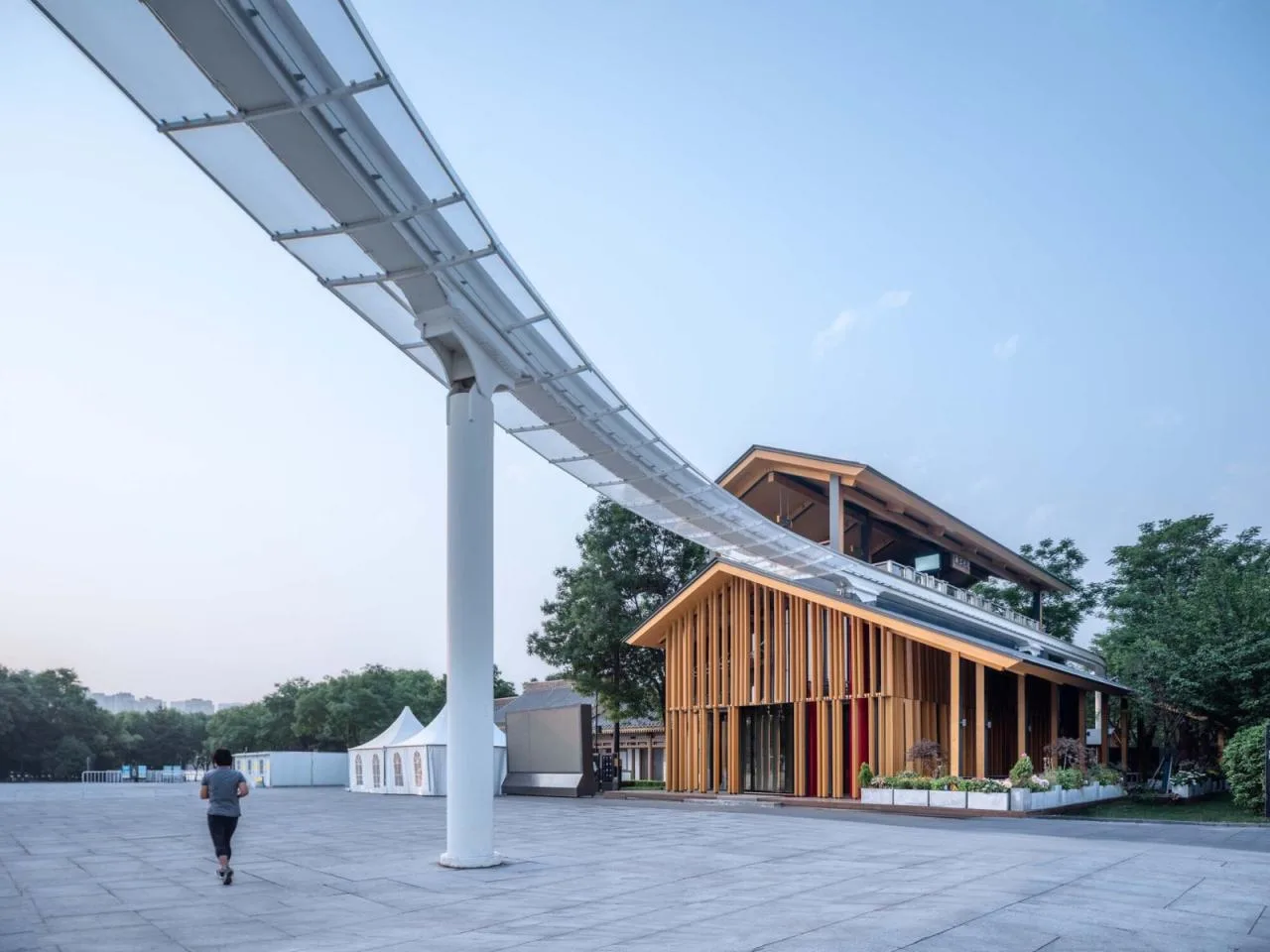
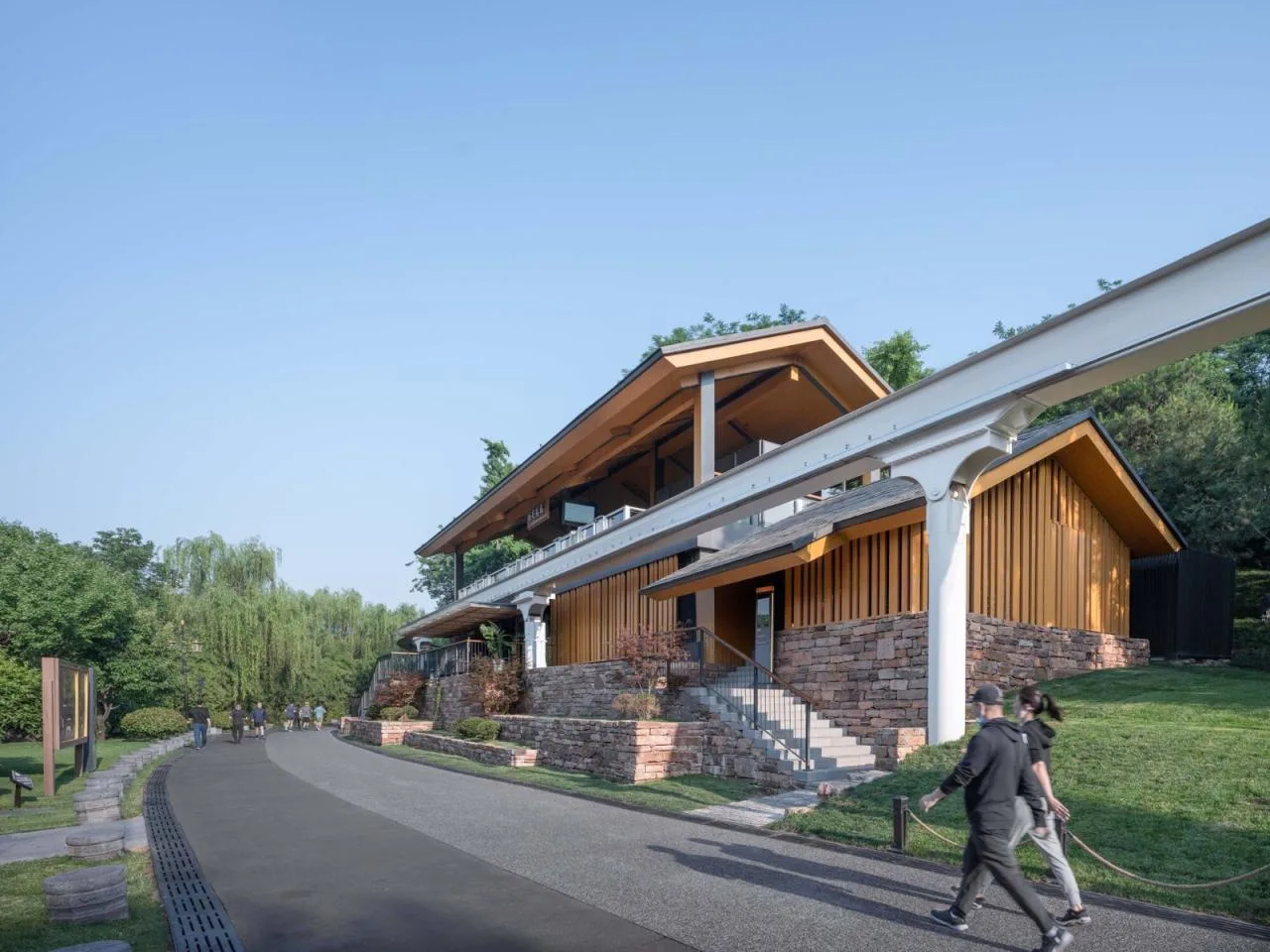
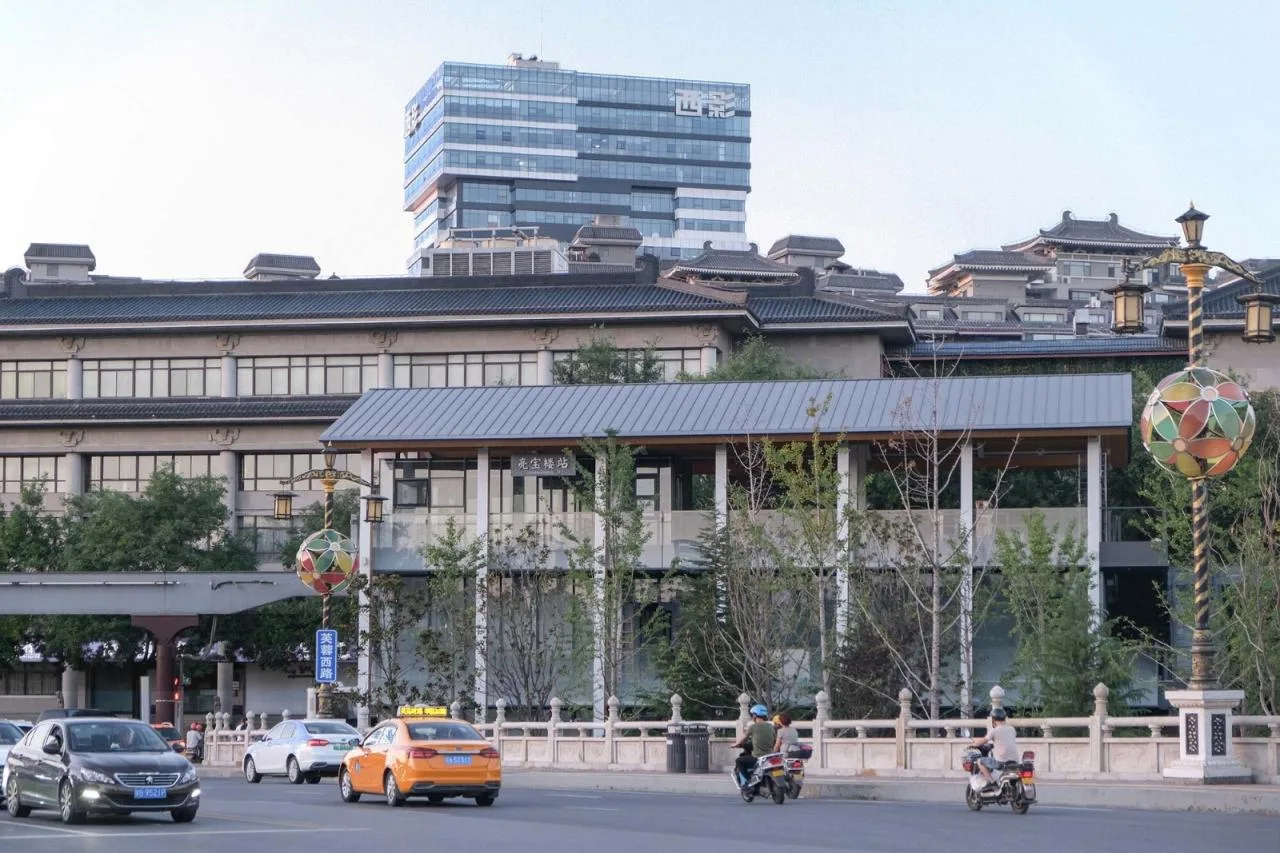
The design approach involves analyzing the urban landscape and architectural context of each station site. By studying the surrounding building styles, scales, and activities, the design integrates these environmental characteristics into the station’s architecture. Additionally, the project respects Qujiang’s natural environment by incorporating building materials that foster a harmonious relationship between nature and architecture.
This renovation adopts the Transit-Oriented Development (TOD) model, emphasizing small-scale light rail public transit combined with mixed-use development. Stations not only serve transportation purposes but also provide diverse urban services, supporting residential activities and creating vibrant urban hubs full of vitality and significance.
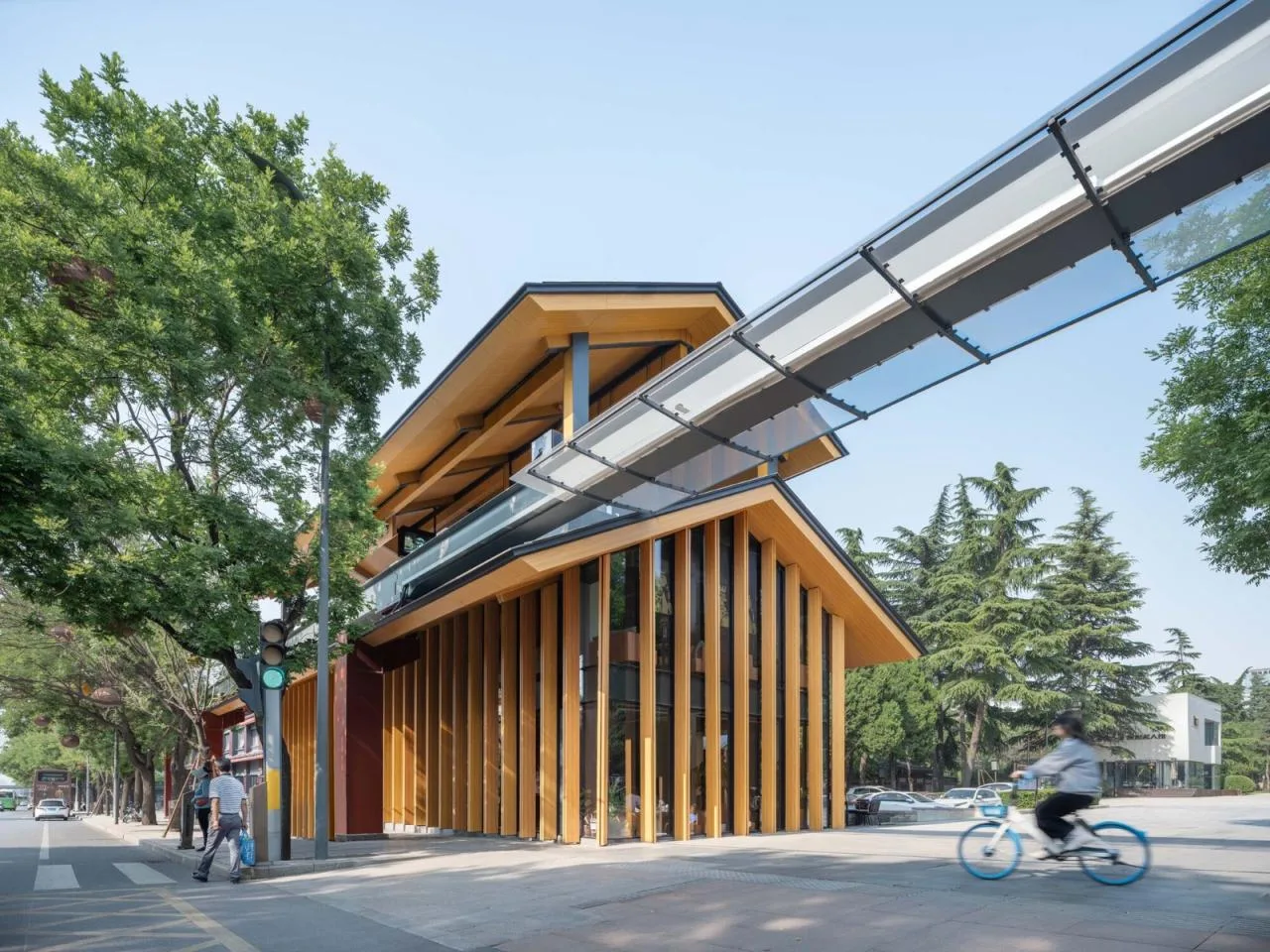
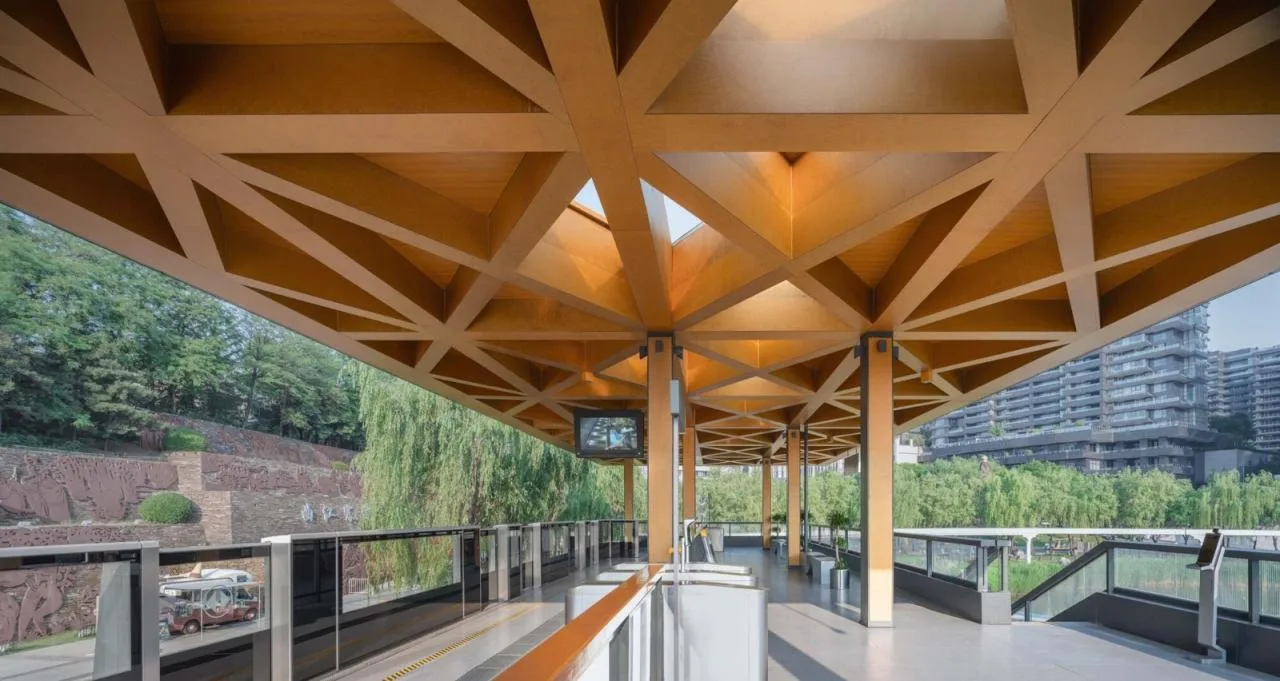
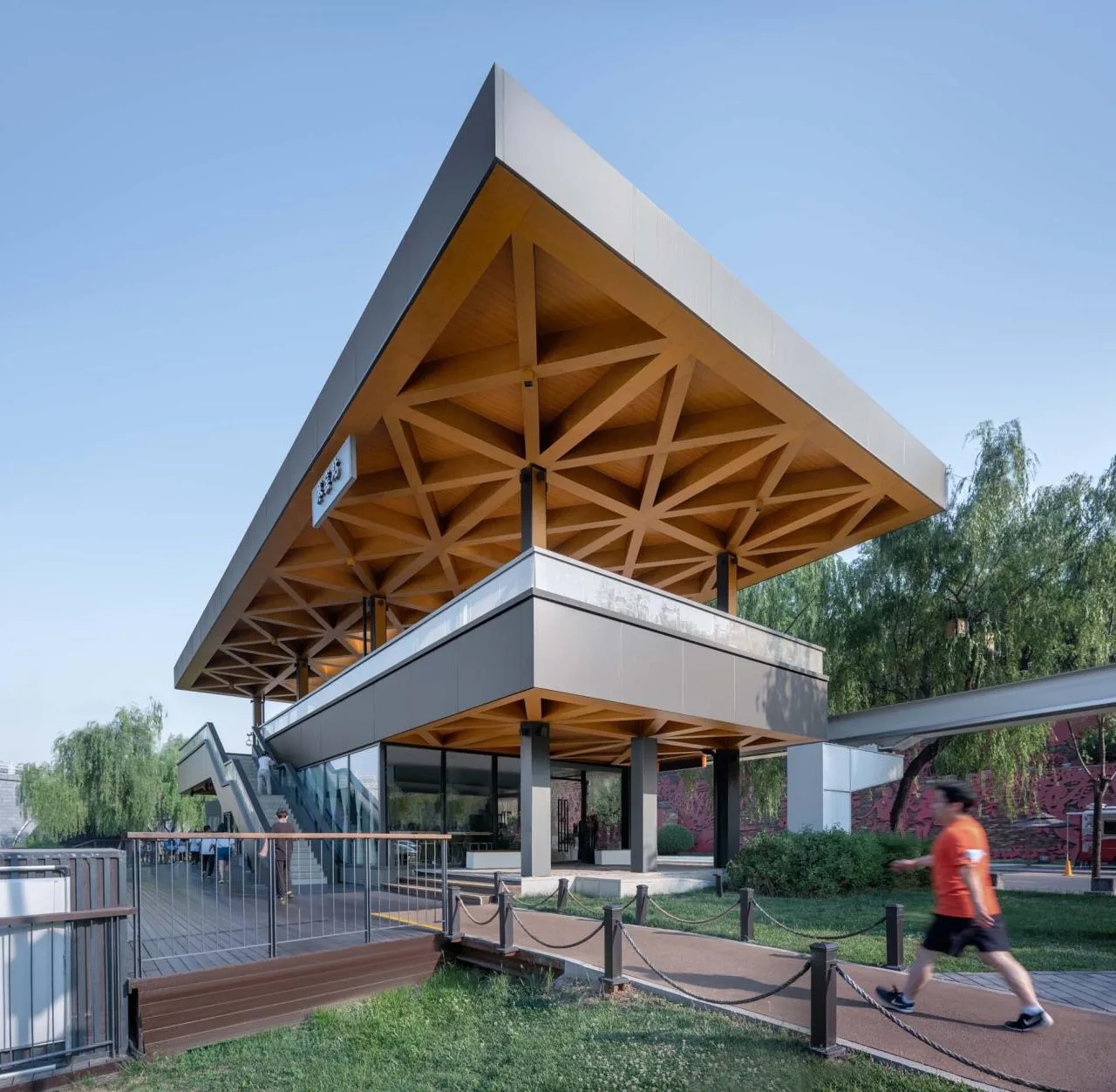
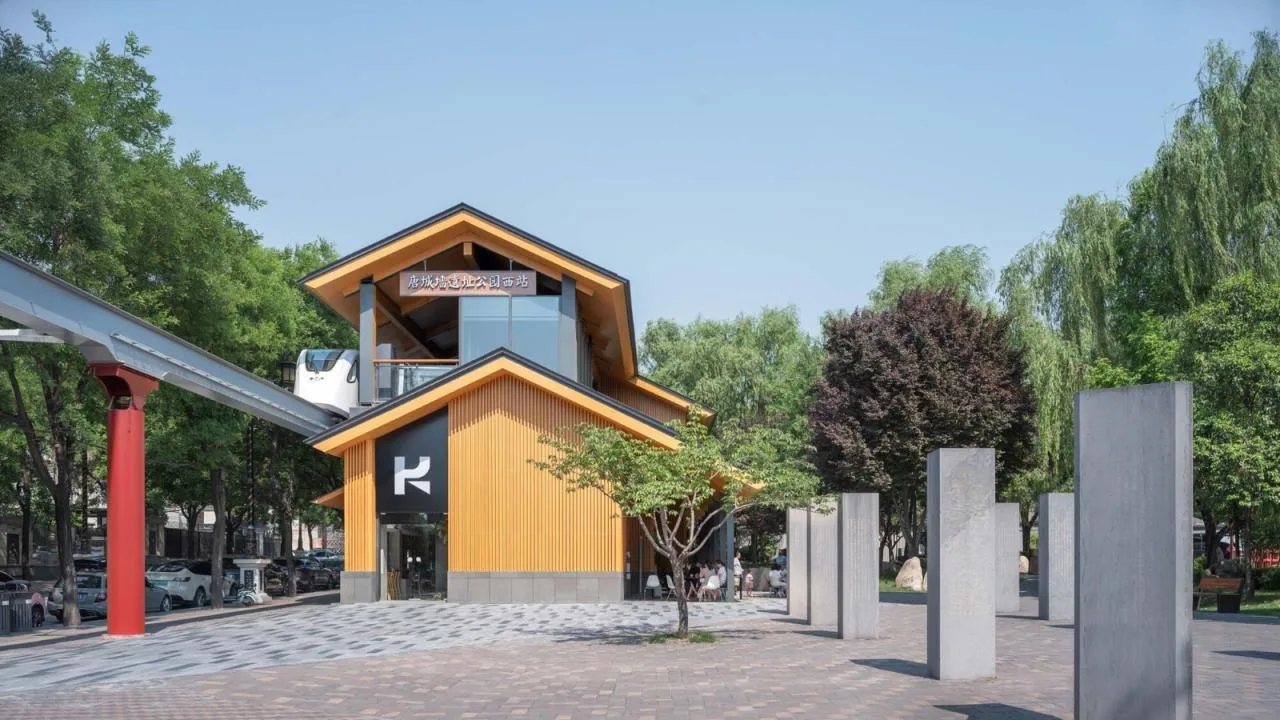
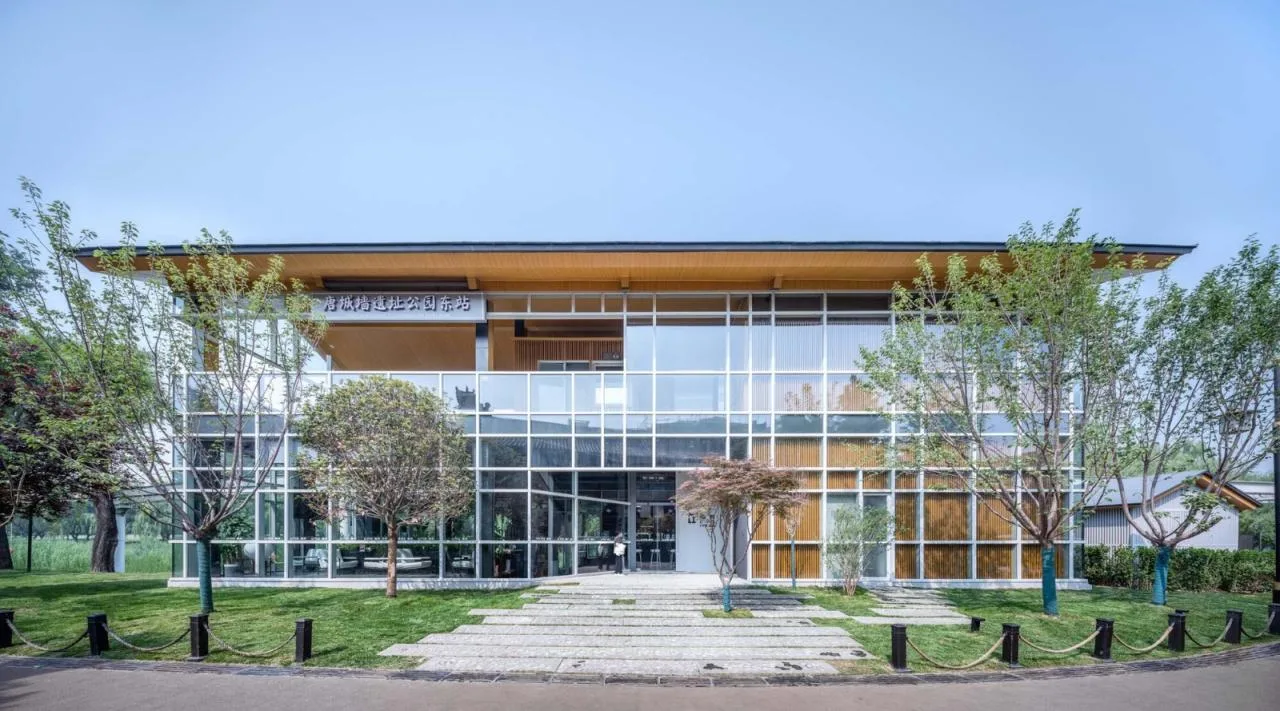
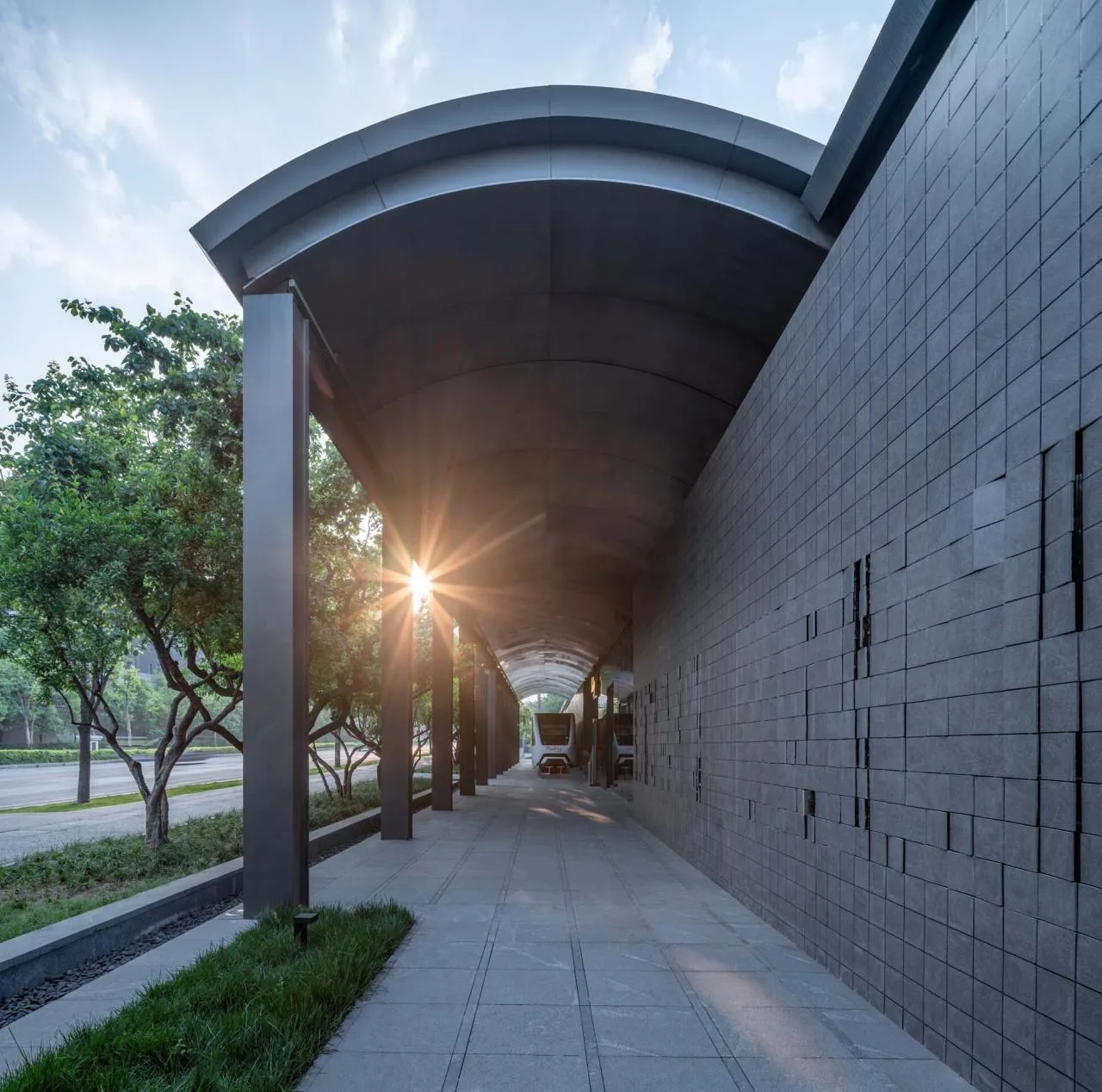
The renovated Qujiang light rail stations feature an upper platform level and auxiliary commercial spaces below. Based on distinct external appearances, natural surroundings, and social activities, the stations are categorized into four types: Lehuo Pavilion, Greenfield House, Waterfront Special, and Landscape Preservation.
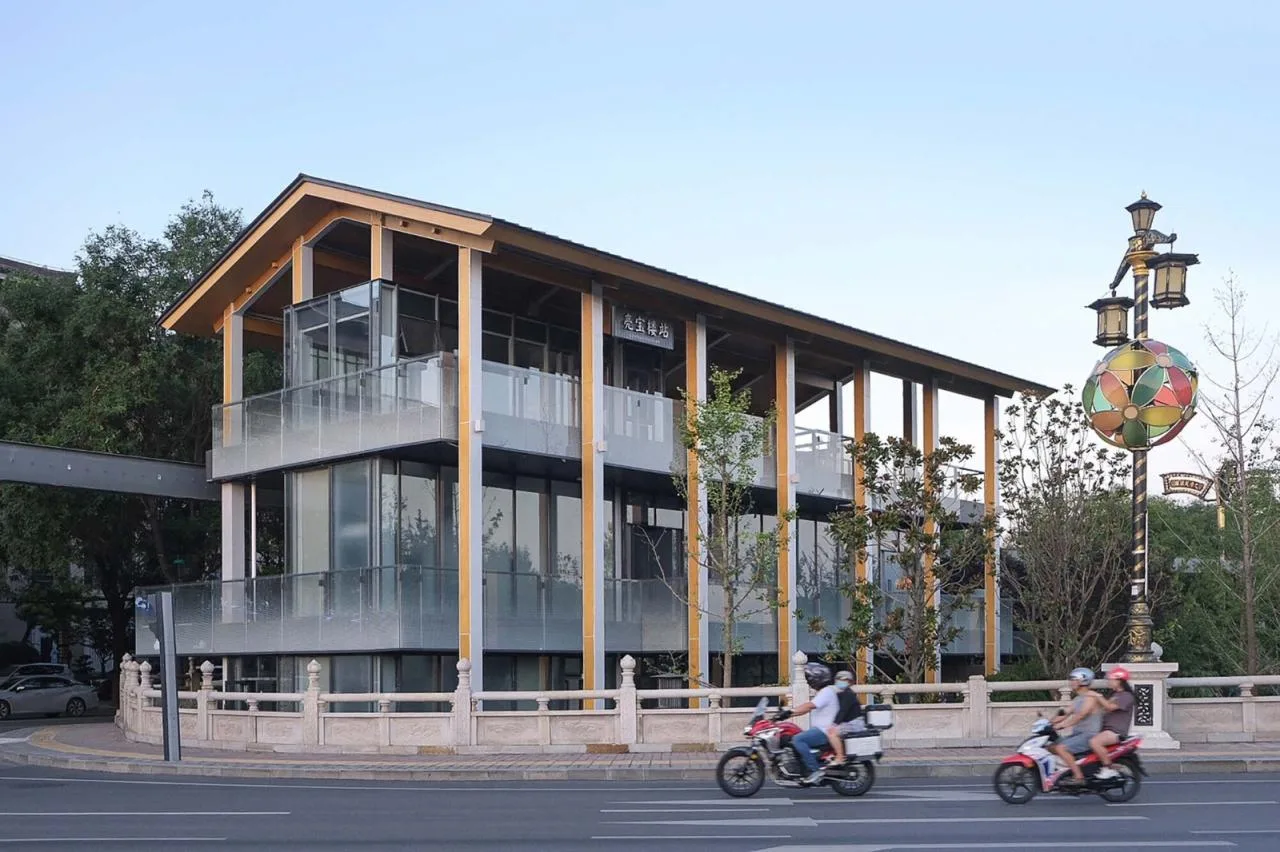
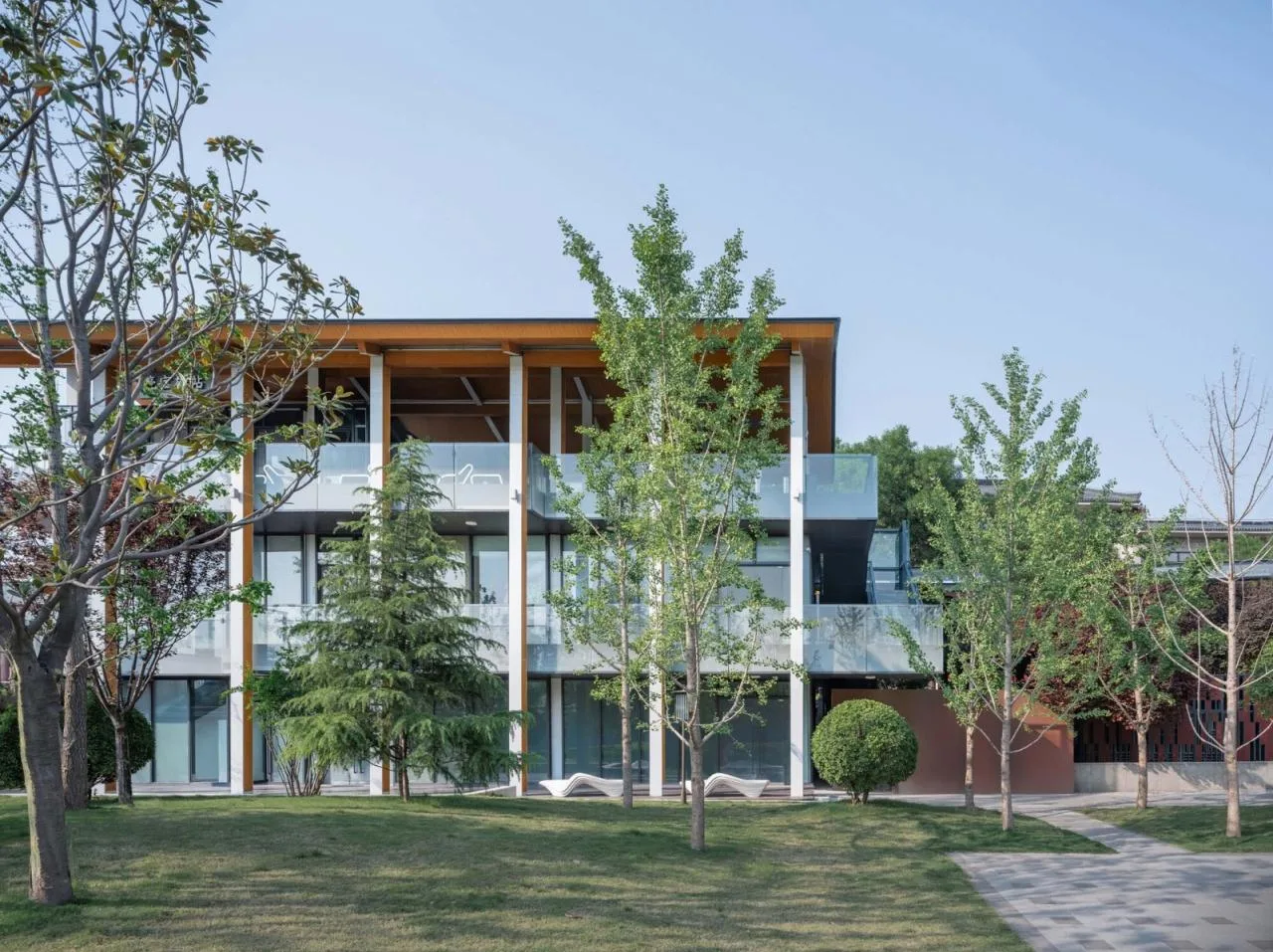
The Lehuo Pavilion stations are positioned at corners of city squares, designed to encourage people to pause and linger. Featuring a double-layered sloping roof, the design manages the scale of the three-story station and harmonizes the station space with the open surroundings.
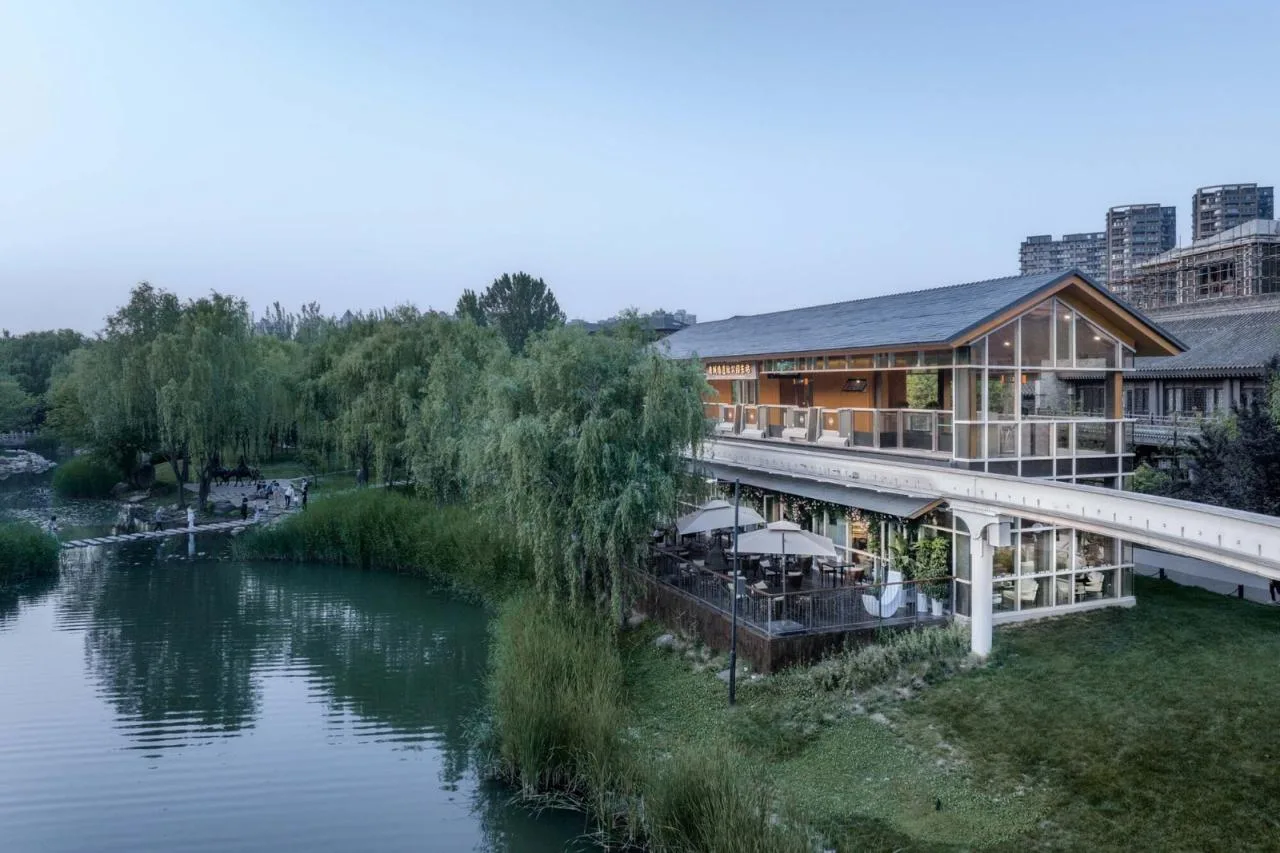
The Green Wilderness House stations, located inside park scenic areas, offer rest spaces at various elevations and generous outdoor areas. Their architecture resembles forest huts, with stone tile roofs, stone walls, and natural wooden facades, reflecting the park’s authentic character.
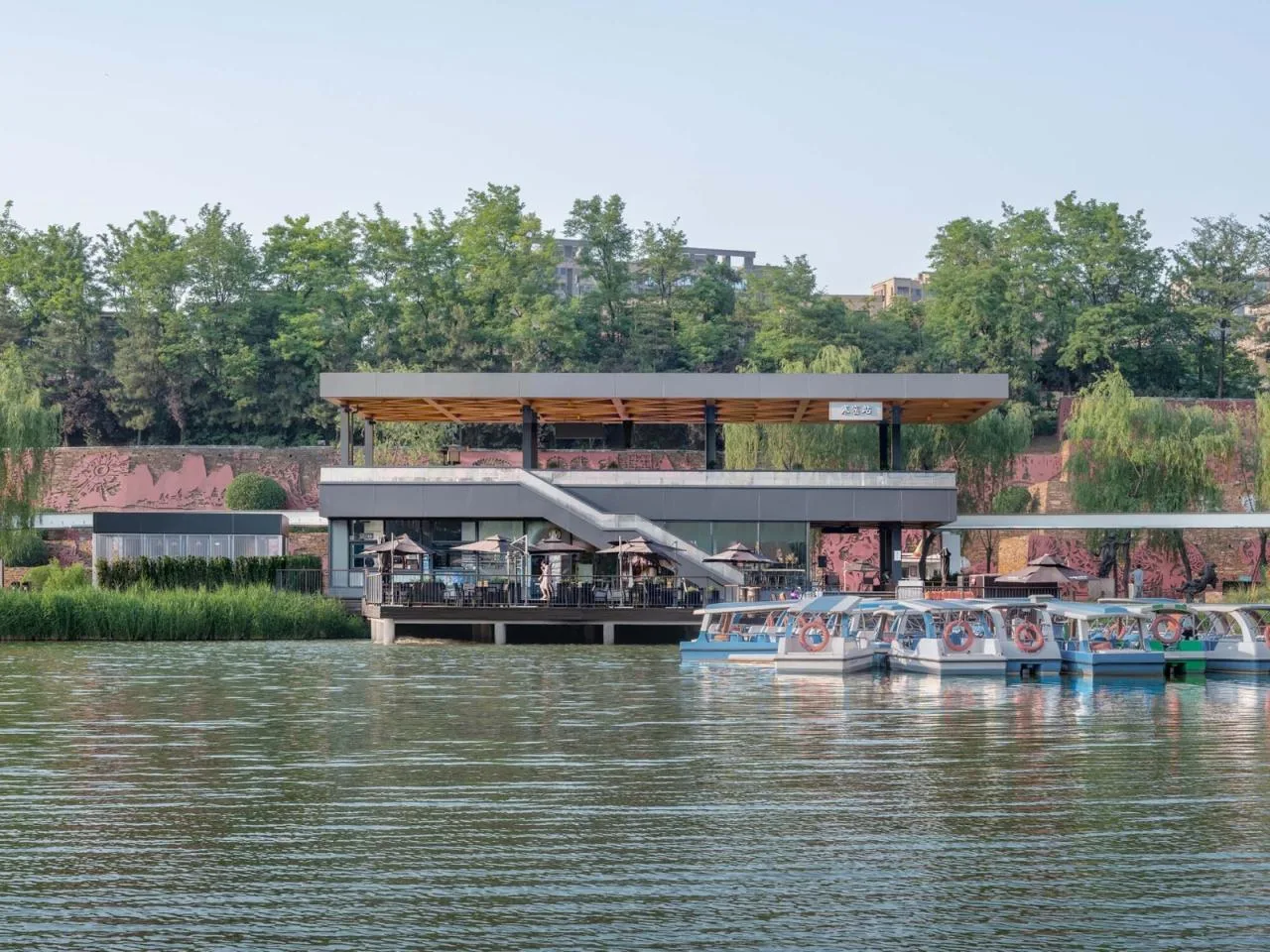
The Waterfront Special stations capitalize on their waterfront locations, creating scenic viewing spaces and architectural forms that complement the water environment.
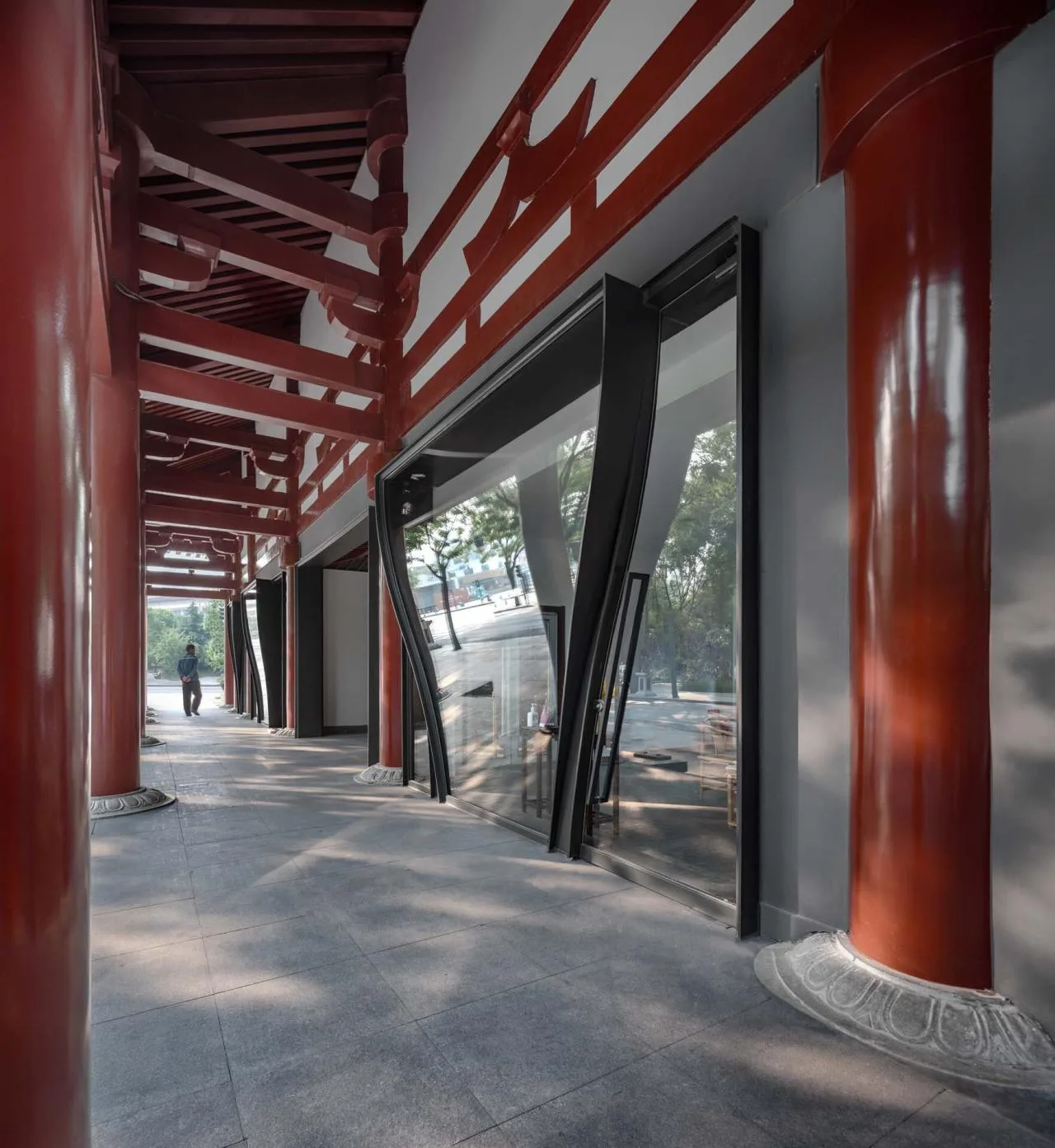
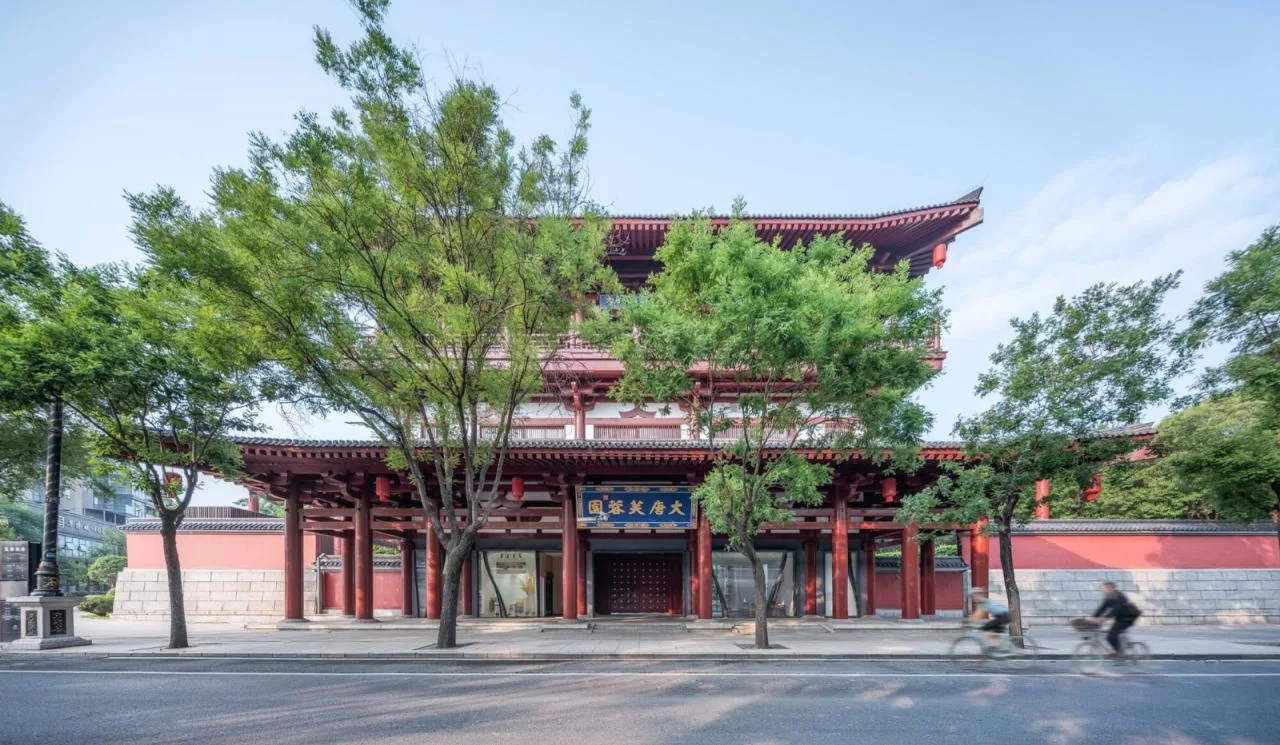
The Style and Preservation stations, situated in unique locations, undergo moderate renovations that respect original architectural styles while integrating modern design elements for a light refresh.
Each station is also equipped with practical amenities such as restrooms, seating, smart devices, and dedicated areas for rest and device charging, all tailored to the environment, functionality, and user needs.
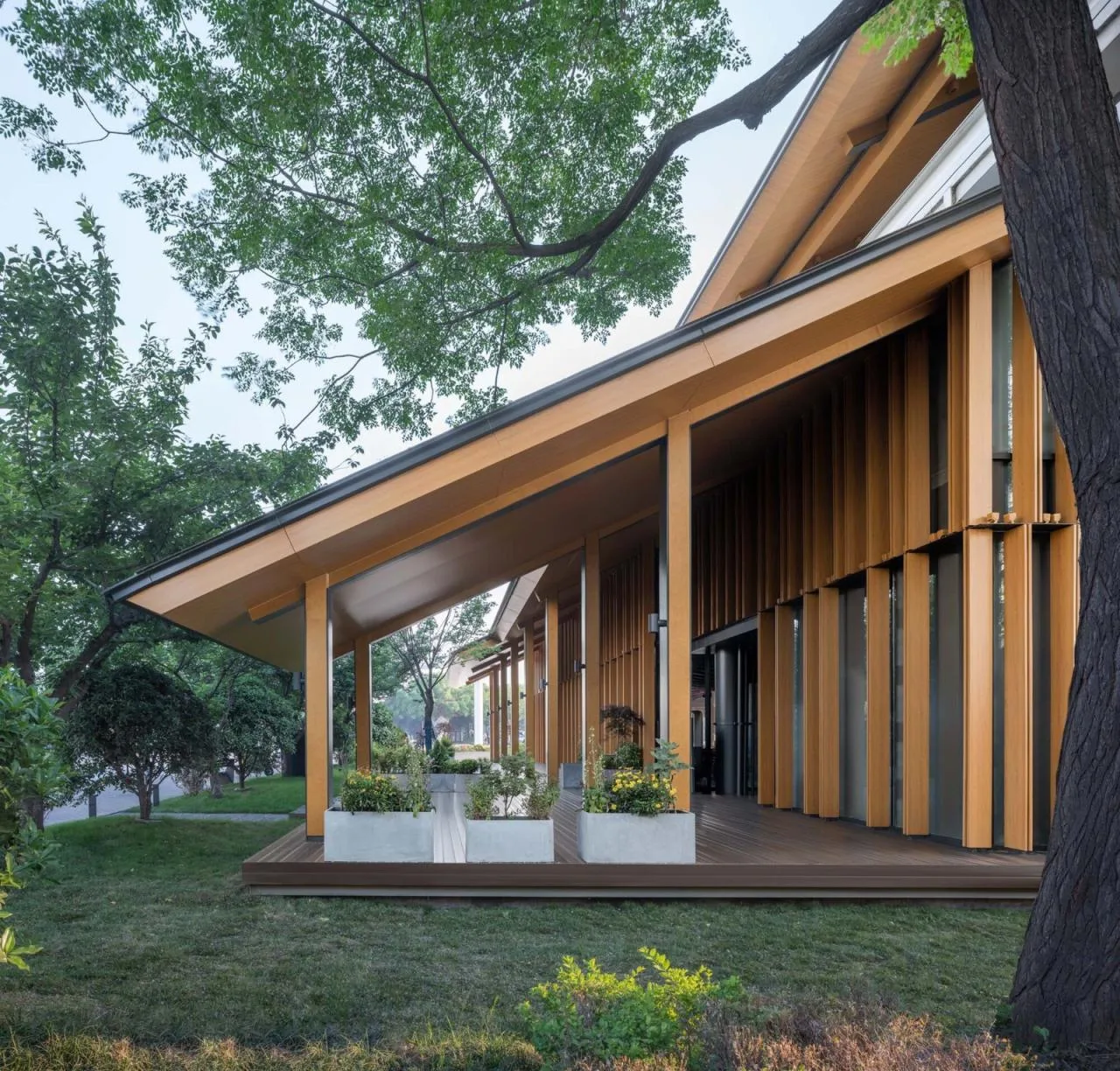
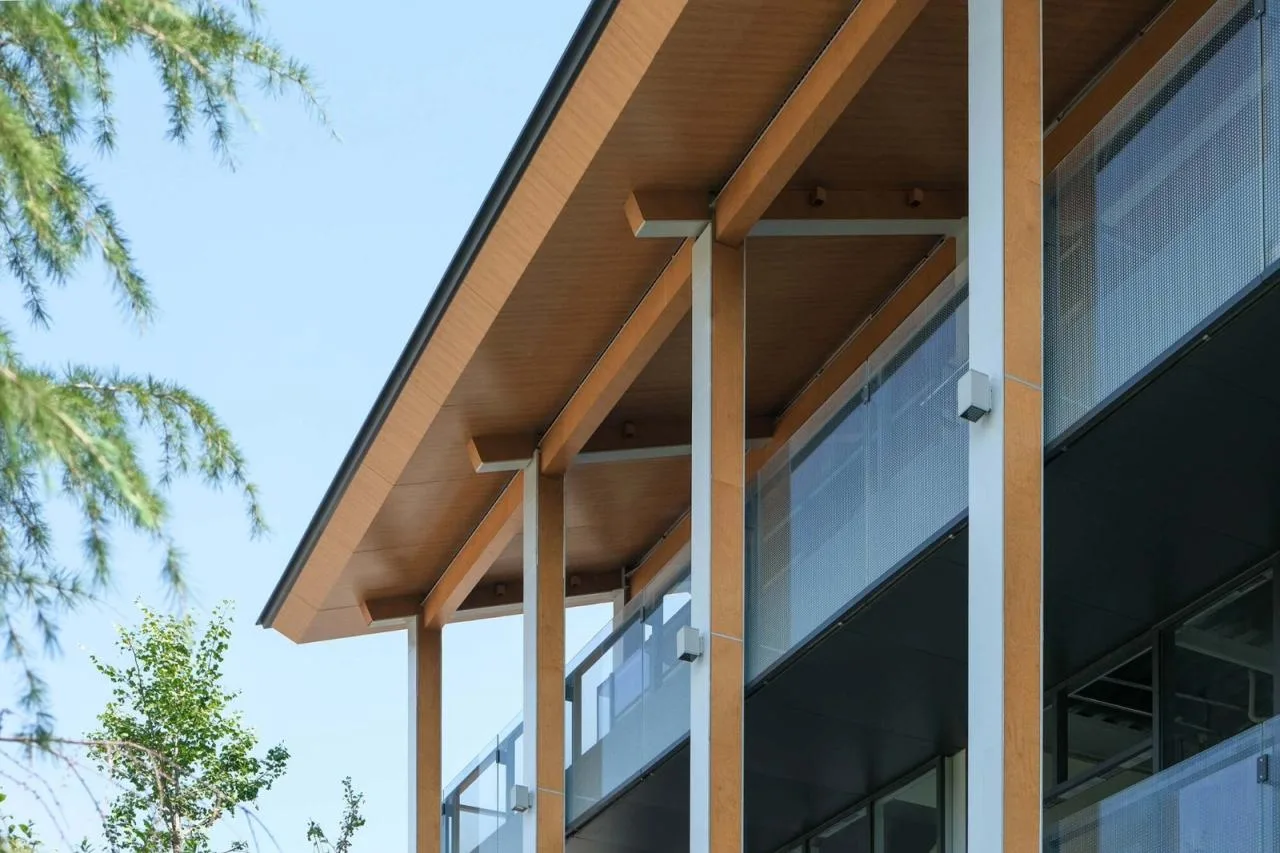
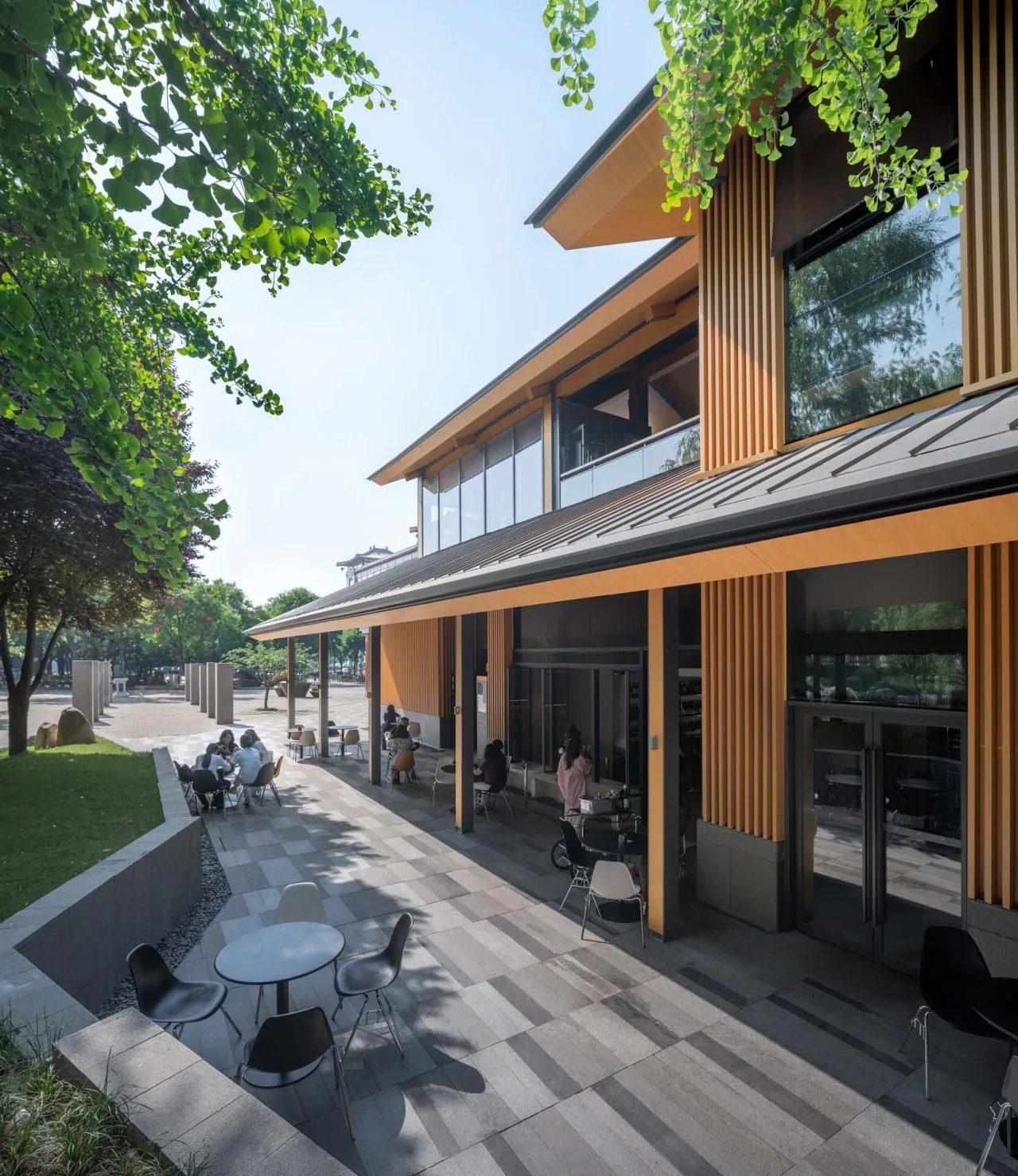
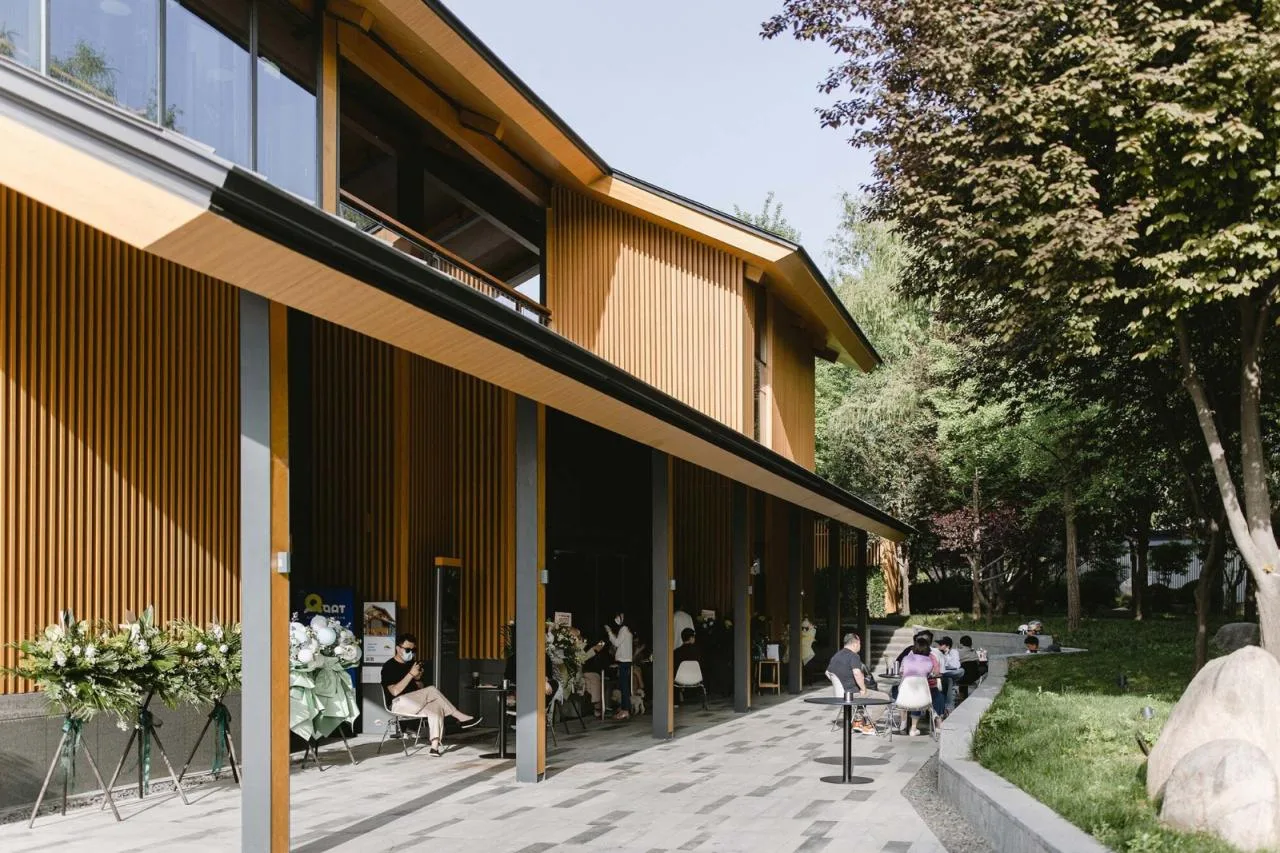
To balance renovation quality with cost efficiency, existing walls, beams, and columns are dismantled and restored to their original steel structure state. The platform level’s original columns and beams are replaced with new steel structures tailored to each station’s structural requirements.
The buildings primarily utilize a steel frame wrapped in wood, exposing steel beams combined with composite wood panels and wood-grain aluminum panels for the suspended ceilings. Roofs feature metal vertical locking edges paired with stone tile roofing, honoring authentic construction logic.
This transformation aims to make the Qujiang Light Rail Stations integral, lively elements of urban life, where these small TODs (Transit-Oriented Developments) truly engage with and enrich the community.
Project Drawings
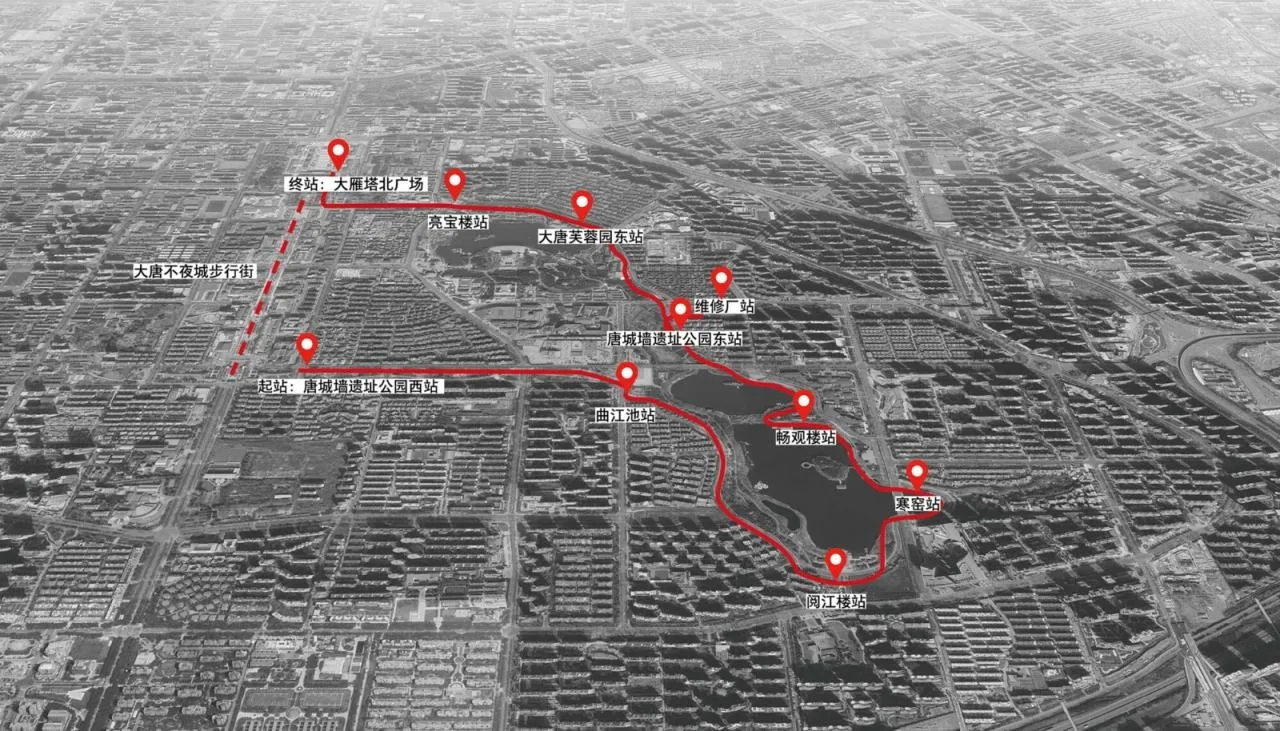
△ Roadmap
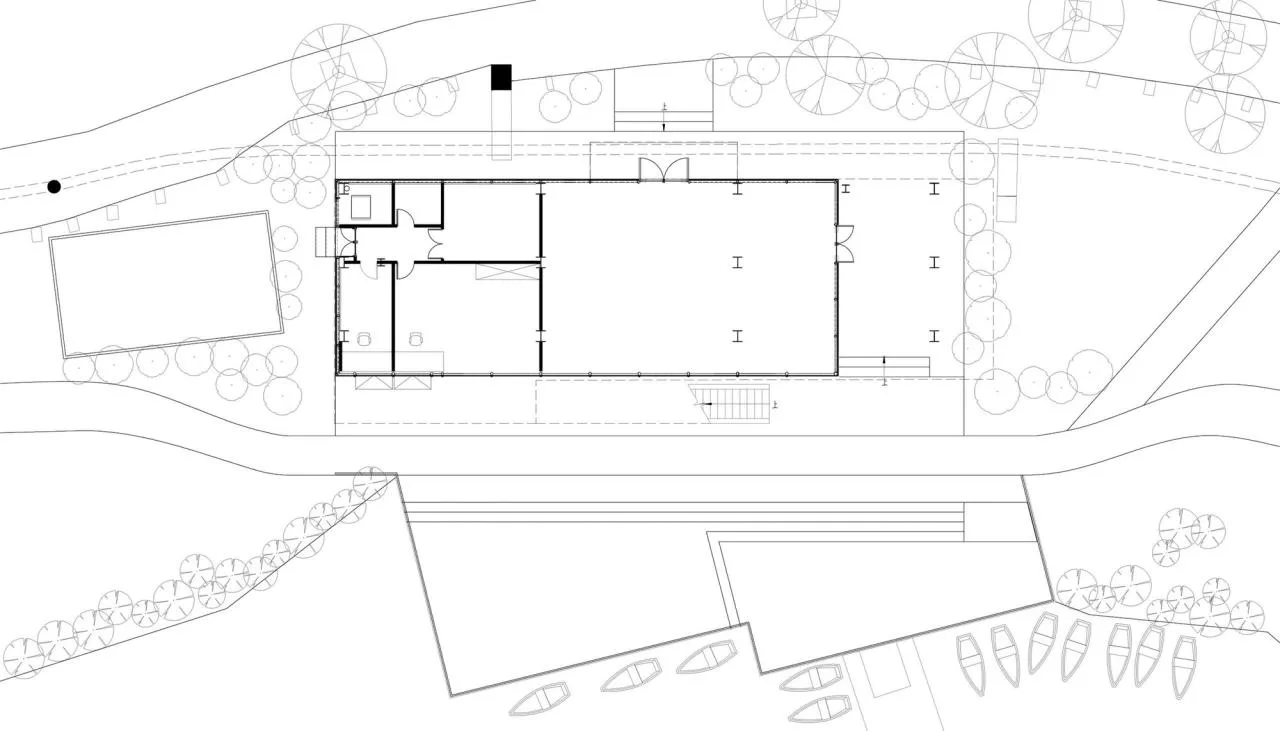
△ Plan view
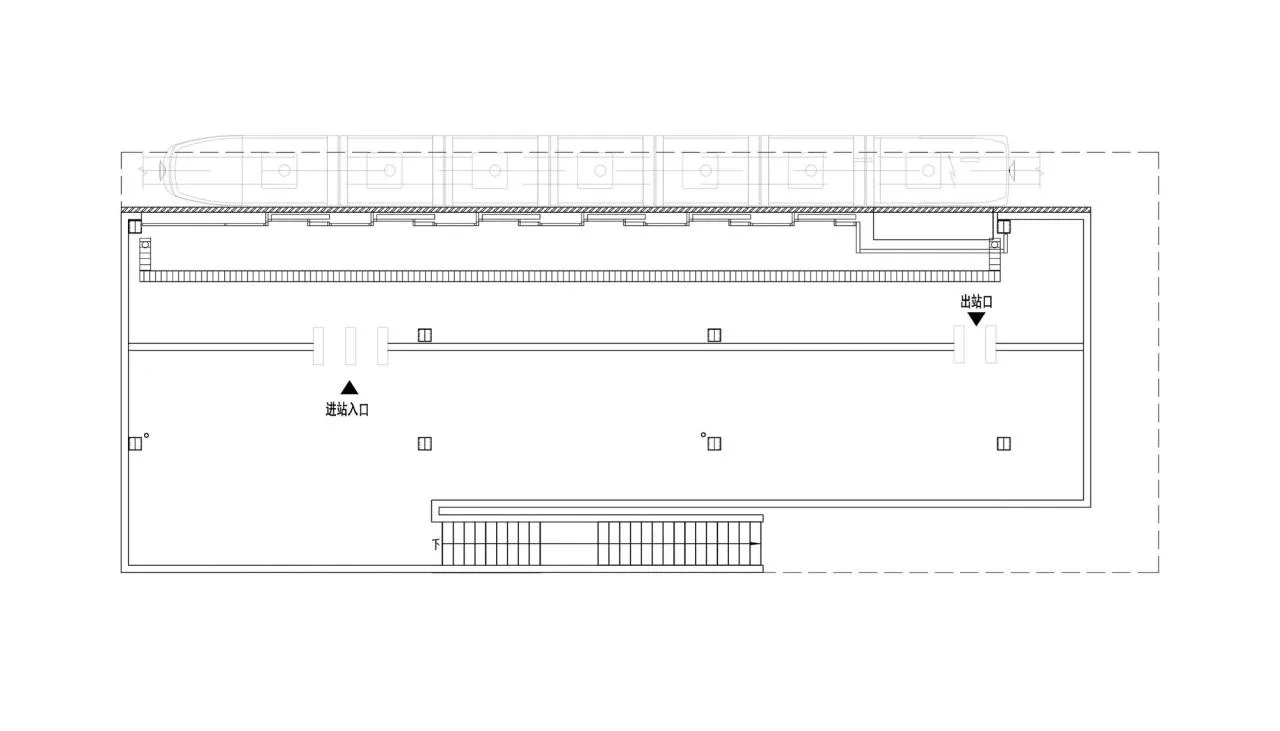
△ Plan view
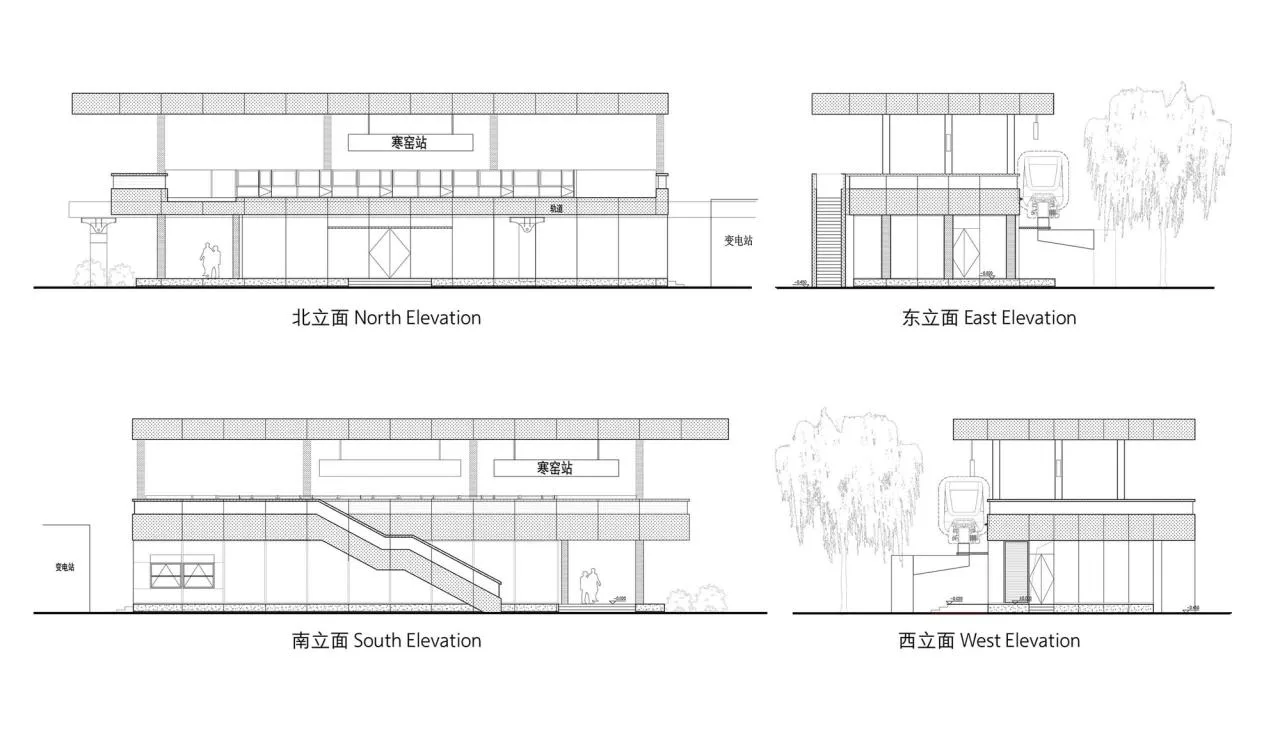
△ Elevation drawing
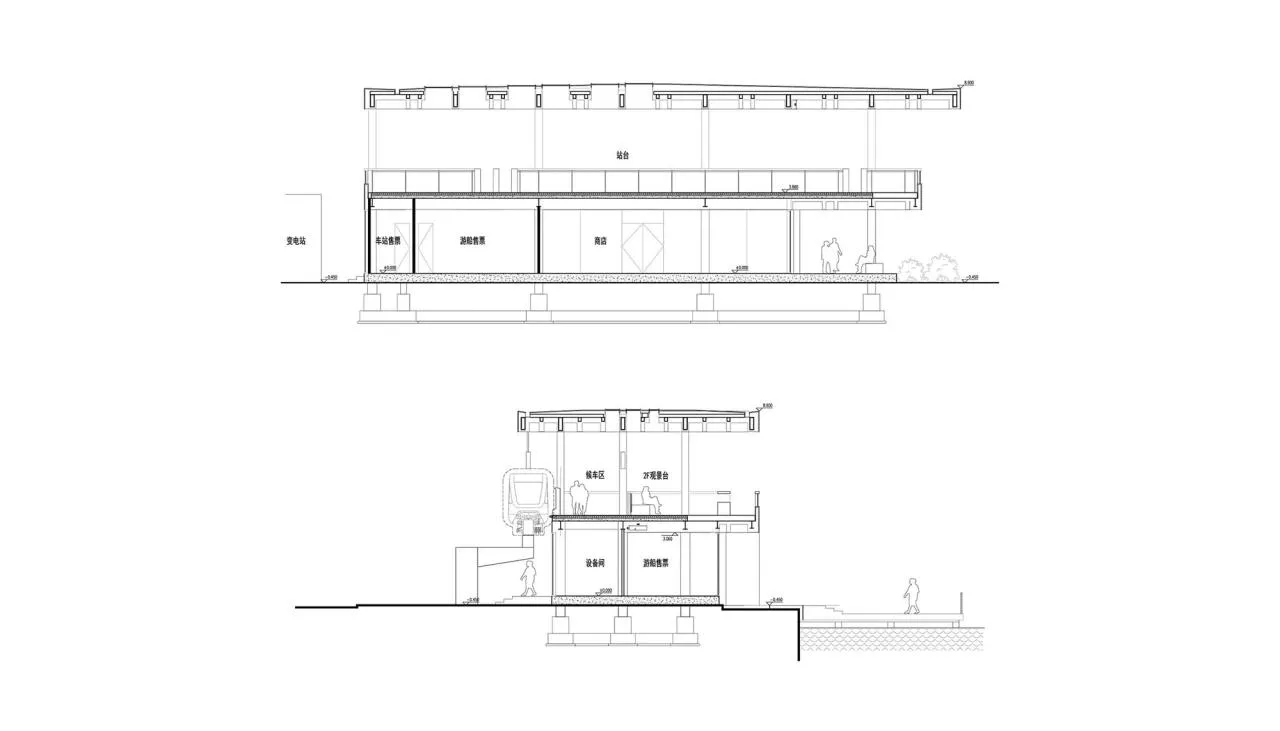
△ Section diagram
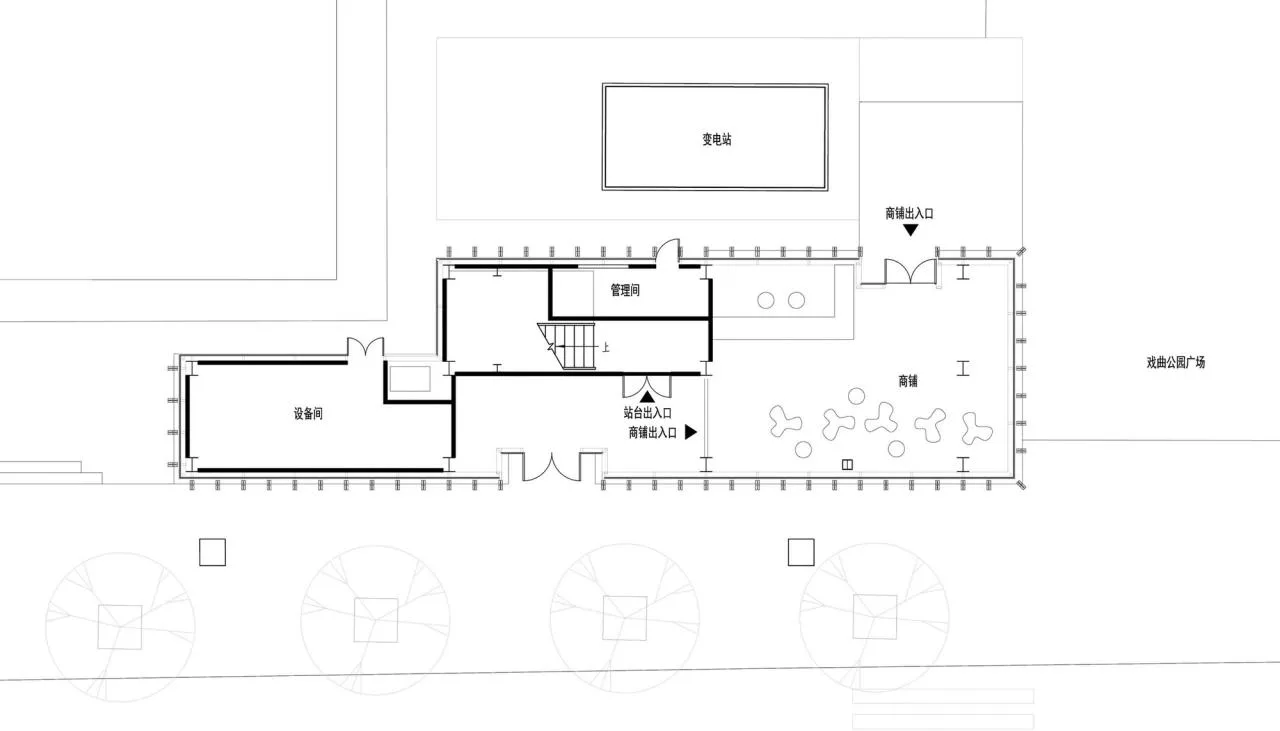
△ Plan view
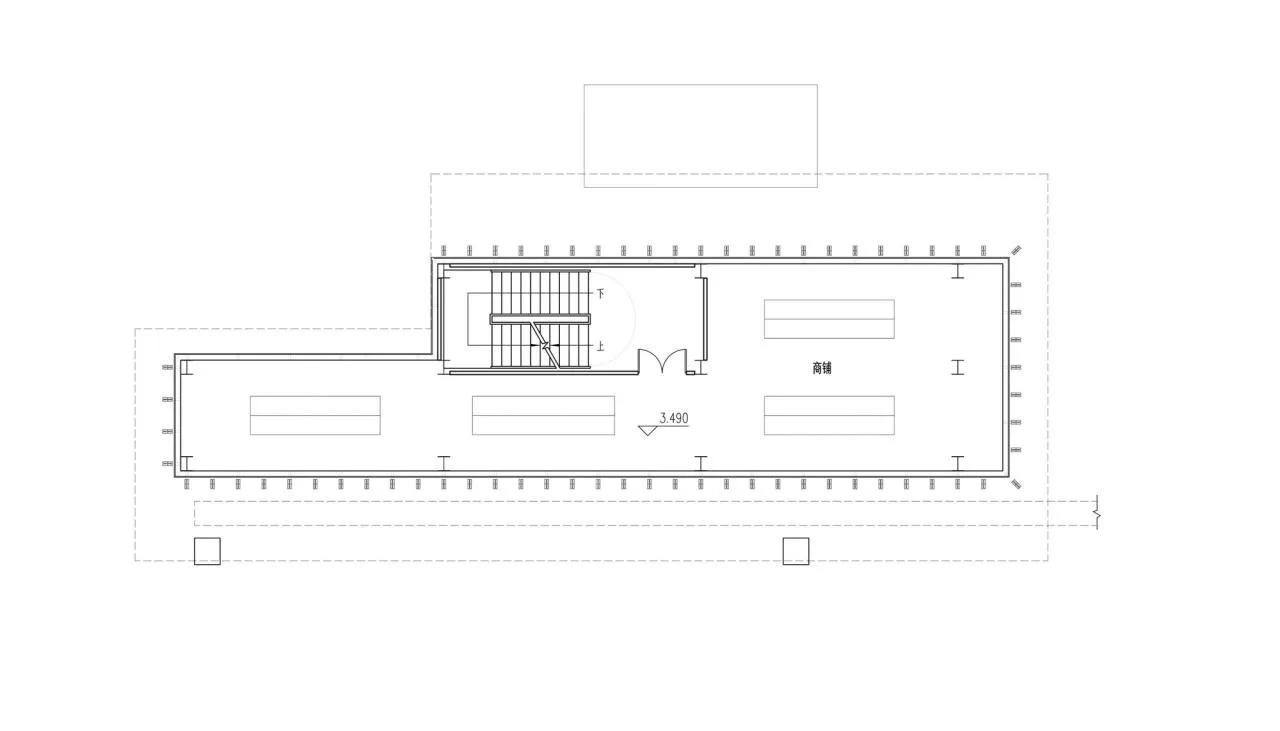
△ Plan view
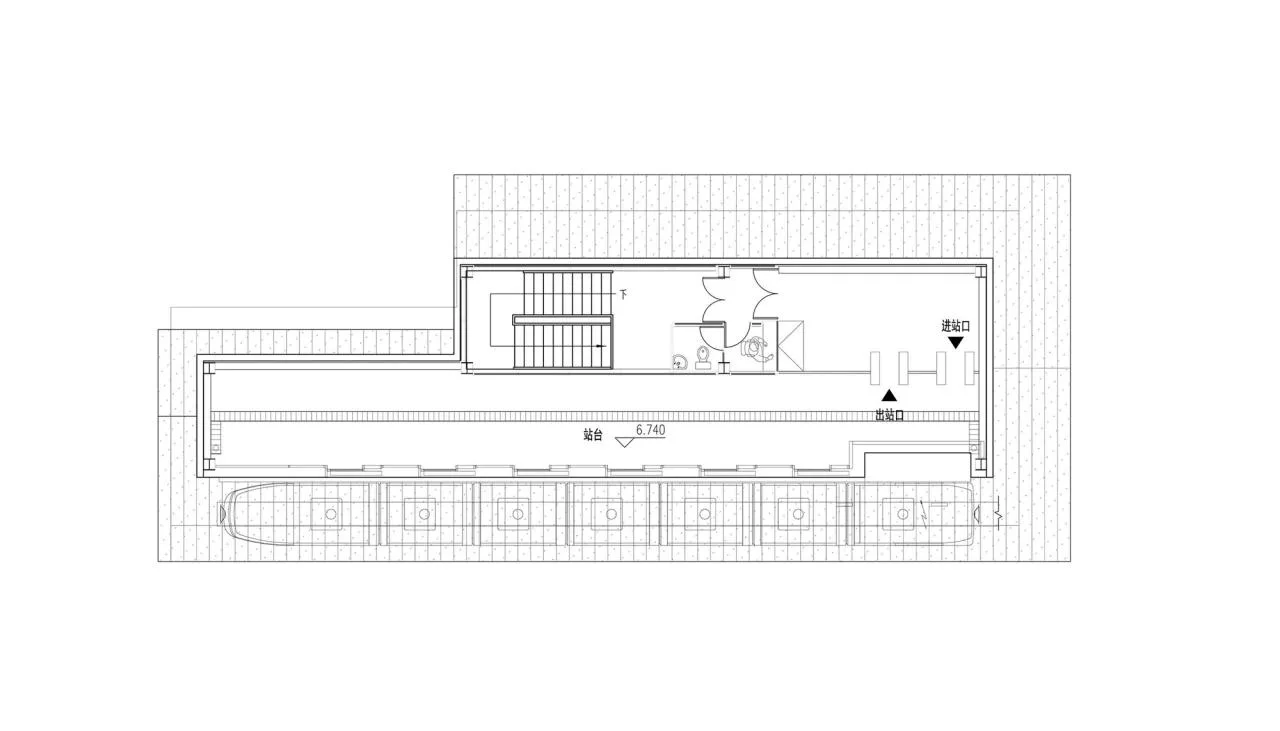
△ Plan view
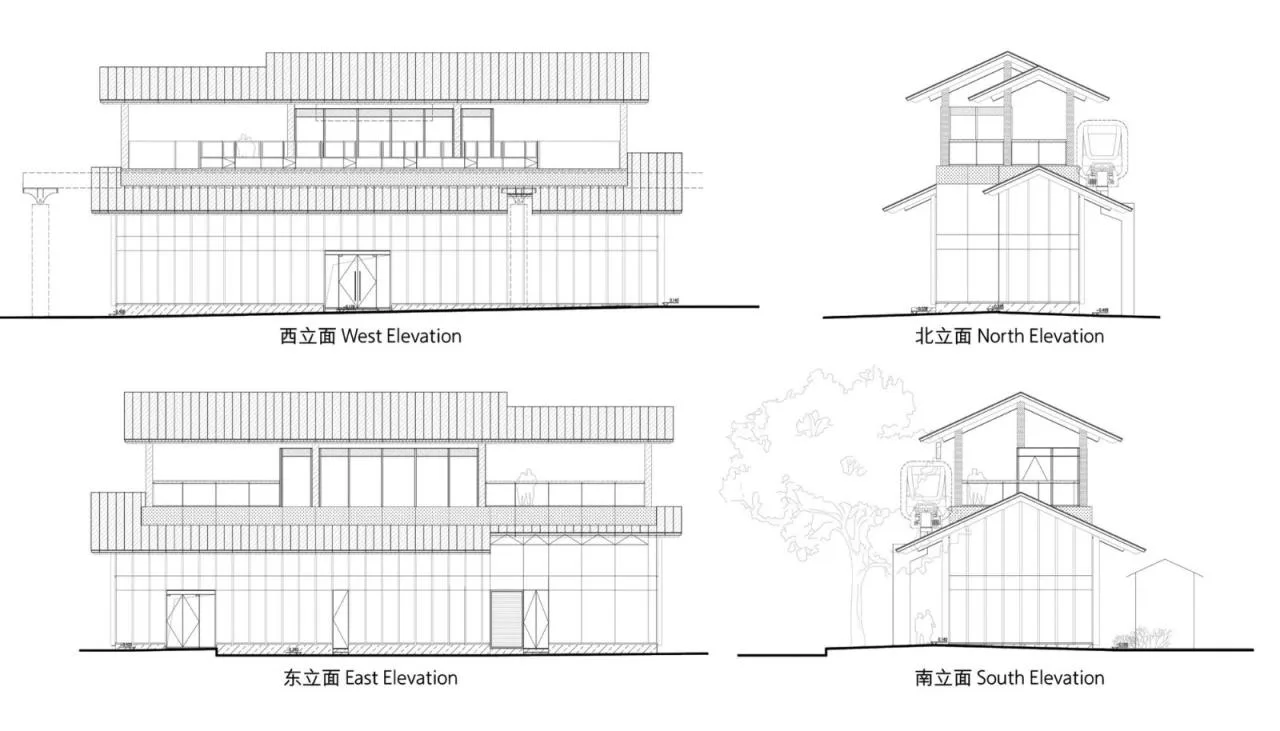
△ Elevation drawing
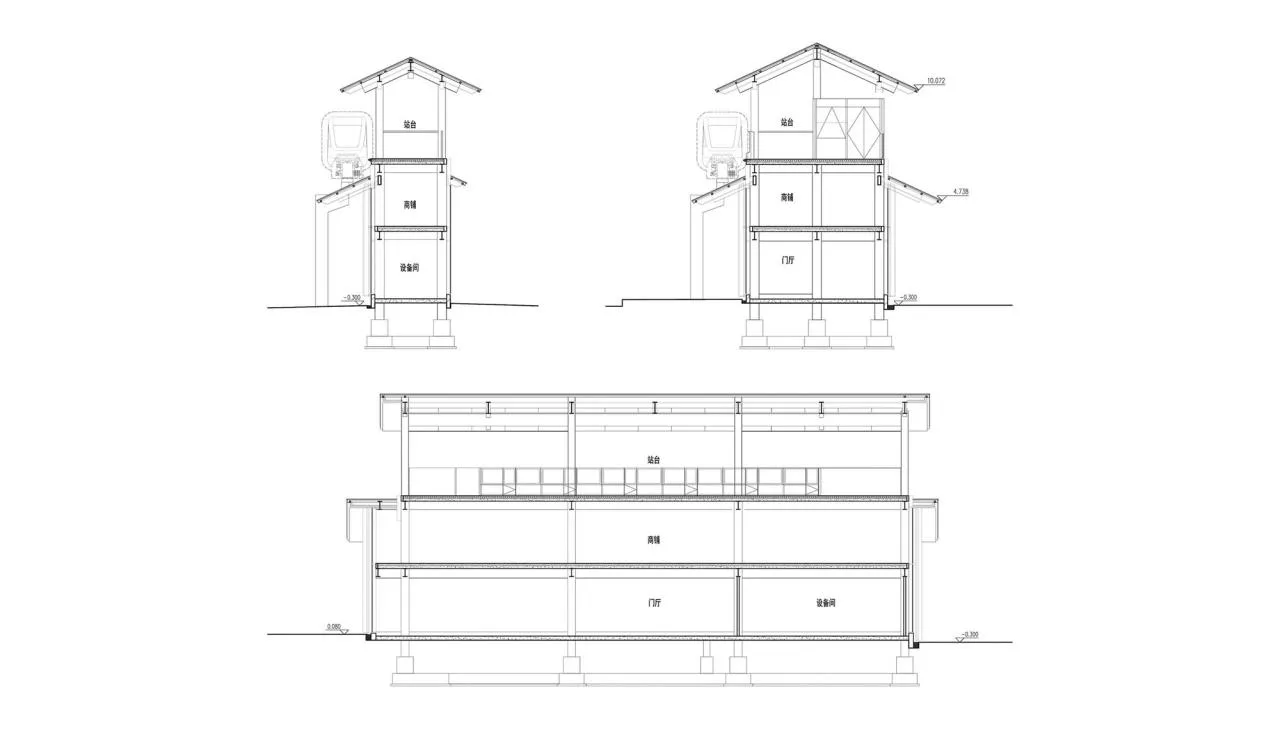
△ Section diagram
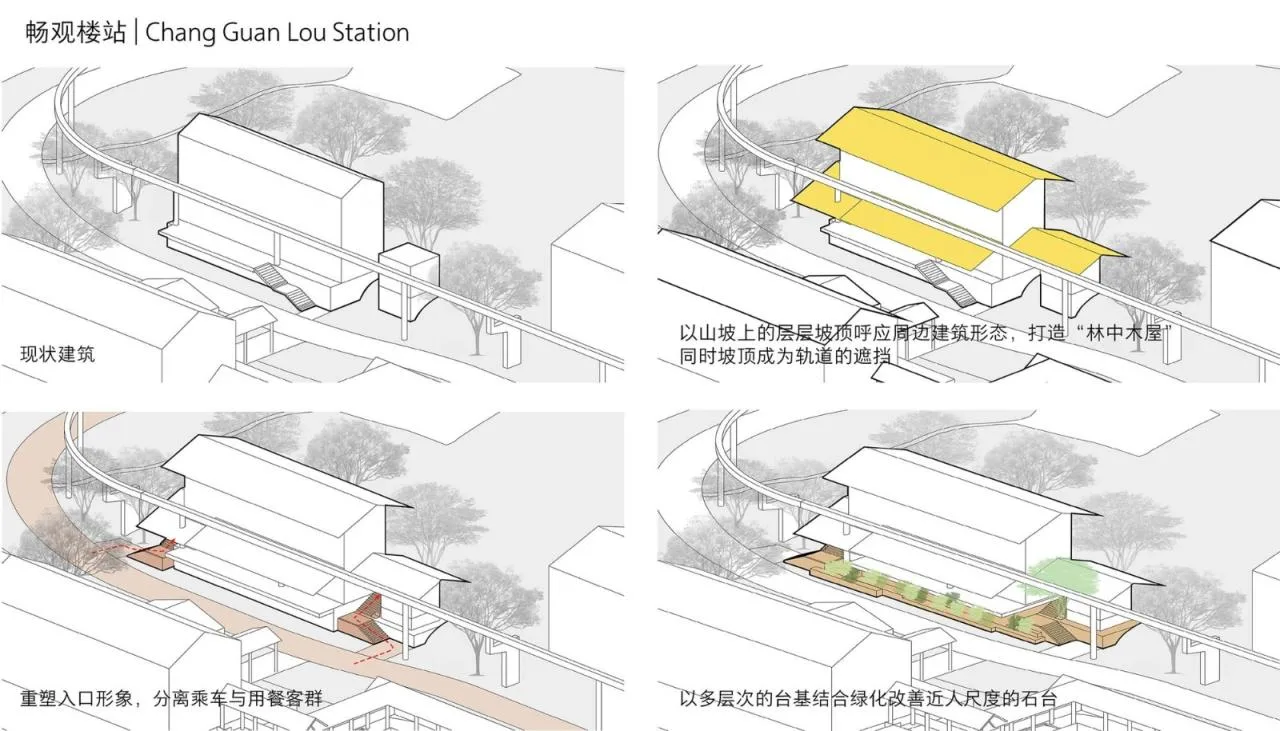
△ Analysis chart
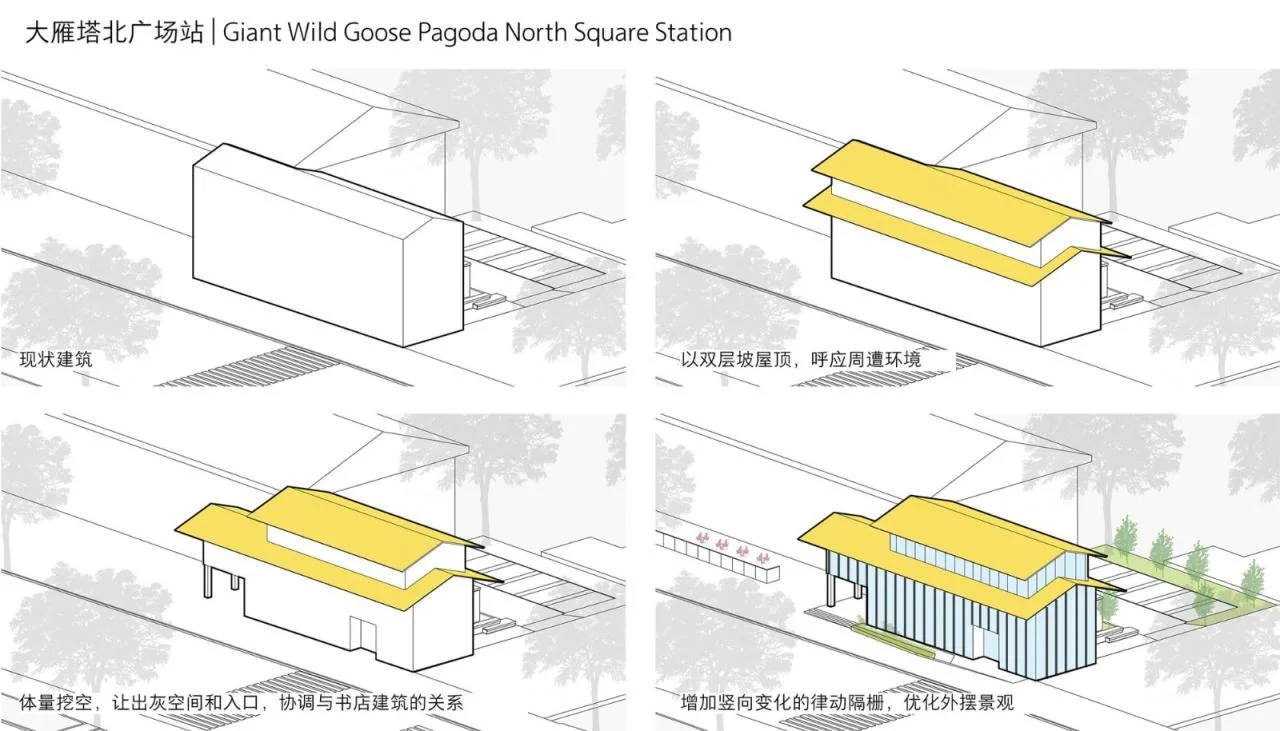
△ Analysis chart
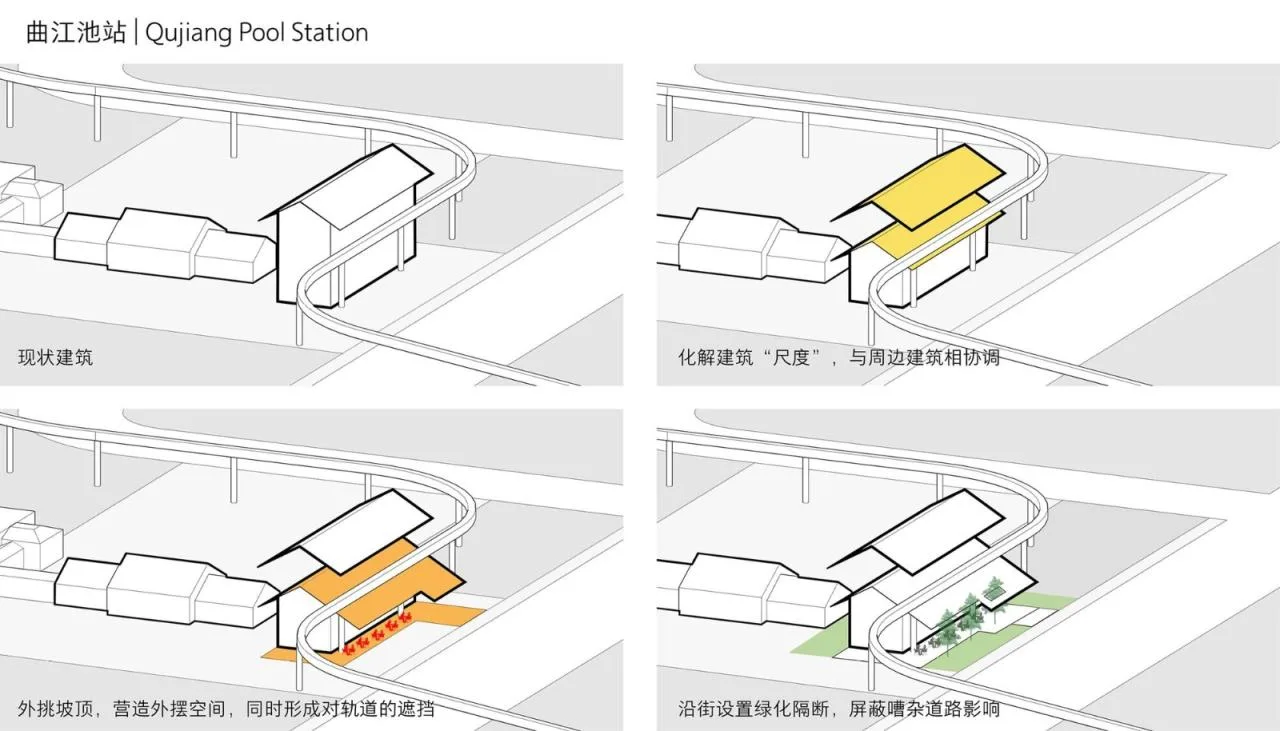
△ Analysis chart
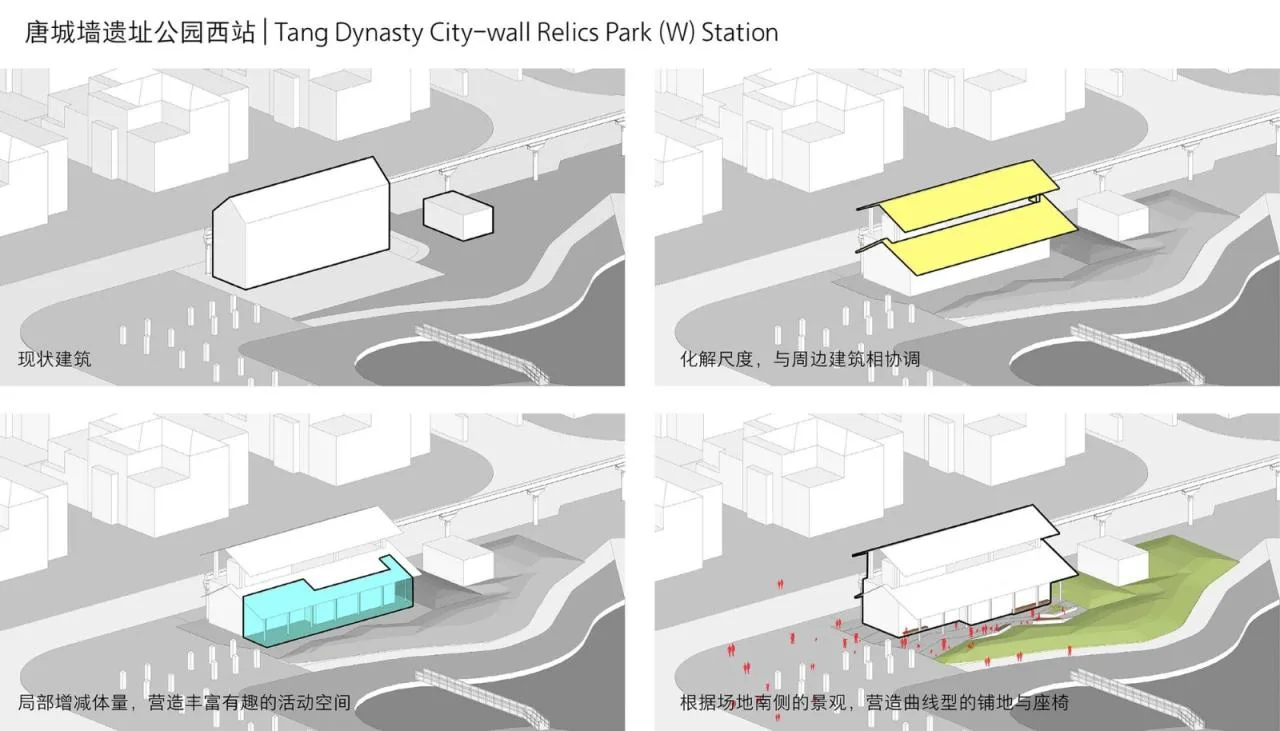
△ Analysis chart
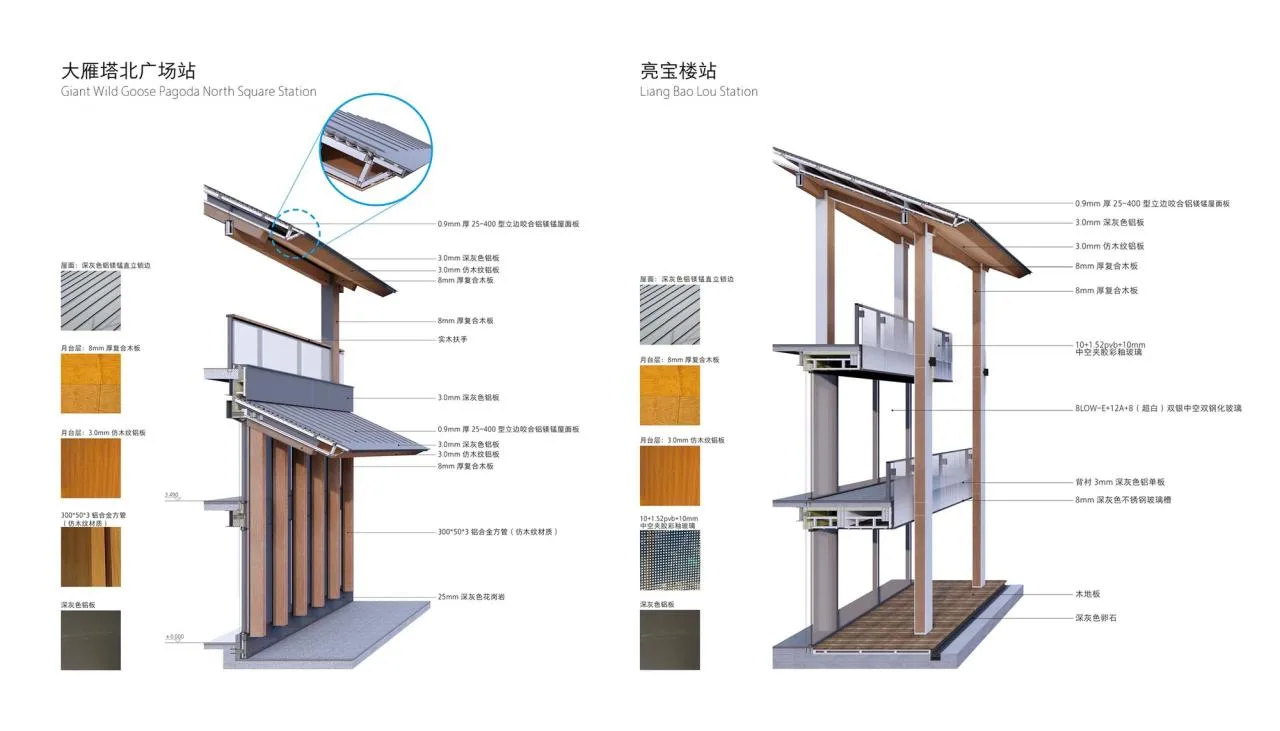
△ Detailed drawing
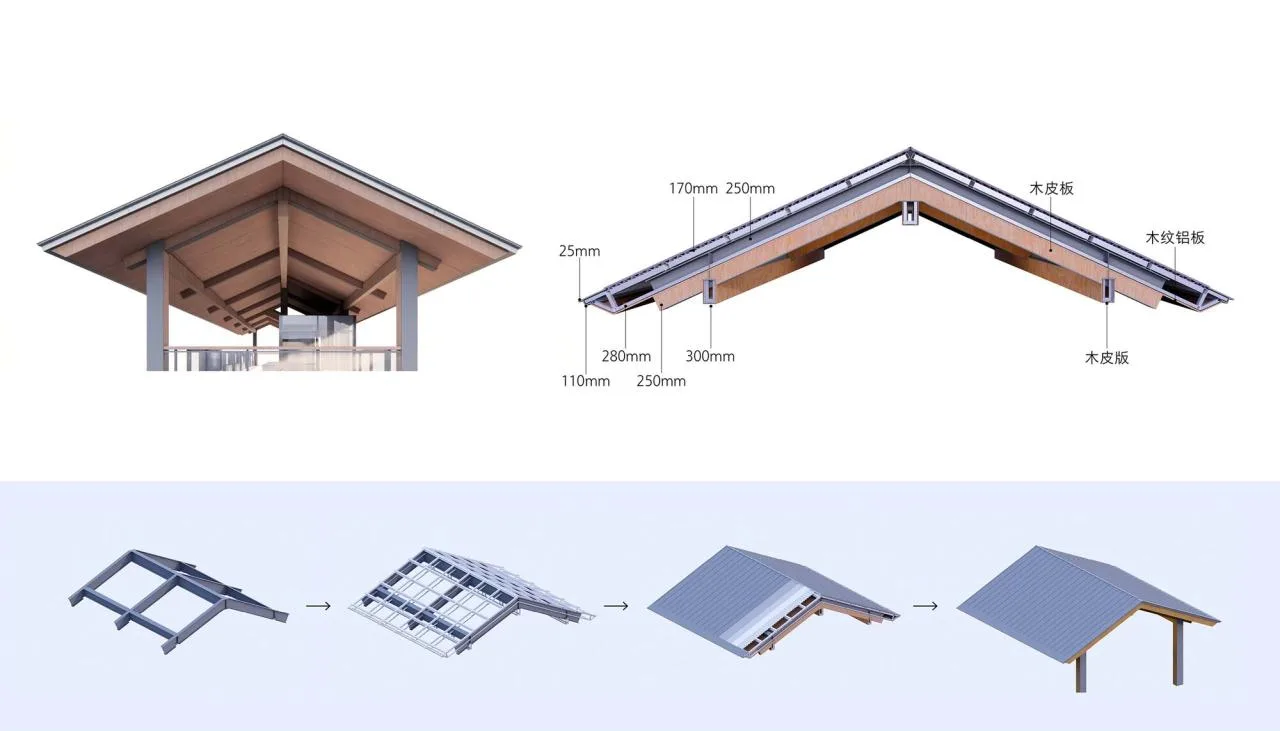
△ Detailed drawing
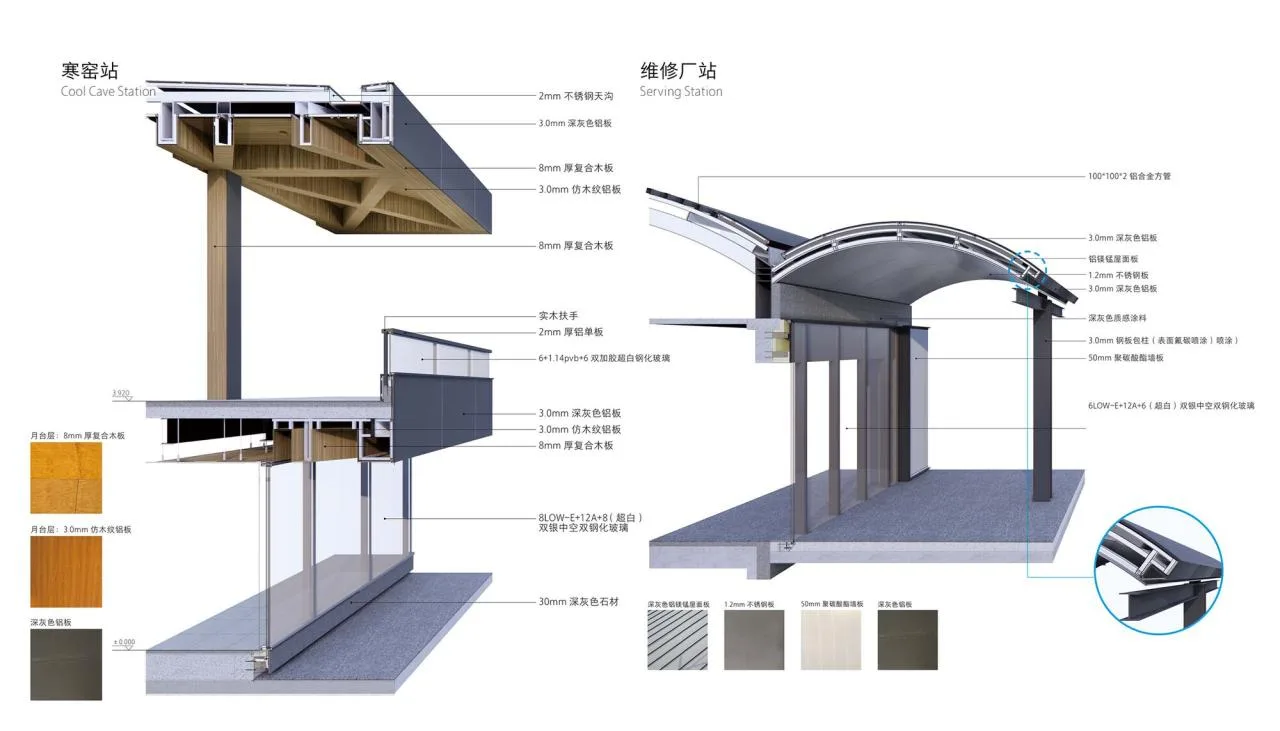
△ Detailed drawing
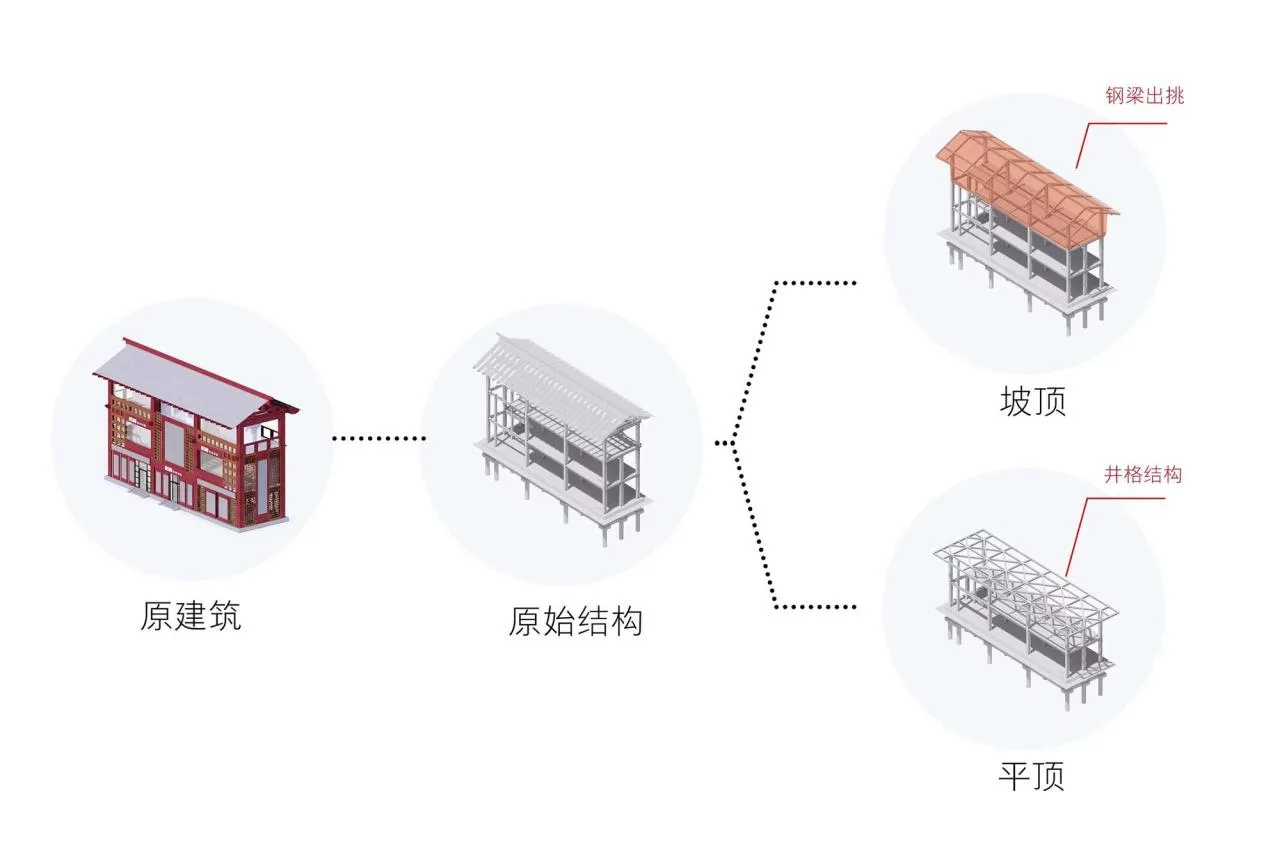
△ Structural Description Diagram
Project Information
Architect: DDB Architects
Area: 6,997 m²
Project Year: 2022
Photographers: Wu Qingshan, Yin Hanshuo
Manufacturers: Fen’an Aluminum Industry Co., Ltd., Luoyang North Glass Technology Co., Ltd., Shaanxi Jingfeng Glass Co., Ltd., Shaanxi Aluminum Curtain Wall New Materials Co., Ltd.
Principal Architect: Ma Qingting
Design Team: Teng Luying, Lin Jiahao, Zhang Tingwei, Huang Zixuan, Xu Rongrong, Shao Peng, Shao Shuai, Wu Binbin
Structural Consultants: Wu Honglei, Wu Hao
Principal: Xi’an Qujiang Tourism Investment (Group) Co., Ltd.
Landscape Design: Shaanxi Poly Garden Construction Co., Ltd.
Construction Contractor: Zixu Construction Engineering Co., Ltd.
Construction Drawing Design: Zhonglian Northwest Engineering Design and Research Institute Co., Ltd.
Lighting Design: Xi’an Mingyuan Sound Optoelectronic Art Application Engineering Co., Ltd.
Location: Xi’an City















Must log in before commenting!
Sign Up