
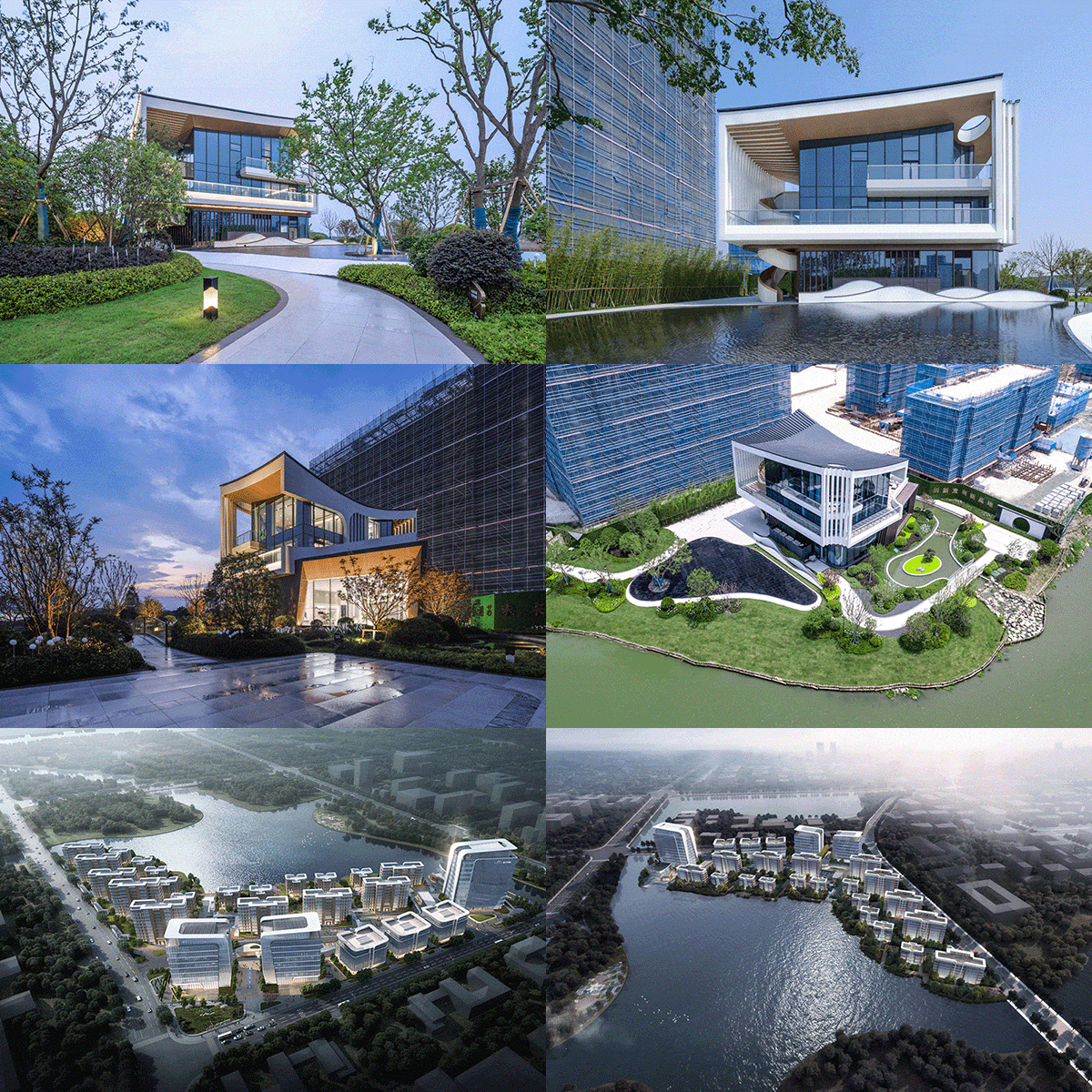
Blessed by nature, the beautiful Jiangnan region—the hinterland of Wu and Yue—is elegant, warm, and radiant under the nurturing embrace of the Yangtze River.
Fenhu, a town with over 2,500 years of Jiangnan culture, is located at the heart of the Golden Triangle where Jiangsu, Zhejiang, and Shanghai converge. Here, history meets modernity, and new development vitality shines through its rustic backdrop. Guided by the 14th Five-Year Plan, Fenhu serves as a demonstration zone for Yangtze River Delta integration, attracting substantial domestic and foreign capital, multinational leaders, as well as central and state-owned enterprises. Positioned at the forefront of this billion-dollar era, Fenhu has become a pivotal growth hub for cities surrounding Shanghai.
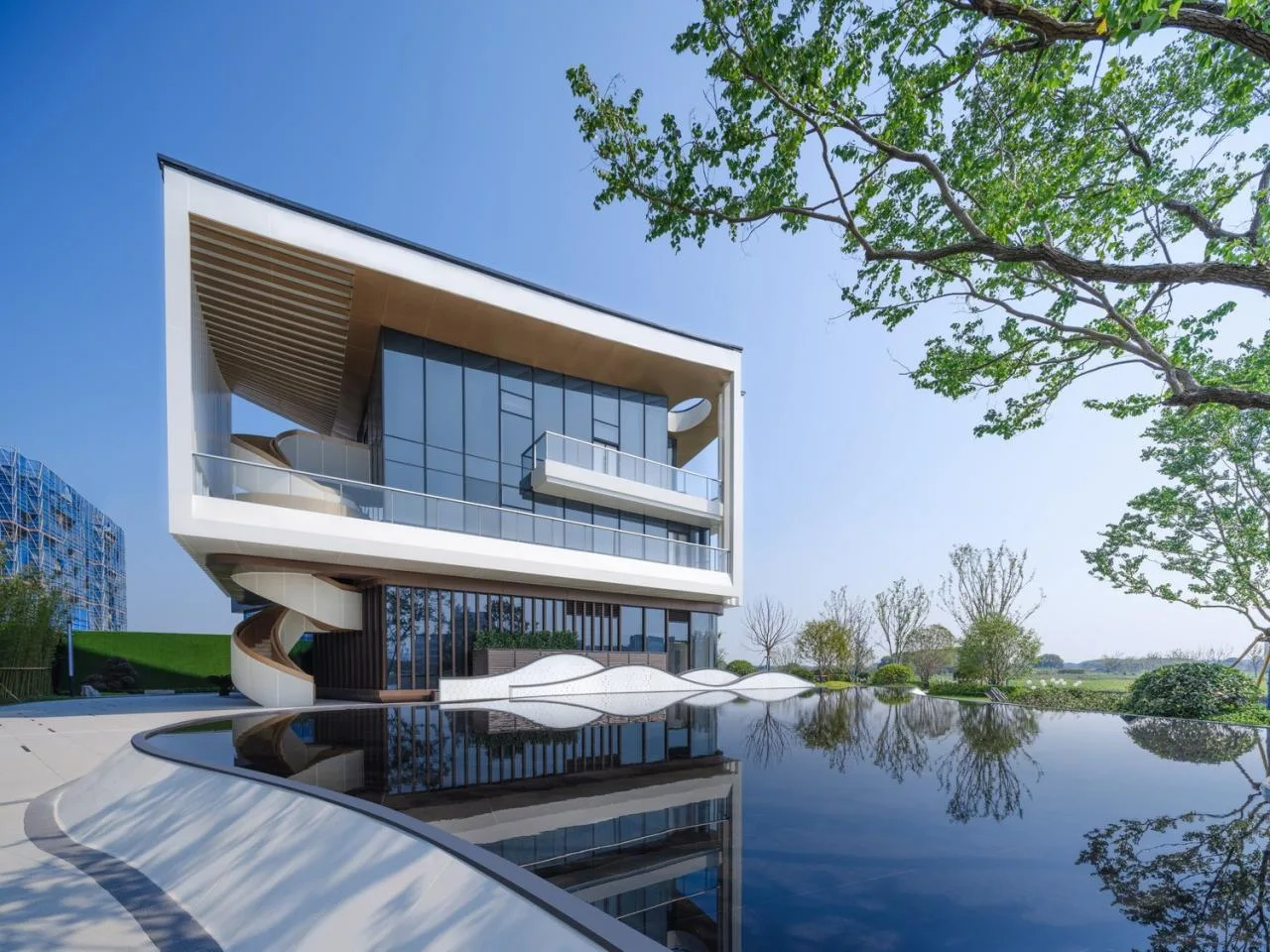
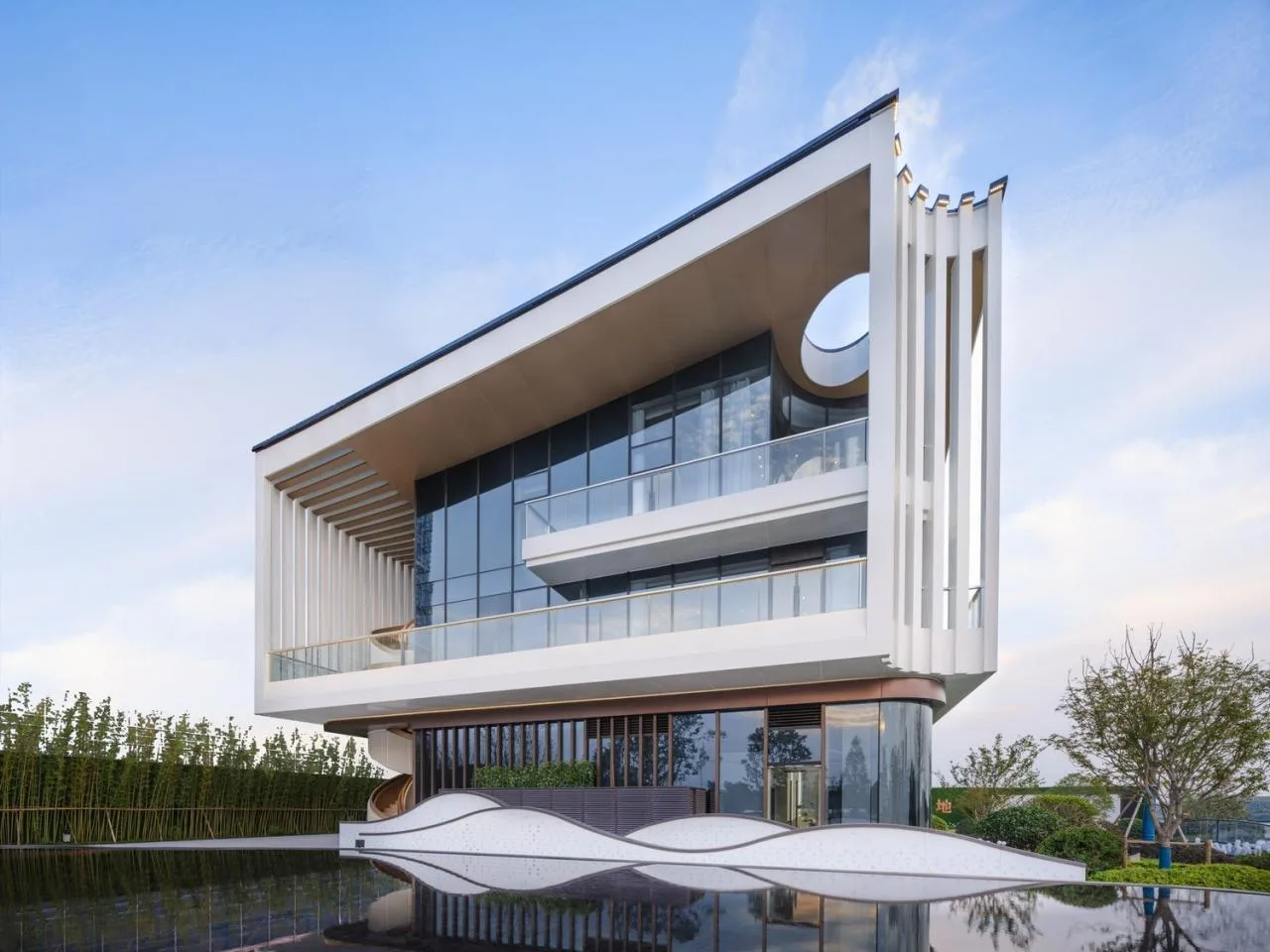
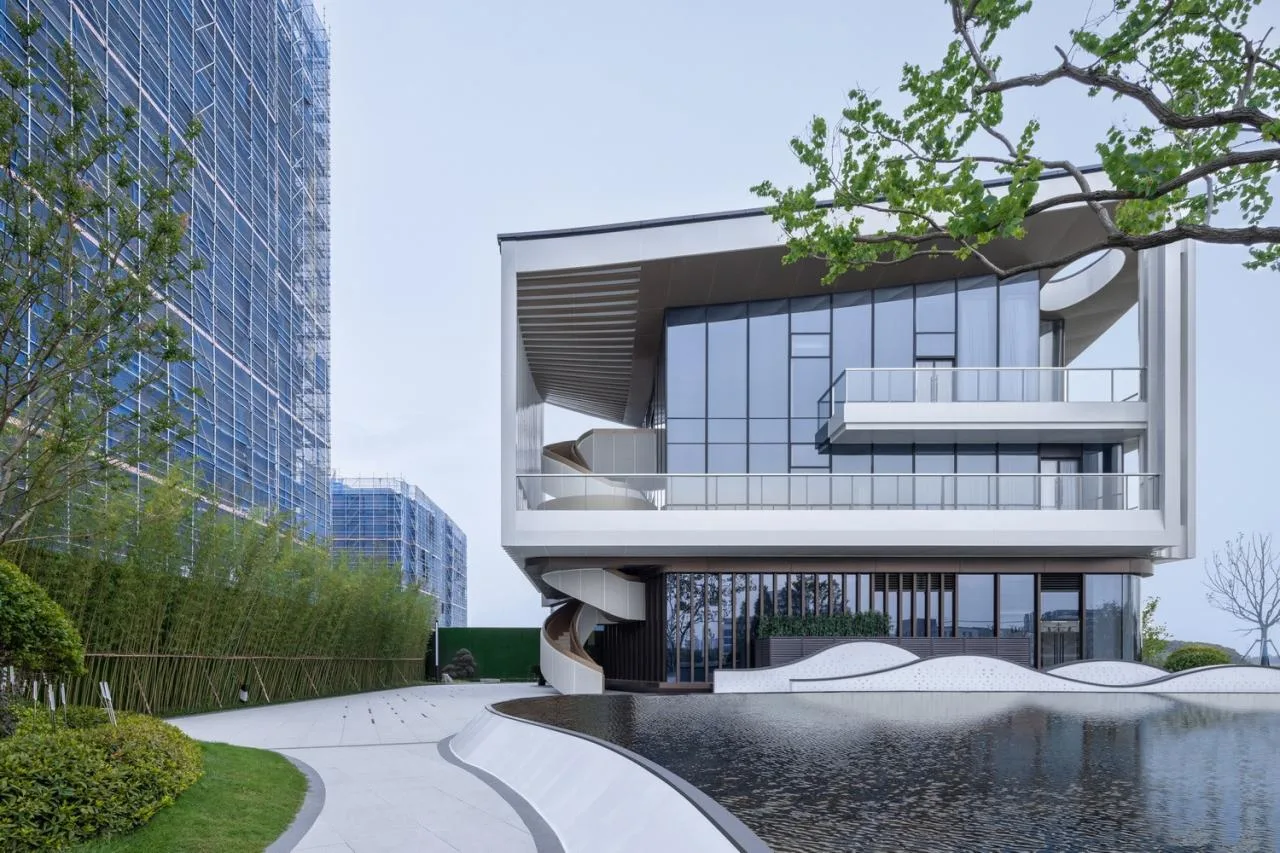
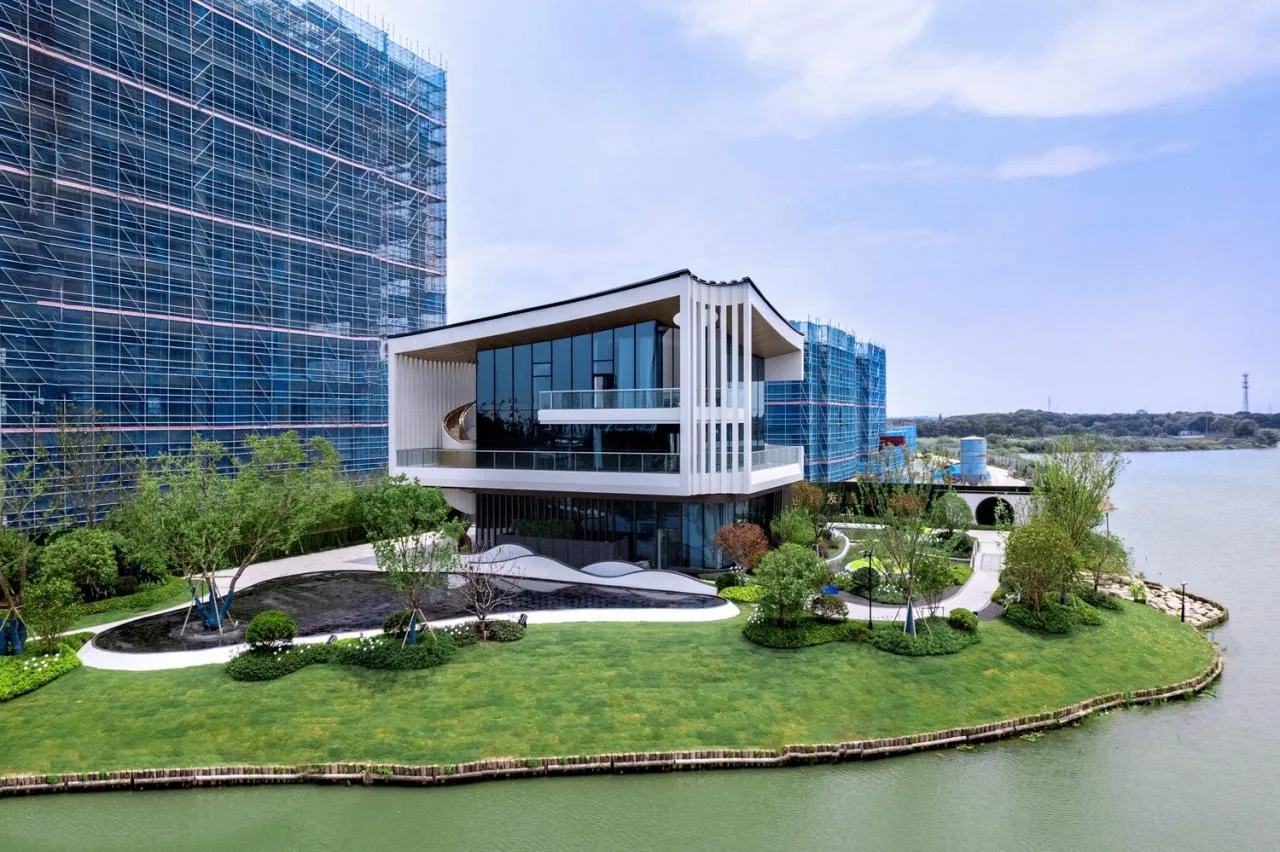
△ Yangtze River Delta Science and Technology Daheng Semiconductor Research Institute Planning Exhibition Hall
In collaboration with Hengtong Group, Sanyi has selected Fenhu Water Town Living Room as the site to develop an innovative industrial park inspired by traditional water town styles, aiming to create a “New Jiangnan Living Room”.
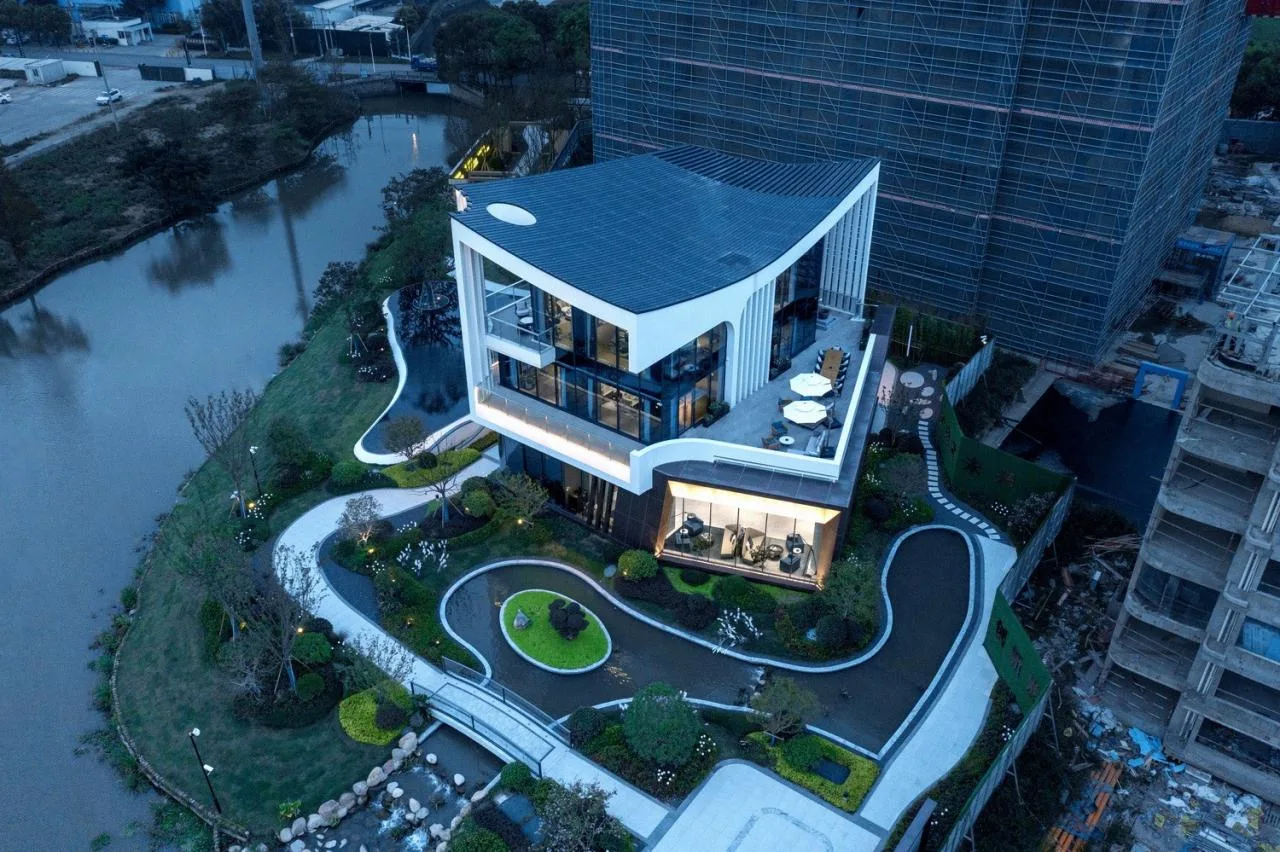
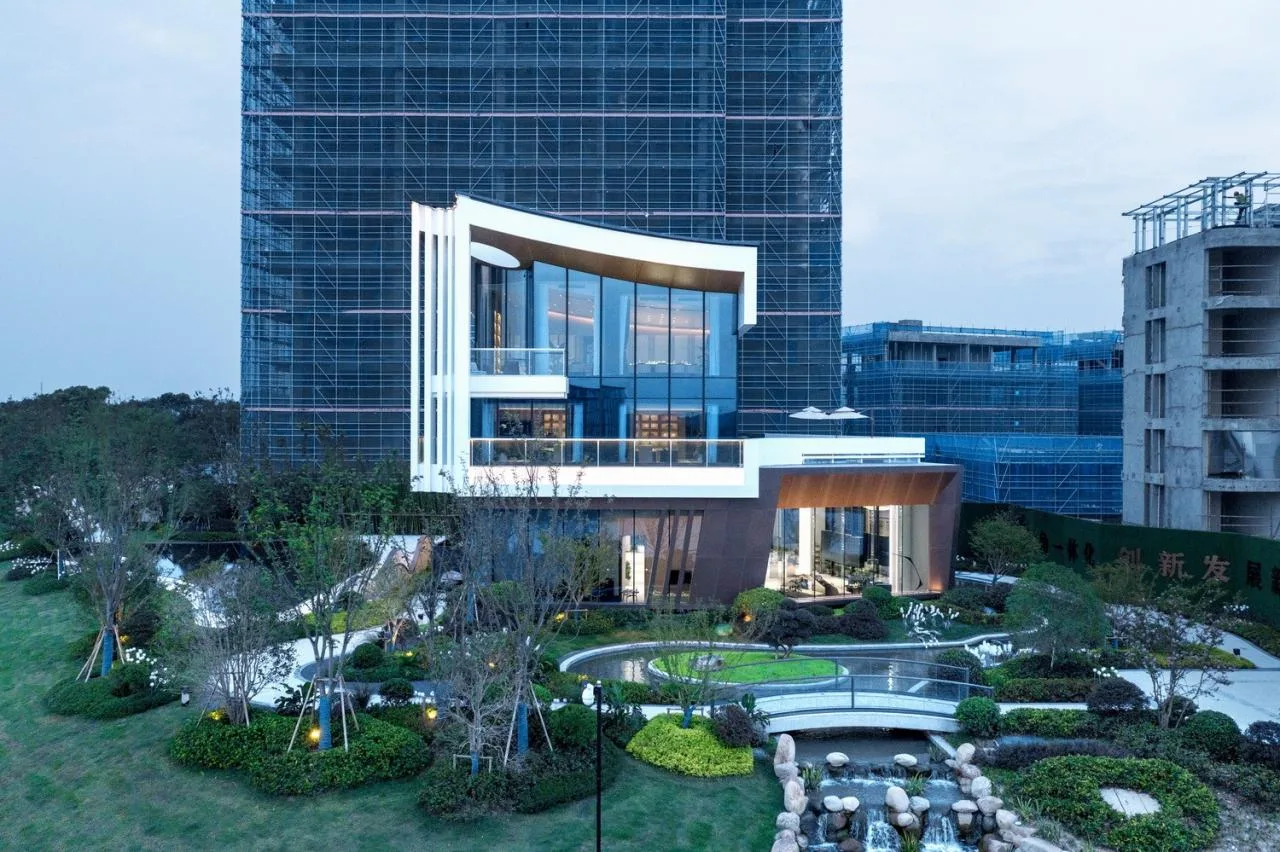
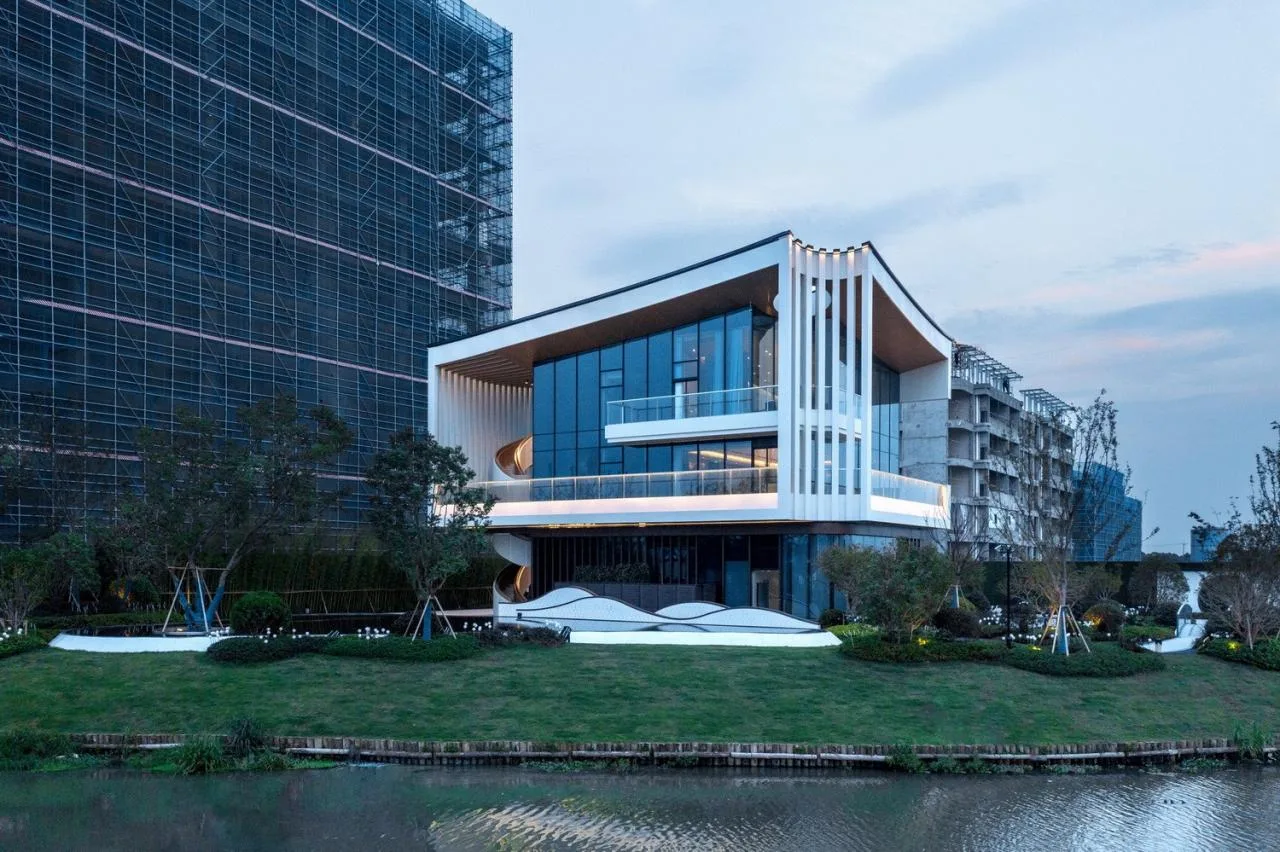
△ Yangtze River Delta Science and Technology Daheng Semiconductor Research Institute Planning Exhibition Hall
#01 The Advanced Technology Industrial Park at the ‘Water Town Living Room’ in the Yangtze River Delta
With the launch of the Yangtze River Delta Ecological and Green Integration Development Demonstration Zone, the “Water Town Living Room” has emerged as the core pilot area, located at the junction of Qingpu and Jiaxing where the delta originates.
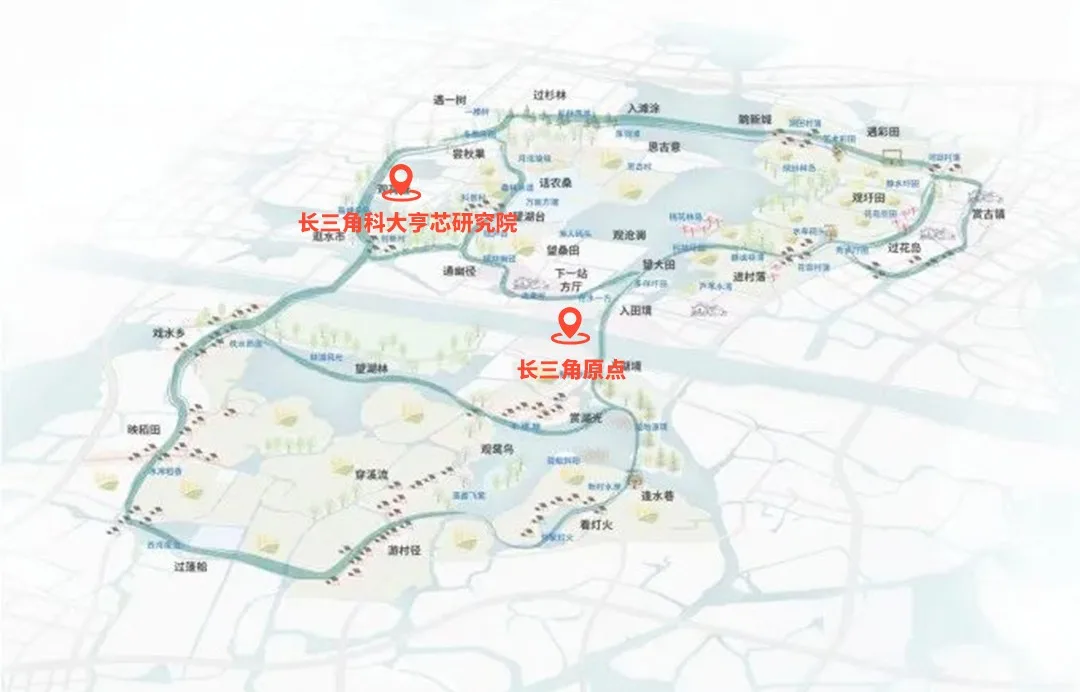
△ “Water Town Living Room” Planning Map (Source: Network)
Encompassing approximately 35 square kilometers around the delta’s origin, the “Water Town Living Room” aims to establish an ecological and green development model within the demonstration zone. The Yangtze River Delta Science and Technology Dahengxin Research Institute is strategically located where Wujiang, Jiashan, and Qingpu meet, adjacent to the delta’s origin and within the core construction zone of the water town living room. This project is among the first key developments in the integrated Yangtze River Delta demonstration zone.
Key Projects in the Yangtze River Delta Integration Demonstration Zone’s First Phase
The Yangtze River Delta Tech Big Chip Research Institute includes two main components: the Suzhou Tech Big Chip Yangtze River Delta Research Institute and the Suzhou Independent Brand Large Enterprise Advanced Technology Research Institute. The Keda Daheng Chip Research Institute focuses on designing and developing IoT and communication chips, future communication technologies, AI applications, and smart city solutions. Meanwhile, the Suzhou Independent Brand Research Institute leads efforts in next-generation communication technologies, smart ocean technology, quantum secure communication, intelligent manufacturing, industrial information security, and new energy technologies.
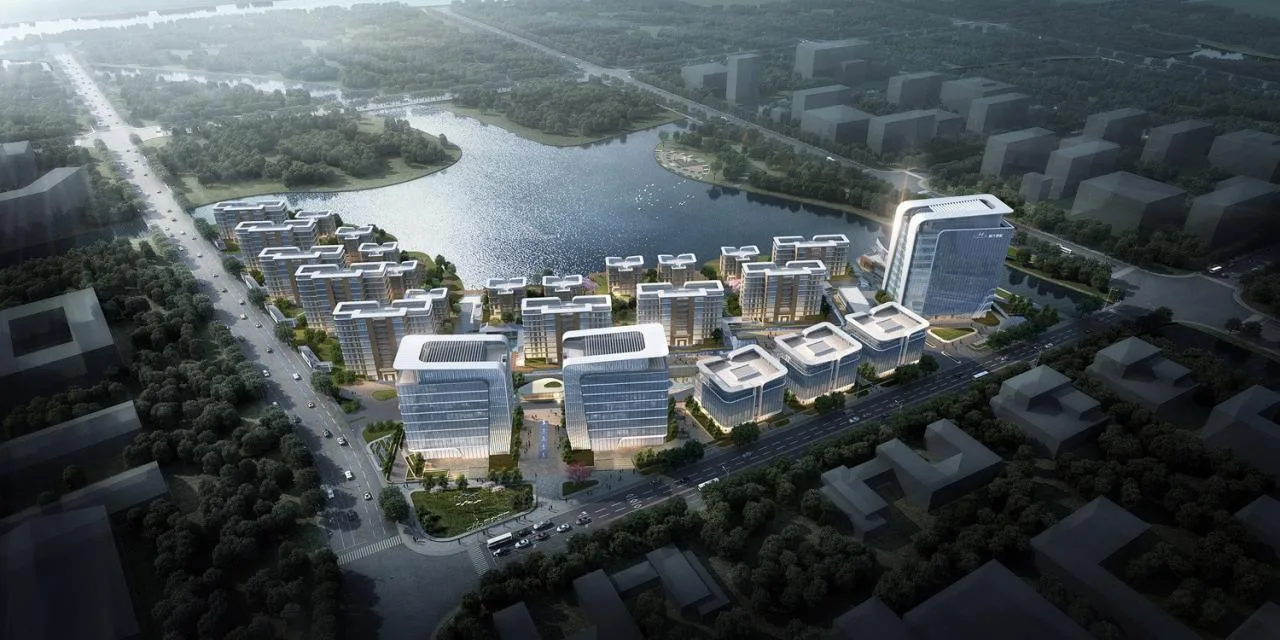
△ Aerial View of the Park
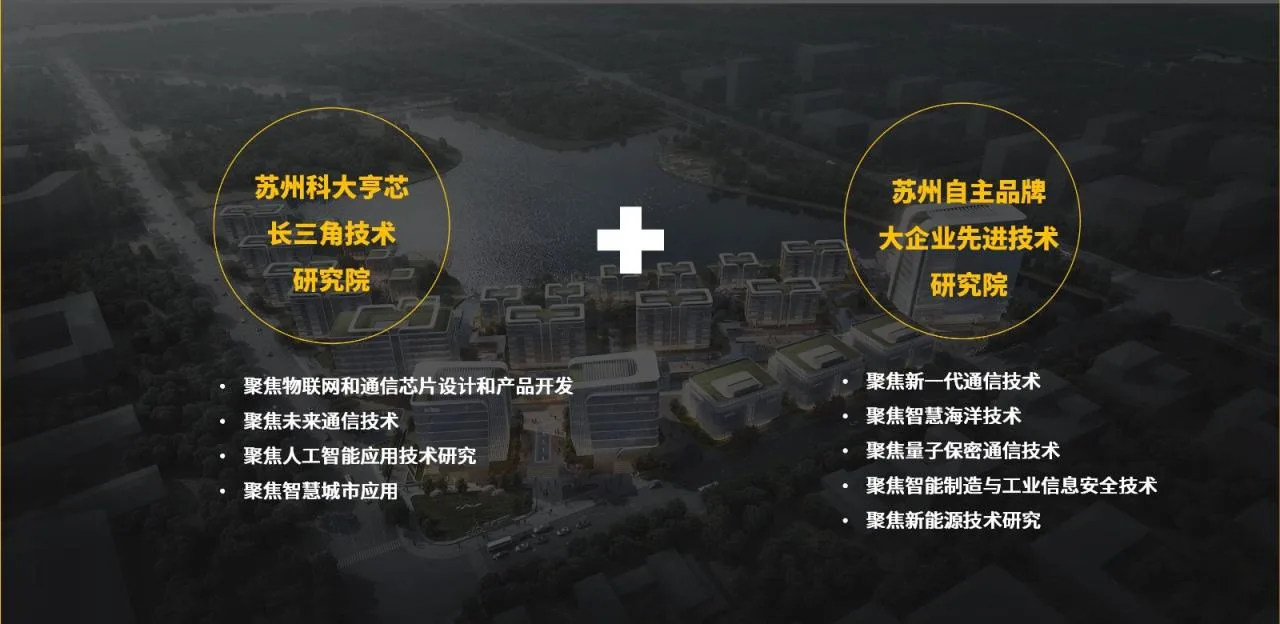
△ Industry Positioning
#02 Jiangnan Water Town Style Characteristic Industrial Park
The Yangtze River Delta Science and Technology Dahuangxin Research Institute is situated in Fenhu, a traditional Jiangnan water town known for its rich network of rivers and lakes, which cover nearly 40% of the area. The project sits adjacent to the lotus pond on the south, surrounded by open fields and waterways, offering a unique ecological advantage.
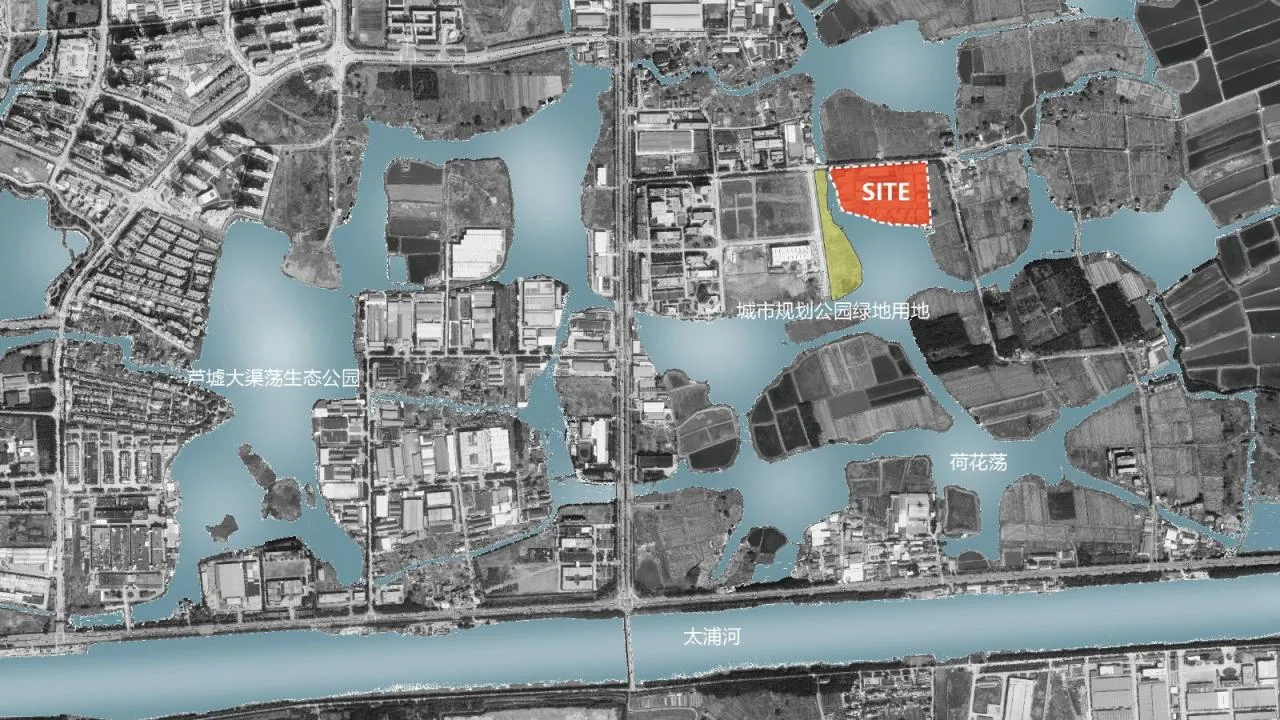
△ Unique Ecological Environment Advantages
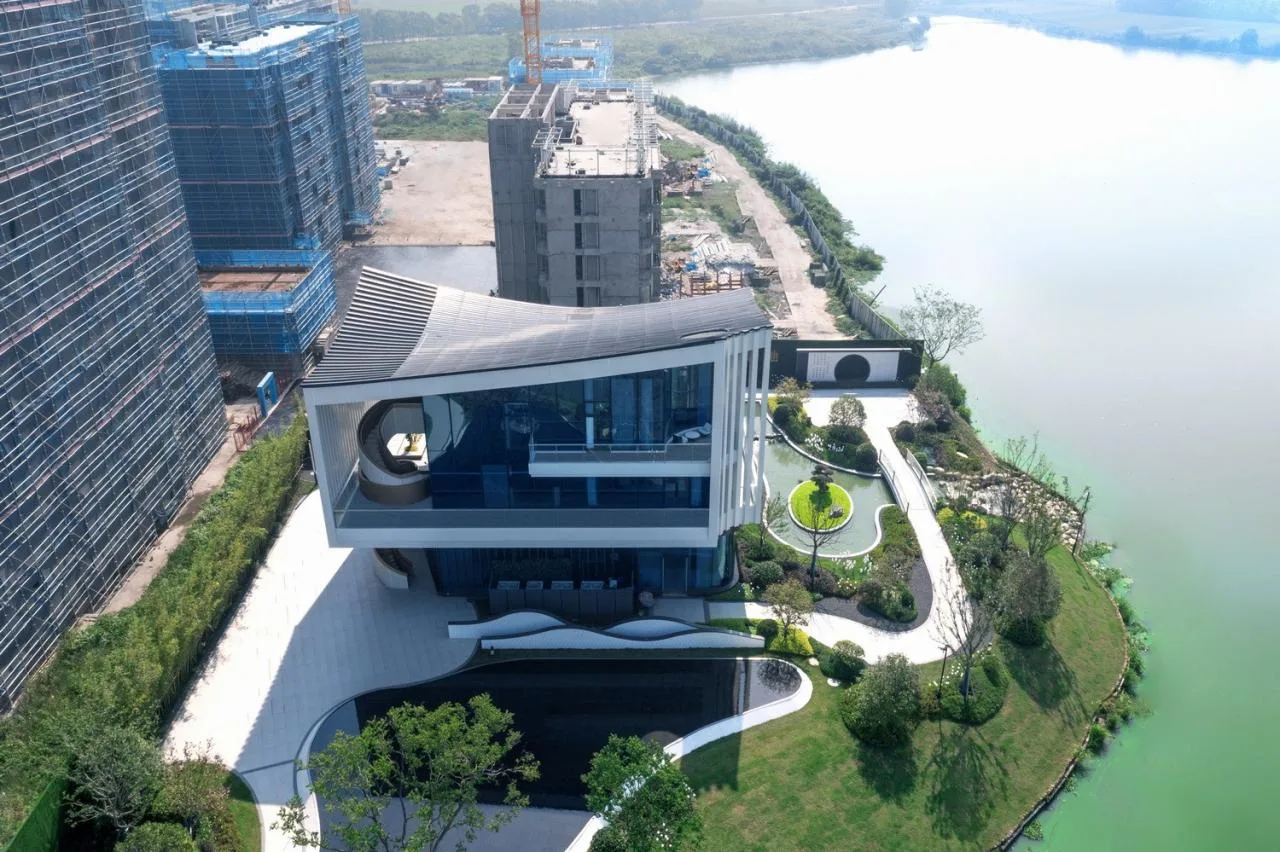
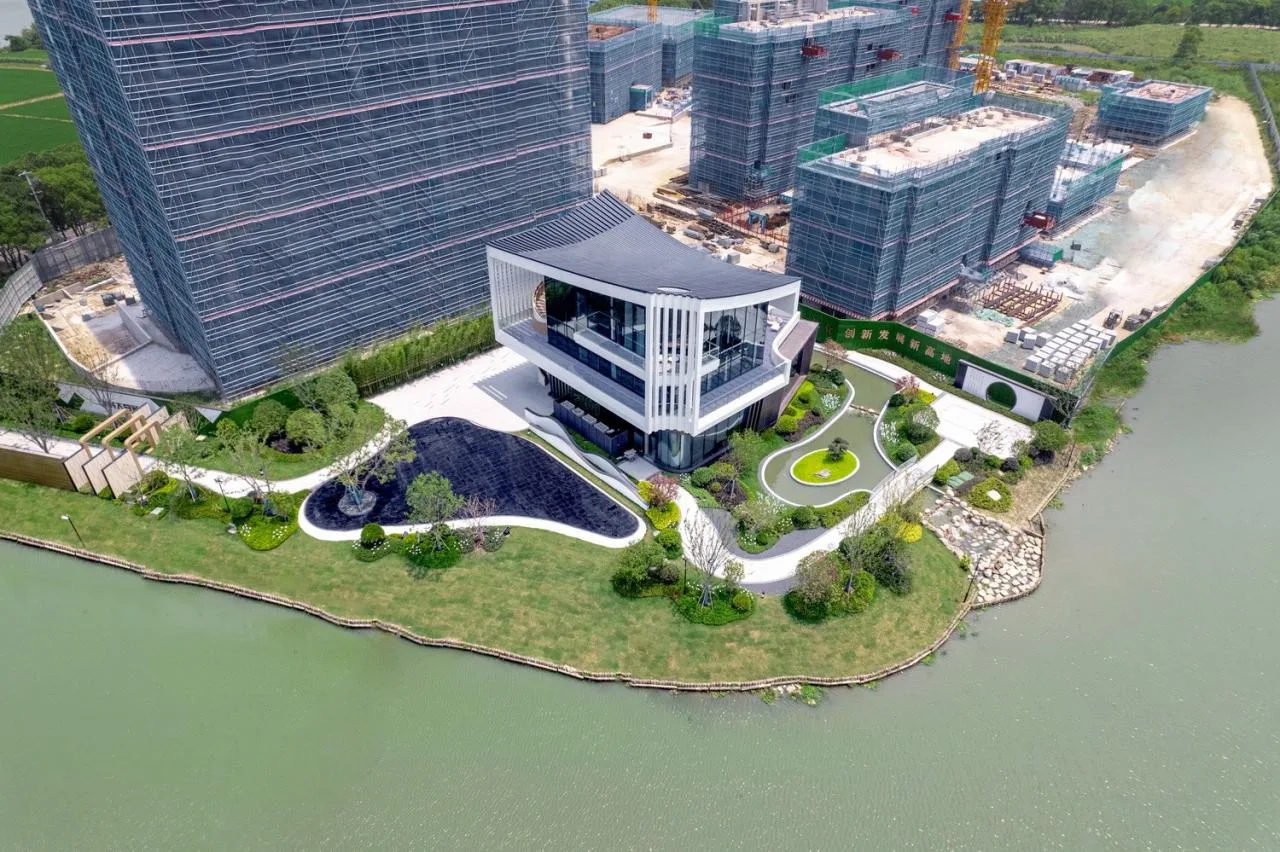
△ Waterfront Development within the Park
As a pioneering project within the “Water Town Living Room” under the Yangtze River Delta integration strategy, the Yangtze River Delta Science and Technology Dahengxin Research Institute employs modern design techniques such as water diversion, corridor construction, and courtyard architecture, alongside innovative concepts like future wings. This approach blends high-tech industries with the cultural memory and ecological essence of Jiangnan’s water towns, creating a “double-sided embroidery” style industrial park—externally showcasing technology-driven production and lifestyle, while internally reflecting Jiangnan water town culture.
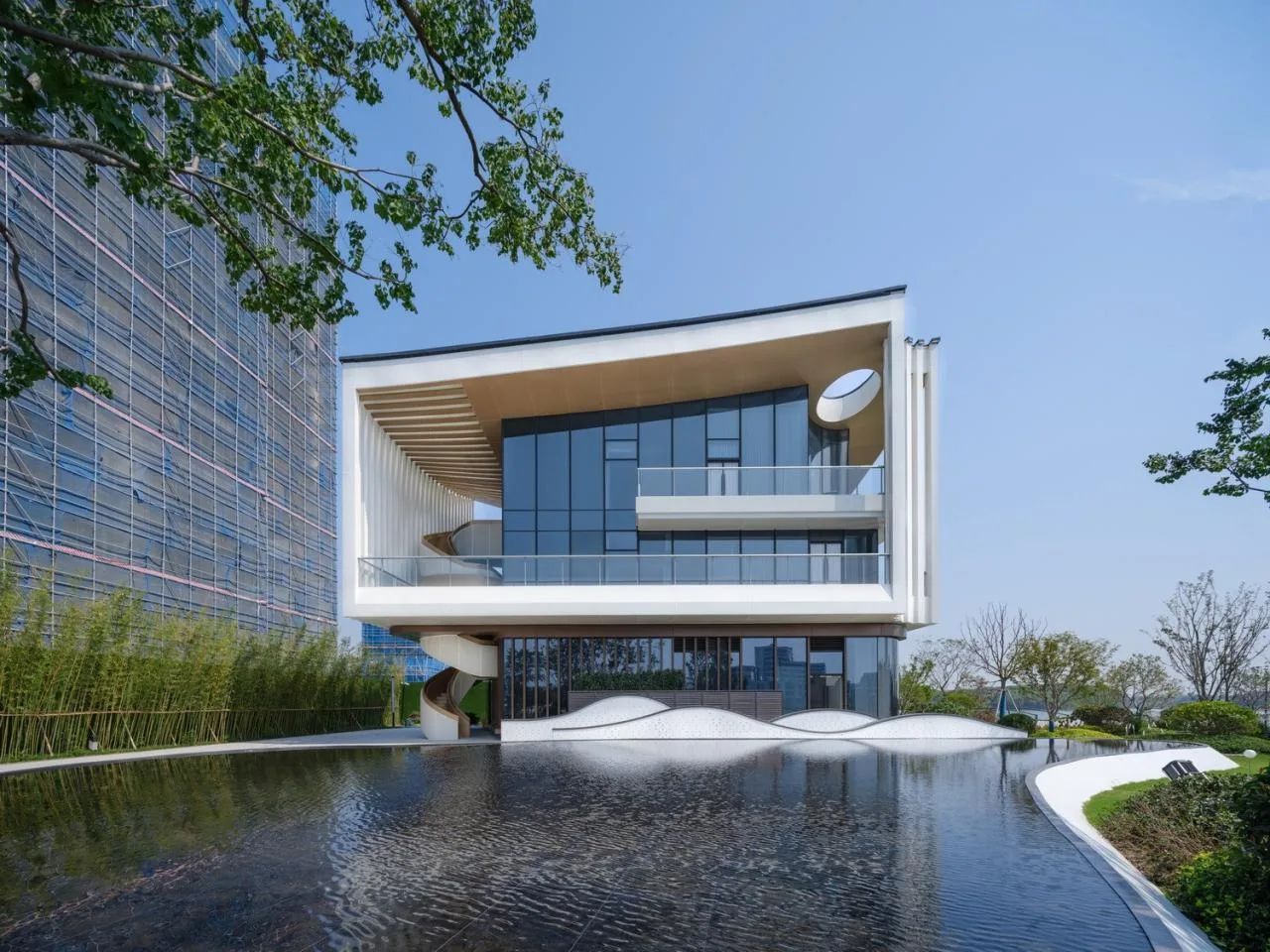
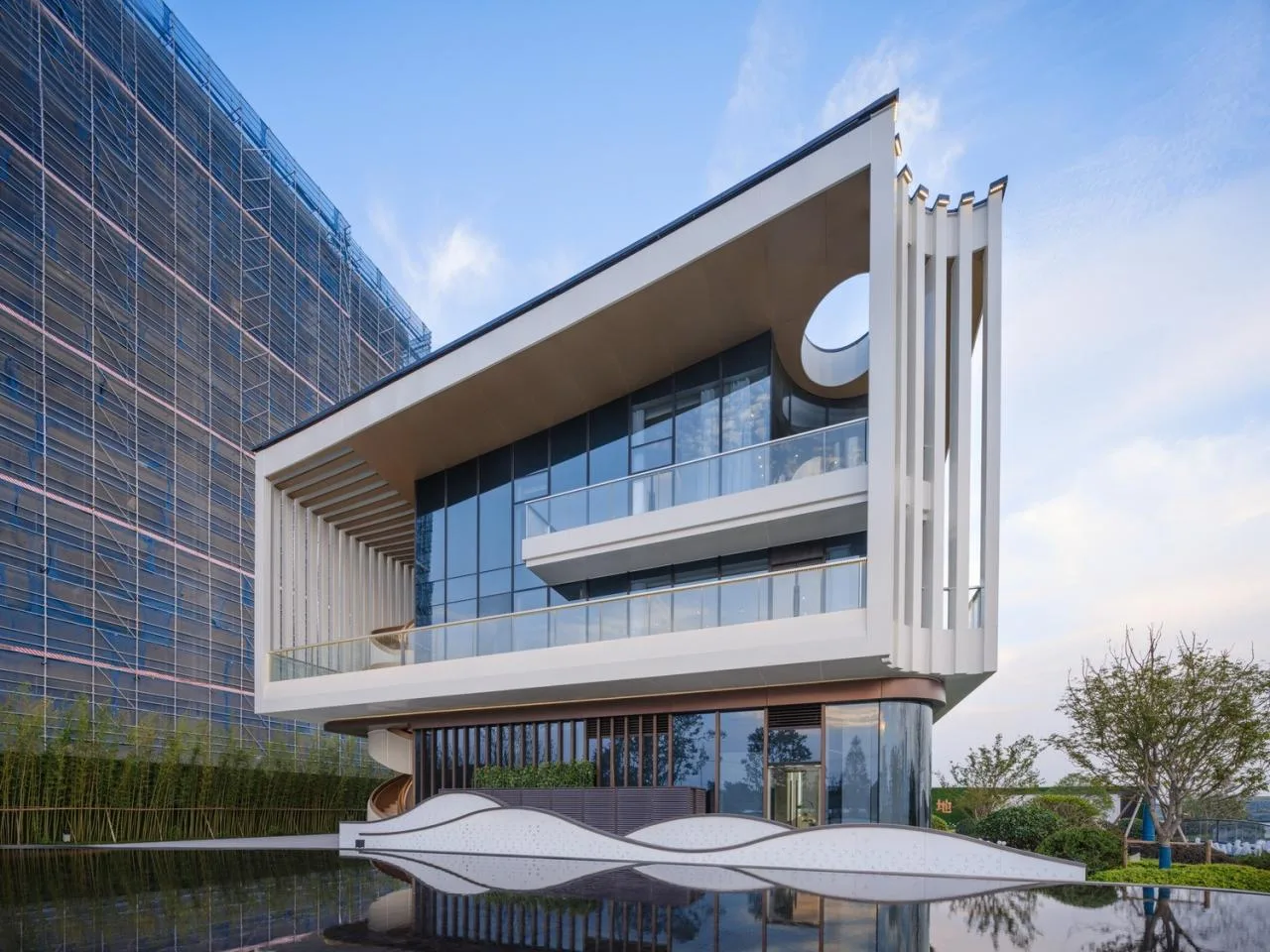
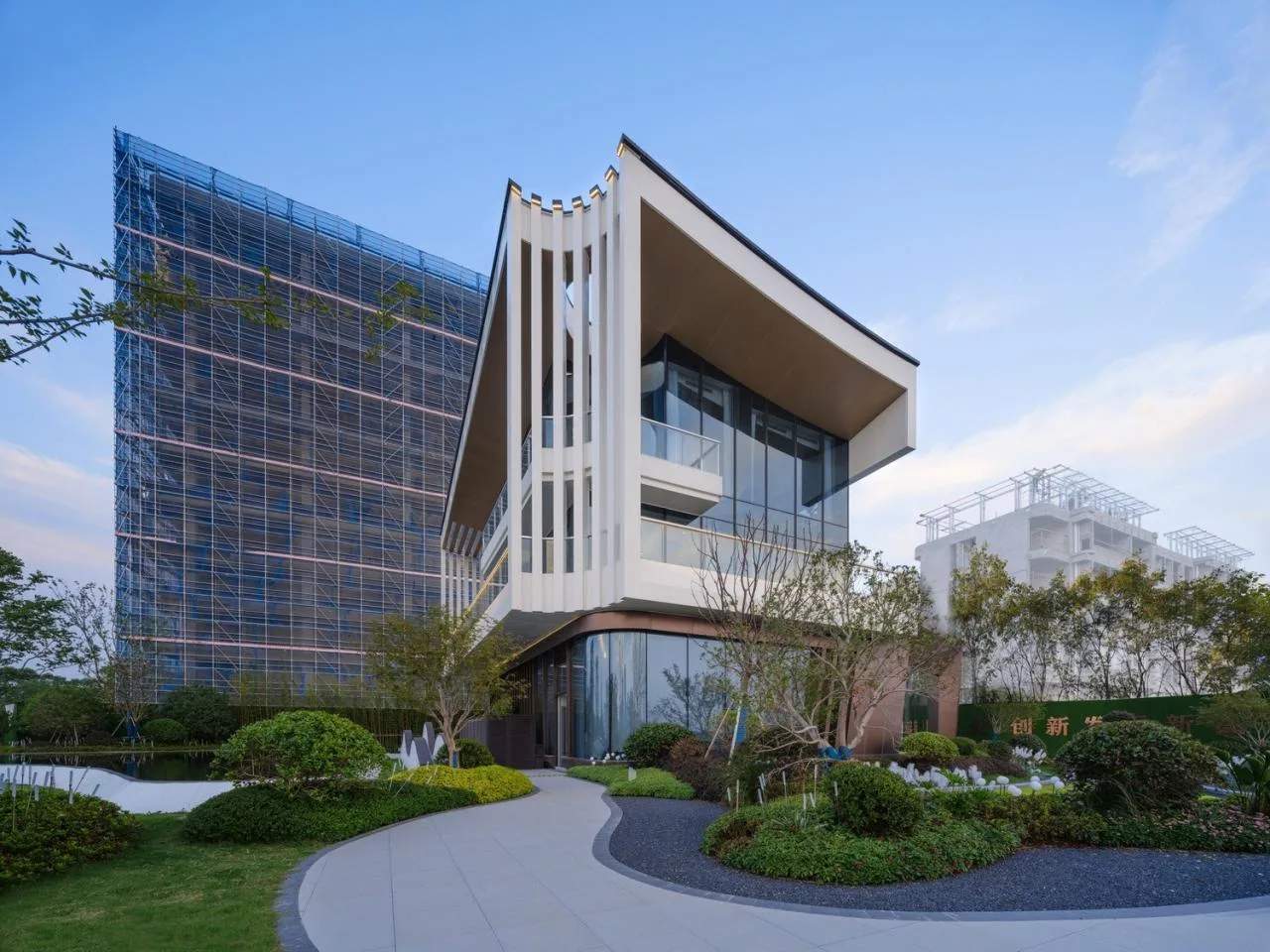
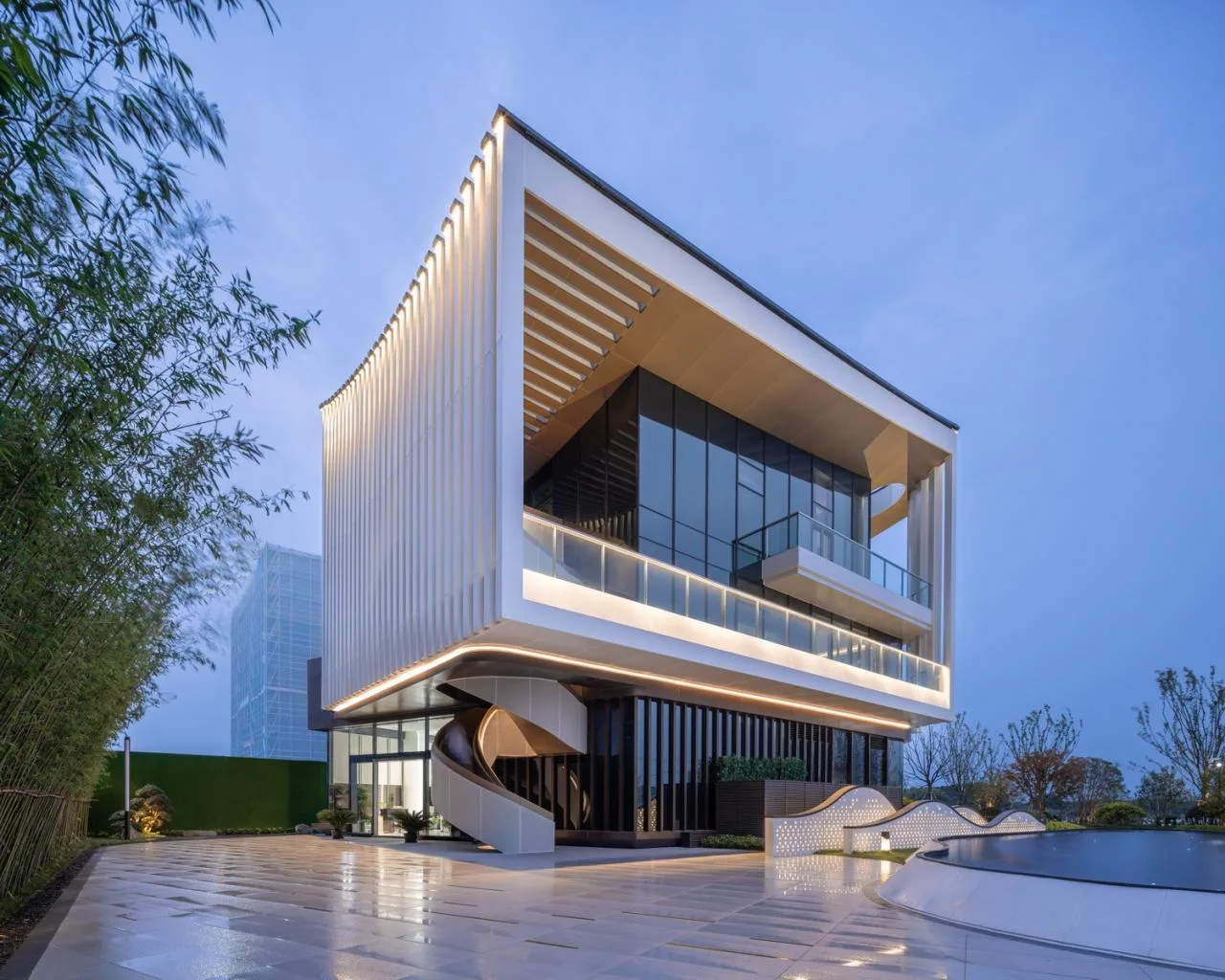
△ Architectural Style Reflecting Jiangnan Characteristics
The project is spearheaded by the Yangtze River Delta Technology Research Institute, featuring two main axes: a sunken square within the research and office area, and a cultural-artistic corridor inspired by the Jiangnan water town. These connect industrial offices and exhibition spaces, fostering park vitality and a shared innovation atmosphere. The intersection of these axes echoes the “Cross Corridor” functional layout from the Yangtze River Delta Ecological Green Integration Development Demonstration Zone.
Along Fenqiu Road, the Science and Technology Dahengxin Yangtze River Delta Technology Research Institute and the Suzhou Independent Brand Large Enterprise Advanced Technology Research Institute are positioned in sequence. Expert buildings are located near the lake, with talent apartments integrated throughout the park, naturally creating three distinct settlement zones. Jiangnan’s characteristic landscapes are incorporated to achieve a harmonious blend of architecture and environment, offering diverse spatial experiences.
This dynamic fusion manifests a “water town ecological structure” characterized by lakes and marshes outside, riverside growth inside, riverside living, and markets along the waterways.
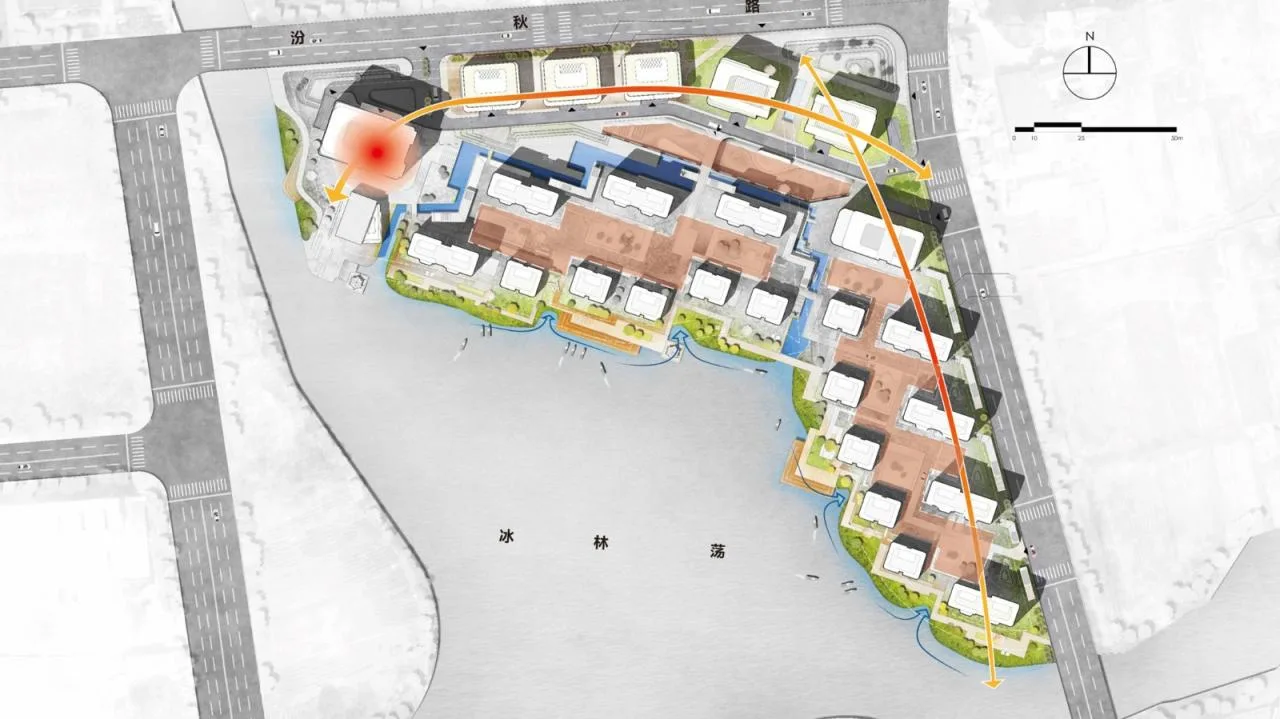
Planning structure: one core, two axes, three blocks
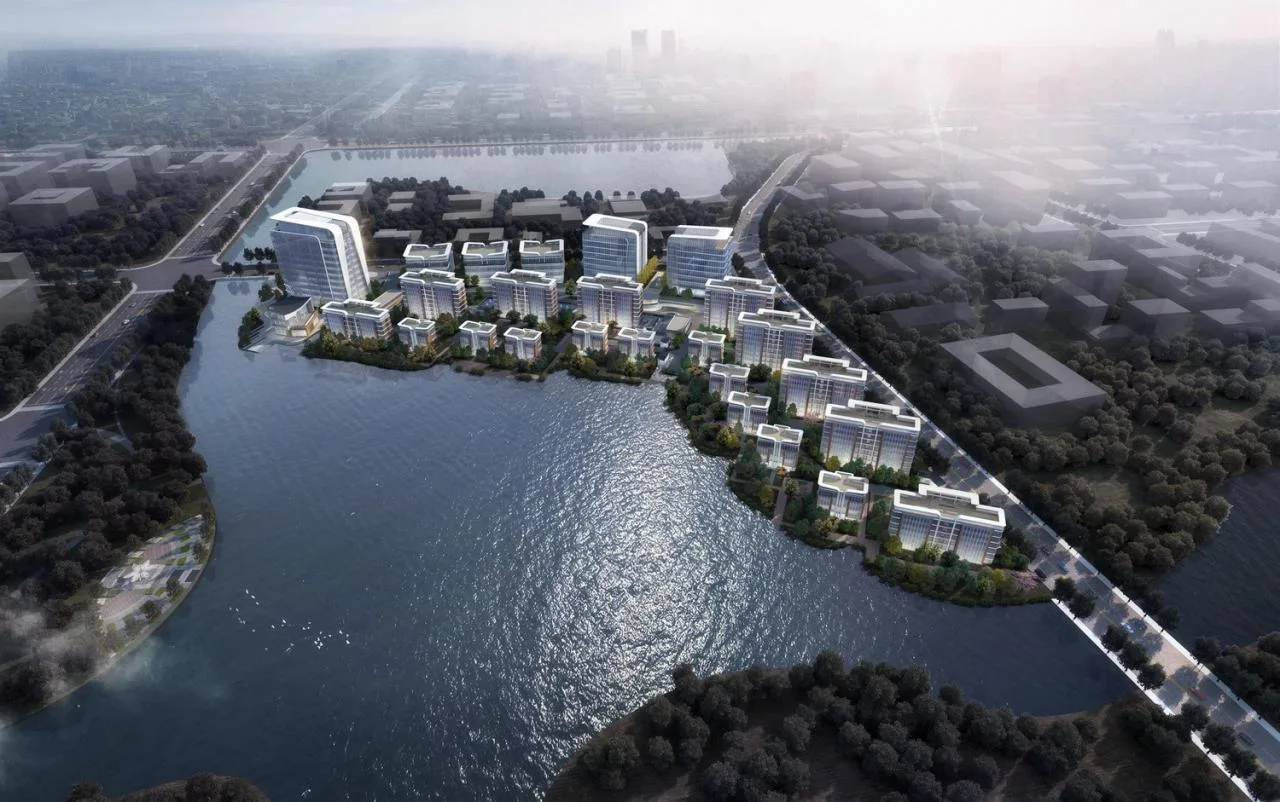
△ Aerial View of the Park
New Experiential Science and Technology Innovation Corridor
Designed along one side of Fenqiu Road, the corridor features a sequence of research institutes, industrial headquarters, and R&D buildings from west to east, creating a continuous industrial layout and a rhythmic streetscape. A sunken square on the south side offers service support and exhibition space, fostering a diverse and interactive environment blending office, leisure, socializing, and living, thus forming an innovative science and technology corridor.
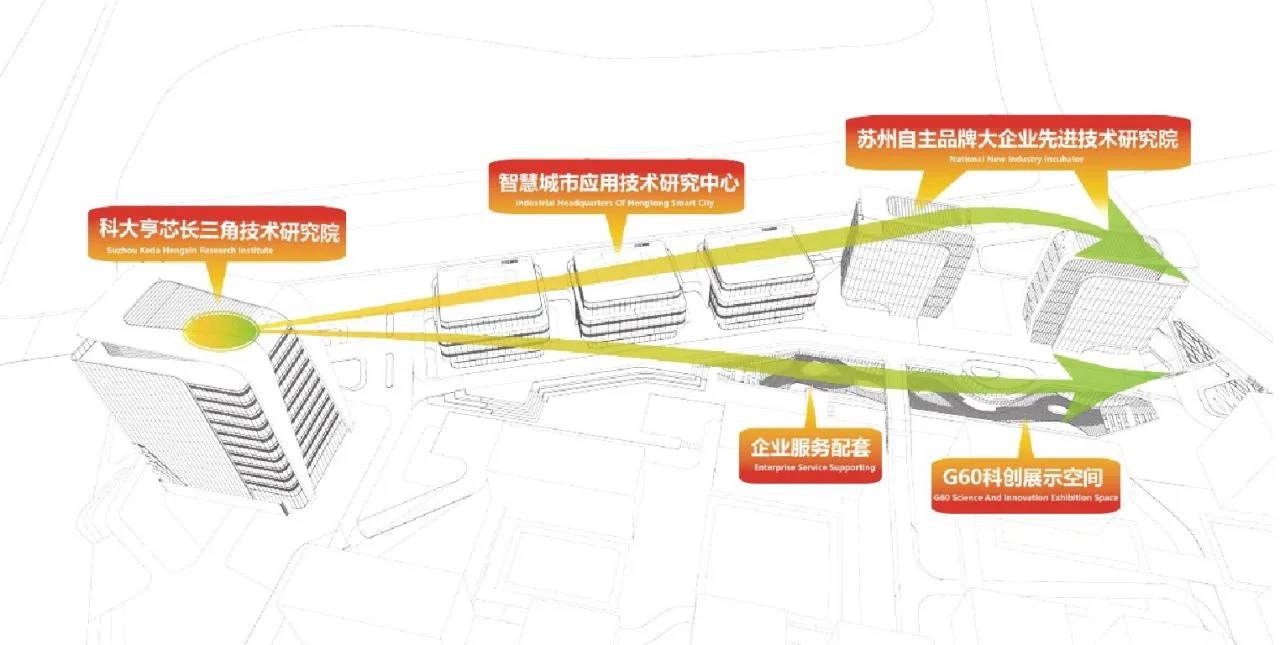
△ Industrial Layout of the Science and Technology Innovation Corridor
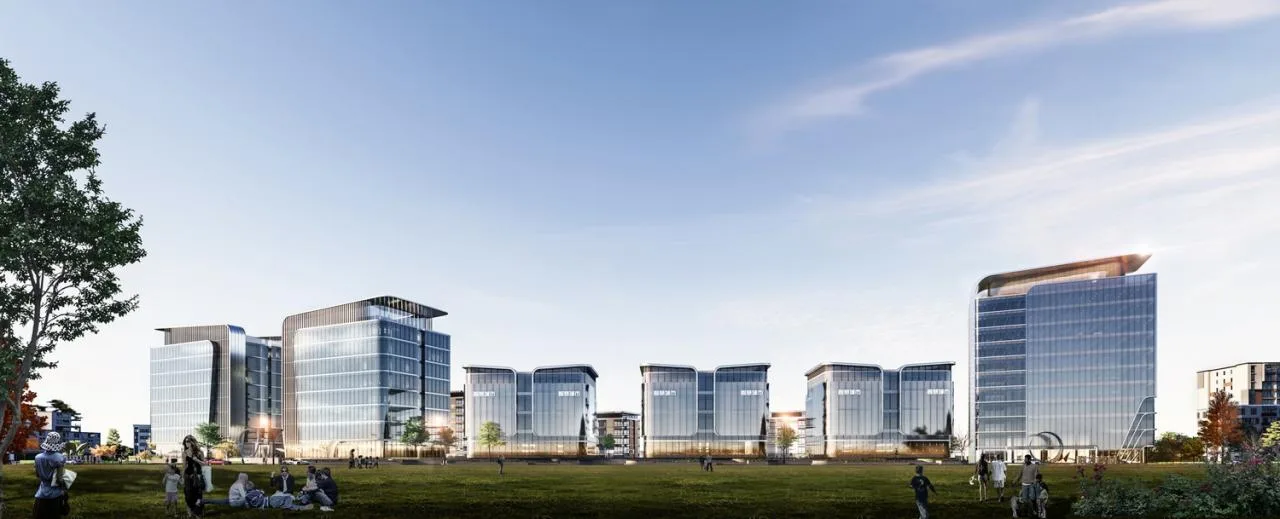
△ Science and Technology Innovation Corridor
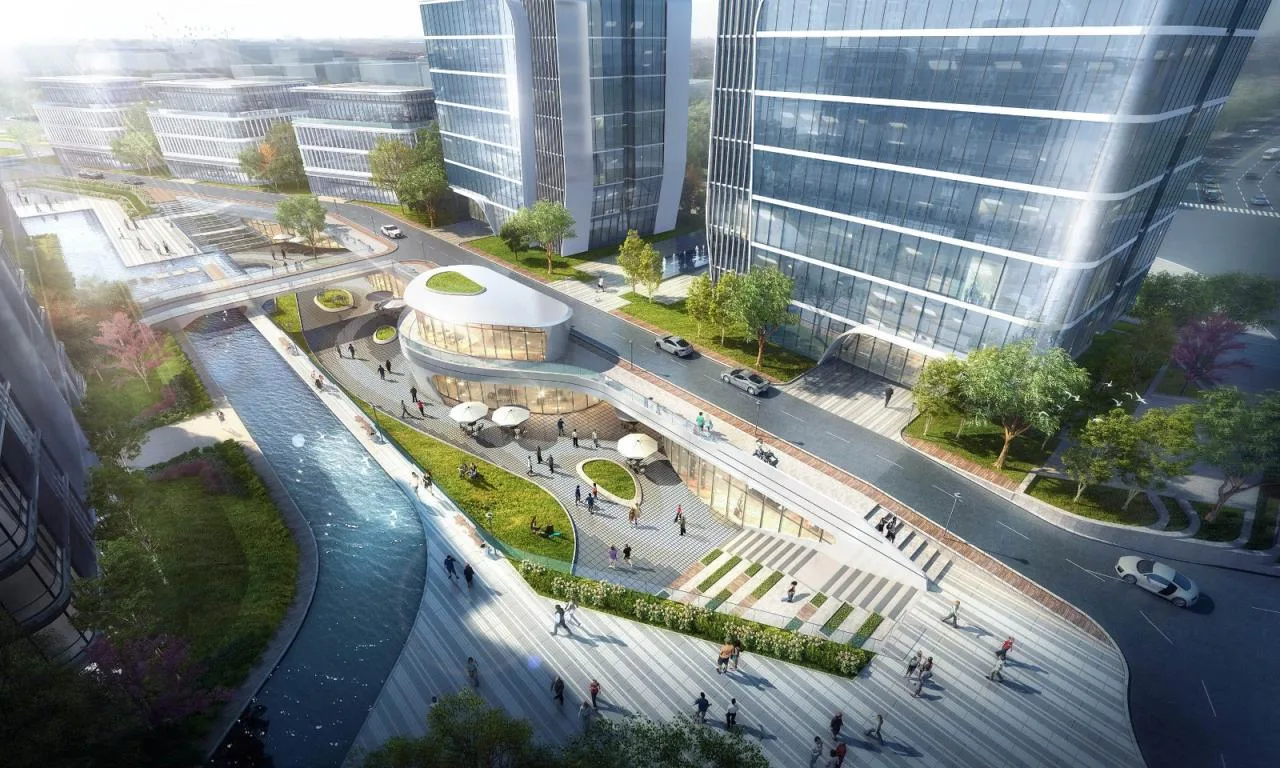
△ Sunken Square
Interactive Jiangnan Water Town Cultural and Artistic Corridor
Drawing from the textures of Jiangnan water towns, the design integrates the lotus pond water system into the park, creating a fluid and lively water flow that enhances the region’s characteristic charm. Surrounding this water system, cultural core elements and corridor bridges form a “garden within a garden” concept. Using modern design techniques alongside traditional elements such as white walls, black tiles, screen walls, cave doors, water features, and green bamboo, the project creates rich courtyard spaces with Jiangnan water town features—facing the water, crossing it, and living by the water—forming an interactive and experiential cultural corridor.
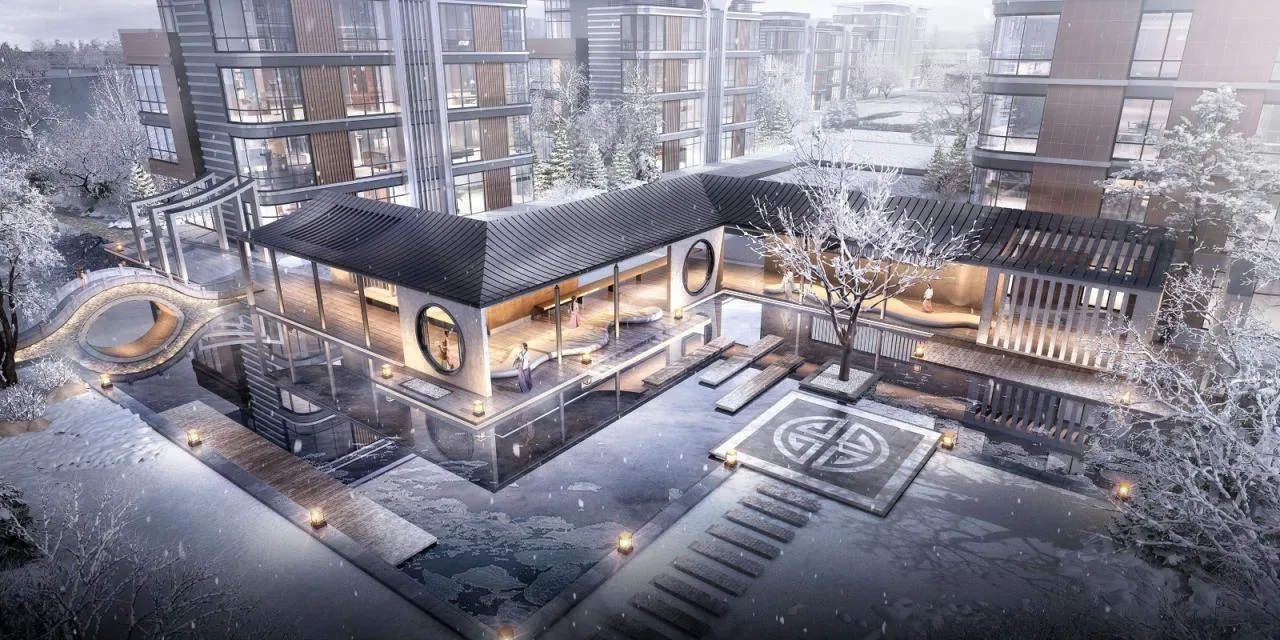
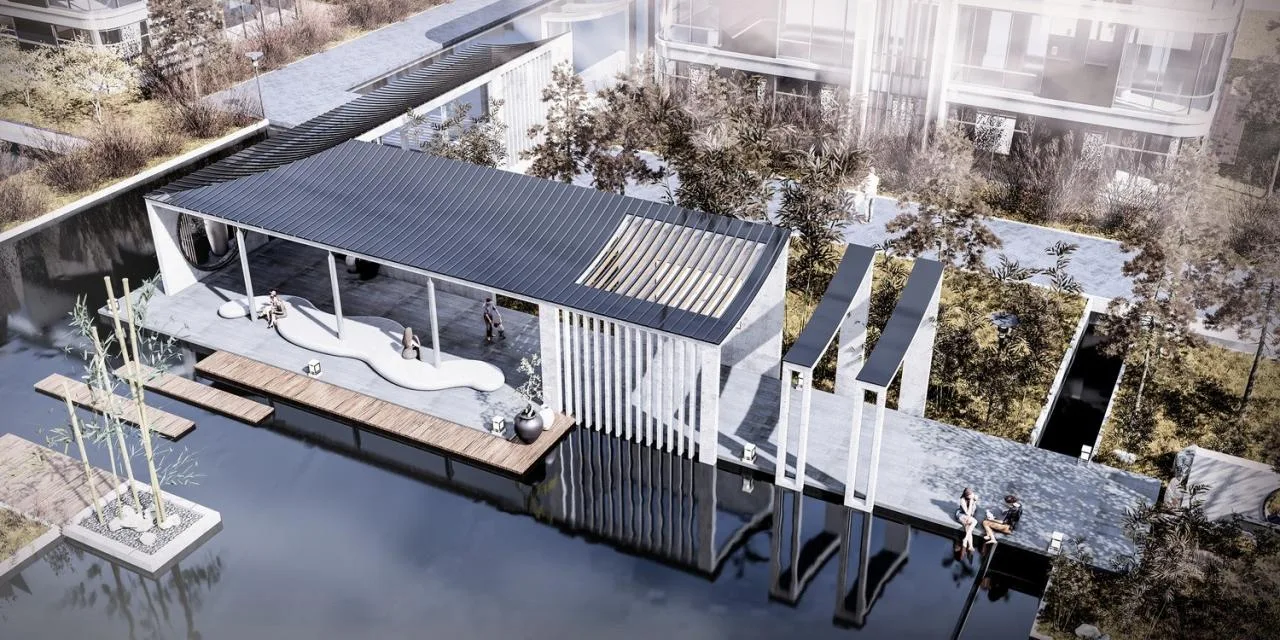
△ Humanities and Arts Corridor
Open-Style Jiangnan Water Town Settlement Landscape
The architectural layout naturally encloses three blocks, each with distinct themes. The interiors combine Suzhou’s historical and cultural essence with Jiangnan water town atmosphere, using landscaping to link various functional zones and workspaces. The periphery interfaces with the city through green squares, creating a seamless spatial experience that connects the park with its surroundings without losing charm, thereby shaping an open Jiangnan water town settlement landscape.
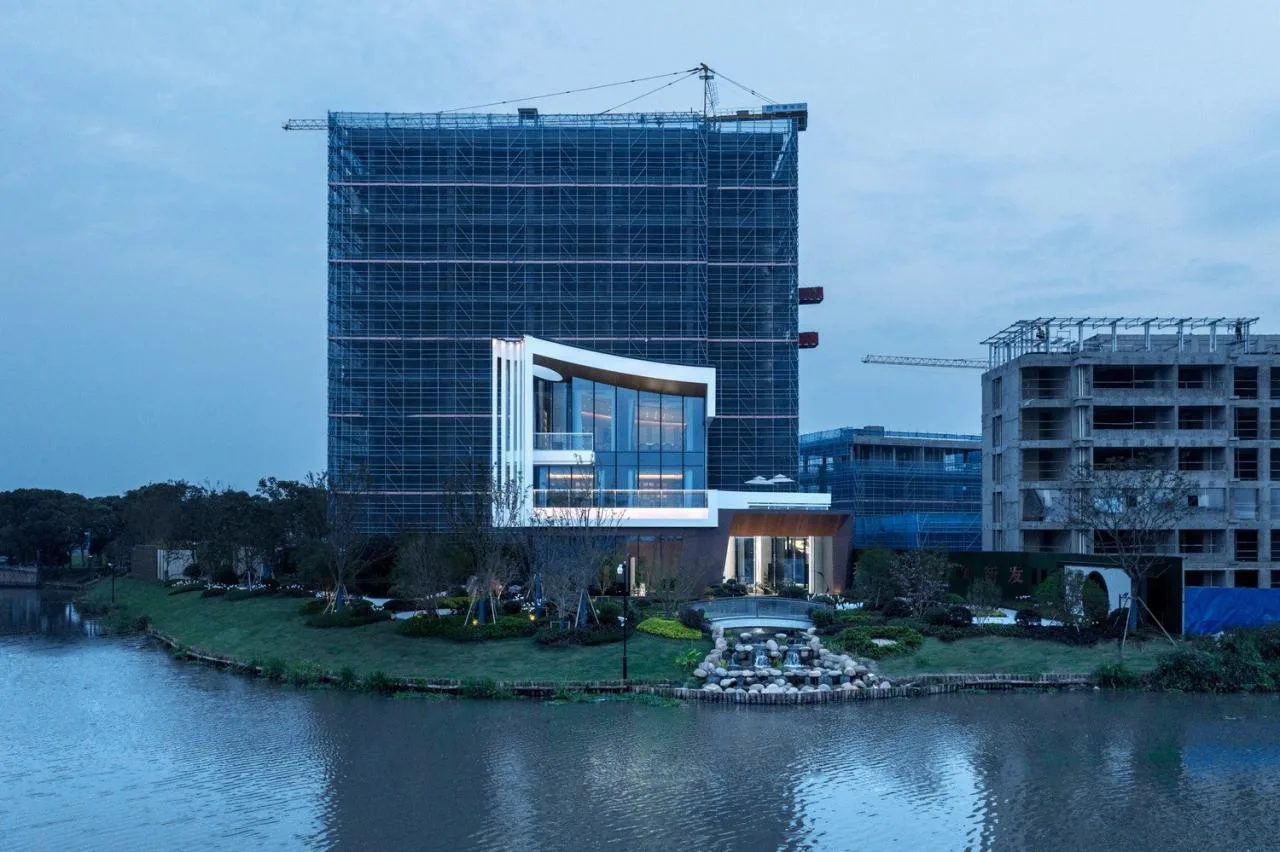
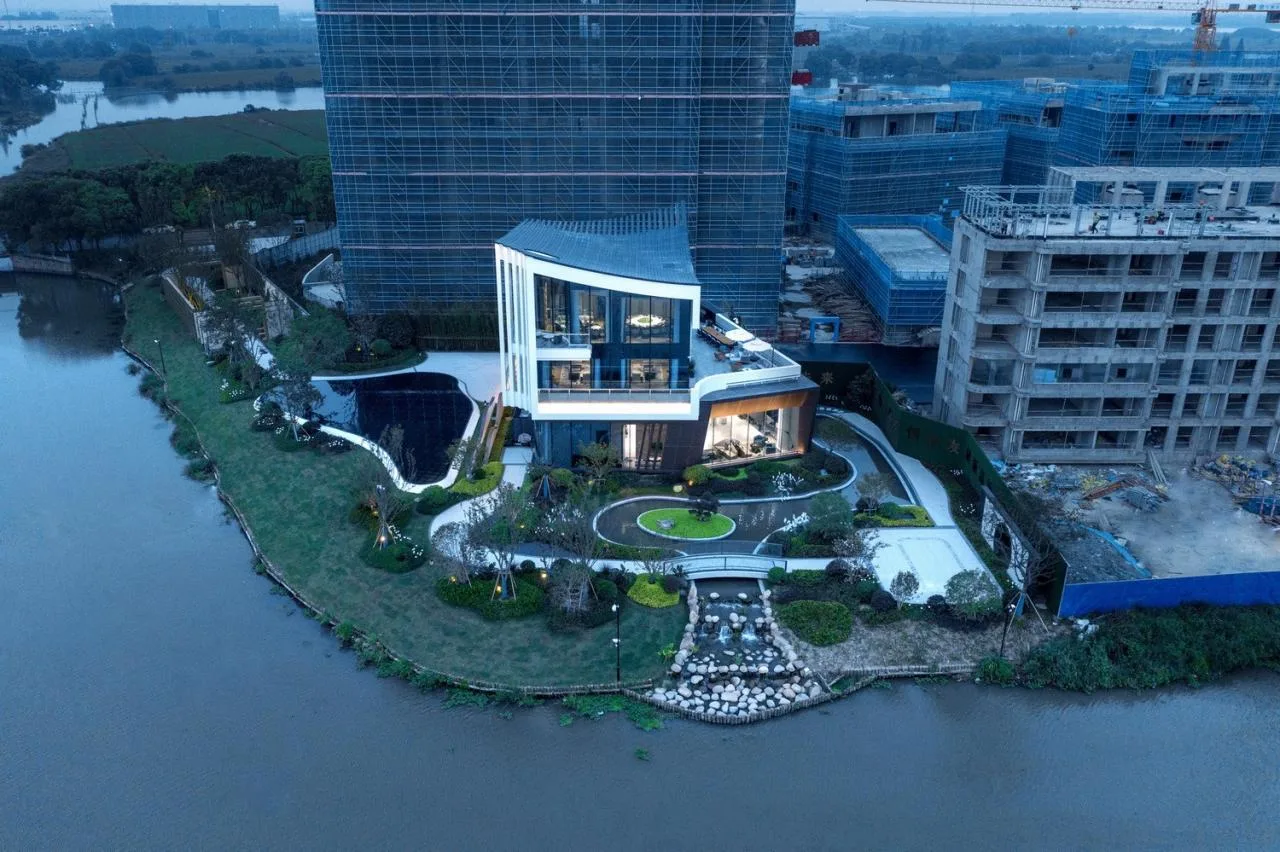
△ Water Diversion into the Park
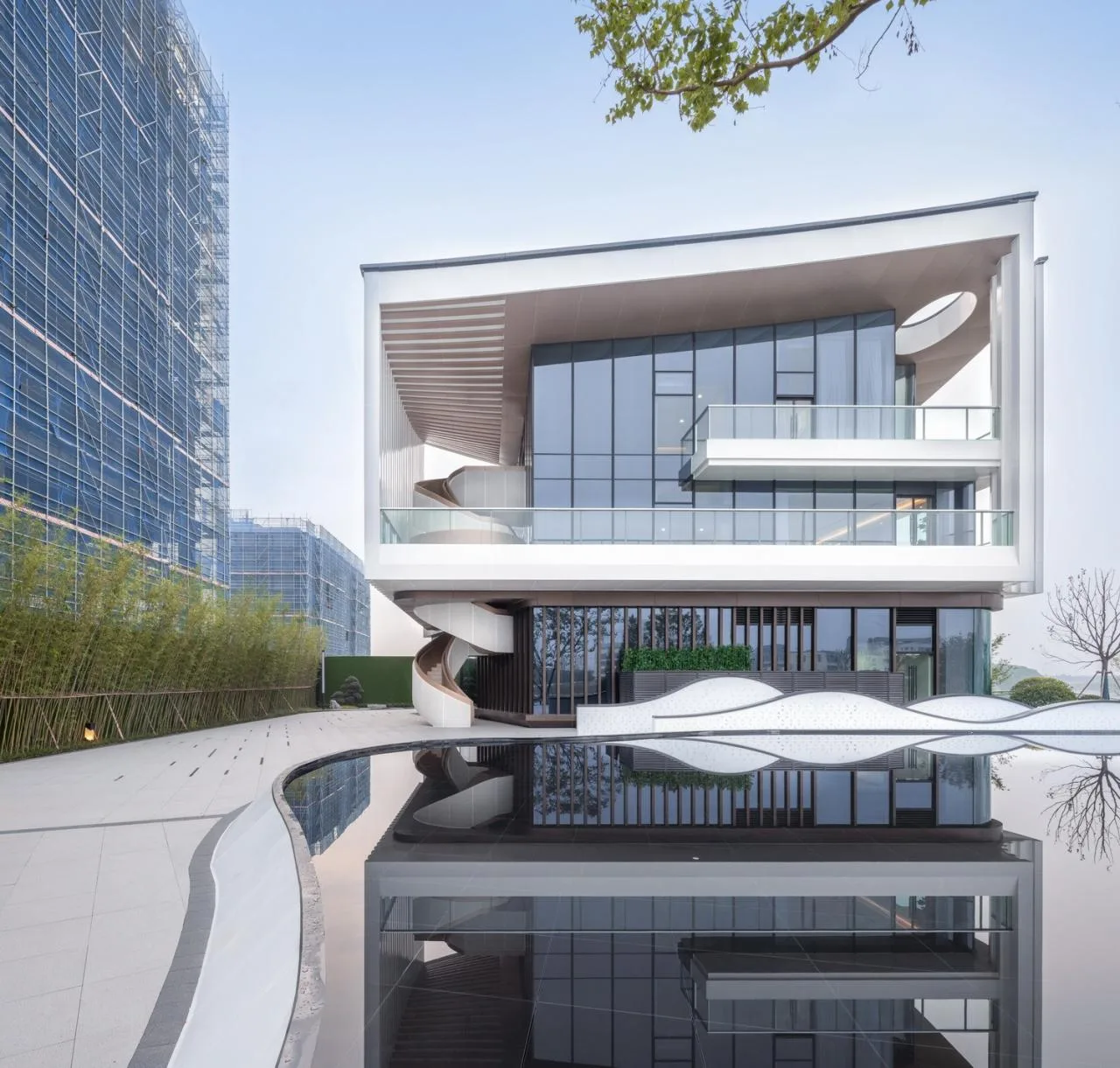
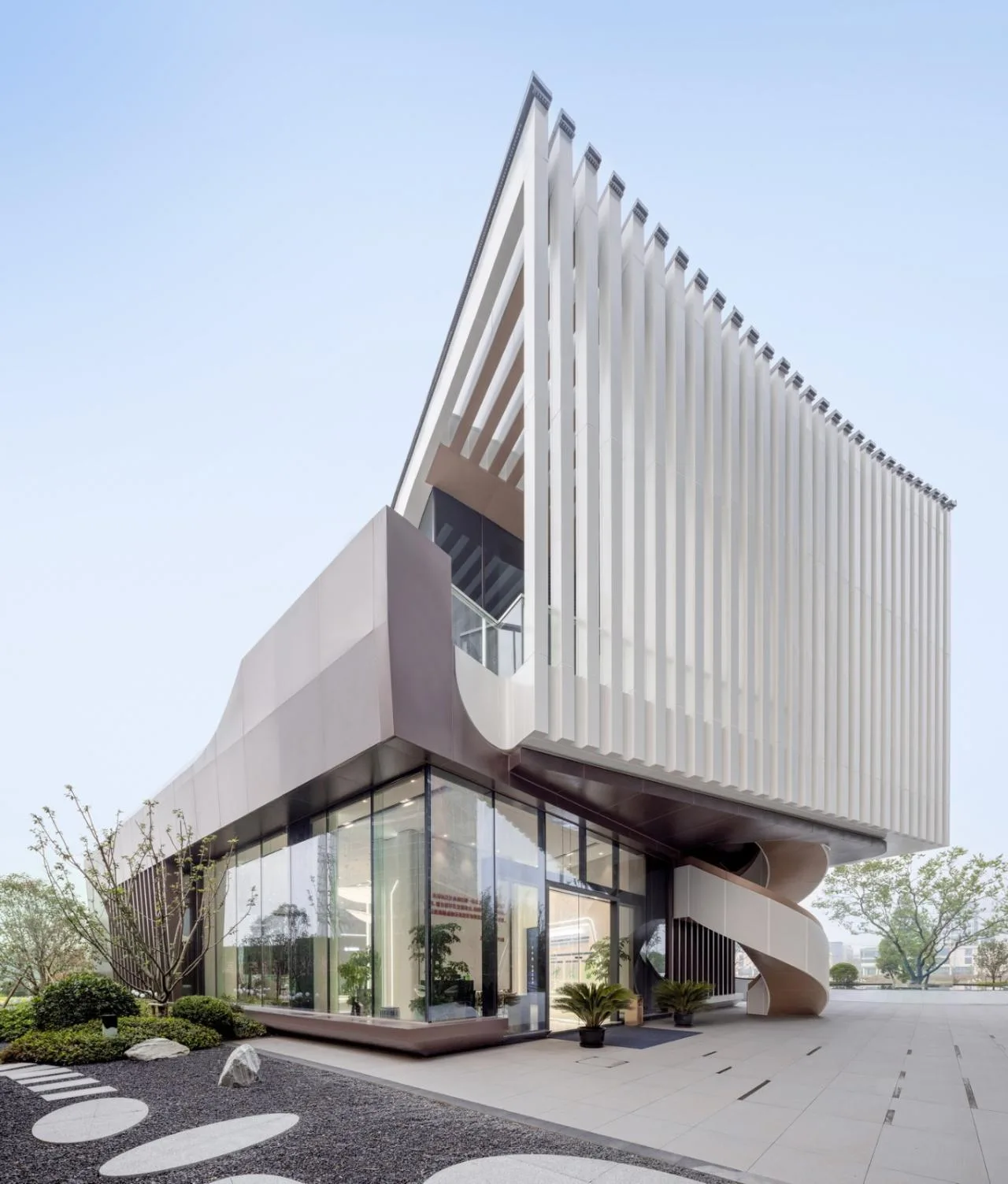
△ Jiangnan Water Town Settlement Landscape
The Technological Façade Inspired by Flapping Wings
With a lake bordering one side of the site, the terrain resembles a bright white crane spreading its wings toward the water. Drawing on this imagery, the architect developed the concept of “wings of the future,” abstracting the gesture of wings spreading and flying as the building’s design language. This dynamic “flying momentum” translates into a symmetrical, streamlined façade that reflects high-tech industry aesthetics.
The design extends throughout the complex, with buildings arranged in a row around the lake, forming a neat “flying geese formation” that symbolically spreads wings toward the water—expressing the vision of “showing the wings of the future, gathering the light of technology, and building a water town living room together.”
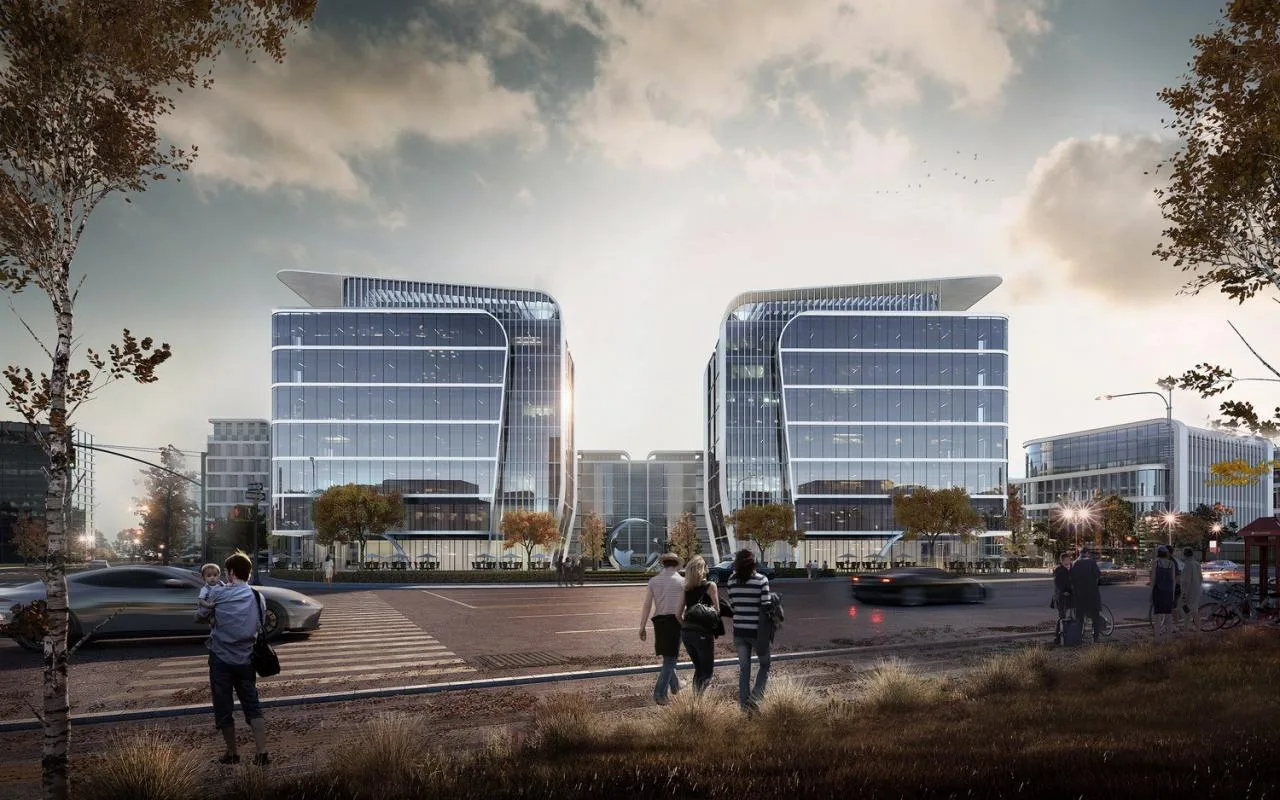
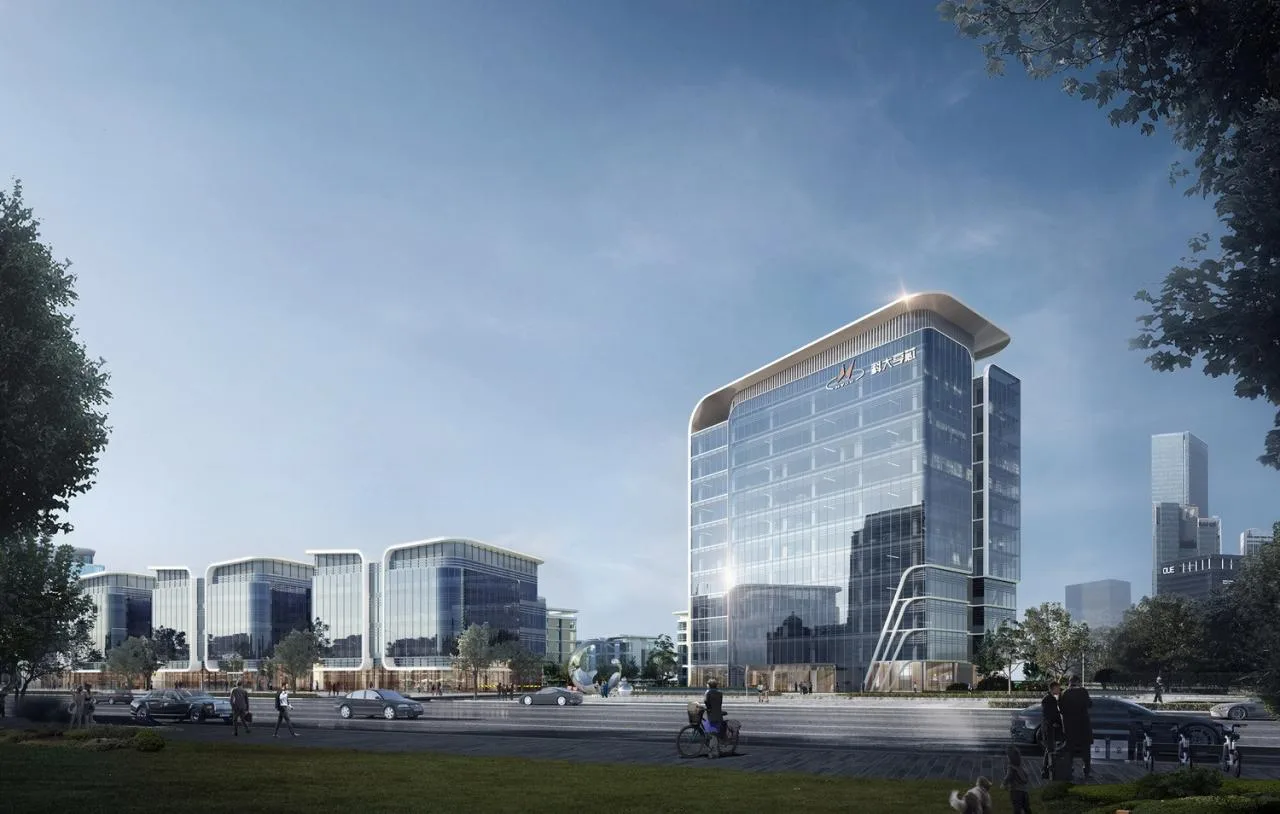
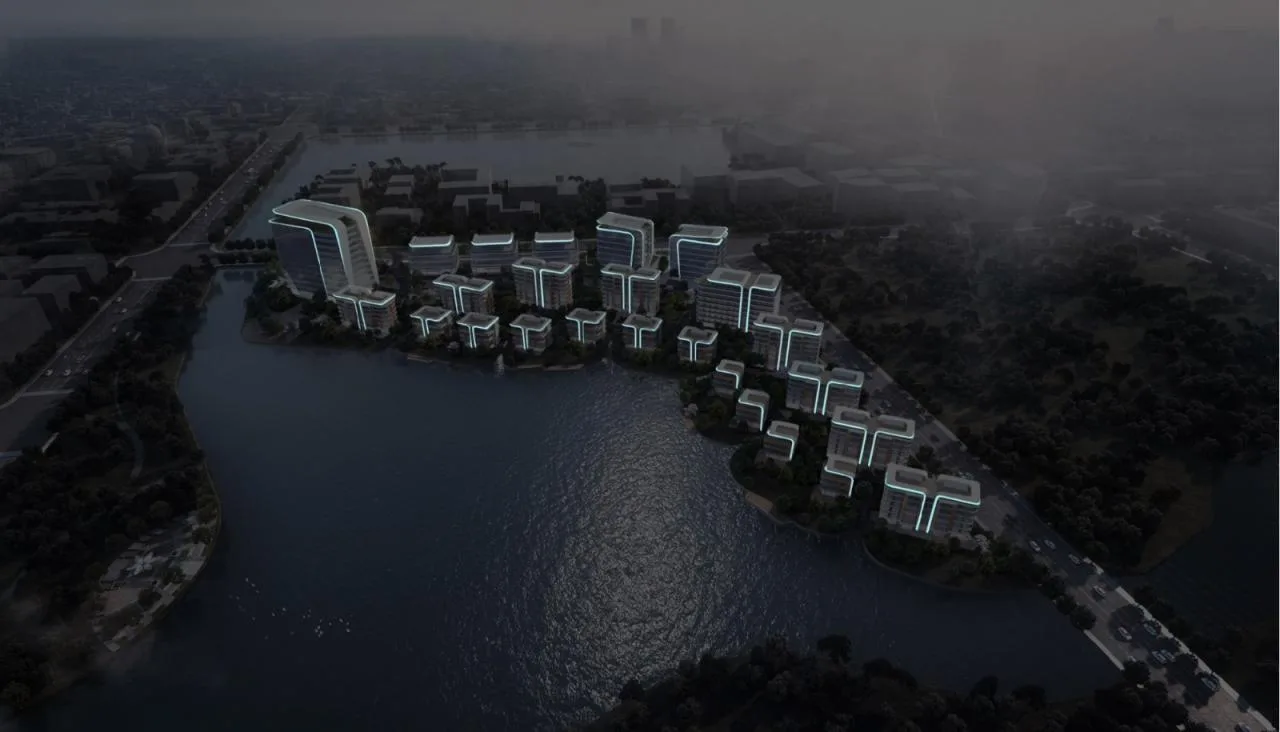
The technological façade inspired by flapping wings
#03 Starting from the Future: The Exhibition Center Blossoms with Exquisite Beauty
In July this year, the Yangtze River Delta Science and Technology Daheng Semiconductor Research Institute’s planned exhibition hall captured citywide attention and opened on schedule, marking the shift of the integrated development strategy from concept to reality.
This planning exhibition hall serves as both a showcase for the park and a key display window for Fenhu Water Town’s living room. Though modest in size, it integrates numerous design details, playing a vital role in blending ancient and modern styles while highlighting architectural character—it is the soul of the park’s planning.
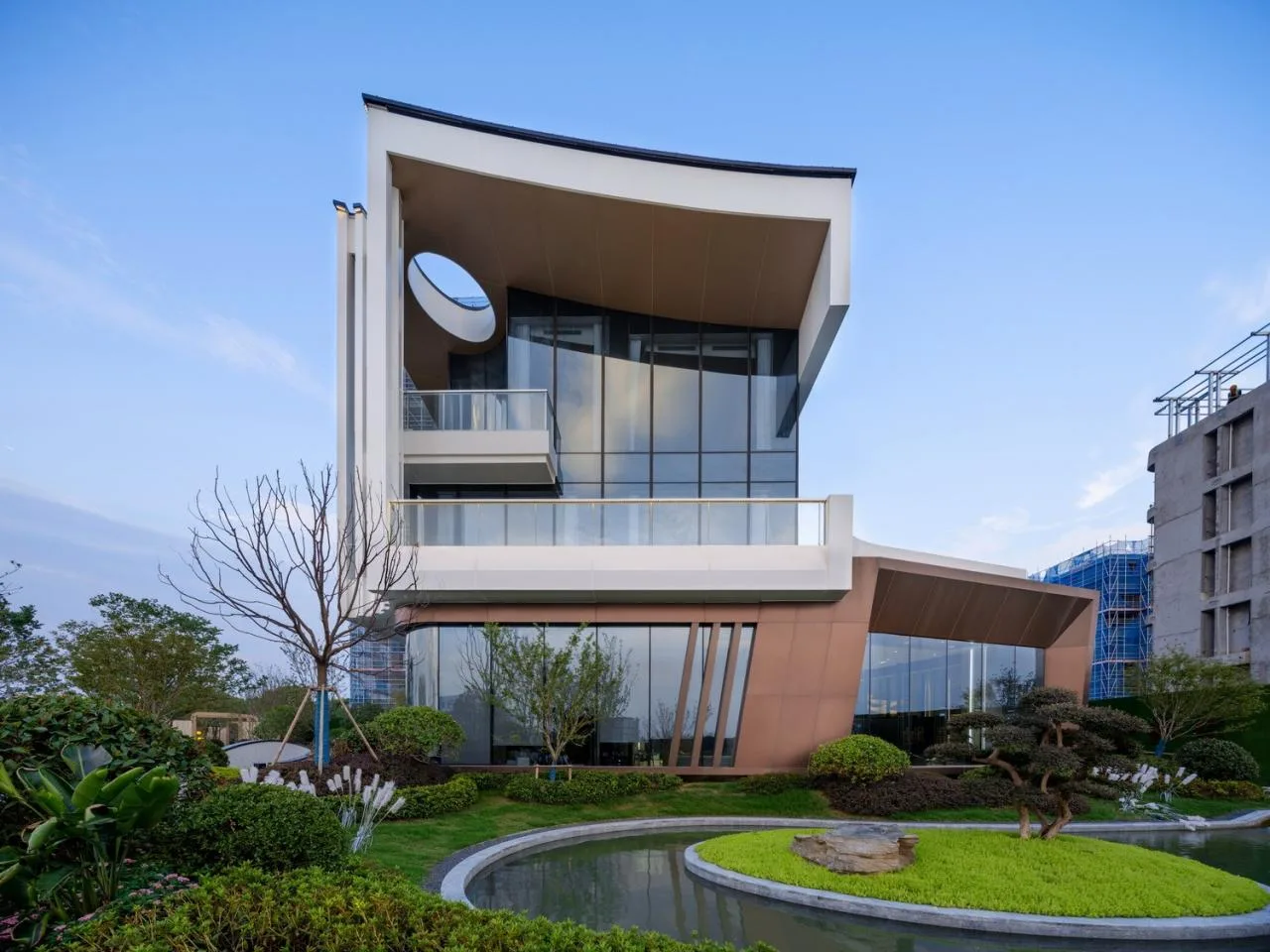
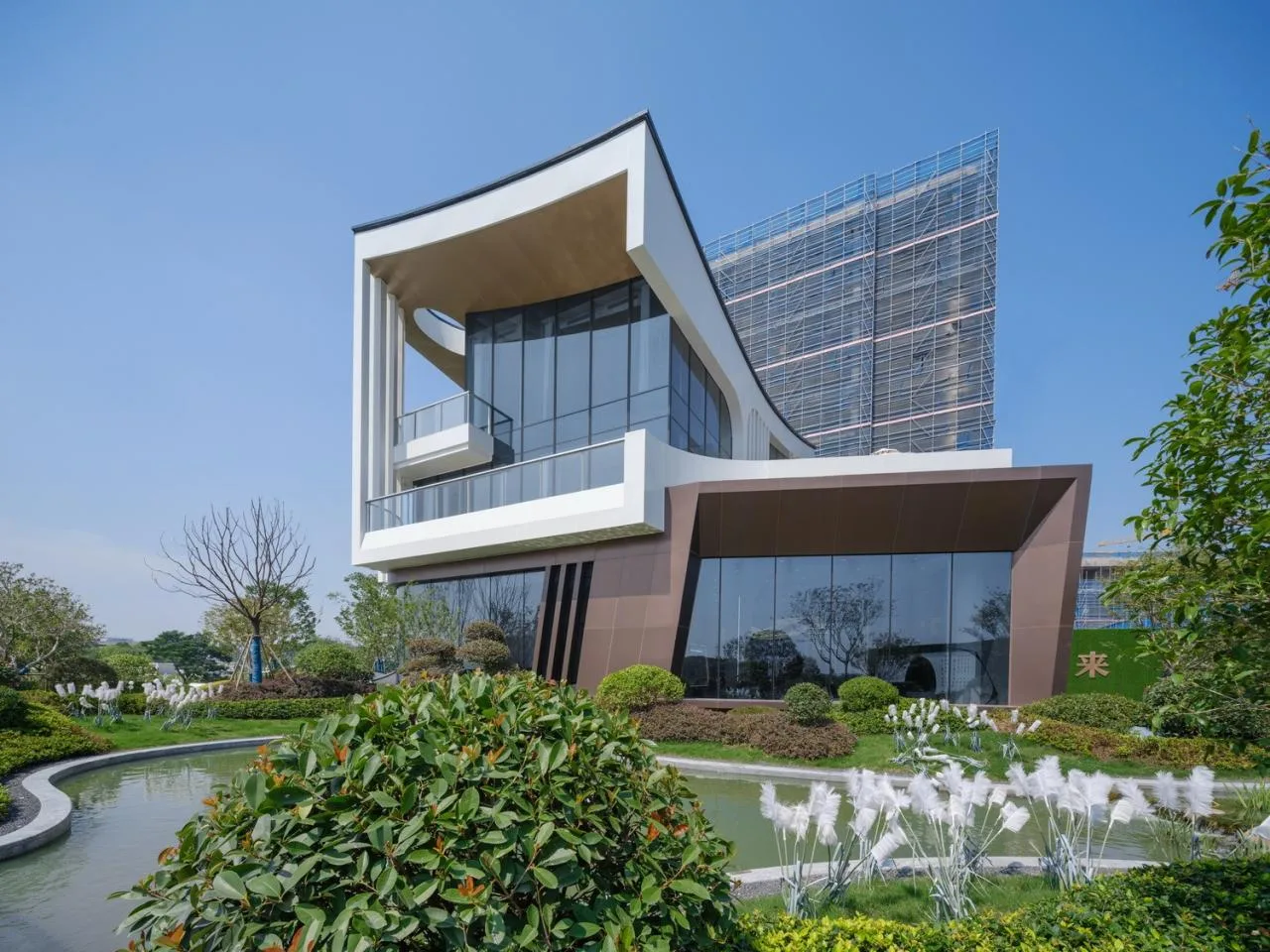
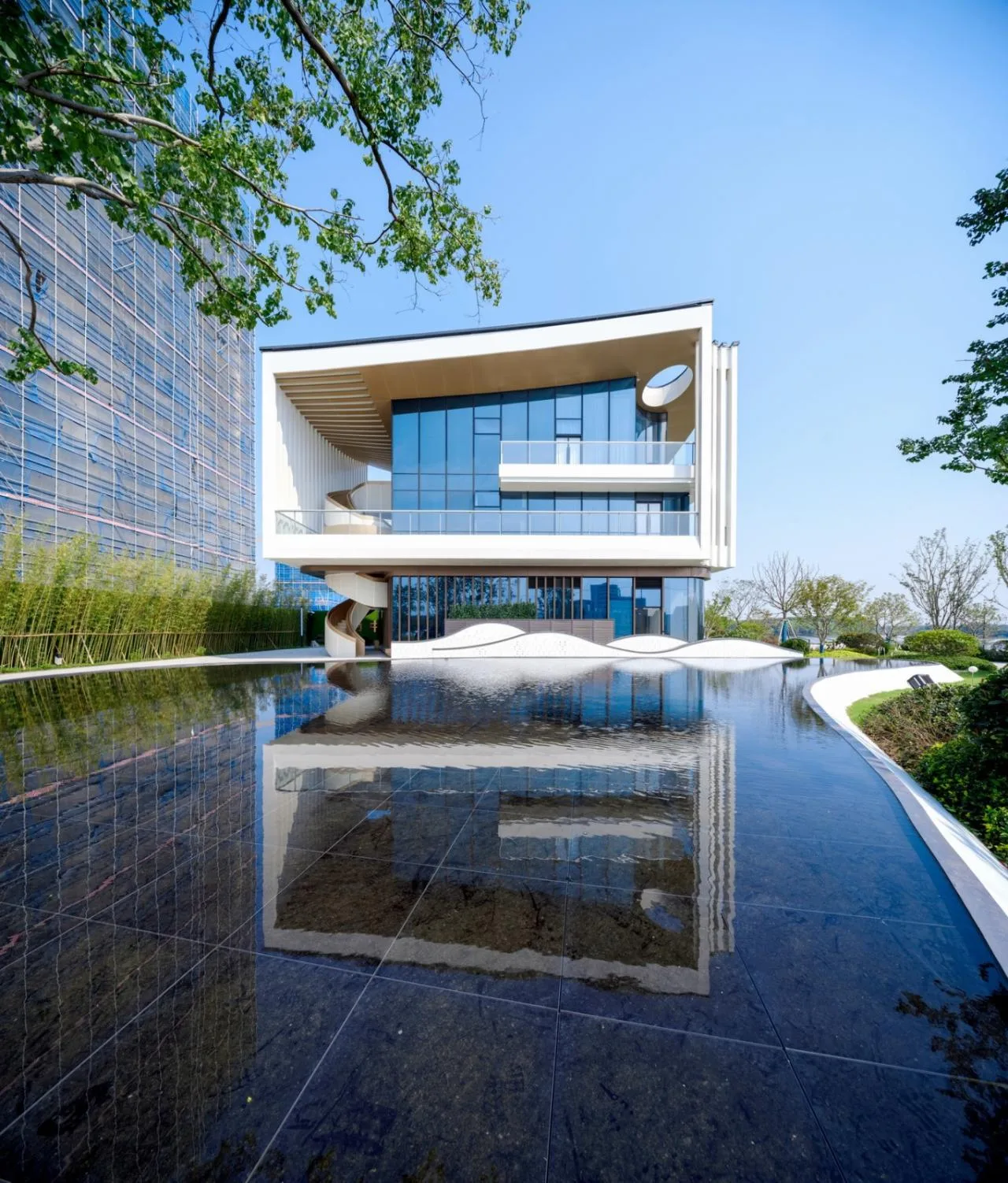
△ Planning Exhibition Hall Realistic Scene
Creating such a compact yet complex building to comply perfectly with regulations, business requirements, and fire evacuation standards posed significant challenges.
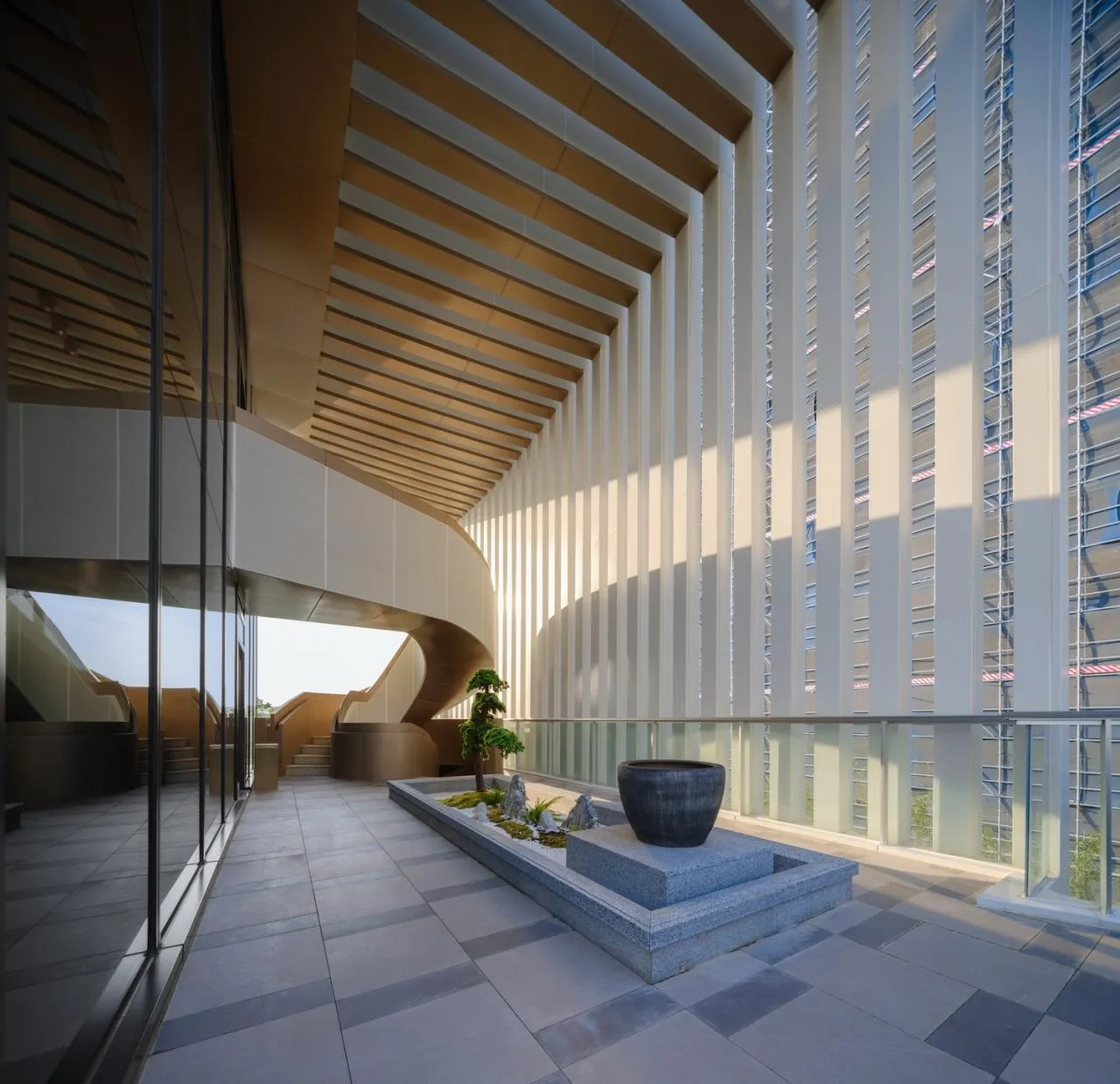
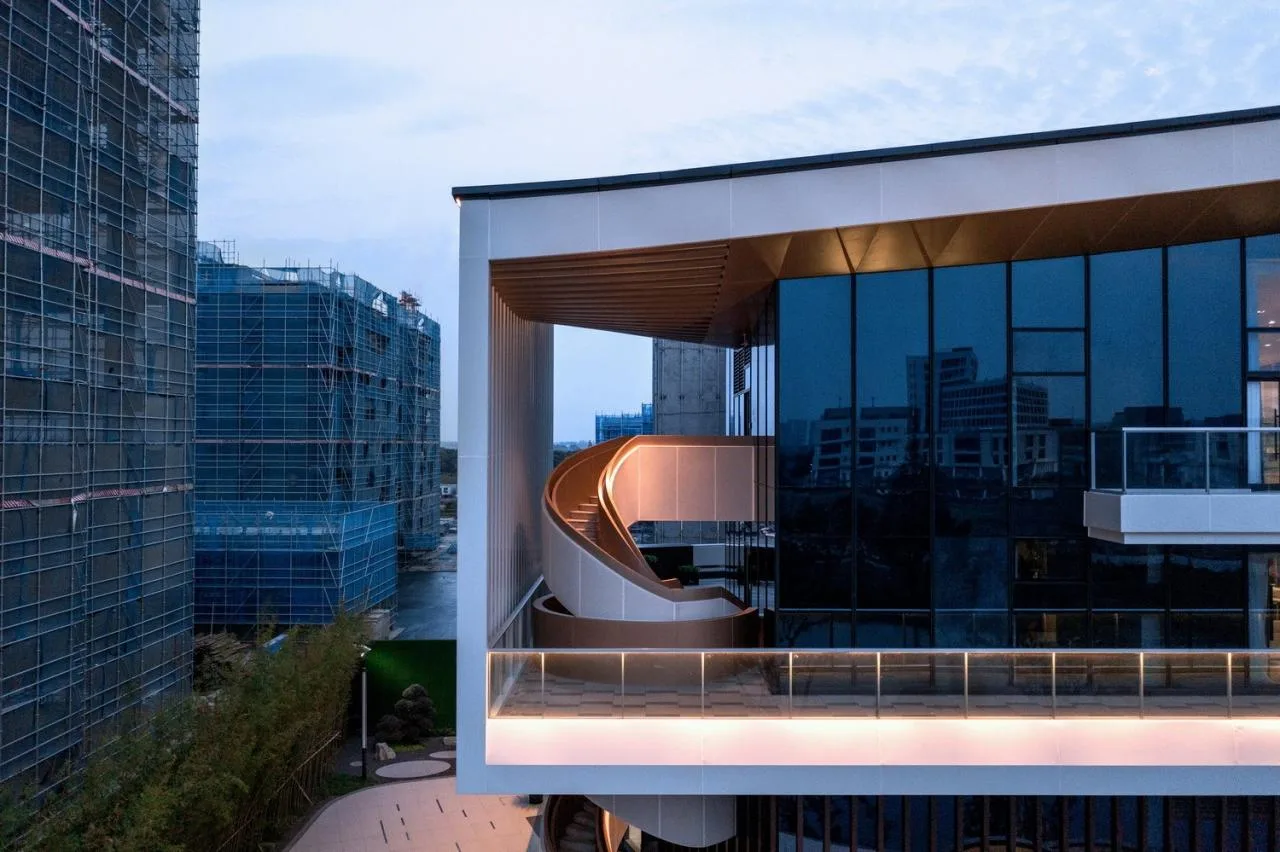
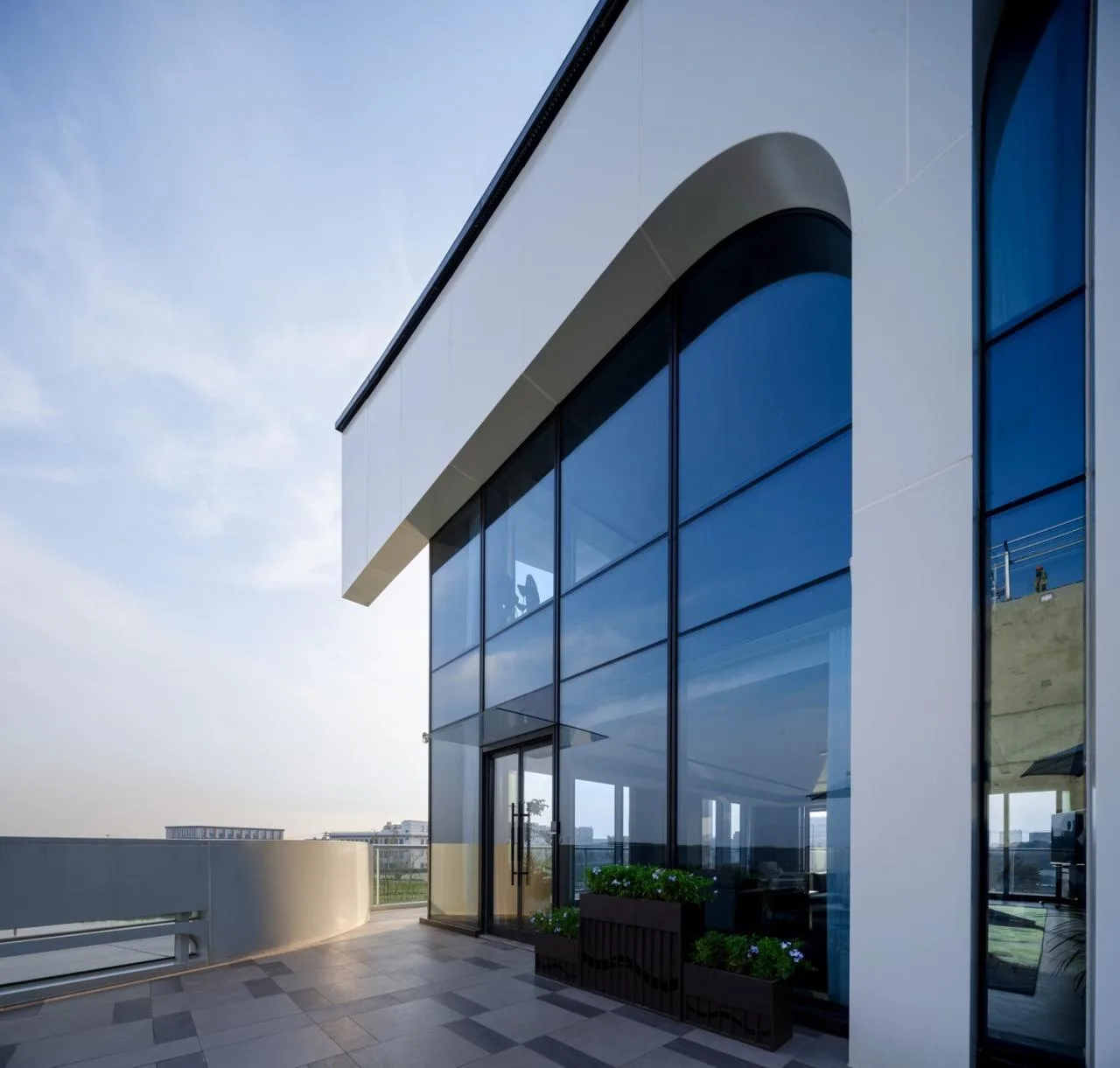
△ Terrace Space
The Ingenious Transformation of Evacuation Stairs
Regulations require two evacuation staircases spaced at least 5 meters apart within the building. To avoid occupying interior space and preserve the building’s suspended aesthetic, the architect designed an outdoor spiraling evacuation staircase with gentle curves.
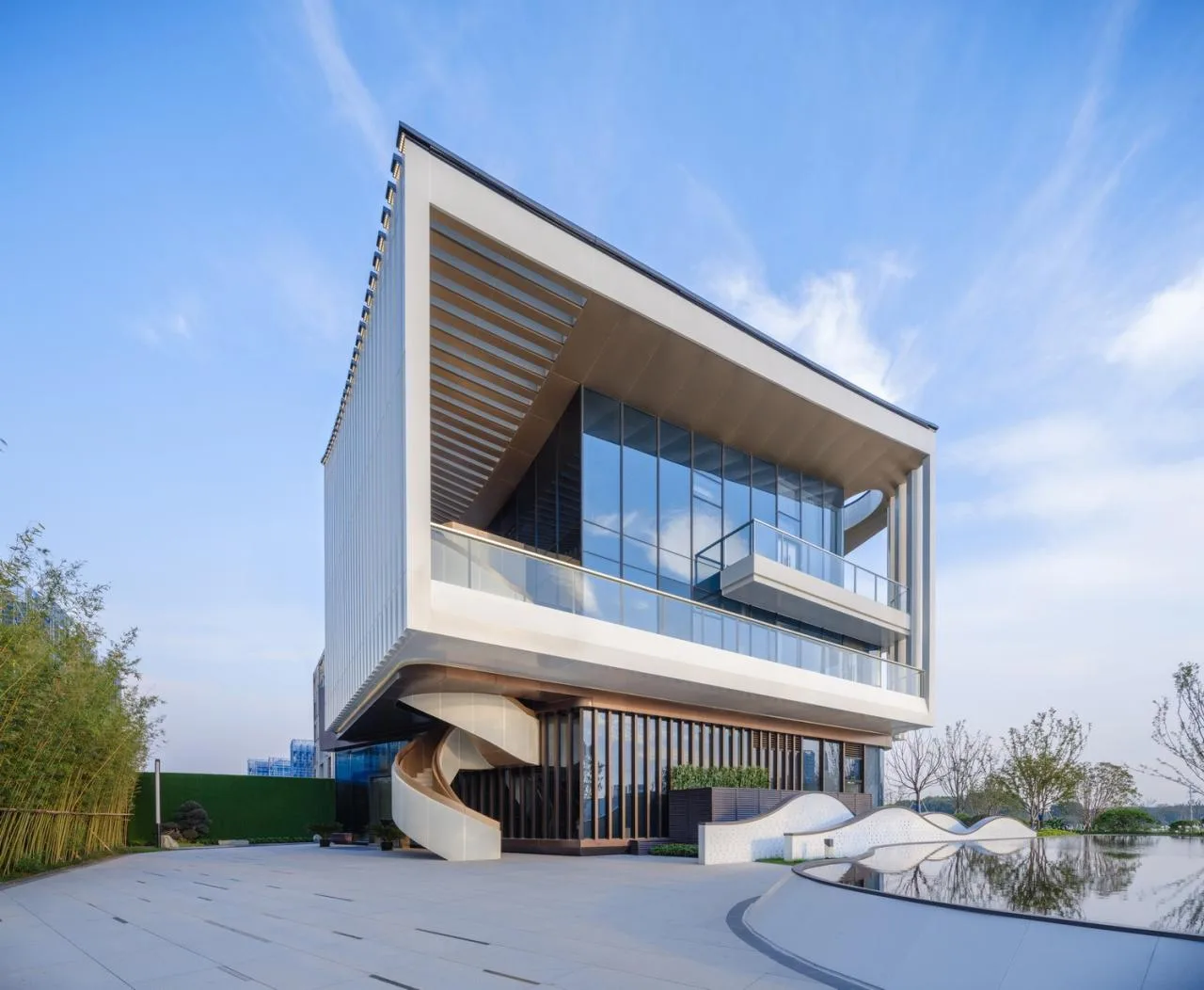
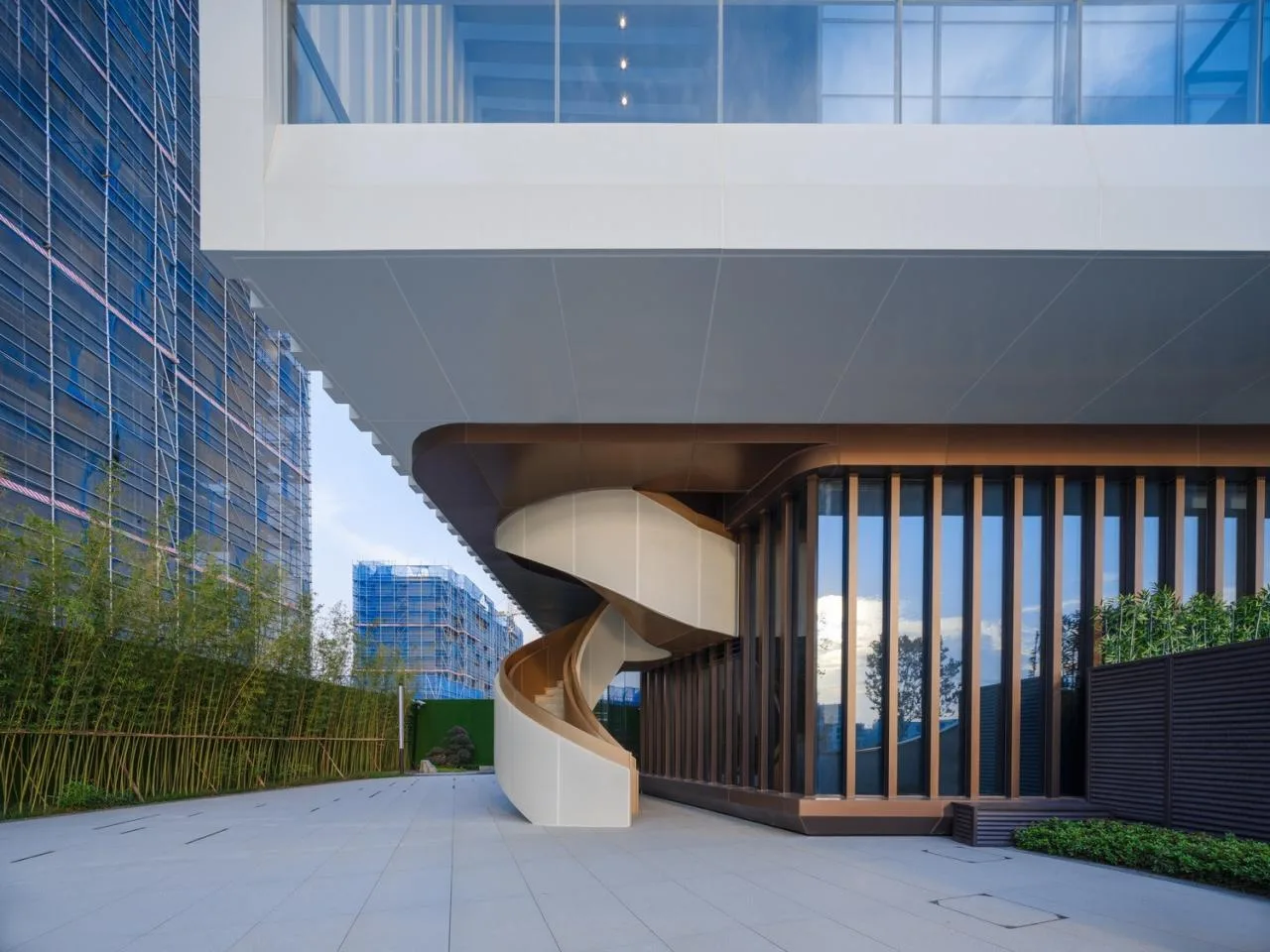
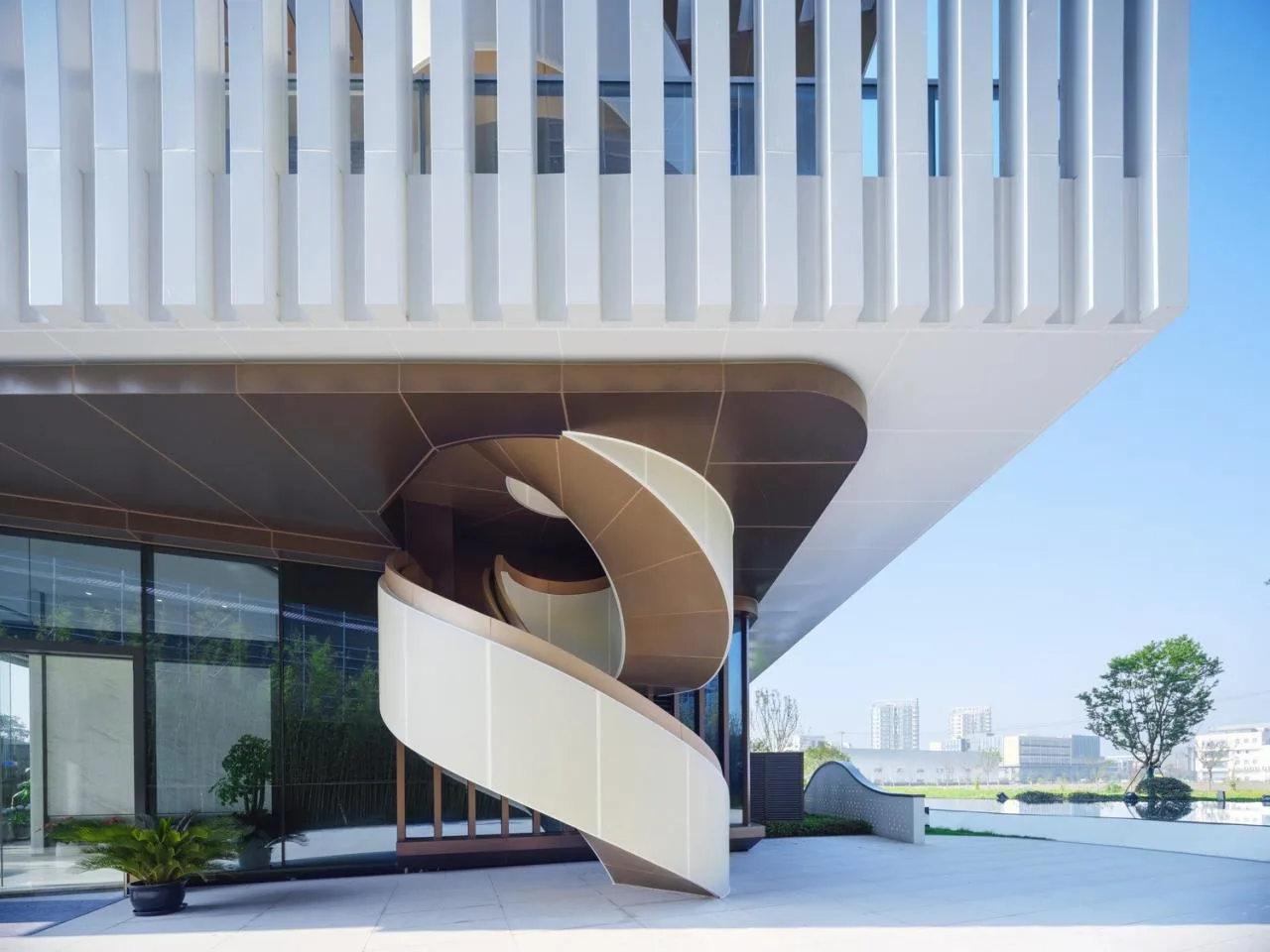
Outdoor spiral evacuation stairs with gentle curves
Strict requirements on step angle, height, radius, and flight length led to a design that partially embeds the stairs into the building body, concealing platforms and columns within without disrupting the elegant spiral form. To hide the restricted resting platform at the stair’s top and maintain the continuous spiral ascent, handrail heights are distributed evenly across steps, causing the structure and outer shape to ascend along two spiral lines with different curvatures. Through dedicated effort, the architect achieved a flawless revolving staircase fully compliant with evacuation standards.
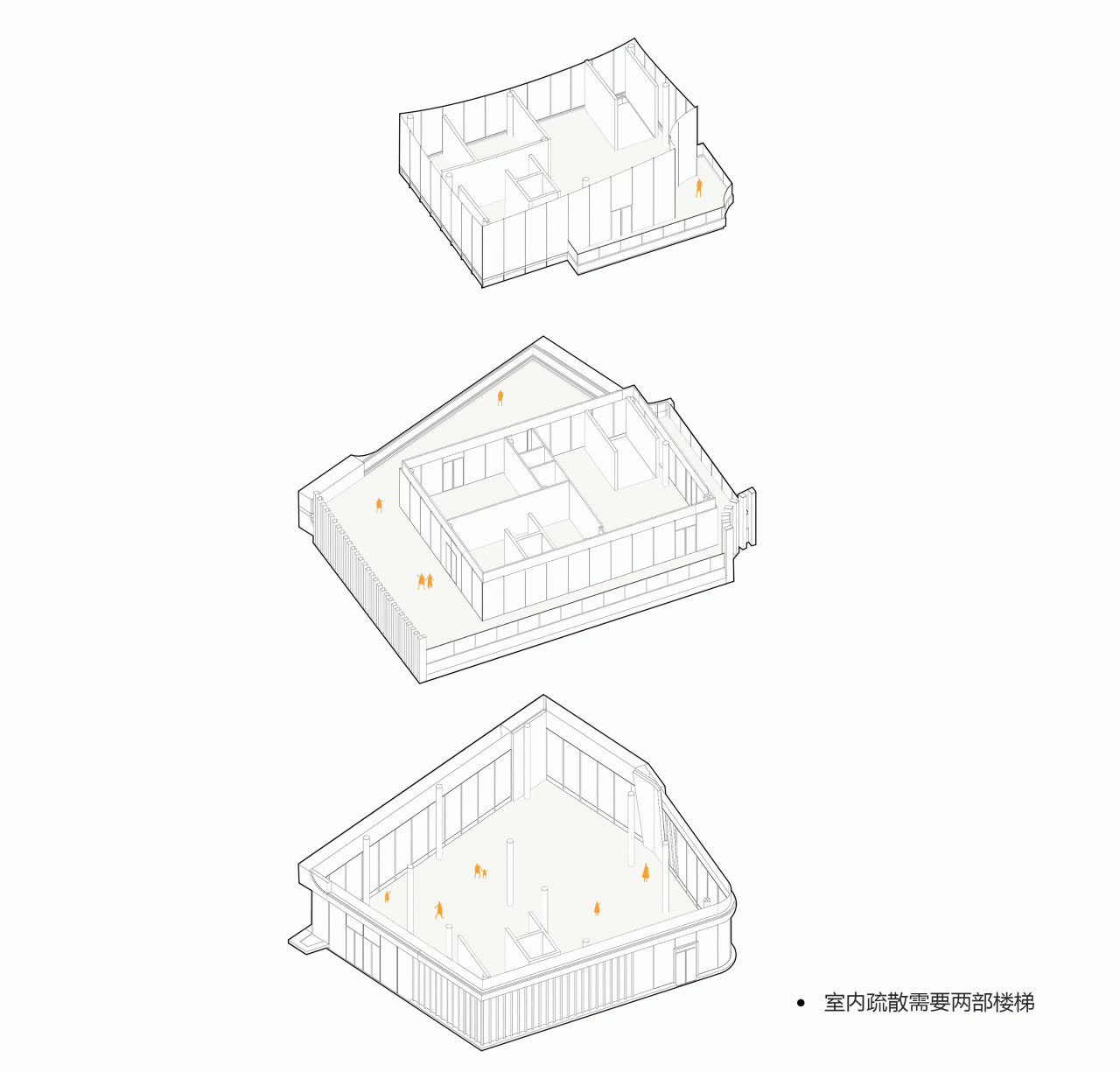
Design diagram of rotating evacuation stairs
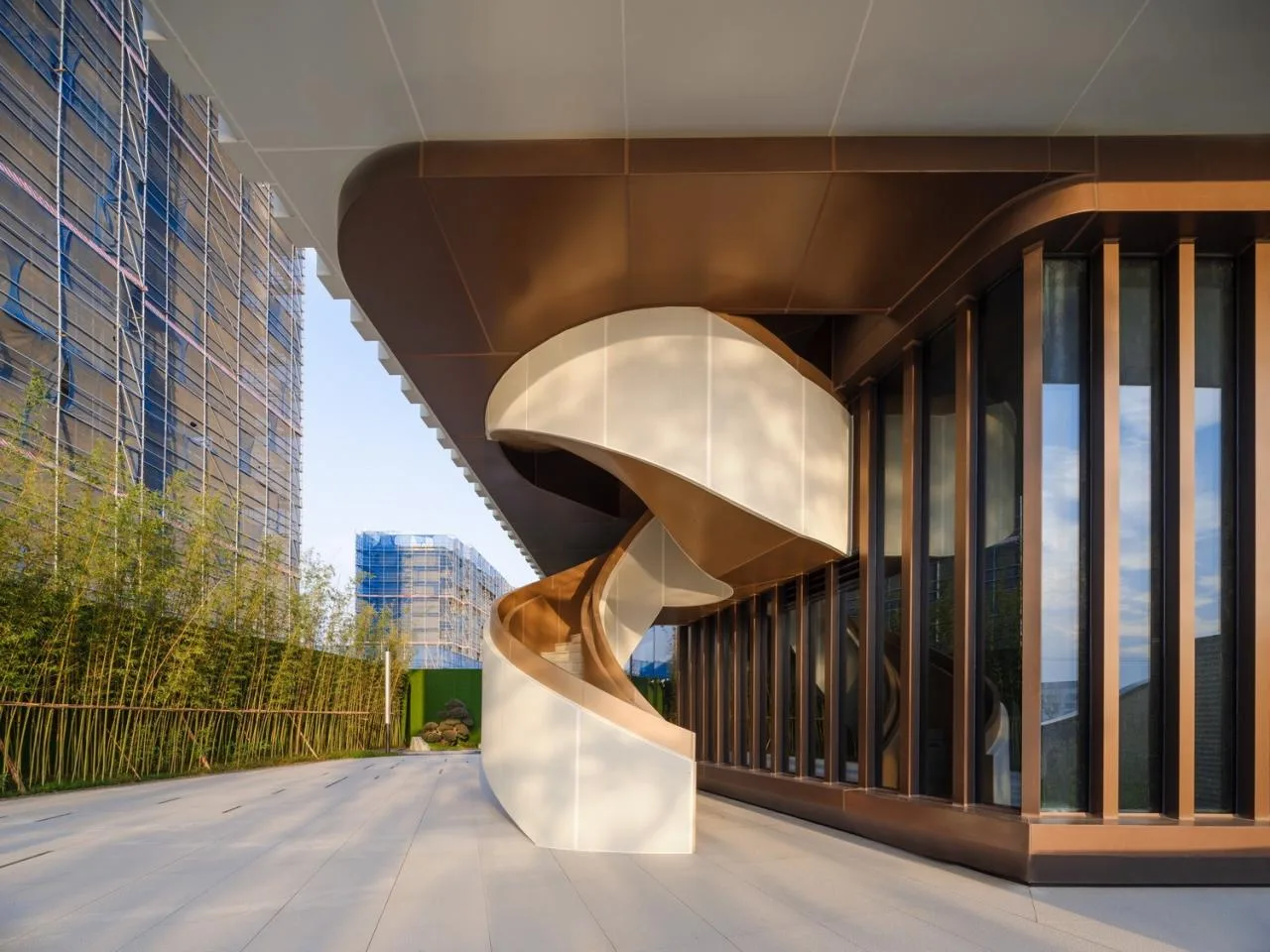
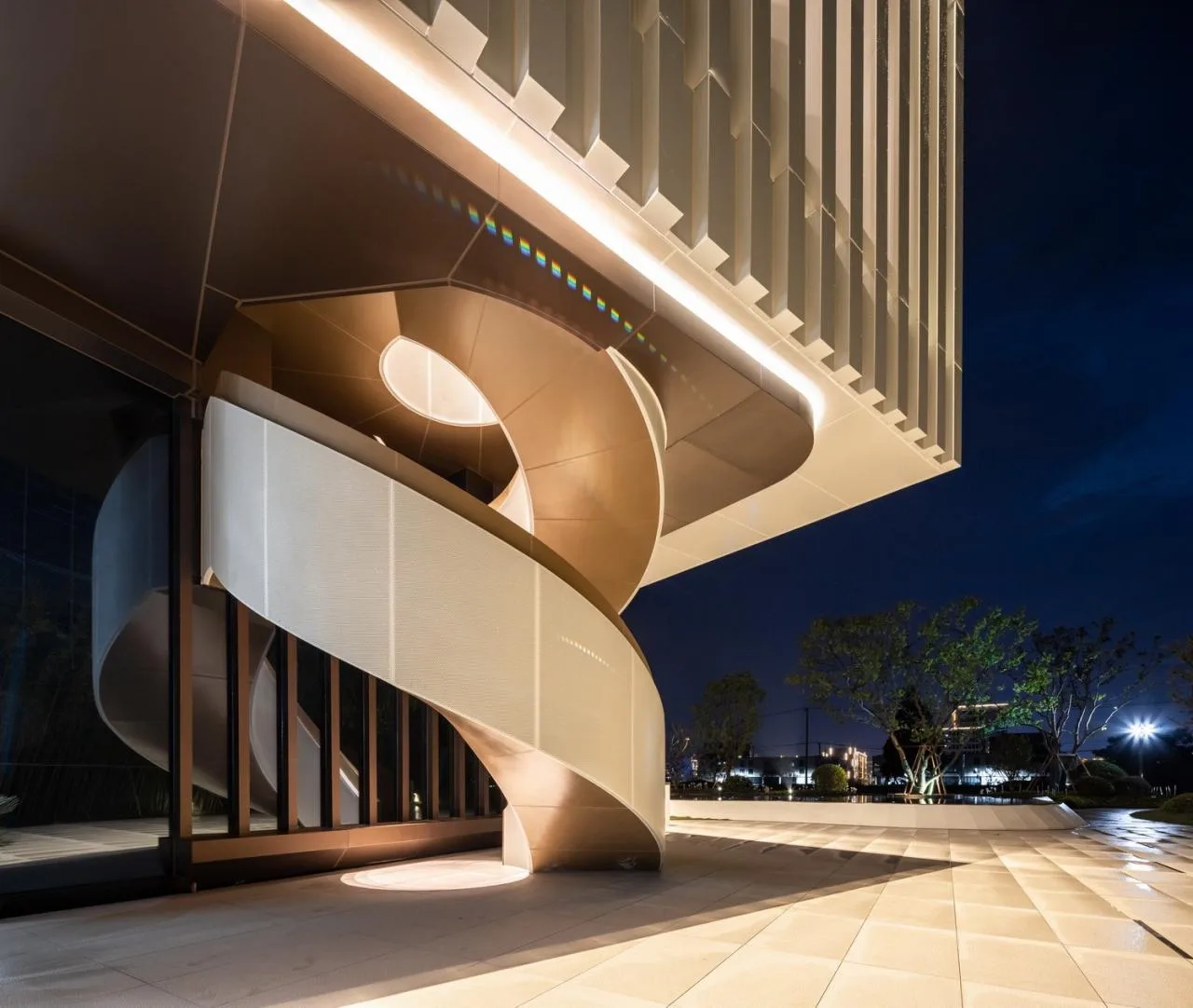
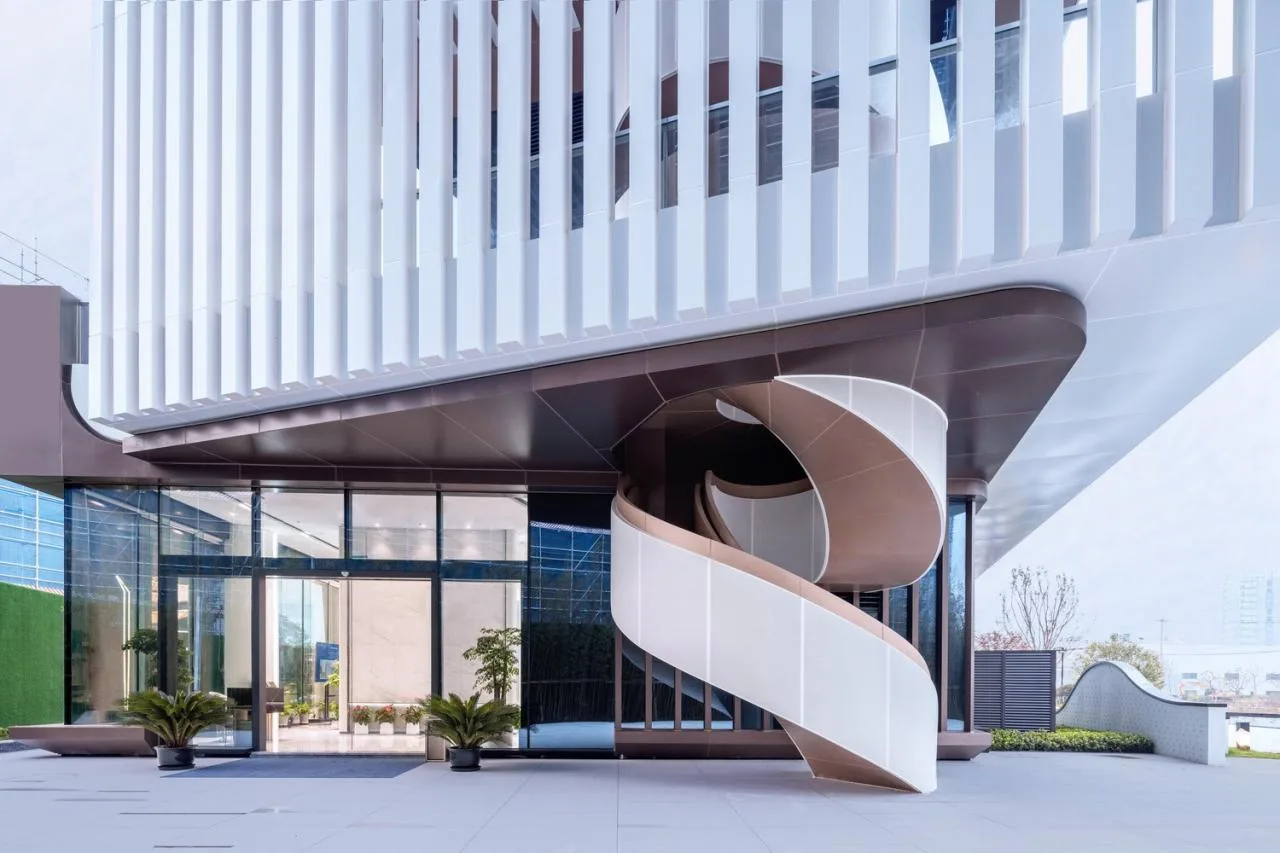
The seamless integration of stairs and architecture
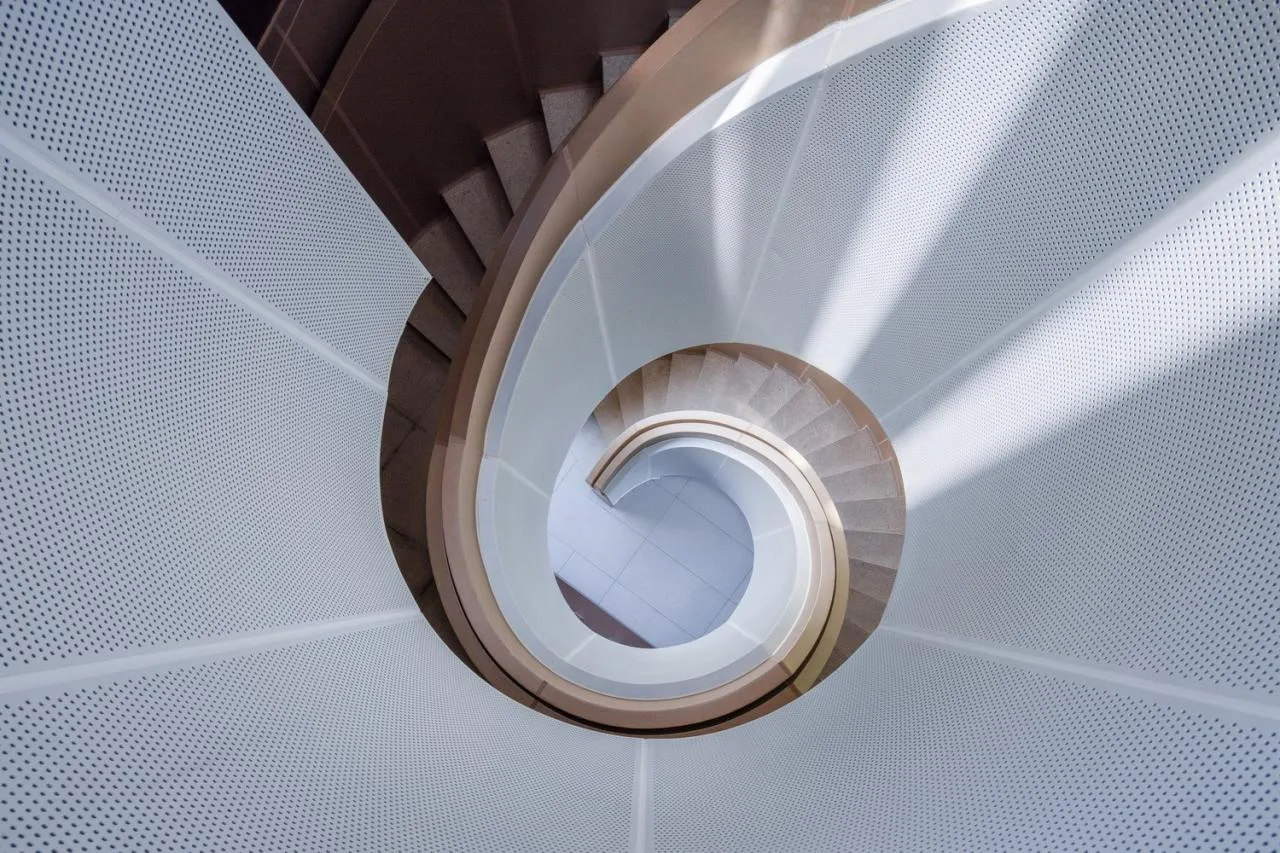
△ Staircase Details
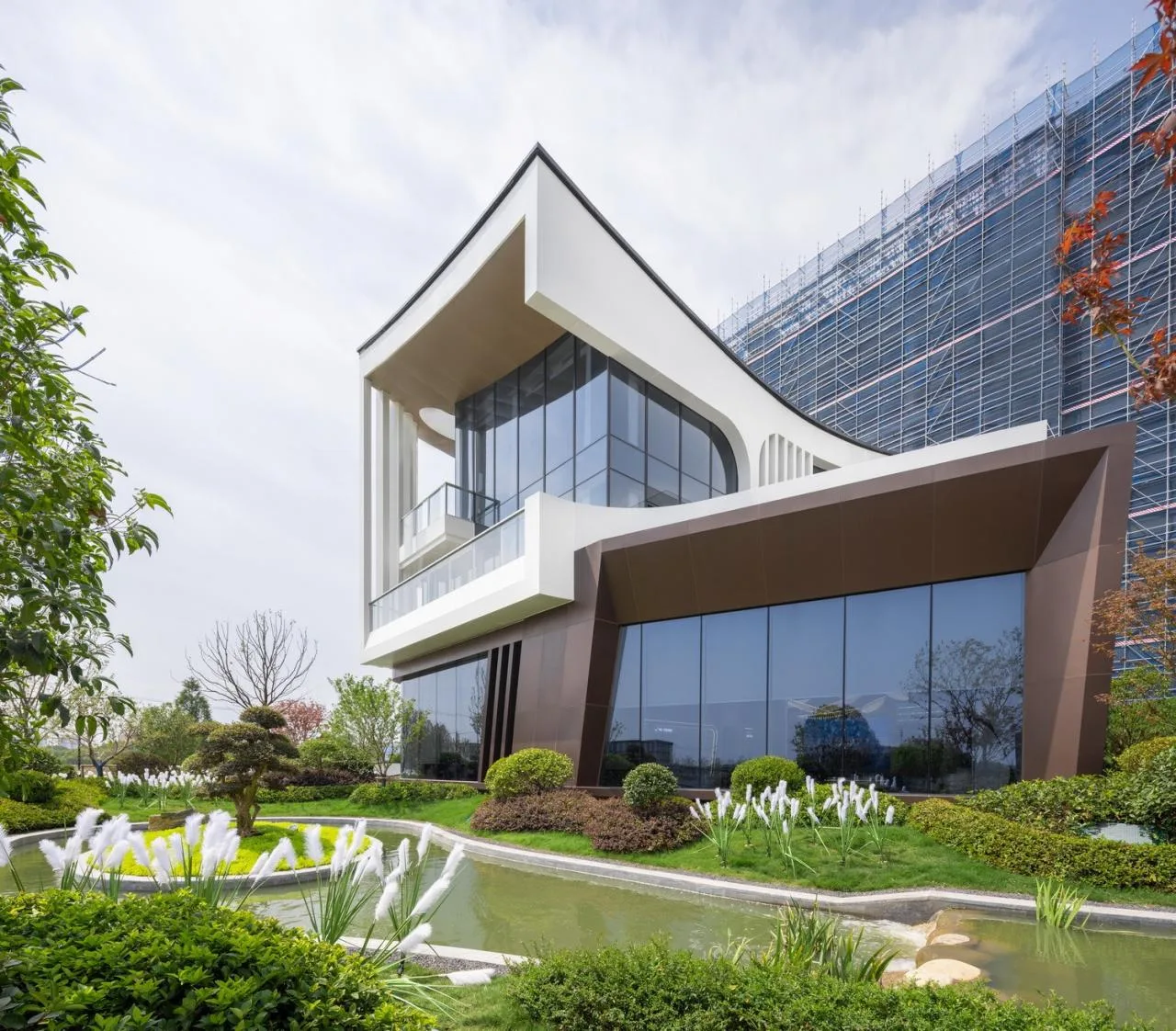
A Hyperbolic Roof with Suzhou-Style Charm
Situated by the water, the planning exhibition hall features a unique hyperbolic roof with Soviet-era charm. Through careful material selection and detailed component design, modern materials mimic traditional tile roofing textures, evoking memories of pink walls, black tiles, upturned eaves, overlapping blue tiles, and the iconic Jiangnan aesthetic.
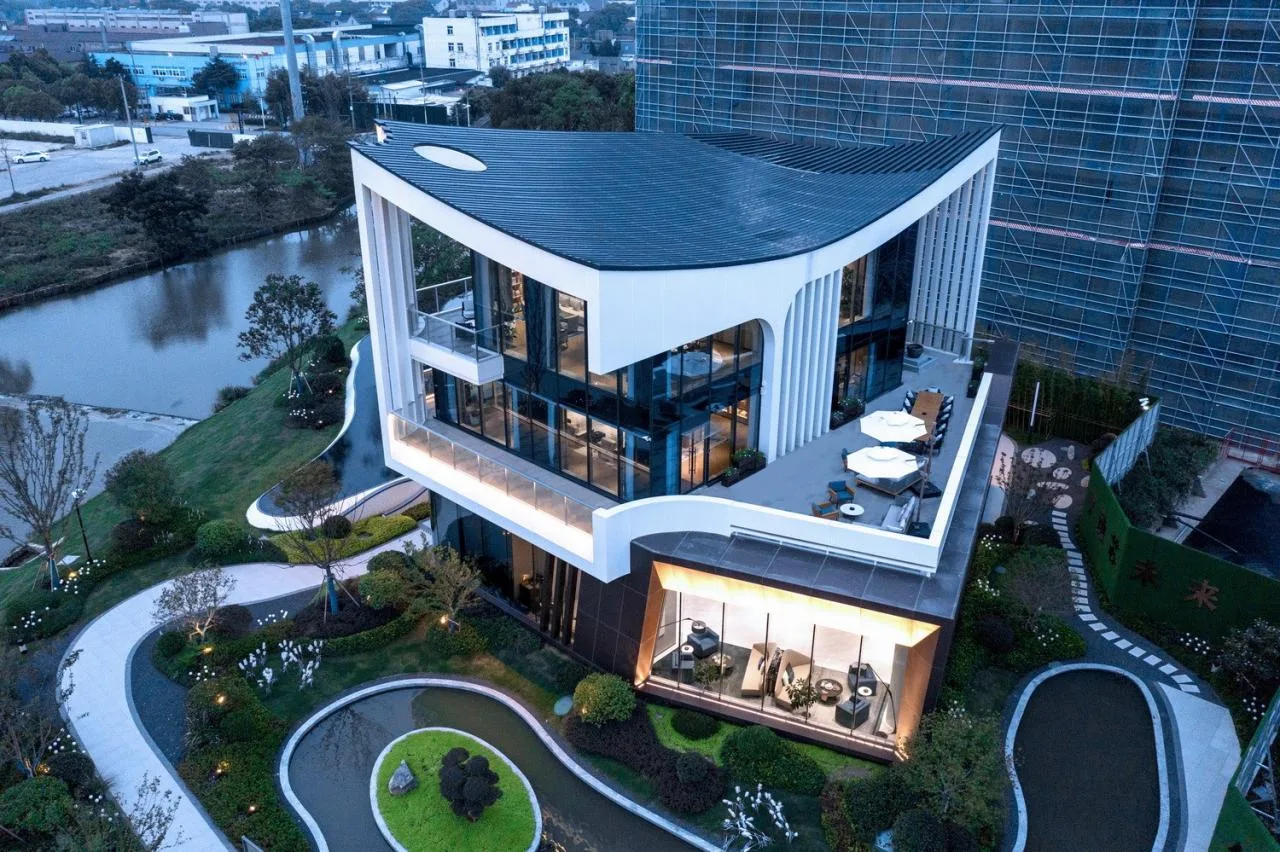
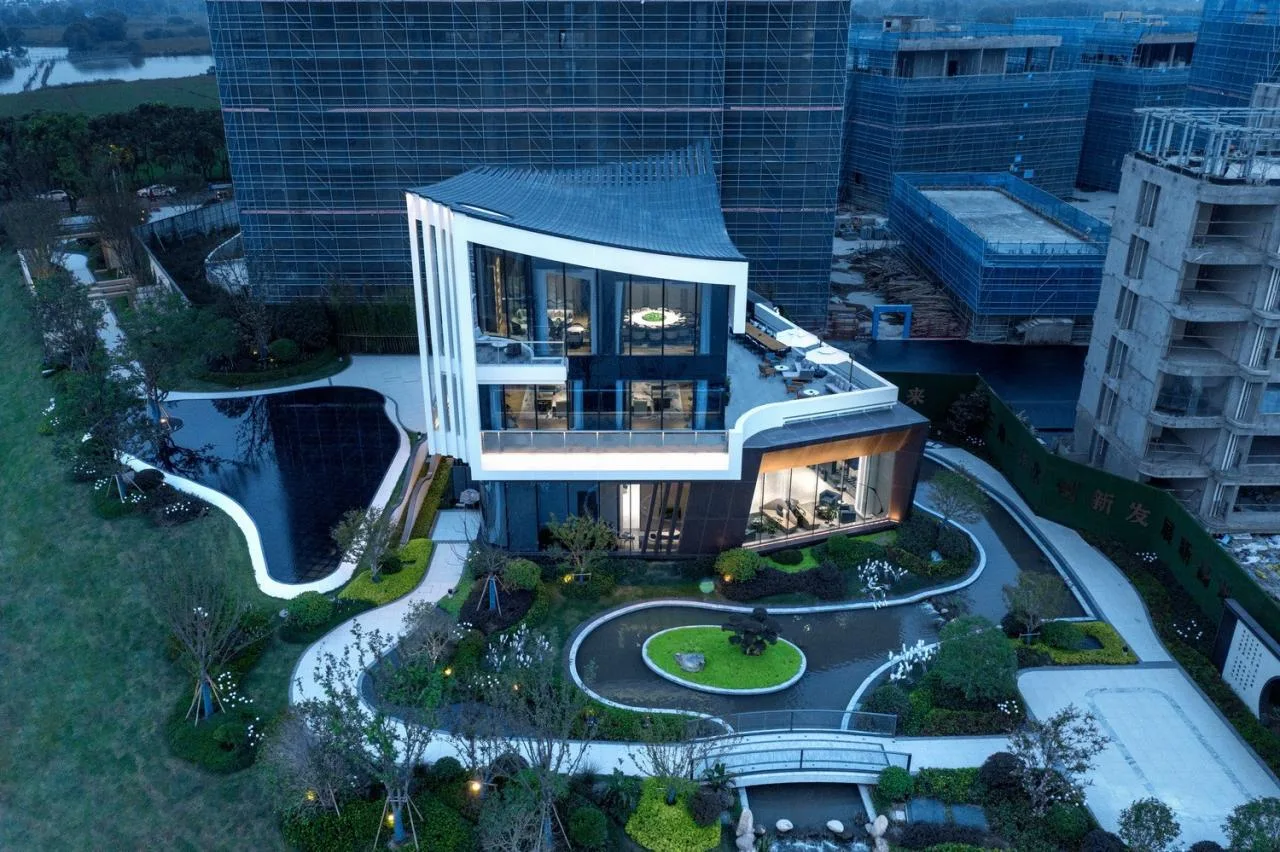
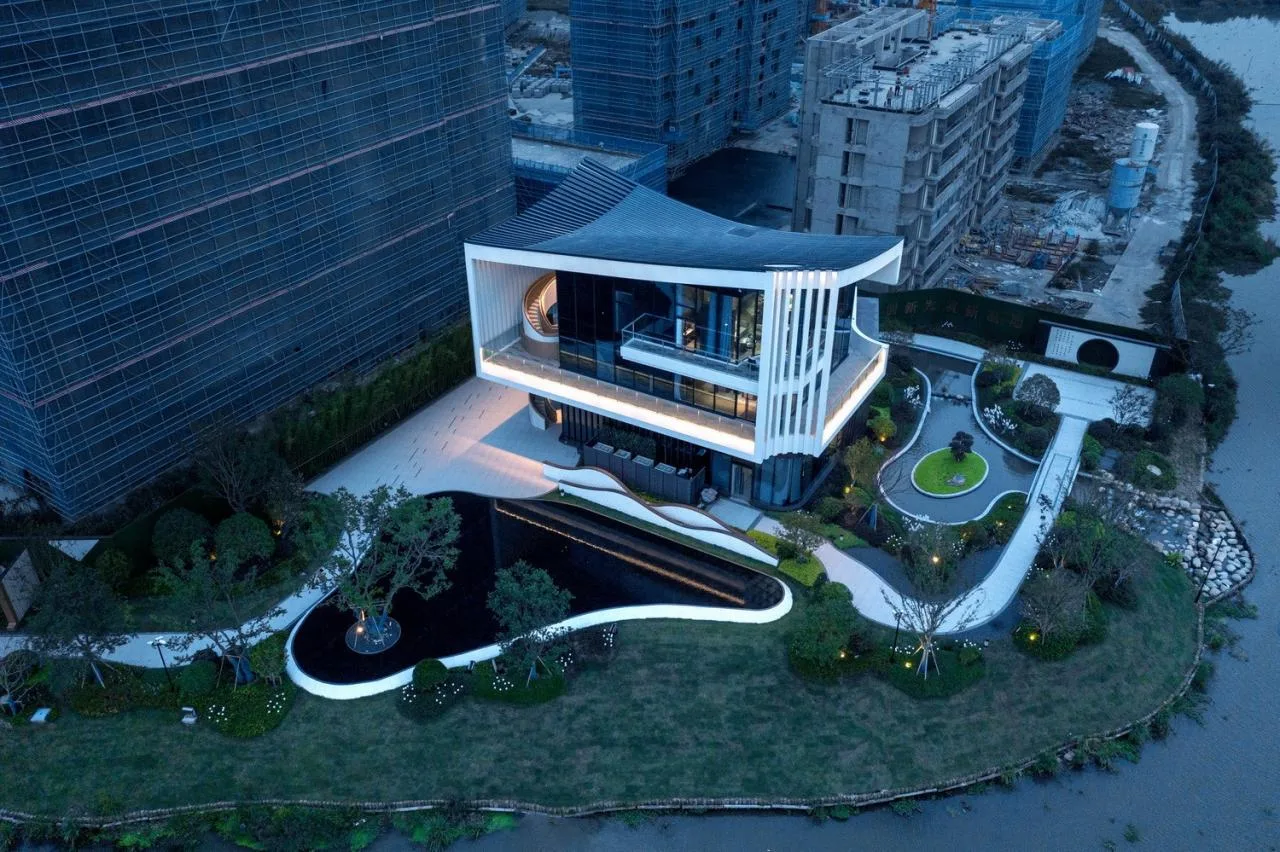
The hyperbolic roof with Suzhou-style charm
Traditional Chinese architecture typically features wooden sloping roofs, but this exhibition hall’s hyperbolic roof is made of concrete. To accurately realize the curved beams of the design, parametric methods were used to identify precise positioning points and heights, followed by software simulations for fitting.
Given the concrete roof’s heavy, coarse nature and requirements for insulation and waterproofing, design efforts focused on making the roof appear light and slender. By flipping up civil beams and material cutting, the roof achieves a visually light form. The height of the aluminum plate edges is strictly controlled, cleverly incorporating the roof’s lowest point for hidden drainage using hollow aluminum plates combined with the roof layer.
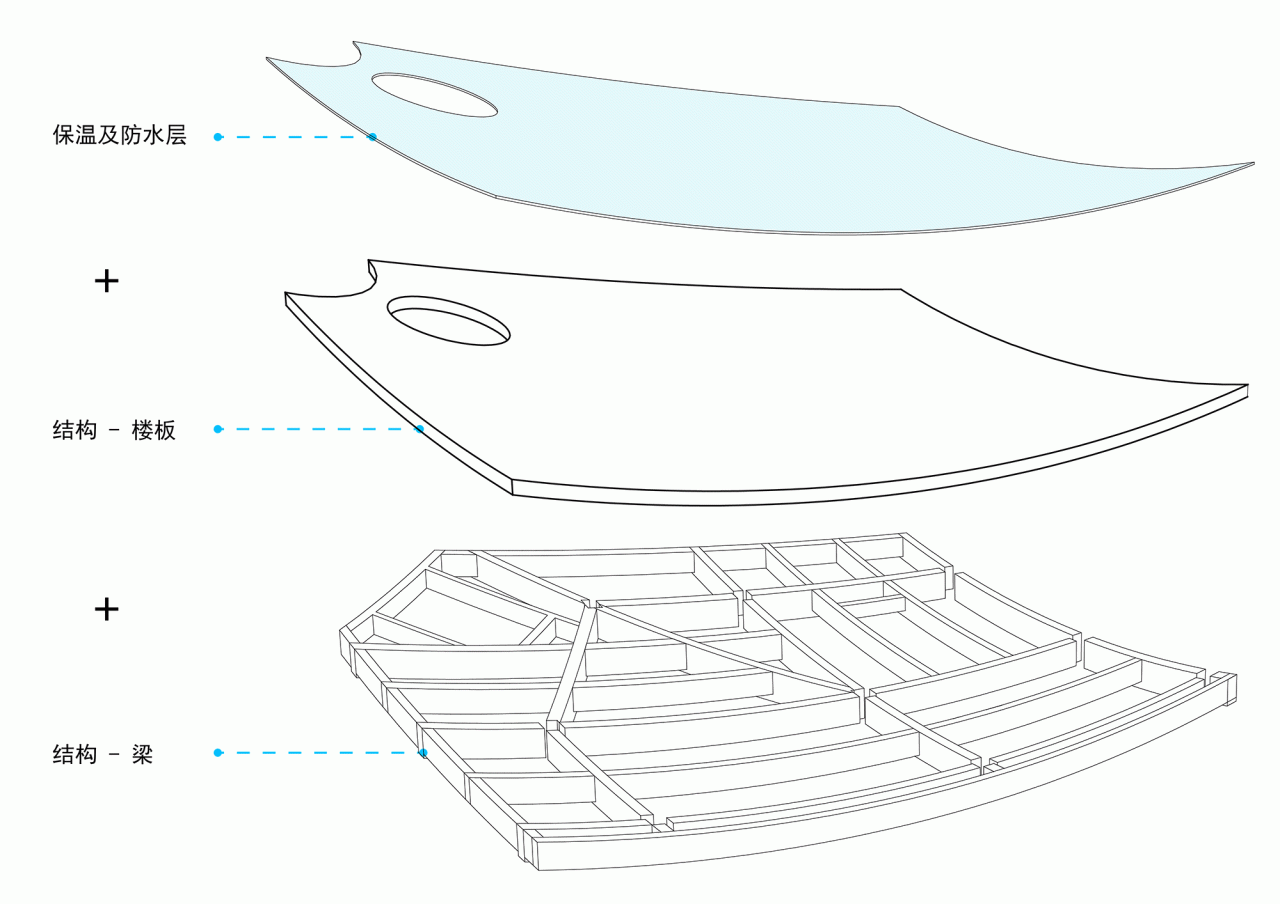
Design diagram of hyperbolic roof
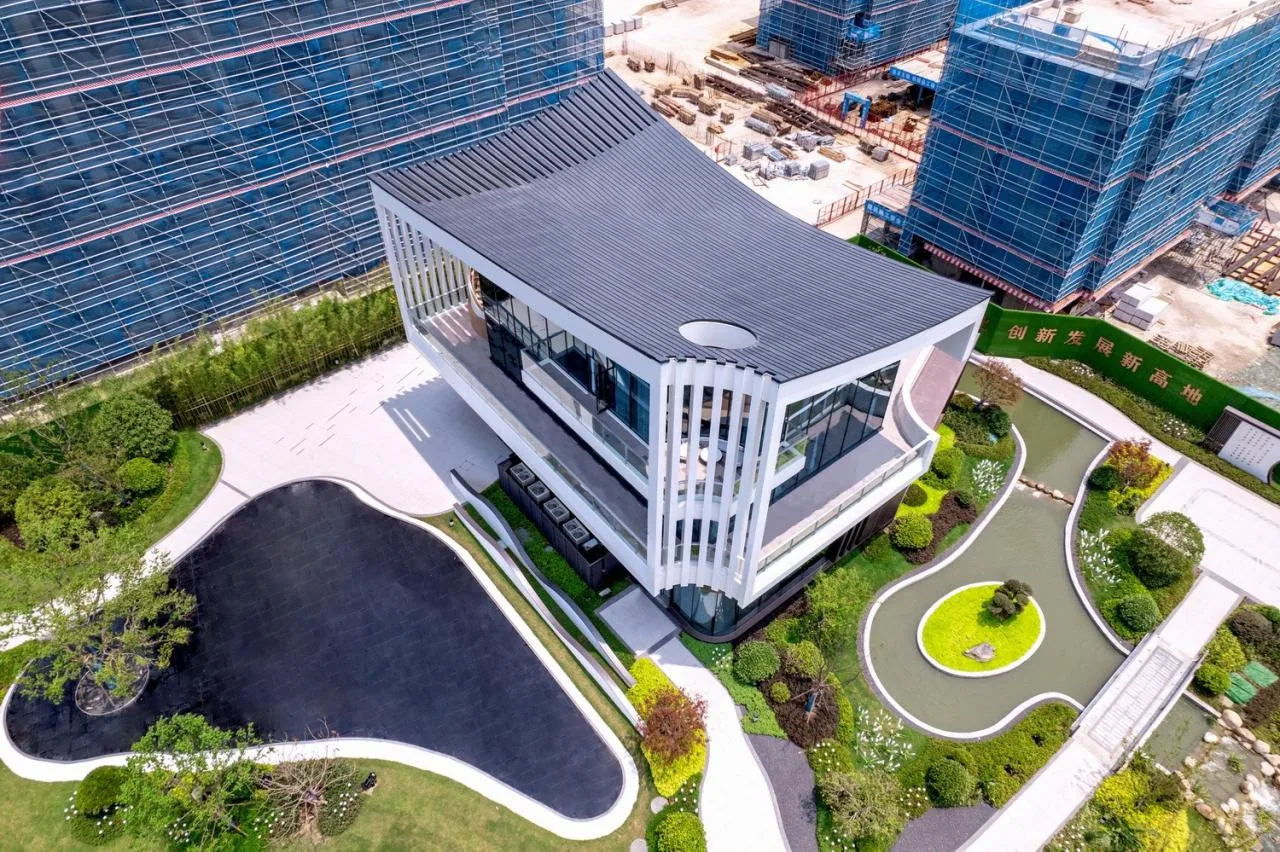
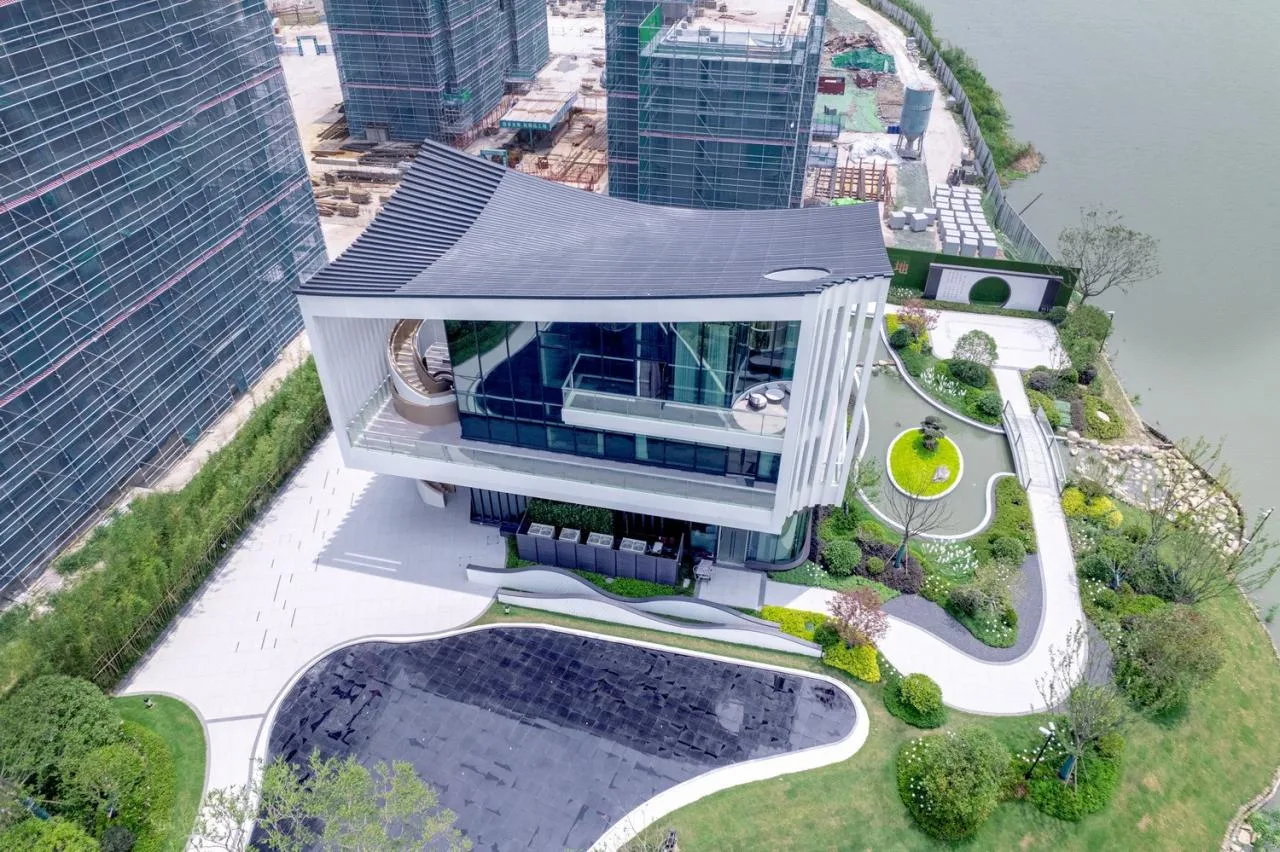
△ Aerial View of the Roof
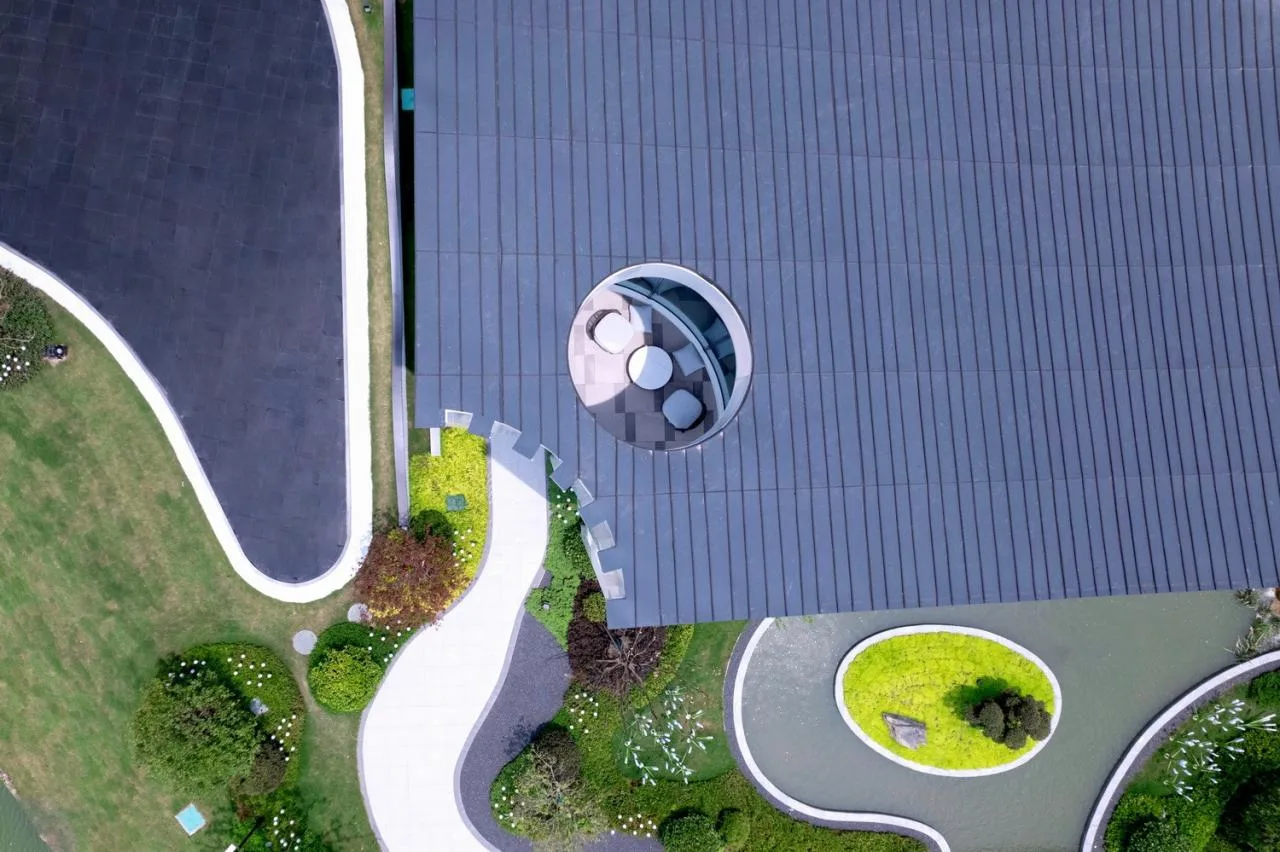
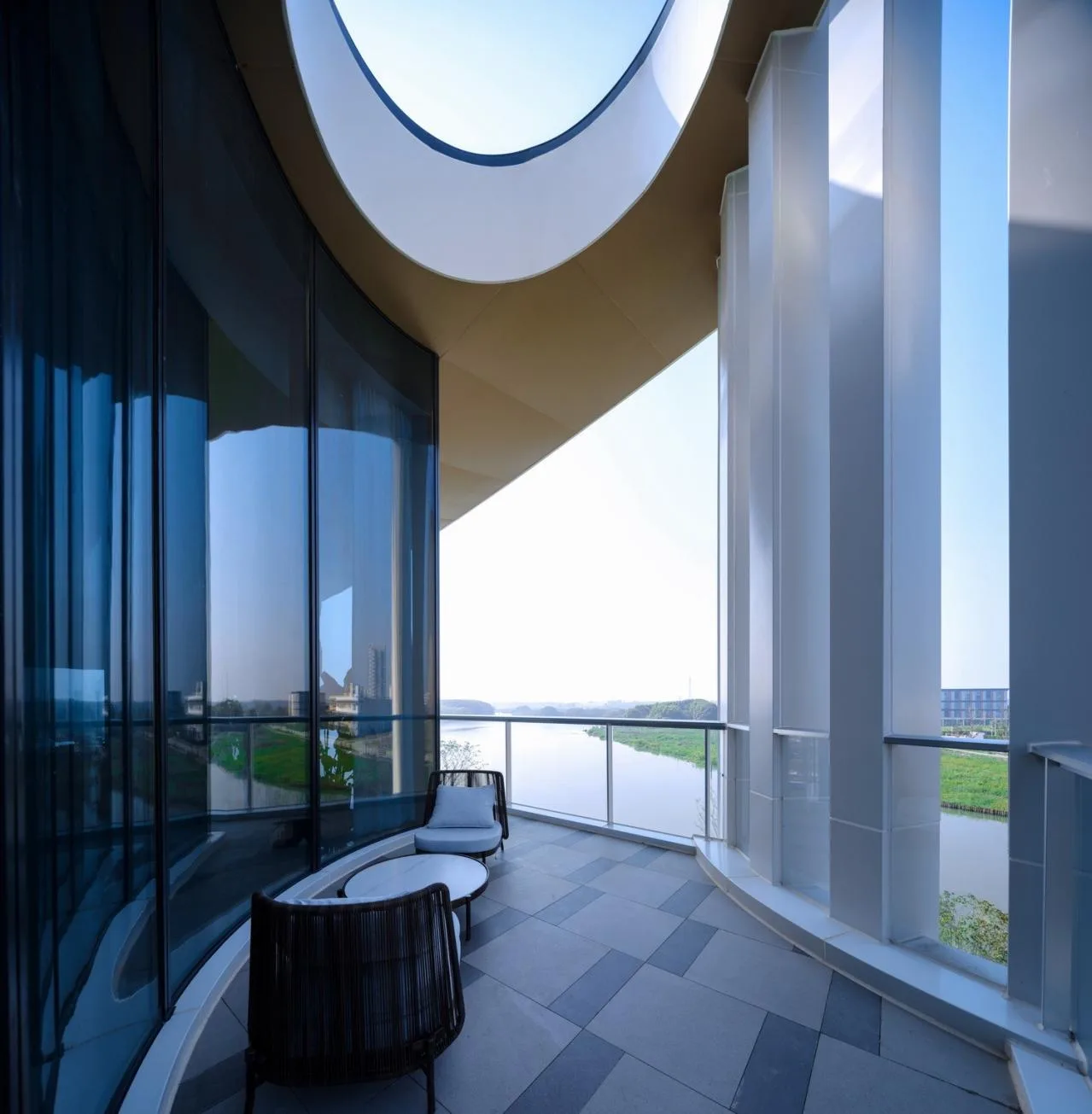
△ Roof Details
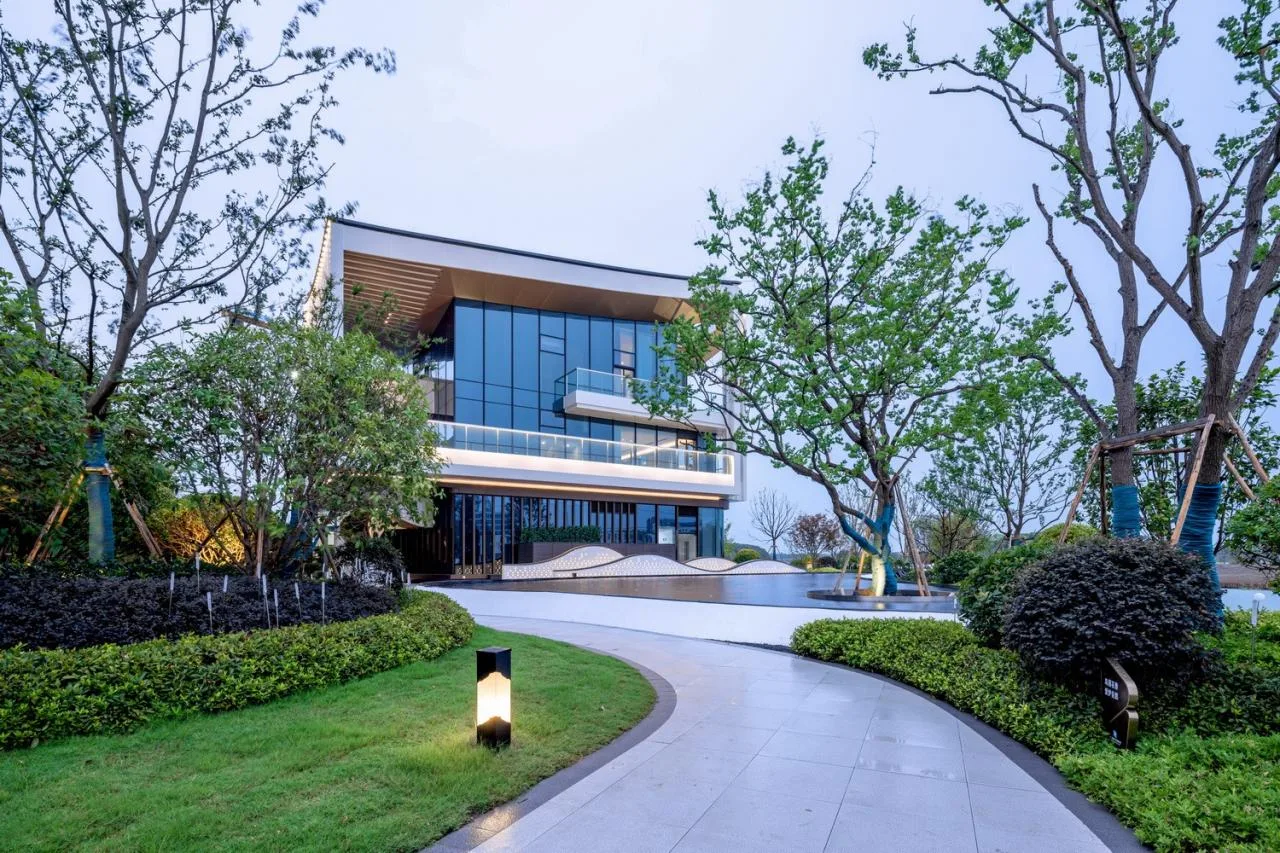
In the courtyard before the building, the architect designed undulating screens and reflective water pools to add layers and intrigue to the space. Combined with landscape vegetation, this creates visual experiences of changing scenery and a sense of depth—achieving the effect of “seeing the big from the small.” This reflects the architect’s dedication and passion, turning architecture into a form of solidified art.
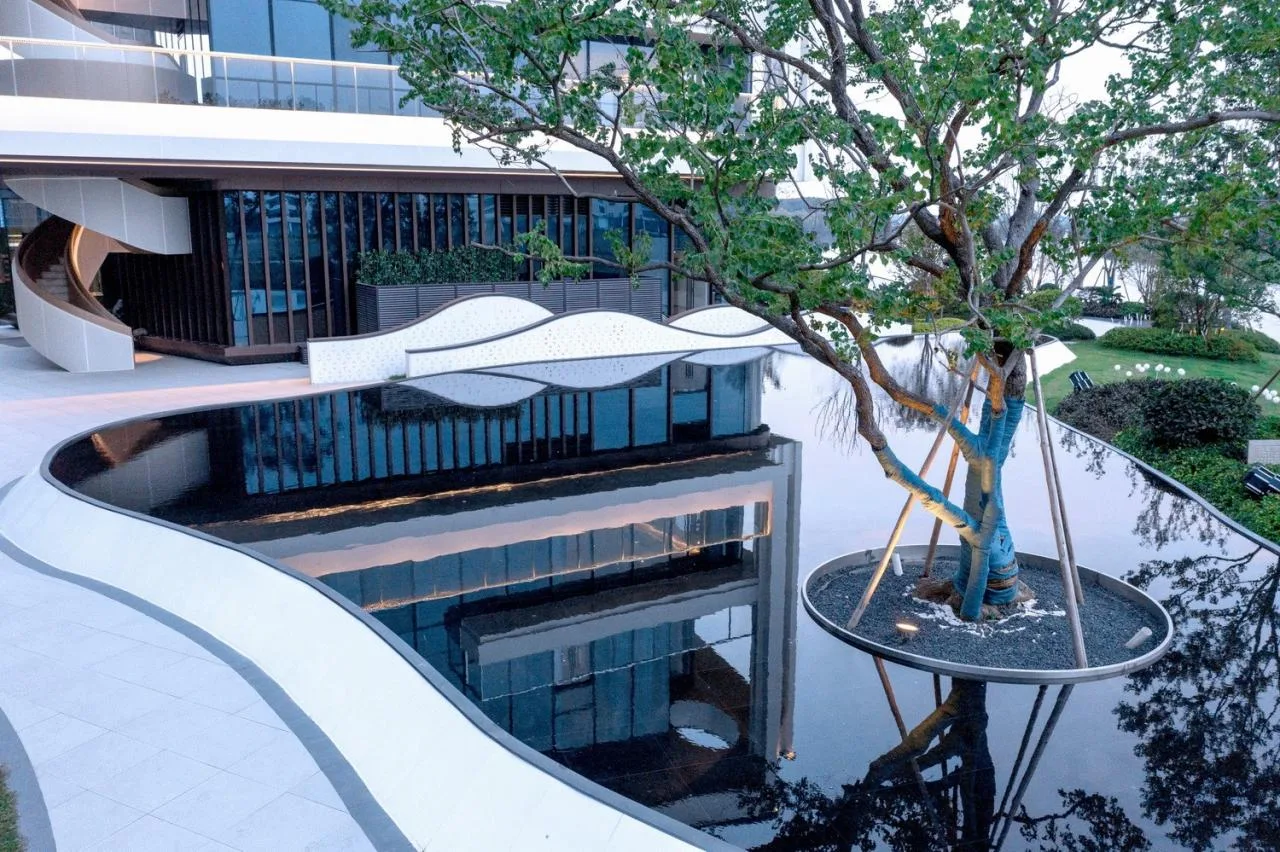
Undulating screen and mirrored pool
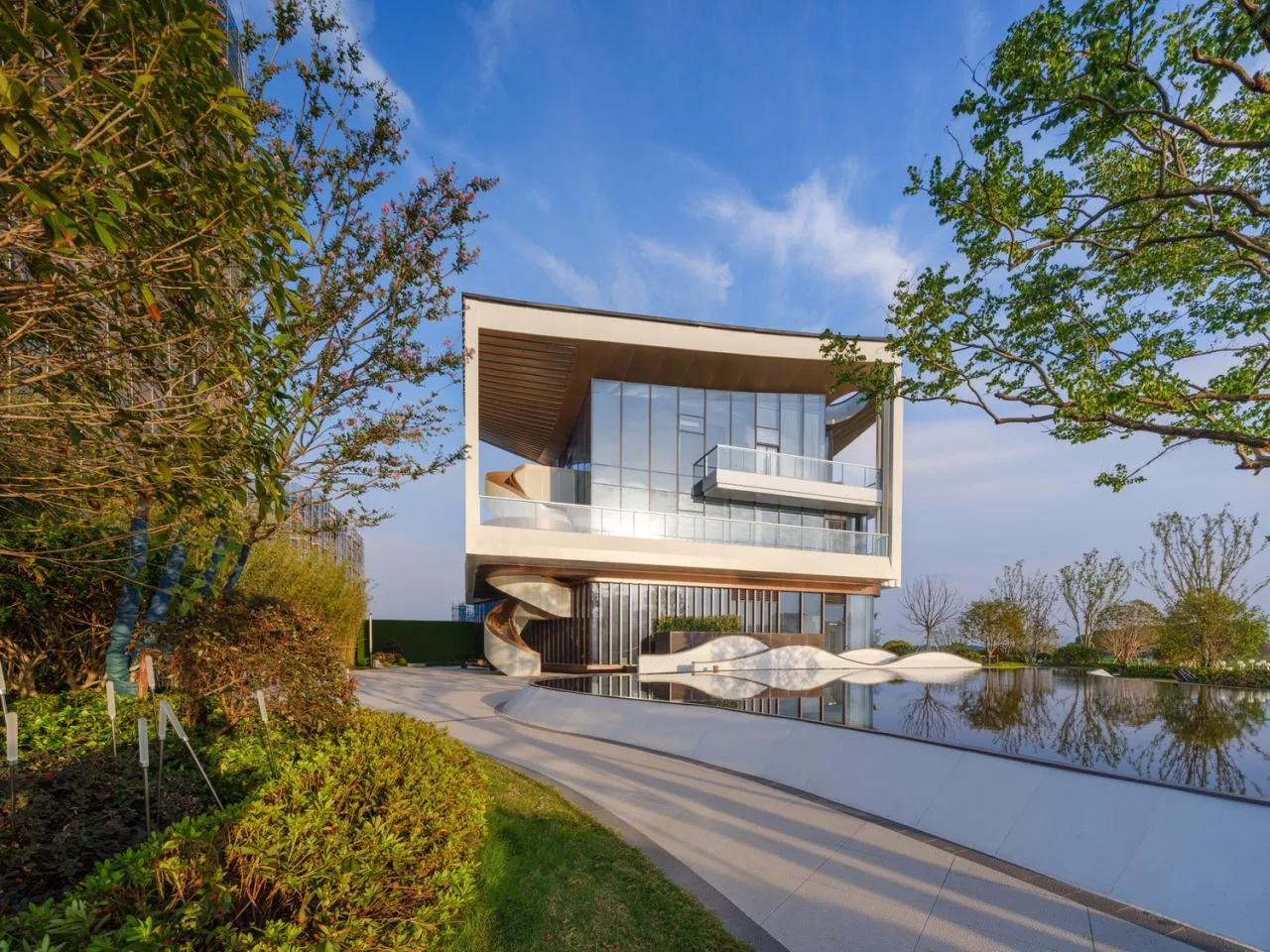
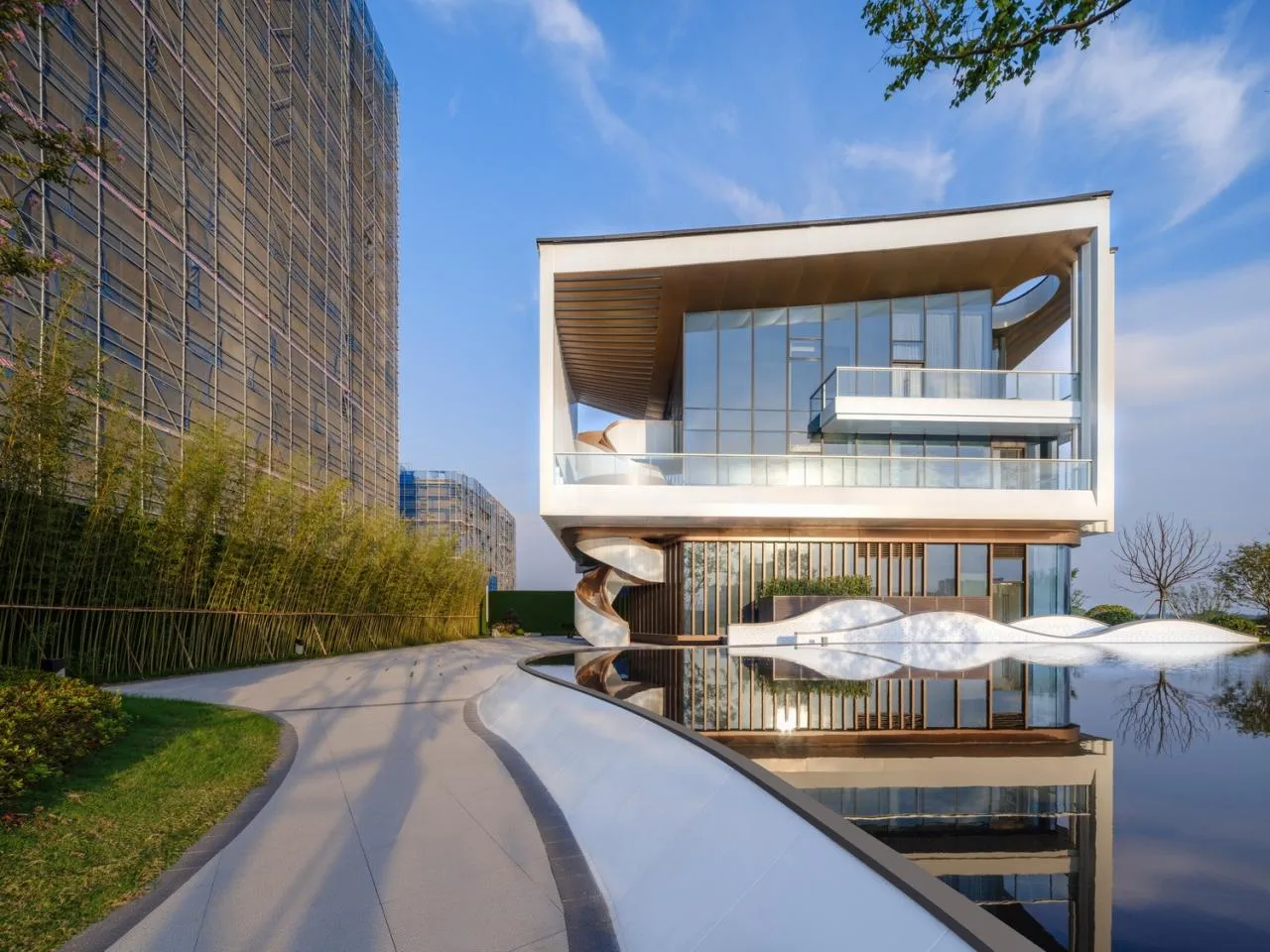
△ The effect of stepwise scenery differentiation through landscape and vegetation
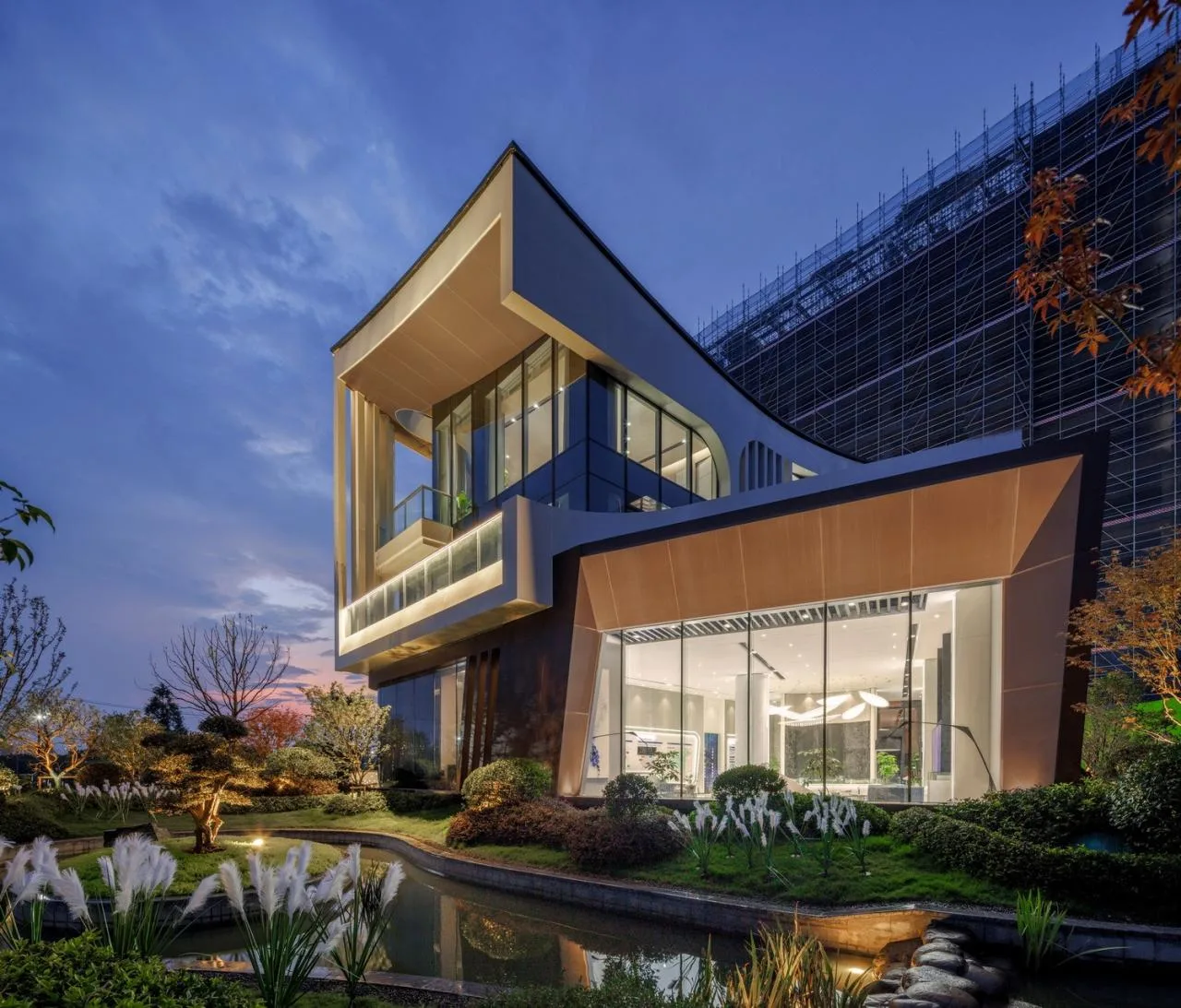
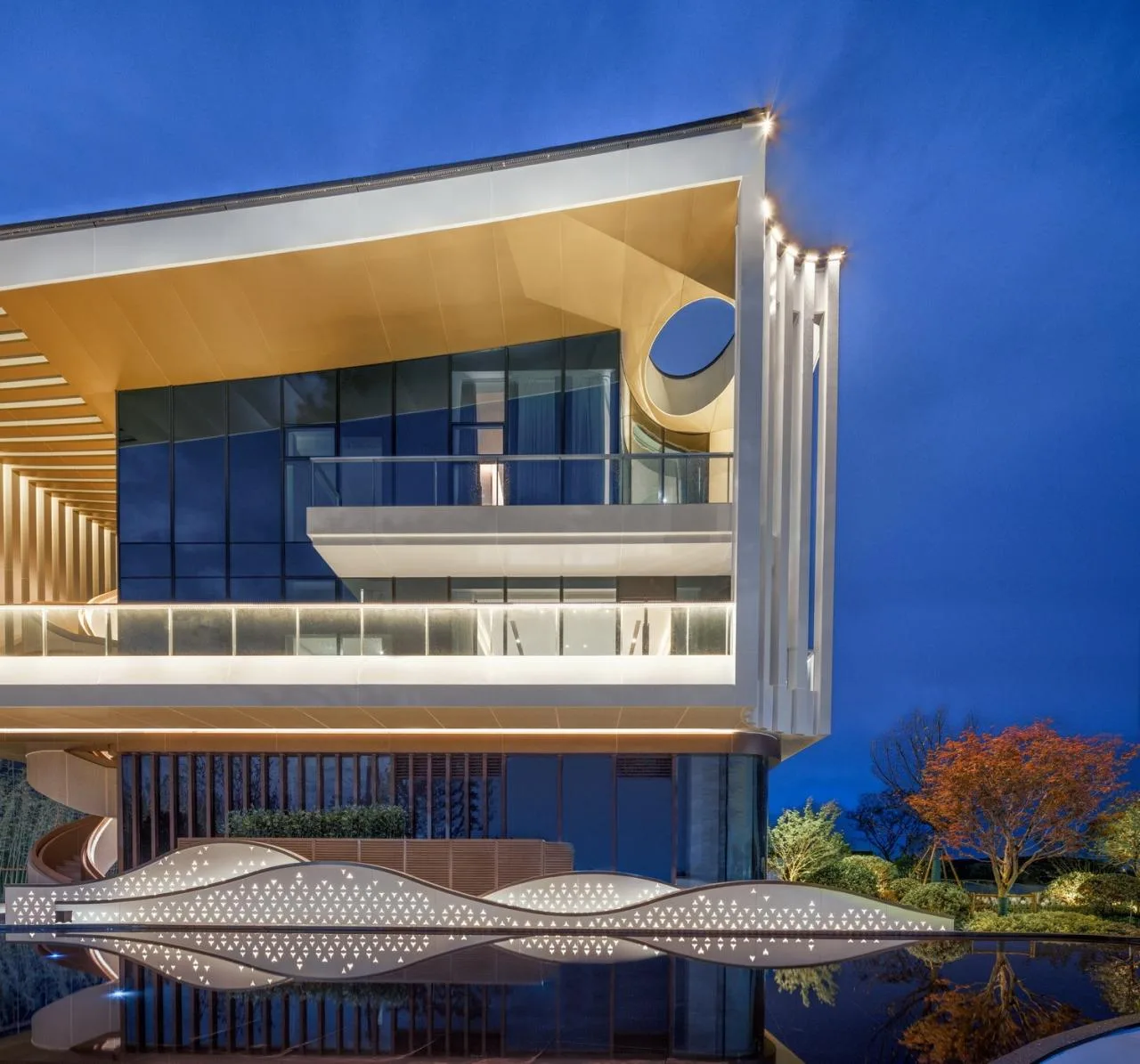
△ Courtyard Night View
As a flagship project within the core of the Yangtze River Delta Green Ecological Integration Development Demonstration Zone, the Yangtze River Delta Science and Technology Dahengxin Research Institute exemplifies high-tech innovation at the urban scale while reflecting Jiangnan water town heritage at the human settlement scale. It embodies the philosophy of “integrating innovation, ecology, industry, and culture”. Moving forward, the institute will leverage its planning and resource advantages to connect upstream and downstream industries, attract cutting-edge intelligent technologies, capital, and talent flows, and invigorate the Yangtze River Delta’s high-quality integrated development.
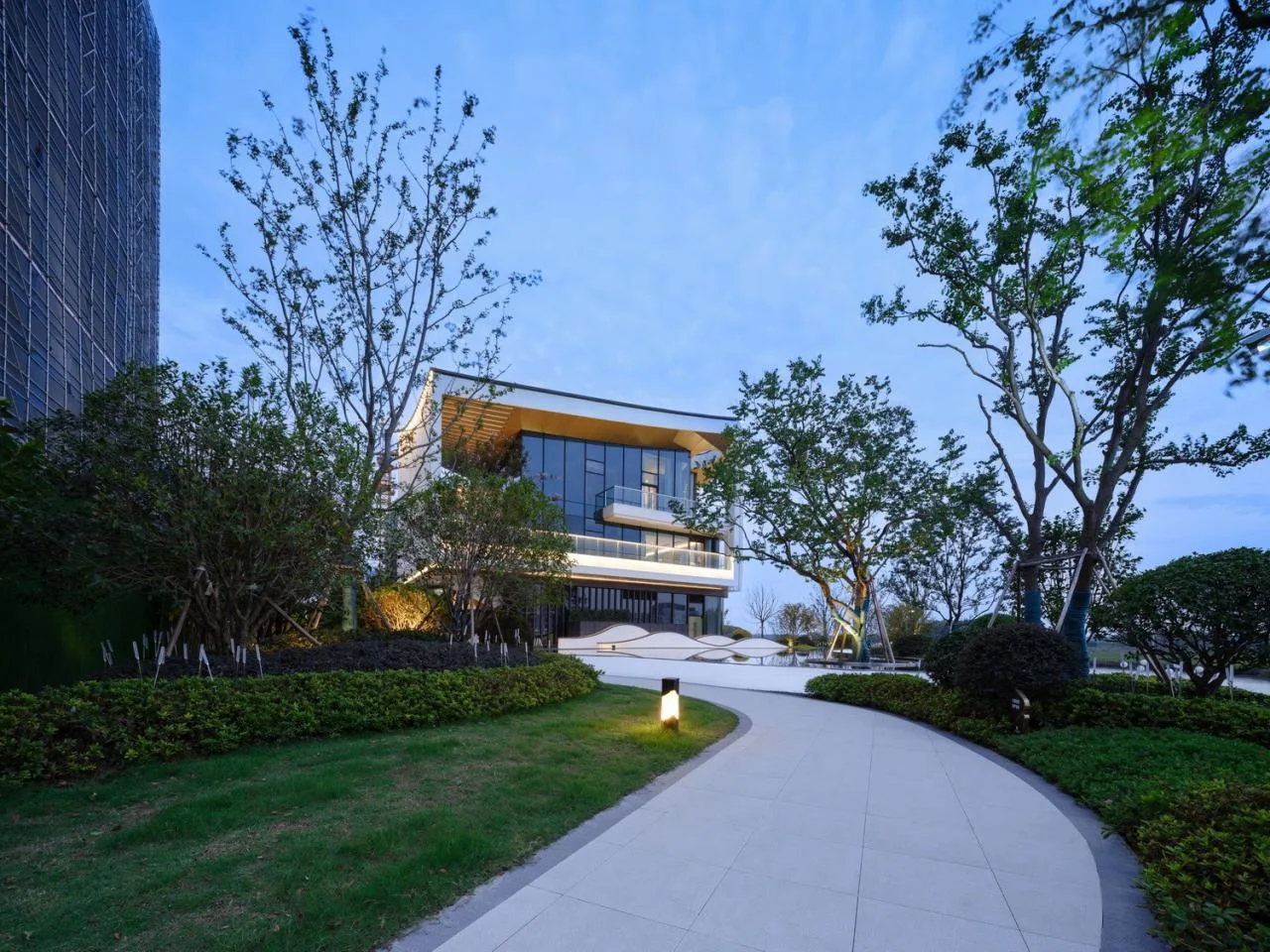
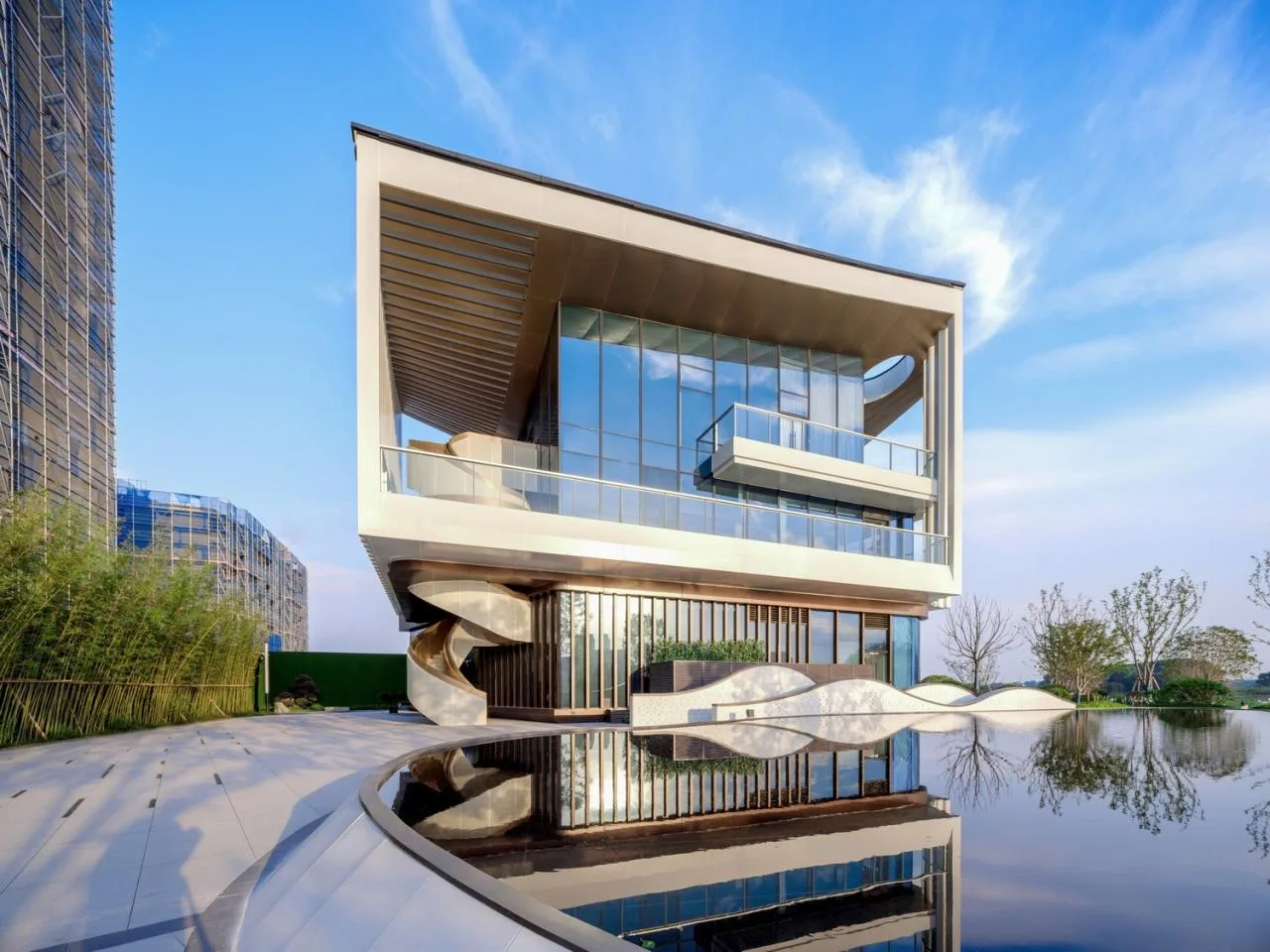
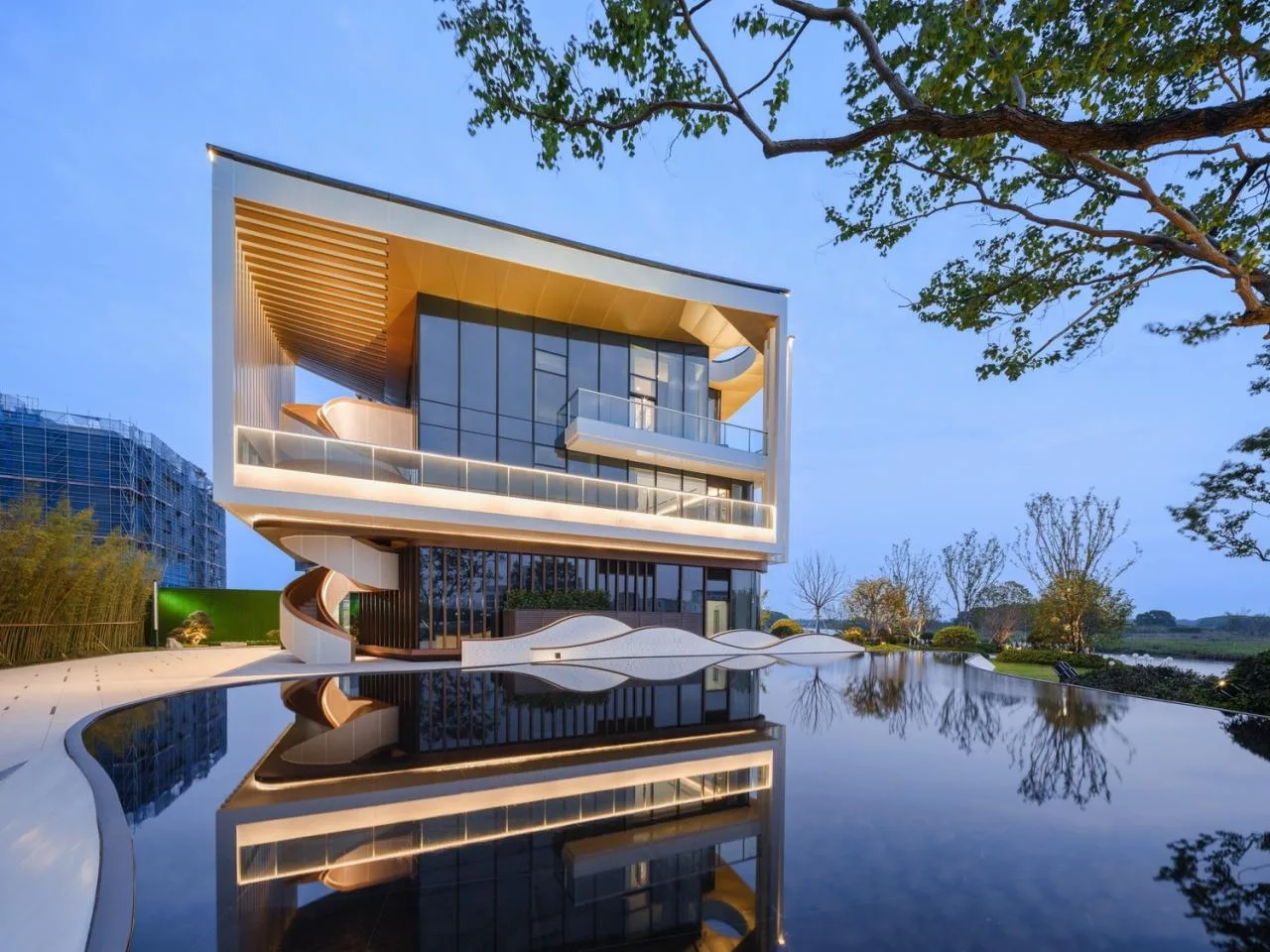
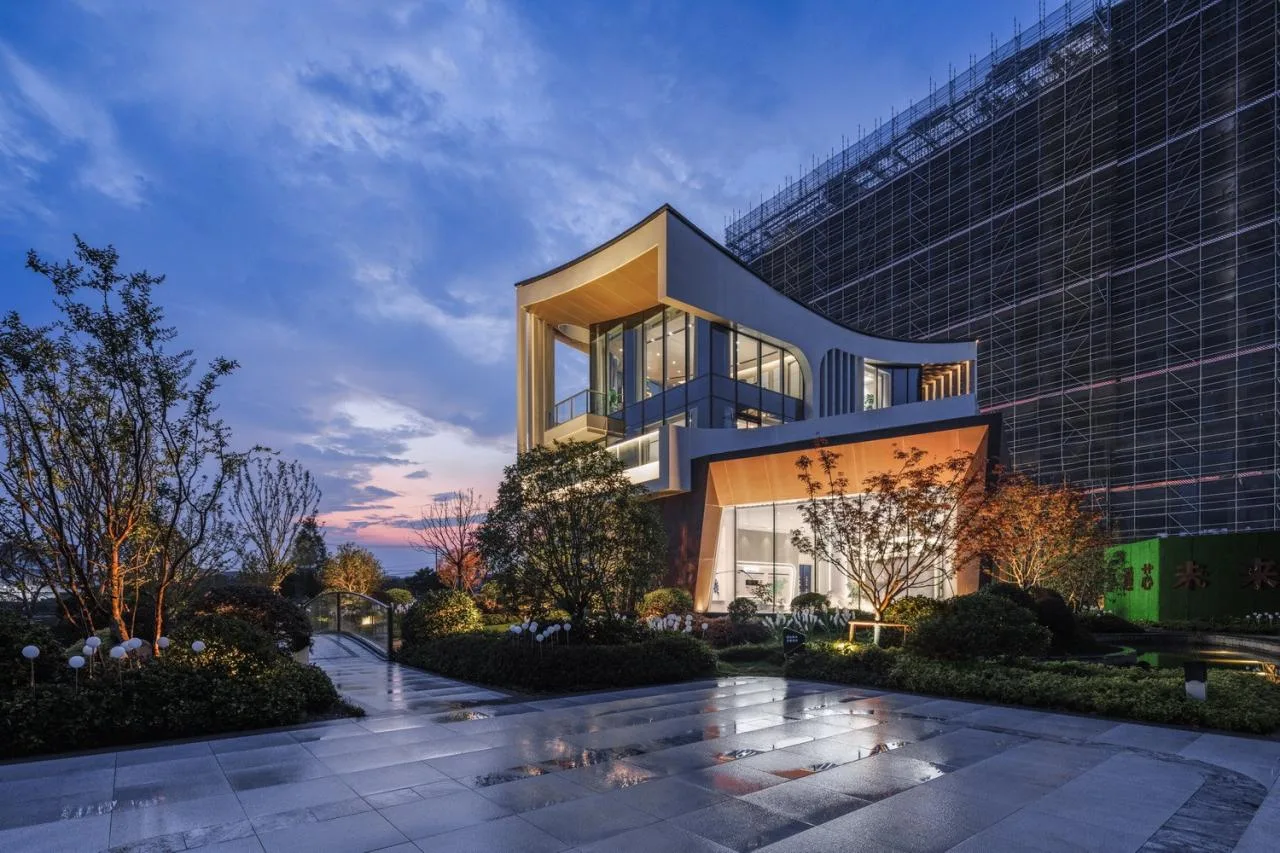
△ Yangtze River Delta Science and Technology Daheng Semiconductor Research Institute Planning Exhibition Hall
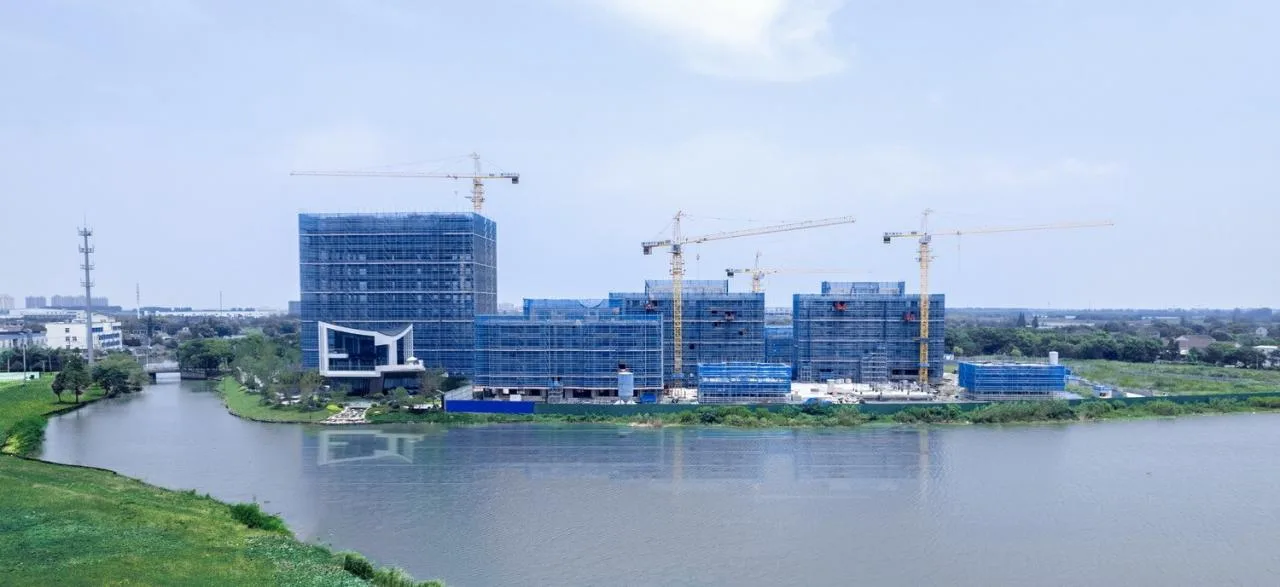
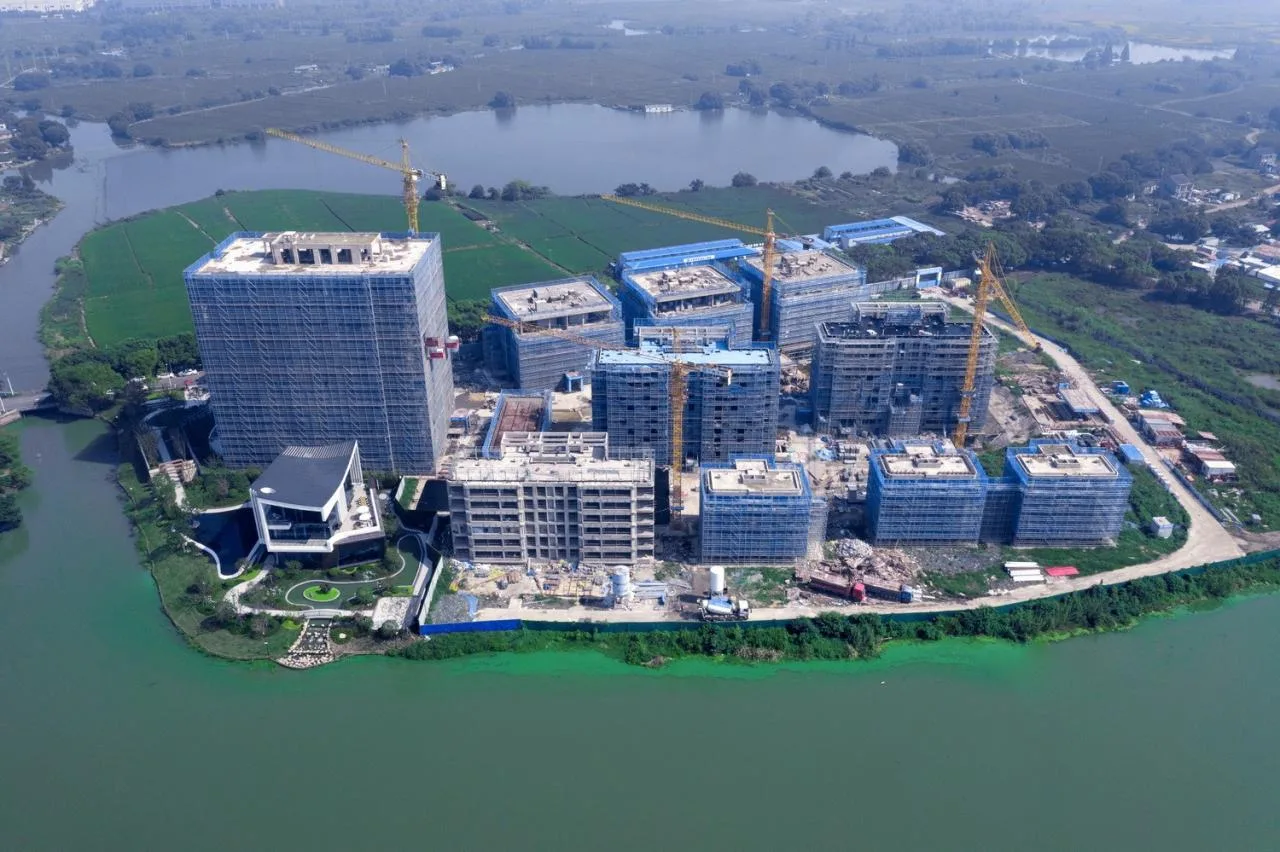
Aerial View of the Park Under Construction
Project Drawings
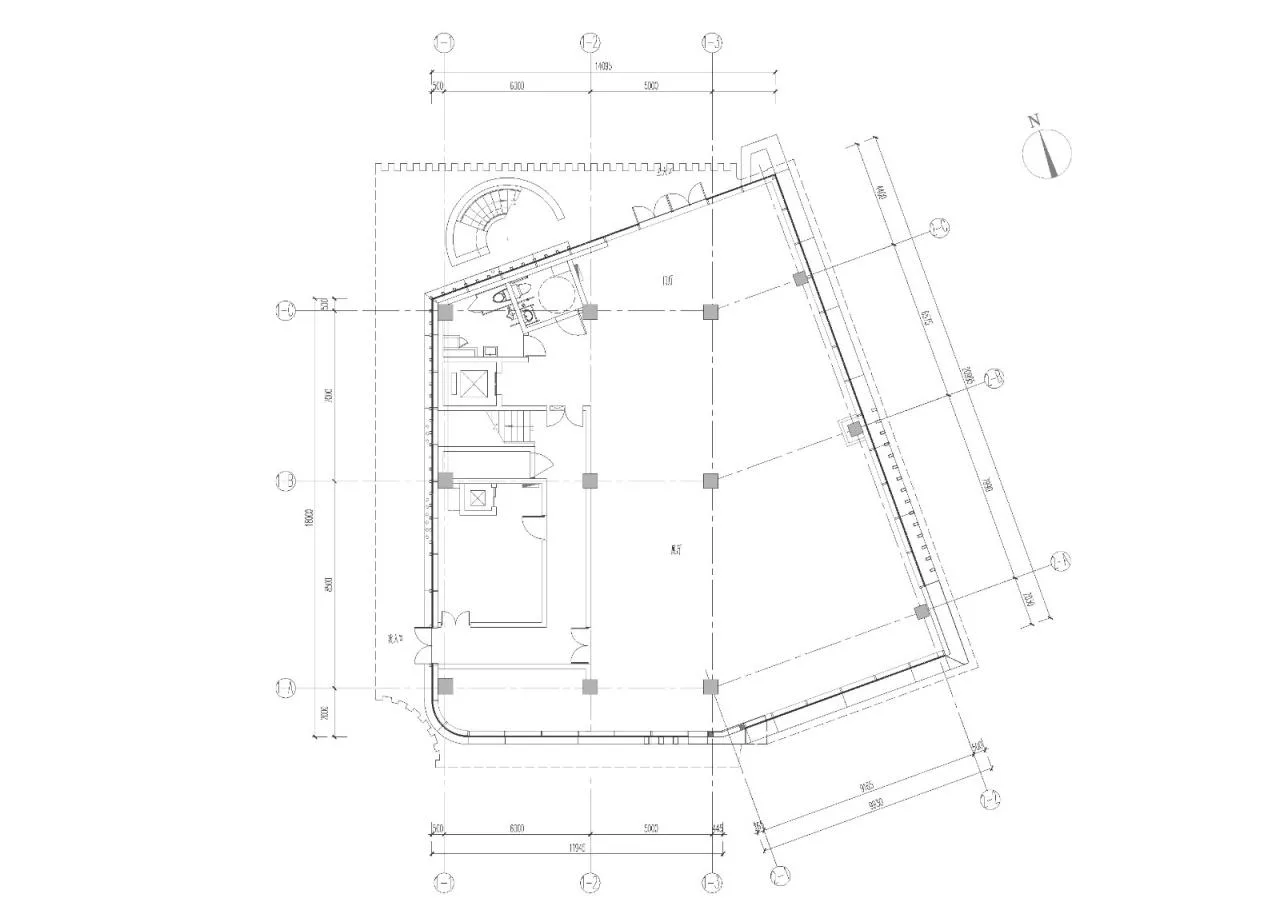
△ First Floor Plan
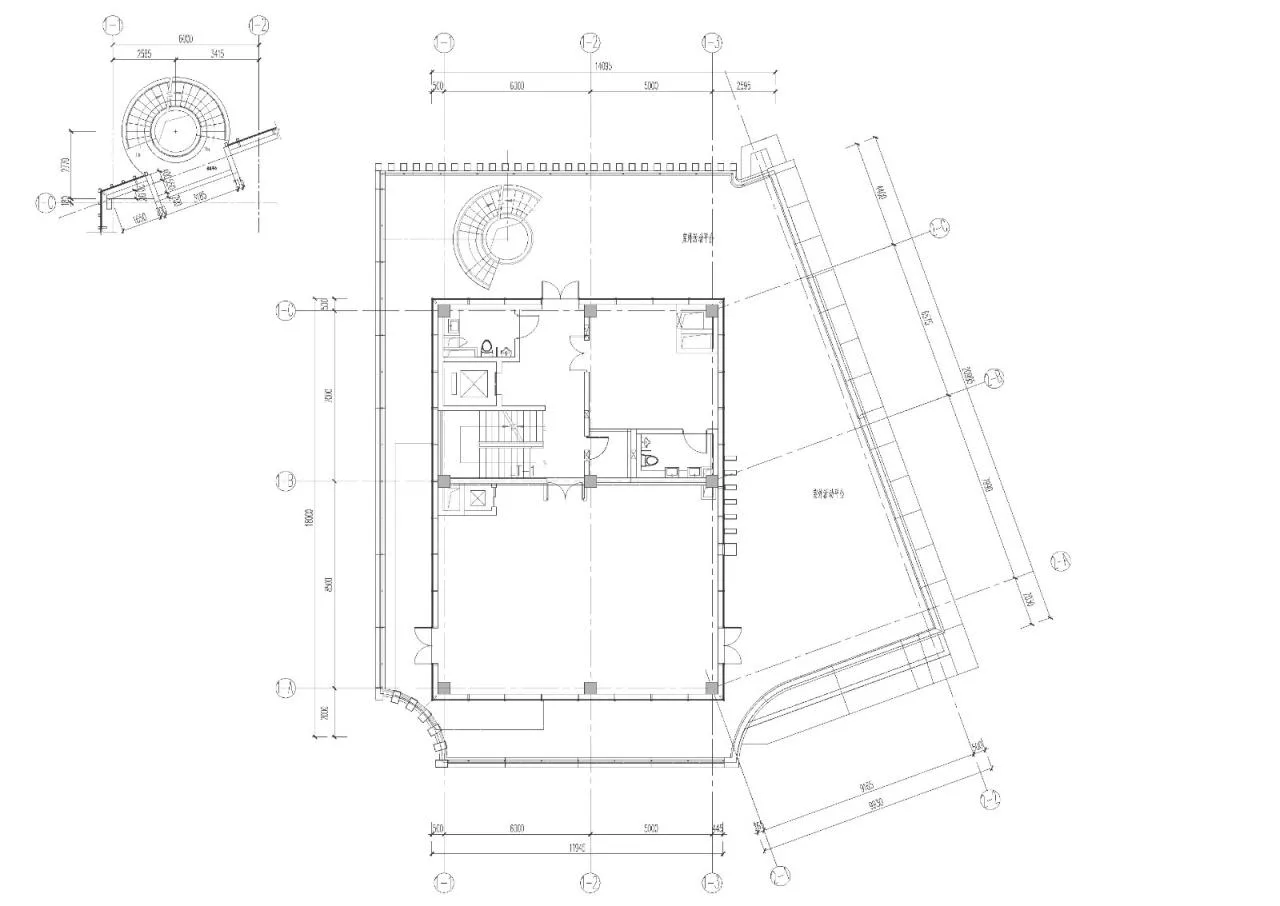
△ Second Floor Plan
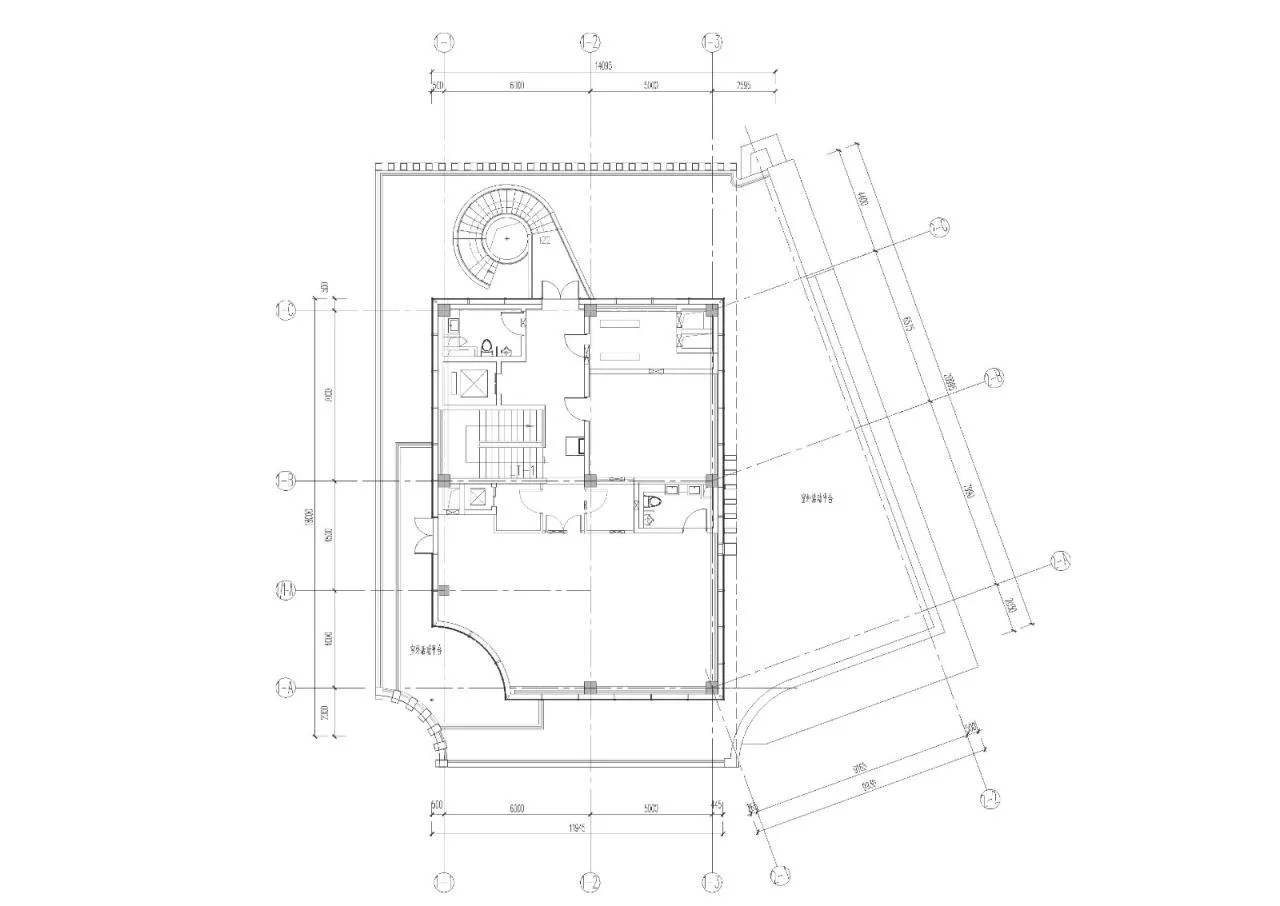
△ Third Floor Plan
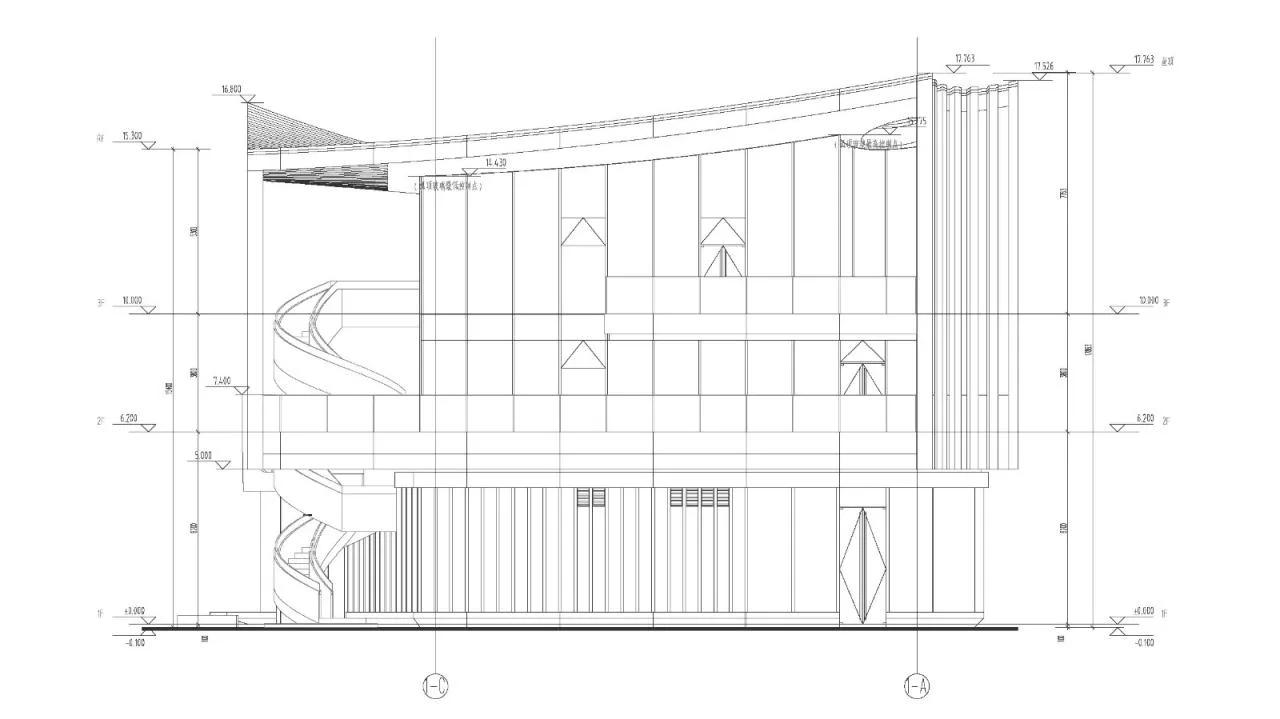
△ West Elevation View
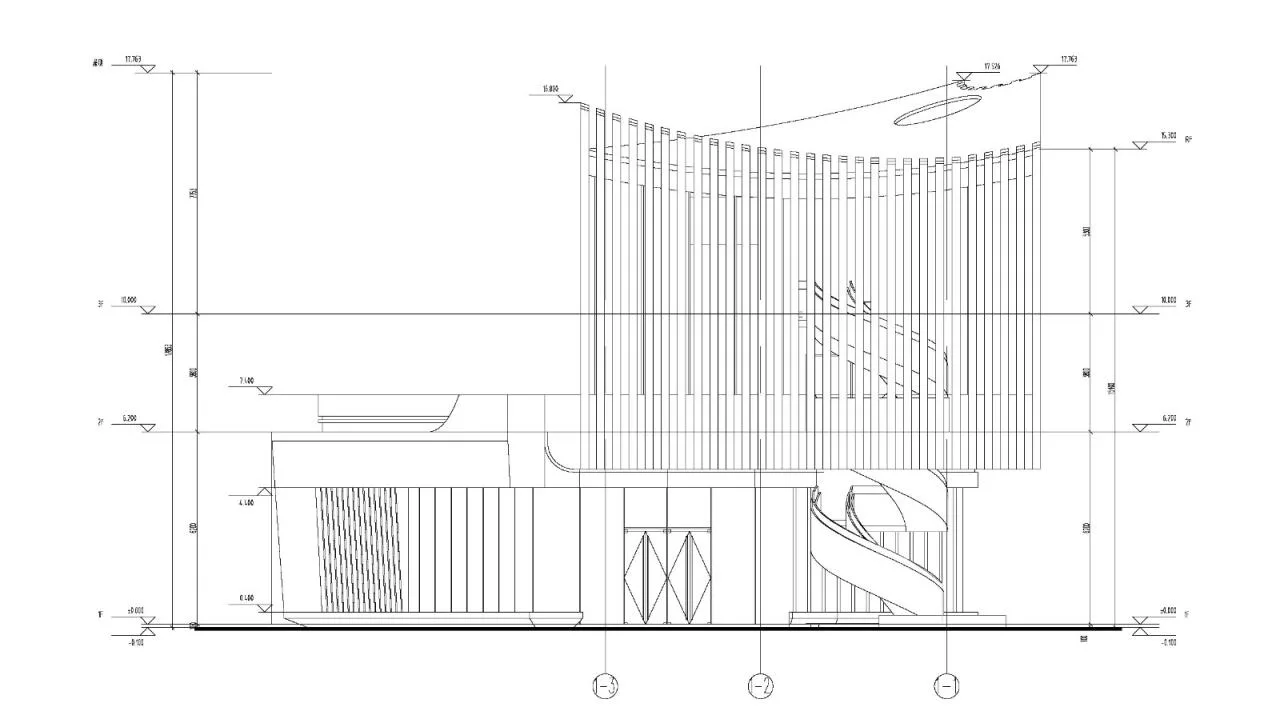
△ North Elevation View
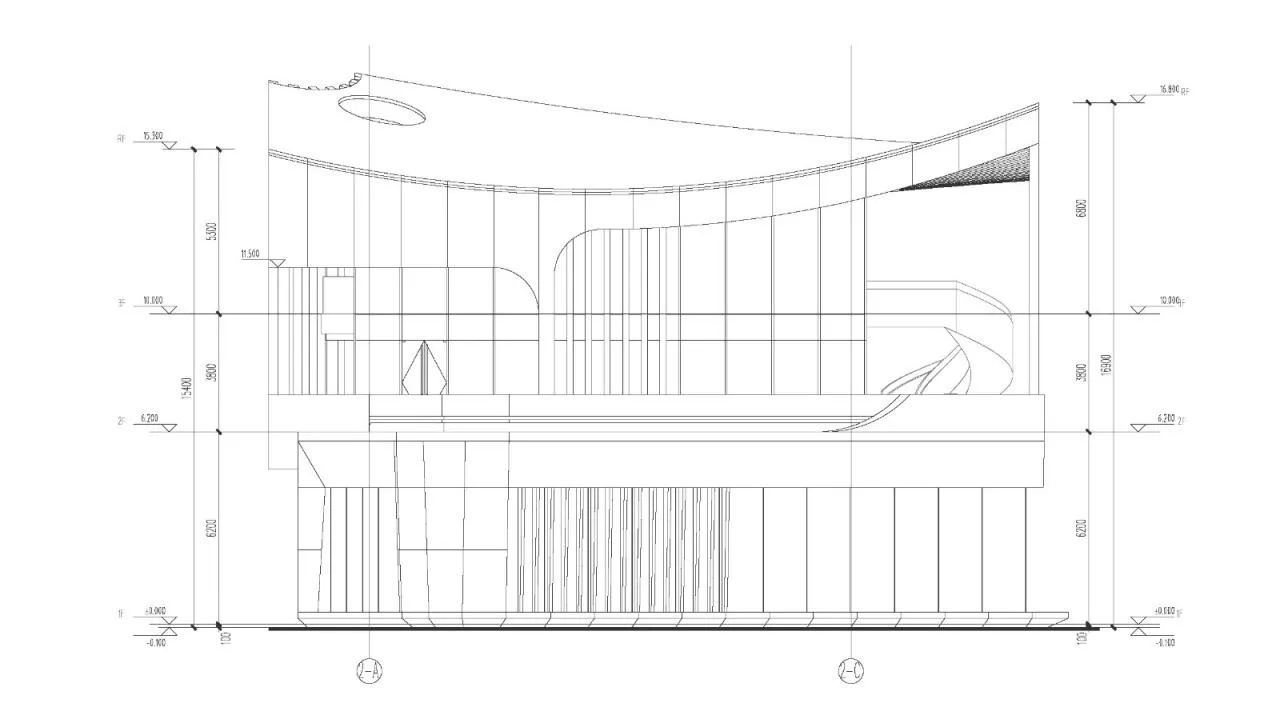
△ East Elevation View
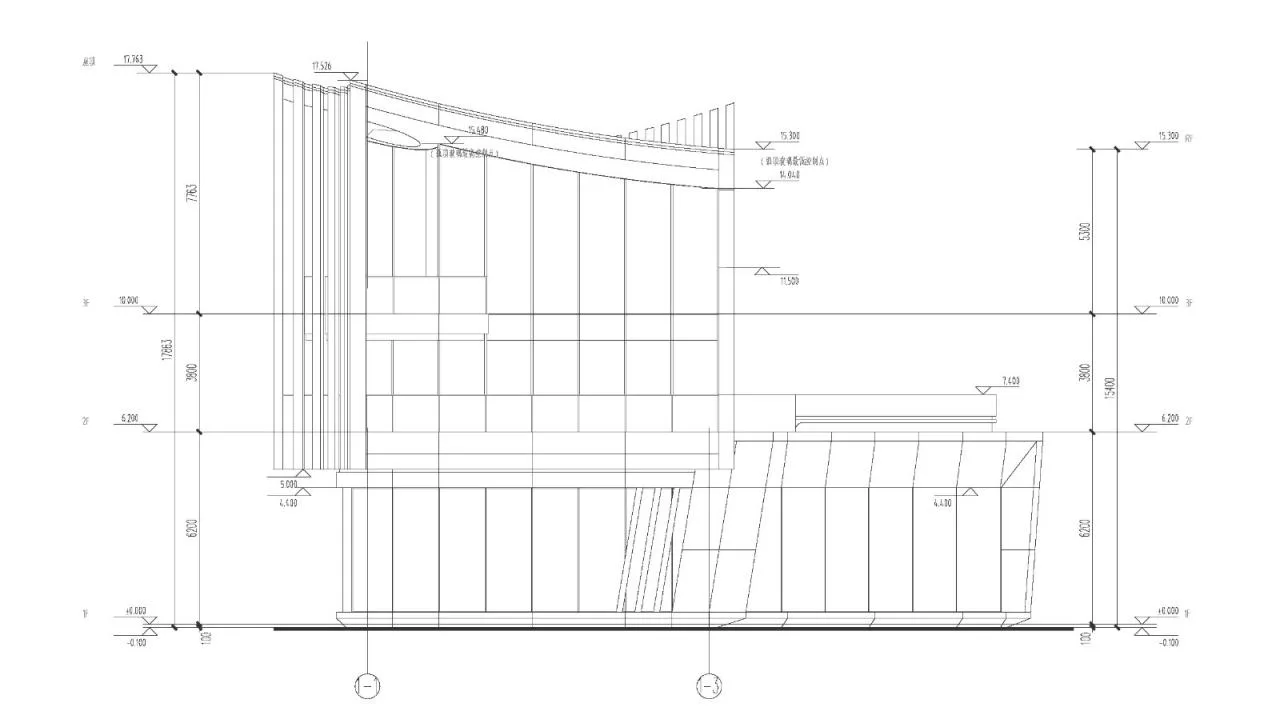
△ South Elevation View
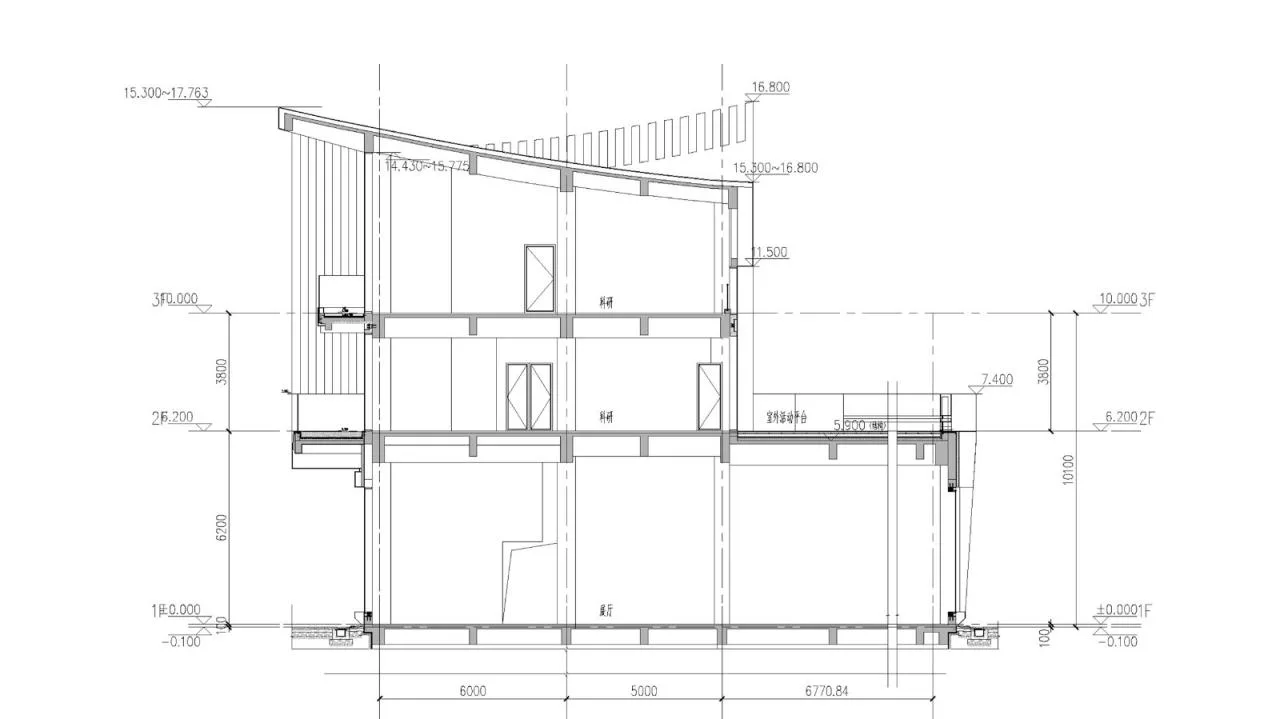
△ Section Diagram
Project Information
Project Name: Yangtze River Delta Tech Daheng Semiconductor Research Institute
Project Type: Science and Education R&D, and Business
Project Address: No. 99 Fenqiu Road, Fenhu, Wujiang District, Suzhou City
Site Area: 58,625.51 square meters
Building Area: 125,650.45 square meters
Floor Area Ratio: 1.5
Design Period: March 2020 – Present
Construction Period: September 2021 – Present
Developer: Suzhou Hengxin Real Estate Co., Ltd
Design and Construction Drawing Unit: Shanghai Sanyi Architectural Design Co., Ltd
Lead Architects: Lu Xiaogang, Yu Xiaoxiao, Zhang Weiwei
Creative Director: Yu Xiaoxiao
Scheme Design: Wang Shuo, Li Weisi, Xiang Wenwei, Hu Nan, Sun Zhuying
Construction Drawing Design Manager: Chen Yingxin
Architectural Design: Chen Yingxin
Structural Design: Song Yingling, Hu Yu
Mechanical and Electrical Design: Xu Weidong, Xue Jingyi, Zhang Sisi
Overall Design: Zhang Yanyan
Technical Support: Zhao Bin, Wang Xiaohong, Zhu Yumei, Li Zongkai, Wei Yinjun, Hu Wenxiao, Chen Ying, Jiang Hong, Ju Yongjian
Landscape Design: Huashi Design Group Co., Ltd
Interior Design: Honggao Vision (Shanghai) Co., Ltd
Interior Design: Shanghai Benji Architectural Design Co., Ltd
Curtain Wall Design: Suzhou Meiruide Architectural Decoration Co., Ltd
Lighting Design: Jiangsu Hongjie Smart Technology Co., Ltd
Construction Unit: China Construction Fifth Engineering Bureau Co., Ltd
Architectural Photography: Liu Songkai















Must log in before commenting!
Sign Up