
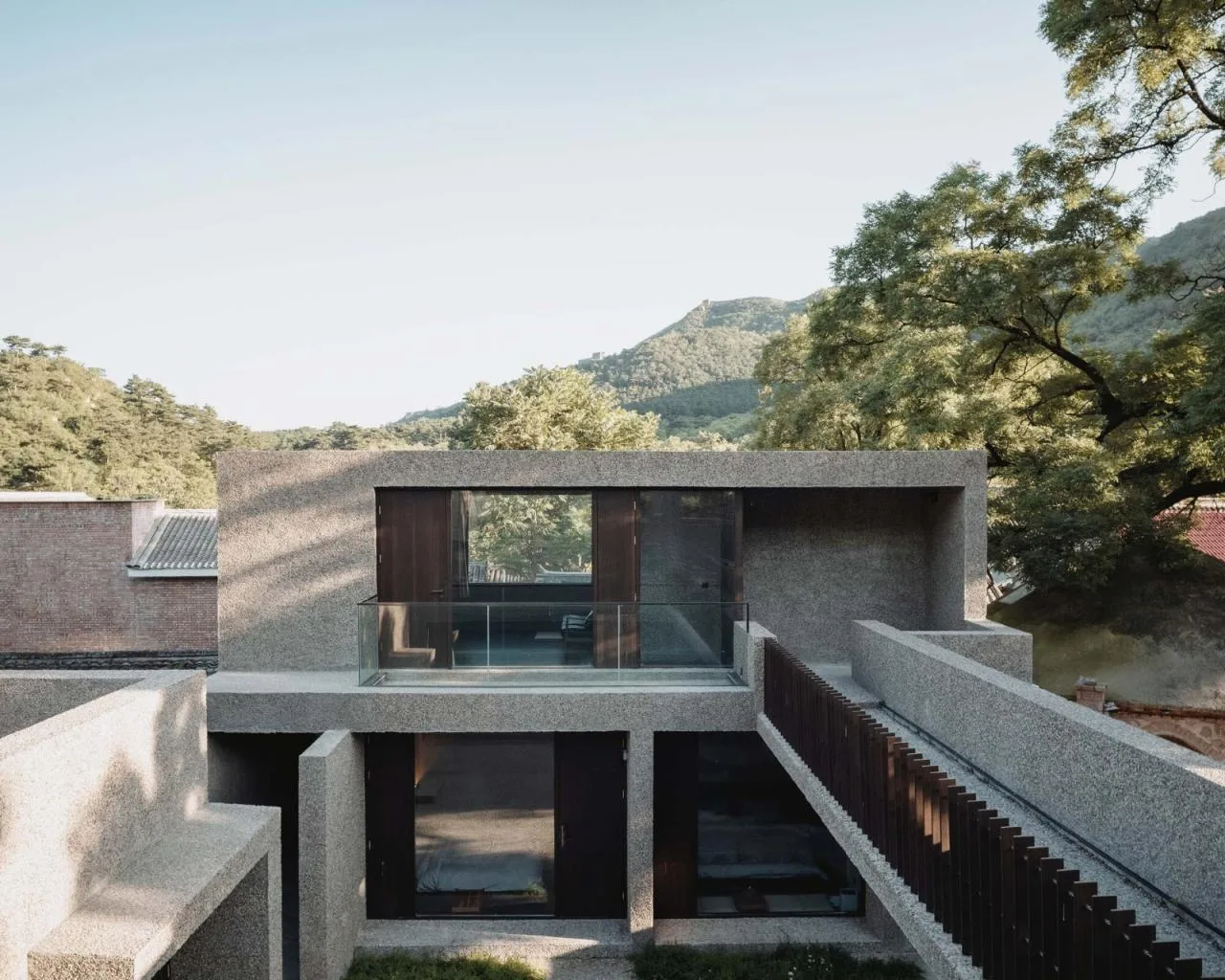
Yaoziyu Castle is nestled deep in the mountains of Yaoziyu Gou, northwest of Jiuduhe Town in Huairou District, Beijing. Built during the Ming Dynasty, this historic site once served as a military defense post and still accommodates 13 households today. In 2007, local authorities carried out a comprehensive renovation following existing preservation standards, successfully maintaining the castle’s original cultural relics and architectural style.
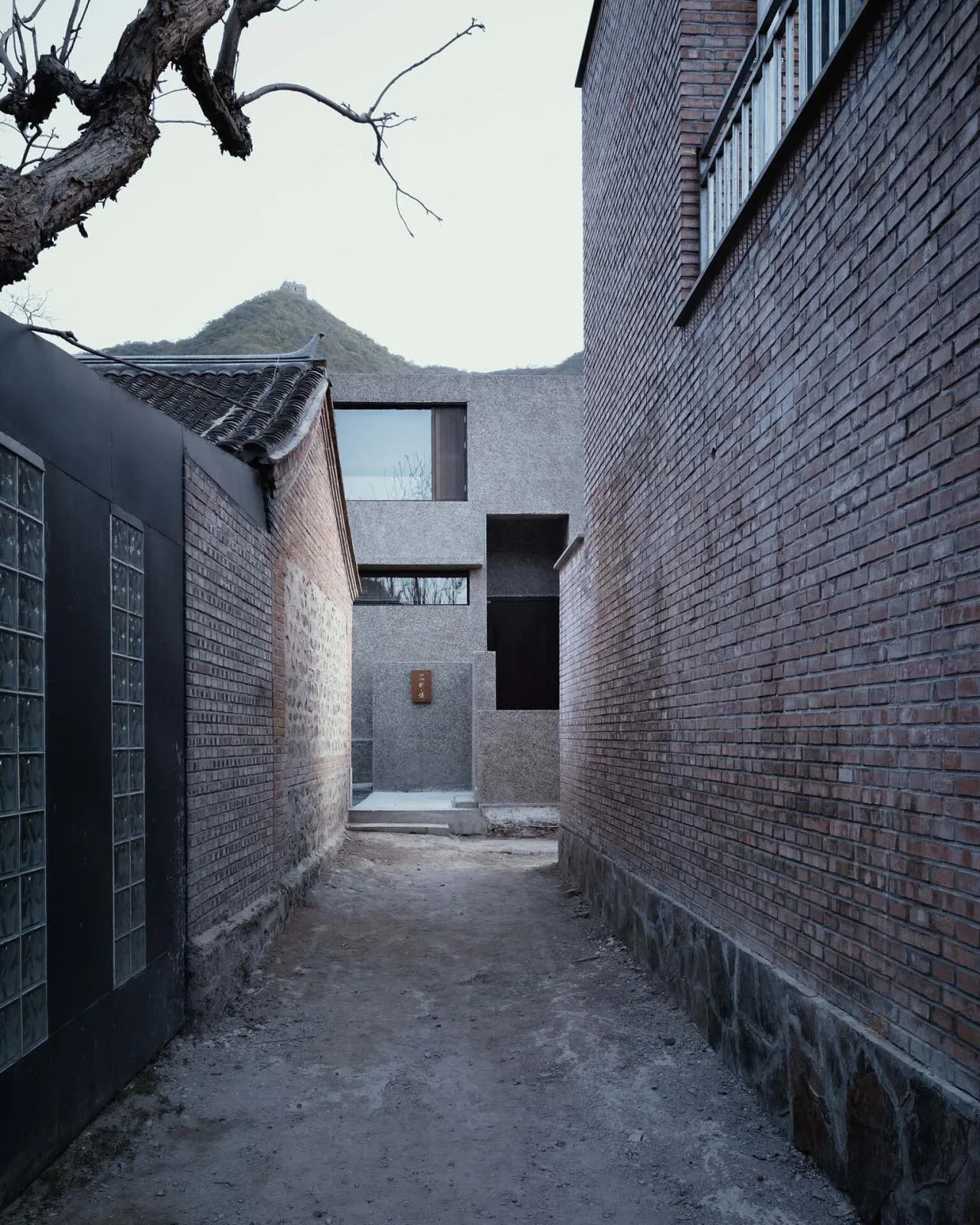
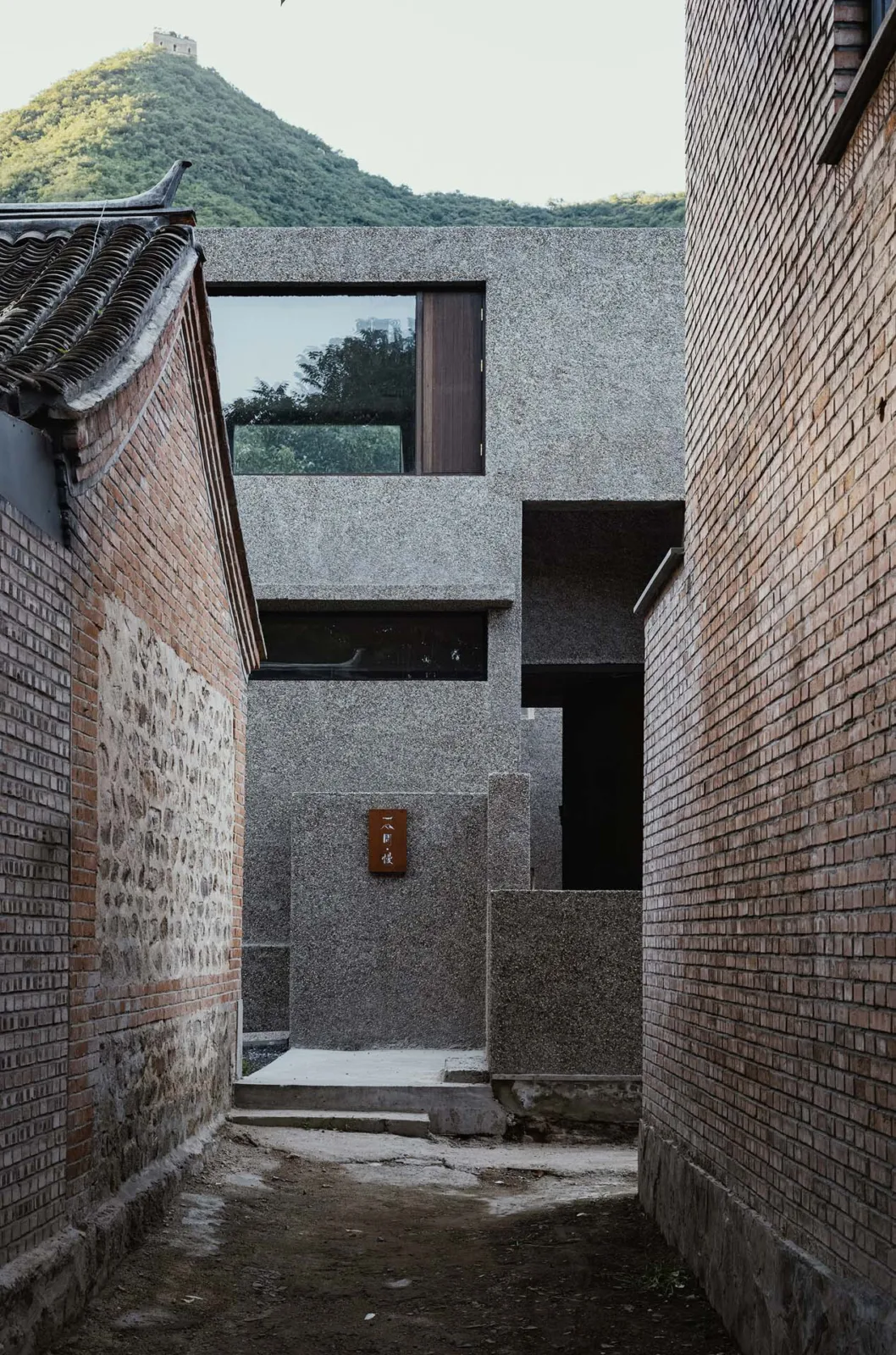
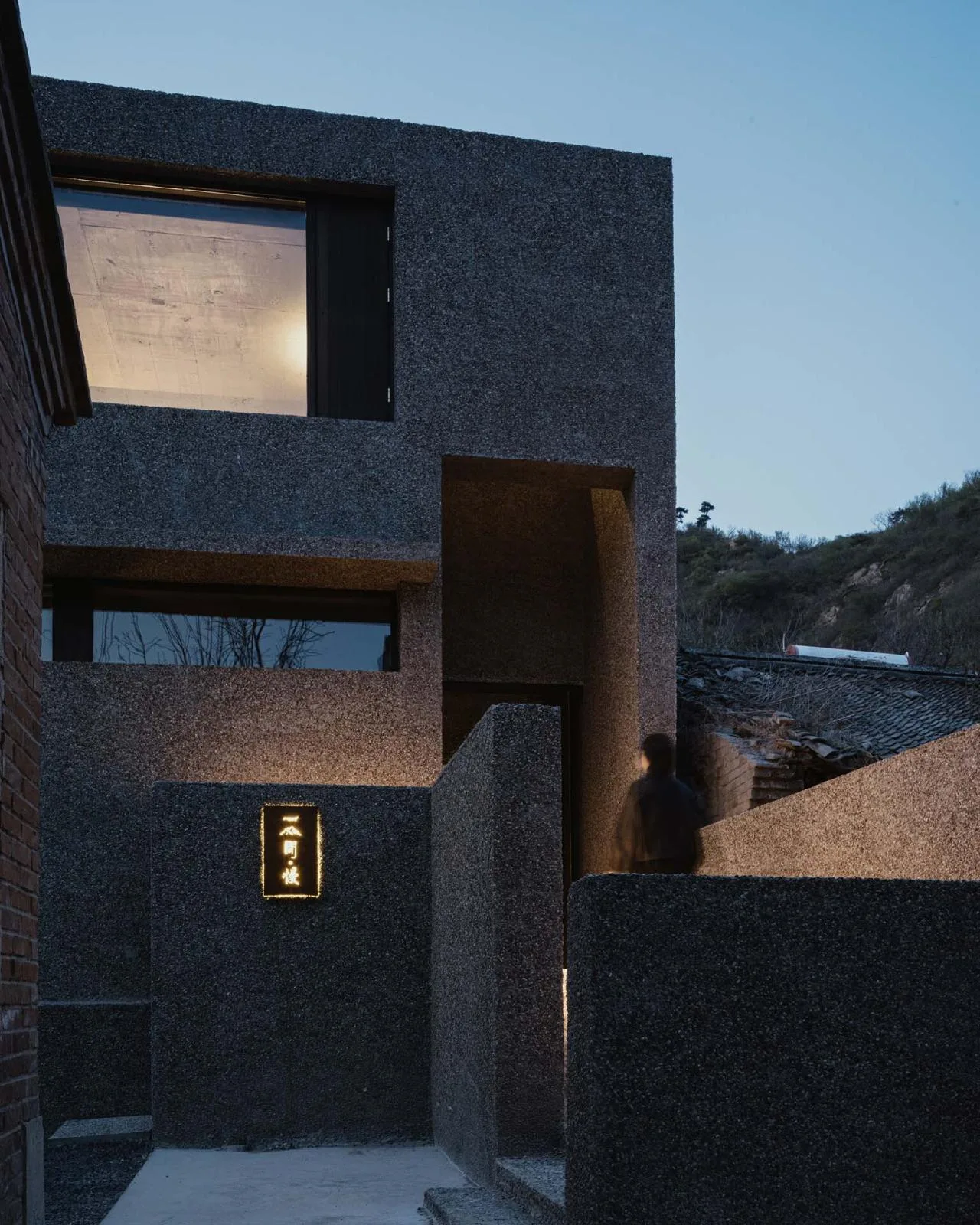
Adjacent to the northeast corner of the castle lies the Bridgeyard, a newly constructed courtyard designed as a contemporary interpretation of the traditional “courtyard style” residence.
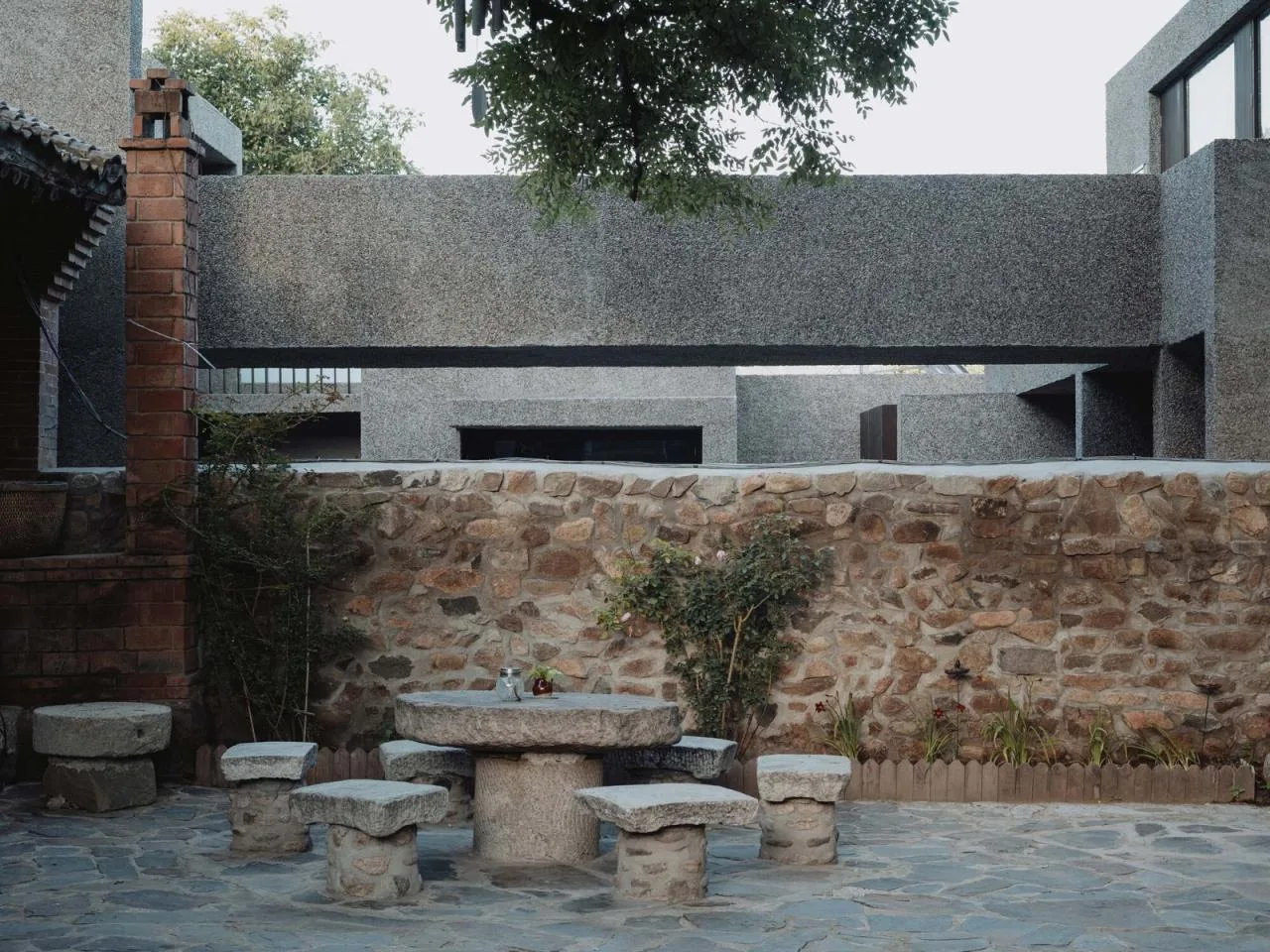
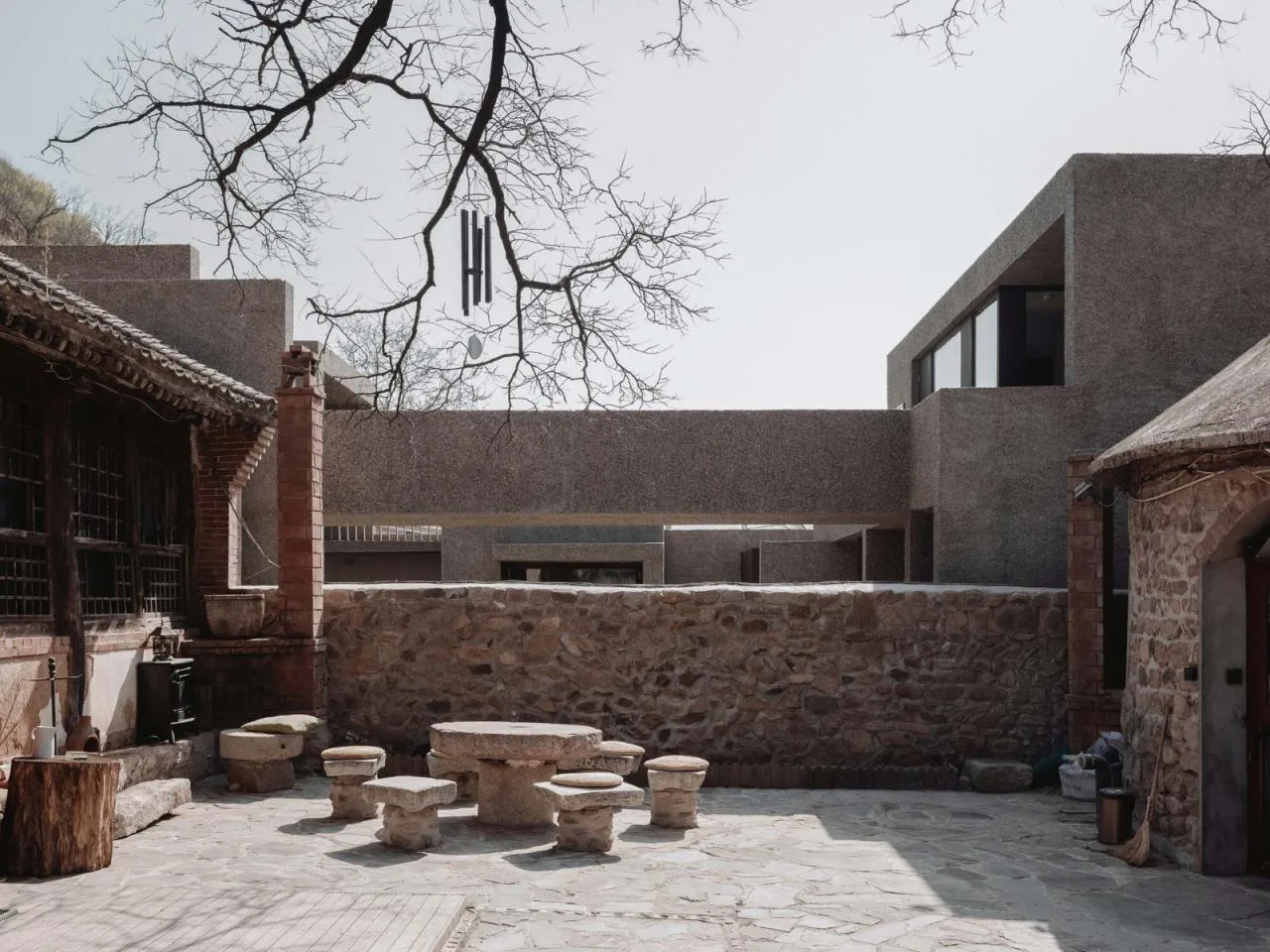
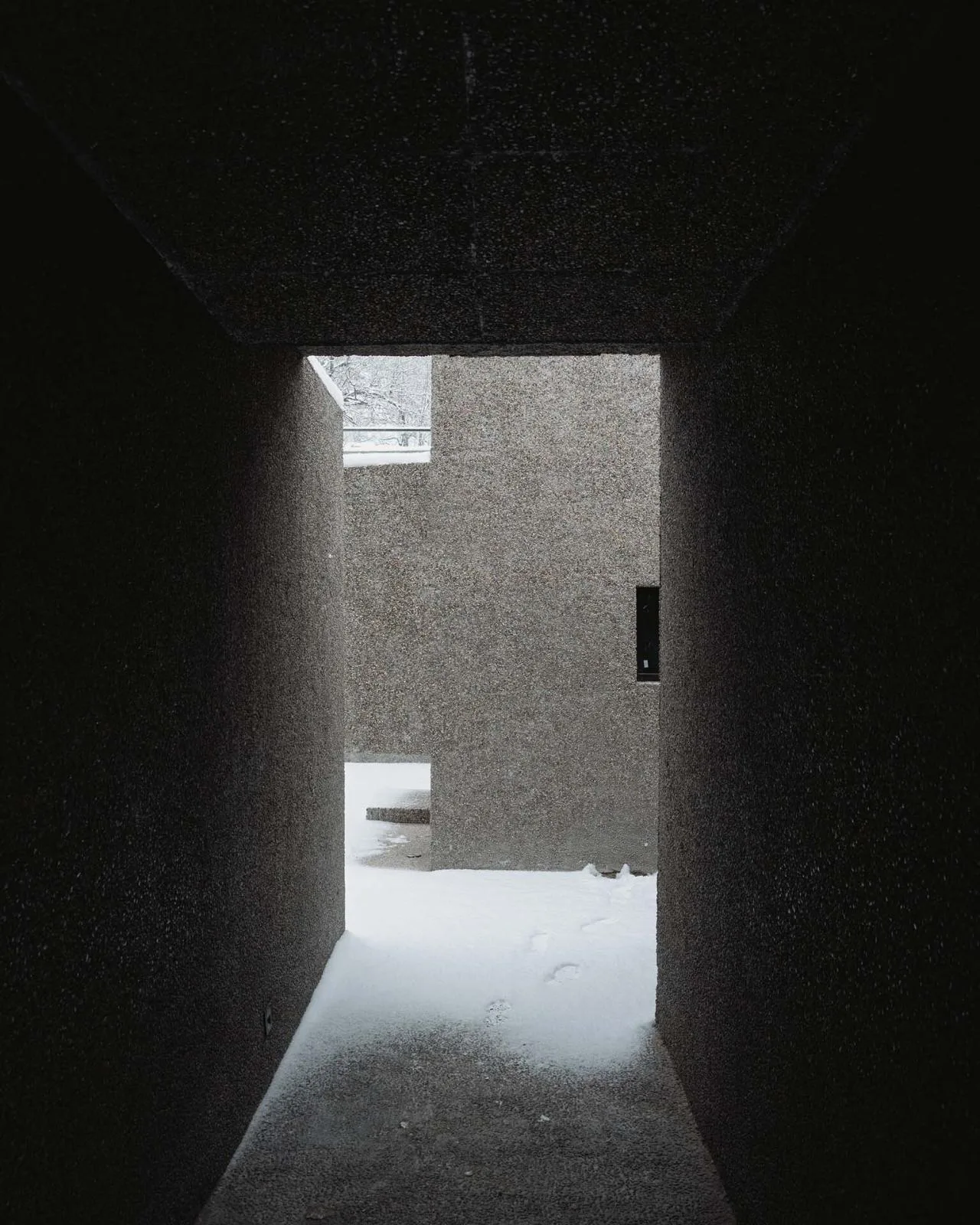
Our aim was to create a “slow institute” grounded in contemporary thought. Visitors bypass the shadow wall and navigate through winding corridors and open inner courtyards to reach the main hall or individual wing rooms. This flexible spatial arrangement draws inspiration from the refined flow of traditional Beijing residences but diverges from conventional designs constrained by south-facing site layouts.
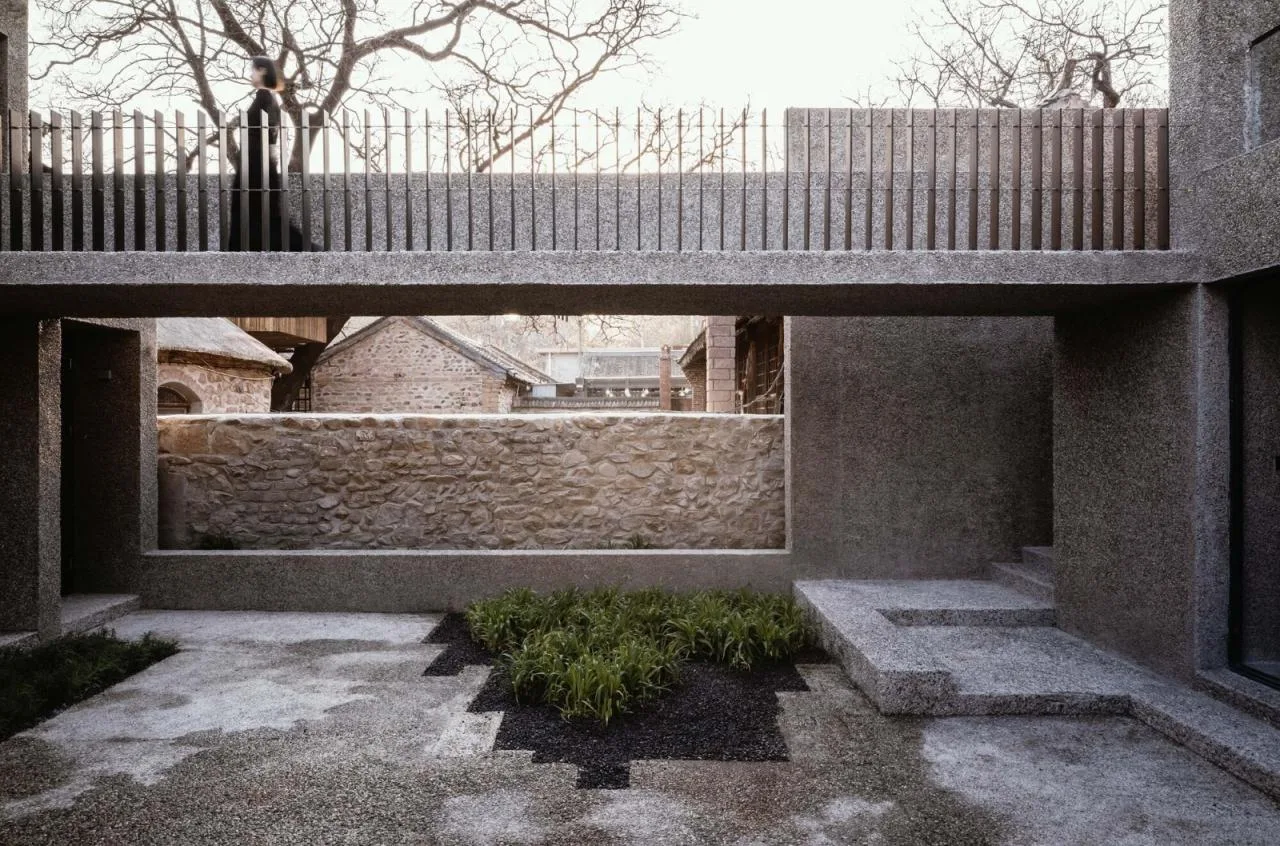
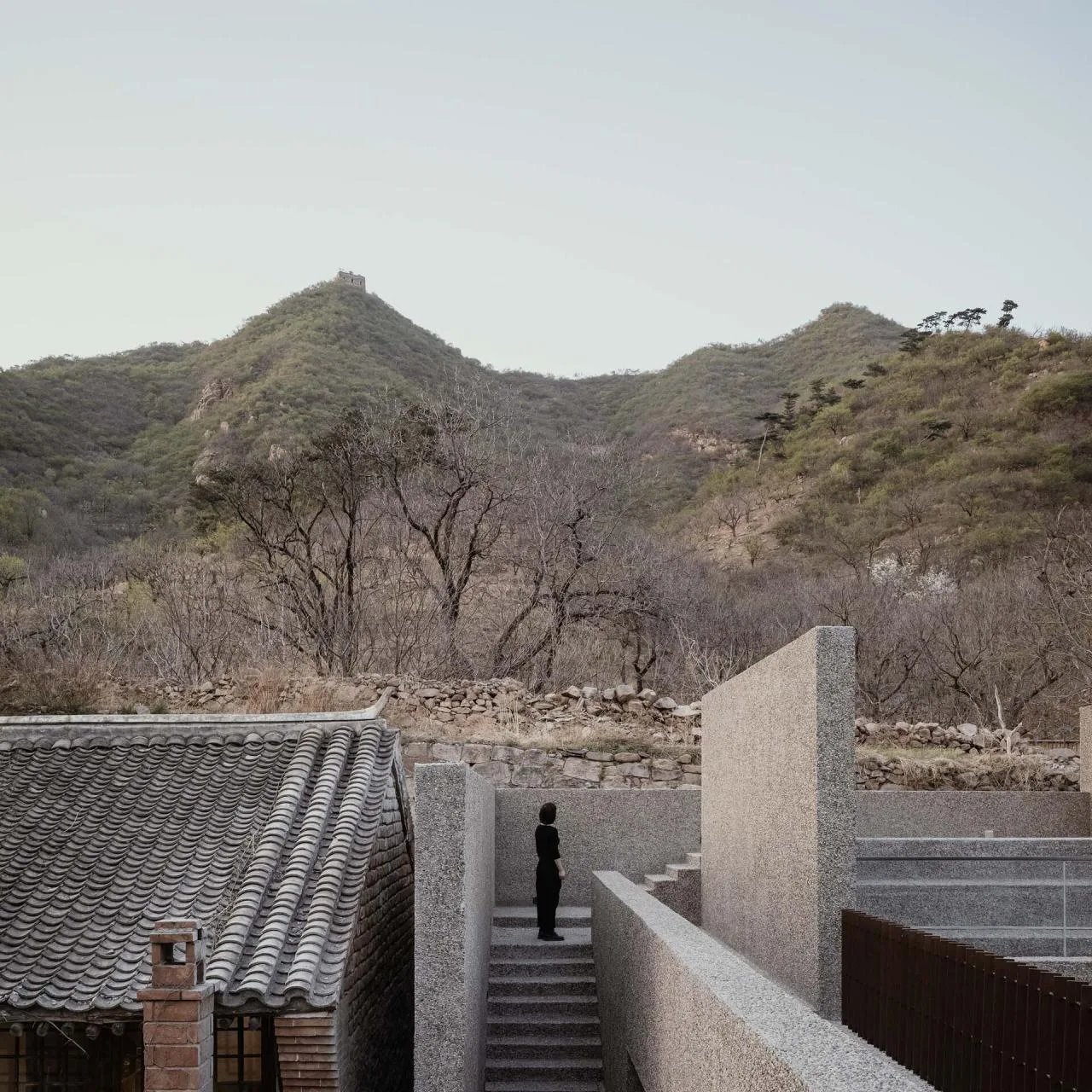
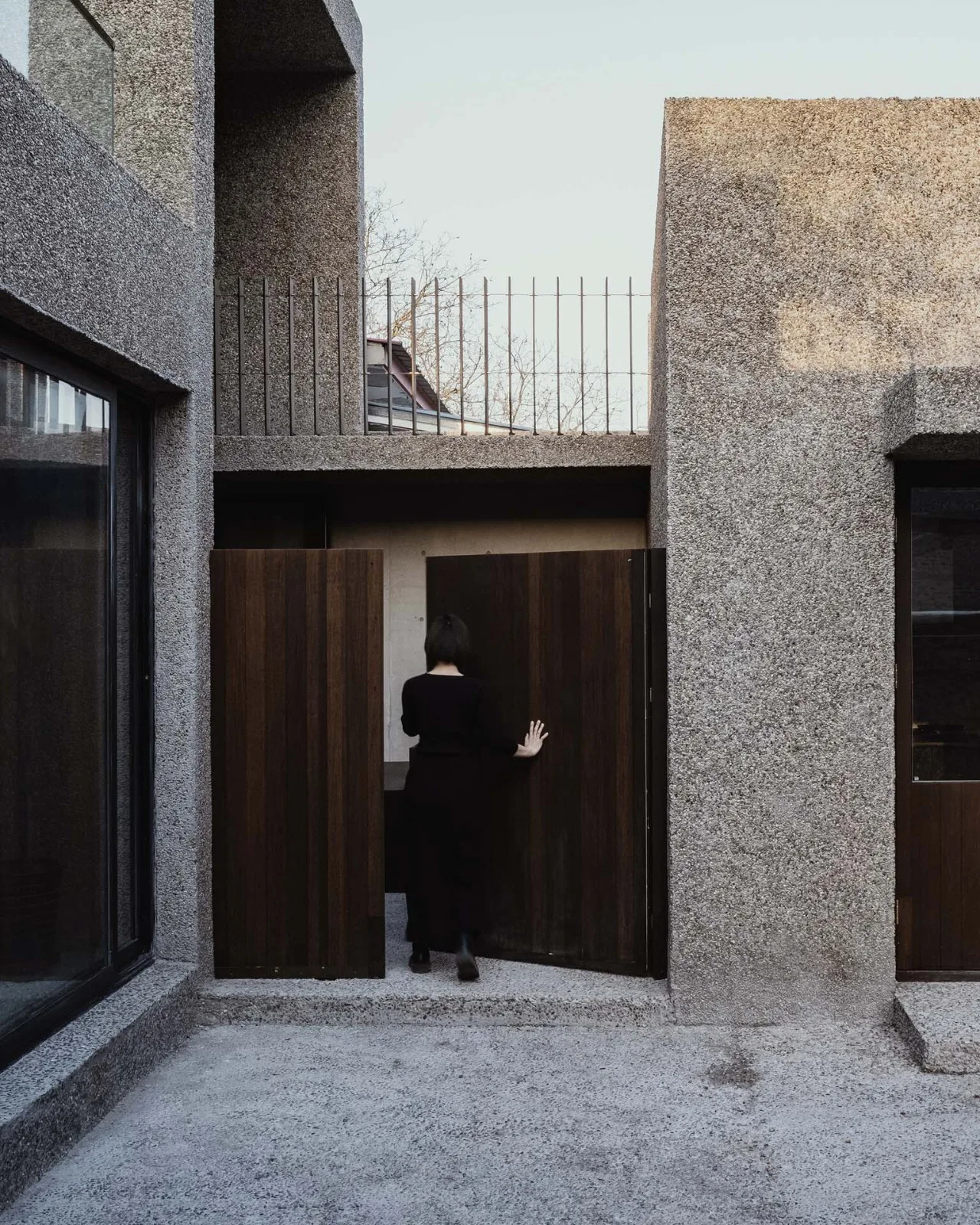
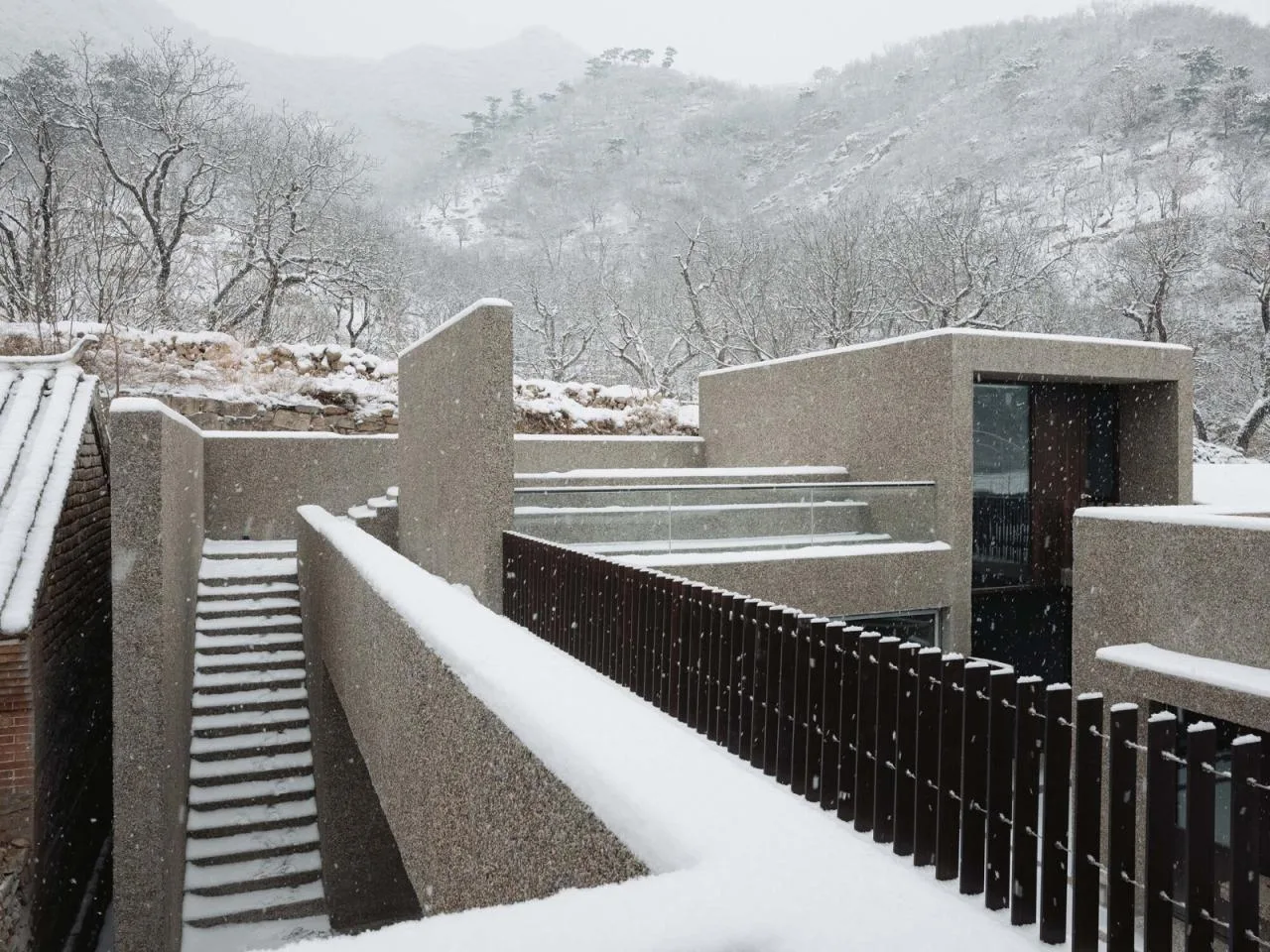
Independent buildings positioned to the north and south are seamlessly connected by concrete “bridges,” enabling residents to move freely between spaces. This connection forms a dynamic and unique inner courtyard experience, unfolding in real time.
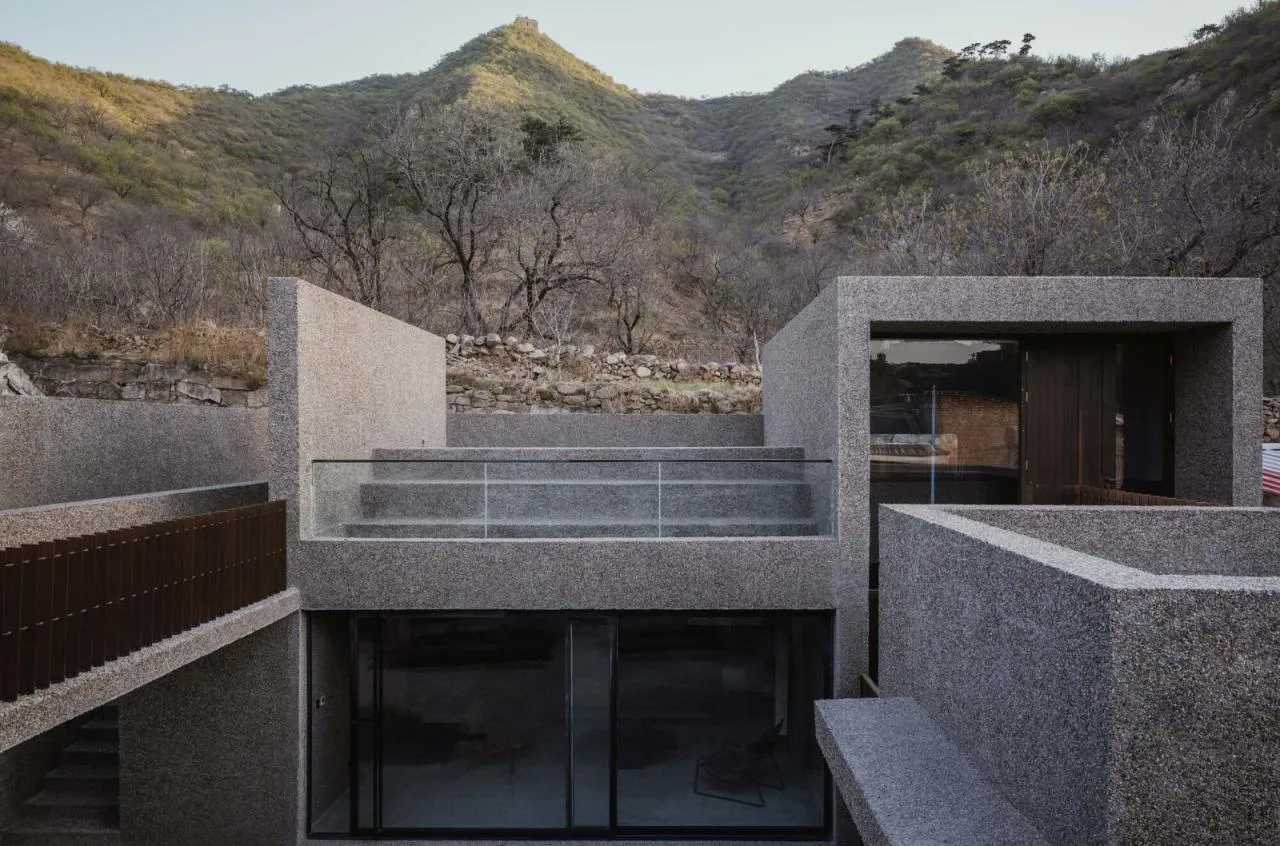
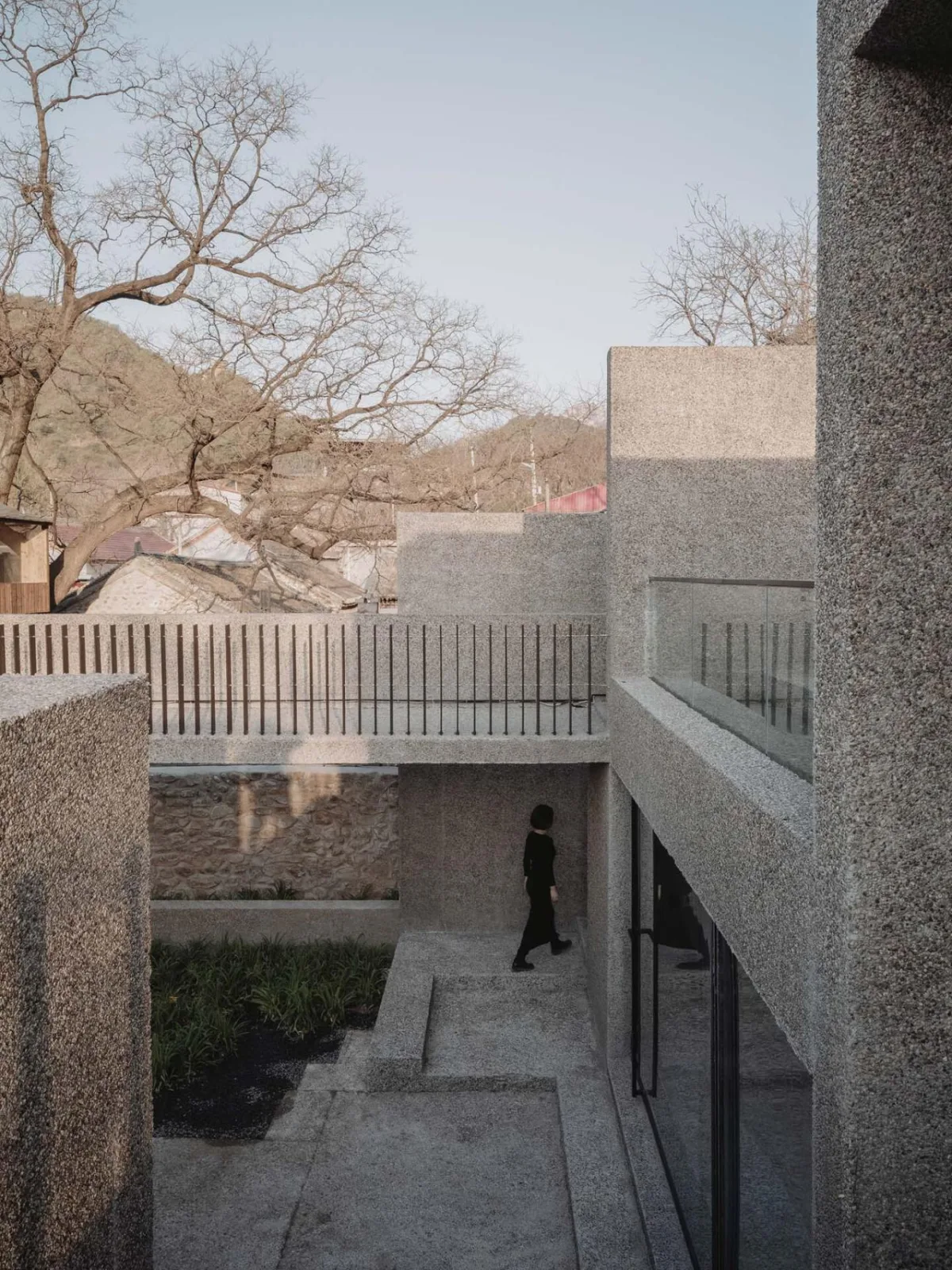
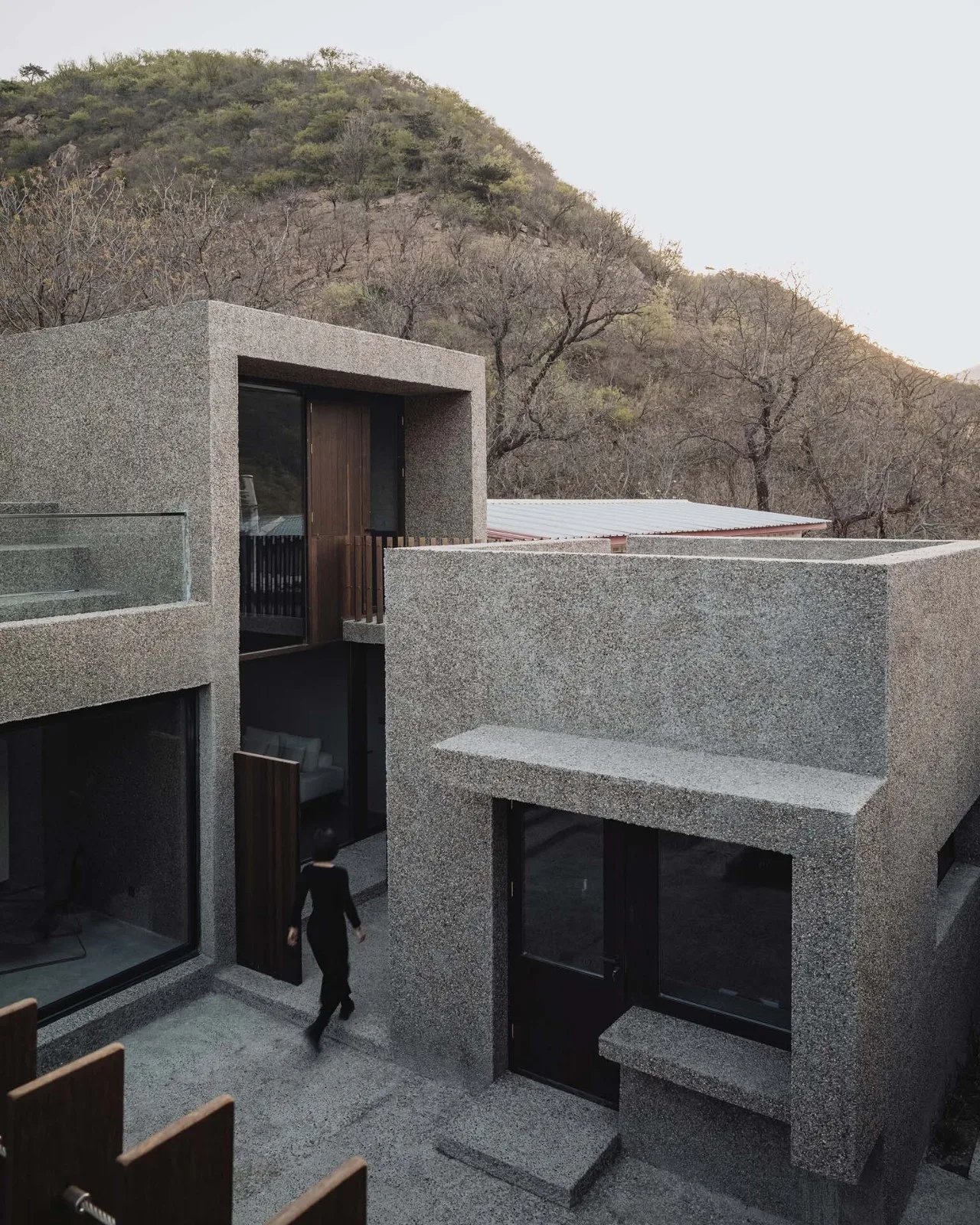
The bridge structure and outward-facing guardrails feature an L-shaped cantilever design. In contrast, the inward-facing guardrails consist of spaced grids, juxtaposing solidity and openness, heaviness and slenderness to create a light, floating appearance in the air.
Intentionally left fully exposed, the bridge might appear inconvenient at first glance. However, this design choice invites occupants to experience the changing seasons and truly feel the spirit of life beneath the Great Wall.
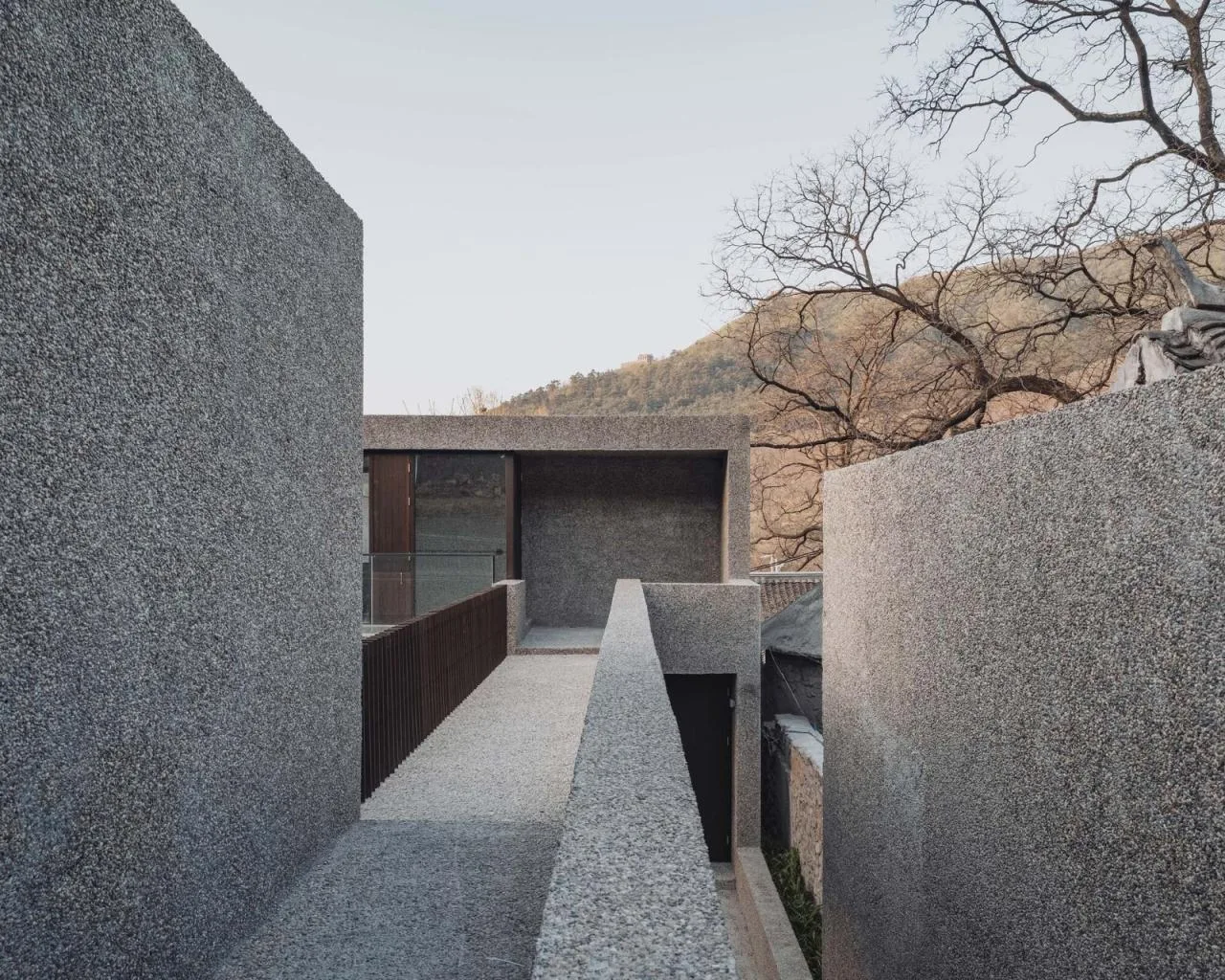
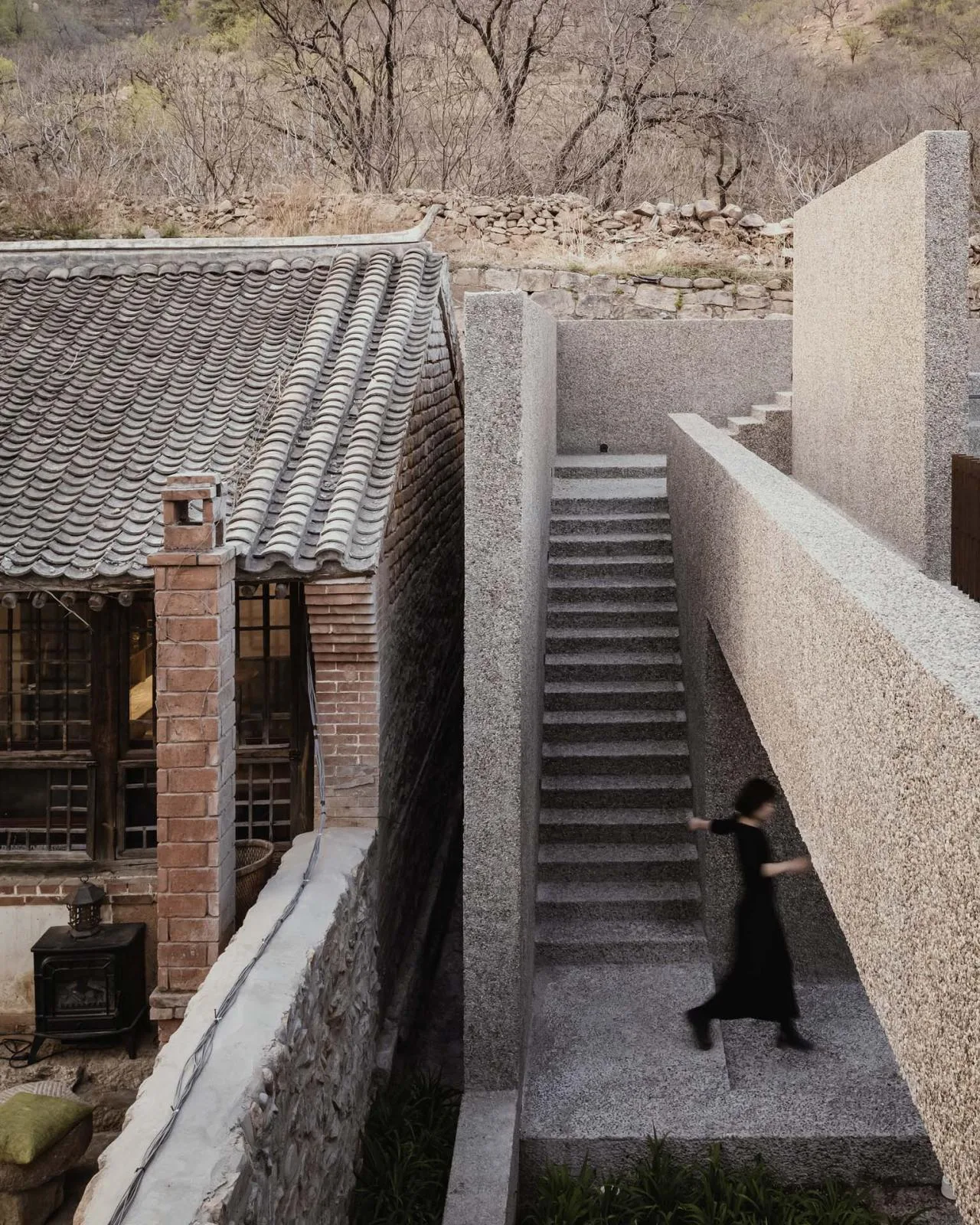
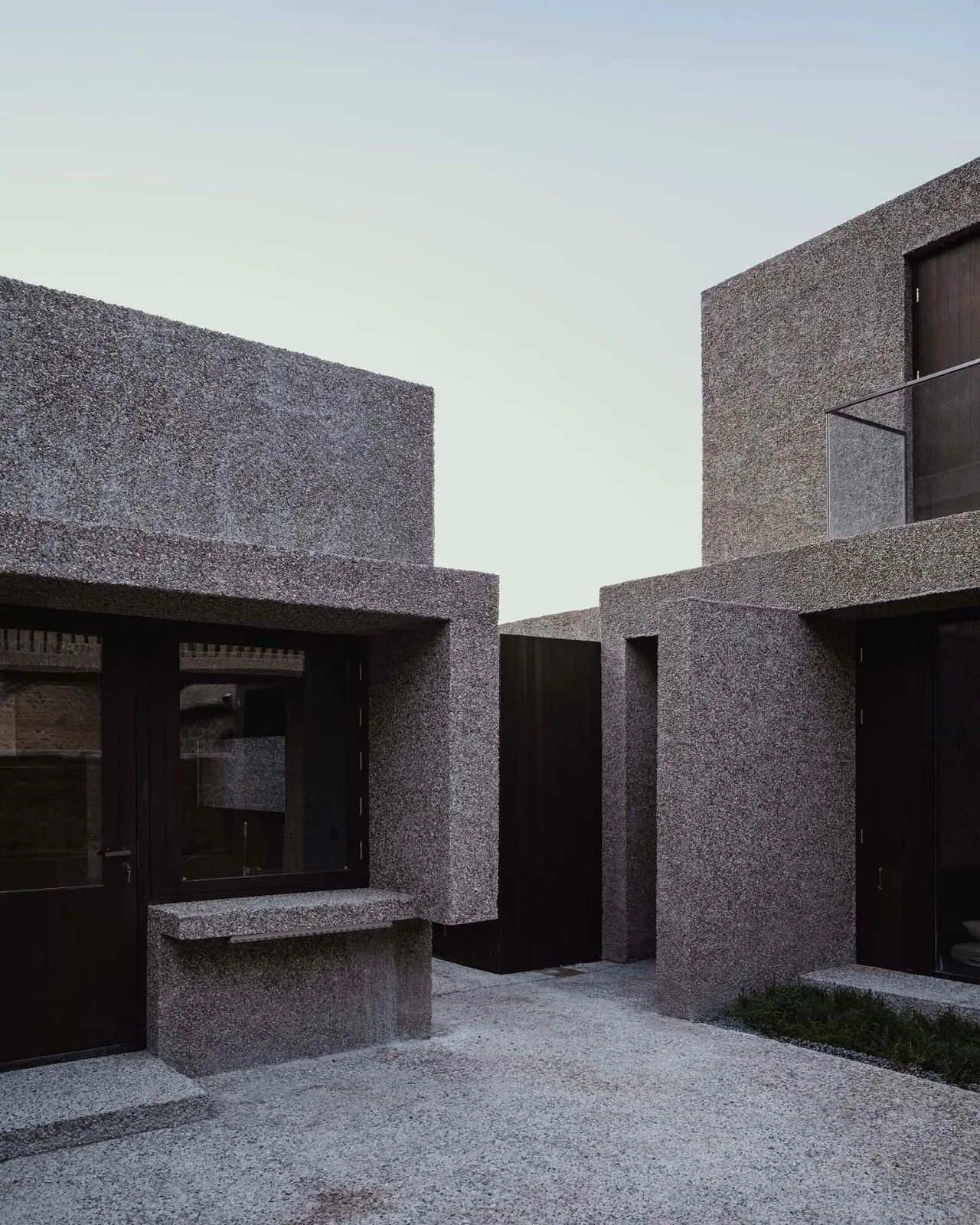
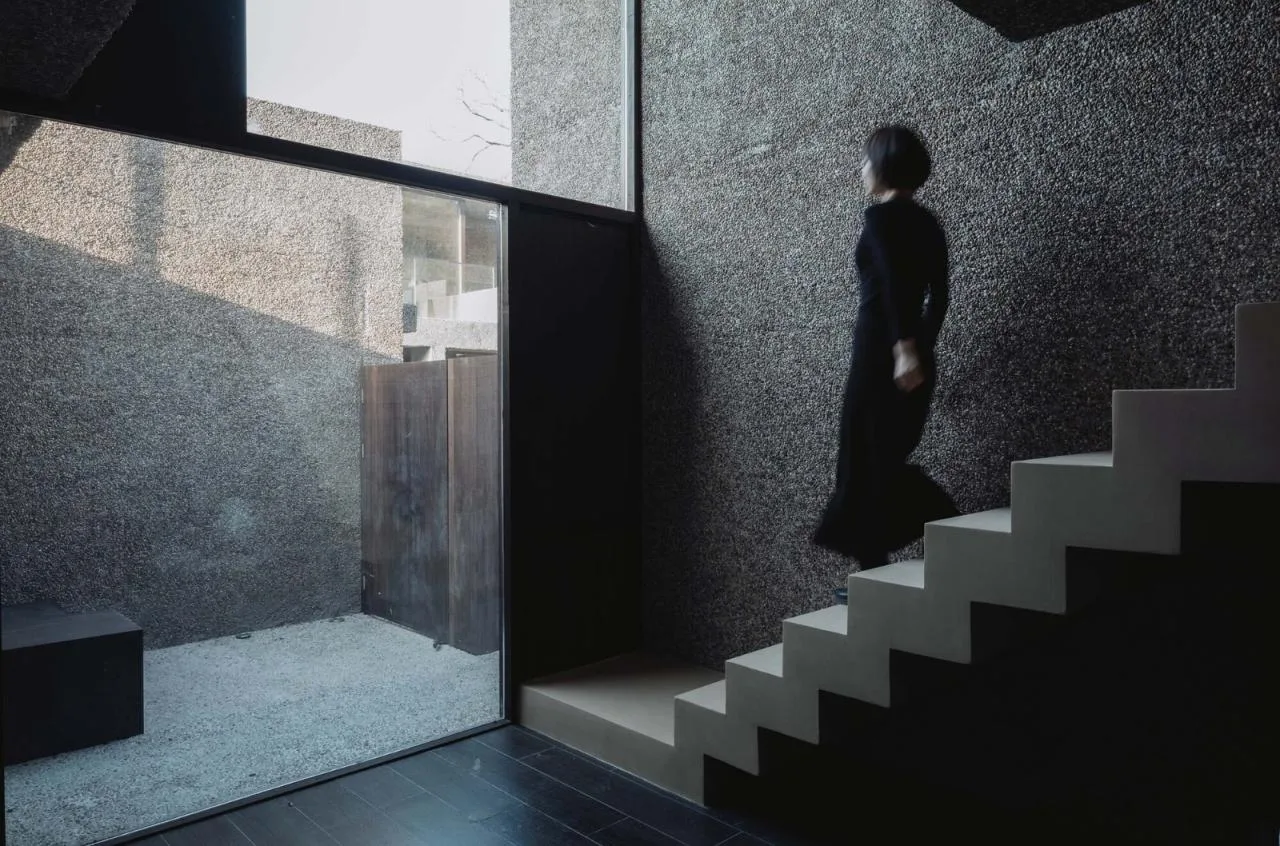
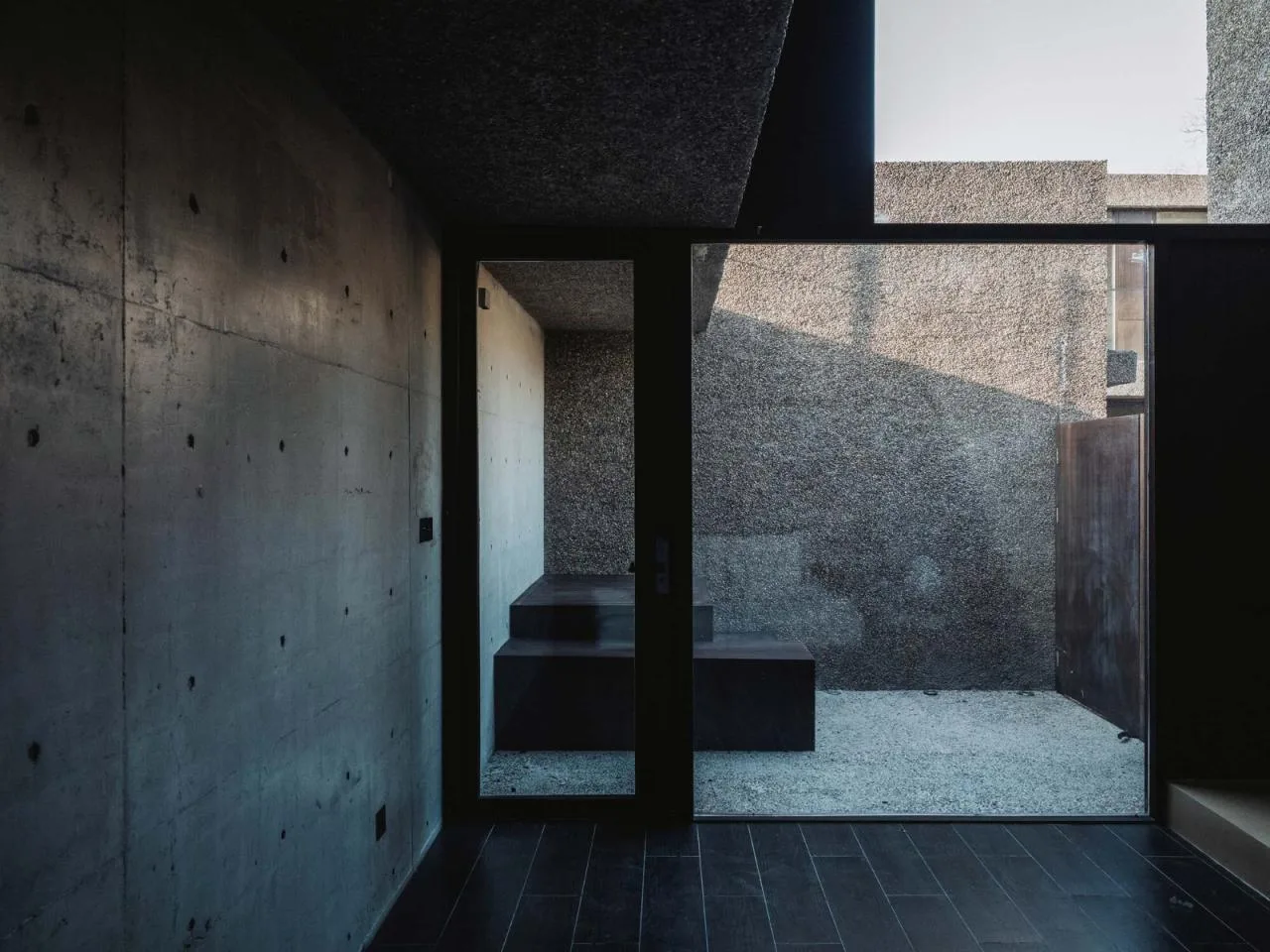
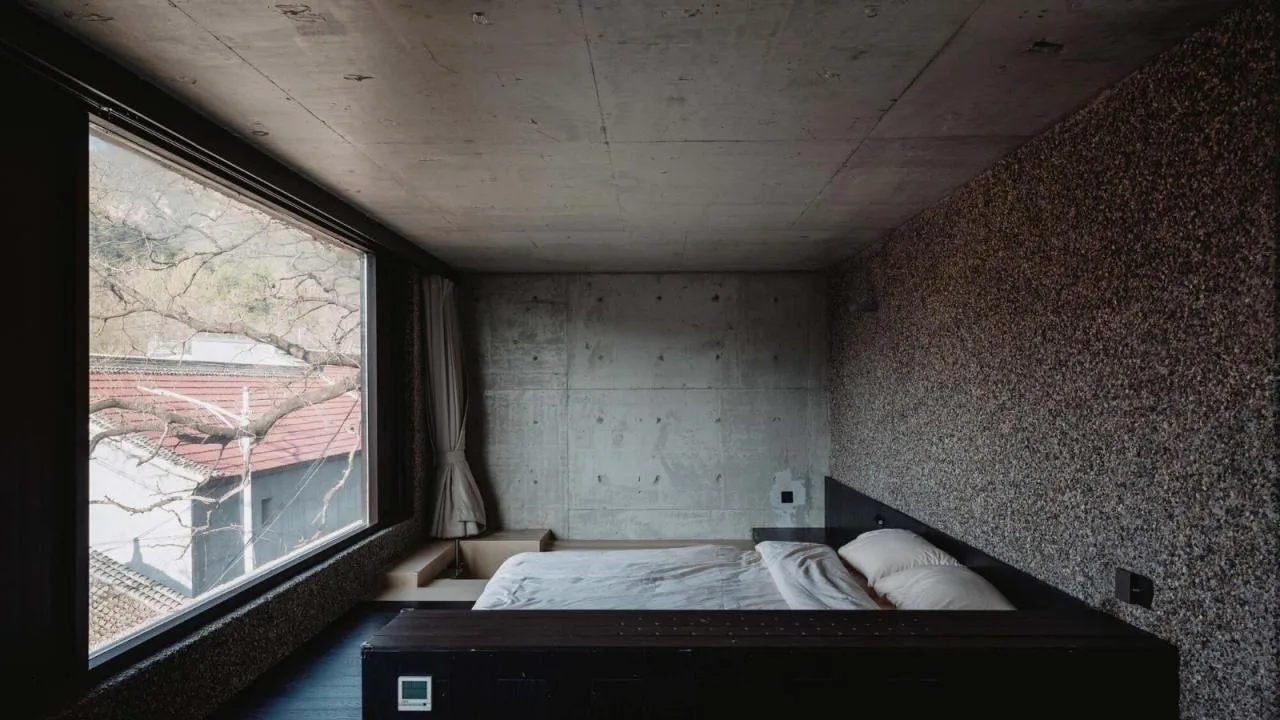
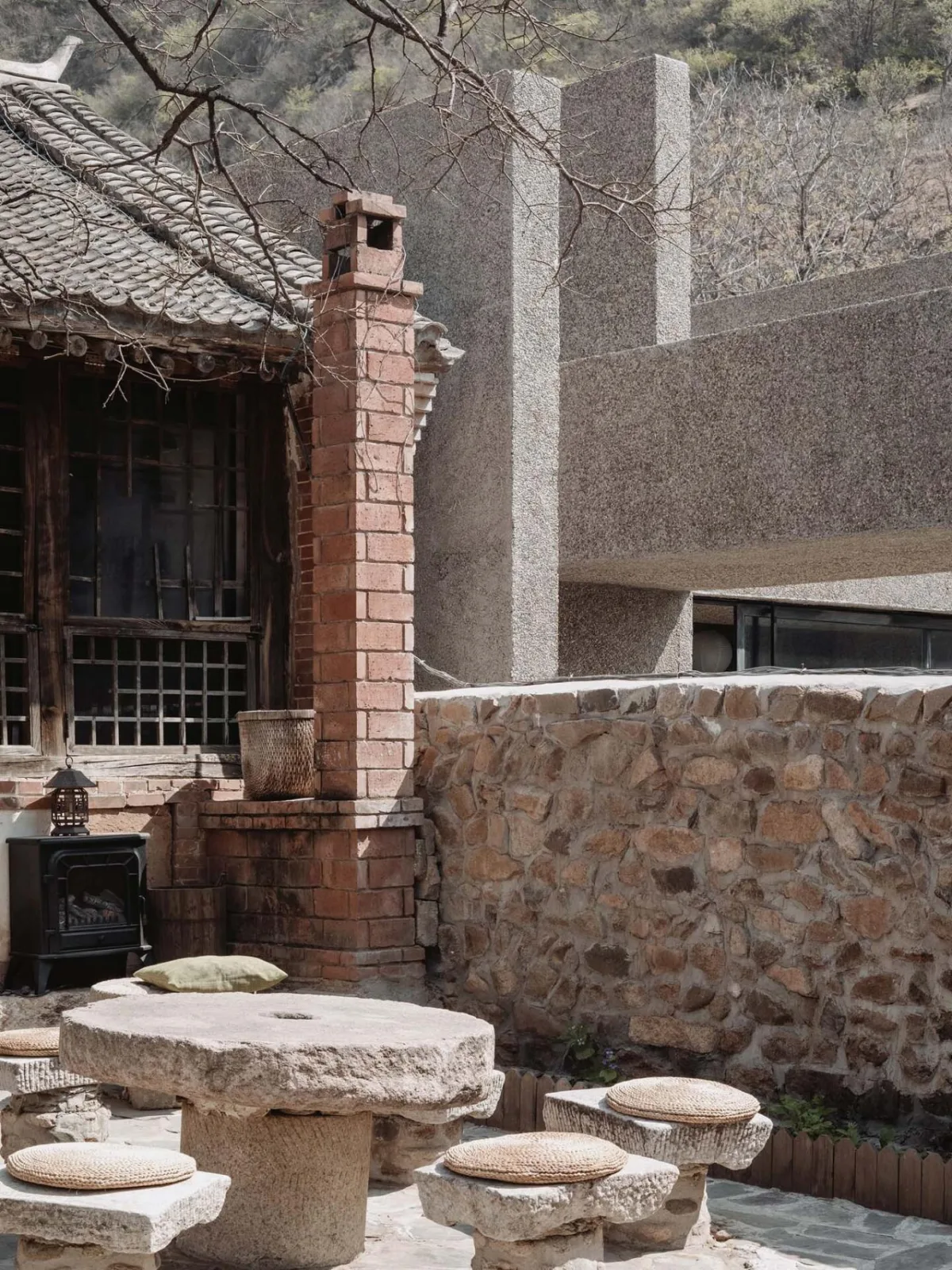
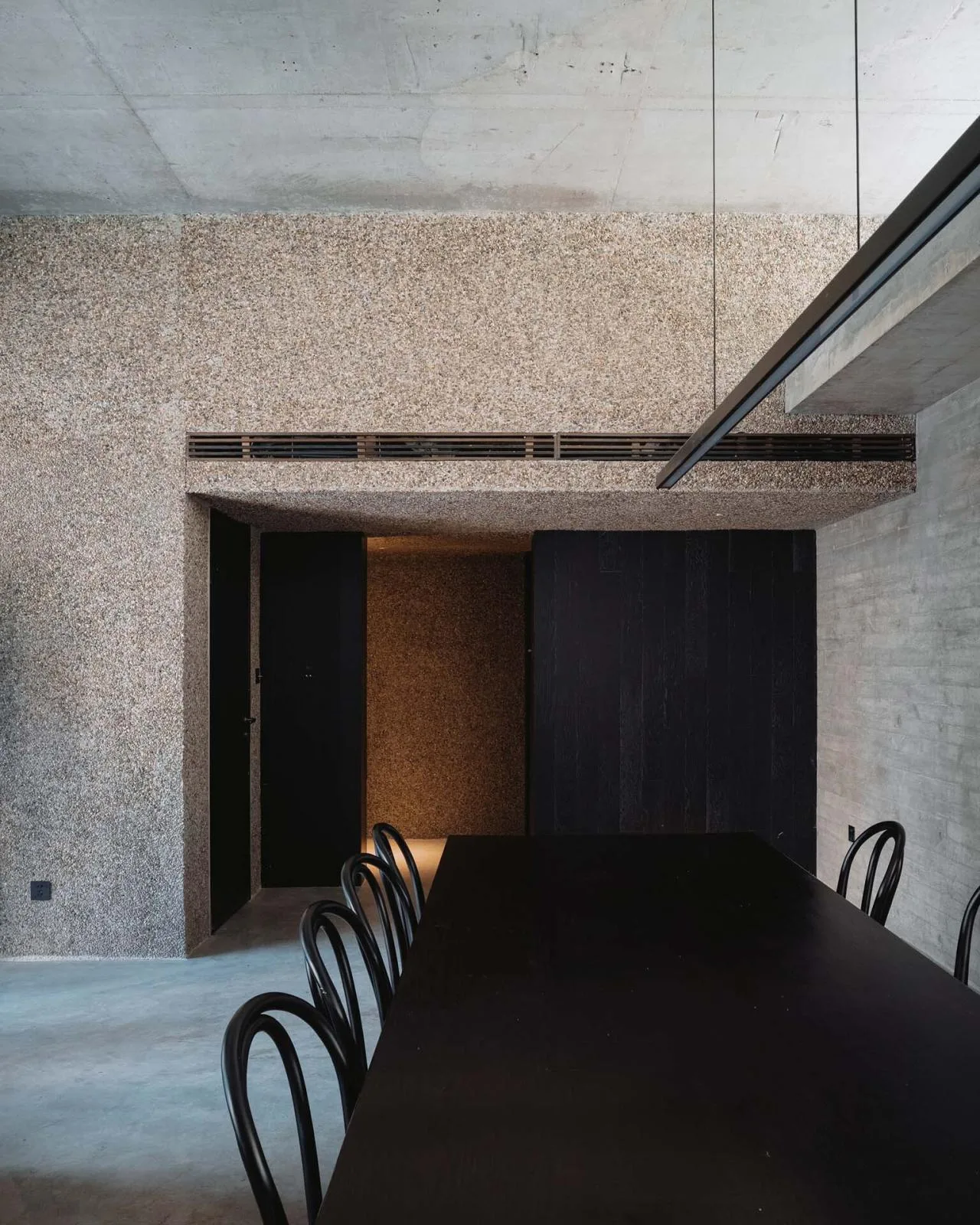
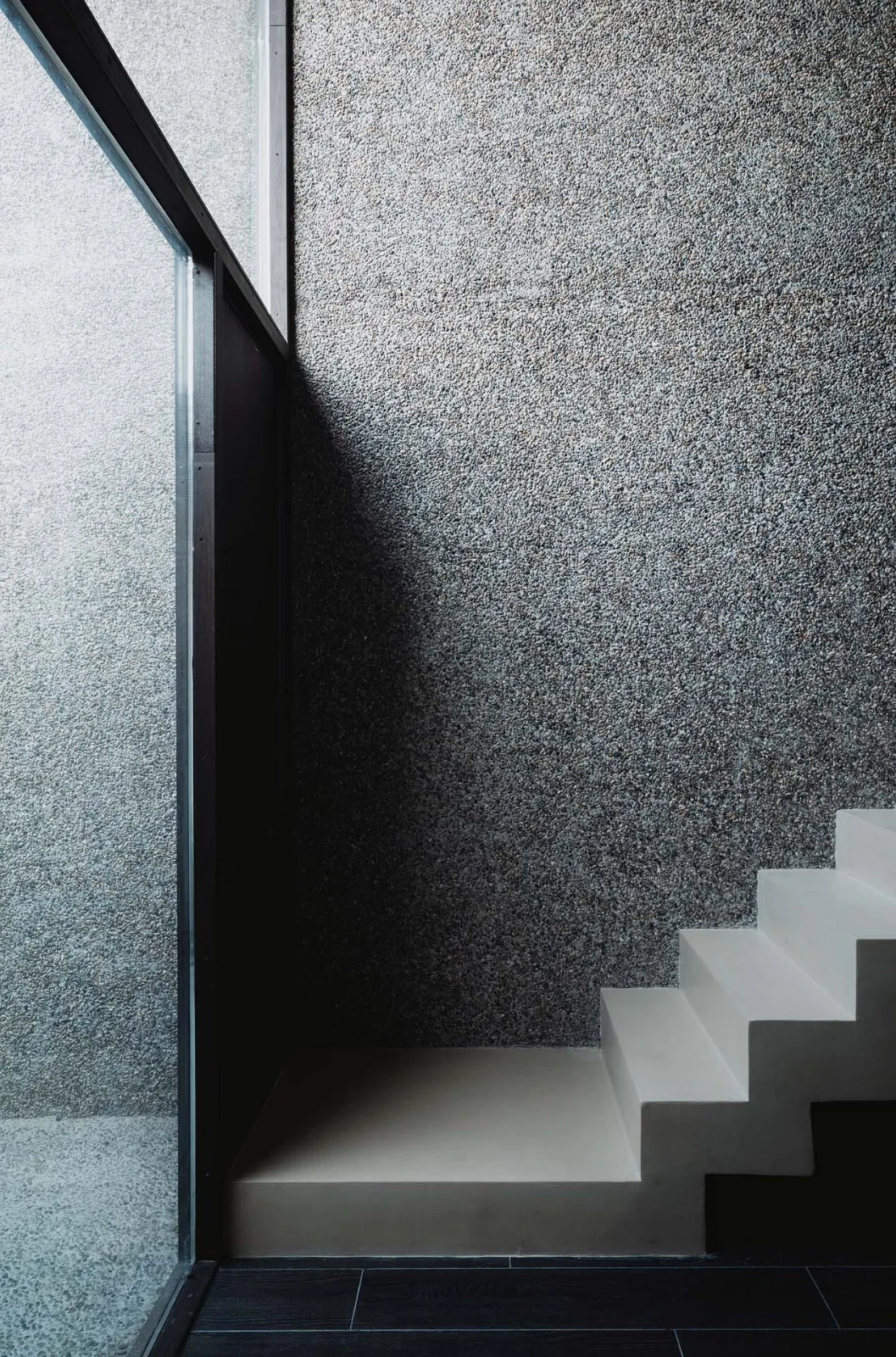
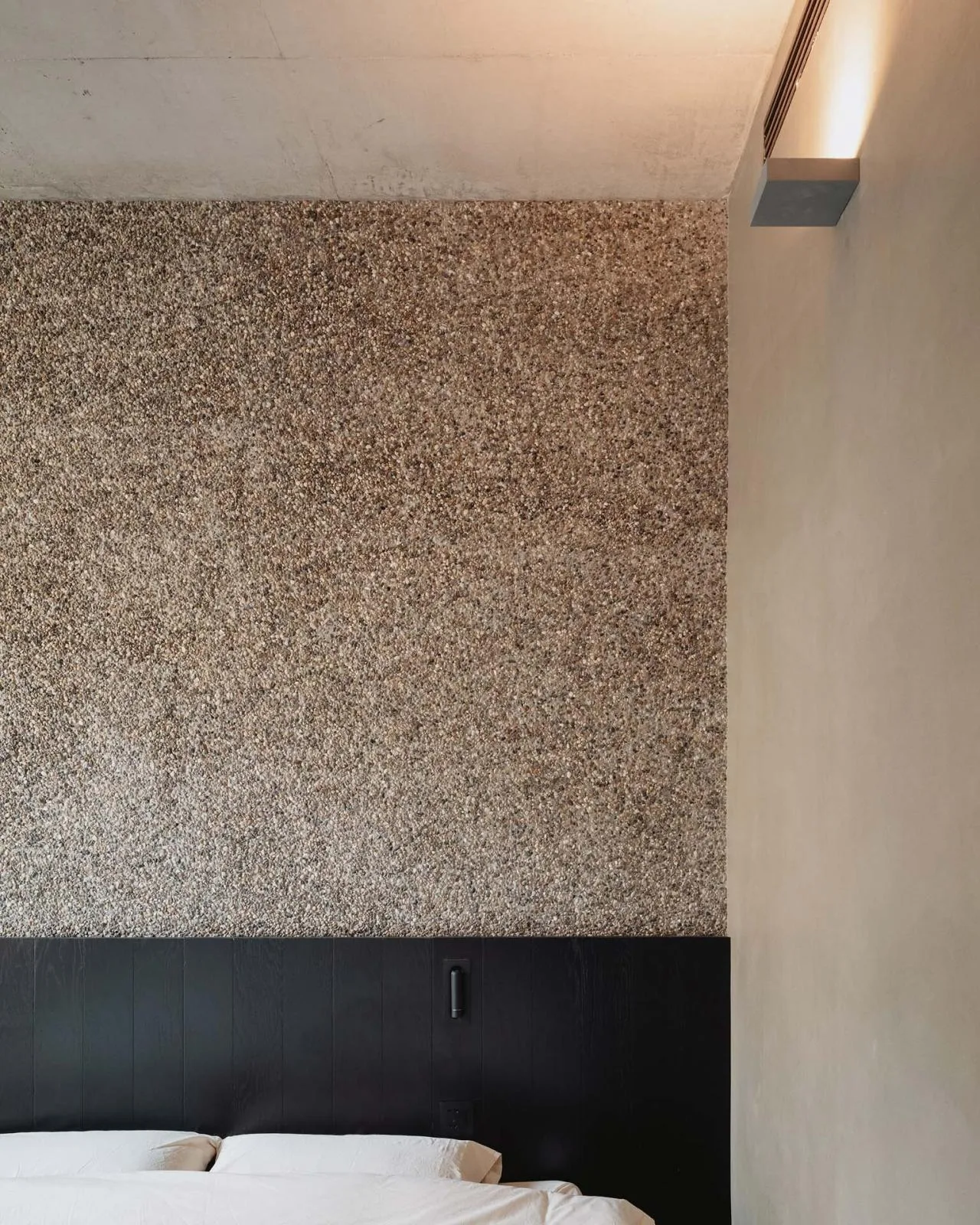
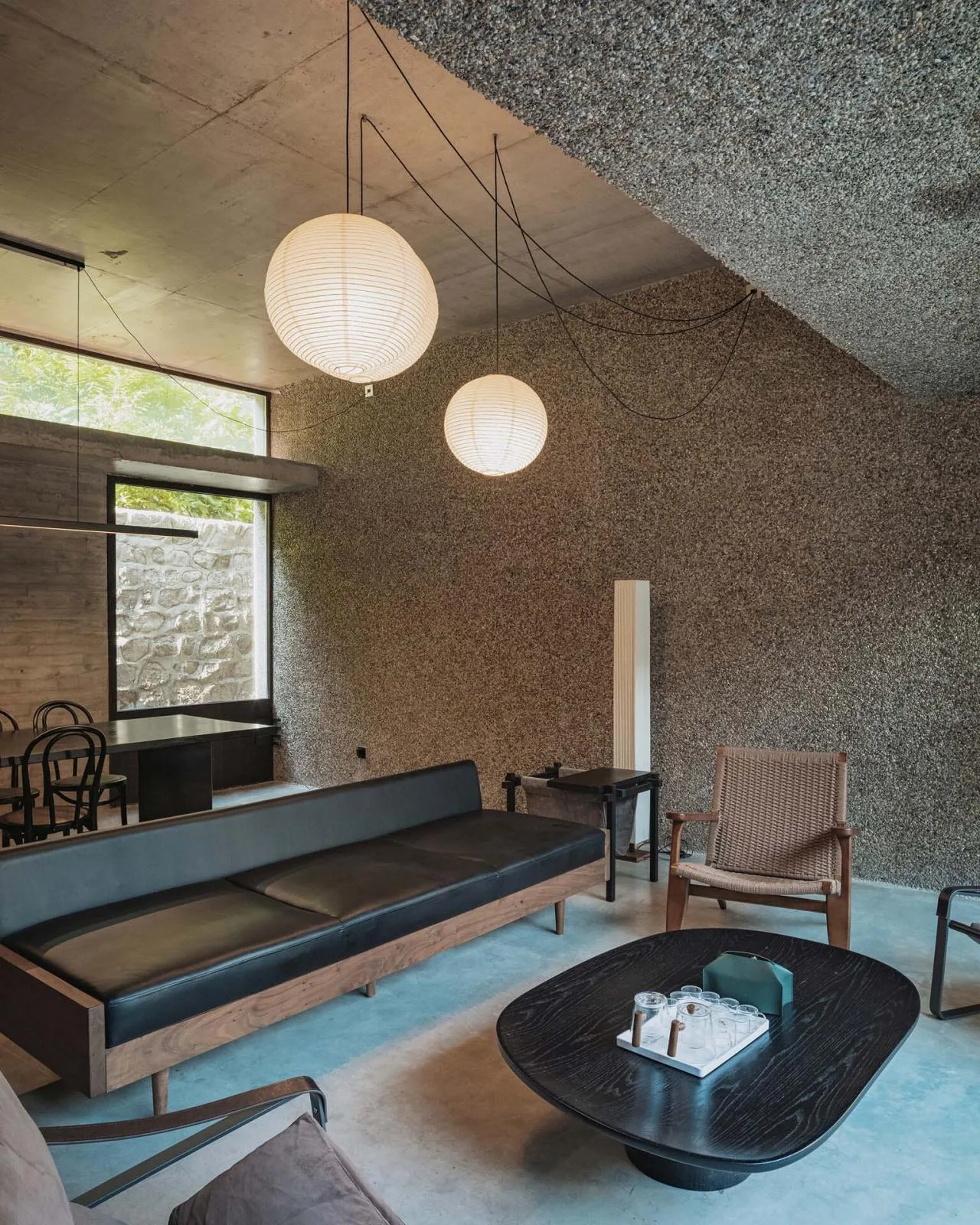
Water-brushed stone, sourced from the architectural relics of Yaoziyu Castle, is prominently used as the main material for both indoor and outdoor surfaces. While traditional exterior wall materials have gradually fallen out of favor, this timeless material remains fresh and resilient. It serves as the ideal choice for reconnecting the building with the site’s history and memory, seamlessly integrating the structure into the natural environment.
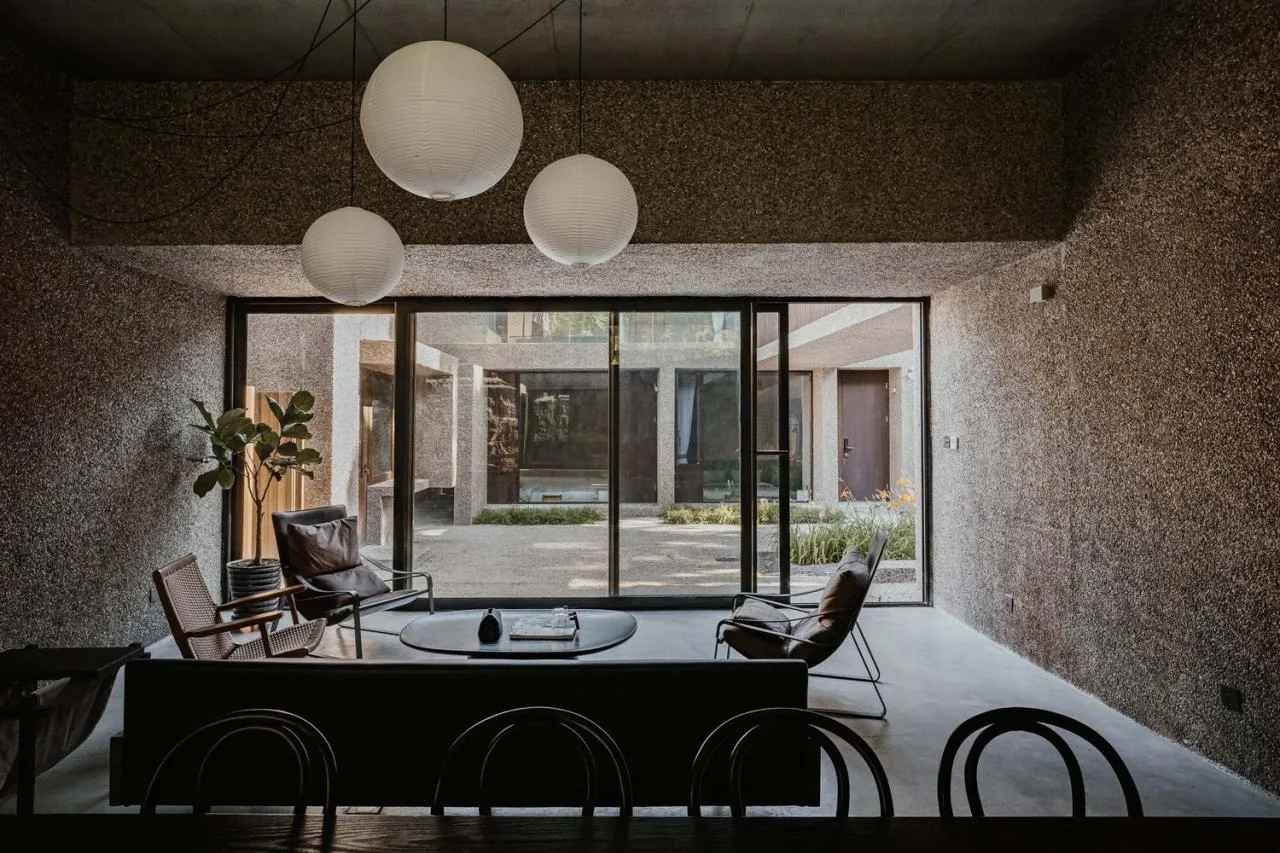
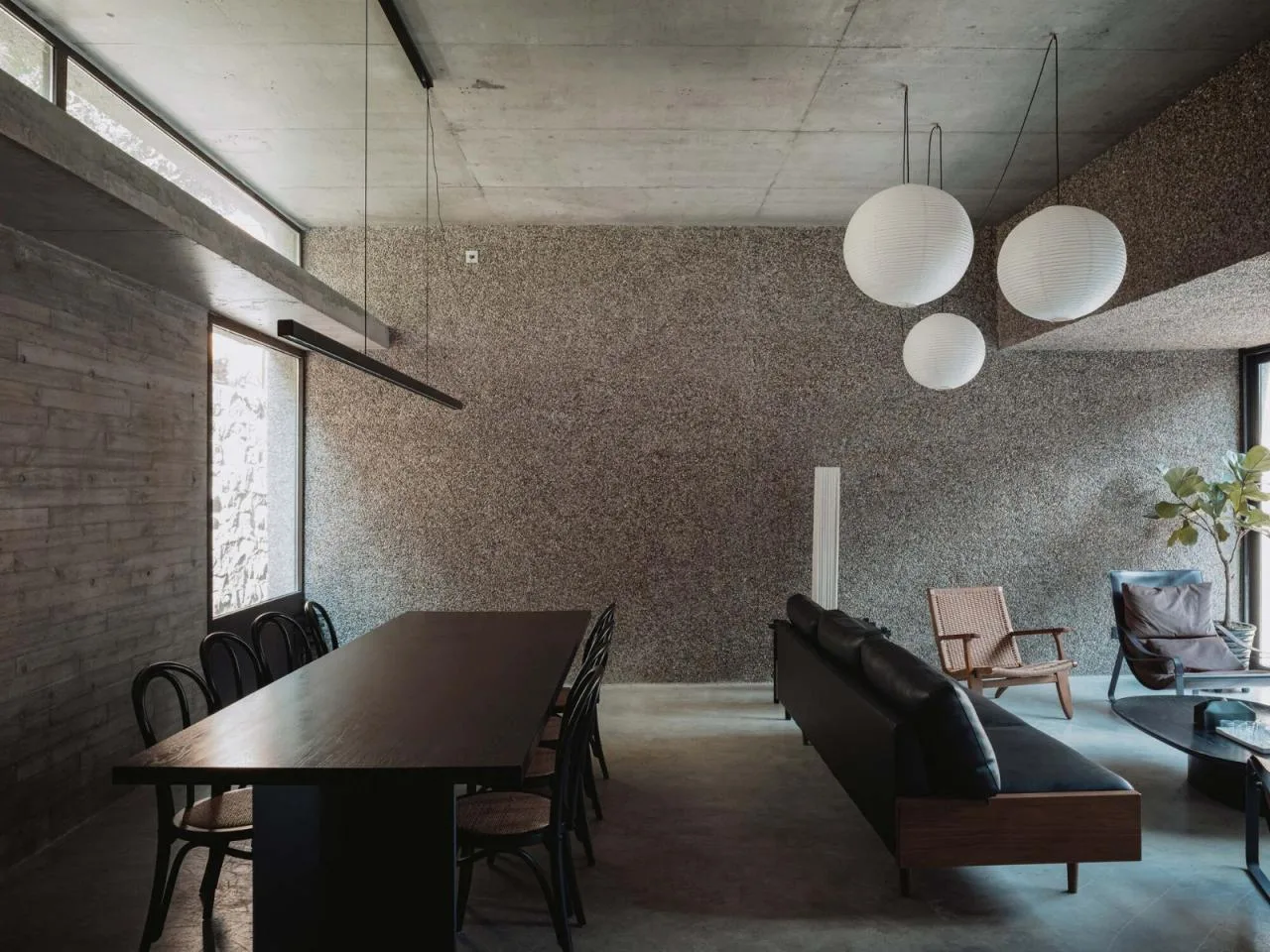
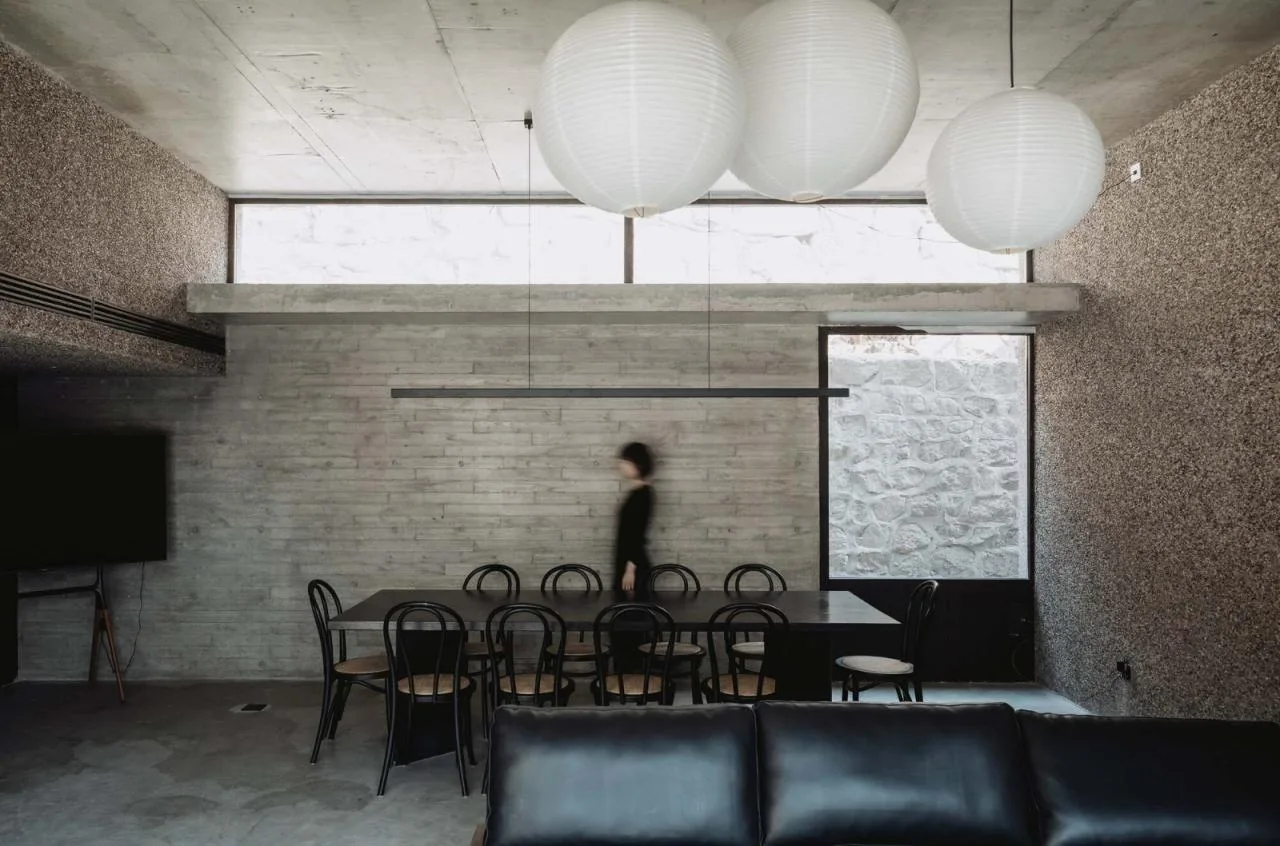
For the door and window systems, we took a different approach. We discarded the industrialized broken bridge aluminum systems in favor of a handmade enclosure composed of square steel keels combined with bamboo and wooden panels crafted by local workers. The operable elements are treated as extensions of the door rather than traditional window openings. This eliminates the cumbersome practice of opening conventional glass windows, reducing tempered double-layer glass to a single function of admitting light.
This simplification emphasizes the purity and transparency of the building’s facade, effectively balancing functionality with aesthetic clarity. The handcrafted quality of the construction stands as a testament to human creativity and tangible craftsmanship.
Project Drawings
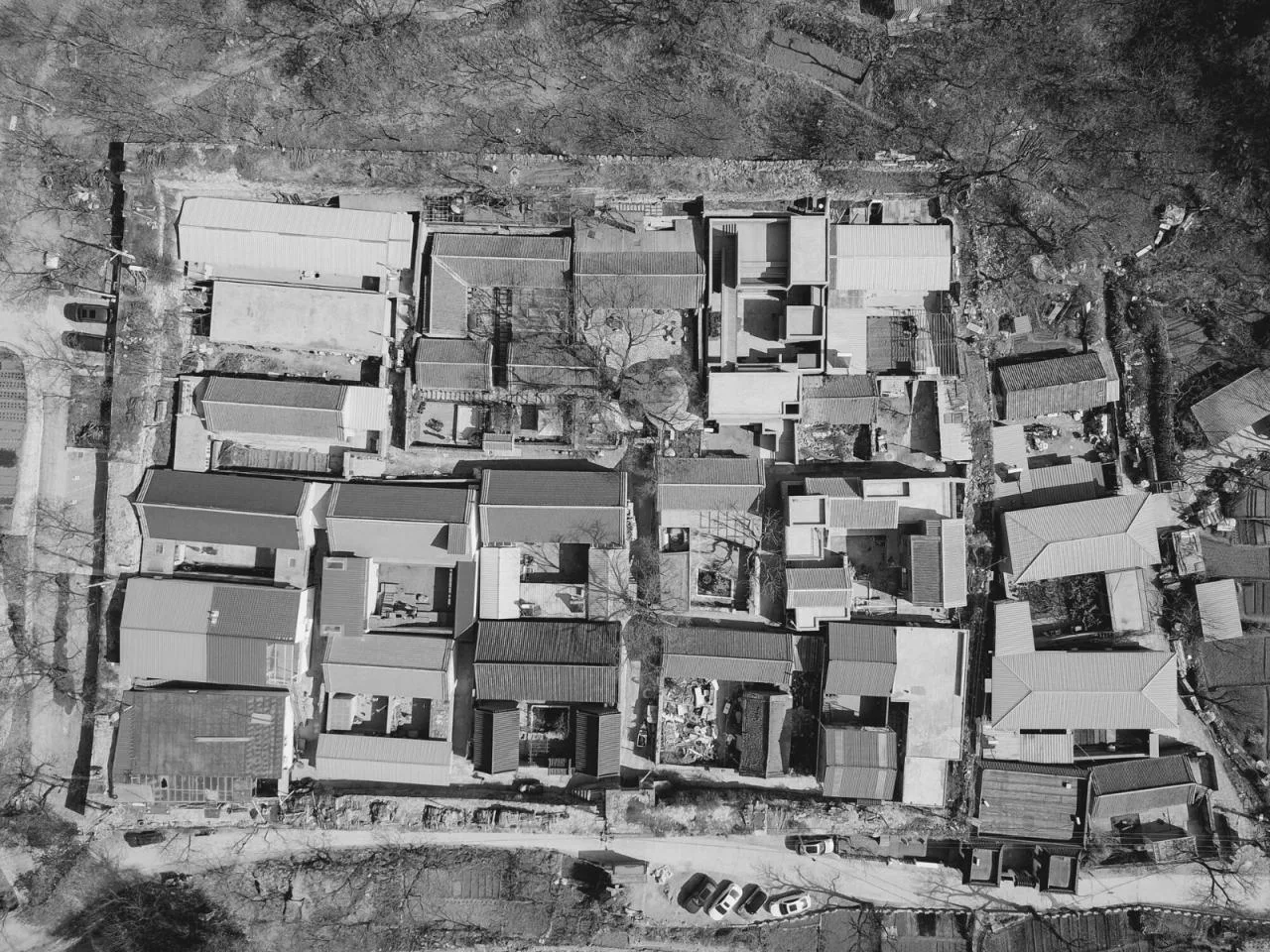
△ Texture Diagram
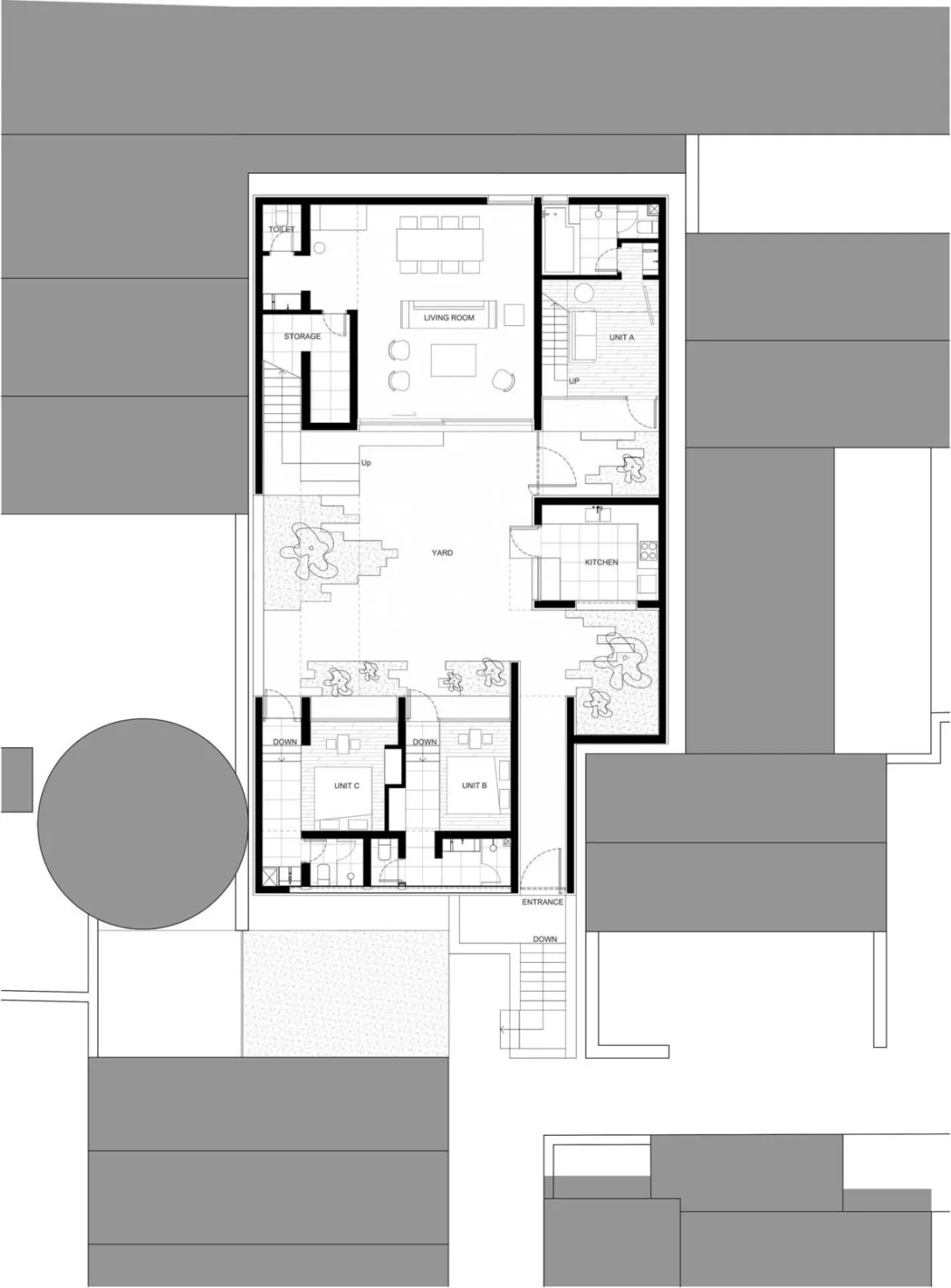
△ First Floor Plan
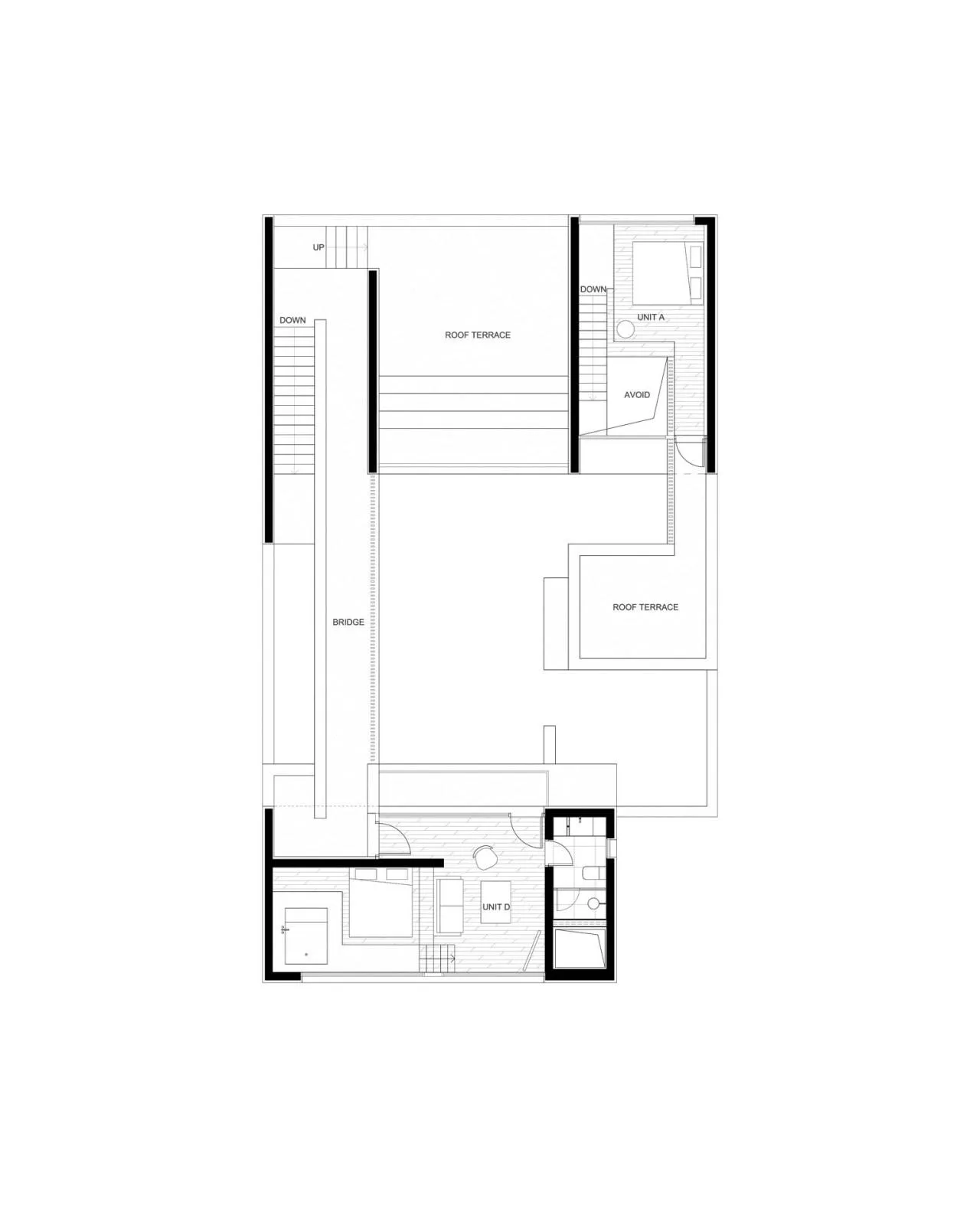
△ Second Floor Plan
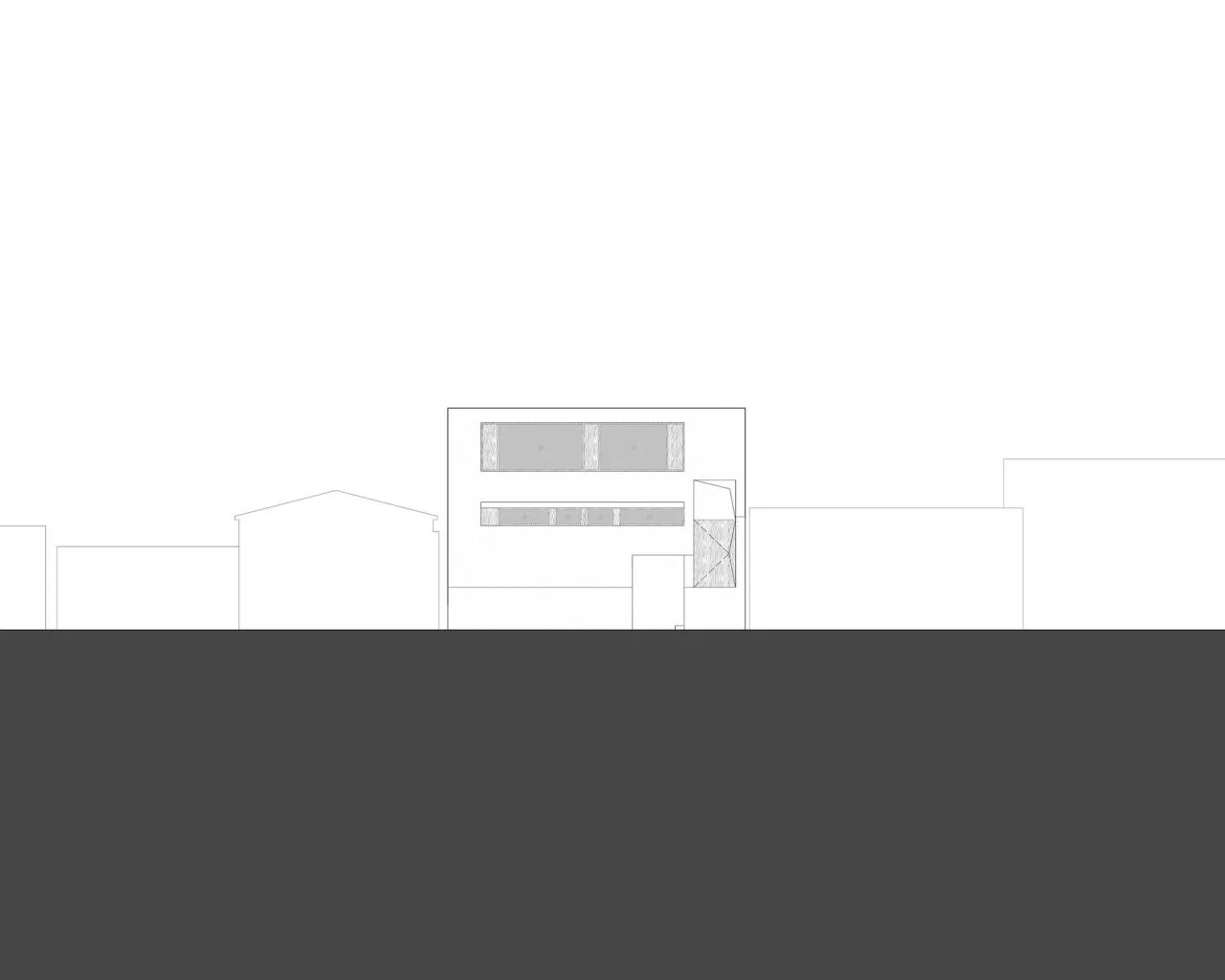
△ Elevation Drawing

△ Elevation Drawing
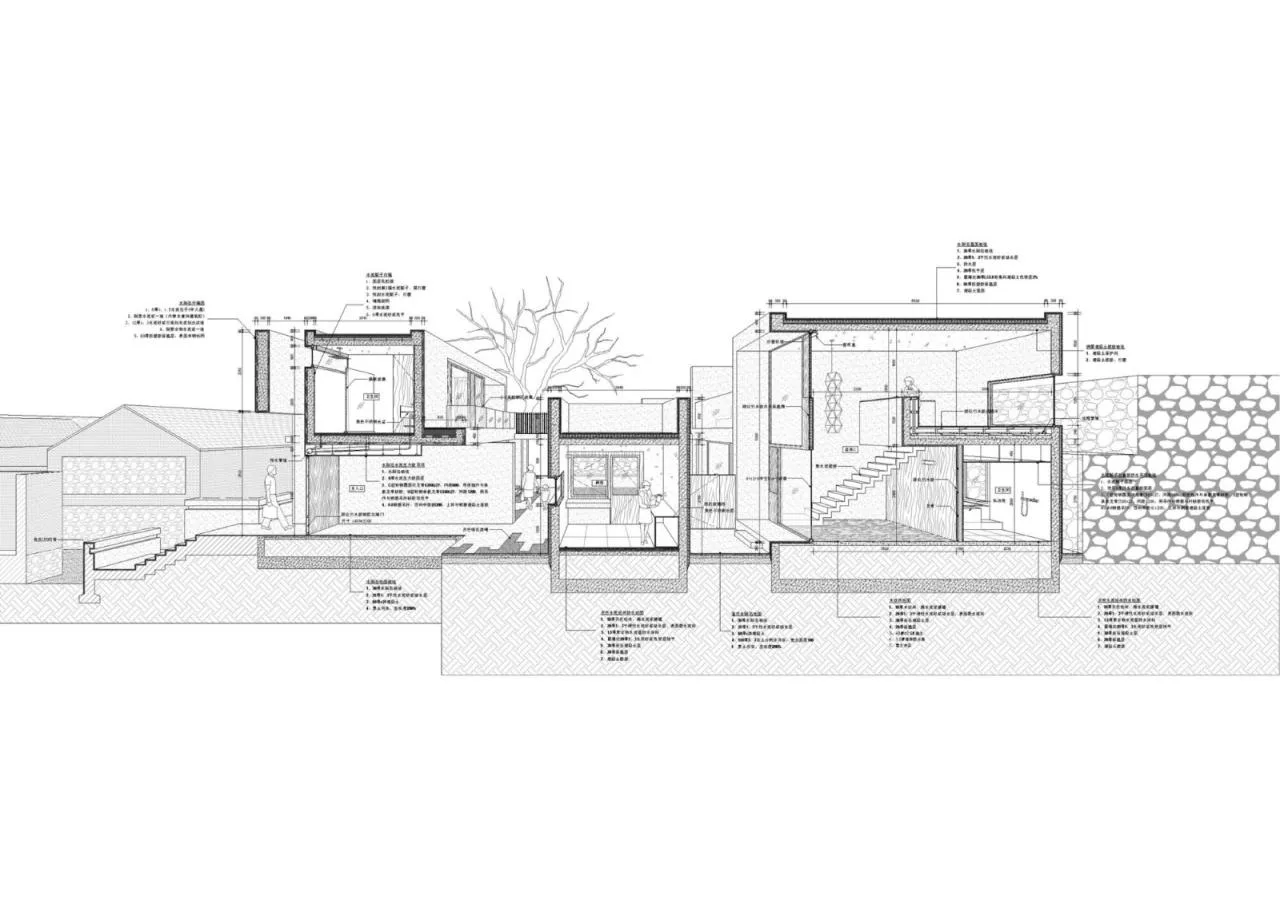
△ Section Diagram
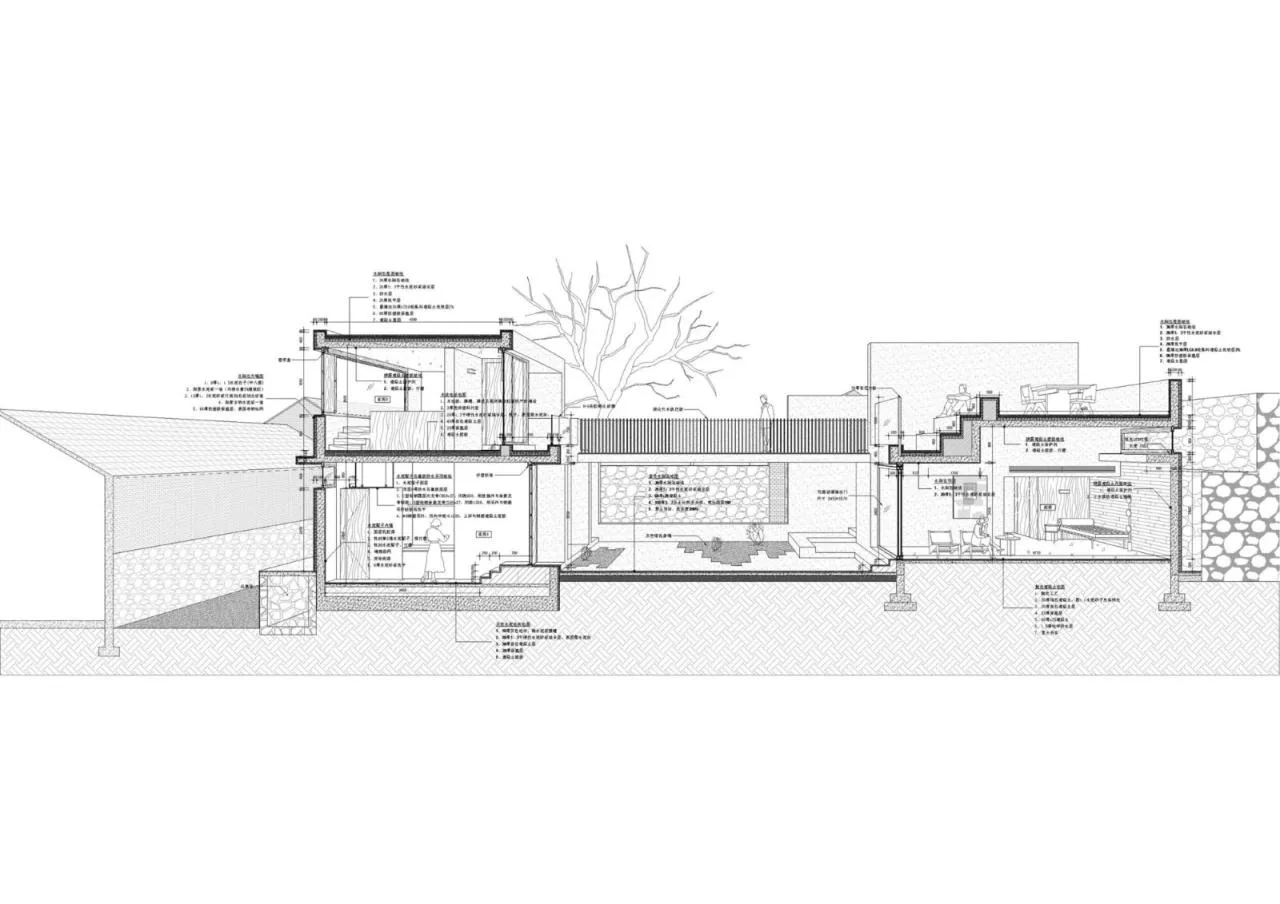
△ Section Diagram
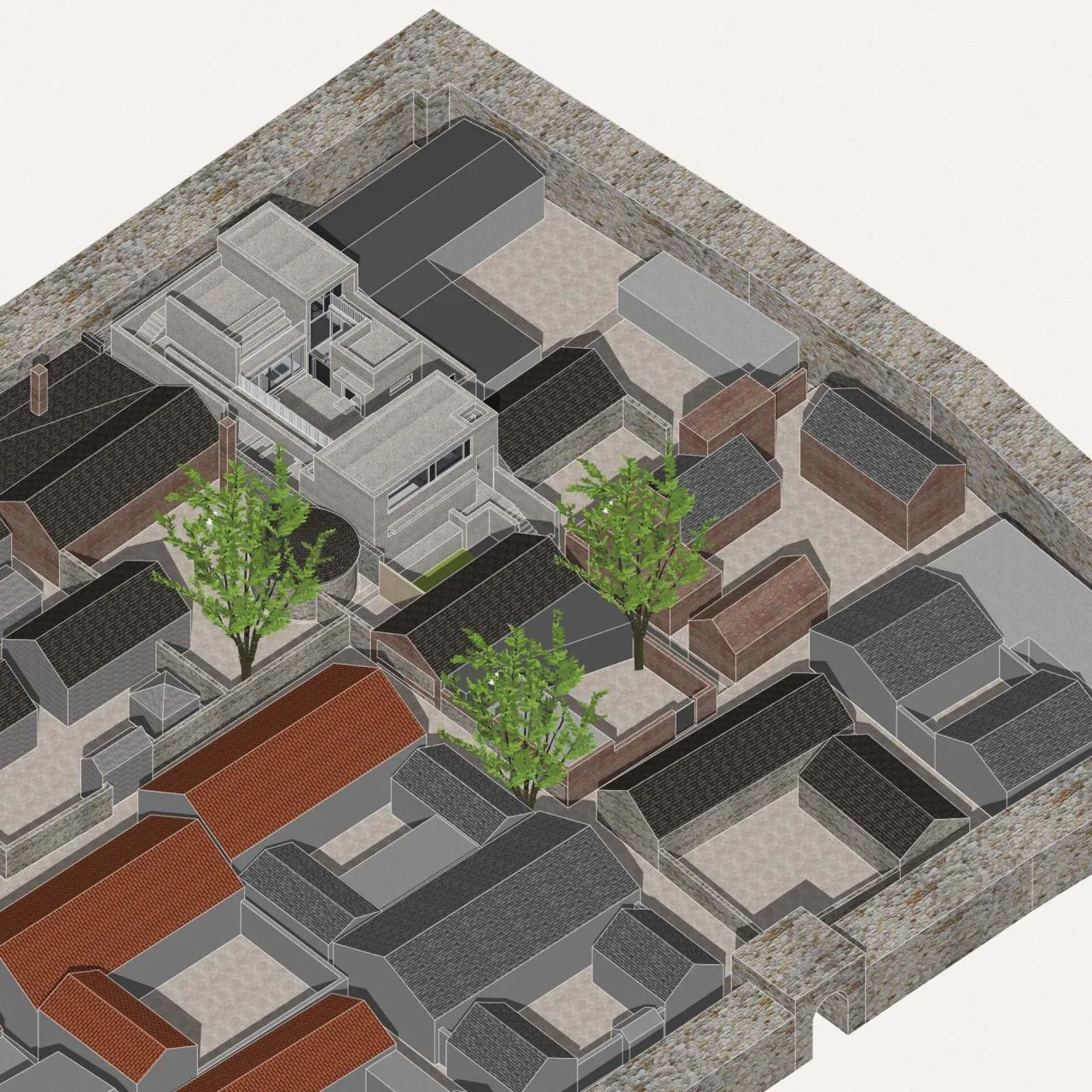
△ Axonometric Diagram
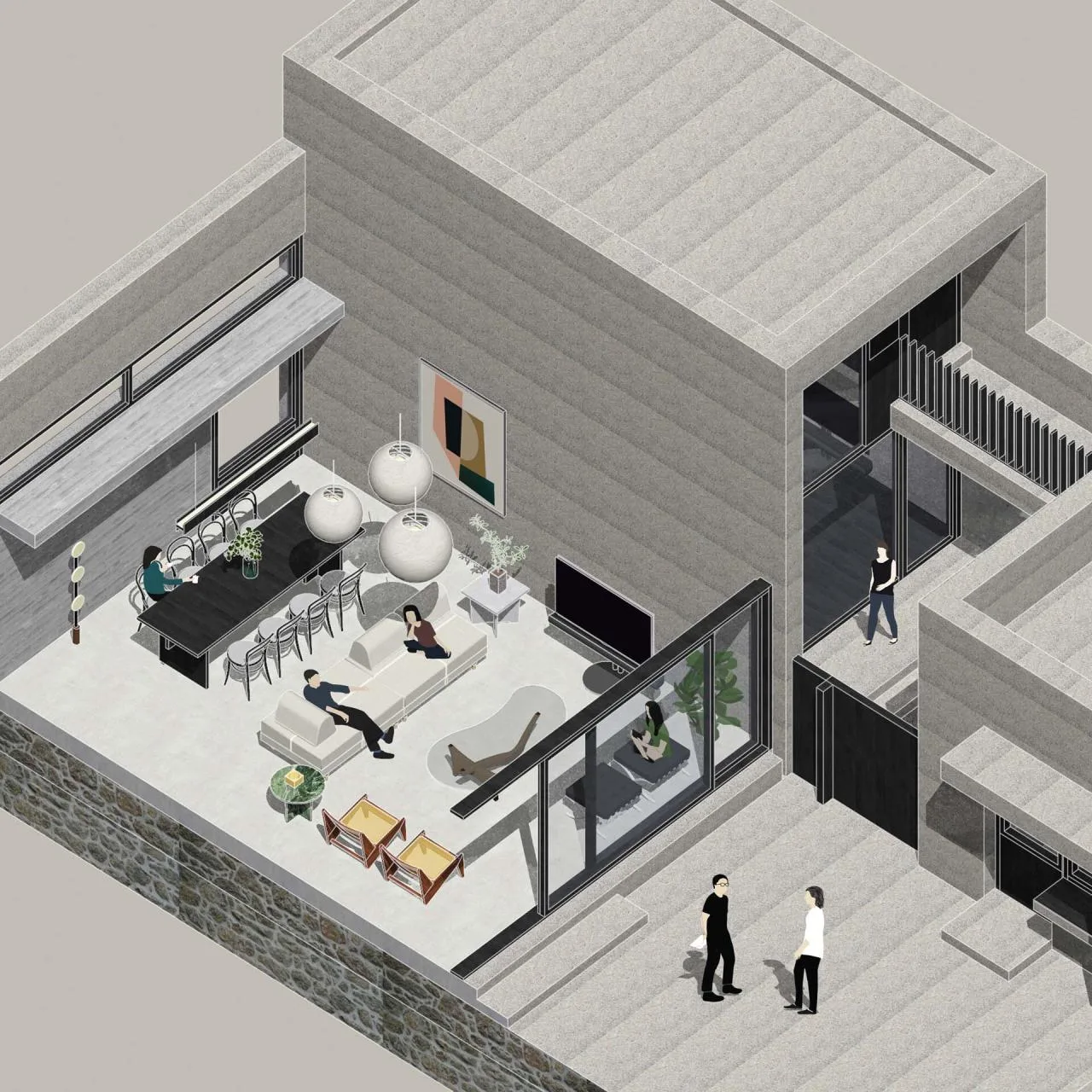
△ Axonometric Diagram
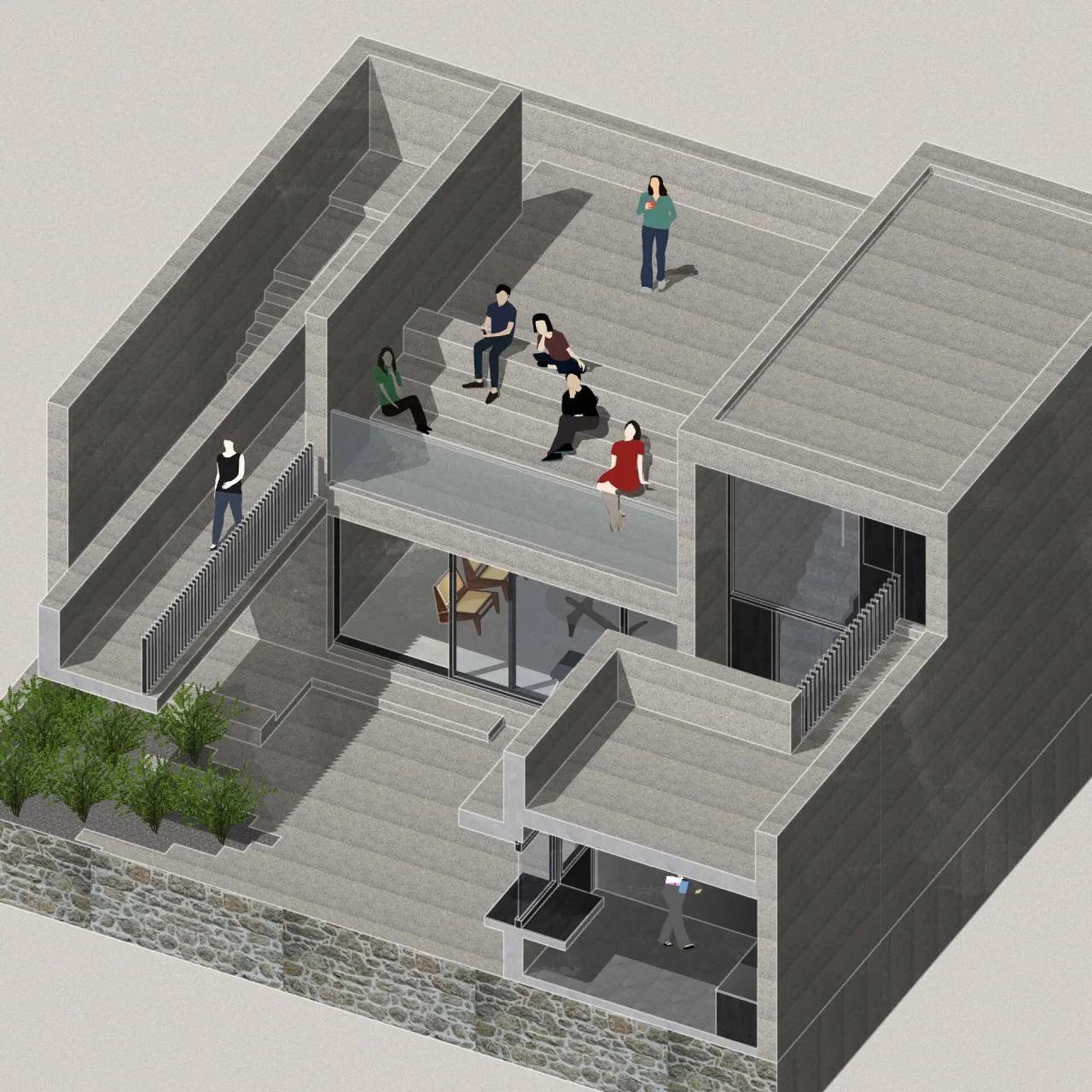
△ Axonometric Diagram
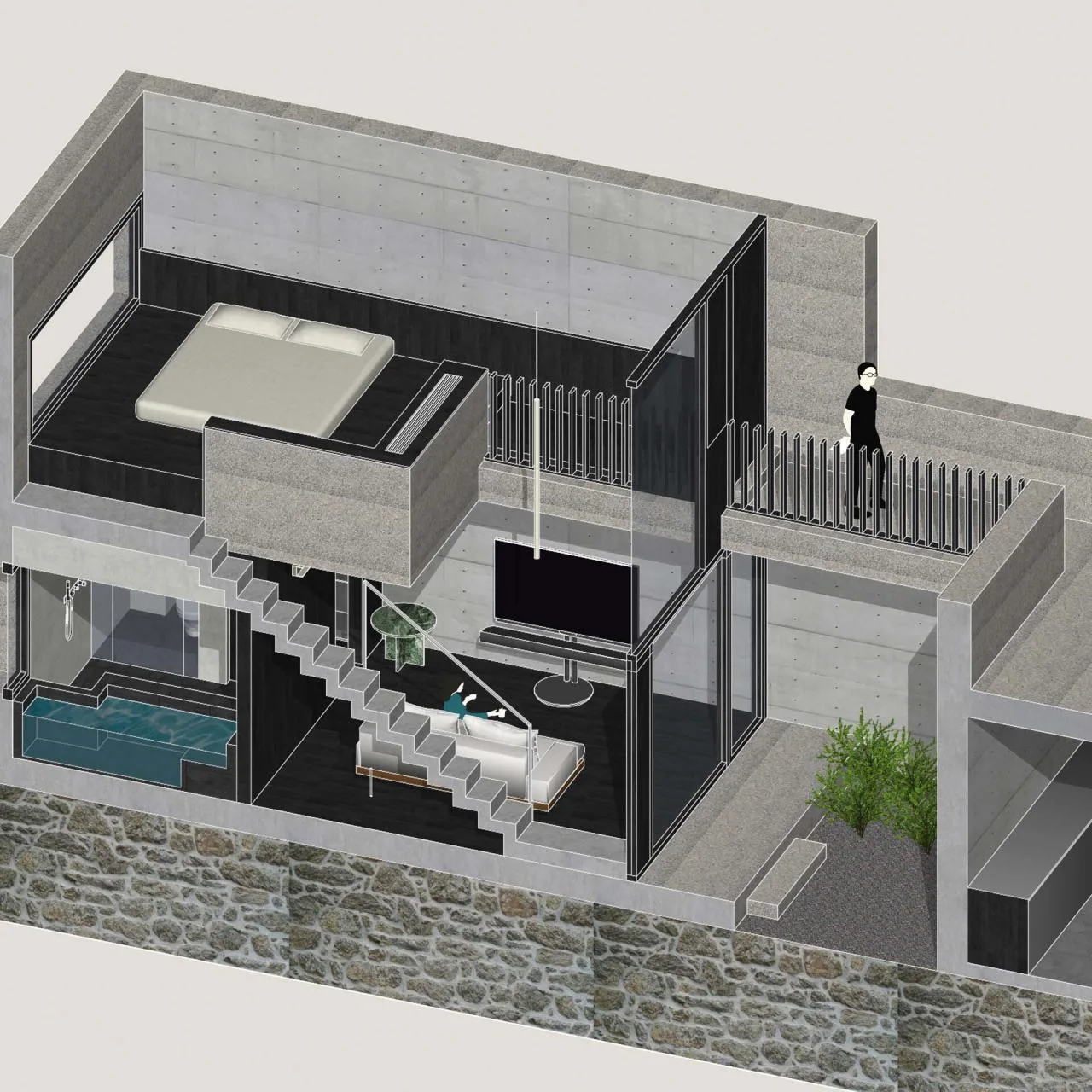
△ Axonometric Diagram
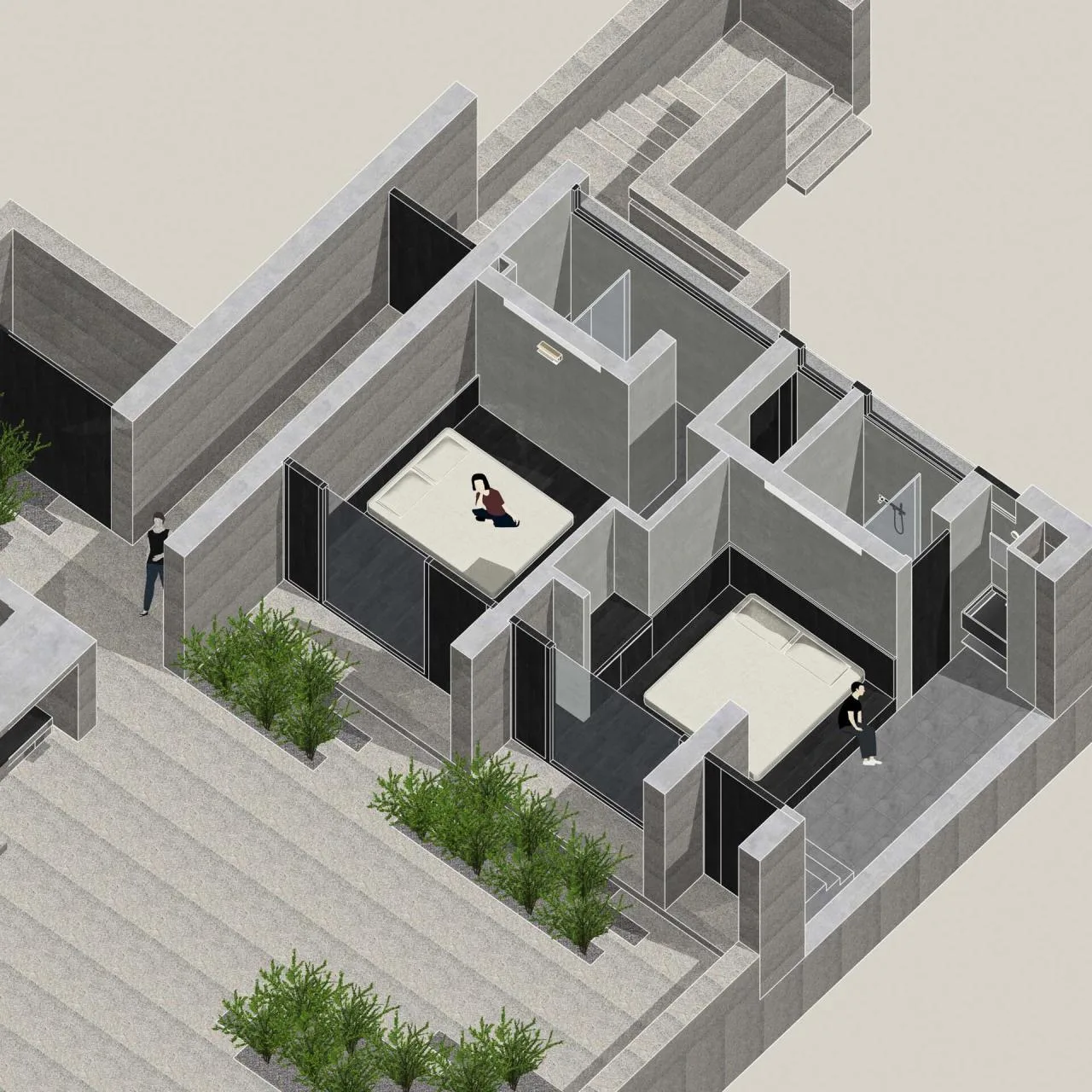
△ Axonometric Diagram
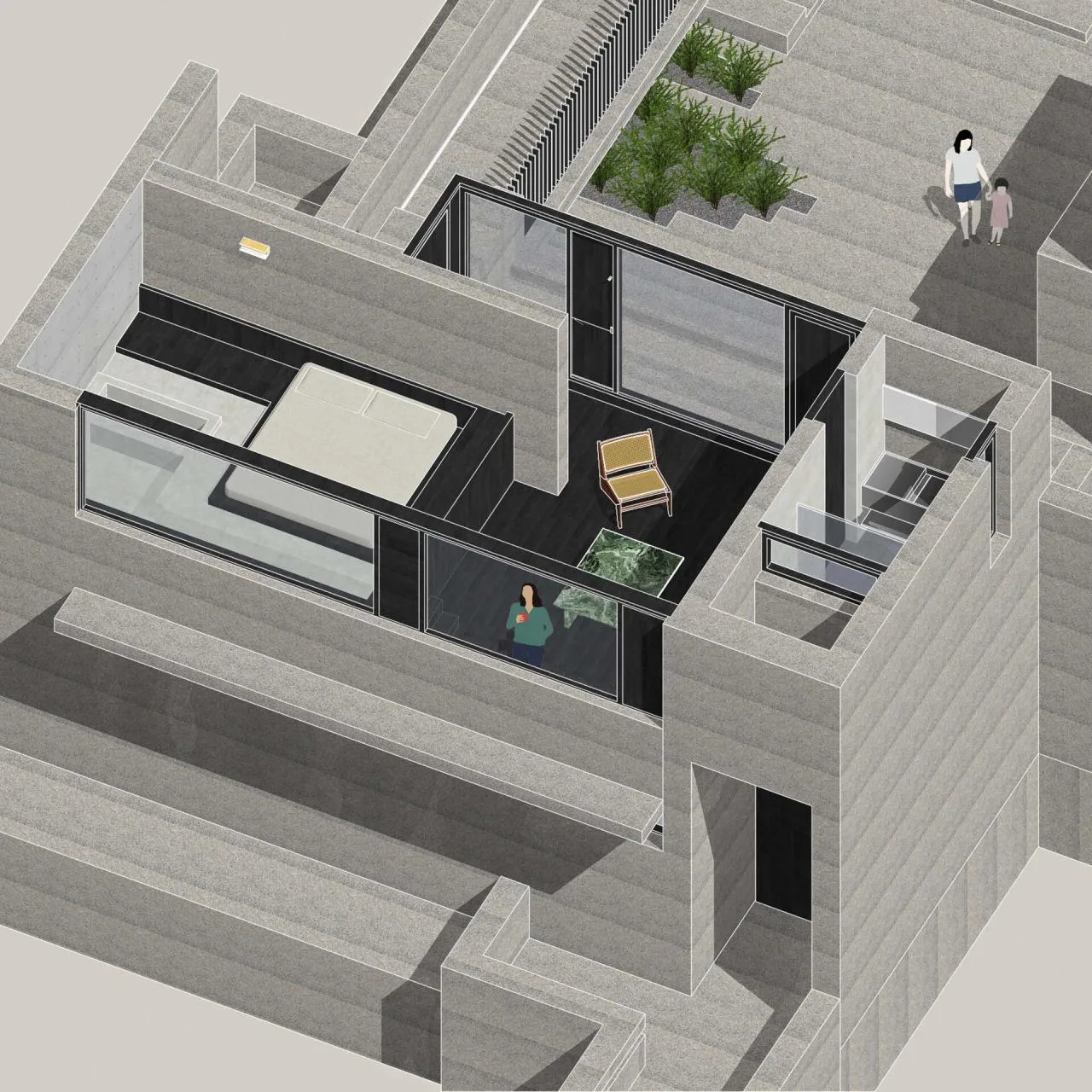
△ Axonometric Diagram
Project Information
Architect: NSAAA
Area: 248 square meters
Project Year: 2022
Photographer: Van
Manufacturer: Dasso
Principal Architect: Wang Jianjian
Design Team: Pan Yiming, Liu Changdong, Li Mingjing
Client: Beijing Manyi Creative Tourism Culture Development Co., Ltd
Structural Design: Beijing Institute of Architectural Design and Research Co., Ltd
Location: Beijing














Must log in before commenting!
Sign Up