
In today’s densely populated urban environments, what should the future campus look like beyond just efficient teaching spaces? Changjiang Vocational College of Art and Engineering emphasizes connectivity, social interaction, and regional identity as its core design principles. The result is a series of vibrant teaching spaces featuring creative and dynamic designs that encourage students to explore and thrive in an engaging campus environment.
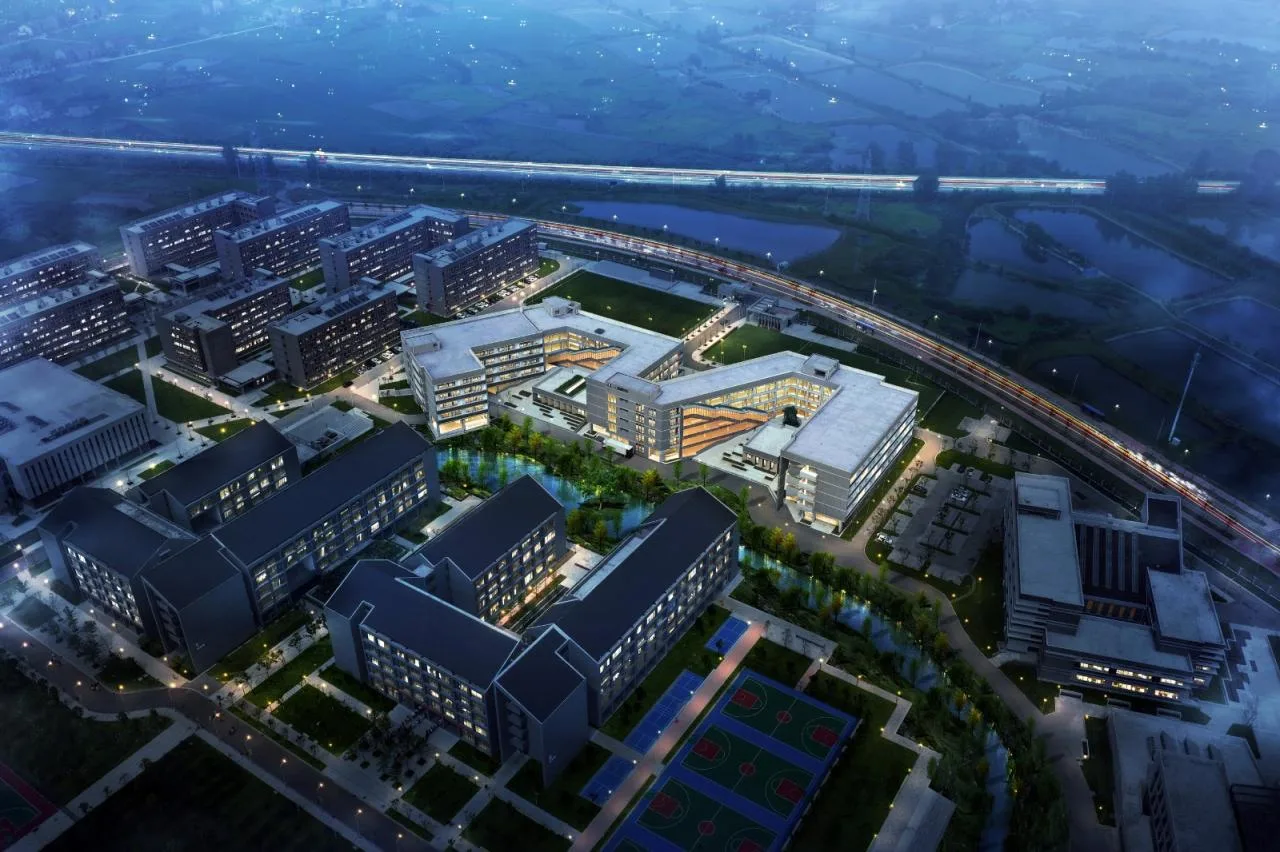
Campus at Night
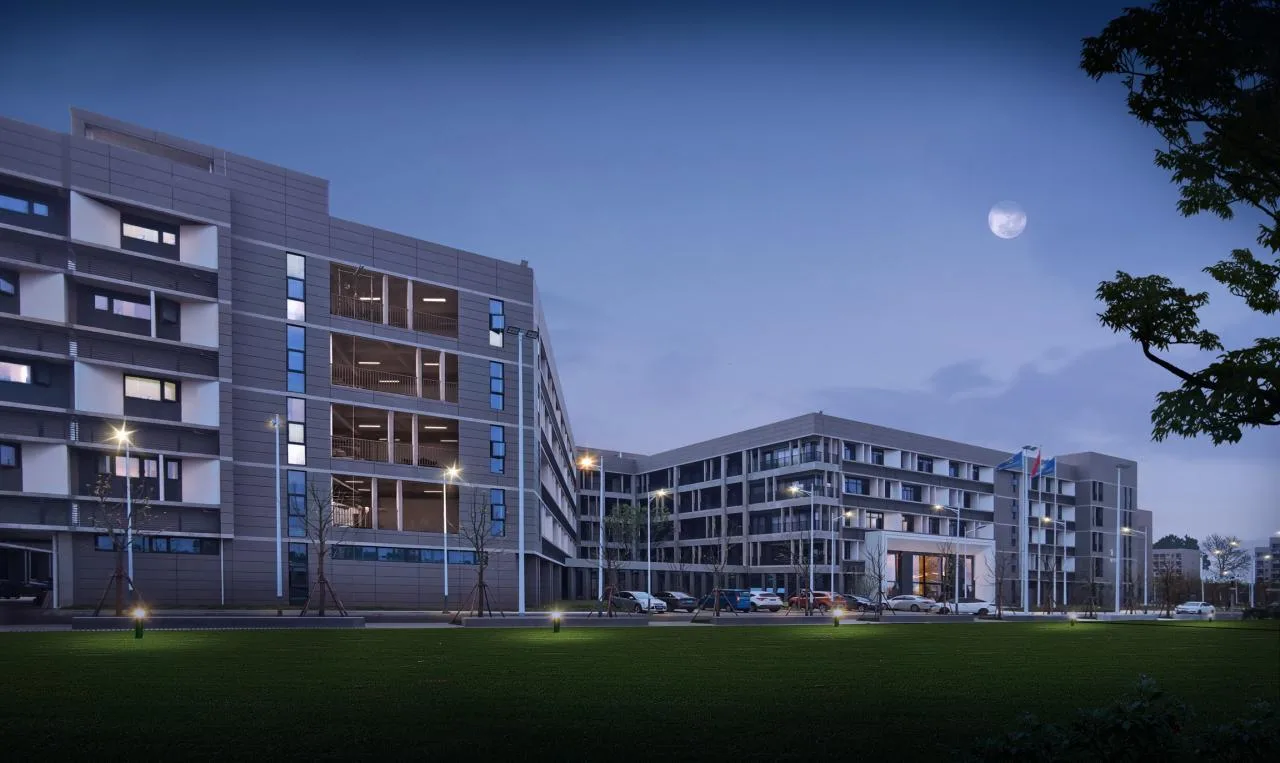
△ Night View of Teaching and Training Building #3
1. Project Overview
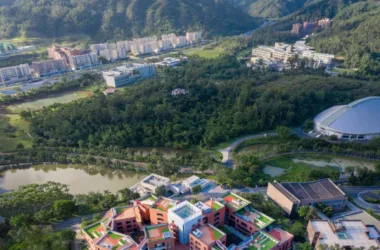
Located in the heart of Jingzhou Jinan Ecological Tourism Zone, an area rich in world heritage, this vocational college specializes in unique traditional handcraft skills. It also houses the 3A tourist attraction, Jingzhou Jingchu Intangible Cultural Heritage Skills Inheritance Institute—a shared platform dedicated to the preservation, inheritance, and development of intangible cultural heritage in the Jianghan Plain: Changjiang Art Engineering Vocational College.
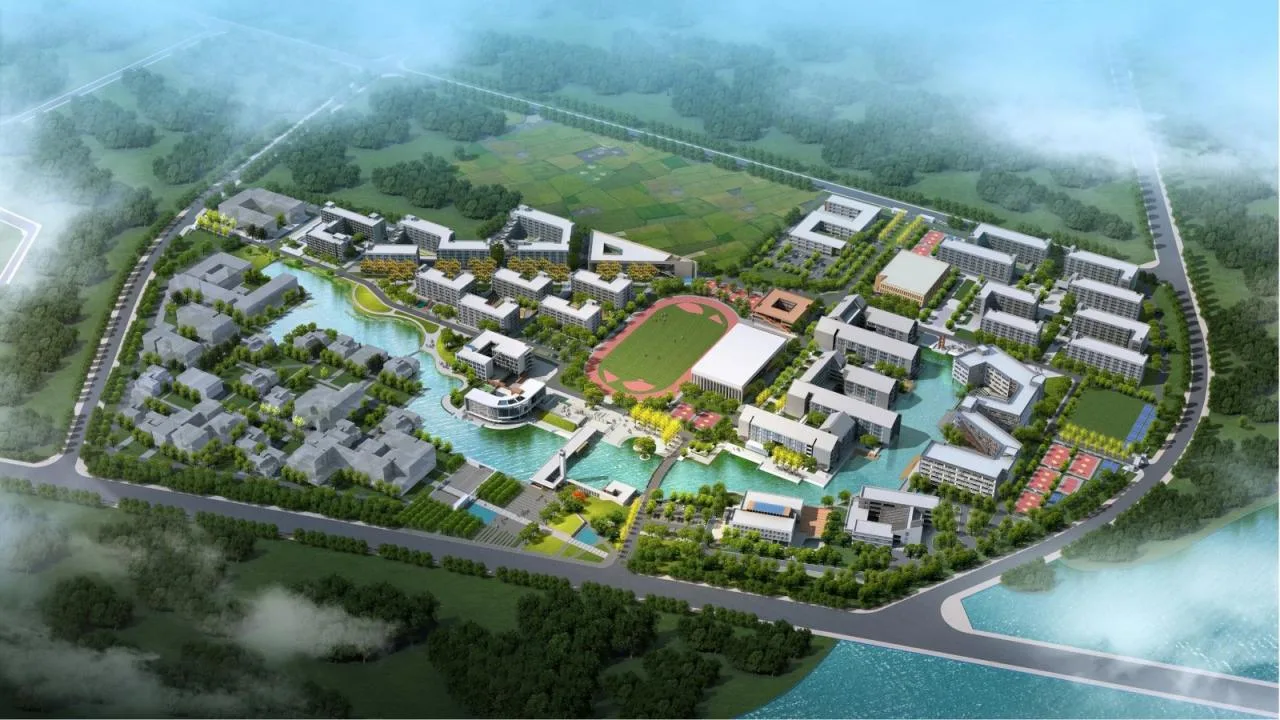
Craftsman Town, Intangible Cultural Heritage University
2. Design Concept
The design draws inspiration from the traditional Chinese philosophy of landscape and the harmony between heaven and man, promoting the balanced development of natural and artificial environments under the concept of a “landscape garden city.”
As the saying goes, “The benevolent enjoy mountains and rivers; the wise enjoy water.” This project merges the “landscape garden city” concept with the core idea of “wandering between mountains and rivers,” embodying the artistic vision of harmony with nature and flowing with the natural order.
Traditional Chinese landscape culture values mountains for their scenic beauty and water for vitality. Here, the design creates a “landscape campus” that blends tradition and modernity—using architecture to represent mountains, pathways as rivers, and corridors as bridges.
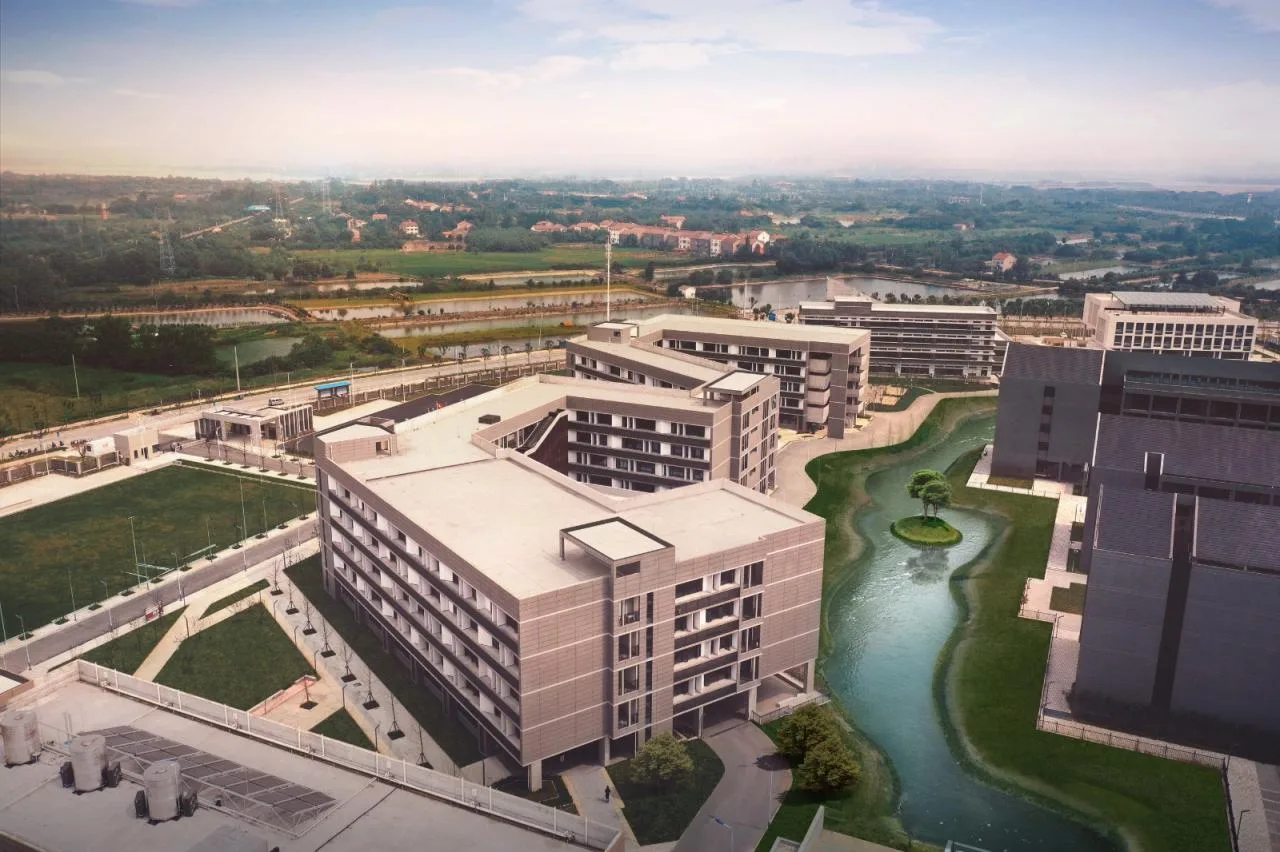
△ Shanshui Campus
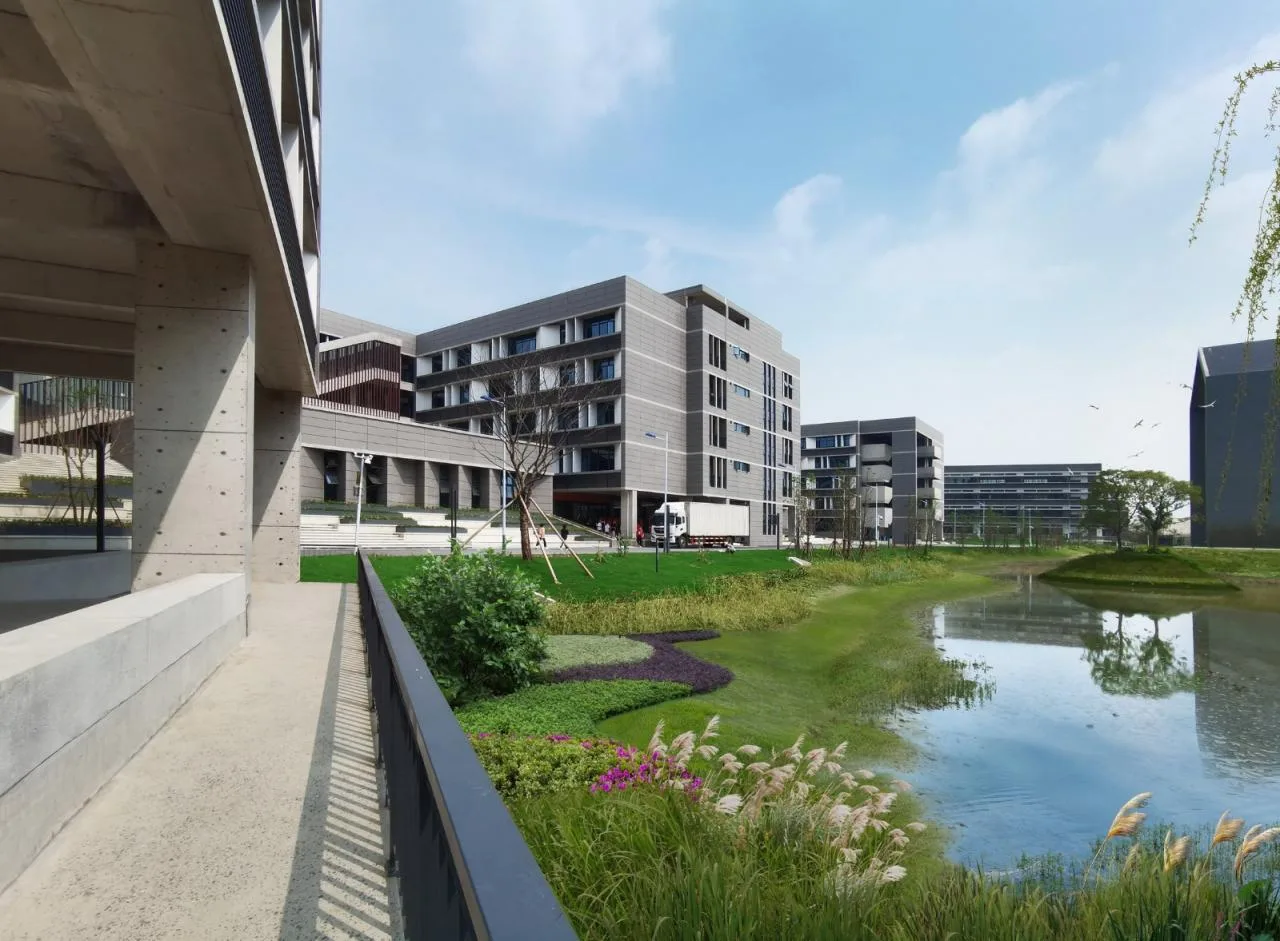
△ Stream Canyon
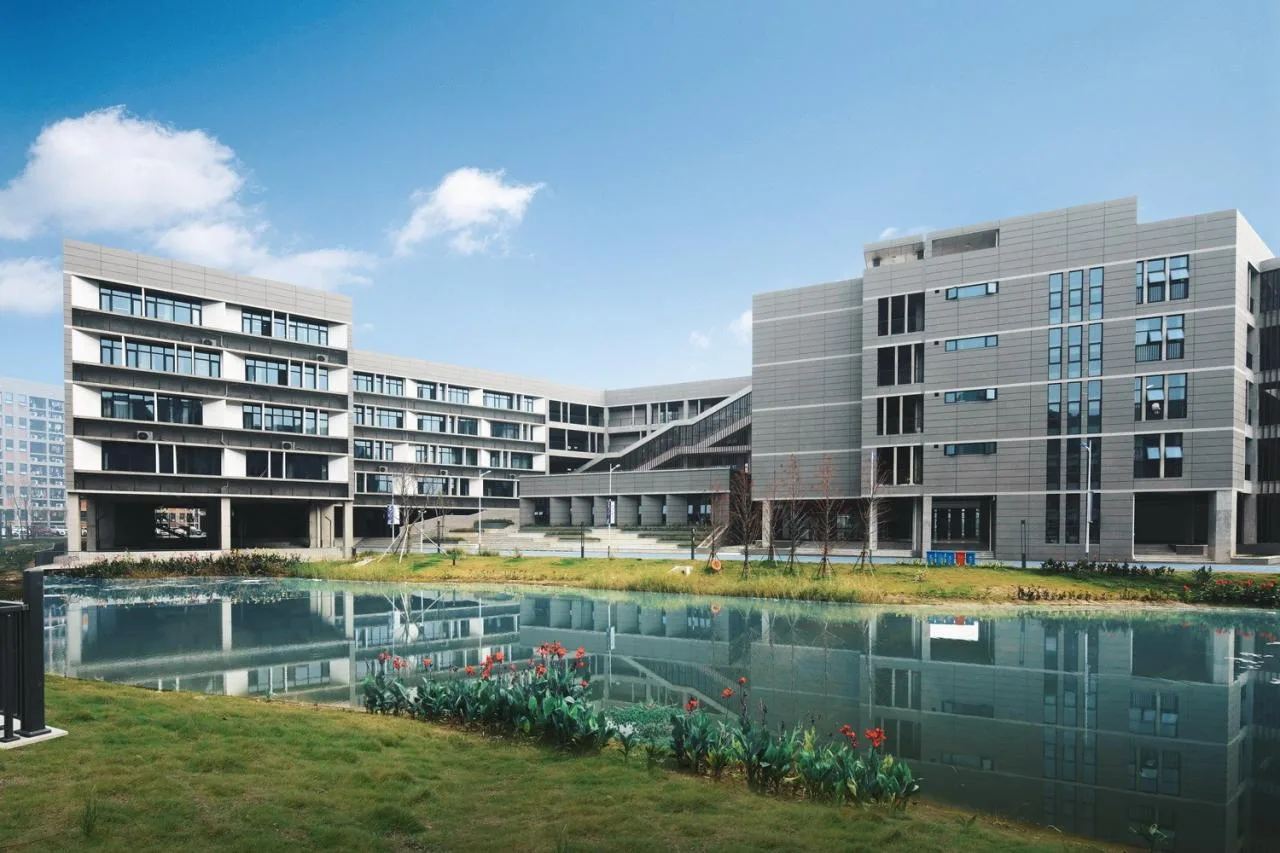
△ Landscape Courtyard
1. Valley Formation and Staircase Climb
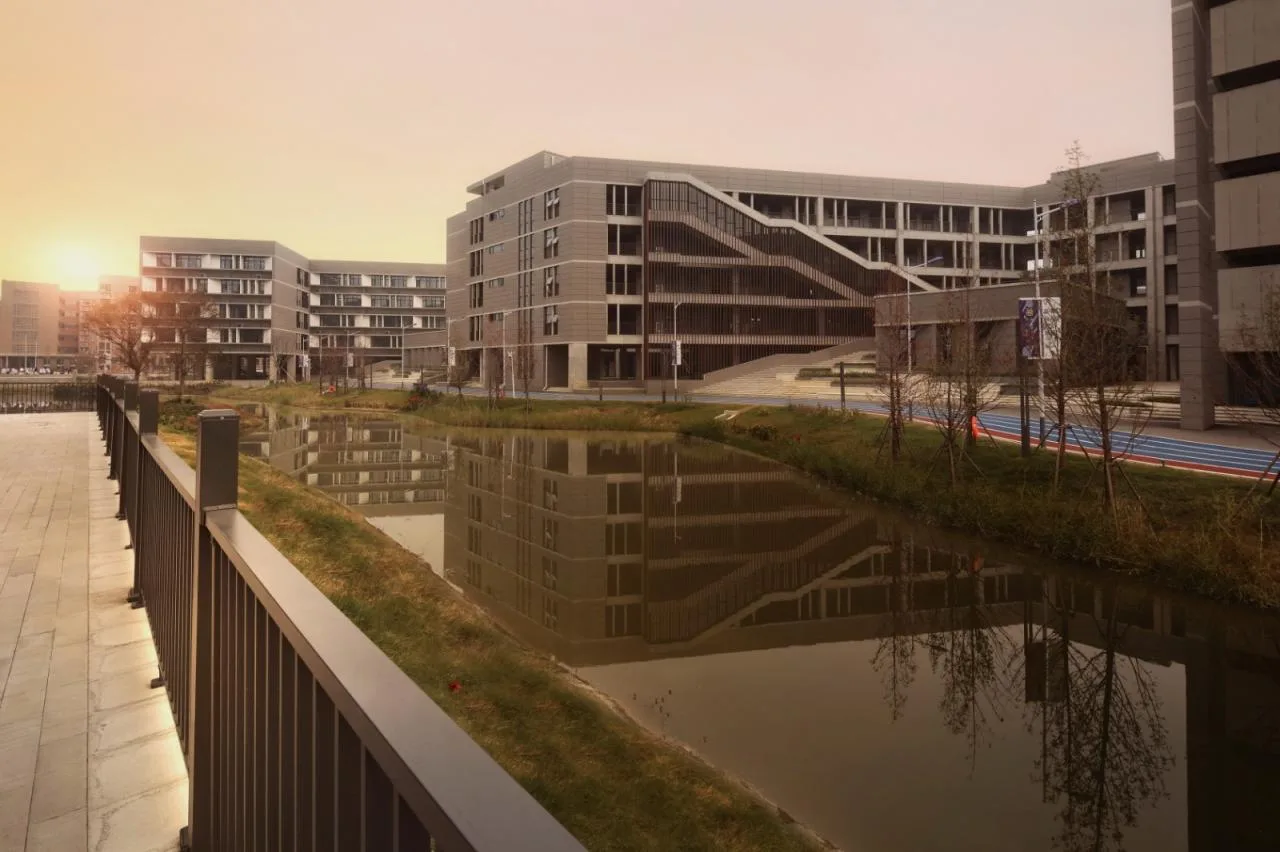
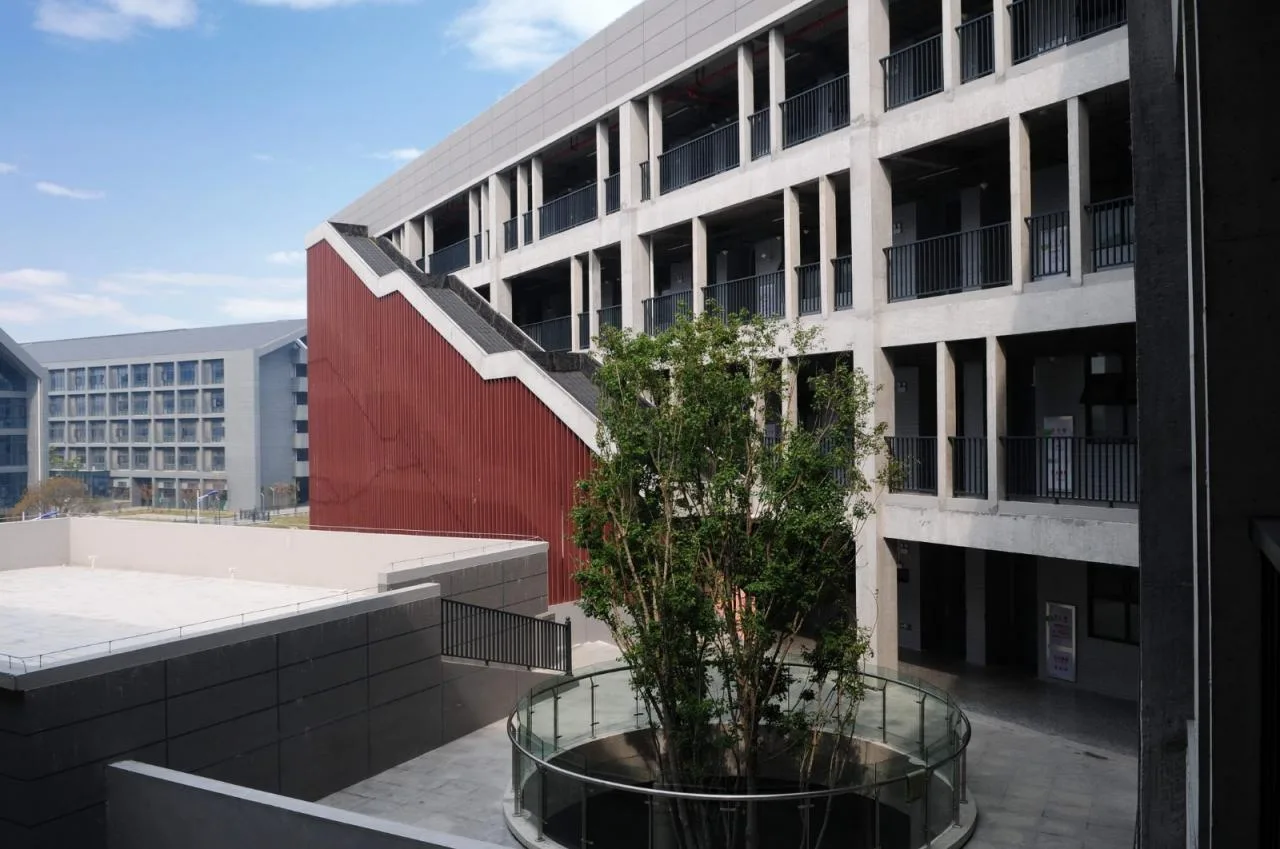
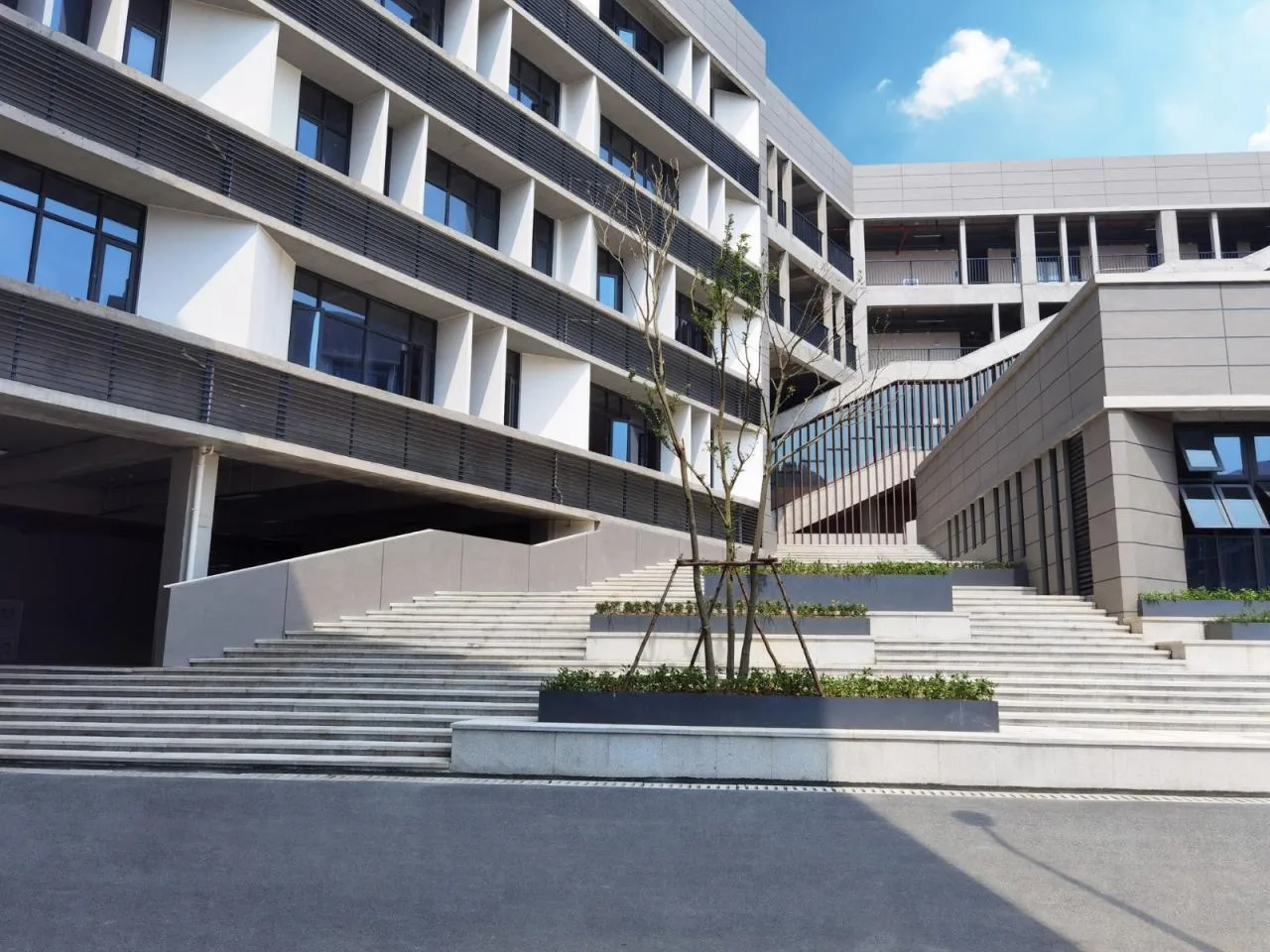
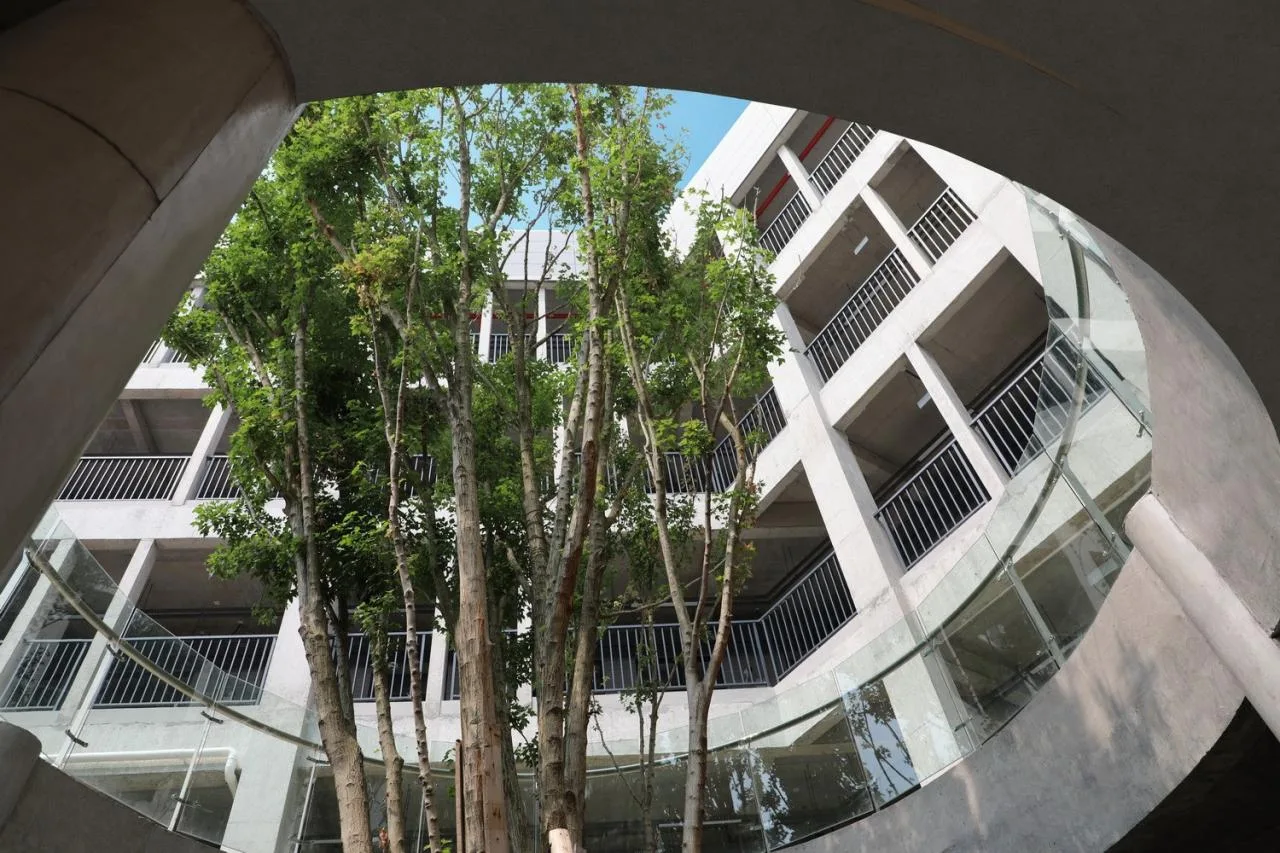
The building layout features flexible, free-form lines that echo the winding water system on the west side, forming a “ridge.” This ridge encloses three courtyards on three sides, staggered east to west to form a “valley.” Inside the courtyard sits a large landscaped slope, creating a continuous ascending mountain effect. External stairs atop this slope mimic a mountain path, maintaining uninterrupted circulation and extending the landscape view—forming a dynamic “mountain slope.”
This transformation of the “valley,” “hillside,” and “ridge” volumes into three distinct sections creates a three-dimensional axis that seamlessly connects inside and outside spaces, enriching the spatial experience for users.
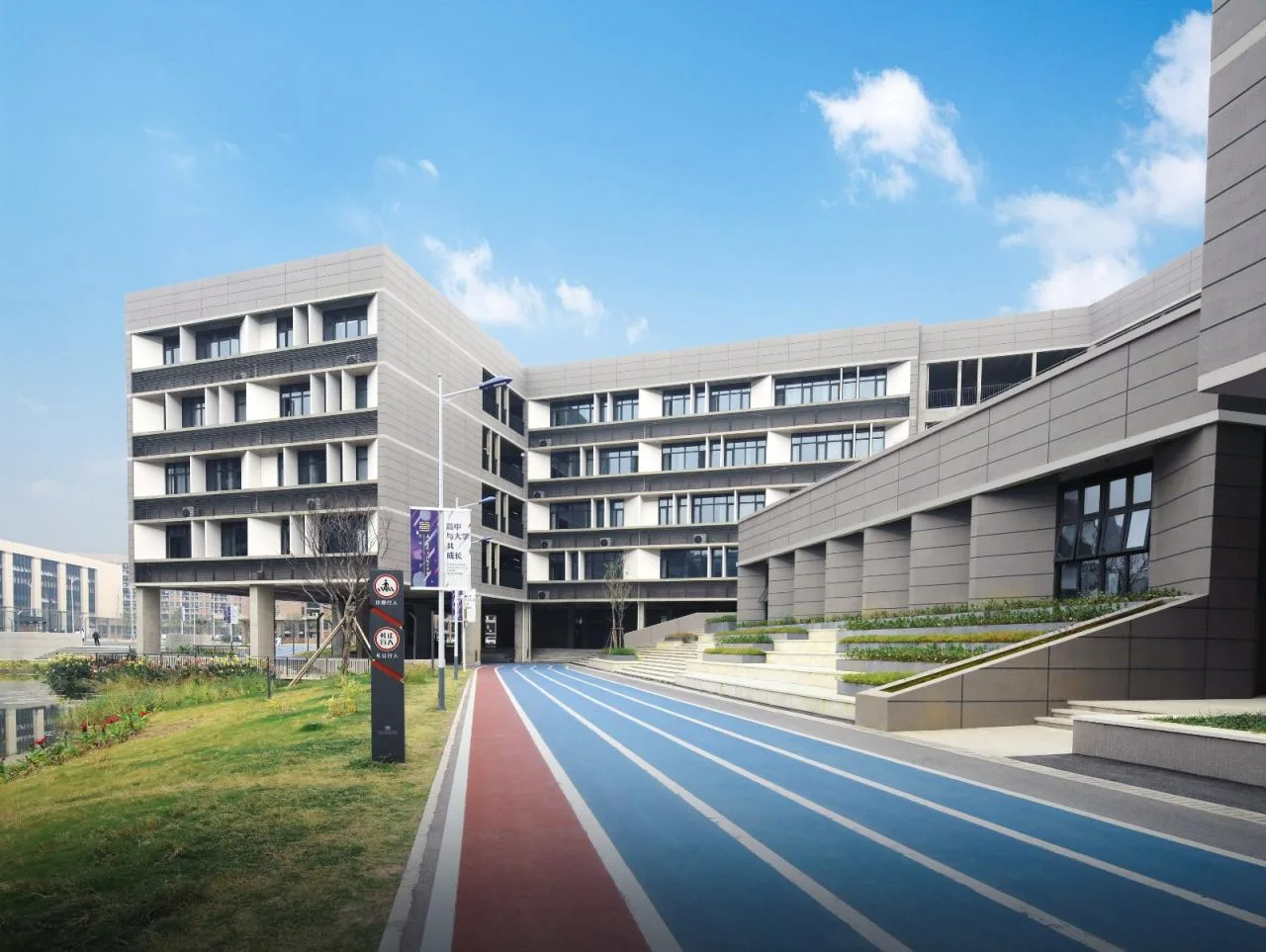
△ Courtyard Steps
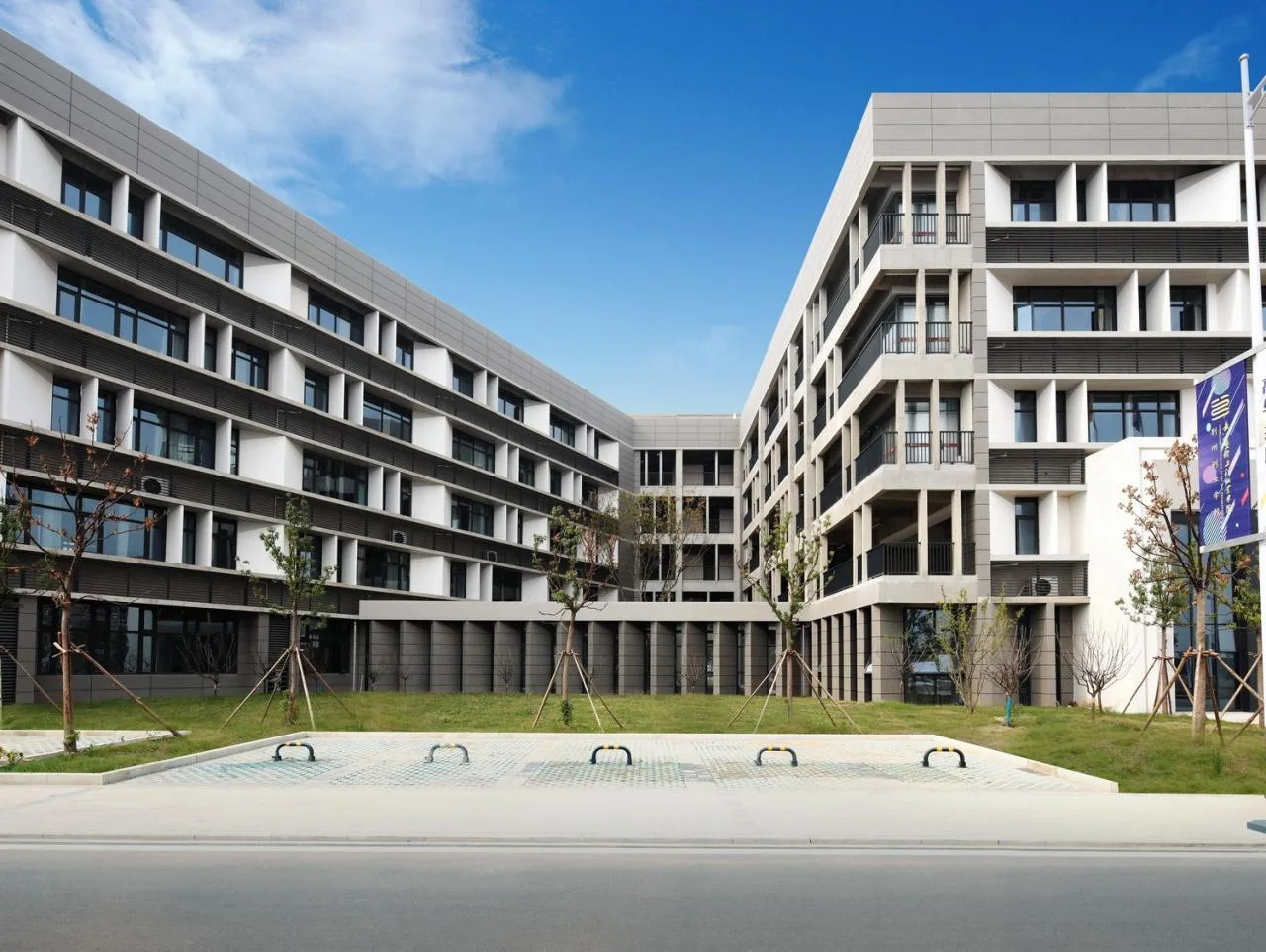
△ East Courtyard
△ Side Courtyard
△ West Courtyard Staircase
△ West Courtyard
△ Landscape View of West Courtyard
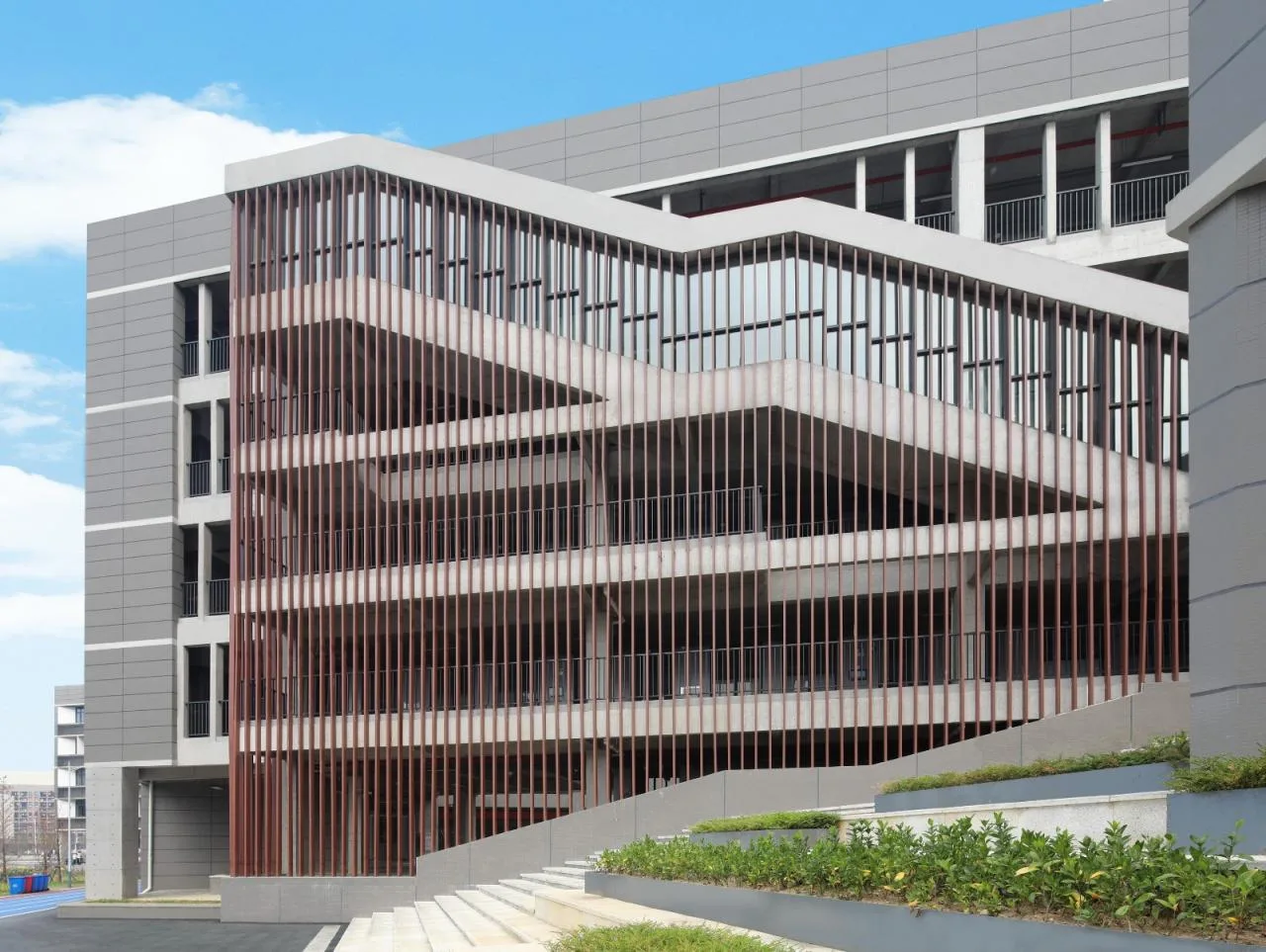
△ Exterior Staircase
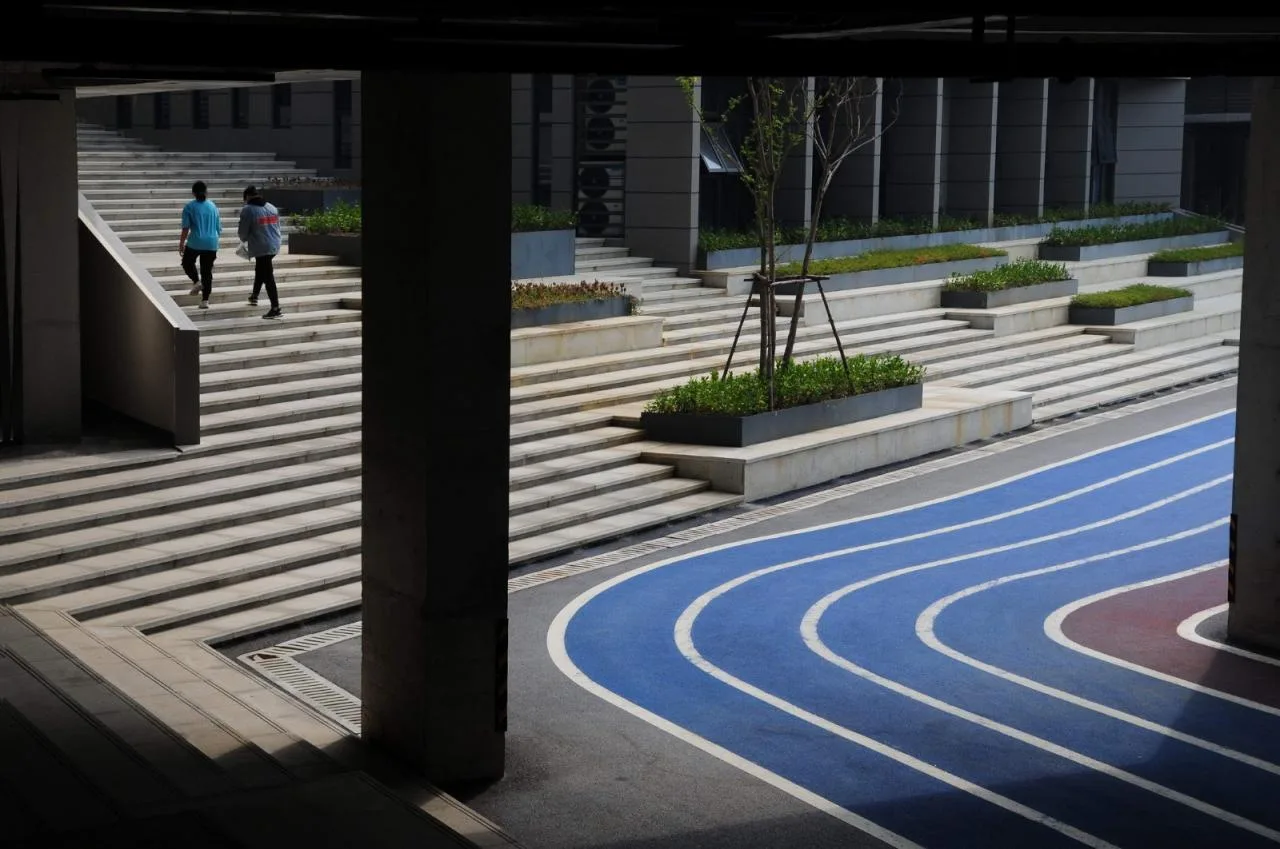
△ Large Steps at Elevated Level
2. Roads as Water: Integrating Mountains and Rivers
The project site lies west of the campus water system, featuring a circular water channel connecting the main building and the natural water system, linking the “mountains” and “water.” Part of the northern main building is elevated above this water system, creating an informal space on the water’s surface. This area serves as a versatile spot for students’ extracurricular activities, a gathering place, or a lunch break retreat.
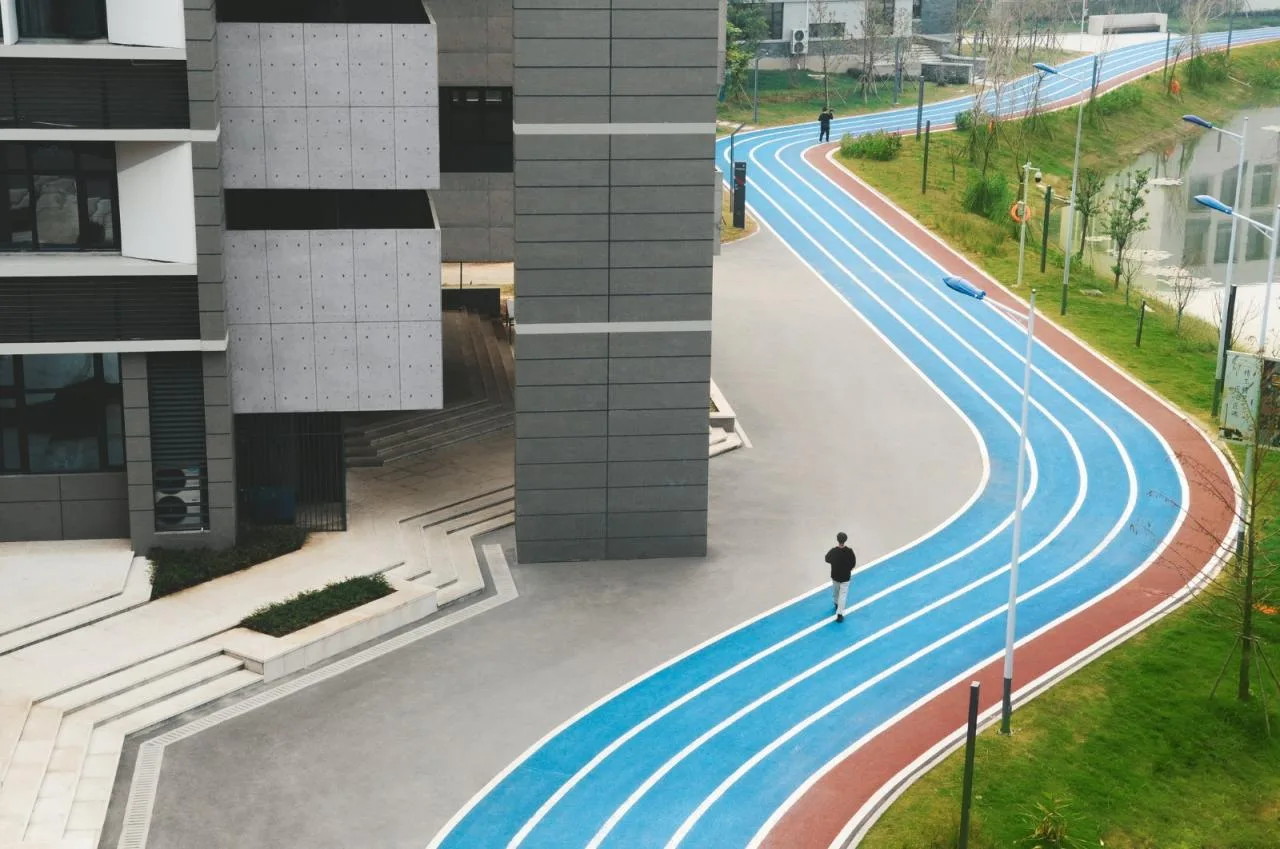
△ Circular Water Channel
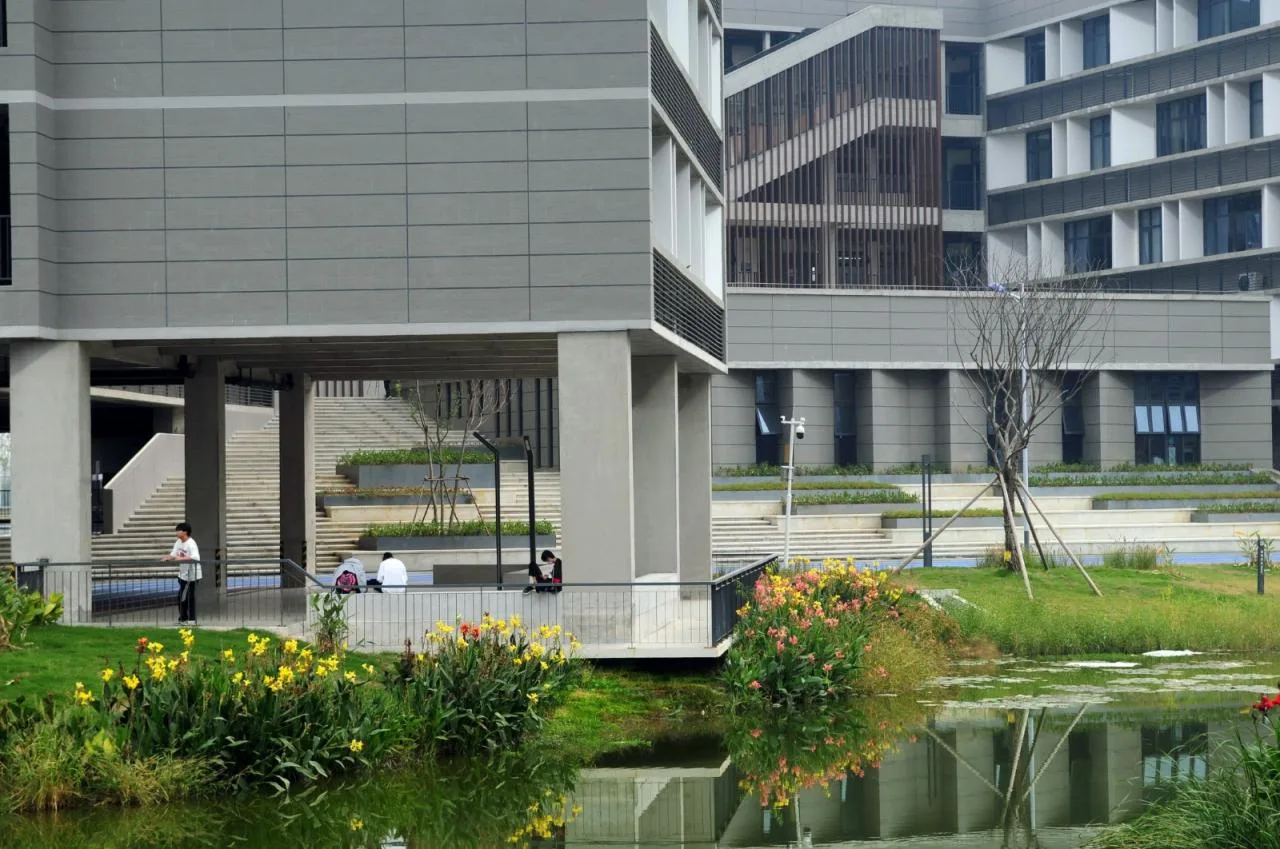
△ Elevated Open Space
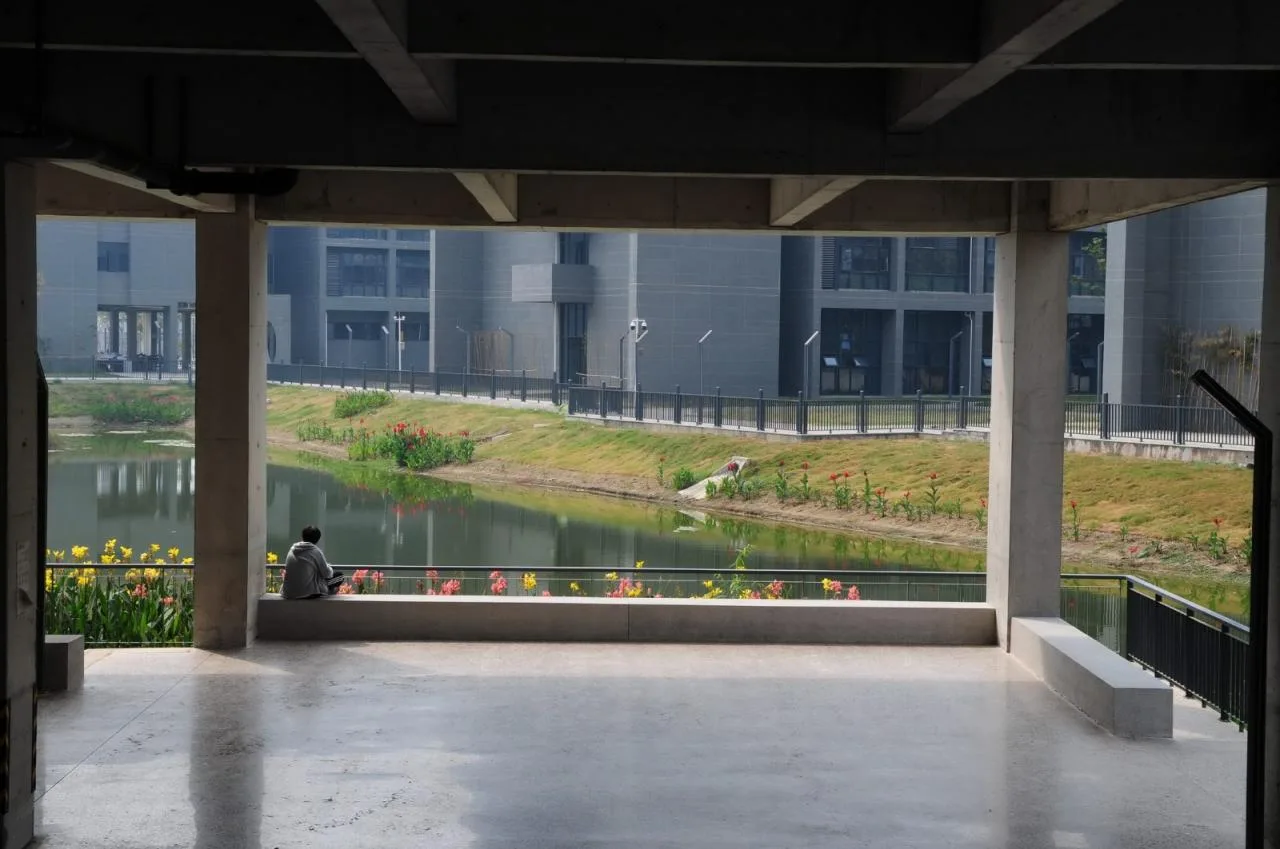
△ Framed Scenery (Elevated Level)
3. Function and Space
While ensuring the classrooms meet capacity and ventilation requirements, the design seeks to carve out regular rectangular teaching spaces within an otherwise irregular volume. To maintain continuity, flexible and diverse rest areas are incorporated, enhancing the fluidity of movement.
Additionally, the design introduces subtle teaching spaces alongside versatile public communication areas. These spaces encourage free expression and interaction, providing ideal environments for mental relaxation and social engagement. The shared classroom at the base of the large staircase doubles as a courtyard and serves as an evacuation route.
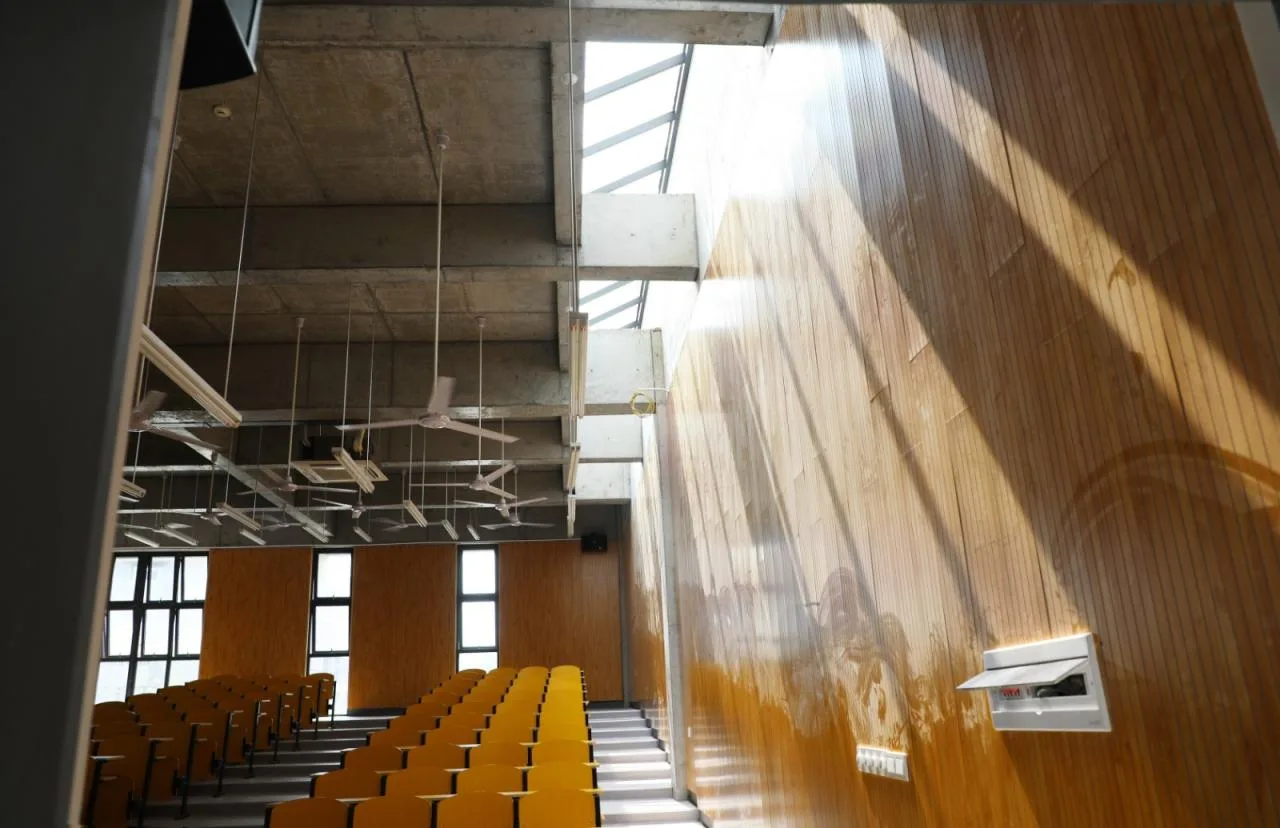
△ Combined Classroom Skylight
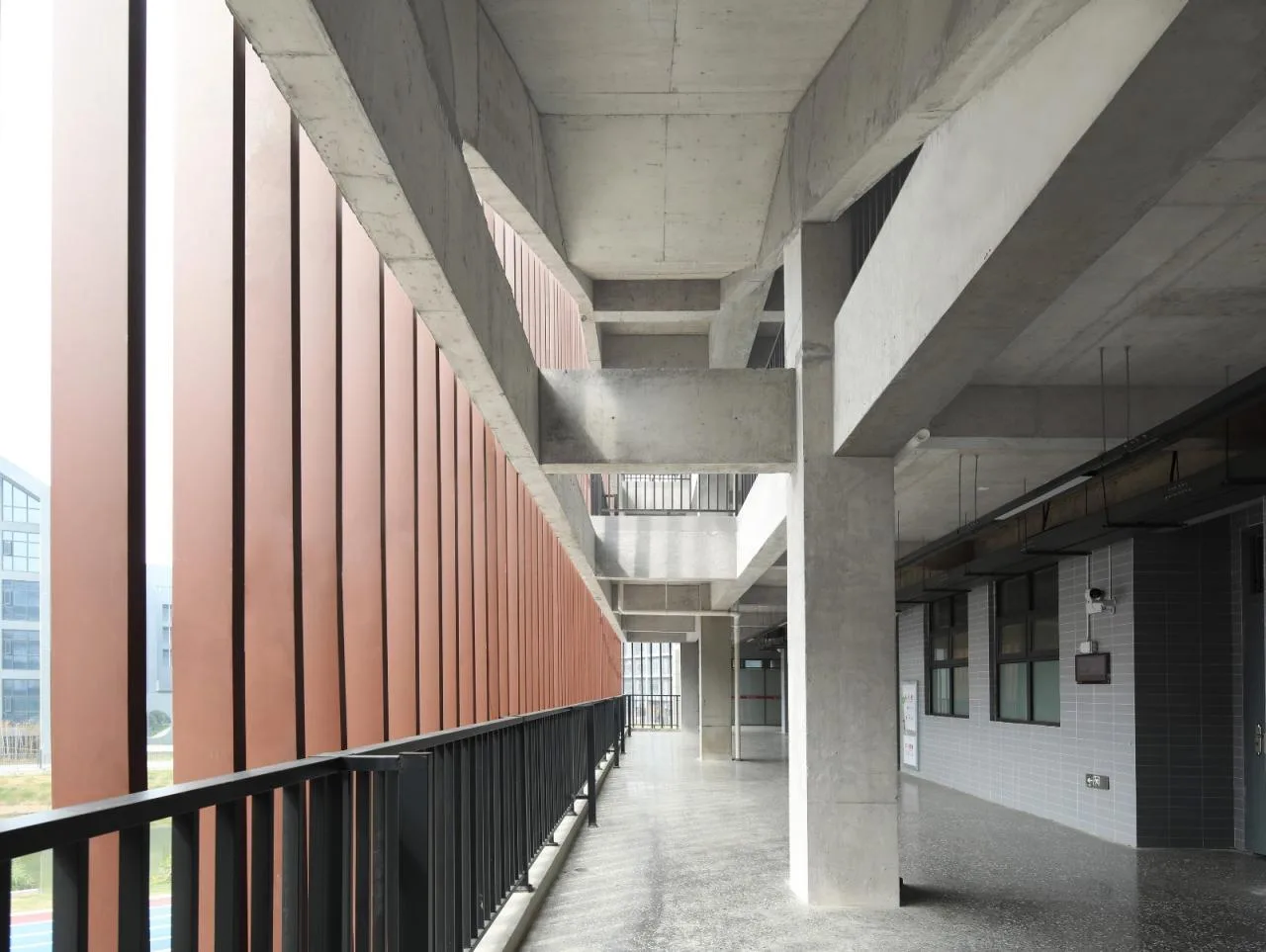
Diverse Public Interaction Spaces
4. Architectural Style and Materials
The architectural style blends modern design with traditional Chinese elements, inheriting the essence of classical Chinese architecture while emphasizing contemporary educational values. The design focuses on a cohesive and unified form, presenting a complete and harmonious school image.
Due to budget constraints, large areas of plain concrete are used extensively, showcasing the beauty of light and shadow through the authenticity of the structure.
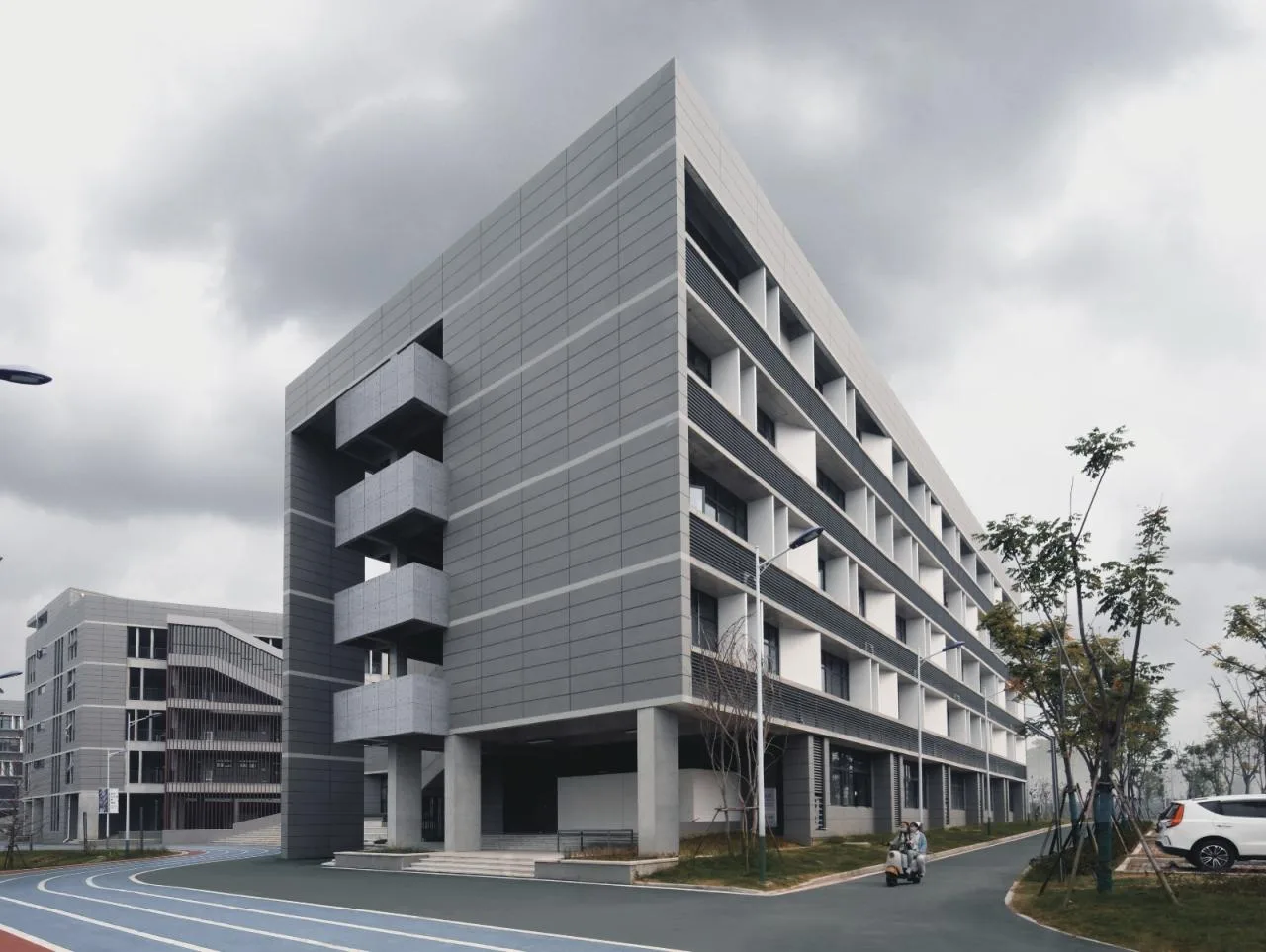
Southwest Perspective
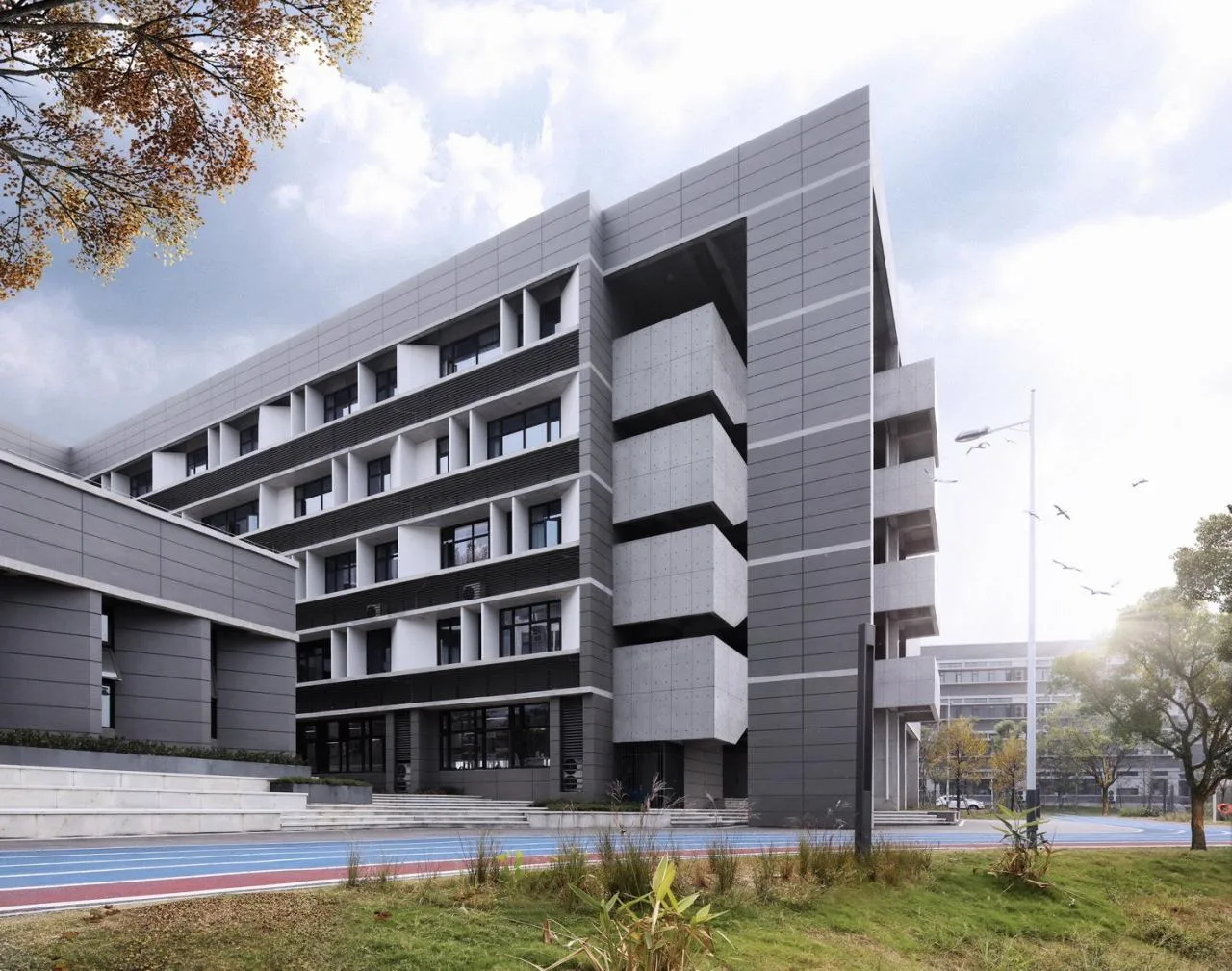
View from the West Courtyard
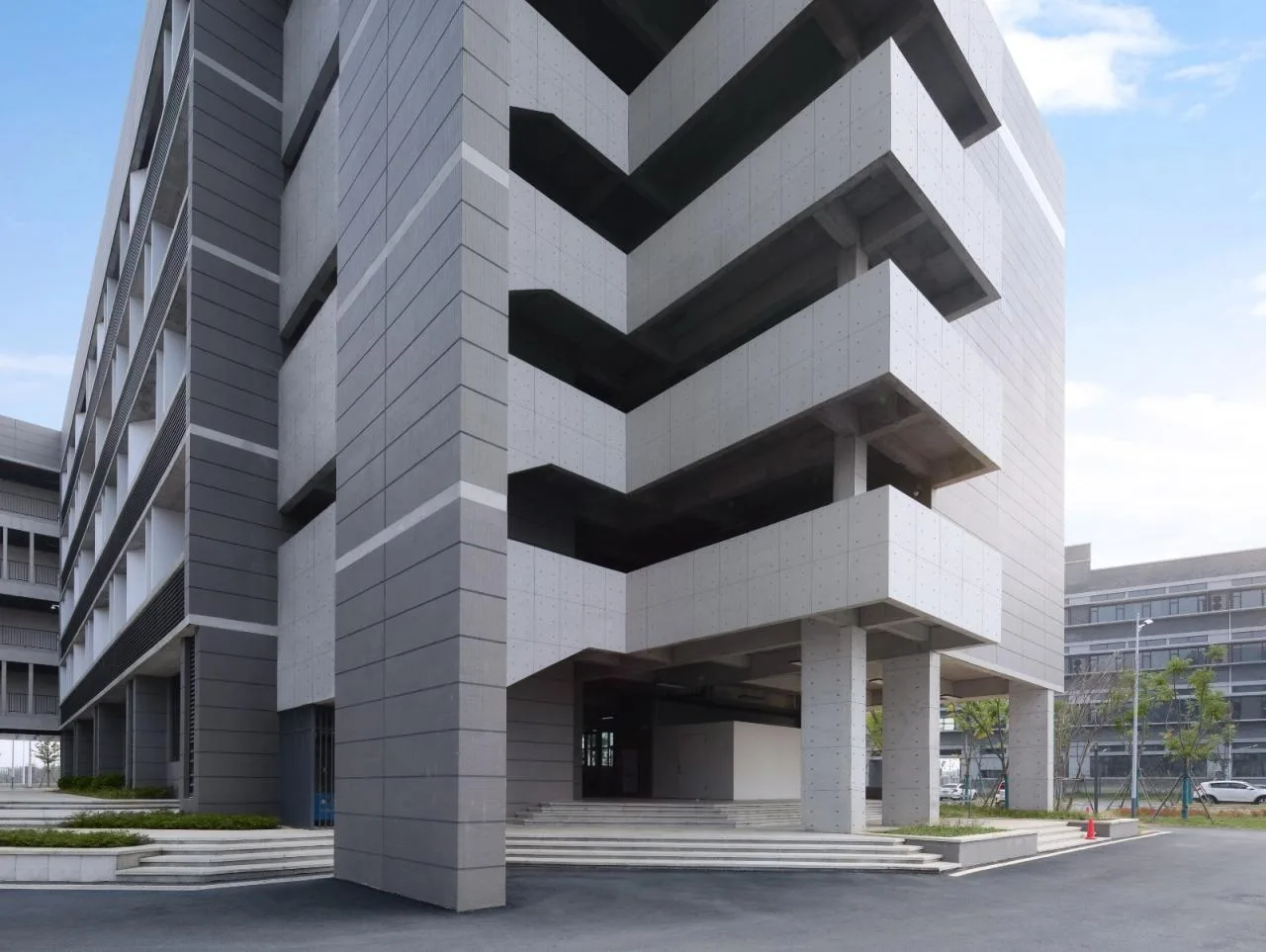
△ Exposed Concrete Staircase
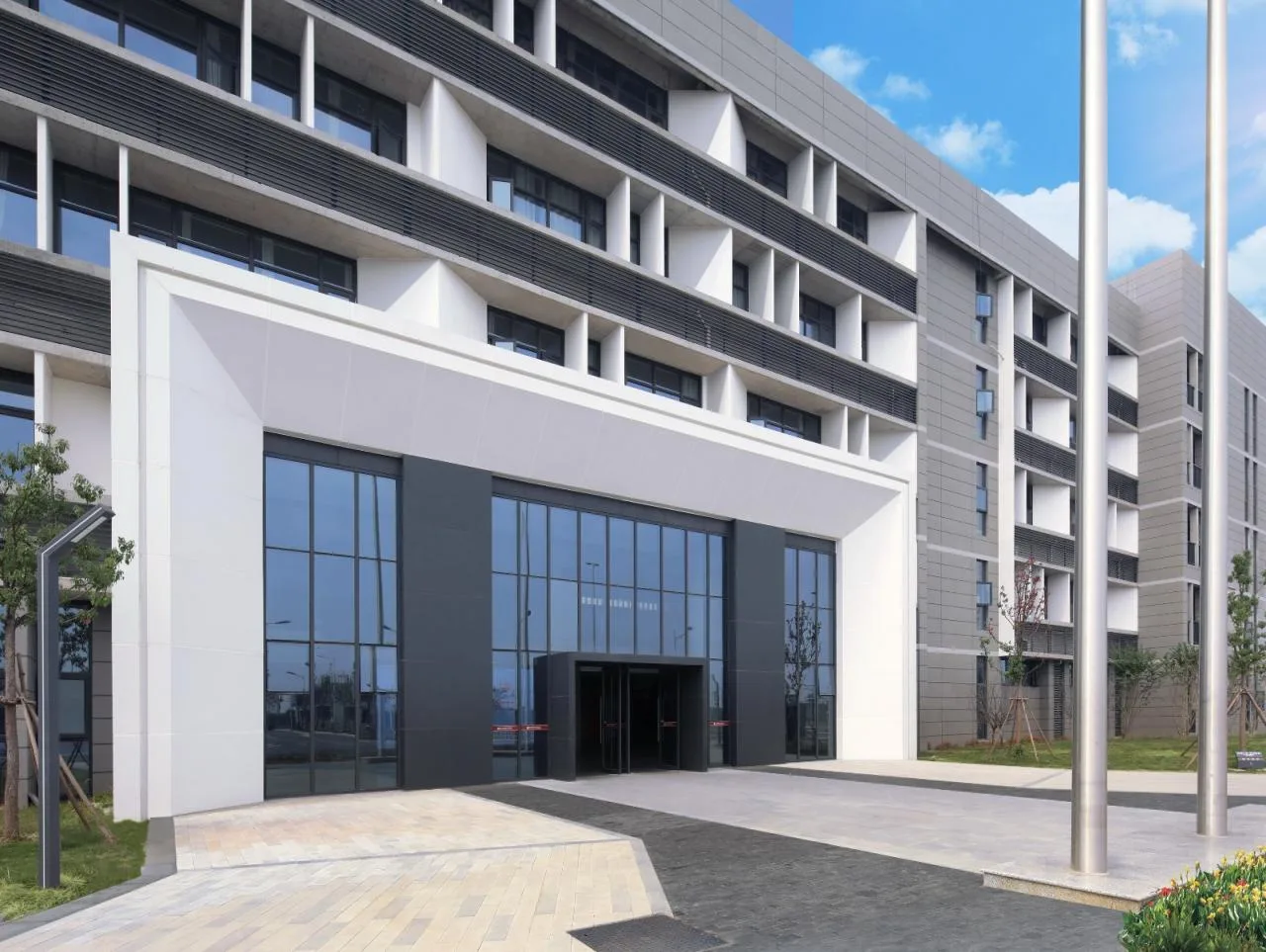
△ East Entrance
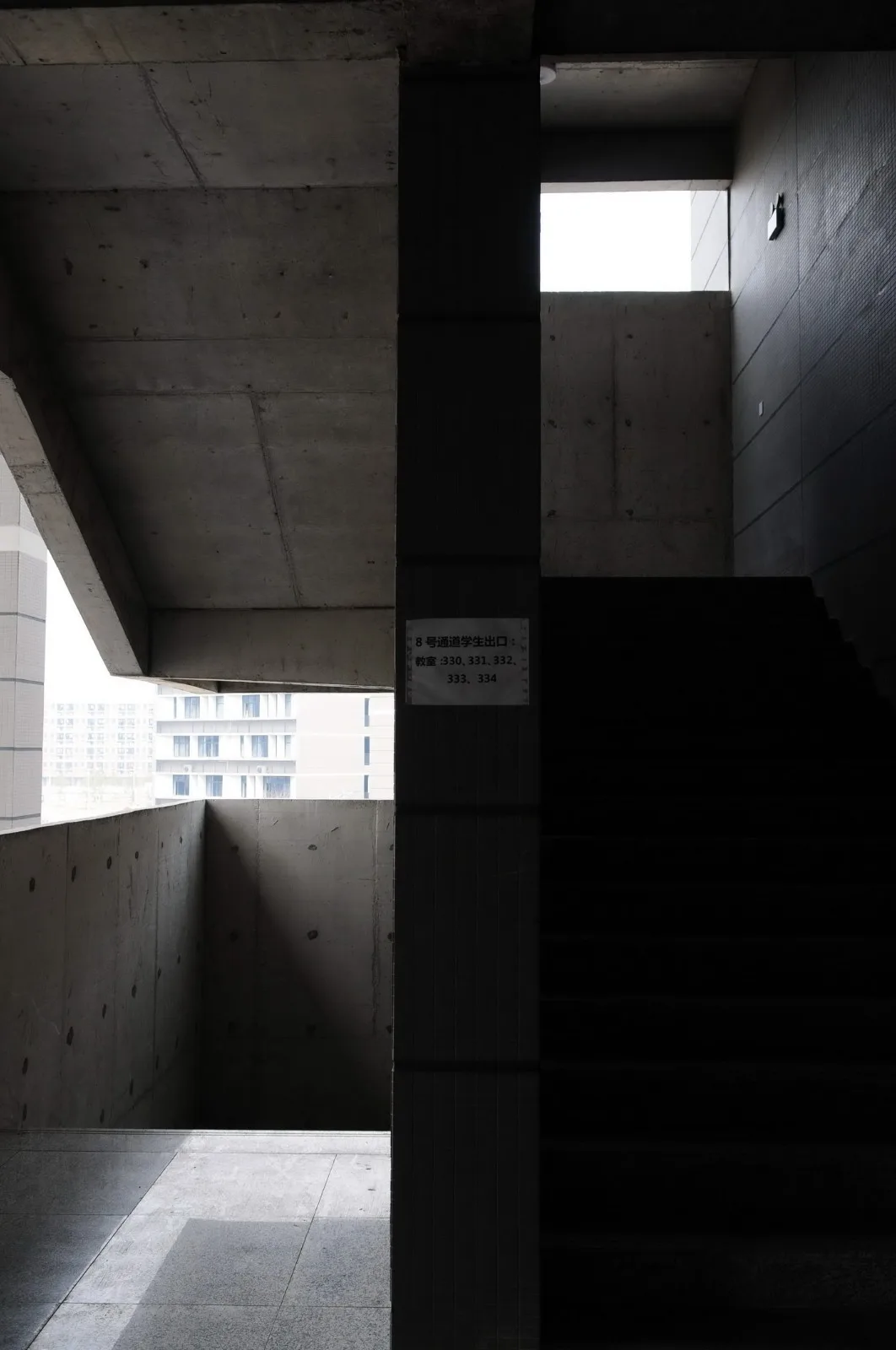
Inside the Staircase
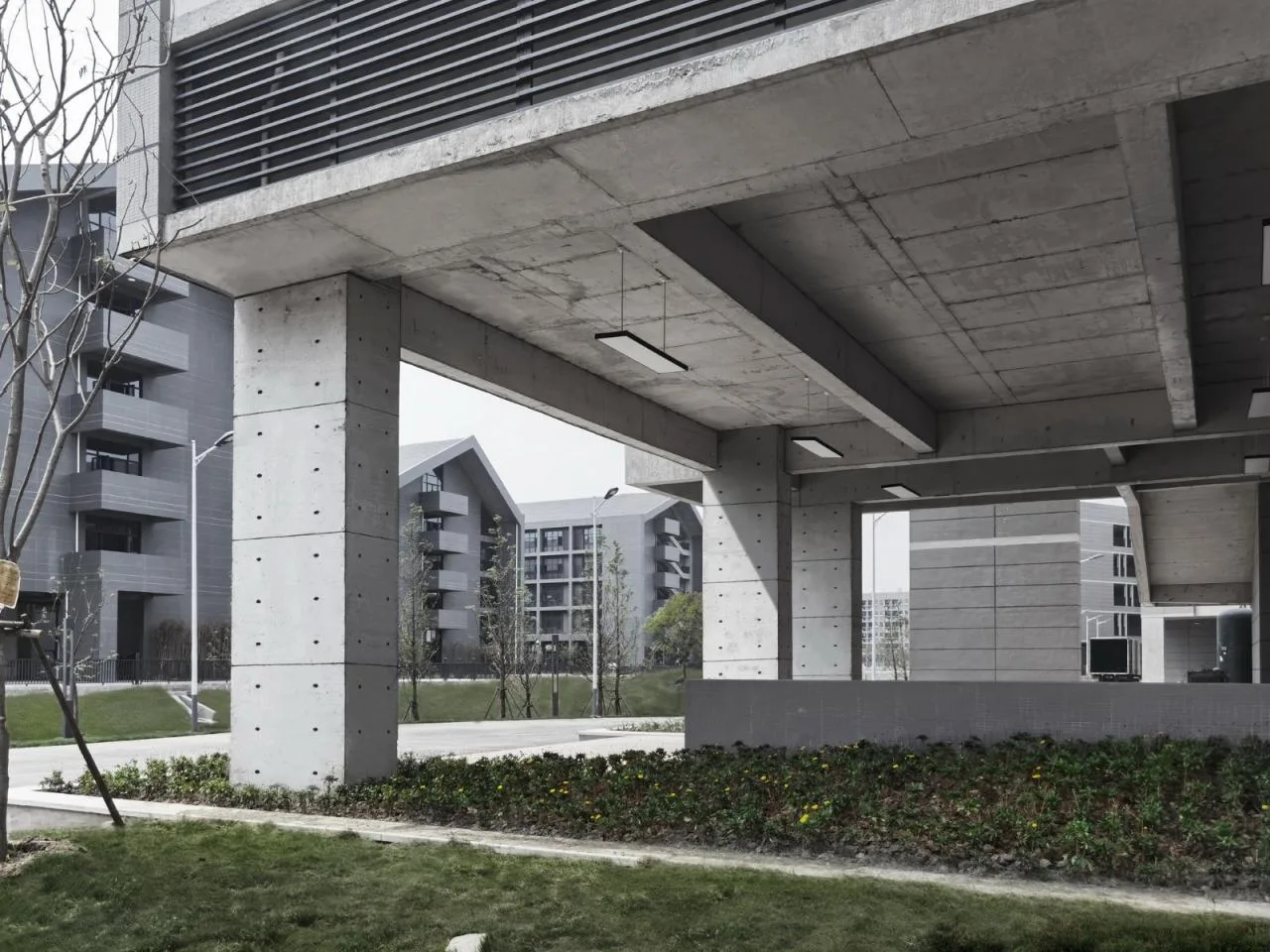
△ Courtyard Interior View
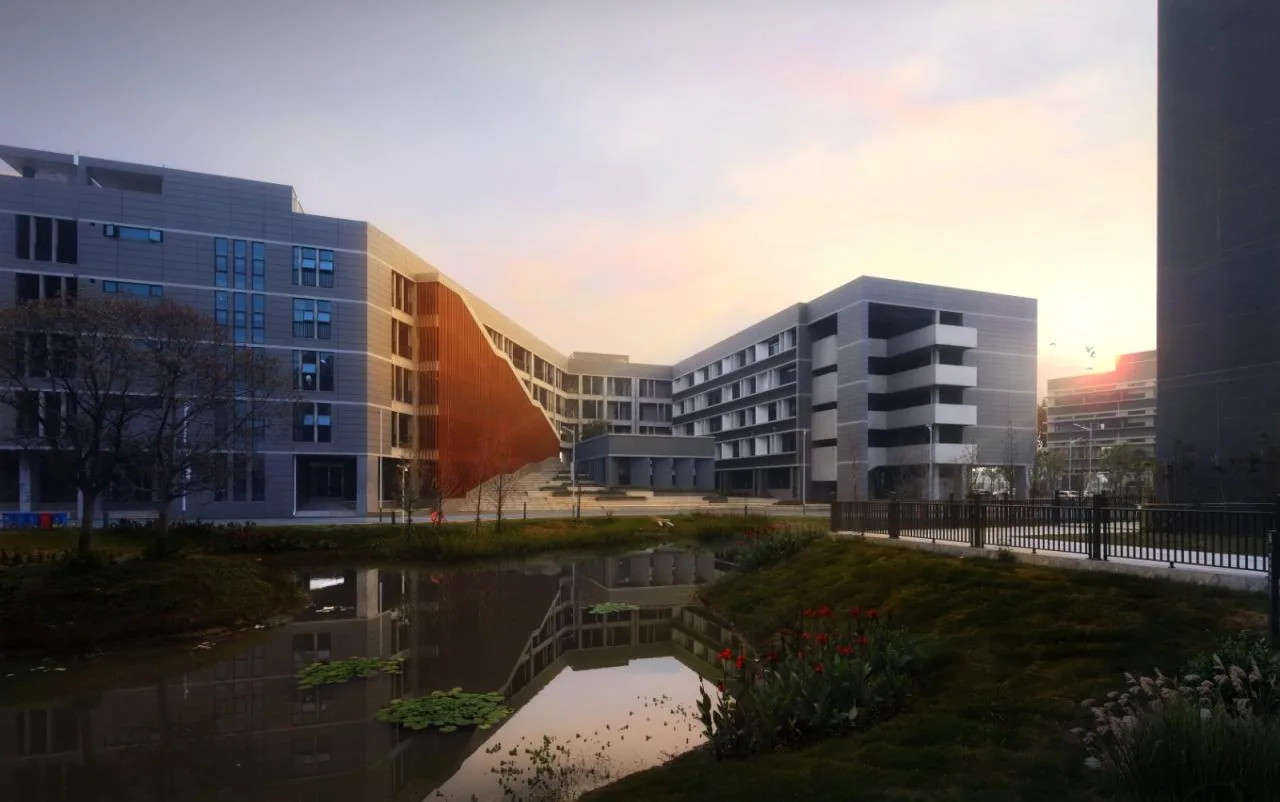
△ West Side Perspective
Project Drawings
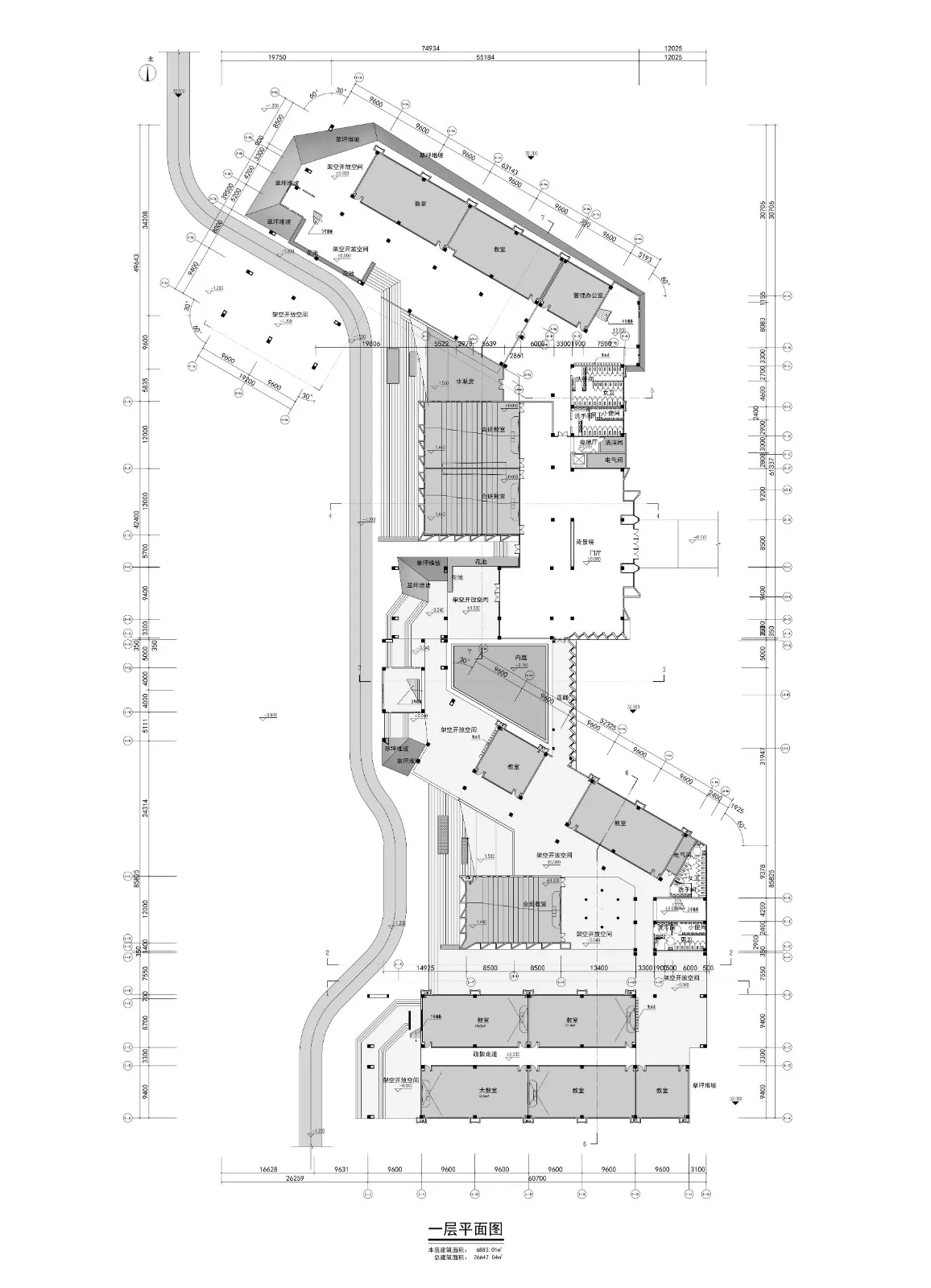
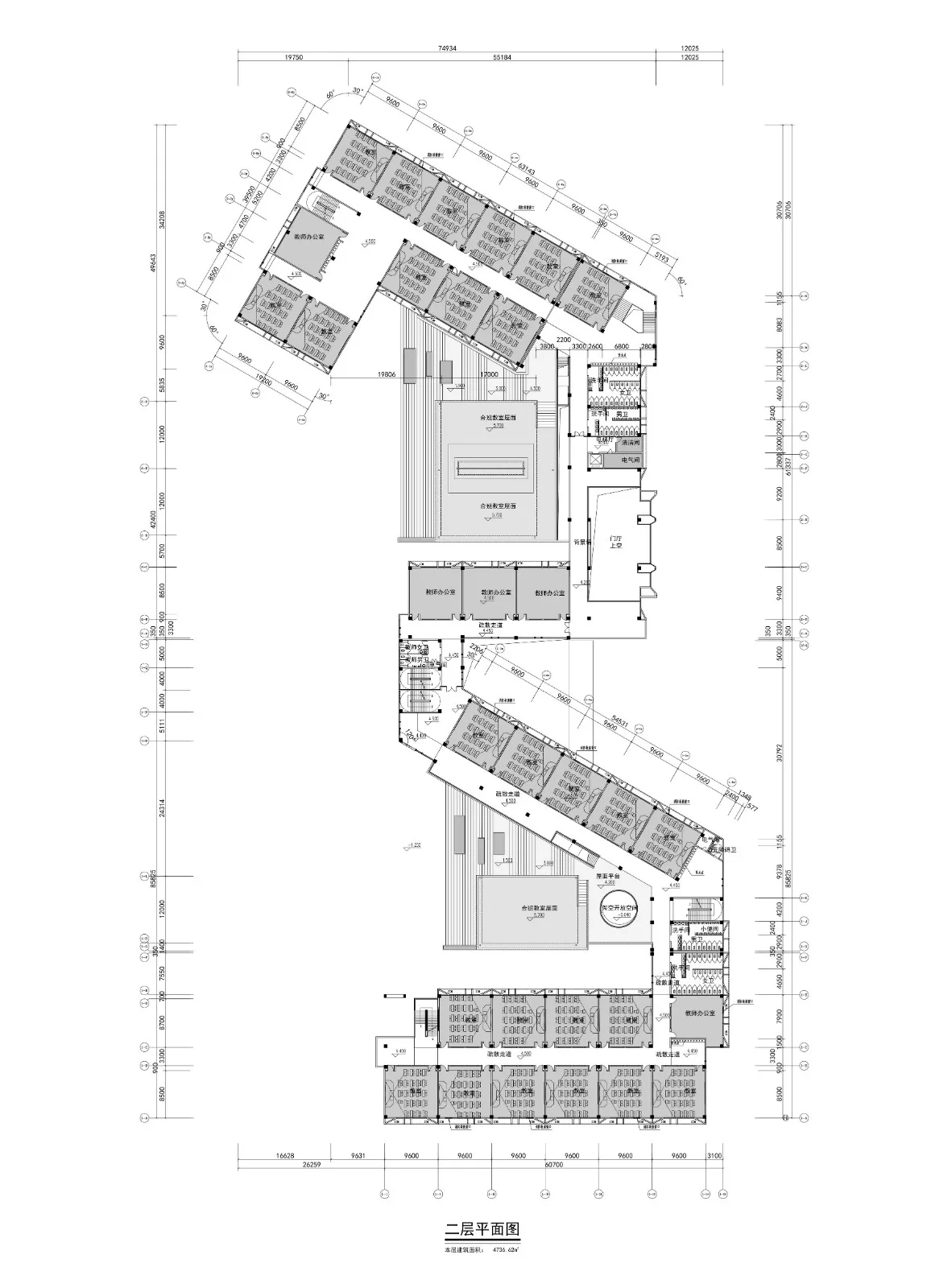
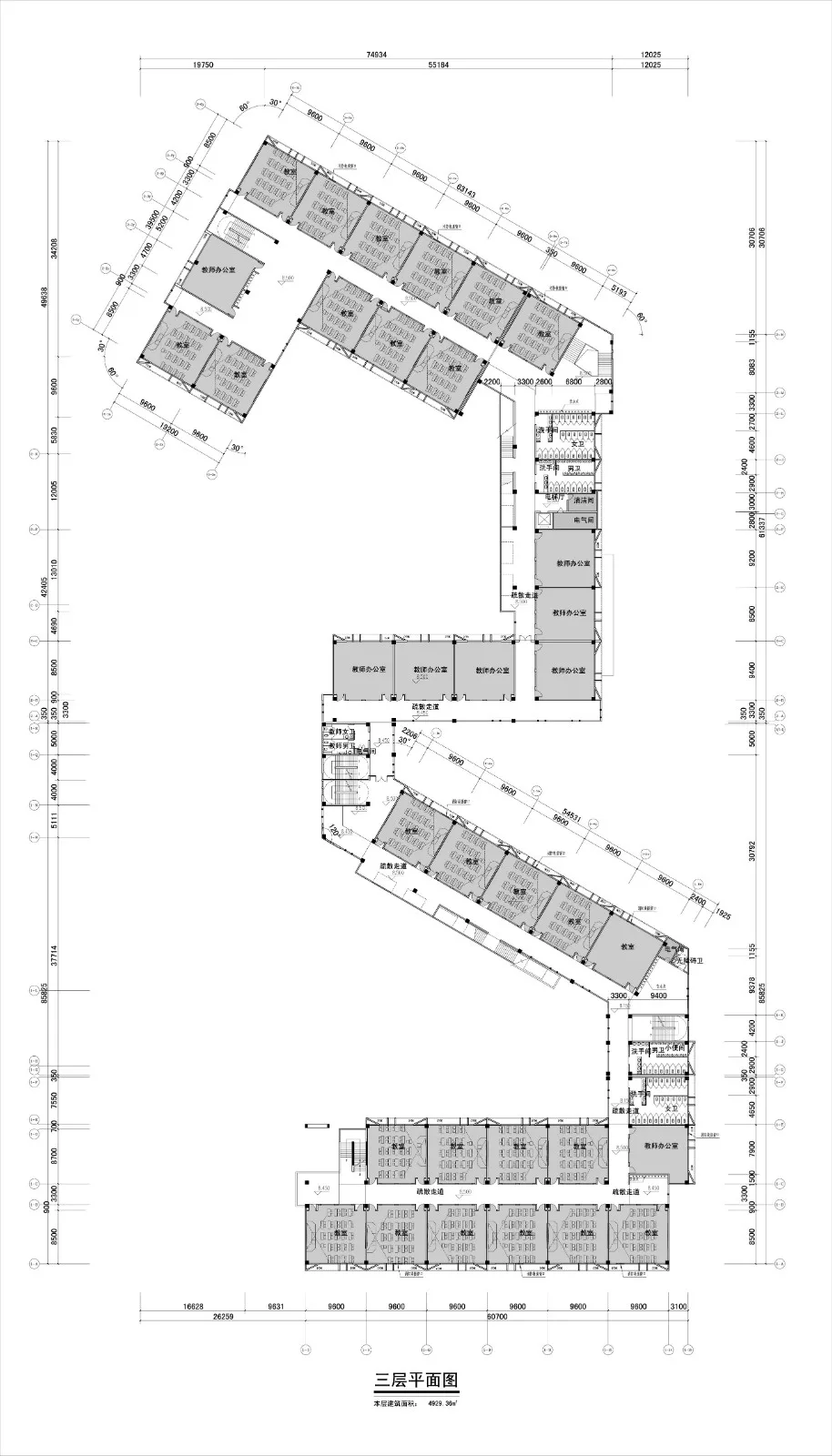
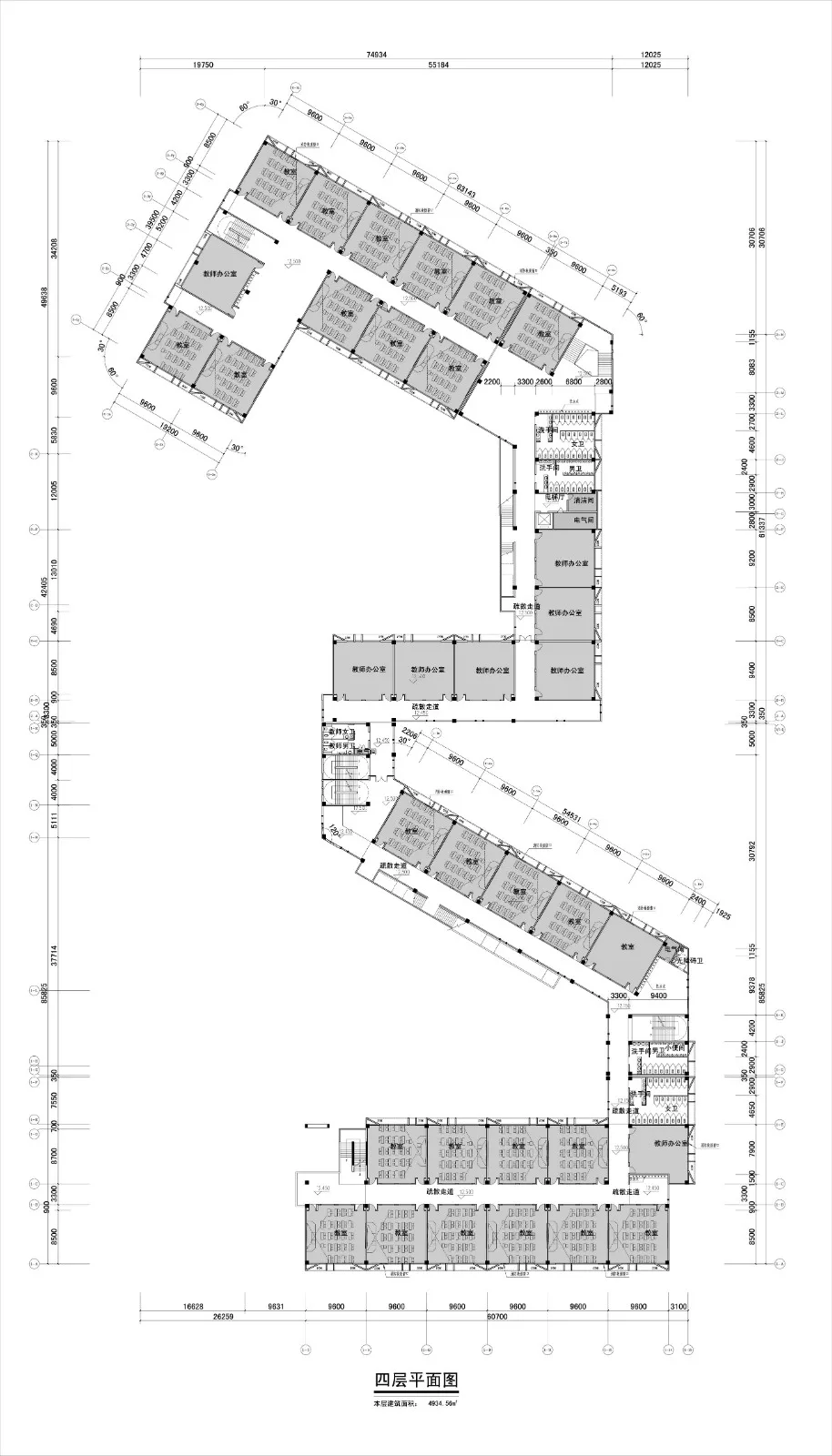
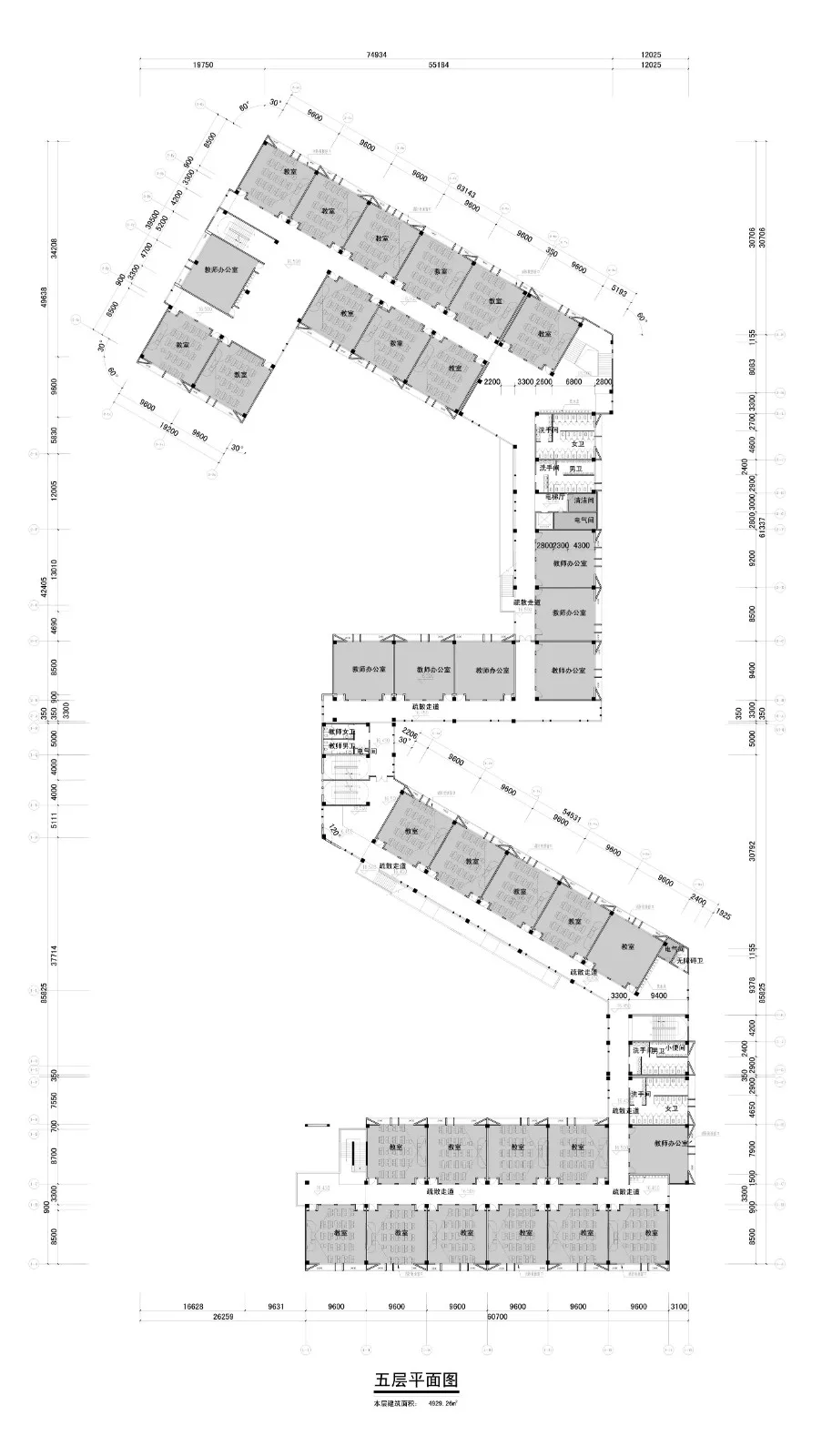
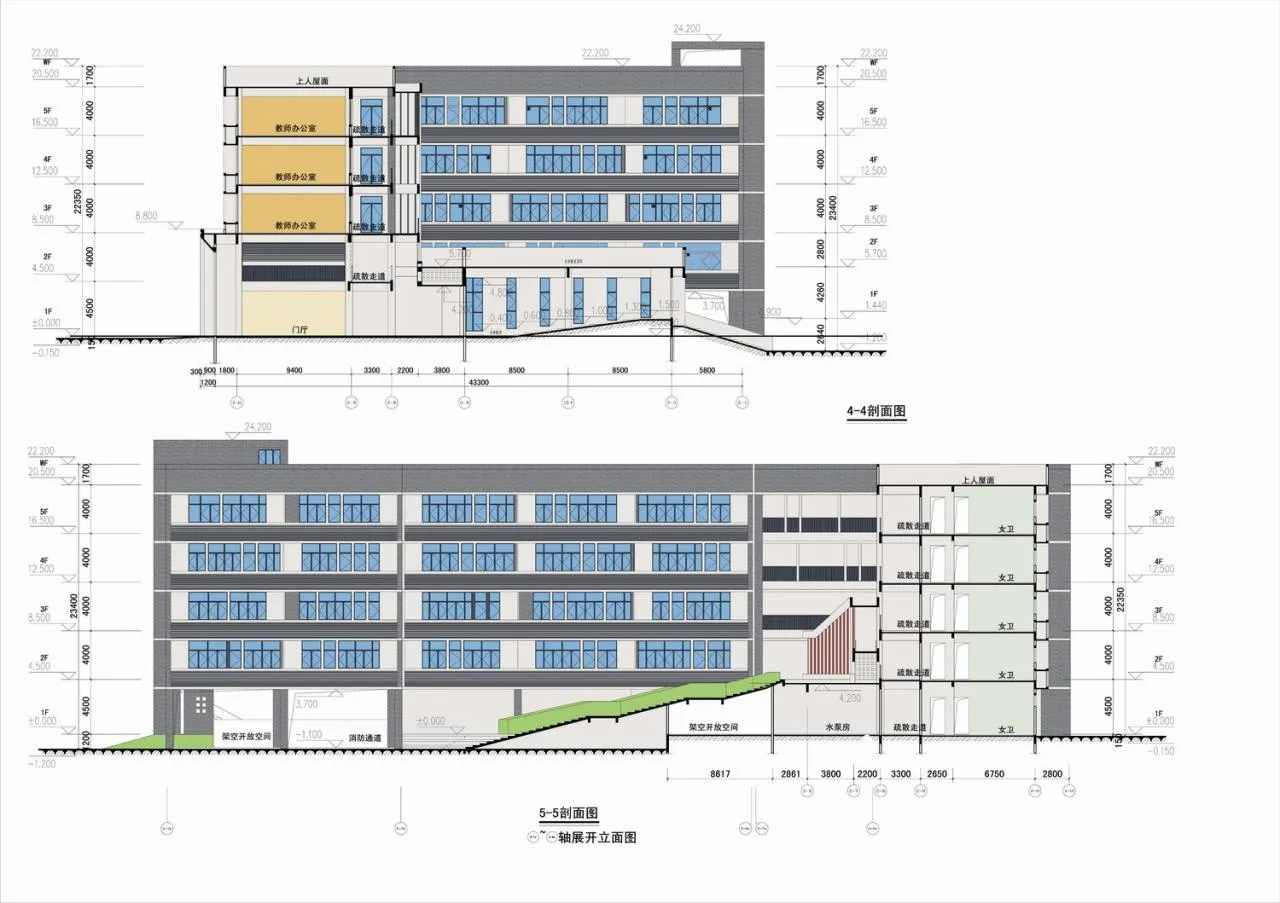
Project Information
Name: Changjiang Art Engineering Vocational College Teaching and Training Building #3
Location: Jinan Ecological and Cultural Tourism Zone, Jingzhou, Hubei Province
Design Firm: Hubei Jianyifeng Engineering Design Co., Ltd
Campus Master Plan: Tanghua Architectural Design Company
Lead Architect: Deng Xiang
Design Team: Zheng Jihong, Xu Yang, Peng Hui, Zhao Fuwei, Chu Hongtao, Liu Chunqiang, Shen Yan, Mei Yong, Chen Zuqiang, Jiang Fei, Hong Yun, Qiao Shaohua, Ma Mingjun, Li Pincheng, Zheng Xinchen, Zheng Wenjin, Liu Yong, Zeng Qi, Li Shuang, Gan Yuan
Total Construction Area: 26,647.04 square meters
Design Period: September 2020 – March 2021
Construction Start: July 2021















Must log in before commenting!
Sign Up