
Architecture should embody culture, life, and style. It often touches us in subtle ways, creating a unique emotional connection when the heart’s feelings move beyond mere exuberance. This silent understanding makes a building truly special to you.
Basic Information
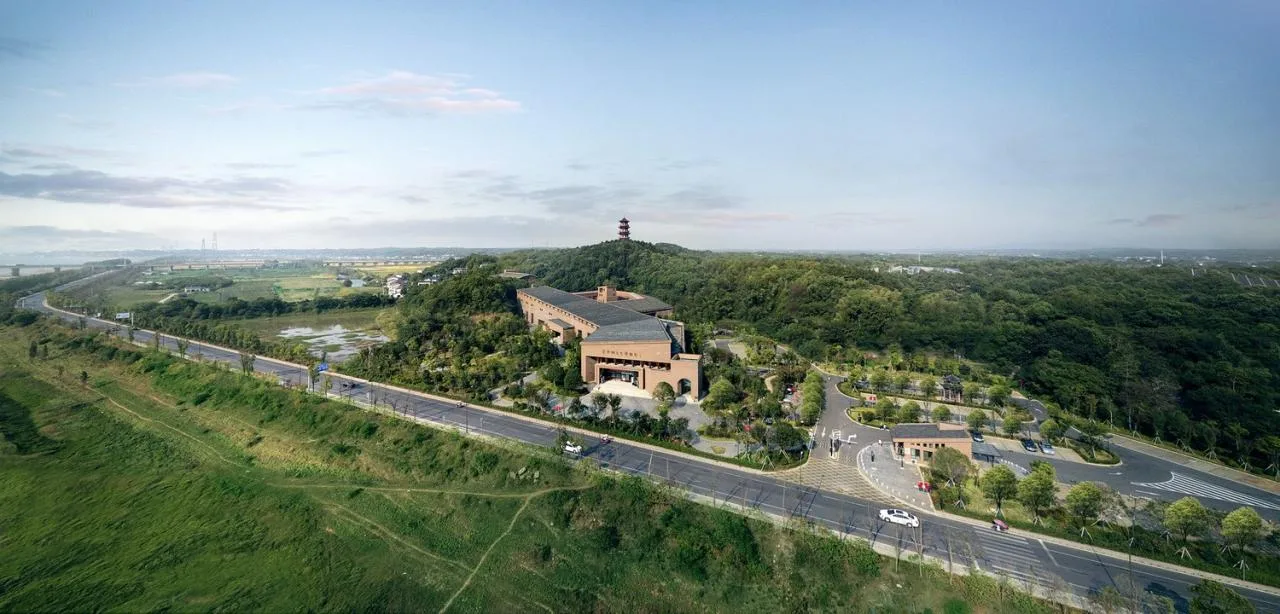
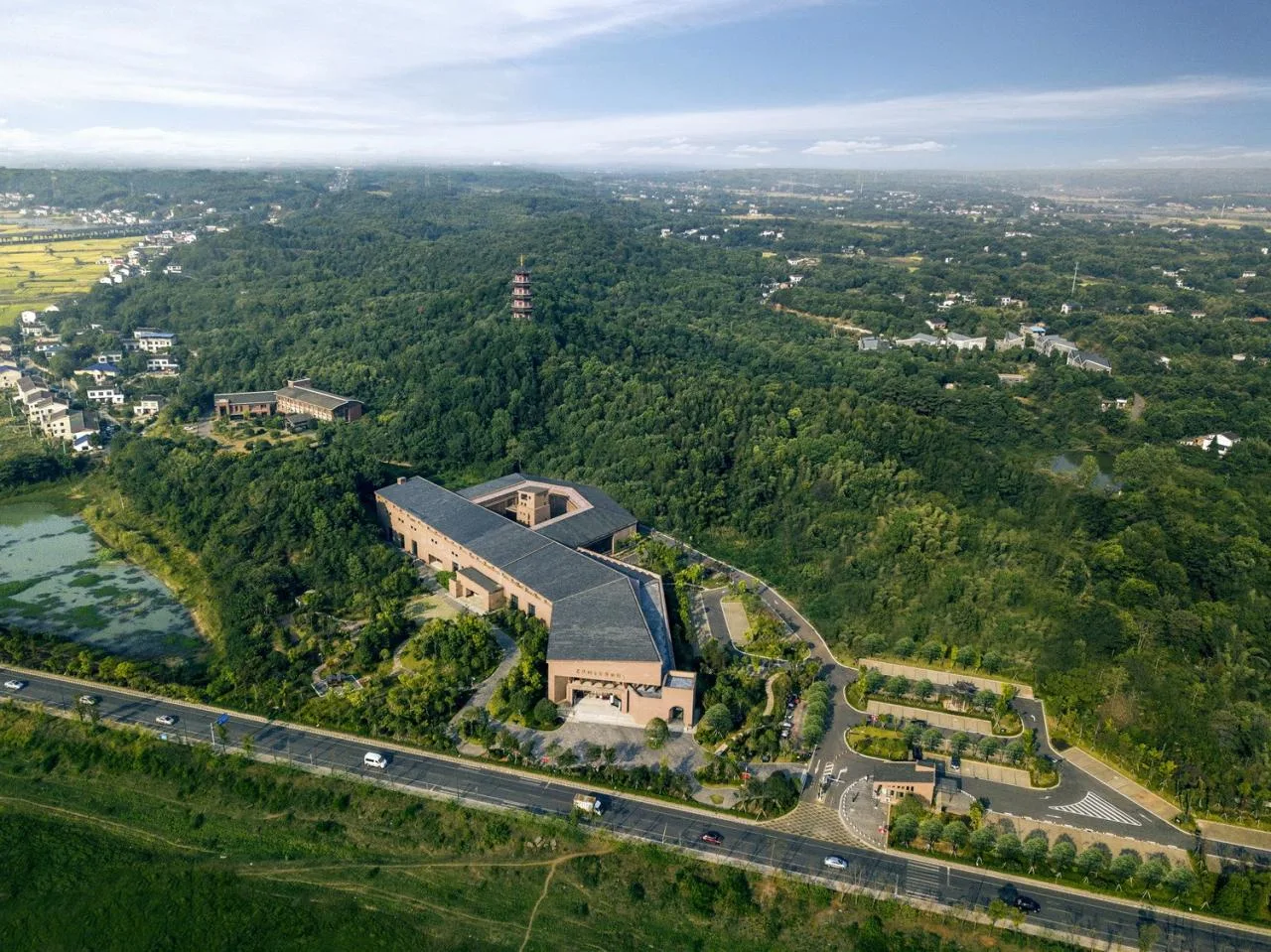
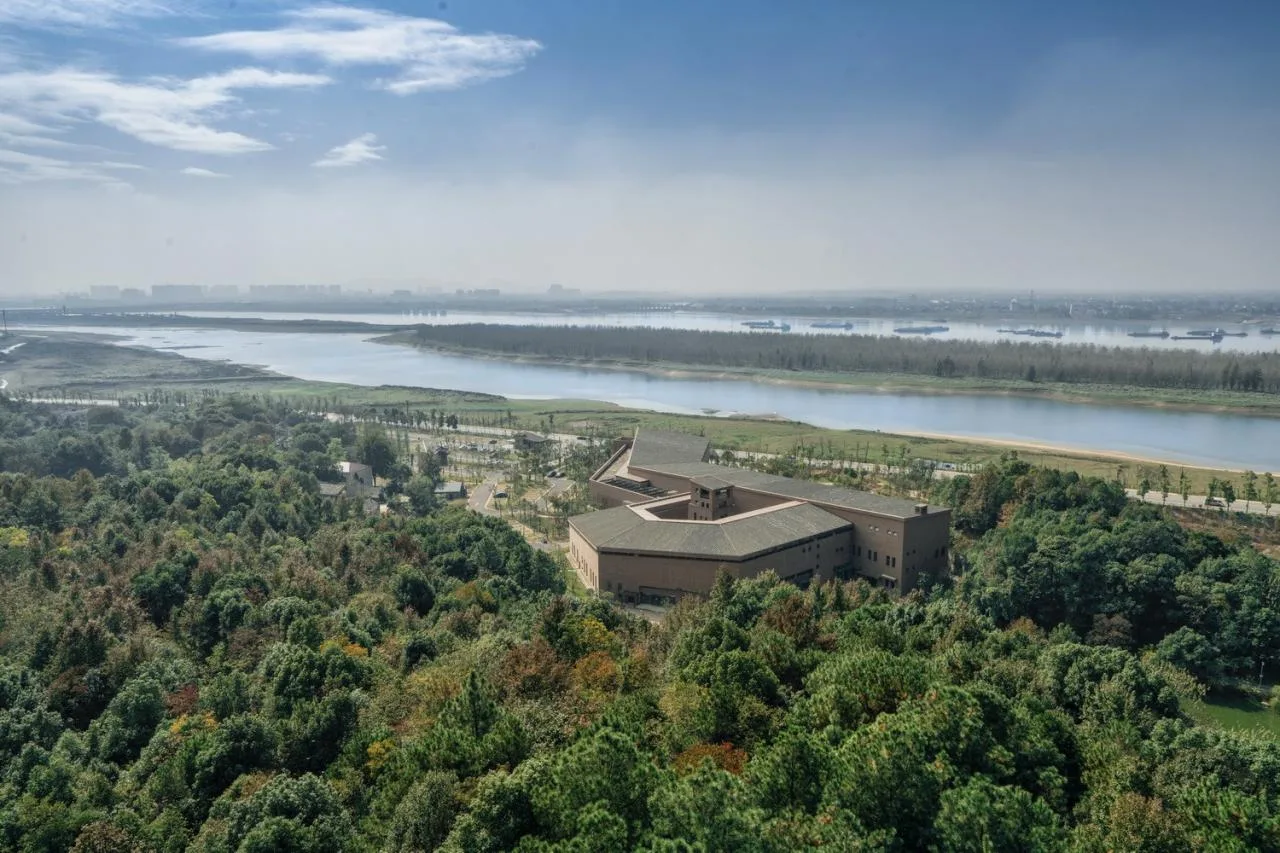
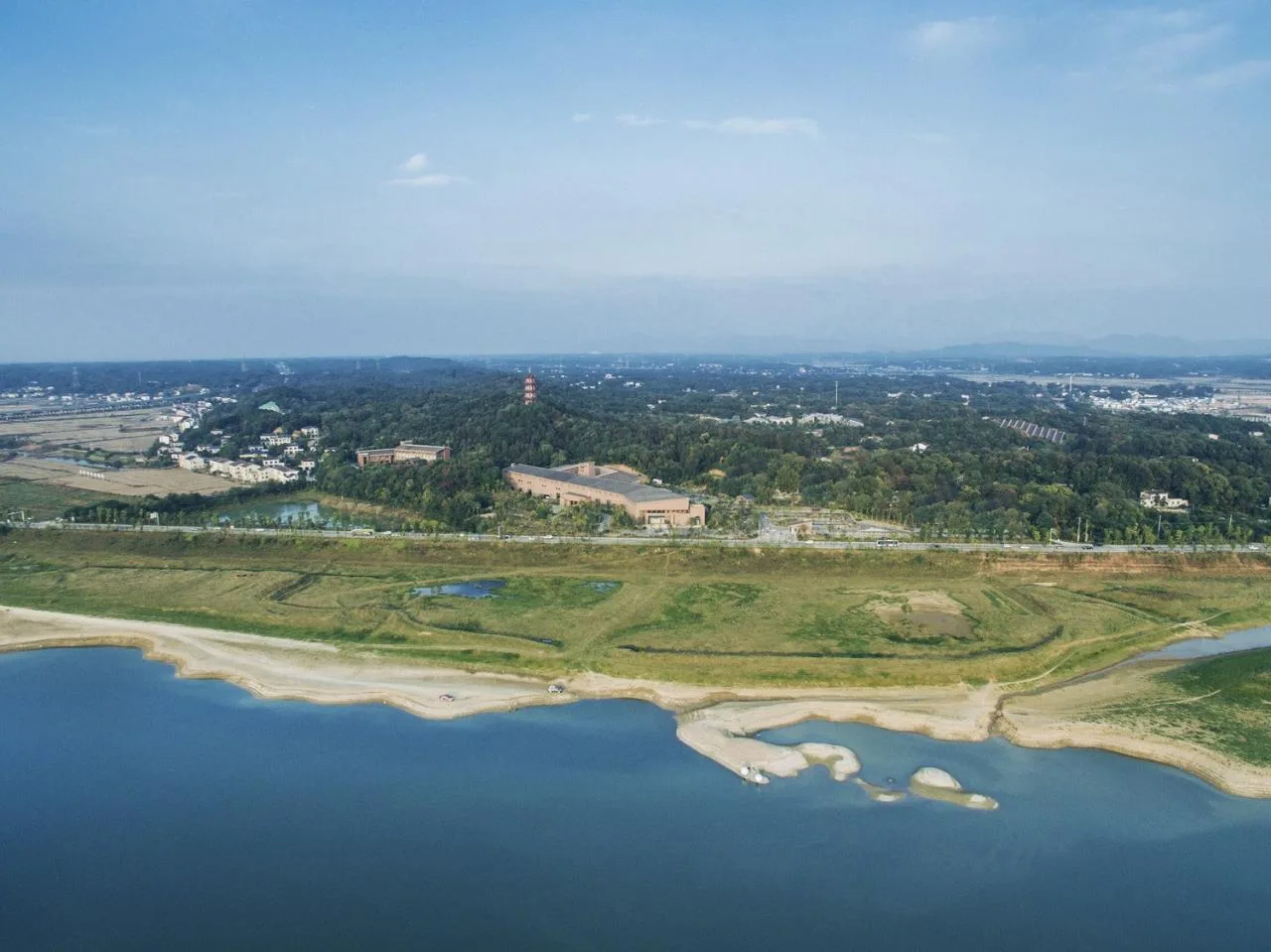
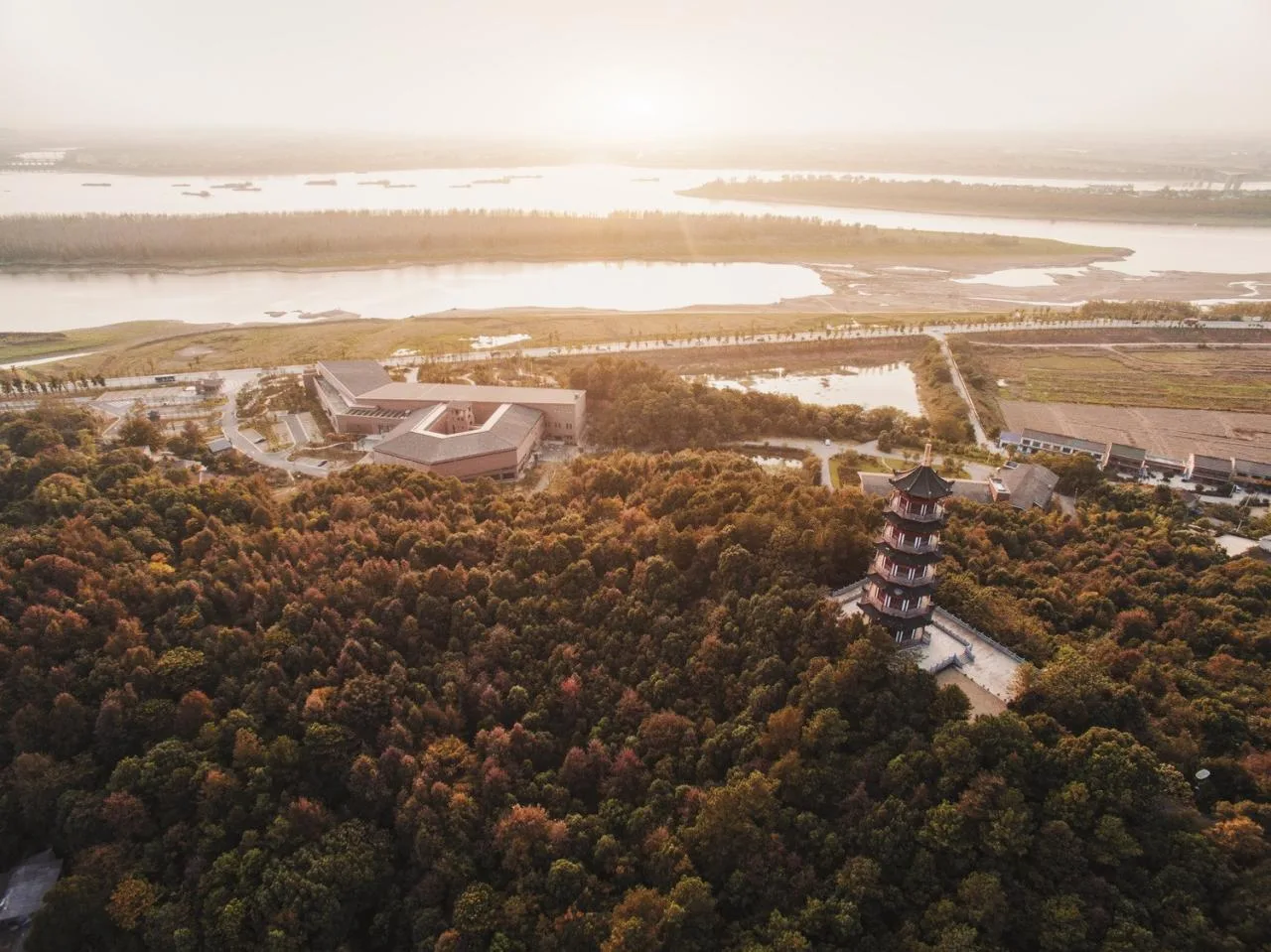
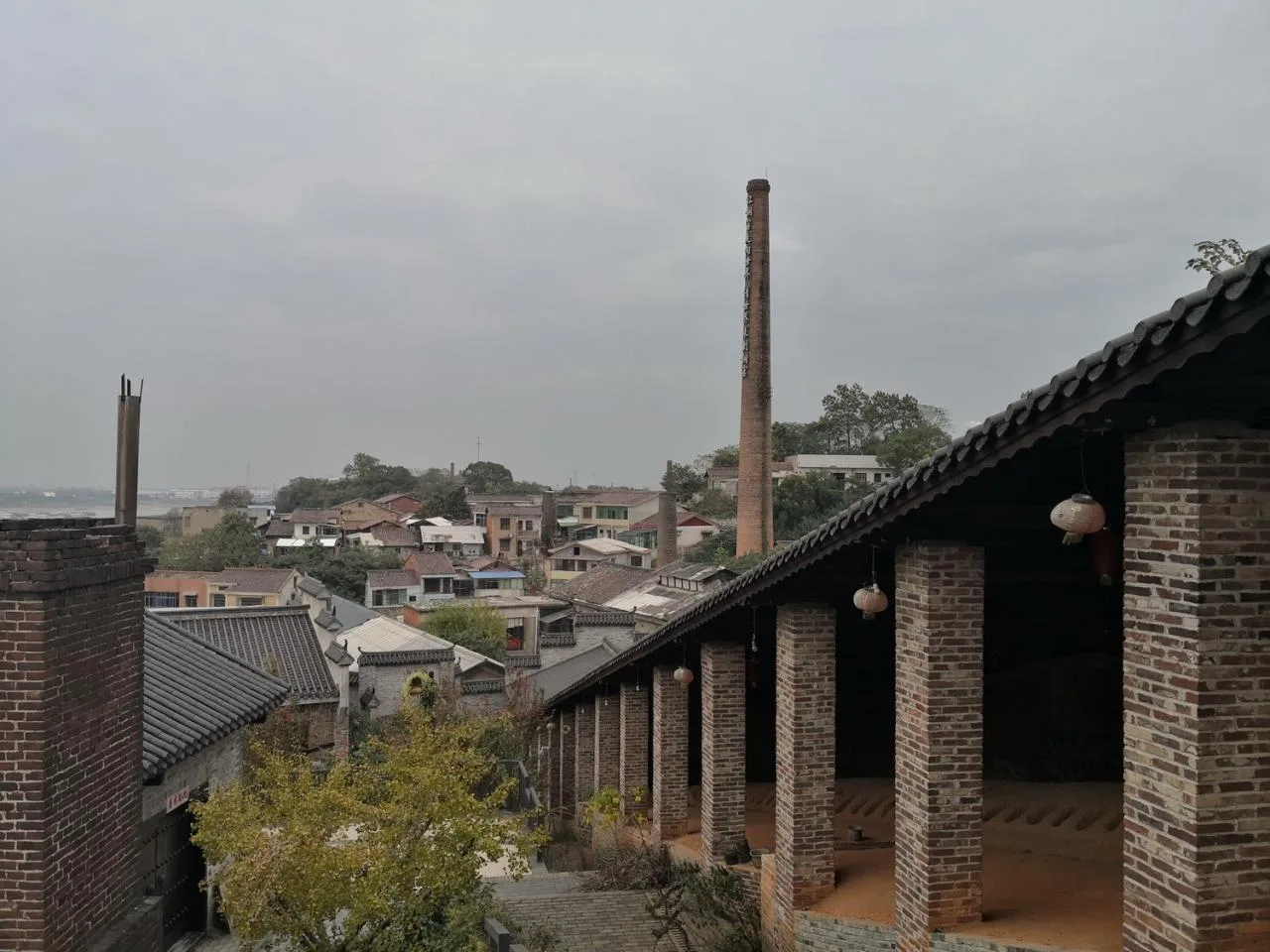
The Changsha Tongguan Kiln Site Park is one of the three major archaeological parks in Hunan Province and among the first national-level archaeological parks approved in the region. The Tongguan Kiln Site Museum is situated in the park’s core area. To maintain the overall layout and separate it from the existing management center, the museum is located at the southwest corner of the site, harmonizing with the Juehua Mountain Pagoda. It borders Binjiang Avenue to the west and is distinct from the Xiangjiang River. Nestled between mountains and rivers, the setting is serene and elegant, radiating a profound charm.
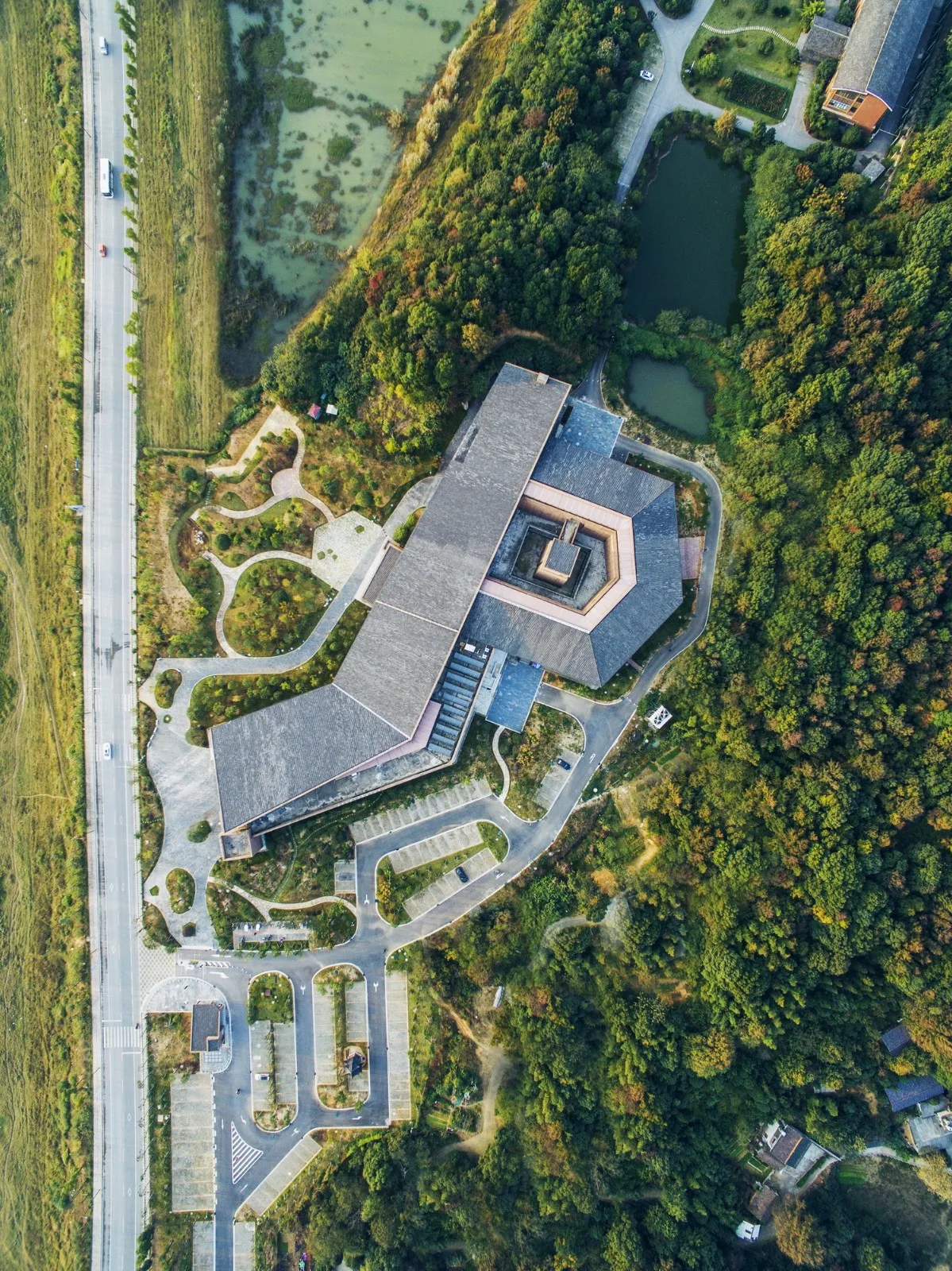
Our main challenges were to fully satisfy the museum’s functional requirements, respond to the site’s conditions, and emphasize the unique characteristics of the Tongguan kiln. Our conceptual approach began with returning architecture to nature, keeping it as close to the earth as possible.
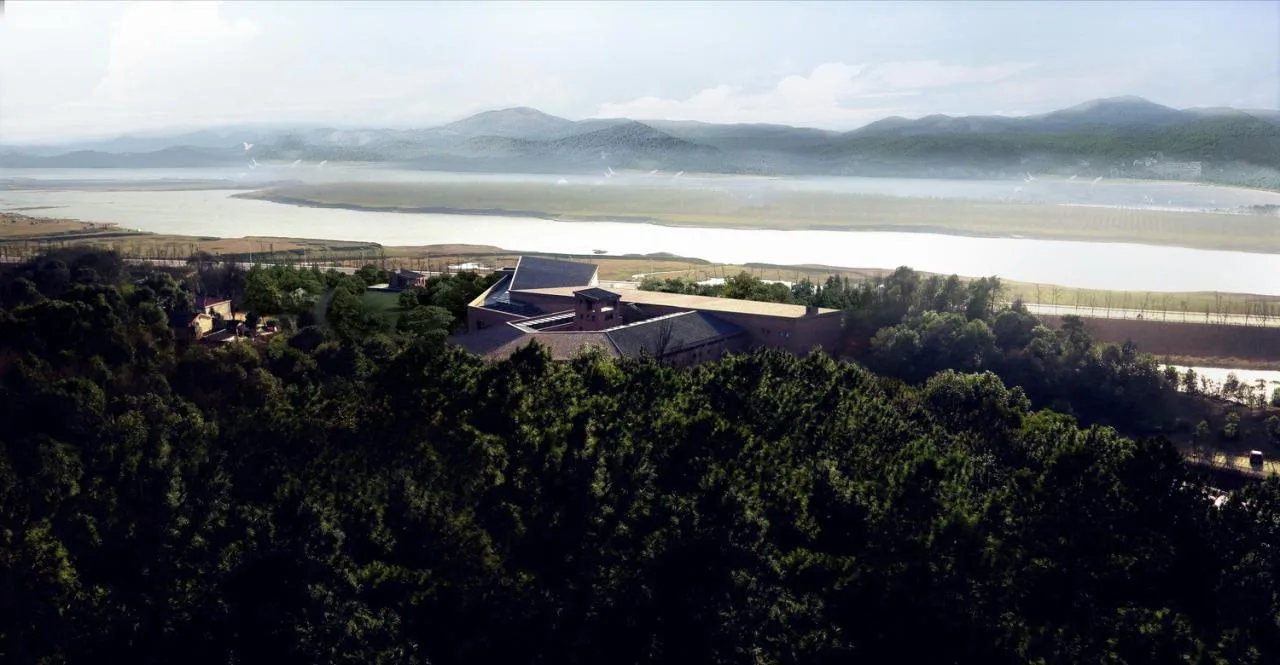
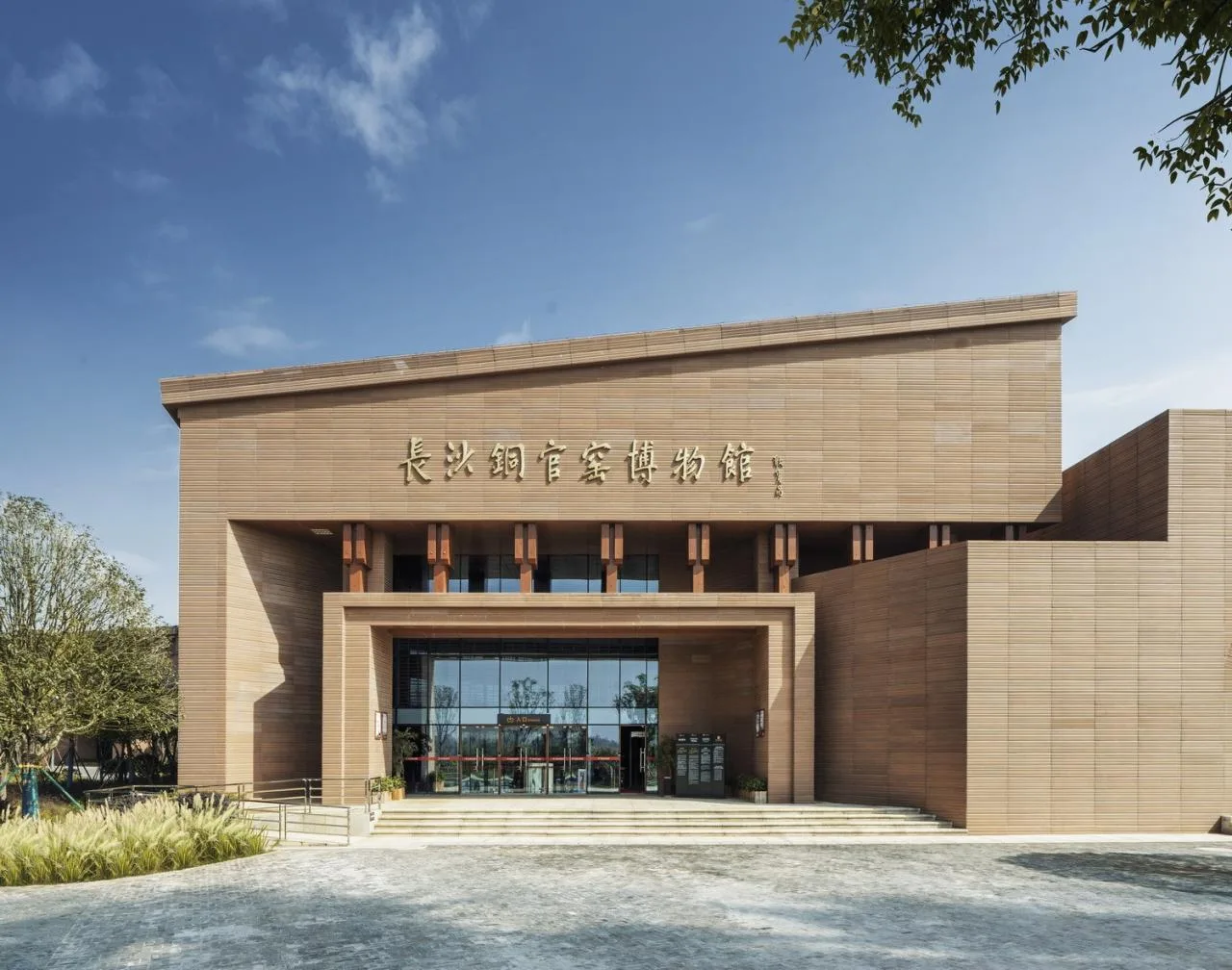
Concept and Intent
1. Dragon Kiln: Inspiration from Life
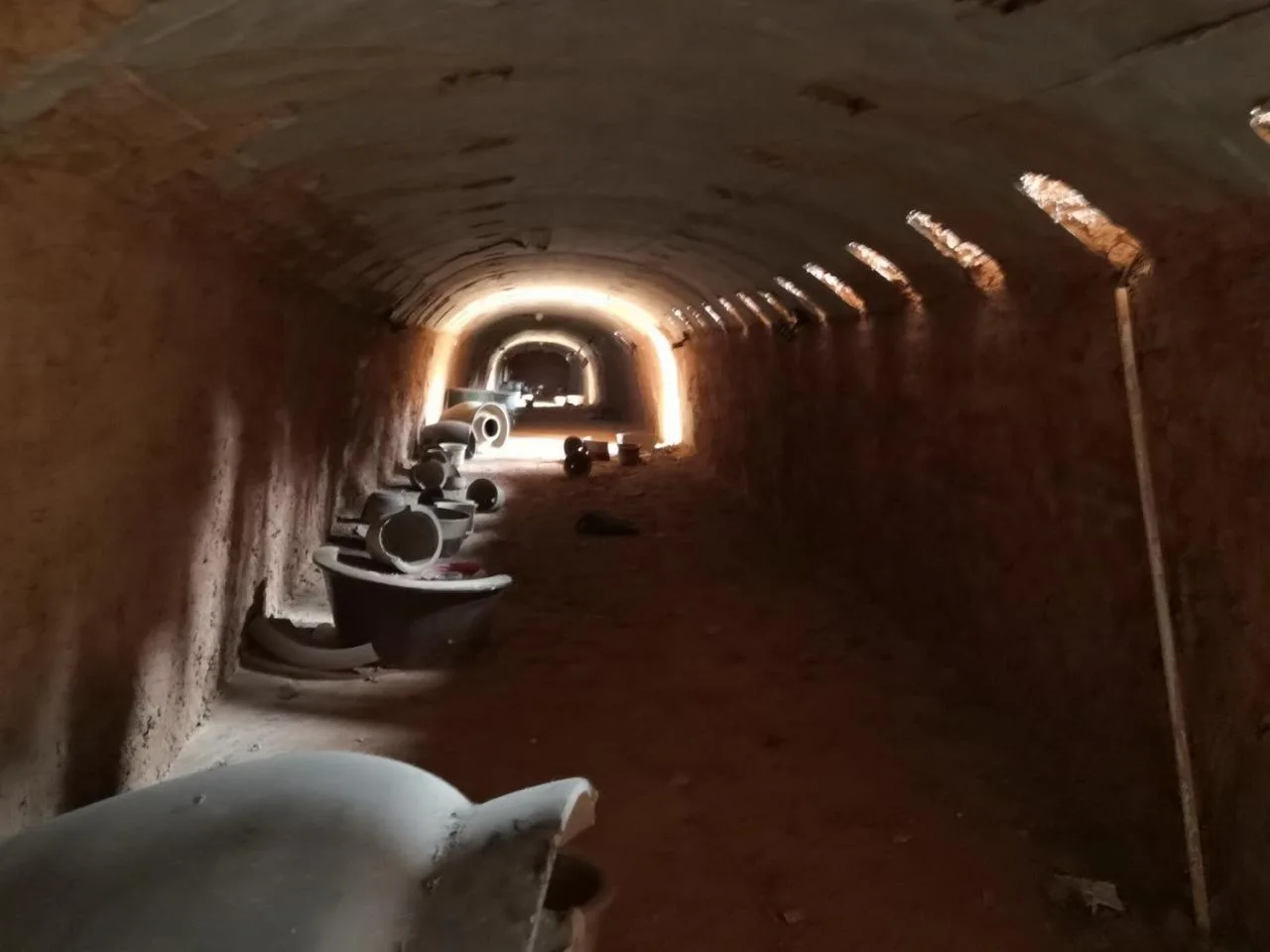
Everything originates from the earth and eventually returns to it—this natural cycle inspired the design. We found that the architecture’s form closely aligns with the shape of the dragon kiln, fitting perfectly with the museum’s linear and flowing layout.
From a visitor’s perspective, the building’s layout is gentle, natural, and fluid. Situated between mountains and water, the architecture acts as a long vessel of memory—the dragon kiln—rising from and returning to the ground. Its ups and downs mirror the porcelain firing process, symbolizing the moment when the pottery leaves the kiln and gains value.
Our design follows a linear exhibition path that gradually ascends from the ground, mirroring the dragon kiln’s form while meeting the museum’s basic functions. This clear flow reflects a complete life cycle from beginning to end. Both entrance and exit are positioned at the same vertical level, symbolizing a journey that ultimately returns to the earth, with everything between representing the process.
2. Sightseeing Tower: A Symbolic Artifact
Interpreting the culture of the Changsha kiln, we embraced themes of tolerance, openness, innovation, and the philosophy that artistic inspiration is drawn from life.
Incorporating the terrain within the museum’s linear design, we created a turning point at the center that forms a courtyard. This space acts as a buffer along the walking route, breaking the monotony of the long linear exhibition hall. It also serves as a social node where visitors can meet, creating a pause between the museum experience and everyday life. This design reflects openness and inclusivity, resonating with the Tongguan Kiln’s production environment.
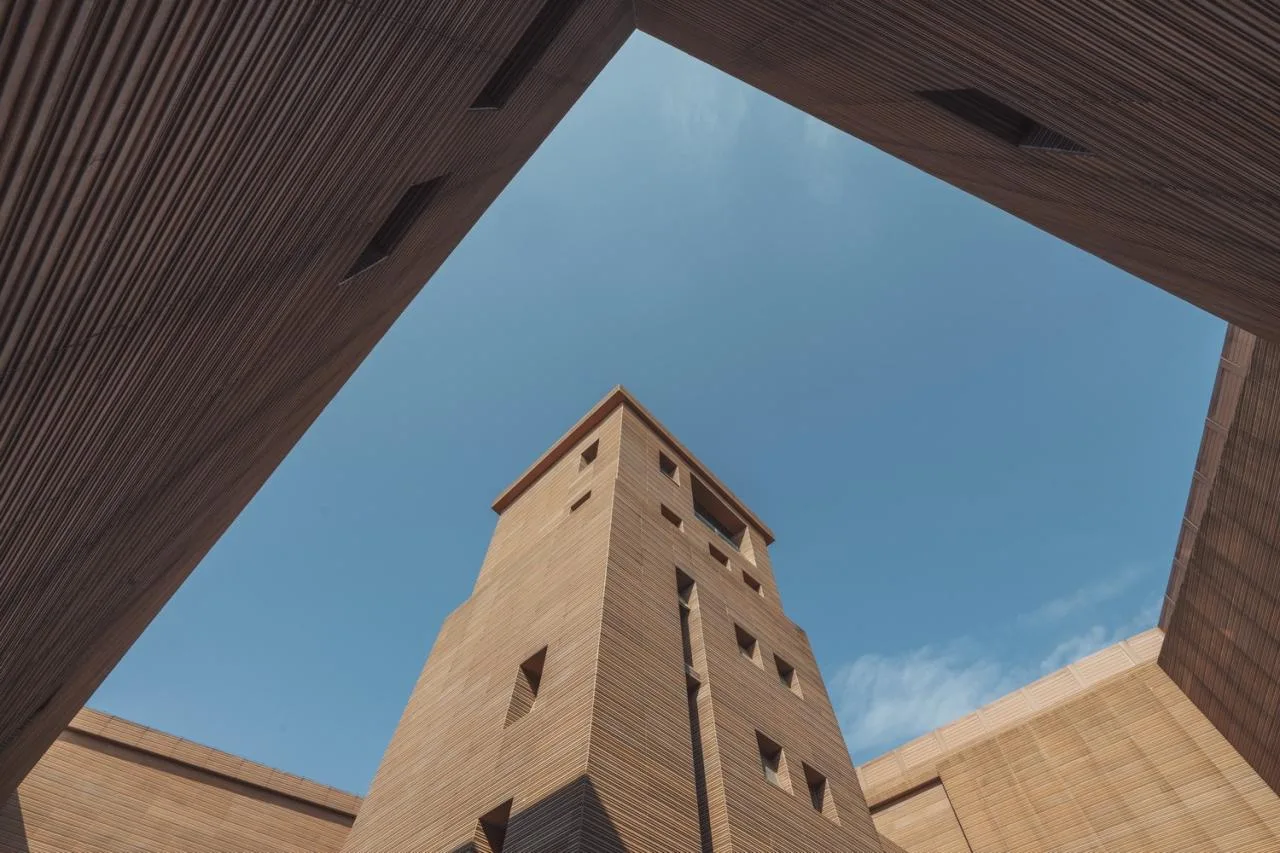
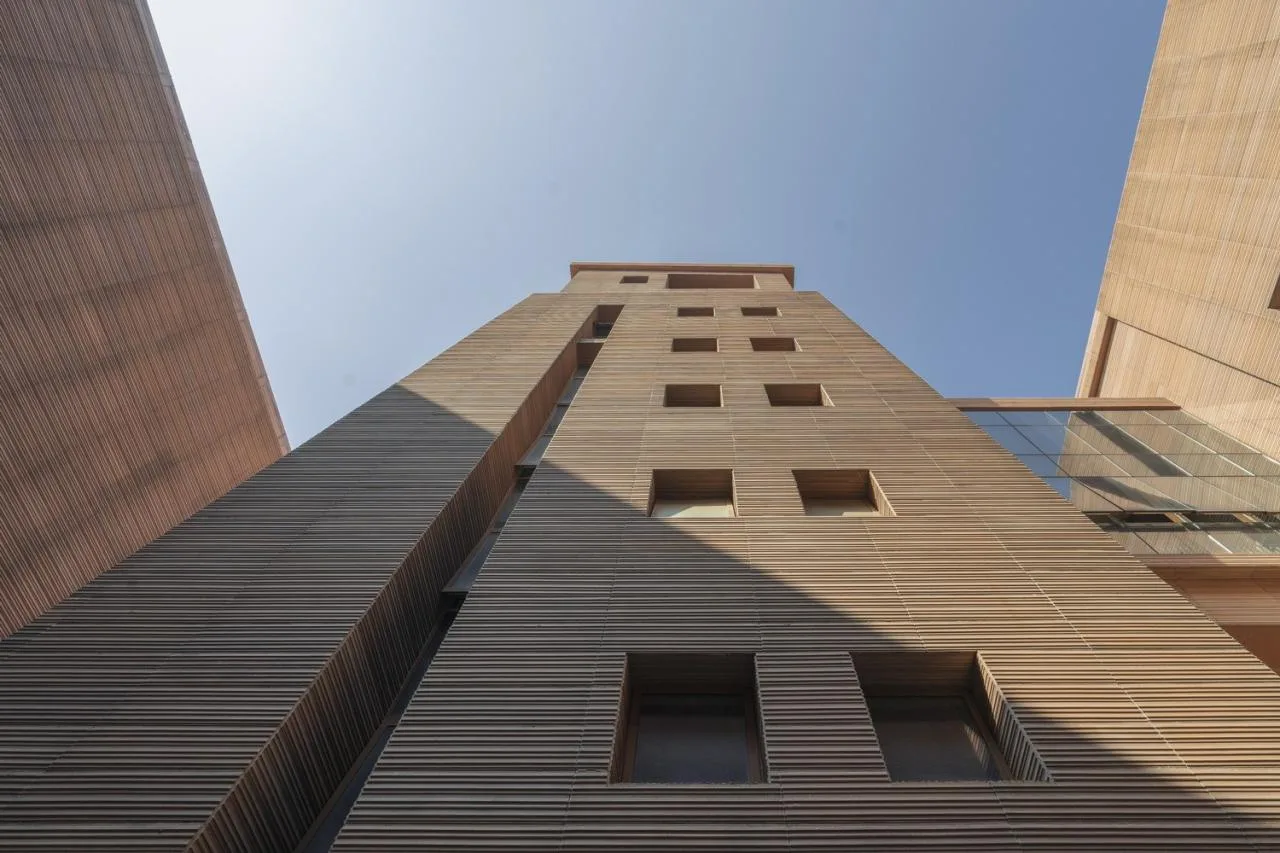
At the courtyard’s center, a vertical circulation structure rises, echoing the nearby Juehua Tower. These two high points connect the natural mountains and water, bridging the landscape.
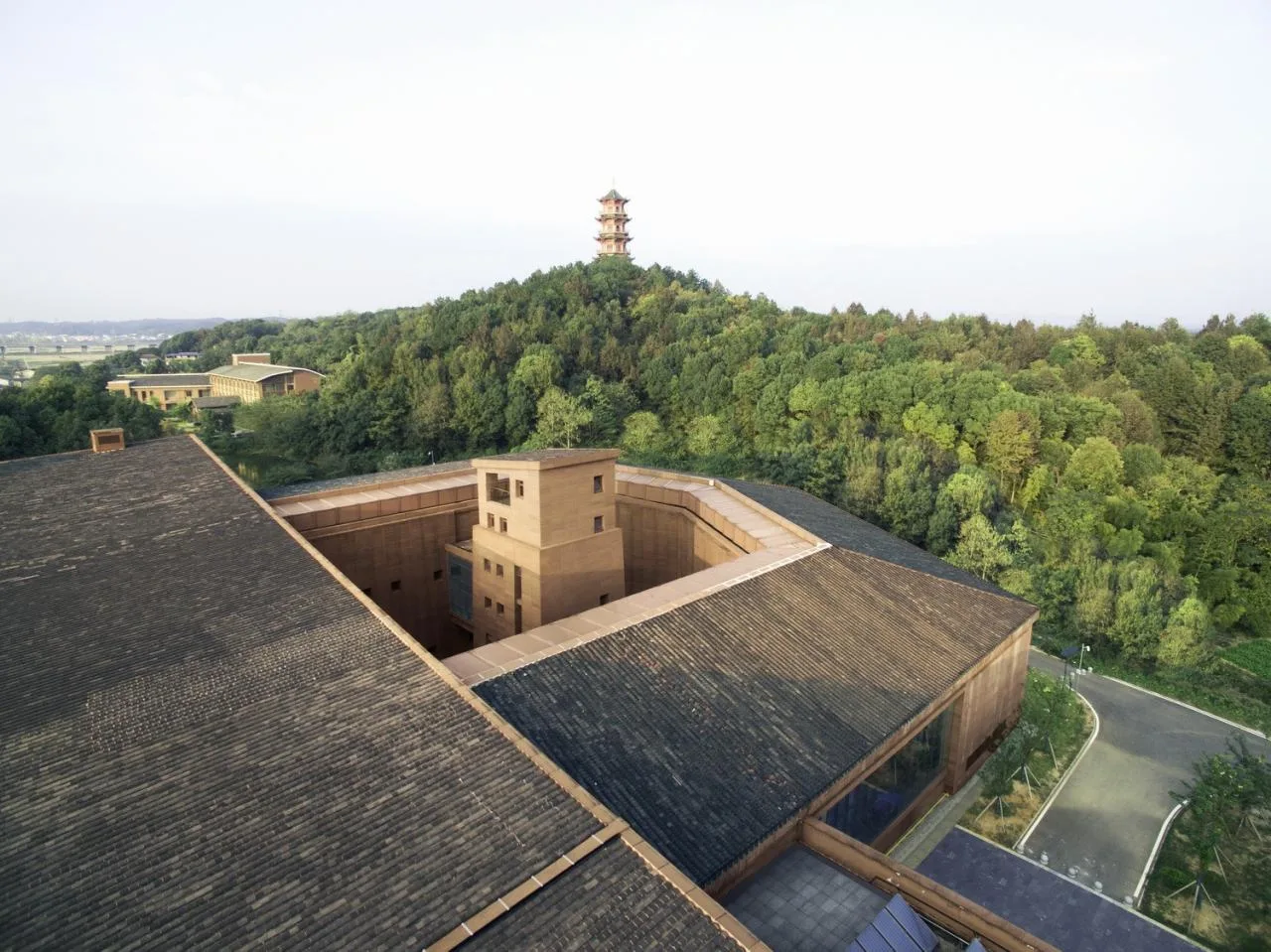
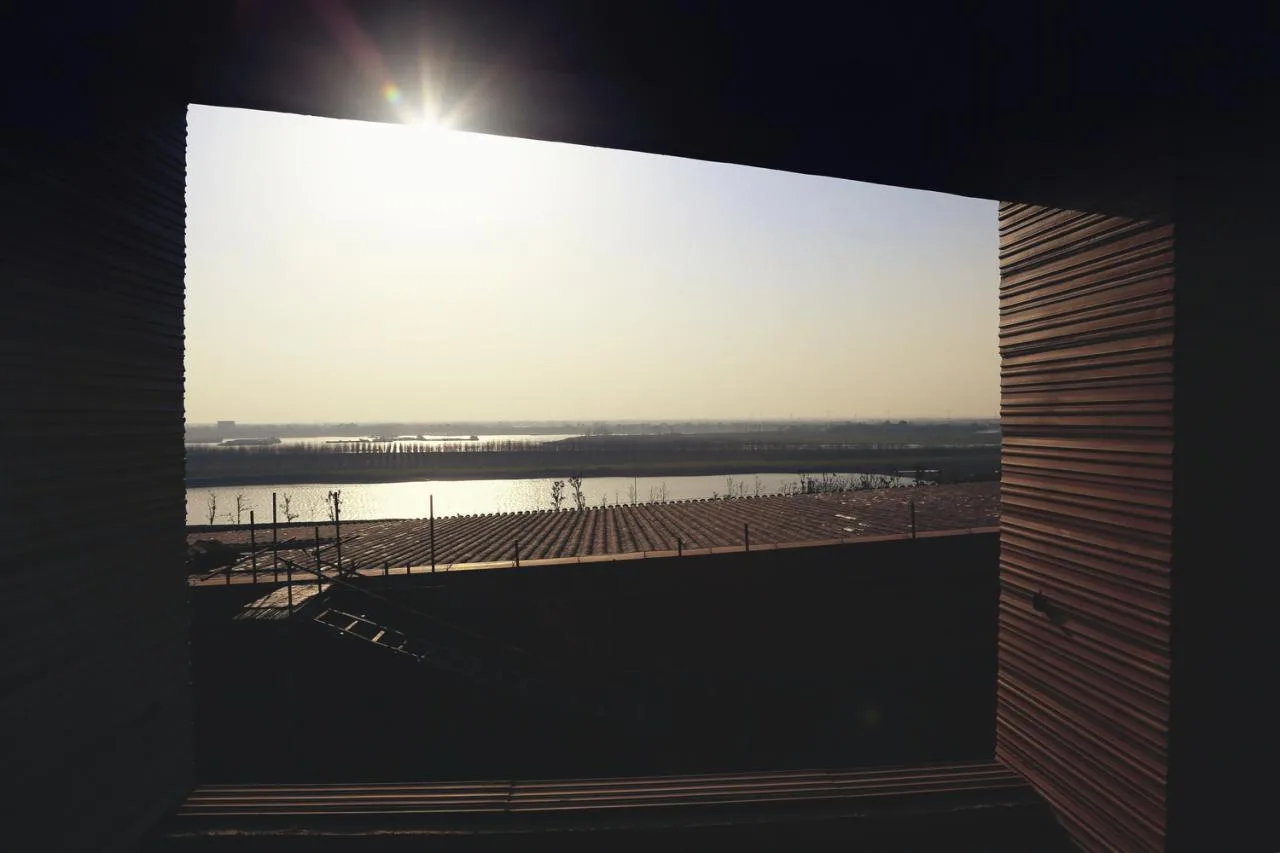
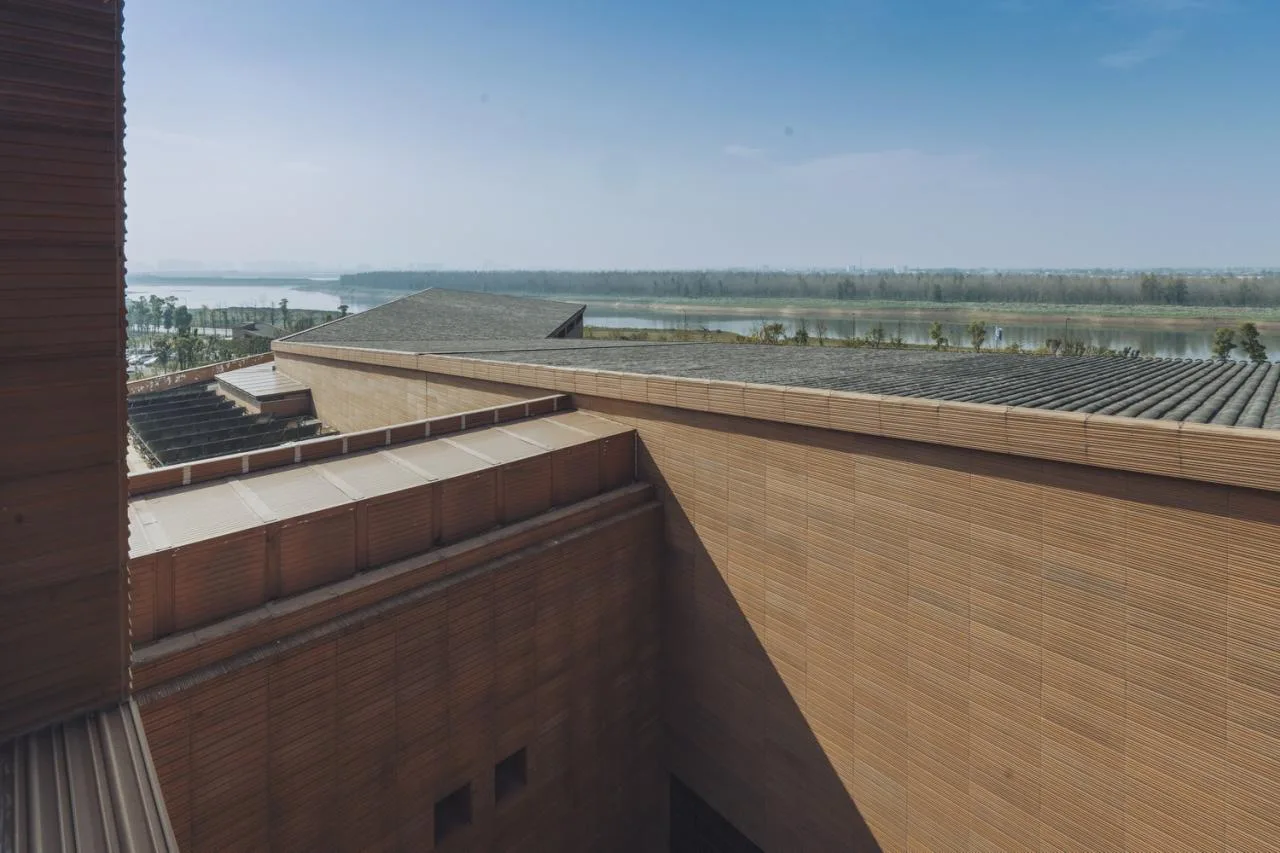
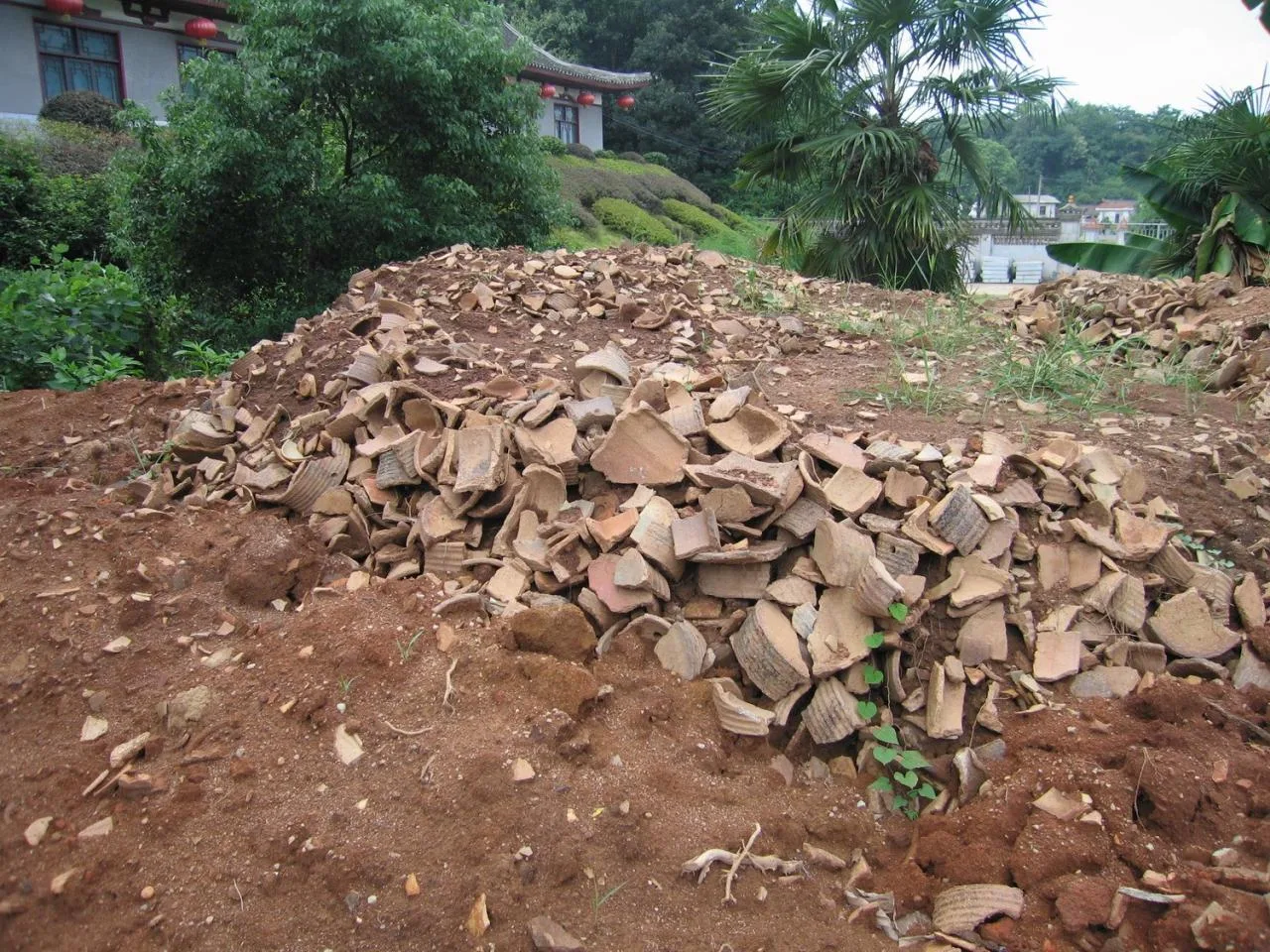
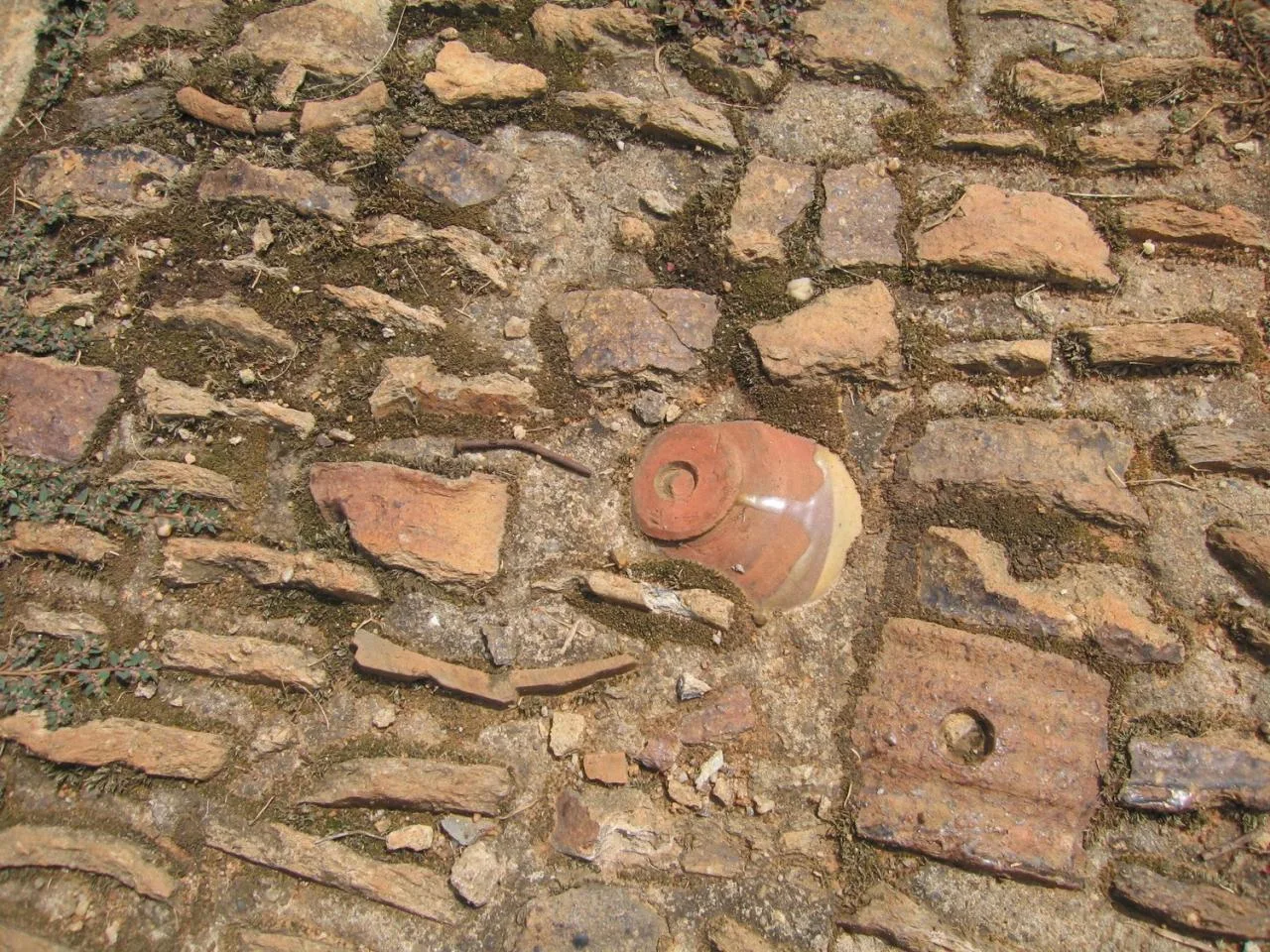
The tower rises from the bottom of the sunken courtyard up to the highest roof. We embedded layers of ceramic fragments inside the courtyard walls, evoking the chimney of a dragon kiln or an object reborn from layered fragments. From the tower, looking down reveals history—accumulated ceramic shards—while gazing upward reveals the enduring Xiangjiang River, flowing unchanged for millennia.
This composition of materials and spaces subtly conveys a theme: countless accumulations and sacrifices lead to exquisite creations, much like human success and achievement.
3. Space: A Stage for Display
The exhibition layout for the Tongguan Kiln Museum was well defined before architectural design began, providing a distinct advantage to the design team. The exhibition was integrated with the architectural space and divided into seven sections, ranging from the entrance hall to the tail hall.
The architectural space is cleverly segmented by gently sloping ramps and terraces. Skylights at the roof offer diverse display angles, while a combination of straight and broken lines, along with expansive areas, enhances the visitor experience throughout the exhibition.
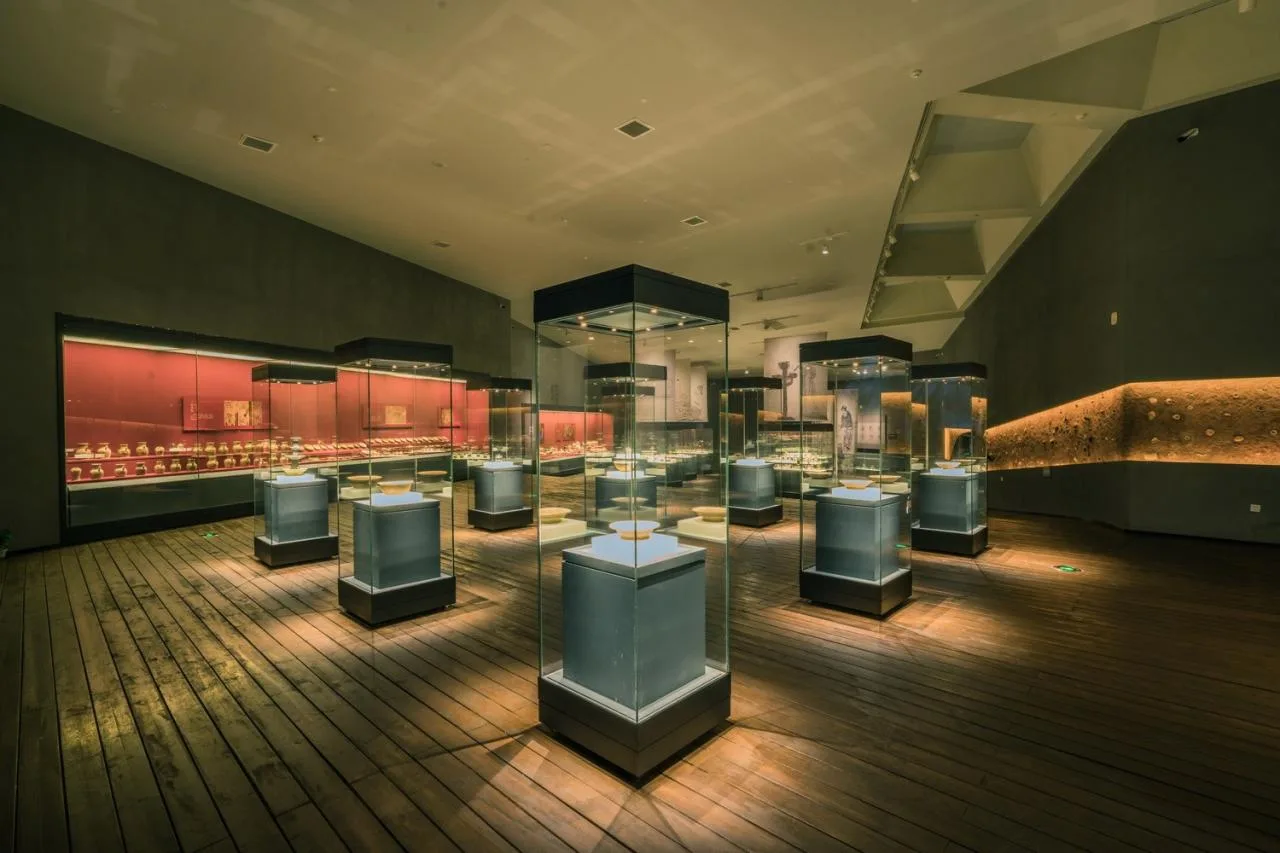
The exhibition space follows a seamless chronological sequence. The hall’s varying heights add depth and interest, enriching the spatial experience. Visitors engage with a series of restored scenes and expressive forms that deliver a unique and immersive journey.
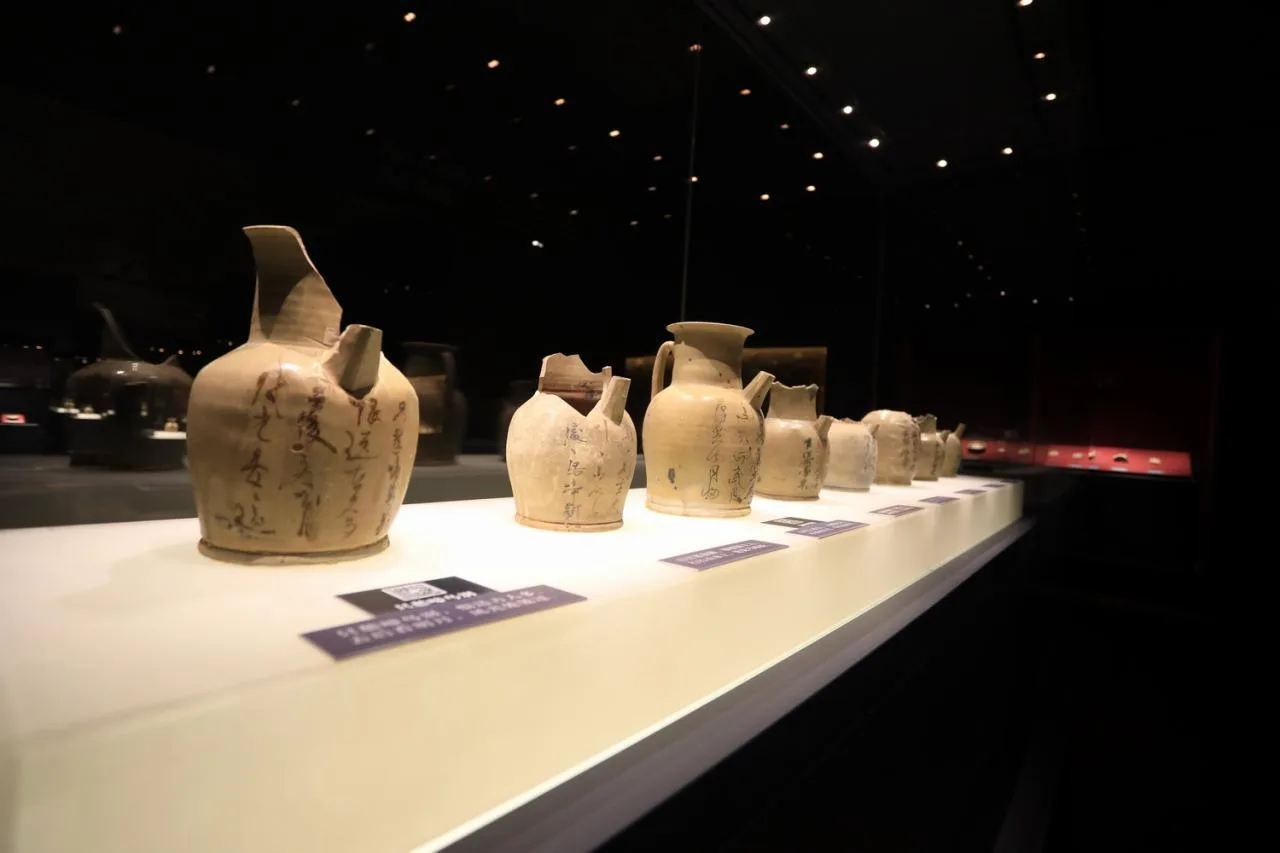
The remarkable history of Wazhaping is echoed by porcelain shards scattered throughout, telling the story of the Changsha kiln’s glorious past. The “Heart and Hands” section highlights the production process of Changsha kiln porcelain, while the “Kiln Fire Illusion” area, situated beneath skylights, dramatizes the firing process, adding surprise to the linear exhibition flow.
The marks left by time and space create a continuous connection between beginning and end, evoking a sense of an unfinished story. The entire exhibition challenges traditional notions of functional zoning and exhibition structure, seeking a harmonious relationship between humans and nature through spatial cognition.
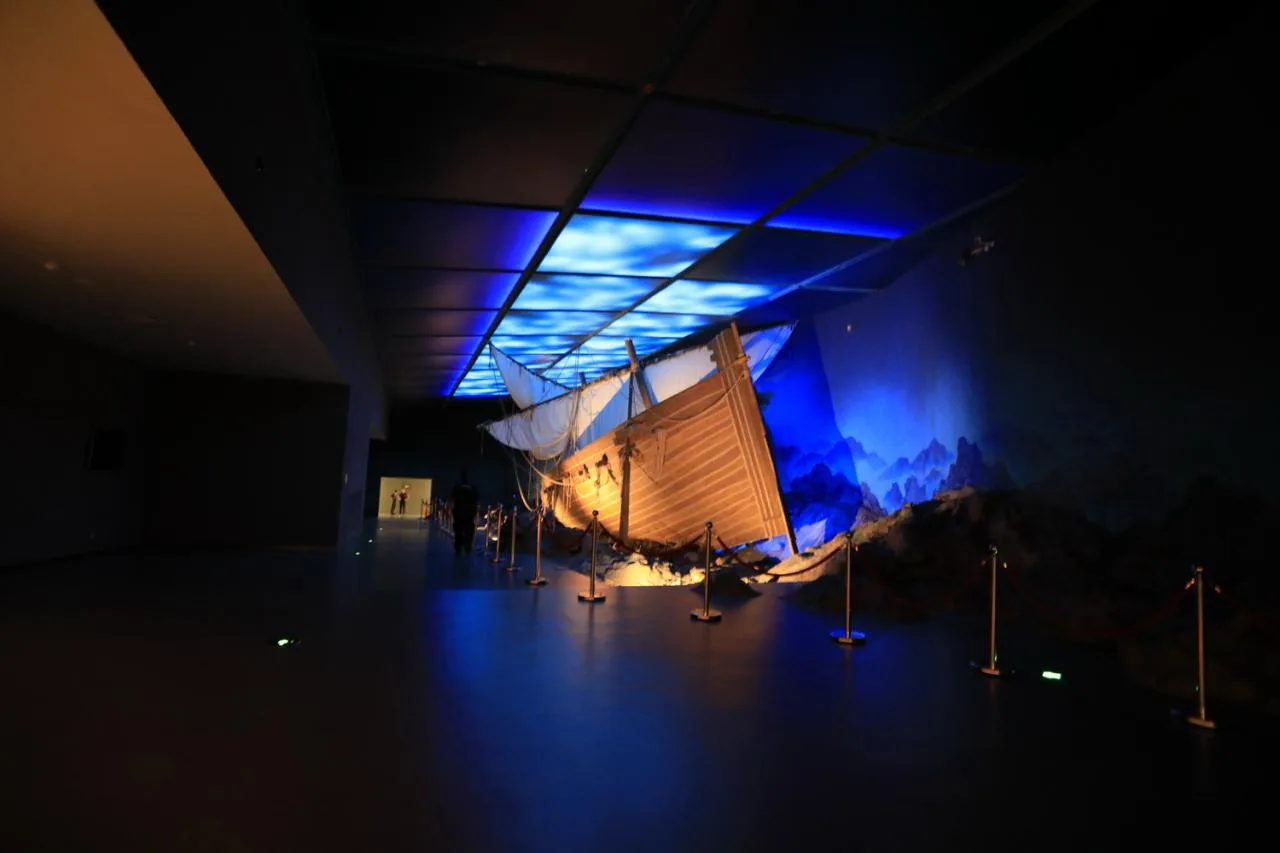
4. Integration: Poetry and Painting of Life
Situated by the riverside, the museum welcomes visitors from the southwest and southeast. The inviting front plaza along Binjiang Road serves as the main entrance. Open-plan functional areas—including the reading room, restaurant, and offices—are layered vertically, maximizing site use for both exhibition and leisure.
As visitors move through the building, both inside and out, they experience beautiful scenery. The design is refined and seamlessly integrated, reflecting a flowing aesthetic that complements the surroundings. Backed by Juehua Mountain and facing the Xiang River, the building quietly blends into the embankment, evoking the vibrant atmosphere of the Tang Dynasty’s firing era.
From meeting spaces and rich exhibition halls to the reading room overlooking the mountains and the handicraft classroom along the visitor path, every element contributes to the experience. The sunken courtyard adds historical depth, while the distant view of the Xiang River from the highest point connects all these spaces. These areas are more than just public spaces for visiting, learning, and exchange—they have become part of a living poetry and painting.
Green Energy Saving
The Tongguan Kiln Site Museum adopts a tailored green design strategy based on the principles of “prioritizing passive technology, optimizing active technology, utilizing renewable energy, and supplementing with non-traditional water sources.” This approach fully considers the local climate, building functions, and site geography, earning the project a three-star green design rating.
1. Site-Based Design
Preserving natural features, the design retains the original water bodies on the north side and natural mountains to the northeast and northwest, minimizing environmental damage and resource waste during construction and restoration. The preserved mountains contribute to a favorable microclimate, providing shade and blocking cold northwest winds in winter. During summer and transitional seasons, cool breezes from the Xiang River flow in from the south, enhancing natural ventilation.
2. Renewable Energy Utilization
The project efficiently employs renewable energy systems, including ground source heat pumps and solar hot water. Ground source heat pumps handle all winter heating and 50% of summer cooling loads. The system features 192 double U-shaped buried pipes beneath the outdoor green area on the southeast side of the site. By leveraging the earth’s relatively stable underground temperature, this soil source heat pump significantly reduces electricity demand and eliminates the need for gas boilers in winter. Current performance has been excellent.
3. Sustainable Materials
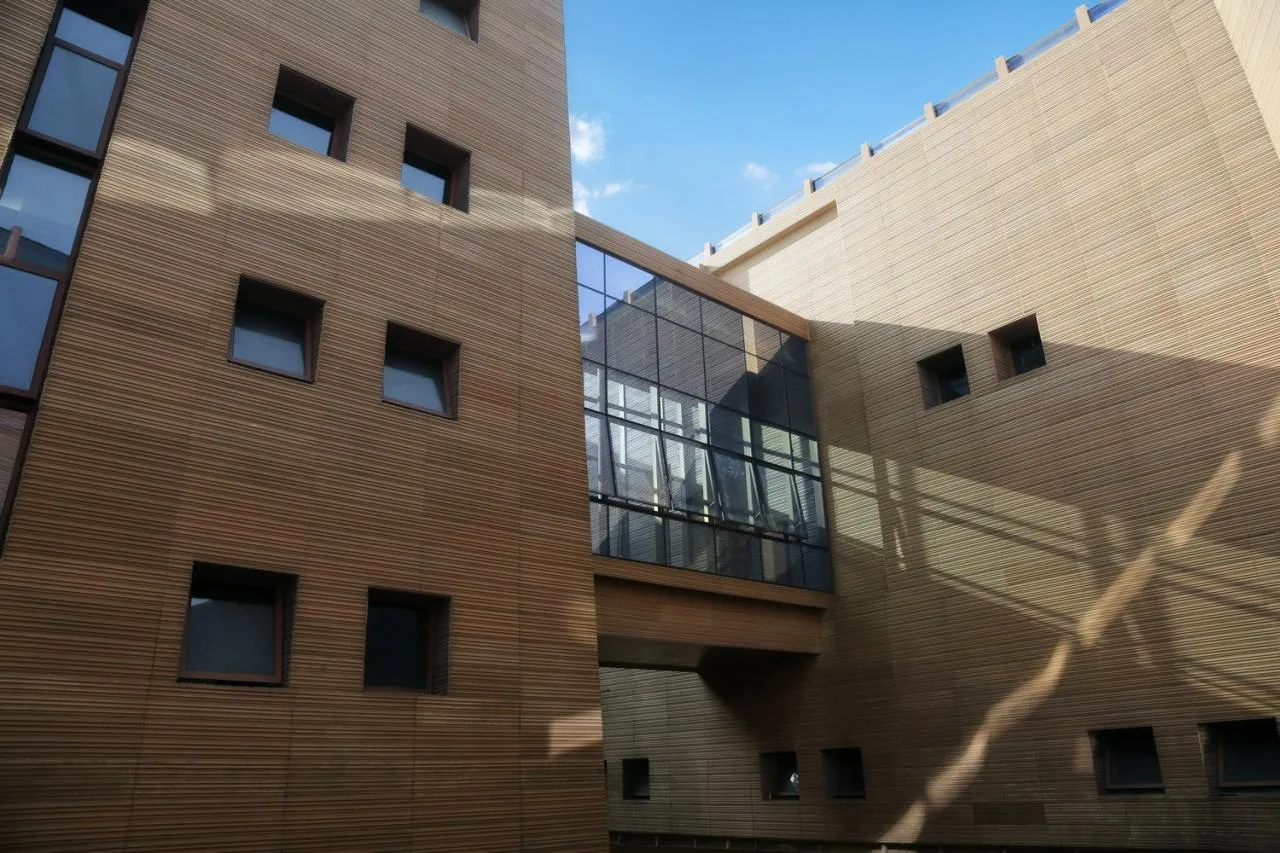
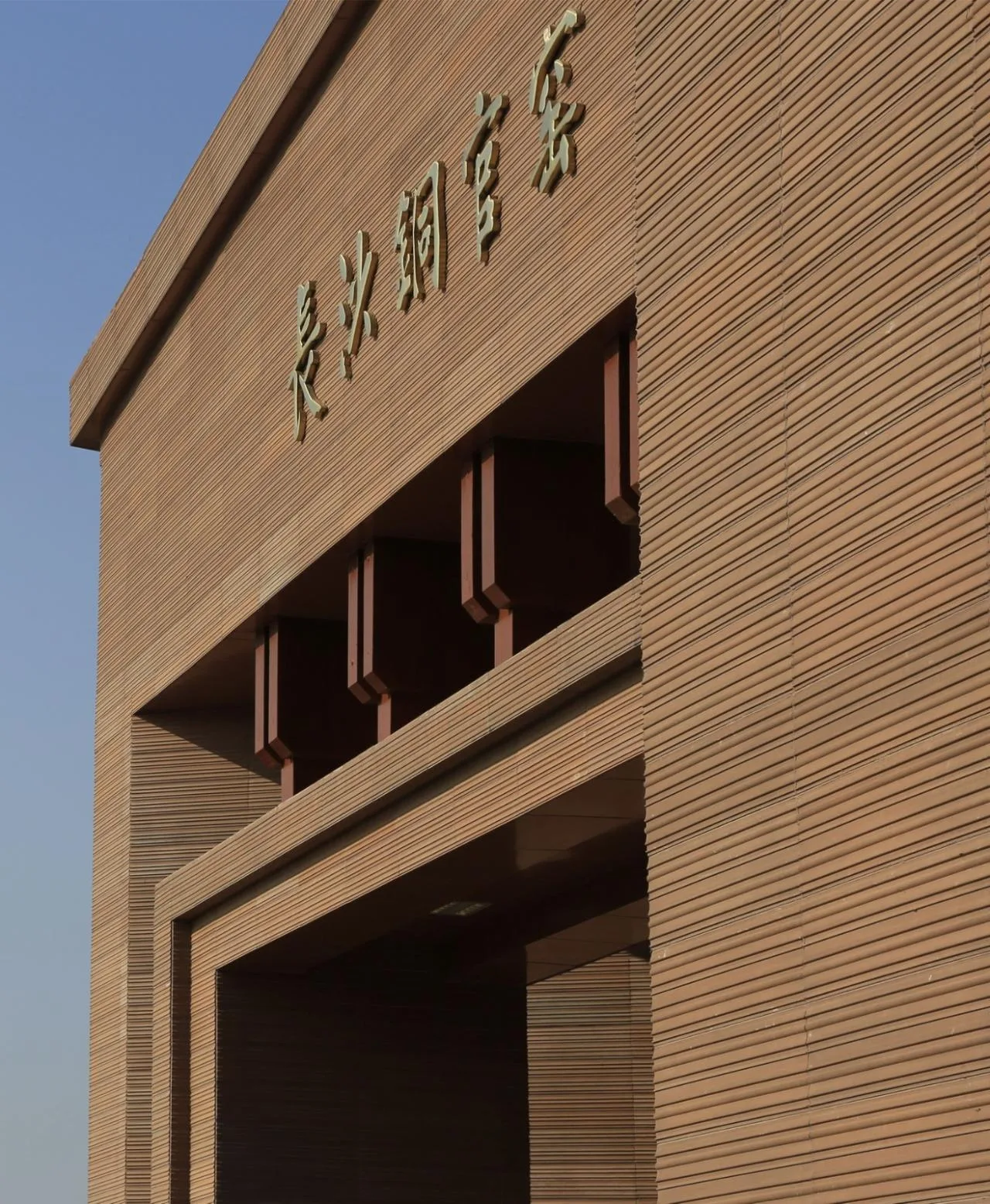
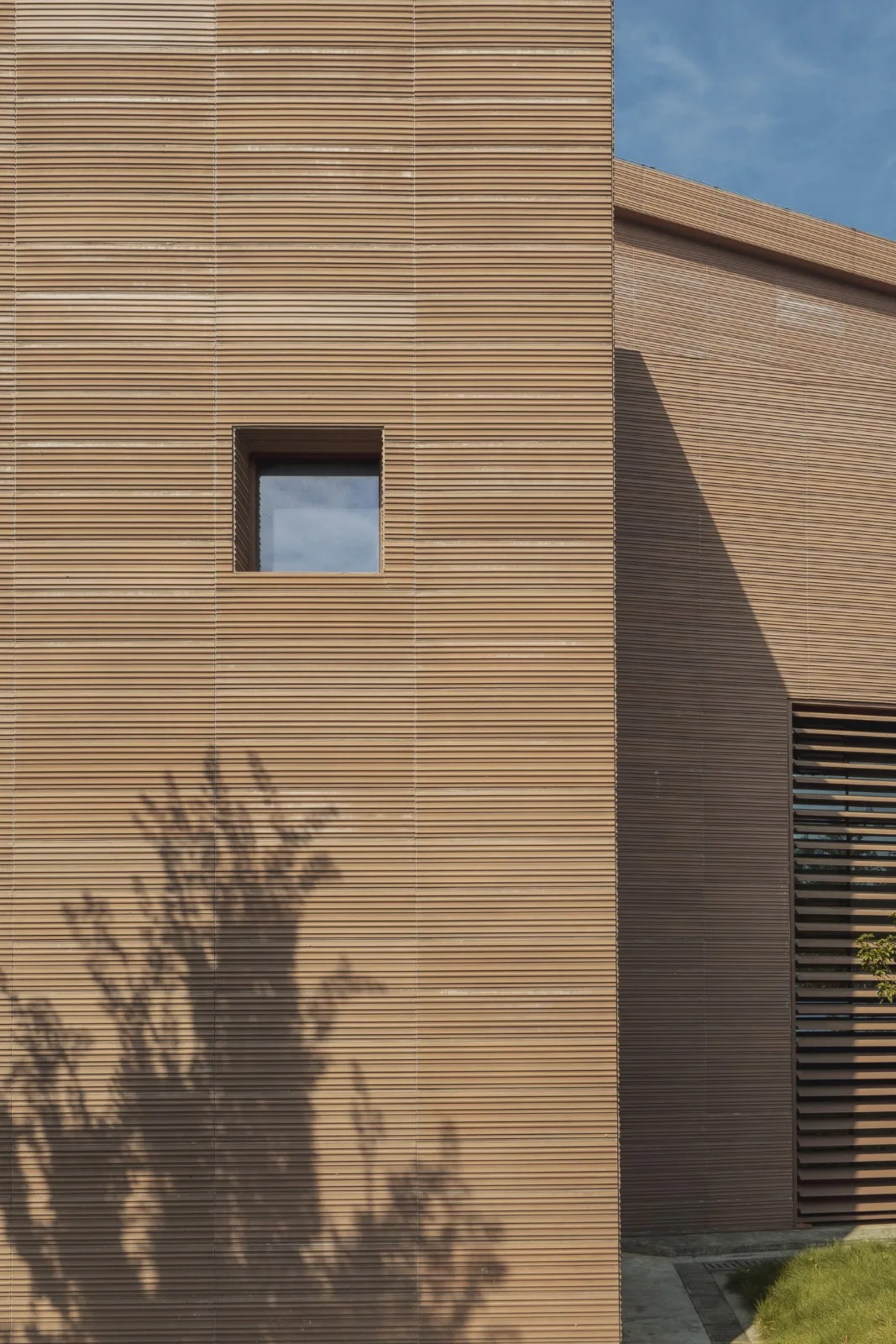
The exterior walls feature decorative lightweight concrete panels predominantly made from local mining industrial waste, such as stone slag and stone powder. These panels not only present a distinct texture but also prevent cracking, reduce costs, recycle local industrial waste, conserve resources, and promote ecological construction.
Project Drawings
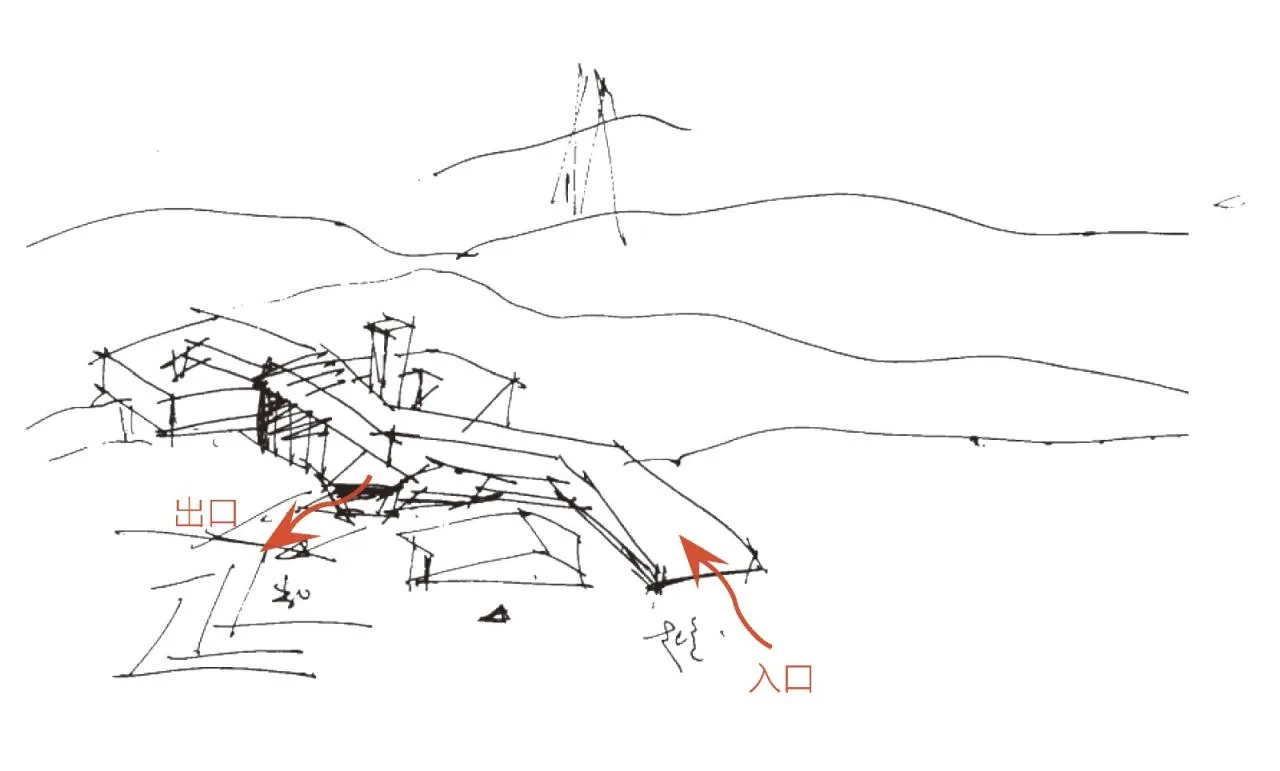
△ Hand-drawn Design Drawings
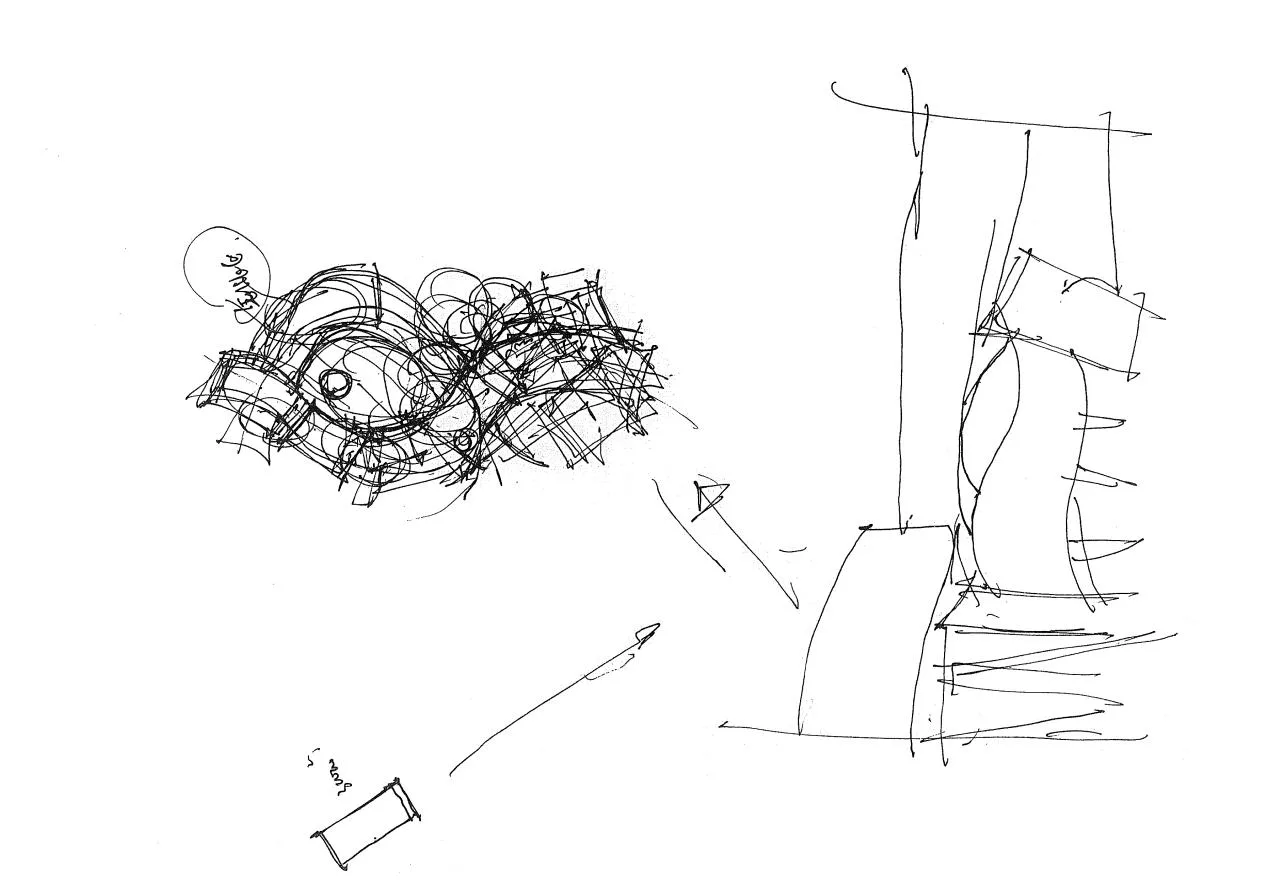
△ Hand-drawn Design Drawings
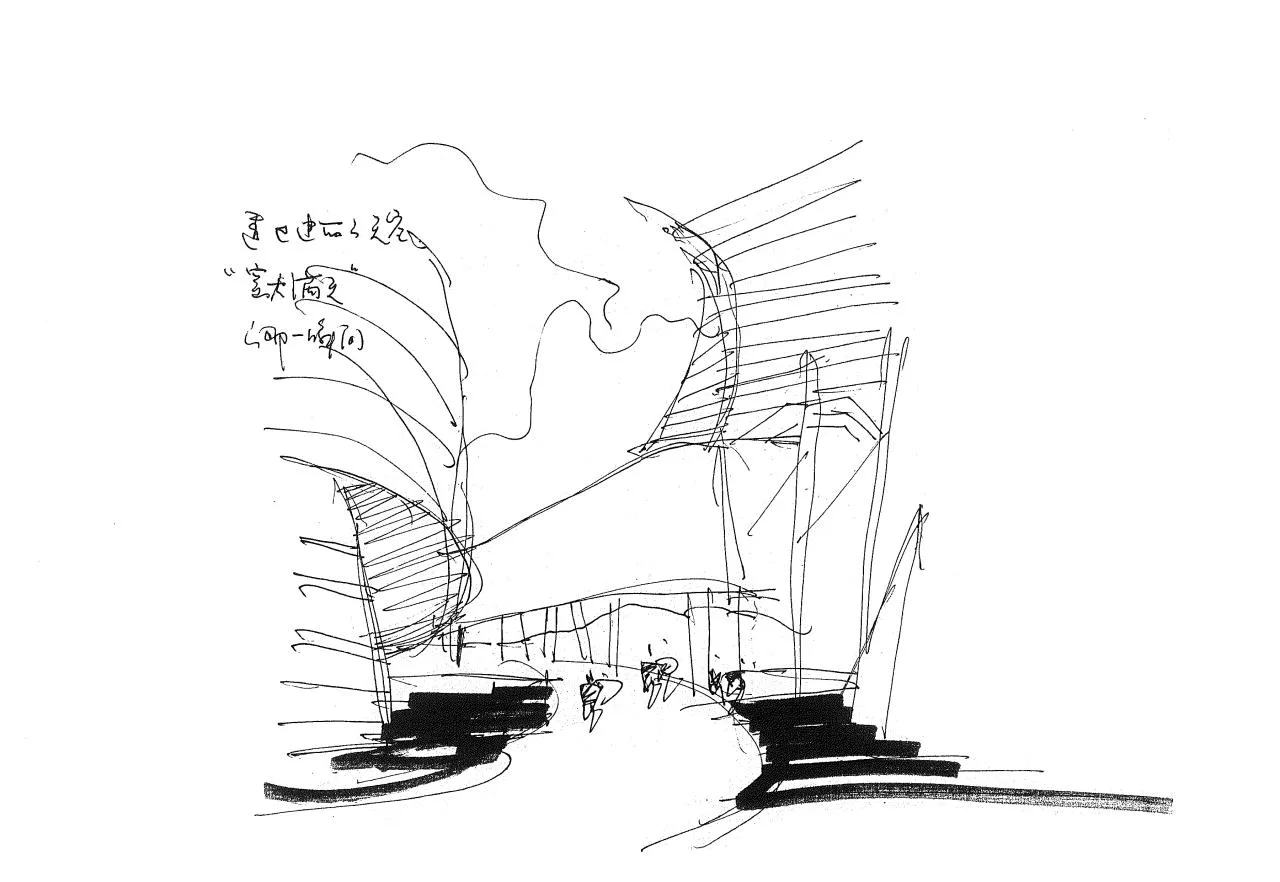
△ Hand-drawn Design Drawings
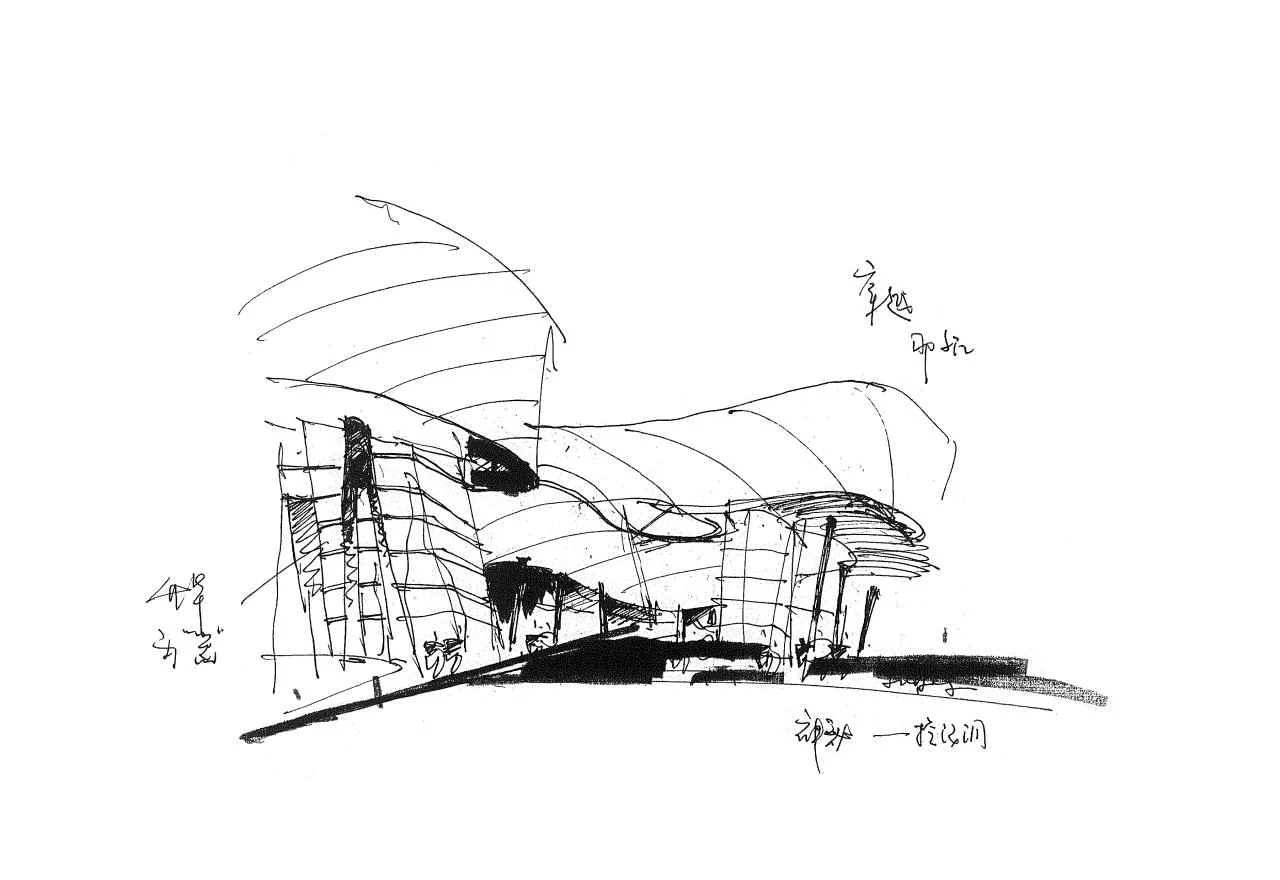
△ Hand-drawn Design Drawings
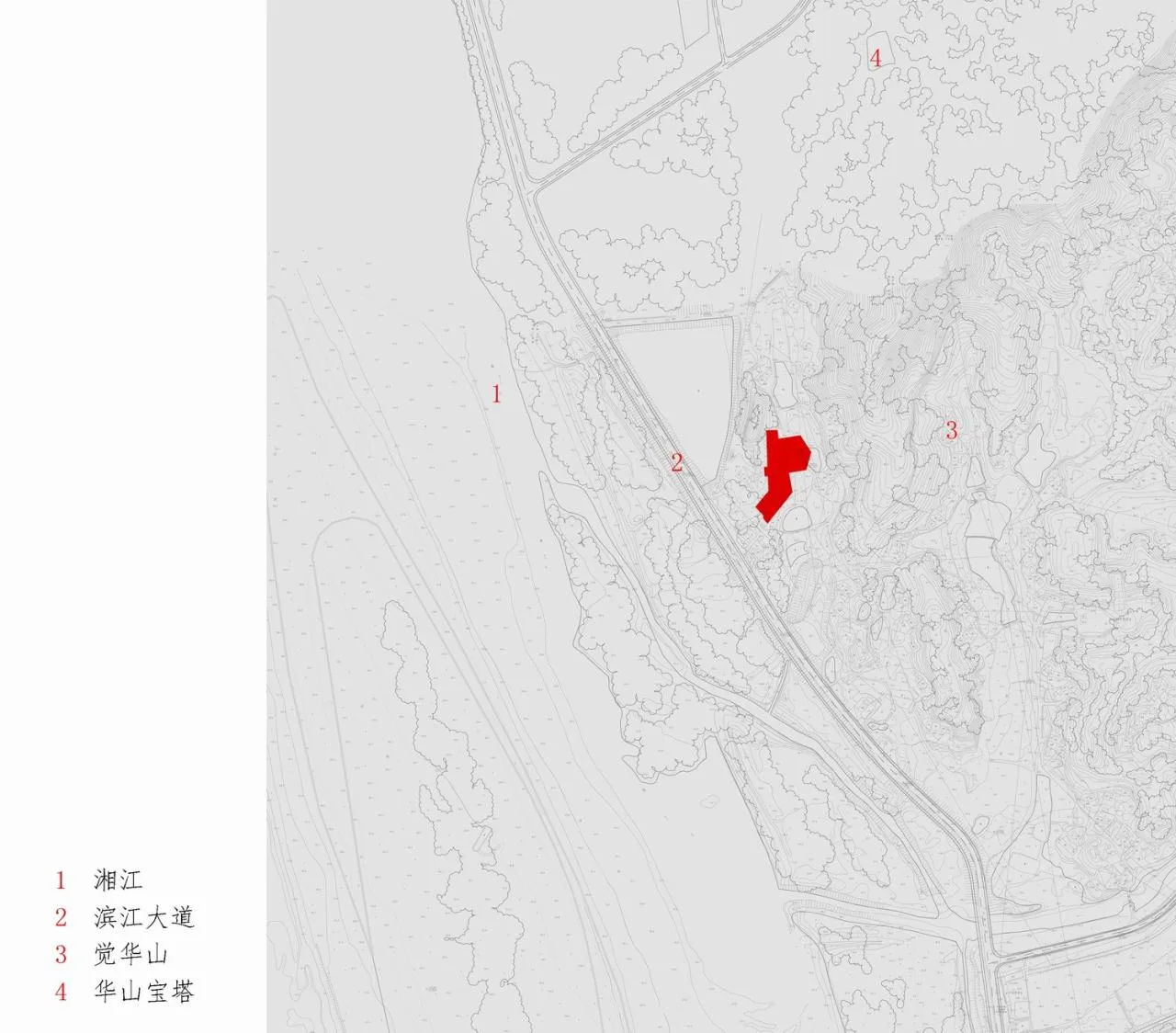
△ Location Map
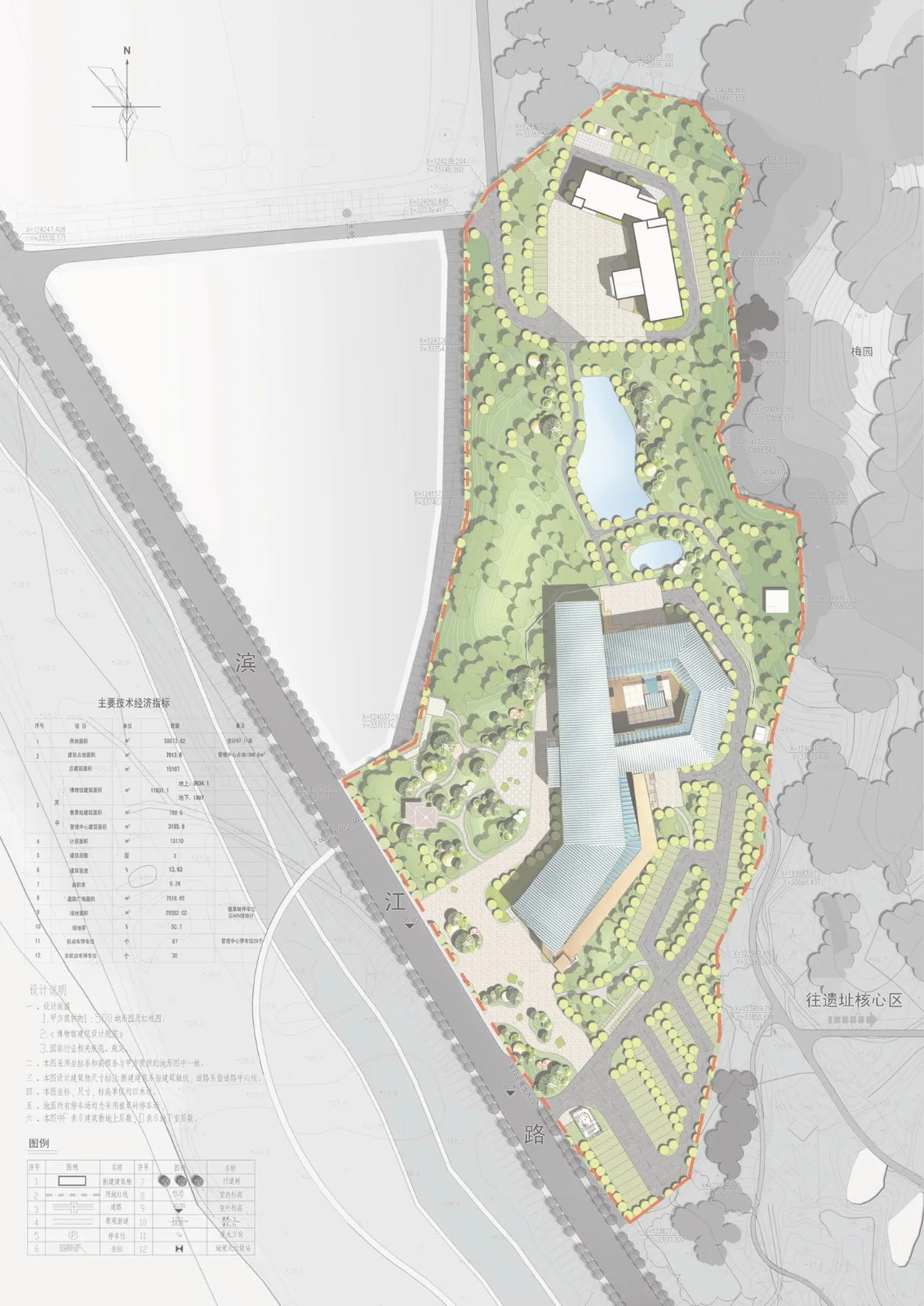
△ General Layout Plan
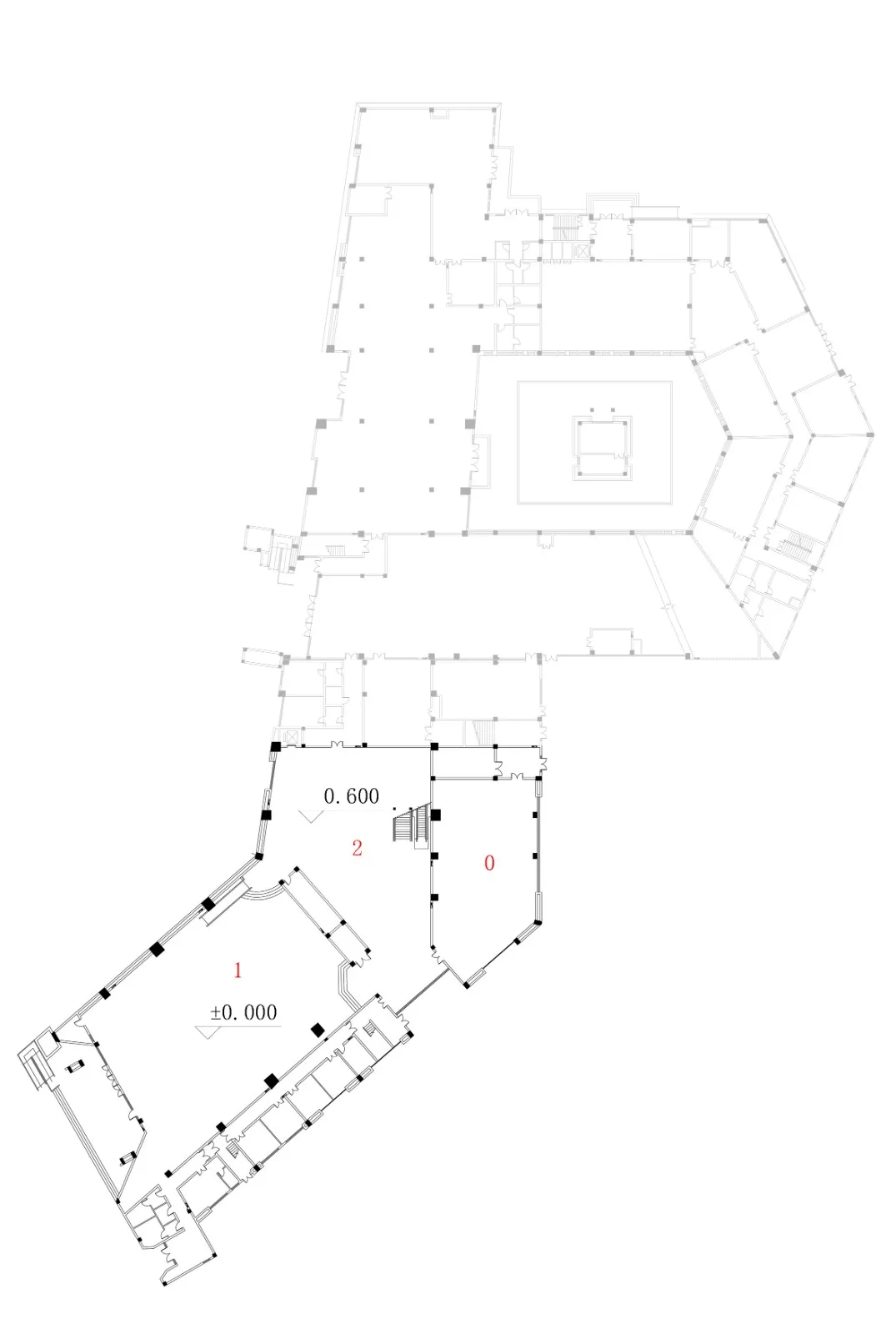
△ First Floor Plan: 0 Exhibition Hall, 1 Prologue, 2 Preface
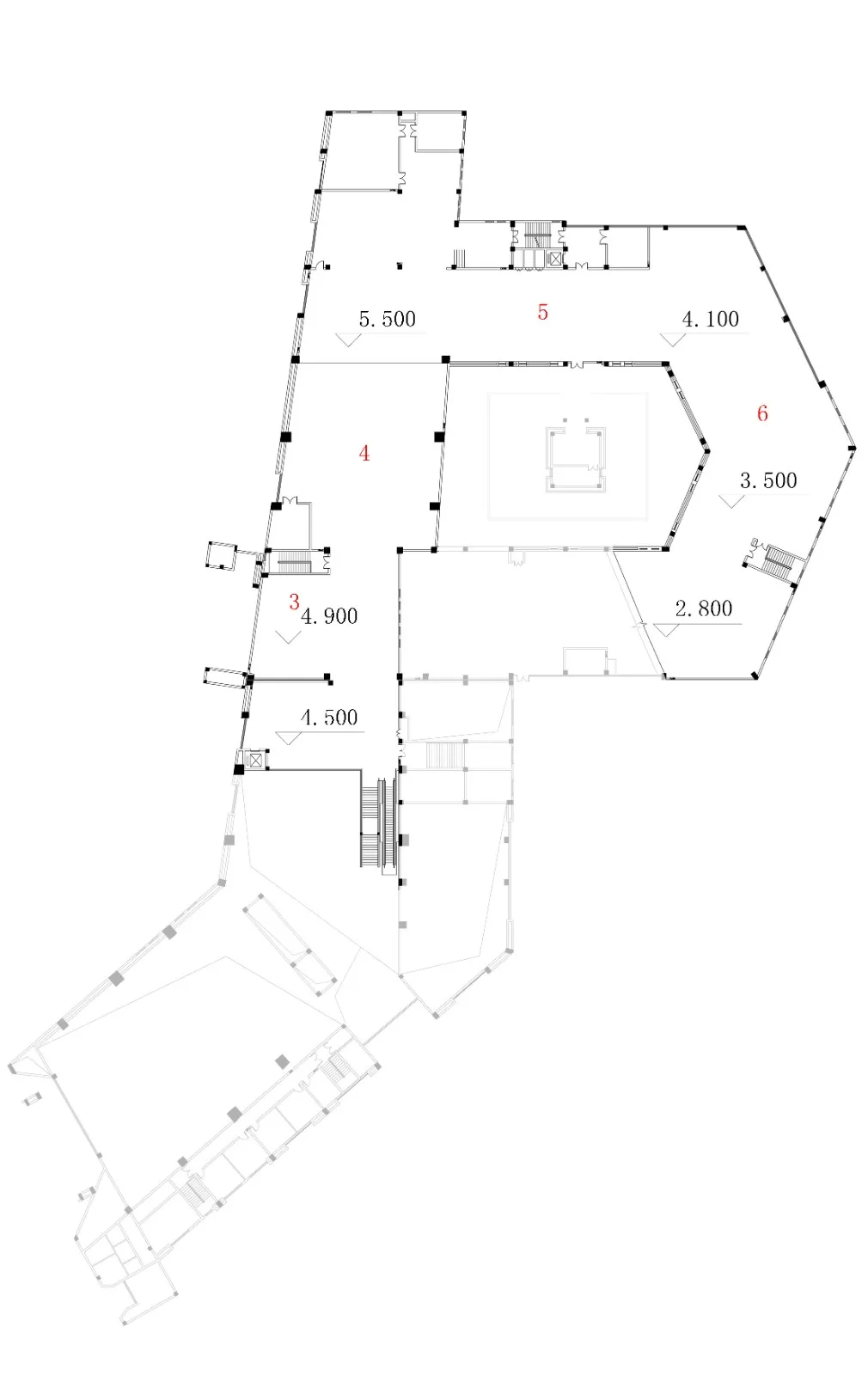
△ Second Floor Plan: 3 “Wazhaping” Past, 4 Heart to Hand, 5 Kiln Fire Spirit Fantasy, 6 Color Charm Tang Style
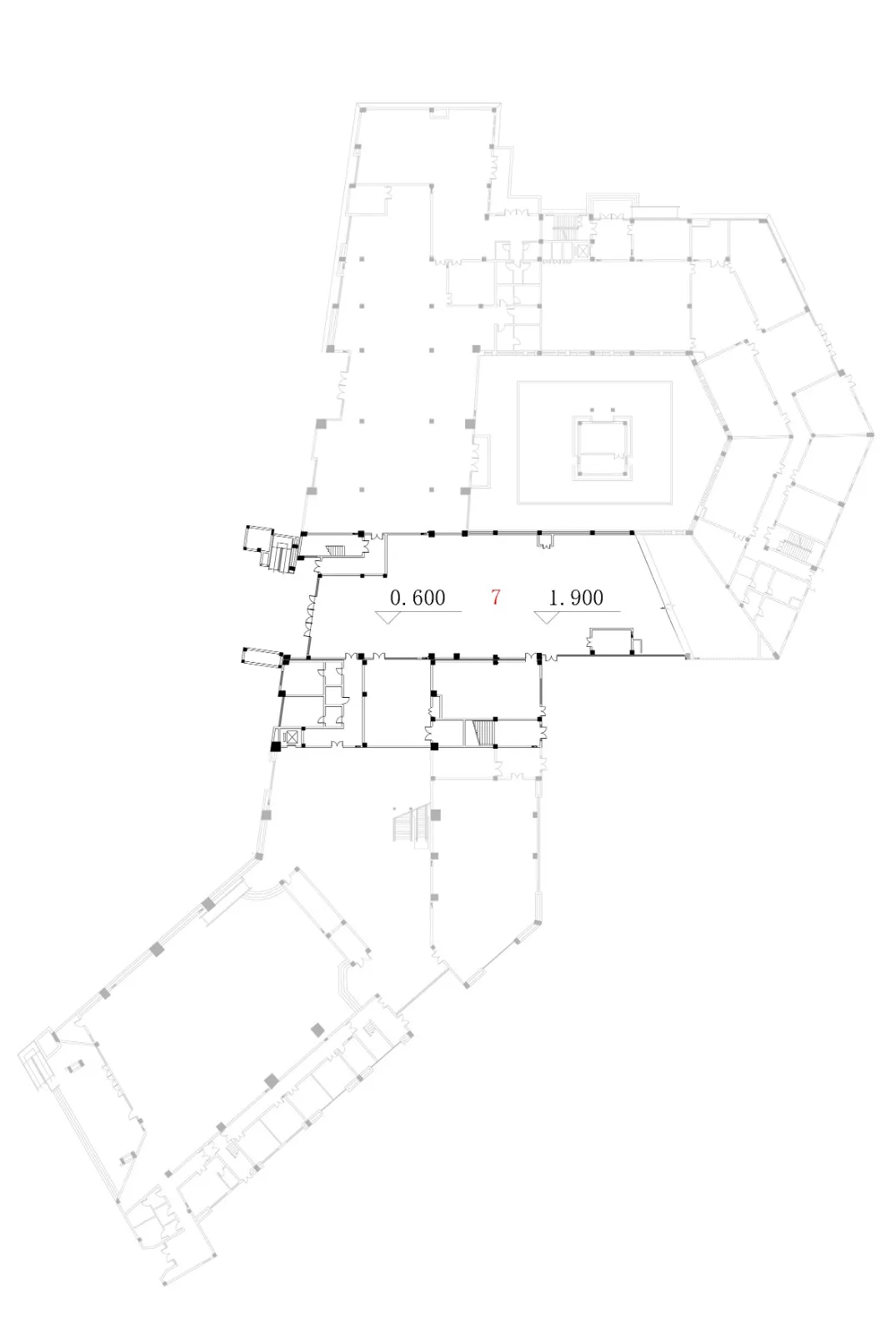
△ First Floor Plan with 7 Spatiotemporal Traces (Tail Hall)
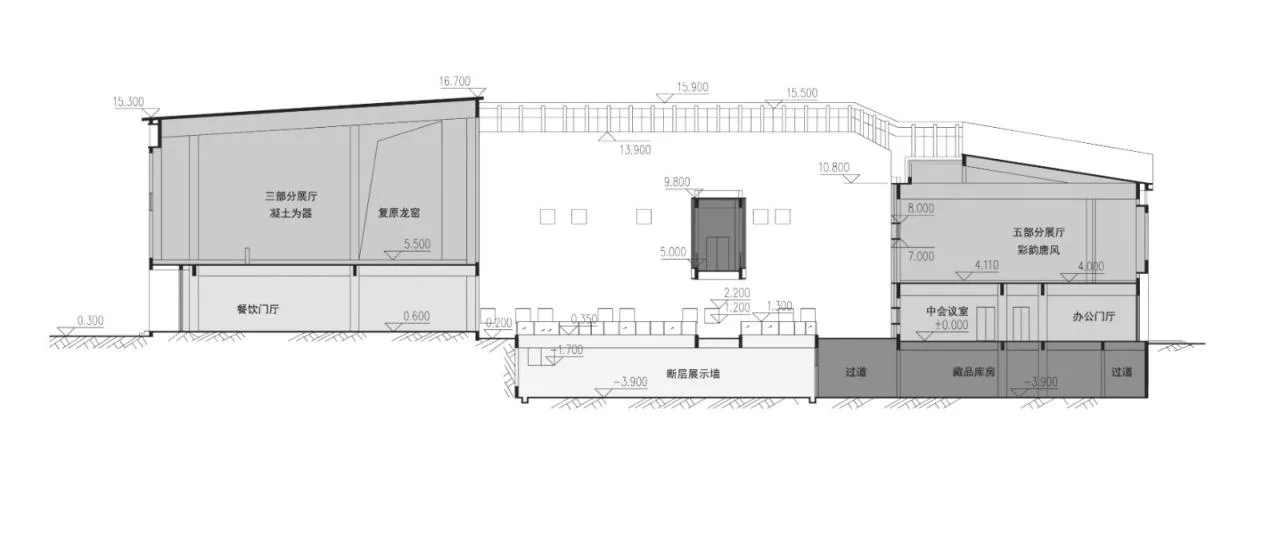
△ Section Diagram
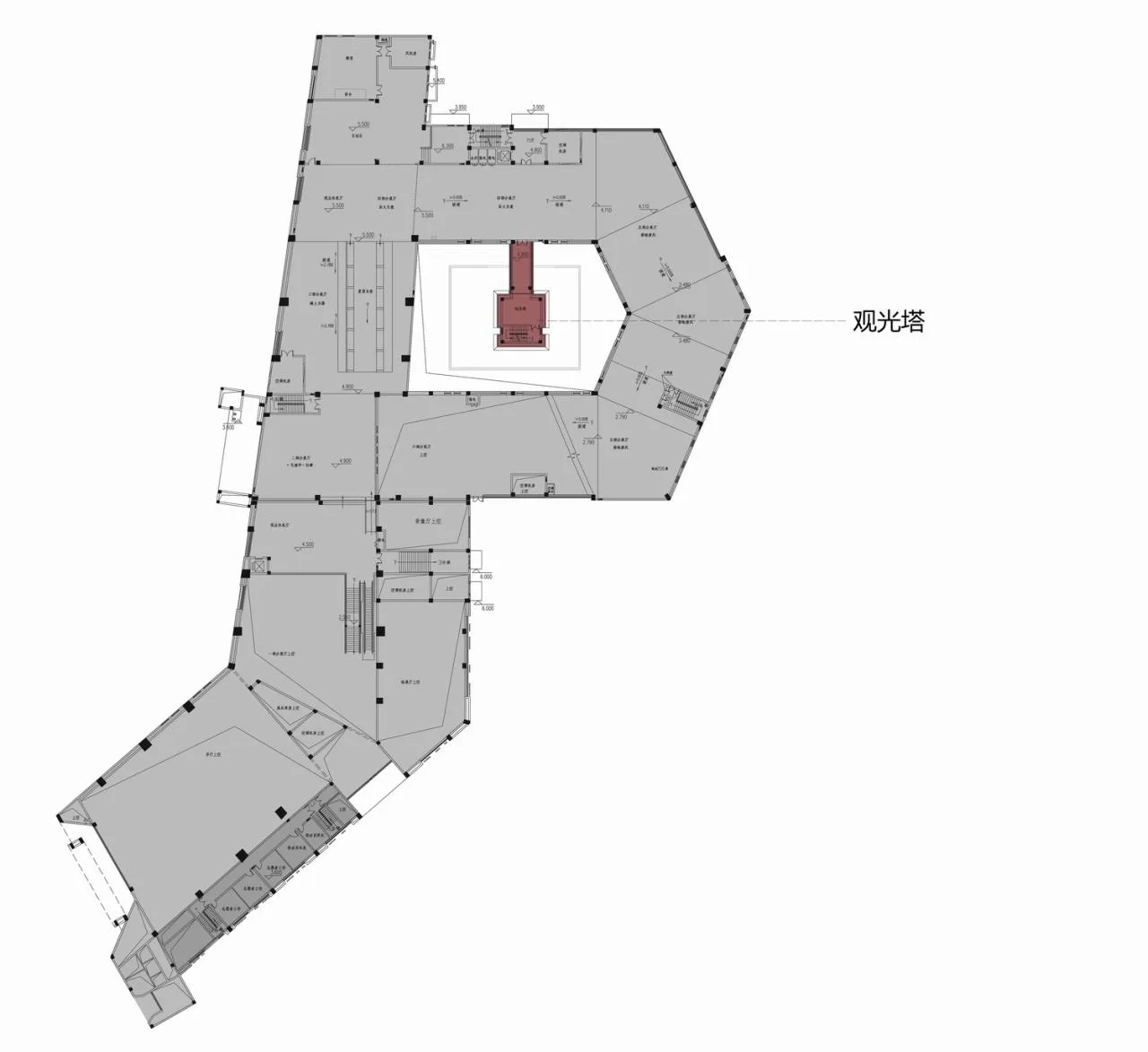
△ Sightseeing Tower
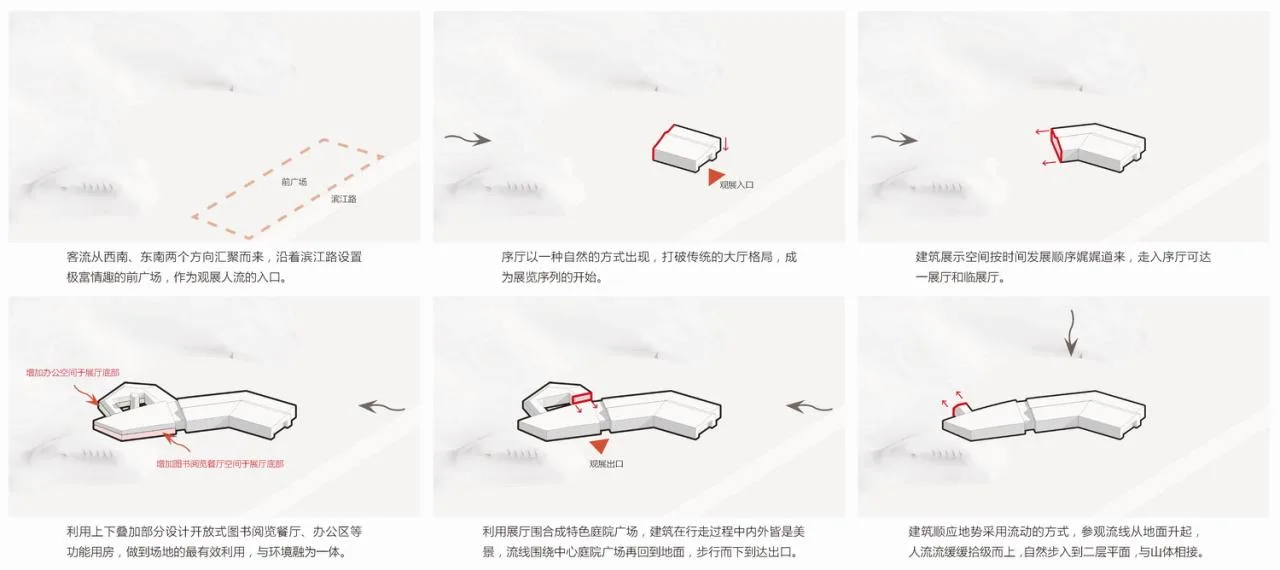
△ Building Generation Diagram
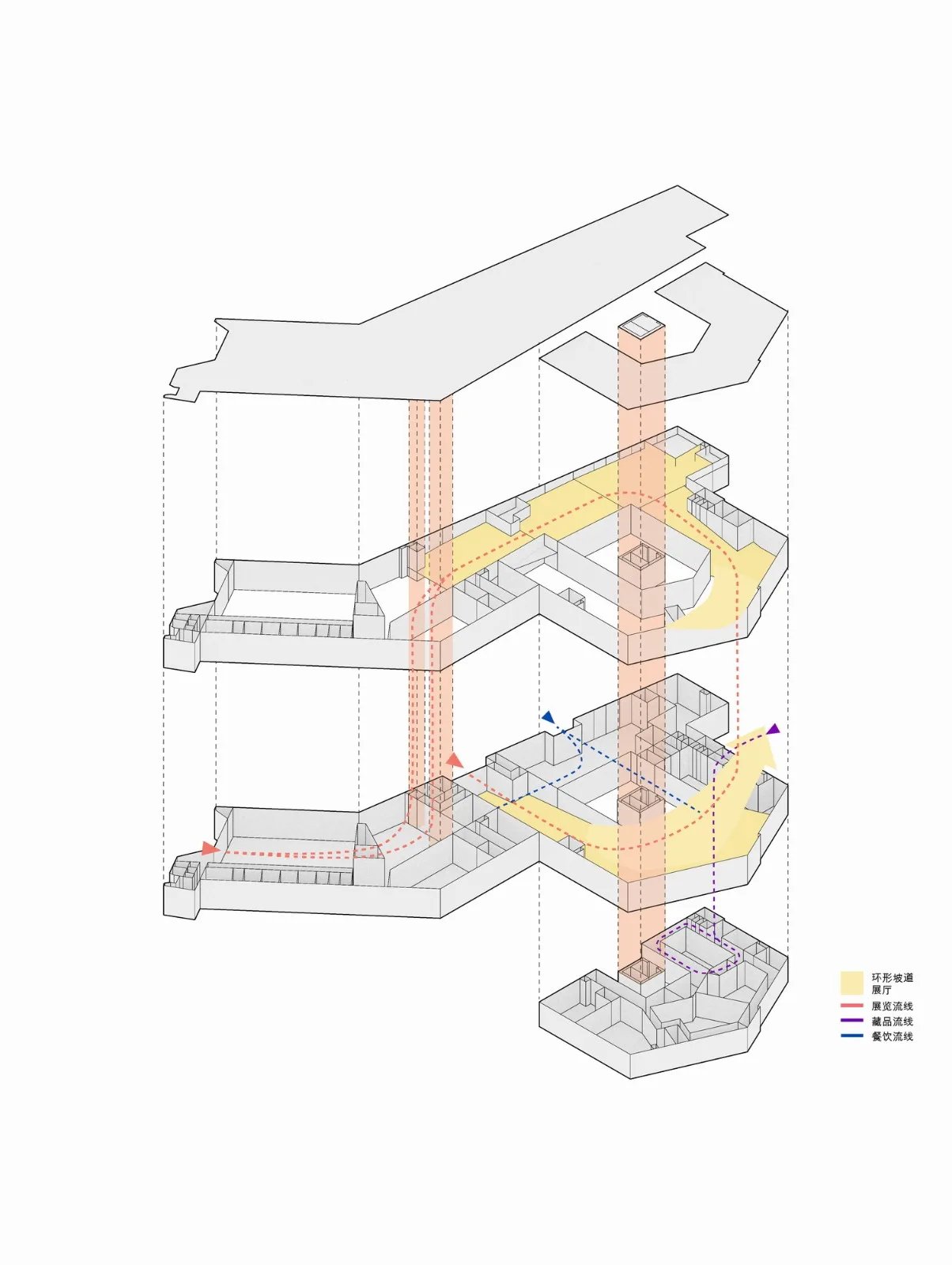
△ Explosion Diagram
Project Information
Project Name: Tongguan Kiln Site Museum
Location: Tongguan Street, Wangcheng District, Changsha City
Owner: Hunan Changsha Tongguan Kiln Construction and Development Co., Ltd
Design Team: Luo Jin Studio
Design Unit: China Machinery International Engineering Design and Research Institute Co., Ltd
Building Area: 11,436.5 square meters
Chief Architect: Luo Jin
Architects: Luo Jin, Tan Zhiming, Zhang Yuting, Chen Wenfeng
Structure: Fu Guozhong, Chen Li, Sheng Li
Water Supply and Drainage: Liu Jianming, Yang Fan
Electrical: Zhou Hao, Zhou Hongwei
HVAC: Xiang Hong, Zhang Yonghua
Landscape: Cheng Qi
Design Period: November 2010
Completion: December 2017
















Must log in before commenting!
Sign Up