
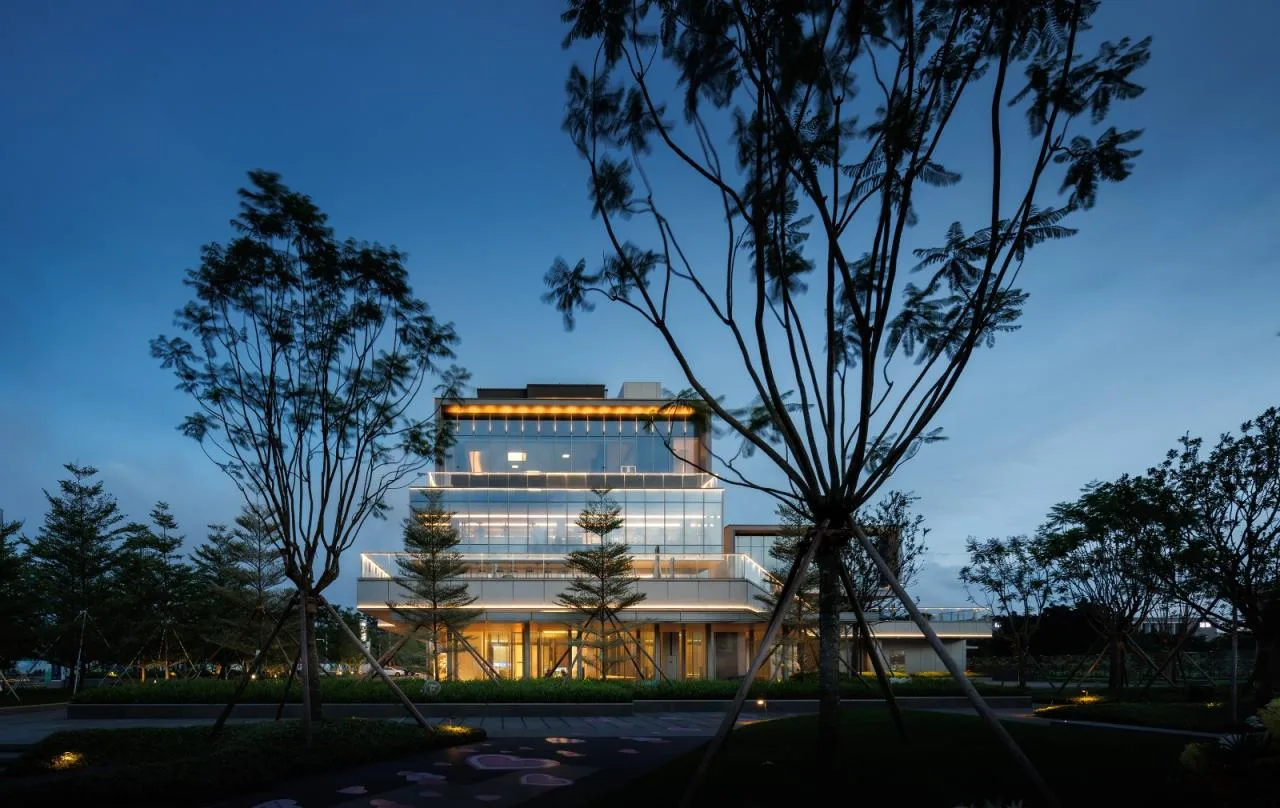
▲ View from Wenbao Park © AET
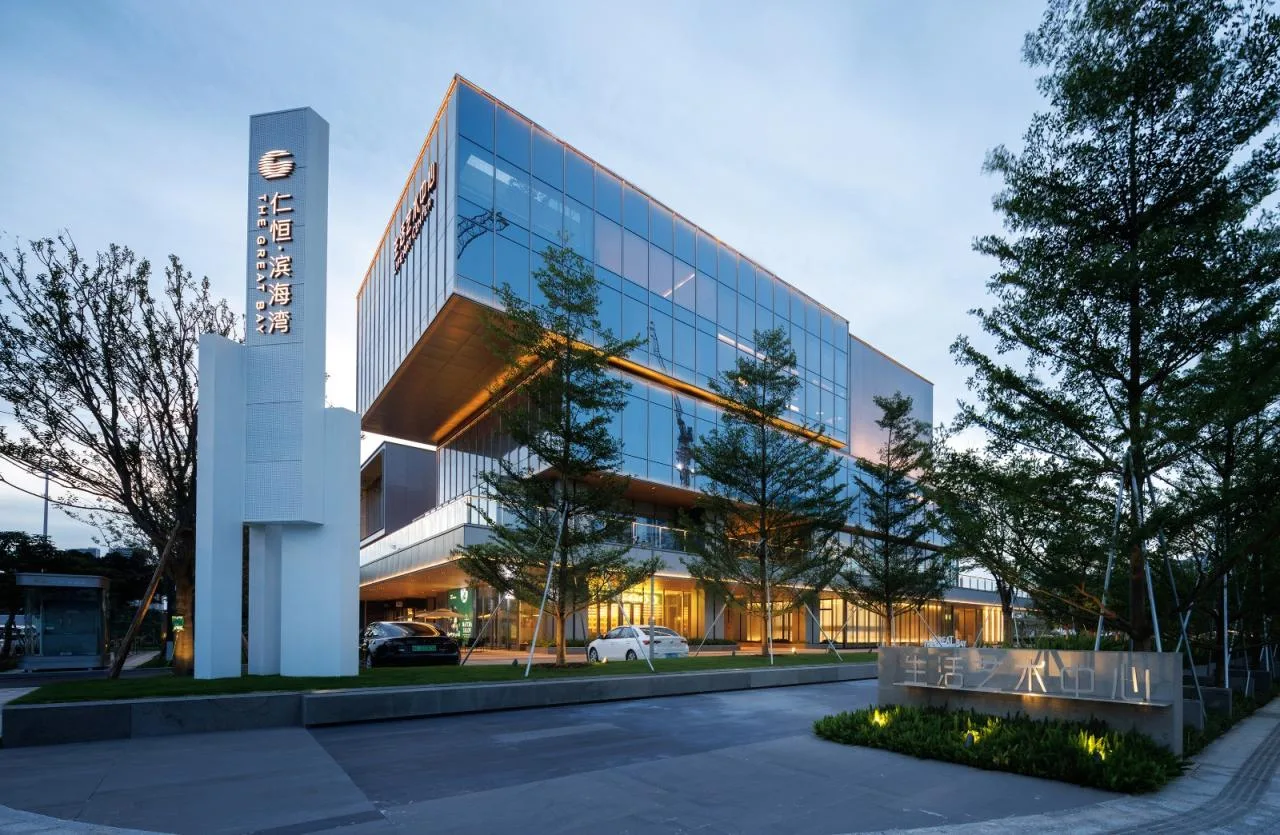
▲ Main street facade © AET
This design aims to seamlessly integrate diverse cultures and share life services. It establishes an extended family function system centered on the residential community, addressing the need for life convenience near home, fostering cultural exchange, and creating a community rich in belonging, warmth, and emotion through everyday activities such as community events, social welfare, and neighborhood interactions. This approach explores an ideal community lifestyle.
01 | Community and City
The project is situated in the core area of Zhuhai City’s Tangjiawan back ring, deeply infused with Tangjiawan culture. To the north lie Zhongshan Park and Nanhai Bay, with nearly a century of history. To the east is the Shenzhen-Pearl River Cooperation Demonstration Zone, destined to become a high-end industrial cluster on the west bank of the Pearl River Estuary. While surrounding simple villages are gradually disappearing, the site still retains a gate tower from early 20th-century Zhongshan Park and several mature banyan trees integrated within the plot. Memories intertwine and spaces fragment. The area’s characteristics and planning goals define the complexity and integration of local blocks within this urban renewal project.
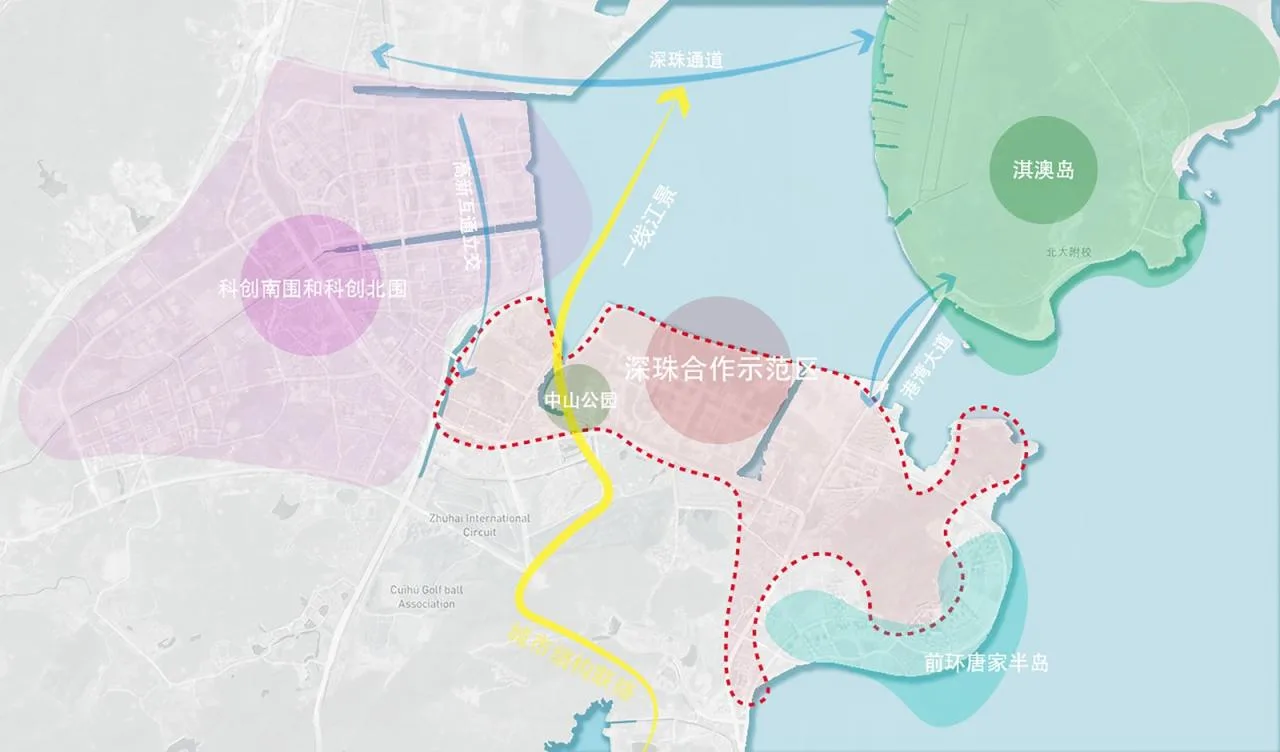
▲ Location analysis map
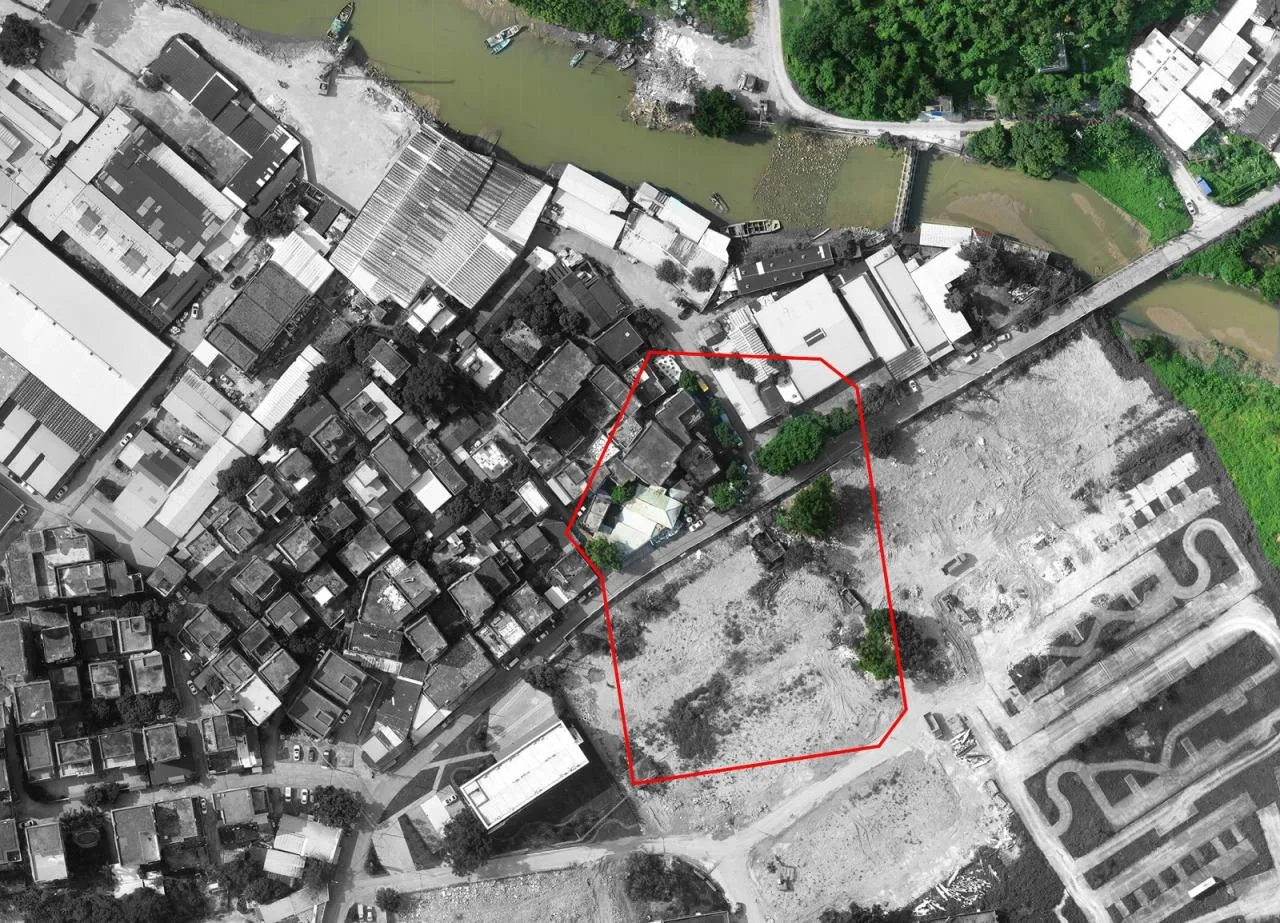
▲ Protected buildings and ancient trees preserved on site; current village visible on the left
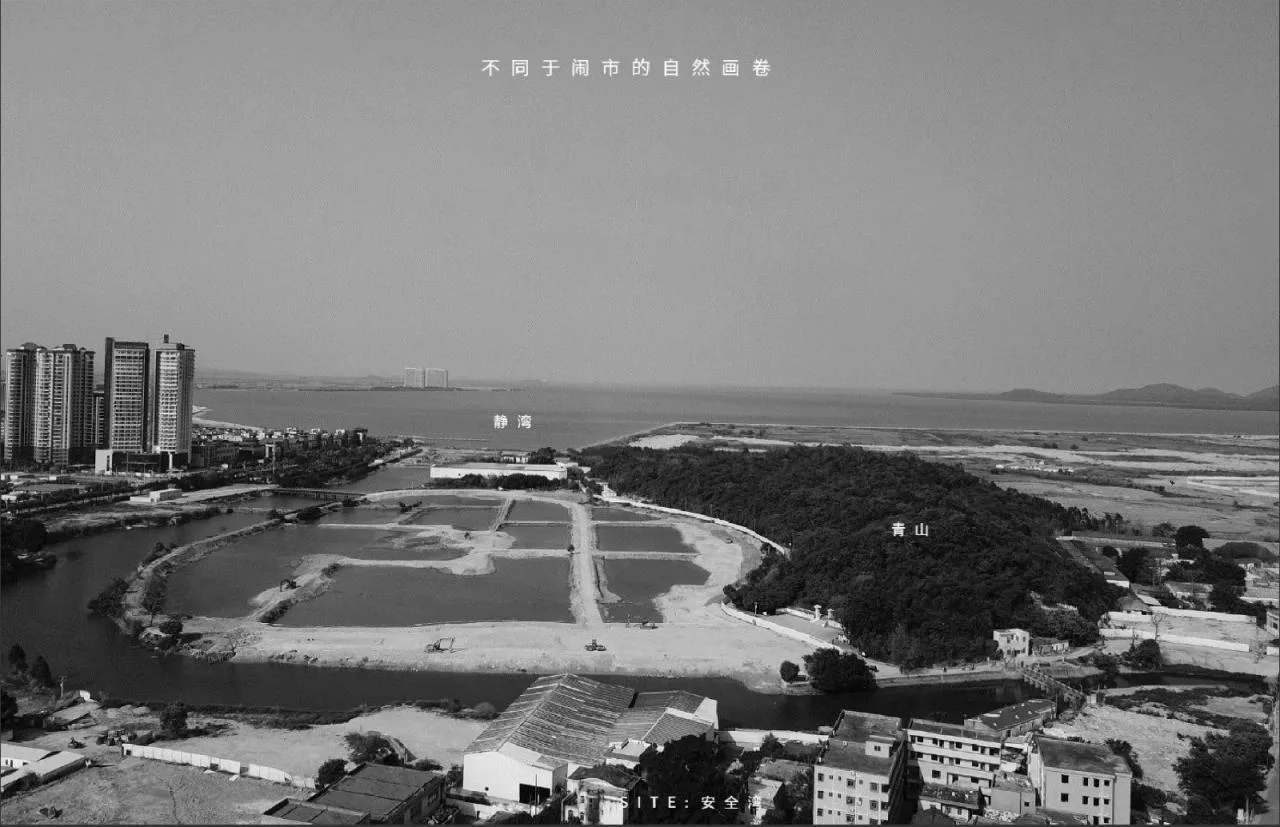
▲ View through Zhongshan Park towards the northern sea view © Heritage Design
02 | Pedestrian Streets with Warm Communities
Our approach emphasizes creating an experiential, welcoming, and diverse neighborhood journey, a guiding principle in addressing complex design challenges.
Boundary
The neighborhood center is located along the main axis of the planned area, linking the city to the south, nature to the north, and residential communities to the east and west. It aims to embrace the region’s complexity, bridging urban lifestyles, natural surroundings, and cultural imprints. The design invites people into the space, allowing natural and public areas to foster new possibilities for the community and its lifestyle. Therefore, the building boundaries are designed to blend and interconnect with the surroundings seamlessly.
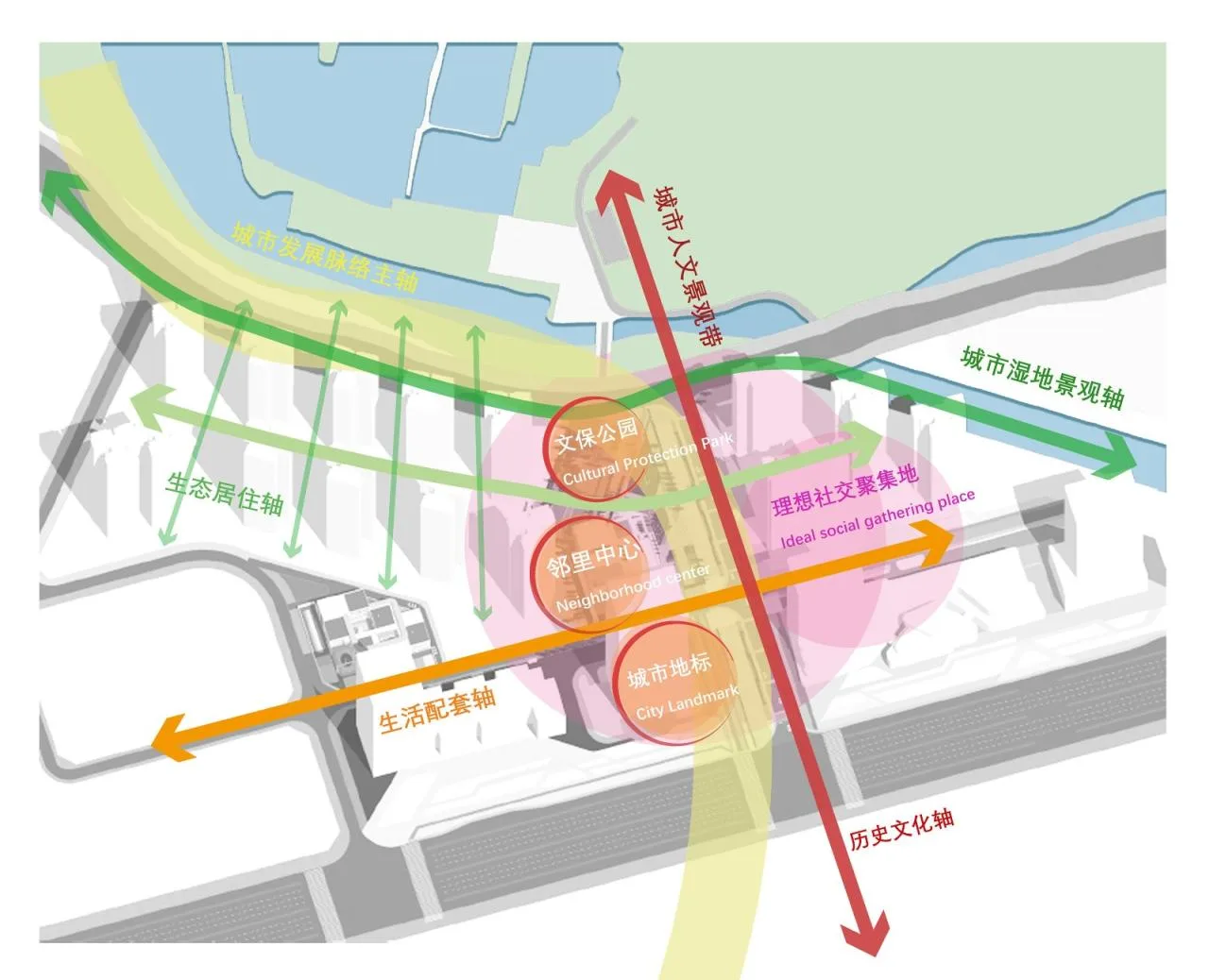
▲ Regional structure analysis diagram
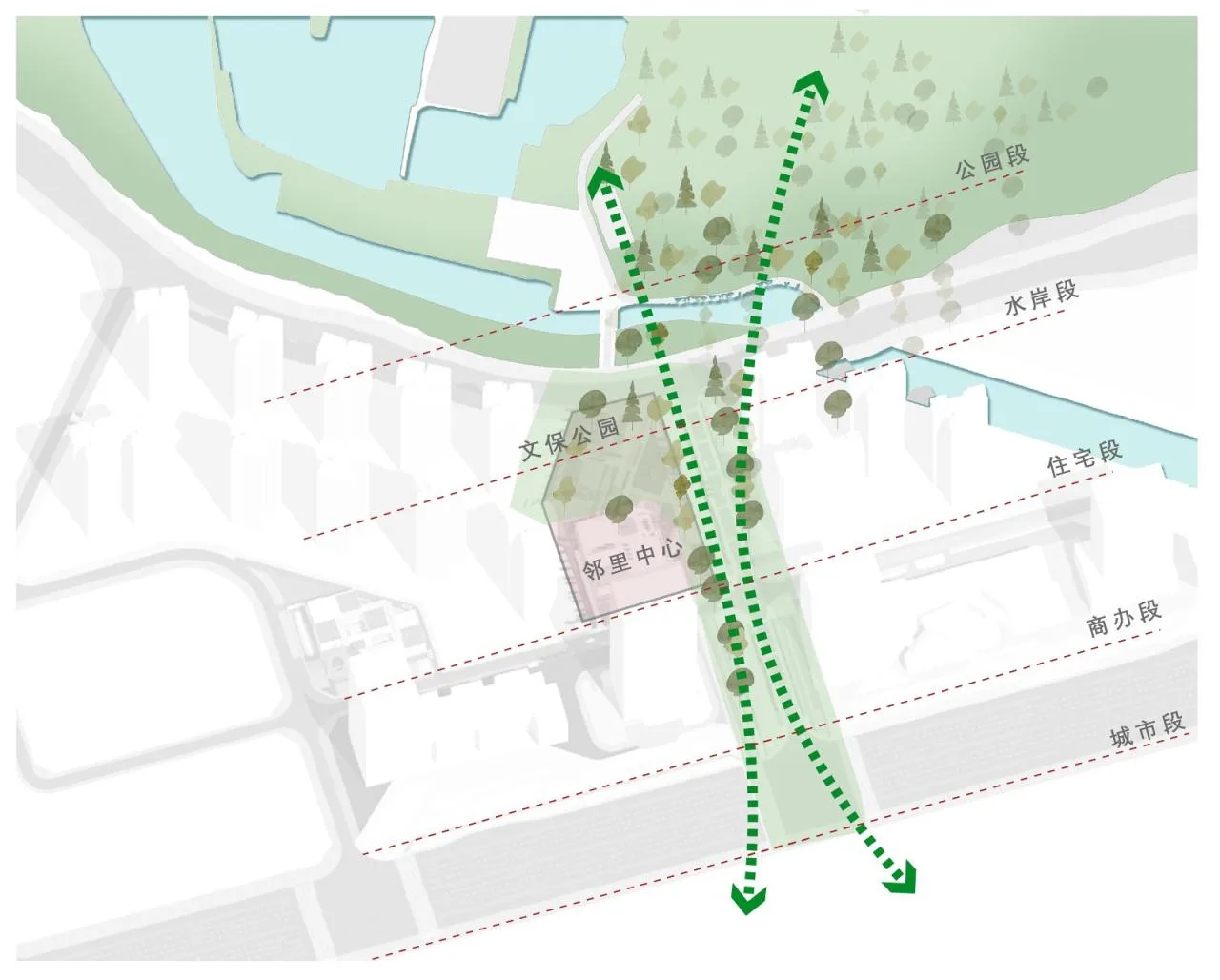
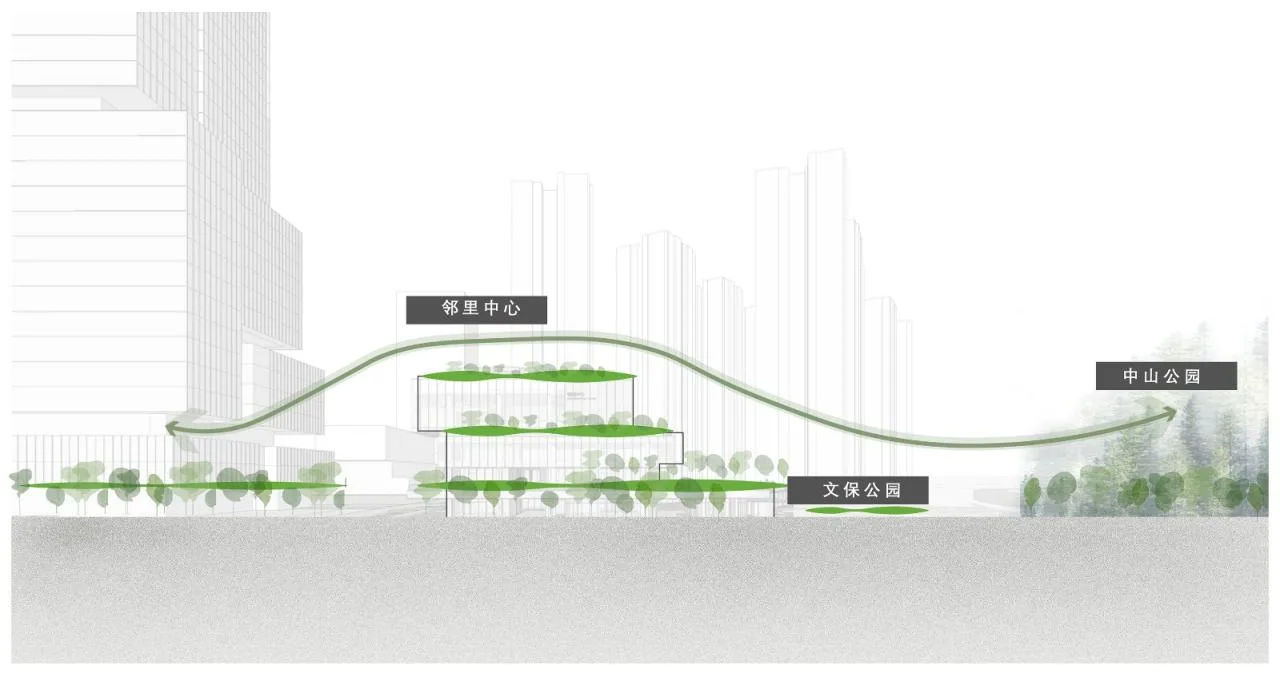
▲ Integration of Wenbao Park’s greenery into the neighborhood
We designed three distinct pedestrian paths with porous, open permeability to enrich the walking experience. Additionally, the greenery from Wenbao Park to the north is maximally integrated into the block. To provide more public strolling space, part of the residential landscape area has been allocated to the neighborhood center.
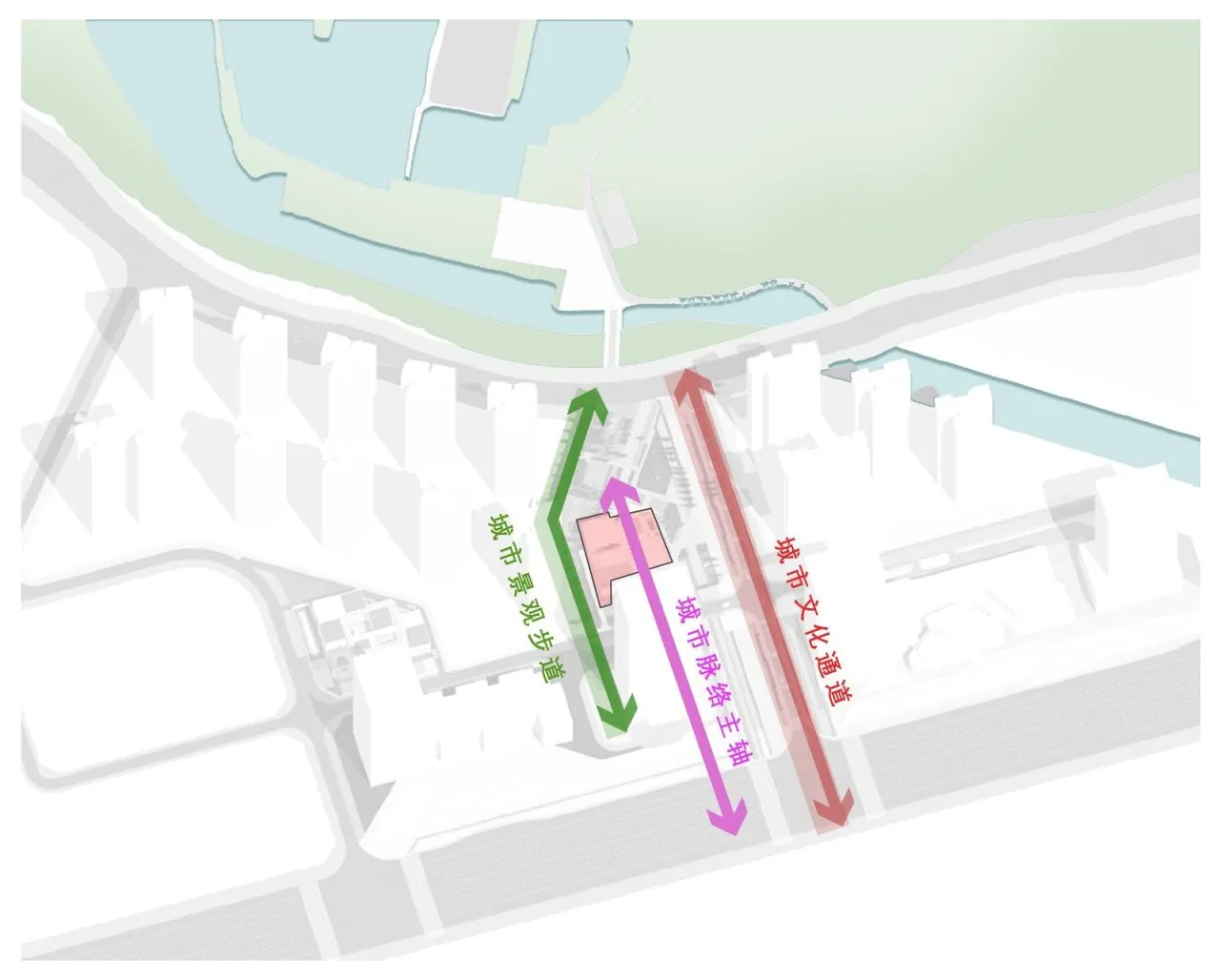
▲ Neighborhood center connecting three community walking paths
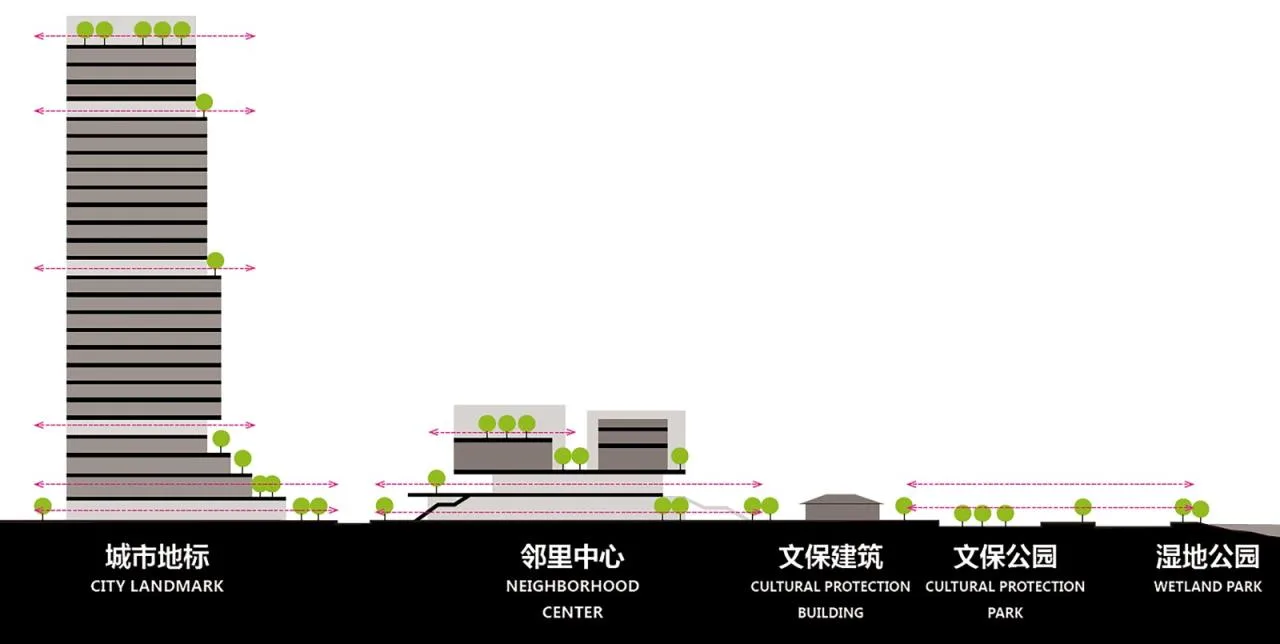
The neighborhood center serves as the core node connecting north-south land uses.
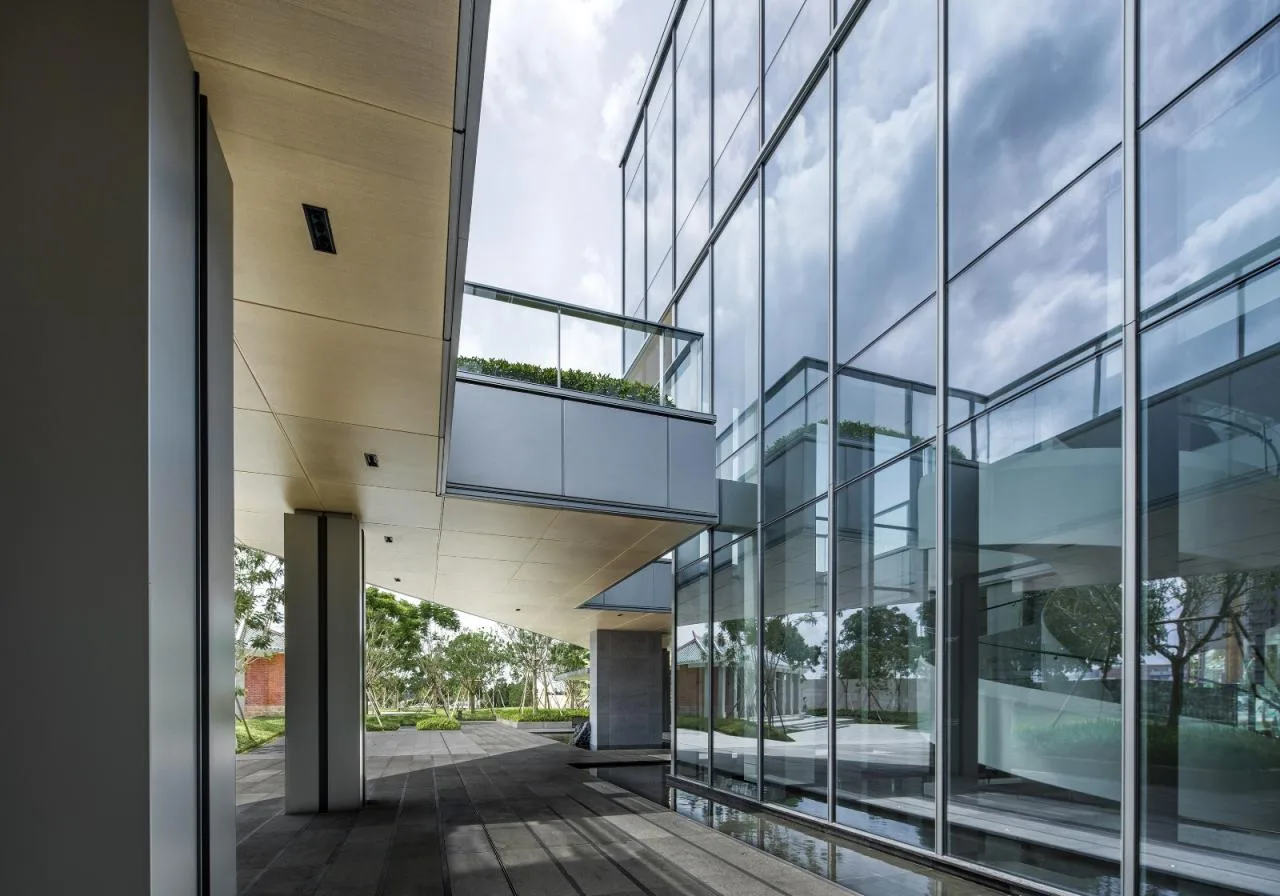
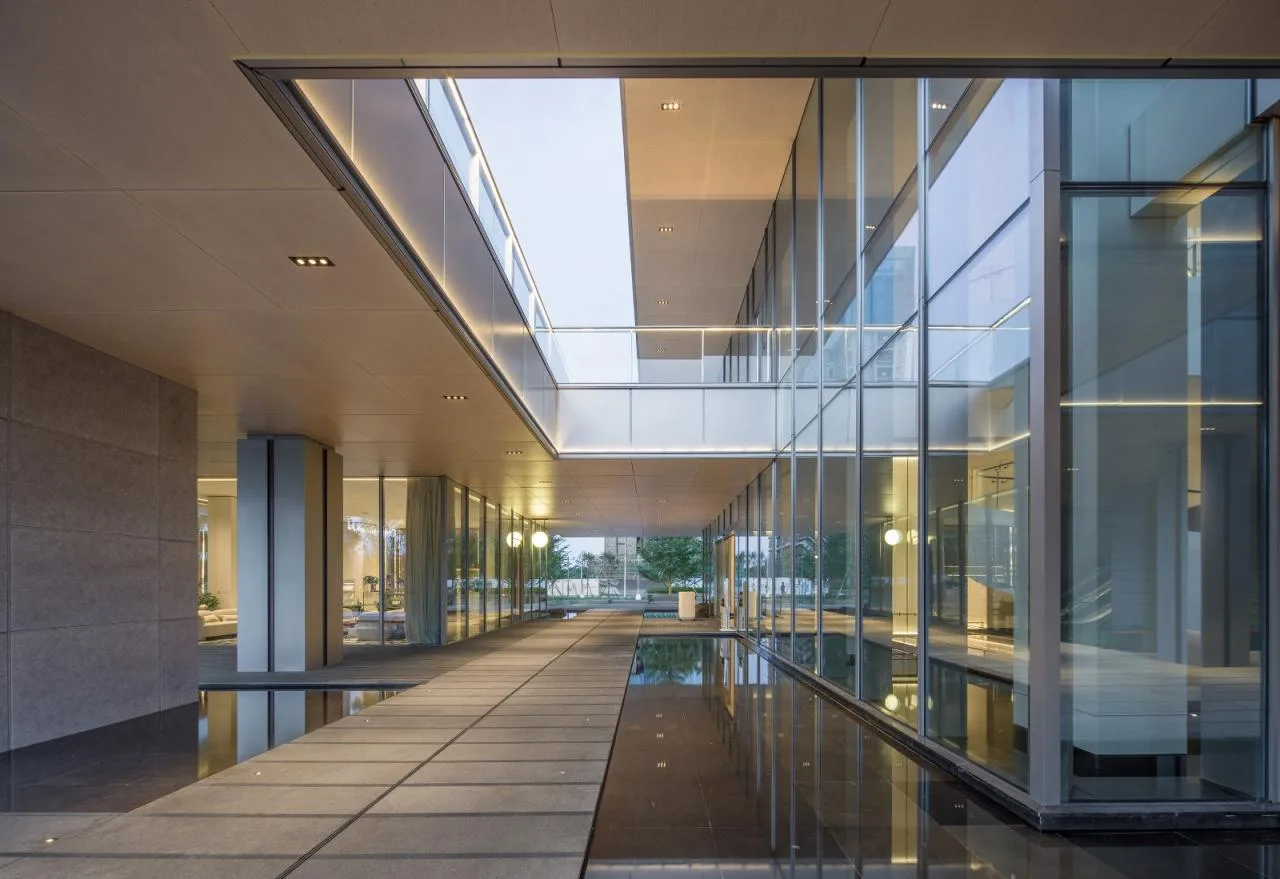
▲ Open elevated level
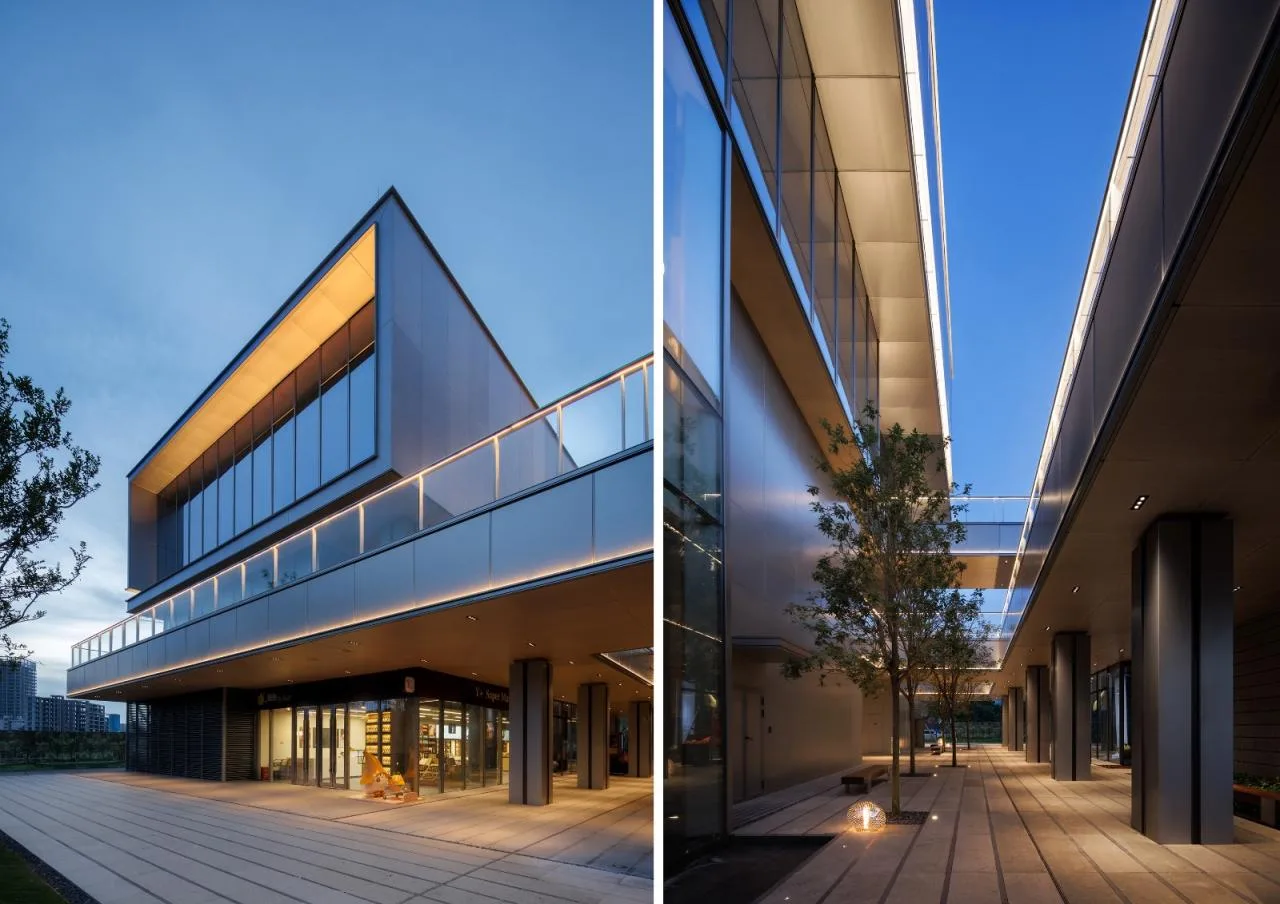
▲ Open elevated level © AET
Scene Recreation and Social Interaction at the Gatehouse
Real places are not merely found between buildings, but in experiences worth remembering.
— Curtis J. Scharfenaker
The nearly century-old Zhongshan Park Gate Tower in Wenbao Park has witnessed the area’s renewal and development. This place holds great significance for local residents, serving not only as a historical record but also as an emotional memory and spiritual anchor. Preserving the spirit of this site is a natural desire aligned with current trends. We envision the ancient trees and buildings, together with the new neighborhood center, creating a warm and memorable space that fosters interaction between residents and their history.
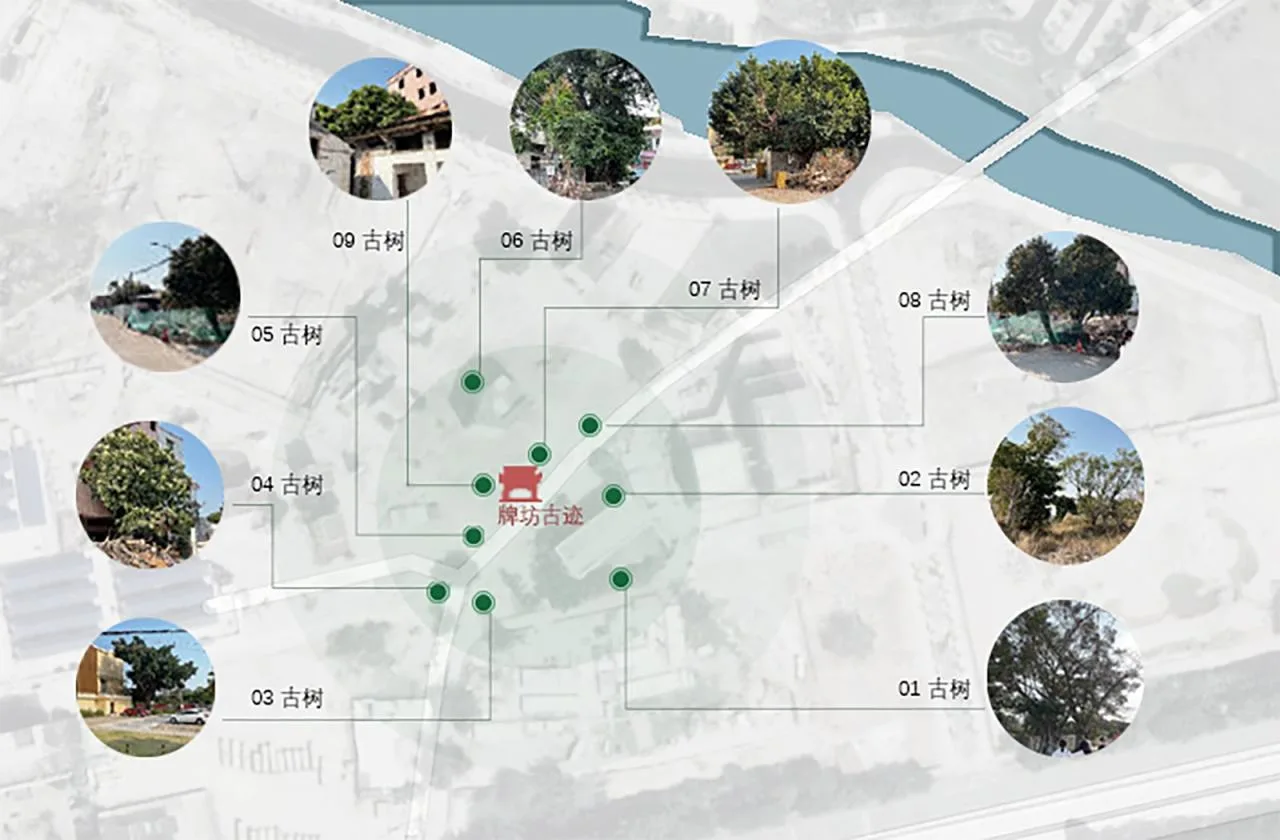
▲ Map of protected buildings and tree distribution
The design responds in layers, creating a multidimensional dialogue space with the heritage building. The cultural heritage plaza on the ground floor becomes a key node on the pedestrian route, forming an enclosed, centripetal space between old and new structures. This area serves as a social gathering spot that encourages neighborhood communication, connects people to the site, and strengthens community bonds.
The terraced design allows visitors to view the gatehouse from elevated vantage points while offering places to rest and reflect within the fusion of old and new.
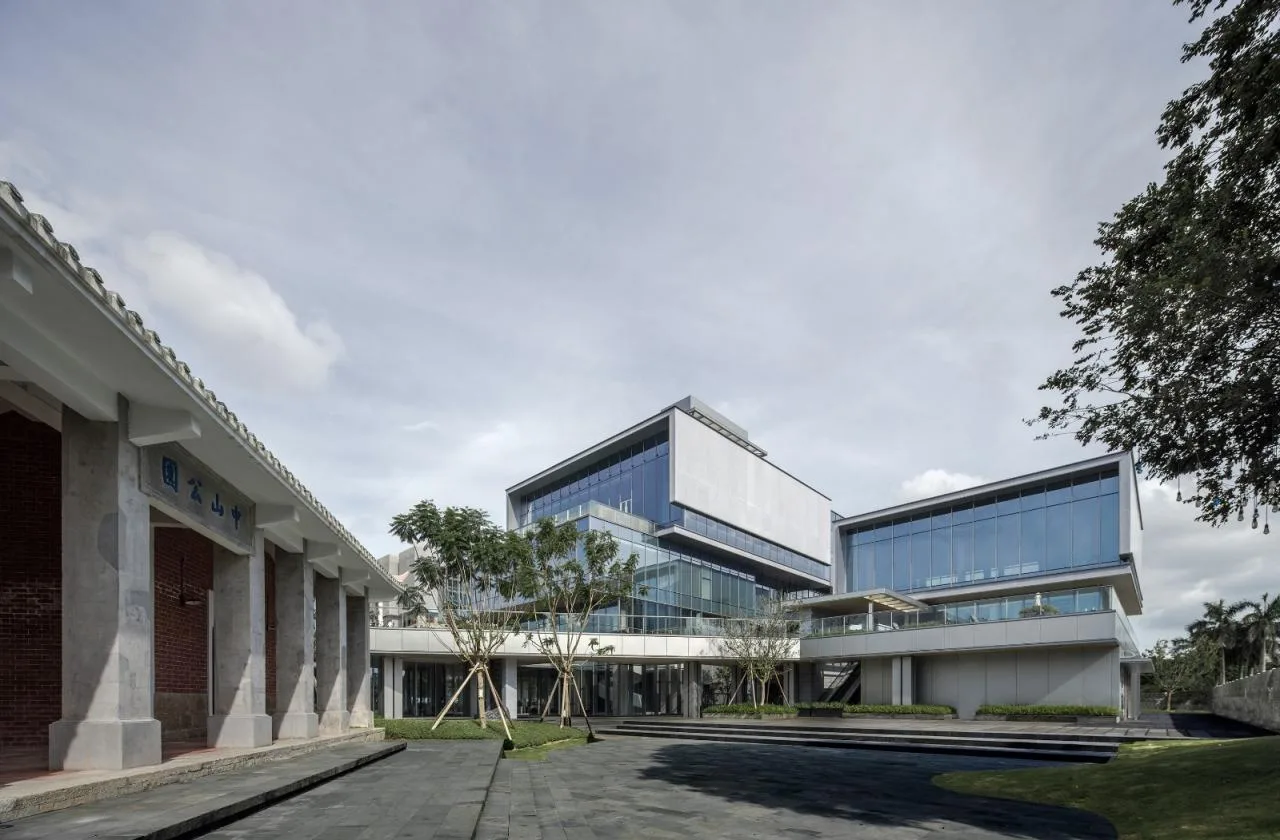
▲ Restored gatehouse of Zhongshan Park
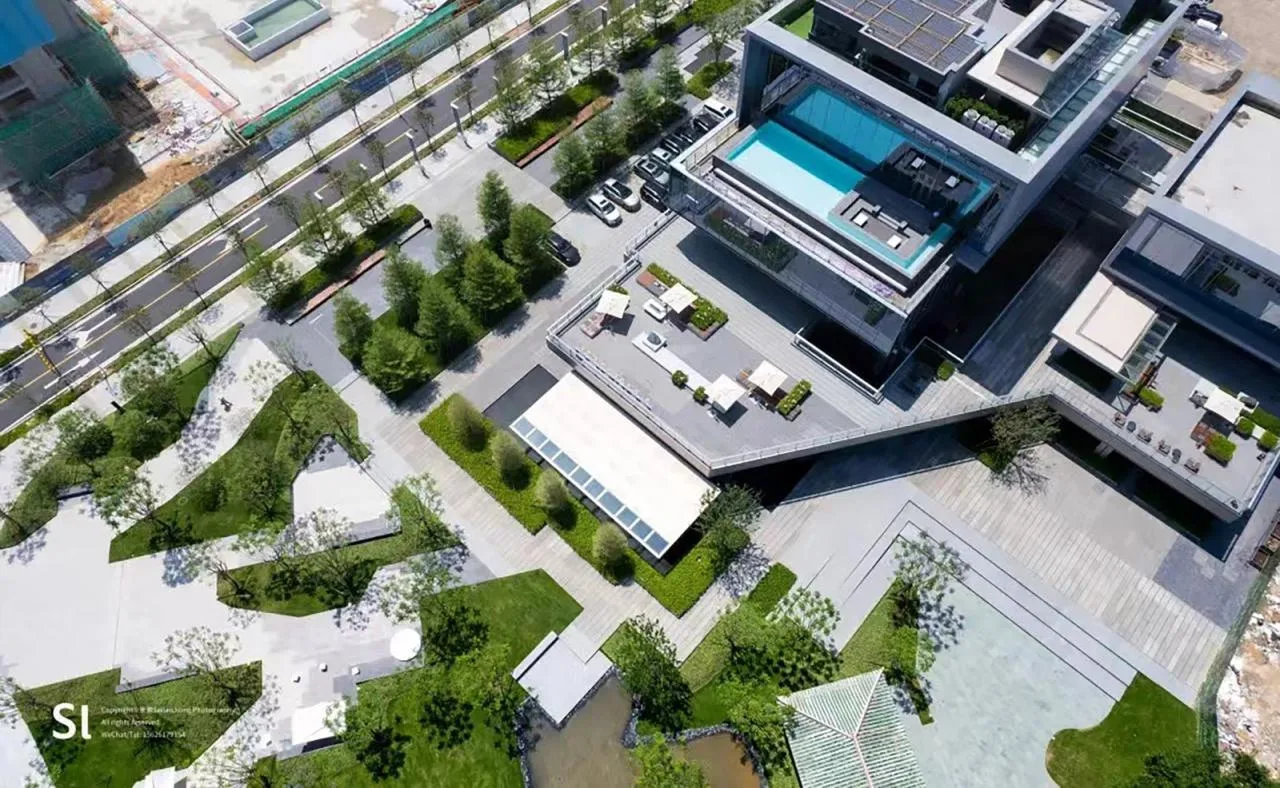
▲ Open platform fostering dialogue with the gatehouse © Zhang Hao
Neighborhood Life Spaces
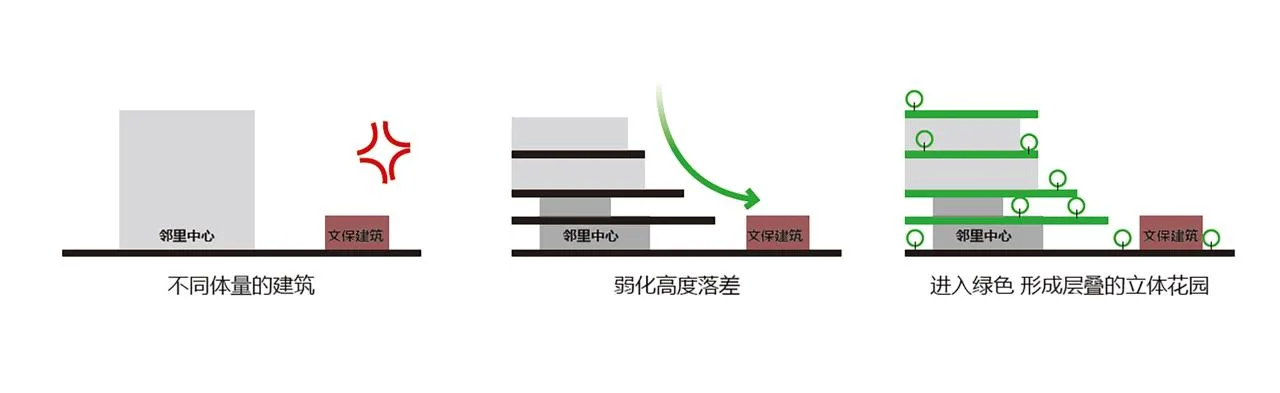
The clubhouse exhibition hall, landscape coffee shop, fresh food supermarket, and other interactive functions are located on the building’s ground floor. These spaces are open to the public in courtyard-style blocks, providing a vibrant interface. Less frequently used community functions are vertically stacked on the second-floor public terrace, creating ample grey space for social interaction across the first and second floors, forming an open, three-dimensional community. The private clubhouse occupies the top floor, offering views of the northern natural landscape.

▲ Design development process
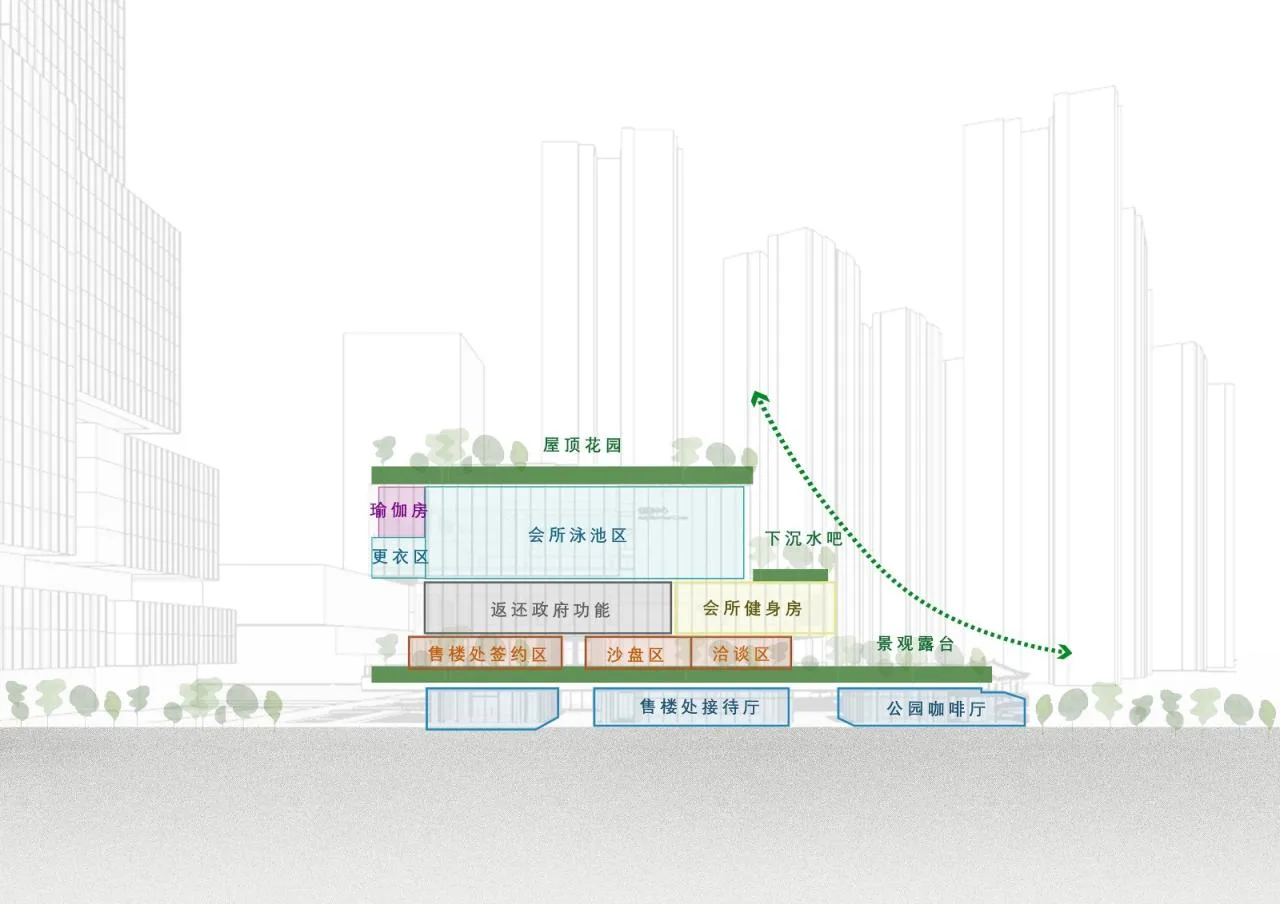
▲ Vertical stacking of functional blocks
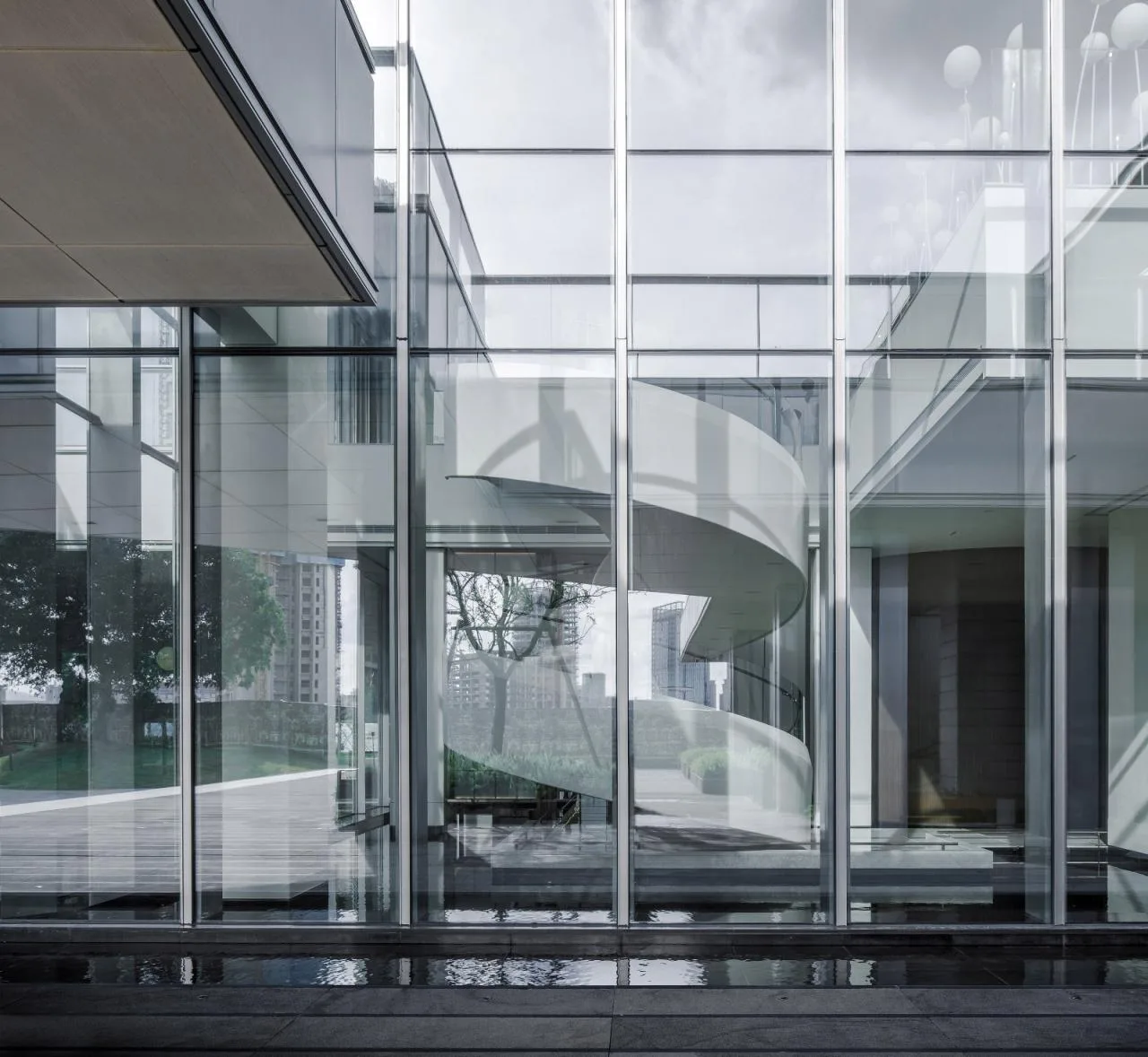
▲ Clubhouse exhibition hall on the first floor
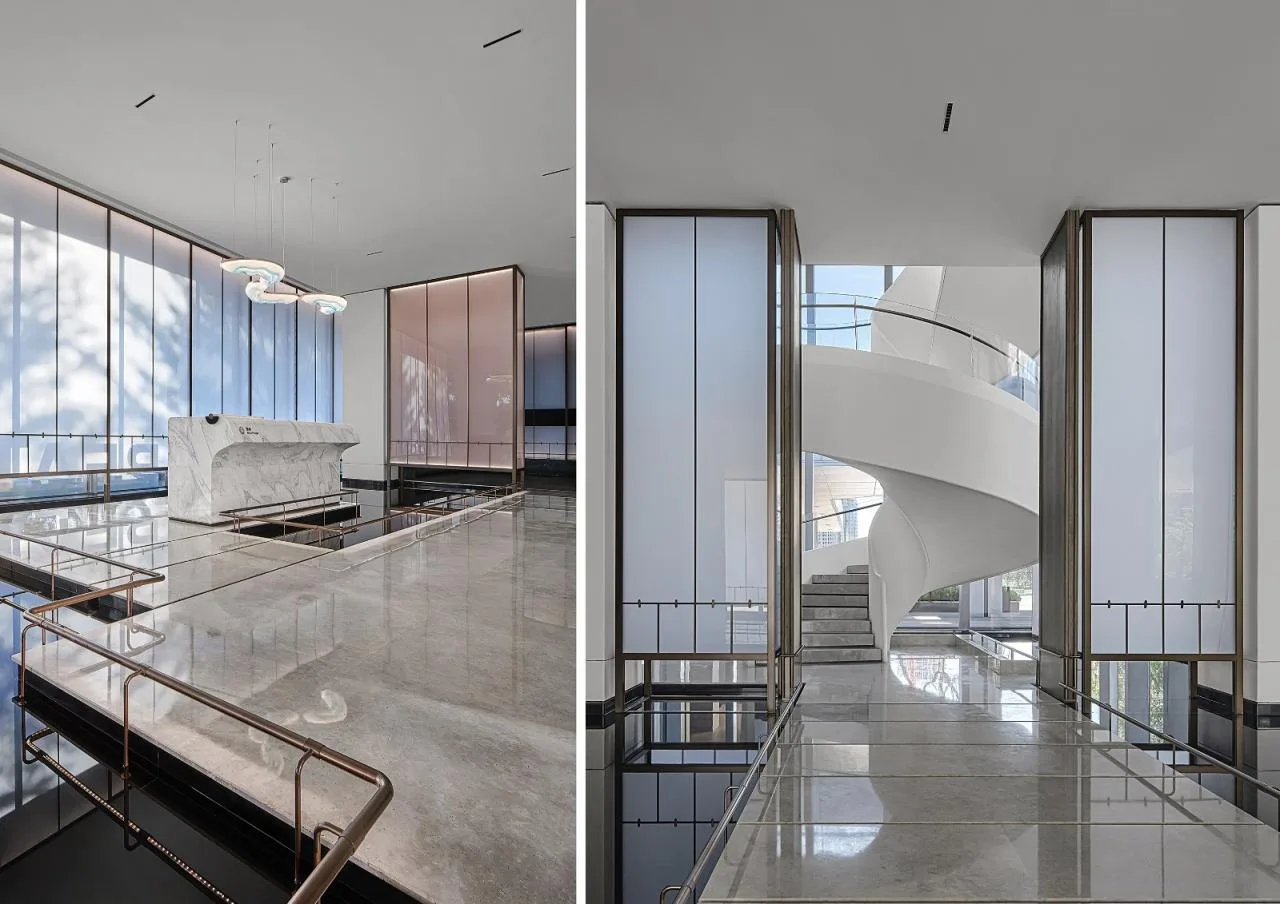
▲ Interior view of the first-floor clubhouse exhibition hall © WSD
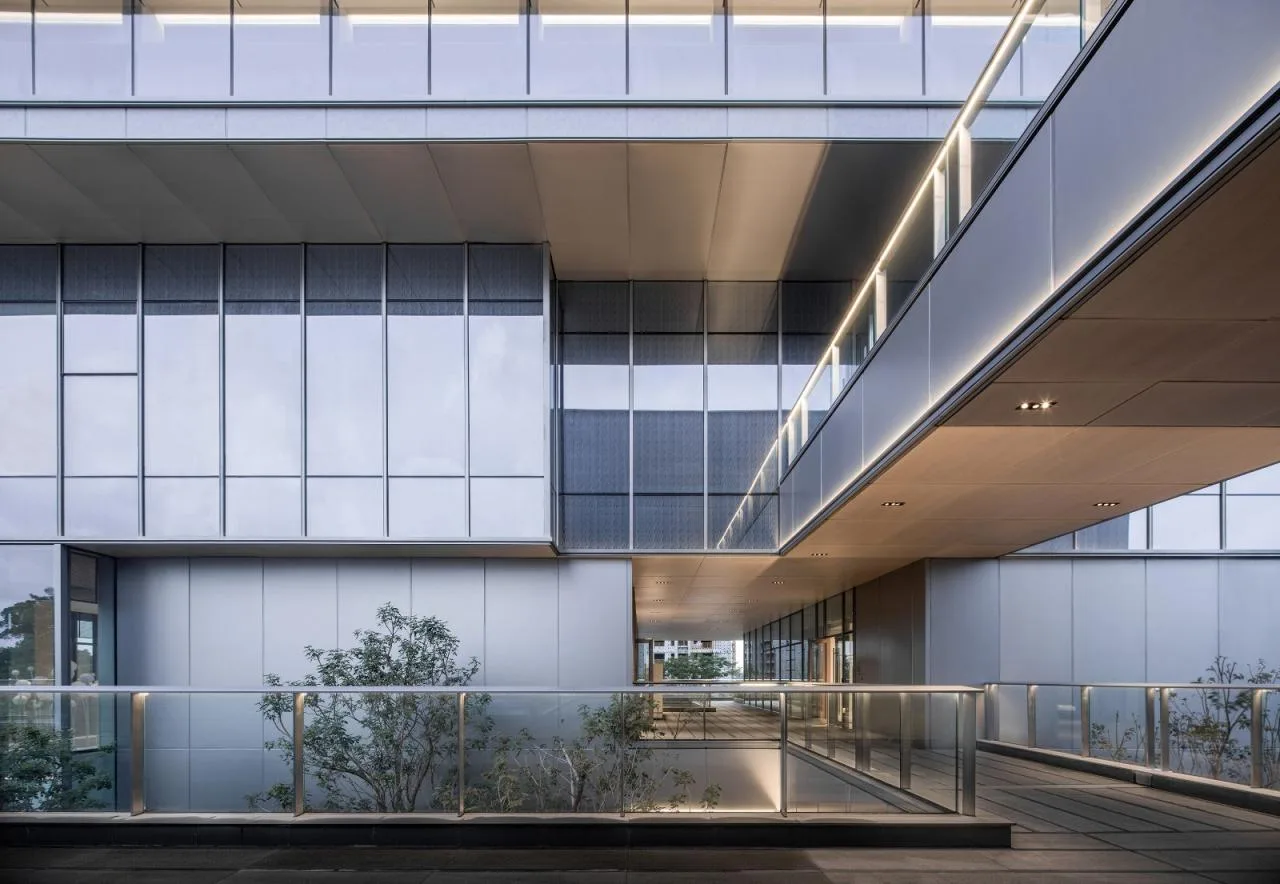
▲ Publicly accessible terrace on the second floor
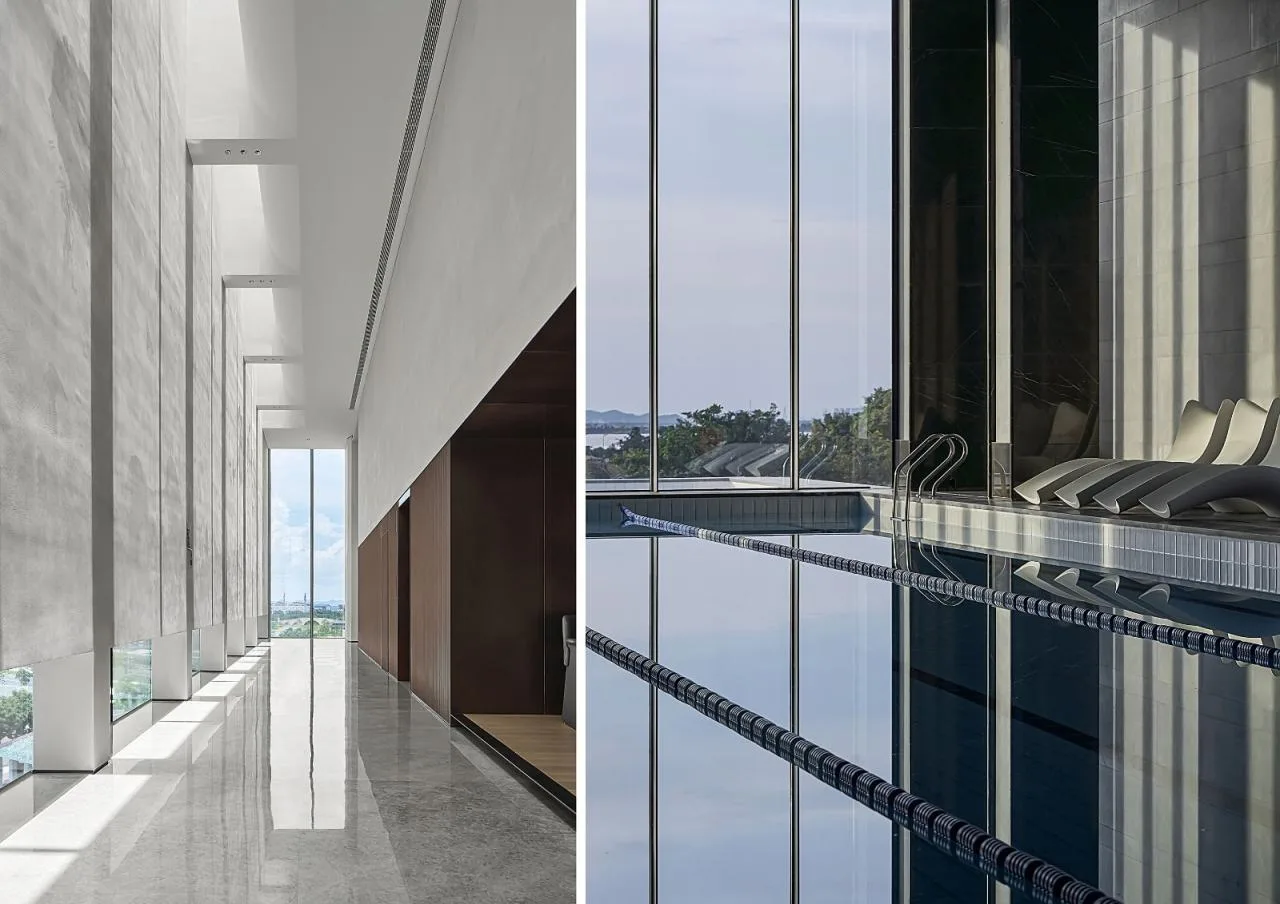
▲ Fourth-floor clubhouse space © WSD
03 | Design and Construction Modulus: Means and Ends
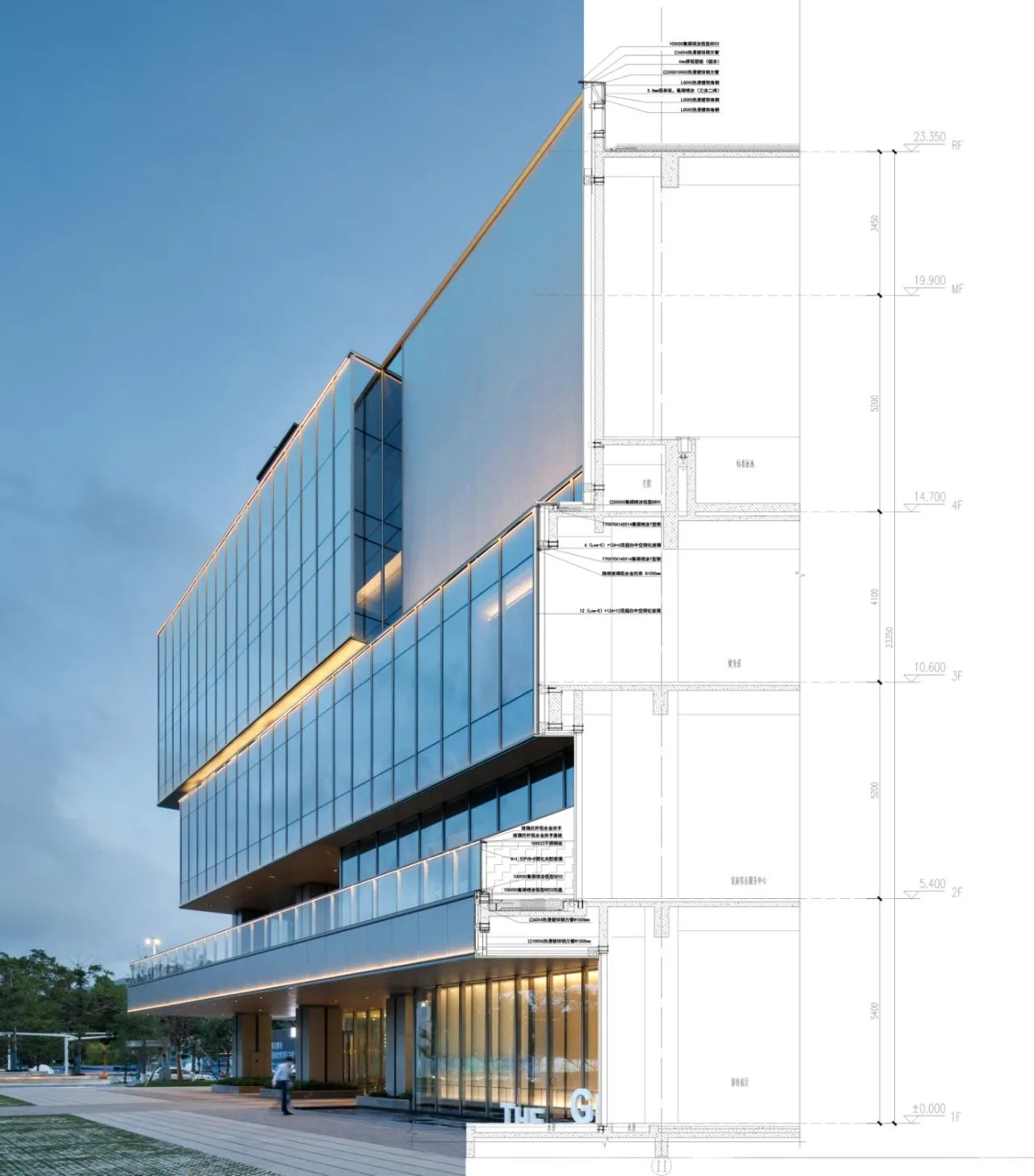
The project presents site-specific architecture through simple spatial and experiential forms. We recognize that simpler design demands more research and coordination. The building employs a unified basic module across structure, space, and curtain wall, conveying a precise and orderly design from inside out while controlling building height.
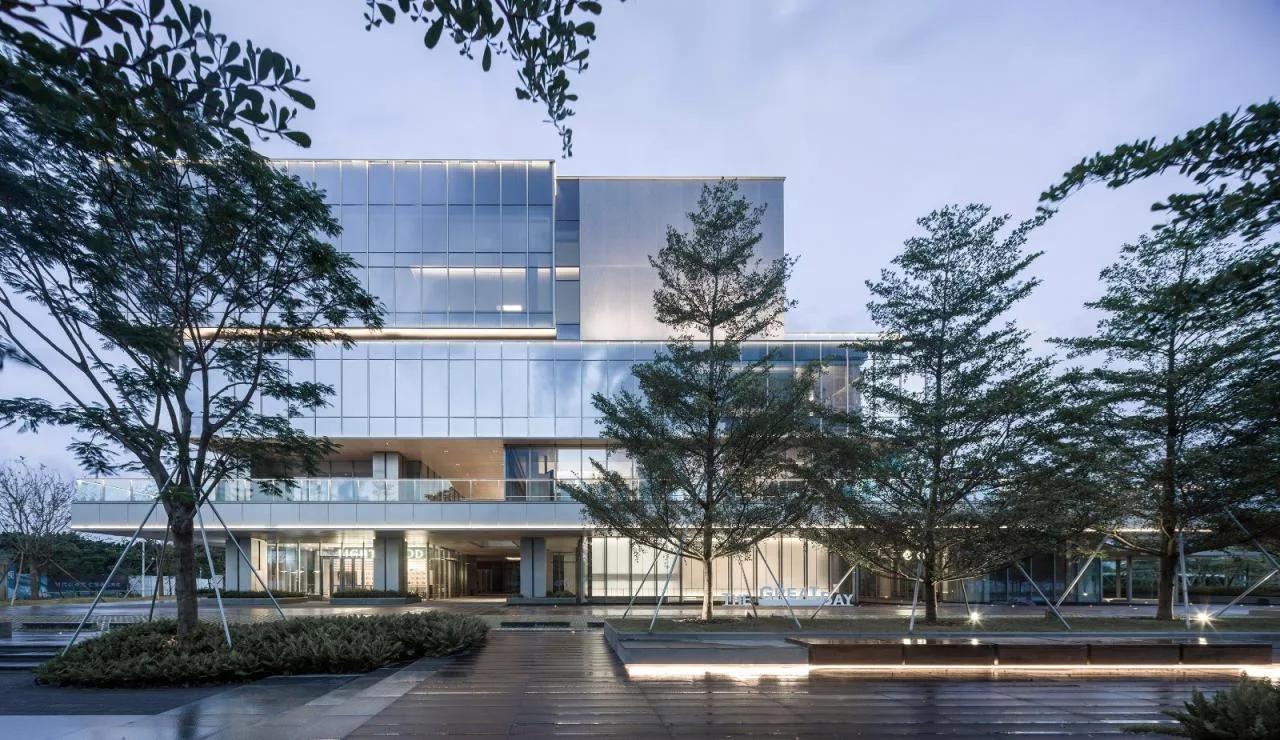
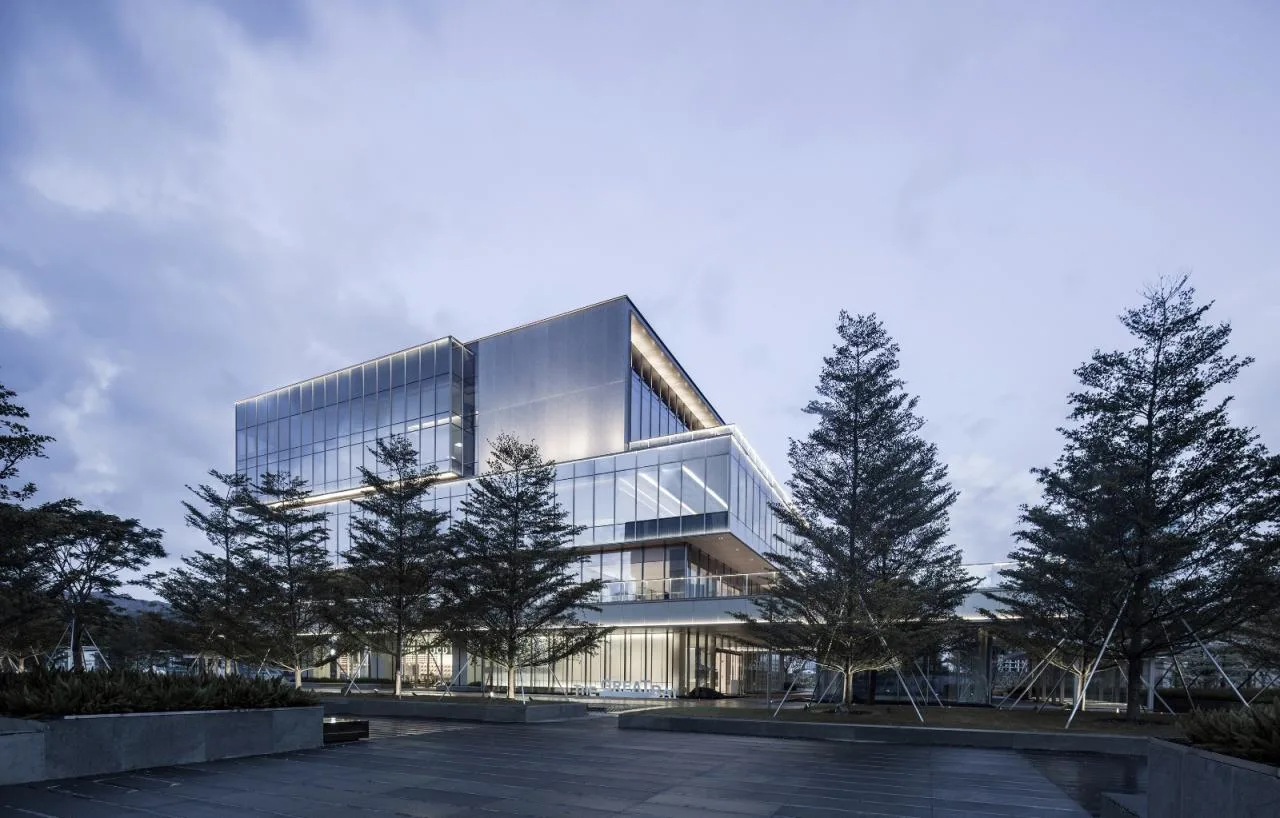
The main facade features imitation stone aluminum panels combined with glass blocks, creating a striking contrast between weight and lightness, solidity and transparency.
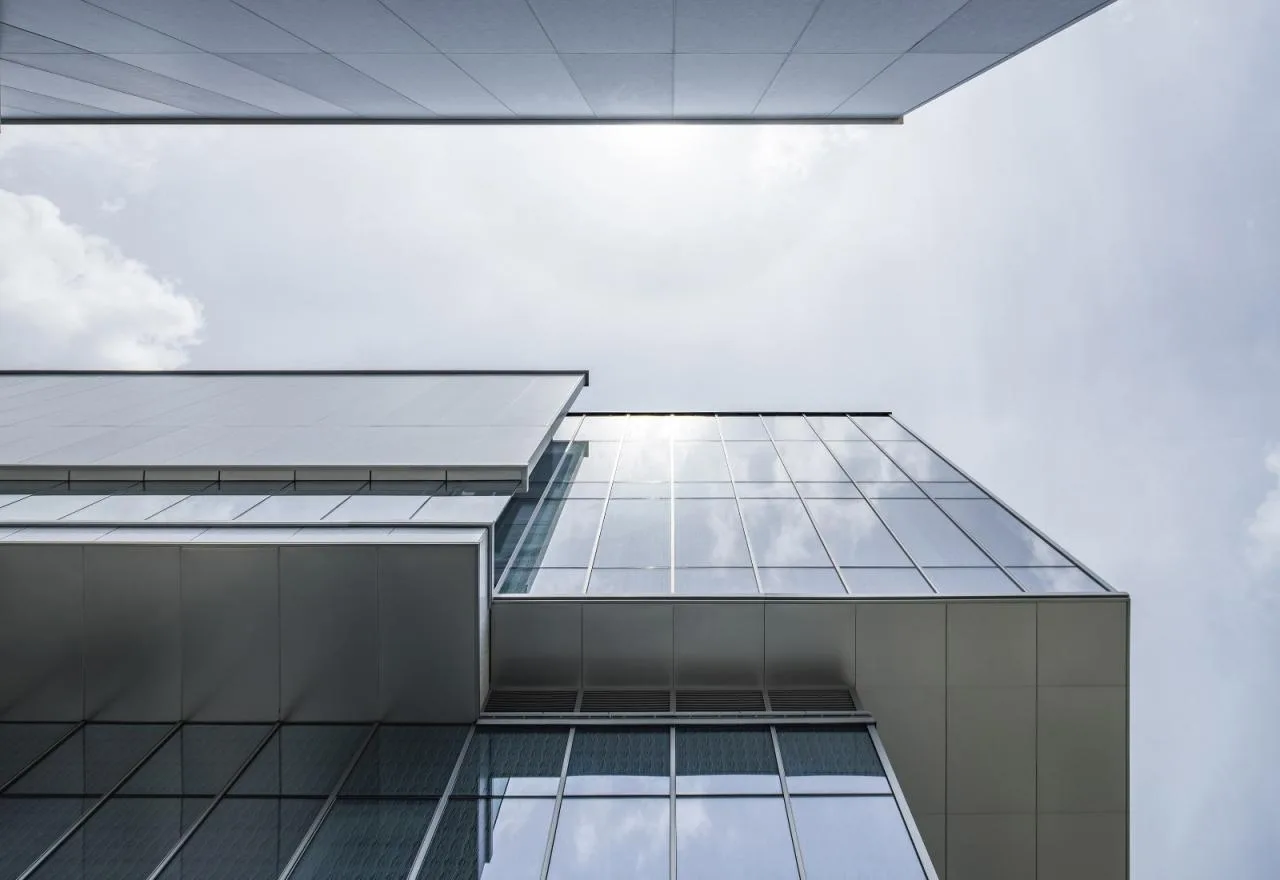
Material choices include light gray aluminum panels and highly reflective glass. The top block uses imitation stone aluminum panels to minimize joints compared to natural stone. The third and fourth floors feature low-key dark patterned glazed glass, producing varying degrees of semi-transparency and transparency. The ceiling finishes incorporate warm, low-saturation tones, delivering a simple yet distinctive aesthetic.
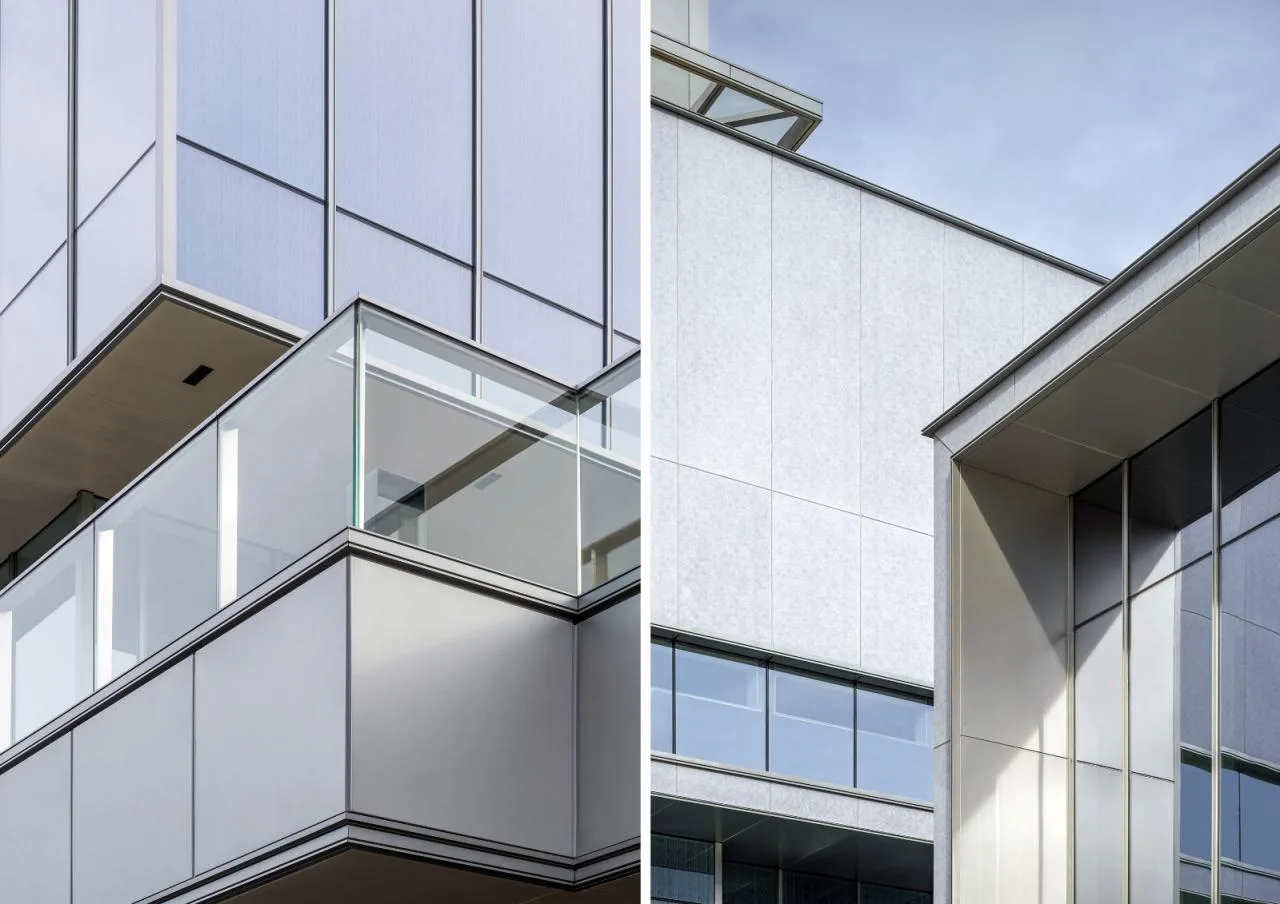
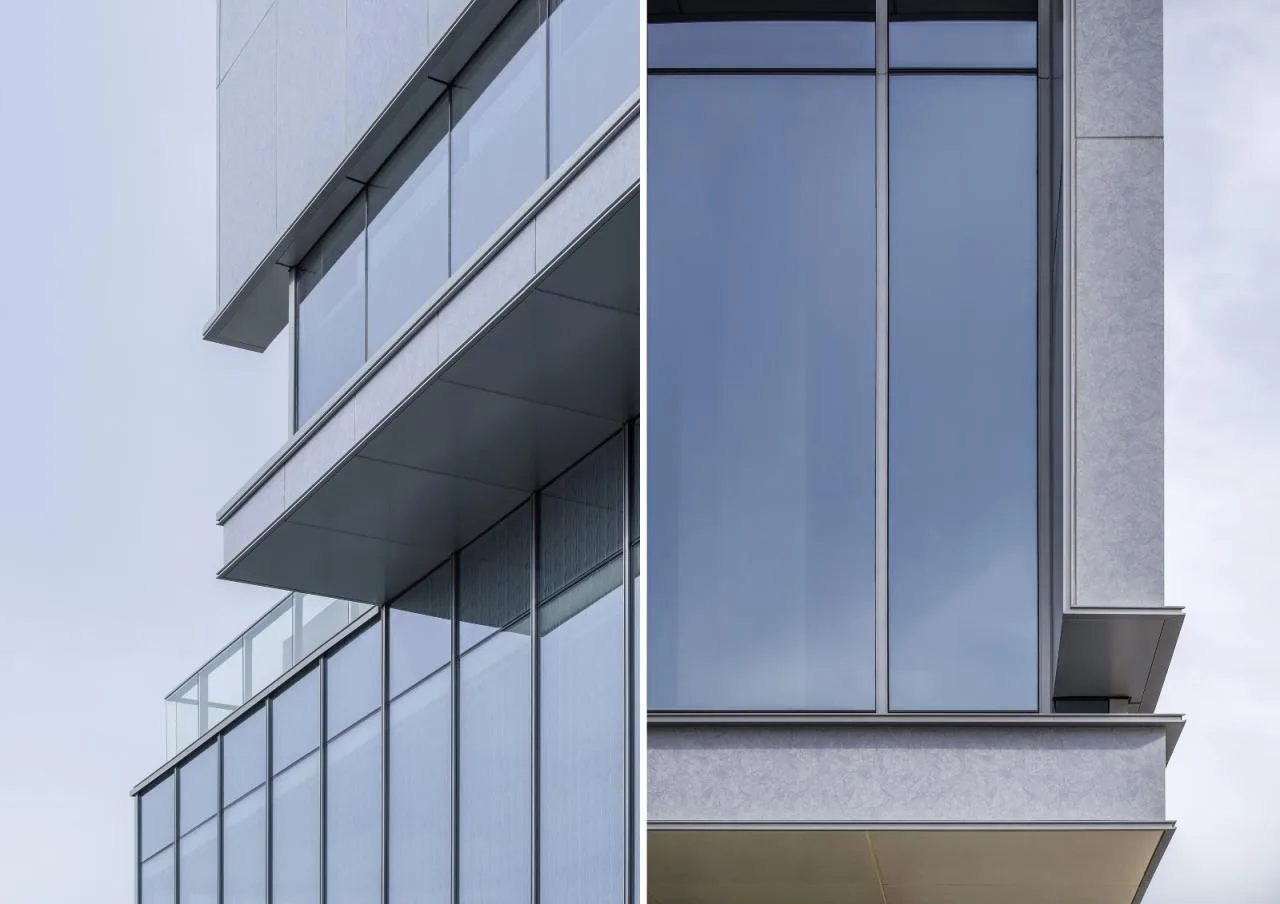
▲ Architectural details
▲ Architectural details
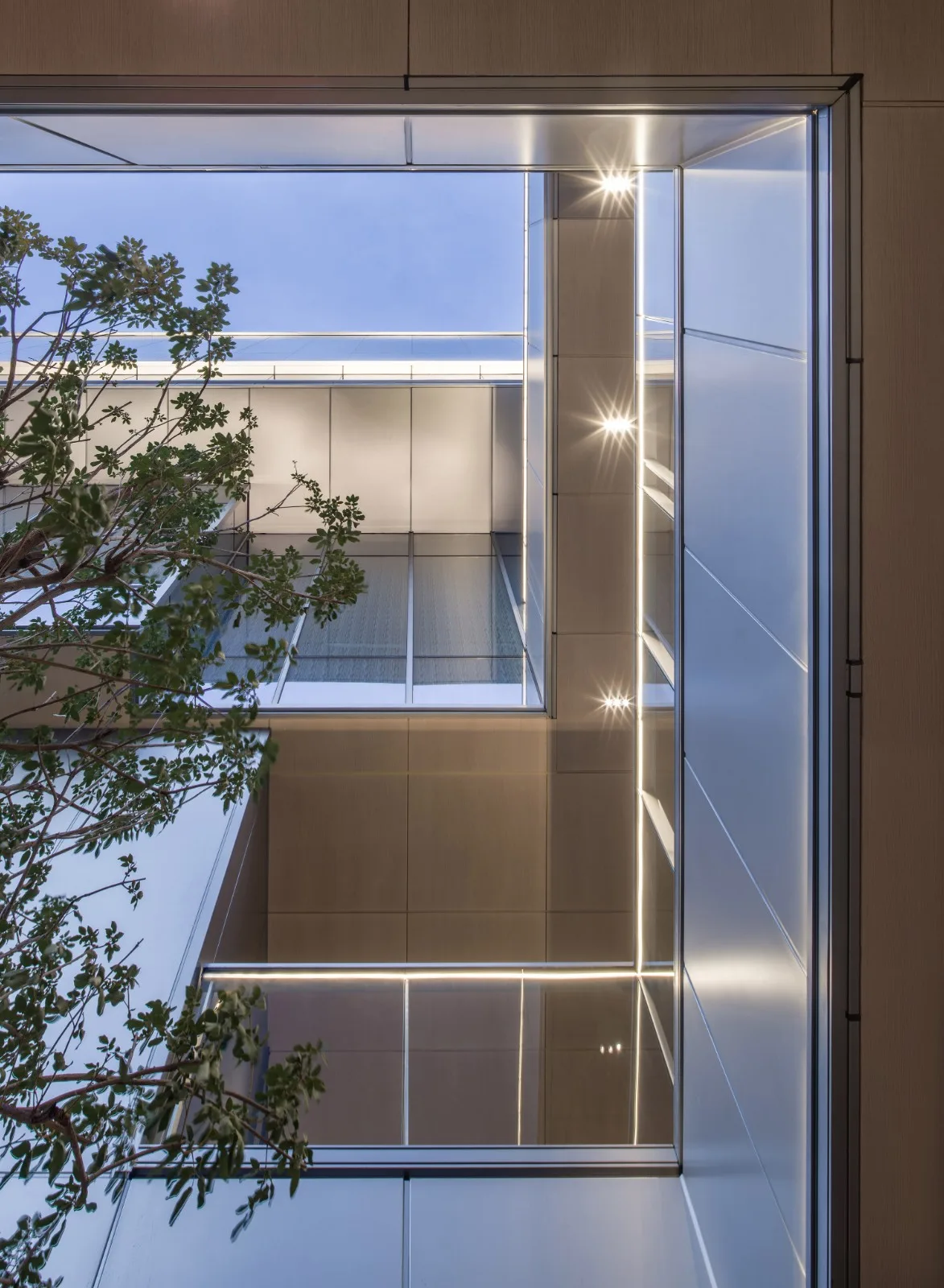
▲ Architectural details
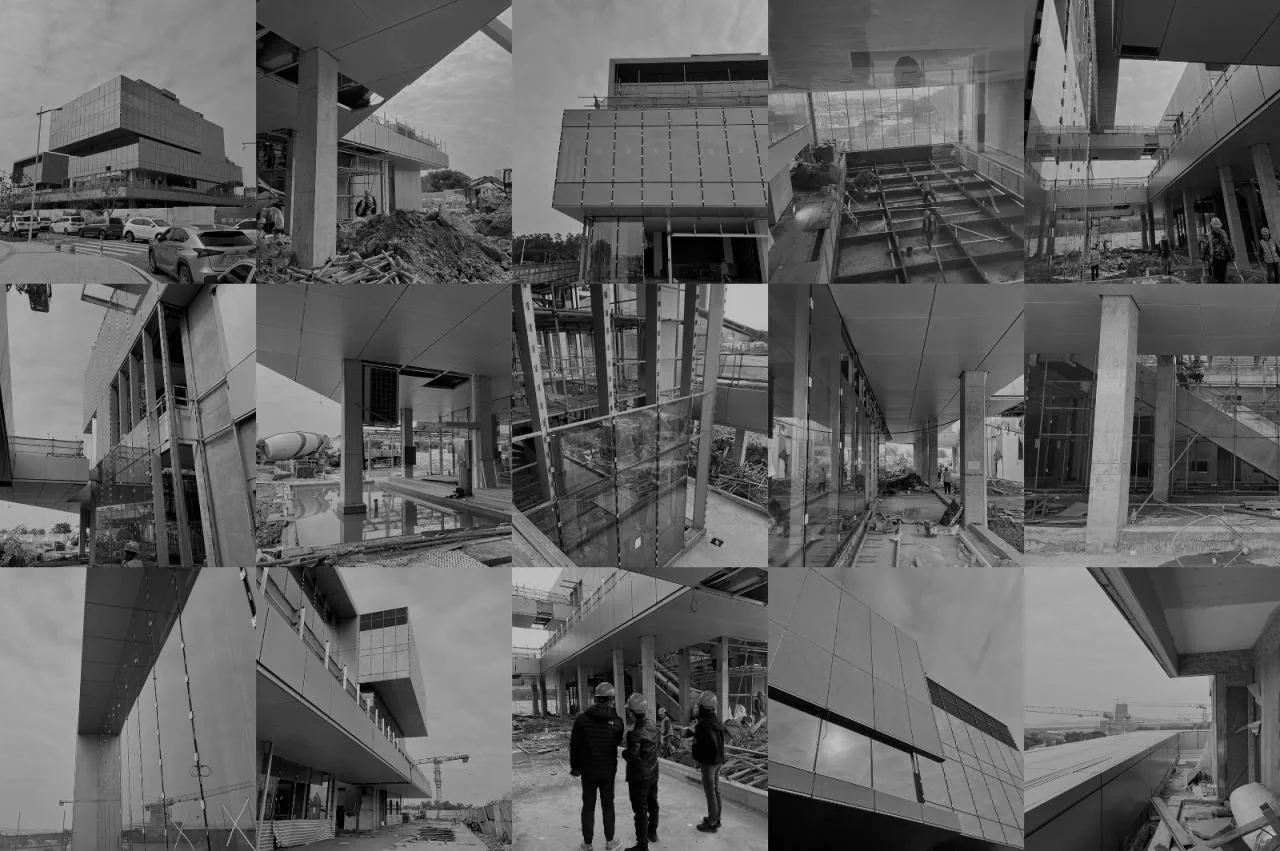
▲ Construction process
Conclusion
This project explores the future lifestyle of communities. As a key node within the regional fabric, the neighborhood center aims to introduce an open, green local character that enhances quality of life internally and externally. It also embodies an architectural dialogue between old and new urban elements. Successful design involves not only passionate creativity but also rational decision-making within existing conditions. Collaborating closely with property owners and multidisciplinary teams, we employ rigorous, scientific methods to control every aspect, collectively crafting meaningful community life experiences.
Project Drawings
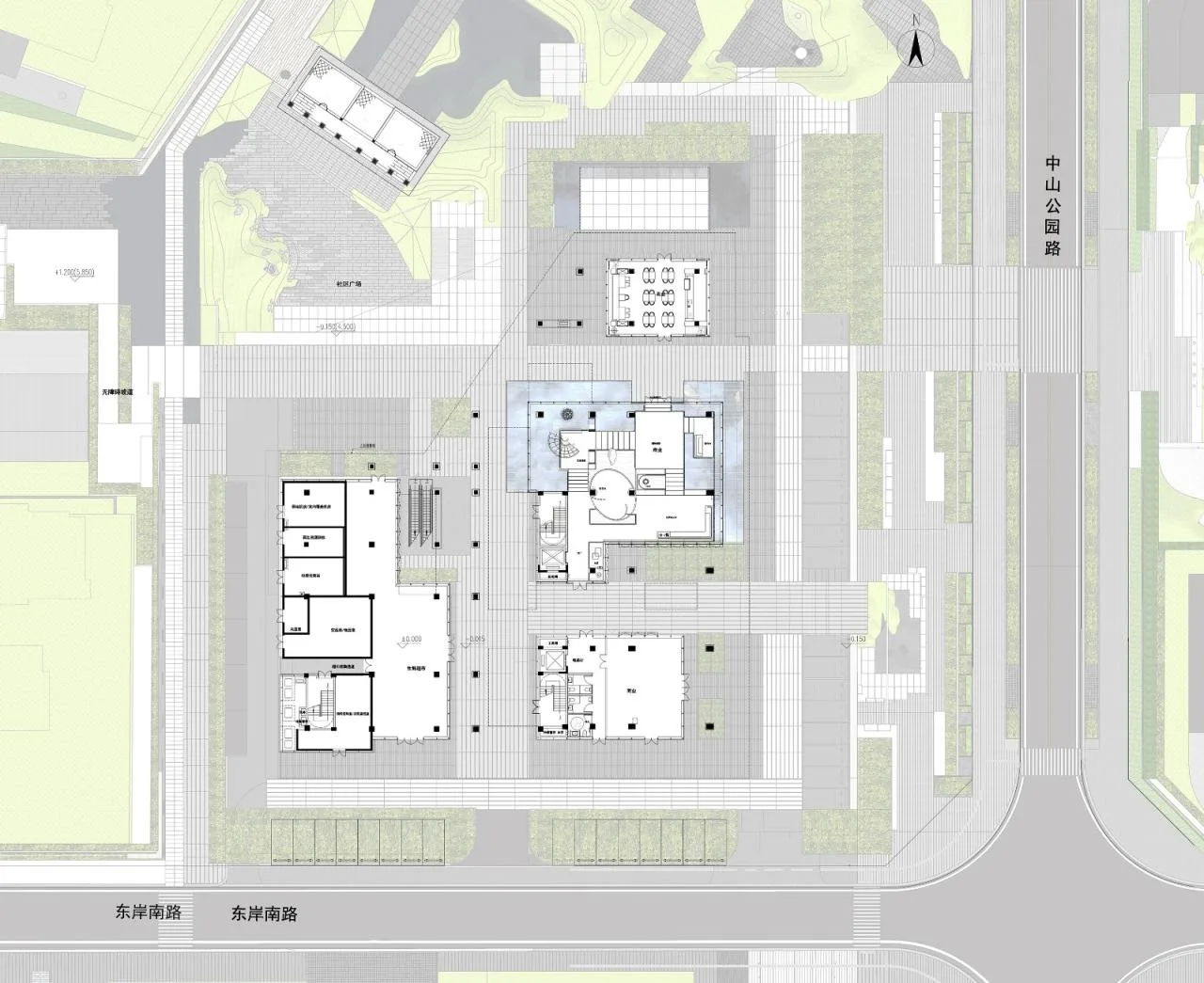
△ General layout plan
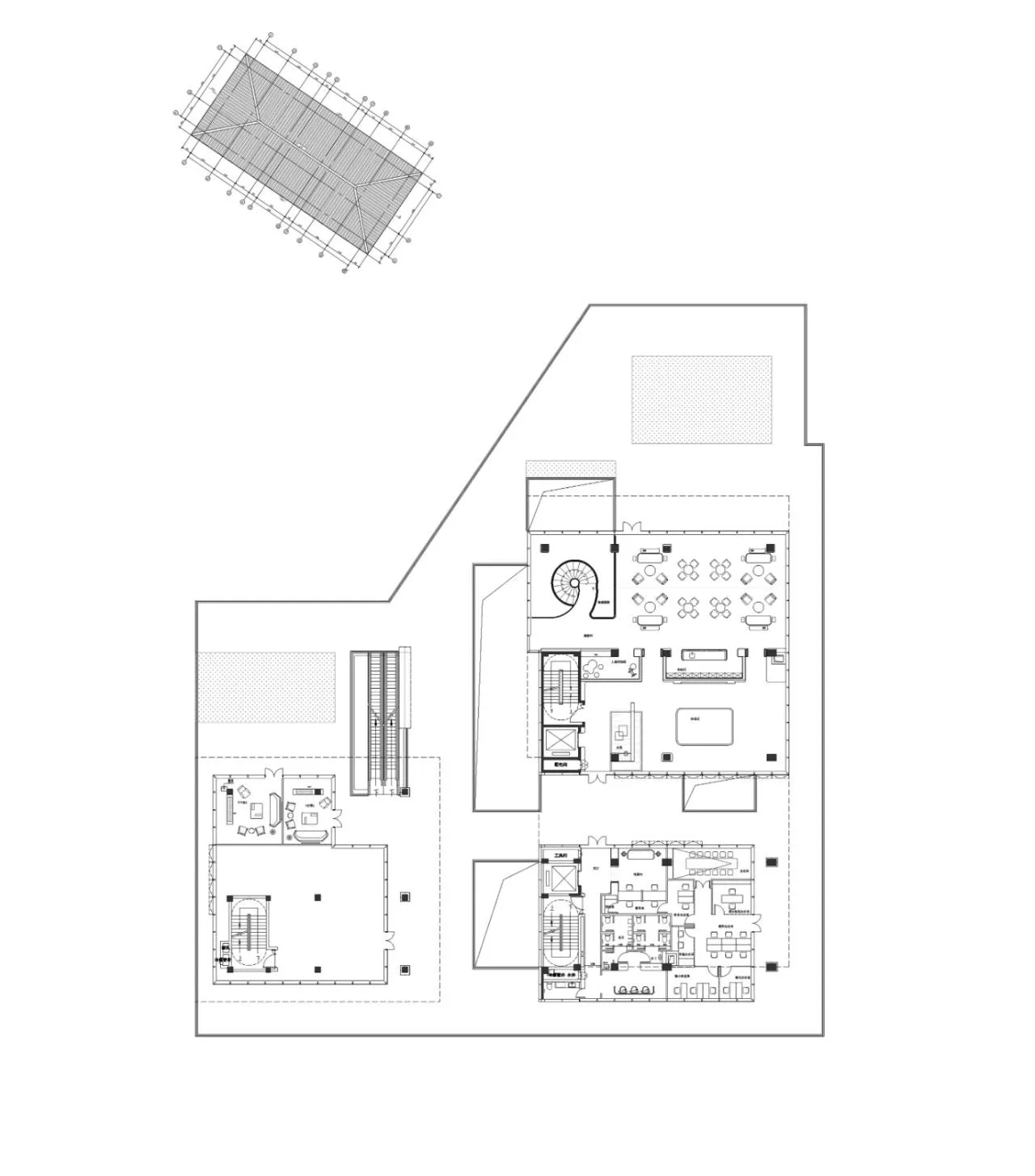
△ Second floor plan
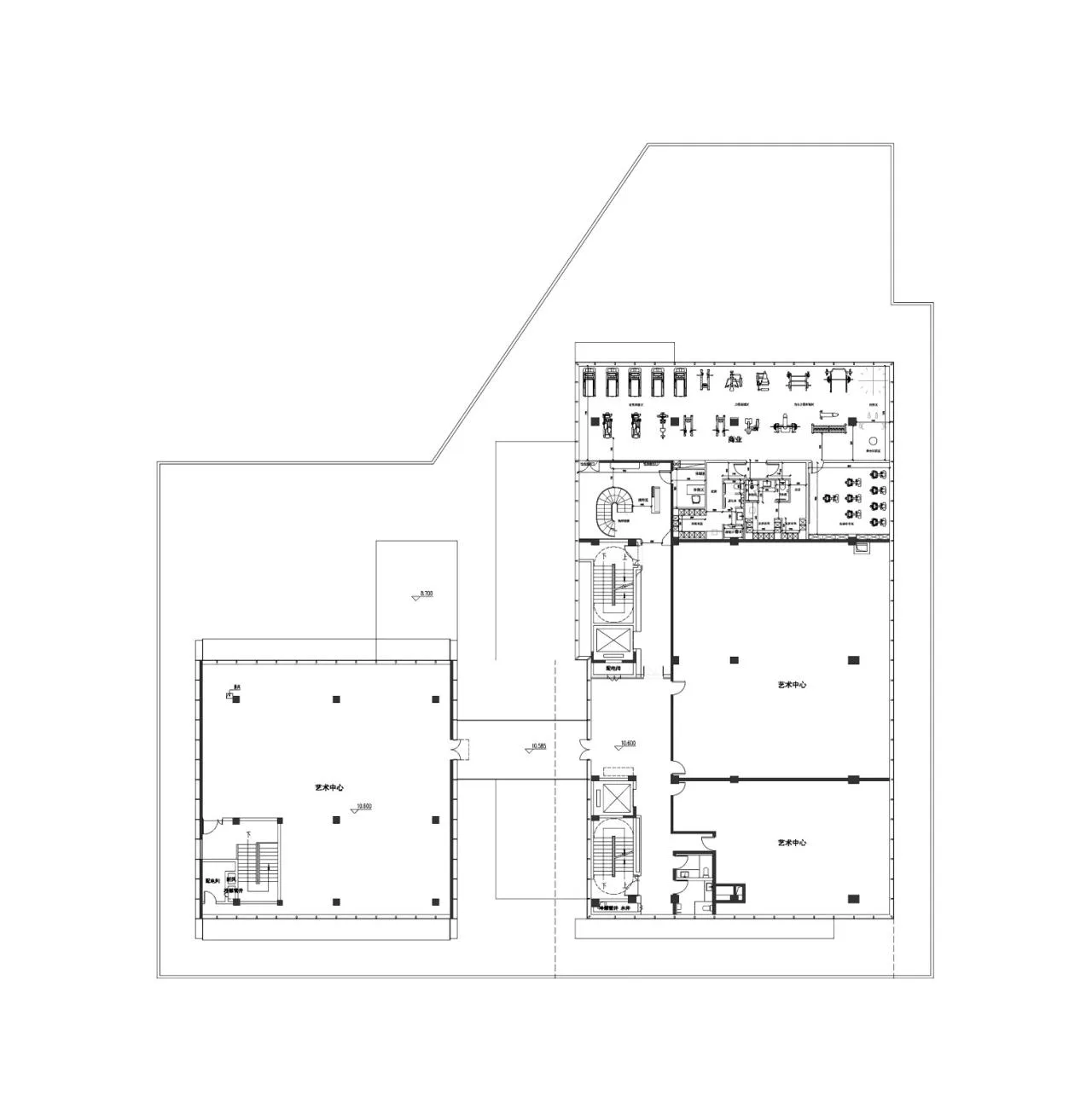
△ Third floor plan
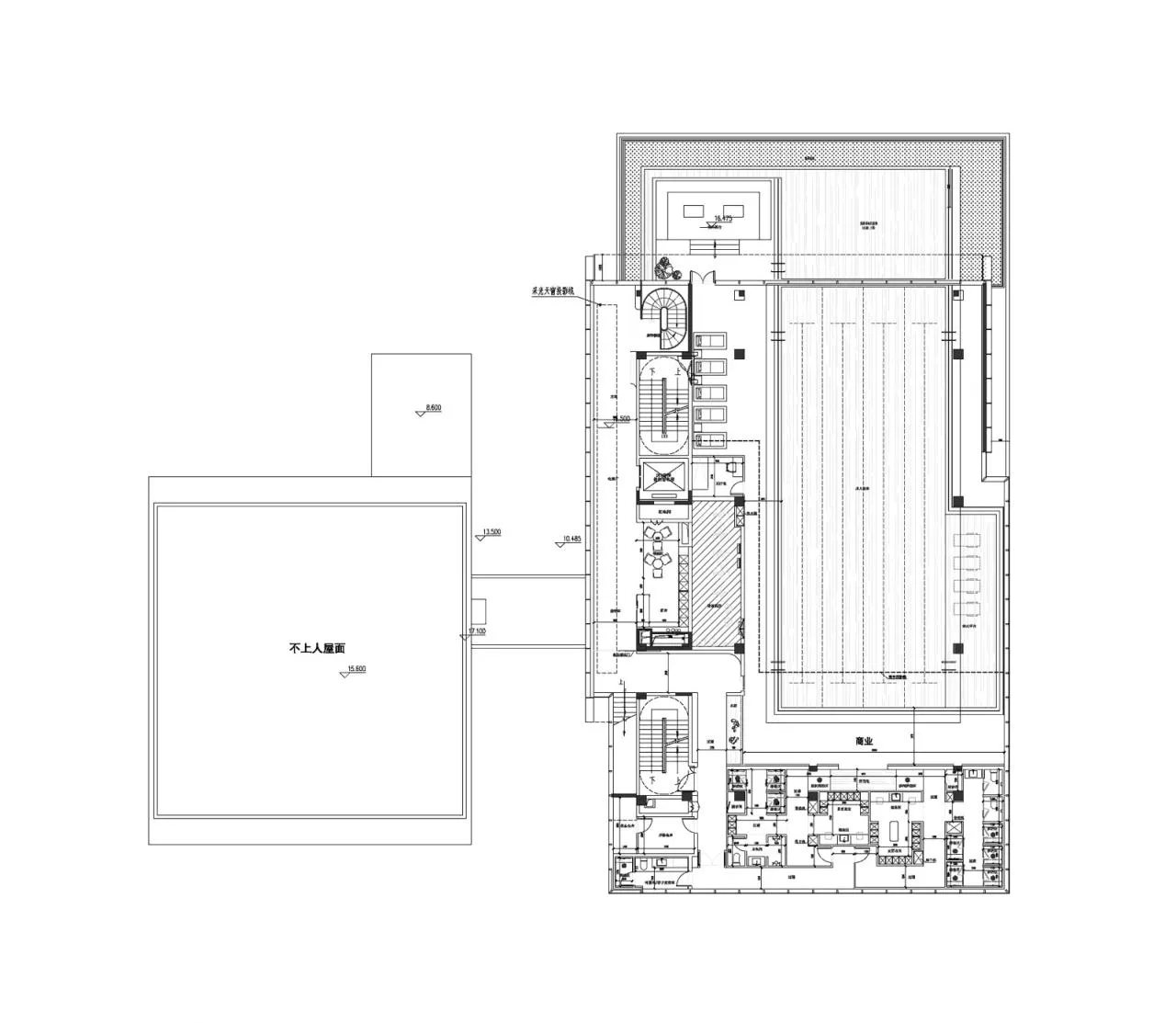
△ Fourth floor plan
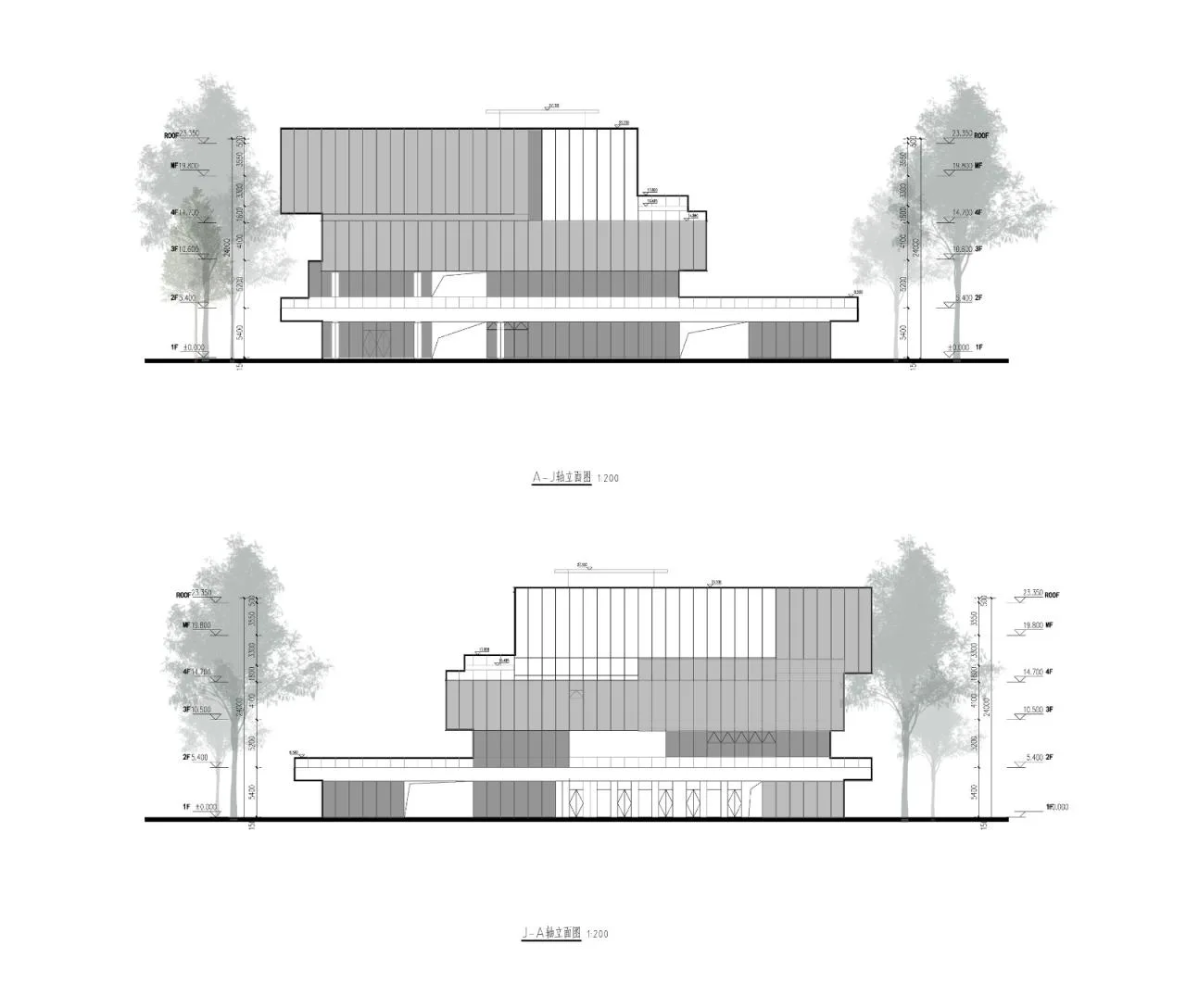
△ Sectional elevation view
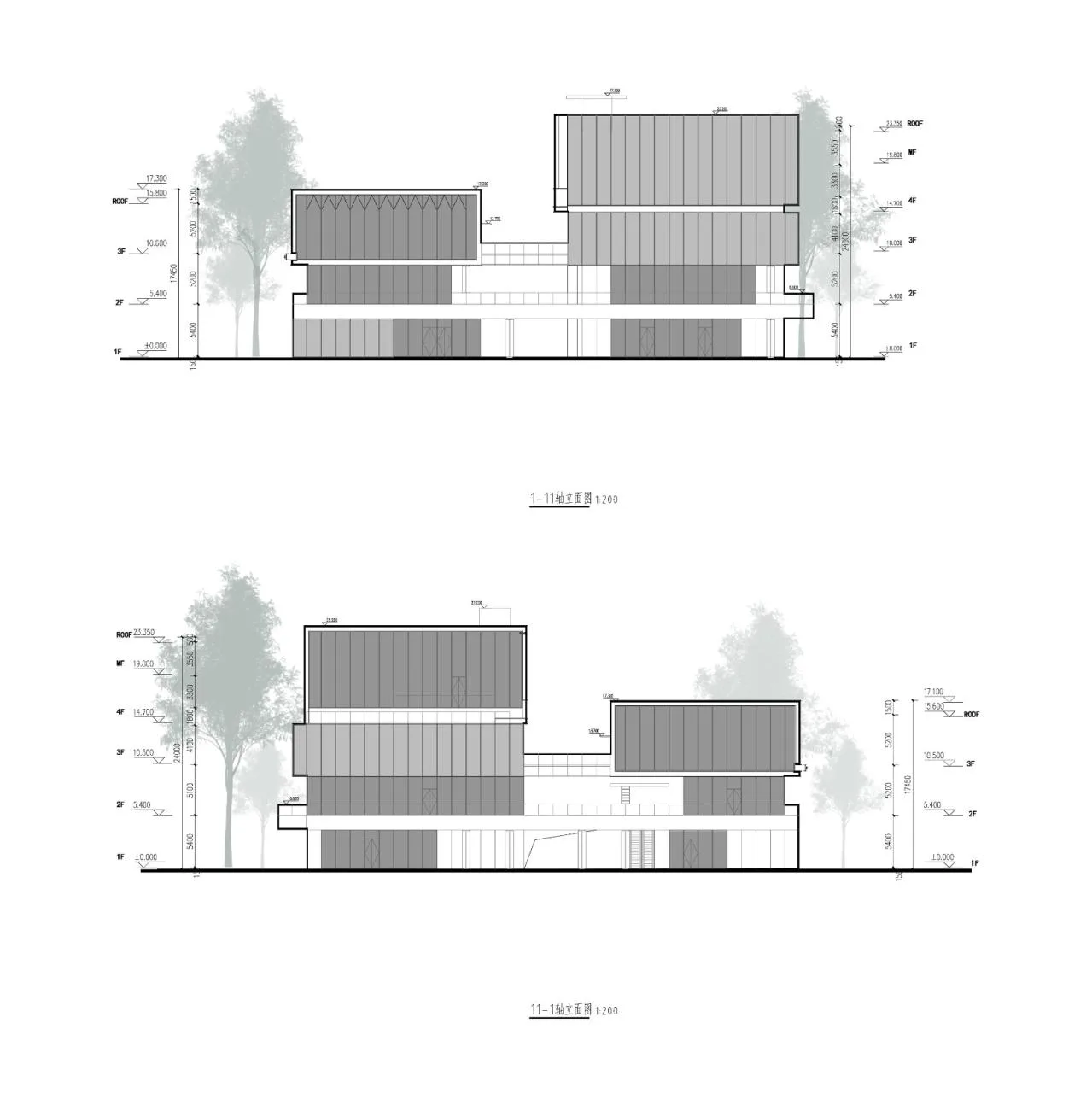
△ Sectional elevation view
Project Information
Project Name: Renheng Binhai Bay Neighborhood Center
Project Type: Architecture
Location: Tangjiawan, Xiangzhou, Guangdong-Hong Kong-Macao Greater Bay Area, Zhuhai, adjacent to the Shenzhen-Zhuhai Cooperation Demonstration Zone
Floor Area: 6,267 square meters
Building Area: 5,014 square meters
Design Period: March 2019
Completion Date: September 2020
Designer: PTA Shanghai Botao · 9 STUDIO
Lead Architects: Shao Xin, Feng Bo, Ruan Weiqing
Design Team: Ma Yuanyuan, Bai Dongyu, Li Jiankun, Wang Yuxiao, Wu Yu, Yan Yutian, Yu Youxian, Zheng Xiayi
Owner: Renheng Land Zhuhai Company
Landscape Design: Heritage Landscape
Interior Design: WSD World Design
Construction Documentation: Guangdong Urban Architectural Planning and Design Co., Ltd
Curtain Wall Consultant: TAM Taimu
Lighting Design: AET Ethernet Lighting
Photographer: Moment | Oceanwide Zhang Xuechen
Main Materials: Light gray aluminum panels, high reflective glass, imitation stone aluminum panels, dark patterned glazed glass












Must log in before commenting!
Sign Up