
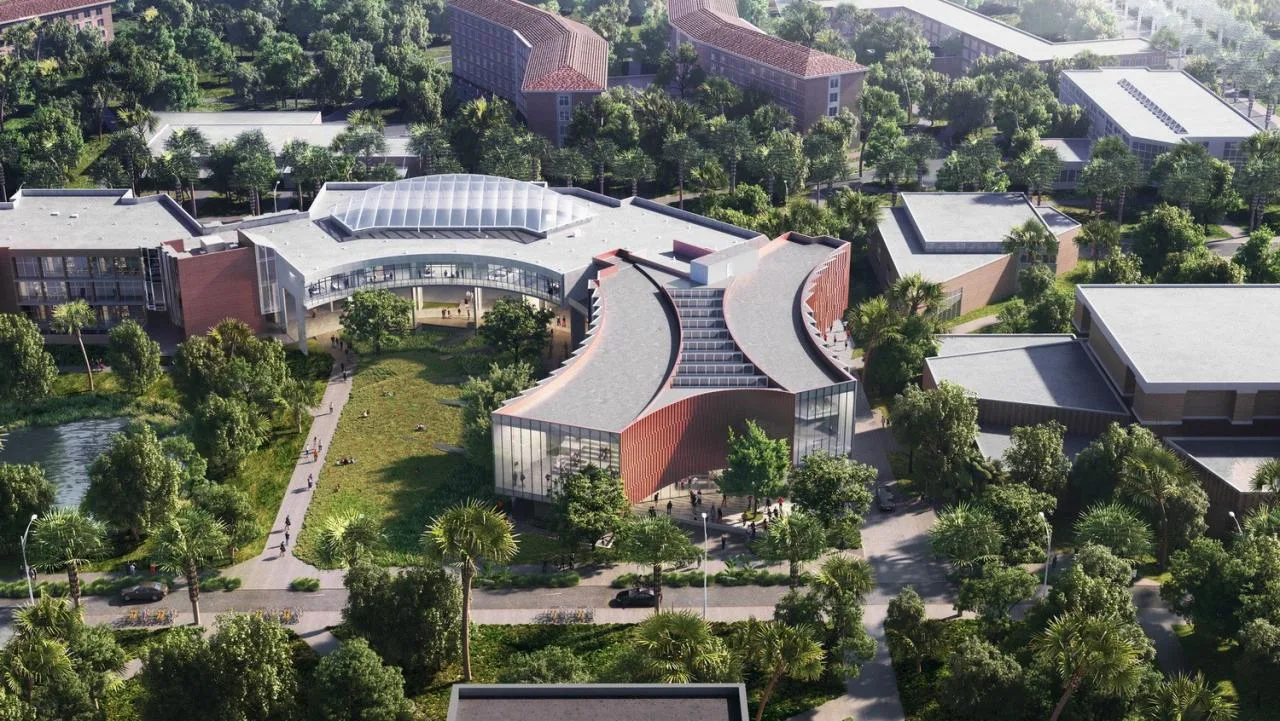
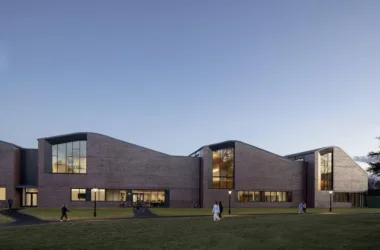
Brooks+Scarpa Architecture and Design Firm has announced the groundbreaking of the new Ramos Collaboration Building at the University of Florida’s School of Design, Architecture, and Planning. This expansion will add nearly 4,600 square meters of educational space to the existing college, which is currently undergoing renovations.
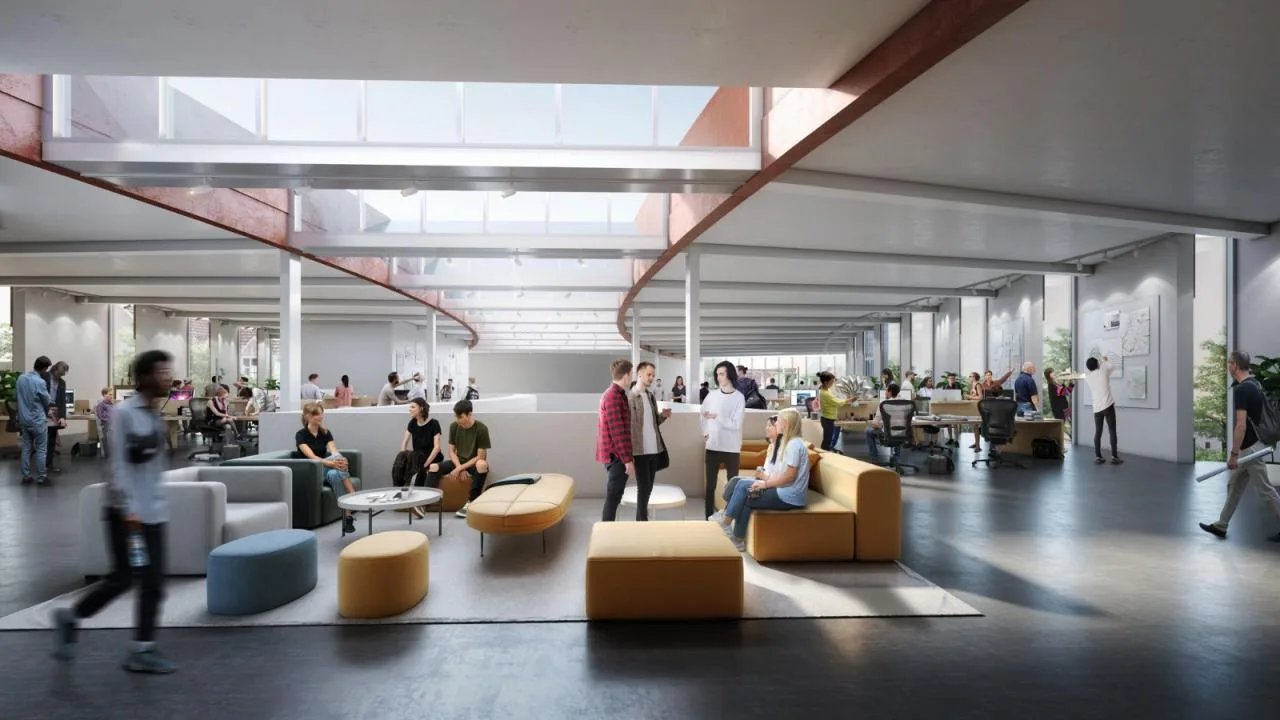
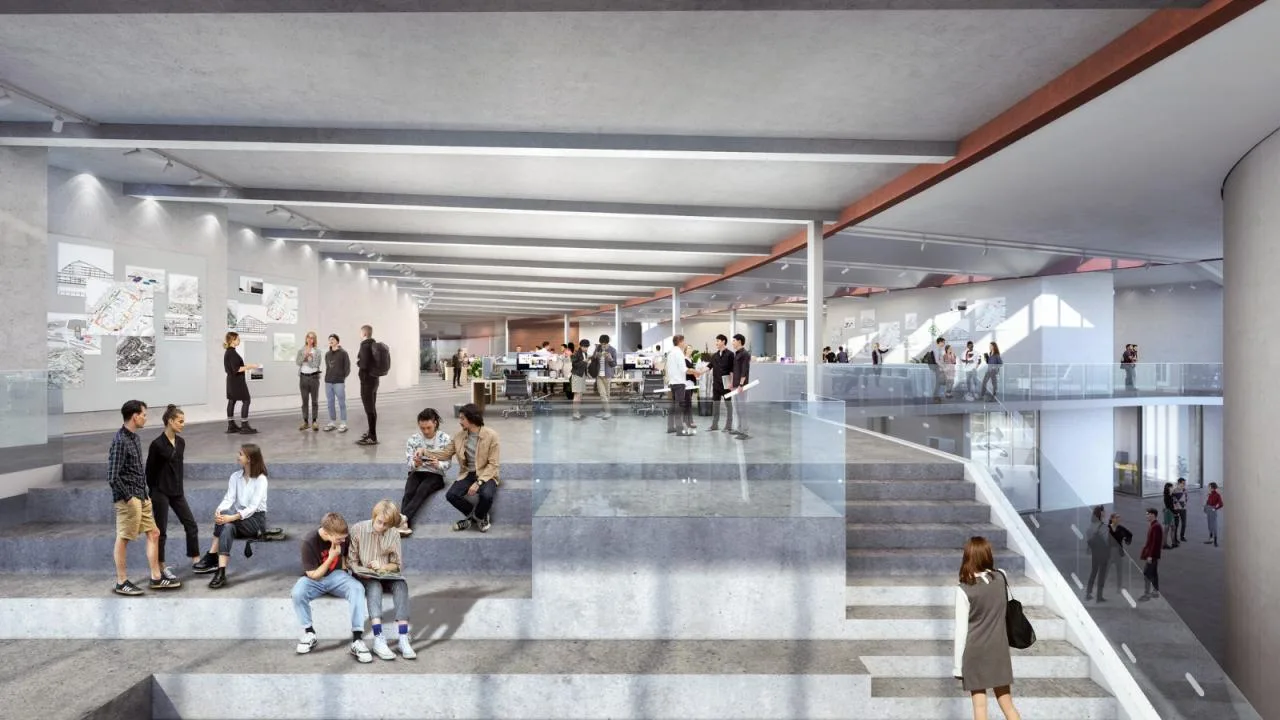
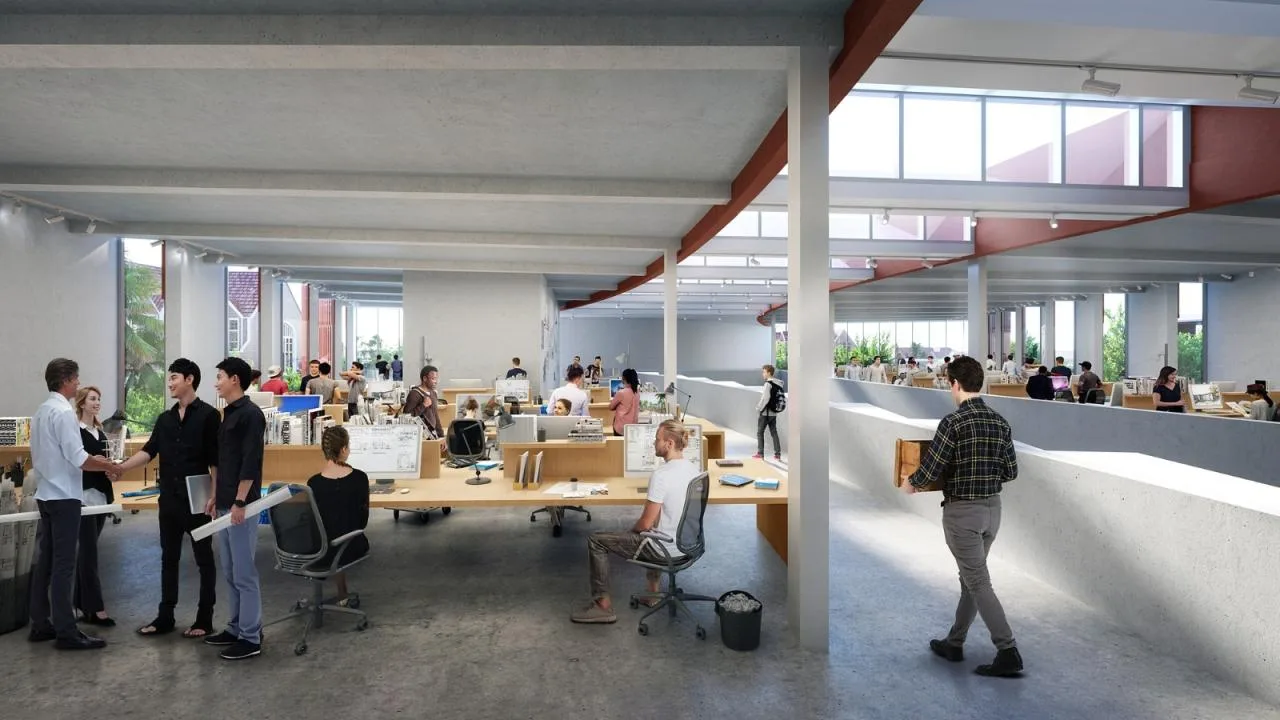
The new building will feature flexible, multifunctional spaces designed to foster both formal and informal interaction among students, faculty, and staff. Completion is expected by early 2025.
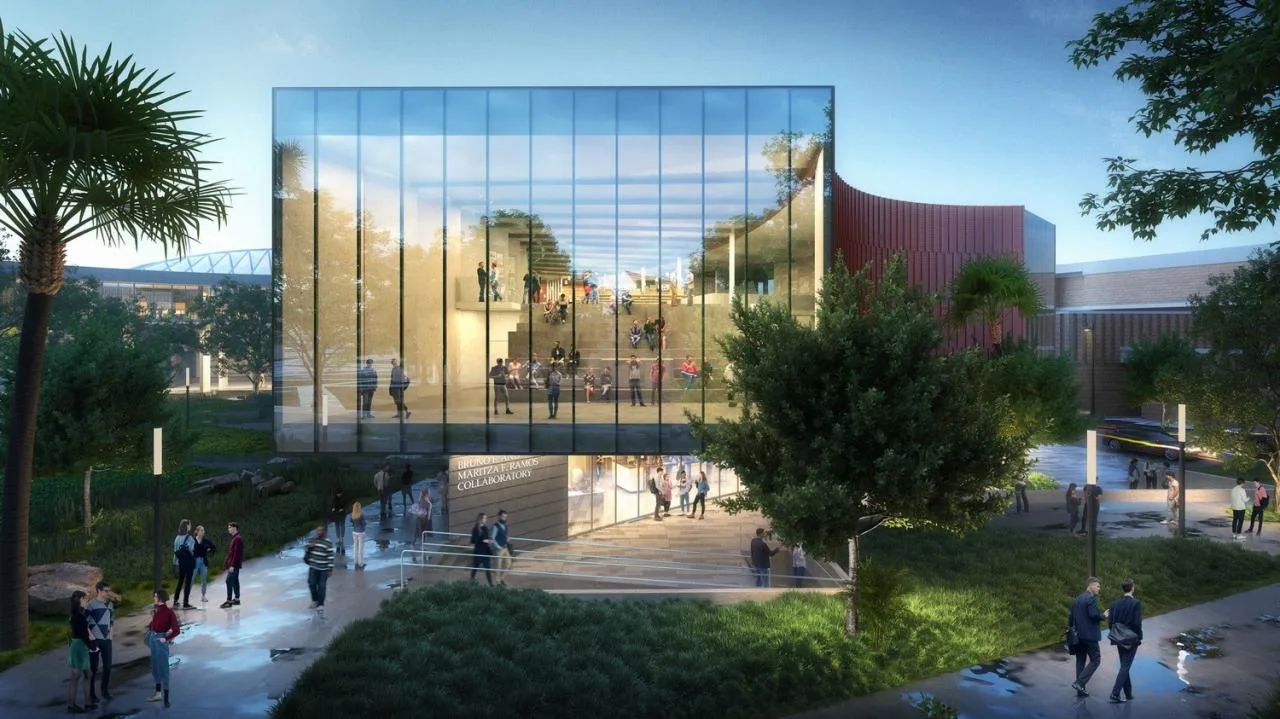
A key feature of the new building is a dedicated research center that will house all Department of City and Regional Planning (DCP) research centers and institutes within the School. These spaces are designed to encourage collaboration between graduate students and faculty, enabling impactful research that addresses significant social challenges.
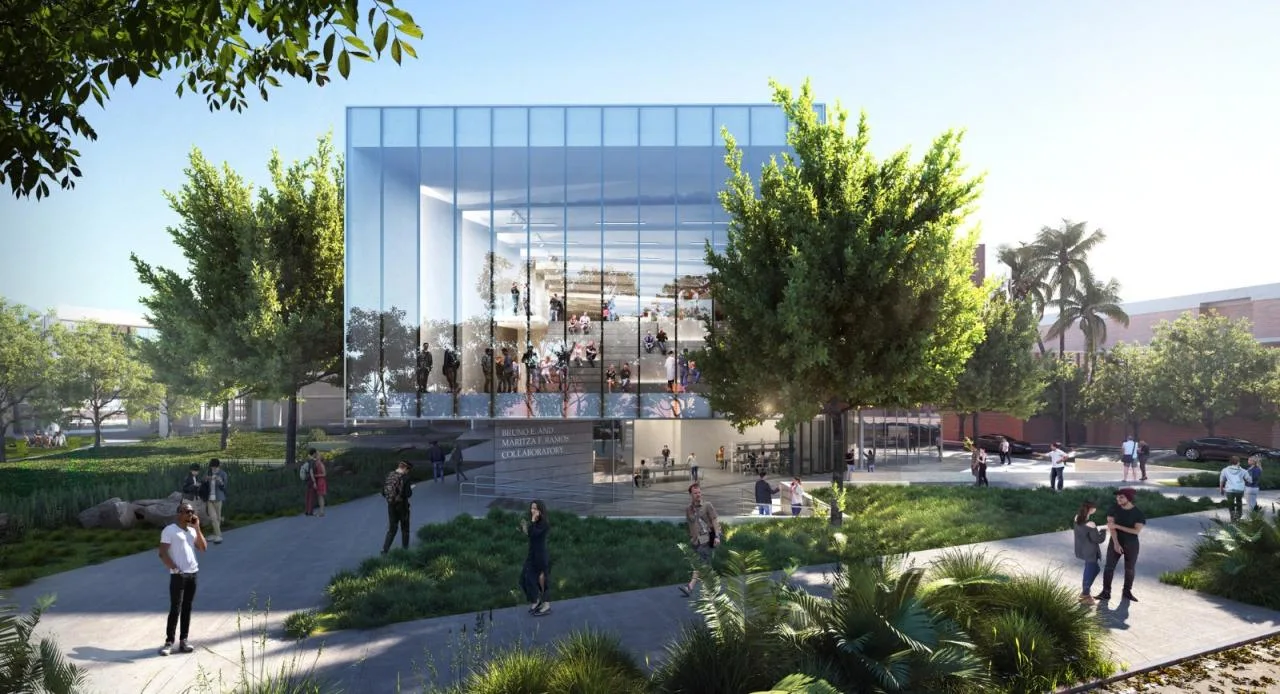
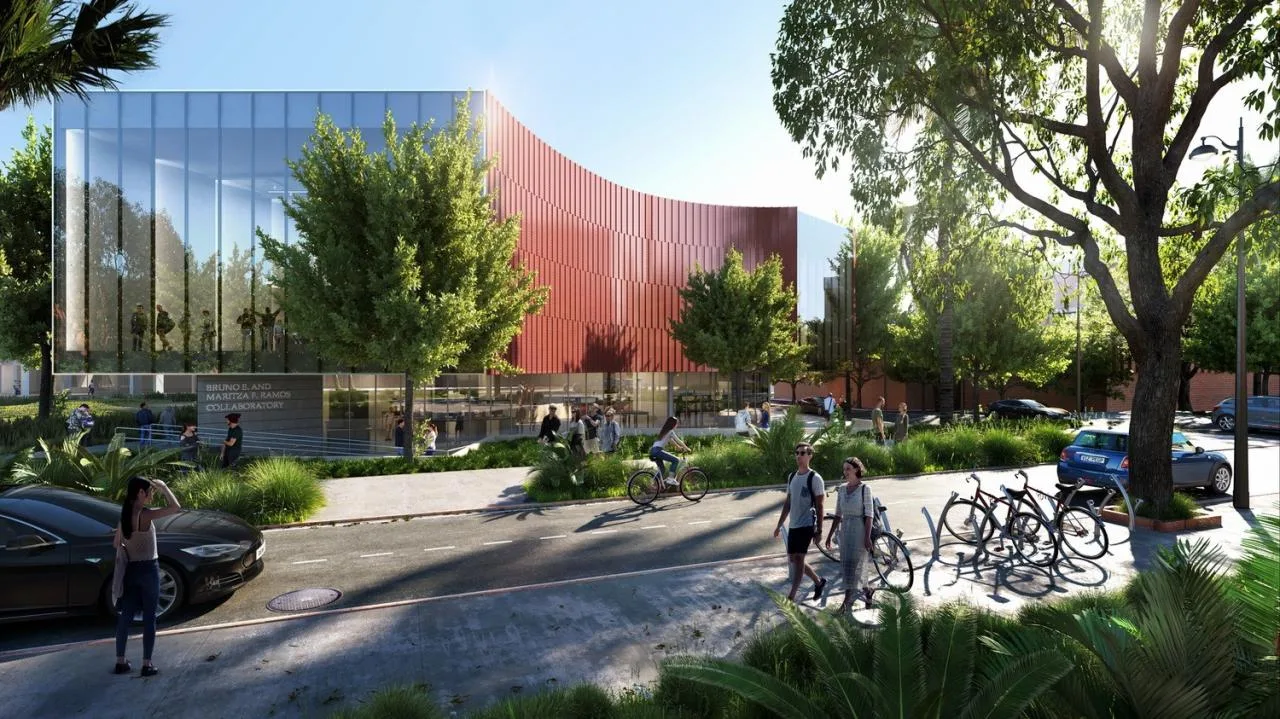
The building will include digital modeling and manufacturing labs, enabling interdisciplinary collaboration in developing digital models, simulations, and 3D-printed prototypes. It will also house extensive geospatial modeling and simulation facilities, along with virtual reality laboratories.
A versatile hall with seating for 200 will accommodate various events, complemented by a seminar room designed to enhance the building’s educational functions.
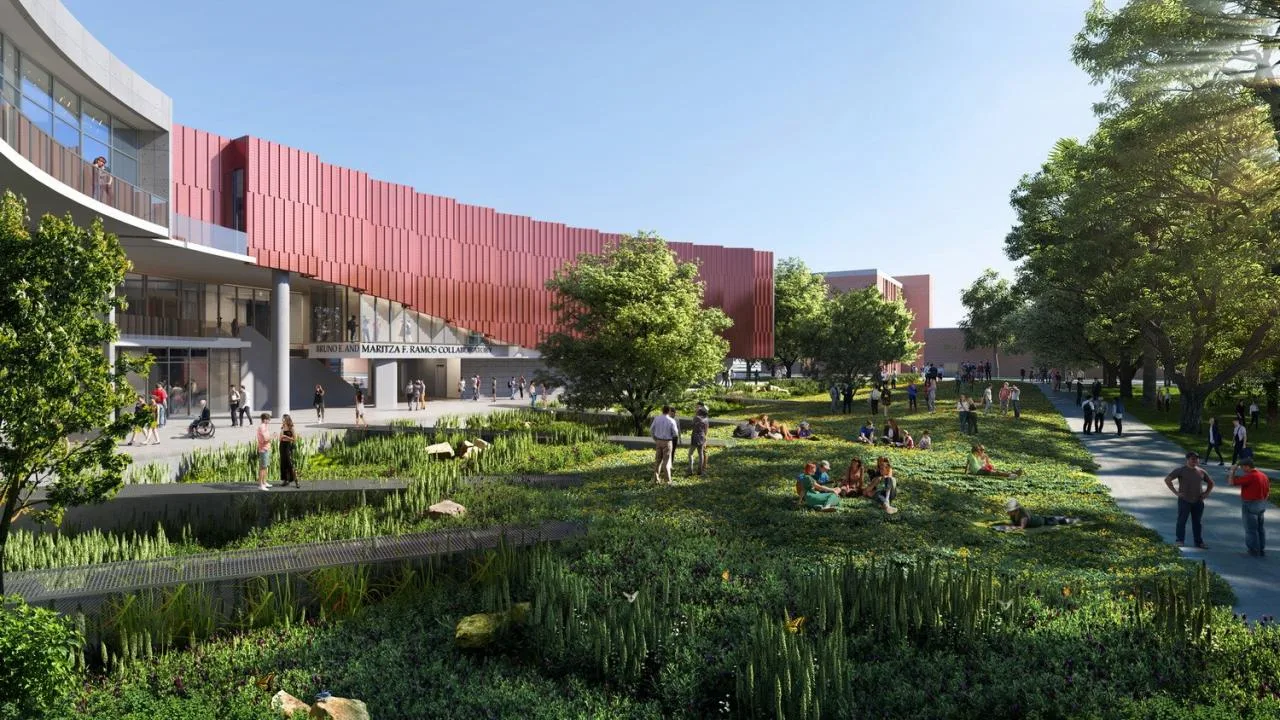
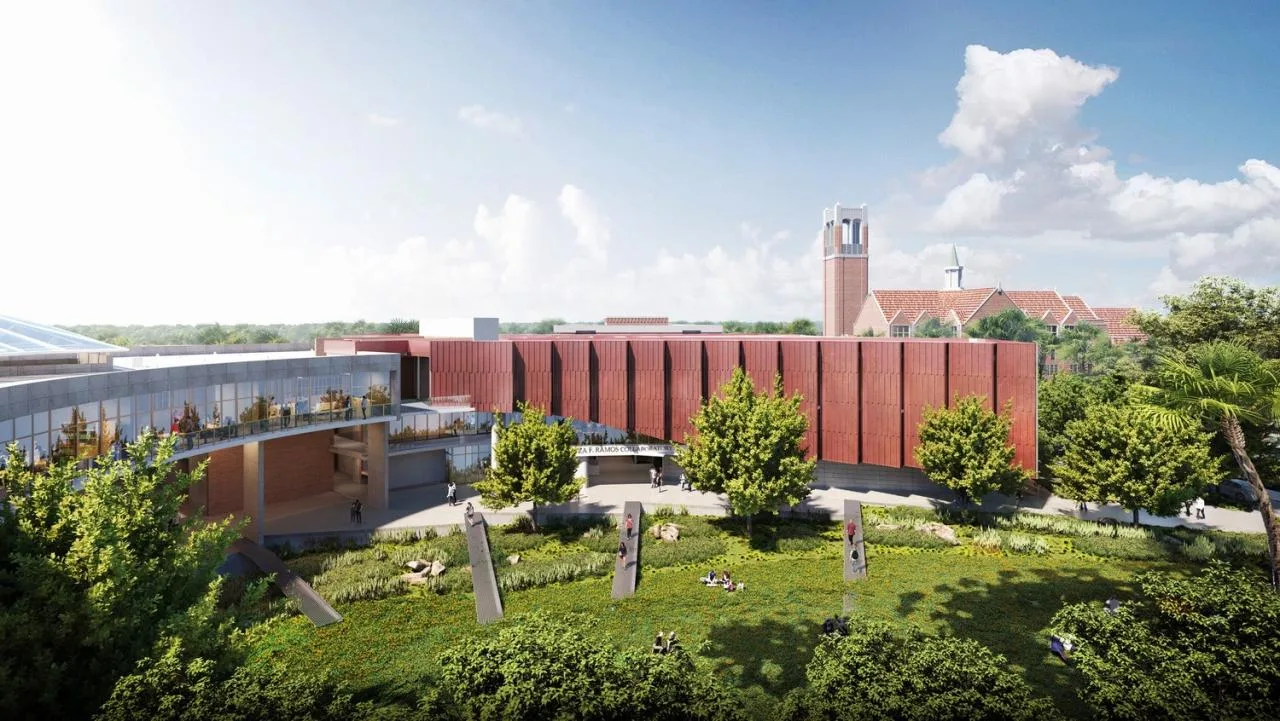
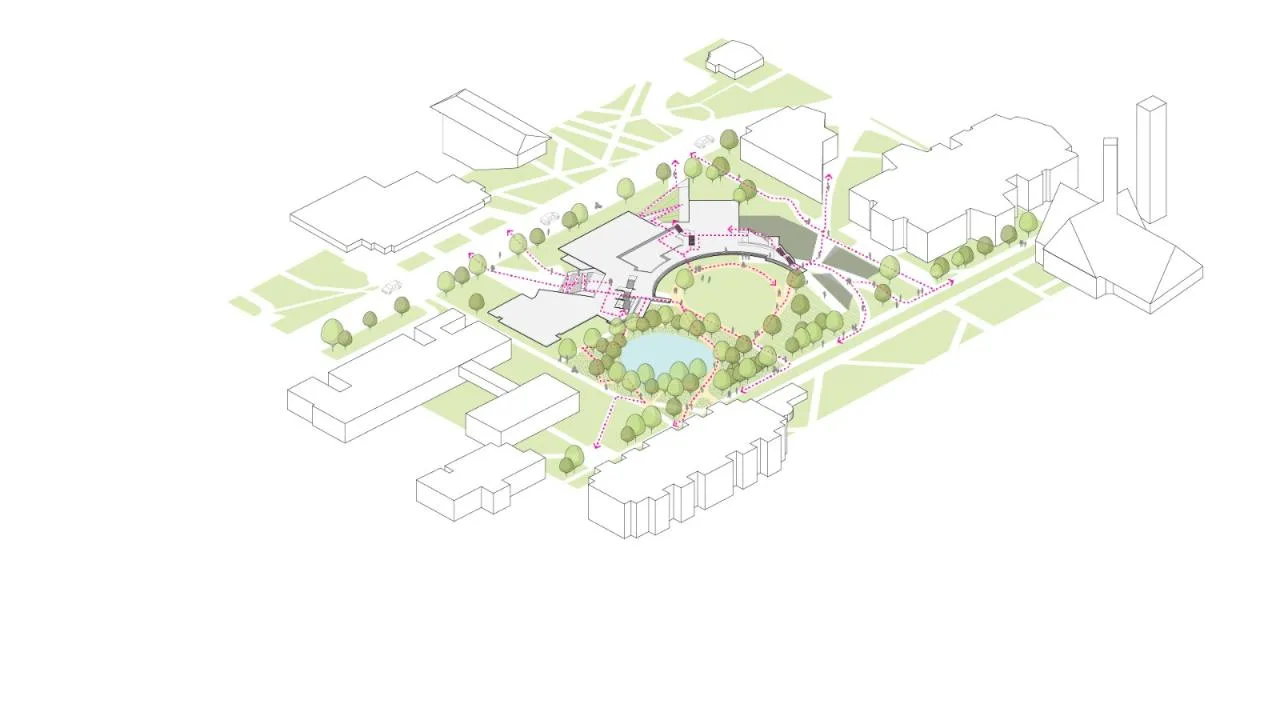
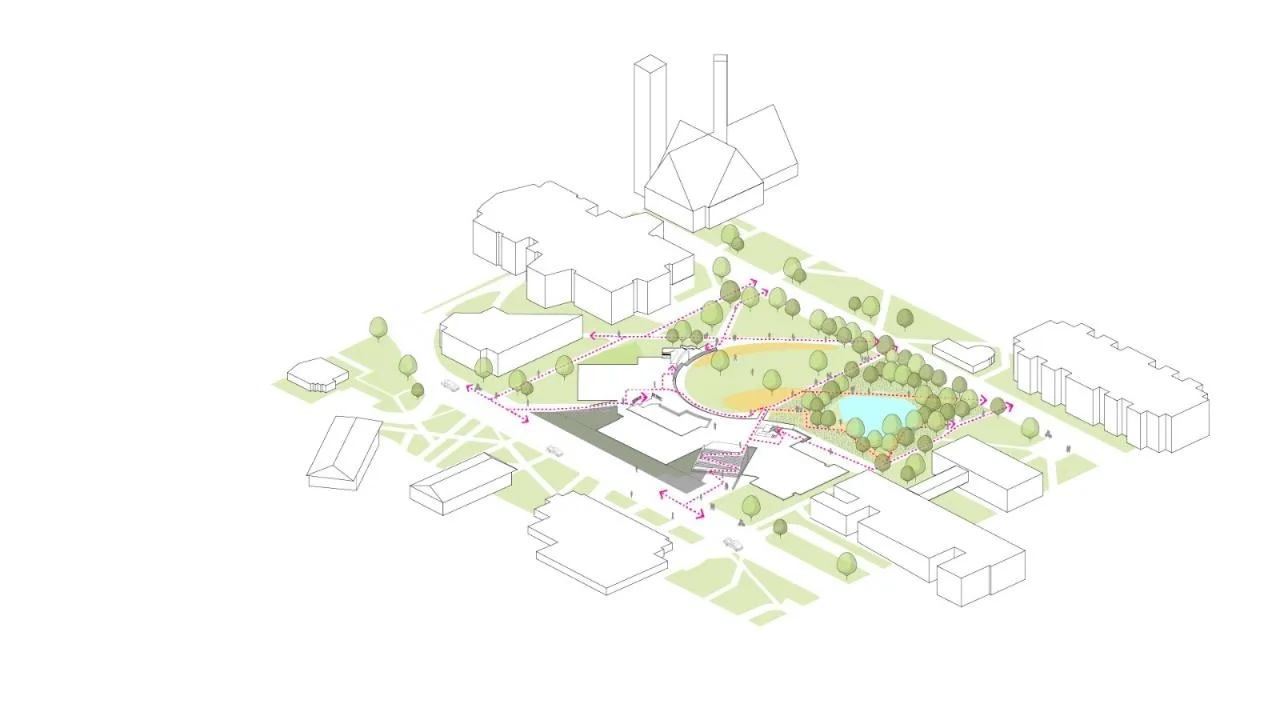
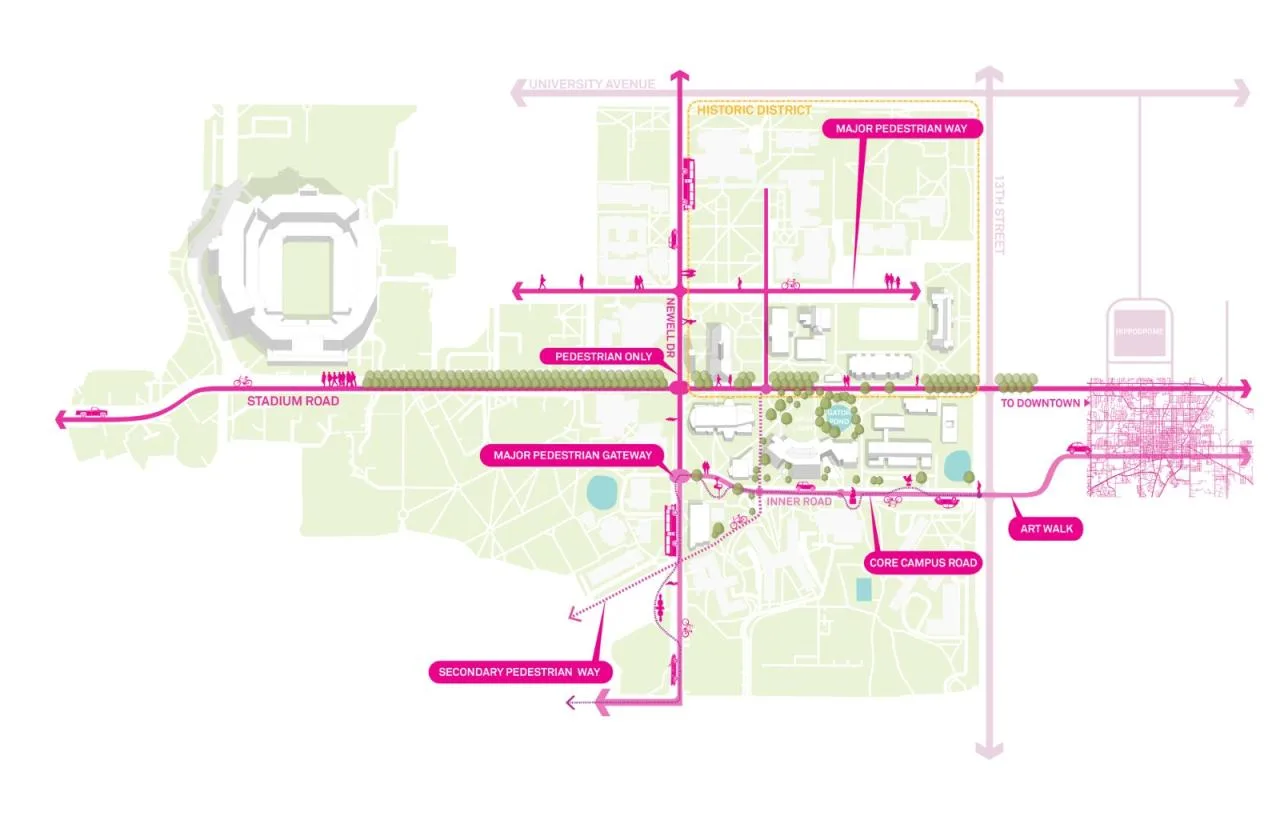
The building’s design thoughtfully incorporates multiple pathways connecting it to other campus facilities. The ground floor allows for free circulation and pedestrian traffic, facilitating a natural flow through the campus rather than creating barriers.
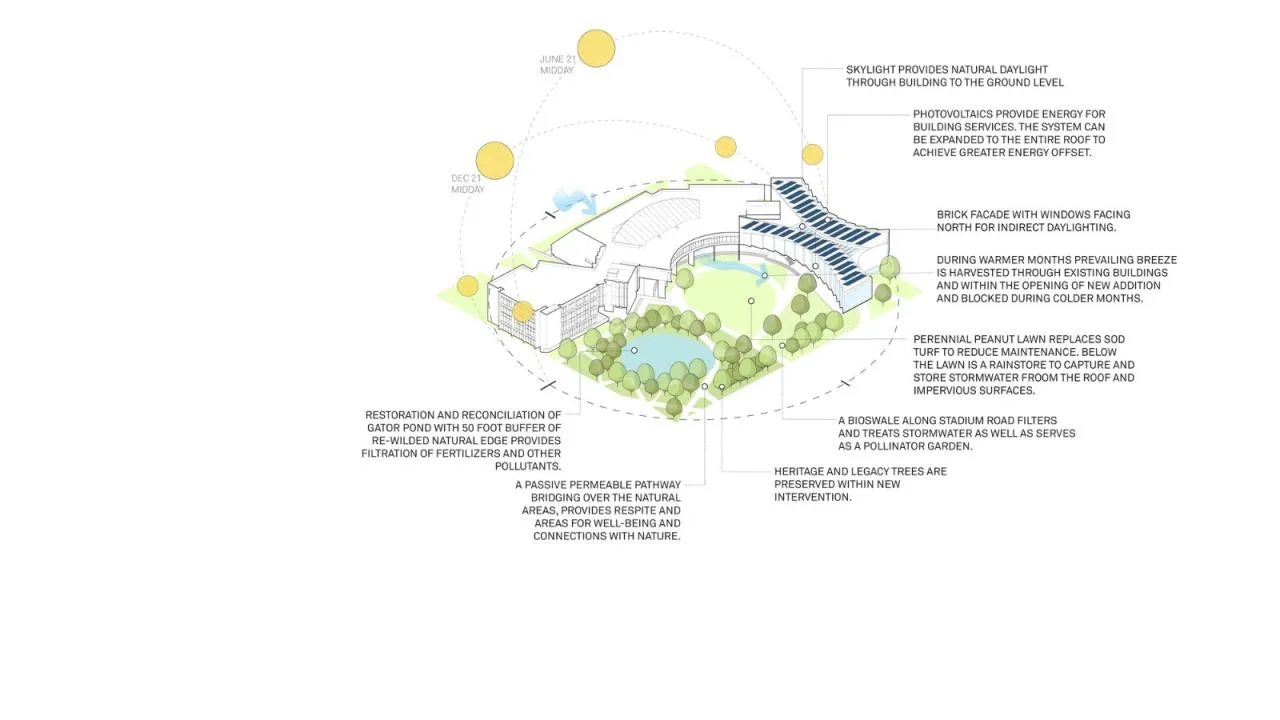
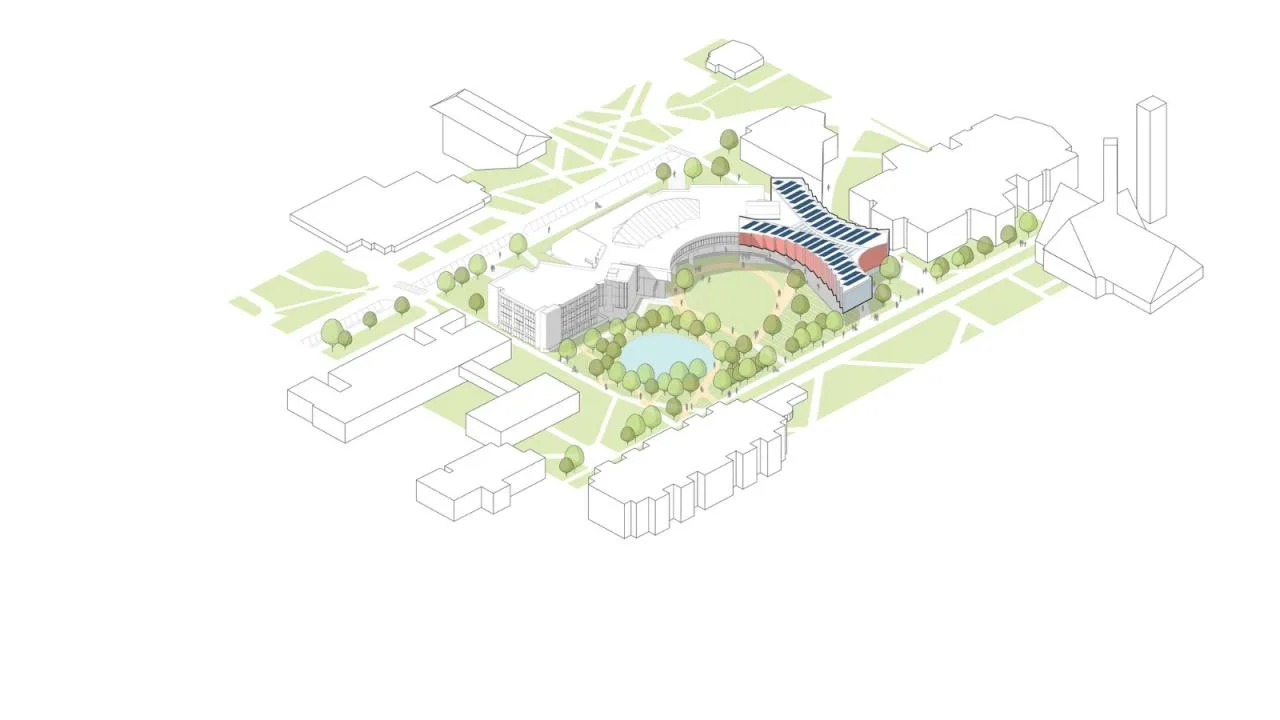
To promote sustainability and energy efficiency, several design strategies have been implemented. Skylights bring natural light deep into the building, photovoltaic panels generate renewable energy, and an adaptive ventilation system optimizes airflow based on external weather conditions.
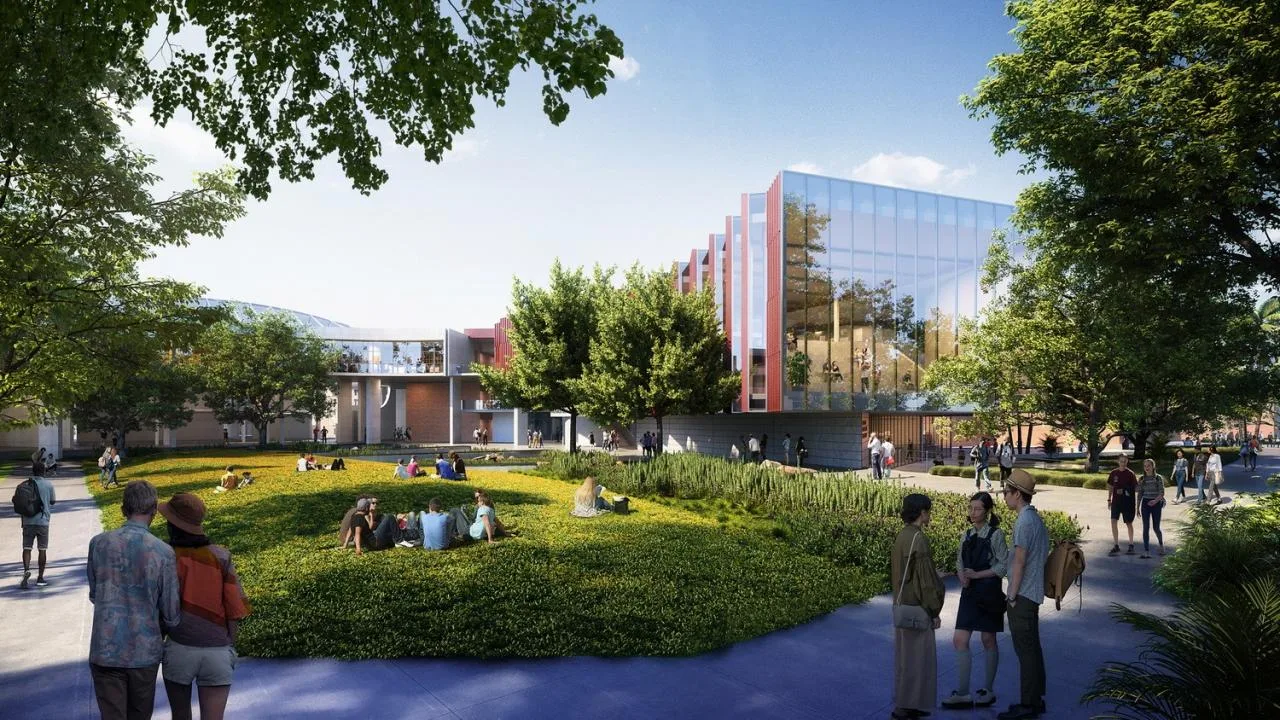
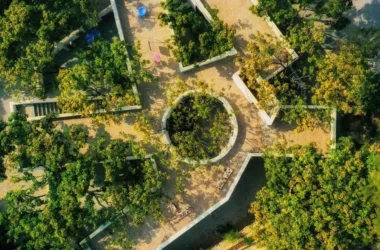
The surrounding landscape design aligns with sustainable principles as well. An ecological wetland along one of the roads filters and treats rainwater while serving as a pollination garden. Existing mature trees have been preserved, and the restored ‘Crocodile Pond’ is protected by a natural buffer zone approximately 15 meters wide, which filters fertilizers and pollutants.
Perennial peanut turf has replaced traditional grass, providing a more climate-adapted and low-maintenance ground cover. Additionally, permeable pathways connect natural areas, offering a pleasant outdoor environment for students and faculty.
Brooks+Scarpa, a design firm based in Los Angeles and Fort Lauderdale, was recently honored with the 2022 American Institute of Architects National Gold Award. Their recent projects include a new complex for the Ministry of Environment, Water and Agriculture (MEWA) in Riyadh, Saudi Arabia, and the California Quantum Computing Laboratory, which is currently under construction.
Project Drawings
△ Analysis Chart
△ Analysis Chart
△ Analysis Chart
△ Analysis Chart
△ Analysis Chart
△ Analysis Chart













Must log in before commenting!
Sign Up