
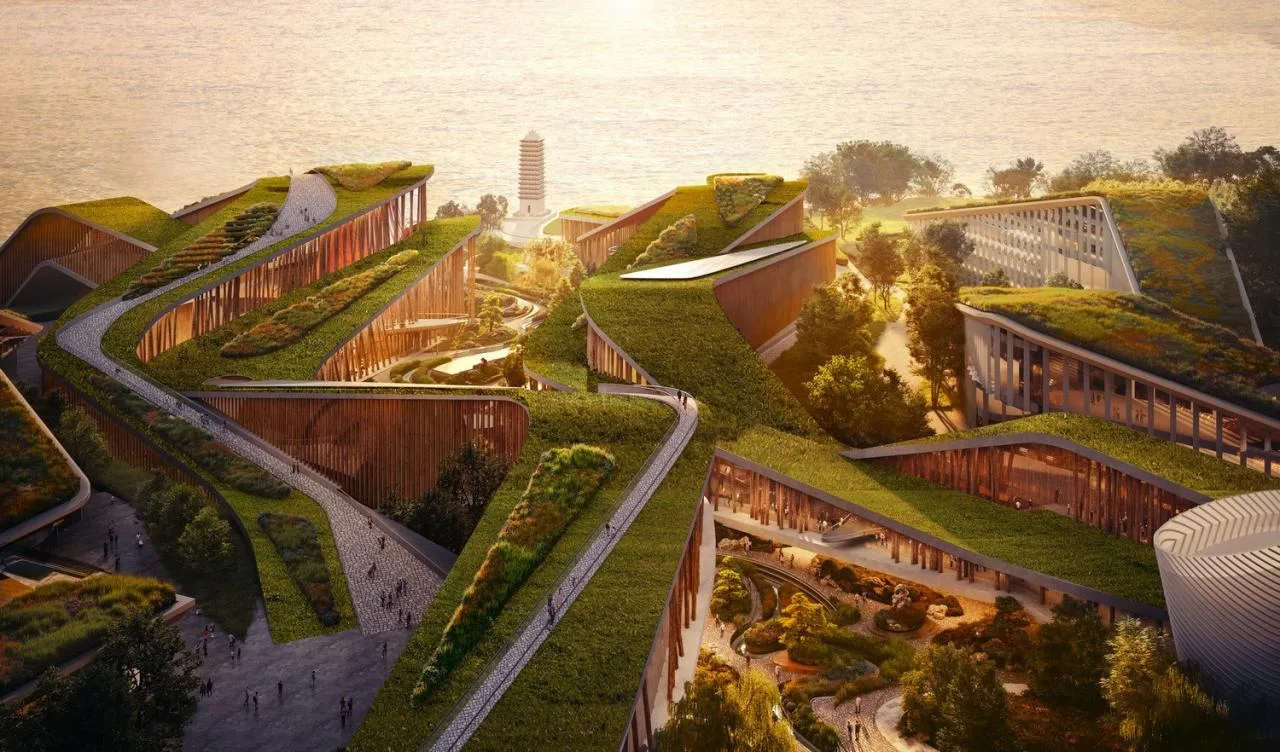
Located in Yibin, Sichuan Province—the first city along the Yangtze River for thousands of miles—Ole Scheeren has designed a new park and experience center for Wuliangye Group, a leading Chinese liquor company. Yibin, the birthplace of Wuliangye, is graced by the Minjiang and Yangtze Rivers weaving through lush green landscapes and rolling mountains, creating stunning scenery.
This city has nurtured Wuliangye, while the brand, its history, and products continue to give back to Yibin and its residents. Orel Shiren Studio’s design concept deeply explores this close relationship, integrating Wuliangye’s culture and history into the broader urban fabric of Yibin.
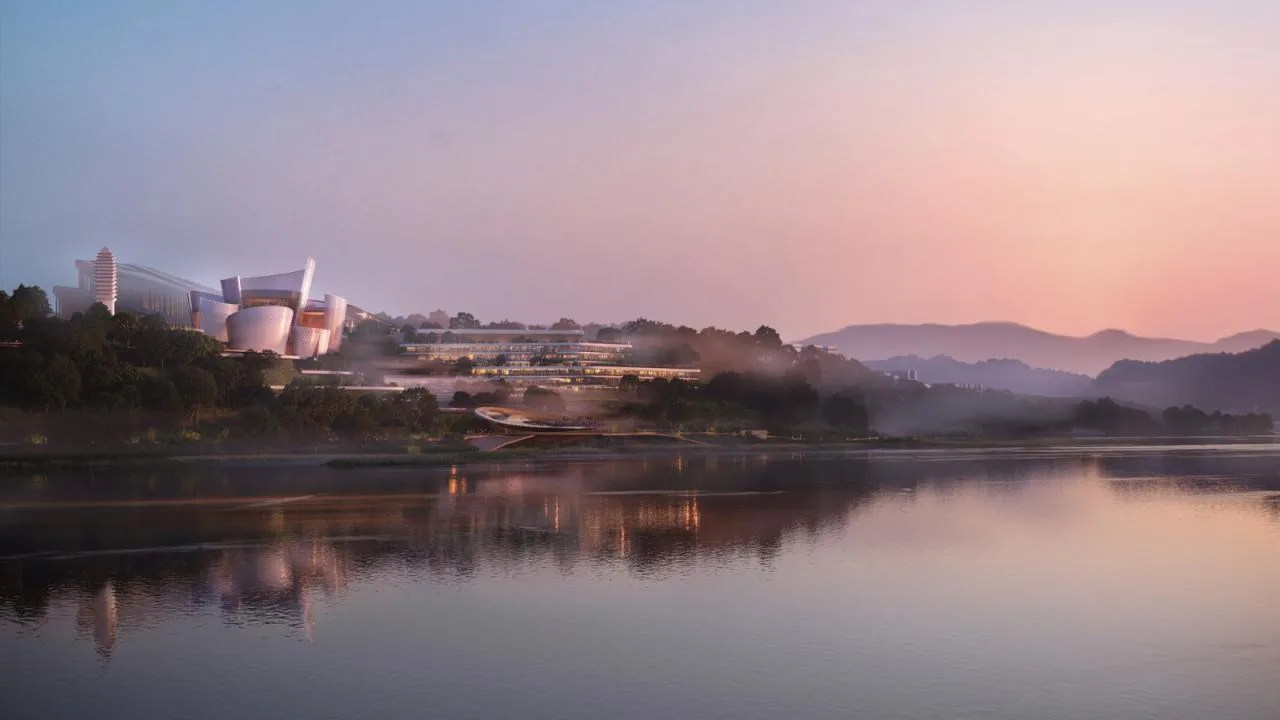
Inspired by the natural canyon formations of the site, the design features two parallel, winding canyon-like architectural structures. These new buildings connect the nearby river with the existing headquarters and the surrounding park, forming a seamless indoor-outdoor narrative space centered on nature and wine culture. This allows historical relics and contemporary architecture to engage in a meaningful dialogue across past, present, and future.
The “Wuliangye World” and “Wine Culture Exhibition Center” flank the project, outlining the overall form of Wuliangye Oriental Wine Valley. The building gradually rises like an artificial canyon, weaving through the site and blending into the natural landscape, extending all the way to the Minjiang River. A stream flows between the buildings, carrying the story and connecting Wuliangye Park with the rivers, city, and beyond.
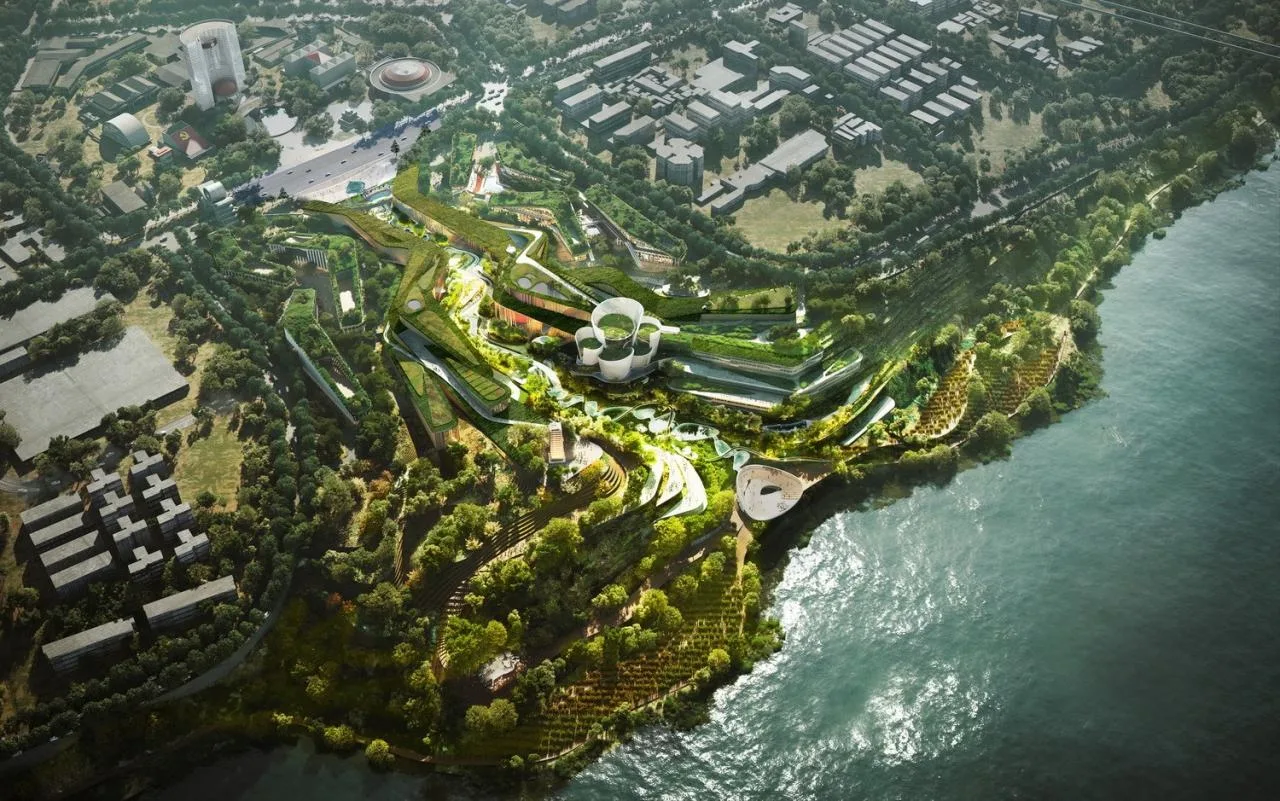
“Wuliangye World” serves as an immersive experience center where visitors can engage with the Wuliangye brand and its products through diverse themes. The main indoor space draws inspiration from the idea that “wine is abundant and precious,” interpreting the shapes and materials of wine vessels into architectural forms.
Facing the river, the intricately crafted building resembles a collection of precious wine vessels. The Chongbi Building, located within the wine tasting center, complements this design. On the opposite side, the “Wine Culture Exhibition Center” adopts a spatial language consistent with “Wuliangye World,” narrating the story of wine culture through themed exhibition halls, educational spaces, and large-scale forums.
Wuliangye Oriental Wine Valley traces a journey through time and space. The new buildings thoughtfully preserve and enhance historical relics such as ancient city walls, old continent towers, and Dafotuo, all reflecting Yibin’s rich cultural heritage. Along the way, a new celebration square, tourist center, iconic Chongbi Building, and Binjiang Theater are strategically placed as future anchors for tourism.
Yibin is home to the world’s largest bamboo forest—the Yibin Bamboo Sea. Our design abstractly incorporates elements from this bamboo sea, introducing a transparent wooden facade barrier between the building and the central canyon as a spatial interface. This softens the boundaries between landscape and architecture. Additionally, randomly arranged large wooden columns further blur the indoor-outdoor divide, inviting visitors to freely explore a variety of rich spatial environments. Here, people can stroll, relax, and immerse themselves in the harmonious stories of nature, architecture, and space.
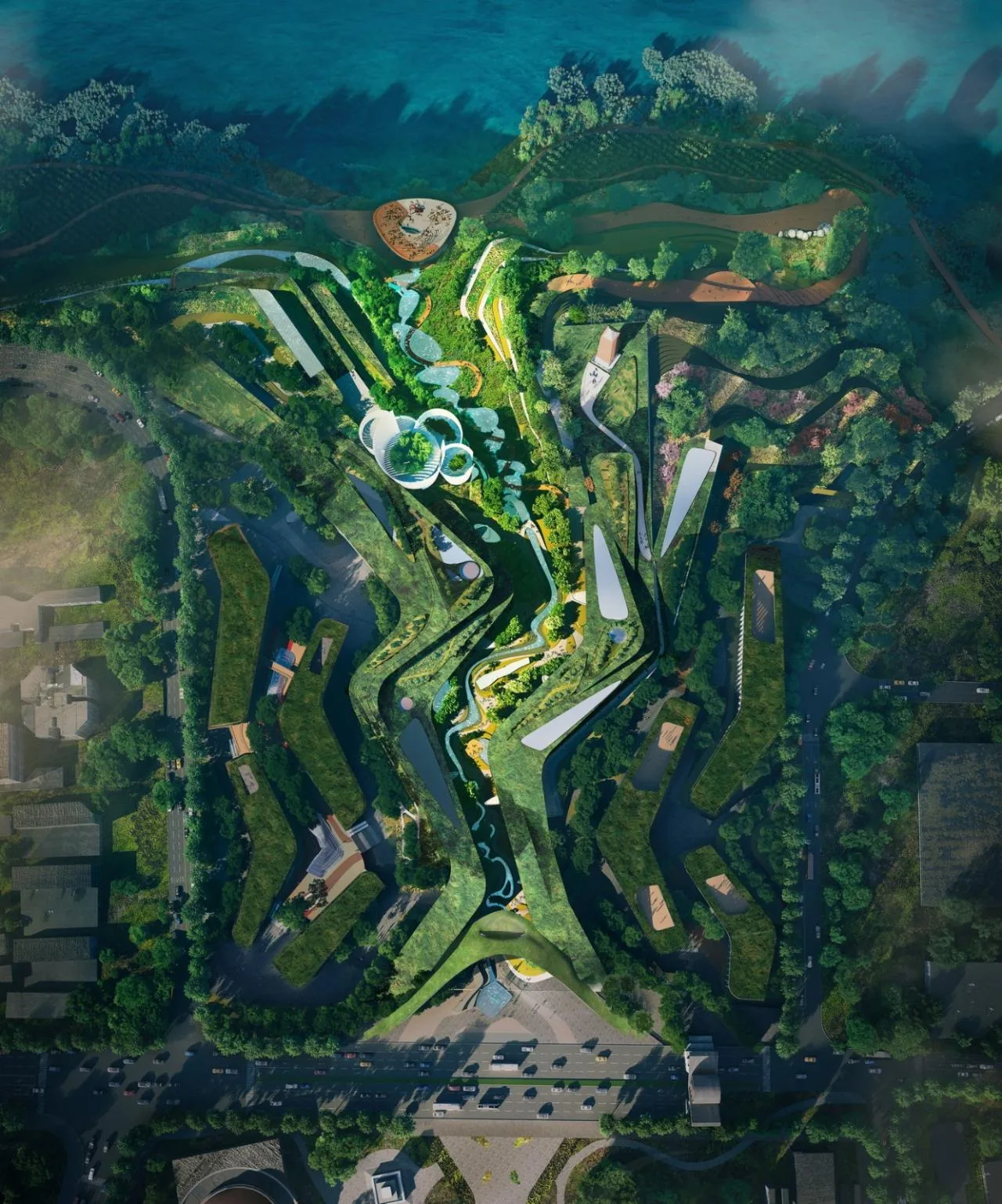
The site features a diverse network of landscape pathways that encourage exploration of the natural environment, historical landmarks, cultural relics, and contemporary architecture. The Wine Valley Landscape Path, Historical and Cultural Relics Path, and Riverside Sightseeing Path connect “Wuliangye World” and the “Wine Culture Exhibition Center” with hotels, commercial streets, and office parks, forming a comprehensive and varied park system.
The architecture is thoughtfully integrated into the natural terrain, fully leveraging the site’s resources. This approach forms the foundation of effective environmental strategies. During hot and humid seasons, the design promotes a comfortable microclimate and energy efficiency. The combination of green roofs and solar panels utilizes the undulating roof shapes to generate energy and retain moisture.
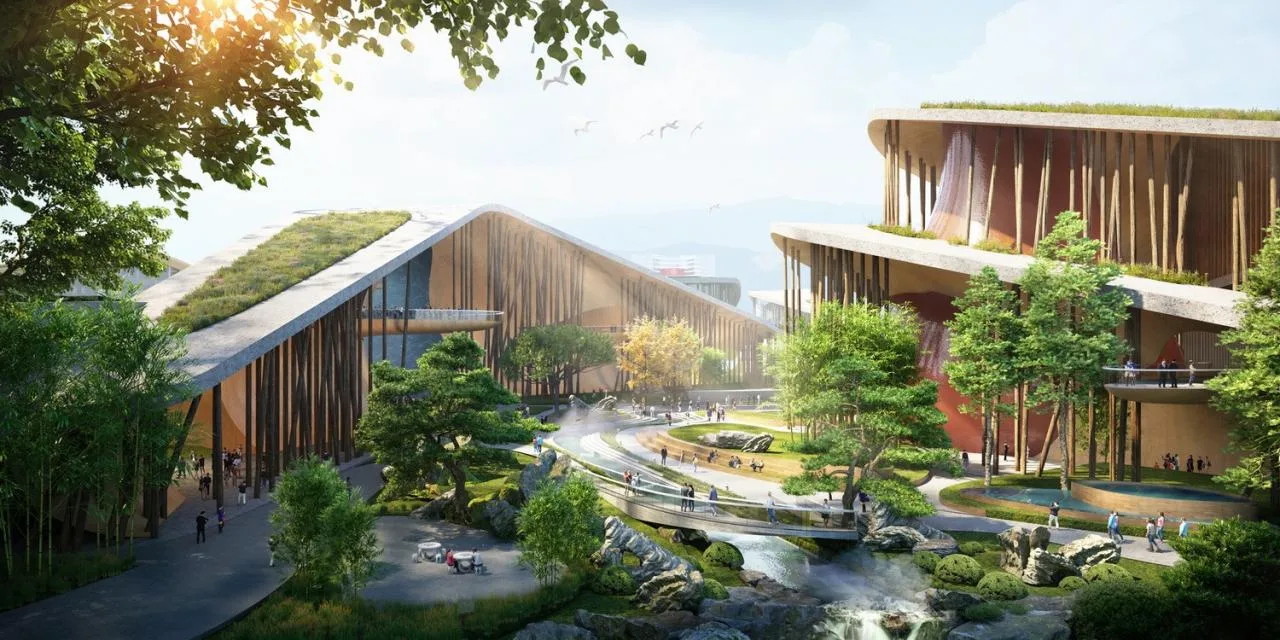
Our goal is to tell a story of wine culture intertwined with natural beauty that inspires and moves people. The Song Dynasty poet Ouyang Xiu once wrote, “The meaning of a drunken man is not wine, but between mountains and rivers.” Through design, we explore this poetic space, weaving architectural elements into the natural environment of mountains, canyons, waterfalls, and rivers.
Two linear buildings with undulating forms extend the existing canyon shape, resonating harmoniously with the surrounding landscape and creating a vibrant, culturally rich open space—Wuliang Oriental Wine Valley.
Orel Shiren & Associates is a globally renowned architecture firm with studios in Hong Kong, Beijing, Bangkok, New York, London, and Berlin. Earlier this year, the firm won the international competition for the 350-meter-tall Jiangbei New Financial Center Building in Nanjing, China. Current projects include the new headquarters of ZTE Corporation in Shenzhen Bay—dubbed “Shenzhen Tide”—which aims to become a symbol of China’s digital revolution, and the China Duty Free Sanya Luxury and Boutique Hotel, located in Sanya, one of China’s most popular vacation destinations.
Project Drawings
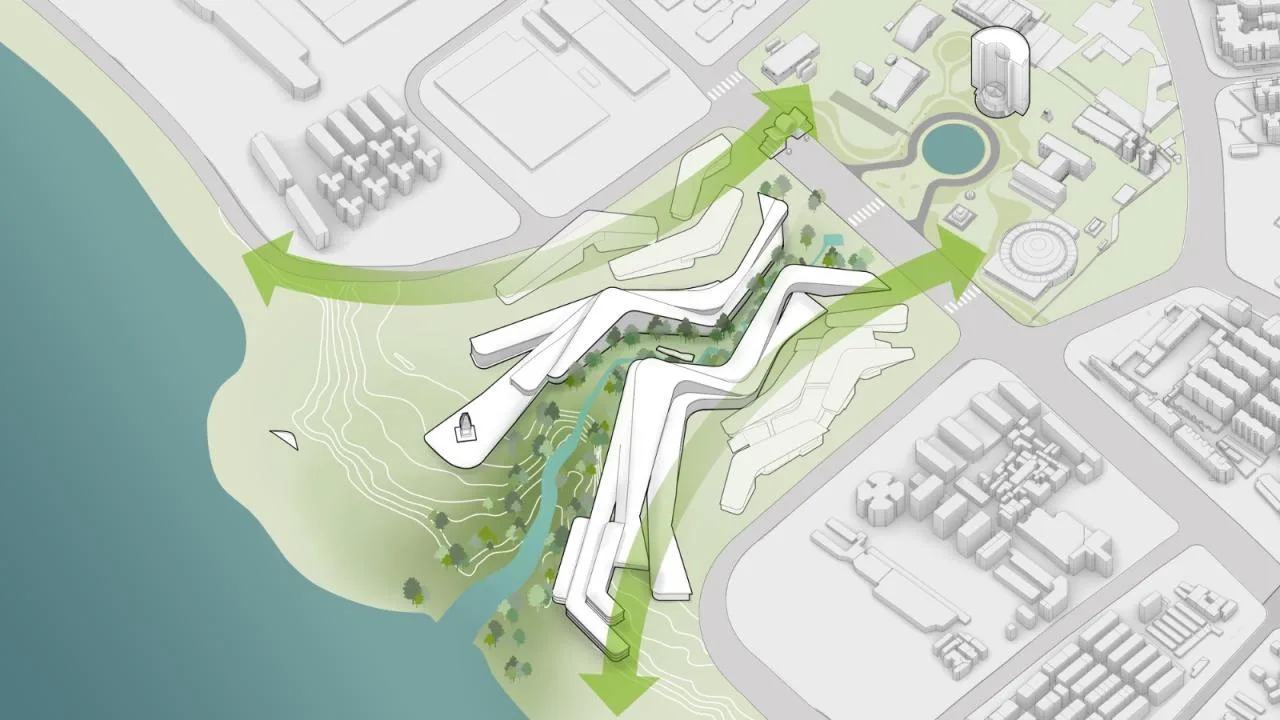
△ Analysis Chart
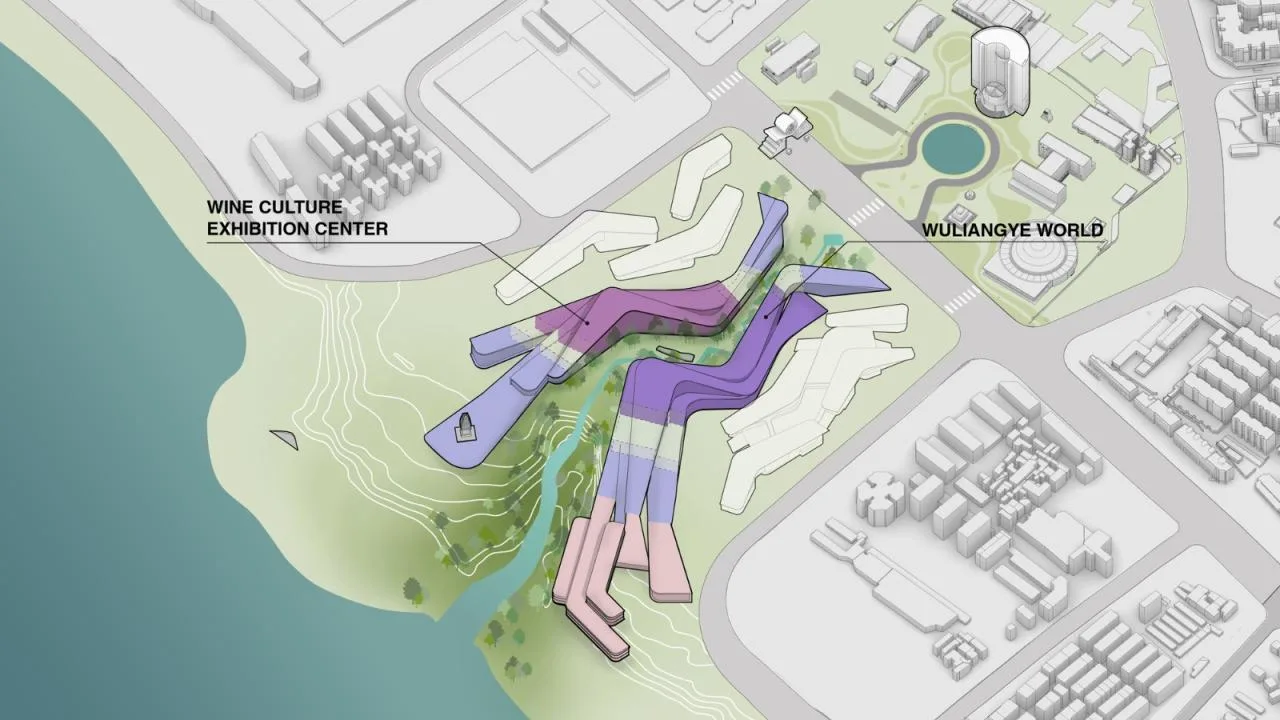
△ Analysis Chart
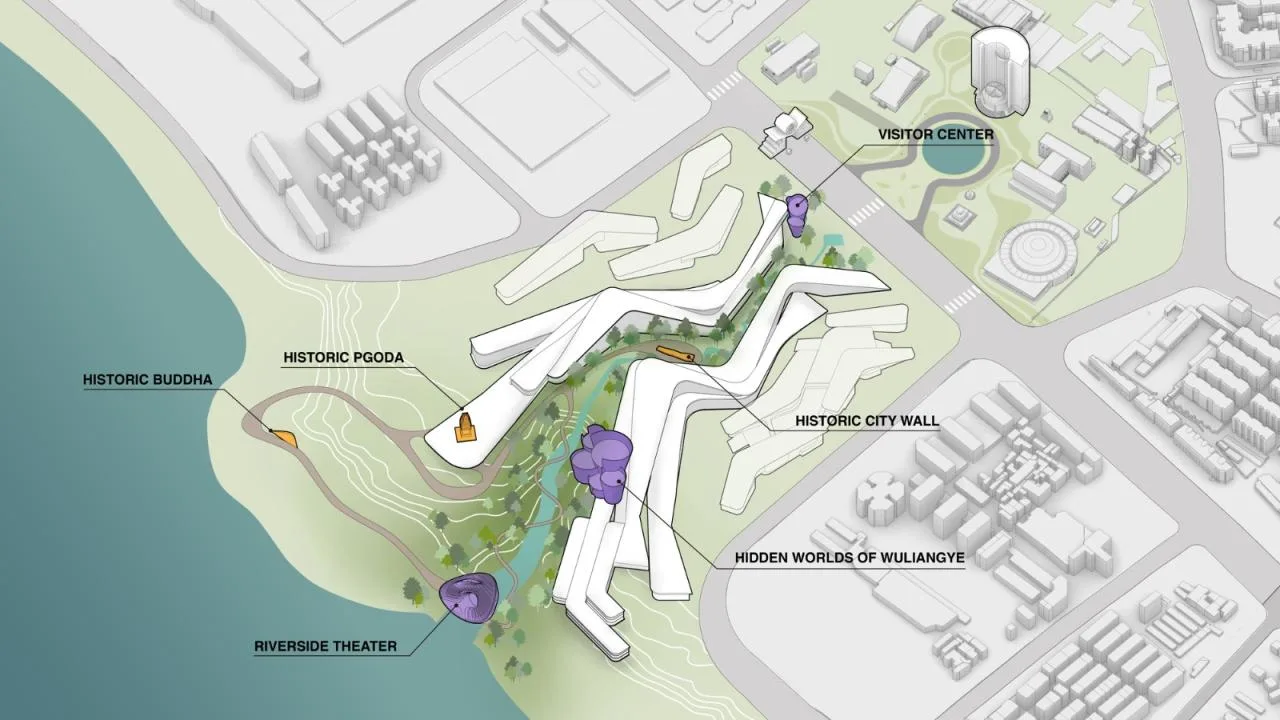
△ Analysis Chart
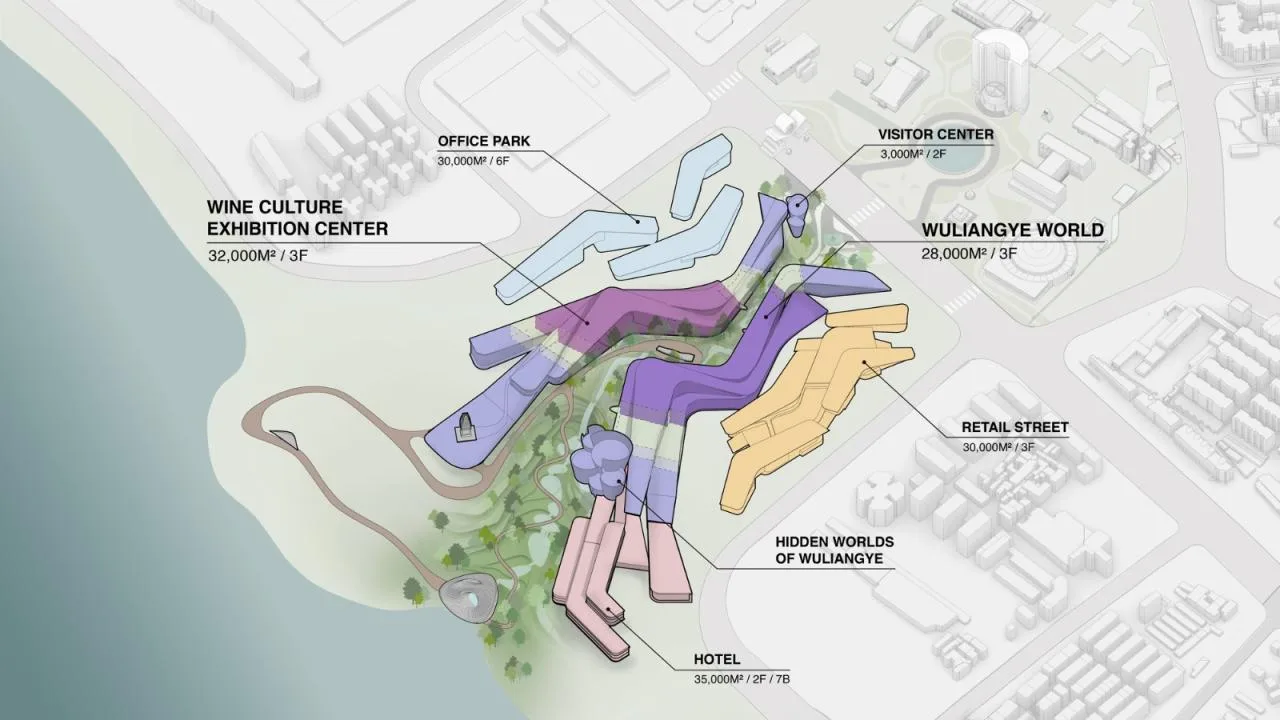
△ Analysis Chart
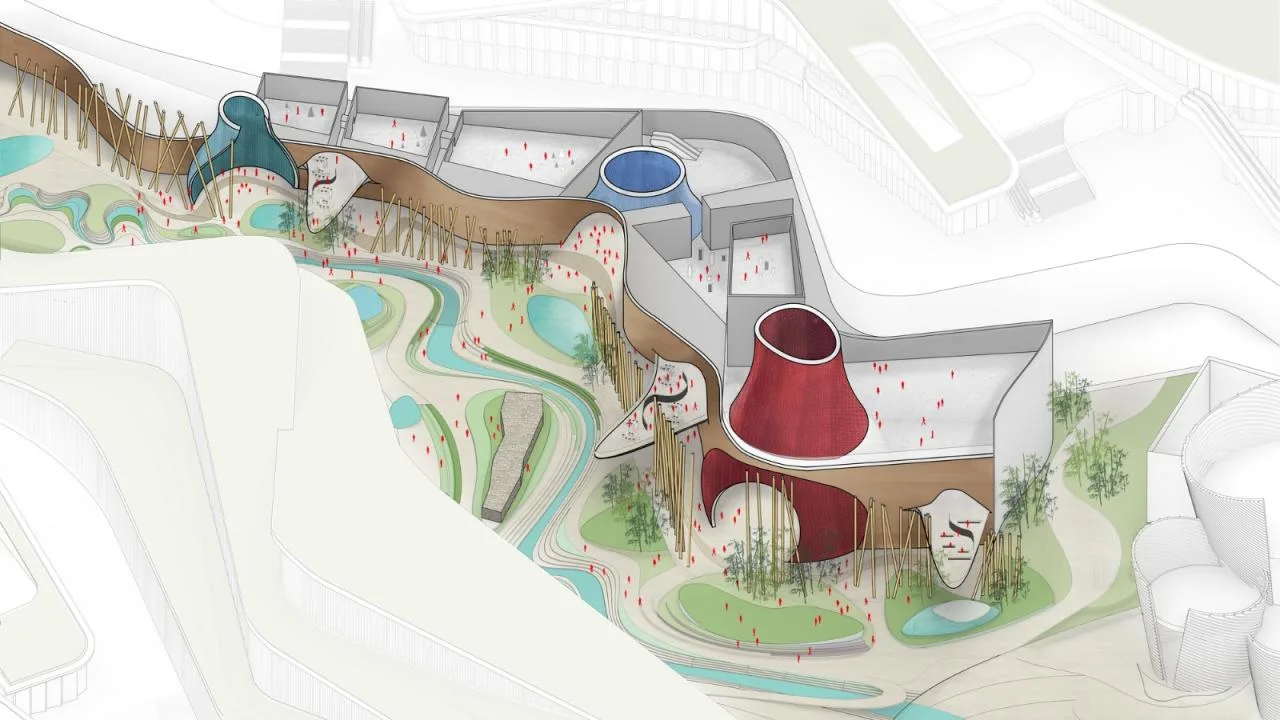
△ Analysis Chart














Must log in before commenting!
Sign Up