
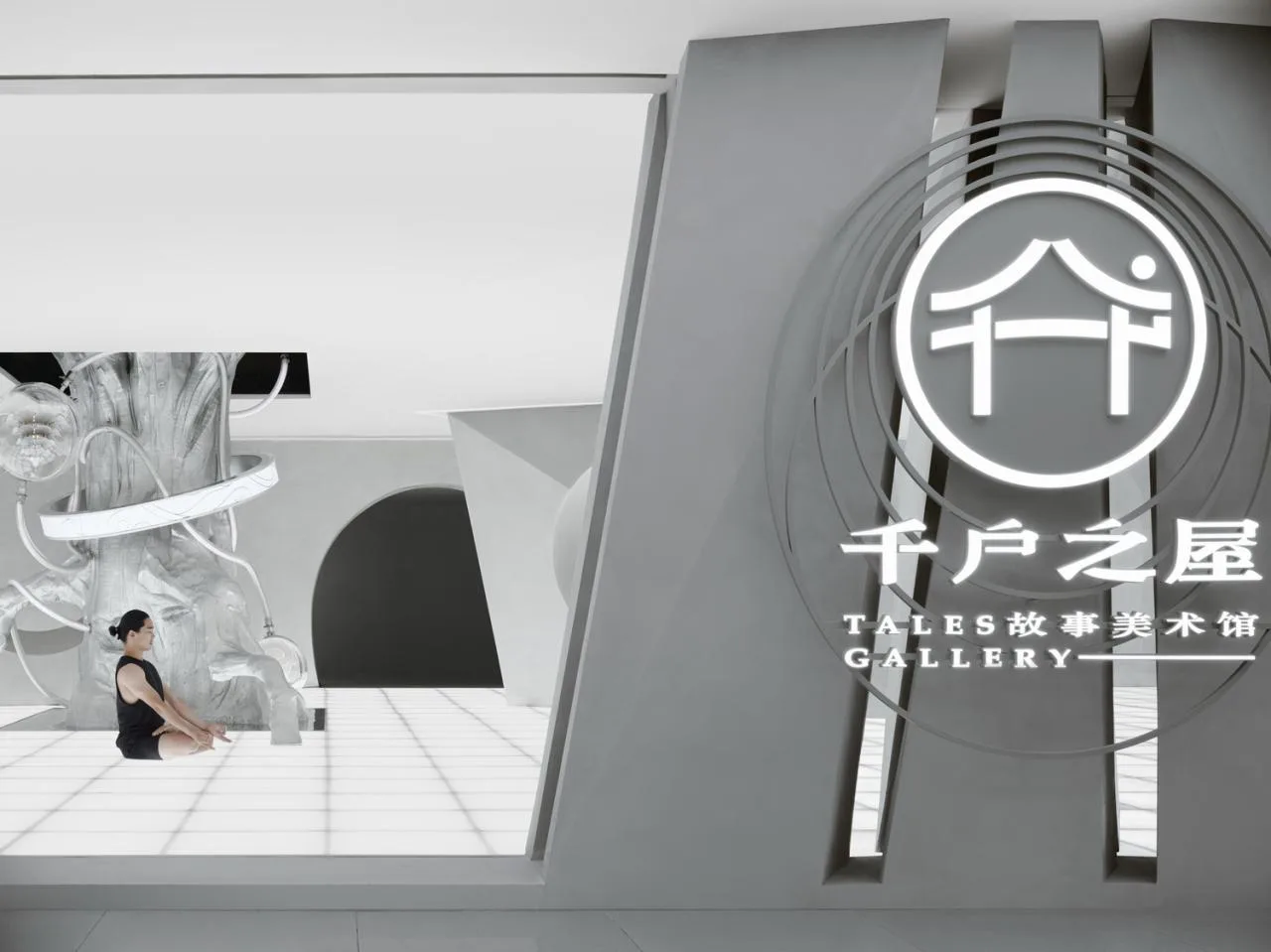
Xiamen Qianhu House aims to create a story art museum that merges art with immersive experiences, guiding visitors to discover the beauty of regret through intertwined dimensions of time and space.
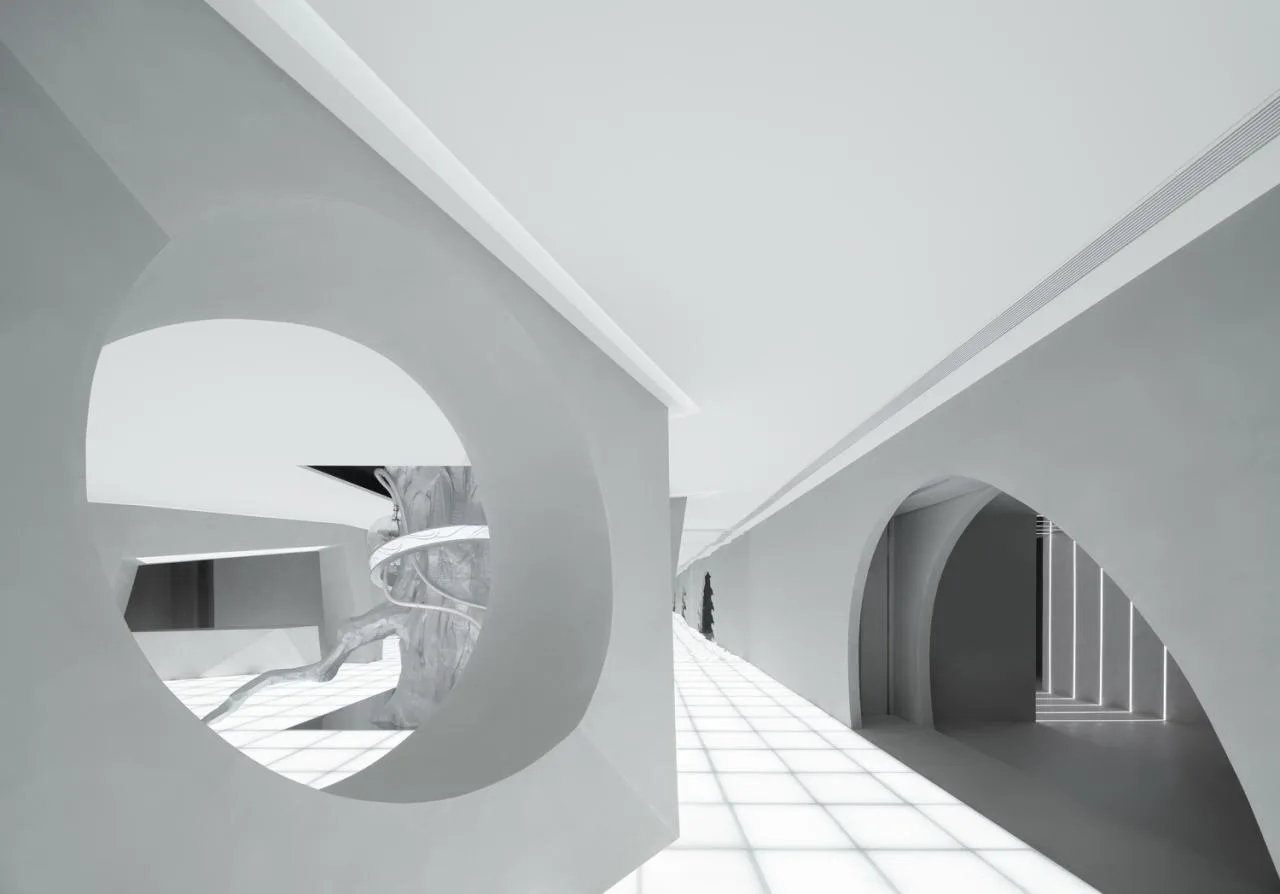
Cunjiang Panda brought this vision to life with a unique creative design. Visitors can glimpse a “hole in the sky” through fleeting moments of light and shadow, infusing the space with extraordinary imagination and creativity, and sparking a journey between reality and virtuality.
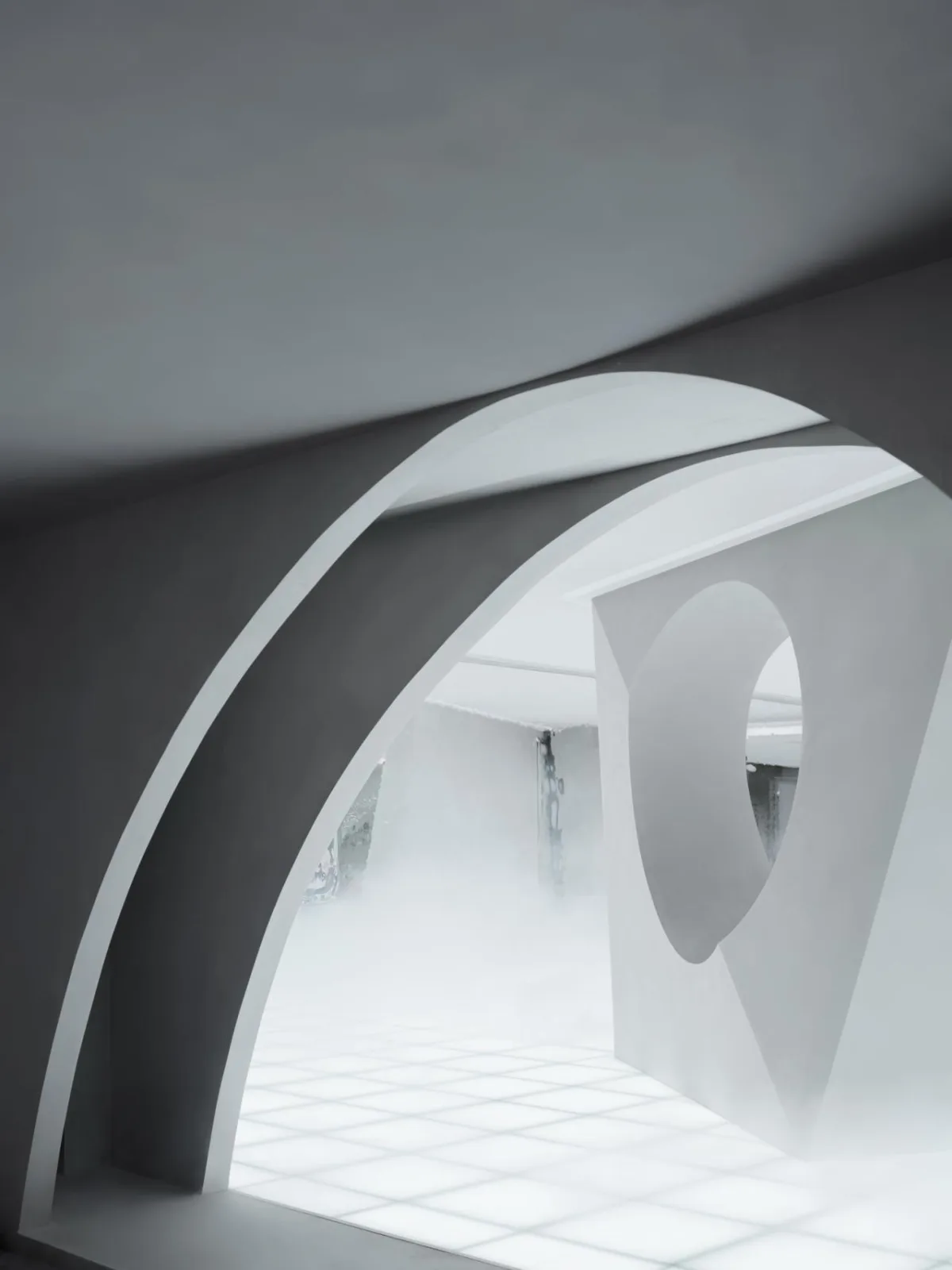
The Gate of Time and Space
A strong beginning sets the tone for the entire story.
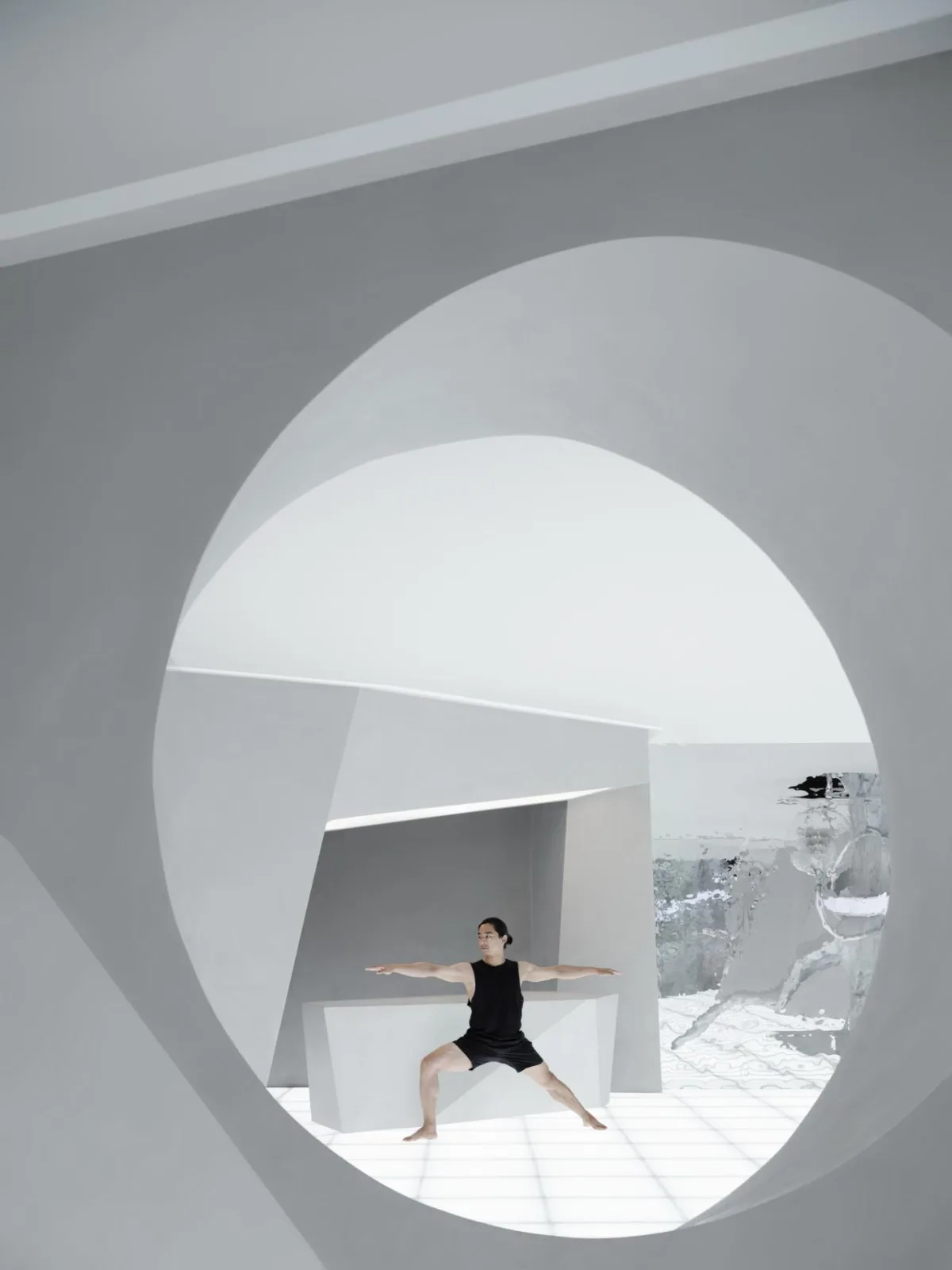
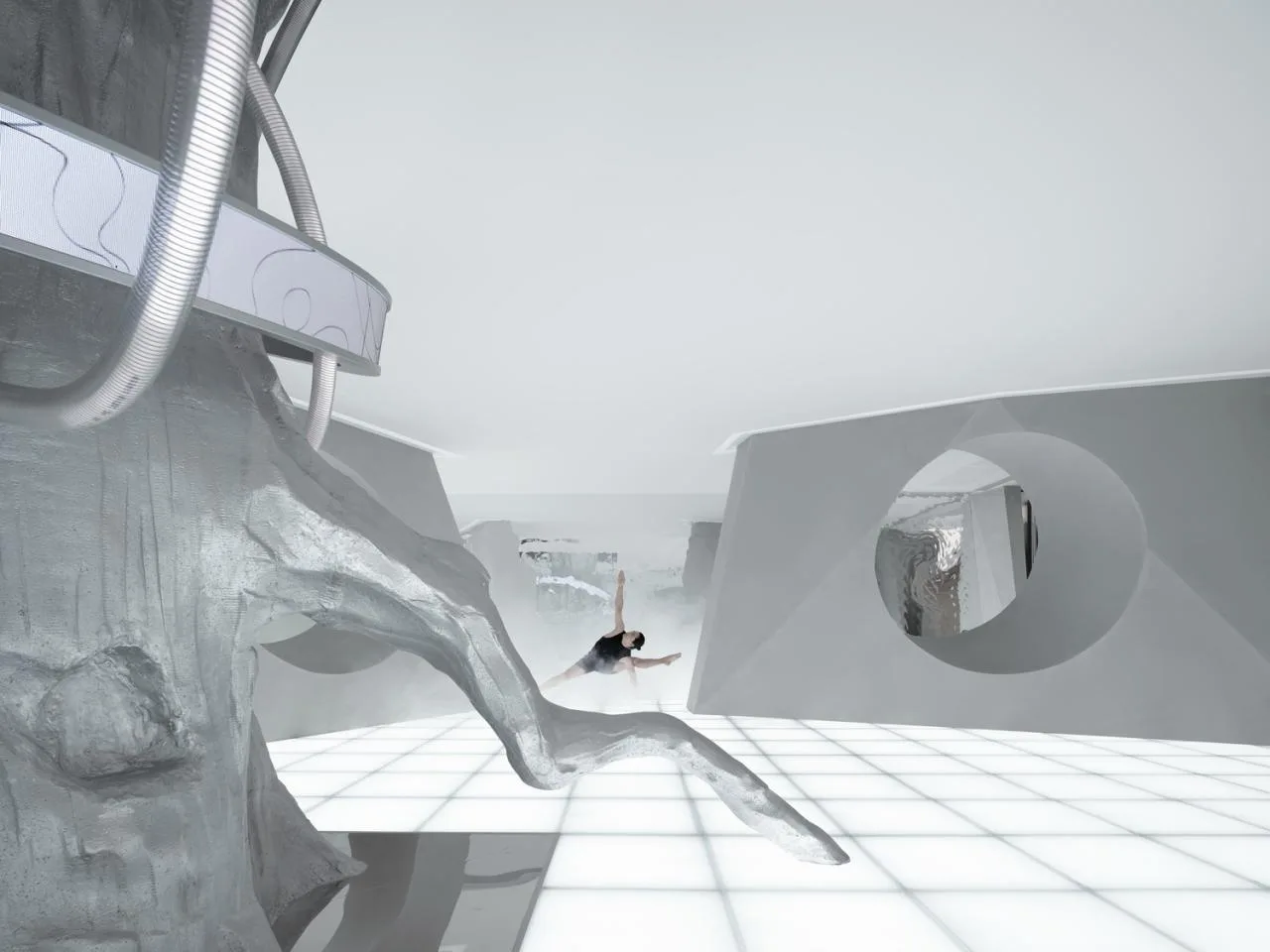
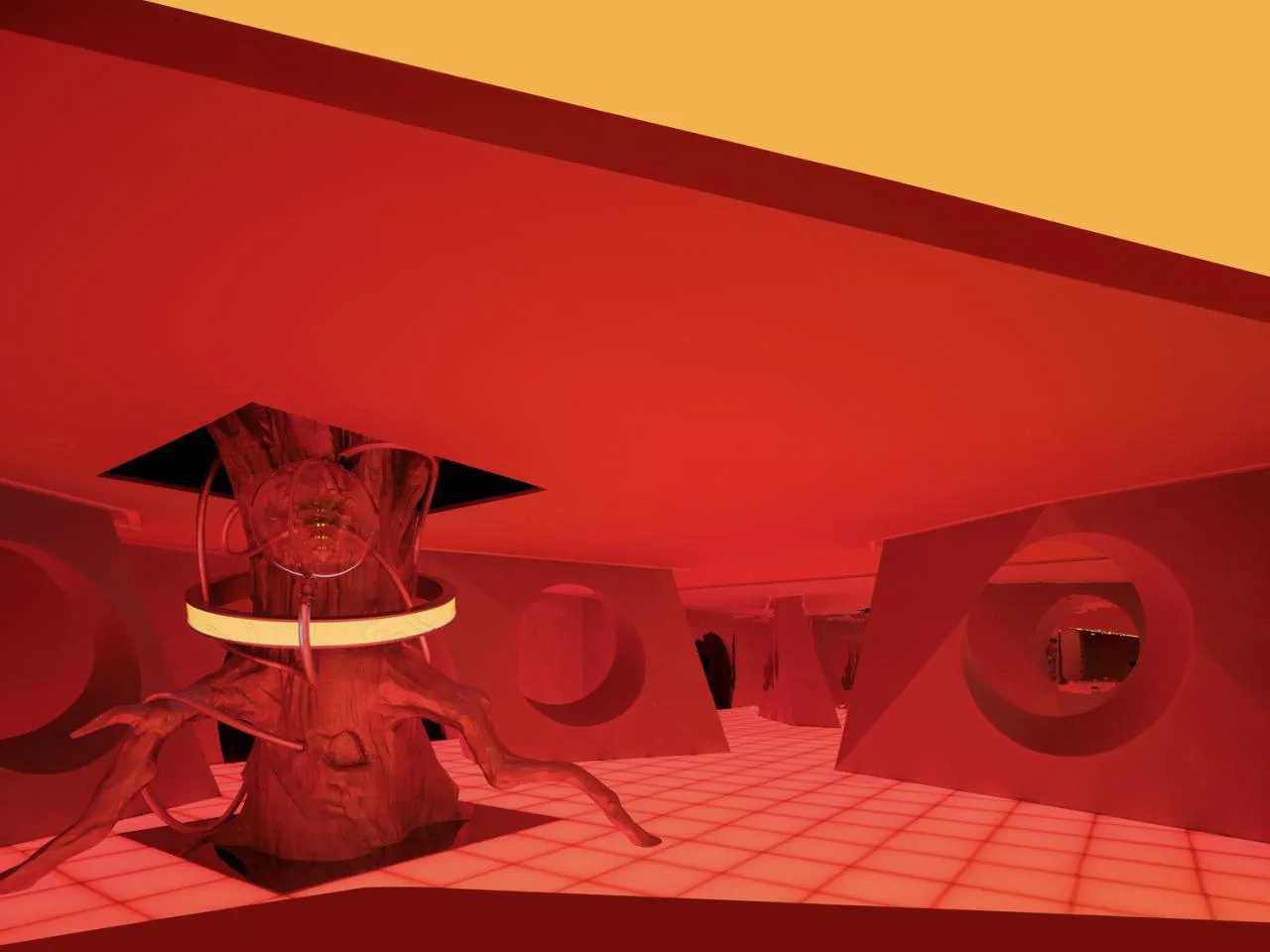
Inspired by Stonehenge, this design opens an interlocking space that leads to a new world—a portal bridging the virtual and the real. Here, time and space seem frozen and twisted, while geometric forms are arranged to create a zone composed of numerous small worlds.
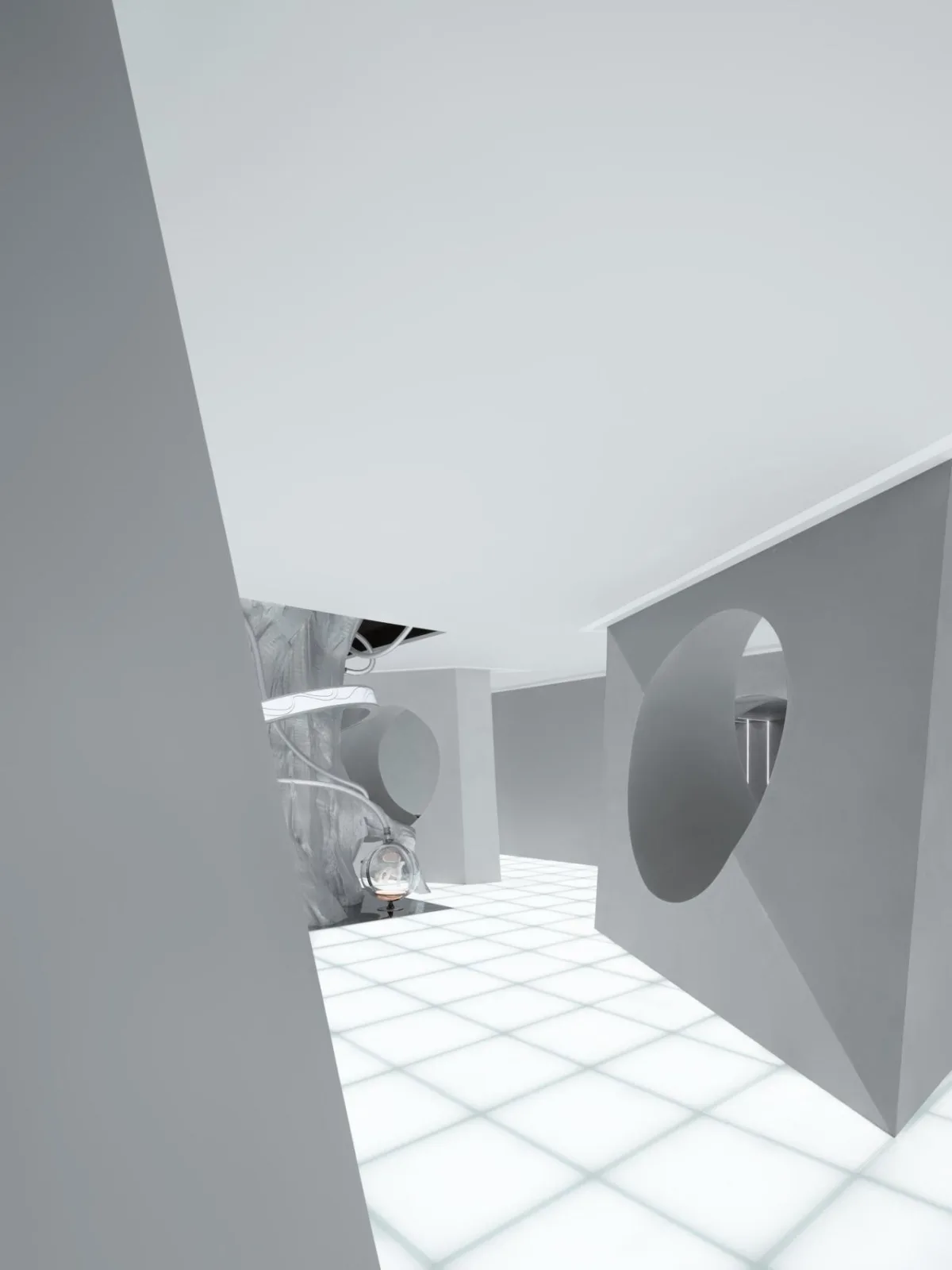
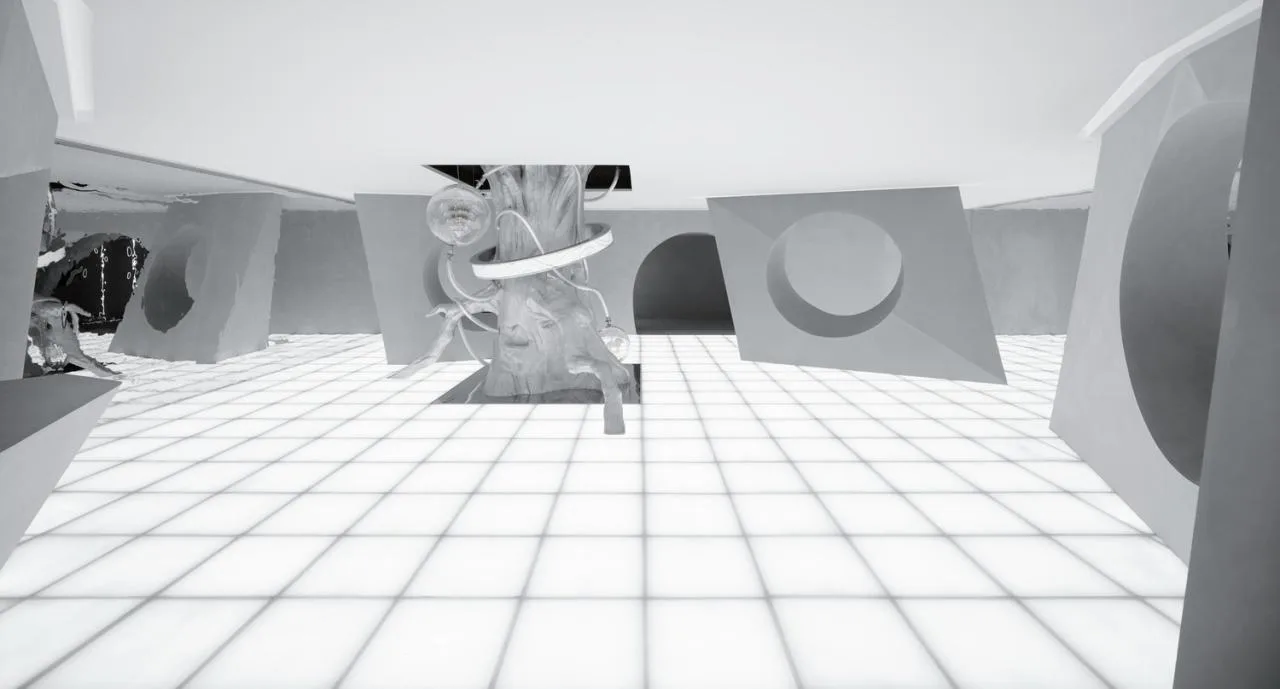
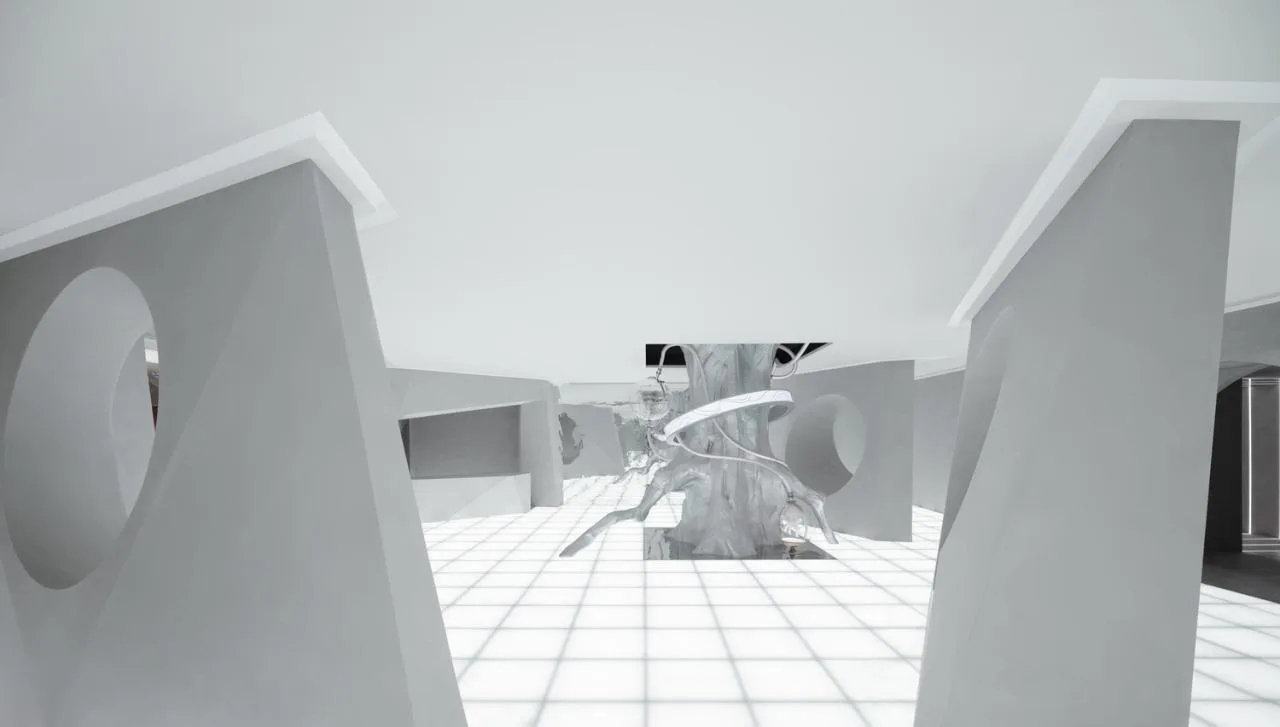
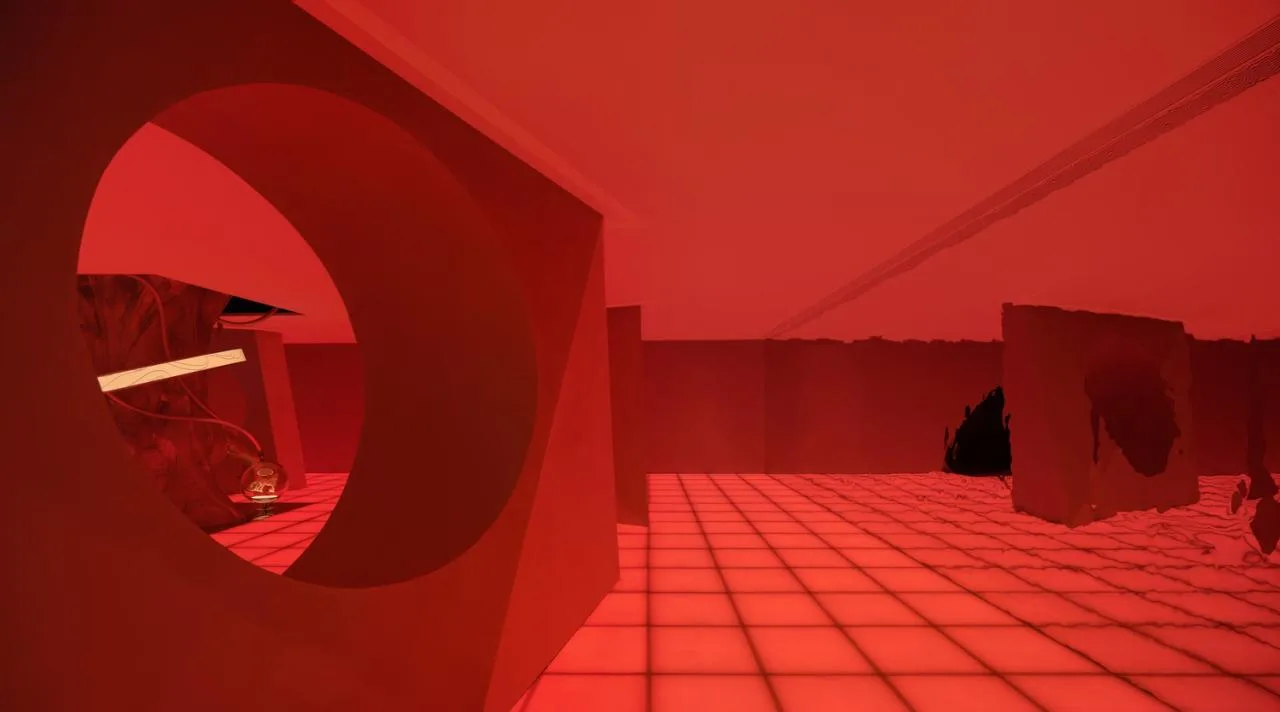
The floor serves as the primary light source, emitting various lighting effects according to each scene’s changes. Light filters through hollow circular openings, revealing the intricate veins of the structural framework. The sharp elegance of linear forms emerges, allowing visitors to experience the interplay and collision of reality and illusion within this layered and intertwined visual space.
The Tree of Regret
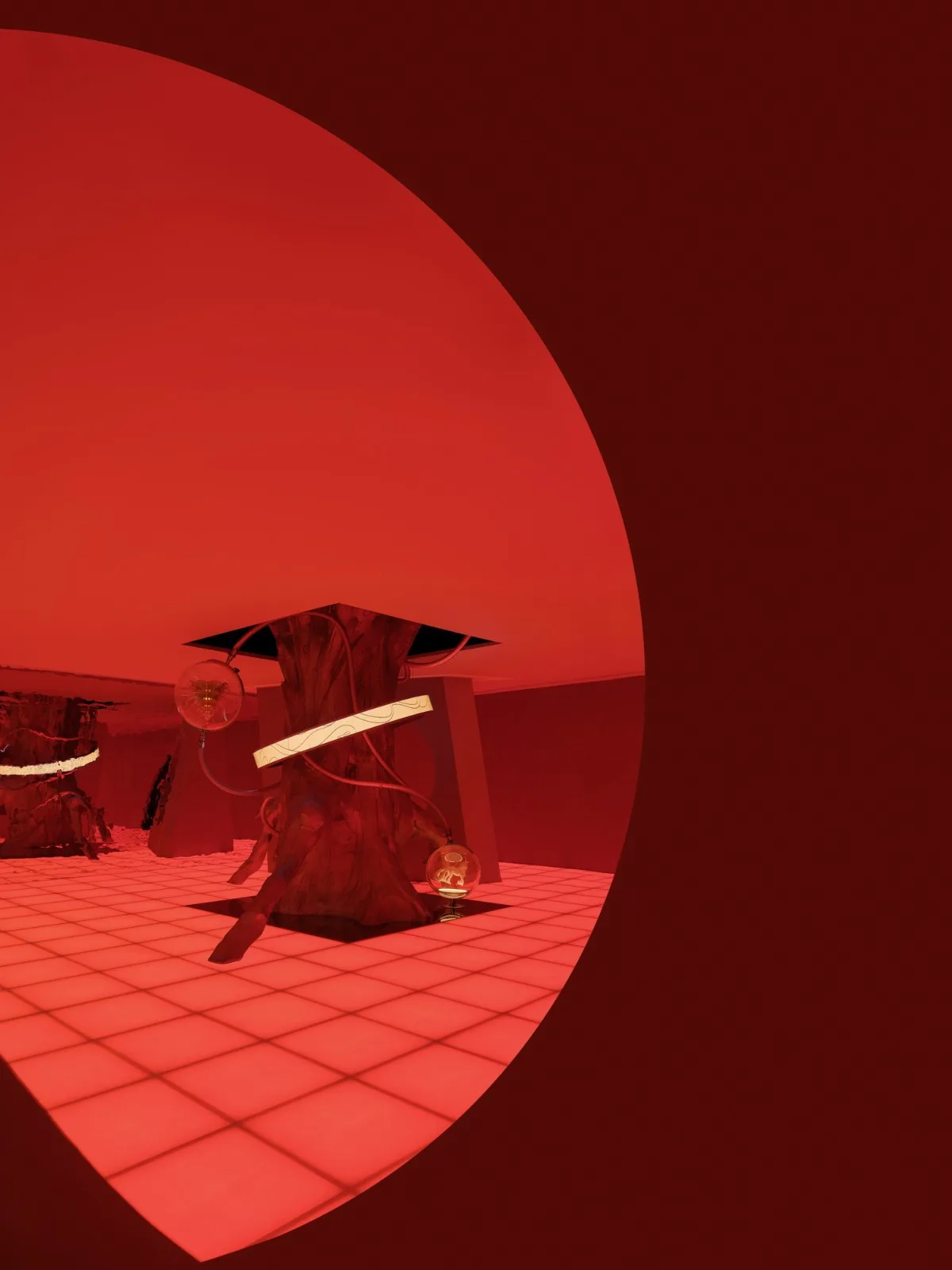
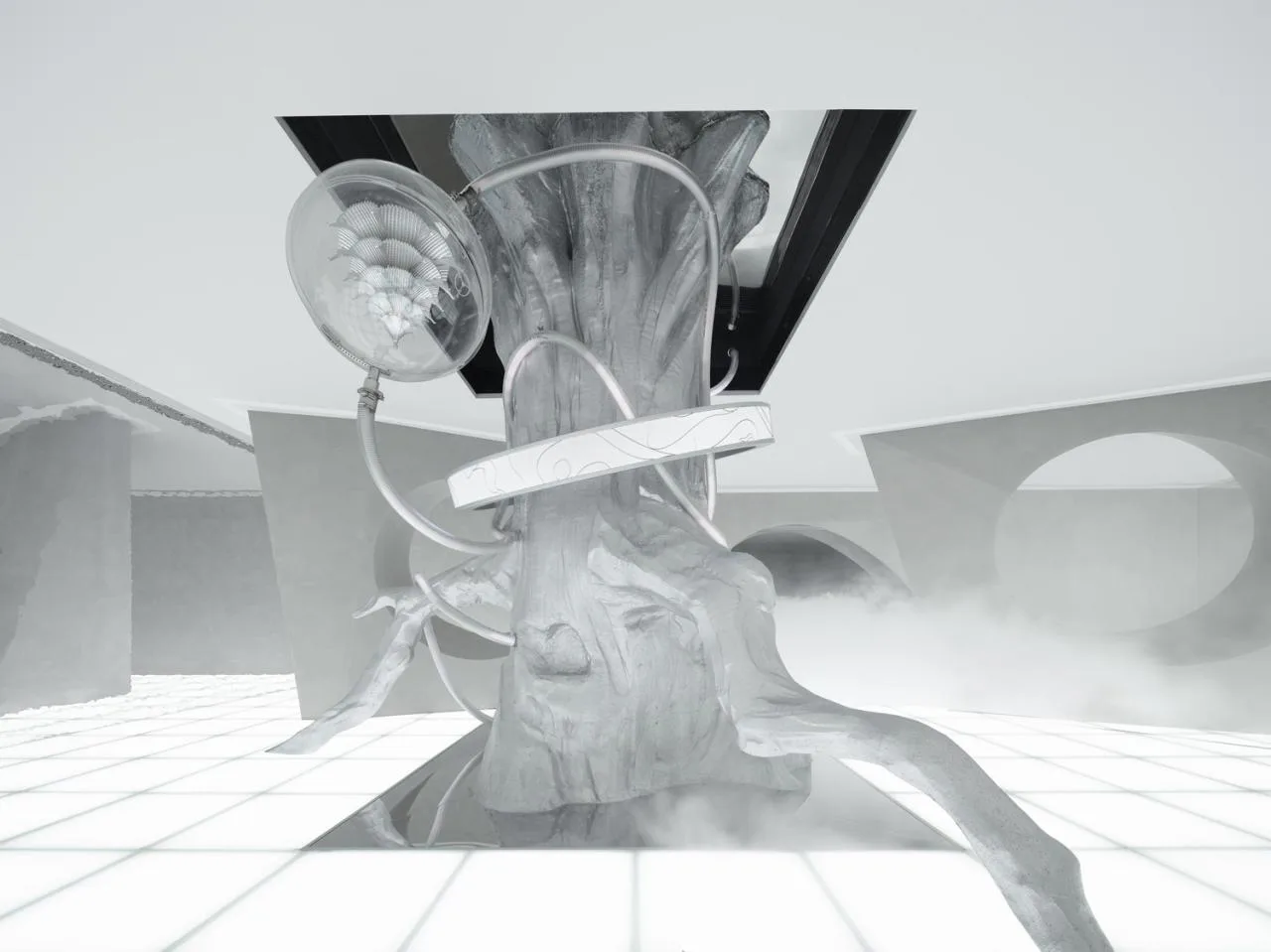
Just as your gaze wanders, the Tree of Regret suddenly appears before you.
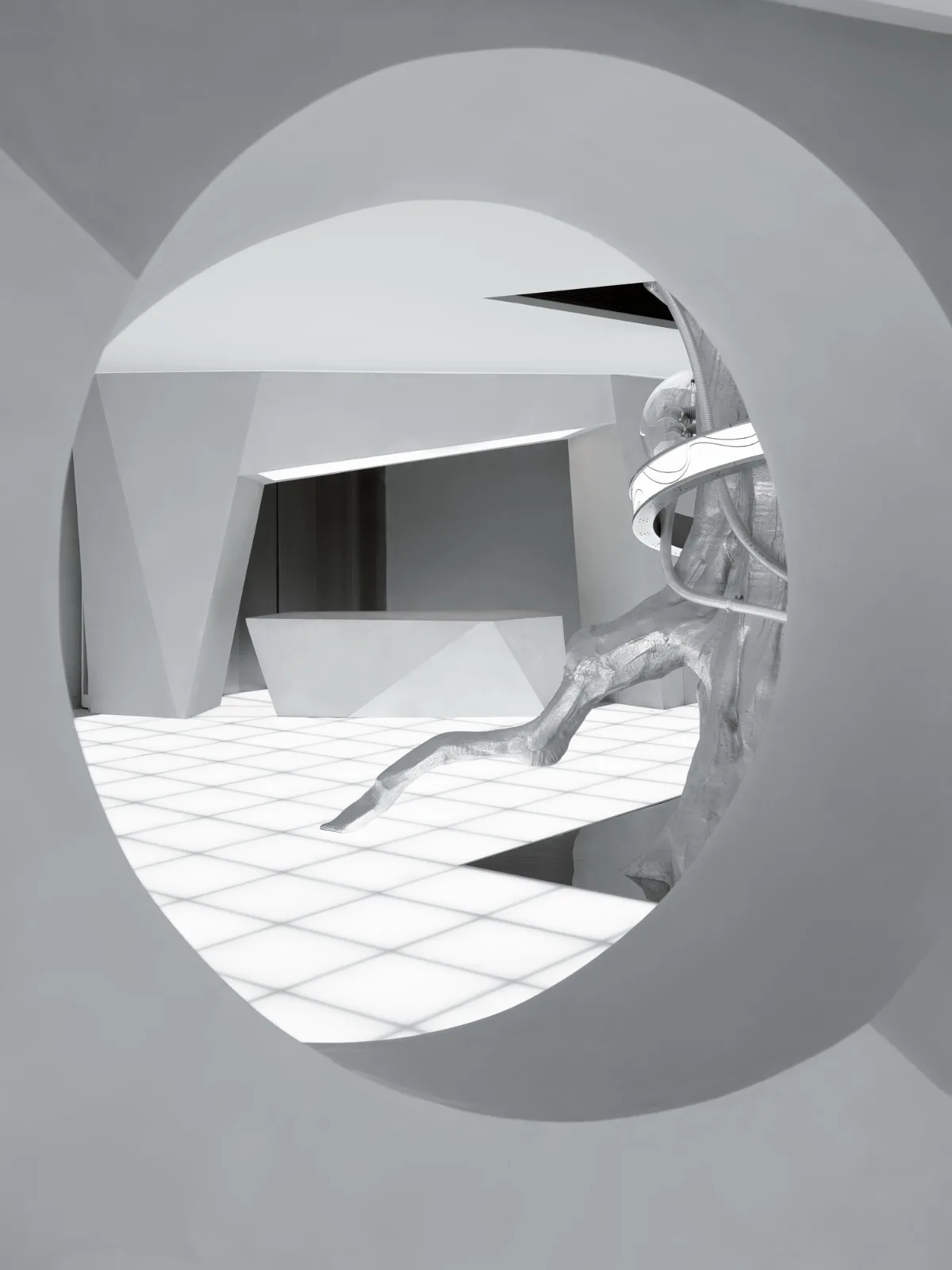
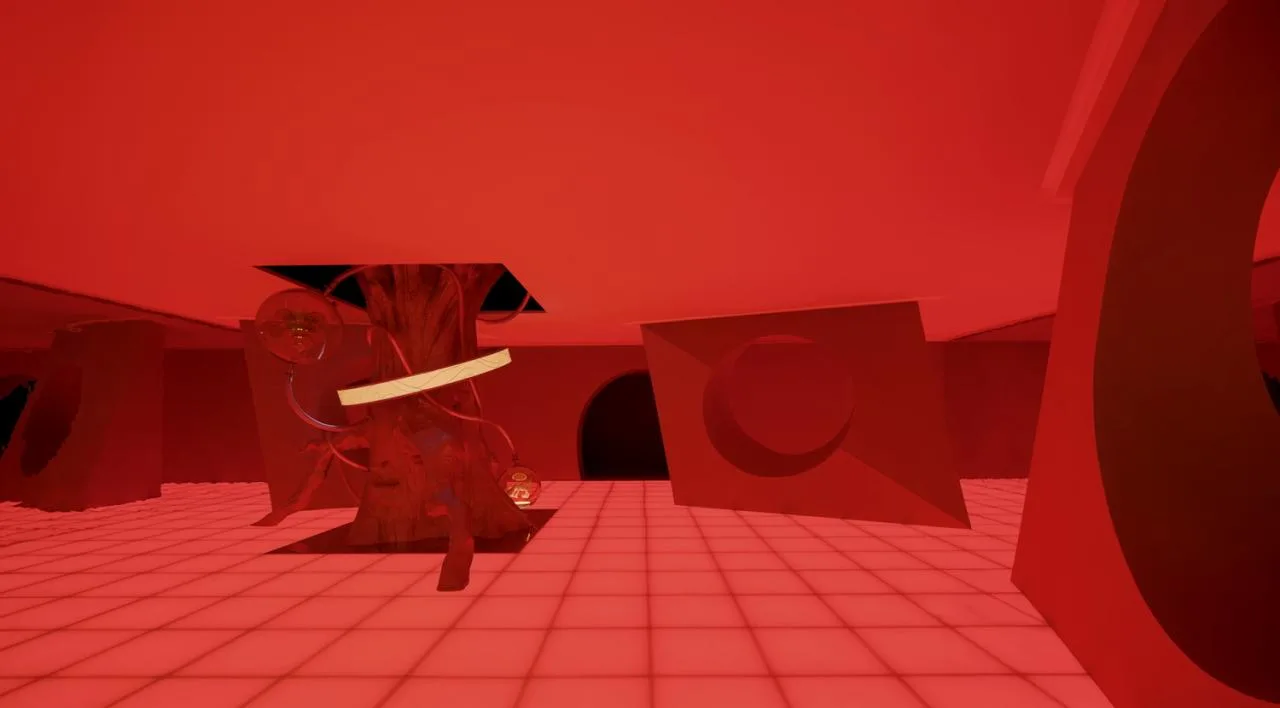
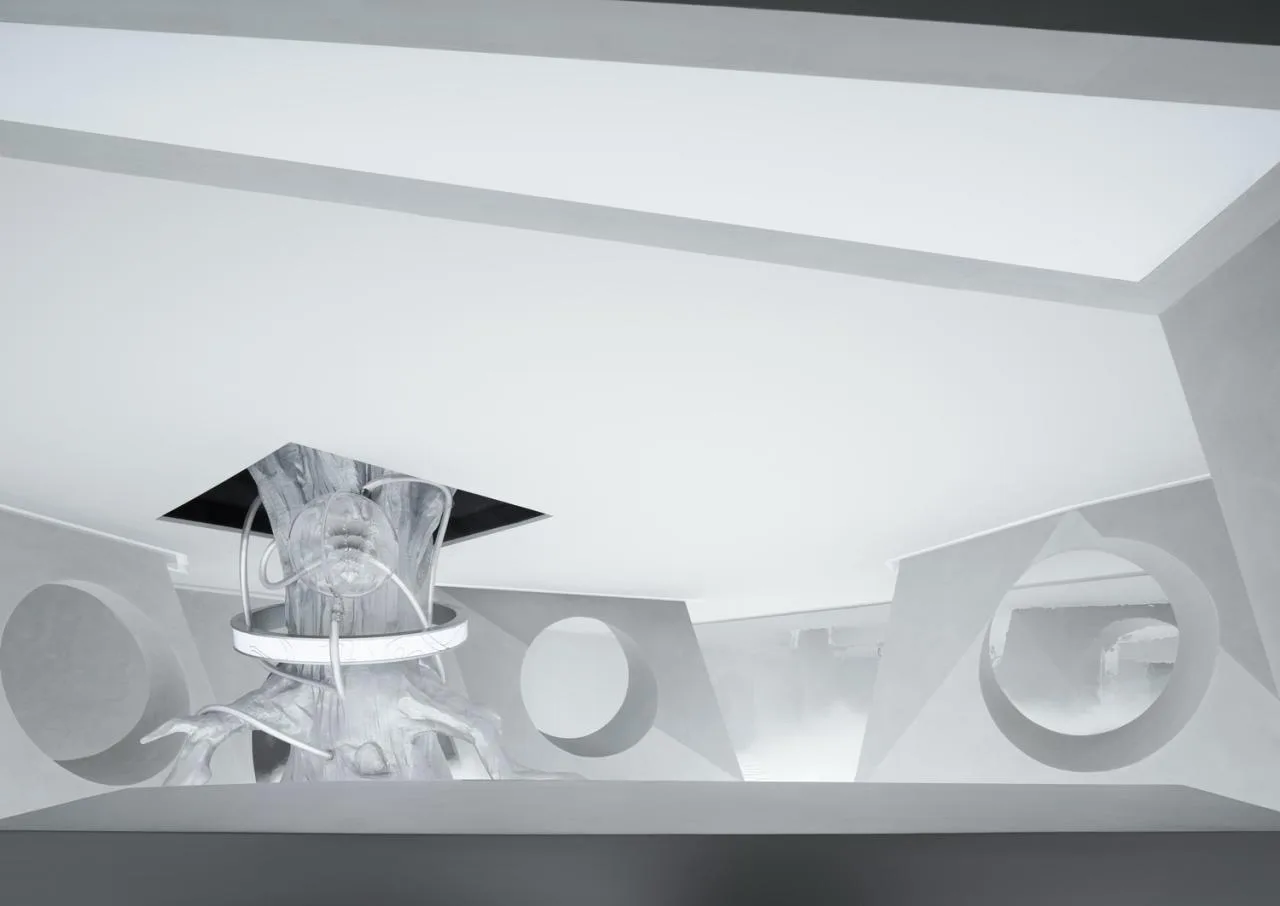
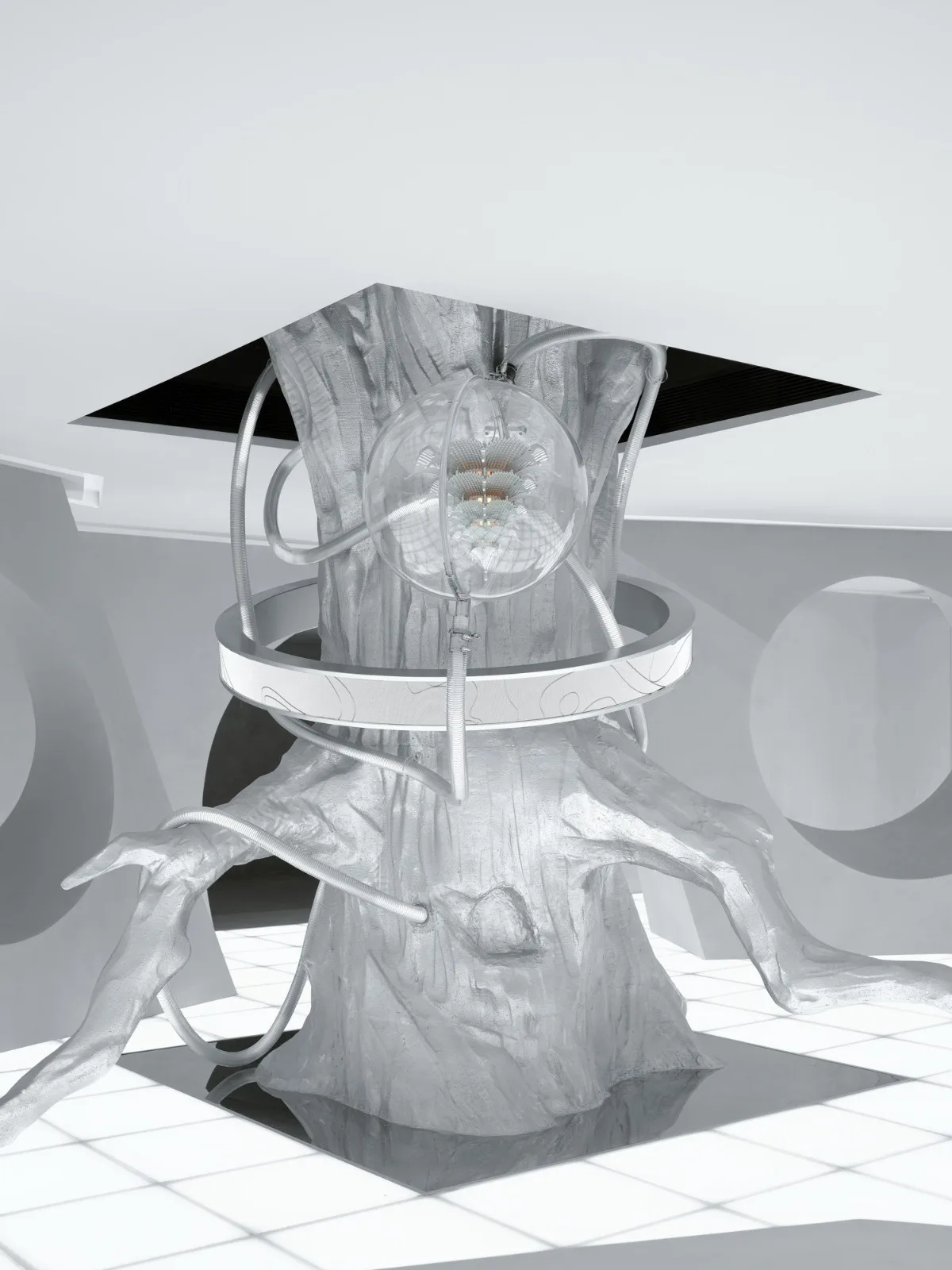
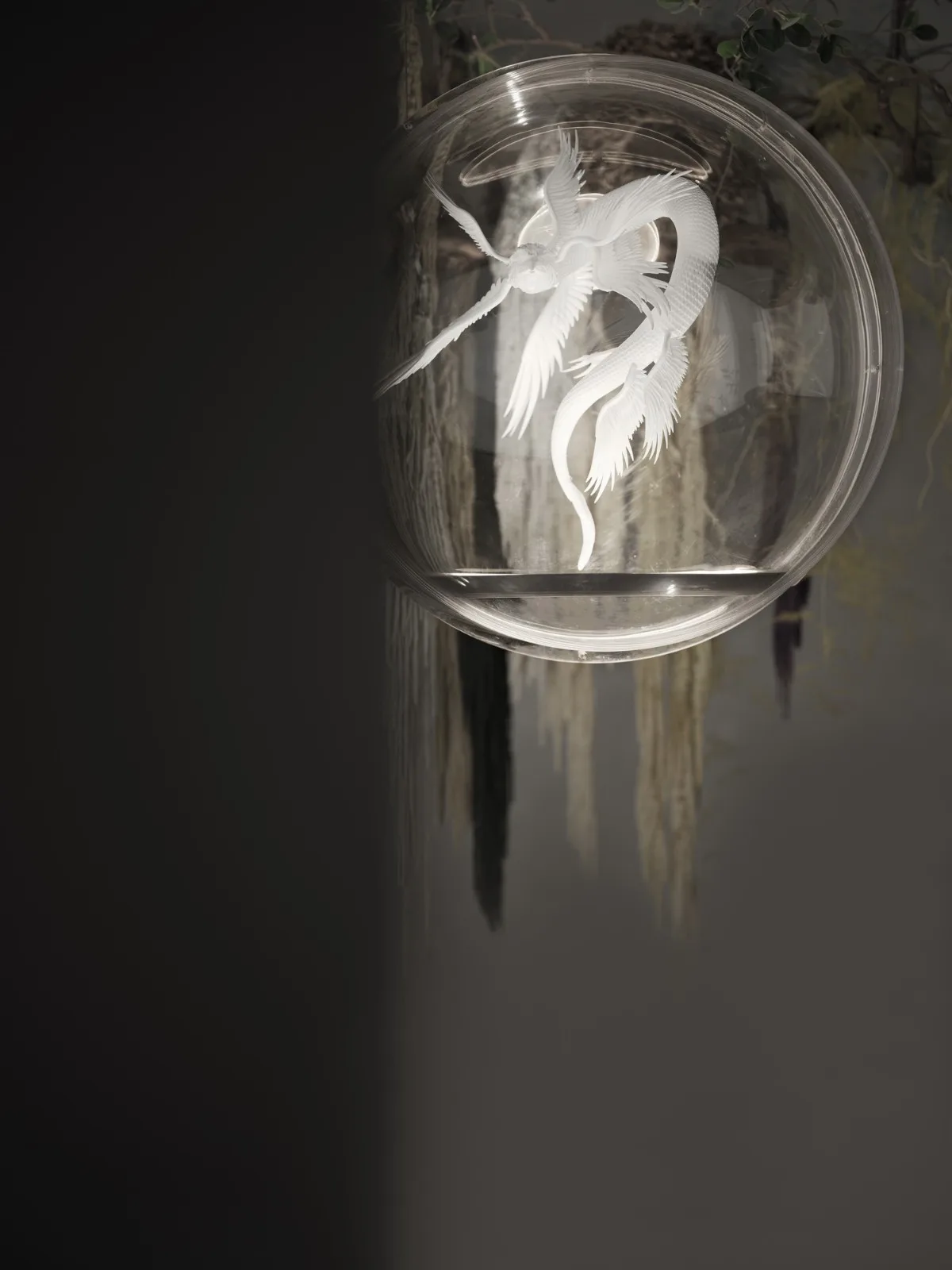
Surprise and unexpected impressions follow. Where does a large tree breaking through the ceiling lead? Perhaps to a parallel world, endlessly sparking imagination. The futuristic design envelops the tree, blending nature and technology in a striking way. The installation resembles a lighting sculpture entwined with vines and mythical creatures, instantly delivering an abstract artistic vision.
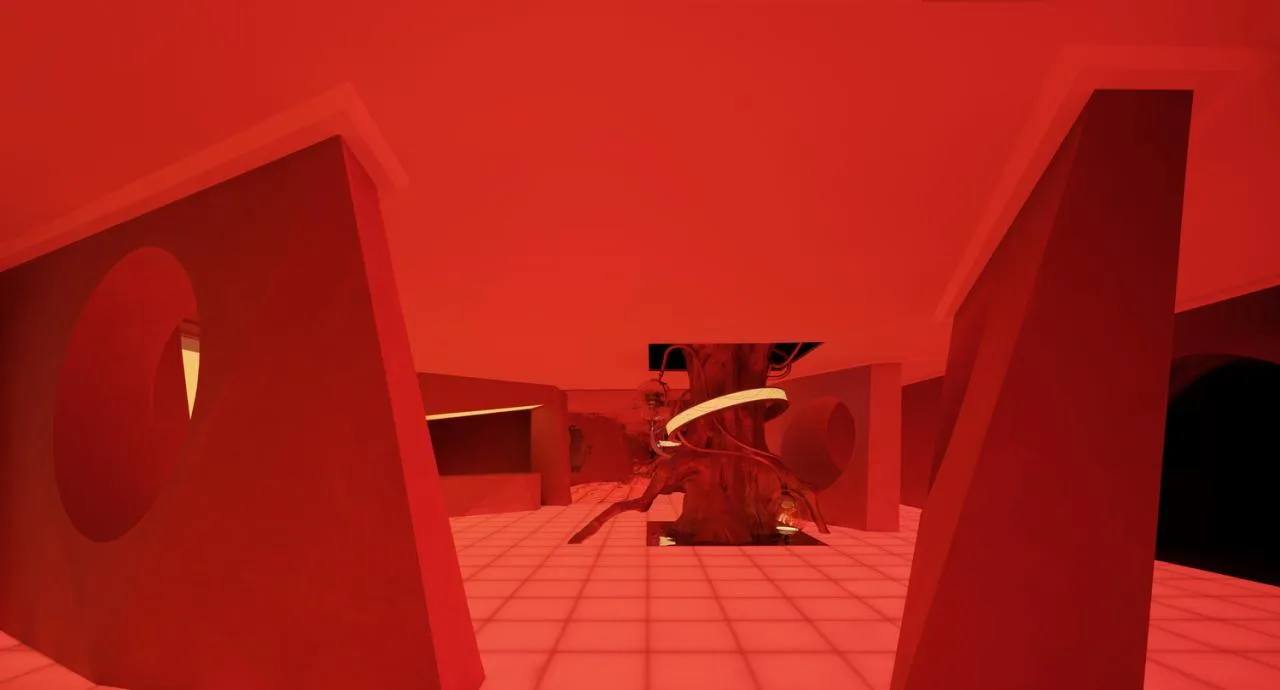
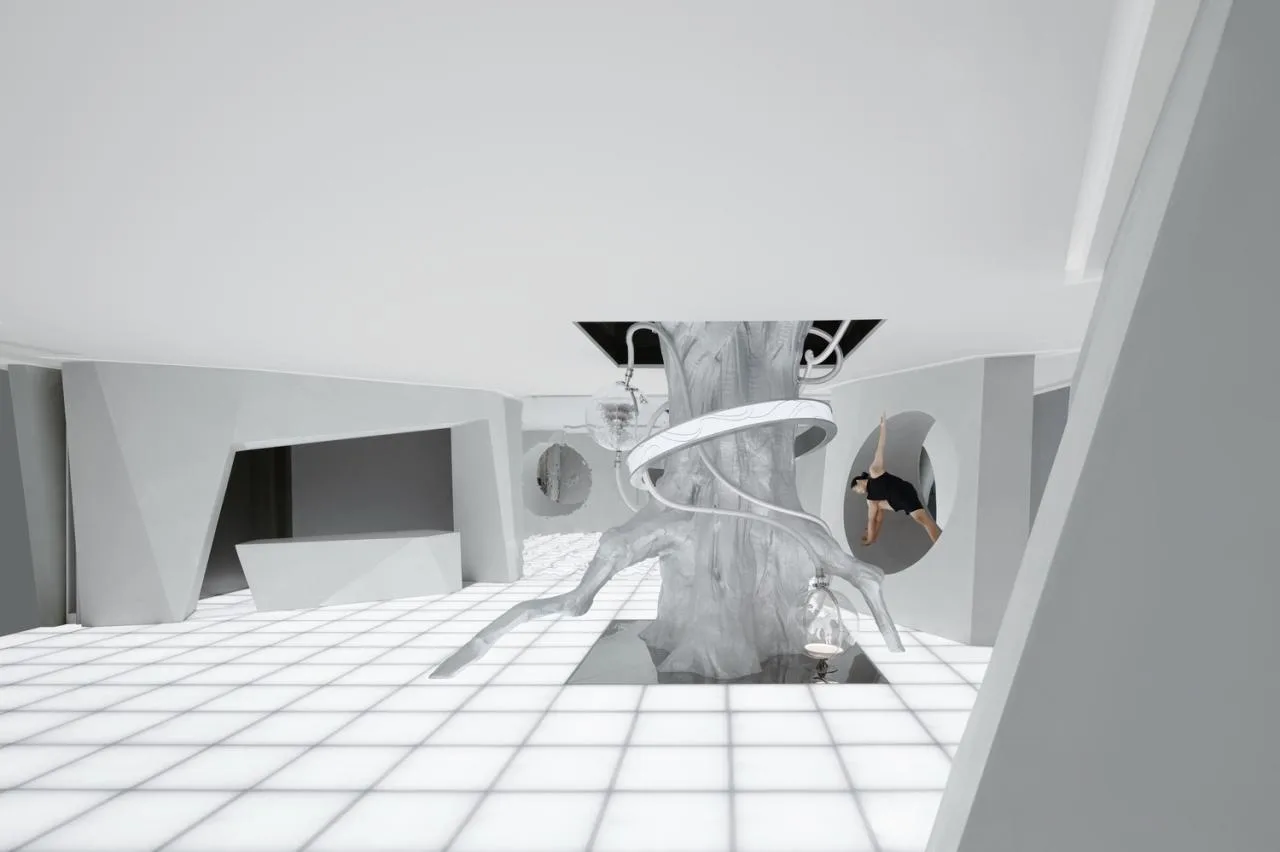
Minimalist lines, a pure façade, and smooth, refined materials effortlessly craft an immersive atmosphere for the initial display area.
Time Corridor
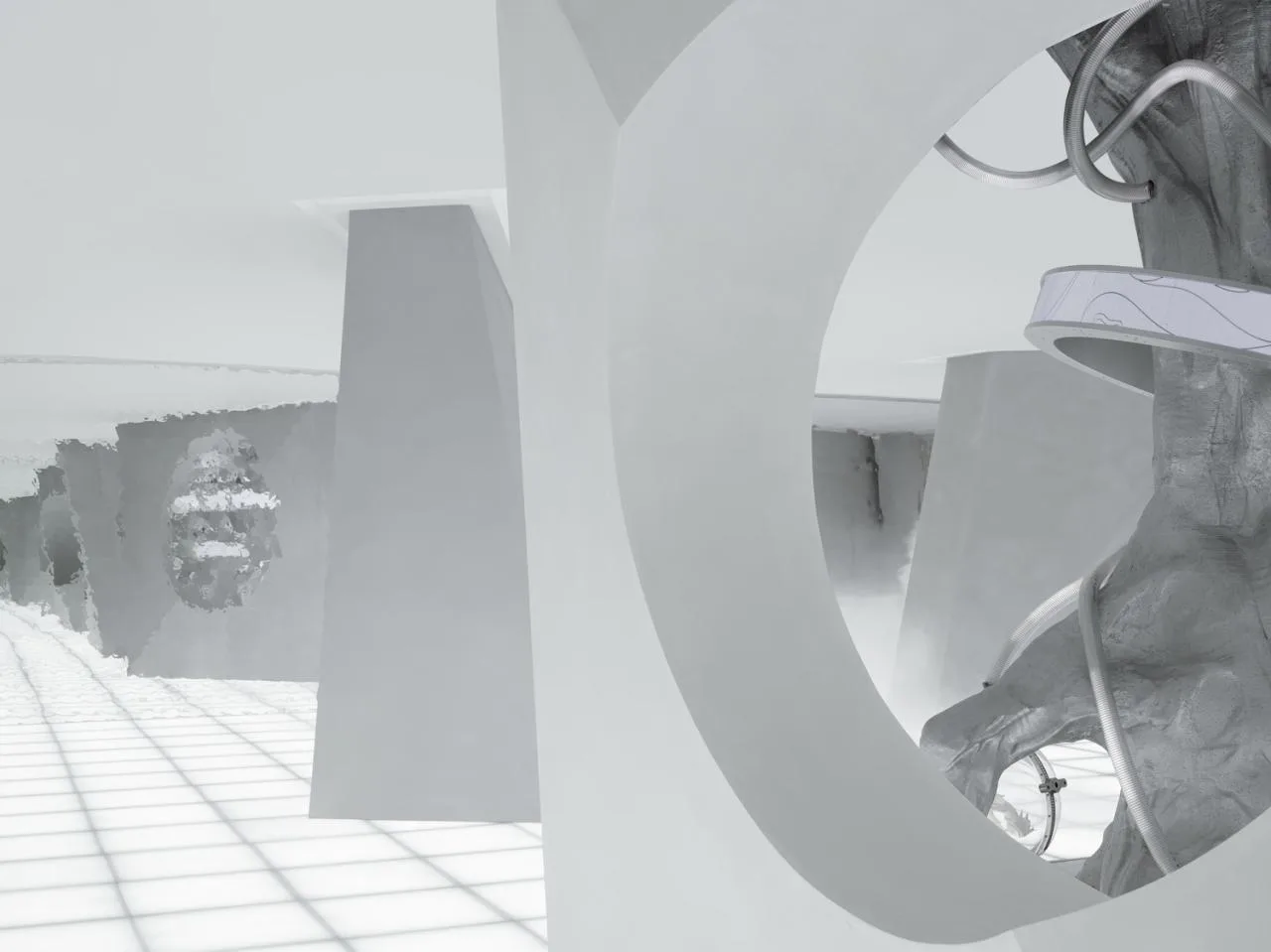
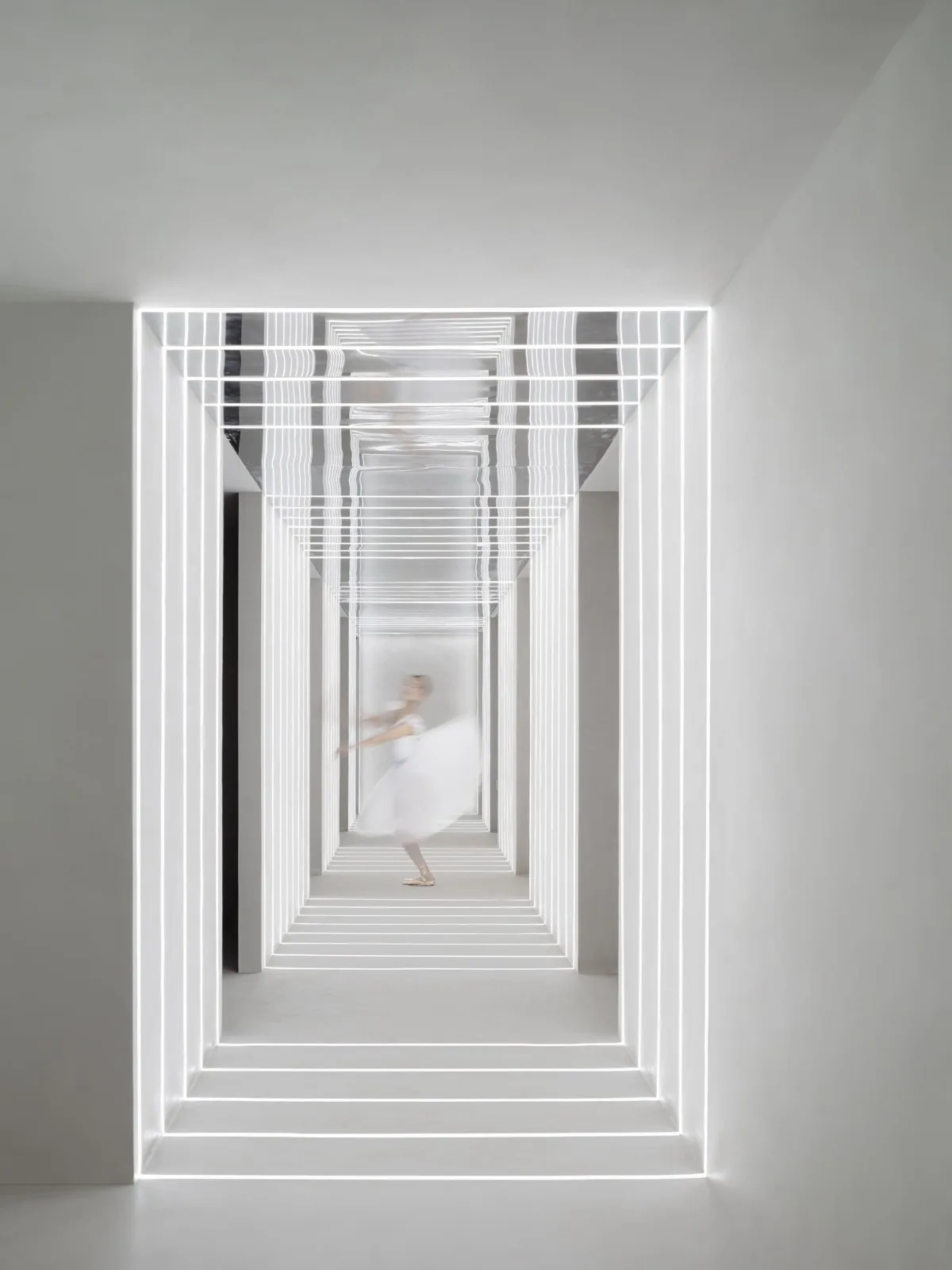
The corridor uses light and mirrors to create multiple spatial illusions, drawing visitors toward its seemingly endless end. Past, present, future, dreams, and reality intertwine, hinting at unknown outcomes.
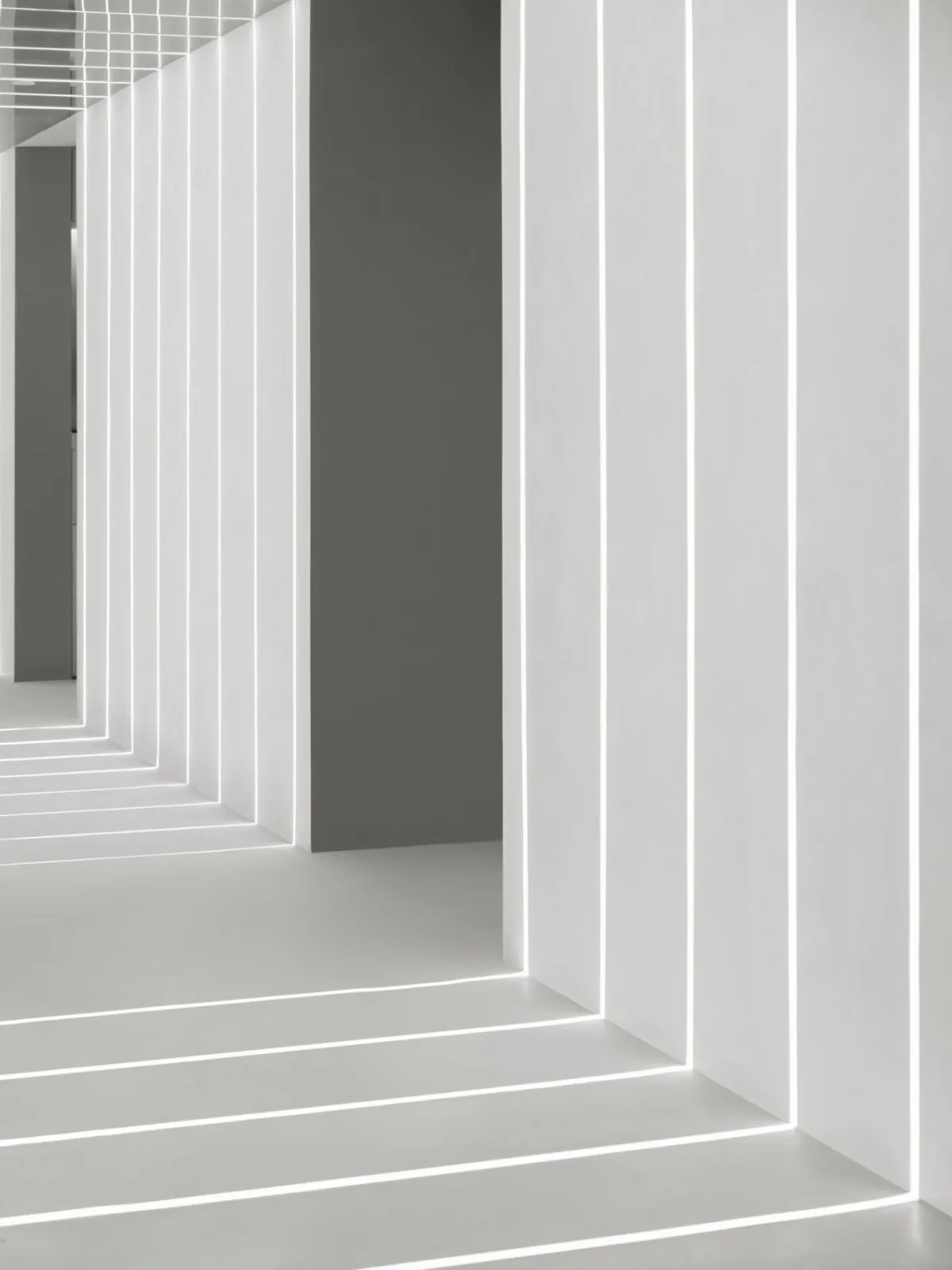
The mirror design extends the spatial dimension, somewhat alleviating the claustrophobia of the narrow passage. It also connects storage, dressing, and makeup areas, ensuring smooth spatial flow that enhances visitors’ sensory engagement and prepares them for the experience ahead.
Hill of Annual Rings
Moss covers the steps, bursting with spring sprouts that wind along the path, while summer shade provides dense shelter.
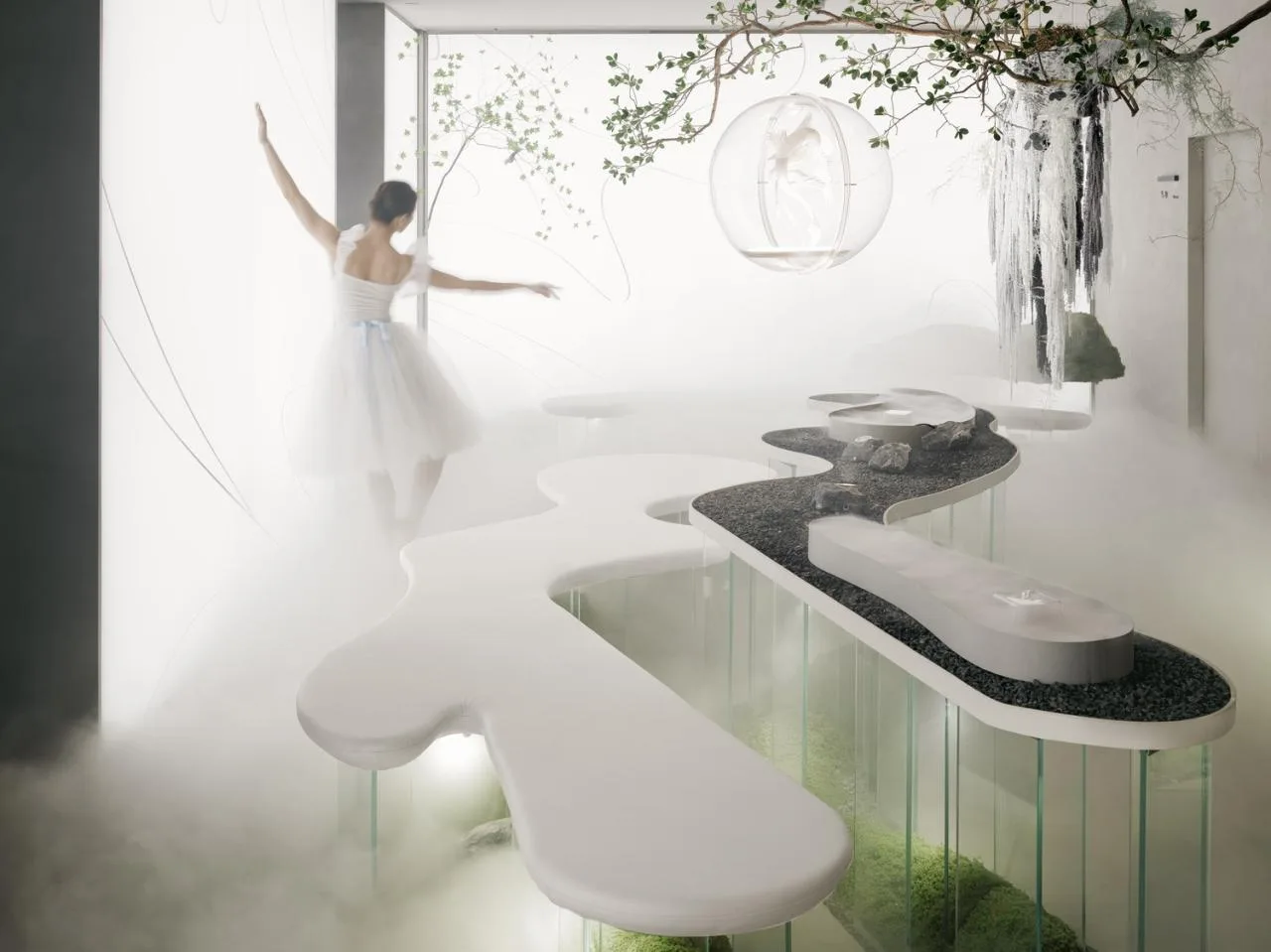
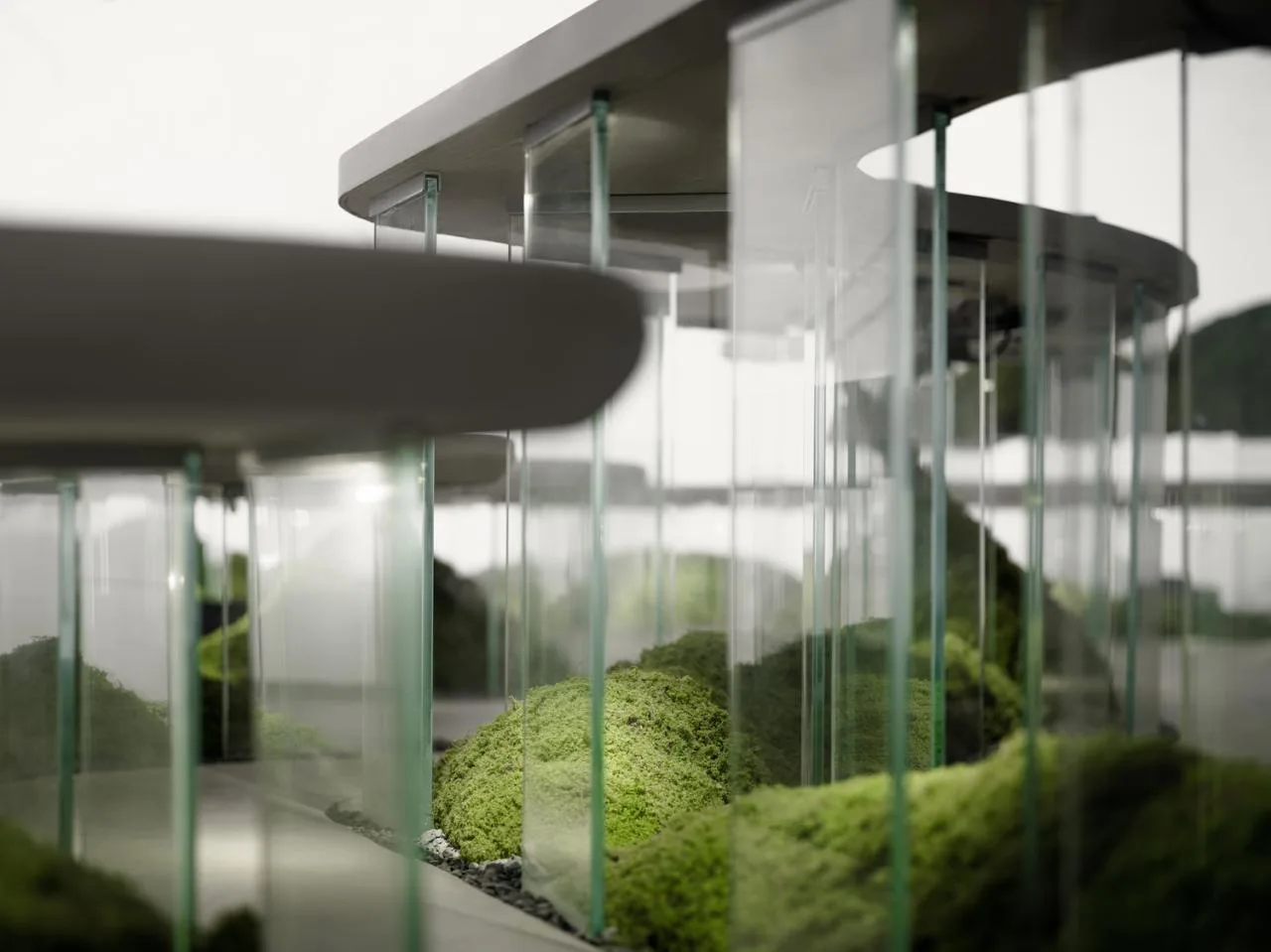
Entering the waiting area feels like stepping into a secluded natural paradise. A hint of summer coolness drifts through pure white surroundings, evoking a serene calmness before the story unfolds.
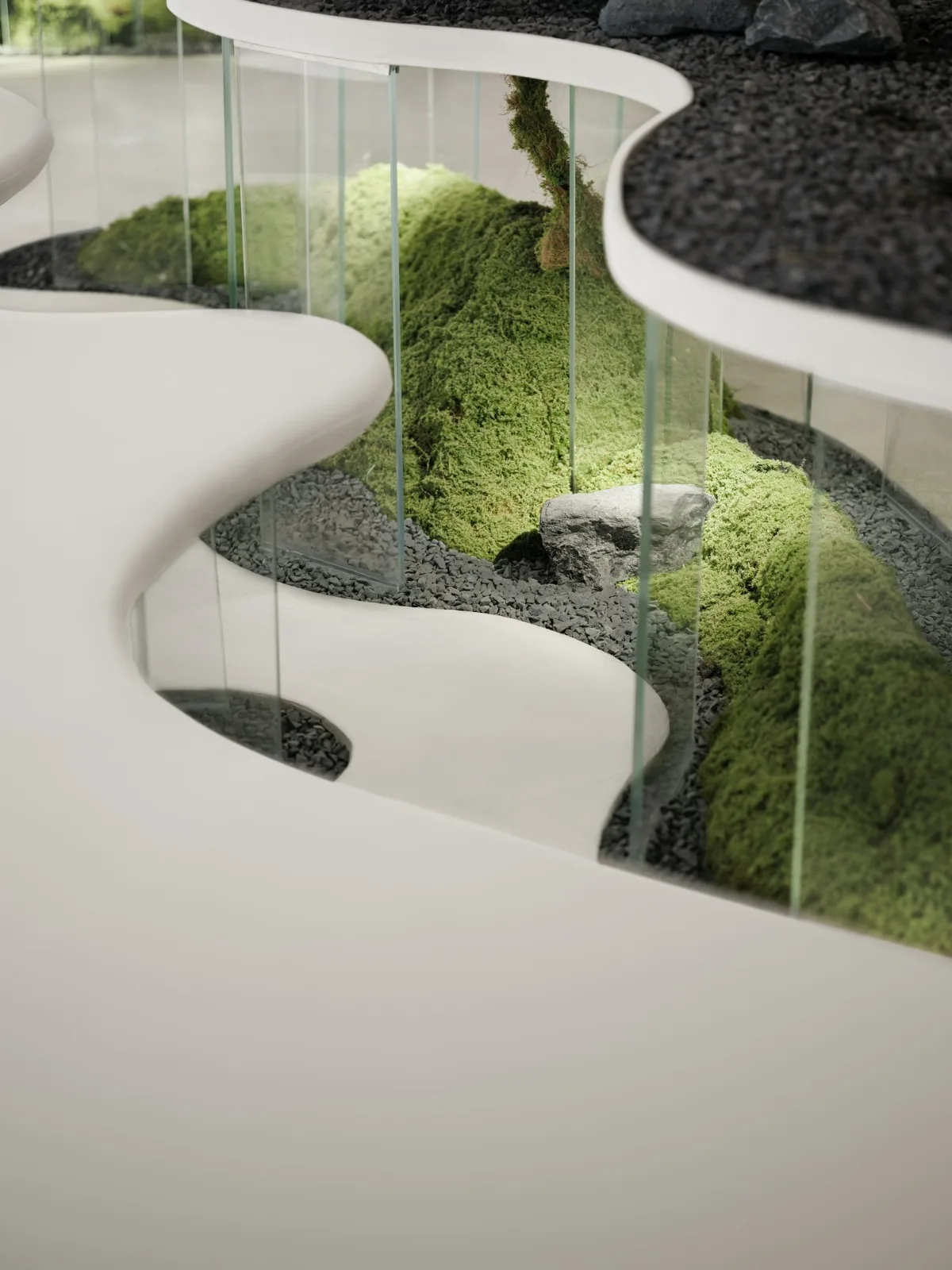
Seats inspired by sand dunes combine with transparent acrylic to create a floating effect, featuring a flowing design reminiscent of invisible wind patterns. Sunlit green moss adds natural vitality, complementing the swaying bamboo shadows. The space feels fresh, warm, and inviting—perfect for immersion.
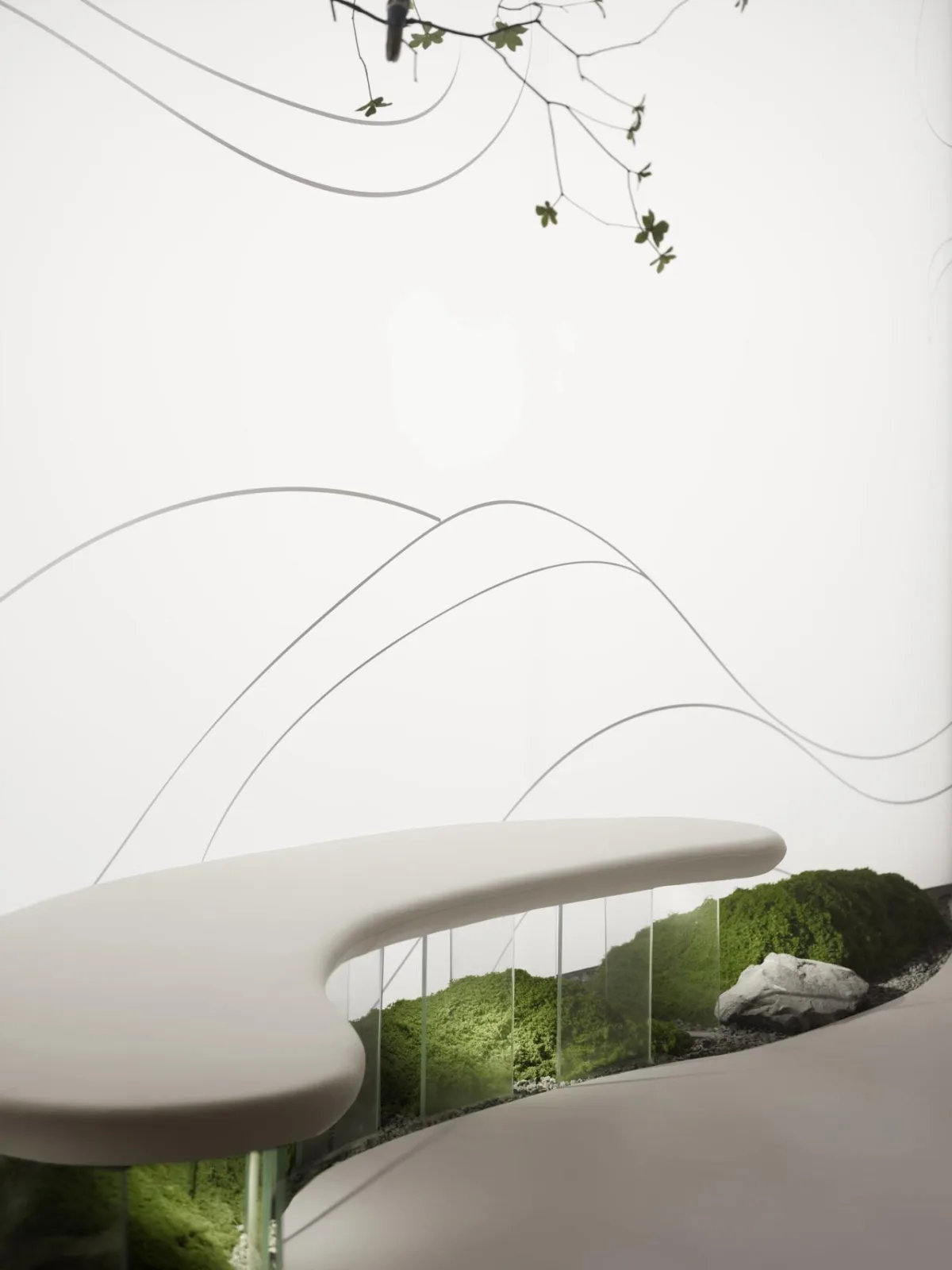
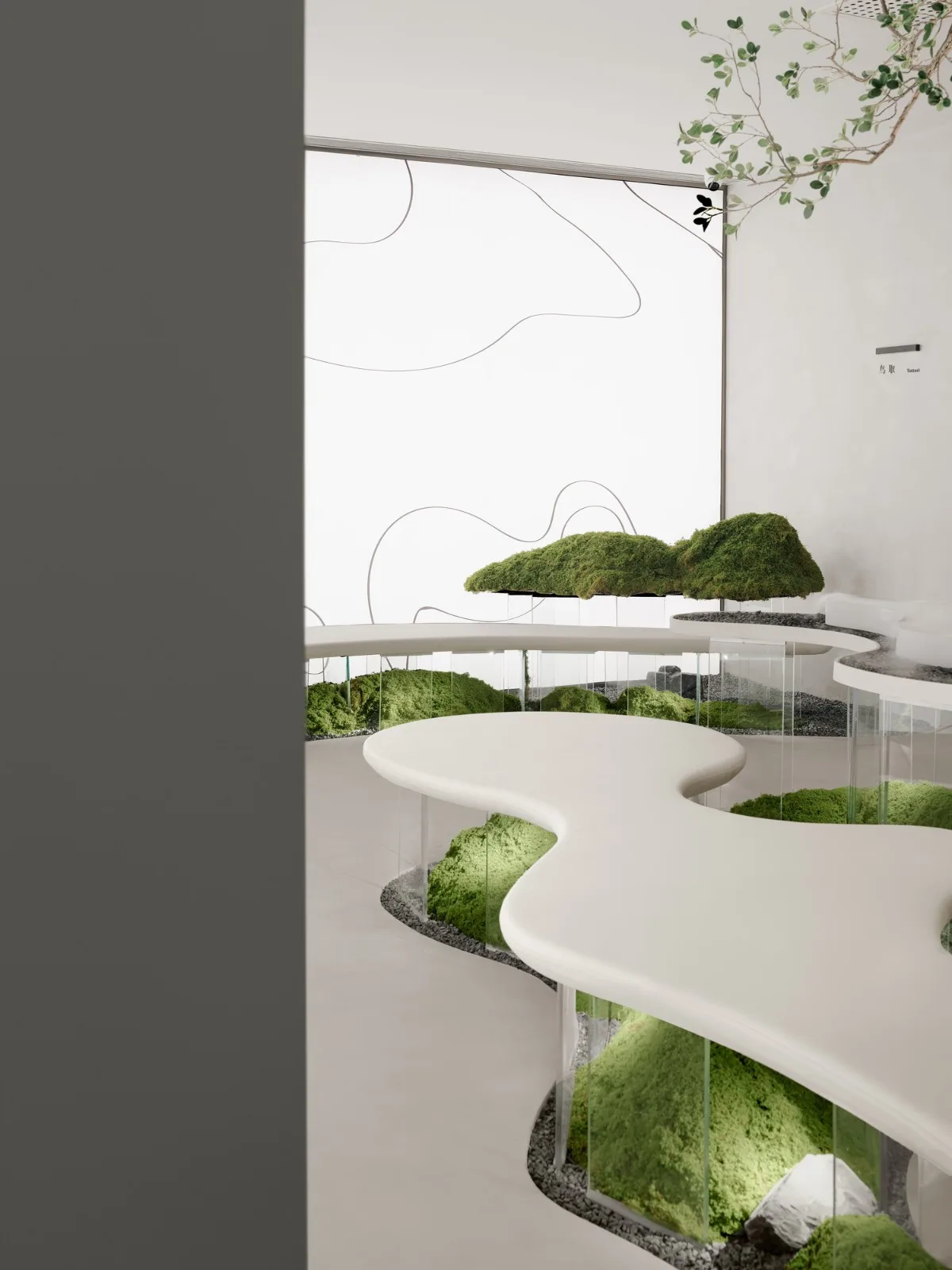
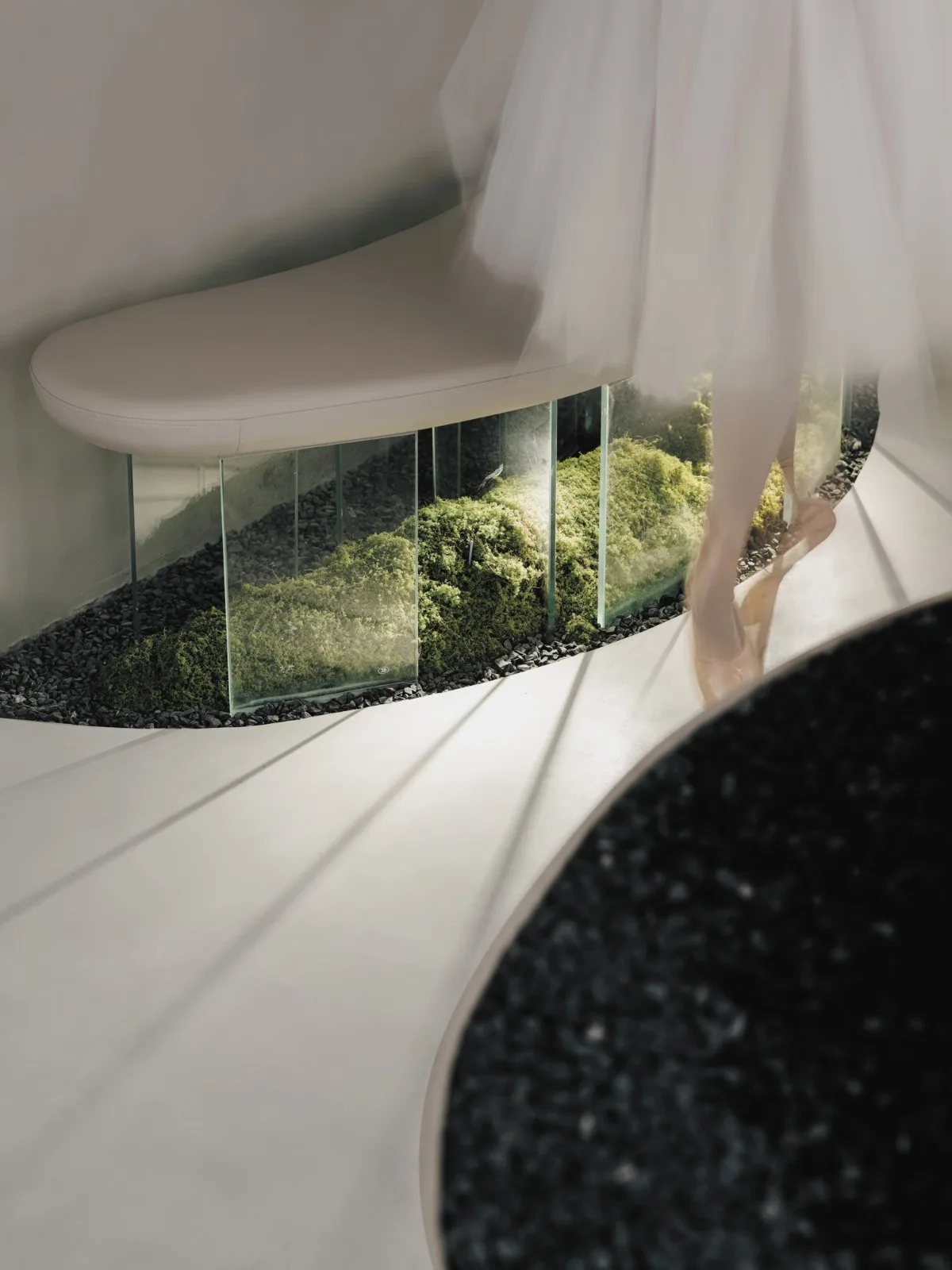
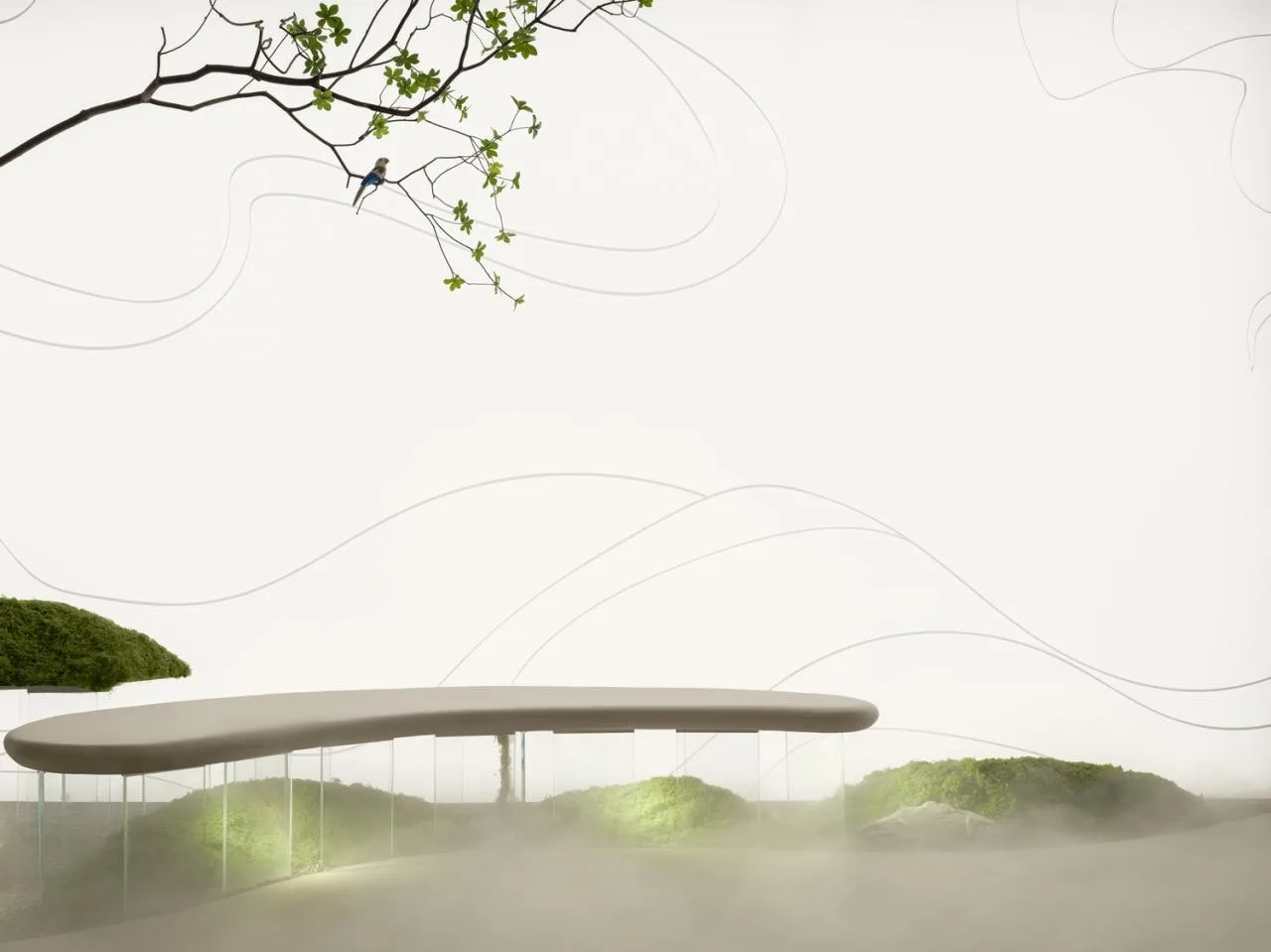
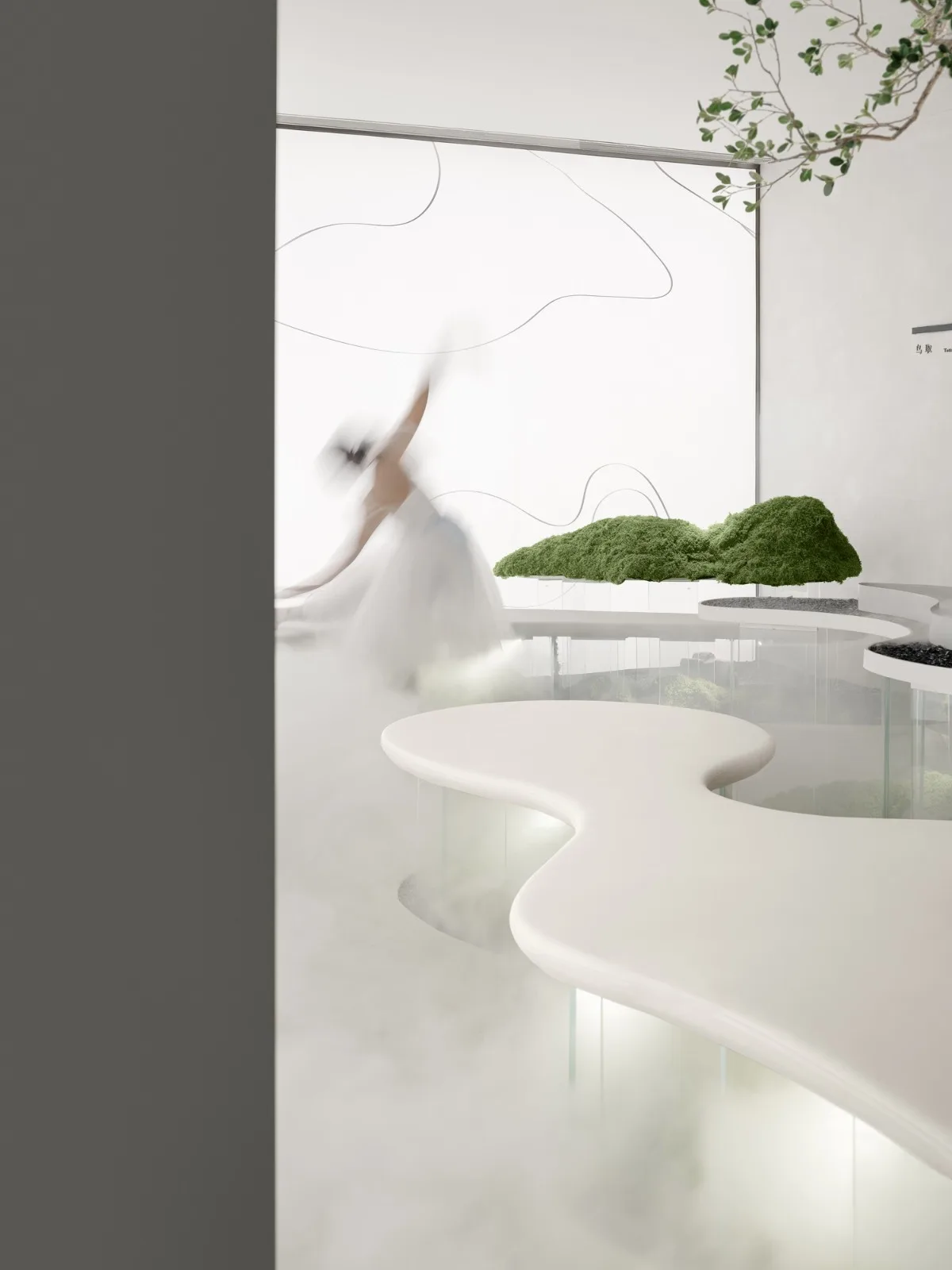
The tree trunk breaks through the white wall, embodying a metaphysical aesthetic that poetically connects with the Tree of Regret. A white LED ceiling wall is decorated with sand dune patterns, echoing the moss and seating from a distance.
With its exceptional spatial design aesthetics, Cunjiang Panda interprets the touching stories of Baize and Bluebird. This unique environment allows visitors to experience the aesthetic of regret and creates a social space that resonates with and is loved by young people.
Project Information
Project Name: Thousand House – Story Art Museum
Location: Xiamen, Fujian
Area: 330 square meters
Lead Designers: Cai Lanna and Lin Jiacheng
Design Team: Cunjiang Panda NANA (www.cunpanda.com)
Design Period: November 2020
Completion Date: June 2022
Photography: Liu Xinghao – Yan Yu Architectural Space Photography















Must log in before commenting!
Sign Up