
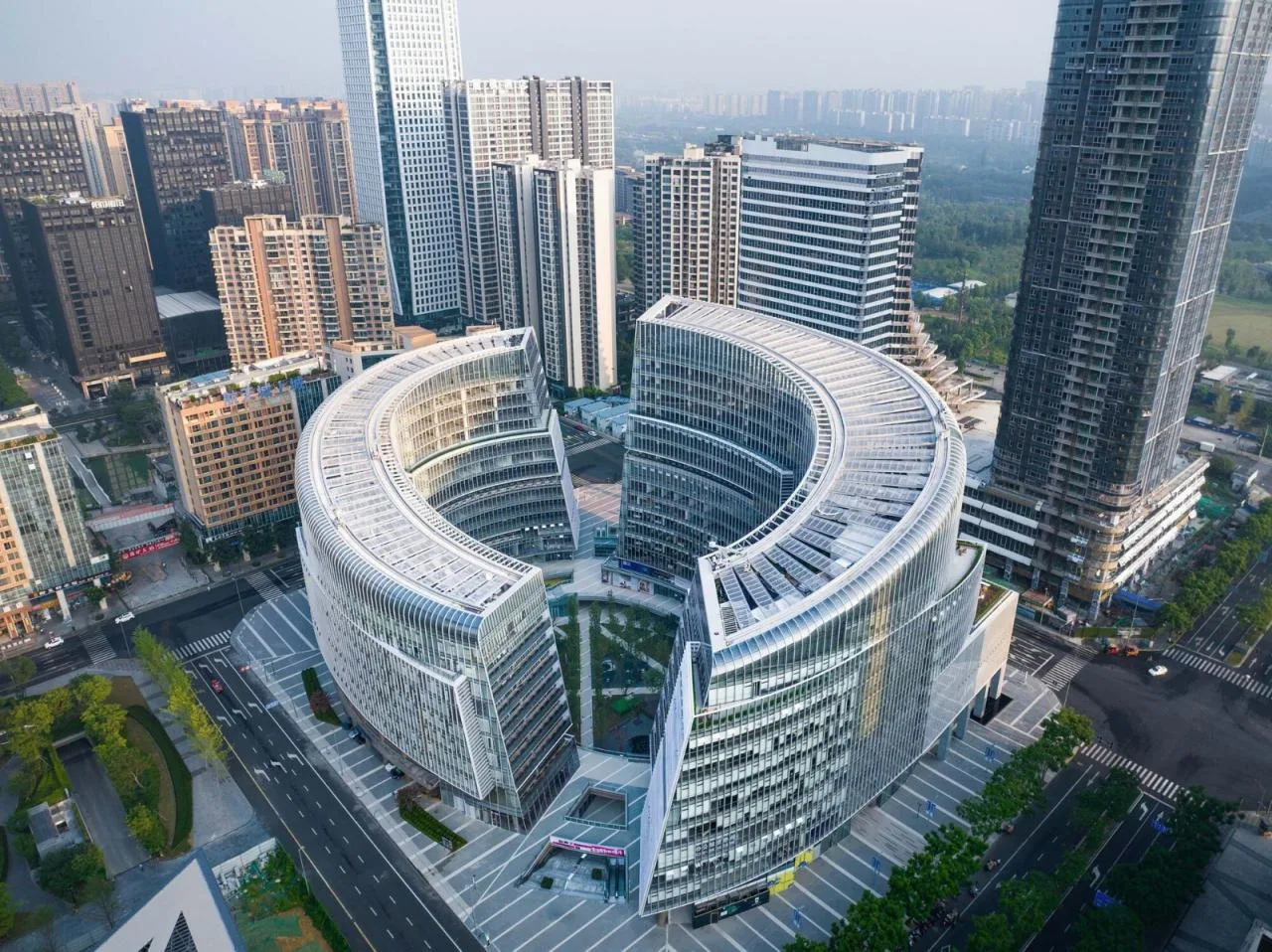
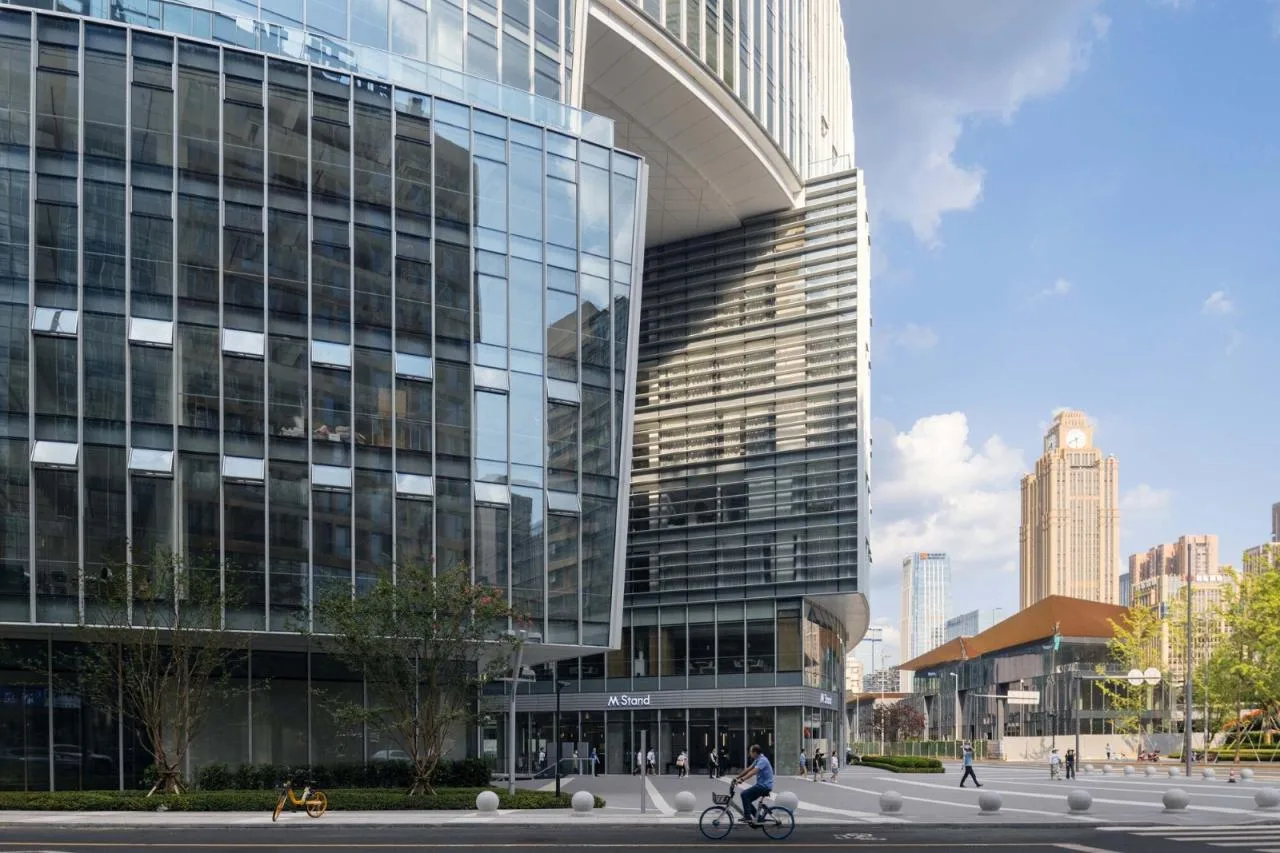
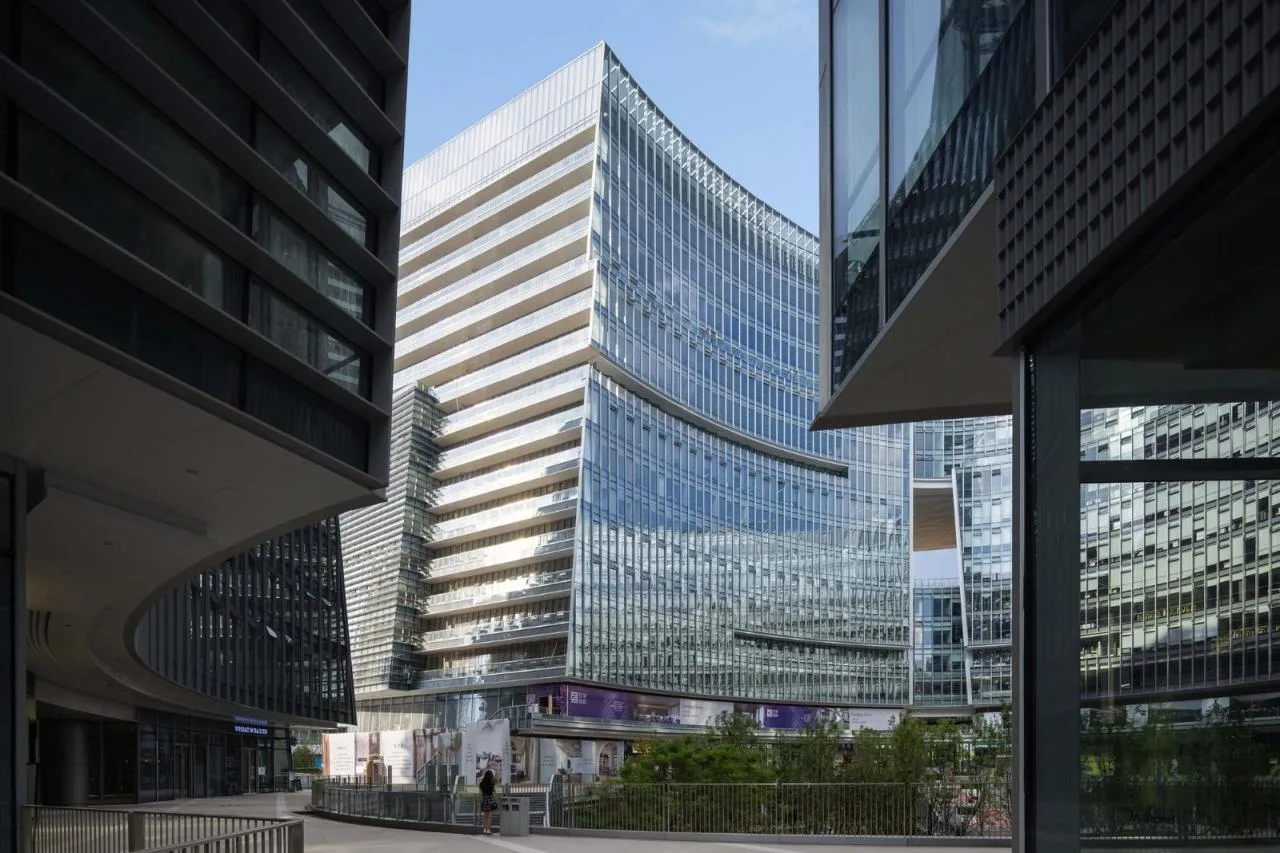
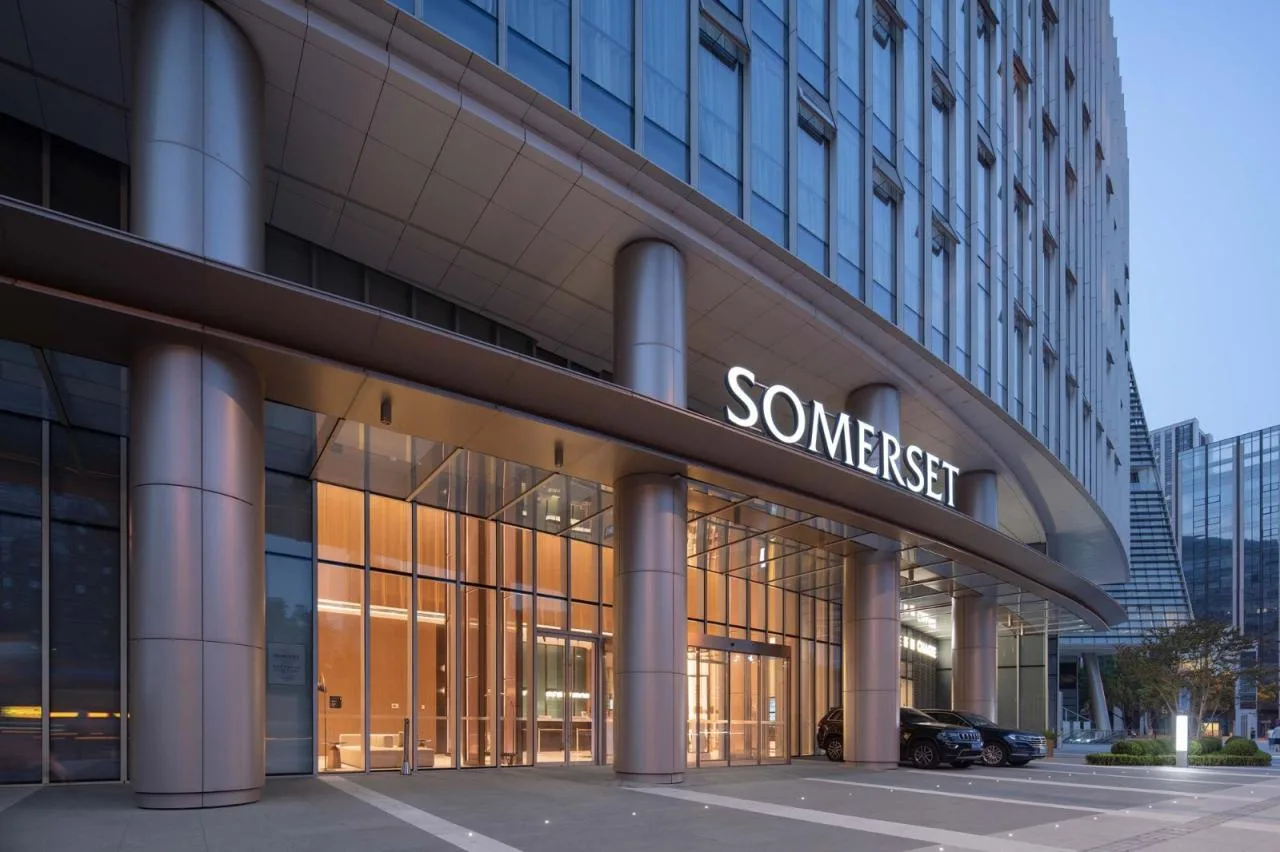
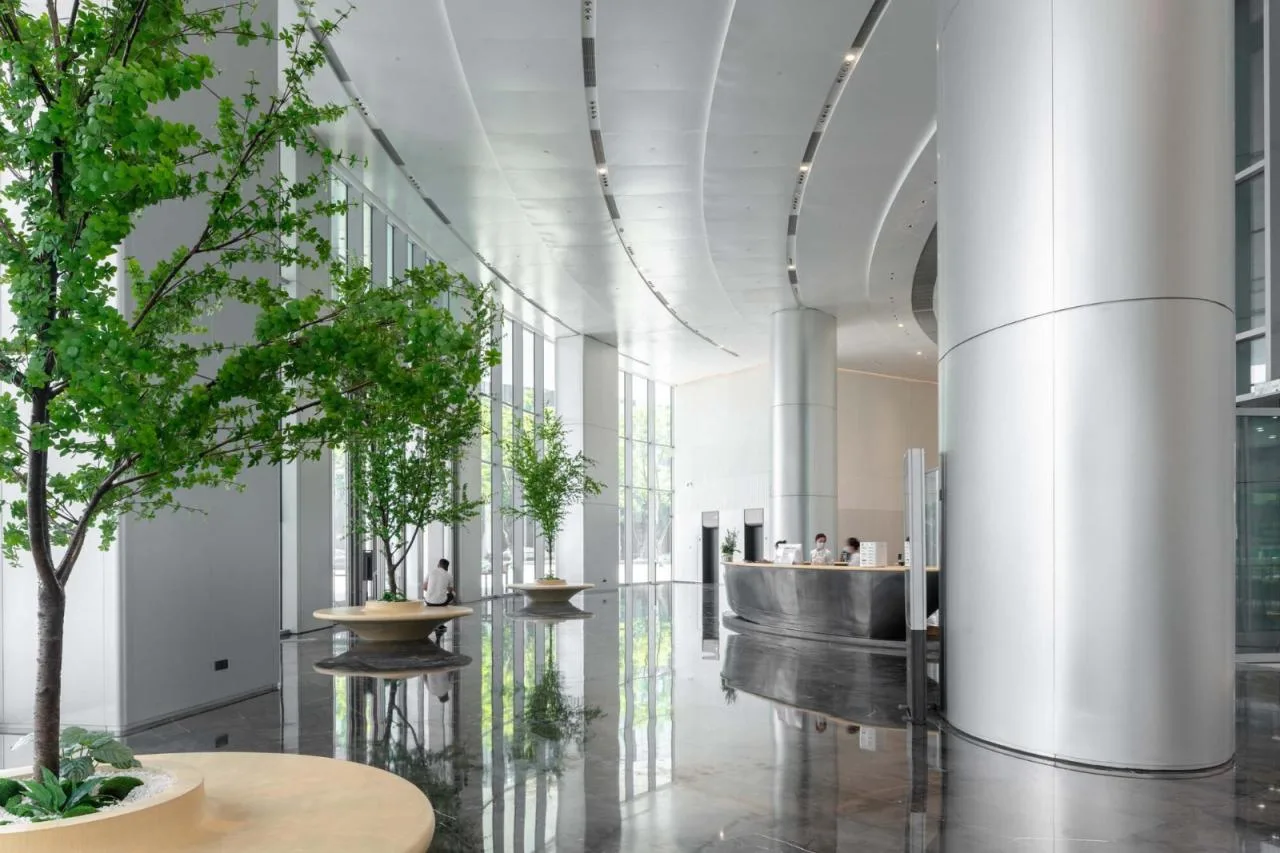
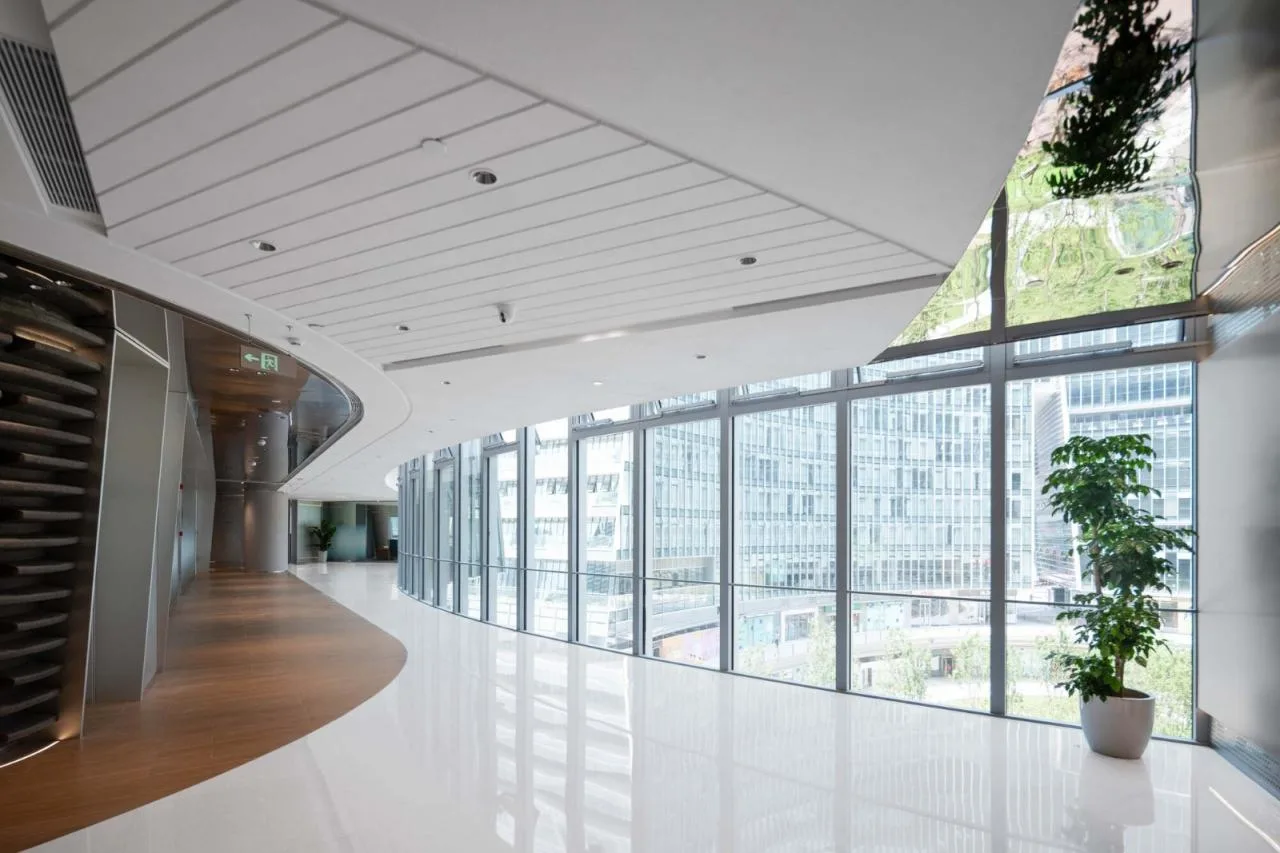
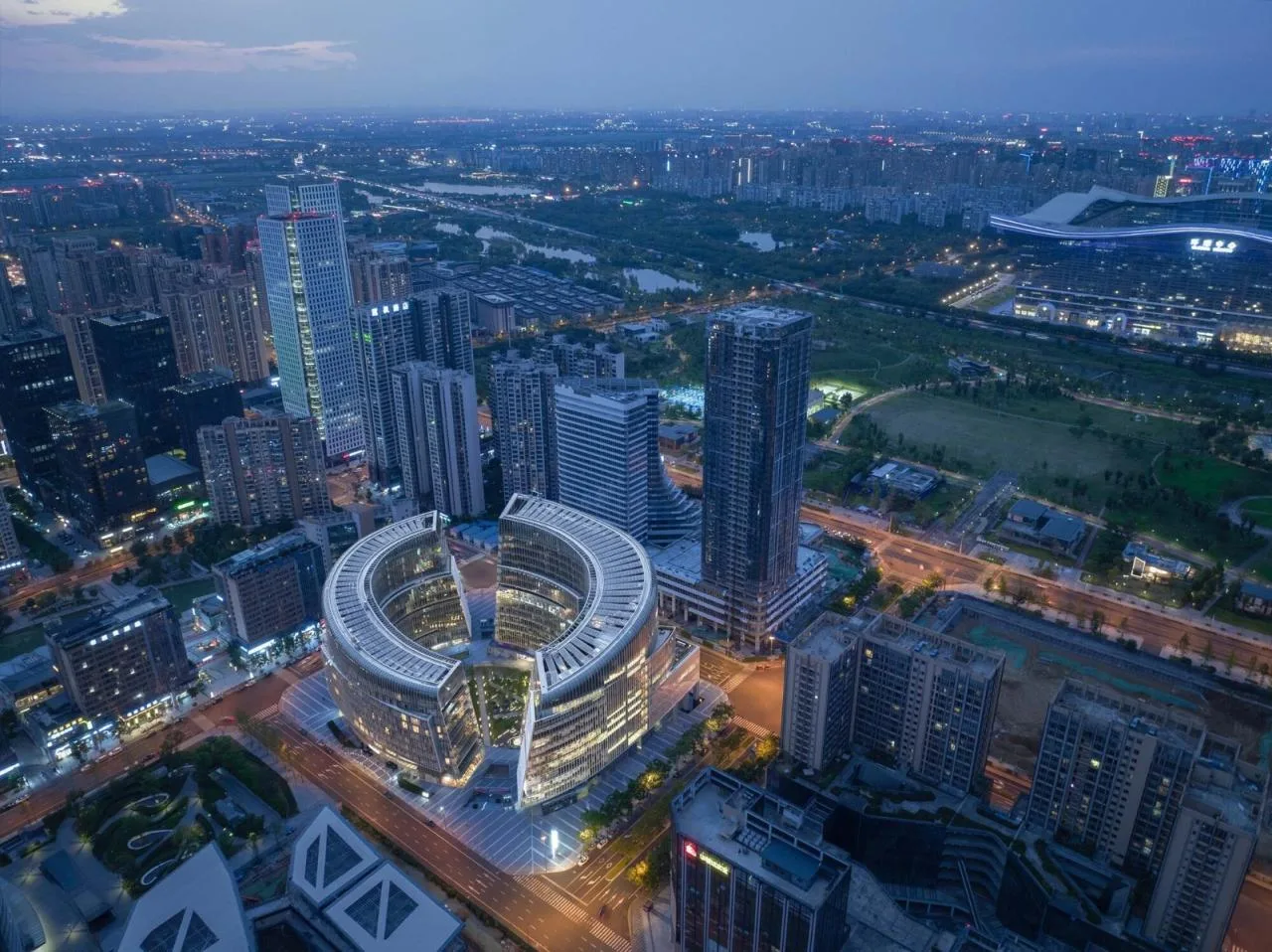
The Vanke Chengdu High-Tech Innovation and Cooperation Center covers nearly 150,000 square meters, integrating commercial, office, service, and residential spaces into a vibrant complex. The central design goal is to create a lively and enjoyable urban ecological public space, characterized by distinctive and recognizable forms that encourage communication and interaction among people. The building seamlessly blends into the surrounding grid-like urban fabric with fluid, gentle lines, fostering a dialogue with its environment and establishing a fresh ecological city and commercial hub.
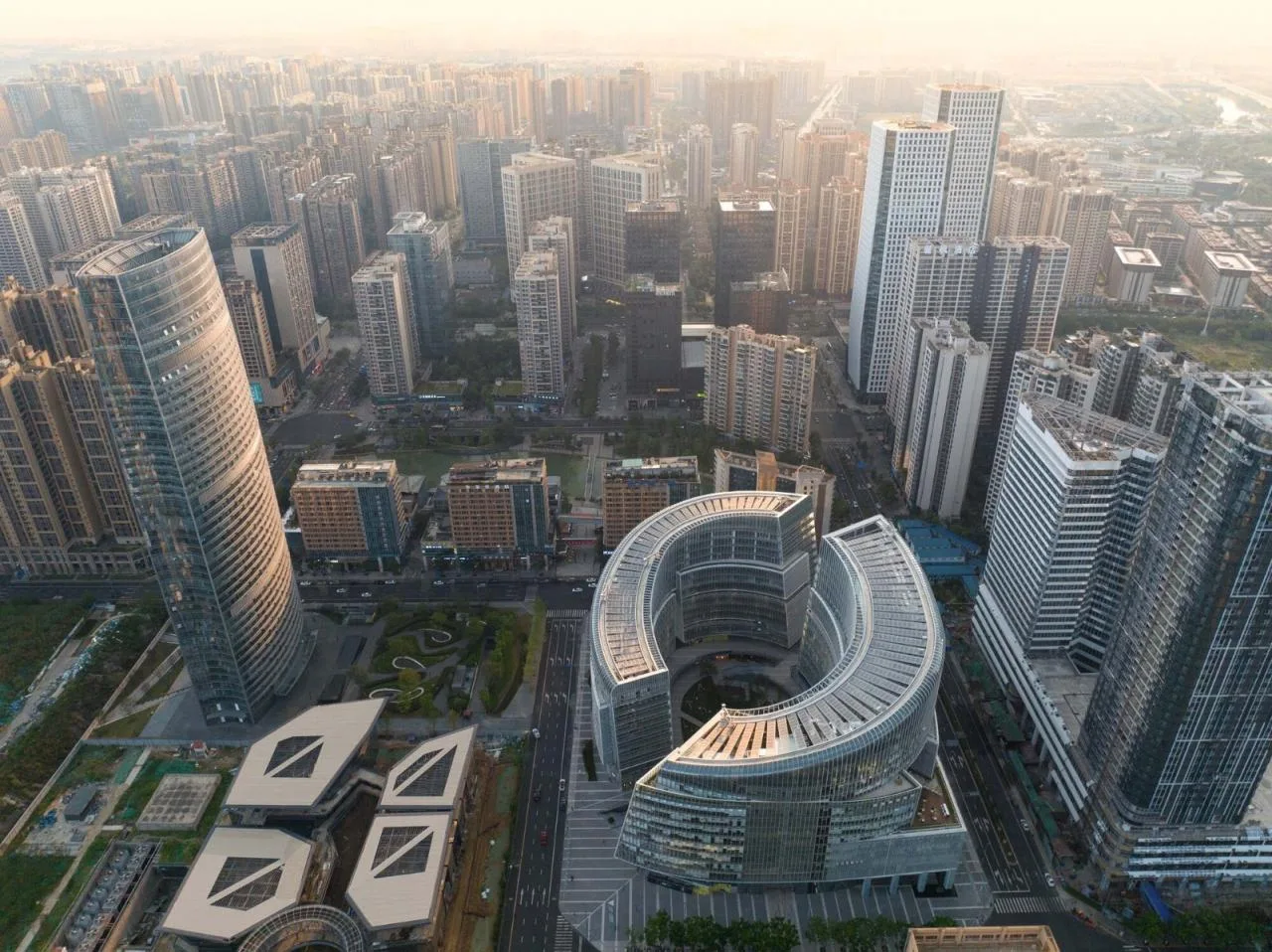
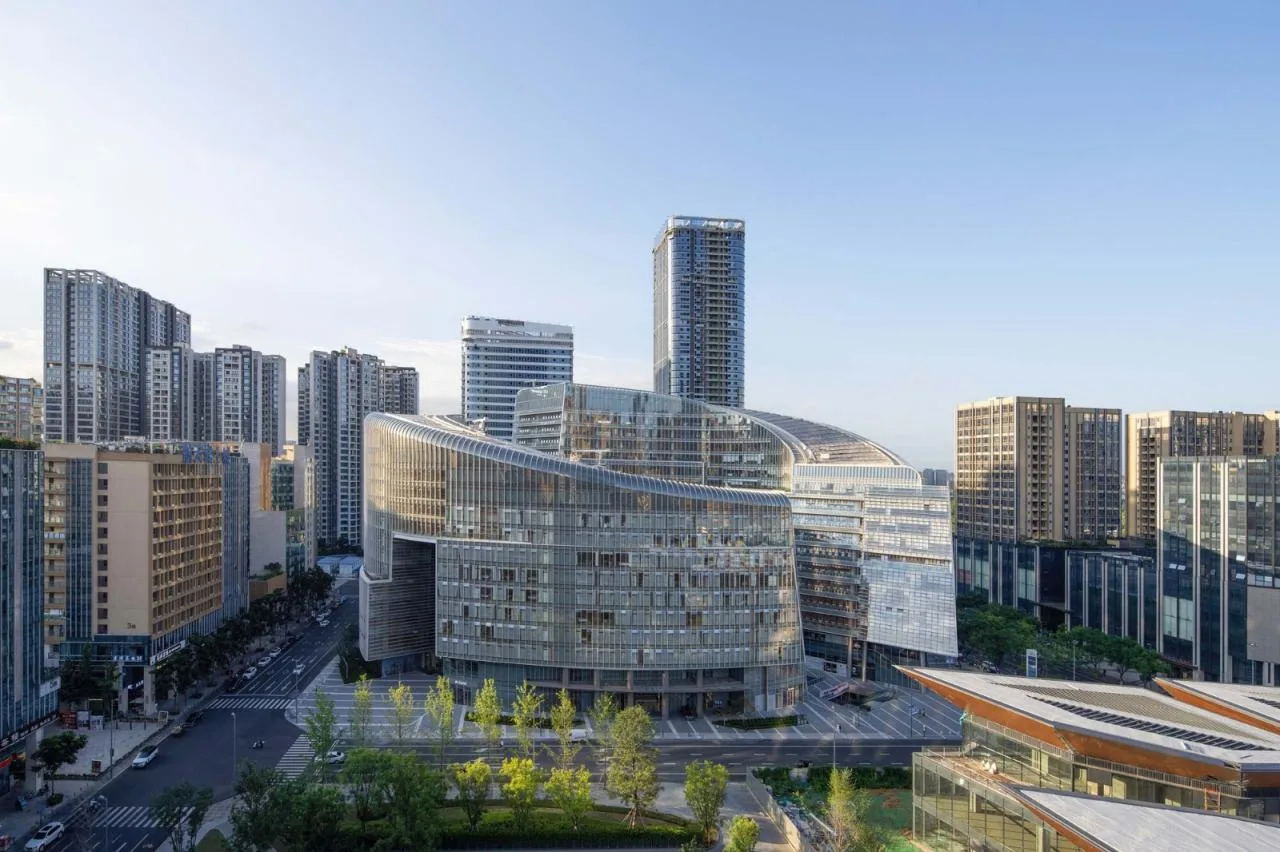
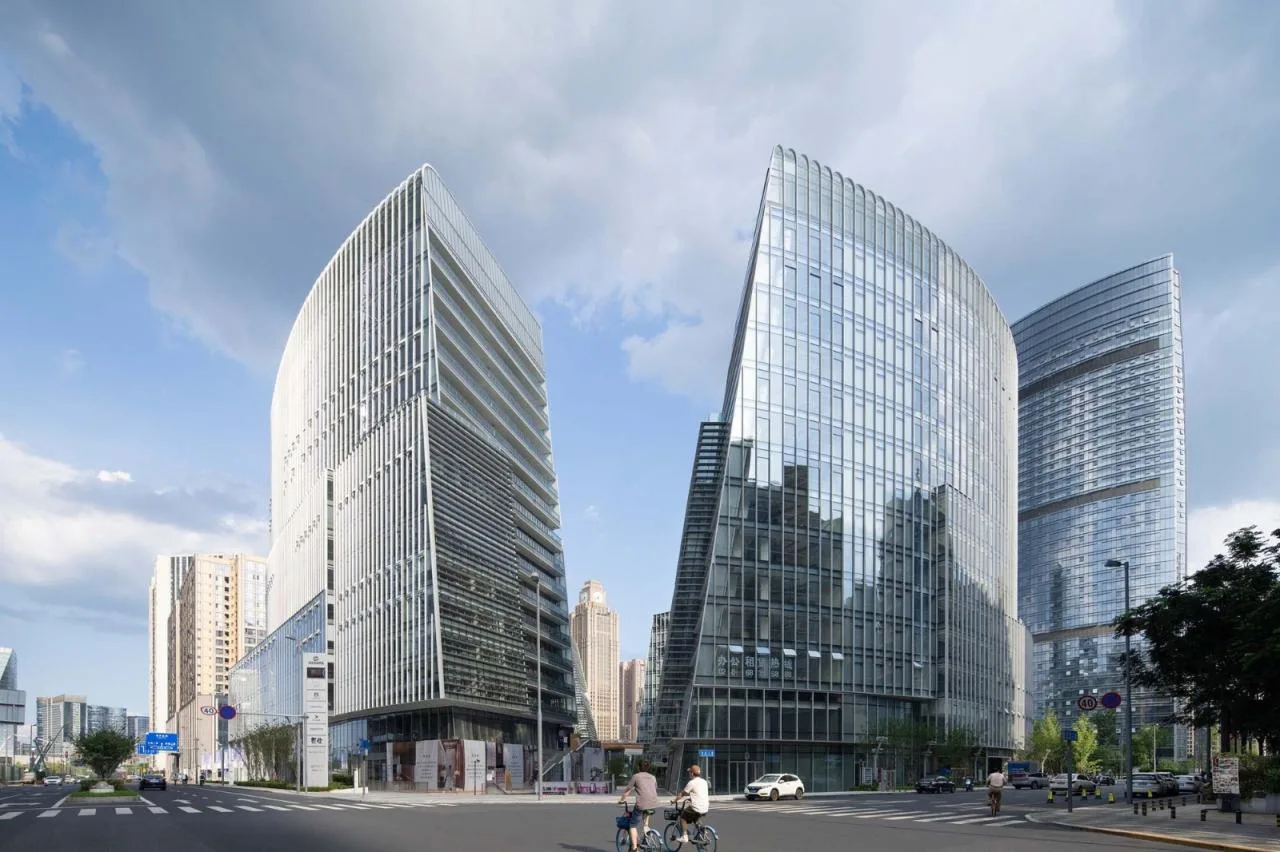
Located in the core of Dayuan Block within Chengdu’s High-Tech Zone, this innovative project benefits from its prime regional position but faces challenges such as competition from similar developments and site constraints. The surrounding area is largely developed with numerous office and commercial facilities, intensifying peer competition. Given the limited project scale and a height restriction of 70 meters, the key design challenge was to establish a unique, attractive, and cohesive commercial landmark for the region and the city.
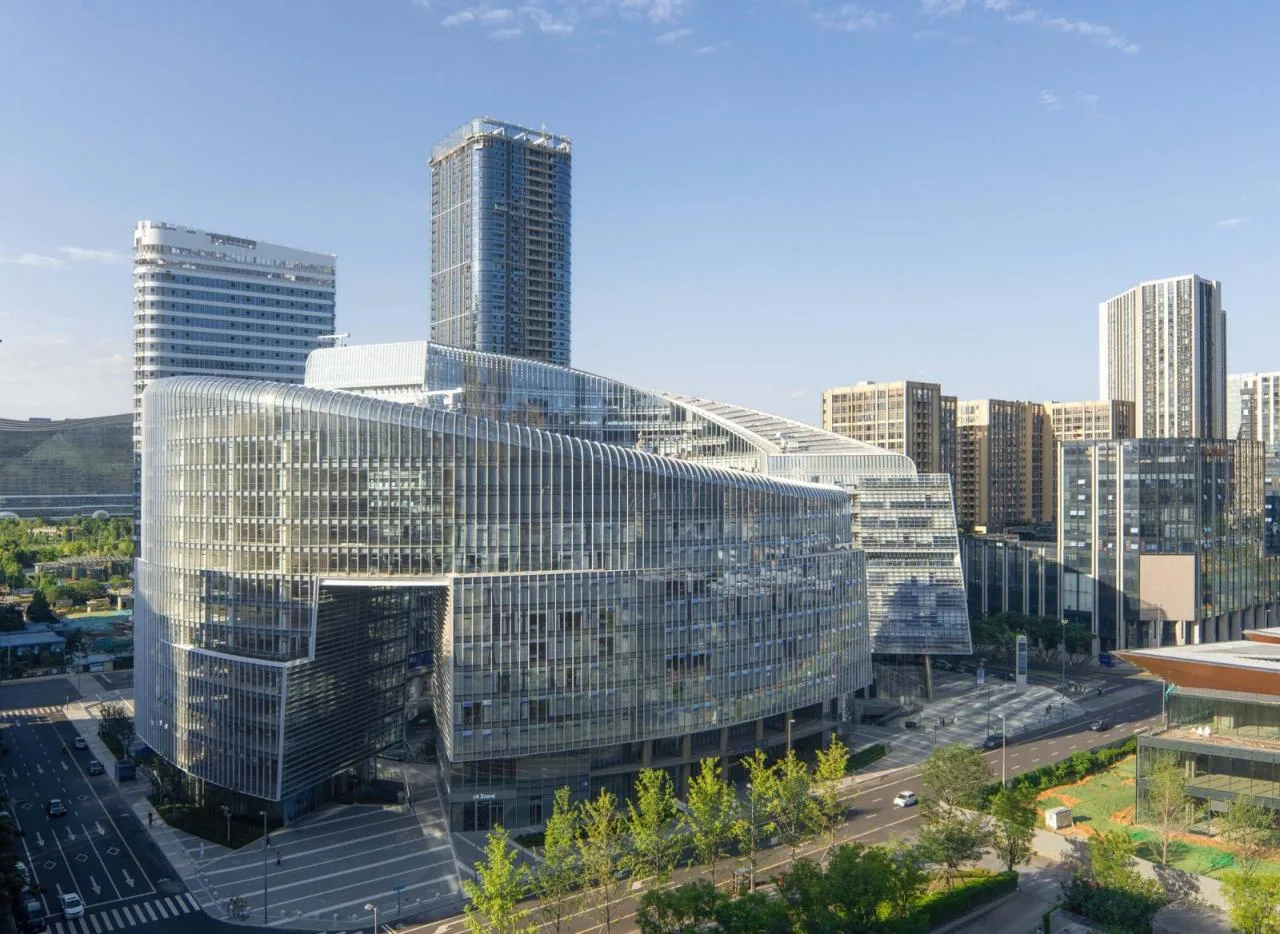
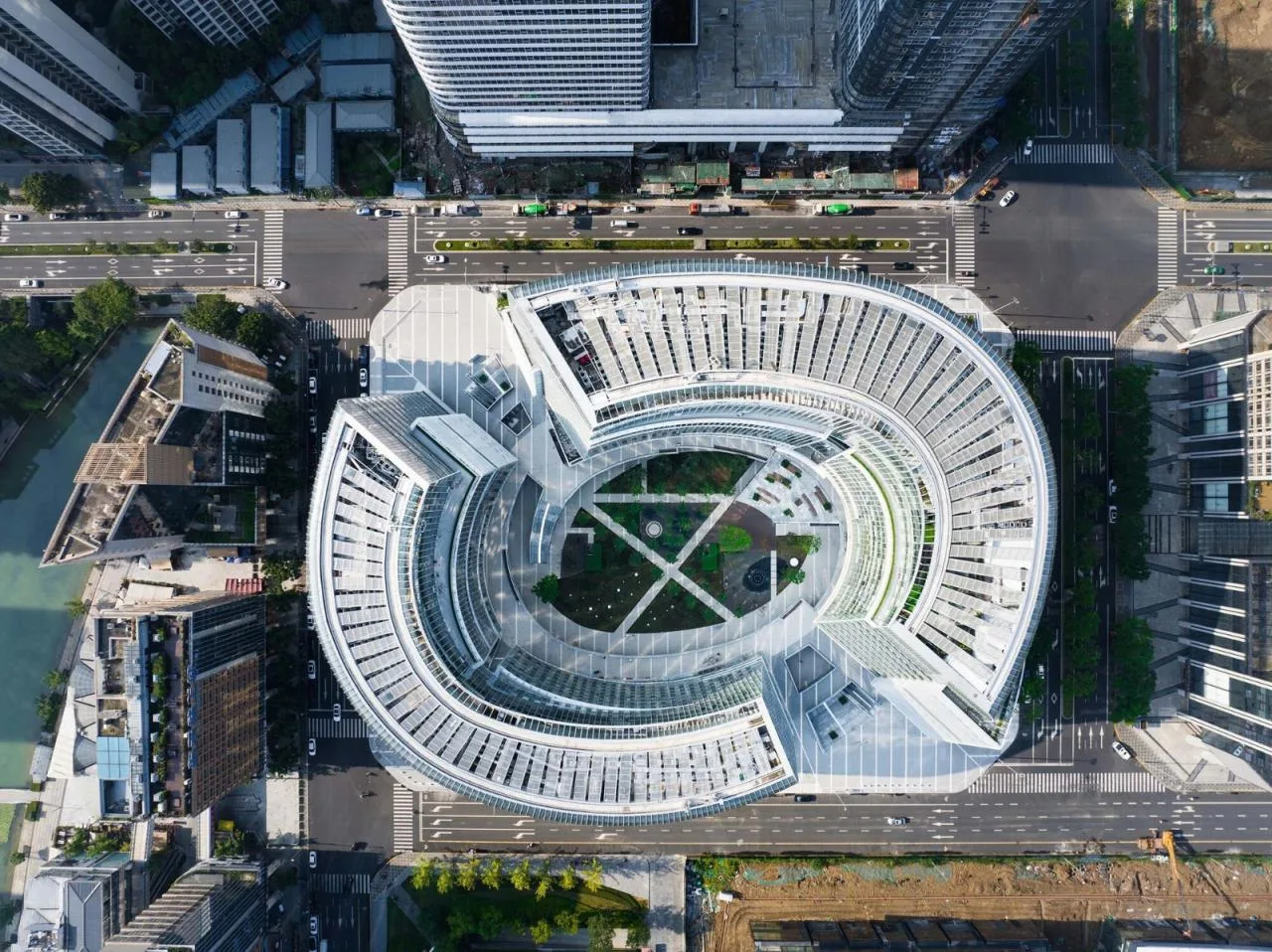
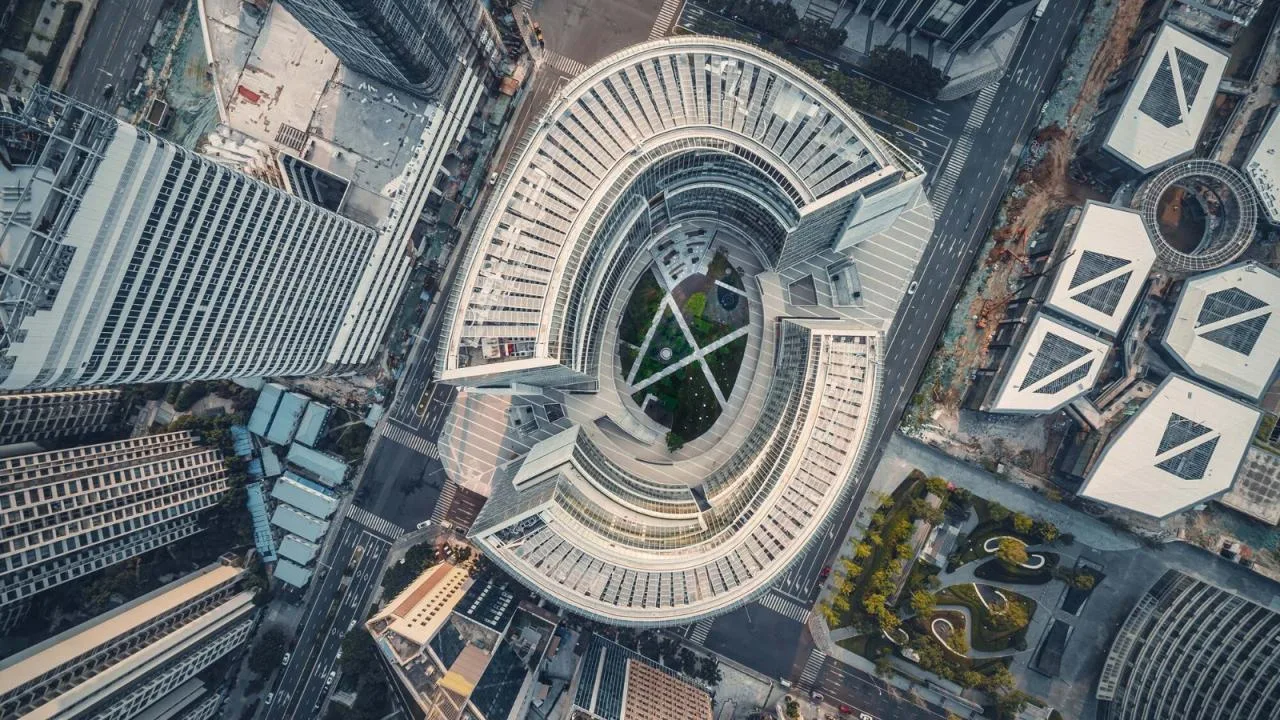
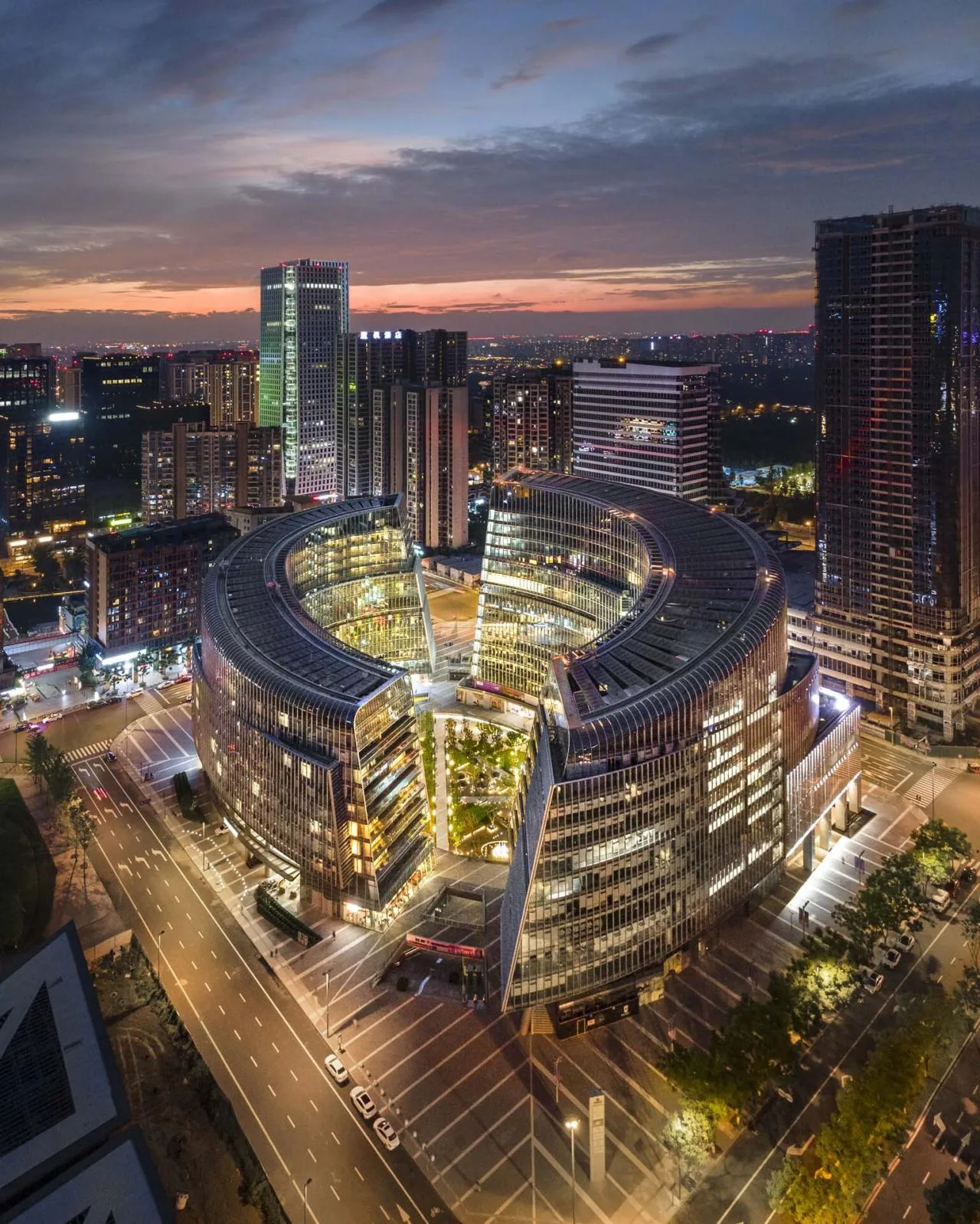
The government’s detailed urban design guidelines for this area aim to standardize architectural and spatial forms but have also led to significant homogenization. Continuing the existing patterns would result in conflicts with neighboring projects and a lack of distinctiveness and cohesion, missing the chance to inject vitality into the district. This center breaks the rigid grid pattern by incorporating two circular arcs, softening the otherwise monotonous street layout. It creates bright, spacious, and diverse visual corridors for both itself and adjacent developments, along with dynamic entrance plazas, engaging internal courtyards, and pathways connecting all public open spaces. The curved building edges closely follow the site boundary, maintaining street continuity and making the structure stand out while harmonizing with its surroundings.
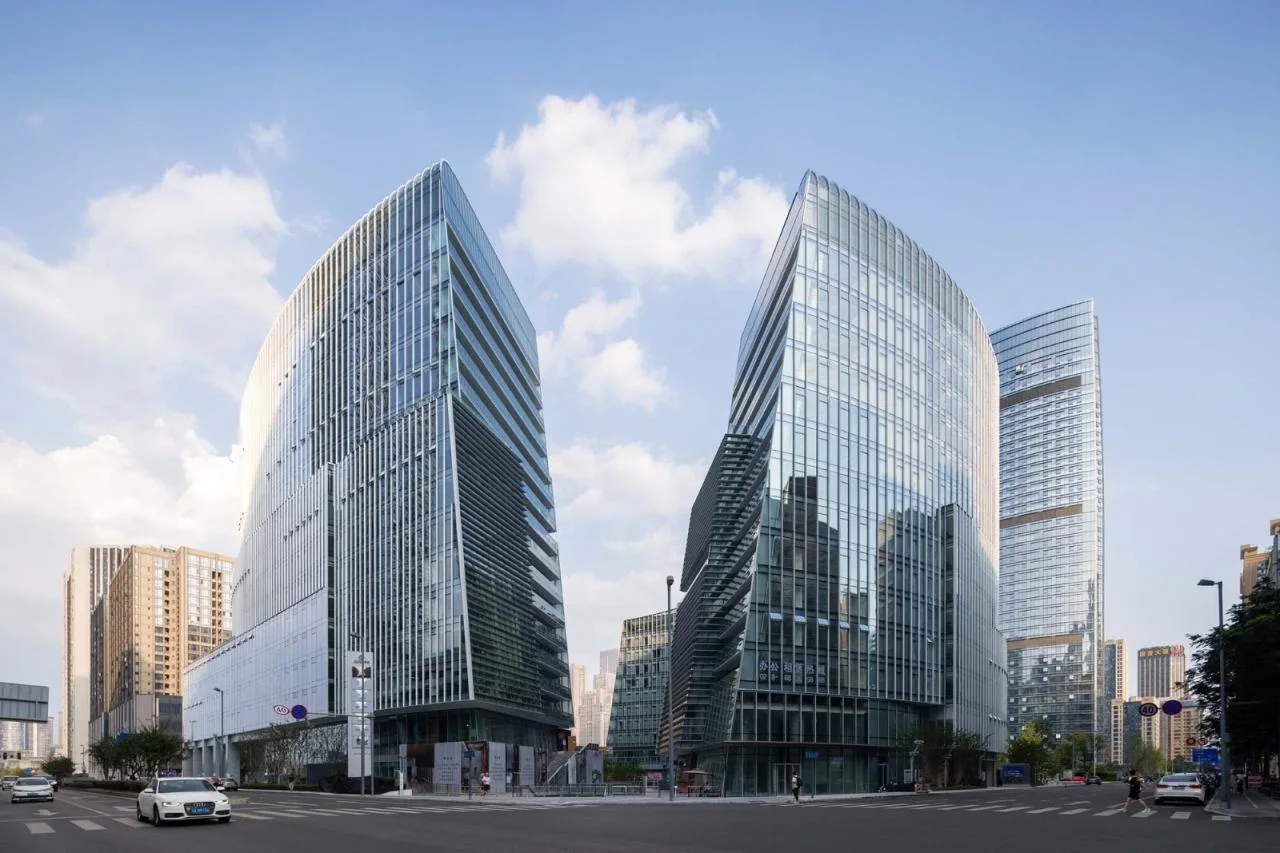
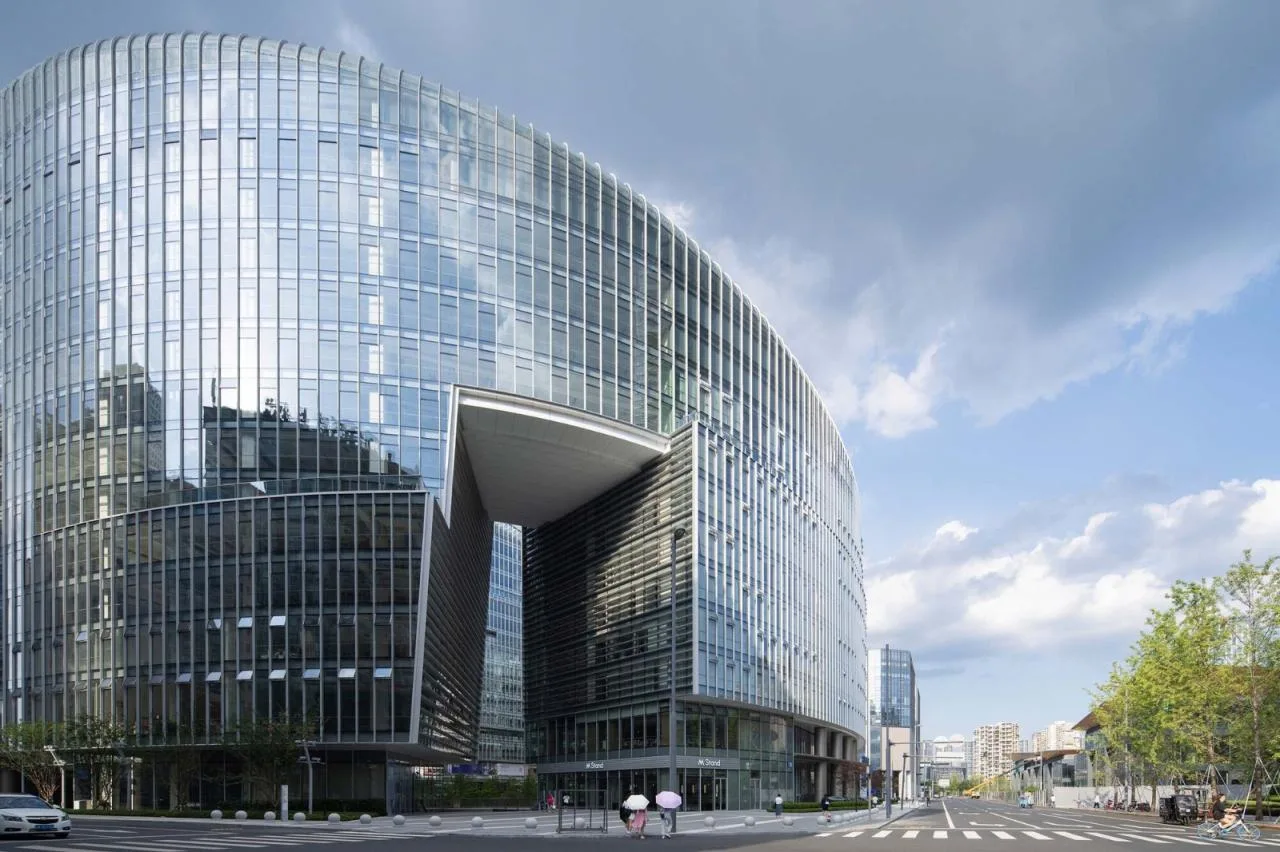
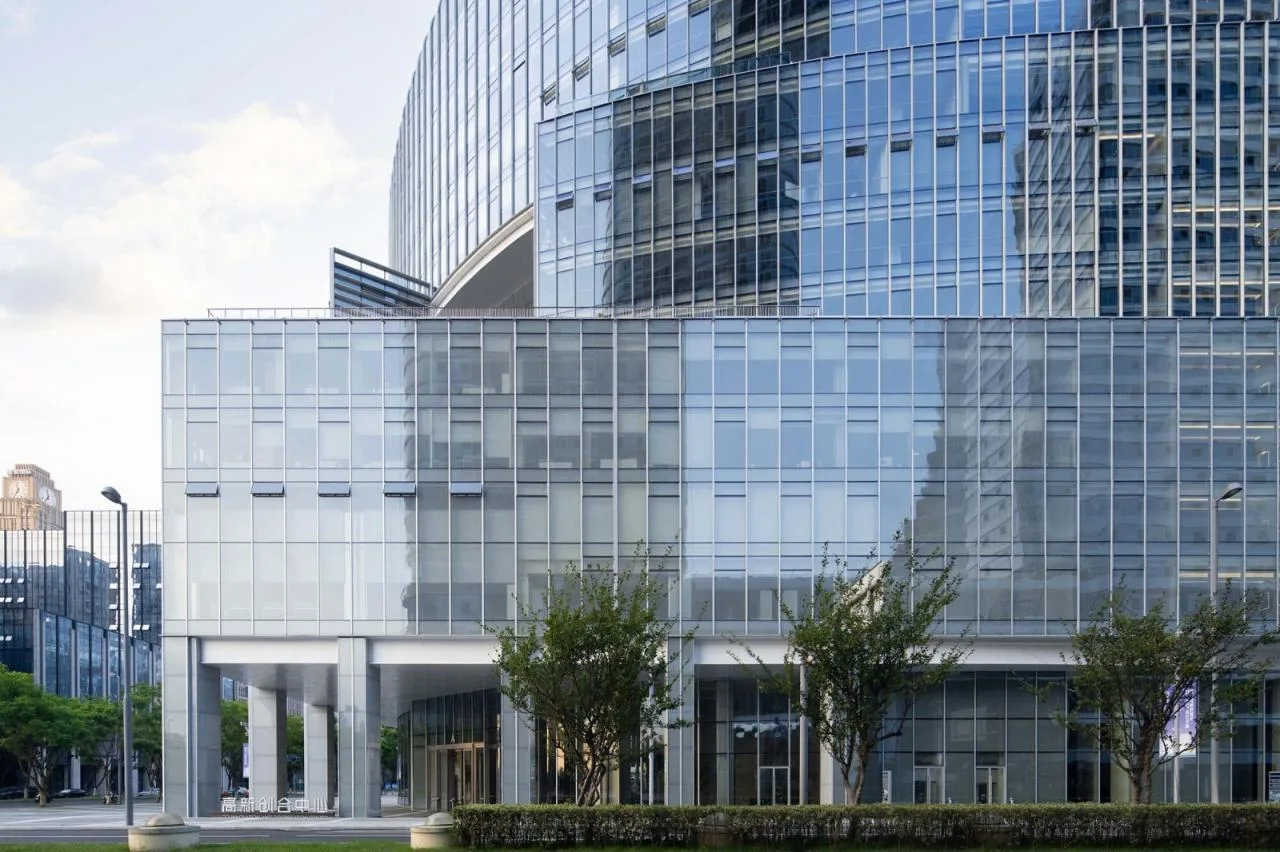
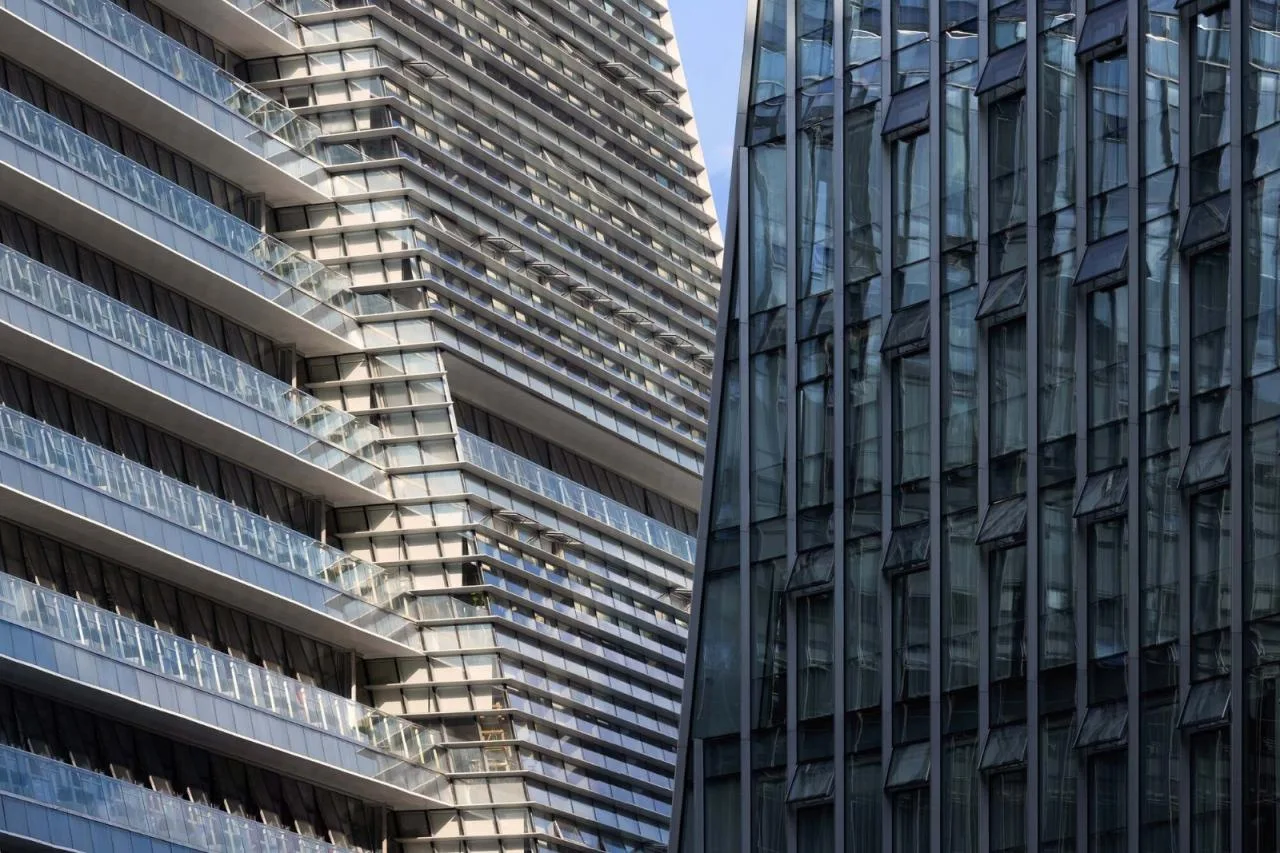
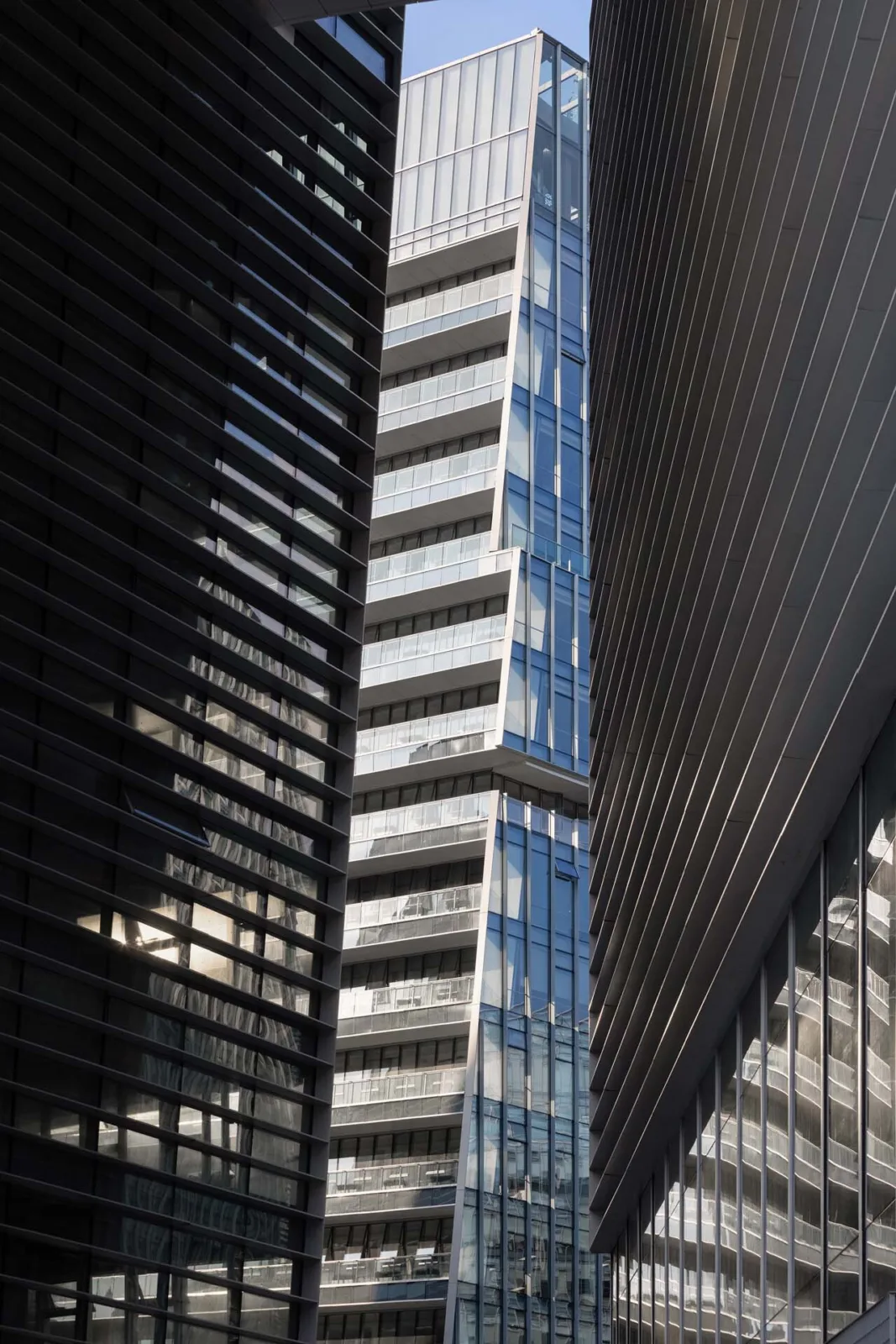
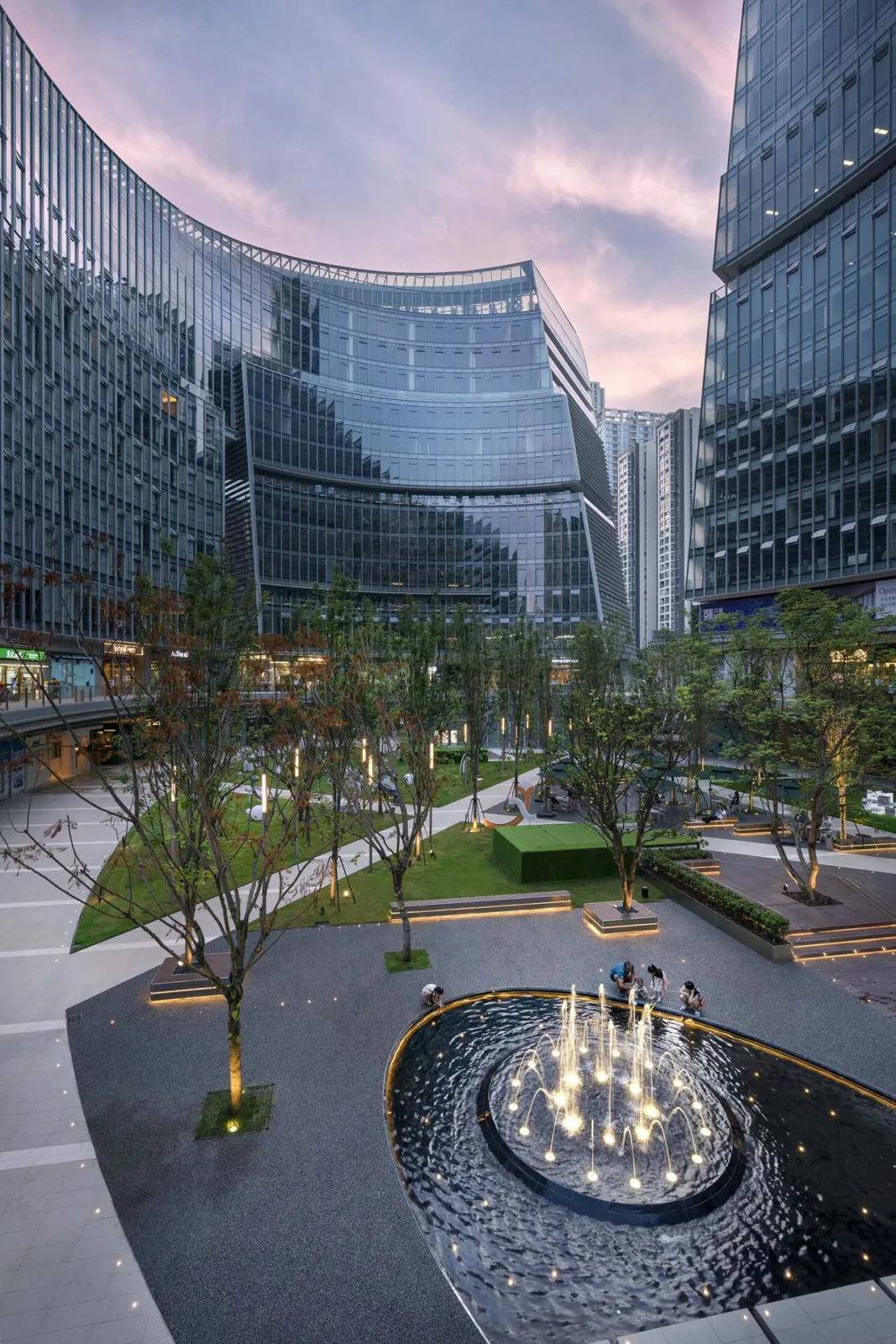
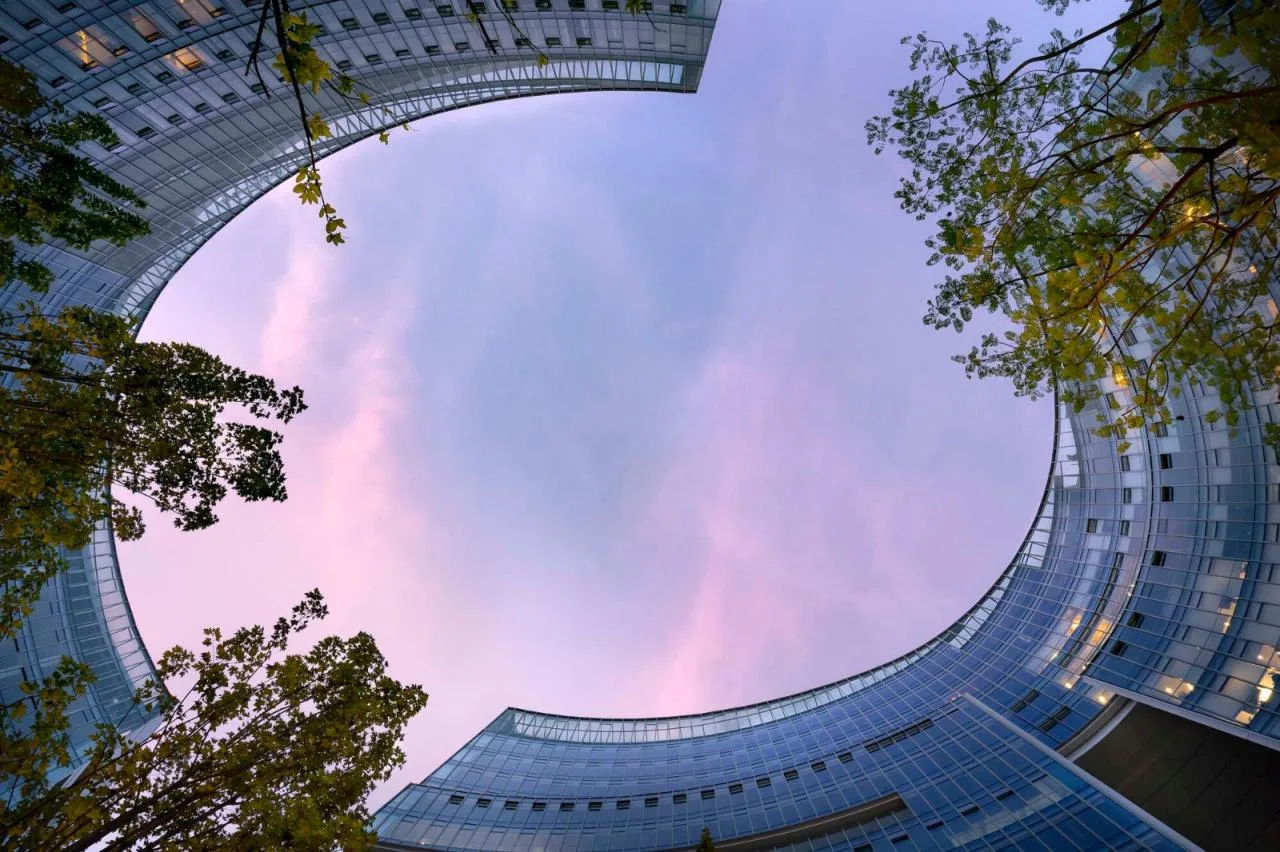
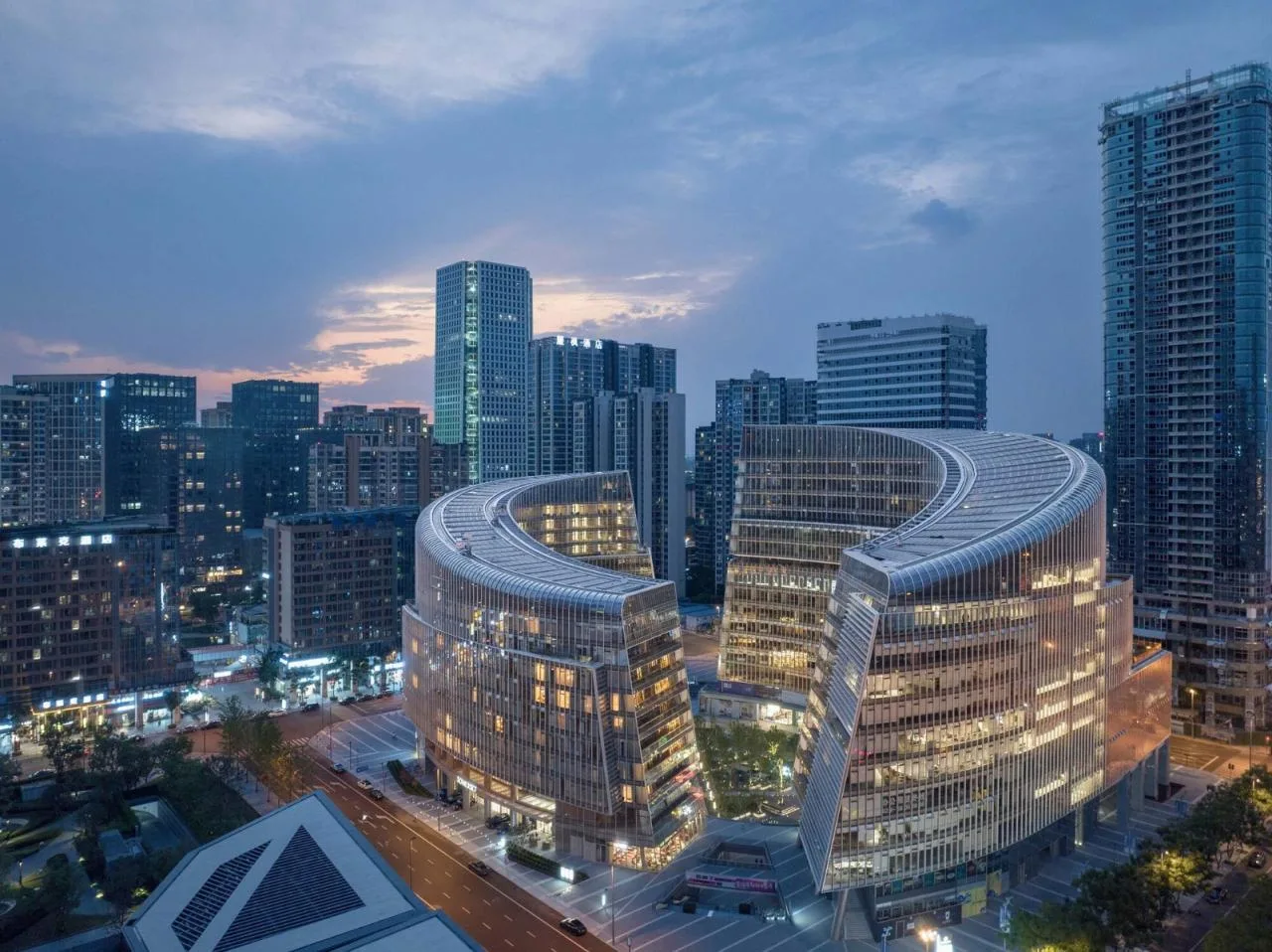
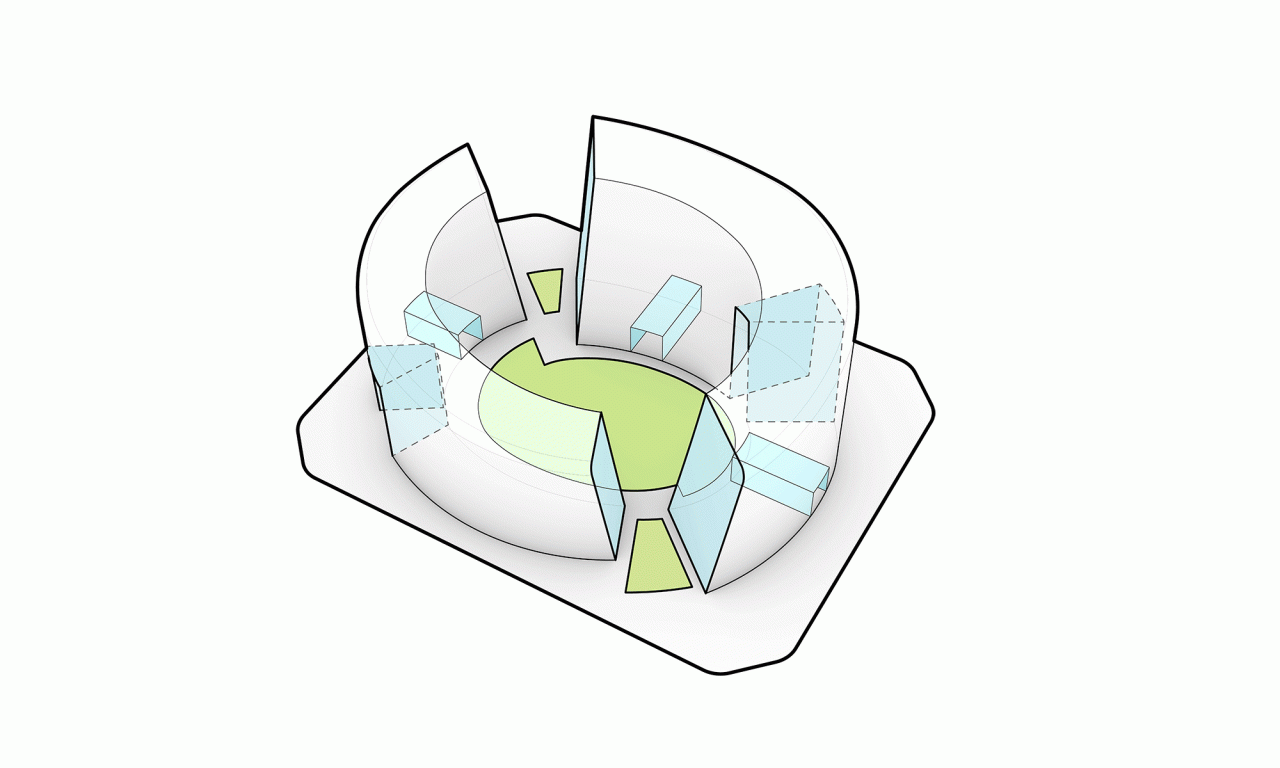
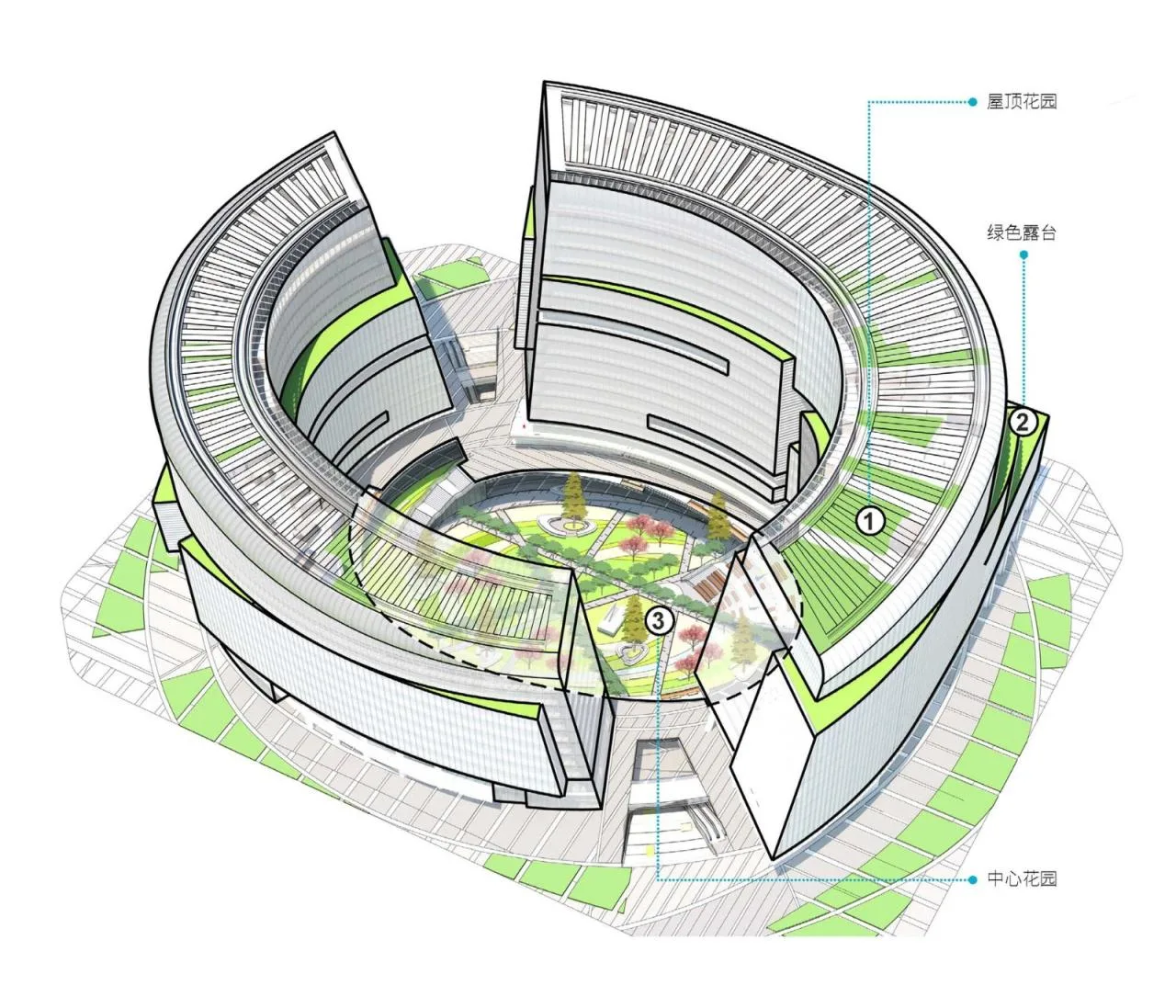
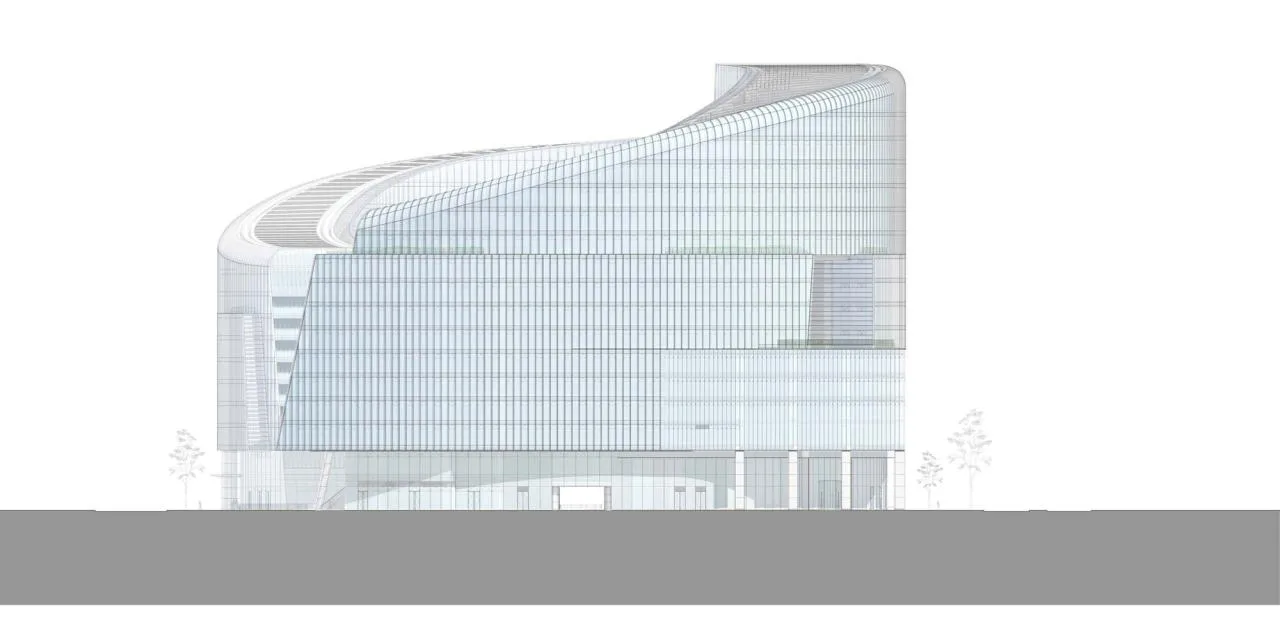
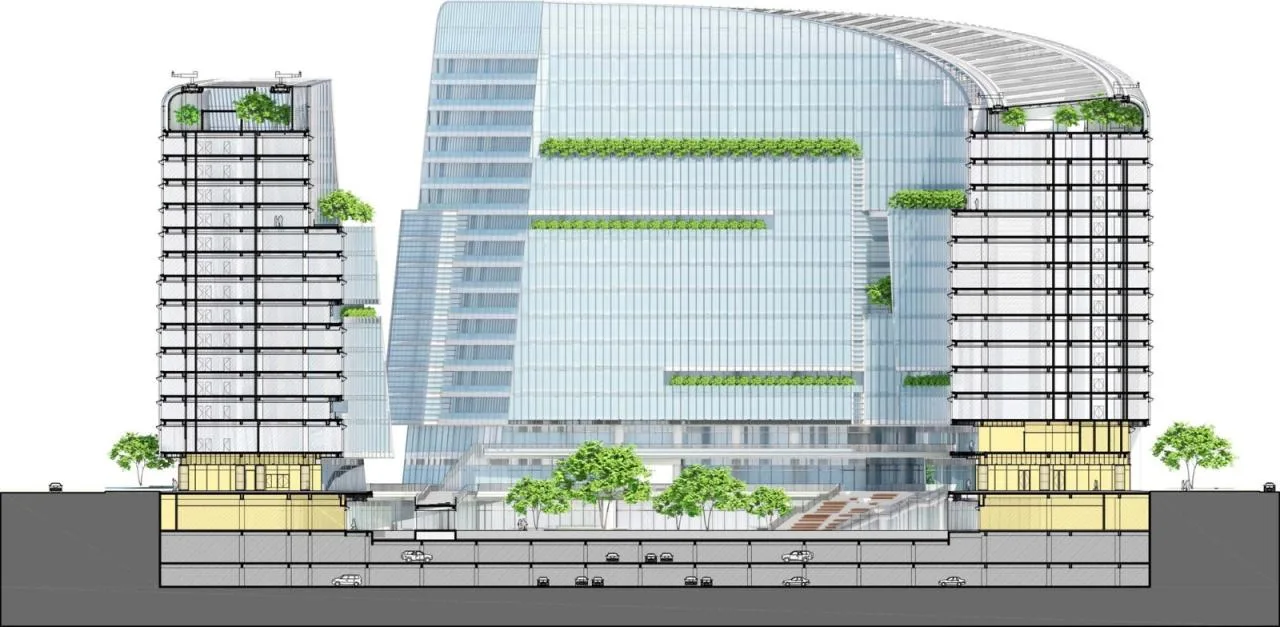
The building’s height gradually decreases from north to south, retreating towards the center of the block, Poly International Plaza. Two opposing crescent-shaped towers curve around a stunning oval courtyard, resembling a pair of agile carp swimming gracefully. The continuously sloping, curved roofs spiral endlessly, embodying openness, integration, warmth, and safety. This flowing architectural form creates a captivating skyline and attractive fifth facades, contributing a unique urban landmark within the southern international city district and enhancing the cityscape among surrounding skyscrapers.
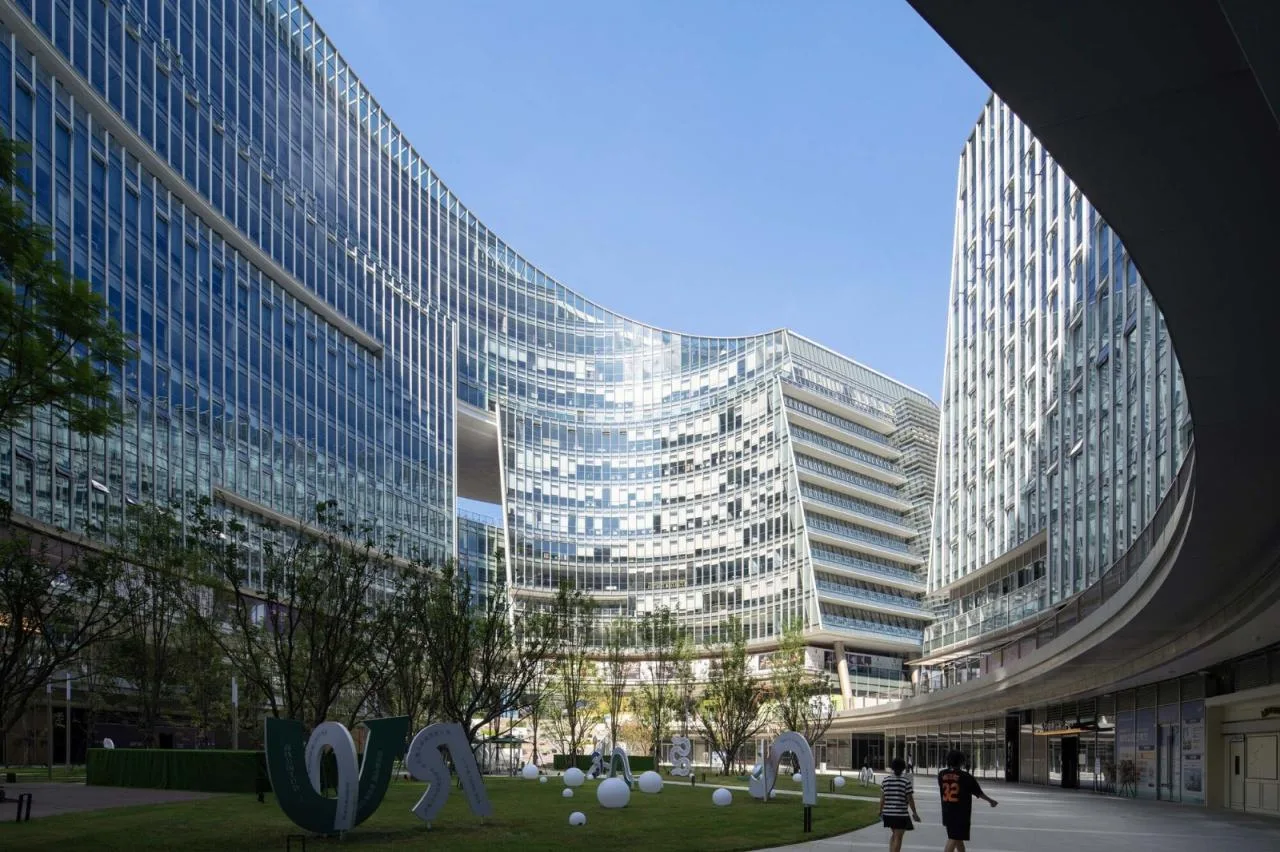
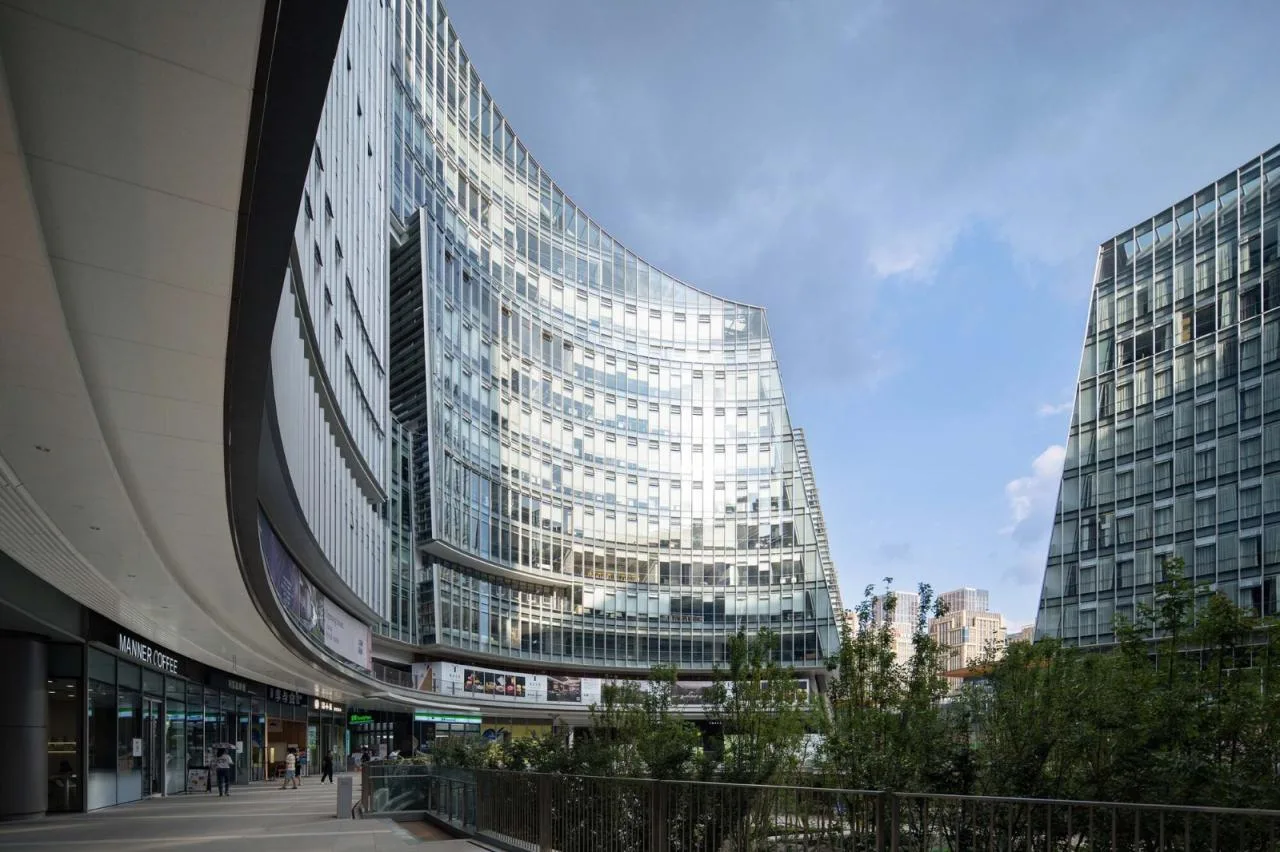
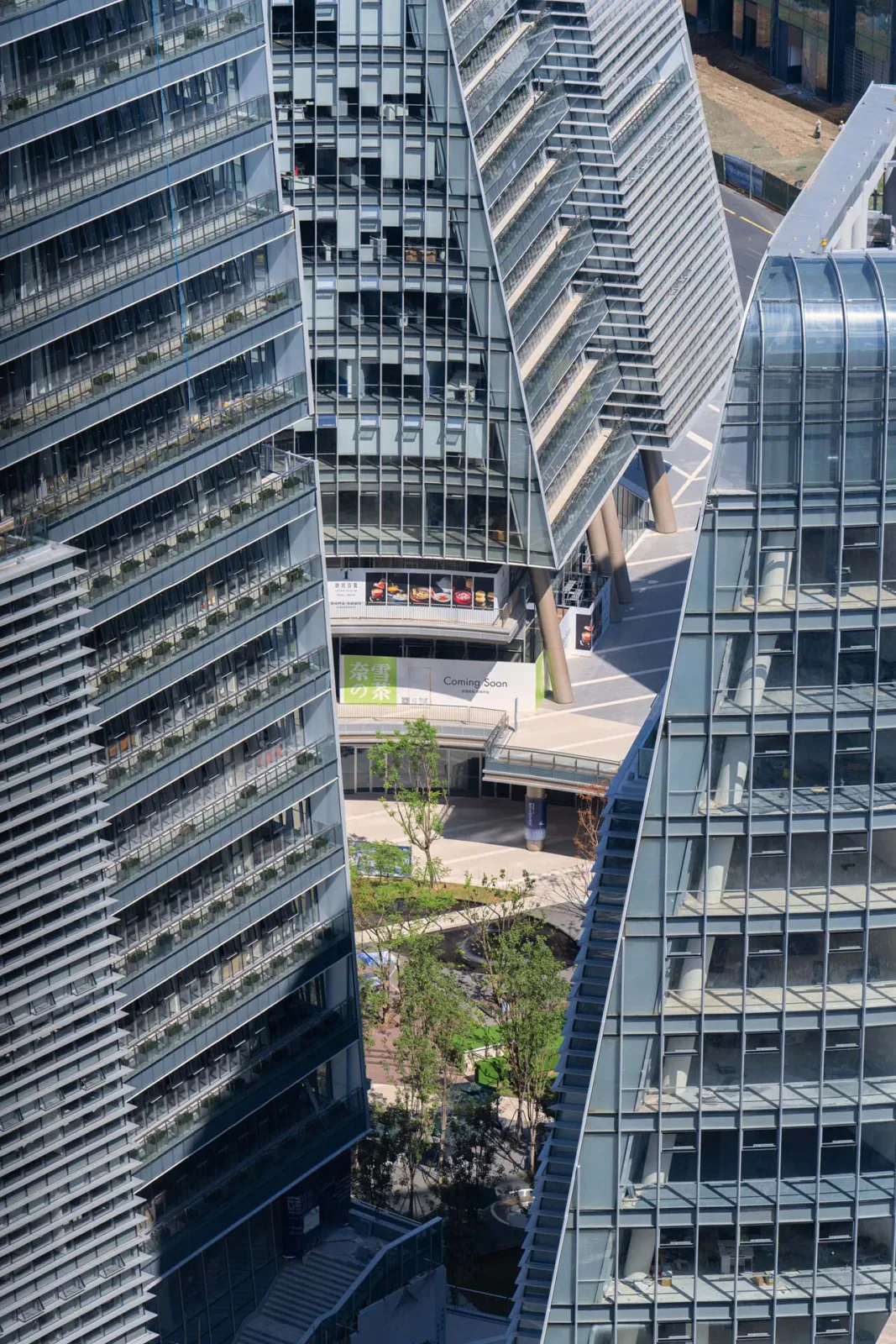
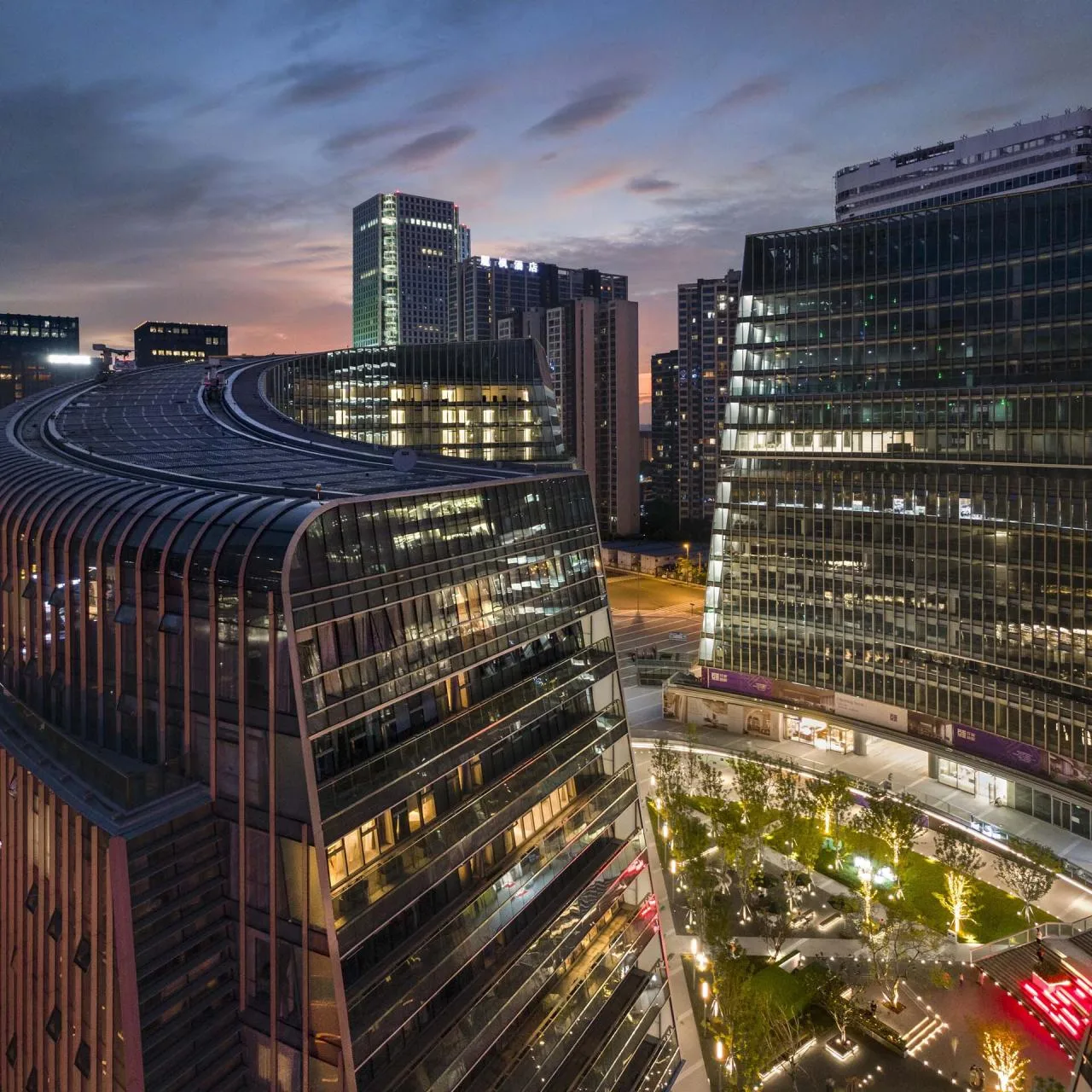
To create a tranquil environment away from the city’s hustle, while expanding commercial space, the design features a sunken central garden directly connected to the lower-level commercial area. Four open corners provide multiple routes connecting the city to this central green space. The landscaping is minimalist, extending the building’s pure geometric style. The courtyard is divided into distinct zones by three radial pathways. Above, a green terrace at varying heights is crafted through the offset of curved volumes, complemented by a semi-open rooftop garden. This design brings nature closer to the indoor office environment, reduces the building’s impact on surrounding spaces, and fosters greater engagement with the city.
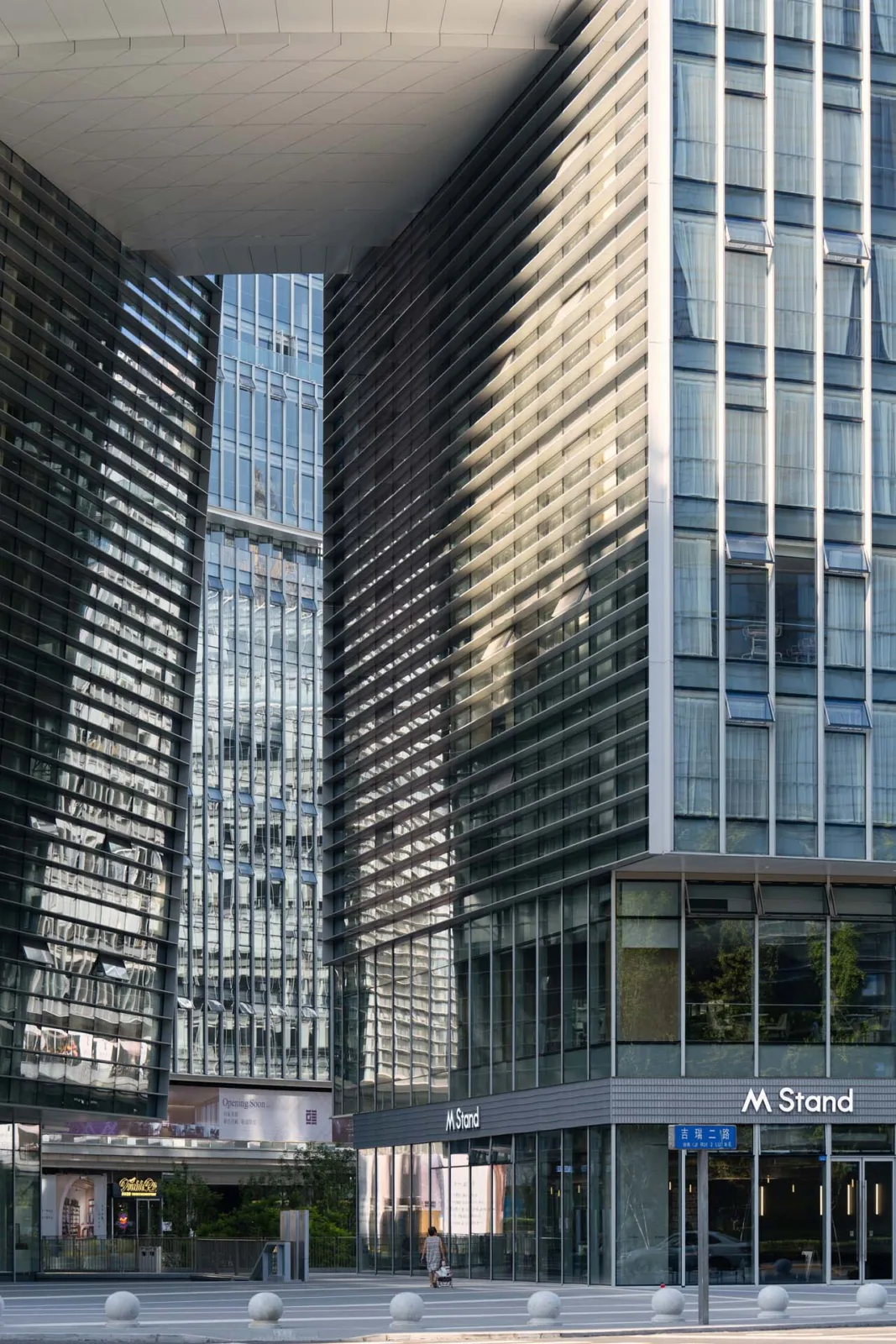
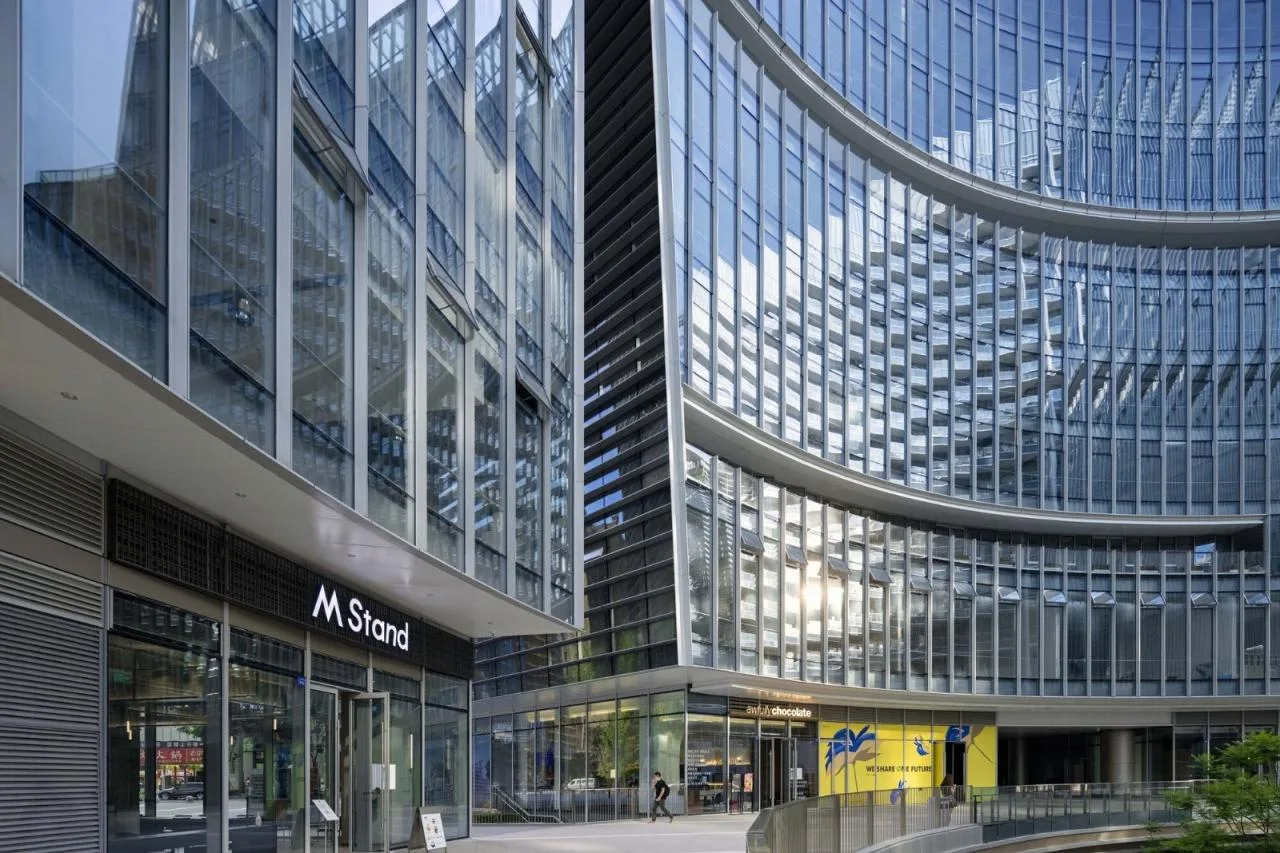
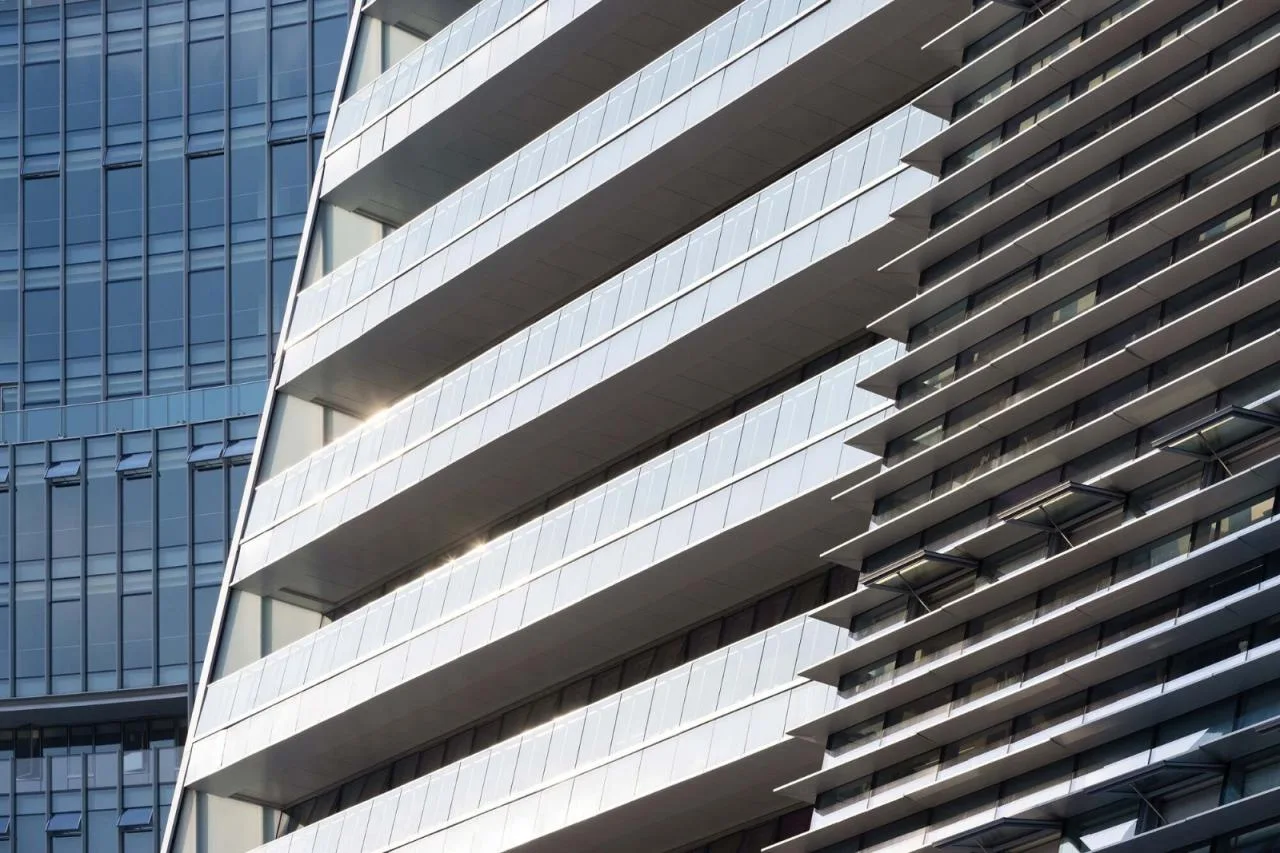
Balancing aesthetics and budget with curved curtain walls was a major challenge. To control costs, the design optimizes the curtain wall’s curved surfaces by using primarily standard vertical glass panels, with less than 1.3% of the glass being non-standard curved pieces. The corner curved glass at the top simplifies fabrication by limiting curvature and unifying panels through vertical mullion adjustments. The façade employs full ultra-white glass, lending the building a modern, urban, and commercial appearance.
Architecture’s ultimate mission is to enhance city quality, invigorate life, and increase investment value. Architects must thoroughly analyze the environment, site, and project goals, ask bold questions, innovate with a human-centered approach, and apply professional skills to create meaningful and thoughtful work. The design of the Vanke Chengdu High-Tech Innovation Center embodies this philosophy.
Project Drawings
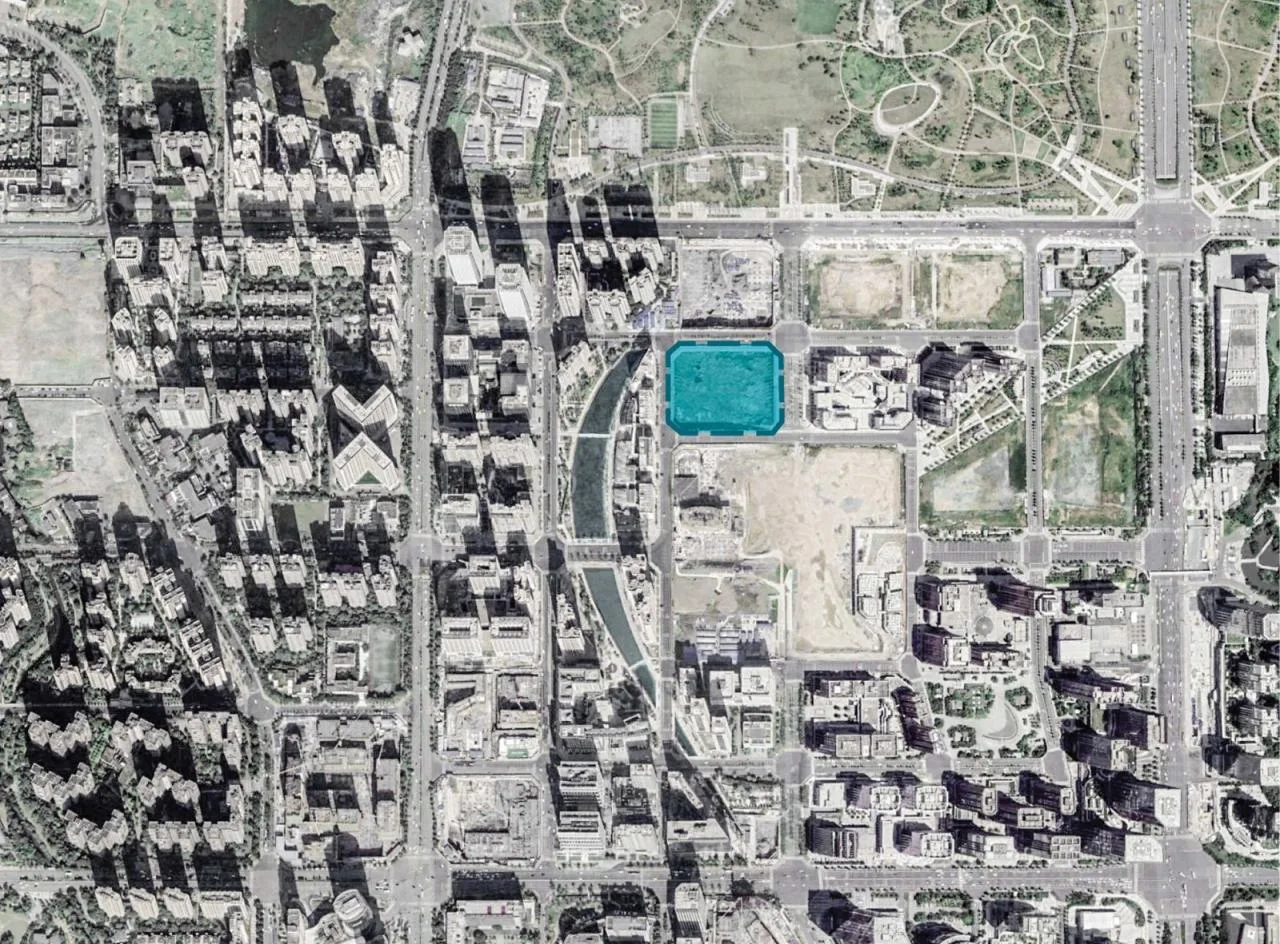
△ Location Analysis
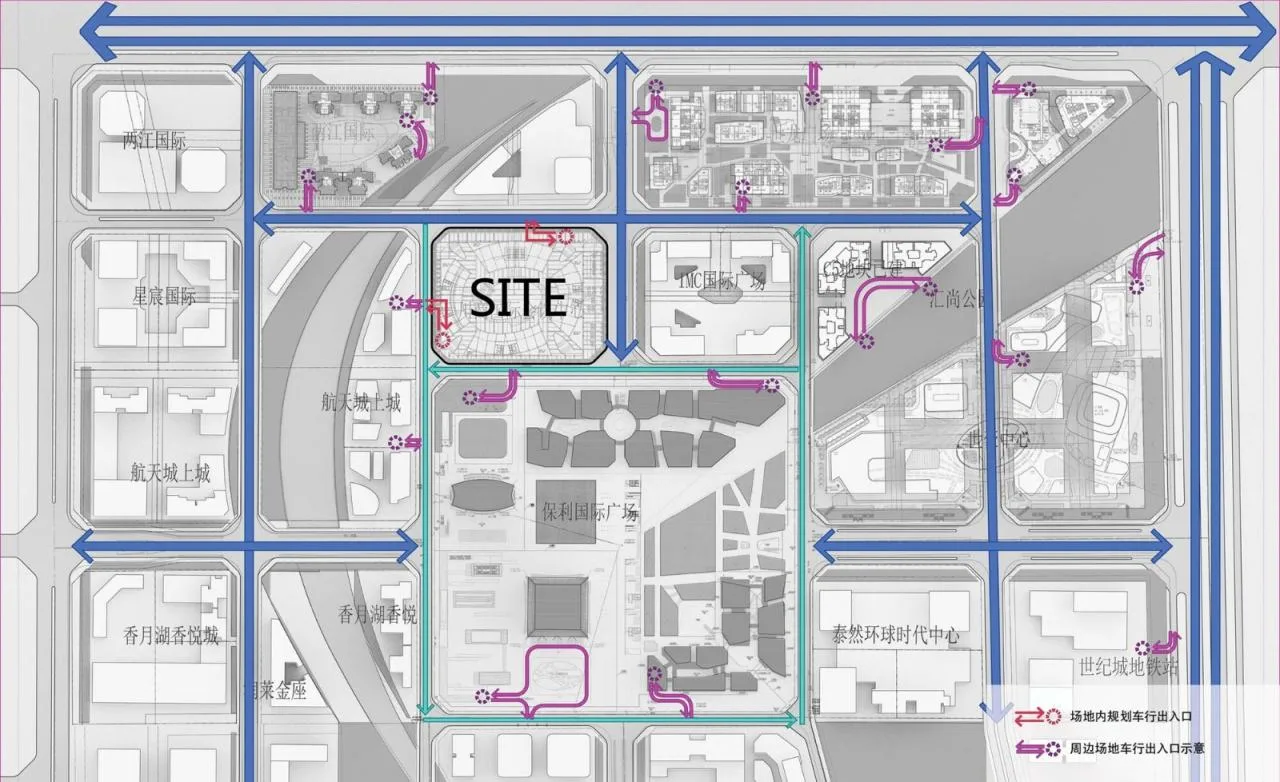
△ Vehicle Analysis
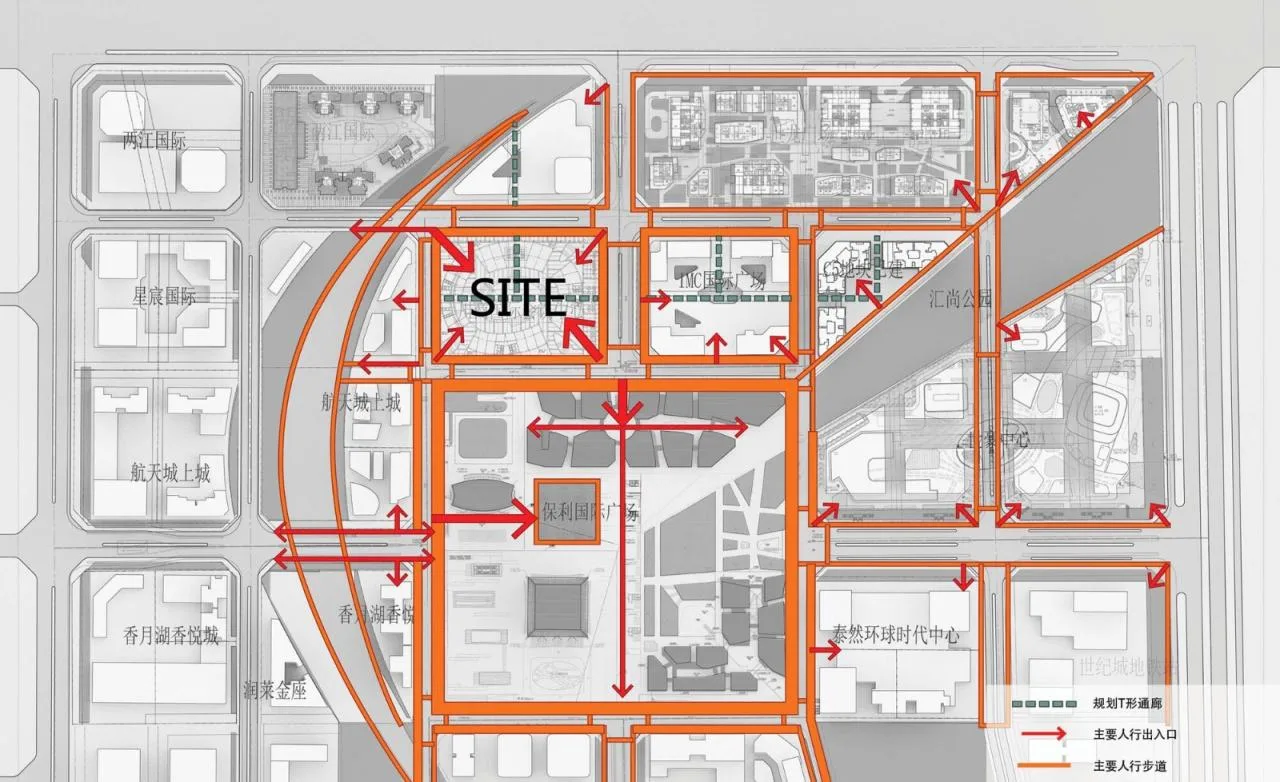
△ Pedestrian Analysis
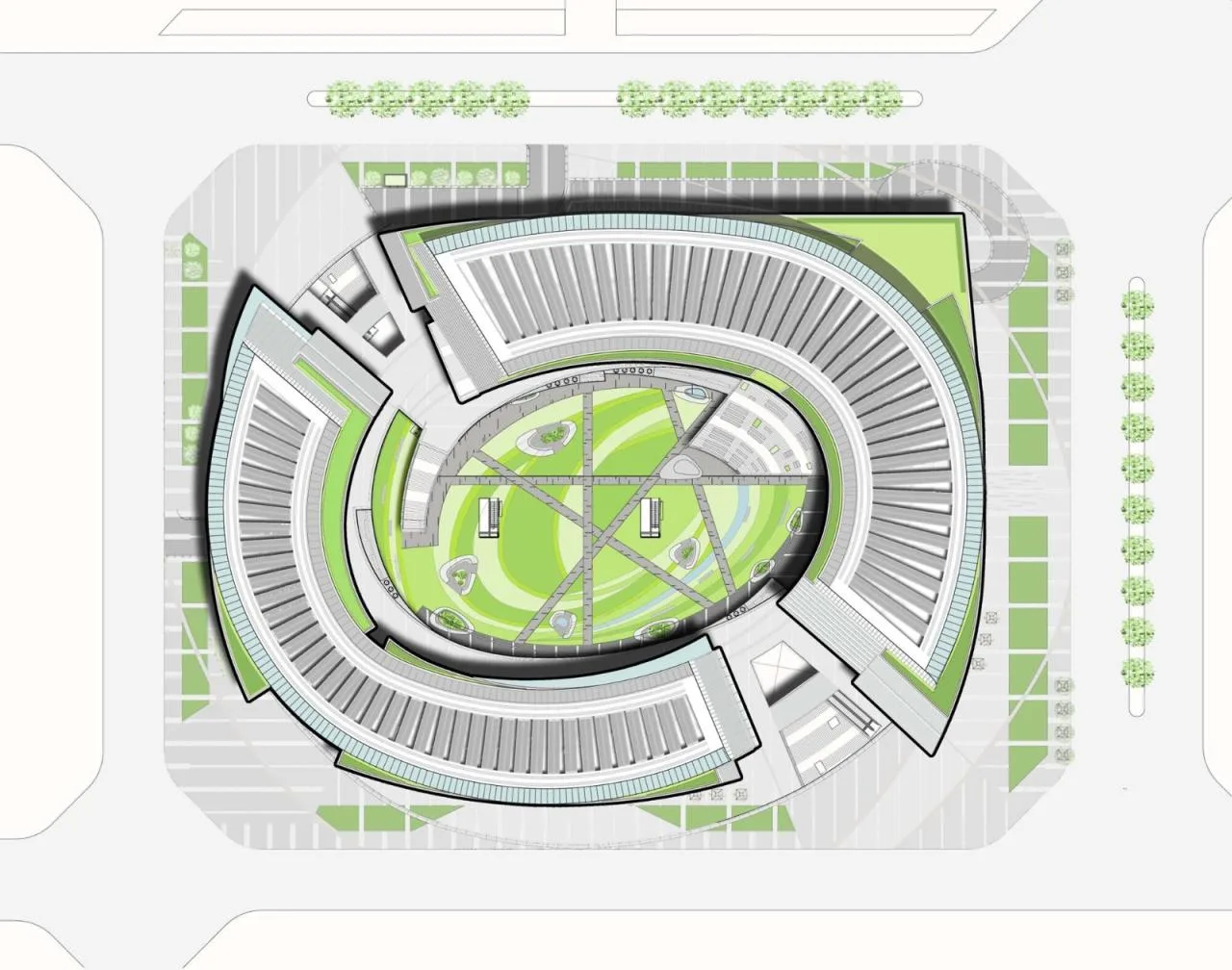
△ General Layout Plan
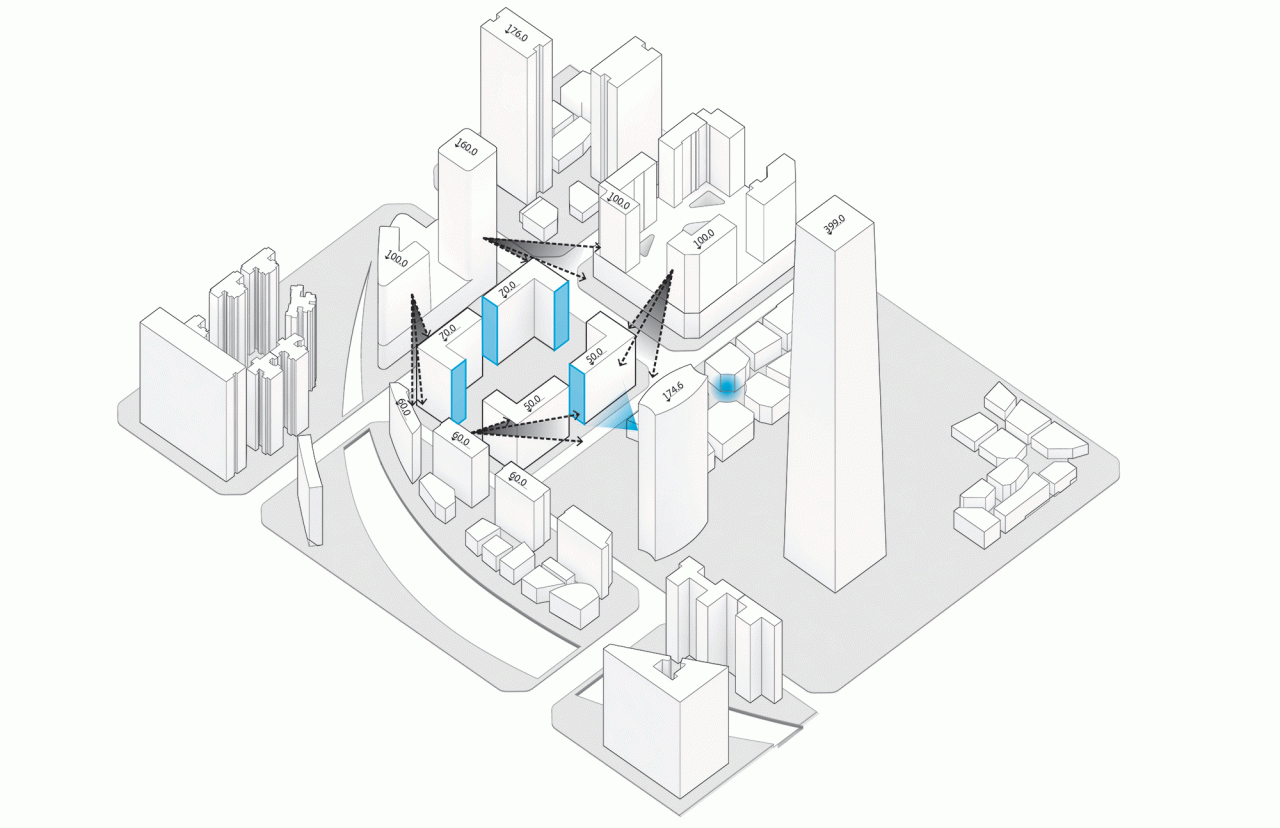
△ Analysis Diagram
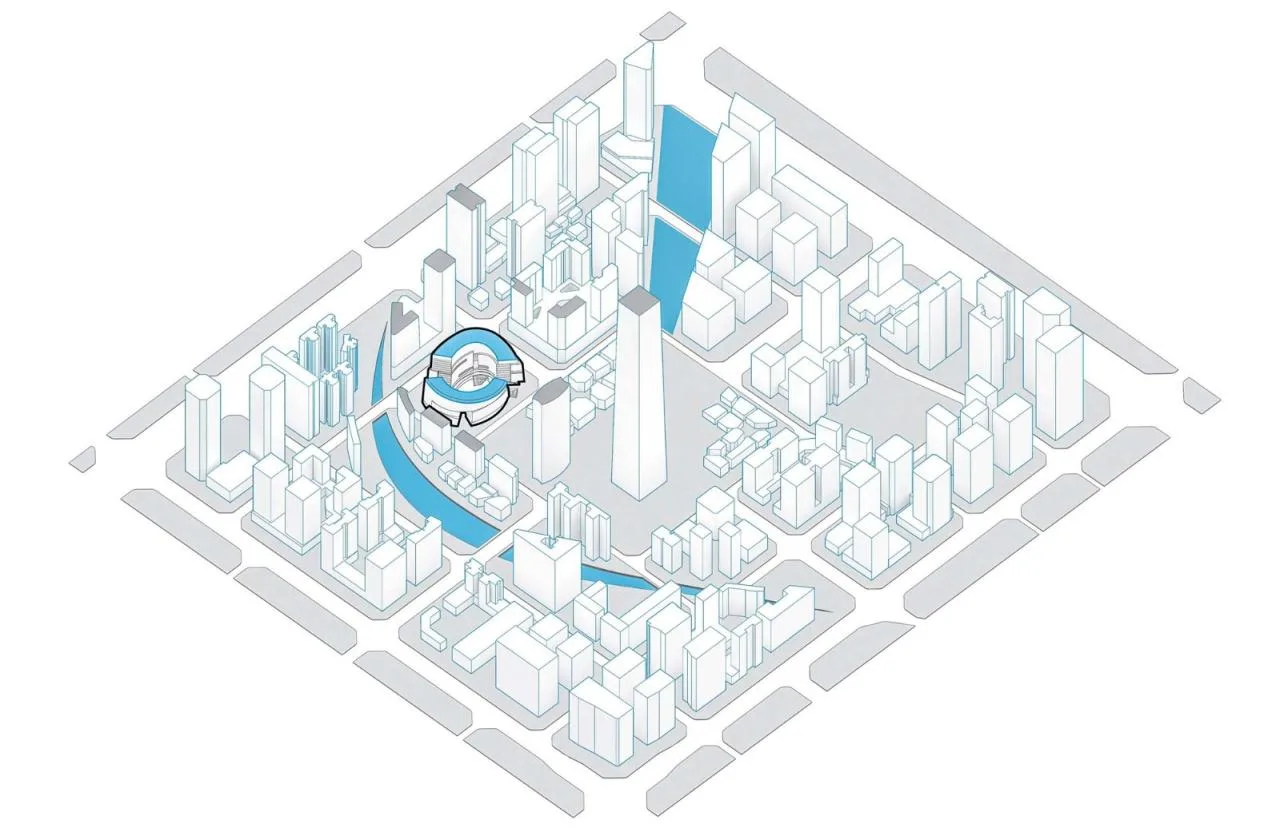
△ Analysis Diagram
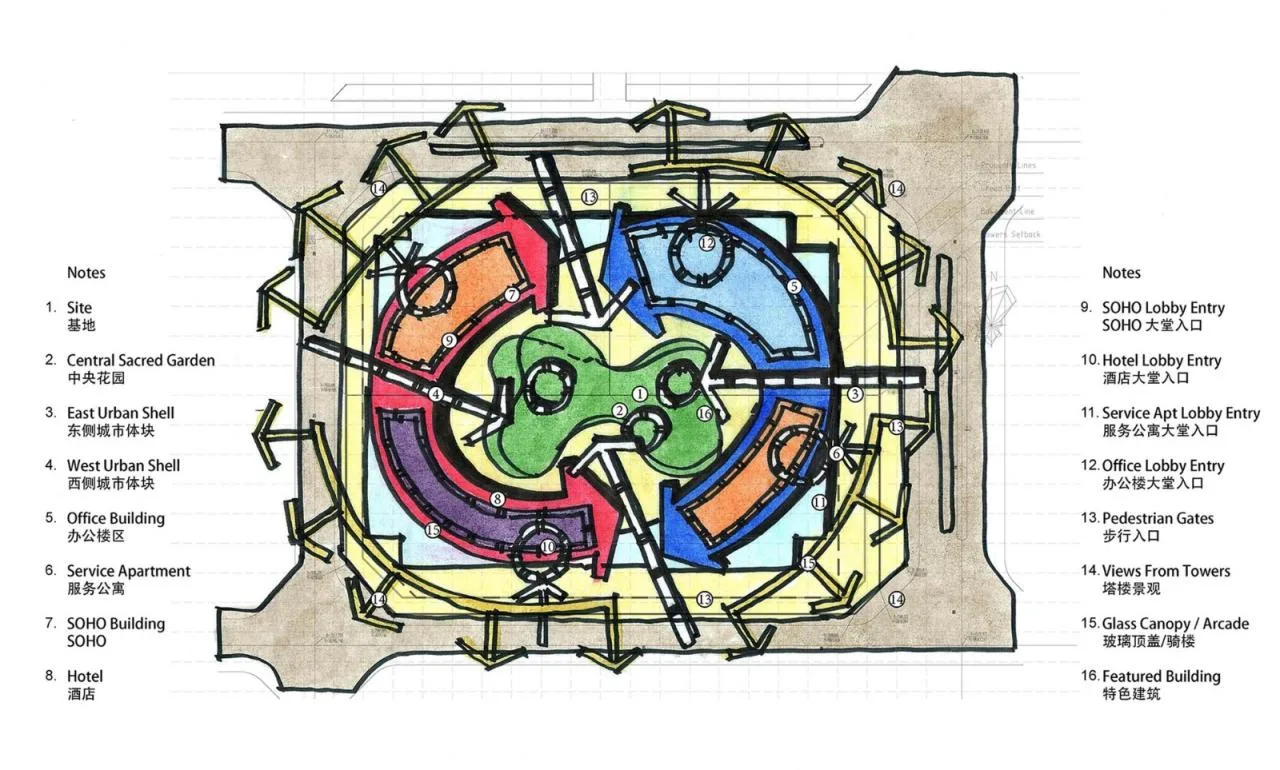
△ Analysis Diagram
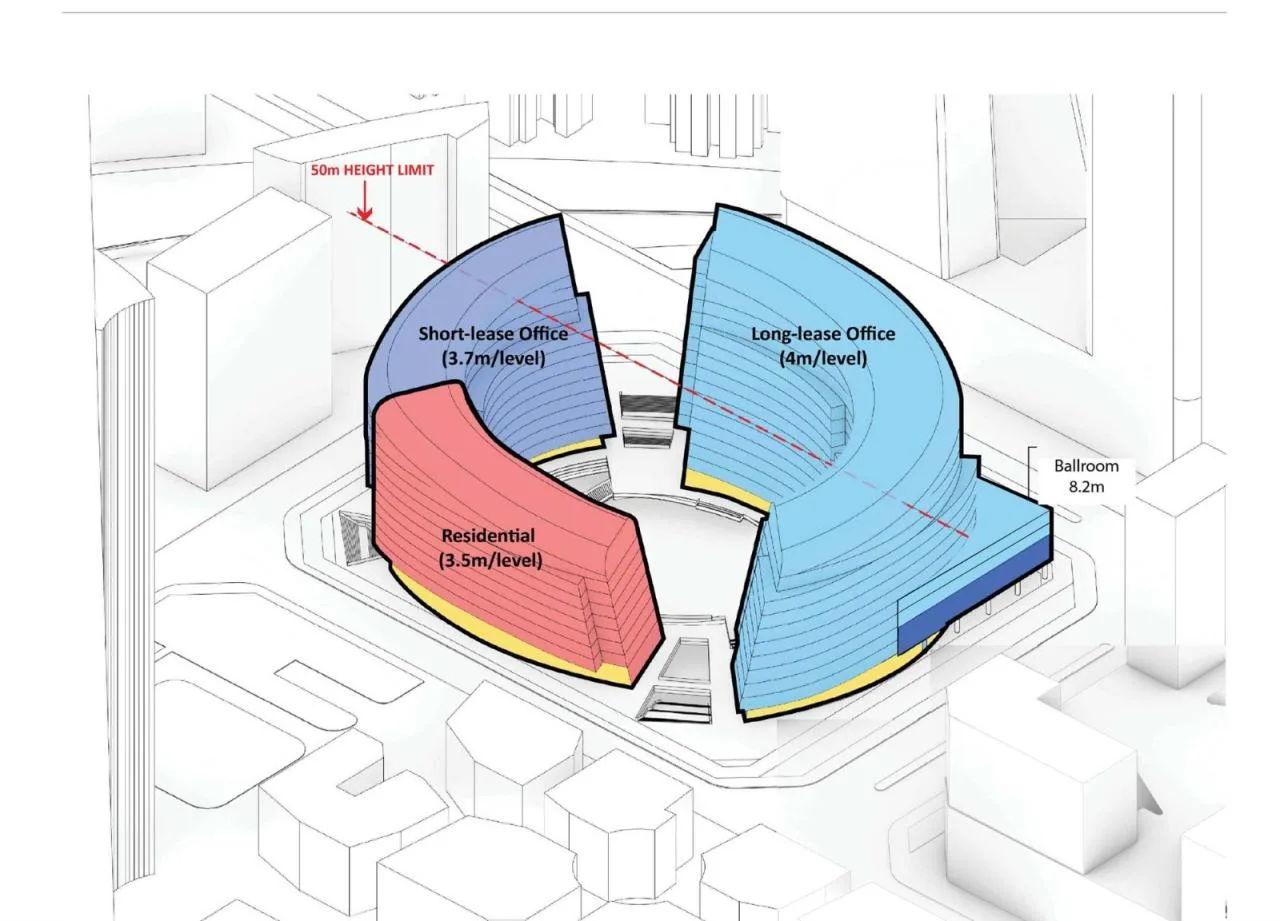
△ Analysis Diagram
△ Analysis Diagram
△ Analysis Diagram
△ Elevation Drawing
△ Section Diagram
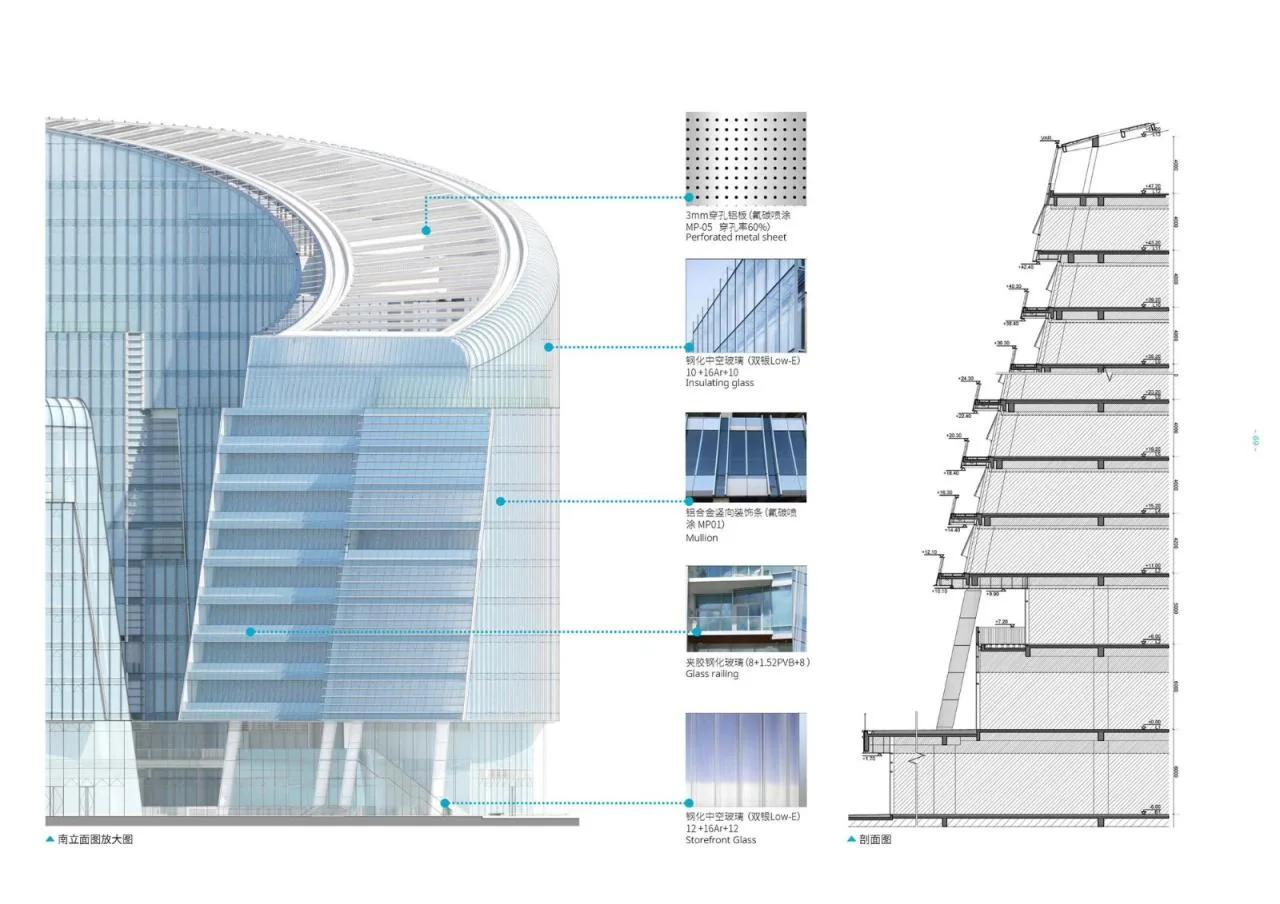
△ Profile Analysis Diagram
Project Information
Architect: Laguarda.Low Architects
Area: 148,351 m²
Project Year: 2022
Photographers: Existence Architecture, High-Tech Innovation and Cooperation Center, Nick Kuratnik, ZSDC, Vanke Group
Manufacturers: Shanghai Yaopi Glass Group Co., Ltd., Sichuan Samsung New Materials Technology Co., Ltd., Sichuan Xintai Decoration Materials Co., Ltd
Lead Architect: Pablo Laguarda, FAIA
Design Team: Wu Jun, Liang Jin AIA, Pan Xinzhi LEED AP, Hu Xiaoyan LEED AP, Yang Jiteng AIA, Wang Qi LEED GA, Yu Yiheng, Han Chen, Miguel Diaz, Christopher Powers AIA
Curtain Wall Consultant: Step Forward Exterior Wall Architectural Design Consulting (Shanghai) Co., Ltd
Structural Consultant: Shenzhen Hezhifeng Construction Co., Ltd
Landscape Design: Zhilan Landscape
Civil Construction Contractor: Shenzhen Guangshengda Construction Co., Ltd
Location: Chengdu















Must log in before commenting!
Sign Up