
Rotterdam’s city center was almost entirely destroyed during the bombing in May 1940. In the aftermath of World War II, during the period known as De Wederopbouw or the ‘Reconstruction Period,’ cities rushed to rebuild. Rotterdam embraced a fast-paced approach, erecting simple, modern, efficient, and pragmatic buildings that reshaped the cityscape.
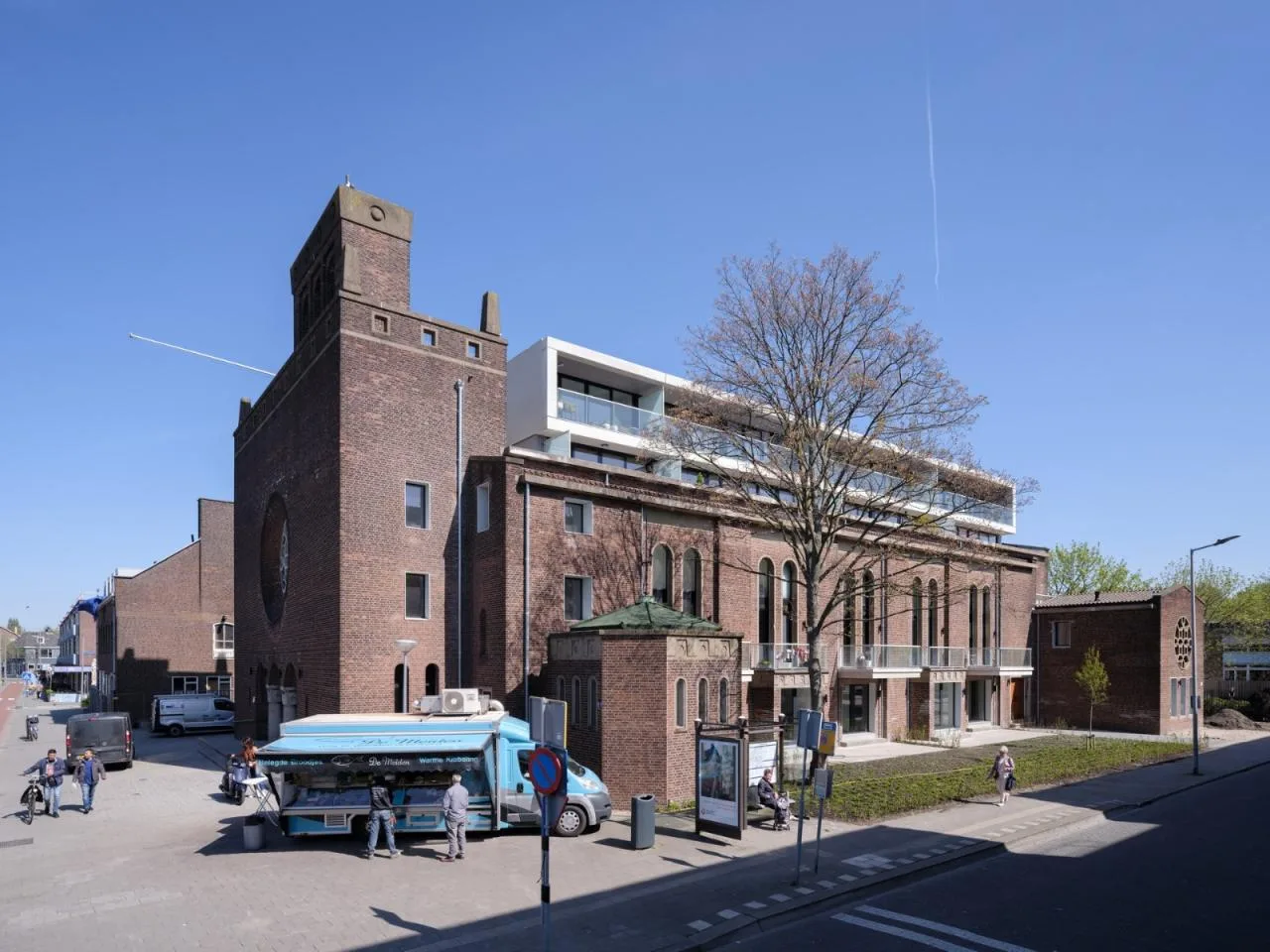
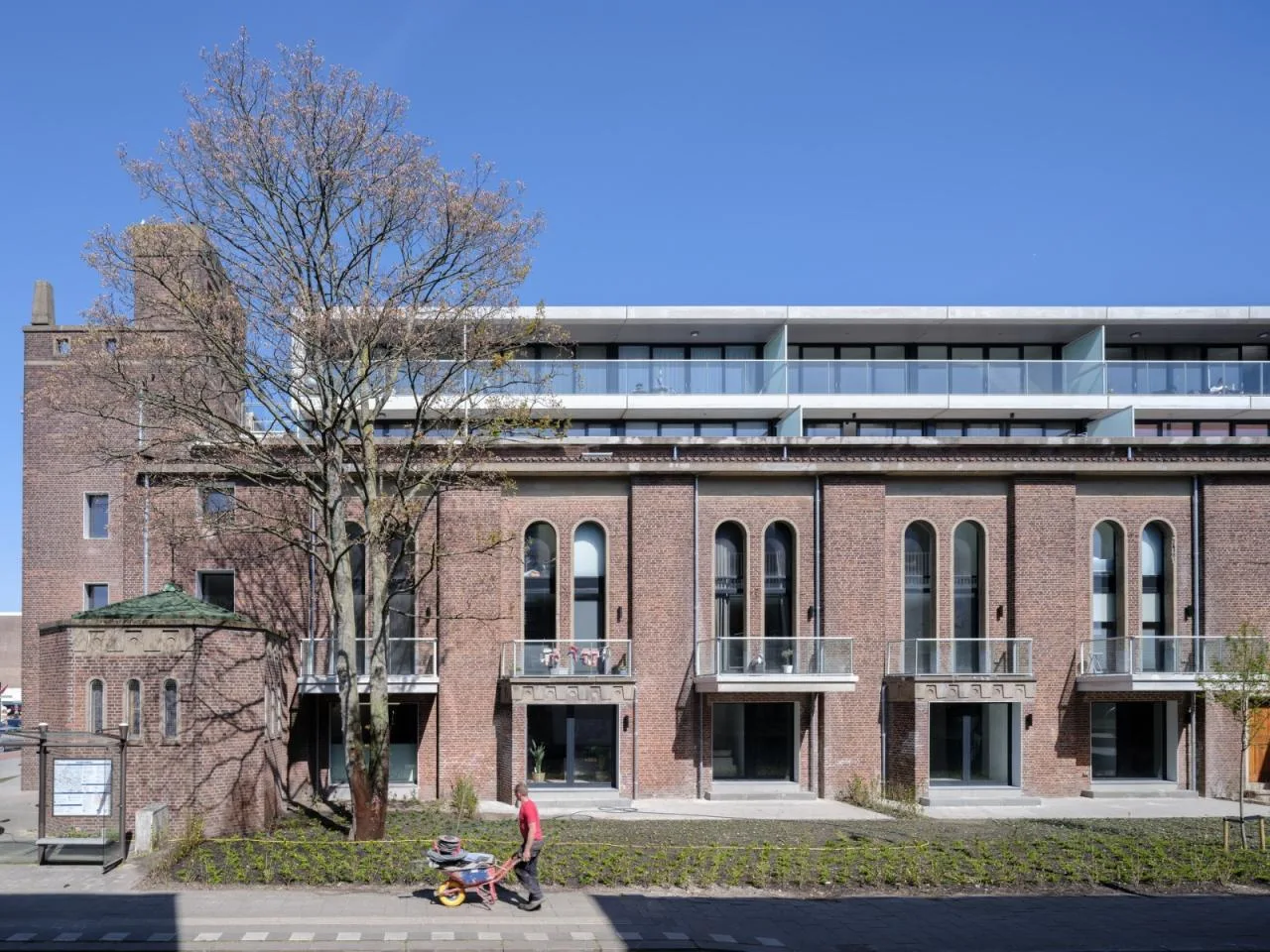
Today, these post-war buildings are proudly regarded as monuments within Rotterdam. While 1950s and 1960s architecture might be commonplace in other cities, in Rotterdam, these structures hold special historic value. The complete destruction of the original city center has led to a heightened appreciation and preservation of any surviving buildings from that era.
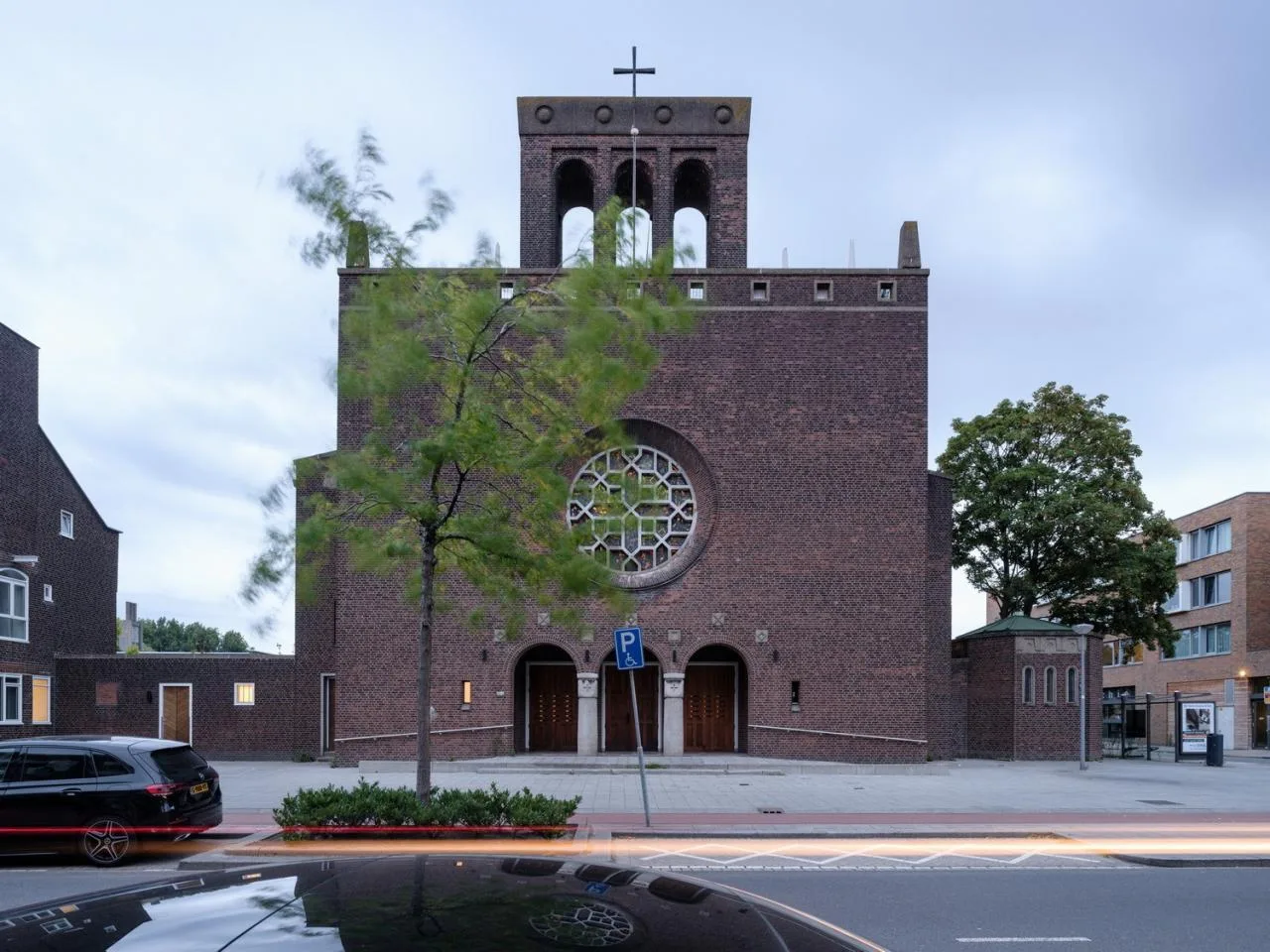
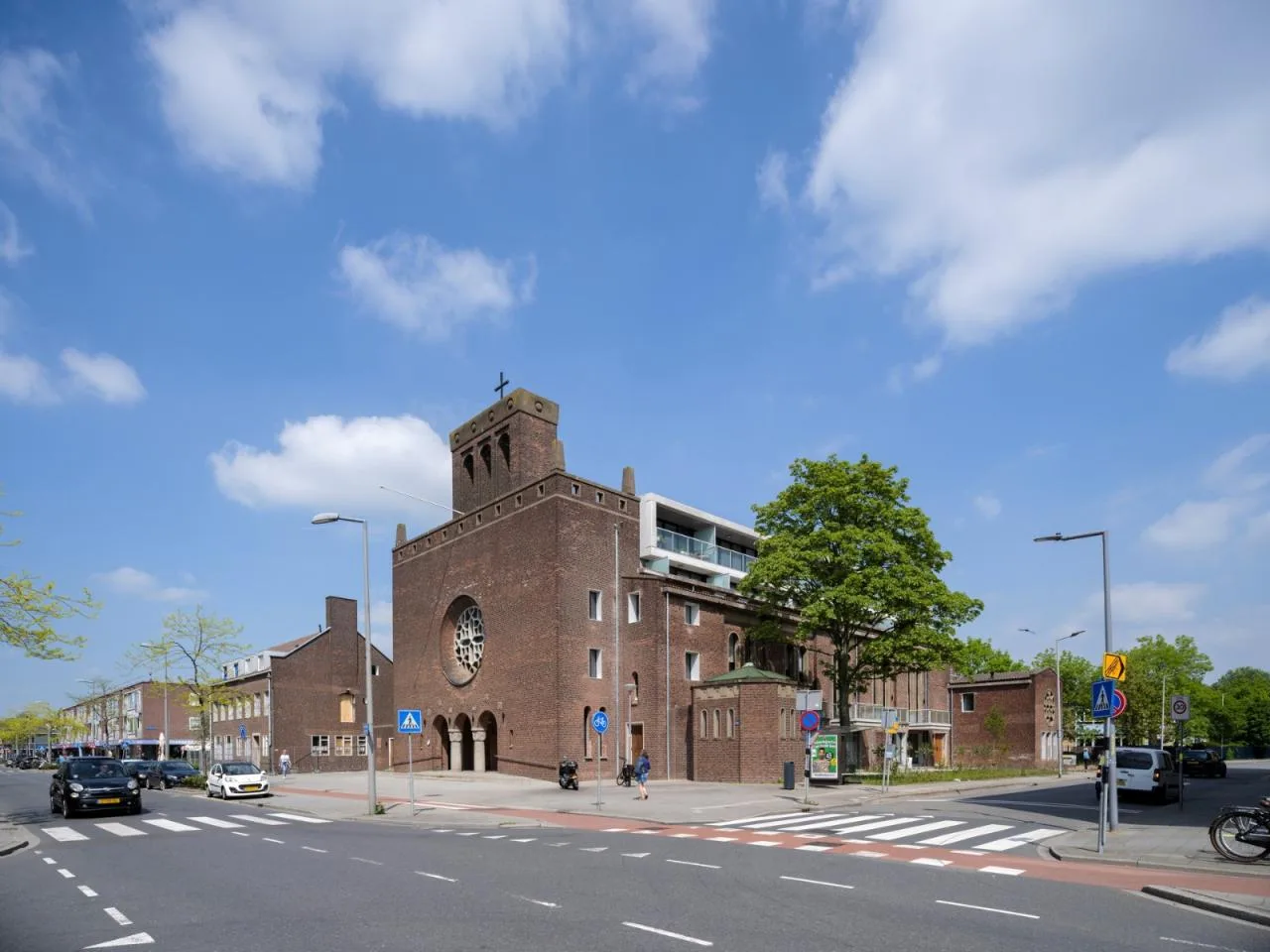
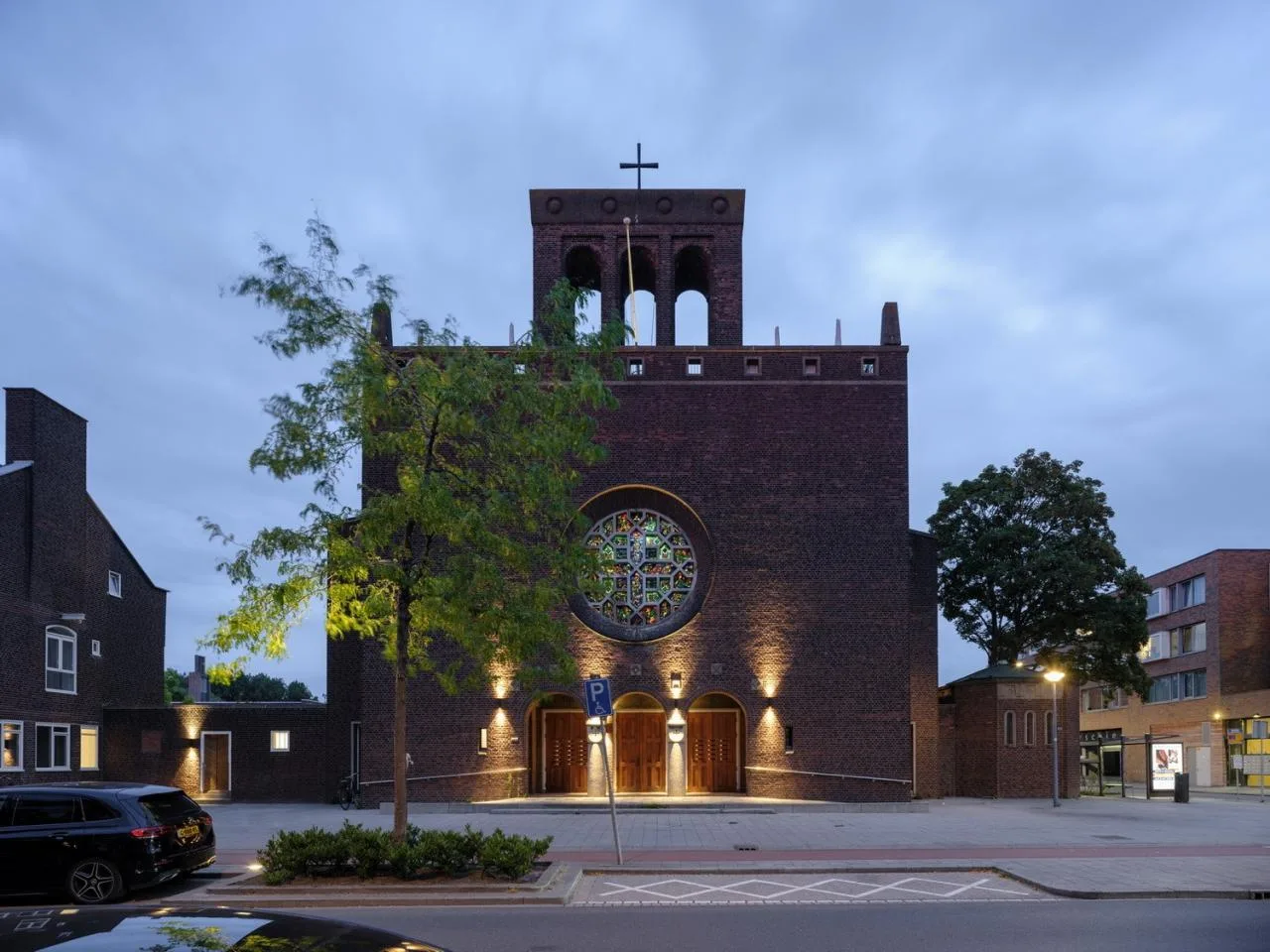
One notable building from the Wederopbouw period is a church located in the Overschie area in the northern part of Rotterdam. Constructed in 1953, this church served its congregation for about 65 years. However, due to rapid secularization in Dutch society—where only 46% of the population now identifies as religious—the church ceased to function as a place of worship. As the building remains protected, the only viable option is to repurpose it for new uses, a trend increasingly common across the Netherlands.
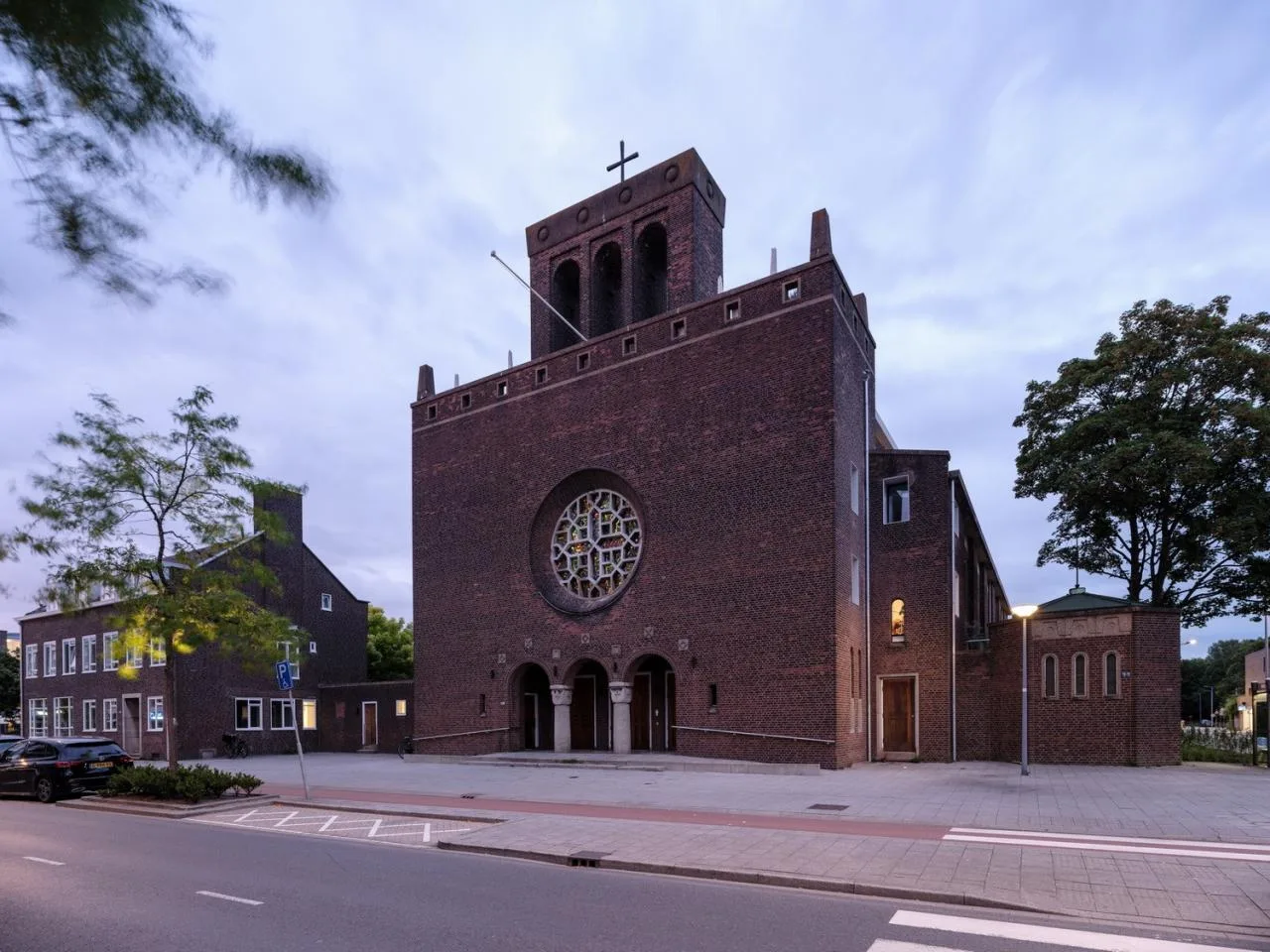
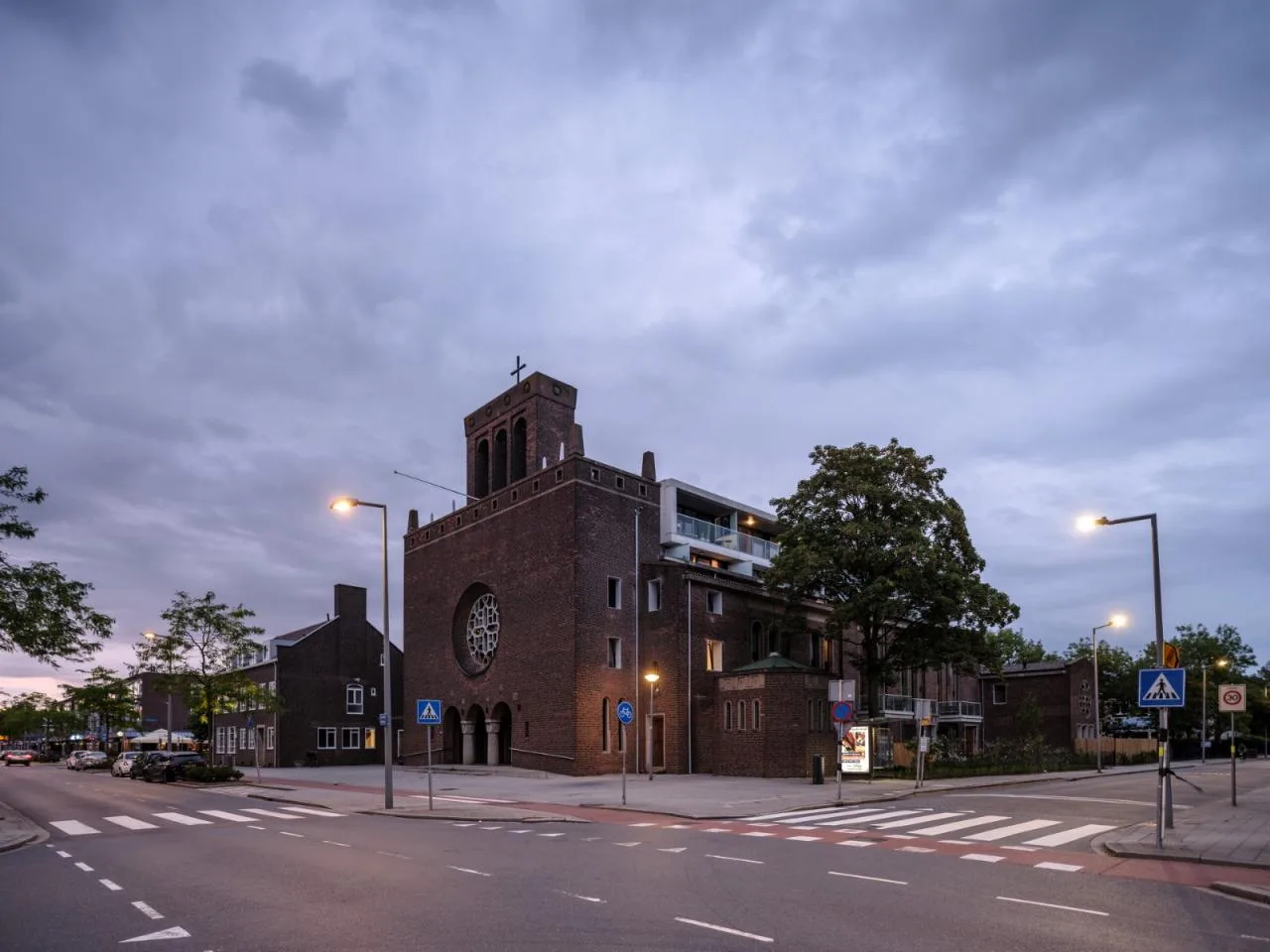
HOYT Architecten, based in Rotterdam, was selected to lead the design for converting this church. The project presented a unique challenge, balancing the interests of three distinct stakeholders: the bishop, as the building’s former owner, who wished to maintain the sanctity of the space; the city government, focused on preserving this young historic building; and the developer, aiming for efficient design and high-quality apartments. HOYT Architecten sought to respect the original structure while ensuring creative freedom in designing the new residences.
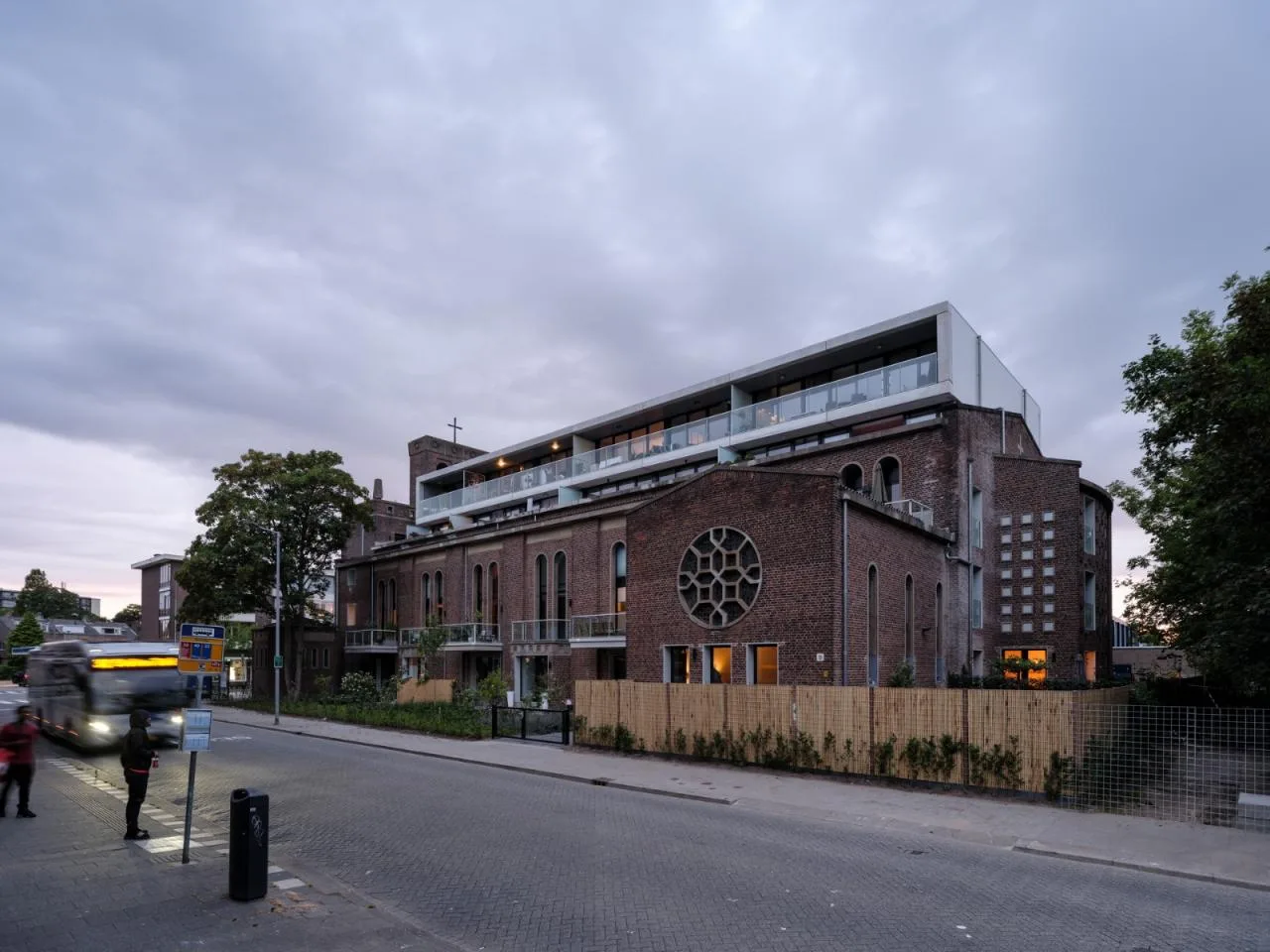
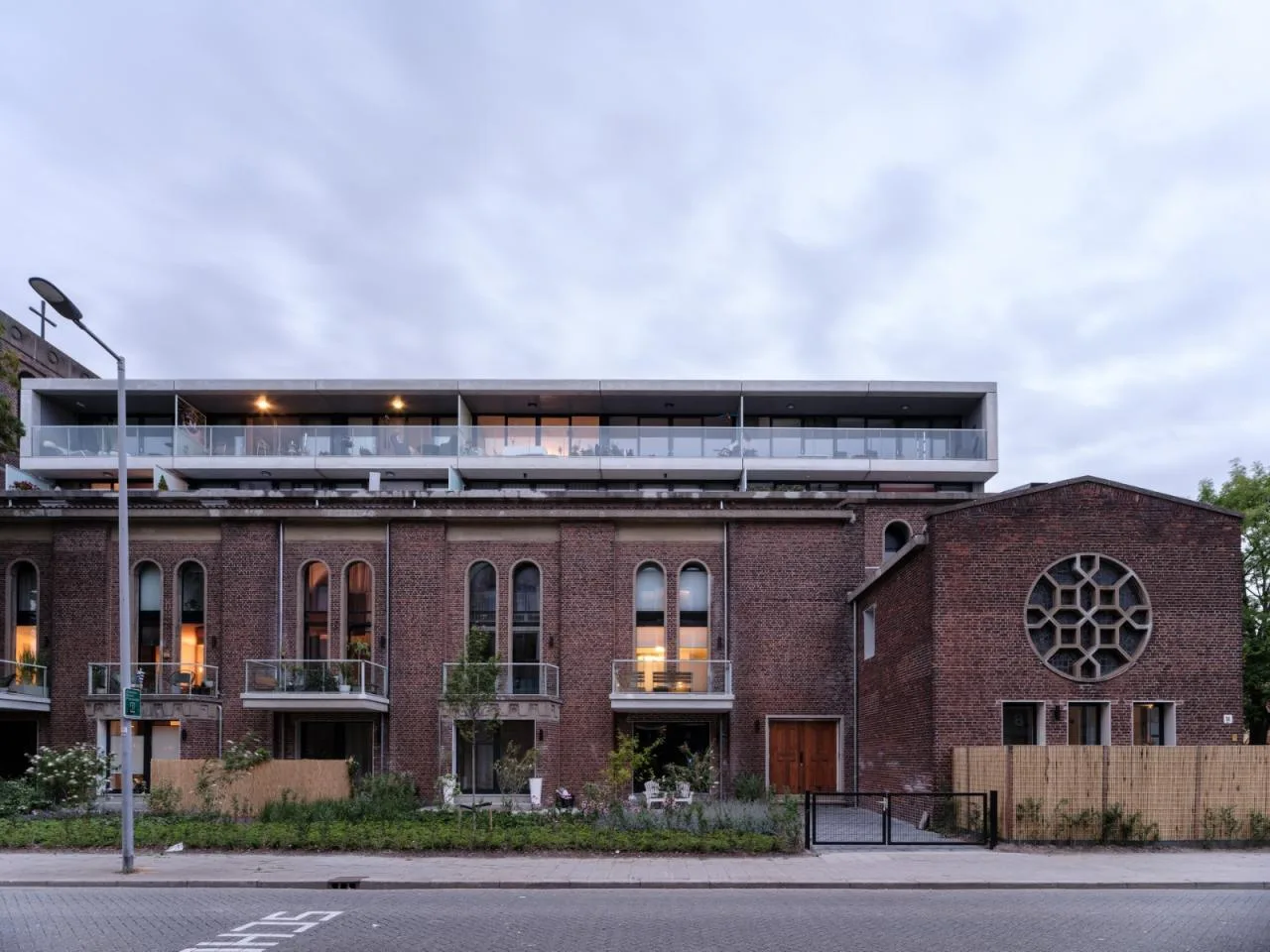
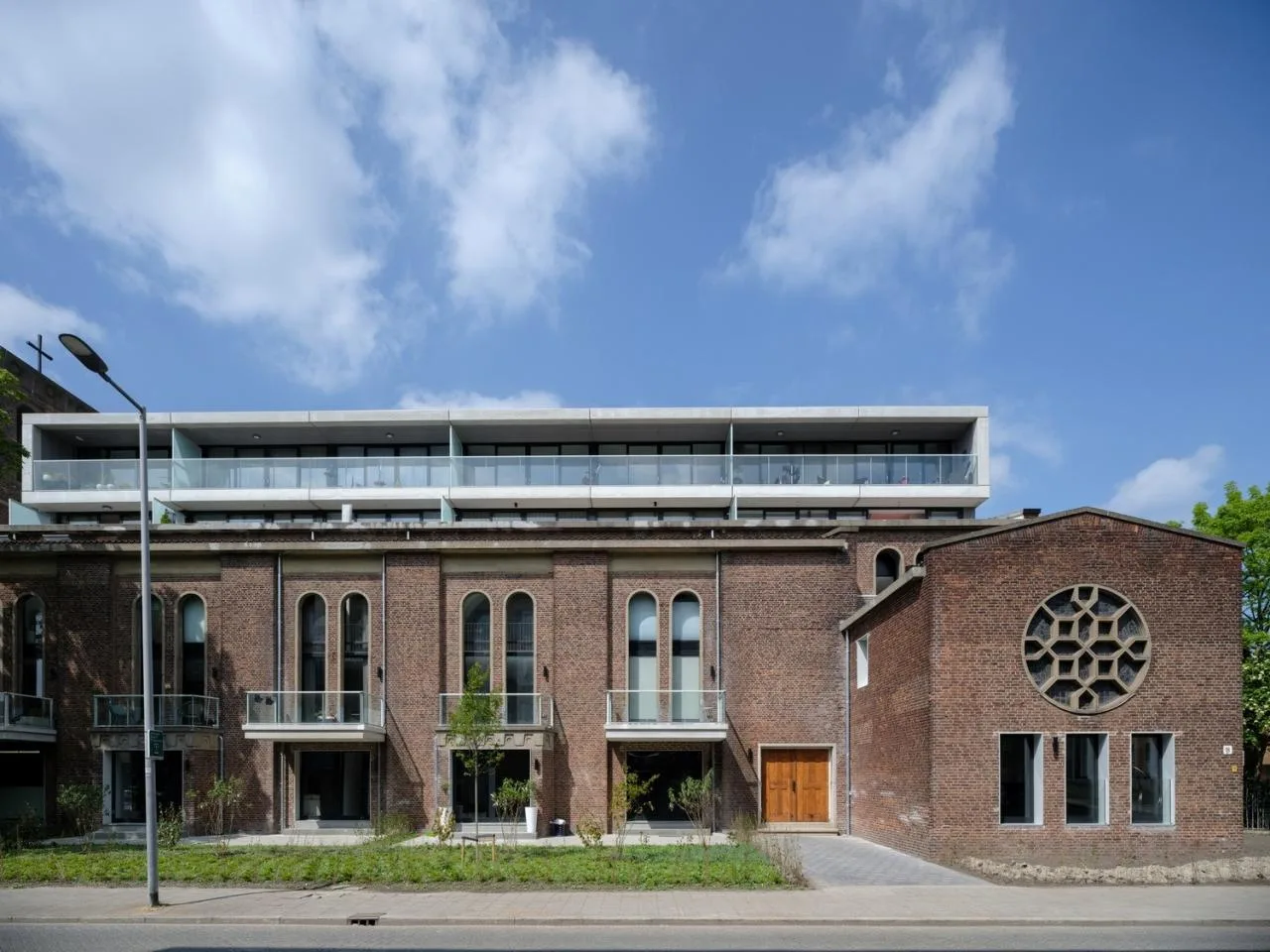
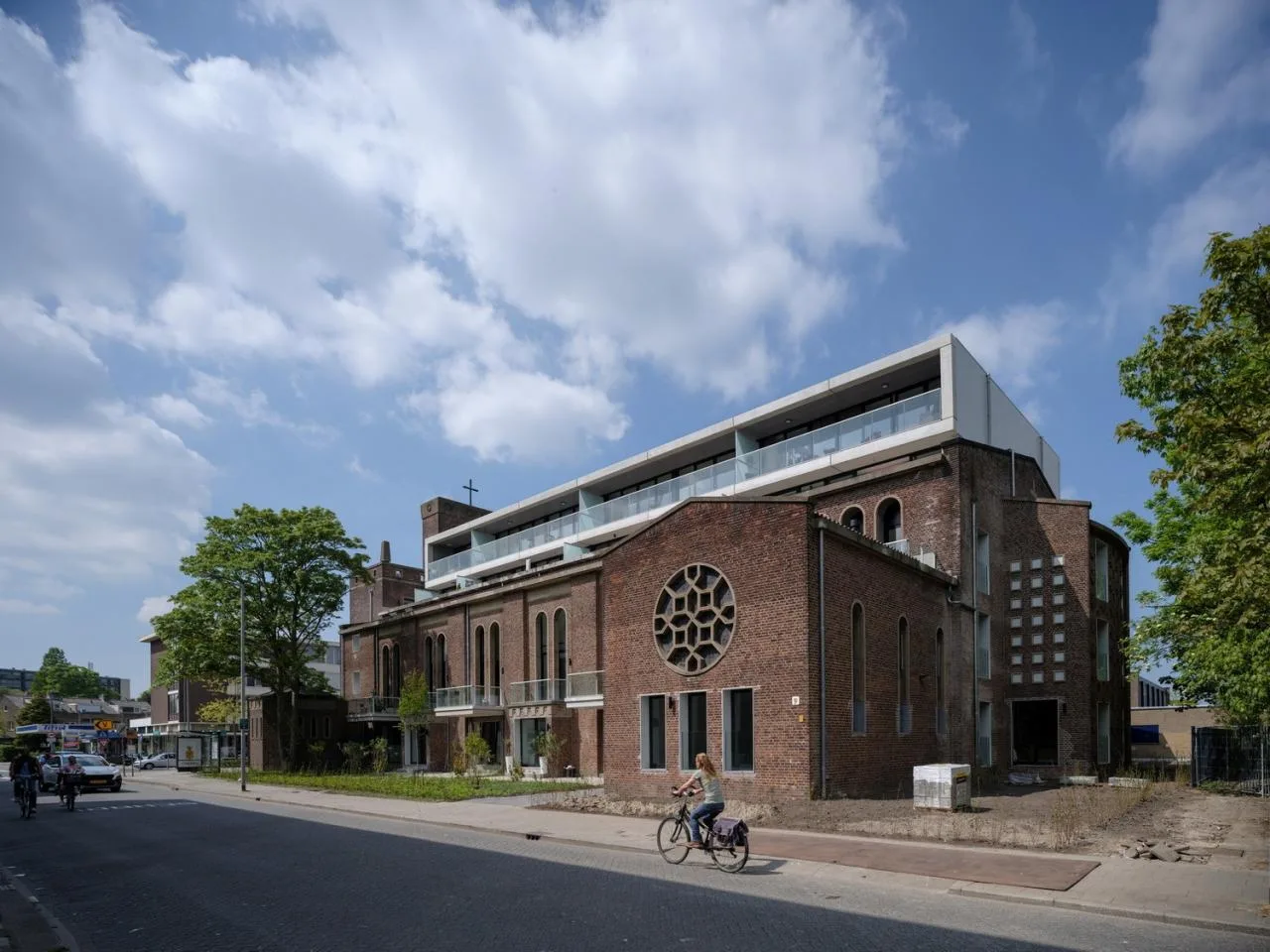
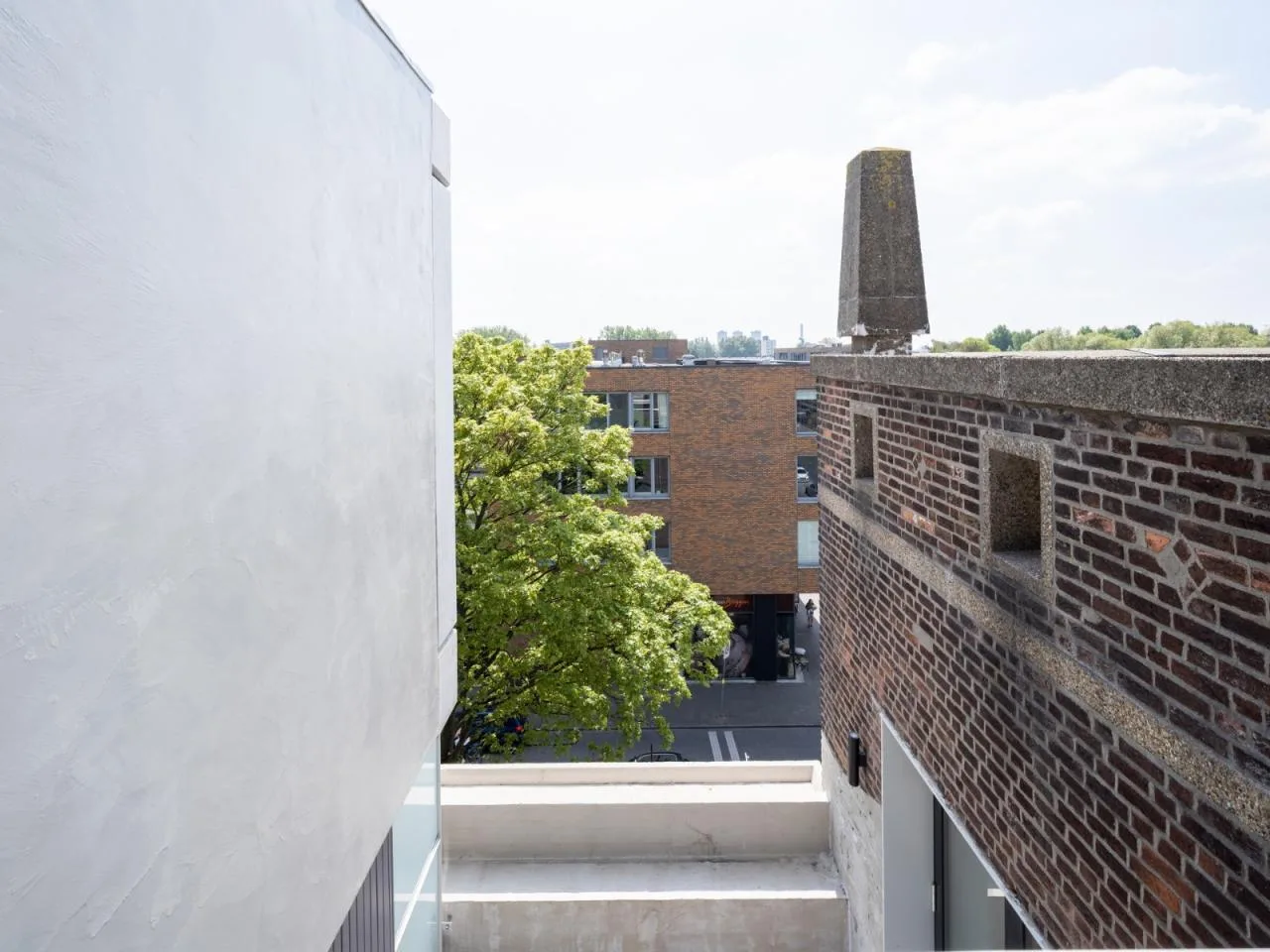
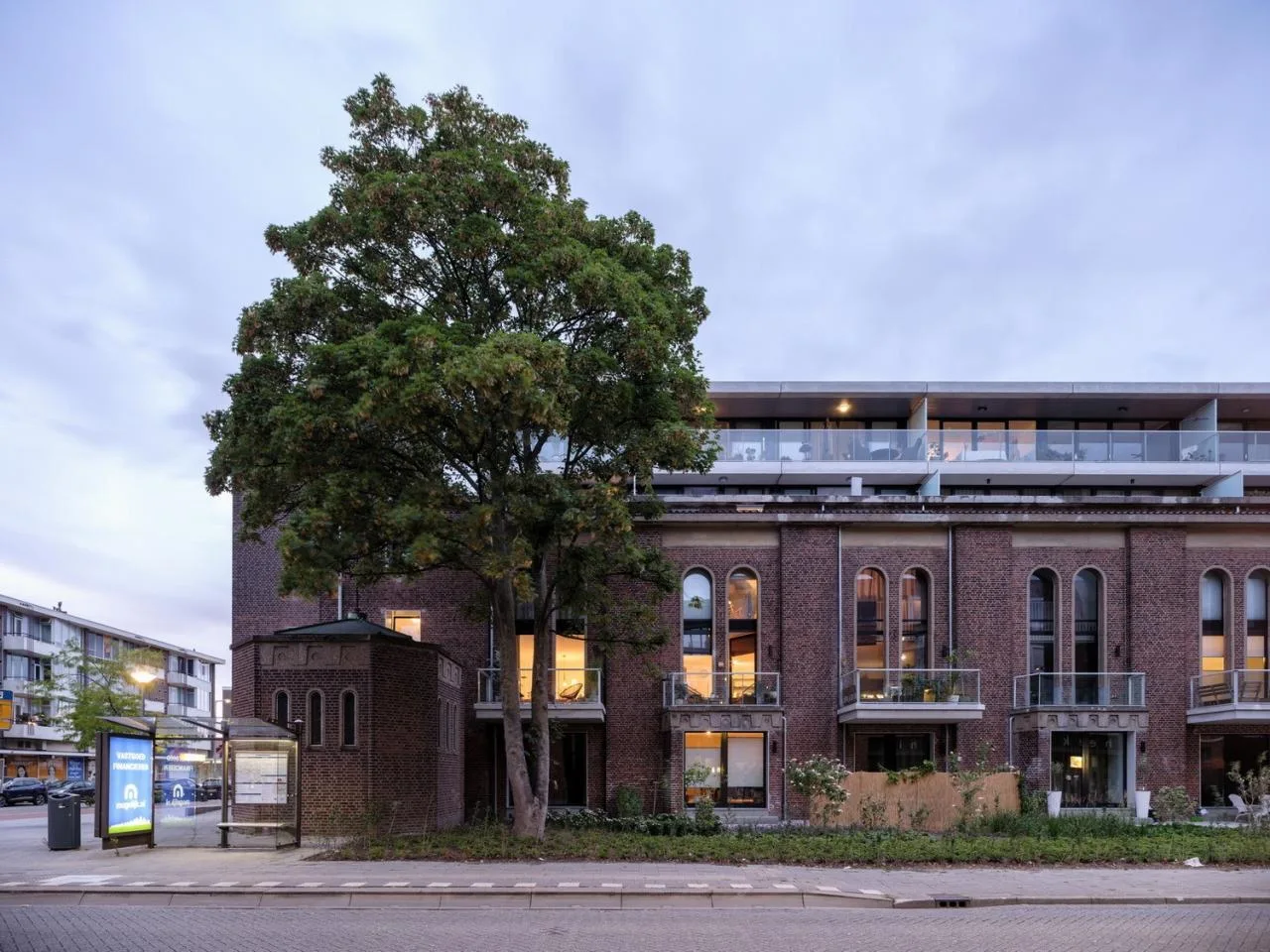
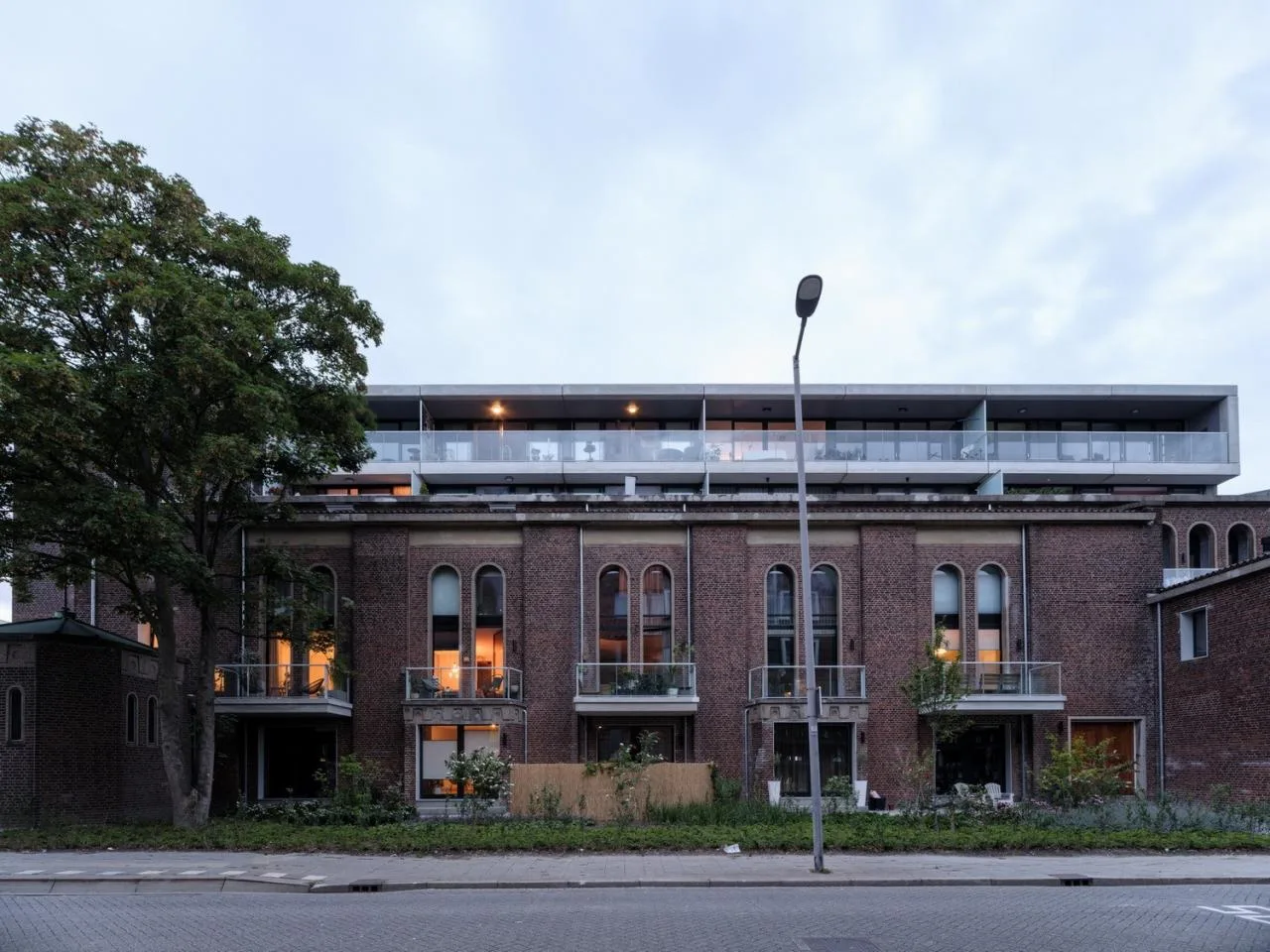
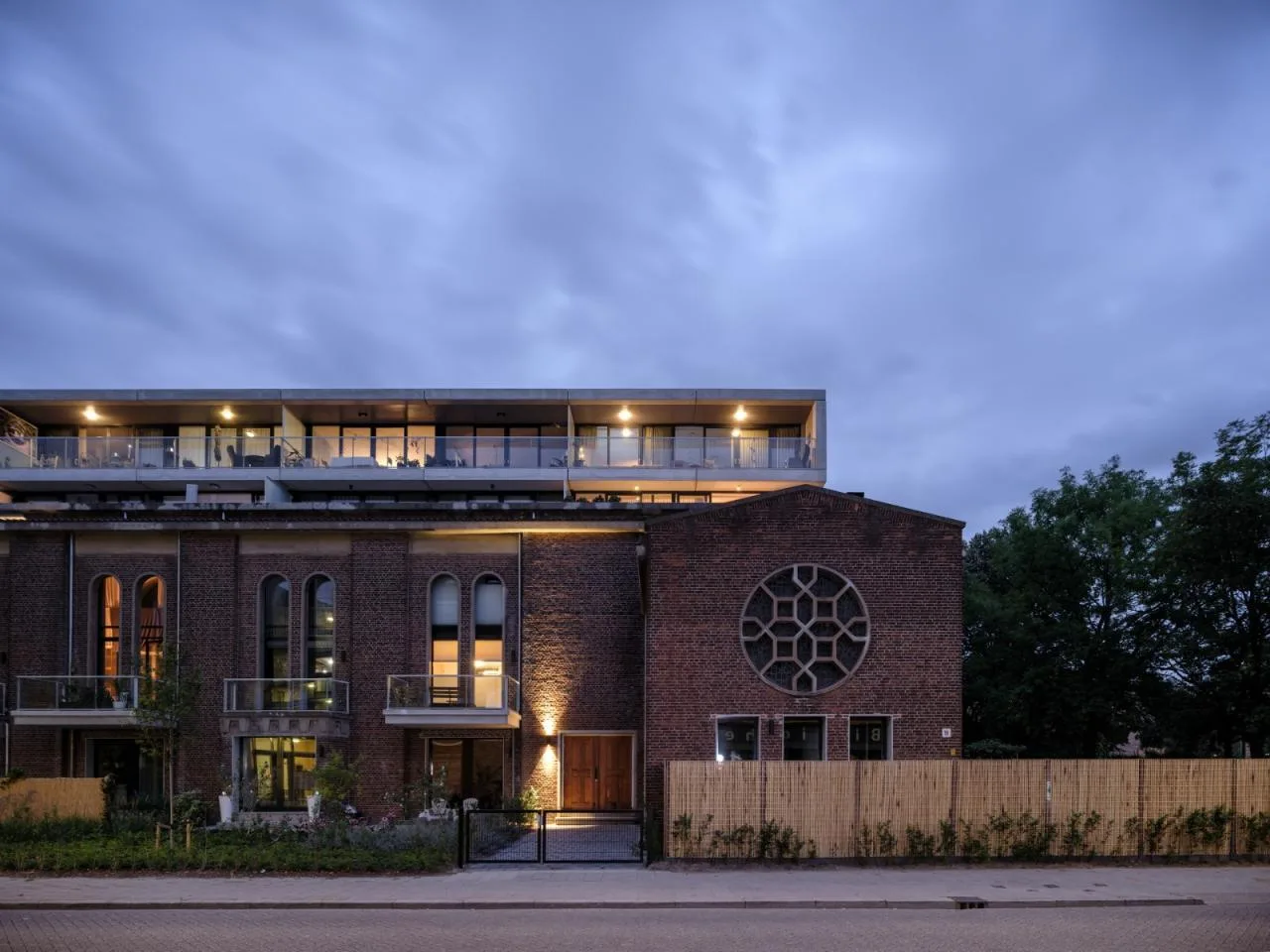
The architects proposed a design that preserves the church’s defining features while implementing extensive renovations. The priority was to integrate the church into the apartment design with minimal exterior alterations, aside from adding two new floors on the roof. New windows were carefully added with frames concealed behind the walls, and the original oak main entrance door was retained. Iconic elements such as the tower, altar, and nave remain as intact as possible.
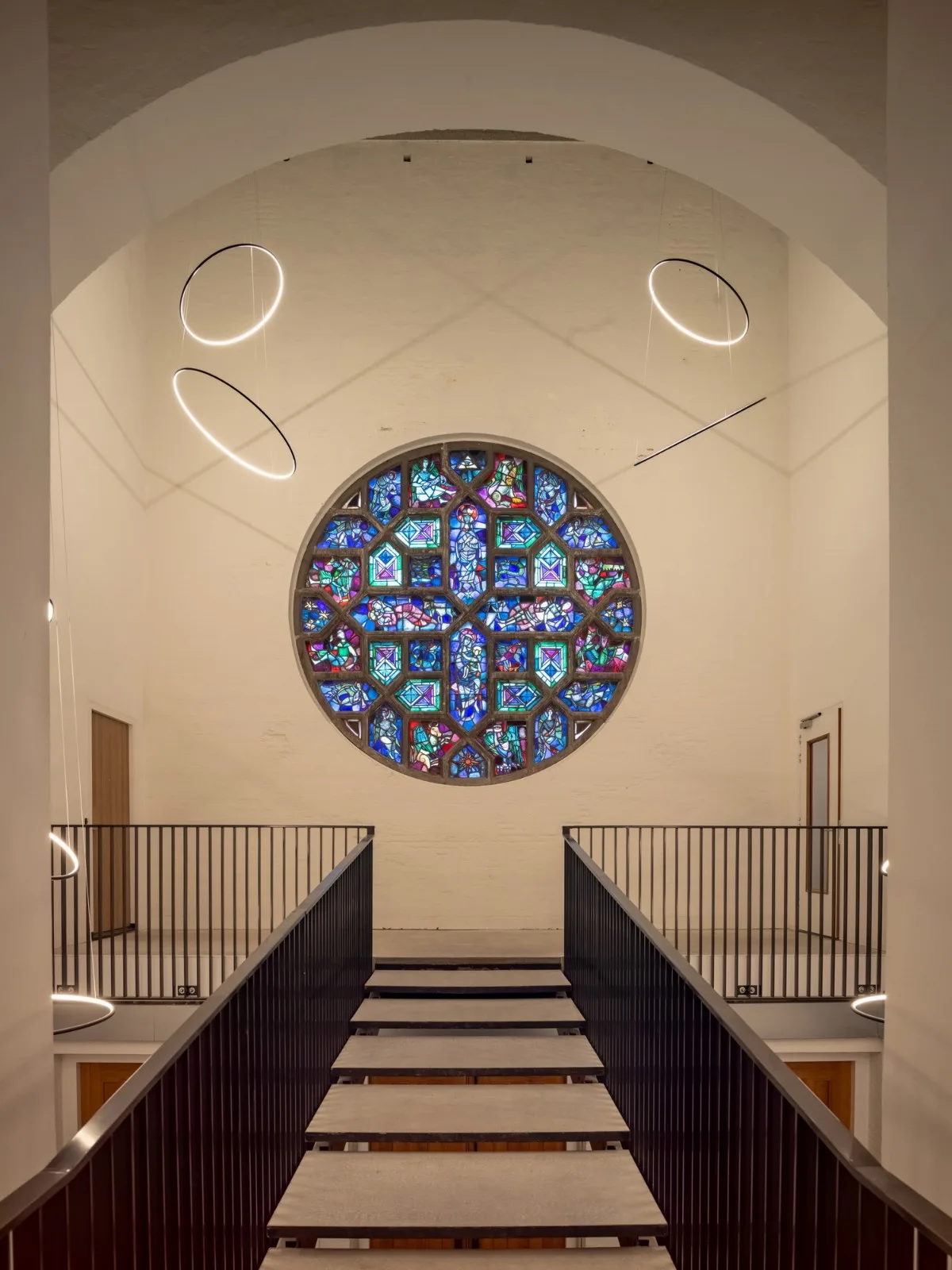
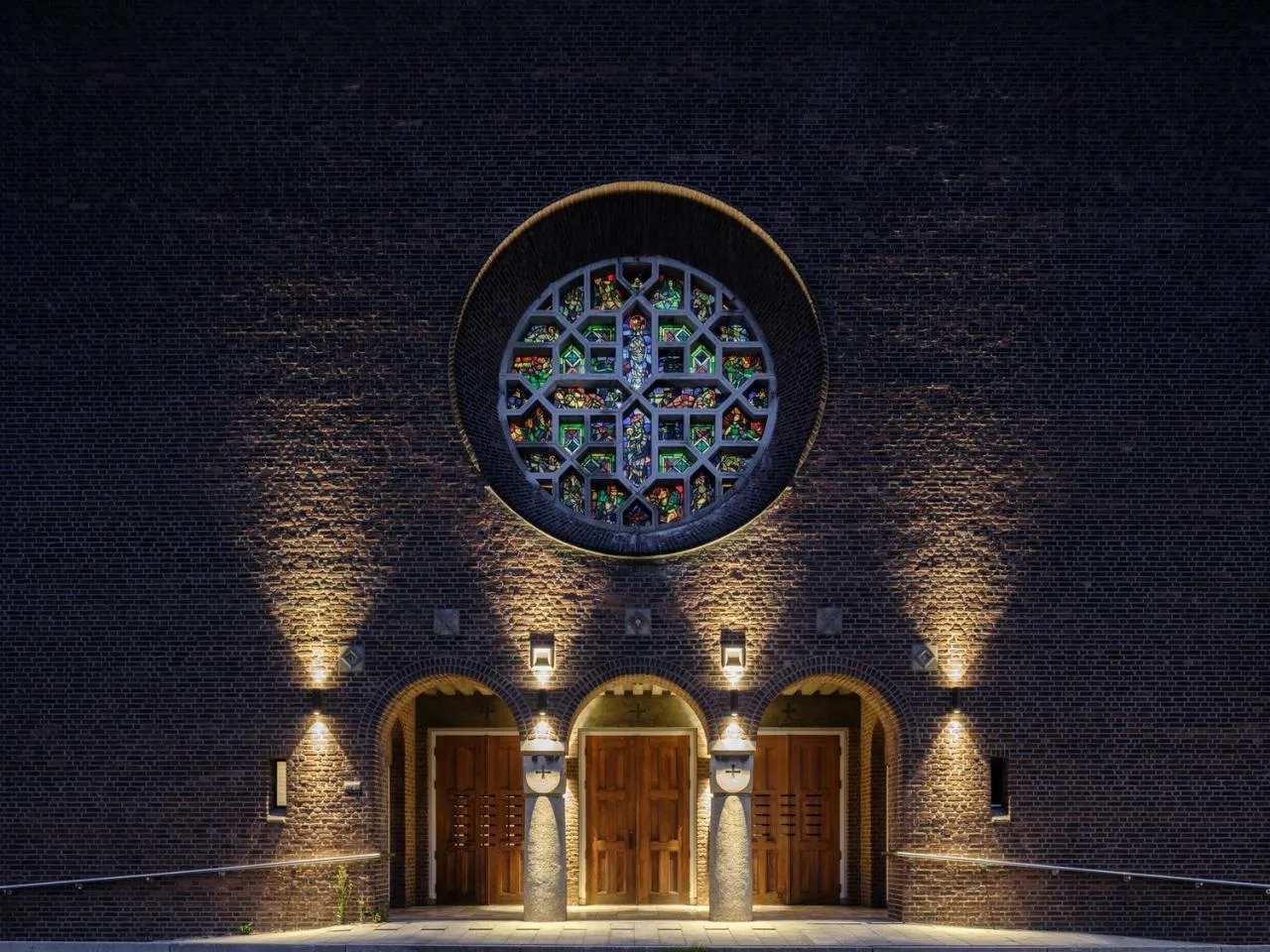
Inside, the church’s original structure is considered ‘sacred’. The apartments are designed around the main hall, which preserves its original height and showcases large stained glass windows. Two prominent circular stained glass windows, one of the few religious elements retained by the bishop, are incorporated into the new design.
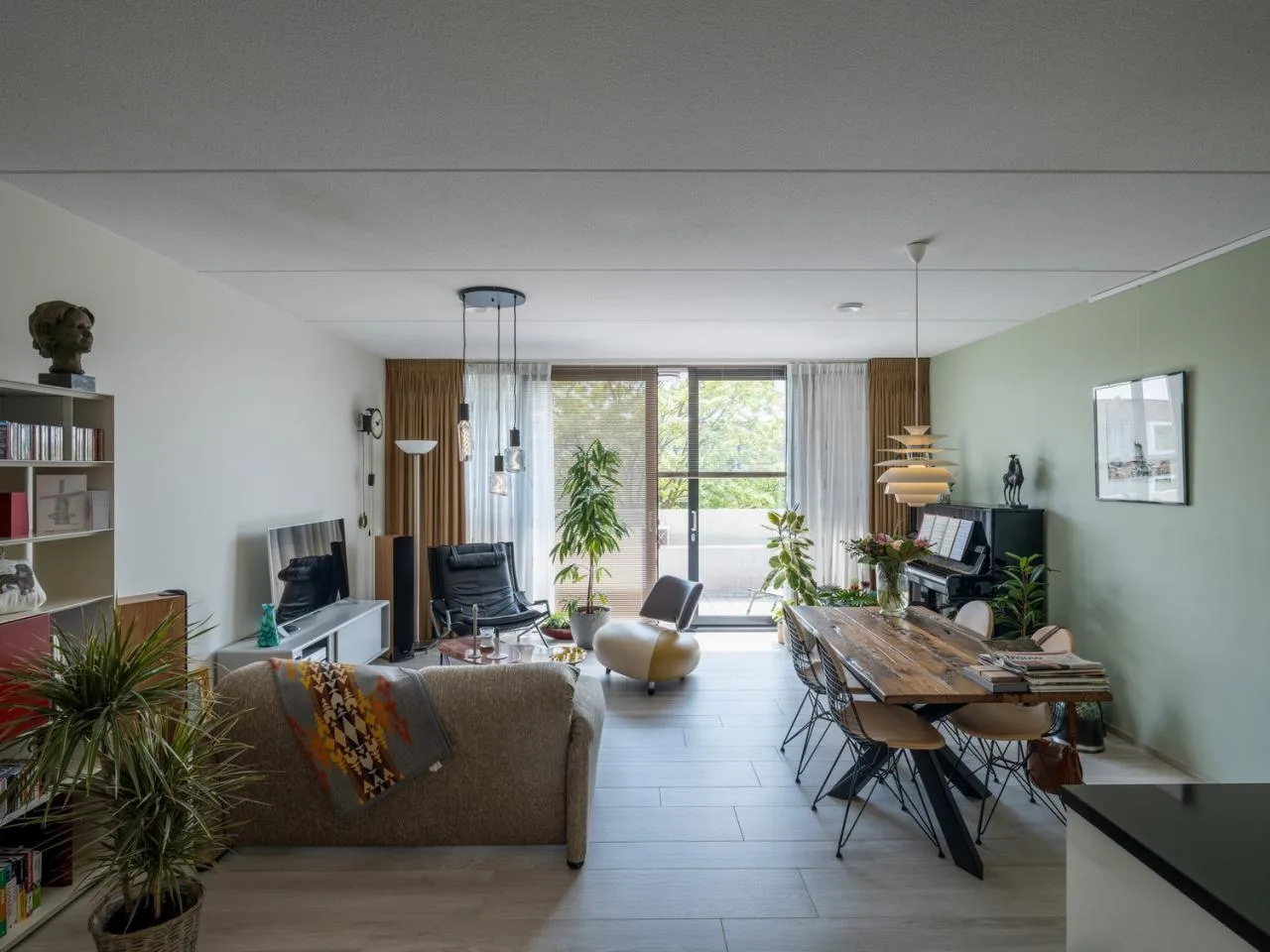
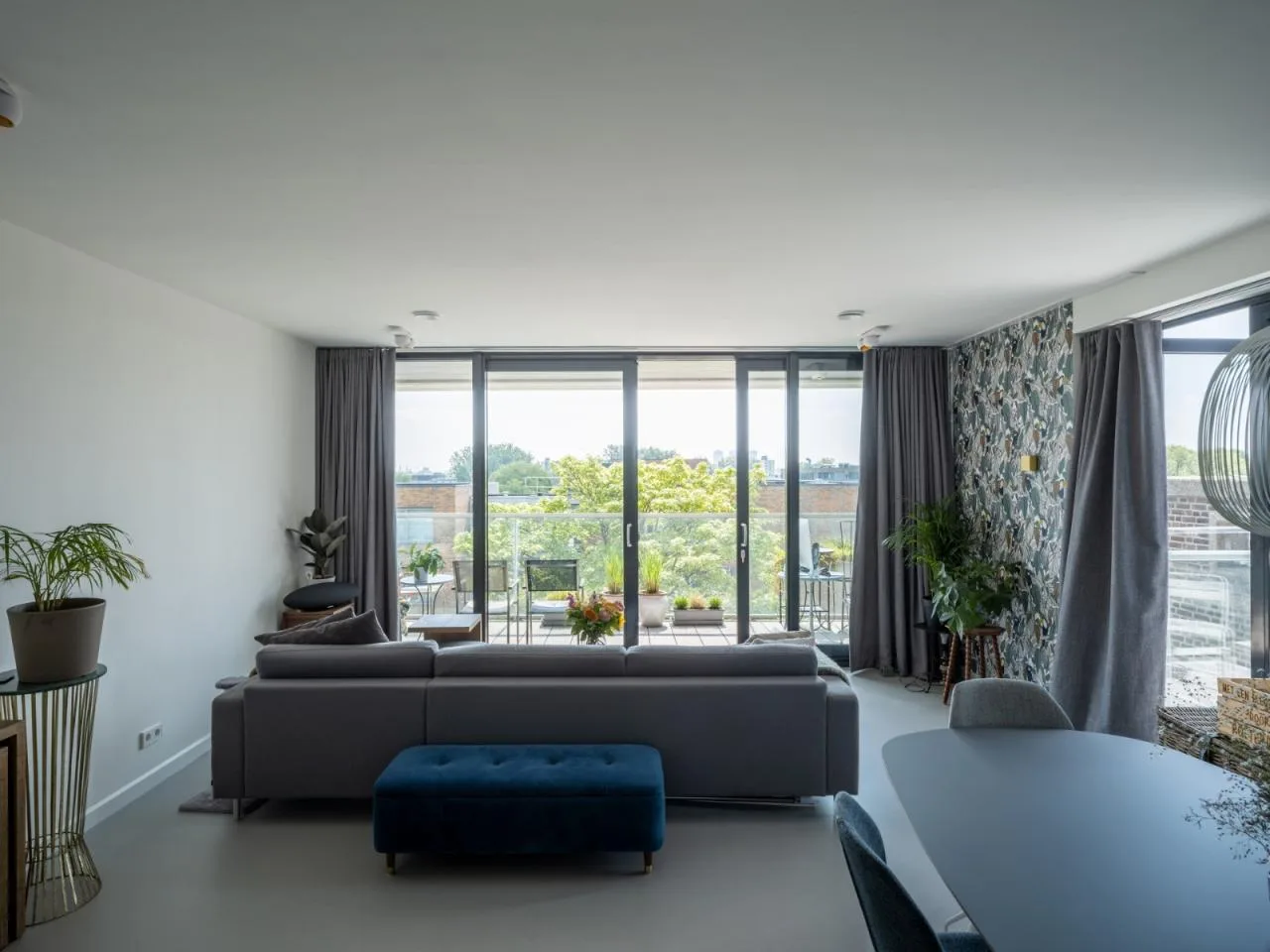
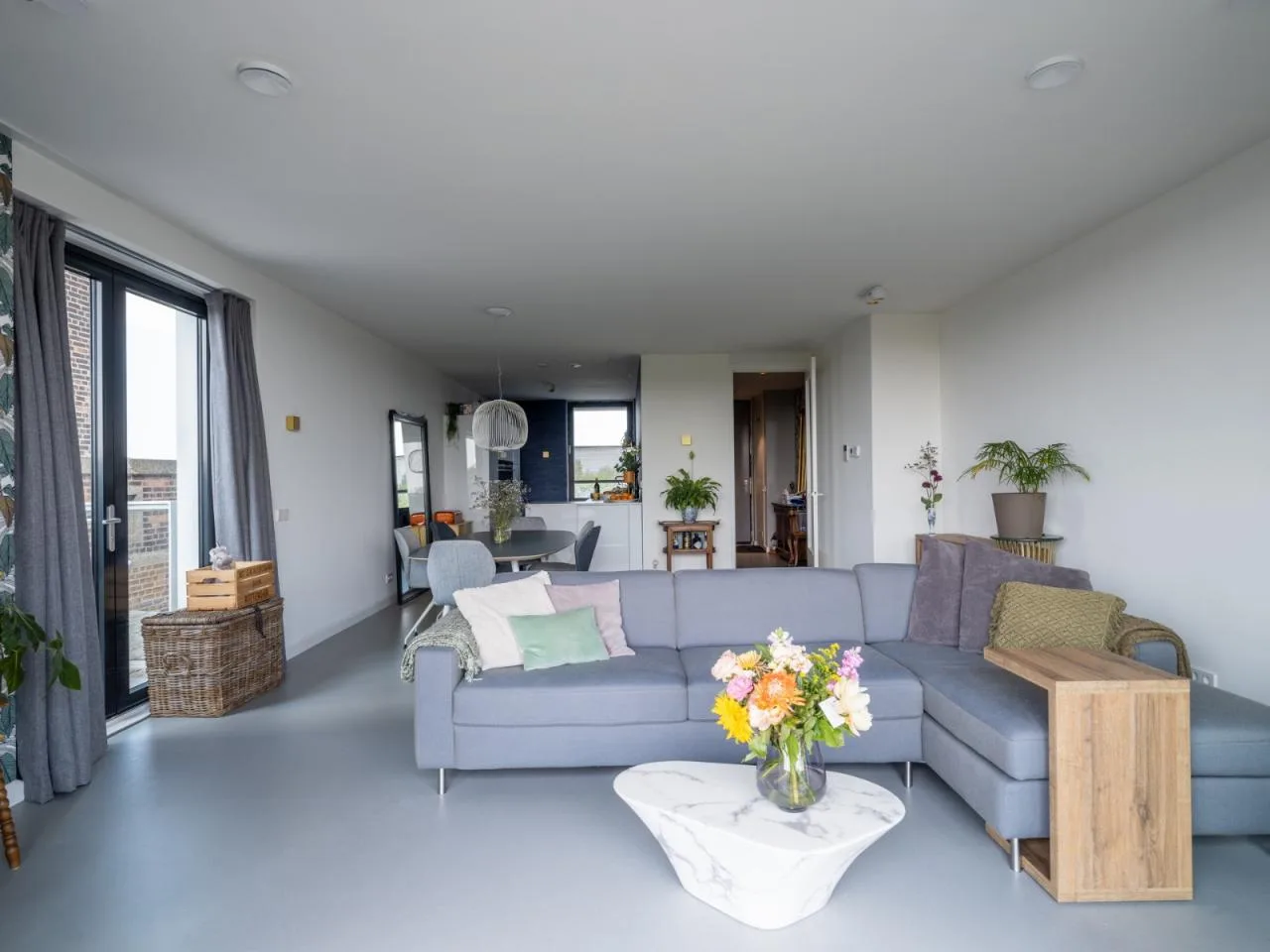
The architects aimed to avoid designing generic, sterile apartments. Instead, they integrated historical architectural elements wherever possible. For example, one apartment’s kitchen features the church’s original large safe, while others include brick arches or balconies above former confessionals. Within the tower, a narrow and tall apartment was created, and a spacious loft apartment occupies the space above the altar.
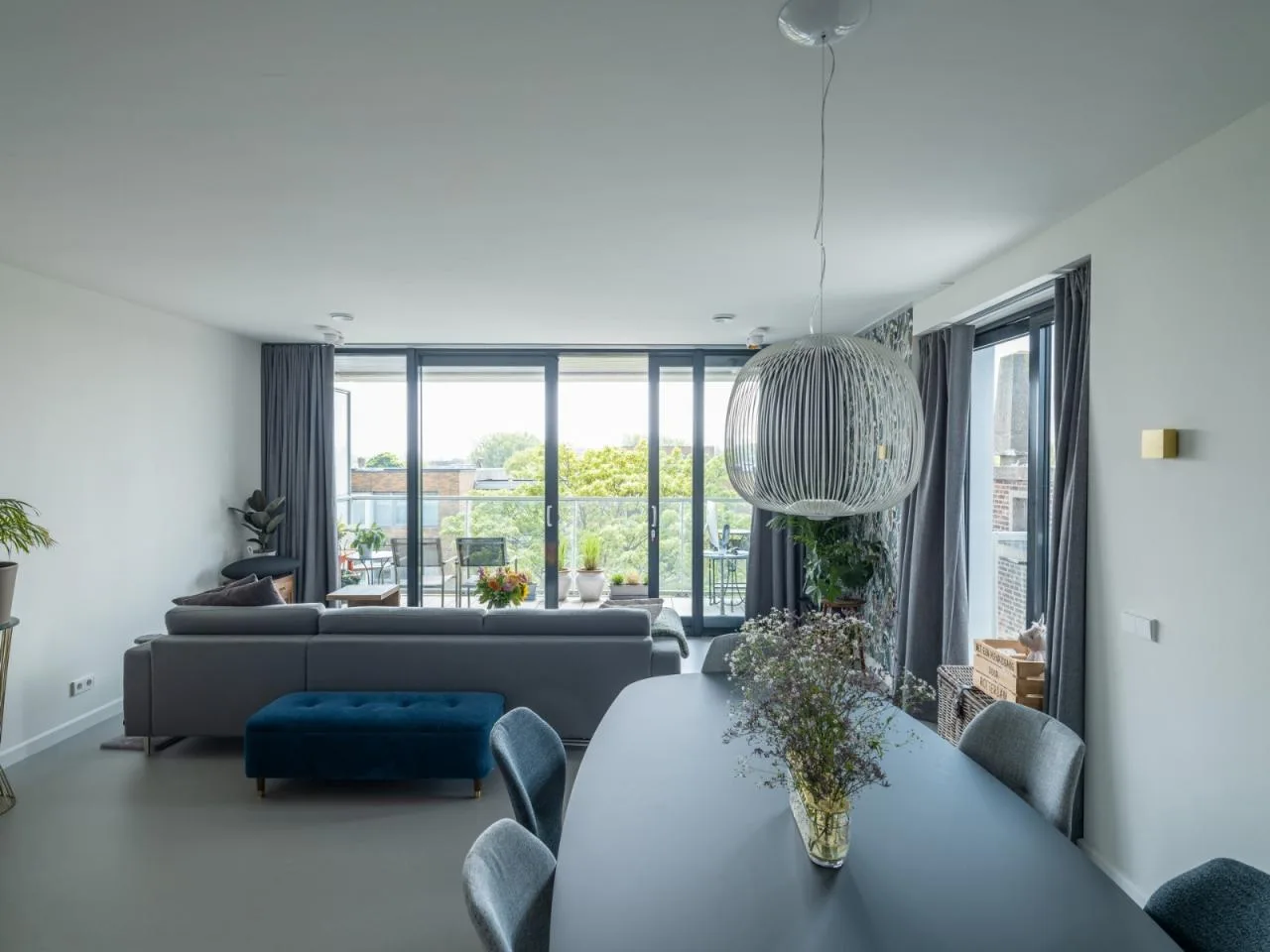
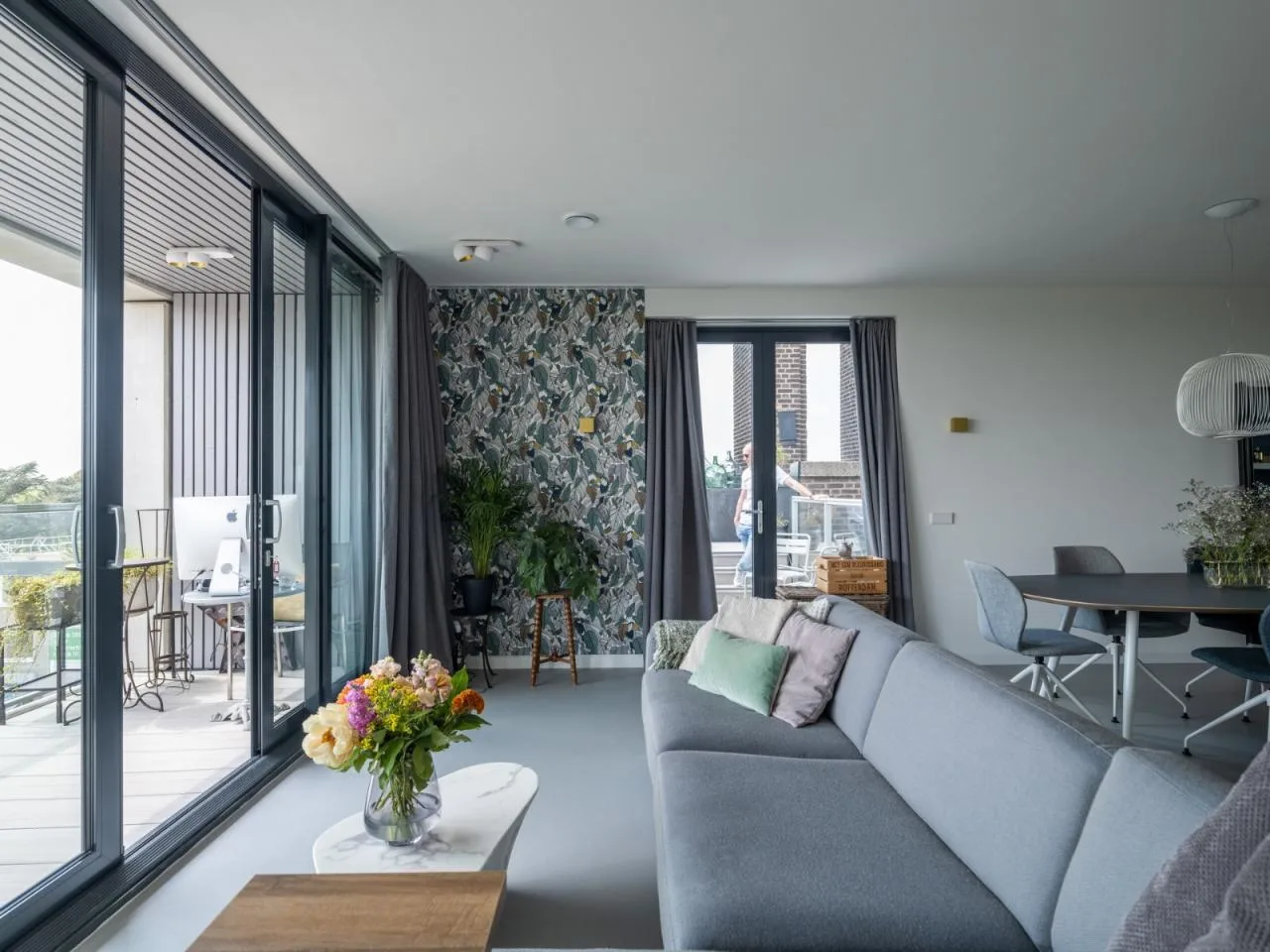
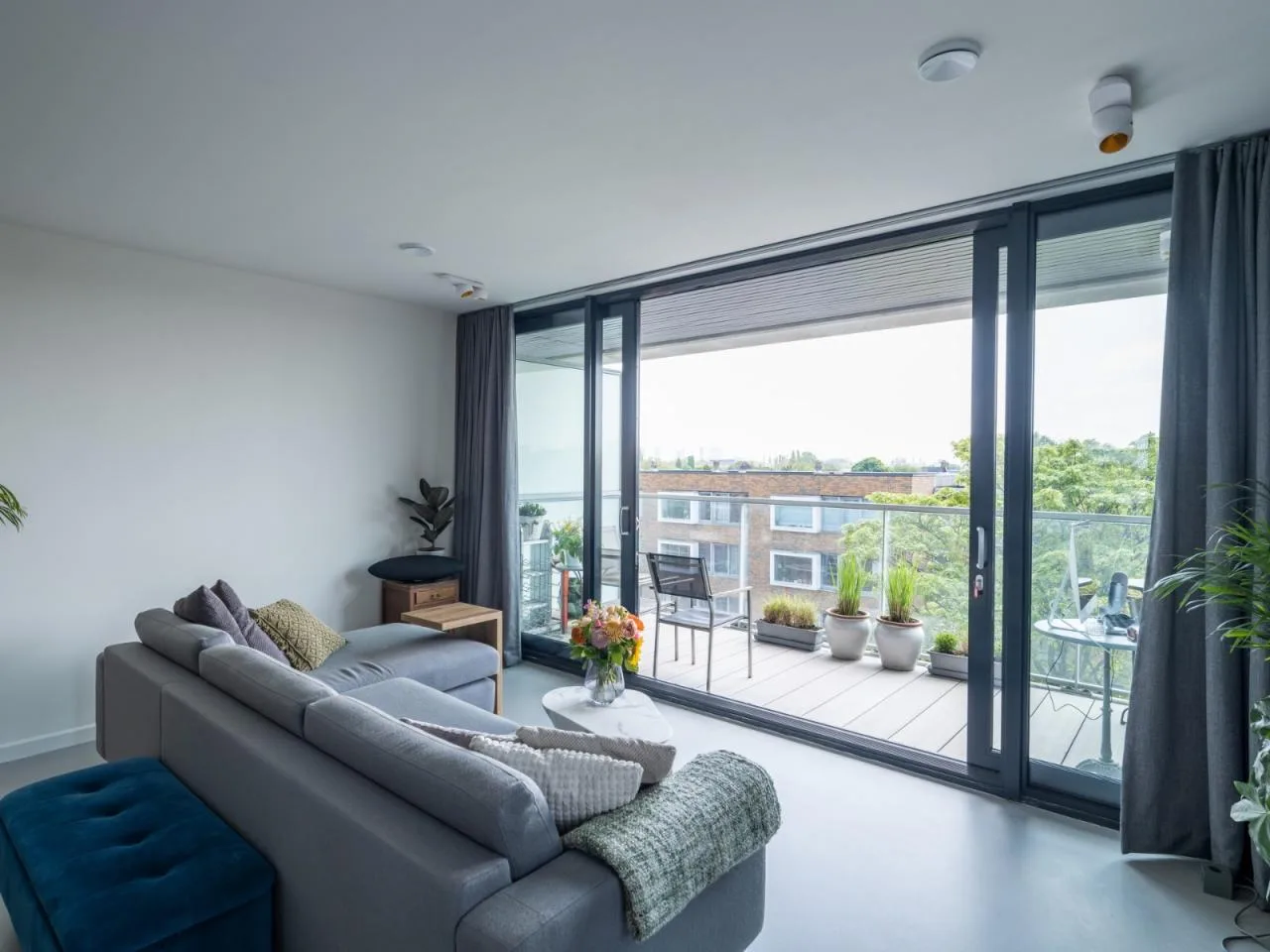
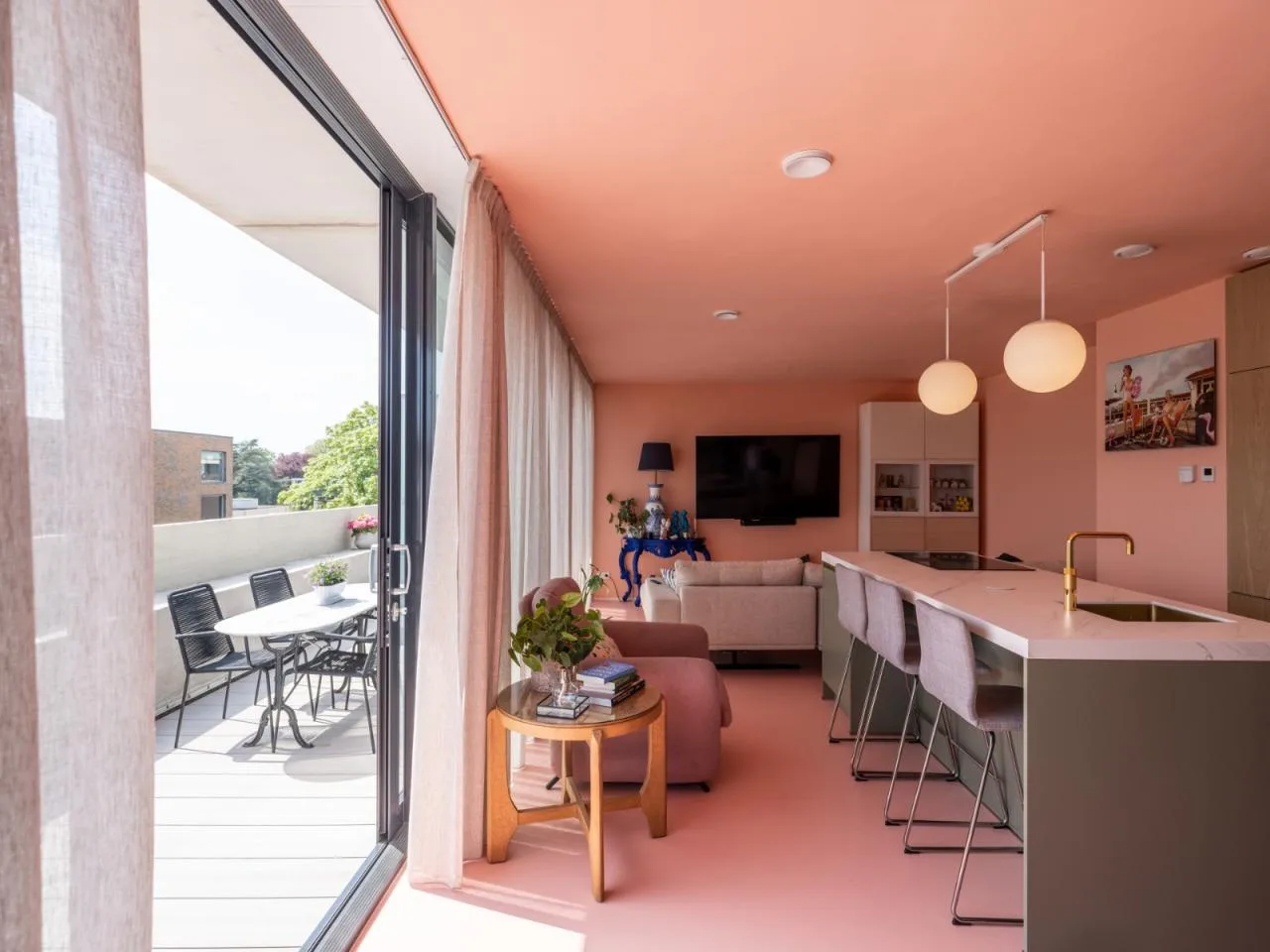
To maximize development efficiency, the architects added eight new apartments atop the church. This addition features a slightly raw design, harmonizing well with the practical and rational architecture typical of the Wederopbouw period. The rooftop extension rests on its own foundation, built around the existing structure.
Project Drawings
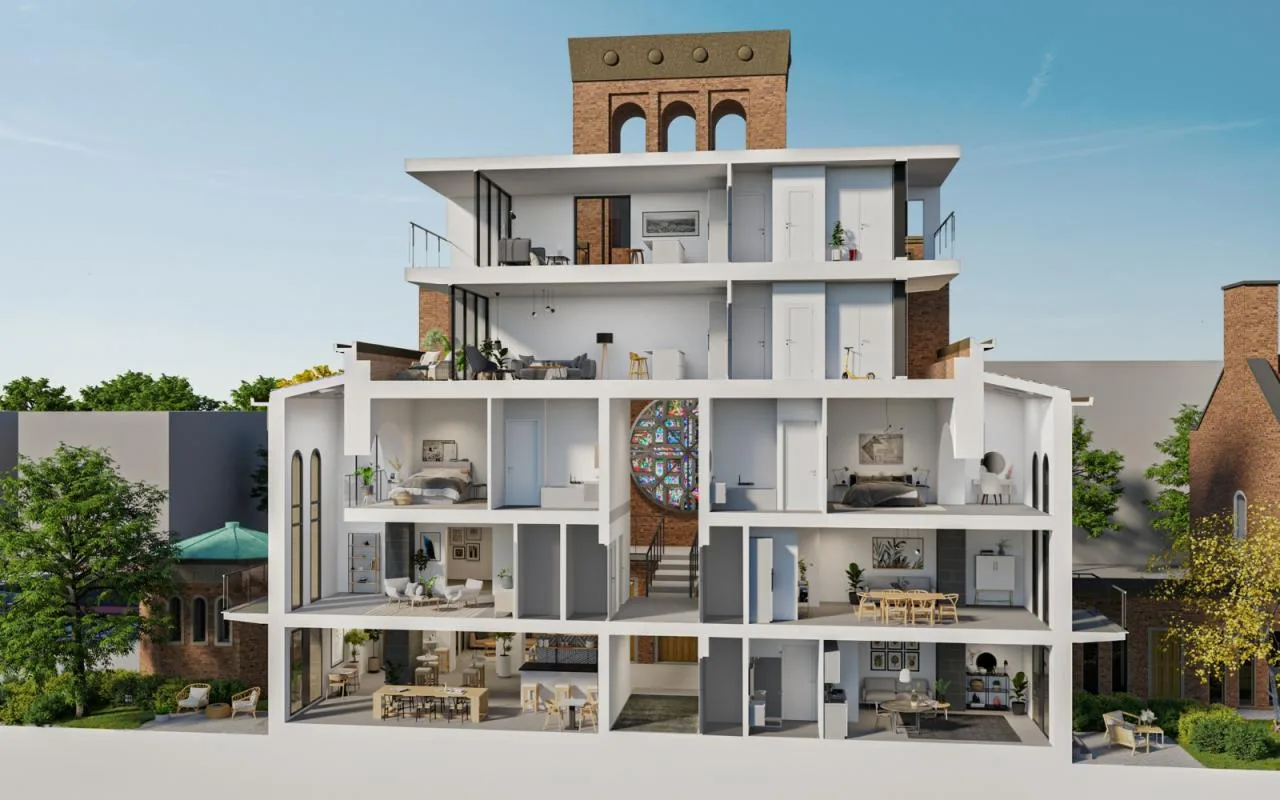
△ Sectional Perspective
Project Information
Architect: HOYT Architecten
Project Year: 2022
Photographer: Ossip van Duivenpole
Contractor: Van Wijnen Stolwijk
Structural Engineer: CAE Delft
Developer: Ro ok Rotterdam
Location: Rotterdam, Netherlands













Must log in before commenting!
Sign Up