
Pugong Mountain is situated in Xinyang, Henan Province. Legend has it that during the Tang Dynasty, a Taoist known as Pupu lived in seclusion here, gathering herbs, refining medicines, and brewing potions to benefit the world. His virtuous deeds earned him great respect from the local people, who named the mountain after him—Pugong Mountain. Historical records describe the ancient forests of Pushan, where towering trees intertwined with vines and pine branches stretched wide, creating a vast green landscape shrouded in mist and purple haze. The tranquil environment was filled with the sounds of chirping birds, buzzing insects, and the gentle murmur of flowing streams.
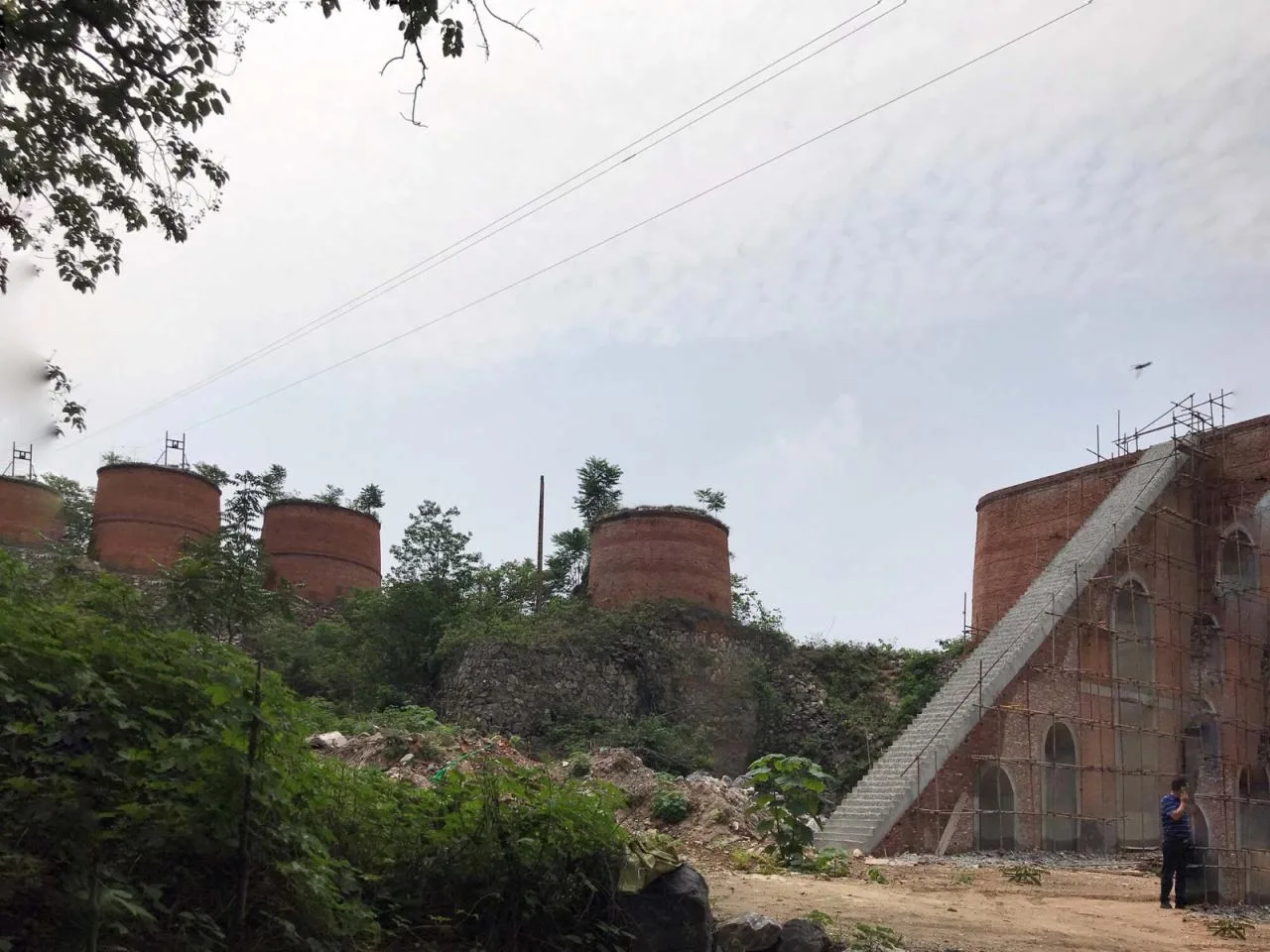
Pugong Mountain is primarily composed of limestone. In recent decades, rapid urbanization in China created significant business opportunities here. To meet the demand for lime, hundreds of small lime kilns were constructed across the area, transforming the once lush mountain into a harsh landscape dubbed “Wolf Tooth Mountain.” However, this development came at a heavy environmental cost and proved unsustainable. Following the introduction of strict national environmental protection policies, all lime kilns were shut down, turning the site into an abandoned limestone quarry.
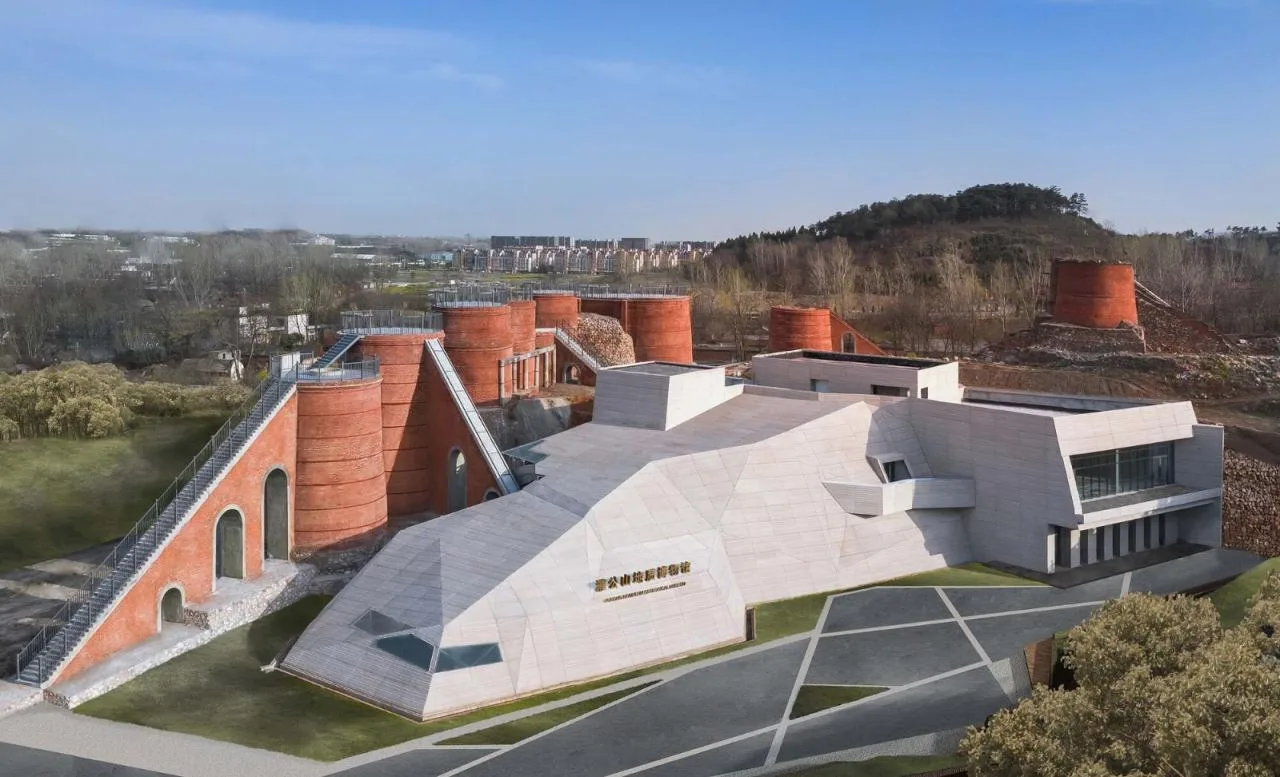
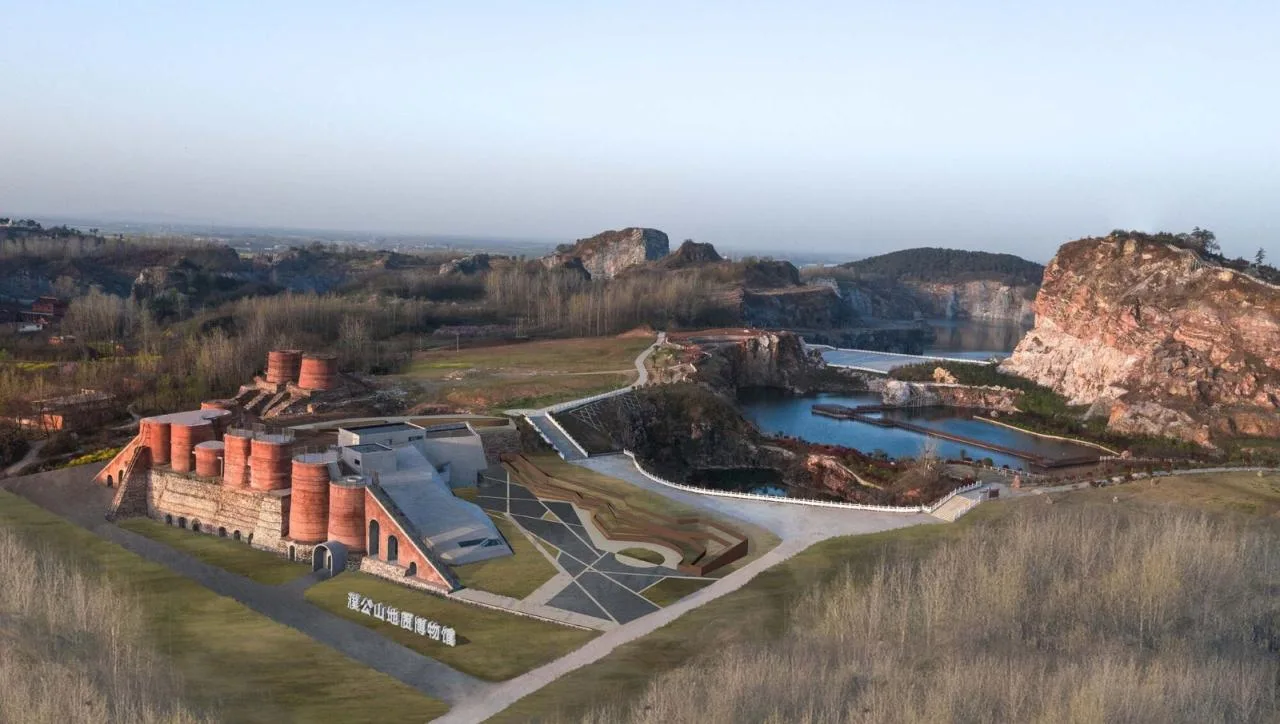
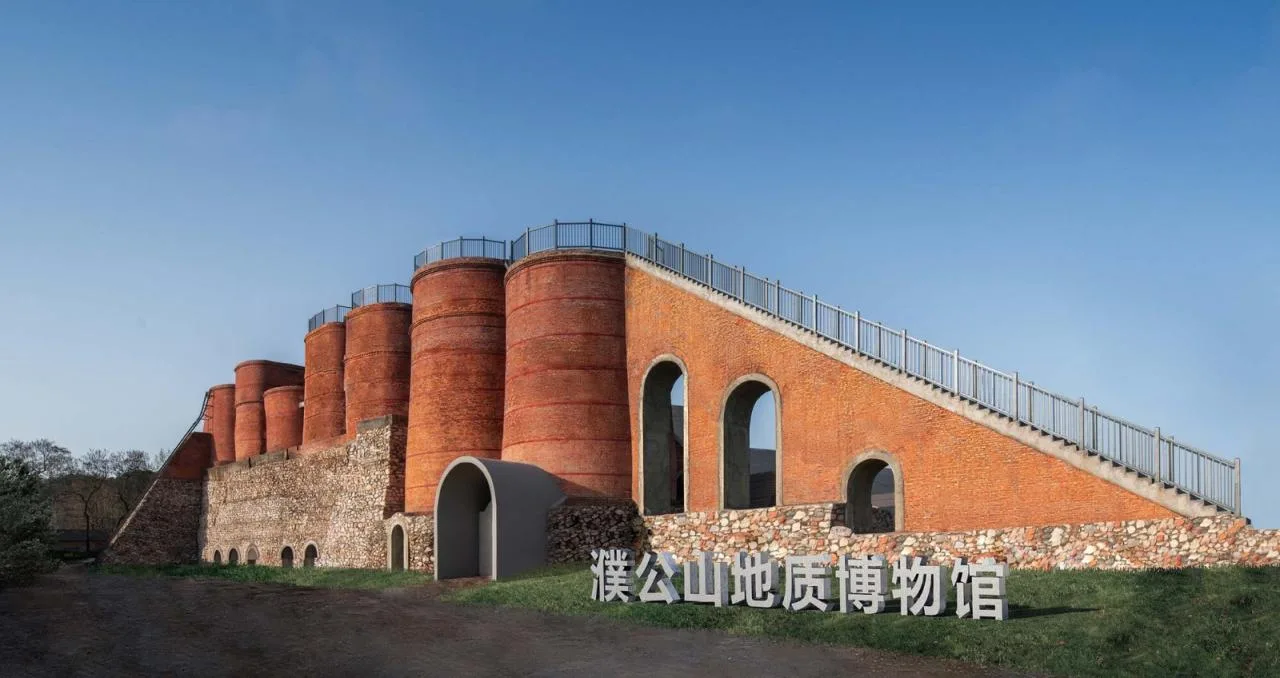
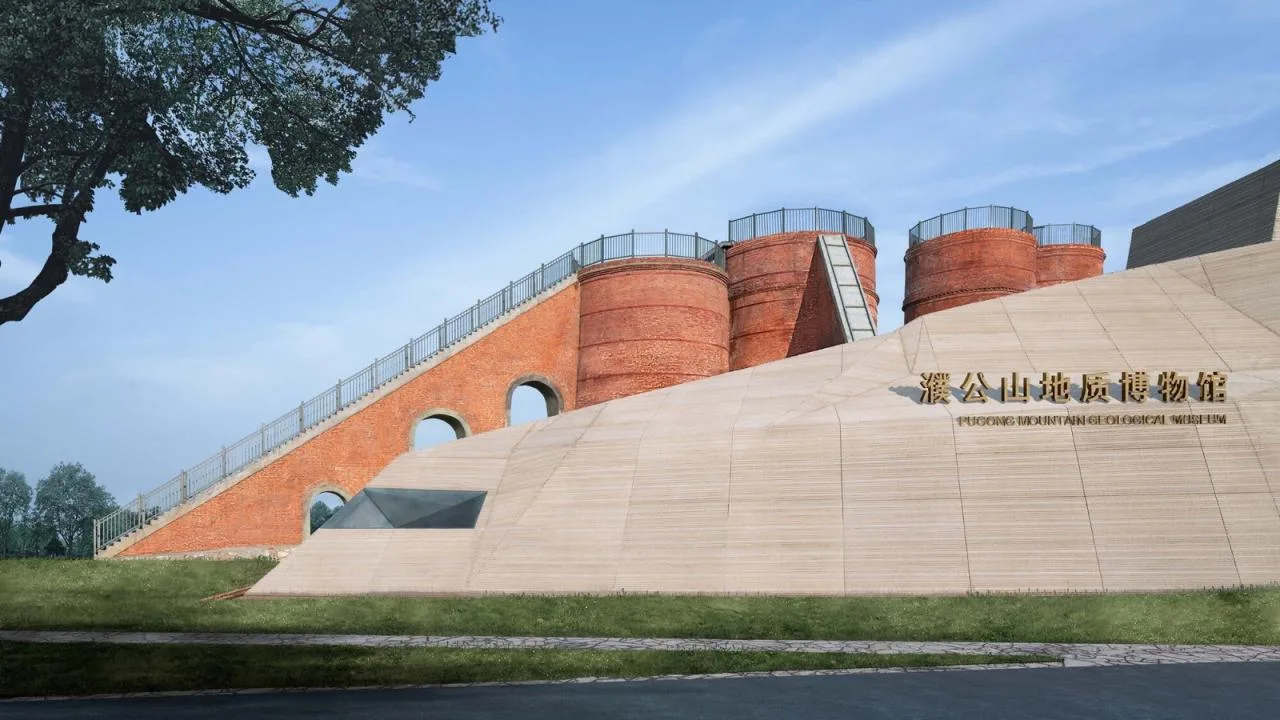
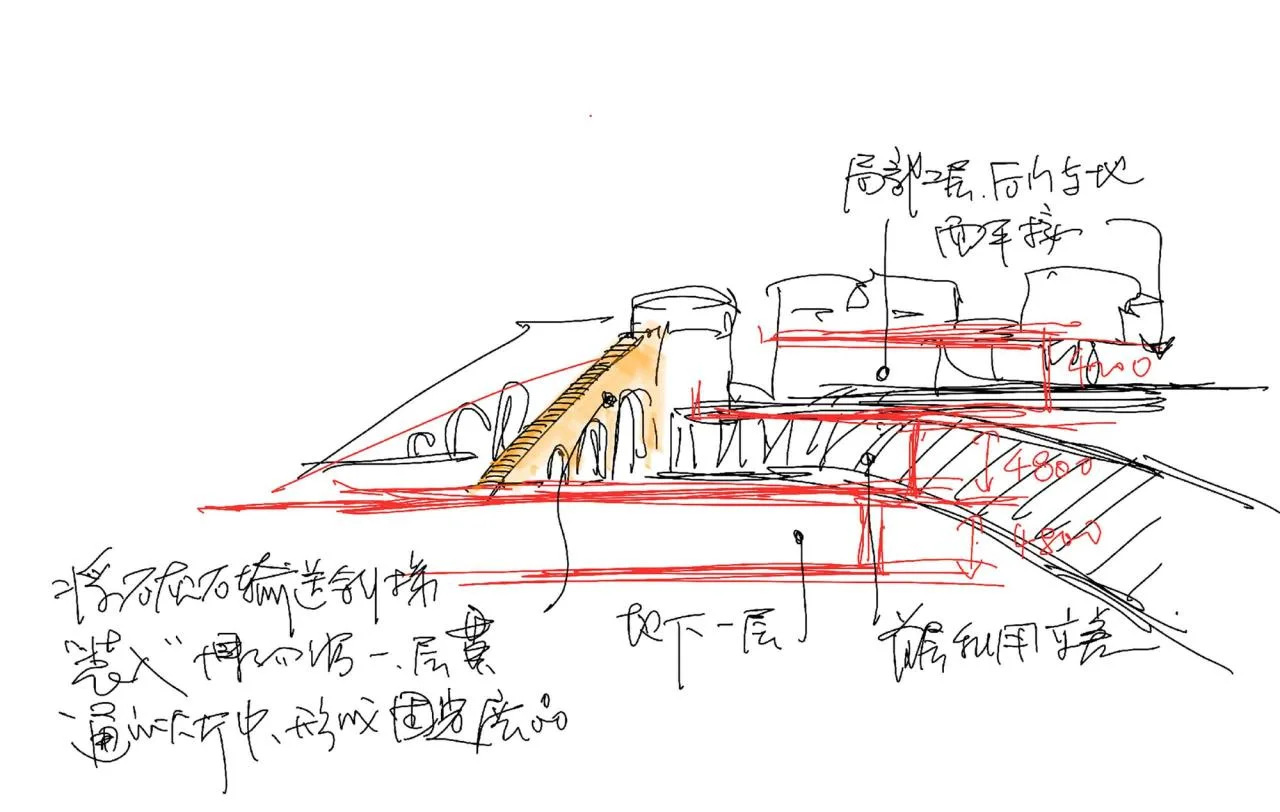
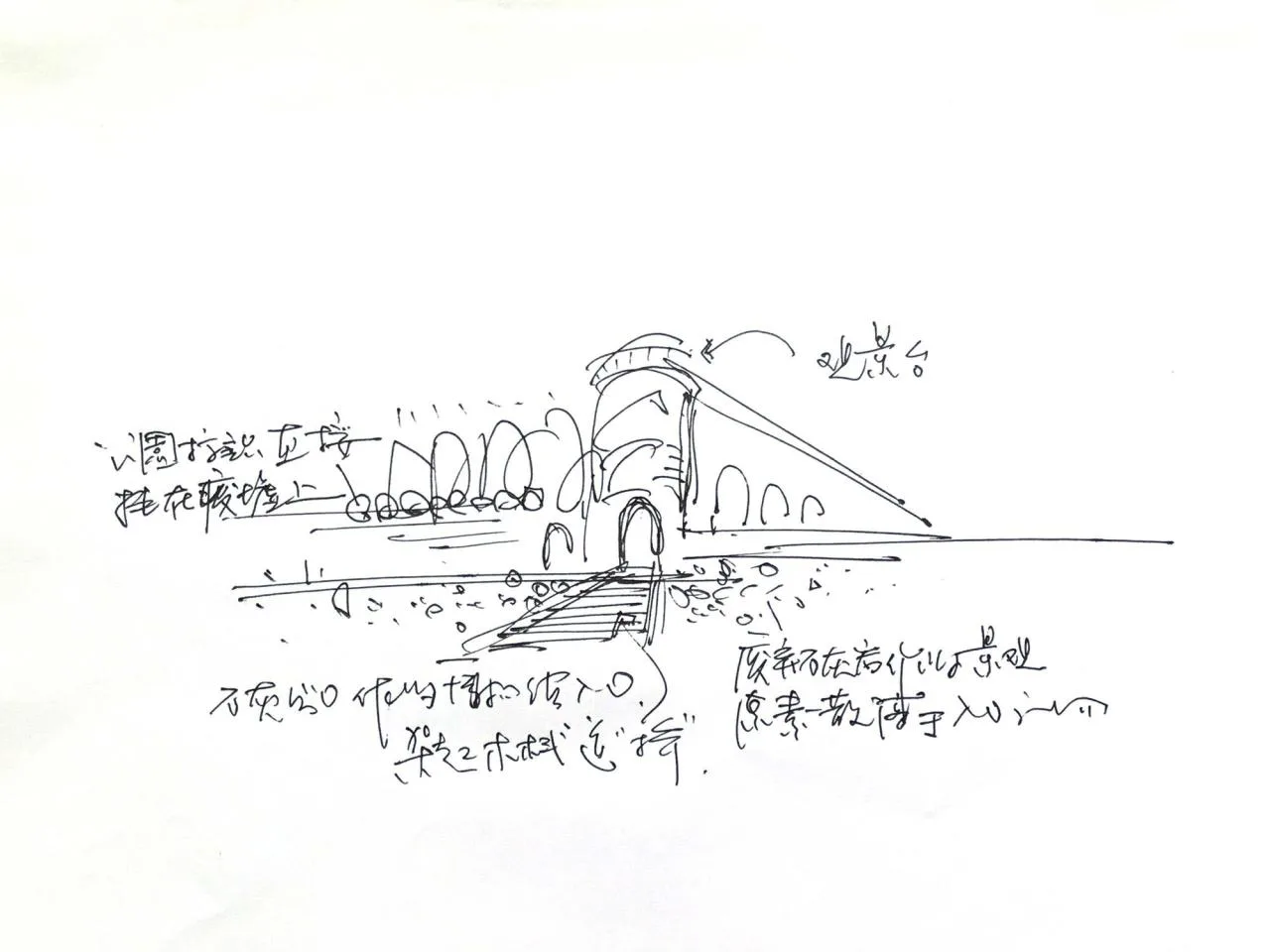
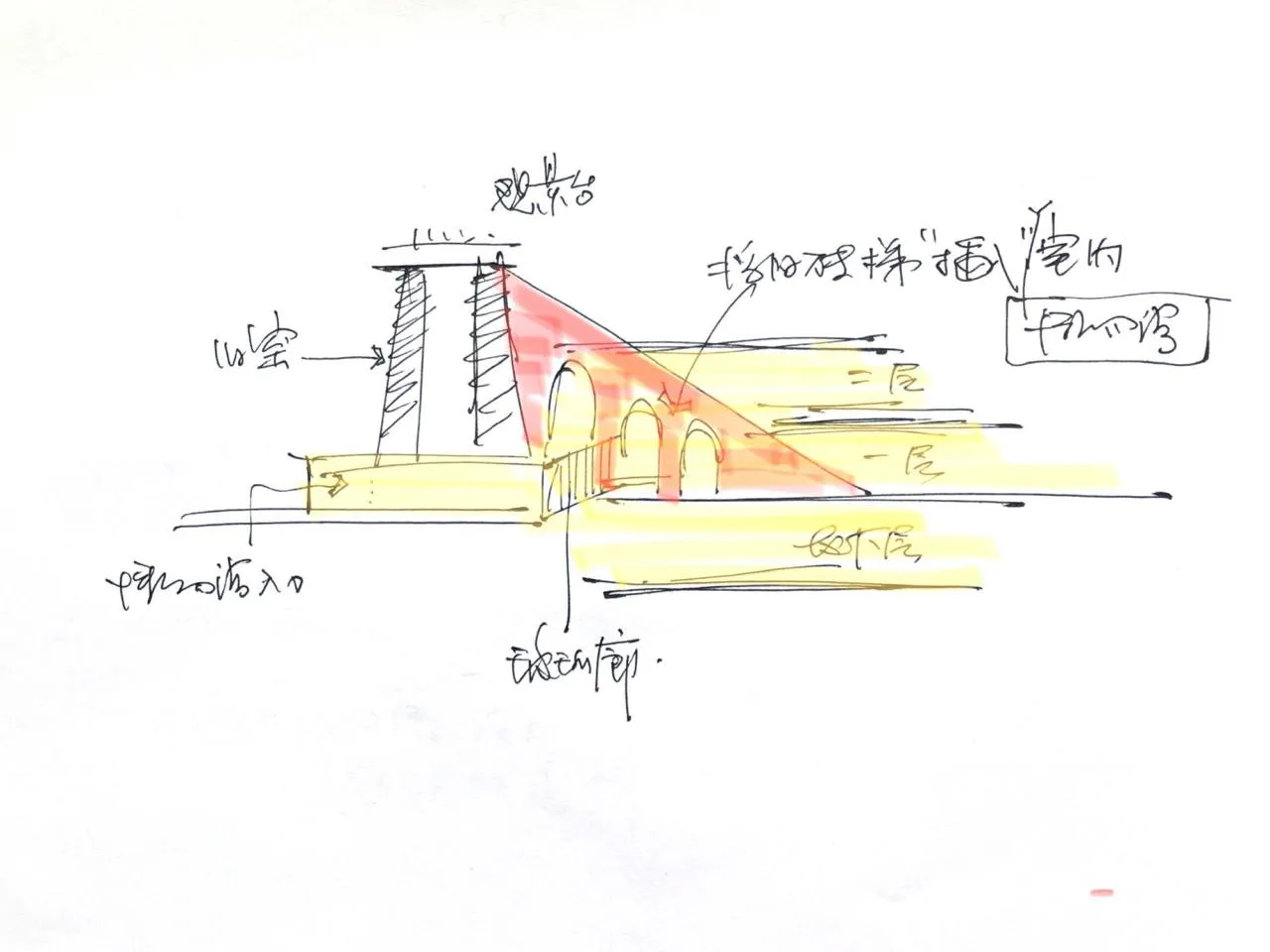
To promote sustainable development, the Xixian People’s Government decided to build a museum themed around the lime kiln. After evaluating several options, this proposal was chosen. The new museum will integrate with the existing lime kilns, using the expansive old kiln complex as a striking entrance to the geological park. The kiln roofs will be repurposed as viewing platforms, and one kiln’s ash outlet will serve as the museum’s main entrance. The preserved old brick conveyor belt will be incorporated into the museum, creating a seamless union of the damaged quarry, the dilapidated gypsum kiln, and the modern museum structure.
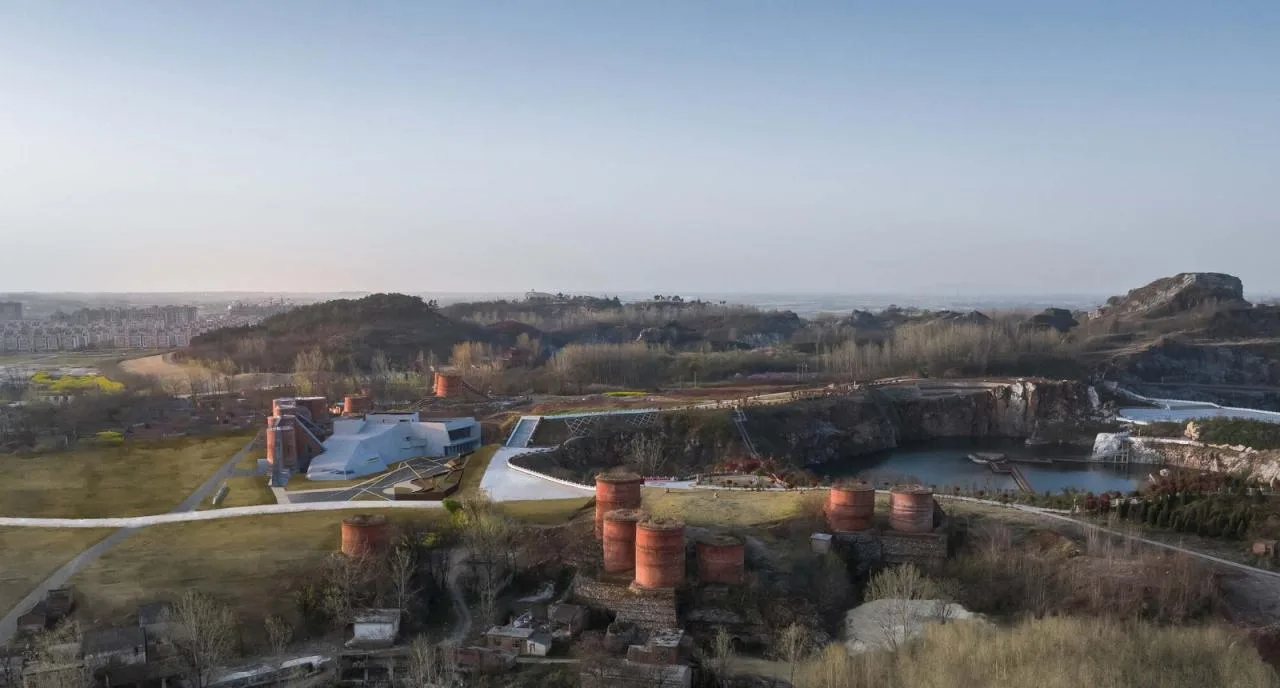
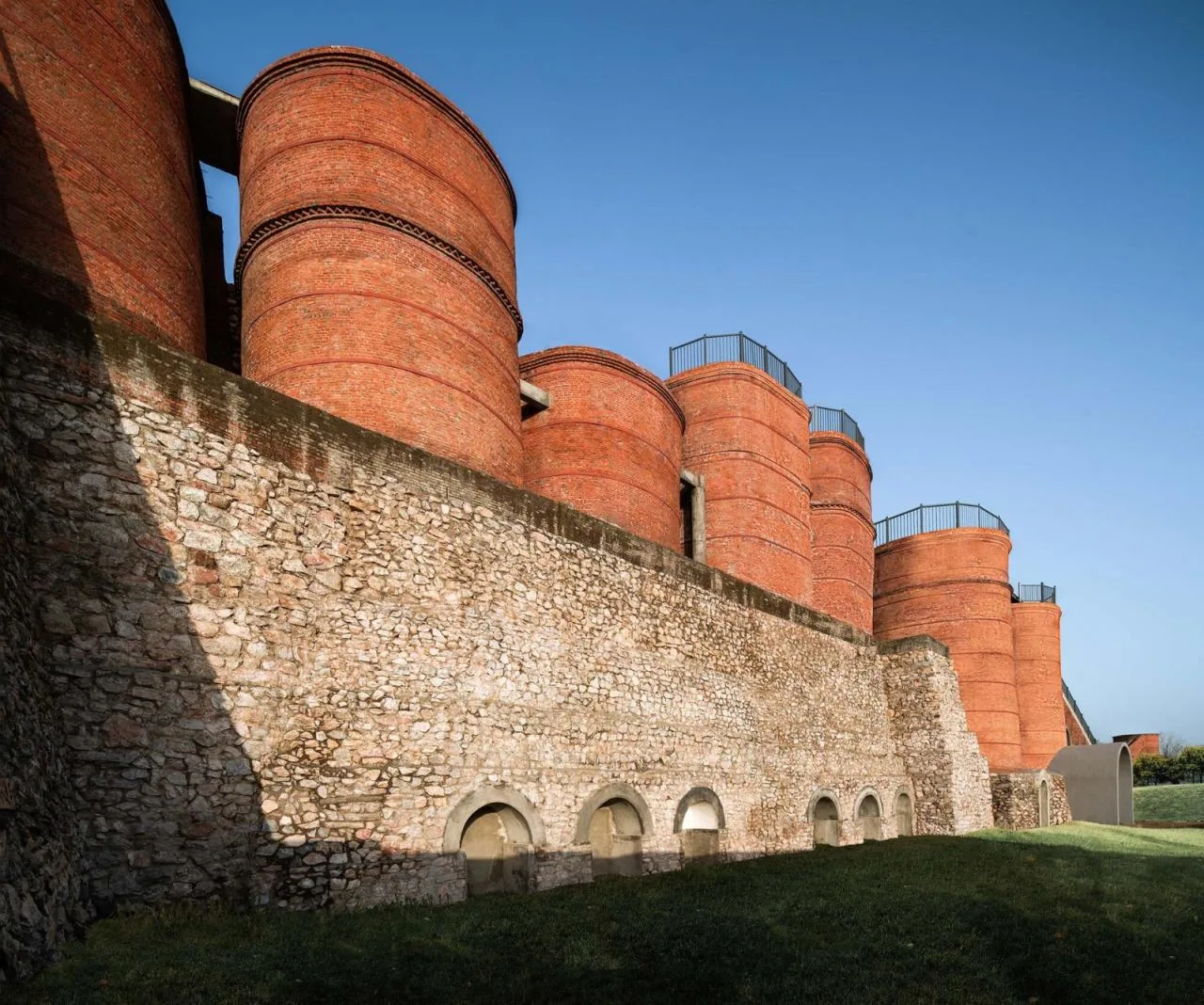
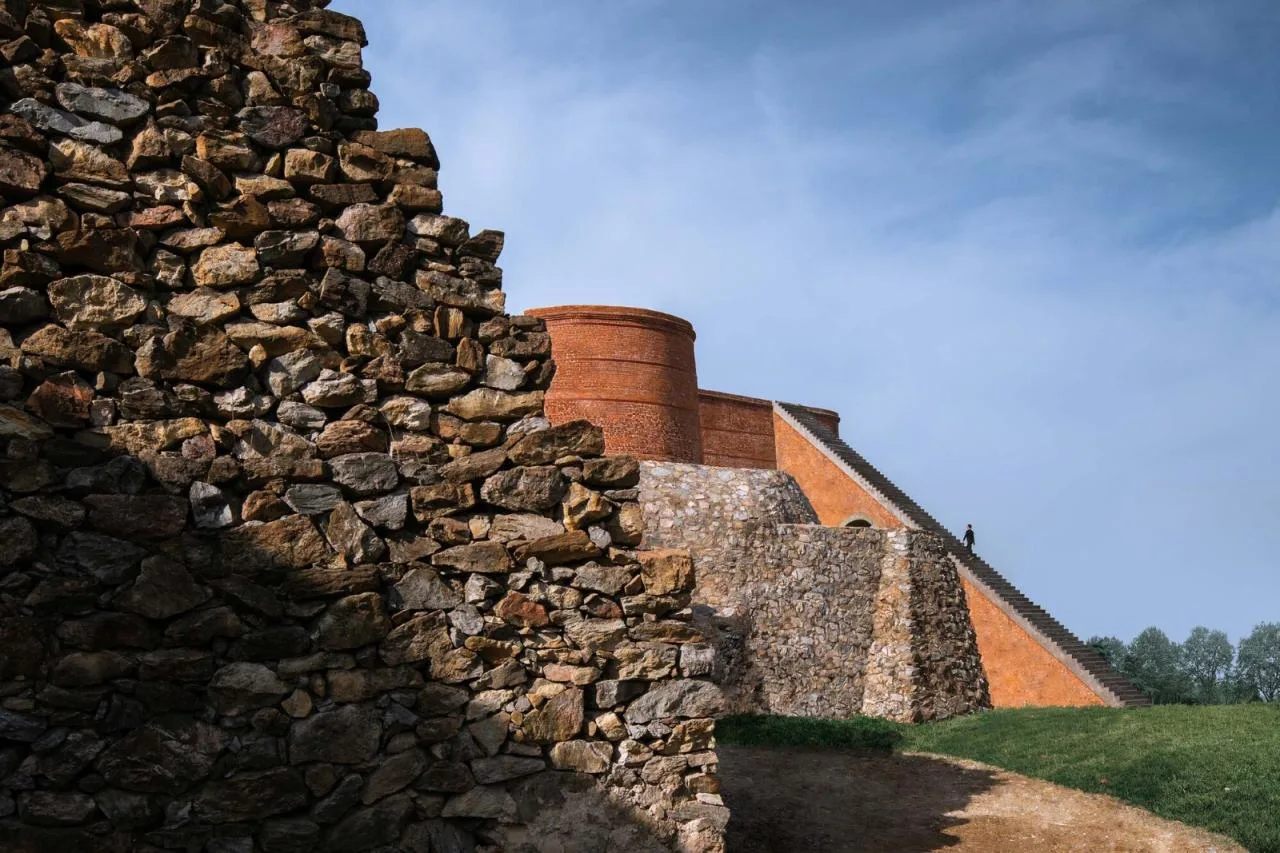
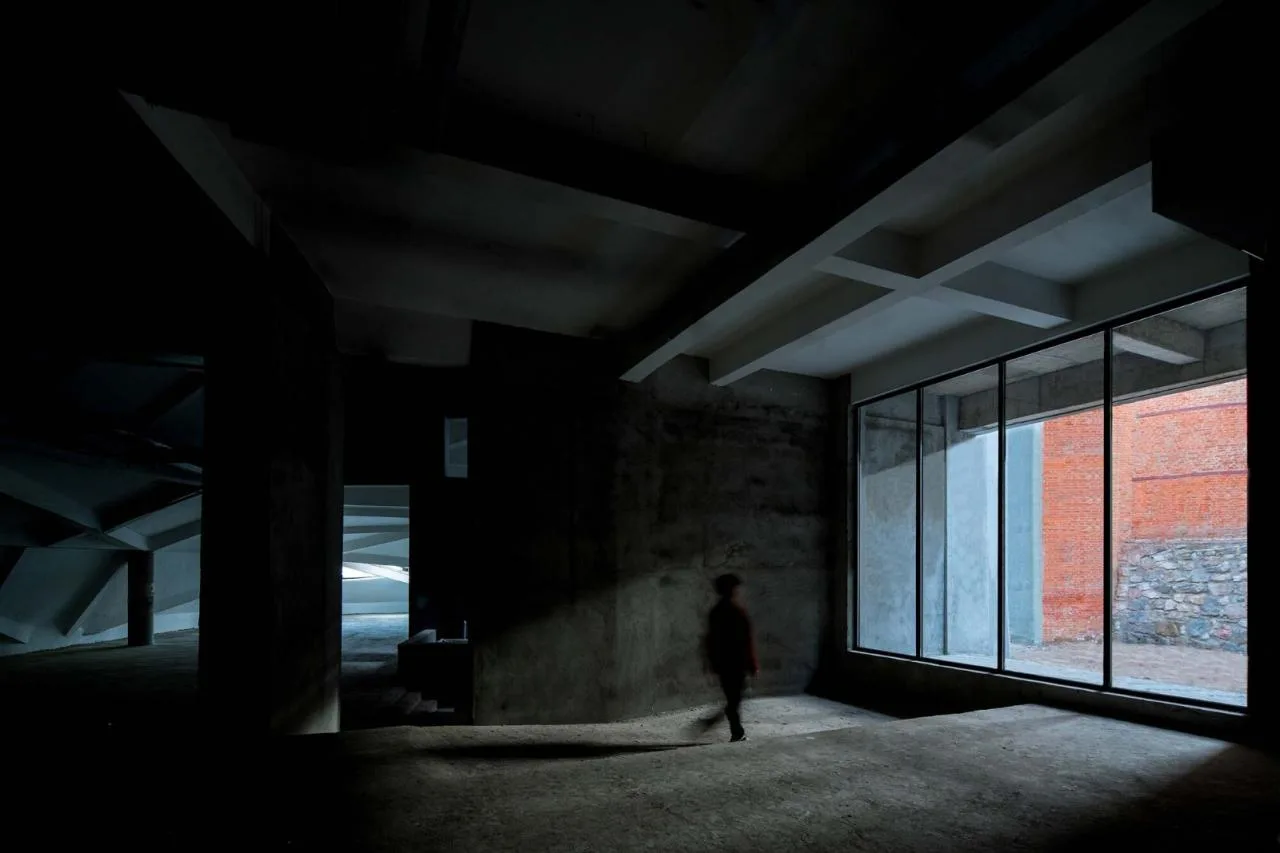
To emphasize the historic lime kiln, the museum’s design intentionally downplays its own form and color, effectively “hiding” behind the old kiln. Some exhibition spaces are set underground, keeping the museum’s height lower than that of the kiln. Uncalcined limestone from the kiln’s closure is used as a landscape feature. Observation windows and platforms are strategically placed to allow visitors to view the old kiln and the nearby damaged mountain through the museum’s facade. These design strategies firmly anchor the museum within this unique site.
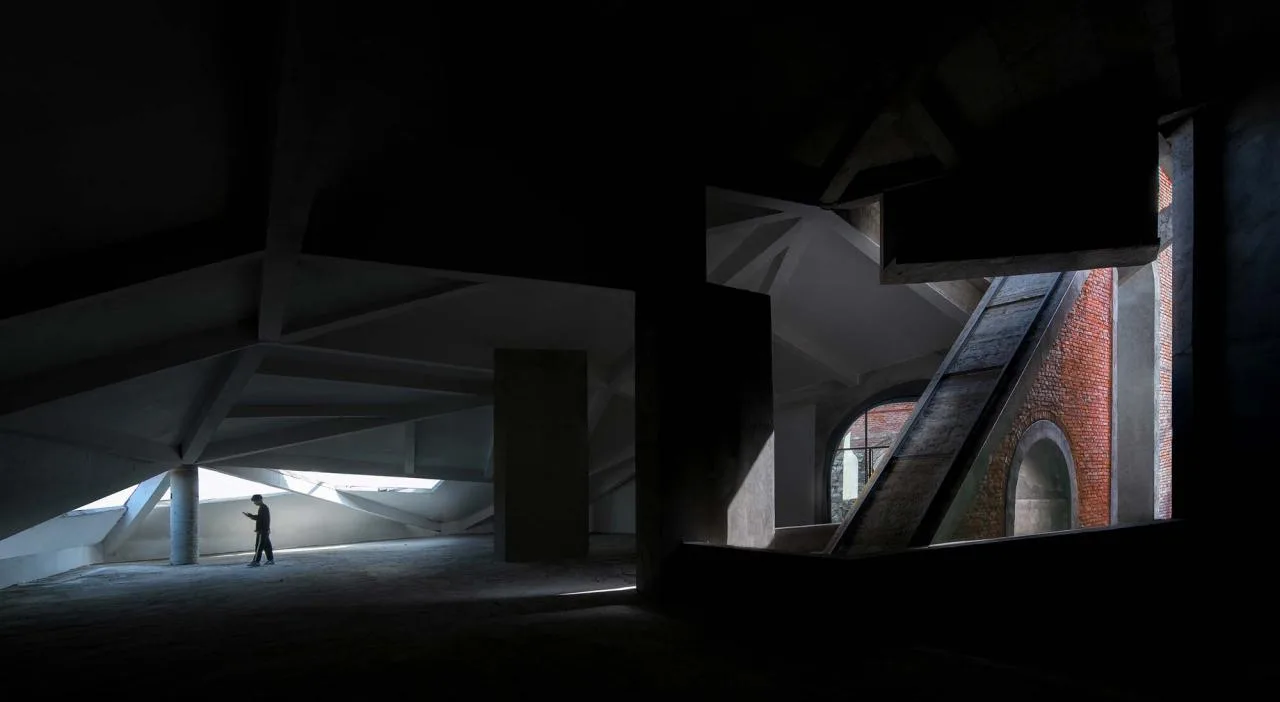
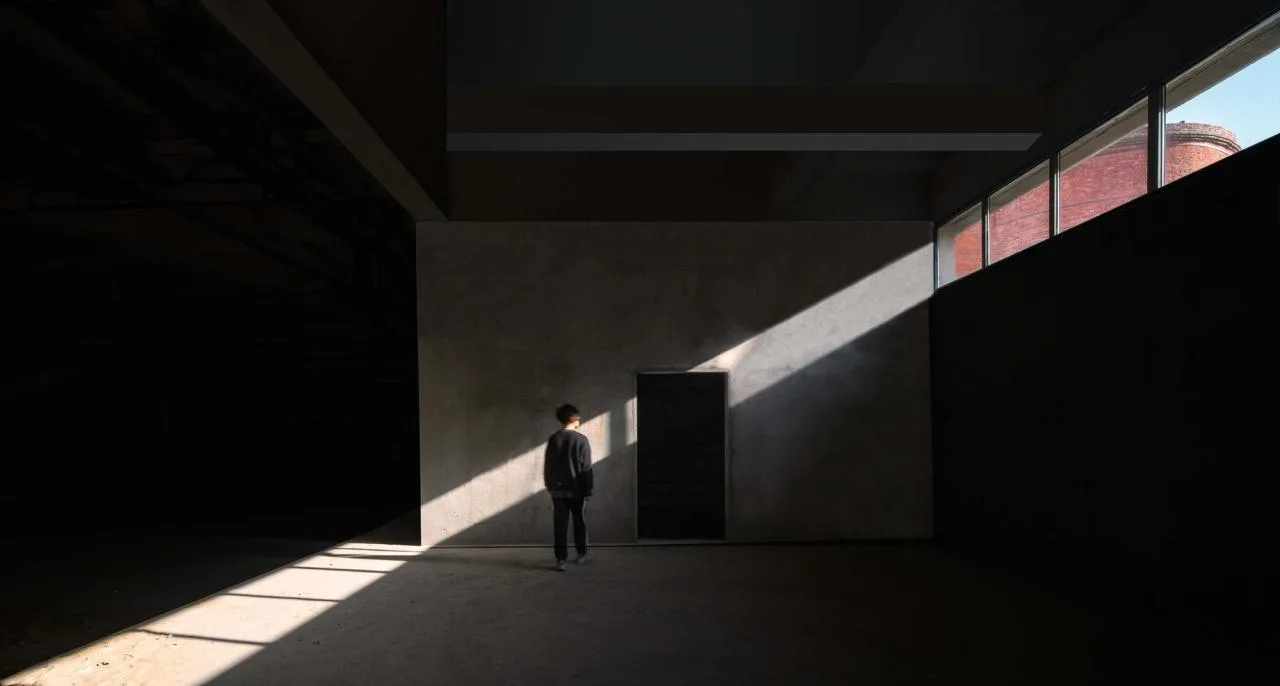
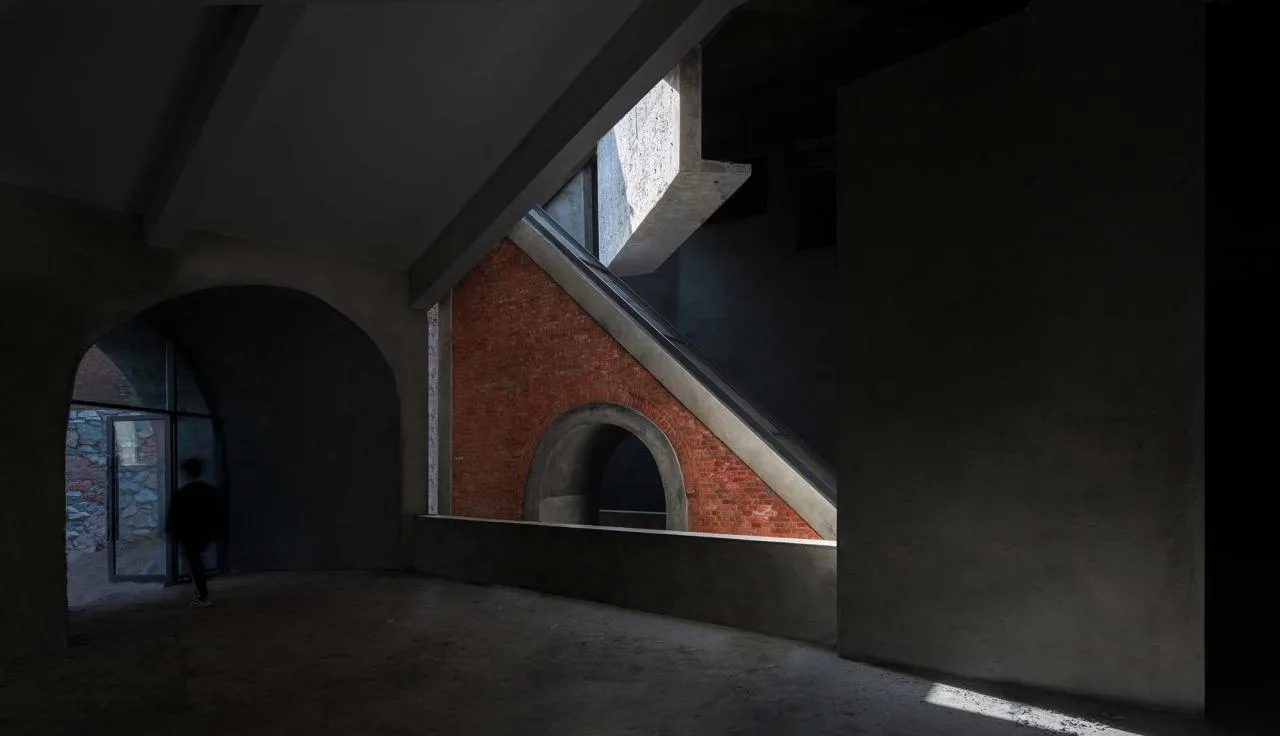
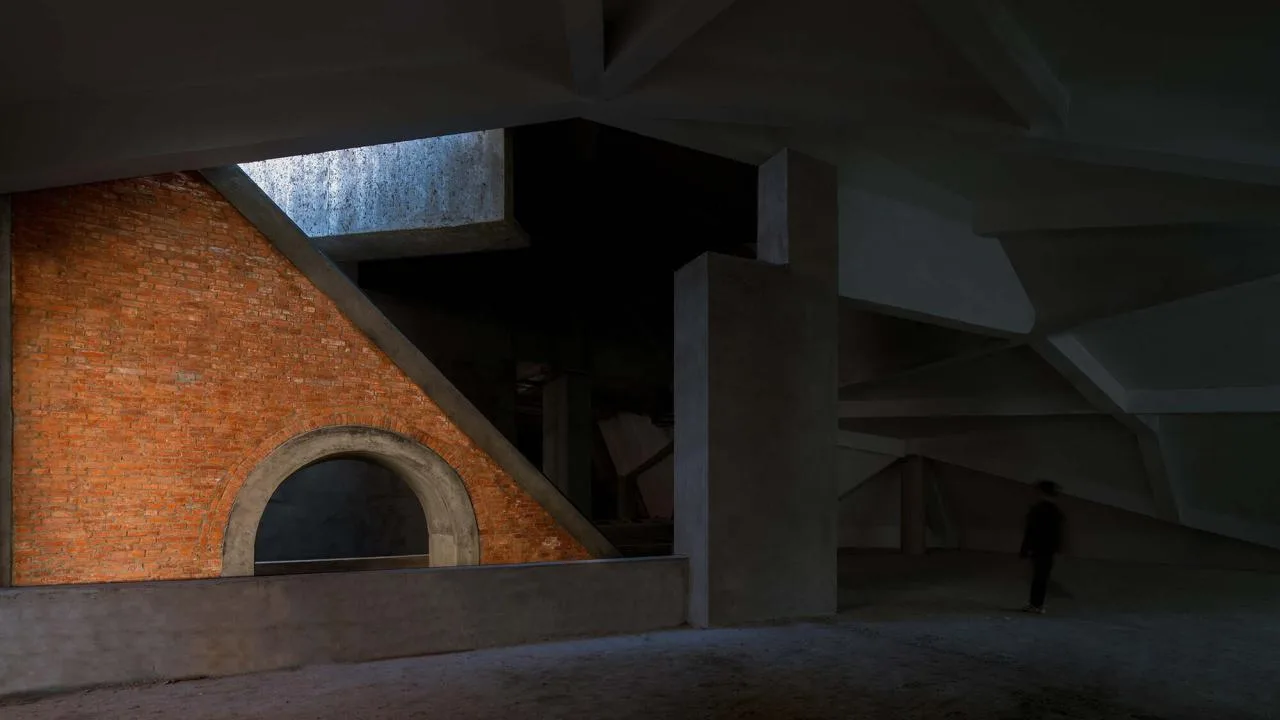
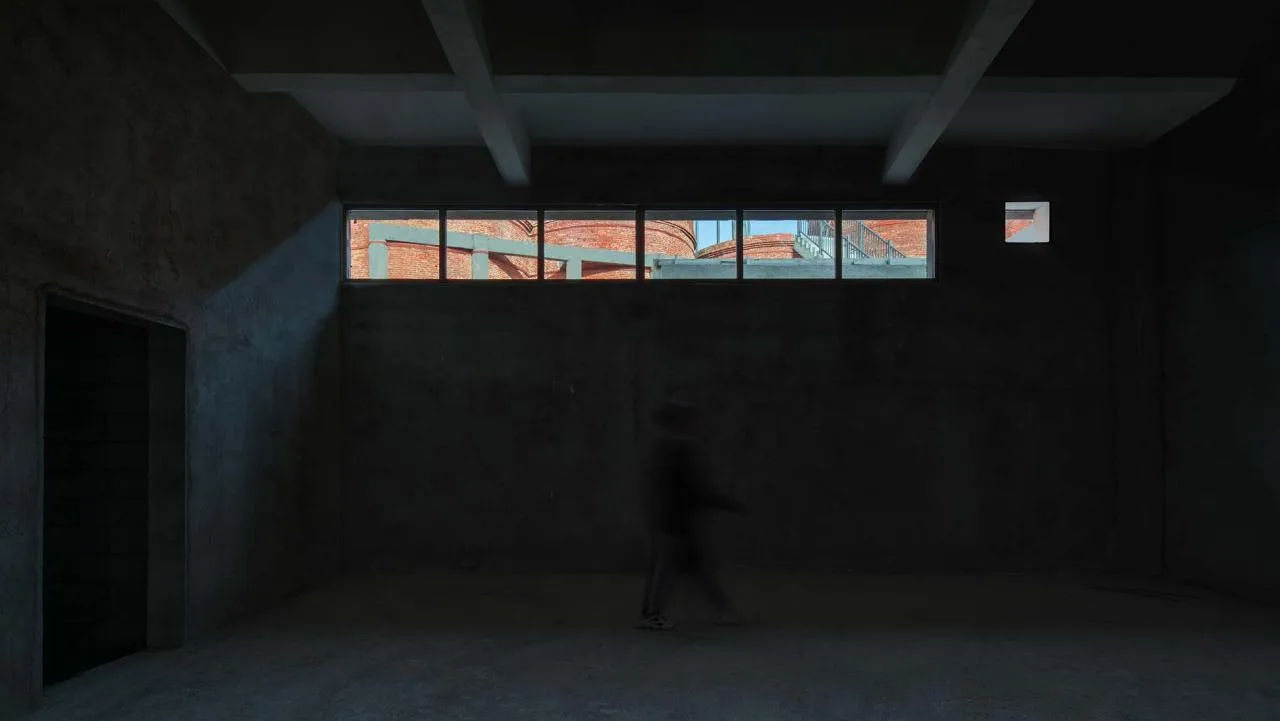
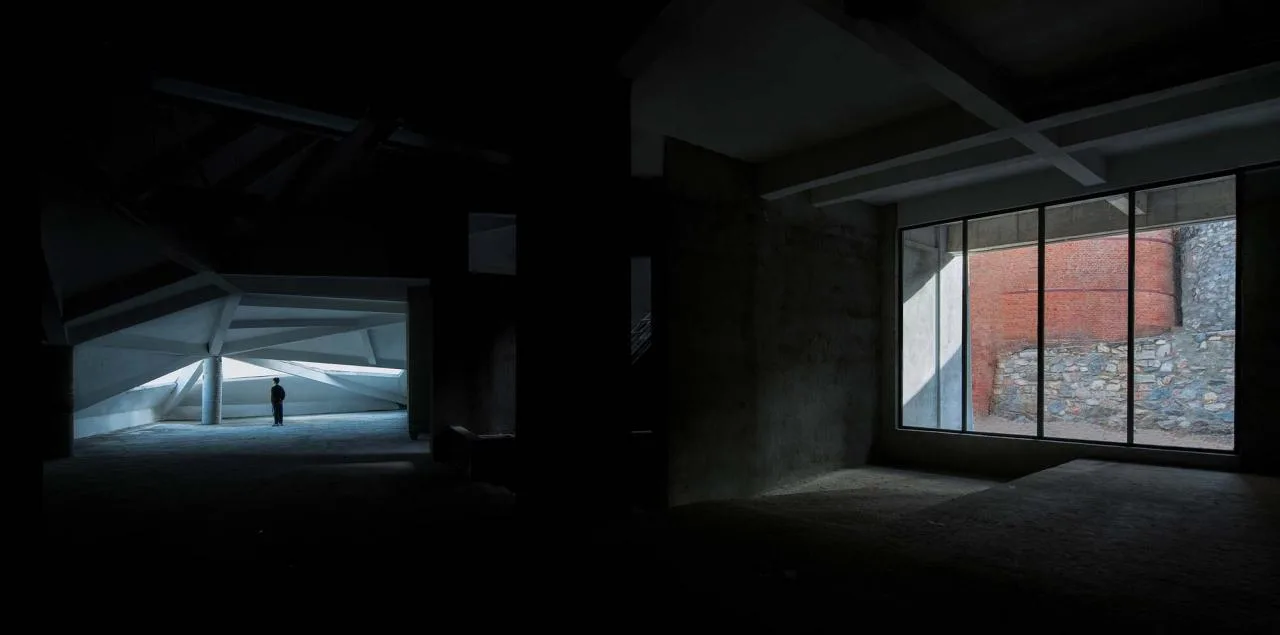
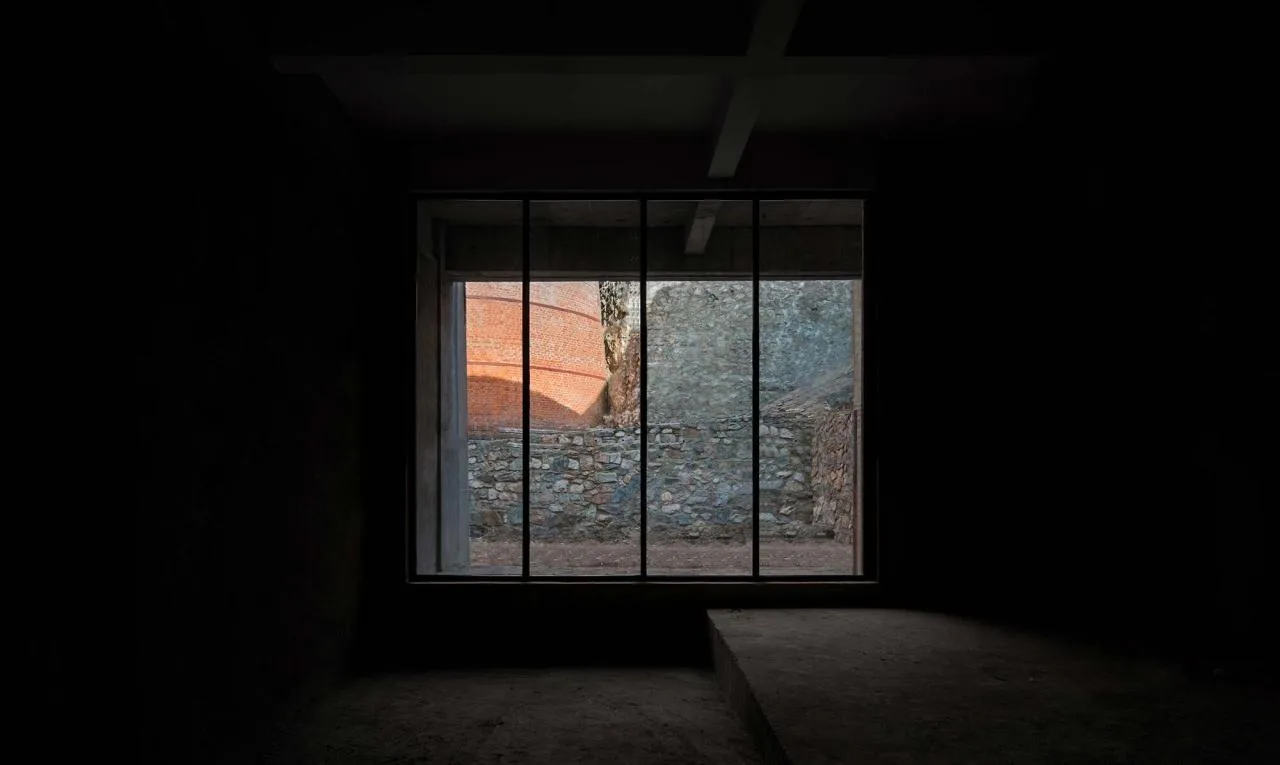
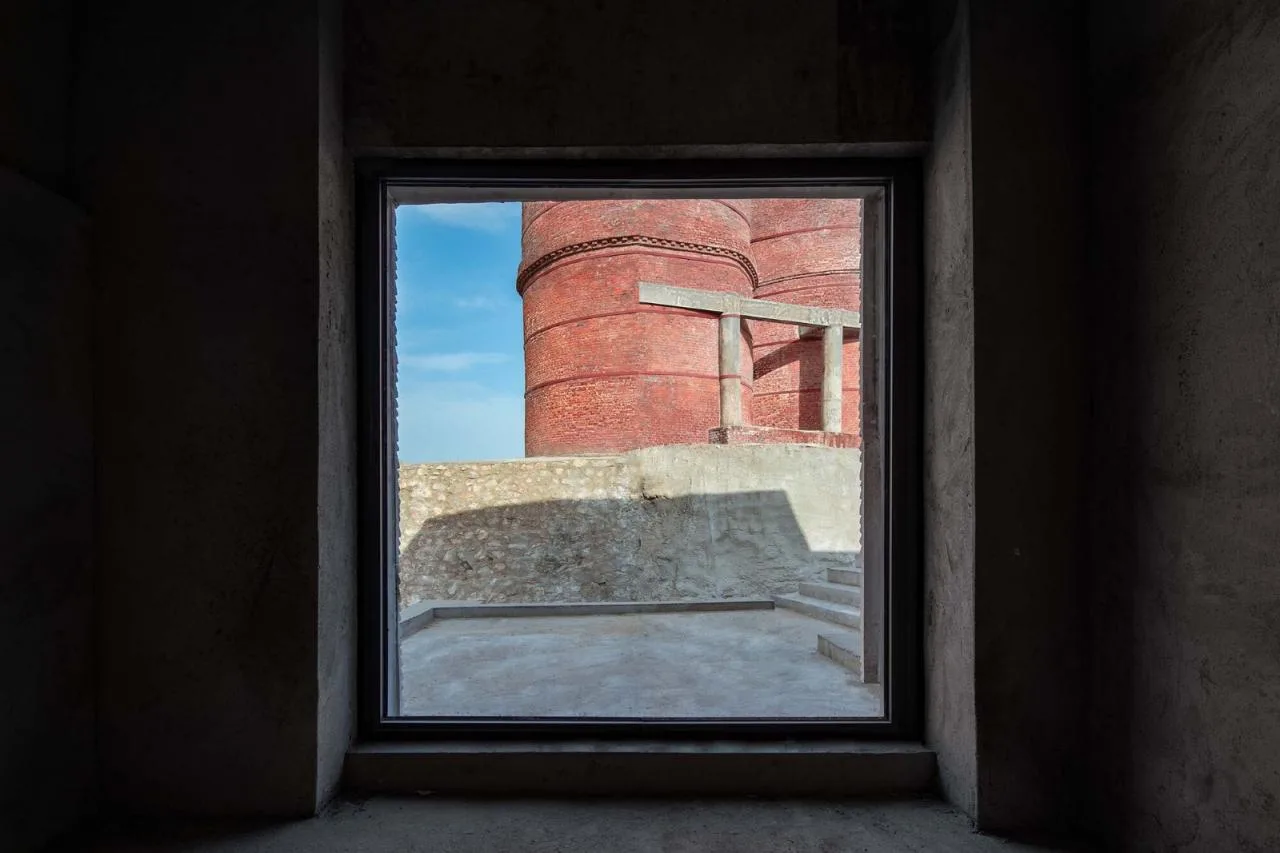
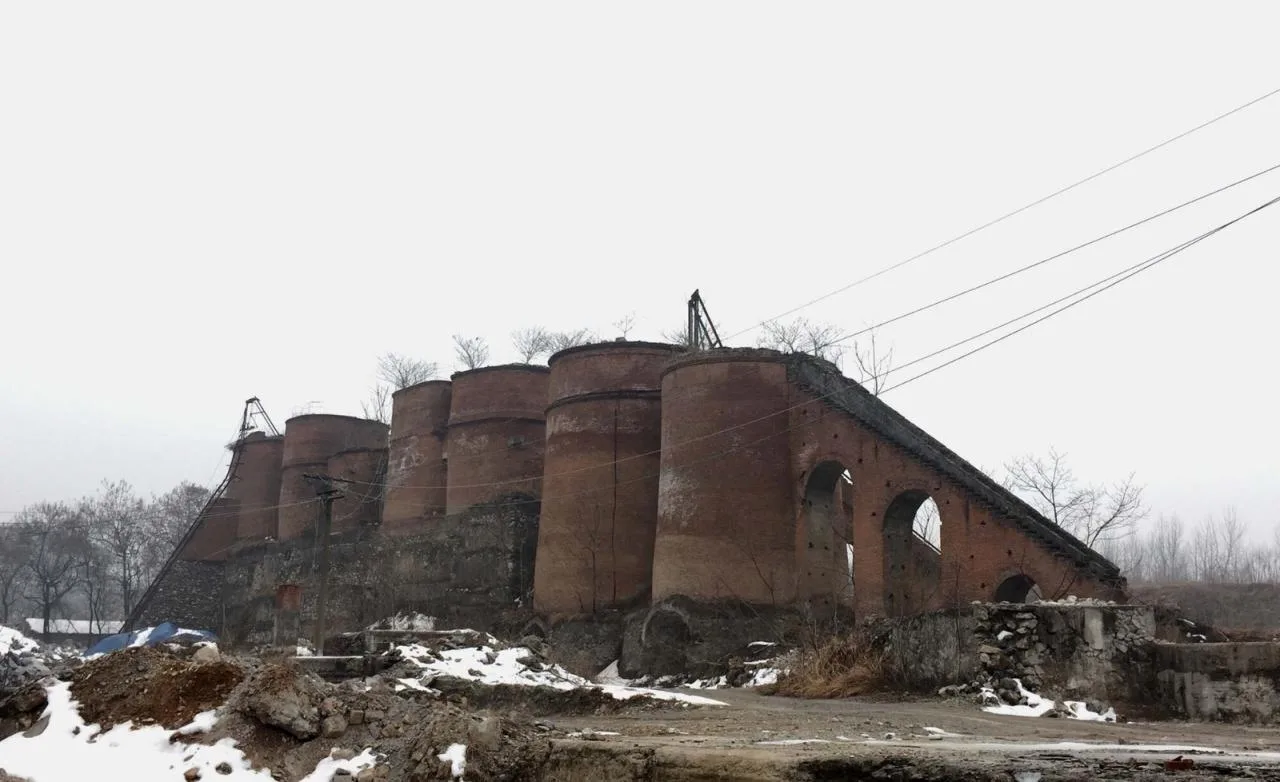
△ Original architecture
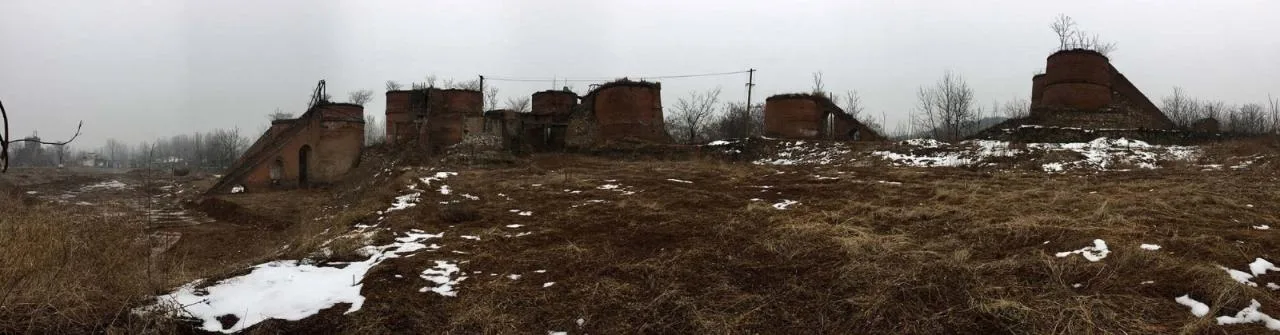
△ Original architecture
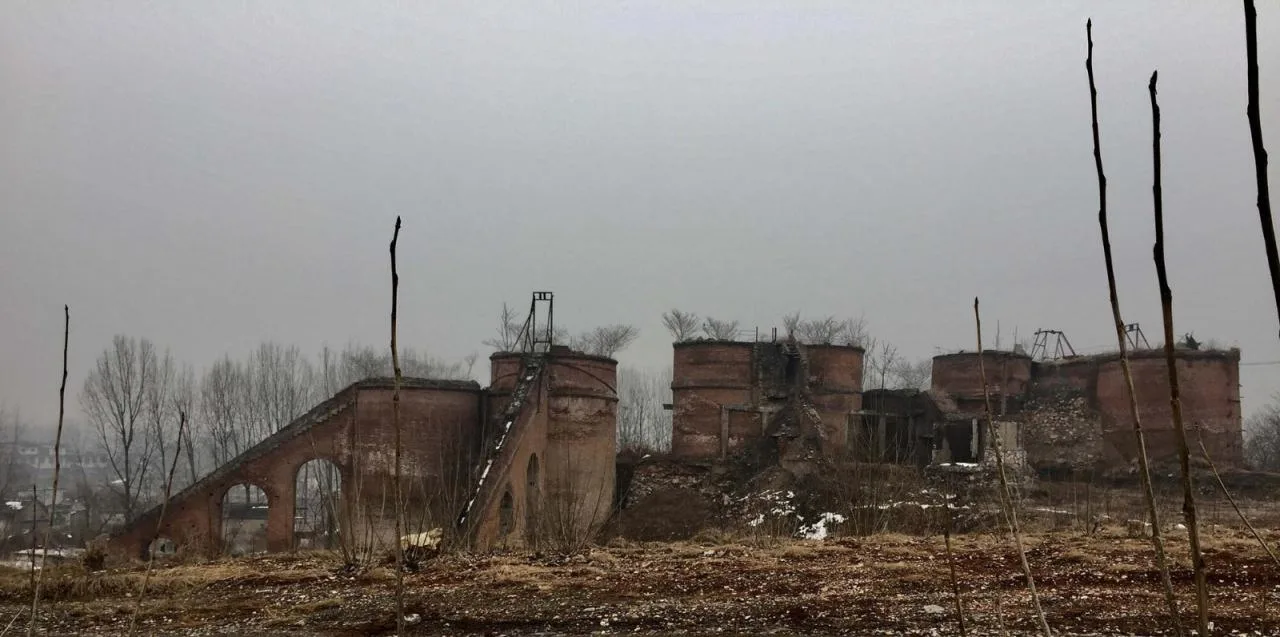
△ Original architecture
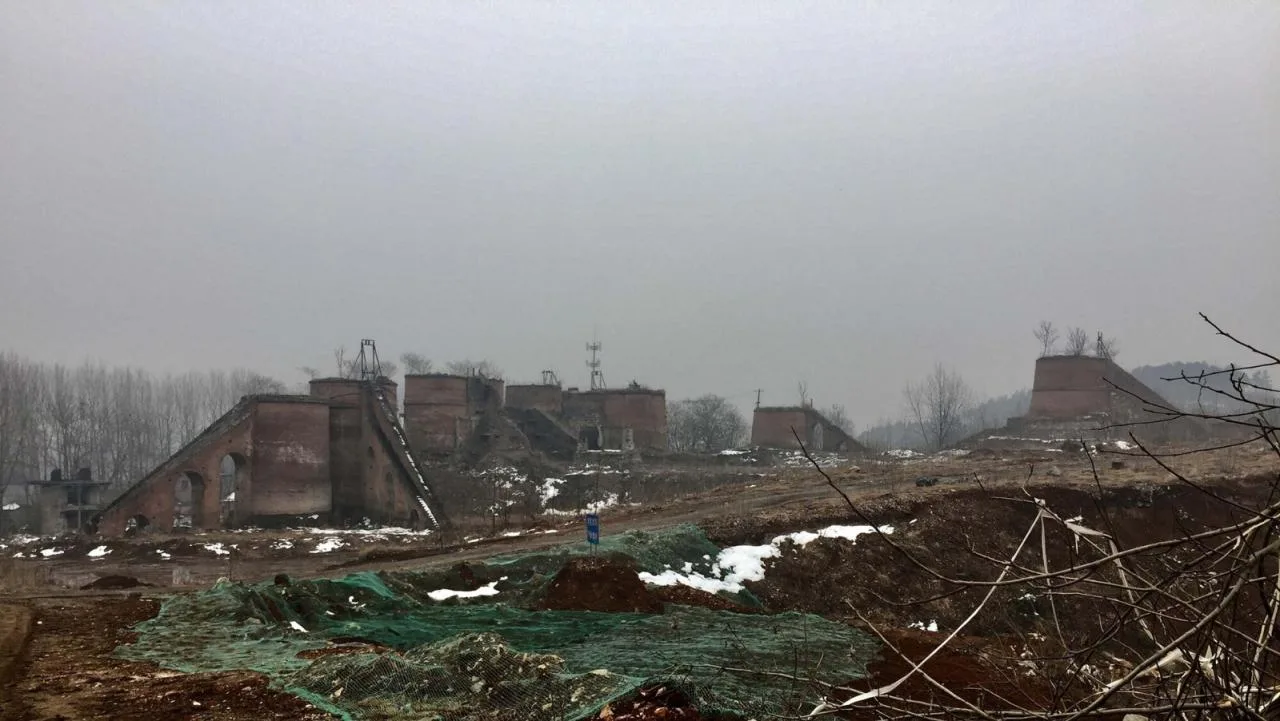
△ Original architecture
△ Original architecture
Project Drawings
△ Sketch
△ Sketch
△ Sketch
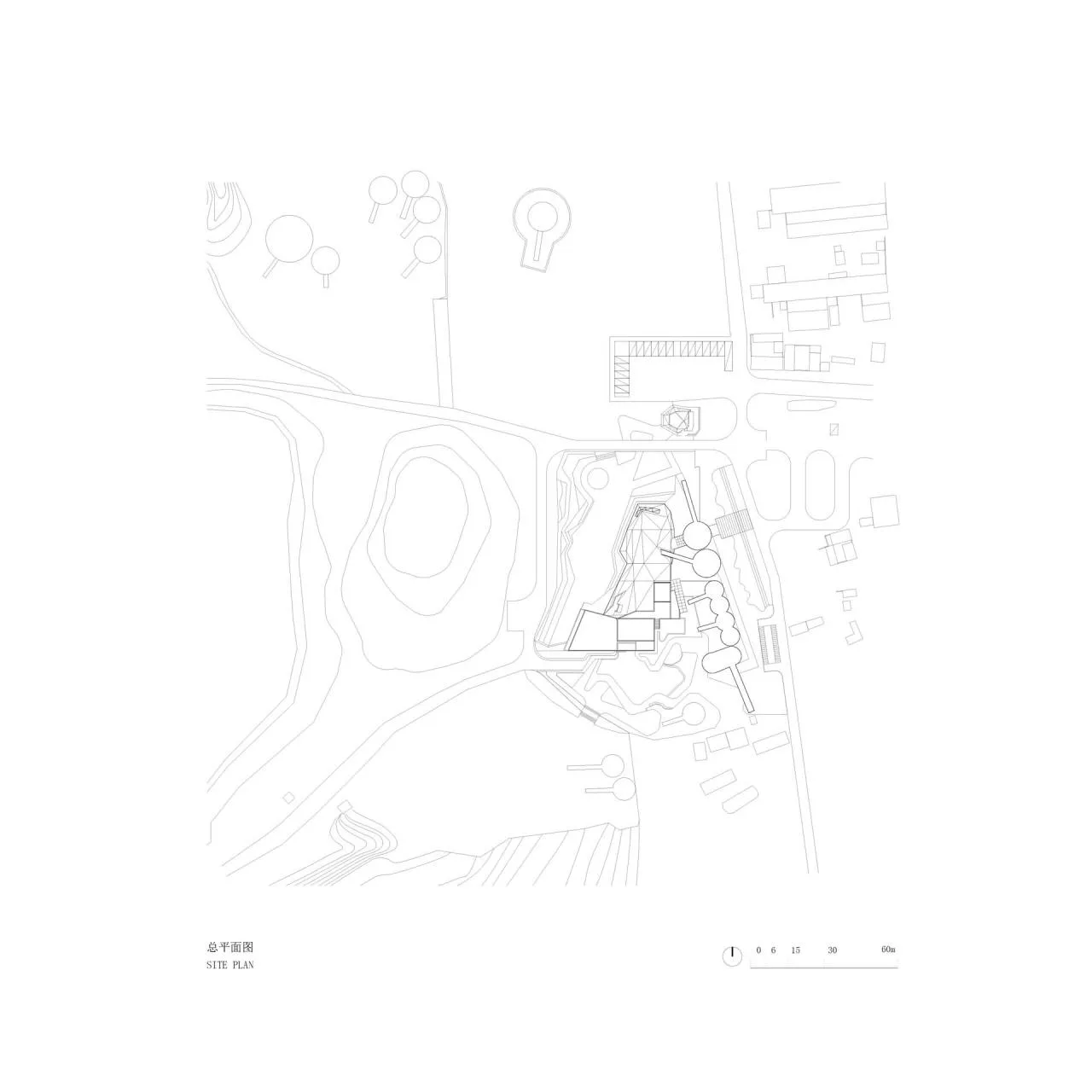
△ General layout plan
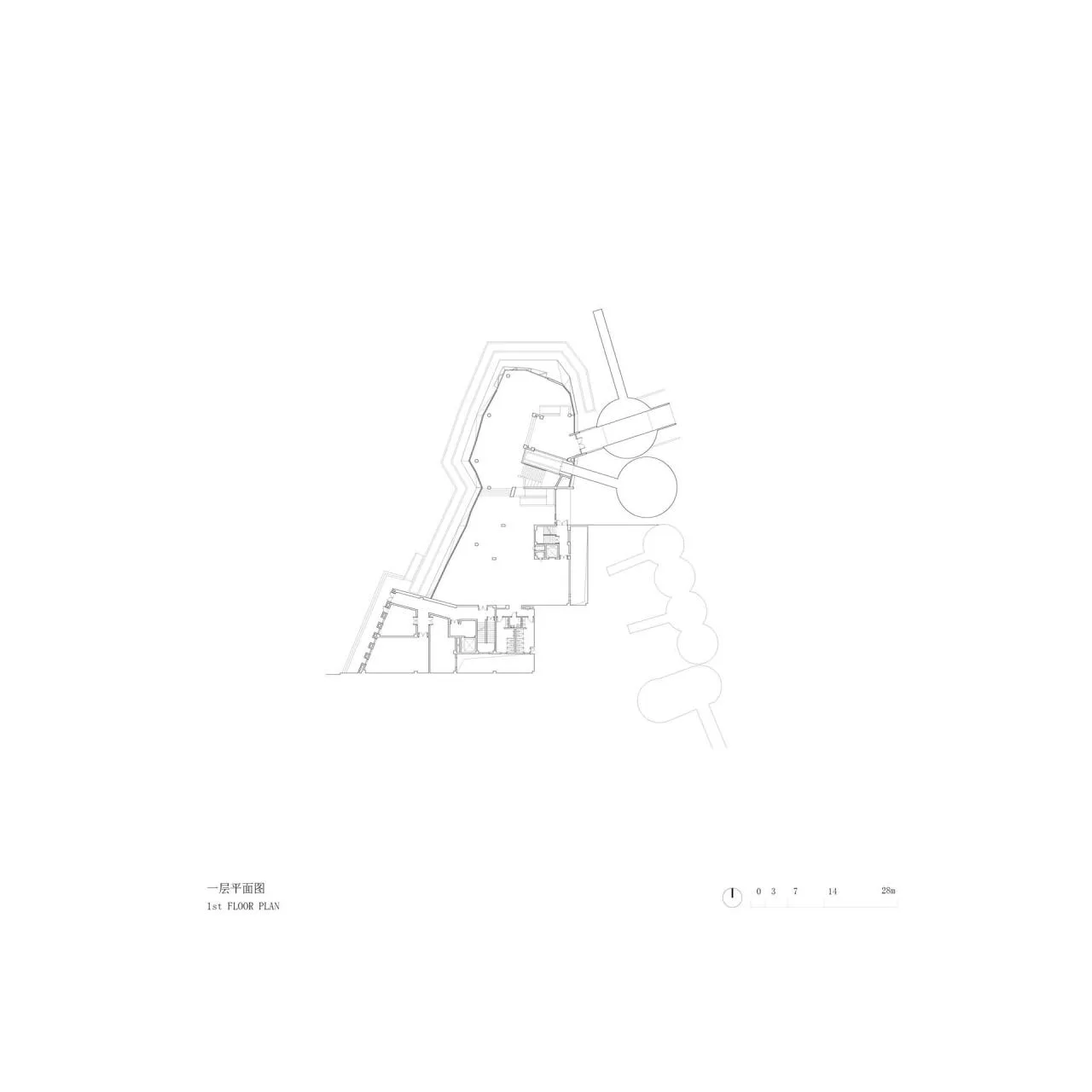
△ First floor plan
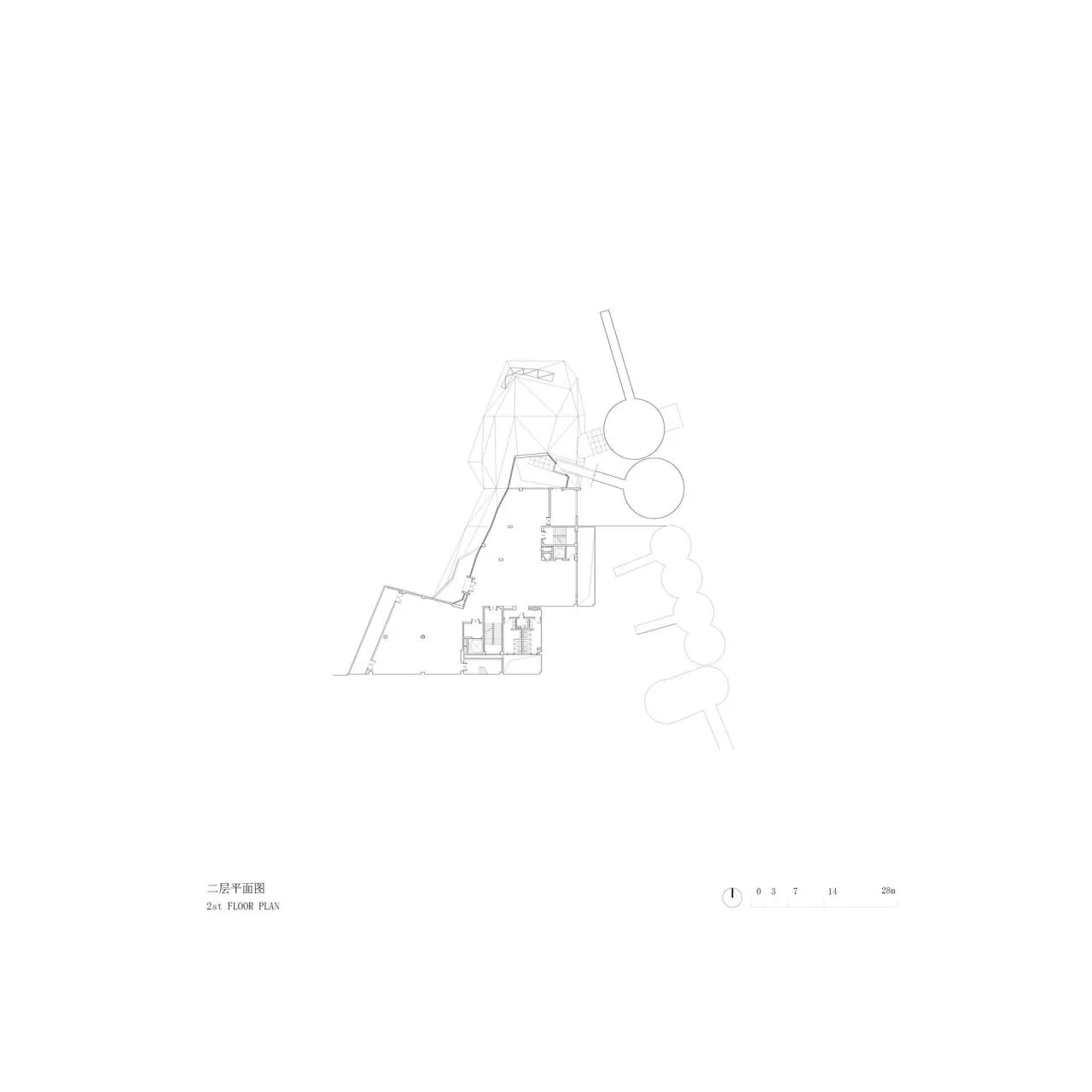
△ Second floor plan
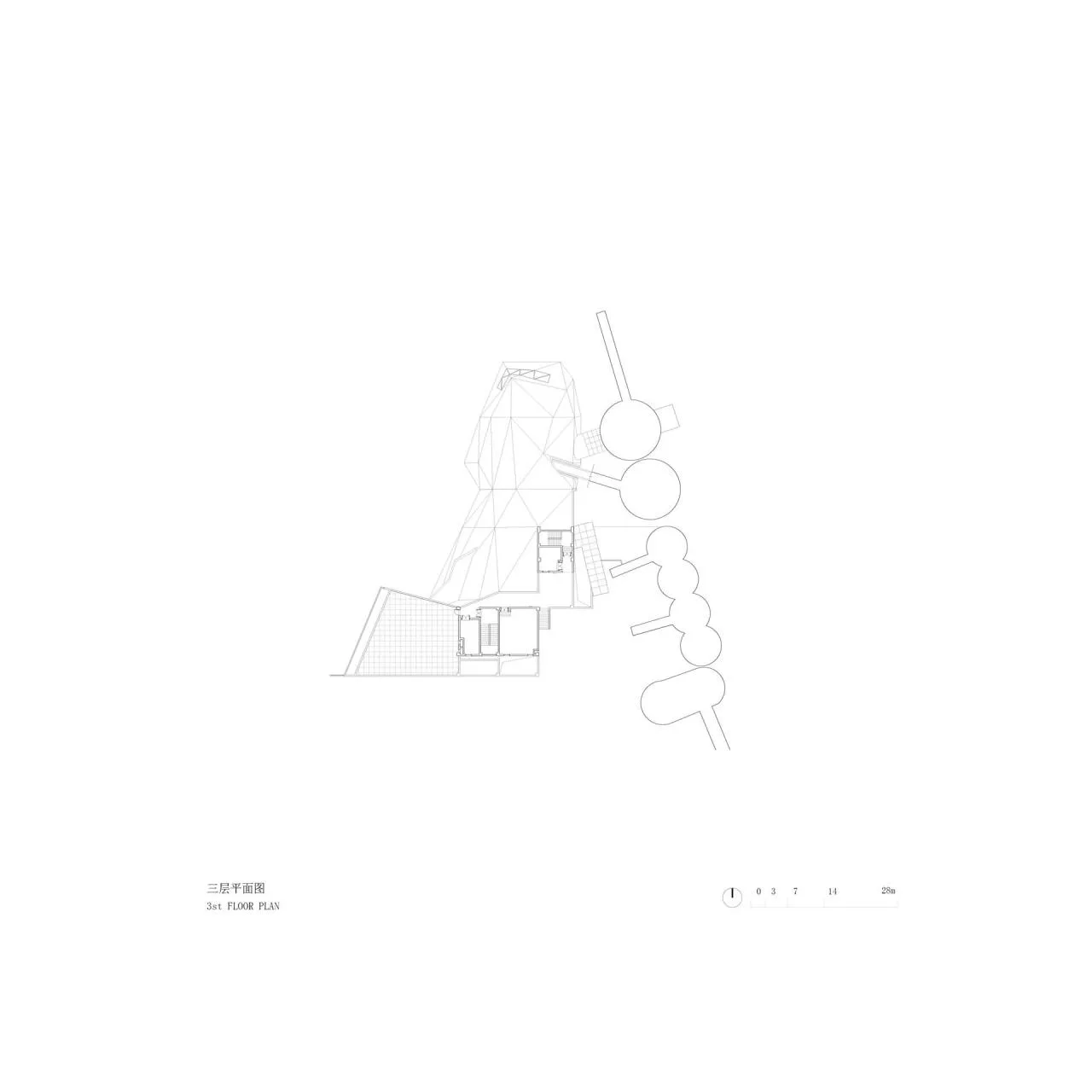
△ Third floor plan
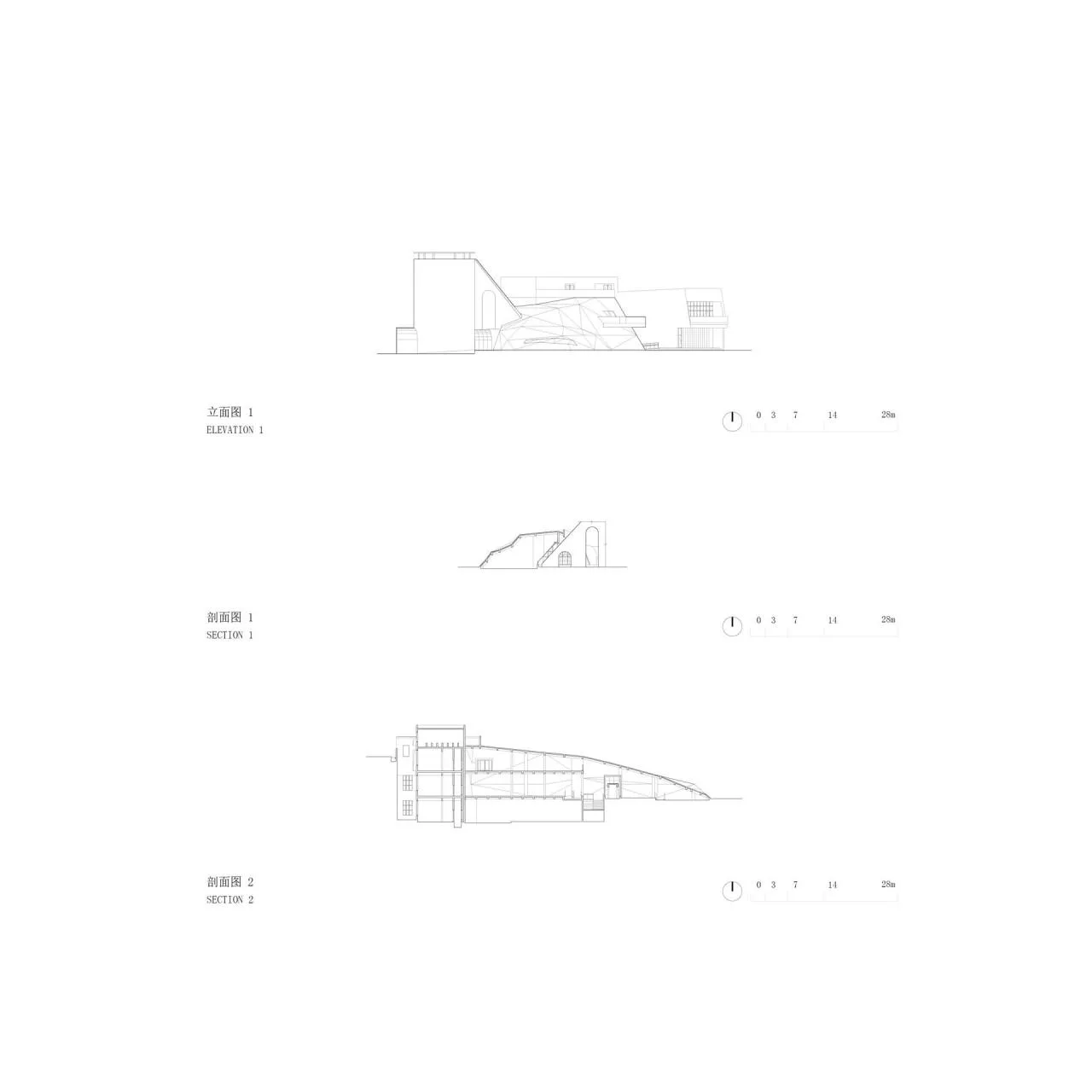
△ Elevation and section drawings
Project Information
Architect: Professor Li Baofeng’s Studio, School of Architecture and Urban Planning, Huazhong University of Science and Technology
Area: 3,315 m²
Project Year: 2021
Photographer: Zhao Yilong
Lead Architect: Li Baofeng
Design Team: Li Baofeng, Yi Qingqing, Pan Jialiang, Guo Wen, Yang Yang, Wang Ziling, Wei Shuangning
Structural Design: Chen Haizhong, Wang Tianyu
Landscape Design: Wang Tong, Guo Wen
Partners: Shen Anfu, Jinling, Wang Huapeng, Huang Lei, Wang Yu, Wang Rong, Yao Jiangbo, Ji Shichang
Principal: People’s Government of Xixian County, Henan Province
Construction: Henan Yuxing Construction Engineering Co., Ltd
Location: Xinyang City, China















Must log in before commenting!
Sign Up