
DCDSAA Dianchuan Architecture Firm collaborated with the “Yunjian Xigu” brand to renovate a historic cultural building located at Building 22, Yunjian Granary West, Shanghai, China, transforming it into the new “Xigu Art Museum.” The project, designed by DCDSAA Yodogawa Architecture Firm, responds to the site’s environment and contemporary art elements by removing redundant features of the original structure. Utilizing balanced proportions and minimalist techniques, the design creates transparent, interconnected geometric forms that seamlessly integrate the building with its interior.
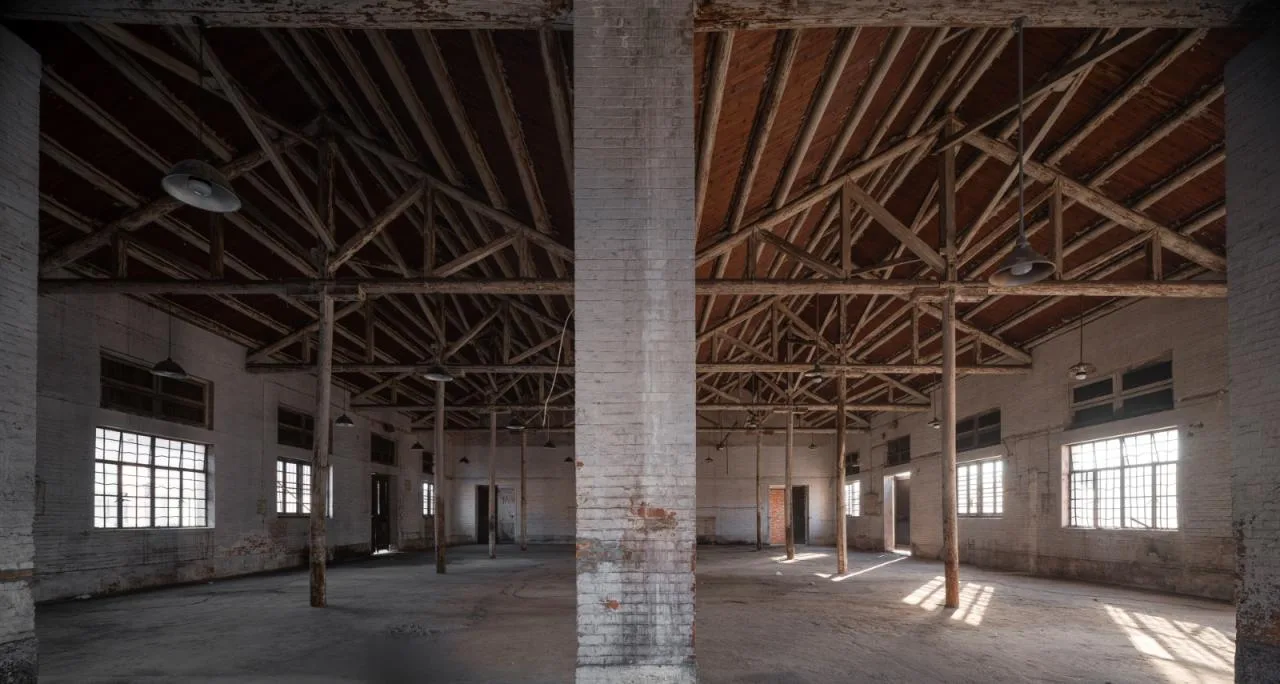
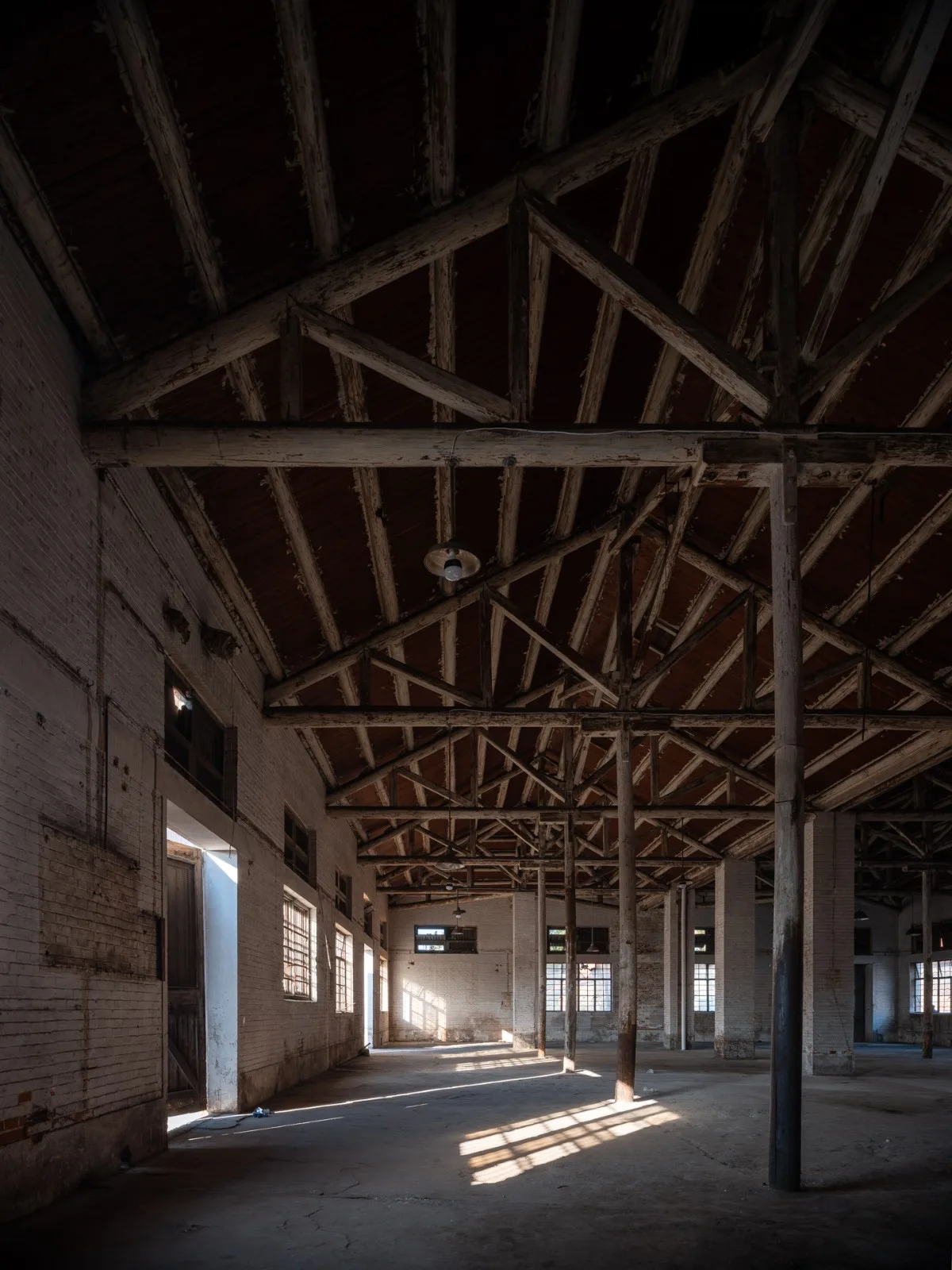
The complex, originally a grain warehouse from the 1950s to the 1990s, consists of 59 old buildings that once served as grain storage, workshops, and barns. Following a comprehensive redevelopment plan, it was transformed into the Yunjian Grain Cultural and Creative Park. The building’s conceptual design was swiftly established, and through extensive renovation, it has been revitalized as a local cultural landmark and art exhibition hall.
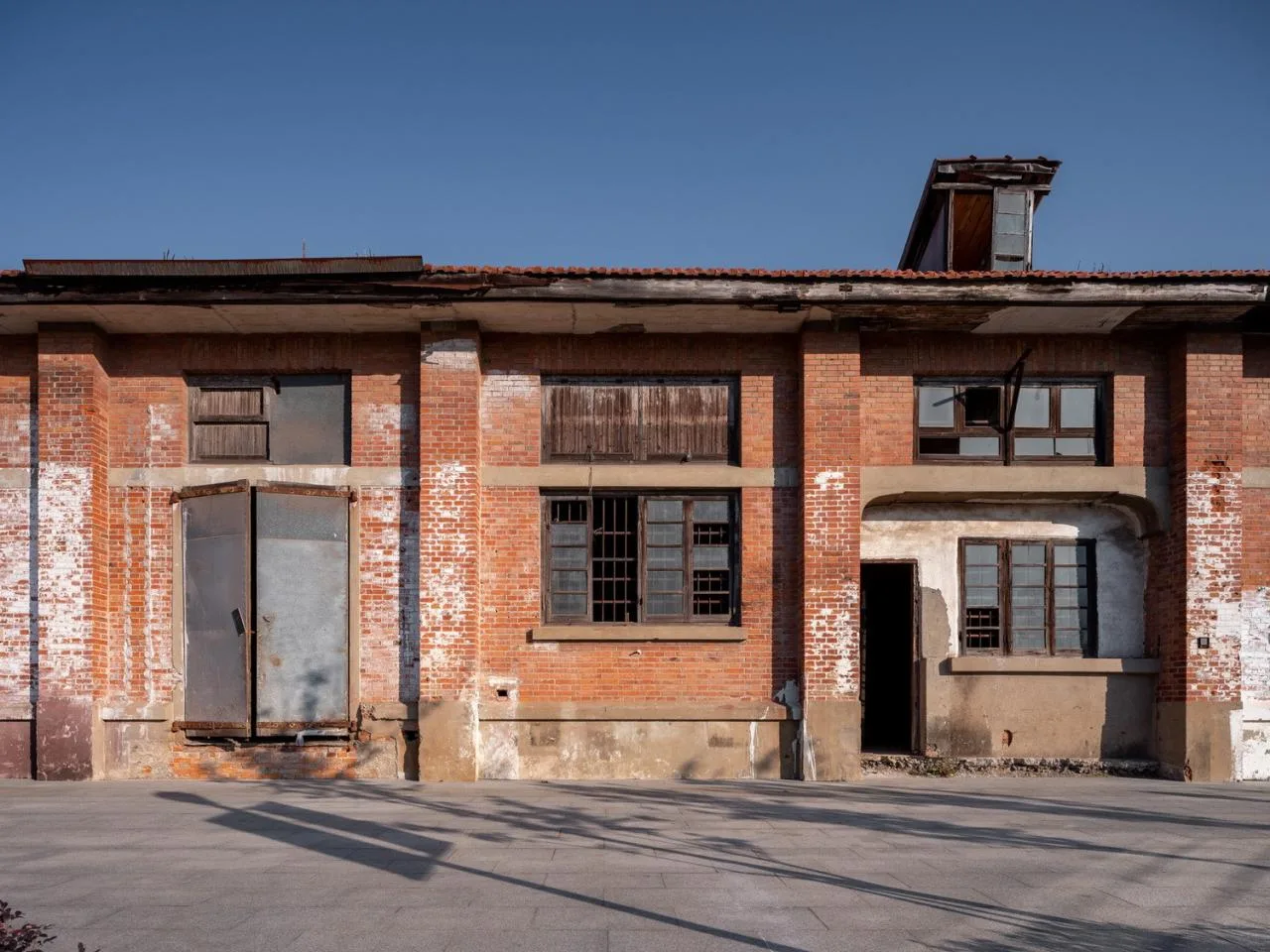
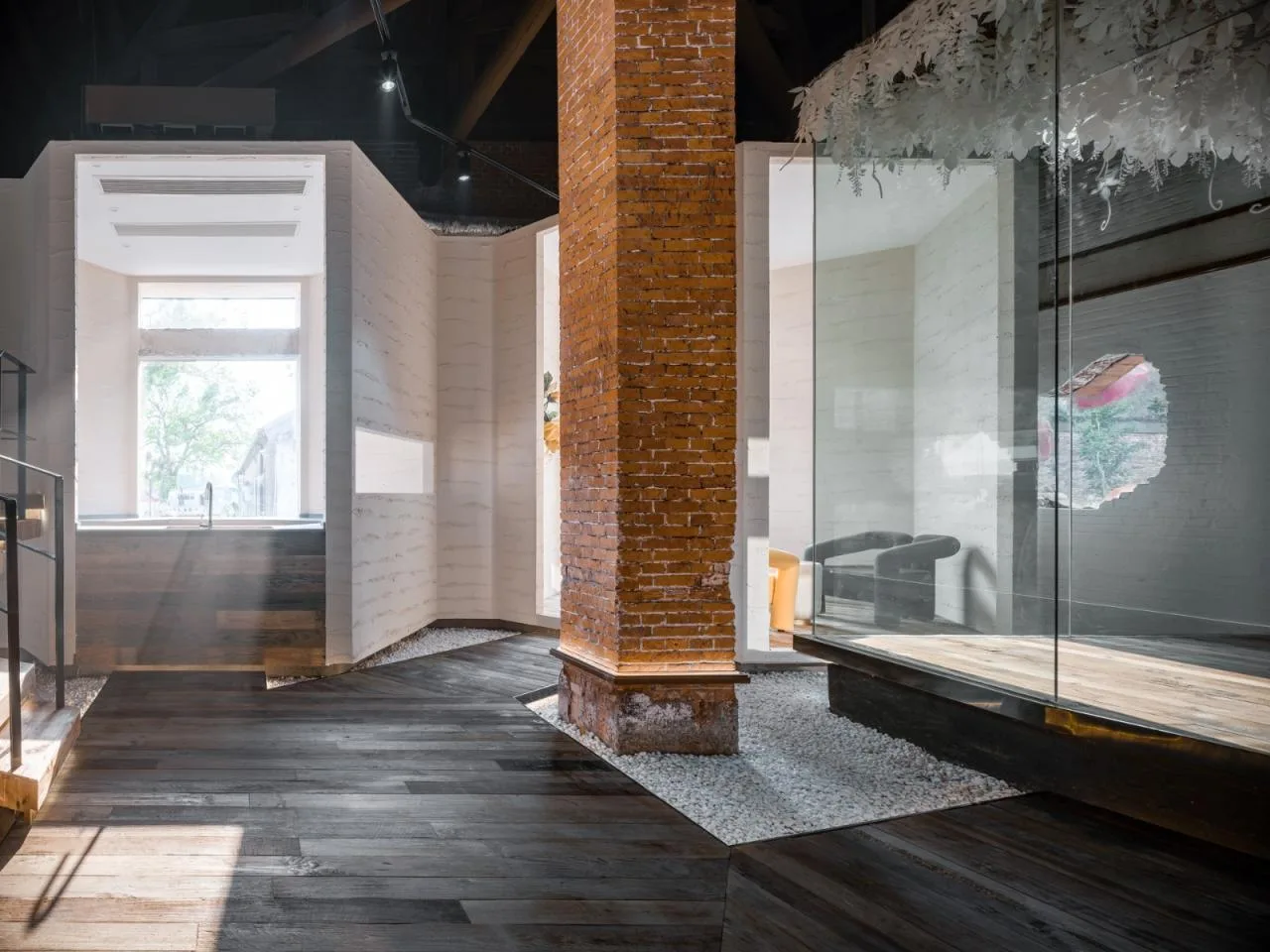
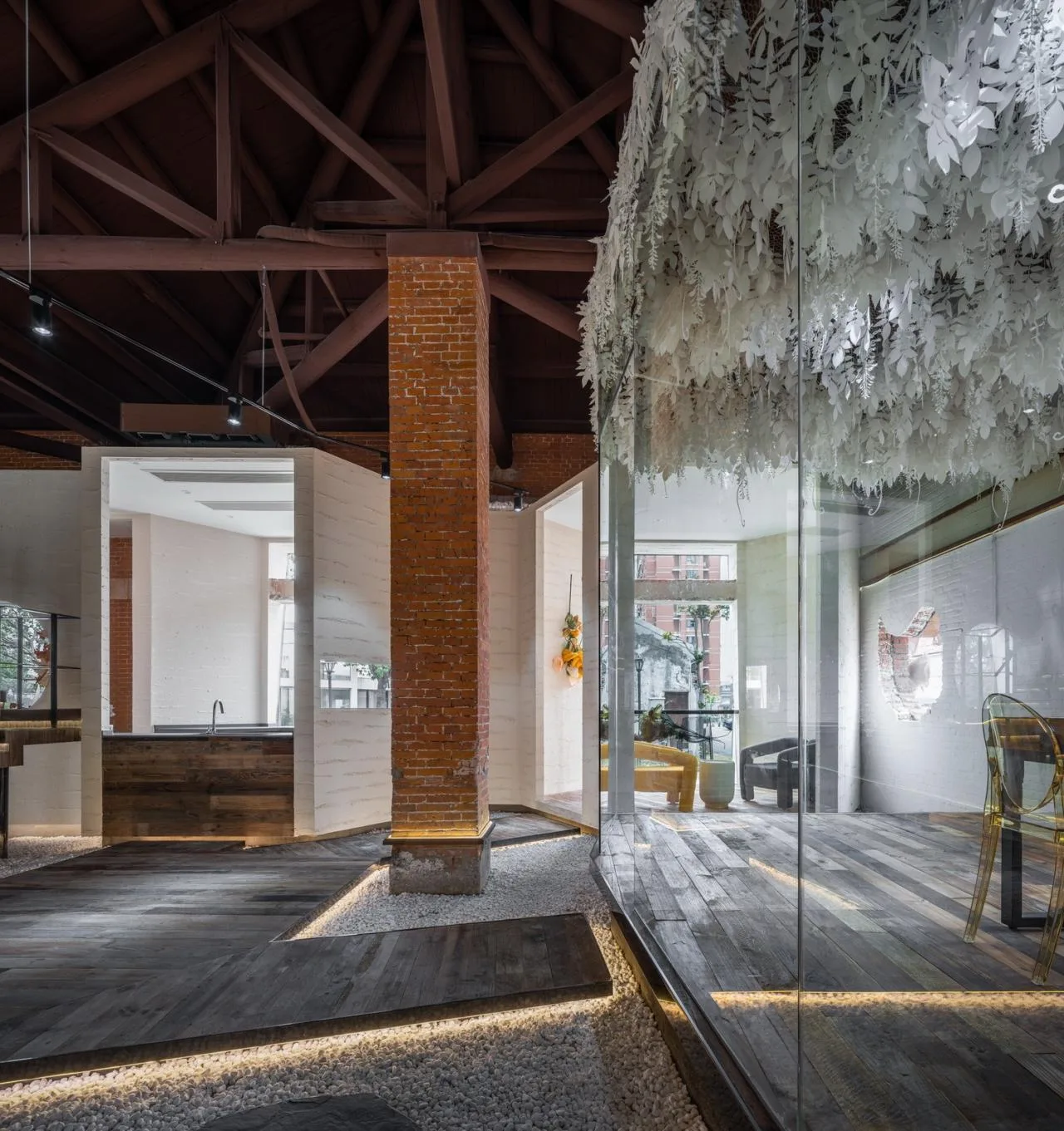
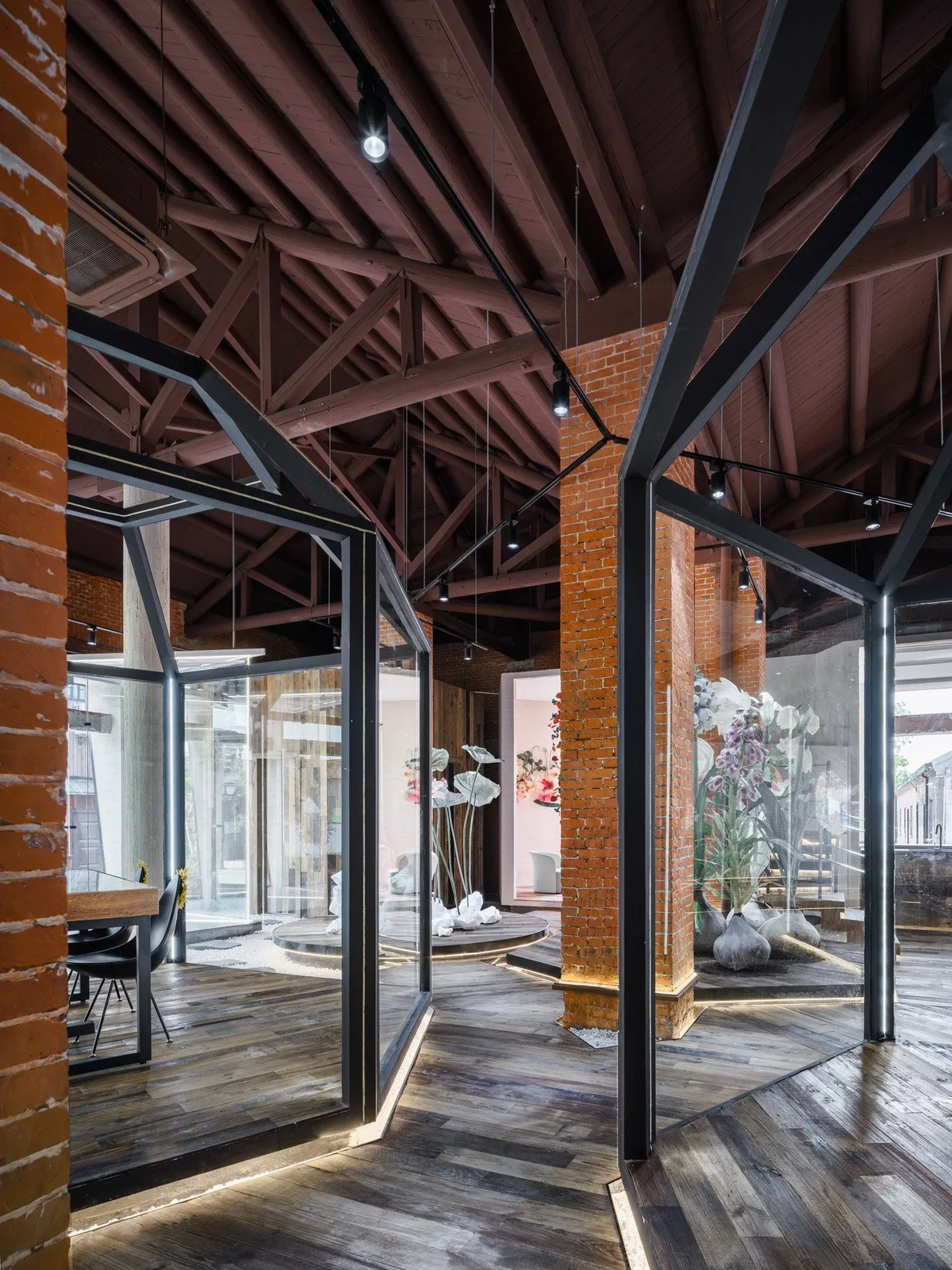
The design introduces multiple freely shifting geometric shapes within the space. The interior features a ceiling height of 7.5 meters, and the unique double-roof structure, characteristic of Shanghai architecture, visually unifies the space. This adds a powerful presence to the art museum and sparks curiosity among visitors.
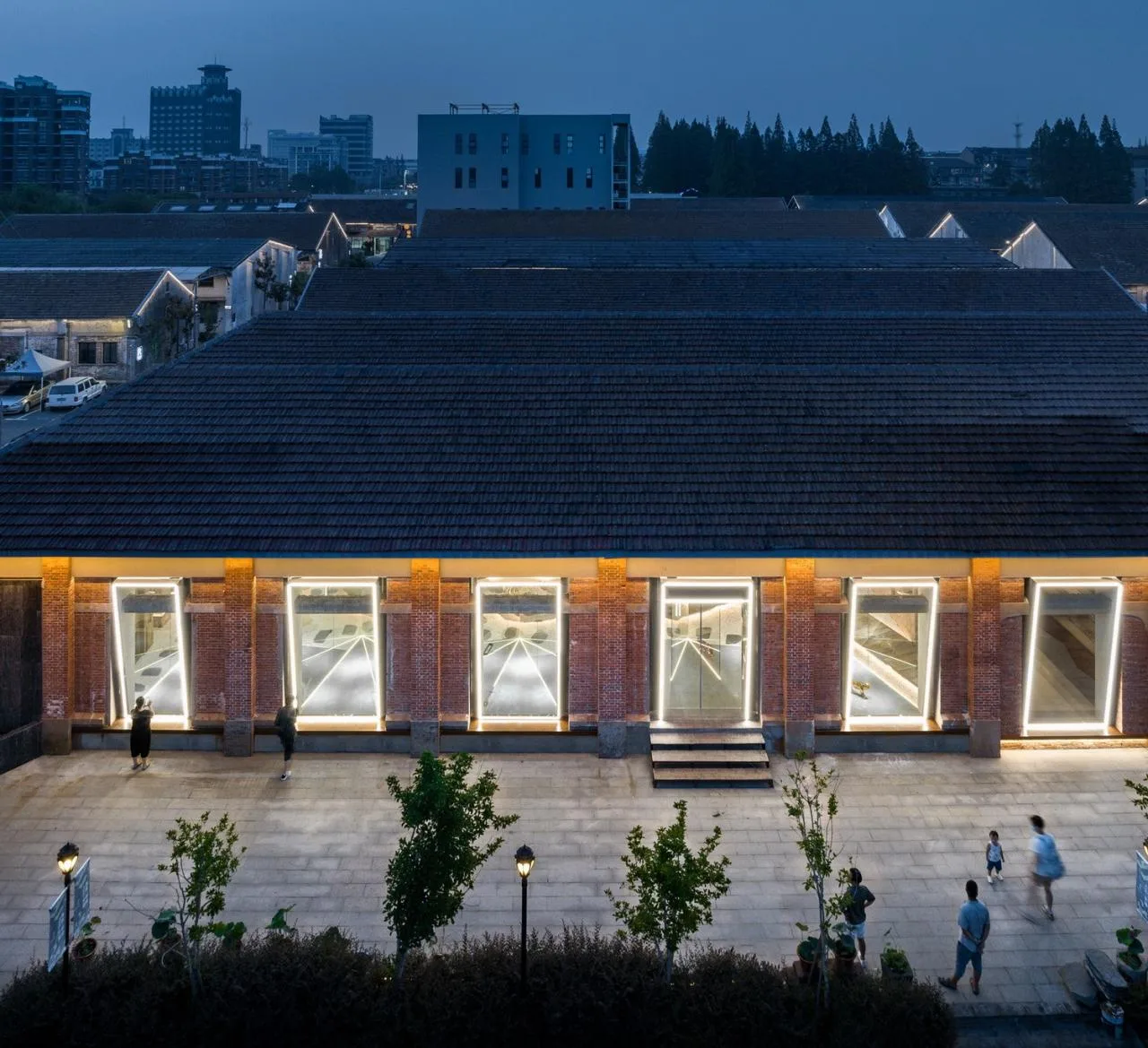
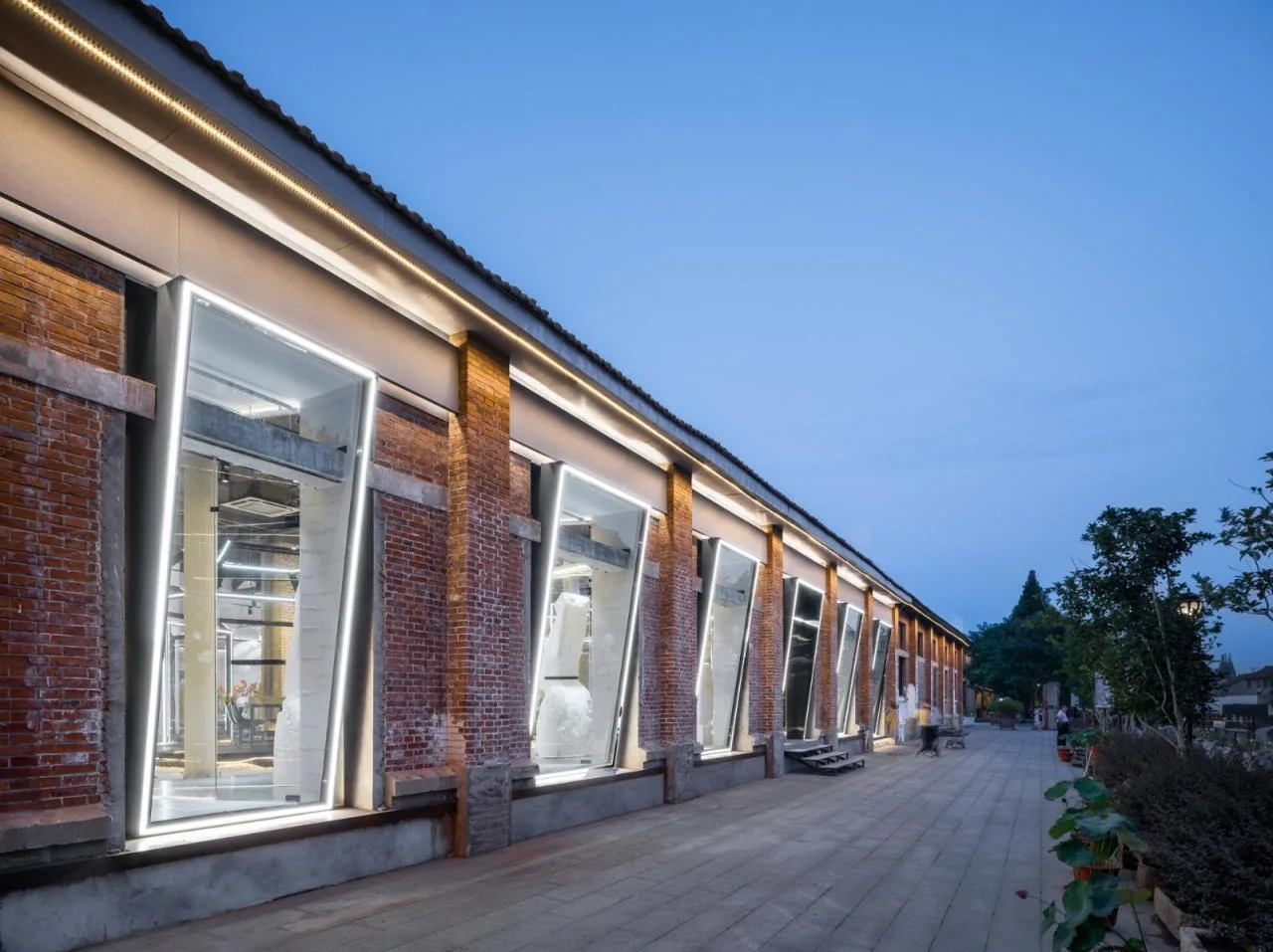
Upon entering the exhibition hall, visitors are greeted by a refreshed artistic environment. The lighting design plays a pivotal role, creating dynamic visual effects that invite deeper exploration. The exhibition showcases cleverly echo the building’s architecture through artistic expression. The window displays a dynamic scene with glowing lines, reflecting a layered design and transparency that draws the attention of passersby to various areas within the museum.
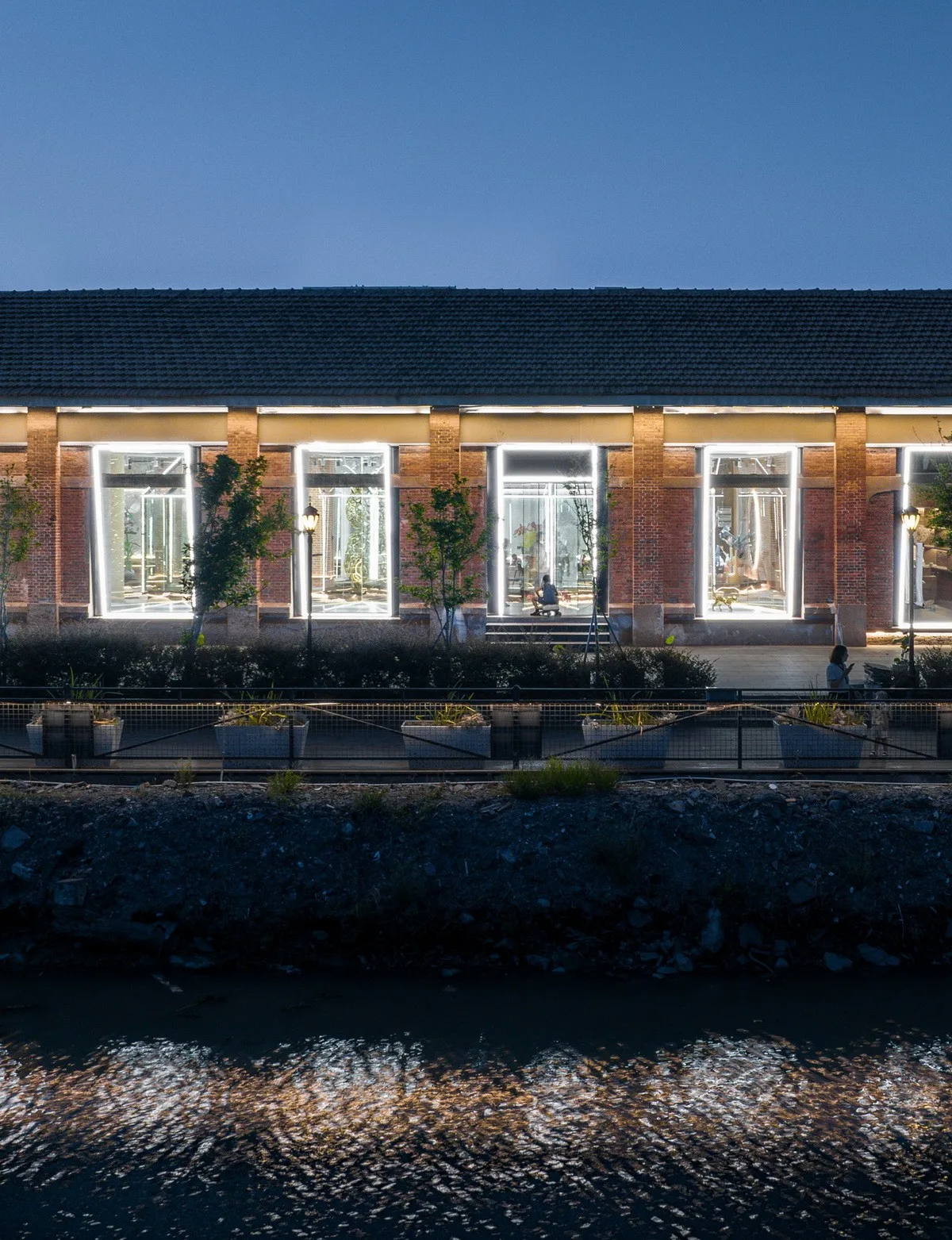
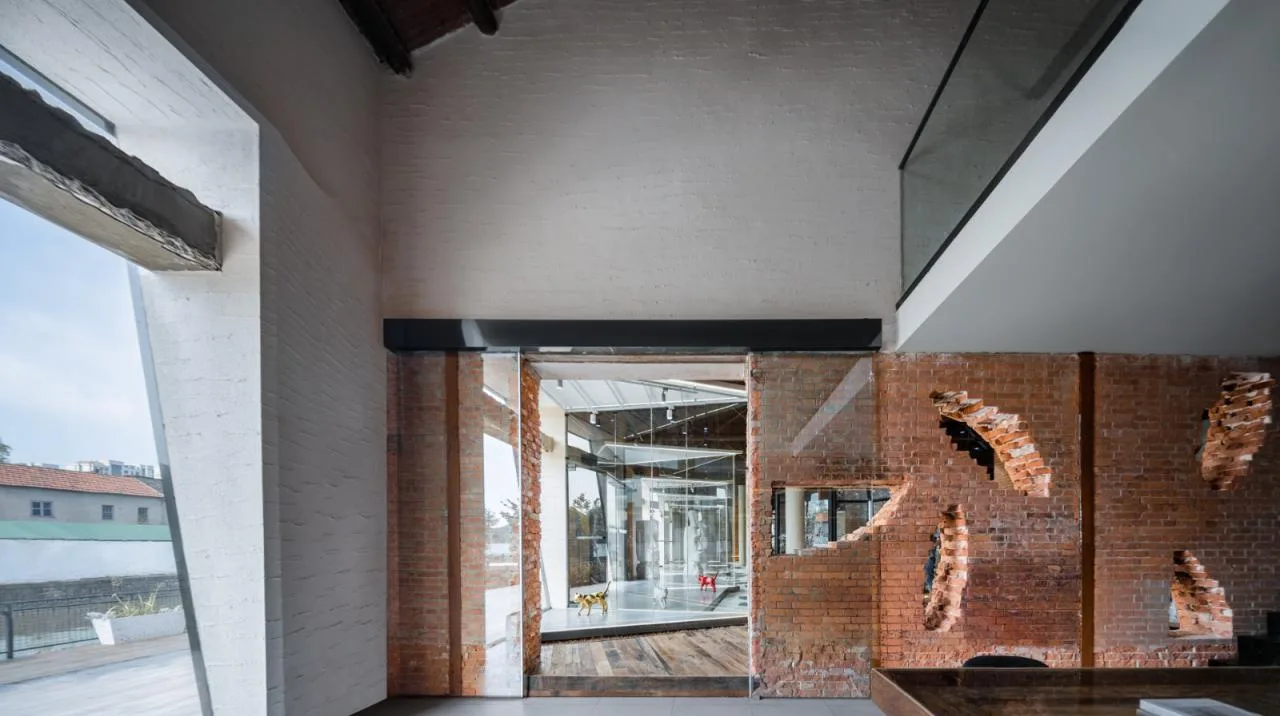
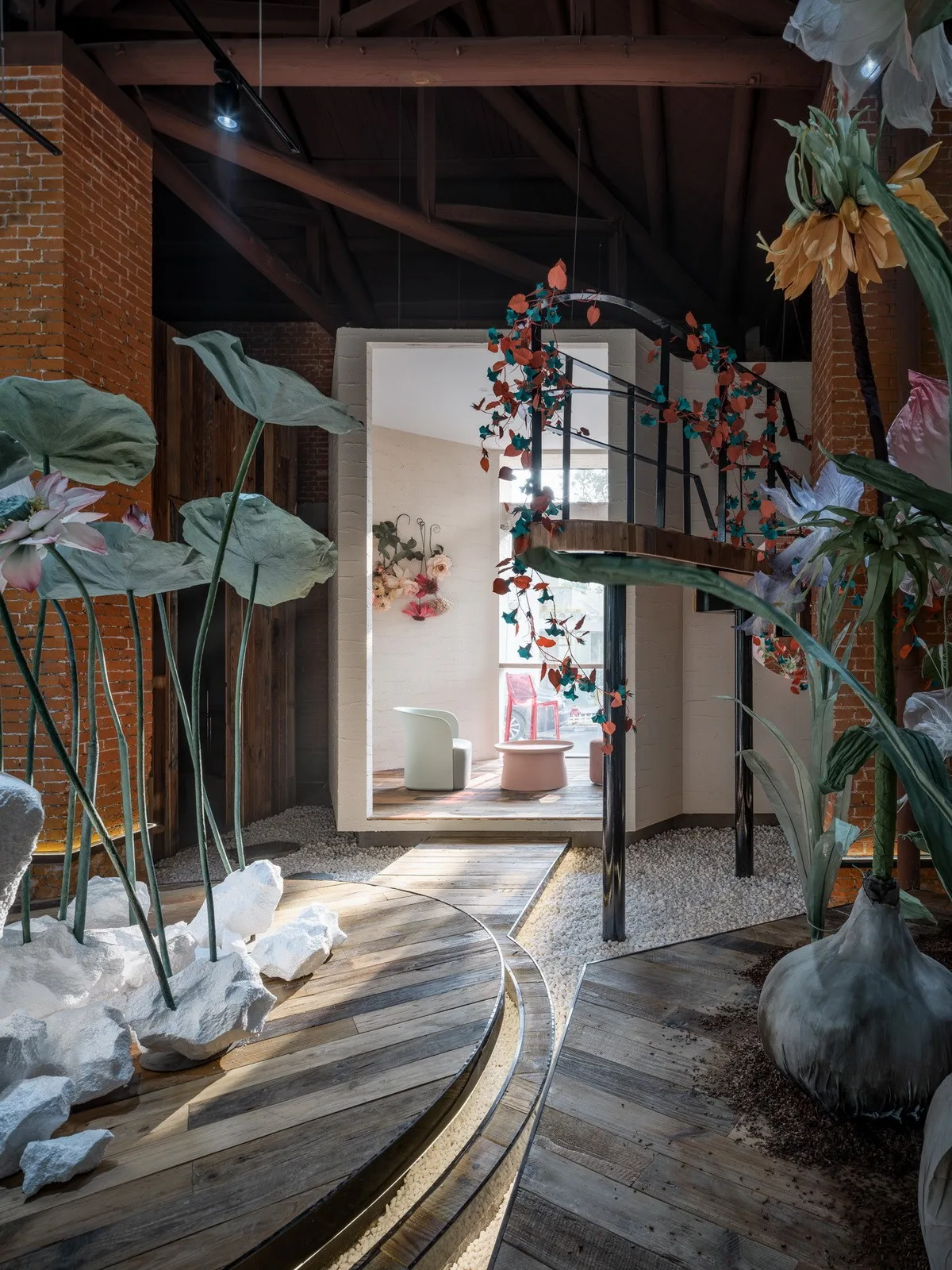
Throughout the renovation, the designers prioritized ecological and sustainable building materials. They carefully restored the dilapidated structures in compliance with local historical preservation regulations. The worn red bricks on the exterior have been reinterpreted with a fresh architectural language, revealing a new structural expression. This approach harmonizes old and new elements, offering a contemporary aesthetic while respecting the building’s heritage.
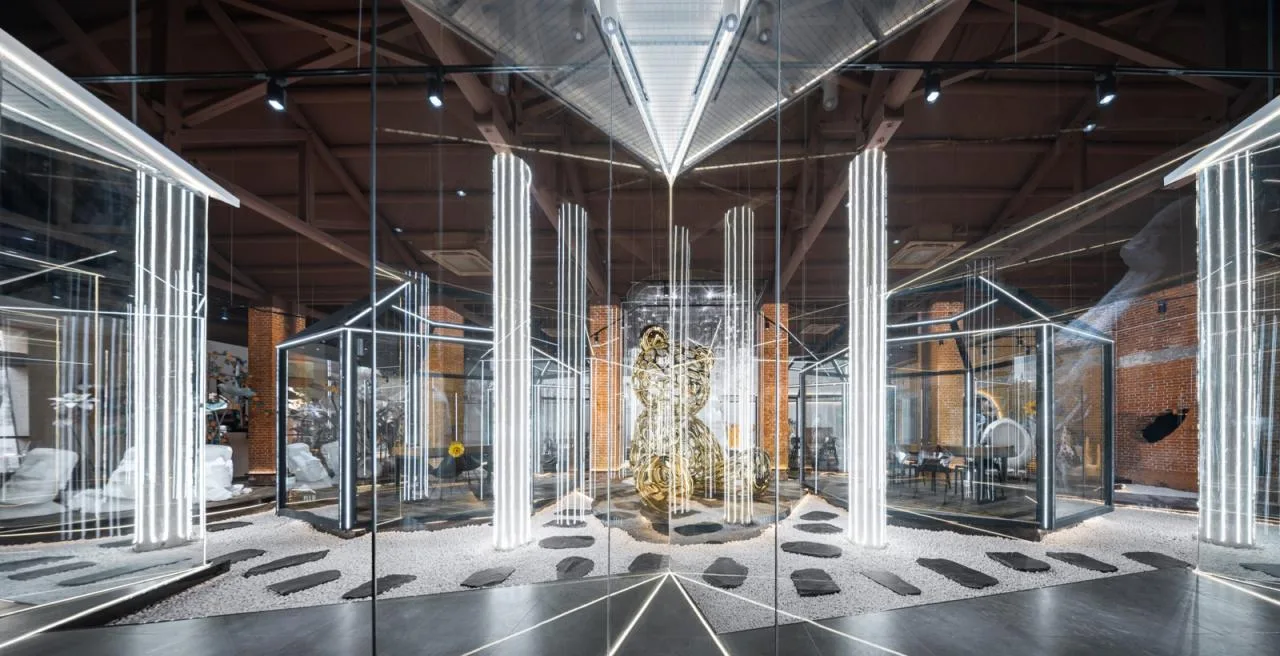
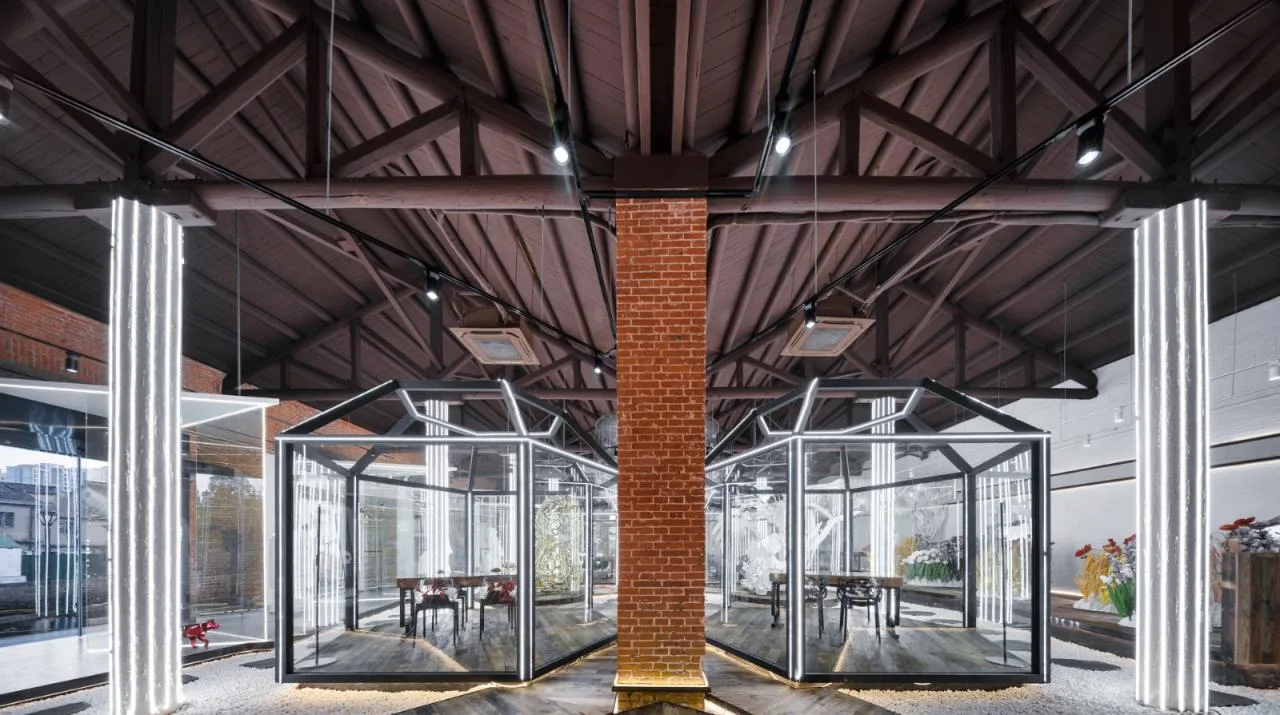
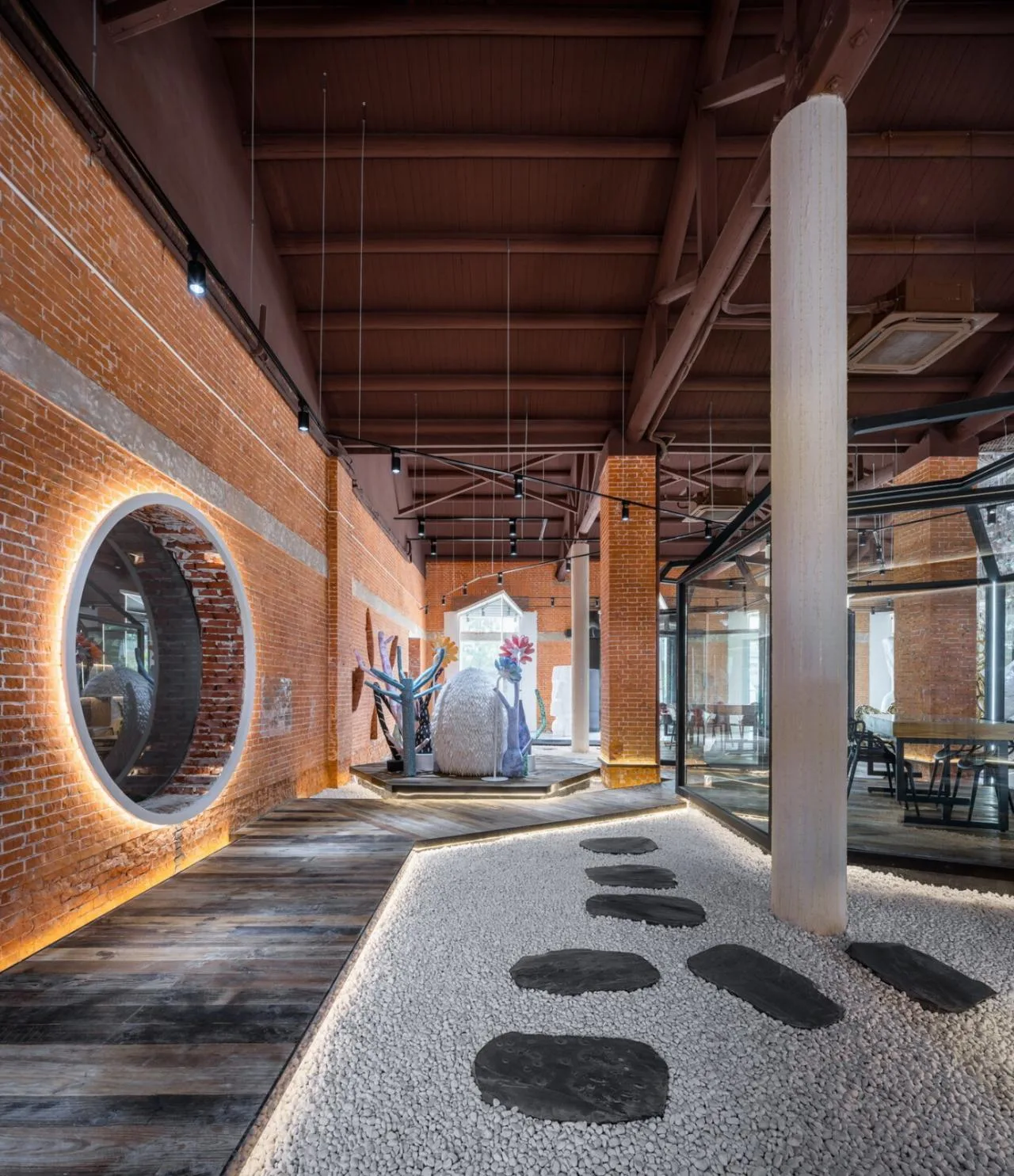
The art museum space is designed with personality and creativity, divided into areas of varying heights and proportions according to function. The layout follows an orderly flow, allowing free movement between sections and seamless integration. By carefully considering natural light and shadow throughout the day, the geometric glass exterior introduces light to the interior, creating an elegant interplay that inspires boundless imagination within the confined space.
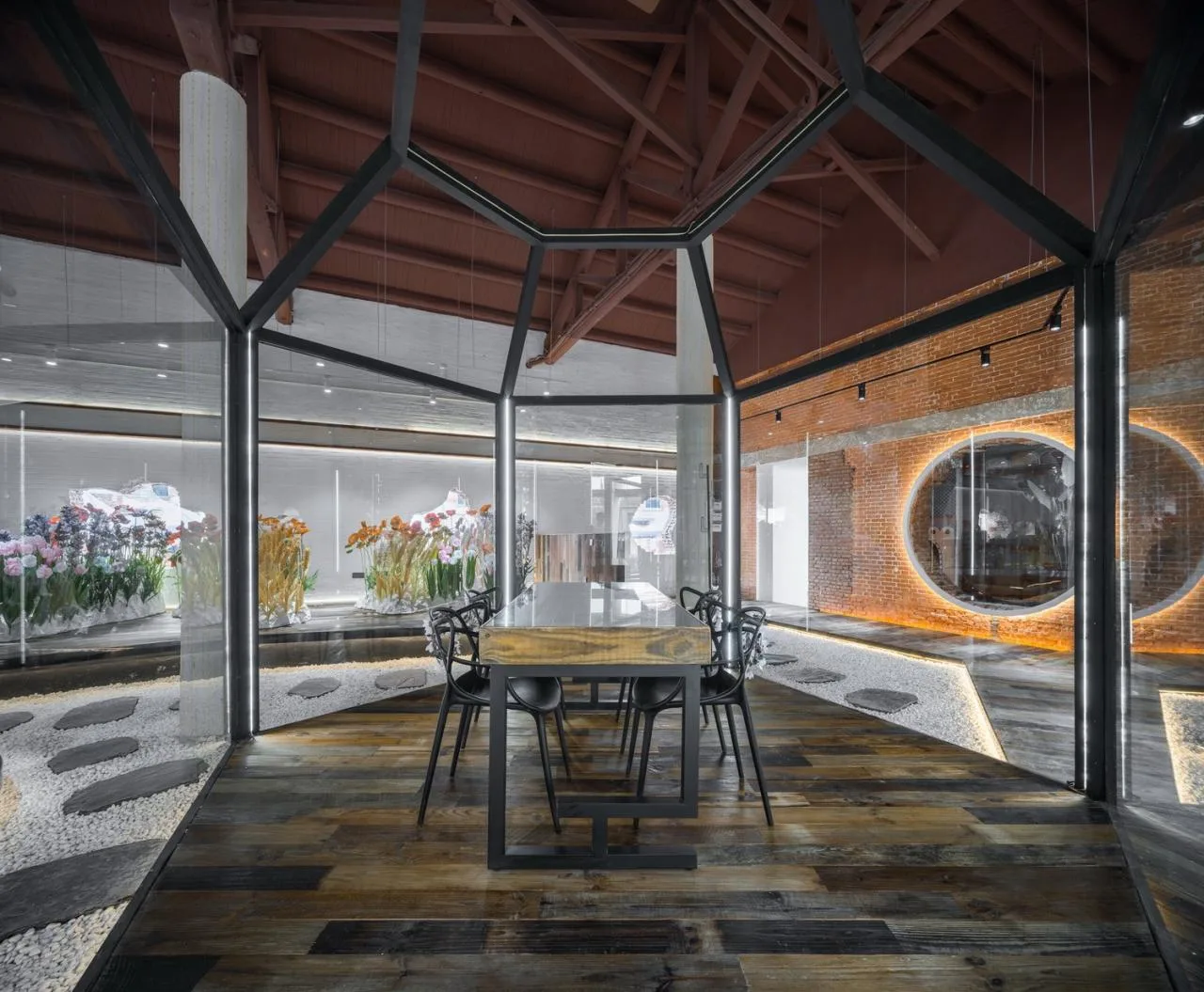
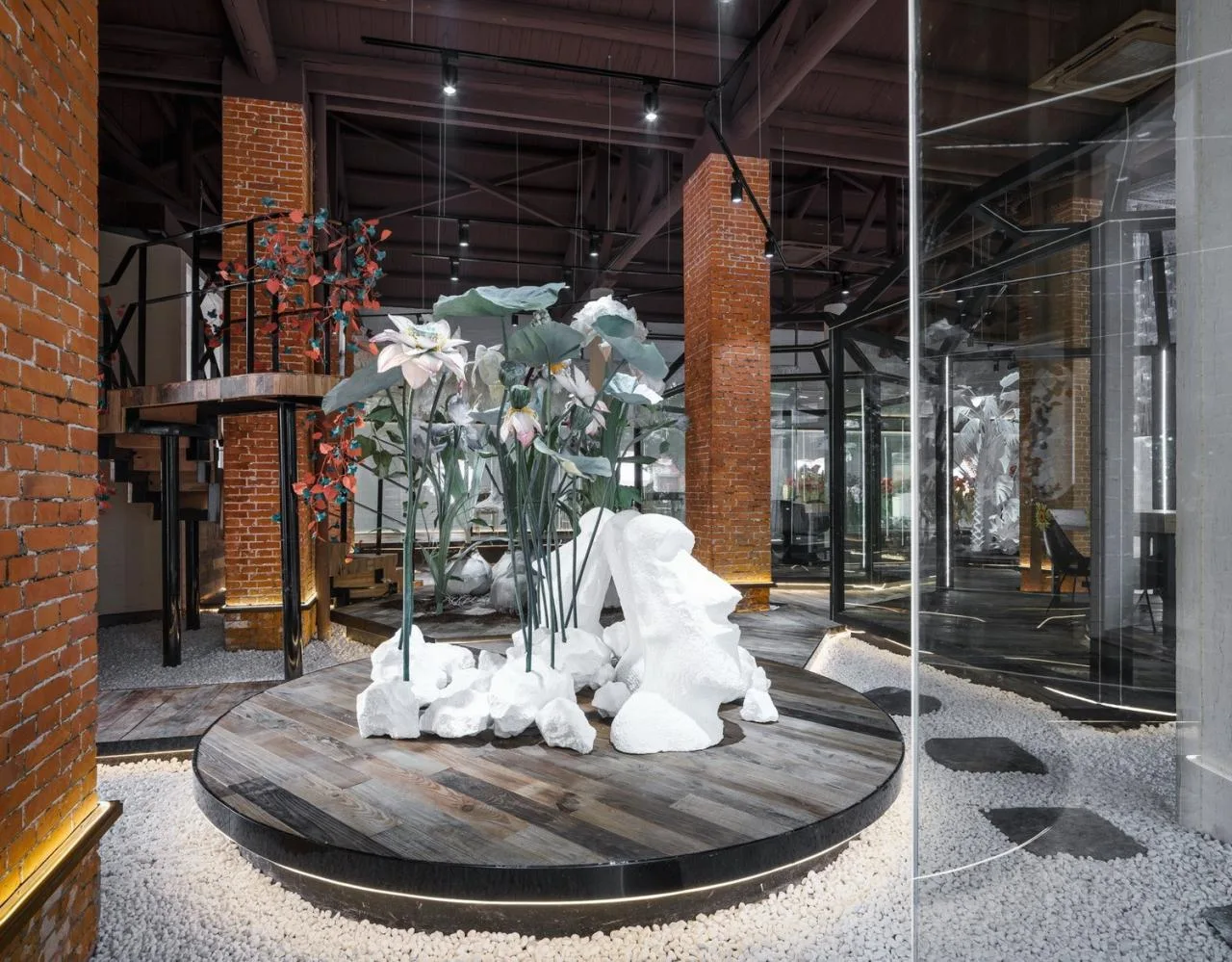
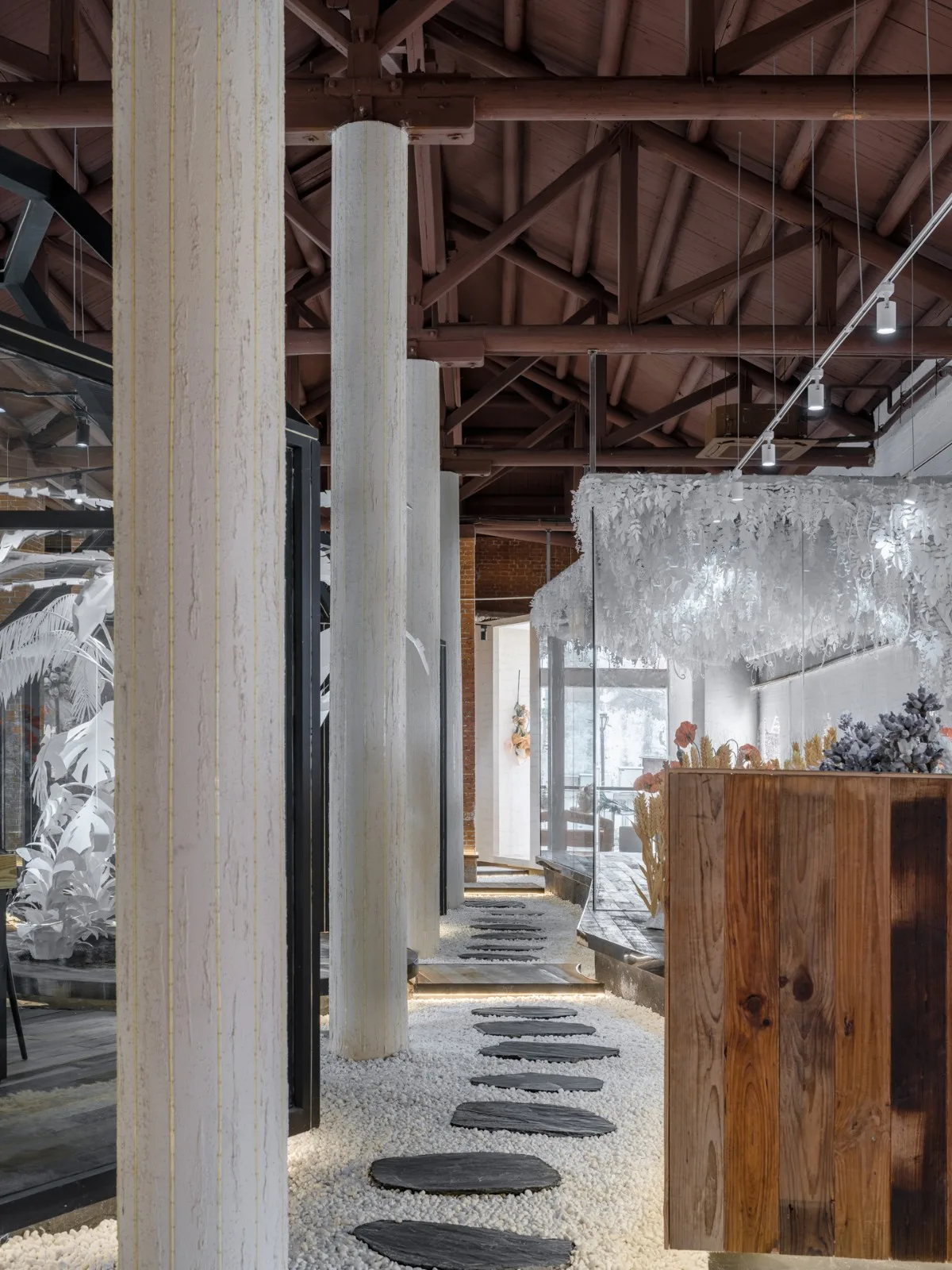
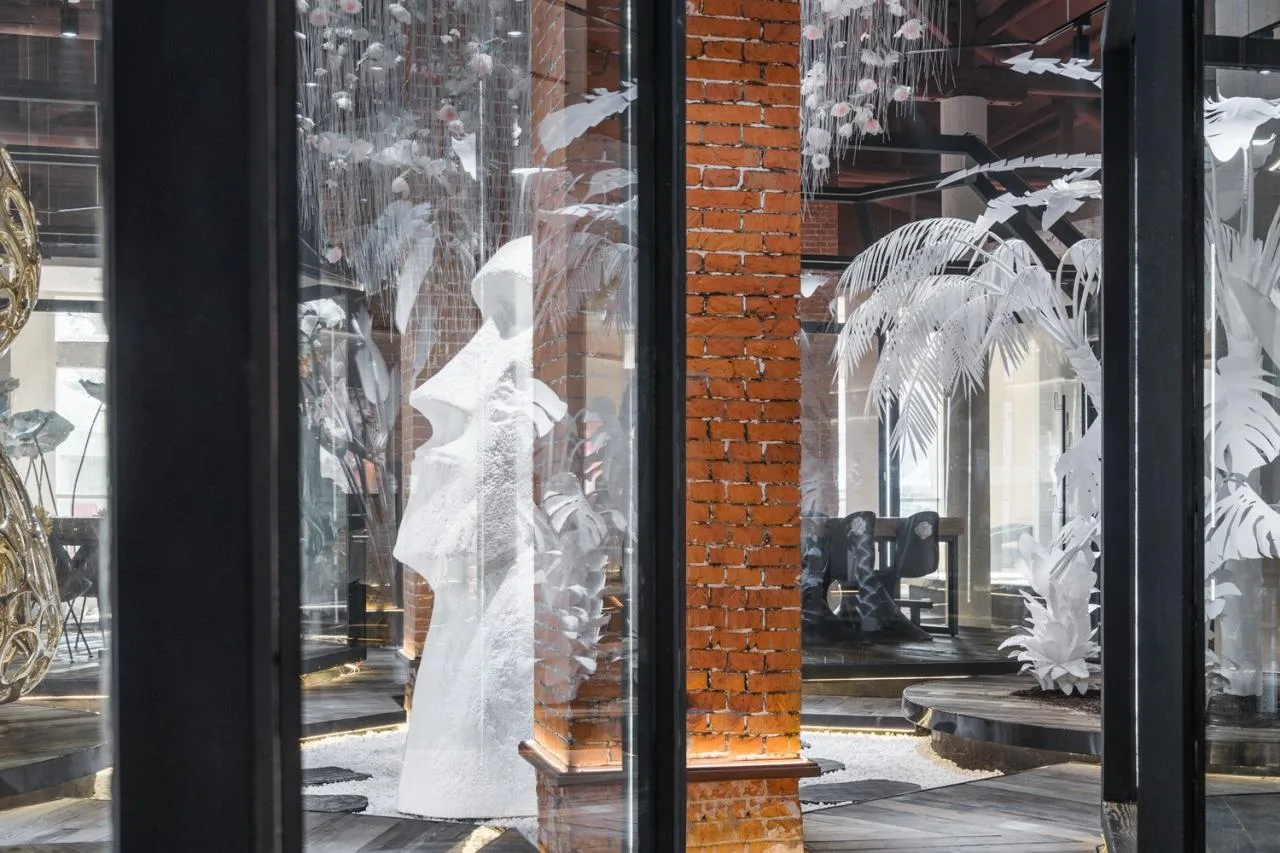
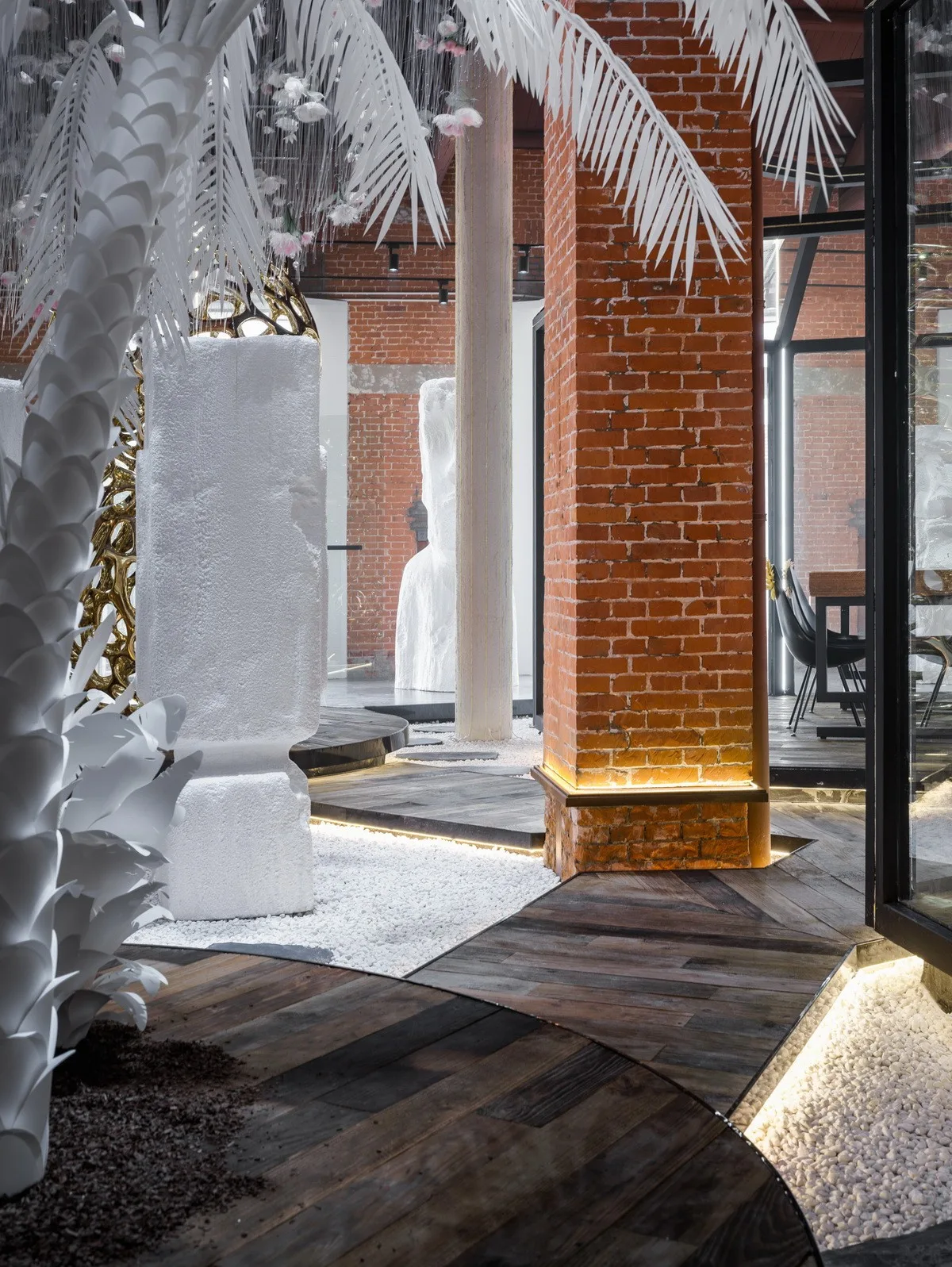
The combination of fine stones and bluestone flooring, along with the textured arrangement of reclaimed wooden boards, creates a dynamic interior. This environment enhances the presentation of each artwork, with large sculptural blocks imparting an artistic and playful atmosphere. The space delivers an authentic emotional experience, maximizing the impact of the art.
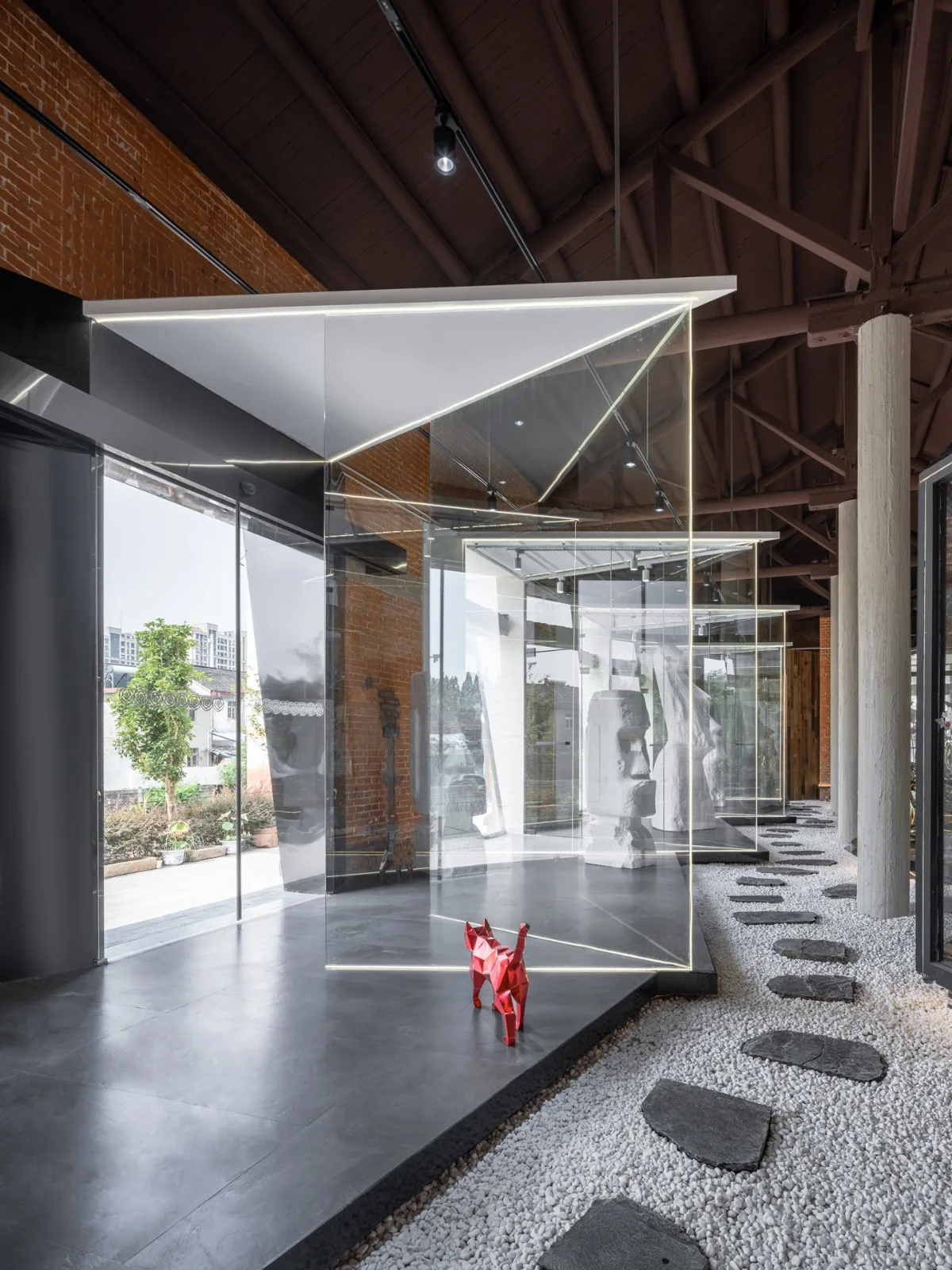
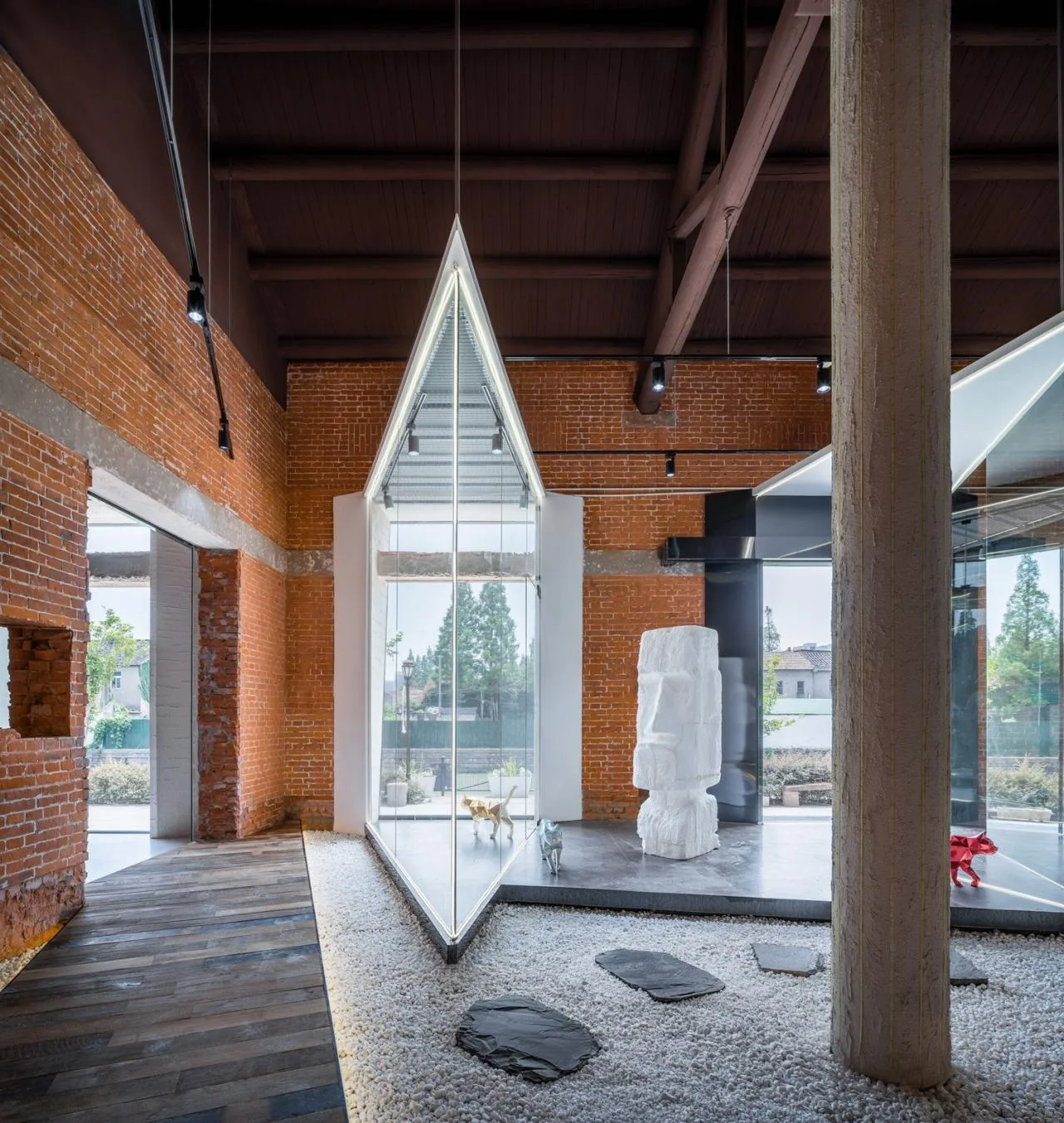
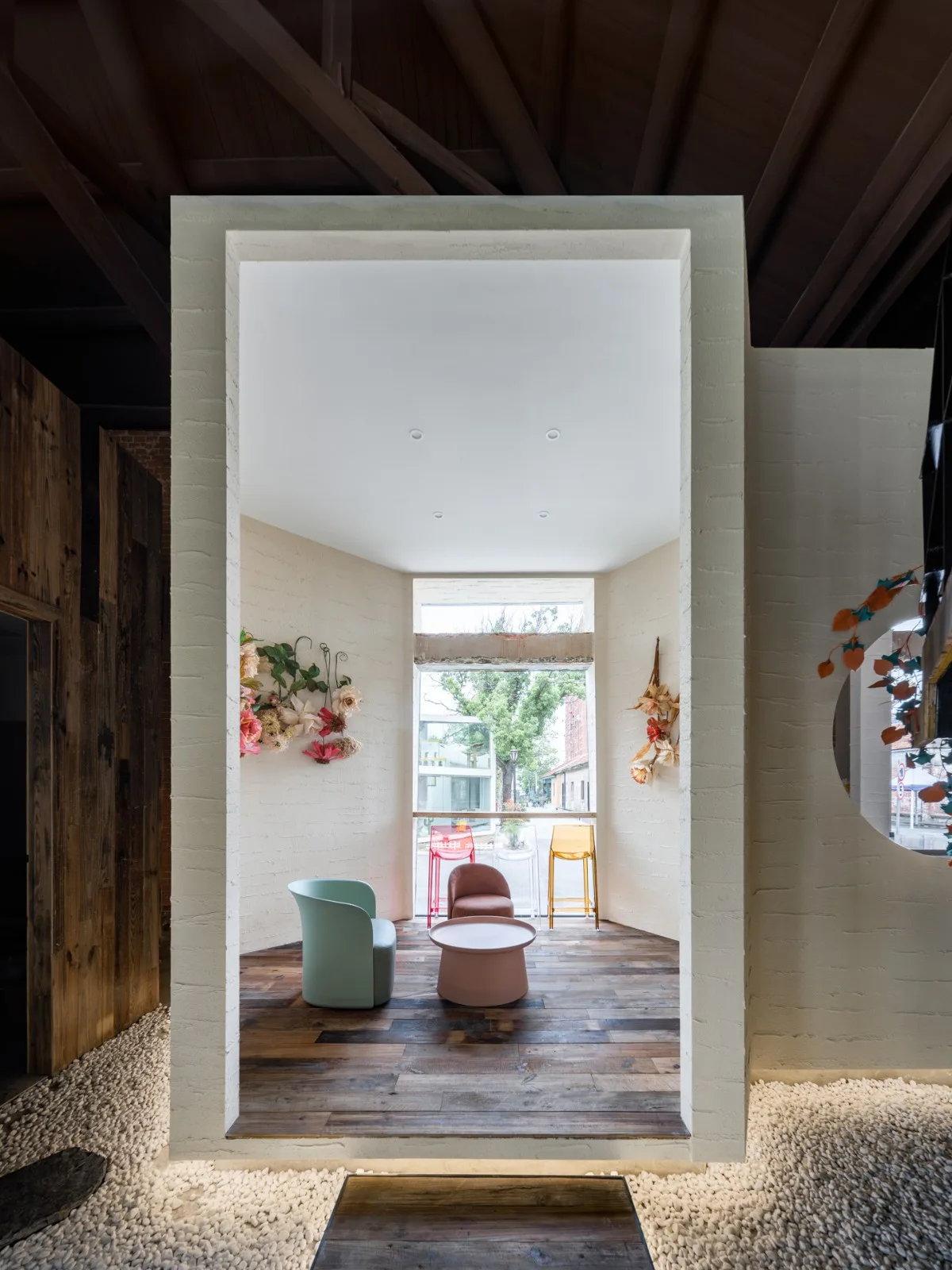
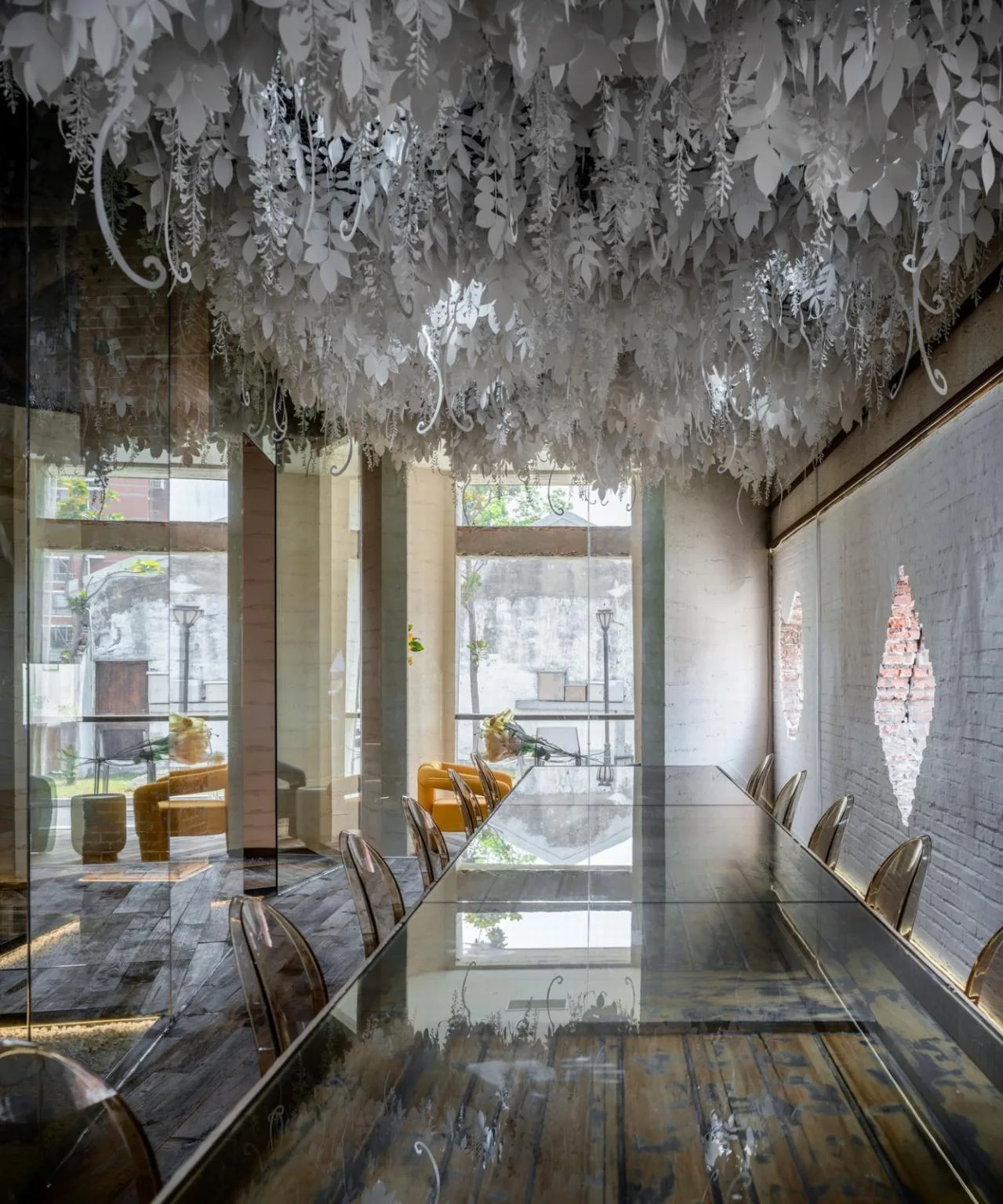
Within the space, four hexagonal monolithic structures of identical specifications were installed—glass boxes suspended above the floor and box forms that redefine the original spatial boundaries. Using the same design elements with varied techniques throughout the museum ensures visual coherence. The lighting design features extensive use of linear lights and illuminated floor strips, creating uniform, dynamic, and three-dimensional indoor illumination.
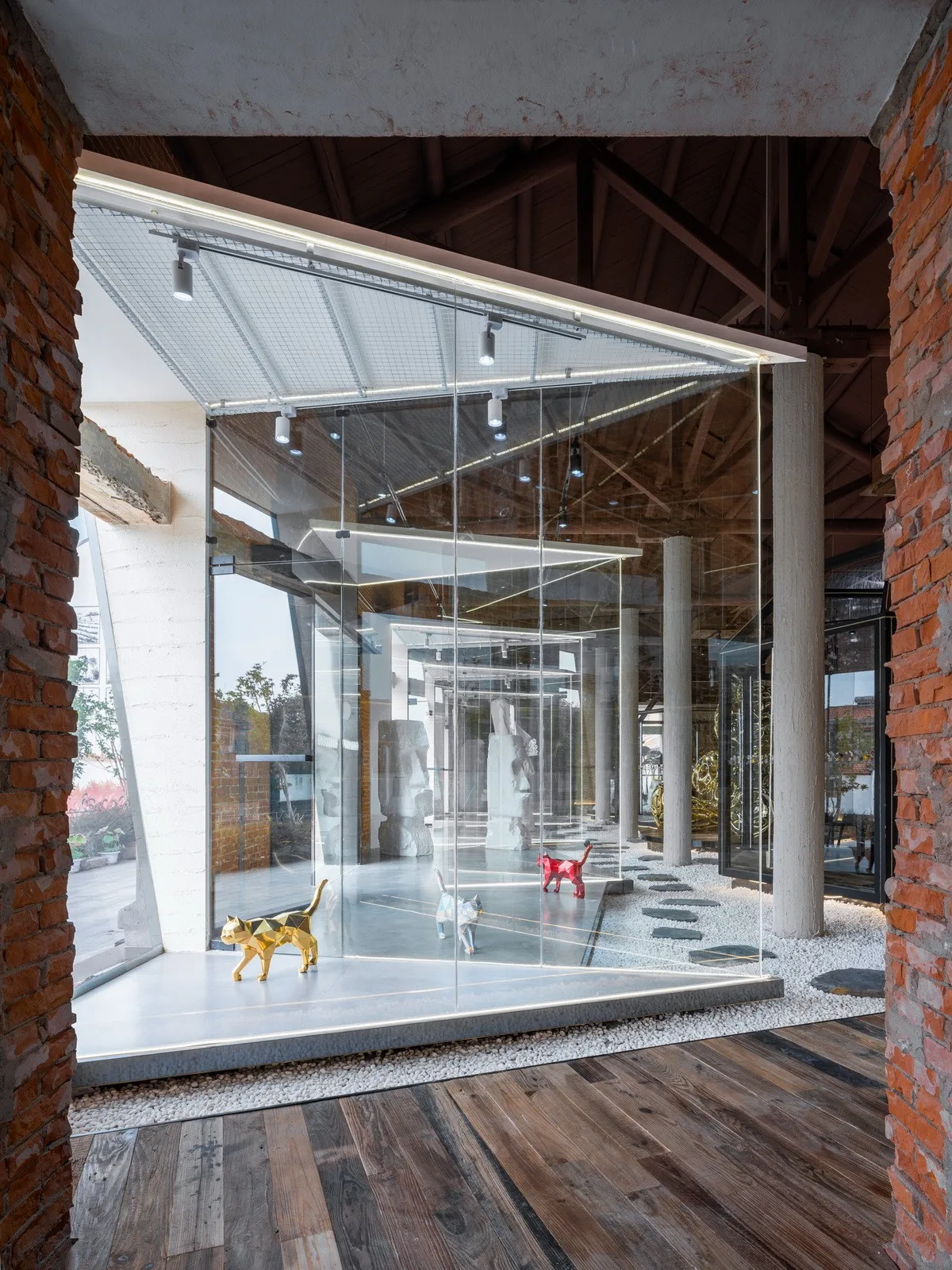
At the exhibition design level, the concept of “natural integration” is concretely realized through triangular floor-to-ceiling glass showcases at the entrance. These showcases enhance the interactive relationship between the interior and exterior, allowing passersby to intuitively sense the artistic atmosphere. Inside, the poetic blend of local scenery and visual lighting creates a seamless spatial continuity.
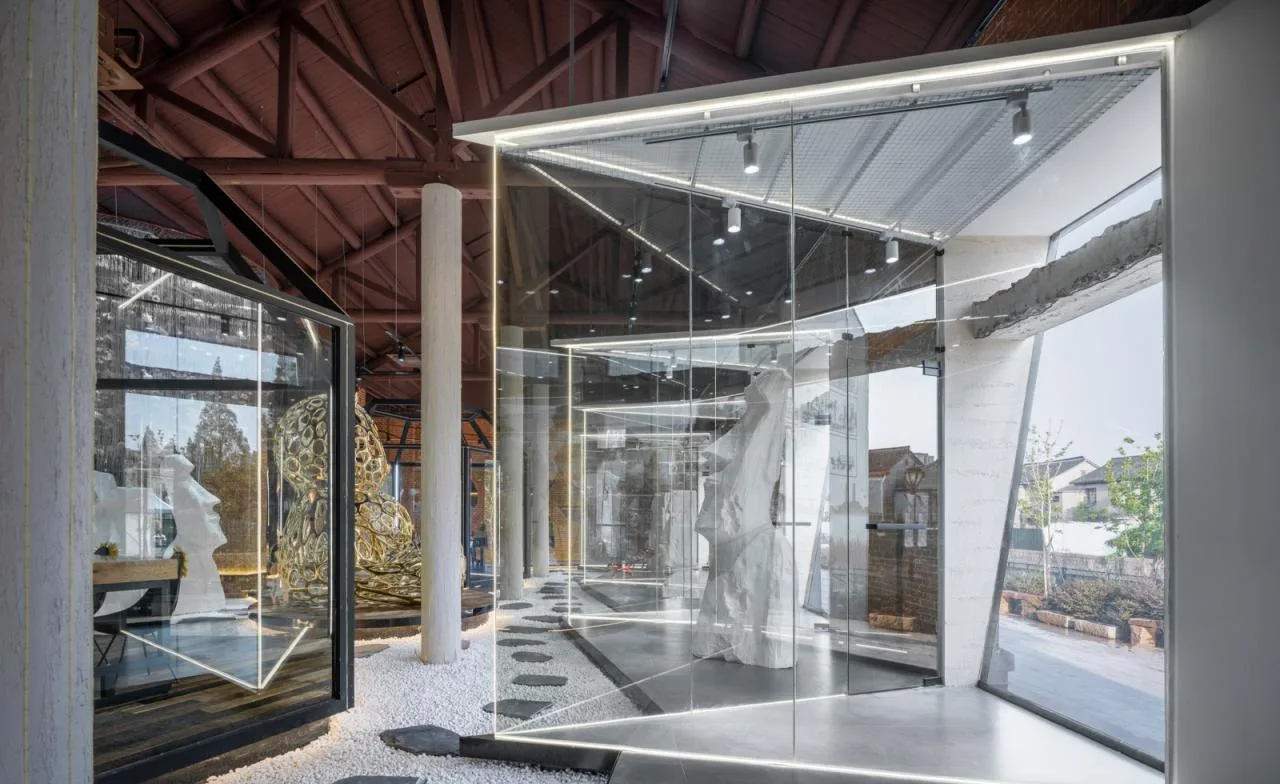
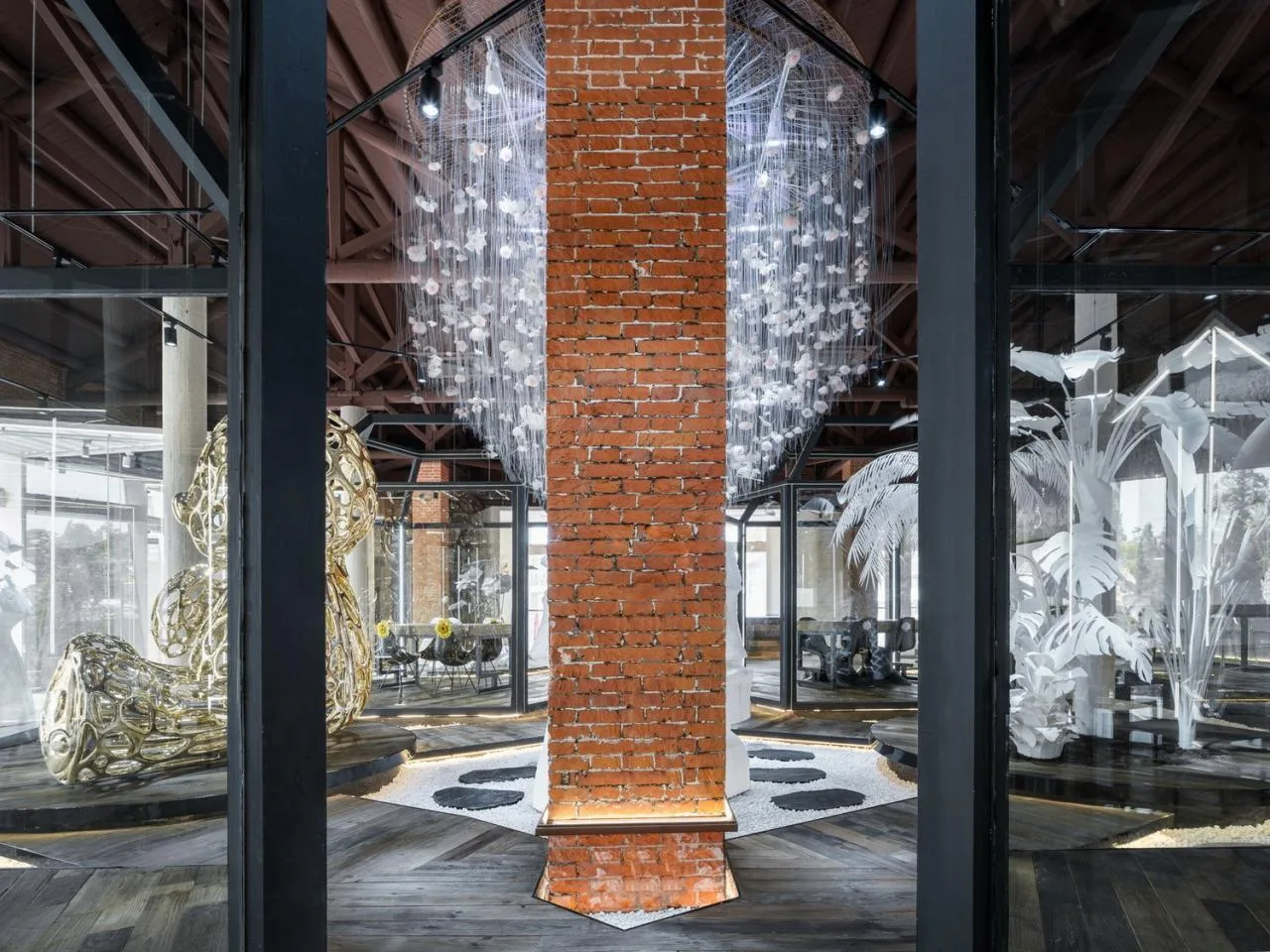
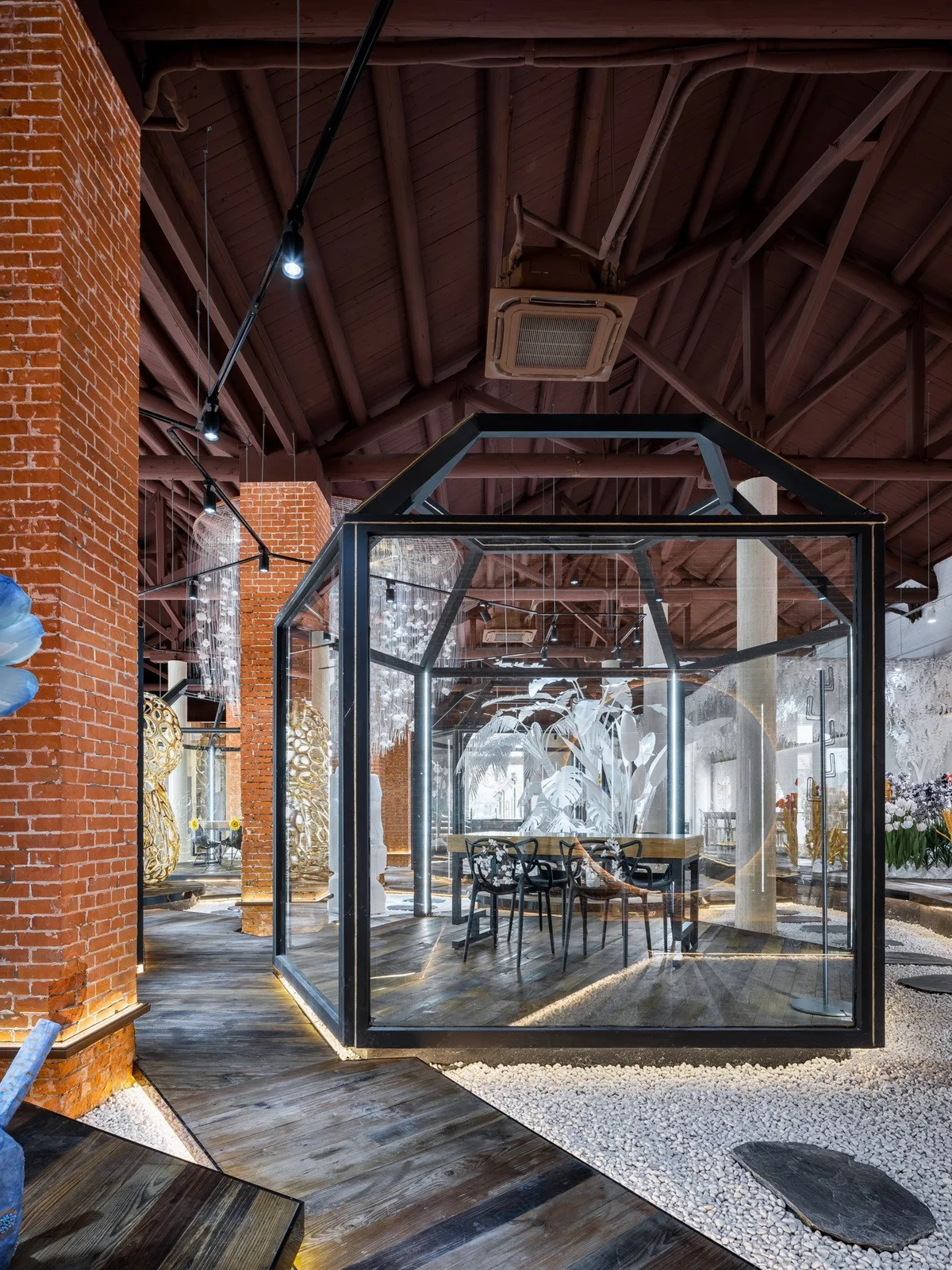
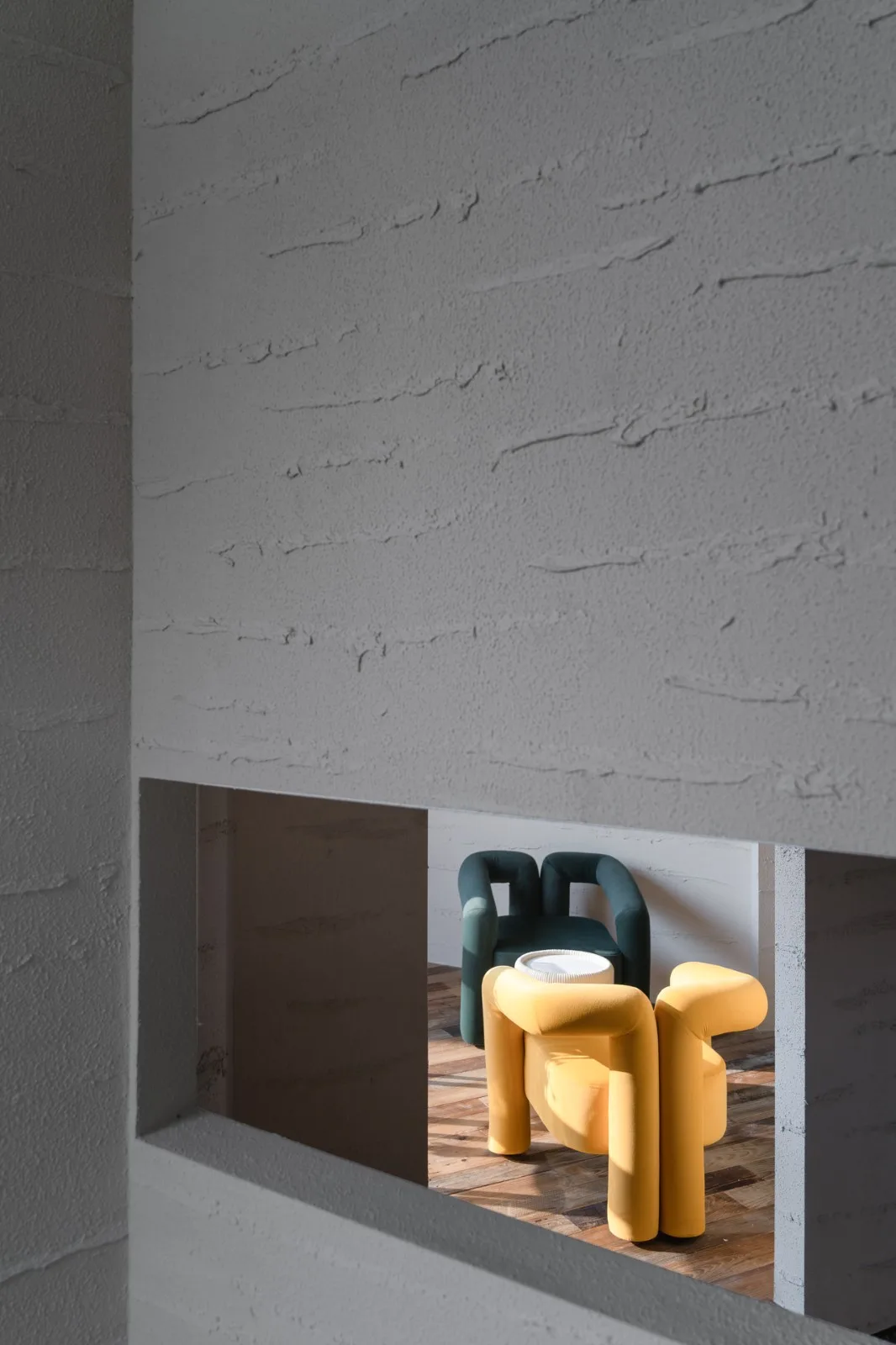
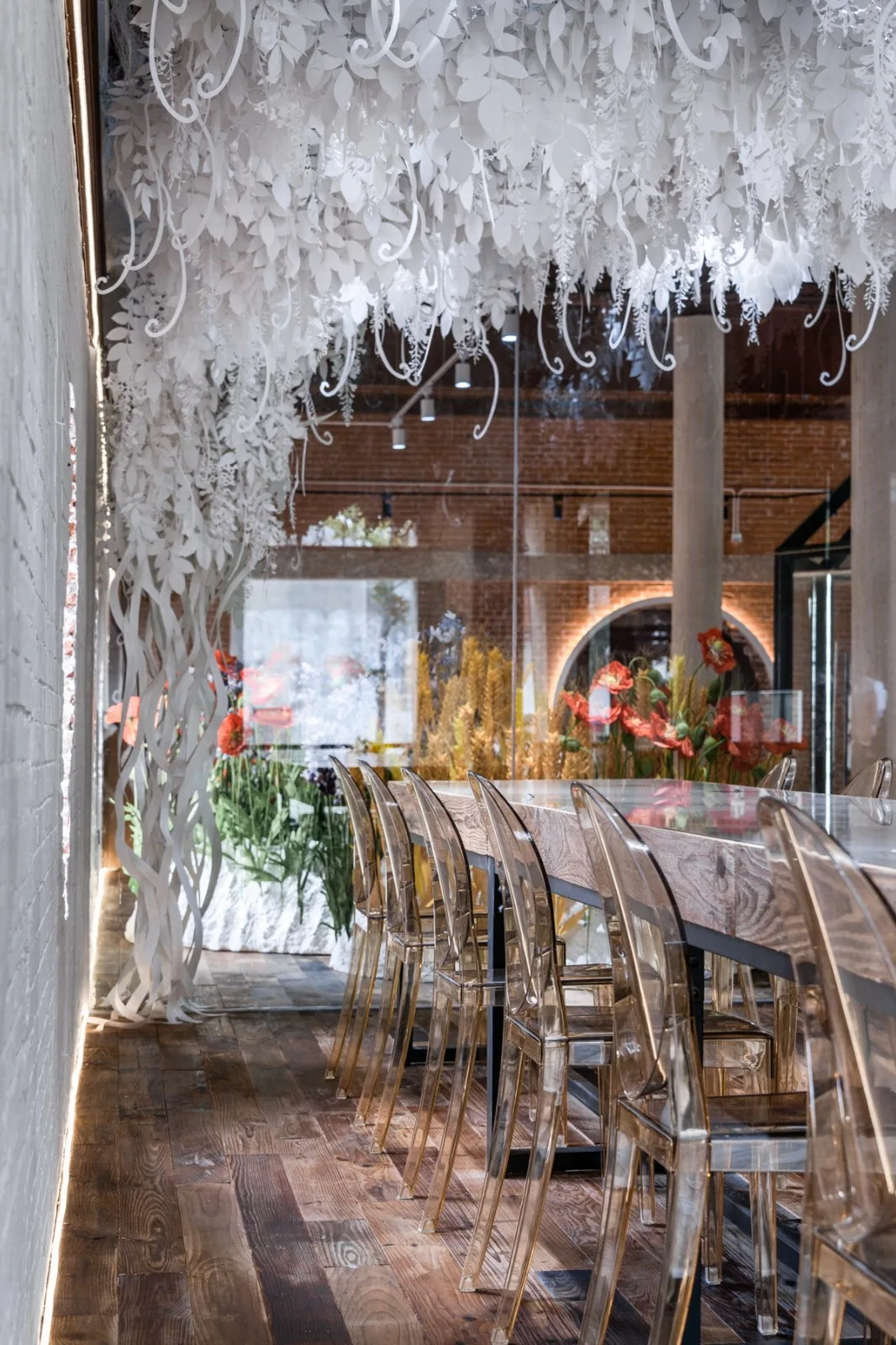
The interior features a variety of materials with diverse textures, arranged through splicing, layering, collision, and recombination. Material selection is guided by the narrative atmosphere of the space, balancing rhythm and overall experience. In focused areas, materials break from the general palette to enhance contrast and spatial hierarchy, adding depth and interest.
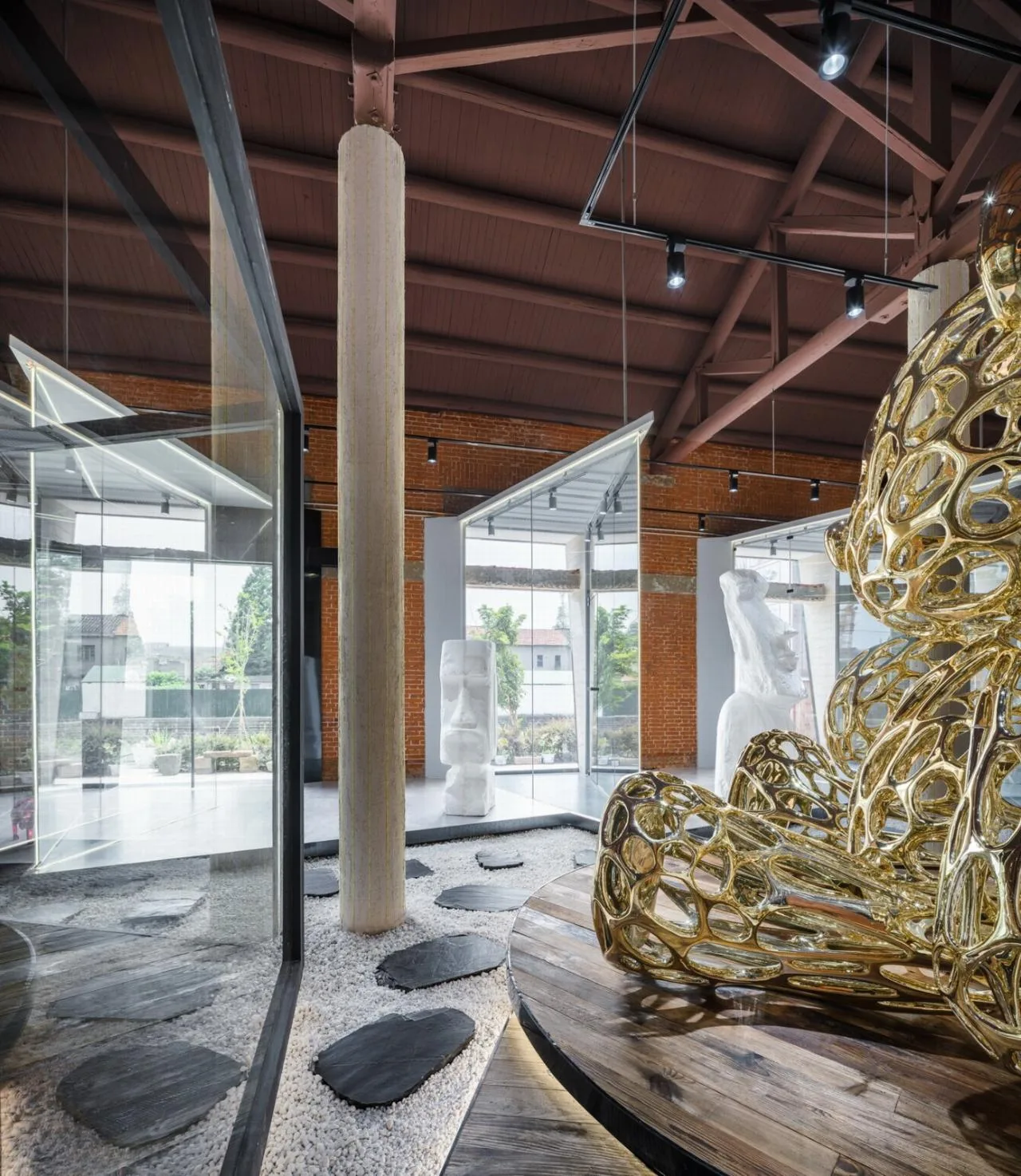
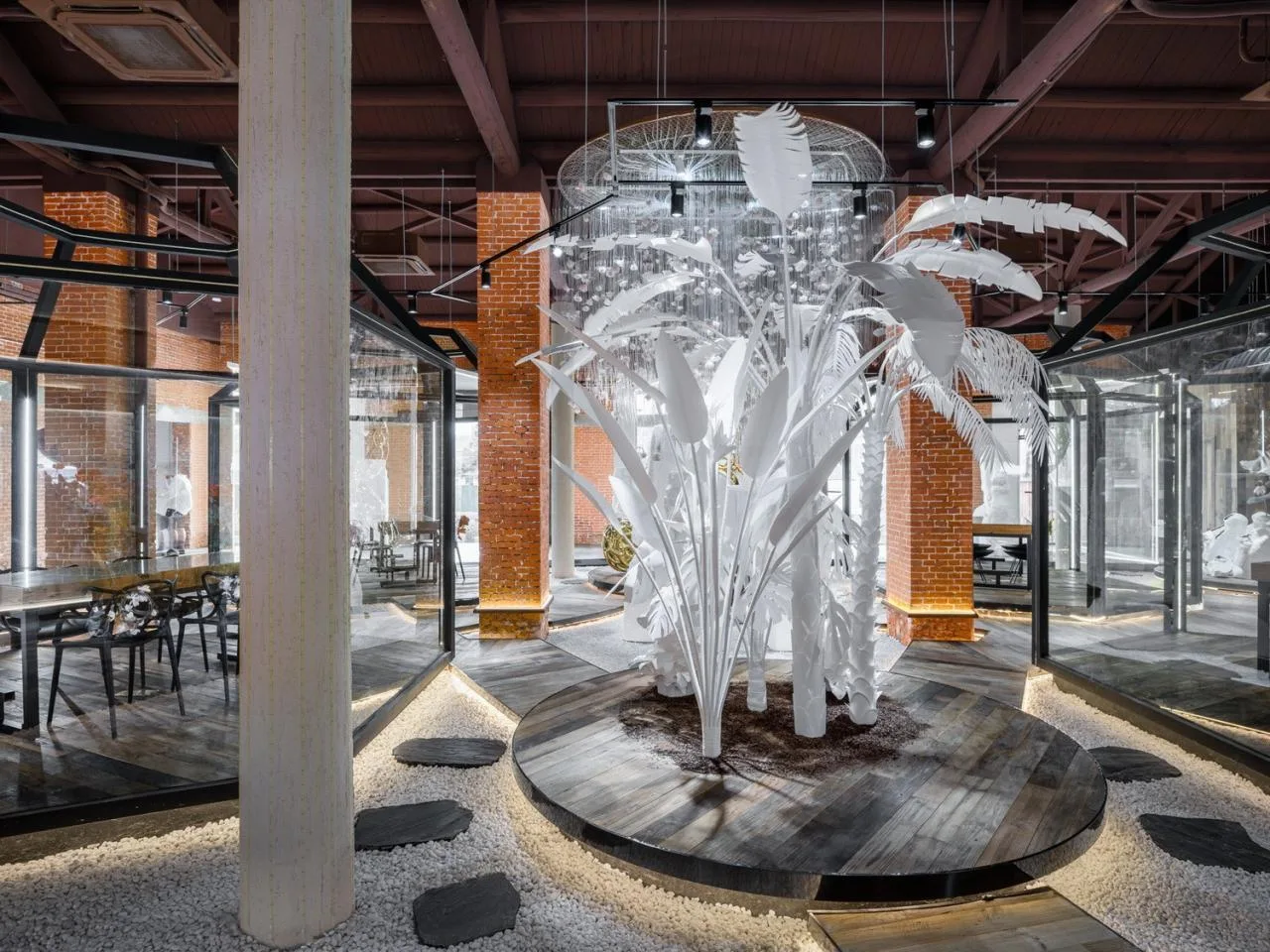
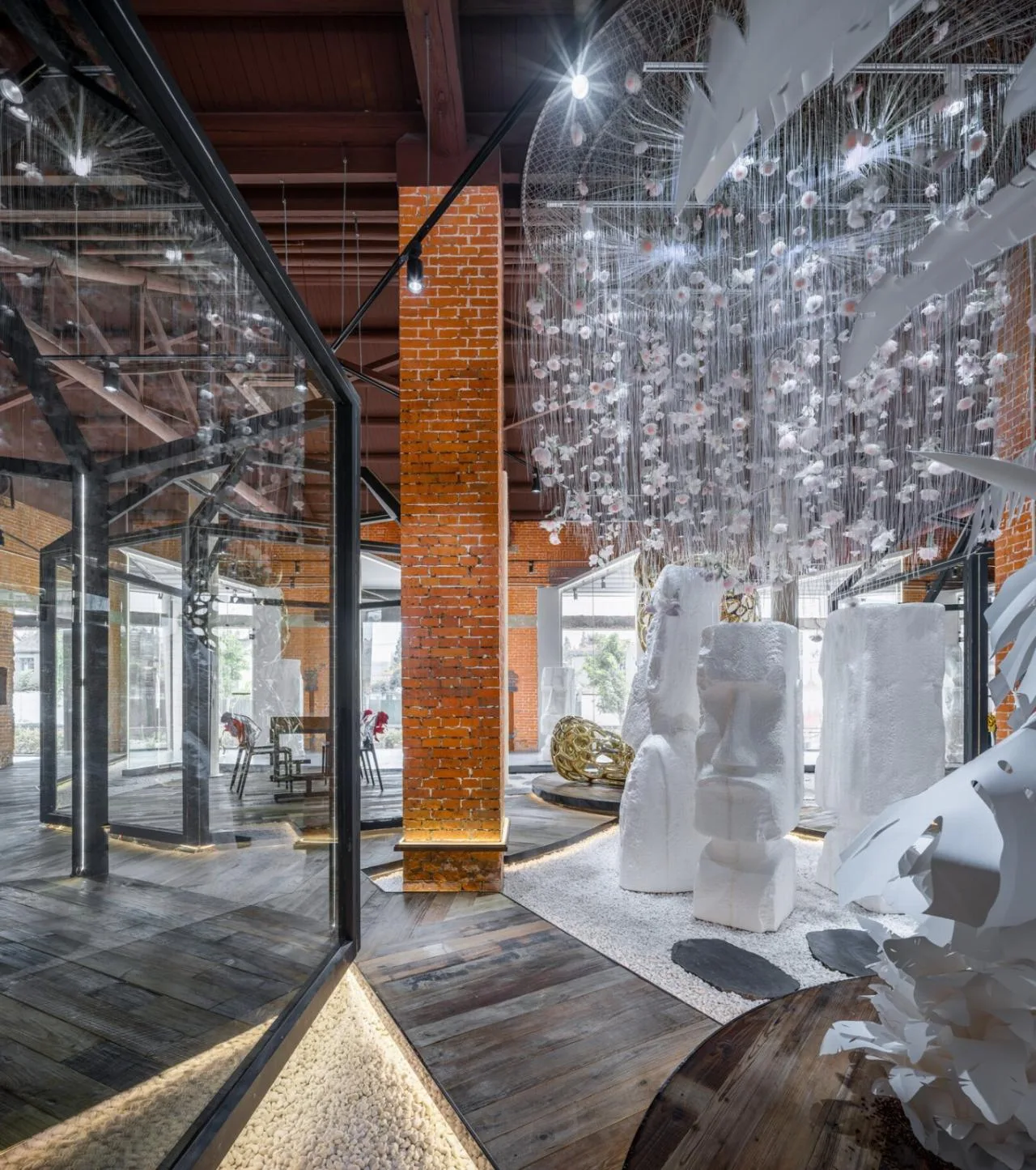
Preserving remnants of the original structure, including some walls, was a deliberate choice to express the project’s connection to its past. The collision and fusion between historic elements and new design create a dramatic and engaging spatial experience. Enhanced by advanced lighting, materials such as rusted steel plates, exposed red bricks, and rustic textures appear modern, open, and futuristic.
Project Drawings
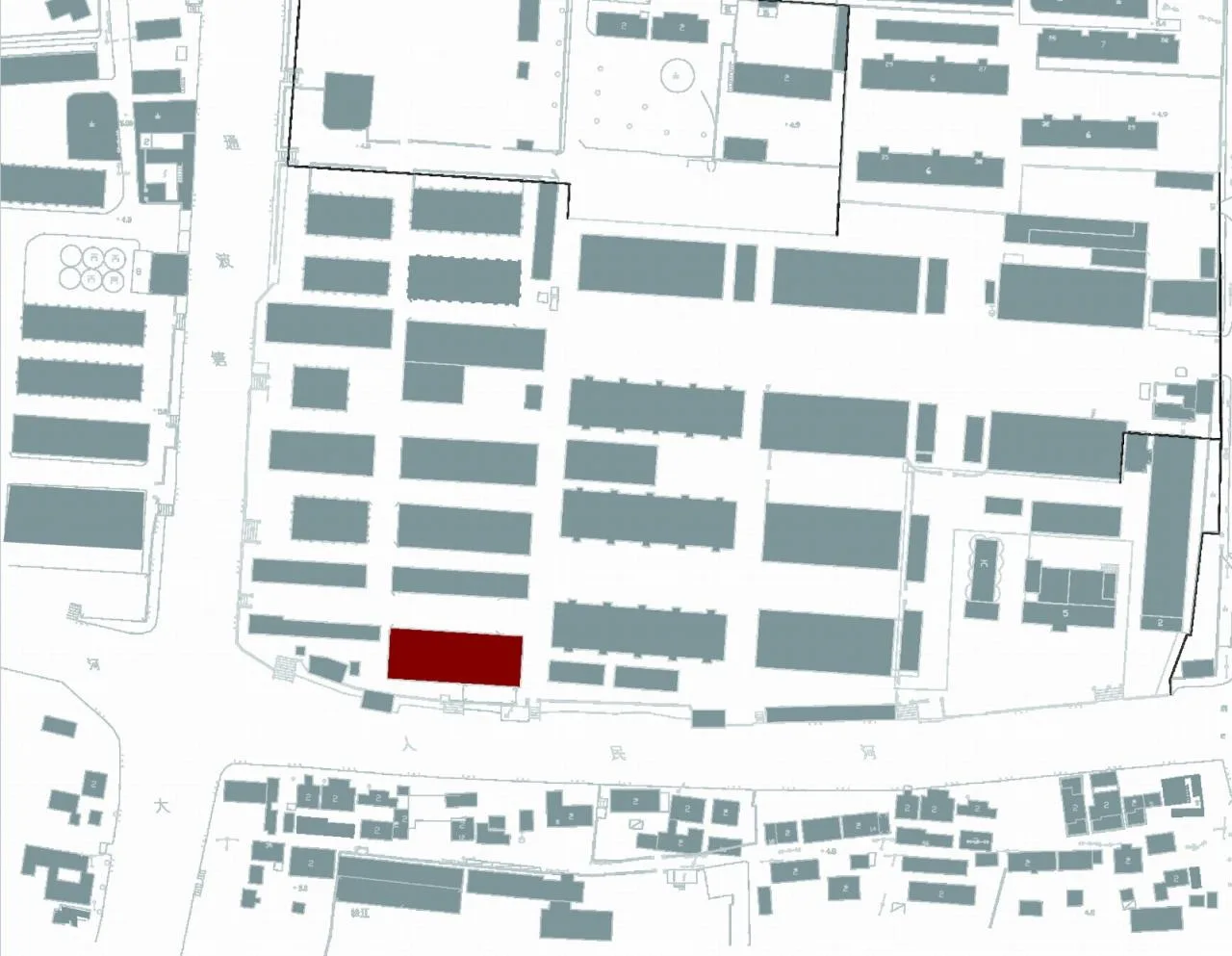
△ General Layout Plan
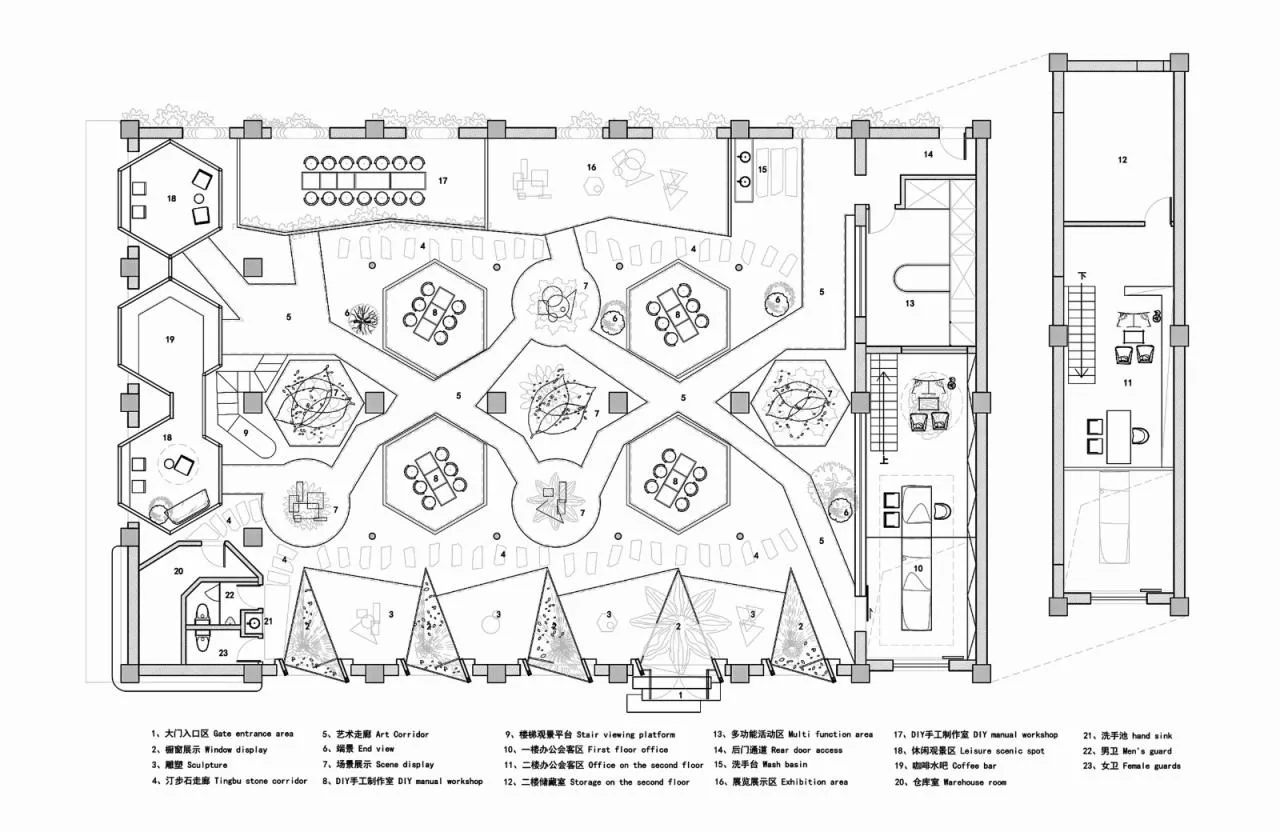
△ Plan View
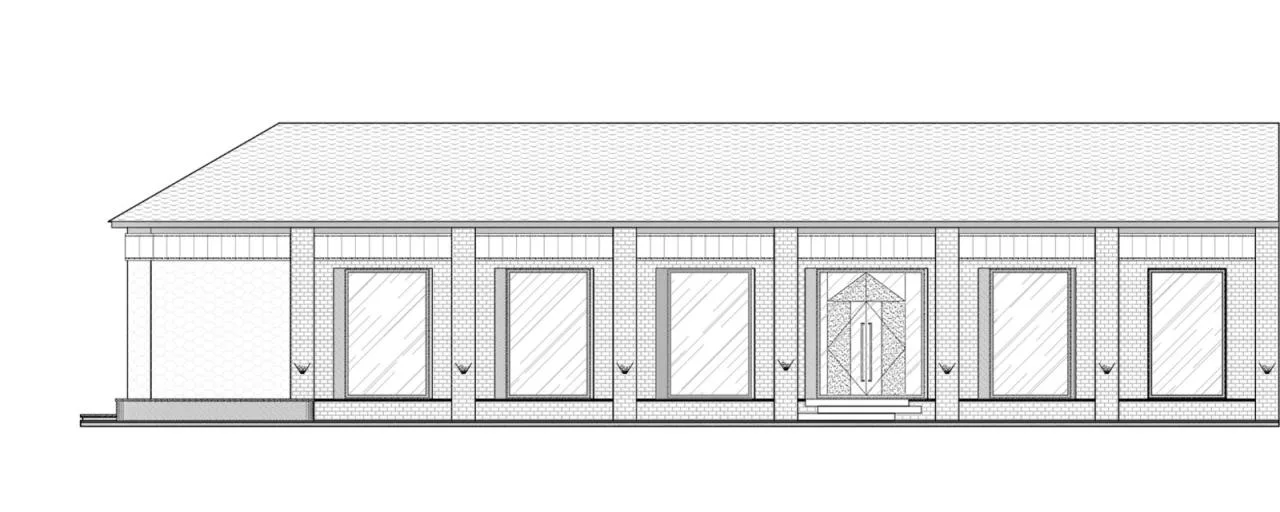
△ Elevation Drawing
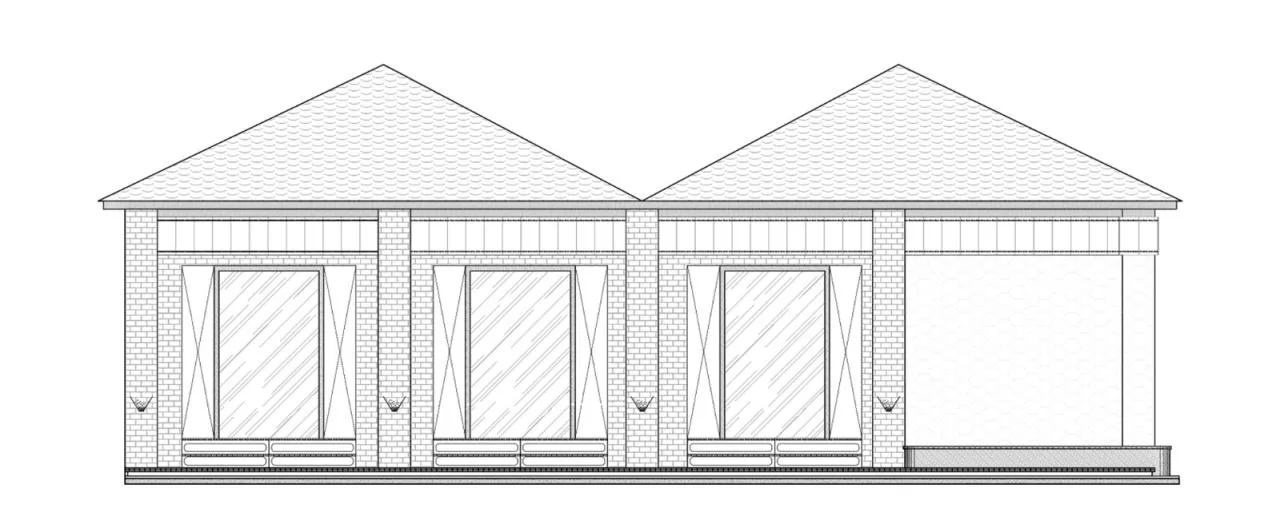
△ Elevation Drawing
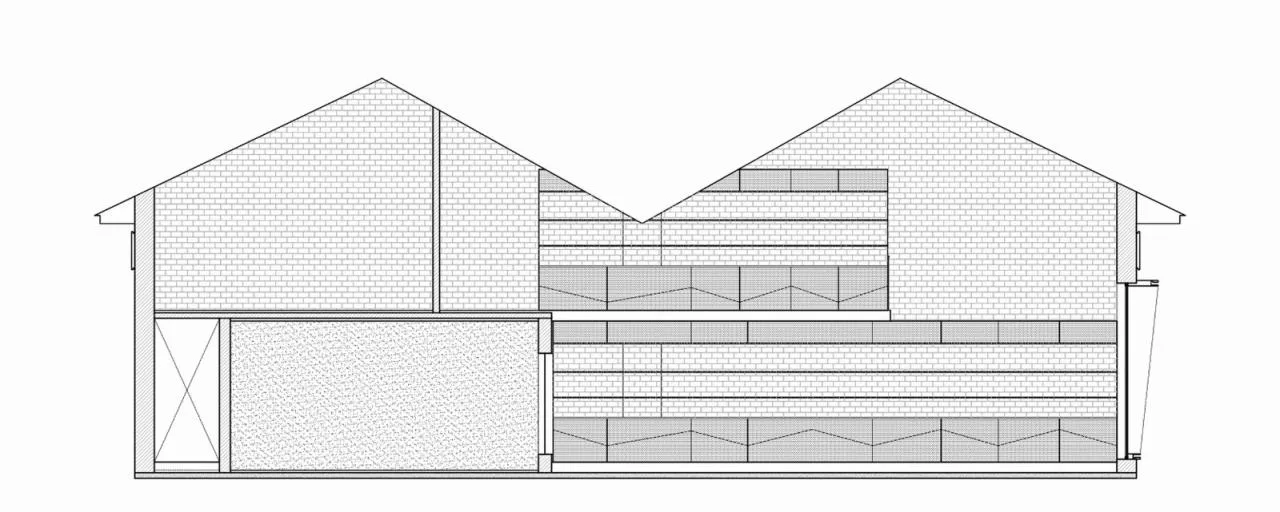
△ Section Diagram
Project Information
Project Name: Yunjian Granary Building Renovation “Shanghai Xigu Art Museum”
Location: Songjiang, Shanghai, China
Building Area: 1200 square meters
Project Type: Exhibition Hall / Installation Art / Paper Flower Sculpture
Owner: Jiongma Industrial (Shanghai) Co., Ltd
Architectural & Interior Design: DCDSAA Yodogawa Architecture Firm
Company Website: www.dcdstudio.cn
Lead Architect: Wang Hao
Design Team: Yuan Zhengliang, Tang Chao, Yan Bingkun
Design Period: January 2022
Construction Period: July 2022
Construction Company: Shanghai Dianchuan Architectural Design Co., Ltd
Main Materials: Stone, rusted steel plate, reclaimed wood, glass, plain cement, textured paint
Photography: Wu Qingshan















Must log in before commenting!
Sign Up