
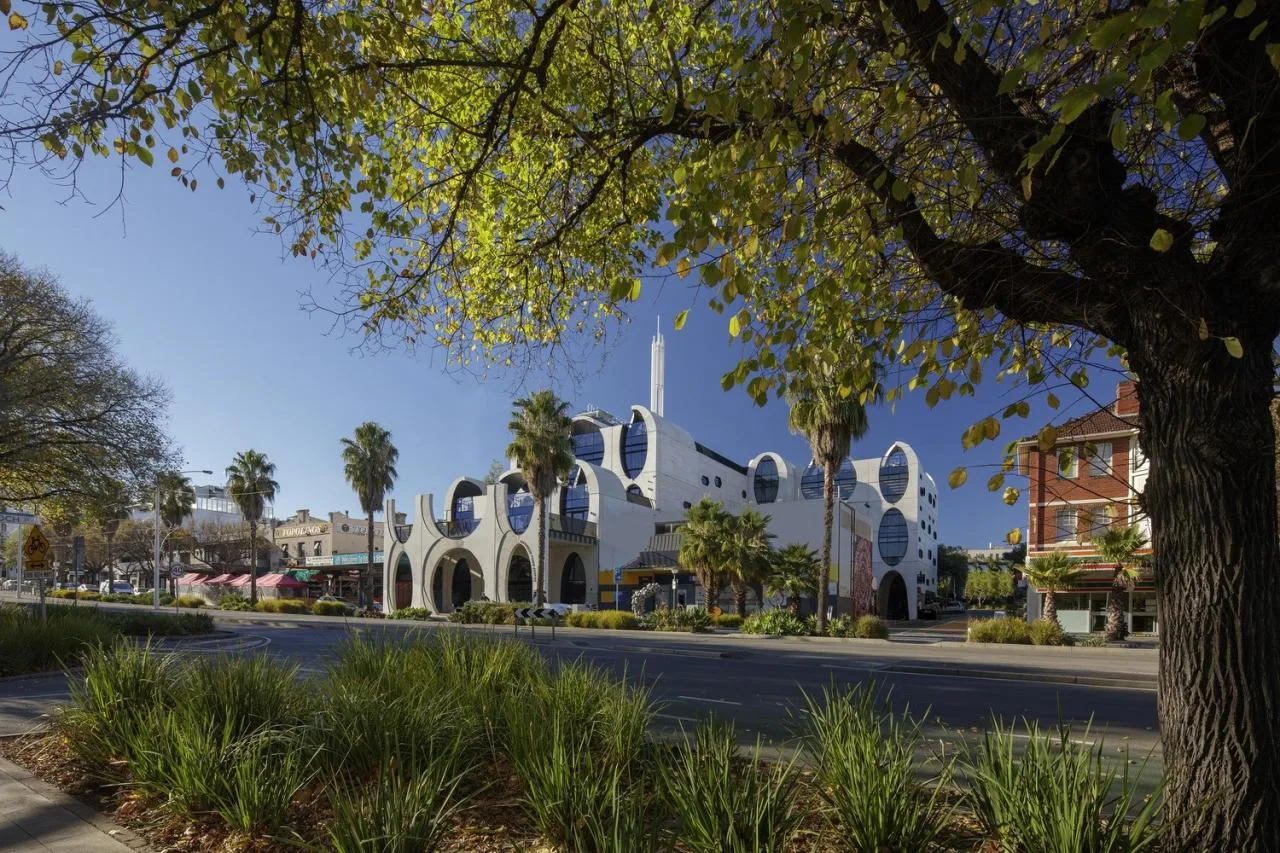
In 2017, following a national survey in support of marriage equality, the Australian Parliament legalized same-sex marriage—an important milestone for the LGBTQI+ community in their pursuit of equality. That same year, the Victorian Pride Centre, a non-profit organization, received backing from the Victorian government to establish Australia’s first event center dedicated to the LGBTQI+ community: the Victoria Pride Centre. A public architectural design competition was subsequently held for the project, located on Fitzroy Street in St Kilda.
In January 2018, BAU Brearley Architects + Urbanists (Melbourne Shanghai) and Grant Amon Architects emerged as winners of the competition with their outstanding design proposals.
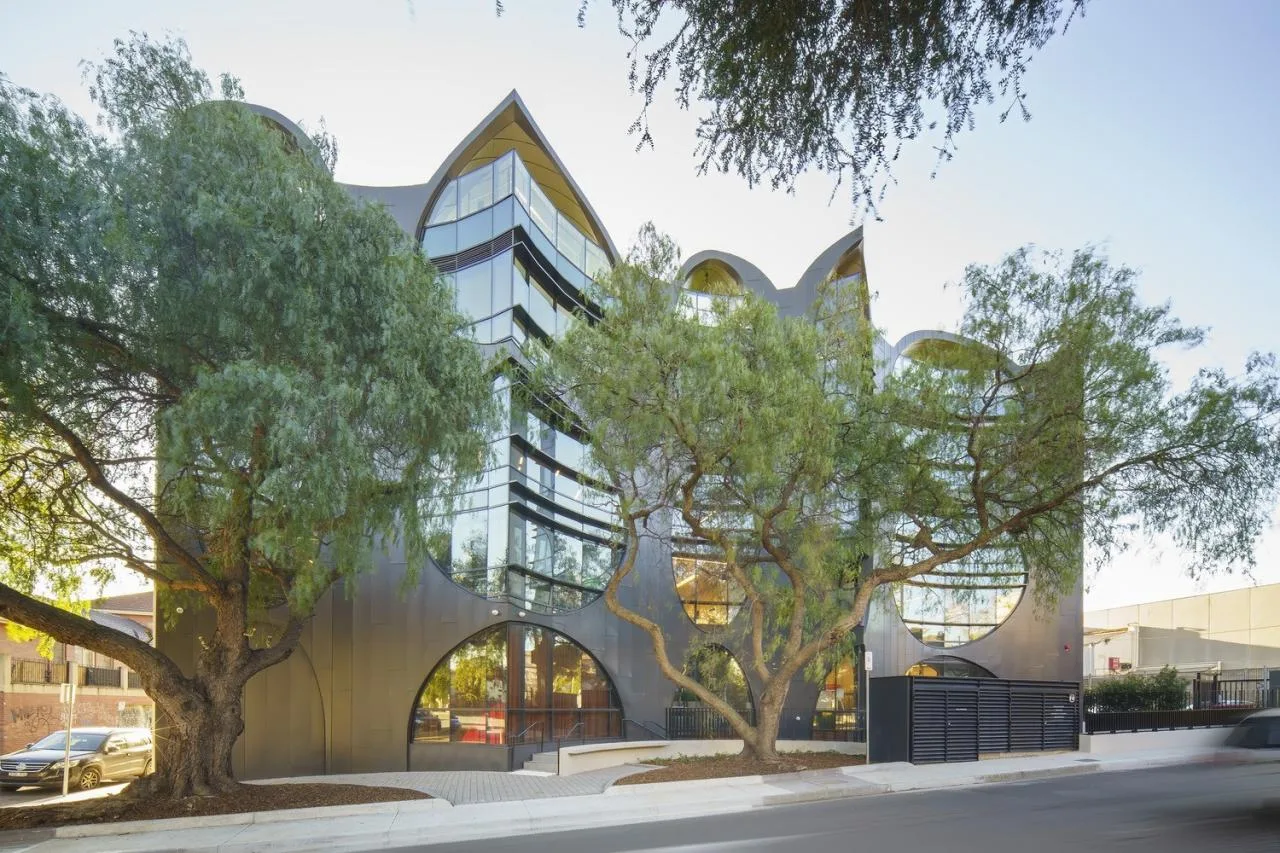
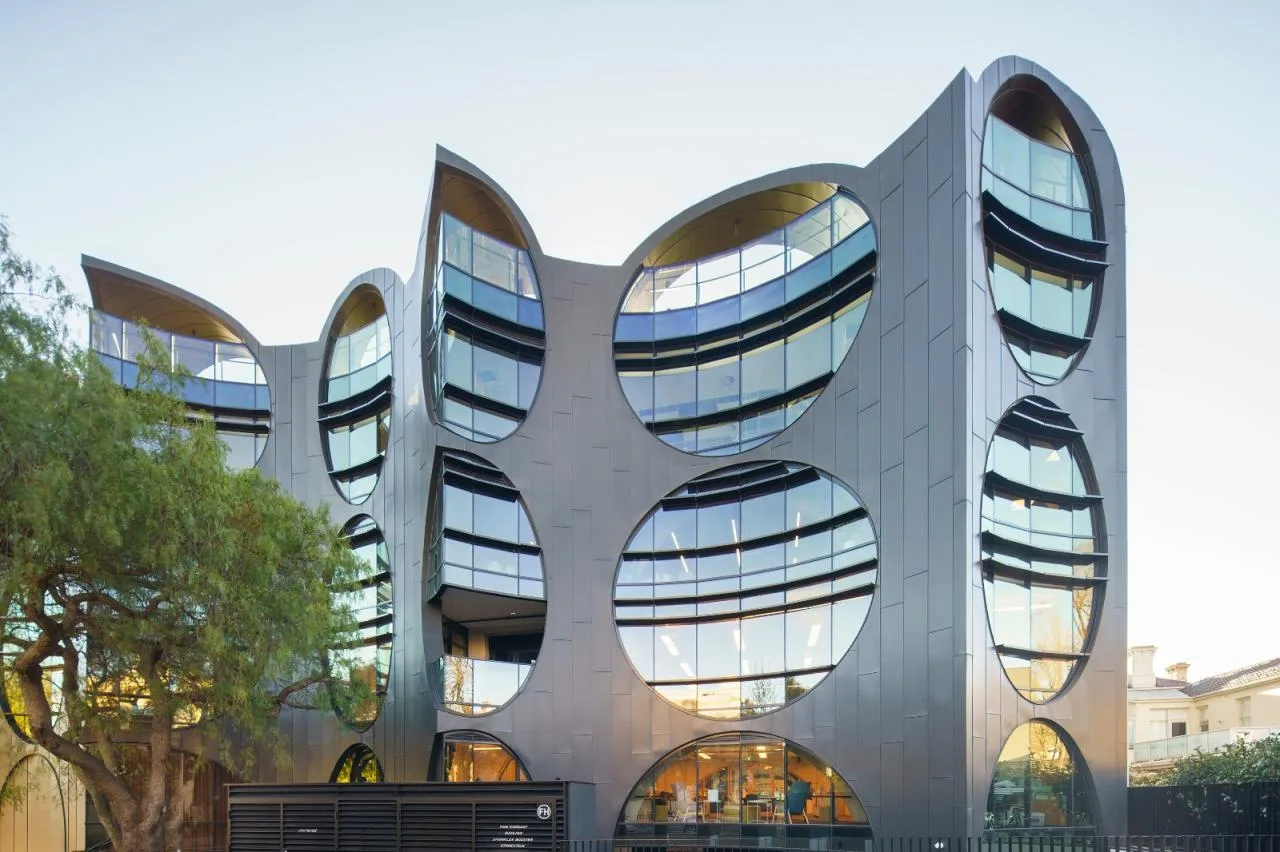
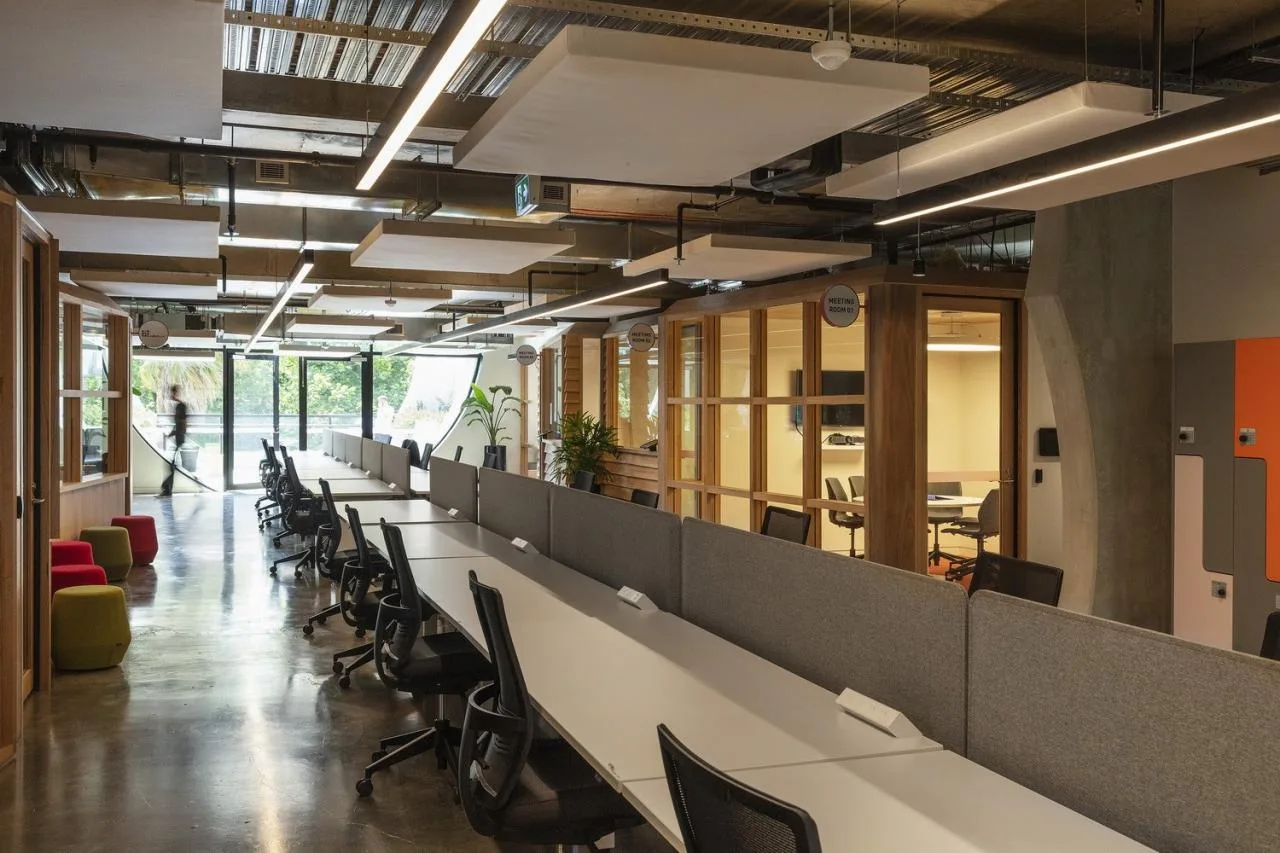
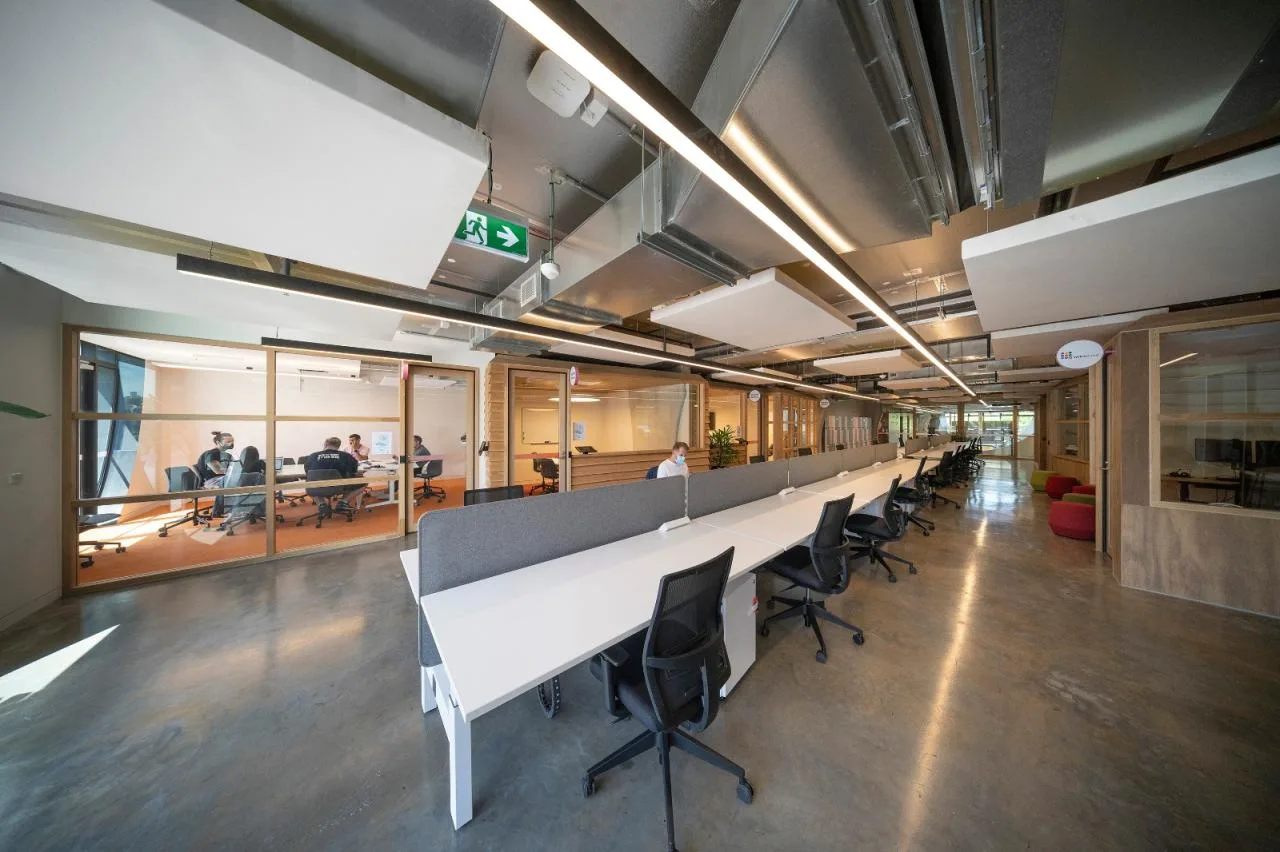
The Victoria Pride Centre serves not only as an activity hub for the LGBTQI+ community but also offers meeting and event spaces for other groups. The building features shared office spaces, a health and welfare center, bookstore, theater, archive room, rooftop terrace, and an art gallery. Additional amenities, such as a coffee shop, rooftop event hall, and community garden, were scheduled for completion throughout 2022.
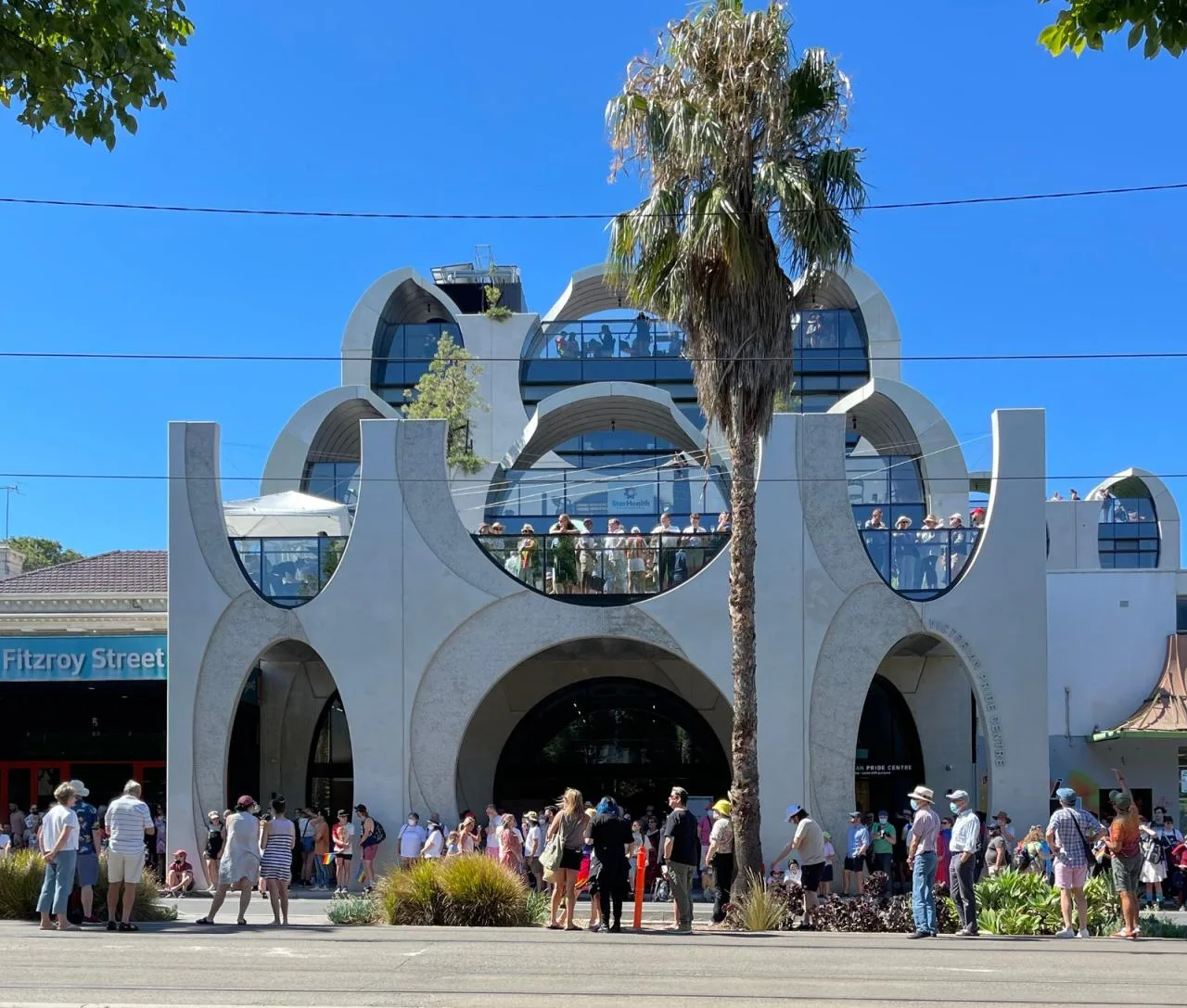
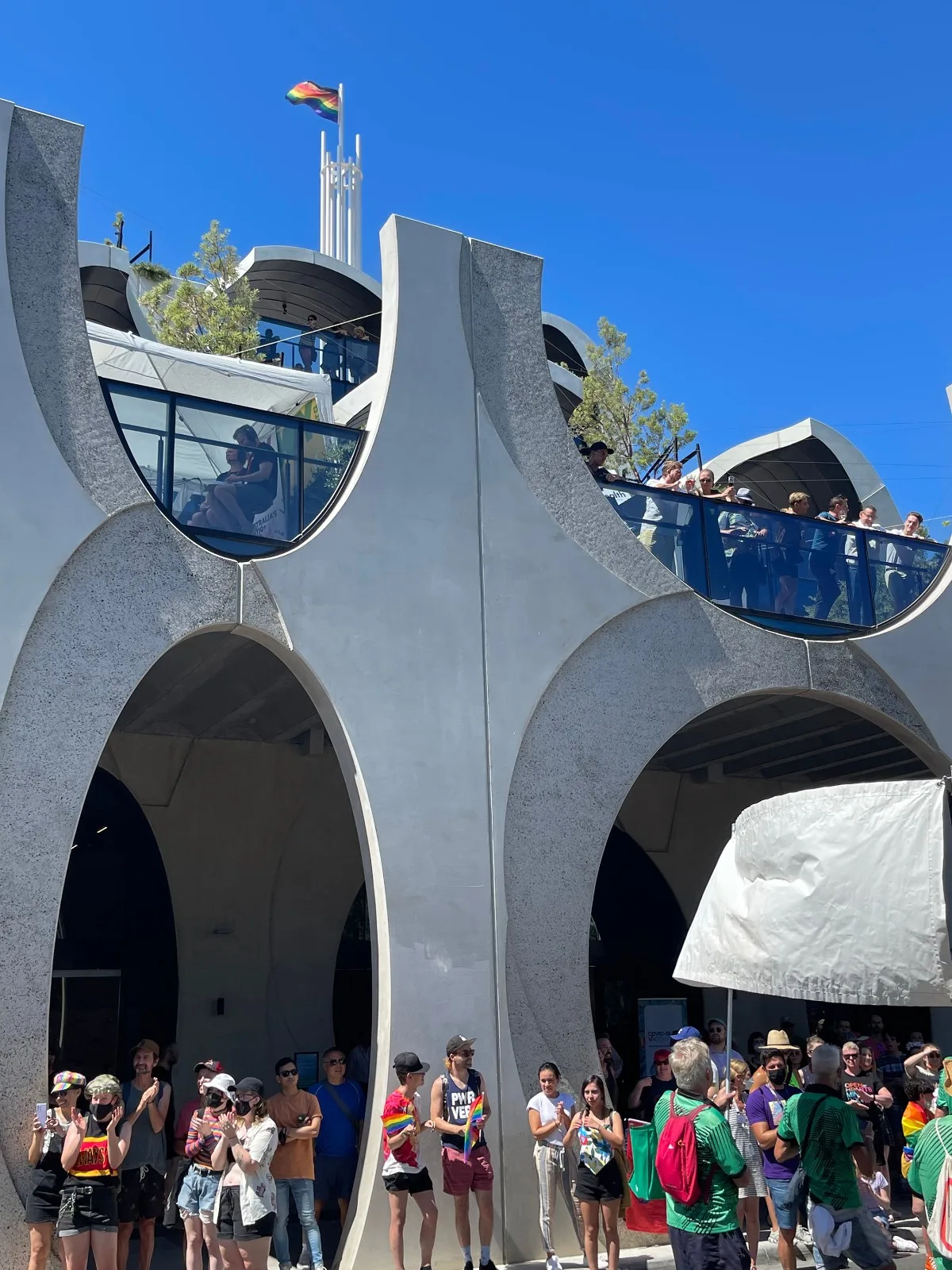
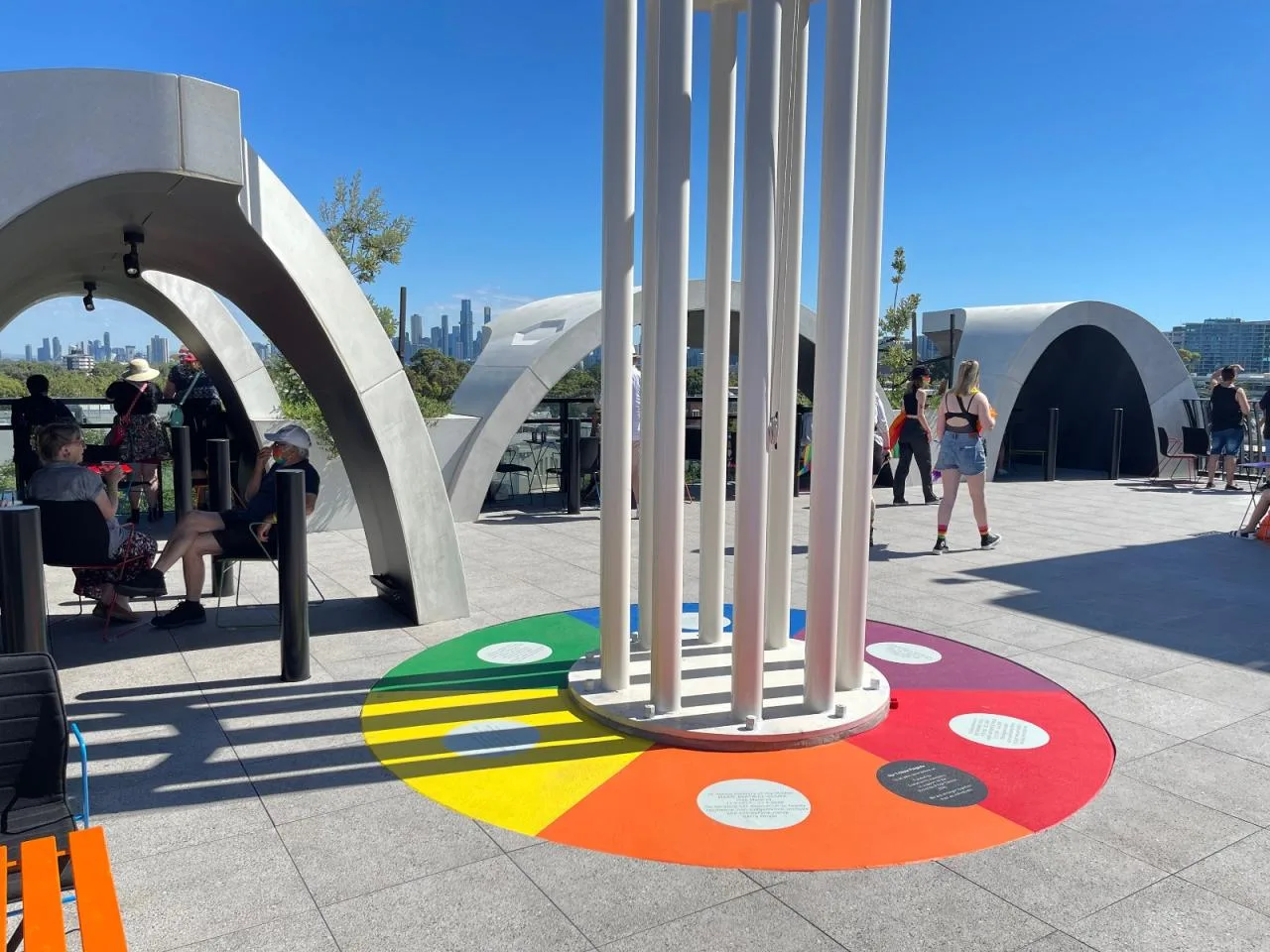
To refine the design, BAU and GAA engaged target groups and local Indigenous residents in consultations, allowing the team to gain a thorough understanding of the local context. The ultimate goal is to transform the Victoria Pride Centre into a powerful symbol of Australia’s progress toward an inclusive society—a place that embodies warmth, care, and safety. It aims to empower individuals to courageously pursue freedom, equality, and inclusiveness. The cultural spirit of St Kilda and the LGBTQI+ community’s ongoing pursuit of change laid the foundation for the Pride Centre’s conceptual design.
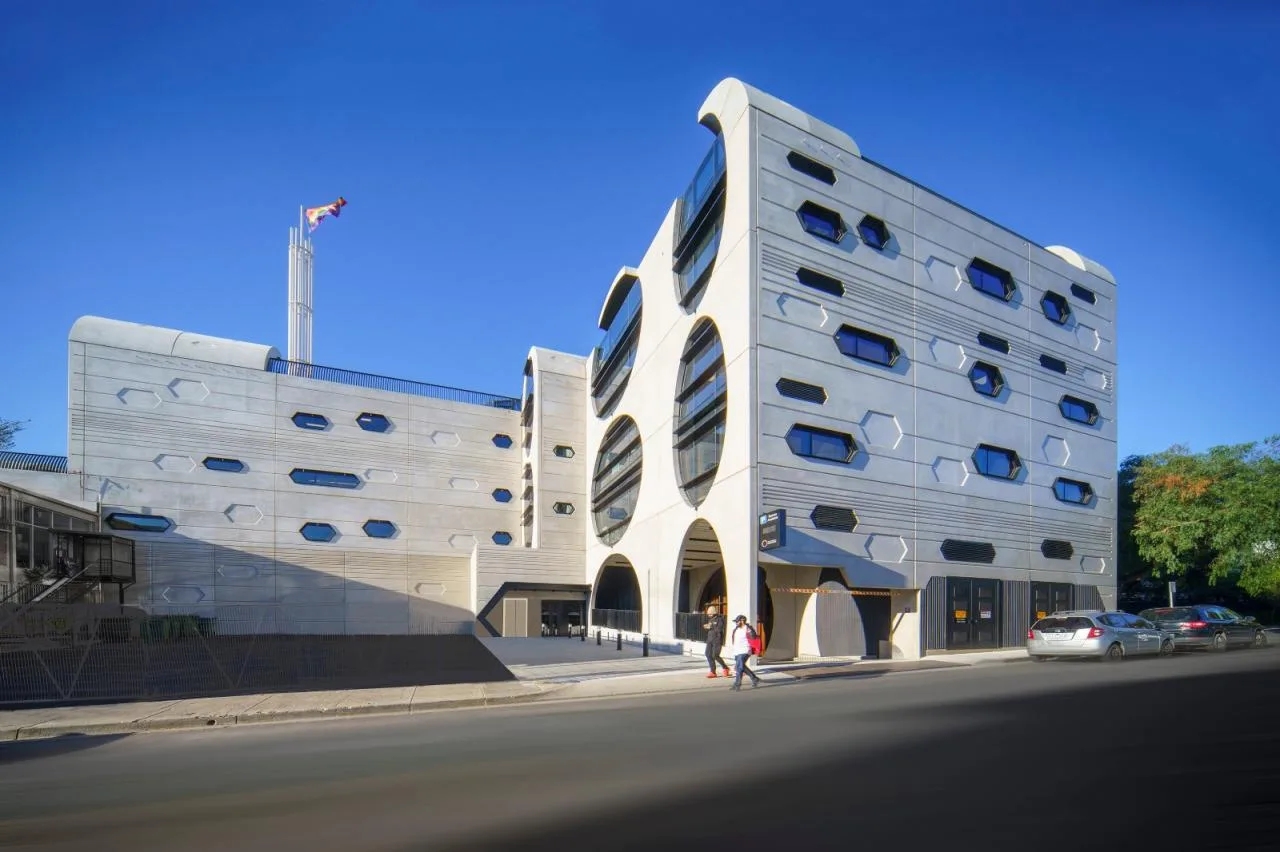
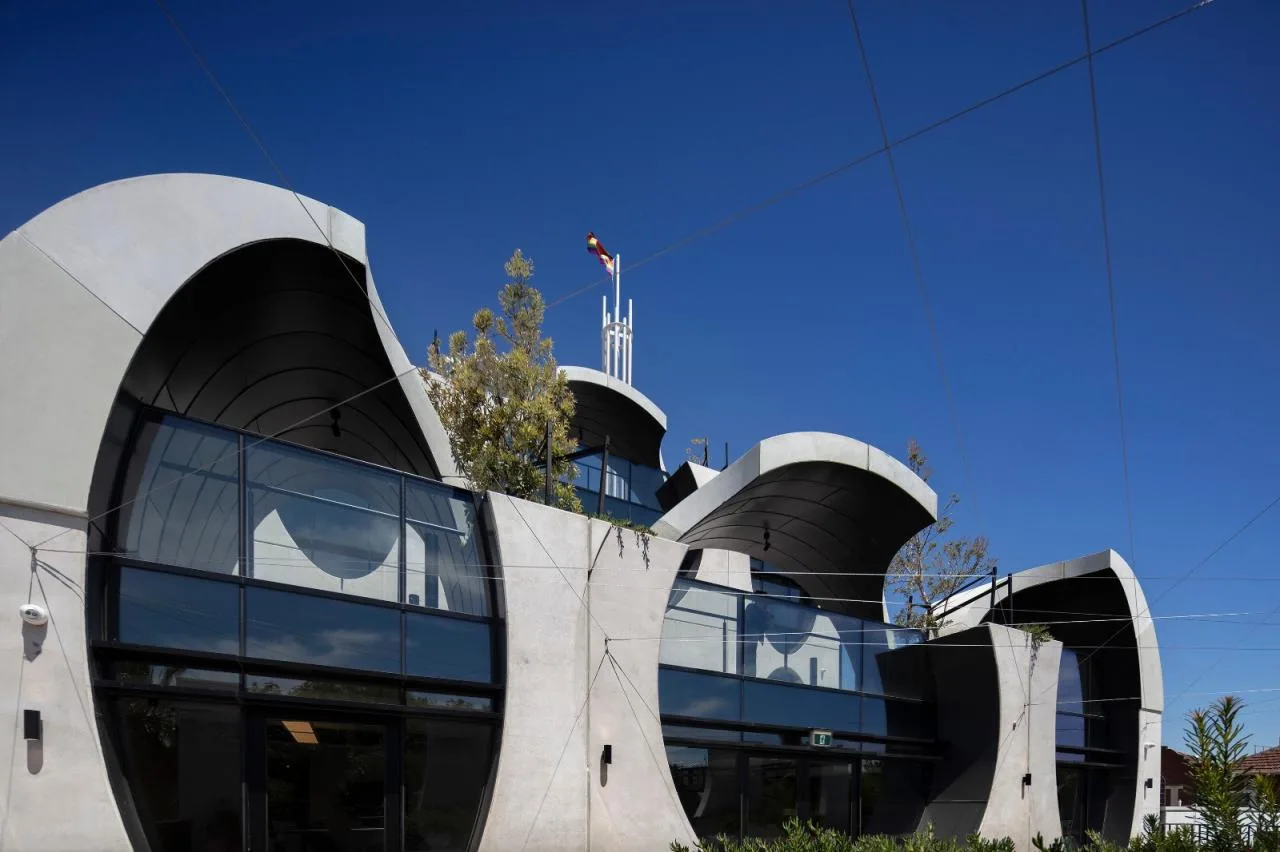
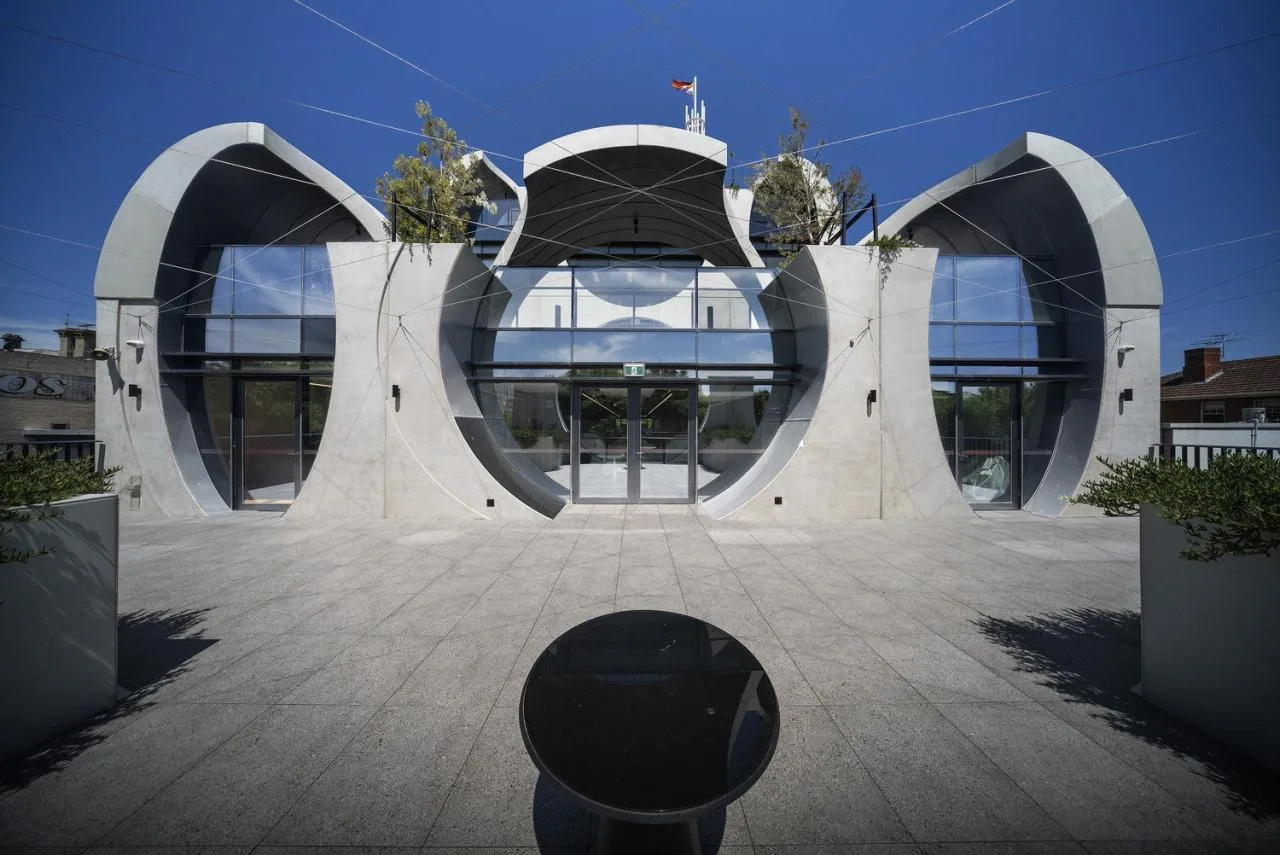
St Kilda’s open gender culture has attracted many LGBTQI+ community members. After extensive research into St Kilda’s history and culture, the design abstractly integrates its distinctive eclectic style, vibrant artistic scene, surrealism, and local traditions into the Centre’s architecture. Inspirations include Fitzroy Street, beaches, bathhouses, Moon God Park, Catania Arch, coastal dome, dance halls, and other historic landmarks.
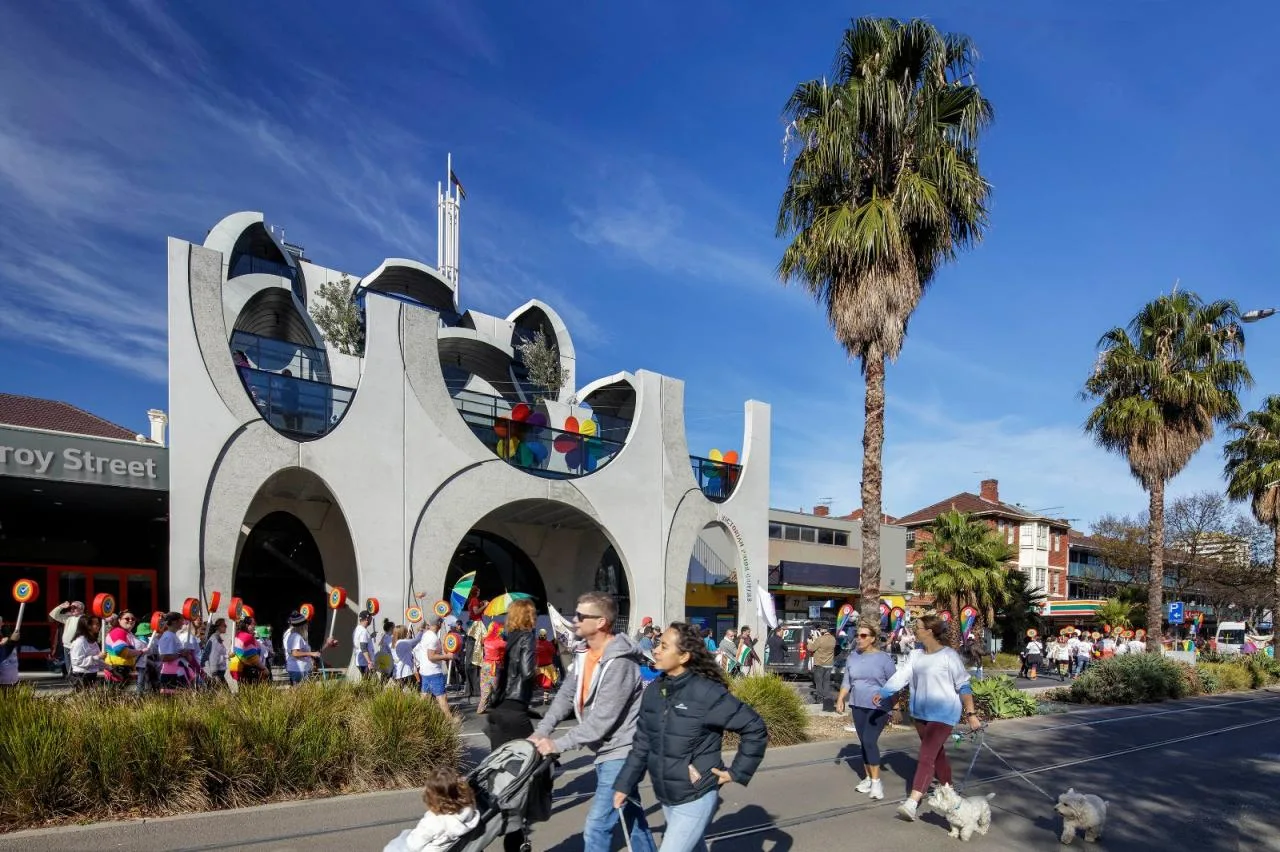
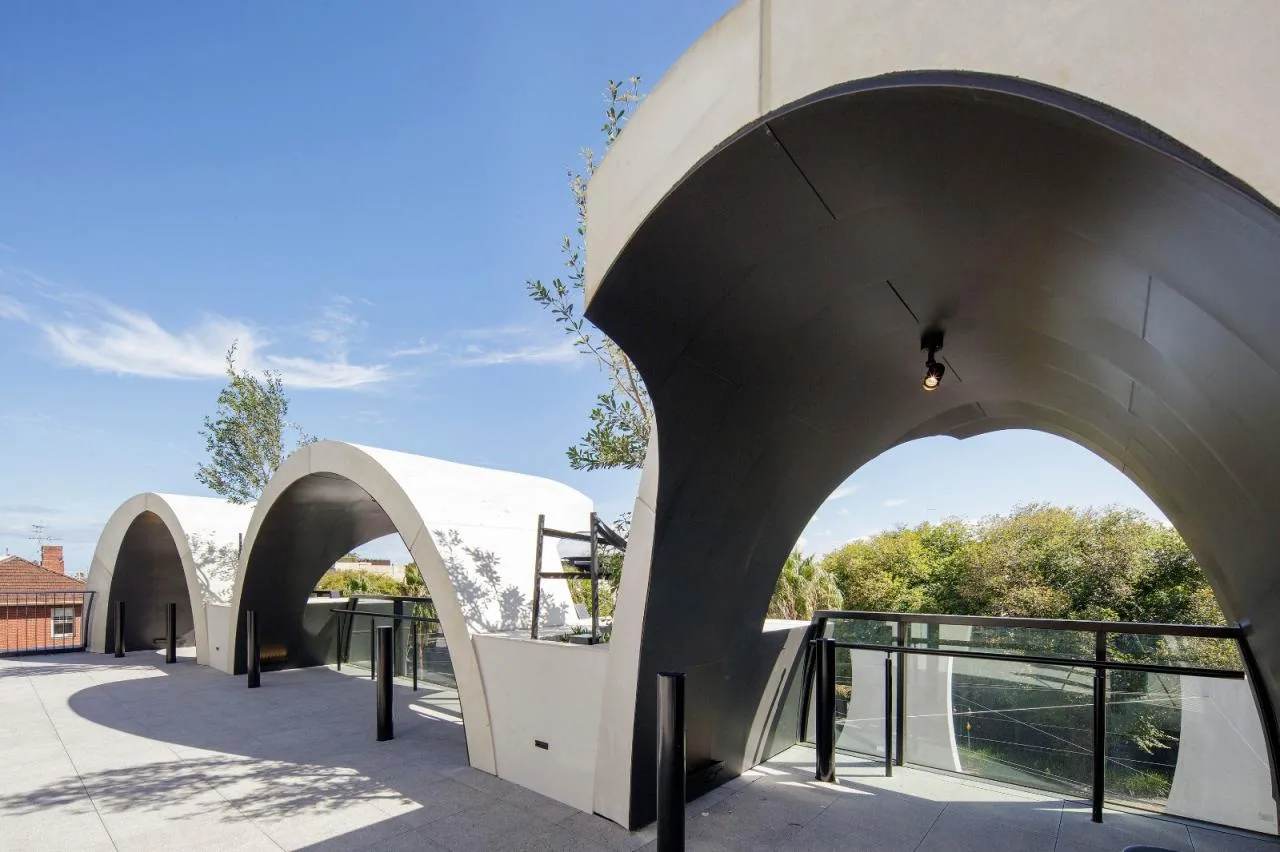
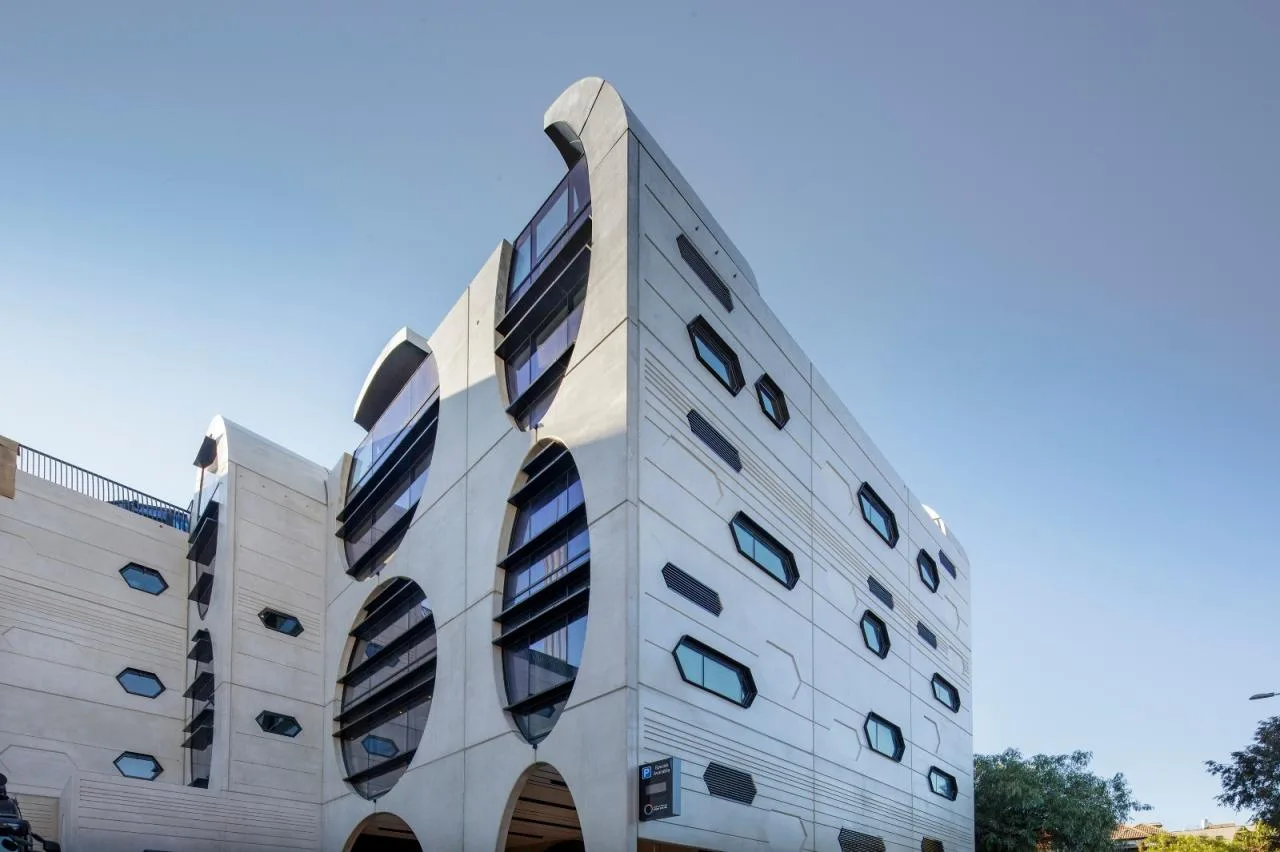
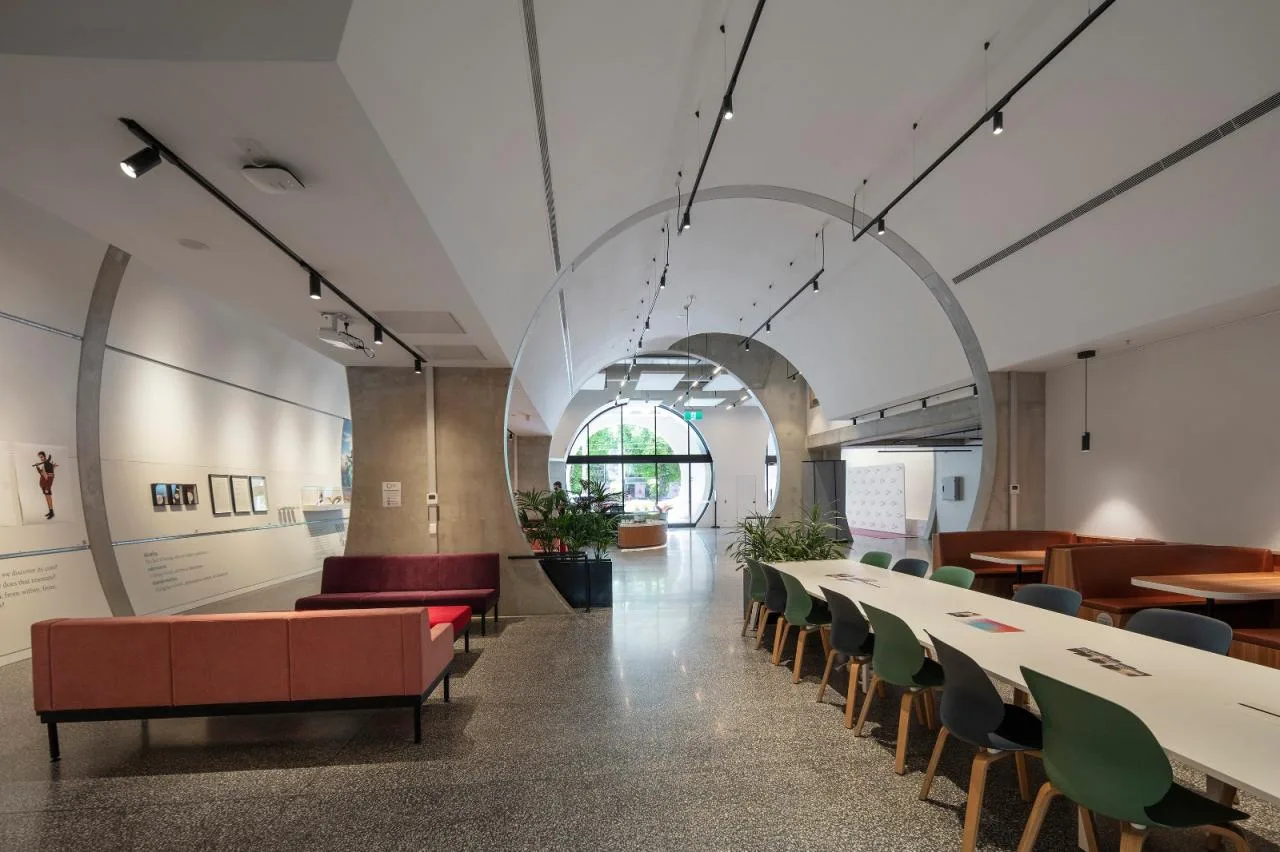
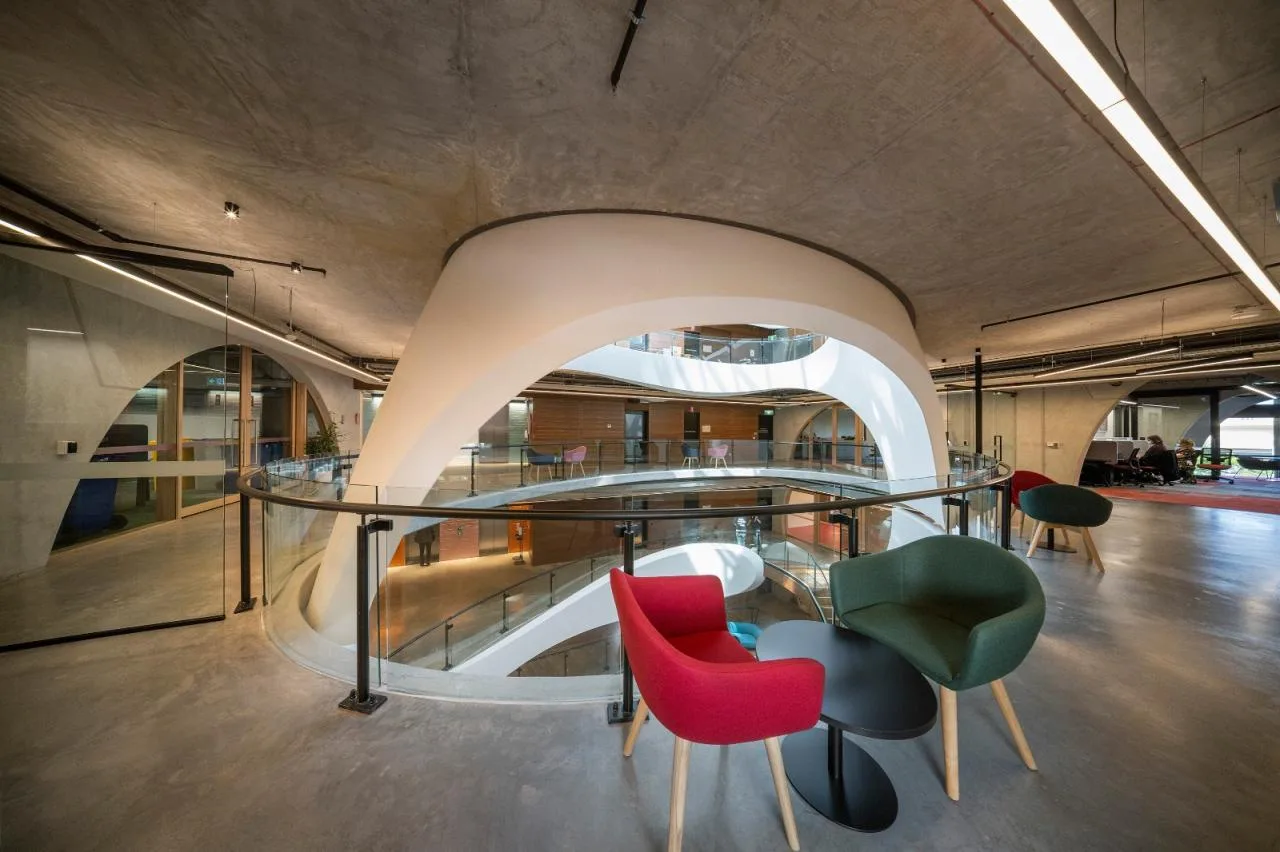
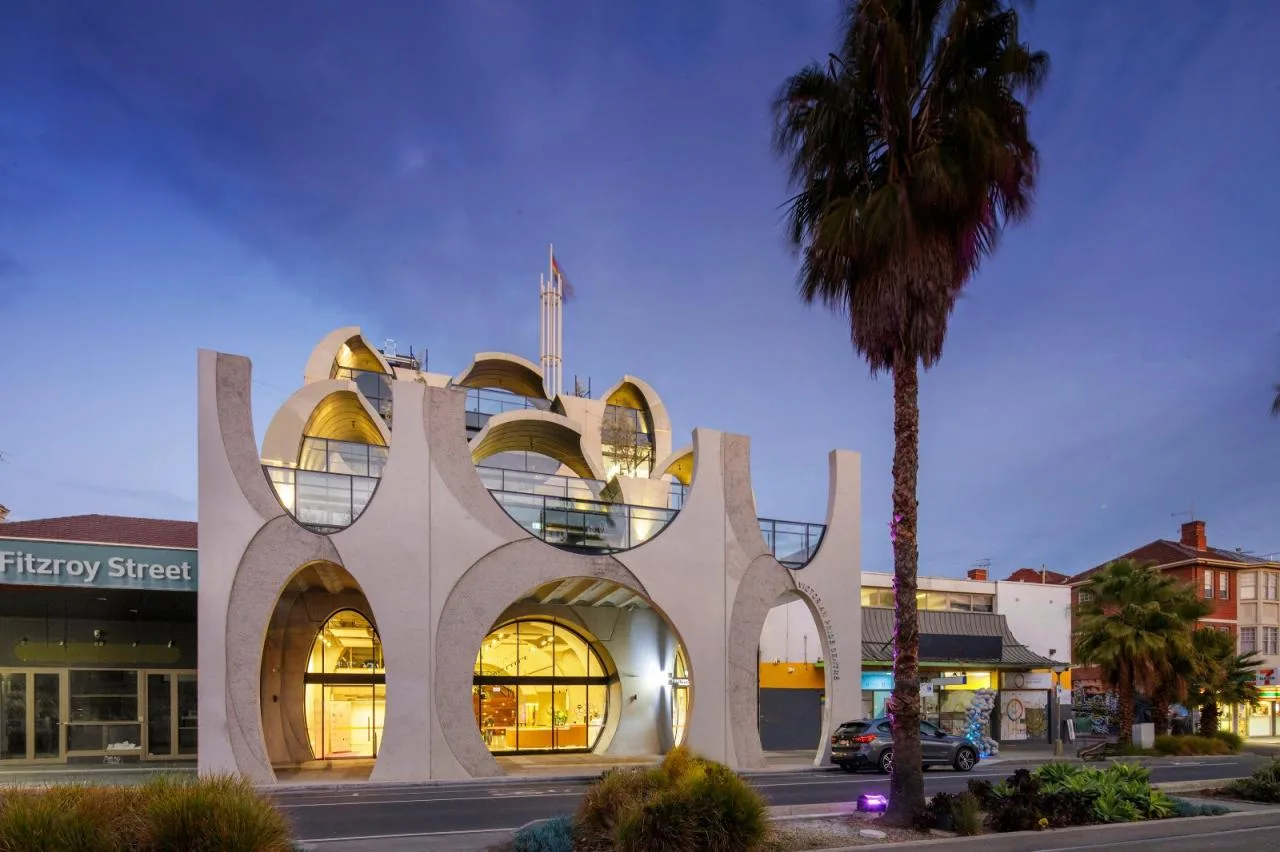
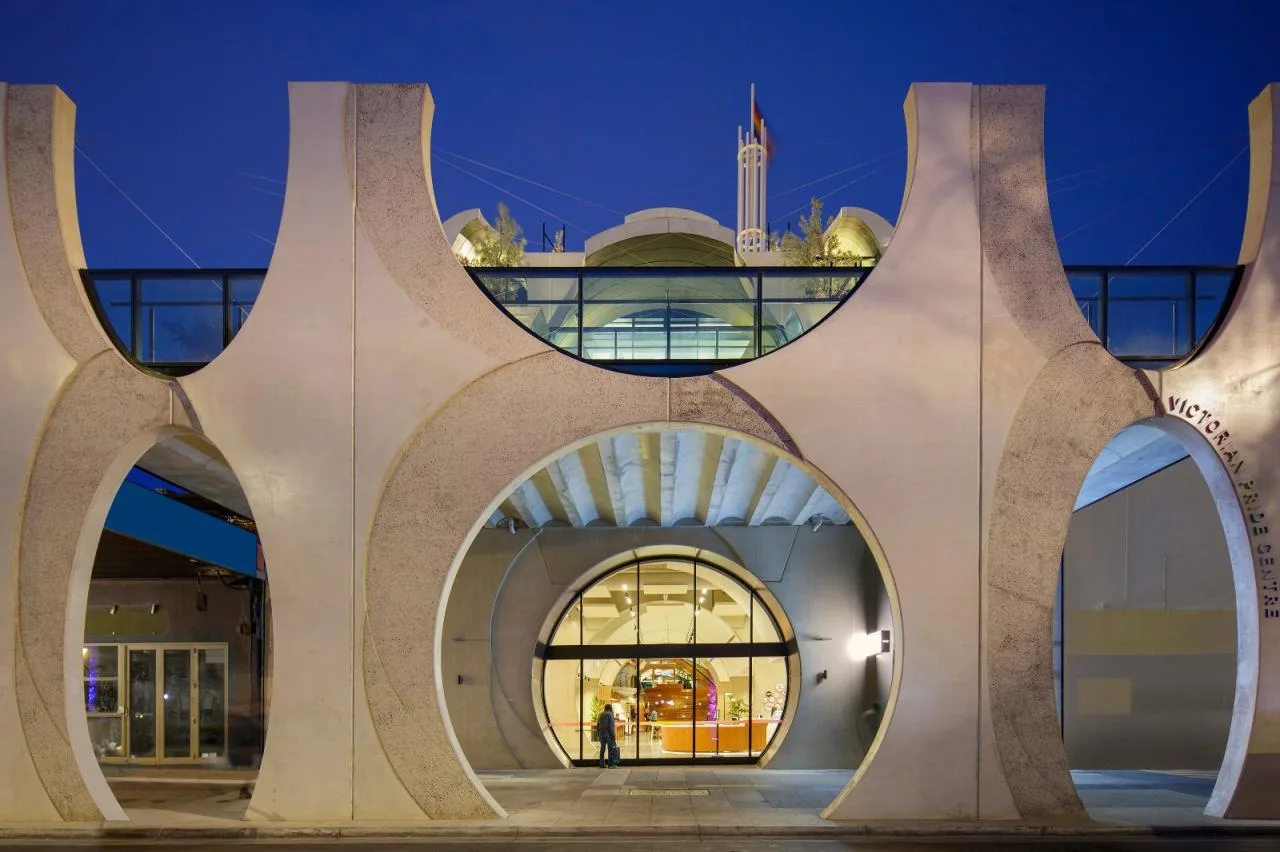
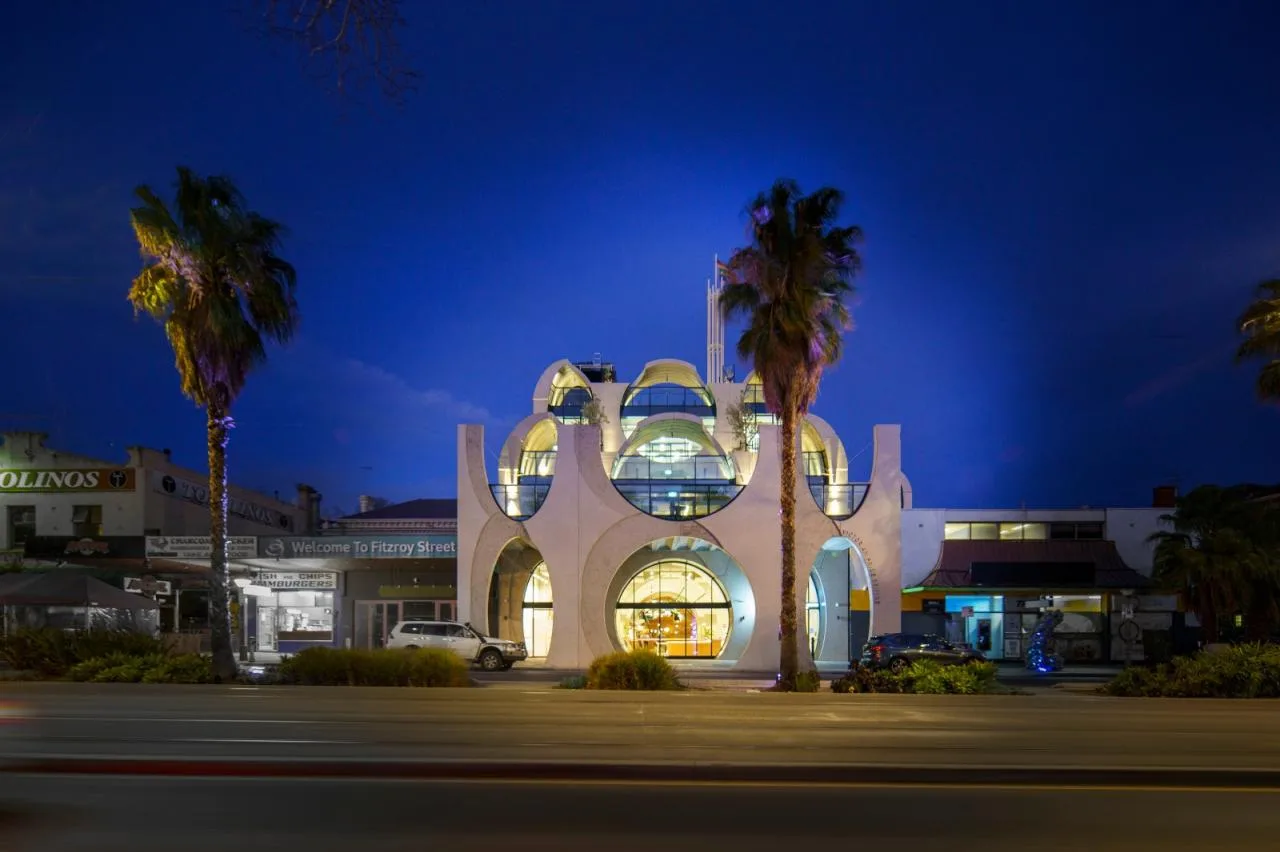
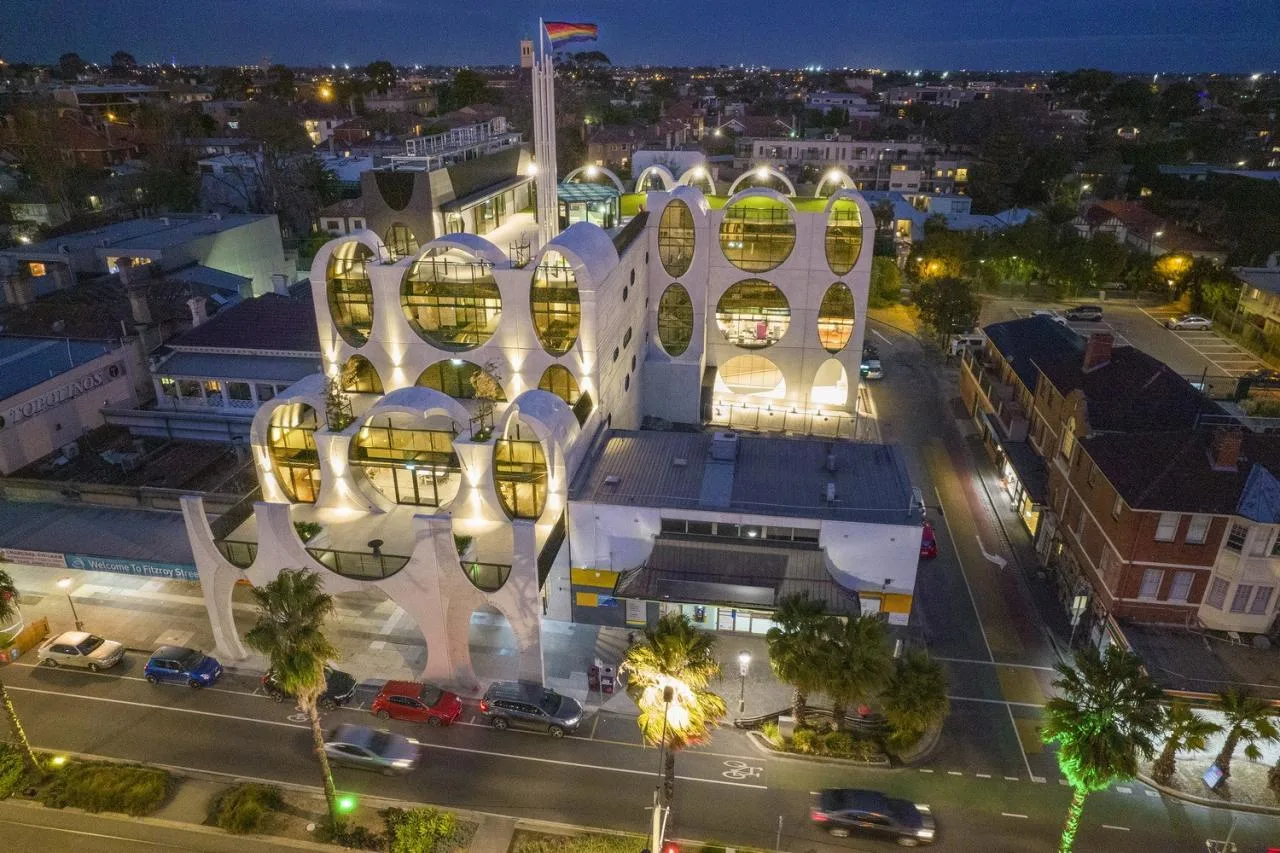
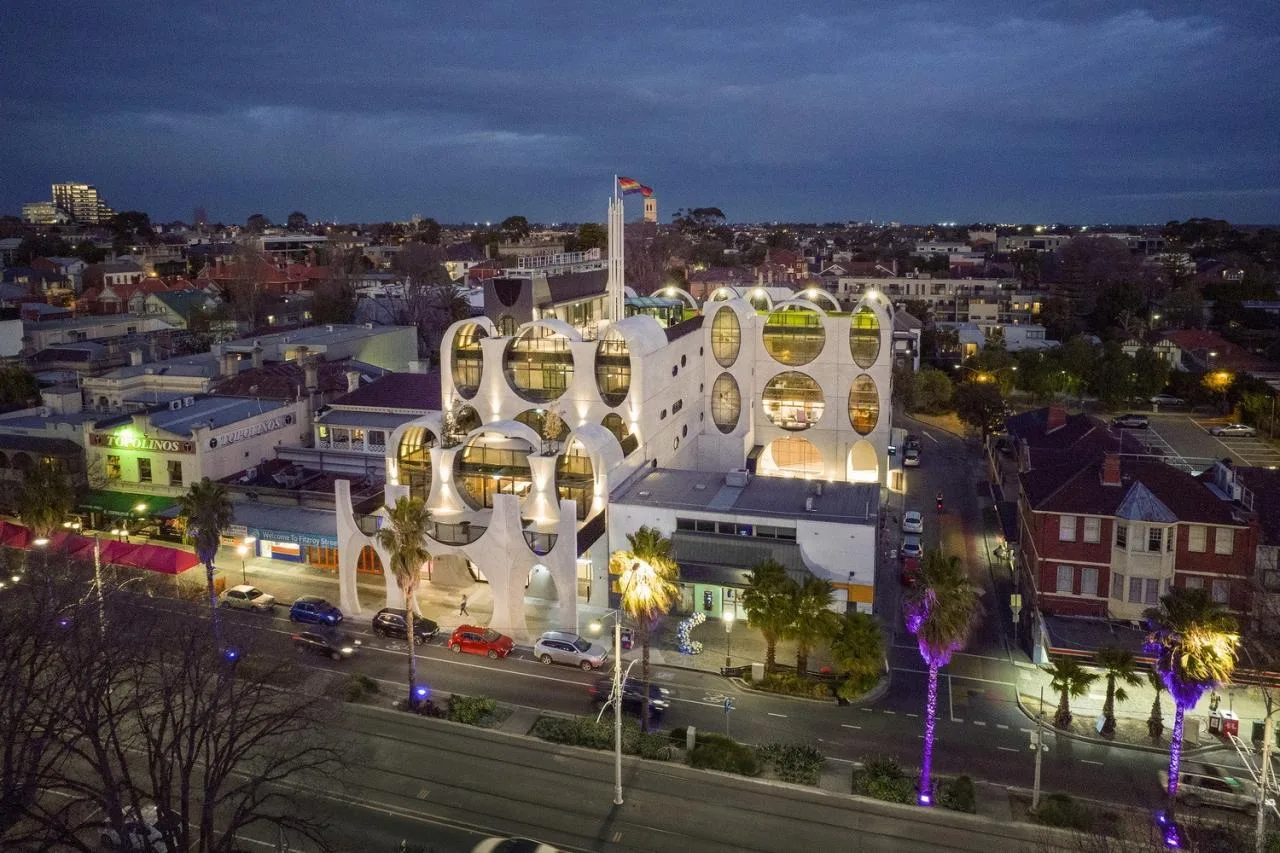
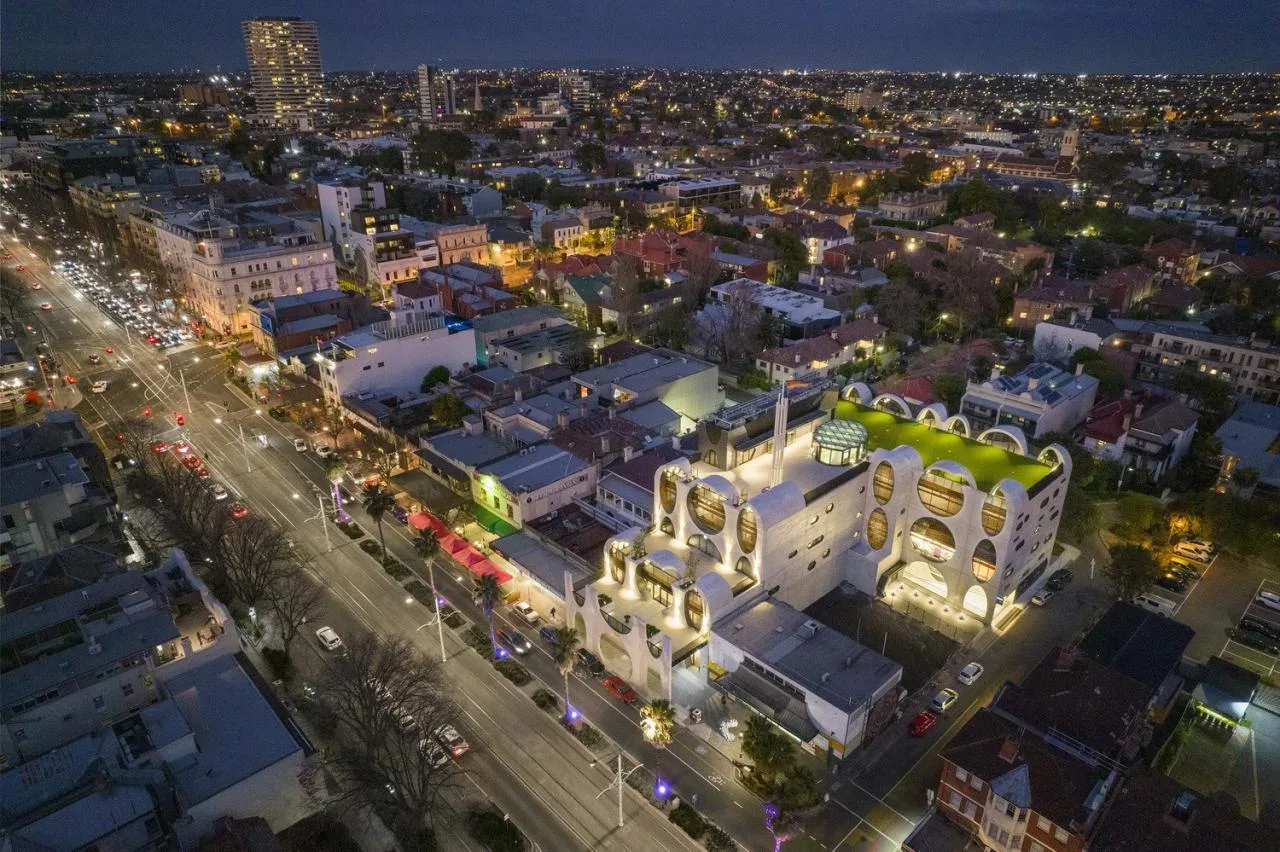
The architectural design features virtual giant pipelines that create an abstract and stable form, maximizing the building envelope while crafting an inclusive space with orderly arches. These virtual pipelines address urban challenges and incorporate details outlined in the Victoria Pride Centre’s project brief. The more the internal functions interact with these pipelines, the more diverse and dynamic the building’s forms and spaces become—resulting in an inclusive, surprising, and evolving architectural expression that embodies the LGBTQI+ community’s persistent fight for equality and freedom.
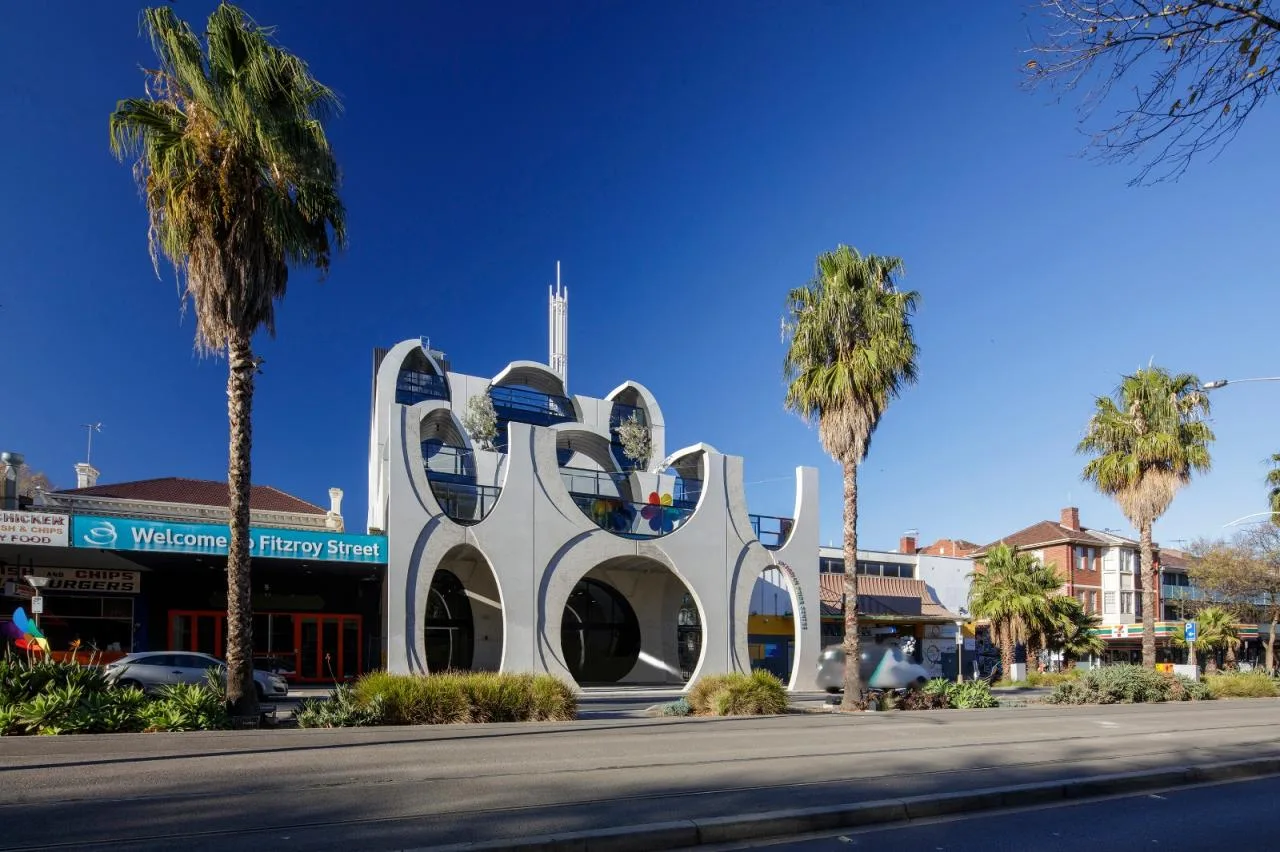
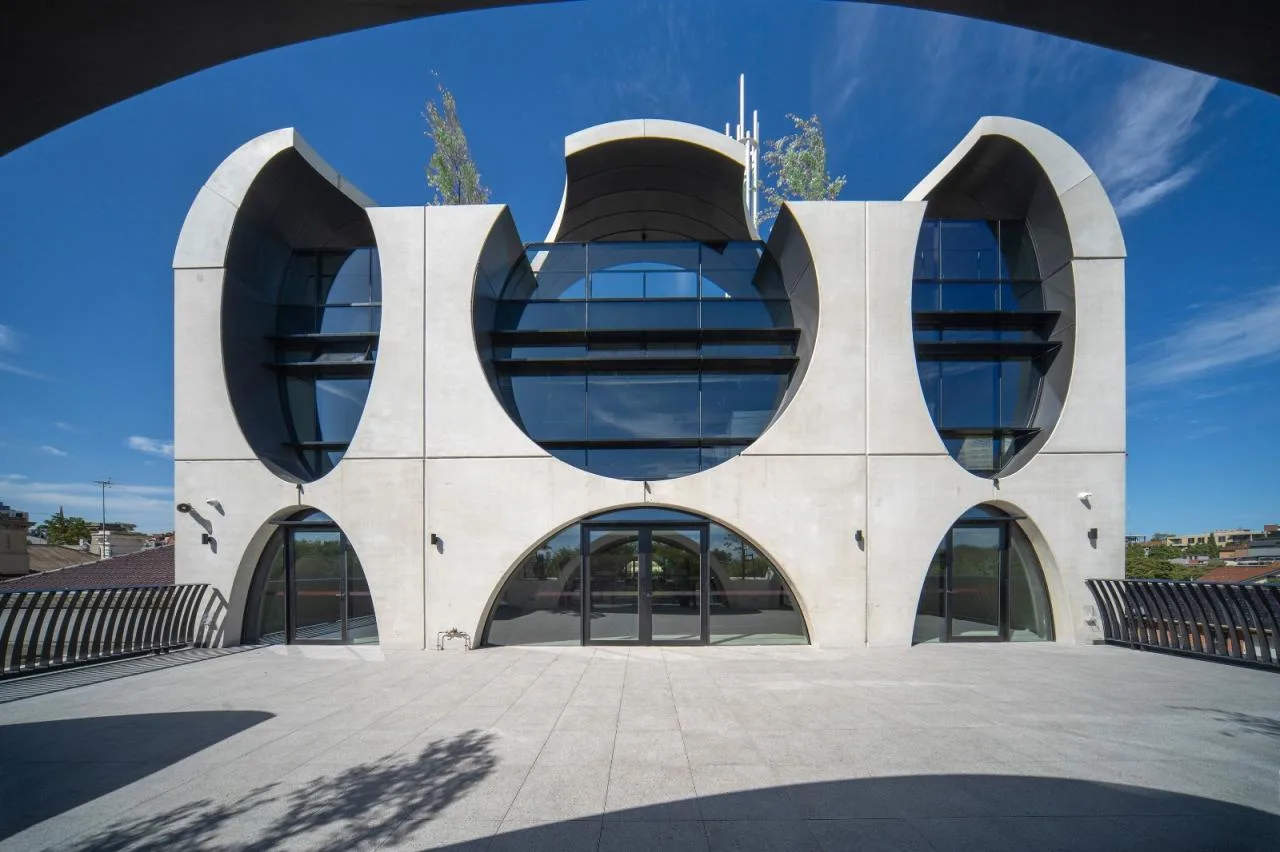
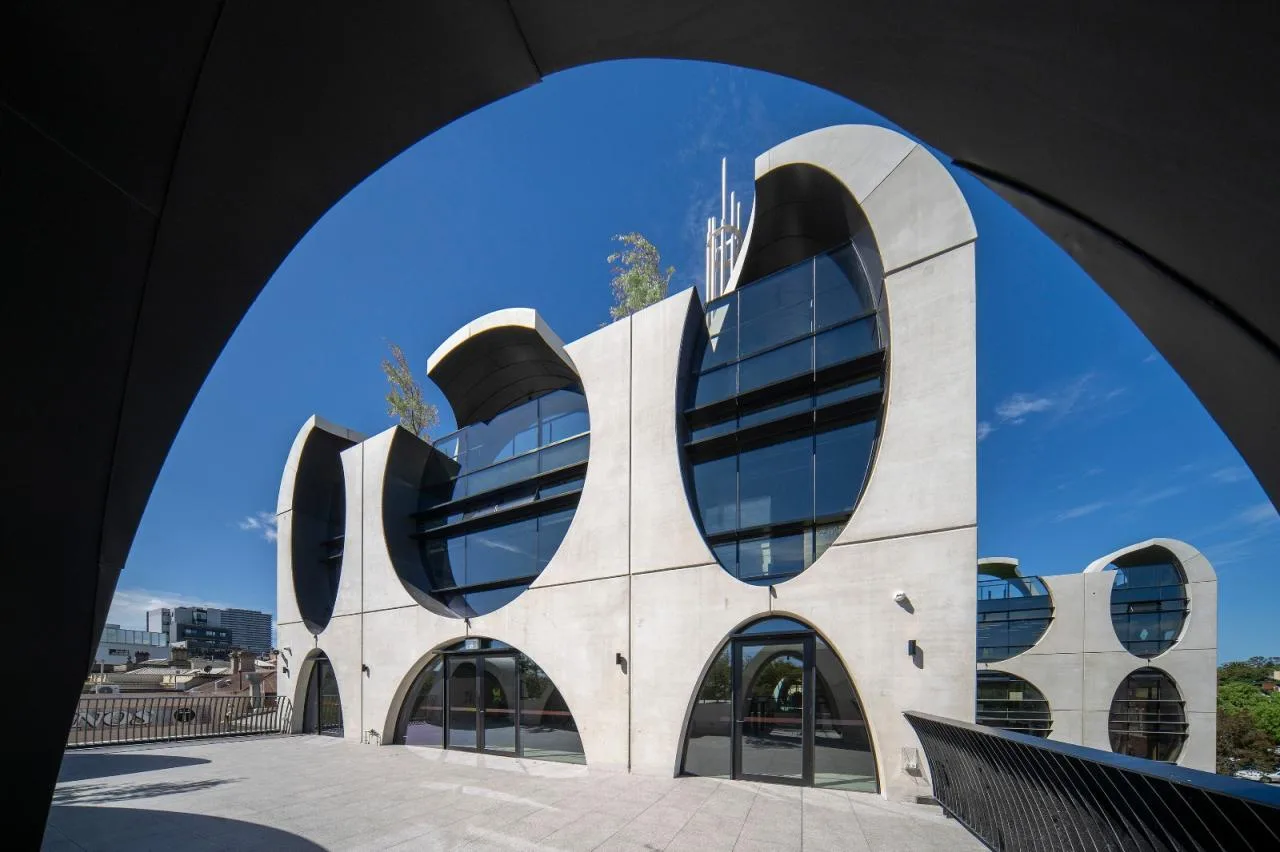
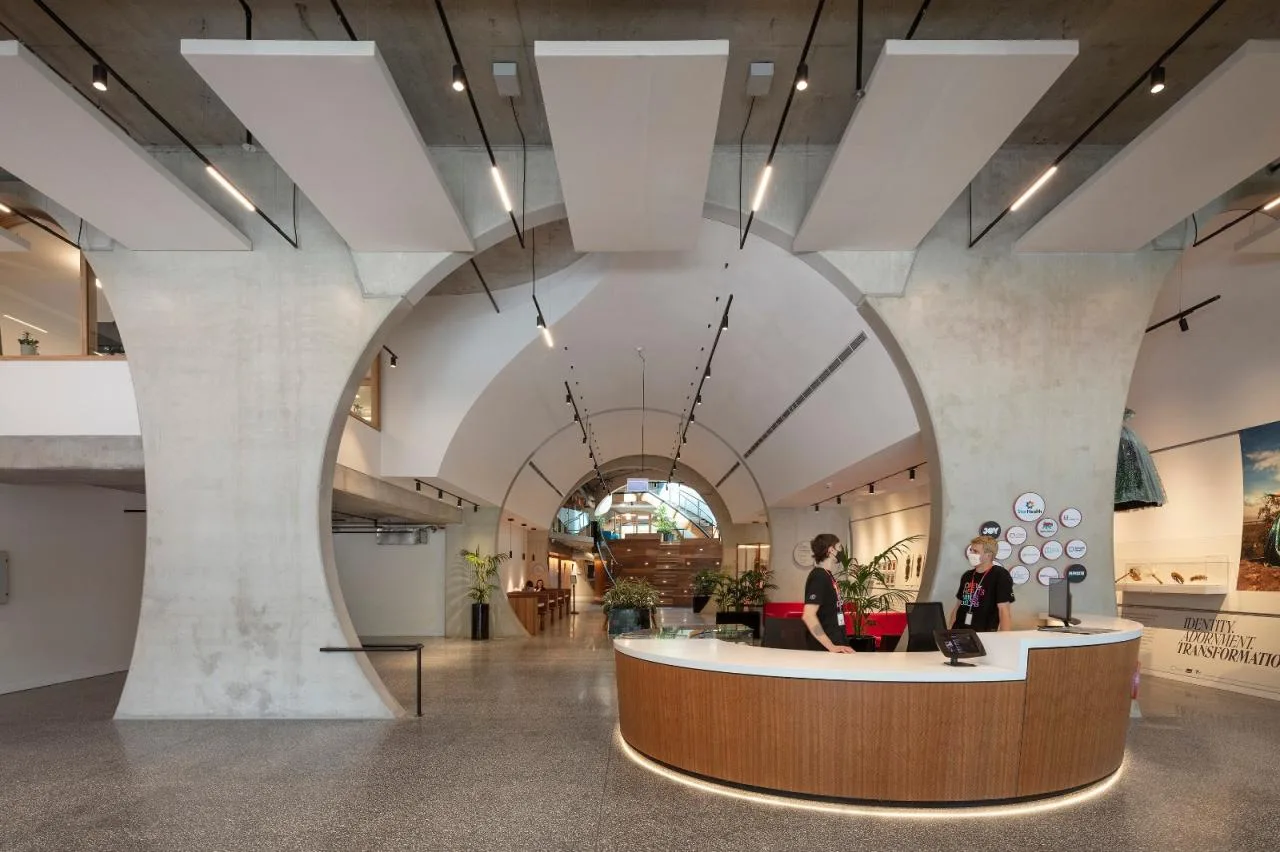
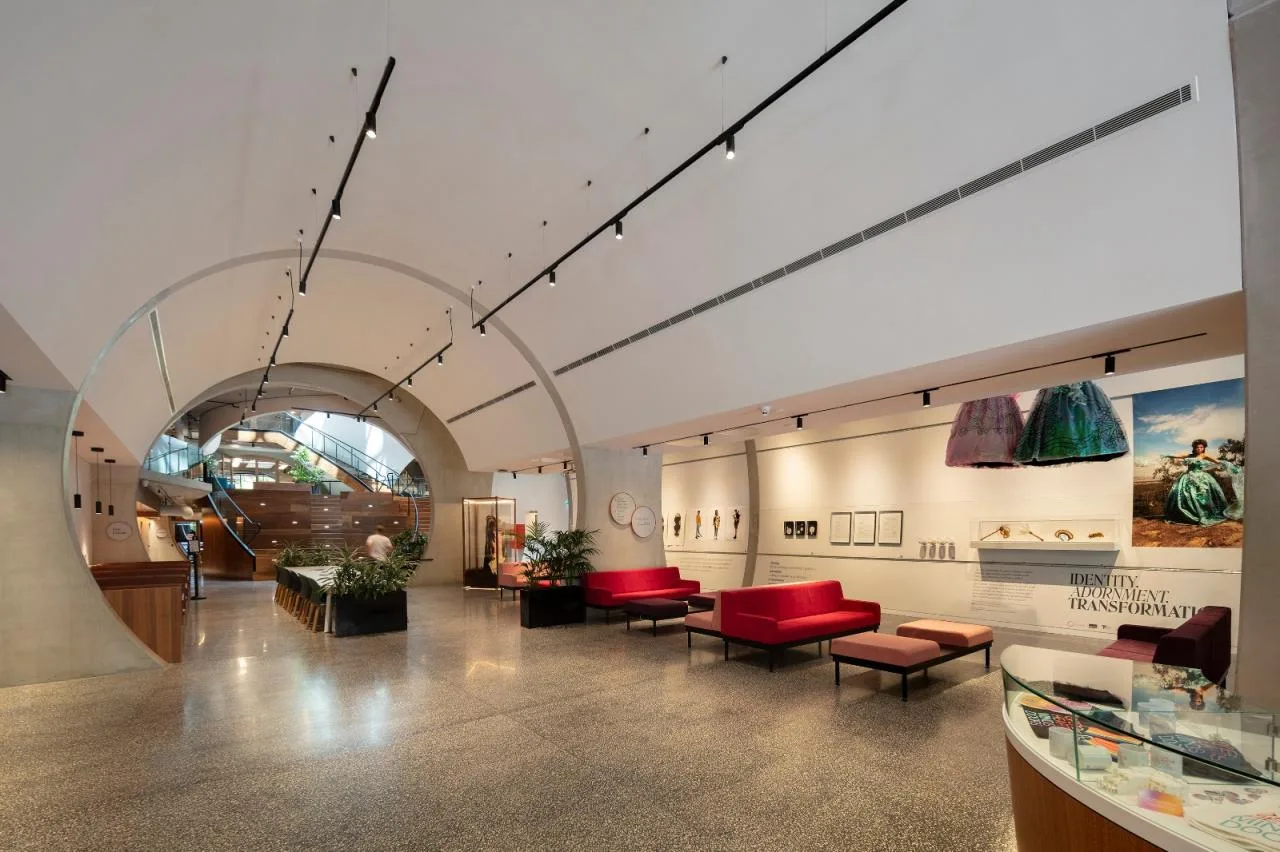
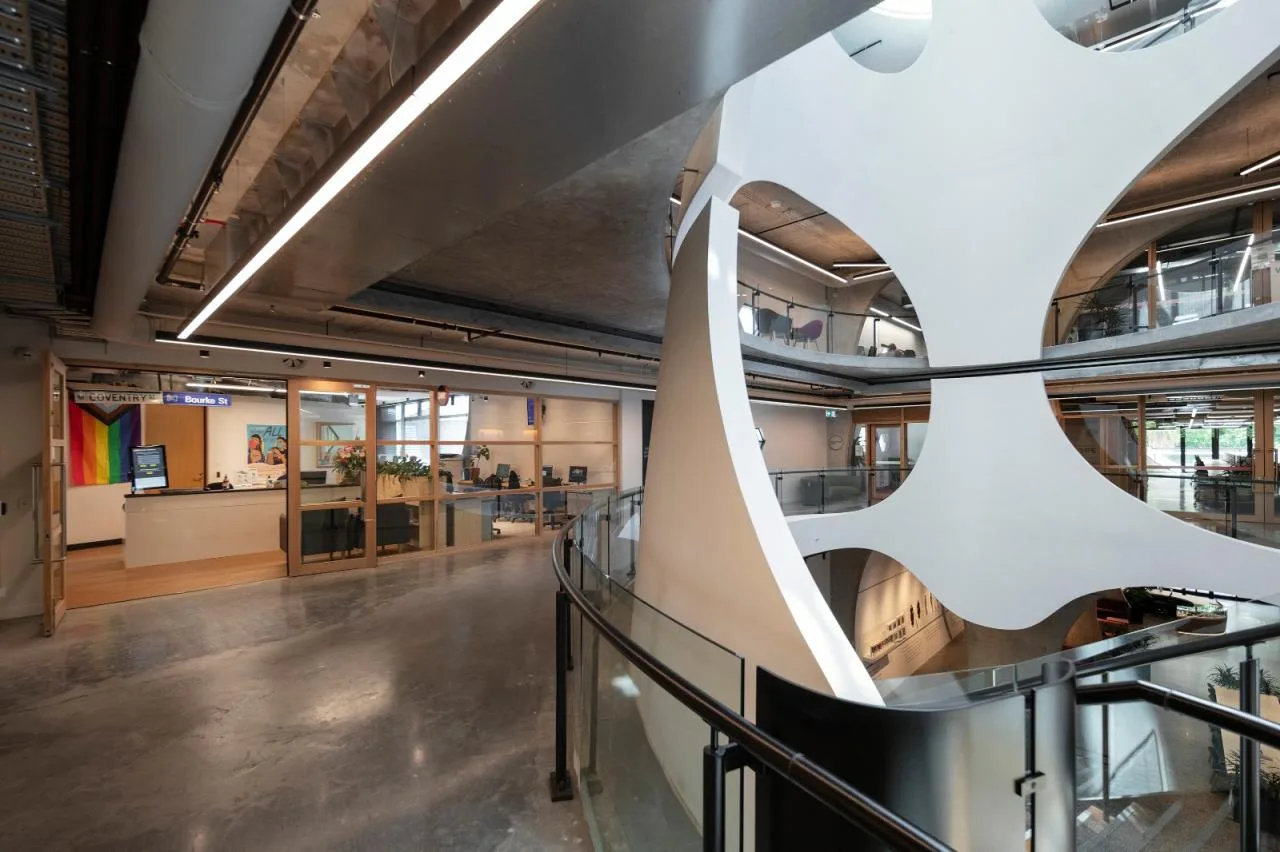
The Victoria Pride Centre’s owner remarked, “Since its completion, the Centre has attracted many visitors.” As the automatic doors open, visitors experience a seamless connection between Fitzroy Street’s streetscape and the indoor concierge, gallery, and event spaces. The design guides guests directly to the atrium, where they can feel the building’s warmth and become part of the community.
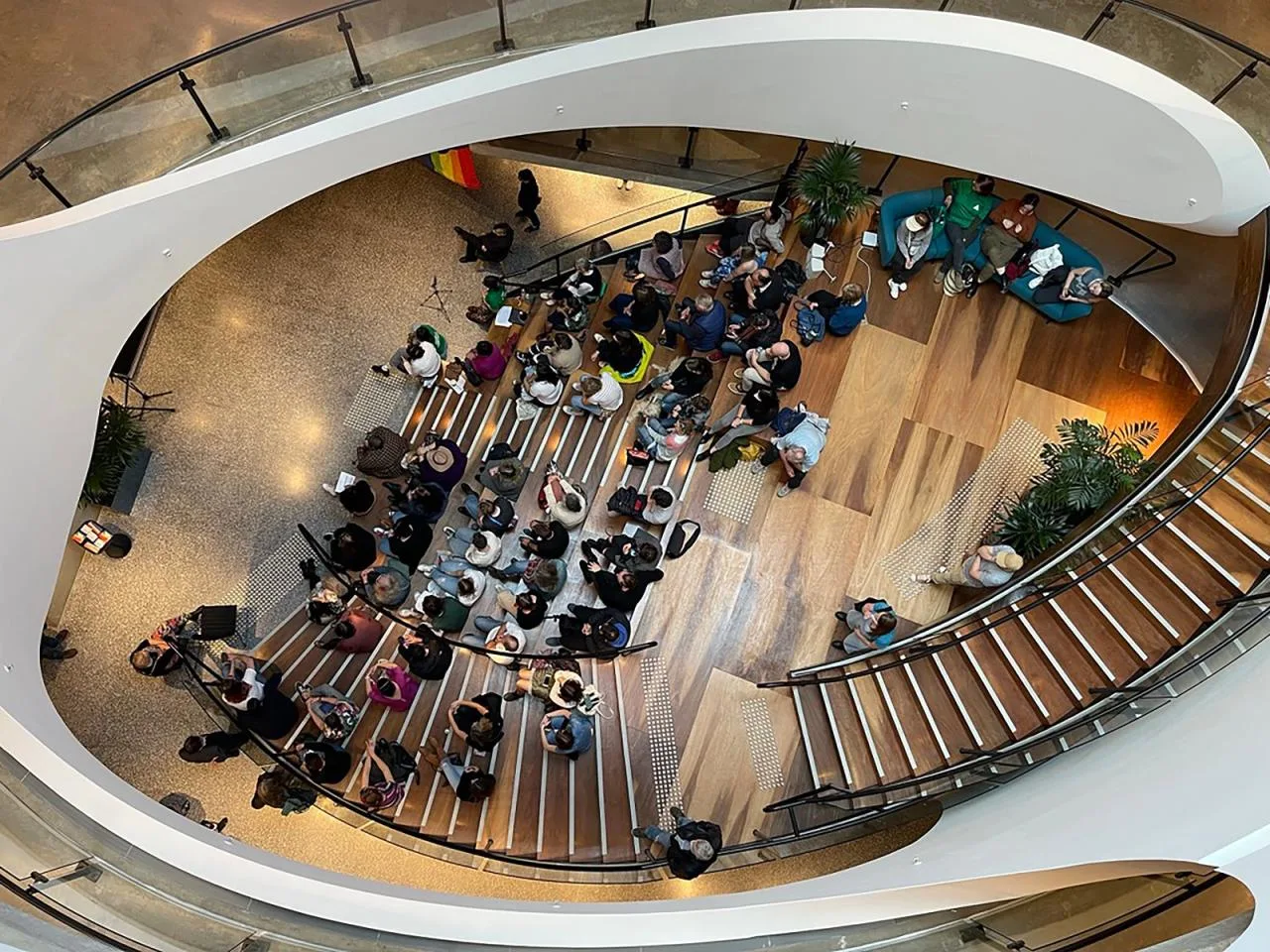
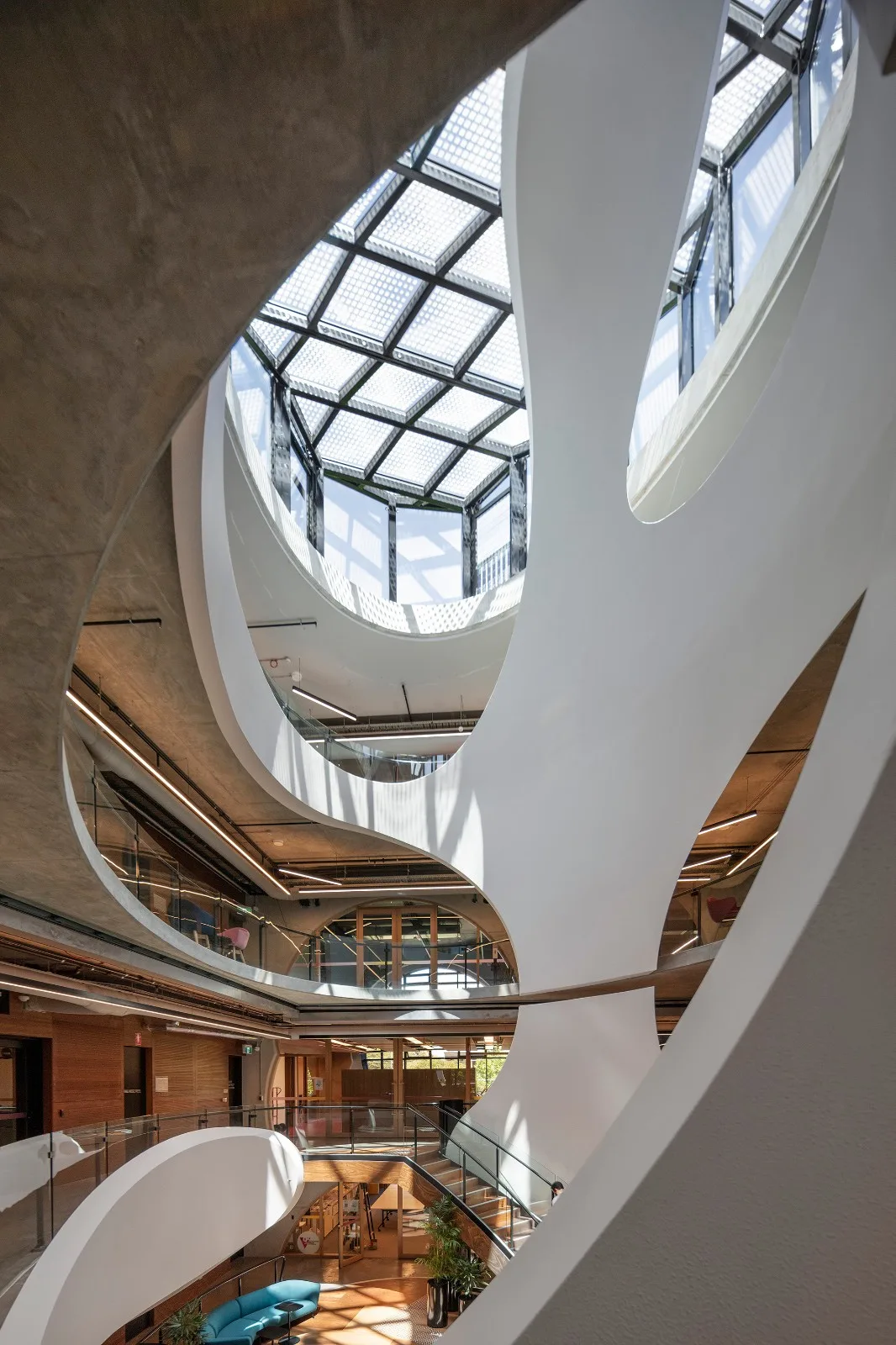
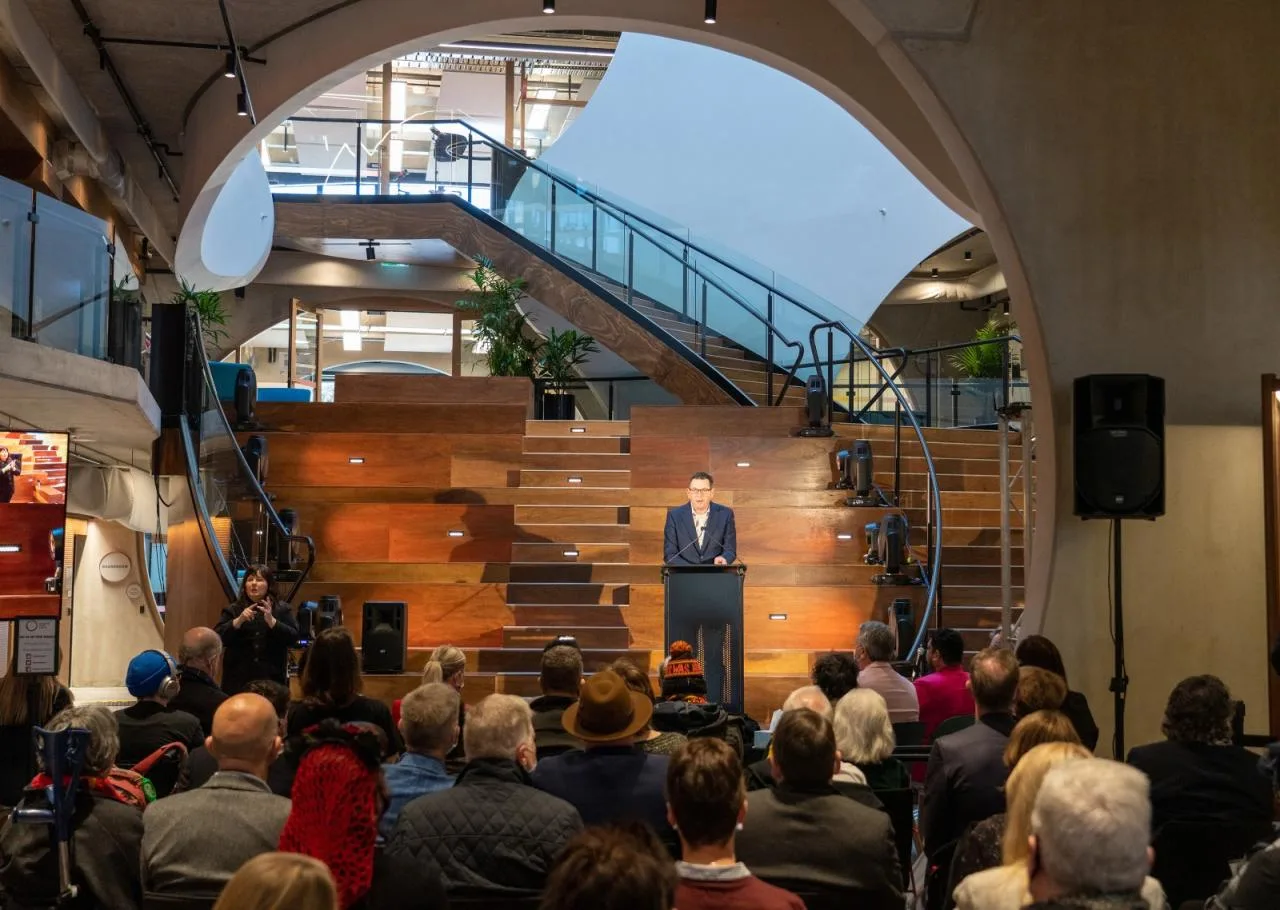
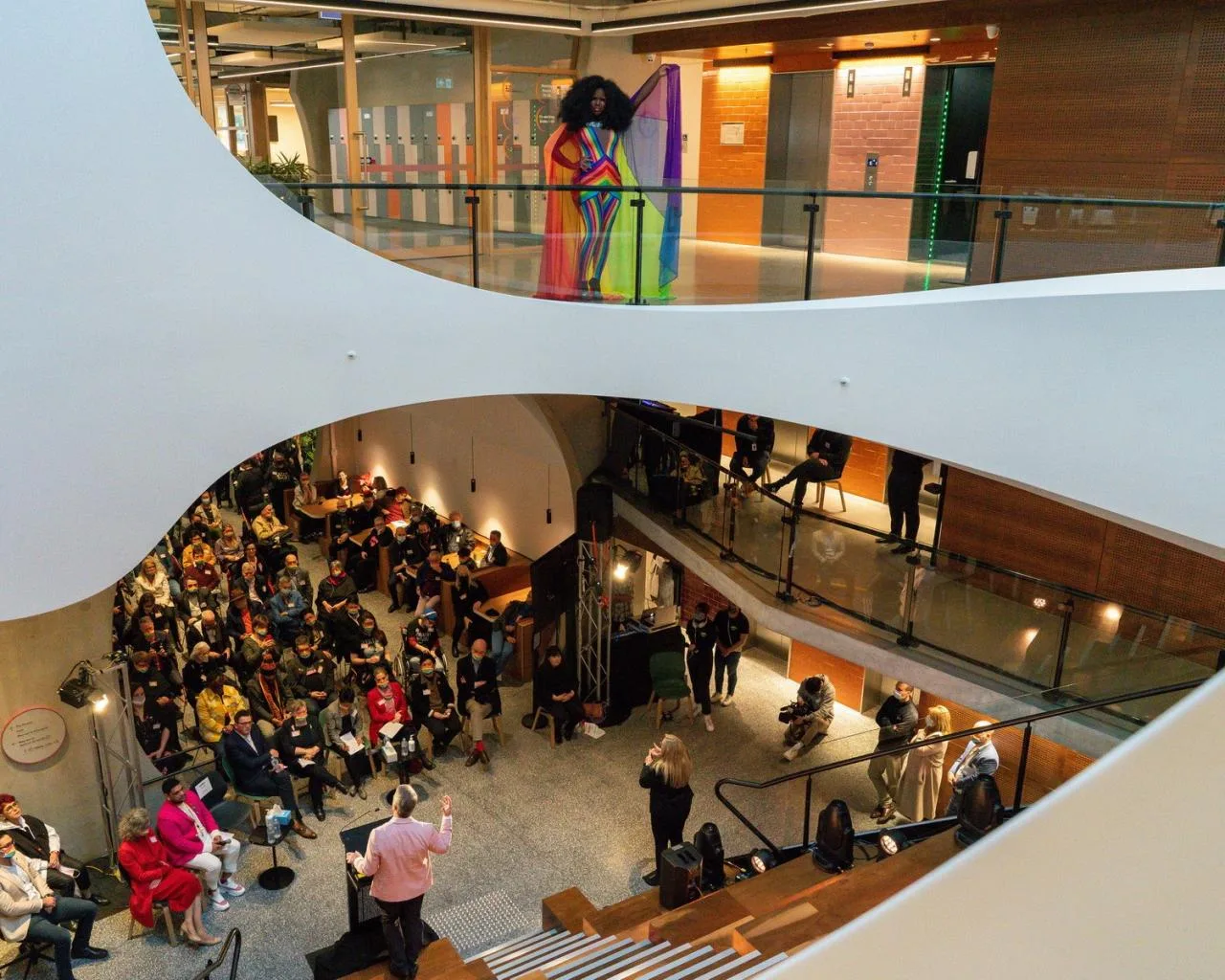
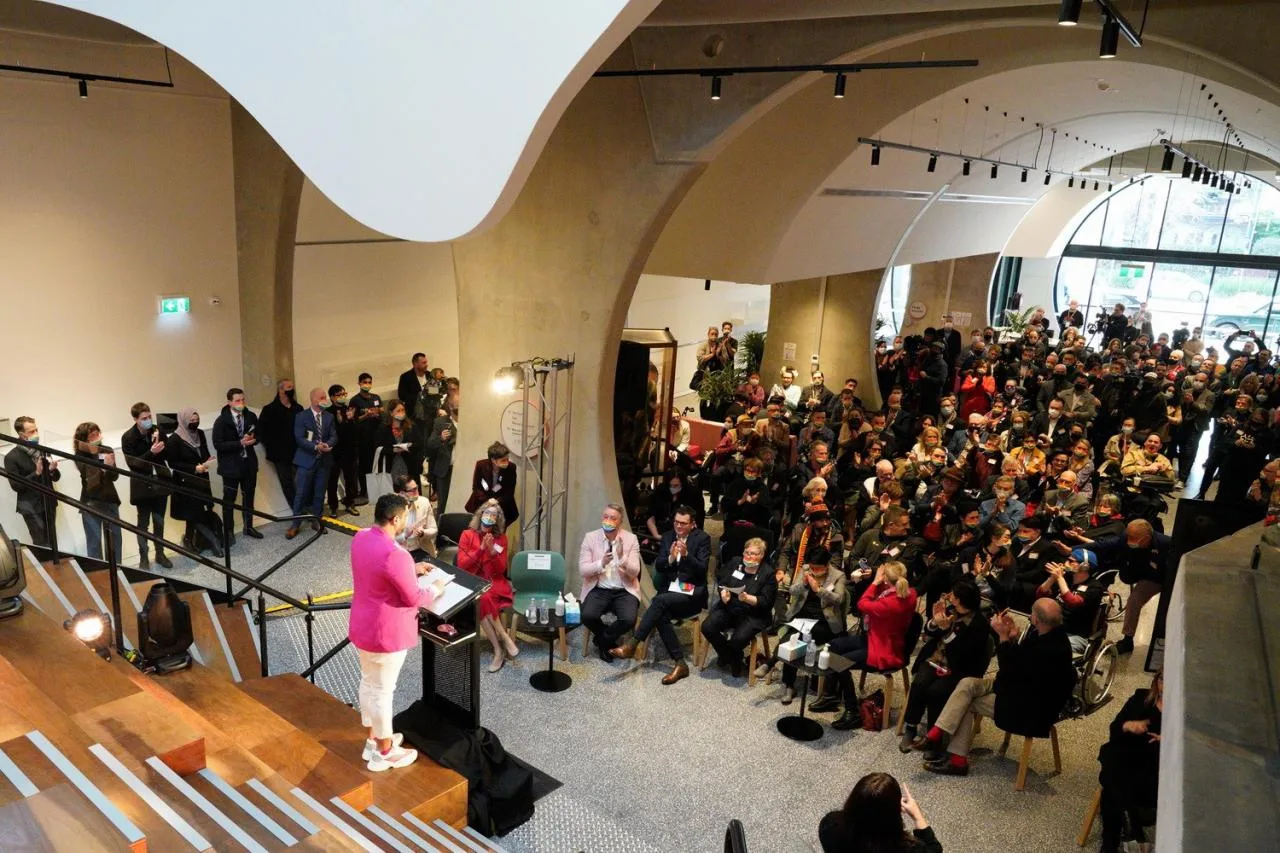
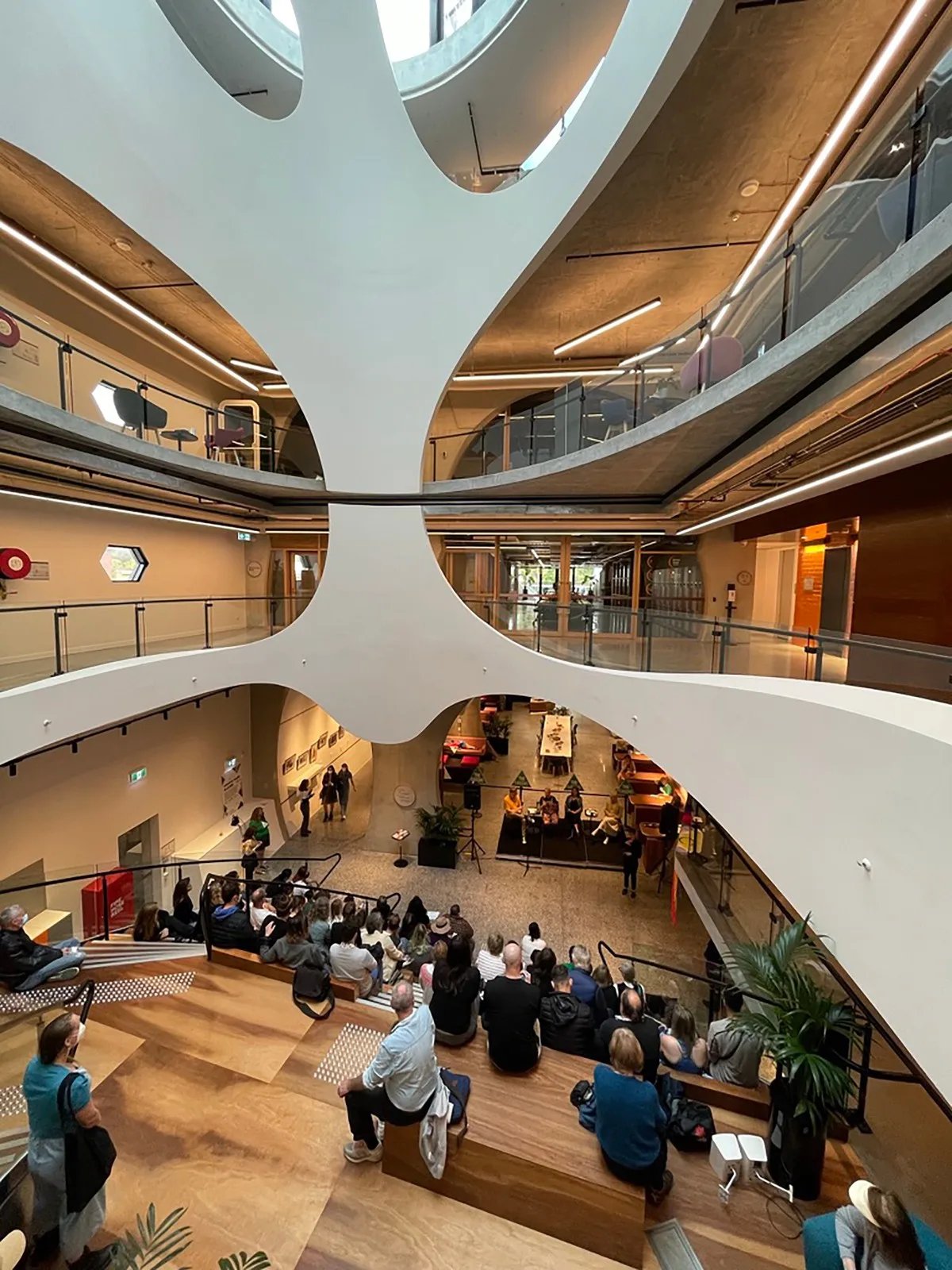
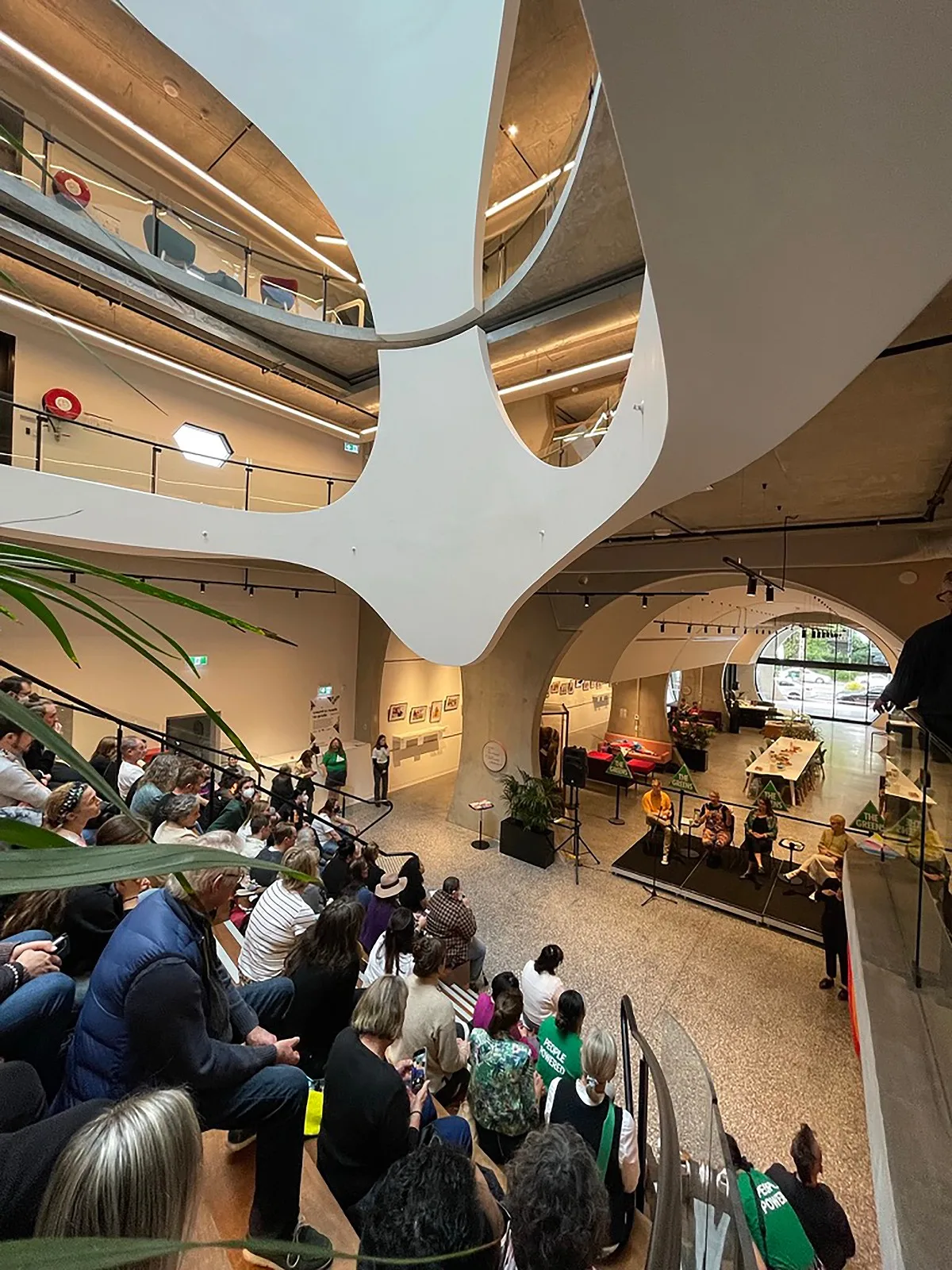
The atrium functions as a lecture hall, live DJ stage, photography location, and a tranquil space for reflection. Rich textures and diverse materials provide a tactile experience that fosters comfort and security for both users and visitors. Moreover, the building inspires a sense of infinite possibilities, a vital characteristic for LGBTQI+ spaces.
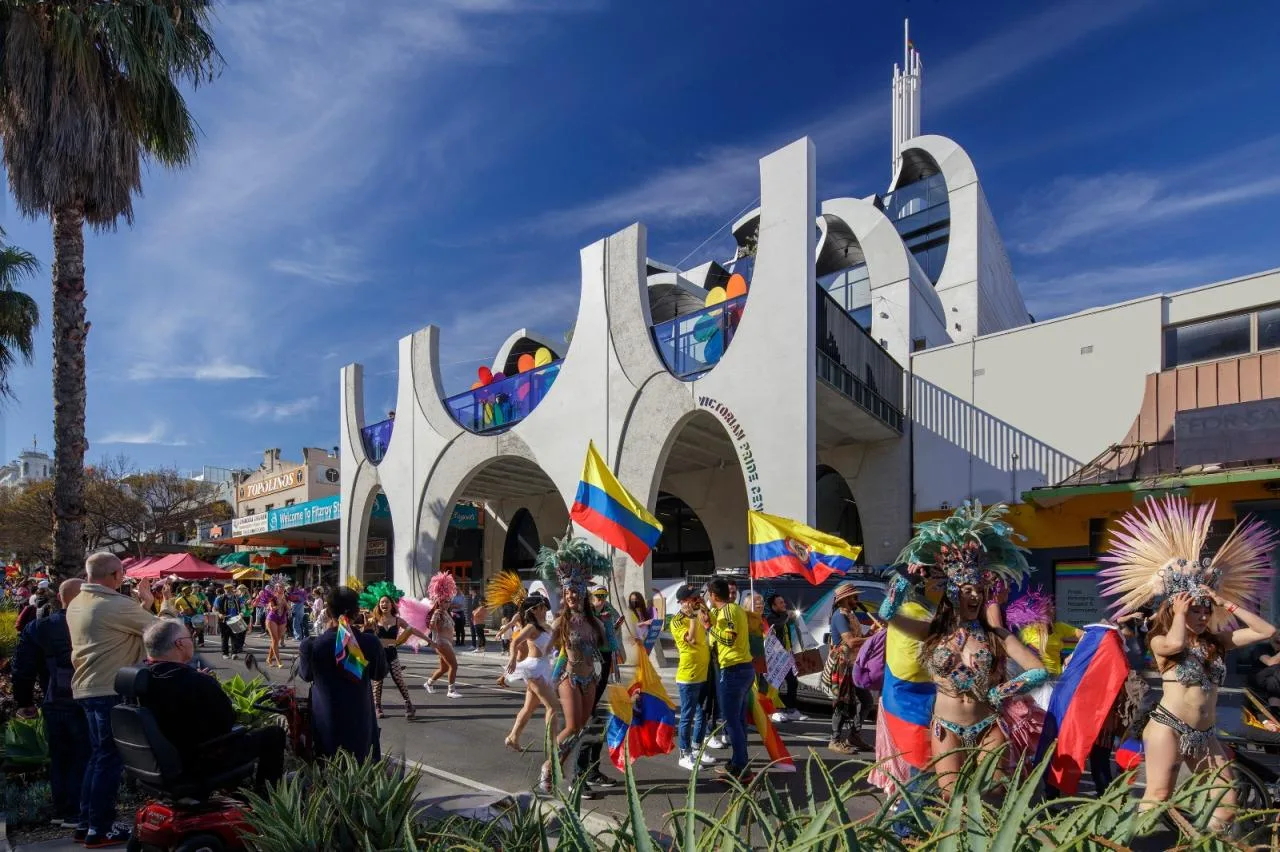
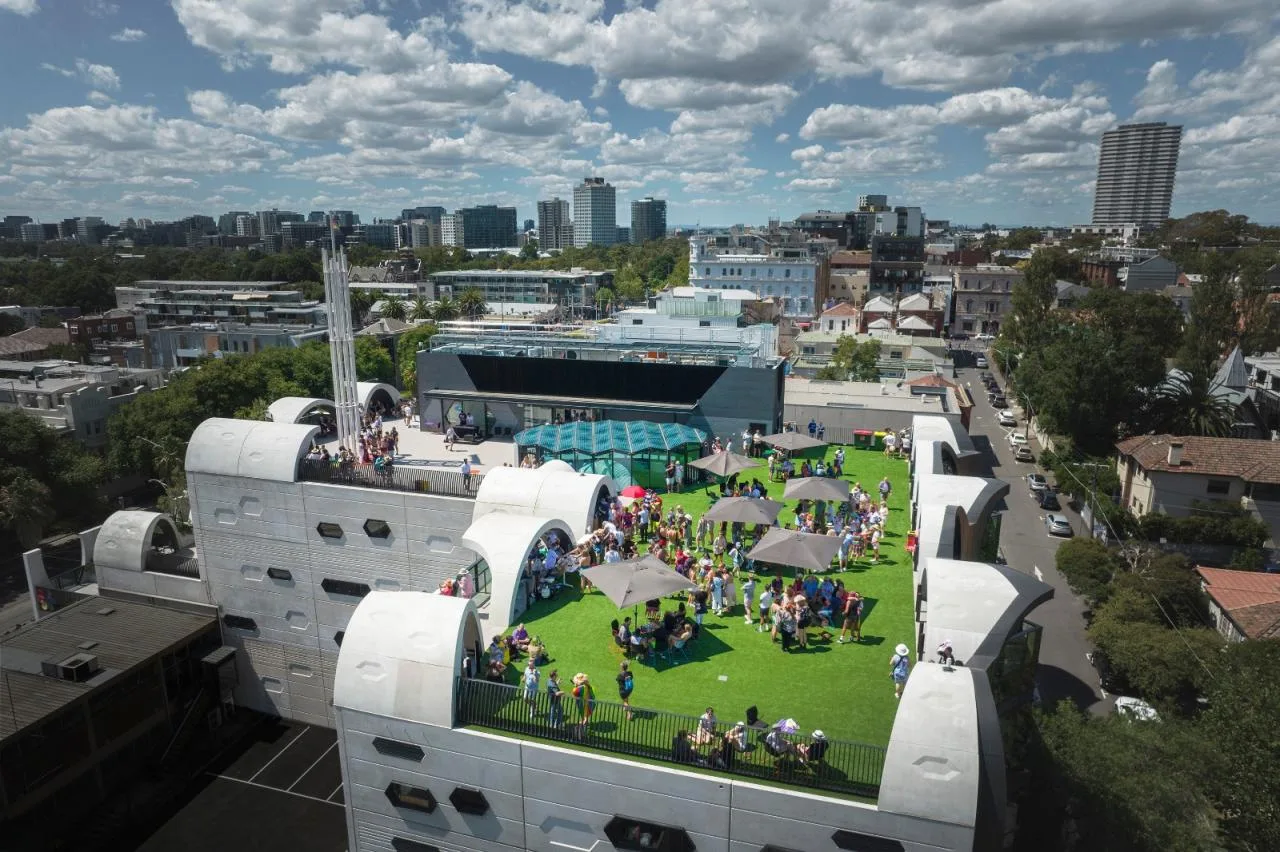
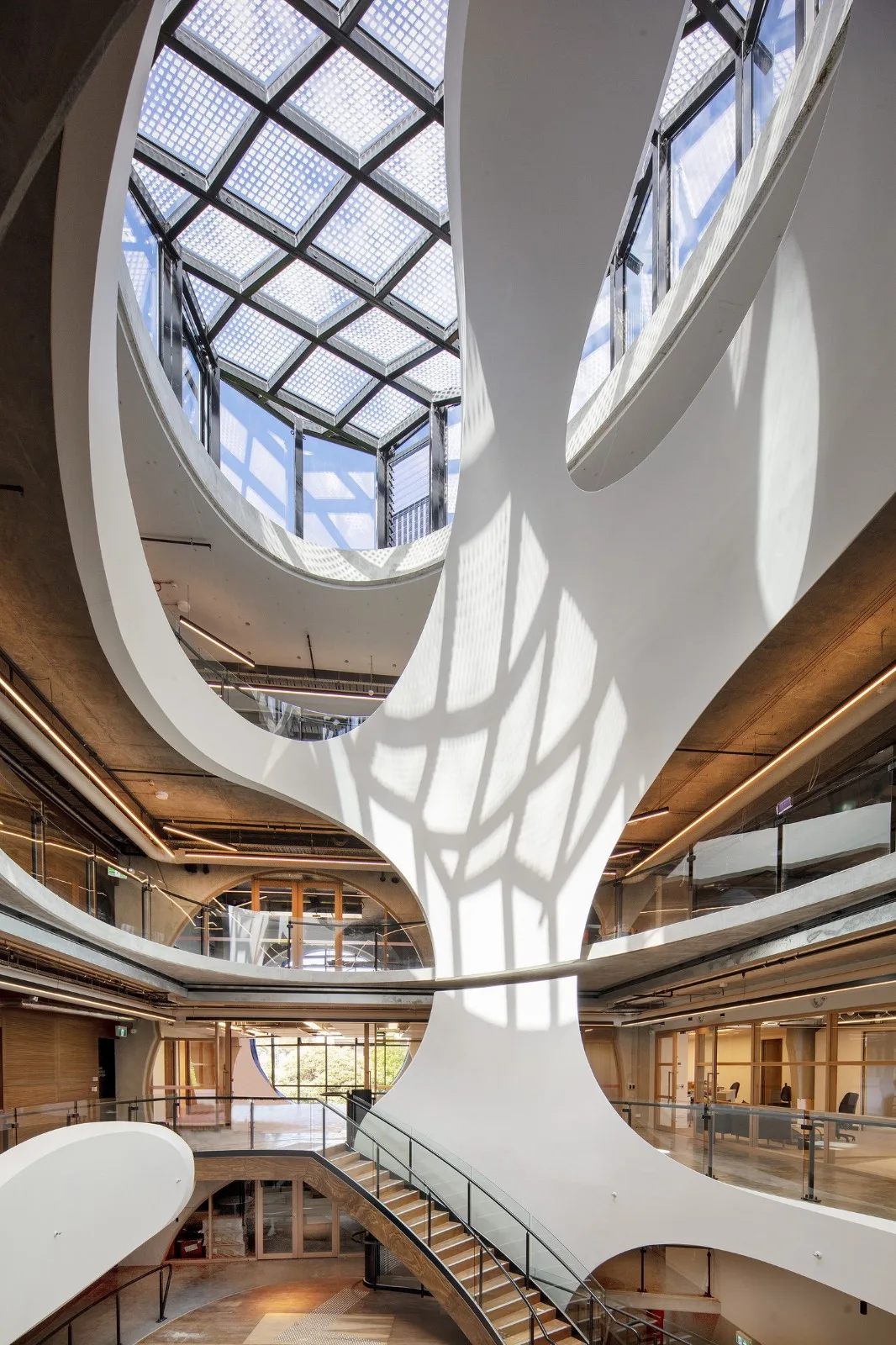
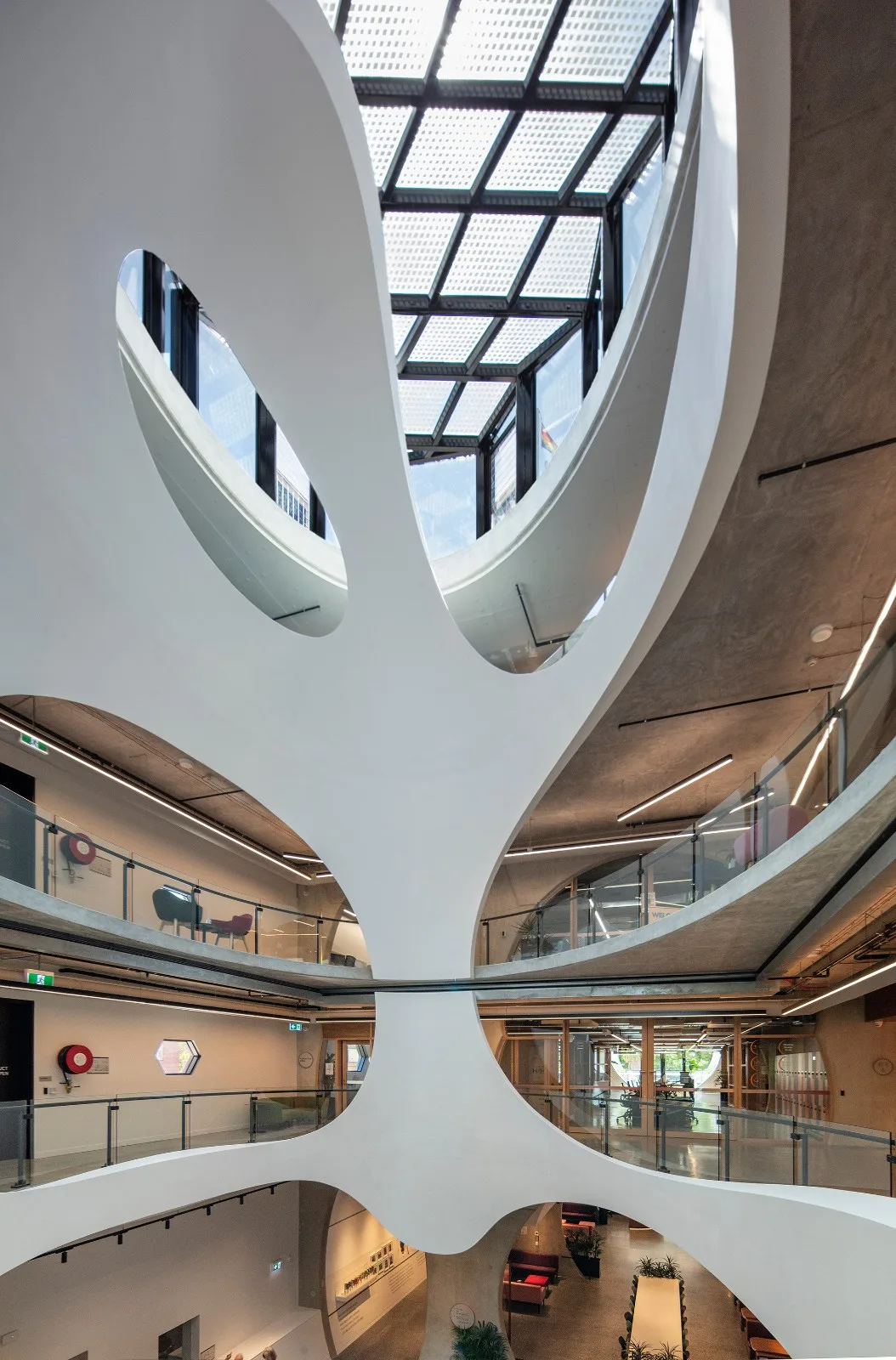
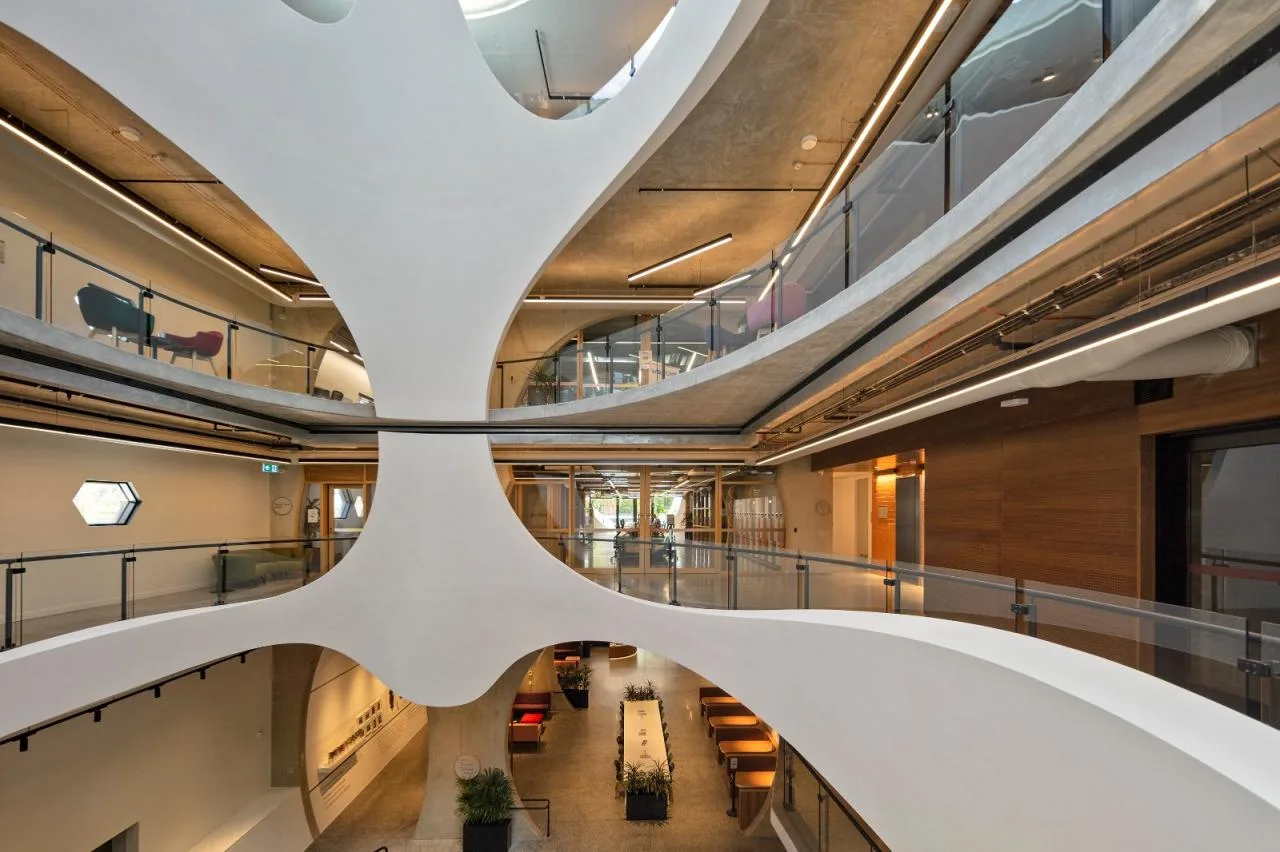
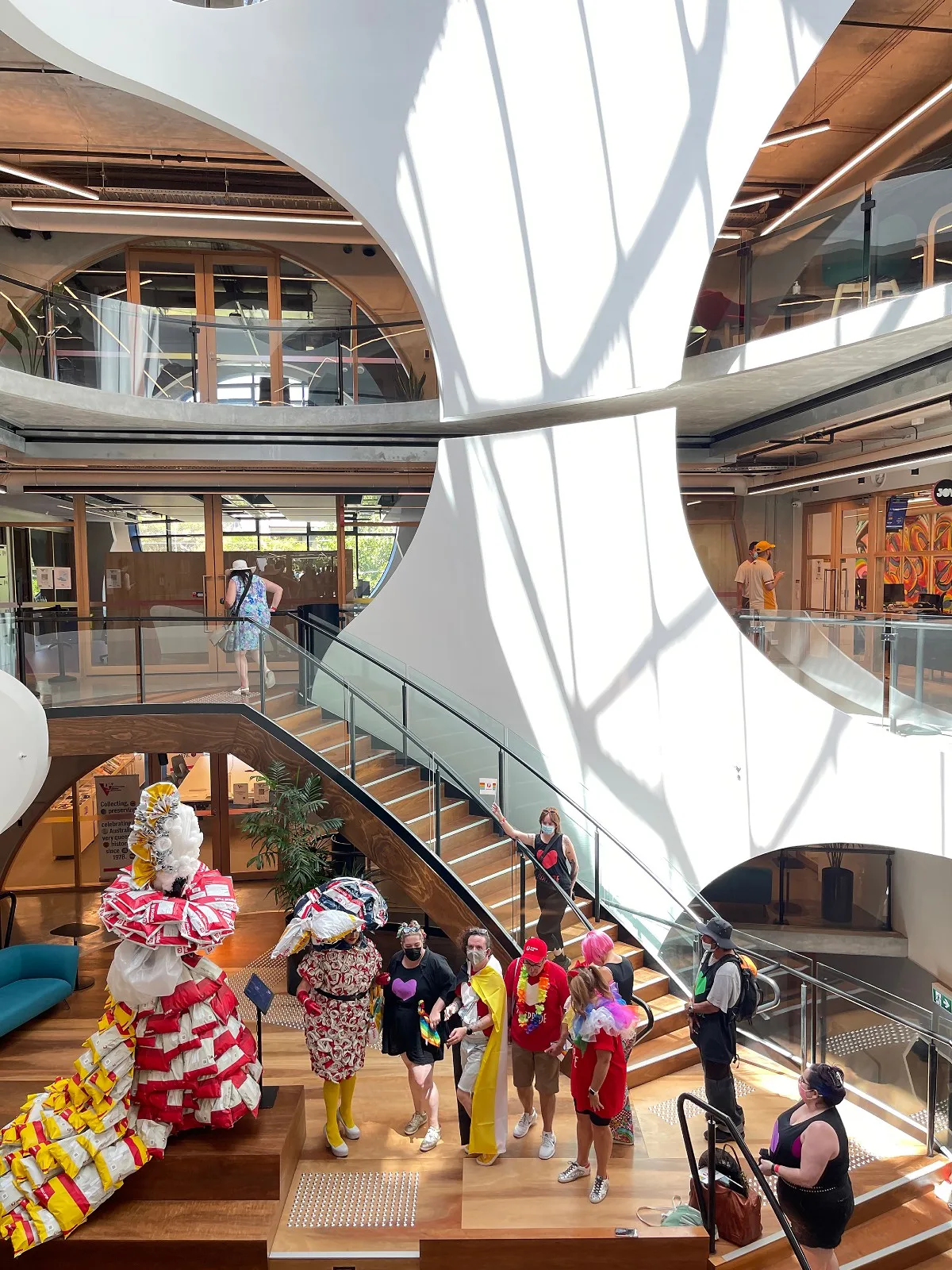
The Victoria Pride Centre transcends traditional spatial use and challenges social norms and class structures. Circulation is organized around an elliptical atrium that radiates outward. A large skylight floods the atrium with natural light, while broad steps connect different levels, doubling as performance stages and informal amphitheaters. This dynamic design makes the atrium the vibrant heart of the building—both legible and inviting.
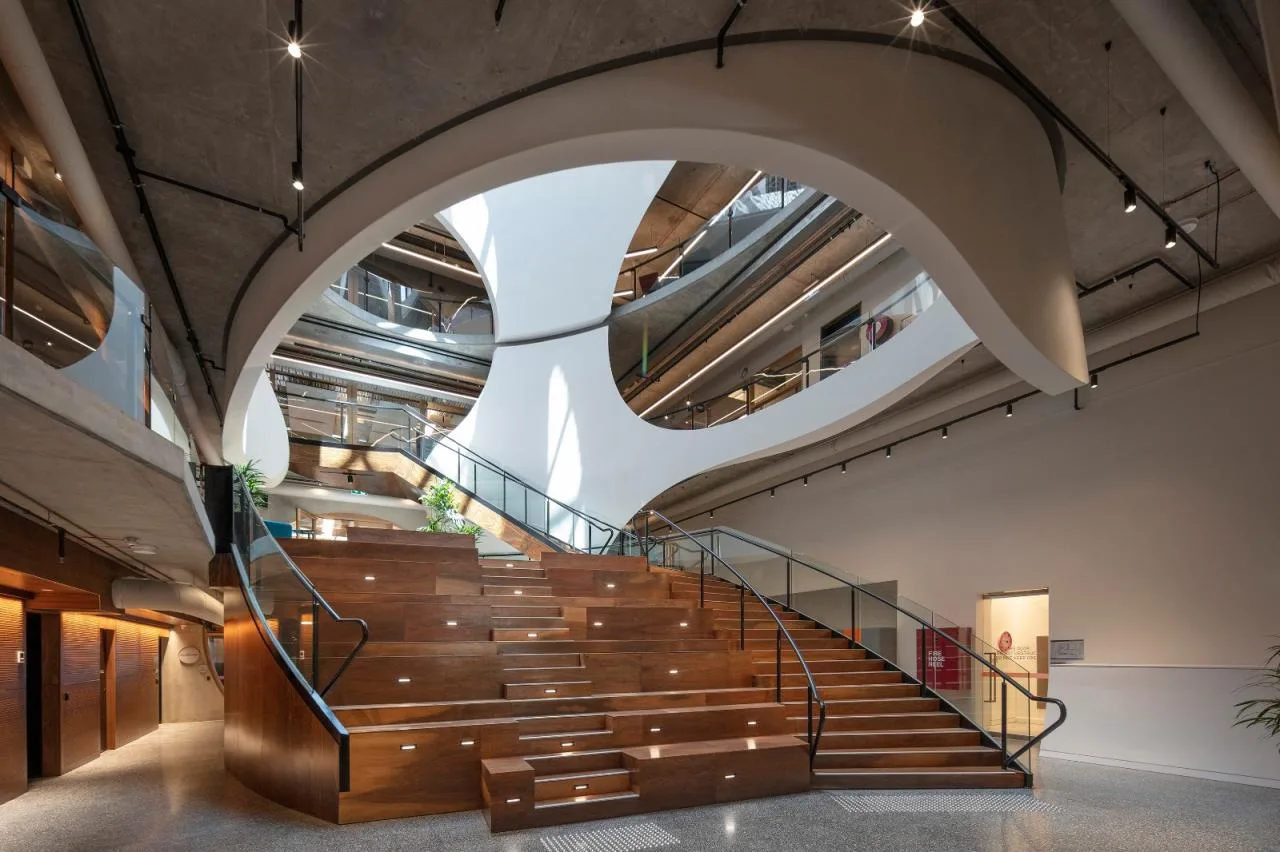
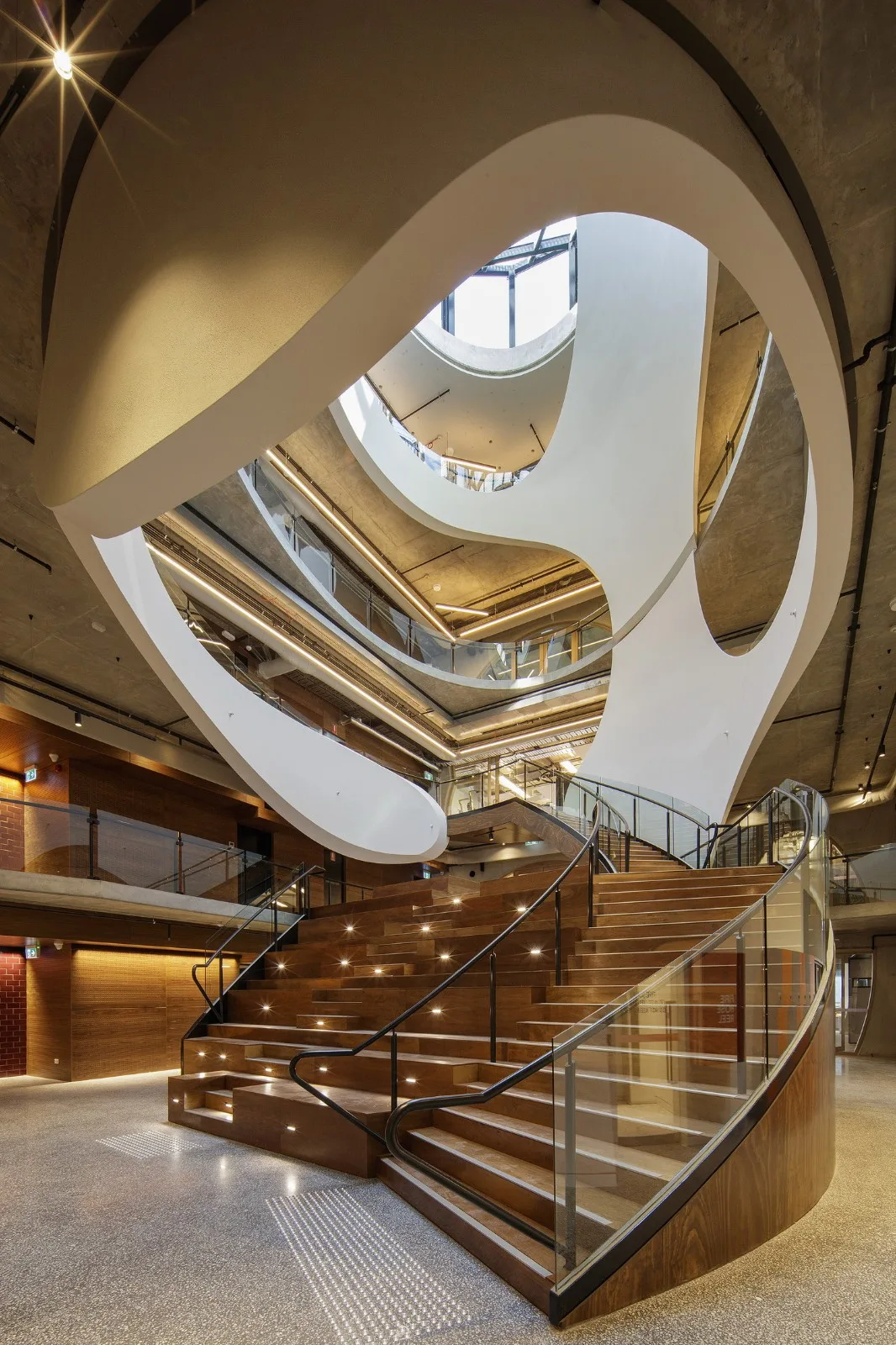
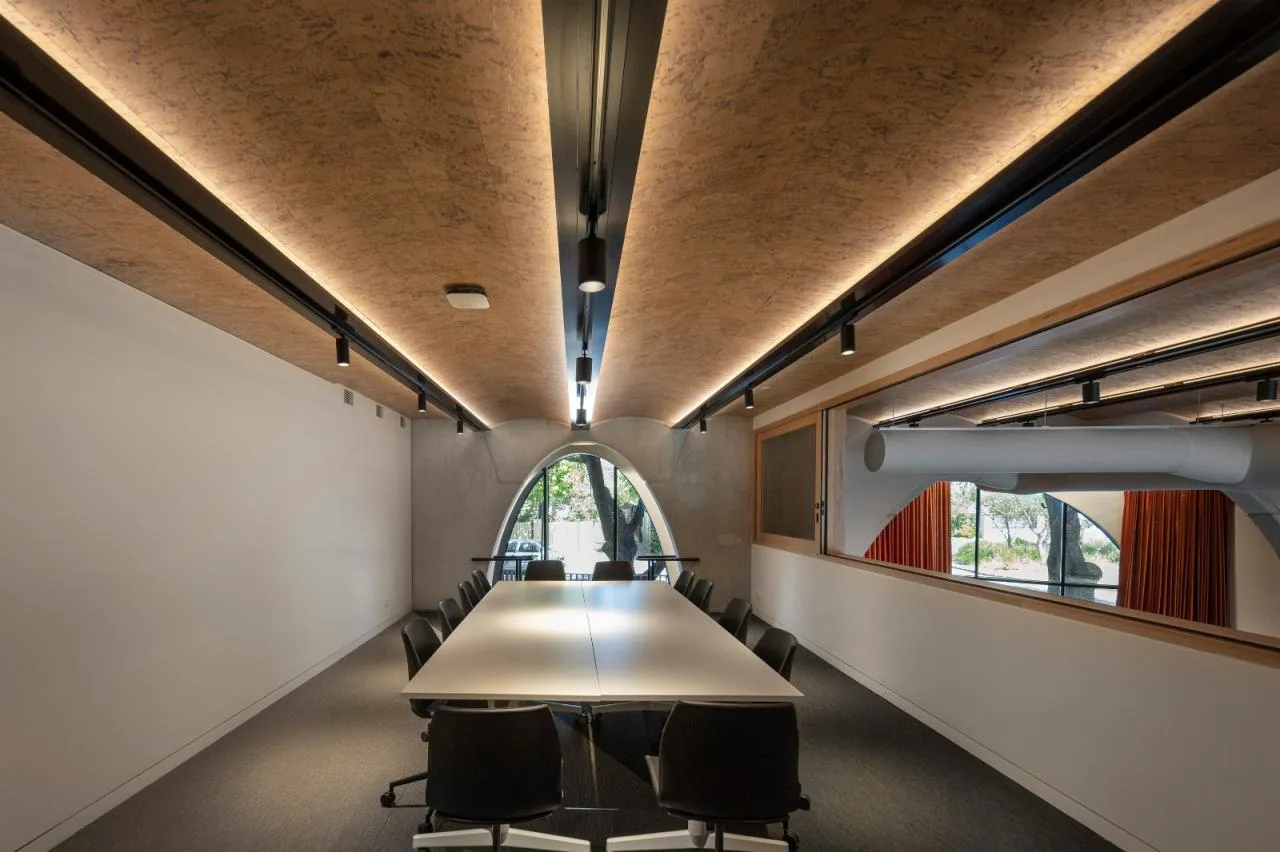
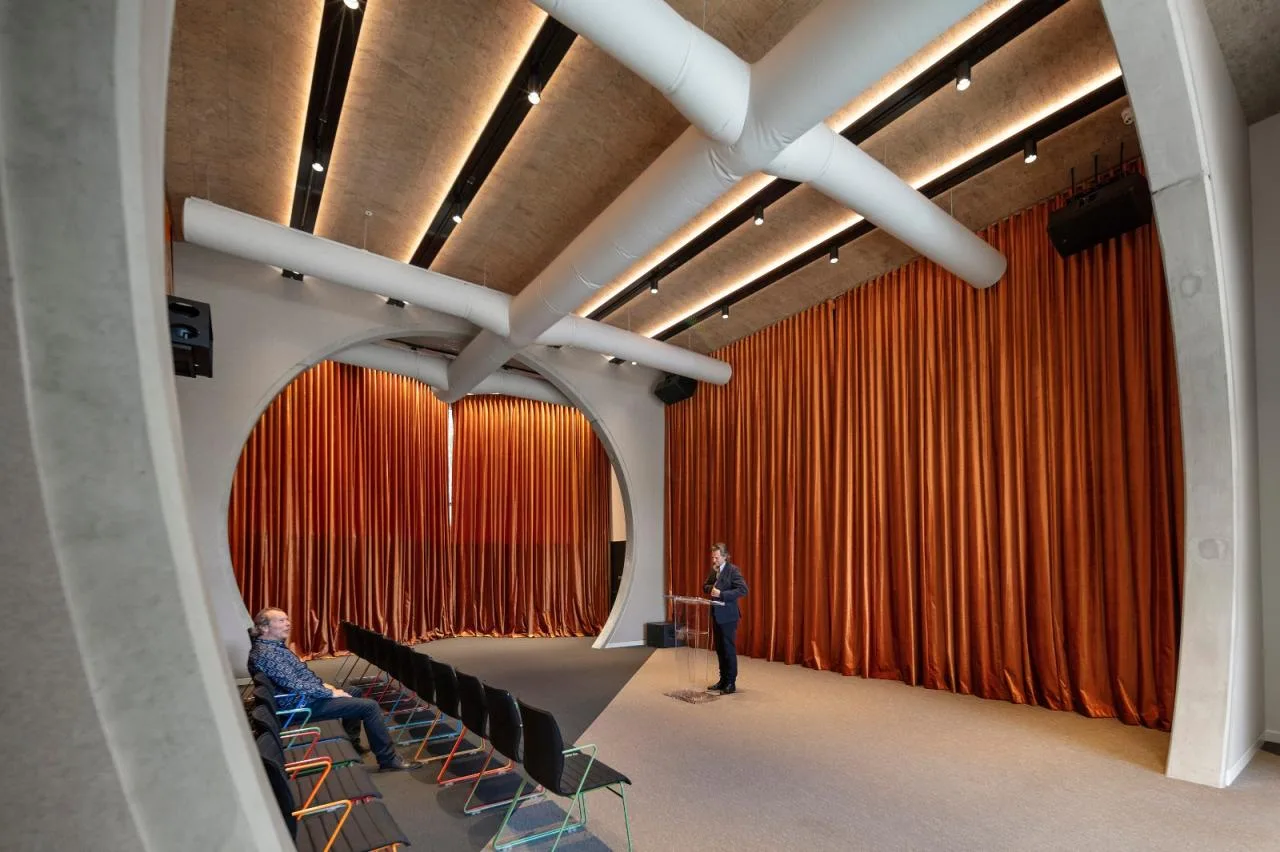
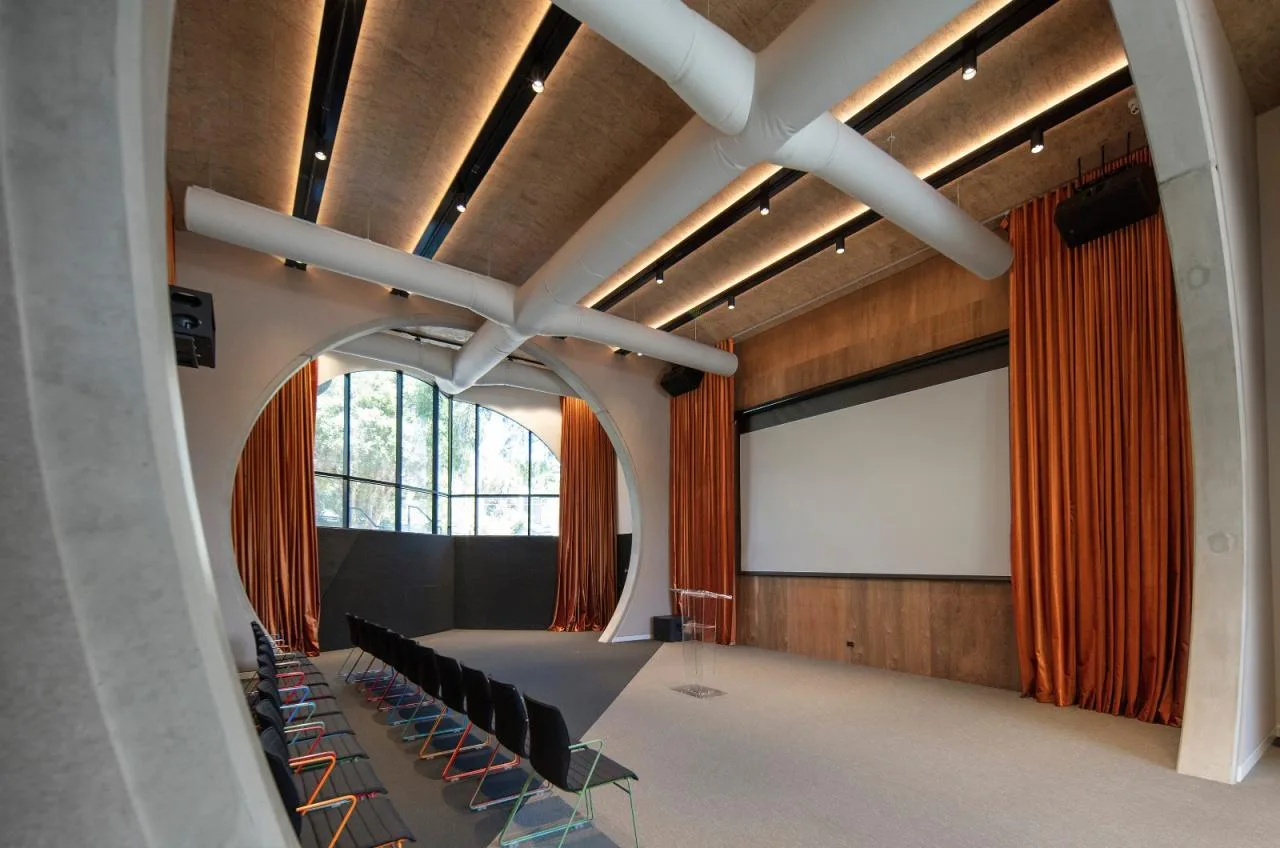
The structural and non-structural elements are designed with clarity and simplicity, clearly distinguishing between fixed and modifiable components. Inside, the original exposed concrete and equipment pipelines are contrasted with warm materials like wood, colored ceramics, and velvet curtains, deepening the concept of inclusive aesthetics.
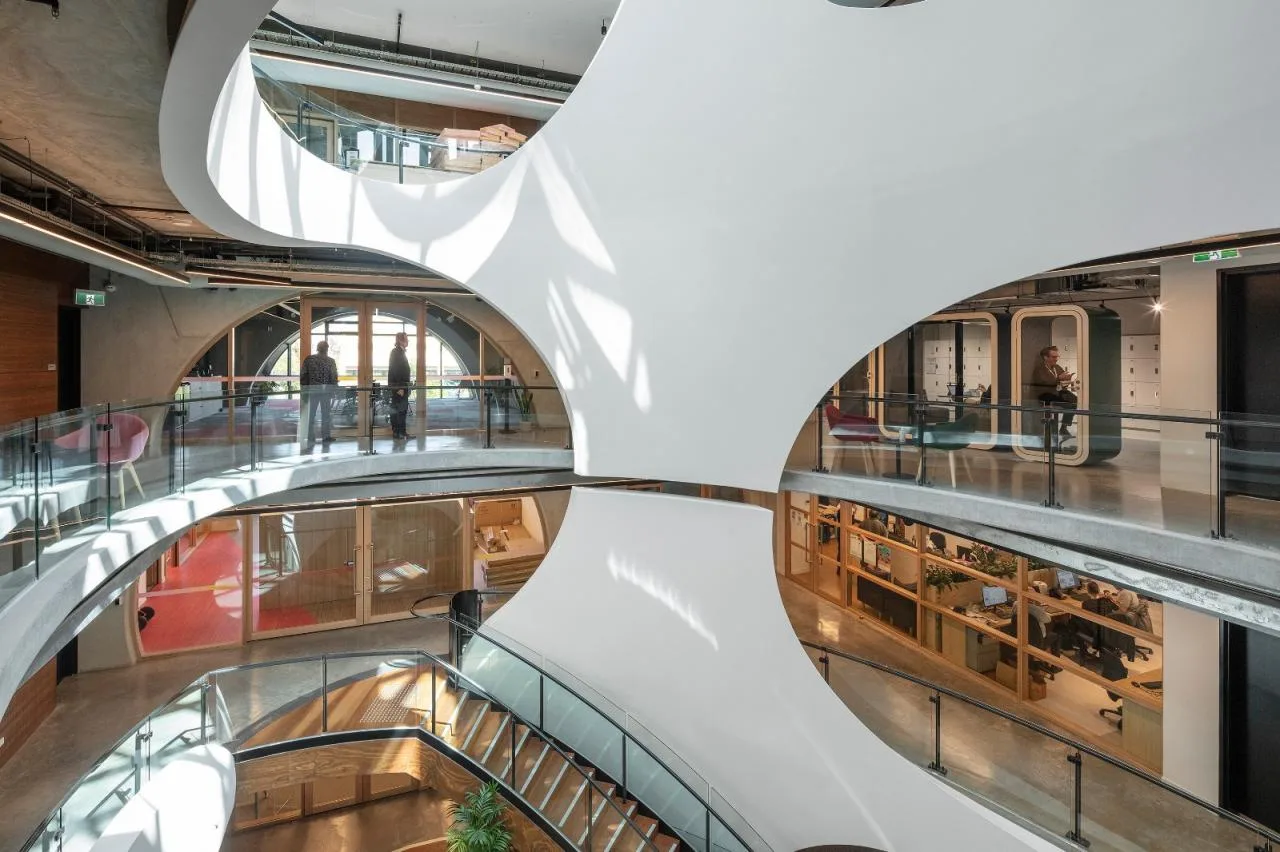
The building also includes small studios designed like alleyway shops. These “storefronts” feature wooden frames, suspended wall tracks, and track lighting, creating a warm, welcoming environment where people feel comfortable expressing their true selves.
Environmental Sustainable Design
The Building Environment Sustainability Scorecard (BESS) tool was extensively used to benchmark performance. The project achieved the highest “Excellence” rating in the BESS system, comparable to a green building certification of 5 stars or above. BESS evaluates specific sustainable design measures applied throughout the project.
BESS Evaluation Categories and Project Scores:
- 100% Operational Management
- 50% Water Savings
- 85% Energy Savings
- 100% Rainwater Collection
- 33% Residential Environment Quality
- 50% Sustainable Transportation
- 66% Waste Disposal
- 62% Urban Ecological Environment
- 100% Innovation
- Total Score: 71%
Key ESD Principles Applied:
- Minimizing consumption of natural resources, including water and raw materials.
- Reducing construction-related environmental impacts, such as energy use and ecological costs of materials.
- Lowering operational environmental impacts, including energy consumption, waste generation, and pollutant emissions.
- Maintaining comfortable internal temperatures year-round while minimizing energy use.
- Creating a healthy indoor environment by limiting harmful volatile compounds and preventing dust and external pollutants.
- Promoting sustainable, comprehensive, and convenient transportation options.
- Implementing sustainable, low-maintenance design to avoid excessive construction.
- Supporting urban ecological systems.
As of July 25, 2022, the Victoria Pride Centre has received several prestigious awards:
- The William Ward Award, the highest honor for public buildings in Victoria, awarded by the Australian Institute of Architects (2022)
- 2022 City of Port Phillip Design and Development Awards (Australia): Public Building Award, Interior Design Award, and Sustainable Development Award
- 2021 Australian Architecture Awards: Highest Architecture Gold Award in the Commercial, Community, and Public Building category
- 2021 DRIVENxDESIGN Melbourne Design Awards: Gold Award and Best Design Honor in the Public Building category
Project Drawings
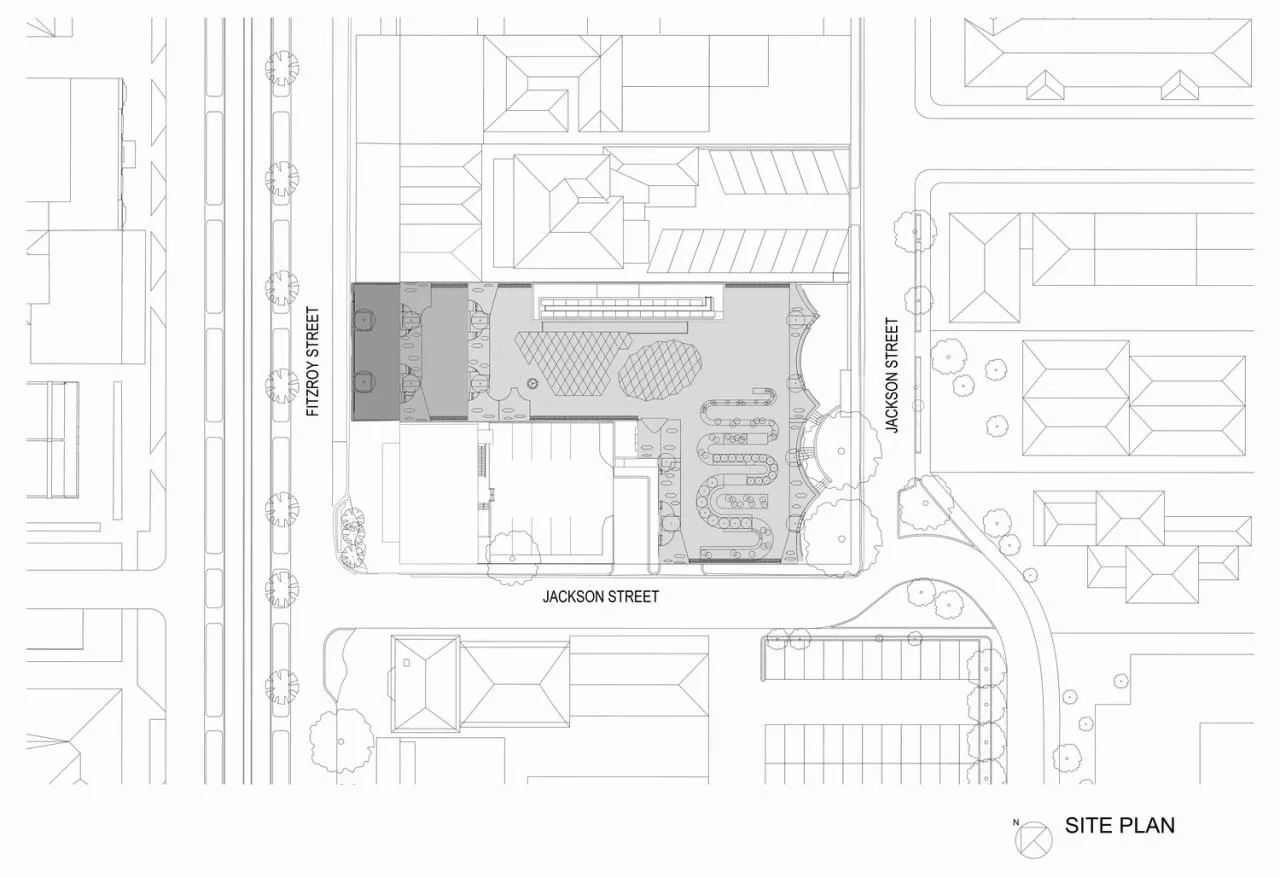
△ General layout plan
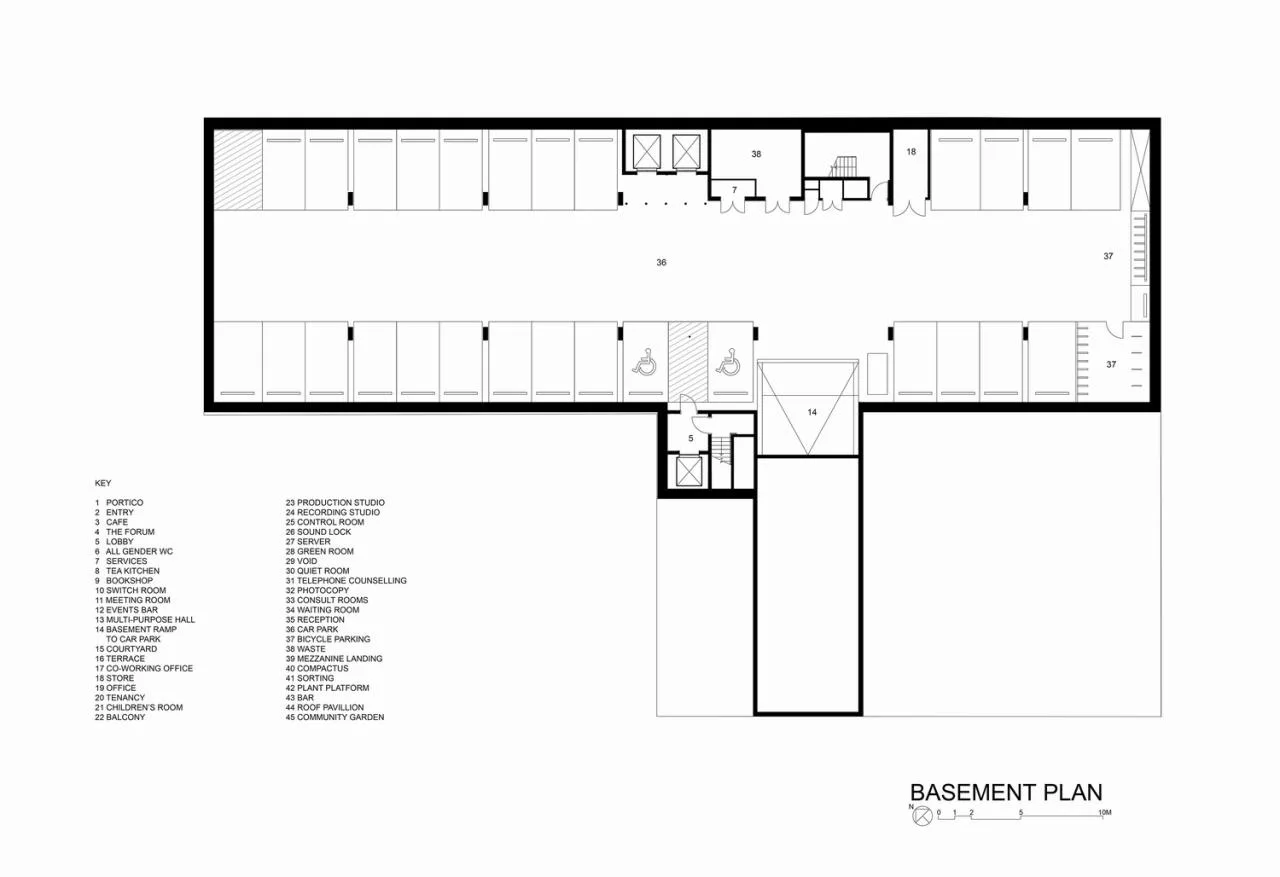
△ Underground floor plan
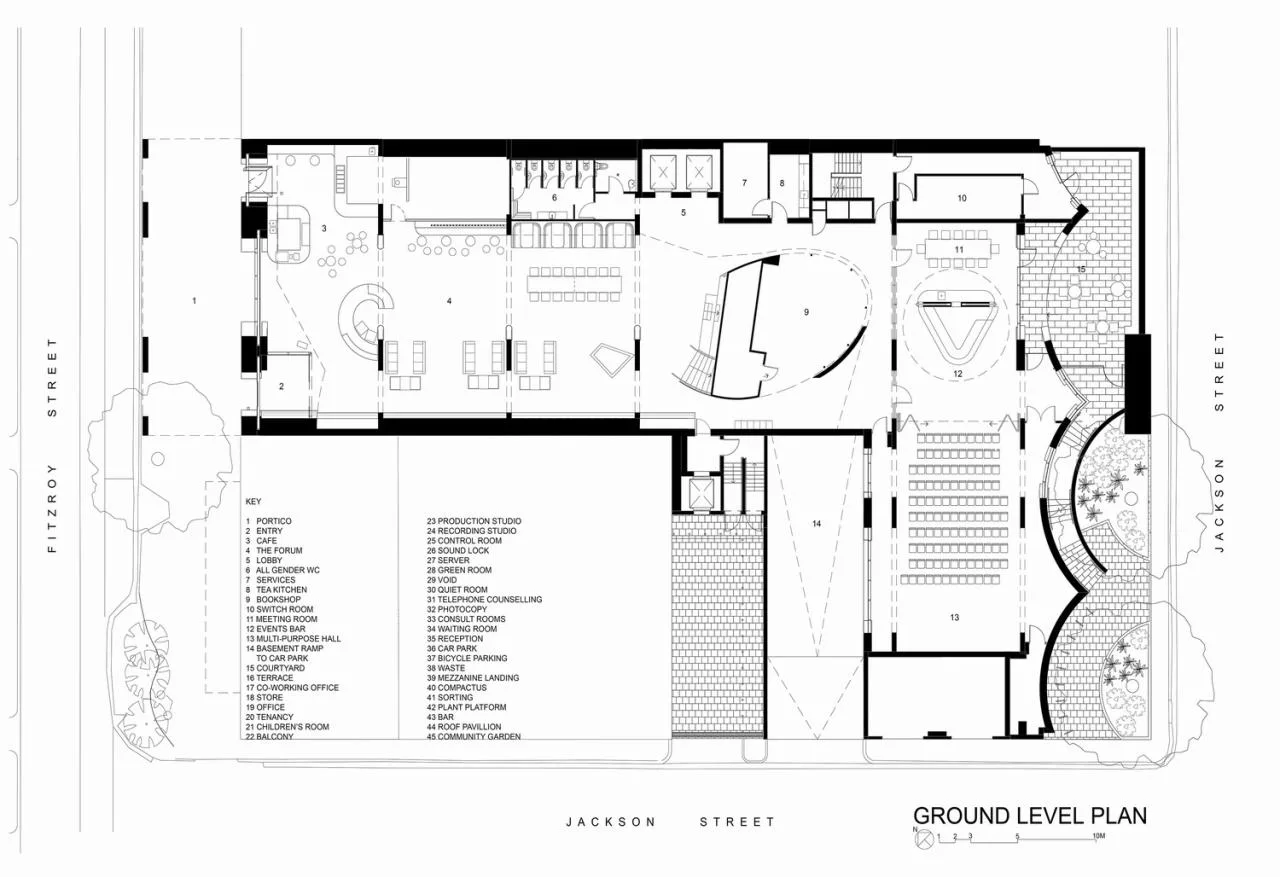
First floor plan
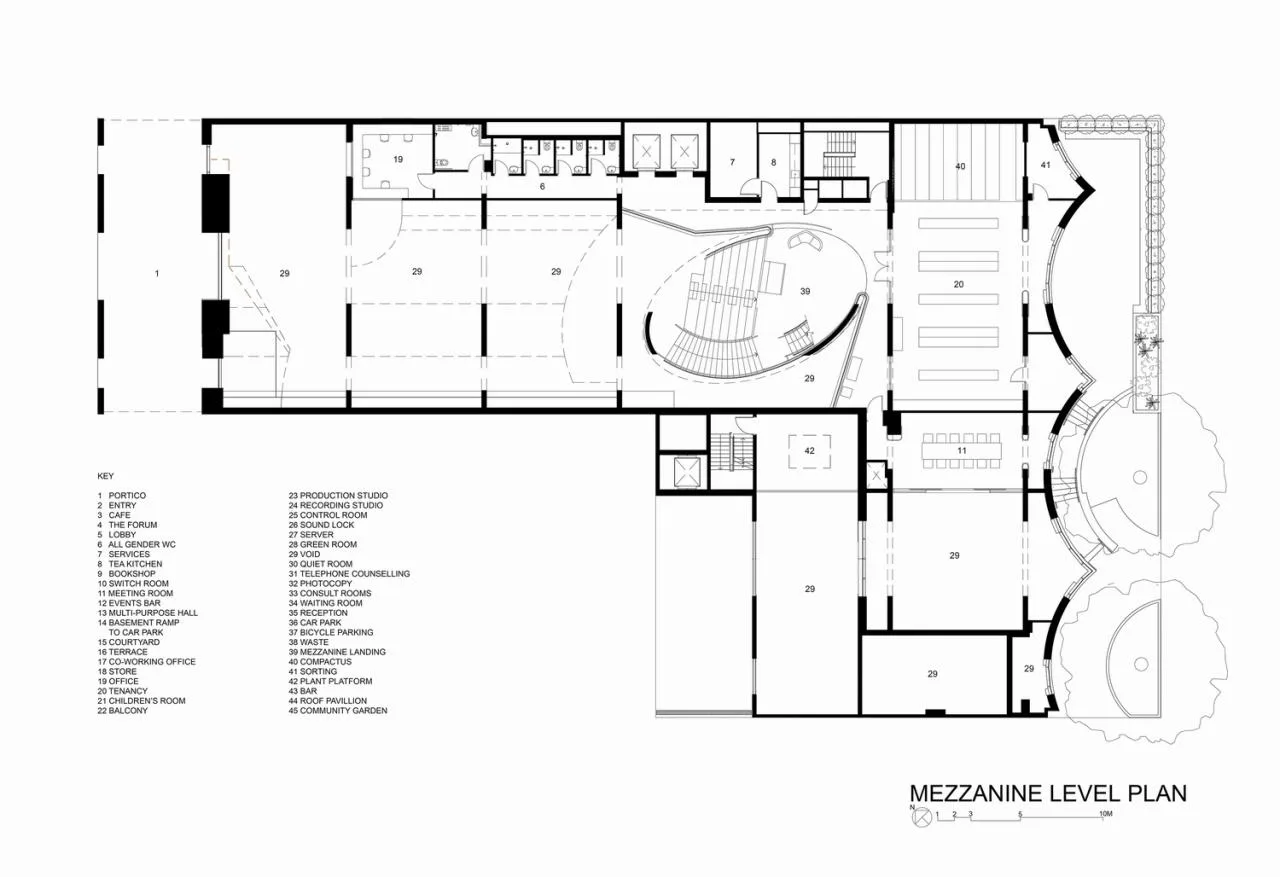
△ Mezzanine plan
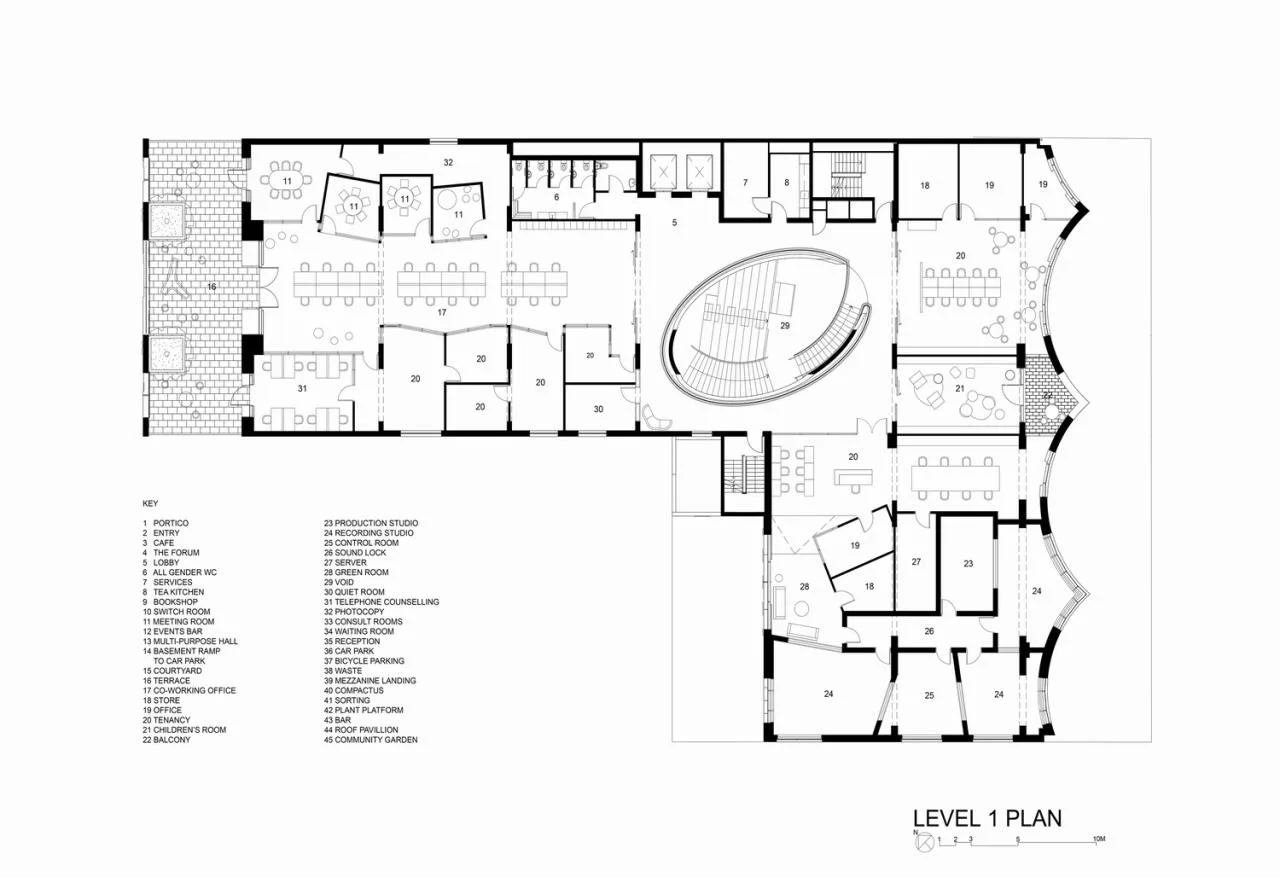
△ First floor plan
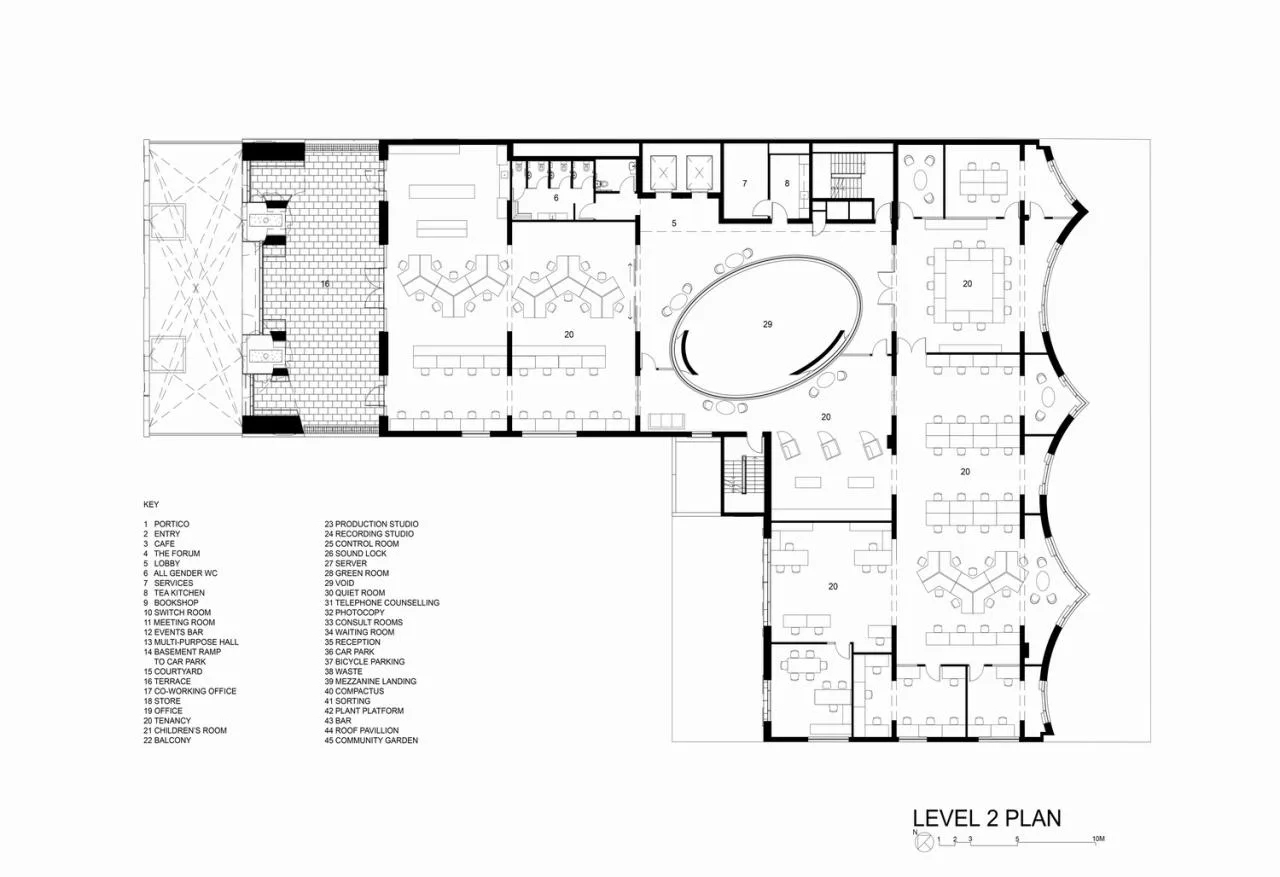
△ Second floor plan
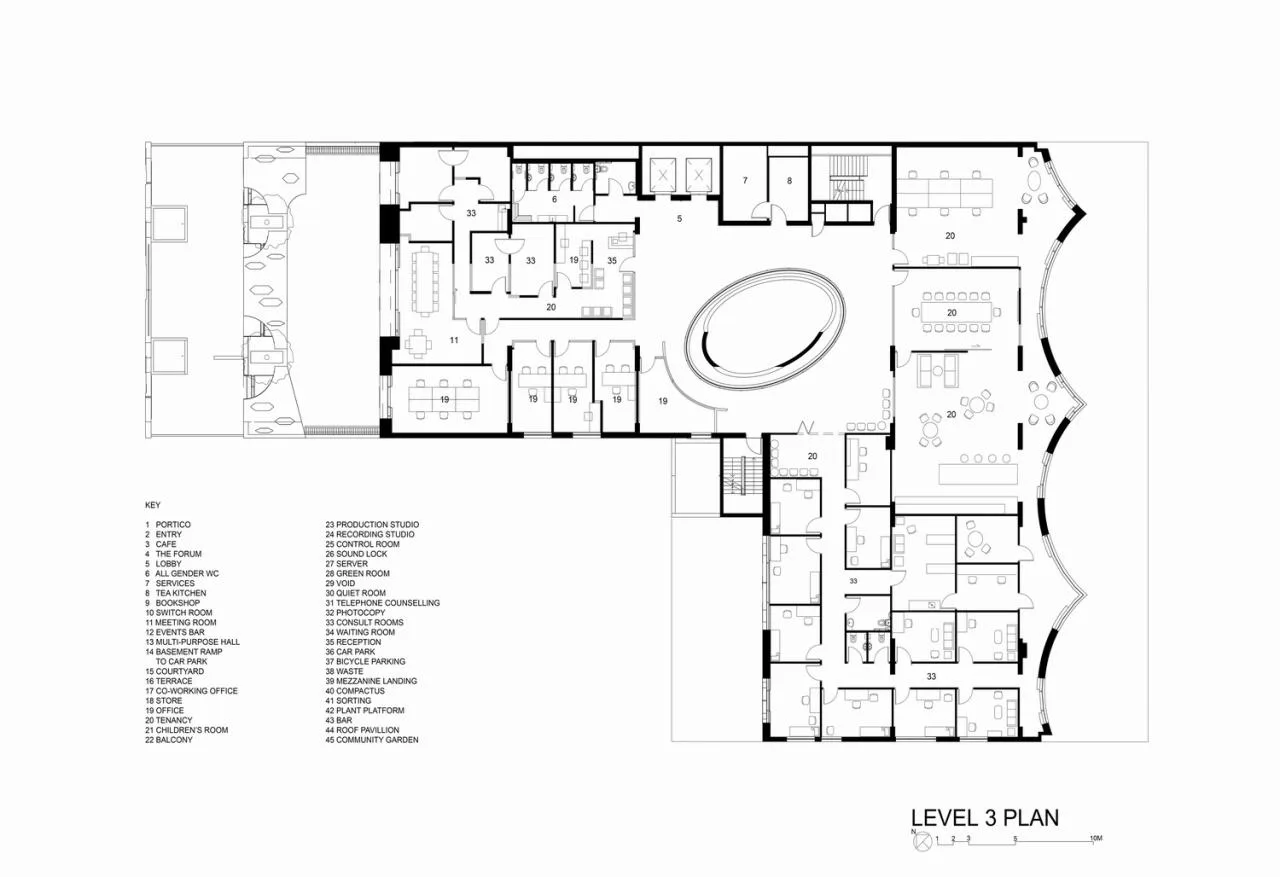
△ Third floor plan
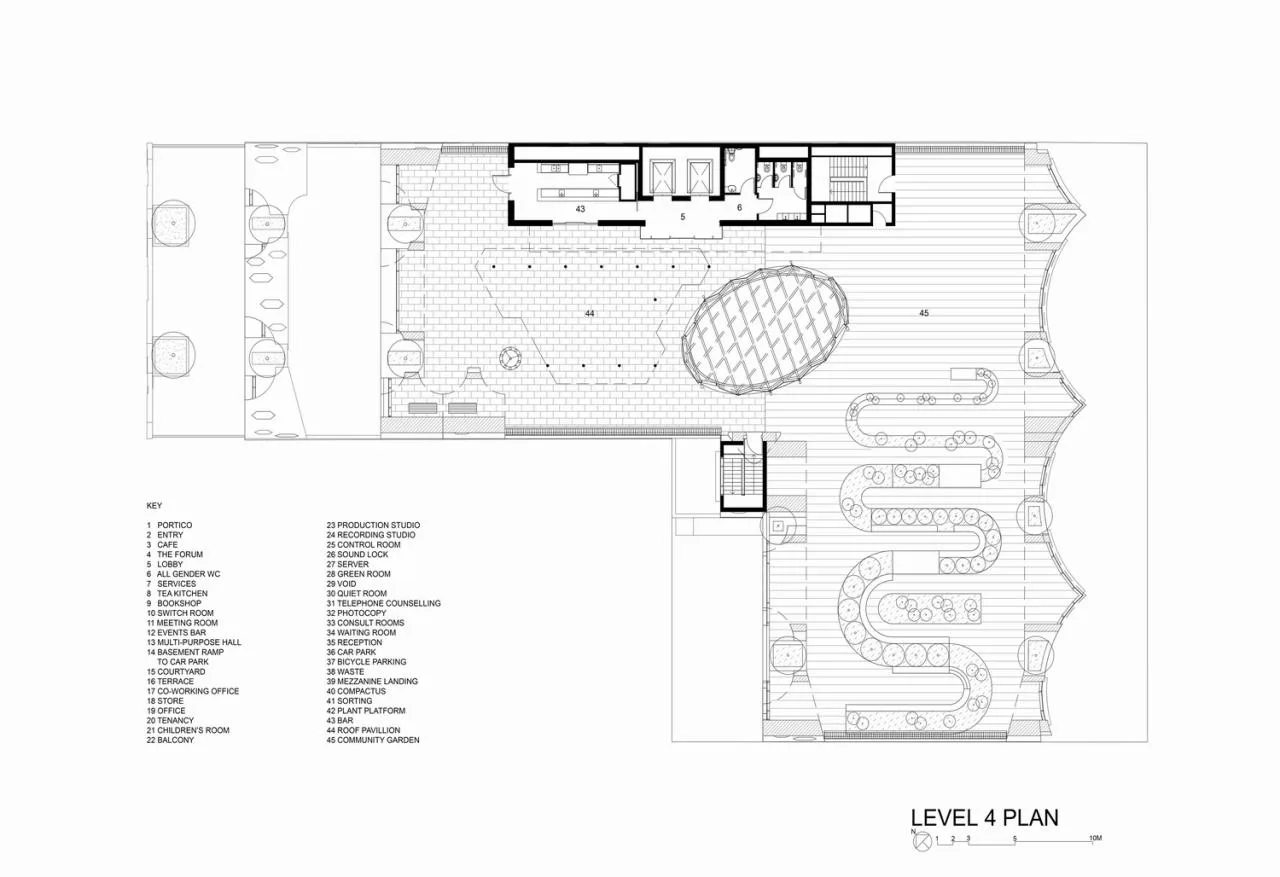
△ Fourth floor plan
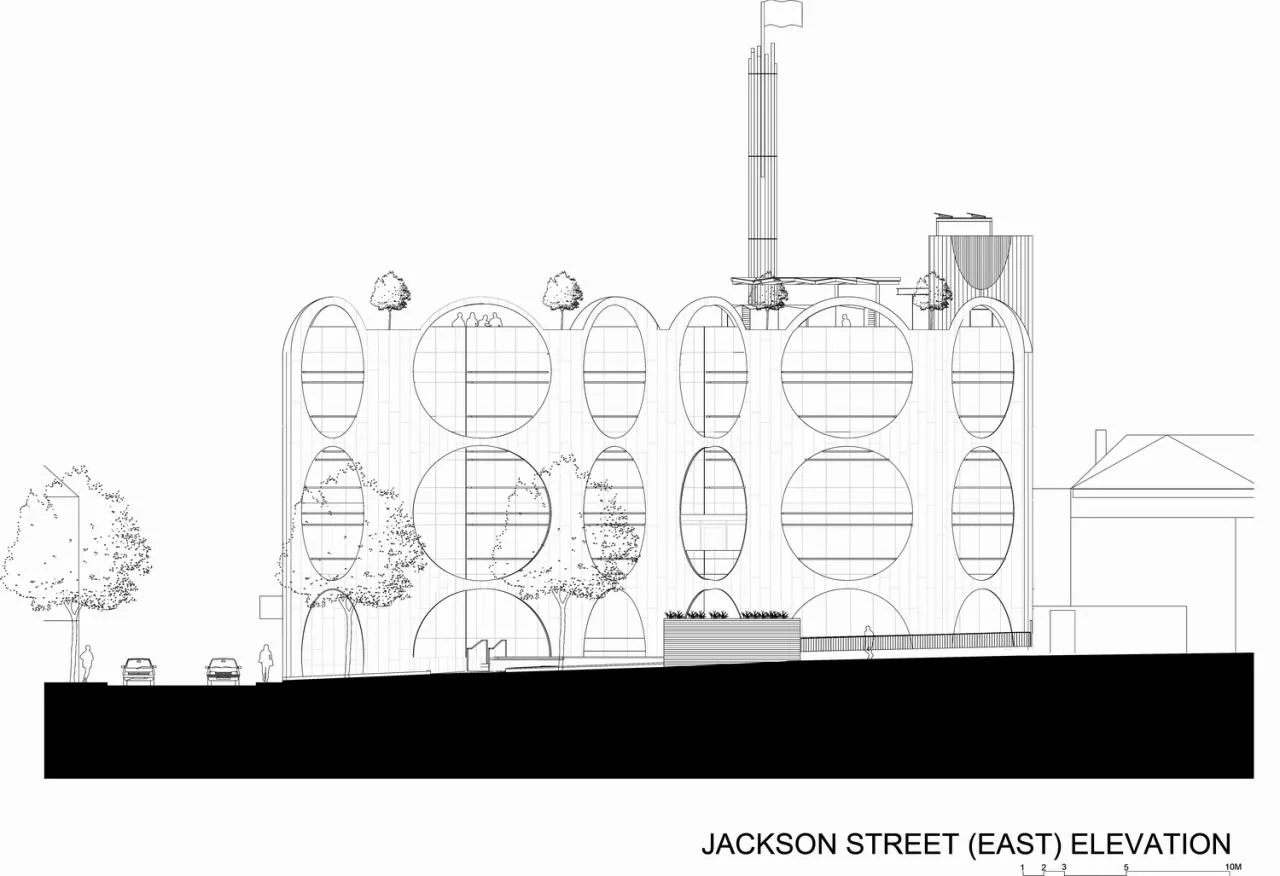
△ Elevation drawings
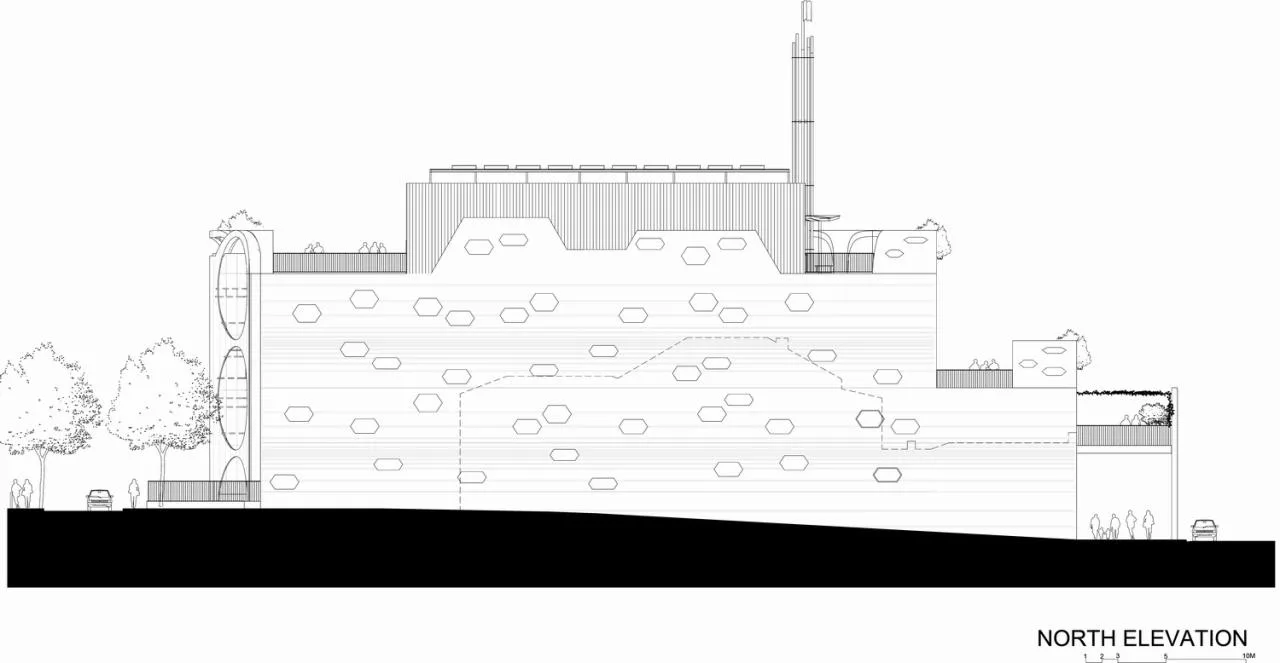
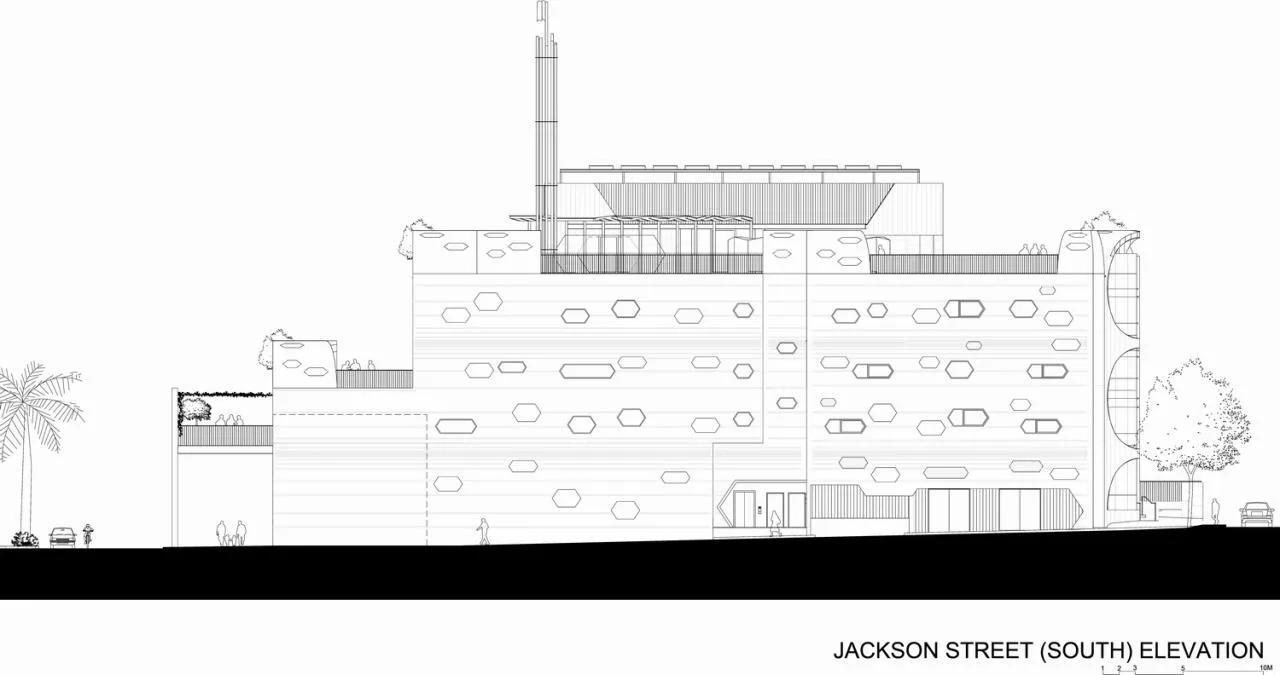
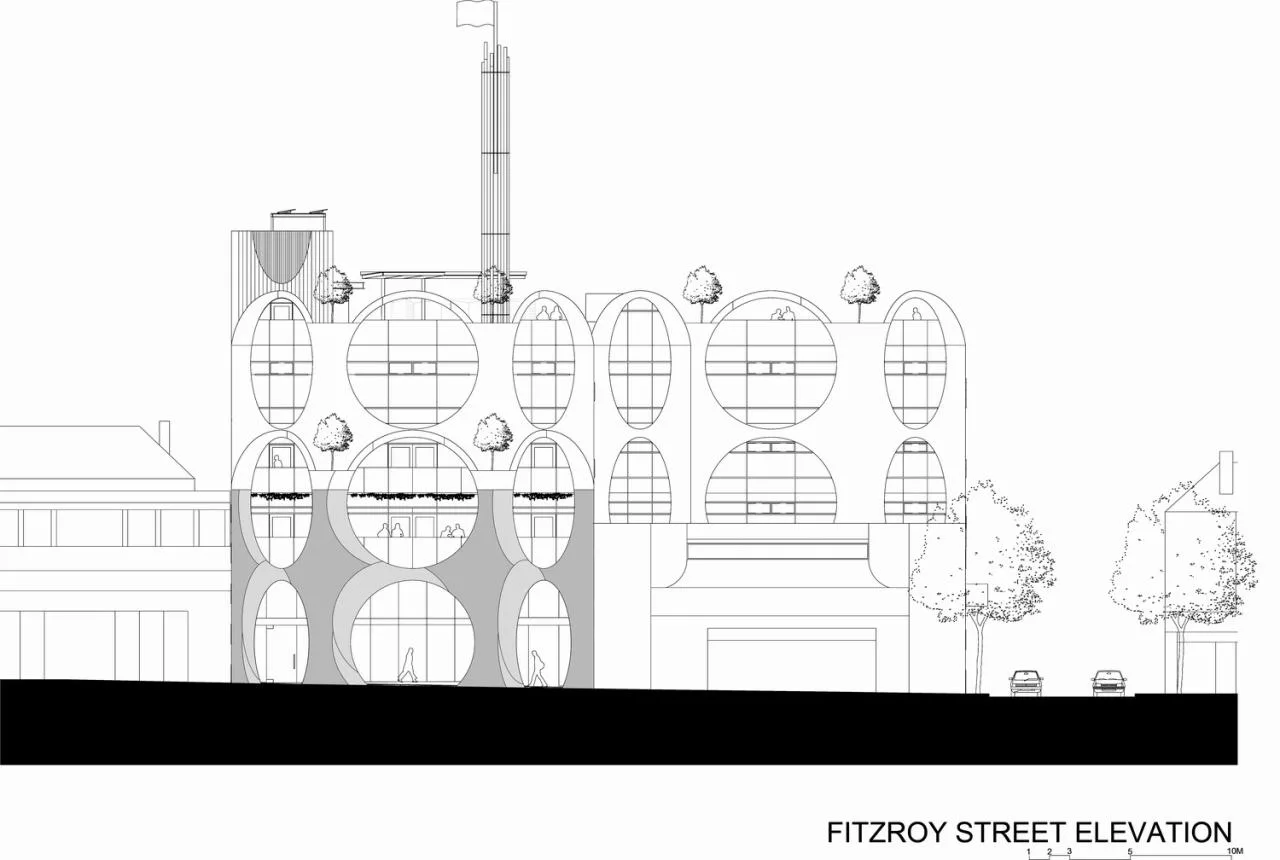
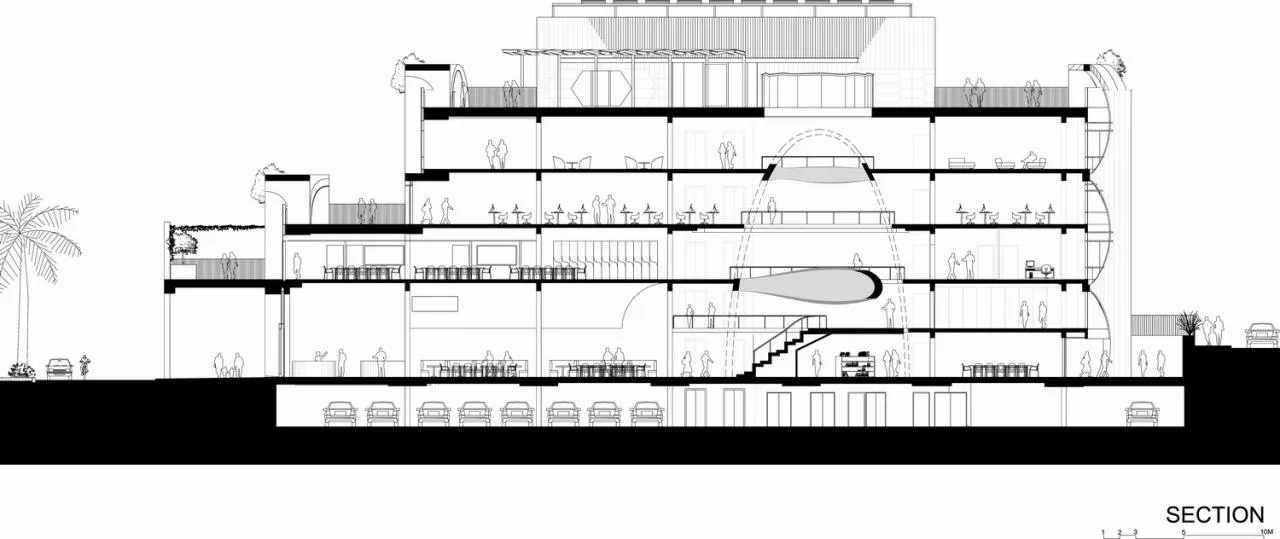
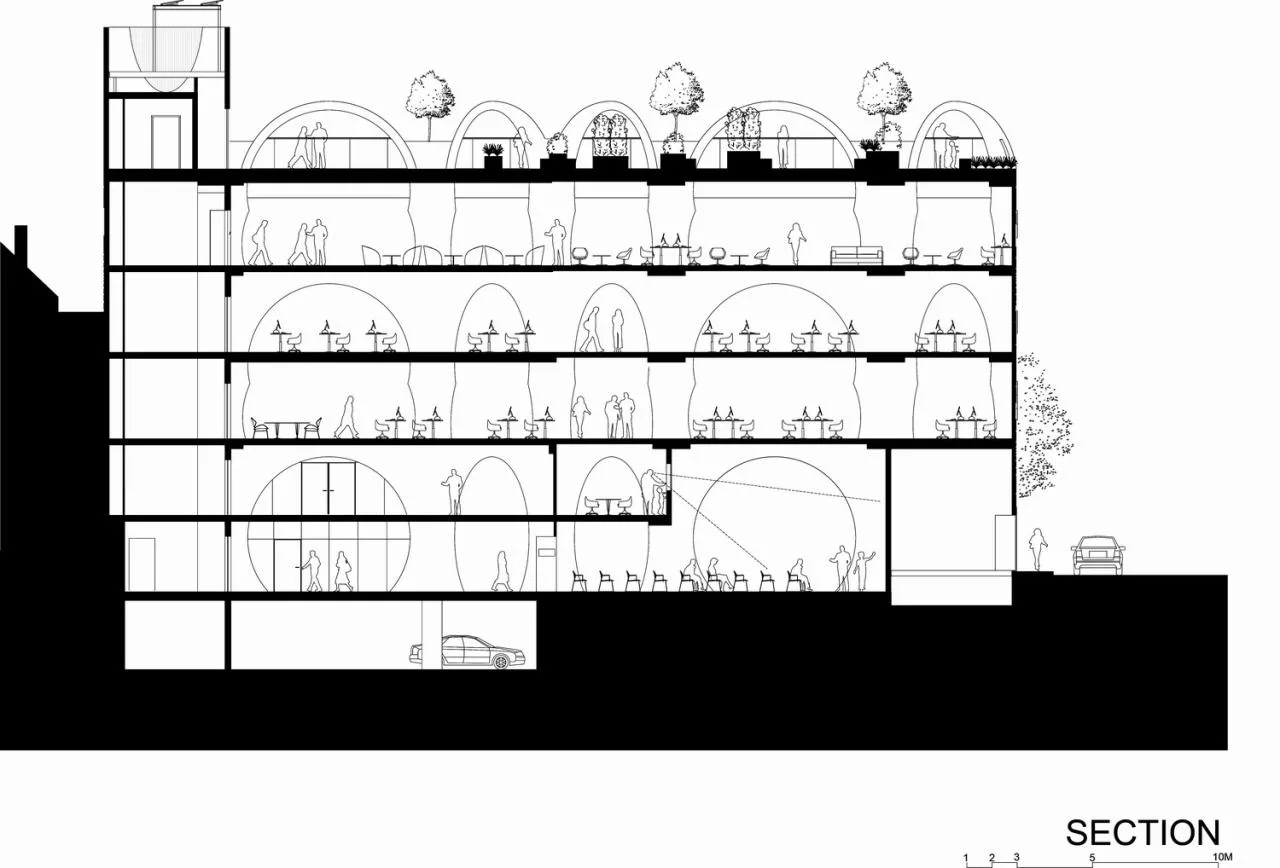
△ Section diagrams
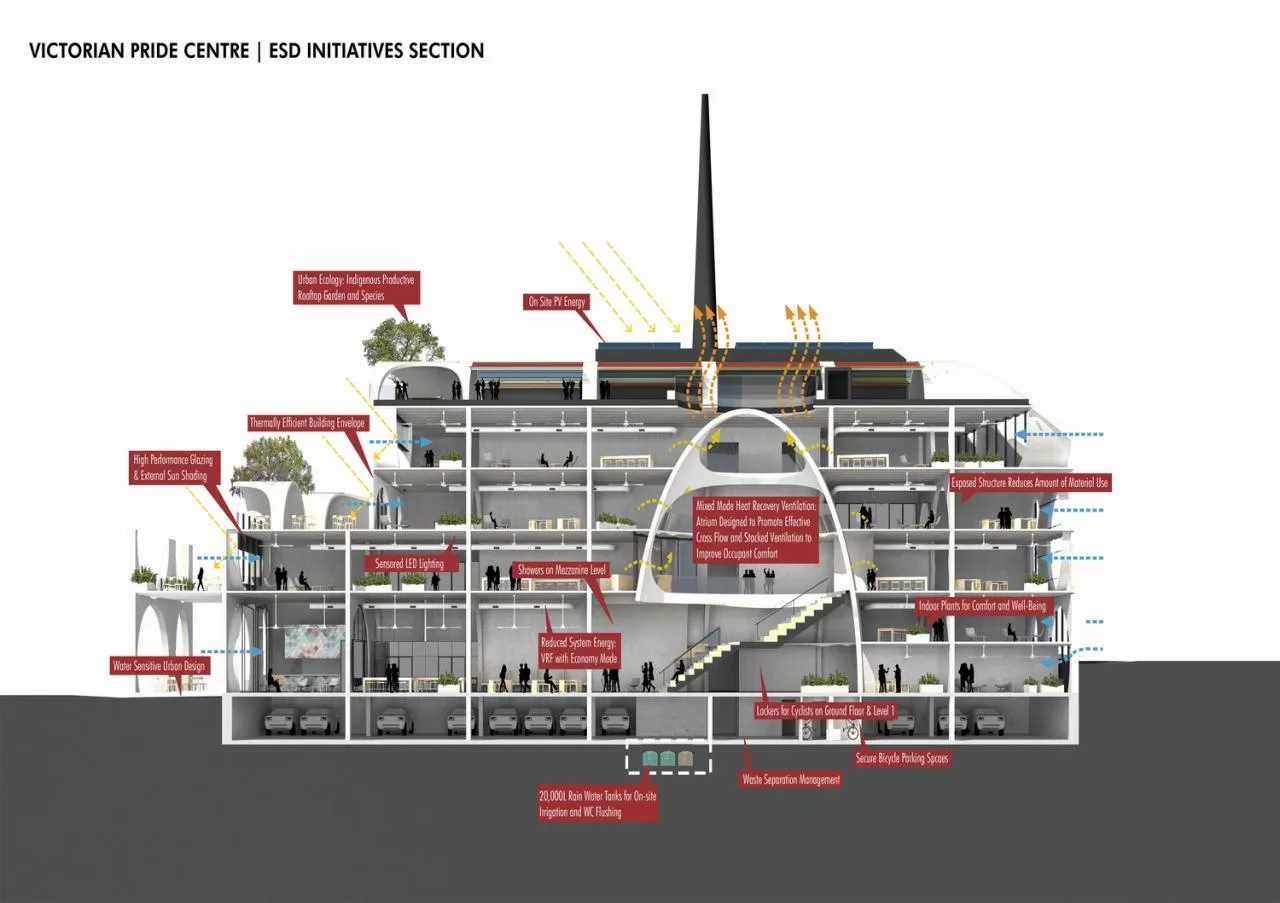
△ Analysis charts
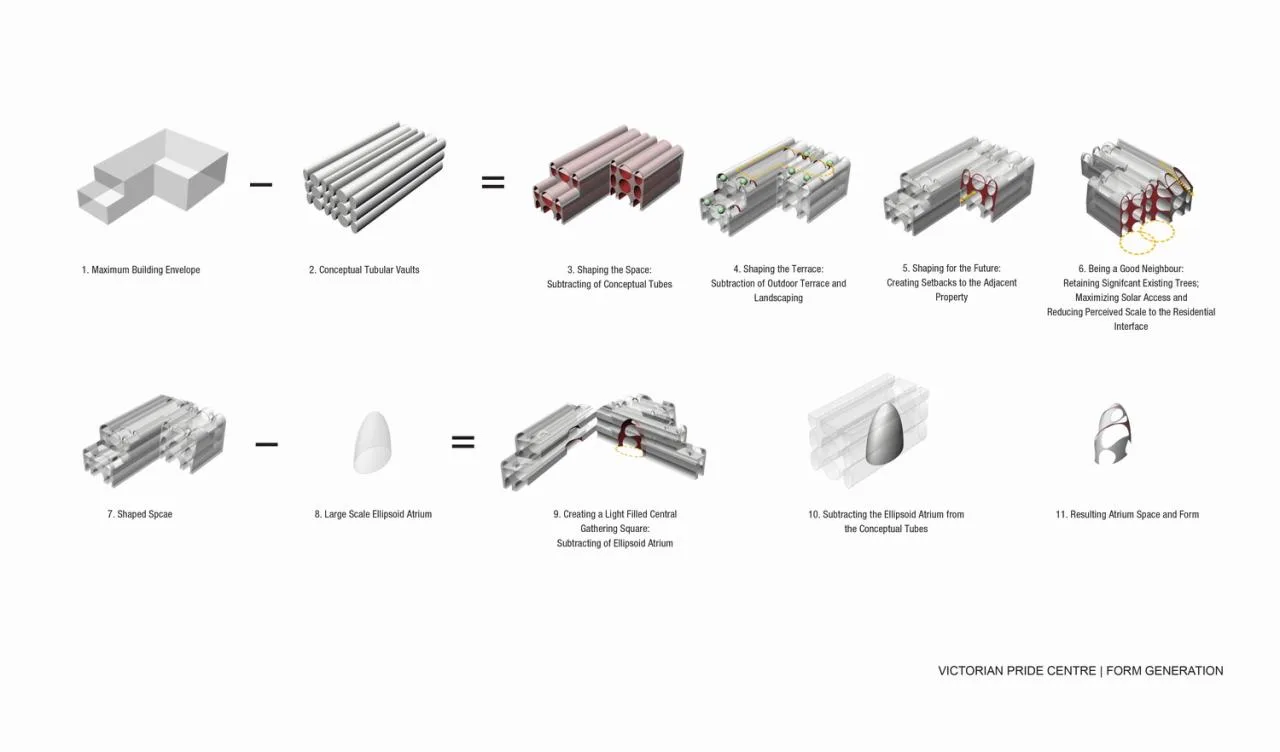
△ Analysis charts
Project Information
Architectural and Interior Design: BAU Architecture and Urban Design (Melbourne Shanghai) and Grant Amon Architects
Construction Start Date: January 19, 2022
Location: 77-81 Fitzroy Street, St. Kilda, Melbourne, Australia
Project Duration: 2017–2022
Client: Victoria Pride Centre
Construction Budget: AUD 35 million
Building Area: 6,200 square meters
Facilities: Public shared office spaces, multifunctional theater, FM94.9 radio station, gallery, medical clinic, six shared meeting rooms, rooftop terrace with bar, community garden, library, café, children’s playroom, tenant shared office space, four tea rooms, Australian LGBT Archive, venue for Melbourne LGBT Film Festival, office space for LGBTQI+ service organizations, and more.
BAU Bidding Team: James Brearley, Steve Whitford, Jens Eberhardt (Partner in Charge), Chen Zhiyong
BAU Construction Drawing Team: James Brearley, Steve Whitford, Jens Eberhardt (Partner), Chen Zhiyong, Prague Unger, Adrian Coleiro, Manny Houdek, Li Xufeng
GAA Bidding Team: Grant Amon, Stephen Herbst, Estelle Peters, Karen McMull
GAA Construction Drawing Team: Grant Amon, Stephen Herbst, Tony Trajikoski, Yiyang Xu, Bruno Rabl, Junbo Qu, Roberta Caione, Millicent Baddeley
Local Committee: City of Port Phillip Government
Urban Planner: SJB Planning
Project Management: Case Meanlin / Bates & Co
Quantity Surveyor: Slattery
Engineering Consultants: WSP (Structural, Mechanical, Hydraulic, Electrical, Façade, Traffic, Fire Services, Fire Protection)
Acoustic Engineer: Resonate
ESD Consultant: Hip v. Hype
Architectural Surveyor: Checkpoint Architectural Surveyor
Landscape Design: BAU Architecture and Urban Design (Melbourne Shanghai), Thompson Berril Landscape Design
Builder: Hansen Yuncken
Lighting Consultant: Schuler Shook
Structural Concept Engineer: Peter Felicetti
Material Suppliers: Courtyard Prefabricated Shape Shell, Auscast Construction (Prefabricated Concrete Façade), Fade Australia (Acoustic Plaster)
Architectural Photography: John Gollings
VPC Opening Documentation: Speech Filming by Luke David, Audience Filming by Anne Papadakis
Illustrations: BAU













Must log in before commenting!
Sign Up