
The BIM system’s database is comprehensive, systematic, and compatible across platforms. It captures both the geometric details and functional attributes of components, including engineering quantities and related data. In Revit, the construction of 3D models is primarily divided into three categories: model elements, view elements, and annotation elements. Model elements are further classified into main elements and component elements, while annotation elements are subdivided into benchmark elements and annotation elements.
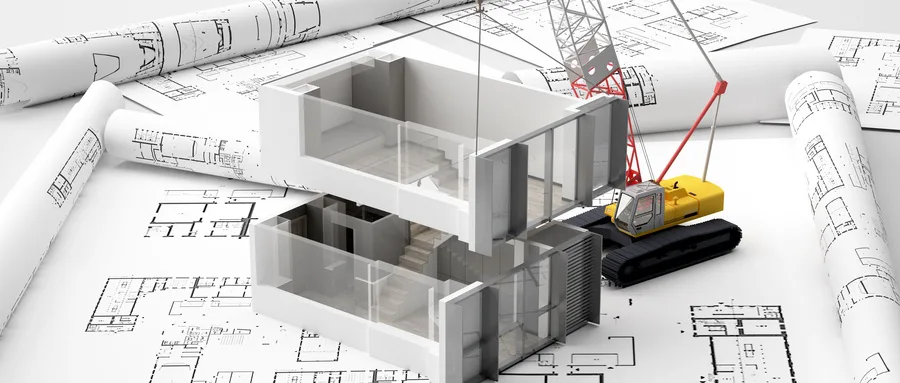
The 3D models created in Revit contain all building parameters and elements, integrated within a database that allows seamless interaction with other software. Model elements represent every detail of the construction object, clearly conveying the geometric information and fundamental properties of engineering entities and components. These elements form the core of 3D information models.
A complete model element consists of two parts: the main element and the component element. The main element’s parameters are preset by the software, describing the intrinsic properties of the model itself, which remain unchanged regardless of external conditions. In contrast, component elements express the functional attributes of the model, including economic and technical characteristics. These component elements are customizable, allowing parameter edits to accommodate design changes.
View elements play a crucial role in visualizing 3D information models. They directly display model views and enable interaction with all other elements. Within annotation elements, benchmark elements are used to locate the building’s position, while annotation elements standardize the building’s identification, ensuring the model corresponds precisely to the physical structure.













Must log in before commenting!
Sign Up