
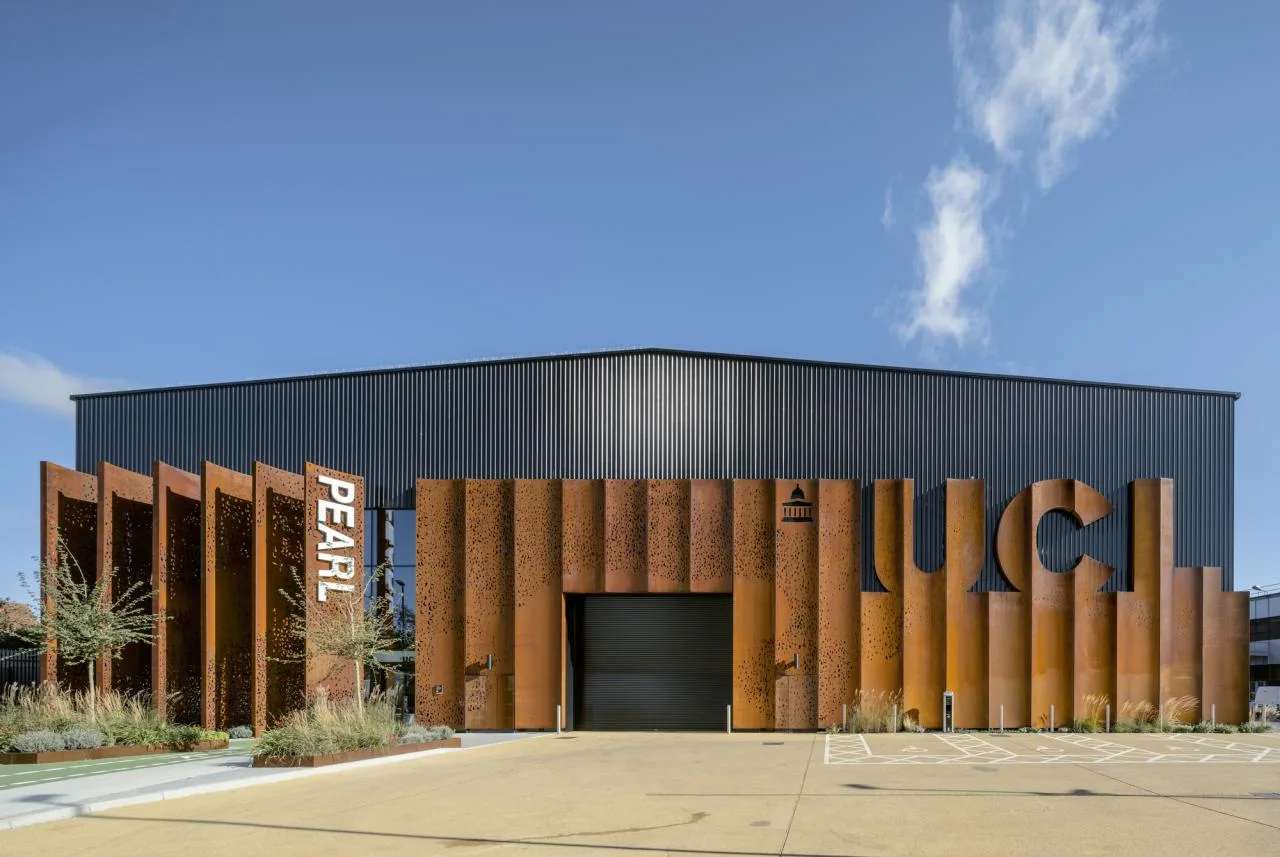
Penoyre & Co., a London-based architecture firm, together with Prasad, a studio under Perkins & Will, has completed the unique “PEARL” research laboratory at University College London (UCL). This innovative research center is designed to enhance the built environment and explore how people interact with it. Within controlled settings, realistic experimental environments—such as train stations, commercial streets, and town squares—are recreated to study the interactions of individuals with diverse abilities within urban spaces and with each other.
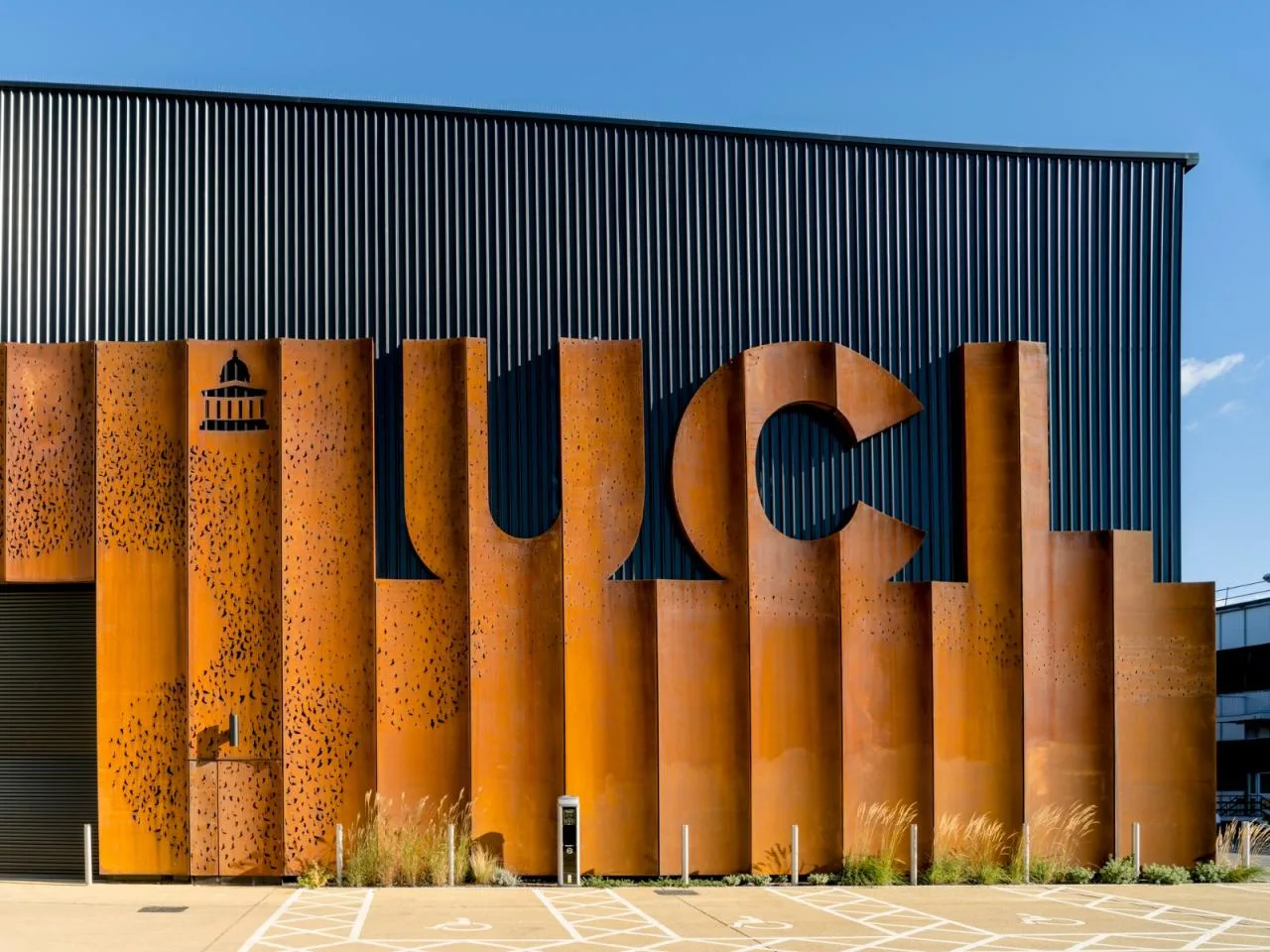
This highly collaborative project brings together experts from various fields—including engineers, architects, biologists, social scientists, neurologists, artists, and members of the public—to foster a comprehensive understanding of human interactions with the environment through design.
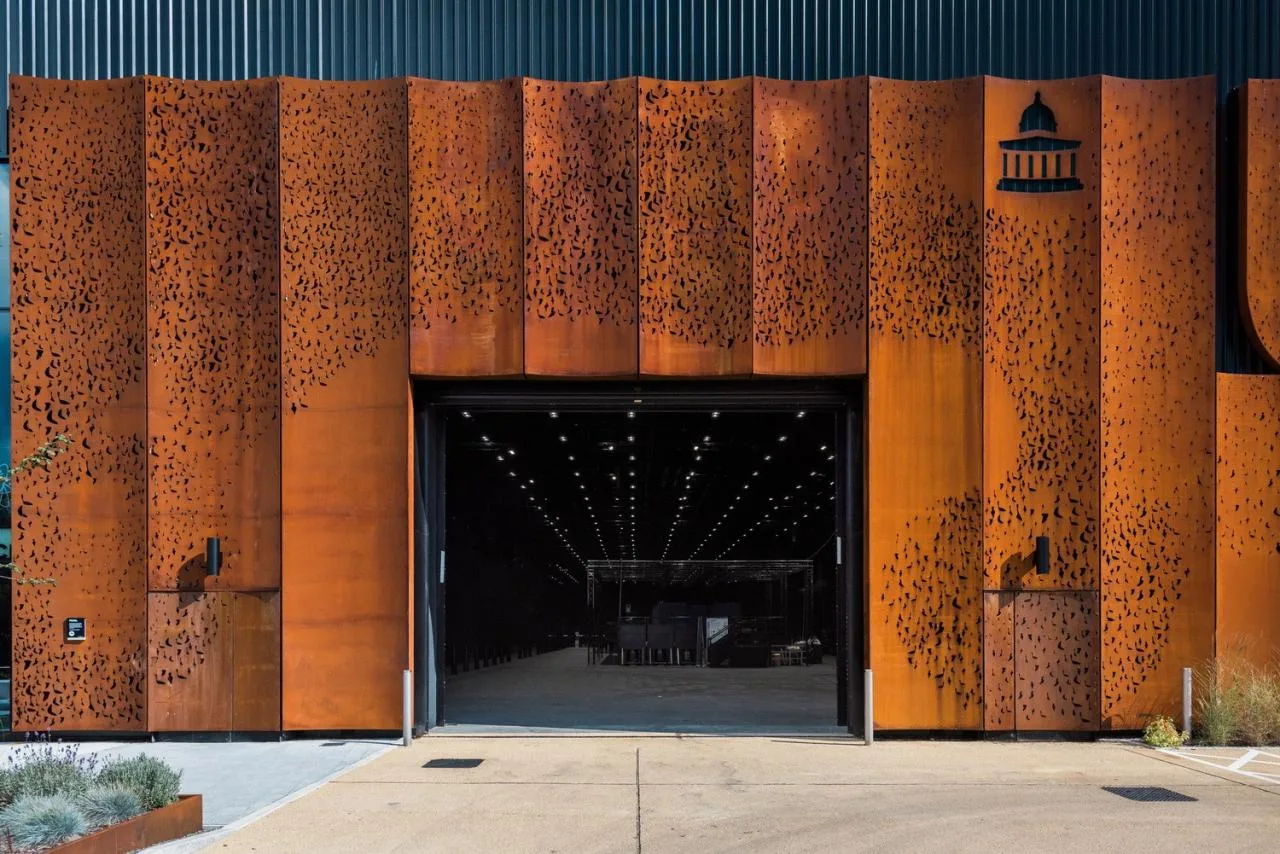
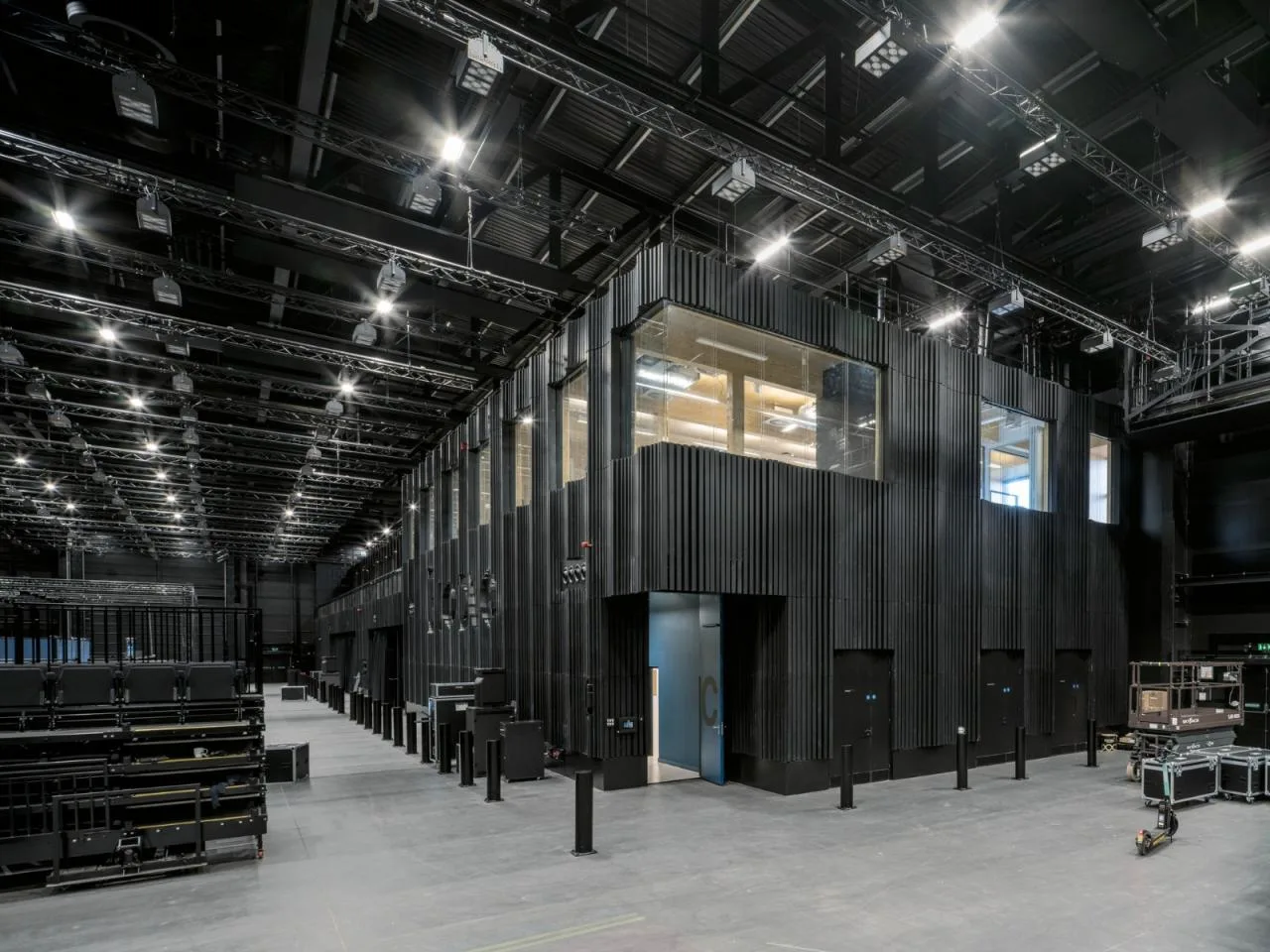
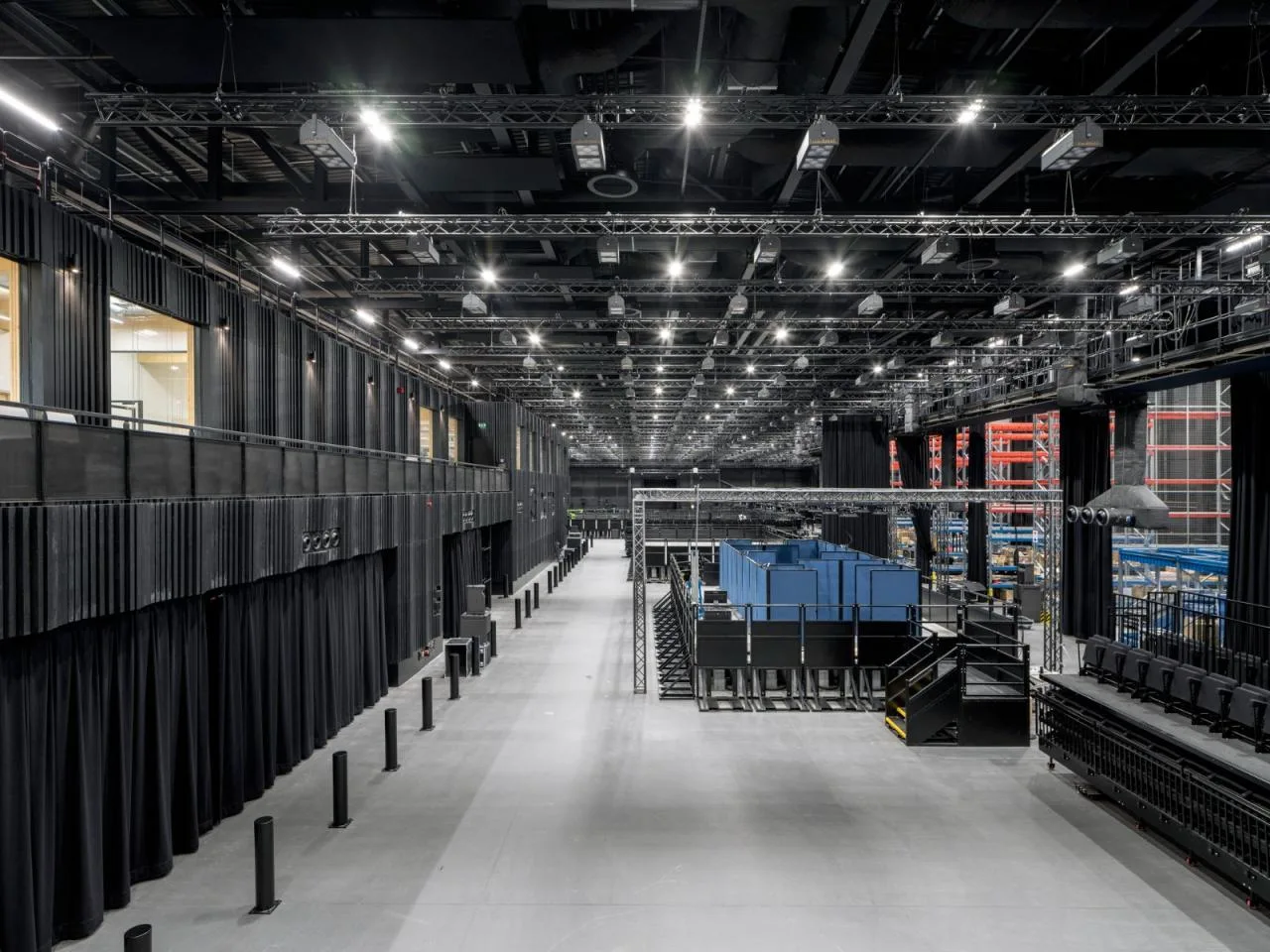
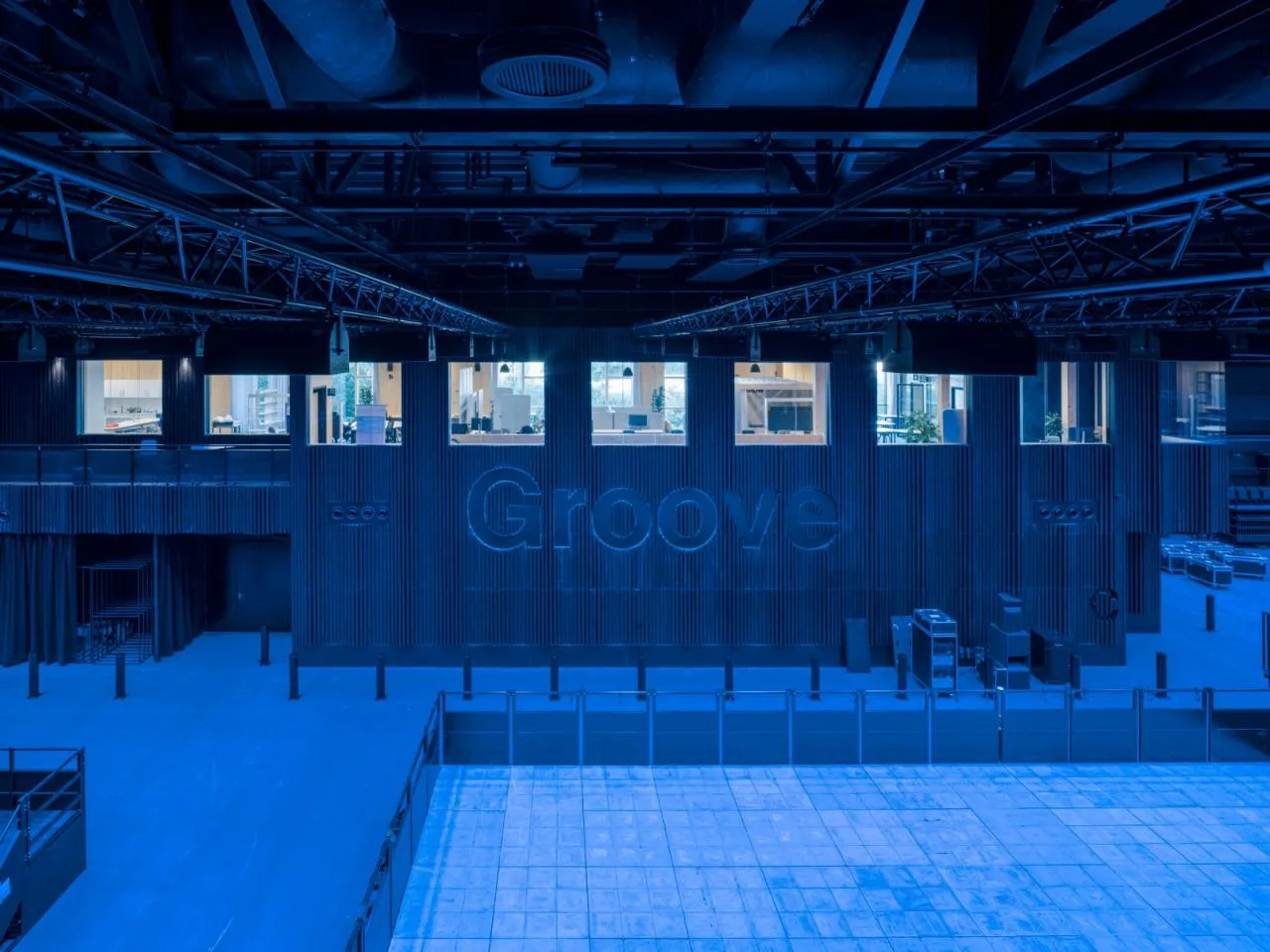
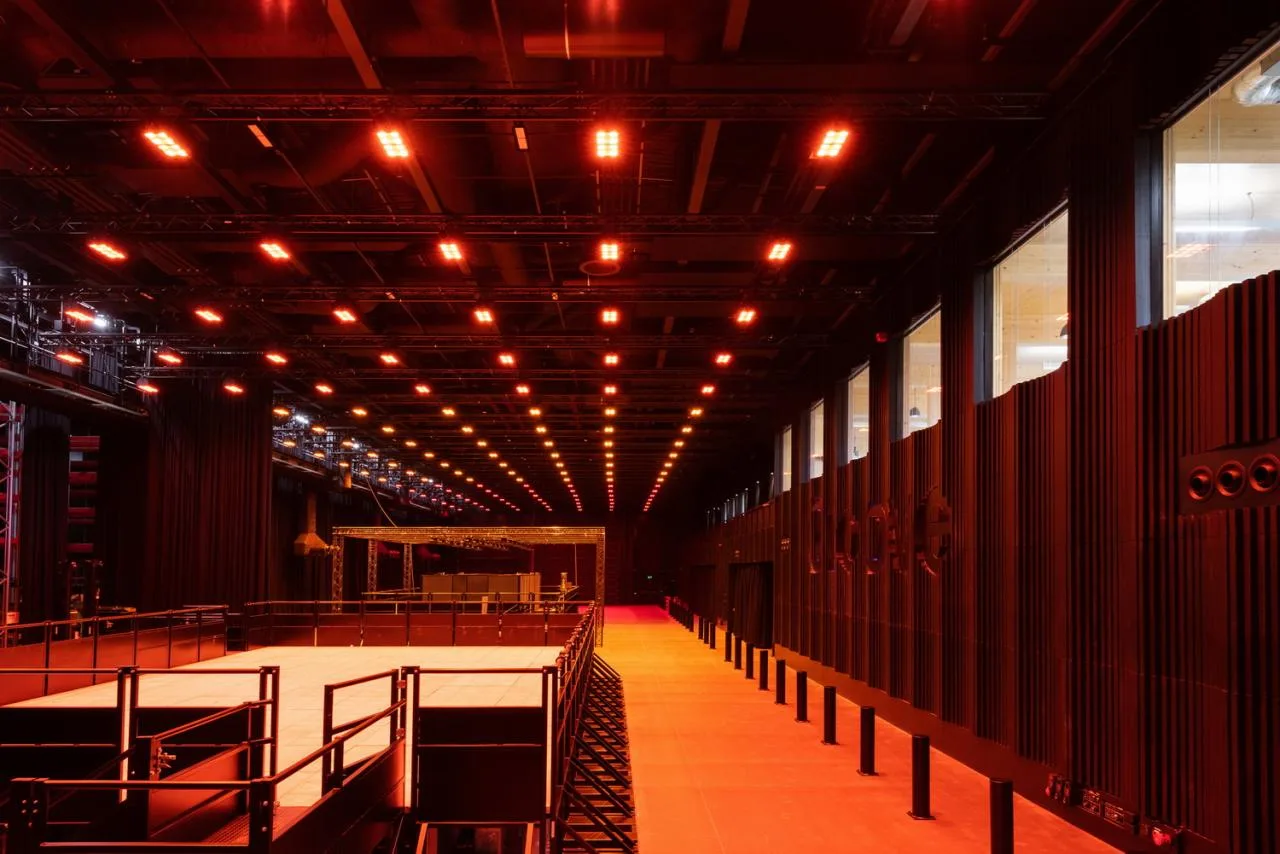
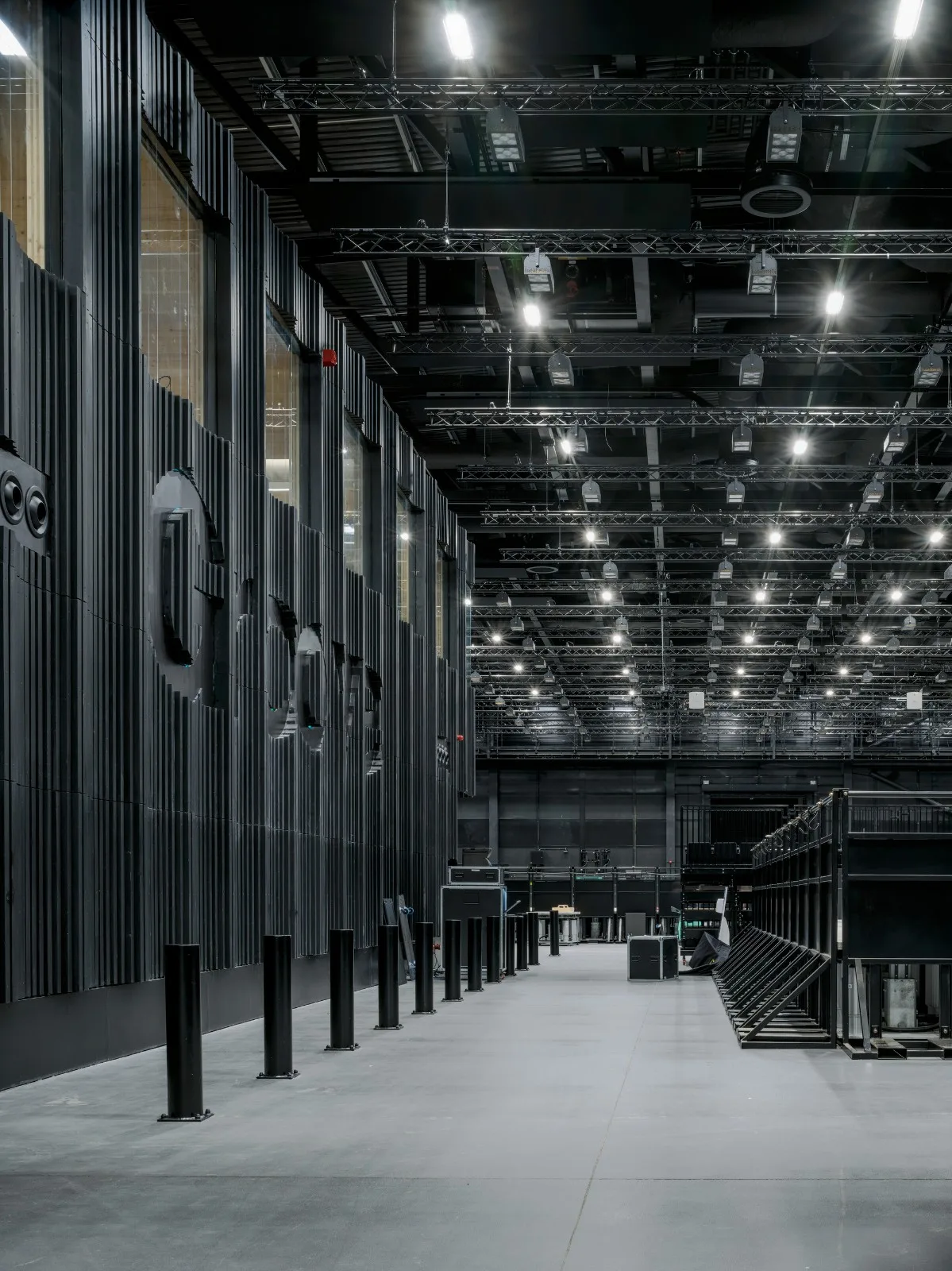
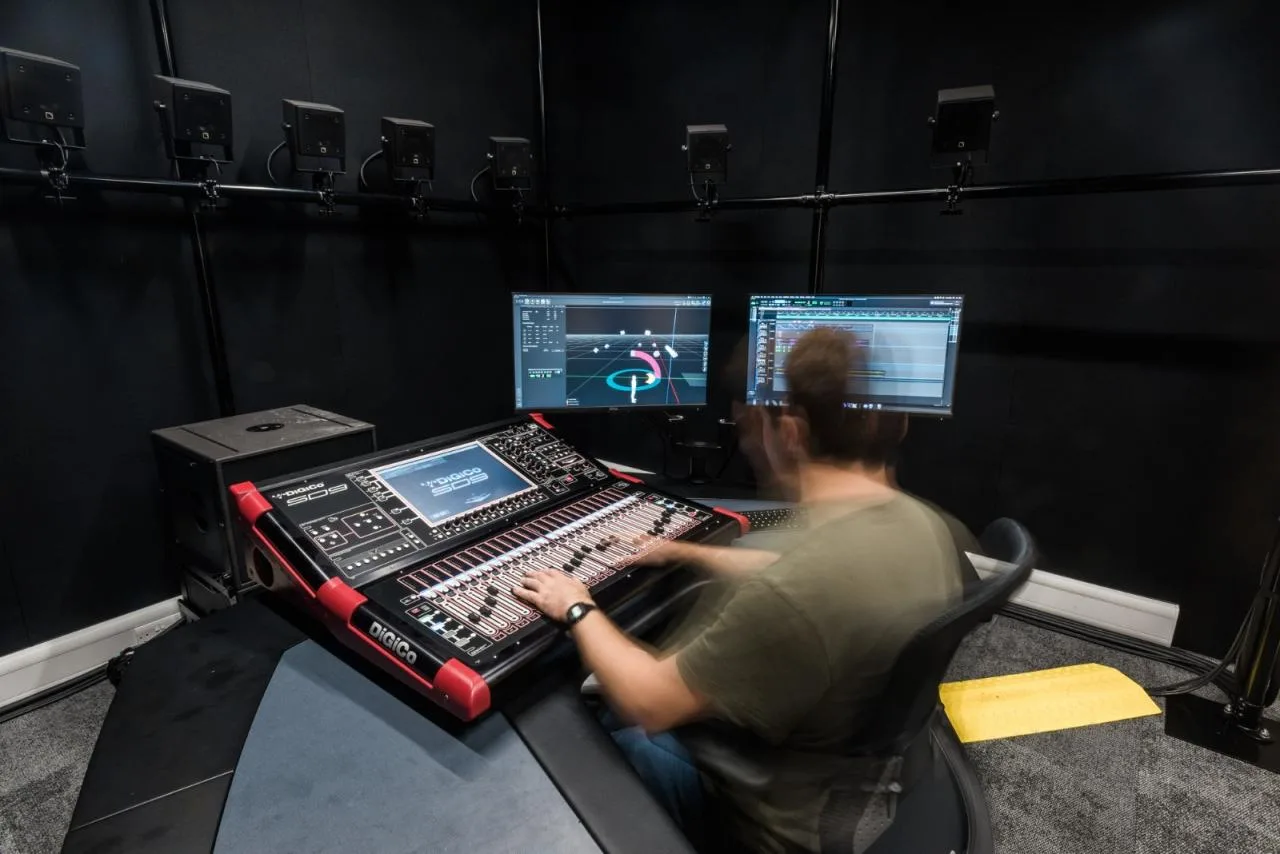
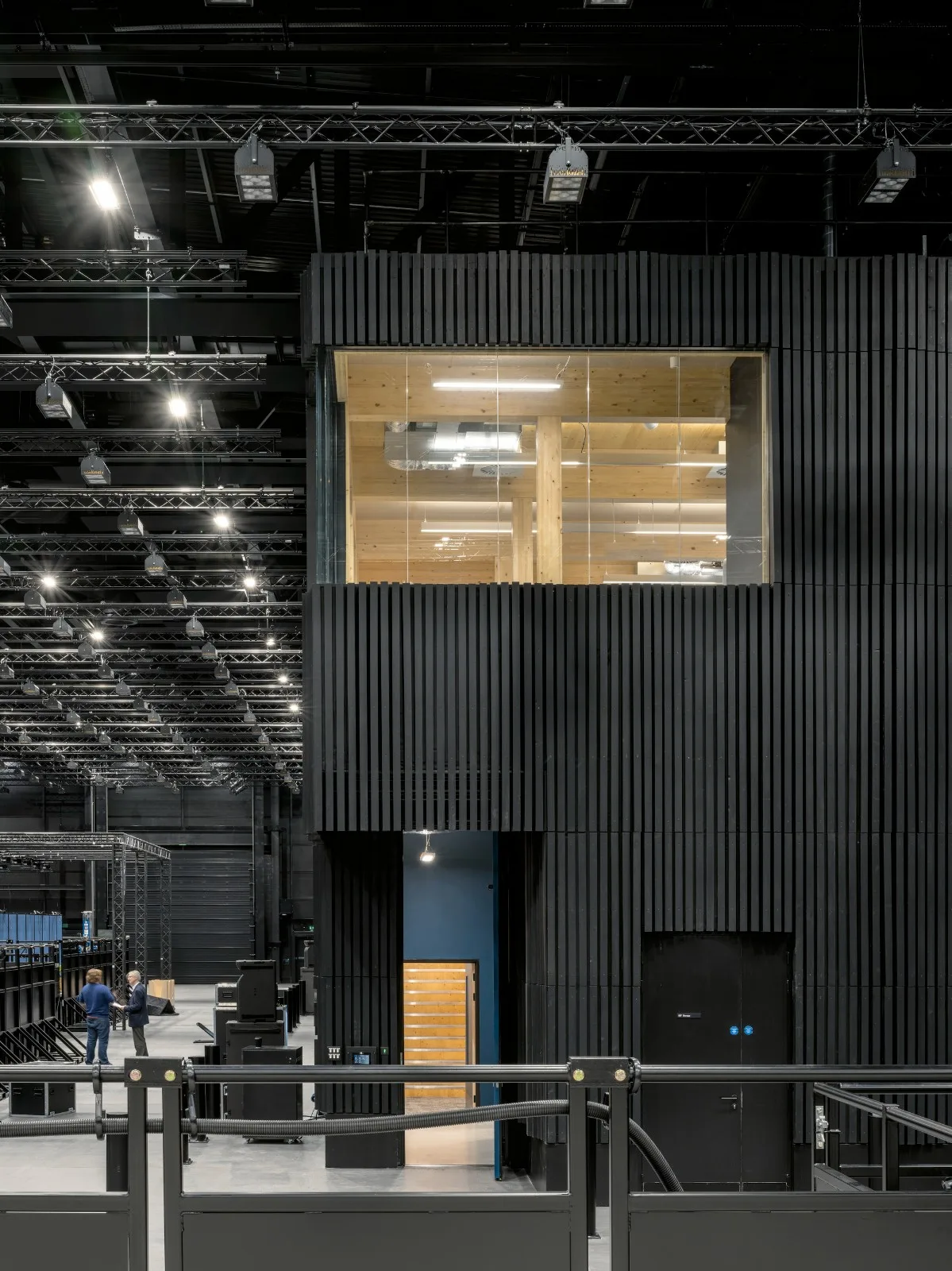
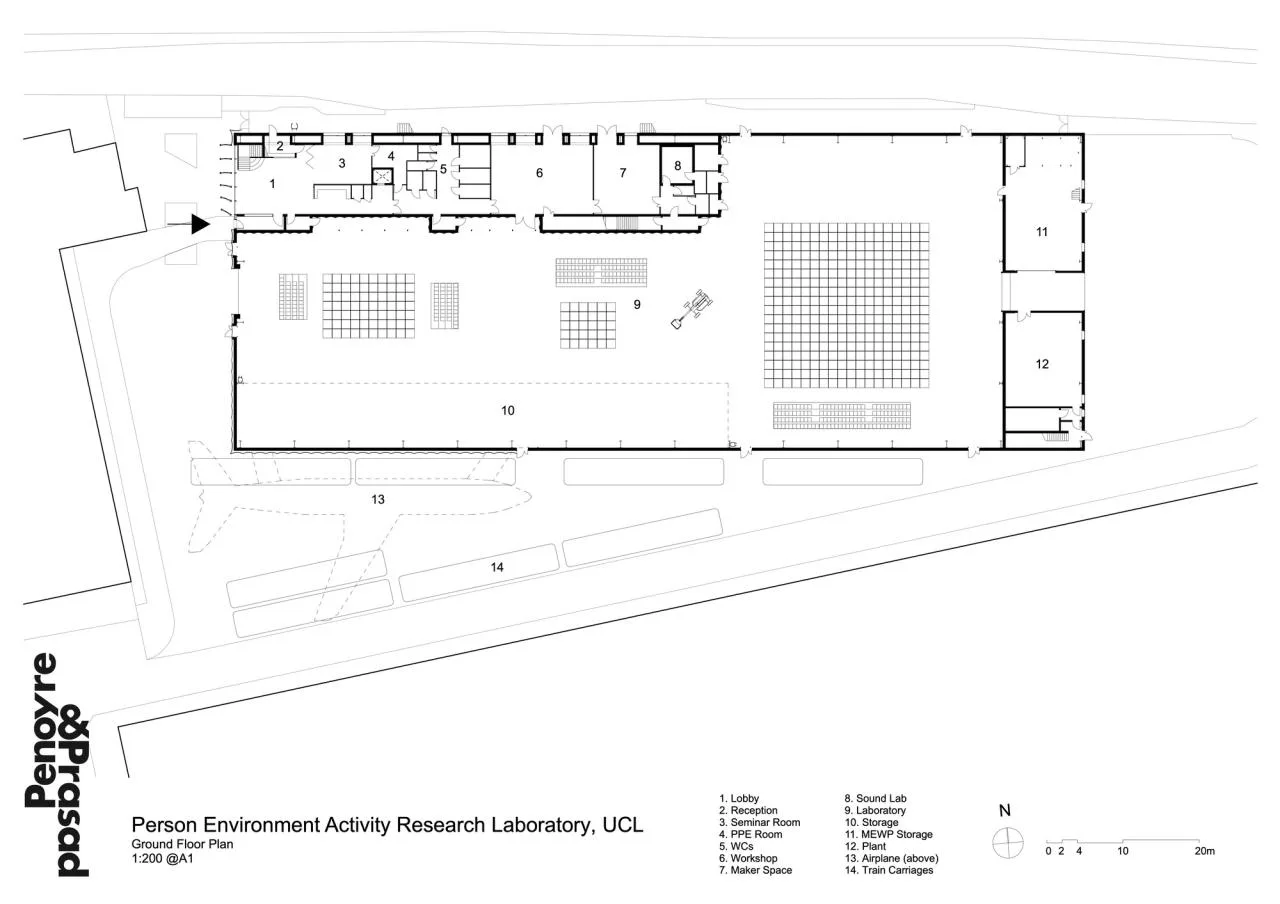
The experimental space spans approximately 4,000 square meters with a volume of 44,000 cubic meters, featuring a 10-meter-high ceiling and a designed net span of 40 meters. This vast area accommodates a wide variety of research experiments. Equipped with an indoor music environment and sound system, the laboratory tests the influence of environmental factors—such as space, color, lighting, scent, visibility, appearance, touch, and sound—on human behavior and perception, creating conditions that closely mimic real-life scenarios.
The interior features a black finish with minimal background noise and reverberation, a core architectural design element intended to eliminate the sensation of being inside a building.
The building’s exterior form and material selection pay homage to the site’s industrial architectural heritage. The sleek detailing and weather-resistant steel cladding give the structure a contemporary aesthetic. The west facade, shaped like a fan, references the roof of the adjacent Grade II Listed building—one of the UK’s earliest concrete shell structures.
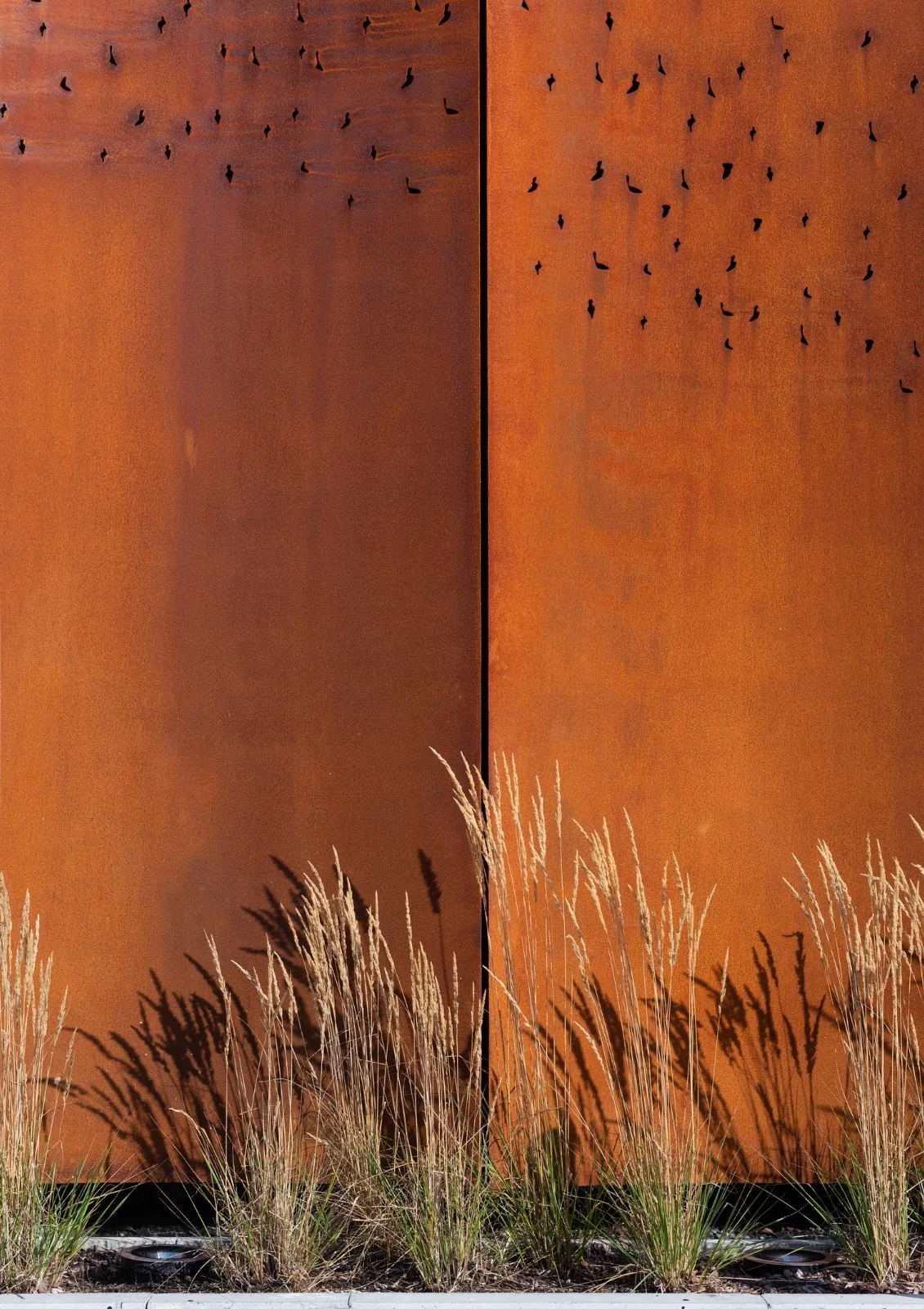
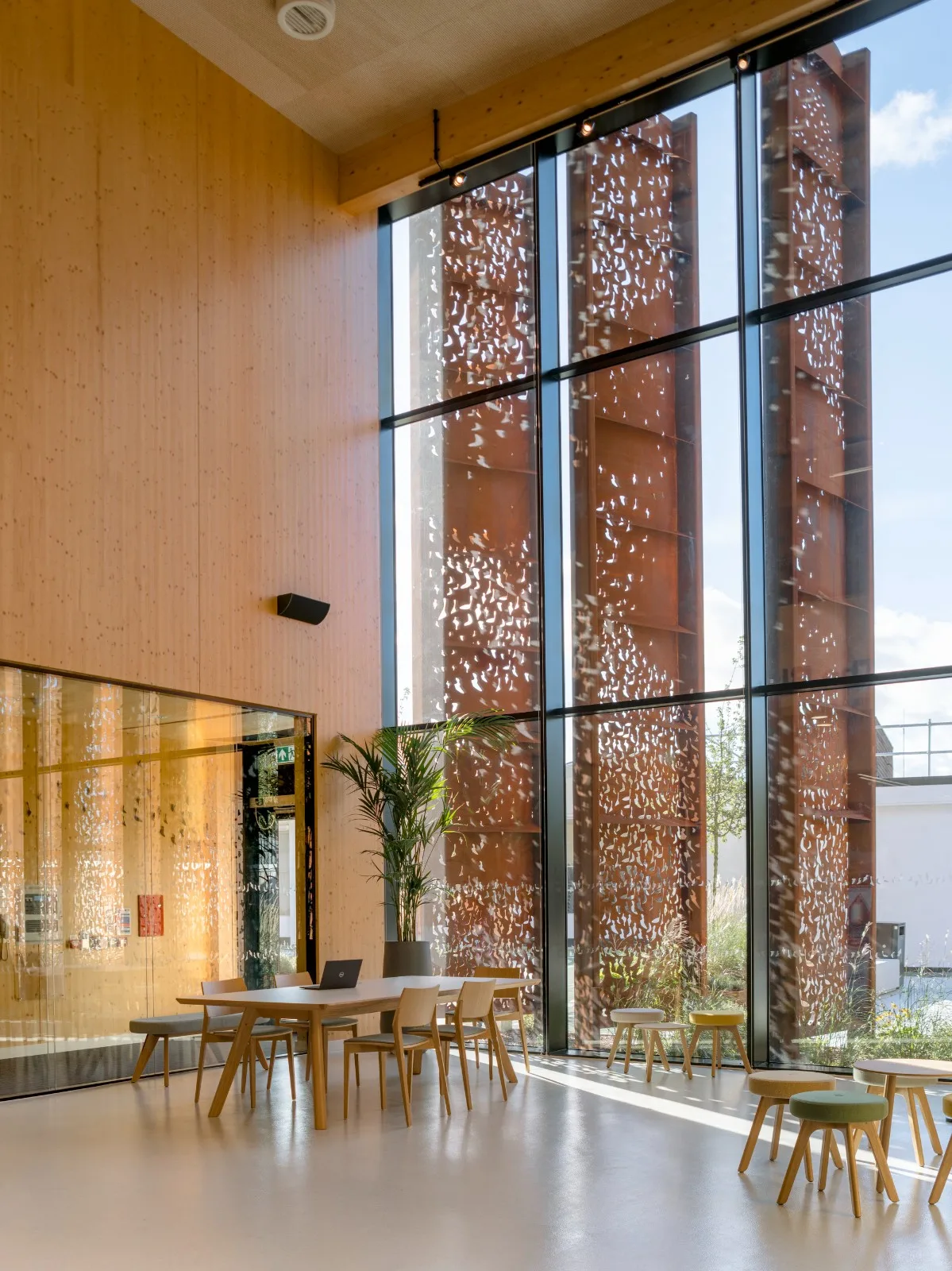
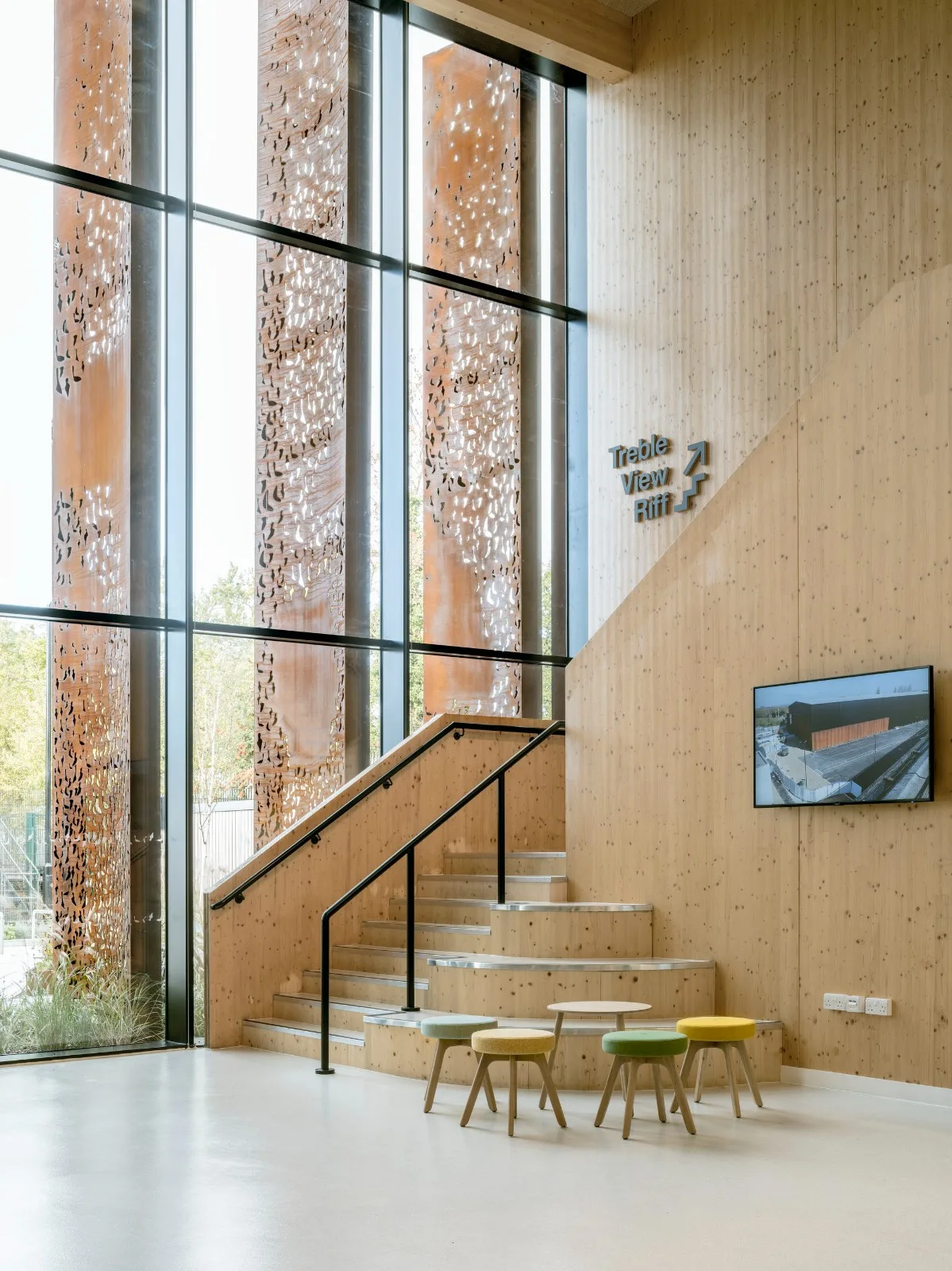
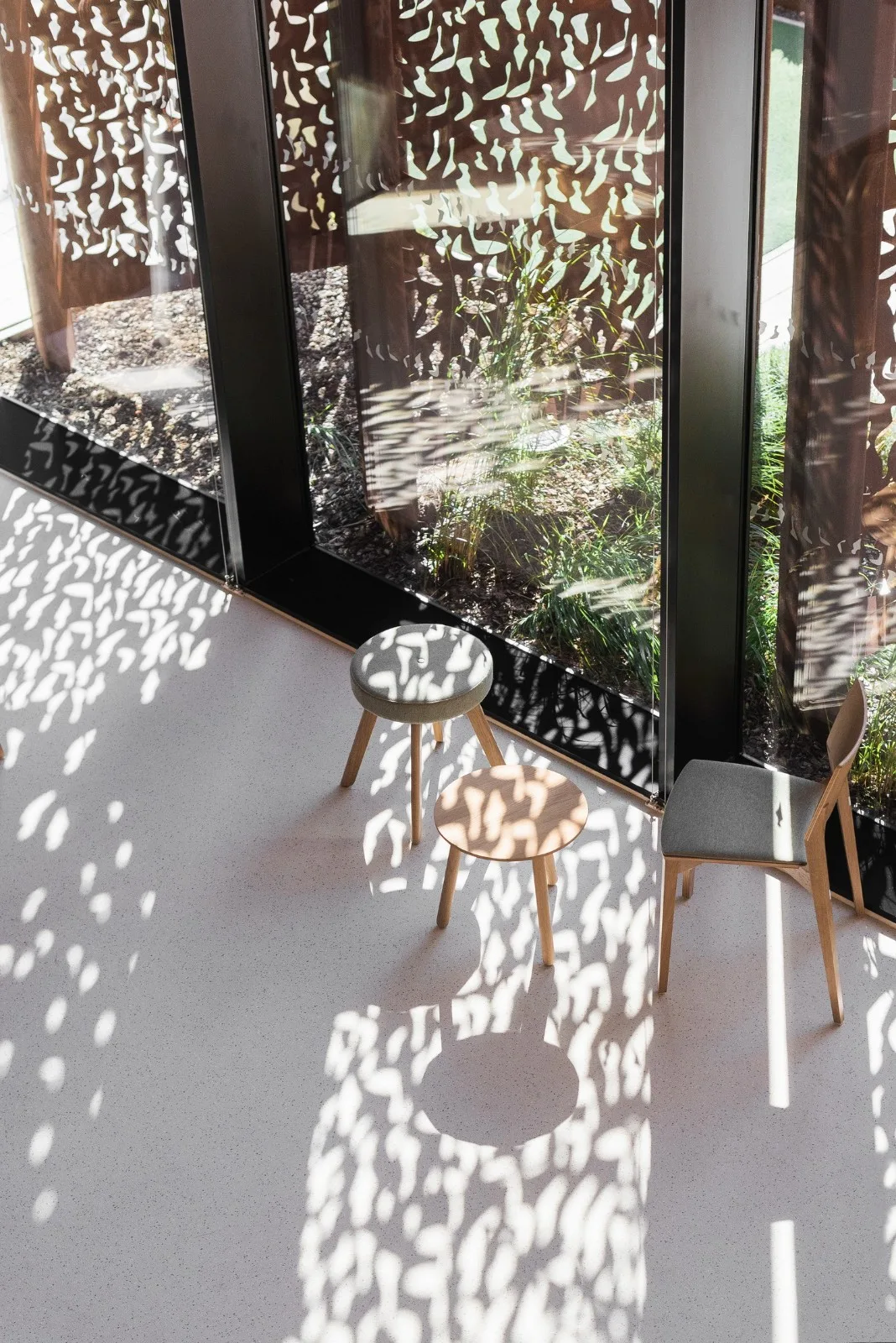
A 9-meter-high rusted steel plate unfolds in a fan shape at the front, providing shade for the glass curtain wall and marking PEARL’s entrance.
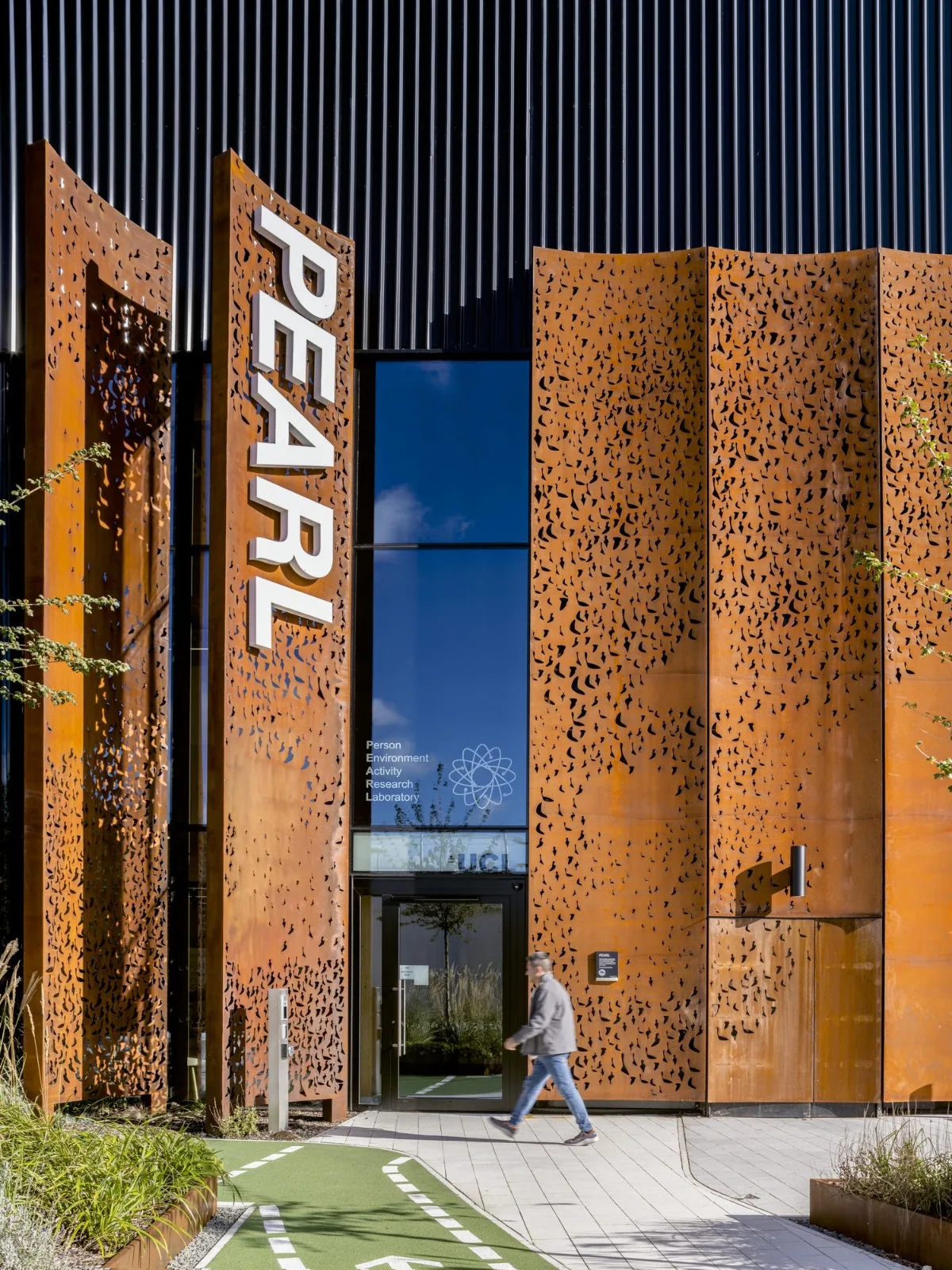
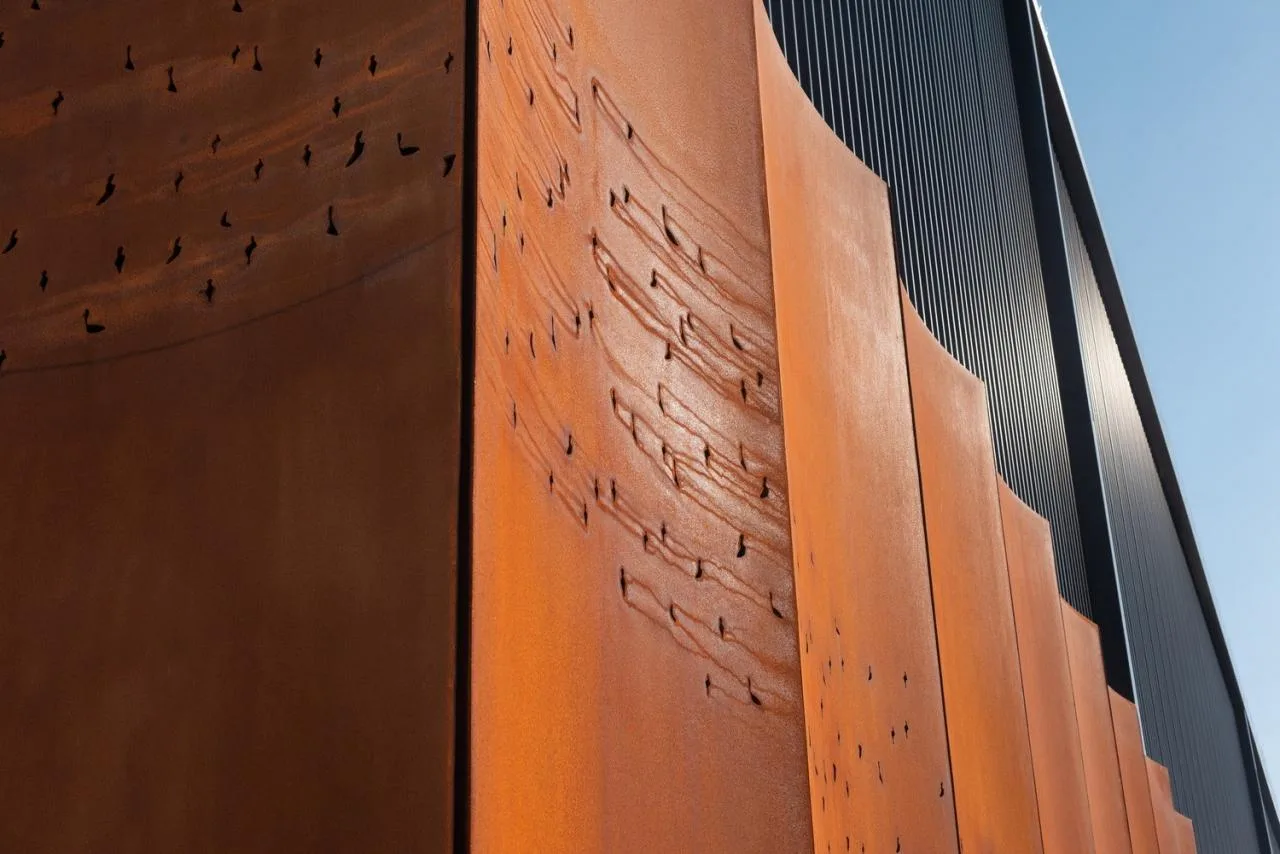
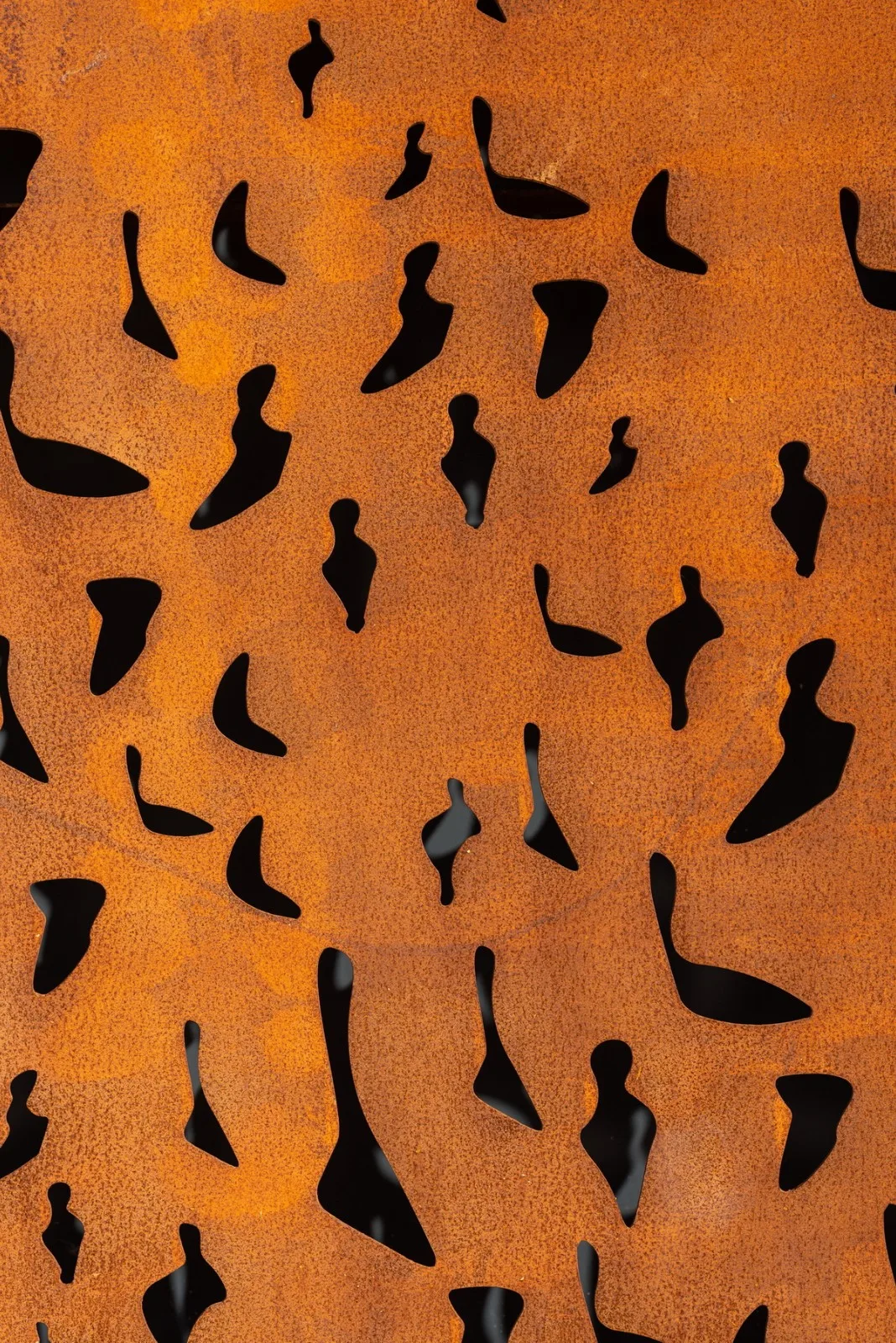
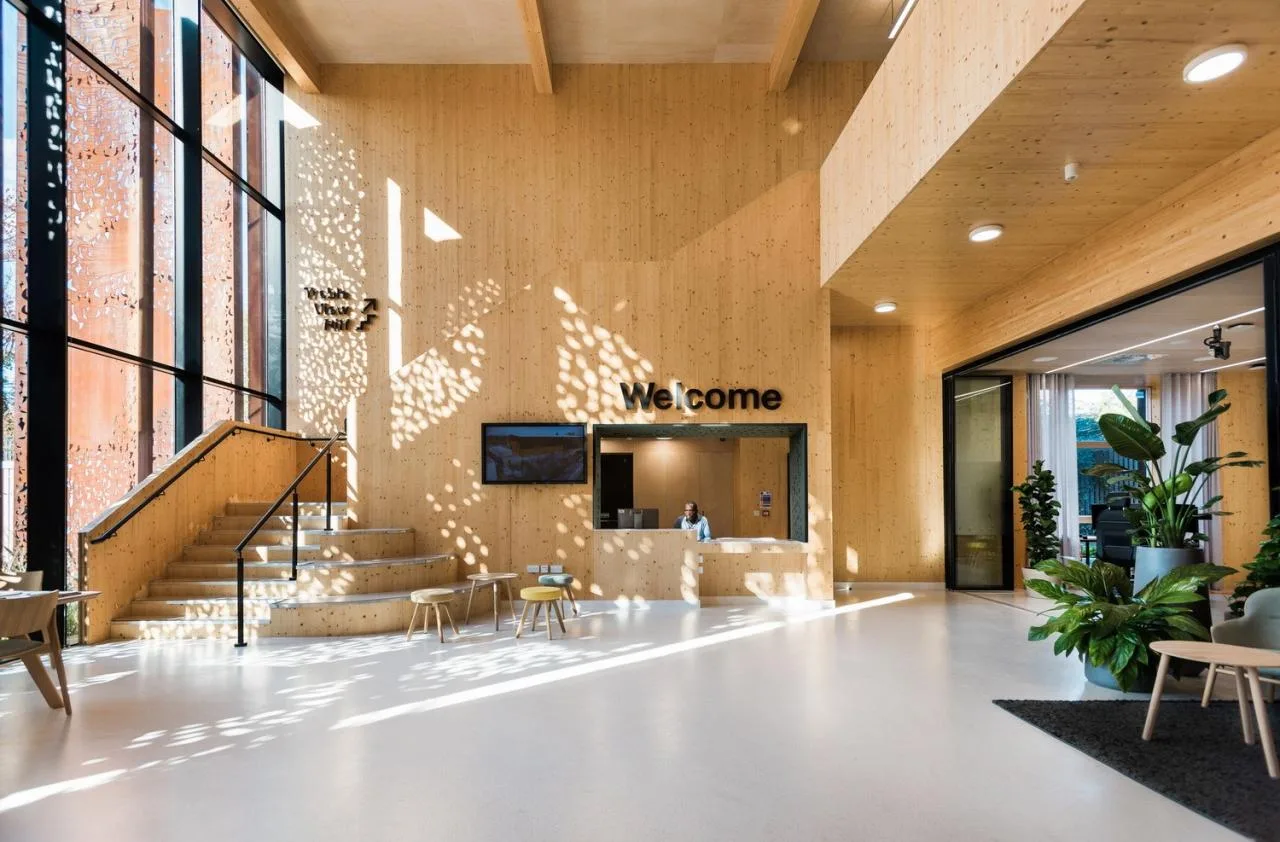
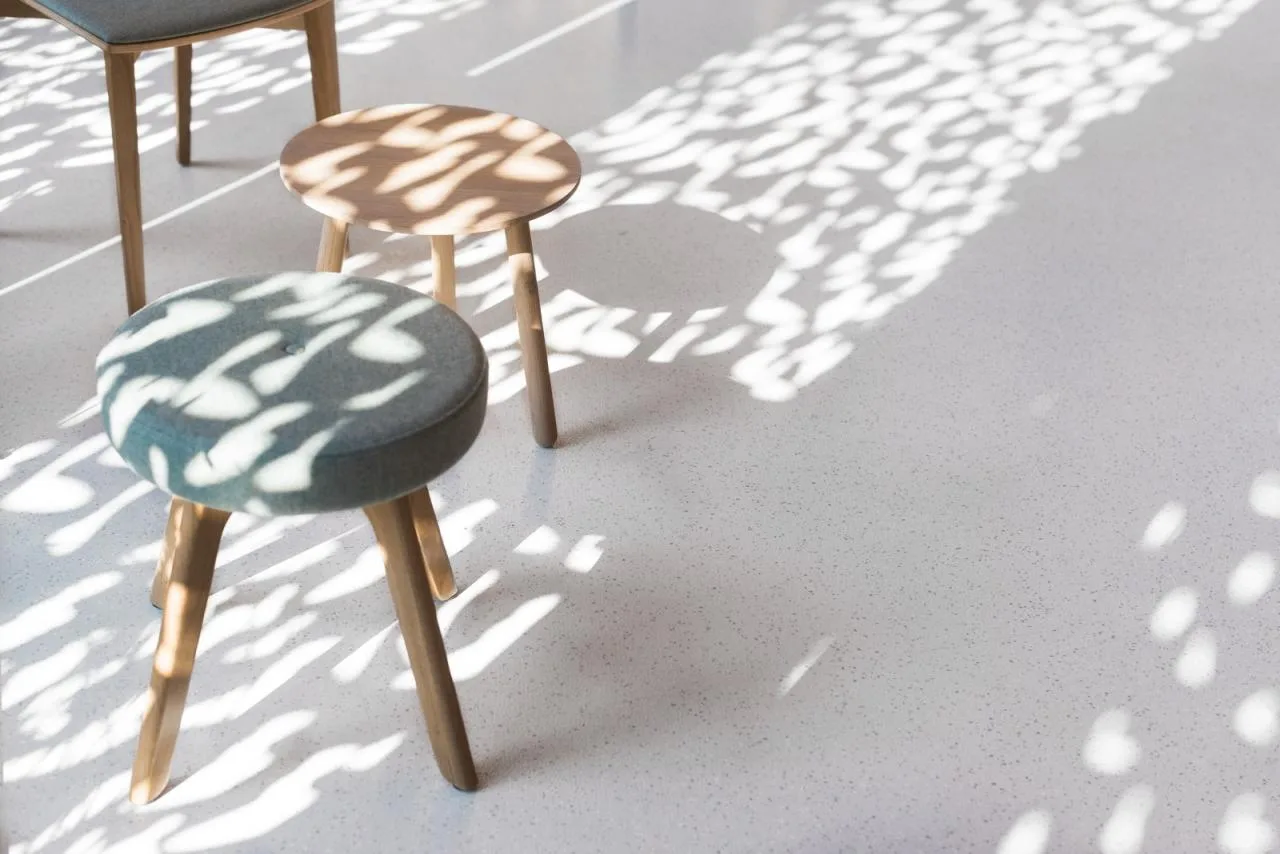
The perforated pattern on the steel plate balances the building’s scale and adds dynamic movement to the facade. For individuals with neurological or sensory disorders, repetitive patterns can cause visual discomfort. As such, Professor Nick Tyler, Director of UCL’s Transport Research Centre, and his team study natural and nonlinear visual stimuli, as well as crowd movement—key research areas within the building’s interior.
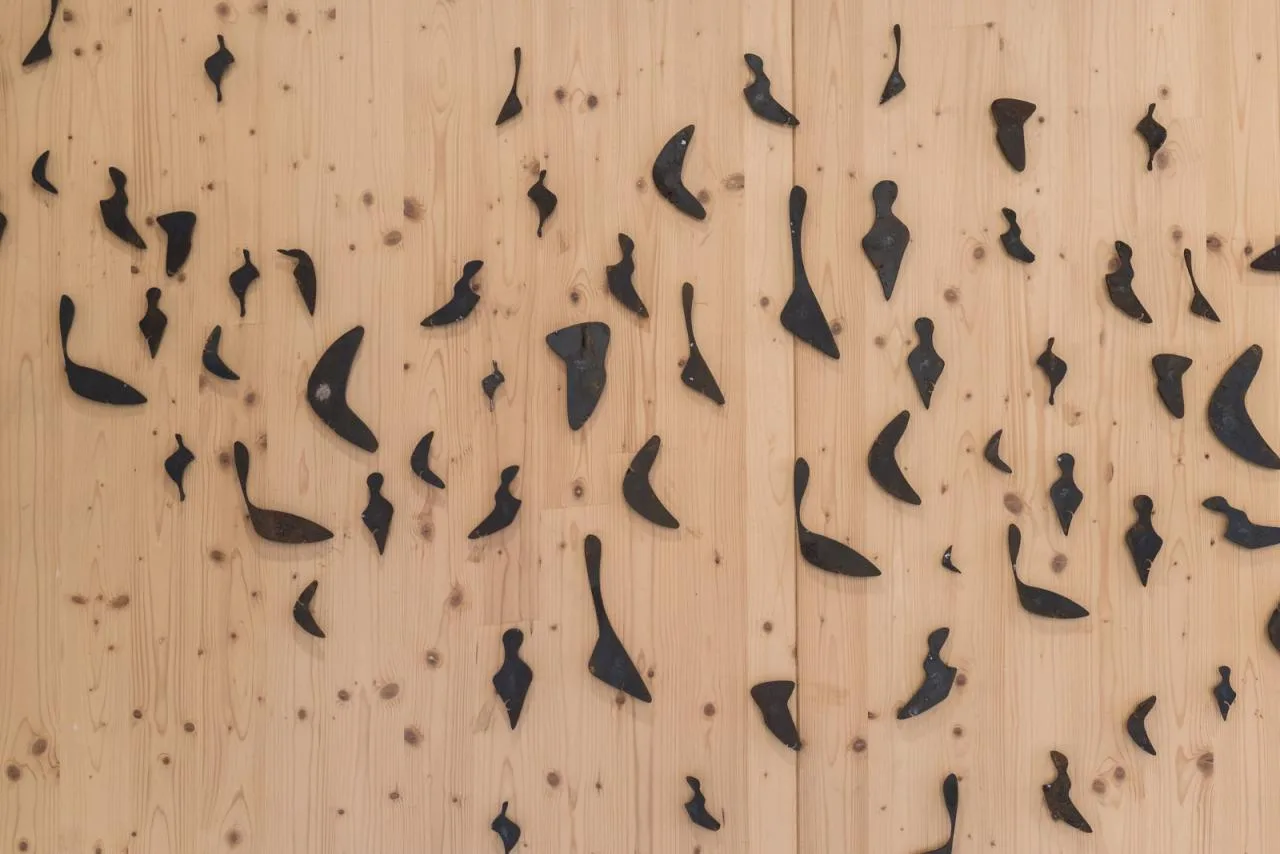
This three-dimensional, abstract perforation symbolizes the flow of individual and collective ideas, which are integrated into the building’s design to inspire research and foster innovative future environments.
A triangular forecourt on the building’s southwest side hosts large-scale experiments for PEARL, including subway and train carriages, as well as retired aircraft fuselages. These aircraft are connected to high-level facade openings via double air bridges, adding vibrancy to the building’s exterior and reinforcing its unique identity.
As UCL’s first operational net-zero carbon building, PEARL exemplifies the university’s strong commitment to sustainability. It has earned a top-tier rating from the British Building Research Establishment Environmental Assessment Method (BREEAM), becoming the first building to receive an ‘Excellent’ rating under the updated BREEAM standards.
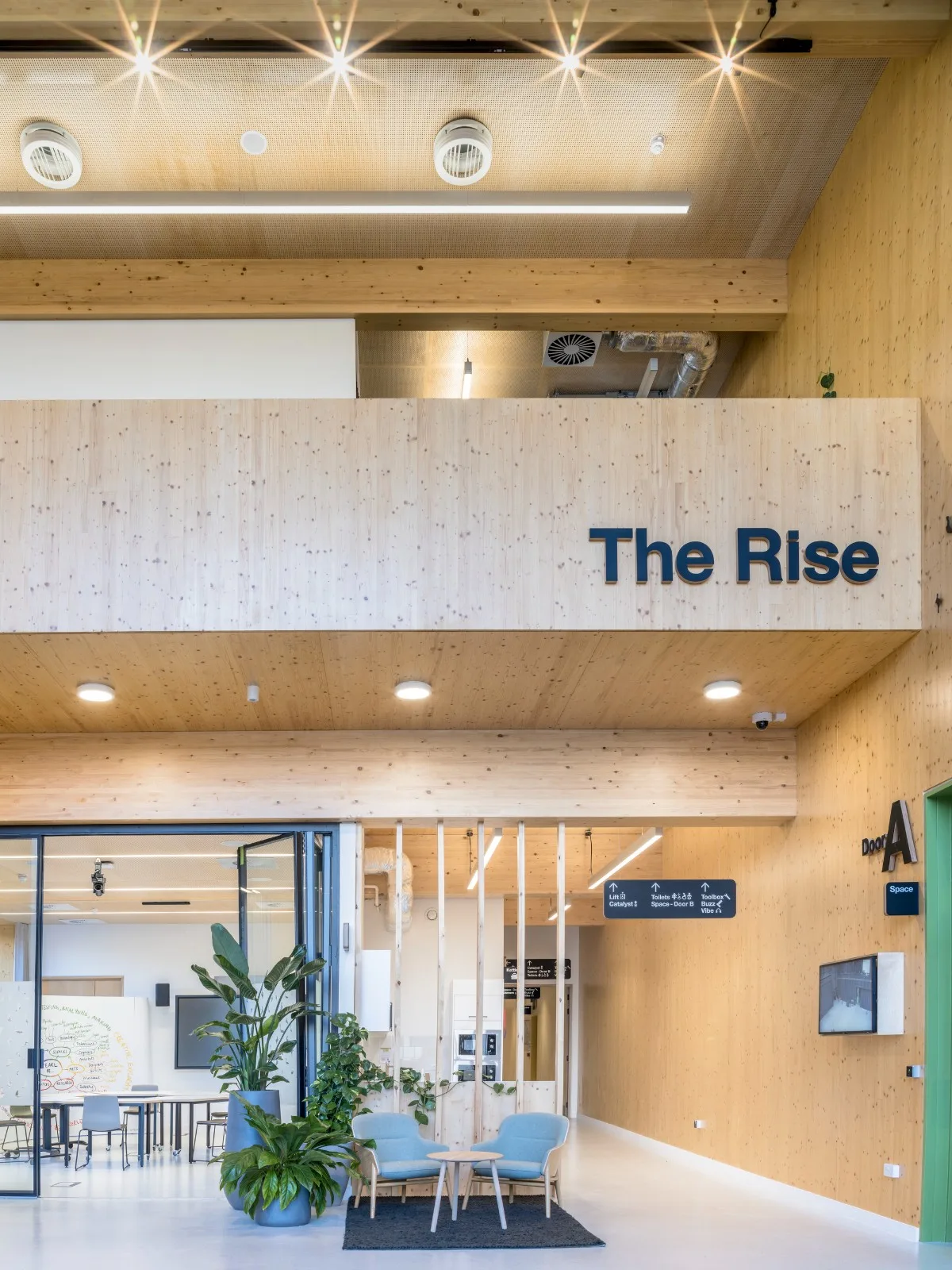
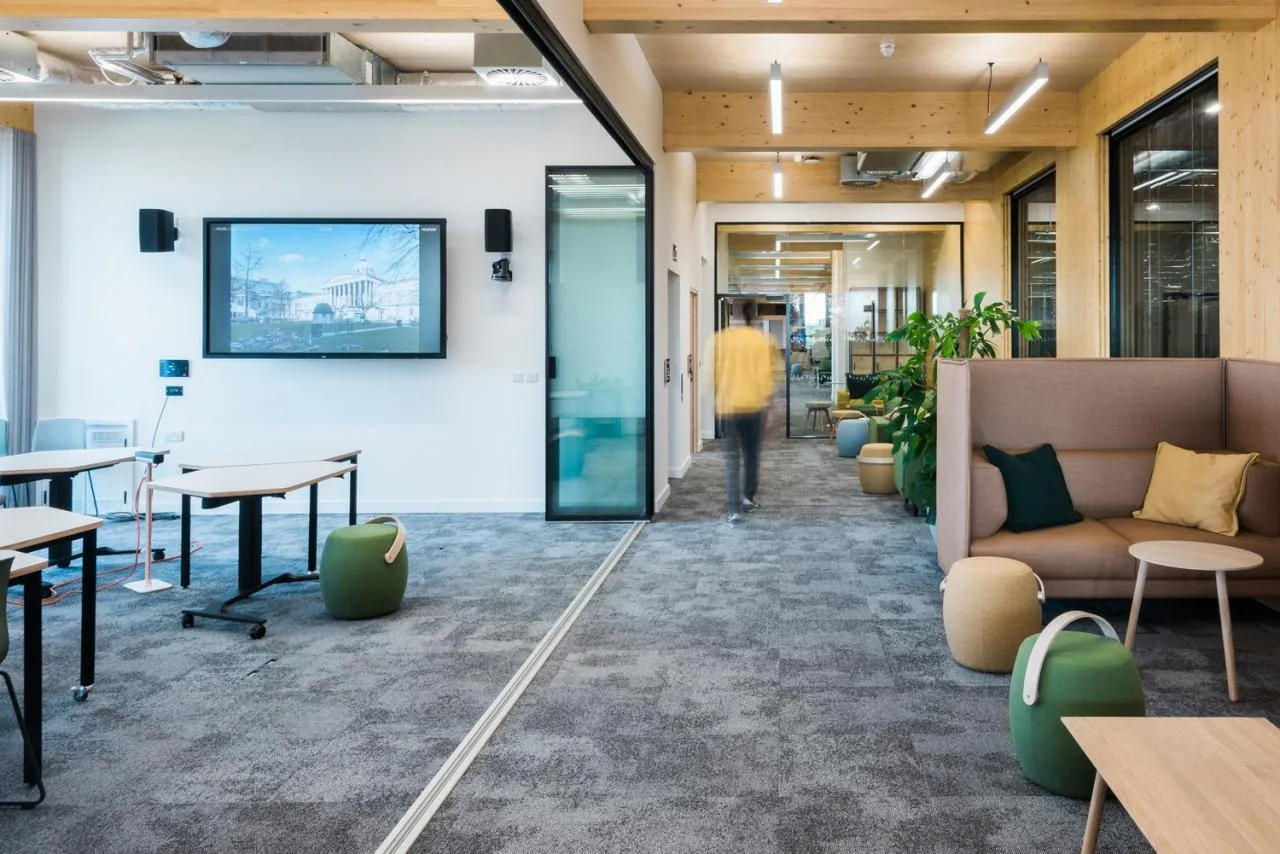
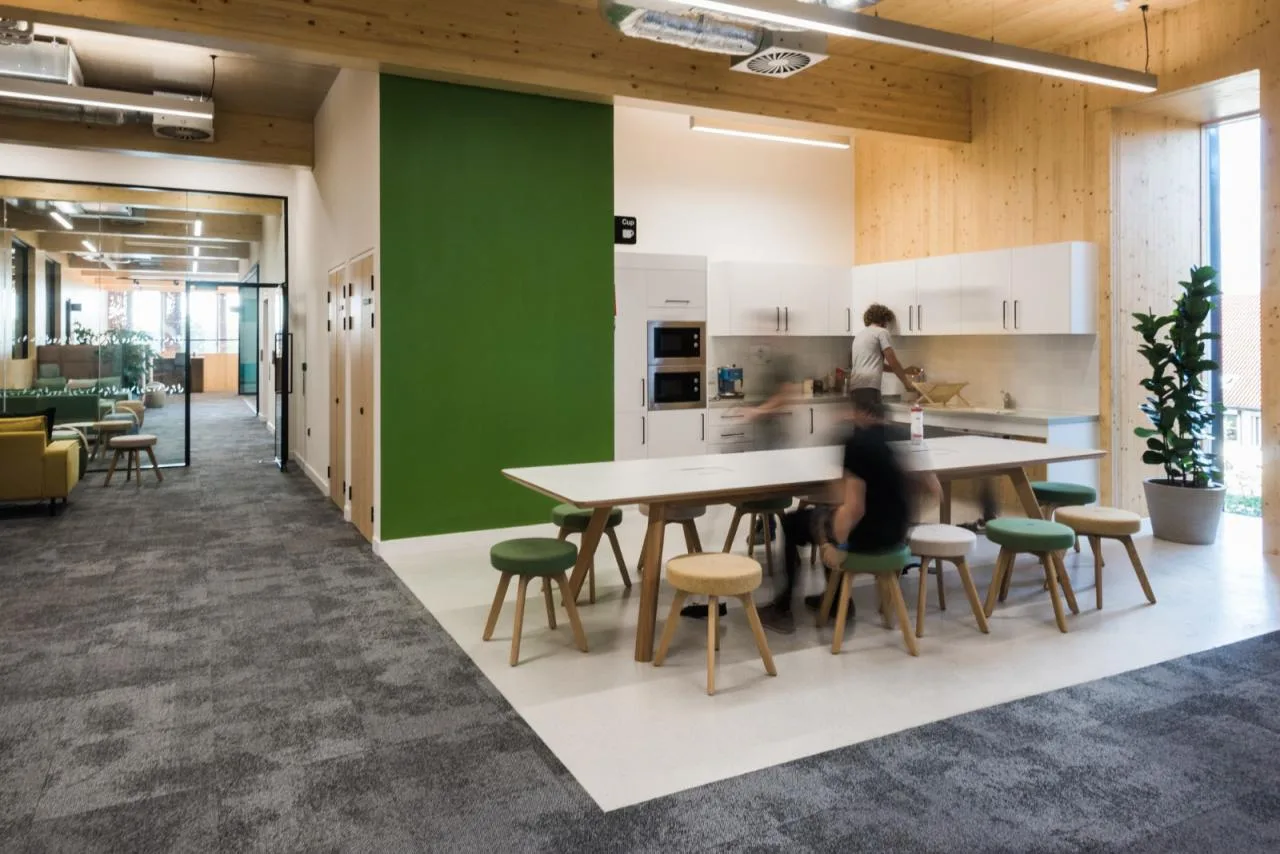
Thanks to its efficient structure, services, and the large array of photovoltaic panels covering the roof, PEARL is expected to achieve negative carbon emissions. The design supports a circular economy approach by maximizing recyclable and reusable materials and minimizing onsite waste through extensive off-site prefabrication and excavation preparation.
Located in Dagenham, London, PEARL sits adjacent to several redevelopment projects and aims to serve as a community hub. It has already established close collaborations with multiple schools and colleges within the Barking and Dagenham boroughs.
Project Drawings
△ First Floor Plan
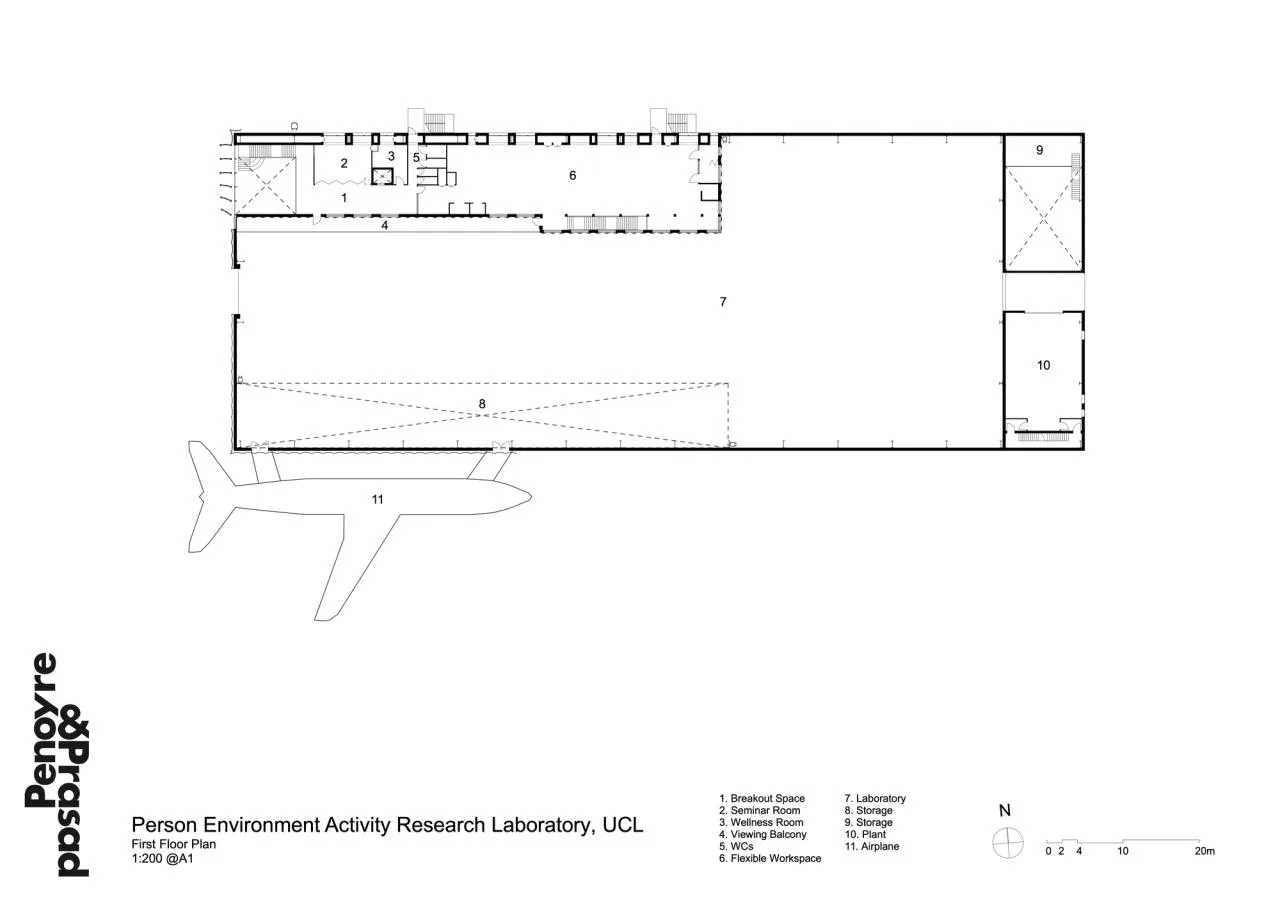
△ Second Floor Plan
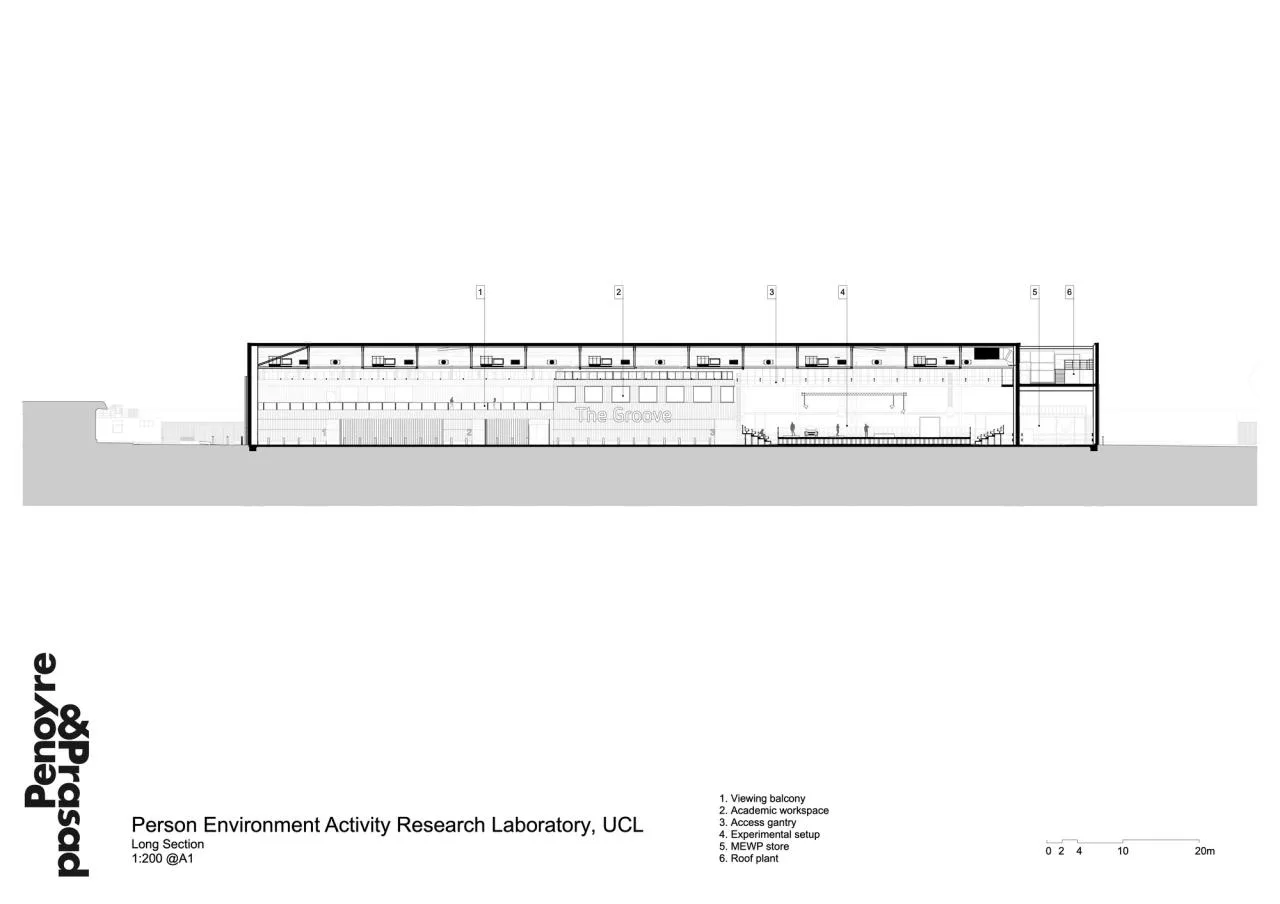
△ Section Diagram
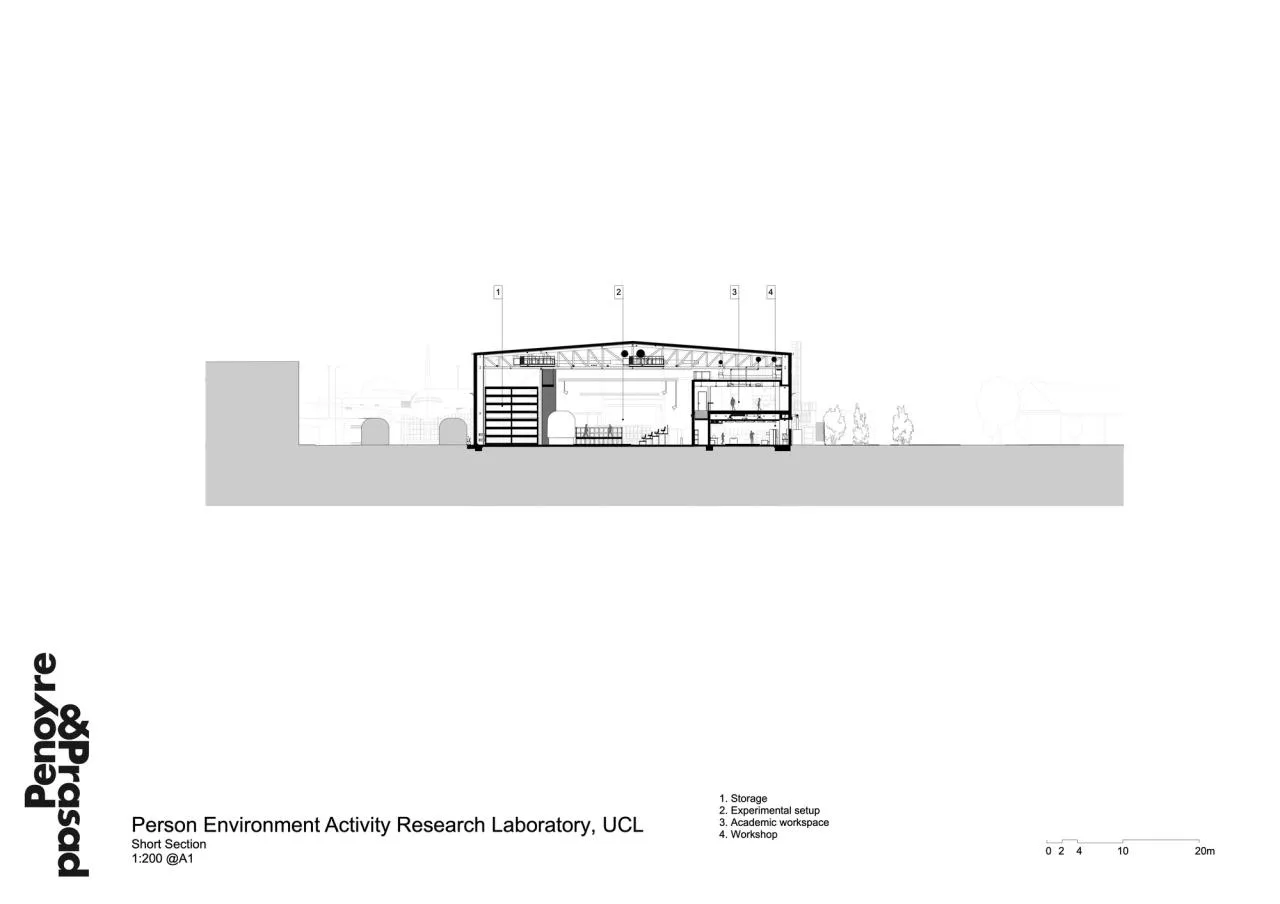
△ Section Diagram
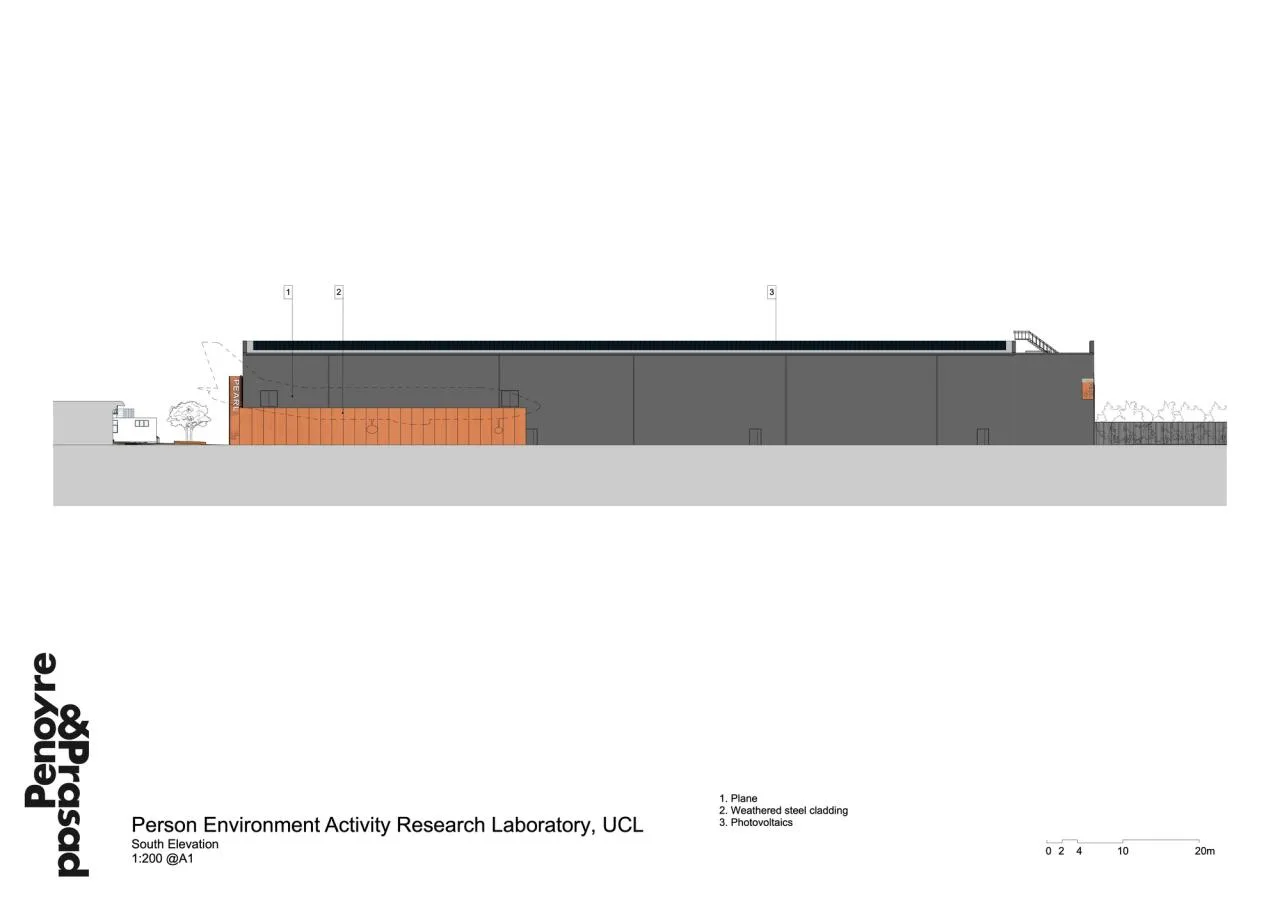
△ Elevation Drawing
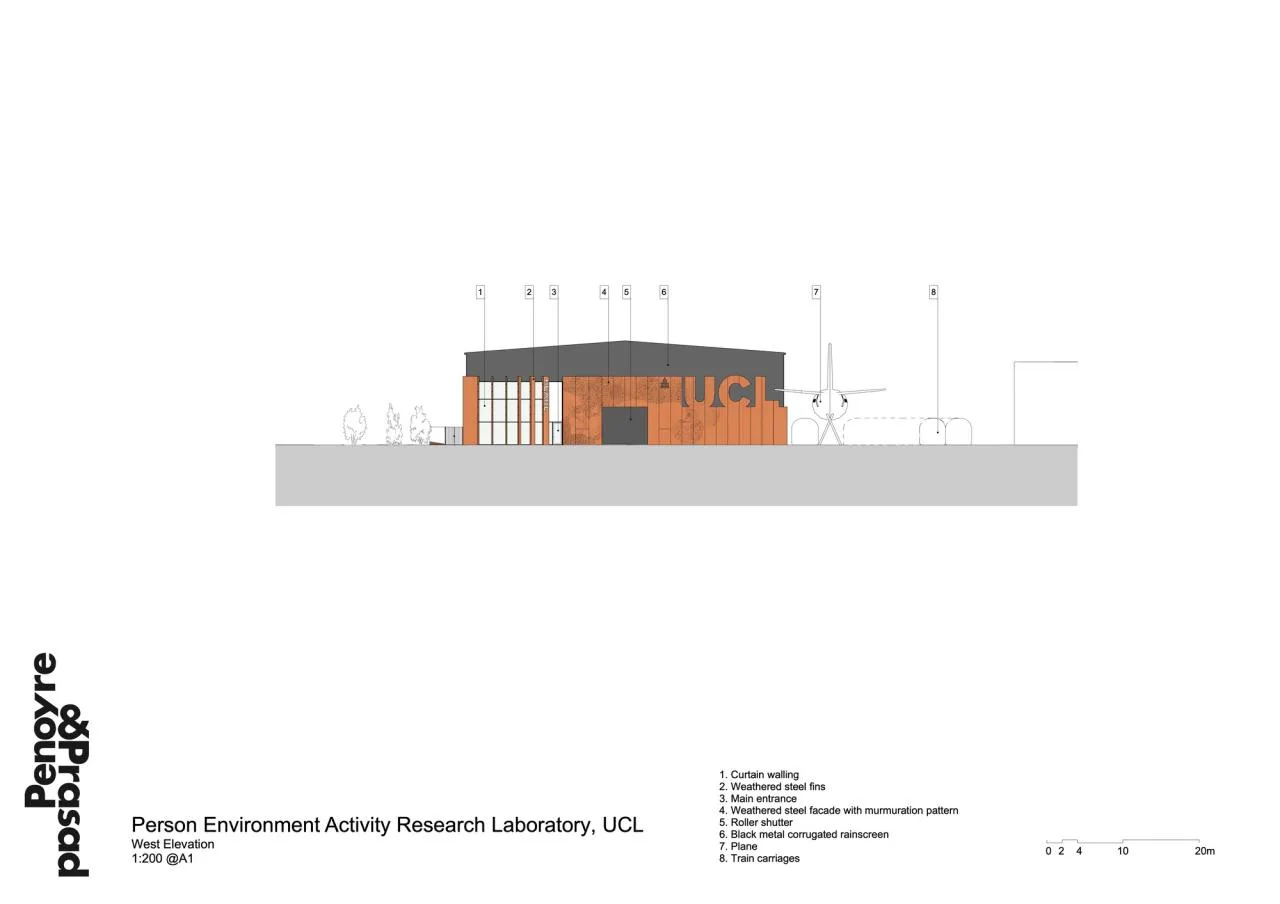
△ Elevation Drawing
Project Information
Architectural Design: Penoyre & Prasad
Area: 5,650 m²
Project Year: 2021
Photographers: Timothy Soar, James Tye
Client: University College London (UCL)
Project Management: AECOM
Identification Consultant: Placemarque
Main Contractor: VolkerFitzpatrick
Cinema Consultant: Charcoalblue
Heritage Advisor: JLL Heritage












Must log in before commenting!
Sign Up