
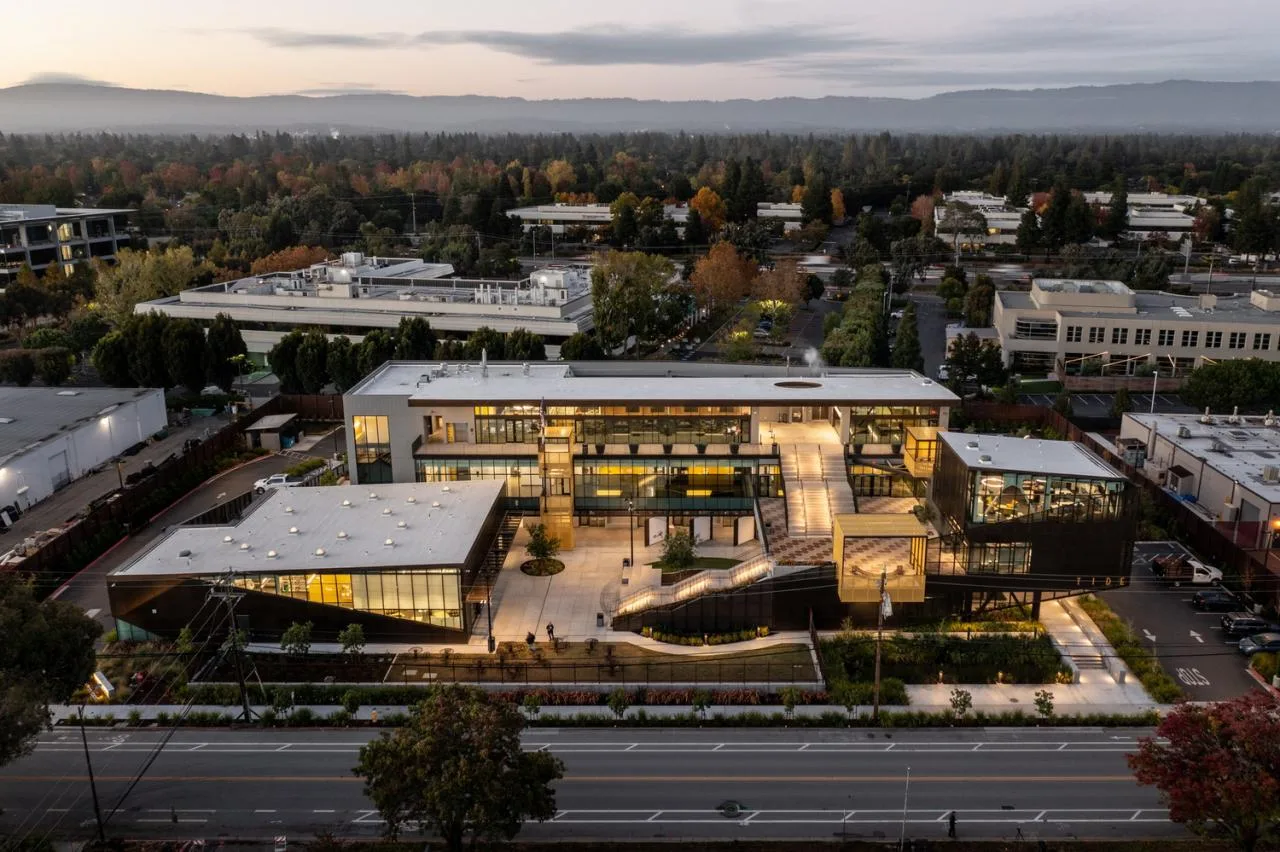
LPA designed a three-story public high school in Menlo Park, California, located just one block from Meta (Facebook) headquarters. The school emphasizes innovative teaching methods for STEAM education—science, technology, engineering, arts, and mathematics. Situated within a rapidly evolving industrial area, the campus covers approximately 8,094 square meters (two acres). Its mission is to foster independent choice, critical thinking, and inquiry-based learning among students, while supporting the interdisciplinary approach essential to STEAM courses.
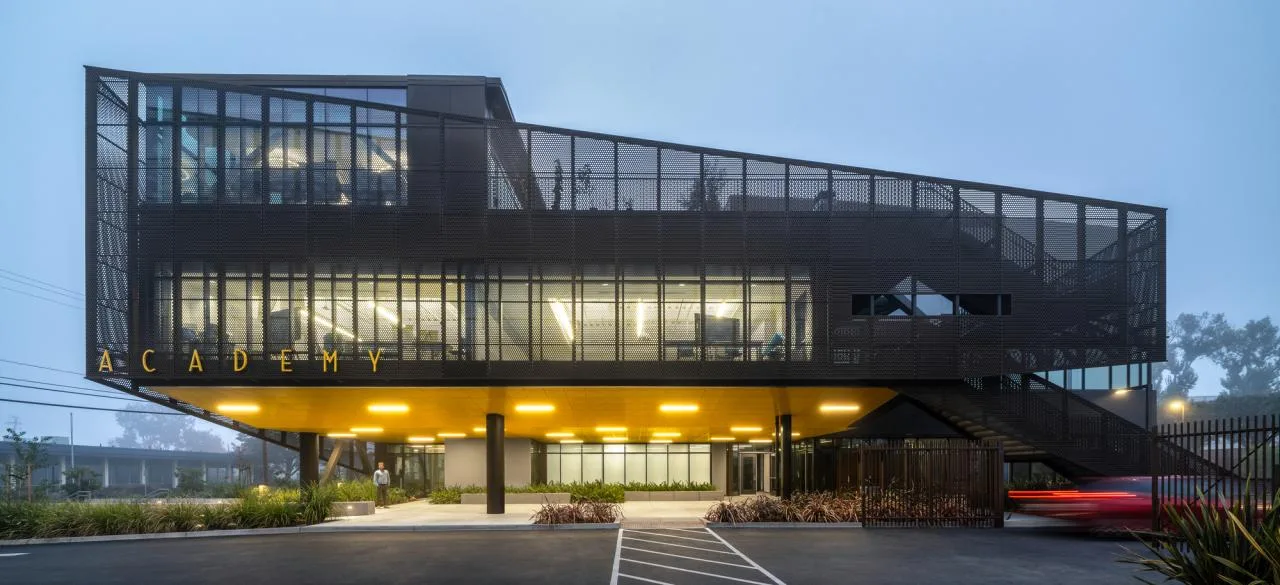
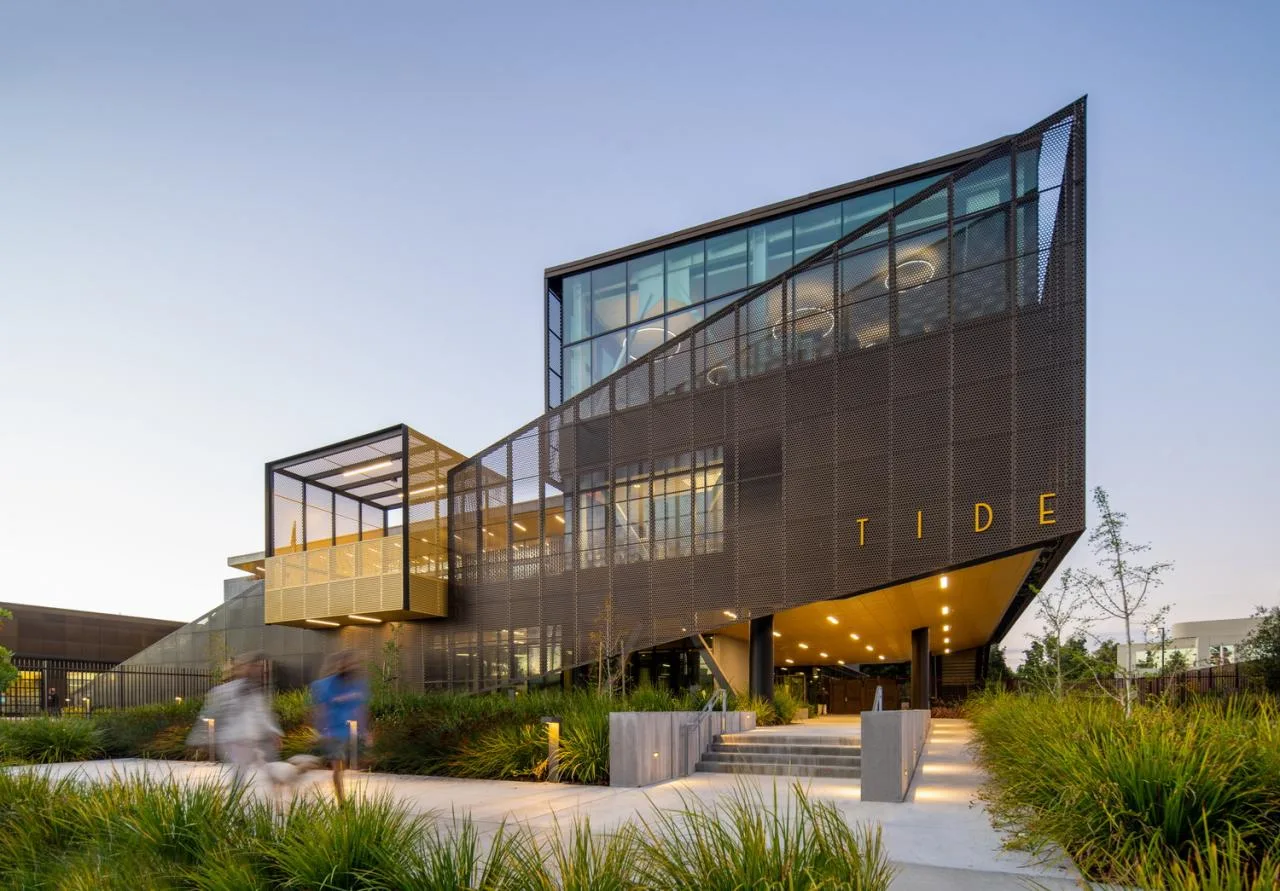
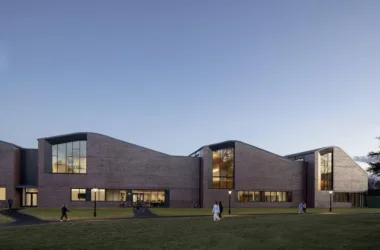
The TIDE campus, an acronym for Technology, Innovation, Design, and Engineering, features a three-story U-shaped building that wraps around a terraced central courtyard connected by a grand staircase. The design integrates seamlessly with adjacent sidewalks and streets, making learning spaces visible to the public and fostering a strong connection between the school and the community. TIDE aims to attract collaboration from local high-tech companies and establish direct partnerships with nearby universities.
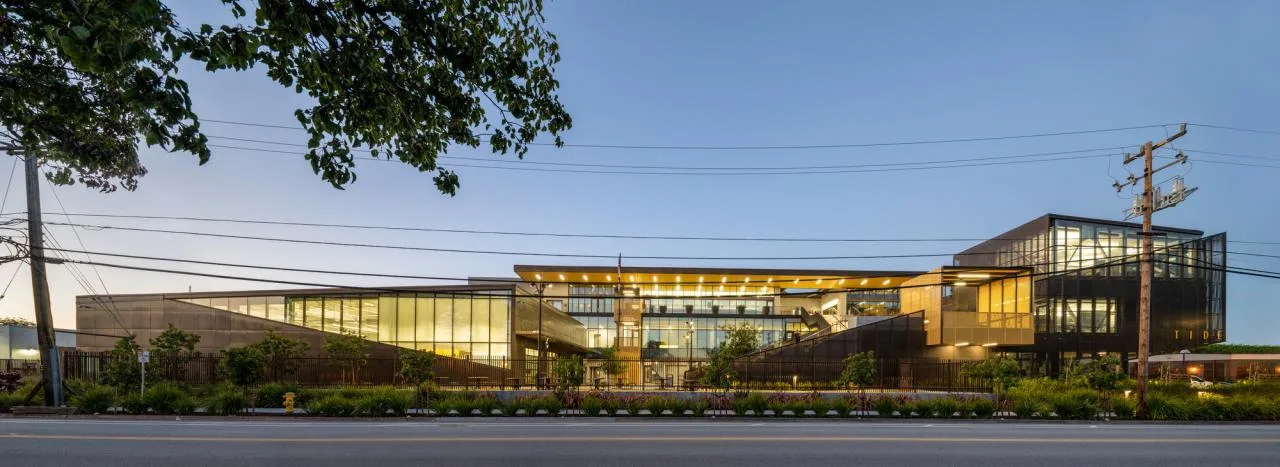
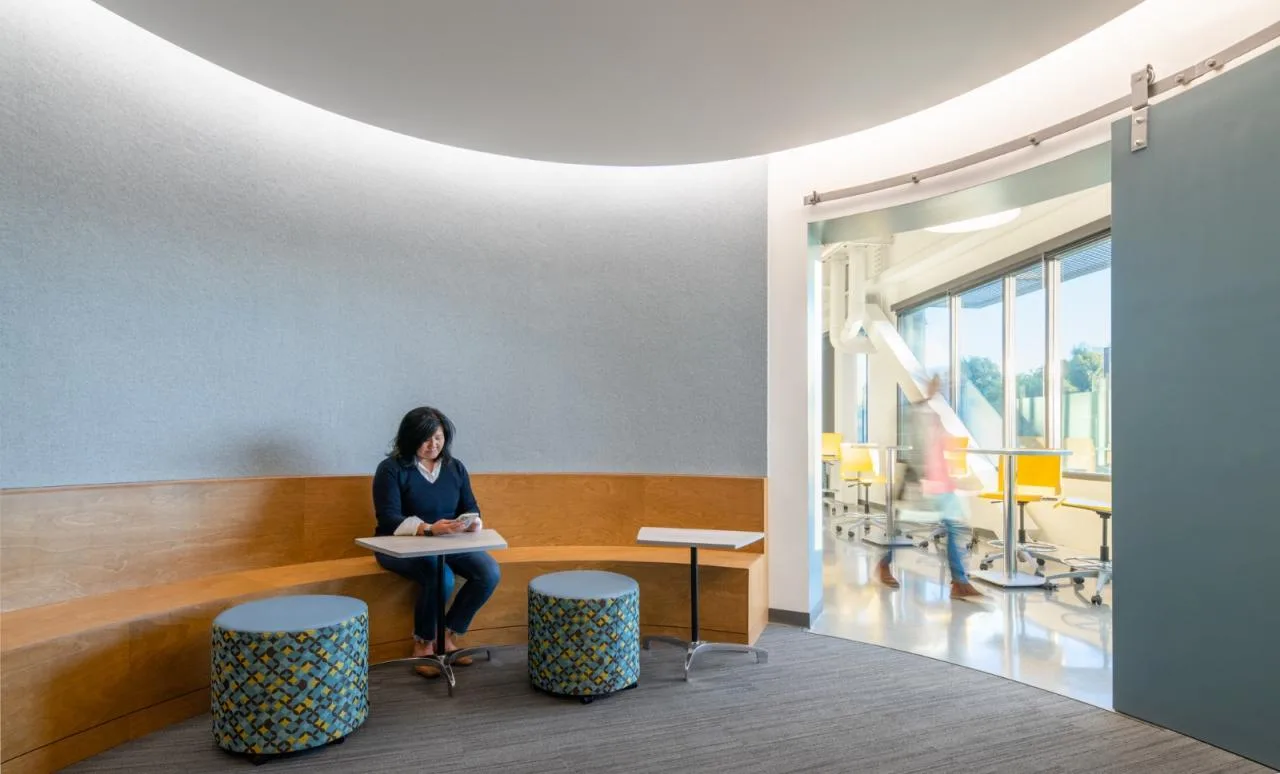
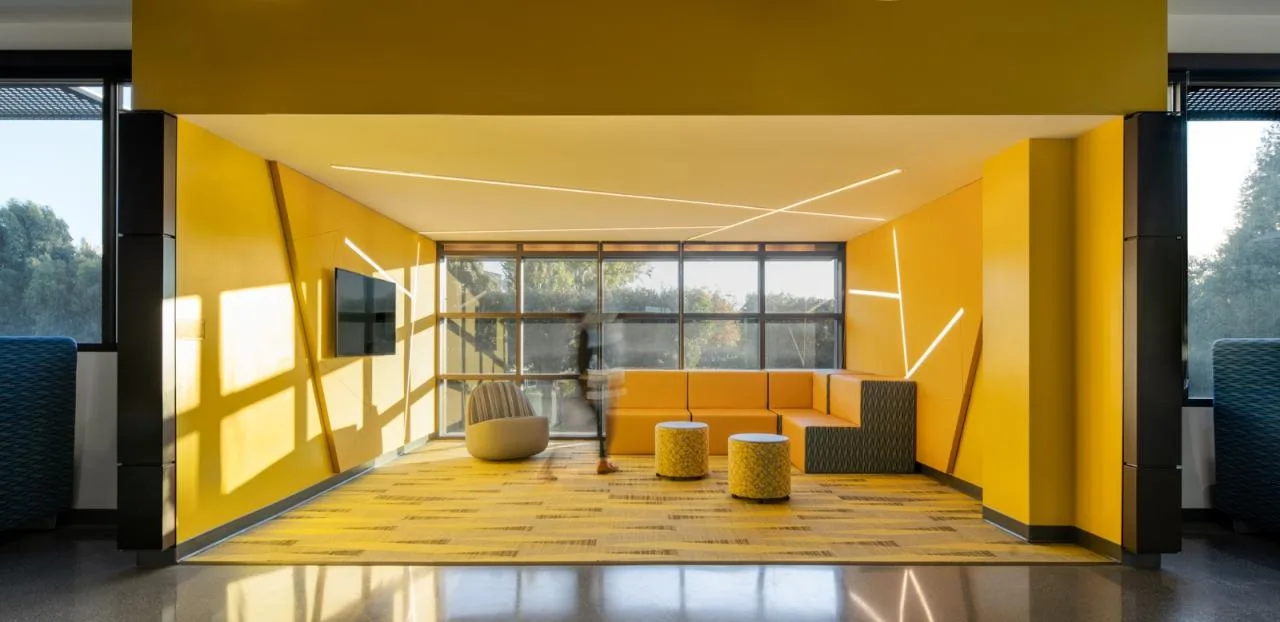
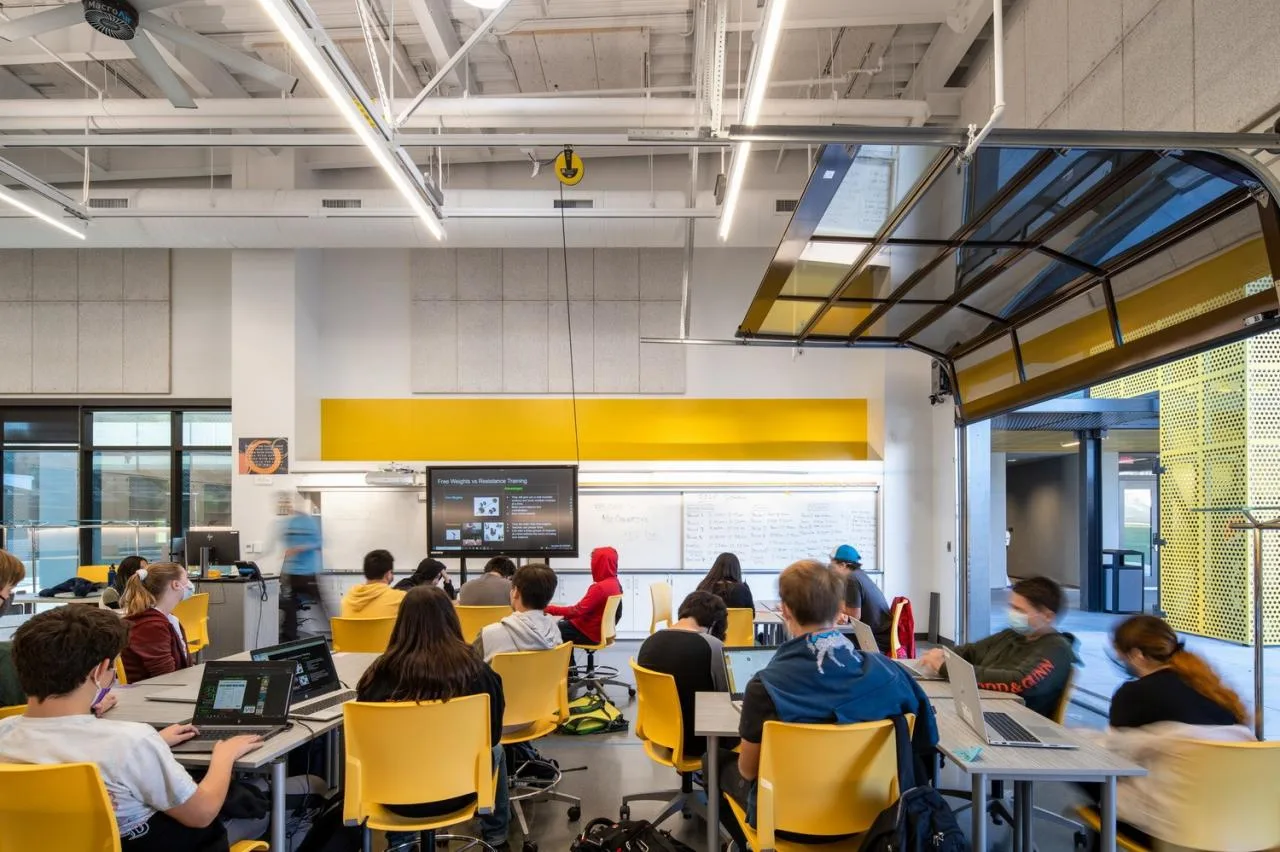
TIDE’s curriculum is tailored to prepare students for future careers through a project-based learning environment that encourages collaboration and team teaching. Classrooms and labs are larger than typical, averaging about 106.8 square meters (1,150 square feet), each with direct access to shared and outdoor spaces. Each learning studio includes a ‘think tank’ and gathering area. Features such as operable walls, writable surfaces, and various collaborative zones provide students with multiple options for where and how to work. This spatial design supports three key learning modes: collaboration, contemplation, and individual focus.
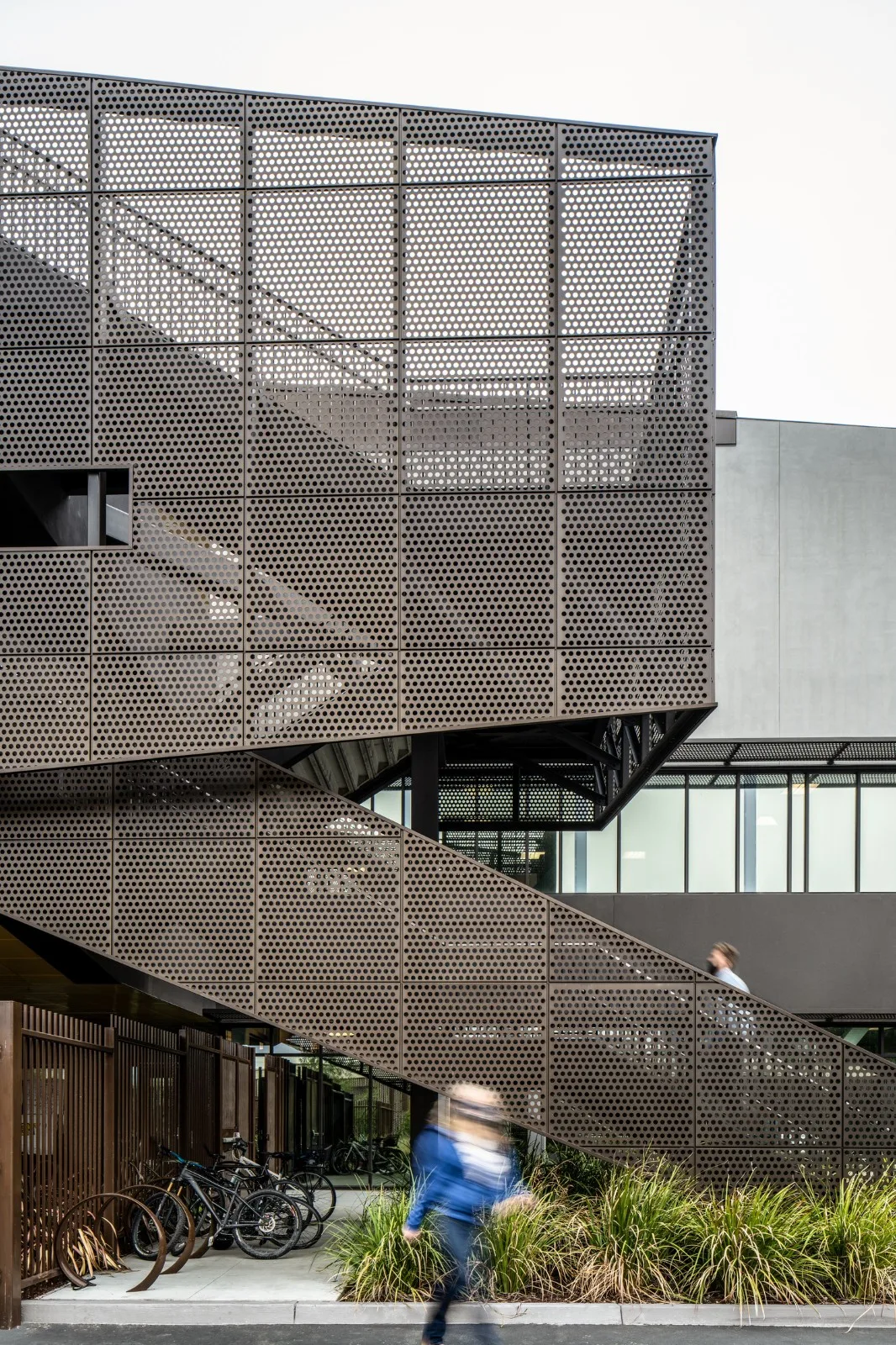
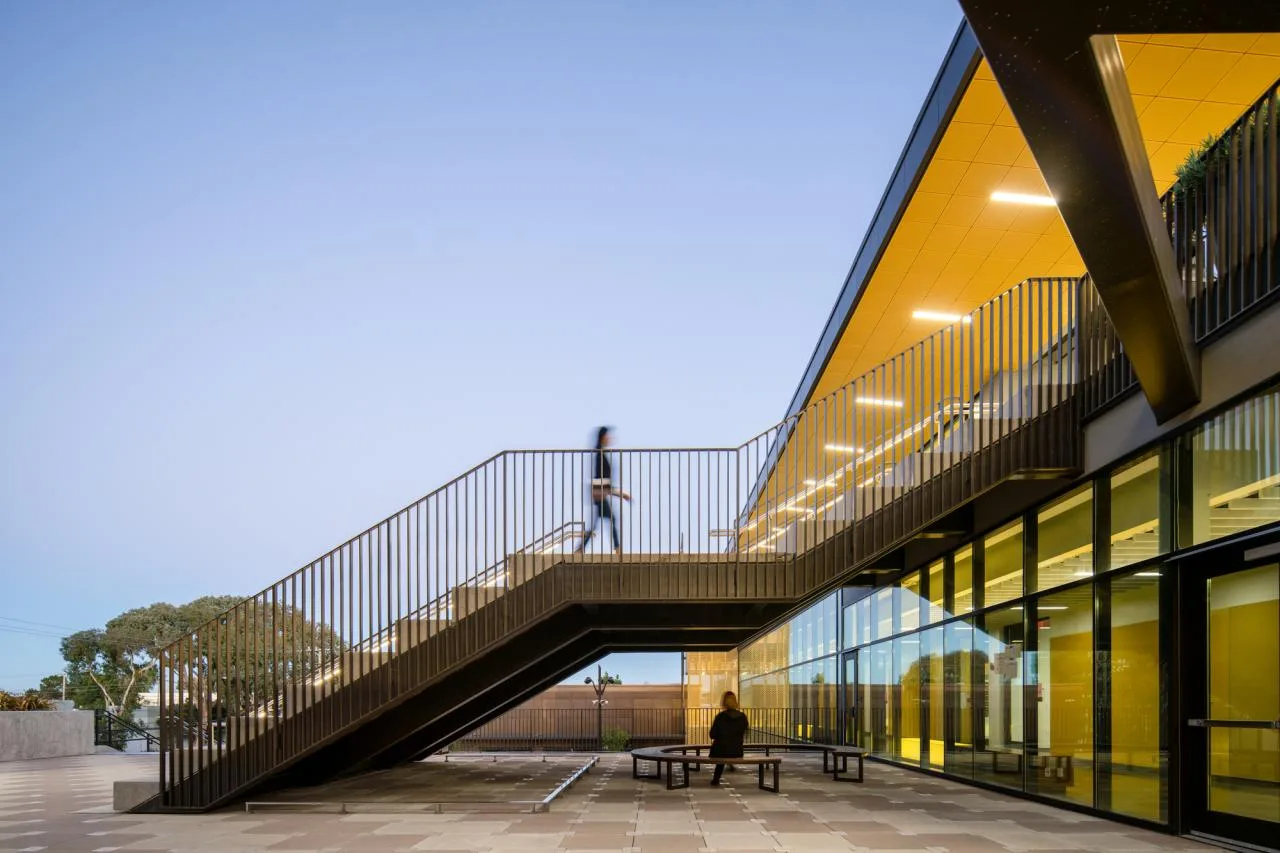
Each floor houses a ‘learning studio’ consisting of classrooms and shared spaces that can be reconfigured based on project requirements. Designated labs focus on disciplines such as science, programming, design, art, and physics. The technology, tools, and storage areas within these spaces are adaptable to support various types of work.
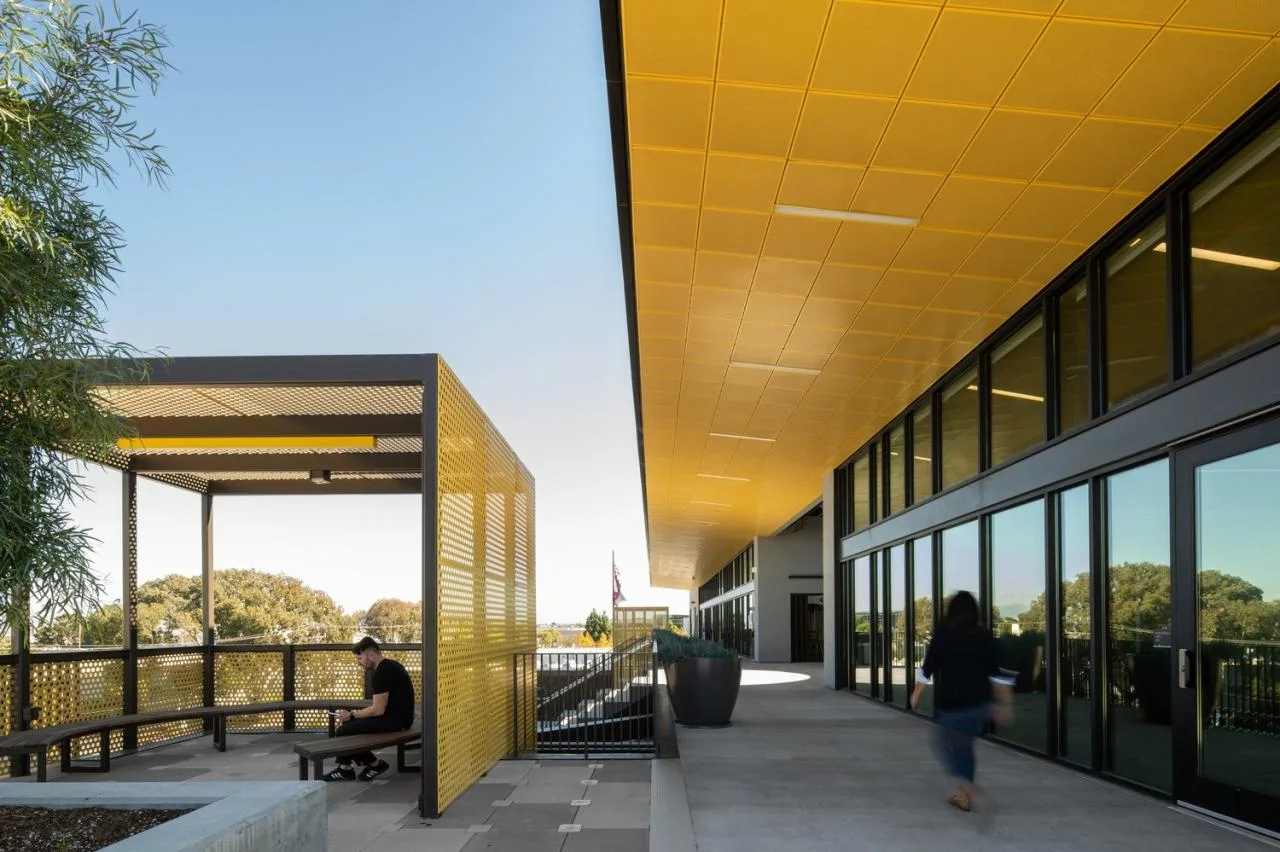
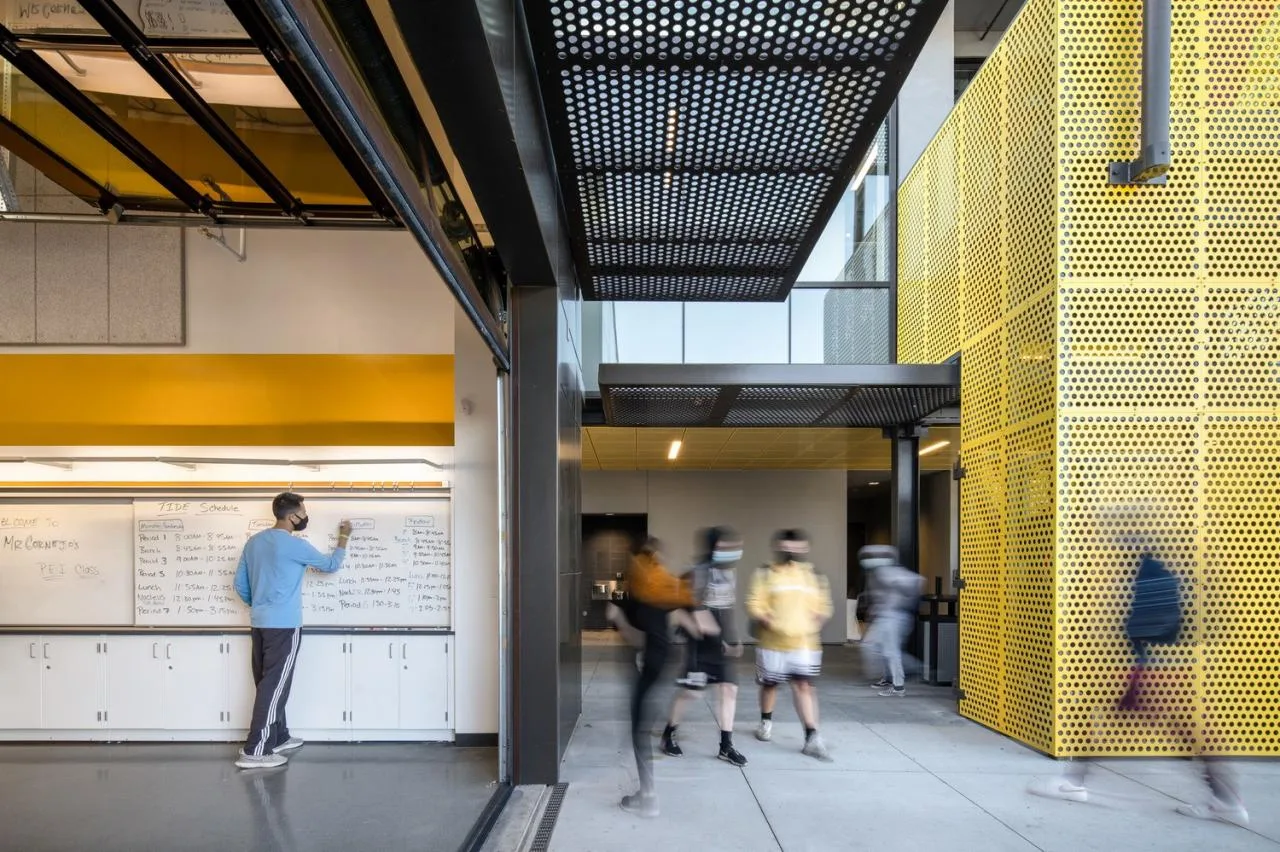
On every floor, learning spaces extend outdoors through garage-style rolling shutter doors, seamlessly blending indoor and outdoor environments. These spaces support brainstorming sessions and hands-on experiments. Most foot traffic occurs along the external terraced pathways to promote physical activity, strengthen connections with outdoor environments, and increase student engagement. The sunshade platform serves as a hub for collaboration and social interaction.
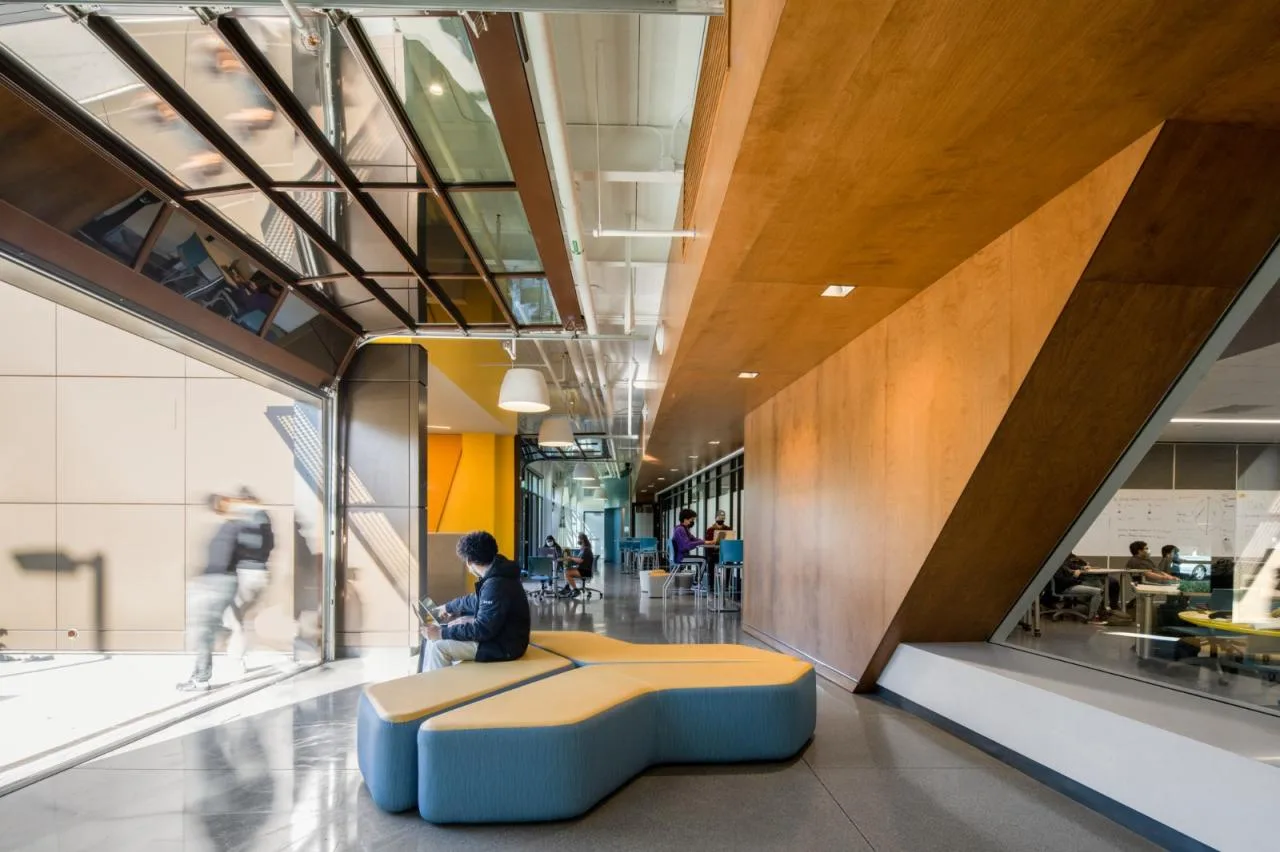
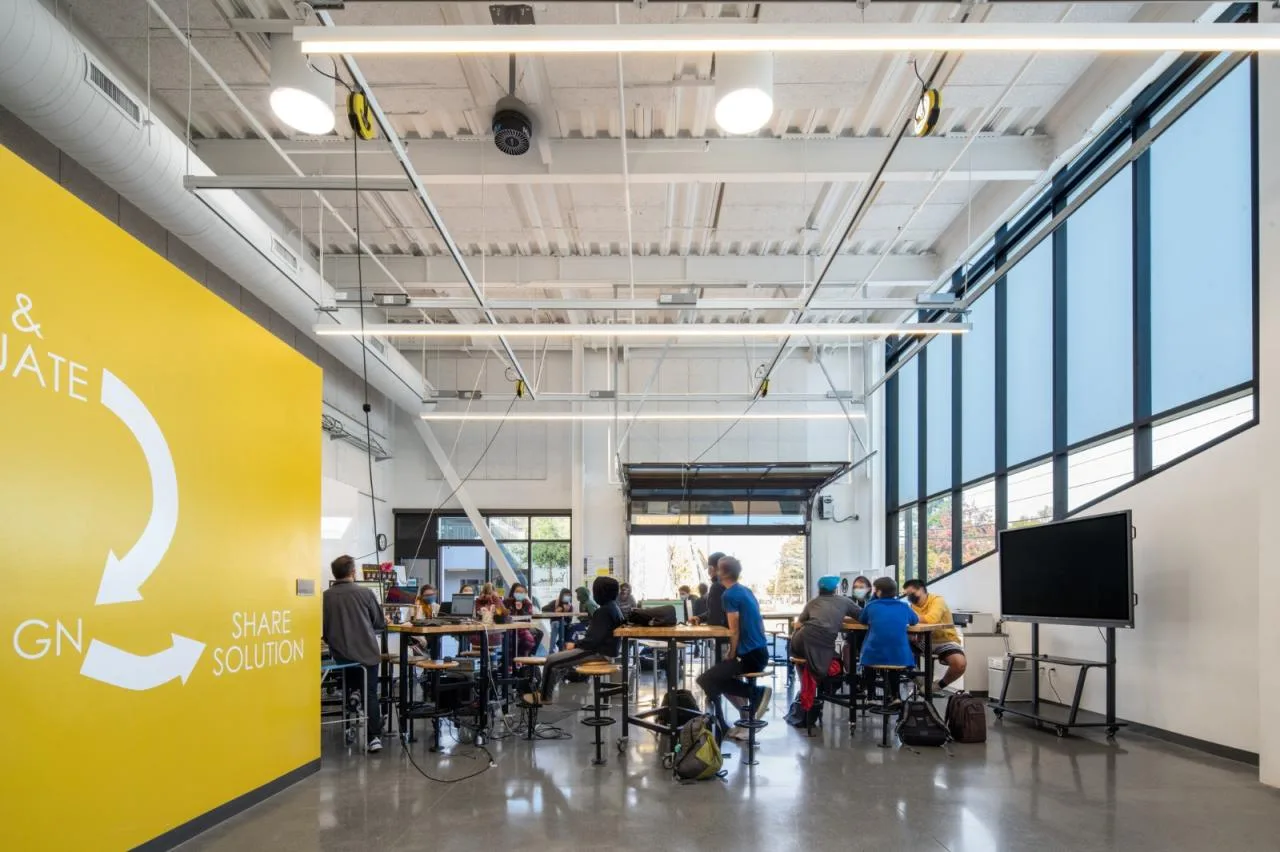
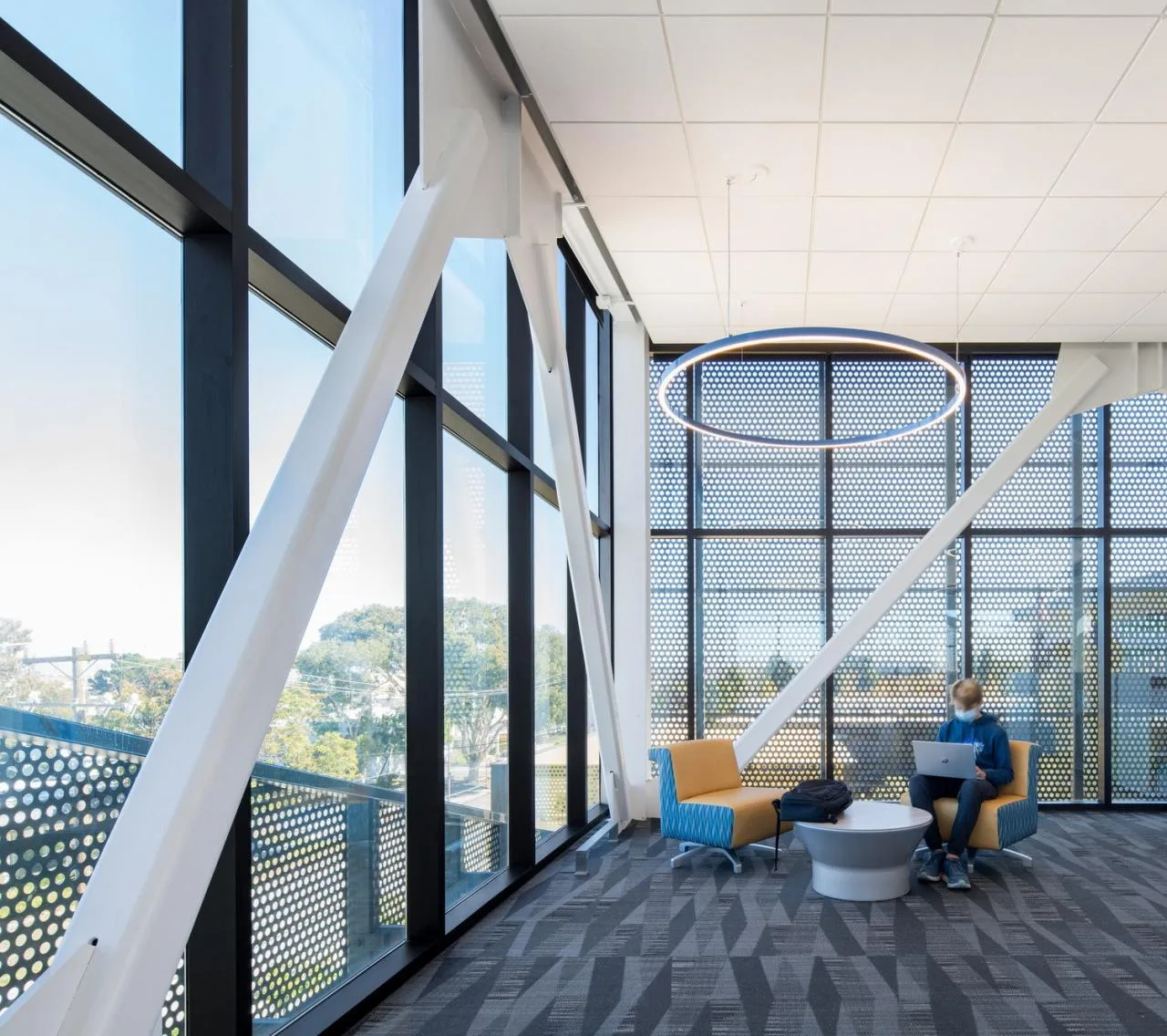
Sustainability and environmental sensitivity are integral to the campus design. The school does not offer student parking and encourages walking, cycling, or using public transportation. Passive design strategies have reduced energy consumption campus-wide by 67% compared to industry standards. All frequently used spaces have access to natural light and scenic views. Extensive glazing features a mesh-like surface that filters direct sunlight, reducing heat gain within the building.
Project Drawings
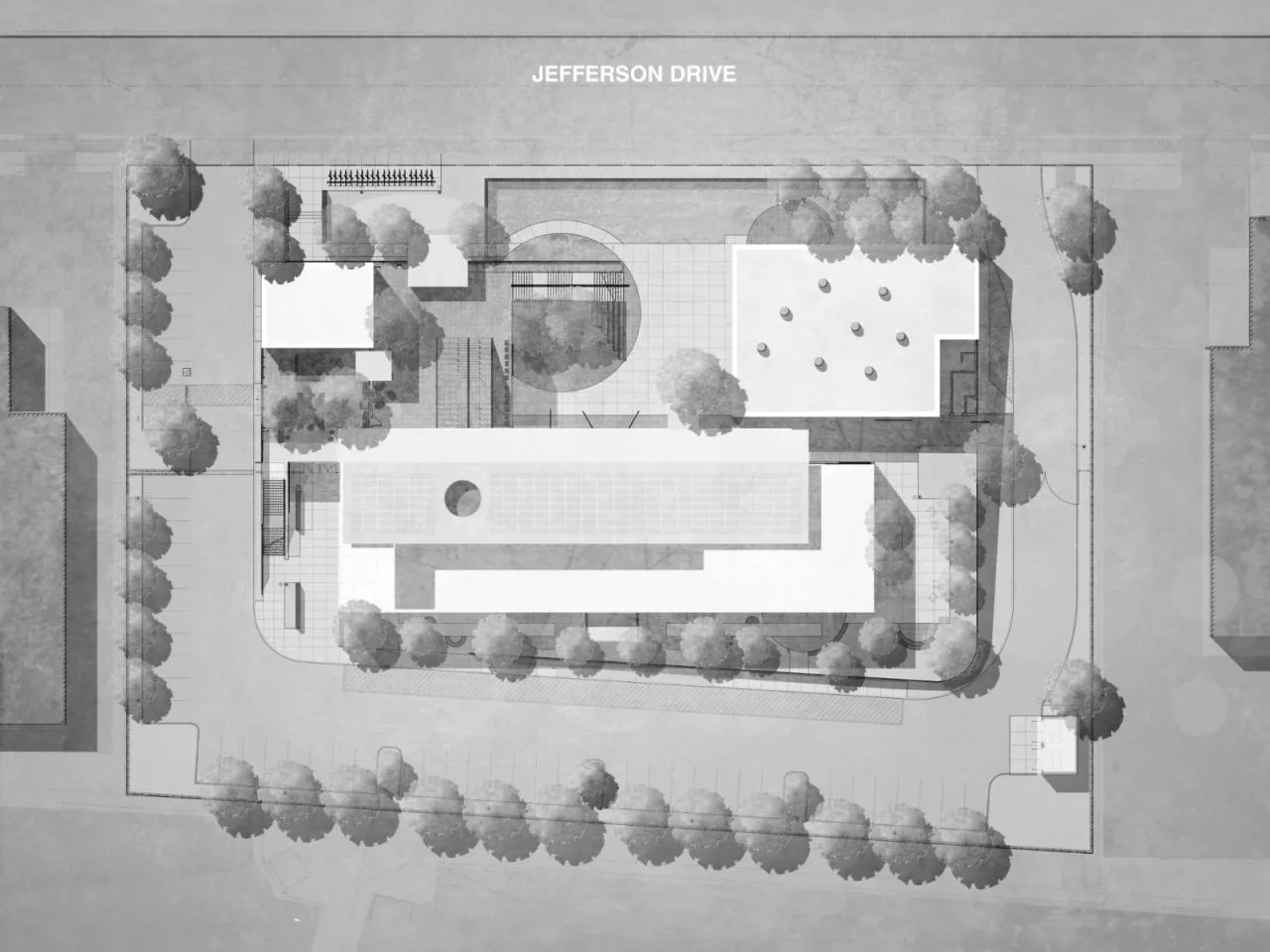
△ General Layout Plan
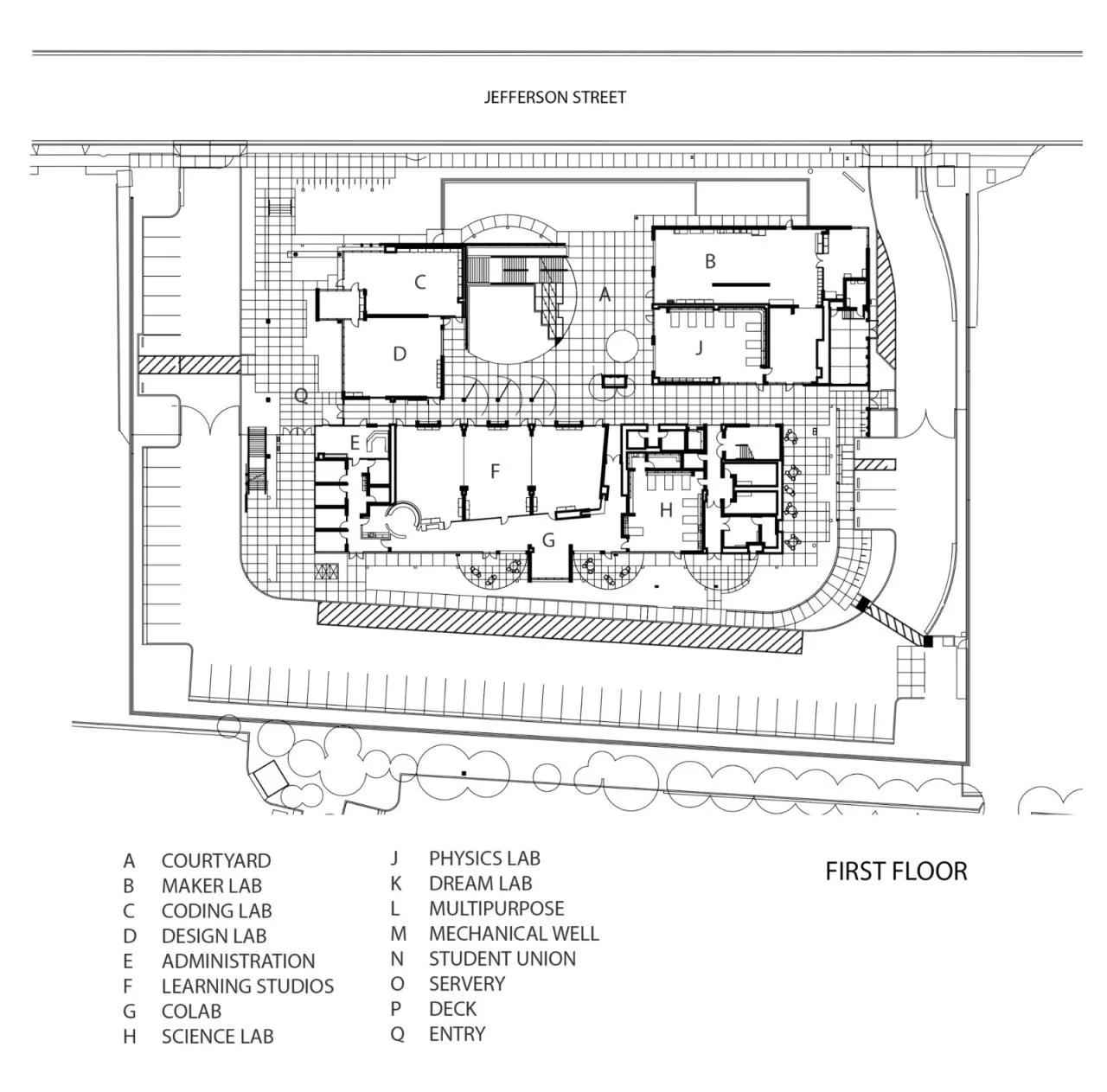
△ First Floor Plan
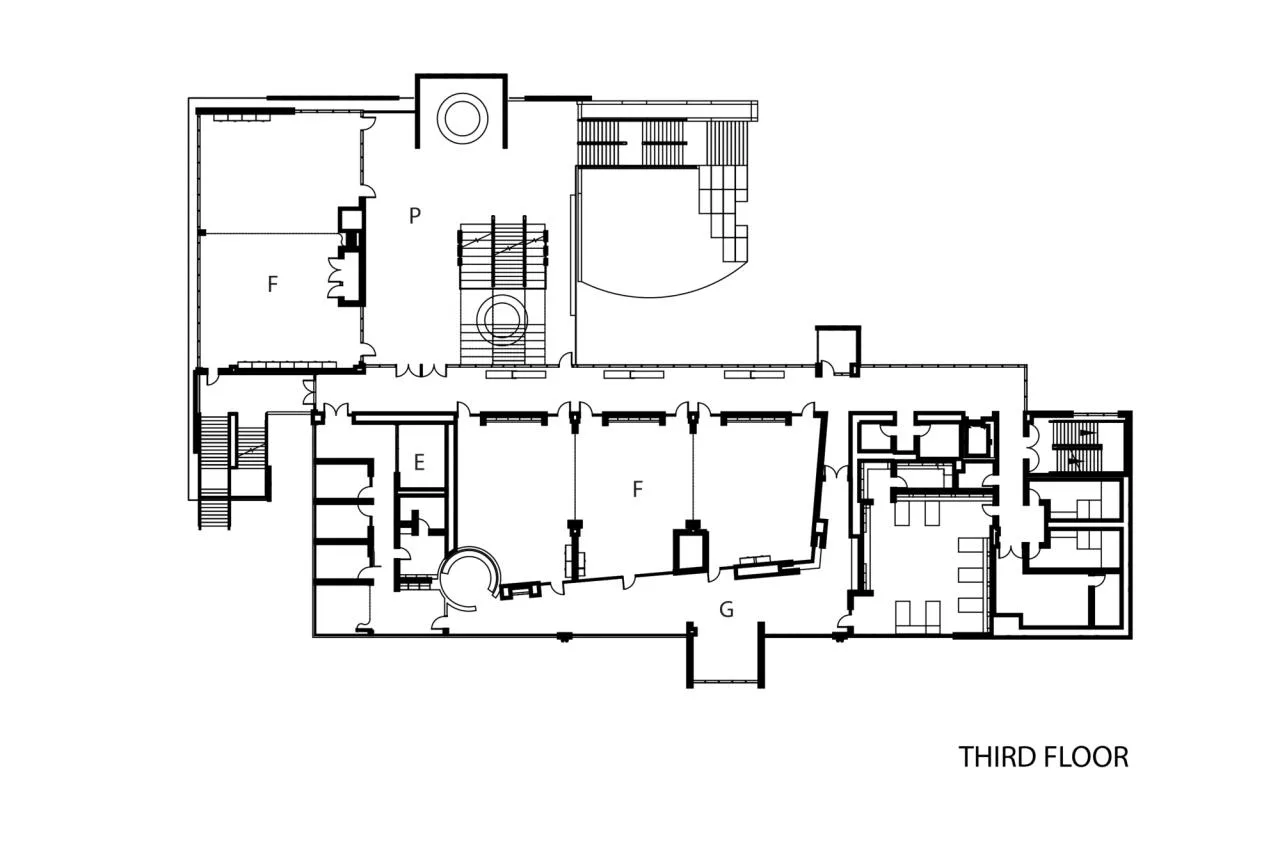
△ Second Floor Plan
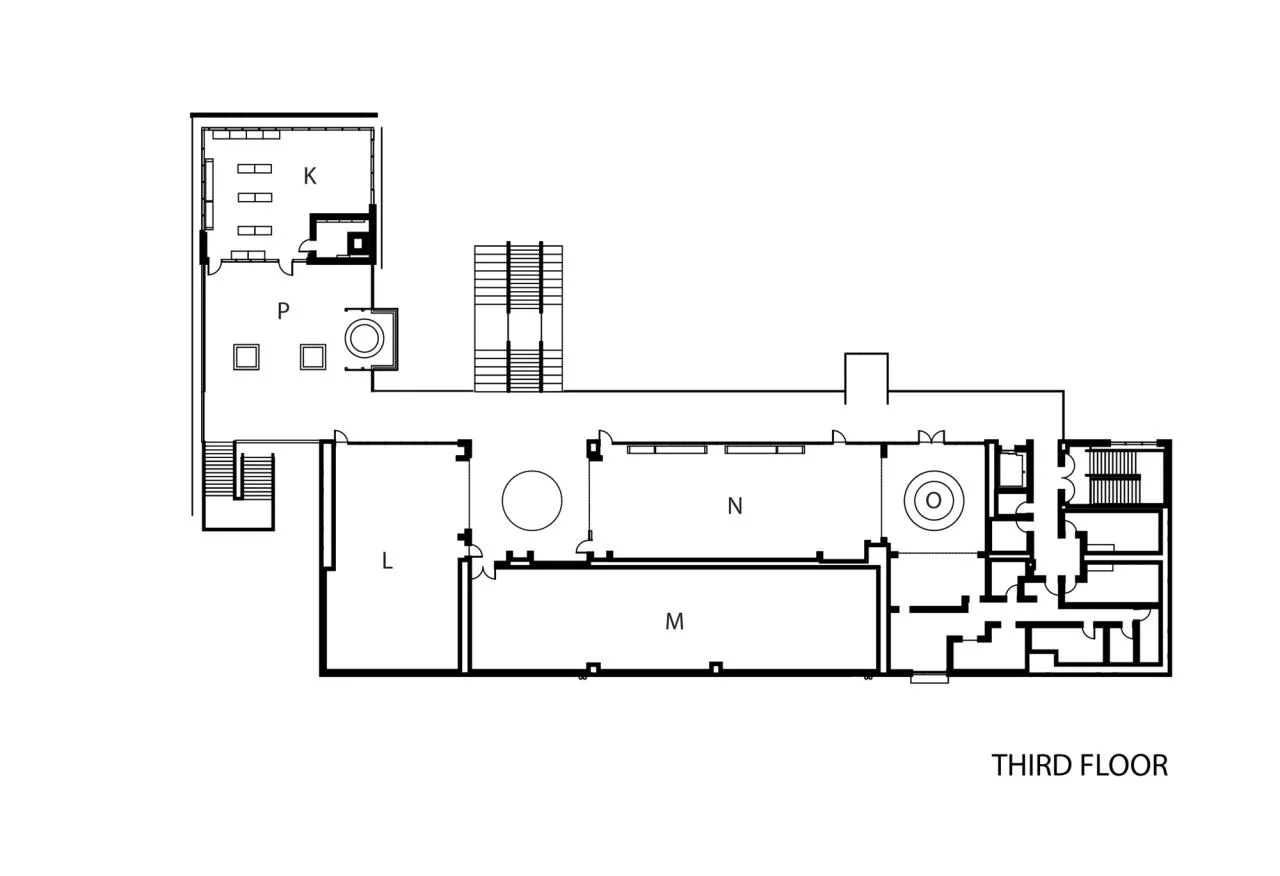
△ Third Floor Plan
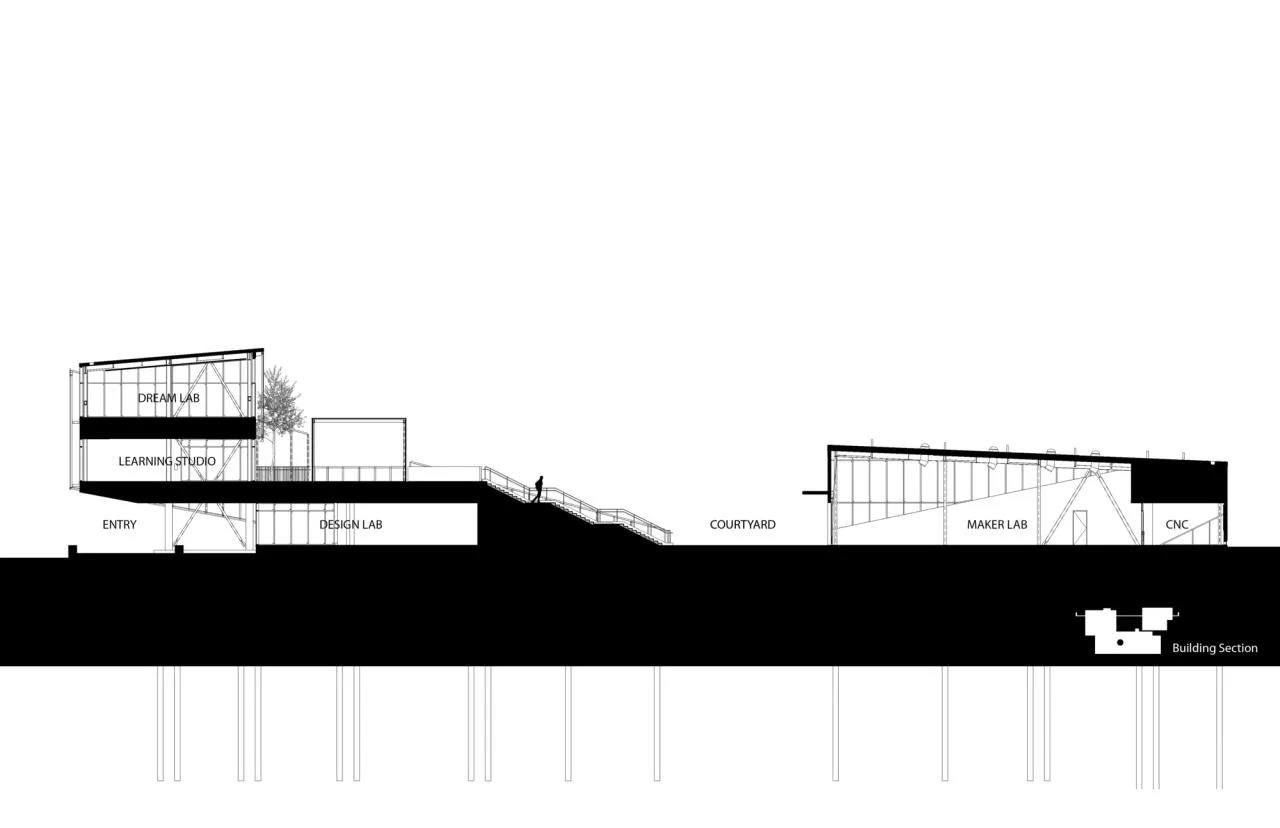
△ Section Diagram
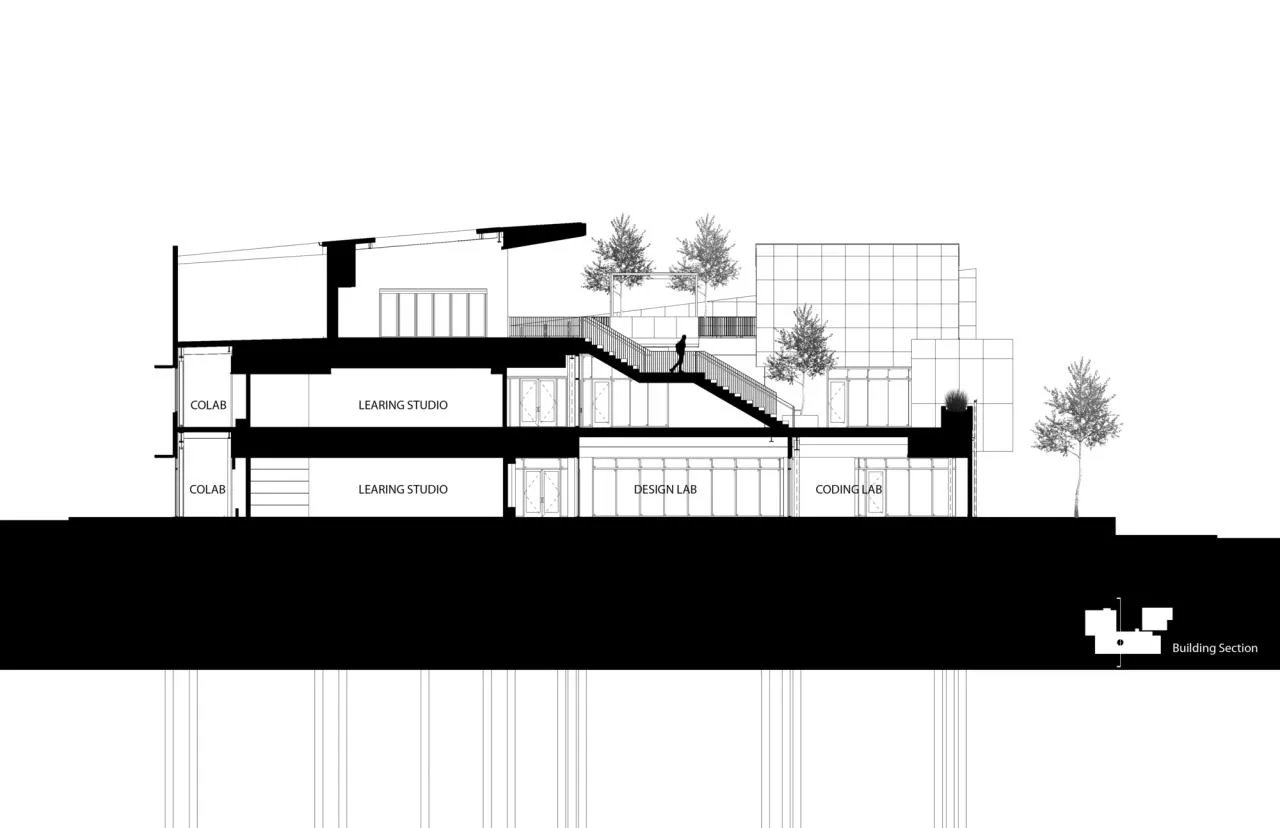
△ Section Diagram
Project Information
Architectural Design: LPA
Project Year: 2019
Photography: Jason O’Rear Photography
Manufacturers: 3form, Arcadia Windows, AutoDesk, Dri-Design, ICI Scientific, PPG, Solatube
Lead Designer: Helen Pierce
Function Planning: Kate Mraw
Interior Design: Kate Mraw
Landscape Design: Kari Kikuta
Project Manager: Don Pender
Location: Menlo Park, United States












Must log in before commenting!
Sign Up