
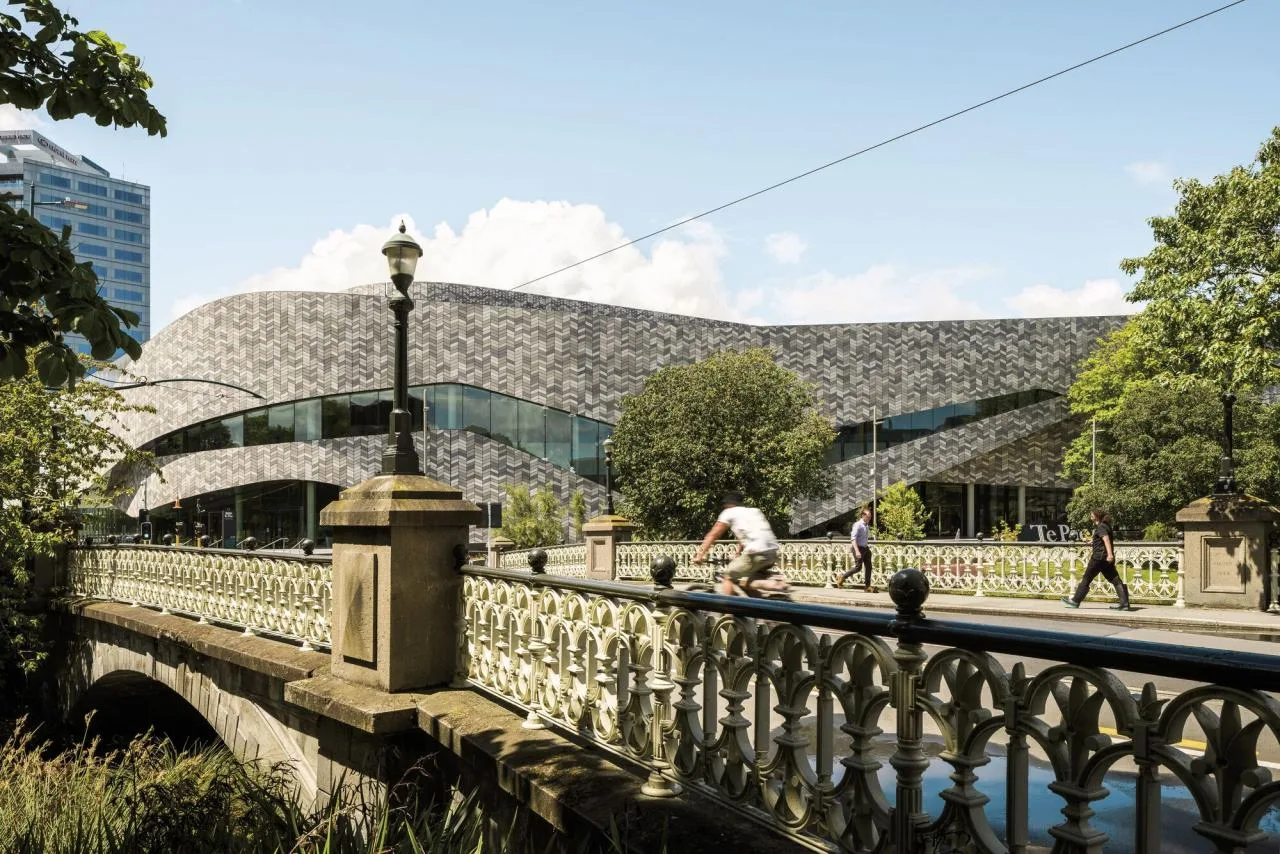
The dual cultural spirit of Te Pae breaks away from the conventional “big box” style typical of most convention and exhibition centers. In 2014, architect Bruno Mendes from Woods Bagot was on a flight to Christchurch, flying over the expansive Lacaya River, when an inspiration struck him. Attending a pre-architectural design seminar, Mendes seized the moment to capture the essence of the unique braided riverbed, developing a visionary design concept that would define the project.
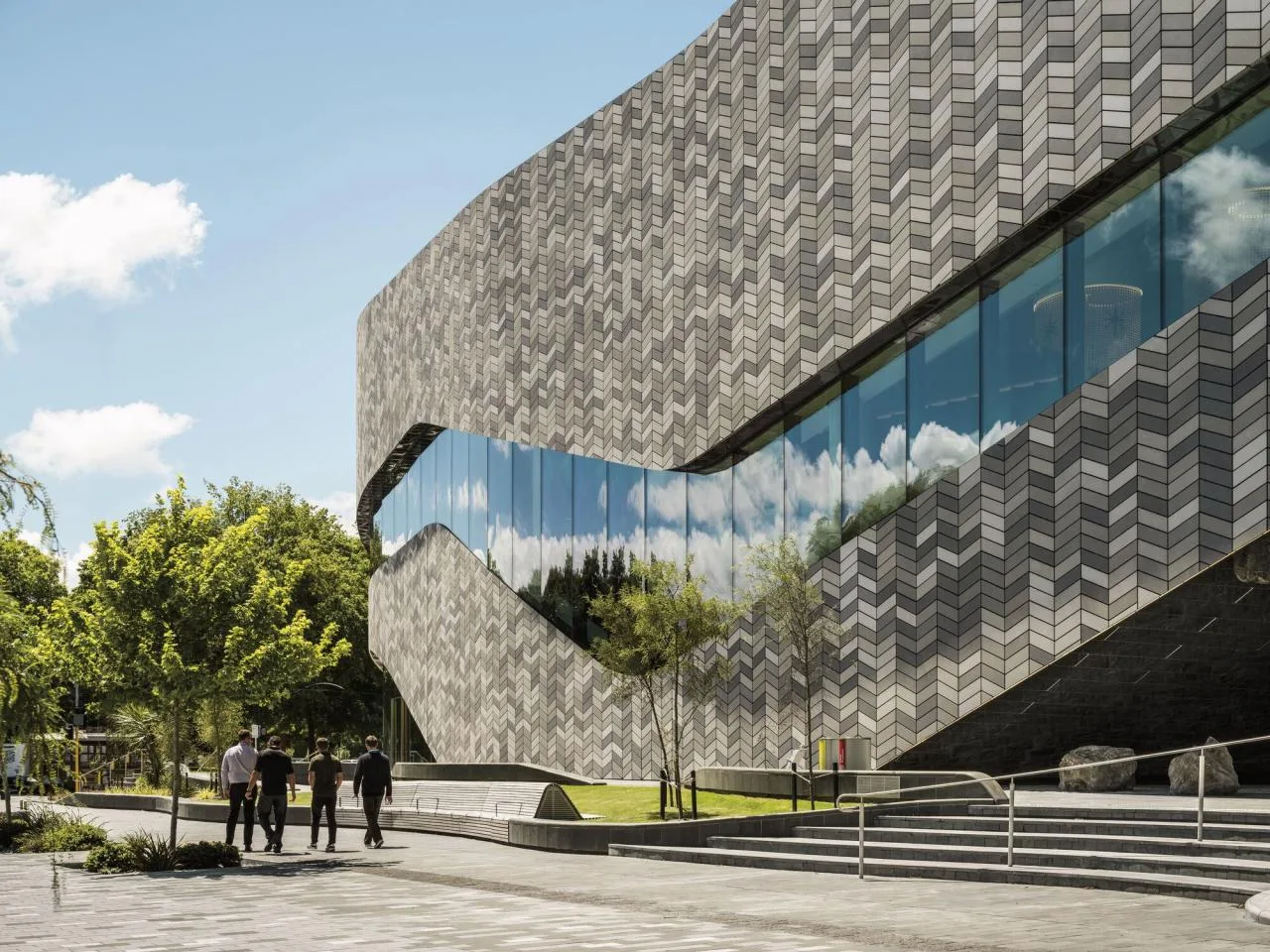
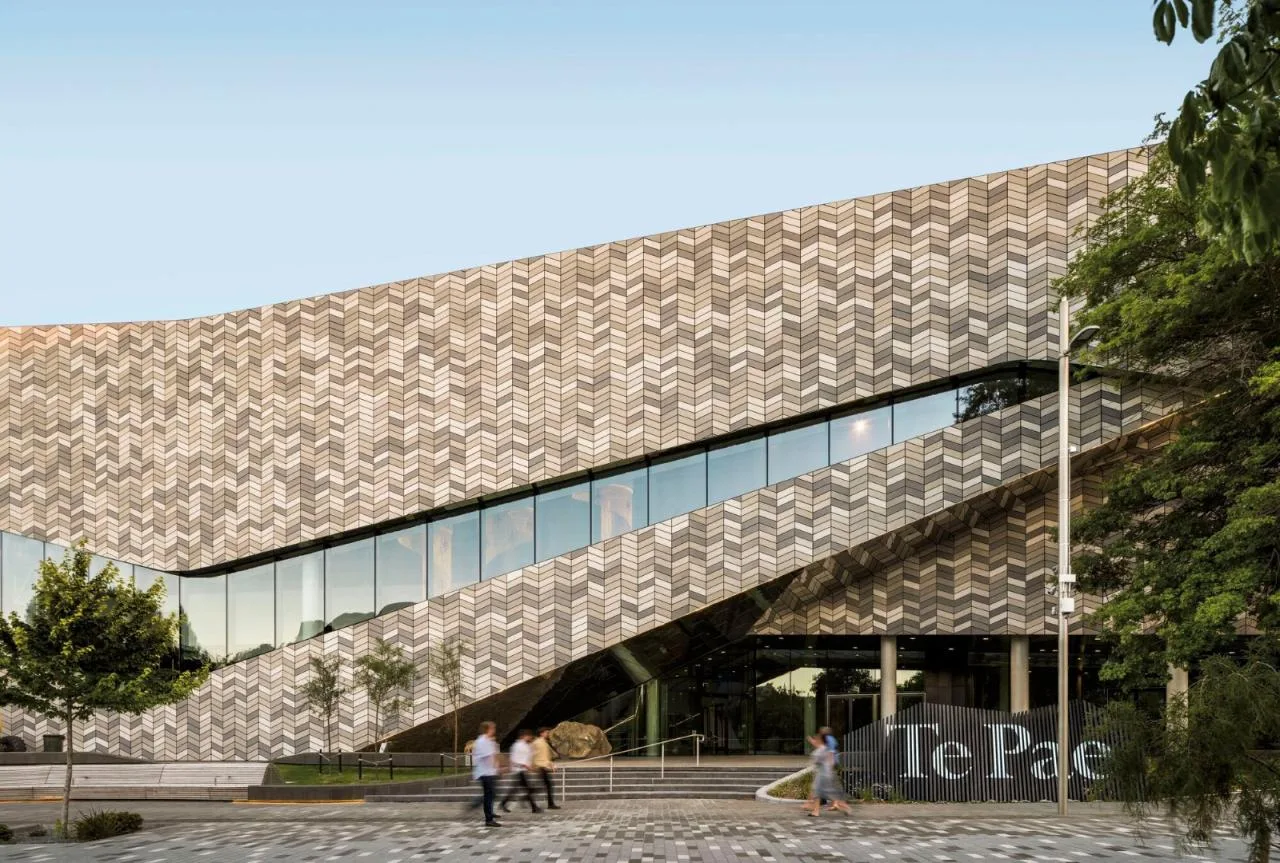
As an integral part of urban architecture, Te Pae reflects the rich cultural heritage of the region and contributes to the city’s sustainable development. The design thoughtfully weaves craftsmanship, cultural symbolism, and sensitivity to the Ngāi Tahu/Ngāi Tuāhuriri people and their land. Puamiria Parata Goodall, a descendant of these communities, played a key role in advising Mendes and his team on cultural values and architectural storytelling throughout the design process.
She explained that the bones of the Ngāi Tahu ancestors rest on this land. In Christchurch’s urban renewal, the new Ōtautahi embodies both the history of Ngāi Tahu and European heritage. “The Māori language, art, and stories are now receiving unprecedented recognition and visibility,” Parata Goodall stated.
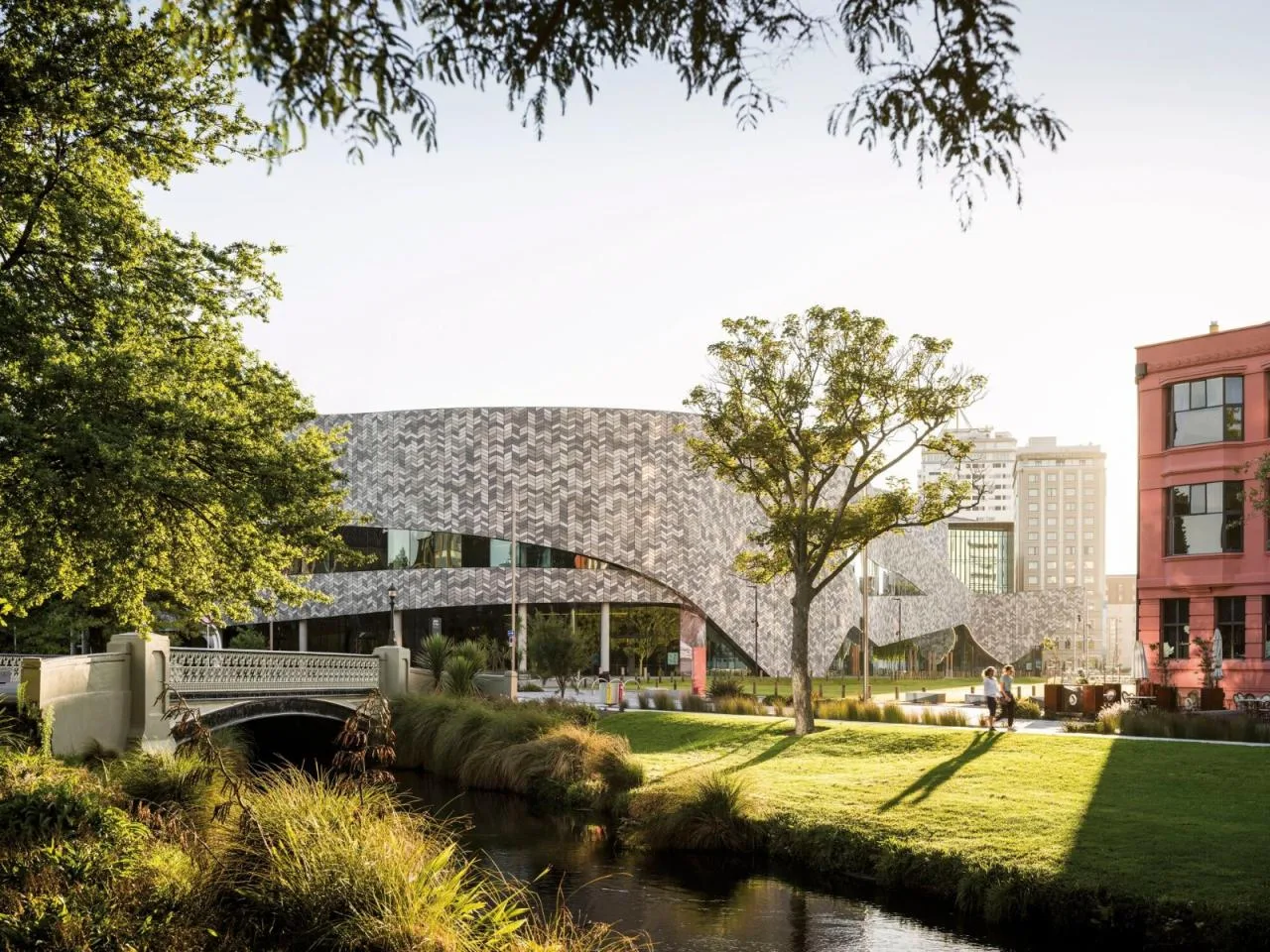
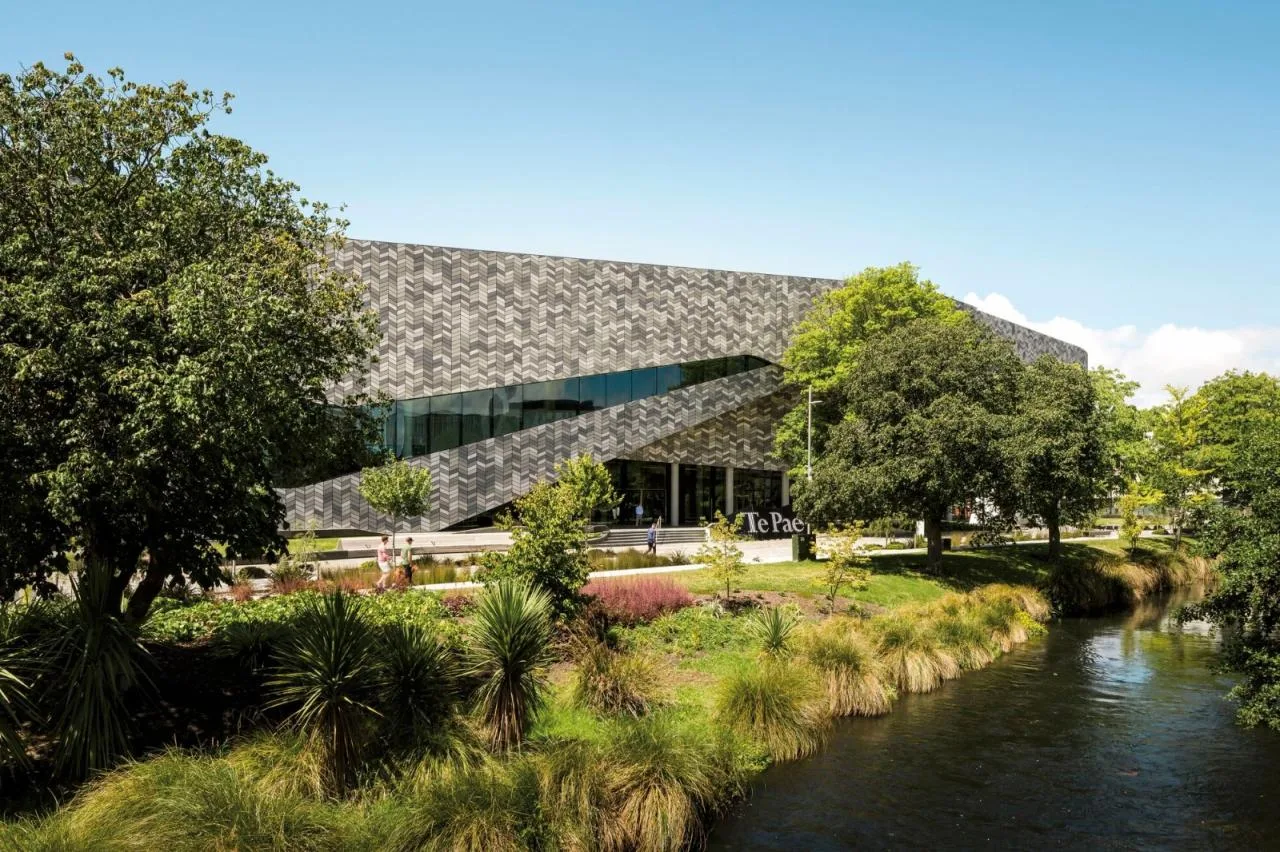
Parata Goodall highlighted that post-disaster Christchurch has evolved into a city rich in dialogue, a quality that was absent before. Standing in front of Te Pae, she asked a passerby, “Can you see the Braided River? Would you like to hear about the traditions of Oraki, the formation of the South Island, and the stories of our waterways and lakes?”
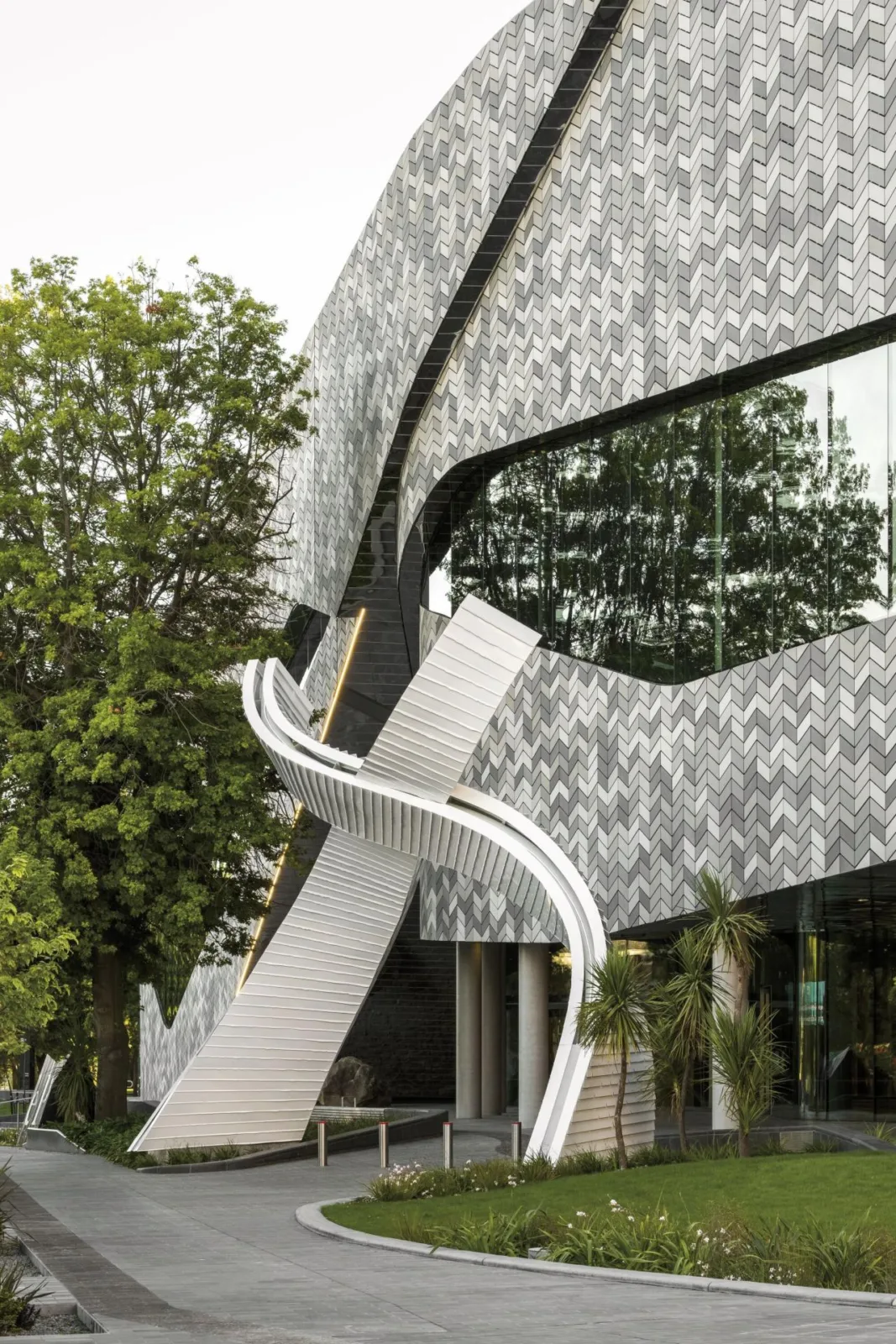
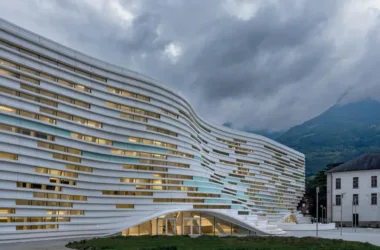
She reflected, “These stories are right here before your eyes. My ancestors have found their voice once again in this landscape.” To embody the architect’s philosophy of local and global inclusivity, the impressive Te Pae underwent several design revisions. Unlike traditional convention centers, which are often generic “big boxes,” this building embraces a smaller scale wrapped in a flowing exterior wall.
Nearly 43,000 exterior bricks—each with five different types, carefully numbered and placed—evoke the vast braided river landscape of Canterbury Plain, which deeply inspired Mendes that day.
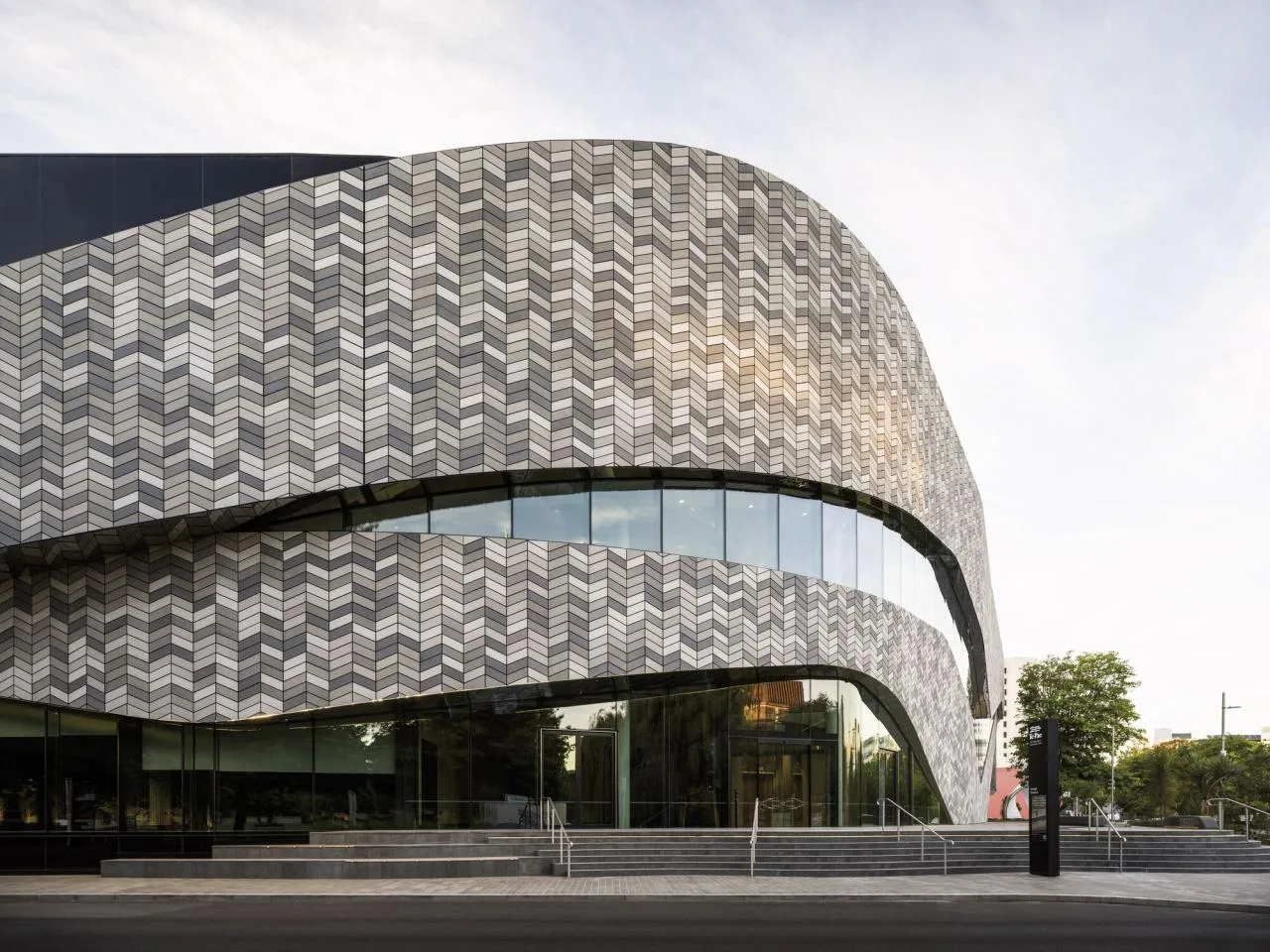
The building’s silhouette pays homage to New Zealand’s iconic Southern Alps, further connecting to the Ngāi Tahu origin story. The architects cleverly integrated the facility into the city center, orienting it towards the river—a masterstroke that creates a new urban landscape for Christchurch.
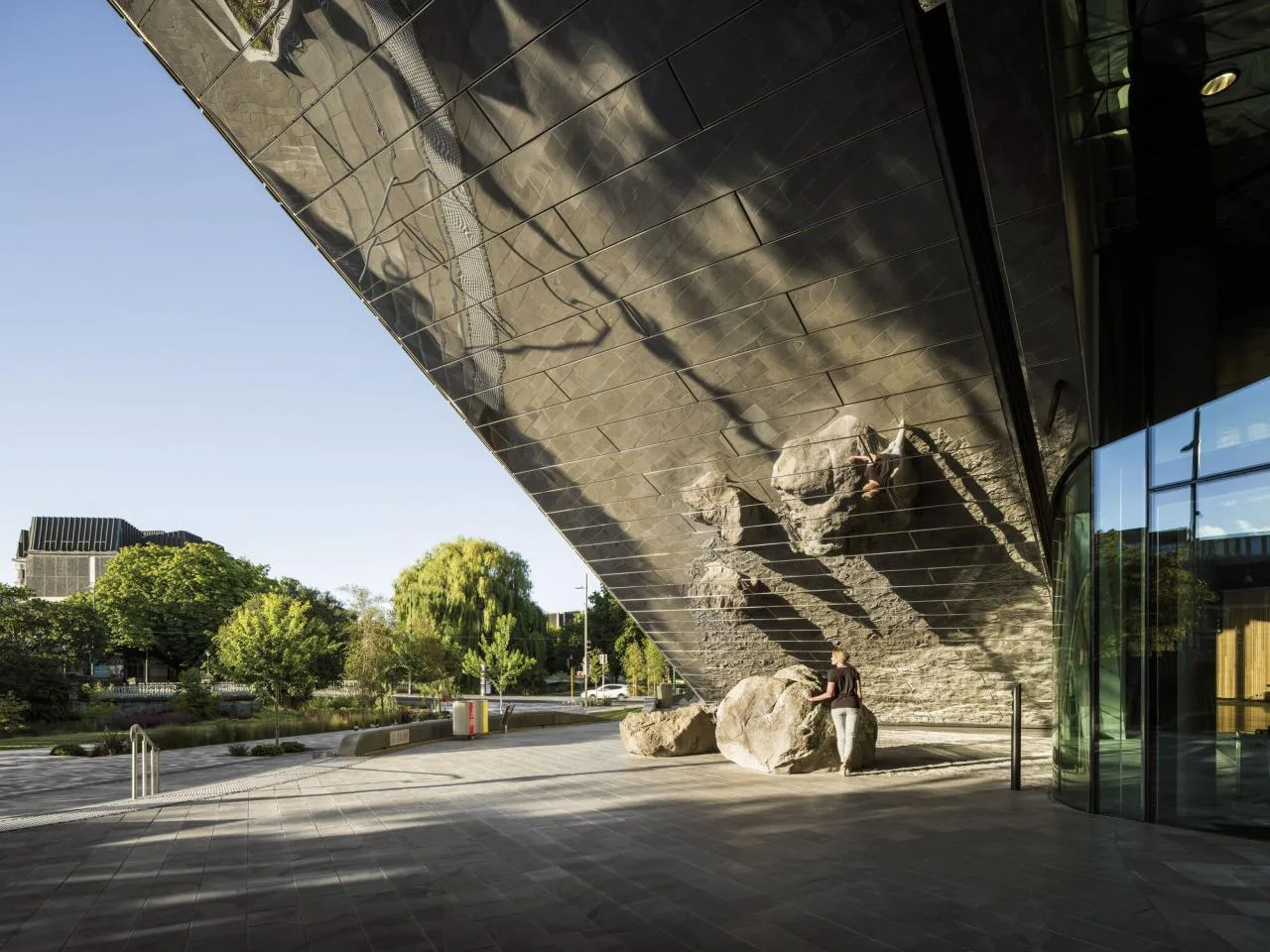
The main entrance opens to Oxford Terrace, providing visitors with direct access to the revitalized waterfront area of Te Papa Ōtākaro/Avon River Precinct. Designed to host up to 2,000 delegates simultaneously, Te Pae manages to maintain a modest building volume that minimizes its environmental and visual impact.
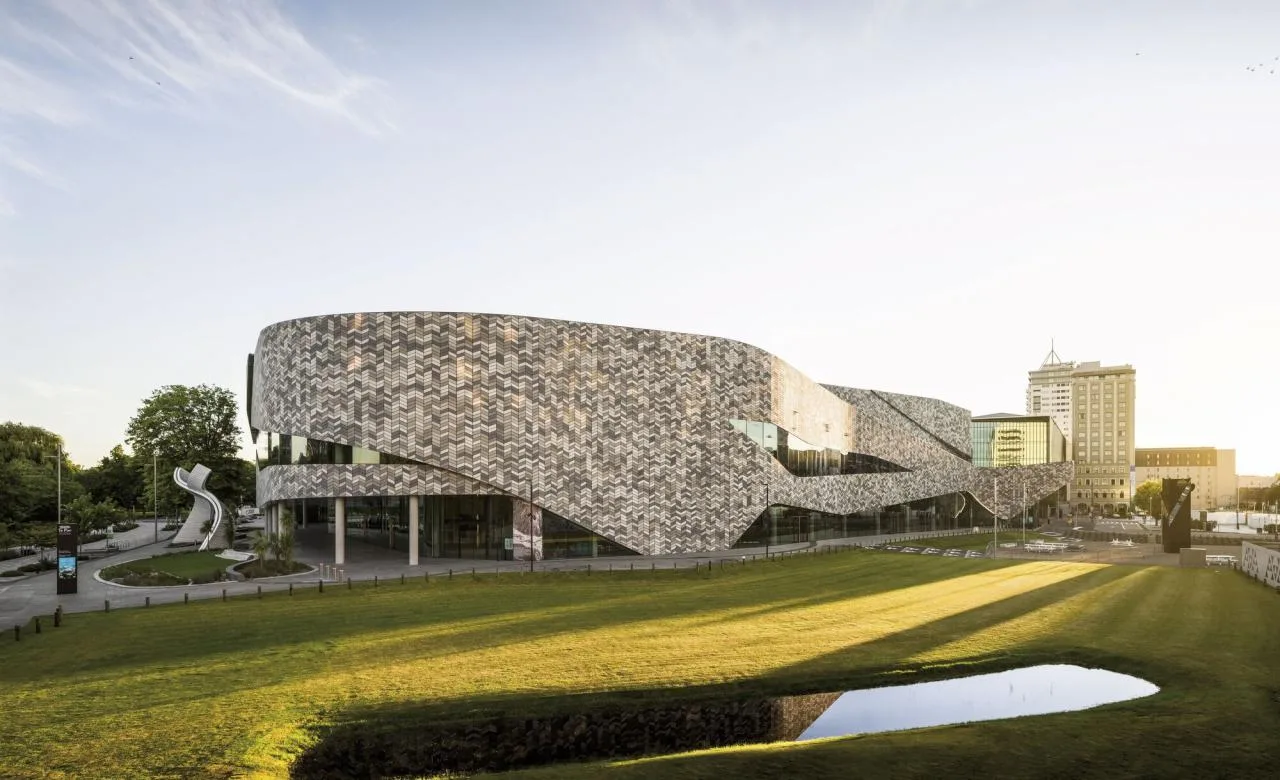
All traditional “big box” functions are centralized within the venue. By separating these functional areas from the external form, the building is enveloped in flowing exterior walls and spacious lobbies that offer stunning views of the Avon River and Cathedral Square.
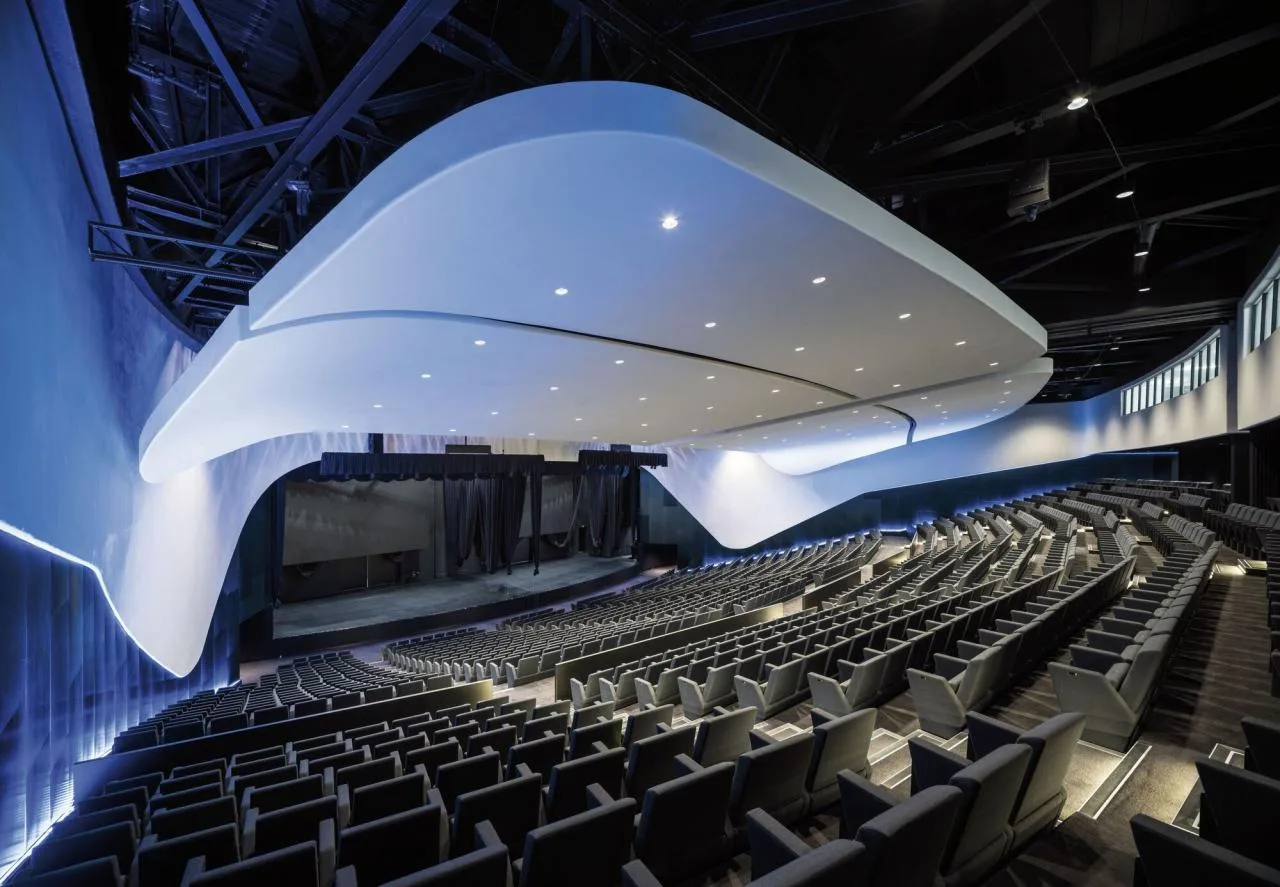
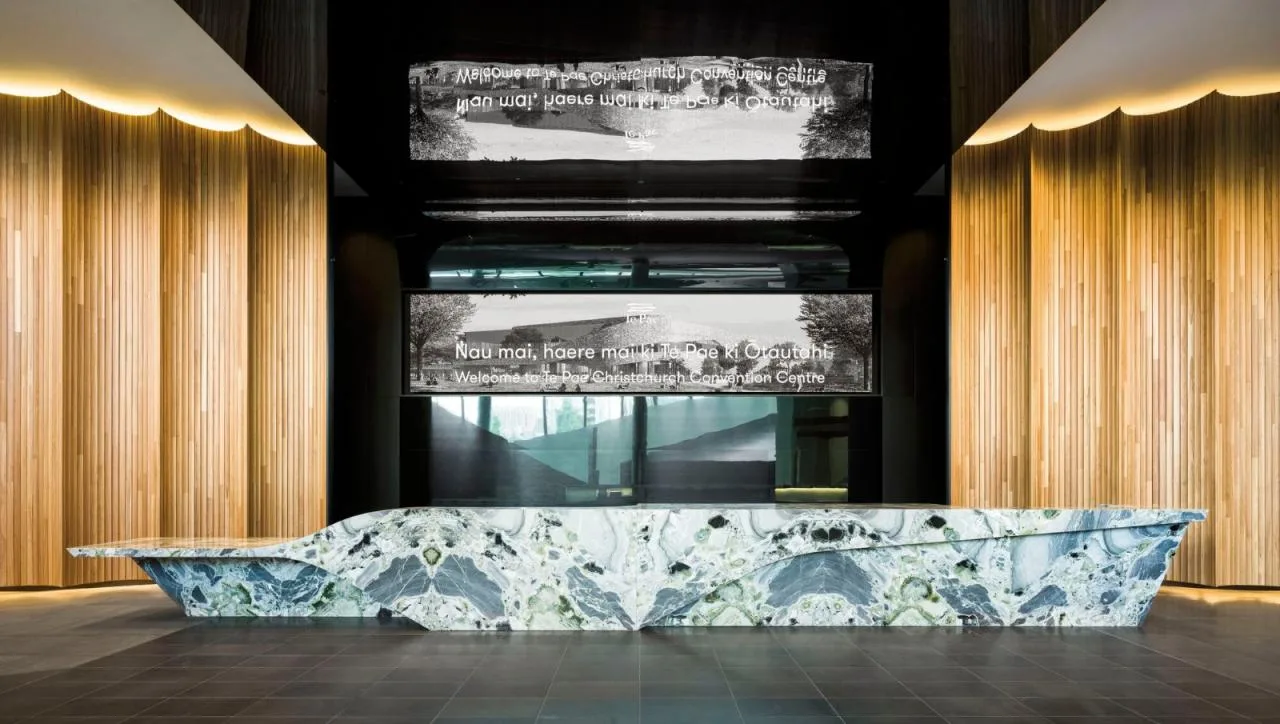
While many convention centers resemble small airports with long, windowless corridors crowded with signs and screens, Te Pae is refreshingly different. Its spaces feel organic, bathed in natural light, and offer panoramic views in every direction.
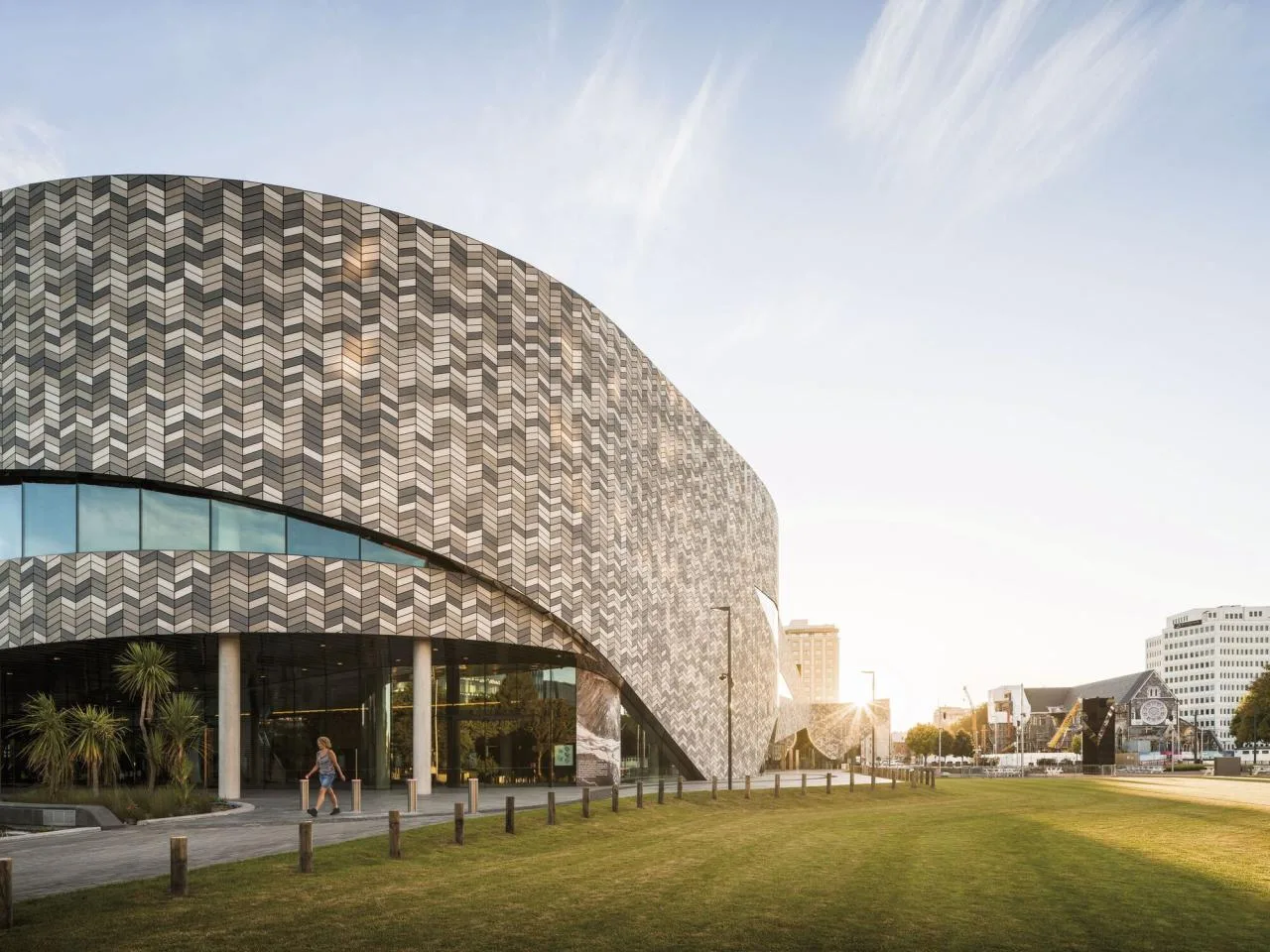
Unlike typical exhibition centers that often fail to respond to their surroundings, Mendes and his team carefully considered the site’s characteristics. He emphasized the importance of integrating Te Pae with the city’s subtle nuances. For locals and visitors alike, Te Pae serves as a first impression of Christchurch’s vitality and identity.
The internal layout was meticulously planned: functional rooms face Cathedral Square, the building opens towards Victoria Square, and its volume slopes gently towards the river—each a deliberate gesture to connect the building intimately with its urban context.
“That’s what makes this project truly special,” Mendes remarked. Peter Marshall, head of Warren and Mahoney, added, “This is a unique Christchurch where people feel deeply connected to their city.”
Marshall emphasized, “The convention center is an essential resource for the city, reflecting its distinctive character. We are proud to have collaborated with Ōtākaro, Matapopore Trust, and Woods Bagot to create this world-class facility for the people of Christchurch. The unique stories born from the interaction between people and place here will offer visitors a warm and memorable experience.”
Project Drawings
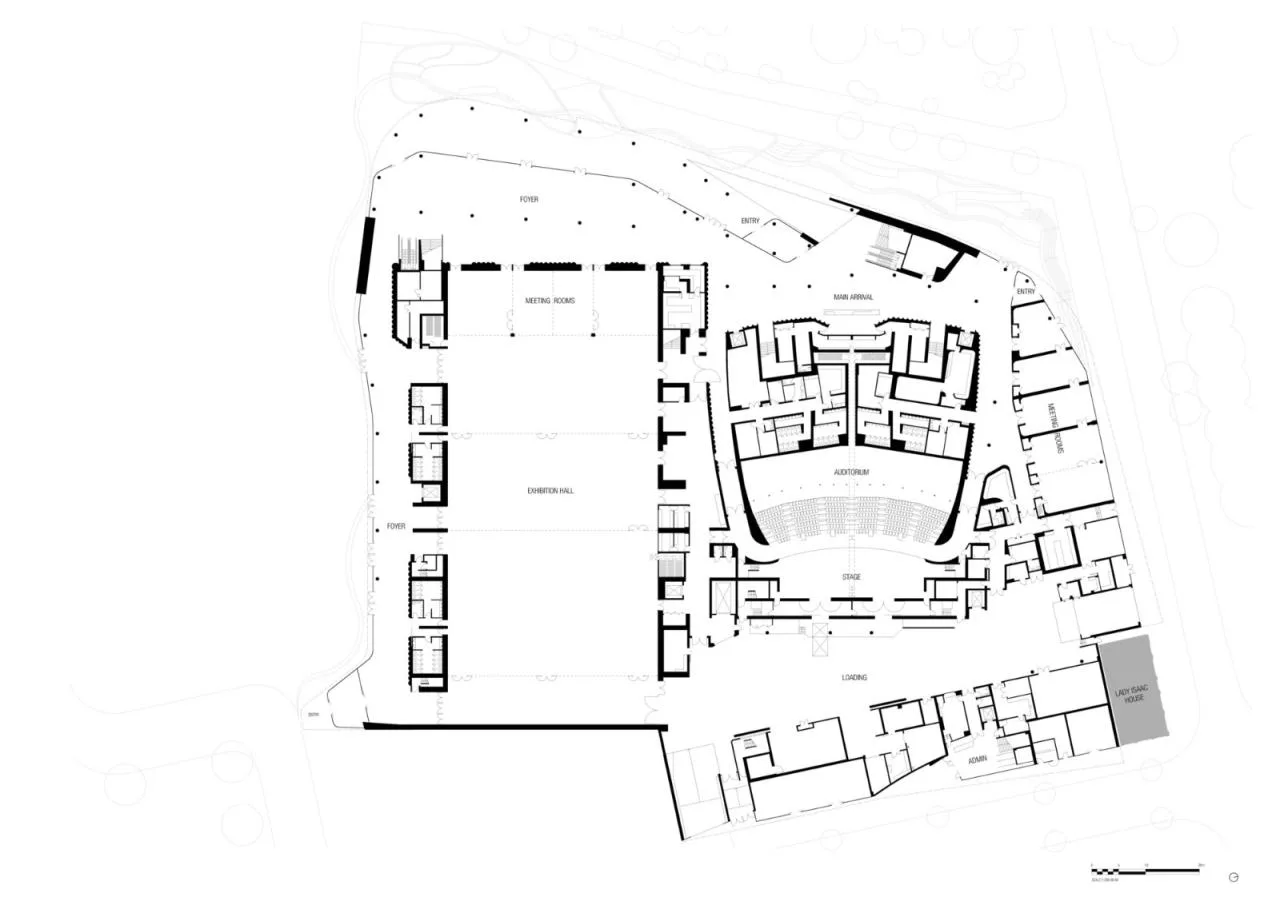
△ First Floor Plan
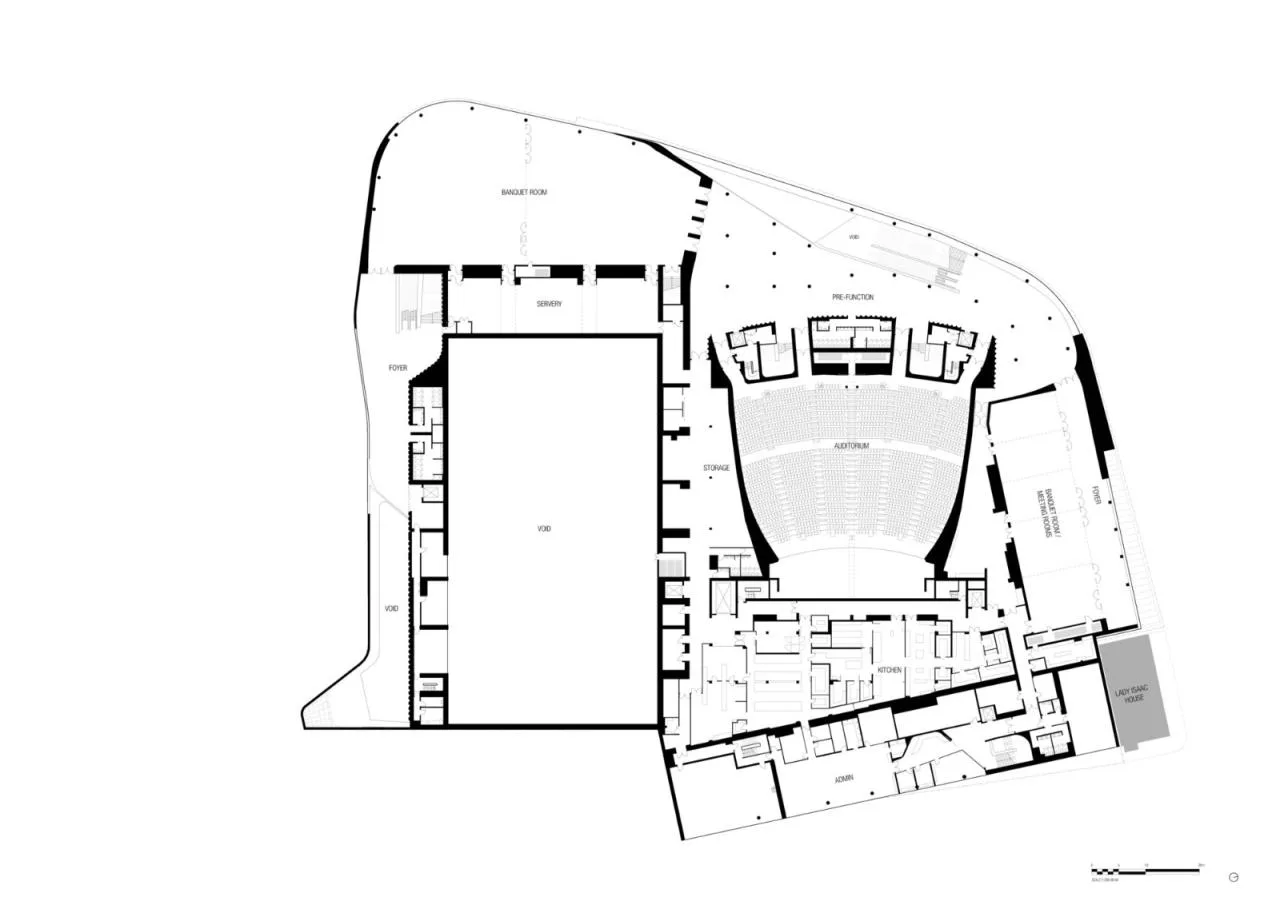
△ Second Floor Plan
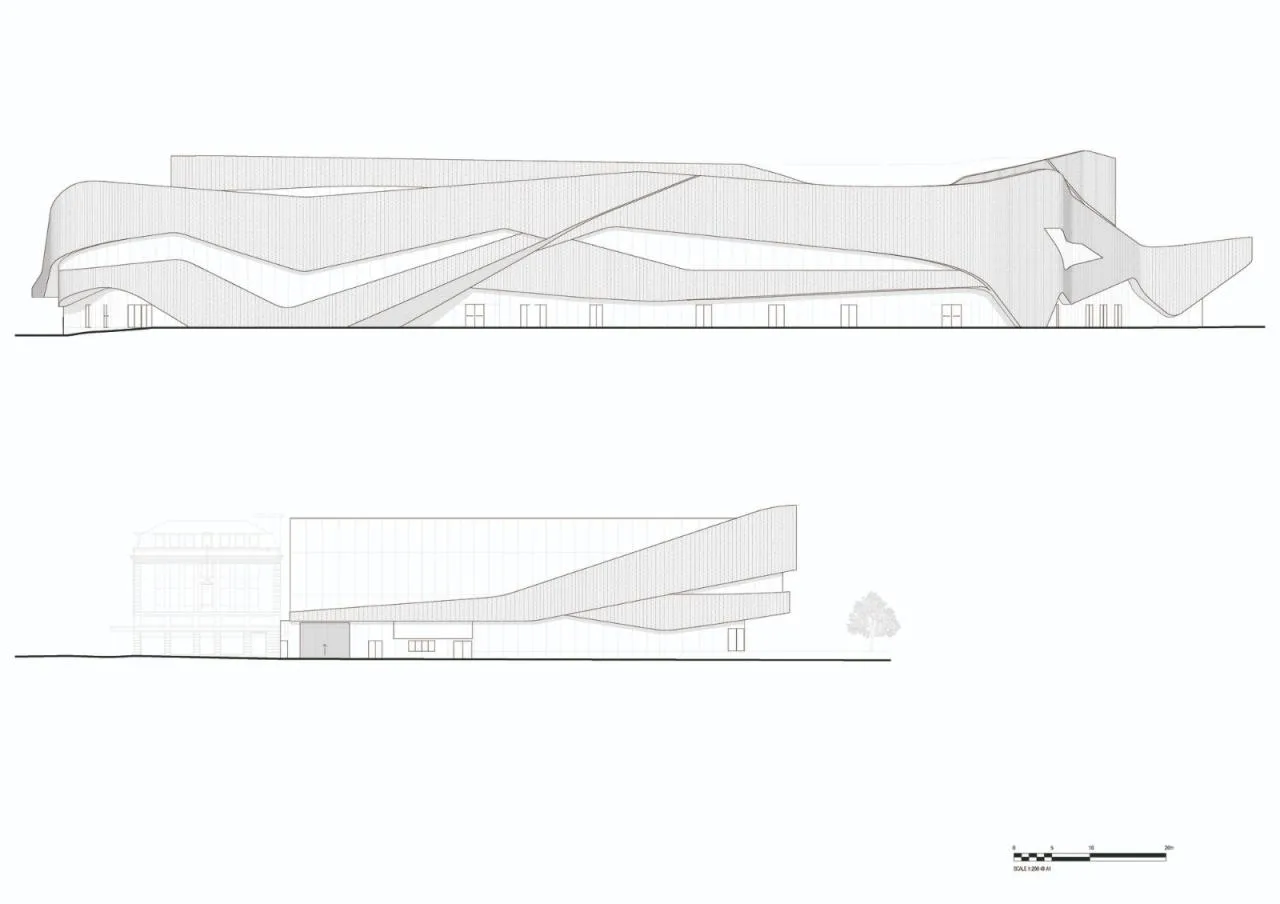
△ Elevation Drawing
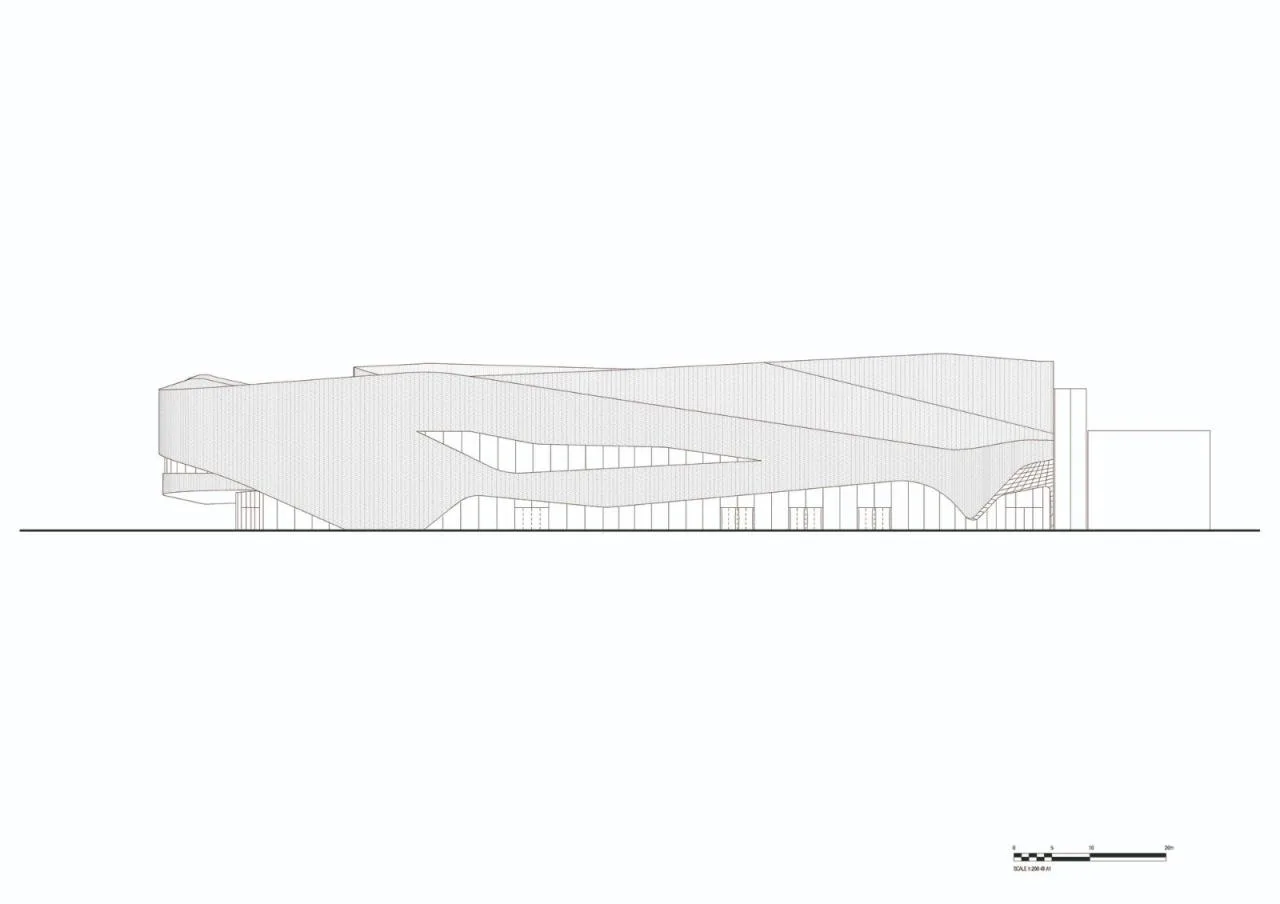
△ Elevation Drawing
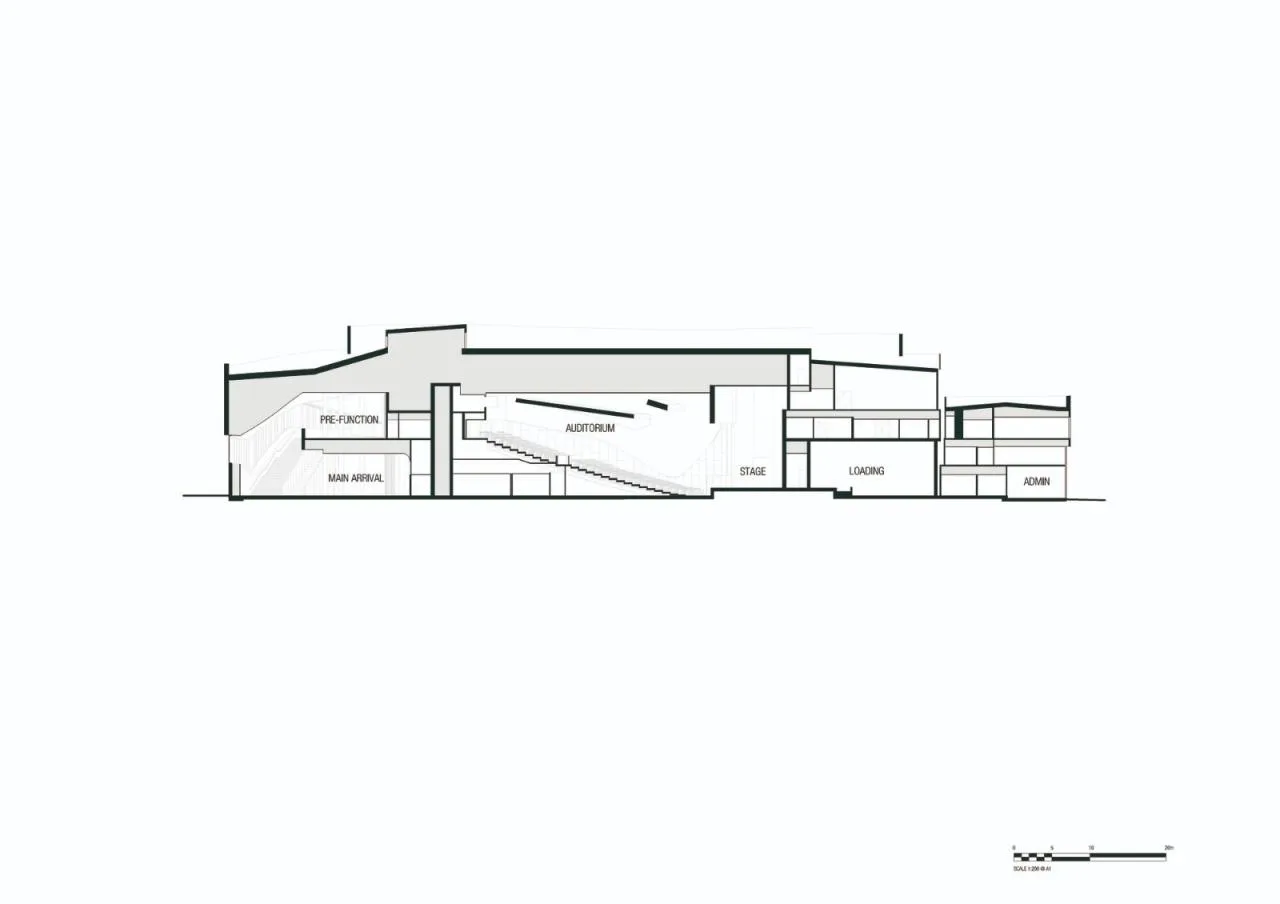
△ Section Diagram
Project Information
Architectural Design: Warren & Mahoney, Woods Bagot
Area: 28,000 square meters
Project Year: 2021
Photographer: Dennis Radermacher
Manufacturers: Asona, Fibre ‘C’, HUFCOR, Poltrona Frau, Rimex, Sculptform
Lead Architect: Bruno Mendes
Woods Bagot Project Team: Bruno Mendes, Eric Buhrs, Jordon Saunders, Andy Gentry, James Pearse, Andrew Pietersz, Brian Renehan, Harry Charalambous, Kenneth Chou, Nik Karalis, Michael Andrew, Natalie Aganoff, Richard Galloway, Vien Nguyen, Virgil Lay, Yeung Chen, John Norman, Ruth Hutchison, Bloom Hou, Joyce Yang
Location: Christchurch 8011, New Zealand












Must log in before commenting!
Sign Up