
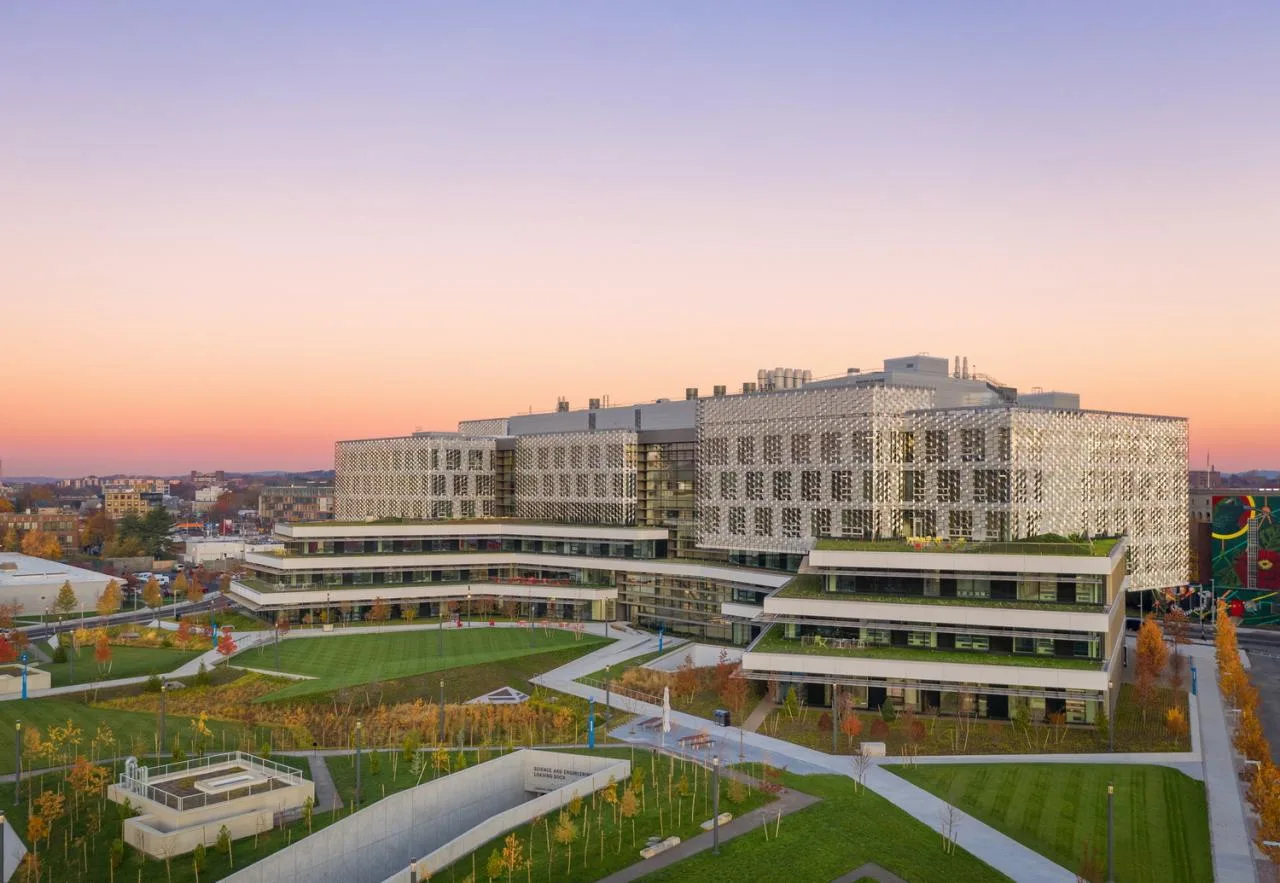
Harvard University’s Science and Engineering Complex sets a new standard for academic environments in the 21st century and beyond. Designed to inspire both learning and scientific discovery, this project also emphasizes sustainability at its core. The building integrates various aspects of modern life, impacting current and future researchers alike, while engineering plays a critical role in addressing some of the world’s most urgent challenges. Achieving significant scientific breakthroughs through interdisciplinary collaboration is essential, alongside establishing leadership in sustainable design and urban development.
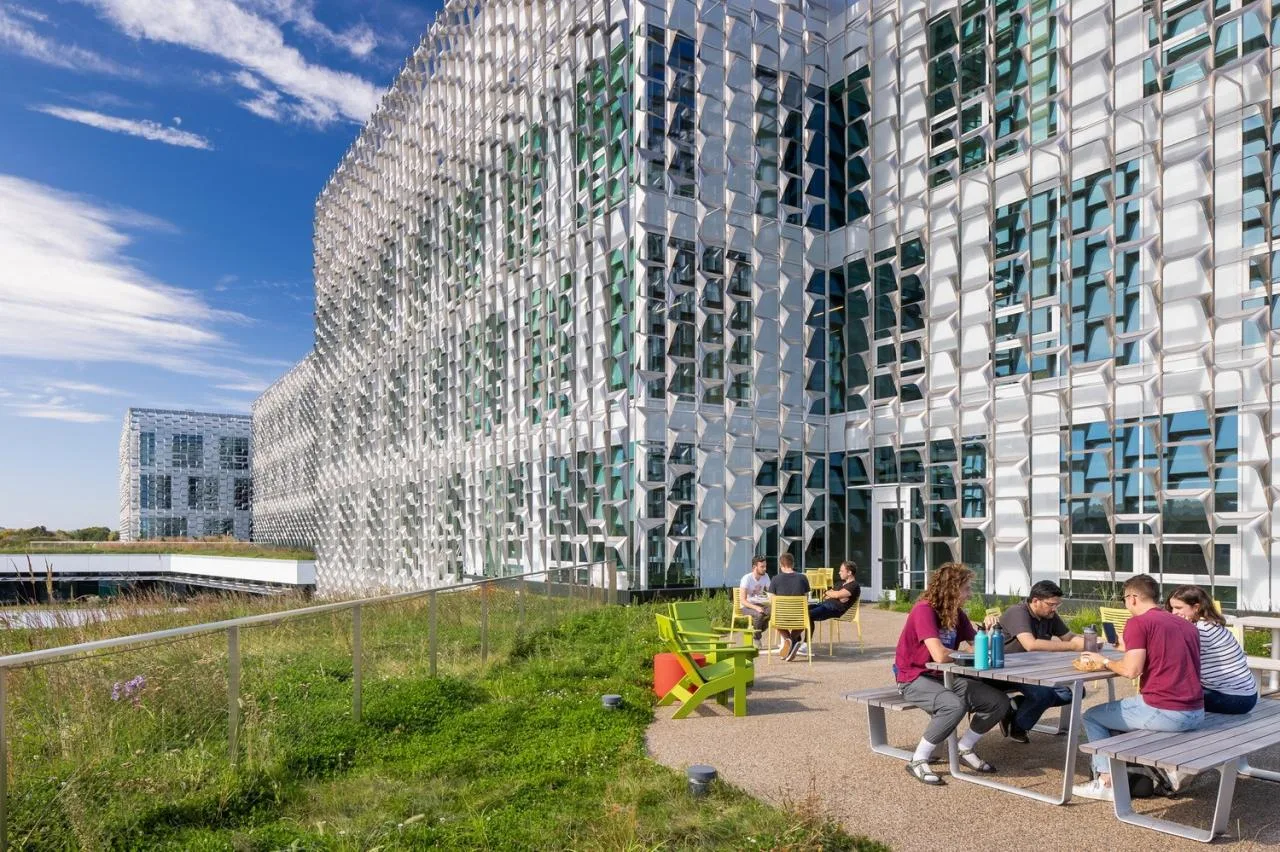
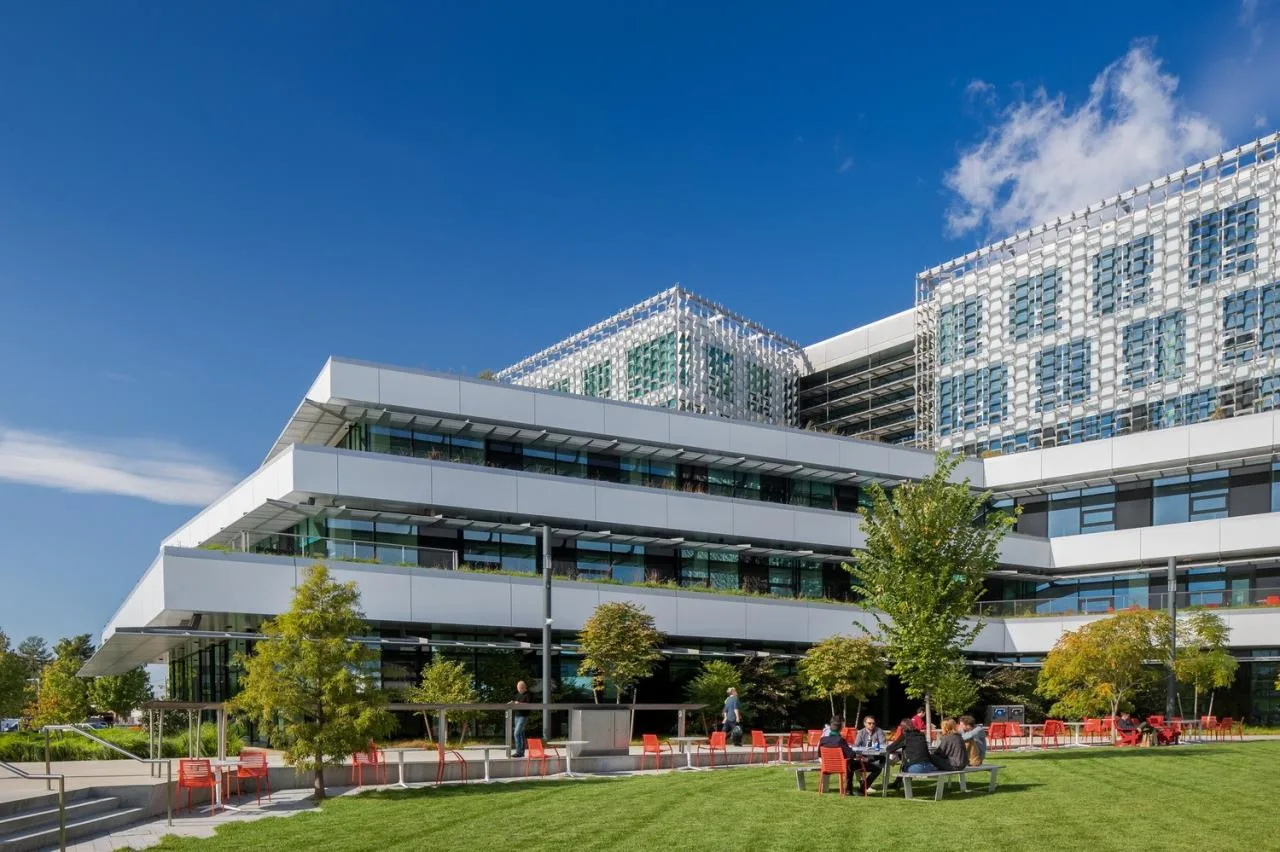
The project’s strong adaptability and innovative environment support Harvard’s dedication to advanced academic collaboration. It creates vibrant public spaces at multiple scales and establishes a distinctive architectural identity for the Allston campus.
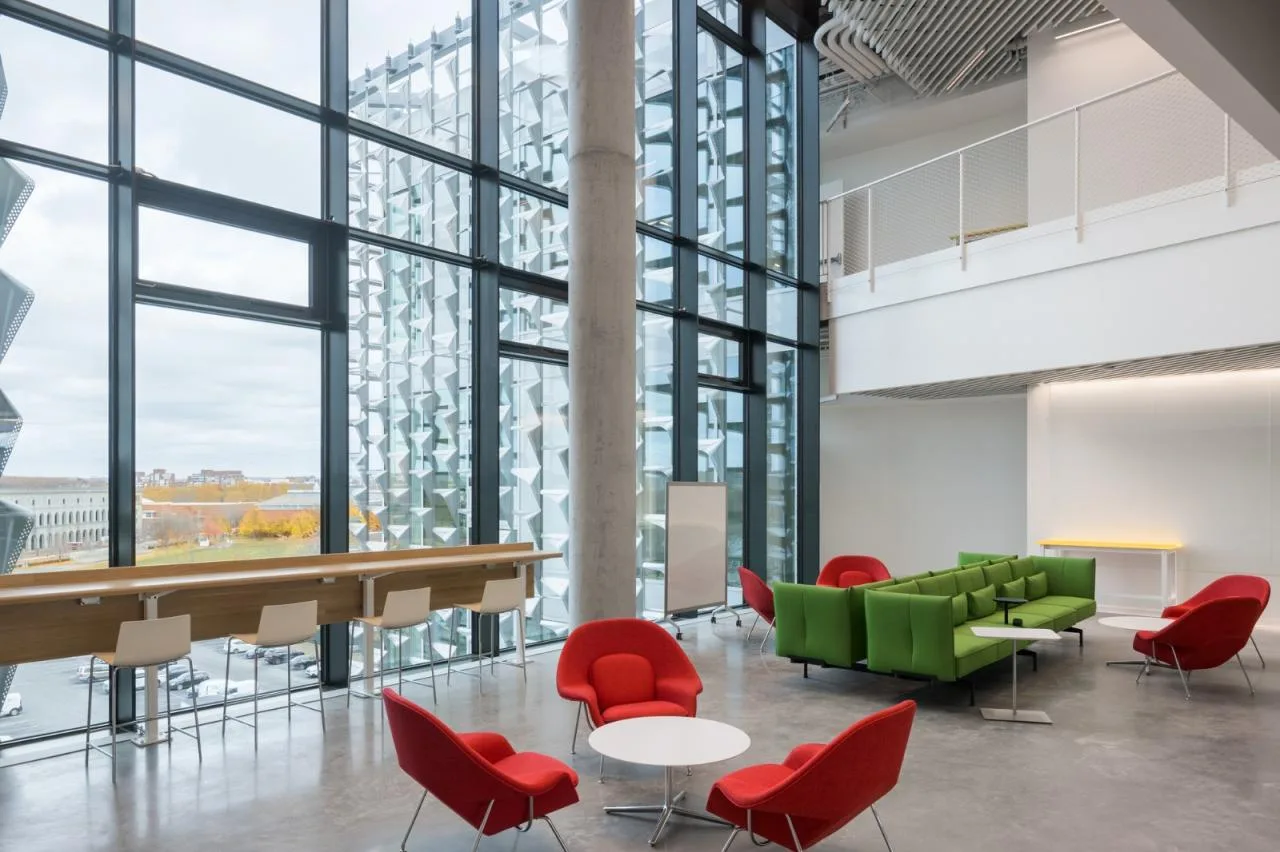
The complex comprises eight floors spanning approximately 50,539 square meters. It is organized into three four-story blocks connected by two multi-story glass courtyards, which flood the interior with natural light for both faculty and students.
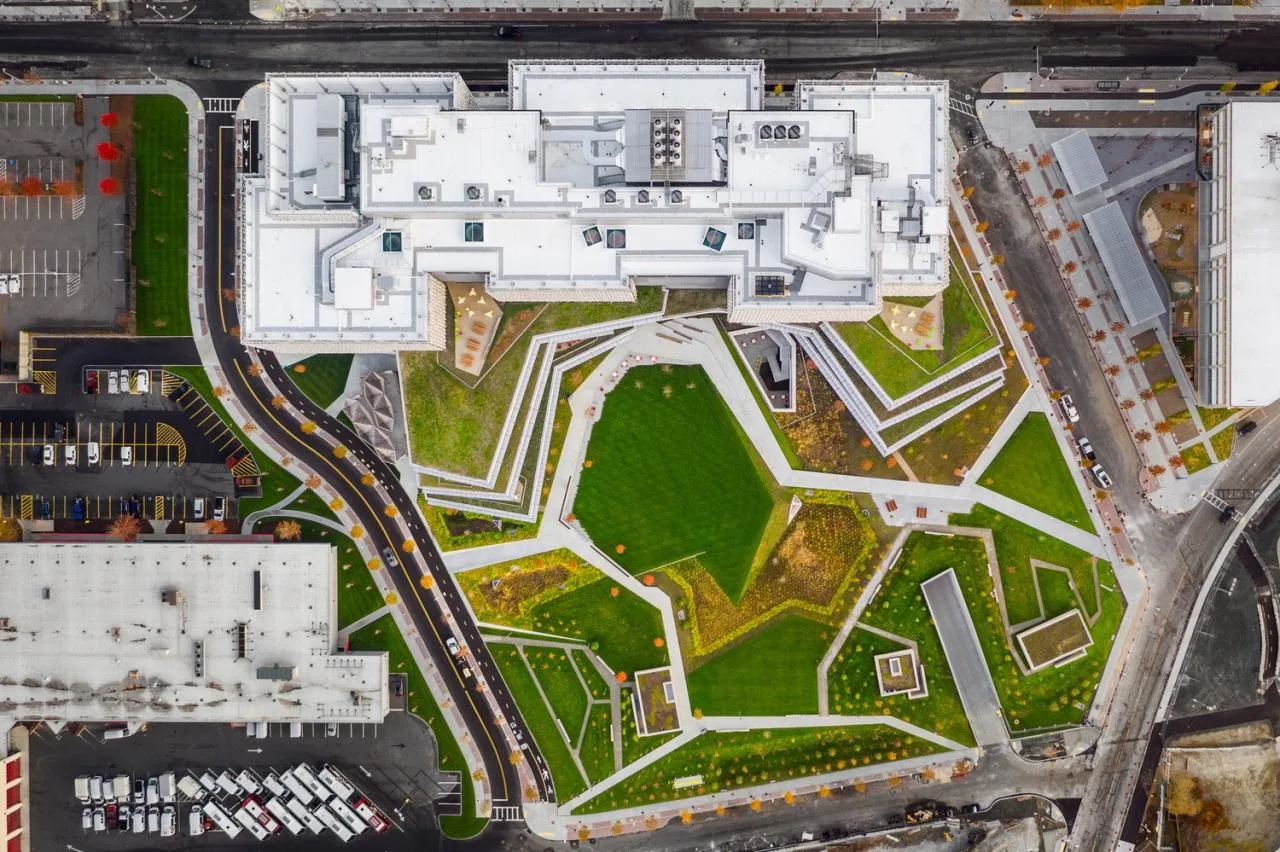
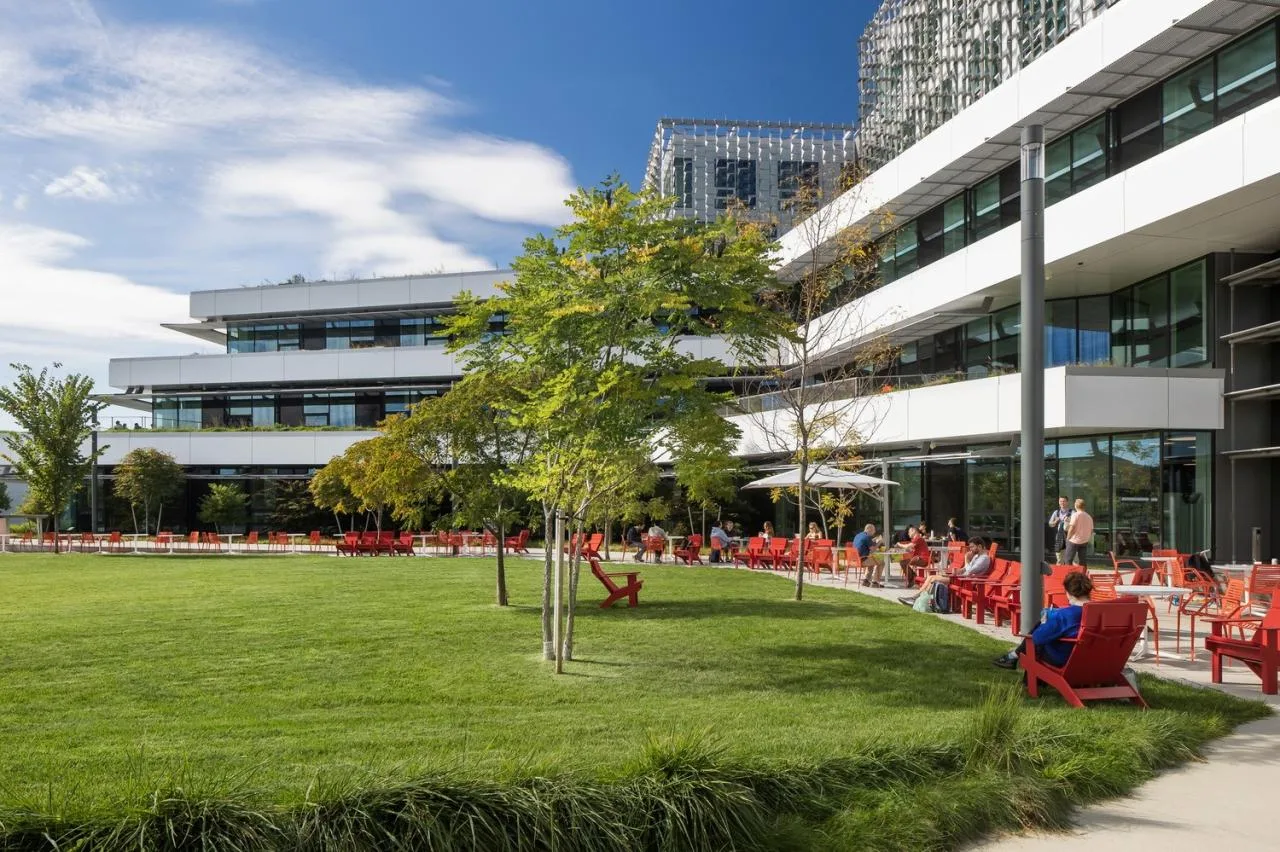
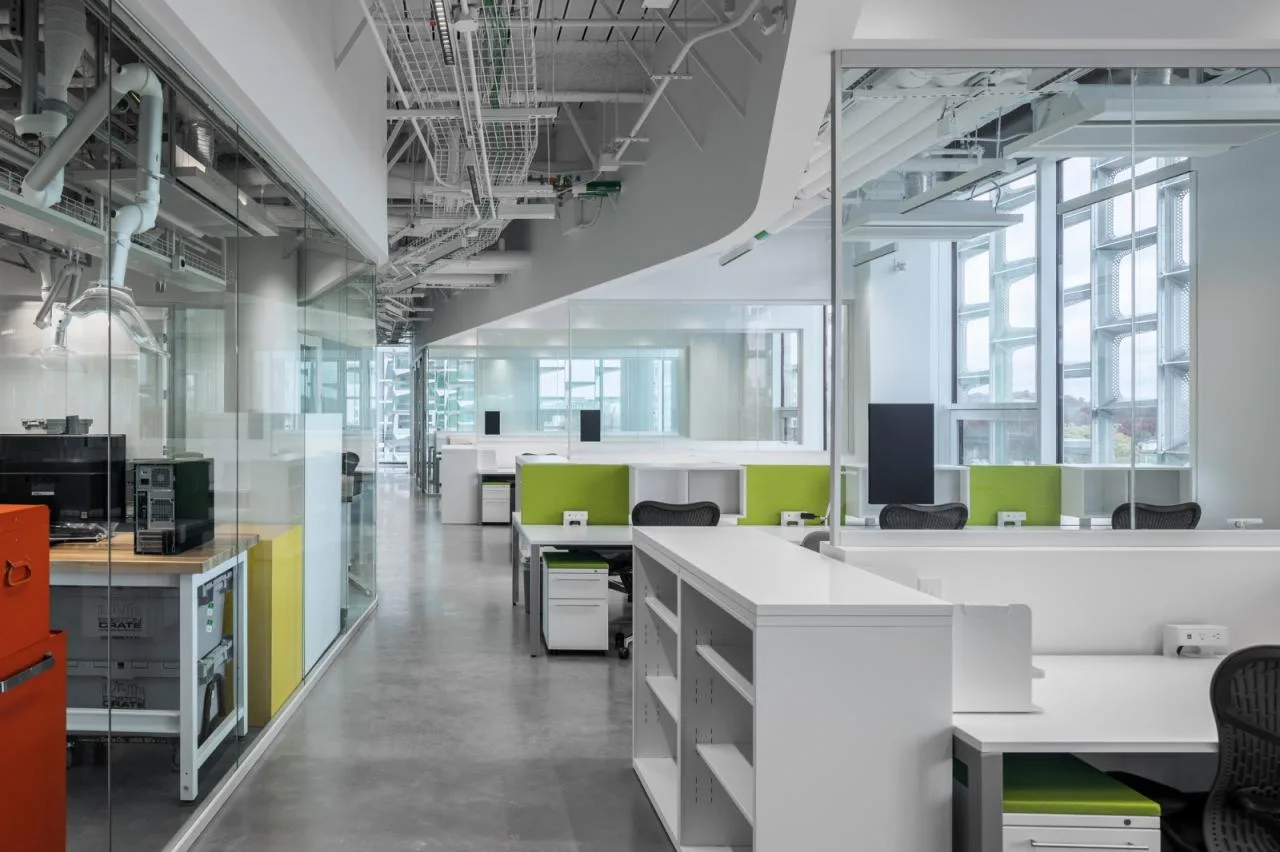
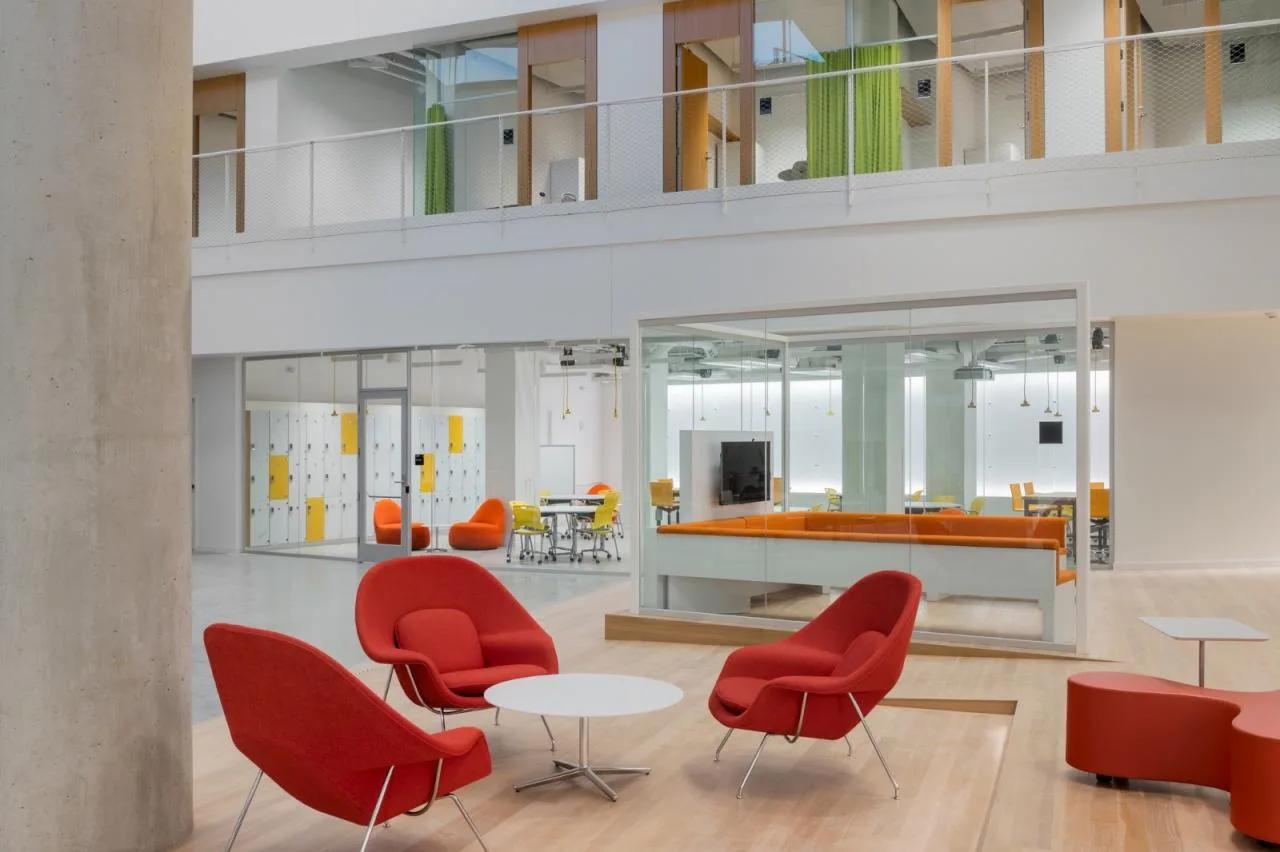
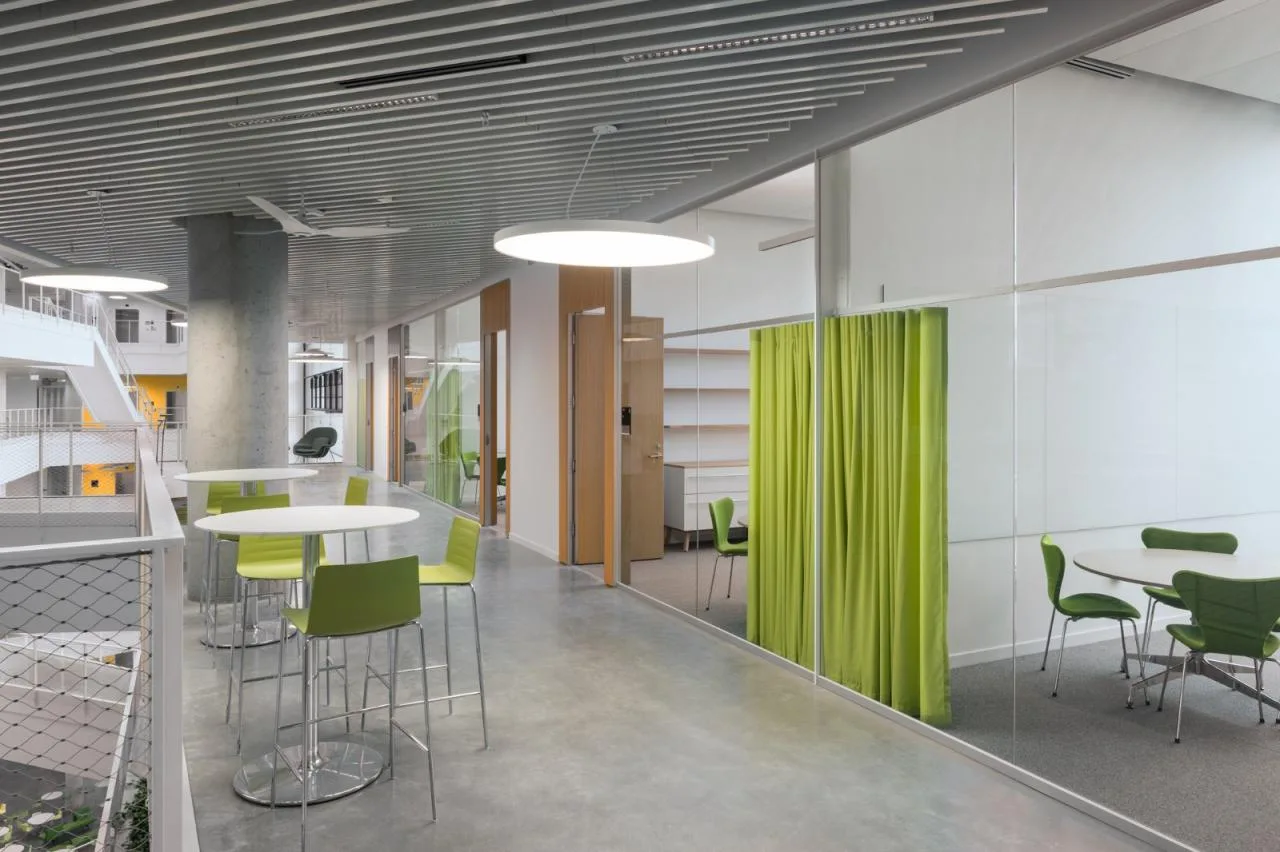
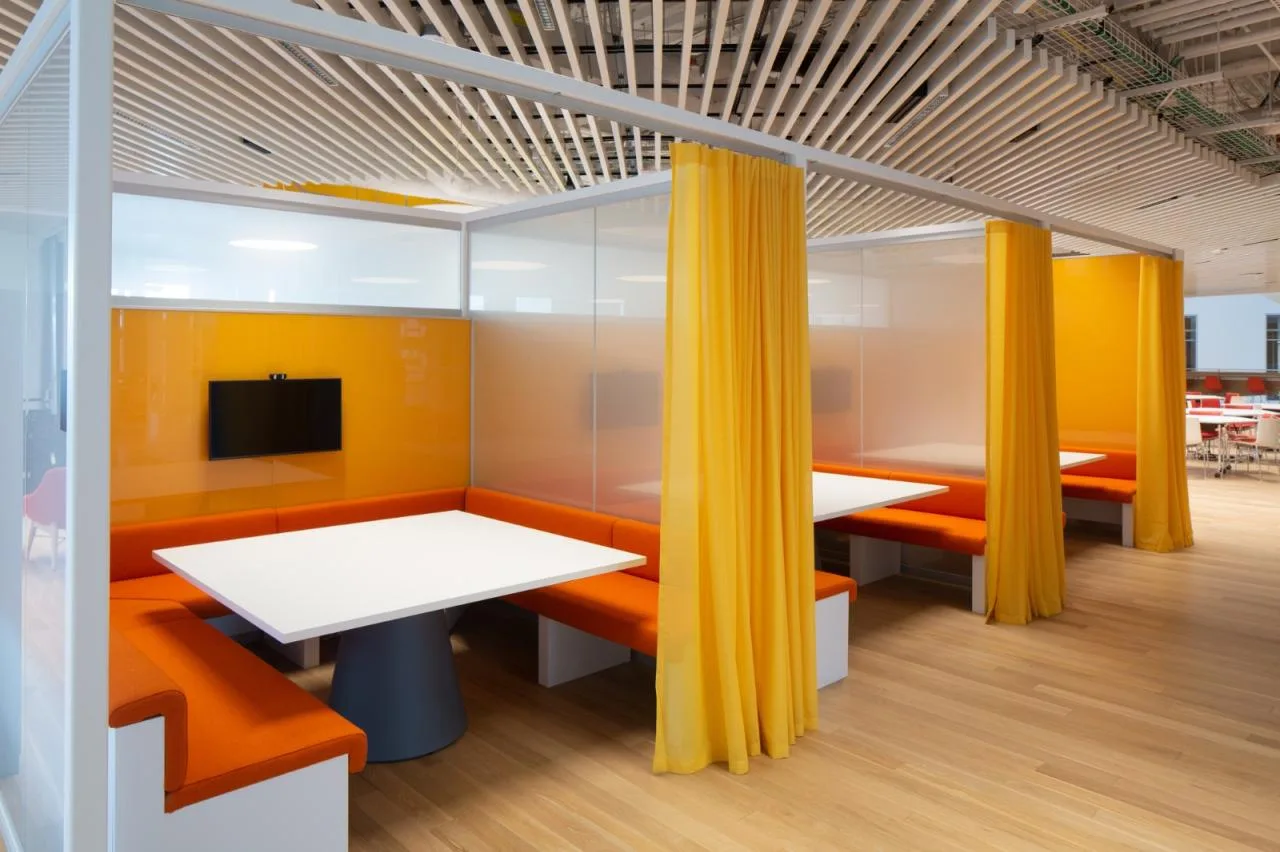
Along the street-facing side, the building houses classrooms, maker spaces, teaching laboratories, and comfortable social areas. These spaces emphasize active learning and provide opportunities to showcase student work while fostering integration with the surrounding community. The classrooms and conference rooms vary in size and layout to meet diverse needs, including traditional classrooms, theater-style rooms with sloped floors and fixed seating, and flexible areas designed for flipped classrooms that encourage student-led communication and discussion.
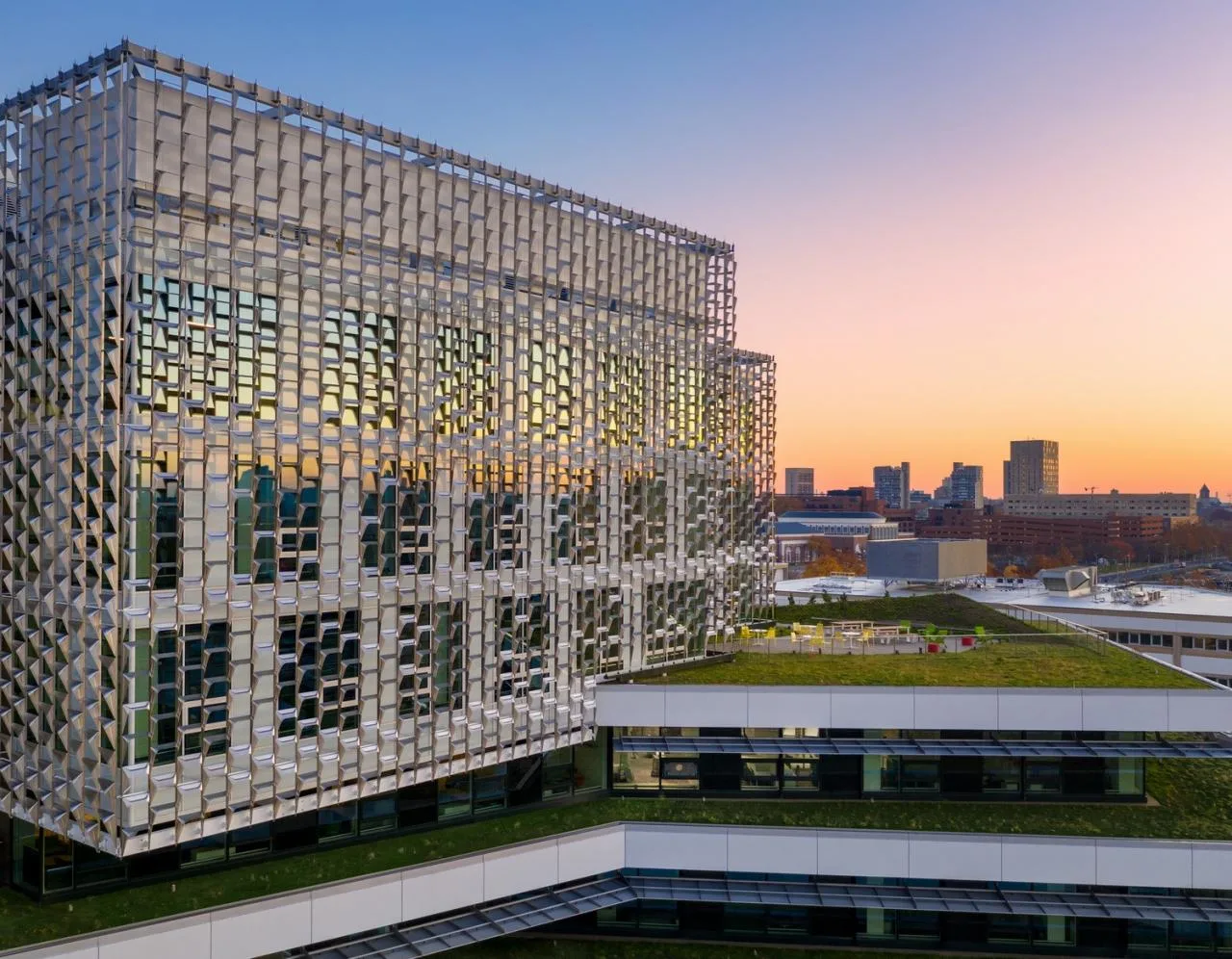
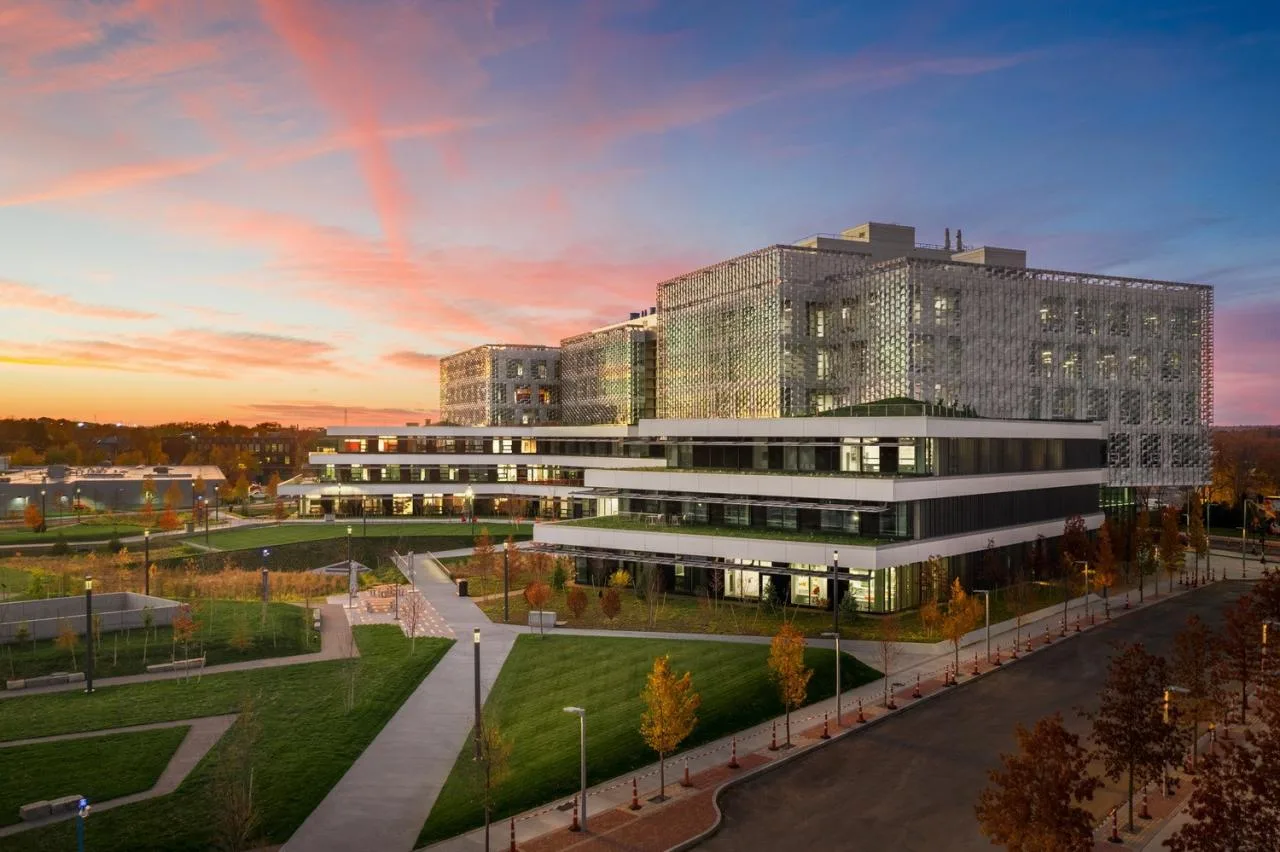
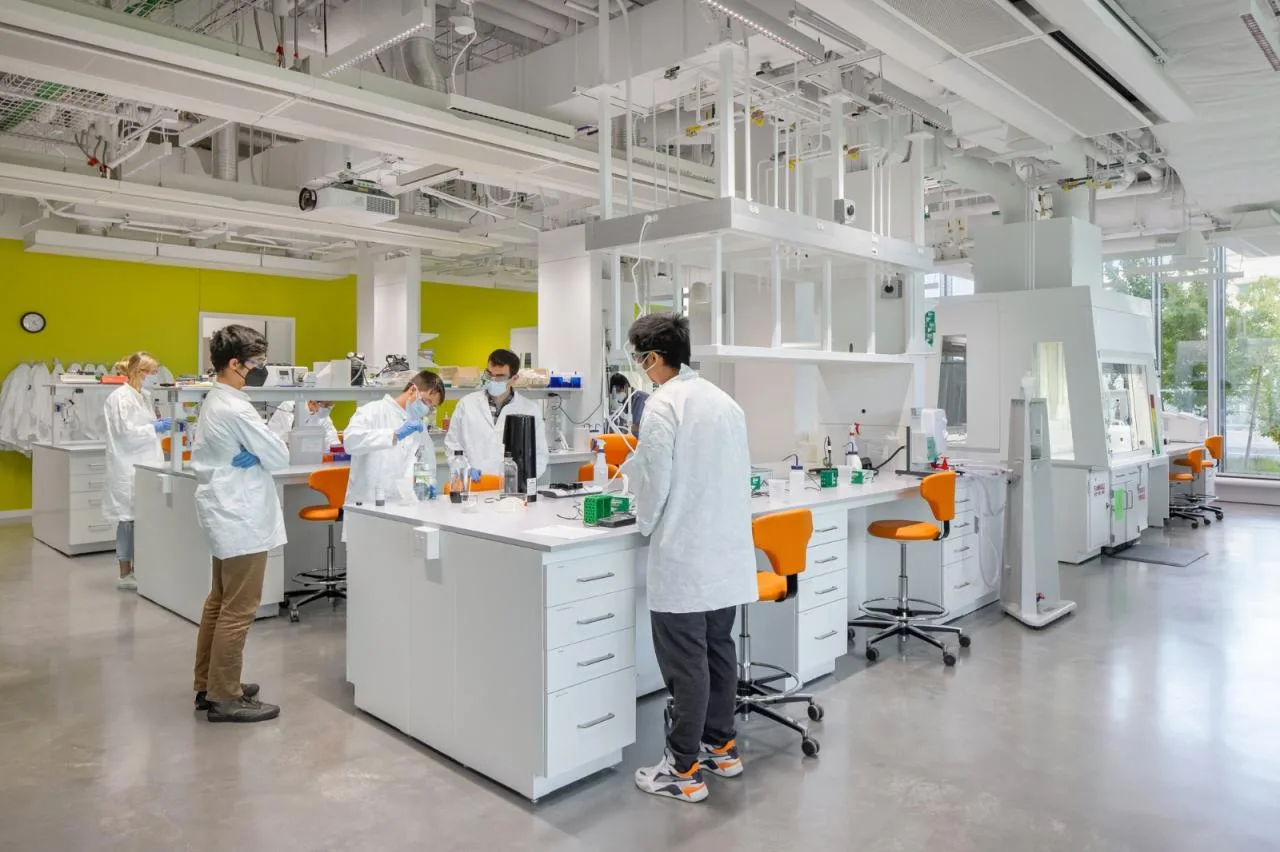
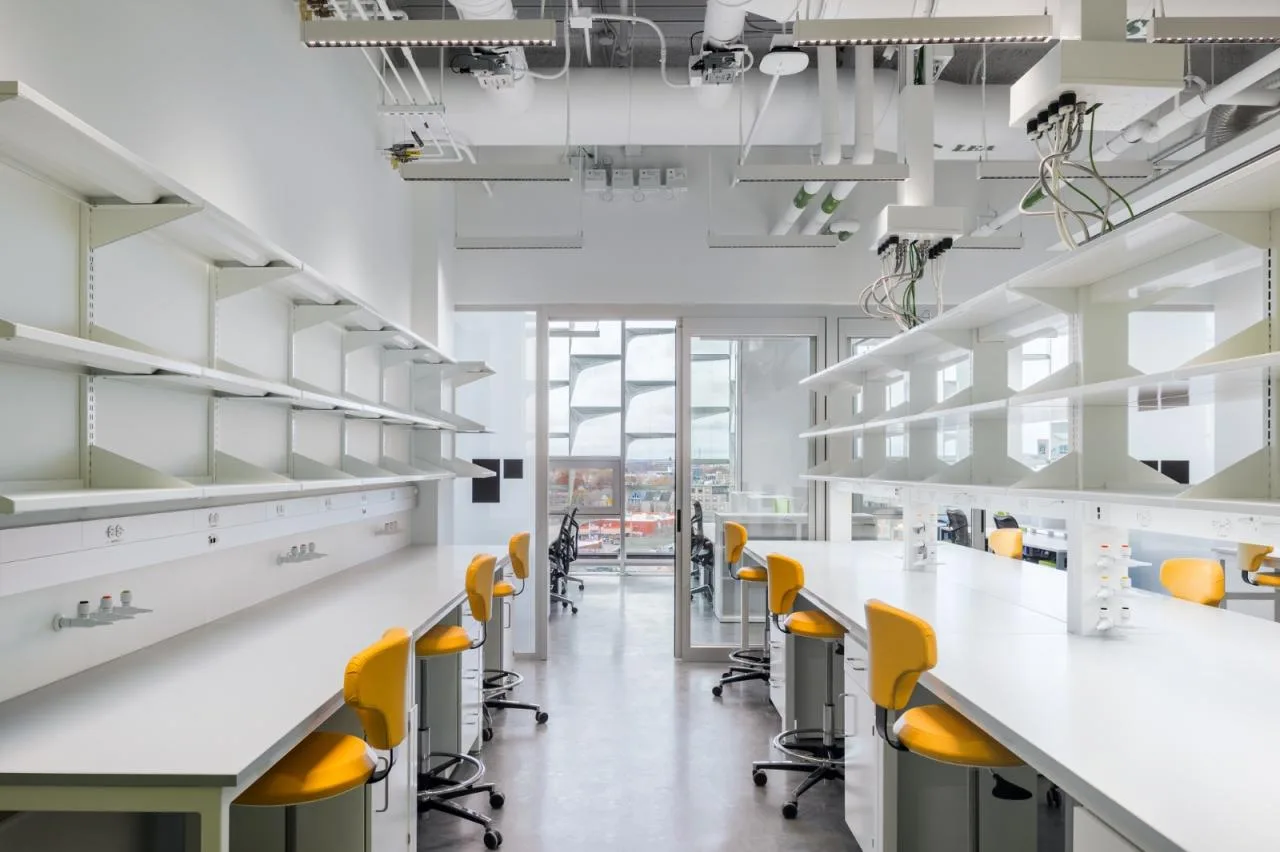
The dry and wet research laboratories are situated in an upper block, providing researchers with a more isolated and secure environment. The modular and flexible lab design features intelligent zoning between dry and highly ventilated wet areas, supported by centralized laboratory services. This setup ensures the building’s adaptability for decades to come. The spaces between lab blocks serve as rest areas, fostering social connections among students and faculty.
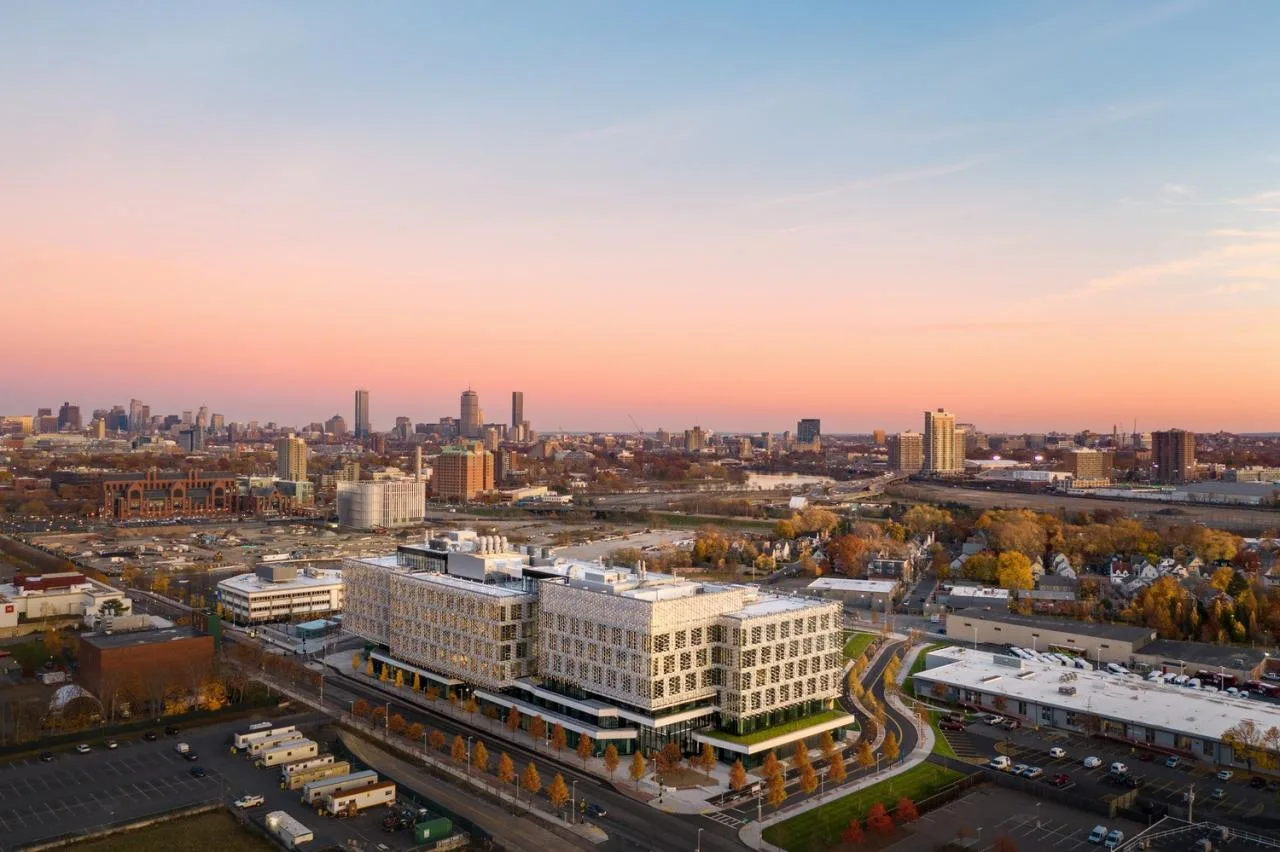
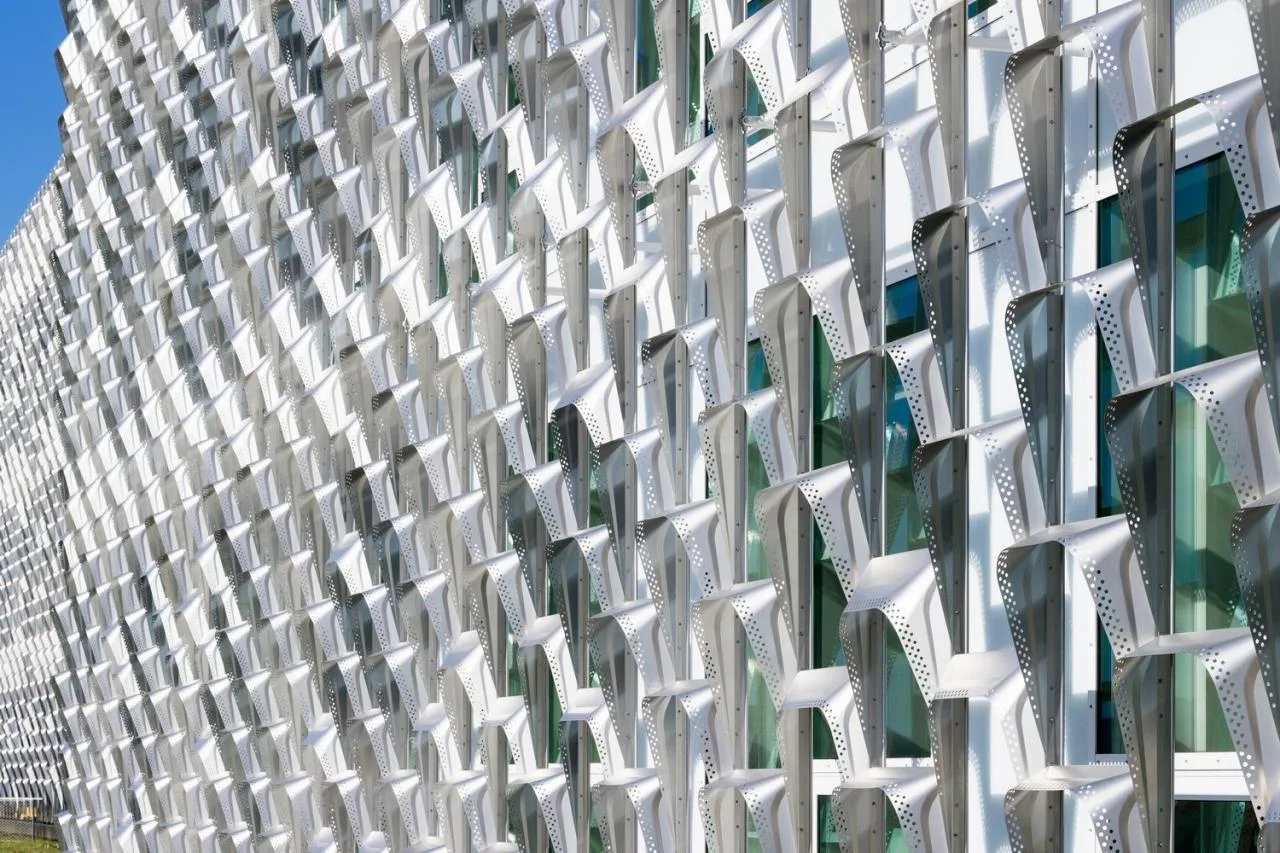
Sustainability and performance have been key priorities throughout the project’s development. The Science and Engineering Complex has earned LEED Platinum certification, along with recognition in Materials, Aesthetics, and Equity under the Living Building Challenge. The building’s facade expertly balances technological innovation with aesthetic appeal, complementing energy-efficient HVAC and lighting systems, as well as vegetated roof terraces.
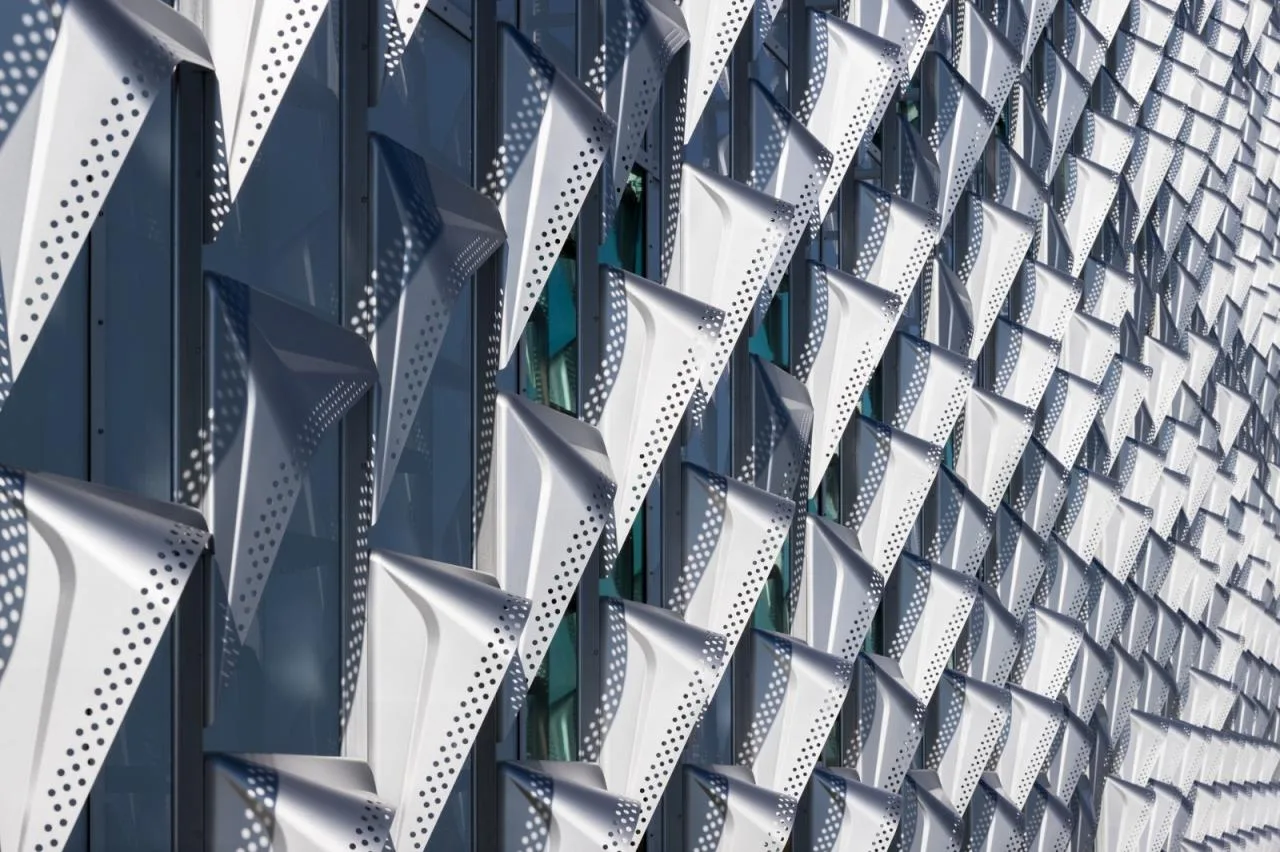
The project employs four primary facade types, including the world’s first hydraulically formed stainless steel screen that envelops the laboratory section.
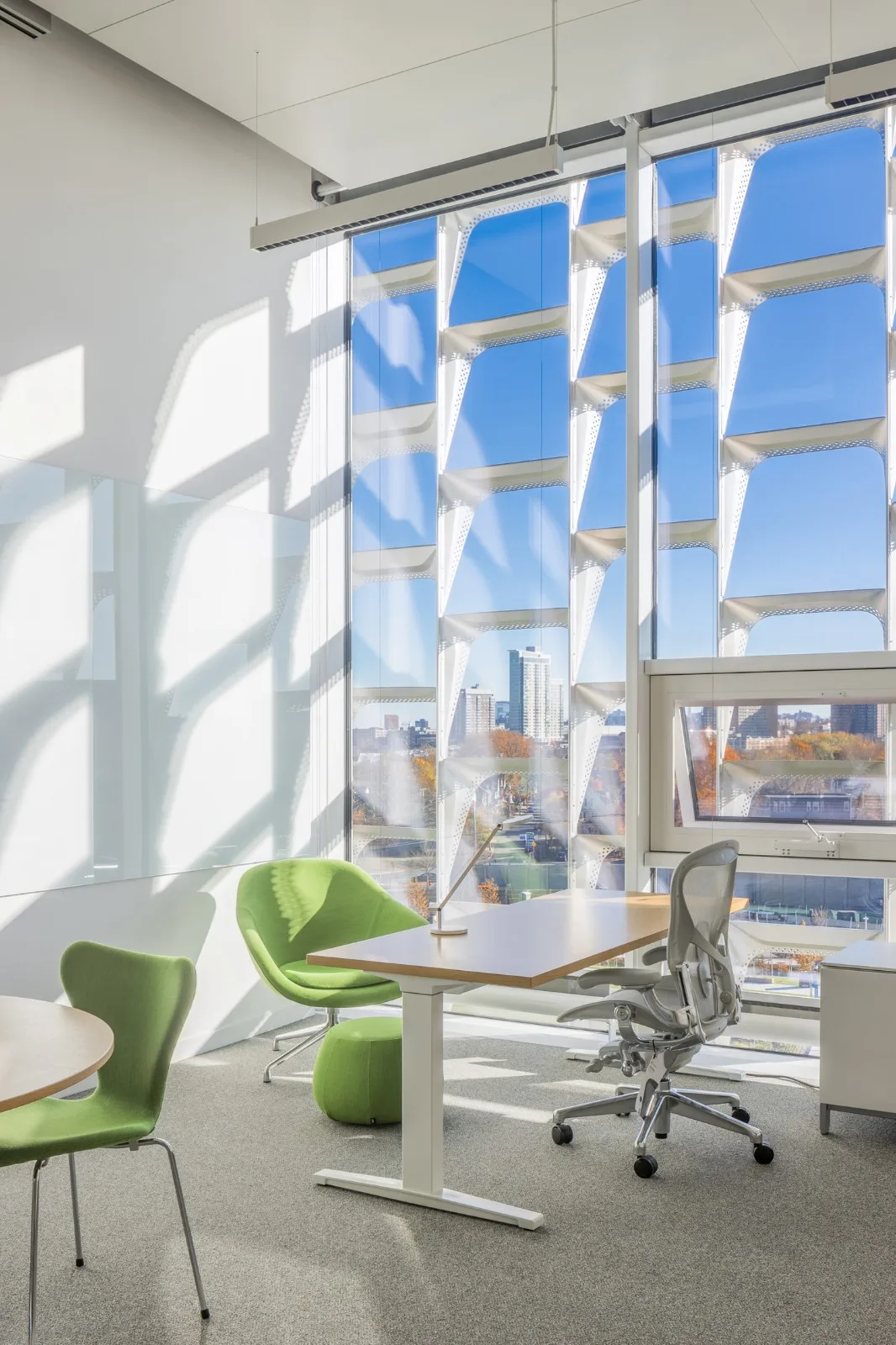
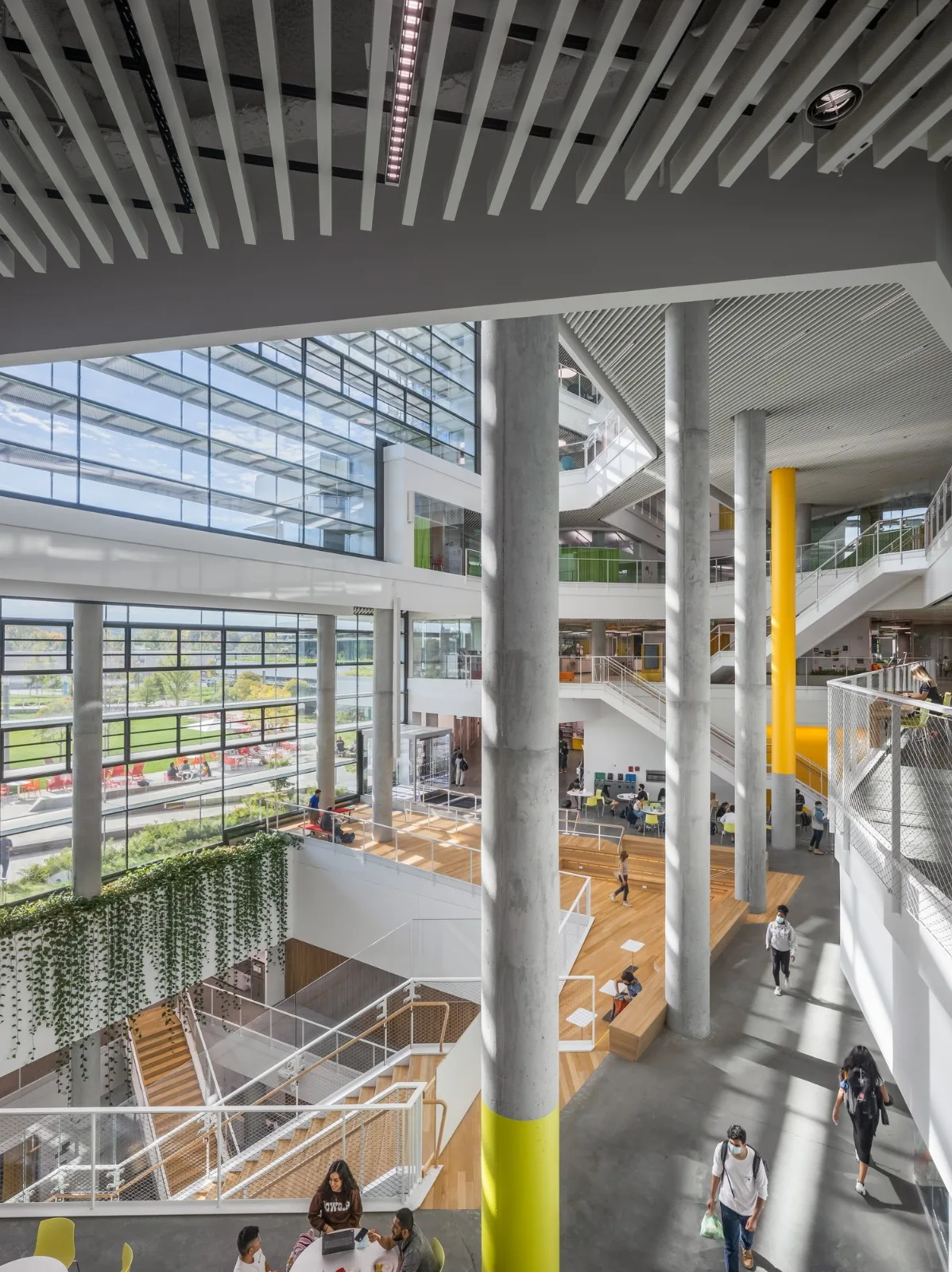
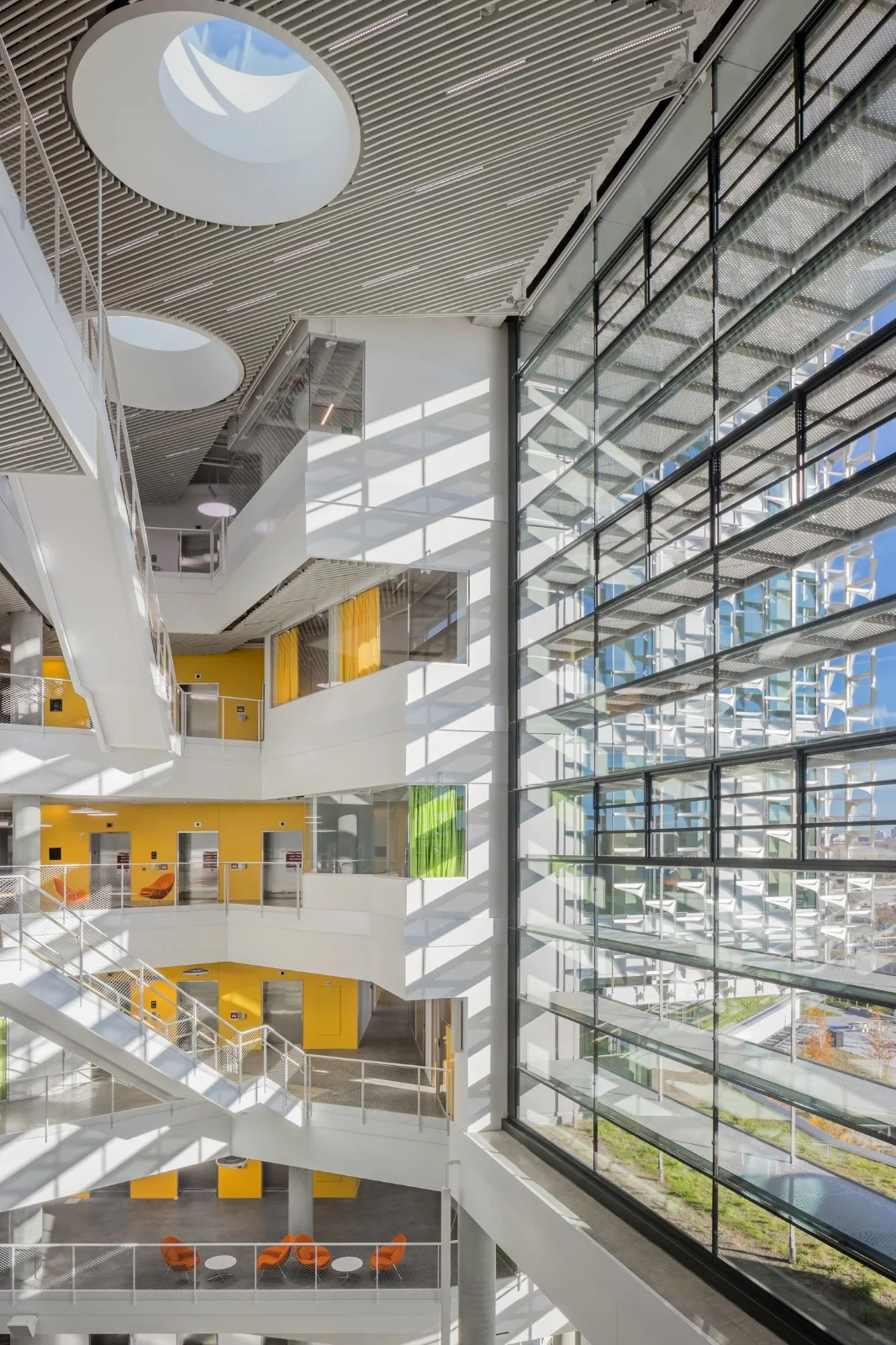
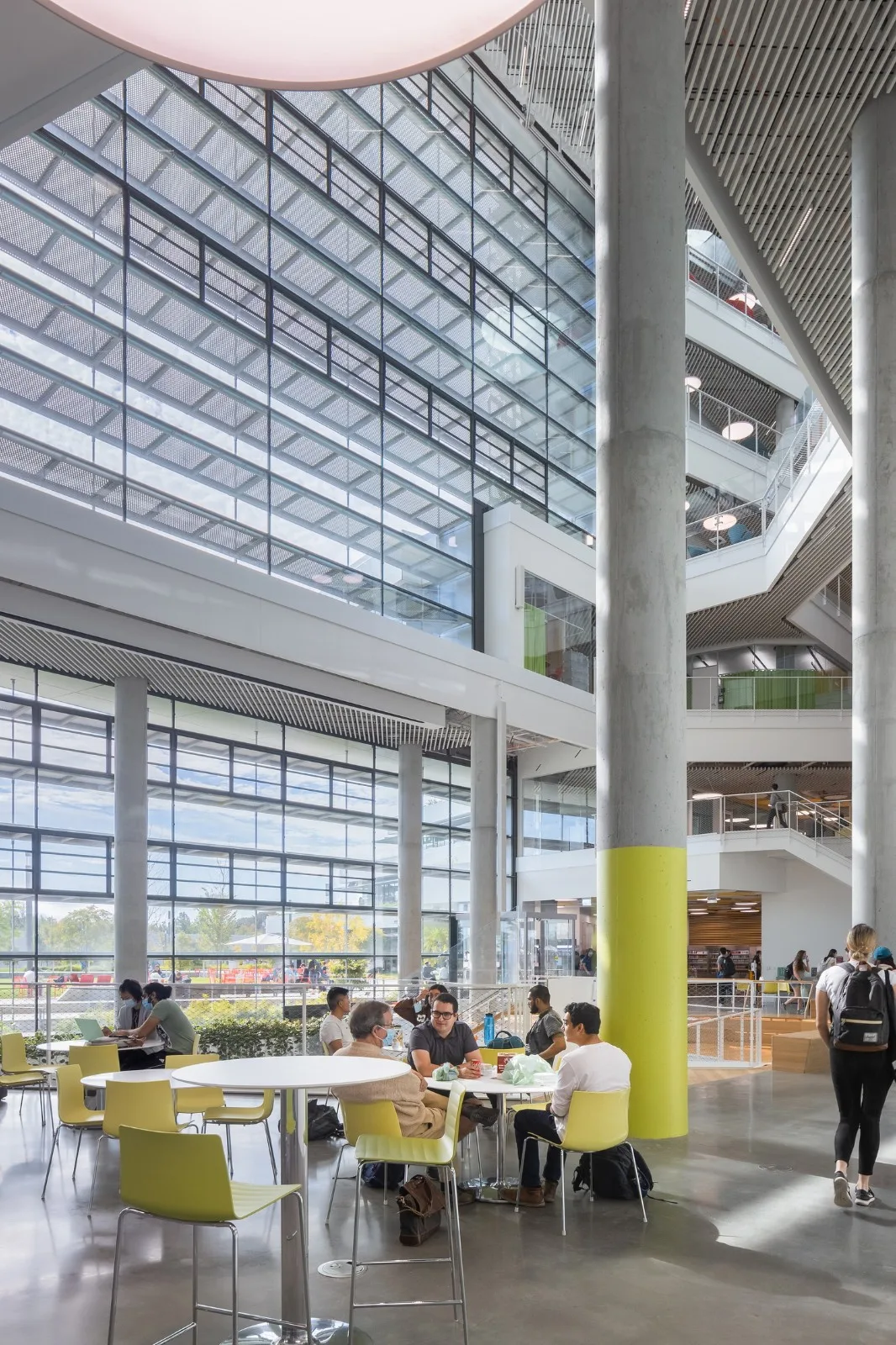
The architects carefully considered the building’s scale to minimize excessive solar heat gain during spring and summer, while maximizing beneficial sunlight in winter to reduce energy consumption for cooling and heating. The facade allows ample natural light inside without compromising wide views. Additionally, the glass curtain wall includes external sunshades and operable windows to facilitate automated natural ventilation.
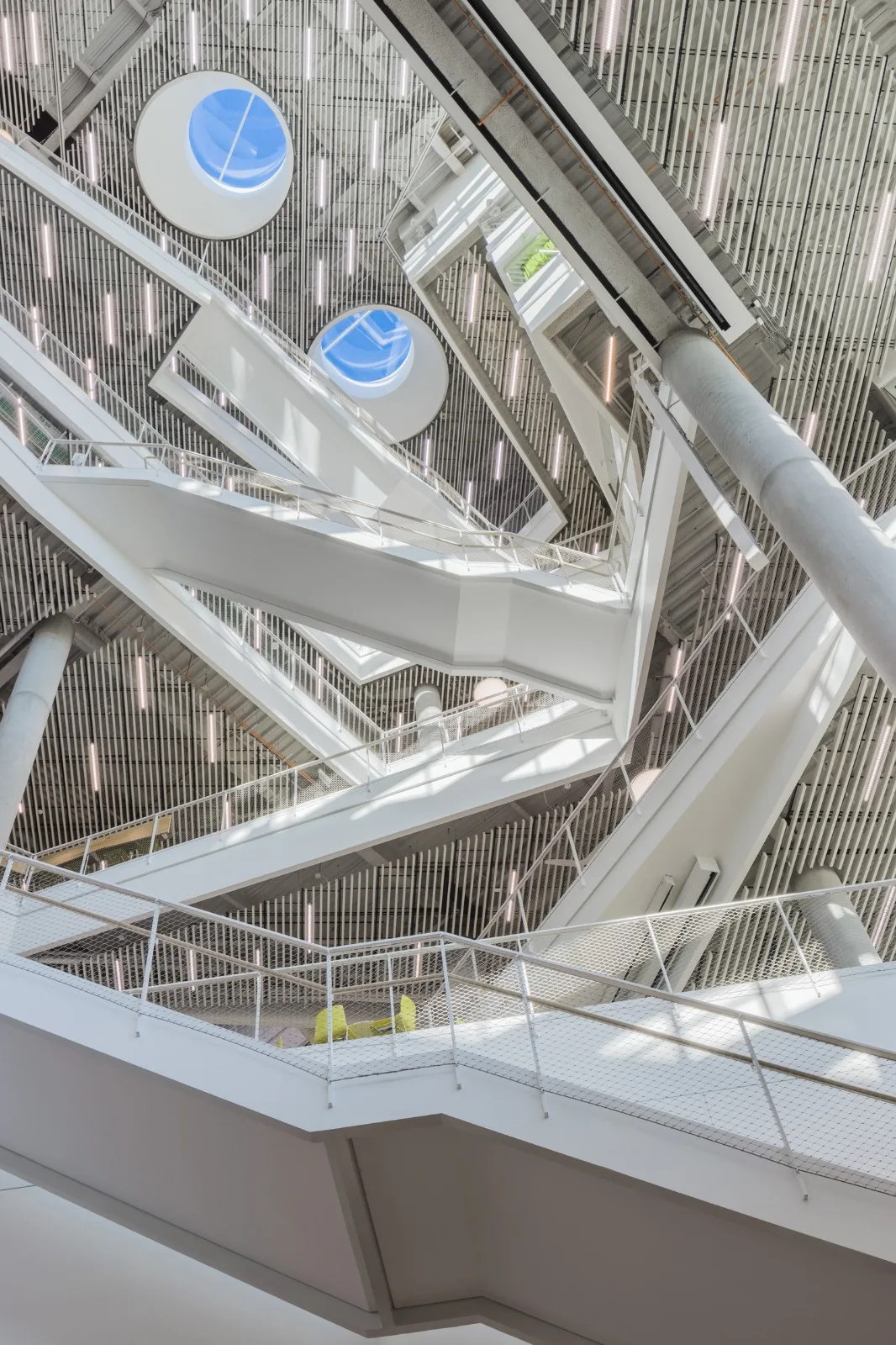
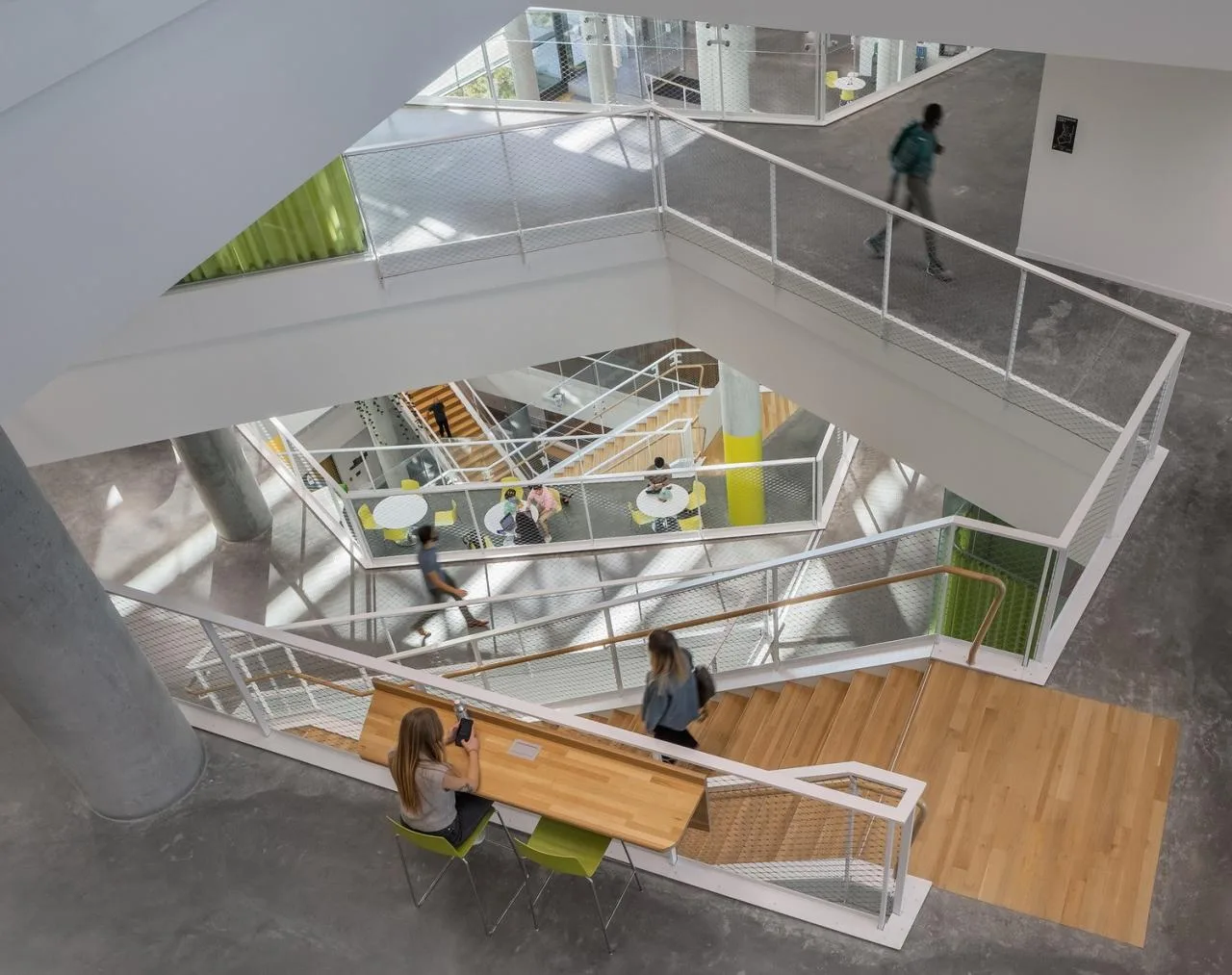
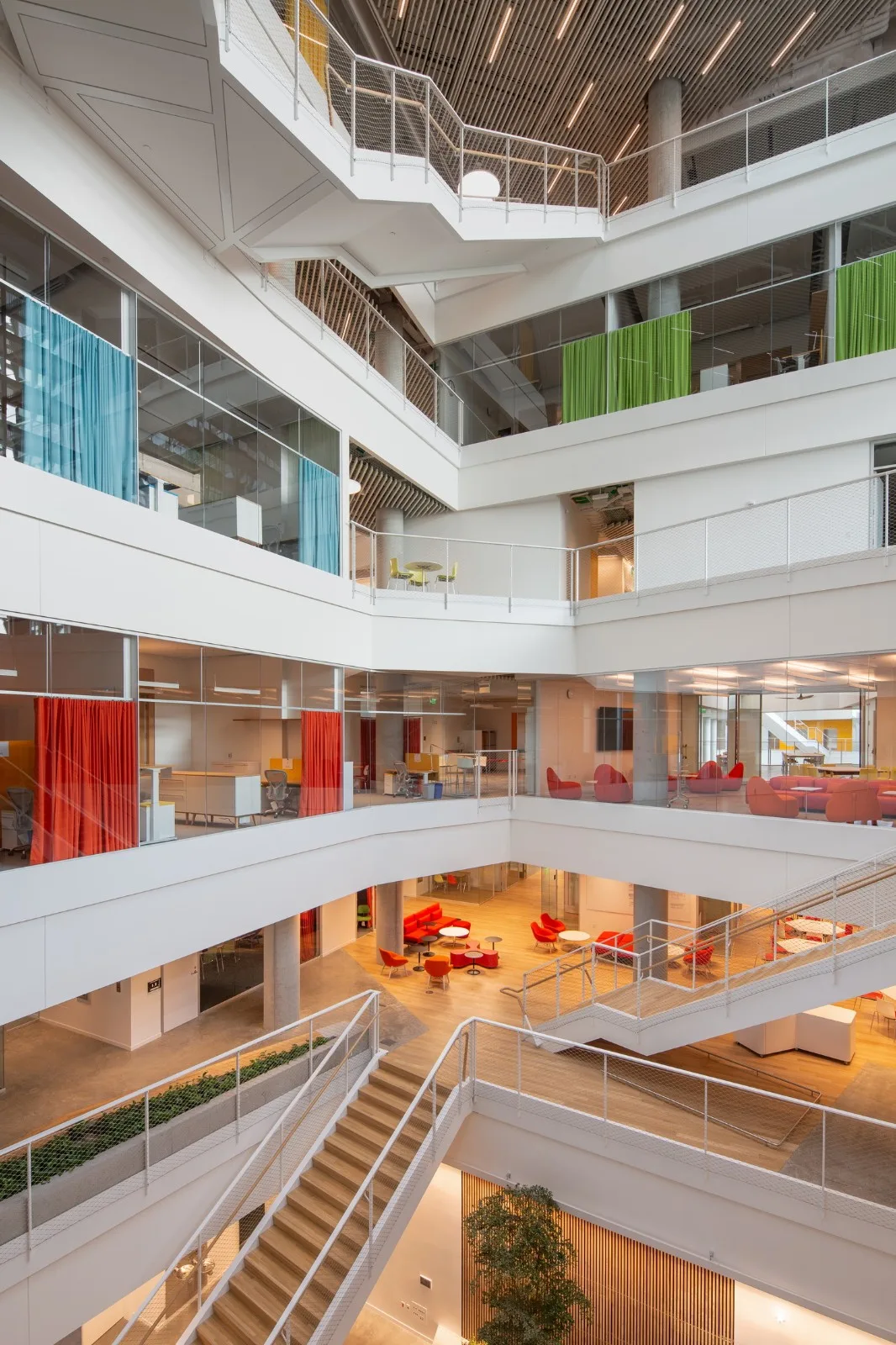
This striking and impactful design reinforces Harvard University’s leadership at the intersection of engineering and science. It sets a benchmark for the future development of the Allston campus, creating a high-quality learning environment committed to ambitious sustainability goals.
Project Drawings
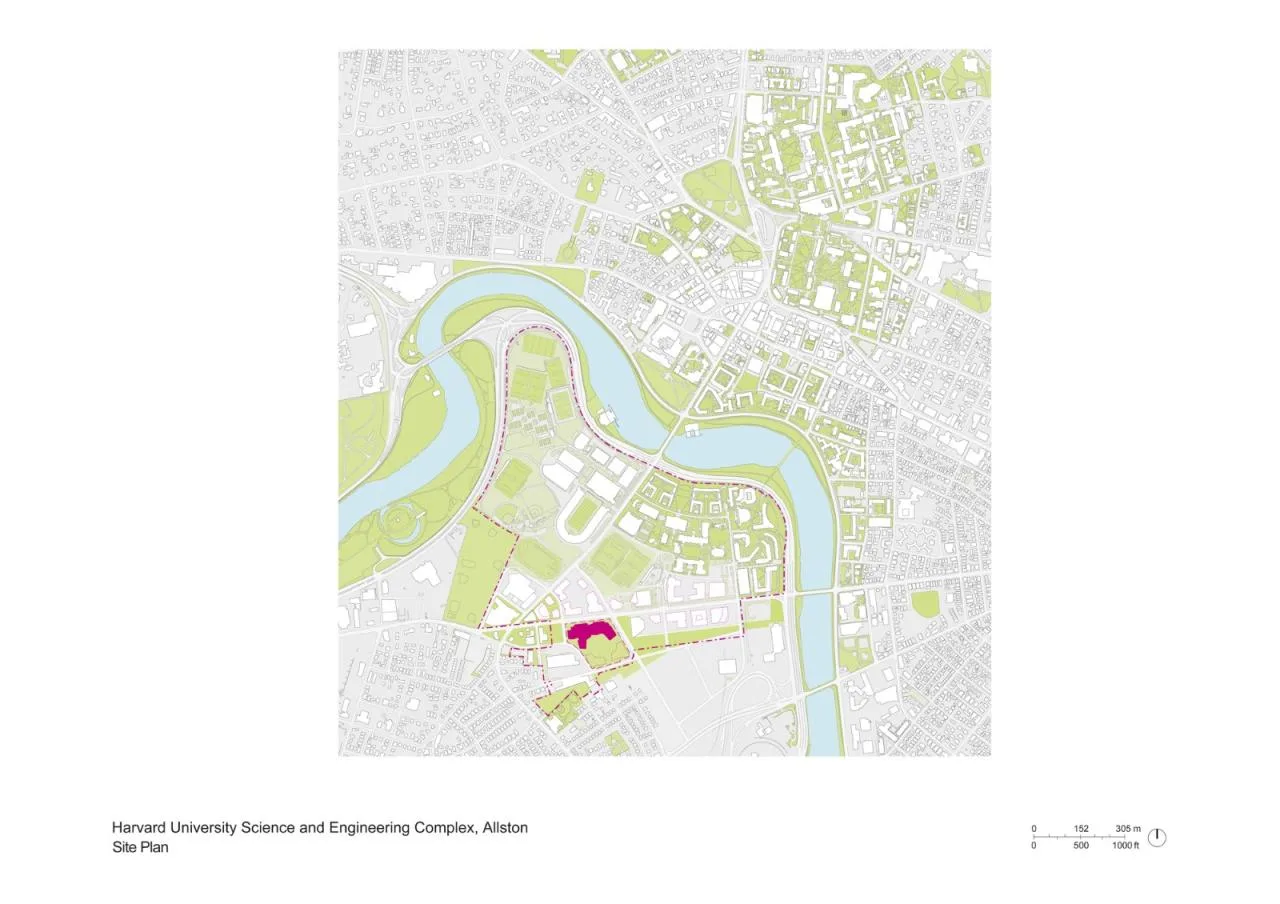
△ Base schematic diagram
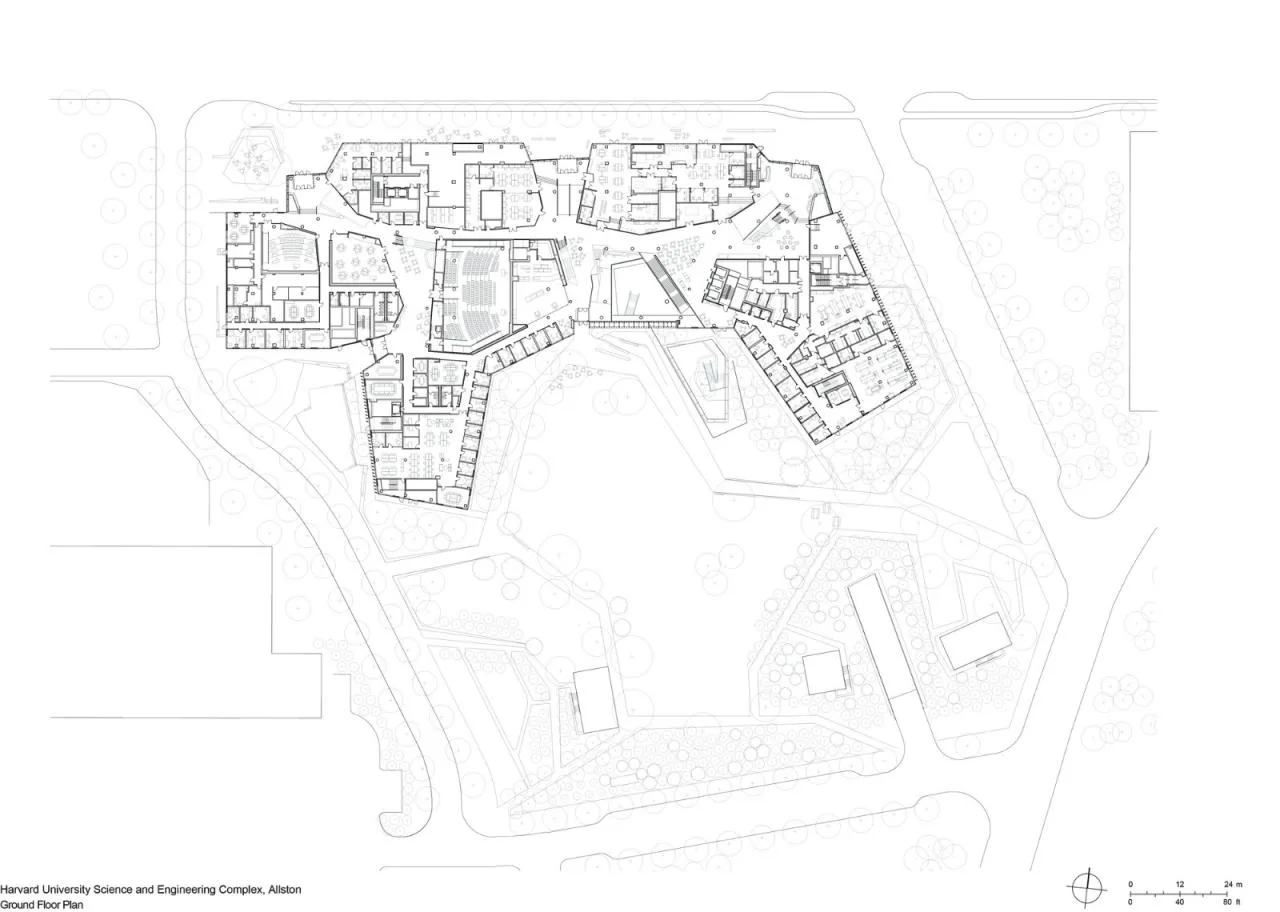
△ First floor plan
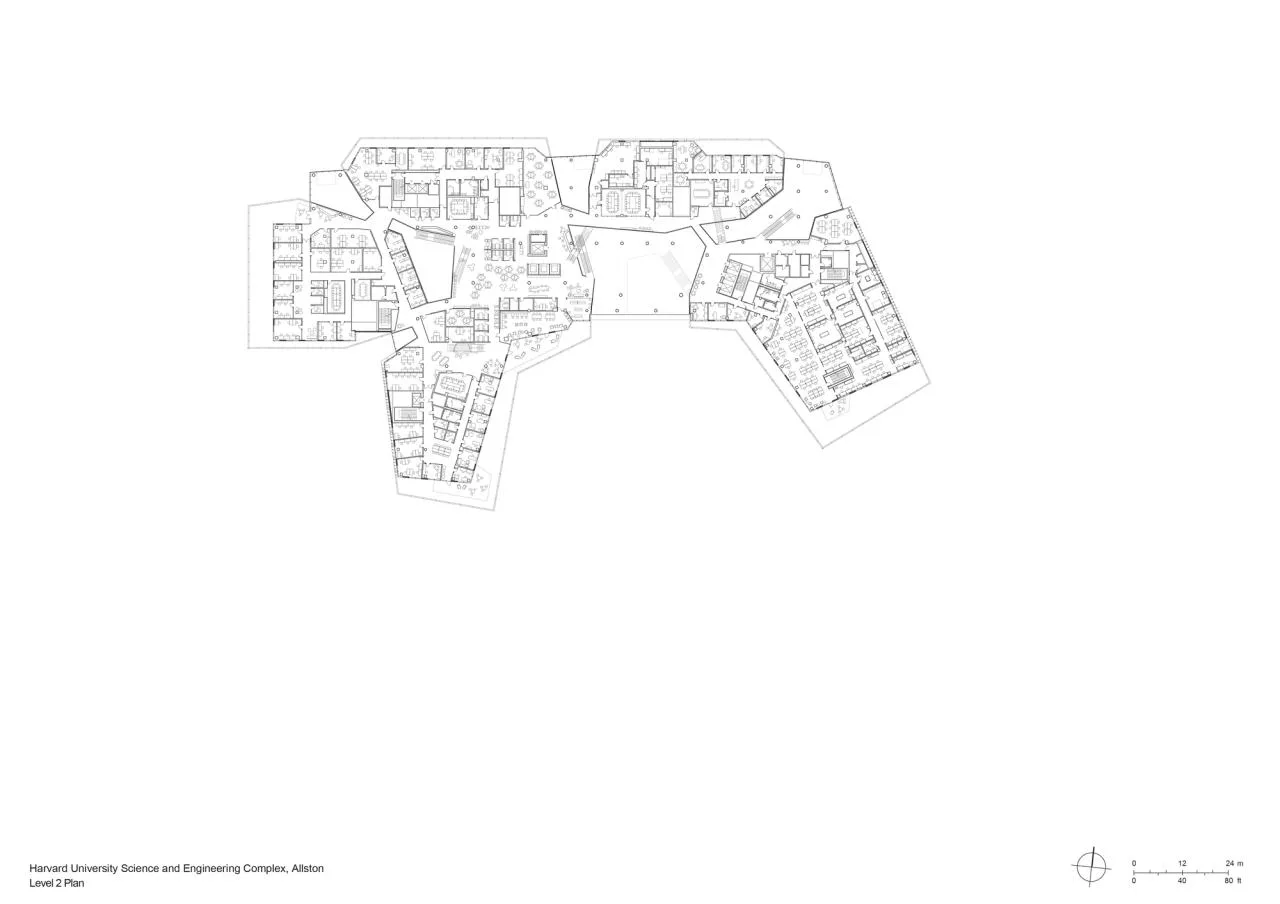
△ Second floor plan
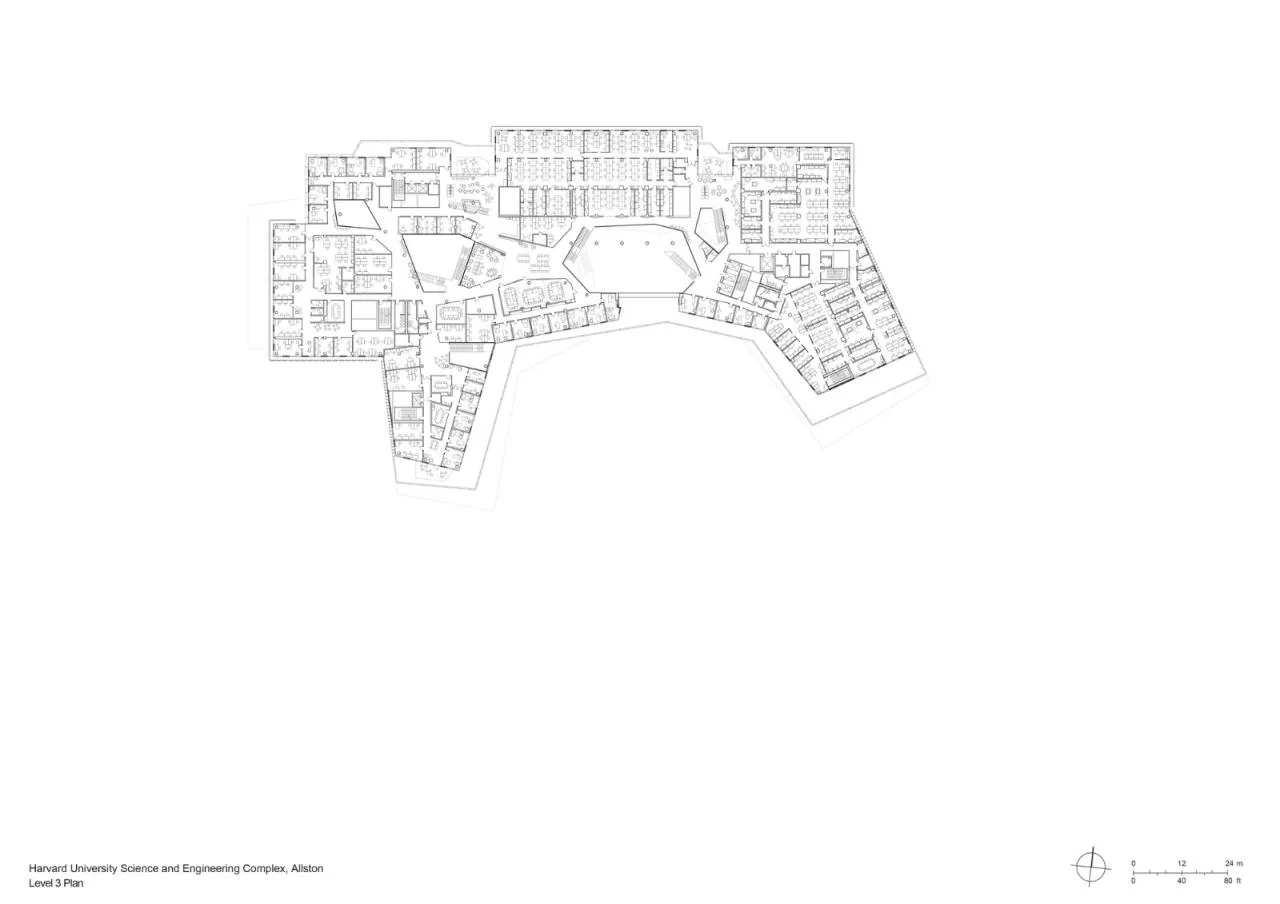
△ Third floor plan
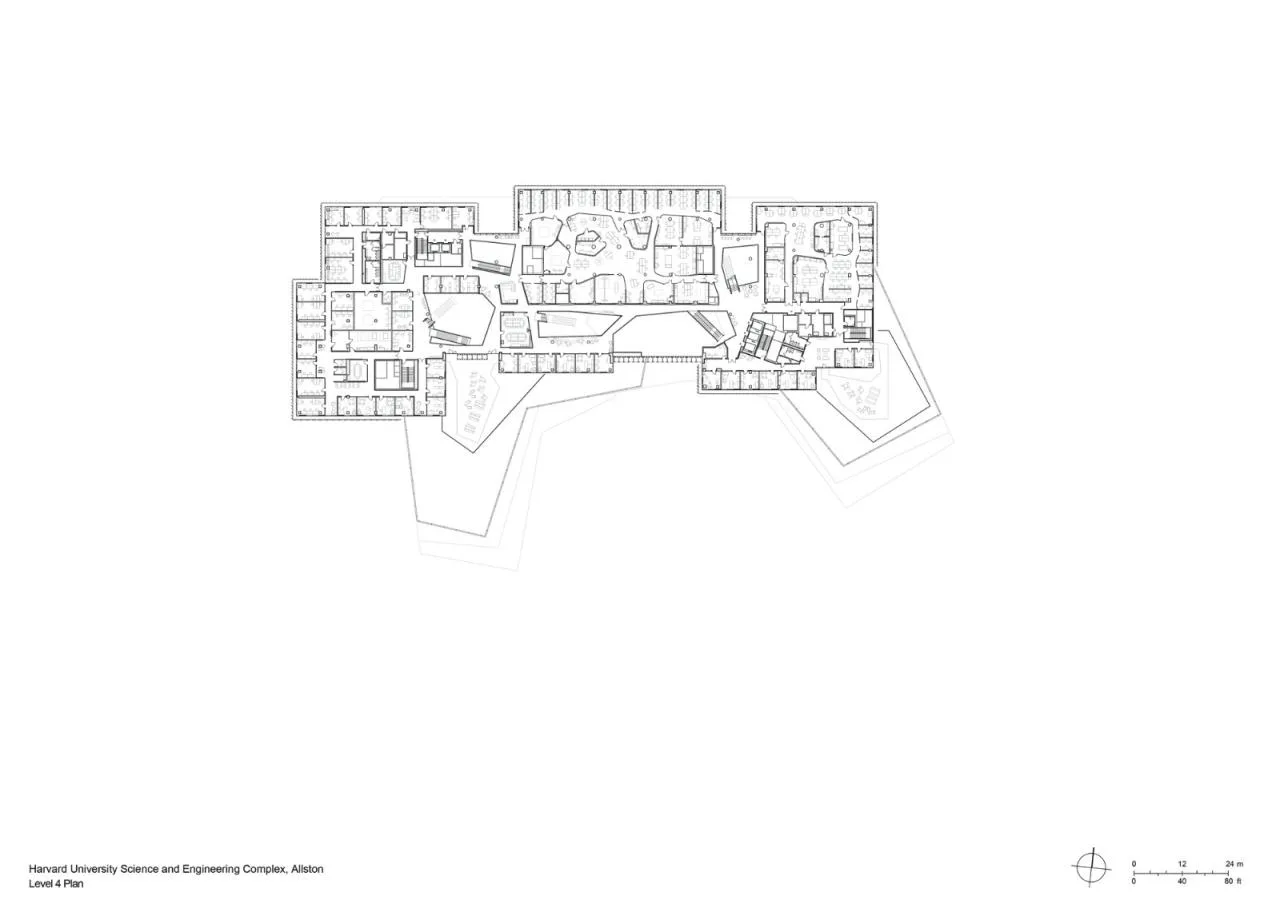
△ Fourth floor plan
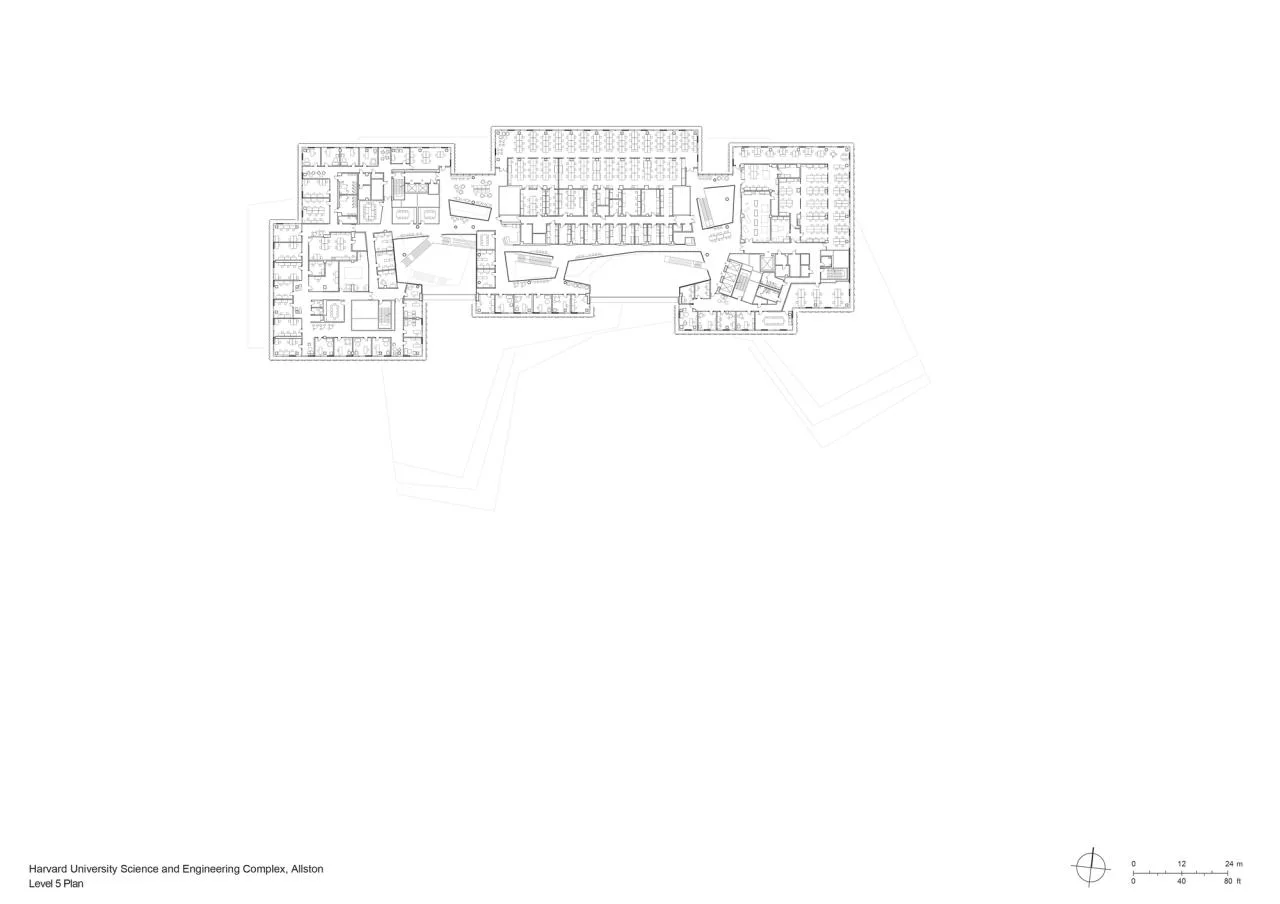
△ Fifth floor plan
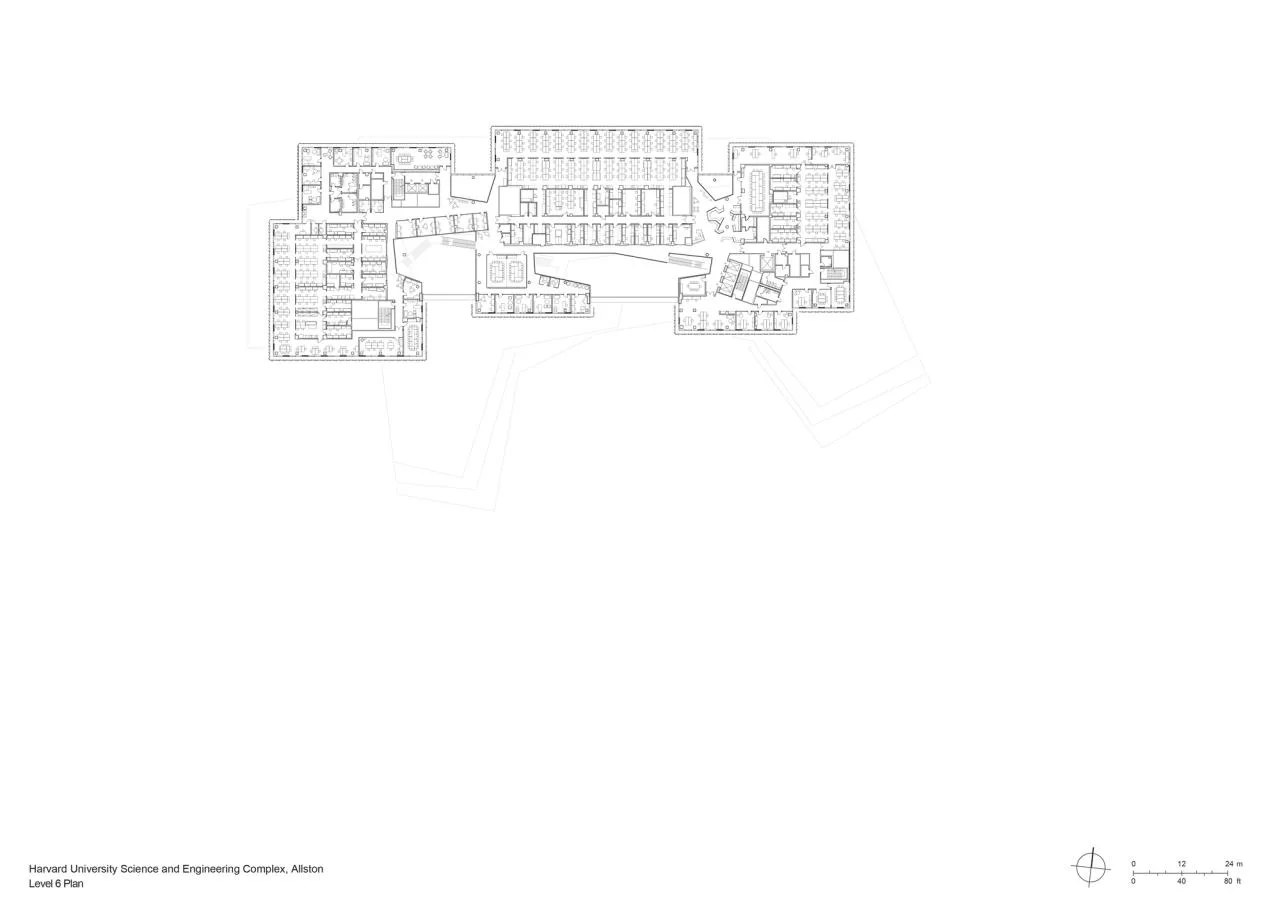
△ Sixth floor plan
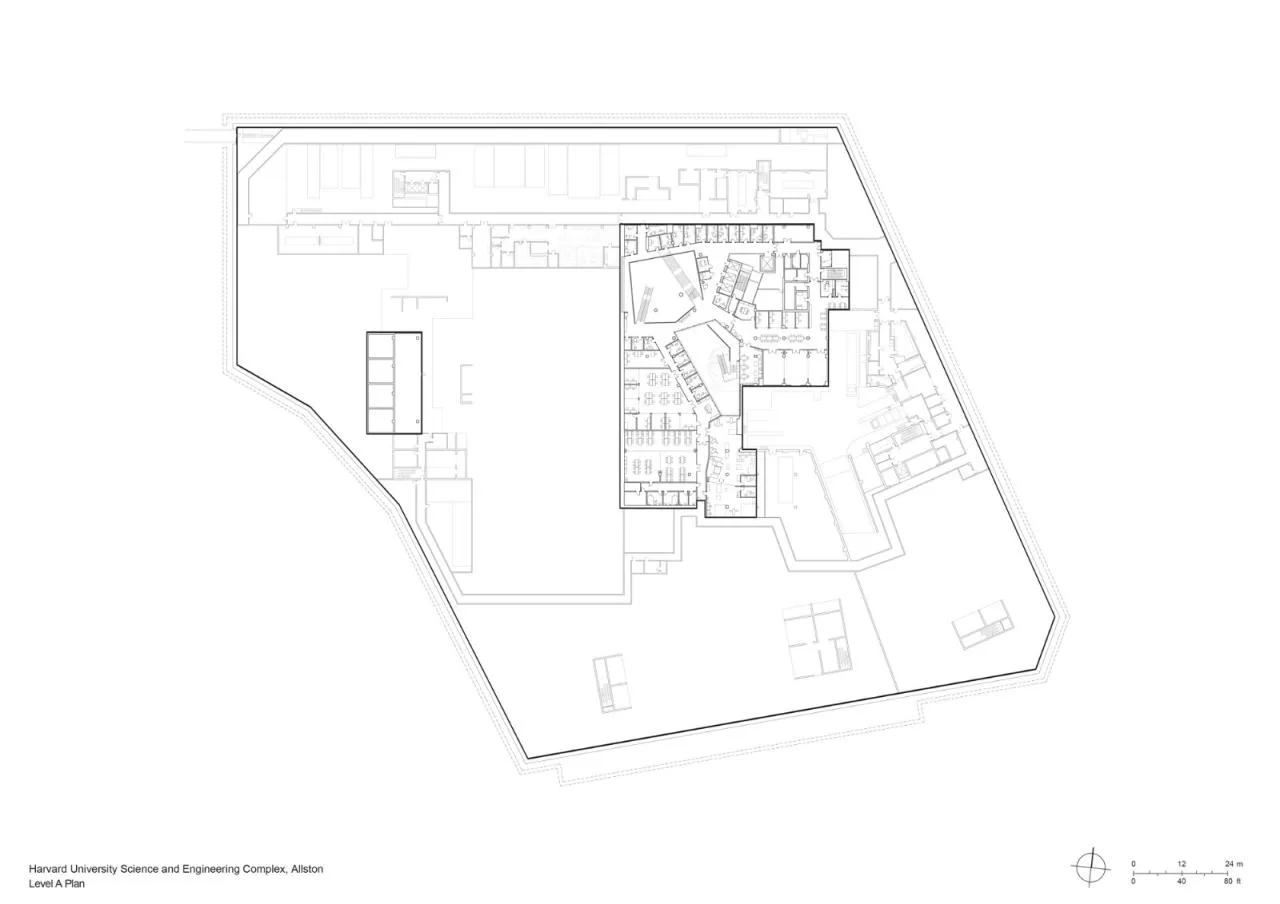
△ A Plan
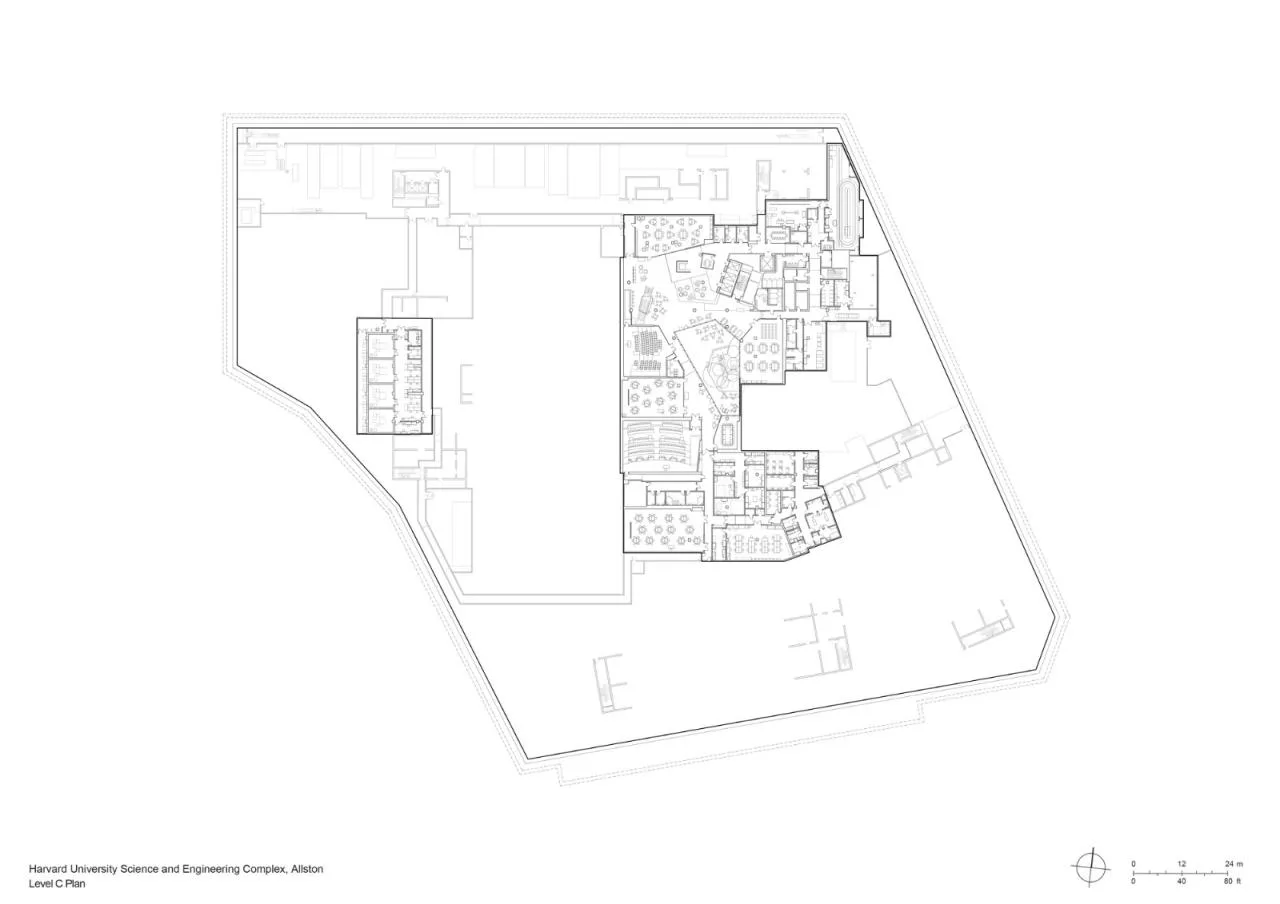
△ C Plan
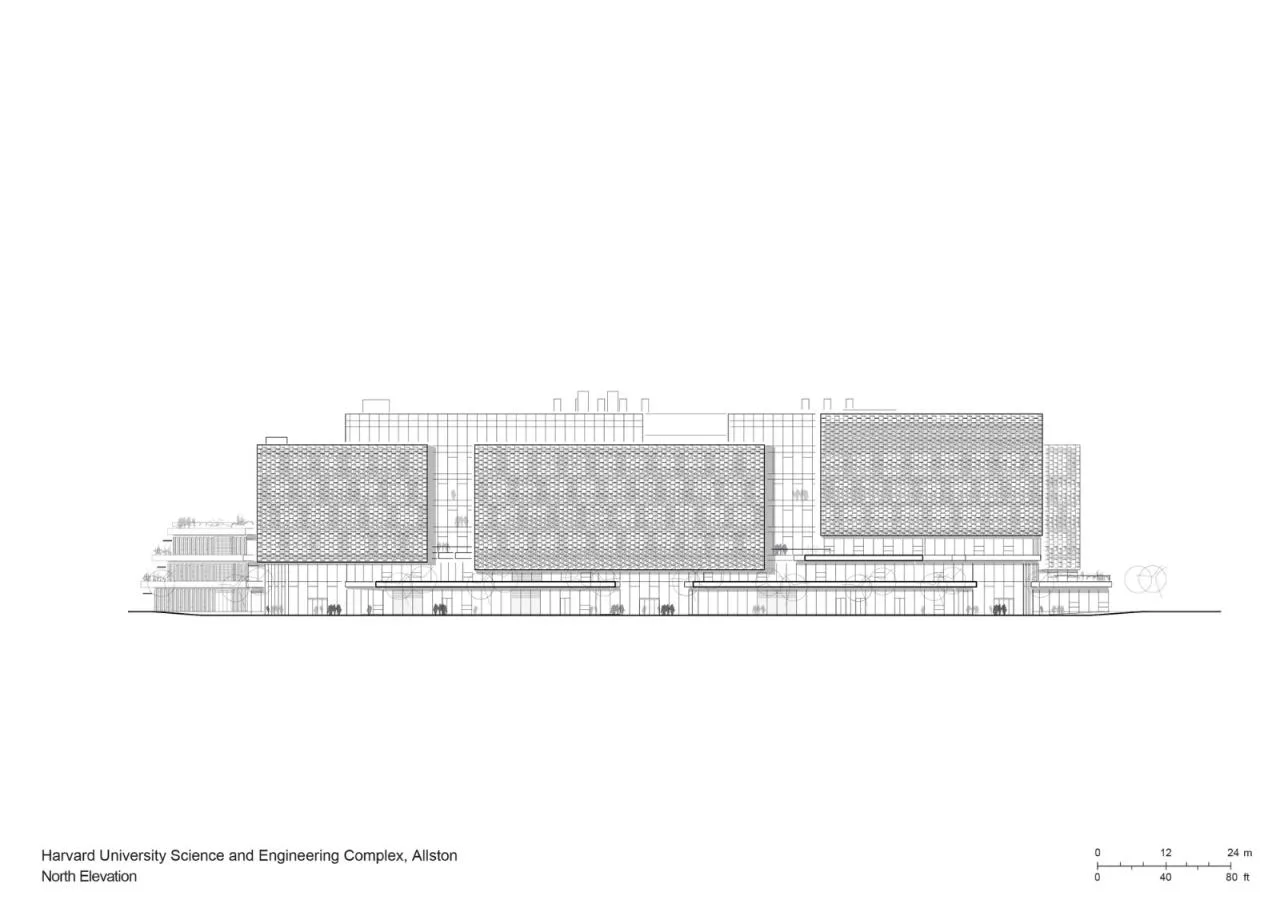
△ Elevation drawing
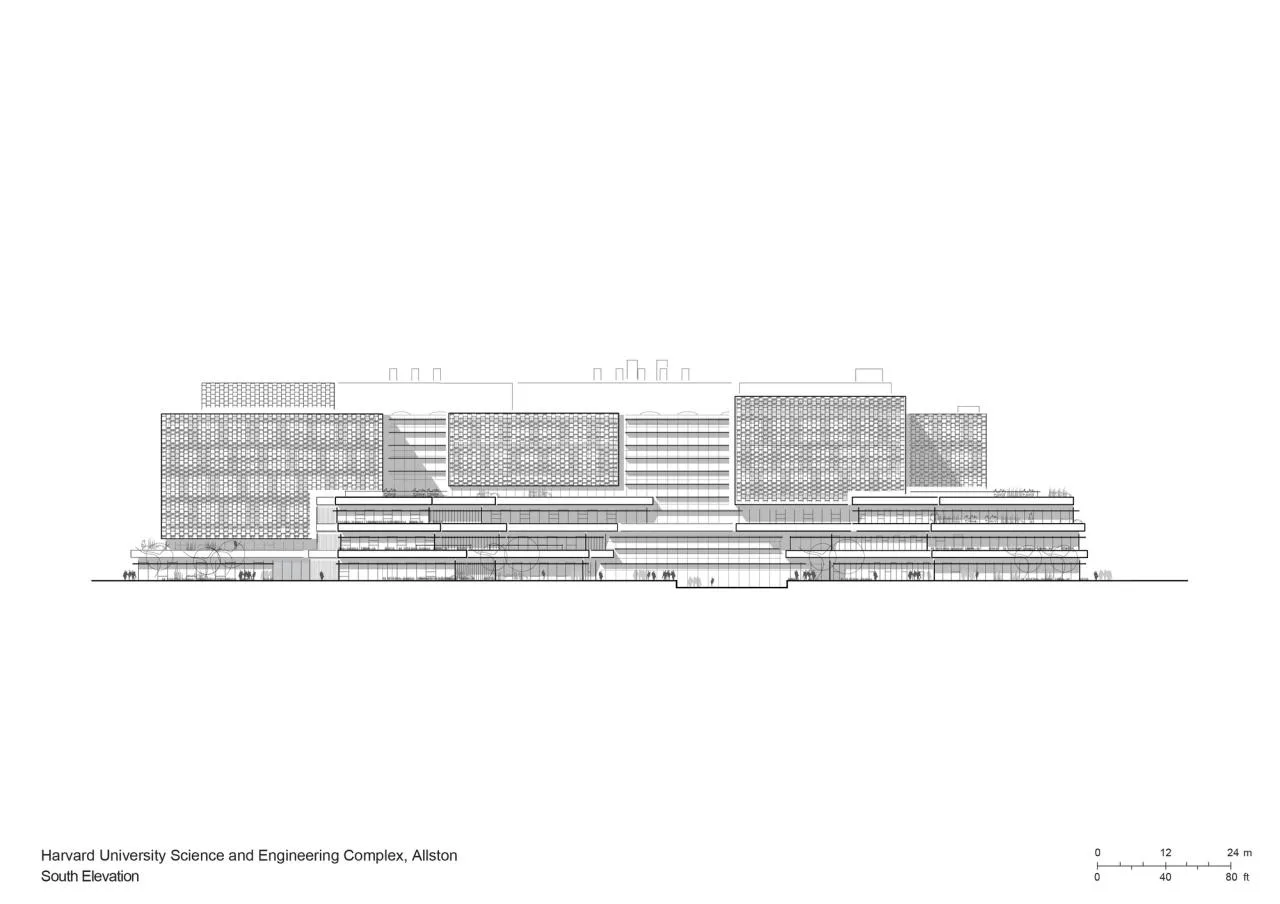
△ Elevation drawing
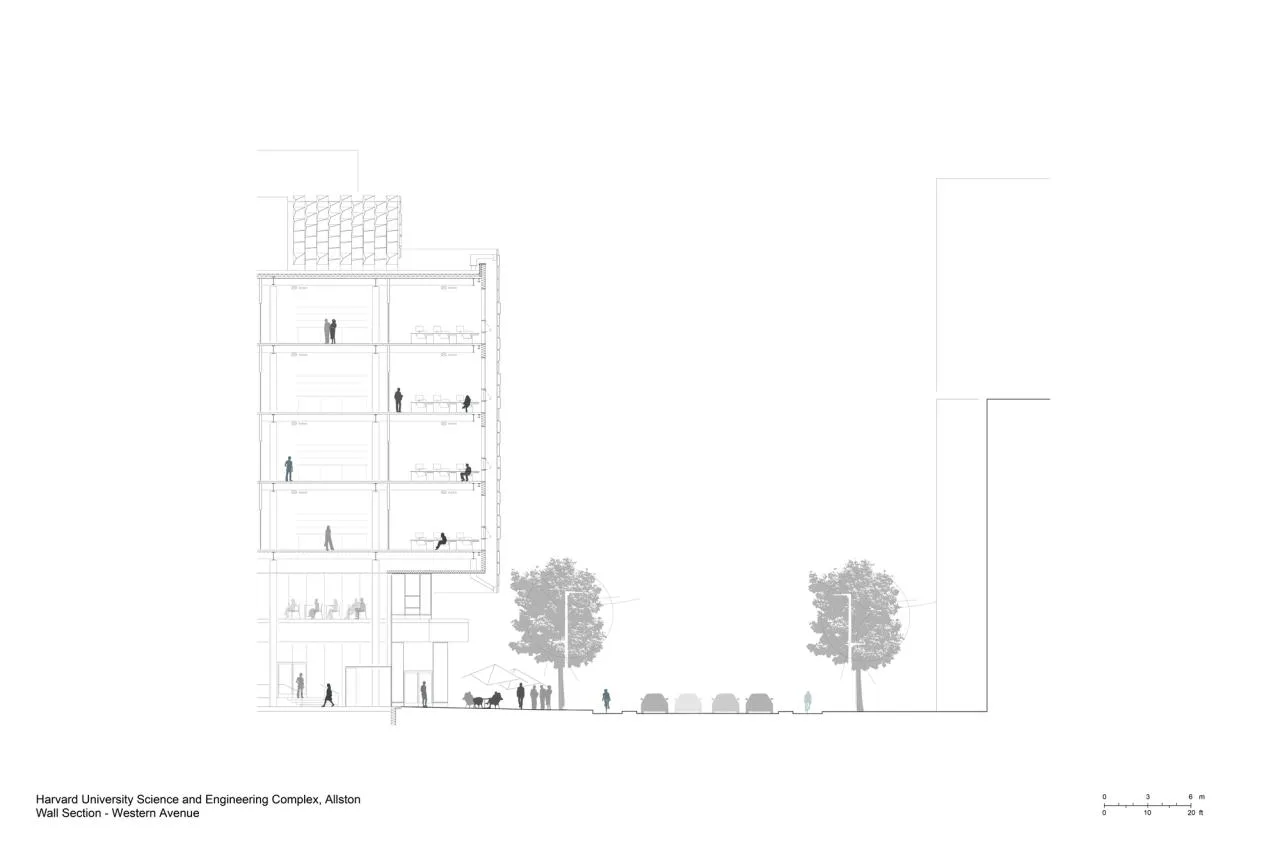
△ Section diagram
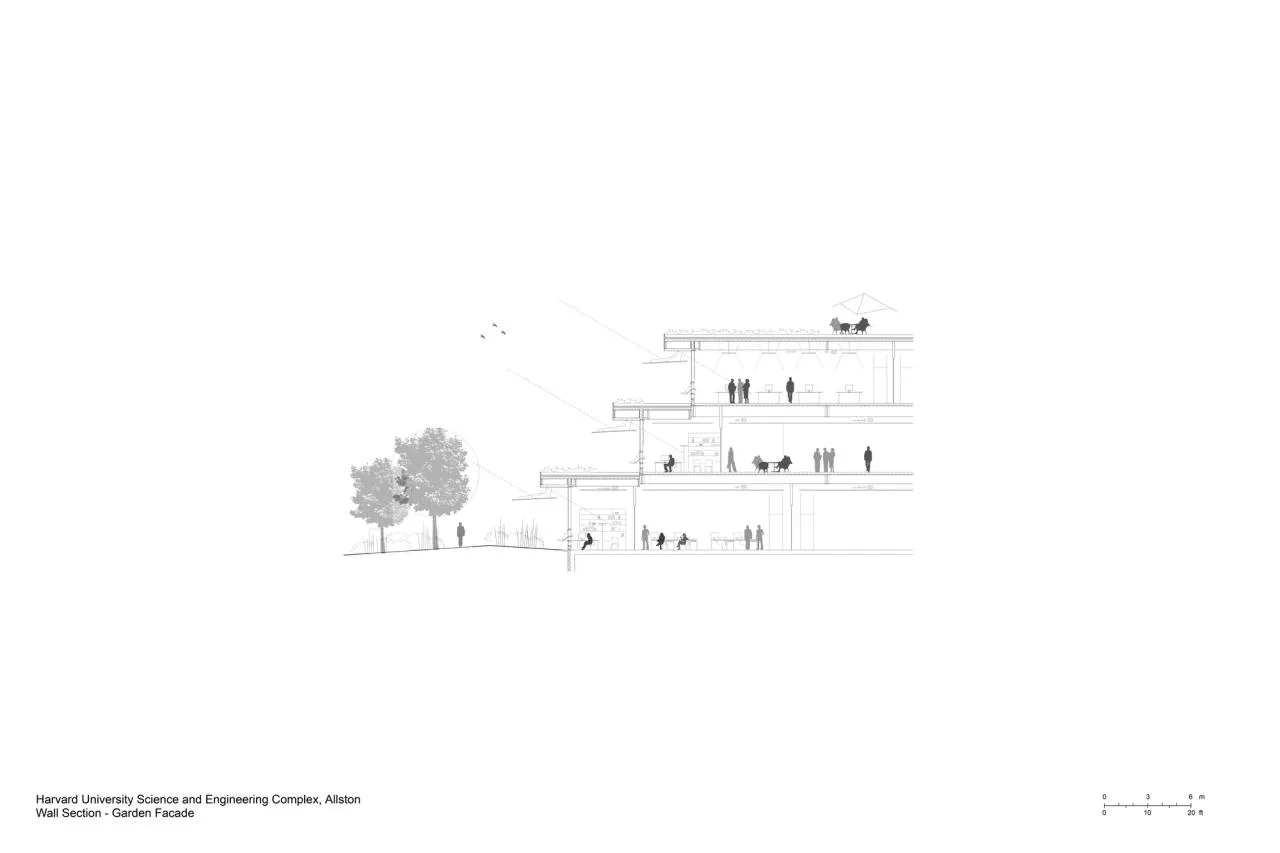
△ Section diagram
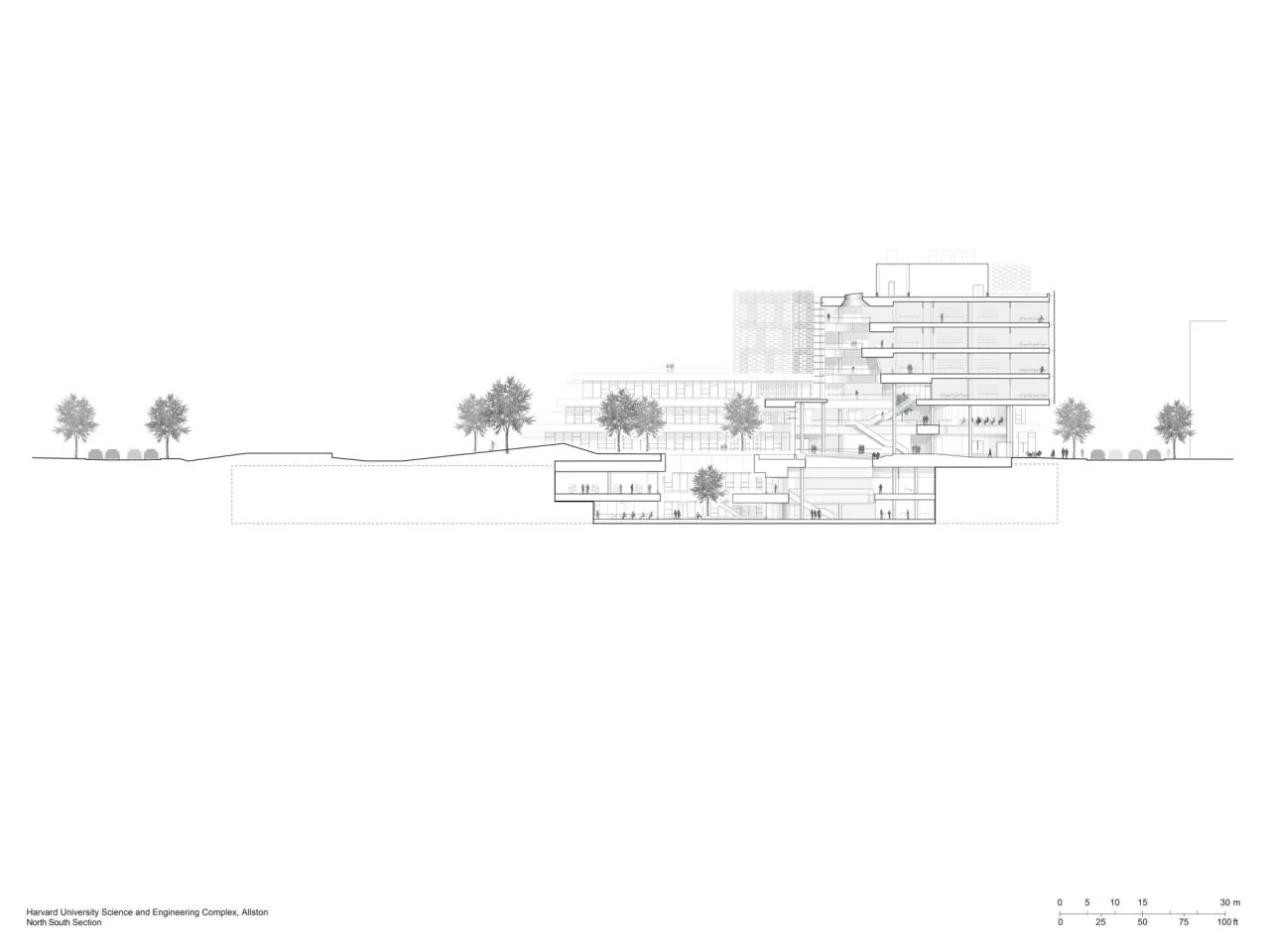
△ Section diagram
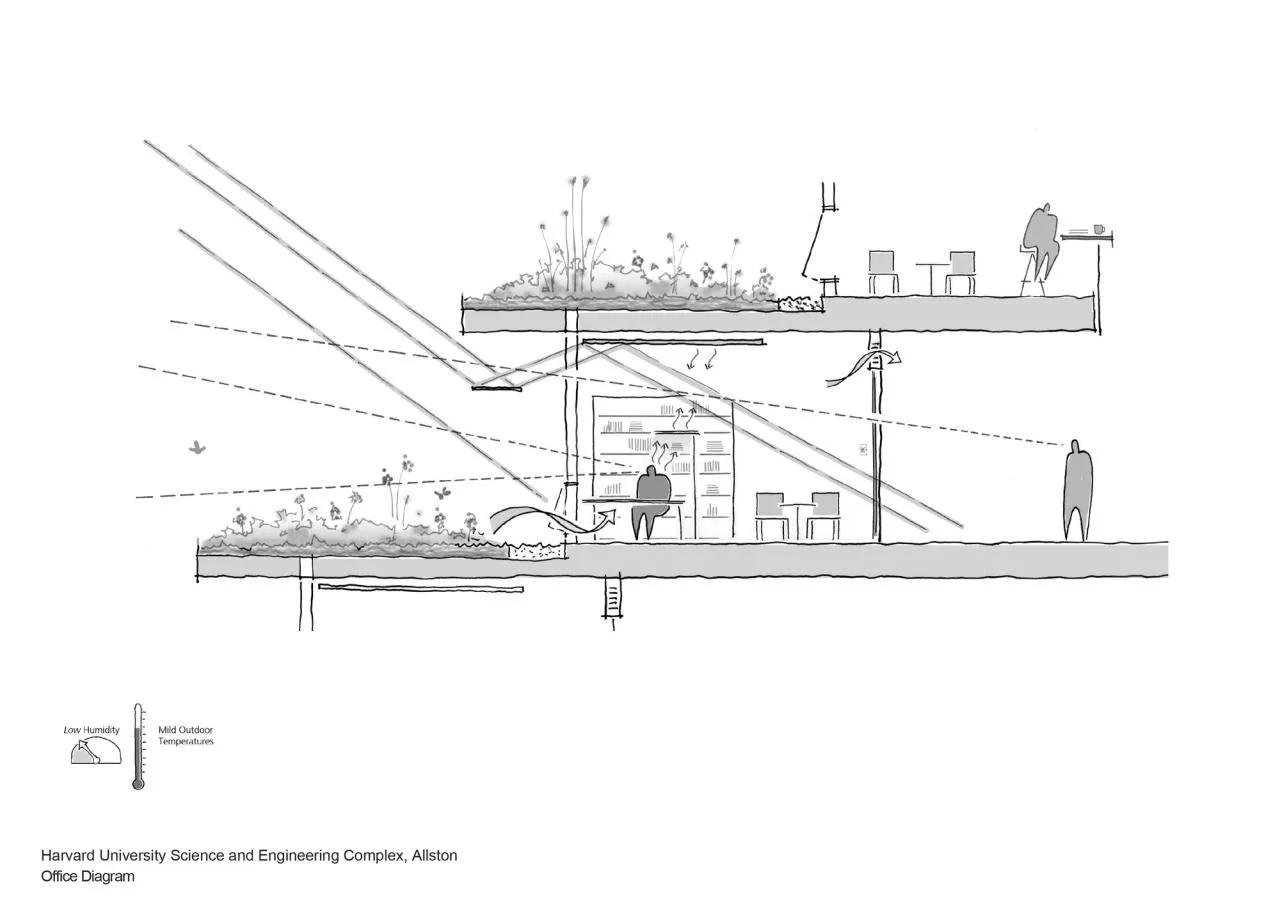
△ Analysis chart
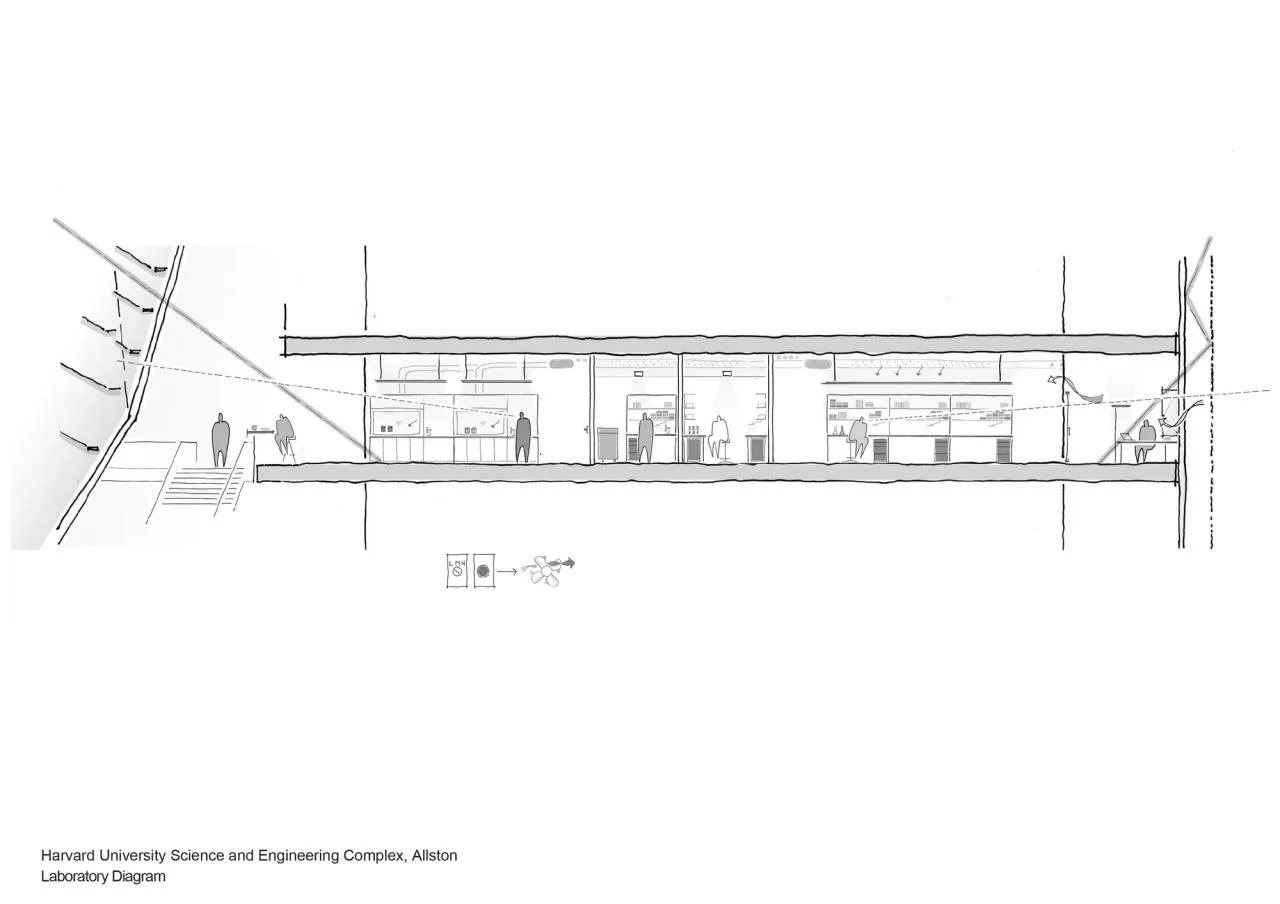
△ Analysis chart
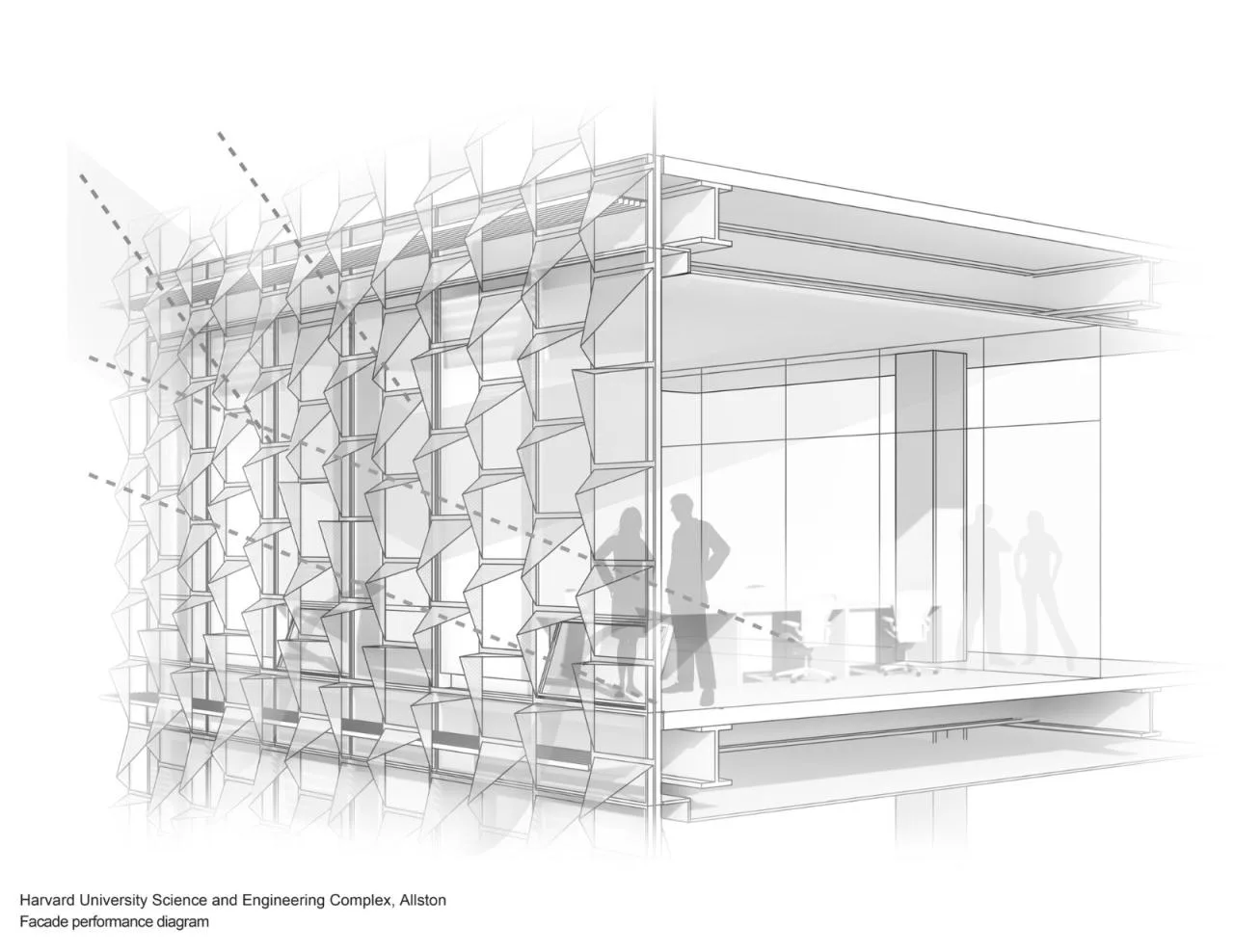
△ Analysis chart
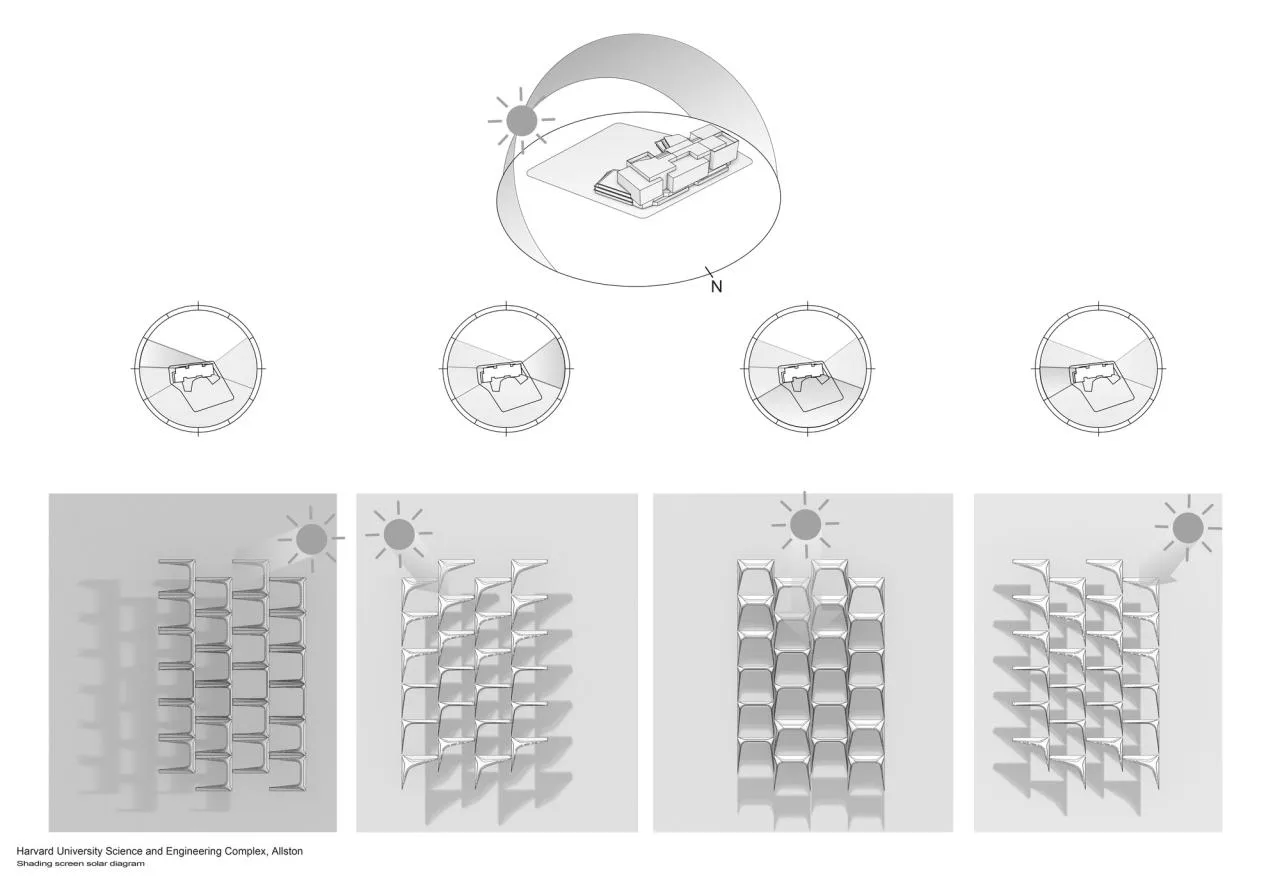
△ Analysis chart
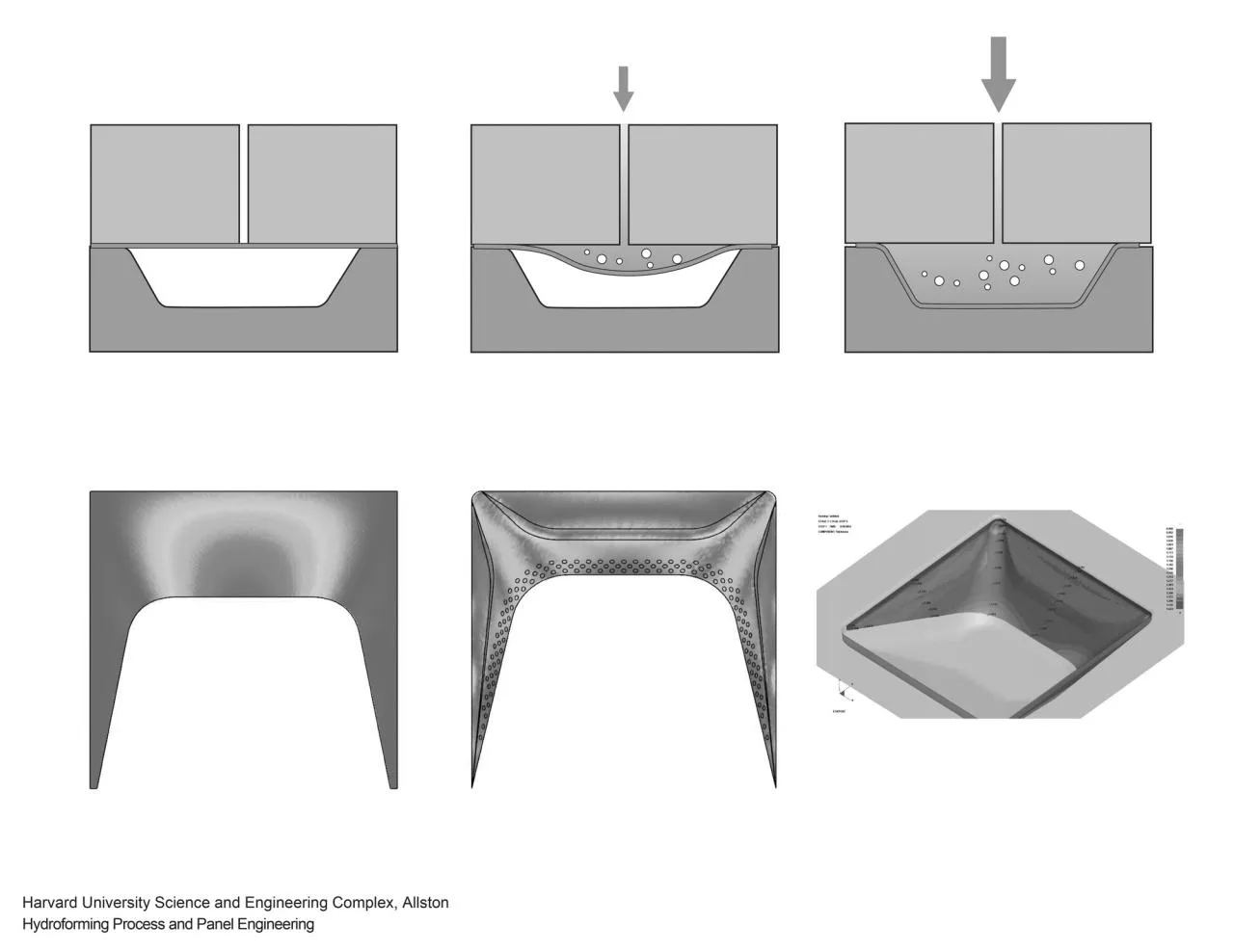
△ Analysis chart
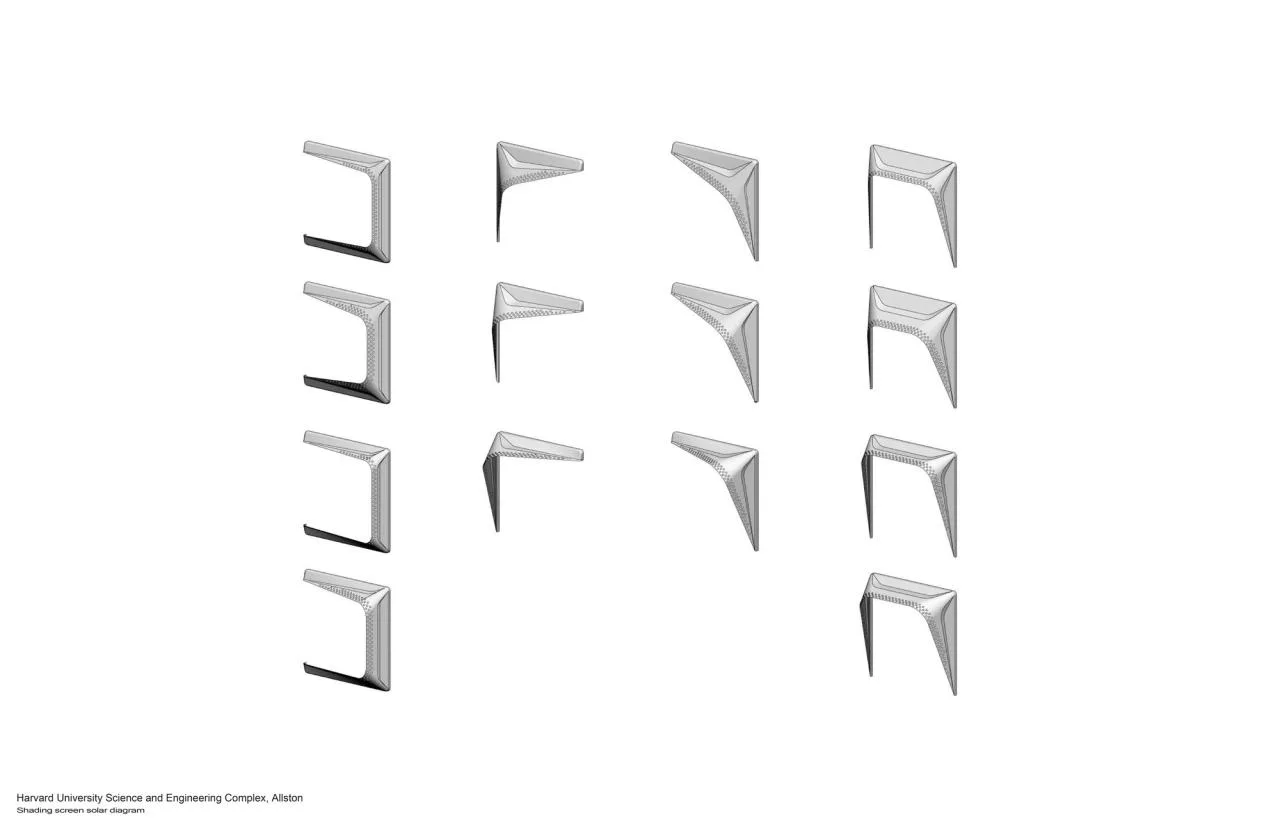
△ Analysis chart
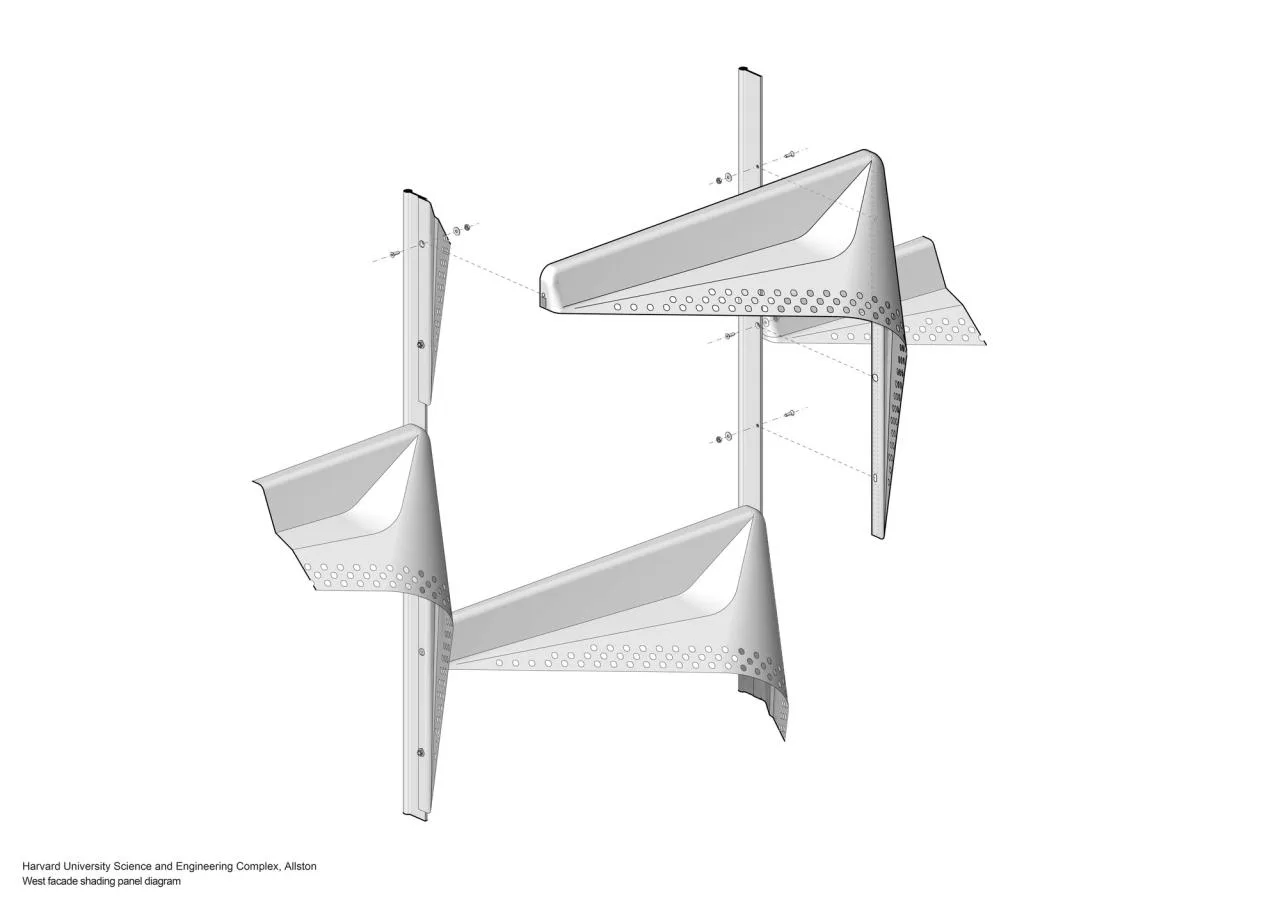
△ Structural Detail Drawing
Project Information
Architectural Design: Benichi Architecture Firm
Area: 50,539 m²
Project Year: 2021
Photographers: Brad Feinknopf, Steve Dunwell
Manufacturers: Axis Lighting, BTD Wood Powder Coating, Carl Stahl, Dawson Doors, Draper, HUFCOR, Hess Lighting, Kirei USA, Mosa Tiles, New England Laboratory Casework, Nora Flooring, Panello / feco-feederle GmbH, Poltrona Frau, Rosso Acoustic, Silent Gliss America / Creation Baumann, Sonus Gypsorb, Stanley Access, Steel Ceilings, Zumtobel
Partners: Stefan Behnisch and Robert Matthew Noblett
Project Leaders: Christine Napolitano, Erik Hegre
Design Team: Magdalena Czolnowska, Michelle Lee, Chup Chiu, Michael Cook, Yewon Ji, Heinrich Lipp, Niki Murata, Ryan Otterson, Laetitia Pierlot, Abigail Ransmeier, Jaime Sevilla Lugo, Martin Werminghausen, Piper Ainsley, Chang-Ping Pai, Abhishek Sakpal, Christian Voermann
Structural Engineer: Buro Happold
MEP/FP Engineer: van Zelm Heywood & Shadford Inc
Climate Engineer: Transsolar Inc
Exterior Consultant: Knippers Helbig GmbH
Lighting Design: Bartenbach GmbH, Lam Partners Inc
Laboratory Planning: Jacobs Laboratory Planning Group
Graphic and Logo Design: Ockert und Partner
Landscape Architecture: Stephen Stimson Associates Landscape Architects
Regulatory Consultant: Code Red Consultants
LEED Certification Consultant: Thornton Tomasetti
General Contractor: Turner Construction Company
Facade Contractors: Josef Gartner GmbH, Permasteelisa North America Corp
Landscape Contractor: Brightview Landscape Development
Steel Structure Contractor: Cives Steel Company
Concrete Contractor: S & F Concrete
Ceiling Manufacturer: Allan Construction
Flooring Contractor: Allegheny Contract Flooring Inc
Location: Boston, USA












Must log in before commenting!
Sign Up